How Coffee Roasting Changes Chlorogenic Acids (and Other Antioxidants)
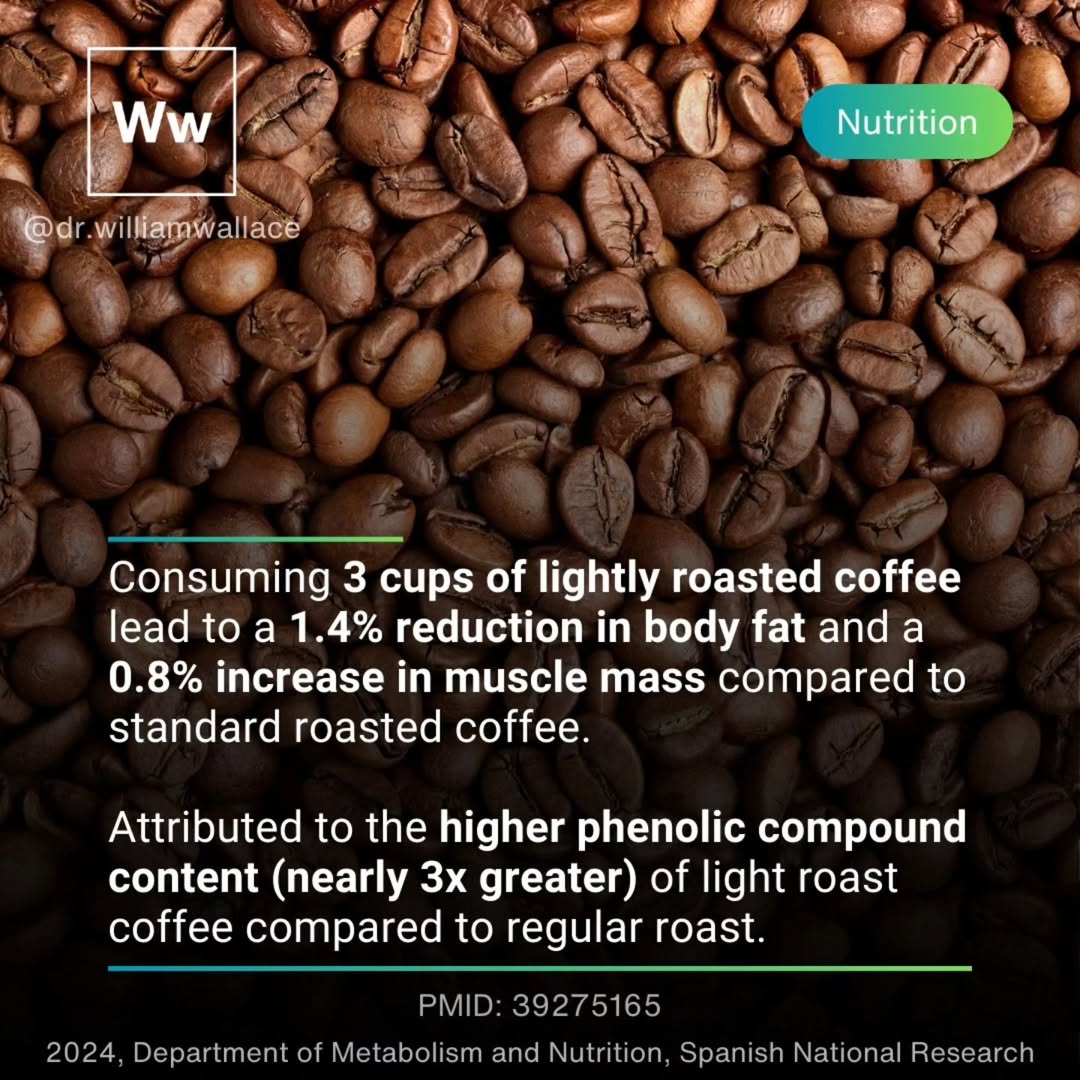
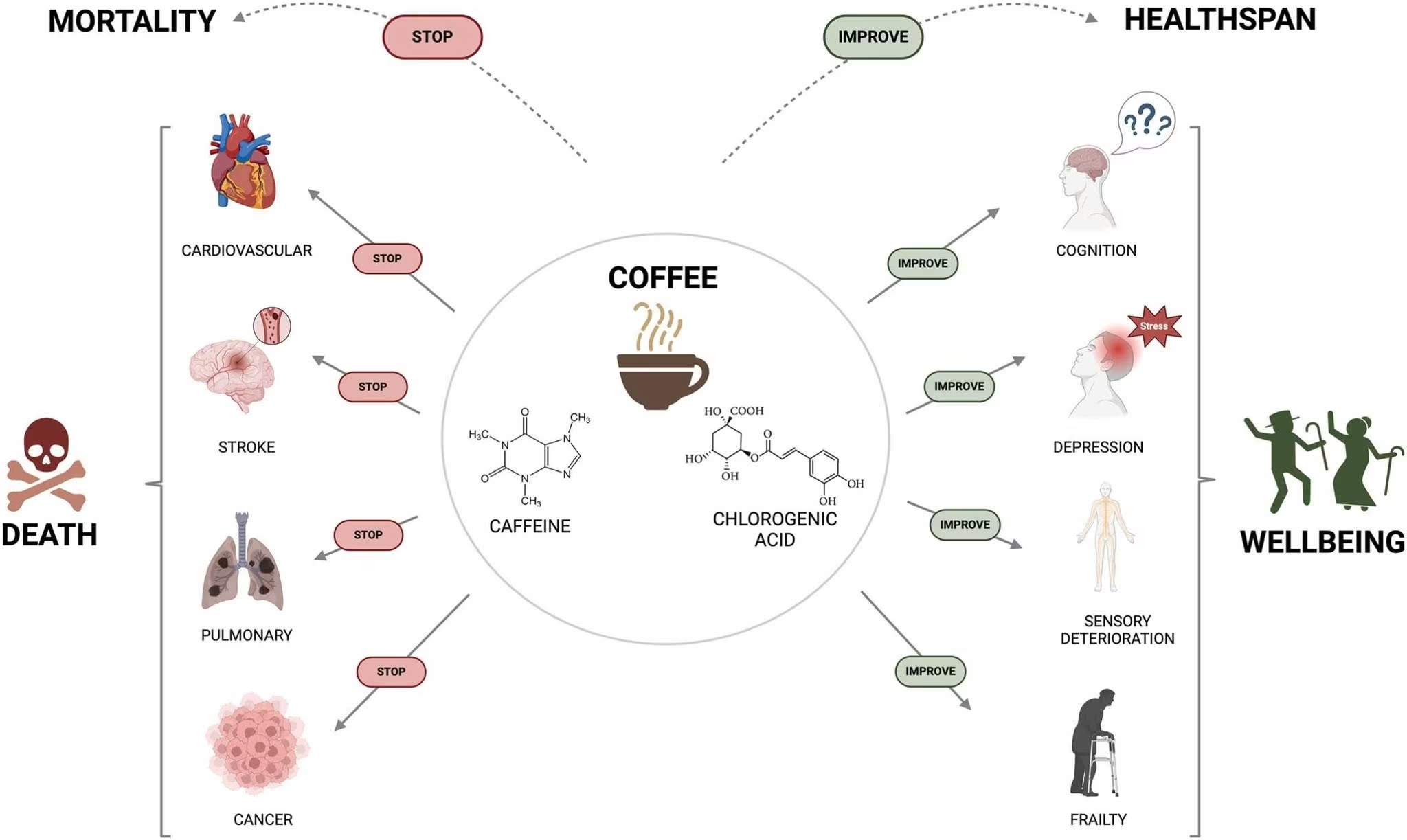
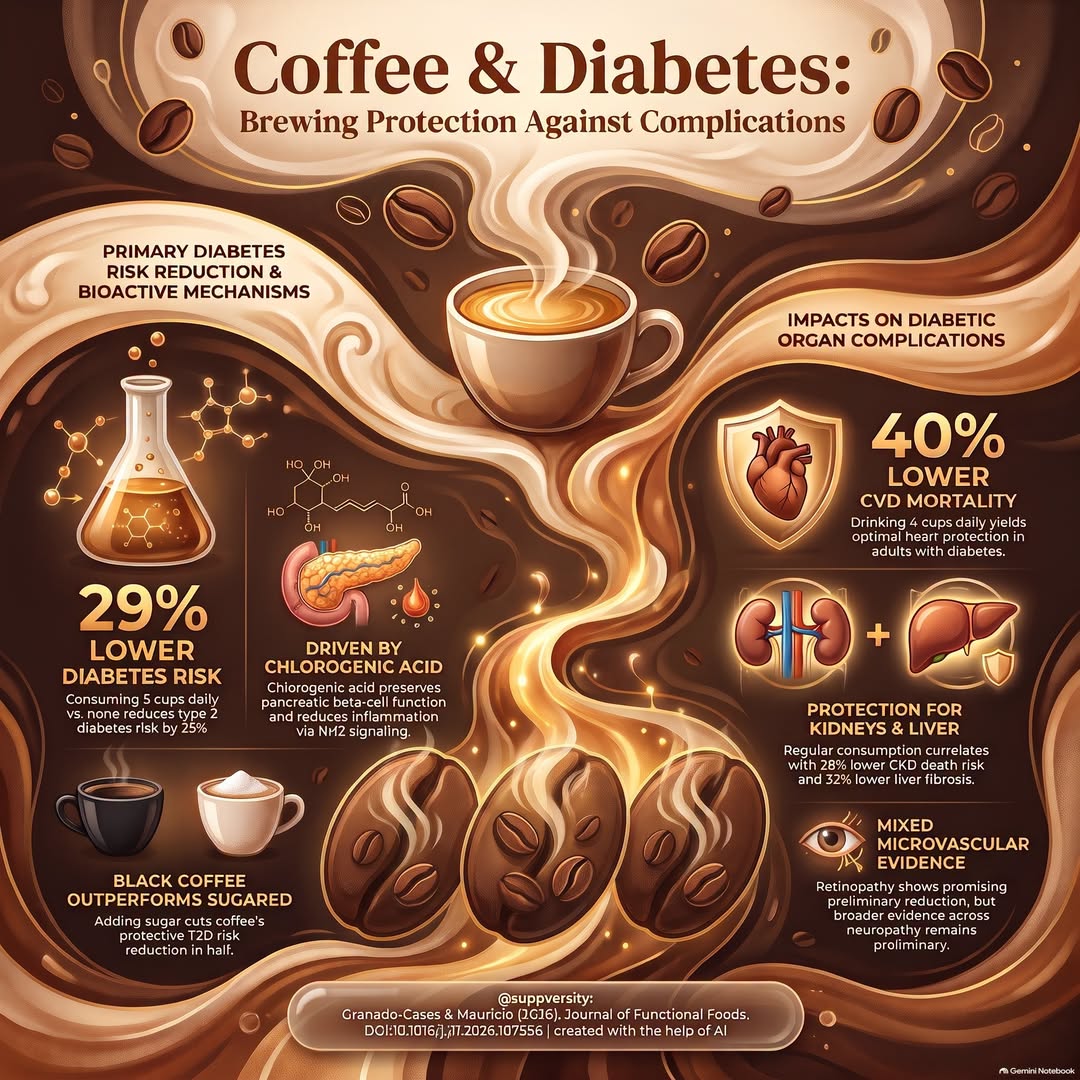
Coffee beans are packed with chlorogenic acids - plant compounds that help regulate blood sugar, protect blood vessels, and act as antioxidants. Roasting changes how much of these (and other polyphenols) end up in your cup:
1️⃣ Light Roast
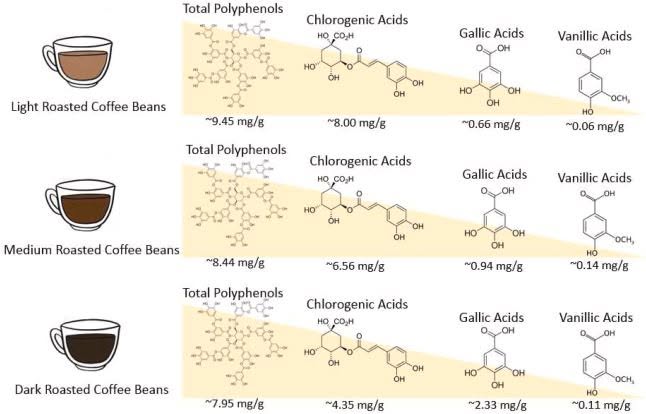
Highest total polyphenols (~9.45 mg/g).
Chlorogenic acids dominate (~8.0 mg/g).
🟢 Example: Lighter roasts keep the most chlorogenic acids, which may support glucose control and vascular health.
2️⃣ Medium Roast
Slightly fewer polyphenols (~8.44 mg/g).
Chlorogenic acids fall (~6.56 mg/g), while gallic acids rise (~0.94 mg/g).
🟢 Example: Some chlorogenic acids break down, but roasting creates new antioxidant compounds like gallic acid.
3️⃣ Dark Roast
Lowest total polyphenols (~7.95 mg/g).
Chlorogenic acids drop sharply (~4.35 mg/g).
Gallic acids peak (~2.33 mg/g).
🟢 Example: Dark roasts lose much of their chlorogenic acid but swap in different antioxidant chemistry from roasting.
Chlorogenic acids = the main health-promoting polyphenols in coffee, highest in light roast.
Gallic acids increase with darker roasts, bringing a different antioxidant profile.
The roast you choose shifts the balance, but all deliver unique benefits.