HD-OPM Archive

Most popular posts 1–100

  1. A low-dose statin could roughly halve lifetime heart attack risk if taken for decades

    Feb 25, 2025 · Louis Nervegna ♥ 29 · 💬 47 Statins

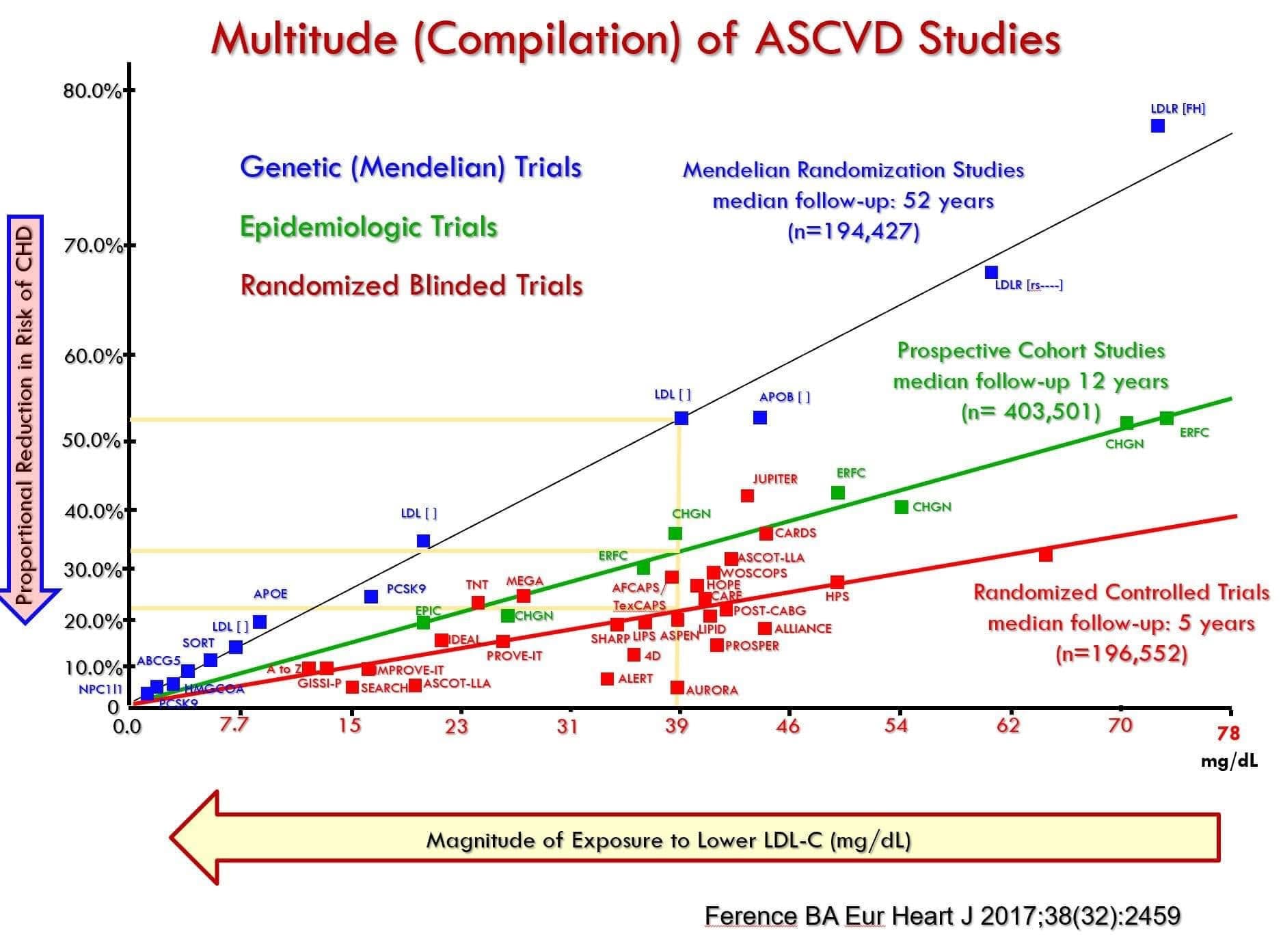
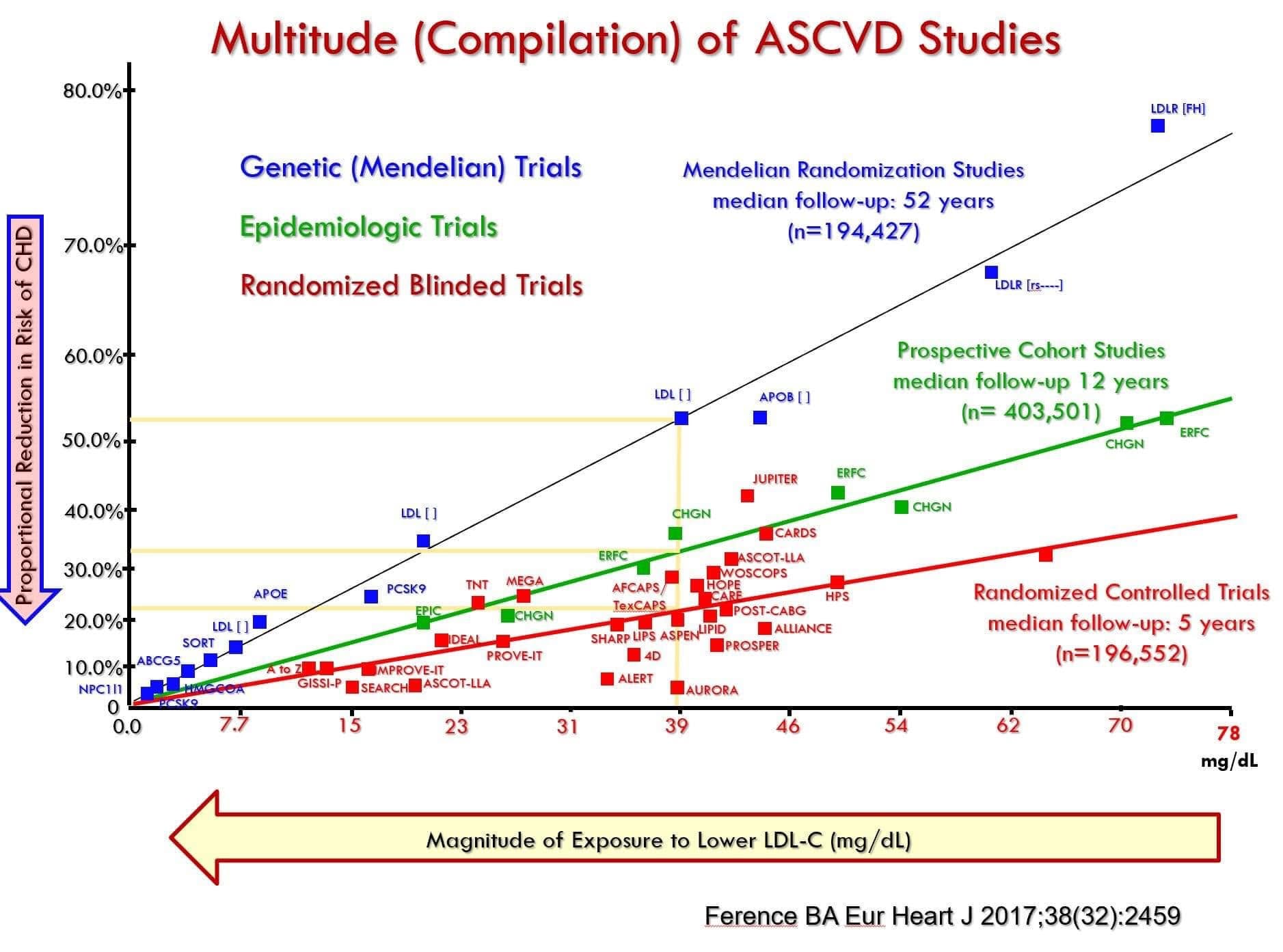
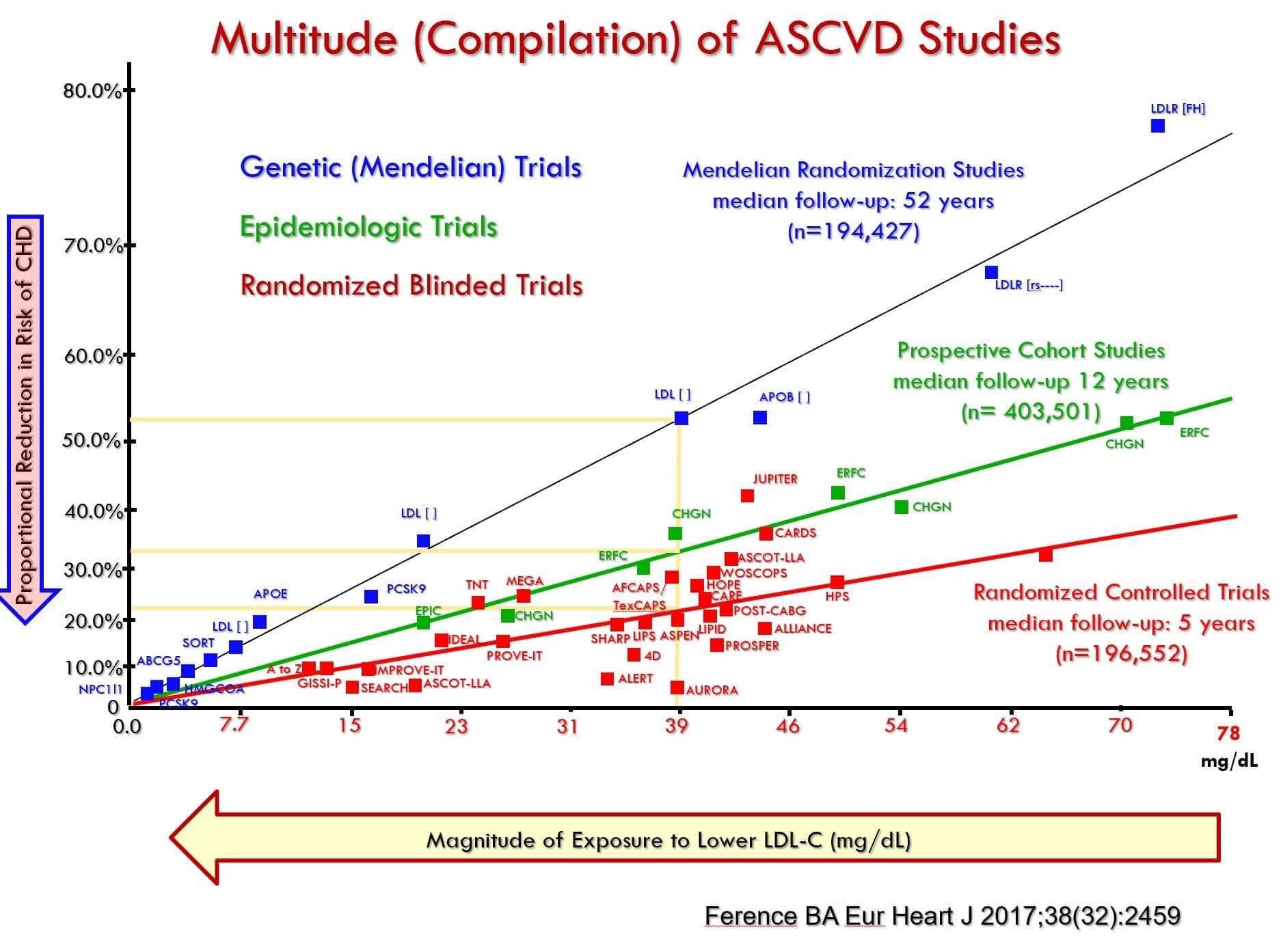
    Louis explains a graph combining RCT, cohort and Mendelian randomization data: an LDL reduction of 39 mg/dL (reachable with a very low dose statin) lowers heart attack risk more the longer it is sustained. Translated to absolute risk, a roughly 20% lifetime risk could fall to about 10%, and the rest requires diet, lifestyle and other therapies.

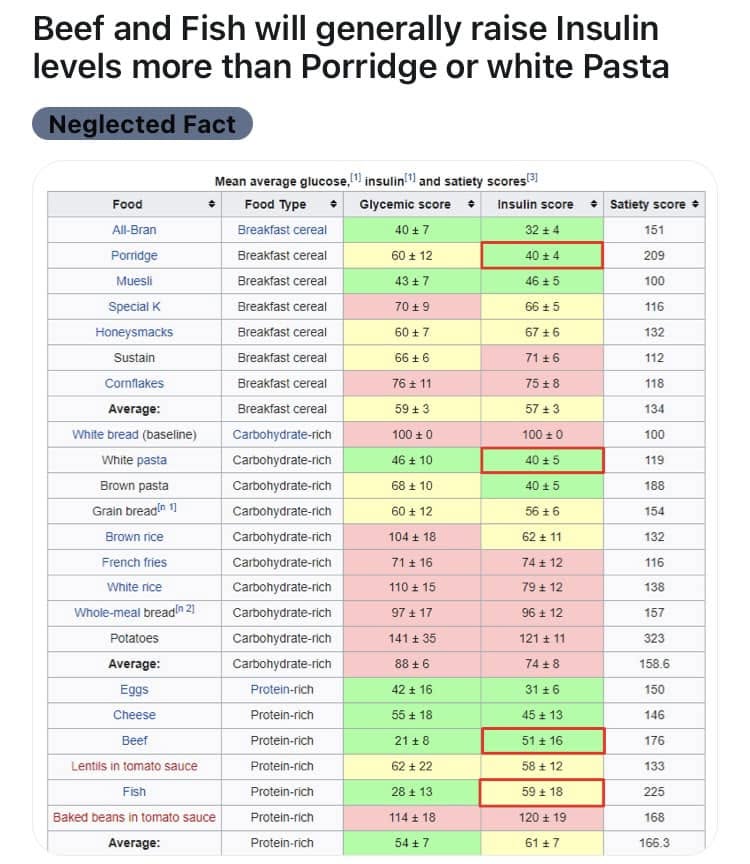
  2. Beef and whey raise insulin more than pasta, oatmeal or glucose: use the insulin index

    May 26, 2024 · Louis Nervegna ♥ 23 · 💬 71 ↩ 27 Insulin resistance & diabetes

    Louis points out that some proteins are more insulinogenic than carbs: beef raised insulin more than equal-calorie white pasta or oatmeal in the 1997 insulin index study, and whey more than glucose or white bread in a 2012 study. He says influencers have misled people about this and recommends learning the insulin index rather than assuming carbs alone drive insulin.

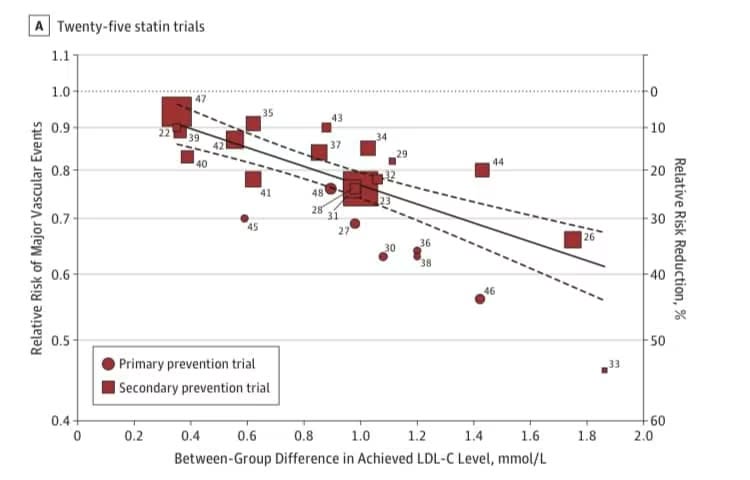
  3. 25 statin trials: about 40% fewer heart attacks and strokes per 75 mg/dL LDL drop

    Mar 23, 2025 · Louis Nervegna ♥ 37 · 💬 35 Statins

    Louis shares a graph of all 25 statin RCTs up to 2016 (excluding those under 6 months or under 50 events), showing about 40% lower MACE per 75 mg/dL LDL reduction, with larger effects in the 7 primary prevention trials. In his own comments he argues calcified plaque is the stable endpoint of soft plaque, and that statins and exercise help by preventing new soft plaque, regressing it and stabilizing the remainder through calcification.

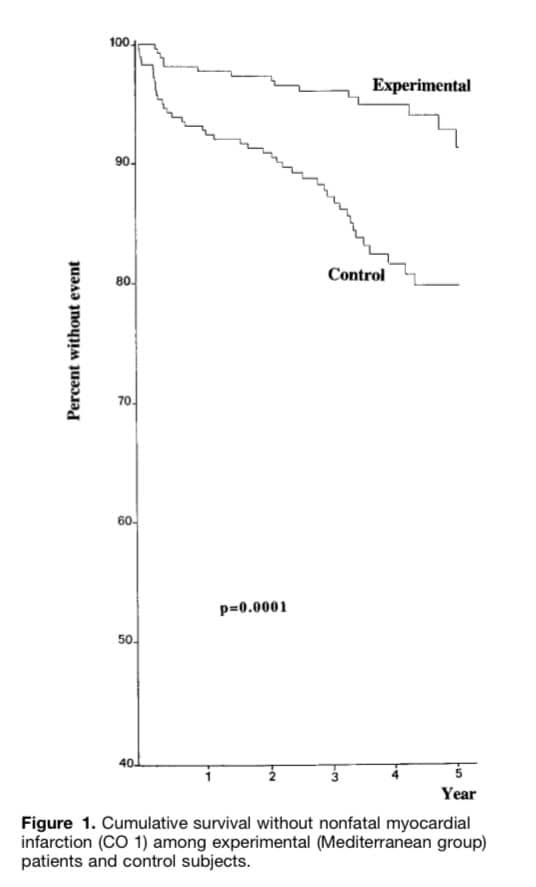
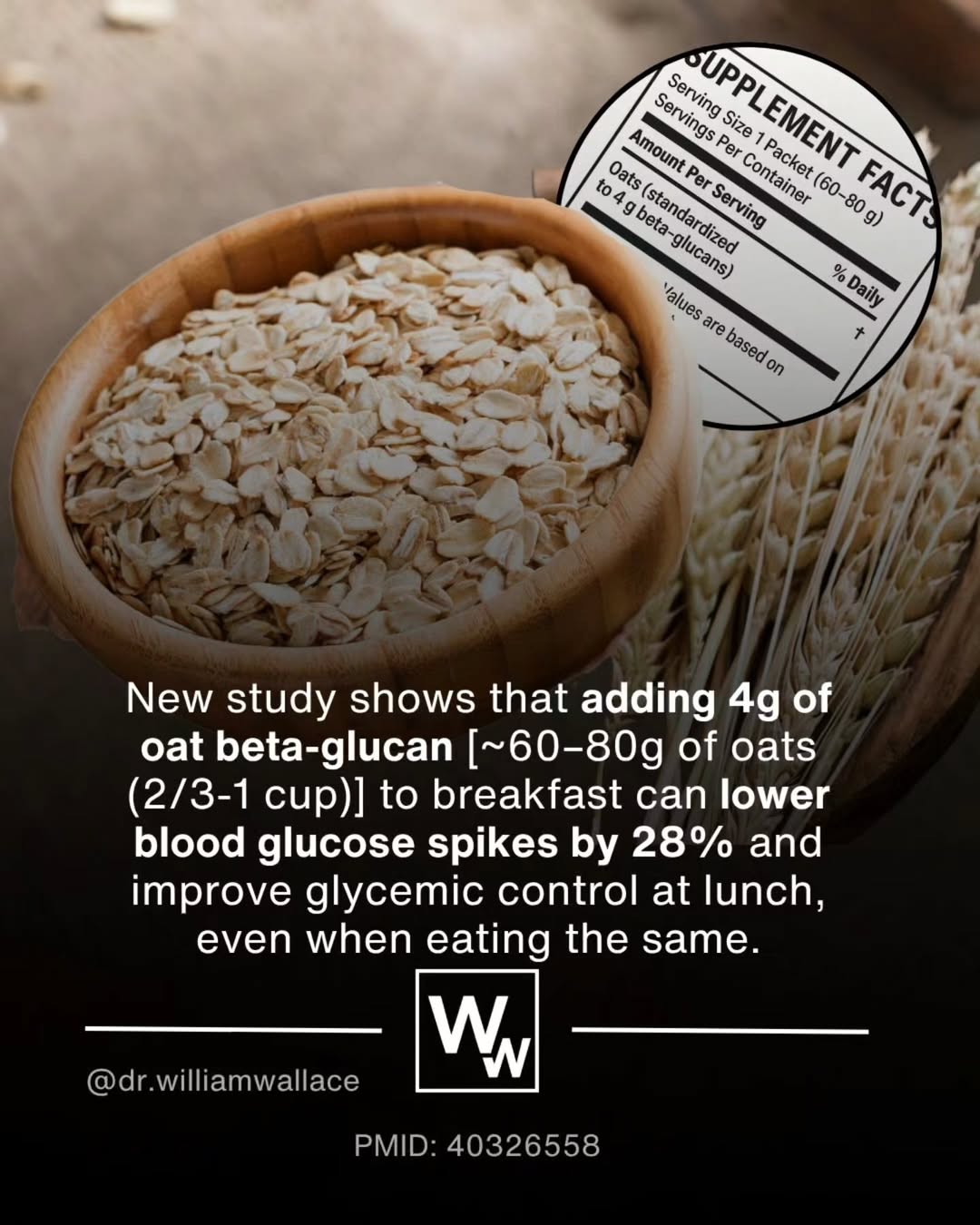
  4. Oat beta-glucan (4 g) cut breakfast glucose peaks 28% and lunch response 24% in small RCT

    May 14, 2025 · Louis Nervegna ♥ 30 · 💬 50 ↩ 2 Carbs, fiber, sugar & whole grains

    Louis says slow-cooked steel-cut oats are among the heart-healthiest foods and rejects influencer claims that oats are 'the same as eating sugar'. The shared post summarizes a small RCT in 19 healthy adults where oat beta-glucan blunted glucose and insulin responses and carried over to the next meal. About 3/4 to 1 cup of oats supplies ~4 g beta-glucan.

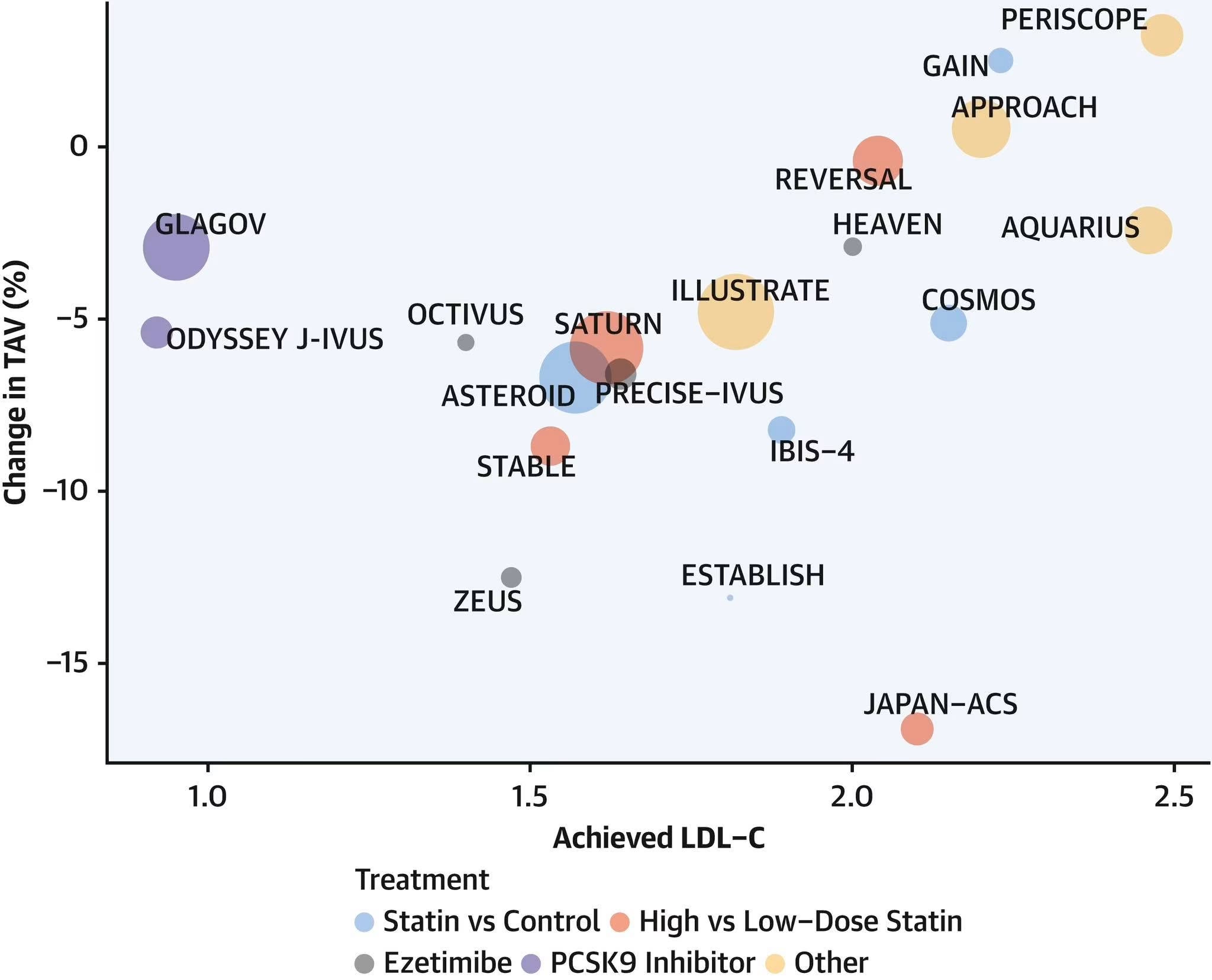
  5. Cocoa flavanol extract cut CVD death 27% in the 21,000-person COSMOS trial

    May 05, 2024 · Louis Nervegna ♥ 27 · 💬 53 ↩ 4 Nuts, fish, coffee, tea, cocoa & other foods

    Louis summarizes the COSMOS randomized trial of 500 mg/day cocoa flavanols (and multivitamin) in over 21,000 adults for 3.6 years. Total cardiovascular events fell 10%, which was not statistically significant, but CVD death fell a significant 27% and major CV events were also significantly reduced. Adherence-adjusted analyses showed 15% fewer total events and 39% fewer CVD deaths; authors urge cautious interpretation.

  6. Six RCTs have shown diet can reverse plaque, and none used a purely vegan diet

    Oct 24, 2025 · Louis Nervegna ♥ 38 · 💬 29 Plaque, CAC & CT angiography

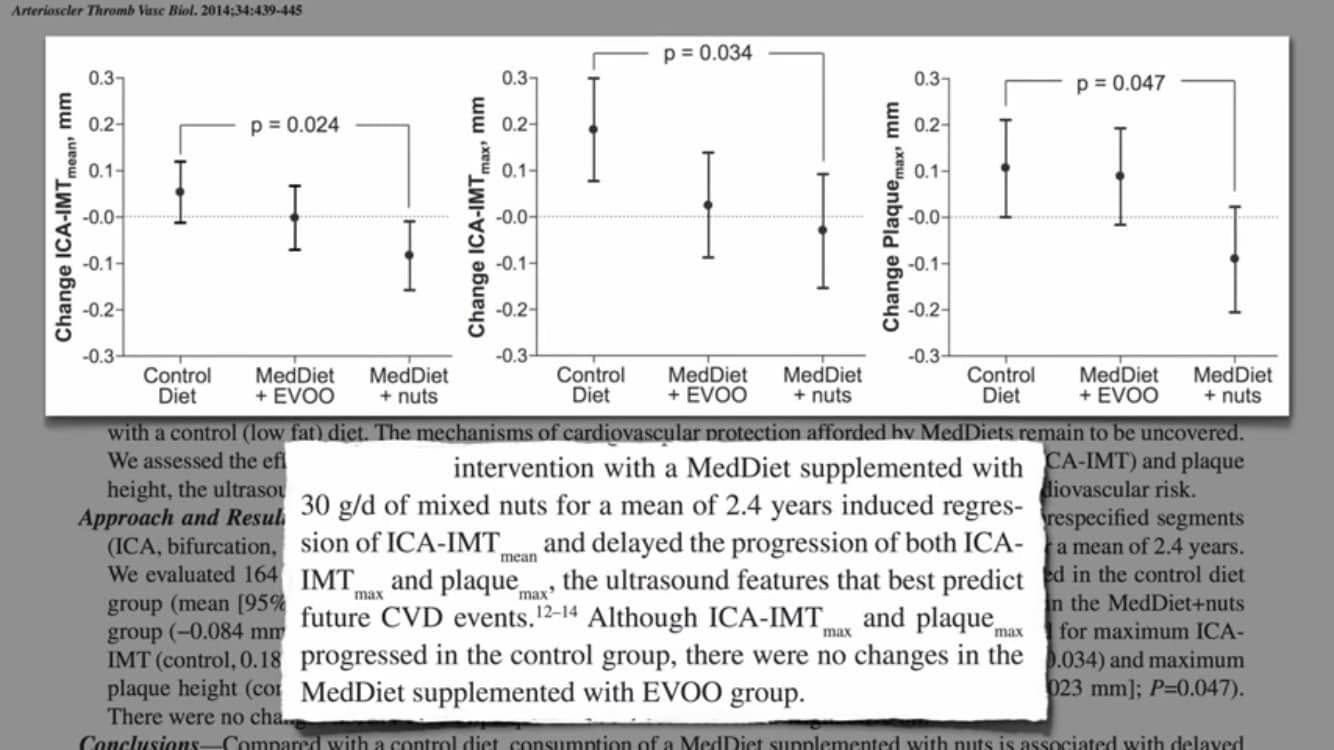
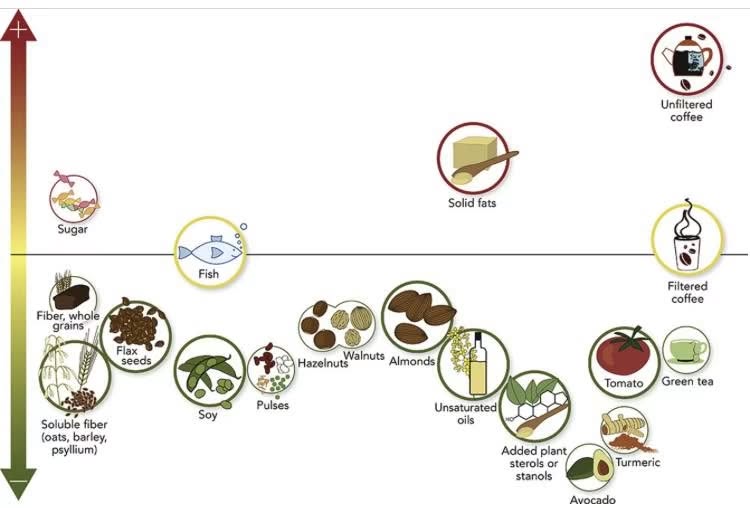
    Louis pushes back on claims that only vegan diets reverse plaque. He lists the only six randomized diet trials showing plaque reversal (Lifestyle Heart, STARS, SCRIP, PREDIMED, CORDIOPREV, DISCO), all primarily plant-based but none strictly vegan (even Ornish allowed egg whites and non-fat dairy), and summarizes the common foods they emphasized and limited.

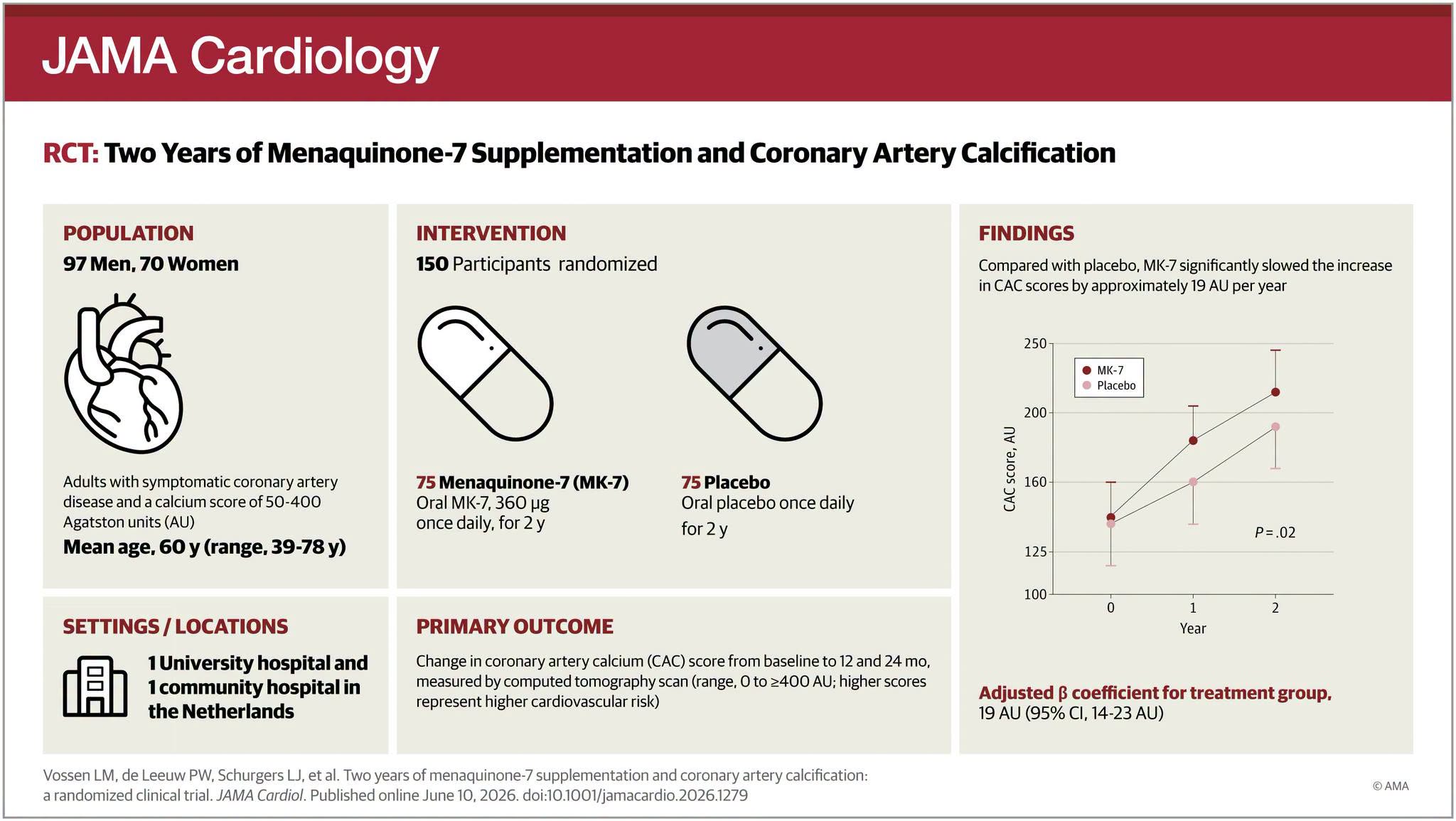
  7. JAMA Cardiology trial: vitamin K2 (MK-7) for 2 years slowed coronary calcium progression

    Jun 10, 2026 · Gokhan Can ♥ 37 · 💬 35 ↩ 1 Supplements & vitamins

    Admin says there is now solid evidence K2 slows coronary artery calcification, especially in people with existing calcification. In the new JAMA Cardiology RCT, MK-7 for two years reduced CAC progression versus placebo in symptomatic CAD, mainly by limiting new calcification in noncalcified plaques; effect on events is still unknown, and K2 is not recommended with warfarin.

  8. LDL down 39 mg/dL: 20%+ fewer heart attacks in RCTs, 30%+ in cohorts, 50%+ genetically

    Dec 20, 2023 · Louis Nervegna ♥ 23 · 💬 43 ↩ 9 LDL, ApoB & lipid panel

    Louis presents a graph combining RCTs (5 years), prospective cohorts (12 years) and Mendelian randomization (52 years) to show that the benefit of lowering LDL grows with duration of exposure. A 39 mg/dL reduction, achievable with a very low-dose statin, is associated with larger risk reductions over longer periods. He translates the 50% figure to a lifetime absolute risk falling from 20% to 10%, and describes his own 10 mg atorvastatin. The absolute estimate is his extrapolation.

  9. Lp(a) carries LDL cholesterol, so LDL-C on a lab report includes Lp(a) cholesterol

    Jun 14, 2025 · Louis Nervegna ♥ 25 · 💬 49 ↩ 3 Lp(a)

    Louis explains with a boats-and-cargo analogy that Lp(a) particles carry LDL cholesterol just as LDL particles do, so LDL-C counts cholesterol from both. In people with very high Lp(a), a significant part of reported LDL-C actually comes from Lp(a). He adds that Lp(a) seems dangerous partly because it deposits LDL cholesterol into artery walls.

  10. Replacing butter with plant oils linked to 17% lower mortality in 221,054 US adults

    Mar 06, 2025 · Louis Nervegna ♥ 17 · 💬 68 ↩ 6 Fats & oils (saturated fat, seed oils, omega-6, olive oil)

    Louis summarizes a Harvard/Brigham cohort analysis of the Nurses' Health Study, HPFS and NHS II covering over 30 years. Higher butter intake was associated with higher all-cause and cancer mortality, while plant oils (especially olive, canola and soybean) were associated with lower all-cause, cancer and cardiovascular mortality.

  11. Esselstyn's diet evidence is case series, not RCTs; Mediterranean diet trials match it

    Mar 07, 2025 · Louis Nervegna ♥ 22 · 💬 48 Mediterranean, DASH, MIND & plant-forward diets

    Louis argues that Esselstyn's published results are case-based observational studies at the bottom of the evidence hierarchy, in patients who were heavily medicated and mostly on statins, with no RCT ever run. He notes Ornish did run an RCT with results similar to the large Mediterranean-diet trials, and criticizes Esselstyn's stance on olive oil, nuts and white potatoes while calling the diet healthy.

  12. A zero CAC score does not rule out blockages: 54% of 23,759 symptomatic patients had CAC 0

    Jan 01, 2025 · Louis Nervegna ♥ 28 · 💬 37 Plaque, CAC & CT angiography

    Louis challenges the myth that a CAC of zero means no risk. In the Western Denmark Heart Registry of 23,759 symptomatic patients undergoing CT angiography, 54% had CAC zero, and half of people with obstructive blockages have zero CAC. Soft plaque can grow without calcification, so CAC shows late-stage disease and is poor for early detection.
  13. DISCO-CT: DASH diet plus statins reversed ~40 mm3 of soft plaque in a year on CT

    Aug 12, 2026 · Louis Nervegna ♥ 38 · 💬 21 Plaque, CAC & CT angiography

    In the DISCO-CT randomized trial, a DASH-style diet with statins reduced non-calcified plaque volume by 39.5 mm3 (adjusted to one year from 66 weeks), the largest dietary regression on CT angiography to date. An at-risk person typically grows about 5 mm3 per year, so this equals roughly 8 years of progression. DASH fat was ~30% of calories, mostly unsaturated.

  14. French cohort of 22.7 million: mRNA COVID shots cut COVID death 74%, all-cause death 25%

    Dec 05, 2025 · Gokhan Can ♥ 27 · 💬 47 Infections & vaccines

    Reports a French cohort of 22.7 million vaccinated and 5.9 million unvaccinated adults followed nearly four years: 74% lower COVID death risk and 25% lower risk of death overall, with no turbocancer signal. The admin adds that vaccination protects against heart disease deaths in high-risk groups and that he prefers flu vaccine to COVID mRNA.

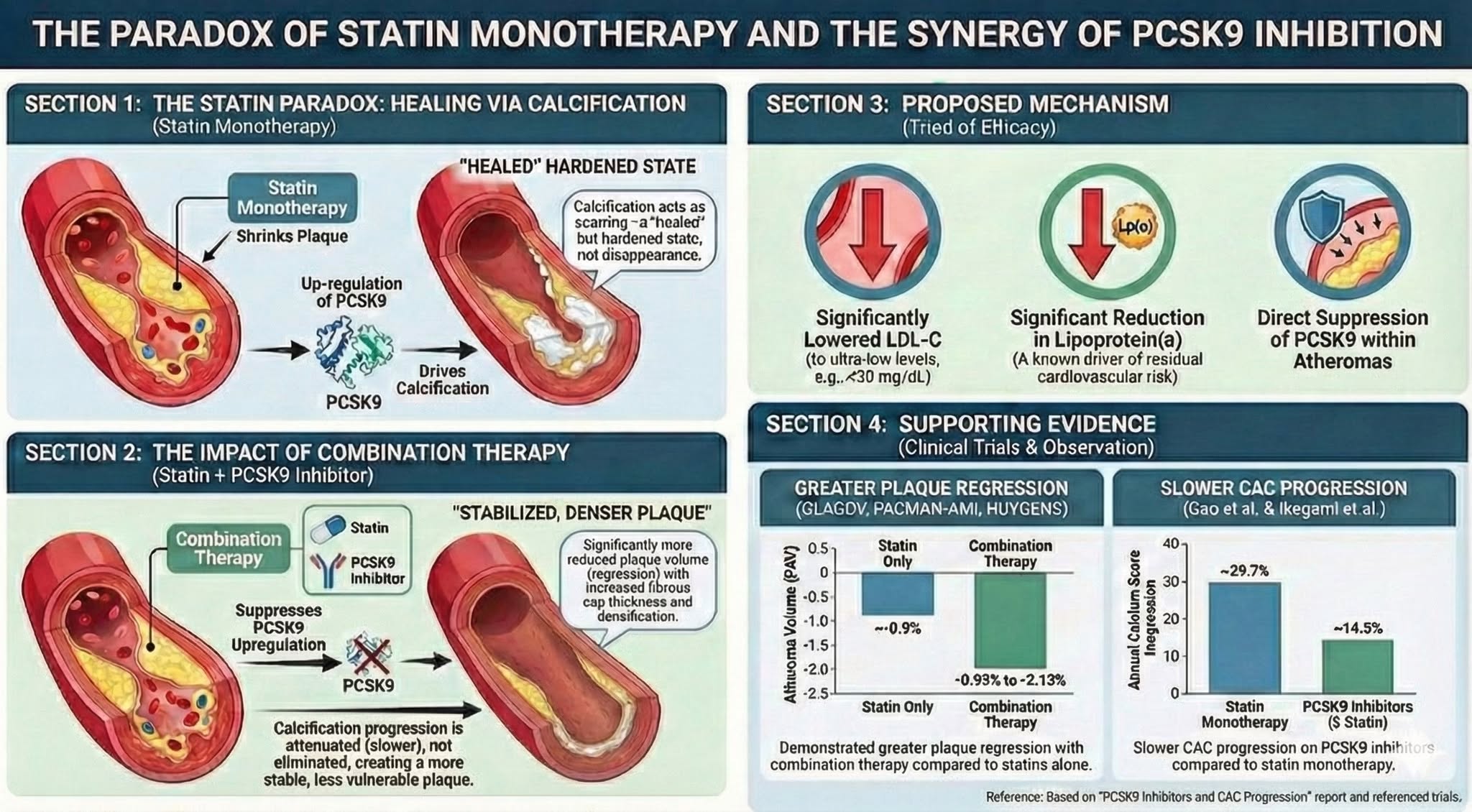
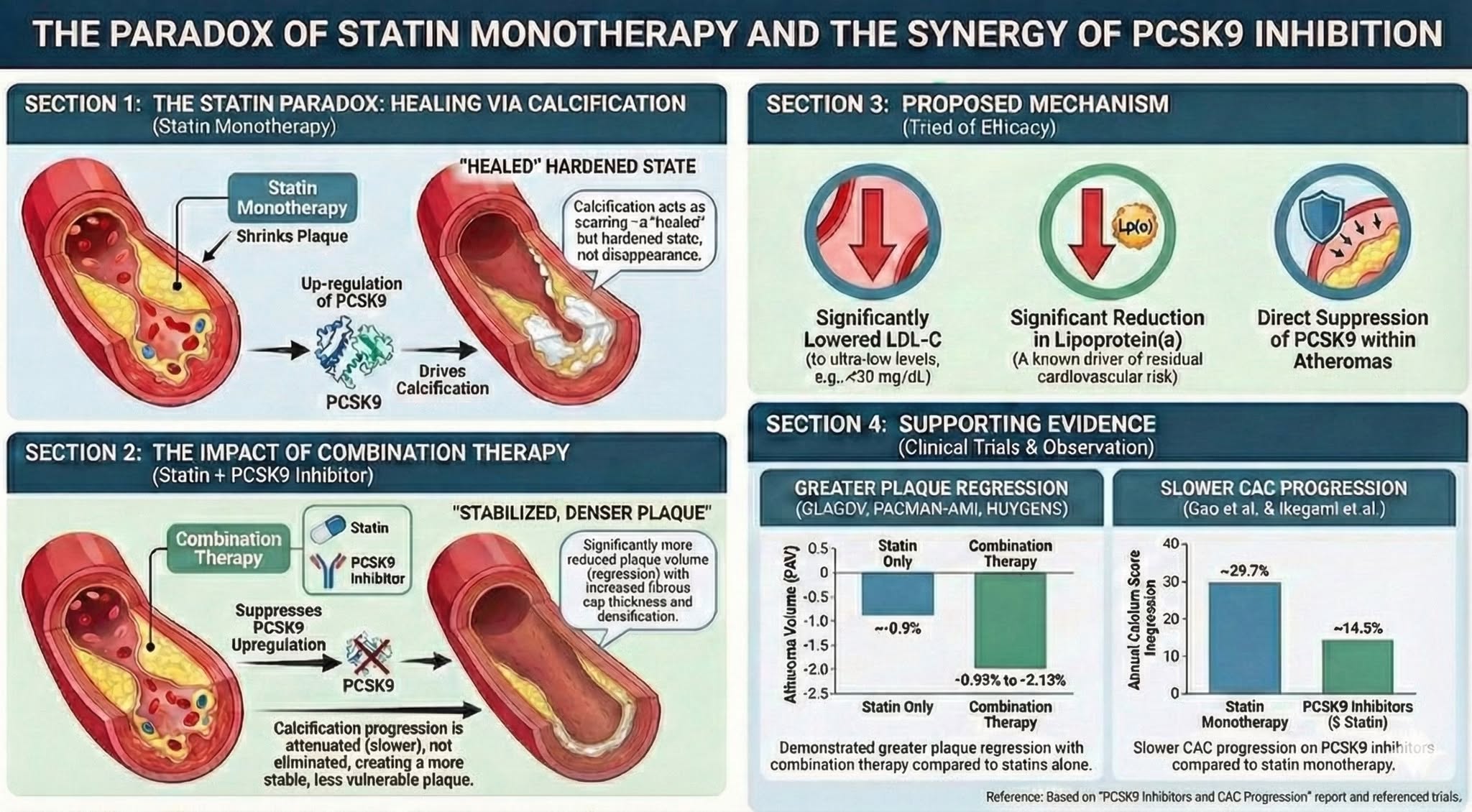
  15. Statins do not slow coronary calcium; severe-calcification odds hit 4.48 after 10+ years

    Dec 02, 2025 · Gokhan Can ♥ 17 · 💬 41 Statins

    Evidence review concluding statins reduce events and soft plaque but do not slow Agatston CAC progression, and that long-term cohorts show calcification accelerating without plateau, interpreted as plaque repair into stable scar. Trials: St. Francis (CAC unchanged, events down 33%), SALTIRE (progression 26% vs 18%) and BELLES (similar progression, ~11-14%).

  16. New vitamin K2 trial slowed arterial calcification but did not reduce plaque, video argues

    Aug 31, 2026 · Gokhan Can ♥ 23 · 💬 38 Supplements & vitamins

    Summarises a Gil Carvalho video on a randomized trial of vitamin K2: calcification progressed more slowly, but total plaque did not fall, the plaque was just less calcified. Carvalho argues calcium stabilises plaque, so slowing calcification without reducing plaque could even be harmful, and no evidence shows K2 reduces heart attacks or strokes, so he advises relying on proven therapies, diet and exercise.

  17. COSMOS: cocoa flavanols cut cardiovascular death 27% in 21,000 adults over 3.6 years

    Jul 19, 2024 · Louis Nervegna ♥ 23 · 💬 38 Nuts, fish, coffee, tea, cocoa & other foods

    Reposting a summary of the COSMOS trial at Harvard/Brigham: more than 21,000 adults took 500 mg cocoa flavanols daily, a multivitamin, both or neither. Total CV events fell 10% (not significant), but CV death fell a significant 27%, with larger effects (15% total events, 39% for CV death-type outcome) among adherent participants.

  18. Olive oil is the only fat tested in several large trials: Lyon, PREDIMED and CORDIOPREV

    Feb 11, 2024 · Louis Nervegna ♥ 28 · 💬 31 ↩ 1 Fats & oils (saturated fat, seed oils, omega-6, olive oil)

    Louis explains why he uses olive oil in all his cooking: it is the only fat source tested in multiple large, roughly 5-year randomized trials with hard heart outcomes (Lyon Diet Heart Study, PREDIMED, CORDIOPREV), each finding fewer heart attacks and strokes versus supposedly heart-healthy control diets. He acknowledges other fats or no oil might work better but lack equivalent RCT proof.

  19. Blood omega-6 biomarker cohorts link higher levels to lower heart disease and diabetes

    Nov 24, 2024 · Louis Nervegna ♥ 19 · 💬 45 ↩ 5 Fats & oils (saturated fat, seed oils, omega-6, olive oil)

    Louis stresses that evidence for omega-6 protection does not rest on food questionnaires but on blood and tissue measurements tracked prospectively for years before disease. He cites a pooled analysis of 30 cohorts in which people with higher linoleic acid levels had less CVD. He argues that avoiding nuts and seeds to cut omega-6 is likely harmful, and that RCTs on this timescale are impractical.

  20. Lp(a) carries LDL cholesterol, so lab LDL-C includes cholesterol from Lp(a) particles

    Oct 10, 2025 · Louis Nervegna ♥ 37 · 💬 23 Lp(a)

    Louis explains that Lp(a) particles are 'boats' carrying the same LDL cholesterol 'cargo' as LDL particles, so a lab LDL-C value includes cholesterol carried by Lp(a); in people with very high Lp(a), a significant portion of LDL-C comes from Lp(a). Lp(a)'s sticky apo(a) protein deposits cholesterol in artery walls and is prothrombotic.

  21. Norwegian 4x4 intervals: Rhonda Patrick on reversing heart aging and raising VO2 max

    Oct 04, 2025 · Gokhan Can ♥ 27 · 💬 29 Exercise & fitness

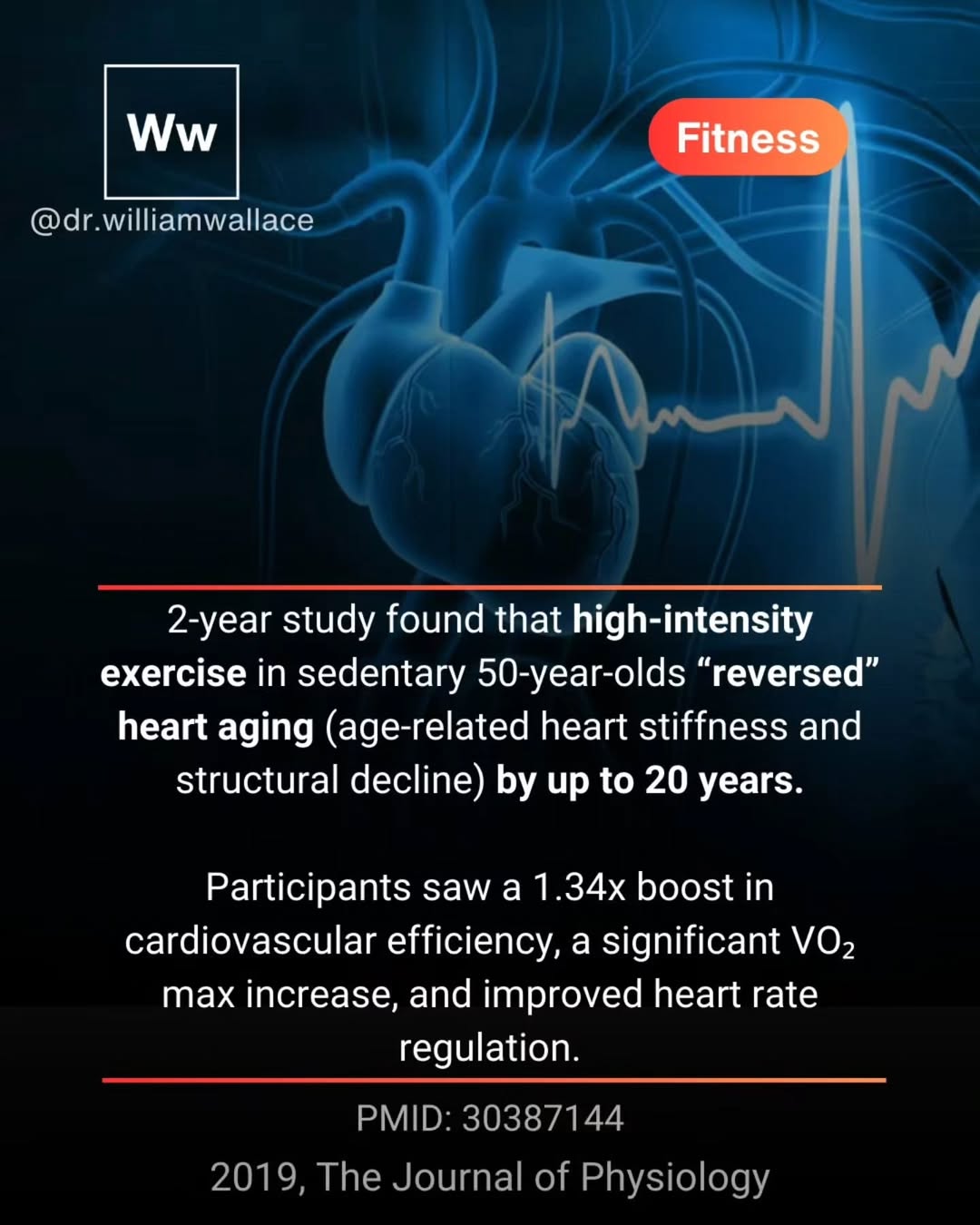
    Summarises a Rhonda Patrick video: moderate exercise is ineffective for many, so vigorous HIIT such as the Norwegian 4x4 (four 4-minute efforts at about 80-90% max heart rate with 4-minute recovery) improves VO2 max. She cites a two-year study that reversed about 20 years of cardiac aging in sedentary 50-year-olds, and exercise reducing glycation-driven heart stiffness (Asif et al., PNAS 2000).

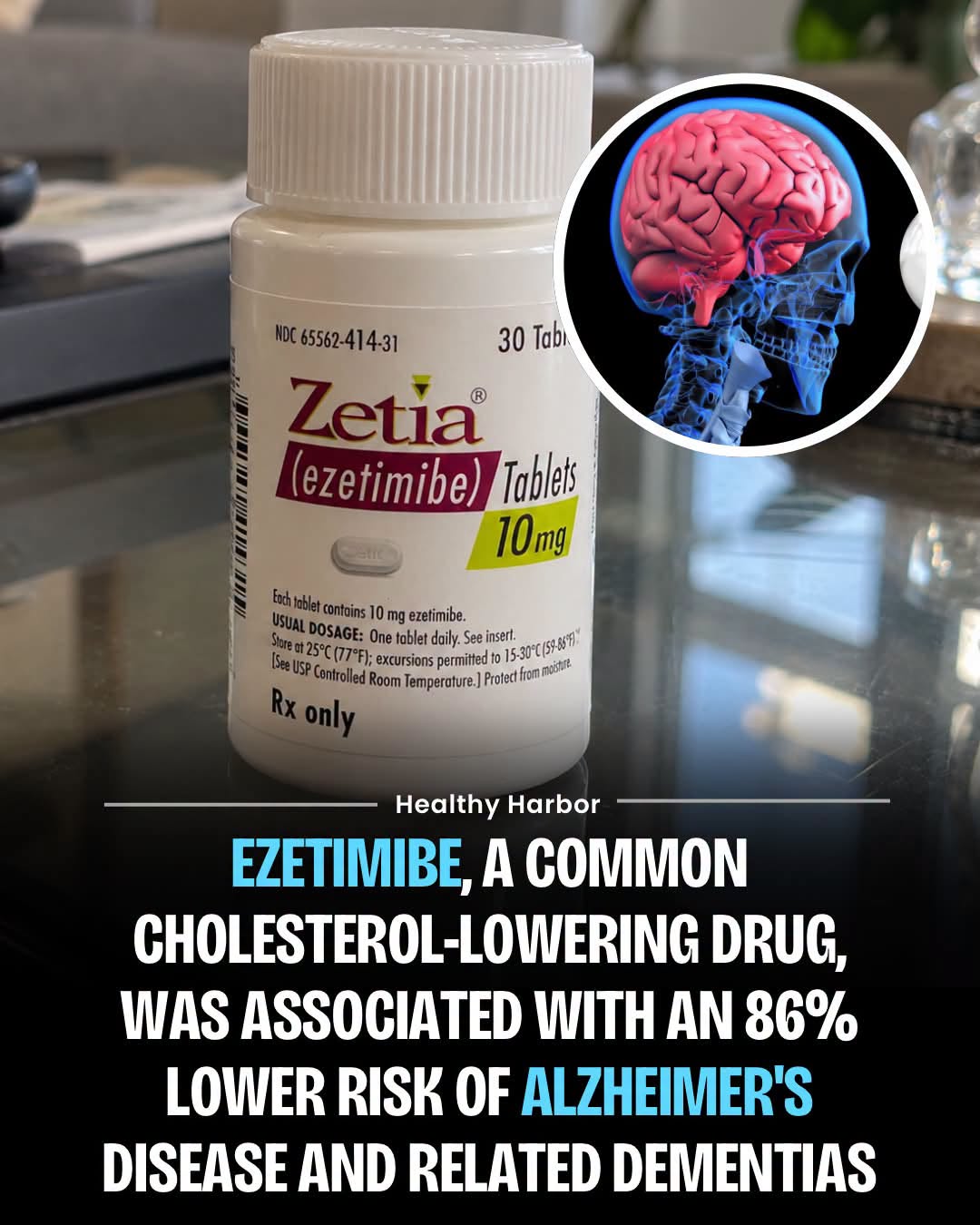
  22. Ezetimibe use linked to 86% lower Alzheimer's and dementia risk in database analysis

    Oct 19, 2026 · Louis Nervegna ♥ 38 · 💬 27 Brain health & dementia

    A 2024 Aging Biology paper analysed clinical databases and found that people taking the LDL-lowering drug ezetimibe had a much lower risk of Alzheimer's disease and related dementias. Brain tissue from patients also showed more of two proteins, HK1 and 14-3-3 gamma. This is an observational association, so it does not prove the drug prevents dementia.

  23. Master@Heart: higher wearable-measured training load linked to more coronary plaque

    Mar 06, 2026 · Louis Nervegna ♥ 28 · 💬 27 ↩ 3 Exercise & fitness

    Louis argues intense exercise, especially high intensity plus high volume, carries risks as well as benefits, citing a Circulation 2026 Master@Heart analysis of wearable training load and coronary atherosclerosis in middle-aged and older athletes versus active controls. He notes the net benefit of exercise remains large but the plaque signal can no longer be ignored.

  24. Colchicine 0.5 mg cut plaque volume by over 1% in one year on CT angiography (Budoff)

    May 11, 2025 · Louis Nervegna ♥ 20 · 💬 37 ↩ 9 Plaque, CAC & CT angiography

    Louis highlights a Budoff-led CCTA trial in which low-dose colchicine reduced percent atheroma volume by over 1% in a year, with lower CRP and a slowing of calcified plaque. He contrasts this with the Keto-CTA study, where PAV rose 0.8% on a keto diet. Budoff notes it was a small study but supports colchicine in chronic stable coronary disease.

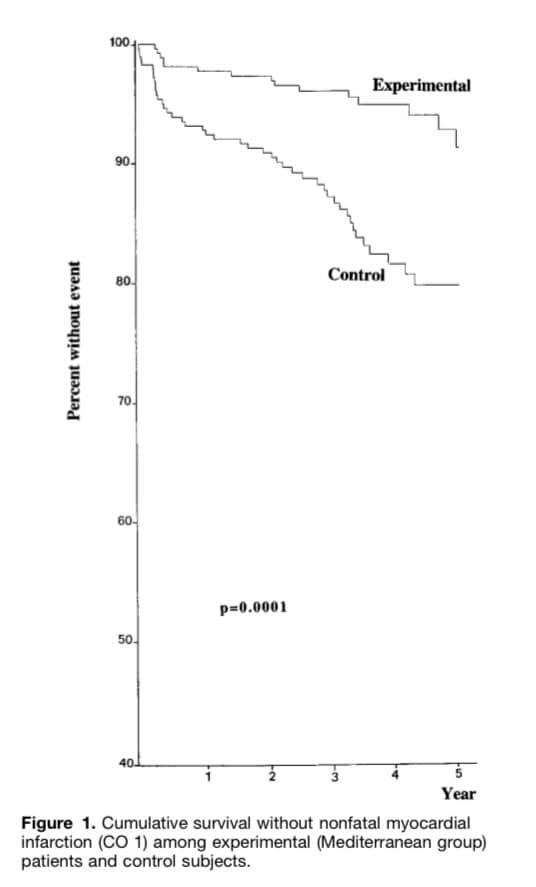
  25. Lyon Diet Heart Study: Mediterranean diet cut cardiac events 73% and total deaths 70%

    Jul 14, 2025 · Louis Nervegna ♥ 25 · 💬 22 ↩ 2 Mediterranean, DASH, MIND & plant-forward diets

    Louis highlights the Lyon Heart Study, which randomized over 600 heart attack survivors to a traditional Mediterranean-style diet or an AHA diet. After a mean 27 months, cardiac death plus non-fatal MI had a risk ratio of 0.27, and he argues no drug has matched these results. The comparative claim about drugs is his opinion.

  26. High LDL does not protect the brain: 2024 Lancet Commission lists LDL as top dementia risk

    Dec 15, 2024 · Louis Nervegna ♥ 18 · 💬 38 Brain health & dementia

    Louis counters the claim that high blood LDL protects against dementia. The 2024 Lancet Commission lists LDL cholesterol as the biggest modifiable dementia risk factor, accounting for 7% of cases among 14 factors that together account for 45%. He adds circulating cholesterol does not cross the blood-brain barrier; the brain makes its own.

  27. Statin muscle side effects may stem from HMG-CoA reductase gene variants

    May 03, 2024 · Louis Nervegna ♥ 27 · 💬 24 ↩ 3 Statins

    Louis shares an Atlantic article on a proposed mechanism for statin-related muscle symptoms: people at higher risk likely carry variants in genes coding for HMG-CoA reductase, which statins then further inhibit. Extreme versions of the same gene defects cause a very rare limb girdle muscular dystrophy. Louis calls it a definitive answer; the article is journalism rather than a primary paper.

  28. Magnesium L-threonate for 6 weeks improved cognitive age ~7.5 years (RCT, n=100)

    Jun 14, 2026 · Louis Nervegna ♥ 29 · 💬 22 Supplements & vitamins

    Louis shares a randomized, double-blind, placebo-controlled trial in 100 healthy adults aged 18-45 who were unhappy with their sleep. Magnesium L-threonate improved overall cognition, cognitive age, working memory and reaction time, and some subjective but not objective sleep measures. (Louis's post says six months, but the trial and article describe six weeks.)

  29. PCSK9 inhibitors regress soft plaque without the calcification surge seen with statins

    Jul 02, 2026 · Louis Nervegna ♥ 28 · 💬 22 PCSK9, ezetimibe & newer drugs

    Louis highlights Gokhan Can's article on imaging evidence that PCSK9 inhibitors shrink plaque without the calcific increase often seen with statins. He cautions that no randomized outcome trials test PCSK9 inhibitors as monotherapy, though adding one to a statin attenuates statin-induced calcification and lowers events more than statins alone.

  30. Intensive statin reversed atherosclerosis on IVUS in a 2004 Cleveland Clinic-led trial

    Dec 23, 2023 · Louis Nervegna ♥ 20 · 💬 40 ↩ 12 Plaque, CAC & CT angiography

    Louis shares a Cleveland Clinic video to counter the claim that statins do not reverse plaque. The 2004 trial used intravascular ultrasound (IVUS), which he calls the gold standard for plaque imaging, and showed regression with high-dose statin driving LDL-C down to about 60 mg/dL. He stresses LDL must be very low to achieve regression.

  31. Niacin can cut Lp(a) (one member saw 40% with 1500 mg) but has no outcome proof

    Jan 19, 2024 · Louis Nervegna ♥ 15 · 💬 37 Lp(a)

    Louis explains niacin can be effective at lowering Lp(a) and is still used by some cardiologists, with one group member reporting a 40% Lp(a) drop on 1500 mg. He gives tips for reducing the harmless flush and explains sustained-release formulations. He warns niacin has not been shown in large RCTs to reduce heart attacks, strokes or mortality, and two large trials found no added benefit on top of high-dose statins but more side effects.

  32. Japan-ACS: pitavastatin and atorvastatin both regressed coronary plaque by about 17-18%

    Sep 13, 2025 · Louis Nervegna ♥ 19 · 💬 23 ↩ 21 Plaque, CAC & CT angiography

    Summary of the Japan-ACS trial, in which over 300 acute coronary syndrome patients were randomized to pitavastatin or atorvastatin and imaged with IVUS. Both statins produced similar, substantial regression of non-culprit plaque volume as LDL fell into the 80s mg/dL, which is one reason statins remain standard care after ACS.

  33. Roy Taylor trial: clearing liver and pancreas fat via 8-week low-calorie diet reversed T2D

    Sep 01, 2024 · Louis Nervegna ♥ 24 · 💬 22 ↩ 21 Insulin resistance & diabetes

    Louis summarizes Roy Taylor's randomized trial in which an 8-week very low calorie liquid diet cleared fat from the liver and pancreas, restoring insulin sensitivity and beta cell function and putting diabetes into remission. Average weight loss needed was about 15 kg (33 lb), followed by a Mediterranean-style maintenance diet. Some patients had a full curative response with pancreas regeneration seen on imaging.

  34. Liver fat is the main driver of insulin resistance, and visceral fat is a visible marker

    Sep 24, 2024 · Louis Nervegna ♥ 21 · 💬 25 Insulin resistance & diabetes

    Louis reposts a Harvard diabetologist's explanation that in most people fat stored in the liver is the biggest cause of insulin resistance. Losing liver fat by any means dramatically improves it, and weight loss removes liver fat first. Refined starch and sugar-sweetened drinks raise the odds, though excess calories alone can do it. Visible abdominal visceral fat is a simple proxy.

  35. At high risk of a heart attack? Find a good cardiologist and add, don't replace, treatment

    Feb 26, 2024 · Louis Nervegna ♥ 46 · 💬 15 ↩ 2 Myths, misinformation & controversies

    Louis advises high-risk people to follow a good cardiologist rather than social media claims, which often cherry-pick one study out of many. He argues the window to experiment has passed once risk is high, and that natural or alternative approaches are safest as additions, with treatment reduced later with the cardiologist if risk markedly improves. It is opinion, not research.

  36. No trial shows PCSK9 inhibitor monotherapy cuts heart attacks; HORIZON undermines Lp(a)

    Oct 31, 2026 · Louis Nervegna ♥ 16 · 💬 32 ↩ 1 PCSK9, ezetimibe & newer drugs

    Louis argues guidelines recommend against PCSK9 inhibitor monotherapy as first-line primary prevention because no randomized trial shows it lowers heart attacks, strokes or CVD mortality. He adds that the HORIZON trial massively lowered Lp(a) but had no effect on MACE, so people on PCSK9i mainly to lower Lp(a) should revisit that choice, since statins or statins plus PCSK9i are proven even with high Lp(a).

  37. Zero-oil vs olive-oil diet trial was calorie restriction; LDL differences not significant

    Sep 26, 2024 · Louis Nervegna ♥ 12 · 💬 42 Fats & oils (saturated fat, seed oils, omega-6, olive oil)

    Louis critiques a trial claimed to show a no-oil diet lowers LDL more than a diet with 4 tablespoons of olive oil. He says LDL and ApoB results were not statistically significant overall, and the no-oil group ate only 1338 kcal per day, over 400 kcal less than the olive oil group. He concludes it was a short-term calorie restriction study, not an oil versus no-oil comparison.

  38. Protein type matters more than restriction: whole-food plant protein beats processed meat

    Nov 12, 2026 · Louis Nervegna ♥ 18 · 💬 38 Protein

    Louis argues against the 'protein craze': there is no good evidence protein restriction slows human aging, but long-term data show whole-food plant protein beats animal protein, especially processed and red meat. Among animal sources, seafood, poultry and fermented dairy have the lowest mortality and processed meat is worst. Plant protein's lower isoleucine, valine and methionine may explain part of it.

  39. Statin absolute risk reduction is small over years but can exceed 10% over a lifetime

    Nov 10, 2025 · Louis Nervegna ♥ 20 · 💬 25 ↩ 2 Statins

    Louis explains that short statin trials show only 1-2% absolute risk reduction because baseline risk over a few years is only 2-5%, the same as diet and exercise trials. Over a lifetime, with a 20% baseline risk of heart attack, cohort and Mendelian randomization data suggest cumulative reductions of 10% or more.