HD-OPM Archive
Hashtags

#polyphenols

28 posts

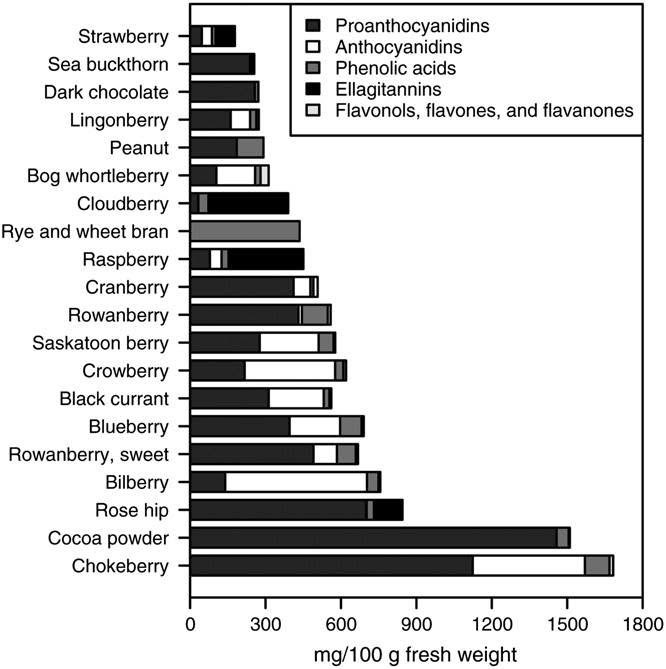
Dark chocolate linked to 21% lower type 2 diabetes risk over 30 years in Harvard cohorts

May 29, 2026 · Louis Nervegna ♥ 24 · 💬 9 Nuts, fish, coffee, tea, cocoa & other foods

Louis shares Harvard analysis of nearly 200,000 people in the Nurses' Health Studies and Health Professionals Follow-up Study. Dark chocolate was associated with lower diabetes risk, while milk chocolate was linked to weight gain and no benefit. He advises low-sugar dark chocolate with cocoa butter rather than milk fat.

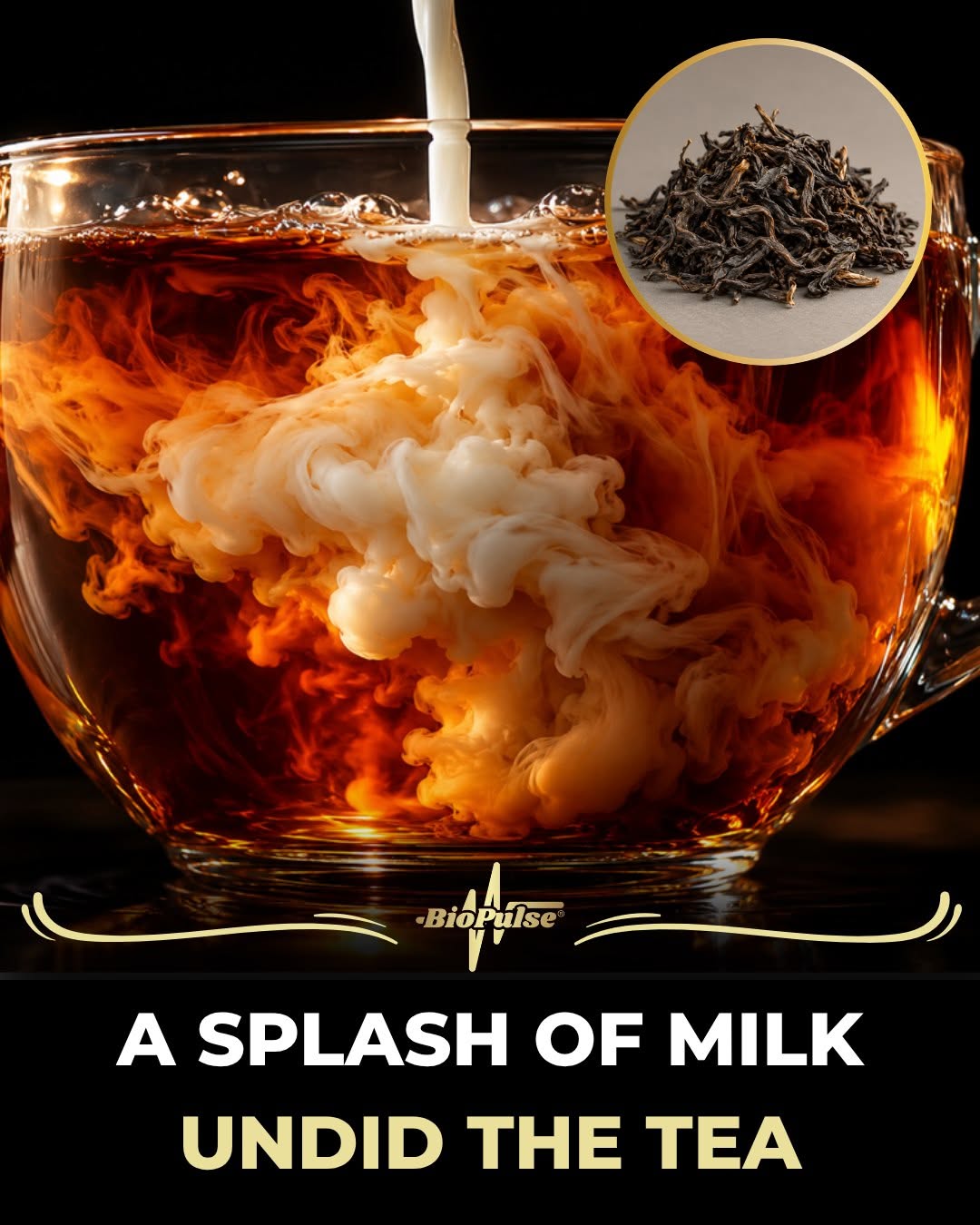
Black tea improved artery function in a Berlin trial, but adding milk erased the benefit

Oct 31, 2026 · Louis Nervegna ♥ 14 · 💬 8 Nuts, fish, coffee, tea, cocoa & other foods

A European Heart Journal study (2007) from Charite Berlin had 16 healthy postmenopausal women drink black tea, tea with skimmed milk, or water on three days. Flow-mediated dilation improved with plain tea but the benefit disappeared with milk. Rat artery experiments showed tea boosts nitric oxide and milk caseins block it. Louis notes many studies show polyphenols improve FMD.

Summary of how micronutrients such as vitamin C and CoQ10 affect endothelial function

Jul 16, 2025 · Louis Nervegna ♥ 13 Blood vessels, circulation & endothelium

Louis shares a Linus Pauling Institute review summarising studies on micronutrients and endothelial dysfunction. Quoted examples include pooled RCTs showing vitamin C improved endothelial markers in heart failure, atherosclerosis or diabetes but not hypertension, and CoQ10 150-300 mg/day modestly improving function in five small trials.

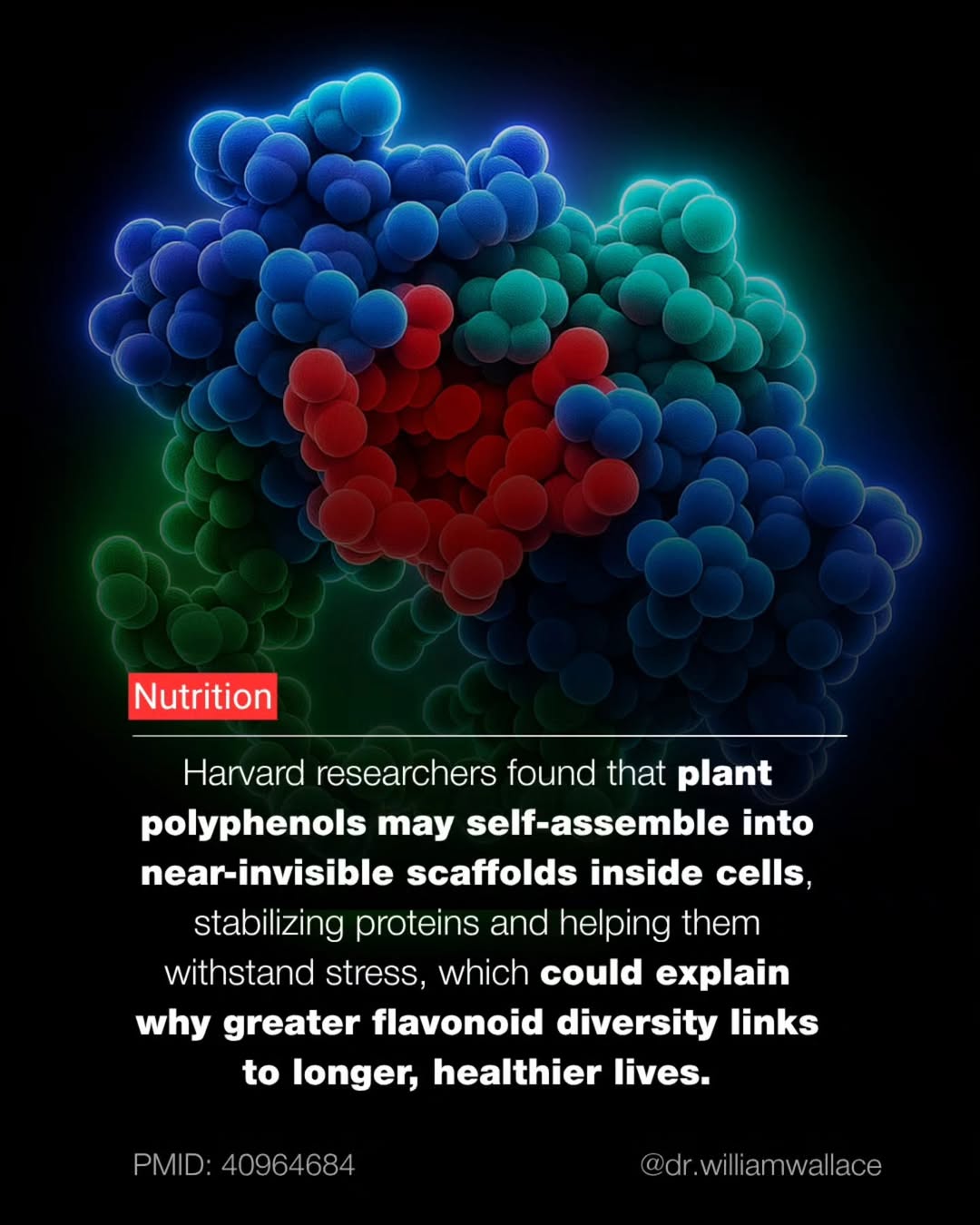
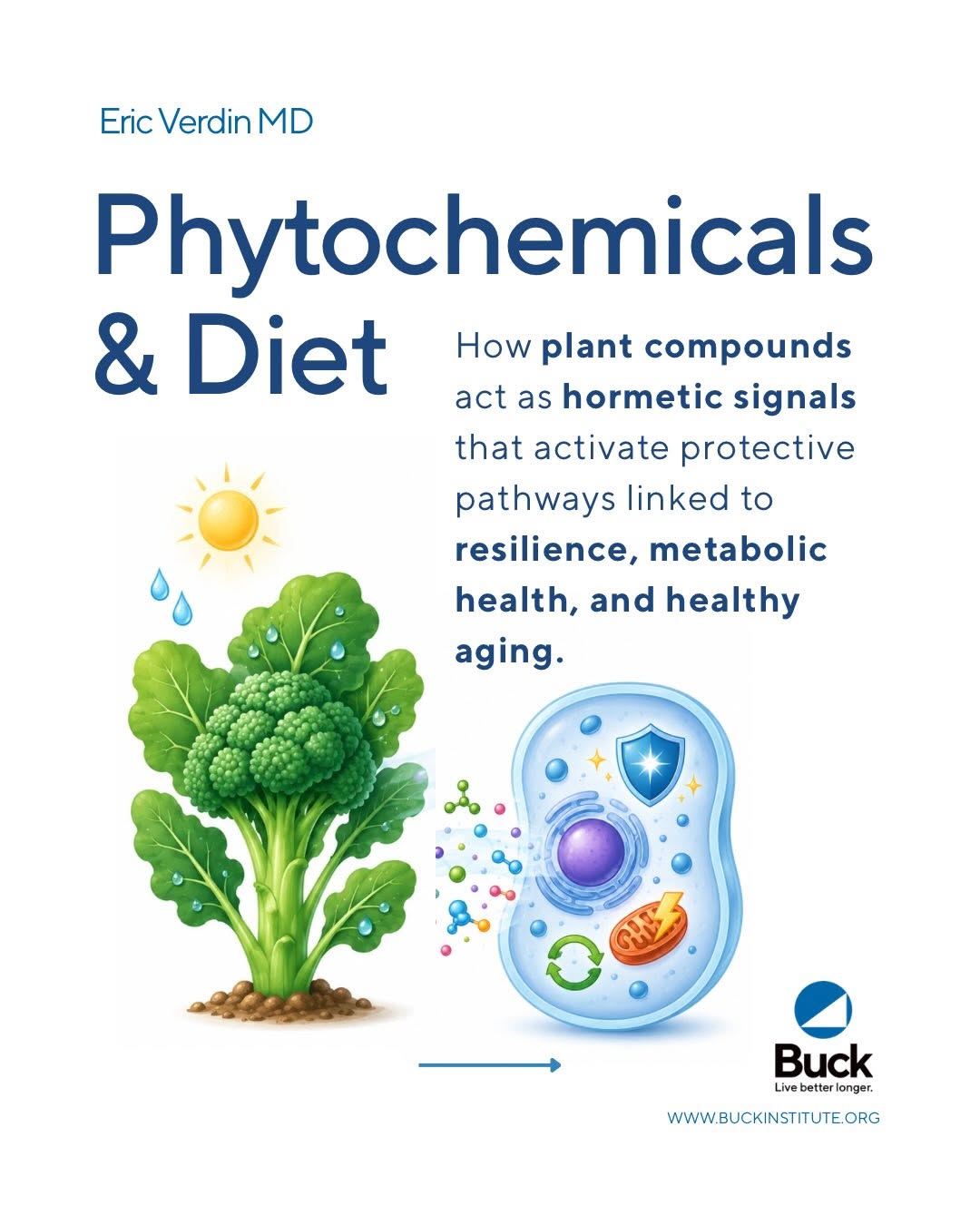
Plant phytochemicals act as hormetic signals linked to resilience and healthy aging

May 11, 2026 · Louis Nervegna ♥ 9 · 💬 1 Mediterranean, DASH, MIND & plant-forward diets

Eric Verdin's post, shared by Louis, describes phytochemicals such as sulforaphane, EGCG, quercetin, curcumin, fisetin and resveratrol as protective compounds that interact with pathways for antioxidant defense, autophagy, mitochondria and inflammation. It frames this as one reason diverse plant-rich diets associate with healthier aging.

Gut microbes turn fiber and polyphenols into GLP-1 and other satiety hormones

Jan 29, 2024 · Louis Nervegna ♥ 9 Gut microbiome

Louis quotes Scientific American: the body makes its own incretin hormones such as GLP-1 and PYY, and gut bacteria ferment indigestible fiber and polyphenols into molecules that stimulate them. These hormones help regulate blood sugar, appetite and the speed of food moving through the gut (the 'colonic brake'). This suggests whole plant foods support the same pathways targeted by Ozempic and Wegovy.