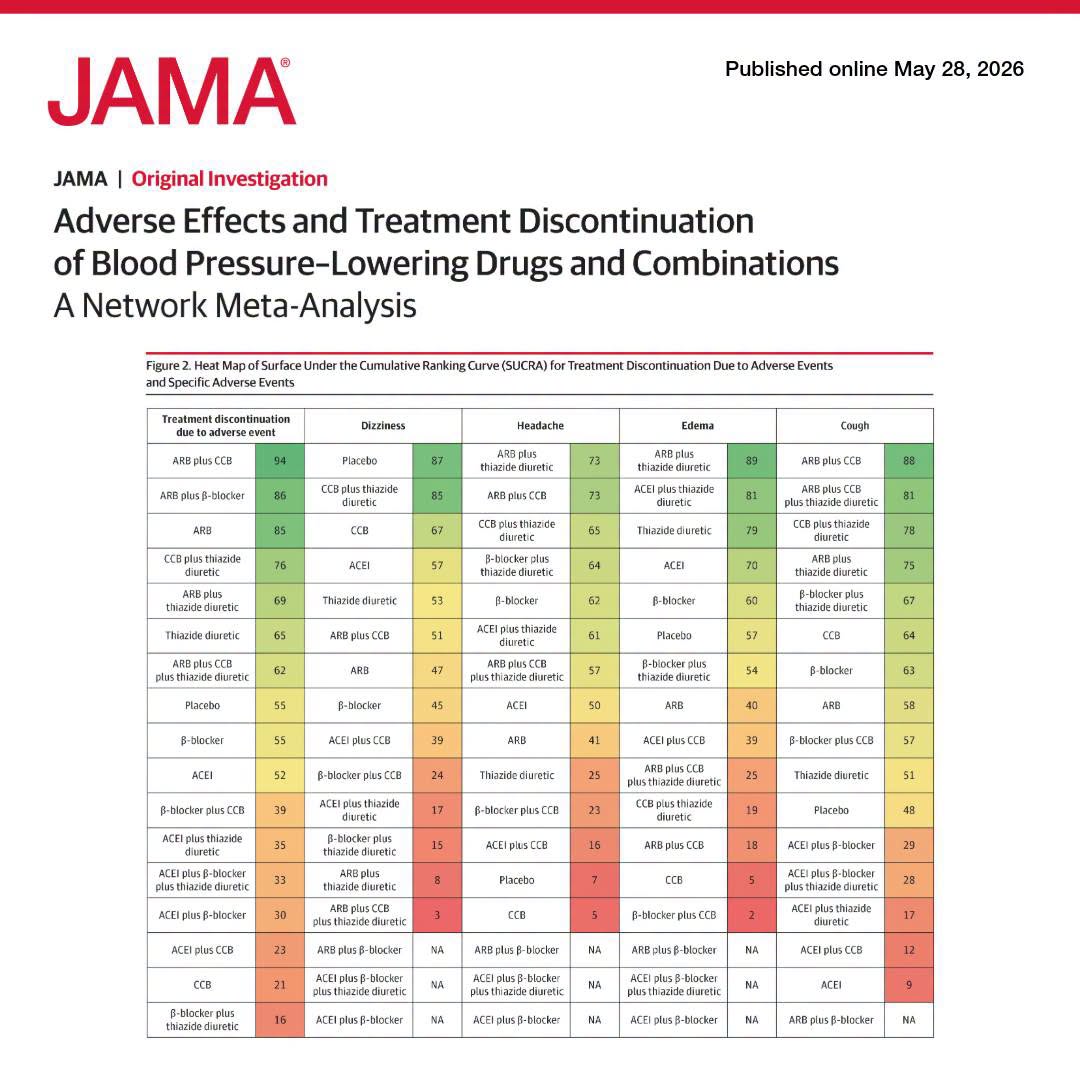
ACE inhibitors vs ARB’s: Which lowers all-cause mortality more?
This post is copied from the rapamycin group. Gokhan Can was the author. The original can be found here: facebook.com/share/p/1CmmPzi2M5.
RCT-BASED META-ANALYSES (FAVOR ACE INHIBITORS)
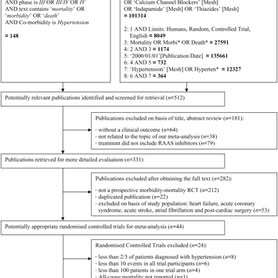
The strongest signal comes from a landmark 2012 meta-analysis of 20 RCTs involving ~159,000 hypertensive patients published in the European Heart Journal. ACE inhibitors were associated with a significant 10% reduction in all-cause mortality (HR 0.90, 95% Cl 0.84-0.97, p = 0.004), whereas ARBs showed no mortality reduction (HR 0.99, 95% CI 0.94-1.04, p = 0. The difference between the two classes was statistically significant (p = 0.036 for heterogeneity).
This has been replicated in parallel placebo-controlled meta-analyses. In one such analysis, ACE inhibitors reduced all-cause mortality by 11% while ARBs showed no benefit at all. A 2017 meta-analysis by Salvador et al. and a 2018 analysis by Xie et al. both supported ACE inhibitors having higher efficacy in reducing all-cause mortality compared with ARBs.
The proposed mechanism is that ACE inhibitors decrease the degradation of bradykinin, leading to nitric oxide and prostaglandin release and additional vasodilation— effects that ARBs do not produce.
OBSERVATIONAL / REAL-WORLD DATA (MIXED OR FAVOR ARBS)
A recent large target trial emulation study using the UK Biobank and China Renal Data System flipped the script. After propensity score matching, 5-year all-cause mortality was 3.45% with ACE inhibitors vs. 3.04% with ARBs (HR 1.13, 95% Cl 1.07-1.19), suggesting ACE inhibitor initiation was associated with higher mortality.
However, a large multinational cohort study across 8 databases found no significant difference in effectiveness outcomes between the two classes, though the confidence intervals could not rule out a moderate difference.
HEAD-TO-HEAD RCTS
A Cochrane meta-analysis of 9 head-to-head randomized trials including ~11,000 patients found no difference in all-cause mortality between the two classes (RR 0.98, 95% CI 0.88-1.10). The problem is that direct comparison RCTs are few and generally underpowered for mortality endpoints.
ВОТТОМ LINE
The weight of RCT evidence tends to favor ACE inhibitors for all-cause mortality, particularly in hypertension and high-CV-risk populations. ARBs are better tolerated (fewer cough/angioedema side effects), which may explain why observational studies— where adherence matters more— sometimes show equivalent or even favorable ARB results. Current guidelines treat them as largely interchangeable first-line agents, but the mortality question remains genuinely unsettled, and some experts argue the two classes should not be considered equivalent.
REFERENCES
[1] van Vark LC et al. "Angiotensin-converting enzyme inhibitors reduce mortality in hypertension: a meta-analysis of randomized clinical trials of RAAS inhibitors involving 158,998 patients." Eur Heart J. 2012;33(16):2088-2097. Link
[2] Strauss MH, Hall AS. "ACEl and ARB— Each Unique RAAS Inhibitors." Mayo Clin Proc. 2023;98(2). Link00667-X/fulltext)
[3] Basil N et al. "A Comparative Study of the Safety and Efficacy Between ACEls and ARBs on the Management of Hypertension: A Systematic Review." Cureus. 2024. Link
[4] "Comparative Effectiveness of ACE Inhibitors Versus ARBs: Multidatabase Target Trial Emulation Studies. Hypertension. 2025. Link
[5] Morales et al. "Comparative First-Line Effectiveness and Safety of ACE Inhibitors and ARBs: A Multinational Cohort Study." Hypertension. 2021). Link
[6] Messerli FH et al. "Angiotensin-Converting Enzyme Inhibitors in Hypertension: To Use or Not to Use?" J Am Coll Cardiol. 2018;71(13):1474-1482. Link (citing the Cochrane review by Heran et al.)
—————-
Paper · European Heart JournalEuropean Heart Journal articleacademic.oup.com#aceinhibitorsHD #arbsHD #lisinoprilHD #mortalityHD #hypertensionHD #bloodpressureHD #telmisartanHD #sartansHD