HD-OPM Archive
Hashtags

#hypertension

50 posts

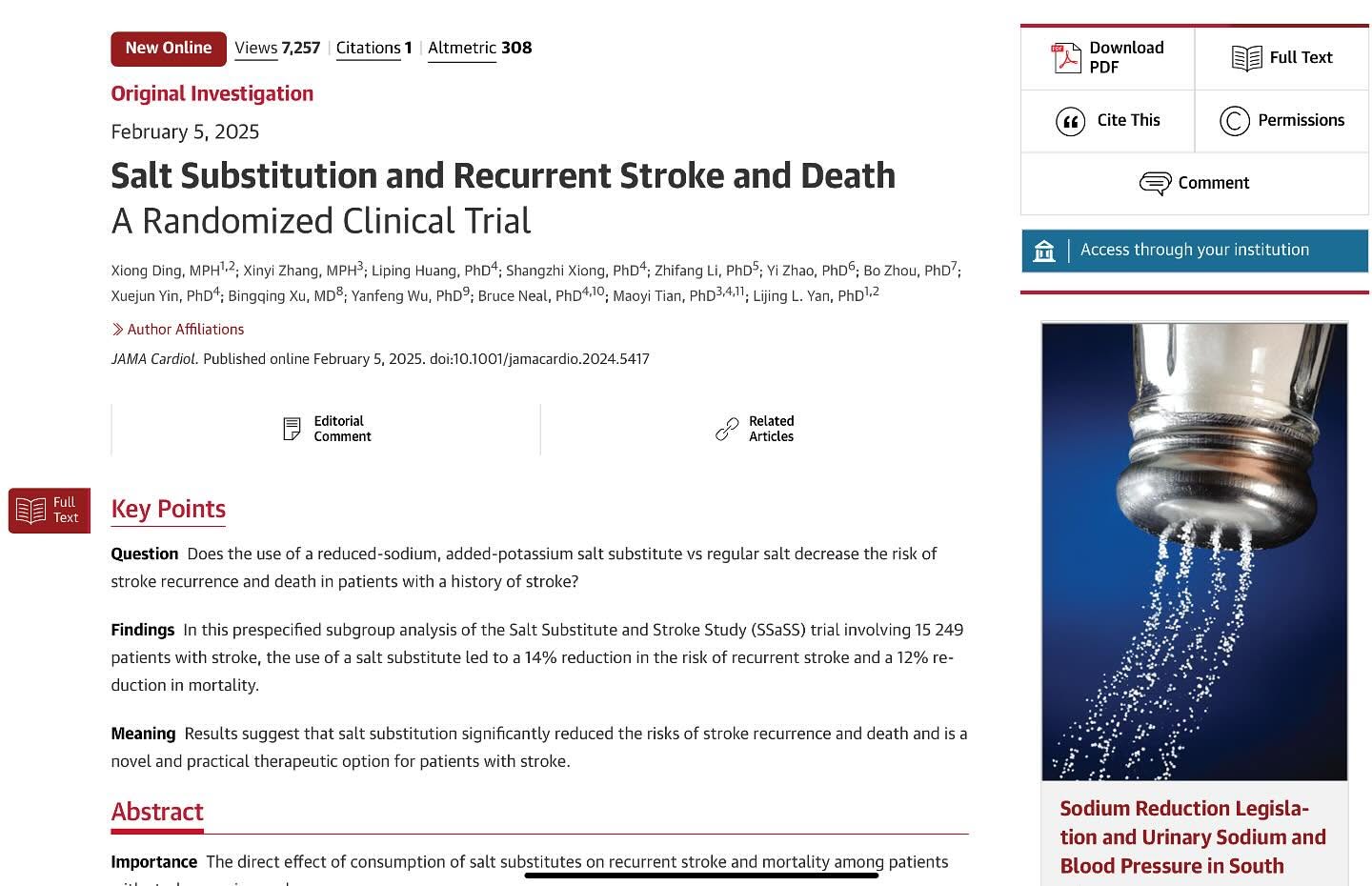
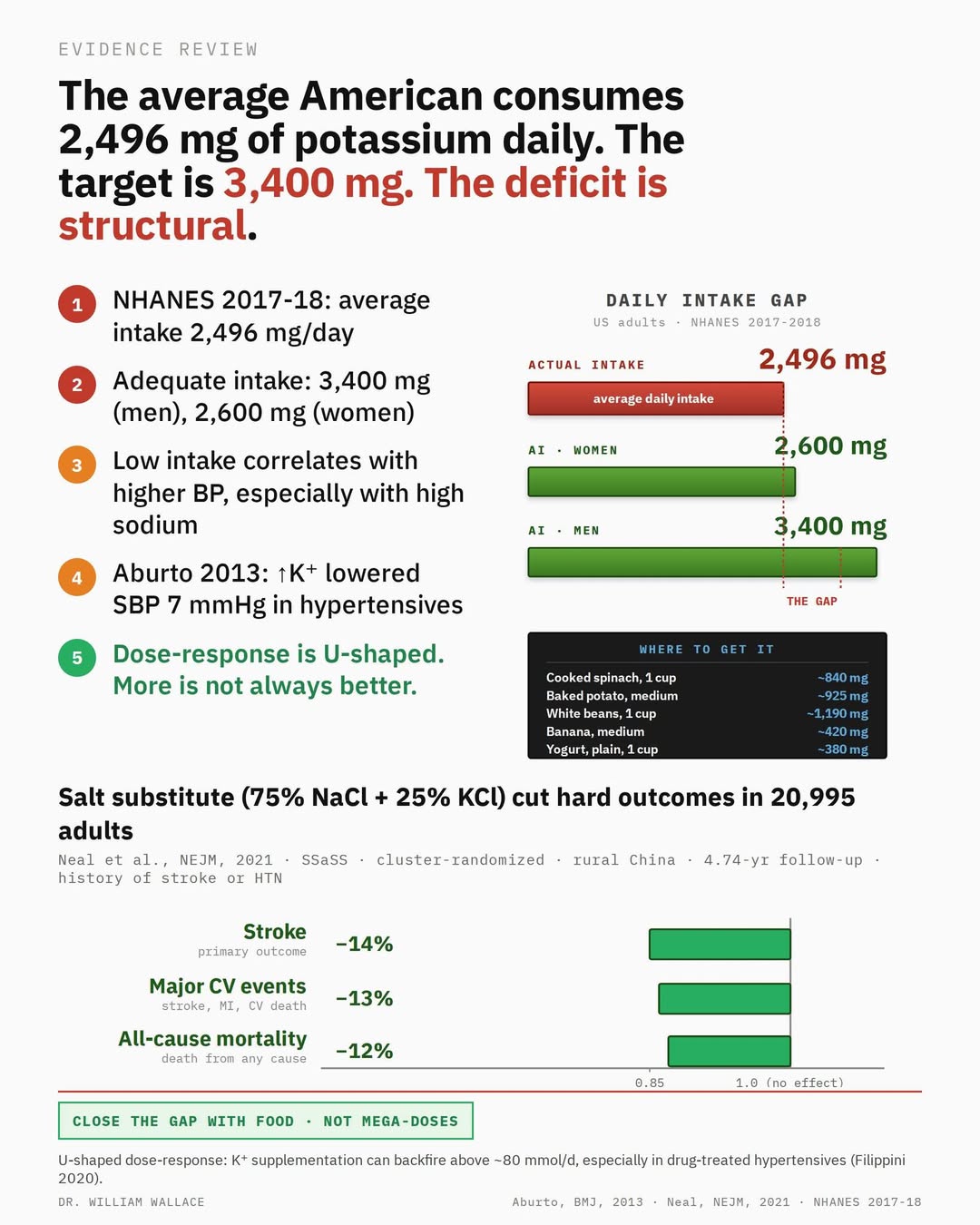
SSaSS in stroke survivors: potassium salt substitute cut recurrent stroke 14%, deaths 12%

Mar 13, 2025 · Louis Nervegna ♥ 10 · 💬 12 Blood pressure, salt & potassium

Louis shares Luigi Fontana's summary of a cluster randomized trial in 15,249 stroke patients in northern China, in which a low-sodium, potassium-enriched salt substitute reduced recurrent stroke and death with no increase in hyperkalemia. Louis personally uses a 50/50 sodium chloride and potassium chloride blend that tastes nearly like regular salt.

Flu vaccination linked to lower all-cause mortality, per admin's earlier evidence summary

Dec 14, 2025 · Gokhan Can ♥ 10 · 💬 13 Infections & vaccines

Reminder to get vaccinated, linking an earlier admin post. The shared summary lists the flu vaccine with 11-42% lower all-cause mortality in RCTs and prospective cohorts, 43% lower in consistent associations across 40+ studies, and 25-40% lower Alzheimer's risk, citing a cohort study and a systematic review and meta-analysis. Also notes Novavax (non-mRNA) COVID vaccine is no longer available to him.

White potatoes: short-term endothelial decline (MODERATE) and more hypertension in cohorts

Apr 19, 2026 · Louis Nervegna ♥ 12 · 💬 7 Blood vessels, circulation & endothelium

Summarizes the MODERATE trial, where participants who ate boiled, baked or mashed potatoes in the previous 24 hours had 1.7% lower flow-mediated dilation, roughly the 1.2%-per-decade aging decline for 14 years, as a short-term effect. It is linked to cohort data (Nurses' Health Studies and Health Professionals) tying baked, boiled or mashed potatoes to hypertension.

Wall squat isometric holds may lower systolic blood pressure about 9 points in weeks

Nov 04, 2026 · Louis Nervegna ♥ 12 · 💬 8 Blood pressure, salt & potassium

Louis shares a post saying a large review found isometric exercises, especially wall squats, lowered resting blood pressure more than cardio, intervals or weights. In one trial wall squats cut systolic pressure by about 9.4 points. The routine is four 2-minute holds with 2-minute rests, three times weekly, without holding the breath.

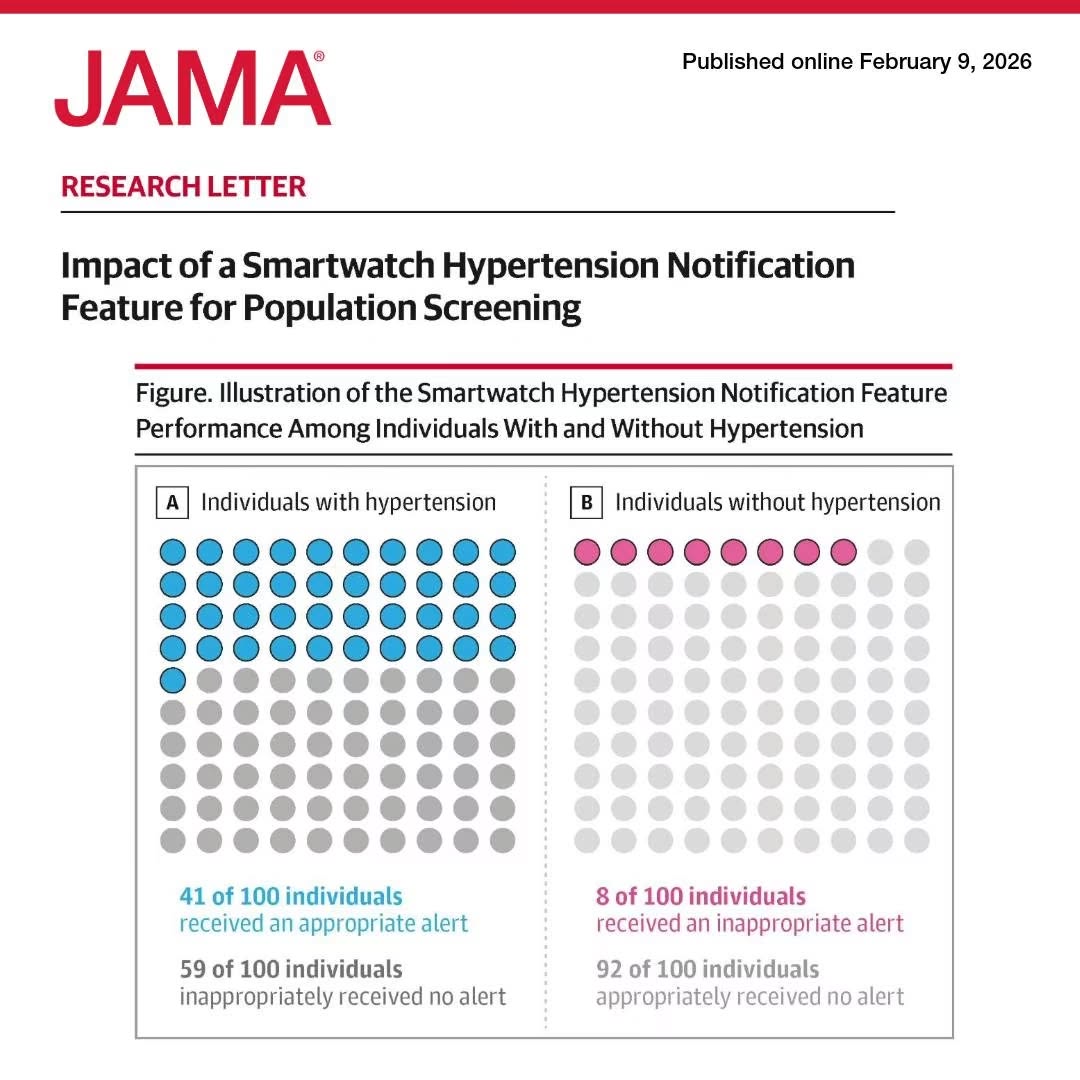
Apple Watch hypertension alerts: 69% of alerts correct, 79% of non-alerts correct

Feb 15, 2026 · Gokhan Can ♥ 7 · 💬 5 Blood pressure, salt & potassium

Shares a JAMA Cardiology analysis of the FDA-cleared Apple Watch hypertension notification using Apple's reported performance on national survey data: 69% of people alerted would have hypertension and 79% not alerted would not. Admin judges it better than relying on a doctor to catch it but worse than a proper cuff; cuff measurement remains the diagnostic standard.

Lifestyle changes may cut sudden cardiac arrest risk 40-63%, per 2025 UK study in a video

Jun 01, 2025 · Gokhan Can ♥ 10 · 💬 2 Heart attack, stroke & procedures

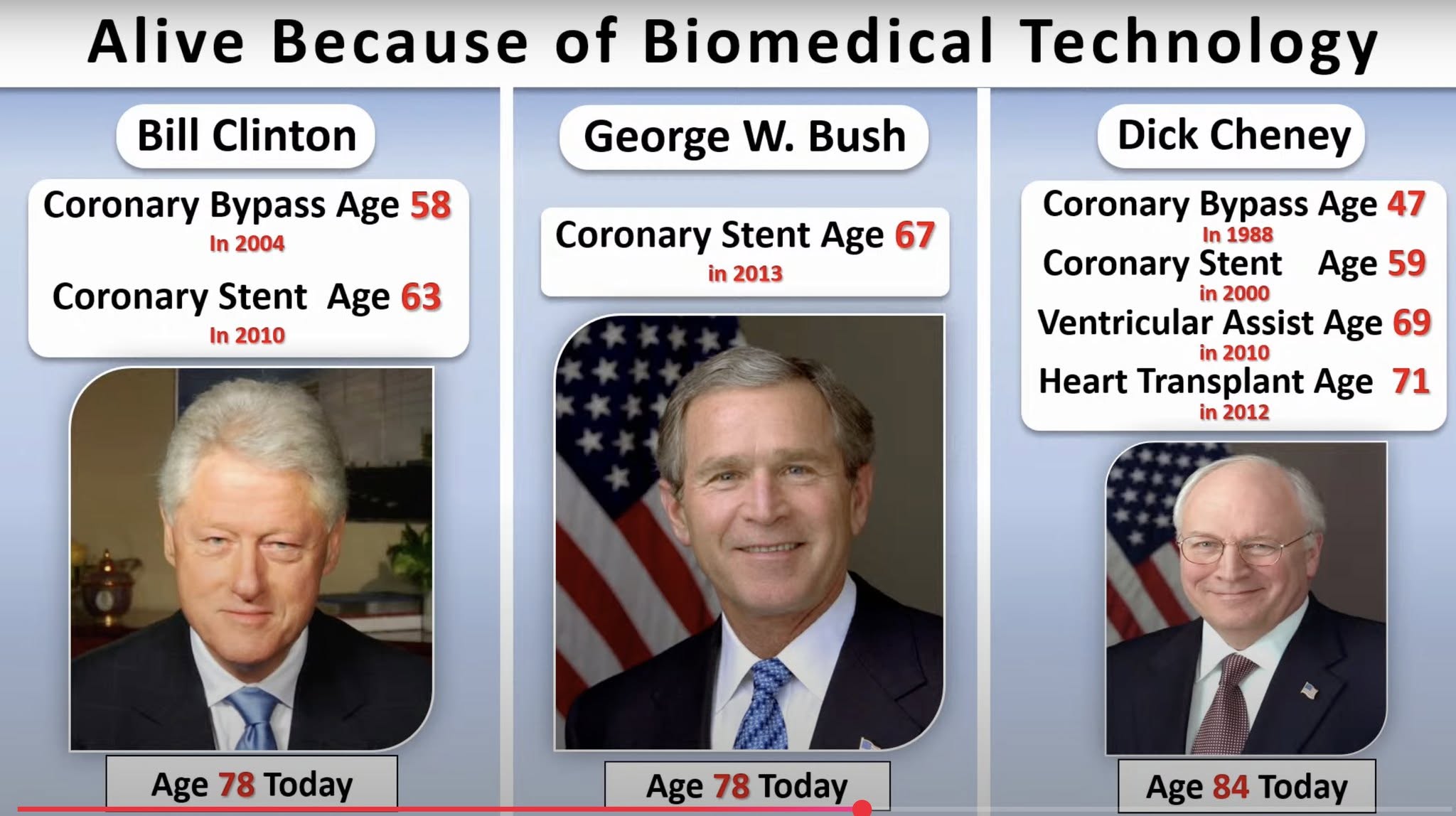
A video segment from Life Extension founder Bill Faloon discusses a 2025 UK study finding that modifiable factors such as physical activity and social engagement reduce sudden cardiac arrest risk by 40-63%, while unemployment and smoking raise it. He also contrasts today's heart disease treatment with that available to past presidents.

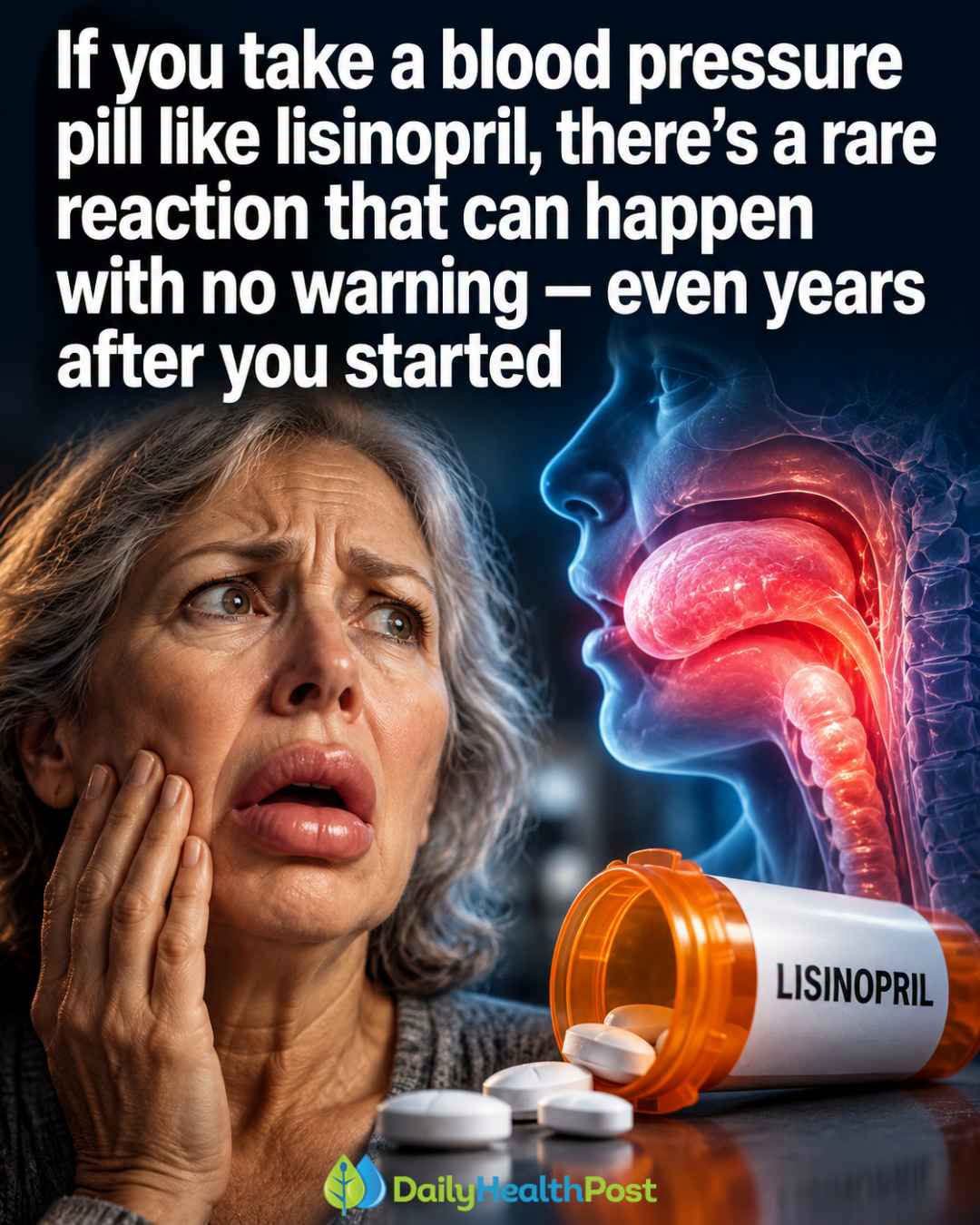
ACE inhibitors can cause angioedema, even years after starting

Sep 25, 2026 · Louis Nervegna ♥ 5 · 💬 3 Blood pressure, salt & potassium

A health-safety post warns that people taking ACE inhibitors (lisinopril, ramipril, benazepril) can develop angioedema, swelling of the lips, tongue or throat, even years later and often without itching. Risk is higher over 65, in smokers, people of African descent and those on immunosuppressants. Real swelling or breathing trouble needs emergency care.

Long-term ADHD medication linked to 4% higher CVD risk per year of use

Dec 07, 2023 · Louis Nervegna ♥ 2 · 💬 1 Blood pressure, salt & potassium

Louis shares a report on a JAMA Psychiatry nested case-control study from Karolinska Institutet. Long-term ADHD drug use was associated with 4% greater CVD risk per year of use, with the largest rise in the first three years, in children and adults, females and males. Hypertension and arterial disease drove most of the association, and stimulants were also linked. Observational, so association not proof of causation.