Wild blueberries show the strongest evidence for improved blood vessel function
Louis shares a 2026 review of wild blueberries and cardiometabolic health, saying the strongest and most consistent evidence is for improved vascular function.
4 posts
Louis shares a 2026 review of wild blueberries and cardiometabolic health, saying the strongest and most consistent evidence is for improved vascular function.
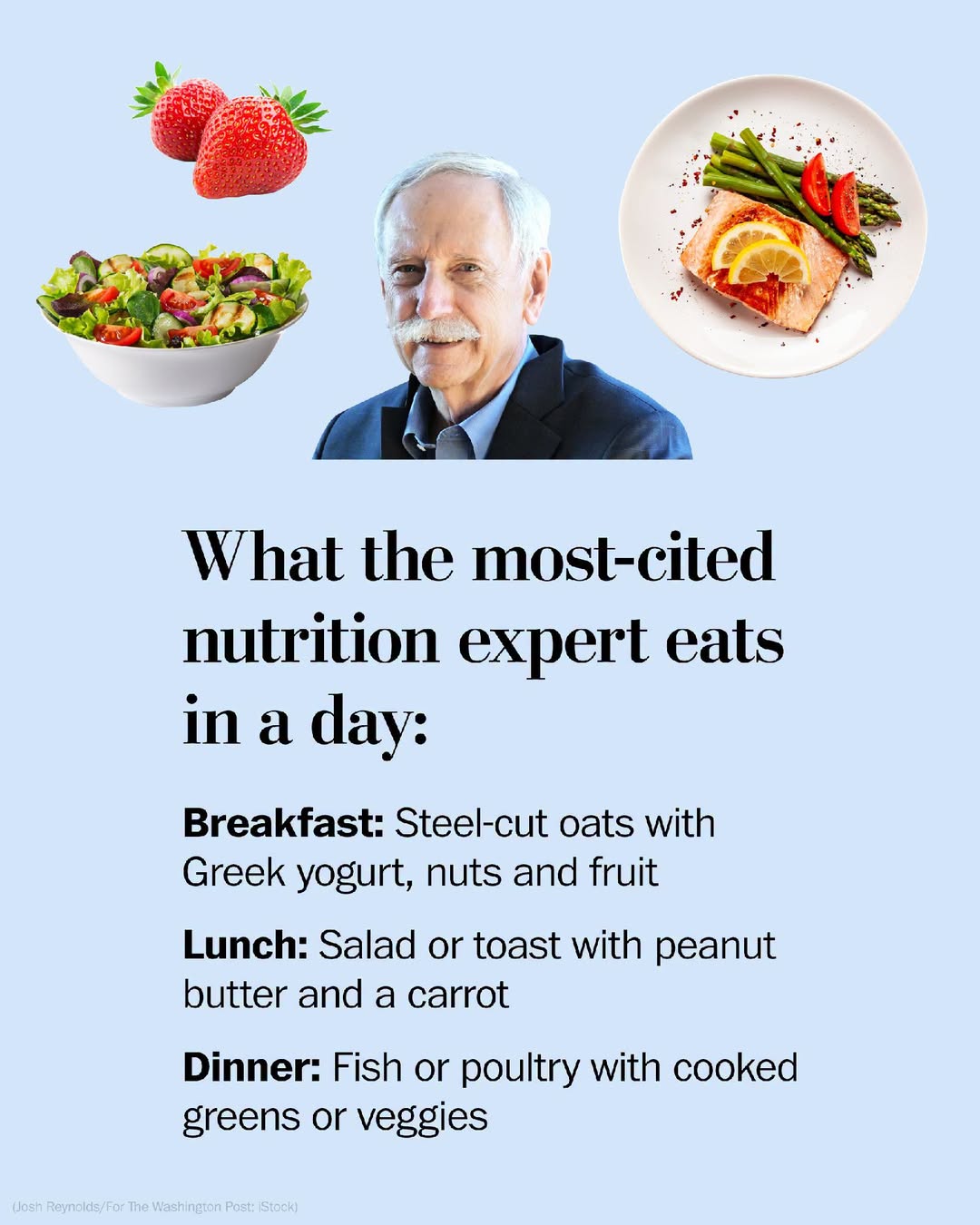
A Washington Post interview with Harvard nutrition researcher Walter Willett. He says his group's data showed total fat was irrelevant, trans fats were bad, saturated fat versus refined carbohydrate was only weakly related to heart disease, and unsaturated fats were linked to lower heart disease and mortality. He also describes his own diet, including oats, nuts, blueberries and a plant-based lunch.
A podcast excerpt says one cup (150-180 g) of fresh or frozen blueberries daily matches the dose in most positive human studies. The clearest benefit is better endothelial function, with possible memory benefits in at-risk older adults and glucose benefits when metabolism is strained. Randomized trials have not shown they prevent dementia, diabetes, heart attacks or strokes.
A FoundMyFitness podcast summary says daily blueberry intake altered the expression of over 600 genes in blood cells and produced anthocyanin-derived metabolites, some associated with better artery dilation. The point is that blueberries do more than act as antioxidants.