Link that bypasses the paywall:
archive.isArchived web pagearchive.isQuoted:
When we started our work in the 1980s, the U.S. dietary guidelines were focused on telling people that they could improve their health by avoiding fat and loading up on carbohydrates without paying attention to the type of fat or carbohydrates.
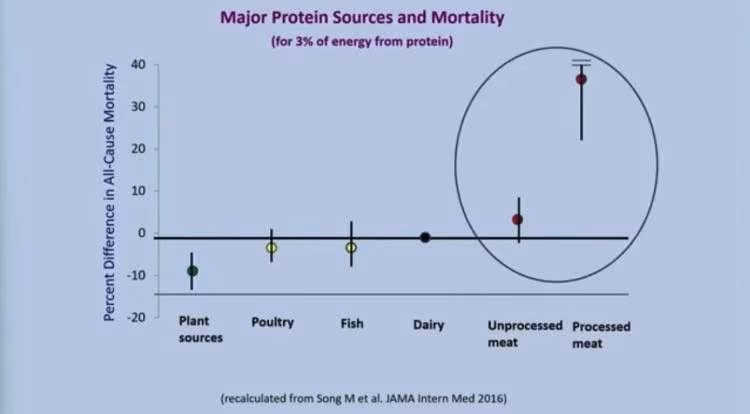
But as the data from our studies came in, that’s not what we saw. It looked like total fat was irrelevant, trans fats were really bad, and saturated fats compared to refined carbohydrates were only weakly related to heart disease or mortality. But eating unsaturated fats was associated with quite substantially lower rates of heart disease and mortality.
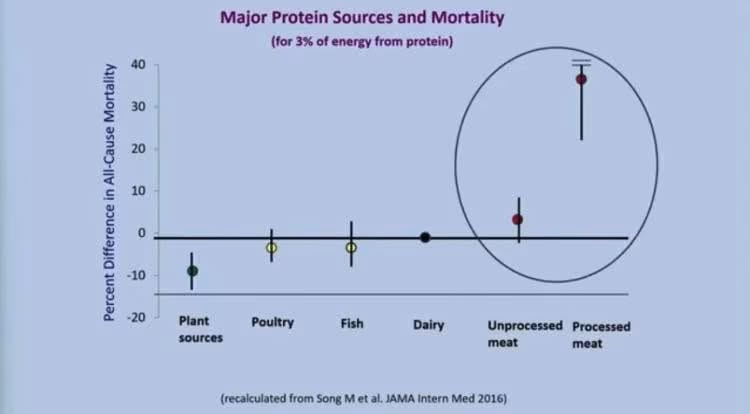
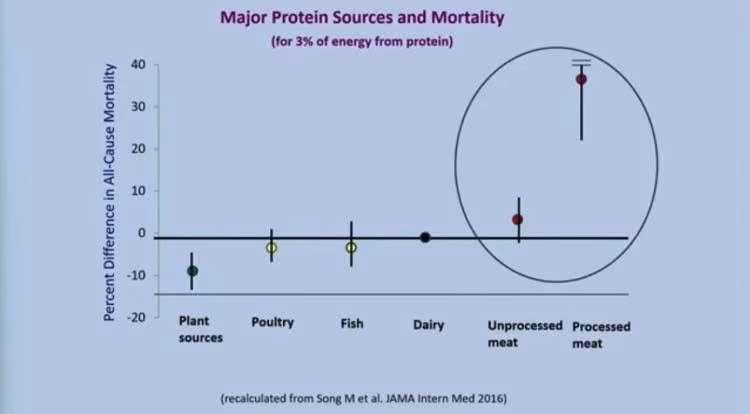
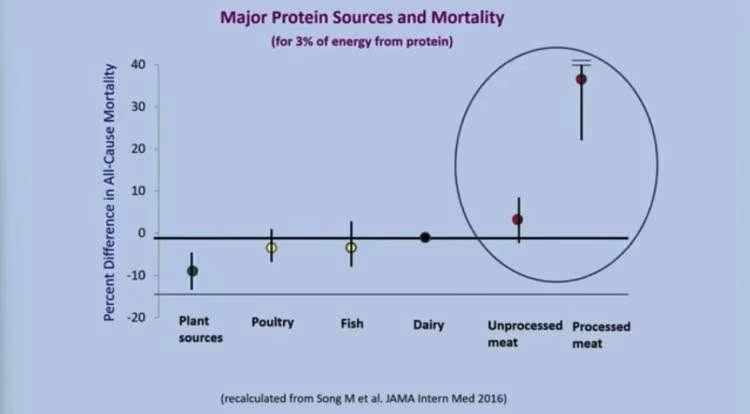
It turns out that that fit with the traditional Mediterranean diet, which is whole grains, plenty of fruits and vegetables, olive oil and a lot of plant-based proteins such as beans, peas, and lentils, with modest amounts of meat and dairy. Fish is also a regular part of the diet.
Unsaturated fats have a beneficial effect on your blood lipids compared to saturated fat and refined carbohydrates. They can lower LDL cholesterol without raising triglycerides or reducing HDL cholesterol. But it’s a lot more than that. Polyunsaturated fats help reduce insulin resistance [reference: ↪ Meta-analysis of 102 feeding trials: PUFA gives the best glucose-insulin benefits].
Q: What’s your typical breakfast?
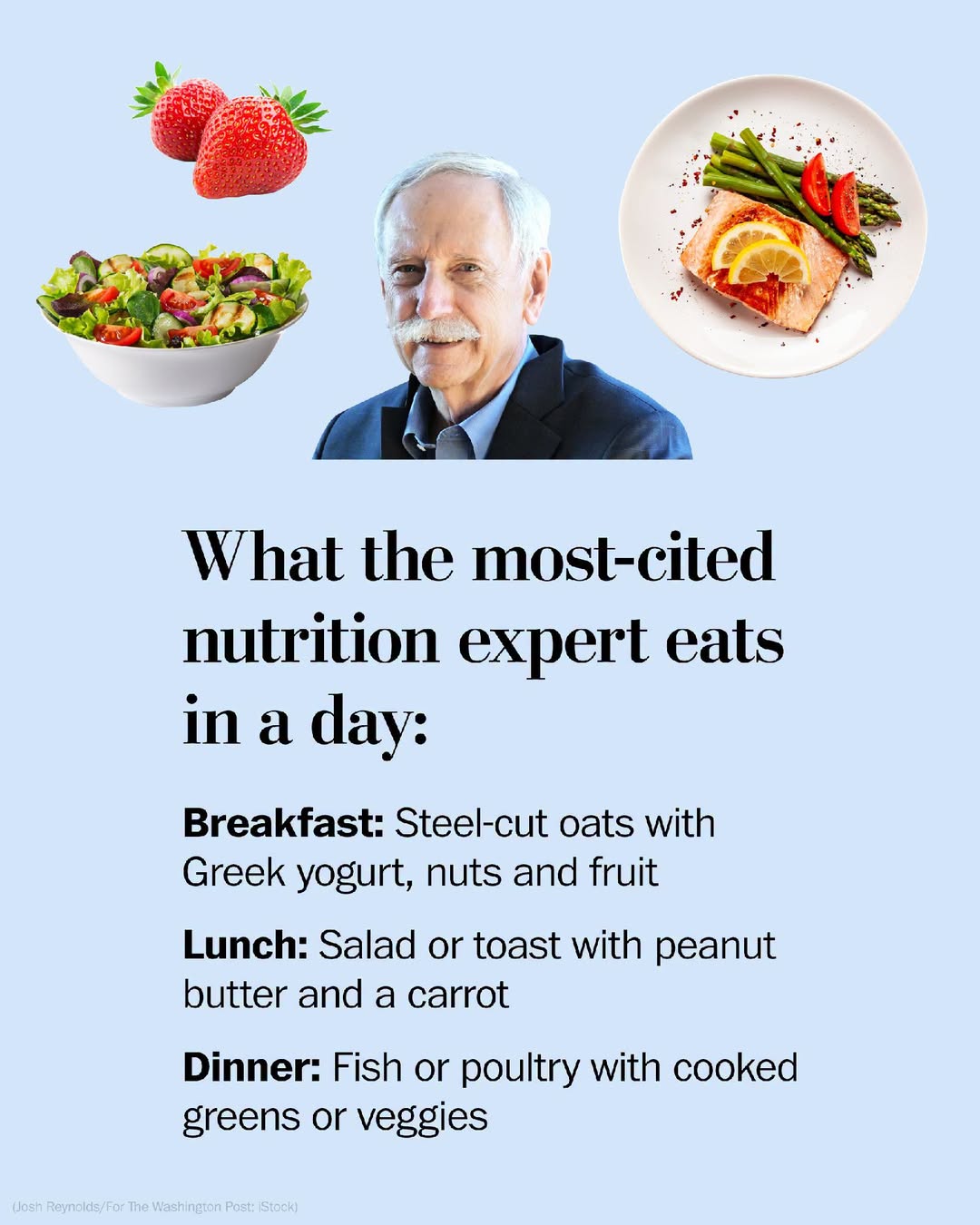
I usually have steel-cut oats as a base. Then I add a cup of Greek yogurt, some nuts, and fruit. I try to eat blueberries on most days as part of my fruit. In study after study, berries appear to be protective against neurodegenerative diseases like Alzheimer’s and Parkinson’s disease. It’s an area where we need more research, but berries do seem to stand out, especially blueberries.
I also have a small glass of orange juice in the morning. There are studies in multiple cohorts showing lower rates of cognitive decline when you drink orange juice on a regular basis. Orange juice does have a lot of sugar like all fruit juices do. But I only have one small glass a day.
Q: What do you eat for lunch?
Lunch is my plant-based meal for the day. If I’m at work at the school of public health, we have a really good salad bar. So, I’ll make a big Mediterranean type of salad with fresh greens, chickpeas, nuts, hummus, tofu, and olive oil and vinegar.
When I’m at home, I don’t have time to put a lot of stuff together. When we did the Eat-Lancet Commission report, the issue of cost and convenience came up, and I said I can make a lunch for under three minutes that costs less than a dollar. It’s basically whole grain bread with peanut butter and a little bit of jam or a touch of honey. And a carrot.
I did the calculations. It came out to 72 cents, and it takes less than three minutes. You can see a video of me preparing it on YouTube: EAT Cook Club 2026 – The Nutritious Snack: Peanut Butter Sandwich (EAT).
Q: Is it a filling lunch?
Depending on how hungry you are, you can add another slice of [whole grain] bread and peanut butter. Whole grain bread with peanut butter is quite satisfying. Today I had a variant where I added slices of avocado instead of peanut butter, and then I put olive oil and basil on top and it was quite good.
Avocado costs a little more than peanut butter. But it still takes less than three minutes to make.
Q: What do you eat for dinner?
My wife and I will usually have fish or poultry. Yesterday my wife made a really nice Persian dish. It was whole grain rice with saffron, and a stew with walnuts, chicken and pomegranate. It was really good. It’s a dish that I had in Tehran when I was first there. When we want something quick, we might bake some fish with olive oil, and we’ll have it with cooked greens or veggies.
If I’m by myself, I will usually make a salad. The quickest thing for me is to go to Trader Joe’s and get their washed spring greens. I’ll add some olives and fresh vegetables. And often I’ll get a tin of oysters or mussels and put that on the salad. I can make that in under five minutes. Oysters and mussels are very nutritious and they’re sustainable.
Q: Do you ever snack?
I always try to have apples and carrots on hand. When I was writing a textbook some years ago, I always wanted something to chew on. But I wasn’t careful and I gained five pounds because I was snacking on cookies and chips. I didn’t want that to happen again. So, for the next edition of the book, I made sure to have apples and carrots on hand — and I didn’t gain any weight. So that’s now my go-to snack. They’re low in calories and very satisfying.
Q: What do you do for exercise?
I ride my bike to work. It’s the quickest and most reliable way to get to work. I also try to do things like sit-ups, resistance bands and resistance work.
Q: What’s your advice for our readers?
If I could put 40 years or research into one answer, it would be to eat a variety of healthy, mostly plant-based foods, and find a way to do it that’s enjoyable.
#willettHD #hnsHD #hpfsHD #harvardHD #fatHD #saturatedfatHD #unsaturatedfatHD #polyunsaturatedfatHD #omega6diabetesHD #insulinresistanceHD #transfatHD #refinedstarchHD #refinedsugarHD #mediteraneanHD #wholegrainsHD #fruitHD #vegetablesHD #legumesHD #redmeatHD #dairyHD #fishHD #oliveoilHD #ldlHD #hdlHD #triglyceridesHD #oatmealHD #yogurtHD #nutsHD #berriesHD #blueberriesHD #alzheimersHD #parkinsonsHD #dementiaHD #orangejuiceHD #saladHD #greensHD #soyHD #wholegrainbreadHD #peanutbutterHD #peanutsHD #carrotsHD #avocadoHD #poultryHD #seafoodHD #oystersHD #mussellsHD #exerciseHD #cyclingHD #resistancetrainingHD