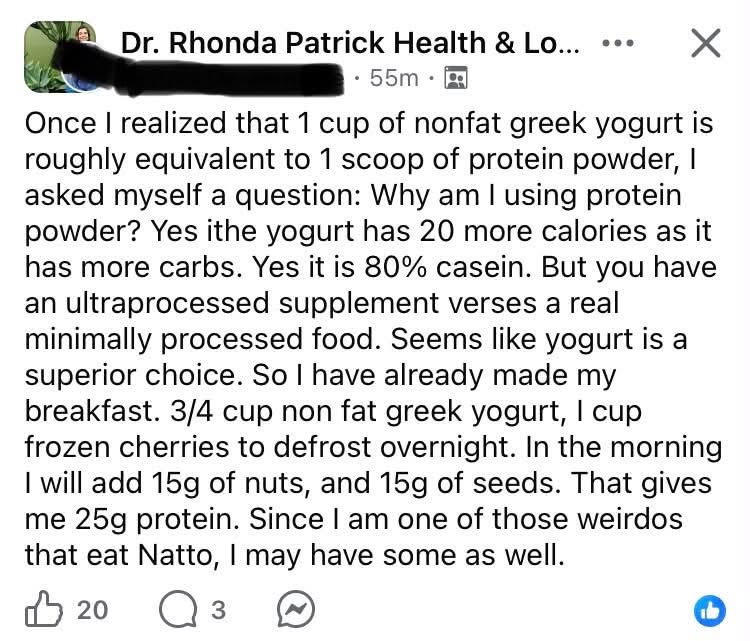
Yogurt has long-term evidence behind it; processed whey supplements do not
Louis argues yogurt has consistent long-term epidemiology and trials like Lyon, PREDIMED and CORDIOPREV encouraged it, whereas processed whey has no long-term data.
7 posts
Louis argues yogurt has consistent long-term epidemiology and trials like Lyon, PREDIMED and CORDIOPREV encouraged it, whereas processed whey has no long-term data.
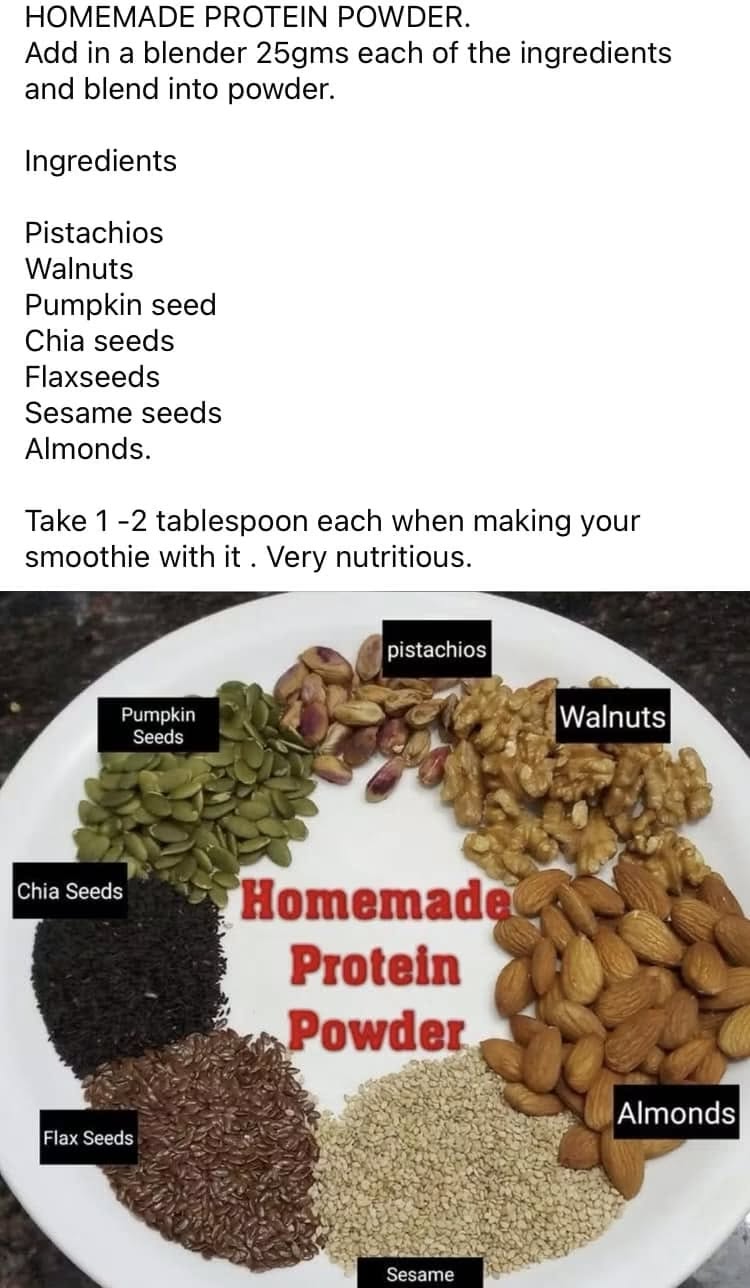
Louis suggests nuts and seeds instead of protein powders, since their fat and fiber are cardioprotective, improve insulin sensitivity and are filling. He points to research showing protective effects of nuts and seeds against CVD.
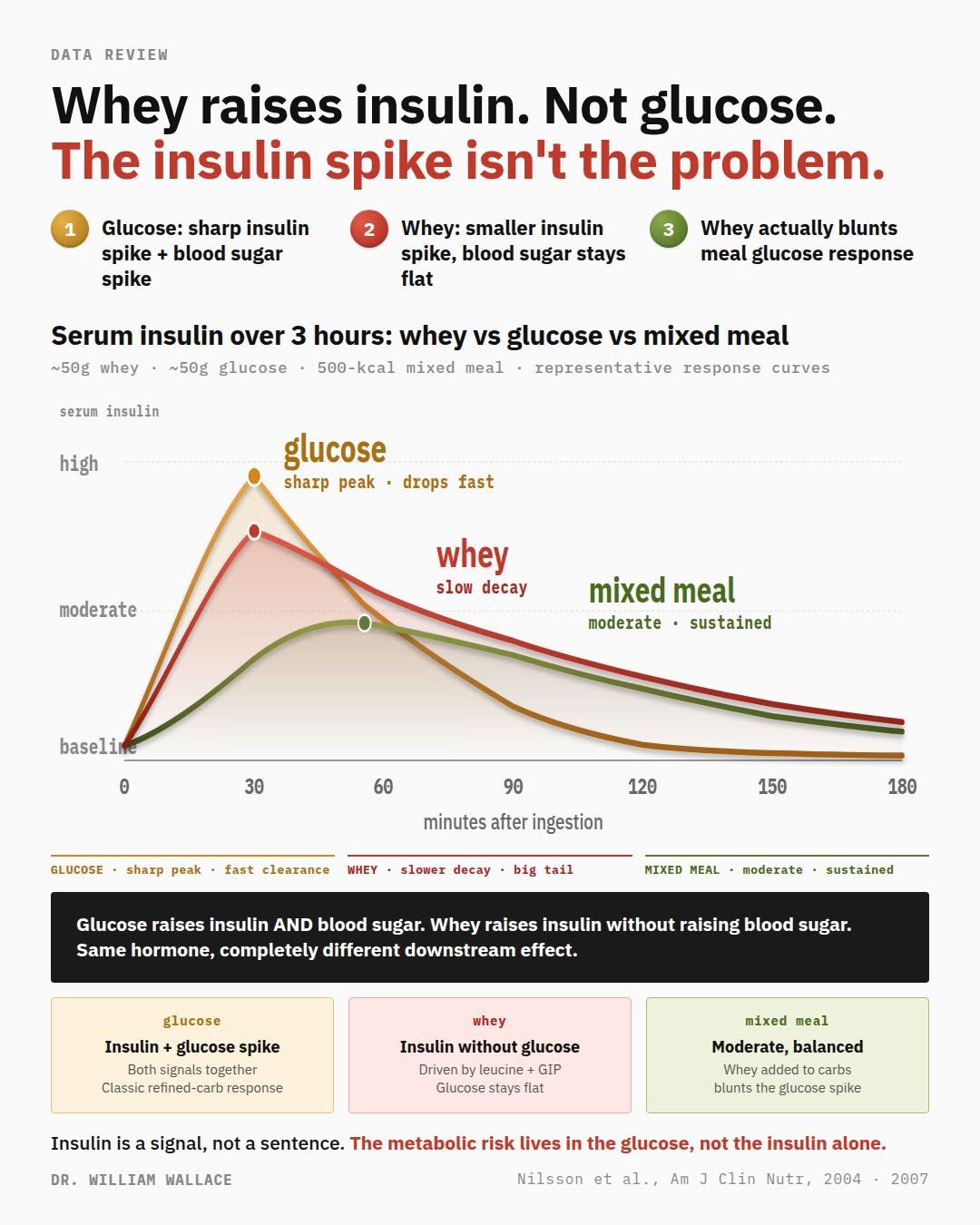
William Wallace shares the Nilsson 2004 trial: in 12 healthy volunteers, whey produced a 90% higher insulin AUC and 57% lower glucose AUC than white bread, tracking plasma branched-chain amino acids. He argues repeated large insulin surges raise IGF1 and mTOR and may have long-term costs, disagreeing with a source that dismisses the concern.
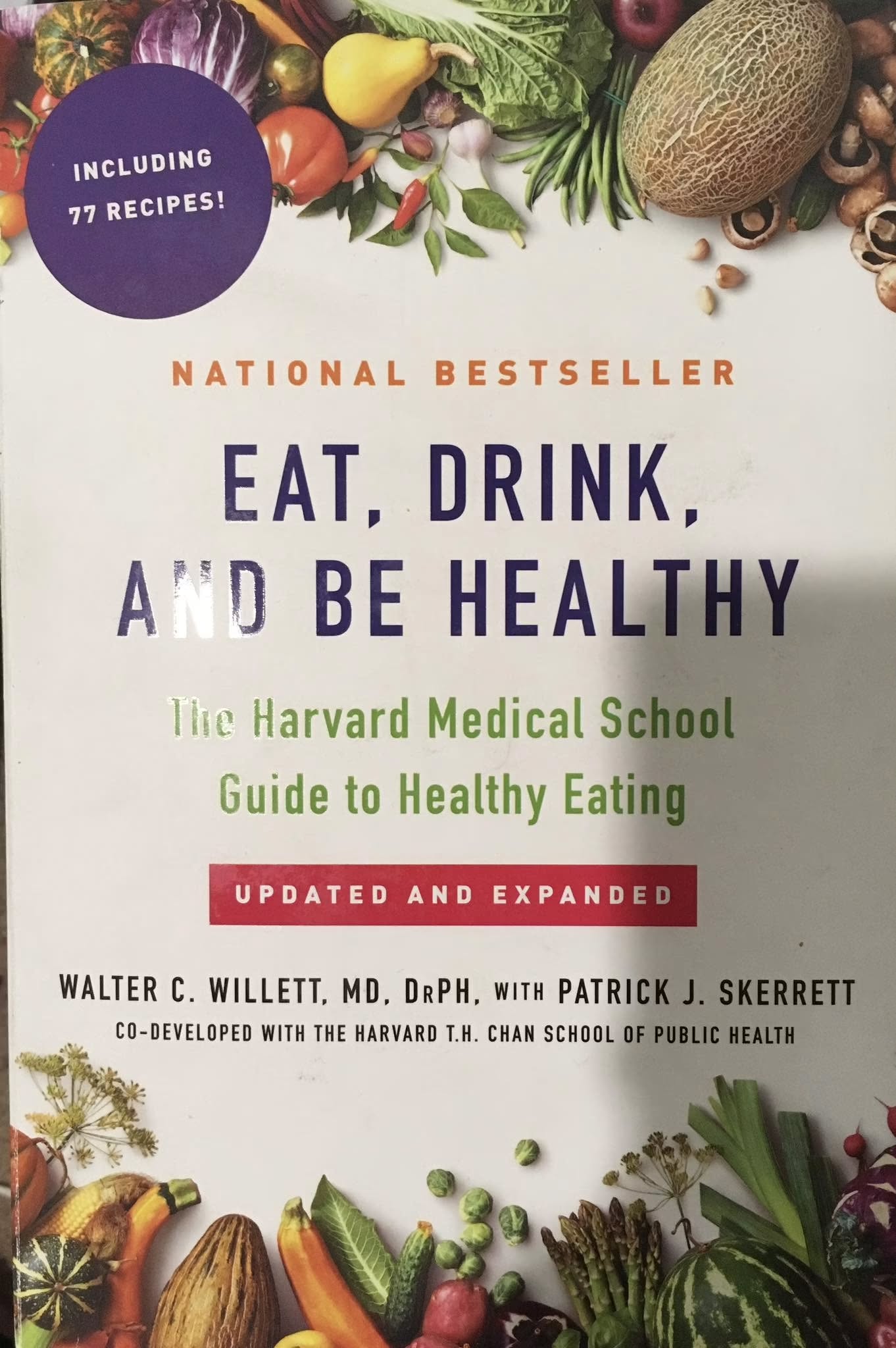
Louis says Walter Willett shares his concern that processed whey could raise insulin, IGF-1 and mTOR, which are implicated in cancer, heart disease and aging. He notes whey has short-term benefits but little long-term data.
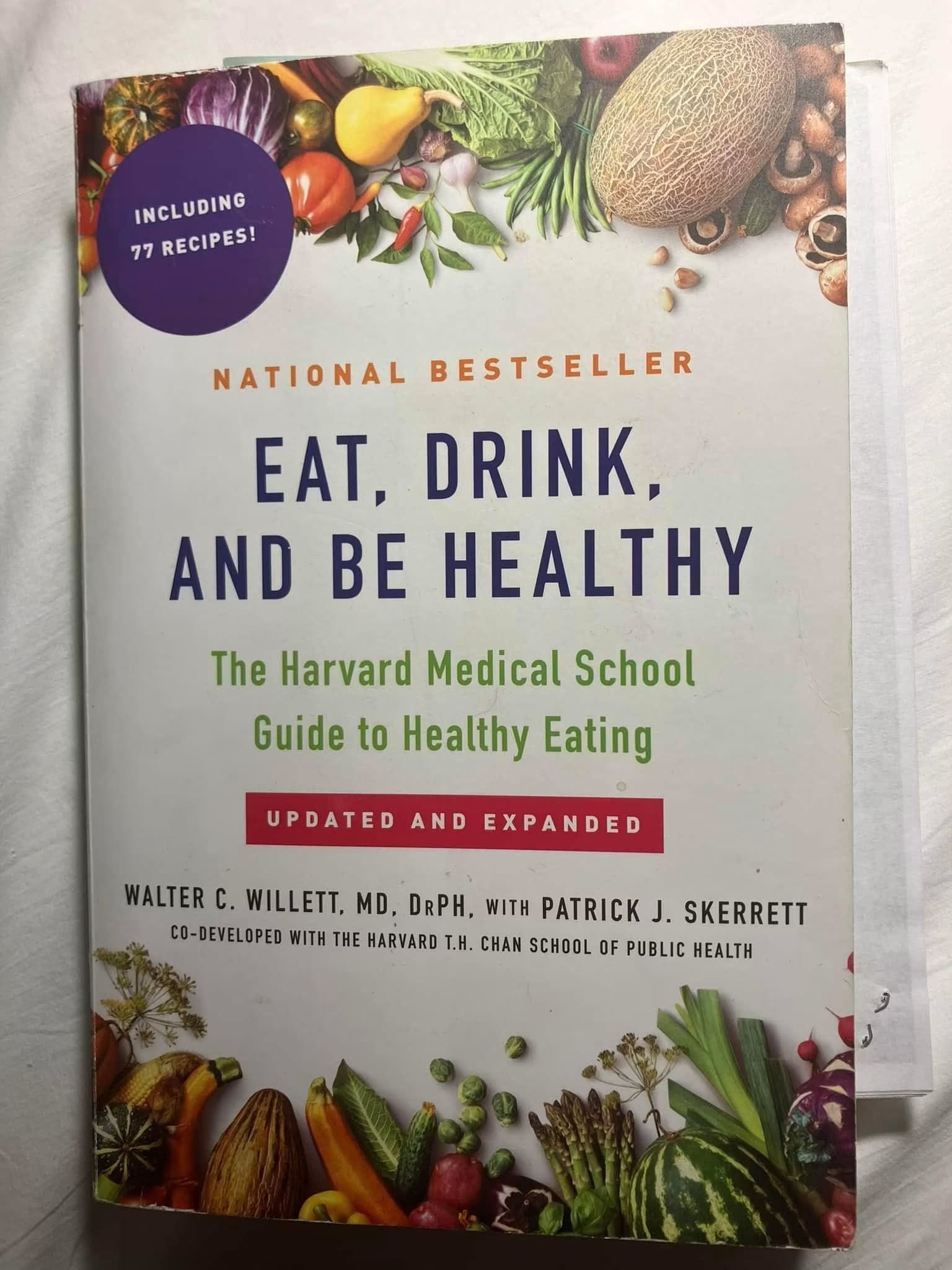
Louis argues processed whey spikes insulin more than glucose or white bread and may raise insulin/IGF-1, which promote cancer cell growth. He cites Walter Willett's 2017 book cautioning that protein supplements add little muscle without exercise and that BCAAs increase IGF-1, which may raise breast and prostate cancer risk.
Louis shares Valter Longo's ProLon L-Protein, a plant-based powder designed to limit insulin, mTOR and IGF1 activation, with 25 g of complete protein. He says whey raises insulin more than white bread or glucose, but the best option is simply eating the whole beans and peas. Not an affiliate.
Louis shares a video review of a recent paper proposing that leucine-rich protein drives atherosclerosis. The conclusion, which Louis agrees with, is that it occurred in engineered mice fed 46% of calories from protein, is biologically plausible but remains far from proven in humans.