AI summary & key facts
Louis argues that studies finding saturated fat harmless mainly compare it against the average Western diet, which is already poor (over 40% of calories from refined starch and sugar). When saturated fat is compared with vegetables, legumes, whole grains, olive oil, nuts, fish, yogurt or unsaturated fats, it consistently raises risk. He notes different saturated fats behave differently.
- Key question for any study: compared with what?
- Over 40% of US calories come from refined starch/sugar
- 1 in 5 Americans eating the standard Western diet will have a heart attack
- Versus healthy foods and unsaturated fats, saturated fat consistently raises risk
(no text — see the shared post below)
The studies that have shown saturated fat does not raise risk for CVD have used the standard western diet as the reference point:
In other words, substituting a sampling of calories in the US diet by saturated fat does not raise risk for CVD.
That's not exactly encouraging, given how poor the US diet is:
Over 40% of the calories in the US diet come from refined starch/sugar.
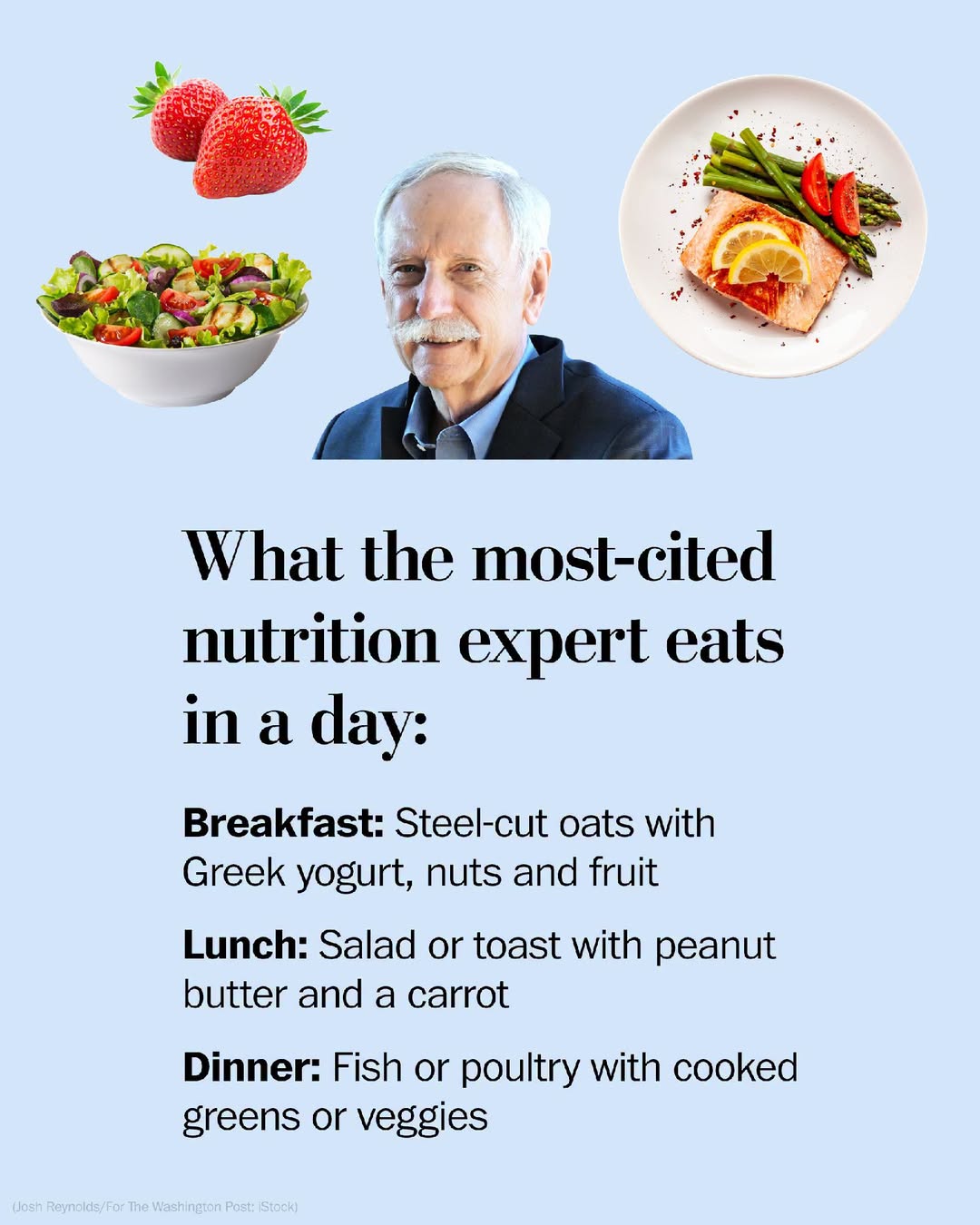
↪ Willett: refined starch and sugar (~40% of US calories) drive heart disease and diabetes
Much of the rest comes from highly processed foods.
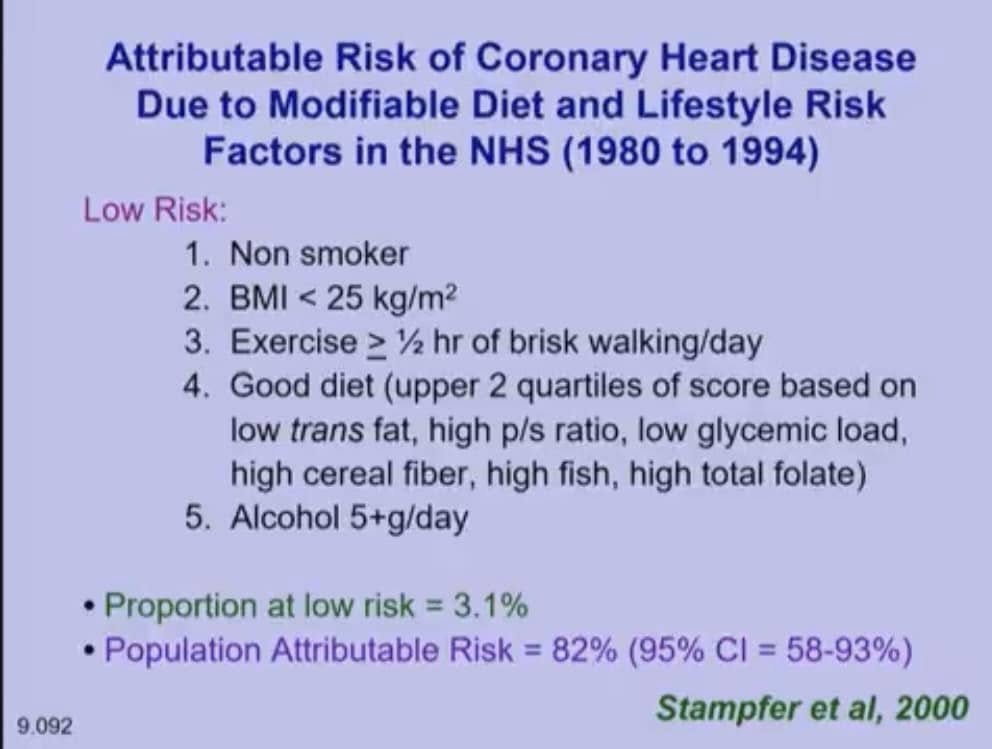
20% of Americans (1 in 5) eating the standard western diet will have a heart attack in their lifetime.
So the next time that someone quotes a study claiming that saturated fat does not increase risk for CVD, ask:
IN COMPARISON TO WHAT?
Almost all of the time, the answer is the standard western diet.
When a study doesn’t explicity mention what the comparison point is then the assumption is that they are comparing to the overall diet as a whole— this usually means the standard western diet.
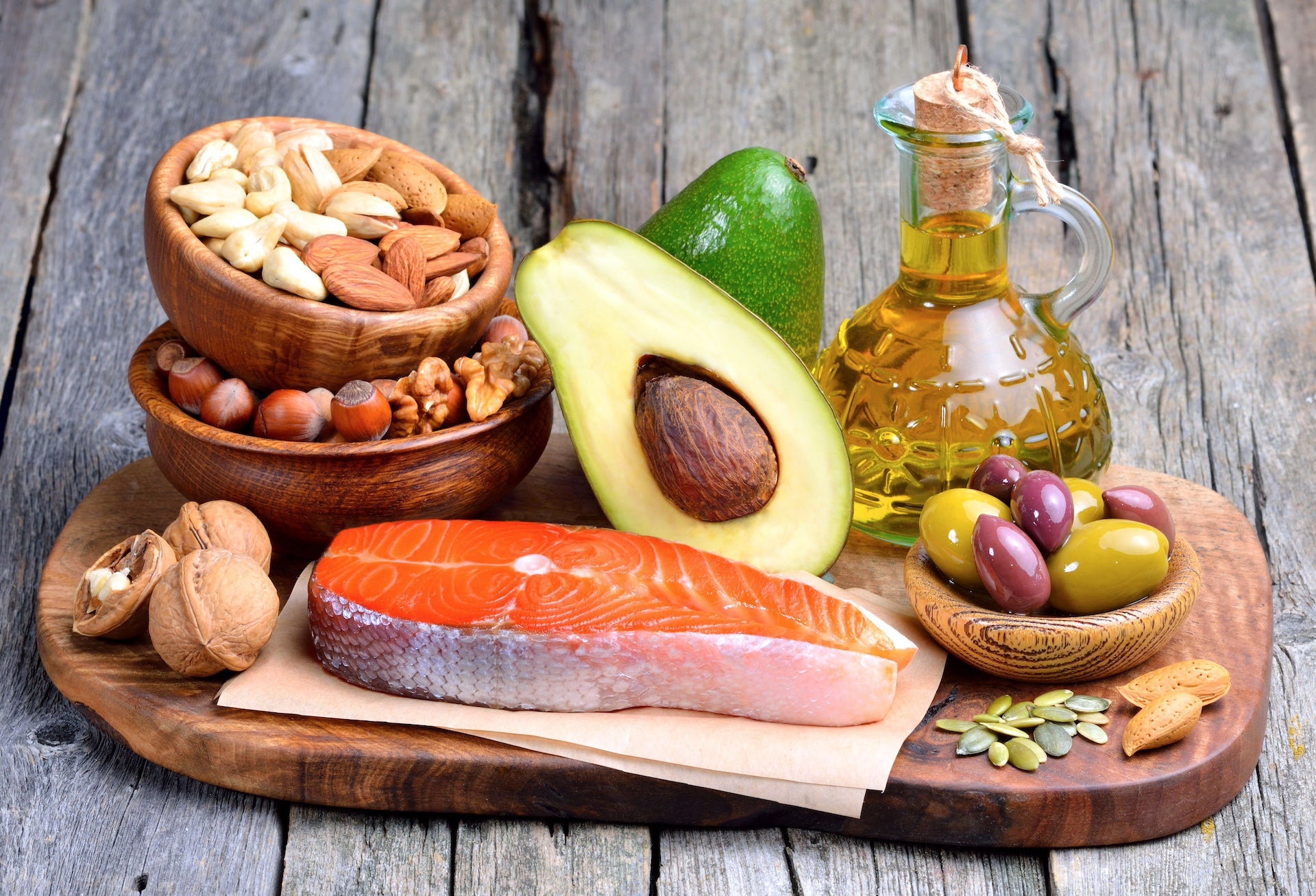
When you instead look at studies that compare saturated fat with fruits, vegetables, legumes, whole grains, olive oil, nuts, seeds, seafood, yogurt, unsaturated fats, etc. you get a very different answer. Saturated fat consistently raises risk when compared against these healthy foods.
Does this mean that all saturated fats are bad?
No. There are over a dozen different kinds of saturated fat. You have to consider each one on a case by case basis. But in aggregate, the bad ones often outweigh the better ones.
(There are some clear exceptions like dark chocolate made with cocoa butter, and full fat yogurt, which consistently do well in studies on CVD.)
Saturated fat as whole is not as bad as once thought, but there are better ways to spend your calories if your goal is to minimize risk for CVD.
Reference:
 The Nutrition Source - Harvard Chan SchoolTypes of Fat • The Nutrition SourceUnsaturated fats, which are liquid at room temperature, are considered beneficial fats because they can improve blood cholesterol levels, ease inflammation,nutritionsource.hsph.harvard.edu
#saturatedfatHD #harvardHD #sadHD