HD-OPM Archive
Topics › Nutrition

Fats & oils (saturated fat, seed oils, omega-6, olive oil)

192 posts (142 primarily about this topic) · 90 reposts and set-aside posts not shown

Start here — the best posts in this topic

  1. Replacing butter with plant oils linked to 17% lower mortality in 221,054 US adults ↩ 6 · Mar 06, 2025
  2. Eggs lowered LDL when eaten in place of saturated fat, in a 61-adult trial Jul 27, 2025
  3. Opinion: keto is not heart healthy if LDL rises; never ignore LDL Apr 13, 2025
  4. EVAPORATE: high-dose EPA reversed plaque in patients with triglycerides above 135 mg/dL ↩ 10 · May 04, 2026
  5. Olive oil is the only fat tested in several large trials: Lyon, PREDIMED and CORDIOPREV ↩ 1 · Feb 11, 2024
  6. Blood omega-6 biomarker cohorts link higher levels to lower heart disease and diabetes ↩ 5 · Nov 24, 2024
  7. PREDIMED: more olive oil linked to 48% lower CVD mortality; each 10 g/day cut CVD 10% Jun 13, 2025
  8. Zero-oil vs olive-oil diet trial was calorie restriction; LDL differences not significant Sep 26, 2024
#seedoils 89#omega6 76#oliveoil 59#saturatedfat 47#inflammation 45#evoo 41#inflammation6 33#unsaturatedfat 31#linoleicacid 31#omega6diabetes 31#butter 30#nuts 25#canolaoil 24#harvard 23#vegetableoils 22#omega3 22#cancer 21#mediterranean 19#polyunsaturatedfat 19#seeds 19#omega6cvd 18#diabetes 18#insulinresistance 17#aging 13#liverfat 13#hns 12#hpfs 12#longevity 12#mortality 12#esselstyn 12#heartdisease 12#soybeanoil 11#endothelialfunction 11#dairy 11#omega6mortality 10#monounsaturatedfat 10#fishoil 9#mediterraneanrct 9#cvd 9#dementia 9

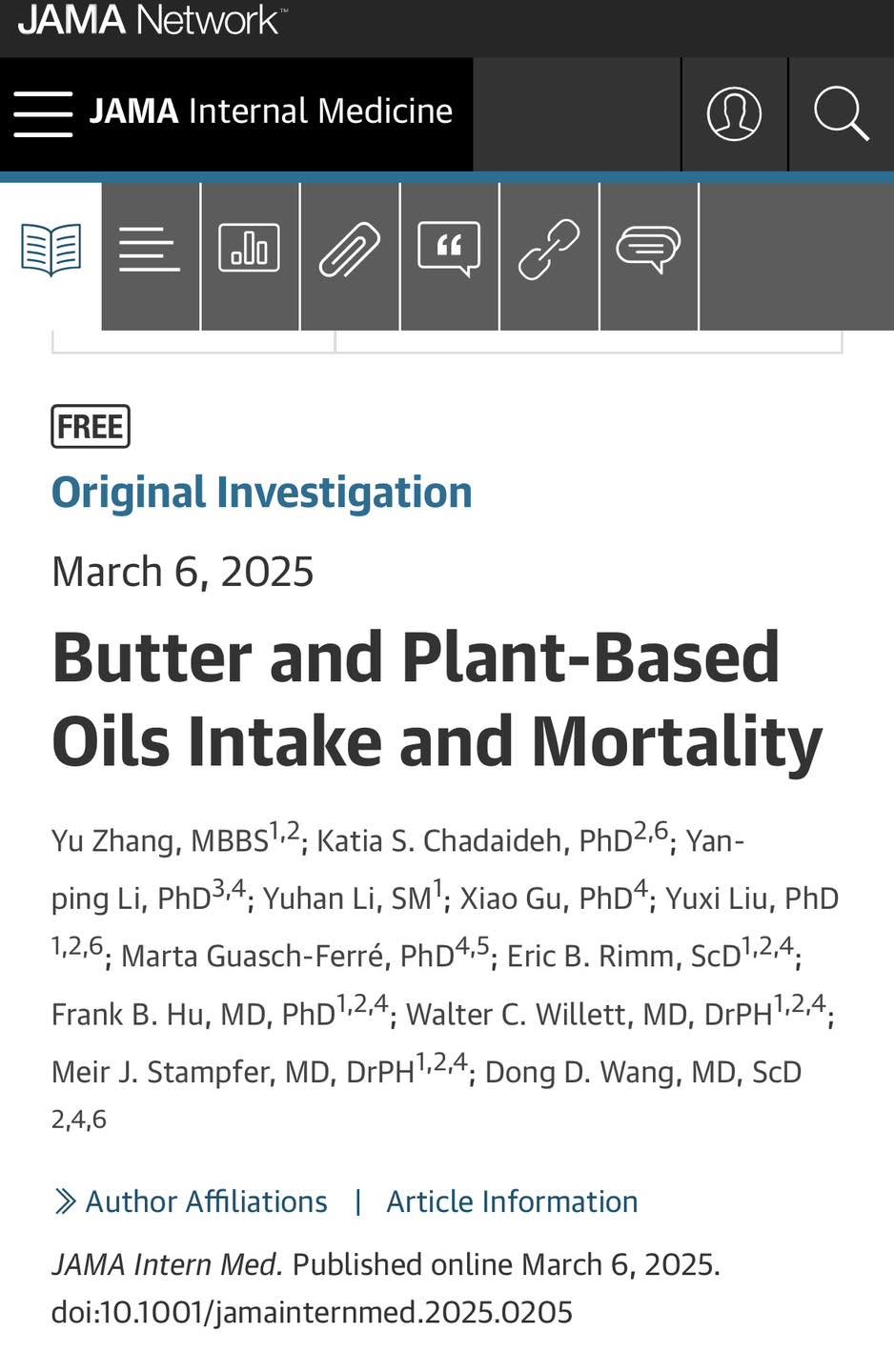
Replacing butter with plant oils linked to 17% lower mortality in 221,054 US adults

Mar 06, 2025 · Louis Nervegna ♥ 17 · 💬 68 ↩ 6

Louis summarizes a Harvard/Brigham cohort analysis of the Nurses' Health Study, HPFS and NHS II covering over 30 years. Higher butter intake was associated with higher all-cause and cancer mortality, while plant oils (especially olive, canola and soybean) were associated with lower all-cause, cancer and cardiovascular mortality.
Olive oil is the only fat tested in several large trials: Lyon, PREDIMED and CORDIOPREV

Feb 11, 2024 · Louis Nervegna ♥ 28 · 💬 31 ↩ 1

Louis explains why he uses olive oil in all his cooking: it is the only fat source tested in multiple large, roughly 5-year randomized trials with hard heart outcomes (Lyon Diet Heart Study, PREDIMED, CORDIOPREV), each finding fewer heart attacks and strokes versus supposedly heart-healthy control diets. He acknowledges other fats or no oil might work better but lack equivalent RCT proof.

Blood omega-6 biomarker cohorts link higher levels to lower heart disease and diabetes

Nov 24, 2024 · Louis Nervegna ♥ 19 · 💬 45 ↩ 5

Louis stresses that evidence for omega-6 protection does not rest on food questionnaires but on blood and tissue measurements tracked prospectively for years before disease. He cites a pooled analysis of 30 cohorts in which people with higher linoleic acid levels had less CVD. He argues that avoiding nuts and seeds to cut omega-6 is likely harmful, and that RCTs on this timescale are impractical.

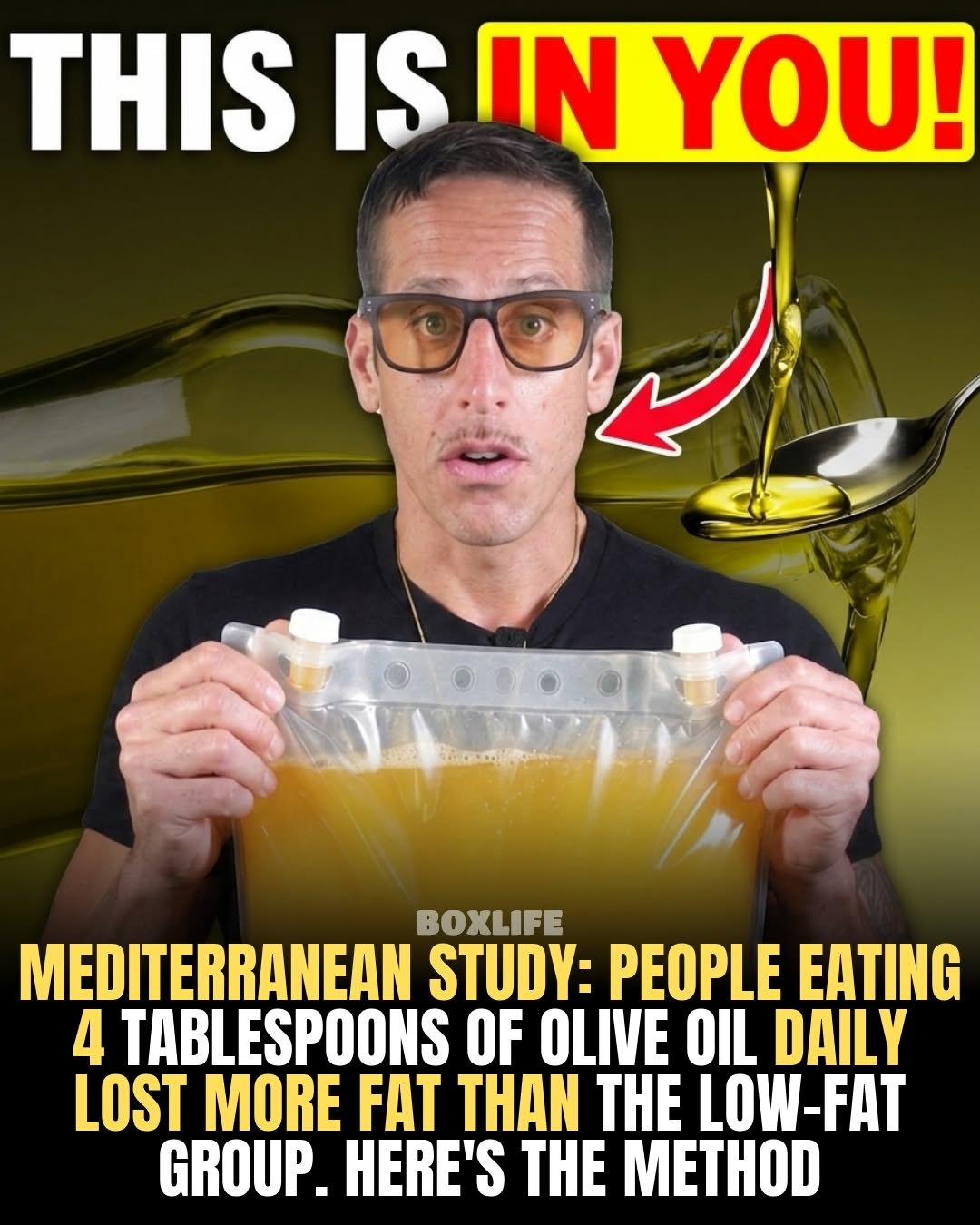
Zero-oil vs olive-oil diet trial was calorie restriction; LDL differences not significant

Sep 26, 2024 · Louis Nervegna ♥ 12 · 💬 42

Louis critiques a trial claimed to show a no-oil diet lowers LDL more than a diet with 4 tablespoons of olive oil. He says LDL and ApoB results were not statistically significant overall, and the no-oil group ate only 1338 kcal per day, over 400 kcal less than the olive oil group. He concludes it was a short-term calorie restriction study, not an oil versus no-oil comparison.

Olive oil's brief FMD dip resembles exercise's transient, hormetic endothelial effect

Jul 02, 2024 · Louis Nervegna ♥ 19 · 💬 25 ↩ 6 Blood vessels, circulation & endothelium

Responding to Esselstyn's reliance on a short-term study of refined olive oil impairing endothelial function, the poster notes exercise causes the same transient dip followed by rebound. Quoted exercise physiology papers describe an immediate FMD nadir followed by normalization or supranormalization, and he says over 30 RCTs show olive oil improves FMD long term.

RCT: one dose of high-polyphenol EVOO raised FMD 4.8% in adults at risk for diabetes

Mar 14, 2025 · Louis Nervegna ♥ 20 · 💬 22 ↩ 5

Louis rebuts Caldwell Esselstyn's claim that EVOO impairs endothelial function, citing a randomized crossover trial in adults at risk for type 2 diabetes. A single 50 mL dose of high-polyphenol EVOO improved flow-mediated dilation compared with refined olive oil, with no acute blood pressure effect, and the authors note that reports should specify the oil's characteristics.

Full-fat yogurt lowered ApoB while yogurt with butter raised it in a crossover trial

Apr 02, 2025 · Louis Nervegna ♥ 17 · 💬 24 Meat, eggs & dairy

Louis summarizes a randomized crossover study that matched saturated fat in full-fat yogurt versus low-fat yogurt mixed with butter for 4 weeks each. The butter version raised ApoB while full-fat yogurt lowered it, which the authors attribute to the milk fat globule membrane (MFGM) that stays intact in yogurt but is lost in butter. This may partly explain yogurt's favorable epidemiology.

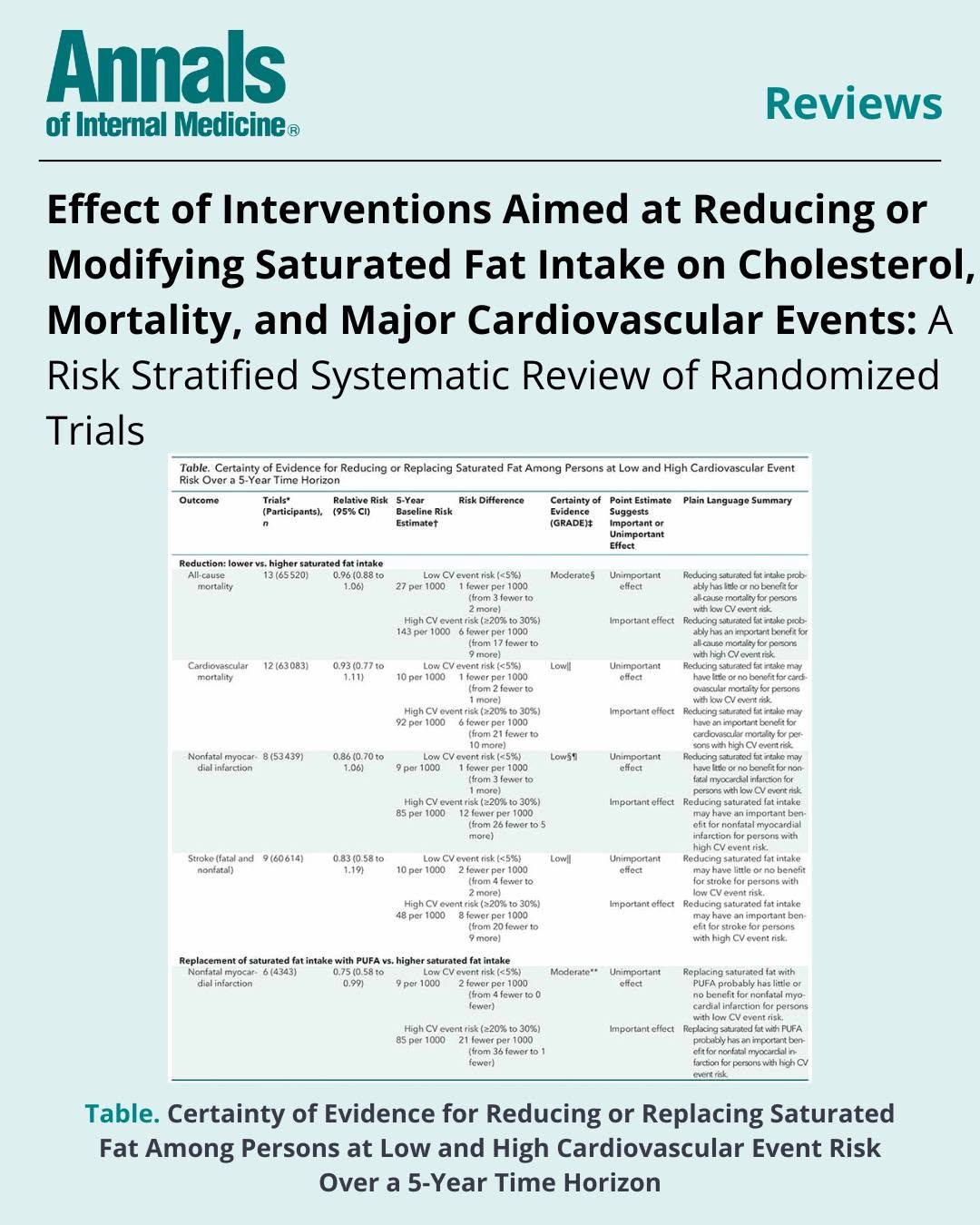
Replacing saturated with polyunsaturated fat cut non-fatal heart attacks 25%

Dec 16, 2025 · Louis Nervegna ♥ 15 · 💬 19 ↩ 1

Louis summarizes an Annals of Internal Medicine systematic review of 17 randomized trials with hard endpoints. Replacing saturated fat with polyunsaturated fat lowered non-fatal heart attacks by 25% in higher-risk people over 5 years, similar to a lower-dose statin; other outcomes trended favorably but were not fully significant when the replacement was the general diet.

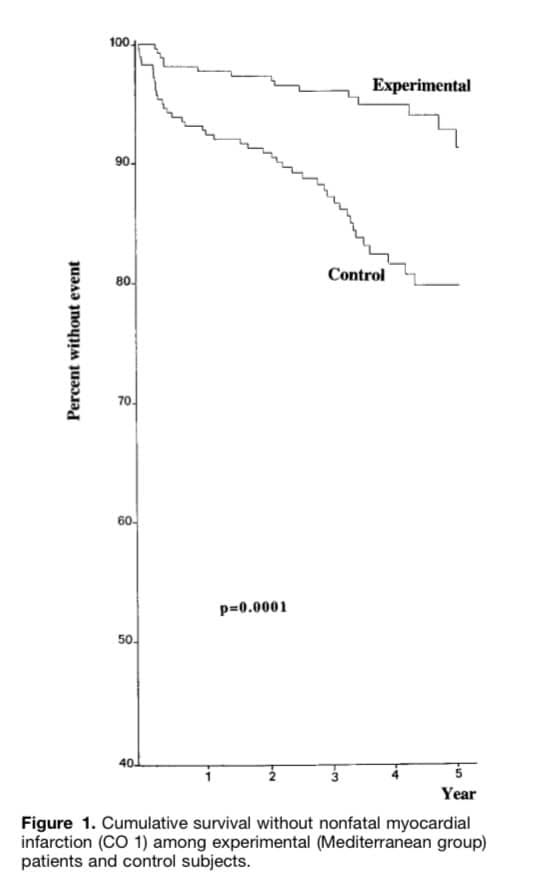
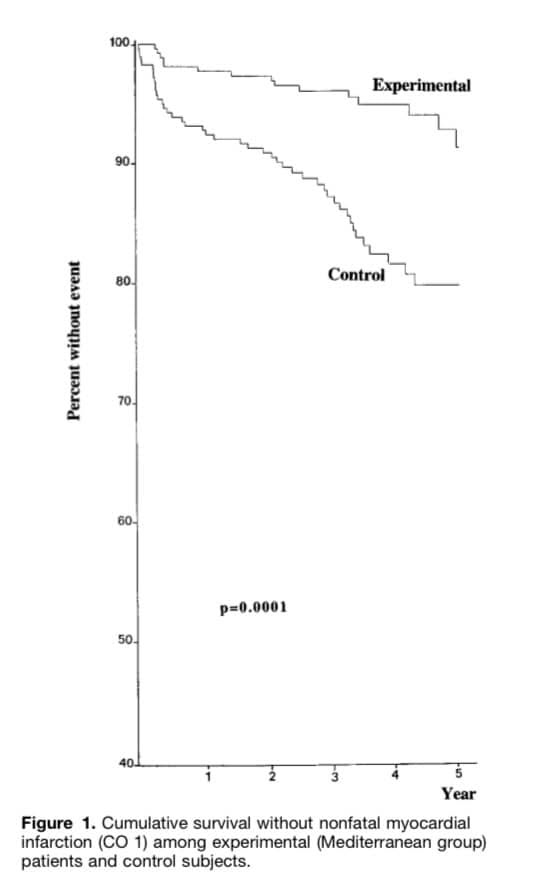
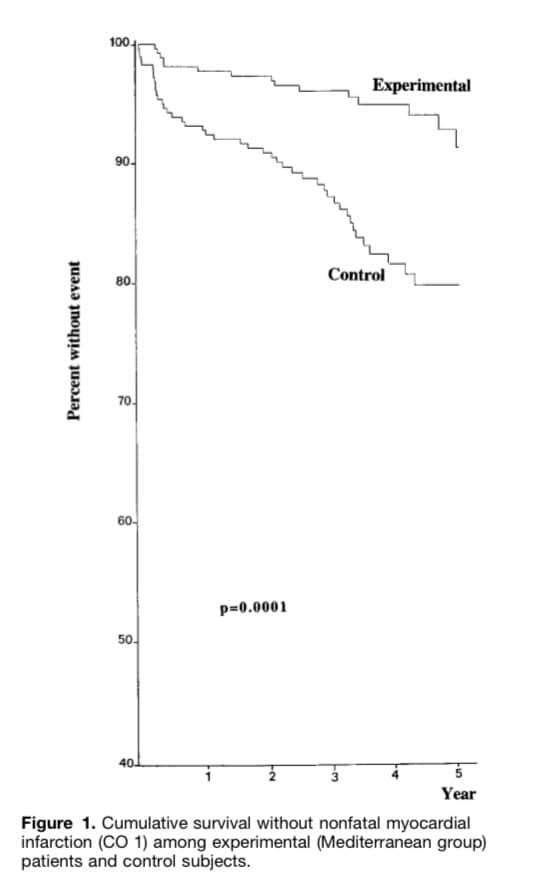
Lyon Diet Heart Study: Mediterranean diet cut cardiac events and deaths about 70%

Dec 12, 2025 · Louis Nervegna ♥ 20 · 💬 16 Mediterranean, DASH, MIND & plant-forward diets

Louis comments on a video clip about the Lyon Heart Study, a randomized secondary-prevention trial in people with a prior heart attack. The traditional Mediterranean diet cut cardiovascular events about 70% and all-cause death about 70% over 2.5 years, which he calls the largest total mortality reduction reported in a CVD prevention trial and about twice the benefit of statins in secondary prevention.

Full-fat yogurt lowered ApoB while low-fat yogurt plus butter raised it in a crossover RCT

Jun 07, 2024 · Louis Nervegna ♥ 21 · 💬 15 ↩ 1 Meat, eggs & dairy

Louis summarizes a randomized crossover trial matching saturated fat between full-fat yogurt and low-fat yogurt with added butter. Despite equal saturated fat, the butter arm raised ApoB while full-fat yogurt lowered it, which the study attributes to the milk fat globule membrane (MFGM) that is intact in yogurt but lost in butter. He suggests this may partly explain why yogurt looks better than other dairy in epidemiology.

CORDIOPREV: Mediterranean diet shrank carotid plaque and cut recurrent events about 25%

Mar 28, 2024 · Louis Nervegna ♥ 17 · 💬 13 ↩ 27 Mediterranean, DASH, MIND & plant-forward diets

Louis summarizes CORDIOPREV, an RCT of 1002 coronary patients comparing a Mediterranean diet rich in extra virgin olive oil with a low-fat diet. The Mediterranean diet reduced carotid intima-media thickness at 5 and 7 years while the low-fat diet showed no change, and also lowered carotid plaque height. He also cites roughly 25% fewer recurrent major cardiovascular events over 7 years, with benefits seen despite statin treatment and mean LDL-C below 90.

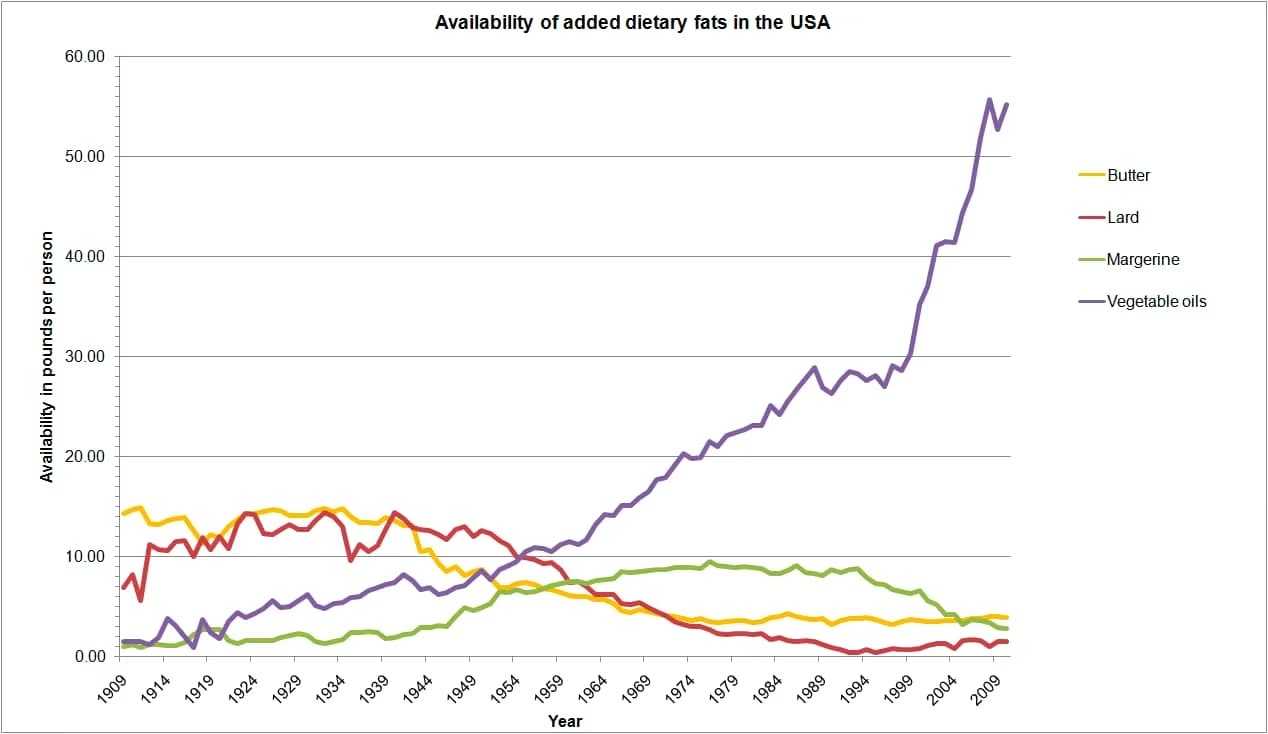
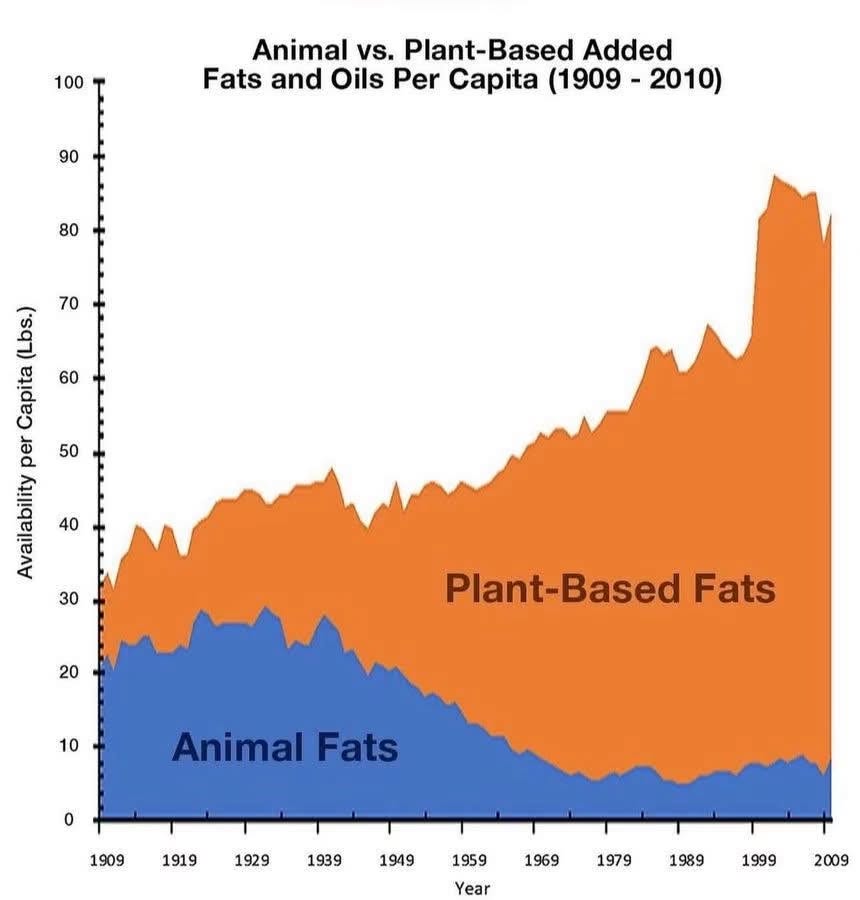
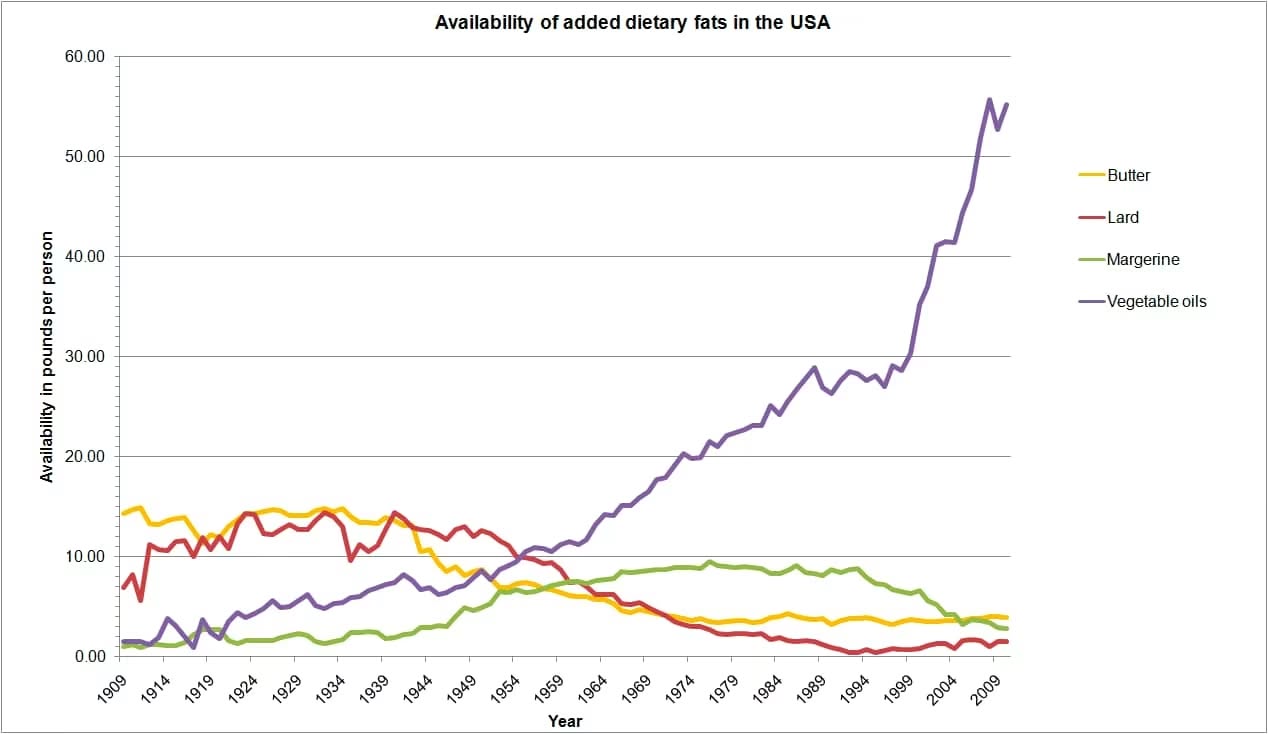
Seed oil intake rose 5x since 1950 while US heart disease death rates fell over 4x

Nov 27, 2024 · Louis Nervegna ♥ 18 · 💬 30

Louis argues that since 1950 vegetable oil consumption has risen about 5x and butter and lard intake has fallen 2-3x, while heart disease death rates fell by over 4x and life expectancy rose from 60 to 78. He presents the raw unadjusted correlation as evidence against claims that seed oils drive heart disease. It is an ecological correlation, not a controlled test.

Eight human feeding studies on canola oil show no sign of inflammation

Sep 05, 2024 · Louis Nervegna ♥ 15 · 💬 23

Louis shares a literature search by Physionic that found eight controlled human feeding studies testing whether canola oil is inflammatory. After reading them, Louis says there is no evidence of inflammation, and if anything the opposite, so the claim is unfounded. He prefers olive oil himself and urges fact-checking influencers.

Replacing 10 g/day of butter with plant oils linked to 17% lower mortality

Oct 15, 2025 · Louis Nervegna ♥ 19 · 💬 13

Louis shares Harvard research on 221,054 people from the Nurses' Health Studies I and II and the Health Professionals Follow-Up Study, published in JAMA Internal Medicine. Higher plant-oil intake (especially soybean, canola, olive) was linked to lower total, cancer and cardiovascular mortality, while butter was linked to higher total and cancer mortality; a modeled swap of 10 g butter for plant oils lowered mortality by 17%.

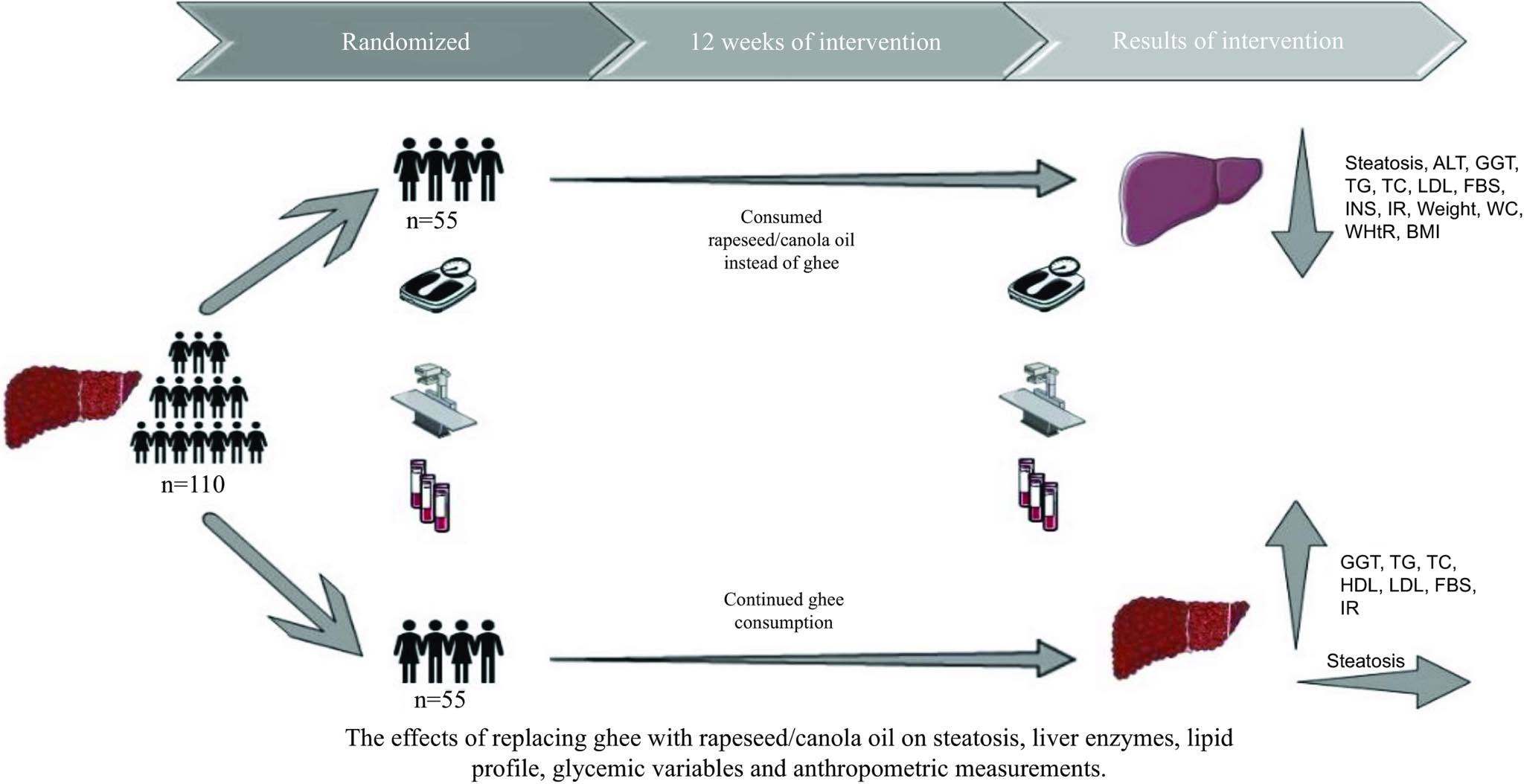
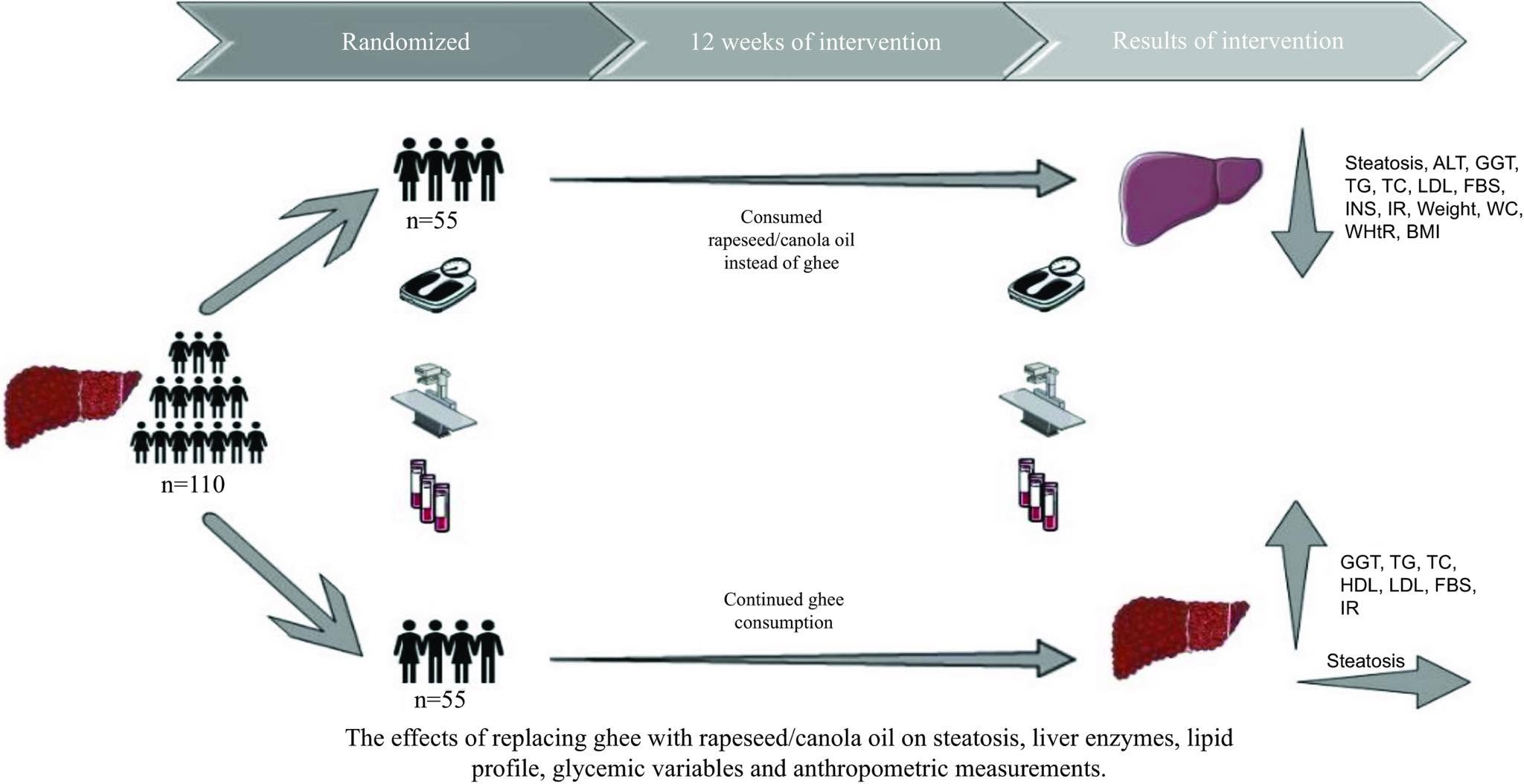
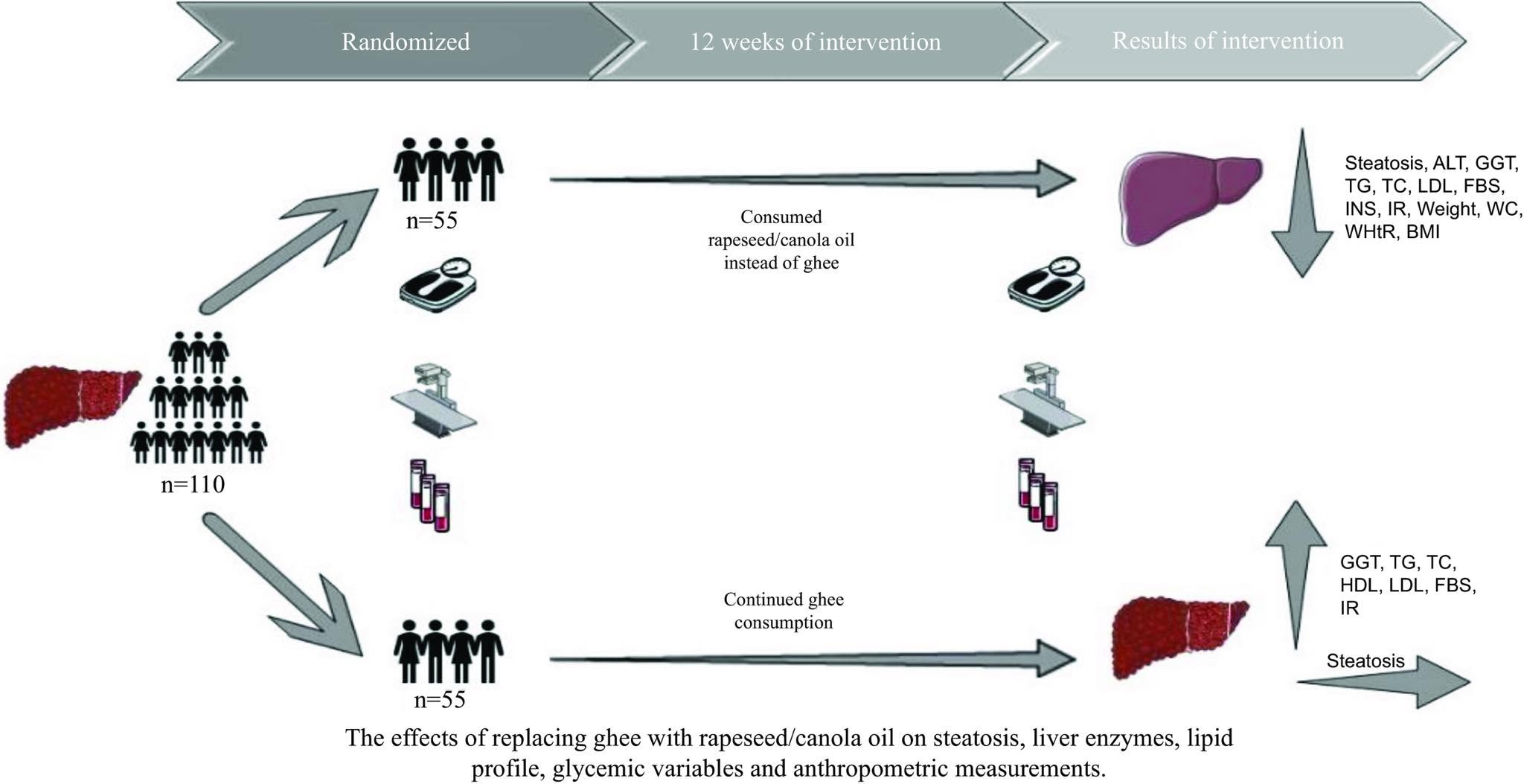
Swapping ghee for rapeseed (canola) oil cut liver fat and insulin resistance in an RCT

Sep 05, 2025 · Louis Nervegna ♥ 11 · 💬 21 ↩ 1

Louis highlights a 12-week randomized trial in 110 people with NAFLD who replaced ghee with the same amount of rapeseed (canola) oil. Liver steatosis, liver enzymes, lipids, glucose and insulin resistance improved versus controls, countering the idea that canola oil causes metabolic disease.

Medical schools push back on seed-oil myths; pooled cohorts link omega-6 to lower risk

Jun 18, 2025 · Louis Nervegna ♥ 12 · 💬 26

Louis says major medical and public health schools are countering influencer claims about seed oils. He notes a 2019 pooled analysis of 30 prospective cohorts found higher blood omega-6 (linoleic acid) predicted lower risk of heart disease and diabetes over 2.5 to 30 years, and points to earlier group posts.

Higher blood linoleic acid linked to lower inflammation in about 1,900 people

Aug 02, 2025 · Louis Nervegna ♥ 17 · 💬 18

Louis quotes a report on a biomarker study of nearly 1,900 people in which higher membrane linoleic acid, an omega-6 fat common in seed oils, tracked with lower inflammation and better glucose, insulin and HOMA-IR. Because it uses blood biomarkers rather than diet surveys, it is more robust.

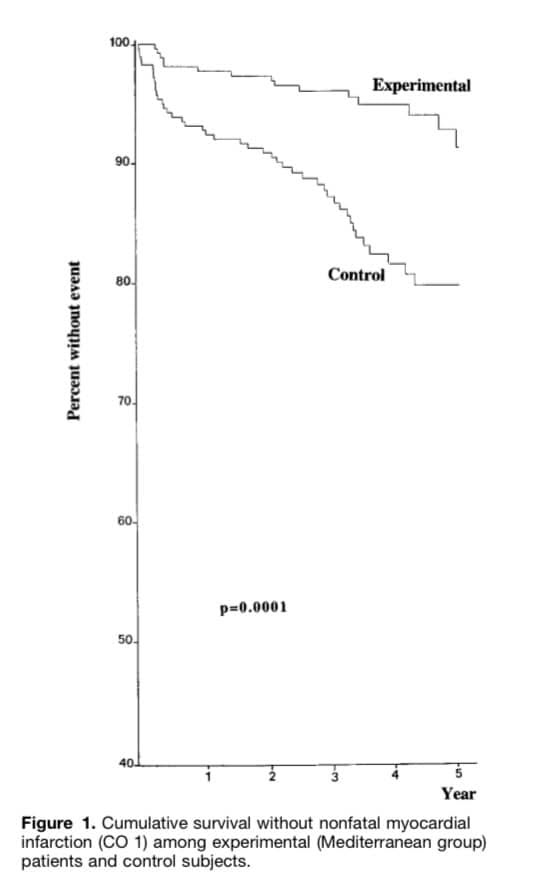
Lyon Diet Heart Study: Mediterranean diet cut heart attacks and cardiac death 73%

Mar 30, 2025 · Louis Nervegna ♥ 24 · 💬 7 Mediterranean, DASH, MIND & plant-forward diets

Louis summarizes the Lyon Heart Study (1988-1992), which randomized over 600 heart attack survivors to a Mediterranean-style diet or an AHA diet. After a mean of 27 months, the Mediterranean group had far fewer cardiac events and deaths, and the trial was stopped early. The diet was not low-fat: it was rich in olive and canola oil, nuts, seeds and fatty fish, and low in butter, cream and red meat.

Systematic review of 42 trials finds canola/rapeseed oil is not inflammatory

Jun 04, 2025 · Louis Nervegna ♥ 9 · 💬 31

Louis shares a Viva! post stating that a systematic review of 42 clinical trials found no significant effect of rapeseed (canola) oil on inflammation. The post also reports lower cancer, respiratory and infection mortality among rapeseed oil users compared with butter users.

Swapping 1 tbsp butter for plant oil linked to 17% lower cancer and all-cause death

Sep 14, 2026 · Louis Nervegna ♥ 17 · 💬 12

Louis shares an AHA press release on Harvard cohort data (Nurses' Health Study I and II, Health Professionals) for 221,054 adults. Replacing a daily tablespoon of butter with unsaturated plant oil was associated with lower cancer and total mortality, and each extra tablespoon of butter with higher cancer risk. Olive, canola and soybean oil showed the biggest benefits.

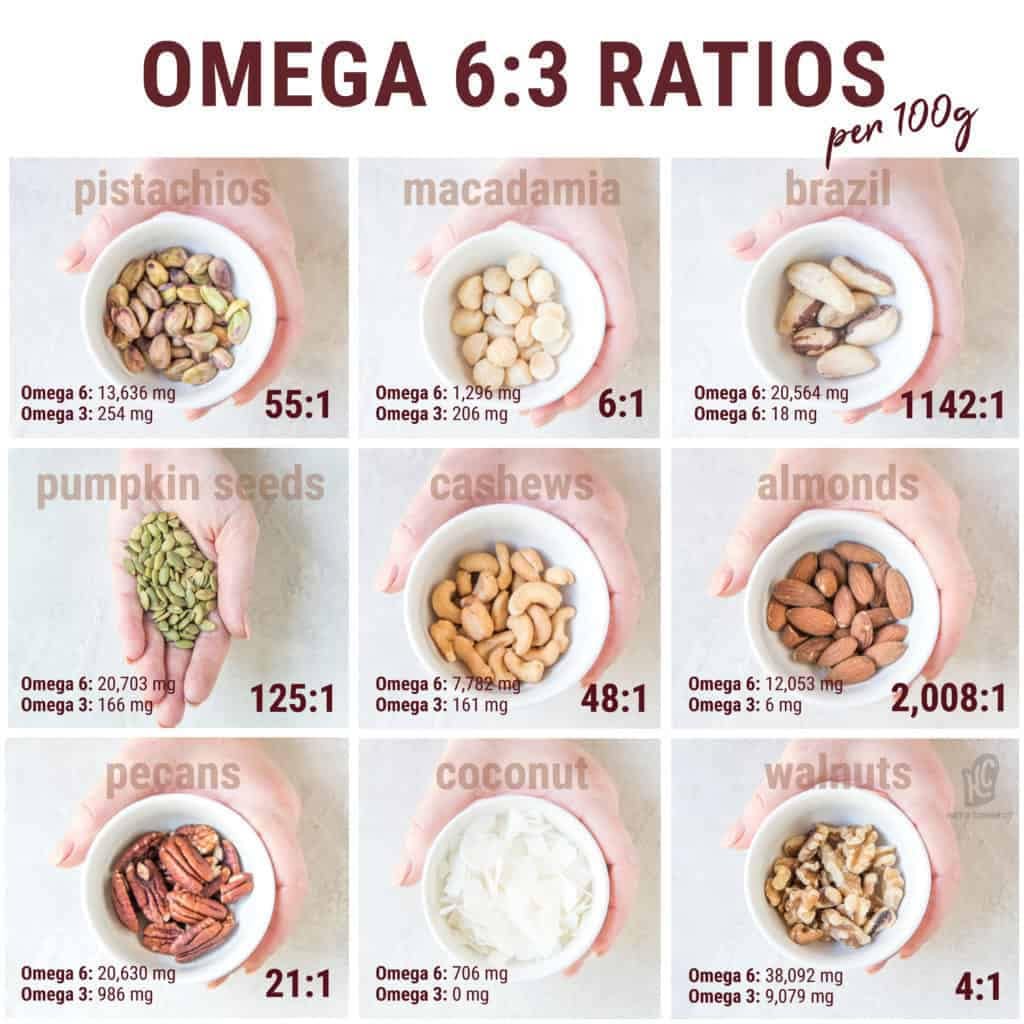
Omega-6:omega-3 ratio does not predict heart disease; nuts and seeds link to lower risk

Jun 12, 2024 · Louis Nervegna ♥ 21 · 💬 13

The poster rejects claims that pistachios, almonds, cashews, pumpkin seeds and similar foods are harmful because of a high omega-6:omega-3 ratio. He says these foods are associated with lower heart disease and diabetes risk (possibly excepting very high coconut intake) and the ratio is useless for predicting risk.

The 'fake olive oil' myth: NAOOA-certified brands are randomly tested for purity

May 26, 2024 · Louis Nervegna ♥ 18 · 💬 15

Louis argues it is false that most supermarket olive oils are fake or adulterated. He points to the North American Olive Oil Association's program, in which 79 enrolled oils are bought from supermarkets and tested multiple times a year against International Olive Council purity and quality standards.

Higher plasma linoleic acid tied to lower glucose, insulin and inflammation (n=1,894)

Jun 02, 2025 · Louis Nervegna ♥ 13 · 💬 14

A cross-sectional analysis of 1,894 people found higher plasma linoleic acid was consistently associated with lower glucose, insulin, HOMA-IR and inflammation markers (CRP, GlycA, SAA). Louis adds that dozens of prospective cohorts show higher omega-6 levels go with lower CVD and diabetes risk.

Swapping saturated for polyunsaturated 'seed oil' fats lowered liver fat in an RCT

Dec 18, 2024 · Louis Nervegna ♥ 14 · 💬 13 ↩ 5

Louis highlights a secondary analysis of a 12-week RCT in NAFLD. Higher dietary and plasma polyunsaturated fat, especially n-6, was associated with larger liver fat loss, while higher saturated fat intake or plasma saturated fat was associated with less reduction in liver stiffness and liver fat. He says multiple well-done studies show this.

Esselstyn's olive oil FMD claim challenged: exercise also dips FMD short term but helps

Aug 12, 2024 · Louis Nervegna ♥ 22 · 💬 11 Blood vessels, circulation & endothelium

A video clip shows Gil Carvalho challenging Caldwell Esselstyn's claim that olive oil damages arteries because it temporarily suppresses flow-mediated dilation (FMD). The poster notes exercise does the same temporarily and is hormetic, and says over 30 human RCTs show olive oil improves FMD and endothelial function long term.

Louis: no human randomized trial shows EVOO impairs endothelial function or FMD

May 10, 2026 · Louis Nervegna ♥ 30 · 💬 7

A forceful post stating there are zero human randomized trials showing extra virgin olive oil impairs endothelial function or FMD, acutely or long term, and that all trials show a neutral or beneficial effect. He accuses Caldwell Esselstyn of repeating a false claim and links earlier posts with the evidence.

Higher omega-6 biomarker levels linked to 22% lower CVD death in 30-cohort pooled analysis

Jan 20, 2024 · Louis Nervegna ♥ 13 · 💬 12 ↩ 7

A pooled analysis of about 70,000 people from 30 prospective cohorts measured linoleic acid in blood and tissue rather than relying on food questionnaires. Higher levels were associated with lower total CVD, CVD mortality and ischemic stroke, which counters claims that omega-6 or seed oils drive heart disease.

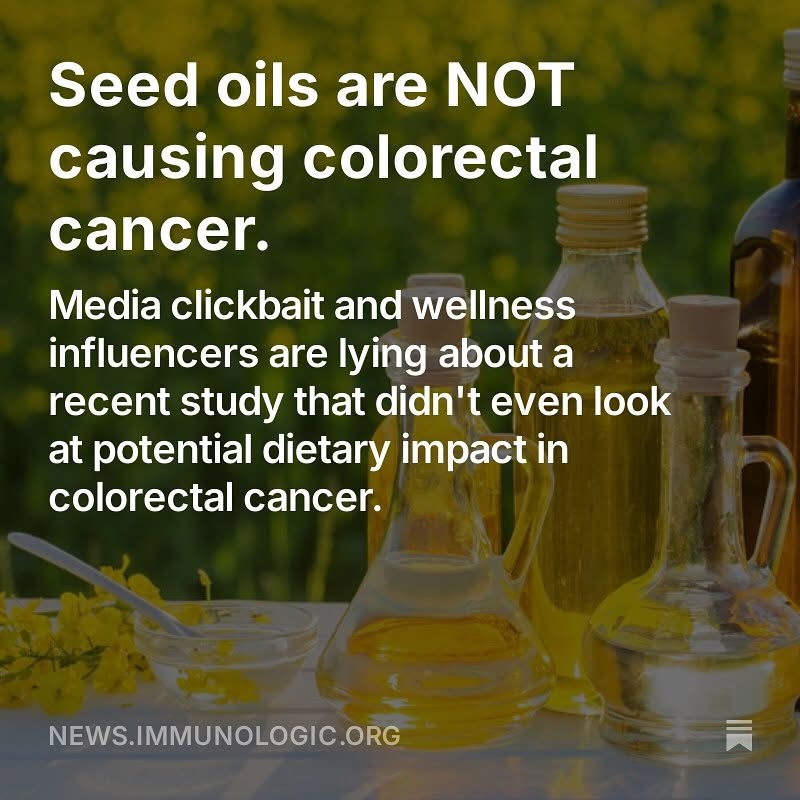
Dozens of RCTs show seed oils are not inflammatory; viral tumor study involved no diet

Dec 13, 2024 · Louis Nervegna ♥ 15 · 💬 14

Louis says dozens of human RCTs show seed oils are not inflammatory and some show anti-inflammatory effects. He shares Andrea Love's explanation that a viral colorectal cancer study was a molecular screen of 40 tumor biopsies with no dietary component, and that only 0.2% of linoleic acid is converted into arachidonic acid.

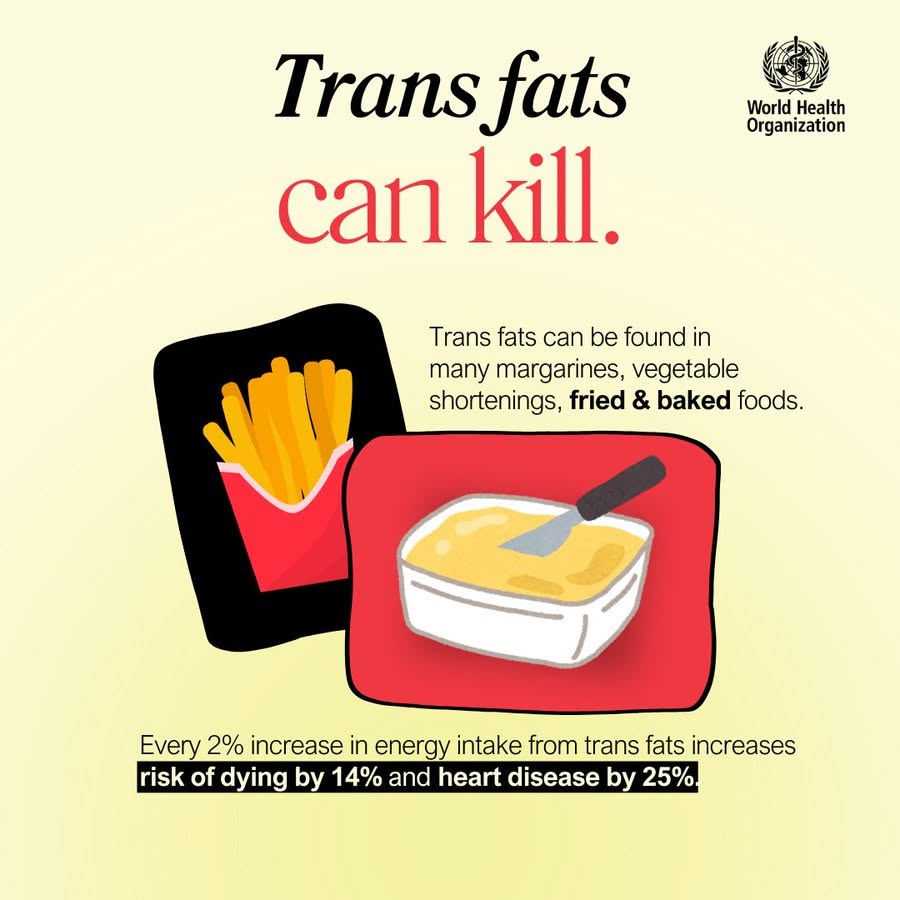
US labels can show 0 g trans fat when under 0.5 g per serving; check for hydrogenated oils

Dec 08, 2025 · Louis Nervegna ♥ 10 · 💬 19

Louis explains that the USA lets manufacturers list 0 g trans fat when a serving has under 0.5 g, which can add up over several servings, so the ingredient list ('partially hydrogenated') is the reliable check. He notes natural ruminant trans fat in dairy and beef does not appear to share the harms. A WHO figure in the share says each 2% of energy from trans fat raises heart disease risk 25% and all-cause death 14%.

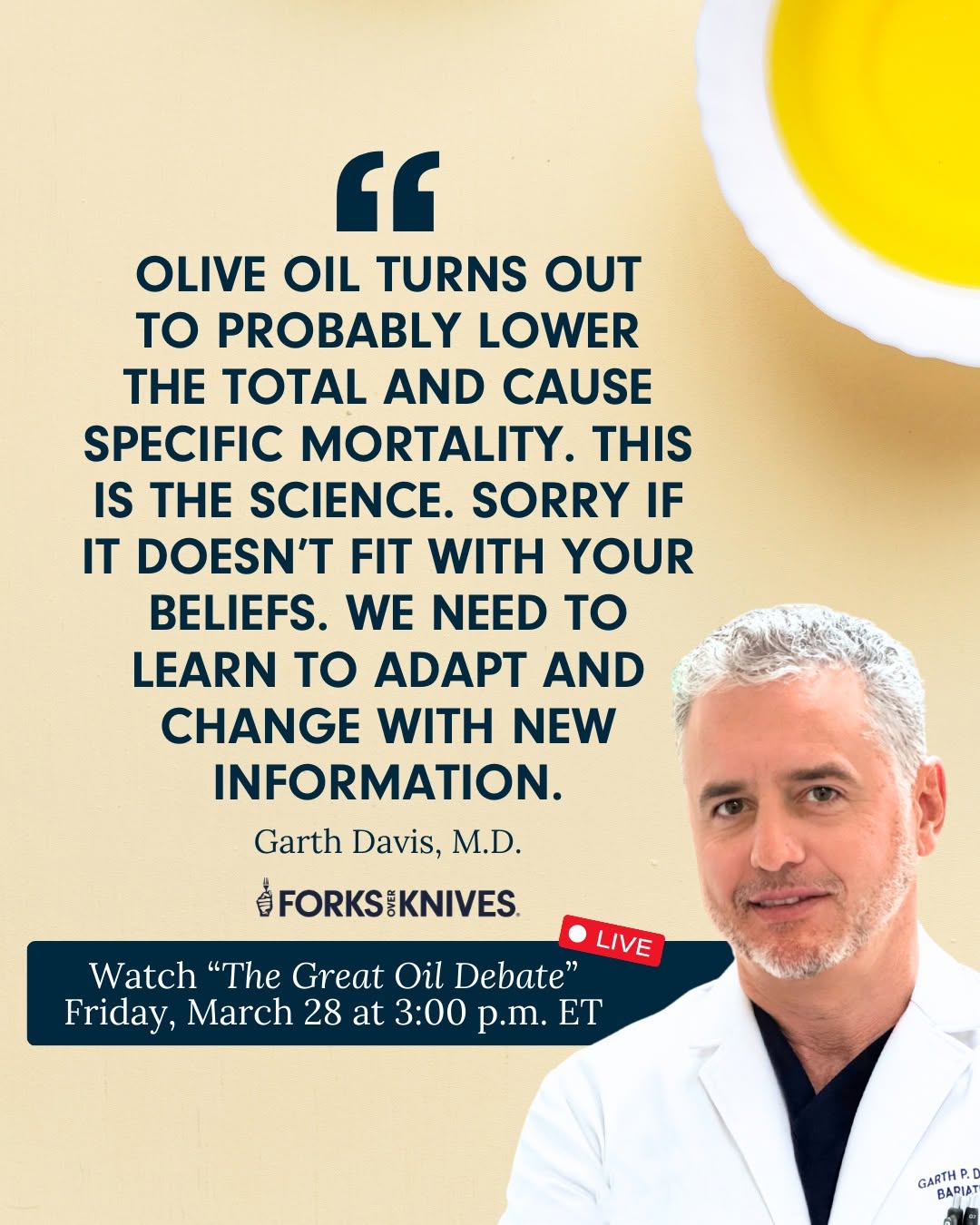
Forks Over Knives 'Great Oil Debate' on olive oil; Louis urges honesty on trial evidence

Mar 25, 2025 · Louis Nervegna ♥ 24 · 💬 12

Louis shares a Forks Over Knives announcement for a live debate on whether added oils, including olive oil, belong in a whole-food plant-based diet, and comments that the science is forcing change and that people should stop misrepresenting the highest quality studies. The post itself cites no data.

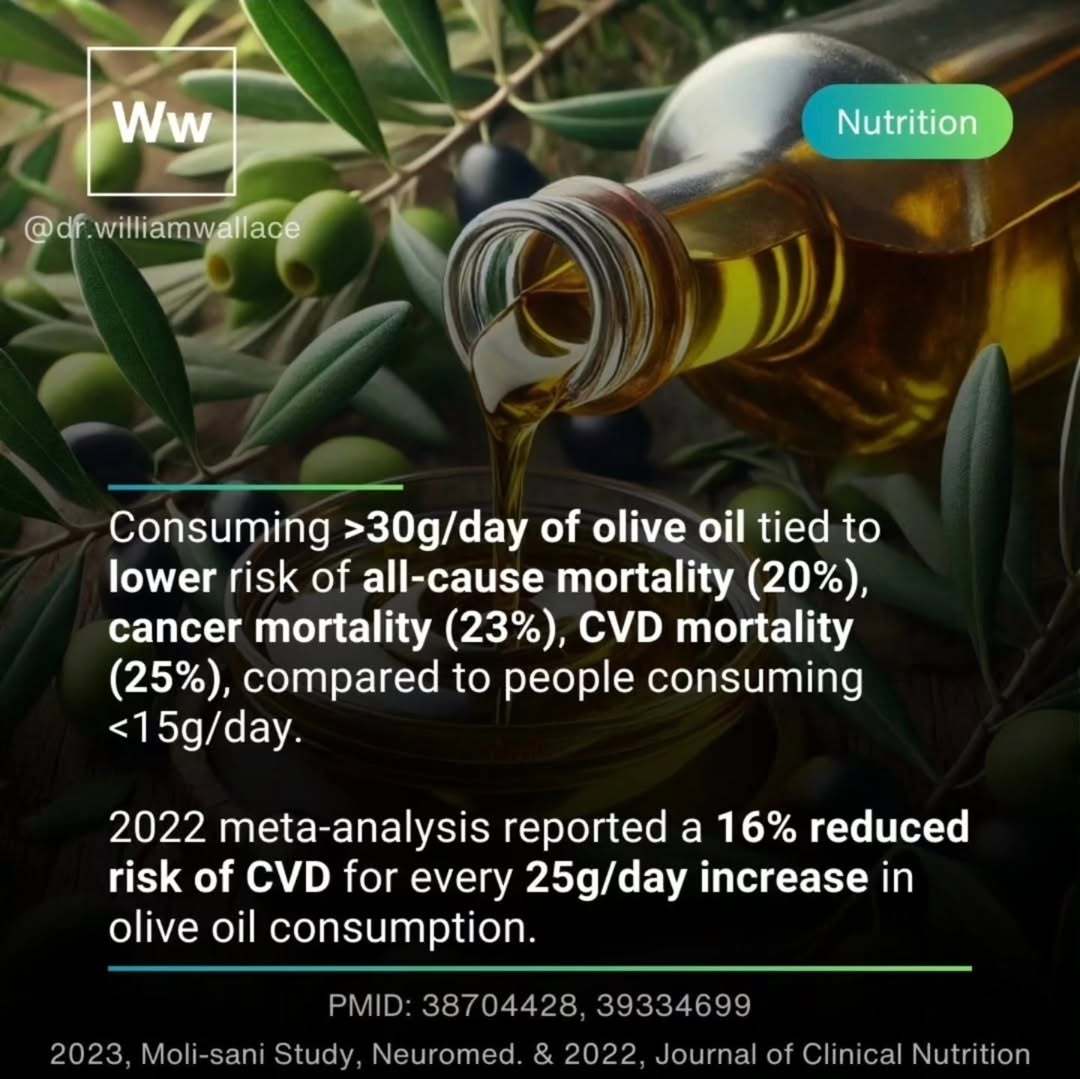
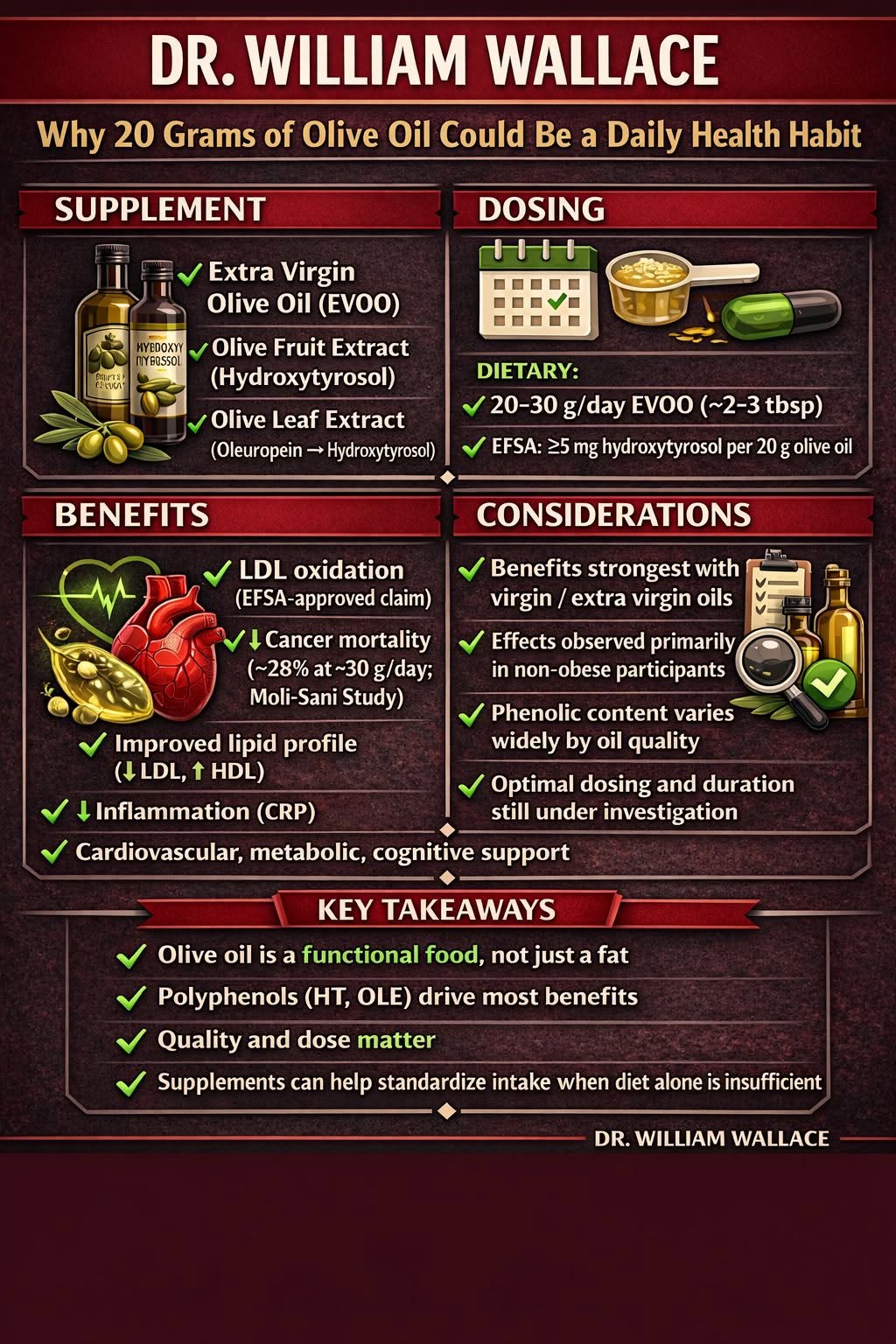
Moli-sani: more than 3 tablespoons of olive oil daily linked to 28% lower cancer mortality

Mar 20, 2025 · Louis Nervegna ♥ 15 · 💬 9

Louis shares a summary of a 2024 Moli-sani Study analysis of 22,895 Italian adults followed for 12 years. Consuming over 3 tablespoons of olive oil daily was associated with 28% lower cancer mortality versus under 1.5 tablespoons, partly mediated by lower blood pressure and resting heart rate. The summary stresses the observational design and self-reported diet.

Replace saturated fat with unsaturated fats; yogurt and cheese may be exceptions

Dec 10, 2025 · Louis Nervegna ♥ 19 · 💬 9

Louis links a New York Times piece on whether saturated fat is actually good for you, after Robert F. Kennedy Jr. signaled a shift in dietary advice. His short answer is to replace saturated fat with unsaturated fats from olive oil, nuts, seeds and avocados, noting fermented dairy may blunt saturated fat's effects but this is still debated.

Olive oil may reduce clotting by raising apoA-IV, which limits platelet aggregation

Jul 02, 2024 · Louis Nervegna ♥ 17 · 💬 10

A Life Extension article describes mechanistic studies in which apoA-IV, a protective HDL component, reduces platelet aggregation and thrombosis, and monounsaturated fats such as extra virgin olive oil raise apoA-IV, especially after meals. This is mechanistic and partly animal evidence.

Harris and Patrick: omega-6 to omega-3 ratio does not predict heart disease or diabetes

Dec 05, 2023 · Louis Nervegna ♥ 15 · 💬 11 ↩ 6

Louis shares a FoundMyFitness clip with Bill Harris and Rhonda Patrick explaining that the omega-6:omega-3 ratio is not useful for predicting heart disease or diabetes. Harris co-authored the two large biomarker studies (about 70,000 and 40,000 people) showing higher blood omega-6 linked to lower heart disease and diabetes. They agree that avoiding nuts over unfounded ratio claims makes no sense.

Lyon Heart Study (canola and olive oil) cut heart attacks and CV deaths 73% in 2.5 years

May 01, 2025 · Louis Nervegna ♥ 7 · 💬 13

Louis presents the Lyon Diet Heart Study as the best RCT evidence for cardiovascular benefit of 'seed oils': over 600 heart attack survivors eating a Mediterranean-style diet with canola oil and olive oil had far fewer events than those on an AHA diet. Quoted Lancet results show a risk ratio of 0.27 for cardiac death/nonfatal MI and 0.30 for total mortality, and the trial was stopped early.

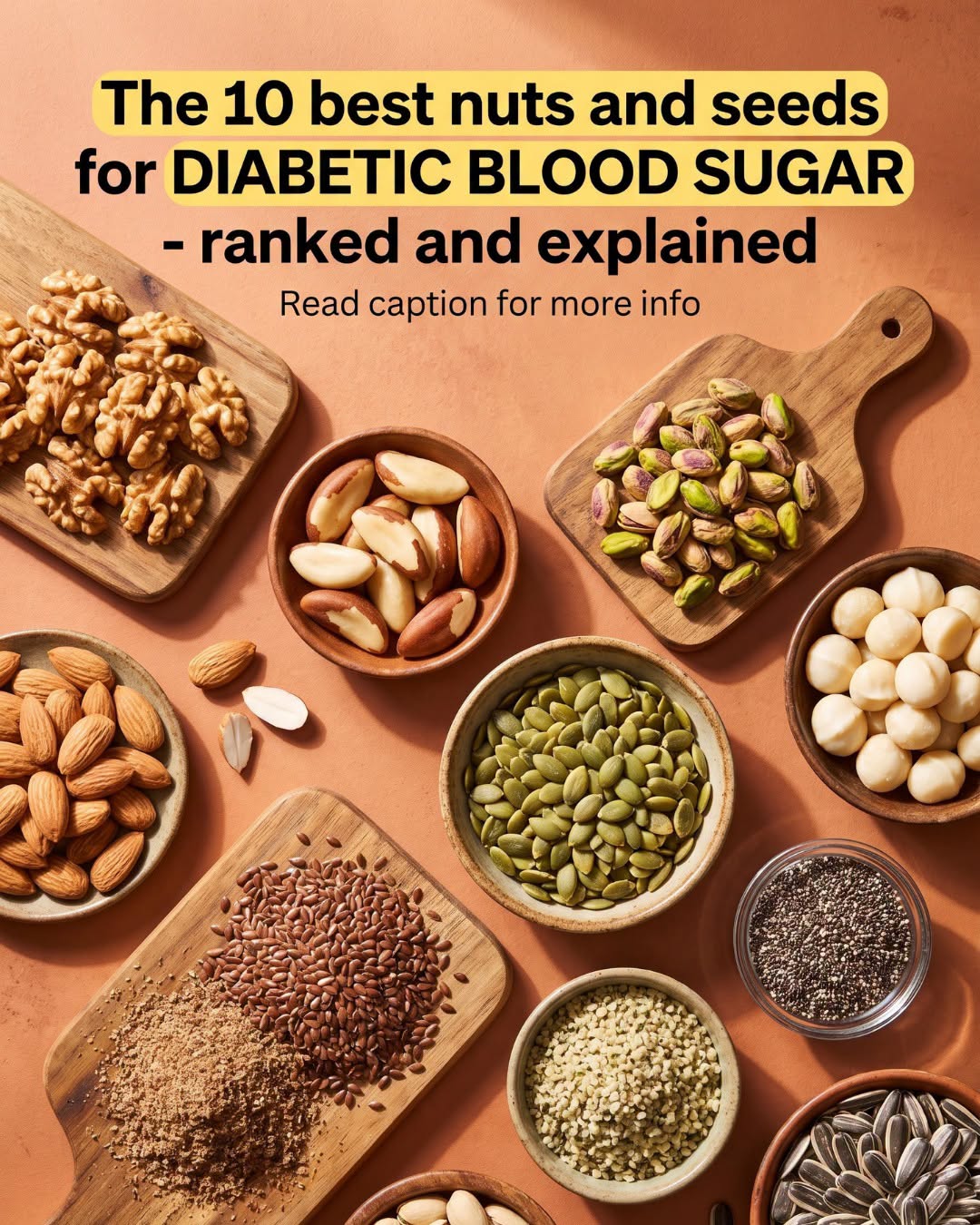
Omega-6 is not pro-inflammatory: Louis corrects a post on nuts and seeds in diabetes

Aug 30, 2026 · Louis Nervegna ♥ 19 · 💬 8

Louis endorses a summary of nuts and seeds for diabetes but rejects its claim that omega-6 promotes inflammation and insulin resistance. He says over 30 RCTs show no rise in inflammatory markers and over 100 RCTs show improved insulin sensitivity and glycemic control, and that nuts and seeds protect against CVD and diabetes.

Over 30 RCTs show omega-6 linoleic acid does not raise inflammatory markers

Feb 07, 2024 · Louis Nervegna ♥ 12 · 💬 9

Louis argues that giving up seed oils will not slow heart disease and that swapping them for saturated fat would likely worsen it. He reshares a post citing a meta-analysis of 30 RCTs (1,377 subjects) finding higher linoleic acid intake had no significant effect on TNF, IL-6, adiponectin, MCP-1 or CRP.

Video review of Harvard's butter vs vegetable oil study on cancer and total mortality

Mar 11, 2025 · Louis Nervegna ♥ 9 · 💬 16

Louis shares a Nutrition Made Simple video explaining the strengths and weaknesses of the recent Harvard study comparing about 30 years of butter versus vegetable oil intake with cancer and overall mortality. It adds detail to his earlier post and includes no numbers in the post text itself.
Swapping ghee for rapeseed oil cleared liver fat in NAFLD without cutting calories

Apr 07, 2026 · Louis Nervegna ♥ 14 · 💬 7

A March 2024 RCT replaced ghee/butter with an equal number of calories of canola (rapeseed) oil in NAFLD patients; liver fat fell and nearly all glycemic and insulin resistance measures improved. Louis notes over 100 RCTs show replacing saturated with unsaturated fat improves glucose, A1C and HOMA-IR.

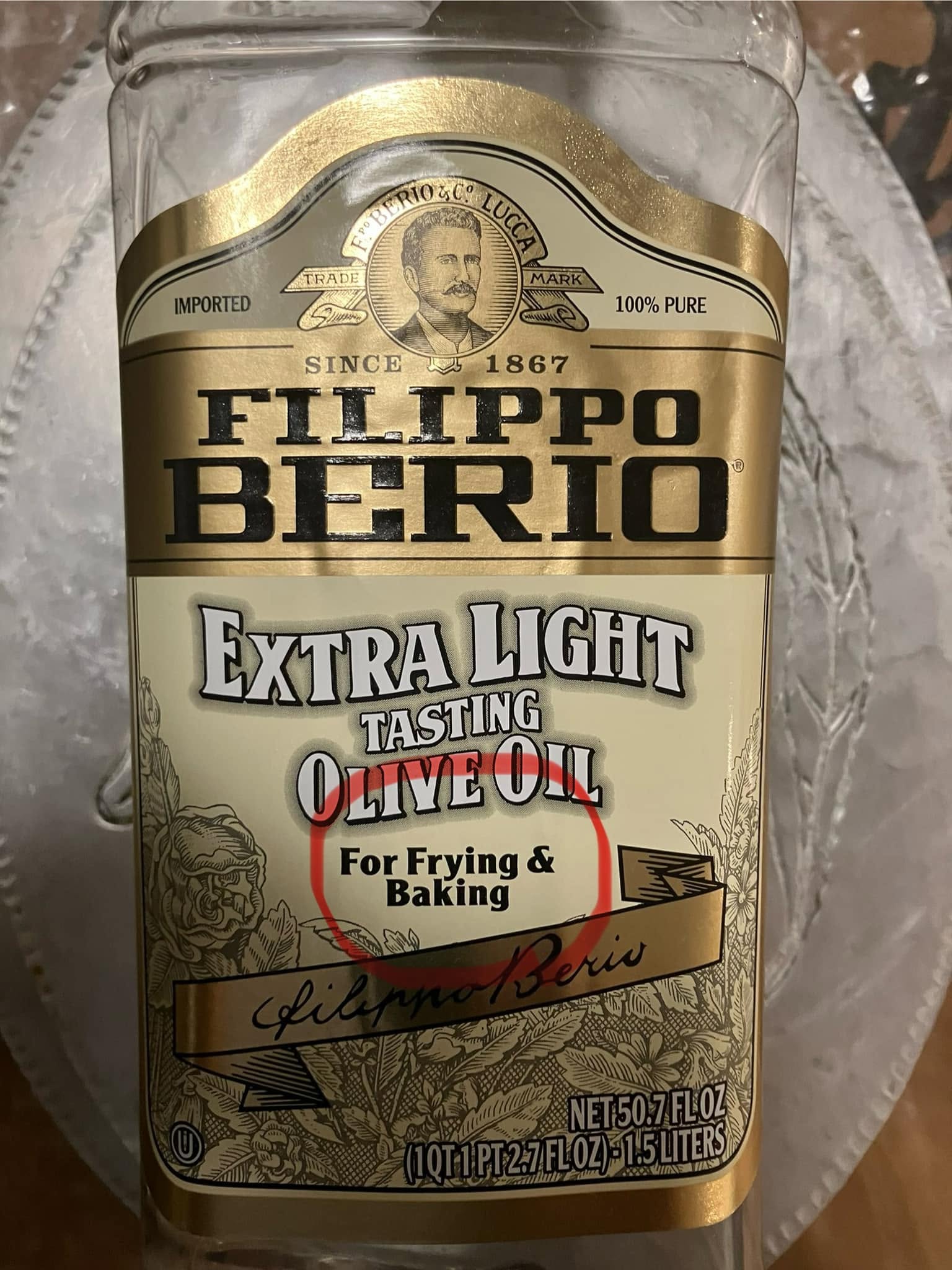
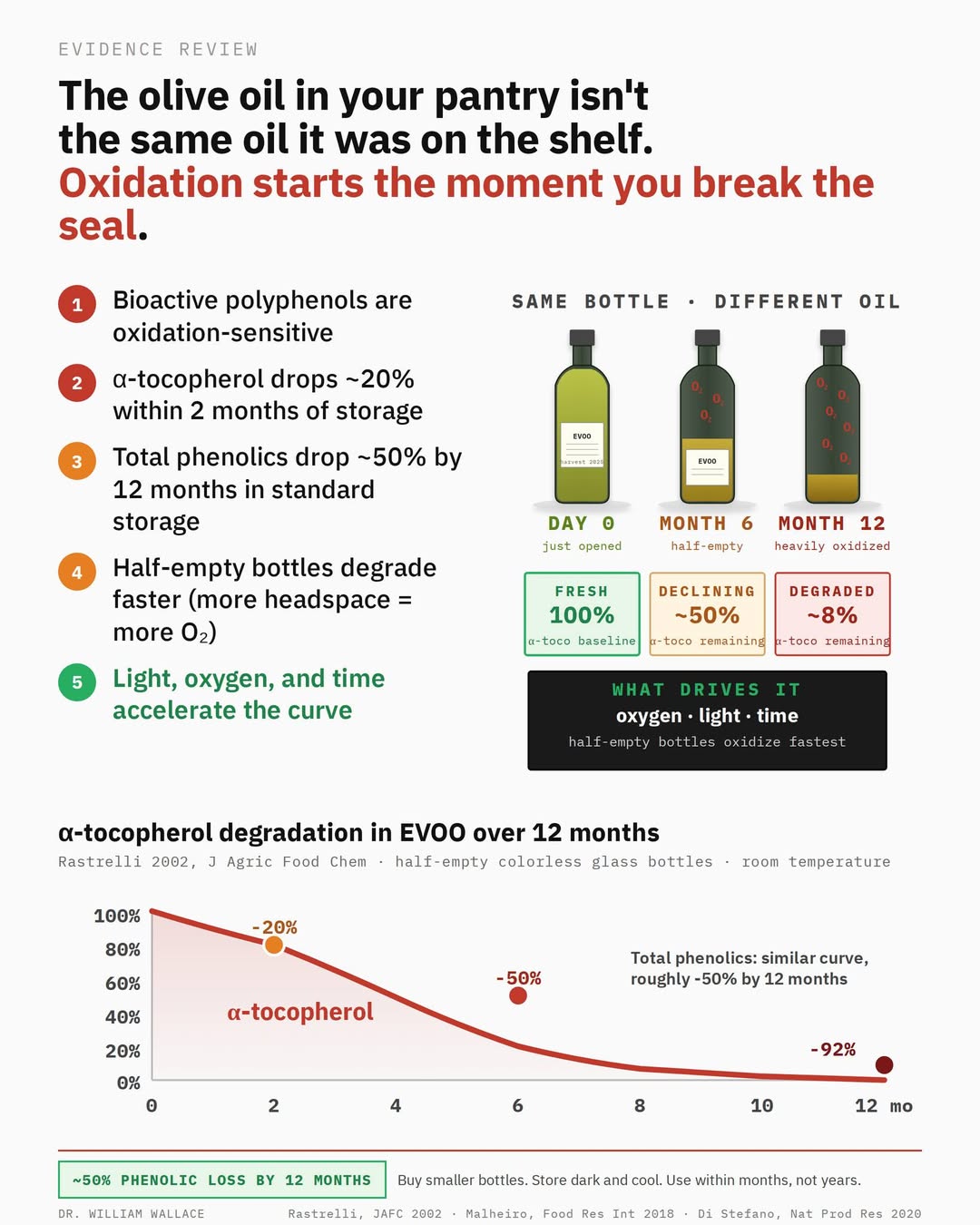
Refined olive oils have smoke points of 410-446 F, high enough for deep frying

Dec 15, 2023 · Louis Nervegna ♥ 14 · 💬 15

Louis says it is a myth that olive oil cannot be used for high-heat cooking: some (light/refined) olive oils have smoke points of 220-230 C, above typical deep-frying temperatures of 350-375 F, and the flavor is almost fully removed so they suit baking. He names the product he uses in an image.

Olive oil protected against cardiac hypertrophy in aging-model rats

Nov 23, 2024 · Gokhan Can ♥ 12 · 💬 11

In rats given D-galactose to mimic cardiac aging, eight weeks of olive oil reduced cardiac hypertrophy and oxidative stress (MDA), increased antioxidant activity (SOD) and improved expression of heart-health genes. It is an animal study, so human benefit is not shown.

NY Times: higher omega-6 linked to lower CVD, diabetes, cancer and mortality

Nov 24, 2024 · Louis Nervegna ♥ 13 · 💬 10

Louis shares a NY Times article on the seed oil myth, noting it quotes researchers who studied the question in humans. The article states that people who eat more omega-6 or have higher blood levels have lower risk of cardiovascular disease, type 2 diabetes, cancer and earlier death, and links to the relevant meta-analyses.

Omega-6 fats activate autophagy and extend roundworm lifespan 20-25%

Aug 02, 2025 · Louis Nervegna ♥ 8 · 💬 15 ↩ 1

Louis cites Harvard/MGH work (senior author Gary Ruvkun) showing omega-6 fatty acids inhibit mTOR and activate autophagy, extending C. elegans lifespan, with similar responses in human cells. It is mechanistic and animal evidence, not human outcome data.

Saturated fat 'no harm' studies usually compare with the Western diet, not healthy foods

Aug 26, 2024 · Louis Nervegna ♥ 17 · 💬 5 ↩ 2

Louis argues that studies finding saturated fat does not raise CVD risk typically use the standard Western diet, which has over 40% of calories from refined starch and sugar, as the comparator. When compared with fruits, vegetables, legumes, whole grains, olive oil, nuts, fish or unsaturated fats, saturated fat consistently raises risk. He notes some exceptions, such as full-fat yogurt and cocoa butter in dark chocolate.

Super-oxidized fish oil fed for 7 weeks caused no harm in human trial

Sep 17, 2026 · Louis Nervegna ♥ 16 · 💬 7 Supplements & vitamins

The poster shares a Bill Harris clip arguing oxidized fish oil is likely not harmful. In the trial described, researchers deliberately super-oxidized fish oil and gave it to participants for 7 weeks, finding no difference in oxidation, peroxidation, inflammation, glucose, lipids or liver enzymes versus non-oxidized fish oil.

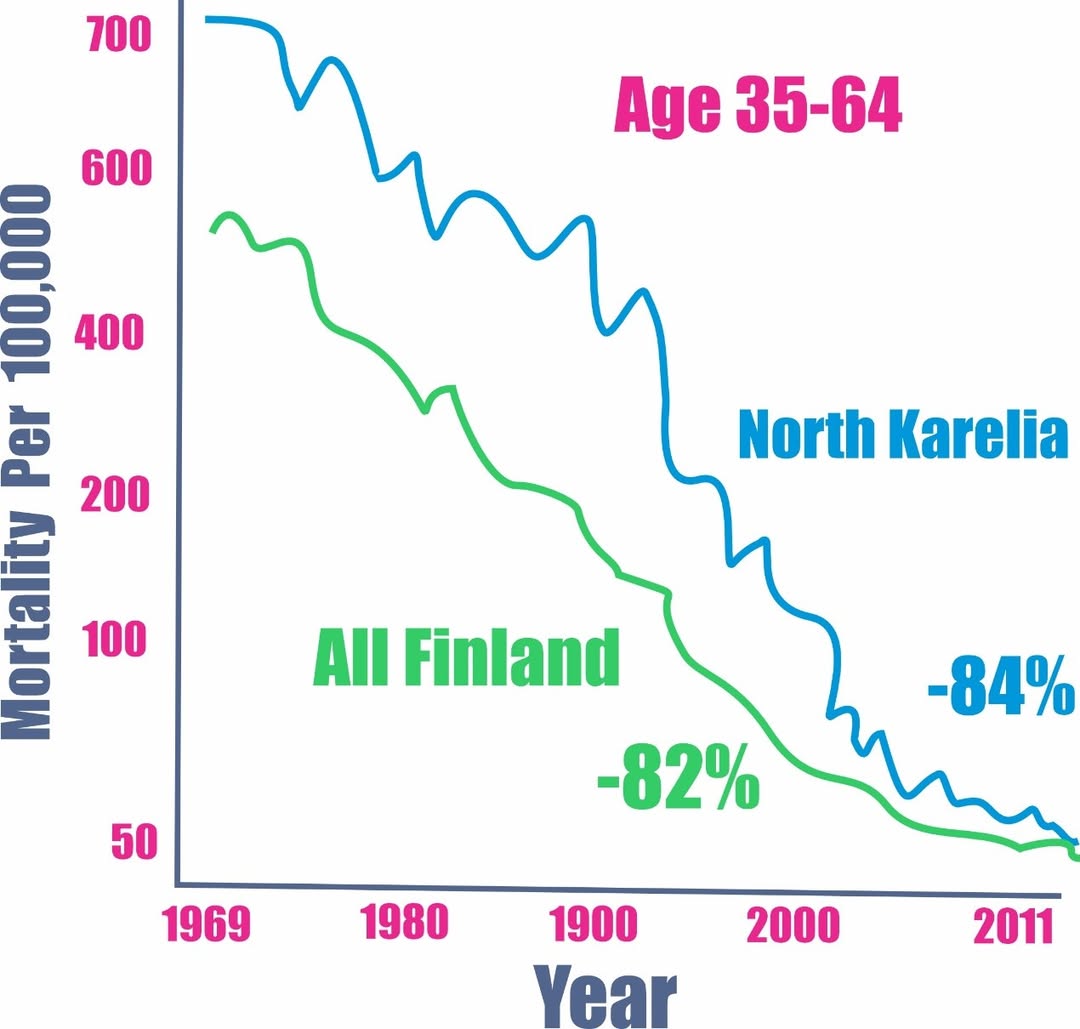
Finland's North Karelia Project: less saturated fat, CHD deaths down nearly 80%

Dec 03, 2025 · Louis Nervegna ♥ 7 · 💬 16 ↩ 1

Louis shares a Tom Rifai summary of Finland's 1970s turnaround, led by the North Karelia Project, where the population cut saturated fat and shifted to rapeseed, sunflower and soybean-based margarines and oils. Serum cholesterol fell about 15-20% and CHD mortality fell nearly 80% in working-age men, although smoking and blood pressure improvements also contributed.

Low total fat is unproven; Lyon Heart Study Mediterranean diet cut total deaths 70%

Sep 10, 2025 · Louis Nervegna ♥ 8 · 💬 8

Louis argues there is no good-quality evidence that limiting total fat improves CVD or total mortality if the fat is mostly unsaturated. He highlights the Lyon Diet Heart Study, which stopped early after 2.5 years because of large benefits of a traditional Mediterranean diet in heart attack survivors.

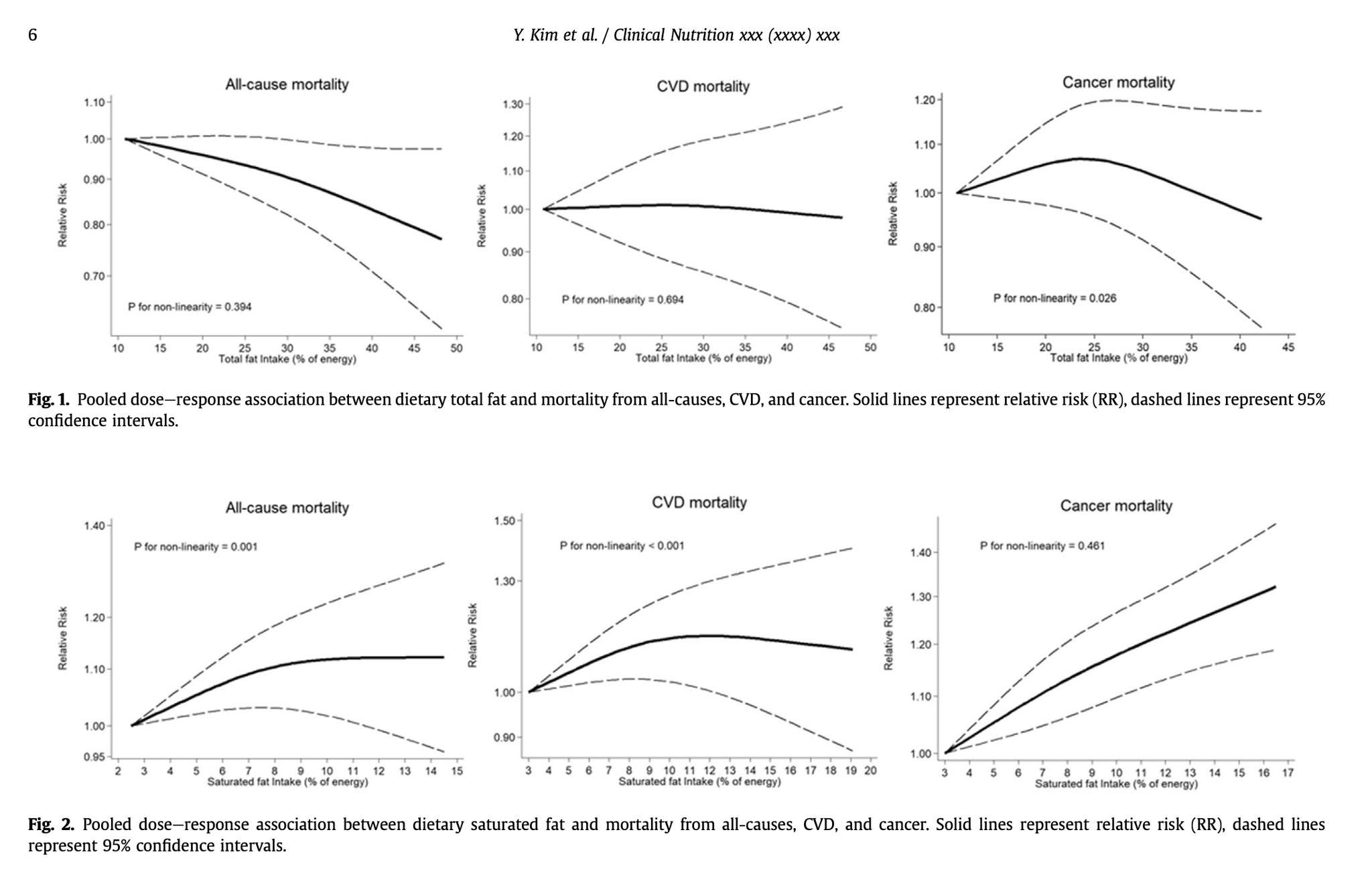
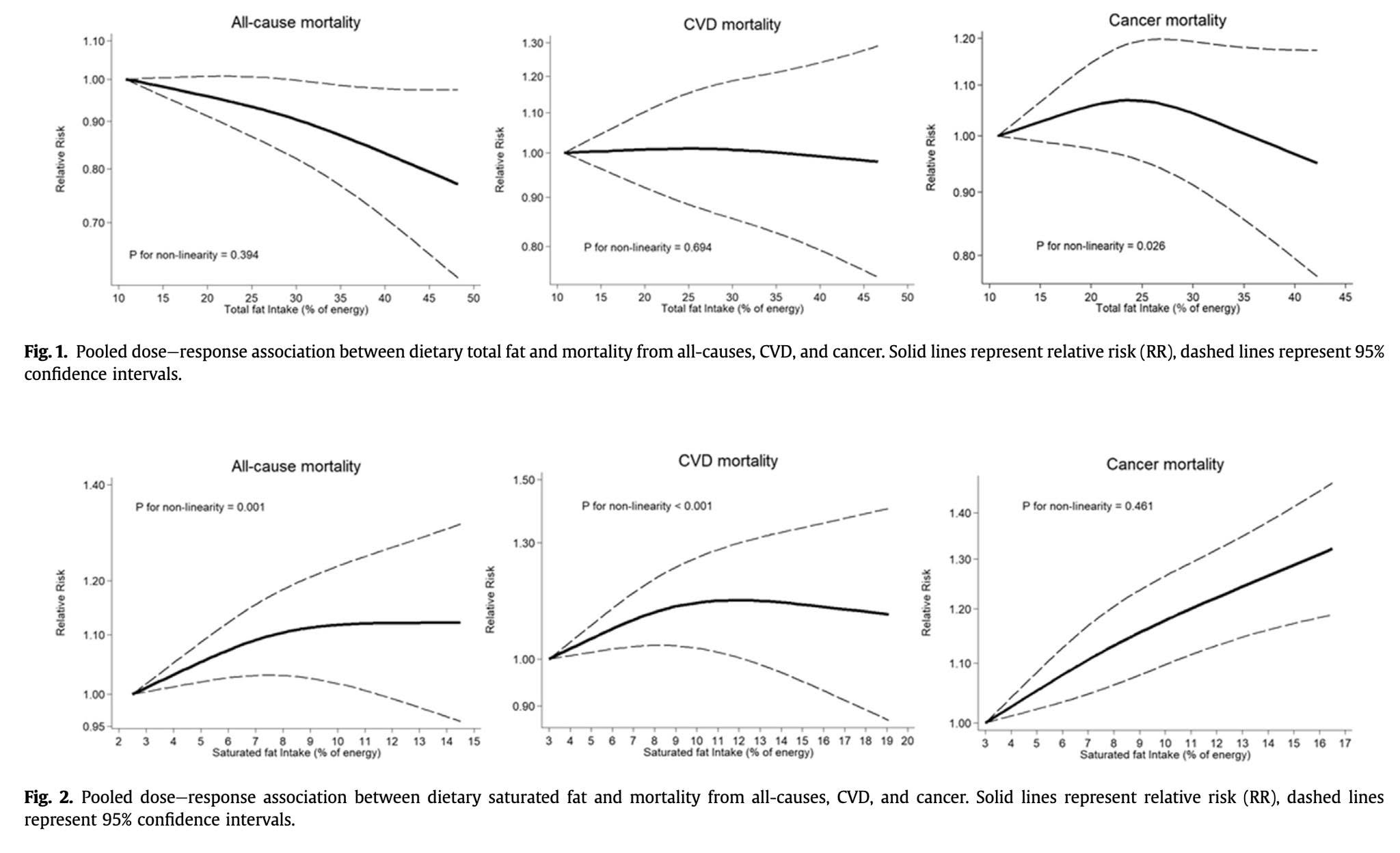
Dietary fat and mortality meta-analysis: polyunsaturated favorable, trans fat harmful

Dec 01, 2023 · Gokhan Can ♥ 9 · 💬 9

Summarizes a meta-analysis of 19 prospective cohorts (over 1 million participants) on dietary fat and mortality. Higher total, monounsaturated and especially polyunsaturated fat were associated with lower mortality, trans fat with higher mortality, and saturated fat showed a non-linear pattern with excess risk up to about 11% of energy.
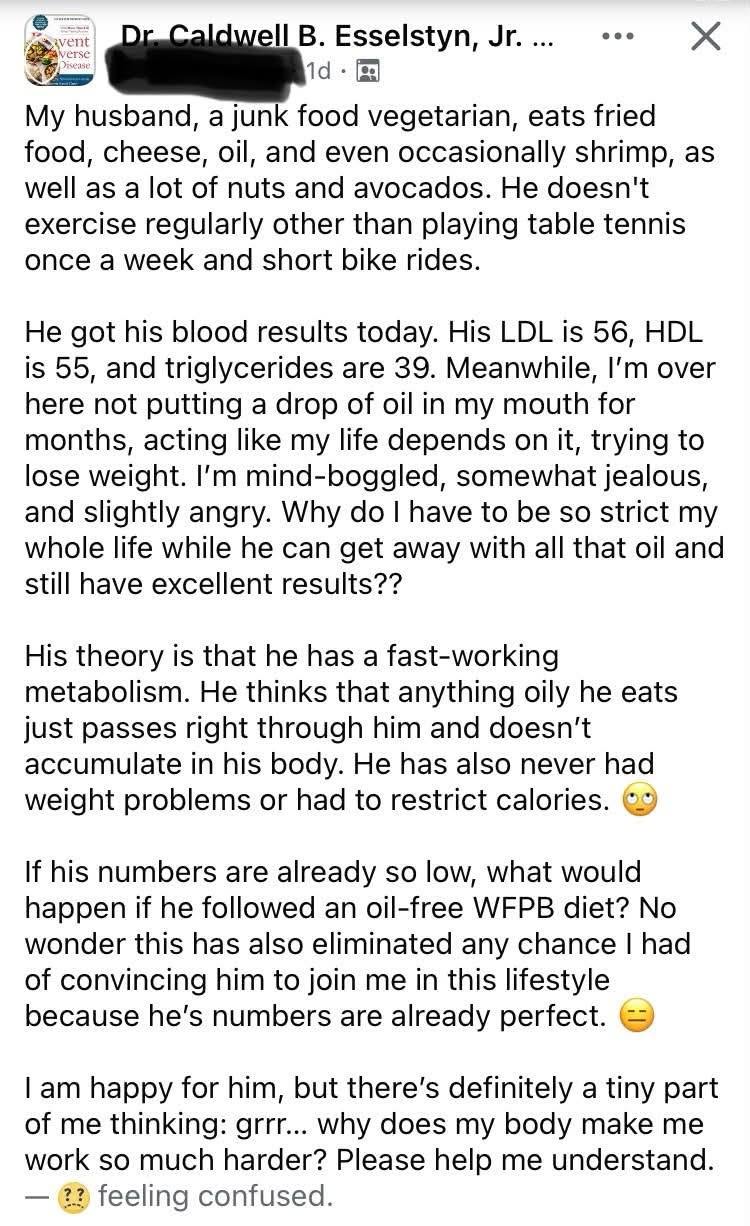
Defending a lean, nut-and-olive-oil vegetarian diet against 'junk food' labels

Jul 25, 2026 · Louis Nervegna ♥ 9 · 💬 12

Louis argues a diet heavy in nuts, avocado, unsaturated oils, some cheese and seafood, and low in refined starch, sugar and saturated fat is healthy. He says unsaturated fat improves insulin sensitivity and lowers LDL, and that his example's good lipids reflect leanness, whereas a person avoiding all fat but staying overweight needs to lose visceral fat first.

Canola oil is not toxic: the human RCT data are favorable, says the poster

Aug 06, 2024 · Louis Nervegna ♥ 12 · 💬 14

The poster shares a video reviewing evidence on canola (rapeseed) oil, arguing that social-media claims that it is harmful are unfounded and that randomized trials look good. He does not use canola himself but says fact-checking influencer claims is essential.

Seed oils don't raise inflammation markers; butter linked to higher mortality

Mar 10, 2025 · Louis Nervegna ♥ 7 · 💬 11

Louis quotes a news article in which Martha Belury says omega-6 linoleic acid does not significantly change blood inflammatory markers and that the omega-6 to omega-3 imbalance claim is oversimplified. It also reports the Brigham and Women's study of over 200,000 adults for 30+ years: highest butter intake linked to 15% higher mortality, highest plant oil intake to 16% lower.

Lyon Diet Heart Study: Mediterranean diet cut cardiac death and MI 73% after a first MI

Aug 04, 2024 · Louis Nervegna ♥ 14 · 💬 4 ↩ 9 Mediterranean, DASH, MIND & plant-forward diets

More than 600 heart attack survivors were randomized to a Mediterranean-style diet or an AHA diet; the trial was stopped early after about 2.5 years because benefit was so large. The Mediterranean group, using EVOO and canola-based margarine with more fish/poultry and plant foods, had large reductions in cardiac events and total mortality.
Meta-analysis of 30 trials: olive oil lowers CRP and IL-6 and improves FMD

Mar 14, 2025 · Louis Nervegna ♥ 11 · 💬 6 ↩ 5

Louis argues that over 30 human RCTs show olive oil improves flow-mediated dilation and endothelial function, quoting a systematic review of 30 studies and 3,106 participants. Olive oil lowered CRP by 0.64 mg/L and IL-6 by 0.29 and raised FMD by 0.76 percentage points versus controls. Refined olive oil may briefly impair FMD after a meal, while EVOO improves it acutely and over the long term.

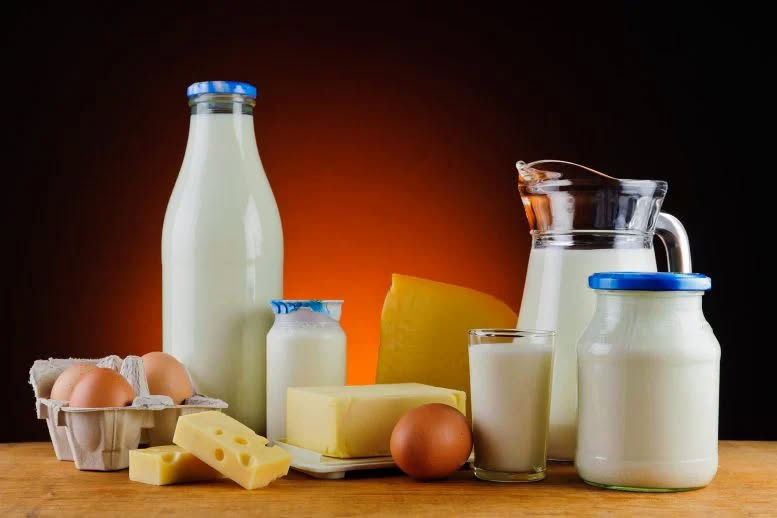
Butter and cheese affect LDL differently despite similar saturated fat: the food matrix

Sep 02, 2026 · Louis Nervegna ♥ 11 · 💬 7 Meat, eggs & dairy

Louis highlights that butter and cheese contain similar saturated fat but affect LDL differently because of food matrix. Churning strips the natural milk-fat wrapper, while in cheese fat stays in a protein mesh, with calcium and fermentation also possibly modifying effects. The shared clip adds that cheese is no free pass given its calories and salt.

A very low saturated fat diet lowered LDL but brought irritability and hunger

Feb 17, 2025 · Gokhan Can ♥ 15 · 💬 8

Gokhan describes a week on a very low-fat diet after a stomach bug: such diets are said to lower LDL by 10-20%, but he became irritable and 'hangry', as in his pre-2014 calorie-restriction days. He concludes he prefers a slightly higher LDL, which his statin controls anyway.

Higher omega-6 (linoleic acid) biomarker levels linked to 43% lower type 2 diabetes risk

Jan 20, 2024 · Louis Nervegna ♥ 8 · 💬 7 ↩ 17

A pooled analysis of 39,740 adults from 20 prospective cohorts used blood and tissue biomarkers rather than food questionnaires. Higher linoleic acid levels were associated with lower incident type 2 diabetes, and the authors conclude linoleic acid may have long-term preventive benefits and arachidonic acid is not harmful.

Harvard: omega-6/omega-3 ratio is not a useful indicator of heart health

May 01, 2025 · Louis Nervegna ♥ 3 · 💬 16

Louis quotes the Harvard Nutrition Source: the popular claim that excess omega-6 promotes inflammation and disease is not supported in humans. Controlled feeding studies show omega-6 does not raise inflammatory markers, human studies show cardiovascular benefit, and the ratio is not a useful measure of diet healthfulness, though many Americans would benefit from more omega-3.

Meta-analysis of 102 feeding trials: polyunsaturated fat gives the best glycemic benefit

Nov 18, 2025 · Gokhan Can ♥ 6 · 💬 7

Summarises a systematic review of 102 randomized feeding trials (4,220 participants) on 5% energy swaps. Replacing carbs with MUFA lowered HbA1c 0.09% and HOMA-IR 2.4%; with PUFA lowered HbA1c 0.11% and fasting insulin 1.6 pmol/L. PUFA alone improved insulin secretion capacity; saturated fat swaps did not change fasting glucose. Authors favor replacing refined carbs and saturated fat with unsaturated fats.

100+ trials: polyunsaturated fat improves glucose and insulin markers, saturated doesn't

Sep 14, 2025 · Louis Nervegna ♥ 7 · 💬 6 ↩ 13

Louis summarizes a meta-analysis of randomized feeding trials showing polyunsaturated fat, mostly omega-6 from vegetable oils, lowers fasting glucose and A1C and improves insulin resistance and insulin secretion. Monounsaturated fat did well but less so, and saturated fat showed no appreciable benefit.

Higher blood linoleic acid predicts lower CVD risk in 68,000-person pooled analysis

Jul 18, 2025 · Louis Nervegna ♥ 6 · 💬 7

Louis shares a Johns Hopkins piece citing the 2019 Marklund pooled analysis of over 68,000 participants in 30 cohorts across 13 countries. People with the highest blood linoleic acid had lower CVD risk, especially for CV mortality and stroke; controlled trials also show LA lowers LDL and may improve glucose metabolism. The association is observational, which the author notes.

List of olive oils certified by the North American Olive Oil Association for purity

Jul 14, 2024 · Louis Nervegna ♥ 17 · 💬 5

A share of the NAOOA's list of 78 olive oils enrolled in its random testing and certification program for conformity with International Olive Council purity and quality standards. It is useful for people worried about olive oil authenticity, though it comes from an industry trade group.

Minnesota Coronary Experiment did not show that omega-6 fats cause heart disease

Jun 12, 2024 · Louis Nervegna ♥ 6 · 💬 5 ↩ 2

The poster says the 1989 report of the Minnesota trial found no difference in cardiovascular events, cardiovascular deaths or total mortality between treatment and control, and that the 2016 BMJ re-analysis added no new data changing this. The BMJ paper's observational cholesterol-mortality analysis is criticized as unreliable because causes of death were unknown, and hundreds of observational studies show omega-6 inversely related to heart disease.

Omega-6 unlikely to cause heart disease when blood biomarkers show an inverse association

Sep 12, 2024 · Louis Nervegna ♥ 12 · 💬 3

Louis argues that causation requires at minimum a positive association, and omega-6 measured directly in blood and tissue shows an inverse association with heart disease and diabetes. He says these prospective biomarker studies are not nutritional epidemiology because no questionnaires are used. He re-shares the pooled analysis of about 70,000 people in 30 cohorts.

Higher blood linoleic acid linked to lower inflammation and cardiometabolic risk

Jun 04, 2025 · Louis Nervegna ♥ 9 · 💬 4

A shared summary reports observational data presented at NUTRITION 2025 (Kevin Maki) that people with higher blood linoleic acid had lower CRP, better glucose control and healthier BMI. It cites meta-analyses linking higher omega-6 to lower CVD, cancer and all-cause mortality, and stresses whole-food sources.

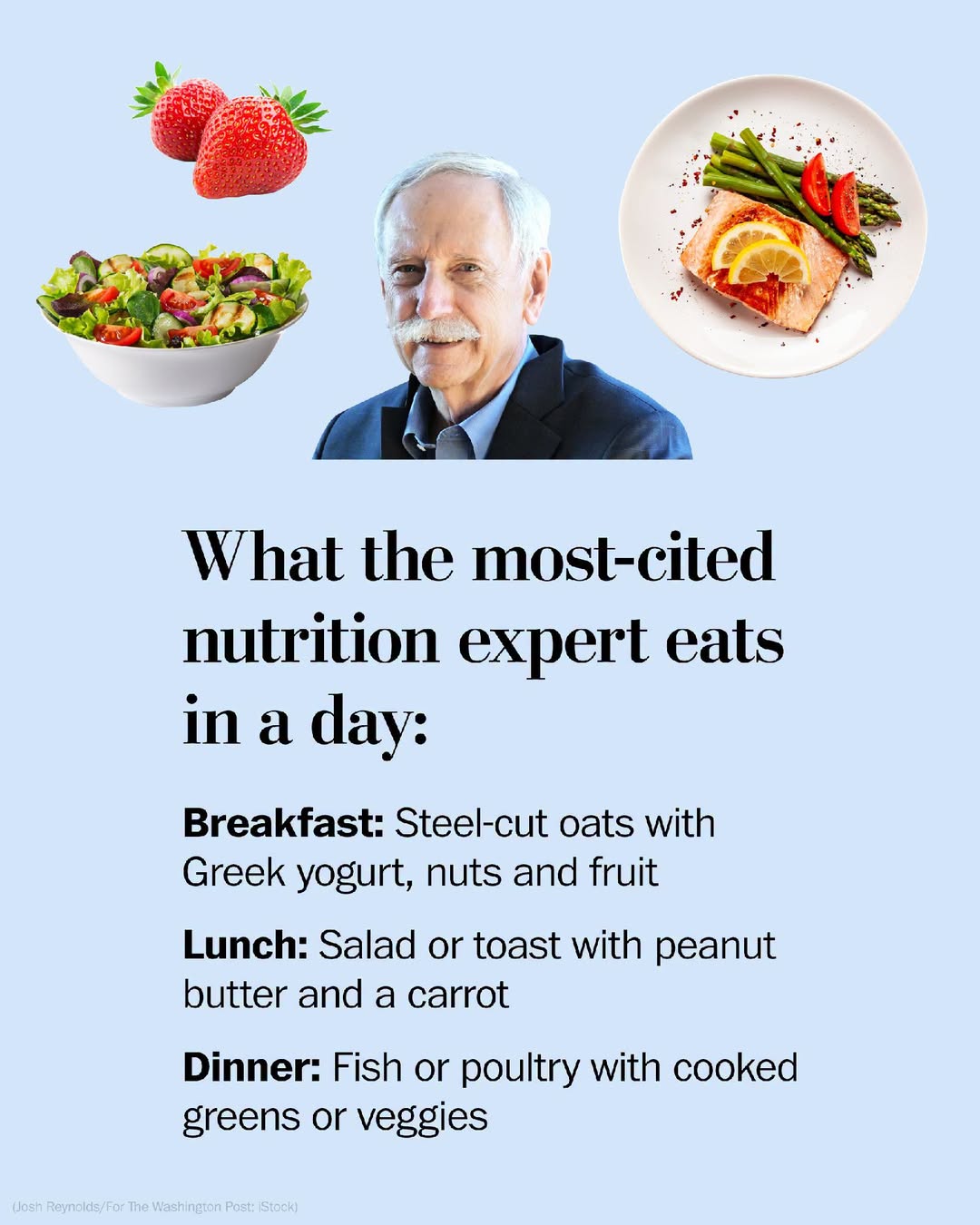
Walter Willett: unsaturated fats, Mediterranean eating and daily habits at 81

Oct 11, 2026 · Louis Nervegna ♥ 12 · 💬 4 Mediterranean, DASH, MIND & plant-forward diets

A Washington Post interview with Harvard nutrition researcher Walter Willett. He says his group's data showed total fat was irrelevant, trans fats were bad, saturated fat versus refined carbohydrate was only weakly related to heart disease, and unsaturated fats were linked to lower heart disease and mortality. He also describes his own diet, including oats, nuts, blueberries and a plant-based lunch.
Omega-6 linoleic acid improves insulin sensitivity by activating PPAR-gamma

Feb 11, 2026 · Louis Nervegna ♥ 7 · 💬 5 ↩ 8

The post shares a 2023 review arguing that linoleic acid, the main omega-6 fat in nuts, seeds and vegetable oils, lowers cardiometabolic risk. The review suggests understanding how LA affects PPAR activity may overturn the dogma that omega-6 promotes inflammation.

Coconut oil raises LDL and ApoB, long-term outcomes unknown; MCT oil is a cleaner option

Oct 16, 2025 · Louis Nervegna ♥ 13 · 💬 2

Louis summarizes a Nutrition Made Simple video: there are few long-term studies of coconut oil and heart disease, so claims rely on short-term biomarker studies. Because it is 80-90% saturated fat it raises LDL and ApoB (though less than butter); its HDL rise is unlikely protective, and he suggests plain MCT oil if one wants MCT benefits.

Oils are not harmful on a plant-based diet: substitution analyses of olive oil and others

Jun 26, 2025 · Louis Nervegna ♥ 5 · 💬 6

Quoted explainer addressing the claim that oils are harmful on a whole-food plant-based diet, using substitution analyses. Replacing saturated fat with polyunsaturated fat (oils, nuts, seeds) lowered CHD risk, and olive oil substituted for vegetable oils gave similar outcomes; avocado data from the NHS/HPFS are also cited.

Avoiding seed oils does not lower CRP or other inflammatory markers

Nov 22, 2023 · Louis Nervegna ♥ 4 · 💬 9 ↩ 6

Louis says human studies repeatedly show that reducing dietary omega-6 fails to lower inflammatory markers, so avoiding seed oils is not a route to lower CRP. He links a Nutrition Made Simple video reviewing the evidence on nine seed oils, heated seed oils and genetic variability.

Dr Gil Carvalho: evidence contradicts RFK Jr's claims that seed oils are harmful

Nov 25, 2024 · Gokhan Can ♥ 6 · 💬 6

Summary of a video arguing that seed oils are associated with a 15% reduction in heart disease events and 21% lower risk of heart disease death, and that replacing butter with seed or olive oil lowers mortality. It also says systematic reviews find seed oils neutral or anti-inflammatory.

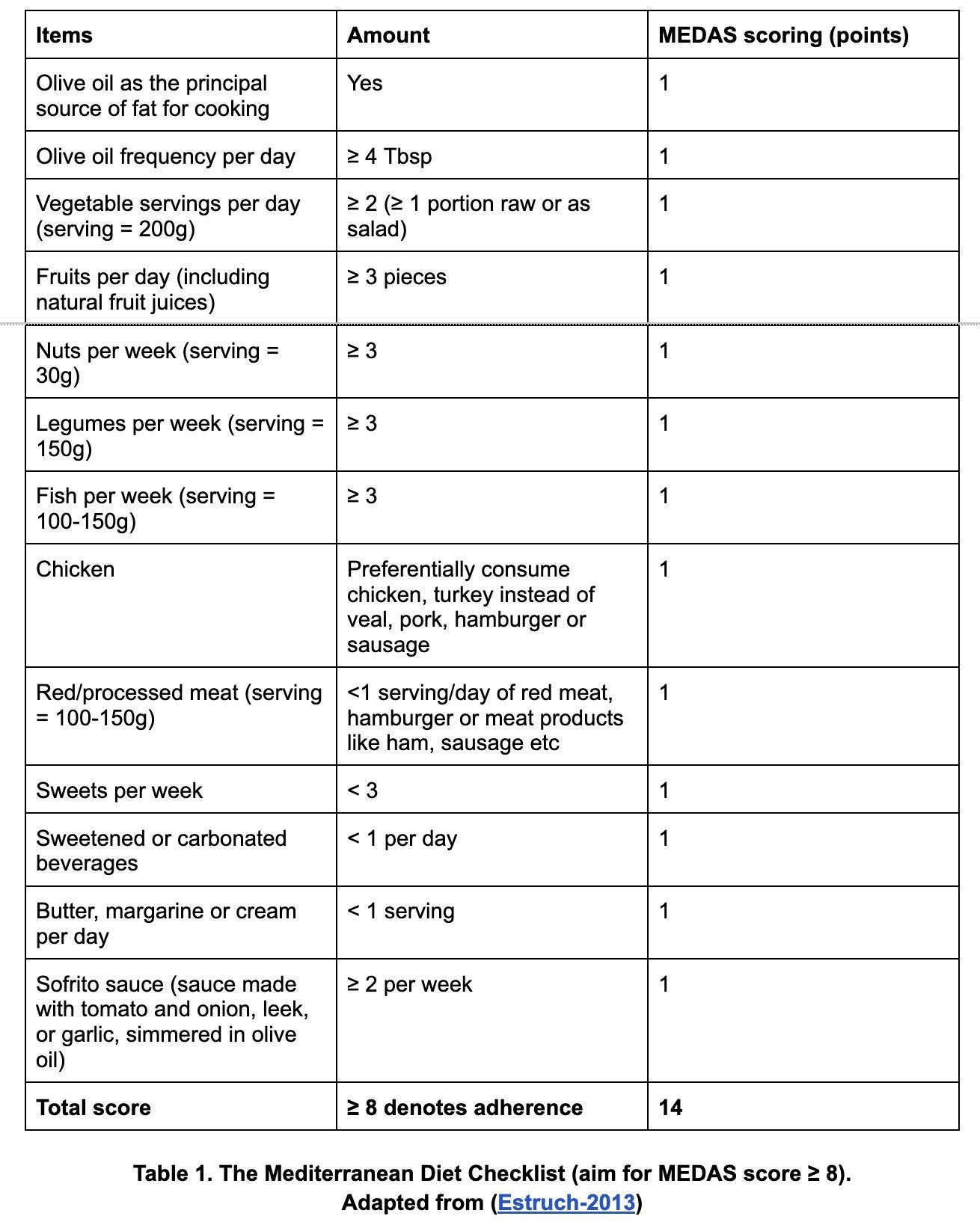
How to follow a traditional Mediterranean diet: do's and don'ts

Apr 07, 2025 · Louis Nervegna ♥ 14 · 💬 2 ↩ 1 Mediterranean, DASH, MIND & plant-forward diets

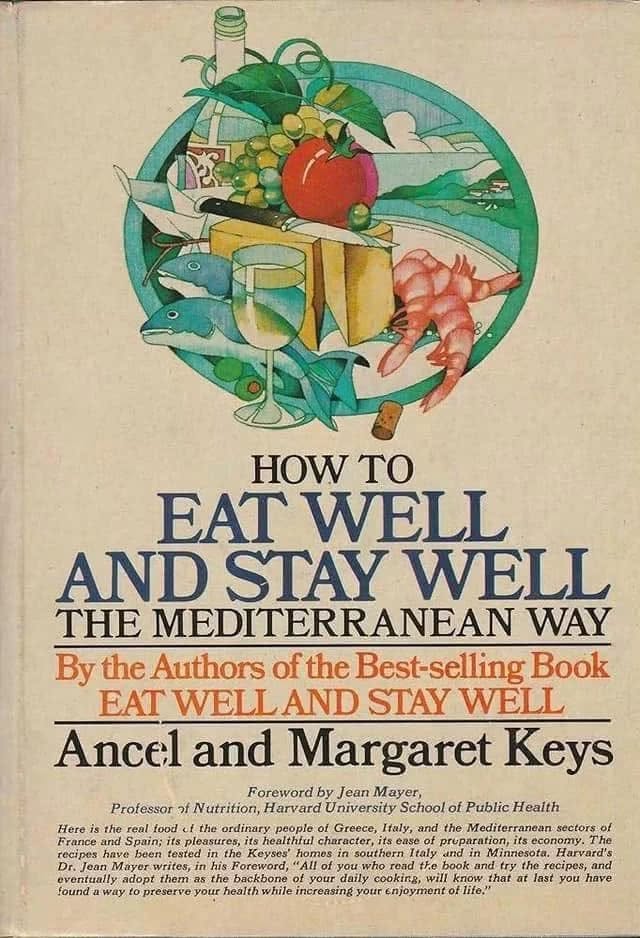
Louis shares Gokhan Can's summary of Mediterranean diet do's and don'ts for people asking how to do it properly, and recommends the book behind the food pyramid. Advice includes plenty of fruit and vegetables, whole grains, olive oil, nuts and fatty fish, legumes, limited red meat and minimal saturated fat such as butter and cream.

Optimal diets vary: Mediterranean first, with individualized low-carb or low-fat options

Jun 30, 2024 · Gokhan Can ♥ 14 · 💬 2 Mediterranean, DASH, MIND & plant-forward diets

Gokhan says no scientist can tell you the single best diet. The Mediterranean diet has the strongest evidence for average people, while those with insulin resistance may try low-carb or low-fat vegan diets. Dietary saturated fat can raise cholesterol sharply in some people, and monitoring weight, blood markers and blood pressure matters more than the specific diet.

PREDIMED: Mediterranean diet with olive oil or nuts cut major CV events by 30% and 28%

Aug 26, 2025 · Louis Nervegna ♥ 10 · 💬 2 ↩ 7 Mediterranean, DASH, MIND & plant-forward diets

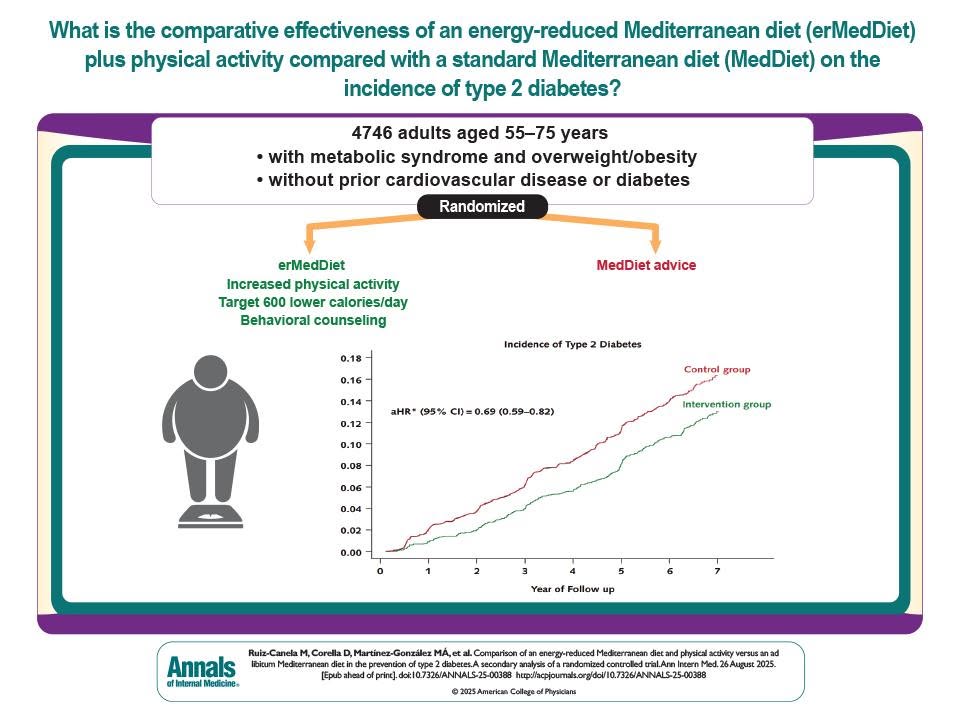
Louis summarizes the PREDIMED randomized trial of about 7,500 people testing the traditional Mediterranean diet for primary prevention. Groups supplemented with extra-virgin olive oil or nuts had a 30% and 28% lower rate of heart attack, stroke or cardiovascular death after 5 years versus an AHA-style control diet. A shared Annals post adds that Mediterranean diet plus calorie reduction and exercise cut diabetes risk by 31% in a large trial.

Bill Harris: omega-6/omega-3 ratio does not predict heart disease or diabetes

May 01, 2025 · Louis Nervegna ♥ 5 · 💬 6 ↩ 3

Louis shares a clip where fatty acid scientist Bill Harris explains the omega-6 to omega-3 ratio does not predict cardiovascular disease or diabetes risk. He notes Harris co-authored two very large pooled biomarker studies (~70,000 and ~40,000 people) showing higher blood omega-6 linked to lower heart disease and diabetes.

Human trials: omega-6 and oxidized fish oil do not raise oxidation or inflammation markers

Sep 18, 2026 · Louis Nervegna ♥ 7 · 💬 4

The post states that human randomized trials have repeatedly shown omega-6 fats do not cause oxidation or lipid peroxidation, and that oxidized fish oil does not raise inflammation, oxidation or peroxidation markers or worsen cardiometabolic or liver health. It shares a saturated fat versus omega-6 breakdown by Dr Alan Flanagan.

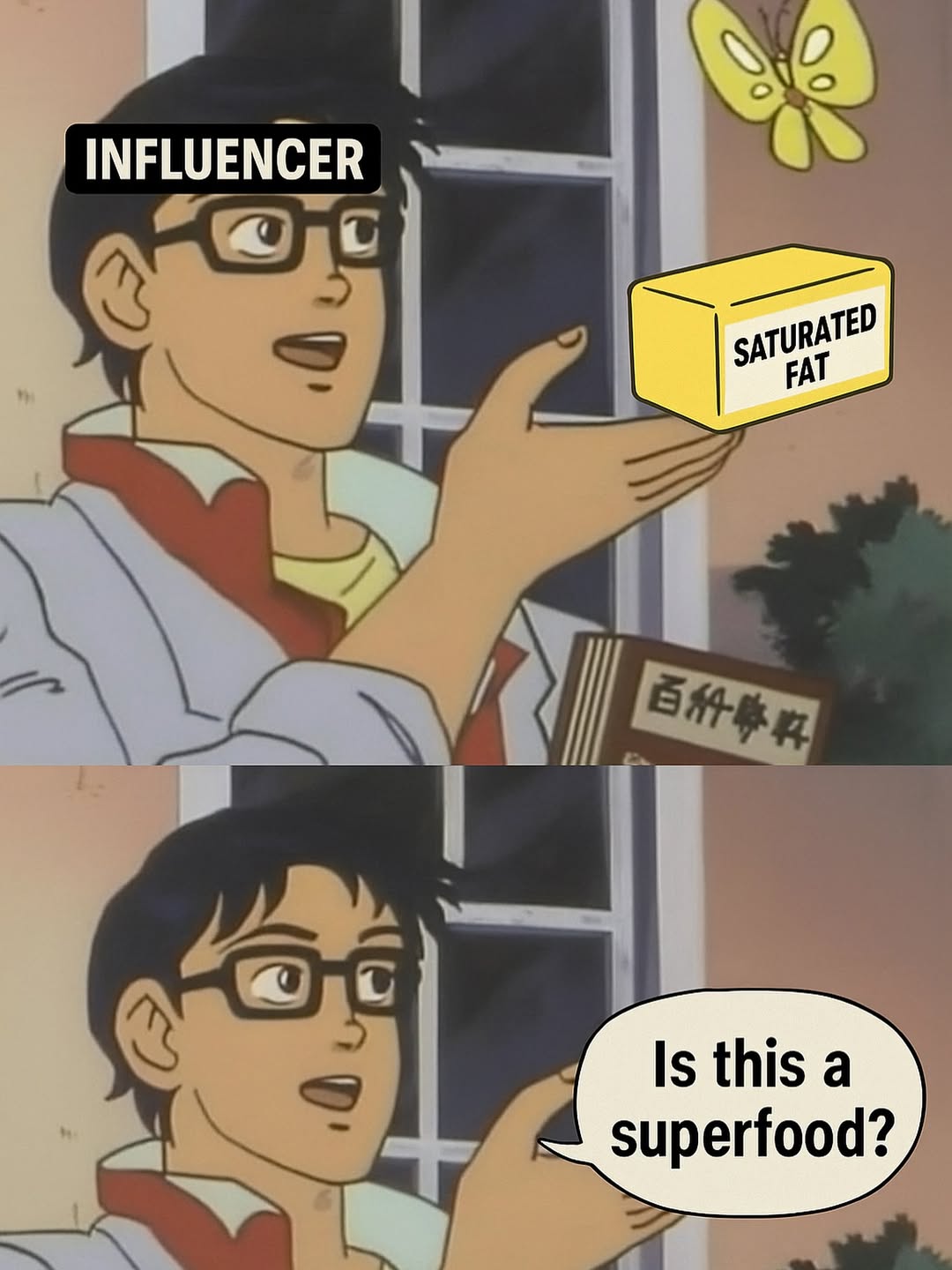
Butter raises LDL and offers no CVD protection; look at the totality of evidence

Sep 30, 2025 · Louis Nervegna ♥ 11 · 💬 2

Responding to claims that butter is a superfood, the shared post says the butter literature shows neutral to slightly higher all-cause mortality and no CVD protection, and that butter's saturated fat reliably raises LDL-C in controlled feeding trials. Louis adds that conclusions should come from the totality of evidence rather than cherry-picked studies.

Video: large cohorts show no link between seed oils and prostate or colon cancer

Dec 23, 2024 · Louis Nervegna ♥ 5 · 💬 5

Louis shares a Nutrition Made Simple video analyzing two headline-making studies tying seed oils to cancer. Large prospective cohorts show no association with prostate cancer, and with colon cancer once ultra-processed food intake is corrected for. He adds that decades of research show no obvious relationship between fat intake and cancer.

Layne Norton rebuts seed-oil claims with human evidence on inflammation, LDL and oxidation

Nov 03, 2026 · Louis Nervegna ♥ 3 · 💬 5

A shared post argues that human trial evidence does not support the claim that seed oils are harmful. Systematic reviews of randomized trials find that raising linoleic acid does not consistently increase inflammatory markers, replacing saturated fat with polyunsaturated fat lowers LDL and cuts coronary events, and trials show no significant increase in lipid peroxidation. It adds that LDL oxidation mostly occurs after retention in the artery wall, so LDL concentration still matters.

Soybean oil 30 g/day lowered arachidonic acid in a 2026 trial; 30+ RCTs: not inflammatory

Oct 22, 2026 · Louis Nervegna ♥ 7 · 💬 3

Louis agrees with a post saying seed oils are not inflammatory, noting over 30 human randomized trials show no inflammation increase and some show anti-inflammatory effects. The shared summary describes a 2026 trial of 10 adults on 30 g soybean oil daily for four weeks, where red blood cell arachidonic acid fell significantly and IL-6 trended down.

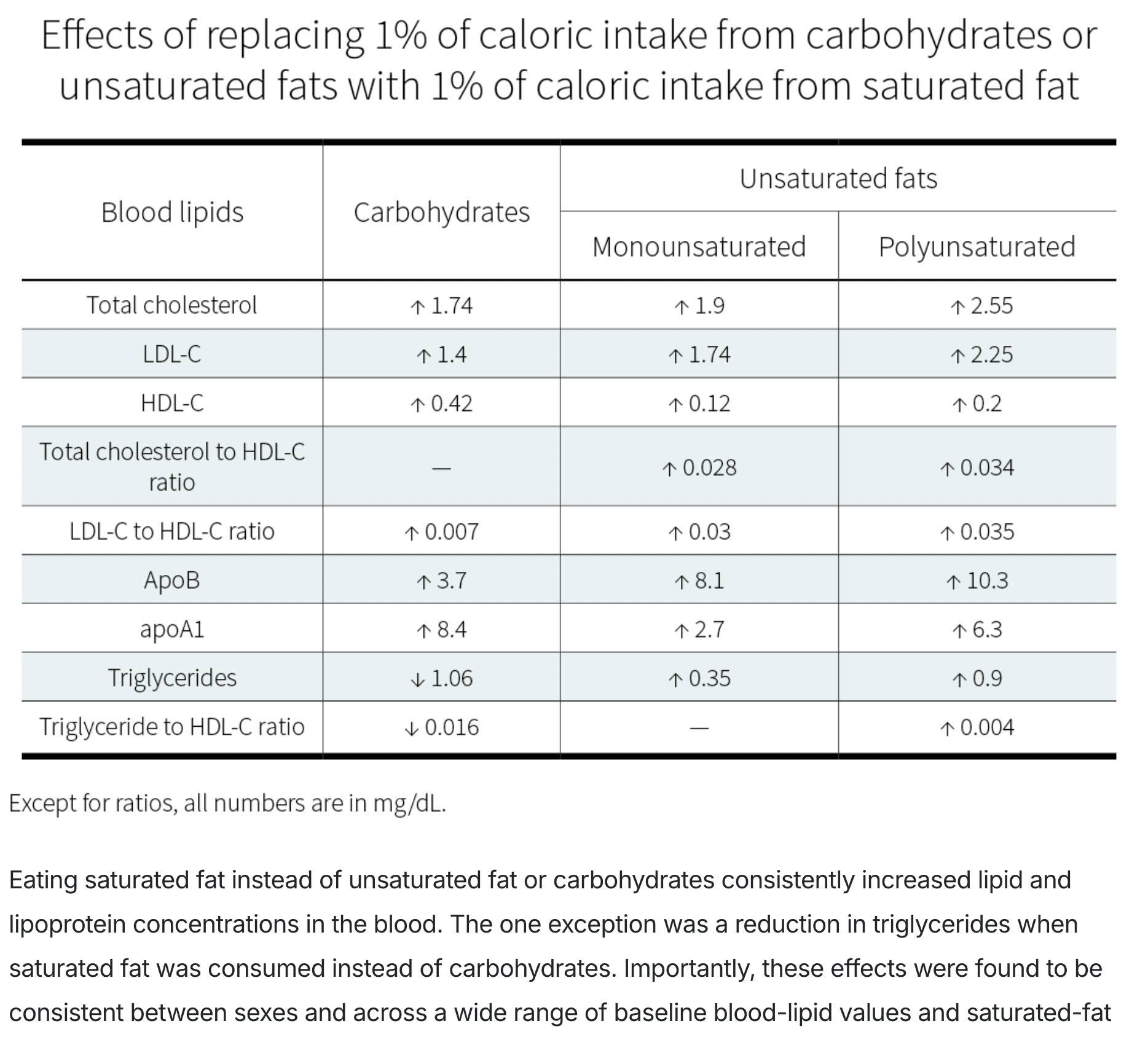
Examine: saturated fat raises LDL-C and apoB in WHO meta-analysis of 84 RCTs

Sep 05, 2024 · Gokhan Can ♥ 5 · 💬 3

Summary of Examine's article on saturated fat. A 2016 WHO meta-analysis of 84 RCTs (2,353 healthy adults) examined replacing 1% of calories from carbohydrates or unsaturated fat with saturated fat. Saturated fat raised LDL-C and apoB (suggesting higher risk), and HDL rose only about one-tenth as much as LDL-C, raising the LDL/HDL ratio.

Stanford scientist says seed oils are healthy and butter is worse (SCMP article)

Sep 15, 2024 · Louis Nervegna ♥ 13 · 💬 2

Shared from Joel Kahn: a South China Morning Post article quoting a Stanford professor who disputes social media claims that cooking with seed oils is dangerous and says seed oils lower stroke risk and cholesterol while butter is worse. No study details appear in the post.

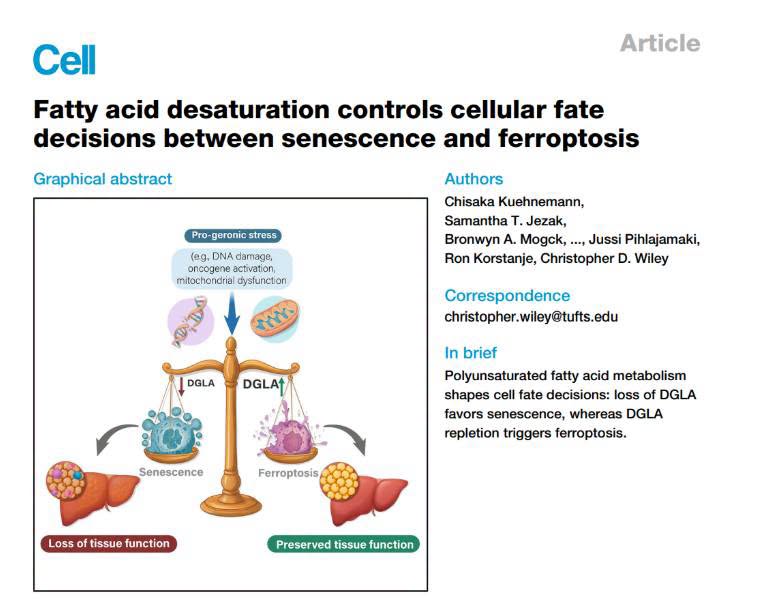
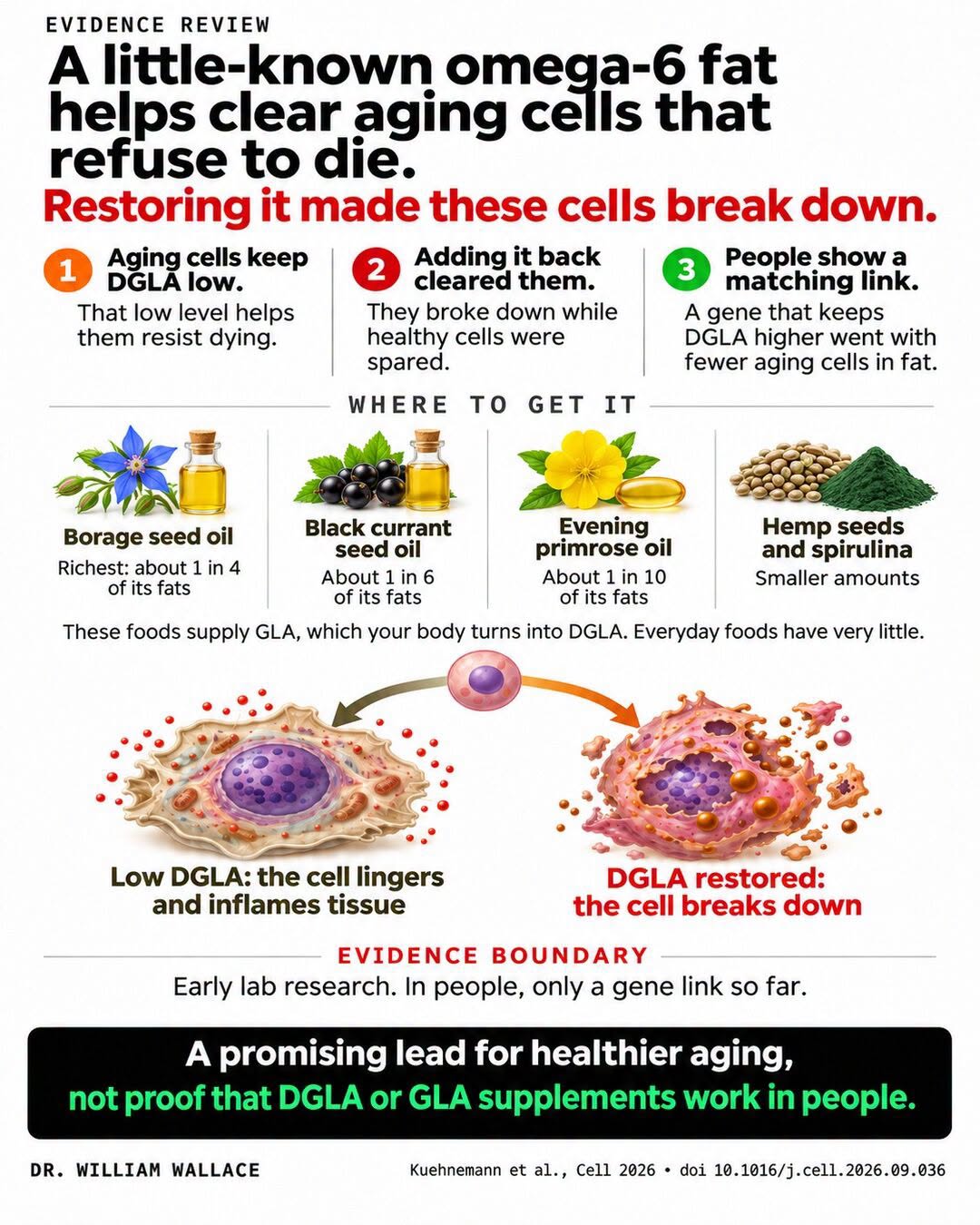
Your body makes DGLA from linoleic acid, linking seed oils to a possible senolytic effect

Nov 04, 2026 · Louis Nervegna ♥ 4 · 💬 4 ↩ 1

Louis points out that the body makes DGLA from the omega-6 linoleic acid in seed oils and that this senolytic mechanism might explain some effects of GLA supplements. The shared Bryan Johnson post summarizes research in which DGLA killed zombie (senescent) cells in mice through ferroptosis. Low-linoleic-acid diets reduce DGLA production.

Swapping refined carbs for unsaturated fat lowers LDL: meta-analysis of 60 feeding trials

Oct 08, 2025 · Louis Nervegna ♥ 5 · 💬 2

A meta-analysis of 60 controlled human feeding trials found that replacing carbohydrate calories with monounsaturated or polyunsaturated fat lowers LDL cholesterol, while saturated fat raises it. The effect looked largest for polyunsaturated fat, which is why choosing oils and nuts over refined starch and sugar helps the lipid profile.

Harvard: unsaturated fats protect, trans fats harm; PREDIMED backs olive oil and nuts

Sep 10, 2025 · Louis Nervegna ♥ 5 · 💬 3

Louis quotes Harvard's Nutrition Source page correcting myths about dietary fat. It says polyunsaturated fats from vegetable oils, nuts and seeds help ward off type 2 diabetes, trans fats do the opposite, and the PREDIMED Mediterranean diet with olive oil or nuts reduced cardiovascular events.

Rat study: extra-virgin avocado oil improved memory in an Alzheimer's model

Oct 09, 2024 · Louis Nervegna ♥ 11 · 💬 2

Louis shares a rodent study in which extra-virgin avocado oil improved memory, hippocampal biochemistry and oxidative stress in a rat Alzheimer's model. He notes avocado oil is rarely studied and that rodent Alzheimer's models often fail to predict human results.

100+ feeding trials: polyunsaturated fat improves glucose control, saturated fat does not

Dec 17, 2025 · Louis Nervegna ♥ 7 · 💬 1

Louis summarizes the 2016 PLoS Medicine meta-analysis of randomized feeding trials: polyunsaturated fat, mainly omega-6 from vegetable oils, lowered fasting glucose and A1C and improved insulin resistance and secretion, MUFA did well but less so, and saturated fat showed no appreciable benefit. He pairs it with the 20-cohort biomarker study showing a 43% lower diabetes risk with high omega-6.

Swapping 10% of carb calories for vegetable fats cut lethal prostate cancer 29%

Dec 20, 2024 · Louis Nervegna ♥ 6 · 💬 2

Louis quotes a UCSF-led study of nearly 4,600 men with non-metastatic prostate cancer. Substituting healthy vegetable fats (olive and canola oil, nuts, seeds, avocado) for carbohydrates or animal fats was associated with lower lethal prostate cancer and all-cause mortality. The study adjusted for age, treatment, BMI, smoking, exercise and other factors.
Harvard review: fat not clearly linked to cancer; red and processed meat raise colon risk

Dec 20, 2024 · Louis Nervegna ♥ 4 · 💬 2 ↩ 1

Louis quotes the Harvard Nutrition Source summary on dietary fat and cancer. Total fat percentage and fat types show no clear association with cancer, and the Women's Health Initiative low-fat trial did not reduce breast or colon cancer. Red and processed meat do increase colon cancer risk, and animal fat in young women was linked to higher breast cancer risk in Nurses' Health Study II. He notes a later Harvard study updates this.

Stanford's Christopher Gardner on why seed oils are not the villain

Oct 15, 2026 · Louis Nervegna ♥ 6 · 💬 3

A promotional description of a podcast episode in which Stanford nutrition researcher Christopher Gardner argues the evidence does not support the fear of seed oils. It notes that decades of research show replacing saturated fat with omega-6 polyunsaturated fat can improve cardiovascular outcomes. No specific studies or numbers are given.

Olive oil raised GLP-1 and lowered post-meal glucose versus butter in type 1 diabetes

Aug 25, 2024 · Louis Nervegna ♥ 12

Olive oil, like all fats, raises GLP-1, and the quoted crossover data suggest it does so more than butter, helping people feel full sooner. After a high-glycemic meal in people with type 1 diabetes, glucose exposure was lower with EVOO than with butter or a low-fat meal, plausibly via slower gastric emptying and glucose-lipid competition.

2026 ACC Scientific Statement: overall dietary pattern matters most for heart disease

Oct 01, 2026 · Louis Nervegna ♥ 11 Mediterranean, DASH, MIND & plant-forward diets

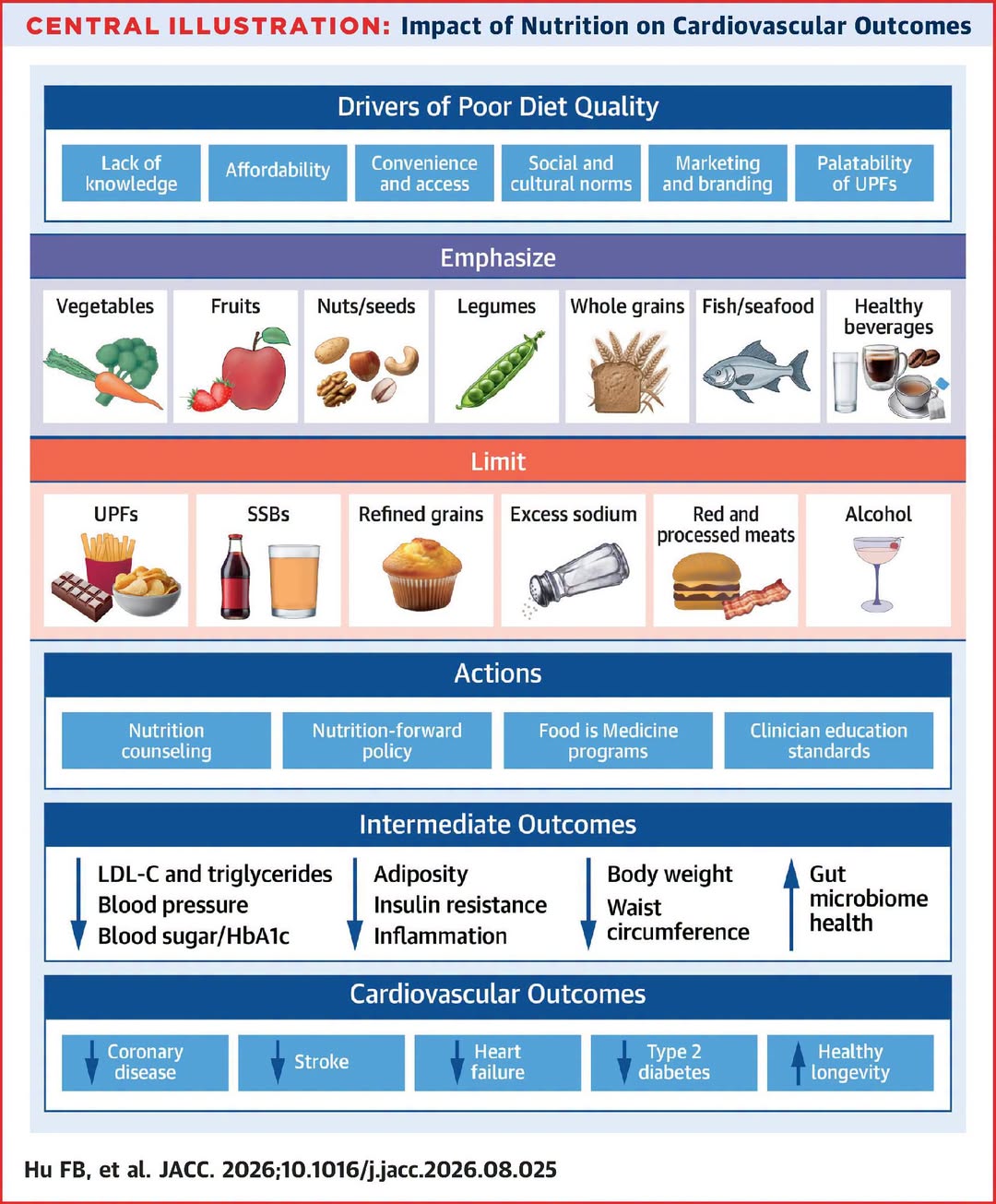
A new American College of Cardiology scientific statement reviews nutrition for preventing and managing cardiovascular disease and stresses overall diet quality over single nutrients. It supports replacing saturated fat with unsaturated fat, more fiber and whole grains, and less sodium, ultra-processed food and sugary drinks. The poster notes it closely matches the group's recommended diet.

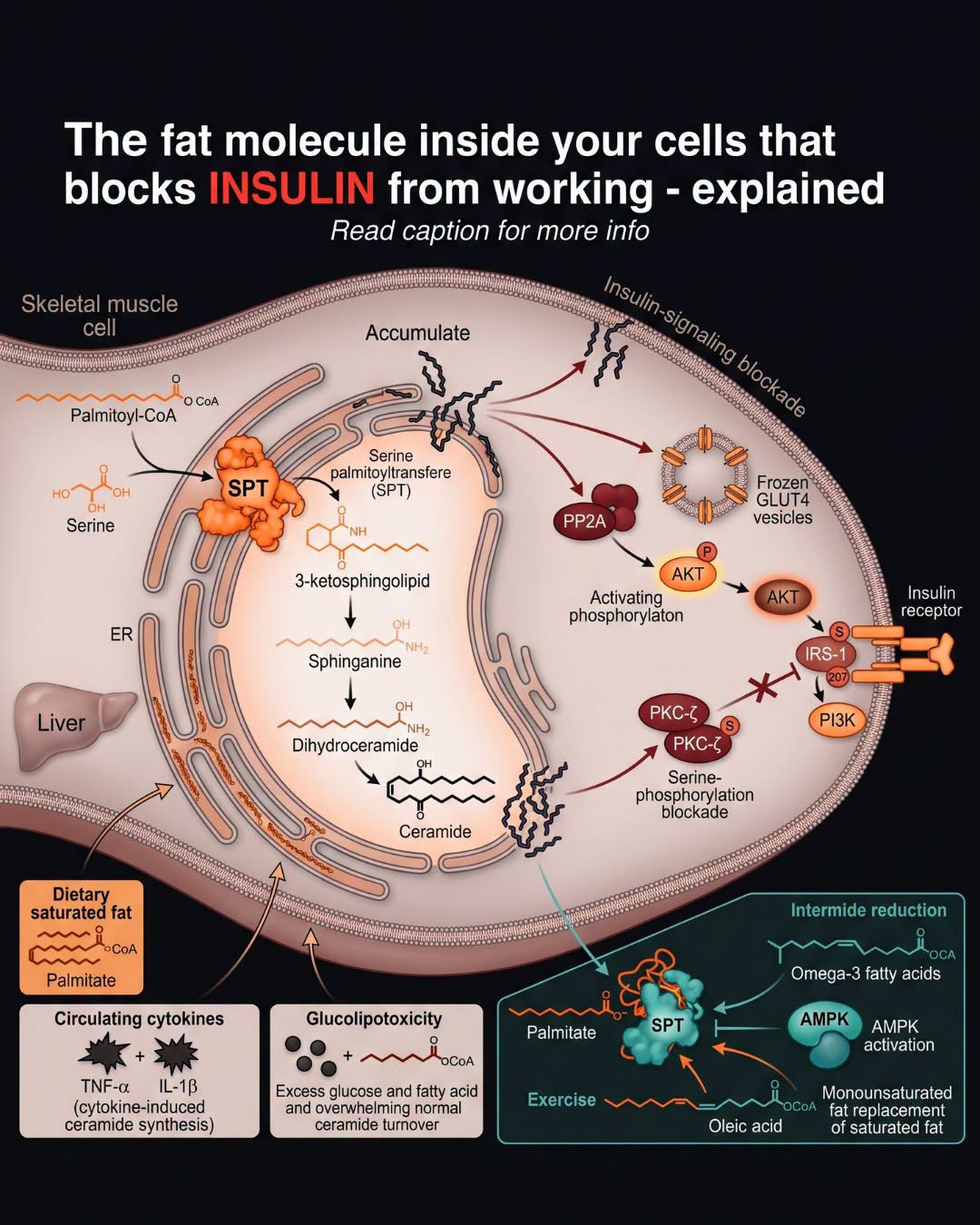
Palmitic acid impairs insulin action while olive oil's oleic acid counteracts it

Jun 24, 2026 · Louis Nervegna ♥ 7 · 💬 1

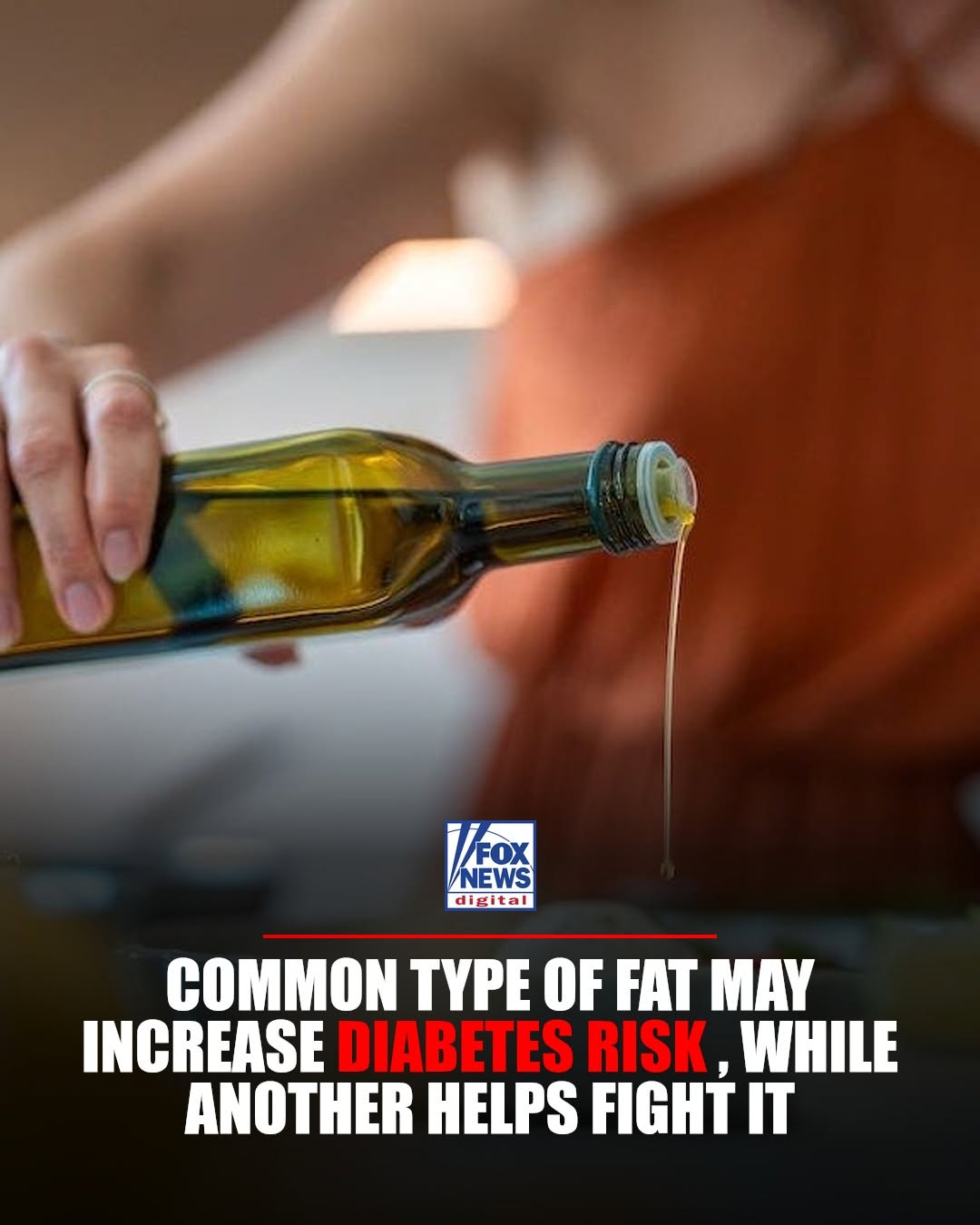
Louis shares a Fox News report on a review concluding that palmitic acid, the most common saturated fat in American foods, promotes inflammation, oxidative stress and insulin resistance, while oleic acid from olive oil, nuts and avocados counteracts these effects. Researchers back swapping saturated fats for extra-virgin olive oil rather than just cutting total fat.

Higher adipose linoleic acid linked to lower CVD mortality, countering seed-oil claims

Oct 03, 2025 · Louis Nervegna ♥ 7 · 💬 1

A shared critique argues that influencers dismiss research showing higher adipose-tissue linoleic acid (omega-6) is associated with lower cardiovascular and all-cause mortality. It says the contradicting evidence was lower quality and excluded from the meta-analysis for not meeting inclusion criteria.
Layne Norton: no hard-outcome data show saturated fat beats seed-oil omega-6 1:1

Apr 02, 2025 · Louis Nervegna ♥ 4 · 💬 2

Louis quotes Layne Norton, who says human studies of omega-6 fatty acids from seed oils replacing saturated fat 1:1 show neutral or positive effects on metabolic health, insulin sensitivity, liver fat and CVD, and that he knows of no hard-outcome data showing saturated fat is healthier. The linked video covers a study of over 200,000 people in which replacing butter with plant oils lowered mortality.
Higher red blood cell omega-6 linked to lower inflammation markers in Framingham Offspring

Apr 16, 2026 · Louis Nervegna ♥ 4 · 💬 1 ↩ 1

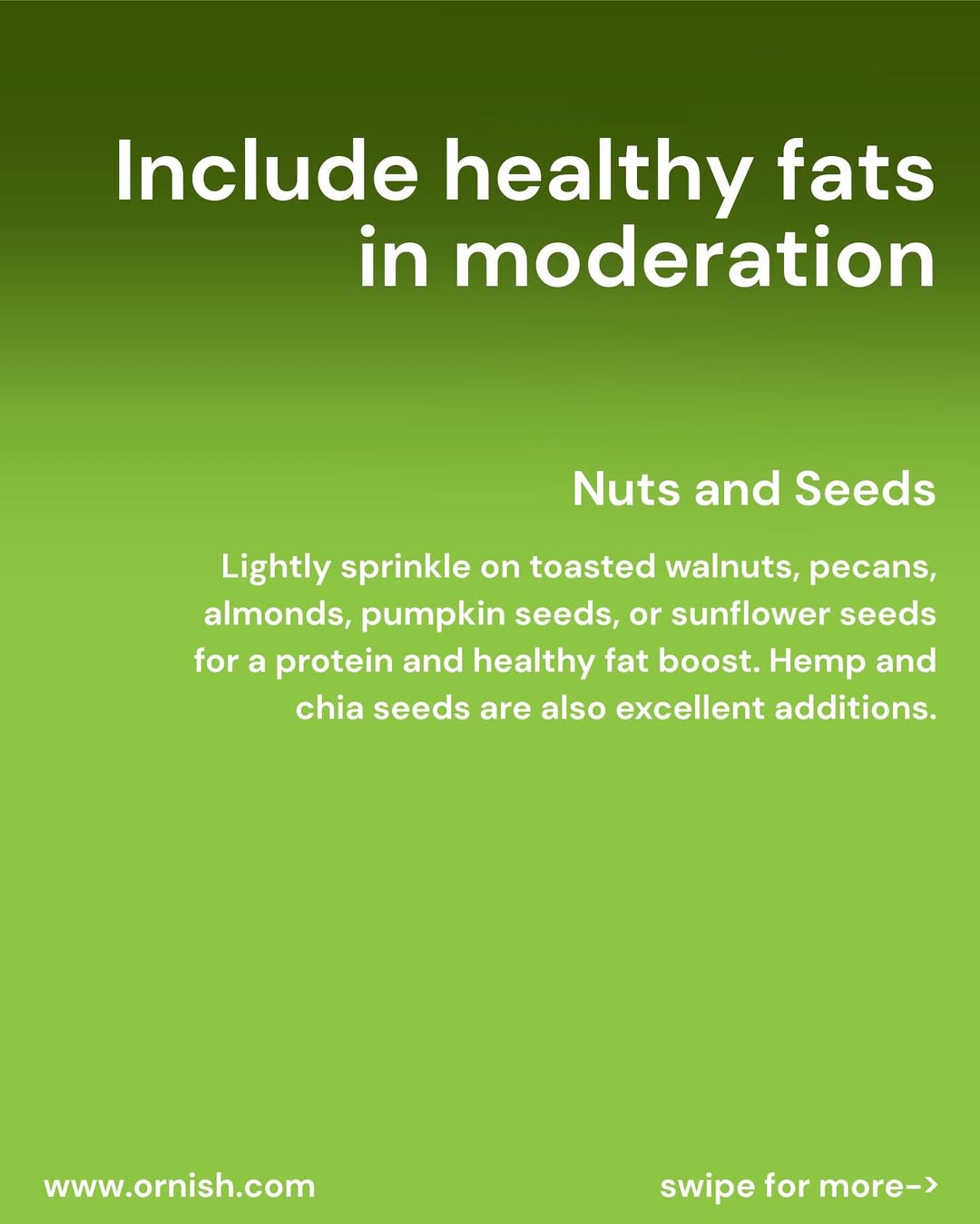
A 2025 Nutrients analysis of the Framingham Offspring Study found that higher red blood cell omega-6 was not associated with inflammation and showed a small anti-inflammatory effect across 10 markers including hsCRP and IL-6. Louis notes 30+ randomized trials show omega-6 does not raise inflammatory markers.

Seed oil use rose 5x since 1950 while heart disease deaths fell over 4x

Nov 08, 2025 · Louis Nervegna ♥ 8 · 💬 1

Louis reshares a post pointing out that since 1950 vegetable oil consumption rose about 5x and butter and lard fell 2-3x, while heart disease death rates fell over 4x and life expectancy rose from 60 to 78. This is a raw, unadjusted correlation, and he criticizes influencers who post fake graphs on the topic.

Swapping saturated fat for polyunsaturated seed oils cut CVD events 29% in strict RCTs

Jun 27, 2025 · Louis Nervegna ♥ 6

Louis states adipose omega-6 is linked to lower mortality in cohorts, and that RCTs meeting strict criteria (no trans fats, supplied food, 2+ years, biomarker-verified adherence, validated events) show a 29% reduction in heart disease events from replacing saturated fat with polyunsaturated fat. He explains why the Minnesota Coronary Experiment, Sydney Heart Study and Rose Corn Oil Trial fail those criteria.

Over 100 randomized trials show polyunsaturated seed-oil fats improve insulin sensitivity

Nov 11, 2026 · Louis Nervegna ♥ 4 · 💬 1

Louis states that over 100 human randomized trials in aggregate show polyunsaturated fats improve insulin sensitivity and blood sugar control. The shared FoundMyFitness post adds that these omega-6 fats can lower LDL and have not been shown to raise inflammation in trials, but repeatedly reheated oil forms harmful oxidation products.

North Karelia: swapping butter for vegetable oils credited with 80%+ fewer coronary deaths

Nov 07, 2026 · Louis Nervegna ♥ 9

Louis says replacing saturated with unsaturated fat is believed to be a main reason heart deaths dropped in Finland in the 1970s and 1980s. The shared cardiologist's post describes North Karelia's 700 per 100,000 CVD death rate in 1972, with 24% of calories from saturated fat, and a 20% cholesterol drop with coronary deaths in working-age men falling 82%.

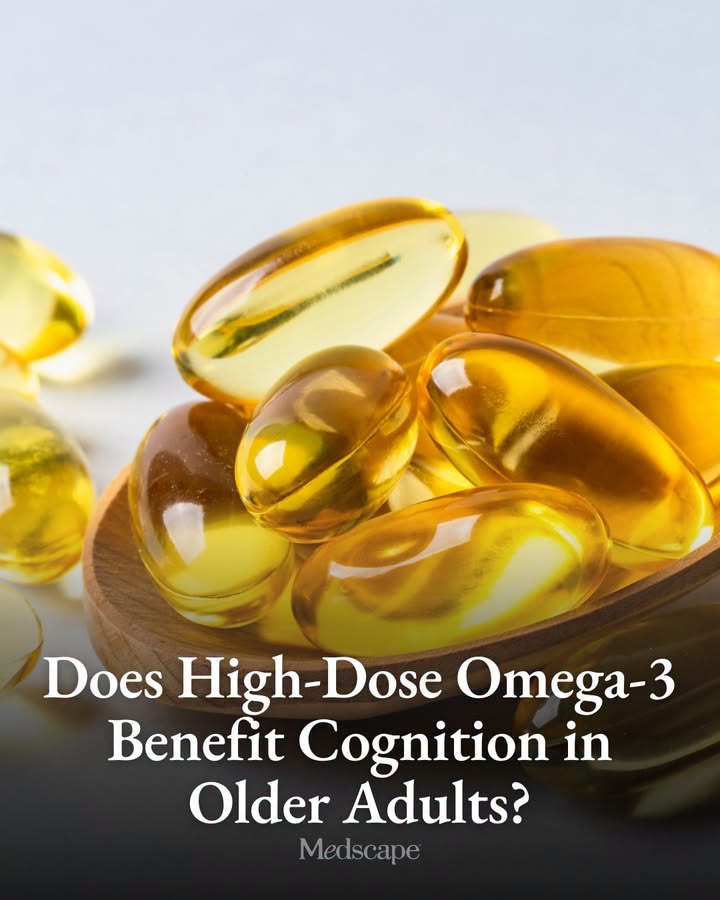
High-dose DHA did not slow cognitive decline in 2-year APOE4 trial, but reached the brain

Jun 27, 2026 · Louis Nervegna ♥ 7 Brain health & dementia

Louis comments on a Medscape report of a trial of high-dose omega-3 in older adults at high dementia risk. It found no improvement in memory, cognition or hippocampal volume, although DHA reached the cerebrospinal fluid equally in APOE4 carriers and non-carriers. He notes the trial was short at two years, and APOE4 carriers with the highest DHA to arachidonic acid ratio declined less.

Higher saturated fat intake linked to increased dementia risk in a prospective cohort

May 27, 2026 · Louis Nervegna ♥ 5

Layne Norton's shared post summarizes a cohort of adults averaging 68 years followed about 6 years: total fat was not linked to dementia, but higher saturated fat was. It is observational but fits mechanisms involving LDL/apoB and vascular health, and Louis notes the pattern recurs across large cohorts.

Over 30 human studies find omega-6 fats do not raise inflammation markers

May 06, 2026 · Louis Nervegna ♥ 6

Louis adds another study to over 30 showing omega-6 does not increase inflammatory markers or oxidized LDL in humans, and may reduce liver fat and improve insulin sensitivity. The shared Layne Norton post cites a human trial giving about 30 g/day soybean oil with no increase in inflammation or oxLDL.
100+ RCTs and 20 cohorts: omega-6 improves glucose control, 43% lower diabetes risk

Oct 21, 2025 · Louis Nervegna ♥ 3

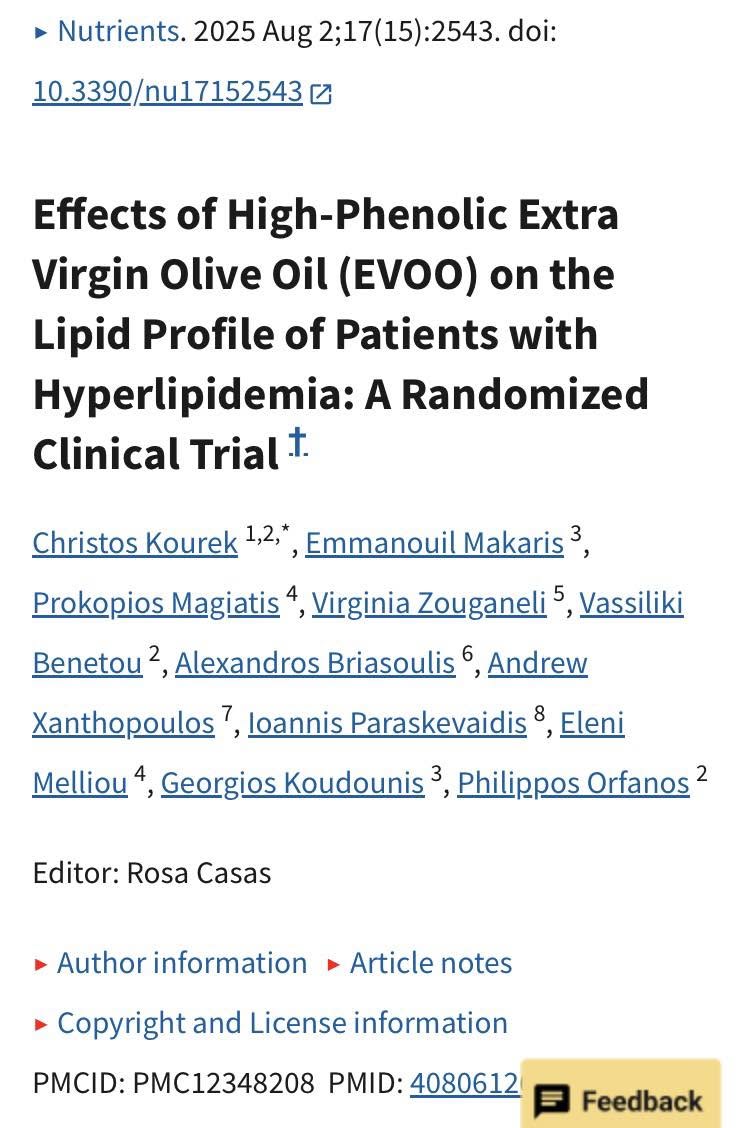
Louis summarizes evidence that omega-6 polyunsaturated fat lowers fasting glucose and A1C and improves insulin resistance and secretion across more than 100 randomized trials. A pooled analysis of about 40,000 people from 20 prospective cohorts with biomarker-measured omega-6 found the top fifth had 43% lower diabetes risk than the bottom fifth. He lists the supporting meta-analyses.

Full-fat cheese raises LDL less than butter, possibly due to the cheese matrix

Oct 29, 2026 · Louis Nervegna ♥ 4 Meat, eggs & dairy

Louis shares a summary suggesting full-fat cheese affects LDL less than butter or cream despite similar saturated fat. In a randomized trial full-fat cheese lowered LDL more than reduced-fat cheese supplemented with butter, and another study found cheese eaters excreted more fat in stool than butter eaters. Results are not perfectly consistent and benefits may level off around 50 g/day.
Dariush Mozaffarian: human evidence shows seed oils are not harmful

Oct 23, 2026 · Louis Nervegna ♥ 4

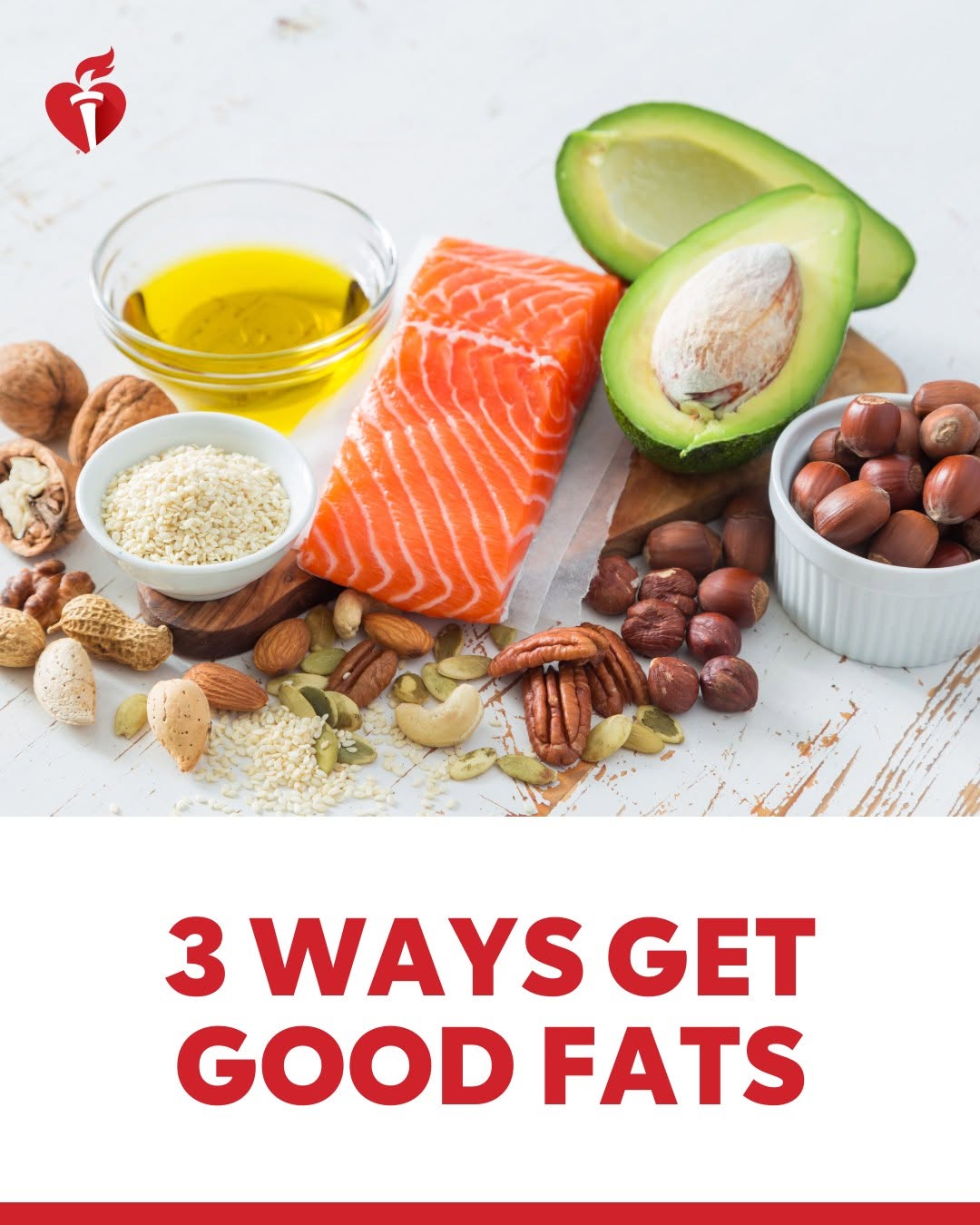
A video quote from Tufts professor Dariush Mozaffarian says randomized trials, long-term observational studies and biomarker studies show seed oils lower glucose, LDL and insulin, are not pro-inflammatory and reduce heart attack risk. The post says the omega-6 fear sounds convincing biochemically but does not hold up in people.
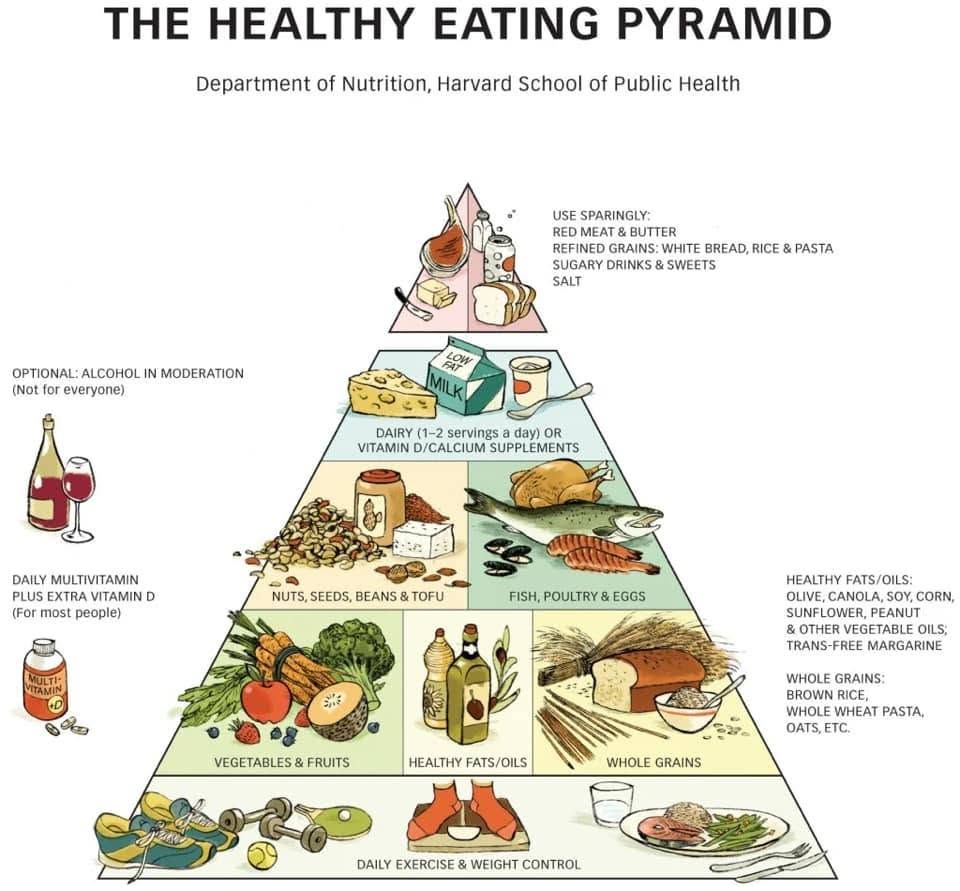
Olive oil has the strongest trial evidence, but canola and soybean oil also have support

Nov 10, 2026 · Louis Nervegna ♥ 2

Louis explains that olive oil is the only fat tested in multiple large randomized outcome trials (CORDIOPREV, PREDIMED, Lyon). Lyon also tested canola oil with olive oil and saw the largest total mortality reduction in a cardiology prevention trial, and the Indo-Mediterranean study (about 1,000 people) tested soybean oil. Harvard cohorts link canola or soybean oil in place of butter to lower cancer, CV and total mortality.

DGLA, an omega-6 fat made from linoleic acid, may selectively kill senescent cells

Nov 09, 2026 · Louis Nervegna ♥ 3

Louis shares a Cell study summary showing senescent cells keep the omega-6 fat DGLA unusually low because it triggers ferroptosis, making DGLA a possible natural senolytic. The body makes DGLA from GLA and linoleic acid, found in nuts, seeds and their oils, and Louis notes that unlike other senolytics it is made endogenously.

Omega-6 DGLA selectively killed senescent cells through ferroptosis in a Cell study

Nov 07, 2026 · Louis Nervegna ♥ 2

Louis shares a report on a Cell study in which the omega-6 fat DGLA, made from linoleic acid, selectively killed senescent cells via ferroptosis while sparing healthy cells. Oral DGLA reduced senescent cells in aged mice and improved inflammation and organ function markers. Senescent cells contribute to age-related diseases including cardiovascular disease.