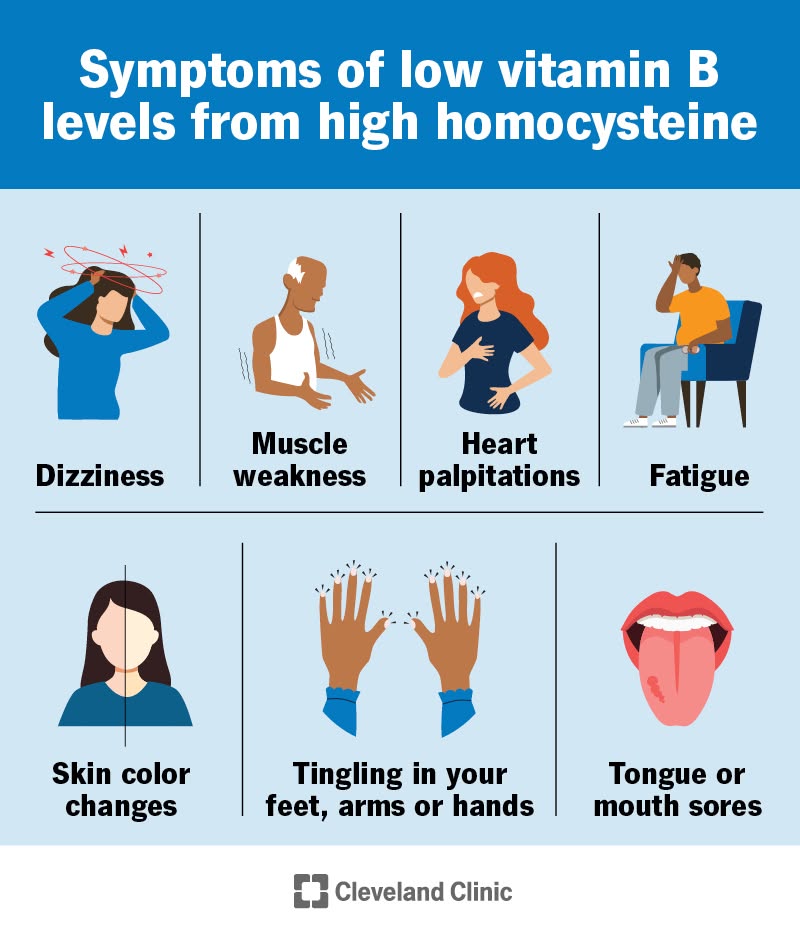
Insufficient vitamin B12 intake likely causes harm long before clinical symptoms of deficiency begin to appear.
Many older people do not absorb vitamin B12 properly. With advancing age, they stop producing the intrinsic factor necessary to absorb B12 in the GI tract. These people can develop insufficient levels of B12 even with adequate dietary intake.
#vitaminb12HD #bvitaminsHD
Vitamin B12 is long understood as a vital nutrient required for red blood cell formation and nerve function, but a new Cornell study suggests its role in human biology is far more intricate, with implications for aging, metabolism and disease prevention.
The research, published Jan. 19 in the Journal of Nutrition, reports previously unrecognized pathways by which B12 influences cellular metabolism and uncovers biomarkers that may identify early nutritional stress far before classic deficiency symptoms appear.
“This is the first study that shows B12 deficiency affects skeletal muscle mitochondrial energy production,” said corresponding author Martha Field, Ph.D. ’07, associate professor in the Division of Nutritional Sciences and in the College of Human Ecology at Cornell. “It’s highly relevant because muscles have high energy demands. More importantly, my co-author, Anna Thalacker-Mercer from theUAB - The University of Alabama at Birmingham, wondered if B12 supplementation in aged mice would improve muscle mitochondrial function – and it did.”
Up until now, most research has focused on B12 deficiency and the resulting clinical syndromes – megaloblastic anemia, neuropathy and cognitive decline – rather than its deeper mechanistic roles.
At Cornell, a team including Field and two of her former lab members, first authors Luisa Castillo, Ph.D. ’25, and Katarina Heyden, B.S. '18, Ph.D. ’24, set out to probe those mechanisms, mapping how B12 interacts with lipid metabolism, organelle stress pathways and epigenetic regulation.
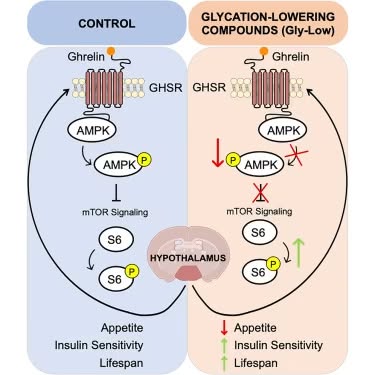
What emerged was startling: The vitamin appears to act as a gatekeeper of multiple “hub” pathways, meaning that its insufficiency may ripple far beyond the classic symptoms.
Read more at .
 Cornell ChronicleVitamin B12 clues offer hope for new therapies | Cornell ChronicleNew data about the ill effects of low B12 levels underscores the urgency of screening and intervention.news.cornell.edu