HD-OPM Archive
Topics › Supplements

Supplements & vitamins

358 posts (219 primarily about this topic) · 61 reposts and set-aside posts not shown

Start here — the best posts in this topic

  1. Cocoa flavanol extract cut CVD death 27% in the 21,000-person COSMOS trial ↩ 4 · May 05, 2024
  2. JAMA Cardiology trial: vitamin K2 (MK-7) for 2 years slowed coronary calcium progression ↩ 1 · Jun 10, 2026
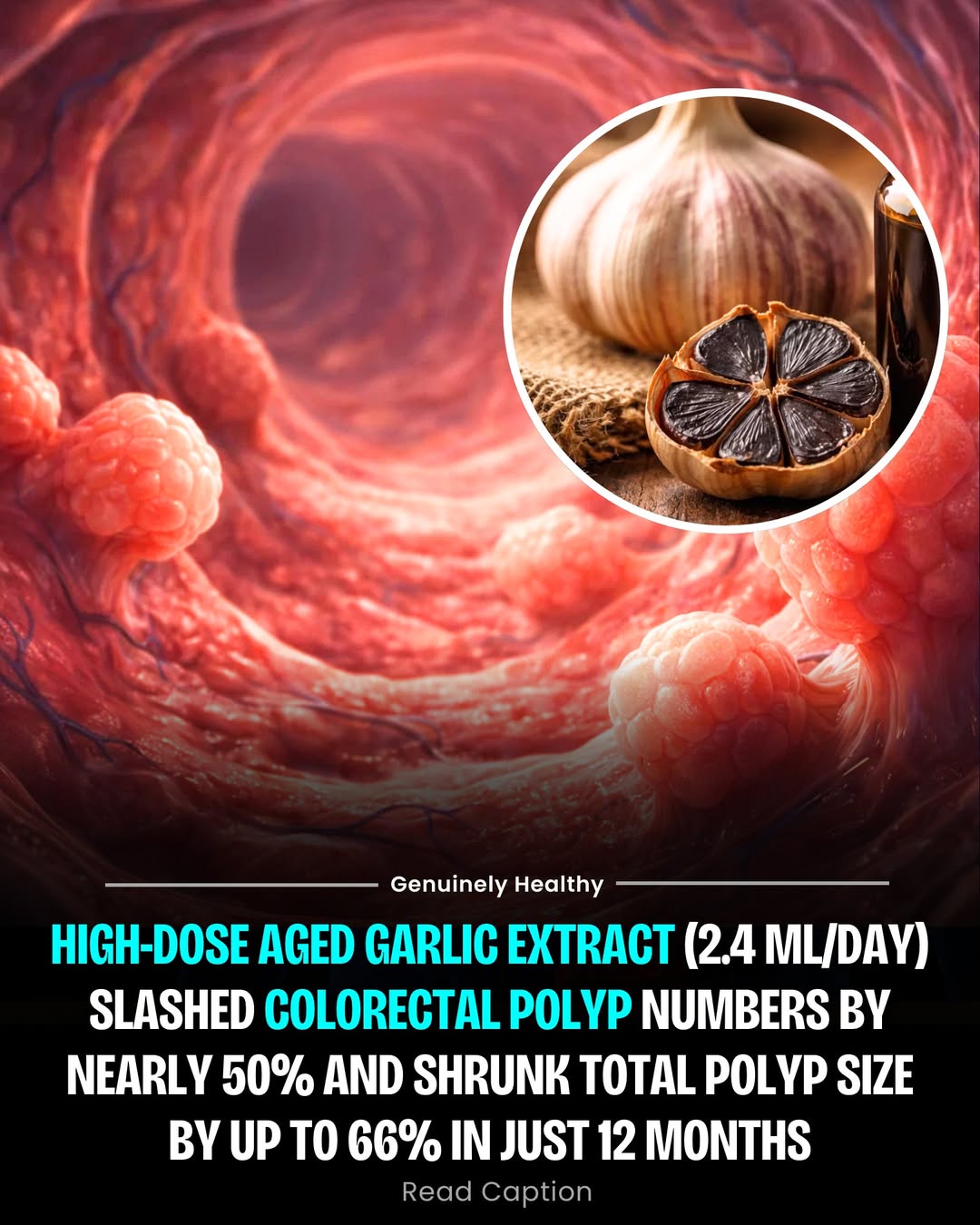
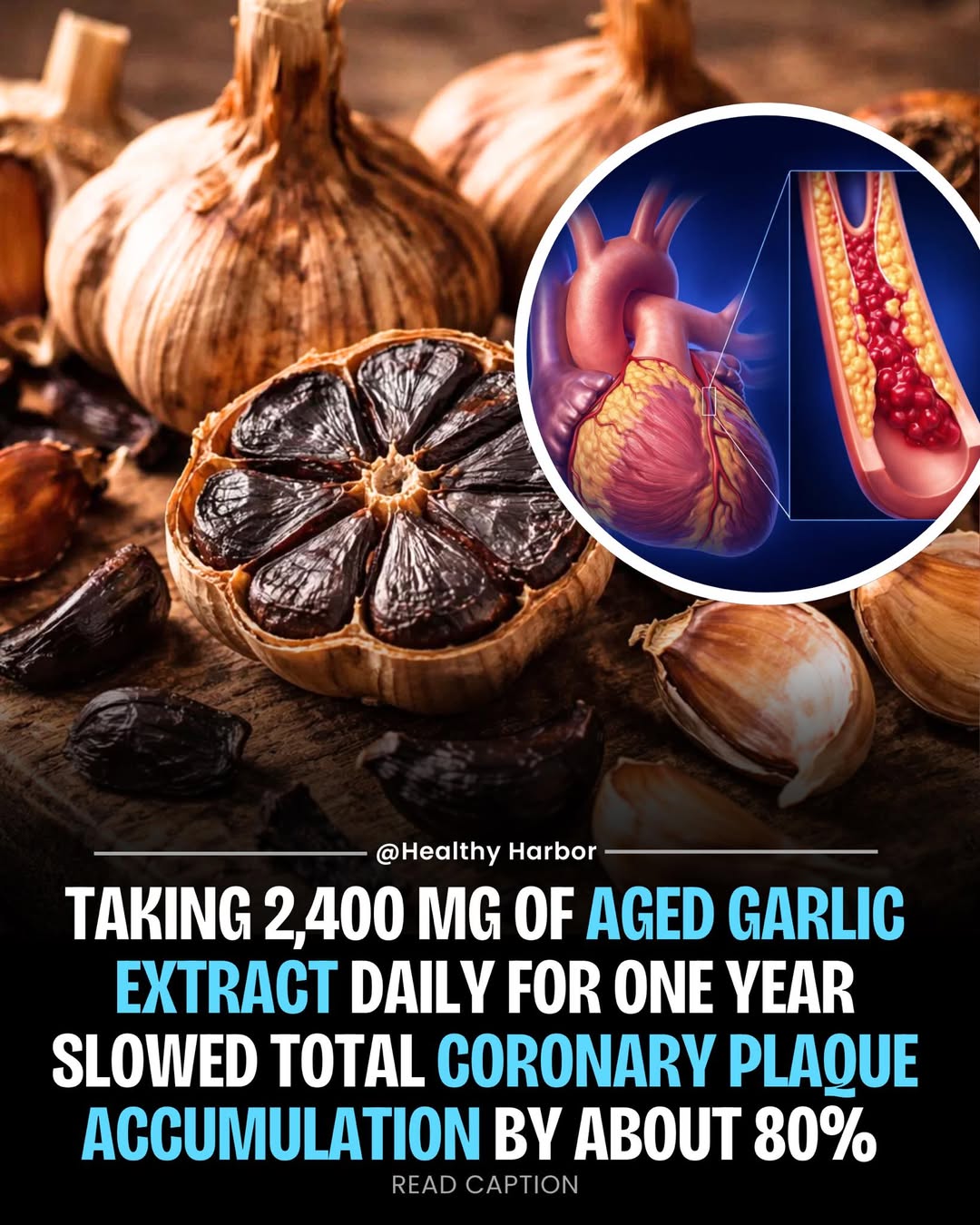
  3. Aged garlic extract reduced high-risk soft plaque in a small CT-angiography RCT ↩ 1 · Dec 27, 2025
  4. L-carnitine supplements increased carotid plaque stenosis in a 6-month RCT Jul 18, 2025
  5. EVAPORATE: high-dose EPA reversed plaque in patients with triglycerides above 135 mg/dL ↩ 10 · May 04, 2026
  6. New vitamin K2 trial slowed arterial calcification but did not reduce plaque, video argues Aug 31, 2026
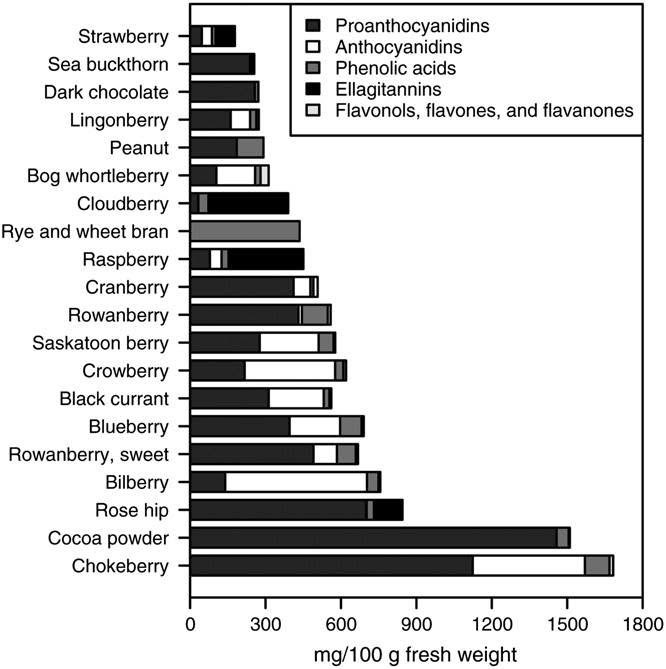
  7. COSMOS: cocoa flavanols cut cardiovascular death 27% in 21,000 adults over 3.6 years Jul 19, 2024
  8. COSMOS: high-dose cocoa flavanols cut CVD death 27% in 21,000 people over 3.6 years Sep 30, 2025
#vitamind 50#aging 45#omega3 42#fishoil 39#supplements 39#alzheimers 36#dementia 35#longevity 33#harvard 31#cosmos 28#vitaminc 28#cancer 28#vitamins 26#multivitamin 24#magnesium 22#vitaminb3 21#heartfailure 20#mice 20#inflammation 20#brain 19#coq10 18#taurine 17#diabetes 17#calcium 15#heartattack 15#muscle 15#niacin 14#vitamink 14#stroke 14#nad 14#cardiovascular 13#vitaminb12 13#folate 13#cocoa 12#plaque 12#nicotinamide 12#insulinresistance 11#exercise 11#rhondapatrick 11#cvd 10

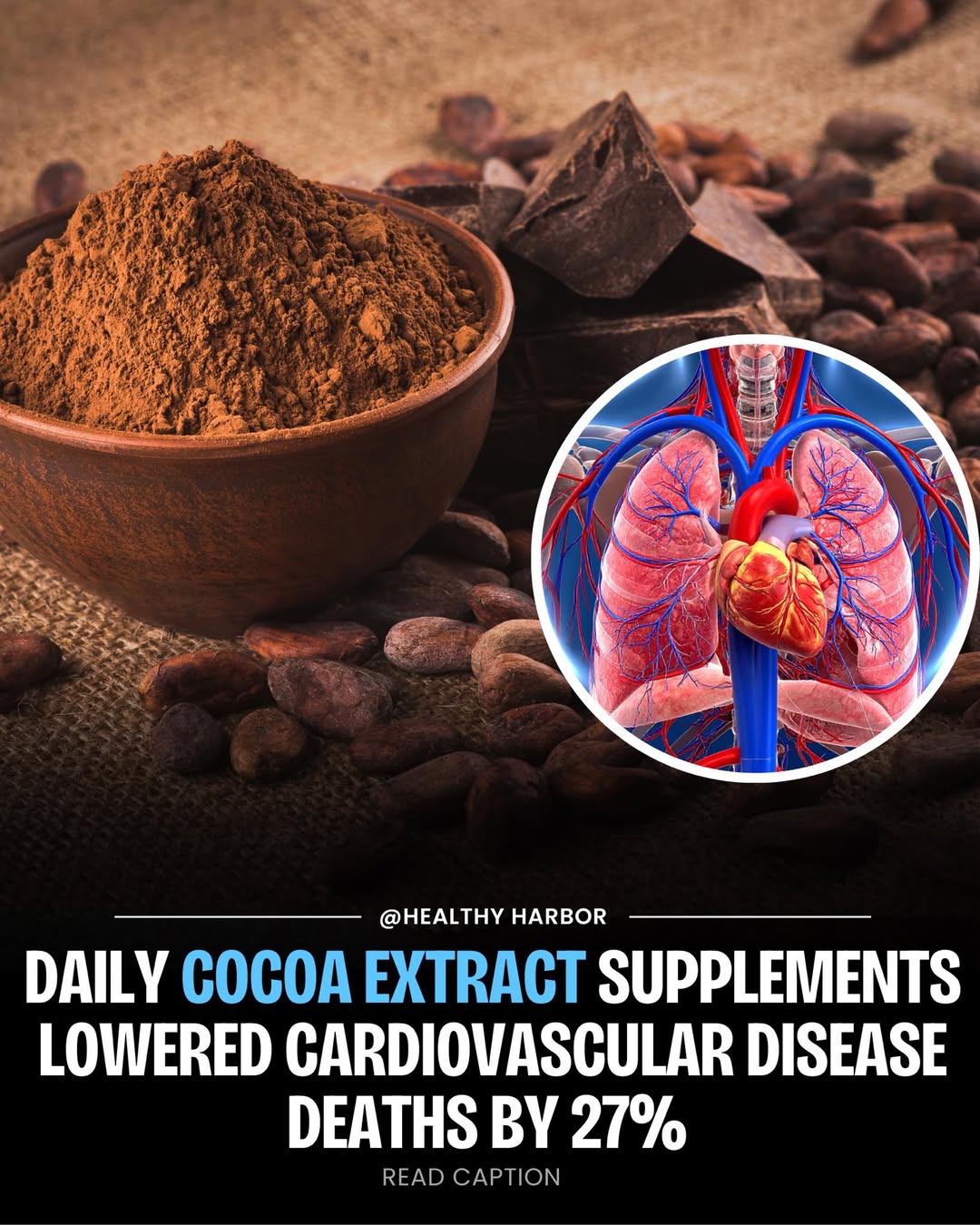
Cocoa flavanol extract cut CVD death 27% in the 21,000-person COSMOS trial

May 05, 2024 · Louis Nervegna ♥ 27 · 💬 53 ↩ 4 Nuts, fish, coffee, tea, cocoa & other foods

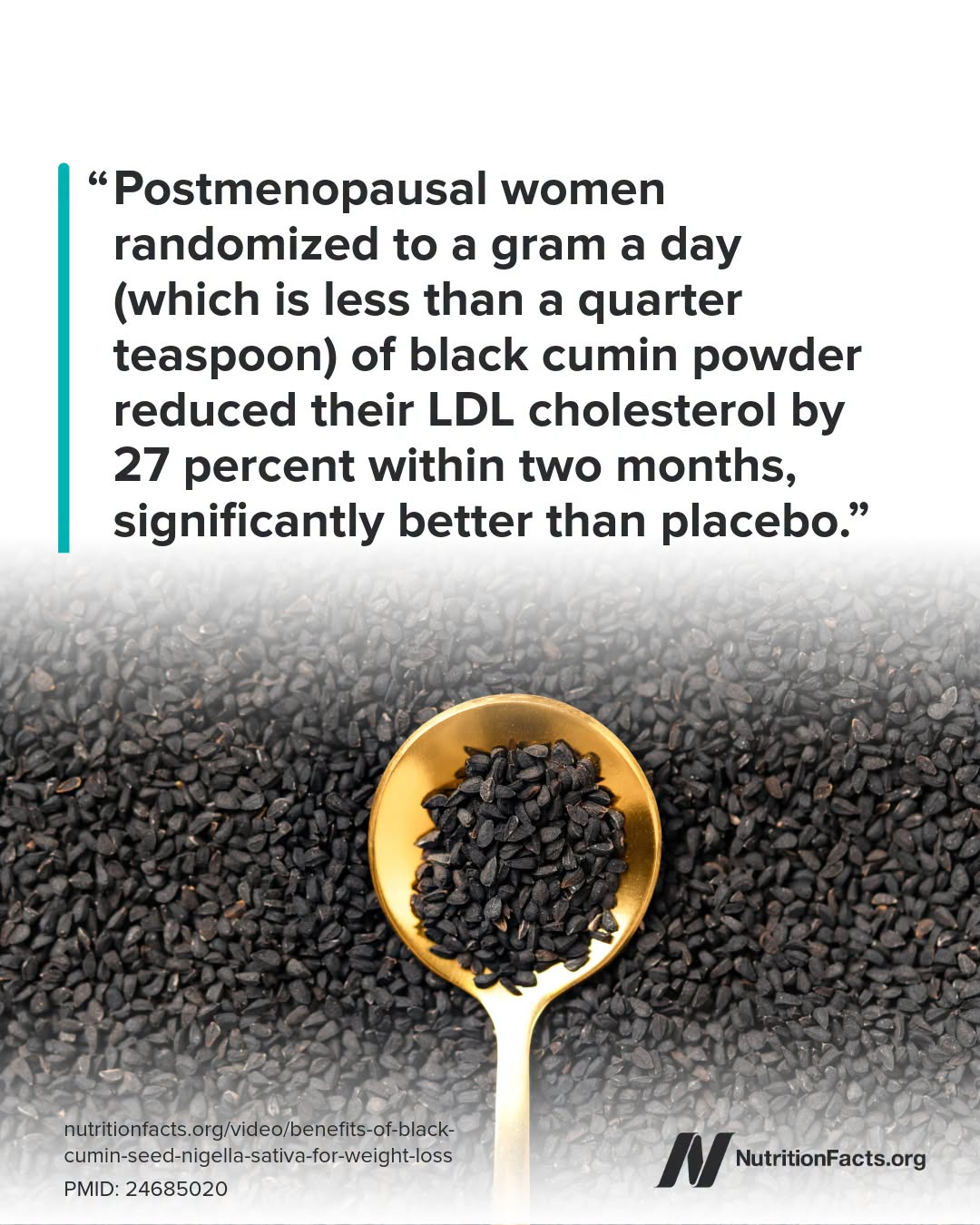
Louis summarizes the COSMOS randomized trial of 500 mg/day cocoa flavanols (and multivitamin) in over 21,000 adults for 3.6 years. Total cardiovascular events fell 10%, which was not statistically significant, but CVD death fell a significant 27% and major CV events were also significantly reduced. Adherence-adjusted analyses showed 15% fewer total events and 39% fewer CVD deaths; authors urge cautious interpretation.
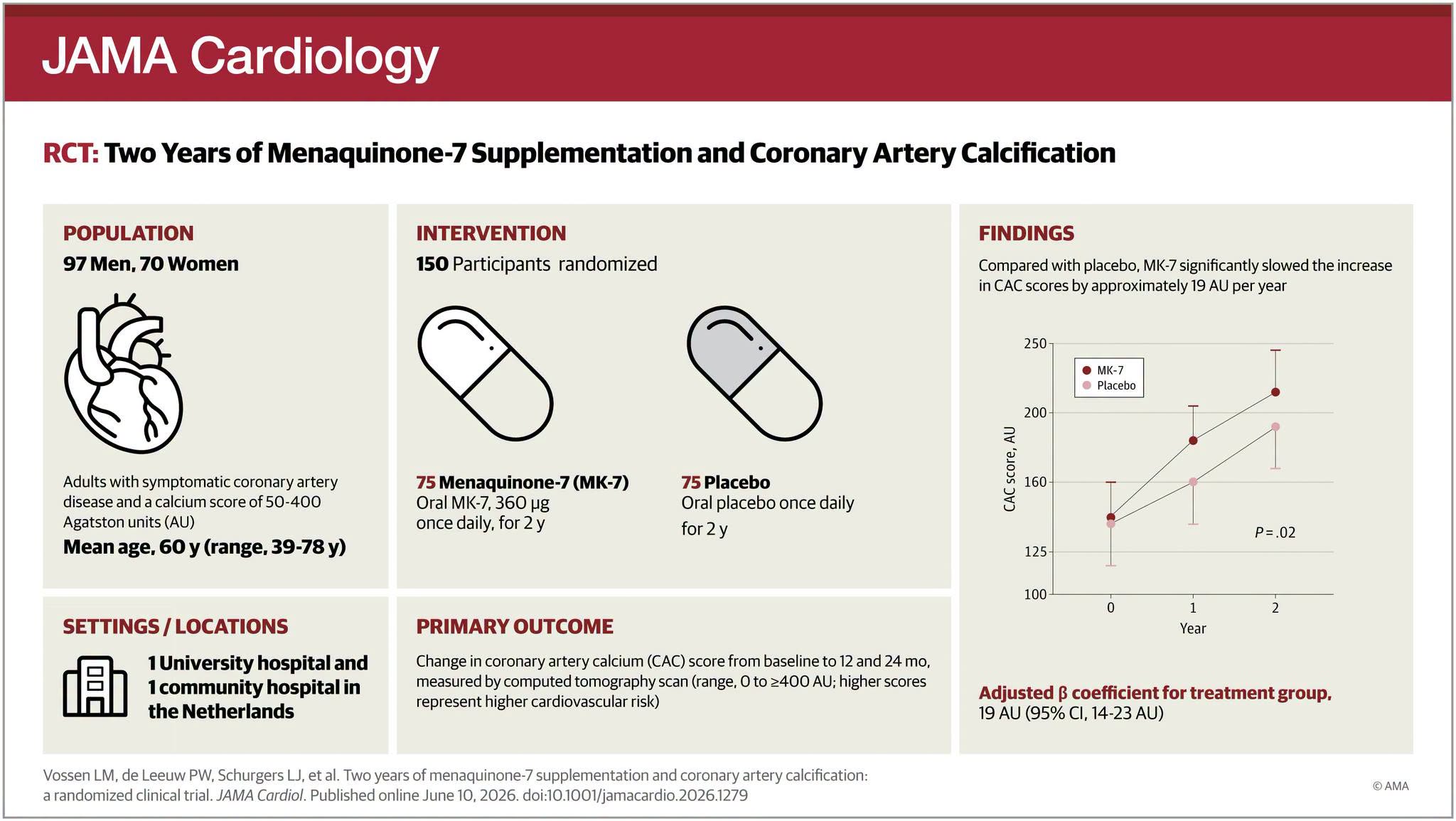
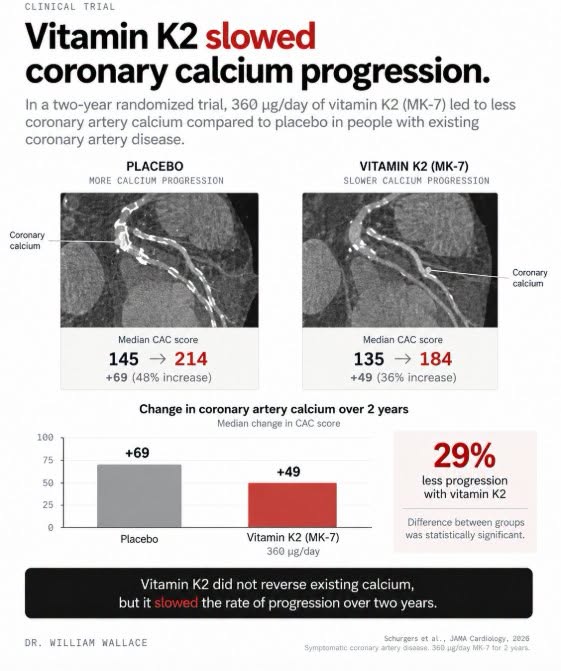
JAMA Cardiology trial: vitamin K2 (MK-7) for 2 years slowed coronary calcium progression

Jun 10, 2026 · Gokhan Can ♥ 37 · 💬 35 ↩ 1

Admin says there is now solid evidence K2 slows coronary artery calcification, especially in people with existing calcification. In the new JAMA Cardiology RCT, MK-7 for two years reduced CAC progression versus placebo in symptomatic CAD, mainly by limiting new calcification in noncalcified plaques; effect on events is still unknown, and K2 is not recommended with warfarin.

L-carnitine supplements increased carotid plaque stenosis in a 6-month RCT

Jul 18, 2025 · Louis Nervegna ♥ 20 · 💬 47

Louis highlights a phase 2 randomized trial in which L-carnitine supplements increased carotid plaque stenosis within 6 months versus placebo in people with metabolic syndrome. TMAO production is the suspected mechanism, but he stresses that the progression concerns the supplement regardless of mechanism.

New vitamin K2 trial slowed arterial calcification but did not reduce plaque, video argues

Aug 31, 2026 · Gokhan Can ♥ 23 · 💬 38

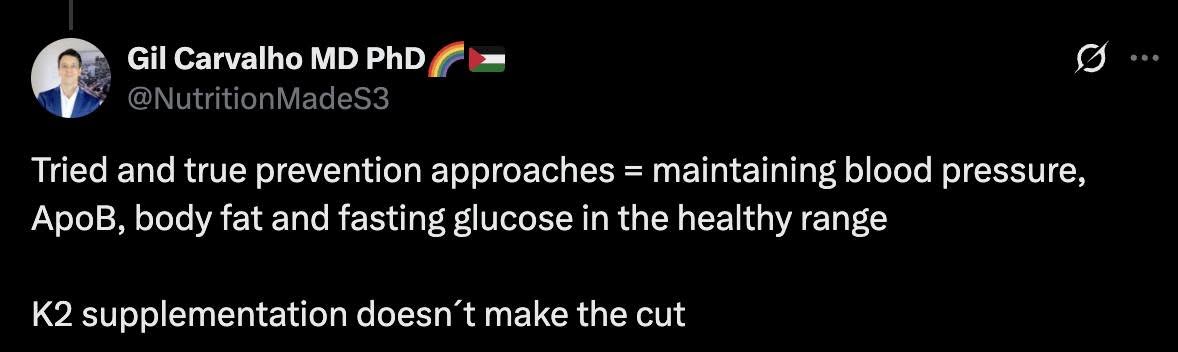
Summarises a Gil Carvalho video on a randomized trial of vitamin K2: calcification progressed more slowly, but total plaque did not fall, the plaque was just less calcified. Carvalho argues calcium stabilises plaque, so slowing calcification without reducing plaque could even be harmful, and no evidence shows K2 reduces heart attacks or strokes, so he advises relying on proven therapies, diet and exercise.

COSMOS: cocoa flavanols cut cardiovascular death 27% in 21,000 adults over 3.6 years

Jul 19, 2024 · Louis Nervegna ♥ 23 · 💬 38 Nuts, fish, coffee, tea, cocoa & other foods

Reposting a summary of the COSMOS trial at Harvard/Brigham: more than 21,000 adults took 500 mg cocoa flavanols daily, a multivitamin, both or neither. Total CV events fell 10% (not significant), but CV death fell a significant 27%, with larger effects (15% total events, 39% for CV death-type outcome) among adherent participants.

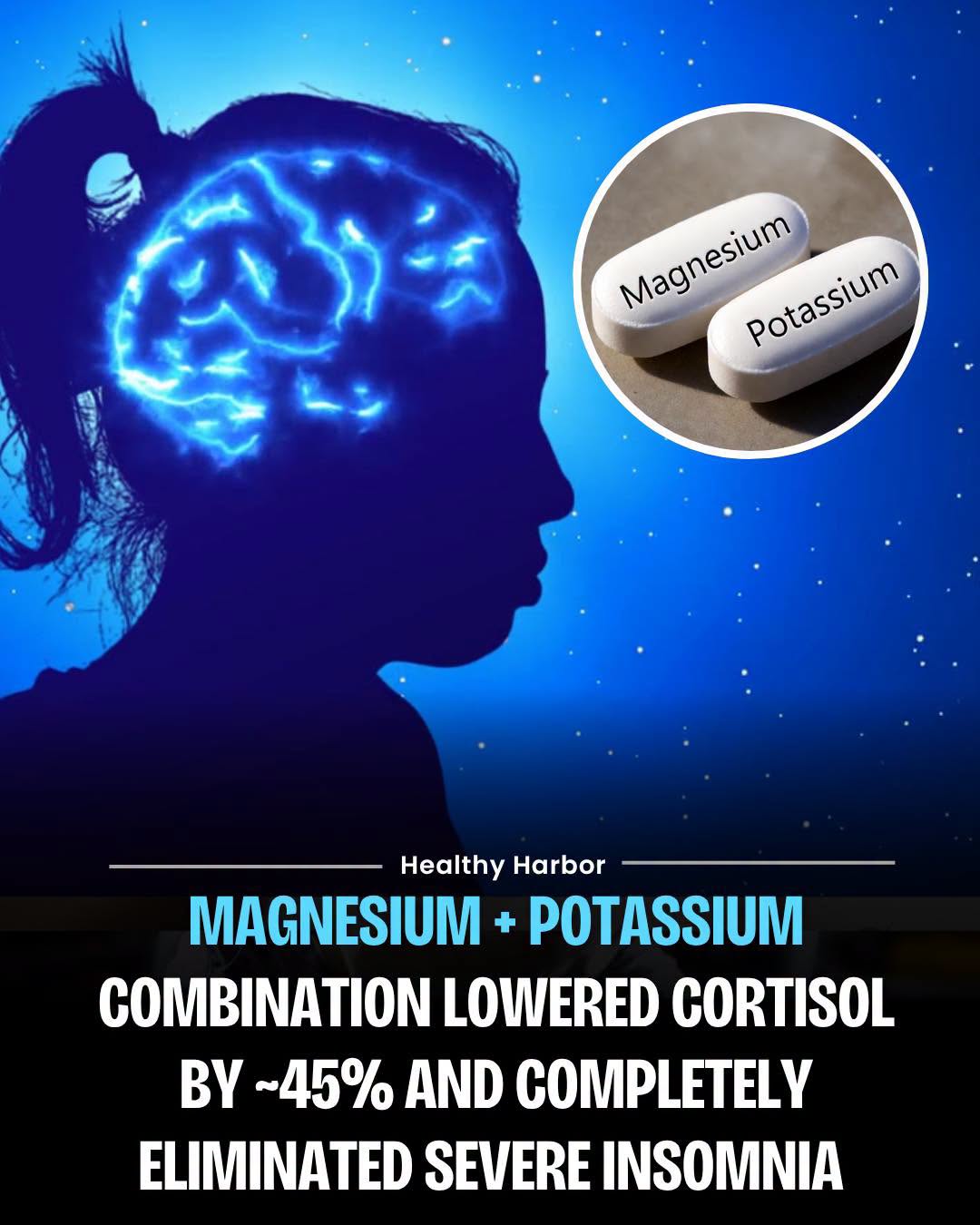
Magnesium L-threonate for 6 weeks improved cognitive age ~7.5 years (RCT, n=100)

Jun 14, 2026 · Louis Nervegna ♥ 29 · 💬 22

Louis shares a randomized, double-blind, placebo-controlled trial in 100 healthy adults aged 18-45 who were unhappy with their sleep. Magnesium L-threonate improved overall cognition, cognitive age, working memory and reaction time, and some subjective but not objective sleep measures. (Louis's post says six months, but the trial and article describe six weeks.)

Niacin can cut Lp(a) (one member saw 40% with 1500 mg) but has no outcome proof

Jan 19, 2024 · Louis Nervegna ♥ 15 · 💬 37 Lp(a)

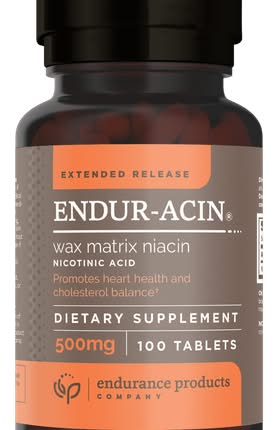
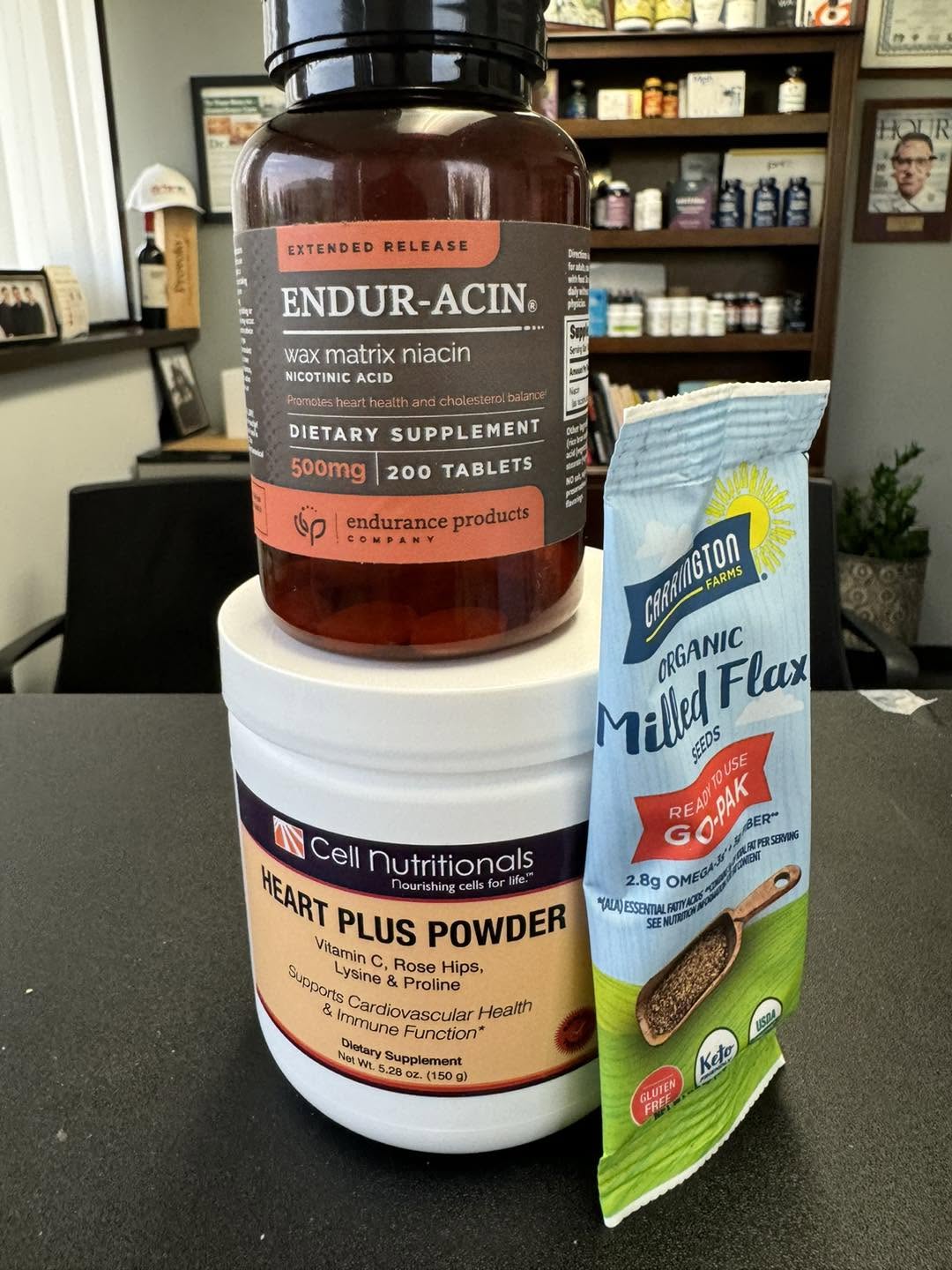
Louis explains niacin can be effective at lowering Lp(a) and is still used by some cardiologists, with one group member reporting a 40% Lp(a) drop on 1500 mg. He gives tips for reducing the harmless flush and explains sustained-release formulations. He warns niacin has not been shown in large RCTs to reduce heart attacks, strokes or mortality, and two large trials found no added benefit on top of high-dose statins but more side effects.

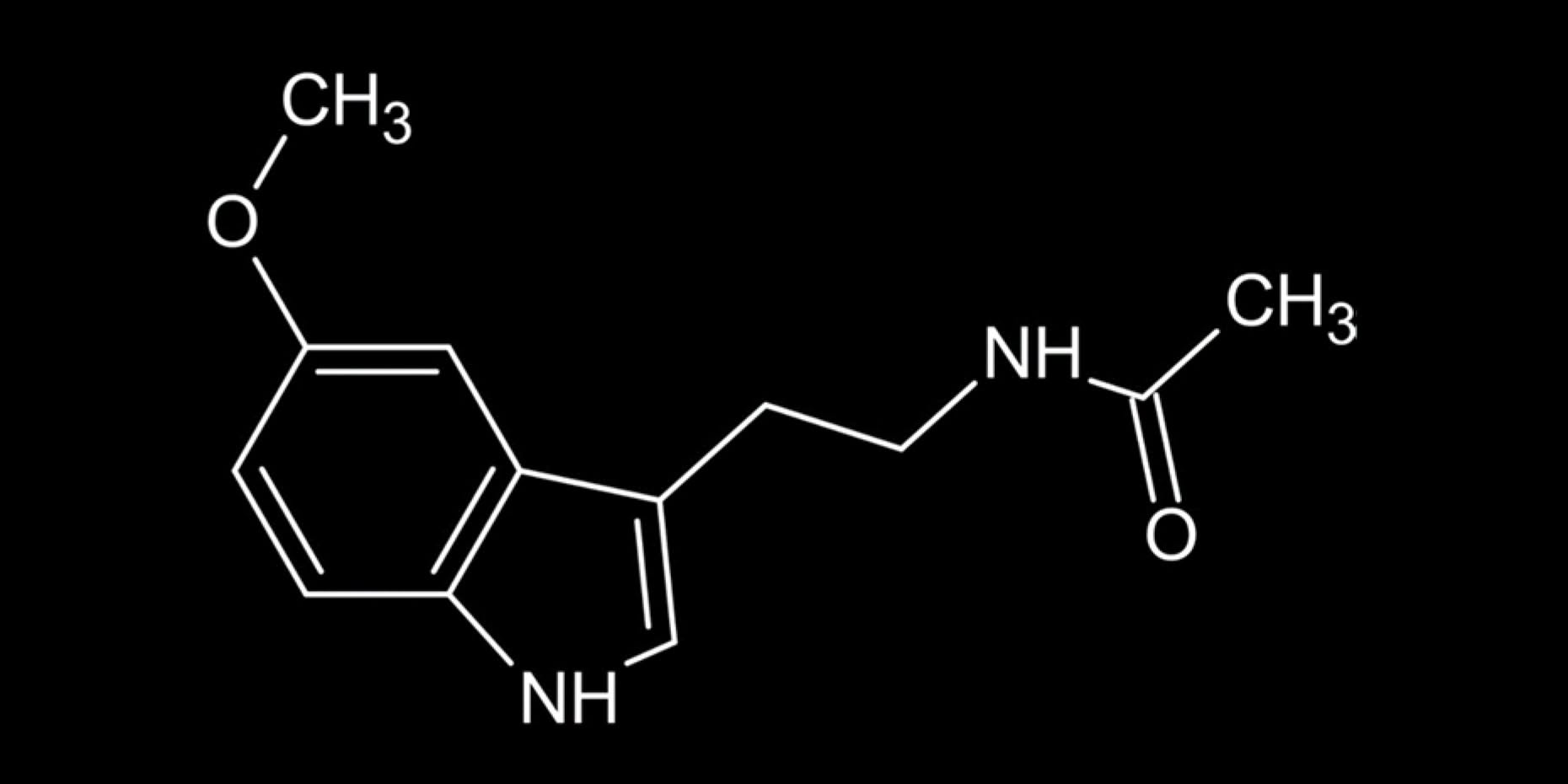
Long-term melatonin use linked to higher heart failure risk in an observational analysis

Nov 03, 2025 · Louis Nervegna ♥ 25 · 💬 29

Louis comments on an AHA-presented analysis of more than 130,000 adults with chronic insomnia, in which melatonin use over a year was associated with about 90% higher odds of heart failure. He warns it is retrospective, cannot prove causation, and that melatonin is a hormone whose long-term high-dose effects are not well studied.

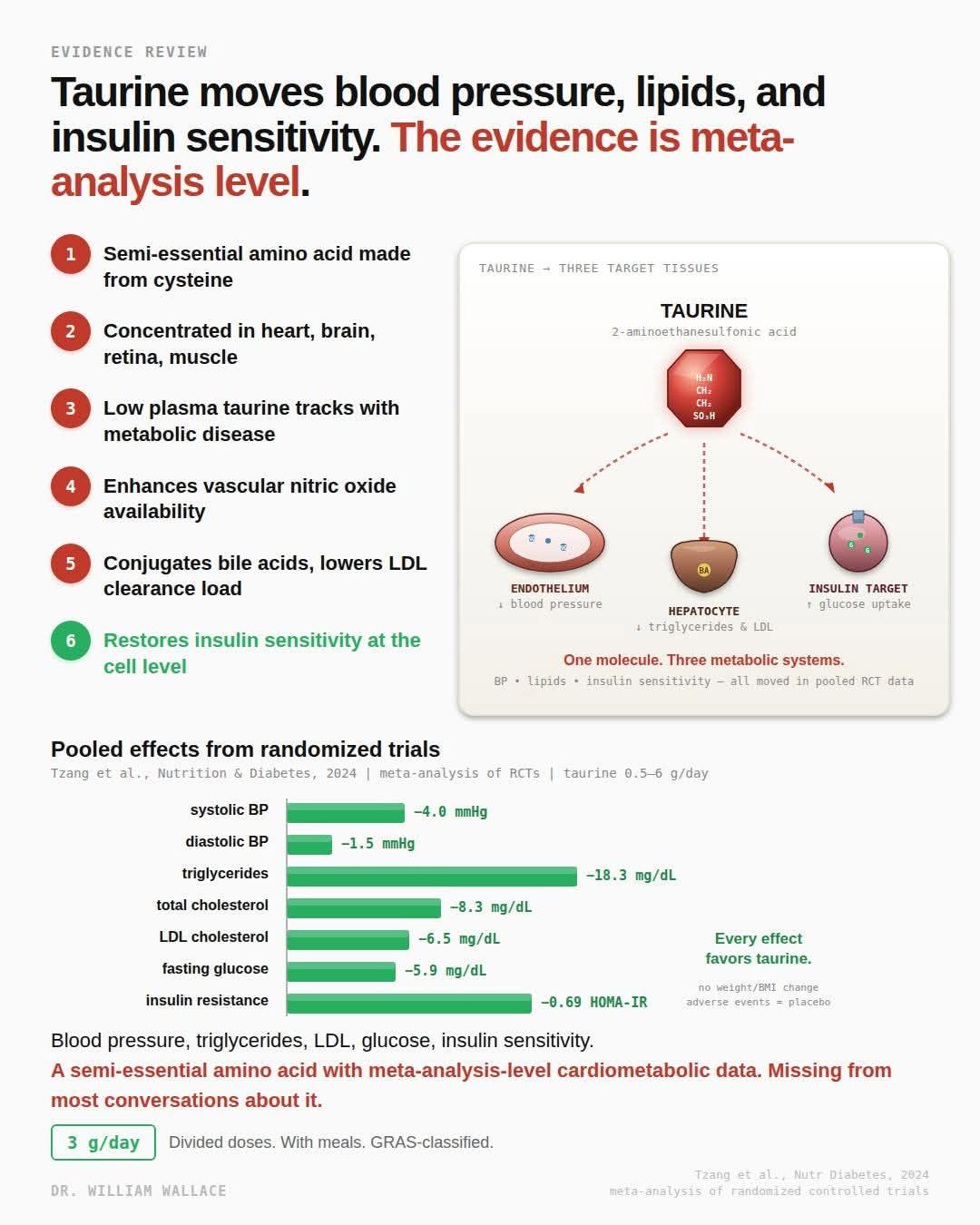
Taurine deficiency may drive aging; Columbia study spans worms, mice, monkeys and humans

Mar 01, 2024 · Louis Nervegna ♥ 23 · 💬 28 ↩ 4 Aging & longevity

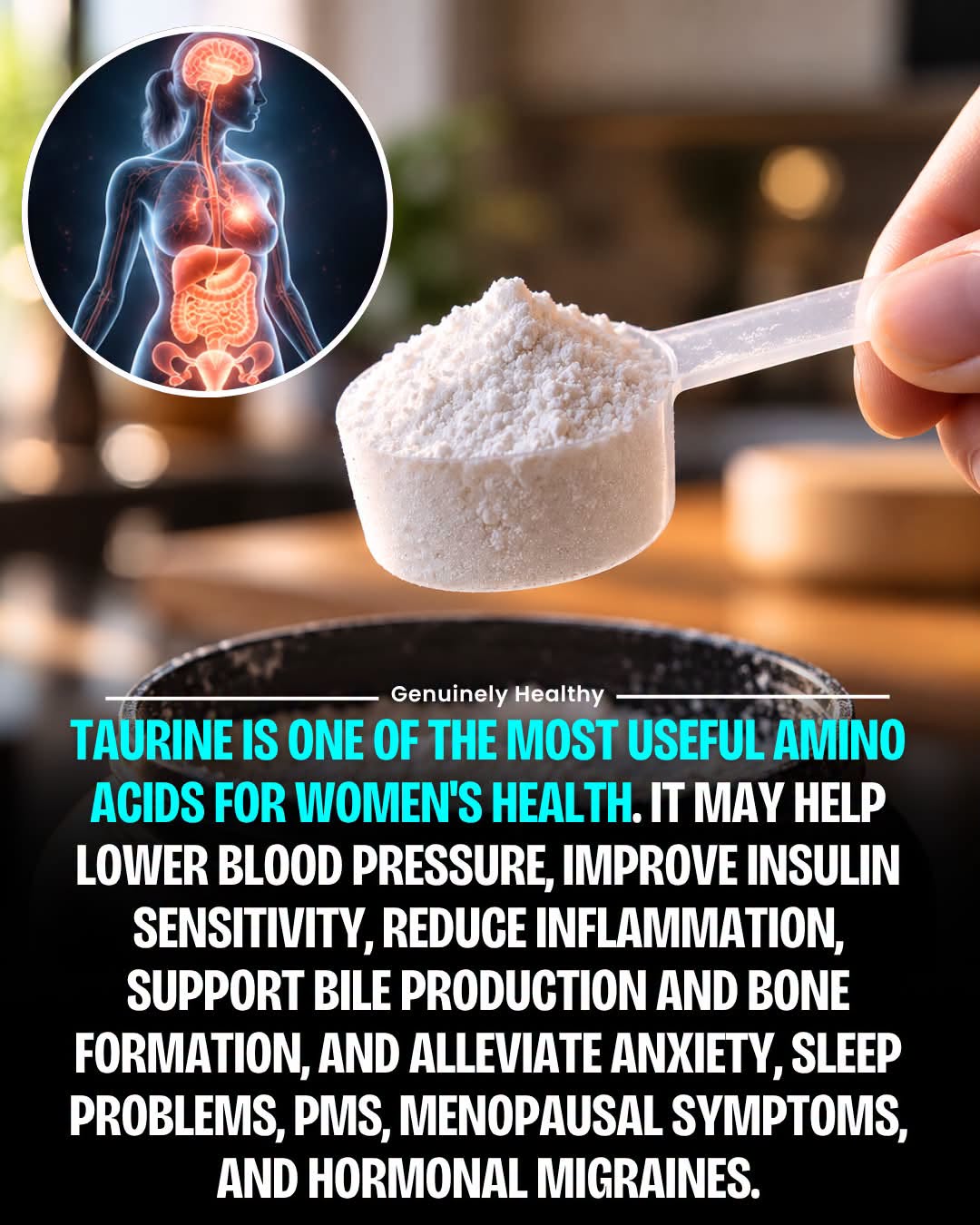
Louis highlights a 2023 Columbia University study on taurine and aging in worms, mice, monkeys and humans, noting taurine also benefits the cardiovascular system. He stresses that age is the biggest causal risk factor for heart disease and taurine might be an anti-aging intervention, with emphasis on 'might', and that it seems reasonably safe.

Even 'normal' vitamin B12 may be too low for older brains; active B12 tied to lesions

May 23, 2026 · Louis Nervegna ♥ 24 · 💬 19 ↩ 1

Louis links a UCSF study (Annals of Neurology) of 231 healthy older adults: lower active B12, even with total B12 above the deficiency cutoff, went with slower processing speed and more white matter lesions on MRI. He suggests B12 may explain the cognitive benefit of a basic multivitamin in COSMOS.

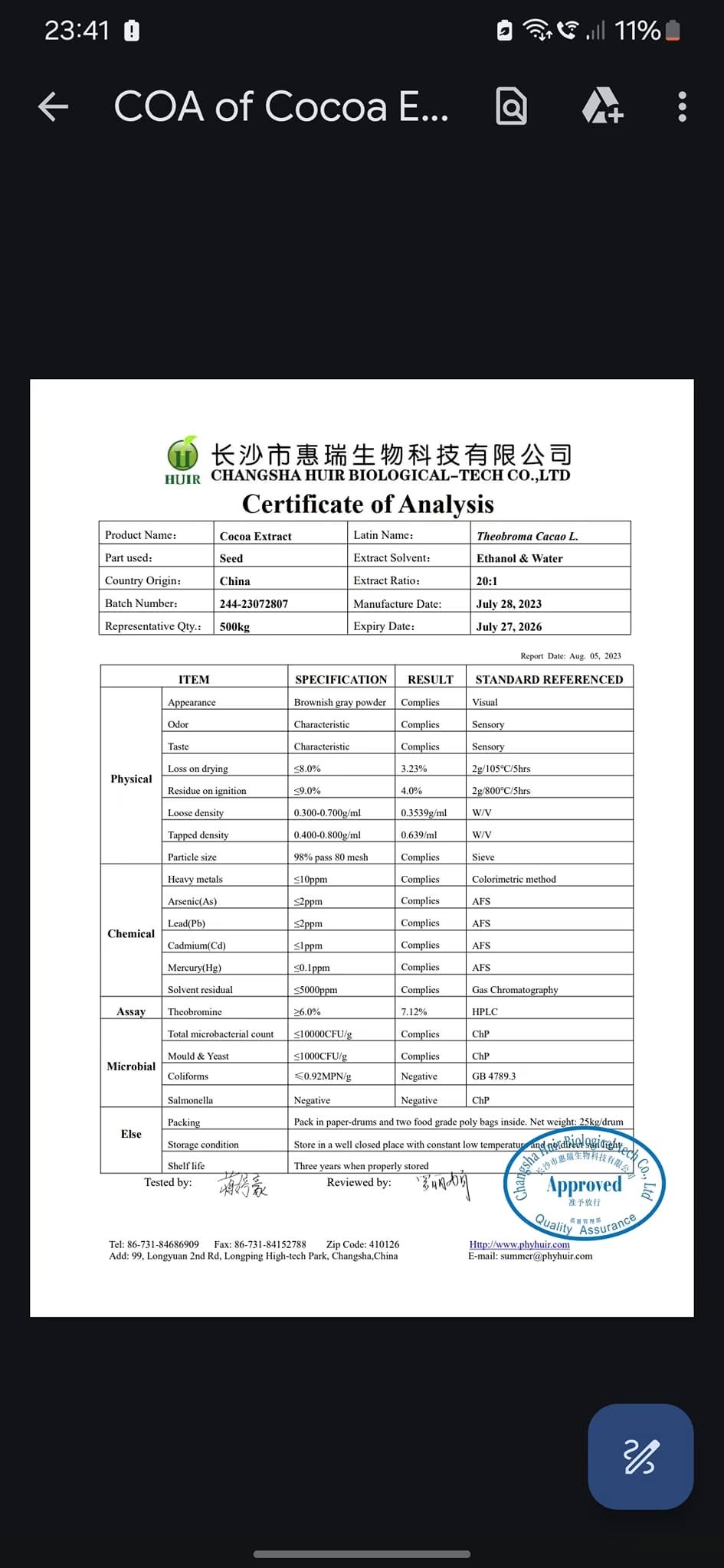
A cheaper high-polyphenol cocoa extract alternative to CocoaVia

Dec 10, 2025 · Louis Nervegna ♥ 25 · 💬 36

Louis shares a UK user's comparison of a bulk cacao extract (20:1) with CocoaVia's CocoaPro (24:1). The poster calculates that 1.5 g should provide about 500 mg cocoa flavanols, though the supplier does not test flavanol or epicatechin content directly. It is a consumer tip rather than evidence.

Vitamin K2 activates matrix Gla protein to limit arterial calcification, review says

Sep 13, 2026 · Louis Nervegna ♥ 28 · 💬 21

A 2021 narrative review in Open Heart describes vitamin K2 as a regulator of calcium in the cardiovascular system by activating matrix Gla protein (MGP). Low vitamin K status leaves more inactive MGP, which has been linked to arterial stiffness and vascular calcification. It is a narrative review, not outcome trial evidence.

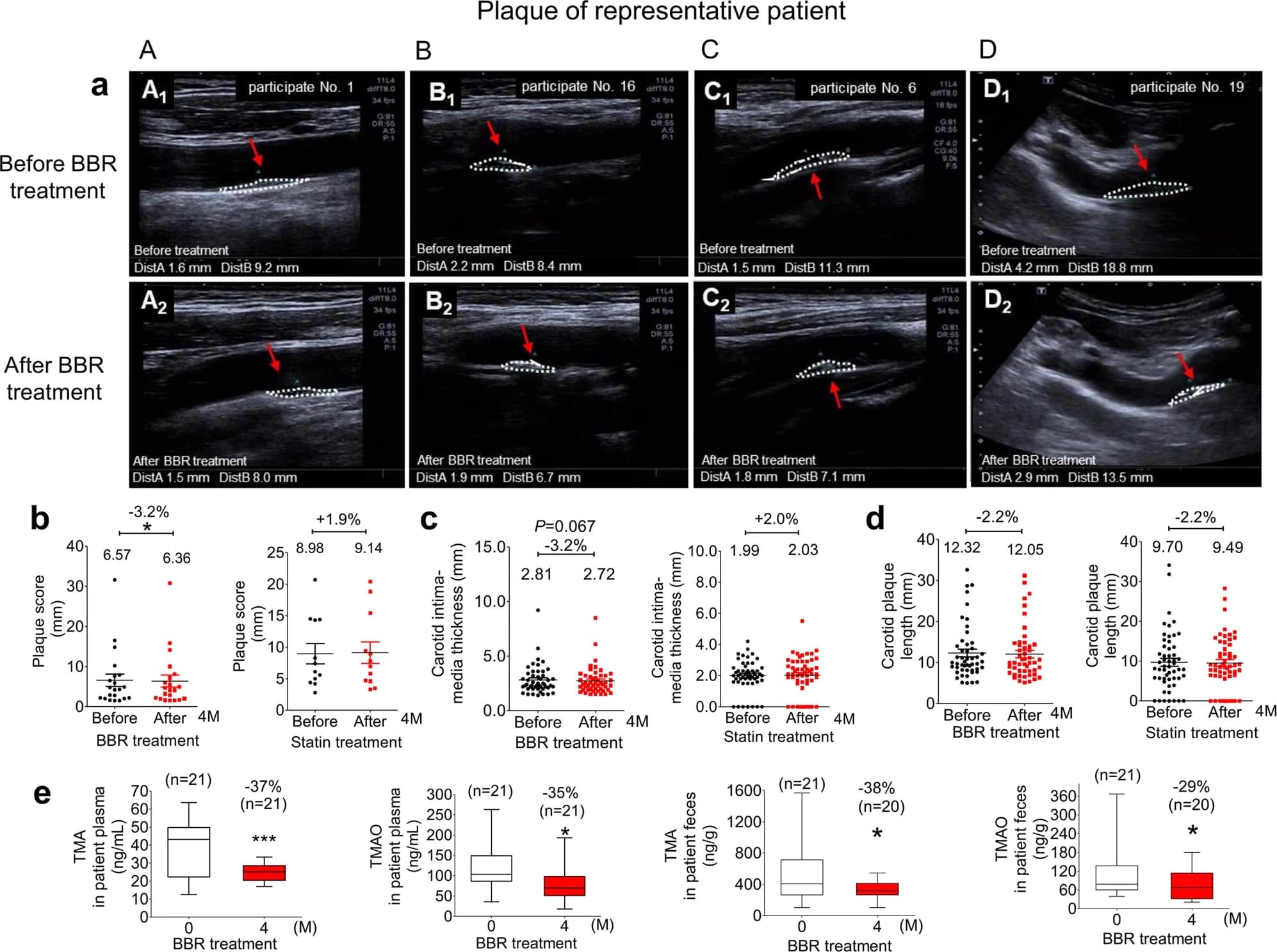
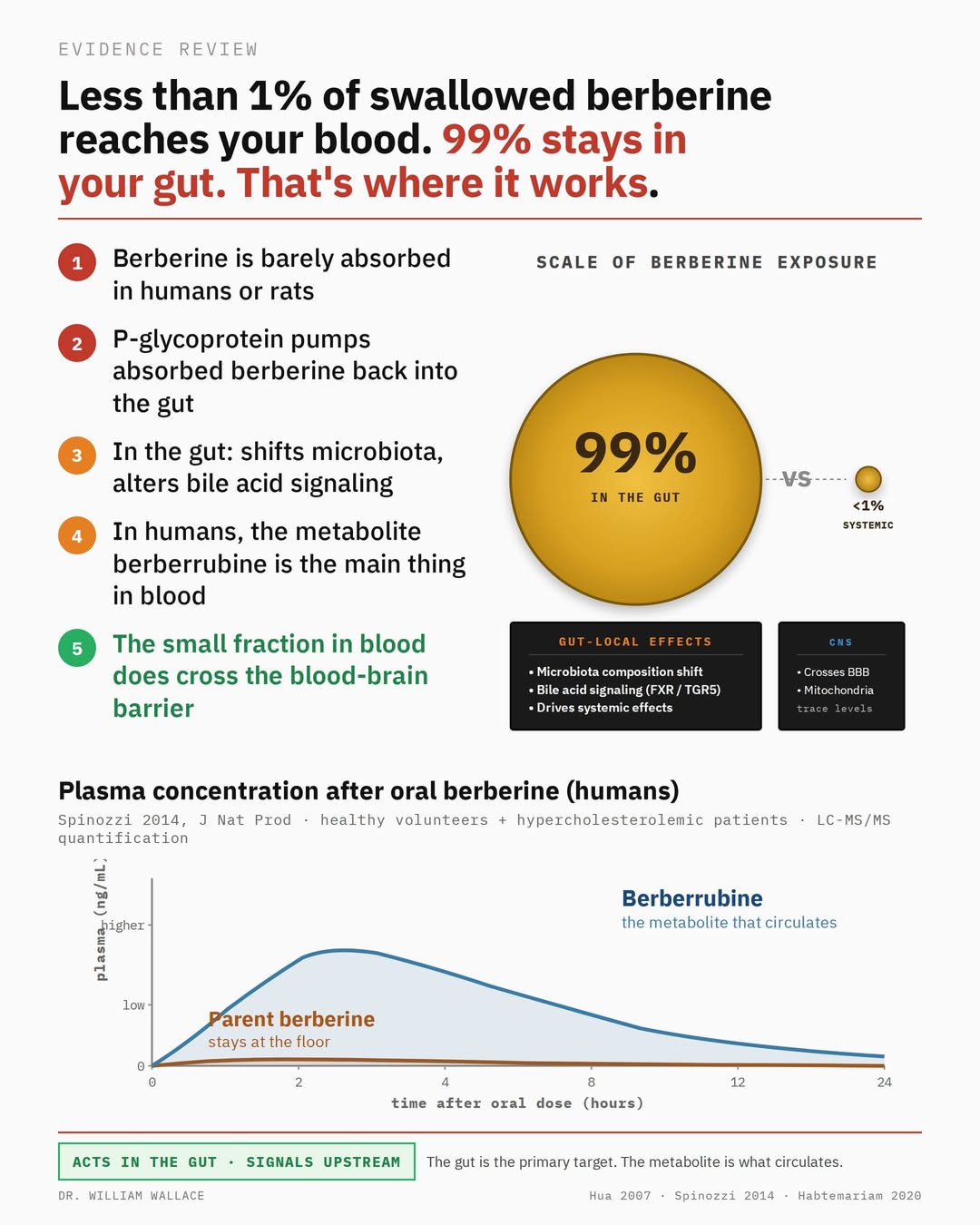
Berberine lowered plaque score 3.2% and TMAO in a small 21-patient trial

Jun 10, 2024 · Louis Nervegna ♥ 18 · 💬 23 Gut microbiome

Louis highlights a small human trial in which berberine reduced atherosclerotic plaque score, with a proposed mechanism of lowering gut-derived TMAO by acting on TMAO-producing gut bacteria. The sample is small and the comparison group was not randomized to the same degree as a large trial, so this is hypothesis-generating.

Taurine and cardiovascular disease: anti-inflammatory and vascular effects

Jan 27, 2024 · Gokhan Can ♥ 21 · 💬 26 ↩ 2

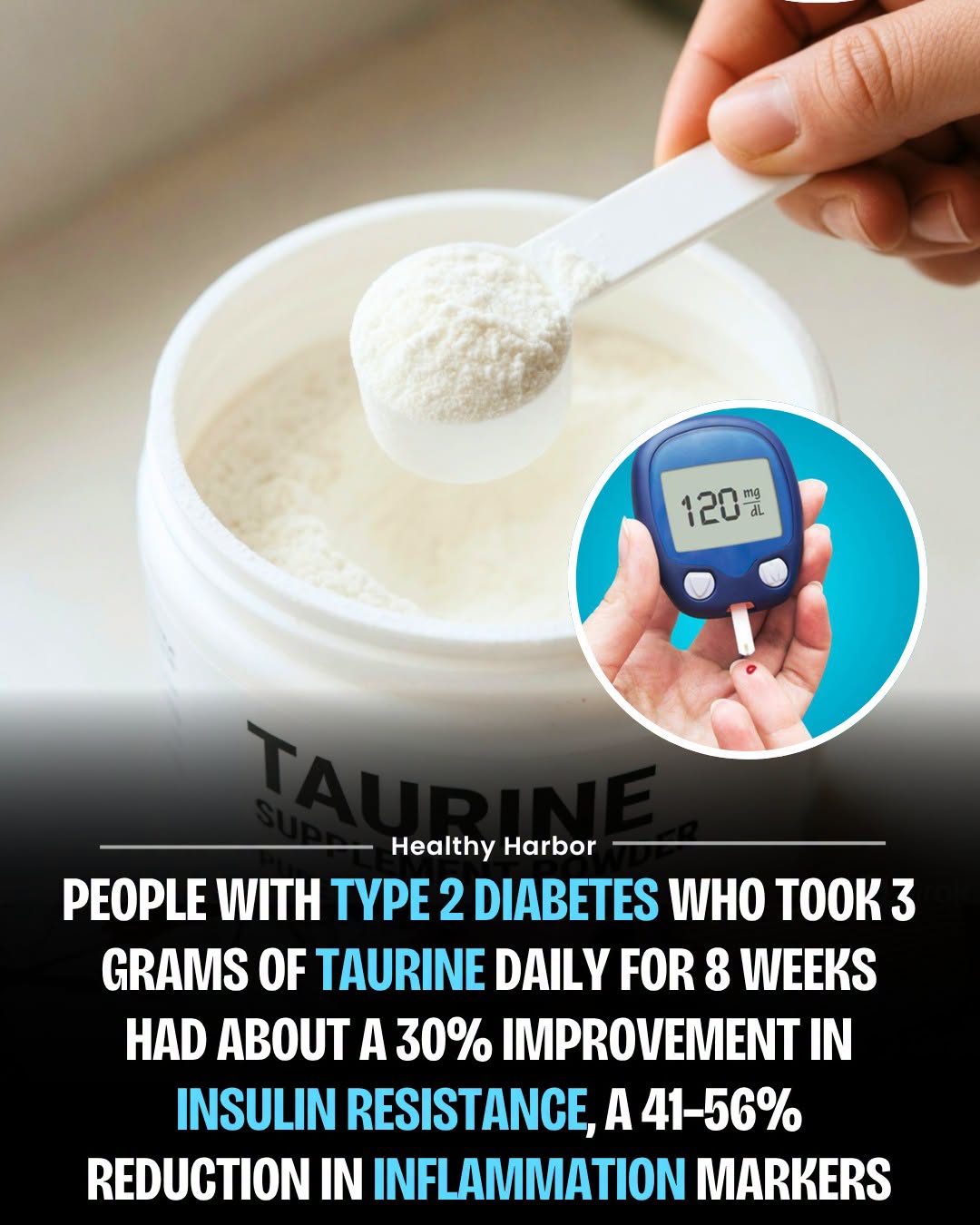
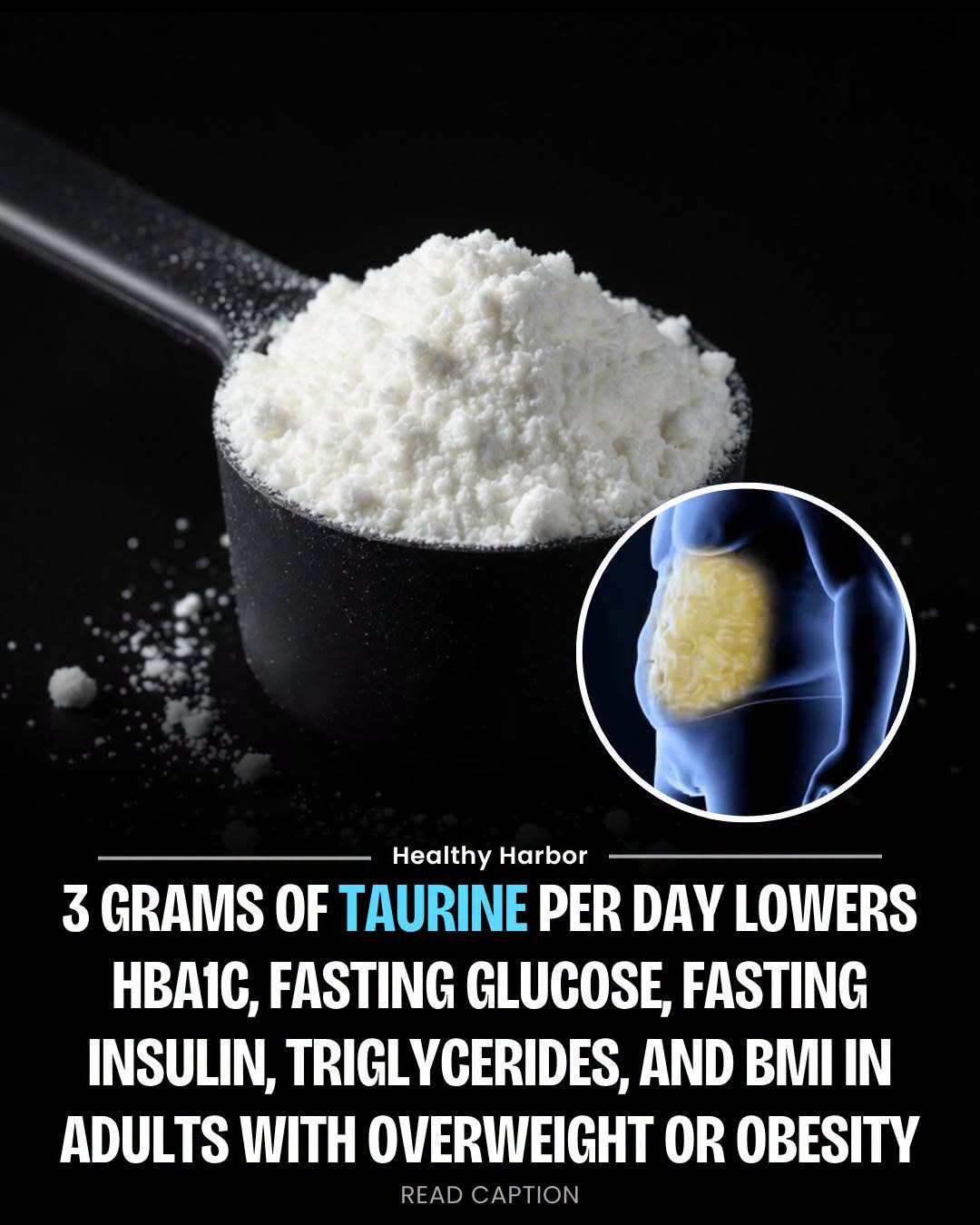
A long evidence summary on taurine: deficiency causes cardiomyopathy in cats and in humans with transporter defects, higher taurine intake correlates with lower coronary disease, and animal studies show reduced atherosclerosis and vessel relaxation. The author is considering a supplement against chronic inflammation; most evidence cited is animal or observational.

Dr Carvalho: evidence for vitamin K2 supplements and arterial calcium is weak

Nov 16, 2025 · Gokhan Can ♥ 19 · 💬 27

Summarises a Carvalho video: arterial calcium is a marker of long-standing plaque, not the cause of risk, so lowering a calcium score can mislead, just as statins raise calcium while lowering risk. No large properly powered trials show K2 reduces heart attacks or strokes, and he warns of false reassurance. The admin adds that supplement use is fine but expectations should stay grounded.

Glucosamine linked to lower mortality and CVD events in three cohort studies

Jun 21, 2024 · Louis Nervegna ♥ 20 · 💬 19

The poster reviews observational studies: a 2012 US cohort (n = 77,510) with 33% lower mortality, UK Biobank (nearly 500,000) with 15% lower cardiovascular events, and a 2020 US cohort (~16,700) with 65% lower CV mortality. He proposes anti-inflammatory and anti-aging mechanisms, noting RCT proof is lacking.

Red yeast rice vs statins: lovastatin removed, other monacolins remain, no outcome RCTs

Feb 11, 2024 · Louis Nervegna ♥ 22 · 💬 15

Louis explains that the FDA forced US red yeast rice products to remove lovastatin (monacolin K), the first statin, approved in 1986 as Mevacor, yet they still lower cholesterol through related monacolins. Some people intolerant of statins tolerate it, but it is unregulated with variable potency and lacks large long-running RCTs proving fewer heart attacks and strokes, so it is a gamble for high-risk people.

Johns Hopkins arginine RCT stopped early: 6 deaths vs 0 in heart-attack survivors

Nov 29, 2023 · Louis Nervegna ♥ 13 · 💬 25 ↩ 3

Louis warns that L-arginine supplements, taken to raise nitric oxide, can be dangerous after a heart attack. A Johns Hopkins randomized trial of 153 heart attack survivors given 3 g arginine three times daily was stopped after six months when six deaths occurred in the arginine group and none on placebo. Citrulline, which the body converts to arginine, might carry a similar concern, which is his speculation.

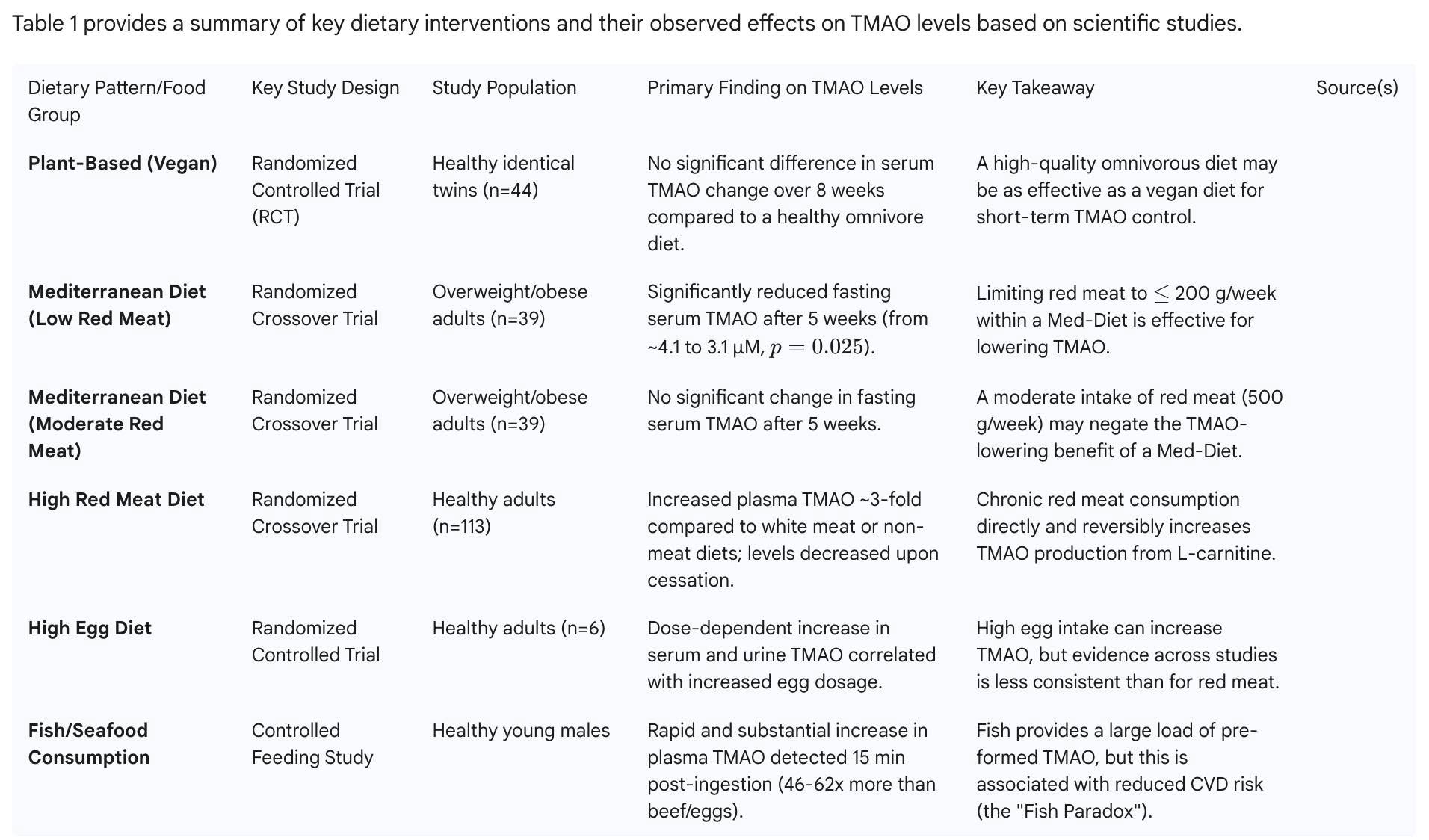
Strategies for lowering TMAO: diet, supplements and repurposed drugs

Aug 29, 2025 · Gokhan Can ♥ 22 · 💬 18 ↩ 1 Gut microbiome

A written review of how TMAO forms from choline and carnitine via gut bacteria and the liver, and how to lower it. It points to less red meat and egg yolk, a fiber-rich Mediterranean-style diet, polyphenols and allicin, and statins and metformin. Gokhan says TMAO is not his top concern but worth knowing; he mentions a small human berberine trial that lowered TMAO and plaque.

Tricaprin supplement reversed atherosclerosis in two patients with TGCV

Jan 09, 2025 · Gokhan Can ♥ 18 · 💬 22

Osaka University research in the European Heart Journal reported that tricaprin, a dietary supplement that promotes lipid breakdown in heart muscle cells, reversed atherosclerotic lesions and relieved chest pain in two diabetic patients with TGCV. This condition involves triglyceride deposits and resists standard treatment. Only two patients were reported.

Vitamin K2 slows coronary calcium mainly in severe calcification; event benefit unproven

Dec 02, 2025 · Gokhan Can ♥ 18 · 💬 16 ↩ 1

Review of vitamin K2 (with or without vitamin D) and CAC. A 2023 meta-analysis of 14 RCTs (n=1,533) found a -17.3 Agatston units/year pooled difference. The largest RCT (389 men, 720 ug MK-7 + 1000 IU D vs placebo for 2 years) missed significance overall but slowed CAC at baseline CAC >=400; some CKD trials were null. Not yet a standard therapy.

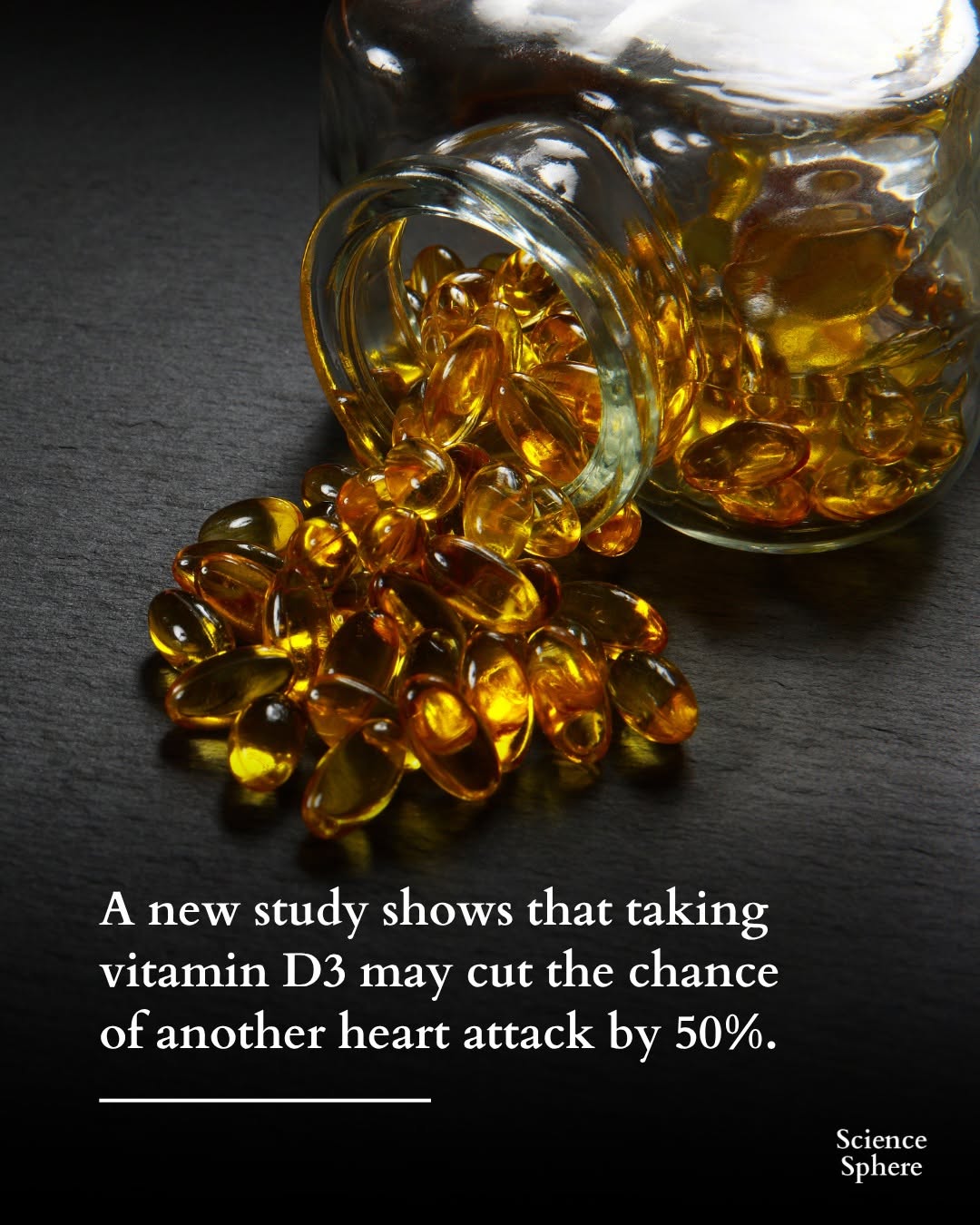
TARGET-D: tailored vitamin D dosing missed its main endpoint but cut heart attack 52%

Nov 10, 2025 · Gokhan Can ♥ 25 · 💬 11

Summarises TARGET-D (630 adults with acute coronary syndrome, ~4.2 years): doses adjusted to reach 40-80 ng/mL did not significantly reduce the composite of death, heart failure hospitalization or stroke, though heart attack risk was 52% lower. Authors call for validation to rule out data mining.

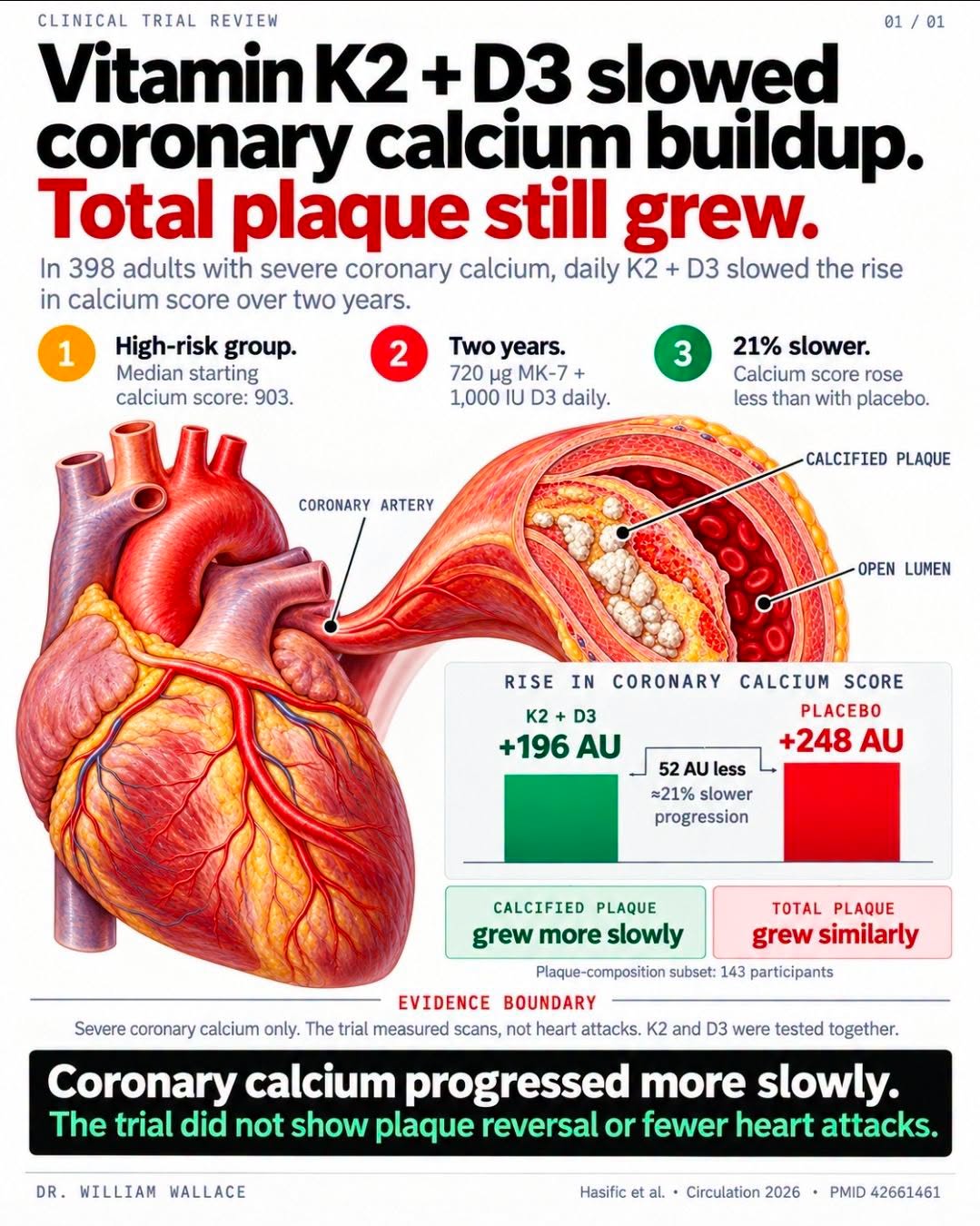
K2 plus D3 slowed coronary calcium progression about 21% in a 2-year trial

Sep 30, 2026 · Louis Nervegna ♥ 19 · 💬 14

In 398 adults with severe coronary calcification, two years of 720 mcg vitamin K2 (MK-7) plus 1,000 IU vitamin D3 daily slowed calcium-score progression versus placebo. However, total plaque volume rose similarly in both groups among the 143 assessed, so the trial does not show plaque reversal or fewer heart attacks.

What to try for statin muscle pain: lower dose, other statins, non-statins; beware nocebo

Feb 17, 2025 · Louis Nervegna ♥ 14 · 💬 18 Statins

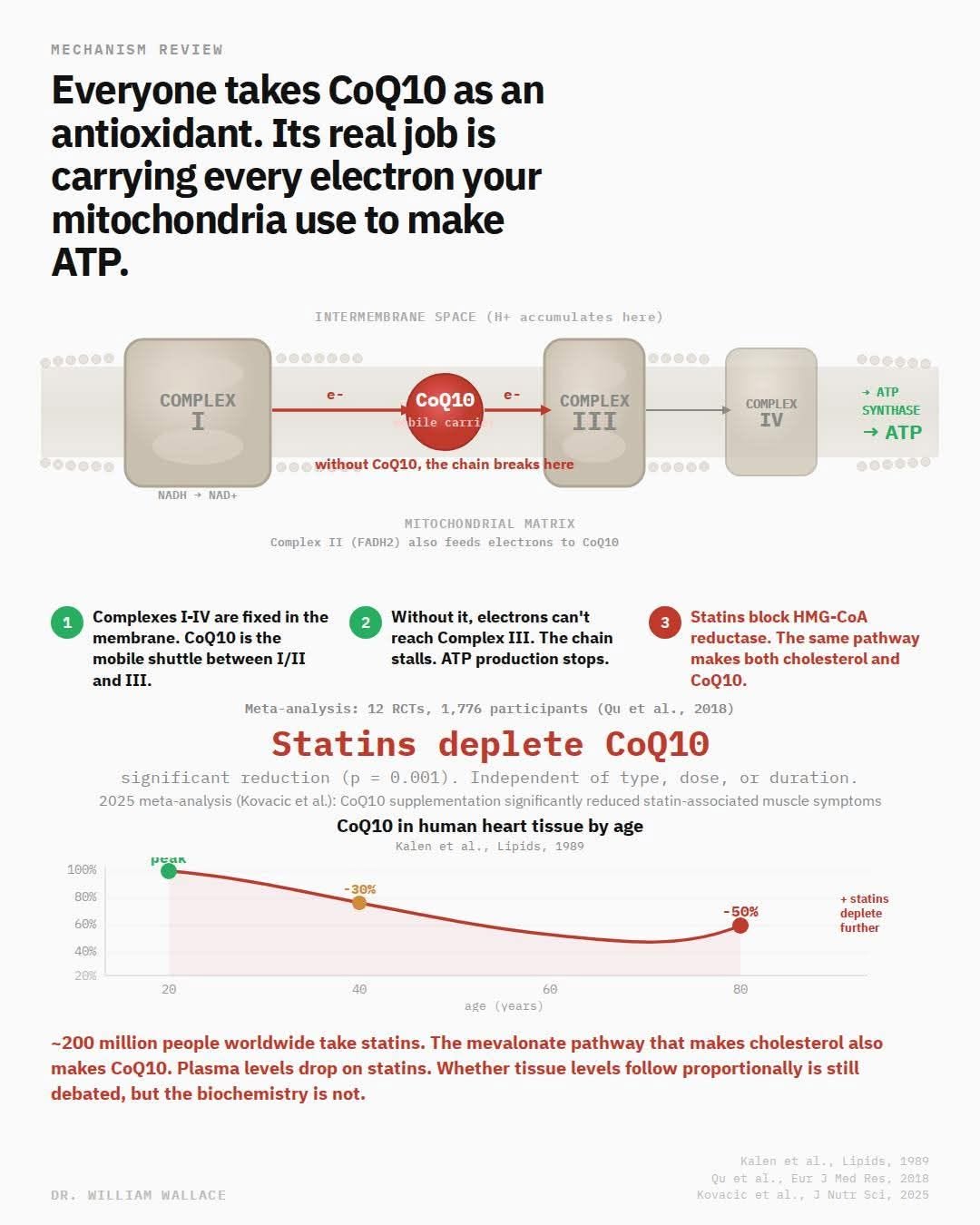
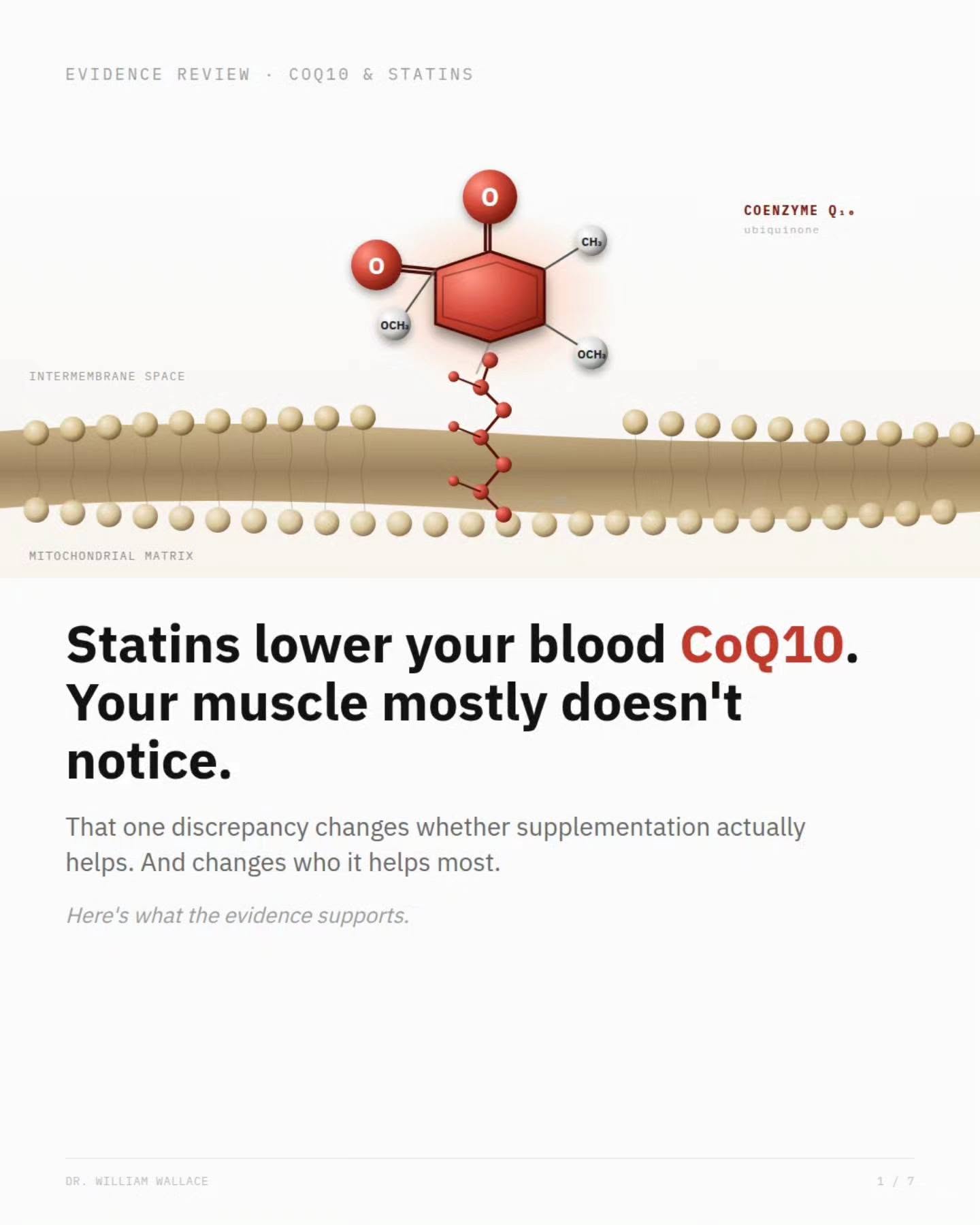
Louis explains that statin muscle pain is often genetic, linked to HMG-CoA reductase gene variants, so CoQ10 usually fails though it is harmless. Practical steps include lowering the dose, switching statins (pitavastatin or pravastatin often tolerated) or using non-statin drugs, while recognizing that much reported muscle pain may be nocebo.

Louis calls AG1 (Athletic Greens) a scam: 75 ingredients at tiny doses, no studies

May 29, 2024 · Louis Nervegna ♥ 17 · 💬 29

Louis criticizes the AG1 greens powder, saying its 75 ingredients are included in very small amounts compared with doses used in studies, it costs about $100 per pouch, relies on influencer sponsorships and the company has never funded a scientific study. He links a video on the founder's background. This is opinion without cited research.

Vitamin K2 trials show better glucose and HbA1c in type 2 diabetes, per Life Extension

Sep 09, 2024 · Louis Nervegna ♥ 19 · 💬 14 ↩ 1

Louis shares a Life Extension article summarizing RCTs of vitamin K and glucose metabolism. Three RCTs of MK-7 vitamin K2 (90-360 mcg/day for 3-6 months) lowered fasting glucose and HbA1c in type 2 diabetes versus placebo, and trials in healthy and prediabetic people improved insulin sensitivity. Louis takes it for insulin sensitivity despite failed arterial calcification trials. Source is a supplement-industry magazine.

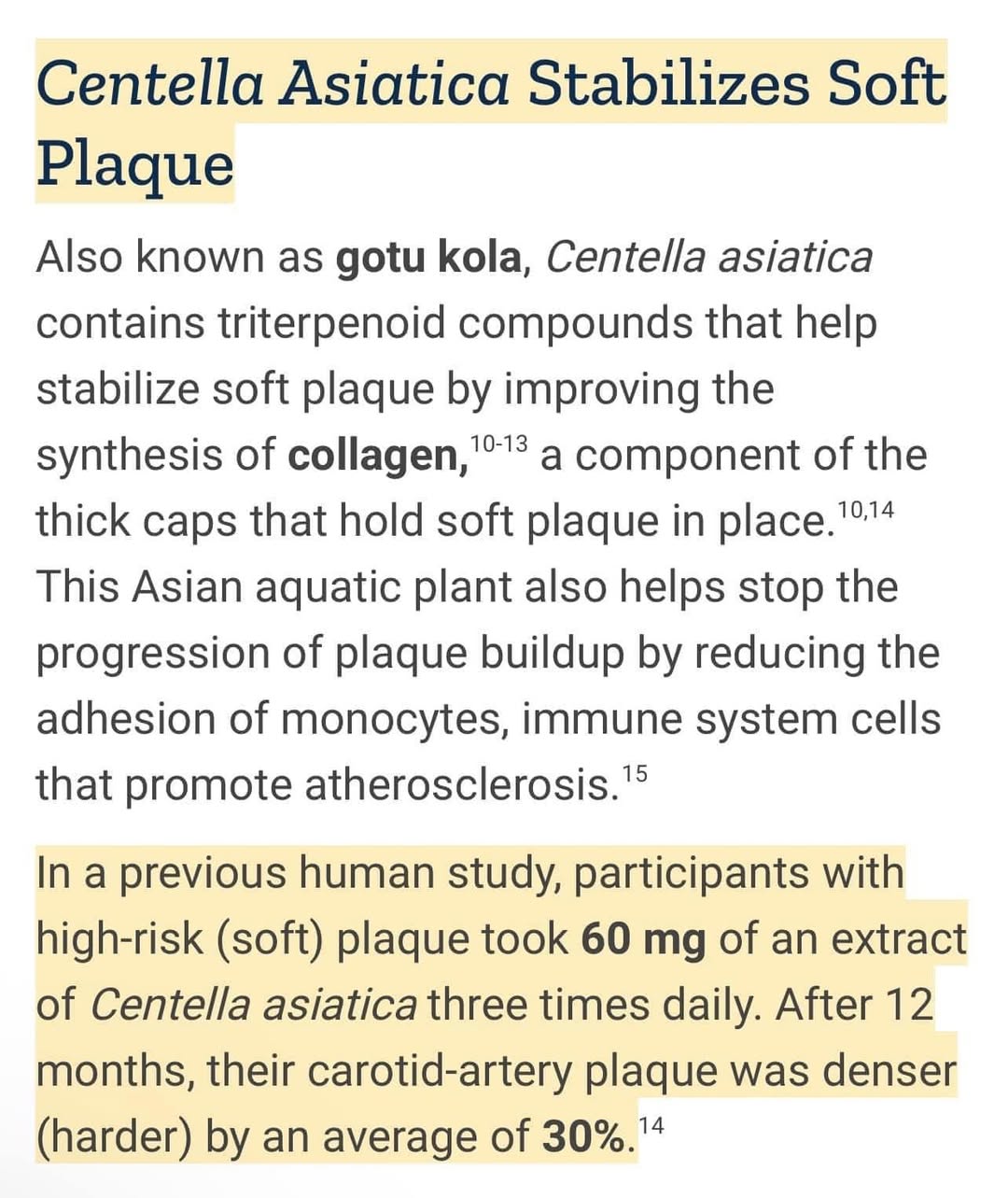
Gotu kola extract reportedly stabilized high-risk plaque in small studies

Nov 17, 2023 · Louis Nervegna ♥ 16 · 💬 16 ↩ 2

Louis flags, as needing larger trials, Life Extension's summary that 60 mg of Centella asiatica extract three times daily hardened soft carotid plaque by 30% over 12 months, with fewer cardiovascular events in the randomized phase, and hardened femoral plaque by 63% with no size increase versus 23% in controls. He says it may target endothelial health. Evidence comes from small studies summarized by a supplement-company magazine.

Supplements and foods can raise statin levels through cytochrome P450 interactions

Dec 01, 2023 · Louis Nervegna ♥ 14 · 💬 13 Statins

Louis explains that an underappreciated cause of statin side effects is combining the drug with foods or supplements that raise its blood level via cytochrome P450 interactions in the gut and liver. Grapefruit juice is the classic example, and herbs and botanicals are the likeliest supplement culprits. Practical steps: separate dosing times and adjust statin dose to LDL. A reader note says the grapefruit interaction applies only to certain statins.

IV vitamin C plus chemotherapy doubled survival to 16 months in pancreatic cancer trial

Dec 04, 2024 · Louis Nervegna ♥ 22 · 💬 17 ↩ 1 Cancer

Louis shares a small randomized phase 2 trial at the University of Iowa in metastatic pancreatic cancer: high-dose intravenous vitamin C added to chemotherapy doubled median overall survival and was stopped early for benefit. He notes it is unrelated to heart disease and that IV vitamin C has a long controversial history.

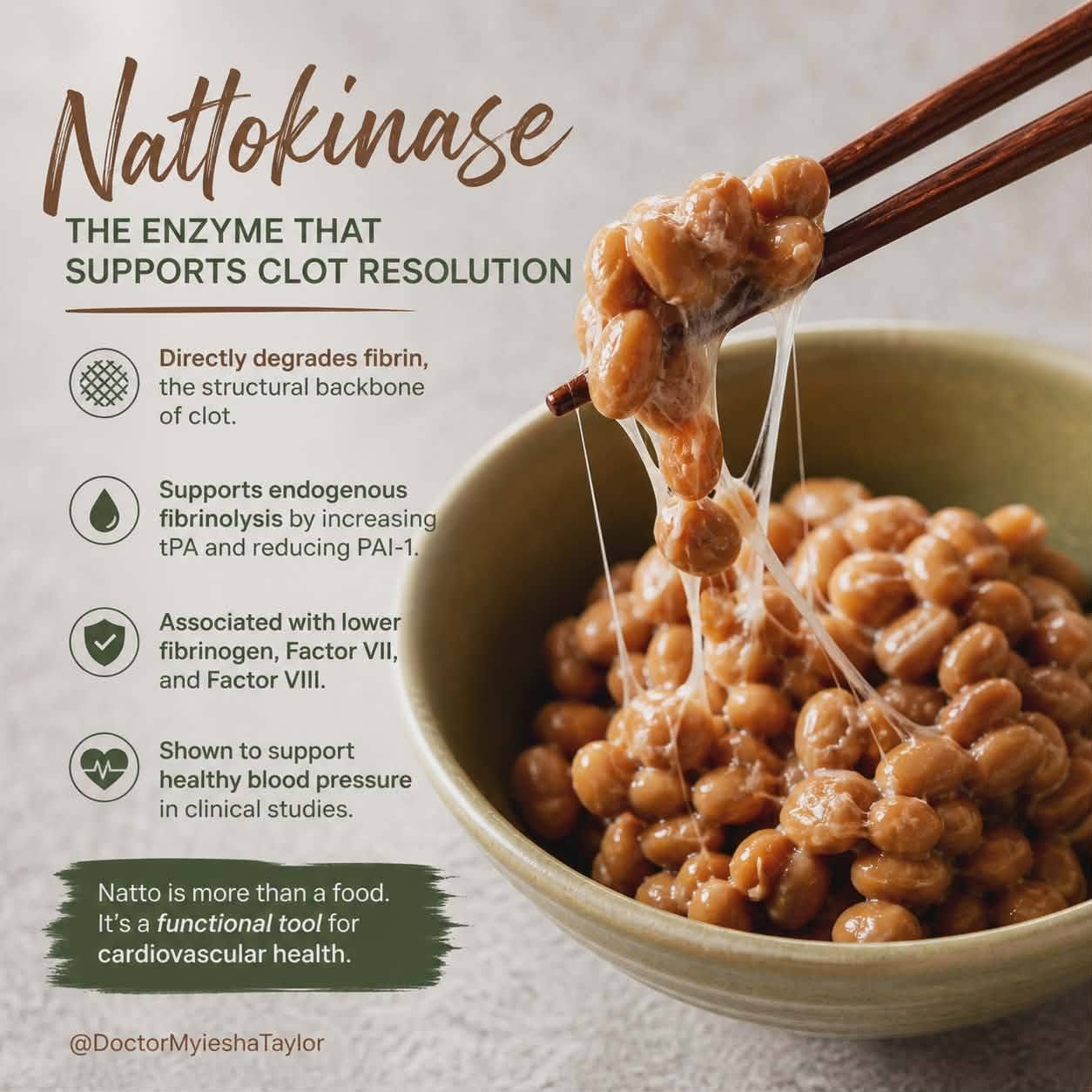
Nattokinase and PAI-1: how it may work and why PAI-1 matters

Dec 03, 2023 · Gokhan Can ♥ 14 · 💬 16 ↩ 2

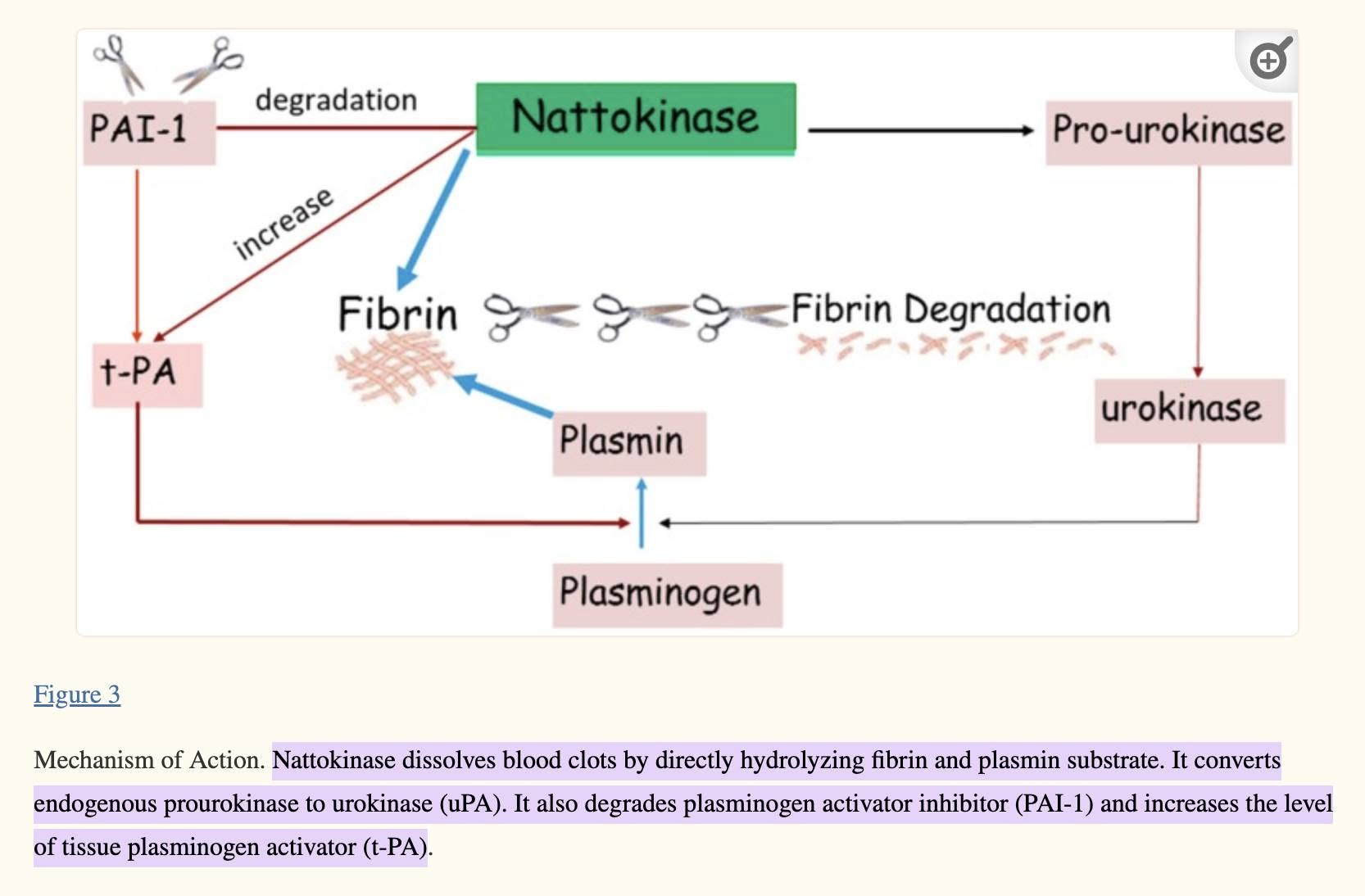
Notes that nattokinase appears to act by inhibiting PAI-1, a marker linking thrombosis, inflammation, metabolic disorder and aging. People who genetically make less PAI-1 live about 7 years longer, and PAI-1 inhibition helped fatty liver and dyslipidemia in preclinical work.

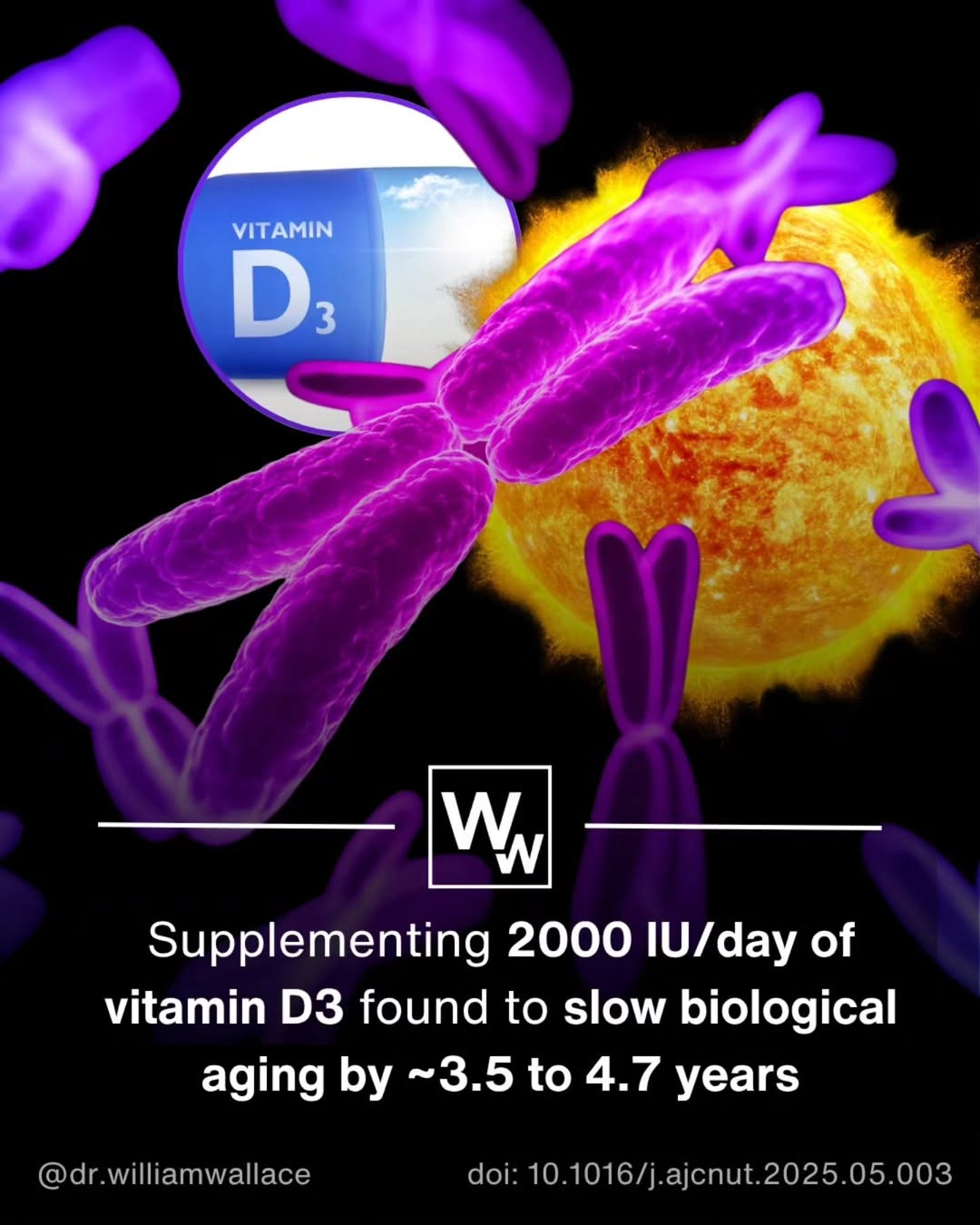
VITAL: vitamin D3 2,000 IU slowed telomere shortening ~140 base pairs over 4 years

Jun 29, 2025 · Louis Nervegna ♥ 20 · 💬 8

Louis shares a summary of a VITAL ancillary study in 1,031 older adults in which daily vitamin D3 2,000 IU preserved leukocyte telomere length versus placebo, roughly 3.5-4.5 years of reduced biological aging. Omega-3 (1 g/day) showed no effect on telomere length. Telomere length is a surrogate marker.

COSMOS: RDA-level multivitamin slowed epigenetic aging by about 4 months

Mar 28, 2025 · Louis Nervegna ♥ 22 · 💬 9

Louis calls the COSMOS epigenetic-aging analysis arguably the highest quality RCT on multivitamins ever done. All five clocks showed a signal for slower aging, with significant effects on PCGrimAge and PCPhenoAge amounting to roughly 4 months of aging averted over 2 years, and larger effects in those with accelerated aging.

Vitamin-only advocate Andrew Saul died of congestive heart failure in his 60s

Feb 06, 2024 · Louis Nervegna ♥ 9 · 💬 33

Louis notes that Andrew Saul, who wrote books claiming vitamins alone protect against heart disease, died of congestive heart failure in his 60s, and that advanced ischemic heart disease is the leading cause of congestive heart failure. This is anecdotal, not research.

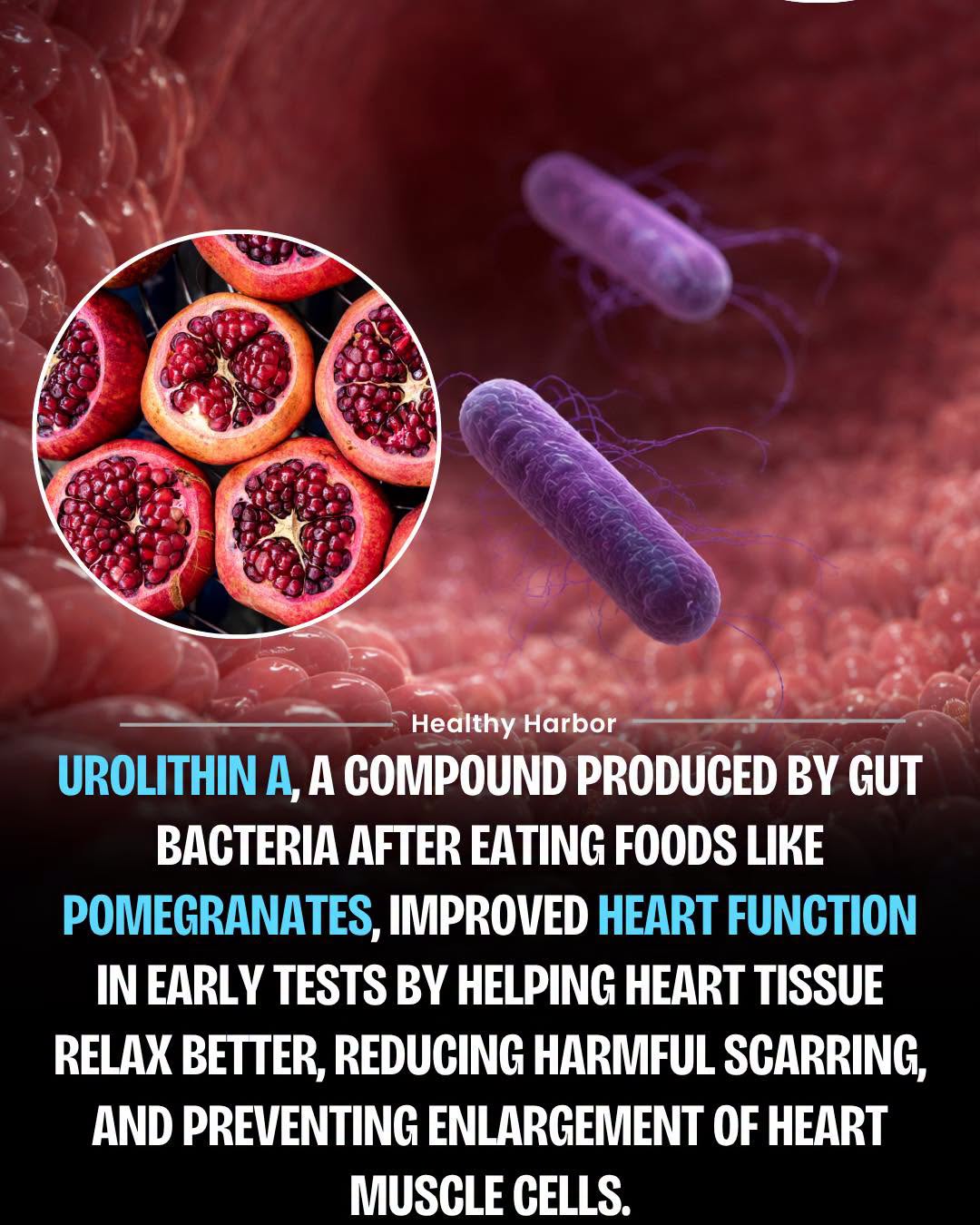
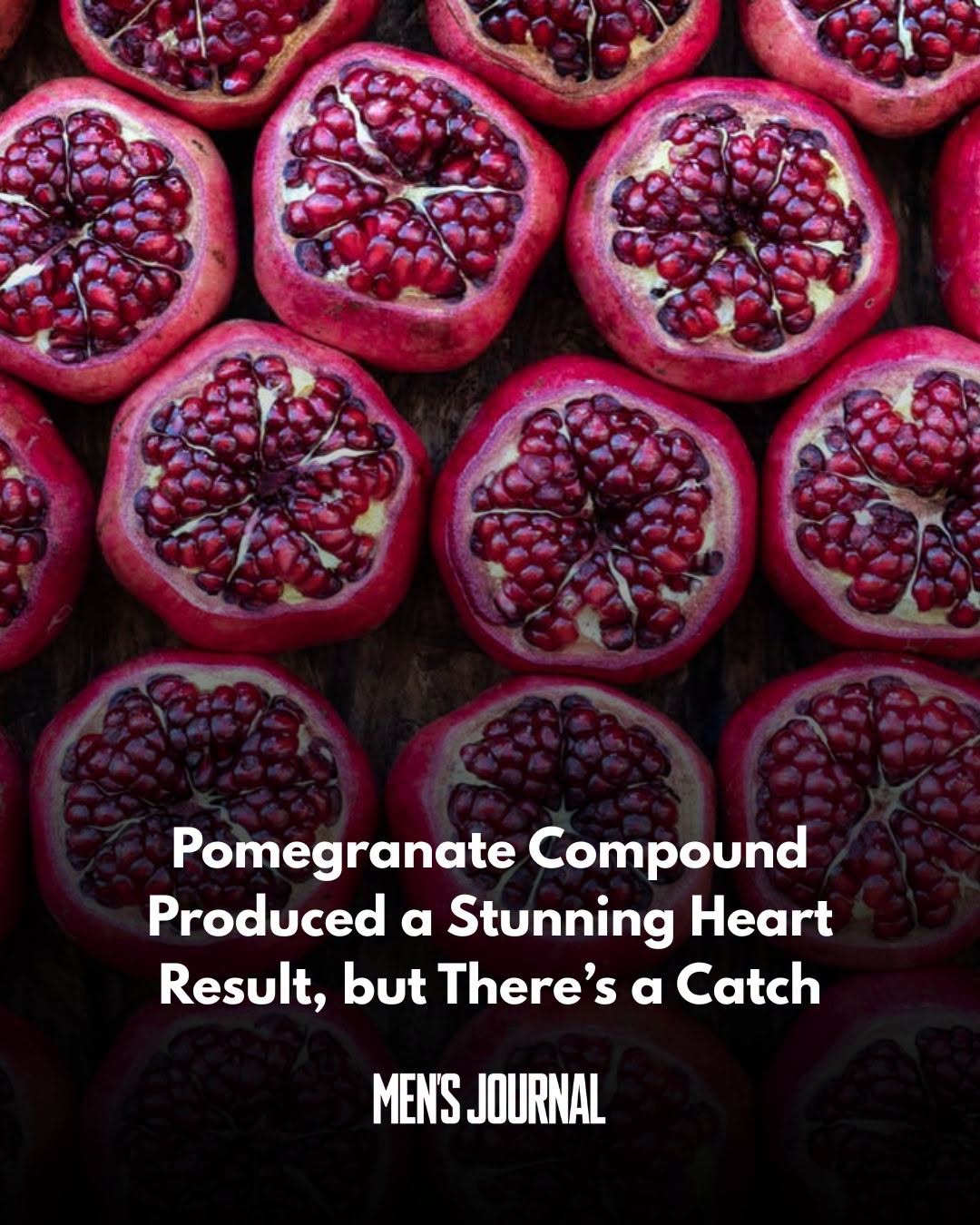
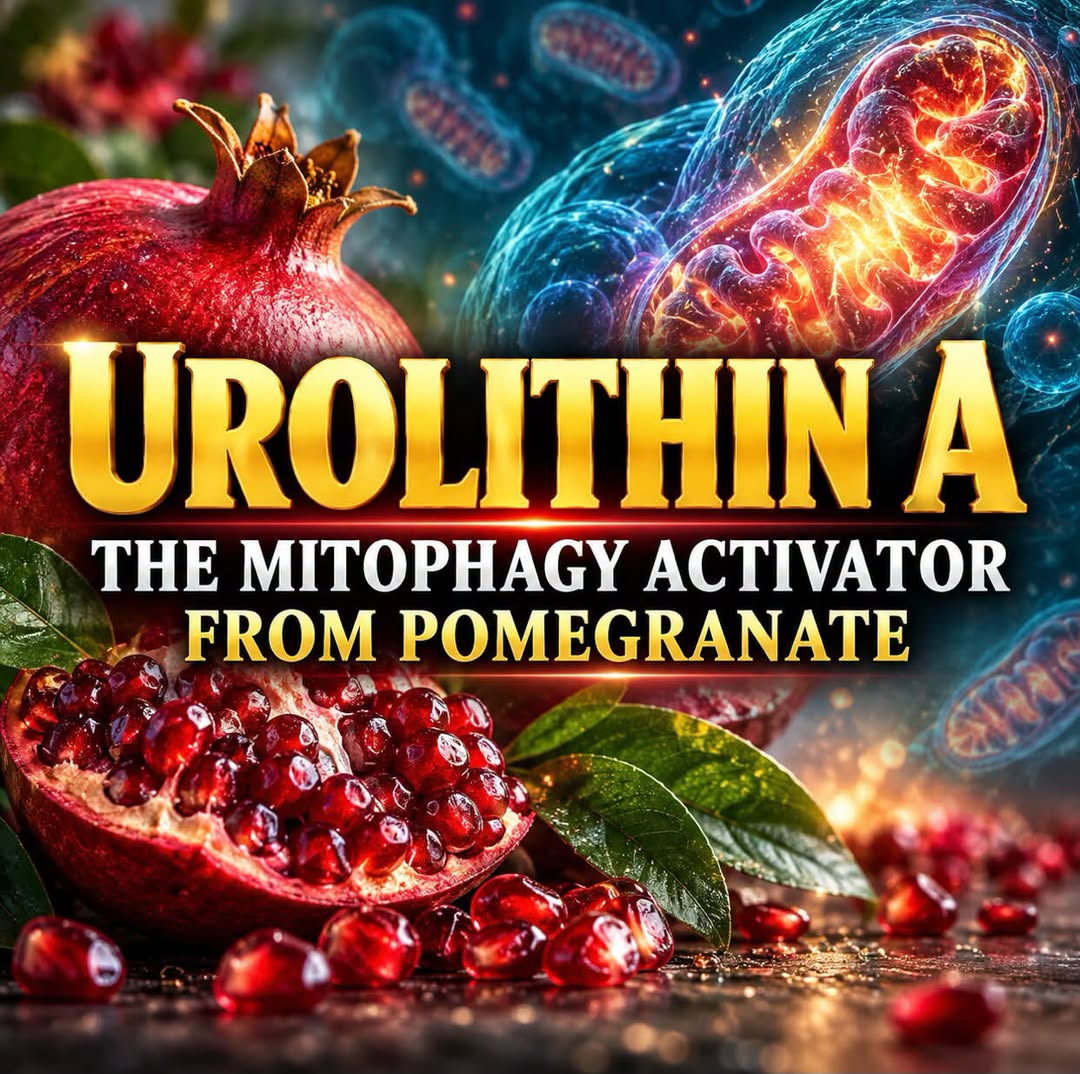
Urolithin A, a pomegranate gut metabolite, improved HFpEF in mice and human heart tissue

Aug 20, 2026 · Louis Nervegna ♥ 20 · 💬 9 Heart rhythm & heart failure

A Science Advances study from King's College London found that urolithin A activates the heart-protective protein PKGIα at cysteine 42, improving heart relaxation, fibrosis and exercise activity in mice with HFpEF and relaxing engineered human heart tissue. About half of people produce urolithin A from pomegranate; human trials are lacking, so benefit for patients is unproven.

High vitamin B12 in a multivitamin did not raise disease risk in a 14-year Harvard trial

Oct 02, 2026 · Louis Nervegna ♥ 14 · 💬 9

The poster argues it is unlikely high B12 intake causes cancer or clonal disease. The Physicians' Health Study multivitamin trial, which contained 10 times the RDA of B12, found no increase in major disease over 14 years and an 8% lower overall cancer risk. Nurses' and Physicians' cohorts also found no B12-disease link, except combined B12 and B6 with hip fracture, which vanished for B12 alone.

Alpha-ketoglutarate (AKG): longevity data in worms and mice, plus anti-thrombotic effects

Mar 02, 2024 · Gokhan Can ♥ 13 · 💬 13

Summarizes the case for the supplement AKG, which extended lifespan in worms by about 50% and healthspan in aged mice, apparently by mildly suppressing mitochondrial function and mimicking calorie restriction. The linked EBioMedicine paper suggests AKG inhibits thrombosis and inflammation. The human evidence for cardiovascular benefit is limited and the author notes he personally uses it.

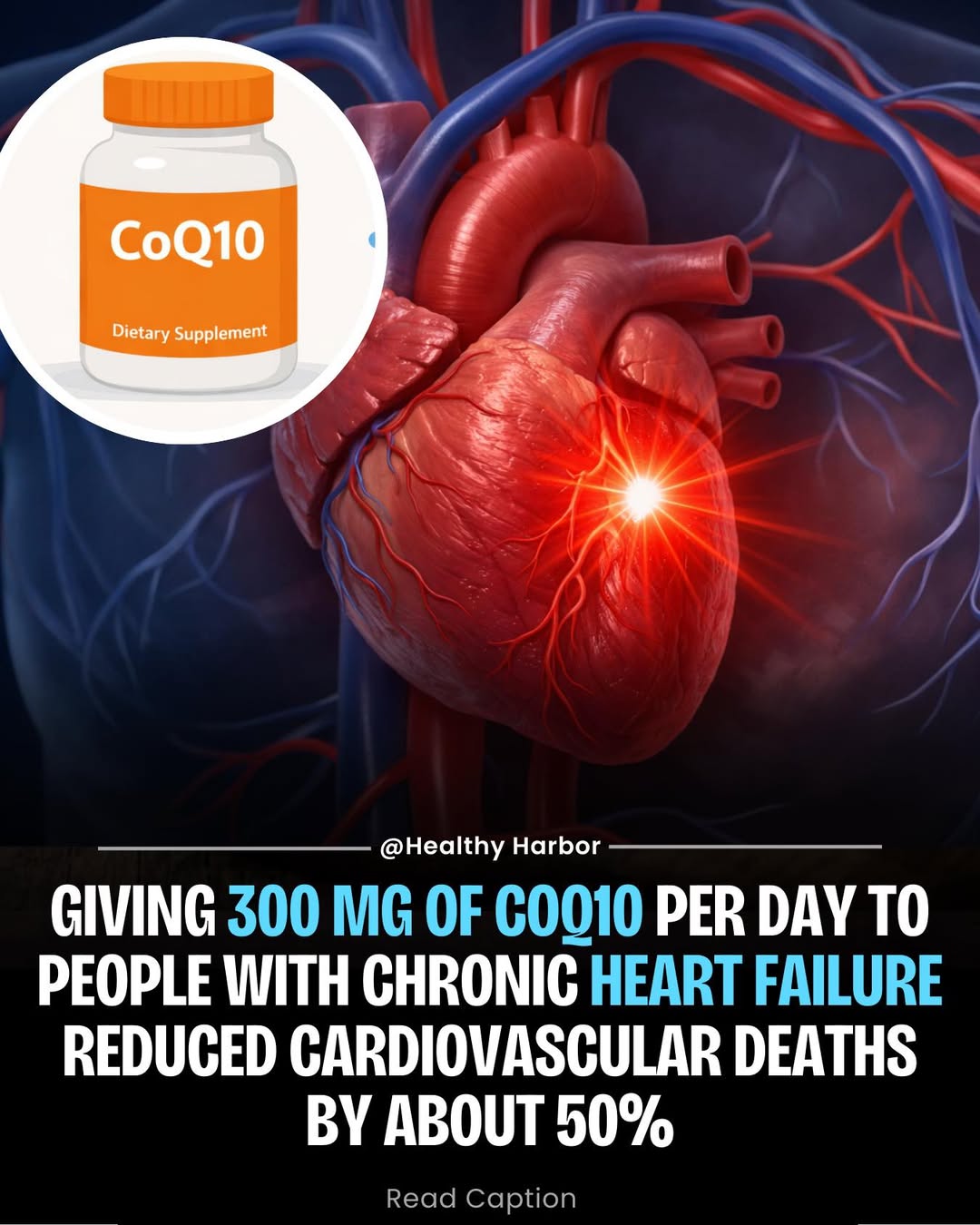
Selenium plus CoQ10 trial: over 50% lower CV death, benefit persisted 10-12 years

Dec 18, 2023 · Louis Nervegna ♥ 14 · 💬 12

Louis reshares a post quoting Life Extension on a trial where older people took selenium plus coenzyme Q10 for four years and had more than half the cardiovascular mortality. Follow-up showed 49% lower CV death at 10 years and 41% at 12 years, including in subgroups with heart disease, diabetes and hypertension. He suggests adding about 200 ug selenium to CoQ10. The source is a supplement-company magazine and the trial is not named.

EVITA trial: vitamin C lowered deaths in clonal blood conditions (exploratory result)

Sep 29, 2026 · Louis Nervegna ♥ 15 · 💬 8

In the small phase 2 EVITA randomized trial of oral vitamin C in clonal cytopenia and lower-risk myeloid cancers, the vitamin C group had 65% lower risk of death (11 vs 24 deaths) and fewer serious adverse events. Survival was exploratory and the primary endpoint of clonal growth showed no difference. The poster speculates relevance to CHIP and cardiovascular disease but calls it a big unproven leap.

Vitamin K2 MK-7 at 360 mcg slowed calcification and improved glucose control in trials

Jun 10, 2026 · Louis Nervegna ♥ 34 · 💬 4

Louis notes the 360 mcg MK-7 dose that slowed calcification in the JAMA Cardiology trial also improved insulin sensitivity and glucose control in earlier trials. The shared Life Extension summary says three RCTs of MK-7 in type 2 diabetes showed benefits, and Louis takes it mainly for insulin sensitivity.

Review of 884 supplement RCTs: omega-3, folic acid and CoQ10 helped; beta-carotene harmed

Nov 30, 2023 · Louis Nervegna ♥ 12 · 💬 7 ↩ 2

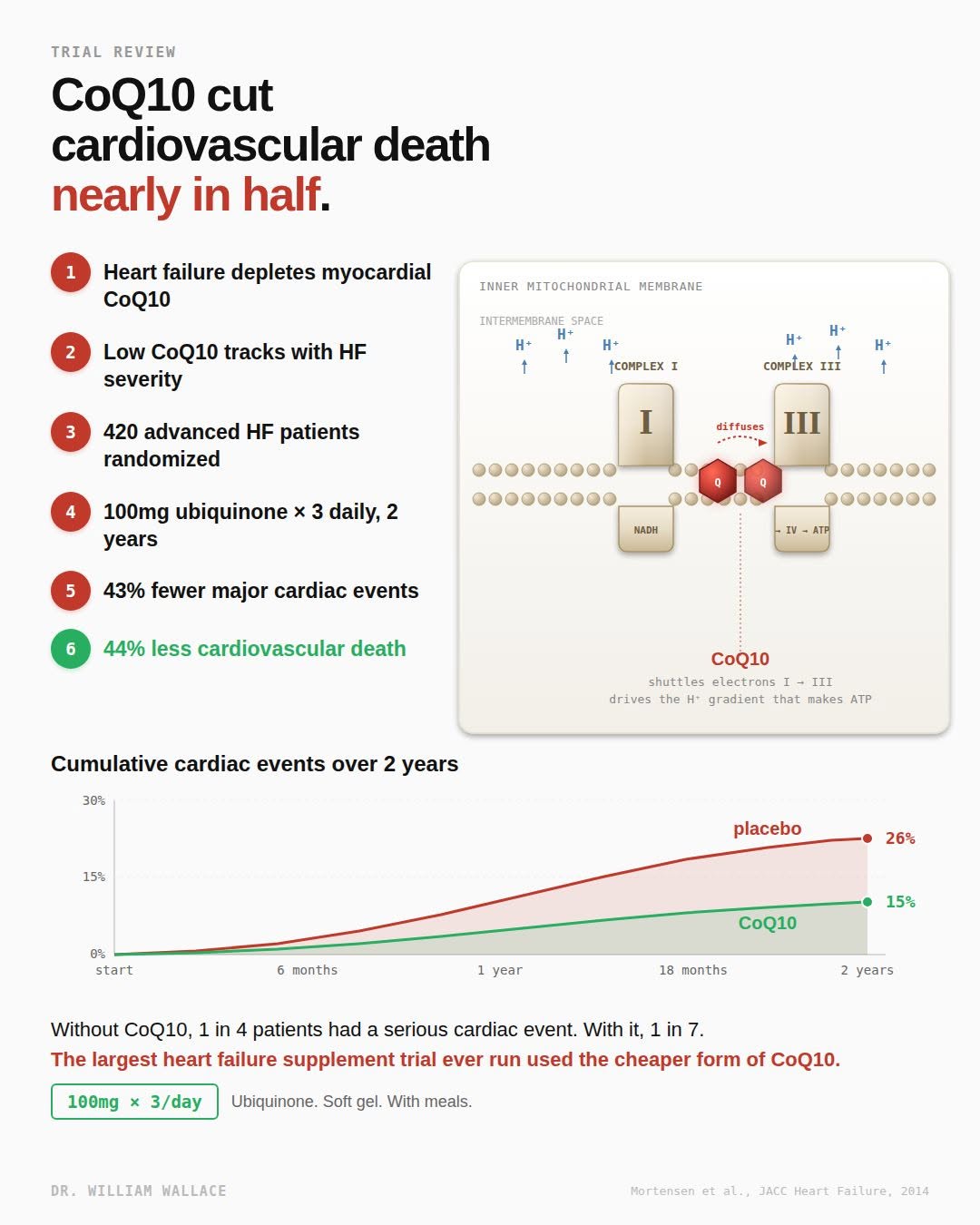
Louis quotes a JACC systematic review of 884 randomized trials (883,627 participants) on 27 micronutrients. Omega-3 reduced CVD mortality, heart attack and CHD events; folic acid reduced stroke; CoQ10 reduced all-cause mortality; vitamins C, D, E and selenium had no effect on CVD or type 2 diabetes; beta-carotene increased mortality and stroke. Several others improved risk factors with moderate-to-high quality evidence.

Curcumin has the strongest natural-product evidence for lowering TNF-alpha

Jun 24, 2026 · Louis Nervegna ♥ 17 · 💬 8 Inflammation & CRP

Louis states curcumin has the strongest evidence of any natural product for lowering the inflammatory cytokine TNF-alpha, which he says plays a causal role in many chronic diseases and aging. The shared FoundMyFitness note stresses that phytosomal forms are far more bioavailable and that TNF-alpha inhibitors are observationally linked to lower Alzheimer's risk.

Eliquis and supplements question; mother's suspected DVT proved a false positive

Dec 30, 2024 · Louis Nervegna ♥ 10 · 💬 21 Aspirin, antiplatelets & blood thinners

Louis asks whether group members take Eliquis and how supplements interact with it, since some supplements add to the anticoagulant effect and it is metabolized by CYP3A4. In an edit he reports his mother's calf DVT diagnosis was wrong: repeat ultrasound and D-dimer in a vascular clinic showed clear veins, noting ultrasound alone is only about 60% accurate for DVT.

Spinach raises blood antioxidant activity more than 1250 mg vitamin C

Jun 03, 2024 · Louis Nervegna ♥ 11 · 💬 12 ↩ 1

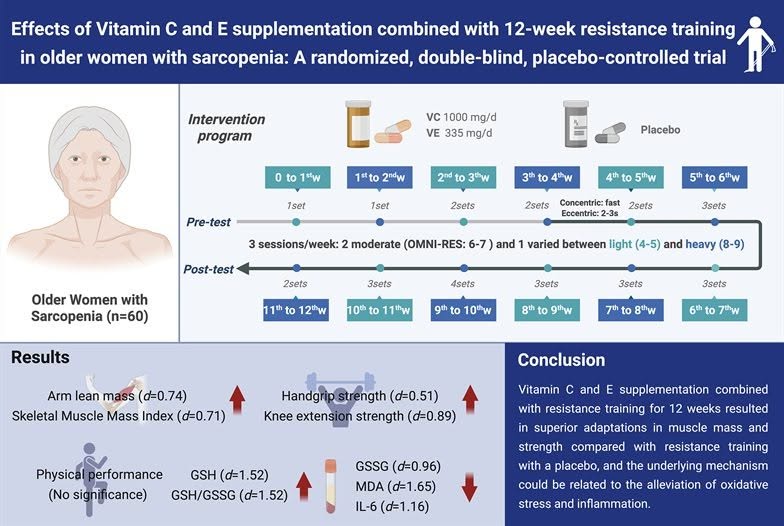
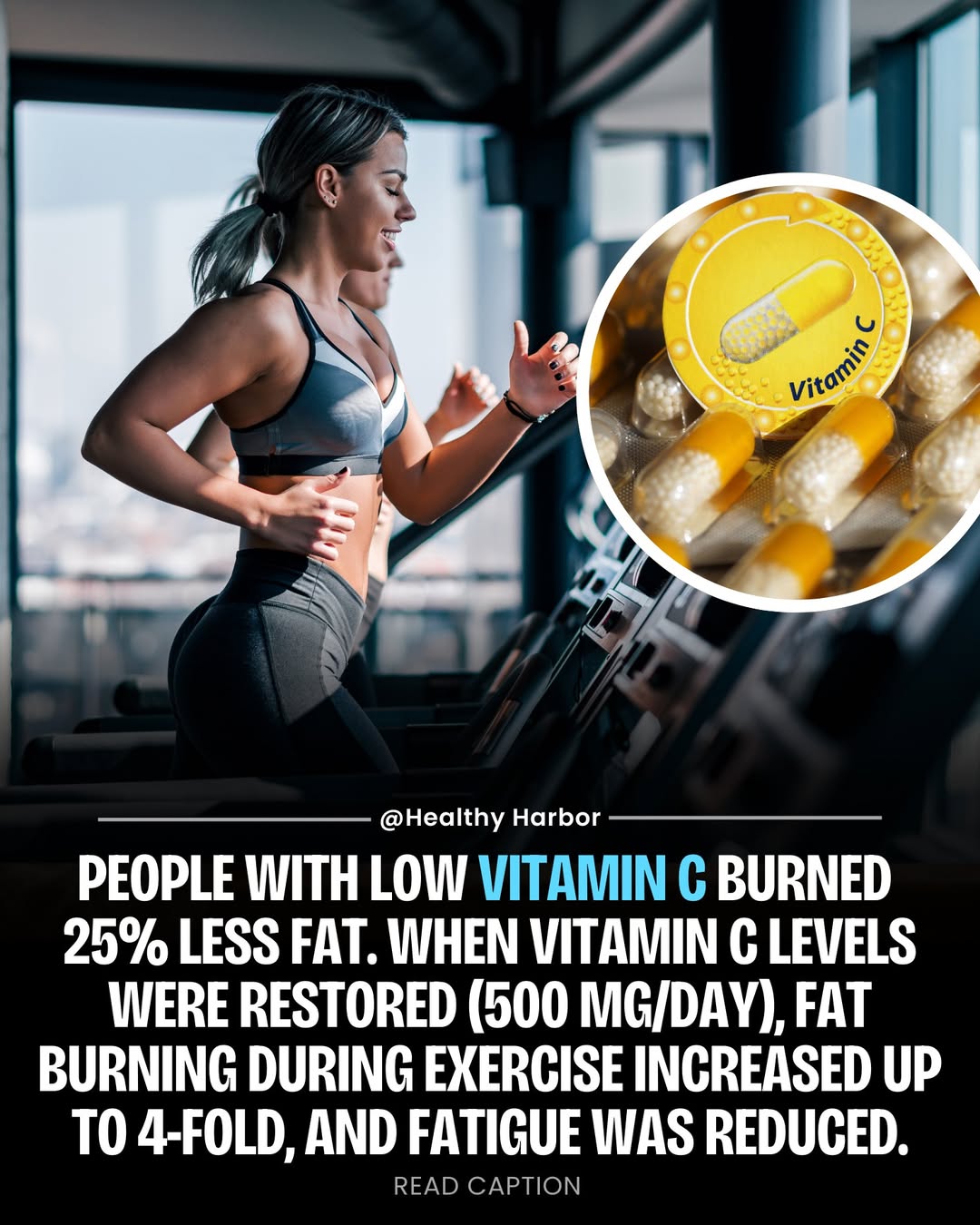
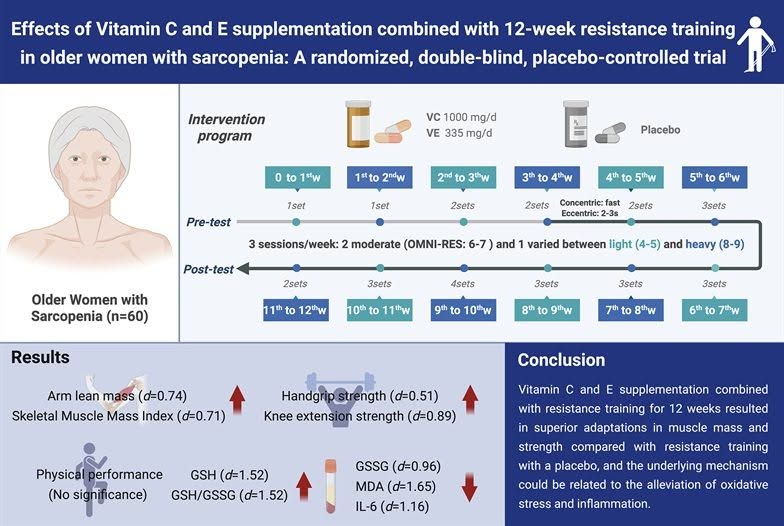
Louis argues against the claim that vitamin C supplements are harmful because antioxidants can blunt exercise adaptations in short-term studies. He notes that a large serving of spinach raises blood antioxidant activity more than a 1250 mg vitamin C supplement, and that short-term biomarker studies often predict long-term outcomes poorly. He does not claim antioxidant supplements prevent disease; human RCTs have mostly failed, with exceptions like age-related macular degeneration.

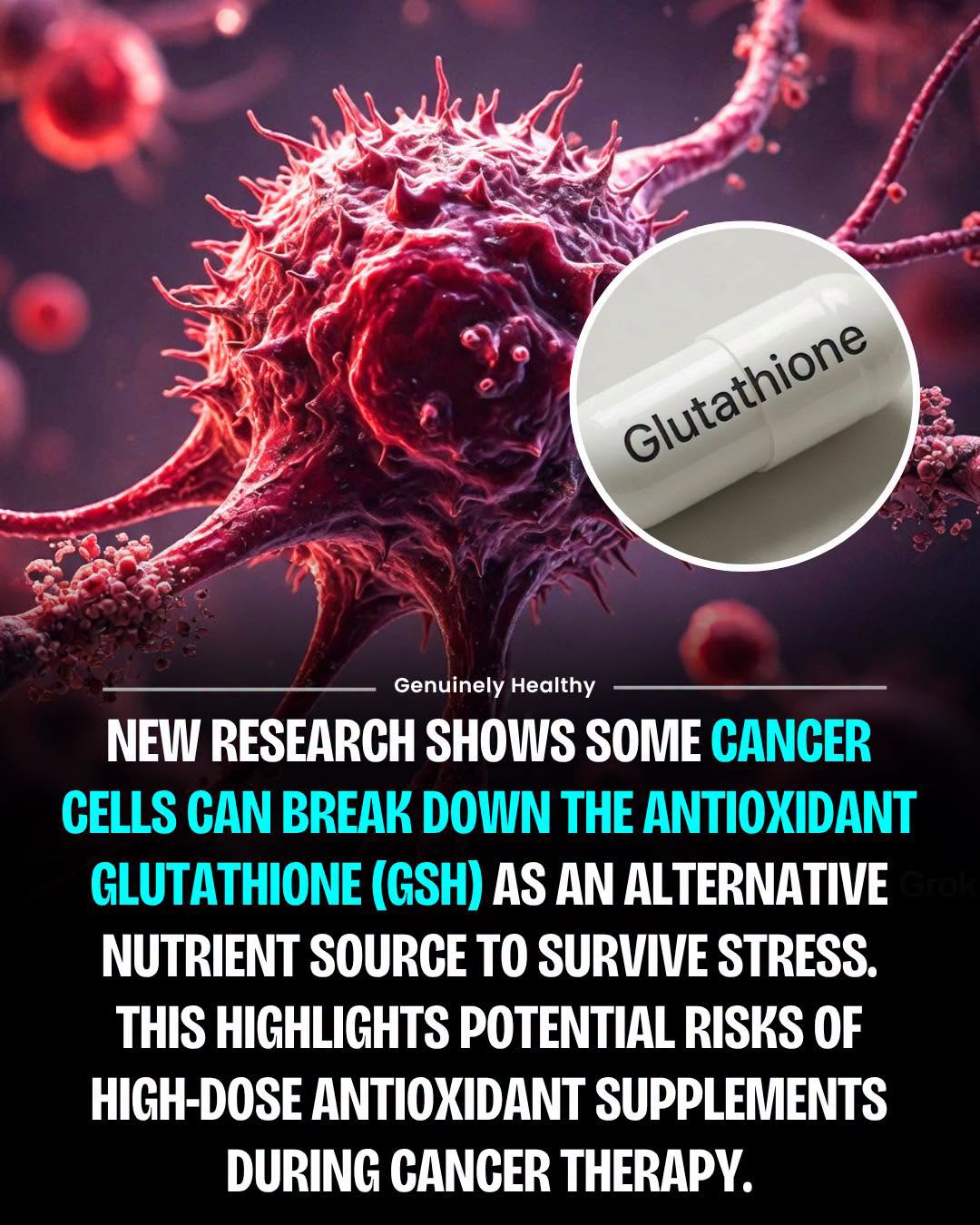
Glutathione supplements are probably a bad idea long term

Jul 04, 2026 · Louis Nervegna ♥ 8 · 💬 16 ↩ 1

Louis argues oral glutathione is broken down and can raise levels outside cells, disrupting redox signaling. He favors Nrf2 activators and cysteine and glycine intake instead.

Charles Grashow's protocol to regress coronary calcium over two years

Dec 02, 2023 · Gokhan Can ♥ 18 · 💬 7 ↩ 2 Plaque, CAC & CT angiography

Describes how Charles Grashow responded to worsening coronary calcium in 2020-2021 with an intensive regimen of lifestyle, high-dose nattokinase, LDL-lowering and anti-inflammatory supplements and off-label drugs. His later scans reportedly showed that the trajectory of his coronary disease had reversed. It is a single-patient story, not a trial.

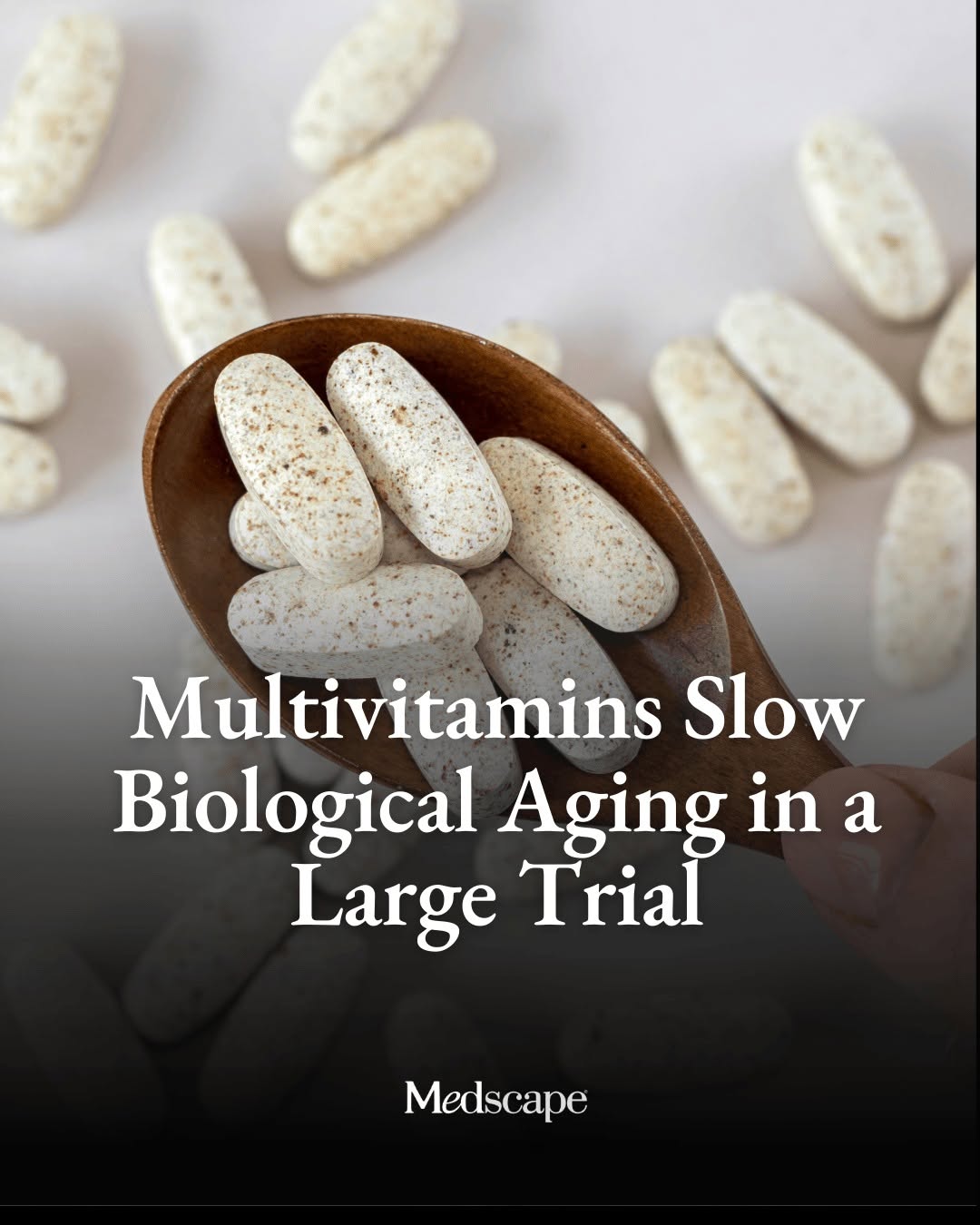
COSMOS: 2 years of a basic multivitamin slowed biological aging by about 4 months

Mar 09, 2026 · Louis Nervegna ♥ 9 · 💬 10

Latest COSMOS publication from Harvard and Mass General Brigham: a daily RDA-level multivitamin (Centrum Silver) slowed five epigenetic-clock measures of biological aging, with the largest gains in participants who were biologically older than their age at baseline. The poster stresses this was a standard multivitamin, not a megadose, and recalls that COSMOS earlier showed slower cognitive decline.

100 mg vitamin B6 reduced depression symptoms in a new randomized trial; B12 failed

Aug 25, 2026 · Louis Nervegna ♥ 11 · 💬 11 ↩ 1

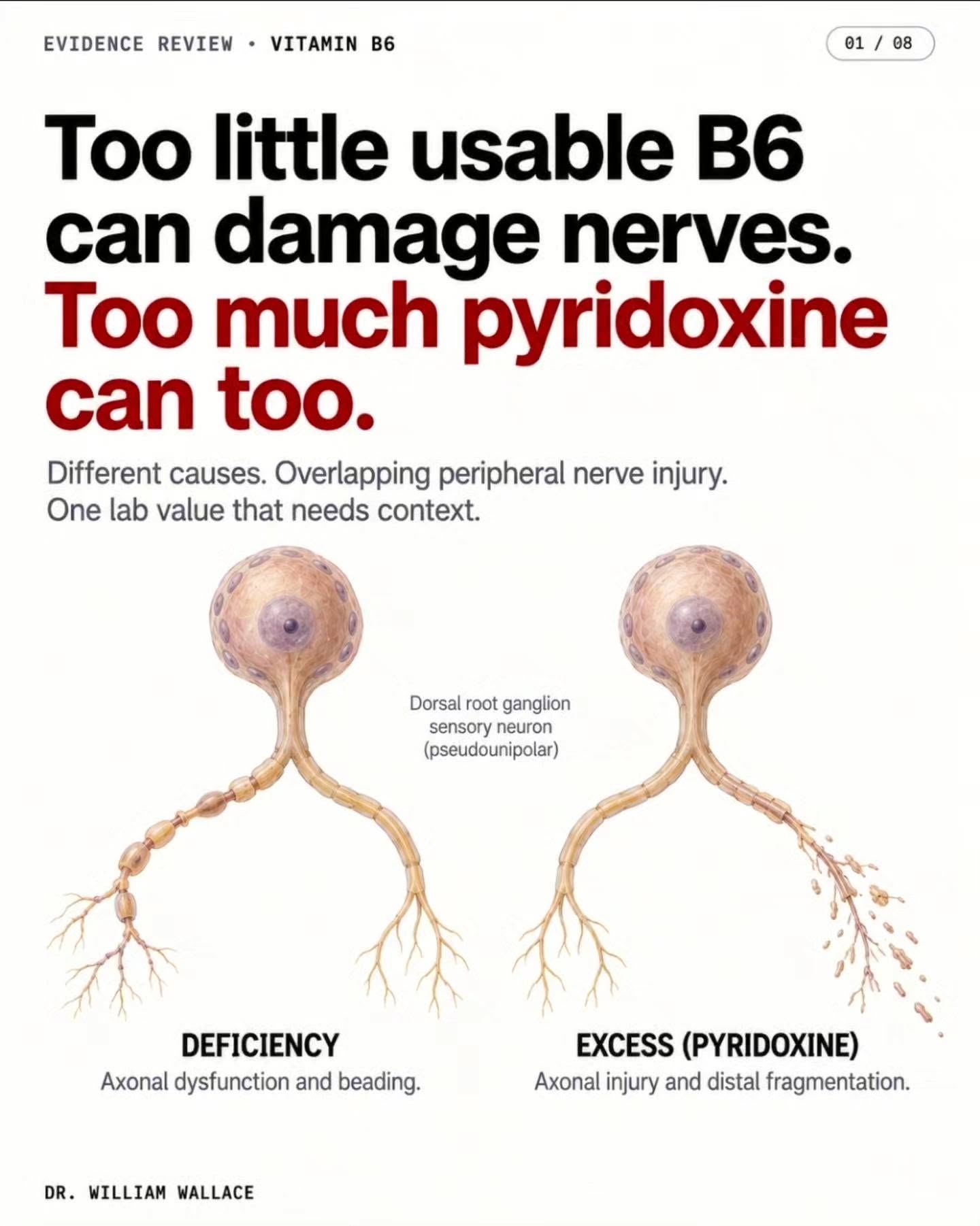
Louis notes a new RCT reports that 100 mg vitamin B6 significantly reduced depression symptoms while B12 did not. The same authors found in 2022 that B6 reduces anxiety. He notes depression and anxiety are CVD risk factors and warns of nerve toxicity with prolonged high doses.

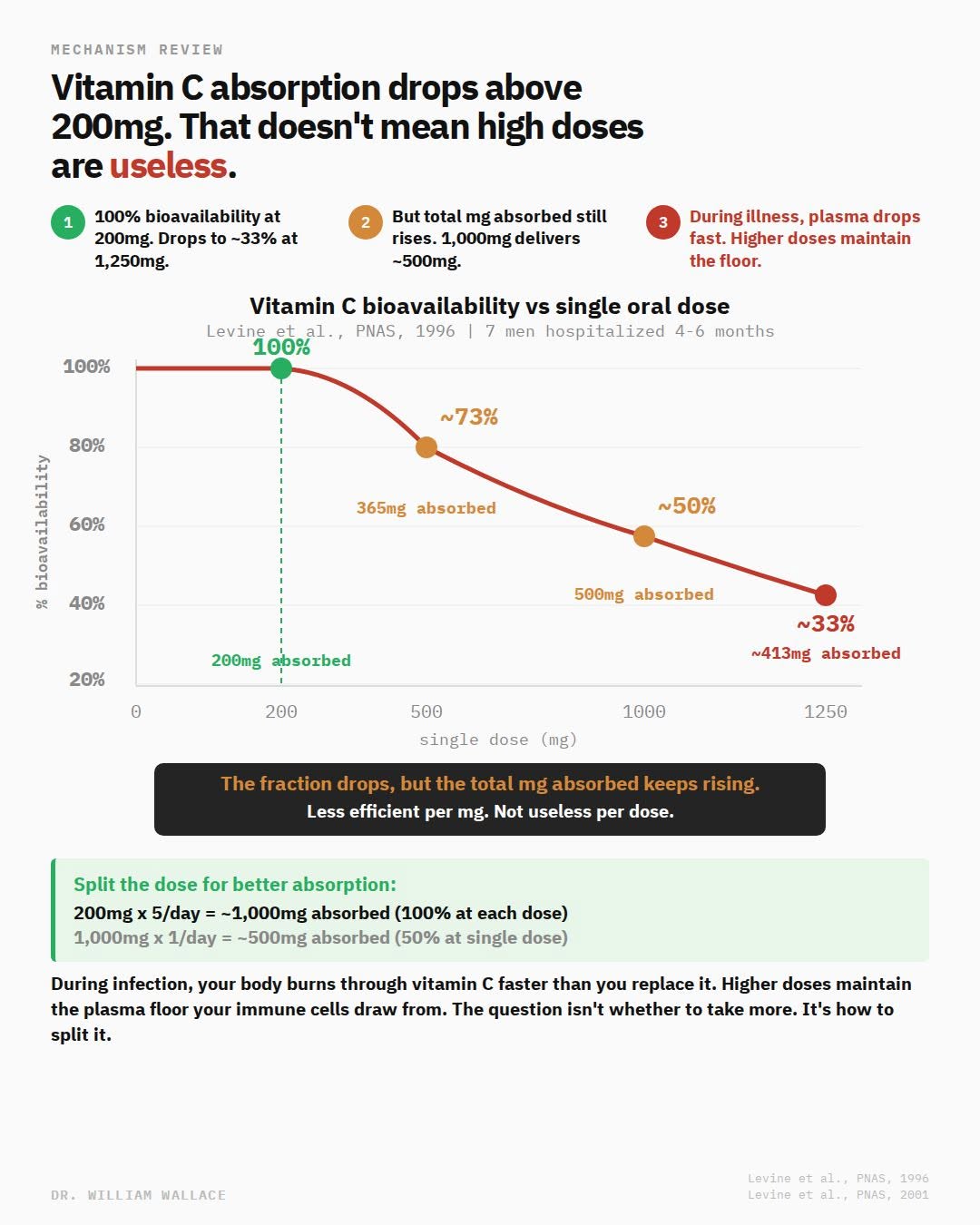
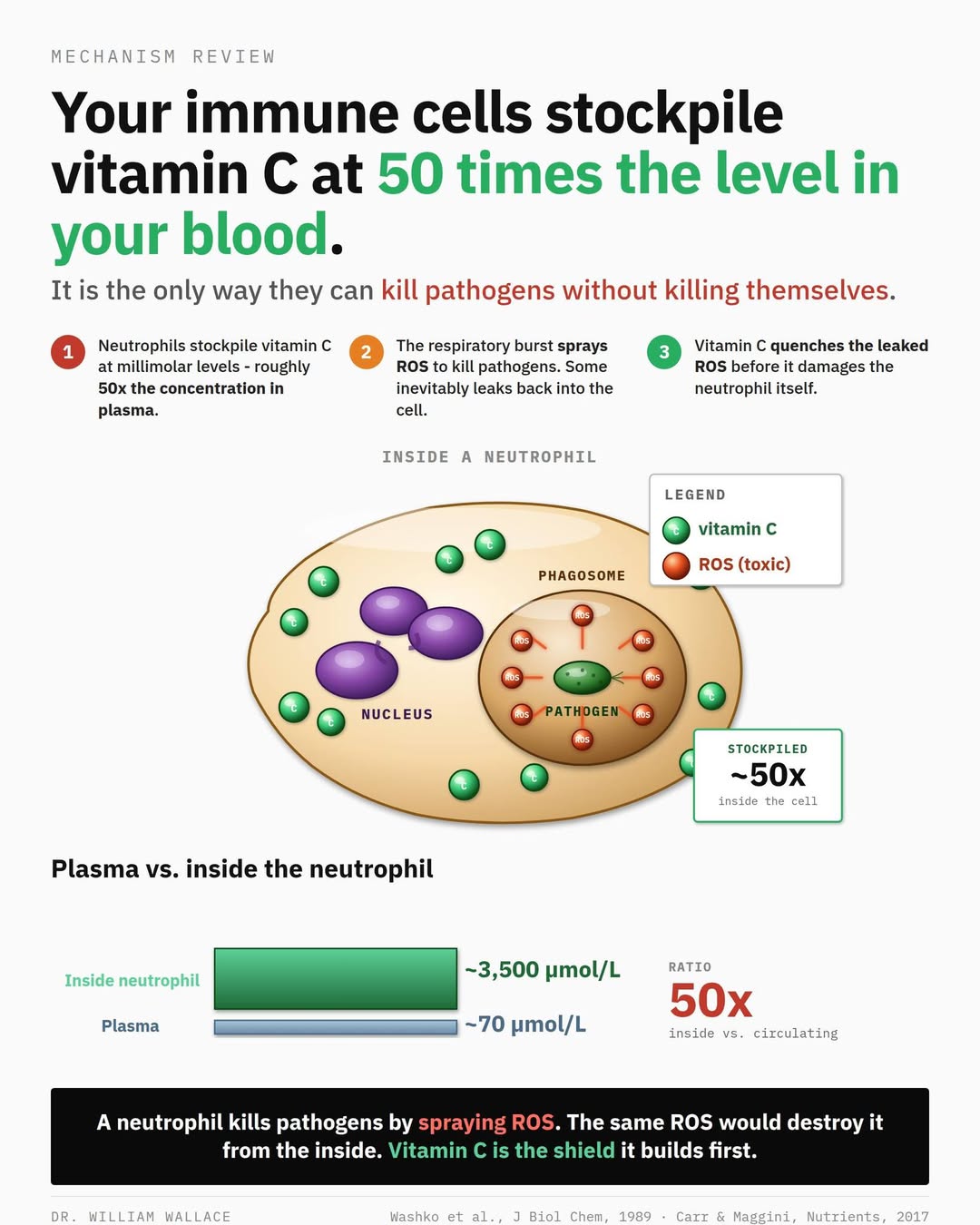
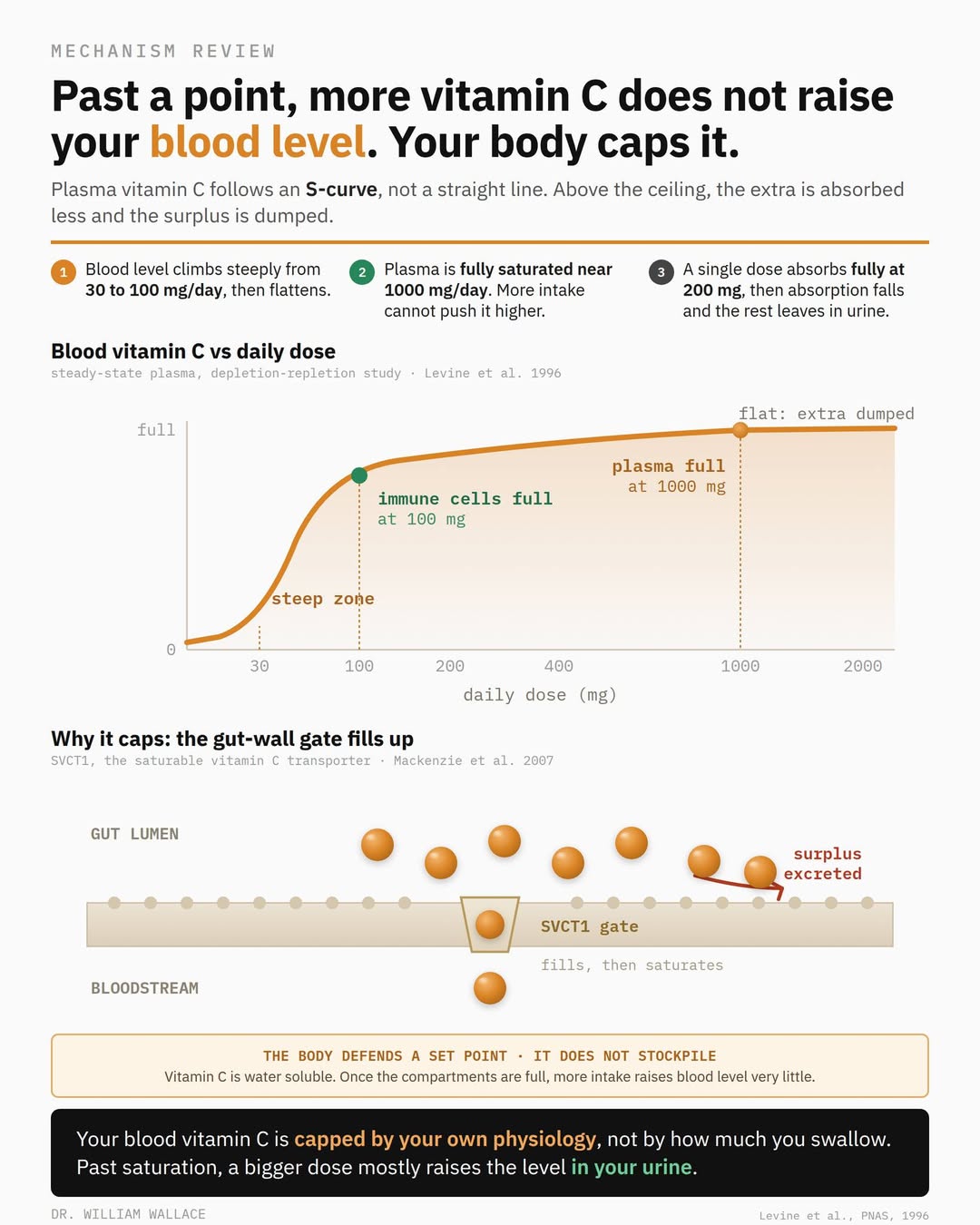
Neutrophil vitamin C saturates near 200 mg twice daily; infection raises the need

May 24, 2026 · Louis Nervegna ♥ 11 · 💬 11

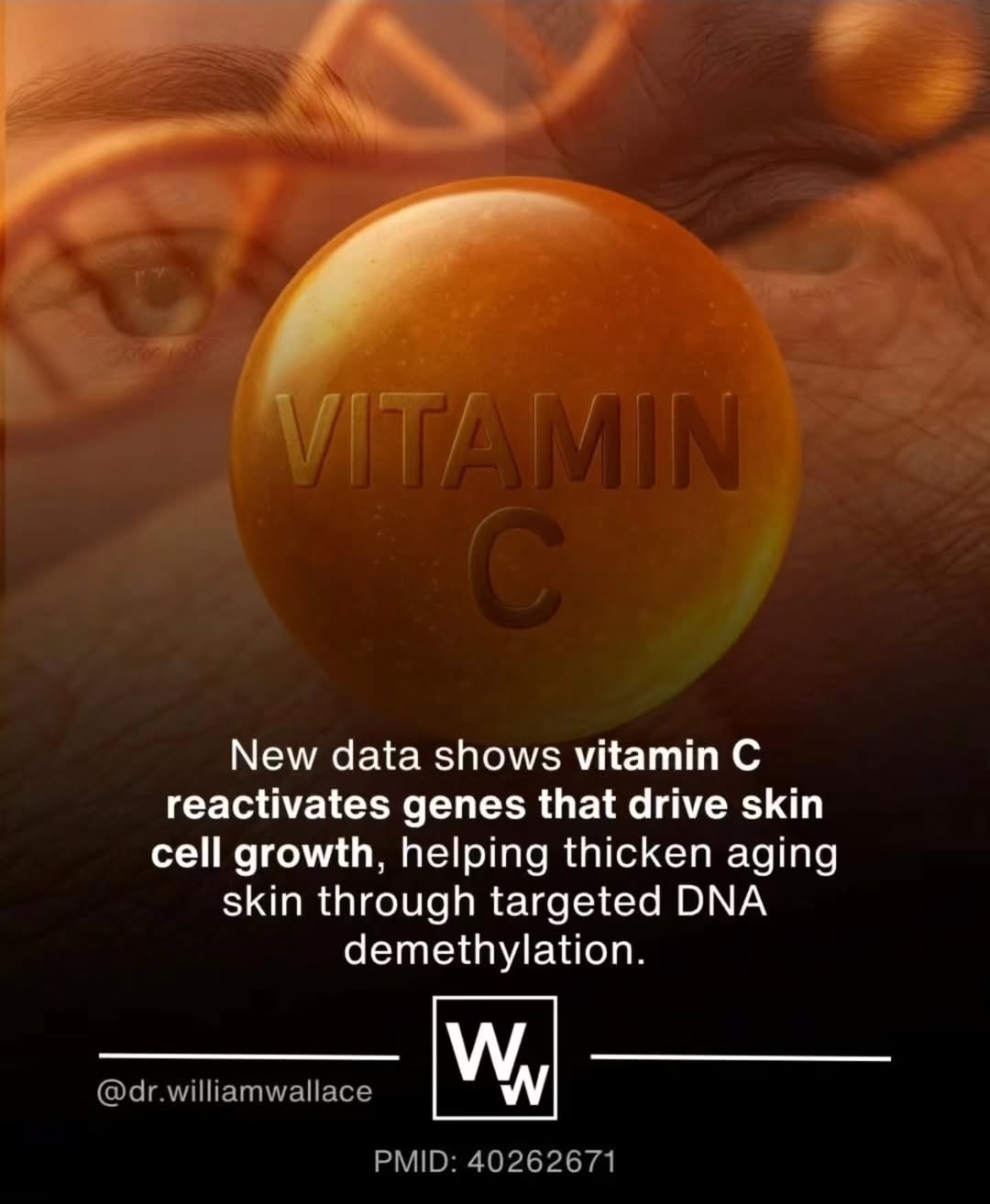
William Wallace's shared explanation: neutrophils use vitamin C as an internal antioxidant pool to survive the respiratory burst they use to kill microbes. In healthy people neutrophil levels saturate at around 200 mg twice per day, and the dose needed to saturate them rises during infections.

Vitamin D2 supplements may lower 25(OH)D by about 18 nmol/L; choose D3

Oct 17, 2025 · Louis Nervegna ♥ 12 · 💬 10

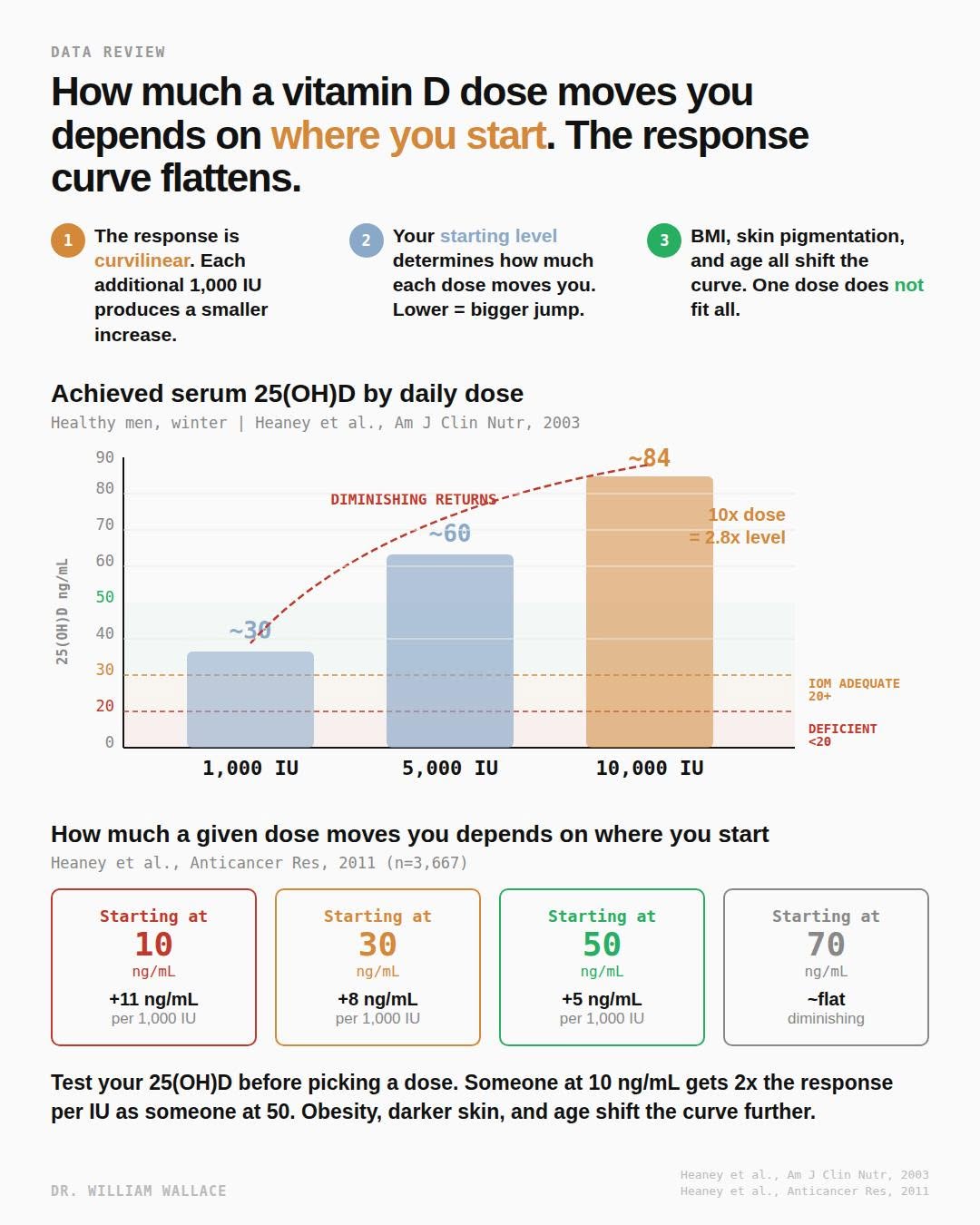
Louis shares a FoundMyFitness summary that vitamin D2 can reduce circulating 25(OH)D (about 18 nmol/L or 7 ng/mL), enough to move someone from sufficient to insufficient, because D2 enhances breakdown of D3. D3 raises serum levels more effectively, and the post suggests 2,000-4,000 IU daily for most adults.

Multivitamin trials slow cognitive decline; possible relevance to heart disease patients

Jan 19, 2024 · Louis Nervegna ♥ 10 · 💬 12

Louis notes large randomized trials now show a basic RDA-level multivitamin can slow cognitive decline in older people. He speculates this could matter for heart disease patients because cognitive decline and heart disease are closely linked in older people, so a simple multivitamin might mitigate some added risk. The heart-specific benefit is a hypothesis, not shown in the post.

Cardiologist Joel Kahn puts nearly all his patients on citrus bergamot

Feb 01, 2024 · Louis Nervegna ♥ 12 · 💬 15

Louis notes he recently learned that Dr. Joel Kahn has almost all patients in his cardiology practice take citrus bergamot, combined with standard medications as needed. The linked video is a BergaMet-hosted interview, so it is promotional and no trial data are given in the post.

Super-oxidized fish oil fed for 7 weeks caused no harm in human trial

Sep 17, 2026 · Louis Nervegna ♥ 16 · 💬 7

The poster shares a Bill Harris clip arguing oxidized fish oil is likely not harmful. In the trial described, researchers deliberately super-oxidized fish oil and gave it to participants for 7 weeks, finding no difference in oxidation, peroxidation, inflammation, glucose, lipids or liver enzymes versus non-oxidized fish oil.

Berberine inhibits PCSK9 and modestly lowers LDL, far less than PCSK9 drugs

Jun 21, 2025 · Louis Nervegna ♥ 11 · 💬 10

Louis notes berberine is a cheap oral compound that inhibits PCSK9 and modestly lowers cholesterol. He would never discourage PCSK9 drugs for high-risk people, but suggests berberine may be worth considering for primary prevention in someone at low 10-year risk, while stressing its LDL lowering is much smaller.

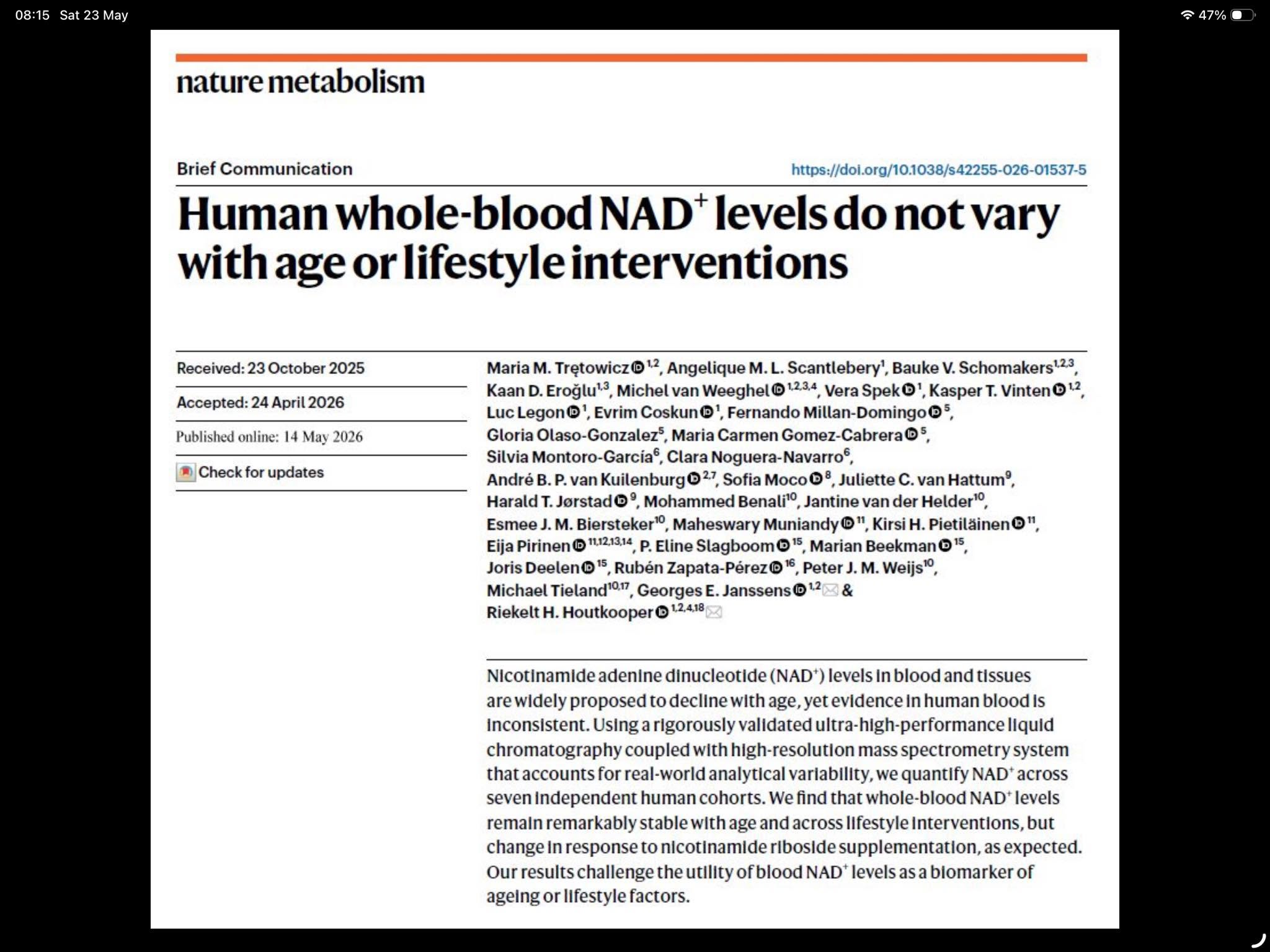
Blood NAD levels do not fall with age, so commercial NAD blood tests are useless

Oct 24, 2026 · Louis Nervegna ♥ 15 · 💬 5 Aging & longevity

A new Nature Metabolism study found whole-blood NAD+ levels stay stable with age across seven independent human cohorts. Louis explains blood NAD mainly reflects recent vitamin B3 intake, so commercial NAD blood tests are not meaningful, while tissue NAD levels may matter but cannot be commercially measured. There is still no convincing clinical evidence NR or NMN supplements slow human aging.

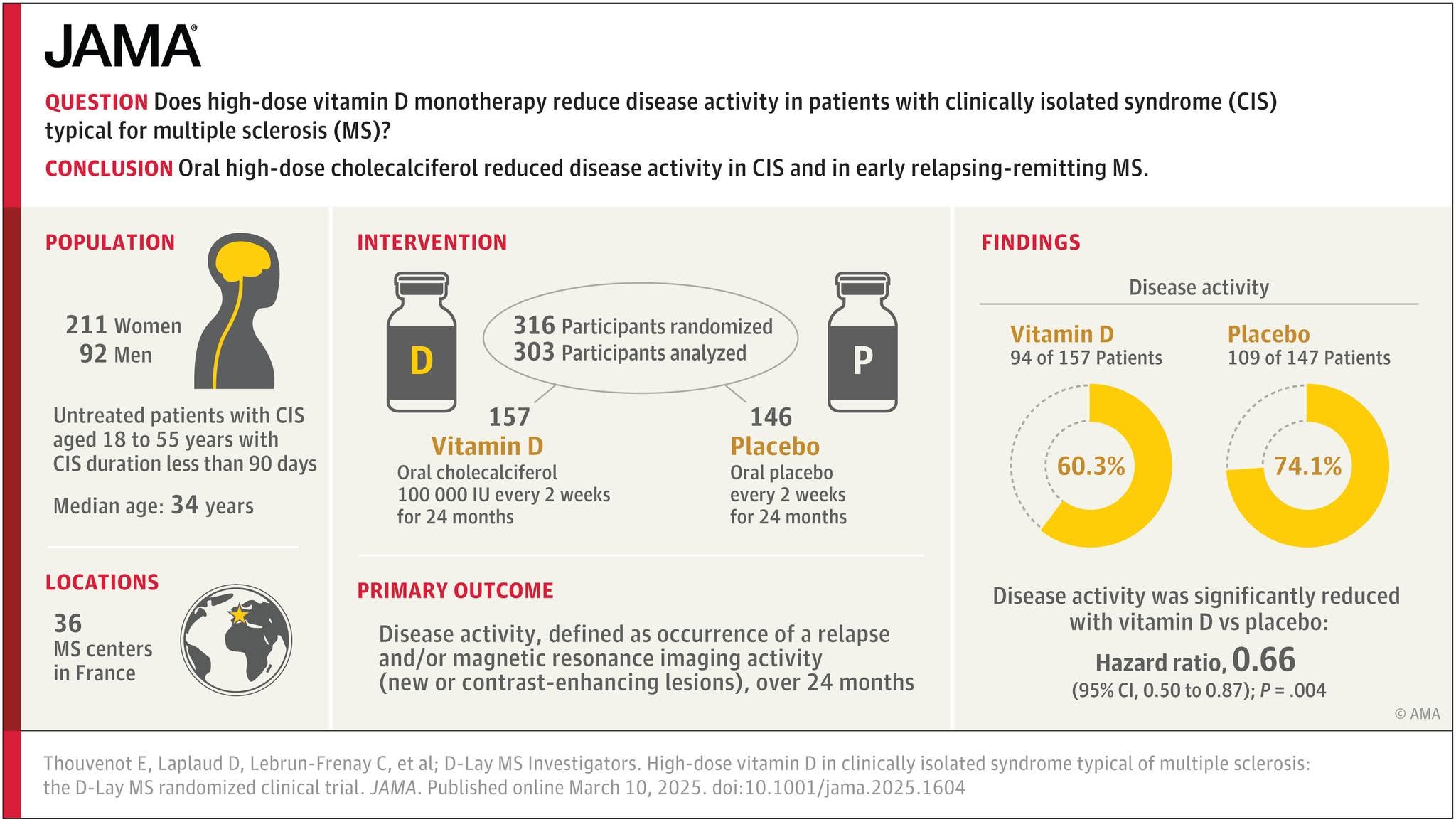
JAMA RCT: high-dose vitamin D reduced disease activity in early multiple sclerosis

Mar 10, 2025 · Louis Nervegna ♥ 16 · 💬 6 ↩ 5

Louis shares a JAMA trial in which oral cholecalciferol 100,000 IU every two weeks significantly reduced disease activity in clinically isolated syndrome and early relapsing-remitting MS. He speculates it may help other autoimmune diseases. The topic is not cardiovascular.

COSMOS trials: a daily multivitamin improved memory and slowed cognitive aging

Jul 10, 2024 · Louis Nervegna ♥ 7 · 💬 10

The poster says the COSMOS trials at Harvard show a standard multivitamin slows cognitive decline, citing a Mass General Brigham release on a third COSMOS cognition study and a combined analysis. It reports consistent, statistically significant benefits for memory and global cognition versus placebo.

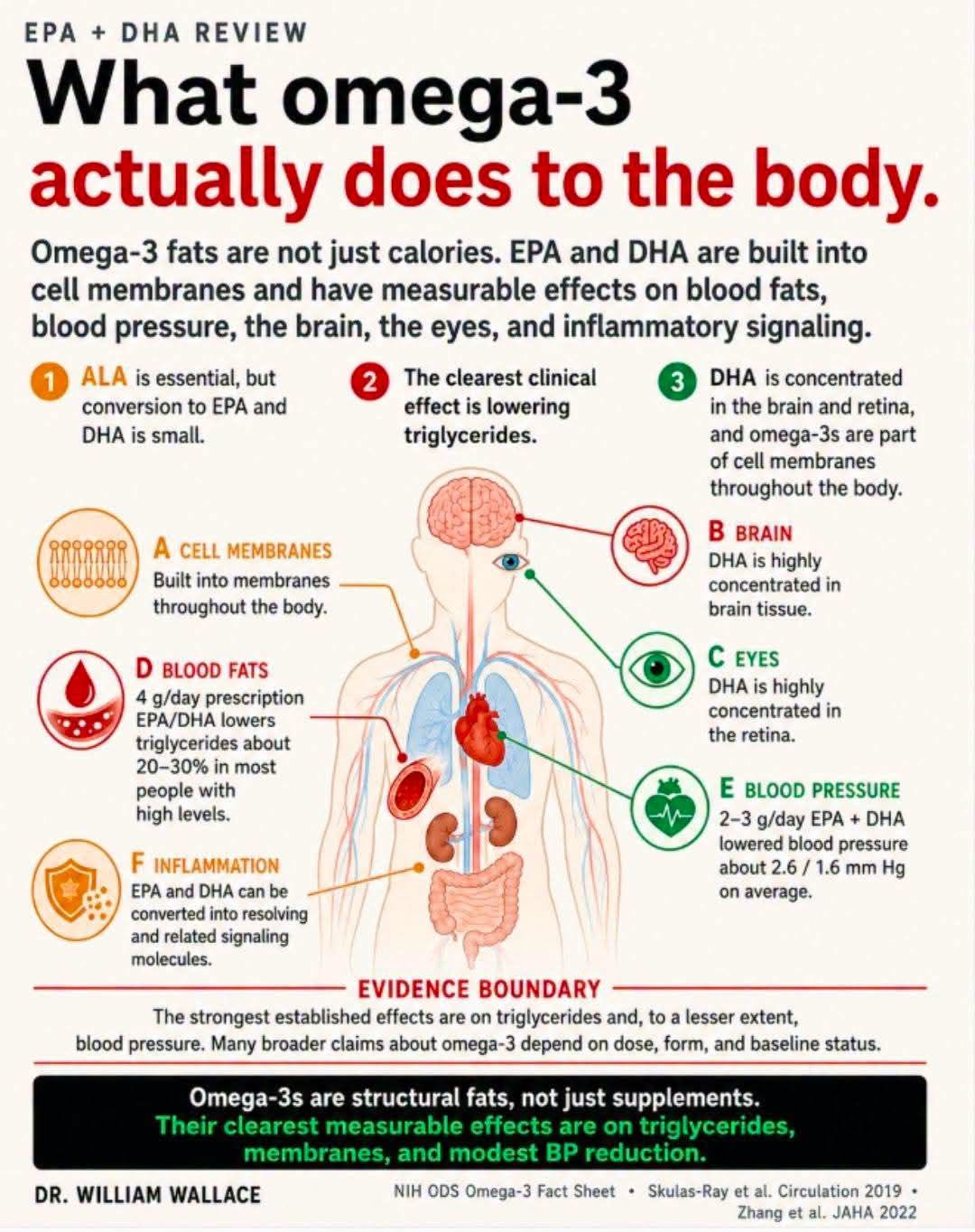
Omega-3 effects explained: triglycerides fall 20-30% at 4 g/day, blood pressure modestly

Sep 30, 2026 · Louis Nervegna ♥ 10 · 💬 6

An explainer says EPA and DHA are membrane components and that omega-3 does not simply turn off inflammation. The clearest clinical effect is lower triglycerides at prescription doses of about 4 g/day. Blood pressure falls only slightly, about 2.6 mmHg systolic at 2-3 g/day in a meta-analysis of 71 trials.

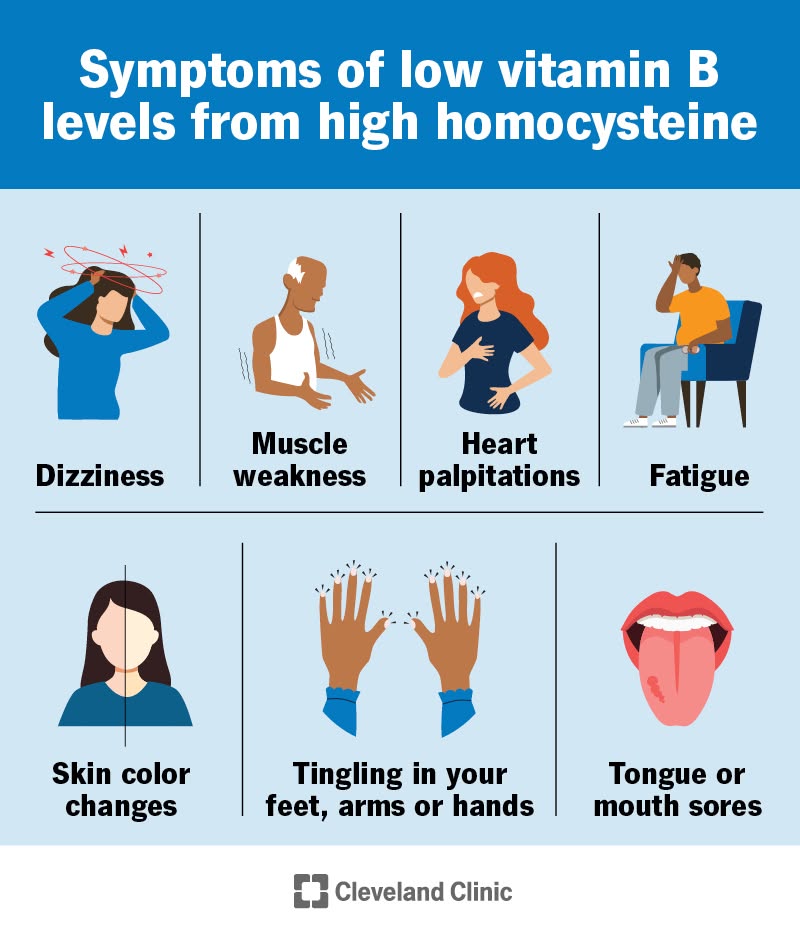
High homocysteine can reflect low B12, B6 or folate and raises clot and CVD risk

Dec 08, 2025 · Louis Nervegna ♥ 10 · 💬 13

Louis shares a short Cleveland Clinic explainer that homocysteine is an amino acid broken down by vitamins B12, B6 and folate, and that high levels may indicate deficiency and increase clot, heart disease and stroke risk. It is basic background without trial evidence.

FDA keeps icosapent ethyl (Vascepa) approved for CV risk reduction based on REDUCE-IT

May 24, 2026 · Louis Nervegna ♥ 7 · 💬 8

Shared summary that the FDA's approval of high-dose EPA stays in place despite debate over the mineral oil placebo in REDUCE-IT. It is indicated as add-on to statins for adults with triglycerides at least 150 mg/dL and established CVD, or diabetes plus two risk factors. Atrial fibrillation and bleeding were more common.

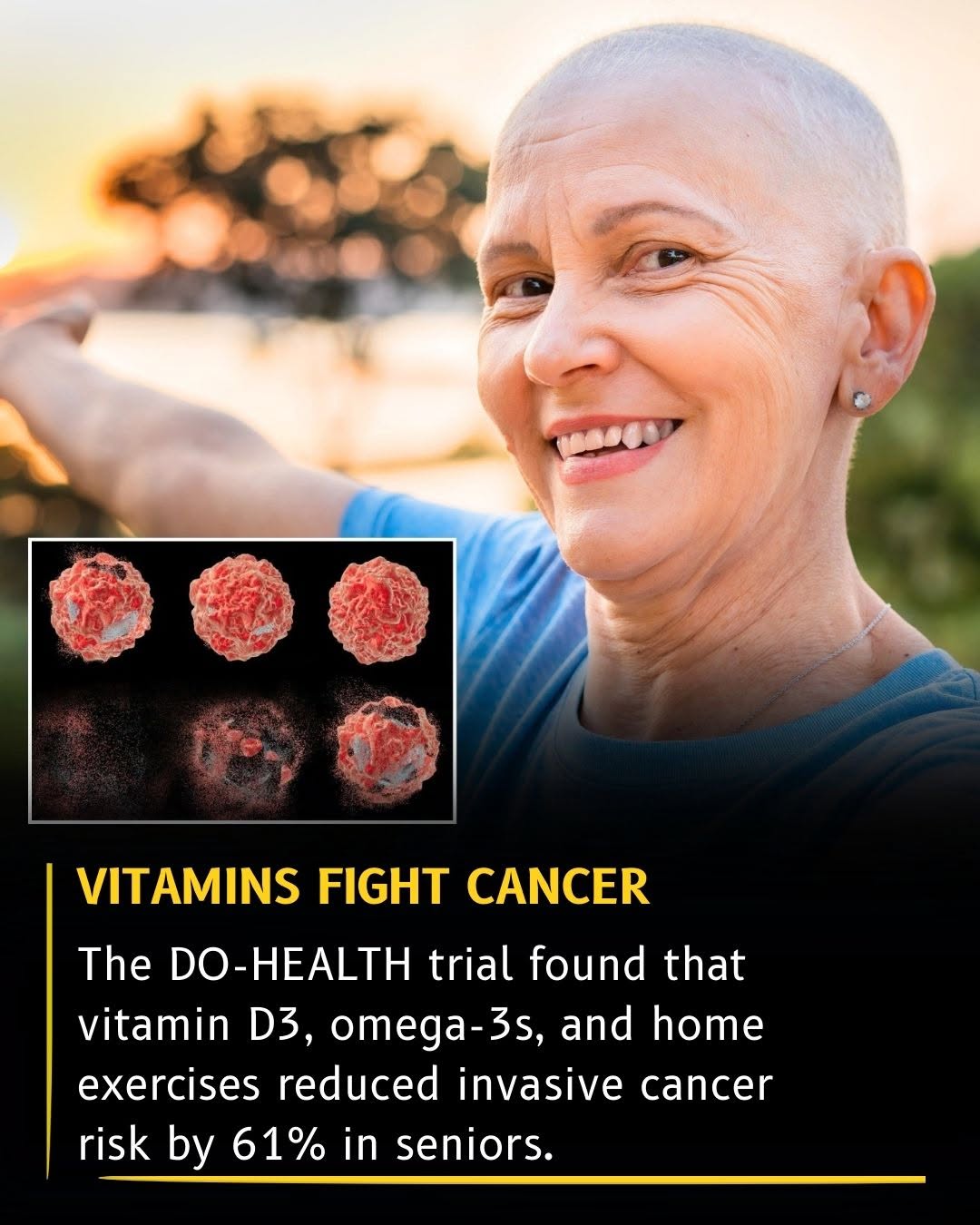
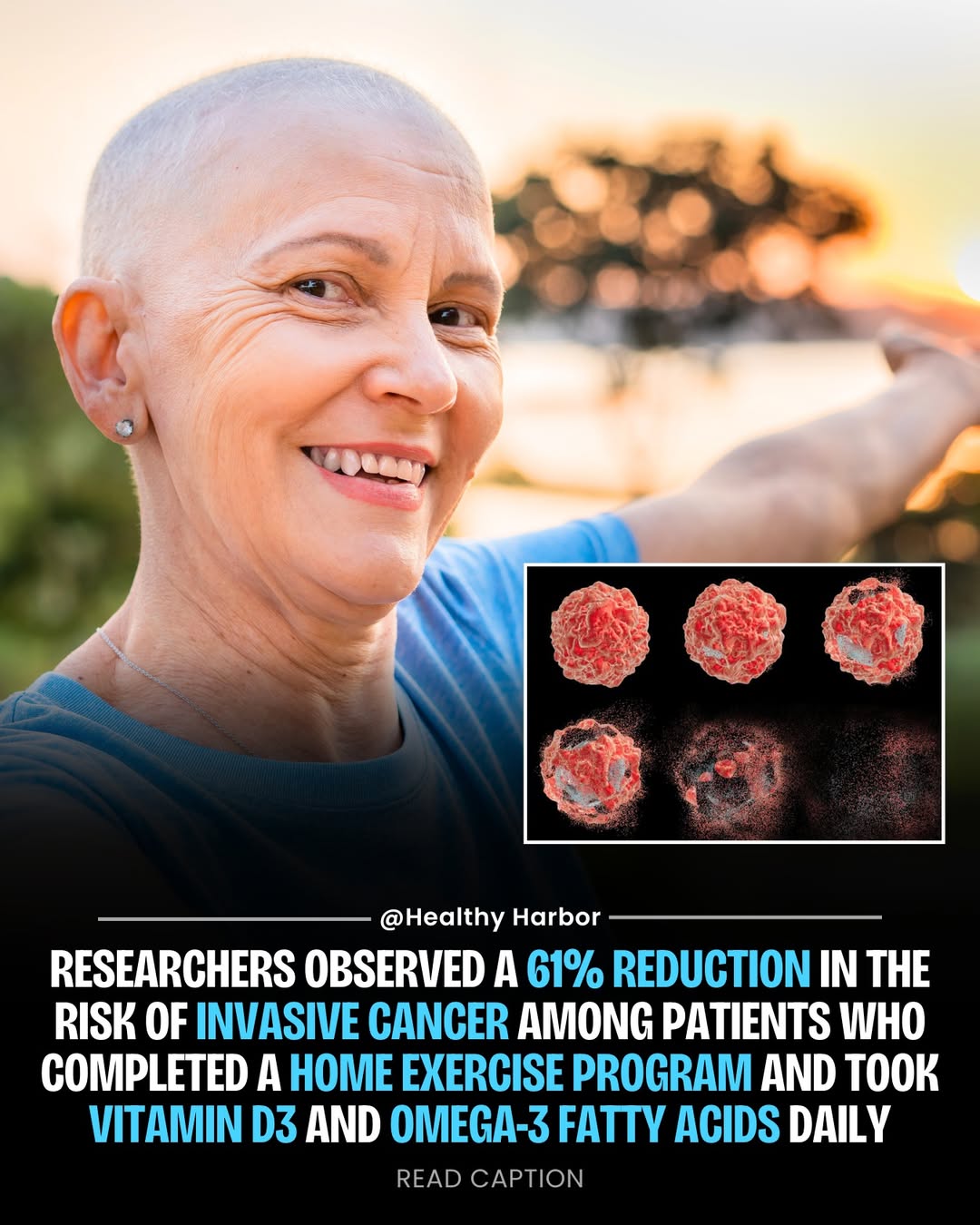
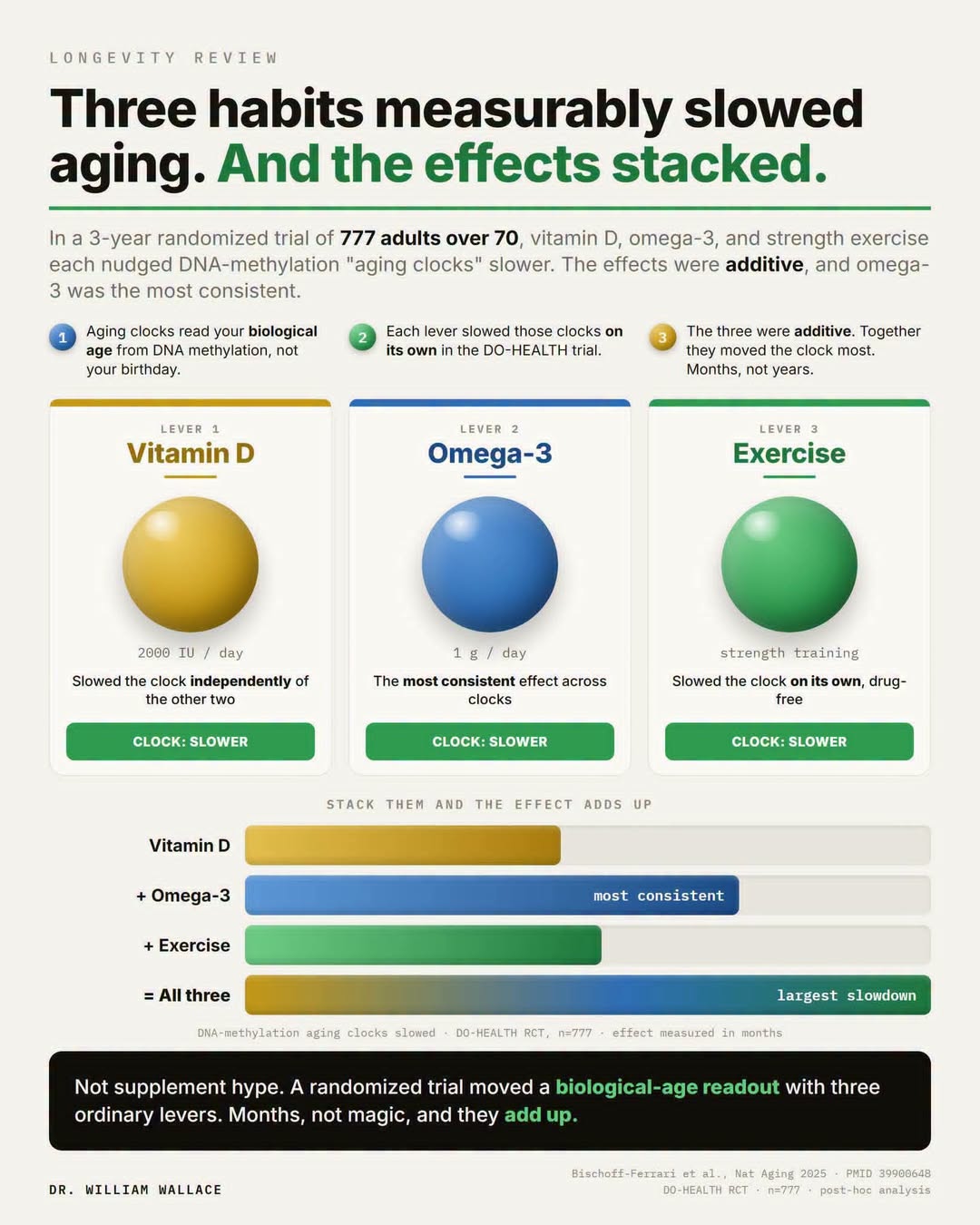
DO-HEALTH: vitamin D, omega-3 and exercise cut invasive cancer risk 61% in adults 70+

Dec 09, 2025 · Louis Nervegna ♥ 22 · 💬 2

Louis shares the 3-year DO-HEALTH randomized trial (2,157 adults aged 70+, five European countries) in which the combination of vitamin D3 2000 IU/day, omega-3 1 g/day and a home strength exercise program gave a 61% reduction in invasive cancer versus placebo. Only the combination was highlighted, with 4 cases versus 12.

Peter Attia's current supplement stack

Nov 23, 2023 · Gokhan Can ♥ 8 · 💬 14

Summarizes the supplements Peter Attia says he takes: B6, high-EPA fish oil aimed at a red-cell EPA+DHA level near 12%, vitamin D 5,000 IU, several forms of magnesium, methylfolate and B12 to keep homocysteine below nine, and baby aspirin. This is a personal regimen, not evidence.

Daily multivitamin slowed cognitive aging by about two years in a COSMOS meta-analysis

Nov 14, 2026 · Louis Nervegna ♥ 7 · 💬 10 ↩ 1

Louis shares a summary of COSMOS cognition results: in the main analysis of 573 adults 60+, a daily multivitamin modestly improved overall cognition and episodic memory over two years. Pooling with two earlier COSMOS cognition studies (more than 5,000 older adults) gave clear benefits, estimated at about two years of slower cognitive aging. Effects were modest, it is unclear which nutrient matters, dementia prevention was not tested, and the manufacturer donated tablets. He adds that this was an RDA-level multivitamin (Centrum Silver).

Vitamin K2 (MK-7) slowed coronary calcium progression in a 2-year randomized trial

Sep 08, 2026 · Louis Nervegna ♥ 12 · 💬 4

A shared summary of a randomized trial in 180 adults with symptomatic coronary artery disease and existing calcium found that 360 mcg/day MK-7 slowed CAC progression versus placebo over two years. It did not remove existing calcium, CAC is a surrogate marker, and the trial was not designed to show fewer heart attacks.

High-dose astaxanthin may risk crystalline maculopathy; stick to 4-12 mg studied as safe

Dec 28, 2023 · Louis Nervegna ♥ 11 · 💬 6

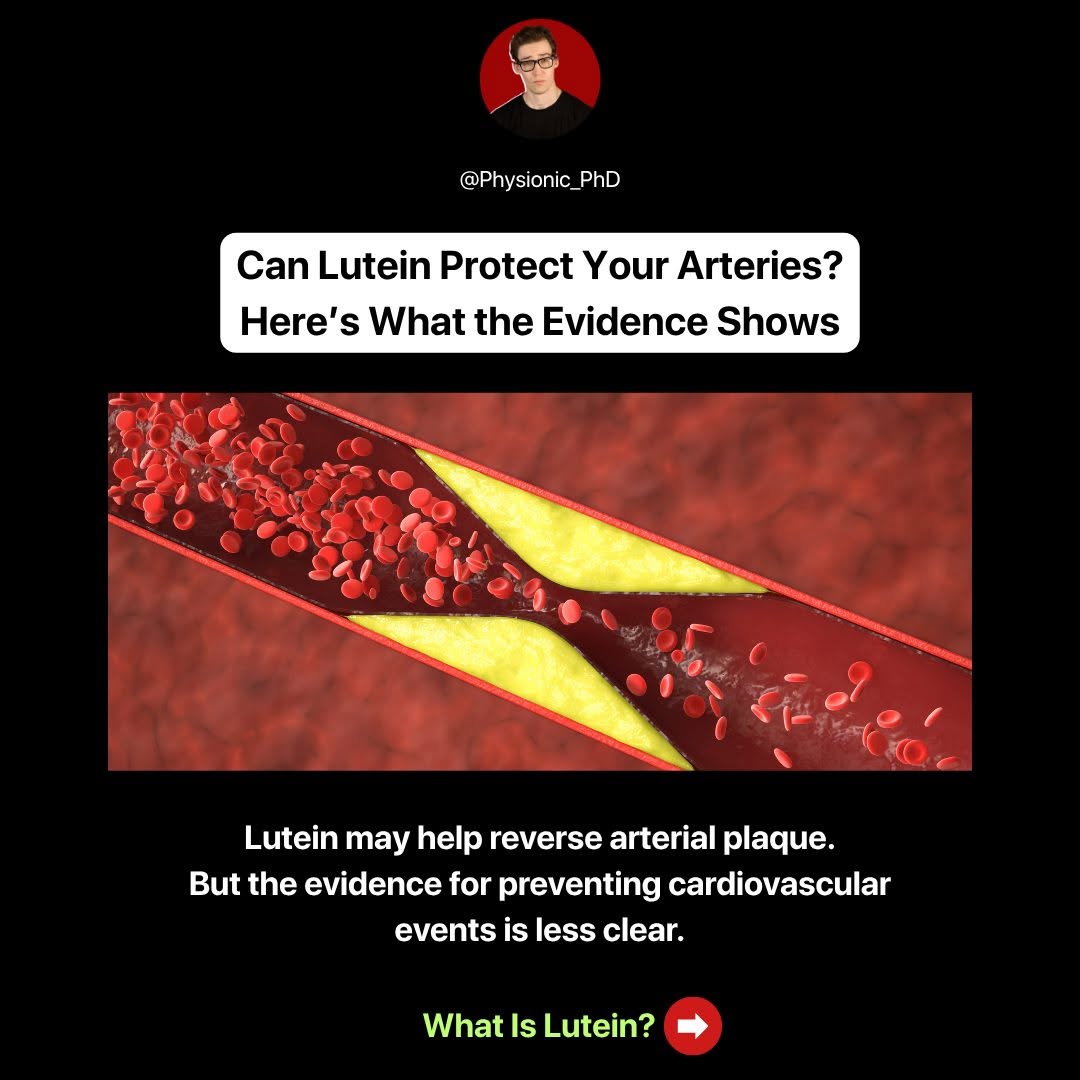
Louis warns that high-dose astaxanthin could potentially cause crystalline maculopathy and vision loss, as seen with high-dose lutein and canthaxanthin, which are chemically similar xanthophylls. He advises choosing doses shown safe in human studies, such as 4-12 mg. The astaxanthin risk is inferred from related compounds, not directly shown.

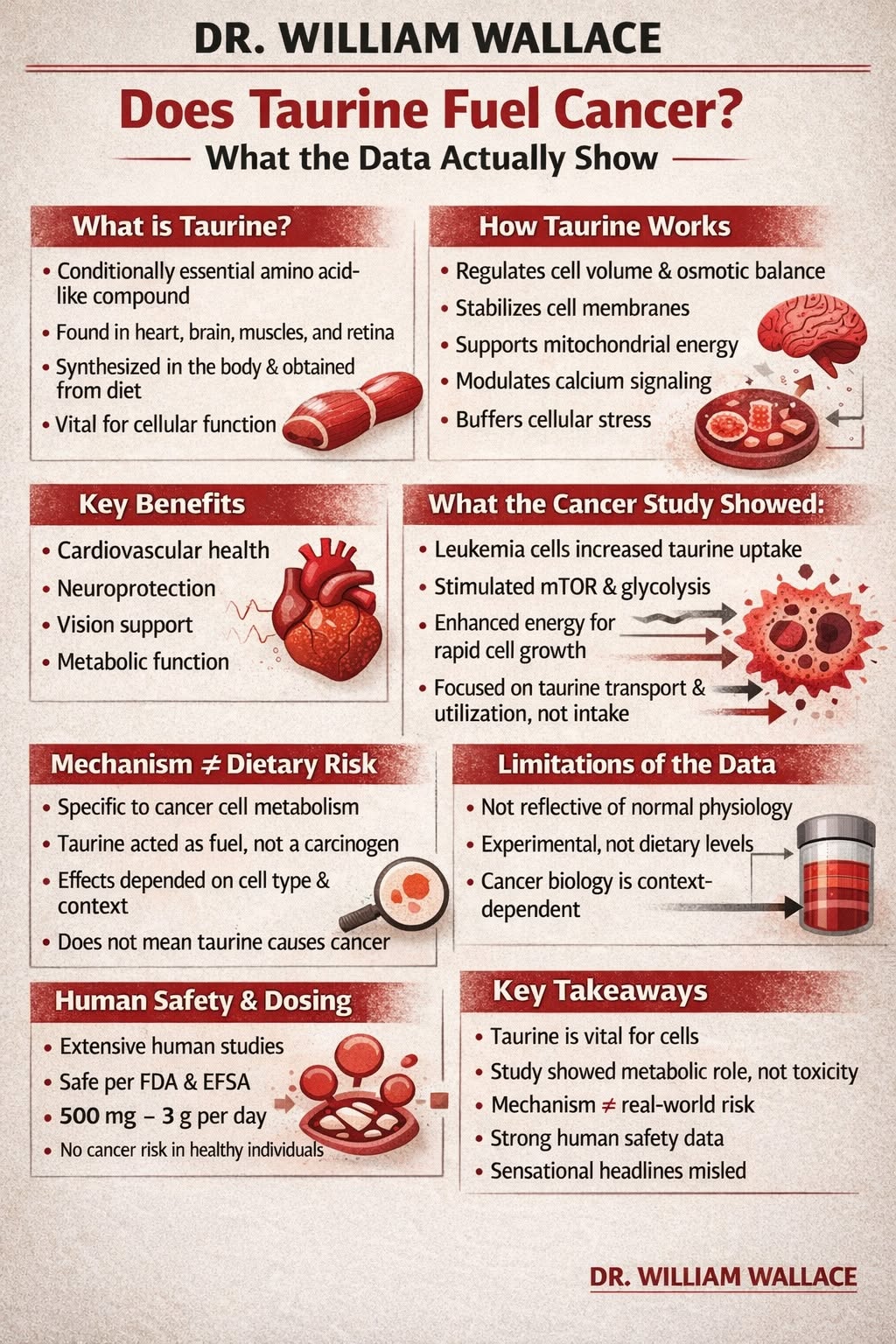
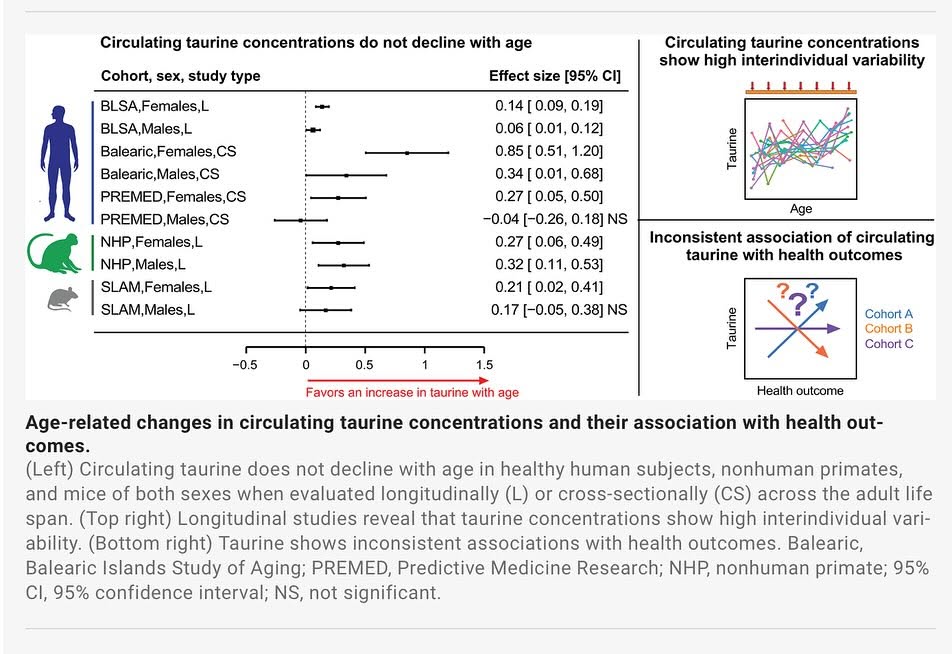
Nature study challenges the idea that taurine declines with age

Jun 07, 2025 · Louis Nervegna ♥ 8 · 💬 8 ↩ 1 Aging & longevity

Louis summarizes a Nature paper from Rafael de Cabo's NIA group finding that taurine levels do not decline with age in humans, monkeys or mice, contradicting a high-profile Columbia study. He notes the new data are mostly longitudinal, whereas the Columbia data were largely cross-sectional, and that unchanged levels do not necessarily mean supplementation has no value.

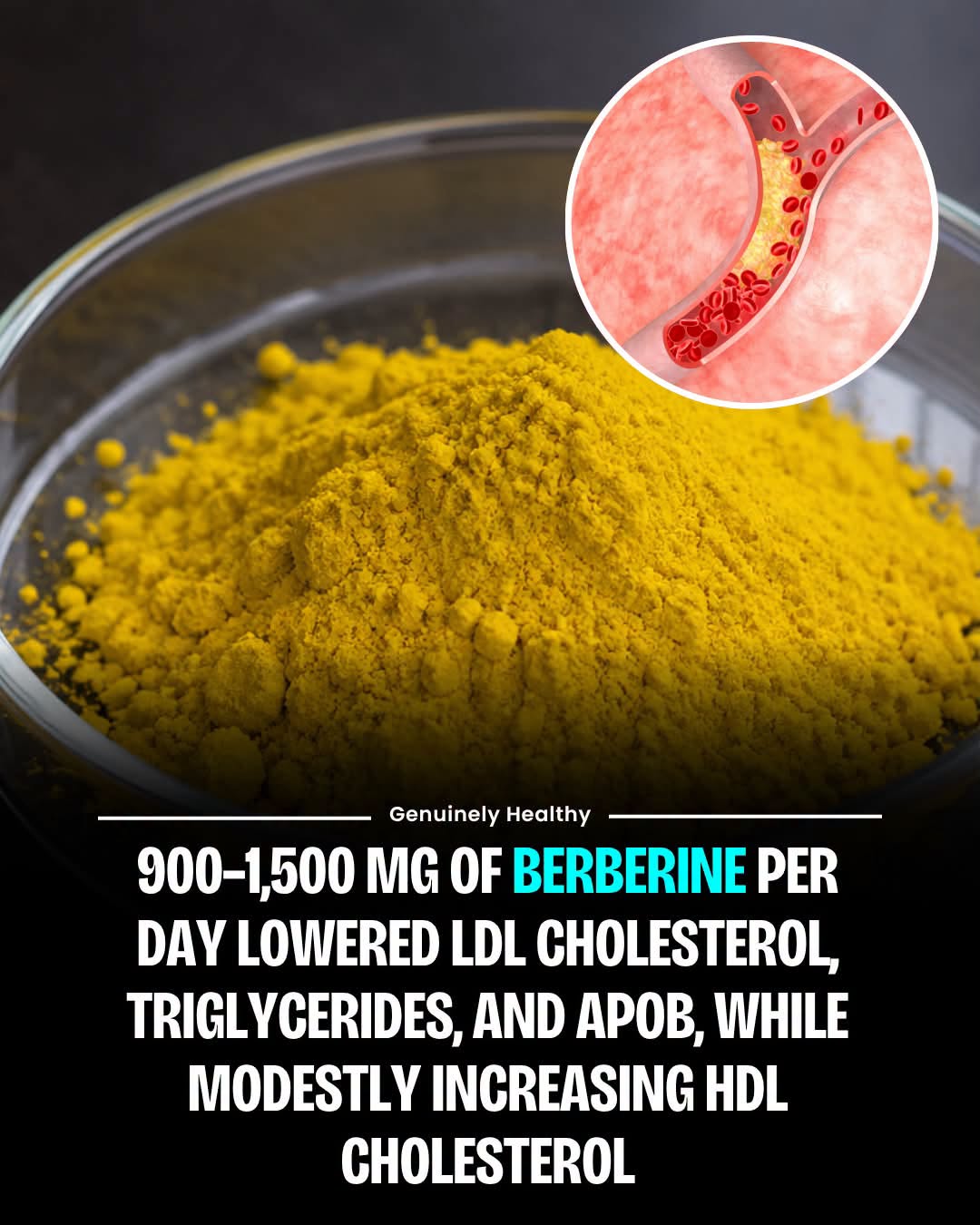
Berberine modestly lowers LDL, triglycerides and ApoB: meta-analysis of 18 RCTs

Sep 03, 2026 · Louis Nervegna ♥ 11 · 💬 4

A systematic review and meta-analysis of randomized placebo-controlled trials in adults with dyslipidemia found berberine produced small reductions in LDL cholesterol, triglycerides and apoB, with possible sex-specific effects on HDL. The conclusion calls for larger trials assessing clinical outcomes.

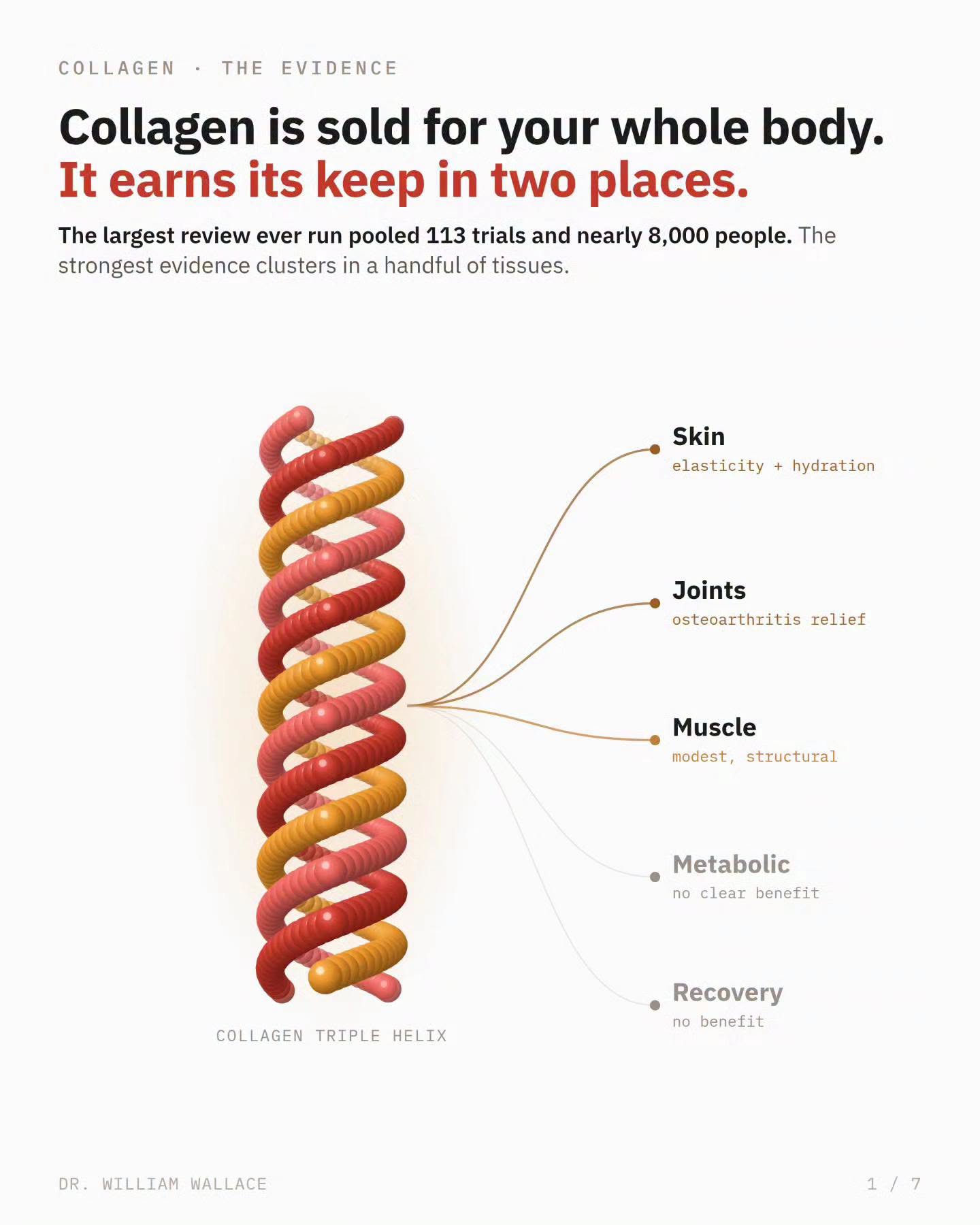
Largest collagen review (113 trials): helps skin and osteoarthritis, little for muscle

Jun 06, 2026 · Louis Nervegna ♥ 19 · 💬 3

Louis shares an umbrella review of 16 systematic reviews covering 113 trials. Collagen improved skin elasticity and hydration and reduced osteoarthritis pain and stiffness with high-certainty evidence, plus a small muscle benefit in older adults. The shared post notes collagen is a poor muscle protein compared with whey.

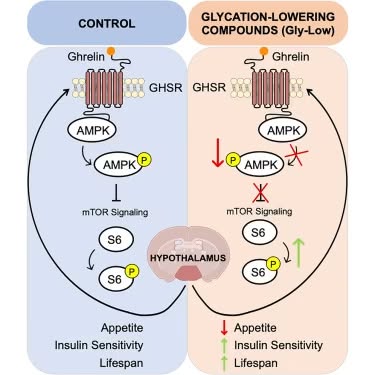
Glycation and AGEs in cardiovascular aging: Kapahi on methylglyoxal and the GLYLO suppleme

Dec 18, 2023 · Louis Nervegna ♥ 7 · 💬 9 ↩ 1 Aging & longevity

Louis says he underestimated glycation and AGEs in aging after Pankaj Kapahi's work at the Buck Institute. Kapahi's post explains methylglyoxal as a reactive glycolysis byproduct that drives AGEs and aging, and describes GLYLO, a combination of lipoic acid, nicotinamide, piperine, pyridoxine and thiamine that lowered methylglyoxal and AGEs and extended mouse lifespan even when started late. Louis says Kapahi plans a paper showing it reduces arterial stiffening. Evidence is preclinical and the product is commercial.

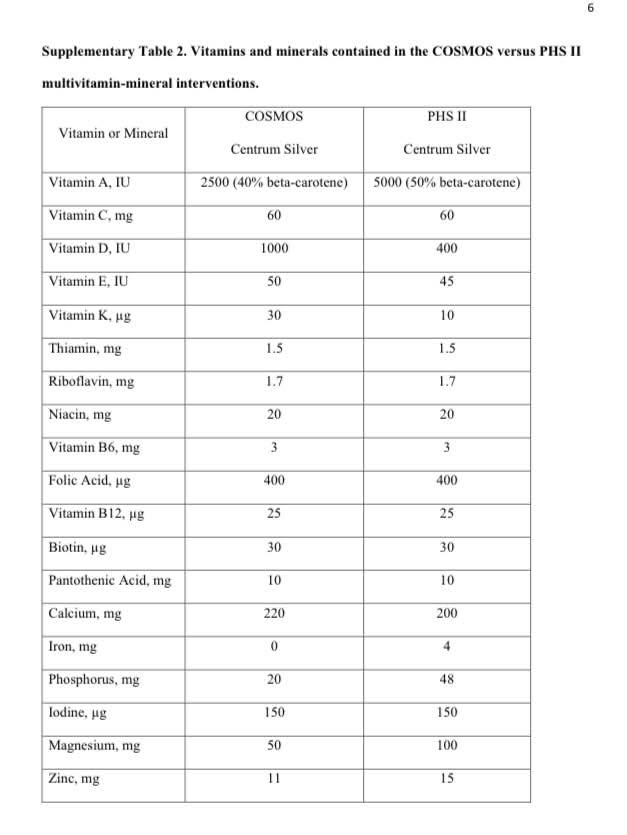
COSMOS multivitamin matches Centrum-type RDA doses except B12 at 10x the RDA

Nov 15, 2026 · Louis Nervegna ♥ 7 · 💬 8 ↩ 2

Louis shows the ingredient list of the multivitamin used in the COSMOS trial next to the one used in Physicians' Health Study II. Nearly all nutrients are near RDA levels, but B12 is about 10x the RDA, and he suspects that dose may have driven the cognitive benefit seen in COSMOS. COSMOS showed slower cognitive decline in older adults, and PHS II showed an 8% cancer reduction.

Vitamin K improved fasting glucose and HOMA-IR and was linked to lower T2DM risk

Apr 29, 2024 · Louis Nervegna ♥ 9 · 💬 6 ↩ 1 Insulin resistance & diabetes

Louis suggests the main value of vitamin K may be improving insulin sensitivity and lowering risk of pre-diabetes and diabetes, citing a 2023 systematic review and meta-analysis. The quoted conclusion is that supplementation significantly affected fasting blood sugar and HOMA-IR and that vitamin K was associated with reduced risk of developing type 2 diabetes.

Selenium plus CoQ10 for 4 years halved CV mortality, with benefit lasting 12 years

Dec 03, 2023 · Louis Nervegna ♥ 9 · 💬 6 ↩ 2

Louis quotes a Life Extension article on a trial of older people taking selenium plus coenzyme Q10 for four years, with over 50% lower cardiovascular death. Follow-ups showed 49% lower CV death at 10 years and 41% at 12 years, persisting in subgroups with heart disease, diabetes and hypertension. Source is a supplement company magazine; the trial is not named.

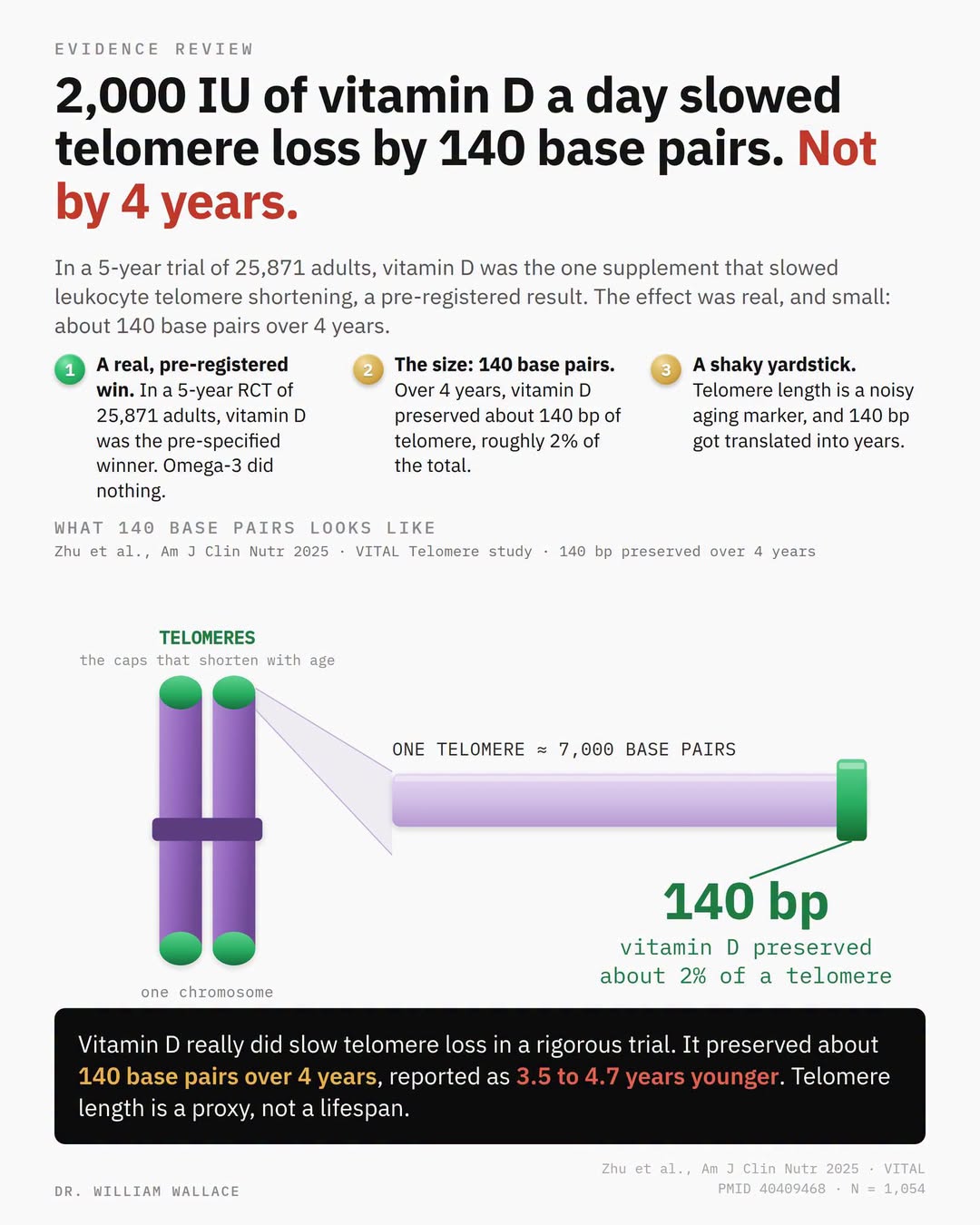
Vitamin D slowed telomere shortening by about 140 base pairs in VITAL

Jul 21, 2026 · Louis Nervegna ♥ 9 · 💬 4

A shared analysis of the VITAL Telomere study found 2,000 IU/day vitamin D3 reduced leukocyte telomere shortening over four years (about 140 base pairs, roughly 2%), not '3.5 to 4.7 years younger'. Louis notes effects this subtle may not appear within trial durations and that vitamin D is no panacea.

Meta-analysis: vitamin C adds no clinically relevant change to iron levels with oral iron

Jun 10, 2025 · Louis Nervegna ♥ 10 · 💬 5

Louis shares a meta-analysis of randomized trials finding that vitamin C taken with oral iron did not produce clinically relevant changes in hemoglobin or ferritin in iron-deficient patients. He notes excess iron may contribute to CVD and aging, and added an April 2026 note about a monkey study suggesting vitamin C protects against iron's pro-aging effects.

Spermidine linked to lower mortality and cognitive decline, and longer lifespan in animals

Mar 16, 2024 · Gokhan Can ♥ 12 · 💬 4

Summarizes studies on spermidine, an autophagy-inducing polyamine: higher dietary intake is associated with lower all-cause mortality and cognitive decline in humans, and it extends lifespan in animal models. Natto, wheat germ, mushrooms, soy products and aged cheese are rich sources, and supplementation appears well tolerated in older adults.

Louis argues clinicians should not give public health advice on multivitamins

Sep 04, 2025 · Louis Nervegna ♥ 18 · 💬 4

Louis argues that epidemiology is a specialized field and that clinicians dismissing multivitamins ignored high-quality cohort data and COSMOS RCTs. The shared FoundMyFitness text claims multivitamins improved processing speed, cognition and episodic memory in older adults.

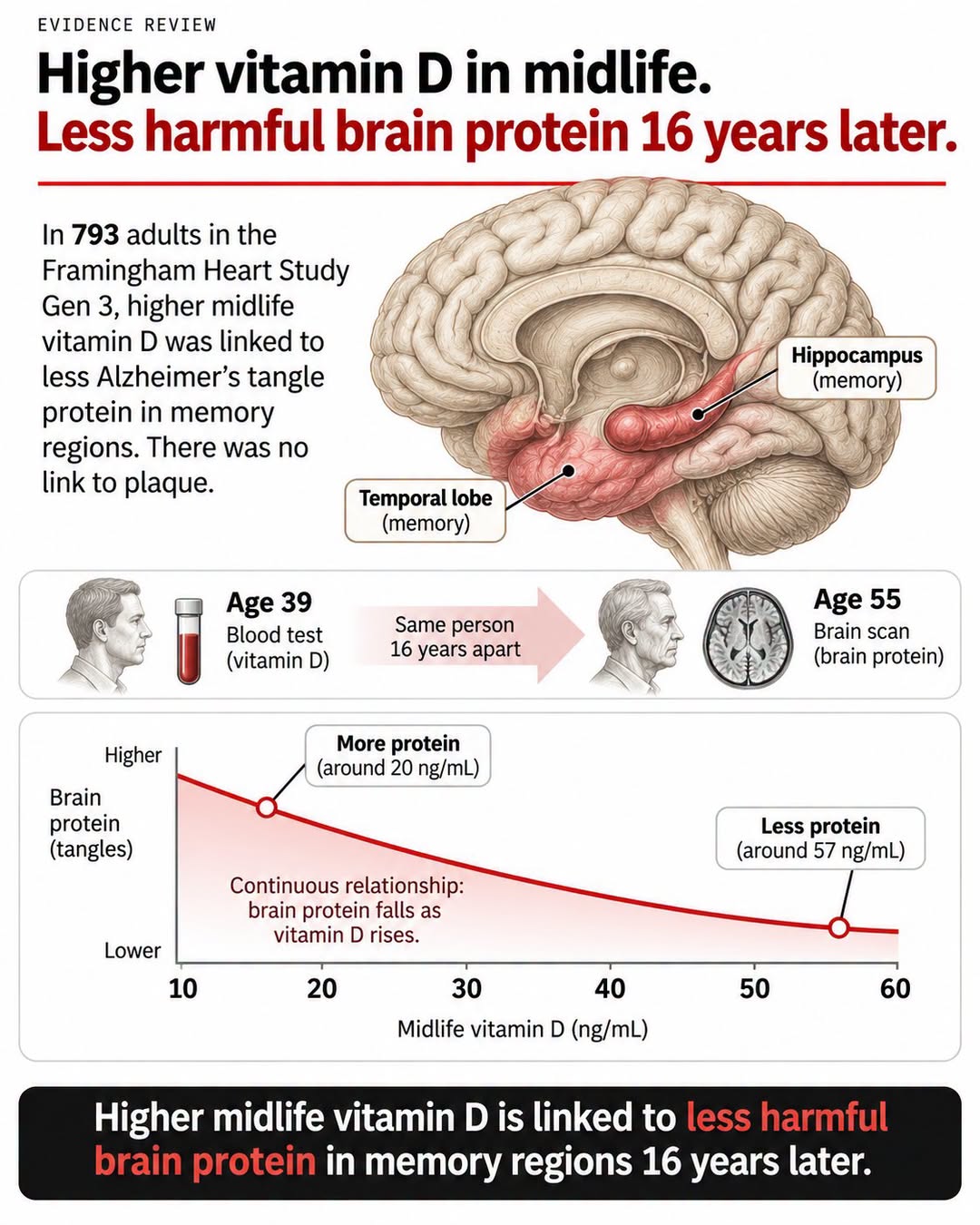
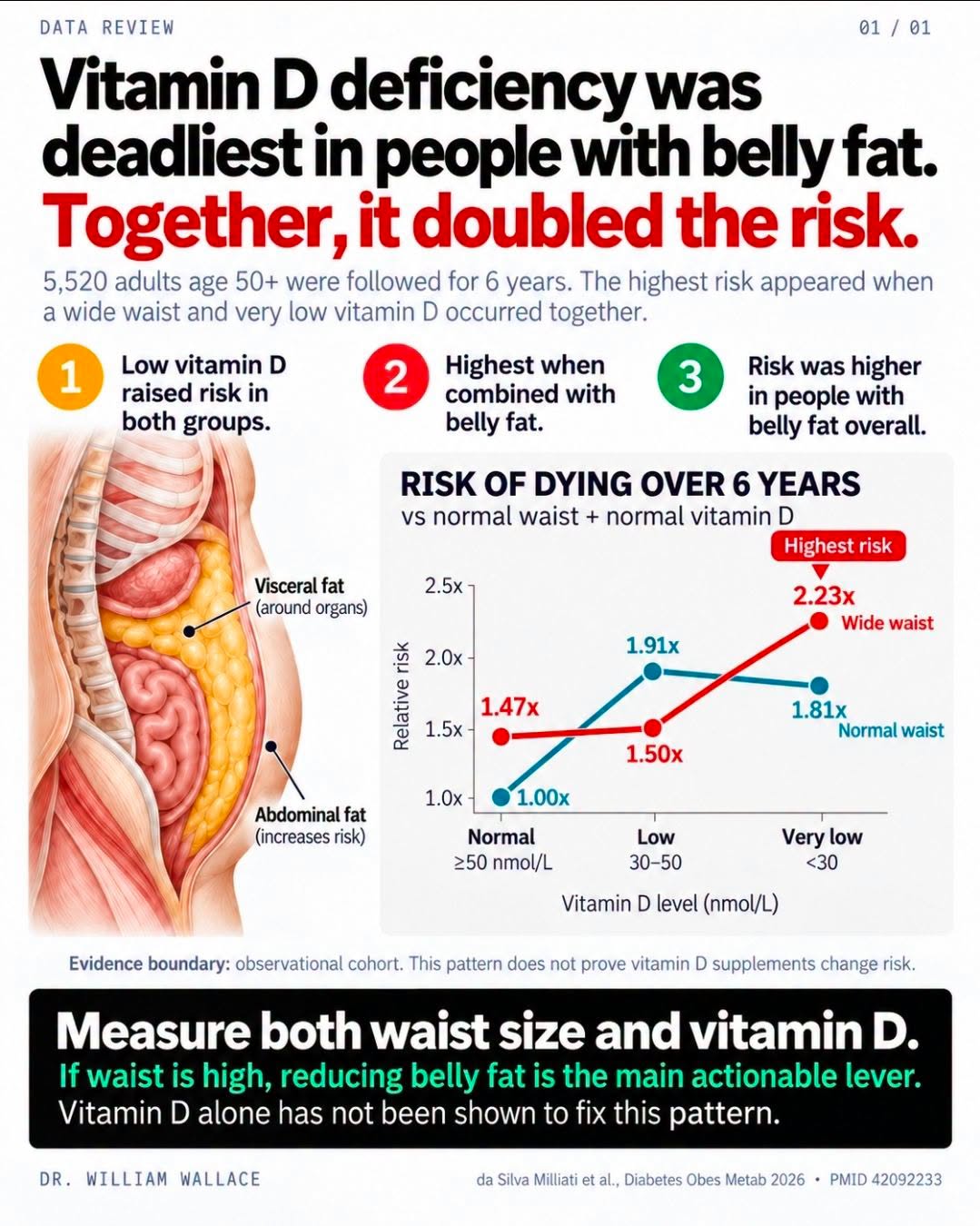
Midlife vitamin D linked to later tau burden in Framingham participants

Aug 01, 2026 · Louis Nervegna ♥ 20 · 💬 2

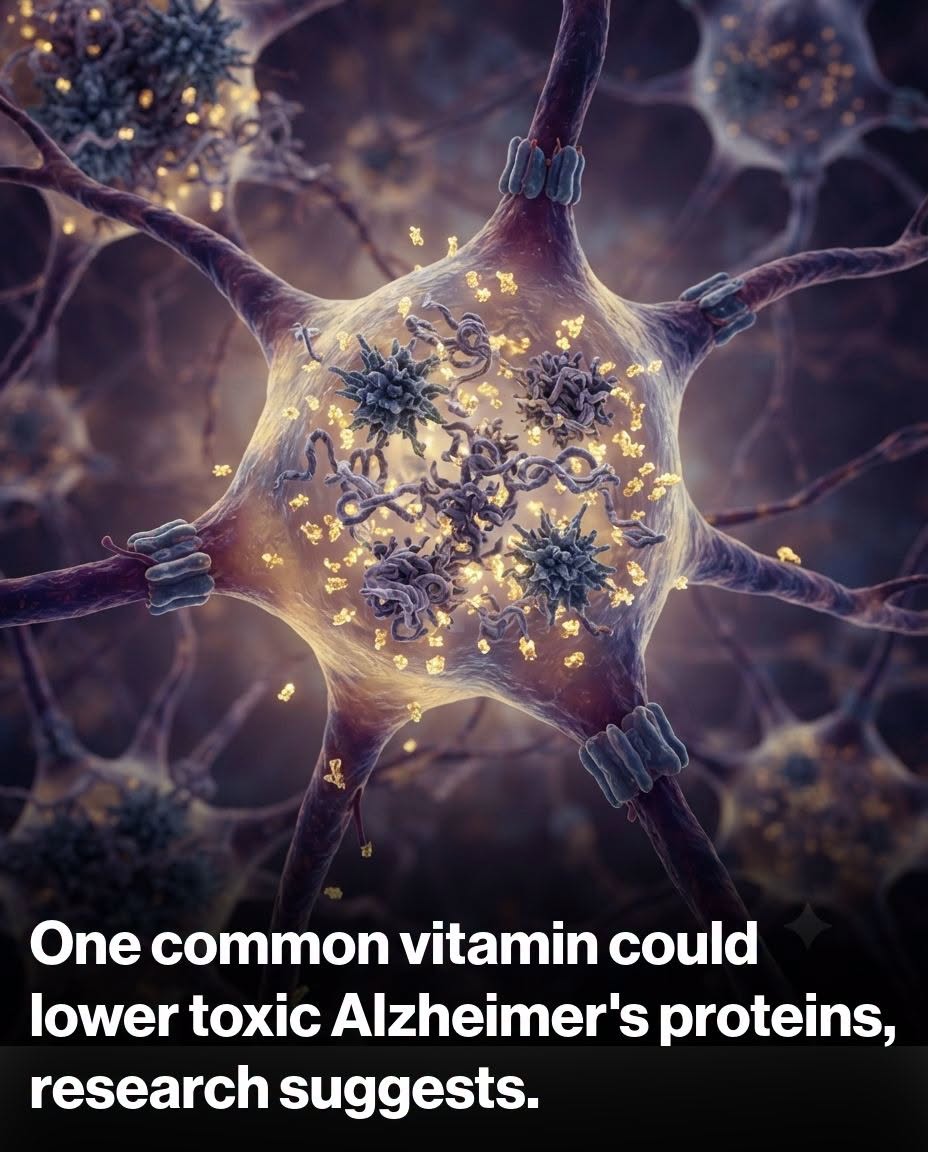
Researchers analyzed vitamin D in nearly 800 Framingham adults without dementia (mean age 39) and tau-PET scans about 16 years later. Louis notes a 20-year RCT is unlikely, so cohorts are the best option, though they cannot prove causation.

Harvard Nutrition Source review of folate: a little is good, too much may be bad

Aug 08, 2024 · Louis Nervegna ♥ 5 · 💬 9 ↩ 4

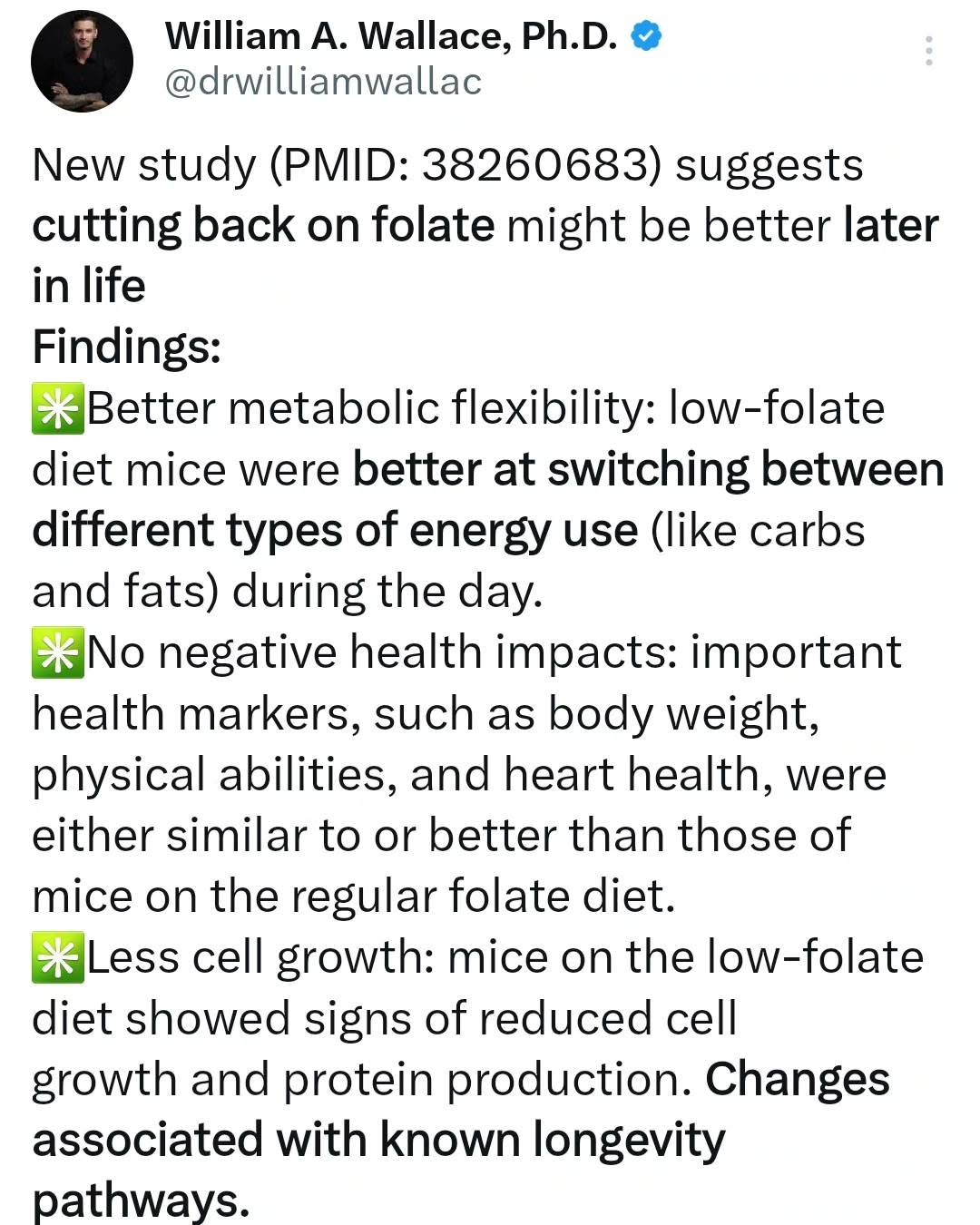
The post shares Harvard's Nutrition Source summary of human research on folate and folic acid, concluding moderate intake helps and excess may harm. Quoted material covers cancer: observational links to lower colon and breast cancer, but a high-dose (1,000 mcg) trial in people with prior polyps found no protection and more advanced polyps.

Dr. Joel Kahn on why he recommends CoQ10 for cardiac patients

Apr 21, 2024 · Louis Nervegna ♥ 8 · 💬 9

Louis reshares Dr. Joel Kahn's post about taking CoQ10, linking an article in which Kahn says CoQ10 helps cardiac patients prevent heart failure, heart attacks and other issues. The post contains no data of its own.

Niacin breakdown products 2PY and 4PY linked to higher cardiovascular risk (Ferrell 2024)

Feb 19, 2024 · Gokhan Can ♥ 5 · 💬 6

Summarizes Ferrell et al. 2024: untargeted metabolomics found that the niacin end-products 2PY and 4PY predict major adverse cardiac events, with 4PY promoting vascular inflammation. The link was supported by genetics (the ACMSD gene) in humans and mice, which raises questions about heavy niacin intake from food fortification.

Women with Alzheimer's show lower omega-3 lipids, unlike men, in an 841-adult study

Dec 17, 2025 · Louis Nervegna ♥ 10 · 💬 4 Brain health & dementia

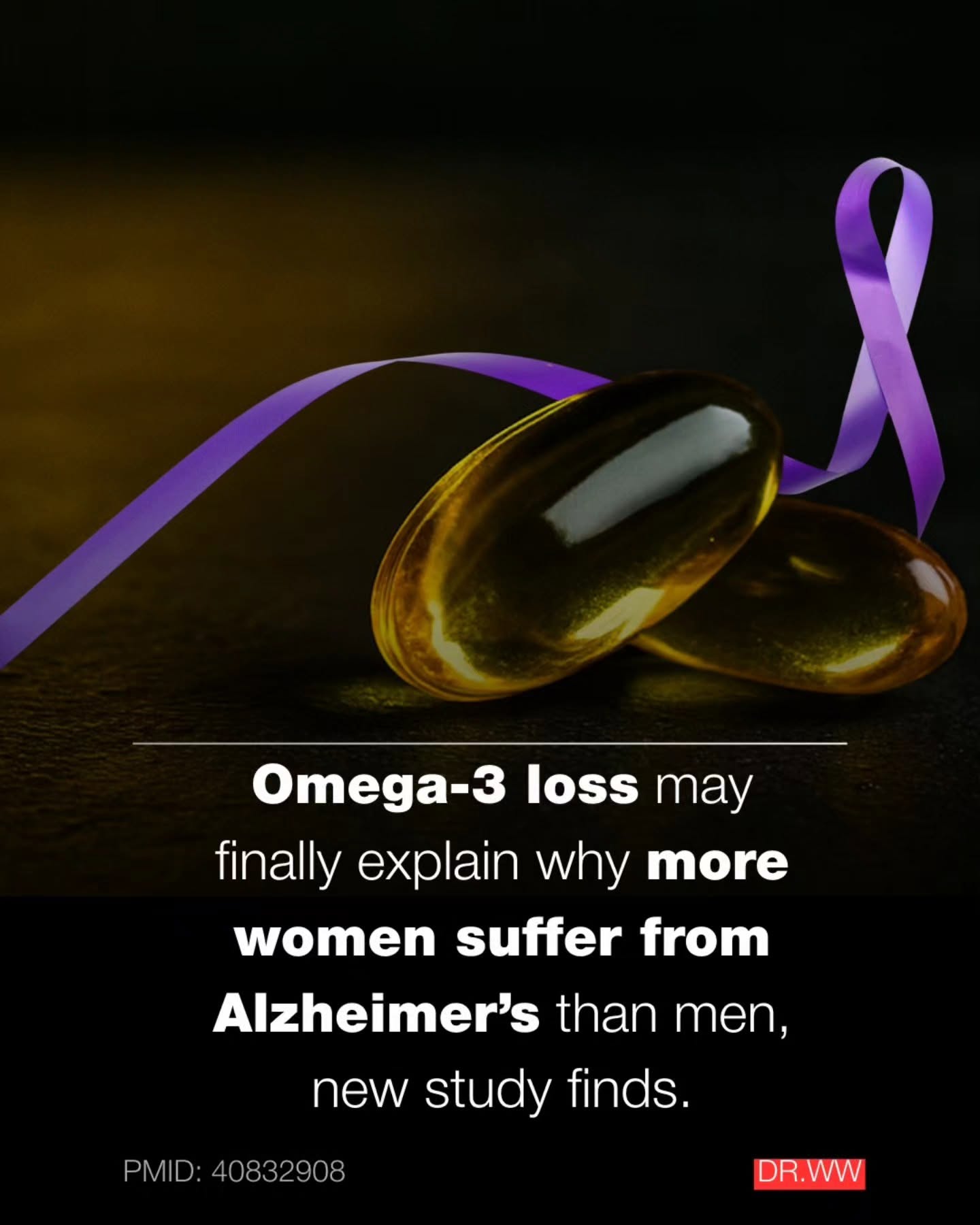
Louis shares a summary of a 2025 Alzheimer's & Dementia lipidomics study of 841 European adults. Women with Alzheimer's had a sharp drop in protective omega-3-rich unsaturated lipids that men did not, and the lowest levels tracked with worse memory; the post also cites a review of 58 RCTs suggesting 1,000-2,500 mg/day EPA+DHA as the cognitive sweet spot.

VITAL: vitamin D 2000 IU for over 2 years cut autoimmune disease risk about 40%

Mar 11, 2025 · Louis Nervegna ♥ 10 · 💬 4 ↩ 4

Louis resurfaces a 2022 CNN report on the VITAL trial (about 25,000 people), saying 2000 IU/day of vitamin D for over two years reduced autoimmune disease risk by 40%, and ties it to a new JAMA MS trial. The CNN summary describes older adults on vitamin D and fish oil as about 30% less likely to develop autoimmune disorders.

Vitamin C levels drop after surgery, per a 2020 meta-analysis

Oct 19, 2024 · Louis Nervegna ♥ 8 · 💬 8

Louis shares an Ergo-Log note that vitamin C concentration plummets after surgery, citing a 2020 meta-study, and suggests supplementation may help. The post has little detail and is not about heart health.

Vanadyl sulfate cleared senescent cells and extended male mouse lifespan 7.4%

Nov 12, 2026 · Louis Nervegna ♥ 12 · 💬 3

Louis discusses a mouse study showing vanadyl sulfate, an old diabetes supplement, acts as a senolytic. Started late in life it extended male mouse lifespan by 7.4% and improved fitness and metabolic markers, but vanadium is toxic and long-term human safety at such doses was never clear. This is mouse data, not evidence for humans.

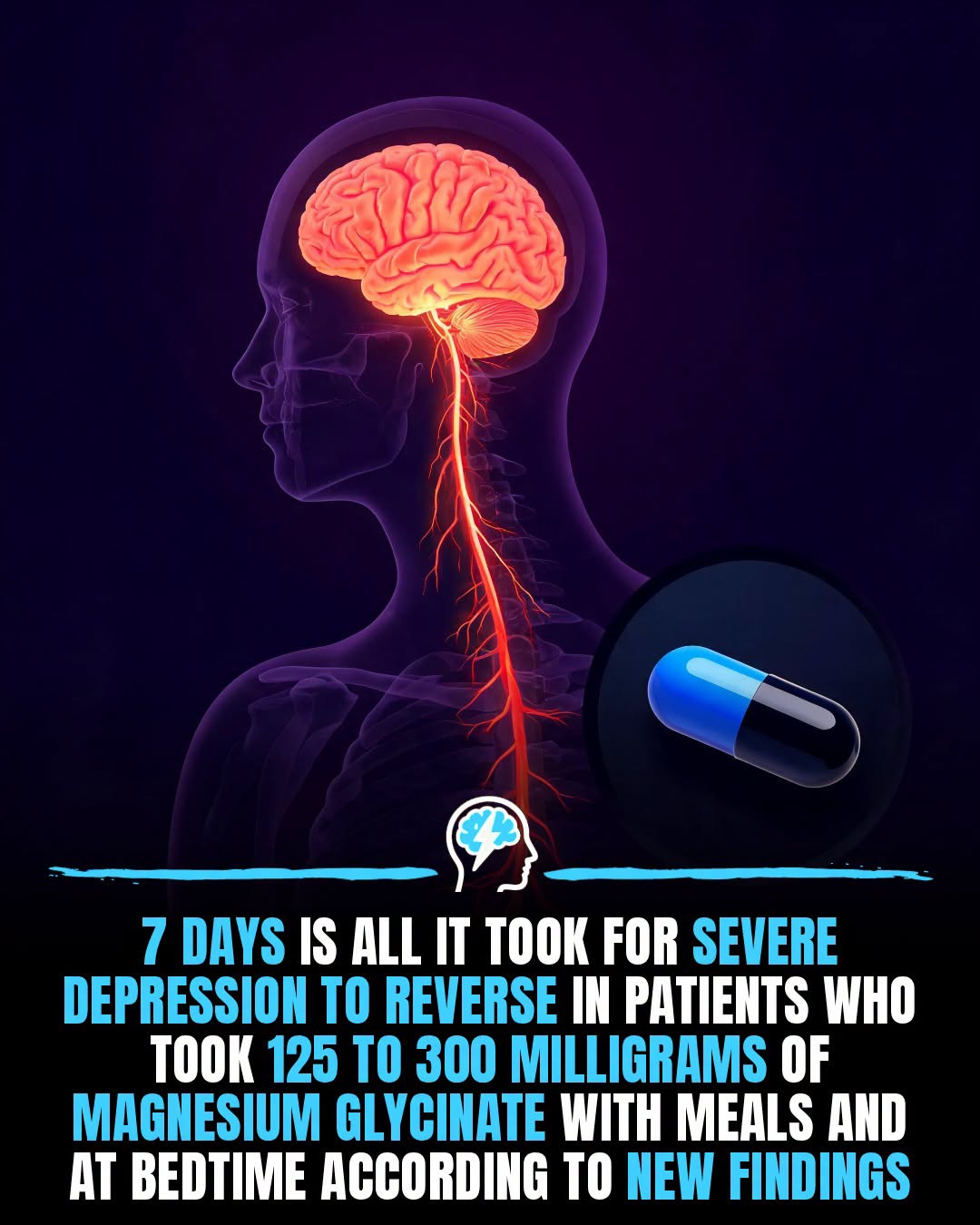
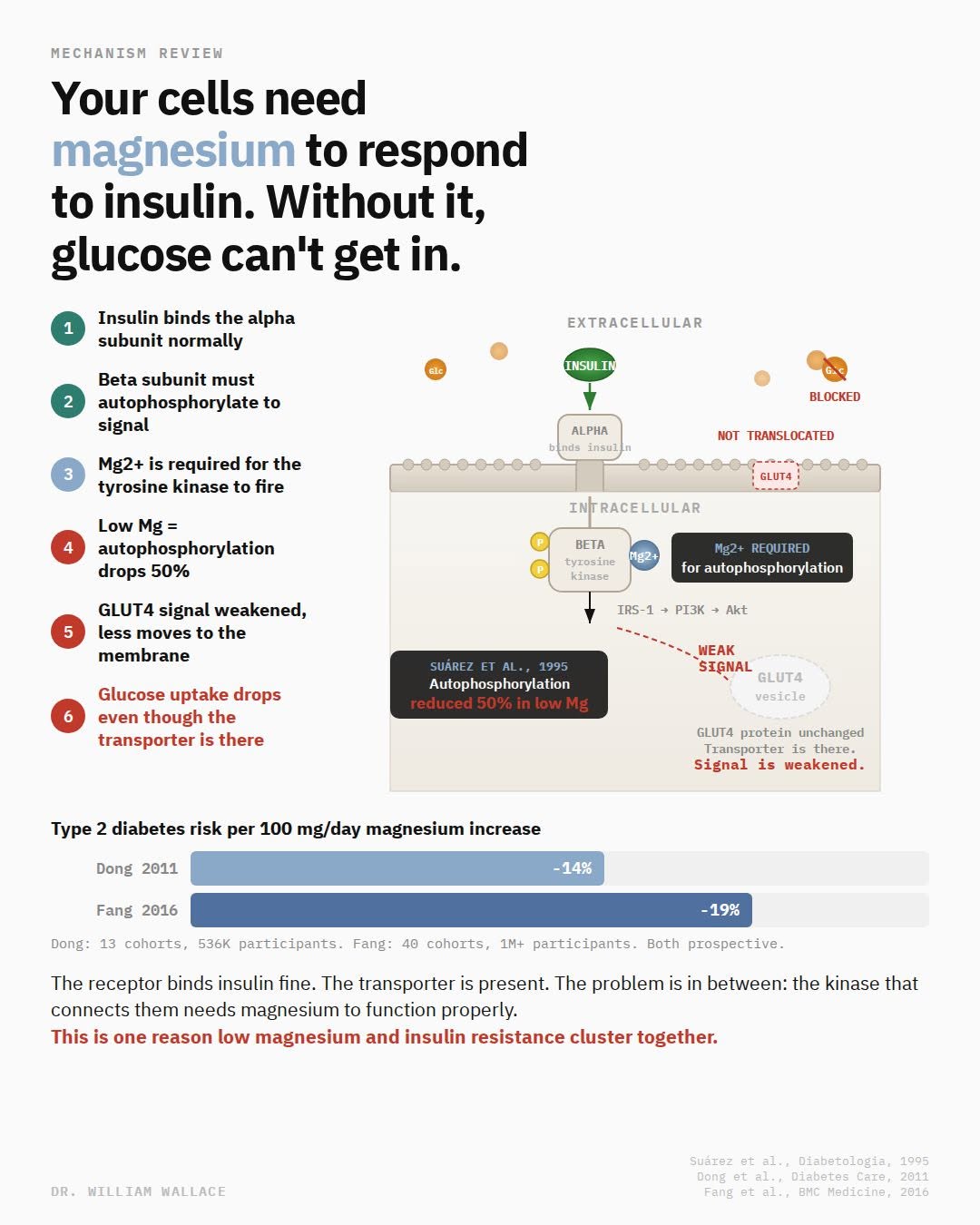
Magnesium glycinate and rapid depression recovery: a 2006 case series, not a trial

Sep 17, 2026 · Louis Nervegna ♥ 11 · 💬 3

Louis comments on a shared claim that magnesium glycinate (125-300 mg with each meal and at bedtime) produced rapid recovery from major depression. He stresses that the underlying 2006 paper was a case series with no control group, not a randomized trial, so it is hypothesis-generating only. Depression is a major risk factor for CVD, which is why the topic is relevant.

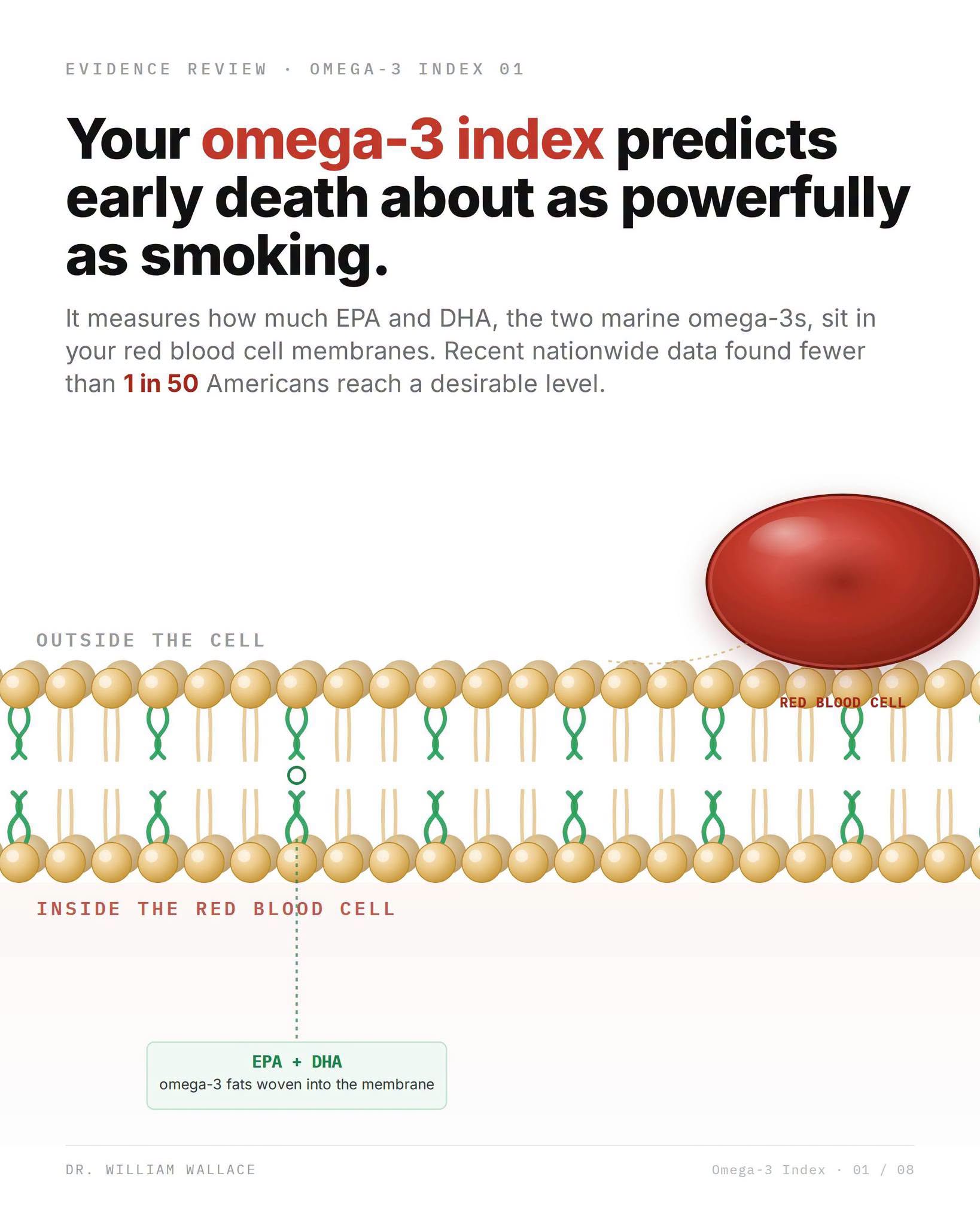
Low omega-3 index (<4%) linked to mortality risk comparable to smoking in Framingham data

Jul 21, 2025 · Louis Nervegna ♥ 11 · 💬 3

Louis shares a clip summarising observational Framingham Heart Study data on the omega-3 index and notes the research is mostly observational but compelling. The shared text claims a low omega-3 index carries mortality risk similar to smoking and that raising it to about 8% could add roughly five years of life expectancy.

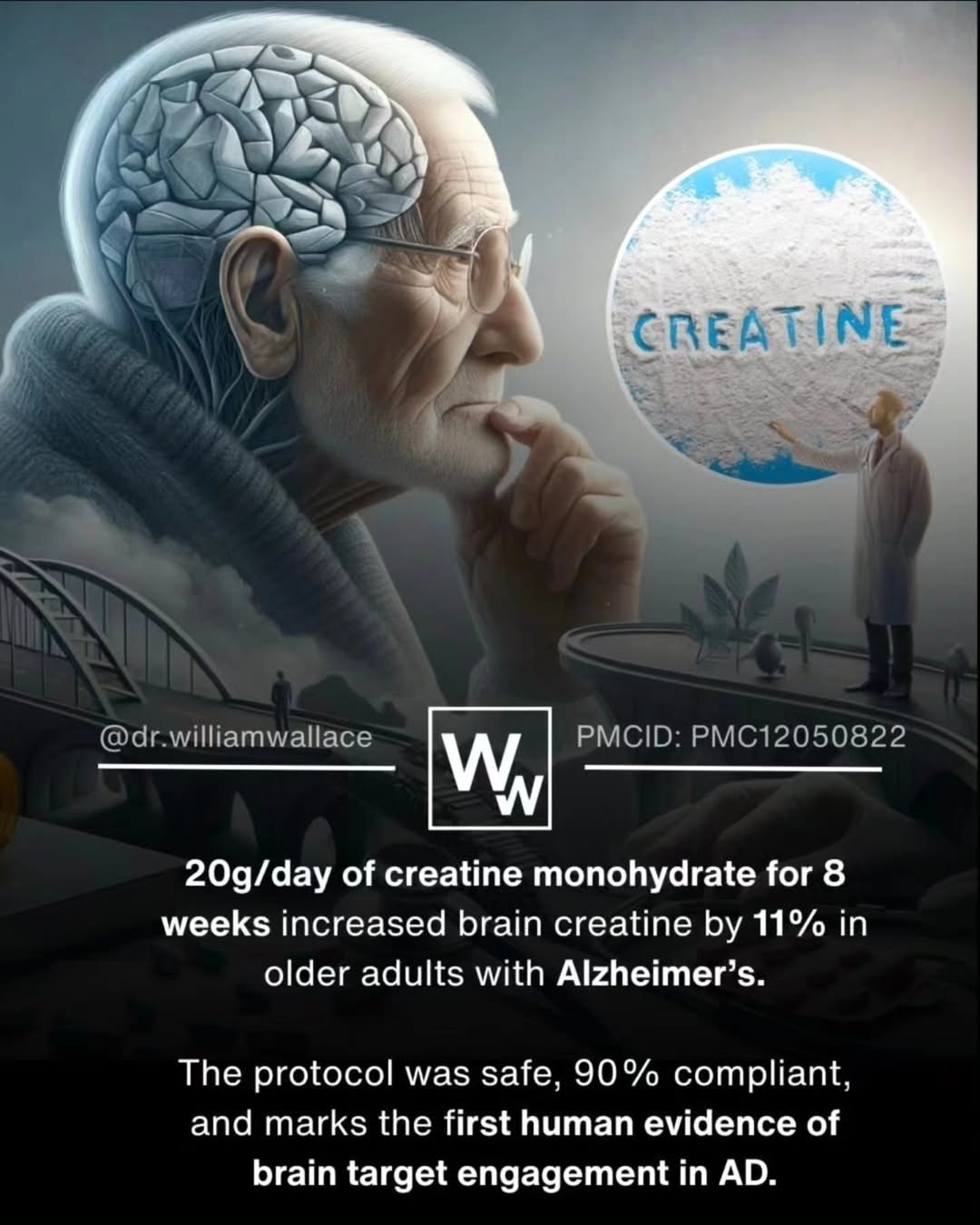
Pilot: 20 g/day creatine raised brain creatine 11% in Alzheimer's patients

Jun 20, 2025 · Louis Nervegna ♥ 11 · 💬 3

Louis shares a summary of a pilot study in which older adults with probable Alzheimer's took high-dose creatine monohydrate for 8 weeks. Brain creatine measured by MR spectroscopy rose, serum creatine rose, and compliance was high with no serious adverse events. It is open-label and tests feasibility, not efficacy.

Rhonda Patrick's morning and evening supplement list

May 18, 2024 · Gokhan Can ♥ 11 · 💬 5

Reposts a list of the supplements Rhonda Patrick takes, including multivitamin, fish oil, vitamin D, K2, ubiquinol, cocoa extract, sulforaphane, berberine and urolithin A, plus evening magnesium and more fish oil. It is a personal regimen with no supporting studies attached, so it is context rather than evidence.

Low vitamin D tied to statin myalgia; correcting it let 64% retry statins in a pilot

Jun 15, 2025 · Louis Nervegna ♥ 8 · 💬 4 Statins

Louis suggests statin users with low vitamin D consider supplementing, citing figures that about 22% of statin users have muscle pain, that 25-OH vitamin D below 20 ng/ml is independently associated with myalgia, and a 6-month pilot where 64% of vitamin D-deficient, statin-intolerant patients tolerated statin re-challenge after supplementation.
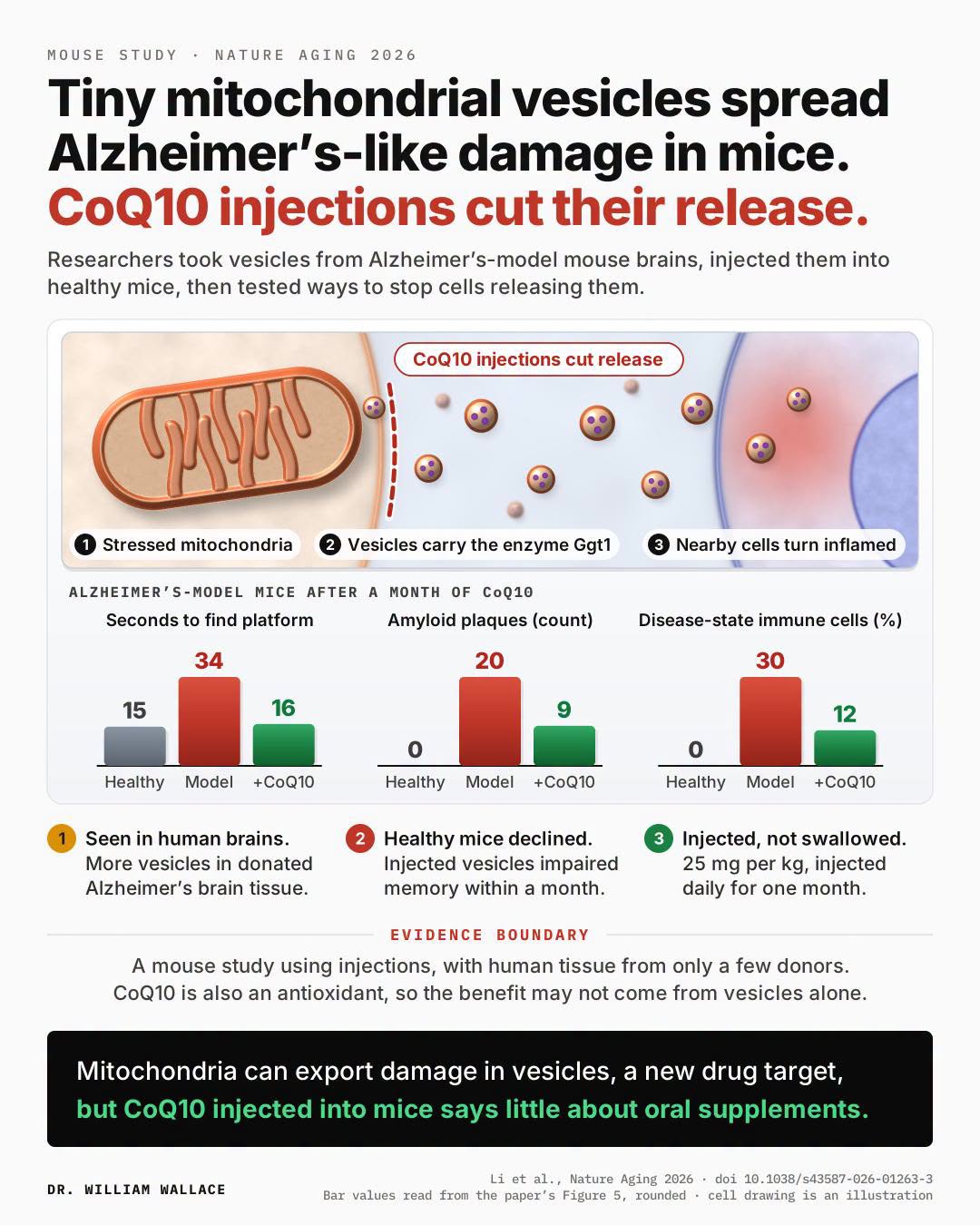
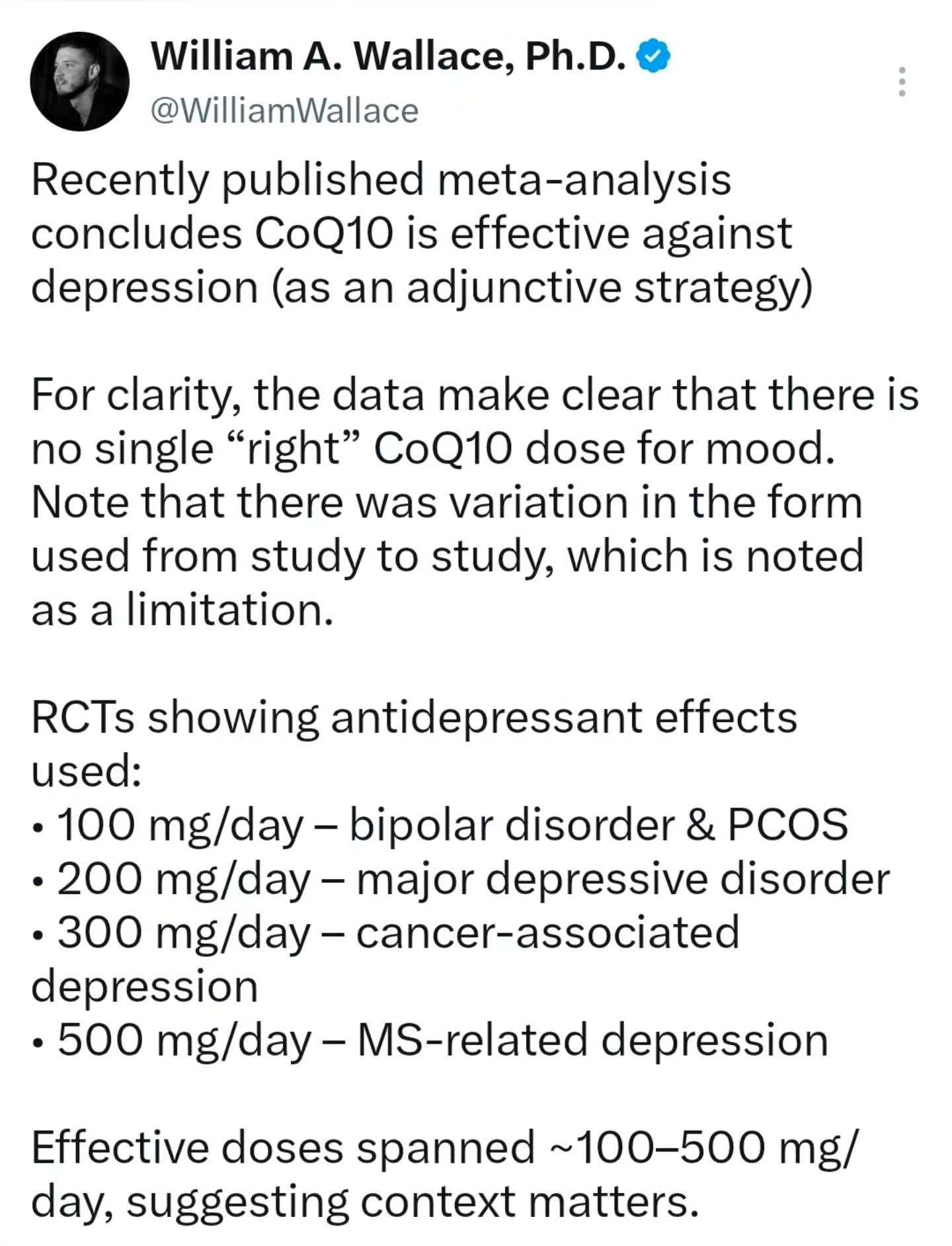
CoQ10 curbed Alzheimer's-like damage spread in mice; human CoQ10 trials disappointed

Nov 12, 2026 · Louis Nervegna ♥ 10 · 💬 3 Brain health & dementia

Louis shares a mouse study (Nature Aging) in which mitochondria-derived vesicles from Alzheimer's-model brains impaired memory in healthy mice and daily CoQ10 injections cut their release. Human CoQ10 trials in Alzheimer's were mostly disappointing, but it might still work as early prevention. Louis stresses mouse studies reveal mechanisms, not proof of benefit in humans.

Human trials: omega-6 and oxidized fish oil do not raise oxidation or inflammation markers

Sep 18, 2026 · Louis Nervegna ♥ 7 · 💬 4 Fats & oils (saturated fat, seed oils, omega-6, olive oil)

The post states that human randomized trials have repeatedly shown omega-6 fats do not cause oxidation or lipid peroxidation, and that oxidized fish oil does not raise inflammation, oxidation or peroxidation markers or worsen cardiometabolic or liver health. It shares a saturated fat versus omega-6 breakdown by Dr Alan Flanagan.

CoQ10 trial in chronic kidney failure: 36% vs 90% needed dialysis

Oct 16, 2026 · Louis Nervegna ♥ 18 · 💬 1 Kidney health

The post highlights an older randomized, double-blind, placebo-controlled trial of coenzyme Q10 in chronic renal failure in which far fewer CoQ10 patients needed dialysis than placebo patients. The poster stresses he is not claiming CoQ10 reverses kidney disease, only that the research exists. The linked paper is from 2000, so confirmation in larger recent trials matters.

COSMOS multivitamin cognition findings: roughly two years' slower cognitive aging

Apr 14, 2025 · Louis Nervegna ♥ 7 · 💬 6

FoundMyFitness clip claims a meta-analysis of COSMOS randomized trials found older adults taking a multivitamin had less memory loss and cognitive dysfunction, with cognitive benefit equal to a brain two years younger. Cognition outcome, not a cardiovascular one, and the post gives few details.

UCLA mouse study: creatine may boost cancer-fighting immune cells

Jul 15, 2026 · Louis Nervegna ♥ 8 · 💬 3

A UCLA study found creatine may supercharge key immune cells, significantly slowing tumor growth in mice. Louis notes earlier preclinical work suggested creatine might promote existing cancers, so evidence is mixed.

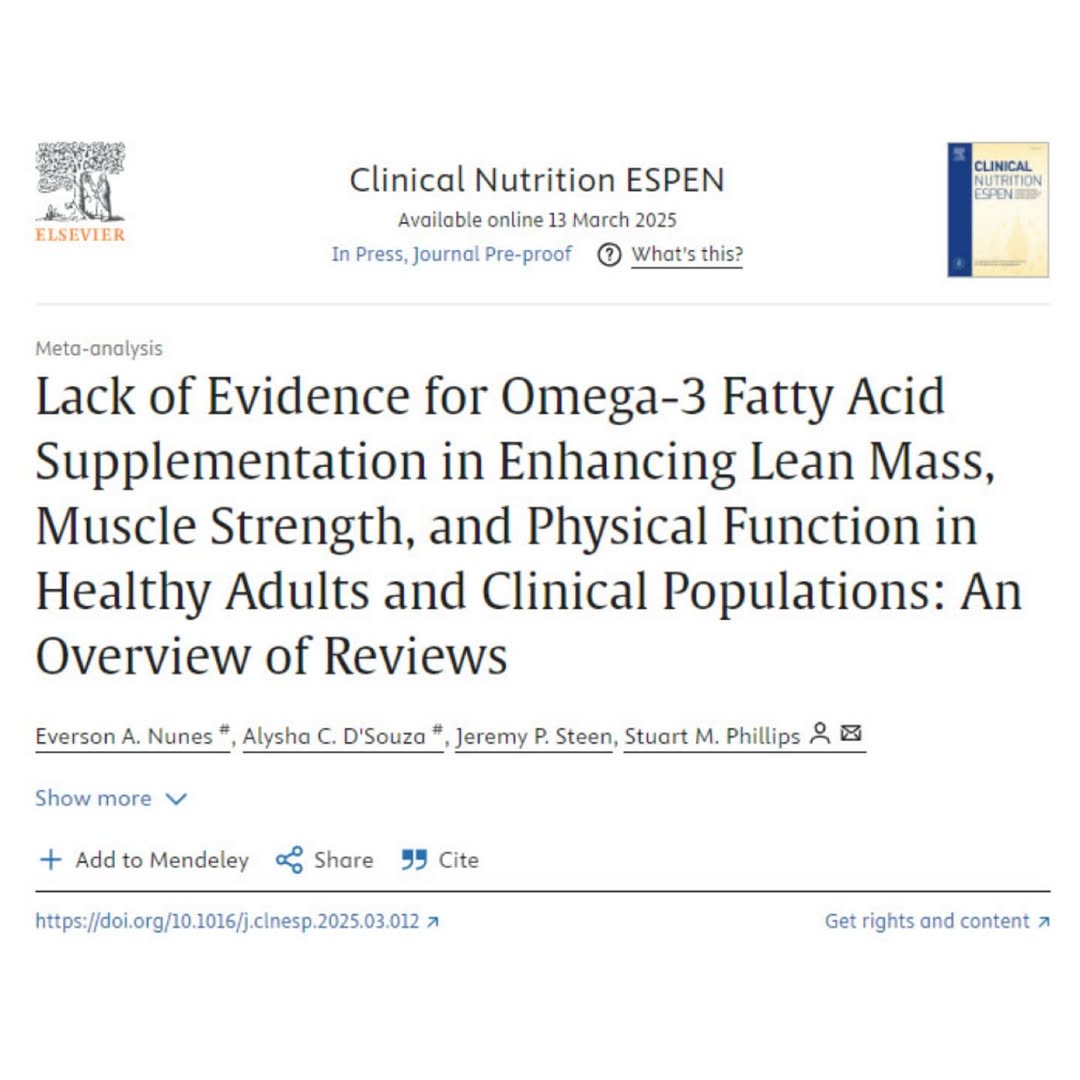
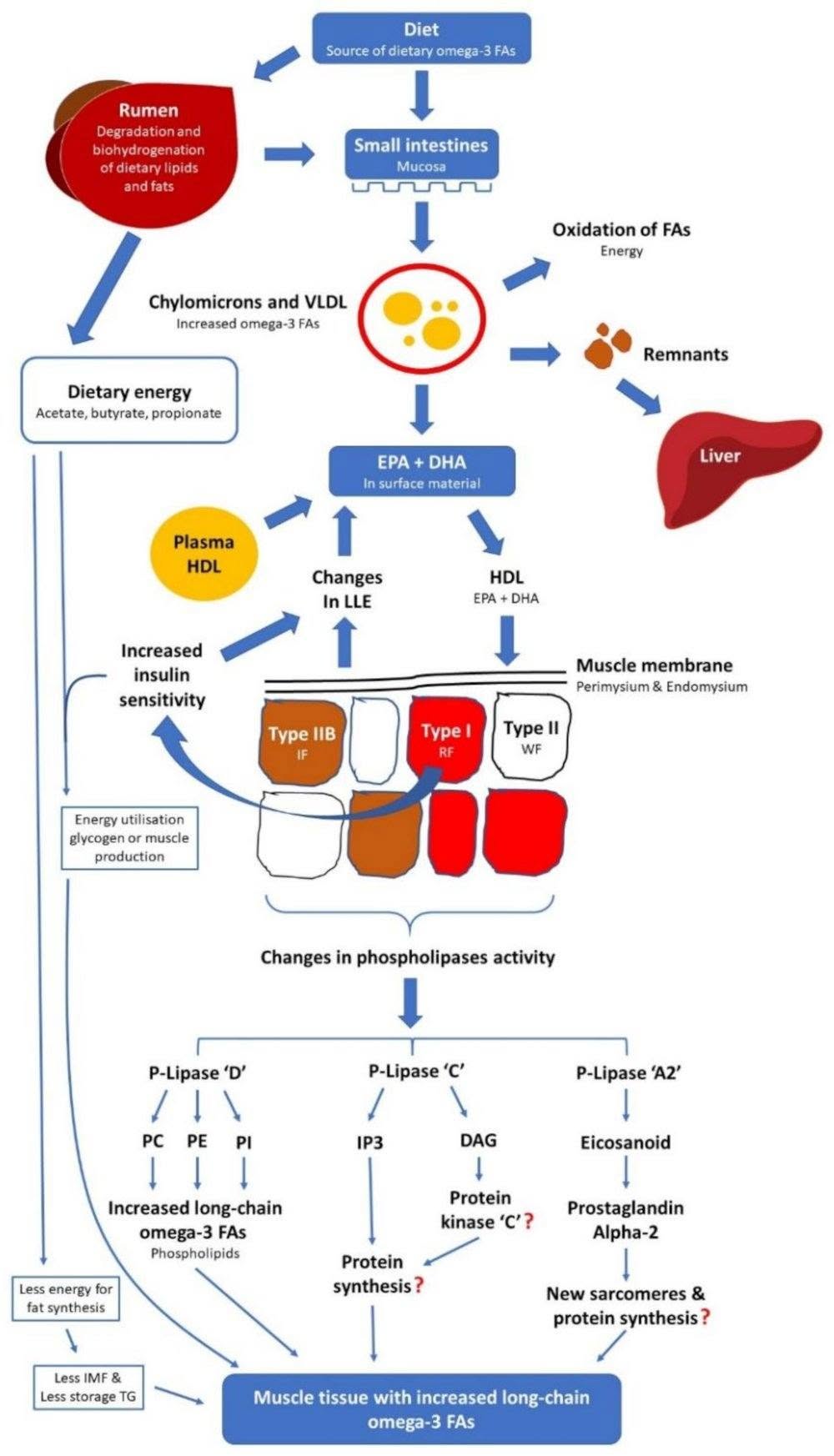
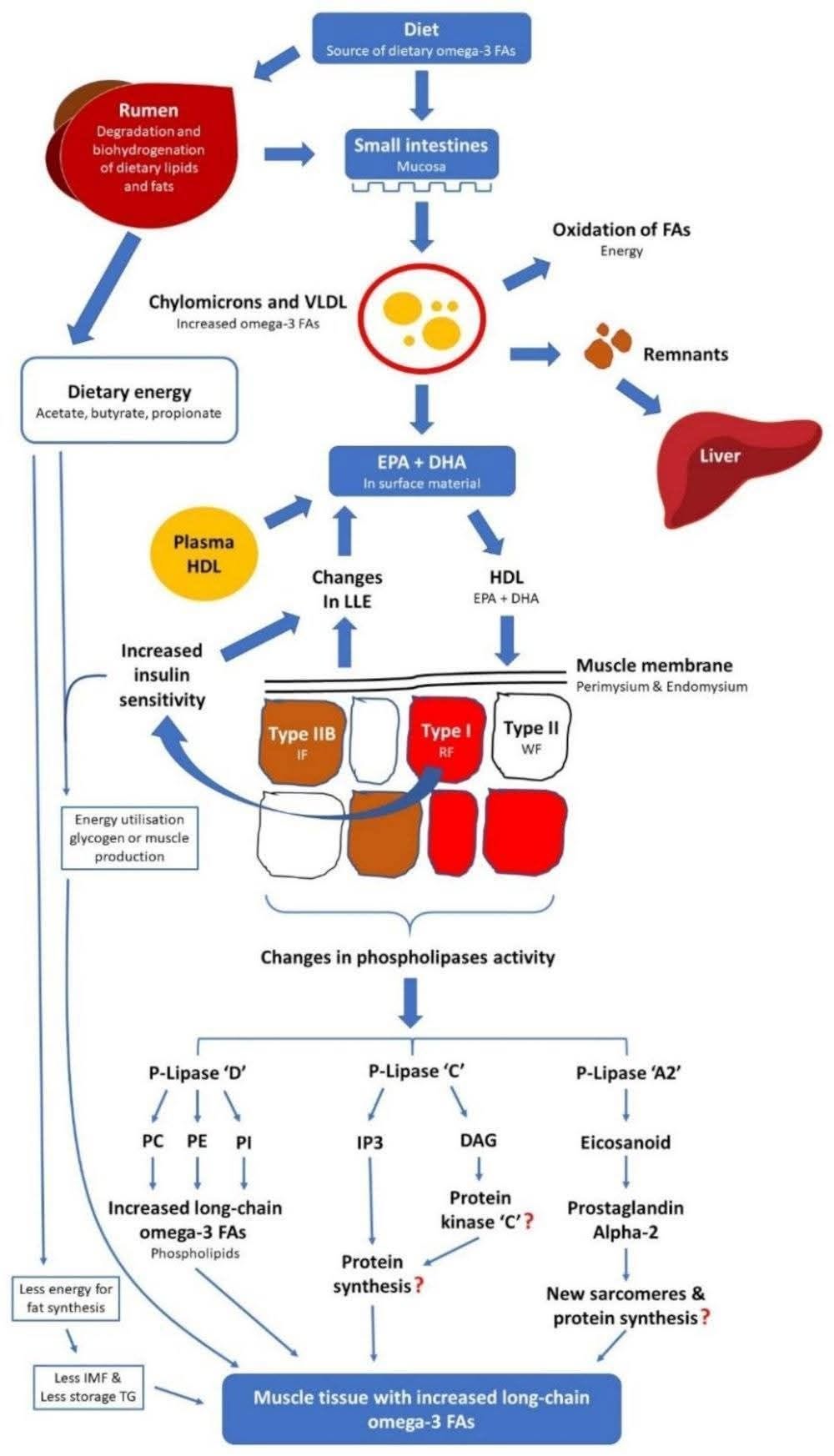
Review of 33 systematic studies finds little evidence omega-3 supplements build muscle

Mar 14, 2025 · Louis Nervegna ♥ 11 · 💬 2

Louis shares Stuart Phillips' summary of a 2025 Clinical Nutrition ESPEN review of 33 systematic studies, which found little evidence that omega-3 supplements improve lean mass, muscle strength or physical function in healthy adults or clinical groups. Some small benefits in older adults were suggested, but exercise and protein remain the best strategies.

Hesperidin plus exercise: 64% vs 33% left metabolic syndrome; related trial retracted

Mar 02, 2026 · Louis Nervegna ♥ 16 · 💬 2

Summary of a small 12-week trial of 1,000 mg/day hesperidin with diet and exercise in metabolic syndrome, reporting better glucose, triglycerides, blood pressure and inflammatory markers. The link metadata shows an earlier hesperidin metabolic syndrome RCT in Eur J Nutr was retracted, so the evidence should be treated cautiously.

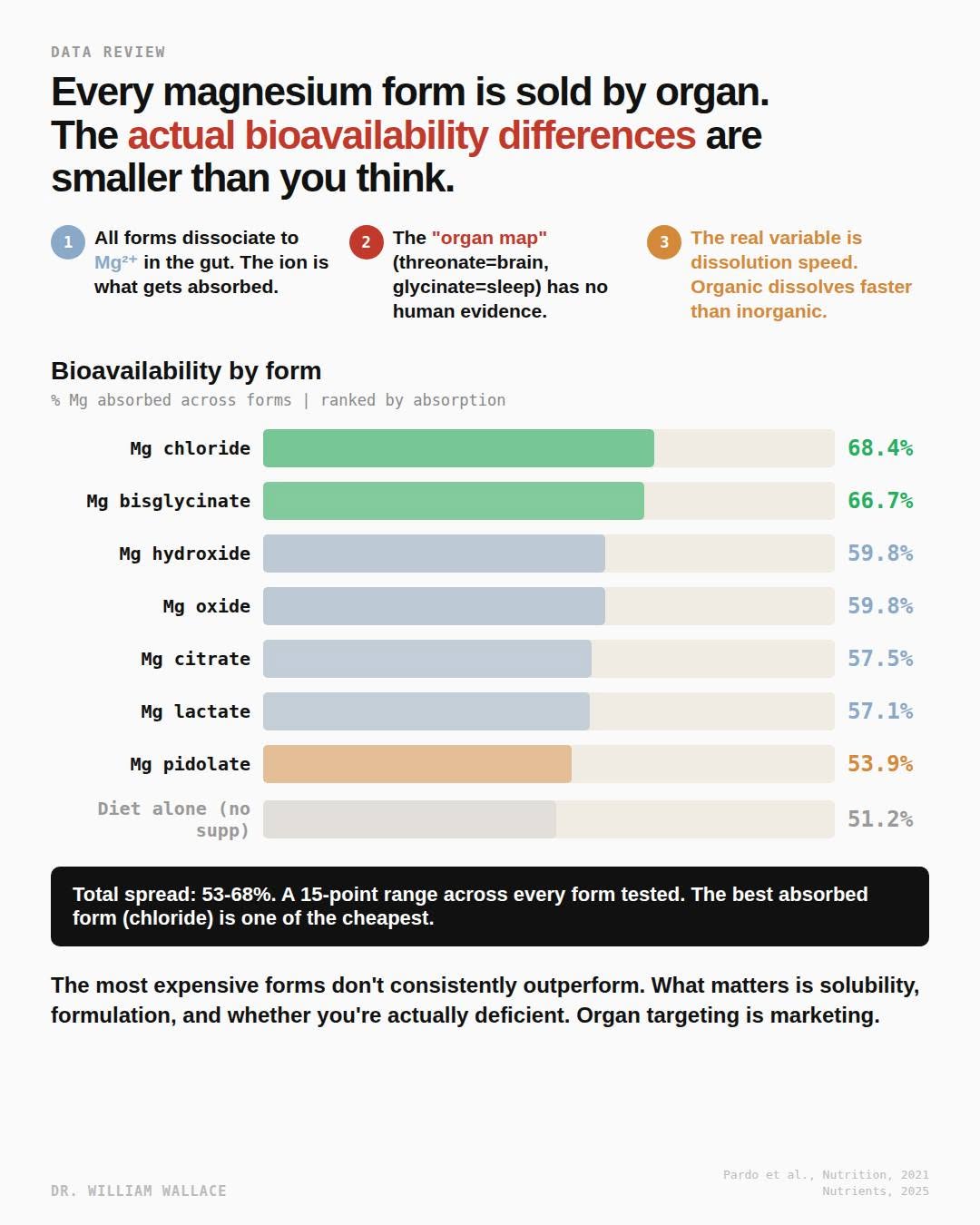
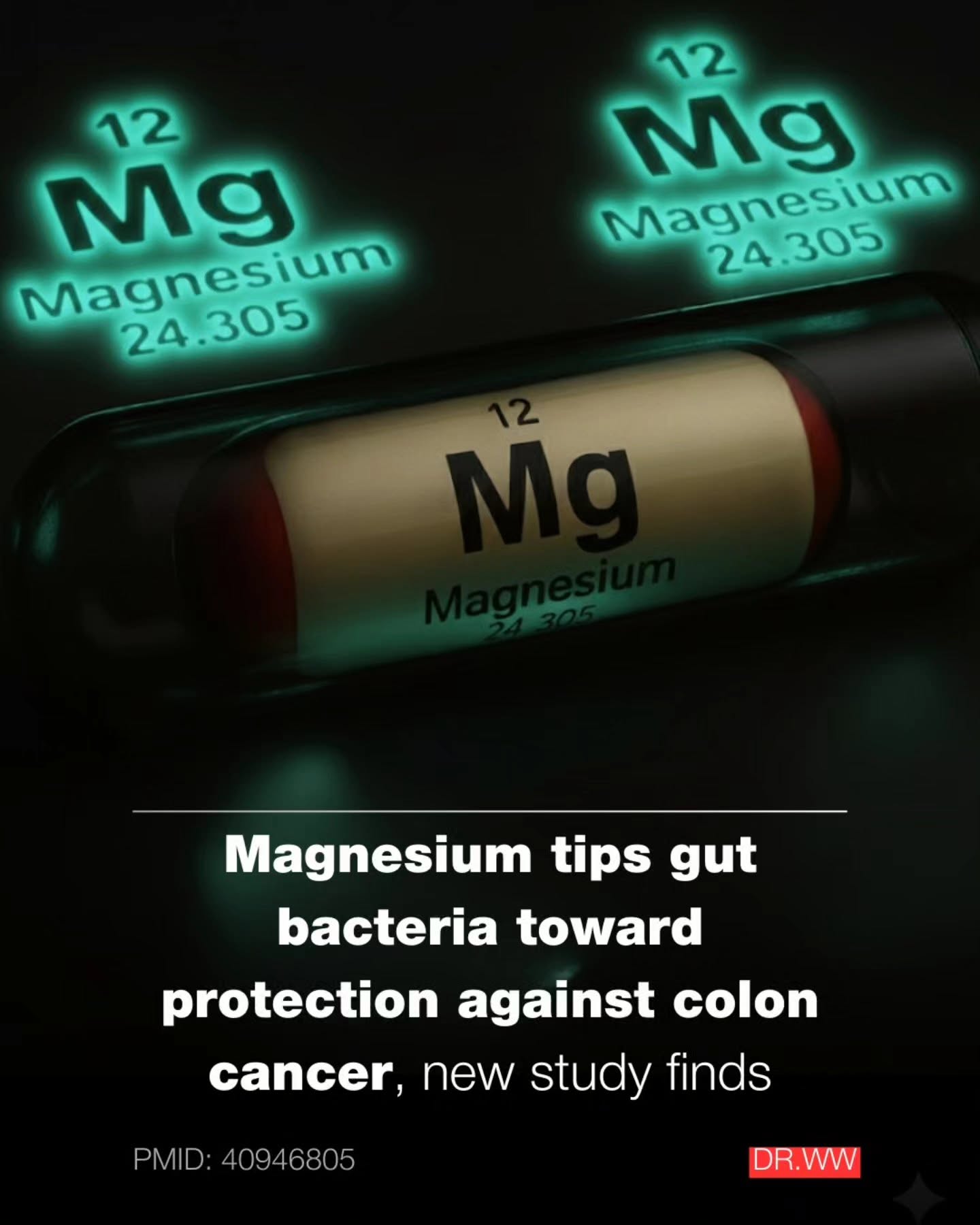
Magnesium glycinate RCT (n=240) shifted colorectal-cancer-linked gut bacteria

Dec 12, 2025 · Louis Nervegna ♥ 15 · 💬 1

Louis shares a summary of a double-blind precision RCT in 240 adults with prior colorectal polyps taking magnesium glycinate for 12 weeks, dosed to lower the calcium:magnesium ratio. In participants with a normal TRPM7 'magnesium gate', beneficial bacteria rose, with effects strongest in women.

Framingham data link a high omega-3 index to about 5 more years of life expectancy

Dec 03, 2025 · Louis Nervegna ♥ 9 · 💬 2

Louis shares a FoundMyFitness claim that people with a high omega-3 index (about 8%) have roughly 5 more years of life expectancy than those with a low index (about 4%) in cohort data from the Framingham Heart Study. It also says very low omega-3 may carry mortality risk similar to smoking and that nearly 90% of Americans fall short of EPA and DHA targets.

Personalized vitamin D3 dosing halved repeat heart attacks in an Intermountain trial

Nov 11, 2025 · Louis Nervegna ♥ 14 · 💬 1

A shared summary describes an Intermountain Health trial of 630 recent heart attack survivors in which vitamin D3 was dosed individually to keep blood levels above 40 ng/mL. Repeat heart attacks were lower, though total major cardiovascular events were not, and larger trials are needed.

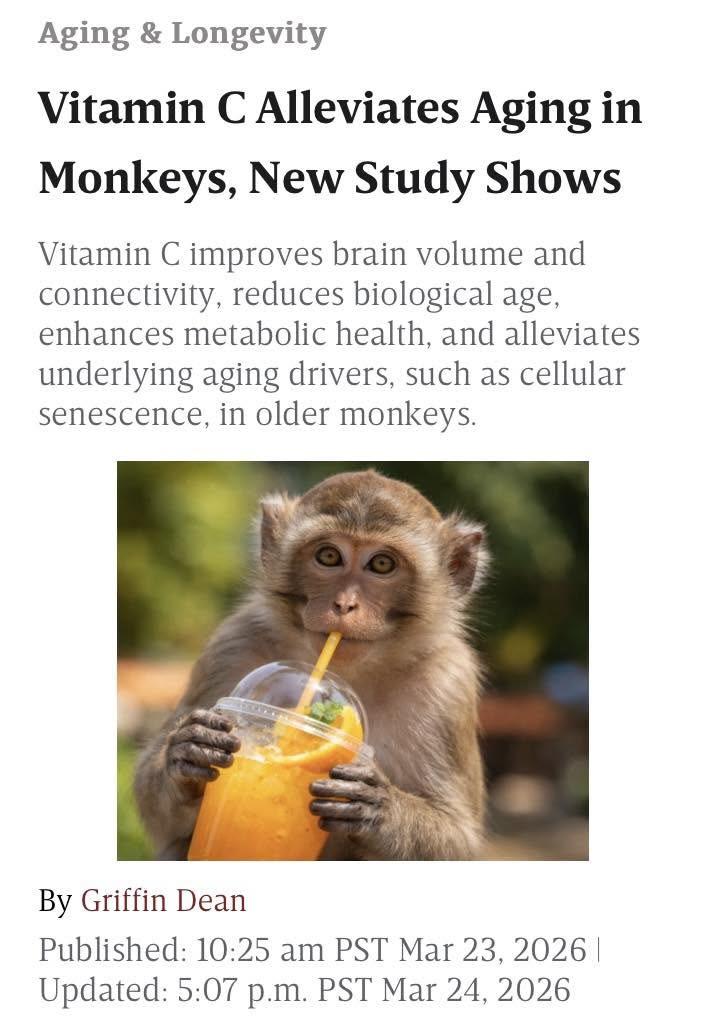
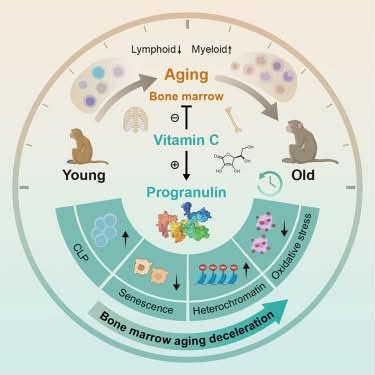
Vitamin C slowed bone marrow aging in monkeys in a 3-year trial

Jul 23, 2026 · Louis Nervegna ♥ 6 · 💬 2 Aging & longevity

A 3+ year trial in aged cynomolgus monkeys found oral vitamin C partly offset bone marrow aging, expanding common lymphoid progenitors and rebalancing lineage output, with about a 4-year reduction in transcriptomic age estimates. Louis notes bone marrow stem cell decline contributes to aging and heart disease.

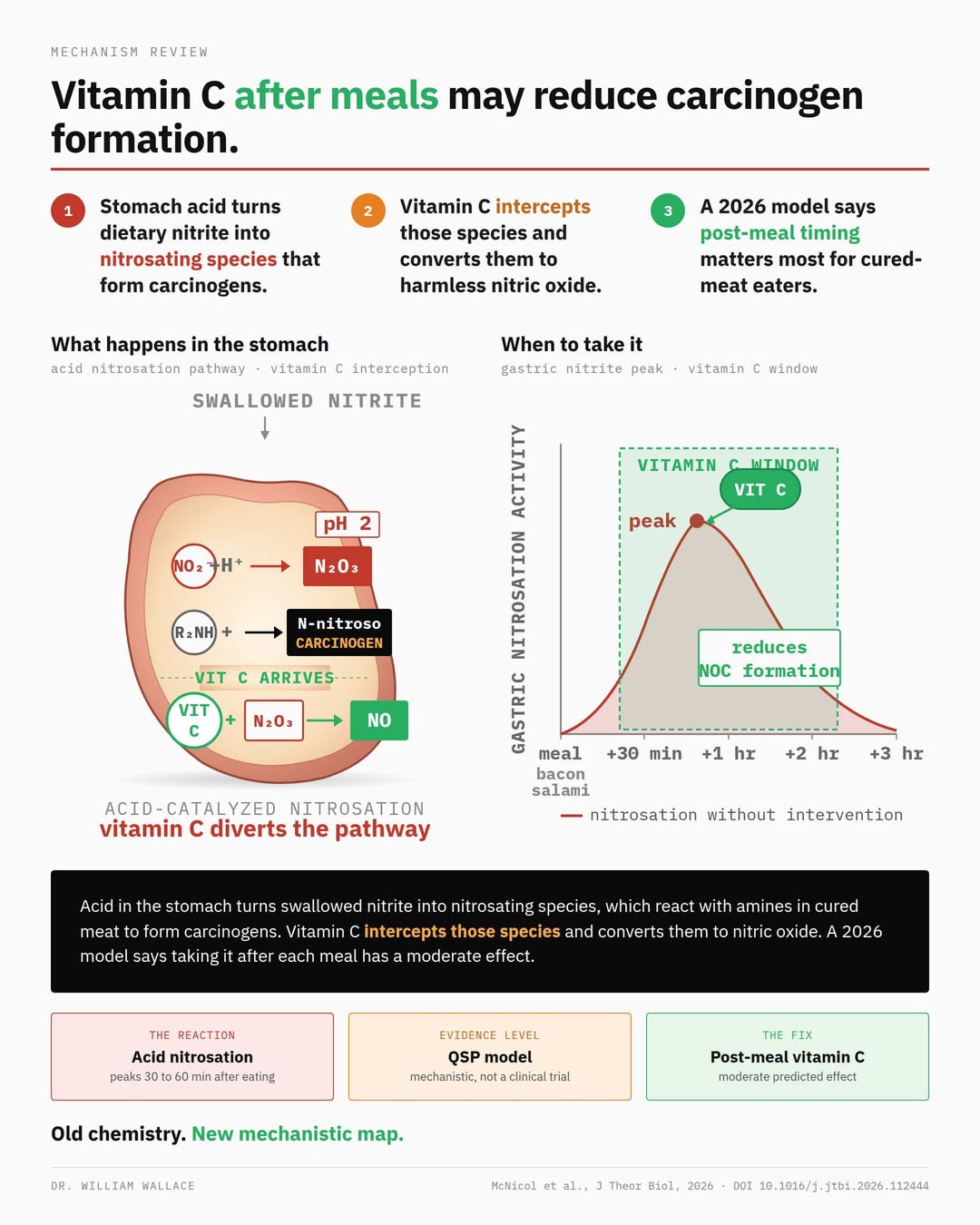
Processed meat forms nitrosamines in the stomach whatever the nitrite source

May 21, 2026 · Louis Nervegna ♥ 13 · 💬 1 Meat, eggs & dairy

Louis shares a Journal of Theoretical Biology paper: nitrite from curing (or celery juice) reacts in stomach acid to form nitrosamines such as NDMA and NDEA, a leading hypothesis for processed meat's link to stomach and colorectal cancer. Vitamin C might reduce their formation. WHO classes processed meat as a group 1 carcinogen.
Fish oil dosing: aiming for 3 g EPA and 1 g DHA per day

Nov 07, 2024 · Gokhan Can ♥ 4 · 💬 7

Gokhan shares his fish oil plan, combining mixed EPA-DHA capsules with pure EPA for 3 g EPA, 1 g DHA and 4.9 g total omega-3 daily. He notes EPA is the main vascular contributor but DHA may also help, and asks for others' thoughts.

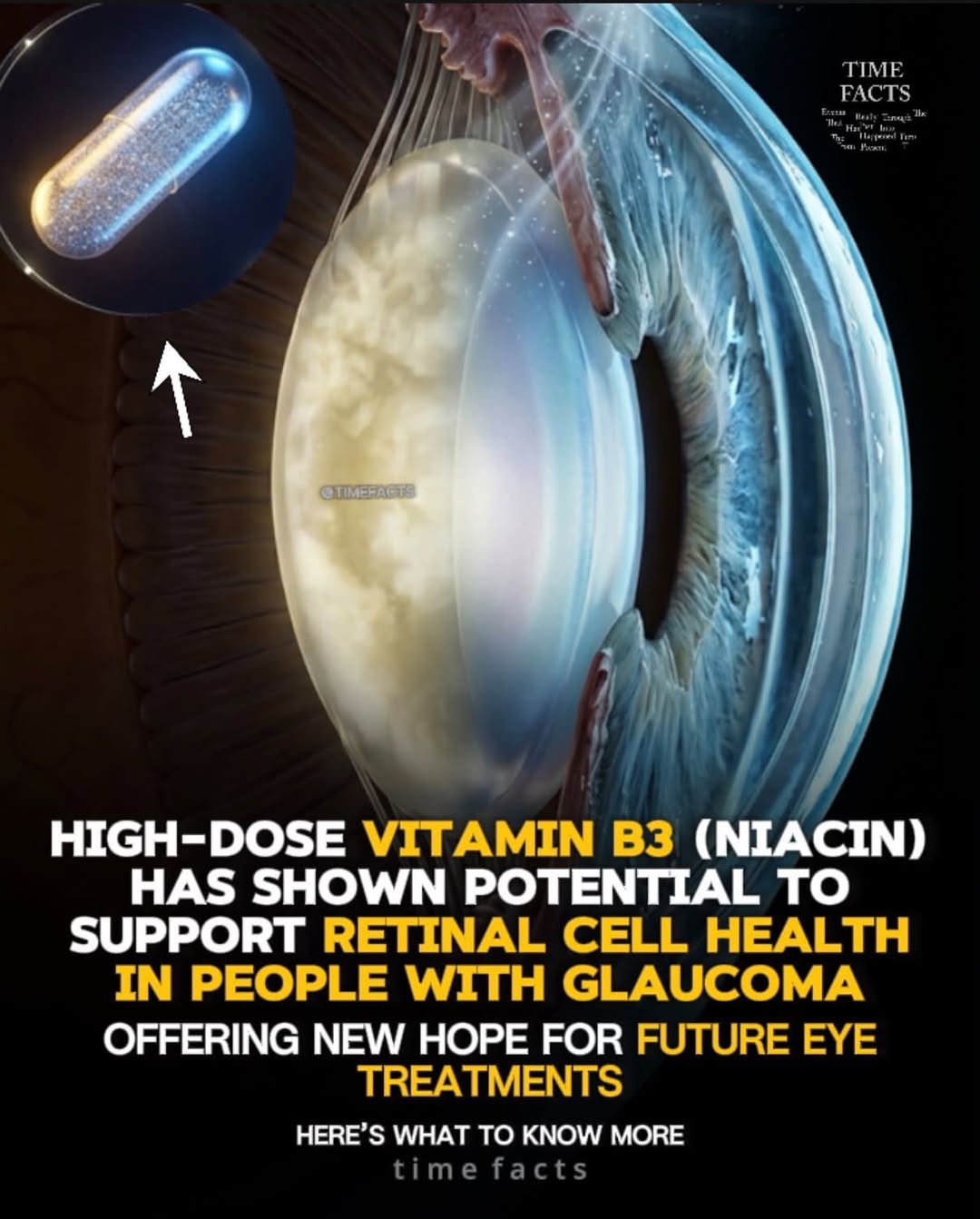
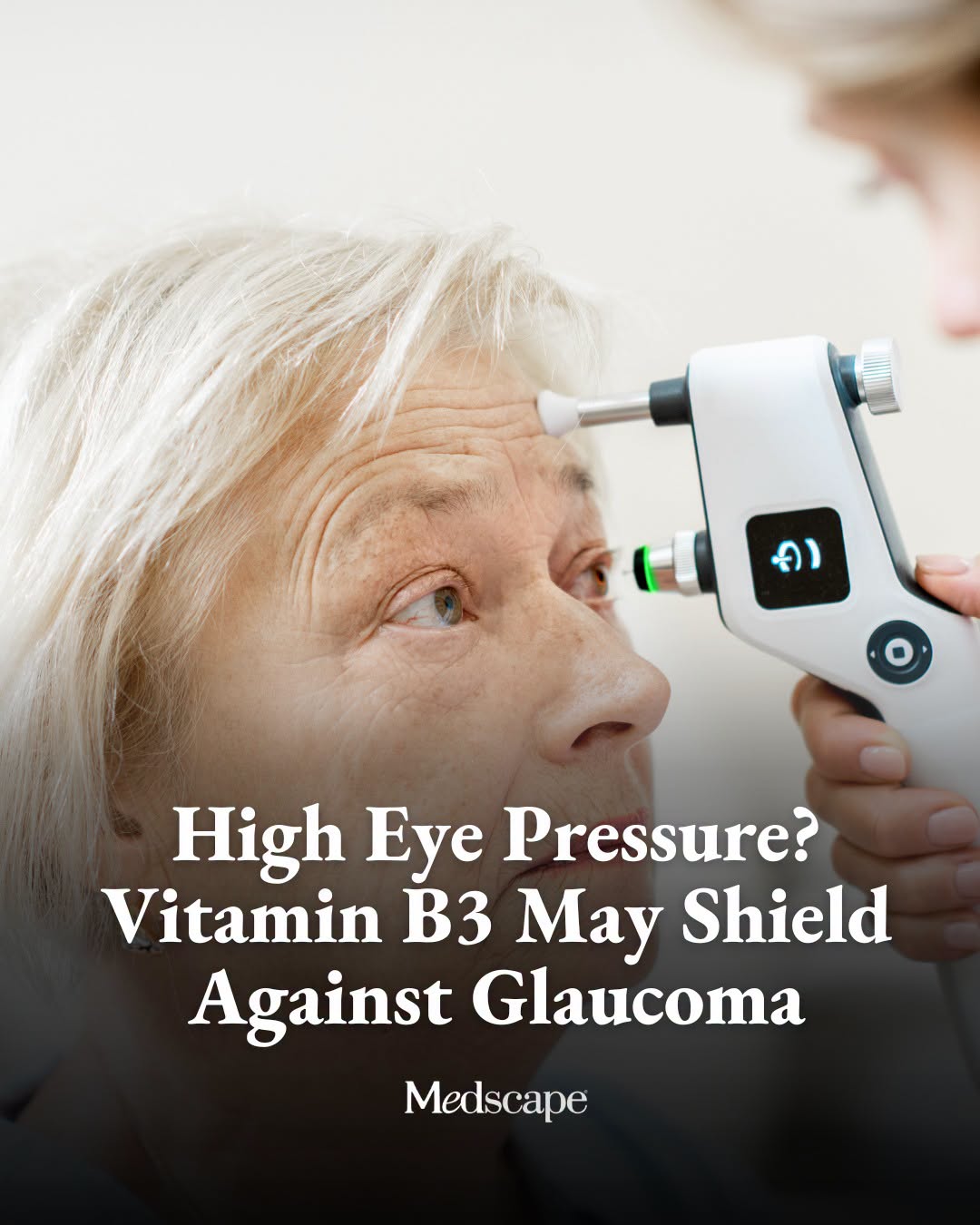
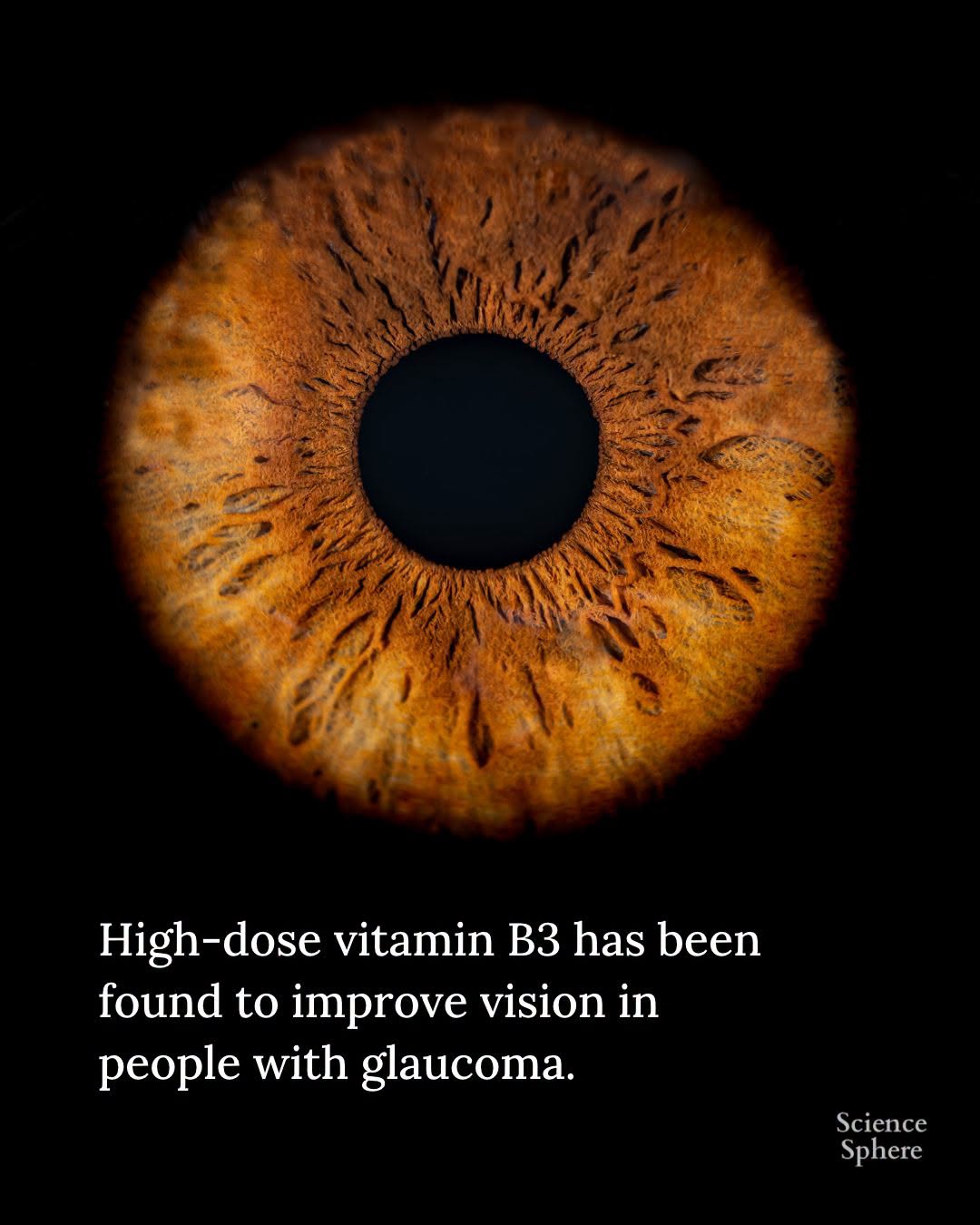
Nicotinic acid (vitamin B3) may prevent or treat glaucoma, possibly via NAD

Dec 10, 2023 · Louis Nervegna ♥ 12 · 💬 2 ↩ 2

Louis notes growing evidence that nicotinic acid, the niacin form used to lower cholesterol, may prevent or treat glaucoma, a disease with no effective treatment that causes irreversible blindness. The mechanism likely involves NAD. Most studies used nicotinic acid, so it is unclear how nicotinamide, NR or NMN compare. This is an eye-health tangent, supported by a video.

L-carnitine supplements worsened carotid plaque stenosis within 6 months in an RCT

Nov 07, 2026 · Louis Nervegna ♥ 5 · 💬 2

Louis highlights a phase 2 RCT in patients with metabolic syndrome where L-carnitine did not change total carotid plaque volume but increased plaque stenosis within 6 months versus placebo. The proposed mechanism is TMAO production, since carnitine is abundant in red meat, but Louis notes TMAO could be a marker for another causal factor. He calls it extremely concerning.

Multivitamin cohort study found 4% higher mortality, but bias makes it uninformative

Aug 11, 2024 · Gokhan Can ♥ 8 · 💬 1

Peter Attia's critique of a study of over 390,000 adults in three US cohorts followed up to 27 years found daily multivitamin users had 4% higher mortality, inconsistent across follow-up and not dose-dependent. Healthy and sick user biases and confounding mean it neither proves a benefit nor shows harm, and multivitamins can correct deficiencies.

High-dose vitamin B6 can cause sensory neuropathy despite benefits for mood

Sep 09, 2026 · Louis Nervegna ♥ 6 · 💬 2

Louis notes that recent randomized trials suggest B6 helps anxiety and depression but warns that too much can be dangerous. The shared text says high-dose pyridoxine can cause sensory neuropathy, clearest at 1-3 g/day, while the minimum toxic dose is uncertain and regulatory limits vary from about 10 to 100 mg/day.

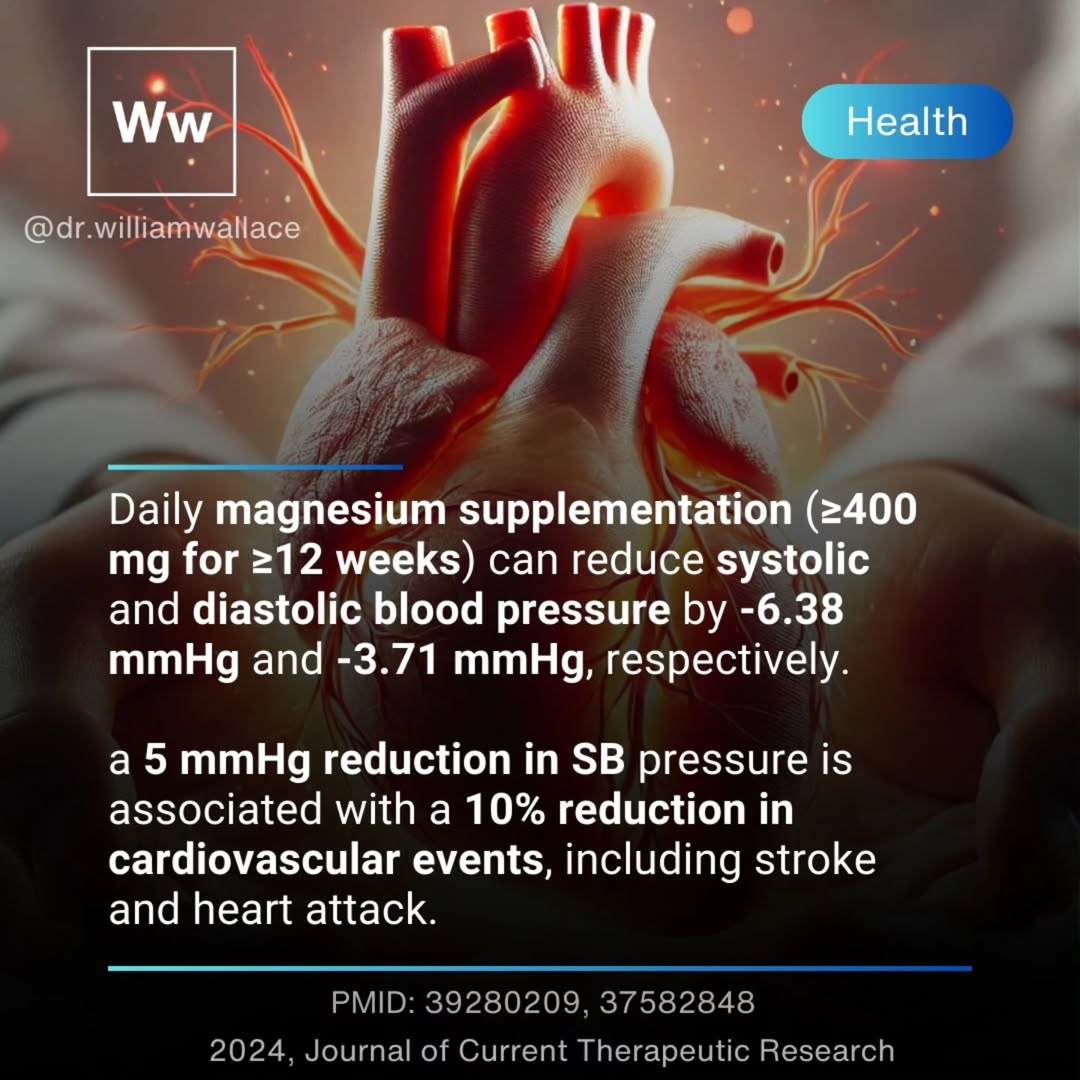
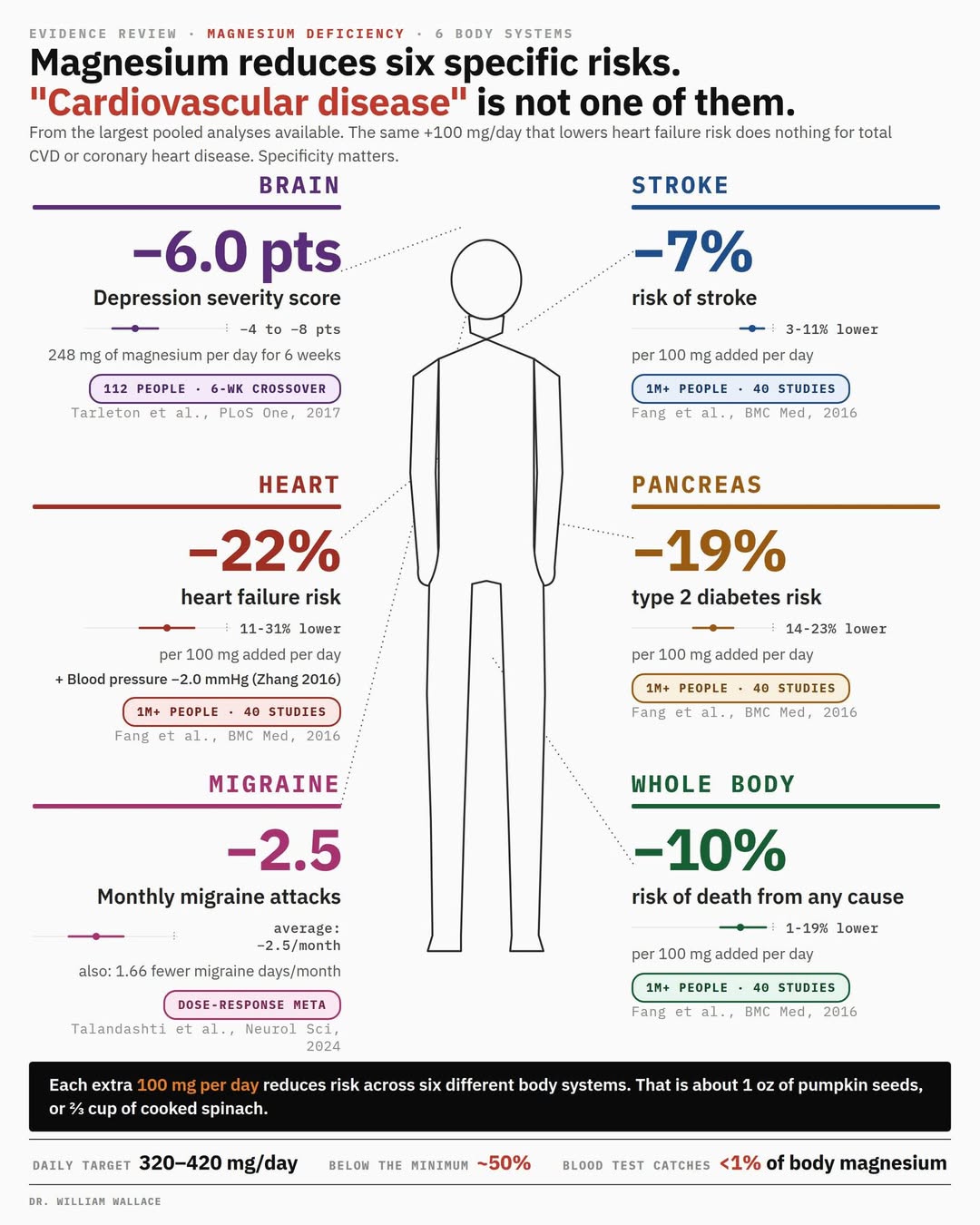
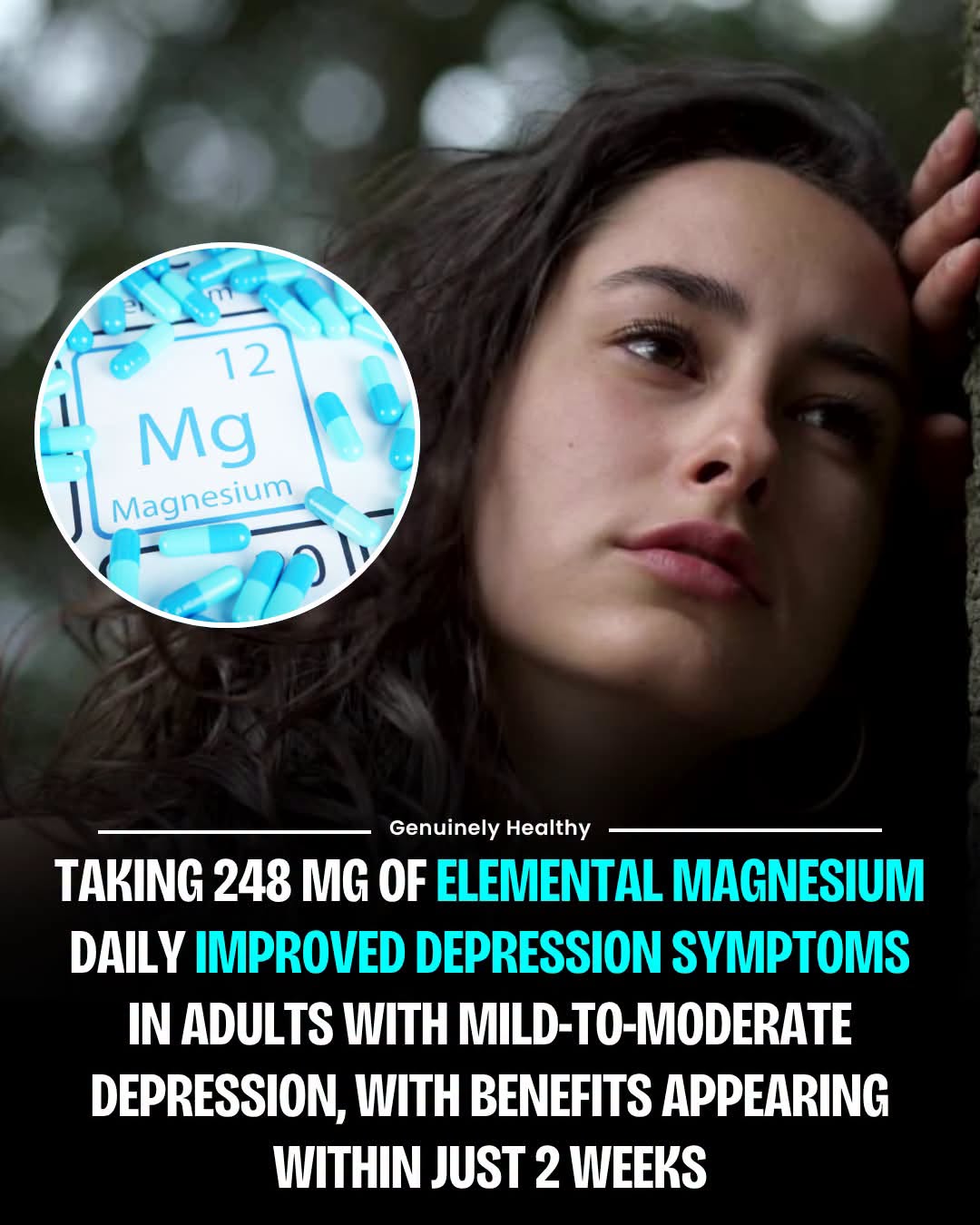
Magnesium chloride 248 mg/day improved mild-to-moderate depression in a crossover RCT

Sep 15, 2026 · Louis Nervegna ♥ 8 · 💬 1

A randomized crossover trial in 126 adults with mild-to-moderate depression gave 248 mg elemental magnesium daily as magnesium chloride for 6 weeks. PHQ-9 depression scores improved with a net difference of about 6 points versus the control period. Louis shared the paper with tags on magnesium, depression and anxiety.

Paricalcitol plus chemo safe in 36 pancreatic cancer patients; reduced tumor fibroblasts

Jun 05, 2026 · Louis Nervegna ♥ 8 · 💬 2 Cancer

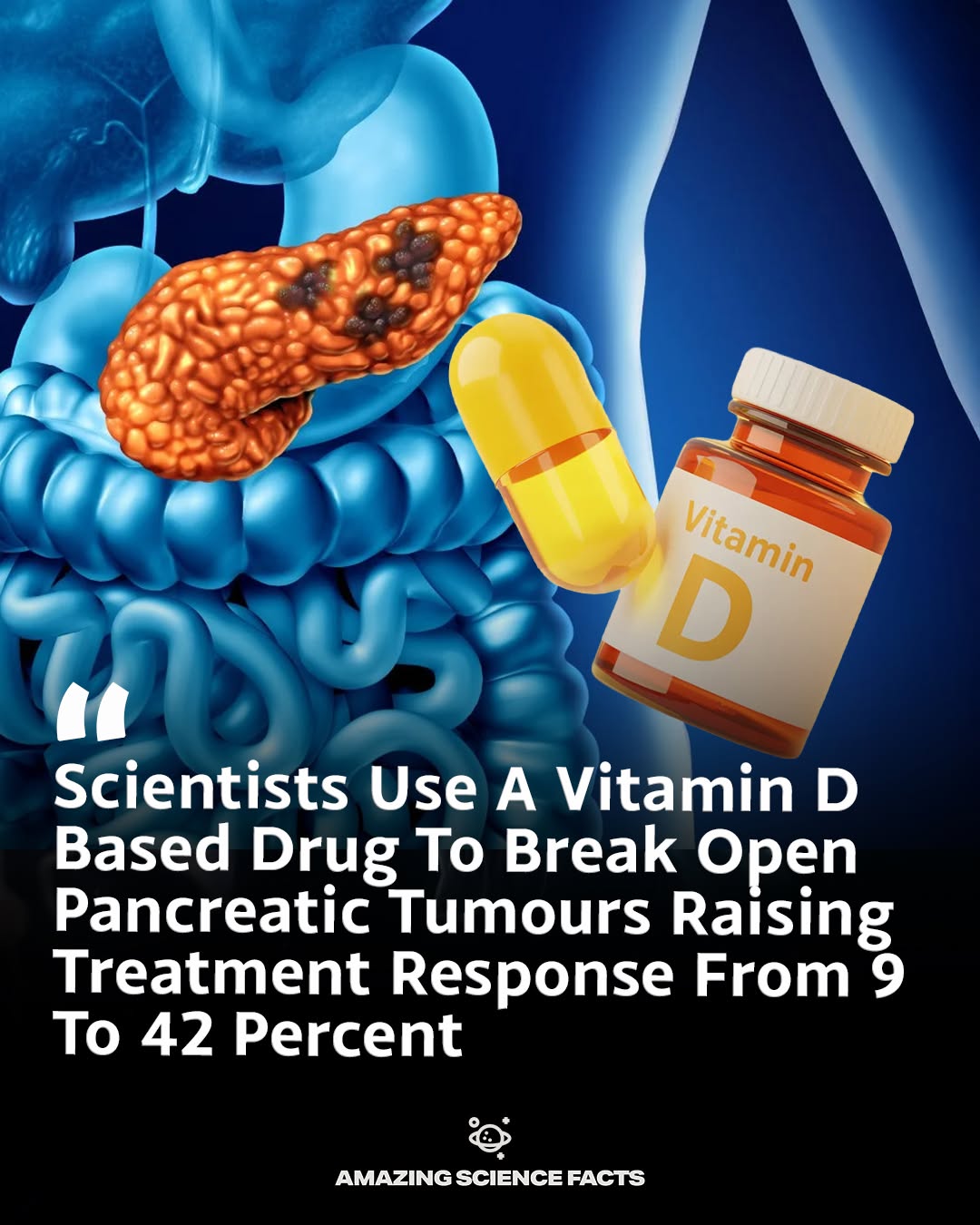
Louis points to a Nature Cancer study from Dana-Farber in which the vitamin D analog paricalcitol was combined with chemotherapy in 36 patients with untreated metastatic pancreatic cancer. Biopsies showed reduced fibroblast activation and more T-cell infiltration; the trial was not designed to prove survival benefit and it is not about vitamin D supplements.

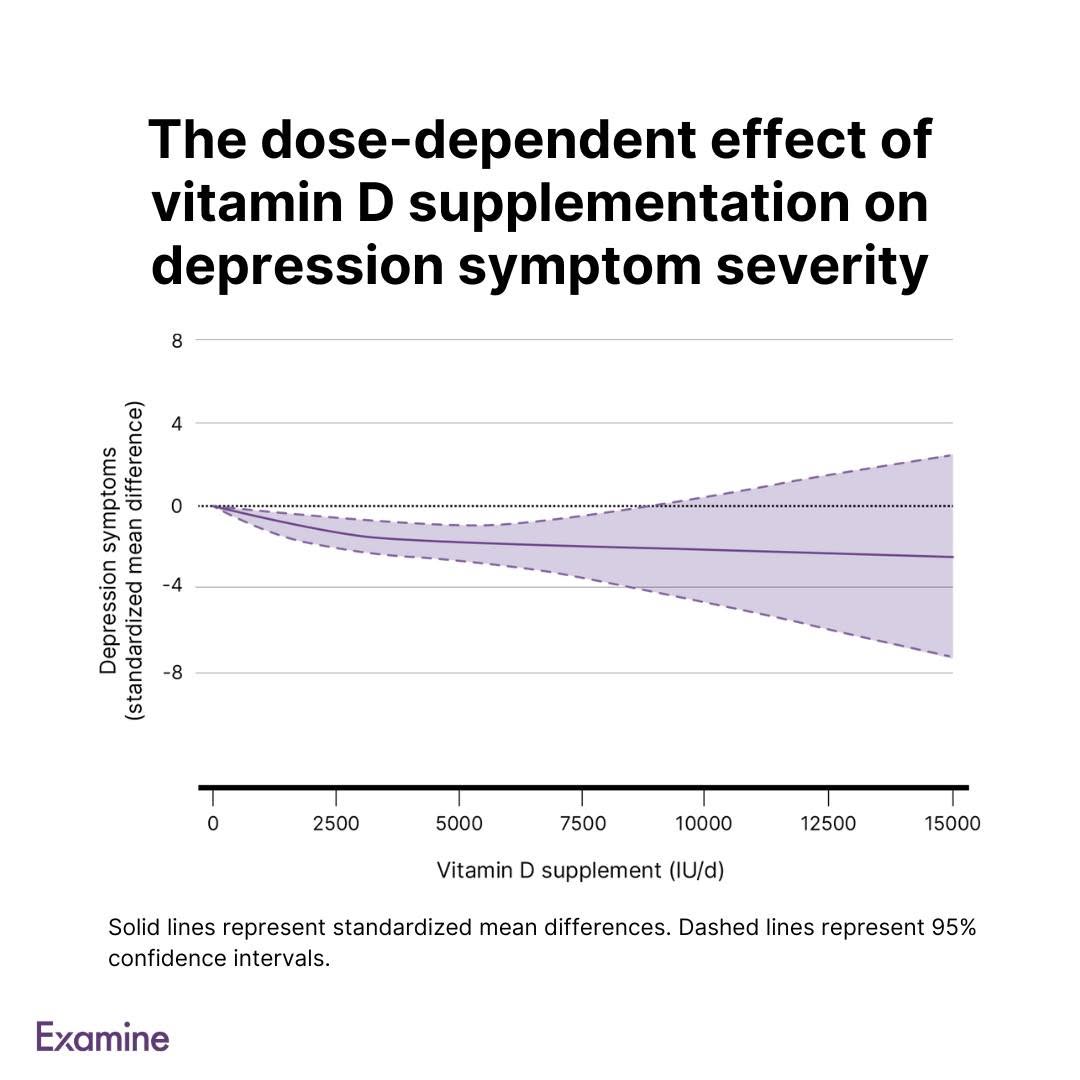
Vitamin D lowered depression symptoms dose-dependently in meta-analysis of 31 RCTs

Apr 25, 2025 · Louis Nervegna ♥ 8 · 💬 1

Examine.com summary of a dose-response meta-analysis of 31 RCTs: vitamin D reduced depressive symptoms, with most benefit near 5,000 IU/day and benefit seen only in people already depressed and not vitamin D sufficient. Most trials were under six months. Off the cardiovascular focus.

Nicotinamide plus pyruvate improved visual-field function in glaucoma in a phase 2 trial

Oct 26, 2026 · Louis Nervegna ♥ 7 · 💬 1

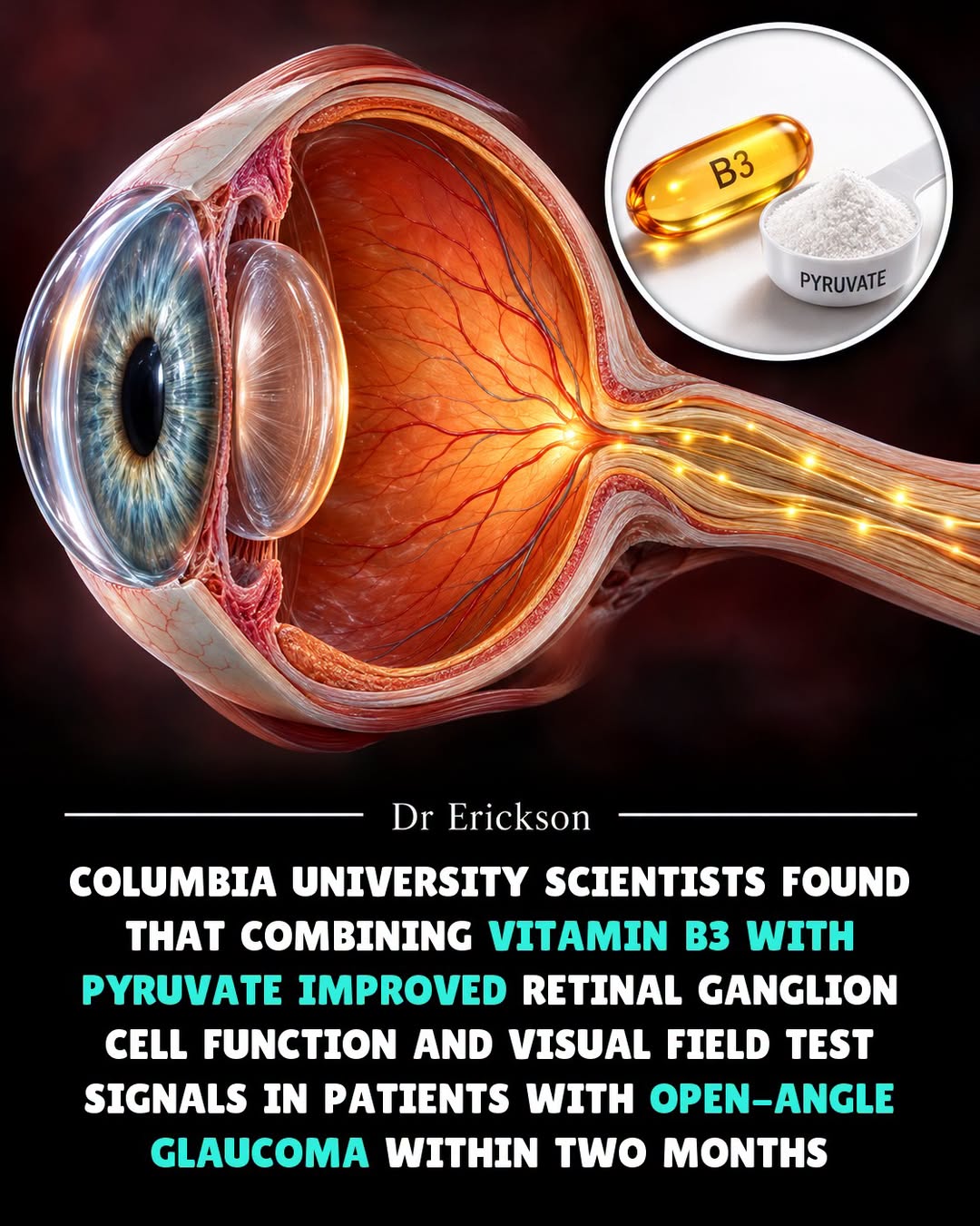
A randomized Columbia University trial tested high-dose nicotinamide (vitamin B3) with pyruvate in patients being treated for open-angle glaucoma. After about two months the supplement group had significantly more improving visual-field locations than placebo, and Louis notes the mechanism likely involves NAD.

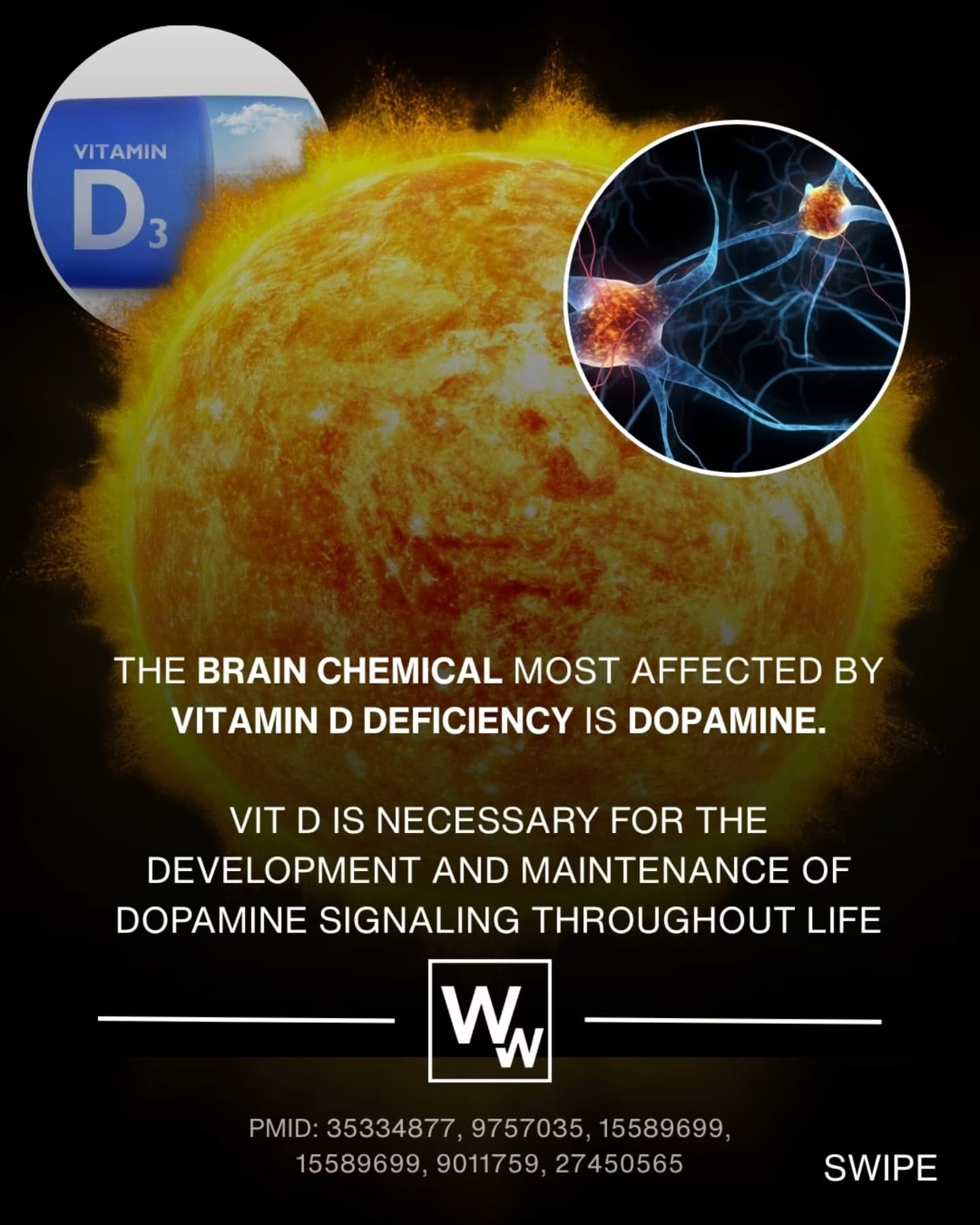
Vitamin D acts as a neurosteroid: receptors in the brain and links to dopamine signaling

Jul 22, 2025 · Louis Nervegna ♥ 23 Brain health & dementia

Shared text explains that vitamin D is a secosteroid with receptors throughout the brain and has been proposed as a neurosteroid for about 20 years. Cell and rodent data suggest it supports dopamine (and possibly serotonin) signaling and brain development, and deficiency has been tied to several brain disorders. The evidence described is mostly preclinical, so the relevance to heart health is indirect.

Summary of how micronutrients such as vitamin C and CoQ10 affect endothelial function

Jul 16, 2025 · Louis Nervegna ♥ 13 Blood vessels, circulation & endothelium

Louis shares a Linus Pauling Institute review summarising studies on micronutrients and endothelial dysfunction. Quoted examples include pooled RCTs showing vitamin C improved endothelial markers in heart failure, atherosclerosis or diabetes but not hypertension, and CoQ10 150-300 mg/day modestly improving function in five small trials.
CoQ10 rejuvenated aging platelet-producing cells in mice via COPS3 and autophagy

Oct 02, 2026 · Louis Nervegna ♥ 11

A mouse study in Aging Cell found dietary CoQ10 restored function of aged megakaryocytes, the bone marrow cells that make platelets, through a COPS3-autophagy pathway. Aging makes platelets stickier and more clot-prone, raising heart attack and stroke risk. The poster calls it promising but it is animal-only.

Creatine and cancer metastasis: preclinical signal, but human evidence is reassuring

Sep 18, 2026 · Louis Nervegna ♥ 2 · 💬 3

A summary of the claim that creatine promotes cancer spread. Animal and cell models showed more metastasis and worse survival, but human data are much less alarming: higher dietary creatine was linked to lower cancer risk, and a trial giving creatine to cancer patients found no survival difference. The poster says people with cancer should discuss supplementation with their oncology team.

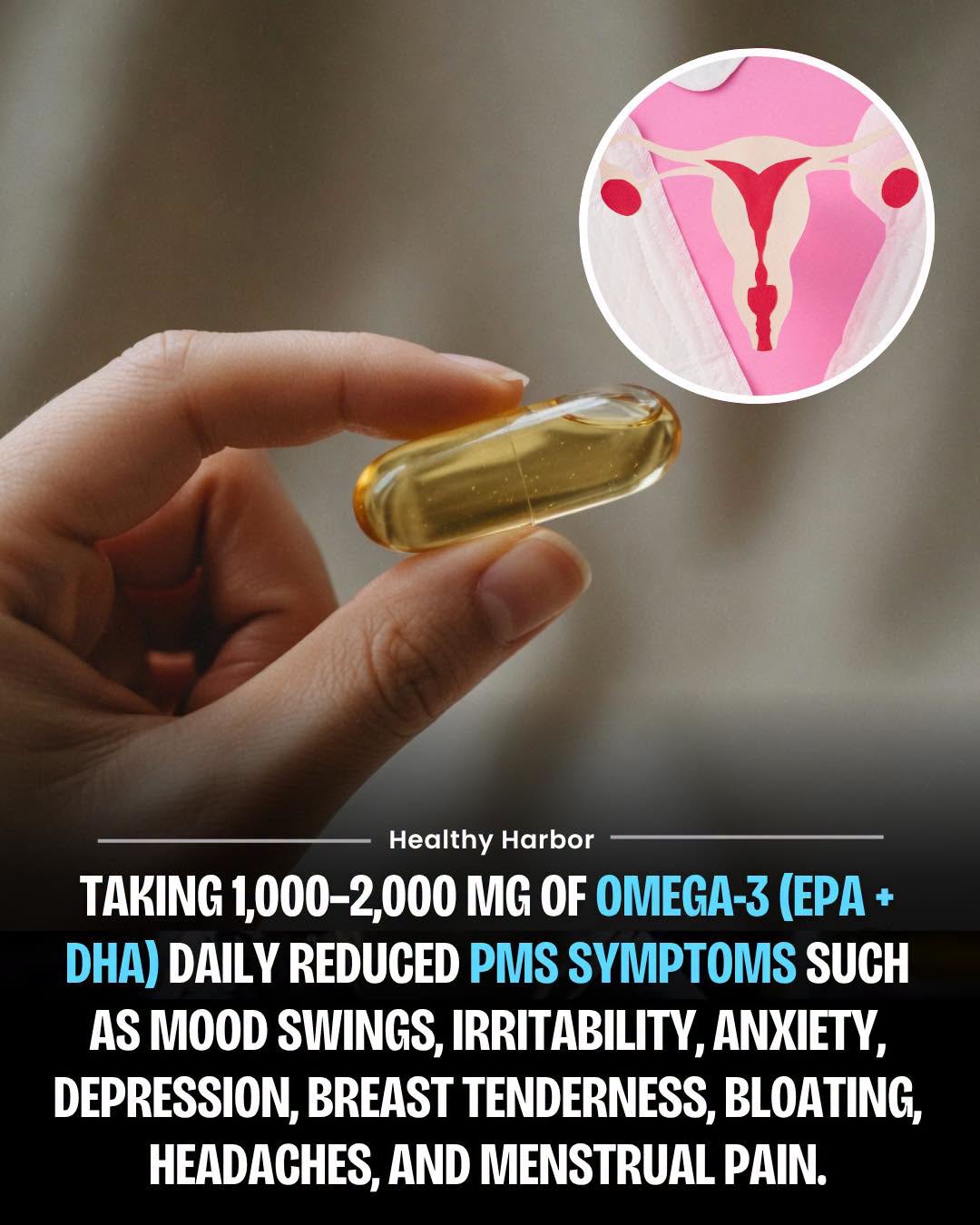
Omega-3 at 1-2 g/day reduced PMS severity in a 2022 meta-analysis of 8 RCTs

Jun 27, 2026 · Louis Nervegna ♥ 5 · 💬 1

Louis shares a 2022 systematic review and meta-analysis of randomized trials in which 1,000-2,000 mg/day of omega-3 (EPA plus DHA) reduced premenstrual syndrome severity more than placebo. Benefits covered mood and physical symptoms and grew with longer use, though the authors caution about heterogeneity.

Vitamin C has not reduced heart attacks or strokes and plaque data are mixed

Apr 12, 2026 · Gokhan Can ♥ 5 · 💬 1

Admin summarises that vitamin C alone has been tested widely without reducing hard outcomes (MACE), and plaque-reversal data are mixed: supportive in animals, better/worse/no effect in human trials. He does not advise it as a heart-disease cure, though physiological doses appear safe; he takes 250 mg/day to avoid deficiency. Links an (largely AI-generated, author-vetted) summary document.

GLYLO's mouse lifespan benefit may stem from calorie restriction, per a critical analysis

Dec 03, 2025 · Louis Nervegna ♥ 2 · 💬 5

Louis shares a Substack critique of the glycation-focused supplement GLYLO, which questions the mouse lifespan data, the role of reduced food intake and differences between the research and consumer formulas. His comment is that even if benefits come from inadvertent calorie restriction, that is still significant, as with GLP-1 drugs.

VITAL trial: vitamin D and biological measures of aging

May 24, 2025 · Louis Nervegna ♥ 8 · 💬 1

A Medscape video with JoAnn Manson on latest VITAL trial results about vitamin D supplementation and biological aging measures such as telomeres. No results are given in the post.

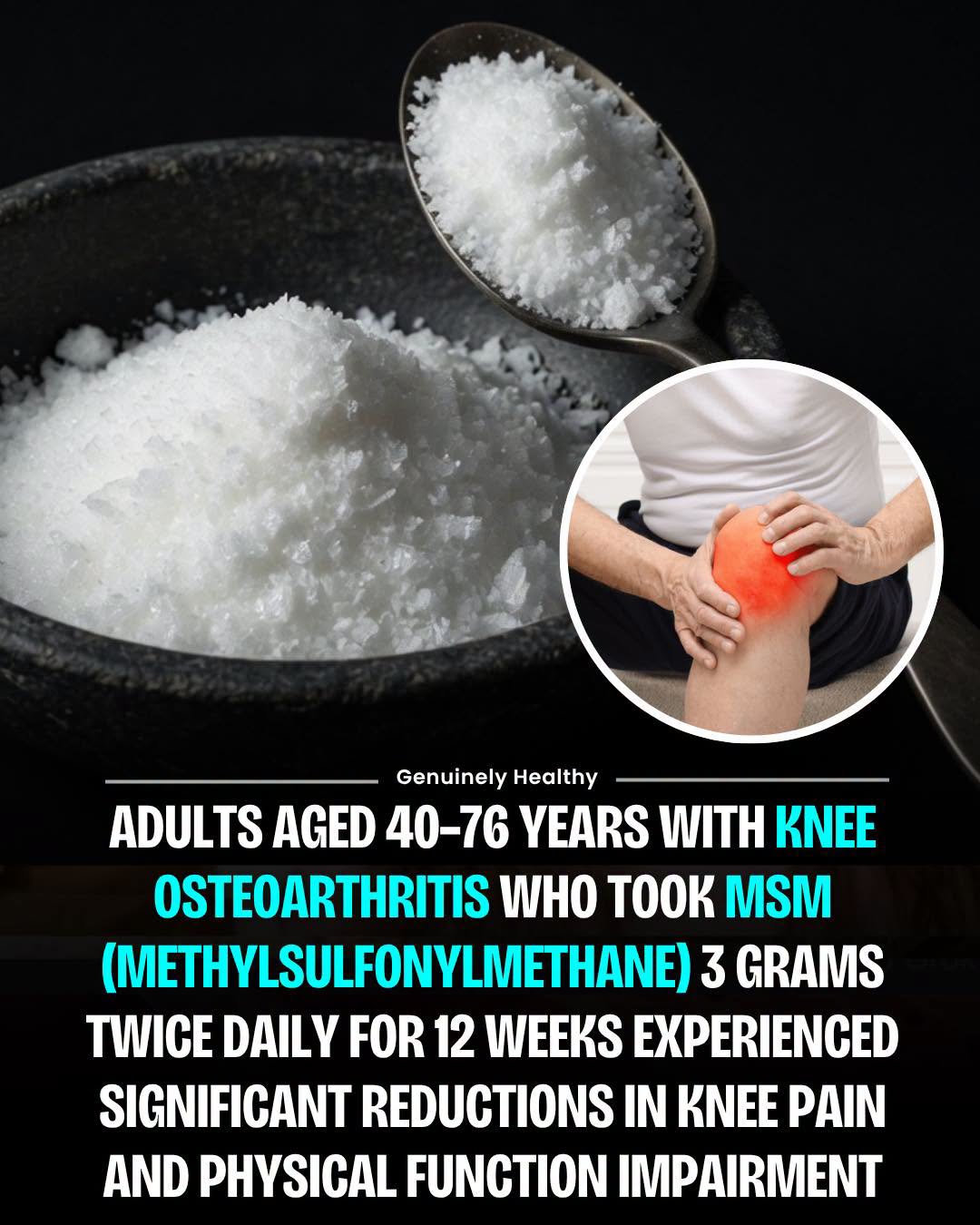
MSM 6 g/day reduced knee osteoarthritis pain over 12 weeks in a small 2006 pilot RCT

Jun 14, 2026 · Louis Nervegna ♥ 9

Louis shares a 2006 randomized, double-blind, placebo-controlled pilot trial in 50 people aged 40-76 with knee osteoarthritis. MSM 3 g twice daily for 12 weeks reduced pain and physical-function impairment on WOMAC versus placebo, though the authors say long-term benefit and safety cannot be confirmed.

Ergo-Log doubts an unpublished study linking melatonin to heart failure

Nov 08, 2025 · Louis Nervegna ♥ 4 · 💬 2

A shared Ergo-Log item notes an unpublished epidemiological study presented at AHA in October 2025 suggesting melatonin may raise heart failure risk. The site doubts it, citing trials that show a positive effect of melatonin on heart failure.

Harvard Gazette on JoAnn Manson: VITAL trial of vitamin D and omega-3 in 25,000 adults

Jun 13, 2025 · Louis Nervegna ♥ 9

Louis quotes a Harvard Gazette profile of JoAnn Manson, whose VITAL randomized trial of 25,000 people aged 50 and older tested vitamin D and fish oil omega-3. The quoted text reports a 28% reduction in heart attack with omega-3 (about 40% in those with low fish intake) and little effect of vitamin D on heart disease.

Centella asiatica and pine bark extract: small trials on arterial plaque stability

Nov 17, 2023 · Gokhan Can ♥ 8 ↩ 2

Summarizes small trials of Centella asiatica and French maritime pine bark for arterial plaque, including a 1-year study of 60 patients where soft plaque did not grow compared with a 23% increase on placebo. A 3-year study of over 300 patients reported plaque progression in 5.3% with the combination versus over 20% in controls.

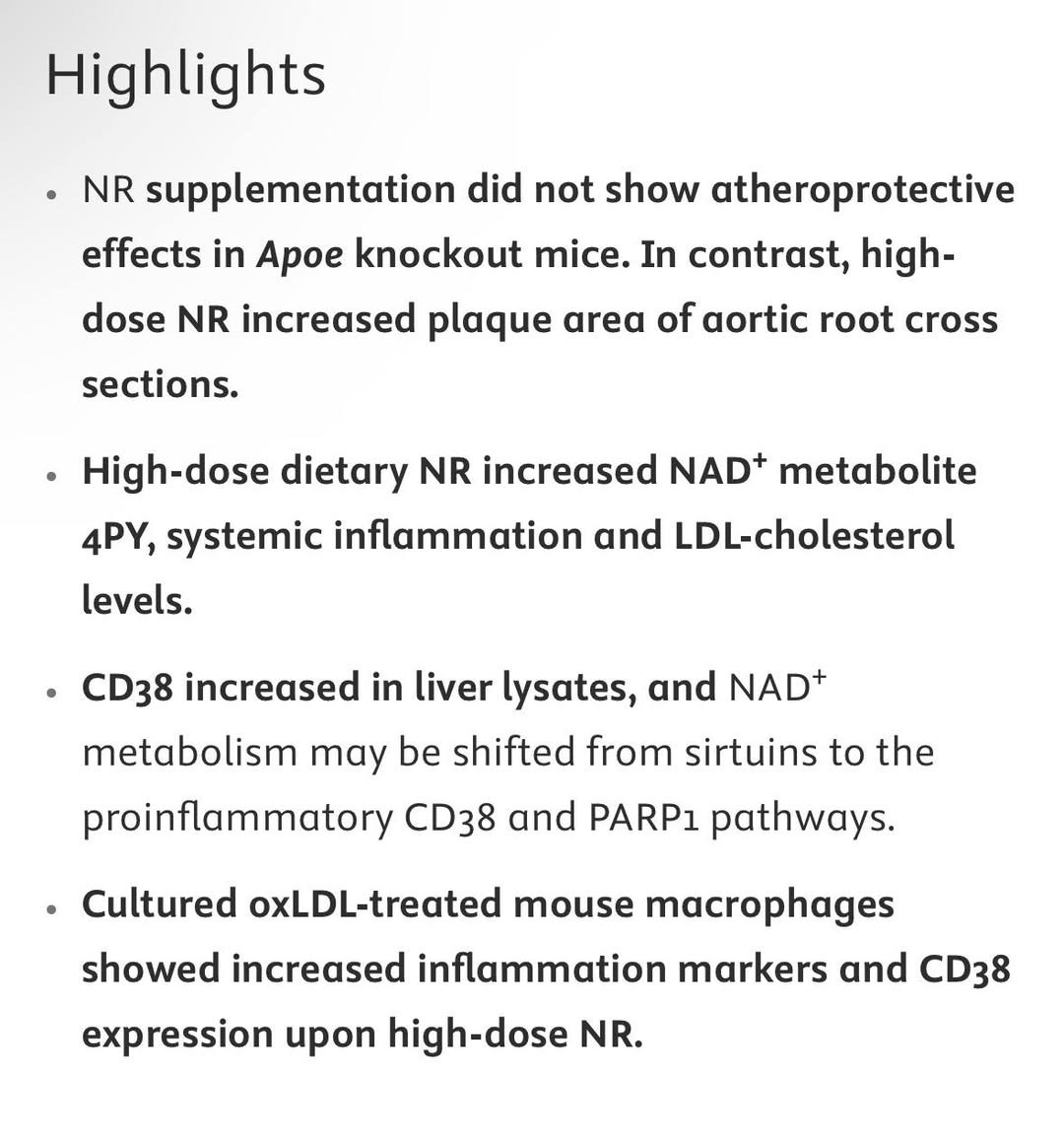
Nicotinamide riboside failed in phase 3 early Parkinson's trial, symptoms modestly worse

Nov 06, 2026 · Louis Nervegna ♥ 3 · 💬 1

Louis shares a JAMA-reported phase 3 trial of oral nicotinamide riboside (NR), a popular NAD+ booster, in early Parkinson's disease. It did not improve outcomes versus placebo at 52 weeks and patients on NR had modestly worse MDS-UPDRS scores. Louis says it shows the supplement may have downsides in some conditions.

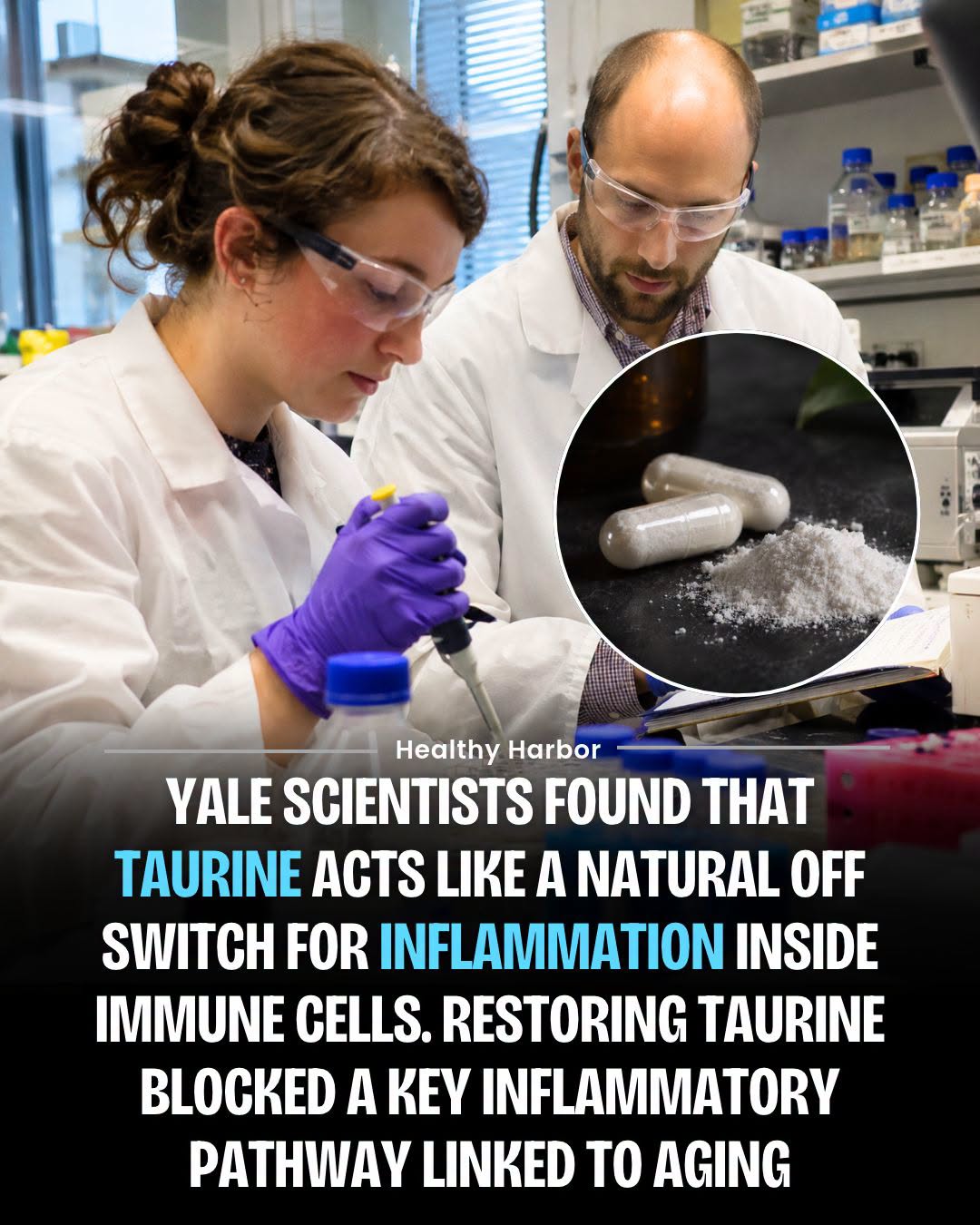
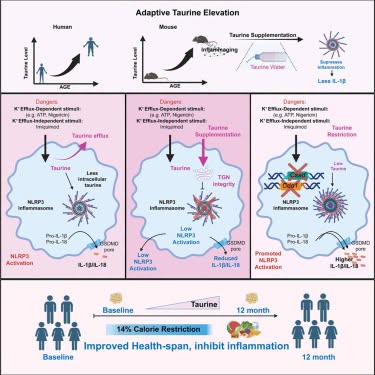
Yale: taurine loss triggers NLRP3 inflammasome; raising taurine eased inflammaging in mice

Nov 06, 2026 · Louis Nervegna ♥ 7 Inflammation & CRP

Louis shares a summary of a Yale Cell study showing macrophages release up to 80% of their taurine after inflammatory triggers, which helps activate the NLRP3 inflammasome. Restoring taurine suppressed NLRP3 activation, and raising taurine in older mice improved grip strength, coordination, some glucose measures and inflammatory markers. It is preclinical research.

High-dose DHA did not slow cognitive decline in 2-year APOE4 trial, but reached the brain

Jun 27, 2026 · Louis Nervegna ♥ 7 Brain health & dementia

Louis comments on a Medscape report of a trial of high-dose omega-3 in older adults at high dementia risk. It found no improvement in memory, cognition or hippocampal volume, although DHA reached the cerebrospinal fluid equally in APOE4 carriers and non-carriers. He notes the trial was short at two years, and APOE4 carriers with the highest DHA to arachidonic acid ratio declined less.

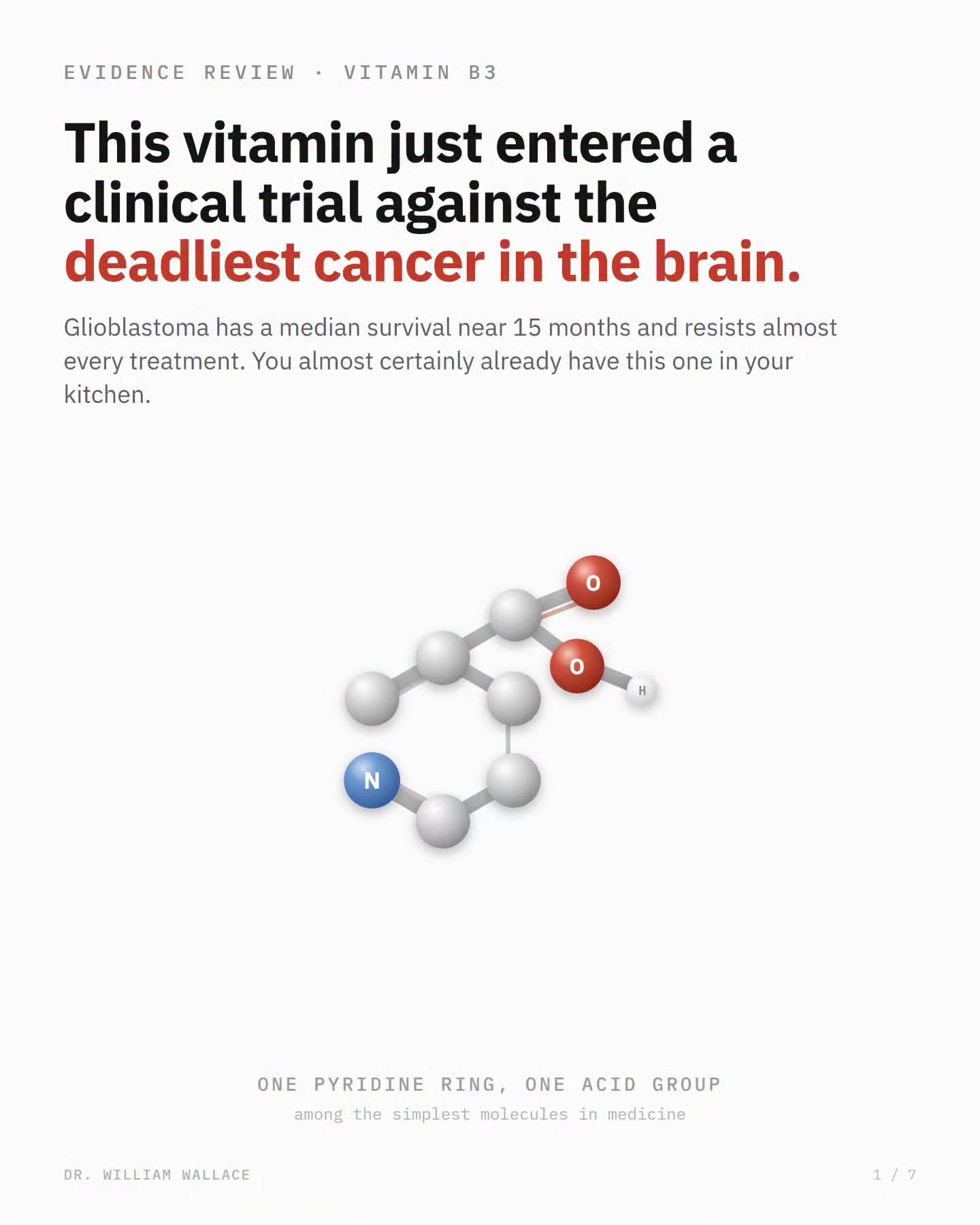
High-dose niacin shows early promise in glioblastoma: 82% progression-free at 6 months

Oct 12, 2026 · Louis Nervegna ♥ 6 Cancer

A small phase 1 pilot trial of high-dose, controlled-release niacin added to standard chemotherapy and radiotherapy for glioblastoma reported 82% of patients progression-free at six months. The poster notes the doses resemble those once used for high cholesterol and that results used historical controls, so a randomized phase 2 trial is ongoing.

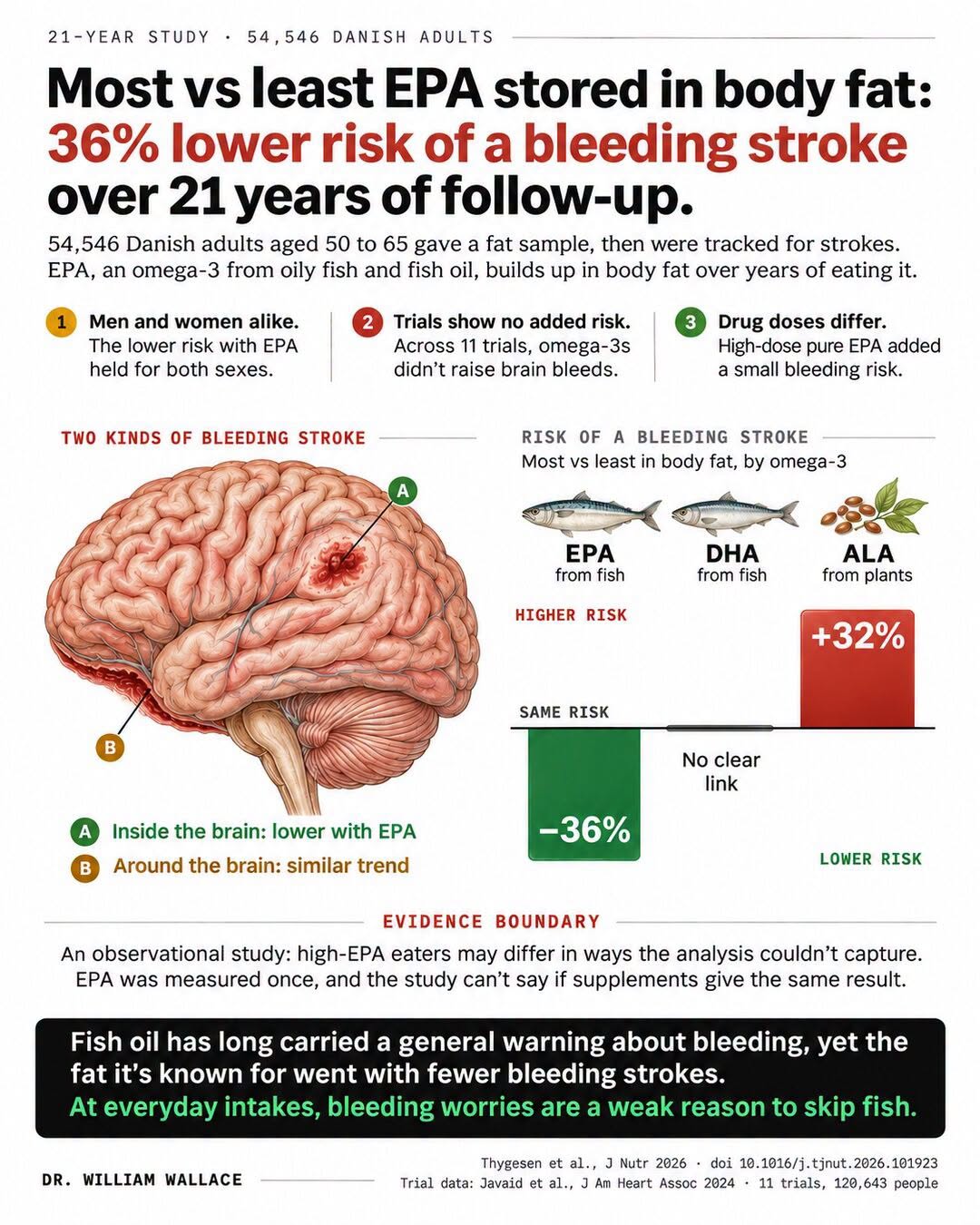
Higher stored EPA linked to 36% lower bleeding stroke risk in a 21-year Danish study

Nov 09, 2026 · Louis Nervegna ♥ 4 Heart attack, stroke & procedures

Louis shares a 21-year Danish study of 54,546 adults using fat-tissue samples of EPA and DHA. People with the highest EPA had a 36% lower risk of bleeding stroke, DHA was neutral, and ALA was linked to 32% higher risk (needs confirmation). Pooled RCTs found no extra brain bleeding, except small risk with high-dose prescription EPA. The study is observational.

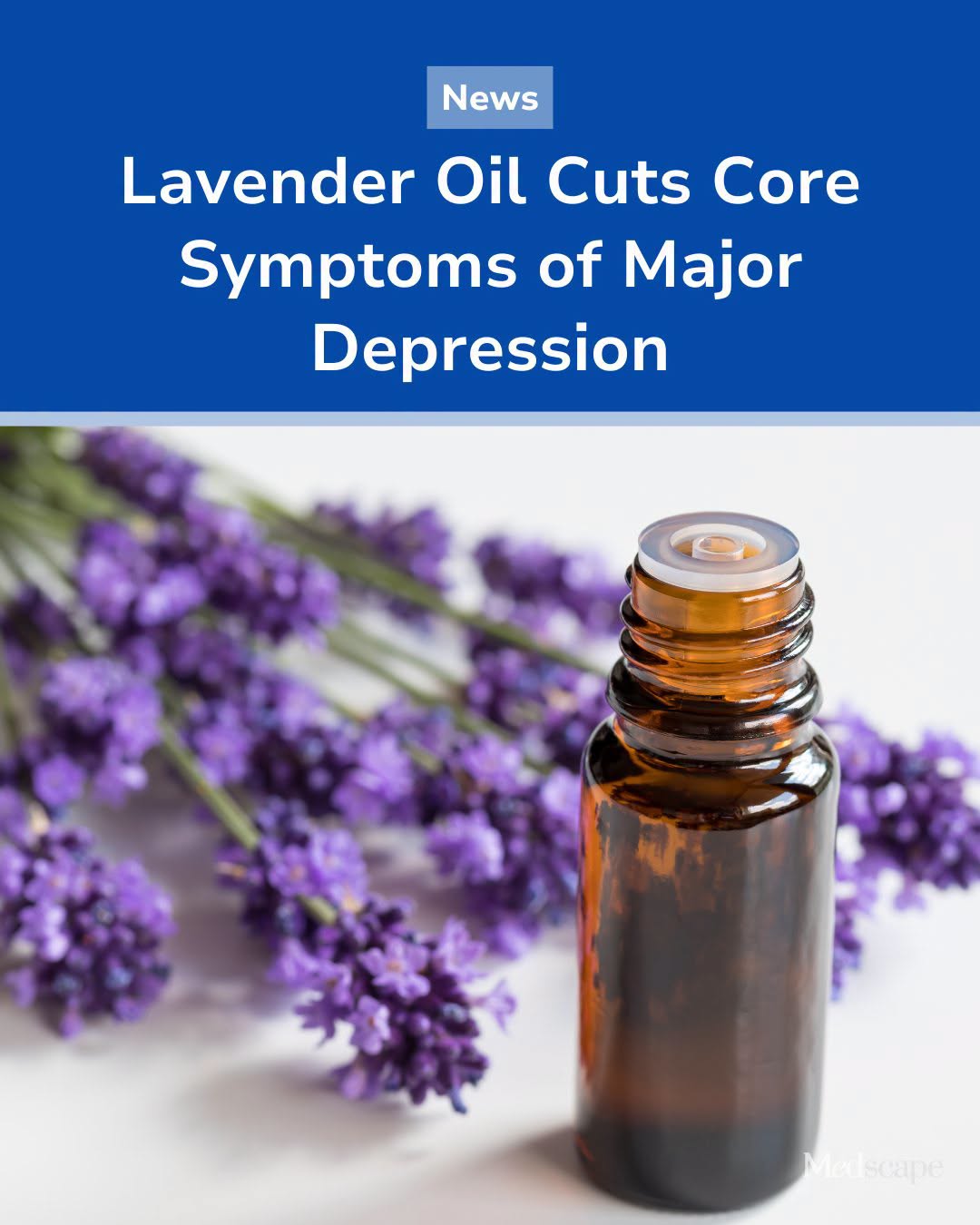
Silexan lavender oil showed antidepressant effects in a 500-patient trial

Oct 05, 2026 · Louis Nervegna ♥ 2 · 💬 1 Sleep, stress & social health

A randomized trial of nearly 500 patients with mild-to-moderate major depression found oral lavender oil (Silexan) beat placebo at 8 weeks on five of nine MADRS symptoms. Researchers described an independent direct antidepressant effect, with a symptom profile similar to sertraline. Depression is a heart disease risk factor but the post is not about heart disease directly.

Omega-3 supplements cut aggressive behavior by up to 28% in a 29-study meta-analysis

Jun 01, 2026 · Louis Nervegna ♥ 5

FoundMyFitness shares a meta-analysis of randomized trials with nearly 4,000 participants finding omega-3 supplementation reduced aggression, consistent across ages, sexes and doses. The authors concluded there is sufficient evidence to begin implementing omega-3 supplementation for this purpose.

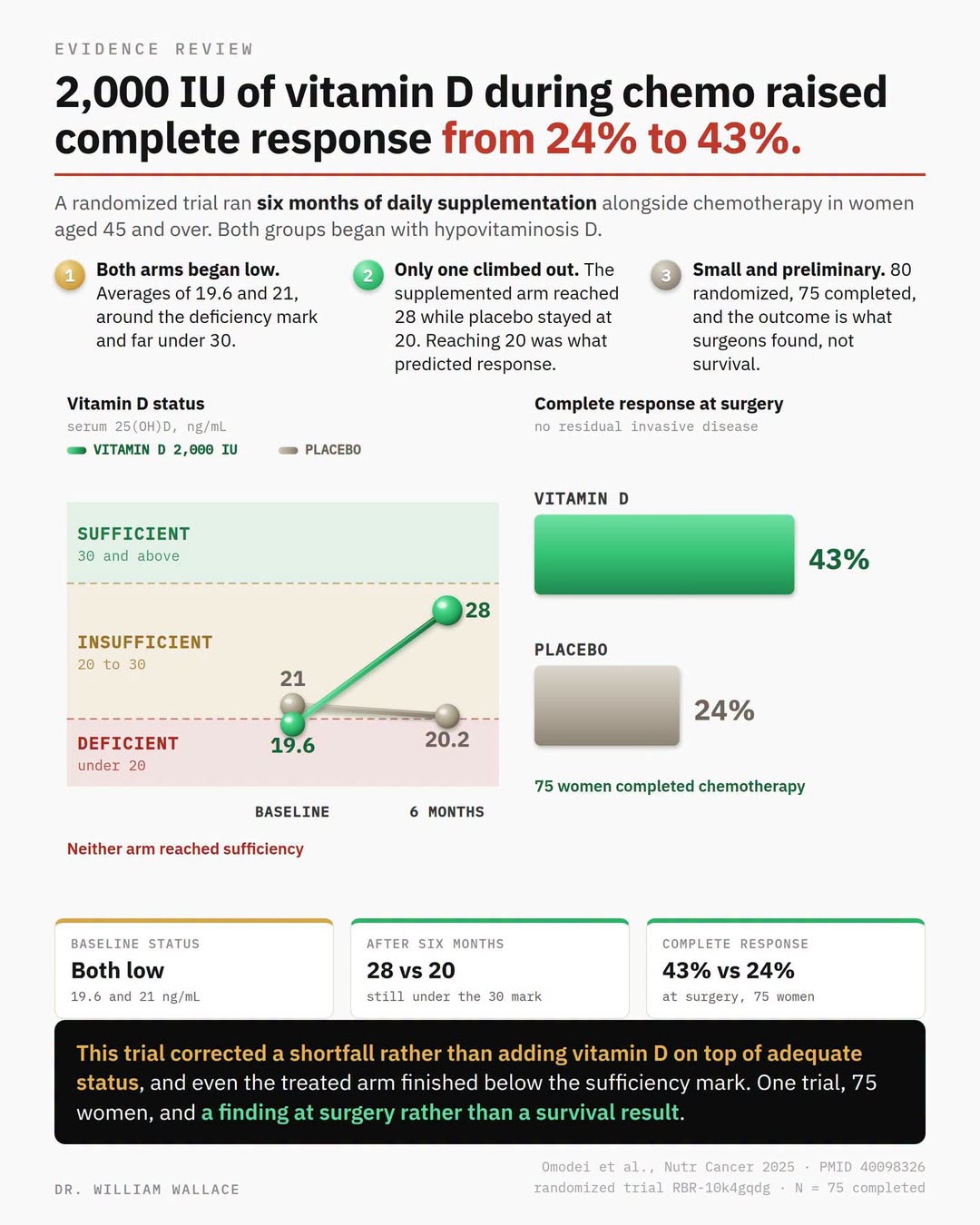
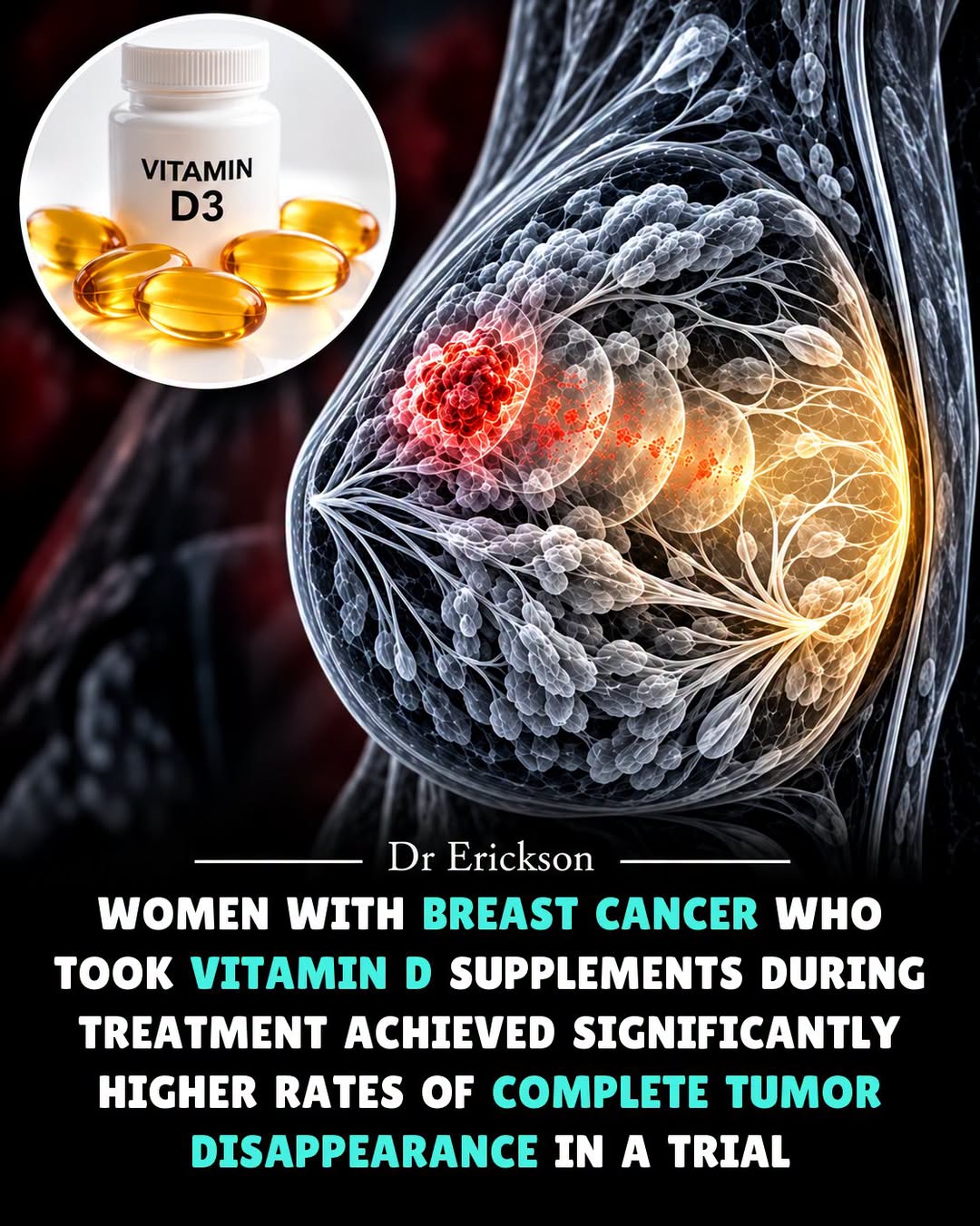
Small RCT: vitamin D raised pathological complete response to 43% vs 24% in breast cancer

Jul 25, 2026 · Louis Nervegna ♥ 3

In an 80-woman Brazilian trial, women aged 45+ starting neoadjuvant chemotherapy received 2,000 IU vitamin D daily or placebo for six months. Complete response occurred in 43% vs 24% among 75 who reached surgery. The commentary notes the benefit tracked correction of deficiency and that pathologic complete response is not a validated surrogate endpoint.

Rhonda Patrick: COSMOS multivitamin trials showed about 2 years less brain aging

Mar 10, 2026 · Louis Nervegna ♥ 7

A shared FoundMyFitness summary of Rhonda Patrick's remarks on the Harvard COSMOS trials. It claims Centrum Silver in adults 65+ was associated with about 2 years less brain aging and roughly 5 years 'younger' episodic memory versus placebo. The shared text is a podcast summary, not the primary papers.

Fish oil and cognitive decline finding is likely reverse causality, says Yassine

May 14, 2026 · Louis Nervegna ♥ 4

Louis shares USC neurologist Hussein Yassine's critique of an ADNI observational study reporting faster cognitive decline in fish oil users. The likely explanation is reverse causation: people notice early memory problems and start supplements. It contradicts well-done studies and decades of biological reasoning.

Fuhrman: vegans should supplement algae-based DHA and EPA for brain protection

Mar 18, 2026 · Louis Nervegna ♥ 4

Joel Fuhrman argues that vegans converting plant ALA poorly may have an omega-3 index below 4%, linked to higher stroke, dementia and Parkinson's risk in older vegans, and recommends algae-based DHA/EPA to reach 6-9%. Claims come from a promotional blog without cited studies.

Vitamin D 2000 IU cut autoimmune disease risk 40% in the VITAL trial, MS a key target

Nov 02, 2026 · Louis Nervegna ♥ 2

Louis resurfaces a three-year-old post: the strongest evidence for higher-dose vitamin D is in autoimmune disease, especially MS, and he notes a new JAMA publication on vitamin D treating MS. The VITAL trial of about 25,000 people at Harvard found that 2000 IU vitamin D daily for over 2 years cut autoimmune disease risk by about 40%. CNN coverage of the same trial reports about 30% lower risk with vitamin D and fish oil supplements.

FoundMyFitness video on vitamin D, dementia and APOE4

Oct 05, 2026 · Louis Nervegna ♥ 3

A shared FoundMyFitness video on vitamin D and dementia risk, tagged with APOE4. The video title claims a supplement could cut dementia risk by 40%, and its description says up to 70% of Americans do not get enough vitamin D. The post itself adds no commentary.

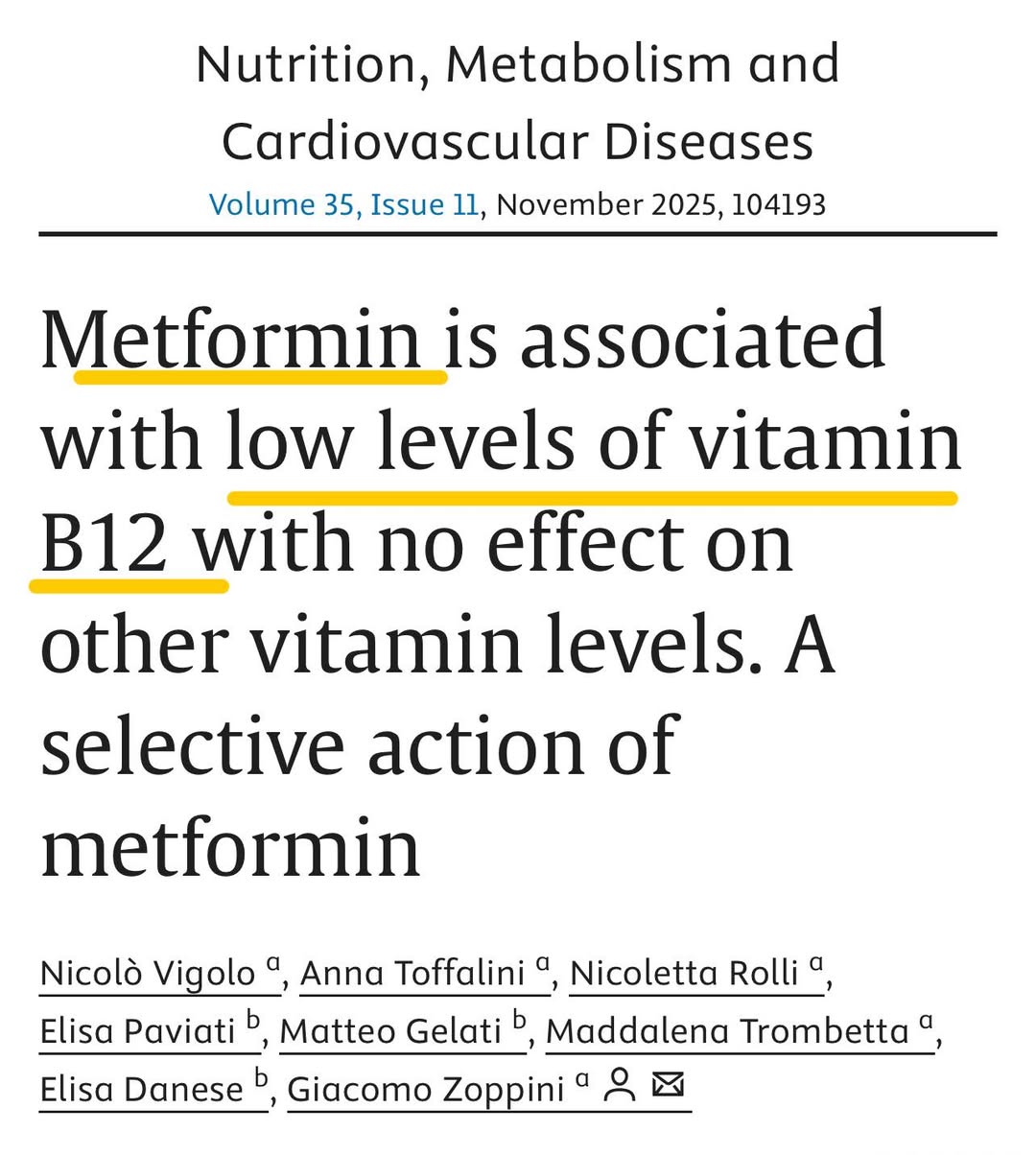
B12 lowers homocysteine but has not cut heart attacks; B vitamins may lower stroke risk

Nov 08, 2026 · Louis Nervegna ♥ 1

Louis shares a review summary showing B12 supplements reliably lower homocysteine, but large randomized trials did not consistently reduce heart attacks or cardiac deaths. The strongest benefit was for stroke, mainly where foods are not folic-acid fortified, but most trials combined B12 with folic acid and B6. Routine B12 solely for CVD prevention is not supported, though it is essential if deficient.

Berberine 500 mg twice daily lowered ApoB in two trials; CVD prevention unproven

Oct 29, 2026 · Louis Nervegna ♥ 1

A shared summary says two randomized trials of 500 mg berberine twice daily reduced ApoB, with a reduction nearly three times greater in women, though across separate trials. A newer study of 84 men identified a 'Berberine Signature' of 92 proteins linked to about 13% lower odds of ischemic heart disease in UK Biobank, but those participants were not necessarily taking berberine, so it does not prove prevention.
Taurine is not a reliable aging biomarker, says new multi-species study

Jun 07, 2025 · Louis Nervegna ♥ 1 ↩ 1 Aging & longevity

A shared summary of a large longitudinal study across humans (26-100 years), monkeys and mice finds taurine levels do not consistently fall with age, often rise (especially in women), and vary more between individuals than with age. The post notes that taurine, like NAD+ boosters and resveratrol, shows promise in animals but human evidence is limited.
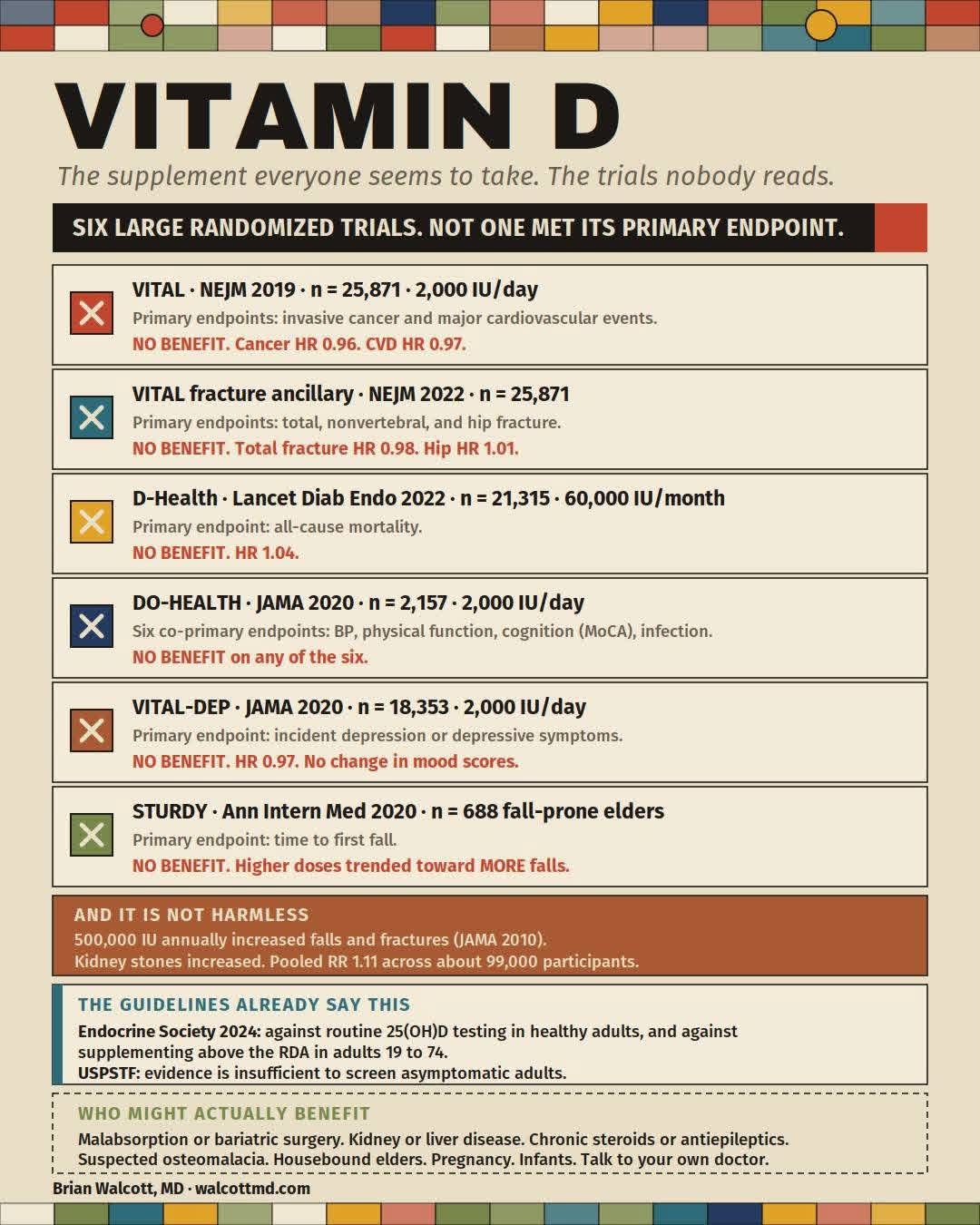
Vitamin D trials in heart disease mostly disappointing despite mechanistic promise

Mar 22, 2026 · Louis Nervegna ♥ 0

Louis shares a 2026 review describing a 'vitamin D paradox': promising cell, animal and observational data, but supplementation has not consistently reduced cardiovascular events in unselected populations unless people are truly deficient. Aside from bone health, he says the best RCT evidence is for autoimmune disease.