HD-OPM Archive
Topics › Beyond the heart

Brain health & dementia

299 posts (128 primarily about this topic) · 45 reposts and set-aside posts not shown

Start here — the best posts in this topic

  1. Ezetimibe use linked to 86% lower Alzheimer's and dementia risk in database analysis Oct 19, 2026
  2. High LDL does not protect the brain: 2024 Lancet Commission lists LDL as top dementia risk Dec 15, 2024
  3. Case report: major Alzheimer's symptom improvement after fecal microbiota transplantation Jan 02, 2026
  4. Magnesium L-threonate for 6 weeks improved cognitive age ~7.5 years (RCT, n=100) Jun 14, 2026
  5. At least 7 g/day of olive oil linked to 28% lower dementia-related death over 28 years Jun 29, 2024
  6. Even 'normal' vitamin B12 may be too low for older brains; active B12 tied to lesions ↩ 1 · May 23, 2026
  7. What cardiologists say about statins: dementia, muscle pain, diabetes, primary prevention Jan 13, 2026
  8. STAREE statin trial in 10,000 people over 70 is complete; no major harm or big benefit ↩ 2 · May 26, 2026
#alzheimers 208#dementia 198#brain 63#statinsdementia 34#apoe4 33#statins 27#aging 24#mediterranean 23#harvard 22#memory 21#ldldementia 19#longevity 19#minddiet 18#cosmos 16#nuts 14#dash 14#multivitamin 14#ptau217 14#hns 12#vaccines 12#parkinsons 12#metformin 11#coffee 11#hearing 10#ldl 10#shingles 10#amyloid 10#exercise 10#brainhealth 10#dementiahearing 9#processedmeat 9#bloodpressure 9#ezetimibe 8#hpfs 8#atorvastatin 8#peanuts 8#lithium 8#cholesterol 8#omega3 8#bbb 7

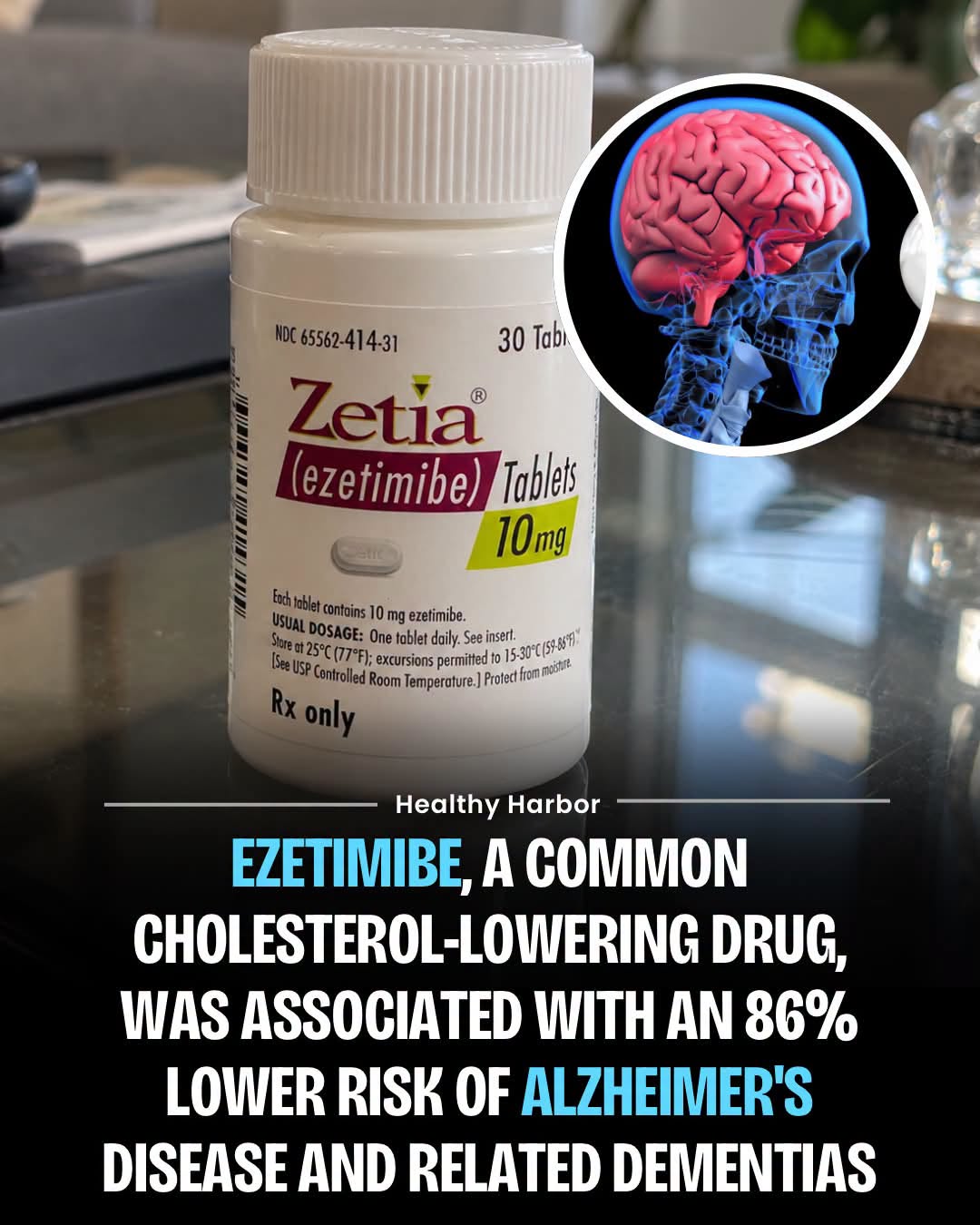
Ezetimibe use linked to 86% lower Alzheimer's and dementia risk in database analysis

Oct 19, 2026 · Louis Nervegna ♥ 38 · 💬 27

A 2024 Aging Biology paper analysed clinical databases and found that people taking the LDL-lowering drug ezetimibe had a much lower risk of Alzheimer's disease and related dementias. Brain tissue from patients also showed more of two proteins, HK1 and 14-3-3 gamma. This is an observational association, so it does not prove the drug prevents dementia.
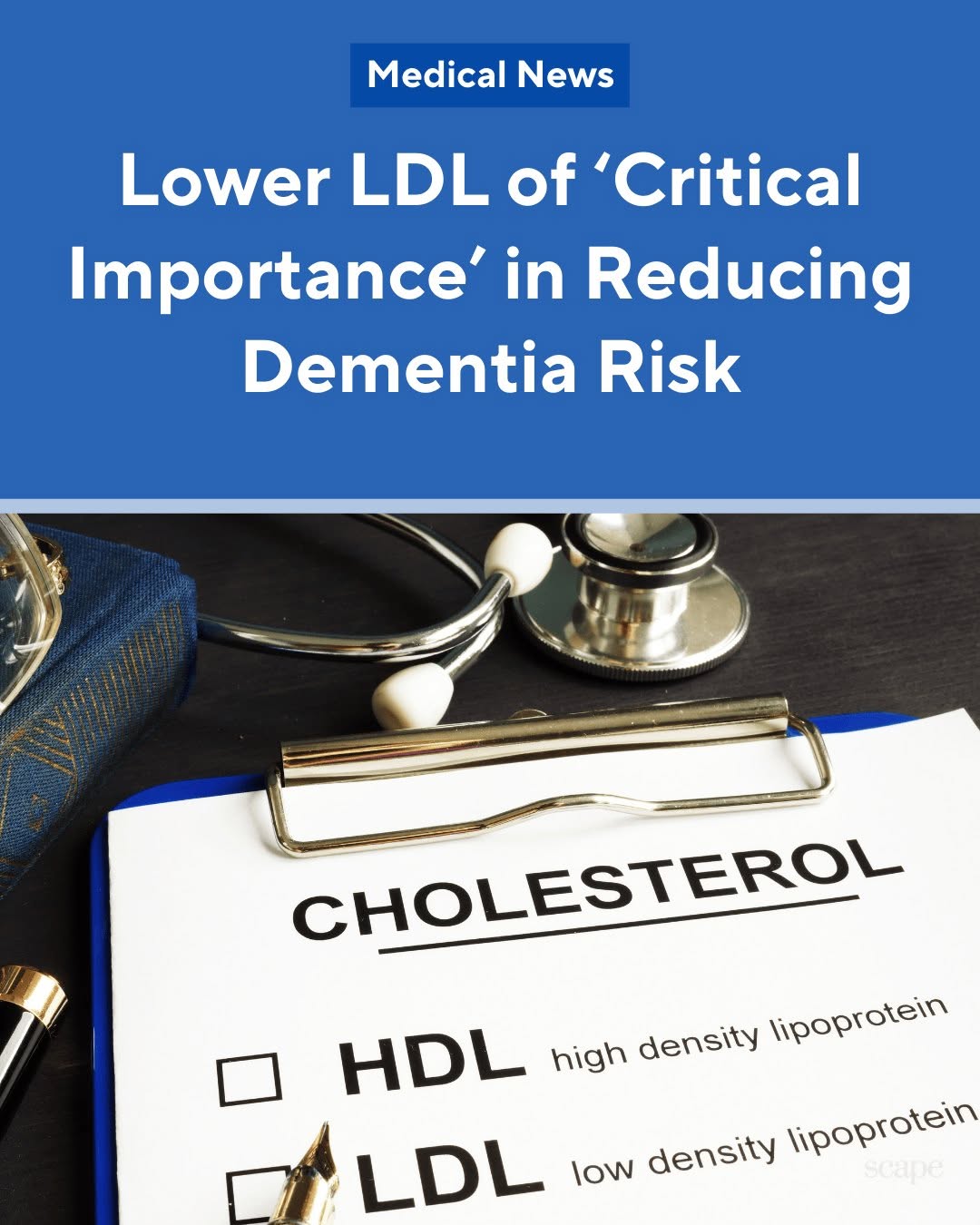
High LDL does not protect the brain: 2024 Lancet Commission lists LDL as top dementia risk

Dec 15, 2024 · Louis Nervegna ♥ 18 · 💬 38

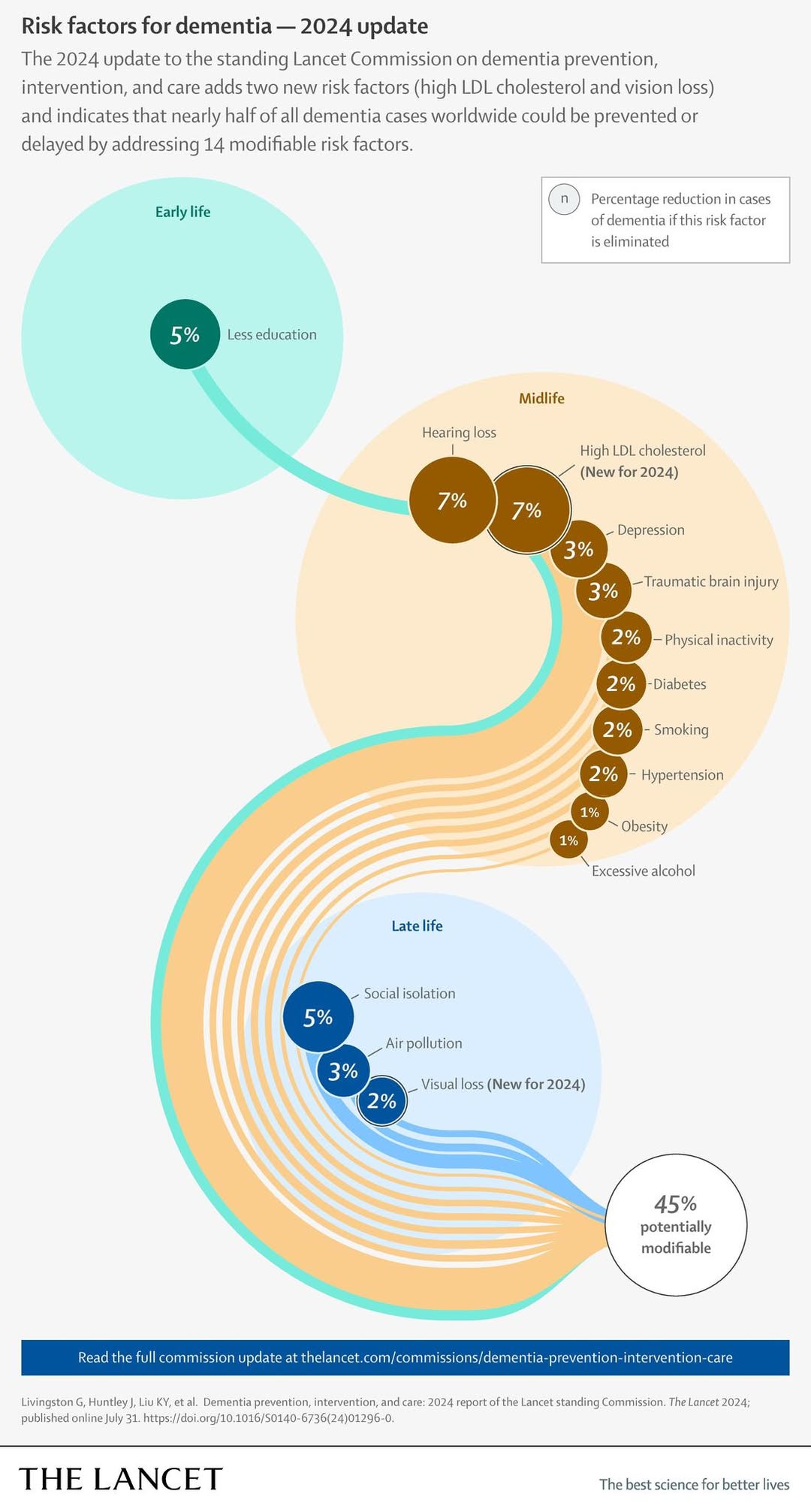
Louis counters the claim that high blood LDL protects against dementia. The 2024 Lancet Commission lists LDL cholesterol as the biggest modifiable dementia risk factor, accounting for 7% of cases among 14 factors that together account for 45%. He adds circulating cholesterol does not cross the blood-brain barrier; the brain makes its own.

Magnesium L-threonate for 6 weeks improved cognitive age ~7.5 years (RCT, n=100)

Jun 14, 2026 · Louis Nervegna ♥ 29 · 💬 22 Supplements & vitamins

Louis shares a randomized, double-blind, placebo-controlled trial in 100 healthy adults aged 18-45 who were unhappy with their sleep. Magnesium L-threonate improved overall cognition, cognitive age, working memory and reaction time, and some subjective but not objective sleep measures. (Louis's post says six months, but the trial and article describe six weeks.)

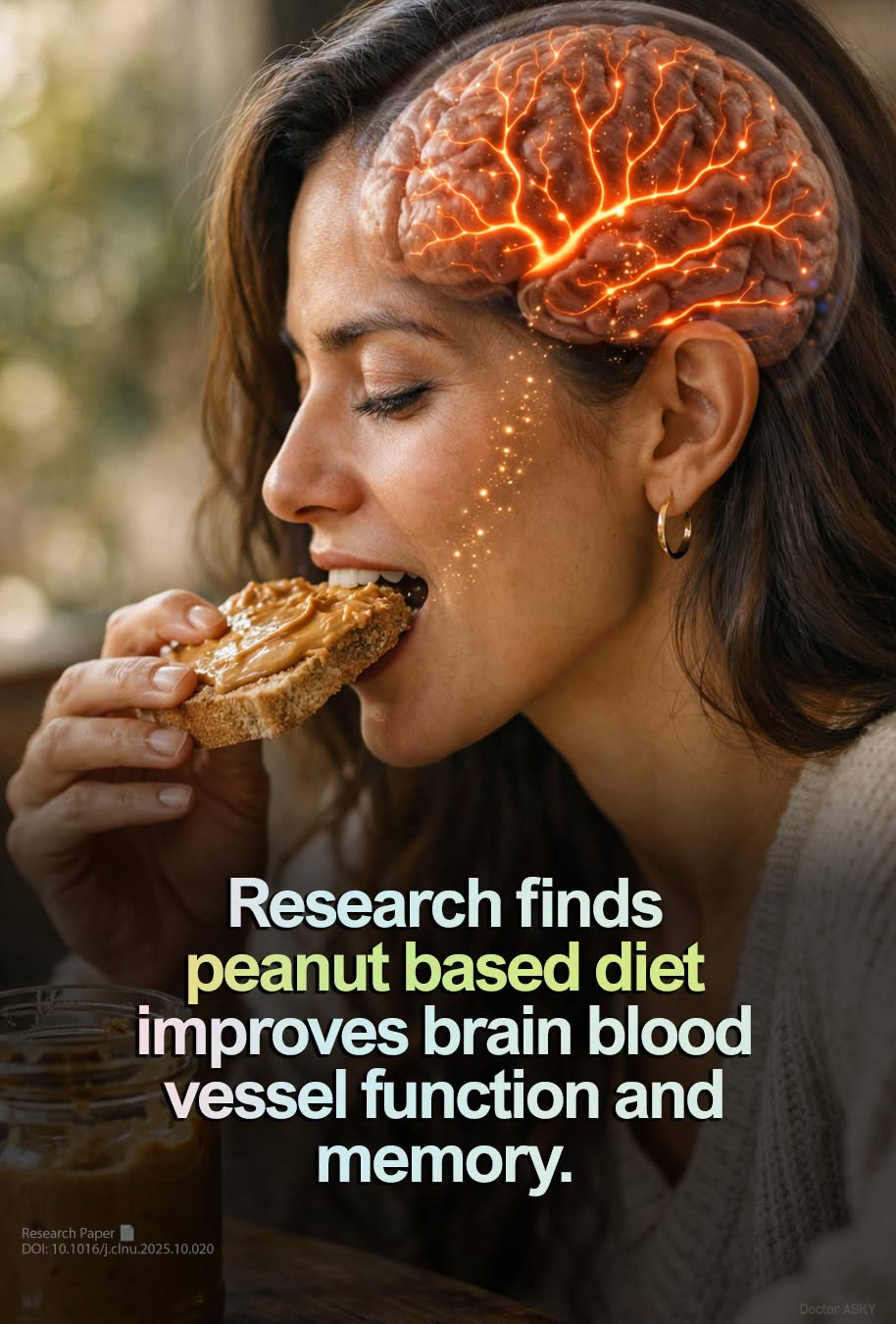
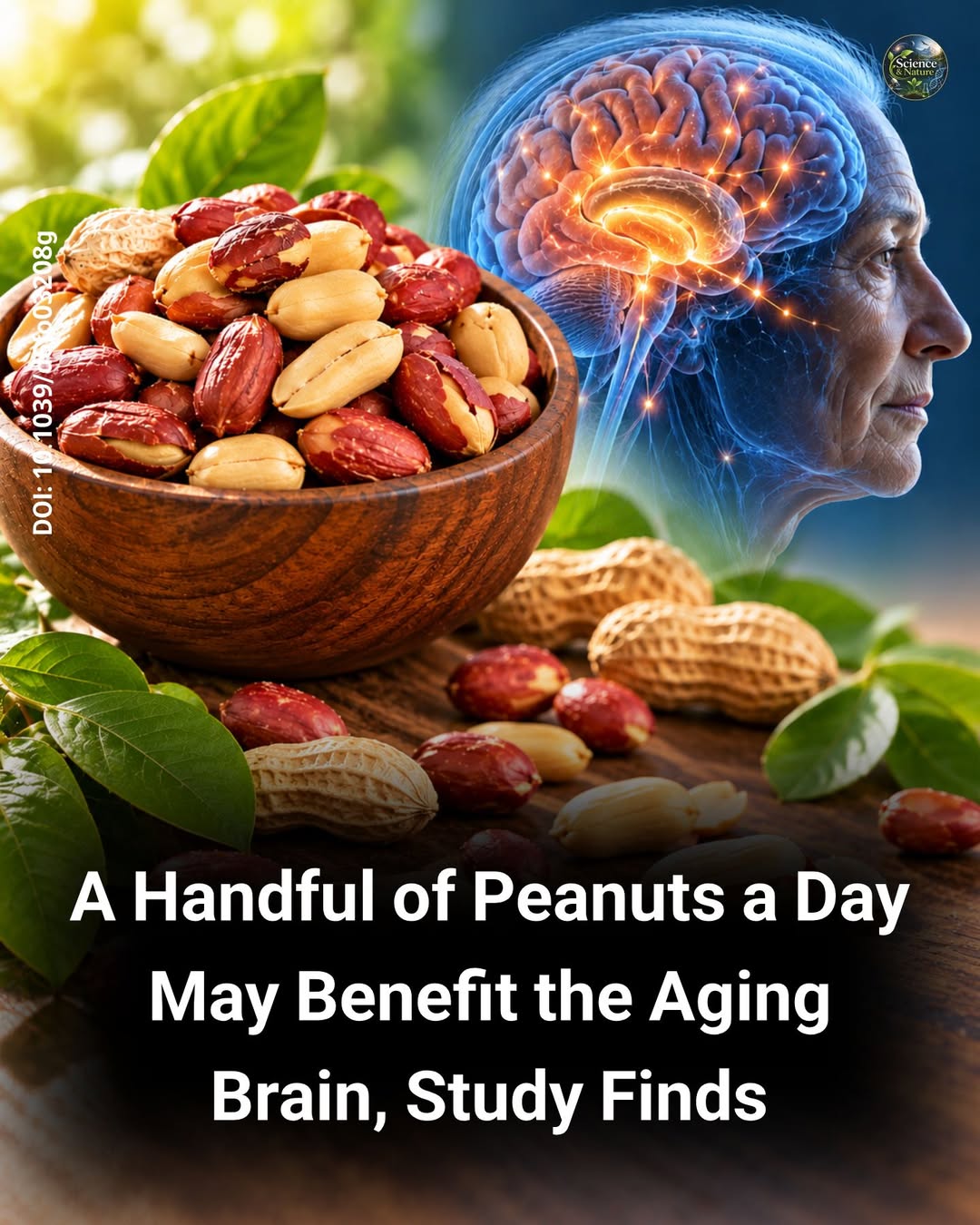
Daily peanuts raised brain blood flow about 4% in older adults, possibly via arginine

Dec 03, 2025 · Louis Nervegna ♥ 27 · 💬 17 ↩ 2 Nuts, fish, coffee, tea, cocoa & other foods

Louis shares a Clinical Nutrition study in which a daily 60 g serving of skin-roasted peanuts improved global brain blood flow by about 4% in older adults, roughly the decline seen over 10 years of aging. He suggests arginine-driven nitric oxide as the mechanism, and nuts as slow-release arginine that may also help heart health.

APOE4 carriers eating unprocessed meat or fish had lower dementia risk in Swedish study

Mar 23, 2026 · Louis Nervegna ♥ 14 · 💬 22 ↩ 1

Louis summarizes a widely shared observational study: APOE 3/4 and 4/4 carriers eating unprocessed meat or fish had lower dementia risk and possibly slower progression, with fish and poultry equal to red meat. No benefit was seen in non-APOE4 carriers, and processed meat raised dementia risk in everyone.

Only lipophilic statins like atorvastatin enter the brain; PCSK9 drugs and ezetimibe don't

Oct 18, 2025 · Louis Nervegna ♥ 25 · 💬 10

Louis explains the blood-brain barrier and cholesterol: the brain makes its own cholesterol separately from blood, so non-statin LDL drugs and hydrophilic statins like rosuvastatin have little brain effect. Lipophilic statins do enter the brain, with promising observational data against Alzheimer's, and a 20,000-person atorvastatin trial is under way. Two prior trials showed statins do not worsen existing Alzheimer's, and midlife high LDL is a leading modifiable dementia risk (2024 Lancet Commission, about 7% of US cases per Louis).

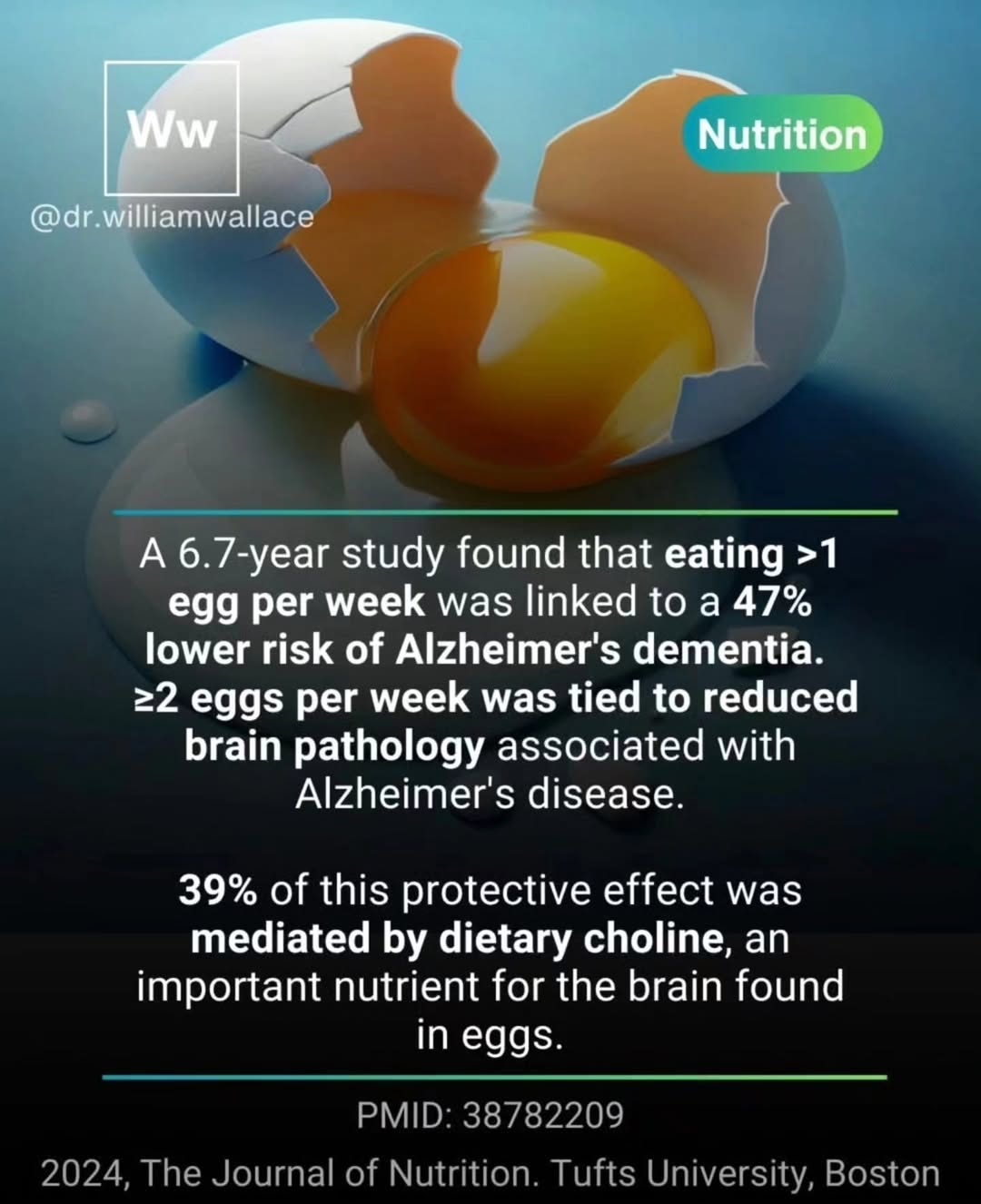
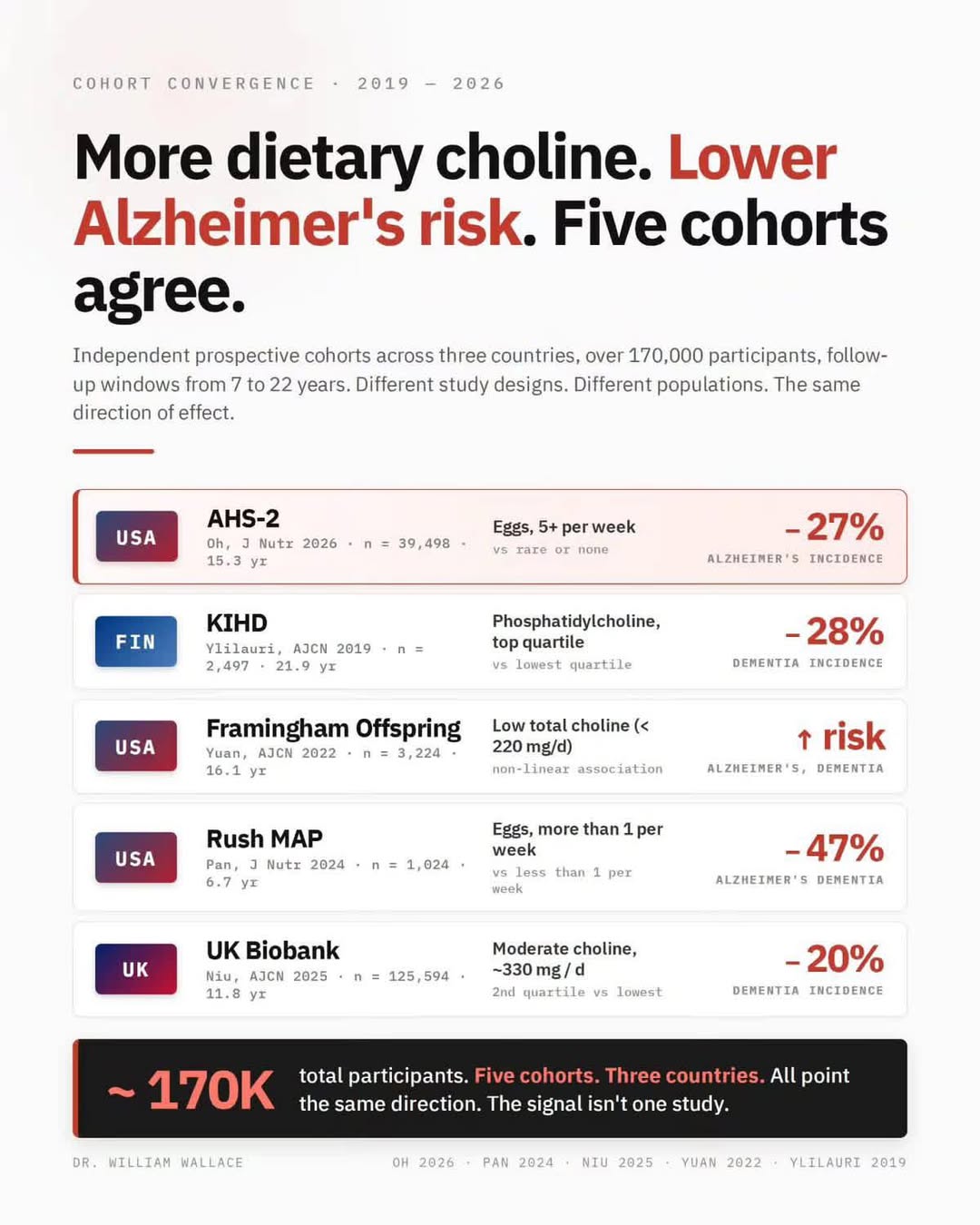
Rush study: more than 1 egg per week linked to 47% lower Alzheimer's dementia risk

Mar 13, 2025 · Louis Nervegna ♥ 19 · 💬 13 ↩ 1 Meat, eggs & dairy

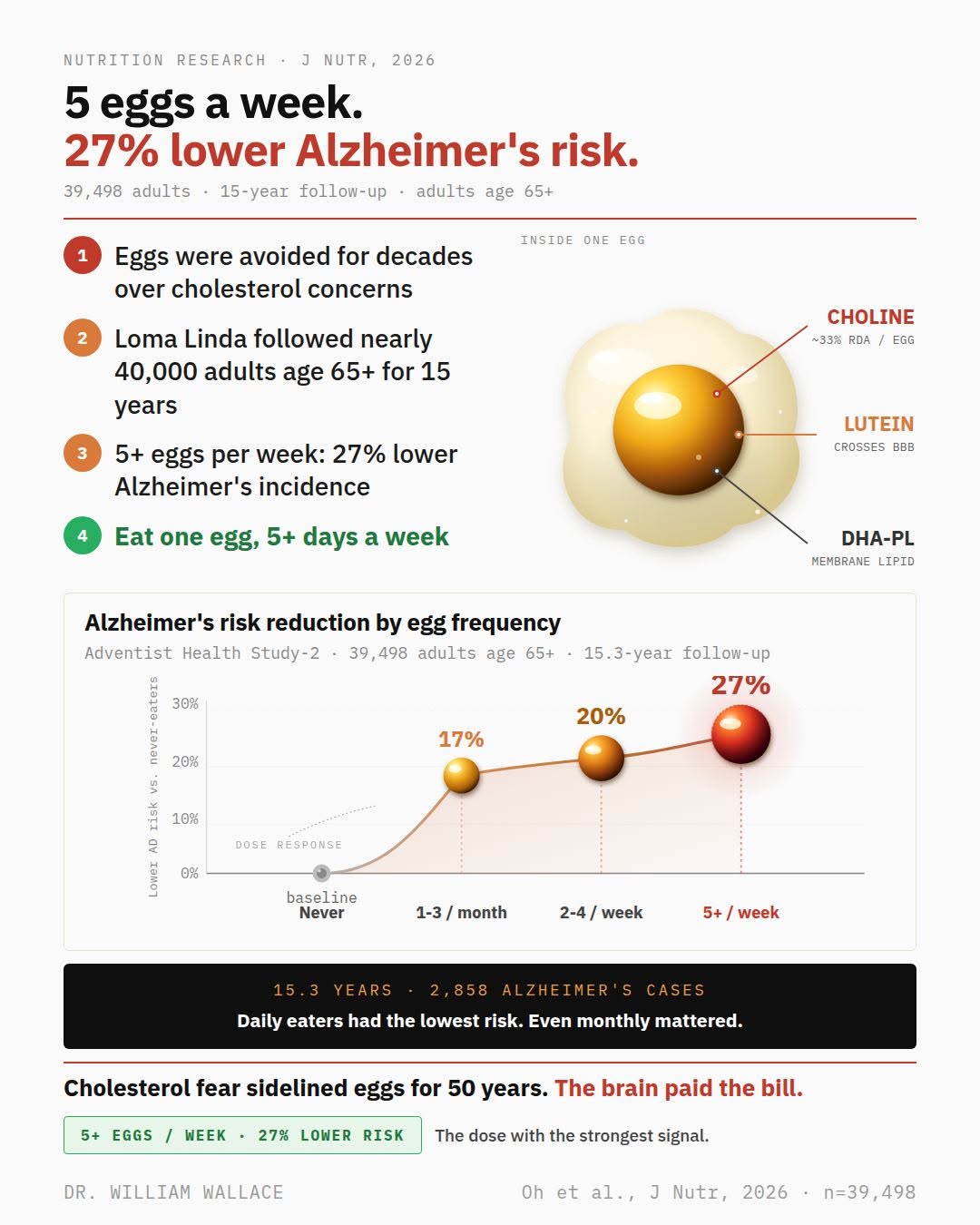
Louis shares a summary of a 6.7-year Journal of Nutrition study of 1,024 older adults (about 81 years) finding that eating more than one egg per week was associated with 47% lower Alzheimer's dementia risk, with choline explaining 39% of the effect. He notes the egg choline form (phosphatidylcholine) does not raise TMAO. The study is observational with self-reported diet.

Dietary choline may protect mitochondria and slow brain-cell aging, a dementia mechanism

Aug 22, 2026 · Louis Nervegna ♥ 31 · 💬 10

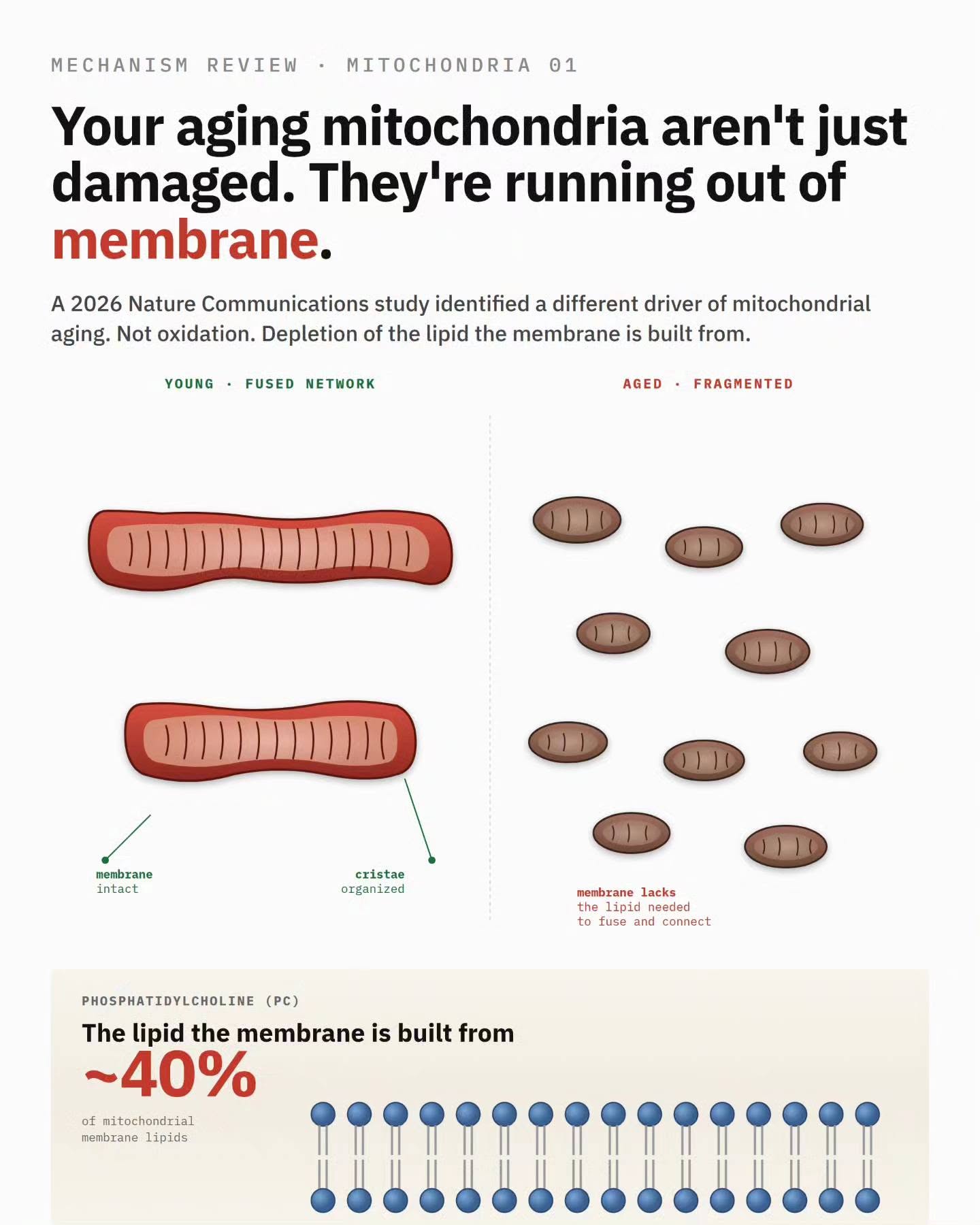
Louis revisits a study offering a more plausible mechanism for why prospective studies link choline, especially from eggs, with lower dementia risk. Controlled feeding shows dietary choline barely raises brain acetylcholine, so the new proposal is that choline protects mitochondria from premature aging via phosphatidylcholine.

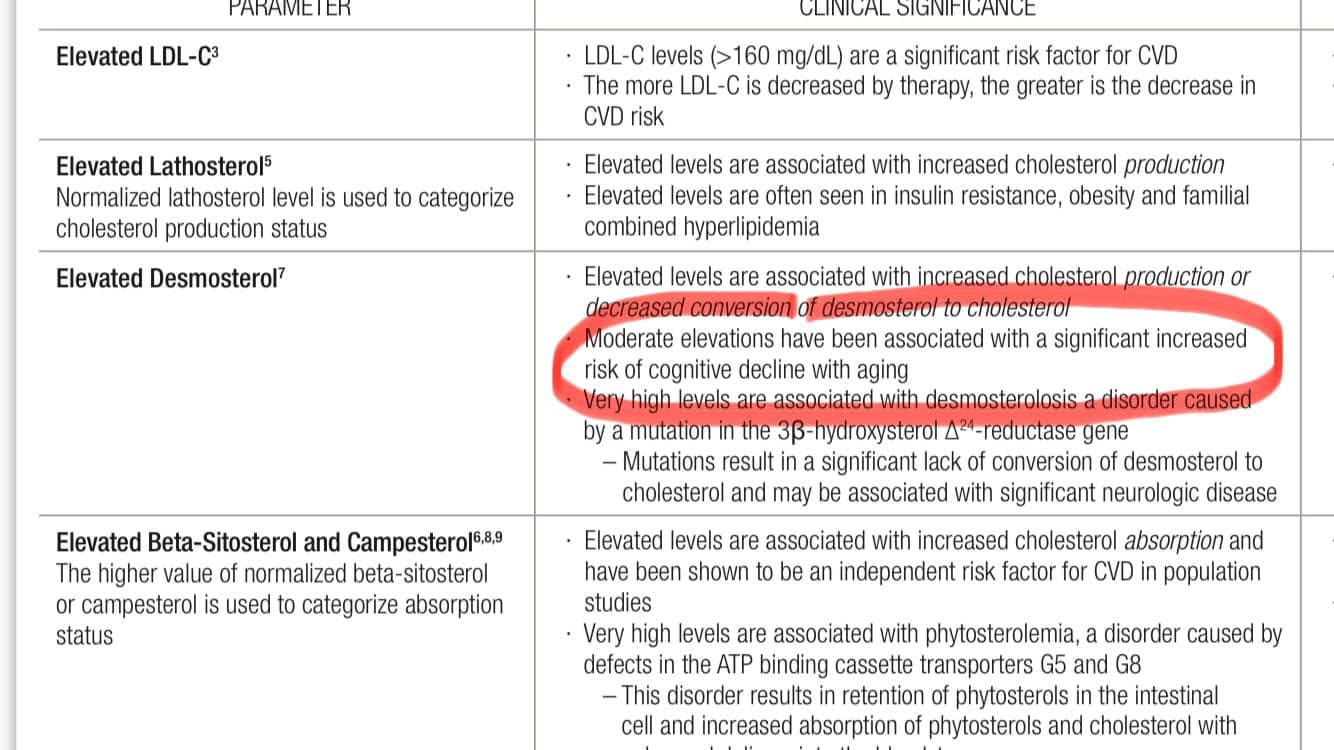
Boston Heart's desmosterol test is likely a waste of money, argues Louis

Jan 15, 2024 · Louis Nervegna ♥ 13 · 💬 15 Risk assessment & lab tests

Louis critiques the desmosterol blood test, a marker of cholesterol production marketed for predicting statin response and Alzheimer's risk. He argues statin response can simply be checked by trying a statin, and that in healthy people high (not low) desmosterol is associated with higher dementia risk, so claims that statins raise Alzheimer's risk via lowering desmosterol are backwards. Even the test maker's material says lower desmosterol is optimal.

Mendelian randomization in 1 million people: statin-like genetics cut dementia risk 76-82%

Nov 06, 2025 · Gokhan Can ♥ 11 · 💬 17

Summarises Dr Stanfield's video on a Mendelian randomization study of over a million people. Short RCTs show no cognitive harm or benefit and observational studies suggest protection; genetic variants mimicking lifelong statin and ezetimibe action were linked to 76-82% relative dementia risk reduction, implying long-term benefit missed by short trials. The video also notes treating hearing loss, vision loss and midlife depression.

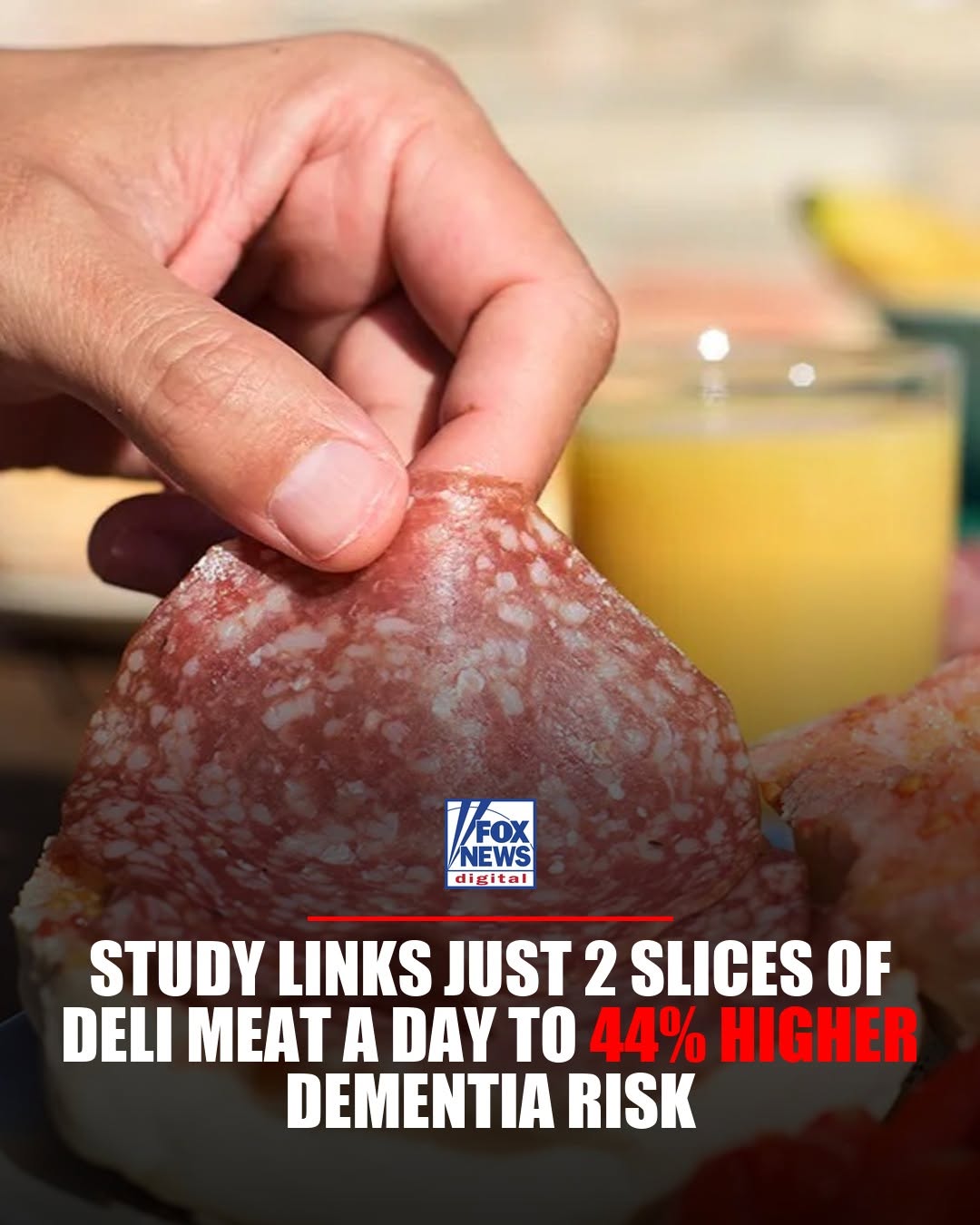
Two slices of deli meat a day linked to 44% higher dementia risk in a new review

Oct 02, 2026 · Louis Nervegna ♥ 14 · 💬 15 Meat, eggs & dairy

A review in the Annual Review of Nutrition reports that about two slices of processed meat daily is linked to 44% higher dementia risk and 52% higher Alzheimer's risk, drawing on dozens of studies including nearly 500,000 UK participants. Replacing 10% of ultra-processed food calories with unprocessed food was linked to 19% lower dementia risk. The poster says processed meat has the worst hazard ratios of any food category apart from trans fats.

Leg power predicted cognitive ageing over ten years in older female twins

Aug 24, 2025 · Louis Nervegna ♥ 30 · 💬 6

Louis calls this twin study fascinating because the twin design makes confounding and reverse causality less likely. In 324 female twins followed 10 years, stronger leg power at baseline predicted slower cognitive decline and better-preserved grey matter.

Controlled infection study: mild SARS-CoV-2 impaired cognition for a year in 18 adults

Oct 04, 2024 · Louis Nervegna ♥ 11 · 💬 16 Infections & vaccines

Louis shares a post about a Lancet eClinicalMedicine study in which 36 healthy unvaccinated young adults were deliberately inoculated with SARS-CoV-2 and 18 became infected, almost all with mild symptoms. Their cognitive function was measurably impaired during acute illness and at least one year later, though they reported no symptoms. The post is about cognition, not the heart.

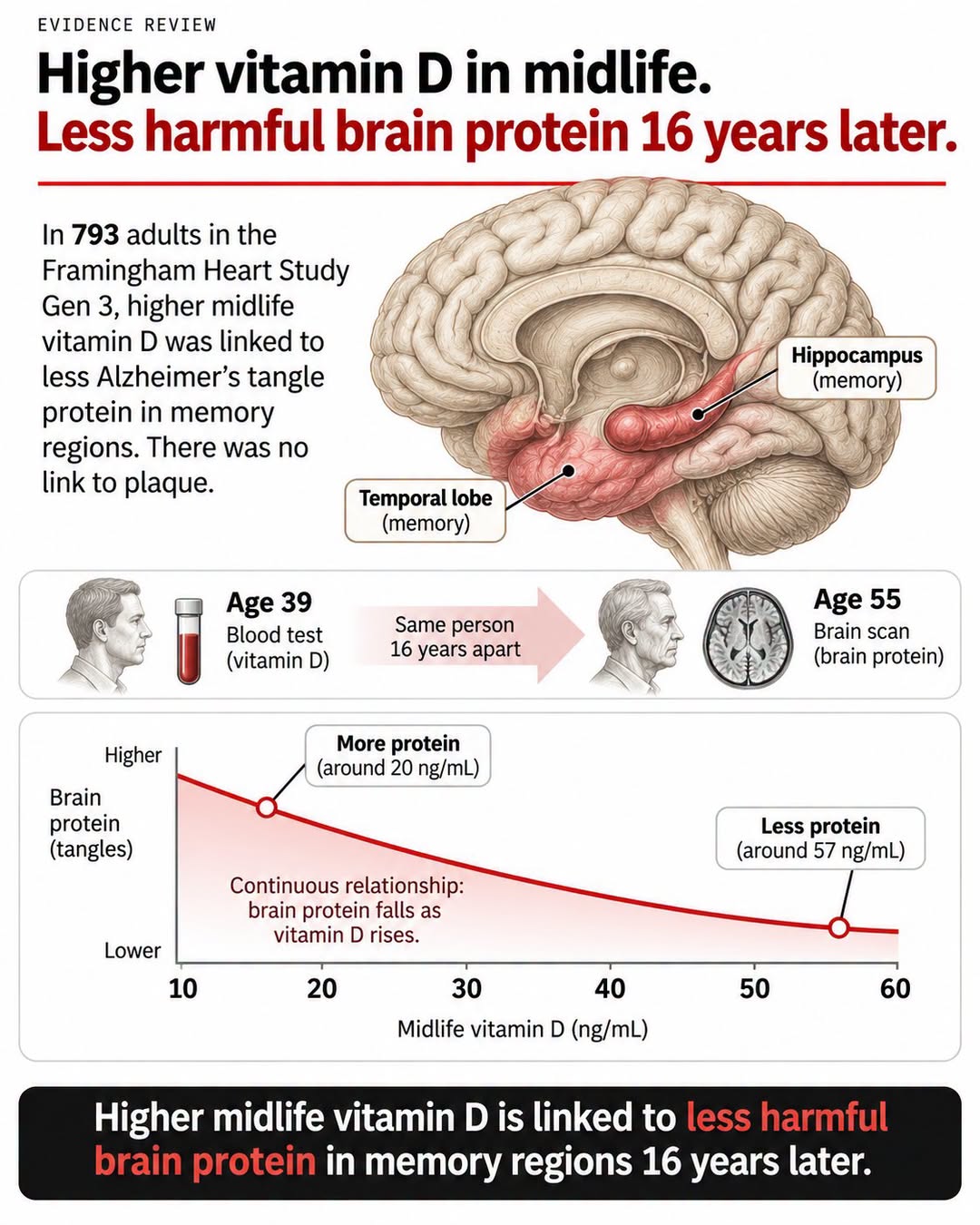
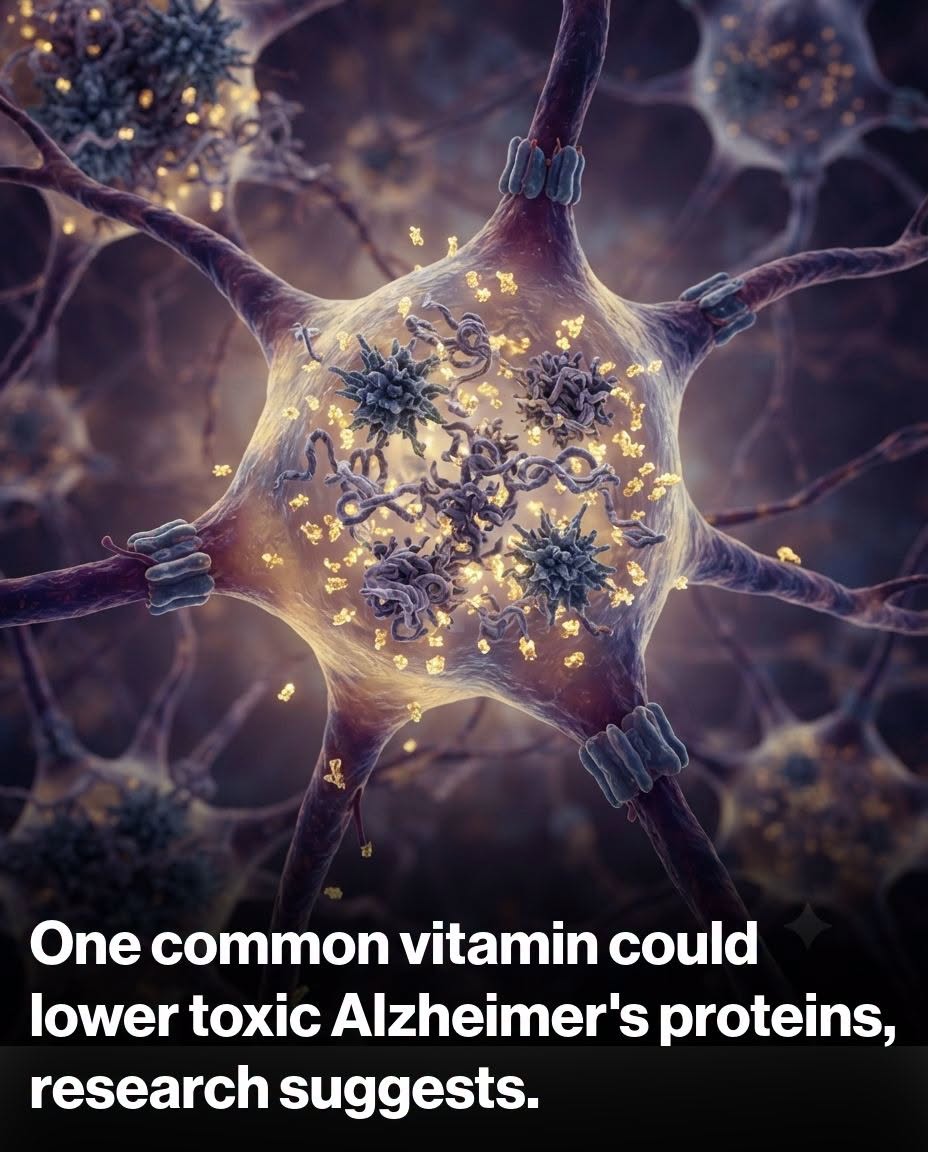
Higher midlife vitamin D linked to lower brain tau 16 years later in Framingham

Nov 02, 2026 · Louis Nervegna ♥ 11 · 💬 11

A Framingham Heart Study analysis followed 793 adults for 16 years, starting at average age 39. Vitamin D was measured in 2002-2005 and brains were scanned in 2016-2019, and higher midlife vitamin D was linked to lower tau tangles but not to amyloid. The post notes vitamin D acts like a steroid hormone with receptors in memory regions.

Lancet Commission 2024: high LDL and hearing loss each account for 7% of dementia cases

Jun 16, 2025 · Louis Nervegna ♥ 15 · 💬 8 ↩ 6

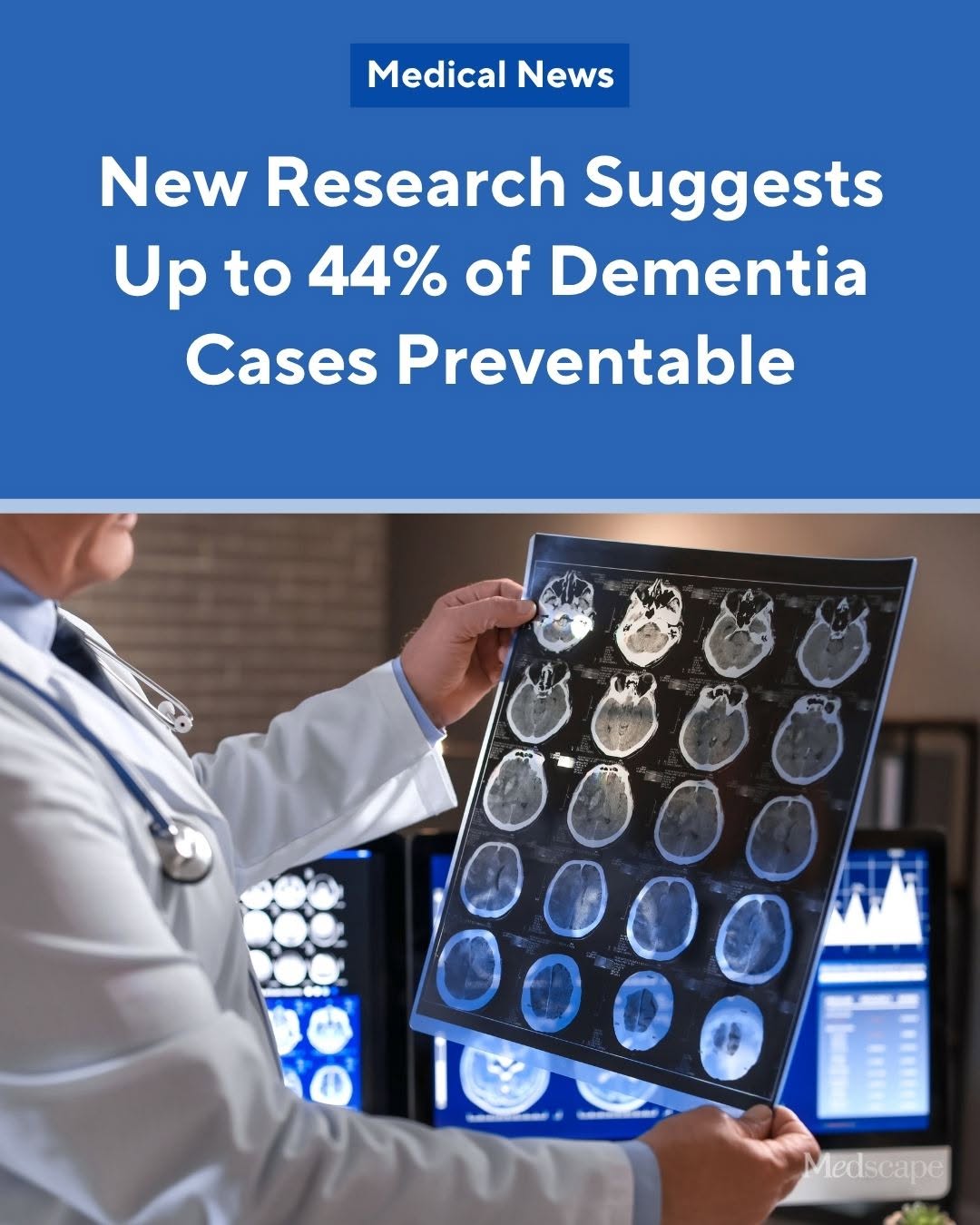
Louis summarizes the 2024 Lancet Commission on dementia: untreated high LDL in midlife and untreated hearing loss each account for about 7% of dementia cases, vision loss in later life is also a modifiable risk, and nearly half of dementia is potentially preventable through 14 risk factors.

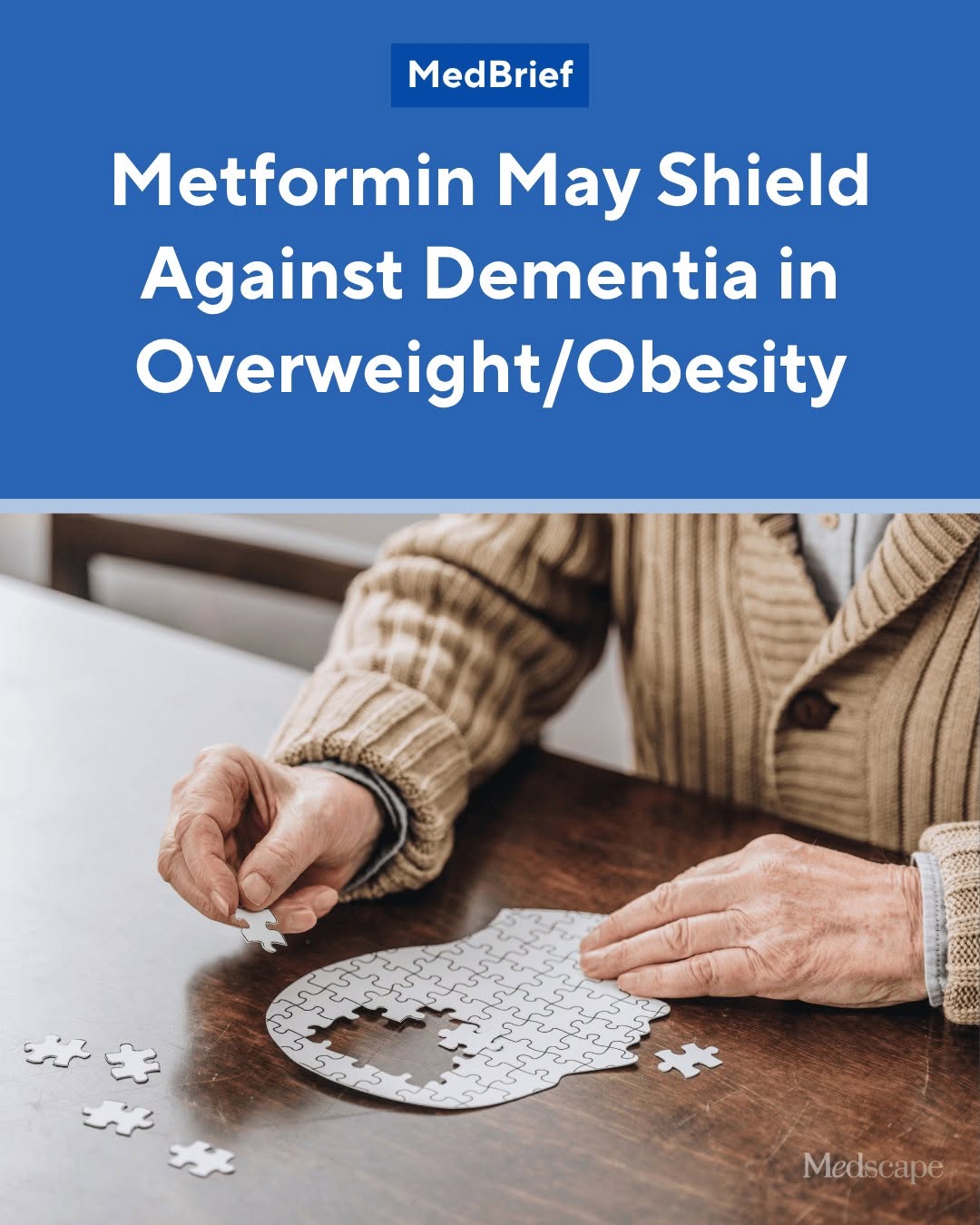
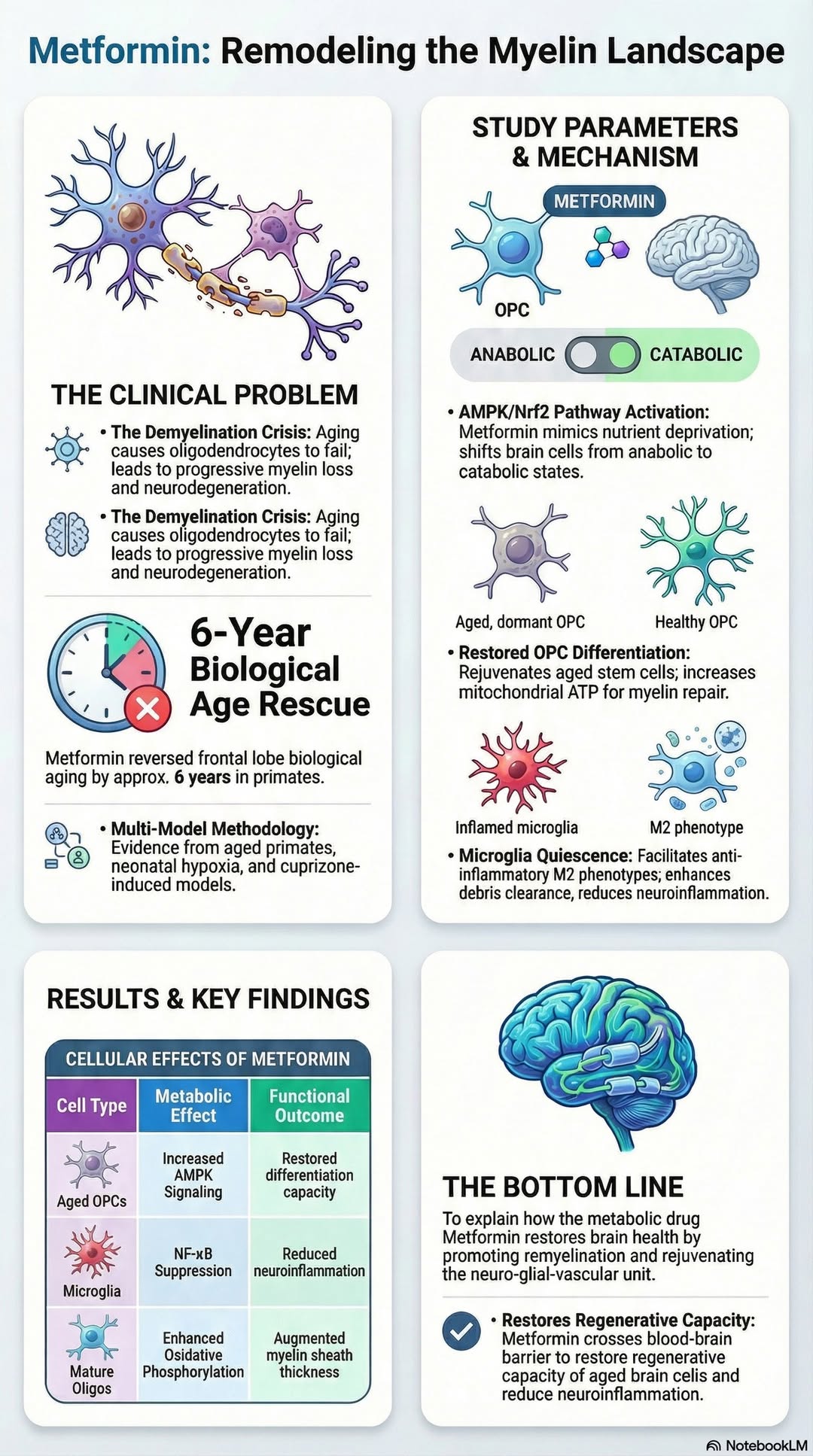
Metformin slowed brain aging in monkeys, with neurons resembling those 6 years younger

Sep 12, 2024 · Louis Nervegna ♥ 15 · 💬 11 ↩ 6 Aging & longevity

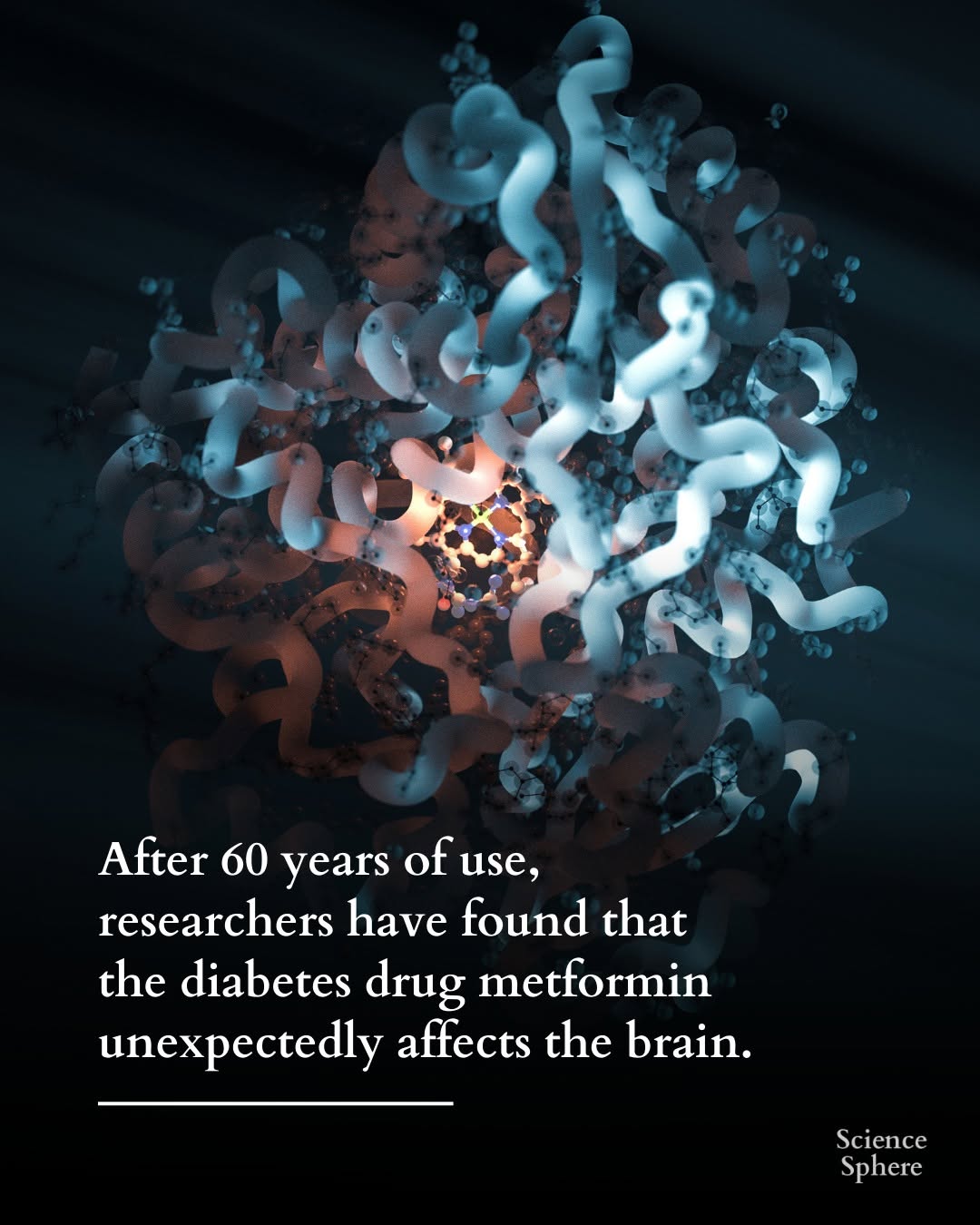
Louis flags a Cell study, covered by Nature, in which male monkeys on daily metformin for over three years showed slower age-related brain decline, enhanced cognition and preserved liver function. Their neuronal activity resembled monkeys about six years younger (around 18 human years). The study was small, and human benefit is unproven.

PREVENT-E4: 2 g/day DHA did not slow cognitive decline in 365 at-risk older adults

Jun 19, 2026 · Louis Nervegna ♥ 11 · 💬 10 ↩ 1

Louis reports the PREVENT-E4 randomized trial found no cognitive or hippocampal-volume difference between DHA and placebo over two years, though it showed 2 g DHA reached spinal fluid equally in APOE4 carriers and non-carriers. The trial was small and designed mainly to test brain penetration.

Adventist Health Study: nuts and beans protected against dementia as much as eggs

May 27, 2026 · Louis Nervegna ♥ 17 · 💬 6

Louis notes this is the fifth large cohort linking eggs to lower dementia risk, but the same analysis showed nuts and beans gave equally large protection. Swap eggs for red and processed meat, not for nuts or beans. The shared post says roughly 12 almonds or a third cup of lentils matched the egg effect, undermining a choline-only explanation.

Multivitamin trials slow cognitive decline; possible relevance to heart disease patients

Jan 19, 2024 · Louis Nervegna ♥ 10 · 💬 12 Supplements & vitamins

Louis notes large randomized trials now show a basic RDA-level multivitamin can slow cognitive decline in older people. He speculates this could matter for heart disease patients because cognitive decline and heart disease are closely linked in older people, so a simple multivitamin might mitigate some added risk. The heart-specific benefit is a hypothesis, not shown in the post.

PREVENTABLE: 20,000-person trial of atorvastatin 40 mg to prevent dementia over age 75

Jun 23, 2025 · Louis Nervegna ♥ 16 · 💬 5 Statins

Louis describes the ongoing PREVENTABLE trial, which randomizes about 20,000 community-dwelling adults aged 75+ to atorvastatin 40 mg or placebo to test whether statins prevent dementia. Atorvastatin was chosen because it is lipophilic and crosses the blood-brain barrier; the trial began in 2020 and is still recruiting.
Untreated midlife hearing loss causes about 7% of dementia cases (2024 Lancet Commission)

Oct 23, 2025 · Louis Nervegna ♥ 13 · 💬 8

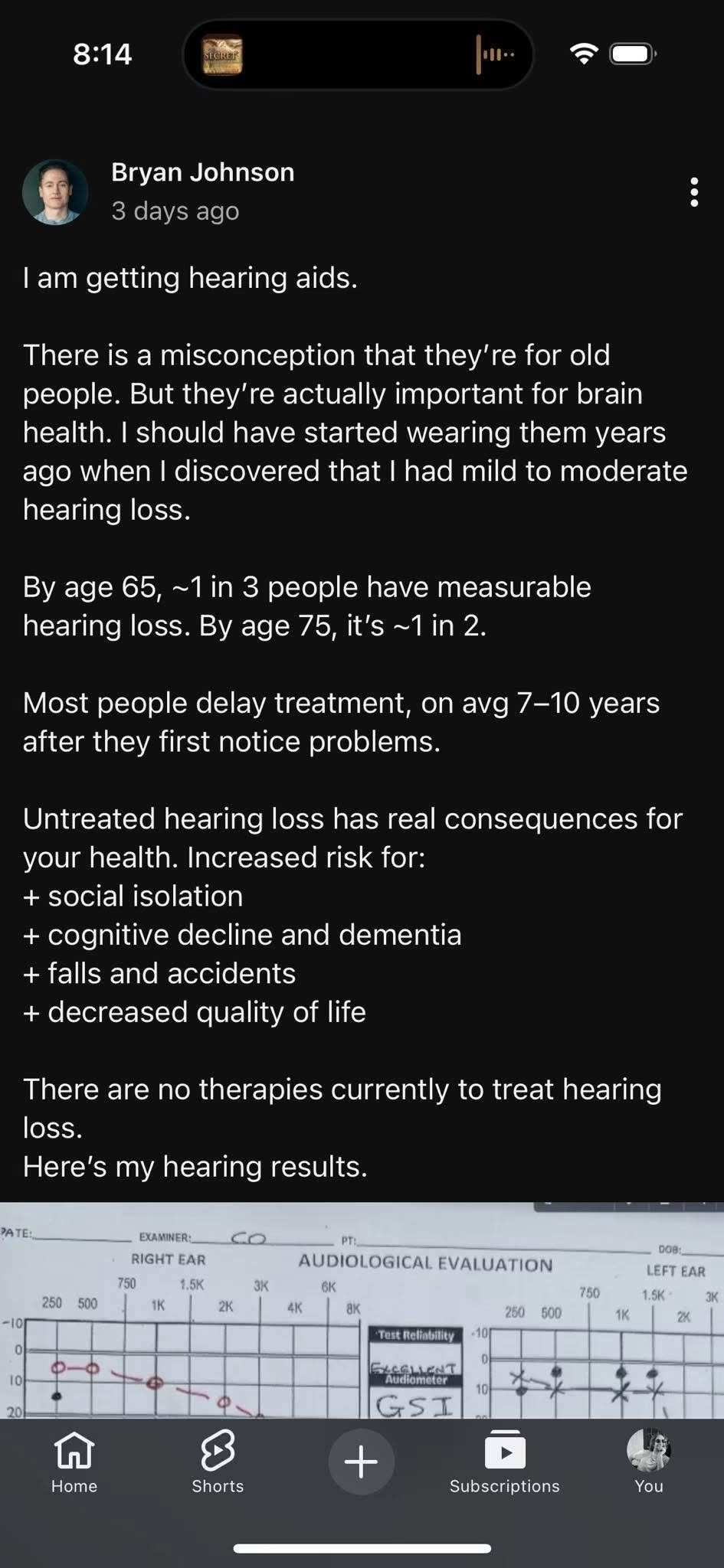
Louis notes that Bryan Johnson appears to be taking sensible advice on hearing loss. Citing the 2024 Lancet Commission, he states untreated midlife hearing loss is responsible for about 7% of dementia cases, tied with LDL as the largest modifiable risk factor, and urges prompt treatment to protect the brain.

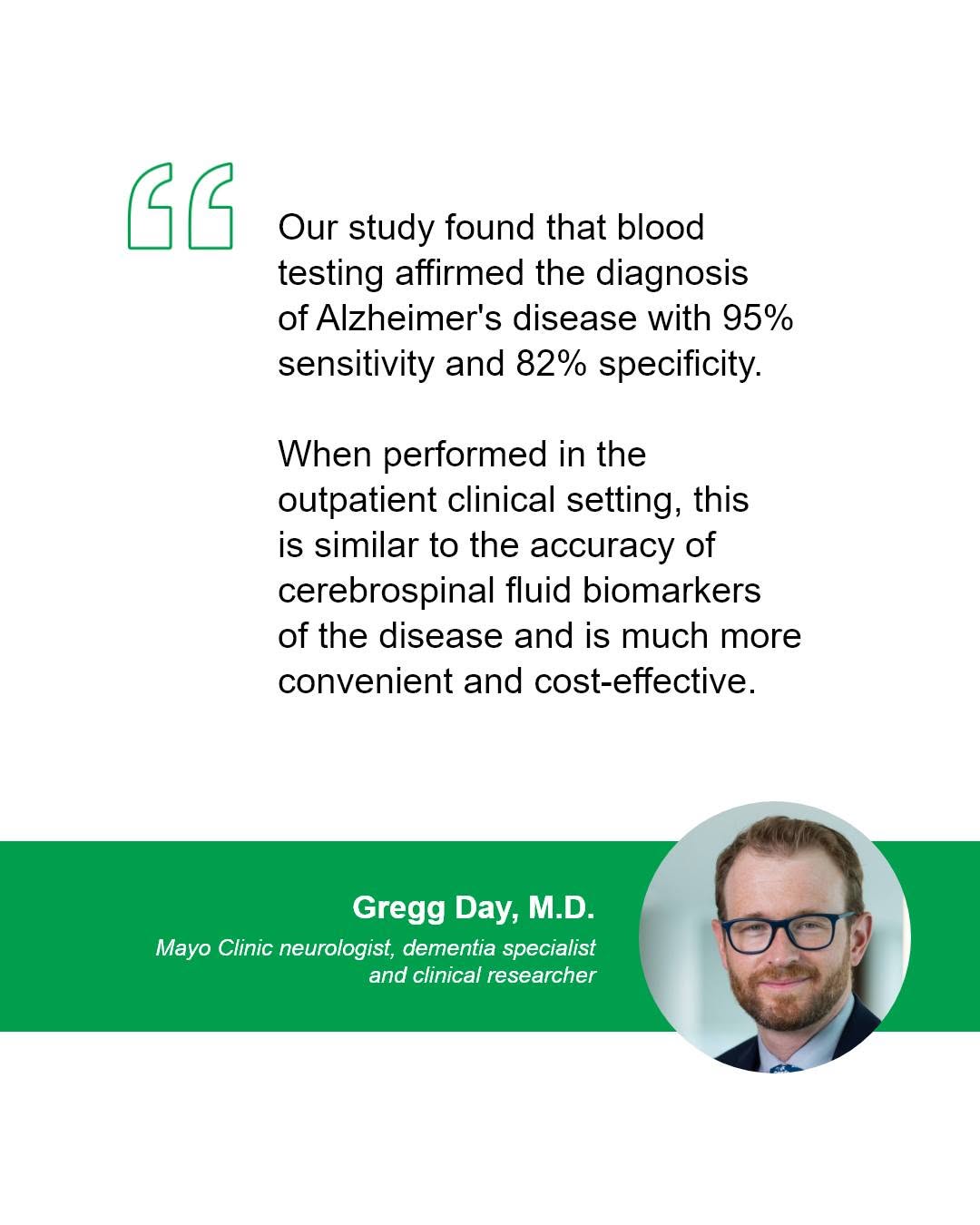
Finger-prick blood test for Alzheimer's pathology may be coming

Jan 12, 2026 · Louis Nervegna ♥ 14 · 💬 7

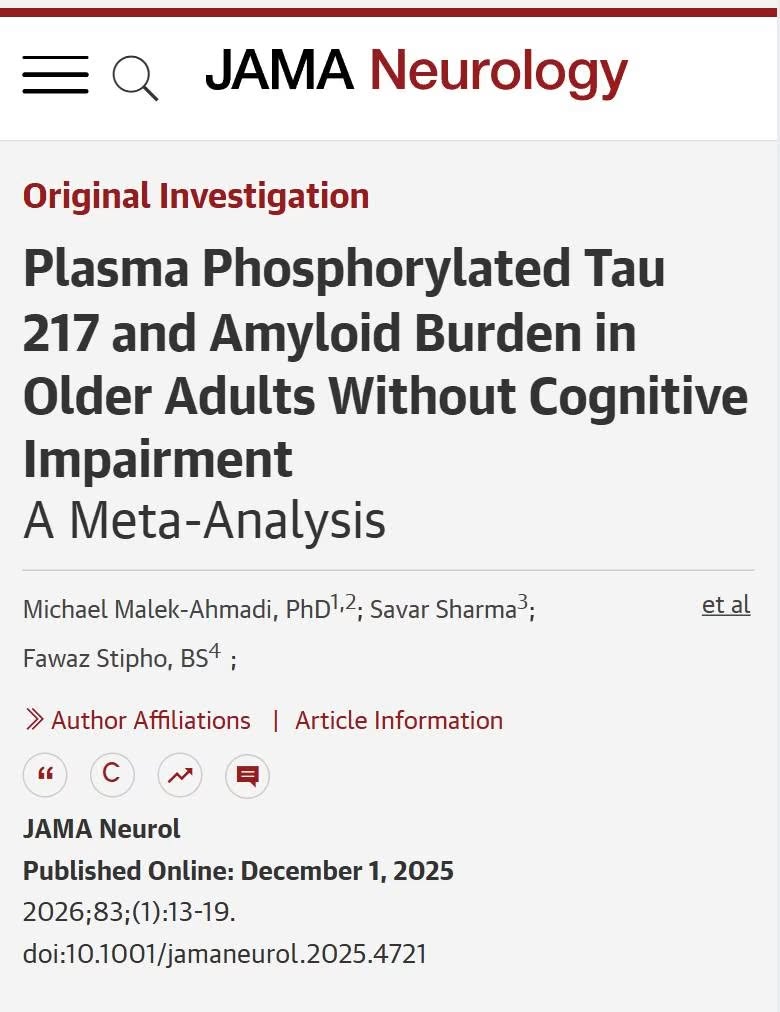
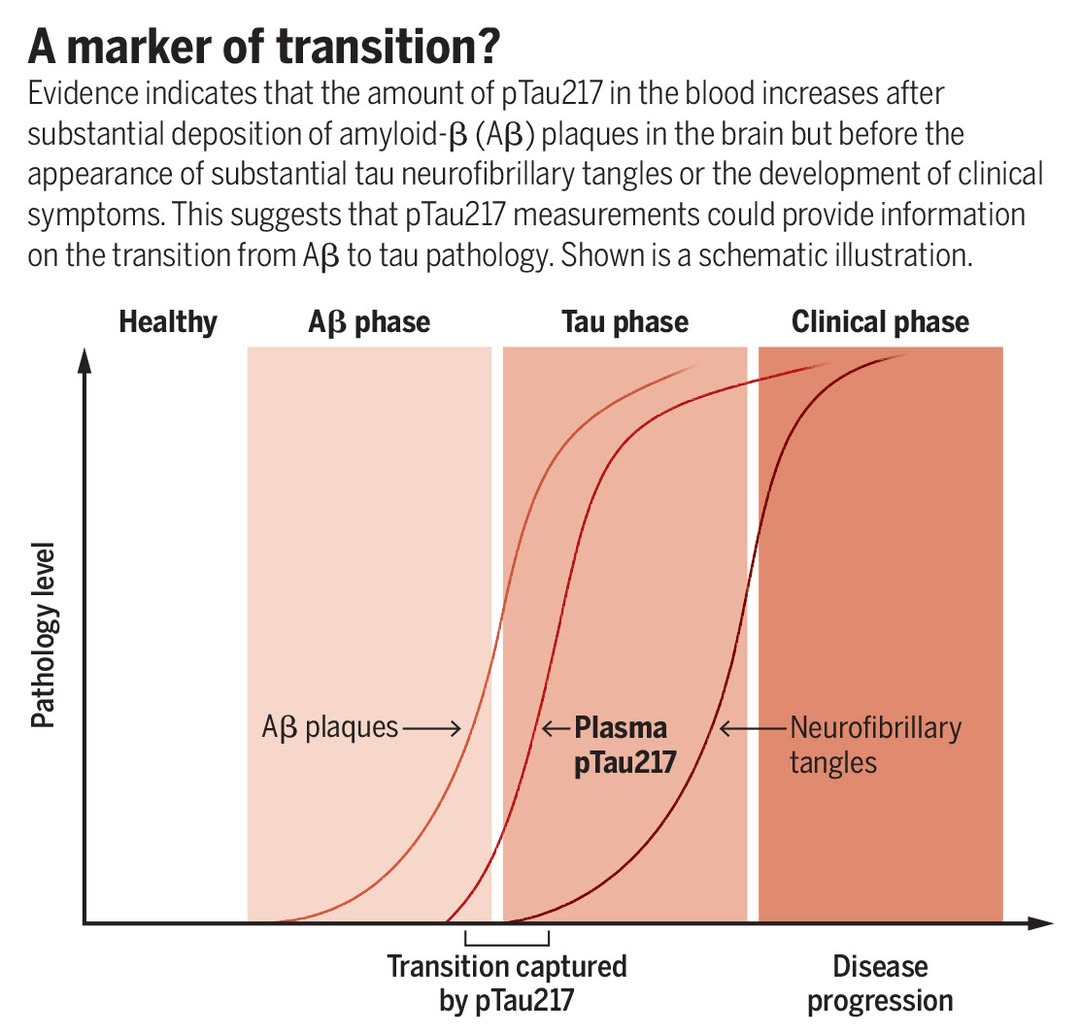
A shared summary of a Nature Medicine paper describing a finger-prick test for Alzheimer's pathology (p-tau217). It could replace costly PET scans or spinal taps and help people track which interventions work.

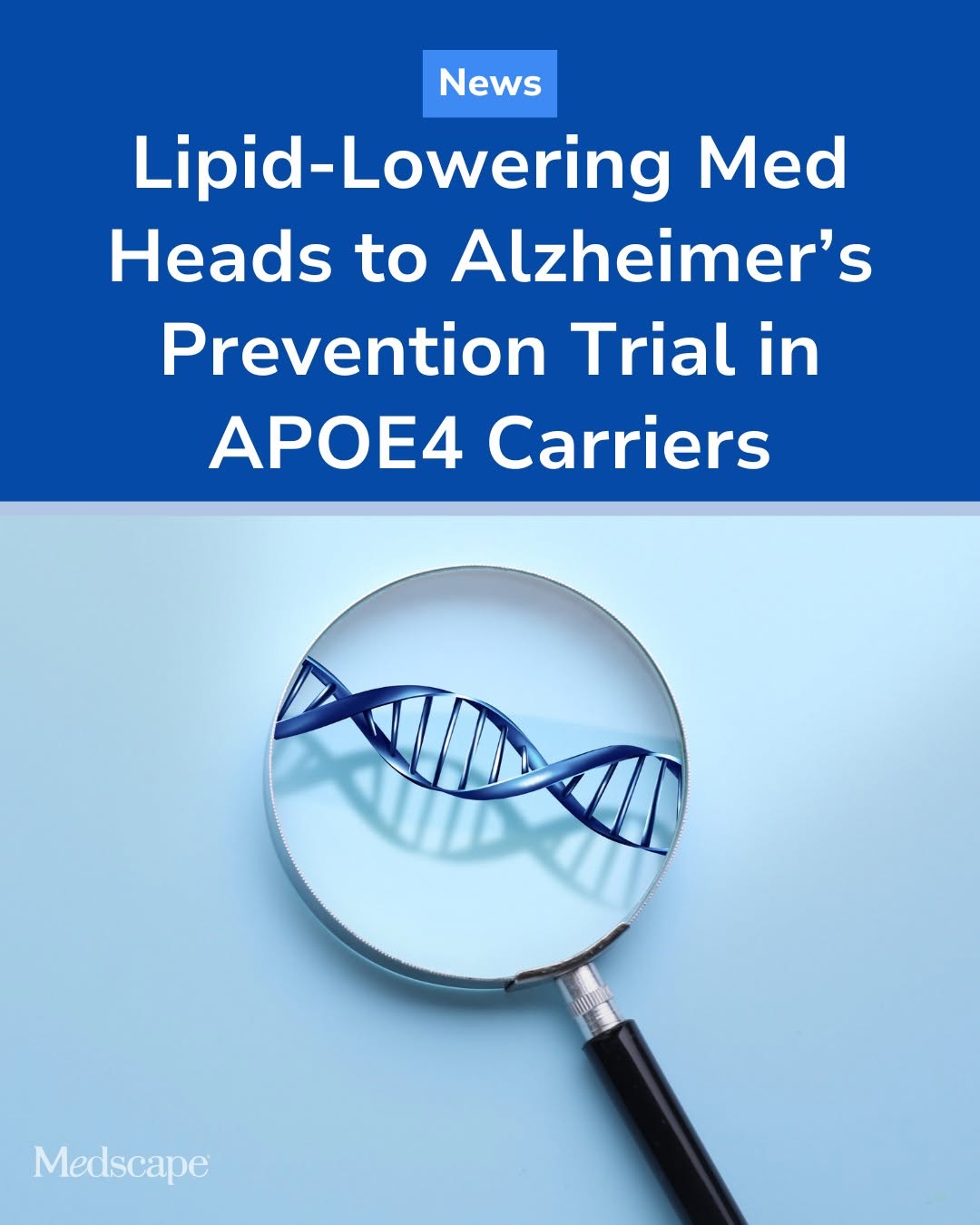
Obicetrapib gets first approval worldwide in the EU, lowering LDL up to 40-50%

Sep 21, 2026 · Louis Nervegna ♥ 18 · 💬 5 PCSK9, ezetimibe & newer drugs

The European Commission approved obicetrapib, a low-dose oral CETP inhibitor, on 21 September 2026 in two versions: obicetrapib 10 mg alone and combined with ezetimibe 10 mg. Phase 3 trials reported LDL-C reductions of about 40% alone and about 50% with ezetimibe versus placebo. The poster says the drug has shown promise for both cardiovascular disease and Alzheimer's.

LDL and hearing loss are top modifiable dementia risk factors, per Lancet Commission

May 08, 2026 · Louis Nervegna ♥ 15 · 💬 6

Louis highlights that LDL and hearing loss are the two biggest modifiable dementia risk factors and are easy to treat with medication and hearing aids. The shared video covers the 2024 Lancet Commission, which named 14 risk factors accounting for nearly half of dementia cases worldwide.

Adventist study: vegans 85+ had higher neurological death risk than non-vegetarians

Aug 14, 2026 · Louis Nervegna ♥ 8 · 💬 8 Mediterranean, DASH, MIND & plant-forward diets

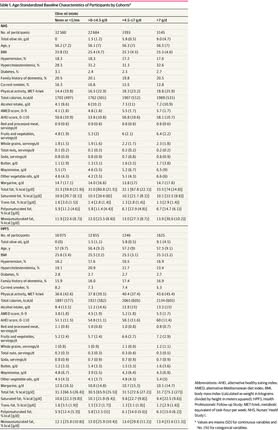
Among AHS-2 participants (about 88,000, over 12,000 deaths), vegans aged 85 and older had higher risk of death from stroke (17%), dementia (13%) and Parkinson's (37%) than healthy non-vegetarians, while pesco-vegetarians had the lowest risk. The comparison was against very healthy non-vegetarians, not the standard American diet.

APOE4 drives cholesterol buildup in brain astrocytes, promoting toxic protein deposits

Oct 06, 2026 · Louis Nervegna ♥ 17 · 💬 4

Mount Sinai researchers using human stem-cell-derived miBrain tissue found APOE4 causes cholesterol to accumulate in astrocytes, impairing lysosomal clearance of alpha-synuclein and promoting amyloid and alpha-synuclein deposits. A second study showed APOE4 damages brain blood vessels through mechanisms unrelated to cholesterol. The poster reads this as cholesterol being potentially causal in APOE4 carriers.

Daily multivitamin slowed cognitive aging by about two years in a COSMOS meta-analysis

Nov 14, 2026 · Louis Nervegna ♥ 7 · 💬 10 ↩ 1 Supplements & vitamins

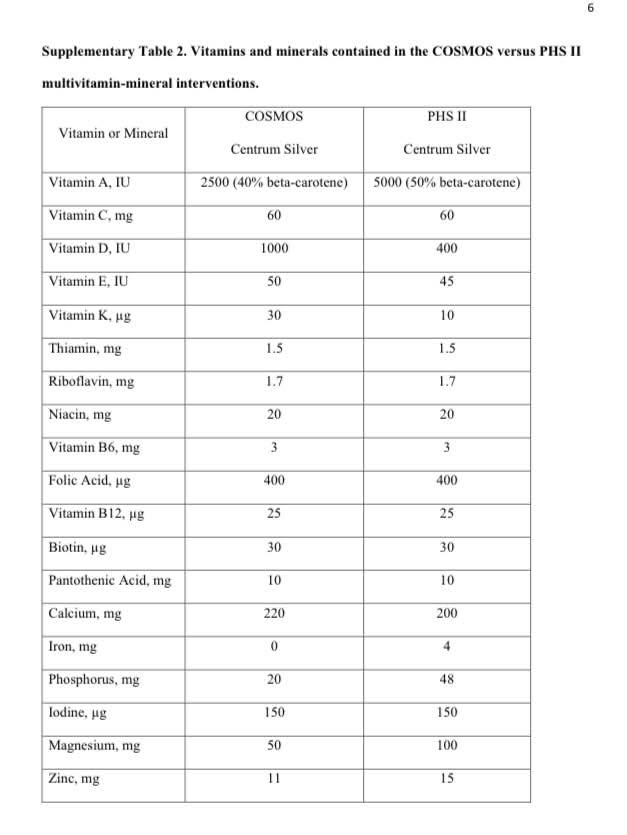
Louis shares a summary of COSMOS cognition results: in the main analysis of 573 adults 60+, a daily multivitamin modestly improved overall cognition and episodic memory over two years. Pooling with two earlier COSMOS cognition studies (more than 5,000 older adults) gave clear benefits, estimated at about two years of slower cognitive aging. Effects were modest, it is unclear which nutrient matters, dementia prevention was not tested, and the manufacturer donated tablets. He adds that this was an RDA-level multivitamin (Centrum Silver).

Healthy lifestyle tied to less dementia despite amyloid and tau in the brain (n=586)

Feb 06, 2024 · Louis Nervegna ♥ 9 · 💬 7

Louis shares an observational study of 586 people whose brains were examined at autopsy and linked to up to 24 years of lifestyle data. A healthy lifestyle (not smoking, 150+ min/week exercise, light to moderate alcohol, mental stimulation and MIND diet) was associated with protection from cognitive decline even when amyloid or tau pathology was present. He notes dementia and heart disease share lifestyle prevention.

Most omnivores already eat enough fish or poultry for the APOE4 benefit in a Swedish study

Mar 24, 2026 · Louis Nervegna ♥ 12 · 💬 5

Louis comments that participants with an APOE4 gene variant saw the maximum benefit at about 2.5 oz per day of unprocessed meat or fish, which people eating Mediterranean or MIND-style diets typically already reach. He notes the study is observational, benefit was seen only in APOE 3/4 and 4/4, and processed meat raised dementia risk in everyone.

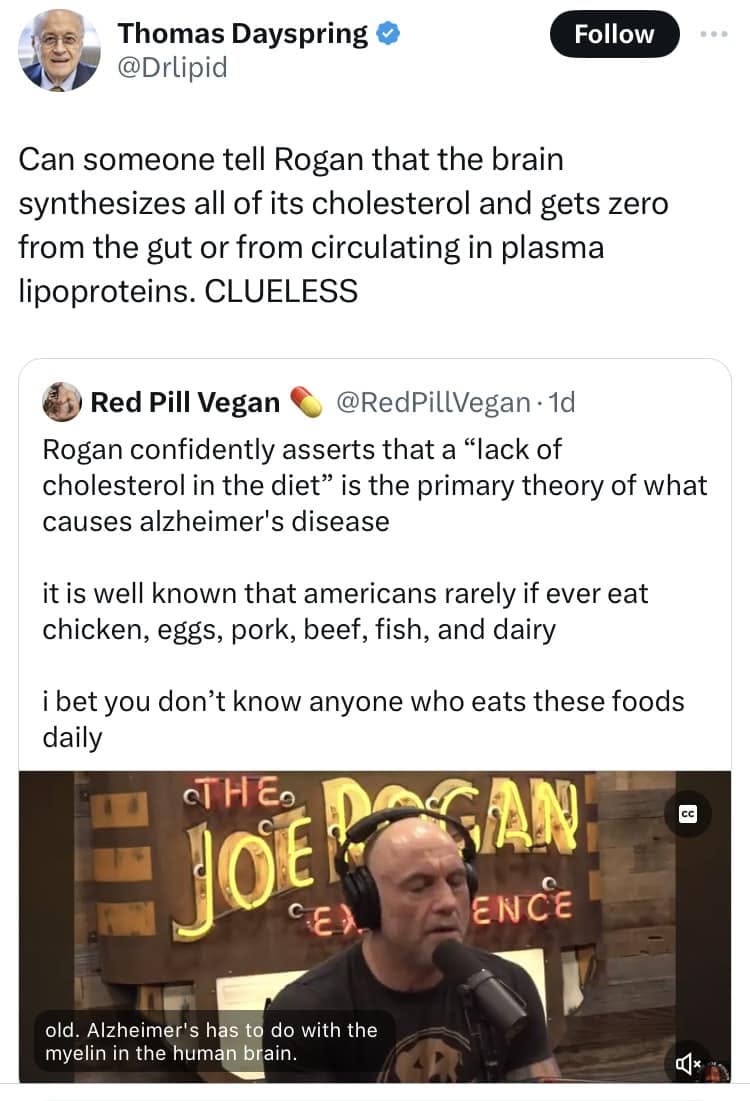
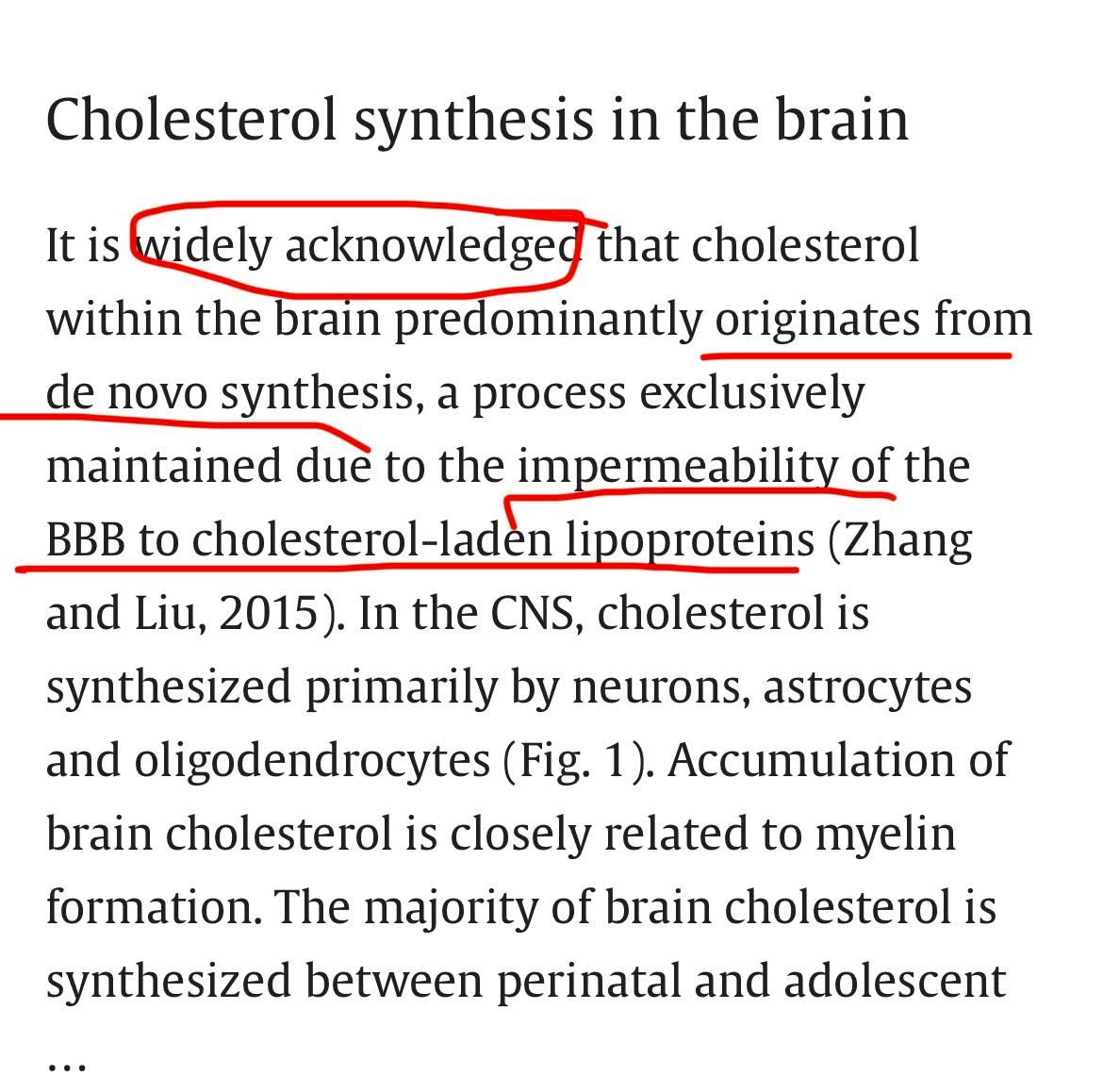
The brain makes its own cholesterol and does not use cholesterol from the blood

Jul 01, 2026 · Louis Nervegna ♥ 18 · 💬 3

Louis corrects a common online claim: the blood-brain barrier prevents the brain from using circulating cholesterol, so the brain synthesizes what it needs. The shared post adds that diet affects brain health mainly through blood vessels, and that saturated and trans fats raise LDL while unsaturated fats lower it.

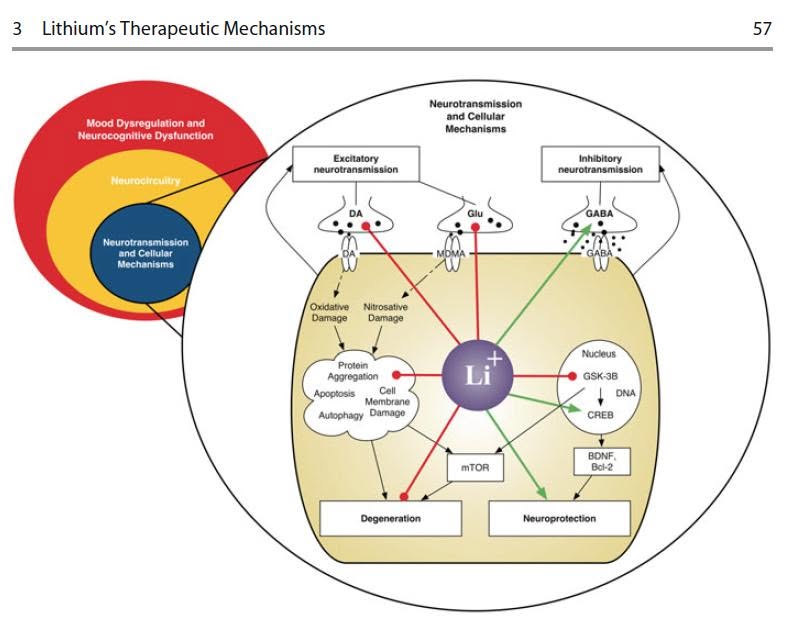
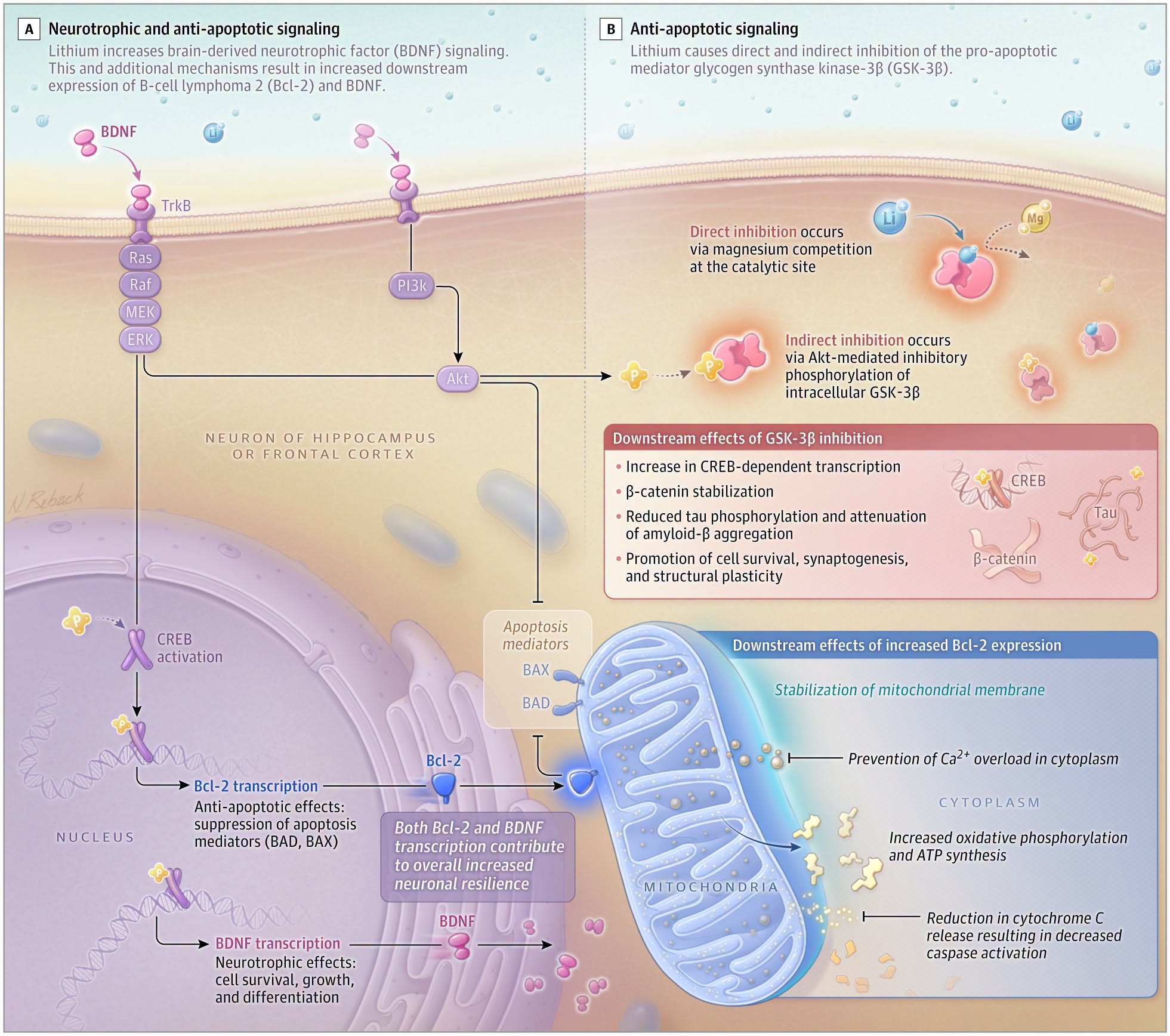
Correction: low-dose lithium inhibits overactive mTOR in the brain

Nov 11, 2025 · Louis Nervegna ♥ 15 · 💬 6

Louis corrects a shared figure description: low-dose lithium inhibits, rather than activates, overactive mTOR in the brain, which he says is beneficial because overactive mTOR drives neurodegeneration. The shared post describes lithium's multi-level effects on brain chemistry at doses far below those used for mood disorders.

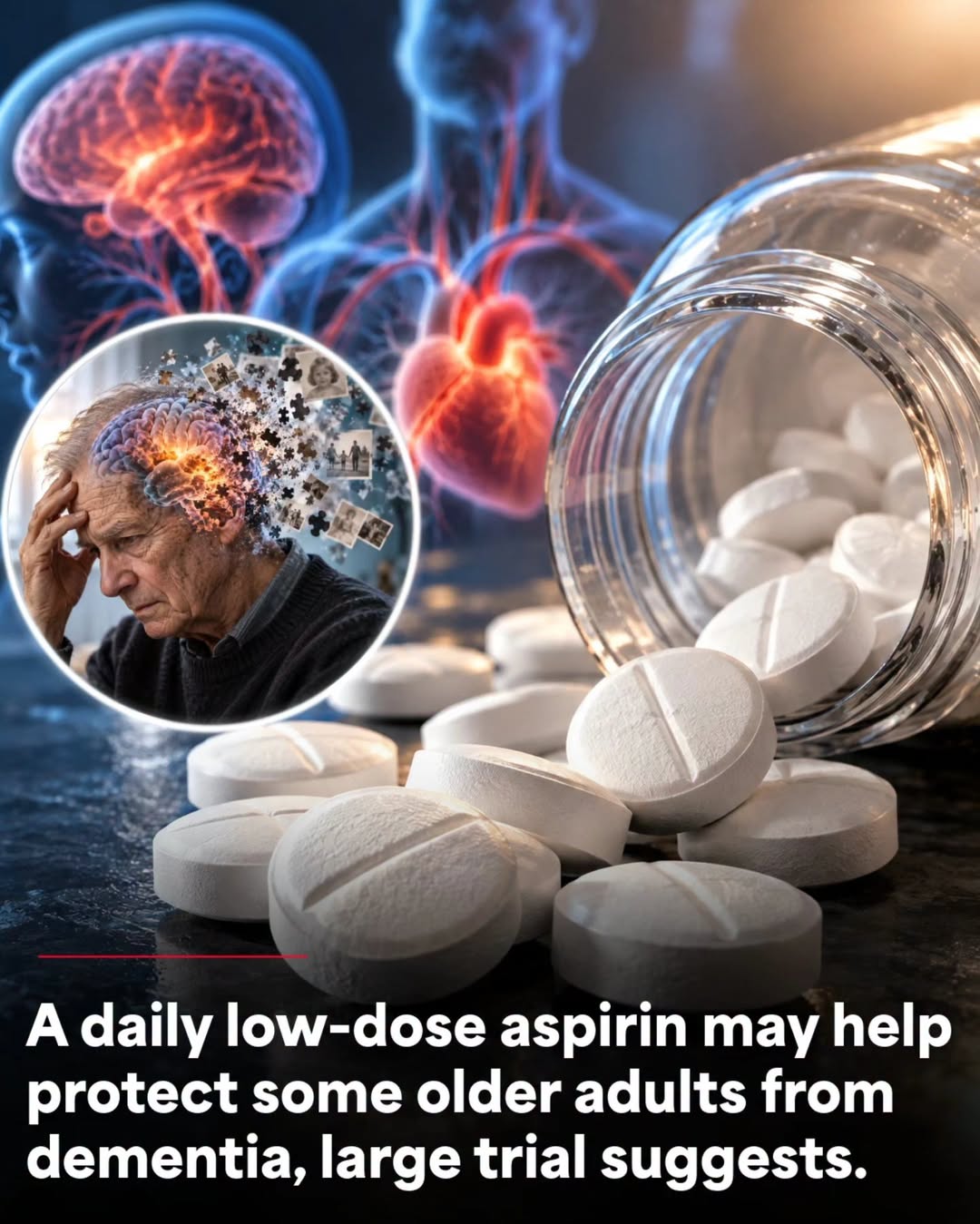
ASPREE: aspirin tied to 70% lower dementia with high platelet-count genetic scores

Oct 02, 2026 · Louis Nervegna ♥ 10 · 💬 4 Aspirin, antiplatelets & blood thinners

Monash researchers analysed genetic data from 13,541 ASPREE participants and found that among those in the top 20% of a platelet-count polygenic score, 1% on 100 mg aspirin developed dementia versus 3.3% on placebo. Aspirin is not recommended for dementia prevention, and this is a genetic subgroup finding that needs confirmation, with bleeding risk to weigh.

COSMOS multivitamin matches Centrum-type RDA doses except B12 at 10x the RDA

Nov 15, 2026 · Louis Nervegna ♥ 7 · 💬 8 ↩ 2 Supplements & vitamins

Louis shows the ingredient list of the multivitamin used in the COSMOS trial next to the one used in Physicians' Health Study II. Nearly all nutrients are near RDA levels, but B12 is about 10x the RDA, and he suspects that dose may have driven the cognitive benefit seen in COSMOS. COSMOS showed slower cognitive decline in older adults, and PHS II showed an 8% cancer reduction.

Rutgers trial tests plant omega-3 ALA for early Alzheimer's in APOE4 carriers

May 14, 2026 · Louis Nervegna ♥ 10 · 💬 5

Louis shares a Rutgers clinical trial of alpha-linolenic acid in APOE4 carriers. The rationale is that APOE4 carriers transport DHA poorly across the blood-brain barrier, which may explain weak DHA trial results, while ALA enters the brain more easily and can be converted locally to DHA. ALA is found in plant foods such as flaxseed.

MIND diet adherence linked to 53% lower Alzheimer's risk and brain 7.5 years younger

Aug 11, 2025 · Louis Nervegna ♥ 8 · 💬 6

Louis summarises Rush University research on the MIND diet (Mediterranean-DASH hybrid), reporting that strict adherence was associated with a 53% lower Alzheimer's risk and moderate adherence with about a third lower risk. A shared post adds a Rush study on hippocampal sclerosis in 809 people.

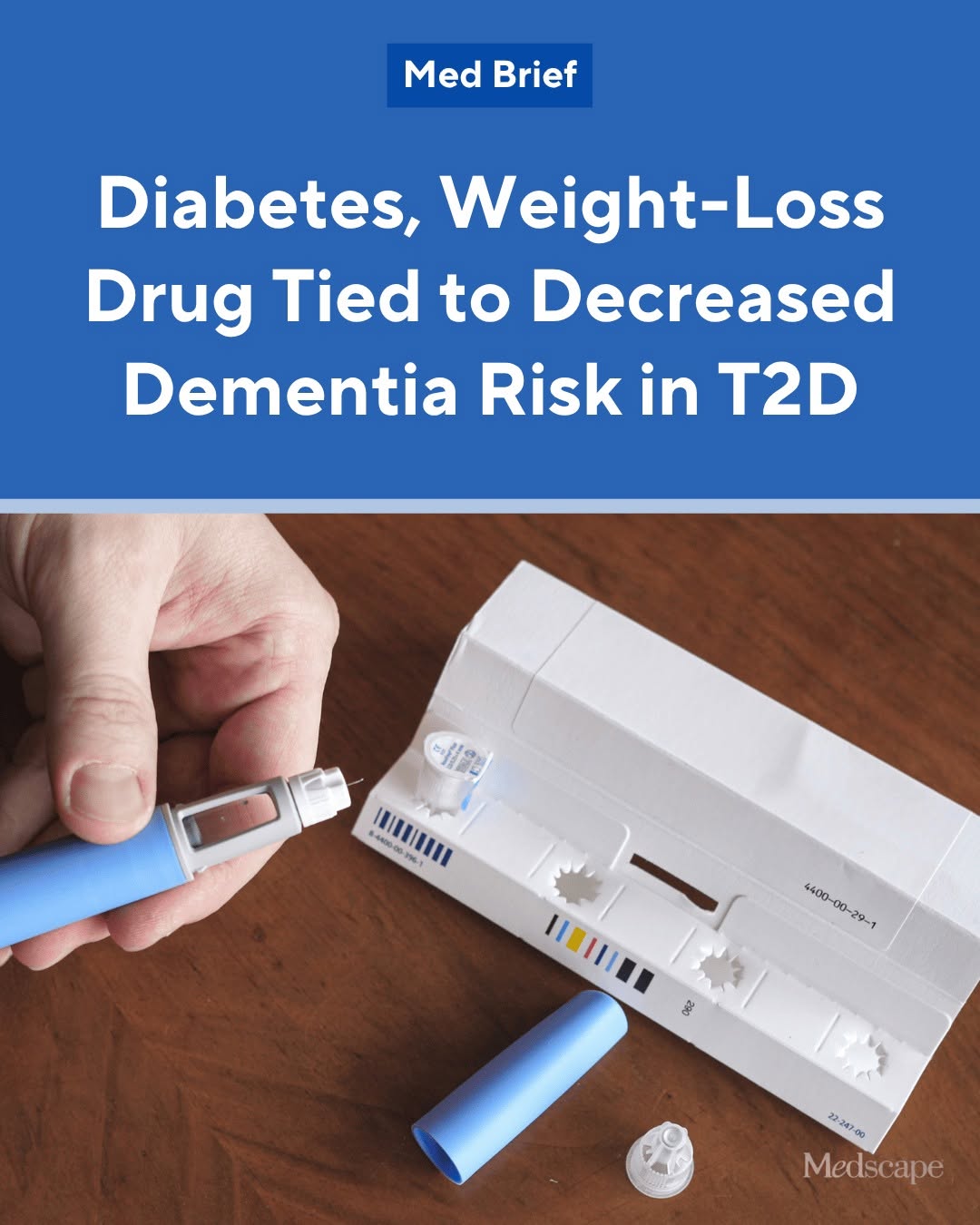
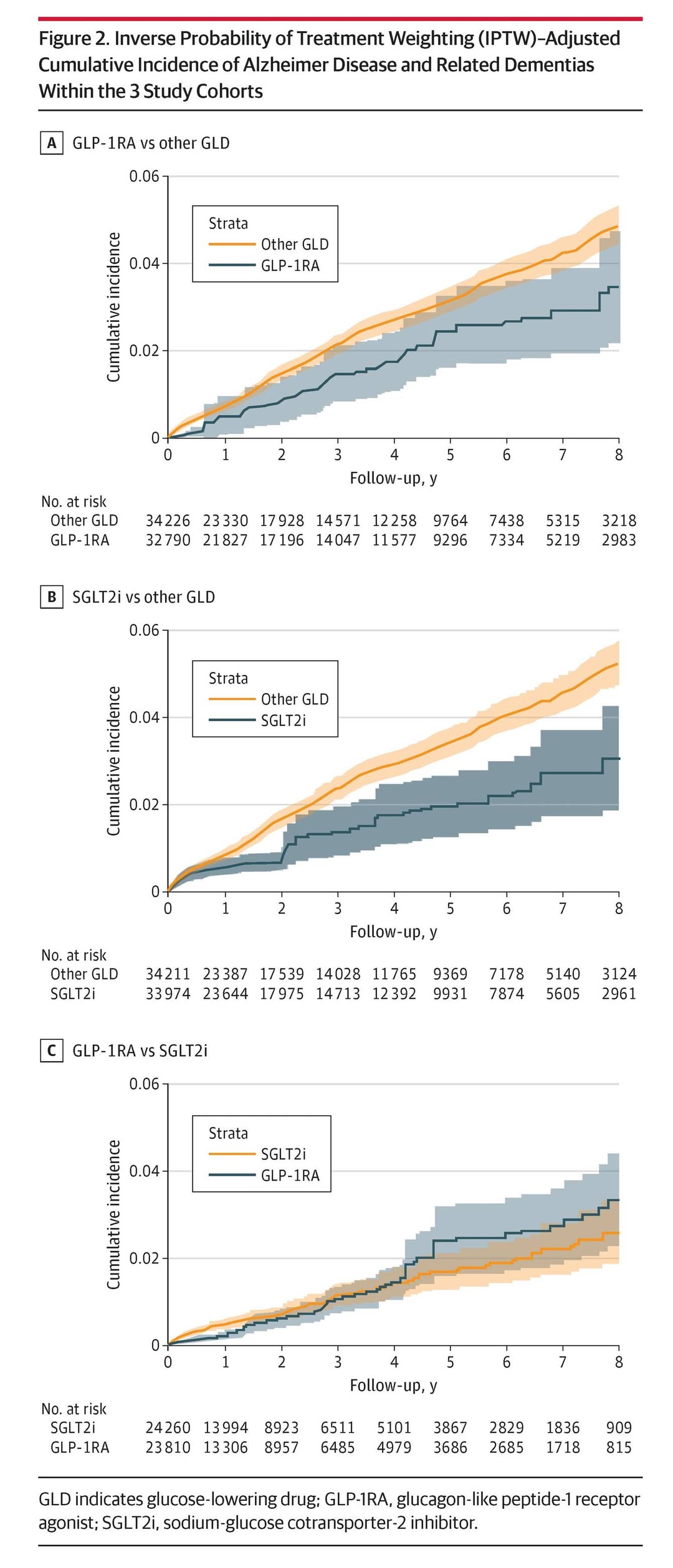
Semaglutide linked to 20-46% lower Alzheimer's-related dementia risk in type 2 diabetes

Jun 30, 2025 · Louis Nervegna ♥ 11 · 💬 4 GLP-1 drugs (semaglutide, tirzepatide)

Louis argues the real headline is that calorie restriction is associated with lower dementia risk since GLP-1 drugs act as calorie restriction in a pill. The shared report states semaglutide was associated with a 20-46% reduced risk for AD-related dementia in type 2 diabetes versus other antidiabetic drugs, strongest for vascular dementia.
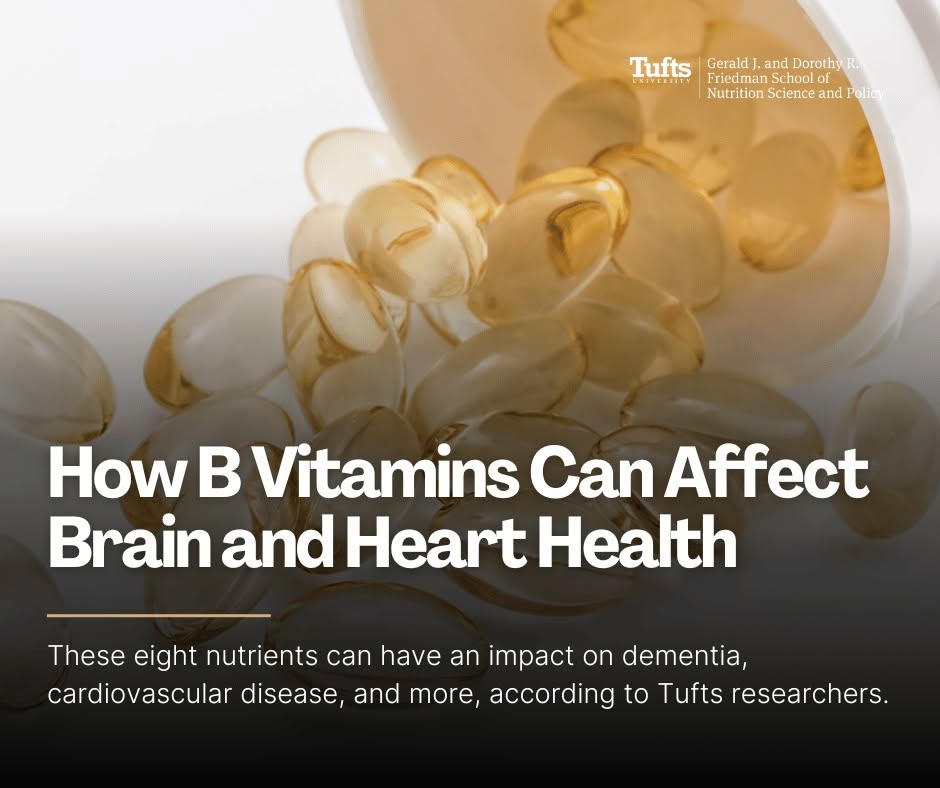
VITACOG: B vitamins cut brain atrophy 30% in mild cognitive impairment

Jun 20, 2026 · Louis Nervegna ♥ 6 · 💬 5

Louis reshares his summary of the Oxford VITACOG randomized trial of folate, B6 and B12 in elderly people with MCI. B vitamins slowed brain shrinkage, most in those with high baseline homocysteine, and later analyses suggested benefit depended on high omega-3 status.

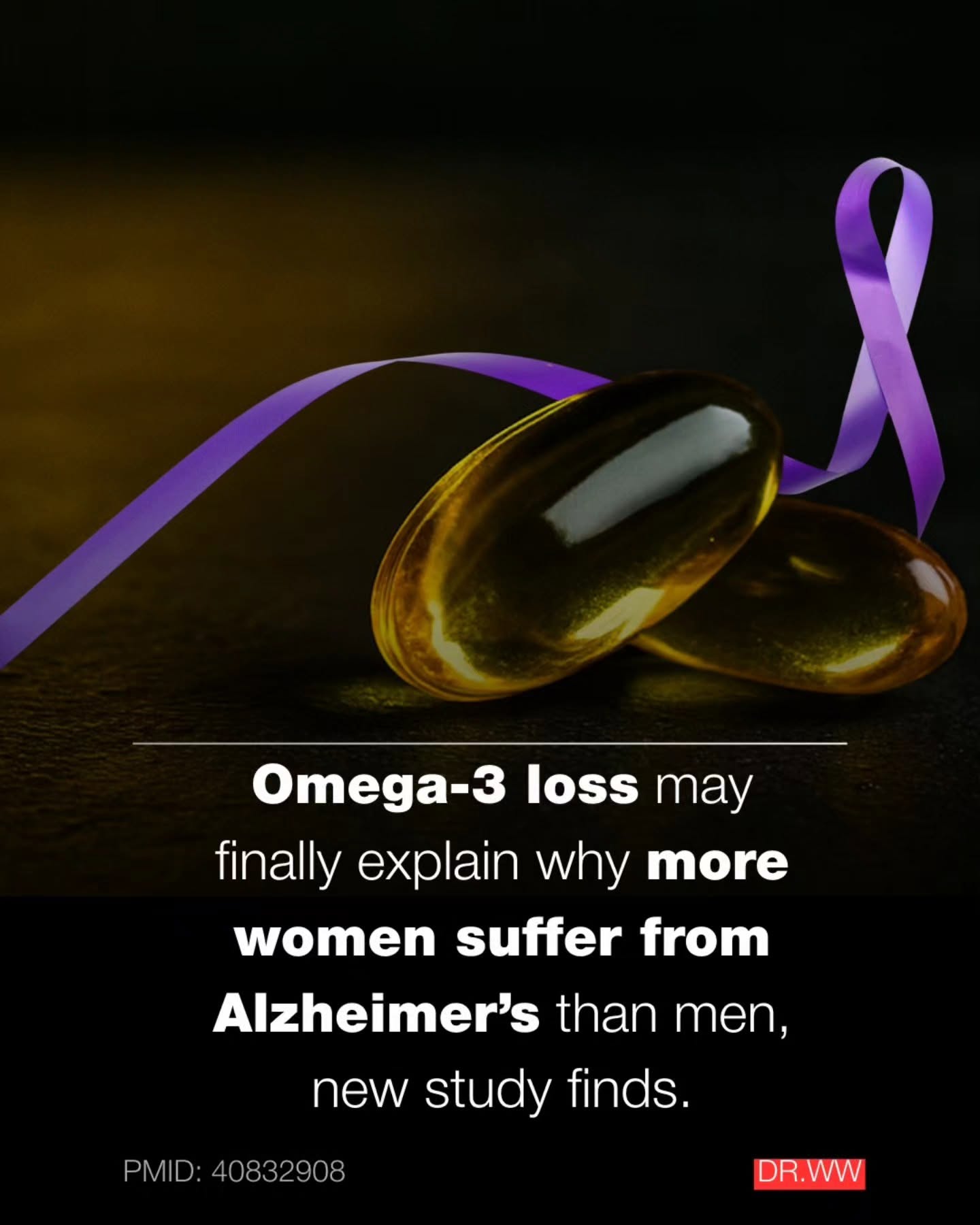
Women with Alzheimer's show lower omega-3 lipids, unlike men, in an 841-adult study

Dec 17, 2025 · Louis Nervegna ♥ 10 · 💬 4

Louis shares a summary of a 2025 Alzheimer's & Dementia lipidomics study of 841 European adults. Women with Alzheimer's had a sharp drop in protective omega-3-rich unsaturated lipids that men did not, and the lowest levels tracked with worse memory; the post also cites a review of 58 RCTs suggesting 1,000-2,500 mg/day EPA+DHA as the cognitive sweet spot.

Midlife hearing loss is a leading modifiable dementia risk factor, tied with LDL

Aug 22, 2025 · Louis Nervegna ♥ 8 · 💬 5

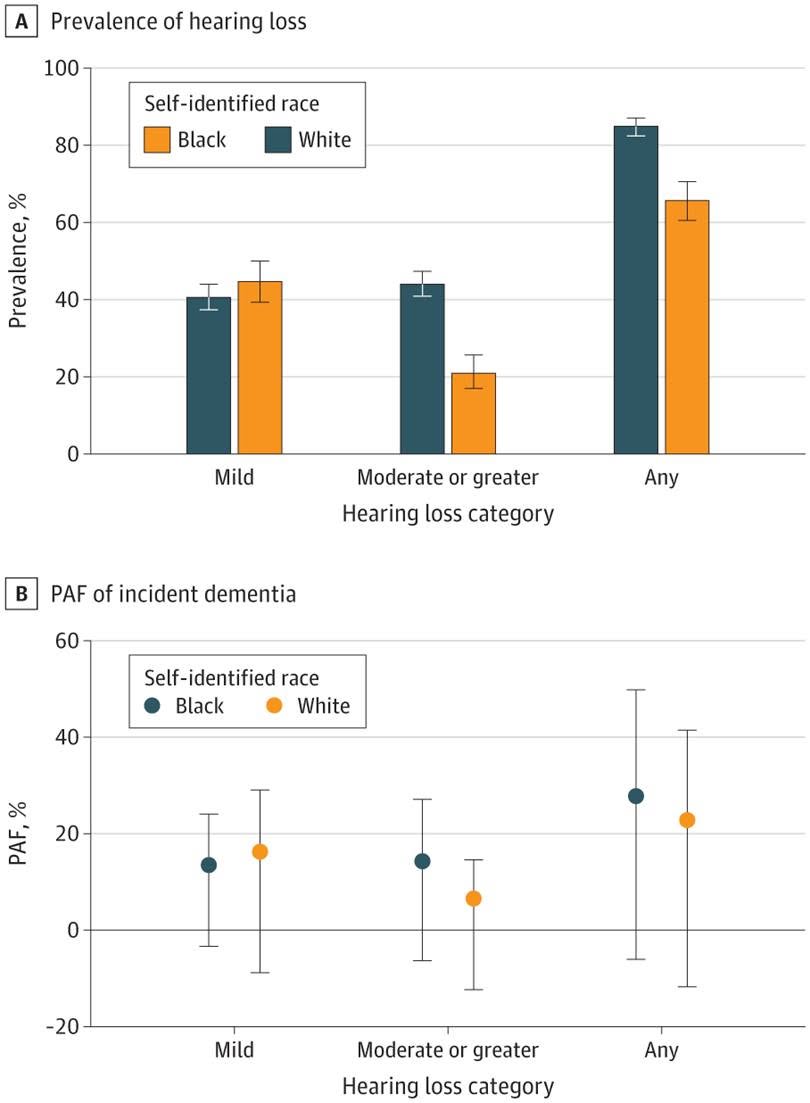
Louis says midlife hearing loss is, along with LDL, one of the two largest modifiable dementia risk factors and that treating it may reduce dementia risk. A shared JAMA Otolaryngology item estimates up to 32% of dementia cases are attributable to audiometric hearing loss.

STAREE: atorvastatin cut major CV events 30% in adults 70+ with no rise in dementia

Nov 01, 2026 · Louis Nervegna ♥ 5 · 💬 5 Statins

A quoted summary of the STAREE trial in NEJM: 9,971 adults aged 70 or older without cardiovascular disease, diabetes or dementia were randomized to atorvastatin 40 mg or placebo for a median 5.9 years. Atorvastatin cut major cardiovascular events 30% and MI and revascularization 43% each, with no significant increase in dementia or all-cause mortality and equal serious adverse events.

News report: statins may help slow Alzheimer's disease

Jun 12, 2025 · Louis Nervegna ♥ 13 · 💬 4 Statins

Louis shares a Brighter Side of News report that statins might offer a benefit beyond heart health by slowing Alzheimer's disease, calling it the latest of many studies showing this. No data or trial details are given in the post.

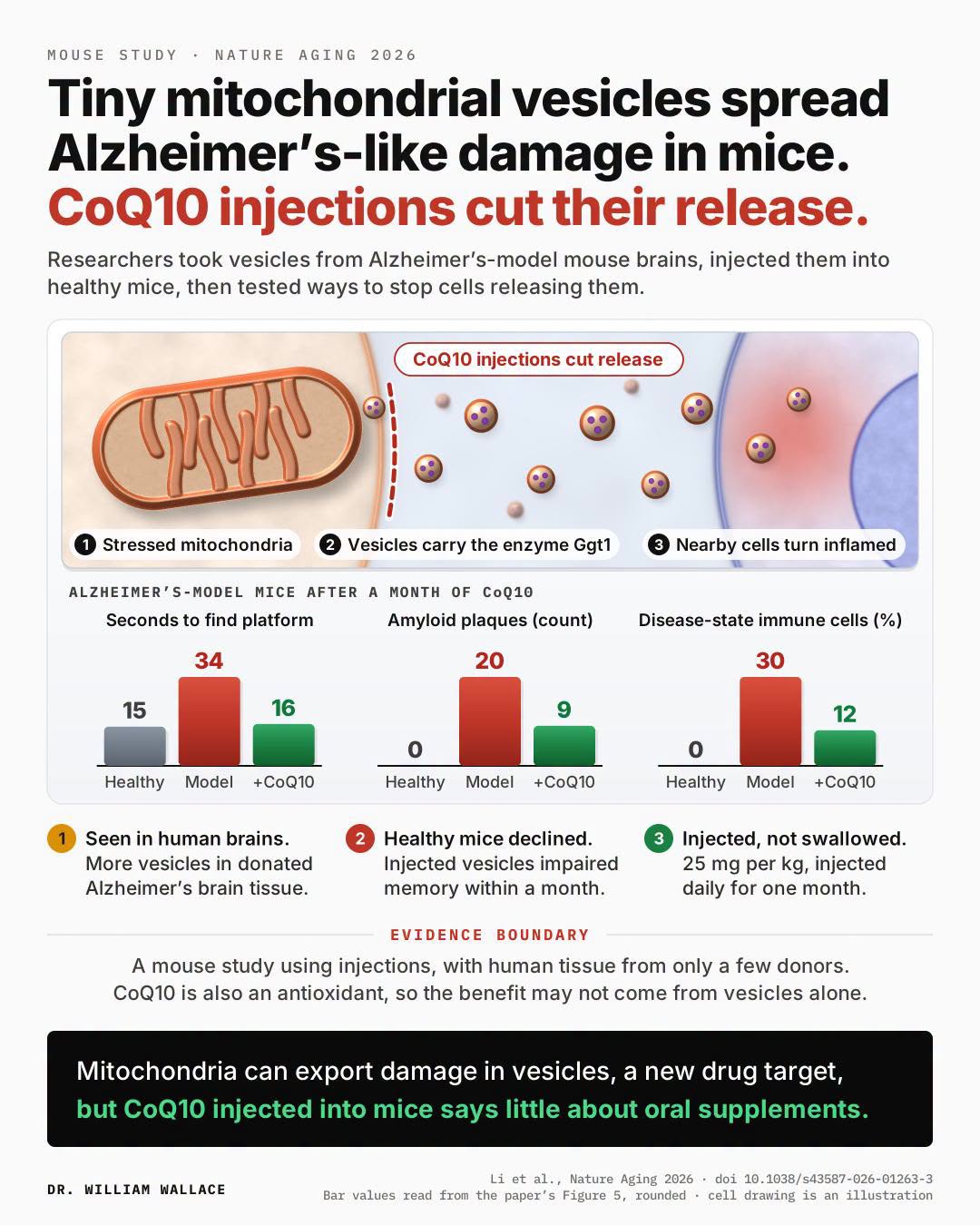
CoQ10 curbed Alzheimer's-like damage spread in mice; human CoQ10 trials disappointed

Nov 12, 2026 · Louis Nervegna ♥ 10 · 💬 3

Louis shares a mouse study (Nature Aging) in which mitochondria-derived vesicles from Alzheimer's-model brains impaired memory in healthy mice and daily CoQ10 injections cut their release. Human CoQ10 trials in Alzheimer's were mostly disappointing, but it might still work as early prevention. Louis stresses mouse studies reveal mechanisms, not proof of benefit in humans.

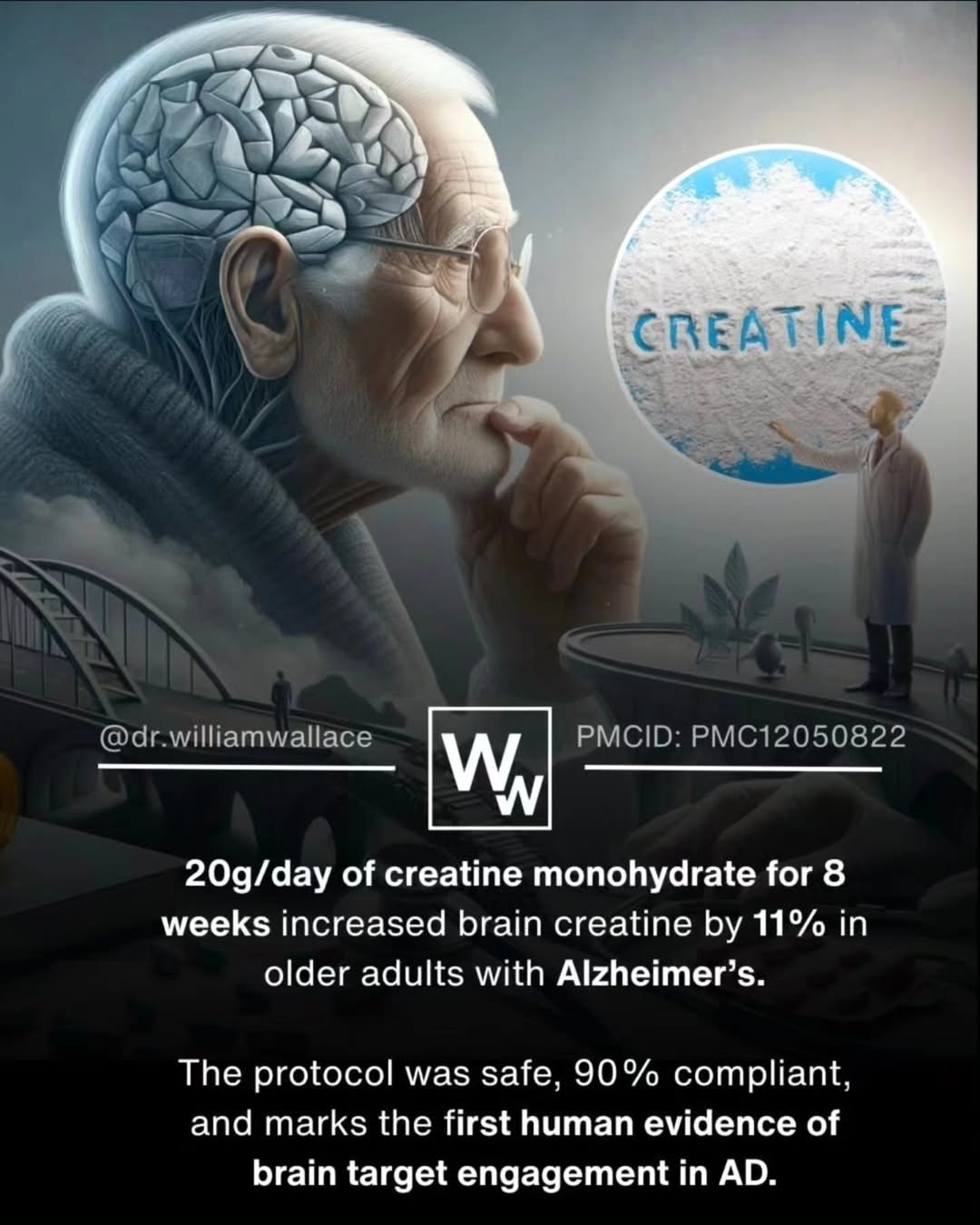
Creatine 20 g/day improved cognition in Alzheimer's patients by nearly 5% in 8 weeks

Sep 22, 2025 · Louis Nervegna ♥ 13 · 💬 2

A FoundMyFitness summary reports that creatine at 20 grams per day improved cognitive function in Alzheimer's patients by nearly 5% after eight weeks, with gains in memory, fluid cognition, inhibitory control and attention. Louis frames it as something to consider for a loved one with Alzheimer's.

Framingham: lower small dense LDL linked to lower Alzheimer's risk

May 31, 2025 · Louis Nervegna ♥ 13 · 💬 2

A Medical Xpress report on the Framingham Heart Study found lower small dense LDL cholesterol and higher fat-transport markers were associated with reduced Alzheimer's disease risk, pointing to a complex relationship between blood lipids and brain health.

MIND diet: 20% less grey matter loss per 3-point score rise in Framingham MRI study

Oct 02, 2026 · Louis Nervegna ♥ 14 · 💬 1

In 1,647 Framingham Offspring participants followed about 12 years with repeated MRI scans, closer adherence to the MIND diet (Mediterranean-DASH hybrid) was linked to slower grey matter loss. Each 3-point rise in MIND score matched 20% less age-related grey matter decline, equal to about 2.5 years of slower brain aging. This is an observational association.

Third randomized trial linking peanuts to better brain health, via brain insulin response

Oct 10, 2026 · Louis Nervegna ♥ 8 · 💬 3 Nuts, fish, coffee, tea, cocoa & other foods

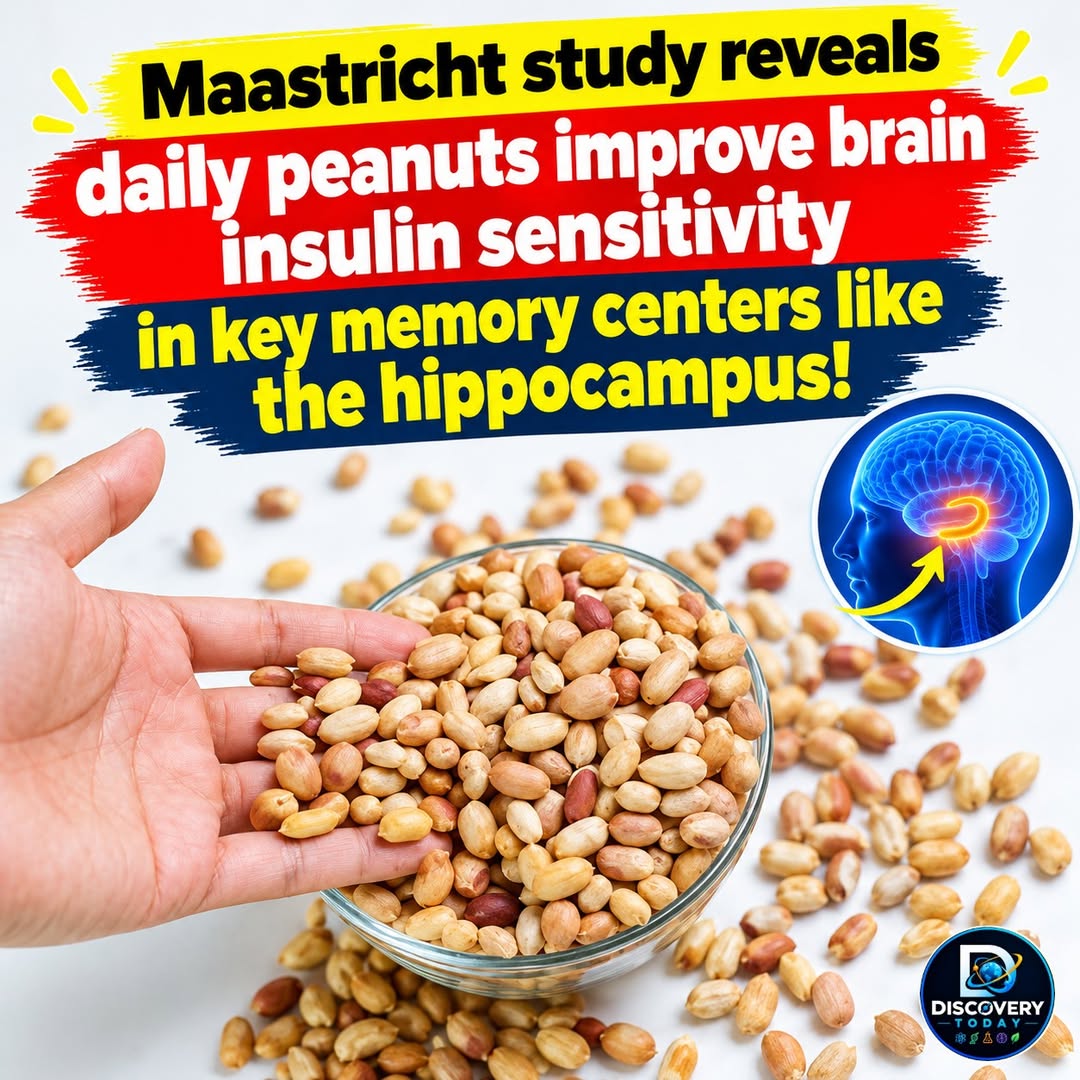
The poster notes this is the third human randomized trial he knows of showing peanut consumption improves brain health or memory. The Maastricht trial found about two daily servings of unsalted, skin-roasted peanuts improved insulin responsiveness in memory-related brain regions after 16 weeks in healthy older adults.

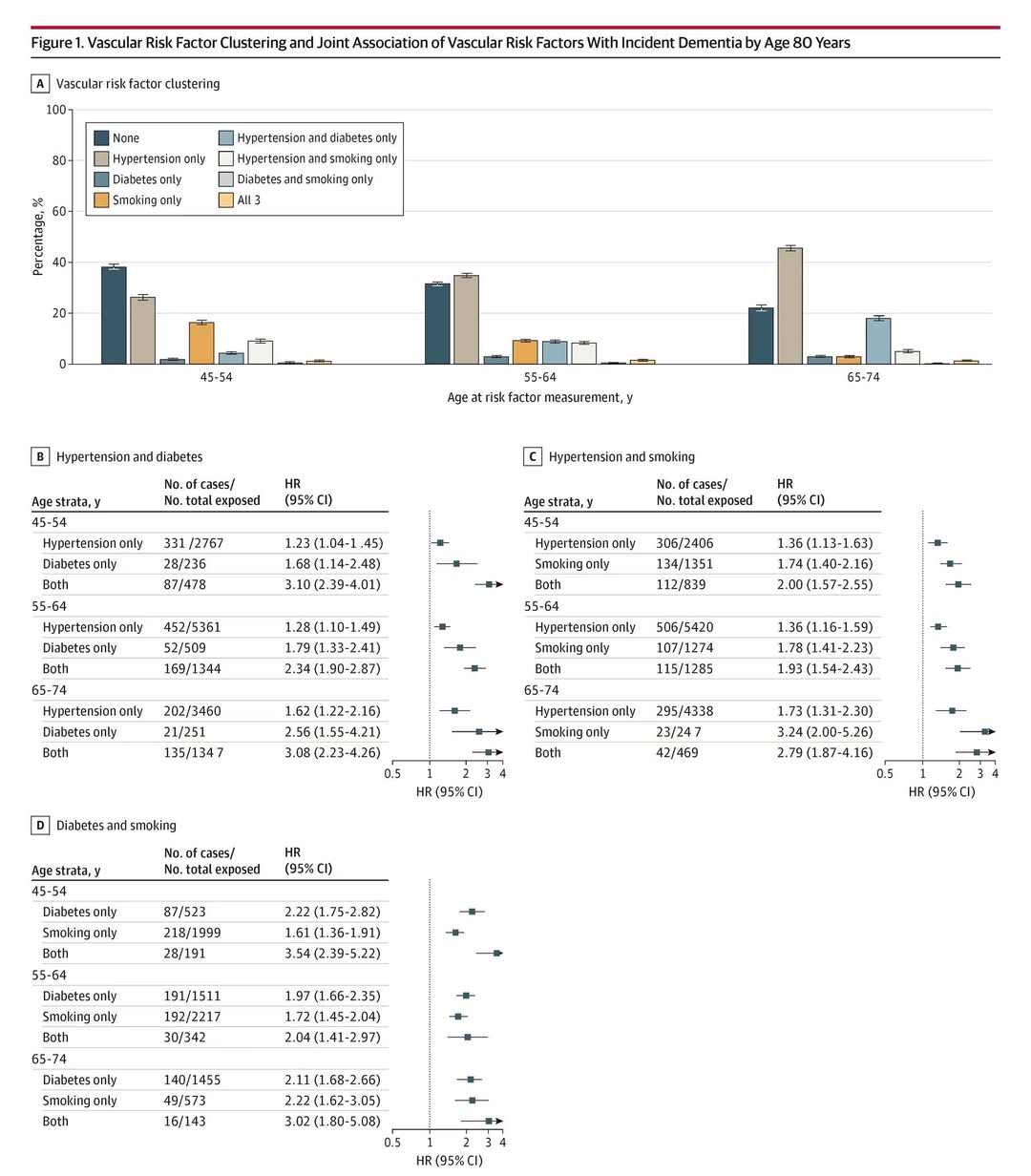
Atherosclerosis drivers such as high apoB and blood pressure also raise dementia risk

Jun 05, 2026 · Louis Nervegna ♥ 5 · 💬 5

A shared post argues that atherosclerotic risk factors (atherosclerosis, endothelial dysfunction, high BP, high LDL/apoB) are consistently linked to Alzheimer's and dementia risk, with some genetic overlap between lipids, coronary disease and Alzheimer's. The message is that keeping apoB and blood pressure optimal, and improving endothelial function, insulin sensitivity and inflammation, protects both heart and brain.

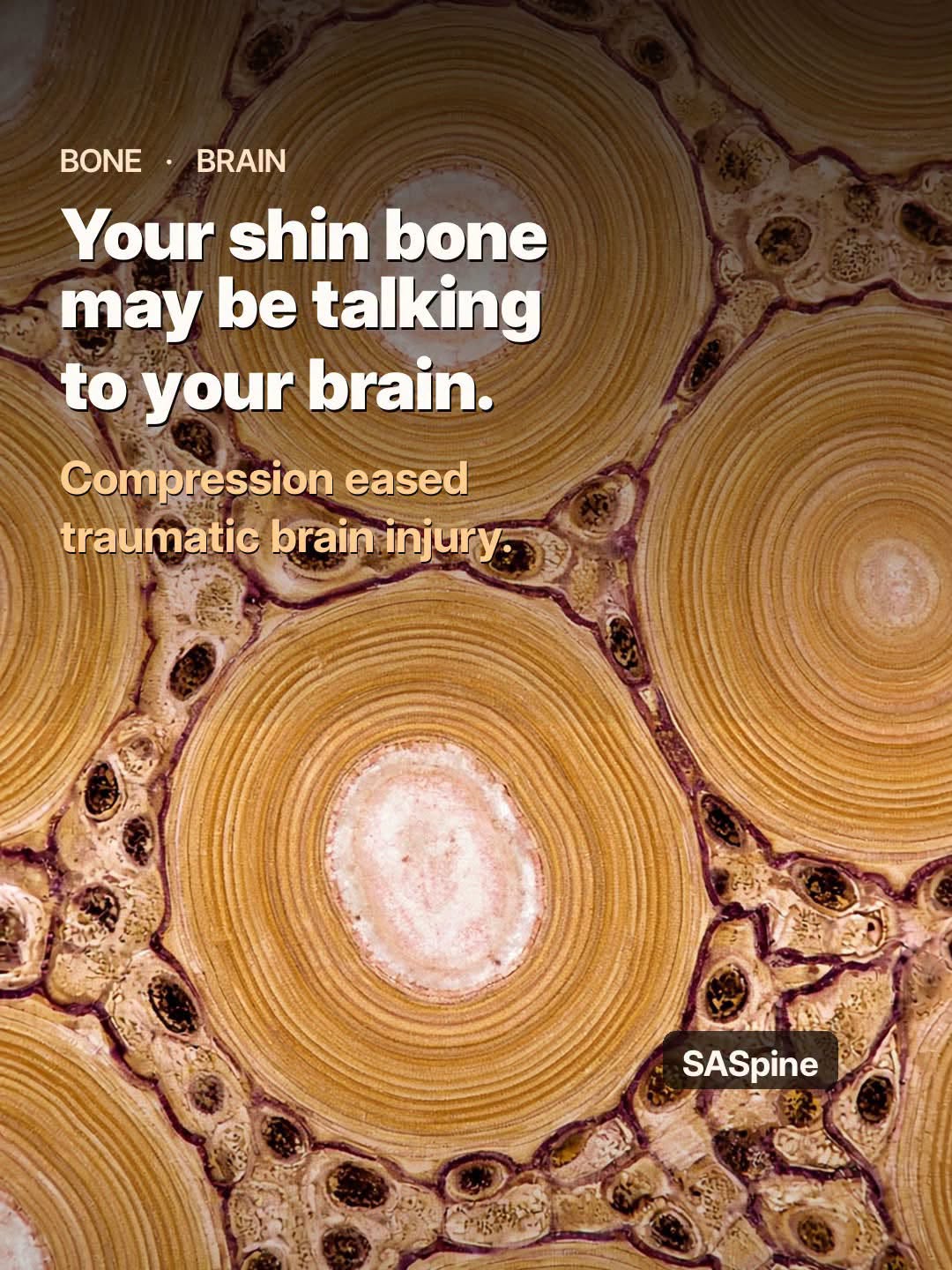
Shin bone loading may speed brain injury recovery via PIEZO1 in mice and pigs

Oct 08, 2026 · Louis Nervegna ♥ 13 · 💬 1 ↩ 1

A Nature Neuroscience paper found that compressing the tibia for a few minutes a day after traumatic brain injury improved movement and memory in mice and pigs. Bone cells sensed the force through the PIEZO1 sensor, and turning it off removed the benefit. The poster calls it the most interesting bone study he has read in a long time.

CHOICE trial: hearing aids gave nearly six-fold cognitive improvement in MCI

Sep 29, 2026 · Louis Nervegna ♥ 8 · 💬 1

A secondary outcome of the CHOICE randomized trial found cognitive improvement in 15.34% of older adults with mild cognitive impairment given hearing aids versus 2.36% of controls. The primary outcome was null and the authors say the surprisingly large effect needs replication.

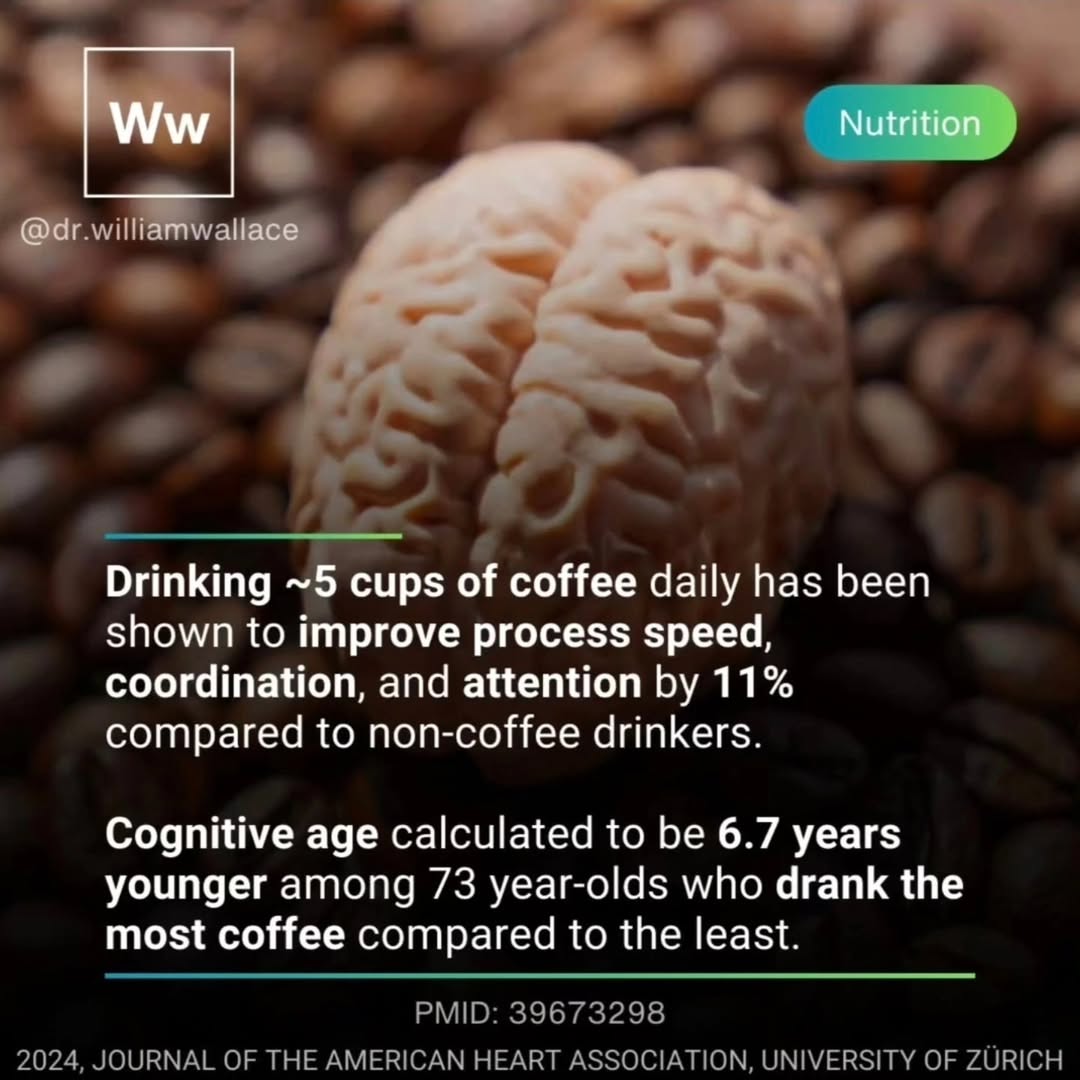
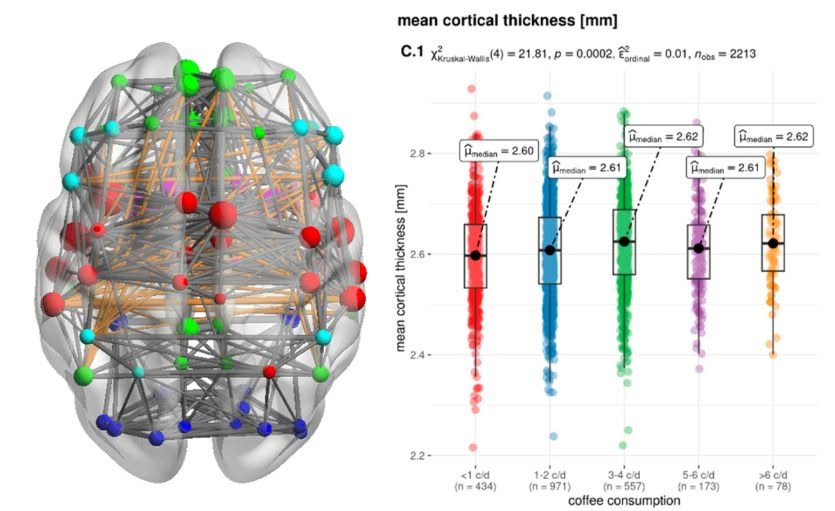
Moderate coffee (3-4 cups/day) linked to thicker cortex and healthier white matter

Sep 02, 2025 · Louis Nervegna ♥ 11 · 💬 1

Louis quotes a Hamburg City Health Study analysis where regular moderate coffee drinkers had thicker cortex and less white matter microstructural alteration, whereas 5 or more cups per day did not differ from under 1 cup. The pattern is U-shaped, and the study is observational.

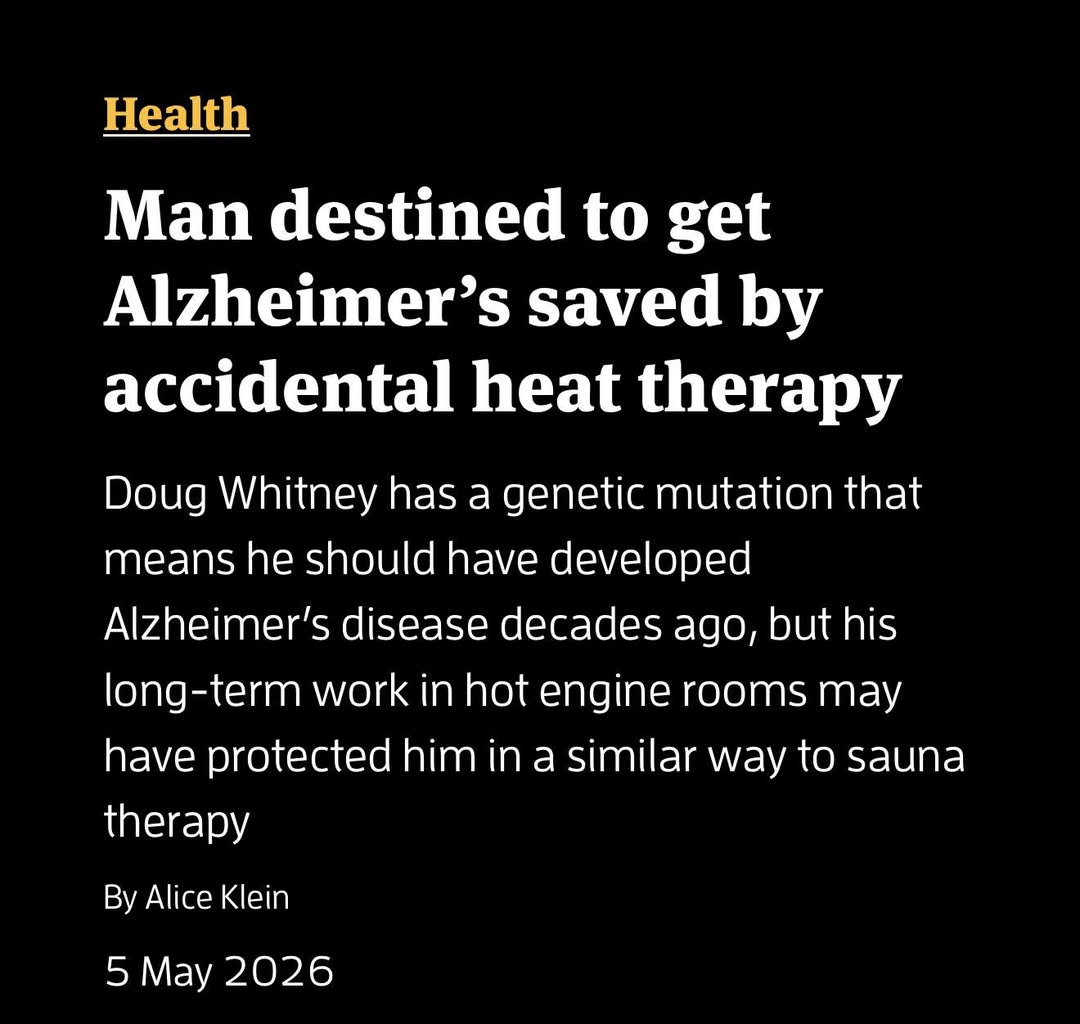
Heat-shock proteins may explain one man's escape from inherited early Alzheimer's

May 05, 2026 · Louis Nervegna ♥ 9 · 💬 2

Louis discusses a Presenilin 2 mutation carrier who avoided Alzheimer's into his late 70s, possibly due to long heat exposure in ship engine rooms and high heat shock proteins in his spinal fluid. He notes heat is hormetic and that frequent sauna use is associated with lower CVD risk, but human evidence is limited.

Tanzi's SHIELD habits for dementia prevention; nearly half of cases seen as modifiable

Dec 19, 2025 · Louis Nervegna ♥ 14 · 💬 1

Louis quotes a Newsweek/Mass General Brigham piece on Rudolph Tanzi's SHIELD framework (Sleep, Handle stress, Interact, Exercise, Learn, Diet) aimed at amyloid buildup and neuroinflammation. It repeats that nearly half of dementia cases could be delayed or prevented by addressing modifiable risk factors; the post is a media interview without specific trial data.

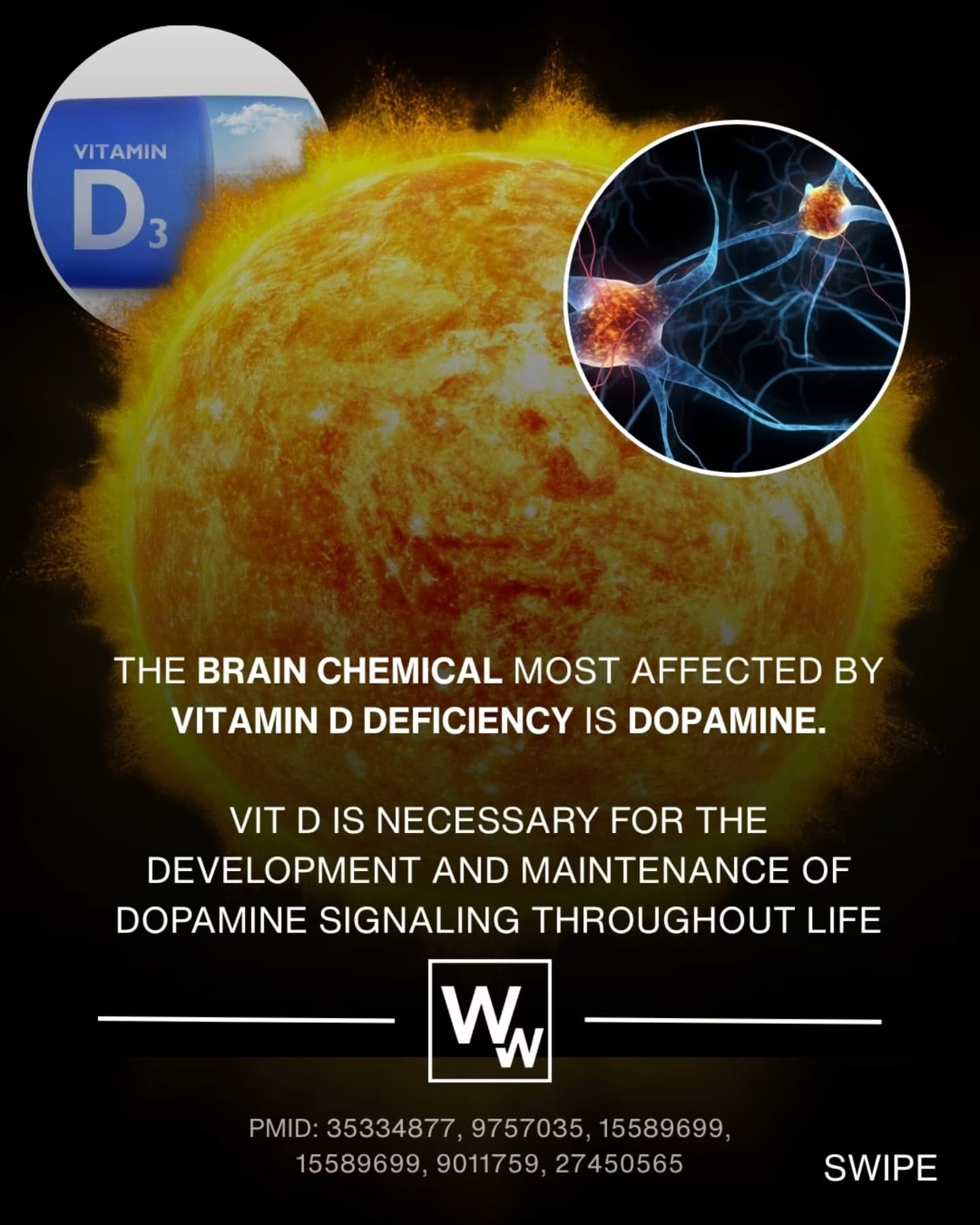
Vitamin D acts as a neurosteroid: receptors in the brain and links to dopamine signaling

Jul 22, 2025 · Louis Nervegna ♥ 23

Shared text explains that vitamin D is a secosteroid with receptors throughout the brain and has been proposed as a neurosteroid for about 20 years. Cell and rodent data suggest it supports dopamine (and possibly serotonin) signaling and brain development, and deficiency has been tied to several brain disorders. The evidence described is mostly preclinical, so the relevance to heart health is indirect.

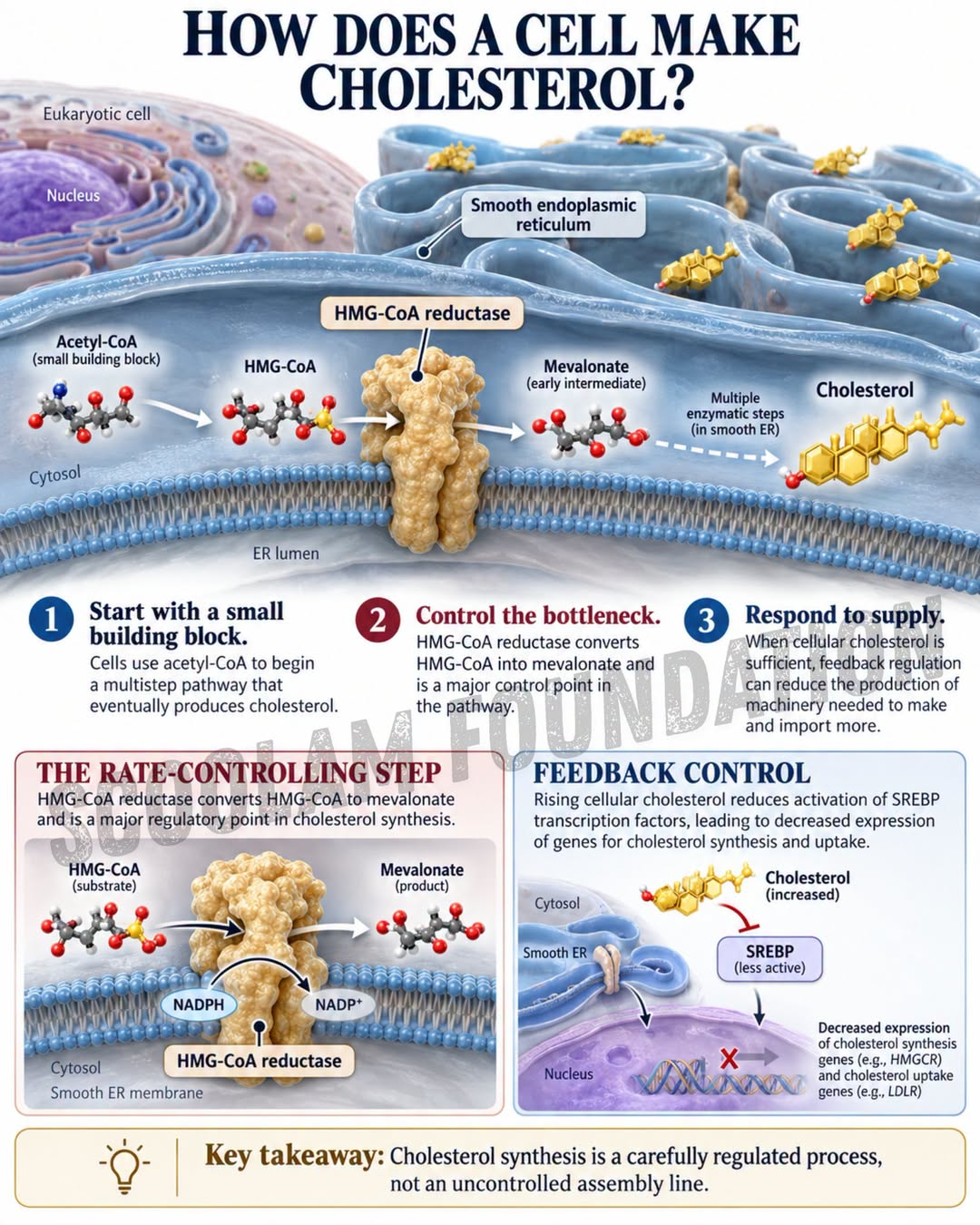
Nearly every cell makes its own cholesterol, especially brain cells

Oct 29, 2026 · Louis Nervegna ♥ 4 · 💬 2 LDL, ApoB & lipid panel

Louis notes that nearly every nucleated cell synthesizes its own cholesterol rather than relying on blood cholesterol, particularly cells in the brain. The shared explainer describes cholesterol biosynthesis through the mevalonate pathway with HMG-CoA reductase as the rate-limiting step. It frames why circulating cholesterol and tissue cholesterol are largely separate pools.

Blood tests can now measure amyloid and tau to track Alzheimer's interventions

Apr 10, 2025 · Louis Nervegna ♥ 10 · 💬 1

Louis notes that simple blood tests now accurately assess amyloid and tau levels in the brain. These could be used to check whether interventions aimed at preventing or reversing Alzheimer's are actually working. The post shares a CNN segment with Dr. Sanjay Gupta on a study he took part in.

About one cup of blueberries a day: best human evidence is for vascular function

Oct 06, 2026 · Louis Nervegna ♥ 6 · 💬 1 Nuts, fish, coffee, tea, cocoa & other foods

A podcast excerpt says one cup (150-180 g) of fresh or frozen blueberries daily matches the dose in most positive human studies. The clearest benefit is better endothelial function, with possible memory benefits in at-risk older adults and glucose benefits when metabolism is strained. Randomized trials have not shown they prevent dementia, diabetes, heart attacks or strokes.

Hearing aids before age 70 linked to a 61% lower dementia risk

Aug 22, 2025 · Louis Nervegna ♥ 6 · 💬 1

Louis recommends treating hearing loss with a hearing aid before age 70, citing news of a study of nearly 3,000 participants over up to two decades. Those with hearing loss who used hearing aids had 61% lower dementia risk among people younger than 70. He says multiple studies now show this.

Low-dose lithium carbonate failed to slow cognitive decline in mild cognitive impairment

Mar 02, 2026 · Louis Nervegna ♥ 3 · 💬 2

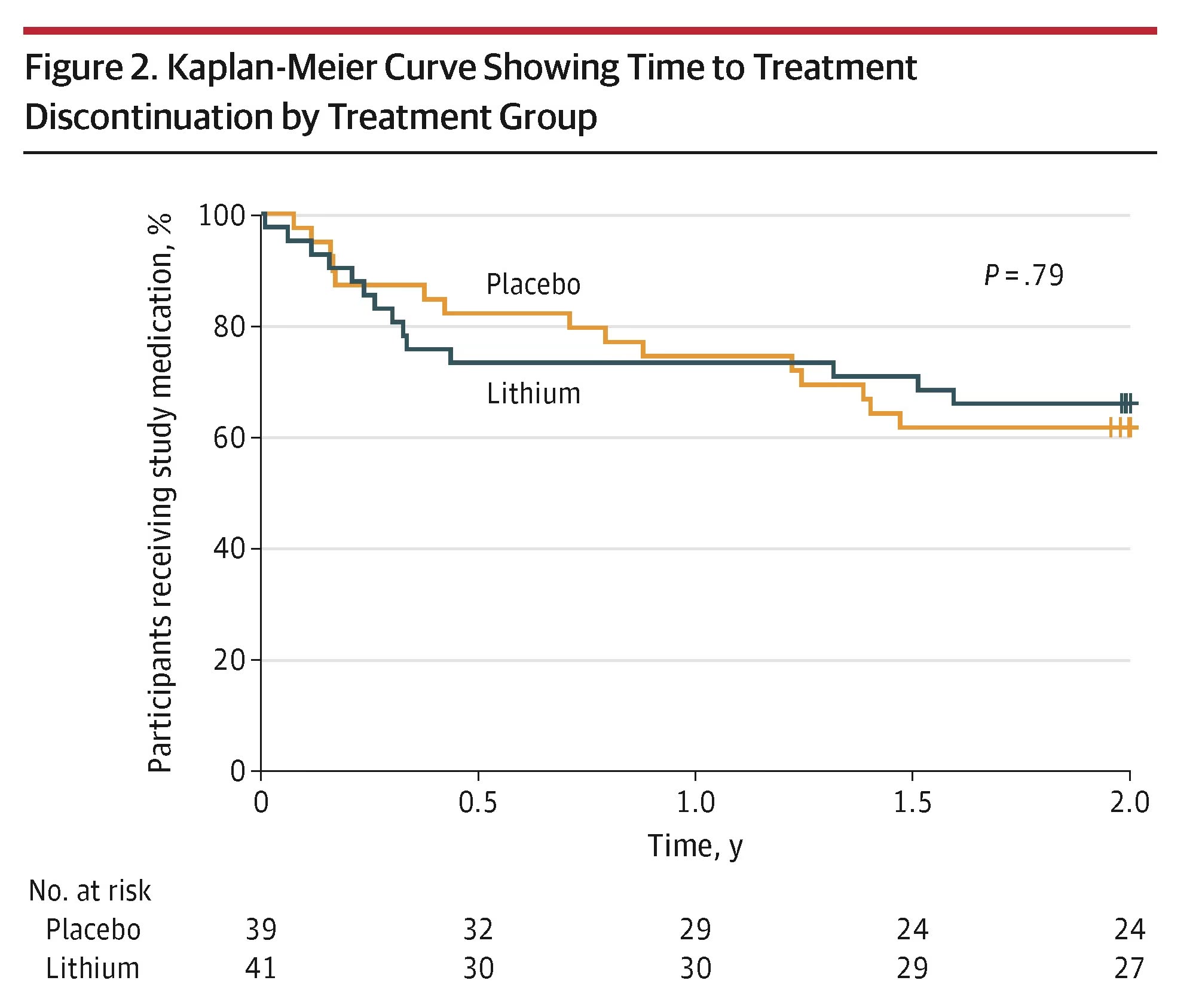
A JAMA Neurology RCT found low-dose lithium did not significantly delay cognitive decline or change imaging and plasma biomarkers over 2 years in older adults with MCI, though it was safe. Louis notes the trial used lithium carbonate, whereas Yankner's Harvard work suggests lithium orotate is the active form in Alzheimer's models.

Exercise may repair the aging blood-brain barrier via liver enzyme GPLD1

Jul 27, 2026 · Louis Nervegna ♥ 10

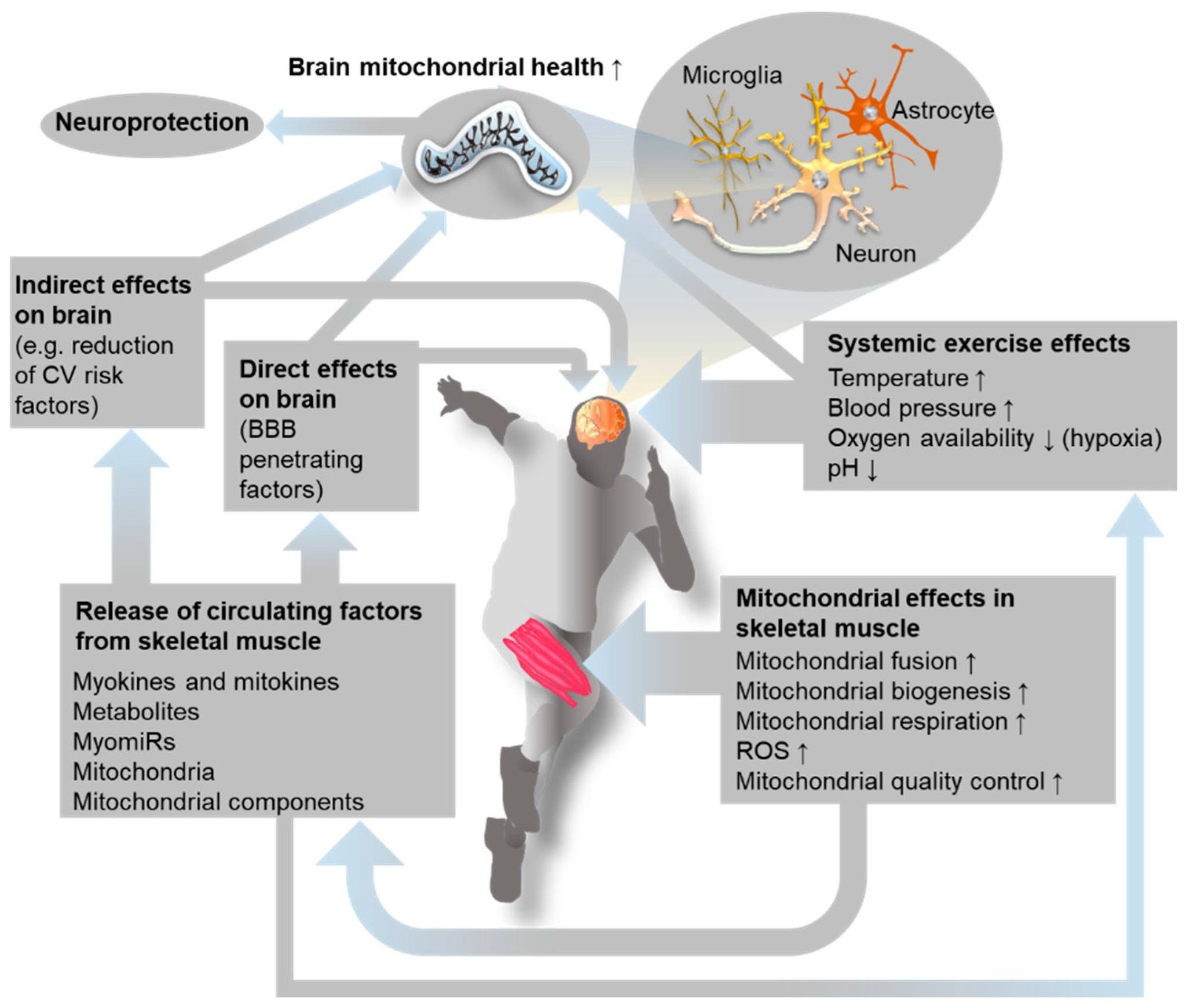
Shared research summary: with age the blood-brain barrier weakens and TNAP activity rises. Exercise prompts the liver to release GPLD1, which cleaves TNAP and appears to repair weak spots in the barrier, offering another route by which exercise may protect against dementia.
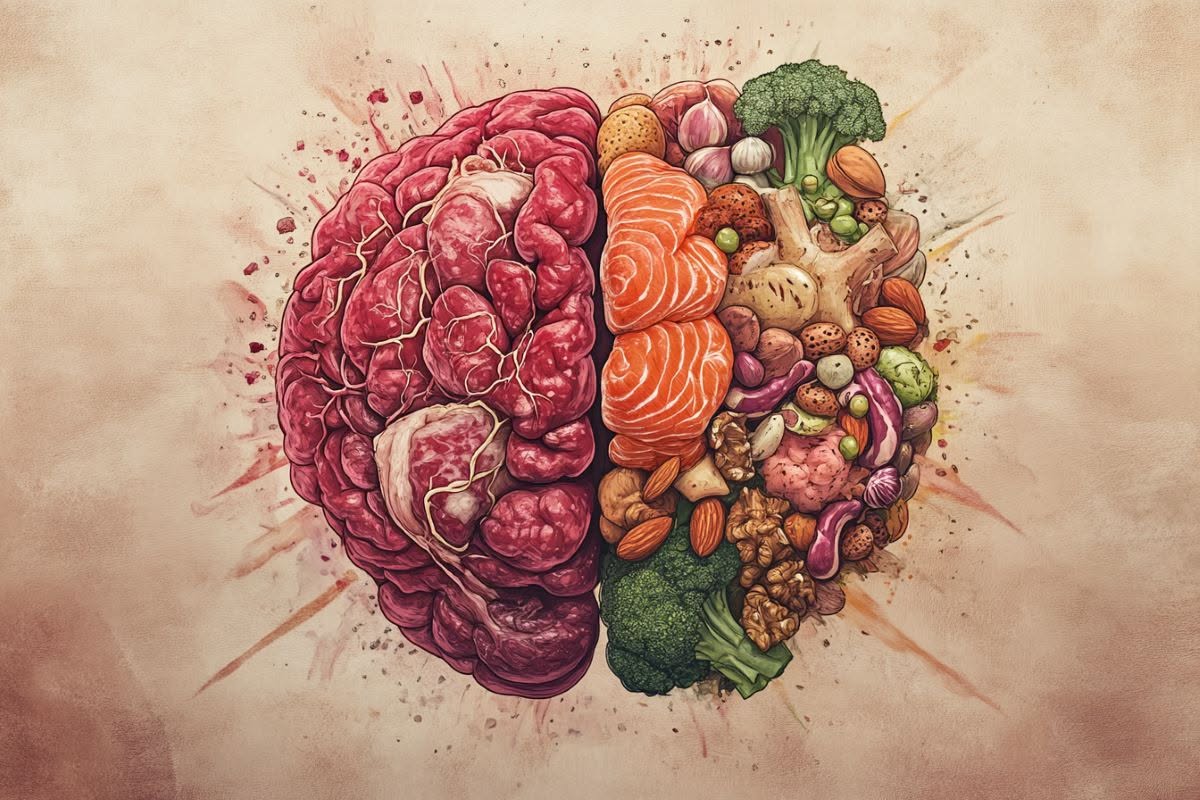
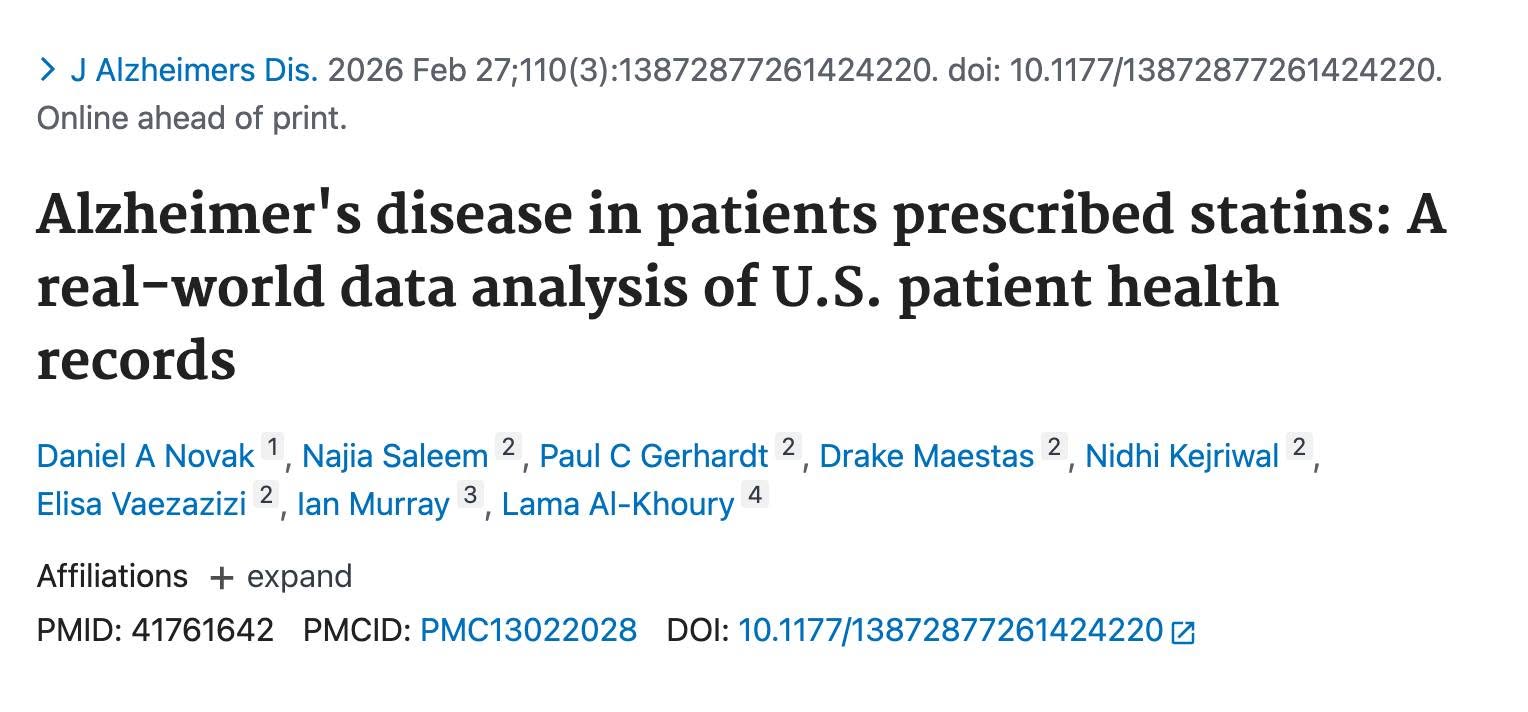
Observational, randomized and genetic evidence all argue against statins causing dementia

Nov 01, 2026 · Louis Nervegna ♥ 4 · 💬 1 Statins

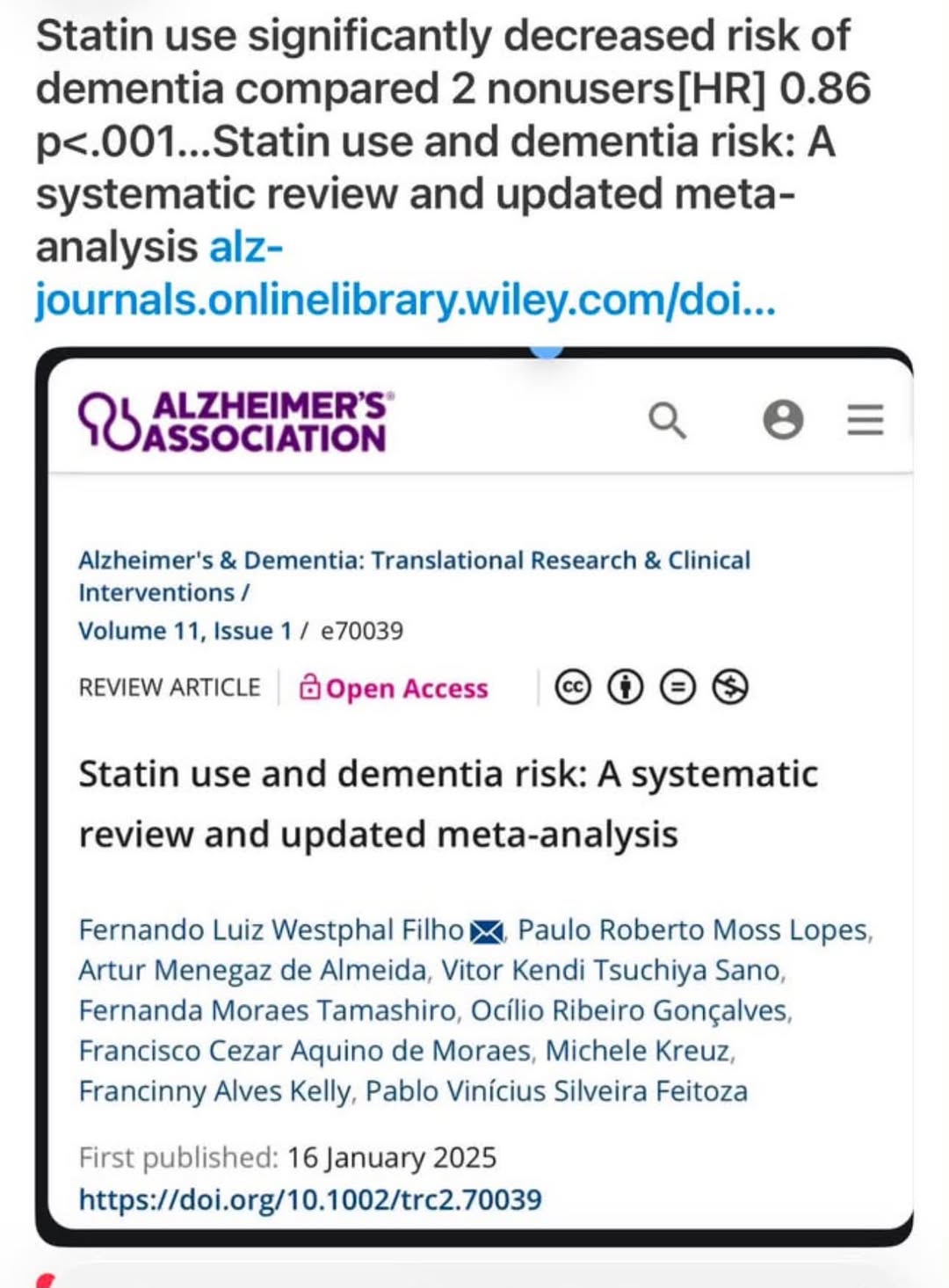
Louis shares a new observational study linking statin use to lower dementia risk and lists the wider evidence in the group: observational studies as a whole suggest protection, randomized trials (including in people over 70) show no increase in dementia, trials of statins as Alzheimer's treatment are neutral, and Mendelian randomization suggests lower dementia risk with statin-pathway variants. It is a curated index of earlier group posts.

APOE e4 carriers share a pro-inflammatory protein profile in blood, CSF and brain

Jul 18, 2025 · Louis Nervegna ♥ 4 · 💬 1

Shared summary of a Nature Medicine (2025) proteomics study of over 18,600 participants finding that APOE e4 carriers have an inflammatory protein signature regardless of neurodegenerative diagnosis. It suggests APOE e4 acts as a systemic immune modulator with relevance beyond Alzheimer's; the heart-health link is indirect.

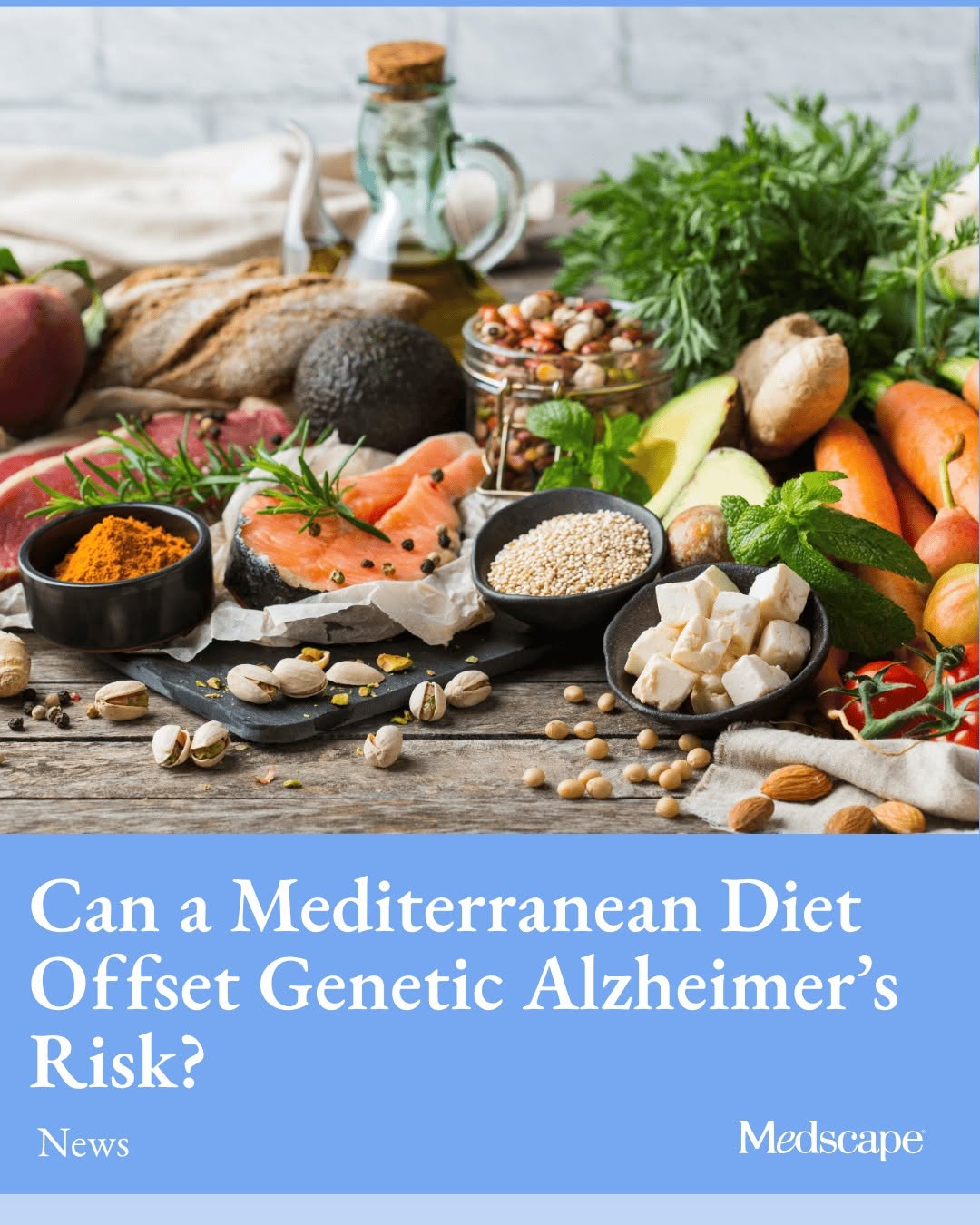
Mediterranean diet linked to 35% lower Alzheimer's risk in ApoE4/4 carriers

Aug 27, 2025 · Louis Nervegna ♥ 6 ↩ 1

Louis shares data from the Nurses' Health Study and Health Professionals Follow-up Study suggesting that high Mediterranean diet adherence lowered Alzheimer's risk by about 35% in ApoE4 homozygotes, with benefit also in others. The finding is observational but consistent with PREDIMED.

PNAS: brain network destabilization begins in midlife, tied to insulin resistance and fat

Jun 08, 2025 · Louis Nervegna ♥ 6

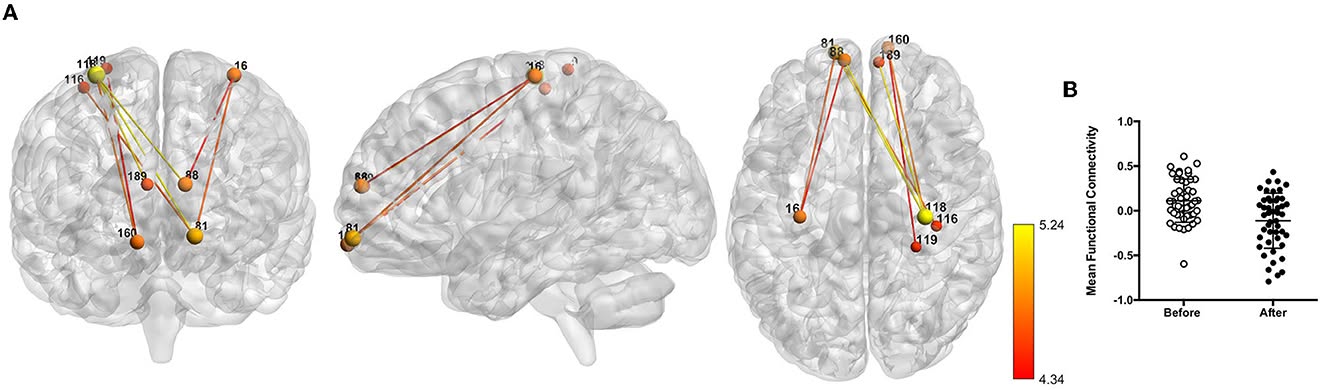
Louis shares a summary of a PNAS study finding that brain network destabilization, a precursor to cognitive decline, begins in midlife and is associated with insulin resistance and elevated blood pressure. The summary argues that visceral fat drives these and that diet and exercise to reduce it may protect the brain.

Link to autoimmune theory of Alzheimer's disease

Dec 23, 2024 · Louis Nervegna ♥ 13

Louis shares a Neuroscience News article proposing Alzheimer's may be an immune disorder in the brain rather than primarily a brain disease; no commentary.

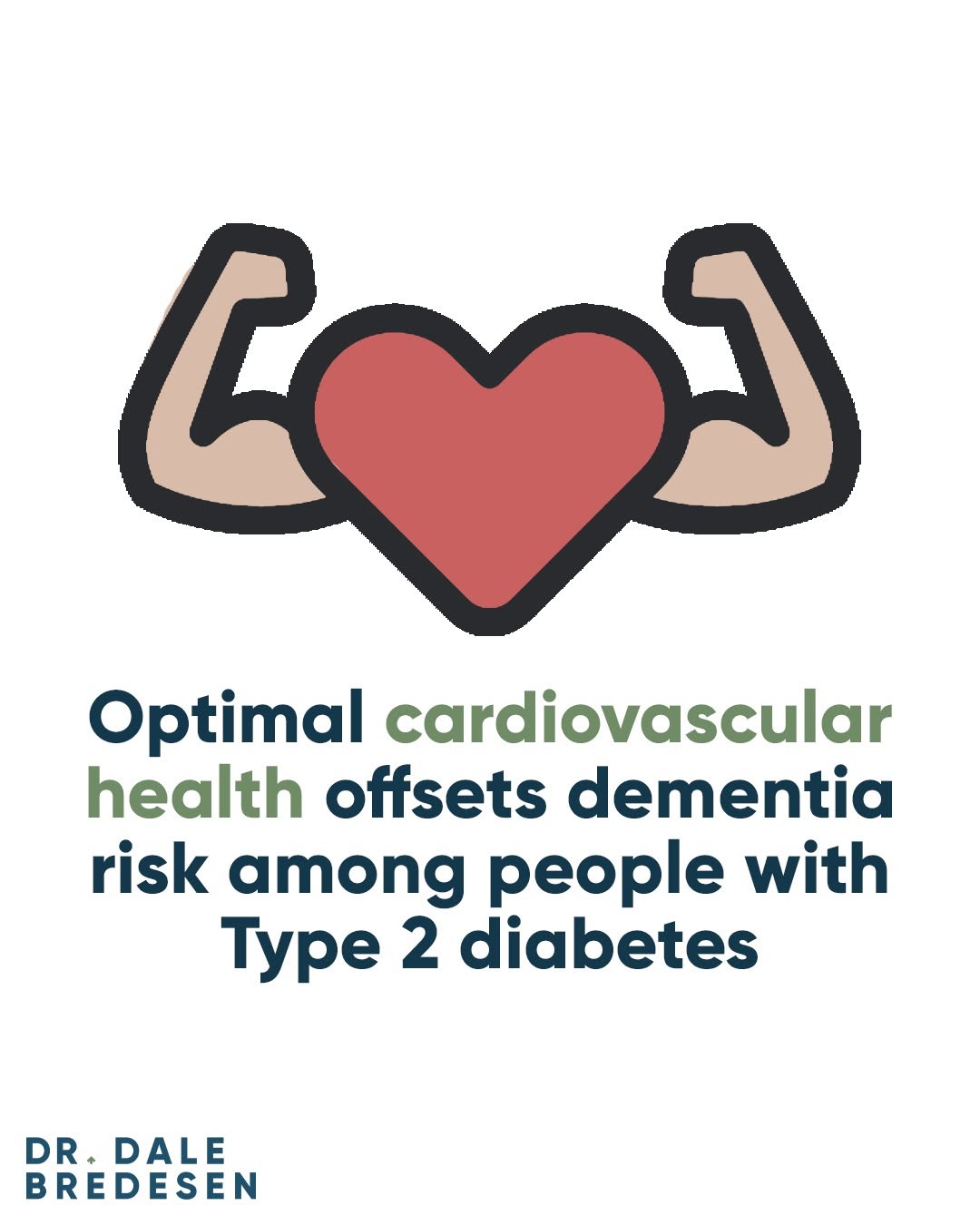
Optimal Life's Essential 8 health offset dementia risk in type 2 diabetes over 13 years

Dec 03, 2025 · Louis Nervegna ♥ 8

Louis shares an AHA release showing that adults with type 2 diabetes and high genetic dementia risk who had moderate or high Life's Essential 8 cardiovascular health had much lower risk of mild cognitive impairment and dementia over 13 years. The eight factors are blood pressure, cholesterol, fasting glucose, smoking, BMI, exercise, diet and sleep.

Cardiovascular and cognitive health share drivers: inflammation, insulin resistance, more

Jun 24, 2025 · Louis Nervegna ♥ 8

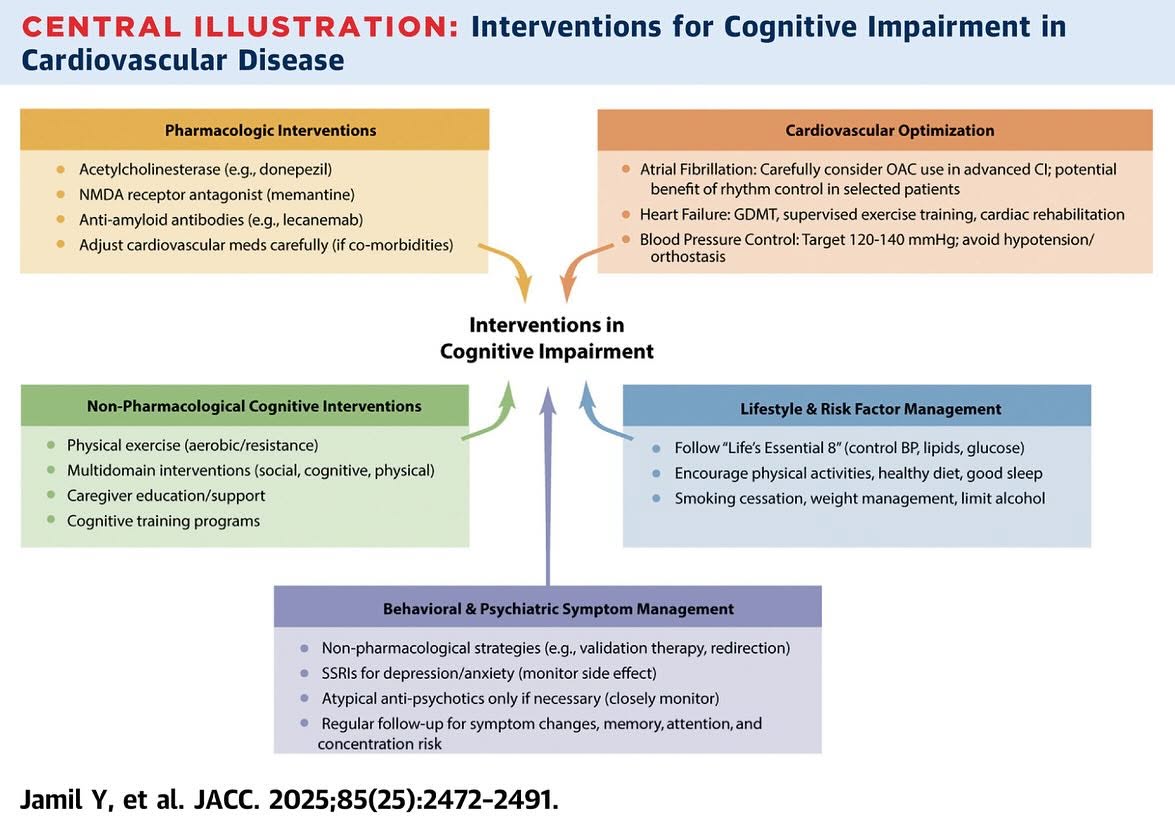
Louis shares a JACC piece arguing that cognitive impairment and CVD share the same biological drivers: chronic inflammation, insulin resistance, hypertension, dyslipidemia, oxidative stress, endothelial dysfunction and atherosclerosis. It suggests lifestyle strategies such as diet, exercise, stress reduction and sleep can address both.

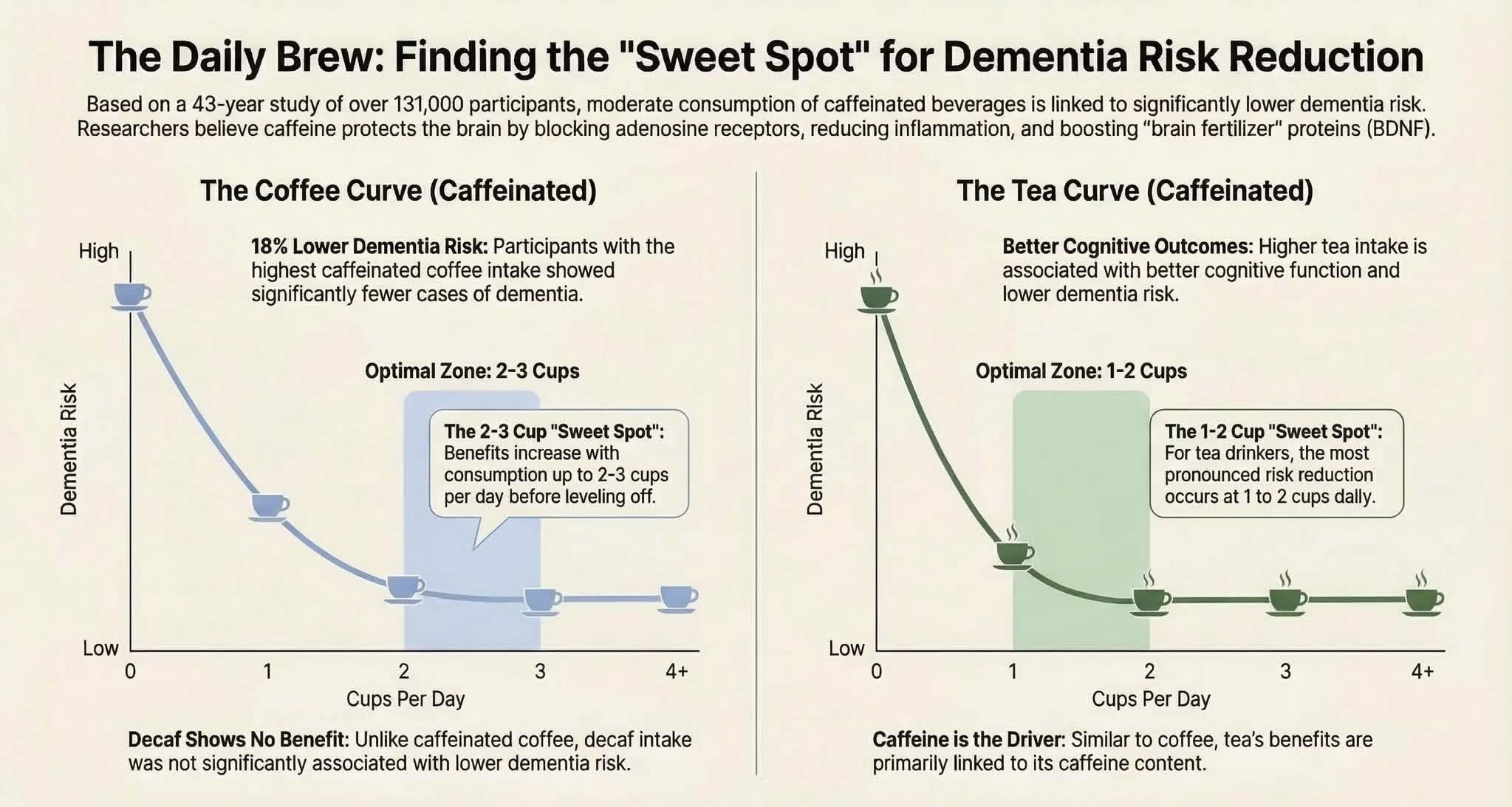
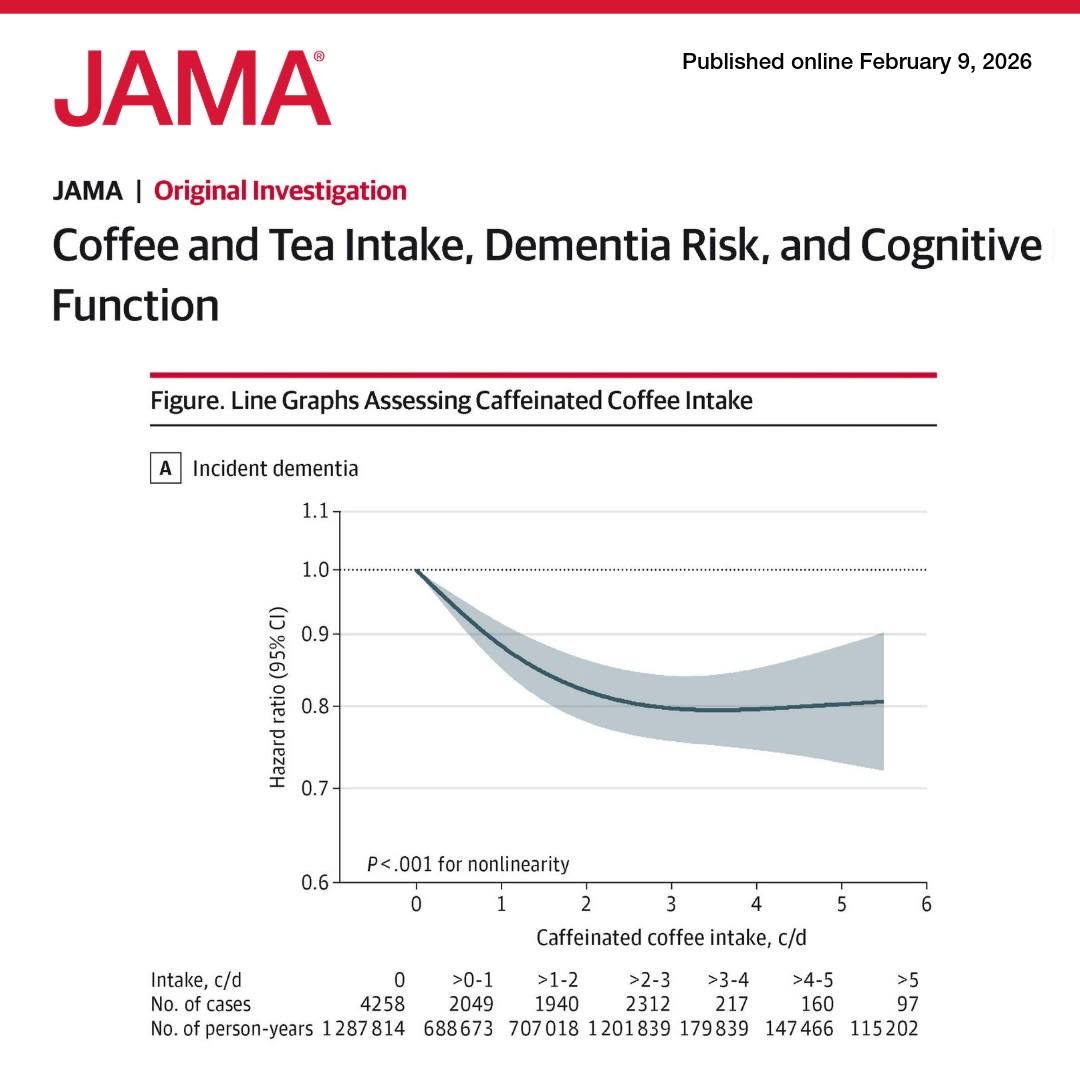
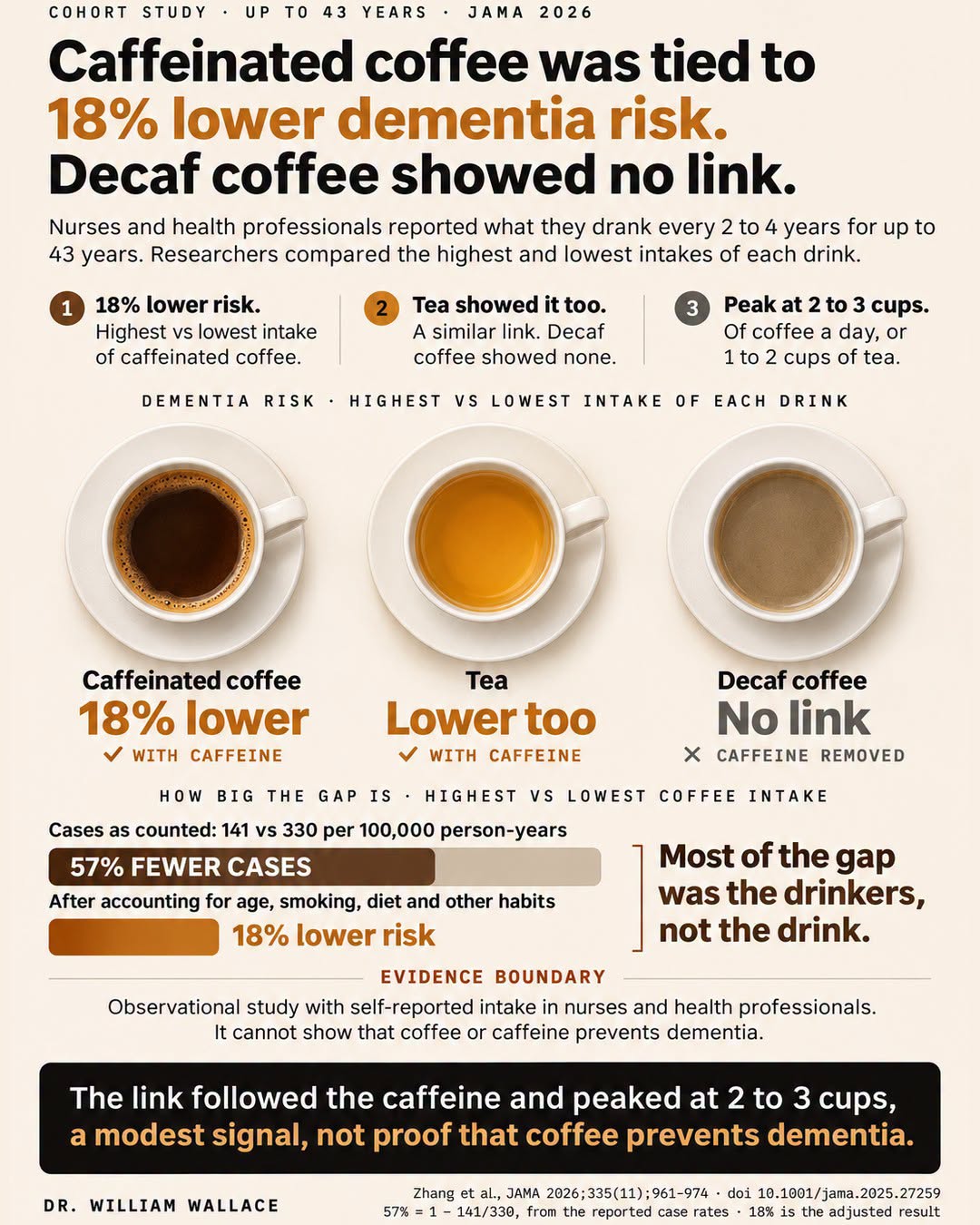
Caffeinated coffee linked to 18% lower dementia risk over 43 years in two US cohorts

Nov 13, 2026 · Louis Nervegna ♥ 5

Shared summary of a JAMA cohort of 131,821 US nurses and health professionals followed up to 43 years. The highest caffeinated coffee group had 18% lower dementia risk after adjustment, decaf showed no link, and the lowest risk was at about 2-3 cups of coffee or 1-2 cups of tea. Observational, with large confounding (heavy drinkers smoked more).
High-dose DHA did not slow cognitive decline in 2-year APOE4 trial, but reached the brain

Jun 27, 2026 · Louis Nervegna ♥ 7

Louis comments on a Medscape report of a trial of high-dose omega-3 in older adults at high dementia risk. It found no improvement in memory, cognition or hippocampal volume, although DHA reached the cerebrospinal fluid equally in APOE4 carriers and non-carriers. He notes the trial was short at two years, and APOE4 carriers with the highest DHA to arachidonic acid ratio declined less.
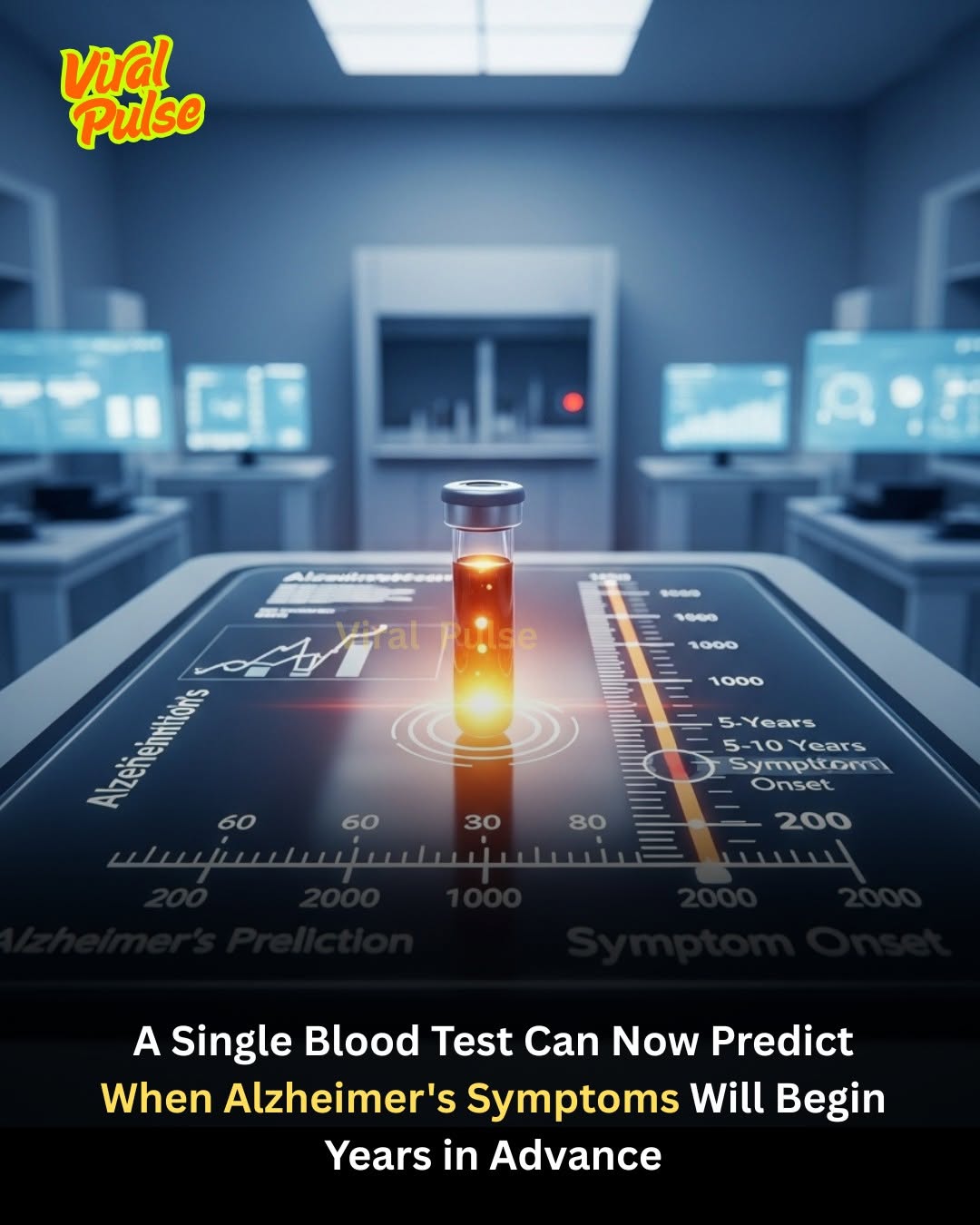
pTau217 blood test may give early warning of memory decline

May 29, 2026 · Louis Nervegna ♥ 3 · 💬 2

Louis shares Joel Kahn's note on the AD Detect lab panel, whose new data predict memory decline, and reminds readers that heart disease risk factors overlap with dementia risk. The idea is an early warning while lifestyle changes still matter.

Mediterranean diet cut dementia risk by about a third in APOE4 homozygotes

Sep 04, 2025 · Louis Nervegna ♥ 5 ↩ 1

Louis quotes a Medscape report of a large prospective study from Mass General Brigham and Harvard. Those with two APOE4 copies who adhered closely to a Mediterranean diet had better cognition and a roughly one-third lower dementia risk, compared with a 5% reduction in others.

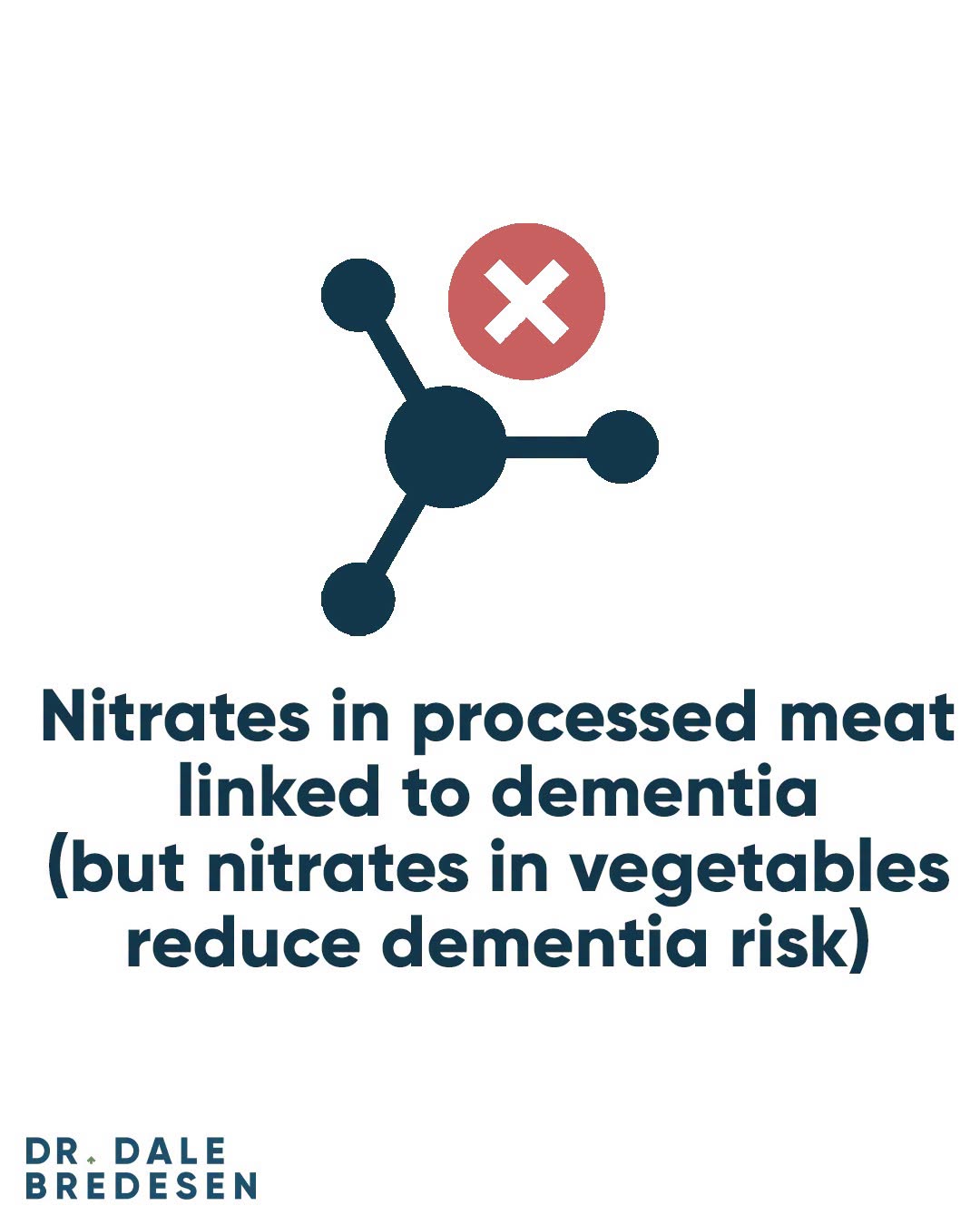
Vegetable nitrates tied to lower dementia risk; processed-meat nitrates to higher

Jun 28, 2026 · Louis Nervegna ♥ 6

Louis adds that 'natural' or 'uncured' processed meats also form N-nitrosamines. The shared Dale Bredesen post describes a recent study in which the source of nitrates mattered more than the amount: vegetable nitrates were tied to lower dementia risk, while processed meat or drinking-water nitrates were tied to higher risk.

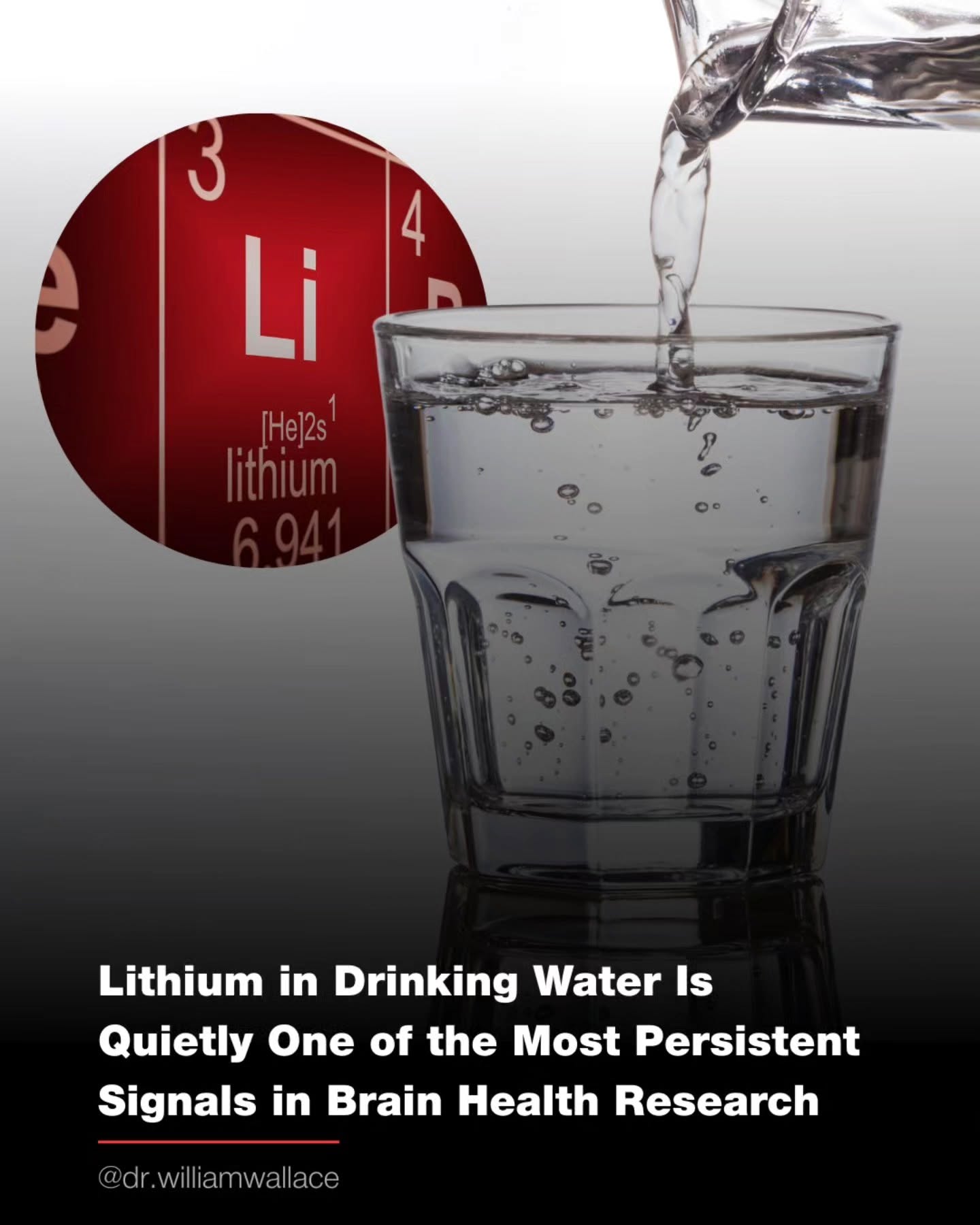
Low-dose lithium shows neuroprotective signals and lower dementia risk in a review

Jun 11, 2026 · Louis Nervegna ♥ 8

Louis shares a JAMA Psychiatry narrative review concluding lithium has neuroprotective effects across cellular, imaging and epidemiologic studies. Low-dose lithium below psychiatric doses preserves neurons and gray matter, cumulative exposure is associated with lower dementia risk, and early trials in mild cognitive impairment look favorable.

Alzheimer's-related cognitive changes observed as early as age 24

Jun 16, 2025 · Louis Nervegna ♥ 2 · 💬 2

Louis shares a Neuroscience News report that cognitive changes associated with Alzheimer's have been seen as early as age 24, so prevention matters at any age. The shared text urges evaluation and active prevention from age 35.

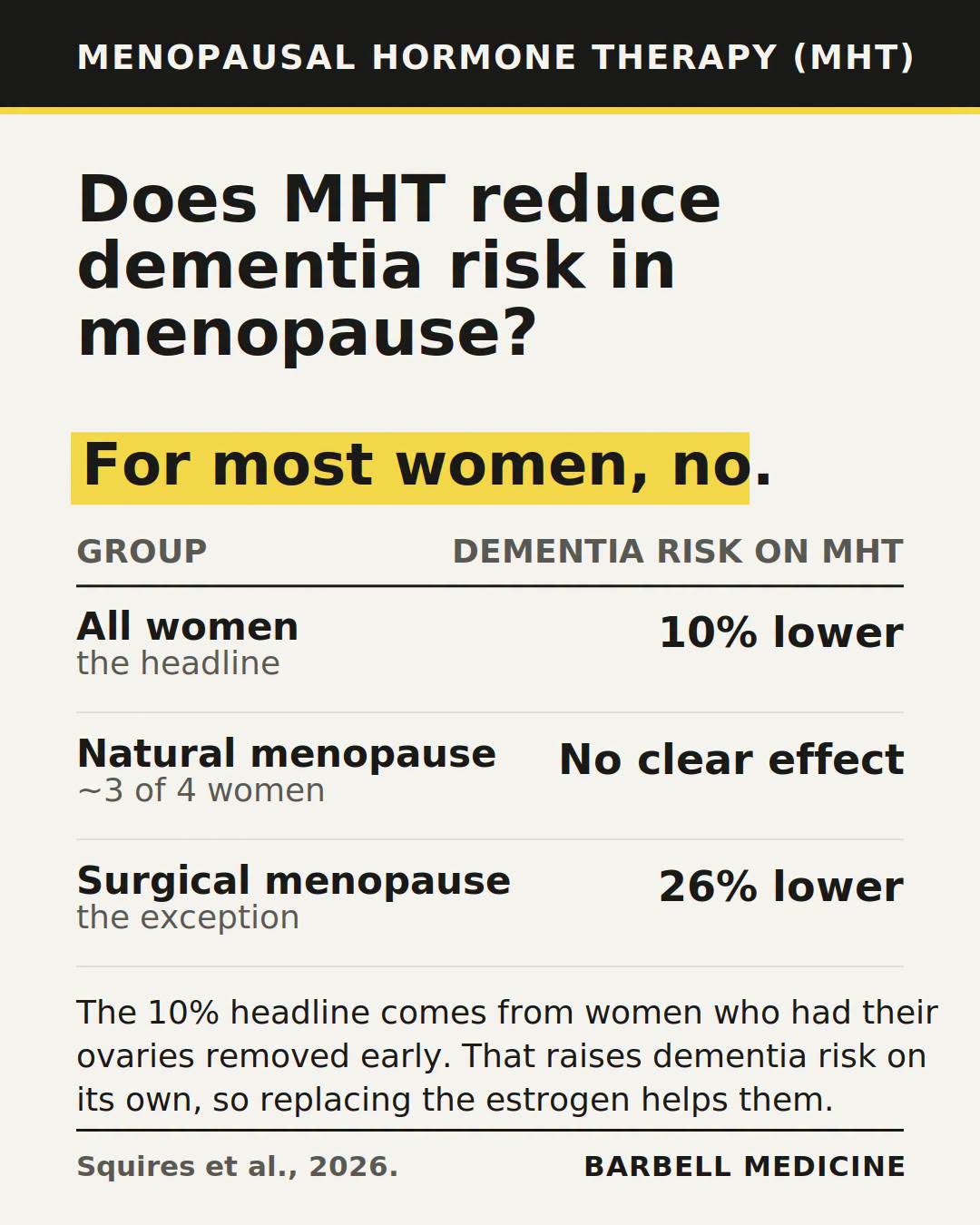
Hormone therapy and dementia: benefit mostly vanished in naturally menopausal women

Sep 02, 2026 · Louis Nervegna ♥ 3 Hormones, women's & men's health

A shared Barbell Medicine critique of a study of about 183,000 women says hormone therapy users had around 10% lower dementia diagnosis, but the effect was mostly absent in women with natural menopause and only held in those with surgical ovary removal. A meta-analysis of ten studies in over a million women found no reliable effect either way.

CBS: antibody drugs may slow early-onset Alzheimer's decline

Nov 10, 2025 · Louis Nervegna ♥ 3 · 💬 1

A shared CBS Sunday Morning report on new antibody drugs that slow cognitive decline in people with early-onset Alzheimer's, with trials testing treatment before symptoms appear. It is a news item with no figures given in the post.

Ornish lifestyle program stopped decline in 71% of early Alzheimer's patients at 20 weeks

Nov 14, 2026 · Louis Nervegna ♥ 4

Louis shares a commentary on Dean Ornish's small randomized trial at MGH in early Alzheimer's disease, saying diet likely has a major effect in early stages and a larger trial is planned. The lifestyle program lowered the amyloid A-beta 42/40 ratio and, by a clinical global impression measure, most participants stopped declining or improved. The post is framed as hope but rests on a small trial.

Daily peanuts for 16 weeks improved brain insulin responsiveness in older adults

Oct 11, 2026 · Louis Nervegna ♥ 4 Nuts, fish, coffee, tea, cocoa & other foods

A 16-week trial in healthy adults aged 60-75 gave 60 g of unsalted, skin-roasted peanuts daily and found improved insulin responsiveness in memory-related brain regions on imaging. There were no wider changes in body metabolism or liver fat, and the result helps explain earlier findings of better memory and cerebral blood flow with peanuts.

Blood p-Tau 217 testing can flag Alzheimer's pathology years before symptoms

Oct 28, 2026 · Louis Nervegna ♥ 6

A shared promotional post argues that high-sensitivity p-Tau 217, alongside NfL and GFAP, can identify Alzheimer's-related pathology before symptoms and should be used for preventive follow-up. It describes Alzheimer's as a 20 to 40 year silent cascade. No specific study is cited.

Green Mediterranean diet with green tea and mankai slowed brain atrophy in people over 50

Oct 25, 2026 · Louis Nervegna ♥ 2 Mediterranean, DASH, MIND & plant-forward diets

In an 18-month randomized trial of nearly 300 participants, a standard healthy diet, a Mediterranean diet, and a Green Mediterranean diet with green tea and mankai (duckweed) were compared on hippocampal occupancy, a marker of brain aging. Louis highlights that Mediterranean diets slowed brain aging in people over 50. Linked paper is the DIRECT-PLUS Green-MED brain atrophy analysis.

High LDL is the largest modifiable dementia risk factor, tied with hearing loss (about 7%)

Jun 01, 2026 · Louis Nervegna ♥ 2

Sharing a post on the 2024 Lancet Commission, which expanded modifiable dementia risk factors from 12 to 14, adding midlife high LDL and untreated vision loss. Addressing high LDL and hearing loss could prevent about 14% of cases. The evidence is observational and meta-analytic, so it shows association rather than proof.

Caffeinated coffee linked to 37% lower Parkinson's and 34% lower Alzheimer's risk

Nov 03, 2026 · Louis Nervegna ♥ 2 Nuts, fish, coffee, tea, cocoa & other foods

A shared summary says that in one large study unsweetened caffeinated coffee was linked to a 37% lower risk of Parkinson's disease and a 34% lower risk of Alzheimer's and related dementias. Caffeine blocks adenosine A2A receptors that regulate dopamine signaling in movement circuits. The evidence described is observational, with some animal mechanistic work.

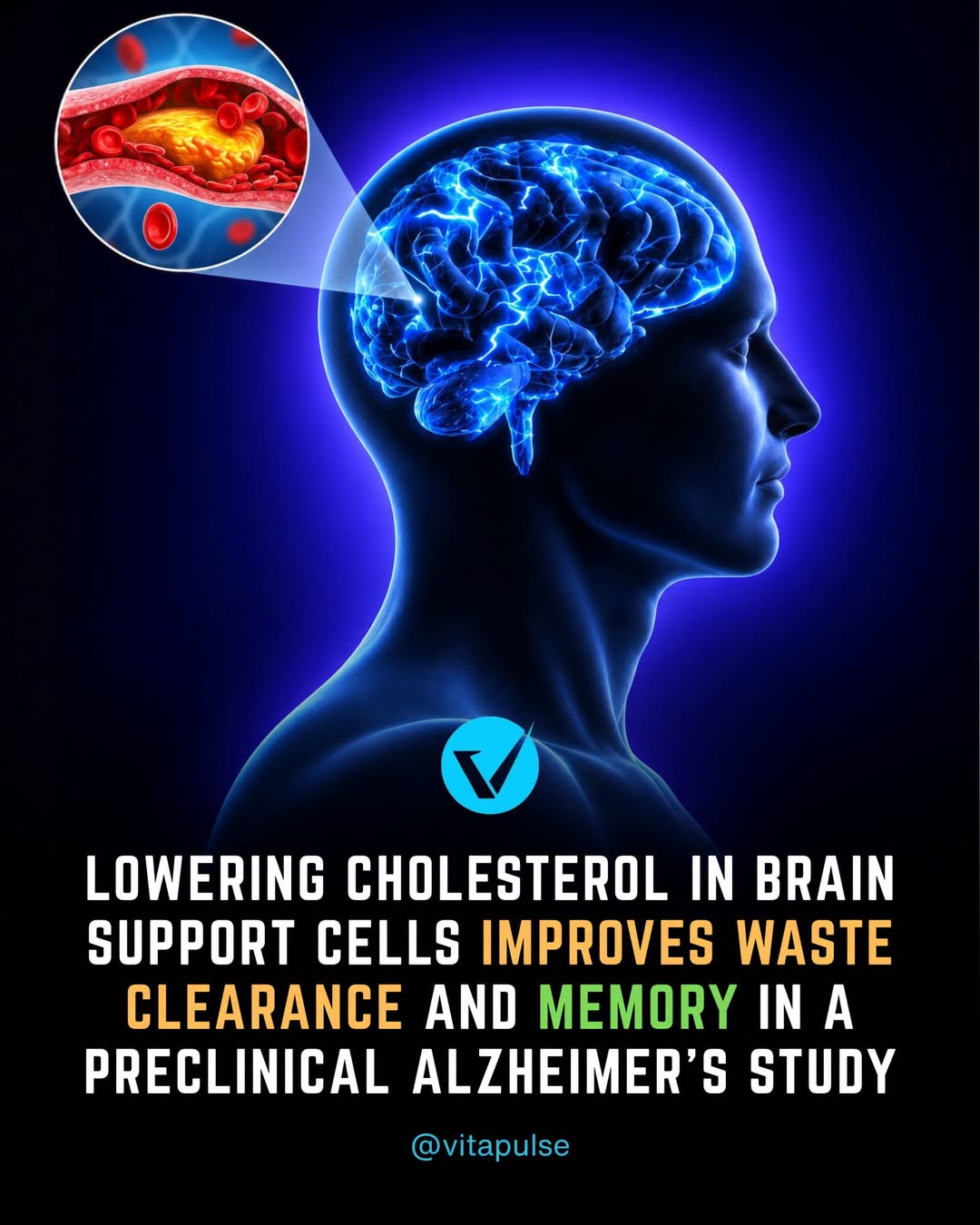
Amyloid-beta drives excess astrocyte cholesterol and impairs brain waste clearance in mice

Nov 03, 2026 · Louis Nervegna ♥ 2

A Nature Neuroscience mouse study found amyloid-beta raises calcium activity in astrocytes, boosting cholesterol production and removing AQP4 water channels, which impairs the glymphatic waste-clearing system. Calming astrocytes, blocking cholesterol synthesis or giving atorvastatin restored clearance and memory in mice. Human trials are needed, but the mechanism may partly explain observational links between statin use and lower dementia risk.

FoundMyFitness video on vitamin D, dementia and APOE4

Oct 05, 2026 · Louis Nervegna ♥ 3 Supplements & vitamins

A shared FoundMyFitness video on vitamin D and dementia risk, tagged with APOE4. The video title claims a supplement could cut dementia risk by 40%, and its description says up to 70% of Americans do not get enough vitamin D. The post itself adds no commentary.

A 10% rise in ultraprocessed food intake linked to higher dementia risk

May 15, 2026 · Louis Nervegna ♥ 3

Mass General Brigham shares news of a study suggesting that each 10% increase in ultraprocessed foods raises dementia risk, and CNN reports the association persists even when people otherwise try to eat healthy. Details are limited to the headline.

ASPREE sub-analysis: aspirin tied to ~70% lower dementia in a platelet-genetics subgroup

Oct 05, 2026 · Louis Nervegna ♥ 1 Aspirin, antiplatelets & blood thinners

A genetic analysis of 13,541 ASPREE participants found aspirin did not prevent dementia overall, but in the top 20% of a platelet-count genetic score dementia occurred in about 1% on aspirin versus 3.3% on placebo. Major bleeding was more than twice as common in this subgroup, so the post cautions against starting aspirin for dementia prevention.

Hearing aids before age 70 linked to 61% lower dementia risk

Sep 26, 2026 · Louis Nervegna ♥ 2

A shared post says people who used hearing aids before 70 had a 61% lower dementia risk and that the 60s may be the key window to test hearing. The poster adds that correcting hearing loss lowers dementia risk. The studies are cited only by PubMed ID.

Fewer ultra-processed foods linked to 41% lower dementia risk; processed meat highest risk

Jun 05, 2026 · Louis Nervegna ♥ 0 · 💬 1

Louis shares a 2026 American Journal of Public Health analysis of the Health and Retirement Study, in which lower ultra-processed food intake was linked to 41% lower dementia risk and processed meats such as bacon, hot dogs and ham showed the highest risk. He adds that processed meats have among the worst hazard ratios in nutrition epidemiology.