Vitamin D & Pancreatic Cancer
Metastatic pancreatic cancer is a death sentence.
There is no effective treatment, and average survival from diagnosis is around 6-11 months.
A small human trial from Dana Farber Cancer Center in Boston has demonstrated that vitamin D significantly improves outcomes when combined with standard chemotherapy. These results were just published in Nature Cancer.
36 patients with metastatic pancreatic cancer received standard chemotherapy plus placebo or paricalcitol, a synthetic vitamin D analog that is particularly effective at activating vitamin D receptors in tumor tissue. This is similar to ordinary vitamin D, but more potent and bioavailable, with lower risk of causing hypercalcemia and hyperphosphatemia in higher doses.
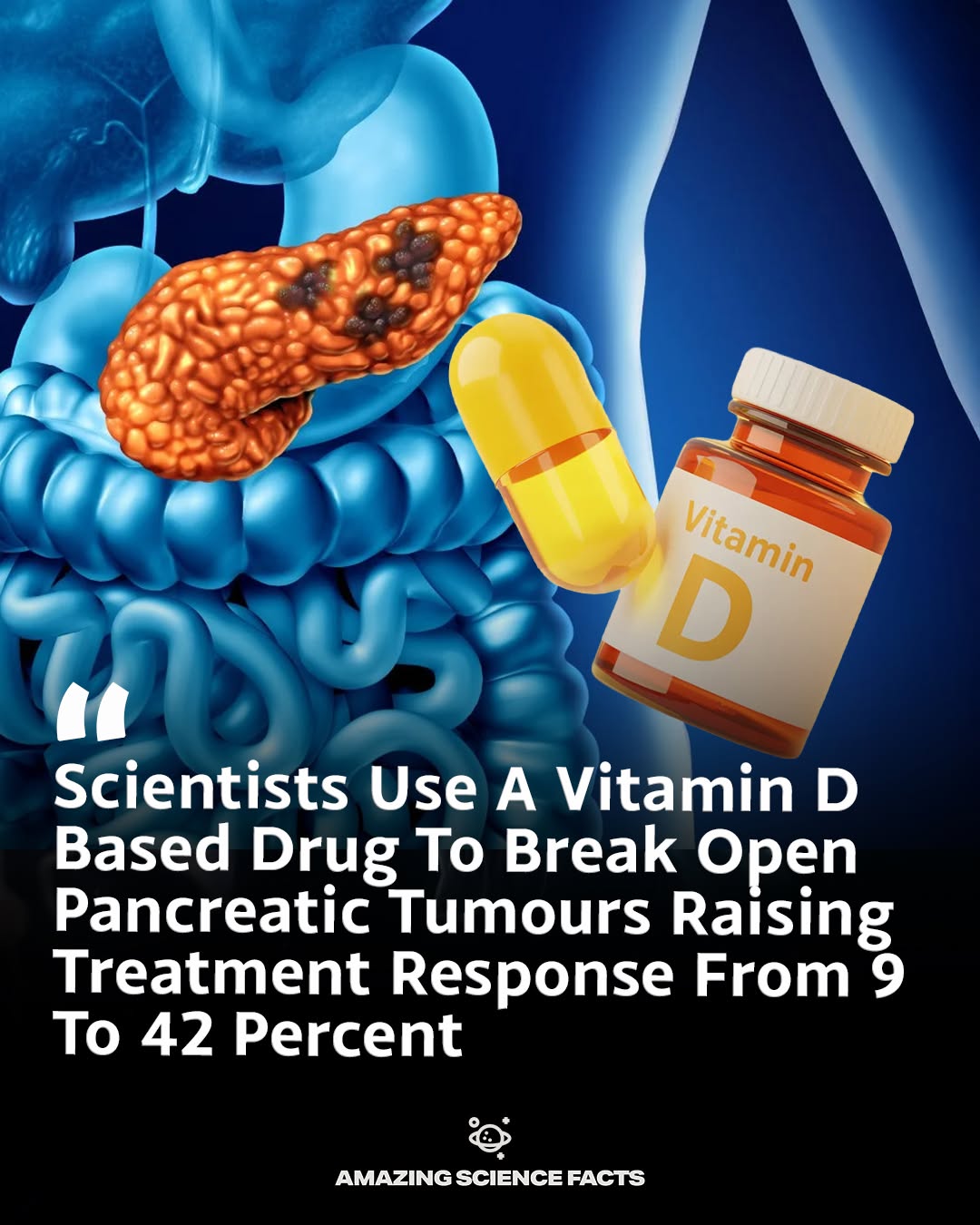
There was a partial response in 42% on paricalcitol, verses 9% on placebo (10 of 24 vs 1 of 12). Progression-free survival at one year was 5 in the paricalcitol group, verses 0 on placebo. Patients with the highest tumor vitamin D receptor levels, the goal of using paracalcitol, had the longest survival.
Quoted:
For this trial, 36 participants with previously untreated metastatic pancreatic cancer were assigned to standard chemotherapy (gemcitabine plus nab-paclitaxel) plus either placebo, intravenous paricalcitol, or oral paricalcitol. Paricalcitol is an FDA-approved medication used to prevent and treat secondary hyperparathyroidism in patients with chronic kidney disease.
A critical secondary goal of this trial was to determine if any molecular or cellular changes occurred in patients receiving paricalcitol. To achieve this, researchers collected paired patient biopsies at screening and again after four to six weeks of treatment. The team analyzed the samples with state-of-the-art multiplex immunofluorescence and spatial transcriptomic methods to study changes in tumor and microenvironment cell populations. They found that paricalcitol reduced the activation of fibroblasts within tumors (but not their overall numbers) and increased infiltration of T cells, a type of immune cell that is typically excluded from tumors. These findings validated paricalcitol’s potential as a tumor microenvironment-remodeling therapy.
Although the study was not designed to compare treatment efficacy or patient outcomes, the researchers saw a difference. Partial responses to treatment were more common among patients who received paricalcitol (10 out of 24, or 42%) than among those who received placebo (one out of 12, or 9%). In addition, more patients who received paricalcitol were progression-free at one year (five patients) than in the placebo group (none).
The researchers also found that the patients differed in the levels of vitamin D receptor in their tumors. What’s more, they discovered that vitamin D receptor levels correlated with outcomes—patients with high vitamin D receptor levels who received paricalcitol had better responses to chemotherapy and the longest overall survival time following treatment.
Quoted:
Pancreatic cancer remains one of the most difficult cancers to treat. Standard chemotherapy can slow the disease for some patients, but outcomes remain poor, and the tumor microenvironment is widely believed to contribute to therapy resistance. Pancreatic tumors are often surrounded by dense, fibroblast-rich connective tissue, creating a barrier that hinders the delivery of therapeutic drugs and creates an immunosuppressive microenvironment.
Quoted:
Since an intense, fibrotic response is a hallmark of pancreatic tumors, The team then tested how these therapies impact the pancreatic cancer microenvironment—the tumor’s surroundings. They were surprised to find that, in pancreatic cancer models, vitamin D analogs could reverse the activation of cancer-associated fibroblasts and, in turn, promote chemotherapy responses.
These earlier findings provided one of the first examples of a new therapeutic approach for pancreatic cancer: reprogramming the supportive microenvironment that surrounds and protects pancreatic cancer cells.
#vitamindHD #paracalcitolHD #pancreaticcancerHD #cancerHD #danafarberHD