Link to full article:
 The ScientistPancreatic Cancer Chemotherapy Plus Vitamin D-Like Drug Proves Safe in Trial | The ScientistA vitamin D receptor agonist in combination with pancreatic cancer chemotherapy may help break the dense matrix surrounding tumors safely.the-scientist.com
Quoted:
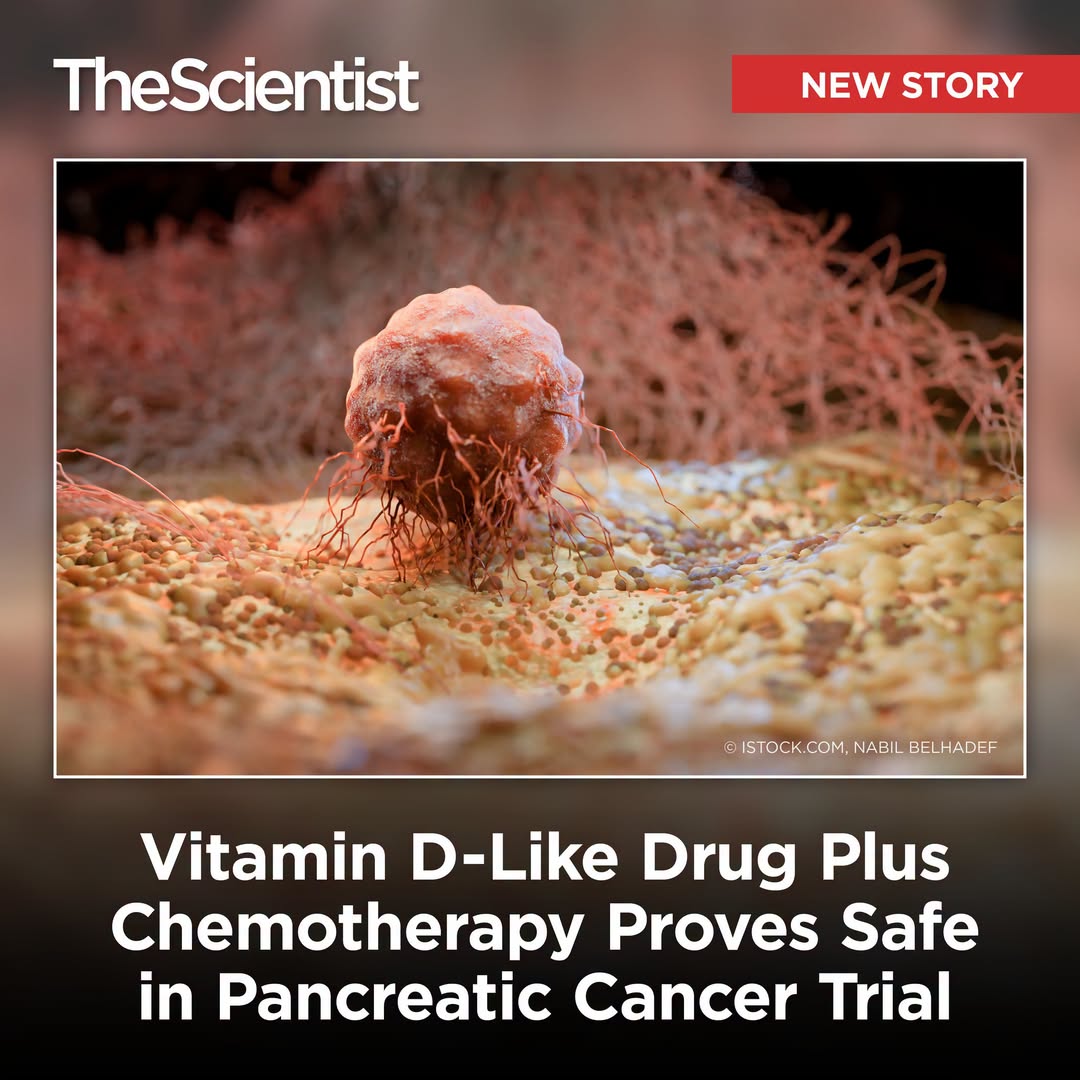
One of the reasons pancreatic cancer is so difficult to treat doesn’t have to do with the tumor cells themselves but with the dense mesh of extracellular matrix surrounding them. In pancreatic cancer, fibroblasts become activated, leading to the production of this physical barrier that is thought to reduce the effectiveness of chemotherapy. This matrix also promotes an immunosuppressive environment around the tumors, preventing immune cells from attacking the cancer, allowing it to flourish.
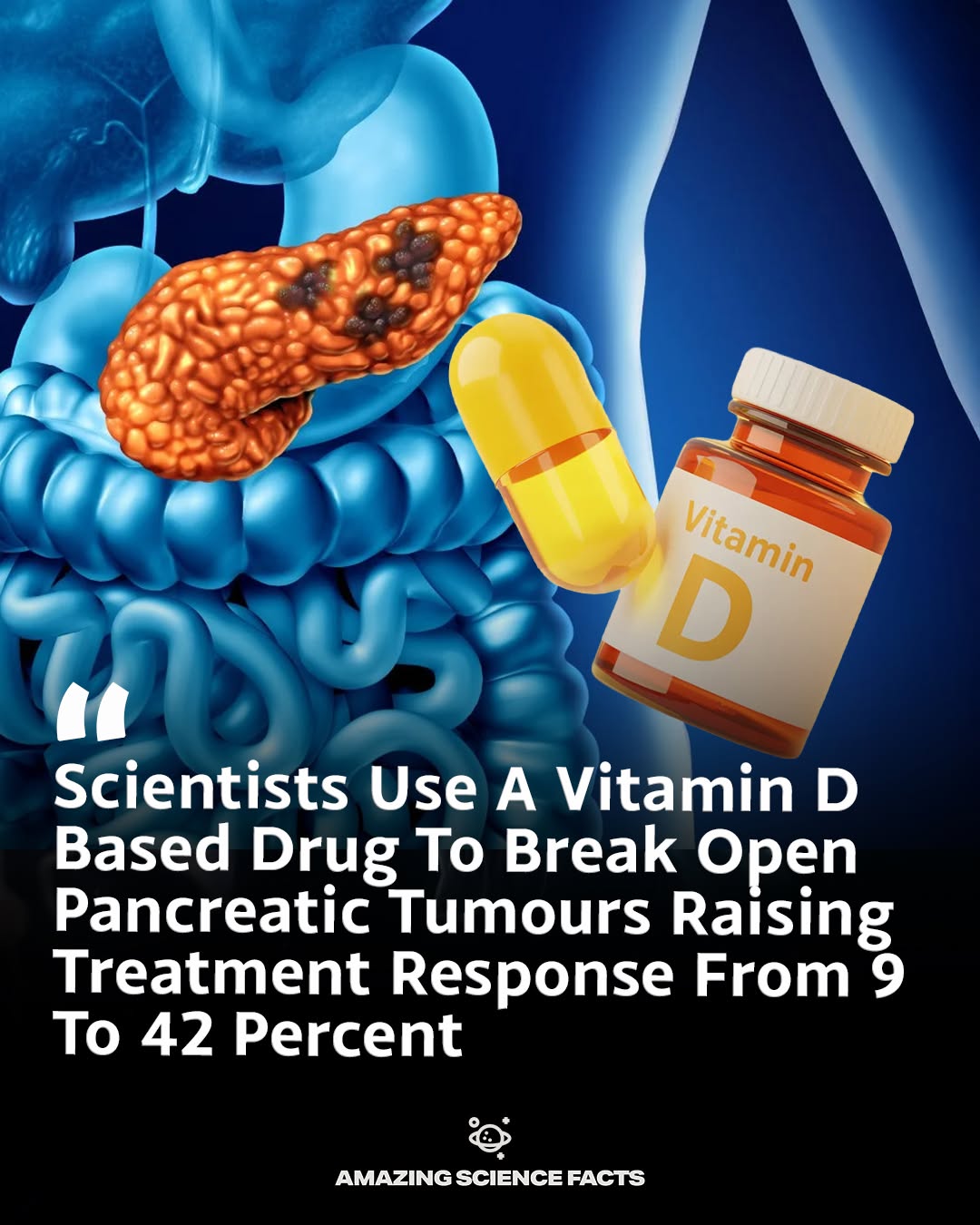
However, an ingredient in sunshine may be the key to breaking through this dense fibrosis: vitamin D. Scientists have previously reported that activating the vitamin D receptor (VDR) in pancreatic fibroblasts while also administering chemotherapy could prevent fibrosis and extend survival in mouse models of pancreatic cancer.
Now, after more than a decade since this preclinical work, researchers have conducted the first clinical trial of a VDR agonist, called paricalcitol, in combination with chemotherapy in patients with metastatic pancreatic cancer. They found that the combination therapy was generally safe, and while the trial was not powered to test efficacy, the team noticed positive trends in patients who expressed VDR at higher levels compared to those who did not, suggesting a potential sub-group of patients for whom the treatment may work better.
“The data from this trial are very promising,” said Kenneth Olive, who studies pancreatic cancer at Columbia University Irving Medical Center and was not associated with the study. He explained that prior attempts to attack pancreatic cancer-associated fibroblasts have not extended survival times in clinical trials, but because paricalcitol acts differently from those other methods, it may prove more effective. “This is a pretty exciting moment for the entire field of pancreatic cancer researchers who study the tumor microenvironment as a means of going after the tumor,” he added.
Quoted:
Evans and Truitt are eager to move paricalcitol plus chemotherapy or another drug like daraxonrasib forward too. They are working on preclinical experiments with different combinations that will inform future clinical work. “The science supports that these fibroblastic responses that you see in pancreatic cancer really create this general therapeutic resistance, so there's nothing per se specific about chemotherapy for this,” Truitt said. Evans added, “There's been new studies with new therapies, and we think that the combination of the format that we have along with the newer therapeutics might synergize.”
#vitamindHD #paracalcitolHD #pancreaticcancerHD #cancerHD #danafarberHD #daraxonrasibHD #rasHD