HD-OPM Archive
Hashtags

#cancer

189 posts

Replacing butter with plant oils linked to 17% lower mortality in 221,054 US adults

Mar 06, 2025 · Louis Nervegna ♥ 17 · 💬 68 ↩ 6 Fats & oils (saturated fat, seed oils, omega-6, olive oil)

Louis summarizes a Harvard/Brigham cohort analysis of the Nurses' Health Study, HPFS and NHS II covering over 30 years. Higher butter intake was associated with higher all-cause and cancer mortality, while plant oils (especially olive, canola and soybean) were associated with lower all-cause, cancer and cardiovascular mortality.
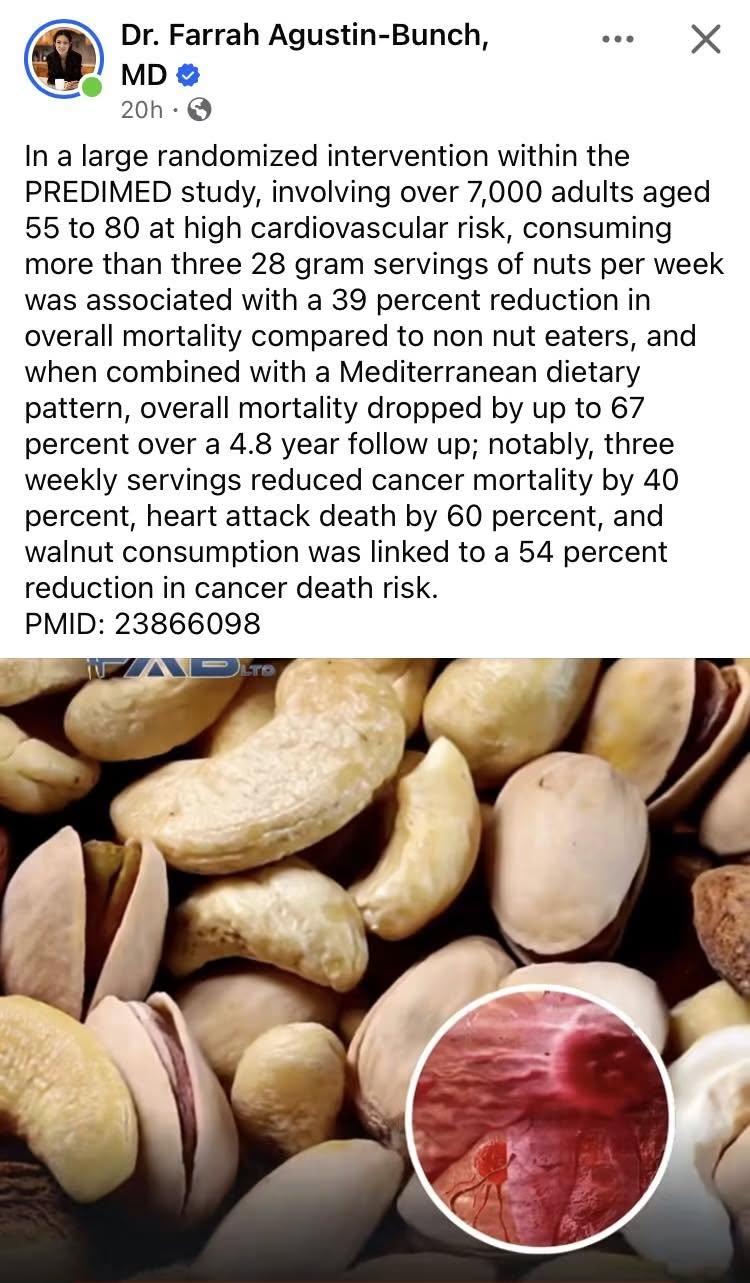
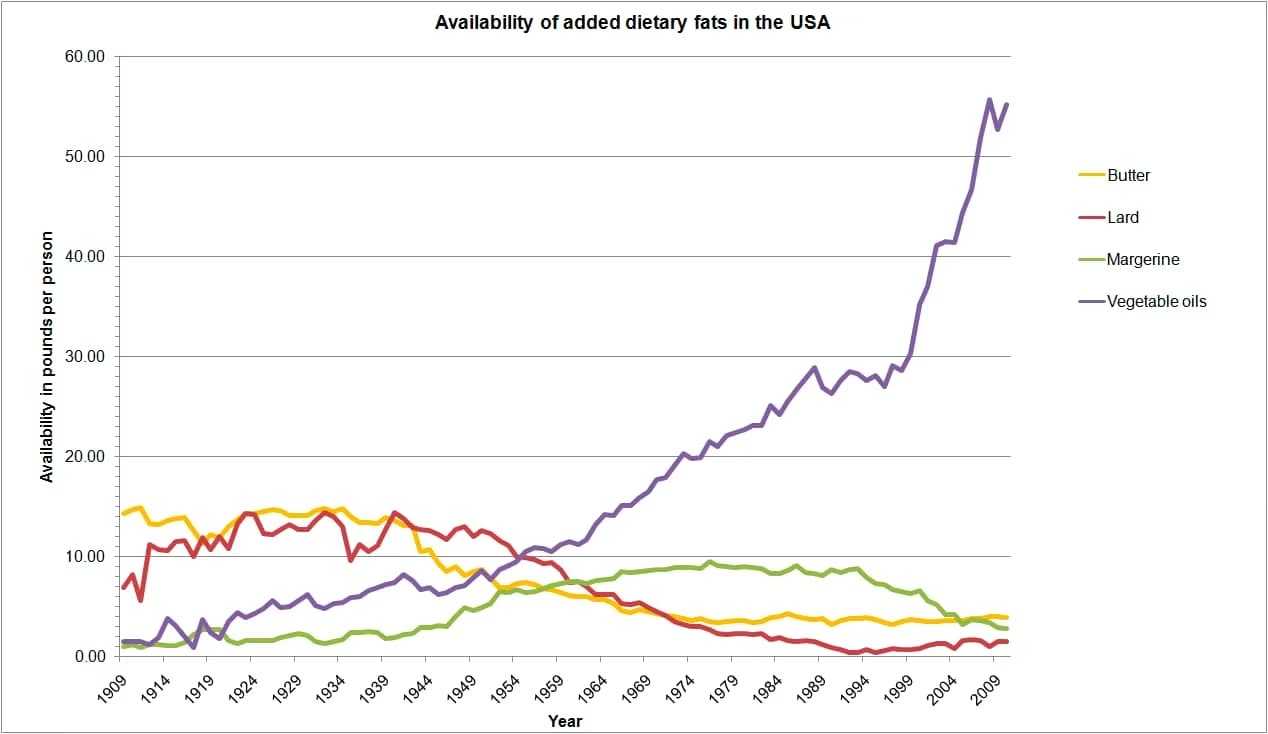
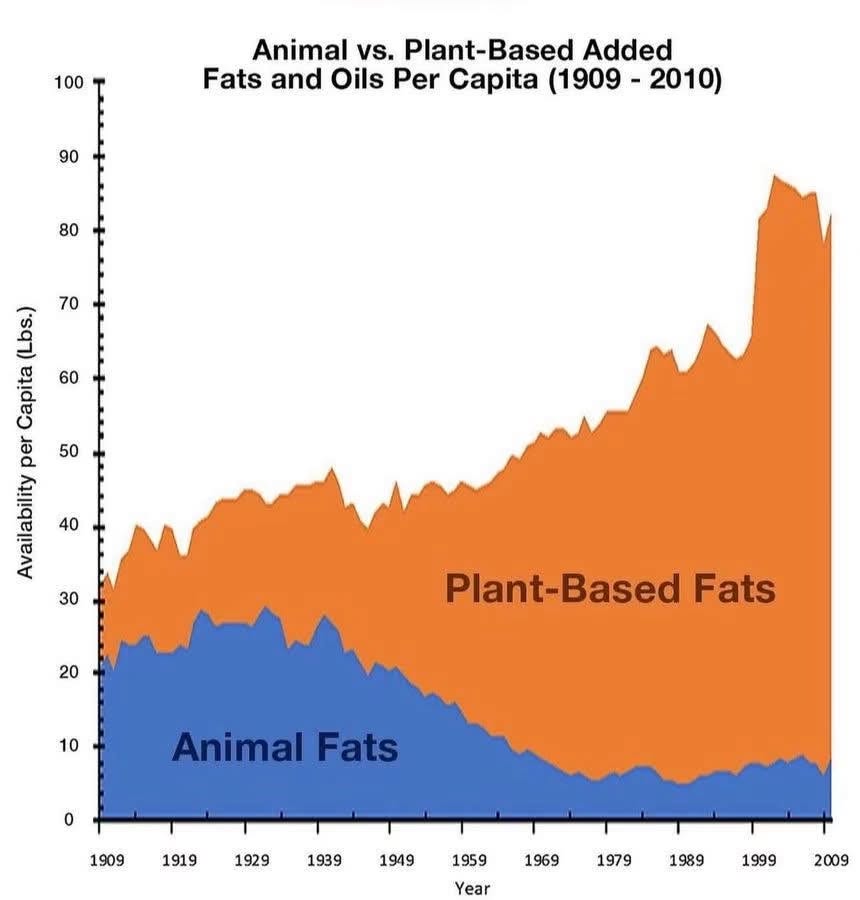
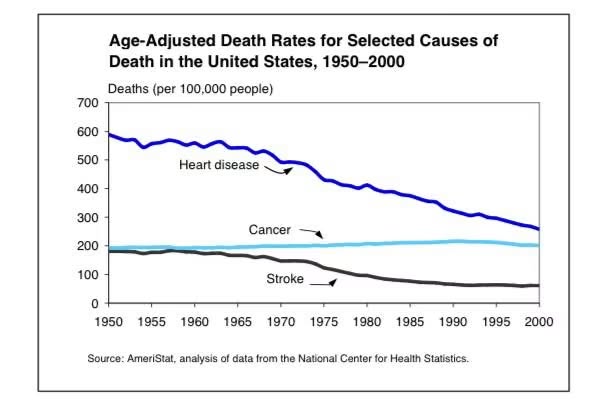
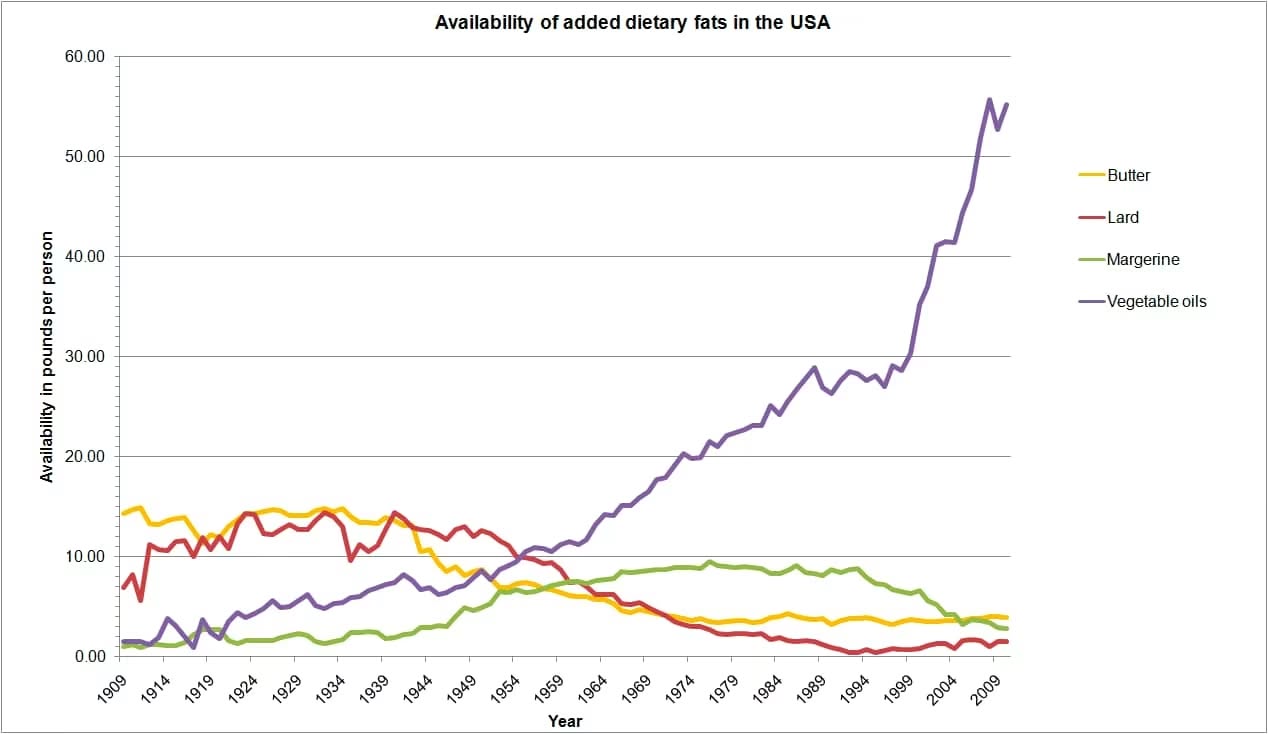
Seed oil intake rose 5x since 1950 while US heart disease death rates fell over 4x

Nov 27, 2024 · Louis Nervegna ♥ 18 · 💬 30 Fats & oils (saturated fat, seed oils, omega-6, olive oil)

Louis argues that since 1950 vegetable oil consumption has risen about 5x and butter and lard intake has fallen 2-3x, while heart disease death rates fell by over 4x and life expectancy rose from 60 to 78. He presents the raw unadjusted correlation as evidence against claims that seed oils drive heart disease. It is an ecological correlation, not a controlled test.

Replacing 10 g/day of butter with plant oils linked to 17% lower mortality

Oct 15, 2025 · Louis Nervegna ♥ 19 · 💬 13 Fats & oils (saturated fat, seed oils, omega-6, olive oil)

Louis shares Harvard research on 221,054 people from the Nurses' Health Studies I and II and the Health Professionals Follow-Up Study, published in JAMA Internal Medicine. Higher plant-oil intake (especially soybean, canola, olive) was linked to lower total, cancer and cardiovascular mortality, while butter was linked to higher total and cancer mortality; a modeled swap of 10 g butter for plant oils lowered mortality by 17%.

Each daily yogurt serving linked to 14% lower CVD mortality in a 17-cohort meta-analysis

Feb 16, 2025 · Gokhan Can ♥ 19 · 💬 12 Meat, eggs & dairy

A systematic review and dose-response meta-analysis of 17 cohort studies (896,871 participants) found higher yogurt intake was associated with lower all-cause and cardiovascular mortality, with the largest benefit around 0.5 servings per day and no clear further gain above that. No significant association was seen with cancer mortality. As an observational analysis, it shows association, not causation.
High insulin/IGF-1 tied to cancer, diabetes; Laron syndrome and low-IGF-1 mice live longer

May 13, 2025 · Louis Nervegna ♥ 23 · 💬 13 Aging & longevity

Louis praises a video on height, insulin/IGF-1 and longevity and lays out his argument: diet (refined starch/sugar and excess animal protein) is the main driver of IGF-1, and low IGF-1 is linked to lower cancer and diabetes risk. He cites Laron syndrome, with no documented cancer deaths, little diabetes and less heart disease and Alzheimer's, and a long-lived low-IGF-1 mouse. Claims come from the post and videos, not named papers.

Swapping 1 tbsp butter for plant oil linked to 17% lower cancer and all-cause death

Sep 14, 2026 · Louis Nervegna ♥ 17 · 💬 12 Fats & oils (saturated fat, seed oils, omega-6, olive oil)

Louis shares an AHA press release on Harvard cohort data (Nurses' Health Study I and II, Health Professionals) for 221,054 adults. Replacing a daily tablespoon of butter with unsaturated plant oil was associated with lower cancer and total mortality, and each extra tablespoon of butter with higher cancer risk. Olive, canola and soybean oil showed the biggest benefits.

Engineered regulatory T cells targeting oxidized LDL cut plaque 70% in mice

Nov 22, 2025 · Gokhan Can ♥ 35 · 💬 7 Inflammation & CRP

Summarises a University of Pennsylvania preclinical study adapting CAR T therapy: Tregs engineered to recognise oxidized LDL dampened arterial inflammation and reduced plaque 70% in cholesterol-prone mice. Unlike cancer CAR-T, the cells suppress rather than destroy; it is a possible add-on for patients at risk despite cholesterol drugs.

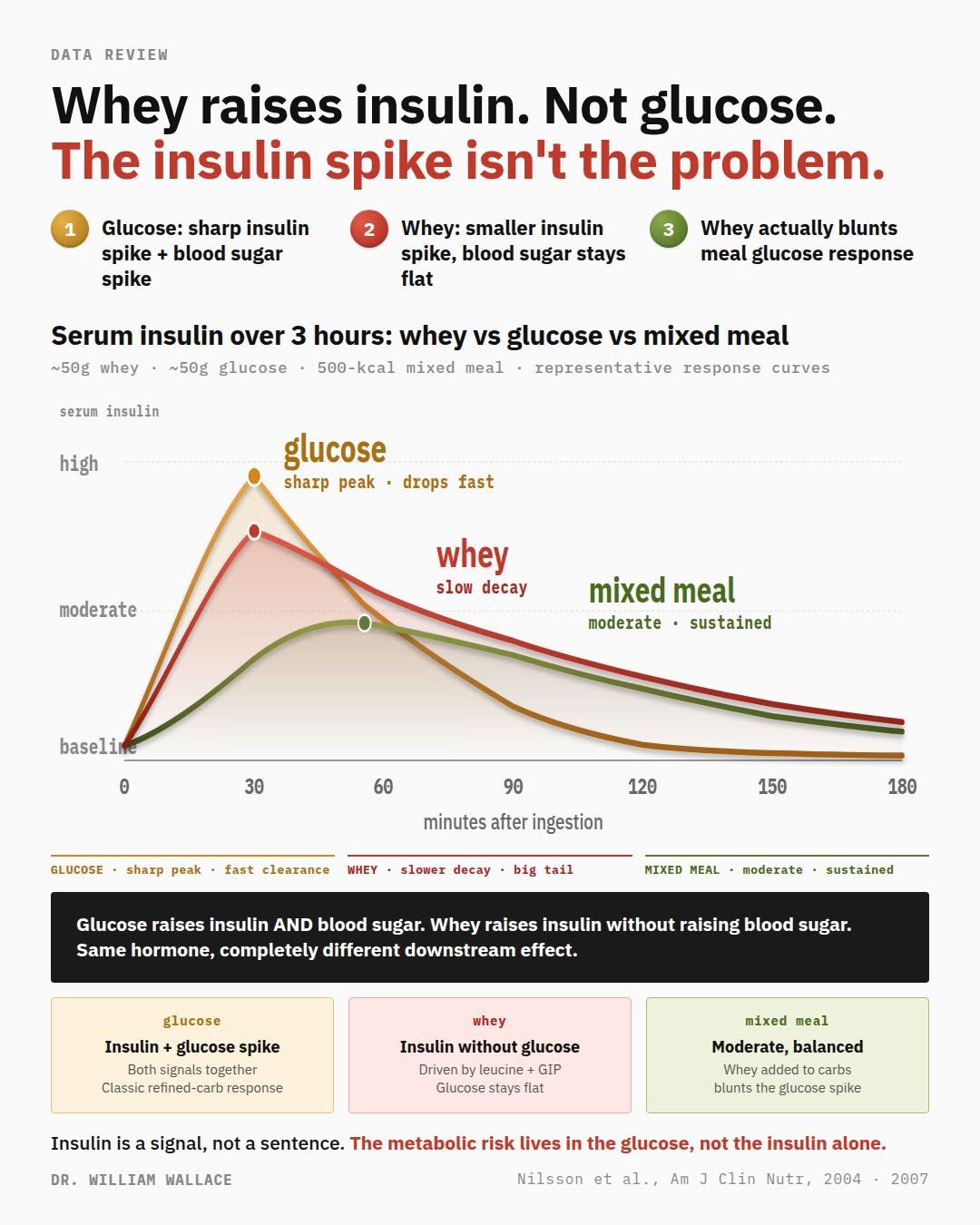
Whey protein raised insulin 90% more than white bread despite 57% lower glucose response

May 15, 2026 · Louis Nervegna ♥ 11 · 💬 17 Protein

William Wallace shares the Nilsson 2004 trial: in 12 healthy volunteers, whey produced a 90% higher insulin AUC and 57% lower glucose AUC than white bread, tracking plasma branched-chain amino acids. He argues repeated large insulin surges raise IGF1 and mTOR and may have long-term costs, disagreeing with a source that dismisses the concern.

Meta-analysis of 4.3 million: moderate wine not linked to higher overall cancer risk

Jan 05, 2025 · Louis Nervegna ♥ 15 · 💬 17 ↩ 3 Alcohol, smoking & vaping

Louis shares Dr. Brian Lawenda's post on a Frontiers in Nutrition meta-analysis of 73 studies, covering over 4.3 million participants, that found moderate wine consumption (up to one drink/day for women, two for men) was not associated with increased overall cancer risk and might lower some cancer types. The post questions treating wine like beer and spirits.

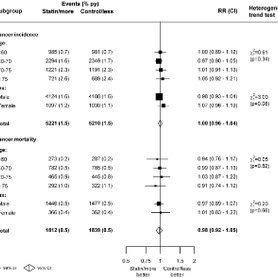
Statin RCT meta-analyses show no increase or decrease in cancer risk

Dec 31, 2024 · Louis Nervegna ♥ 11 · 💬 13 Statins

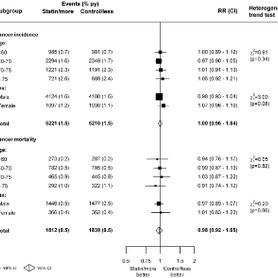
Louis compiles meta-analyses of randomized trials showing statins neither raise nor lower cancer incidence or mortality, plus cohort studies suggesting neutral or lower cancer risk, e.g. prostate cancer. He adds that RCTs and prospective cohorts sit at the top of the evidence hierarchy.

IV vitamin C plus chemotherapy doubled survival to 16 months in pancreatic cancer trial

Dec 04, 2024 · Louis Nervegna ♥ 22 · 💬 17 ↩ 1 Cancer

Louis shares a small randomized phase 2 trial at the University of Iowa in metastatic pancreatic cancer: high-dose intravenous vitamin C added to chemotherapy doubled median overall survival and was stopped early for benefit. He notes it is unrelated to heart disease and that IV vitamin C has a long controversial history.

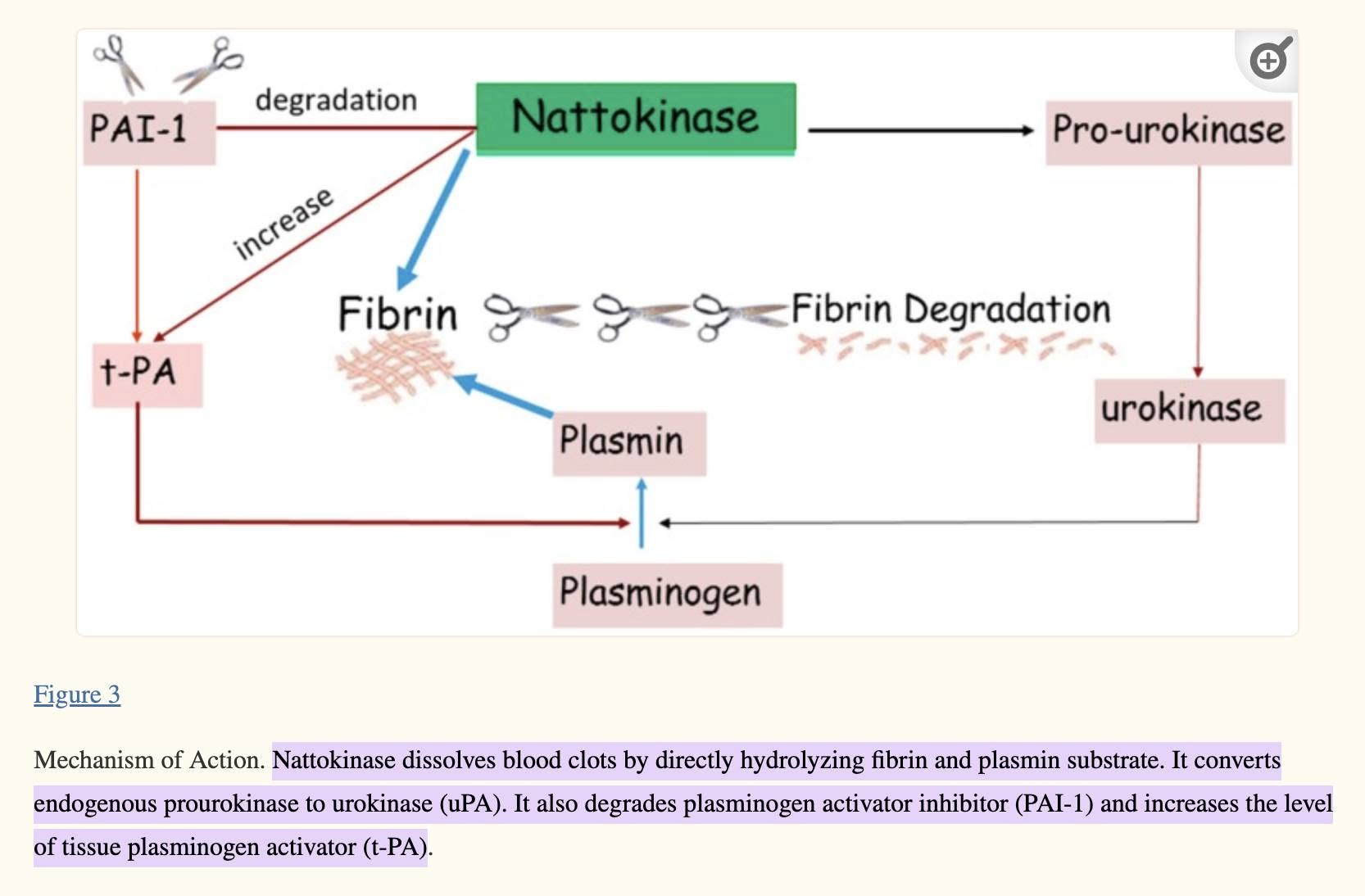
Nattokinase and PAI-1: how it may work and why PAI-1 matters

Dec 03, 2023 · Gokhan Can ♥ 14 · 💬 16 ↩ 2 Supplements & vitamins

Notes that nattokinase appears to act by inhibiting PAI-1, a marker linking thrombosis, inflammation, metabolic disorder and aging. People who genetically make less PAI-1 live about 7 years longer, and PAI-1 inhibition helped fatty liver and dyslipidemia in preclinical work.

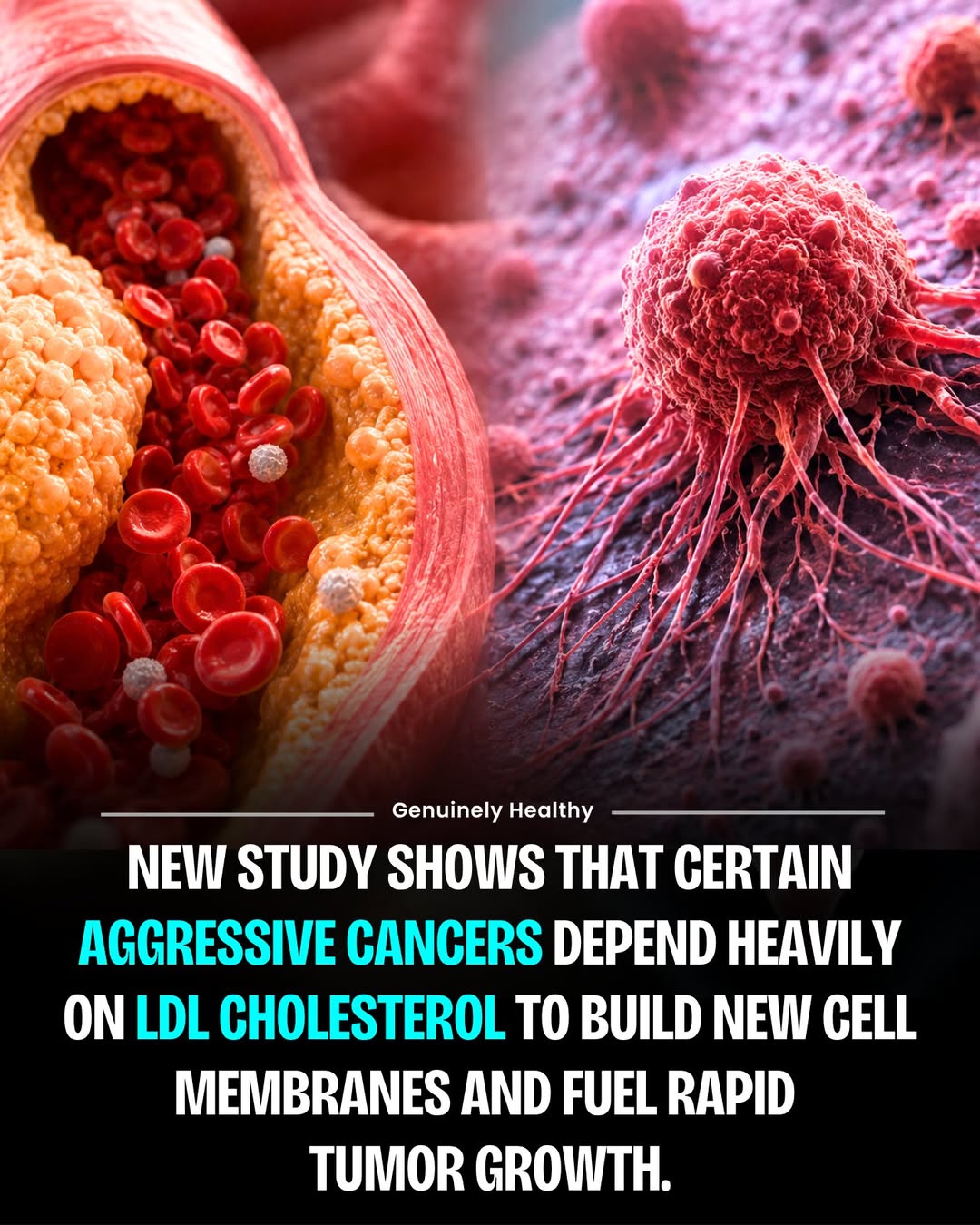
Low LDL in cancer patients reflects reverse causality: tumours scavenge LDL

May 25, 2026 · Louis Nervegna ♥ 17 · 💬 12 LDL, ApoB & lipid panel

Louis explains that rapidly dividing tumour cells take up circulating LDL, so LDL falls in people with cancer and observational data show low LDL with higher cancer mortality. The shared 2026 Science Advances study found aggressive breast cancers with TP53 mutations depend on cholesterol, and blocking PI5P4K enzymes trapped cholesterol and disrupted mTOR signalling.
Small MSK trial: high-fiber plant-based diet delayed progression of precursor myeloma

Dec 23, 2024 · Louis Nervegna ♥ 17 · 💬 12 Cancer

A first-of-its-kind Memorial Sloan Kettering trial gave 20 overweight people with precursor blood disorders 12 weeks of plant-based meals with coaching. None had progressed at one year, and two with previously progressing disease improved. Researchers think increased gut butyrate may be involved; a 150-person trial (NUTRIVENTION-3) is enrolling.

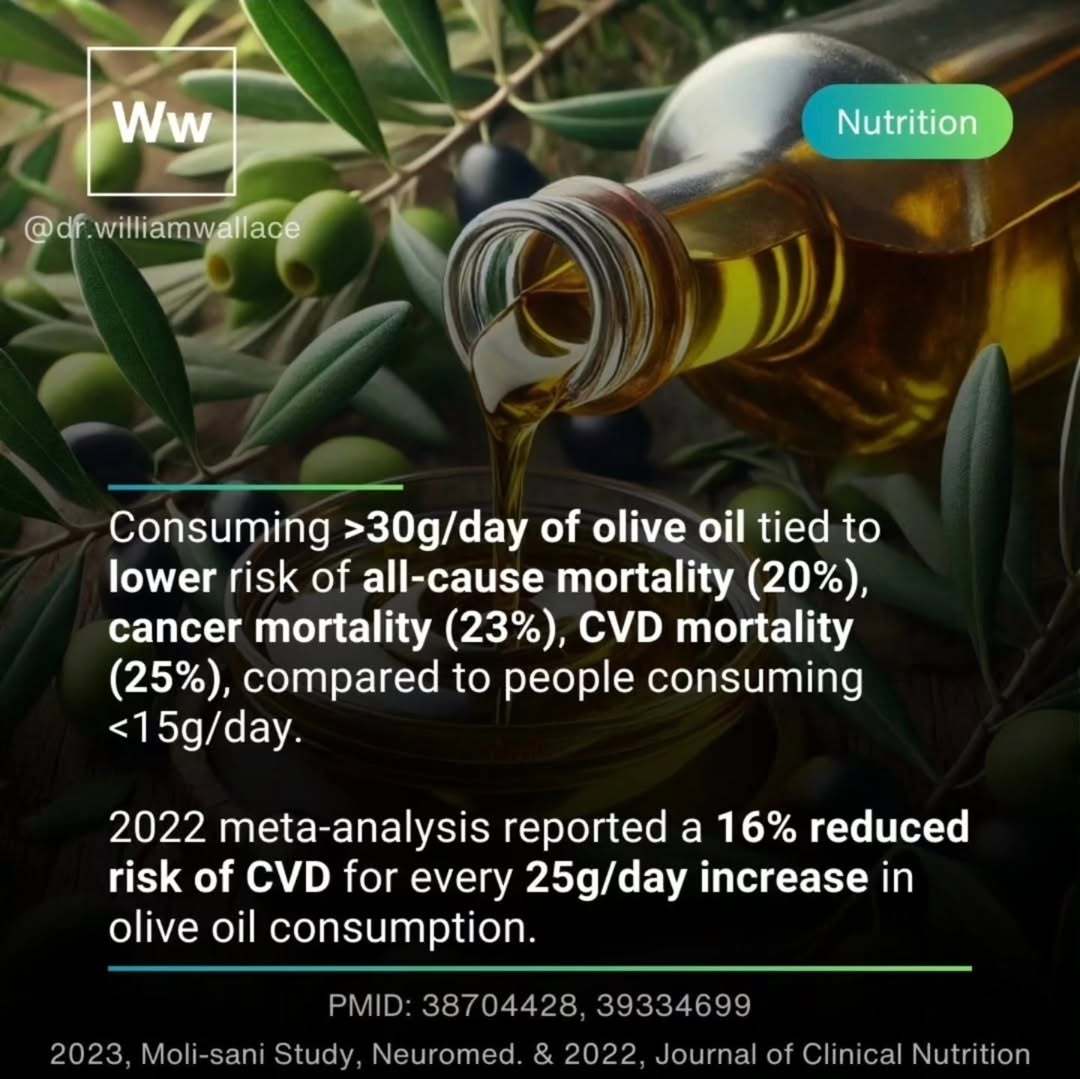
Moli-sani: more than 3 tablespoons of olive oil daily linked to 28% lower cancer mortality

Mar 20, 2025 · Louis Nervegna ♥ 15 · 💬 9 Fats & oils (saturated fat, seed oils, omega-6, olive oil)

Louis shares a summary of a 2024 Moli-sani Study analysis of 22,895 Italian adults followed for 12 years. Consuming over 3 tablespoons of olive oil daily was associated with 28% lower cancer mortality versus under 1.5 tablespoons, partly mediated by lower blood pressure and resting heart rate. The summary stresses the observational design and self-reported diet.

NEJM 2020 dairy review: a mixed bag, best for fermented forms, weak for fractures

Jan 23, 2025 · Louis Nervegna ♥ 6 · 💬 21 Meat, eggs & dairy

Louis highlights the widely cited 2020 NEJM review on dairy and disease risk. It concludes that high dairy intake is not supported for preventing fractures, is not clearly linked to weight, diabetes or CVD, and may raise prostate and endometrial cancer risk while lowering colorectal cancer risk. Effects depend on the comparison food: dairy fares better than processed red meat or sugary drinks but worse than nuts.

High vitamin B12 in a multivitamin did not raise disease risk in a 14-year Harvard trial

Oct 02, 2026 · Louis Nervegna ♥ 14 · 💬 9 Supplements & vitamins

The poster argues it is unlikely high B12 intake causes cancer or clonal disease. The Physicians' Health Study multivitamin trial, which contained 10 times the RDA of B12, found no increase in major disease over 14 years and an 8% lower overall cancer risk. Nurses' and Physicians' cohorts also found no B12-disease link, except combined B12 and B6 with hip fracture, which vanished for B12 alone.

Conventional produce beats no produce: natural plant carcinogens dwarf pesticide residues

May 09, 2026 · Louis Nervegna ♥ 17 · 💬 10 Nuts, fish, coffee, tea, cocoa & other foods

Louis argues that, while organic is fine if affordable, eating conventionally grown fruit and vegetables is much better than skipping them. He cites Ames's PNAS papers showing 99.99% by weight of dietary pesticides are plants' own natural defense chemicals, and that natural carcinogens in produce far exceed synthetic residues.

EVITA trial: vitamin C lowered deaths in clonal blood conditions (exploratory result)

Sep 29, 2026 · Louis Nervegna ♥ 15 · 💬 8 Supplements & vitamins

In the small phase 2 EVITA randomized trial of oral vitamin C in clonal cytopenia and lower-risk myeloid cancers, the vitamin C group had 65% lower risk of death (11 vs 24 deaths) and fewer serious adverse events. Survival was exploratory and the primary endpoint of clonal growth showed no difference. The poster speculates relevance to CHIP and cardiovascular disease but calls it a big unproven leap.

Whey protein is highly insulinogenic; Willett wary of powders and IGF-1 cancer risk

Dec 13, 2024 · Louis Nervegna ♥ 15 · 💬 10 ↩ 2 Protein

Louis argues processed whey spikes insulin more than glucose or white bread and may raise insulin/IGF-1, which promote cancer cell growth. He cites Walter Willett's 2017 book cautioning that protein supplements add little muscle without exercise and that BCAAs increase IGF-1, which may raise breast and prostate cancer risk.

Personalized mRNA vaccine succeeds in phase 3 melanoma trial after ~50% phase 2 benefit

Aug 20, 2026 · Louis Nervegna ♥ 12 · 💬 12 Cancer

A personalized mRNA vaccine plus Keytruda improved recurrence-free and distant metastasis-free survival in a phase 3 trial of more than 1,100 patients with melanoma. The earlier phase 2 trial showed roughly a 50% reduction in recurrence or death at 5 years. Approval might come as early as 2027, and trials are under way in other cancers.

NY Times: higher omega-6 linked to lower CVD, diabetes, cancer and mortality

Nov 24, 2024 · Louis Nervegna ♥ 13 · 💬 10 Fats & oils (saturated fat, seed oils, omega-6, olive oil)

Louis shares a NY Times article on the seed oil myth, noting it quotes researchers who studied the question in humans. The article states that people who eat more omega-6 or have higher blood levels have lower risk of cardiovascular disease, type 2 diabetes, cancer and earlier death, and links to the relevant meta-analyses.

Upcoming RCT will test red wine vs CVD; Louis explains why he drinks mild red wine

Jun 10, 2025 · Louis Nervegna ♥ 17 · 💬 7 Alcohol, smoking & vaping

Louis announces a planned 5-year randomized trial of red wine and cardiovascular disease, run in PREDIMED style by the same principal investigator, with cancer and all-cause mortality as secondary endpoints. Meanwhile he drinks red wine several days a week, citing PREDIMED data where a biomarker of mild-to-moderate wine intake was linked to 50% lower risk. This is a personal view, not proof of benefit.

Dietary fat and mortality meta-analysis: polyunsaturated favorable, trans fat harmful

Dec 01, 2023 · Gokhan Can ♥ 9 · 💬 9 Fats & oils (saturated fat, seed oils, omega-6, olive oil)

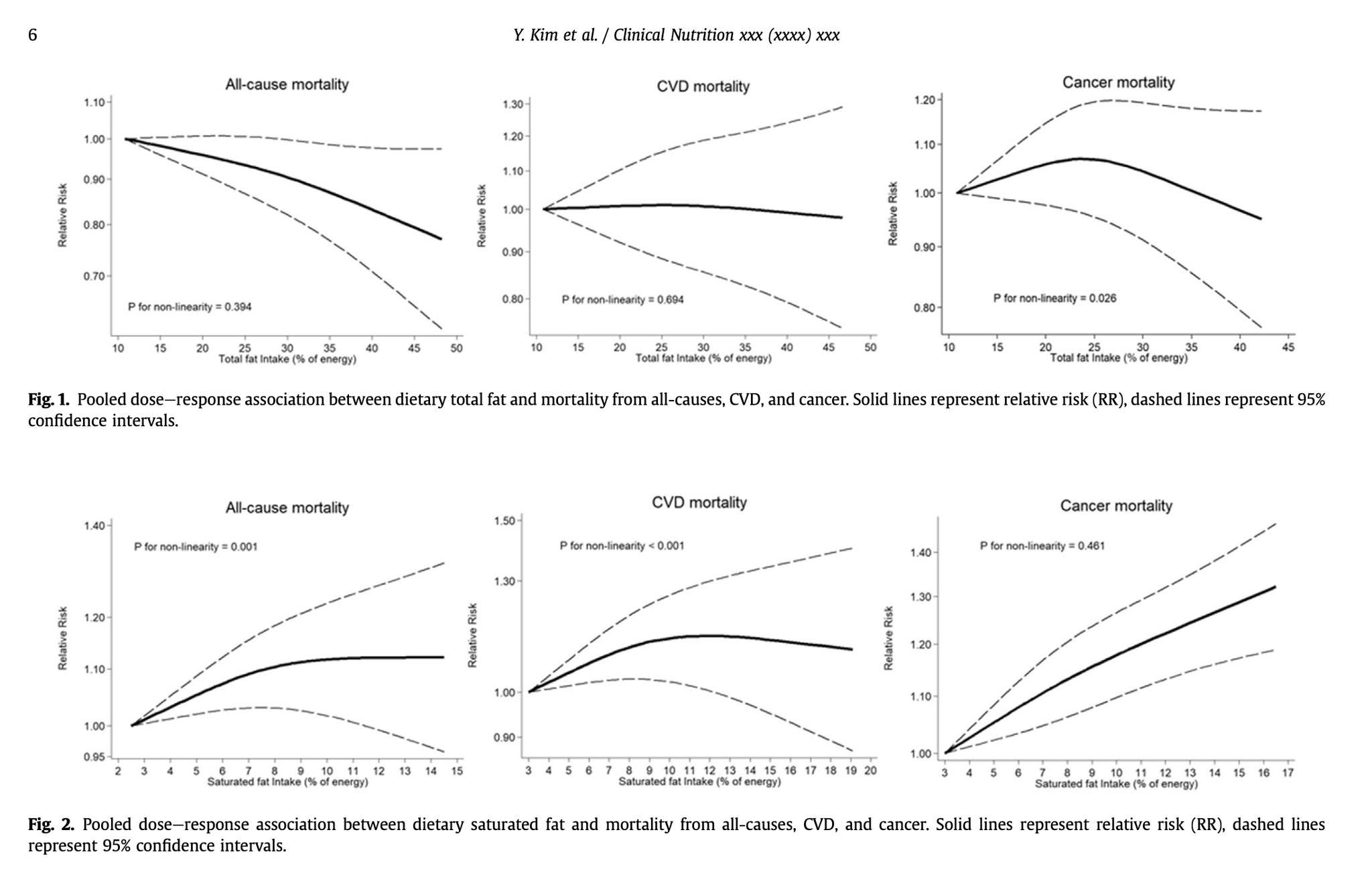
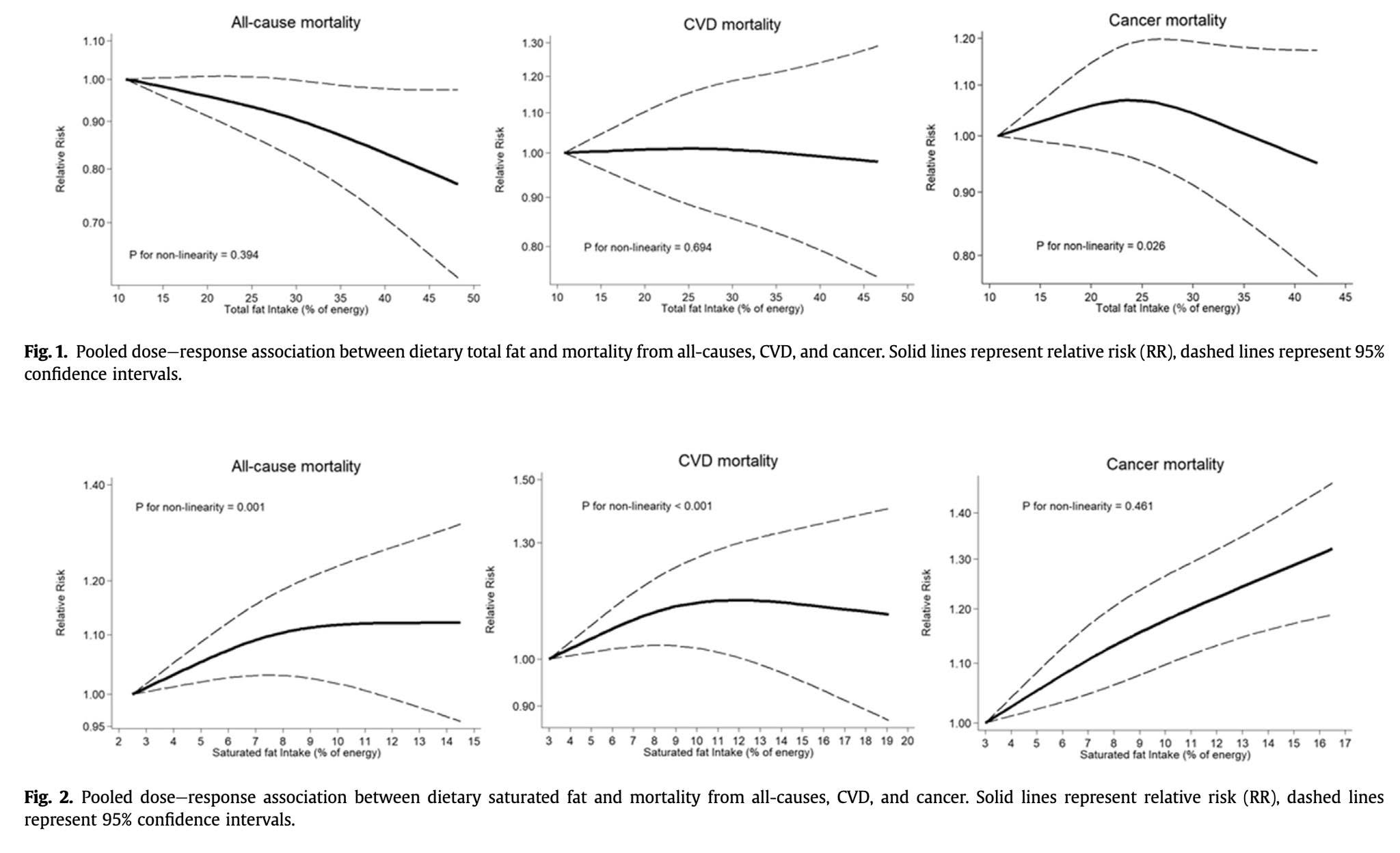
Summarizes a meta-analysis of 19 prospective cohorts (over 1 million participants) on dietary fat and mortality. Higher total, monounsaturated and especially polyunsaturated fat were associated with lower mortality, trans fat with higher mortality, and saturated fat showed a non-linear pattern with excess risk up to about 11% of energy.
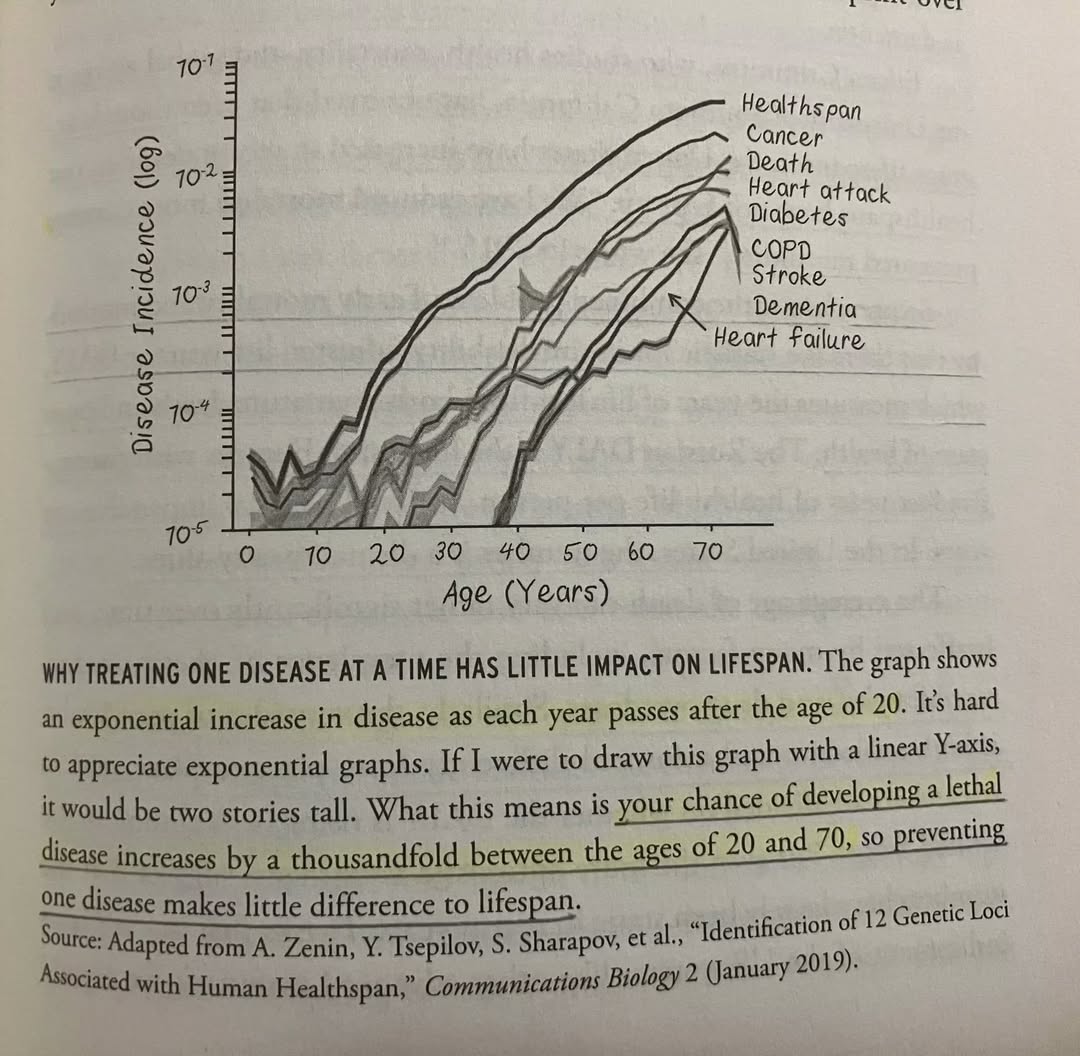
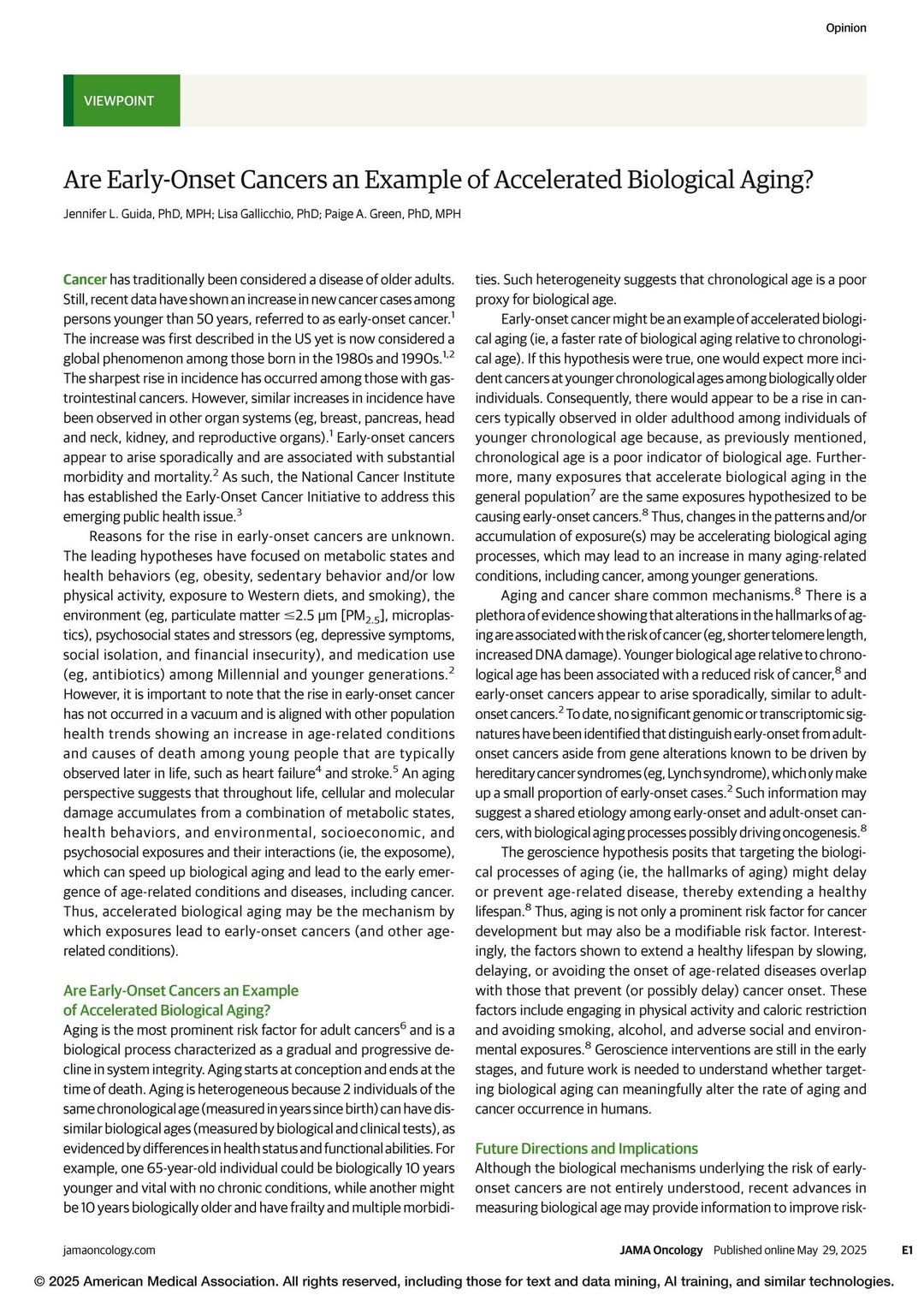
Cancer is a disease of aging; young-onset colorectal rise is small in absolute terms

Dec 30, 2024 · Louis Nervegna ♥ 9 · 💬 11 ↩ 1 Cancer

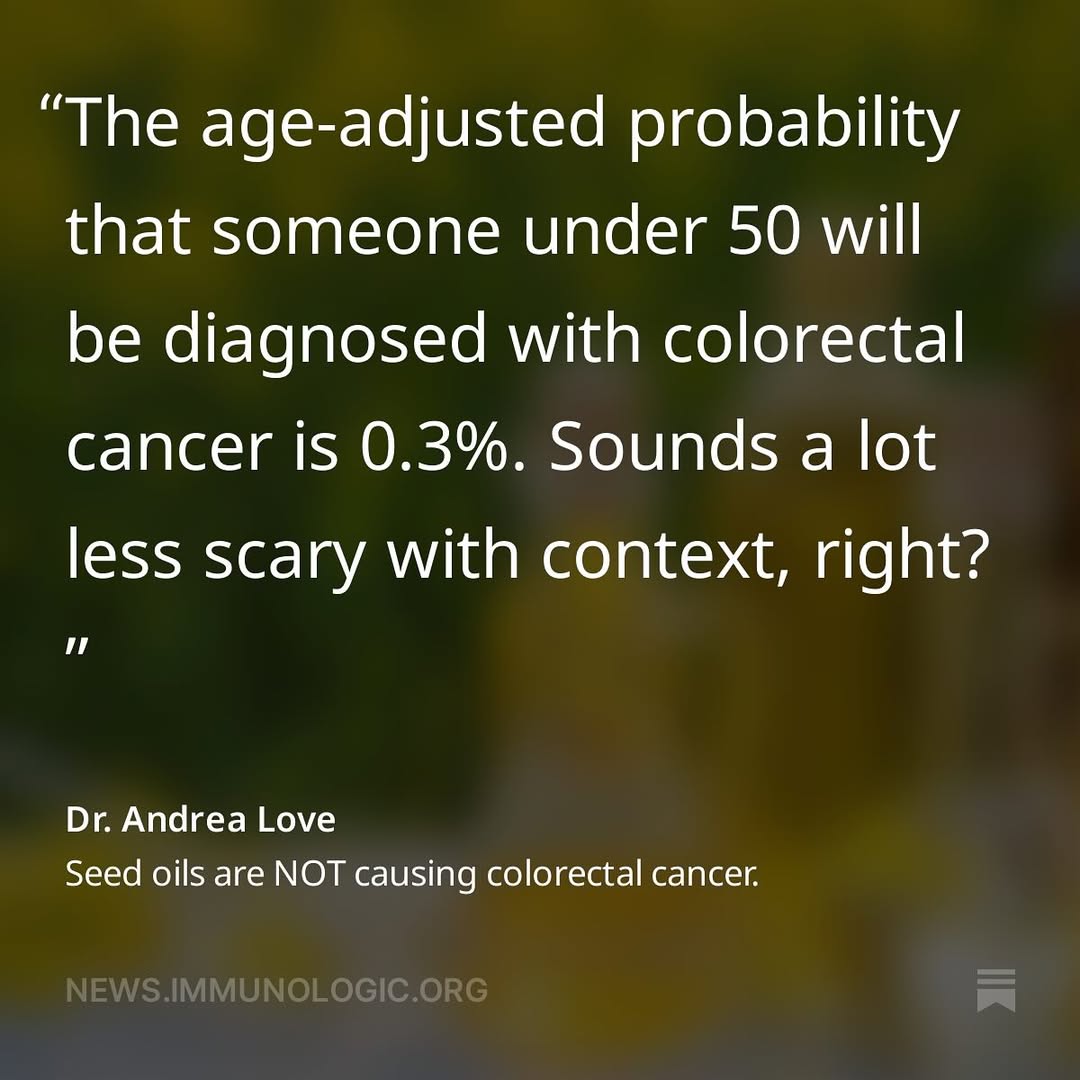
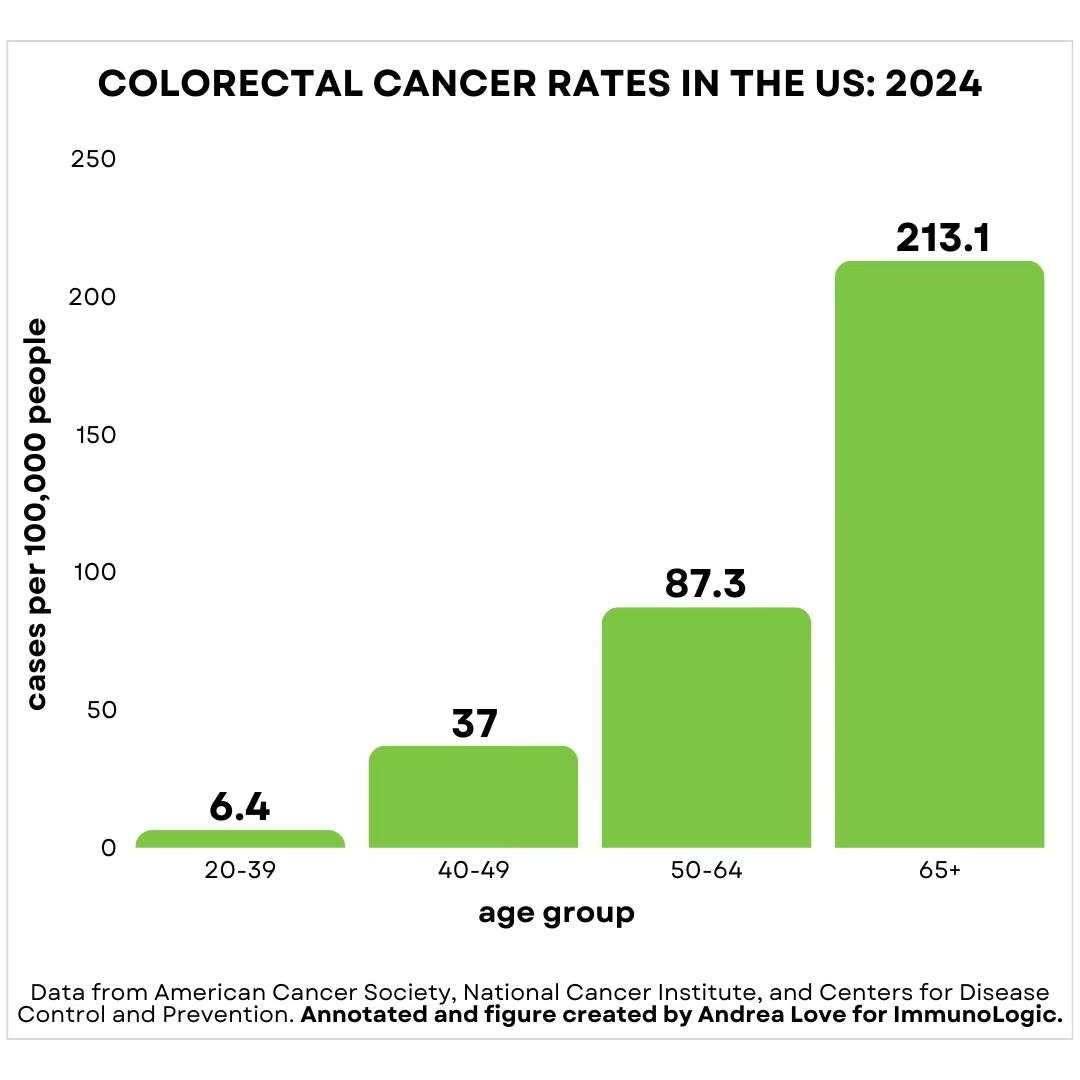
Louis agrees with Dr. Andrea Love that cancer is many diseases whose main common factor is age, so prevention is best served by slowing aging via diet, exercise and lifestyle. The shared post says the chance of being diagnosed with colorectal cancer under 50 is 0.3%, and the recent increase is small in absolute terms, though still worth lowering.

Statins work as well in women as men: 27-trial CTT meta-analysis of 174,000 participants

Dec 19, 2023 · Louis Nervegna ♥ 5 · 💬 11 Statins

Louis rebuts the claim that statins are less effective in women using the Cholesterol Treatment Trialists' meta-analysis of 27 randomized trials. Per 1 mmol/L LDL reduction, proportional reductions in major vascular events and all-cause mortality were similar in women and men, with no adverse effect on cancer or non-CV mortality. Trials averaged 4.9 years, so longer-term benefit is likely larger.
COVID mRNA vaccination before surgery tied to doubled glioblastoma survival (preprint)

Aug 17, 2026 · Louis Nervegna ♥ 25 · 💬 3 Cancer

A preprint from UAB found that 187 glioblastoma patients vaccinated against COVID within 100 days before biopsy or surgery had median survival of 743 days vs 349 days unvaccinated. The association was not seen with flu, pneumonia or shingles vaccines. Louis cautions about healthy-user bias but notes all patients were treated at one hospital, and says a randomized trial is needed.

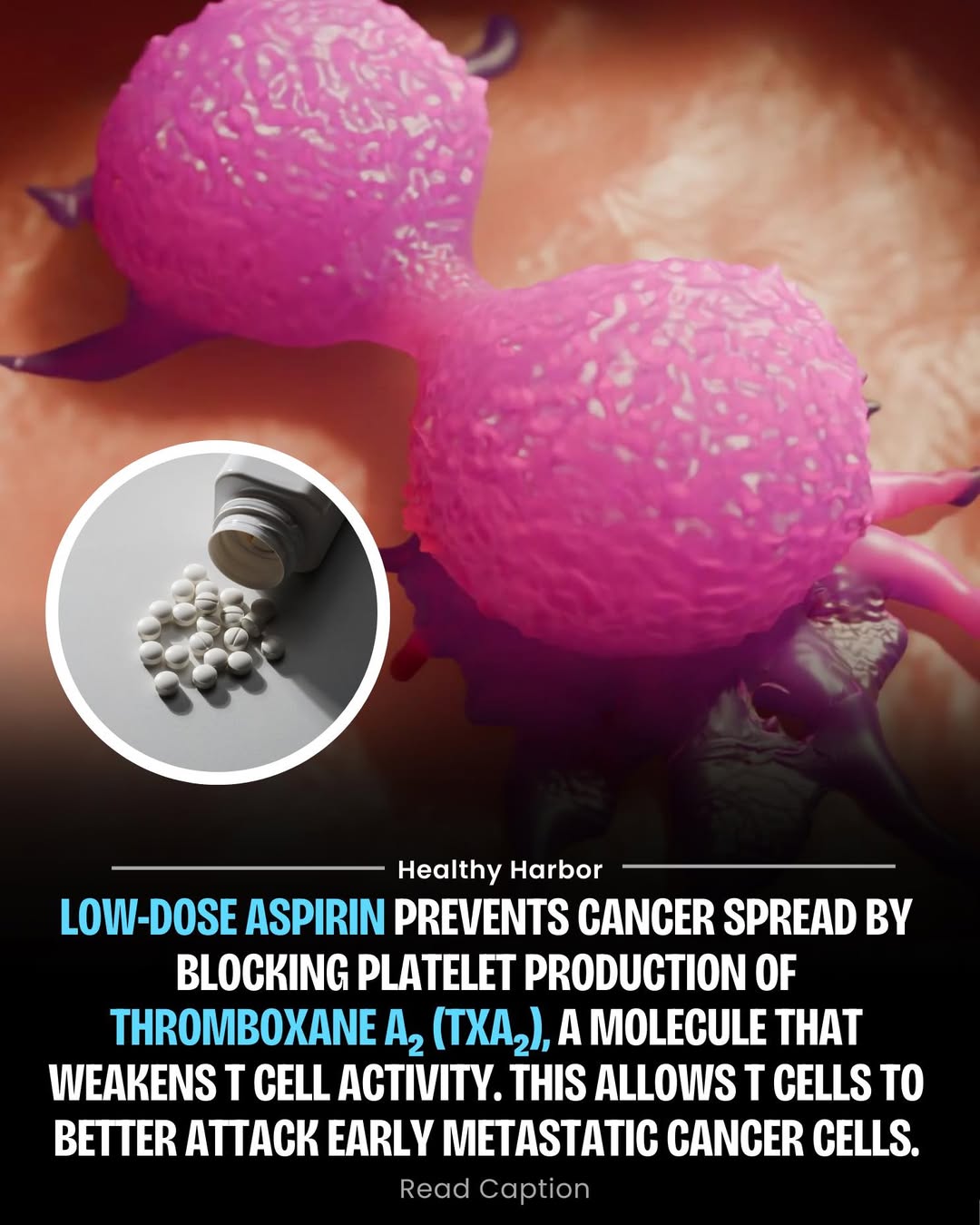
Aspirin blocks platelet TXA2 suppression of T cells and reduces metastasis in mice

Dec 07, 2025 · Louis Nervegna ♥ 18 · 💬 4 Aspirin, antiplatelets & blood thinners

Louis shares a 2025 Nature study showing that platelet-derived thromboxane A2 binds CD8+ T cells and, via ARHGEF1, weakens their anti-tumor activity. Aspirin or COX-1 inhibitors lifted this and reduced metastatic burden in mouse melanoma and lung models, only in animals with intact T-cell immunity, suggesting a mechanism for aspirin's apparent cancer protection.

Statin plus sildenafil may block cancer metastasis in preclinical models

Jul 27, 2026 · Louis Nervegna ♥ 16 · 💬 4 Cancer

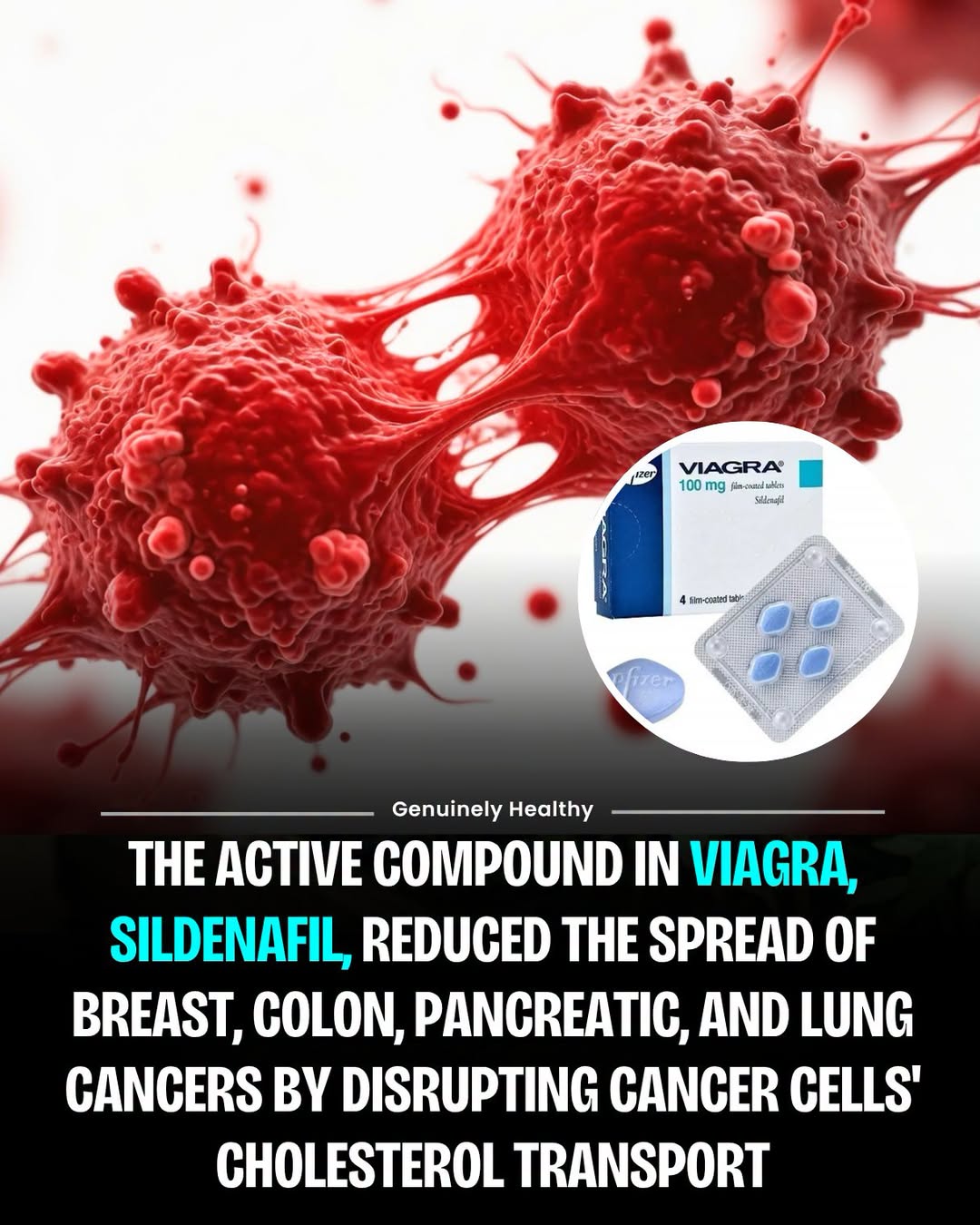
A 2026 Cancer Research study found sildenafil (a PDE5 inhibitor) caused cholesterol to accumulate in lysosomes of mouse and human cancer models, limiting cholesterol available to cancer cells and impairing their migration and spread. Combining it with a statin, which blocks cholesterol production, gave stronger anti-metastatic effects than either alone. Louis notes the research is preclinical but promising.

Young-adult colon cancer 'doubling' means 0.0032% to 0.0064% a year, not soaring cancer

Apr 23, 2025 · Louis Nervegna ♥ 6 · 💬 17 Cancer

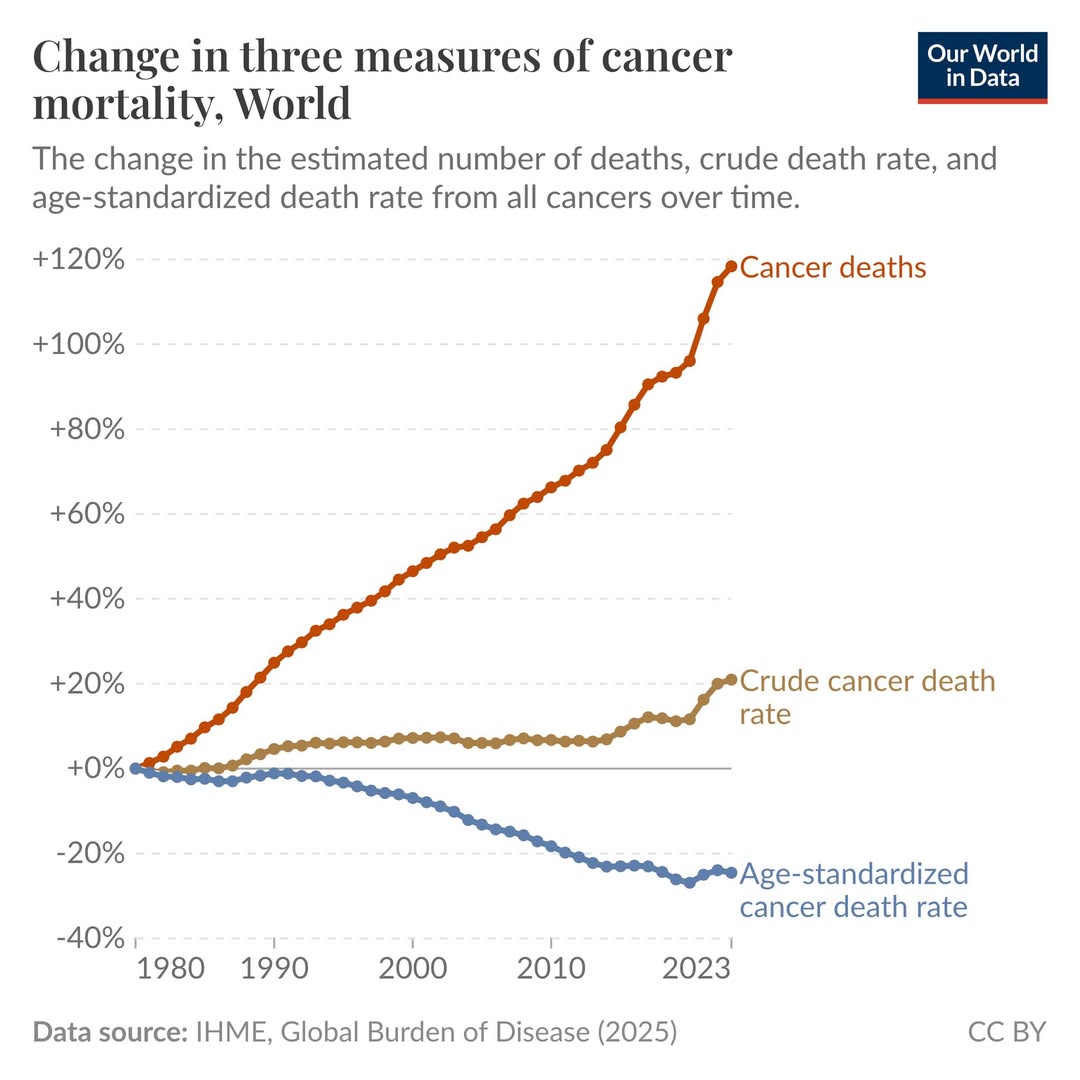
Louis puts the 'colon cancer doubled in young people' claim in context: in 2024, 6.4 per 100,000 people aged 20-39 were diagnosed, versus about half that before. He argues this tiny change barely affects total cancer rates and that overall cancer death rates have fallen sharply over 40 years. Off the cardiovascular focus.

Statins neither cause nor cure cancer: meta-analyses of randomized trials show no effect

Dec 31, 2024 · Gokhan Can ♥ 9 · 💬 4 Statins

Reviews the evidence on statins and cancer. A 2012 meta-analysis of 134,537 participants in 22 RCTs found identical cancer incidence (1.4% per year) and mortality (0.5% per year) in statin users and non-users, and a 2023 meta-analysis of 35 RCTs found the same. Anticancer effects in specific contexts remain preclinical or suggestive.

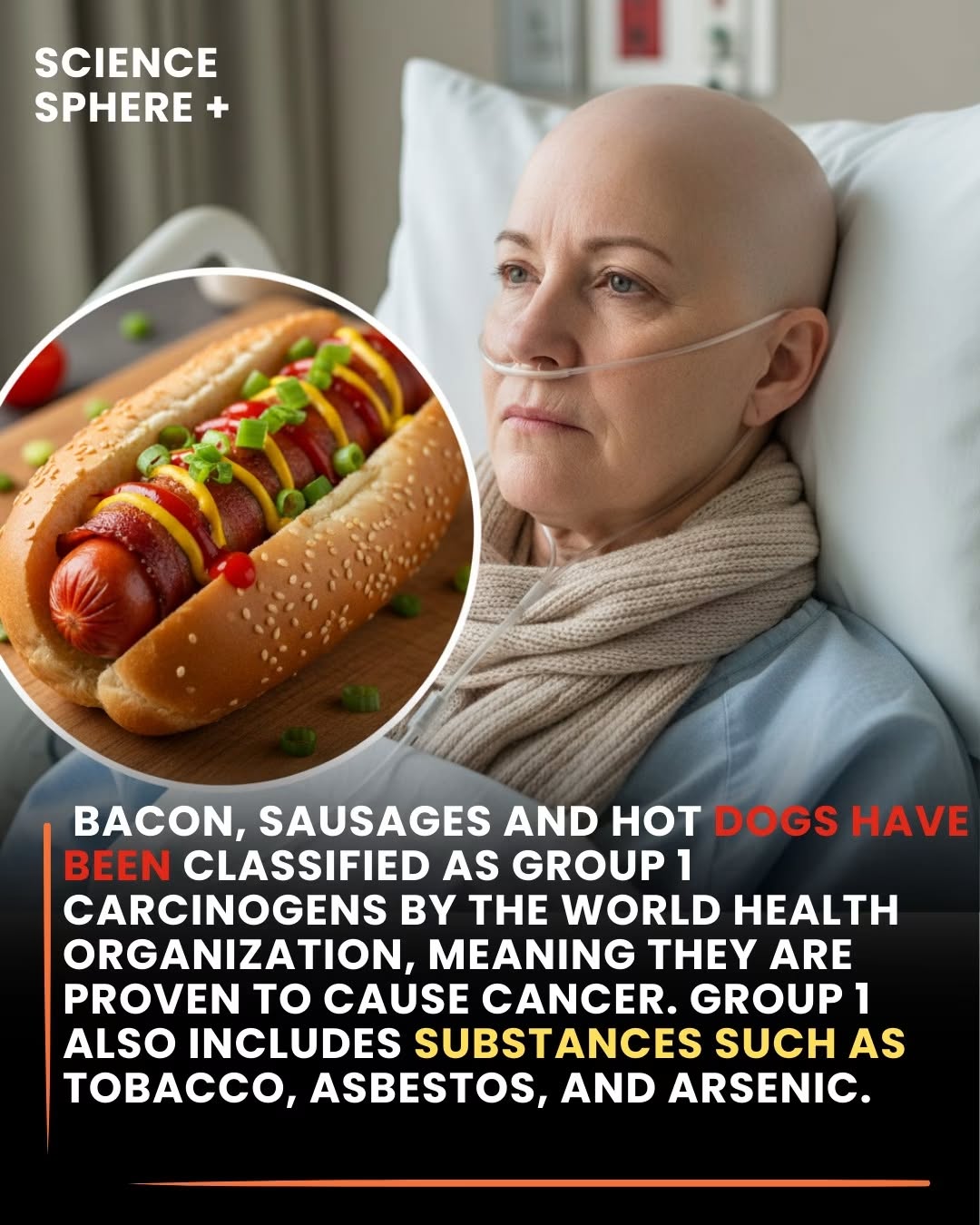
Hot dogs are not health food: processed meat has among the worst hazard ratios of any food

Oct 27, 2025 · Louis Nervegna ♥ 11 · 💬 6 Meat, eggs & dairy

Louis mocks a carnivore influencer's claim that hot dogs are healthy, noting the omission that they are high in nitrosamines (including 'natural' celery-juice-cured ones), which are likely carcinogenic and linked by him to atherosclerosis and diabetes. He backs the point with Harvard Chan School pages on processed meat, ultra-processed foods and the WHO carcinogenicity finding.

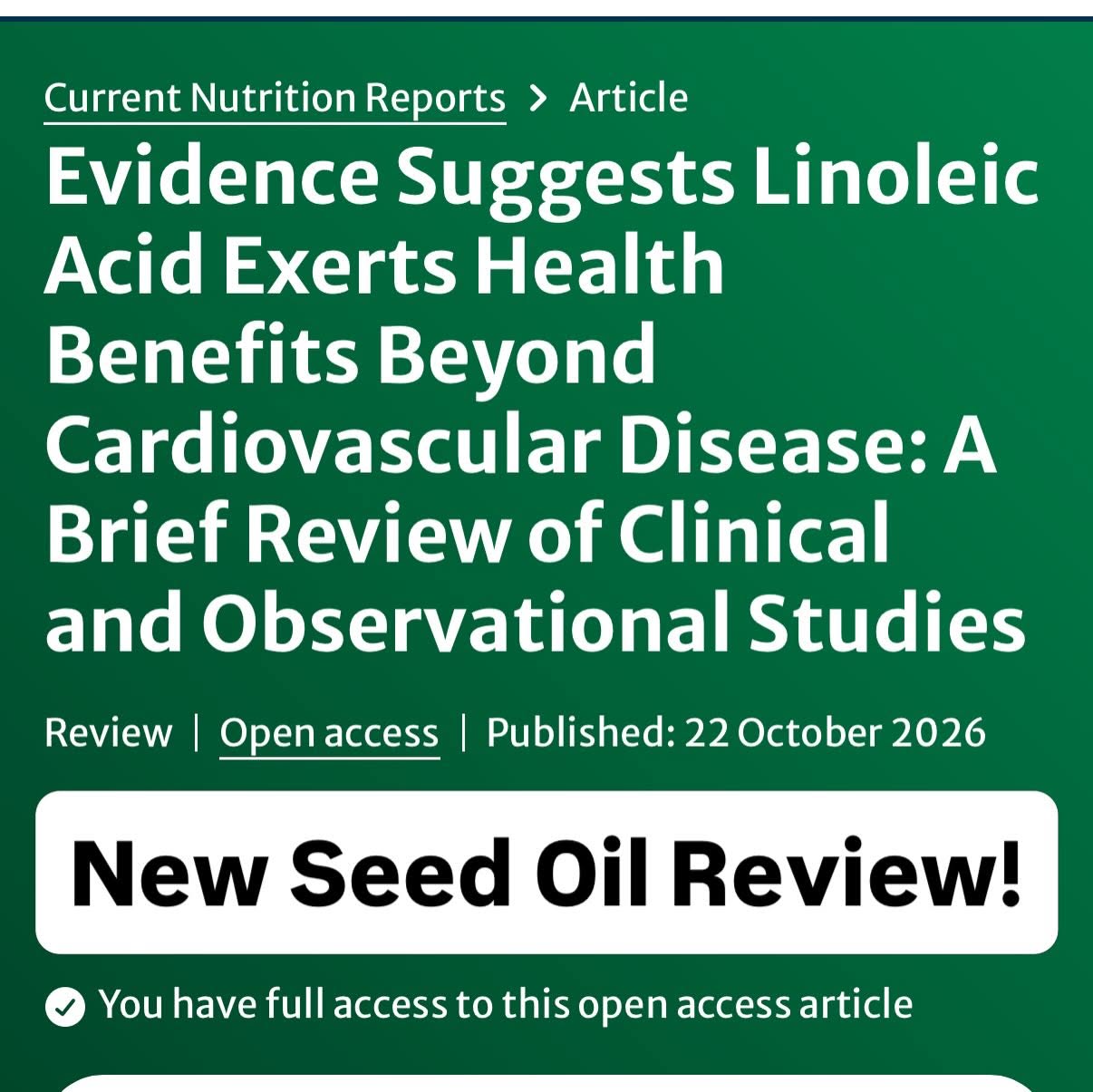
Video: large cohorts show no link between seed oils and prostate or colon cancer

Dec 23, 2024 · Louis Nervegna ♥ 5 · 💬 5 Fats & oils (saturated fat, seed oils, omega-6, olive oil)

Louis shares a Nutrition Made Simple video analyzing two headline-making studies tying seed oils to cancer. Large prospective cohorts show no association with prostate cancer, and with colon cancer once ultra-processed food intake is corrected for. He adds that decades of research show no obvious relationship between fat intake and cancer.

Why new therapies take 10+ years and $100M+ for FDA approval, and what doctors can do

Jan 15, 2024 · Louis Nervegna ♥ 11 · 💬 2 Guidelines, policy & public health

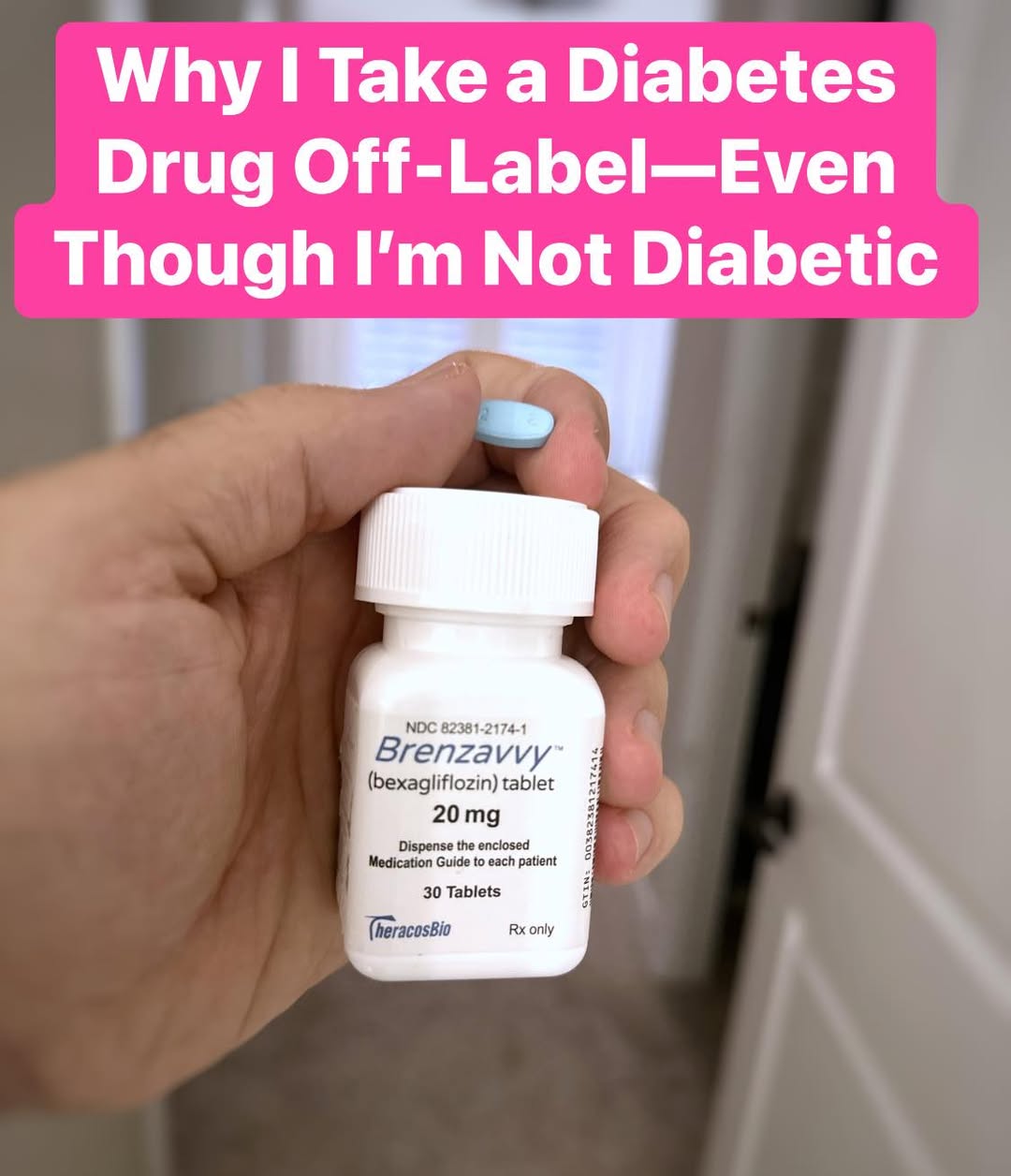
Louis explains FDA approval needs three phases (safety, preliminary efficacy, full efficacy), typically a decade or more and at least $100 million, sometimes near $1 billion. Phase 3 trials are large and long and often fail, so promising therapies may never be tested. Meanwhile doctors can use GRAS supplements and prescribe drugs off-label, which lets science-based clinicians go beyond the standard of care.

Lifestyle changes may cut sudden cardiac arrest risk 40-63%, per 2025 UK study in a video

Jun 01, 2025 · Gokhan Can ♥ 10 · 💬 2 Heart attack, stroke & procedures

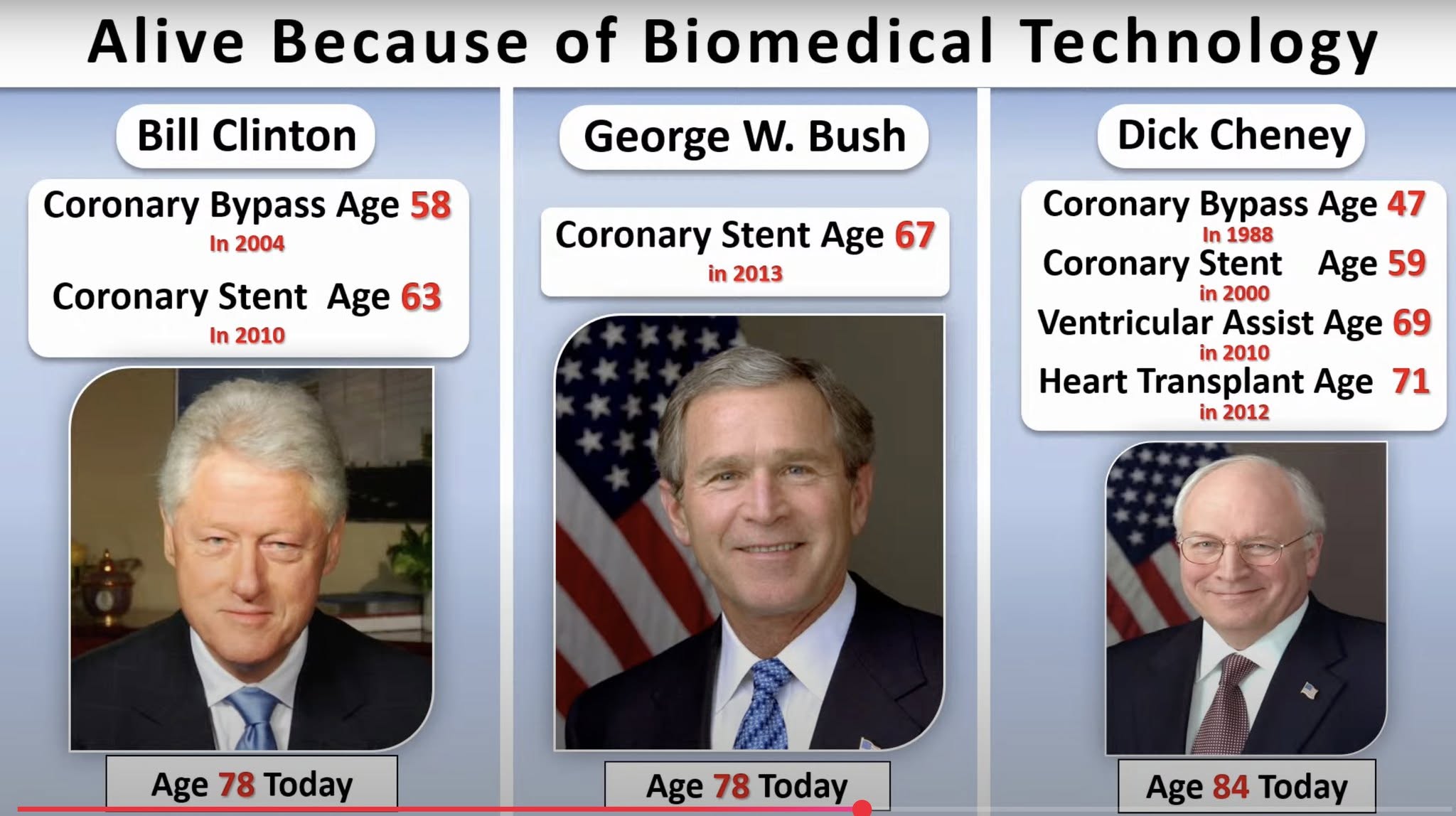
A video segment from Life Extension founder Bill Faloon discusses a 2025 UK study finding that modifiable factors such as physical activity and social engagement reduce sudden cardiac arrest risk by 40-63%, while unemployment and smoking raise it. He also contrasts today's heart disease treatment with that available to past presidents.

Meta-analysis of 76 studies finds no link between wine drinking and cancer risk

Dec 03, 2023 · Louis Nervegna ♥ 3 · 💬 5 ↩ 3 Alcohol, smoking & vaping

Louis highlights a Frontiers in Nutrition systematic review and meta-analysis of 76 epidemiological studies, which found no association between wine consumption and any cancer and a protective trend for pancreatic, skin, lung, brain and overall cancer. He cautions that observational data cannot prove wine is harmless, and advises staying within guidelines of at most 2 drinks a day for men and 1 for women.

CHIP (clonal hematopoiesis): a little-known risk factor for heart disease and stroke

Apr 08, 2024 · Gokhan Can ♥ 5 · 💬 3 Risk assessment & lab tests

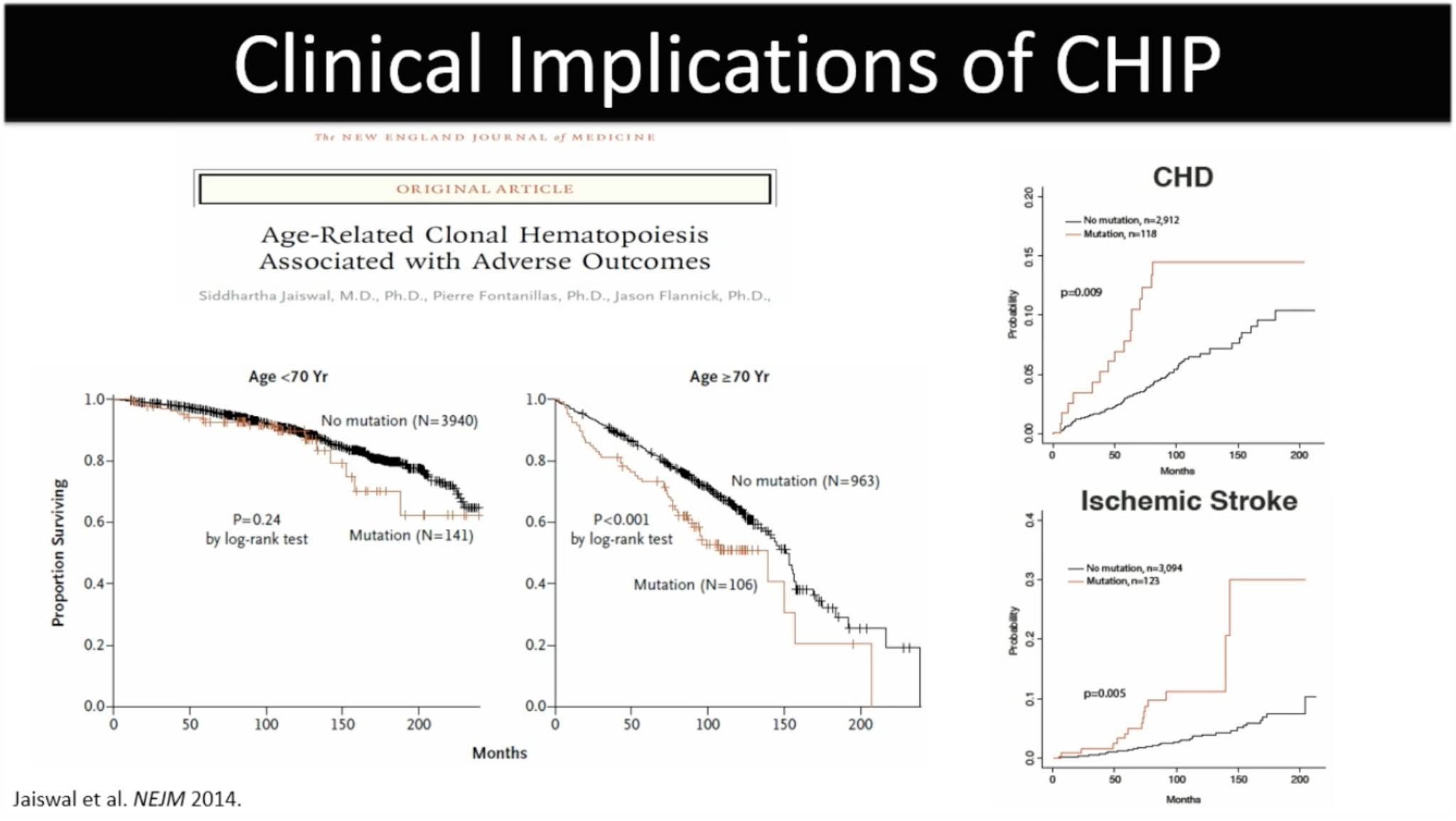
Explains clonal hematopoiesis of indeterminate potential: blood cells carrying acquired mutations that raise the risk of blood cancers, coronary disease and stroke. It becomes more common with age, can be detected with a next-generation sequencing panel, and has no specific treatment yet. The post notes testosterone therapy and anything strongly stimulating bone marrow may help CHIP expand.

Swapping 10% of carb calories for vegetable fats cut lethal prostate cancer 29%

Dec 20, 2024 · Louis Nervegna ♥ 6 · 💬 2 Fats & oils (saturated fat, seed oils, omega-6, olive oil)

Louis quotes a UCSF-led study of nearly 4,600 men with non-metastatic prostate cancer. Substituting healthy vegetable fats (olive and canola oil, nuts, seeds, avocado) for carbohydrates or animal fats was associated with lower lethal prostate cancer and all-cause mortality. The study adjusted for age, treatment, BMI, smoking, exercise and other factors.
Harvard review: fat not clearly linked to cancer; red and processed meat raise colon risk

Dec 20, 2024 · Louis Nervegna ♥ 4 · 💬 2 ↩ 1 Fats & oils (saturated fat, seed oils, omega-6, olive oil)

Louis quotes the Harvard Nutrition Source summary on dietary fat and cancer. Total fat percentage and fat types show no clear association with cancer, and the Women's Health Initiative low-fat trial did not reduce breast or colon cancer. Red and processed meat do increase colon cancer risk, and animal fat in young women was linked to higher breast cancer risk in Nurses' Health Study II. He notes a later Harvard study updates this.

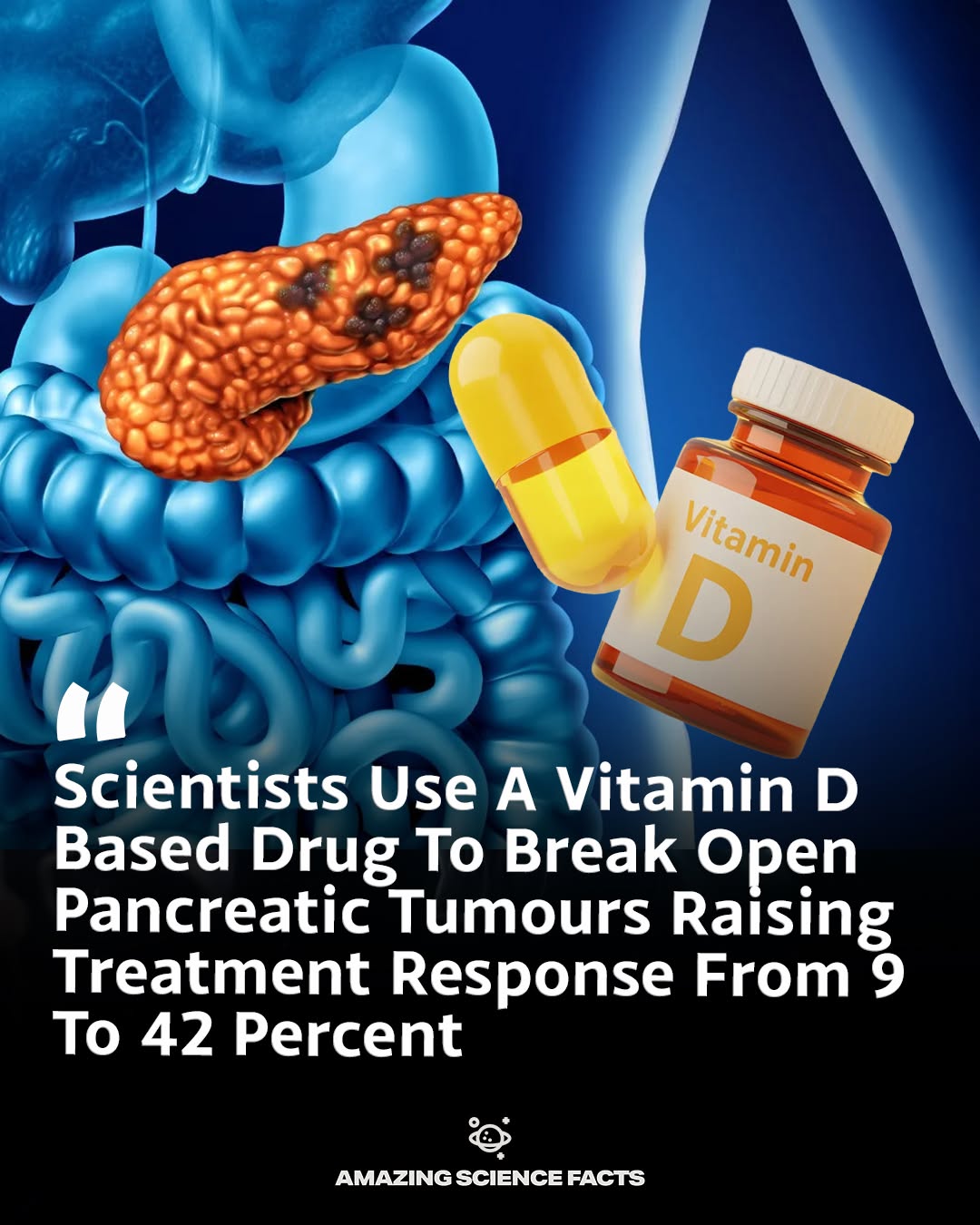
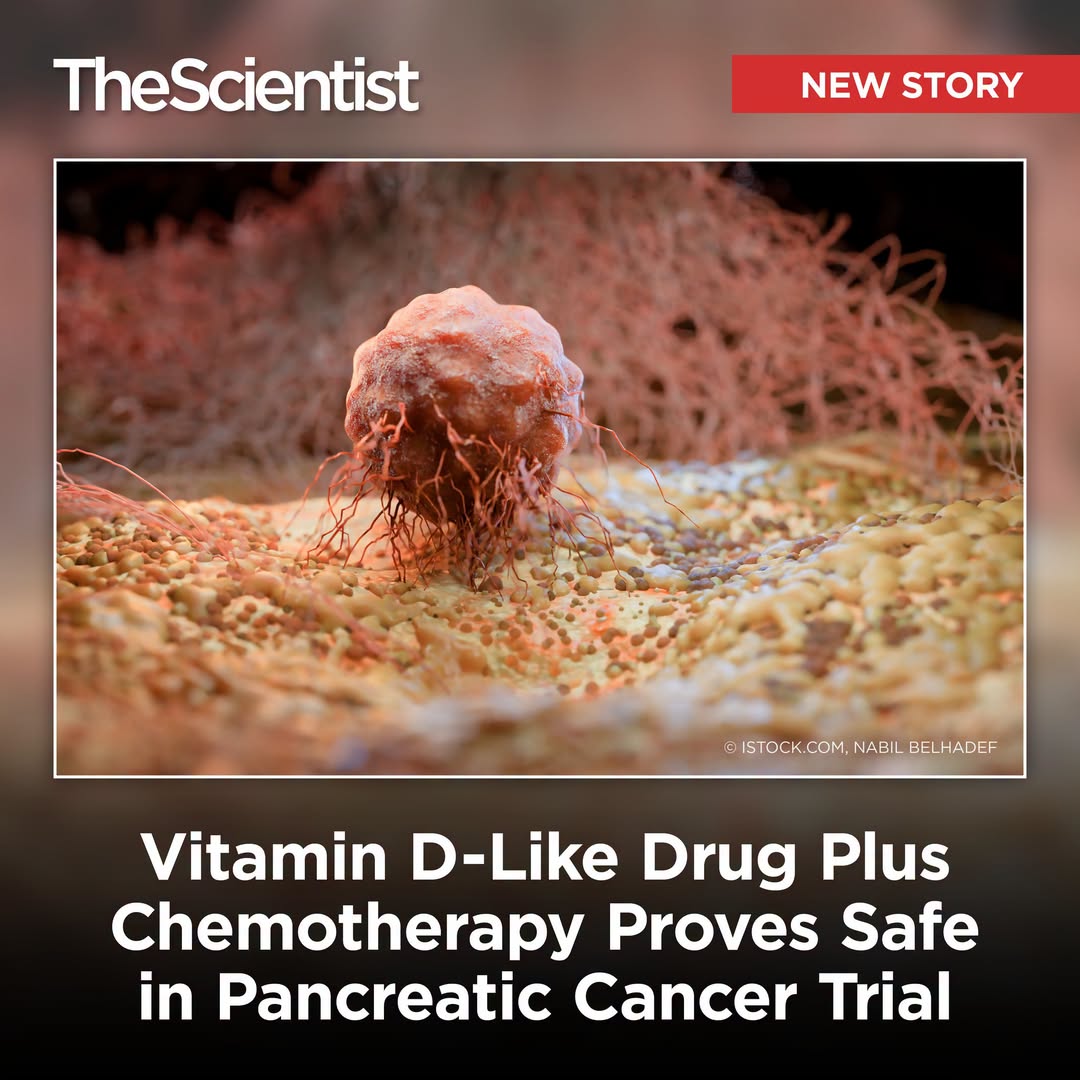
Paricalcitol plus chemo safe in 36 pancreatic cancer patients; reduced tumor fibroblasts

Jun 05, 2026 · Louis Nervegna ♥ 8 · 💬 2 Cancer

Louis points to a Nature Cancer study from Dana-Farber in which the vitamin D analog paricalcitol was combined with chemotherapy in 36 patients with untreated metastatic pancreatic cancer. Biopsies showed reduced fibroblast activation and more T-cell infiltration; the trial was not designed to prove survival benefit and it is not about vitamin D supplements.

Low LDL's link to cancer is reverse causality: cancer lowers cholesterol, not vice versa

Dec 21, 2023 · Louis Nervegna ♥ 5 · 💬 1 LDL, ApoB & lipid panel

Louis explains why observational studies linking low LDL to cancer are not causal. Citing a Circulation review on reverse causality, he notes cholesterol declines before cancer diagnosis (likely from cancer-related inflammation), statin RCTs show no increase in cancer, and Mendelian randomization with an average of 52 years of lifetime exposure shows no higher cancer rates in people with genetically lower cholesterol.

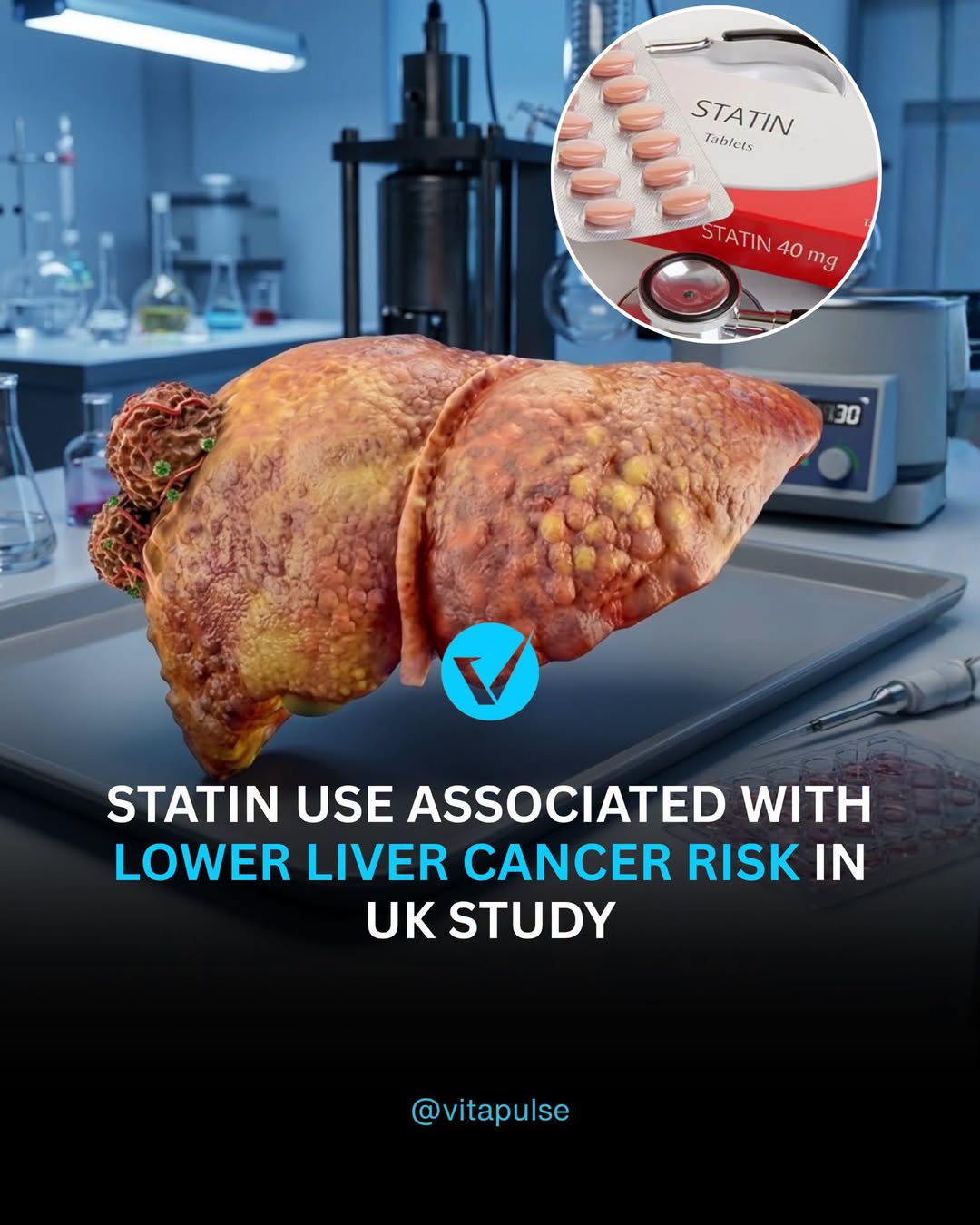
Statin use linked to 35% lower odds of liver cancer in UK database study

Sep 15, 2026 · Louis Nervegna ♥ 10 Statins

A UK Clinical Practice Research Datalink case-control study of 3,719 liver cancer cases and 14,876 controls found statin users had 35% lower odds of liver cancer, and cholesterol absorption inhibitors (ezetimibe class) 31% lower odds. This is an association, not proof, and non-statin findings need replication.

Daraxonrasib for pancreatic cancer already offered at Mass General Brigham

Aug 18, 2026 · Louis Nervegna ♥ 9 · 💬 1 Cancer

Louis reports that Mass General Brigham is treating pancreatic cancer patients with daraxonrasib through the FDA Expanded Access Program ahead of approval, and suggests other large hospitals may do the same. Coverage describes it as a historic pill that could double life expectancy in advanced disease.

Creatine and cancer metastasis: preclinical signal, but human evidence is reassuring

Sep 18, 2026 · Louis Nervegna ♥ 2 · 💬 3 Supplements & vitamins

A summary of the claim that creatine promotes cancer spread. Animal and cell models showed more metastasis and worse survival, but human data are much less alarming: higher dietary creatine was linked to lower cancer risk, and a trial giving creatine to cancer patients found no survival difference. The poster says people with cancer should discuss supplementation with their oncology team.

Bisphosphonates for bone loss: fracture reductions summarized

Oct 13, 2024 · Gokhan Can ♥ 4 · 💬 1 ↩ 1 Hormones, women's & men's health

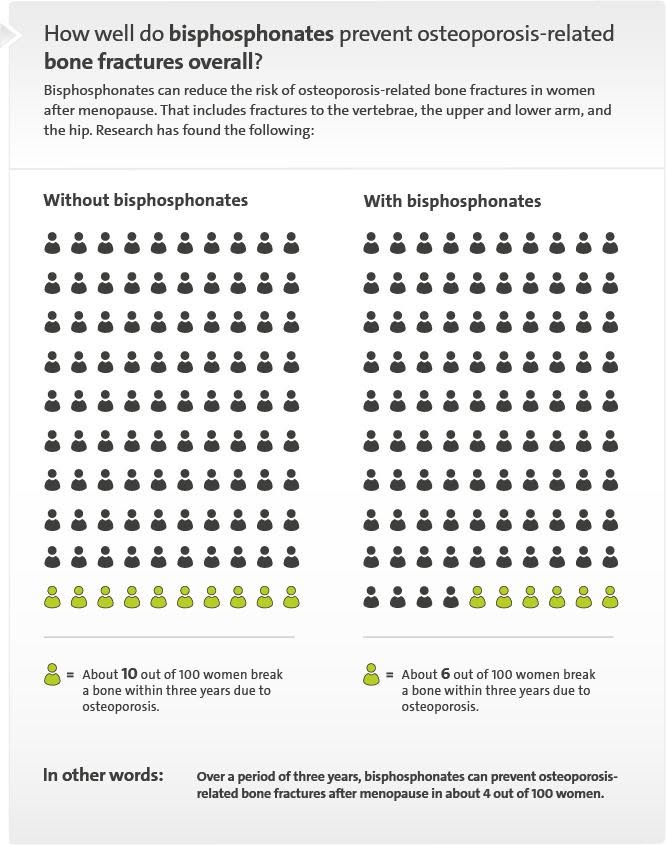
Review of bisphosphonate evidence for osteoporosis. Alendronate cuts vertebral and non-vertebral fractures by about 50% in women with prior vertebral fractures; yearly IV zoledronic acid cuts vertebral fractures 70% and hip fractures 40%; a 2017 meta-analysis found overall fracture OR 0.62. Not a heart topic but relevant to aging.

Why low LDL-C correlates with higher mortality: causation versus correlation

Nov 17, 2023 · Gokhan Can ♥ 5 · 💬 1 ↩ 2 LDL, ApoB & lipid panel

Points to a video on how ignoring the difference between correlation and causation can mislead, and argues that the association of low LDL-C with higher mortality is a marker of illnesses such as cancer or liver disease rather than a cause. Also links a paper from the author's cardiologist on causal roles of LDL-C, HDL, triglycerides and inflammation.

JACC review: guidelines favor whole-food plant-based diets for CVD and cancer prevention

Dec 08, 2025 · Louis Nervegna ♥ 3 Mediterranean, DASH, MIND & plant-forward diets

Louis quotes a September 2025 JACC: CardioOncology state-of-the-art review noting that AHA, ACC, ACS, NCCN and WCRF/AICR guidelines all recommend a predominantly whole-food plant-based diet, as does the EAT-Lancet consensus. Patterns like Mediterranean and DASH are included, emphasizing fruits, vegetables, whole grains, legumes, nuts, seeds and olive oil while minimizing red meat.

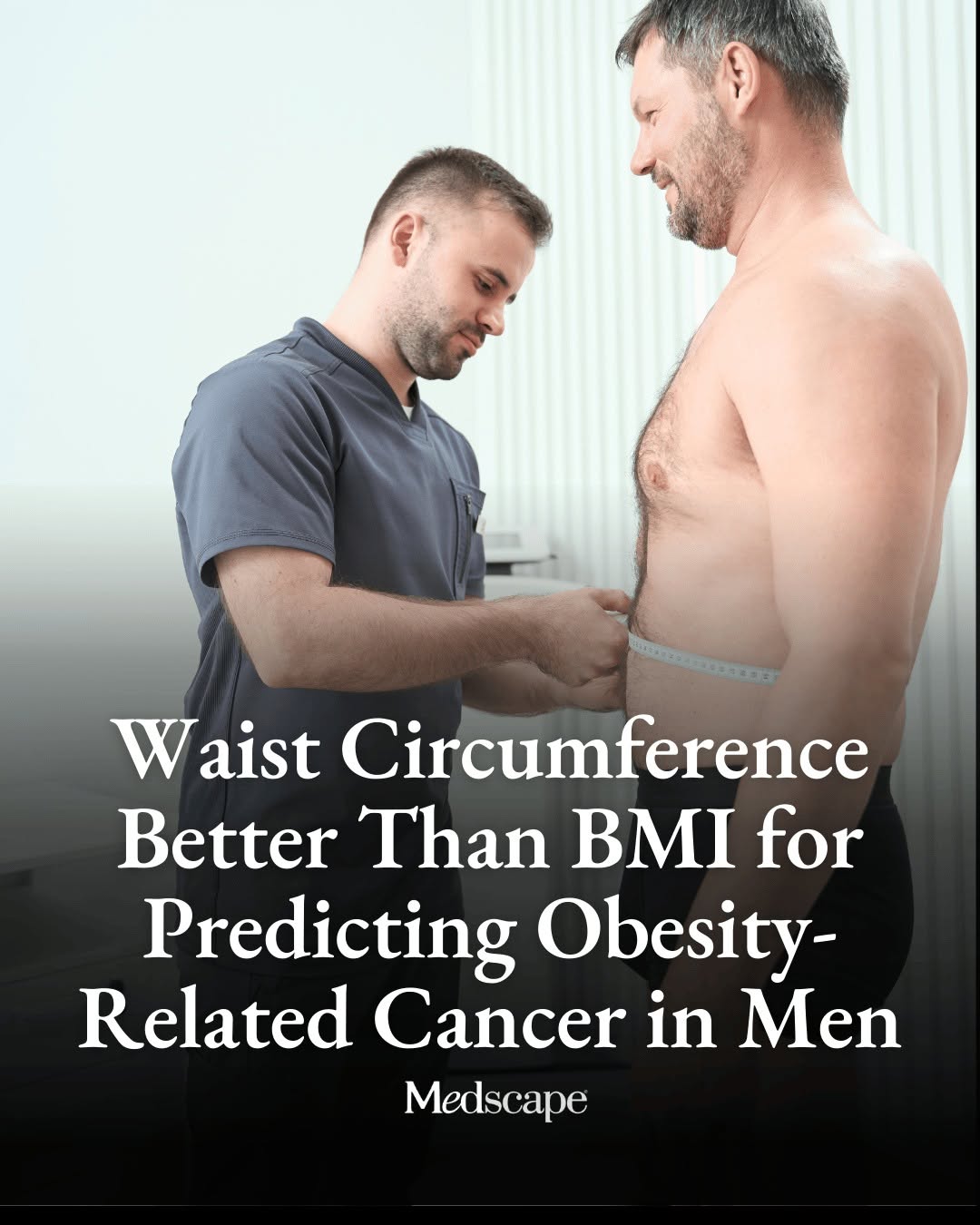
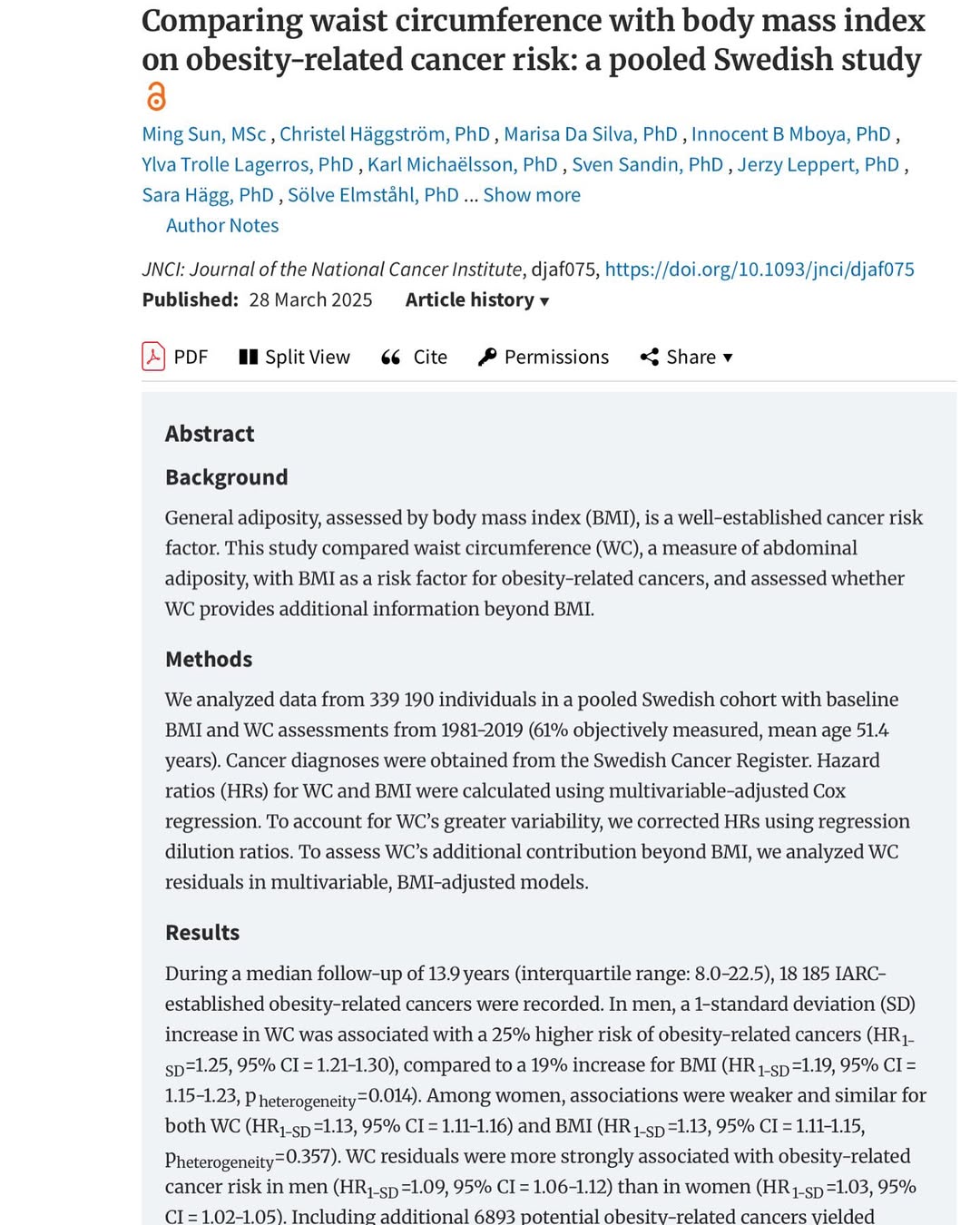
Waist circumference beat BMI for predicting obesity-related cancer in 339,000 Swedish men

Apr 16, 2025 · Louis Nervegna ♥ 2 Weight, visceral & liver fat

Luigi Fontana's summary of a large Swedish cohort showing waist circumference was a stronger predictor of obesity-related cancer than BMI in men, with added value after adjusting for BMI; the link was weaker in women. He argues abdominal fat signals metabolic dysfunction and should prompt deeper evaluation. Primarily cancer, linked to visceral fat.

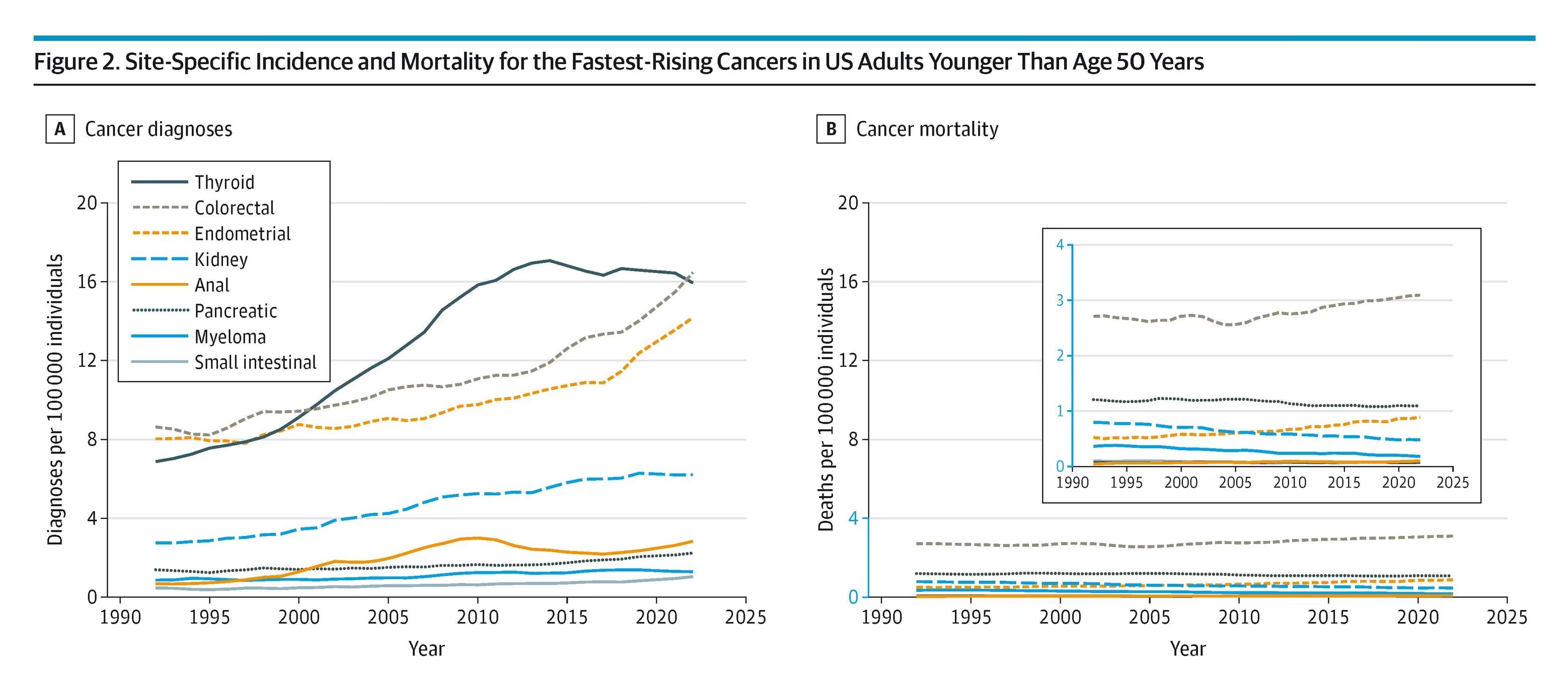
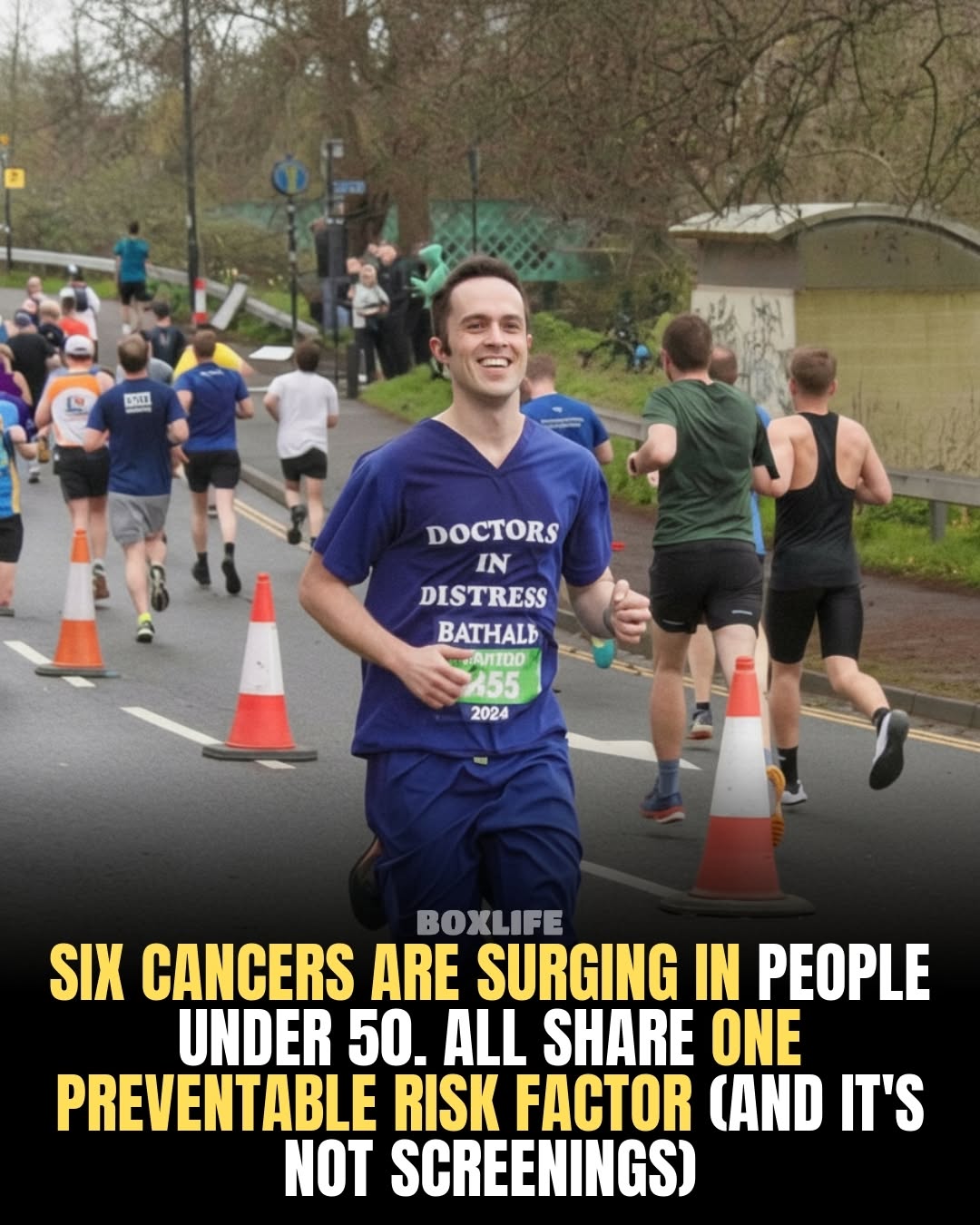
Obesity may explain rising cancer rates in adults under 50

Feb 28, 2026 · Louis Nervegna ♥ 3 Cancer

Shared article says early-onset cancers (thyroid, breast, colorectal, kidney, endometrial, leukemia) are rising in over three-quarters of countries studied, with obesity-driven inflammation and hormonal changes as likely drivers.

Growth-hormone peptides raise IGF-1, linked to cancer and mortality risk at high levels

May 11, 2026 · Louis Nervegna ♥ 1 Hormones, women's & men's health

Joel Kahn's post, shared by Louis, warns that injecting growth-hormone-type peptides (ipamorelin, sermorelin, CJC-1295) can chronically elevate IGF-1. High IGF-1 is associated in observational data with breast and prostate cancer and with higher cancer, cardiovascular and all-cause mortality, and excess GH signaling in acromegaly causes cardiometabolic complications.

Sweetener evidence links: NutriNet-Santé cancer cohort, WHO review, beverage meta-analysis

Jun 13, 2025 · Louis Nervegna ♥ 0 Carbs, fiber, sugar & whole grains

A link-only post gathering three sources on non-sugar sweeteners: the NutriNet-Santé cohort associating aspartame and acesulfame-K with cancer risk, a WHO systematic review and meta-analysis, and a 2022 Diabetes Care meta-analysis finding no cardiometabolic harm when low/no-calorie drinks substitute for sugary ones. There is no commentary.