If this ultimately turns out to be be causal, it is stunning.
Glioblastoma is arguably the deadliest form of cancer. Average survival, even with the best treatment, is a little over one year.
Vaccination appeared to DOUBLE this.
The research was conducted by a team of neurosurgeons and neuro-oncologists at the University of Alabama at Birmingham. They are anxious to start clinical trials in brain tumor patients, if additional research is confirmatory.
A previous study in 2025 also found improved survival in both melanoma and lung cancer: mRNA Covid Vaccines Help Cancer Patients on Immunotherapy Live Twice as Long (theintellectualistofficial.substack.com).
The journal paper speculates on possible mechanisms. If these can be better understood and harnessed into a therapy, it might lead to a major breakthrough in the treatment of deadly brain tumors. No existing therapy comes anywhere close to doubling survival in this disease.
There is always the strong possibility that these results are driven by reverse causality. In other words, people who take better overall care of their health are more likely to get vaccinated… and that this explains the improved outcome, rather than the vaccination itself. This is a big problem with observational research on vaccines. However, these people were all treated for their disease at the same hospital. They received identical care.
The only way to know if this is truly causal would be to run a randomized trial in glioblastoma patients. It looks like we could see that happen fairly soon.
#glioblastomaHD #cancerHD #vaccinesHD #melanomaHD #lungcancerHD
A new preprint study has produced an unexpected finding: people with glioblastoma, a highly aggressive form of brain cancer, lived considerably longer if they had received a COVID-19 vaccine within 100 days before biopsy or surgery.
Researchers studied 187 people with glioblastoma who were treated between 2022 and 2025. Among those vaccinated against COVID before surgery, median survival was 743 days, compared with 349 days among the unvaccinated. That amounts to roughly an additional year of median survival. The same association was not seen with vaccines against influenza, pneumonia, or shingles.
One possible explanation is that the mRNA vaccine activates the immune system in a way that also makes it better at recognizing and attacking cancer cells. Researchers have also identified a molecule on glioblastoma cells that resembles part of the coronavirus protein the immune system learns to recognize after mRNA vaccination. This raises the hypothesis that an immune response trained against the virus might also react against the tumor.
The finding is particularly interesting because it fits with earlier research. A study published in Nature in 2025 found that patients with lung cancer or melanoma who received an mRNA COVID vaccine around the time of immunotherapy had substantially better survival. Laboratory findings also suggest that mRNA vaccination may alter the immune environment surrounding tumors and make them more responsive to immunotherapy.
However, it is important not to draw conclusions beyond what the evidence supports. The new glioblastoma study is observational and has not yet been peer-reviewed. It shows a strong association but cannot prove that vaccination caused the longer survival. The researchers attempted to adjust for differences between vaccinated and unvaccinated patients, but such analyses can never eliminate every possible alternative explanation.
The researchers are therefore now trying to confirm the finding in other groups of patients. If the association holds up, the crucial next step would be randomized clinical trials directly testing whether mRNA COVID vaccination can improve cancer treatment. One such trial is already underway in patients with advanced non-small cell lung cancer.
This does not mean that COVID vaccines are an established cancer treatment. But the findings point in the opposite direction from claims that mRNA vaccines cause some form of “turbo cancer.” What scientists are now investigating is whether the immune activation produced by mRNA vaccines could, in certain circumstances, be harnessed to help the immune system fight cancer.
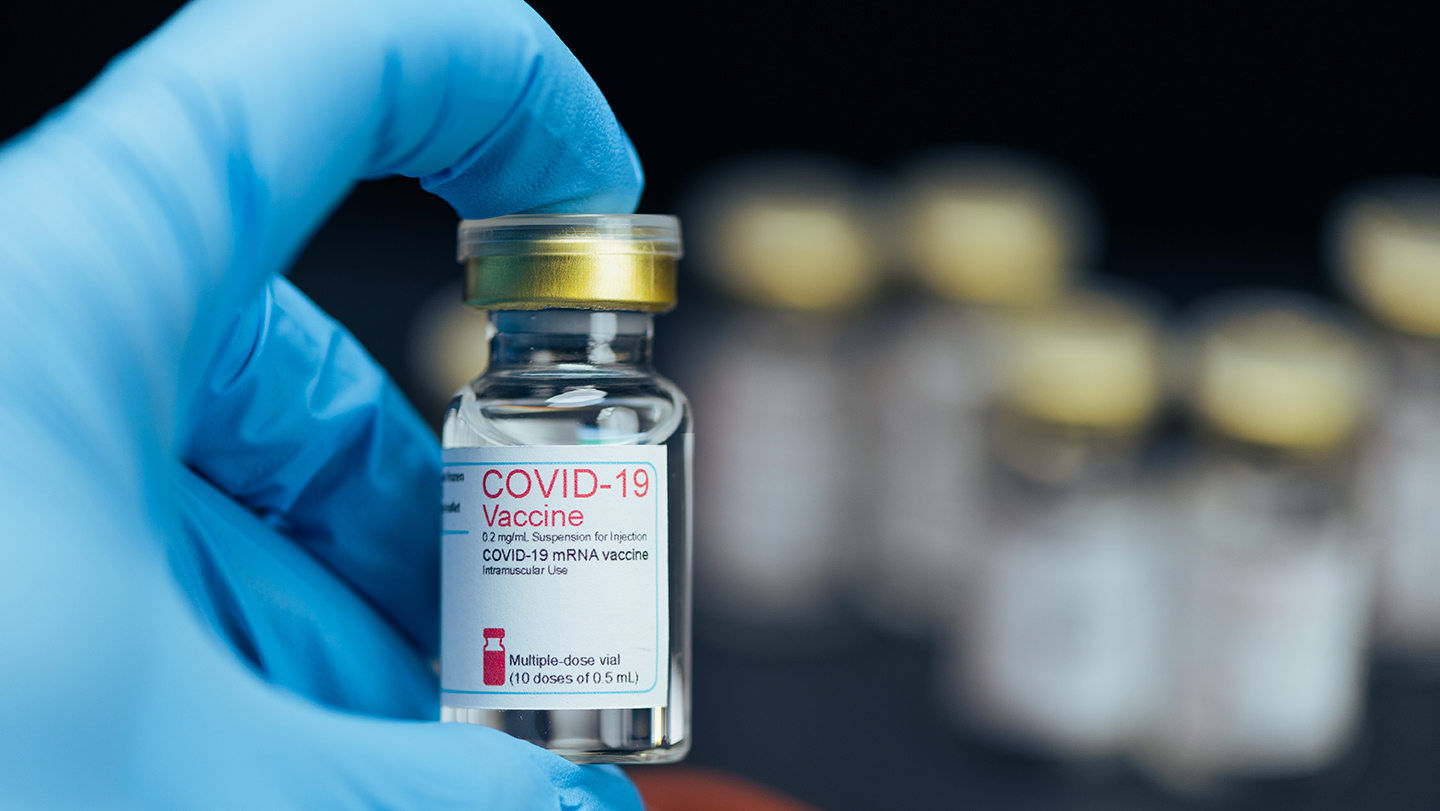 Science NewsThe COVID-19 vaccine may offer brain cancer patients a surprise benefitA recent shot of the COVID-19 vaccine doubled survival time in glioblastoma patients who had undergone tumor biopsy or surgery.sciencenews.org
Paper · 2026Recent COVID-19 Vaccination Before Glioblastoma Surgery Is Associated With Longer SurvivalBackground: Glioblastoma remains resistant to most immune-based therapies. Surgery may create a perioperative window in which systemic immune activation and tumor antigen release intersect. We evaluated whether COVID-19 vaccination shortly before first glioblastoma surgery was associated with survival. Methods: We performed a retrospective single-center cohort study of adults with newly diagnosed glioblastoma…medrxiv.org