PRIMARY PREVENTION OF HEART ATTACKS AND STENTS IN OLDER ADULTS
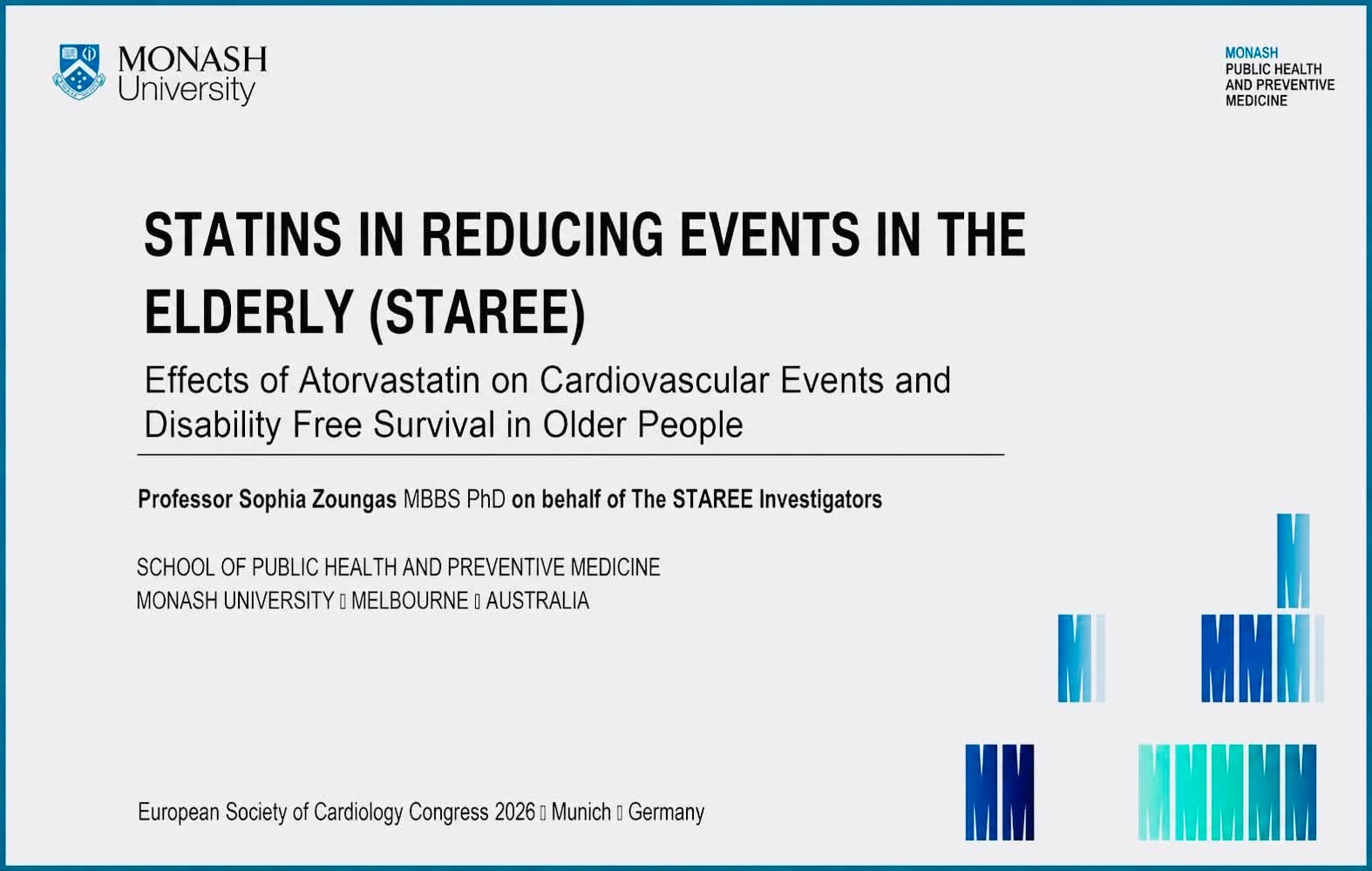
For years we've had statin data mostly built from investigating younger and middle aged people. The STAREE trial finally gives us randomized evidence in adults 70 and older who didn't already have cardiovascular disease, diabetes, or dementia.
Details:
🔹 9,971 adults, average age about 75
🔹 Atorvastatin 40 mg vs placebo
🔹 Followed for a median of 5.9 years
🔹 Starting LDL around 127 mg/dL
What they found:
🔹 30% relative risk reduction in major cardiovascular events (HR 0.70, 95% CI 0.61 to 0.82)
🔹 NNT of 37 over about 6 years, which is actually quite a favorable number for a primary preventive therapy
🔹 Rate of heart attacks and coronary revascularizations, both roughly cut in half
🔹 The benefit held up even in people 75 and older
Equally important findings:
🔹 No increase risk of dementia
🔹 No significant difference in overall mortality
🔹 No meaningful improvement in disability free survival, which was one of the two primary outcomes they were testing for
🔹 Serious adverse events were similar between groups
So what do I take from this. It seems reasonable to say that age by itself isn't a good enough reason to rule out LDL lowering in someone who's otherwise healthy. The cardiovascular benefit here looks real and it looks meaningful. At the same time, this trial is a good reminder that lowering cardiovascular events isn't the same as extending disability free life or reducing risk of death from other causes.
The likely explanation is that cardiovascular events are only one of many competing causes of death and disability in this age group, so even a significant reduction in heart attacks and revascularizations may not be large enough, at this age range, within just six years, to shift outcomes as broad as overall survival or disability free survival. In other words you can reduce risk of the number one cause of death, but when you do it specifically (via lowering LDL) and you don’t simultaneously work on general health, nutrition, etc, something else is likely still to get you when it doesn’t have to. It’s just less likely to be from a heart attack or stroke.
Full study here if you want to dig into it yourself:
Paper · N Engl J Med · 2026Atorvastatin, Cardiovascular Events, and Disability-free Survival in Older Adults.Conclusion: Treatment with atorvastatin led to a lower risk of major cardiovascular events than placebo at a median of 5.9 years but did not result in longer disability-free survival among community-dwelling older adults without clinical cardiovascular disease. (Funded by the National Health and Medical Research Council and others; STAREE ClinicalTrials.gov number, NCT02099123.).nejm.org