HD-OPM Archive
Topics › Cholesterol & lipid-lowering

Statins

253 posts (151 primarily about this topic) · 133 reposts and set-aside posts not shown

Start here — the best posts in this topic

  1. A low-dose statin could roughly halve lifetime heart attack risk if taken for decades Feb 25, 2025
  2. 25 statin trials: about 40% fewer heart attacks and strokes per 75 mg/dL LDL drop Mar 23, 2025
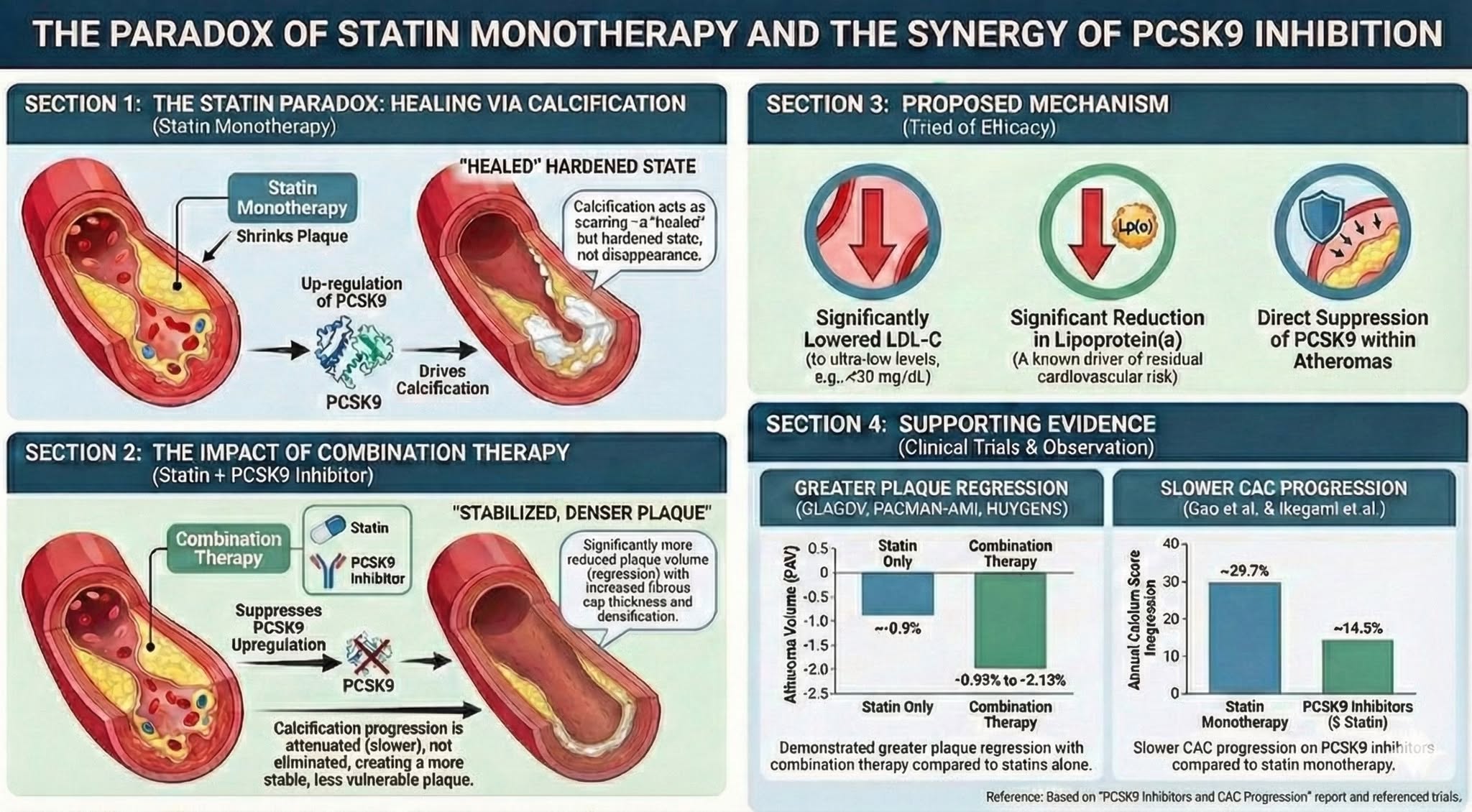
  3. Why a coronary calcium score can rise as plaque stabilizes on statins Dec 03, 2025
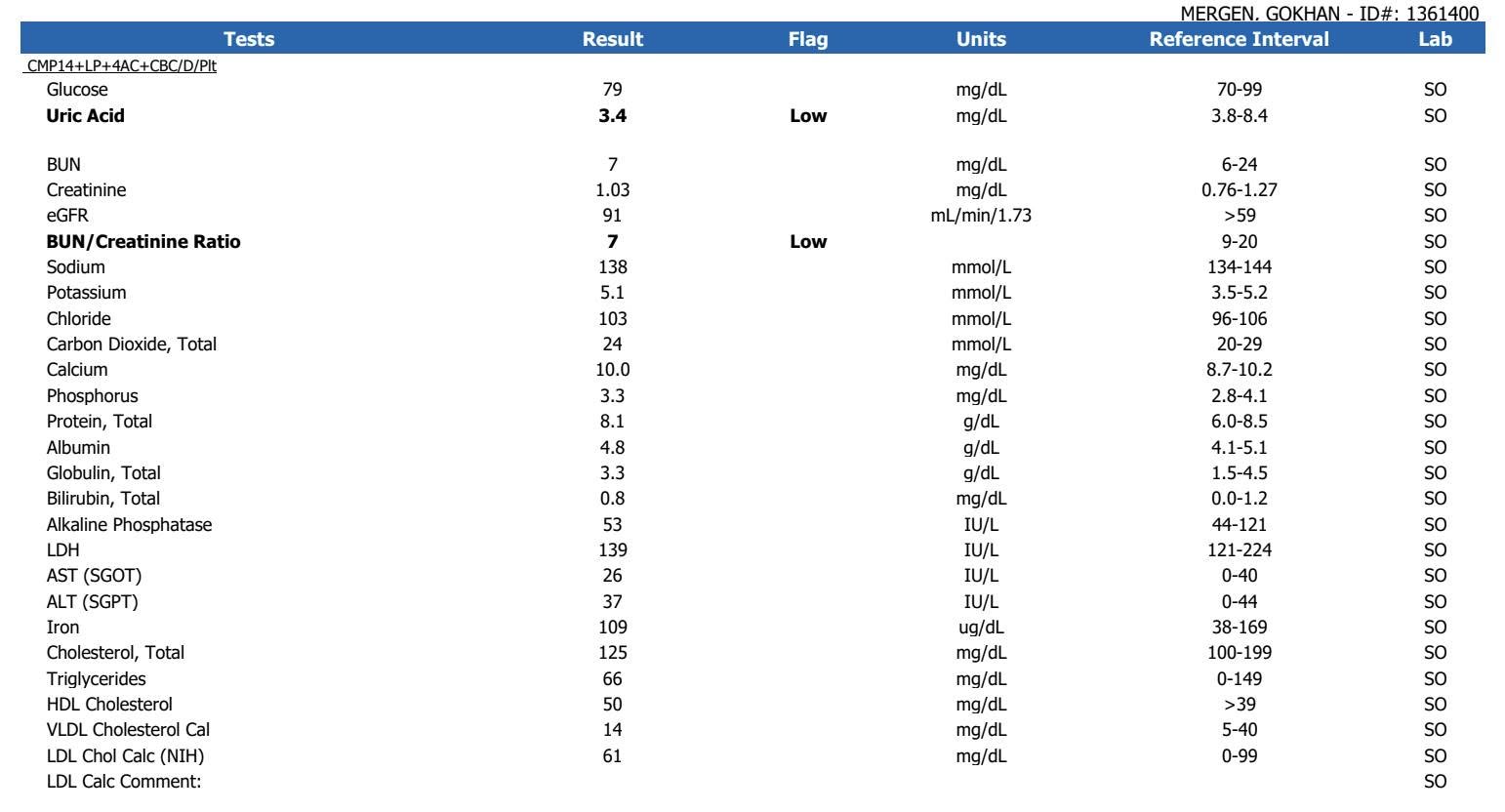
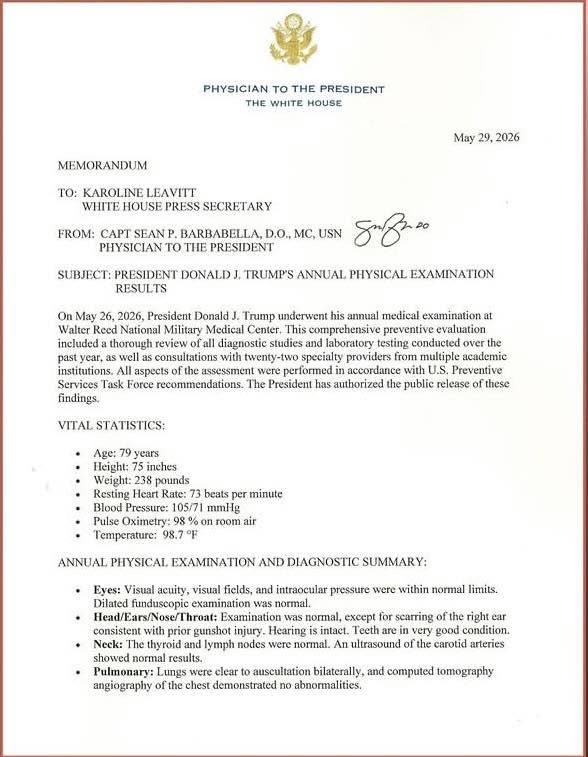
  4. Latest presidential health report shows LDL of 53 mg/dL on rosuvastatin plus ezetimibe May 30, 2026
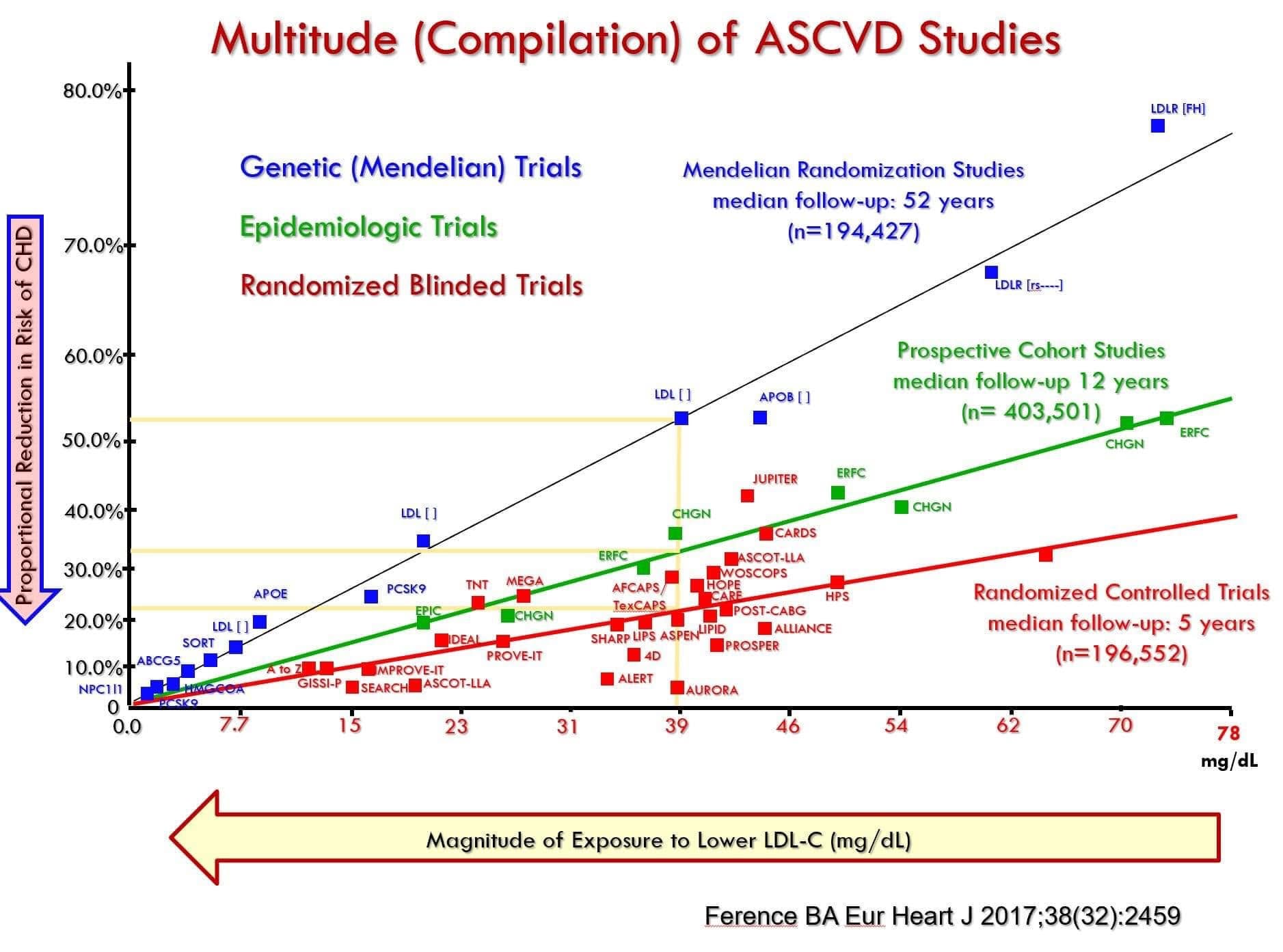
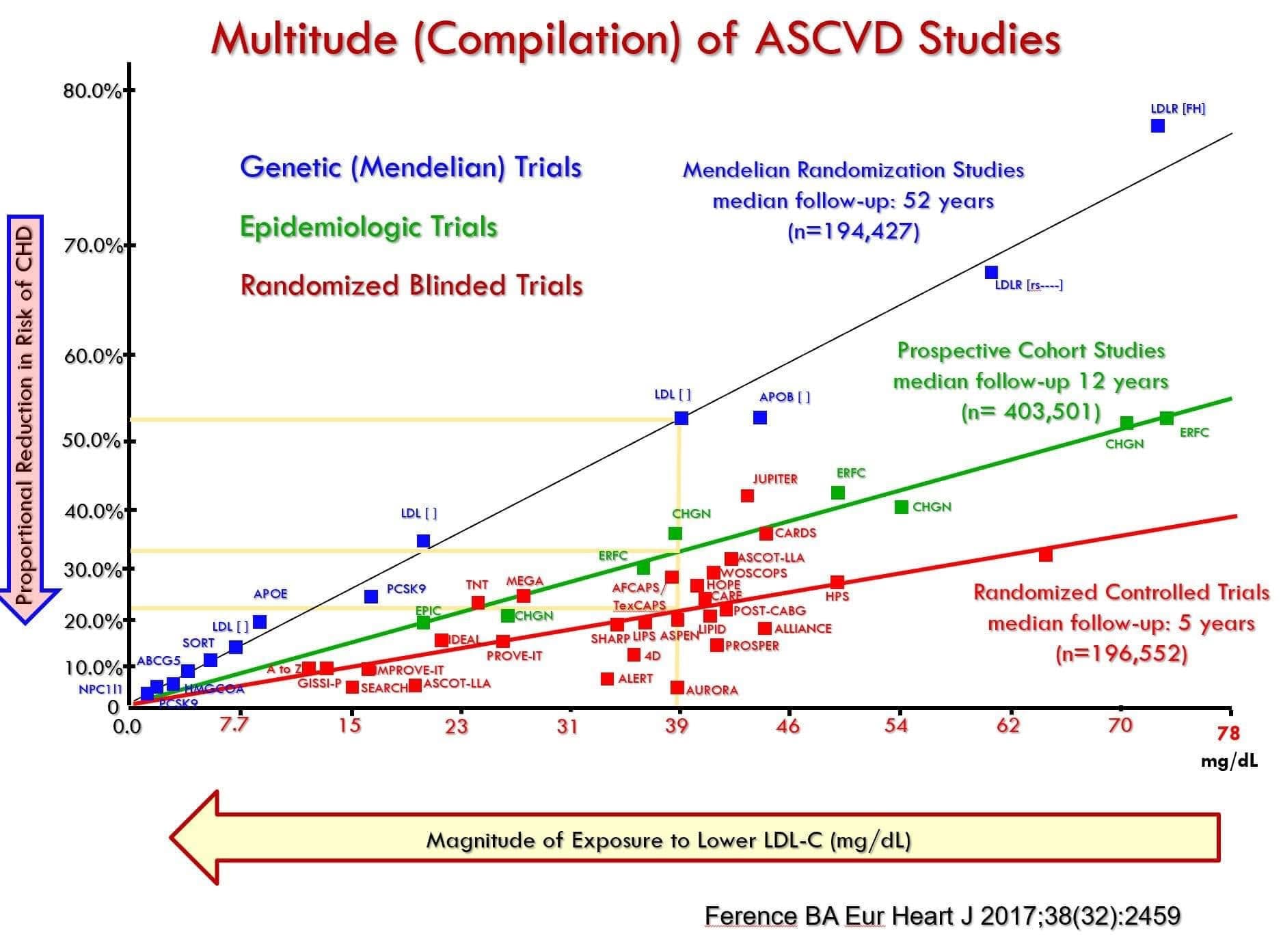
  5. LDL down 39 mg/dL: 20%+ fewer heart attacks in RCTs, 30%+ in cohorts, 50%+ genetically ↩ 9 · Dec 20, 2023
  6. Statins do not slow coronary calcium; severe-calcification odds hit 4.48 after 10+ years Dec 02, 2025
  7. Starting statins at 75 or older linked to 25% lower death rate in 326,981 veterans ↩ 1 · May 12, 2025
  8. Plaque regression is common when LDL falls to about 80 or below (Medscape interview) Jun 14, 2025
#statins 220#ezetimibe 35#atorvastatin 34#reverse 34#statinsdementia 30#statinreverse 29#dementia 28#cholesterol 25#rosuvastatin 21#alzheimers 21#pcsk9 20#plaque 19#statinrcts 18#inflammation 17#cardiovascular 16#heartattack 16#ldl 15#cancer 15#ivus 13#stroke 13#diabetes 13#absoluterisk 12#statinselderly 12#myalgia 12#nocebo 12#ldlrcts 11#mortality 11#muscle 11#liver 11#exercise 10#ldldementia 10#mendelianrandomization 9#elderly 9#longevity 9#ezetimibereverse 9#tav 9#statinspleiotropy 9#prevention 9#statinsmuscle 9#cac 8

A low-dose statin could roughly halve lifetime heart attack risk if taken for decades

Feb 25, 2025 · Louis Nervegna ♥ 29 · 💬 47

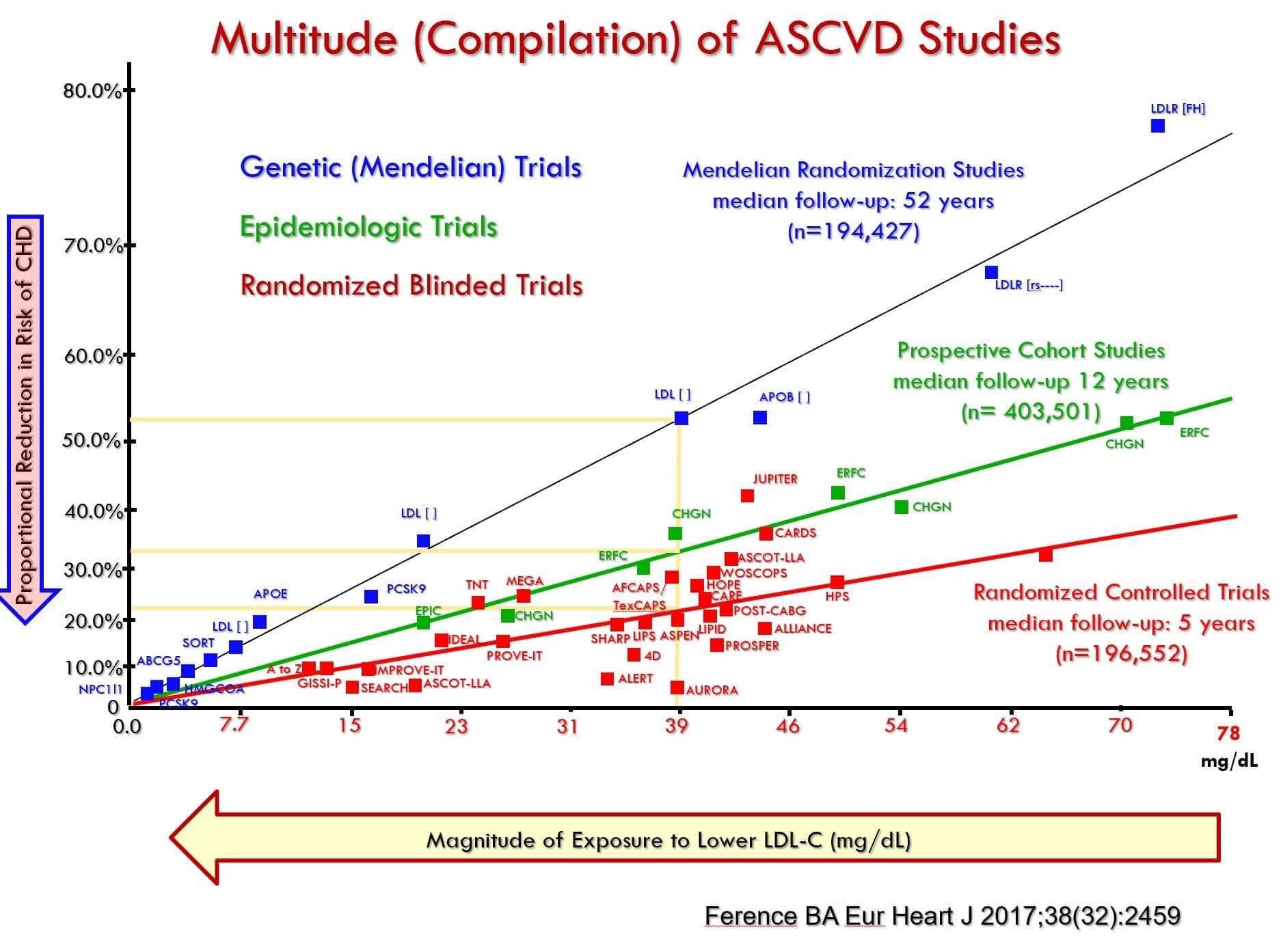
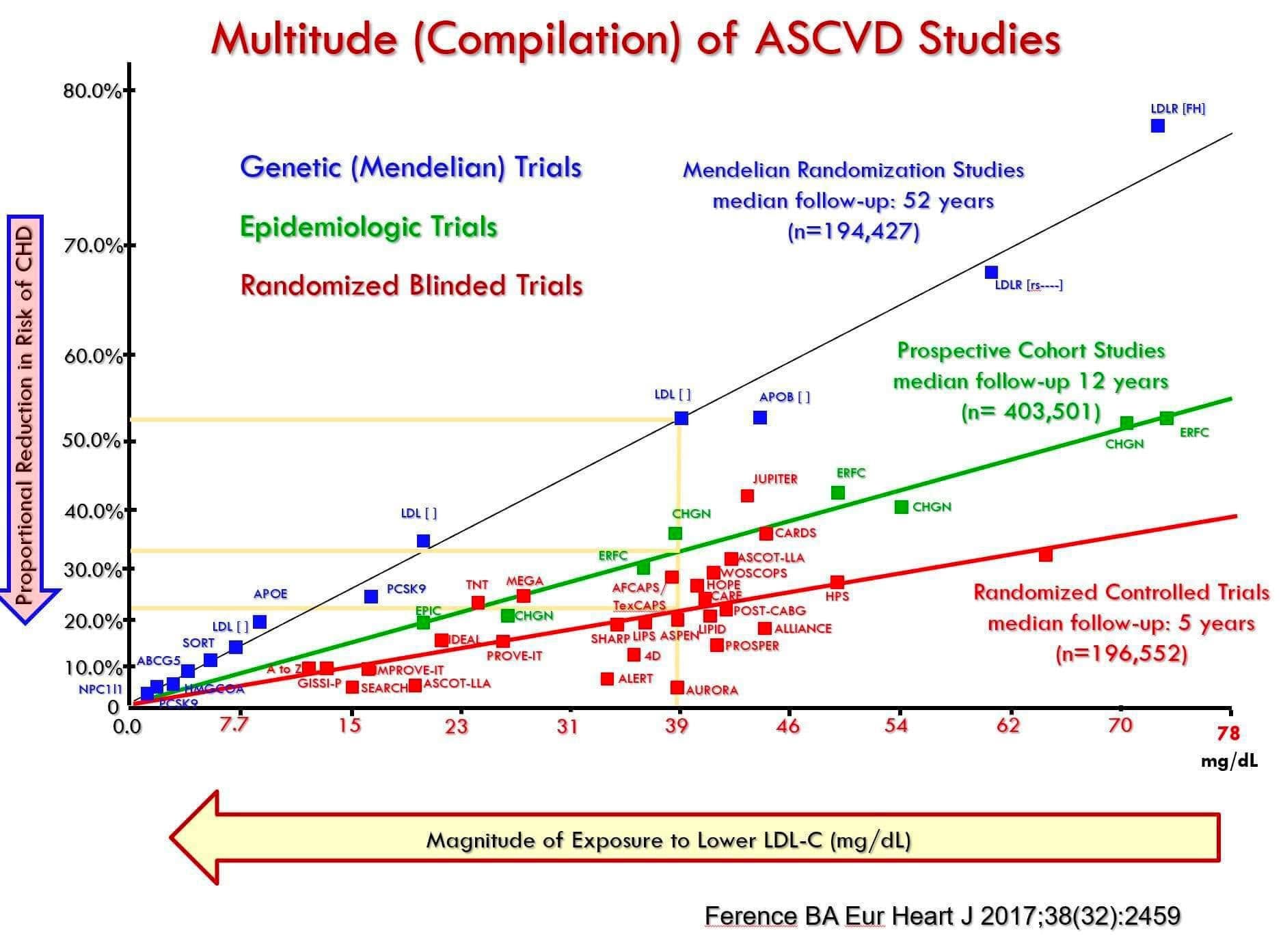
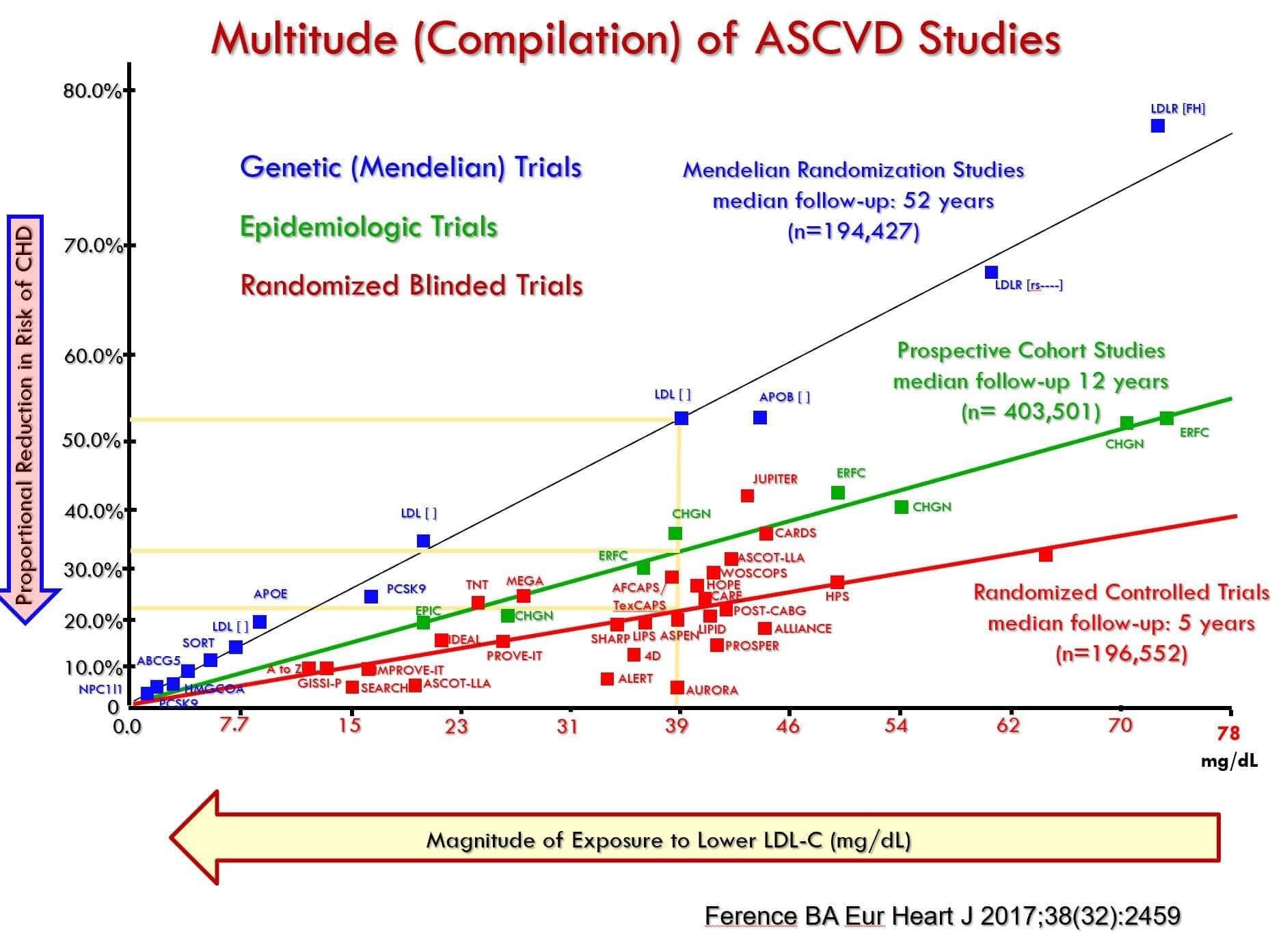
Louis explains a graph combining RCT, cohort and Mendelian randomization data: an LDL reduction of 39 mg/dL (reachable with a very low dose statin) lowers heart attack risk more the longer it is sustained. Translated to absolute risk, a roughly 20% lifetime risk could fall to about 10%, and the rest requires diet, lifestyle and other therapies.
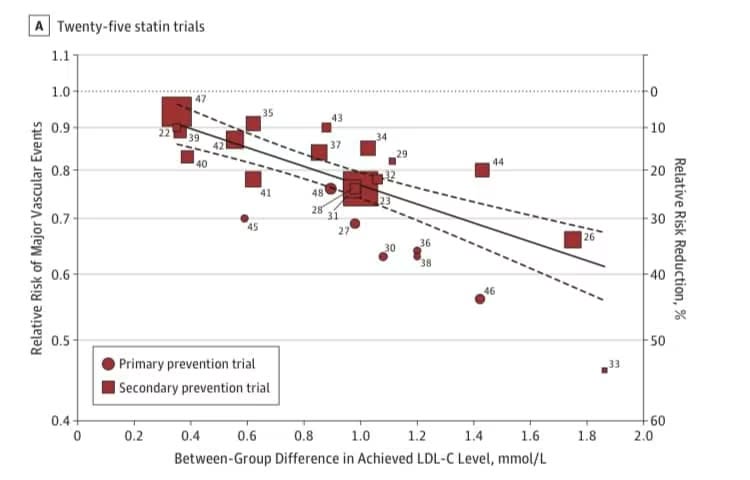
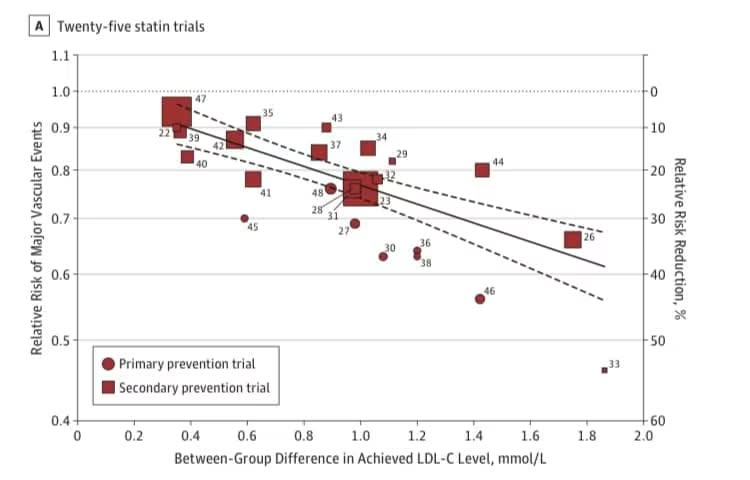
25 statin trials: about 40% fewer heart attacks and strokes per 75 mg/dL LDL drop

Mar 23, 2025 · Louis Nervegna ♥ 37 · 💬 35

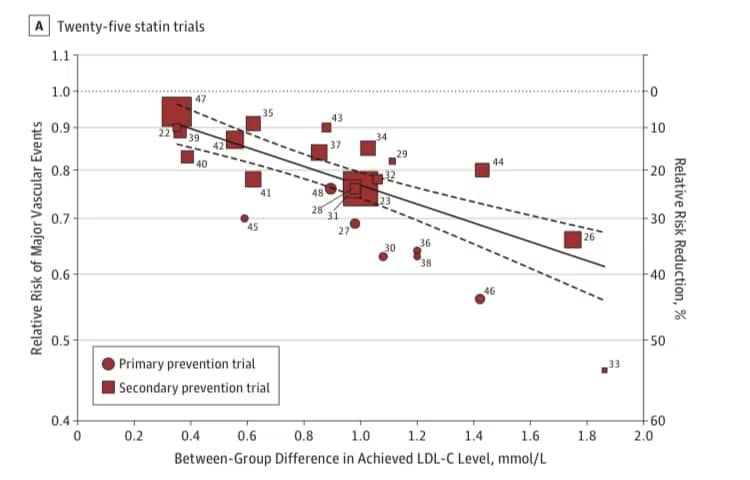
Louis shares a graph of all 25 statin RCTs up to 2016 (excluding those under 6 months or under 50 events), showing about 40% lower MACE per 75 mg/dL LDL reduction, with larger effects in the 7 primary prevention trials. In his own comments he argues calcified plaque is the stable endpoint of soft plaque, and that statins and exercise help by preventing new soft plaque, regressing it and stabilizing the remainder through calcification.

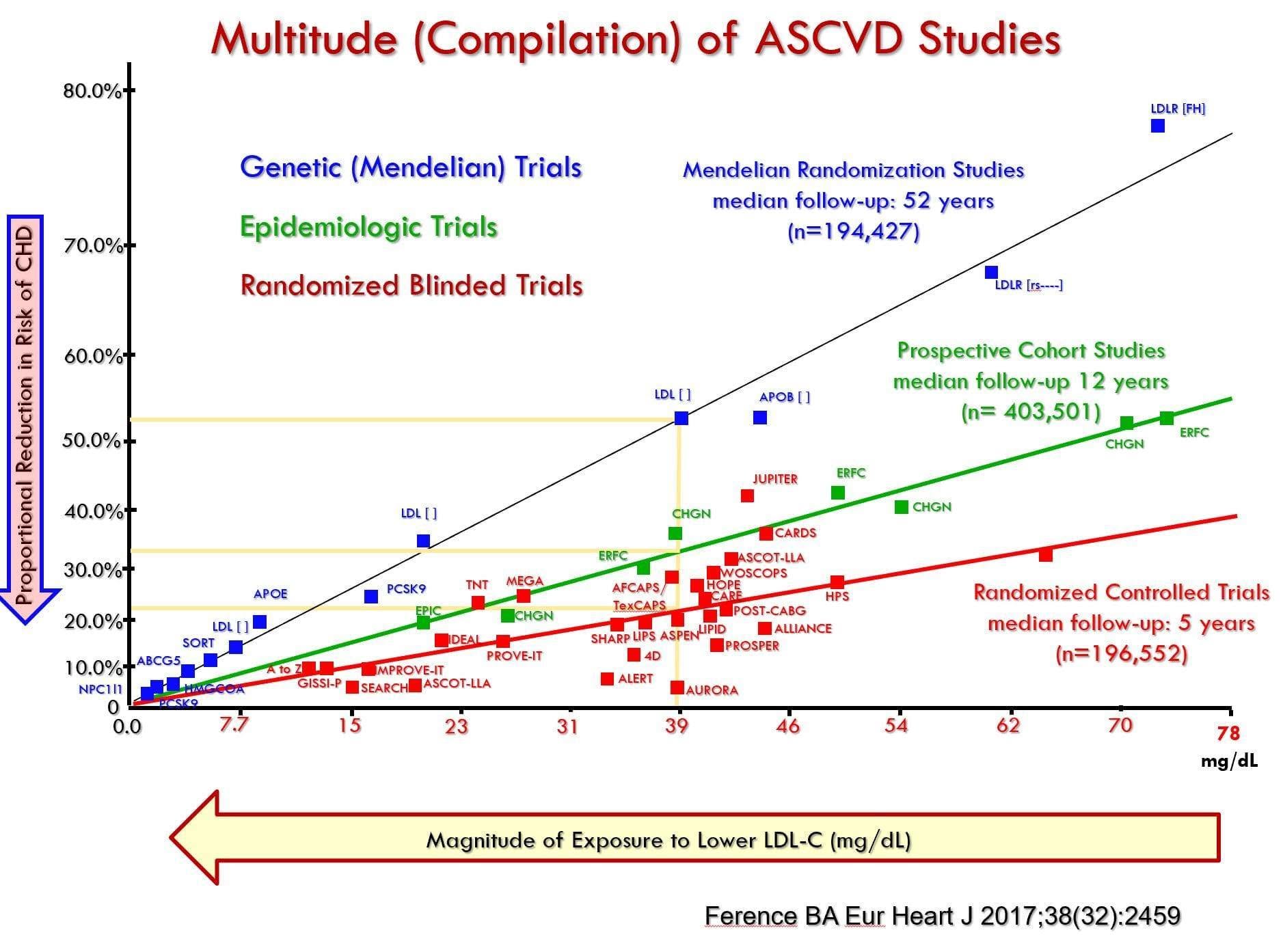
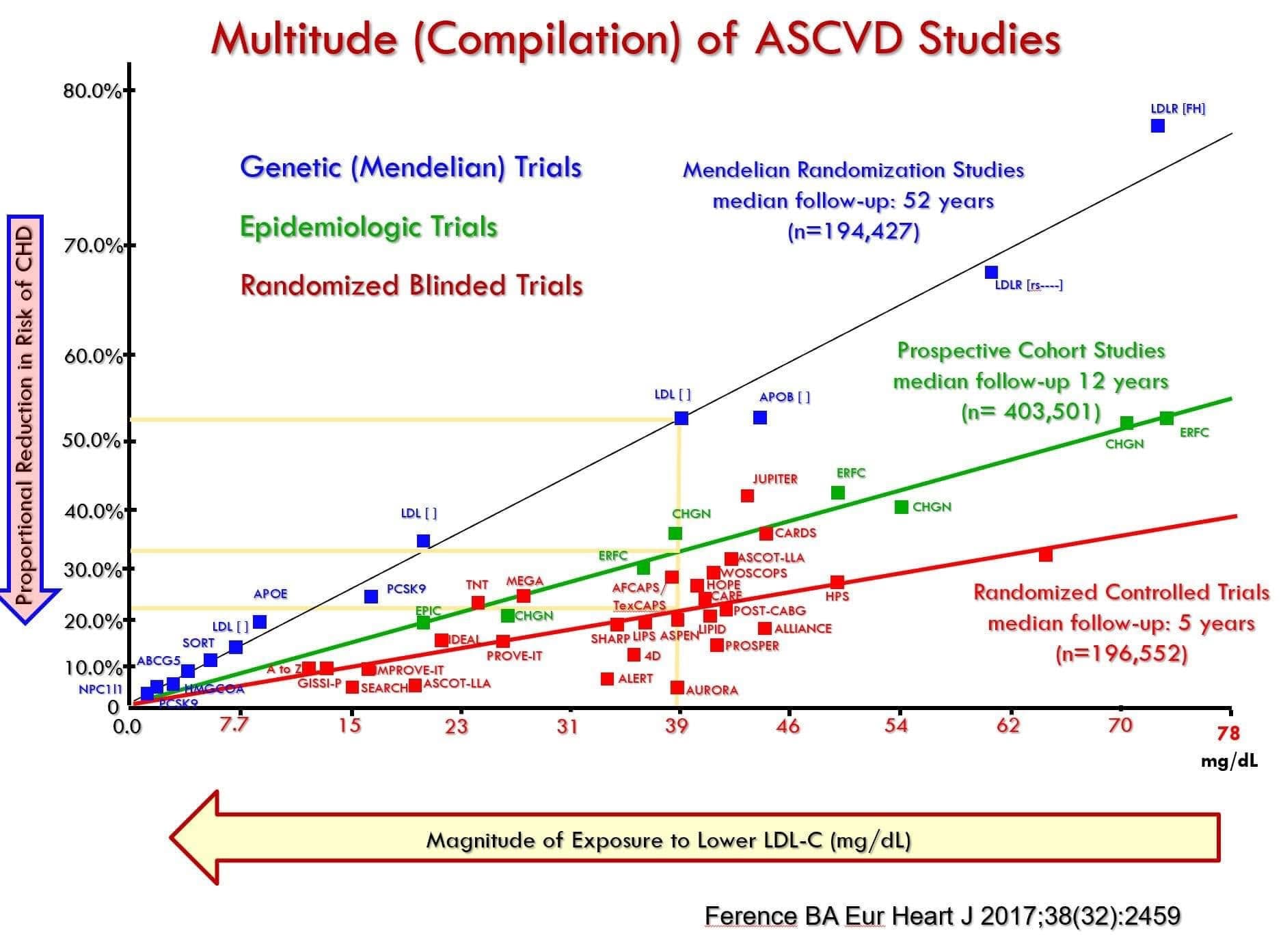
LDL down 39 mg/dL: 20%+ fewer heart attacks in RCTs, 30%+ in cohorts, 50%+ genetically

Dec 20, 2023 · Louis Nervegna ♥ 23 · 💬 43 ↩ 9 LDL, ApoB & lipid panel

Louis presents a graph combining RCTs (5 years), prospective cohorts (12 years) and Mendelian randomization (52 years) to show that the benefit of lowering LDL grows with duration of exposure. A 39 mg/dL reduction, achievable with a very low-dose statin, is associated with larger risk reductions over longer periods. He translates the 50% figure to a lifetime absolute risk falling from 20% to 10%, and describes his own 10 mg atorvastatin. The absolute estimate is his extrapolation.

Statins do not slow coronary calcium; severe-calcification odds hit 4.48 after 10+ years

Dec 02, 2025 · Gokhan Can ♥ 17 · 💬 41

Evidence review concluding statins reduce events and soft plaque but do not slow Agatston CAC progression, and that long-term cohorts show calcification accelerating without plateau, interpreted as plaque repair into stable scar. Trials: St. Francis (CAC unchanged, events down 33%), SALTIRE (progression 26% vs 18%) and BELLES (similar progression, ~11-14%).

Statin muscle side effects may stem from HMG-CoA reductase gene variants

May 03, 2024 · Louis Nervegna ♥ 27 · 💬 24 ↩ 3

Louis shares an Atlantic article on a proposed mechanism for statin-related muscle symptoms: people at higher risk likely carry variants in genes coding for HMG-CoA reductase, which statins then further inhibit. Extreme versions of the same gene defects cause a very rare limb girdle muscular dystrophy. Louis calls it a definitive answer; the article is journalism rather than a primary paper.

PCSK9 inhibitors regress soft plaque without the calcification surge seen with statins

Jul 02, 2026 · Louis Nervegna ♥ 28 · 💬 22 PCSK9, ezetimibe & newer drugs

Louis highlights Gokhan Can's article on imaging evidence that PCSK9 inhibitors shrink plaque without the calcific increase often seen with statins. He cautions that no randomized outcome trials test PCSK9 inhibitors as monotherapy, though adding one to a statin attenuates statin-induced calcification and lowers events more than statins alone.

Intensive statin reversed atherosclerosis on IVUS in a 2004 Cleveland Clinic-led trial

Dec 23, 2023 · Louis Nervegna ♥ 20 · 💬 40 ↩ 12 Plaque, CAC & CT angiography

Louis shares a Cleveland Clinic video to counter the claim that statins do not reverse plaque. The 2004 trial used intravascular ultrasound (IVUS), which he calls the gold standard for plaque imaging, and showed regression with high-dose statin driving LDL-C down to about 60 mg/dL. He stresses LDL must be very low to achieve regression.

Admin's experience adding ezetimibe, pitavastatin and Repatha after statin intolerance

Jan 08, 2026 · Gokhan Can ♥ 31 · 💬 24

Personal story: atorvastatin felt bad at any dose; rosuvastatin was uneventful and dropped LDL from ~155 to ~75 mg/dL; ezetimibe added in 2025; the past week he switched to pitavastatin 1 mg plus Repatha and feels good. He cites speculated benefits (anti-inflammatory, PPAR-gamma) without sources; anecdotal.

Japan-ACS: pitavastatin and atorvastatin both regressed coronary plaque by about 17-18%

Sep 13, 2025 · Louis Nervegna ♥ 19 · 💬 23 ↩ 21 Plaque, CAC & CT angiography

Summary of the Japan-ACS trial, in which over 300 acute coronary syndrome patients were randomized to pitavastatin or atorvastatin and imaged with IVUS. Both statins produced similar, substantial regression of non-culprit plaque volume as LDL fell into the 80s mg/dL, which is one reason statins remain standard care after ACS.

No trial shows PCSK9 inhibitor monotherapy cuts heart attacks; HORIZON undermines Lp(a)

Oct 31, 2026 · Louis Nervegna ♥ 16 · 💬 32 ↩ 1 PCSK9, ezetimibe & newer drugs

Louis argues guidelines recommend against PCSK9 inhibitor monotherapy as first-line primary prevention because no randomized trial shows it lowers heart attacks, strokes or CVD mortality. He adds that the HORIZON trial massively lowered Lp(a) but had no effect on MACE, so people on PCSK9i mainly to lower Lp(a) should revisit that choice, since statins or statins plus PCSK9i are proven even with high Lp(a).

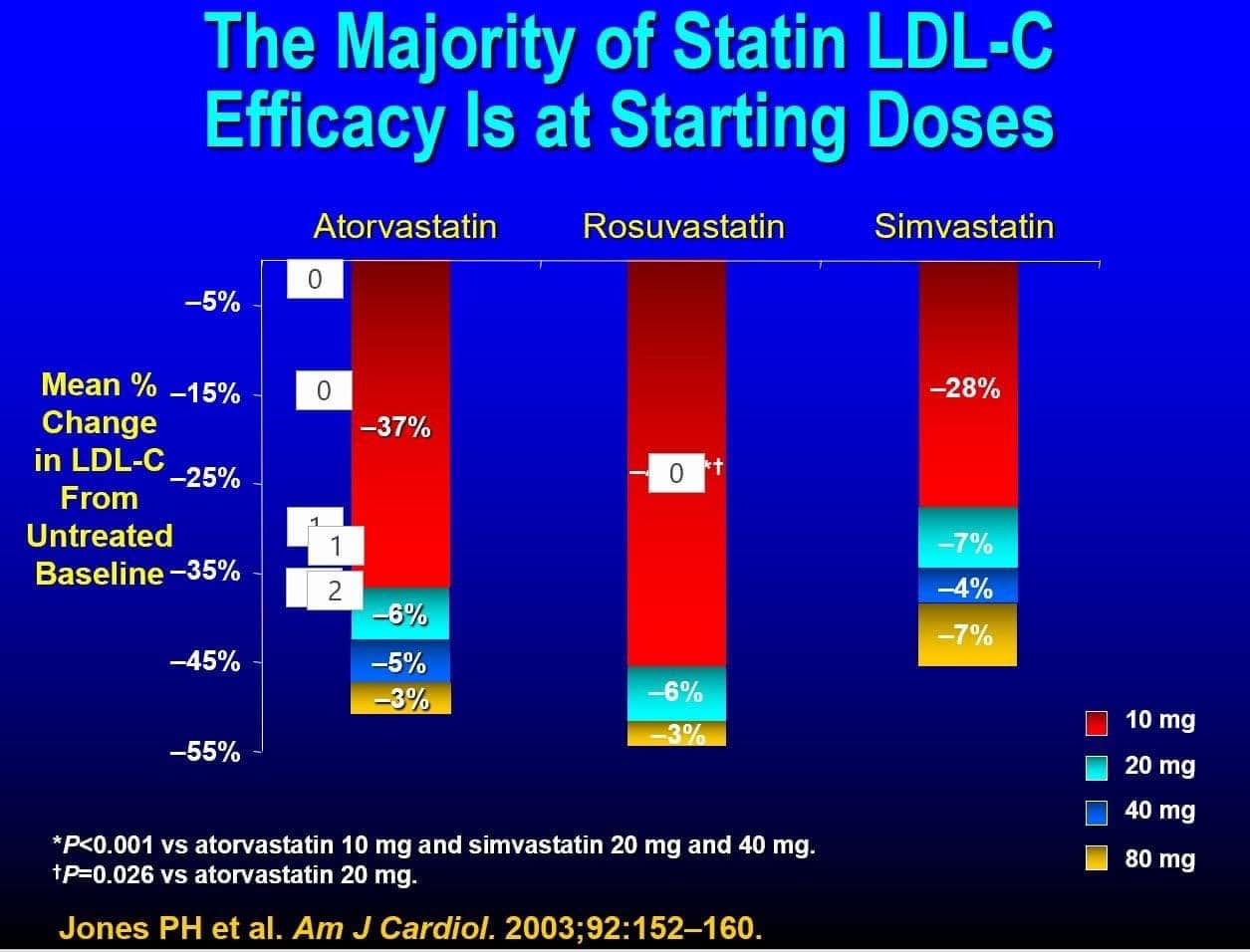
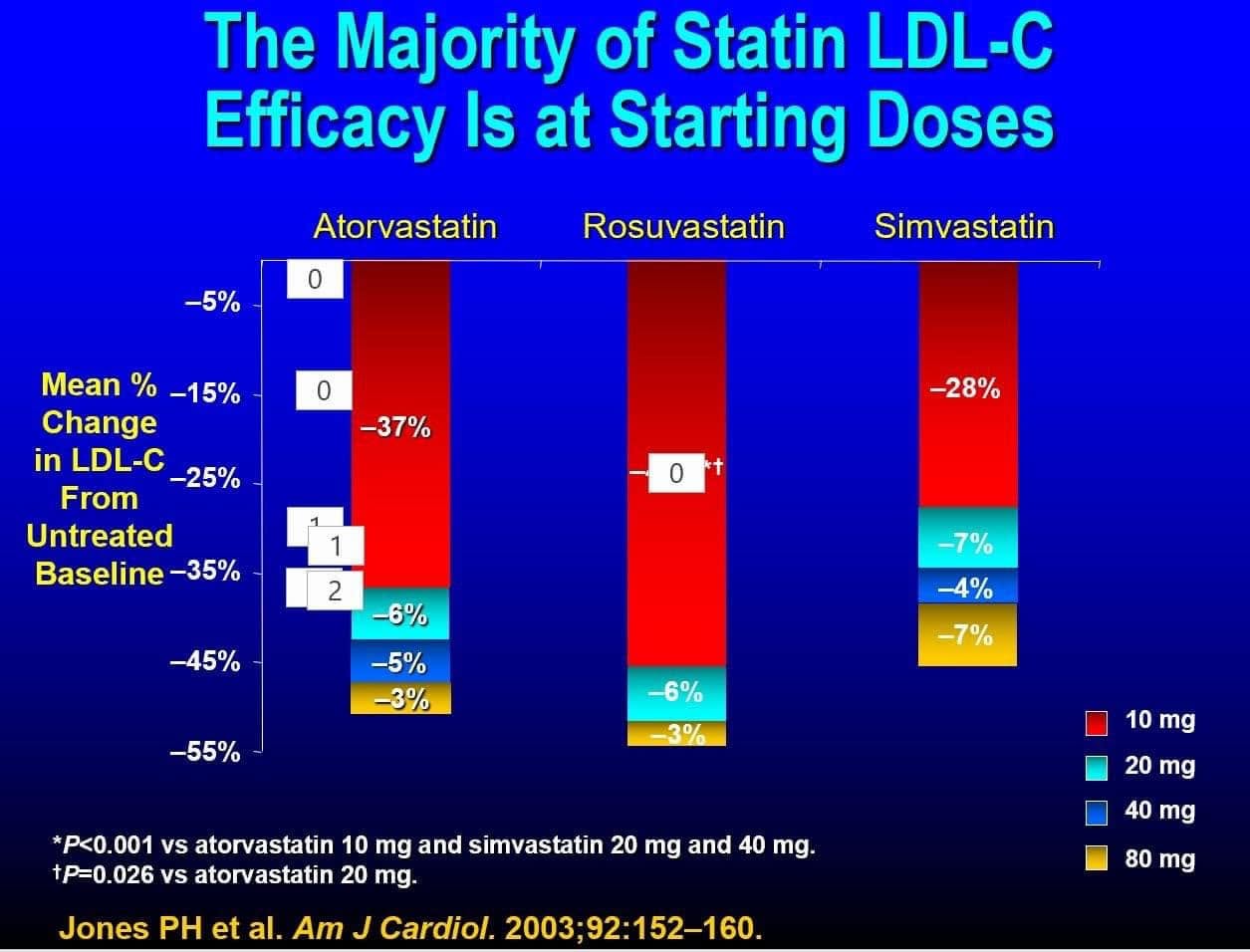
Most of a statin's LDL lowering comes from low doses; cut the dose rather than quit

Jan 24, 2025 · Louis Nervegna ♥ 27 · 💬 19

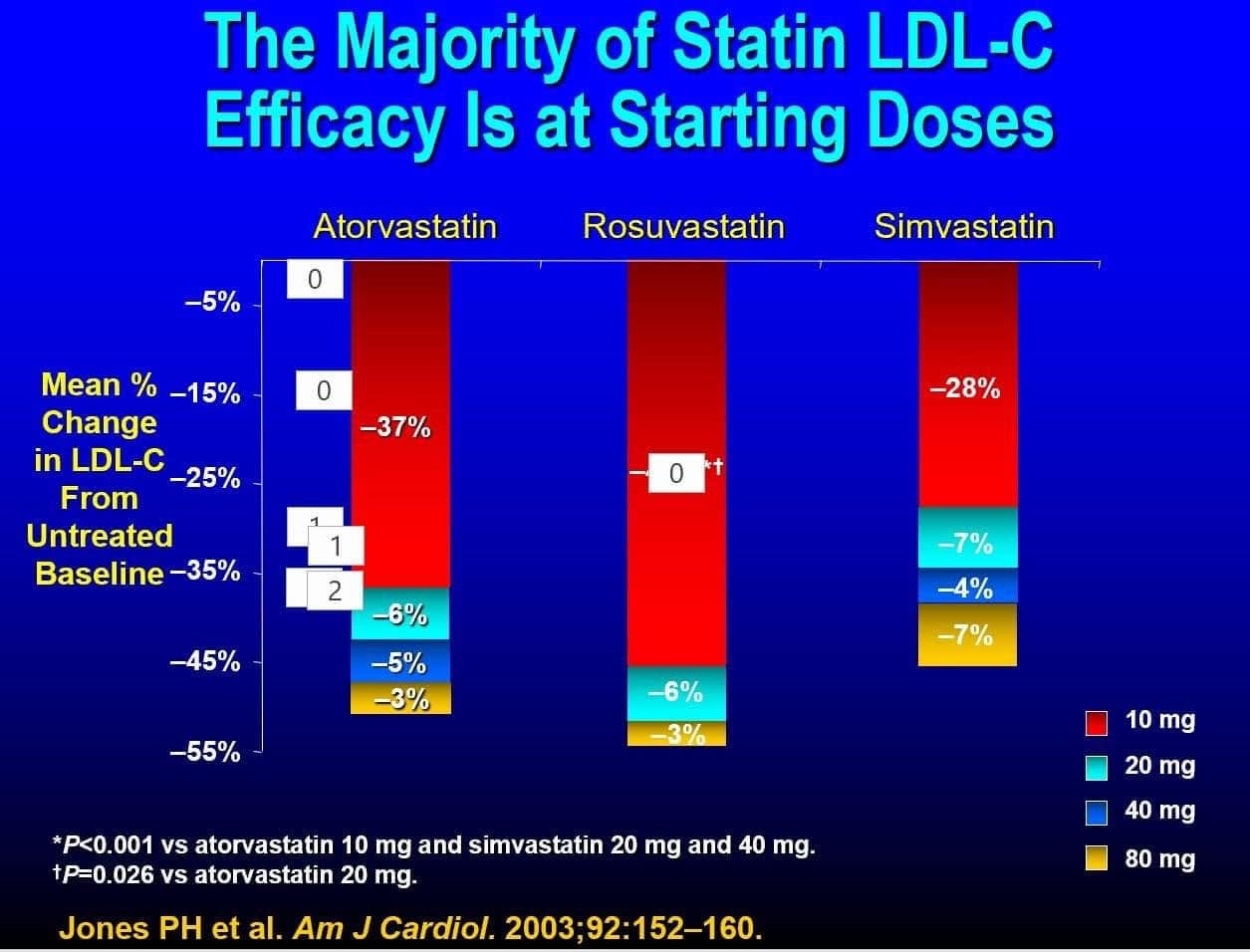
Citing a slide from Tom Dayspring, Louis shows that each statin dose doubling adds a diminishing LDL reduction. If side effects occur, lowering the dose keeps most of the benefit and is better than stopping. He recommends maximizing diet and lifestyle first, then using the lowest effective statin dose.

Statin absolute risk reduction is small over years but can exceed 10% over a lifetime

Nov 10, 2025 · Louis Nervegna ♥ 20 · 💬 25 ↩ 2

Louis explains that short statin trials show only 1-2% absolute risk reduction because baseline risk over a few years is only 2-5%, the same as diet and exercise trials. Over a lifetime, with a 20% baseline risk of heart attack, cohort and Mendelian randomization data suggest cumulative reductions of 10% or more.

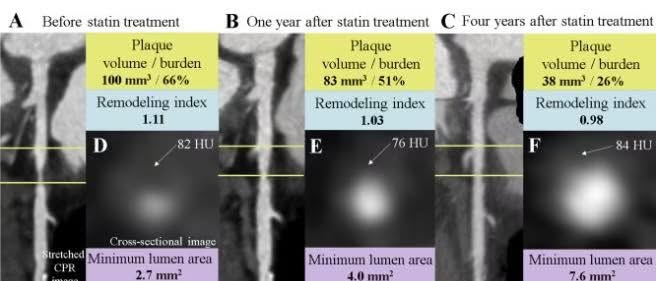
Case report: 10 mg atorvastatin cleared most of a severe LAD blockage over 4 years

Oct 06, 2025 · Louis Nervegna ♥ 29 · 💬 14

Responding to influencers who say plaque cannot be reversed with statins, Louis cites a case report in which a patient taking low-dose atorvastatin went from a severe to a mild LAD narrowing, documented on CT angiography. It is a single case, but illustrates that statin-associated plaque regression can occur.

All 25 statin RCTs through 2016 show benefit: about 40% less MACE per 75 mg/dL LDL drop

May 11, 2025 · Louis Nervegna ♥ 25 · 💬 12

Louis shares a graph of every statin RCT up to 2016 that showed a significant effect on cardiovascular outcomes, excluding trials under 6 months or with under 50 events. On average, a ~75 mg/dL (1.9 mmol/L) LDL reduction cut heart attack and stroke risk about 40% vs placebo, with primary-prevention trials showing even larger reductions than secondary-prevention trials.

Admin asks cardiologist about rosuvastatin raising insulin, and pitavastatin plus PCSK9i

Dec 30, 2025 · Gokhan Can ♥ 13 · 💬 39

Personal message to his cardiologist: on rosuvastatin 5 mg plus ezetimibe 10 mg his LDL was 90 then 63 mg/dL, not very different from low-dose rosuvastatin alone. He is concerned that fasting insulin rose roughly 50% on any rosuvastatin dose and wants to explore pitavastatin and a PCSK9 inhibitor. Anecdotal, n-of-1.

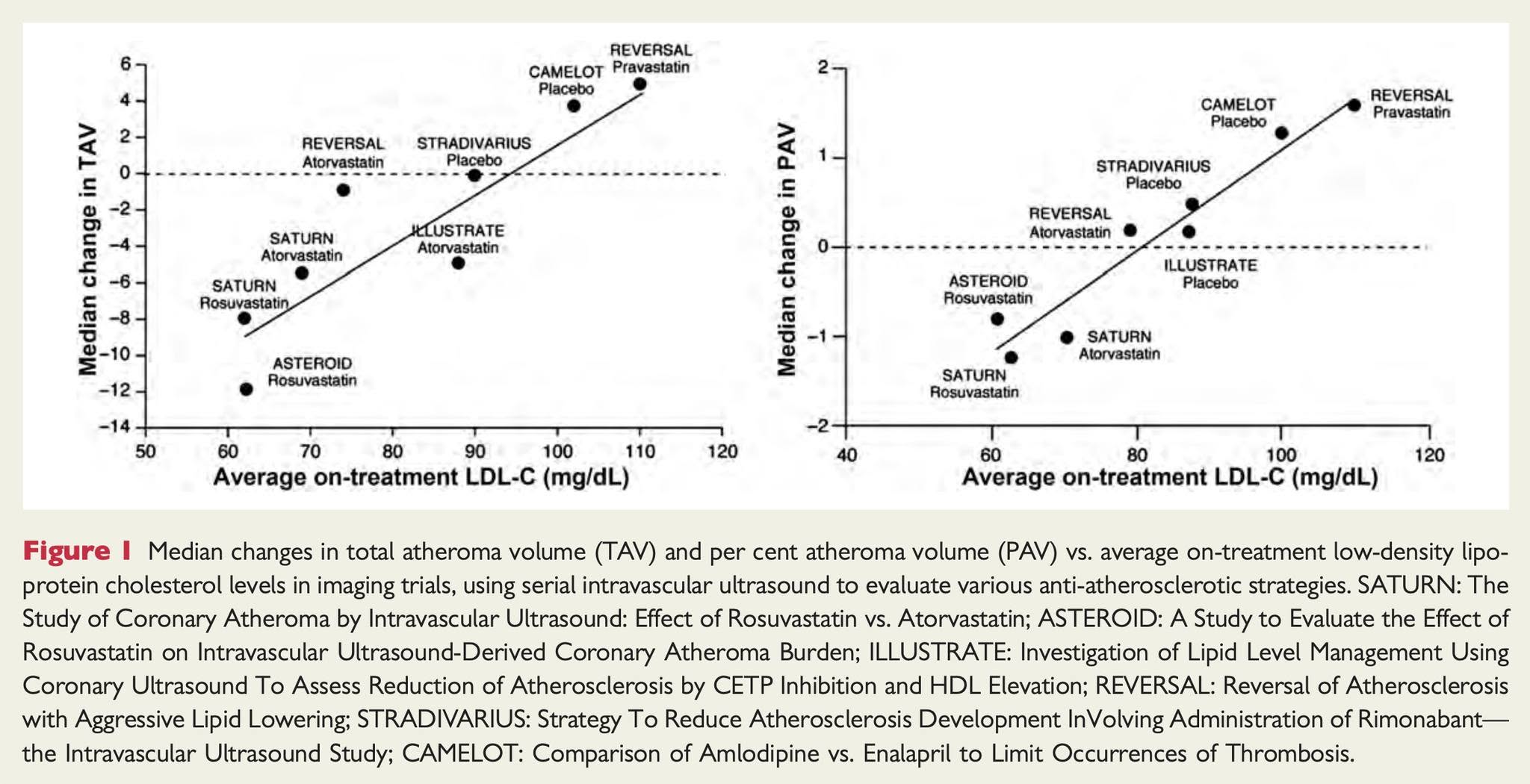
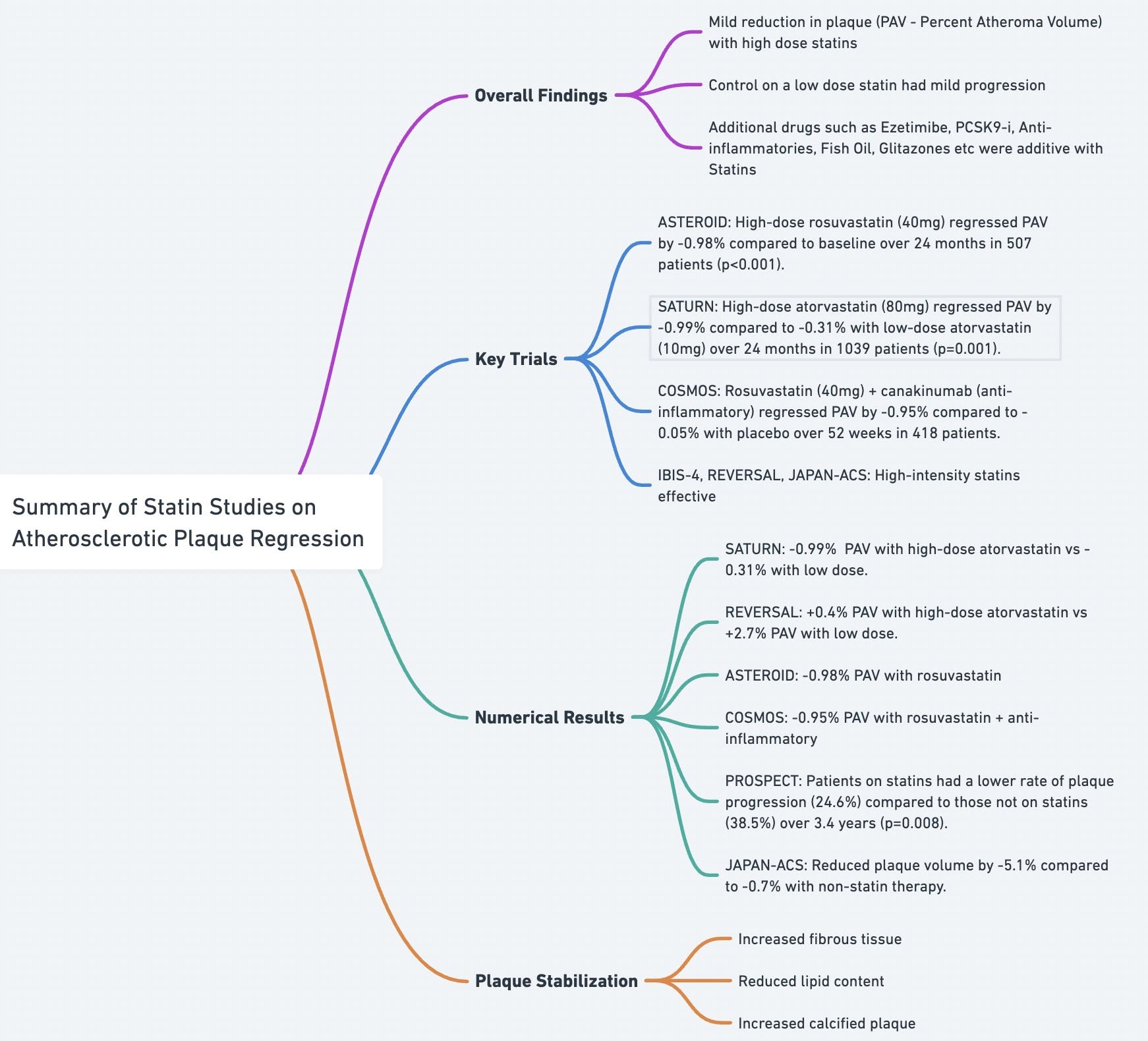
Statin plaque regression RCTs: SATURN, REVERSAL, ASTEROID, COSMOS, JAPAN-ACS

Jan 18, 2025 · Louis Nervegna ♥ 10 · 💬 29 ↩ 9 Plaque, CAC & CT angiography

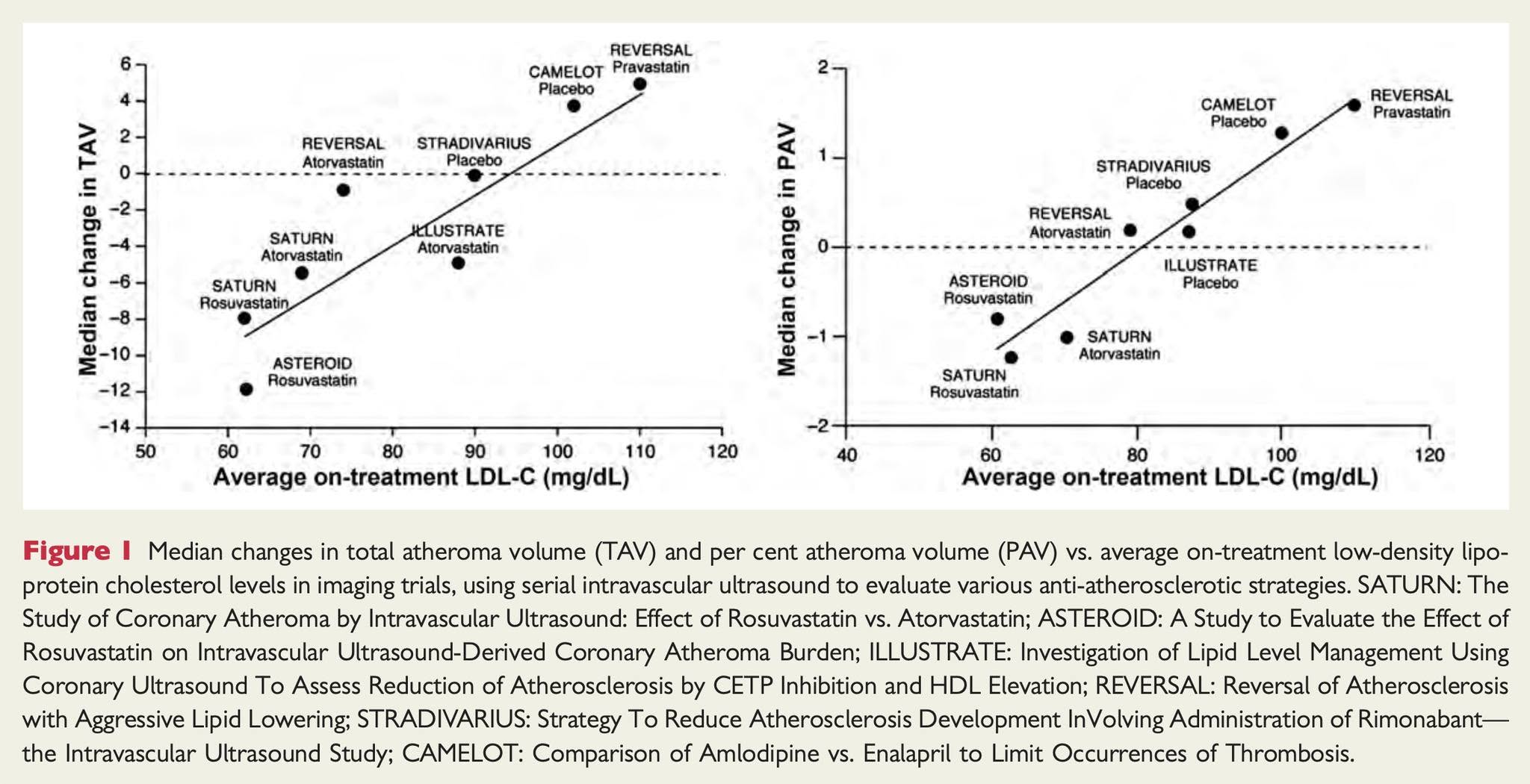
Louis lists human trials in which statins reversed or halted atheroma growth measured as percent atheroma volume (PAV). High-dose atorvastatin and rosuvastatin regressed PAV in SATURN and ASTEROID, while REVERSAL showed halted progression versus pravastatin. COSMOS added canakinumab to rosuvastatin, and PROSPECT and JAPAN-ACS showed lower progression on statins.

The longer the lower the better: lifelong LDL lowering and an estimated 60% risk reduction

Nov 20, 2023 · Gokhan Can ♥ 17 · 💬 21 ↩ 2 LDL, ApoB & lipid panel

Argues that the benefit of LDL lowering depends on both how much and how long LDL is reduced. The author, one of the group's admins, is betting on very low-dose statins to hold LDL at 70-100 mg/dL, and estimates about 60% lifetime risk reduction from a 70-point lowering sustained for 30 years. The post also cites Charles Grashow as a case of CAC regression.

A 1.1-4.7% absolute risk reduction from statins is large against a 20% lifetime risk

Apr 28, 2024 · Louis Nervegna ♥ 14 · 💬 20 ↩ 2

Louis explains relative versus absolute risk in statin trials. Statins cut absolute heart attack or stroke risk by 1.1% to 4.7% in roughly 5-year RCTs, which is large against a lifetime risk of about 20%, and sustained over decades could lower lifetime risk toward 10%. He shares a graph combining RCTs (over 20% risk reduction after 5 years), prospective cohorts (over 30% at 12 years) and Mendelian randomization (over 50% at 52 years) for a 39 mg/dL LDL reduction.

Statins raise Lp(a) 5-20% yet still cut heart attack and stroke, including with high Lp(a)

Jan 21, 2025 · Louis Nervegna ♥ 16 · 💬 22 Lp(a)

Louis cites meta-analyses showing statins can raise Lp(a) by 5-20%, and a video of Stanford's Joshua Knowles explaining this is clinically unimportant and that statins are an important part of treating genetically high Lp(a). Across 25 statin trials, lowering LDL by about 75 mg/dL cut MACE roughly 40%, with larger relative reductions in primary prevention.

DISCO-CT: DASH diet plus statins reversed soft plaque by about 40 mm3 in a year

Aug 18, 2025 · Louis Nervegna ♥ 22 · 💬 12 ↩ 25 Plaque, CAC & CT angiography

Louis describes the DISCO-CT randomized trial, where a DASH-style diet with statins produced the largest soft plaque regression (NCPV) on CT angiography of any diet trial, -39.5 mm3 adjusted to one year. He puts this against about 5 mm3/year typical progression, with the caveat that this is relative to a typical American, not the patients' own history.

Red yeast rice vs statins: lovastatin removed, other monacolins remain, no outcome RCTs

Feb 11, 2024 · Louis Nervegna ♥ 22 · 💬 15 Supplements & vitamins

Louis explains that the FDA forced US red yeast rice products to remove lovastatin (monacolin K), the first statin, approved in 1986 as Mevacor, yet they still lower cholesterol through related monacolins. Some people intolerant of statins tolerate it, but it is unregulated with variable potency and lacks large long-running RCTs proving fewer heart attacks and strokes, so it is a gamble for high-risk people.

Six RCTs show statins reverse total plaque volume by 5% to 17%

Aug 25, 2026 · Louis Nervegna ♥ 27 · 💬 9 ↩ 1 Plaque, CAC & CT angiography

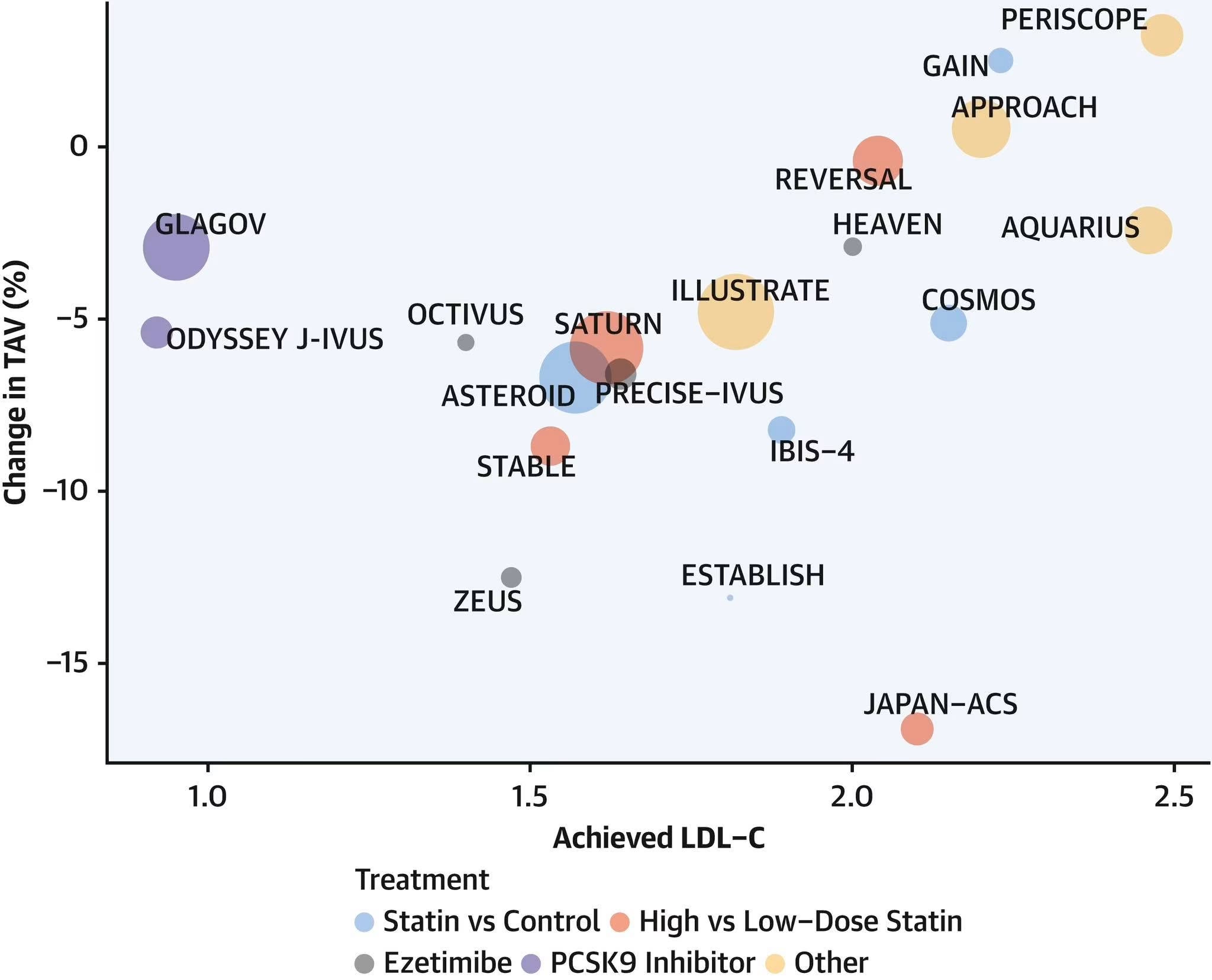
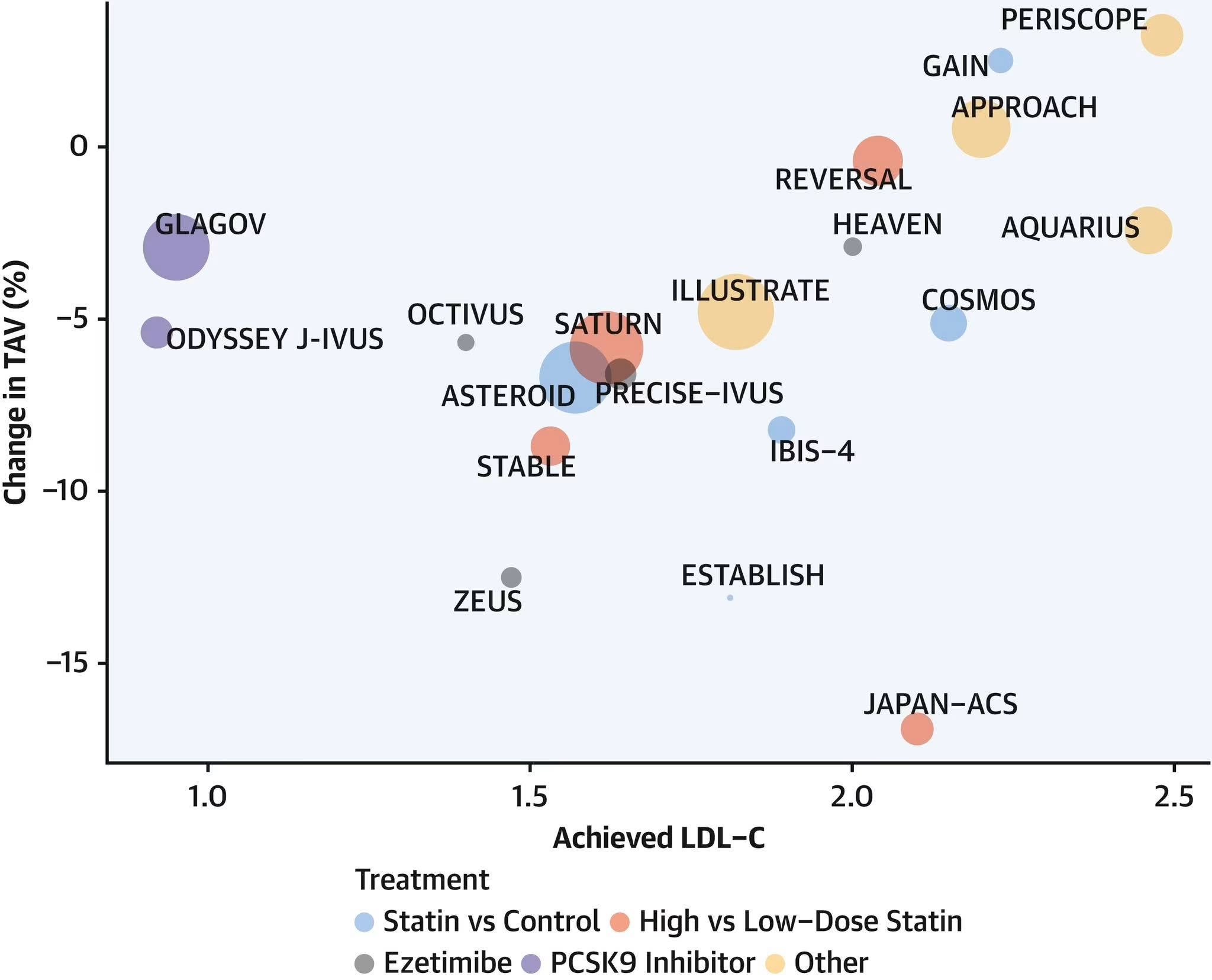
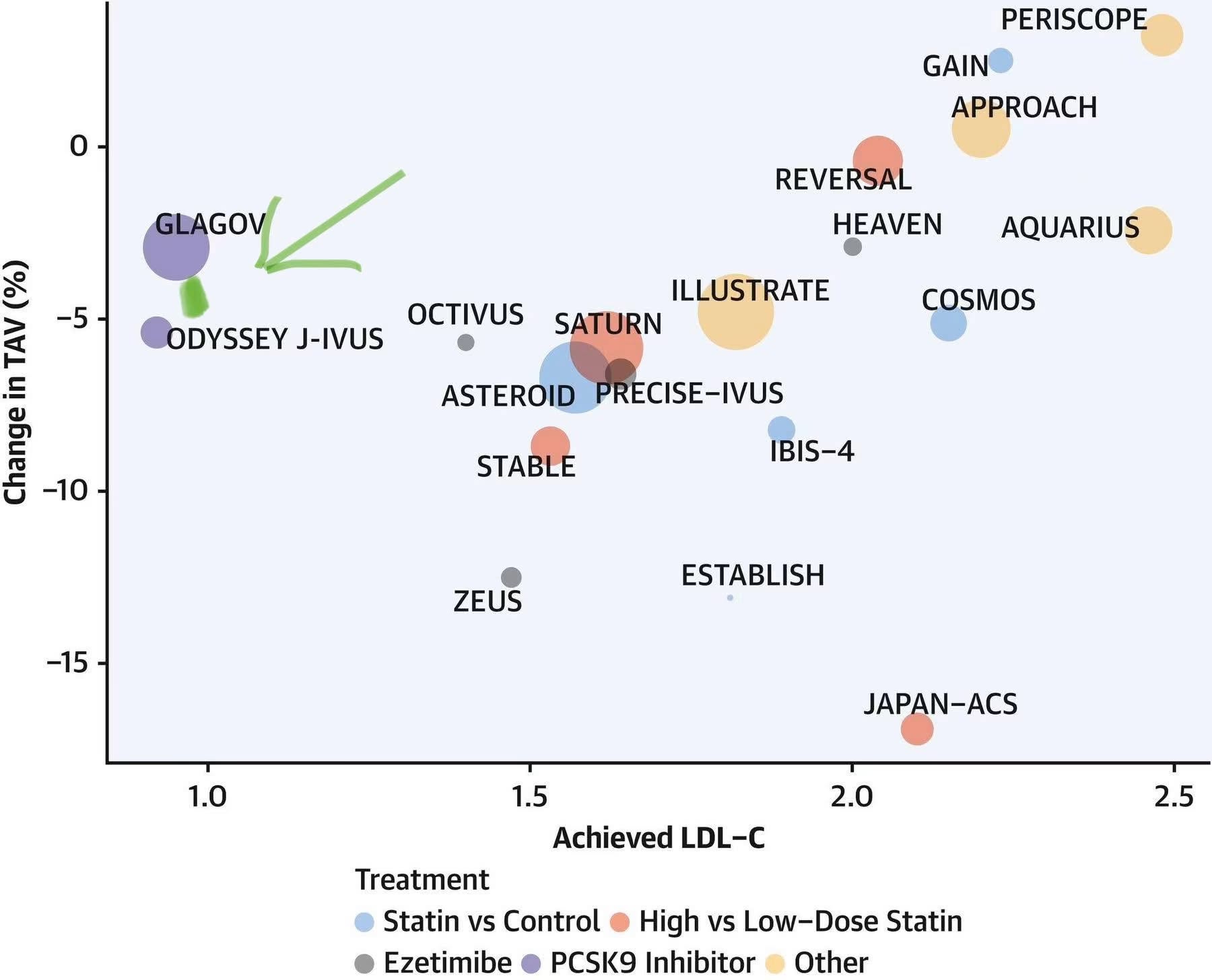
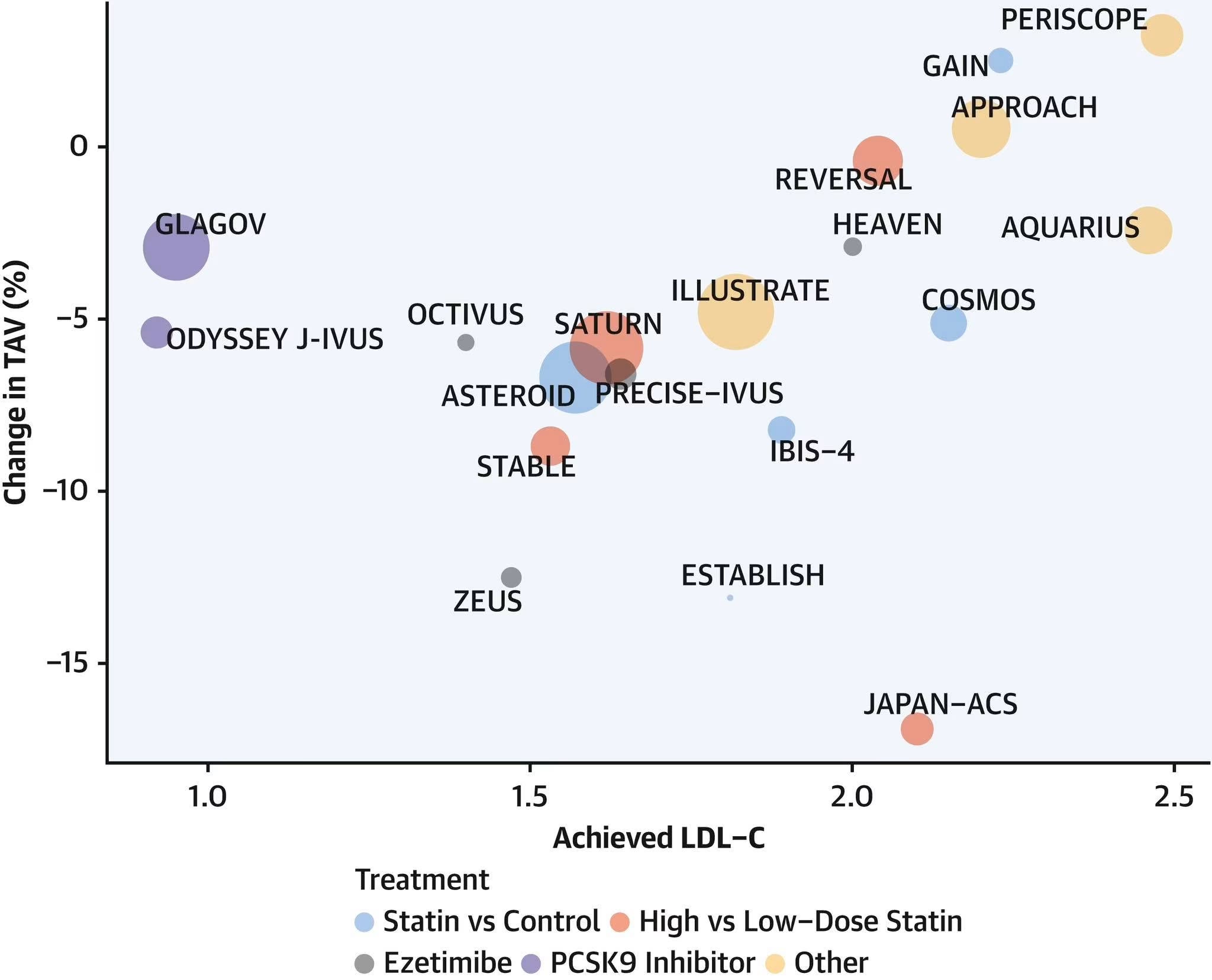
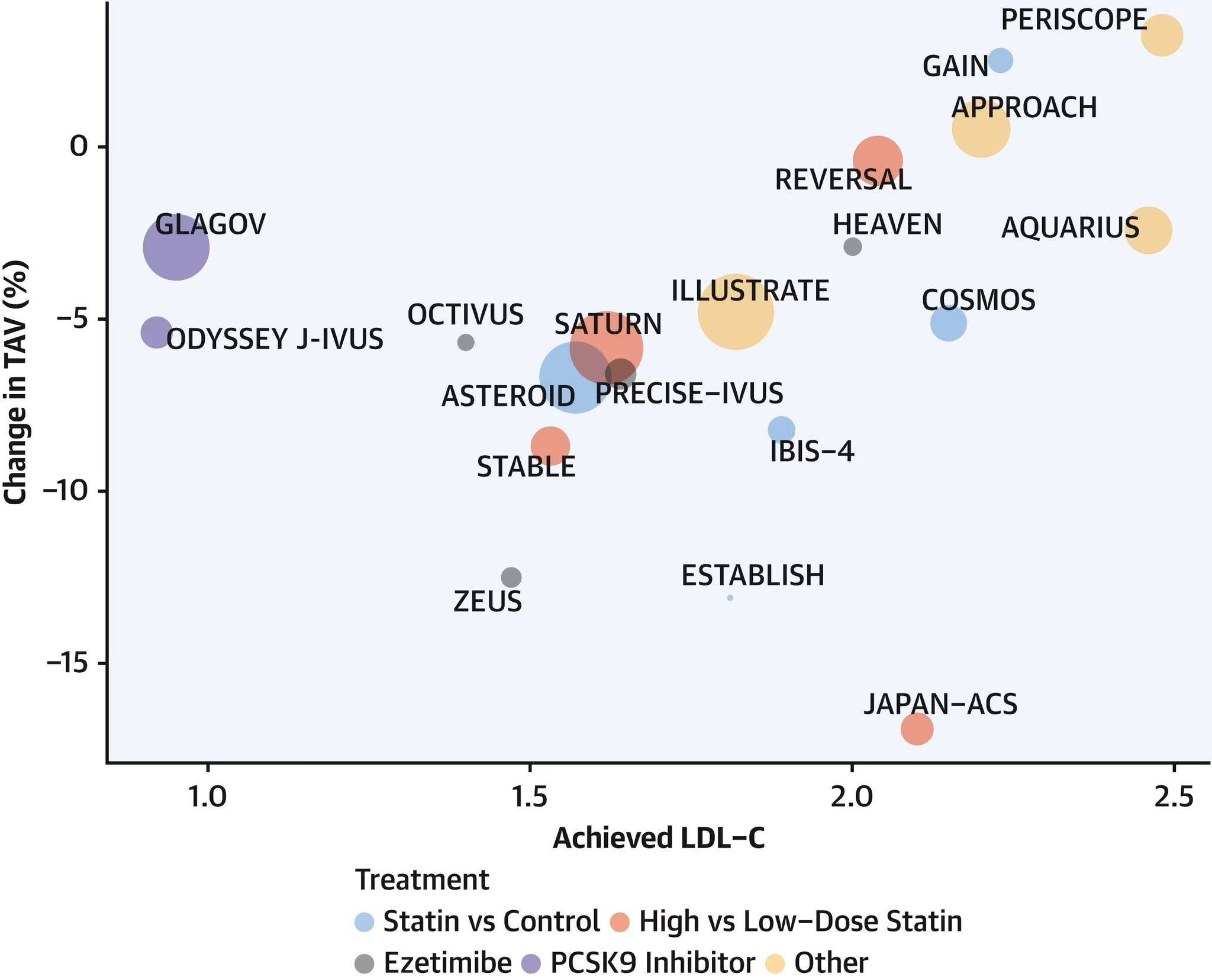
Louis lists six randomized trials showing reversal of total atheroma volume with statins: COSMOS ~5%, SATURN ~5.5%, ASTEROID ~6.5%, IBIS-4 ~7.5%, STABLE ~8%, JAPAN-ACS ~17%. Reversals were measured by CT angiography or IVUS and came from soft rather than calcified plaque. A shared chart relates LDL to TAV change across statin, PCSK9 and ezetimibe trials.

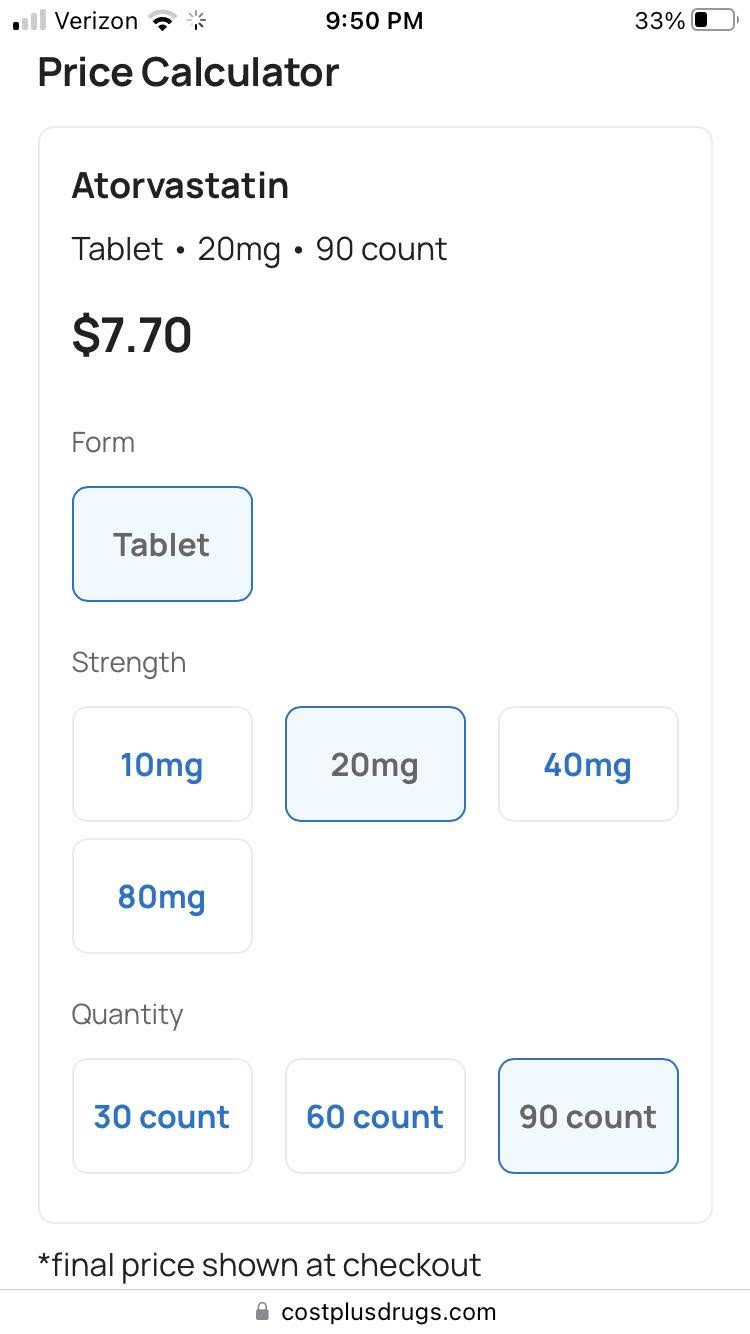
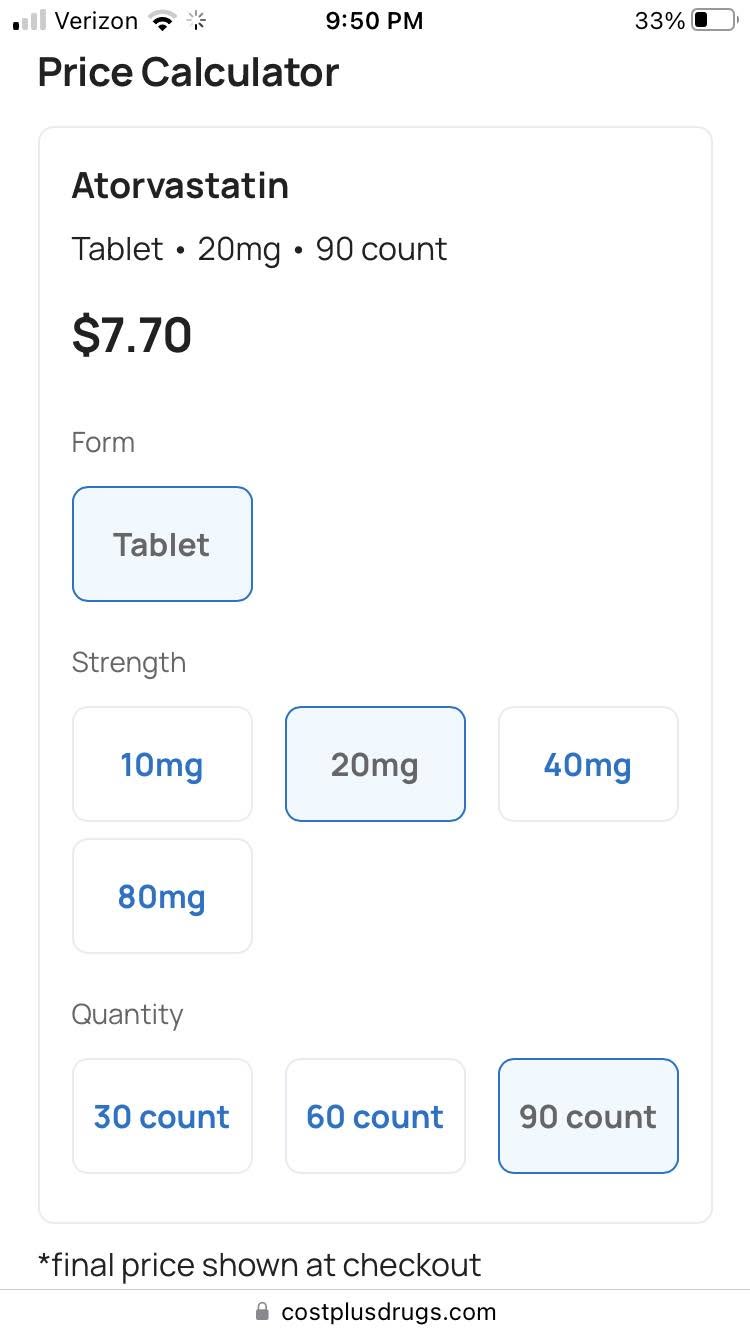
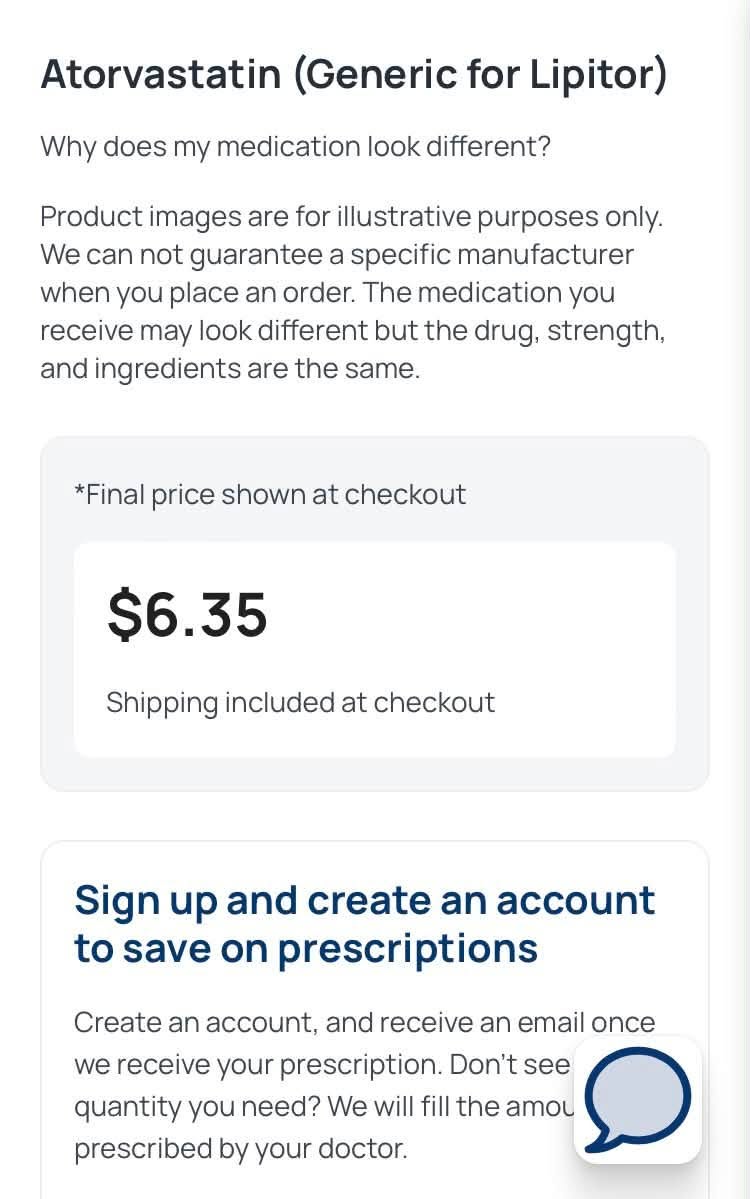
Generic atorvastatin costs ~$7.70 for 3 months, so statins are not a pharma profit engine

May 14, 2025 · Louis Nervegna ♥ 19 · 💬 22

Louis counters the claim that pharma profits from pushing statins: most are off-patent generics, and he pays $7.70 for a 3-month supply of 20 mg atorvastatin without insurance. Atorvastatin is on the WHO essential medicines list, with near-zero margins. He recommends Cost Plus Drugs as a low-cost source.

YELLOW trials: intensive rosuvastatin cut lipid-core plaque within 7-8 weeks

Aug 15, 2026 · Louis Nervegna ♥ 16 · 💬 19 Plaque, CAC & CT angiography

The YELLOW study found that short-term intensive lipid lowering with rosuvastatin reduced lipid-core burden (yellow plaque) in coronary lesions in as little as 7-8 weeks, stabilizing vulnerable plaque rather than shrinking blockages. YELLOW III added the PCSK9 inhibitor evolocumab to statins with greater improvement in plaque composition. Generic rosuvastatin costs under $10/month.

Six strategies shown to regress plaque in human randomized trials

Feb 27, 2025 · Louis Nervegna ♥ 27 · 💬 10 ↩ 3 Plaque, CAC & CT angiography

Louis lists strategies with RCT evidence for plaque regression: major weight loss, a Mediterranean or DASH diet, LDL-lowering drugs, colchicine, exercise and high-dose EPA. He notes six RCTs show diet can regress plaque and that Ornish's results resembled PREDIMED and CORDIOPREV, while Esselstyn's data are not from RCTs.

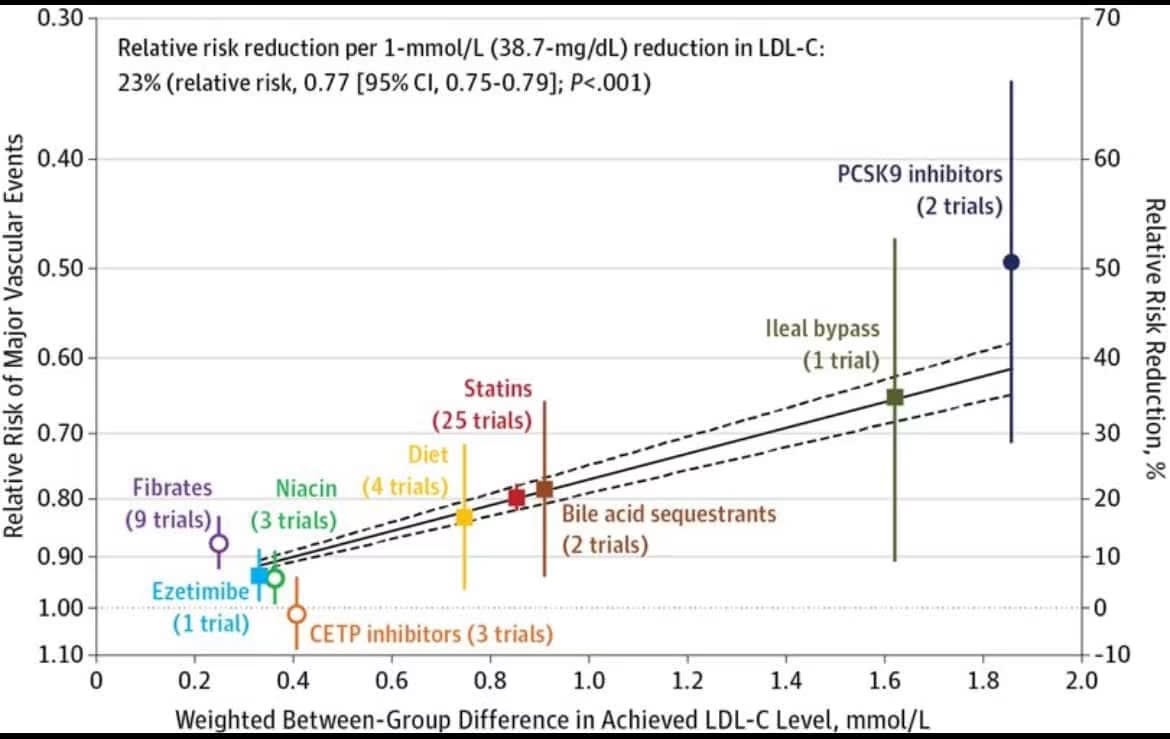
18 large RCTs plus cohort and Mendelian data show a straight-line LDL to heart attack link

Sep 06, 2024 · Louis Nervegna ♥ 15 · 💬 17 ↩ 1 LDL, ApoB & lipid panel

Louis presents a chart of 18 large, long-running RCTs in which lowering LDL reduced heart attack and stroke risk. Prospective cohorts (about 12 years) and Mendelian randomization studies (about 52 years) show the same linear relationship, with steeper slope the longer the exposure. The axes show change in LDL and percentage change in risk, not absolute values.

Only lipophilic statins like atorvastatin enter the brain; PCSK9 drugs and ezetimibe don't

Oct 18, 2025 · Louis Nervegna ♥ 25 · 💬 10 Brain health & dementia

Louis explains the blood-brain barrier and cholesterol: the brain makes its own cholesterol separately from blood, so non-statin LDL drugs and hydrophilic statins like rosuvastatin have little brain effect. Lipophilic statins do enter the brain, with promising observational data against Alzheimer's, and a 20,000-person atorvastatin trial is under way. Two prior trials showed statins do not worsen existing Alzheimer's, and midlife high LDL is a leading modifiable dementia risk (2024 Lancet Commission, about 7% of US cases per Louis).

What to try for statin muscle pain: lower dose, other statins, non-statins; beware nocebo

Feb 17, 2025 · Louis Nervegna ♥ 14 · 💬 18

Louis explains that statin muscle pain is often genetic, linked to HMG-CoA reductase gene variants, so CoQ10 usually fails though it is harmless. Practical steps include lowering the dose, switching statins (pitavastatin or pravastatin often tolerated) or using non-statin drugs, while recognizing that much reported muscle pain may be nocebo.

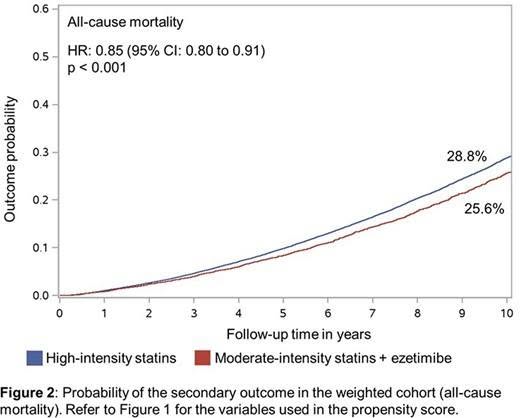
Ezetimibe beyond statins: fewer events, no mortality gain in trials, registry benefits

Nov 07, 2024 · Gokhan Can ♥ 11 · 💬 22 PCSK9, ezetimibe & newer drugs

Evidence digest on ezetimibe. A meta-analysis of 15 RCTs (123,785 patients) found add-on lipid lowering cut cardiovascular events 19% versus statins alone but did not improve all-cause mortality. Other data show moderate statin plus ezetimibe matches high-intensity statins, and registry studies hint at lower mortality, with strong LDL-target attainment.

PROVE IT-TIMI 22: atorvastatin 80 mg early after a heart attack cut 30-day events 28%

Jul 31, 2024 · Louis Nervegna ♥ 21 · 💬 11

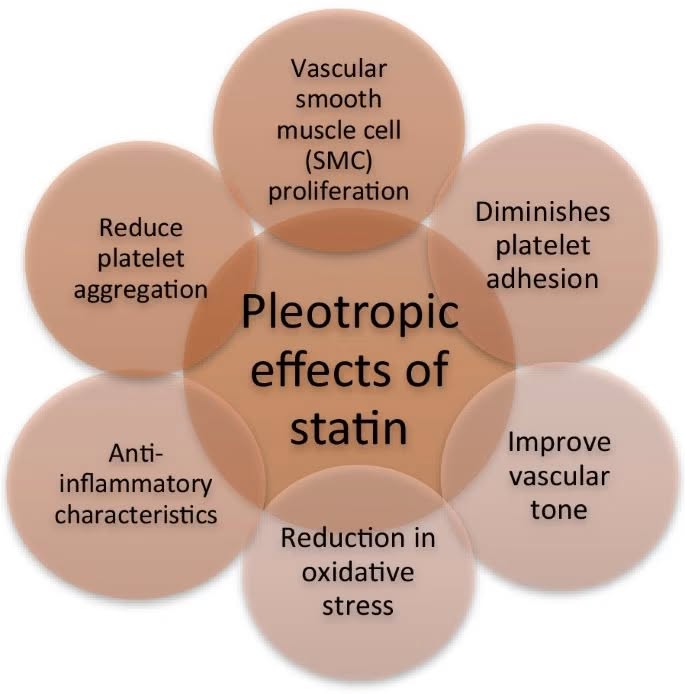
The post explains why high-intensity atorvastatin is started right after a heart attack: in PROVE IT-TIMI 22, 30-day death/MI/rehospitalization was lower with atorvastatin 80 mg than pravastatin 40 mg. The rapid effect is attributed to pleiotropic effects (anti-inflammatory, plaque and endothelial stabilization), though LDL lowering itself may contribute.

Statins block an IL-33 inflammation pathway that may drive inflammation-linked cancers

Dec 05, 2024 · Louis Nervegna ♥ 20 · 💬 14

A shared post summarizes a Nature Communications study reporting that statins (such as pitavastatin) block the TLR3/4-TBK1-IRF3 pathway that induces IL-33, preventing chronic pancreatitis and pancreatic cancer development. Chronic inflammation accounts for about 20% of cancer cases worldwide.

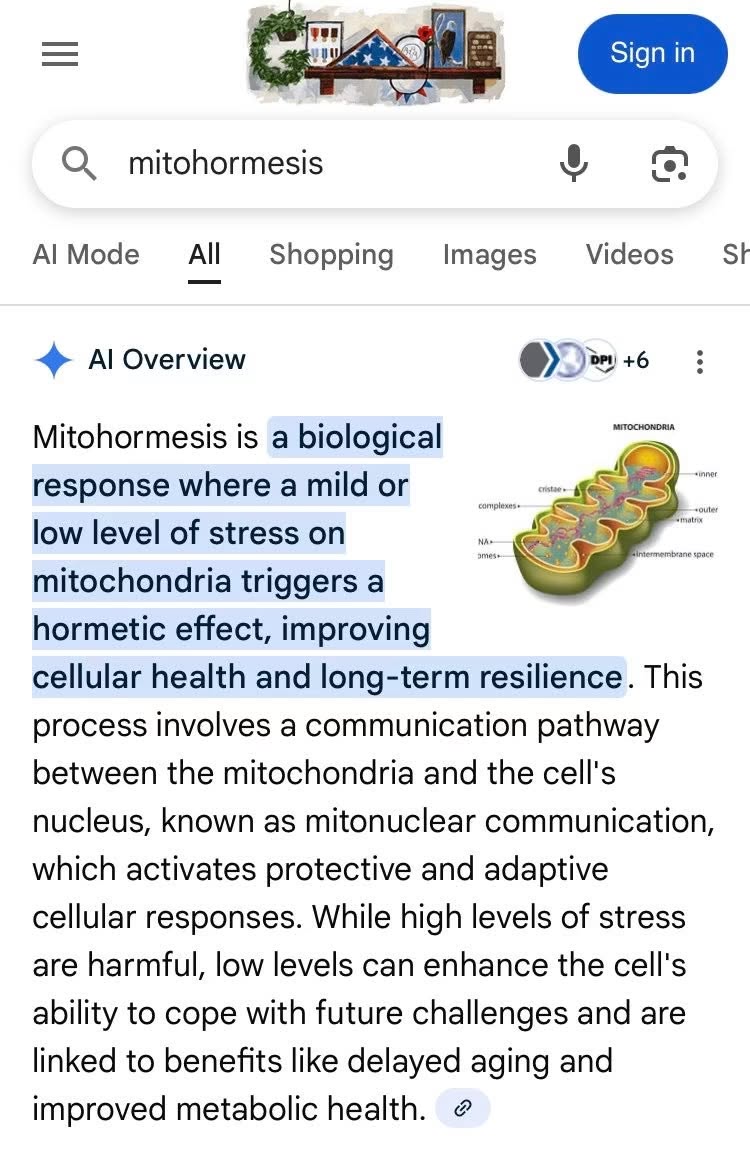
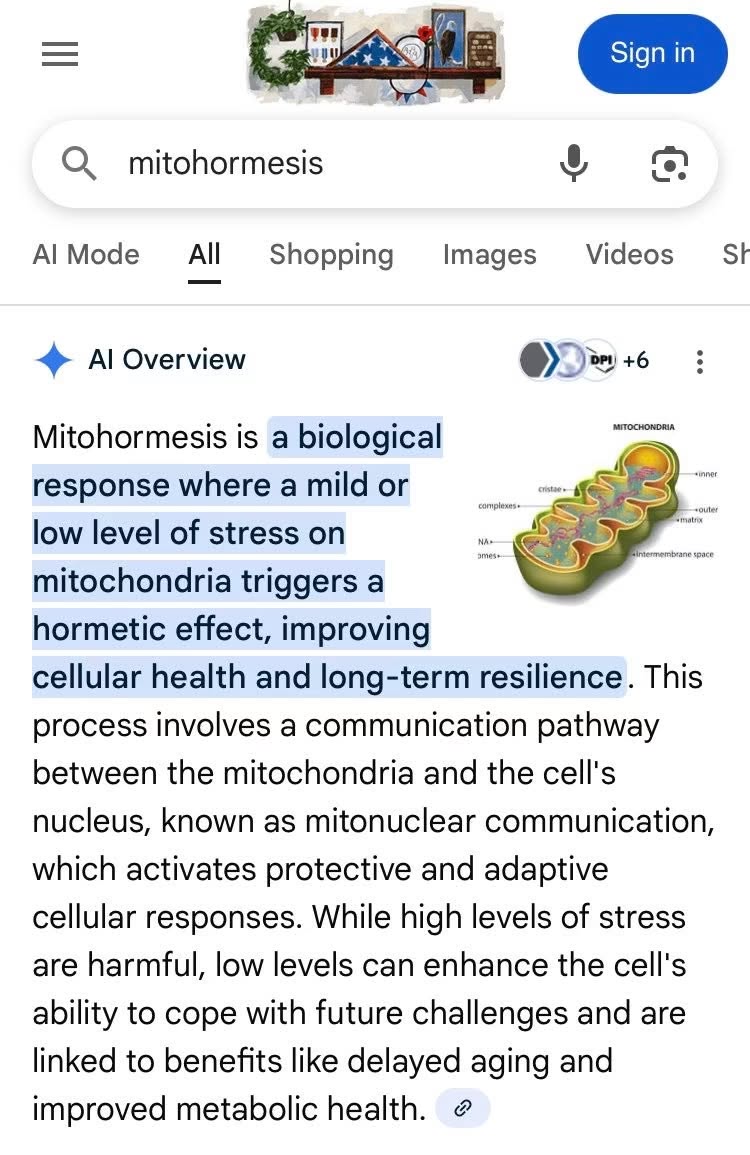
Mild mitochondrial stress from statins is hormetic, not harmful

Nov 17, 2025 · Louis Nervegna ♥ 25 · 💬 11

Louis argues that mild mitochondrial toxicity from statins, metformin, exercise and calorie restriction is mitohormesis, which is beneficial at low doses. He says influencer claims that statins damage mitochondria misrepresent this.

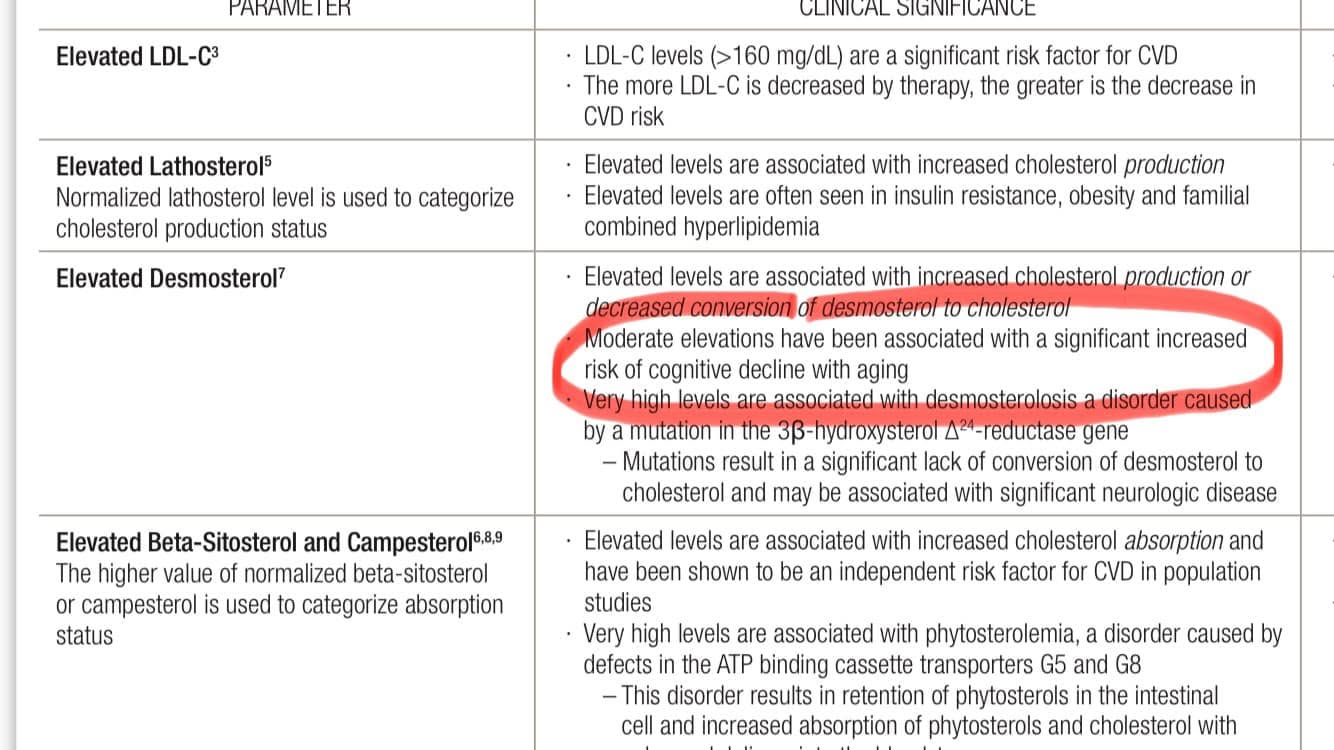
Boston Heart's desmosterol test is likely a waste of money, argues Louis

Jan 15, 2024 · Louis Nervegna ♥ 13 · 💬 15 Risk assessment & lab tests

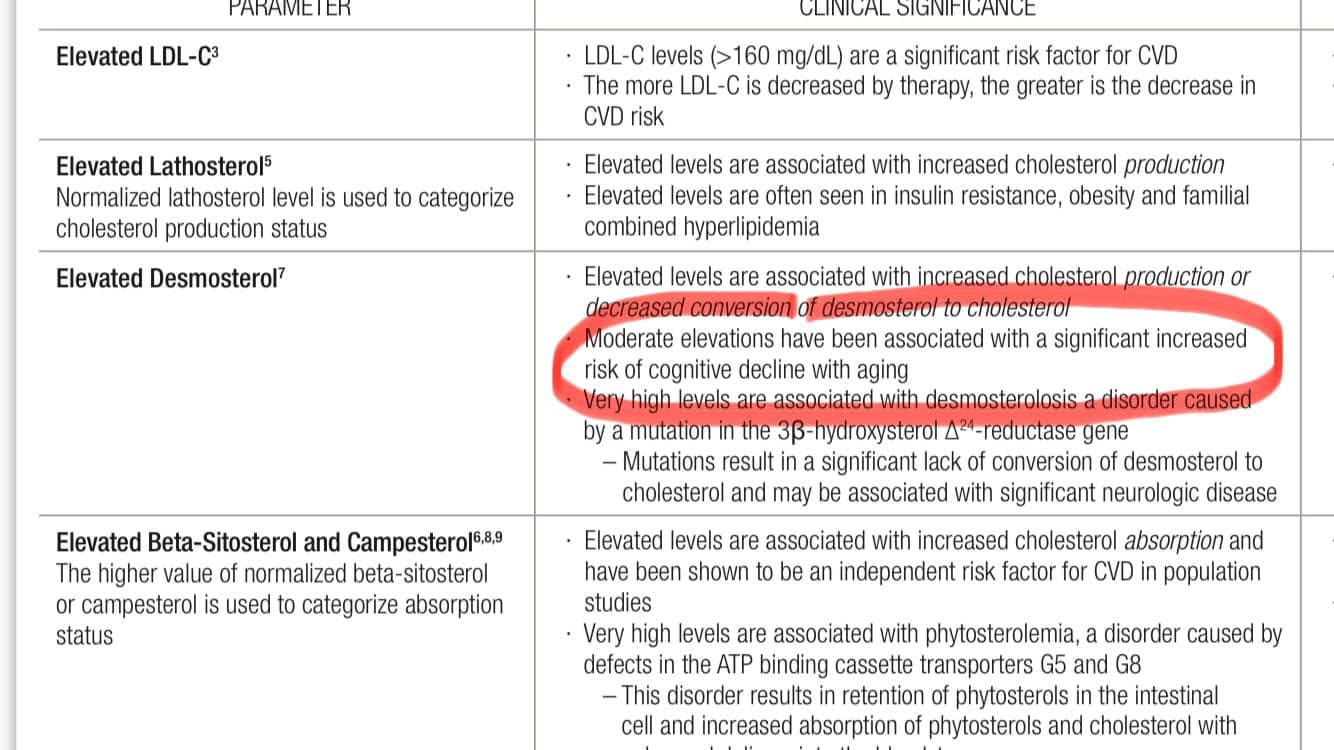
Louis critiques the desmosterol blood test, a marker of cholesterol production marketed for predicting statin response and Alzheimer's risk. He argues statin response can simply be checked by trying a statin, and that in healthy people high (not low) desmosterol is associated with higher dementia risk, so claims that statins raise Alzheimer's risk via lowering desmosterol are backwards. Even the test maker's material says lower desmosterol is optimal.

High-dose atorvastatin after heart attack cut events ~30% in 30 days (PROVE IT-TIMI 22)

Jan 25, 2025 · Louis Nervegna ♥ 12 · 💬 16

Louis explains why patients are immediately given atorvastatin 80 mg after a heart attack: PROVE IT-TIMI 22 showed an almost 30% reduction in death, repeat heart attack or rehospitalization within 30 days versus a lower-potency statin. The speed suggests pleiotropic effects (anti-inflammatory, plaque and endothelial stabilizing) rather than LDL lowering. Lipophilic statins at maximum dose work best in this setting.

Louis pays about $1.30 per month for a statin

Jan 04, 2025 · Louis Nervegna ♥ 16 · 💬 25

Louis comments on a Brad Stanfield video about preventing a heart attack for $5.45 per month, noting his own statin costs about $1.30 per month, essentially free.

Mendelian randomization in 1 million people: statin-like genetics cut dementia risk 76-82%

Nov 06, 2025 · Gokhan Can ♥ 11 · 💬 17 Brain health & dementia

Summarises Dr Stanfield's video on a Mendelian randomization study of over a million people. Short RCTs show no cognitive harm or benefit and observational studies suggest protection; genetic variants mimicking lifelong statin and ezetimibe action were linked to 76-82% relative dementia risk reduction, implying long-term benefit missed by short trials. The video also notes treating hearing loss, vision loss and midlife depression.

Statin RCT meta-analyses show no increase or decrease in cancer risk

Dec 31, 2024 · Louis Nervegna ♥ 11 · 💬 13

Louis compiles meta-analyses of randomized trials showing statins neither raise nor lower cancer incidence or mortality, plus cohort studies suggesting neutral or lower cancer risk, e.g. prostate cancer. He adds that RCTs and prospective cohorts sit at the top of the evidence hierarchy.

Supplements and foods can raise statin levels through cytochrome P450 interactions

Dec 01, 2023 · Louis Nervegna ♥ 14 · 💬 13

Louis explains that an underappreciated cause of statin side effects is combining the drug with foods or supplements that raise its blood level via cytochrome P450 interactions in the gut and liver. Grapefruit juice is the classic example, and herbs and botanicals are the likeliest supplement culprits. Practical steps: separate dosing times and adjust statin dose to LDL. A reader note says the grapefruit interaction applies only to certain statins.

Niacin for CVD prevention: no reason to use it given proven options, says the poster

Sep 19, 2026 · Louis Nervegna ♥ 21 · 💬 11 PCSK9, ezetimibe & newer drugs

The poster gives his opinion that niacin is only better than nothing and no longer worth taking for cardiovascular prevention given proven alternatives. He would never combine it with high-dose statins, citing two large trials with no added benefit and more side effects, and no longer sees a role in high Lp(a) after the HORIZON trial failure.

Plaque reduction: statins, PCSK9 inhibitors and ezetimibe have the strongest evidence

May 18, 2024 · Gokhan Can ♥ 32 · 💬 5 Plaque, CAC & CT angiography

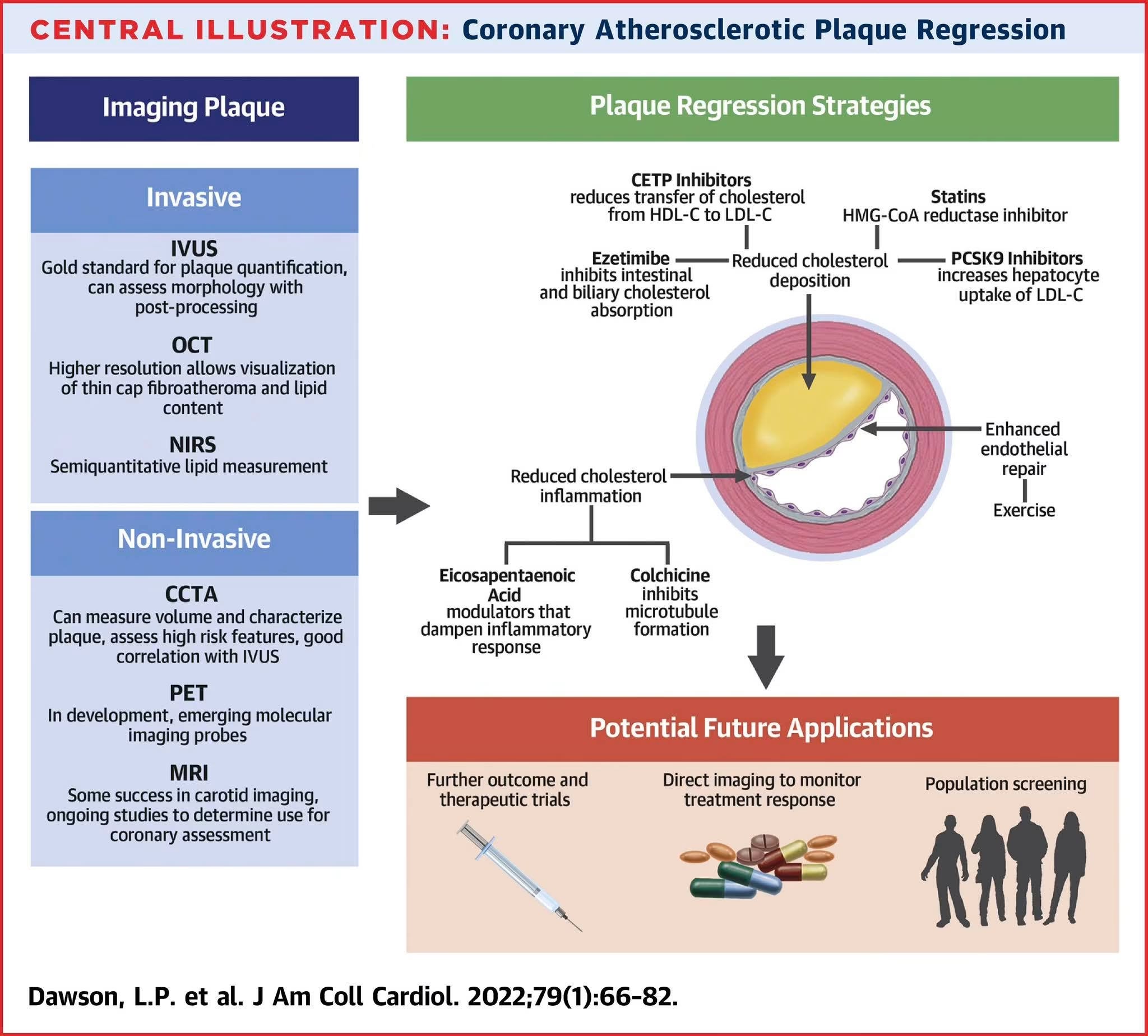
Ranks interventions for regressing or stabilizing atherosclerotic plaque. Statins, PCSK9 inhibitors and ezetimibe have the strongest trial evidence, with high-dose EPA and pioglitazone fairly good; colchicine, aged garlic, Centella, pine bark, nattokinase and plant-based diets are promising but need rigorous imaging RCTs, and evidence for exercise, L-arginine and vitamin K2 is limited.

Statins activate AMPK via mild mitochondrial stress, which Louis argues is beneficial

Nov 23, 2023 · Louis Nervegna ♥ 19 · 💬 12 ↩ 5

Louis argues statins do not harmfully impair mitochondria; instead, like metformin, they mildly stress mitochondria and activate the longevity-linked AMPK pathway (mitohormesis), possibly contributing to cardiovascular benefit. He cites a 2006 Circulation study showing statins activate AMPK in vitro and in vivo, leading to endothelial NO synthase activation. The extension to lifespan and mitohormesis is his interpretation.

N-of-1 trial: most statin side effects arose with placebo too, pointing to nocebo

Feb 24, 2025 · Louis Nervegna ♥ 11 · 💬 15

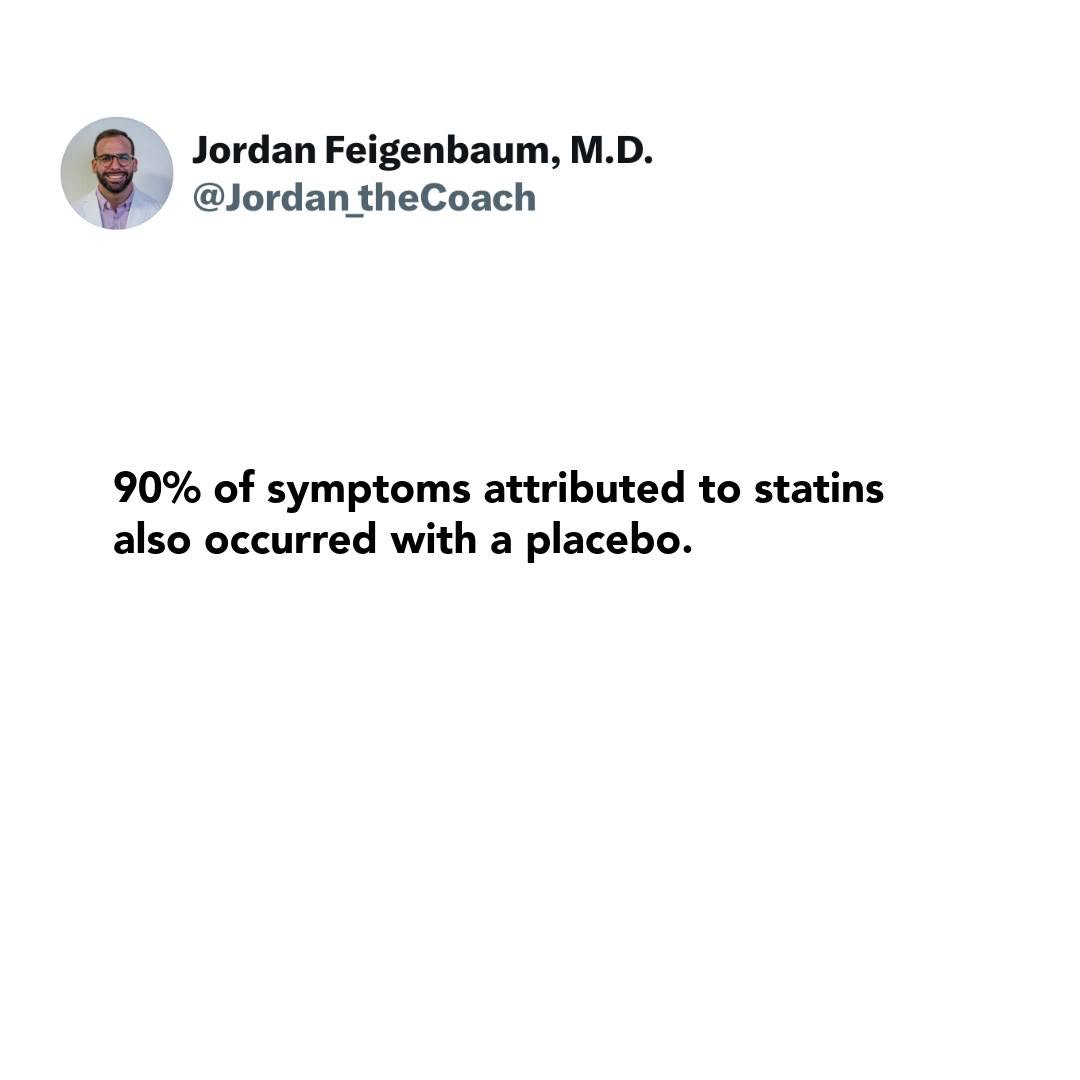
Louis highlights a NEJM N-of-1 trial where people who had stopped statins for side effects received four months of statin, four of placebo and four of nothing, randomly ordered. Symptoms with placebo were about the same as with statin, and half could restart statins; Louis infers about 90% of side effects were nocebo.

Statins activate AMPK, the same longevity pathway as metformin

Nov 11, 2025 · Louis Nervegna ♥ 20 · 💬 11 ↩ 1

Louis argues that statins do not harmfully impair mitochondria; the mild stress they cause is hormetic and activates AMPK, much like metformin, which may help explain statins' benefits beyond LDL lowering. He cites a Circulation paper showing statins activate AMPK in vitro and in vivo, leading to endothelial NO synthase activation.

25 statin RCTs: about 75 mg/dL LDL lowering cut heart attack and stroke roughly 40%

Dec 11, 2024 · Louis Nervegna ♥ 24 · 💬 5 ↩ 9

Louis presents a graph of 25 statin RCTs through 2016, excluding only very short or small trials. Lowering LDL by about 75 mg/dL reduced MACE by about 40% versus placebo, with larger relative reductions in the 7 primary prevention trials than the 18 secondary prevention ones. More trials since have corroborated this.

Budoff recommends statins, aspirin and BP control for keto dieters with CT-detected plaque

Apr 14, 2025 · Louis Nervegna ♥ 14 · 💬 15 Low-carb, keto & carnivore

Louis cites a video in which Keto-CTA principal investigator Matthew Budoff recommends statins, low-dose aspirin and tight blood pressure control for patients on keto diets with significant plaque on CT angiography, and CT scans for his ketogenic patients. He says the statin is to treat plaque, since statins slow plaque progression even at low LDL.

Why Louis takes a low-dose statin: known side effects beat unknown ones of newer drugs

May 09, 2024 · Louis Nervegna ♥ 15 · 💬 20

Louis explains his personal reasoning for choosing a low-dose statin over newer cholesterol drugs: statin side effects are well characterized after decades, while newer drugs may have undiscovered ones. He adds that this is probably why statins remain standard of care for most people. This is personal opinion, not a study.

Statin dose-response: the lowest dose gives the biggest percentage LDL drop per mg

Oct 23, 2026 · Louis Nervegna ♥ 19 · 💬 7

Louis shares a Tom Dayspring slide showing diminishing returns with statin dose: 10 mg atorvastatin lowers LDL about 37%, with 20 mg adding 6%, 40 mg adding 5% and 80 mg adding 3%. His advice is to lower LDL with lifestyle first, then use the lowest effective statin dose, taking a low dose being better than quitting.

Tim Spector had a mini stroke at 53 and now takes statins

Jul 09, 2026 · Louis Nervegna ♥ 16 · 💬 11

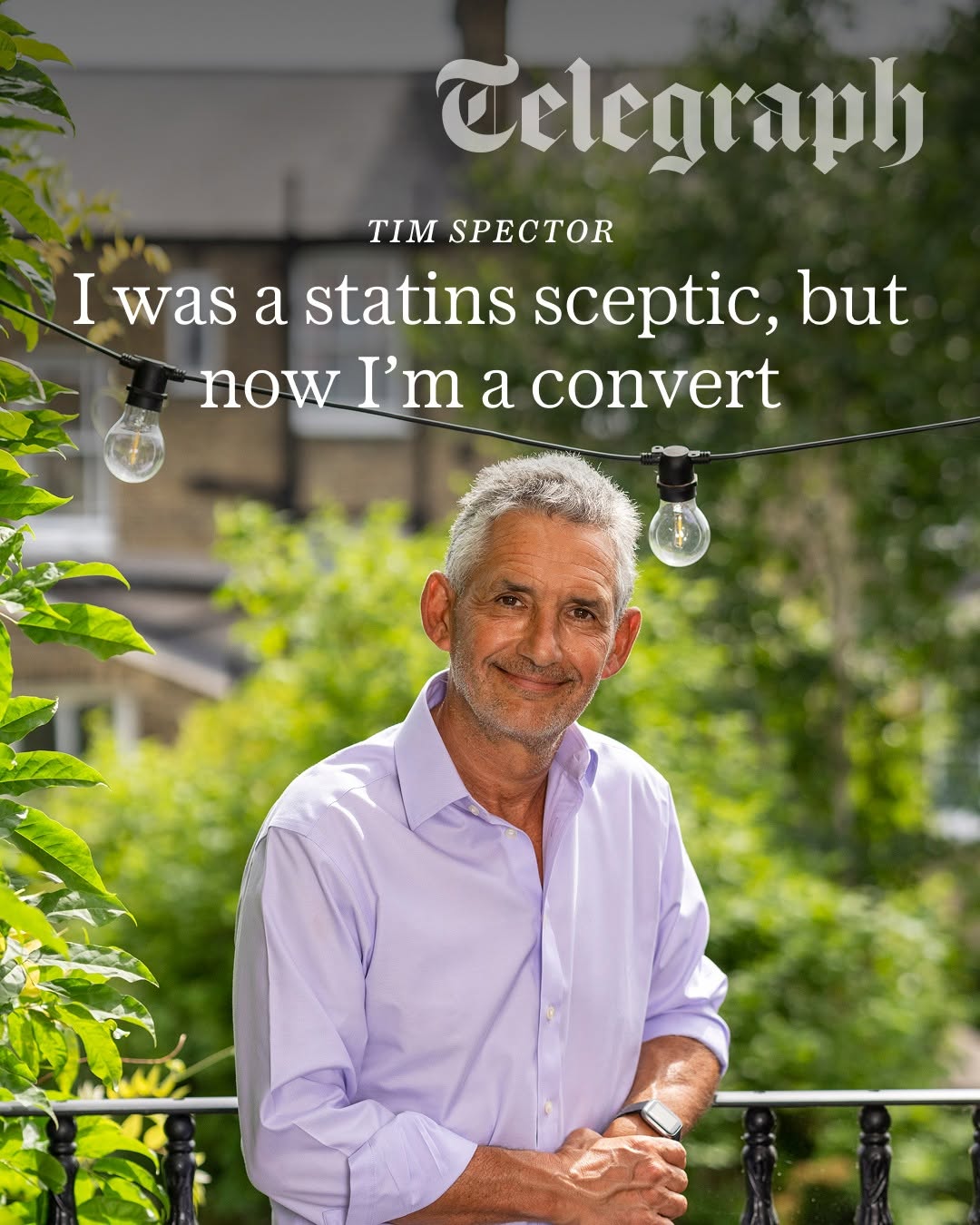
Louis shares Tim Spector's account of avoiding statins for nearly a decade despite family history, then a mini stroke at 53. Spector says statin muscle cramps were nocebo, and reports hs-CRP fell 40%.

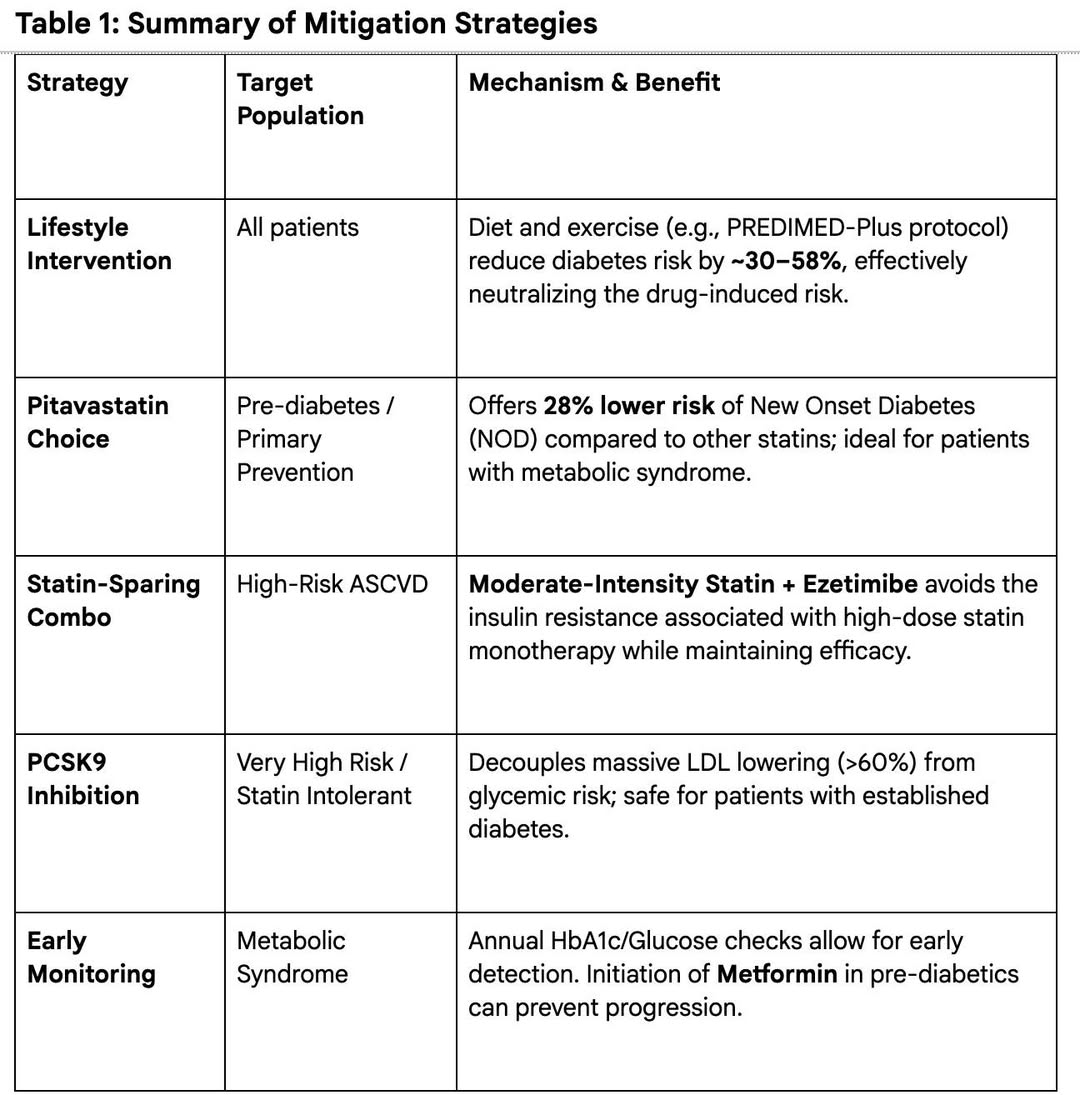
Limiting diabetes risk on LDL-lowering drugs: statin risk is modest, alternatives exist

Nov 26, 2025 · Gokhan Can ♥ 7 · 💬 17

Review explaining that statins modestly increase new-onset diabetes in a dose-dependent way, mostly in people with existing metabolic risk factors, and that cardiovascular benefit clearly outweighs this. It suggests statins mainly bring forward diagnosis in predisposed people, outlines mechanisms (beta-cell dysfunction, insulin resistance) and proposes ezetimibe, PCSK9 inhibitors and pitavastatin as options that limit glycemic harm.

Statins for all could halve heart attacks yet add only 10-20 days to life over 5 years

May 14, 2024 · Louis Nervegna ♥ 11 · 💬 11

Louis works through why universal statin use could cut lifetime heart attack and stroke risk from about 20% to 10% while extending average lifespan by only days over 5 years: only about 10% of heart attacks and strokes are fatal, and only 1 in 5 US deaths are from them, so the reduction in overall deaths is about 50 times smaller. His arithmetic suggests a 0.022% to 0.094% reduction in overall deaths over 5 years. Note that this is a population-averaged back-of-envelope calculation.

In JUPITER, rosuvastatin brought diabetes diagnosis forward by only 5.4 weeks

Feb 13, 2024 · Louis Nervegna ♥ 6 · 💬 14 ↩ 1

Louis uses the JUPITER trial (rosuvastatin 20 mg vs placebo, 17,600 people, up to 5 years) to size the statin-diabetes link. Statin allocation advanced the time to diabetes diagnosis by an average of 5.4 weeks and raised HbA1c about 0.1 point at 24 months. His reading is that no one got diabetes who was not going to anyway, and that 20 mg is a high dose versus the 5 mg many take. The Lancet analysis concluded benefits exceeded the diabetes hazard.

Atorvastatin may 'disarm' Lp(a) by blocking oxidation, a theory for HORIZON's failure

Nov 10, 2026 · Louis Nervegna ♥ 9 · 💬 12 ↩ 1 Lp(a)

Louis proposes that Lp(a)HORIZON failed because aggressive statin treatment (78% on high-intensity statins) may have already neutralized oxidized phospholipids carried by Lp(a). A shared abstract (Sherratt et al., Eur Heart J) found atorvastatin's active metabolite scavenges free radicals and inhibits oxidation of Lp(a) and small dense LDL better than other statins. This is a lab-based hypothesis.

Even a cure for heart disease would show only 2-5% absolute risk reduction short-term

Nov 10, 2025 · Louis Nervegna ♥ 15 · 💬 7

Louis explains that over a few years the absolute risk of a heart attack is only about 2-5%, so no intervention, even a complete cure, can cut absolute risk by more than that in a short trial. A 1-2% absolute reduction from statins or from diet and lifestyle trials is therefore a meaningful result.

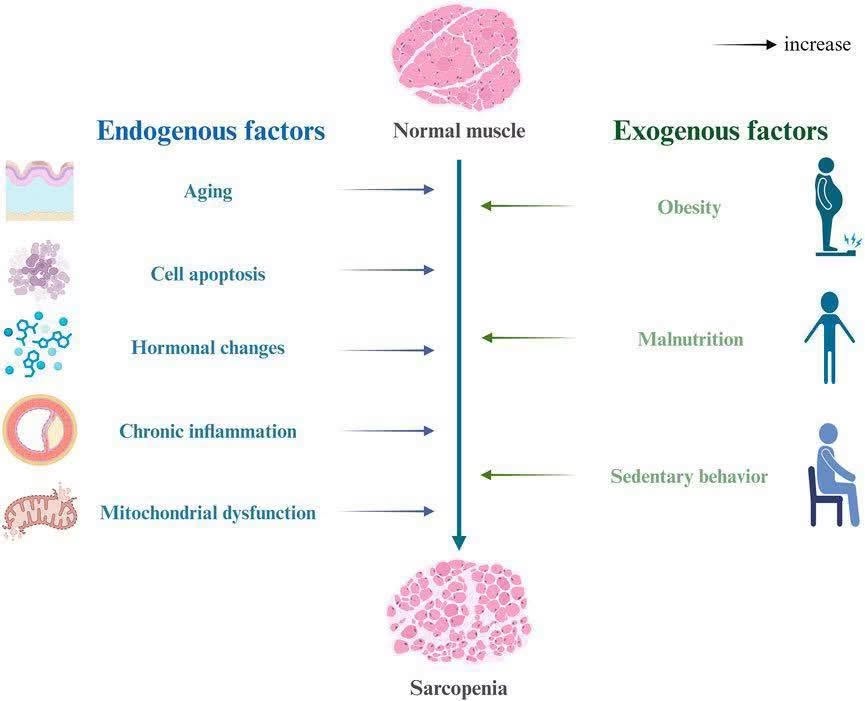
Statin muscle pain is common in some, severe damage is rare; statins may aid sarcopenia

Jan 02, 2025 · Louis Nervegna ♥ 7 · 💬 15

Louis argues statins are not toxic to muscle in most people. Myalgia occurs in some, possibly with a genetic susceptibility, while rhabdomyolysis is very rare (about 1 in 100,000, or 1 in 10,000 conservatively). Switching statins (e.g., to pravastatin or pitavastatin) or using non-statin LDL drugs can help, and low-dose statins are being studied as a treatment for sarcopenia.

Statins may benefit chronic liver disease rather than harm it, per a review

Jul 16, 2024 · Louis Nervegna ♥ 12 · 💬 12 ↩ 3

A review of statin use in chronic liver disease and cirrhosis says statins, once feared as liver-harming, may beneficially affect cirrhosis, portal hypertension and liver cancer prevention. The authors stress randomized trials are still needed to confirm this.

Japan-ACS: modest statin doses cut non-culprit plaque volume by about 17-18%

Sep 18, 2025 · Louis Nervegna ♥ 20 · 💬 5

The Japan-ACS randomized trial enrolled over 300 patients with acute coronary syndrome at 33 centers and compared 4 mg pitavastatin with 20 mg atorvastatin. Both produced similar major plaque regression over 8 to 12 months; Louis uses it to rebut claims that statins do nothing.

Atorvastatin improved kidney function dose-dependently across 6 RCTs with 30,621 patients

Oct 13, 2024 · Louis Nervegna ♥ 11 · 💬 9 ↩ 1

Louis cites a JAHA post hoc analysis of six double-blind outcome trials in patients at risk of or with cardiovascular disease. Atorvastatin improved kidney function over time in a dose-dependent way, and improvement in kidney function was associated with lower cardiovascular risk. The authors suggest kidney function could serve as a surrogate end point.

Statin absolute risk reduction is cumulative: 1-2% in trials, far more over a lifetime

Sep 22, 2025 · Louis Nervegna ♥ 30 · 💬 2 ↩ 10

Louis counters the claim that statin trials show only 1-2% absolute risk reduction: trials last about 5 years when baseline risk is just 2-5%, whereas lifetime heart attack risk is about 20%. Cohort and Mendelian randomization data suggest long-term statin use can cut this to under 10%.

Keto causes bigger temporary insulin resistance than statins, so statin fear is overplayed

Sep 16, 2024 · Louis Nervegna ♥ 8 · 💬 16

Louis argues that keto influencers who fixate on statins slightly reducing insulin sensitivity overlook that a keto diet causes the same effect to a much greater degree. Without carbohydrate, skeletal muscle becomes insulin resistant to preserve glucose for the brain and heart, so a glucose tolerance test on keto looks poor. Both effects are temporary and reverse on stopping.

Statin muscle toxicity overstated: rhabdomyolysis ~1 in 100,000; sarcopenia use studied

Dec 16, 2024 · Louis Nervegna ♥ 9 · 💬 14 ↩ 2

Louis argues statins are not toxic to muscle at normal doses in most people. Statin myopathy occurs in genetically susceptible people, while rhabdomyolysis is very rare (1 in 100,000, or 1 in 10,000 conservatively). Low-dose statins and metformin are being studied for sarcopenia via hormetic mitochondrial effects.

Switching from rosuvastatin to pitavastatin removed a statin-related A1C rise in one case

Jun 04, 2026 · Louis Nervegna ♥ 6 · 💬 19

Louis comments on a video of a doctor whose A1C rose slightly on rosuvastatin and normalized on pitavastatin. He notes this is a reasonable option for lower-risk people sensitive to glucose effects, but rosuvastatin has stronger large-RCT evidence in high-risk patients, so switching should not be taken lightly.

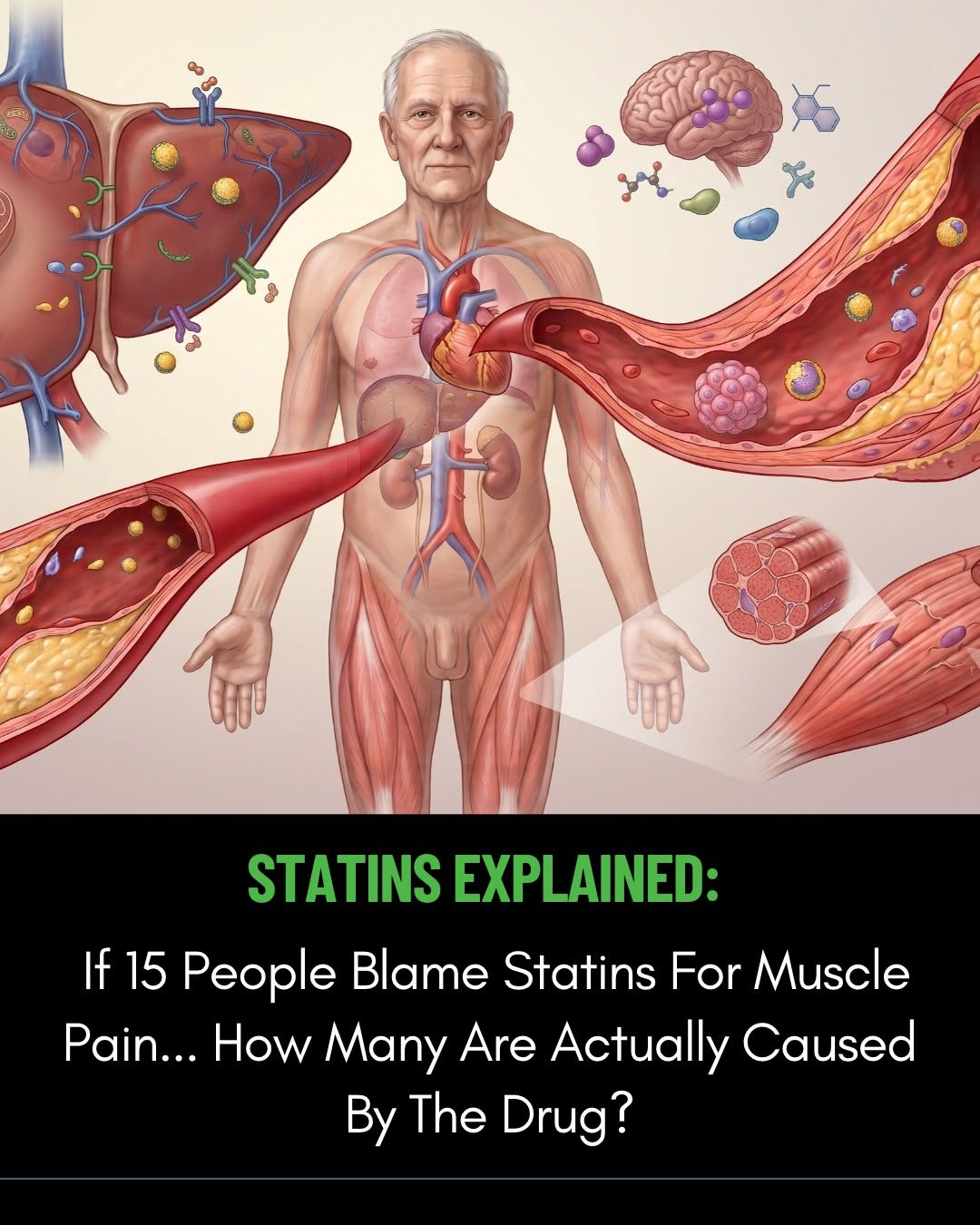
Pooled blinded trials: statins cause only about 1 in 15 reported muscle aches

Oct 23, 2026 · Louis Nervegna ♥ 7 · 💬 12

A pooled analysis of 19 blinded trials with 123,940 people found that over about four years, 27.1 of 100 on a statin reported muscle pain or weakness versus 26.6 of 100 on placebo. This implies that the vast majority of muscle complaints on statins are not caused by the drug, consistent with a nocebo effect.

PREVENTABLE: 20,000-person trial of atorvastatin 40 mg to prevent dementia over age 75

Jun 23, 2025 · Louis Nervegna ♥ 16 · 💬 5

Louis describes the ongoing PREVENTABLE trial, which randomizes about 20,000 community-dwelling adults aged 75+ to atorvastatin 40 mg or placebo to test whether statins prevent dementia. Atorvastatin was chosen because it is lipophilic and crosses the blood-brain barrier; the trial began in 2020 and is still recruiting.

About 95% of acute-thrombosis heart attacks involve soft plaque, not calcified plaque

Oct 03, 2026 · Louis Nervegna ♥ 9 · 💬 9 Plaque, CAC & CT angiography

The post says about 64% of heart attacks from acute thrombosis come from rupture of soft lipid-rich plaque and about 25% from erosion of soft plaque, while only about 5% involve calcified nodules. Because statins and other lipid-lowering drugs stabilize and reverse soft plaque, the poster argues they address the plaque type most responsible for heart attacks.

Nocebo effect explained about 90% of symptoms in patients who quit statins (SAMSON trial)

Apr 15, 2024 · Louis Nervegna ♥ 9 · 💬 9 ↩ 9

Louis highlights the SAMSON n-of-1 study of people who had stopped statins for side effects. Symptom intensity was similar on placebo and atorvastatin, and both were significantly greater than during a no-tablet period, suggesting most symptoms were due to a nocebo effect. He calls it one of the most eye-opening studies he has read.

Statins cut heart attack and stroke risk in high Lp(a) despite raising it 5-20%

Jun 20, 2026 · Louis Nervegna ♥ 11 · 💬 7 Lp(a)

Louis explains that Lp(a) carries LDL cholesterol and sticks in artery walls, so lowering total LDL-C with statins cancels much of the risk from high Lp(a). Meta-analyses show statins raise Lp(a) 5-20%, but a Stanford expert argues this is clinically unimportant given the outcome benefit across 25 randomized trials.

Statins remain essential for high Lp(a) even though they raise Lp(a) 5-20%

Apr 06, 2025 · Louis Nervegna ♥ 8 · 💬 9 Lp(a)

Louis shares a video of Stanford's Joshua Knowles explaining why the small statin-related rise in Lp(a), shown in meta-analyses of RCTs, does not matter clinically and why statins are an important treatment for genetically high Lp(a). He cites over 25 long-running statin RCTs, including primary prevention trials, showing large reductions in heart attack and stroke.

Statin absolute risk reductions of 1-5% over 5 years are large against lifetime risk

Jun 24, 2024 · Louis Nervegna ♥ 14 · 💬 5

Reposting an explainer on relative versus absolute risk: statin trials show absolute risk reductions of 1.1% to 4.7% over about 5 years, which the poster argues is substantial against a roughly 20% lifetime heart attack risk. Over decades he suggests lifetime risk could fall toward 10%, an extrapolation.

Statins work as well in women as men: 27-trial CTT meta-analysis of 174,000 participants

Dec 19, 2023 · Louis Nervegna ♥ 5 · 💬 11

Louis rebuts the claim that statins are less effective in women using the Cholesterol Treatment Trialists' meta-analysis of 27 randomized trials. Per 1 mmol/L LDL reduction, proportional reductions in major vascular events and all-cause mortality were similar in women and men, with no adverse effect on cancer or non-CV mortality. Trials averaged 4.9 years, so longer-term benefit is likely larger.

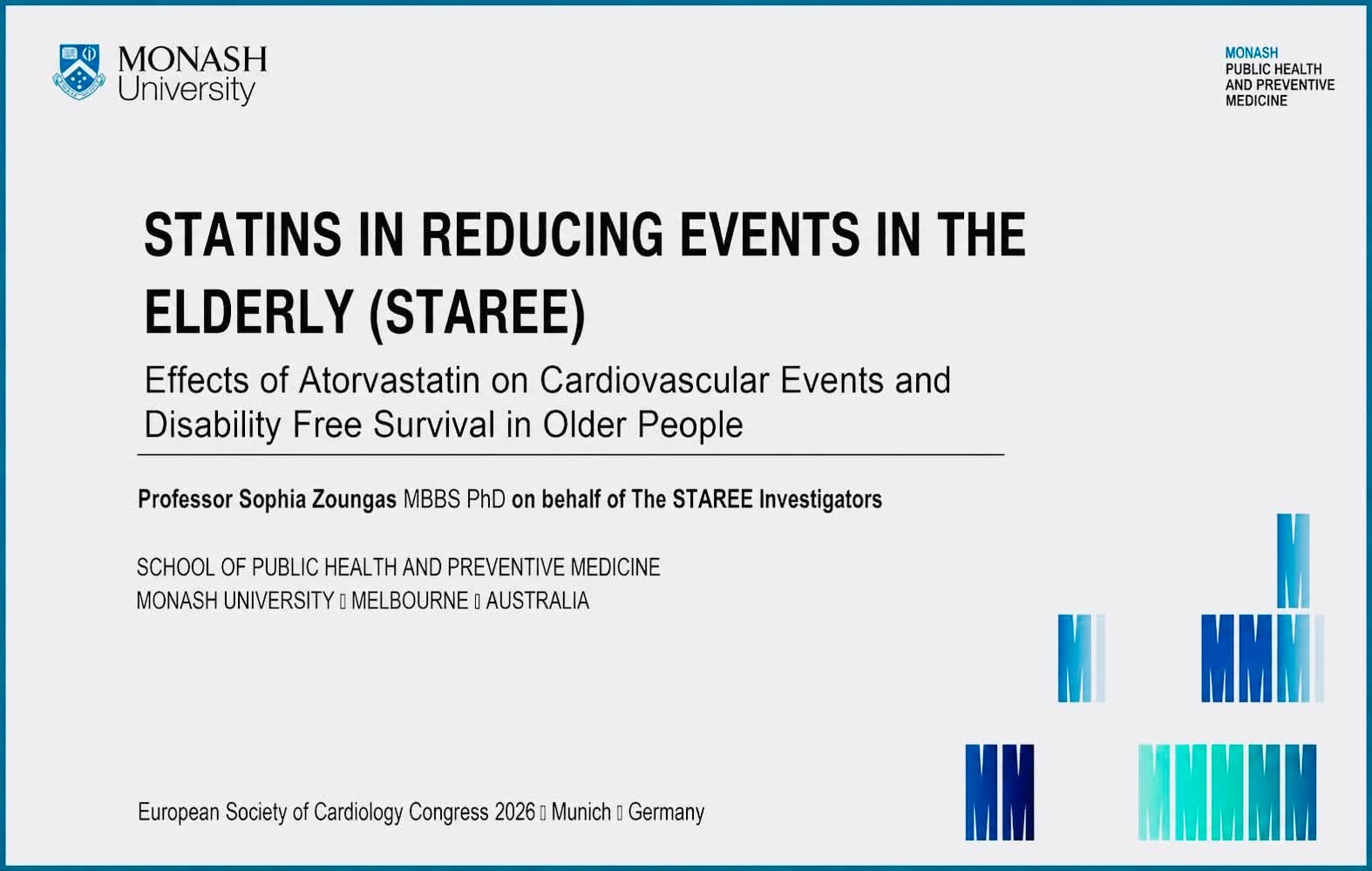
STAREE statin trial in adults over 70 is finished; results due in second half of 2026

May 18, 2026 · Louis Nervegna ♥ 16 · 💬 6 ↩ 1

Louis reposts details of STAREE: a placebo-controlled trial of atorvastatin 40 mg in about 10,000 healthy Australians aged 70+, with disability-free survival (including dementia-free) as the primary outcome. The trial website says follow-up has ended and results are expected in the second half of 2026.

Statins create mild mitochondrial stress that triggers protective mitohormesis

Nov 11, 2025 · Louis Nervegna ♥ 13 · 💬 7 ↩ 2

Louis explains that mild mitochondrial toxicity is not necessarily harmful and can be beneficial through mitohormesis, the mechanism he links to metformin, statins, exercise and calorie restriction. He cites a review proposing mitohormesis as another pleiotropic effect of statins and stresses that dose matters.

Probiotics might counter statin-linked blood sugar rise via gut microbiota, editorial says

Nov 09, 2024 · Louis Nervegna ♥ 8 · 💬 11

Louis shares an ATVB editorial describing statin-induced gut microbiota changes as a candidate mechanism for statin-associated new-onset type 2 diabetes. The editorial says causality still needs larger sequencing studies. Louis adds that in JUPITER, high-dose rosuvastatin raised A1C by 0.1, bringing diabetes diagnosis about 5.4 weeks earlier over 2 years, a small but real effect.
CoQ10 supplements do not reliably prevent statin muscle symptoms

Apr 16, 2026 · Louis Nervegna ♥ 14 · 💬 6

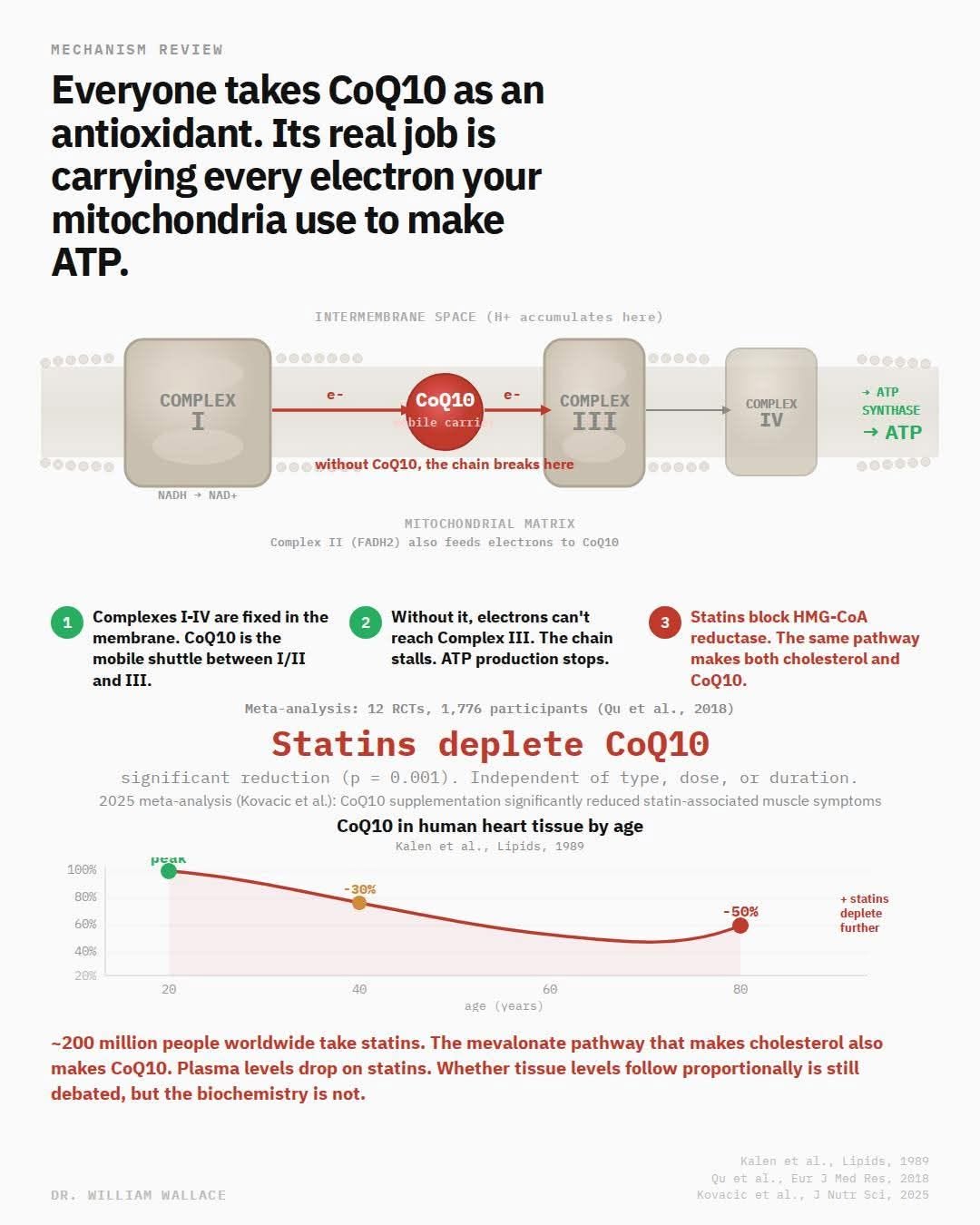
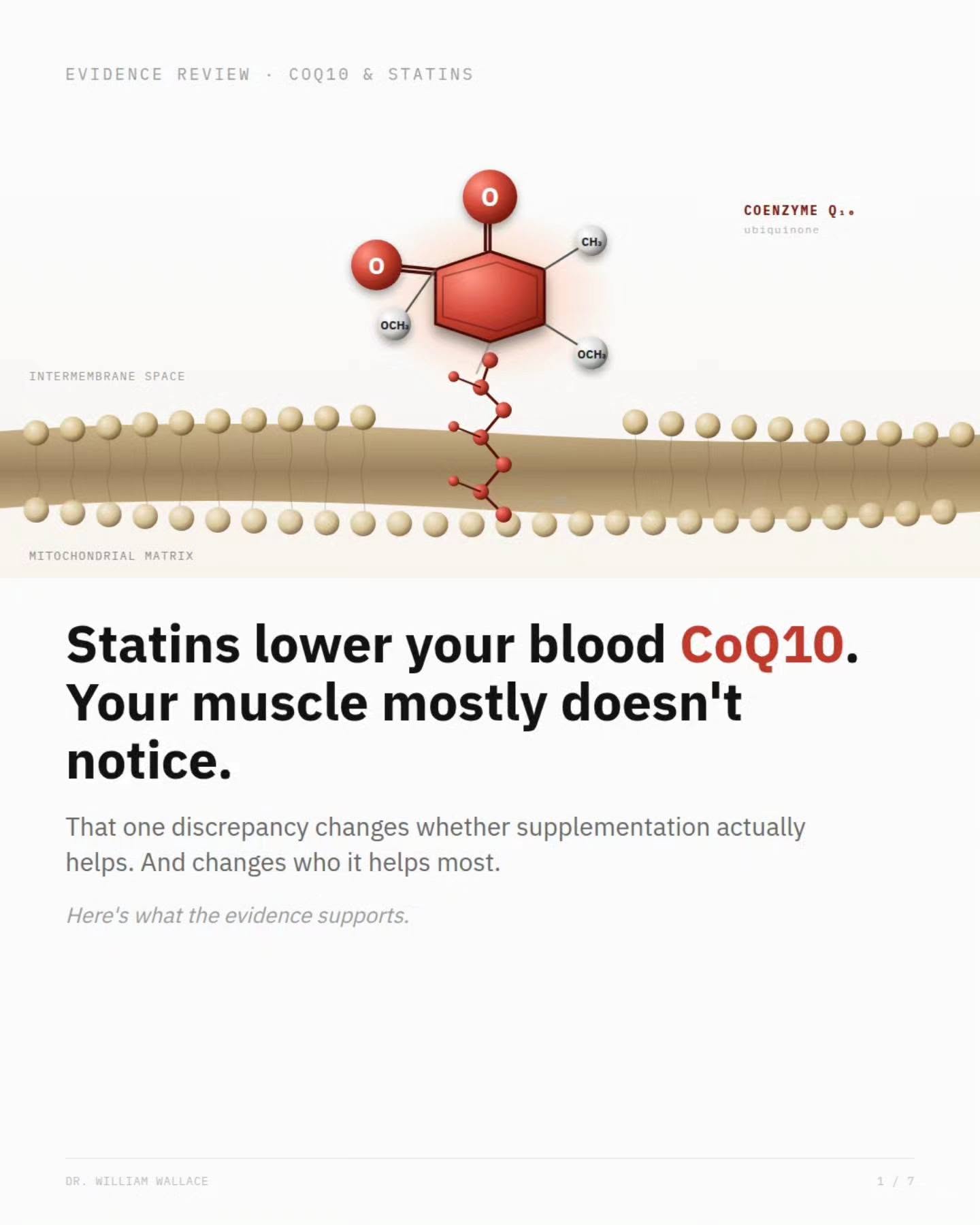
Statins lower CoQ10 in blood and immune cells but barely in muscle, and the best-designed trials show no benefit of CoQ10 for statin muscle symptoms. A shared summary notes supplementation may not raise muscle CoQ10.

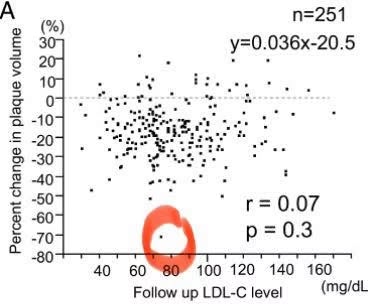
FLOWPROMOTE: lower achieved LDL gave more plaque regression, 21.1% at LDL near 43

Oct 31, 2026 · Louis Nervegna ♥ 14 · 💬 4 Plaque, CAC & CT angiography

Louis adds FLOWPROMOTE to the pile of randomized trials showing statins reverse soft and total plaque. In 104 statin-naive stable CAD patients on CT angiography, LDL around 70 mg/dL gave a 13.6% total plaque reduction and around 43 mg/dL gave 21.1%, with 90% of the lower-LDL group showing regression. The linear LDL-to-regression relationship supports LDL being causal in atherosclerosis.

Statin use linked to 20% lower dementia risk in heart-failure patients (Hong Kong study)

Jan 25, 2024 · Louis Nervegna ♥ 9 · 💬 9

Louis shares a news report on a University of Hong Kong study in heart-failure patients finding statin use associated with lower incident dementia. The observational association was described by the lead author as larger than expected, and prior research has suggested possible neuroprotective effects.

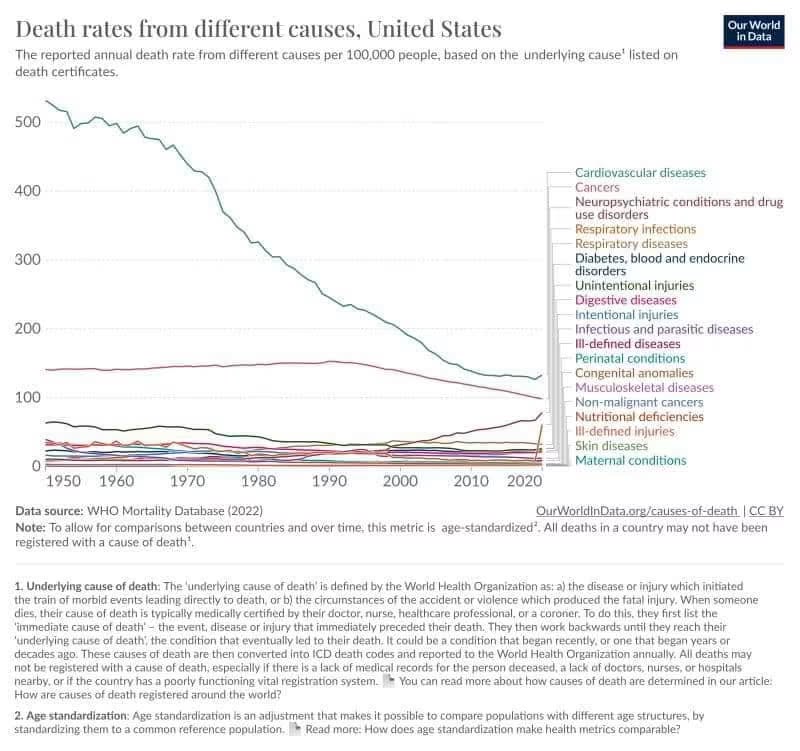
Heart disease deaths fell almost 5x since 1950 as LDL targets tightened

Nov 13, 2024 · Louis Nervegna ♥ 13 · 💬 9 ↩ 2 LDL, ApoB & lipid panel

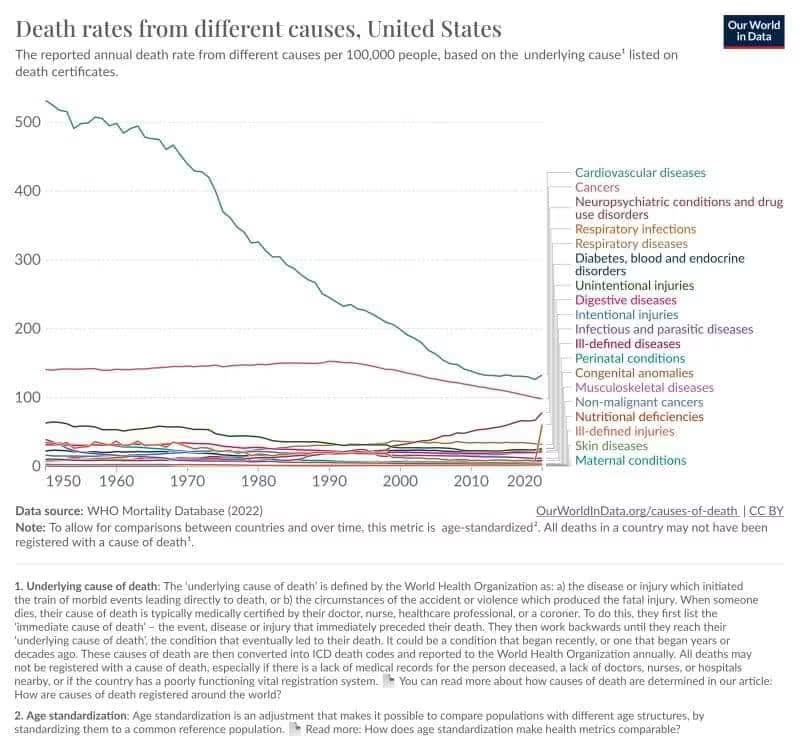
Louis notes US heart disease death rates dropped from over 500 to almost 100 per 100,000 since the 1950s, with timing correlating with statins and lower LDL targets. He quotes a group member's AI-style summary relating MI mortality eras to guideline LDL goals and trials like 4S, PROVE-IT and IMPROVE-IT, with the caveat that correlation is not causation.

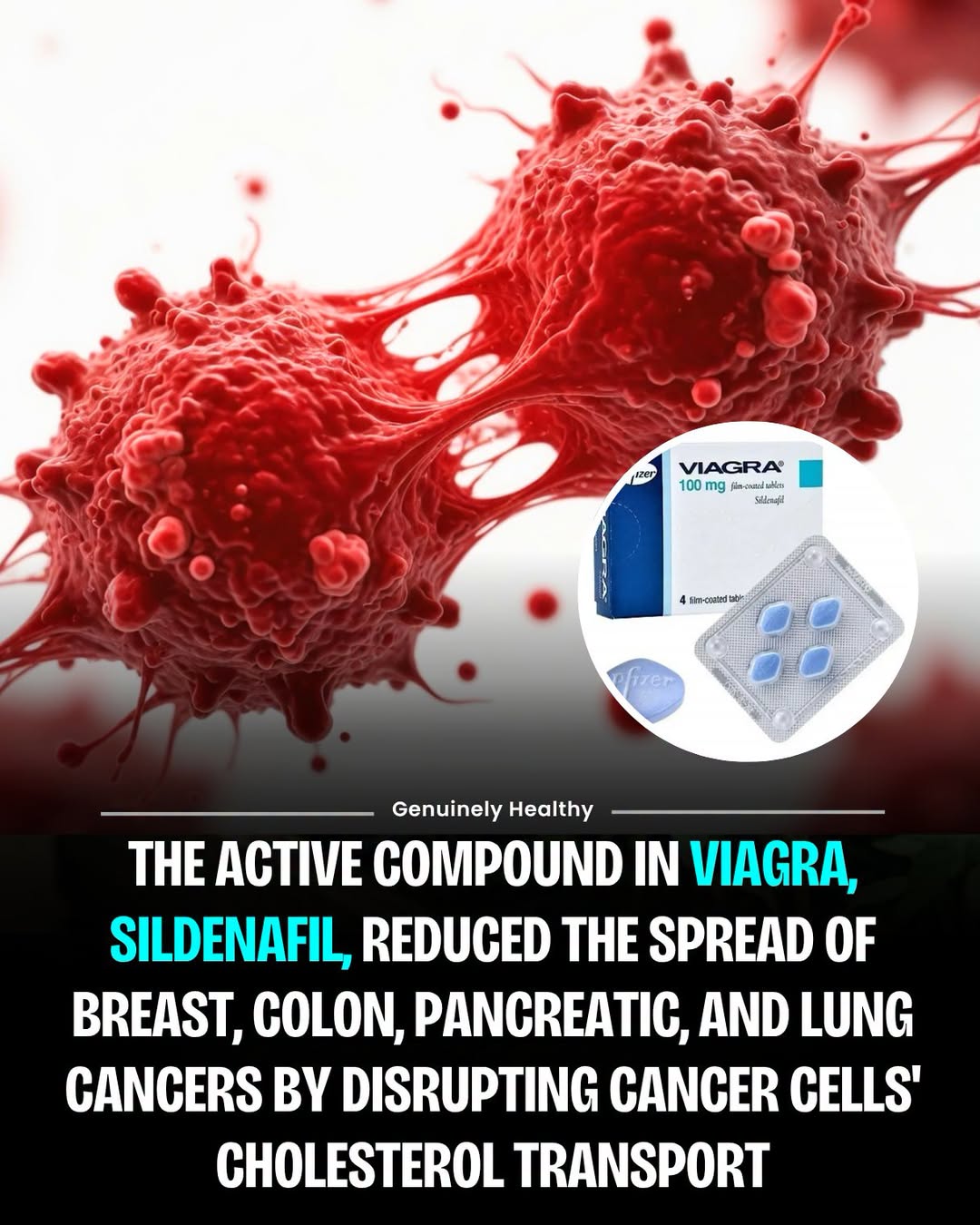
Statin plus sildenafil may block cancer metastasis in preclinical models

Jul 27, 2026 · Louis Nervegna ♥ 16 · 💬 4 Cancer

A 2026 Cancer Research study found sildenafil (a PDE5 inhibitor) caused cholesterol to accumulate in lysosomes of mouse and human cancer models, limiting cholesterol available to cancer cells and impairing their migration and spread. Combining it with a statin, which blocks cholesterol production, gave stronger anti-metastatic effects than either alone. Louis notes the research is preclinical but promising.

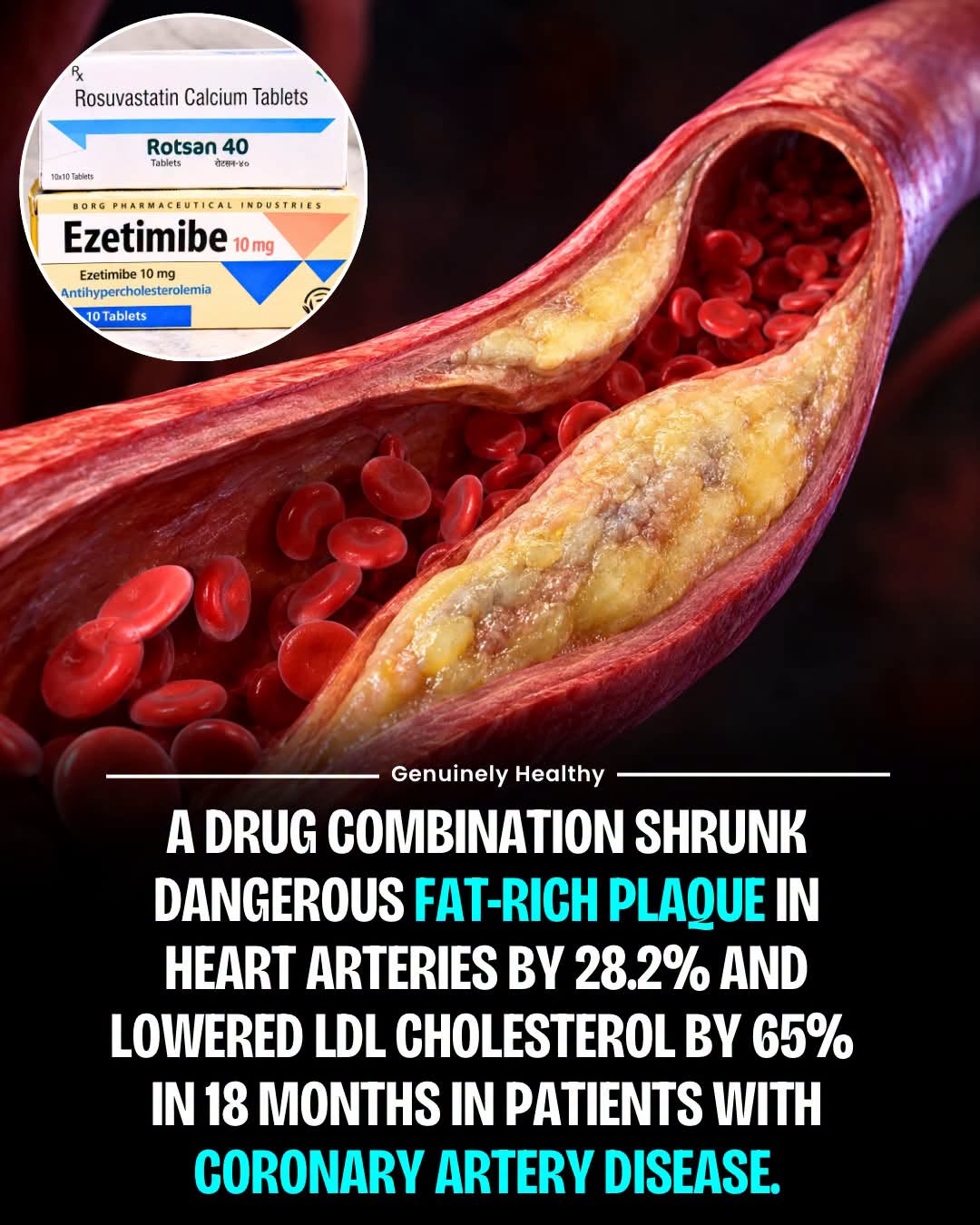
FLOWPROMOTE: rosuvastatin plus ezetimibe vs atorvastatin for plaque regression

Nov 07, 2026 · Louis Nervegna ♥ 13 · 💬 5 Plaque, CAC & CT angiography

Louis shares an explainer of FLOWPROMOTE, a 2026 JAMA Cardiology randomized trial in 104 Danish adults with stable coronary disease and no prior statin. Participants received atorvastatin 40 mg or rosuvastatin 40 mg plus ezetimibe 10 mg for 18 months with serial coronary CT angiography. It also explains how LDL drives plaque and why combining drugs lowers LDL further.

Genetics suggest statins' small diabetes risk is tied to LDL lowering (Gemini-assisted)

Sep 07, 2026 · Louis Nervegna ♥ 6 · 💬 11

Louis shares a post, written with Gemini AI, arguing that the small rise in new-onset type 2 diabetes with intensive lipid lowering reflects target-mediated effects rather than an off-target drug side effect. Genetic variants mimicking HMGCR (statin) and NPC1L1 (ezetimibe) inhibition show modestly higher glucose and diabetes risk.

Statin tendon problems are possible but uncommon; consider other causes and simvastatin

Jun 03, 2024 · Louis Nervegna ♥ 8 · 💬 8

Louis shares cardiologist Paul Thompson's answer on whether statins cause tendon rupture: it is theoretically possible but quite uncommon, and high cholesterol itself can cause tendinopathy (consider familial hypercholesterolemia in young athletes with Achilles tendinitis). Louis adds that if someone suspects a statin-related tendon issue, switching to simvastatin might be worth discussing since some evidence suggests it may protect tendons.

Two RCTs found statins neither helped nor harmed Alzheimer's disease progression

Jun 23, 2025 · Louis Nervegna ♥ 9 · 💬 5 ↩ 3

Louis summarises two randomized trials of statins as a treatment for established Alzheimer's: simvastatin in 406 people with normal lipids over 18 months, and atorvastatin 80 mg (LEADe) in people already on donepezil over 72 weeks. Both were neutral on cognition and safe.

Statins cut deaths 31% in people 80+, showing absolute benefit depends on baseline risk

Apr 02, 2026 · Gokhan Can ♥ 12 · 💬 5

Quotes Dr Carvalho on a new analysis in people aged 80 or older: statin users had a 31% lower relative risk of dying and, as stated, a 17% lower absolute risk. The key principle is that absolute benefit depends on control-group risk, so it looks small in young people over the short term but grows with time, age or illness.

Statins raise type 2 diabetes risk 9-12% relative, a tiny absolute effect for most people

May 25, 2026 · Louis Nervegna ♥ 10 · 💬 4

Louis explains that in roughly 5-year RCTs, statins raise relative risk of new type 2 diabetes by 9-12% (20-36% at very high intensity). In absolute terms this is about 1 in 1000 going to 1.12 in 1000, so low-risk people see little change, while people already on the verge of diabetes may be nudged over the threshold sooner.

US heart disease death rate fell from over 500 to about 100 per 100,000 since 1950

Oct 15, 2025 · Louis Nervegna ♥ 9 · 💬 6 LDL, ApoB & lipid panel

Louis notes that US heart disease death rates fell almost fivefold between 1950 and 2020, a bigger decline than any other disease, and that the drop correlates with cholesterol-lowering drugs and progressively lower LDL targets. A group member's comment lists MI mortality by era and LDL guideline targets; this is an ecological correlation, not proof of causation.

Statins neither cause nor cure cancer: meta-analyses of randomized trials show no effect

Dec 31, 2024 · Gokhan Can ♥ 9 · 💬 4

Reviews the evidence on statins and cancer. A 2012 meta-analysis of 134,537 participants in 22 RCTs found identical cancer incidence (1.4% per year) and mortality (0.5% per year) in statin users and non-users, and a 2023 meta-analysis of 35 RCTs found the same. Anticancer effects in specific contexts remain preclinical or suggestive.

STREAM: why 'noninferior' does not make stopping statins at age 70 safe

Nov 15, 2026 · Louis Nervegna ♥ 4 · 💬 11

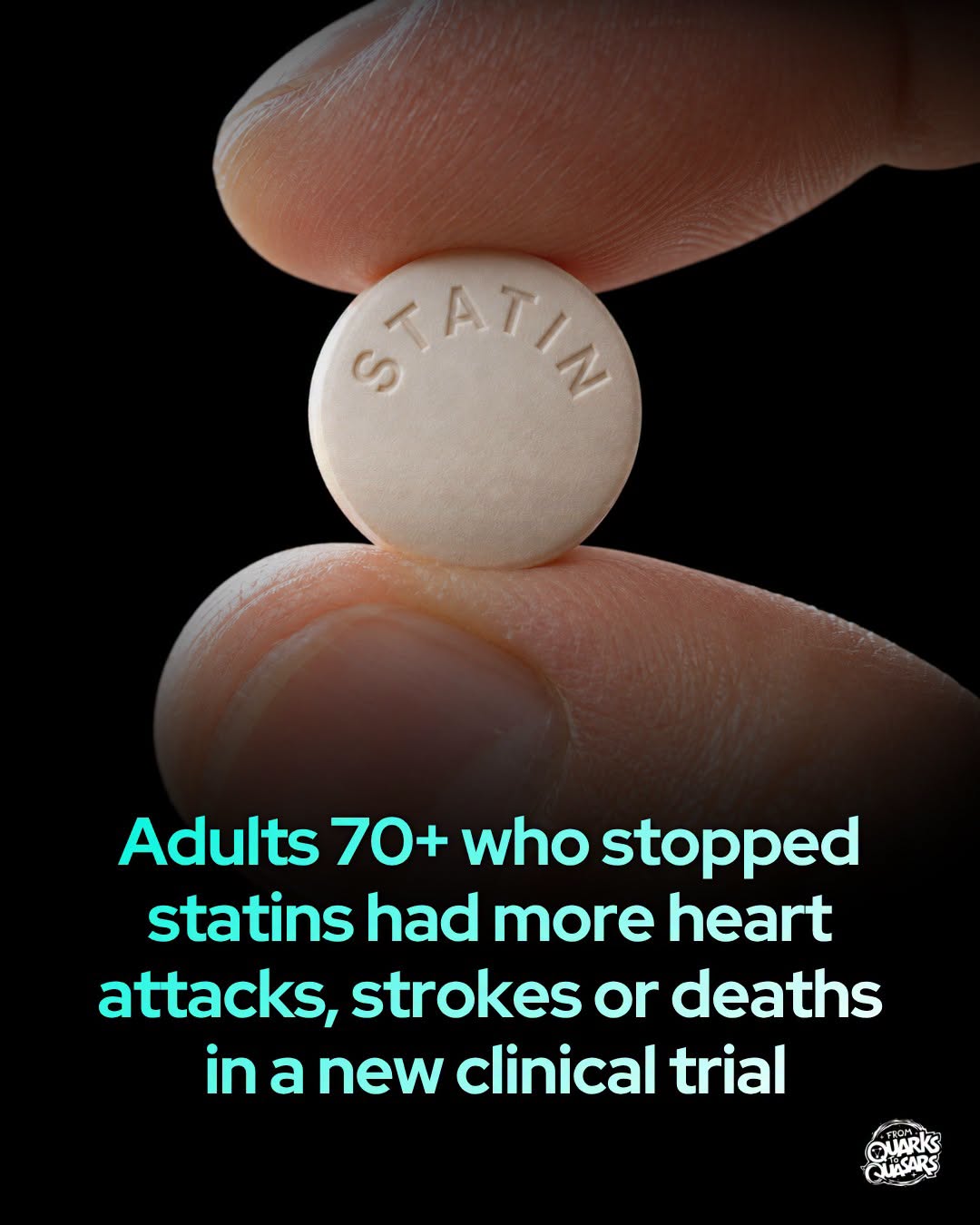
Louis shares a cardiologist's video commentary on the STREAM randomized trial of stopping statins after age 70. The commentary stresses that the stop group had roughly 38% more events in relative terms (12.7% vs 9.2%), that noninferiority only means the difference fell within a preset margin, and that the safety board advised discussing restarting. Stopping can be appropriate based on frailty or side effects, but not simply because of age.

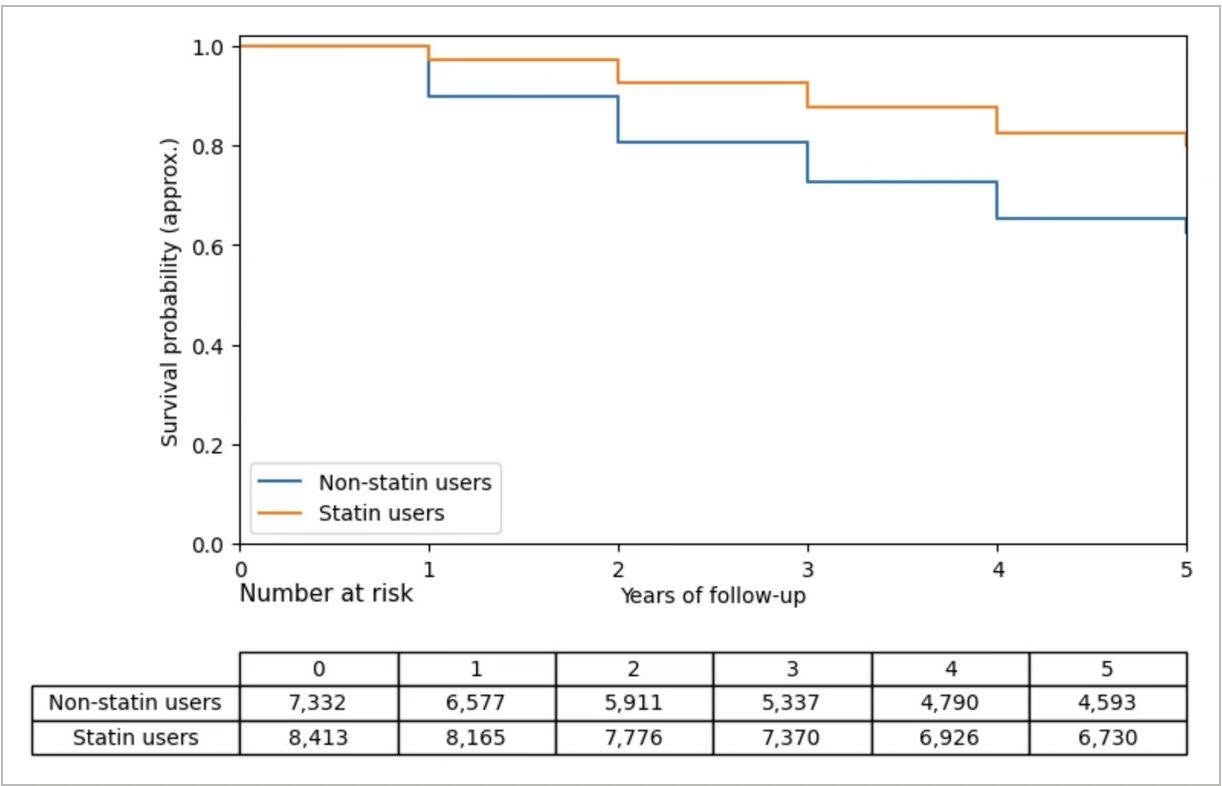
Older veterans starting statins were less likely to develop frailty

Jun 10, 2026 · Louis Nervegna ♥ 13 · 💬 3 ↩ 1

Louis shares a large observational study in the European Heart Journal where older US veterans who initiated statins had significantly lower frailty risk over time. Authors suggest anti-inflammatory effects may slow functional decline but emphasize randomized trials are needed.

Small dense HDL tied to coronary calcium in insulin resistance; drugs may offset 40%

Nov 26, 2024 · Louis Nervegna ♥ 7 · 💬 4 Insulin resistance & diabetes

Louis highlights a paper in the International Journal of Cardiology reporting that small HDL particles are associated with prediabetes, diabetes and subclinical coronary atherosclerosis. The authors suggest lipid-lowering drugs may reduce up to 40% of the coronary calcification linked to high small HDL. Louis concludes that high HDL is not always good and that people with insulin resistance considering a statin should read the paper.

Statin use linked to 20% lower dementia and 32% lower Alzheimer's risk in meta-analysis

Oct 22, 2024 · Louis Nervegna ♥ 19 · 💬 1 ↩ 3

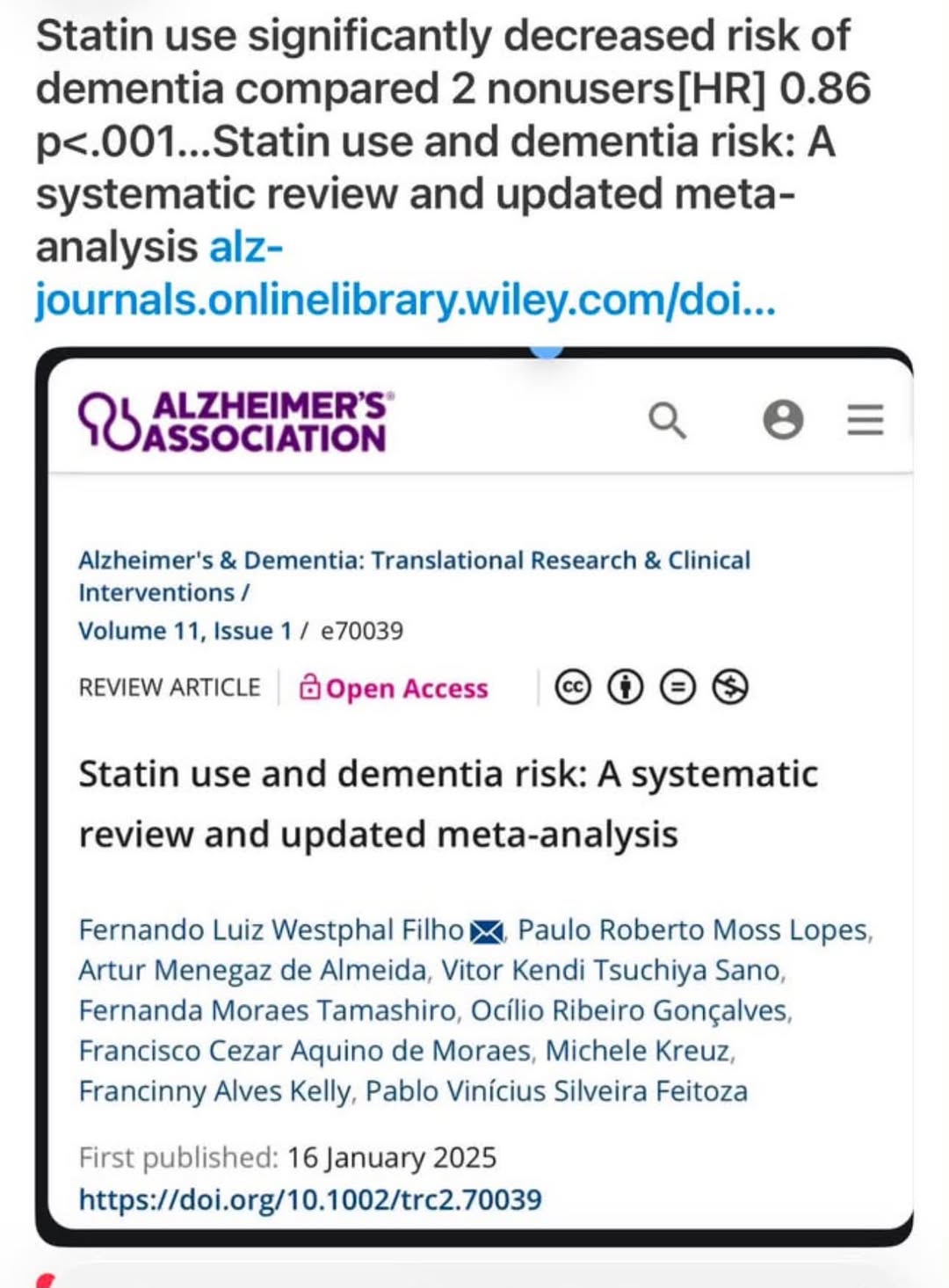
Louis cites a systematic review and meta-analysis of observational studies. Statin use was linked to a lower risk of dementia (36 studies) and Alzheimer's disease (21 studies), which the authors say confirms no neurocognitive risk and hints at a possible benefit. They call for dedicated randomized trials.
STAREE: atorvastatin cut major CV events 30% in adults 70+ with no rise in dementia

Nov 01, 2026 · Louis Nervegna ♥ 5 · 💬 5

A quoted summary of the STAREE trial in NEJM: 9,971 adults aged 70 or older without cardiovascular disease, diabetes or dementia were randomized to atorvastatin 40 mg or placebo for a median 5.9 years. Atorvastatin cut major cardiovascular events 30% and MI and revascularization 43% each, with no significant increase in dementia or all-cause mortality and equal serious adverse events.
Ezetimibe-type absorption inhibitors linked to 31% lower liver cancer odds; statins 35%

Aug 01, 2024 · Louis Nervegna ♥ 11 · 💬 3 ↩ 2

A genetic/drug-target analysis reported by Medical Xpress found cholesterol absorption inhibitors associated with 31% lower odds of liver cancer and statins with 35% lower odds. Fibrates, omega-3 and niacin showed no association, while bile acid sequestrants showed inconsistent results needing replication.

News report: statins may help slow Alzheimer's disease

Jun 12, 2025 · Louis Nervegna ♥ 13 · 💬 4

Louis shares a Brighter Side of News report that statins might offer a benefit beyond heart health by slowing Alzheimer's disease, calling it the latest of many studies showing this. No data or trial details are given in the post.

Low vitamin D tied to statin myalgia; correcting it let 64% retry statins in a pilot

Jun 15, 2025 · Louis Nervegna ♥ 8 · 💬 4

Louis suggests statin users with low vitamin D consider supplementing, citing figures that about 22% of statin users have muscle pain, that 25-OH vitamin D below 20 ng/ml is independently associated with myalgia, and a 6-month pilot where 64% of vitamin D-deficient, statin-intolerant patients tolerated statin re-challenge after supplementation.

Statin use linked to less liver cancer and decompensation in 16,500 liver disease patients

Mar 25, 2025 · Louis Nervegna ♥ 10 · 💬 2

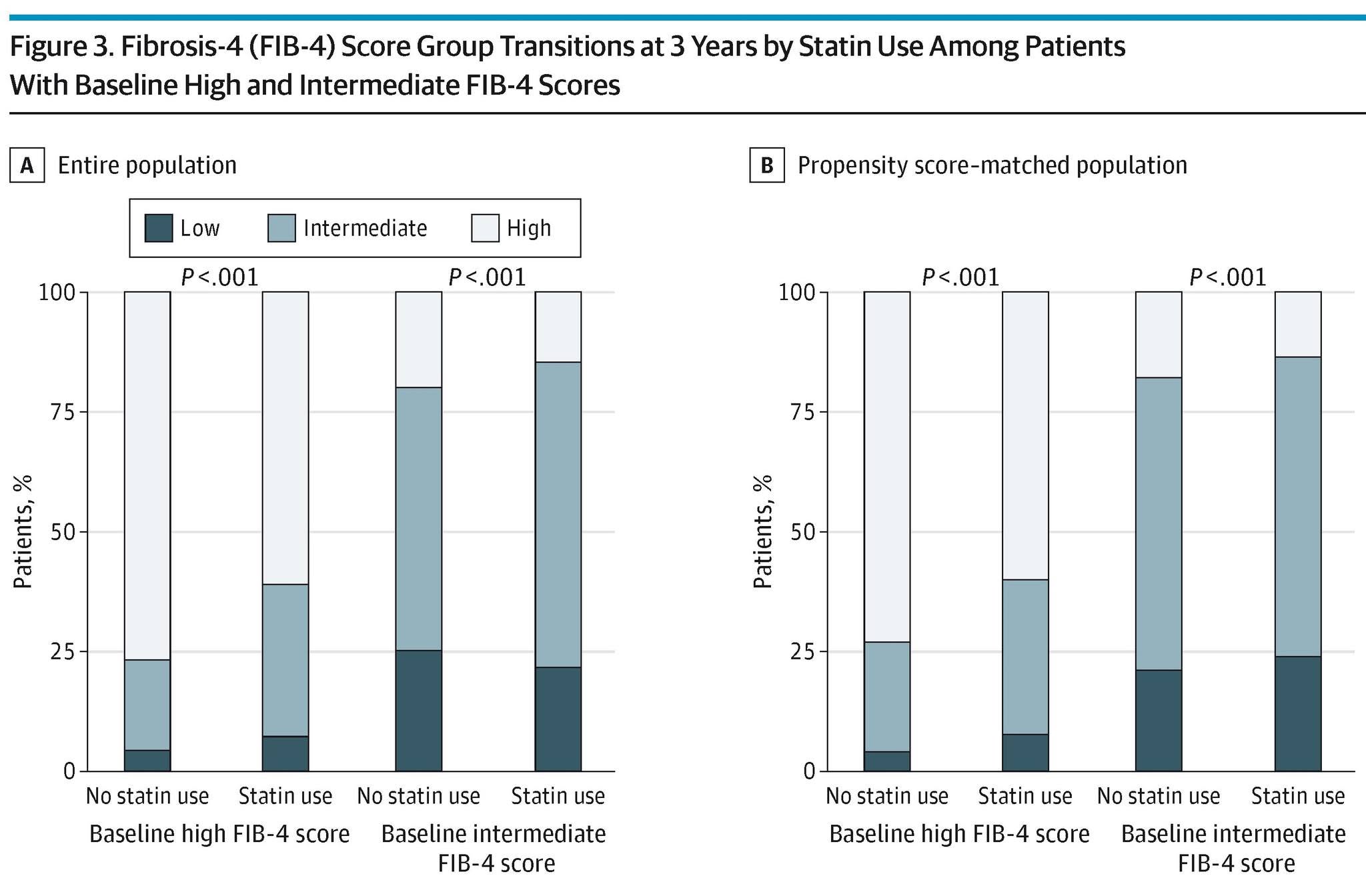
Louis shares an NEJM Journal Watch summary of a Boston study of 16,500 patients with chronic liver disease (mostly MASLD, viral and alcoholic hepatitis) at intermediate or high fibrosis risk. Statin users had lower 10-year incidence of hepatocellular carcinoma and less hepatic decompensation than nonusers. The data are observational.

Case: carotid plaque regression with salmon, niacin and low-dose rosuvastatin

Dec 23, 2023 · Louis Nervegna ♥ 13 · 💬 3 Plaque, CAC & CT angiography

Louis shares a video by Dr. Ford Brewer describing his own plaque reversal. He ate salmon daily, added niacin and low-dose rosuvastatin and switched from an ARB to an ACE inhibitor, with a major decrease in carotid plaque volume and CIMT arterial age falling from 72 to 52. It is a single self-reported case in a video from a clinic that also sells services and supplements.

Statins may lower risk of certain cancers and synergize with some cancer treatments

Sep 20, 2024 · Louis Nervegna ♥ 10 · 💬 3

Louis says there is considerable evidence that statins lower risk of certain cancers and may work with cancer treatments. The shared blog post argues statins are better supported than natural alternatives and mentions dipyridamole/statin and statin/metformin combinations. No specific trials are named.

Statins cause under 10% of reported muscle pain, analysis of 23 RCTs finds

Jun 29, 2026 · Louis Nervegna ♥ 6 · 💬 2

Louis shares the Oxford/CTT Lancet analysis of 23 large randomized trials (155,000 people) showing muscle pain is common with or without a statin. Over 90% of muscle pain reported on statins was not caused by the drug, and true statin-related cases occurred mainly in the first year, more with high-intensity dosing.

Serious statin muscle side effects (myopathy) are rare; benign aches are common

Jun 29, 2026 · Louis Nervegna ♥ 6 · 💬 5

Louis notes that a large new study confirms benign muscle aches are fairly common but serious statin-related muscle problems are rare. The shared Duke post says concern about side effects exceeds the evidence and points to the PREVENTABLE trial of statins in older adults without cardiovascular disease.

Six statin trials show 5 to 17% total plaque reversal, with the best results at lowest LDL

Oct 31, 2026 · Louis Nervegna ♥ 12 ↩ 1 Plaque, CAC & CT angiography

Louis shares a chart of randomized trials showing plaque reversal with statins, ezetimibe and PCSK9 inhibitors, with total atheroma volume change plotted against LDL-C. Total plaque reversal ranged from about 5% to 17% in six older statin trials, measured by CT angiography or IVUS, and came from soft rather than calcified plaque. The chart suggests total plaque reversal begins once LDL falls below roughly 90 mg/dL.

WOSCOPS 20-year follow-up: 5 years of pravastatin gave lasting mortality and event benefit

Apr 07, 2026 · Gokhan Can ♥ 7 · 💬 1

Describes the 20-year follow-up of the West of Scotland Coronary Prevention Study: 5 years of pravastatin in middle-aged men with high cholesterol and no prior CHD produced a lasting legacy effect, with reduced all-cause, CV and coronary mortality and fewer heart failure and MI hospitalizations. No excess cancer or non-CV mortality was seen.

Doctor's path to halving ApoB and triglycerides with rosuvastatin plus ezetimibe

Aug 25, 2025 · Gokhan Can ♥ 9 · 💬 1

Summary of a video where a doctor documents his own bloodwork: diet and exercise first, then statin trials (simvastatin, atorvastatin, rosuvastatin) after finding high Lp(a). Low-dose rosuvastatin plus ezetimibe with weight loss was the most effective and tolerable combination.

Meta-analysis: statins cut arterial wall inflammation on PET-CT, high-intensity most

Oct 25, 2025 · Louis Nervegna ♥ 13

Louis highlights a 2024 systematic review and meta-analysis of 10 clinical trials (373 subjects) using 18F-FDG PET-CT, a marker of arterial wall inflammation. Statins markedly reduced uptake (target-to-background ratio), significantly so for high-intensity therapy and non-significantly for low-to-moderate intensity.

Atorvastatin 80 mg after heart attack cut death, repeat MI or readmission ~30% at 30 days

Oct 25, 2024 · Louis Nervegna ♥ 11

Louis reposts a note explaining why patients are put on atorvastatin 80 mg right after a heart attack. In PROVE IT-TIMI 22, intensive therapy cut death, repeat MI or rehospitalization by almost 30% within 30 days versus a lower-potency statin. He attributes the speed to pleiotropic effects such as anti-inflammatory and plaque-stabilizing actions rather than LDL alone.

Statins cut stroke overall but may raise hemorrhagic stroke after prior stroke at low LDL

Dec 23, 2023 · Louis Nervegna ♥ 5 · 💬 1

Louis reviews whether statins raise hemorrhagic stroke risk. Meta-analyses of RCTs in people who already had a stroke show lower overall stroke risk but higher hemorrhagic stroke when LDL is pushed very low. In people never having had a stroke, meta-analyses show no increase, though trials averaged under 5 years. For high-risk patients the benefit outweighs the small hemorrhagic risk, but those with strong family history of hemorrhagic stroke should discuss it with a doctor.

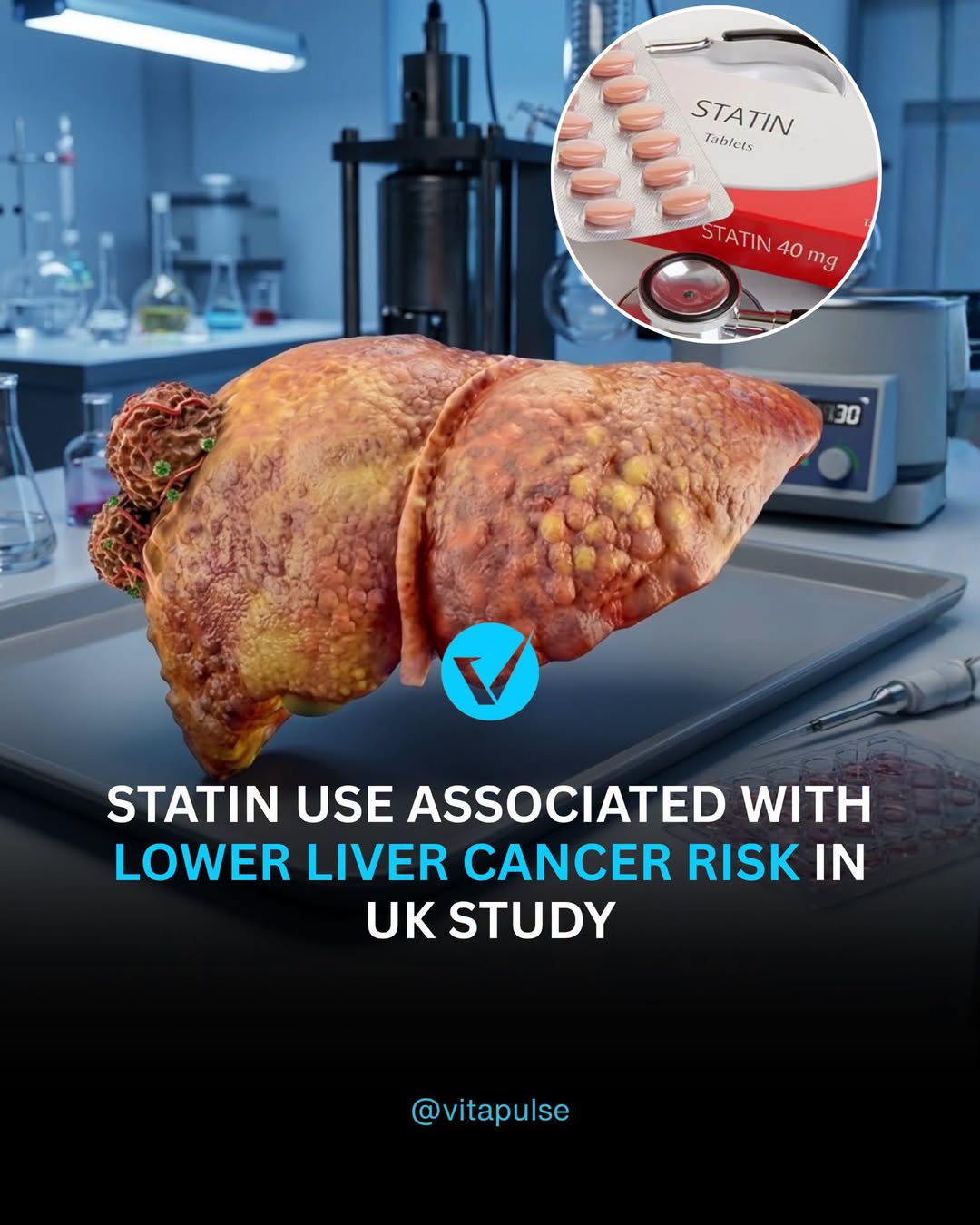
Statin use linked to 35% lower odds of liver cancer in UK database study

Sep 15, 2026 · Louis Nervegna ♥ 10

A UK Clinical Practice Research Datalink case-control study of 3,719 liver cancer cases and 14,876 controls found statin users had 35% lower odds of liver cancer, and cholesterol absorption inhibitors (ezetimibe class) 31% lower odds. This is an association, not proof, and non-statin findings need replication.

New statin use linked to less frailty in older veterans; STAREE will test it

Jun 10, 2026 · Louis Nervegna ♥ 5 · 💬 1

Louis shares the observational VA/Mass General Brigham study (JACC) reporting that older US veterans starting statins developed less frailty over time. He notes two large randomized trials, PREVENTABLE and STAREE, are testing statins in the elderly and tracking frailty, with STAREE expected to report within months.

DISCO-CT: DASH diet plus statins reversed ~40 mm3 of soft plaque in one year

Nov 14, 2026 · Louis Nervegna ♥ 6 Plaque, CAC & CT angiography

Louis explains the DISCO-CT randomized trial, where a DASH diet plus statins produced the largest soft (non-calcified) plaque regression of any dietary trial on CT angiography. Adjusted to one year it was -39.5 mm3, versus an average at-risk person growing about 5 mm3 per year, so roughly 8 years of progression reversed. He notes the DASH diet was about 30% fat, mostly unsaturated, and adds caveats about interpretation.

Video explainer on relative vs absolute risk and statin claims

Dec 20, 2023 · Louis Nervegna ♥ 7 · 💬 1

Louis recommends a video by Nutrition Made Simple explaining relative versus absolute risk and how they apply to statins. He says many absolute-risk claims by statin critics are wrong and that understanding these concepts lets readers judge the claims. The post has no numbers of its own.

Observational, randomized and genetic evidence all argue against statins causing dementia

Nov 01, 2026 · Louis Nervegna ♥ 4 · 💬 1

Louis shares a new observational study linking statin use to lower dementia risk and lists the wider evidence in the group: observational studies as a whole suggest protection, randomized trials (including in people over 70) show no increase in dementia, trials of statins as Alzheimer's treatment are neutral, and Mendelian randomization suggests lower dementia risk with statin-pathway variants. It is a curated index of earlier group posts.

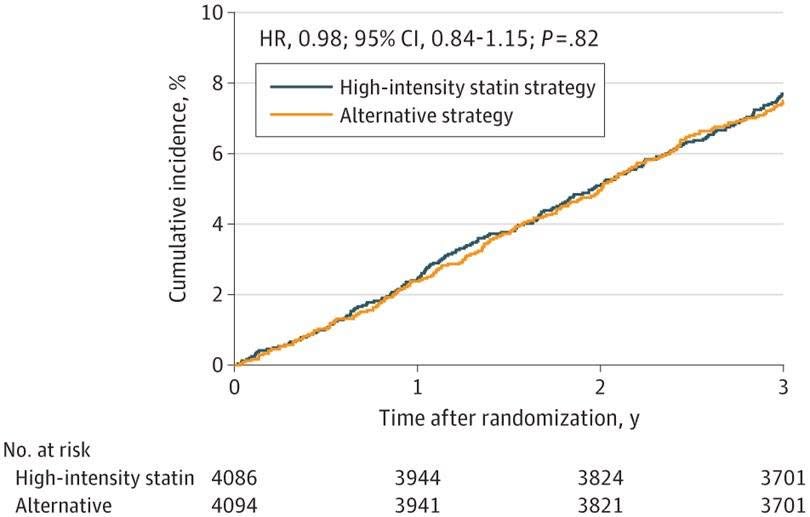
Stopping statins after 70 raised events from 9.2% to 12.7% in the STREAM trial

Nov 16, 2026 · Louis Nervegna ♥ 5

Shared summary of the STREAM randomized trial in adults 70+ on statins for primary prevention. Those told to stop had more heart attacks, strokes or deaths than those who continued, yet the trial formally met its noninferiority margin because that margin allowed a small loss of event-free time. Meeting noninferiority does not show that stopping carried no extra risk, and stopping brought no measurable gain in quality of life, muscle pain or falls.

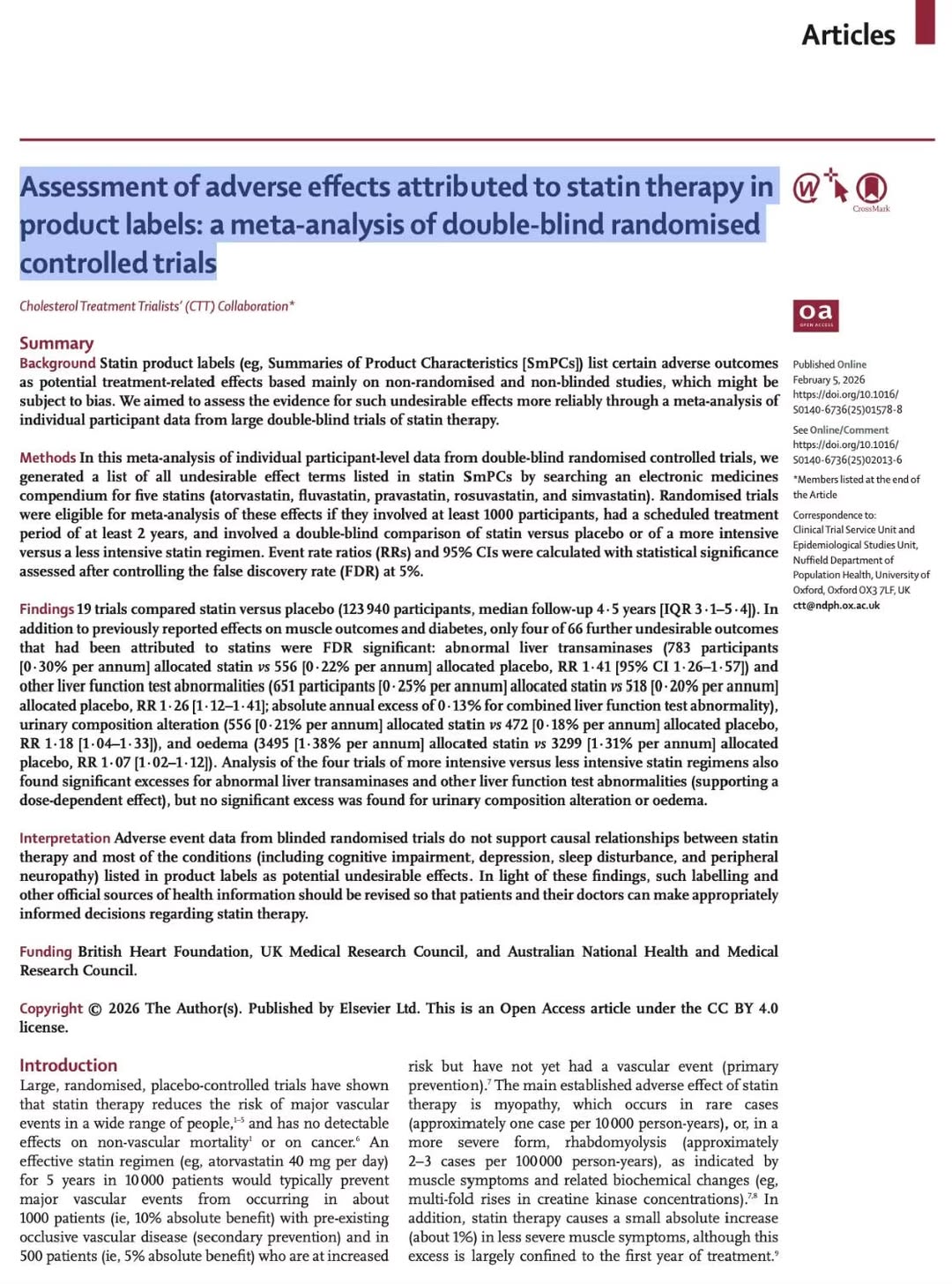
CTT meta-analysis: of 66 label-listed statin side effects, 62 showed no causal link

Feb 08, 2026 · Louis Nervegna ♥ 5

Shared summary of the Cholesterol Treatment Trialists meta-analysis in The Lancet using individual data from 23 double-blind RCTs. Most side effects on statin labels were not caused by the drug, while muscle symptoms, new-onset diabetes, mild liver enzyme rises and a few minor effects were confirmed.

Statins may help as add-on therapy during cancer immunotherapy, admin suggests

Jan 28, 2026 · Gokhan Can ♥ 5 · 💬 1

Admin comments that there is new evidence a statin can complement cancer treatment, especially immunotherapy, and links a ScienceDaily report on cancer cells packaging PD-L1 into particles that weaken immunotherapy. The statin link is the admin's claim and is not detailed in the post.

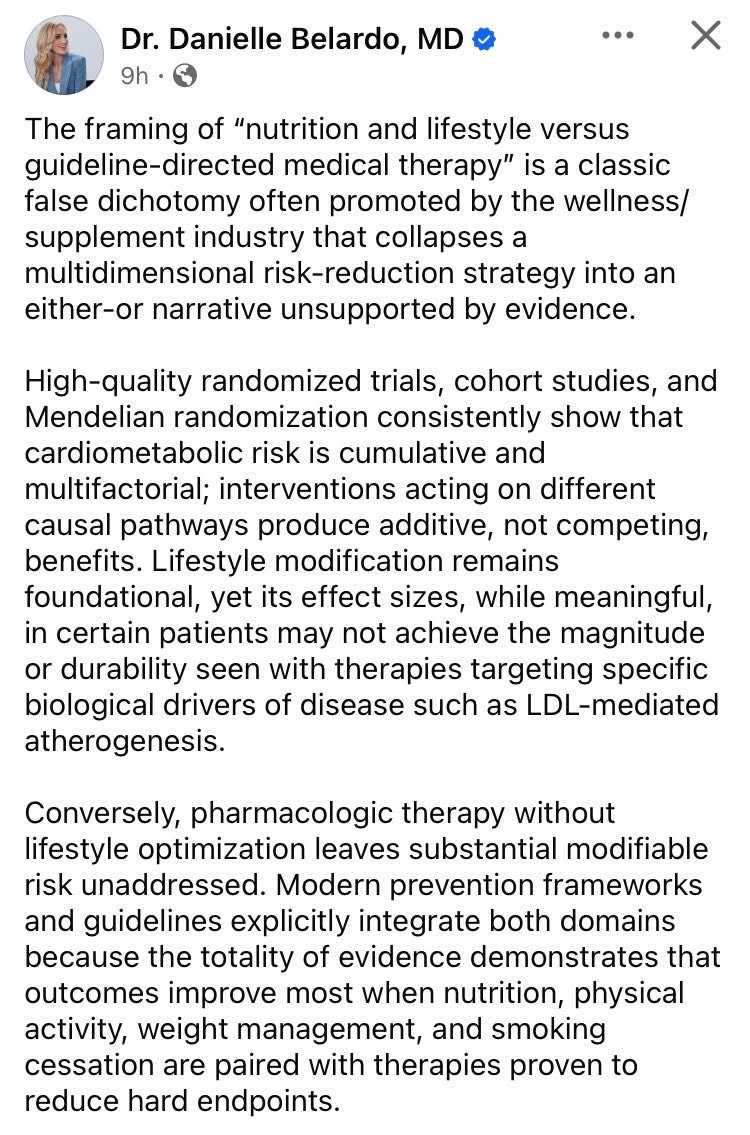
Lifestyle and drug therapy have additive benefits, so prevention should combine both

Dec 10, 2025 · Louis Nervegna ♥ 7 Cardiovascular disease: the big picture

Louis quotes a statement arguing that cardiometabolic risk is cumulative and multifactorial, that interventions on different pathways give additive rather than competing benefits, and that lifestyle remains foundational while drugs targeting LDL-driven atherogenesis can add durable effect. He posts it as a counter to influencers who pit the two against each other.

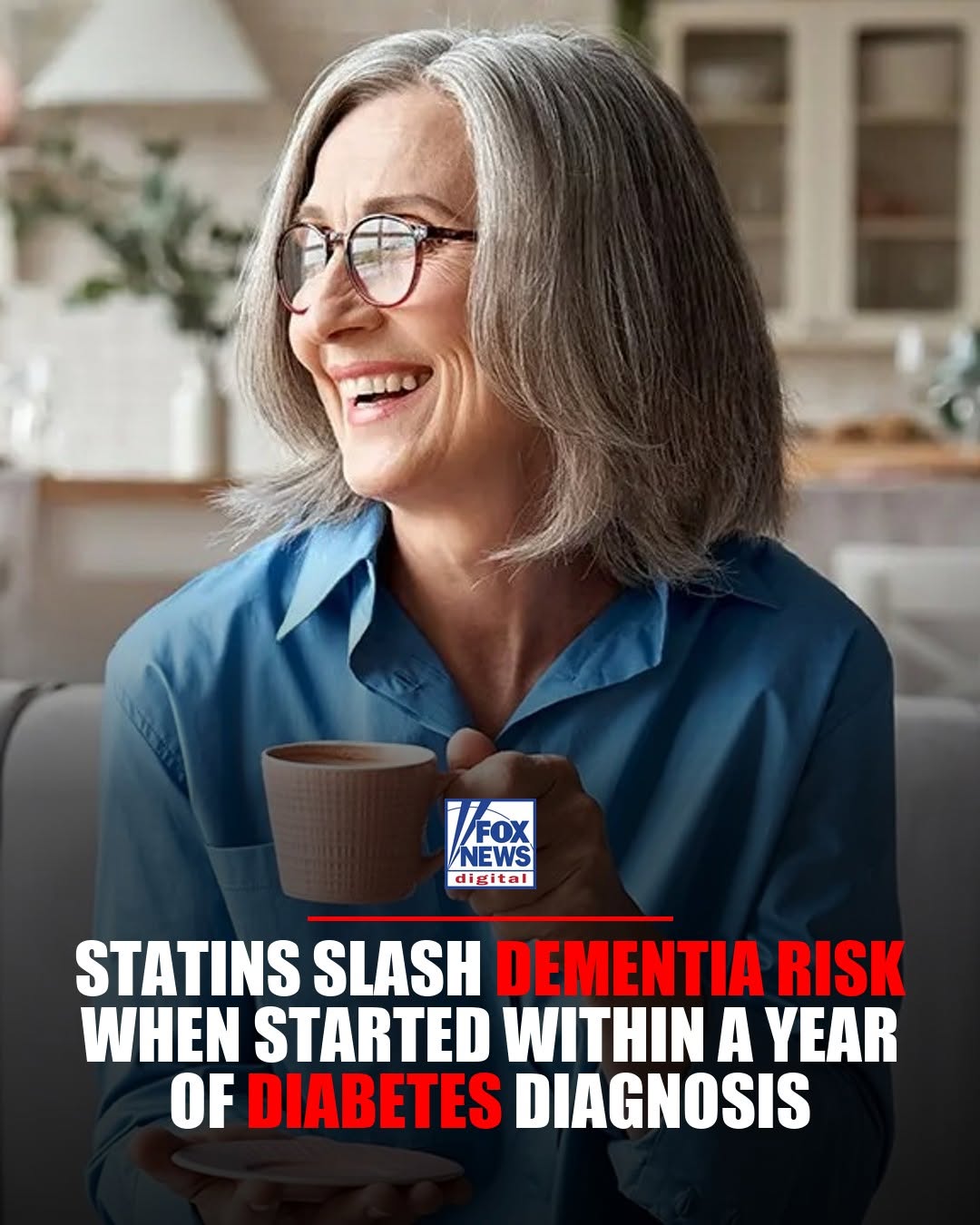
Statins started within a year of type 2 diabetes tied to 15% lower dementia risk

Sep 04, 2026 · Louis Nervegna ♥ 4

Louis shares a Danish observational study of over 132,000 patients with type 2 diabetes; starting statins within a year was tied to 15% lower dementia risk over a decade, driven by vascular dementia. He notes it hints at starting early, as the STAREE trial showed no effect when starting in old age.

New Scientist: most statin label side effects are not caused by statins

Feb 11, 2026 · Louis Nervegna ♥ 1 · 💬 2

Shared news report on a rigorous assessment of the evidence concluding that the long list of statin side effects is vastly overstated and that package warnings may be deterring people from life-saving drugs. The investigator quoted says we can now be confident statins do not cause the vast majority of listed issues.

Lp(a) makes clots form more easily and resist breakdown via OxPL and apo(a)

Nov 10, 2026 · Louis Nervegna ♥ 3 Lp(a)

Louis shares a summary of an ATVB commentary by Rafael Zubiran explaining why high Lp(a) may be worse than LDL. Its oxidized phospholipids activate monocytes to make tissue factor, and apo(a) resembles plasminogen and competes with clot breakdown, producing denser, harder-to-dissolve clots. Louis notes statins, especially atorvastatin, may neutralize OxPL and aspirin lowers clotting risk.

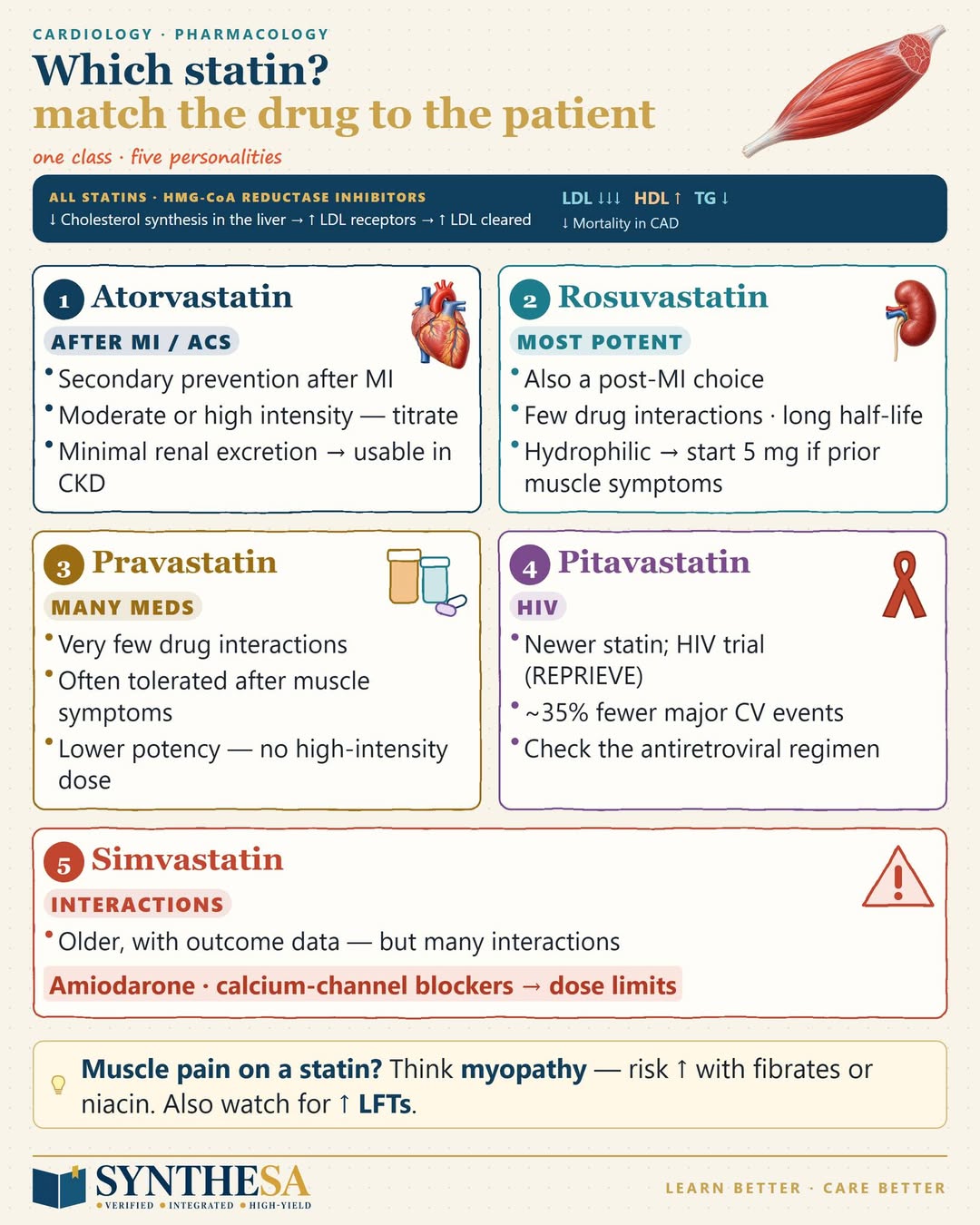
Atorvastatin is generally preferred over rosuvastatin in chronic kidney disease

Dec 08, 2025 · Louis Nervegna ♥ 4

Louis shares an MRCP UK explainer on statins in CKD: atorvastatin needs no renal dose adjustment (under 2% renal excretion), while rosuvastatin is 30% renally excreted, needs dose reduction at low eGFR and can cause reversible proteinuria at high doses. KDIGO advises a statin with or without ezetimibe in CKD stages 3-5 not on dialysis.

Statins may lower cardiac embolism risk via pleiotropic effects; anticoagulants lead

Oct 24, 2026 · Louis Nervegna ♥ 2 · 💬 1

A quoted explainer says statins may reduce cardioembolic stroke risk via anti-inflammatory and endothelial effects, and preclinical data suggest protection against adverse heart remodeling. Anticoagulants remain the main defense in AFib, and clinical evidence on structural benefits is mixed. No specific studies are named.

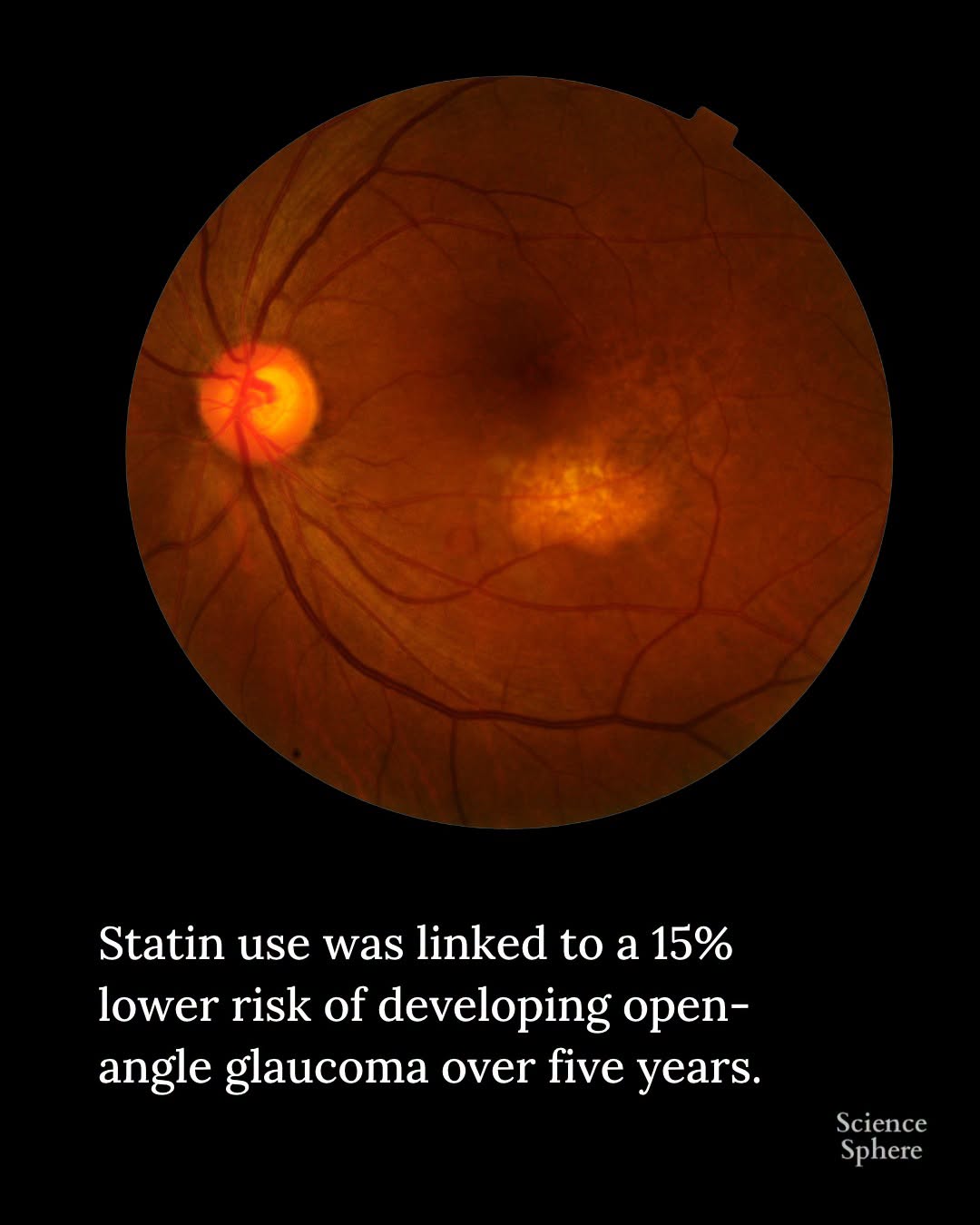
Statin use linked to 15% lower risk of open-angle glaucoma at 5 years

Oct 24, 2026 · Louis Nervegna ♥ 3

A Medscape report says statin use was associated with a 15% lower risk of developing open-angle glaucoma at 5 years and a substantially reduced need for laser or surgery in patients who already had it. Associations were somewhat weaker at 10 years and seen with atorvastatin and rosuvastatin. Observational data.

Possible, mostly unproven natural ways to lower Lp(a) after statins leave it high

Jan 28, 2025 · Louis Nervegna ♥ 4 Lp(a)

Louis shares a question from a member who started statins and saw large improvements in cholesterol and triglycerides but still has high Lp(a). He points to the comments for possible natural approaches, stressing that little if any of this is proven. Since no other effective treatment for high Lp(a) was available, some might be worth trying, with caution.

Statin users had 15% lower glaucoma risk and needed fewer eye procedures

Nov 06, 2026 · Louis Nervegna ♥ 2

Louis shares a report from the British Journal of Ophthalmology: among over 200,000 statin users and matched controls, statin users were 15% less likely to develop open-angle glaucoma over 5 years and 10% less over a decade. Among nearly 280,000 glaucoma patients, statin users needed fewer laser treatments and surgeries. The mechanism is unclear and the study is observational.
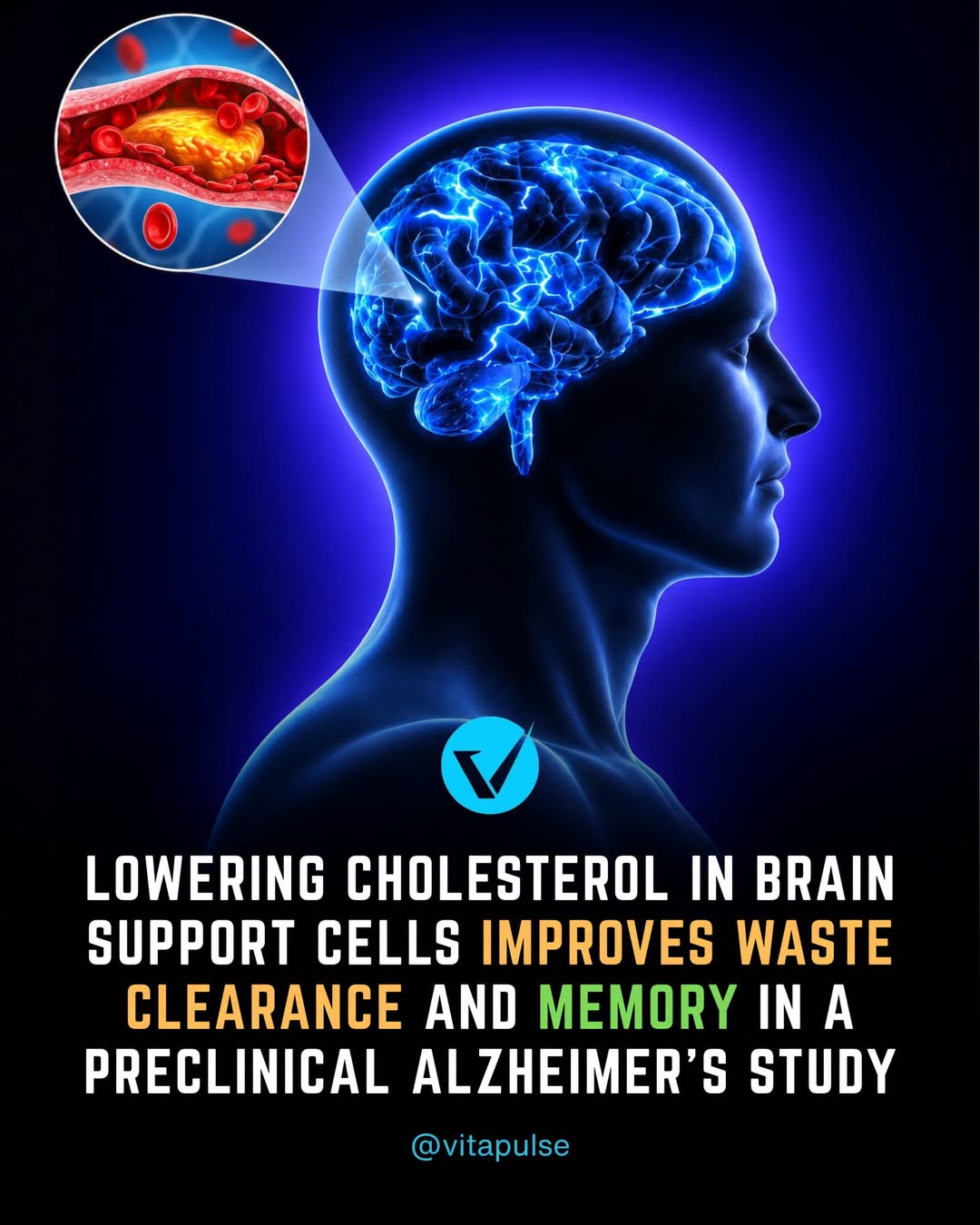
Amyloid-beta drives excess astrocyte cholesterol and impairs brain waste clearance in mice

Nov 03, 2026 · Louis Nervegna ♥ 2 Brain health & dementia

A Nature Neuroscience mouse study found amyloid-beta raises calcium activity in astrocytes, boosting cholesterol production and removing AQP4 water channels, which impairs the glymphatic waste-clearing system. Calming astrocytes, blocking cholesterol synthesis or giving atorvastatin restored clearance and memory in mice. Human trials are needed, but the mechanism may partly explain observational links between statin use and lower dementia risk.

A rising calcium score on a statin does not mean it failed, per FLOWPROMOTE details

Nov 08, 2026 · Louis Nervegna ♥ 1 Plaque, CAC & CT angiography

Louis shares a cardiologist's explanation that a higher calcium score on a statin neither proves failure nor success, since plaque picks up calcium as it hardens and denser calcium counts extra. It summarizes FLOWPROMOTE: atorvastatin 40 mg vs rosuvastatin 40 mg plus ezetimibe 10 mg lowered LDL more and shrank total plaque more in 18 months while calcified plaque grew in both groups. These were secondary results of a small trial on CT, not event outcomes.
JAPAN-ACS sub-study: statins lowered AGEs, which were linked to plaque progression

Sep 13, 2025 · Louis Nervegna ♥ 1

A sub-study of the JAPAN-ACS trial found high baseline advanced glycation end products (AGEs) were independently associated with plaque progression, and statin therapy significantly lowered AGE levels. Louis notes the trial produced the largest plaque regression, about -17%, in a drug trial.