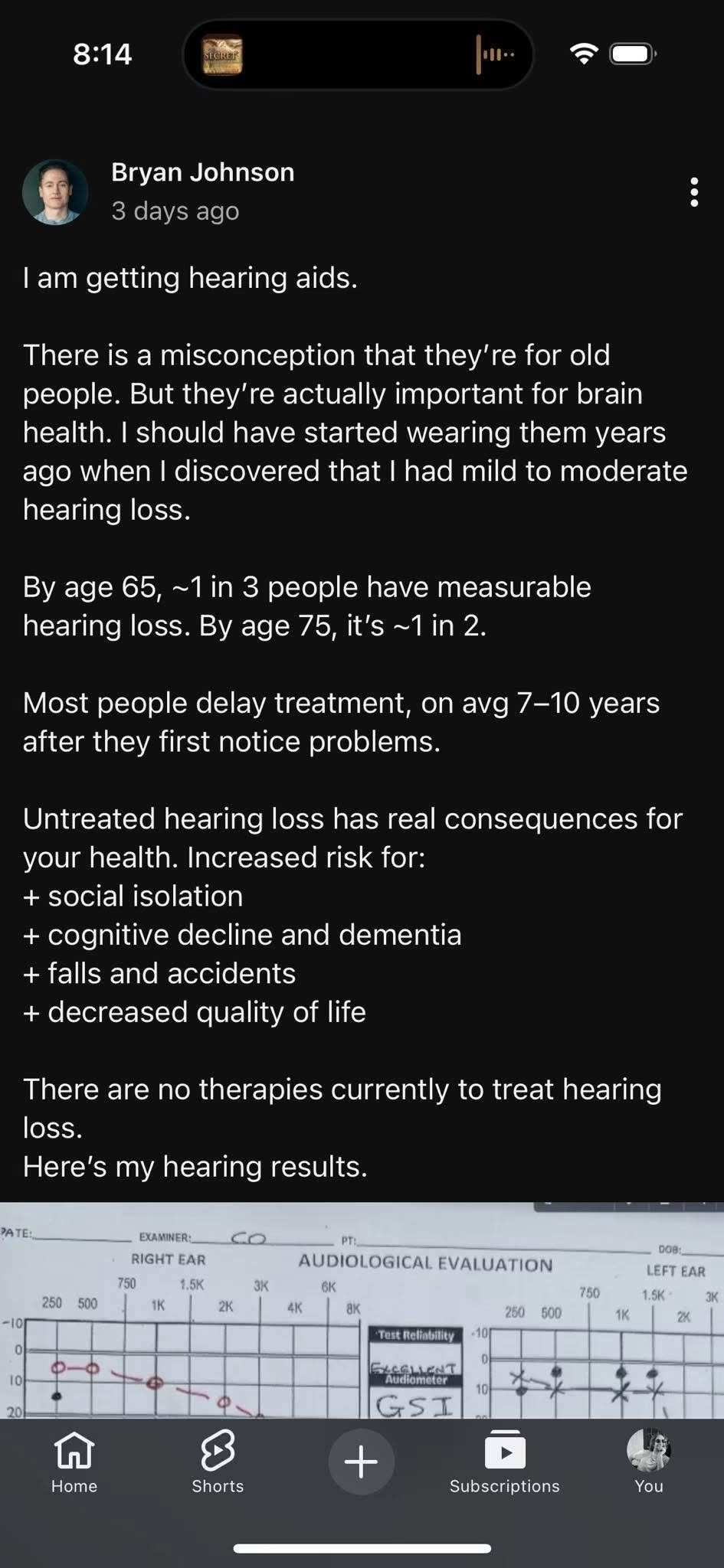
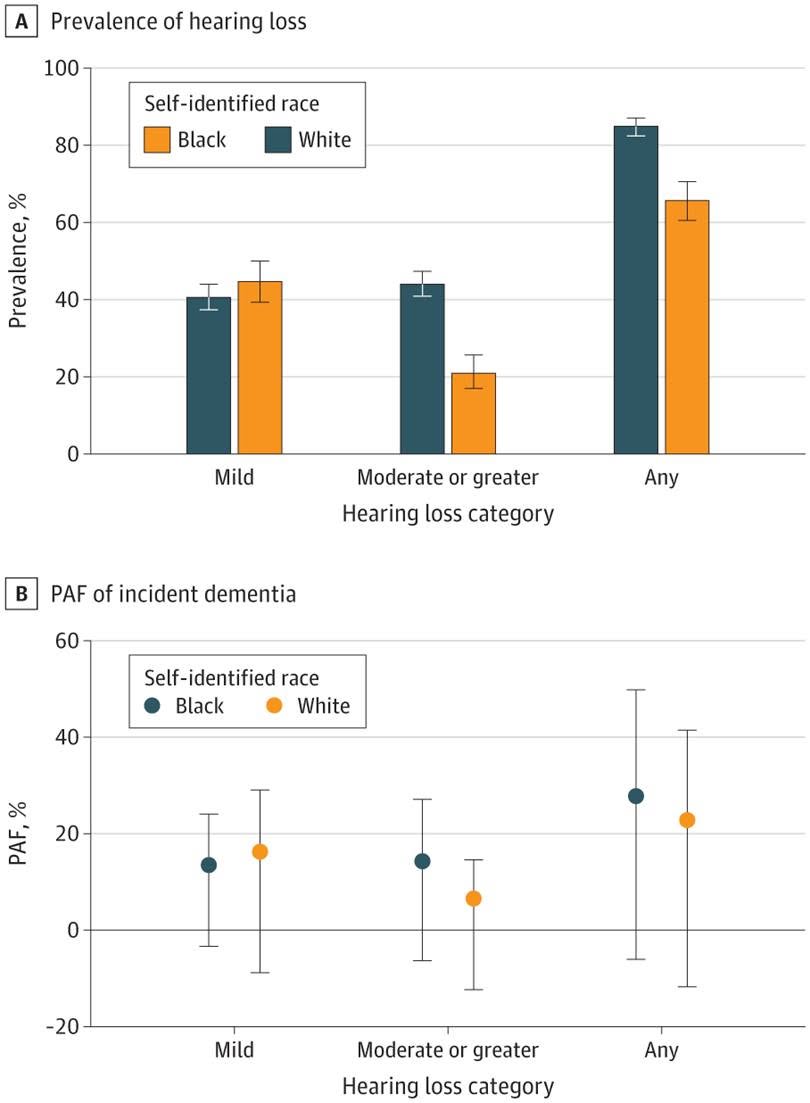
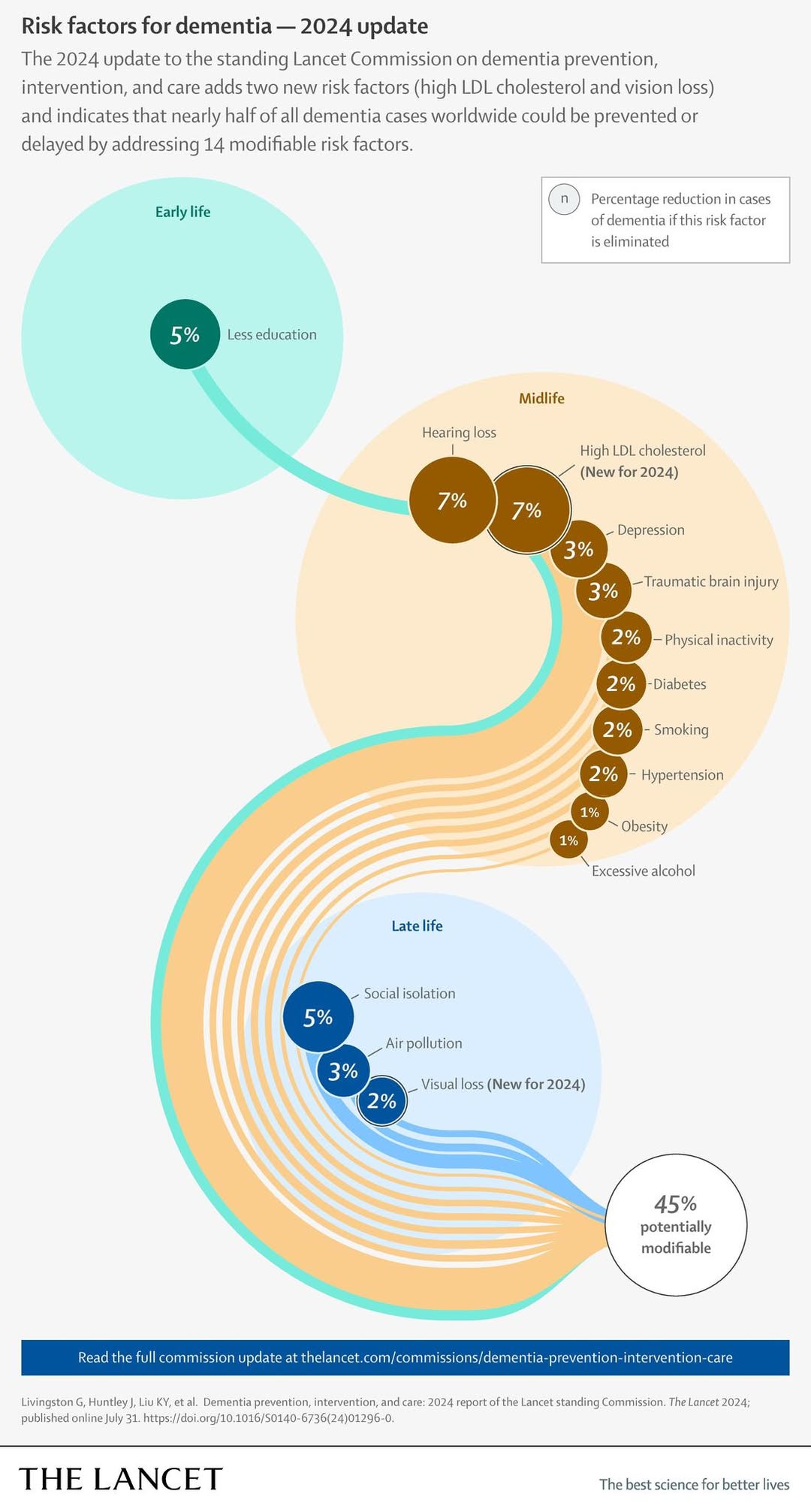
Treating hearing loss doesn’t just lower the risk of developing dementia.
In people with mild cognitive impairment (MCI), it can actually improve cognition substantially!
This was a surprise finding in the recent CHOICE randomized trial.
Quoted:
The rate of cognitive improvement, however, was 15.34% in the intervention group and 2.36% in the control group, suggesting a nearly six times greater chance of improvement for people who received hearing aids (RR 5.94, P<0.001), the researchers noted in JAMA Neurology.
"These findings suggest that treating hearing loss may help a meaningful minority of older adults with mild cognitive impairment regain everyday cognitive and functional capacity, and not simply slow decline," Wu told MedPage Today.
The "surprisingly giant effect size" of the secondary outcome in CHOICE requires replication, particularly in light of the null primary outcome finding, but "altogether, these findings suggest that intervention with hearing aids may have an important protective effect for older adults at increased risk of cognitive decline, which is not observed among lower-risk counterparts," Golub and colleagues noted.
CHOICE was conducted from 2021 to 2026 at three tertiary otology outpatient clinics and three CHOICE cohort community health stations in Shanghai. The study enrolled 703 older adults with moderate-to-severe hearing loss and co-existing mild cognitive impairment, defined as a CDR global score of 0.5.
CHOICE participants had a mean age of 74.5 years and 64% were men. All were randomized to receive either a hearing aid intervention (353 people) or hearing care education (350 people).
The trial's primary outcome was the conversion rate from mild cognitive impairment (CDR global score of 0.5) to dementia-level impairment (CDR global score of 1) over 24 months. CDR global scores can range from 0 (normal cognition) to 3 (severe dementia). Prespecified secondary outcomes included the rate of cognitive improvement from a CDR global score of 0.5 to 0.
“Hearing aids have well-established benefits for communication, social engagement, and quality of life, regardless of any effect on cognition," Wu said. "What CHOICE adds is a signal that, over 2 years and in this population, hearing intervention was associated with a substantially higher rate of cognitive improvement from mild cognitive impairment back to a CDR of 0."
#hearingHD #dementiaHD #alzheimersHD #dementiahearingHD #hearingaidsHD #choiceHD #mciHD