HD-OPM Archive
Topics › Carbs, fiber, sugar & whole grains

Willett: refined sugar and starch, ~40% of US calories, are causal in heart disease

Louis Nervegna · Sep 29, 2026 · ♥ 5 reactions · 2 comments · original Facebook post
Carbs, fiber, sugar & whole grainsInsulin resistance & diabetes
↻ This is a repost. The main version (highest ranked) is Willett: refined starch and sugar (~40% of US calories) drive heart disease and diabetes · Jan 26, 2024.
AI summary & key facts

The poster argues that mainstream nutrition science now shows refined sugar and starch, possibly including white potato starch, are directly causal in heart disease and diabetes. He says Americans get about 40% of calories from these sources and that shifting to healthier carbohydrates, fats or protein would reduce risk, citing Harvard's Walter Willett.

(no text — see the shared post below)

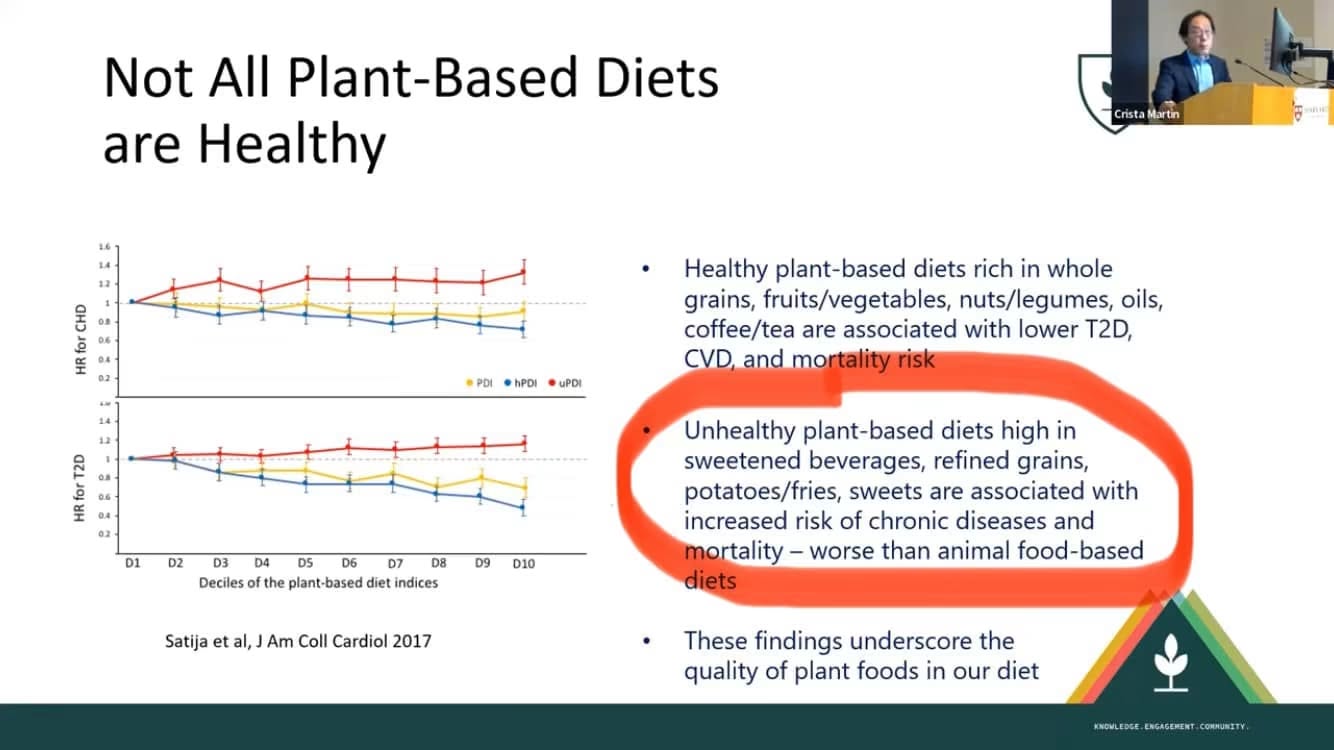
Even in traditional academic evidence-based nutrition, it has become very clear that refined sugar and refined starch are directly causal in multiple diseases including heart disease and diabetes. This may also include the starch in white potatoes.

The scientific evidence for this has become overwhelming. Listen to Harvard professor Walter Willett explain it in this video. (This guy is about as rigorous and evidence-based as it gets in nutrition.)

In the USA, we get 40% of our calories from refined sugar/starch and white potatoes. Now that trans fats have been removed from the food supply (largely because of past lobbying efforts from Willett), this enormous intake of refined carbohydrate may represent the biggest single cause of disease and suffering in western diets.

To eliminate this increase in disease risk, the 40% of calories from refined sugar/starch and white potatoes has to be transitioned to healthier forms of carbohydrate or to healthy sources of fat or protein.

#refinedstarchHD #refinedsugarHD #willettHD #harvardHD #potatoesHD

← newer: Video: how insulin causes cells to take up glucoseolder: CHOICE trial: hearing aids gave nearly six-fold cognitive im →