HD-OPM Archive
Hashtags

#alzheimers

220 posts

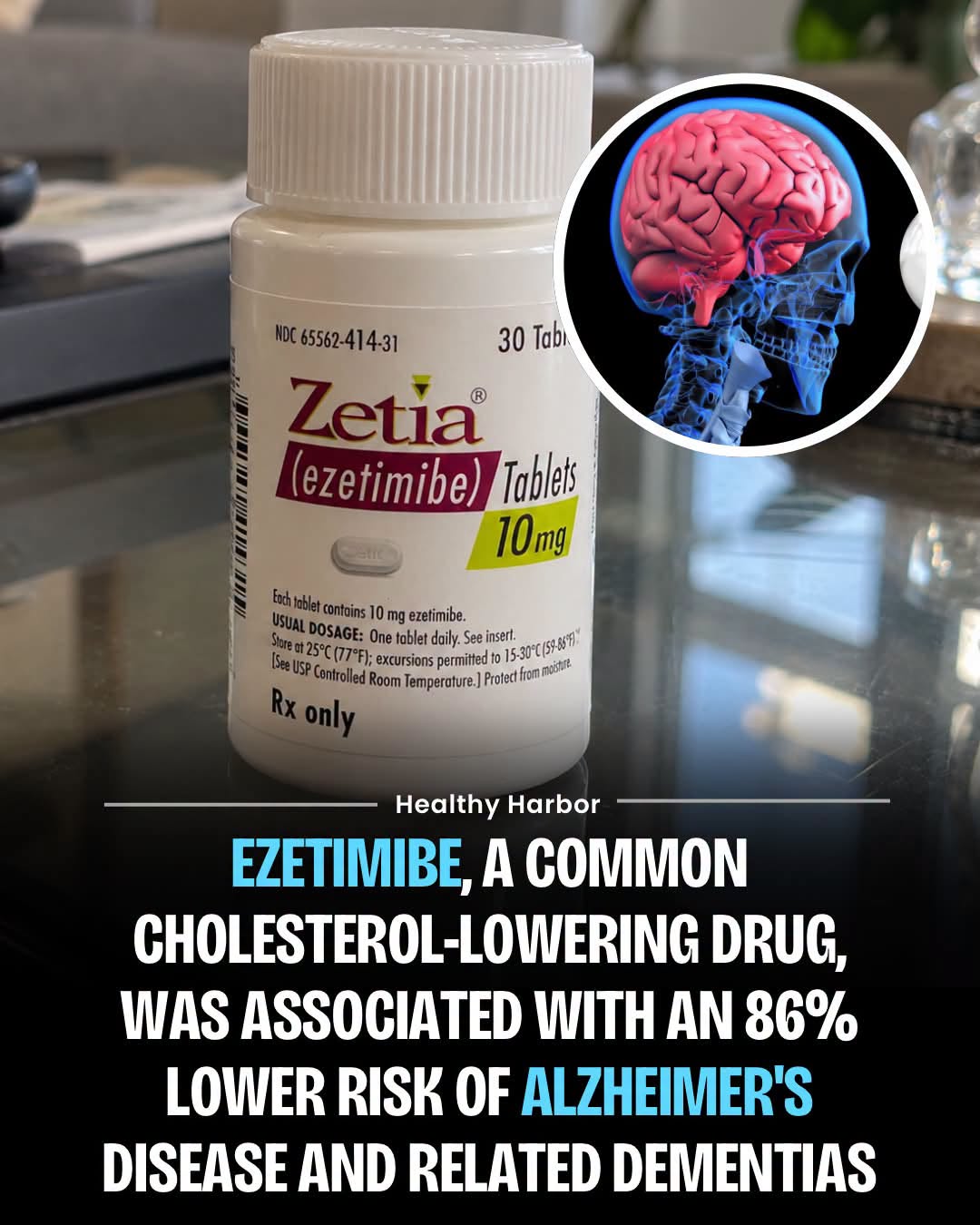
Ezetimibe use linked to 86% lower Alzheimer's and dementia risk in database analysis

Oct 19, 2026 · Louis Nervegna ♥ 38 · 💬 27 Brain health & dementia

A 2024 Aging Biology paper analysed clinical databases and found that people taking the LDL-lowering drug ezetimibe had a much lower risk of Alzheimer's disease and related dementias. Brain tissue from patients also showed more of two proteins, HK1 and 14-3-3 gamma. This is an observational association, so it does not prove the drug prevents dementia.
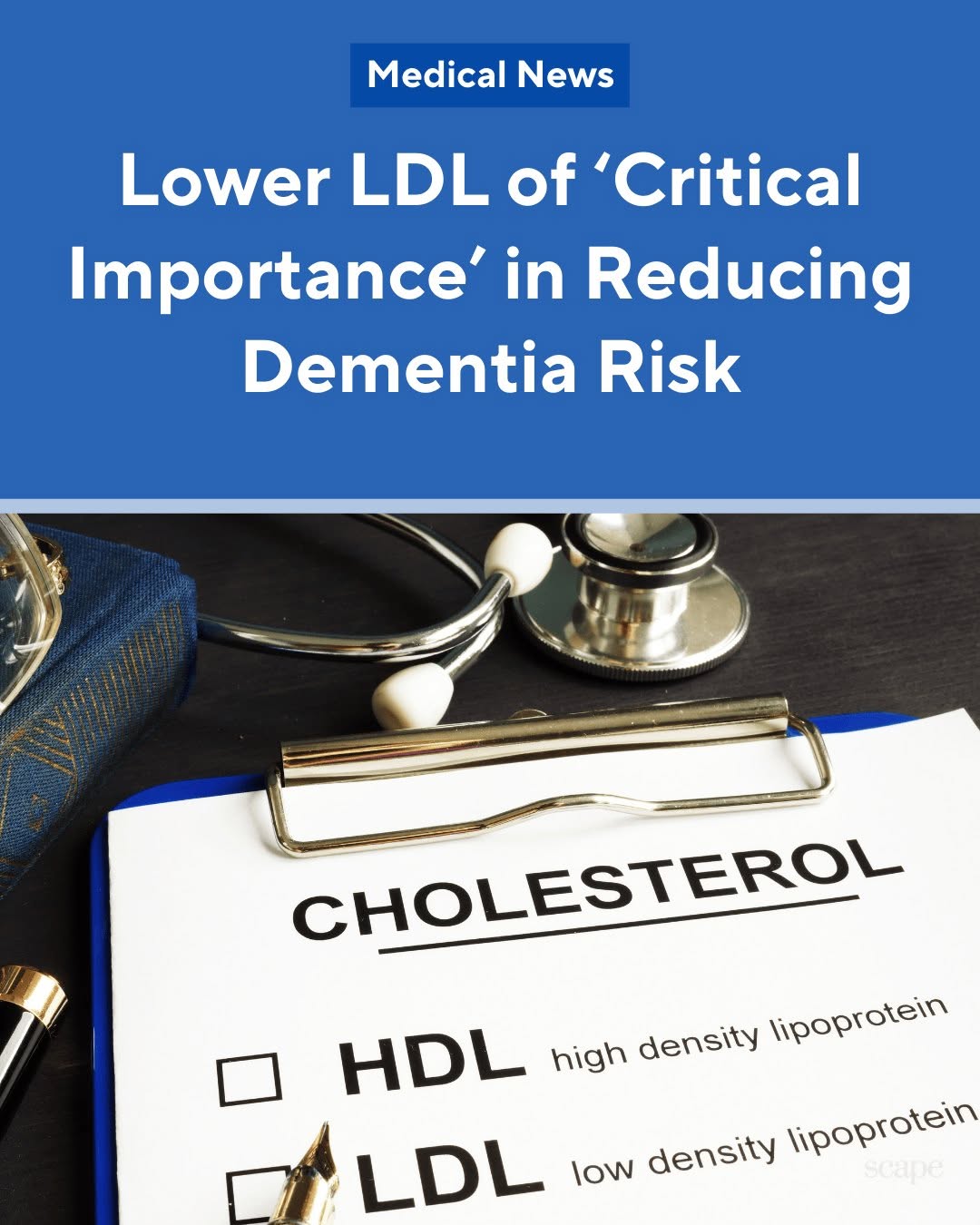
High LDL does not protect the brain: 2024 Lancet Commission lists LDL as top dementia risk

Dec 15, 2024 · Louis Nervegna ♥ 18 · 💬 38 Brain health & dementia

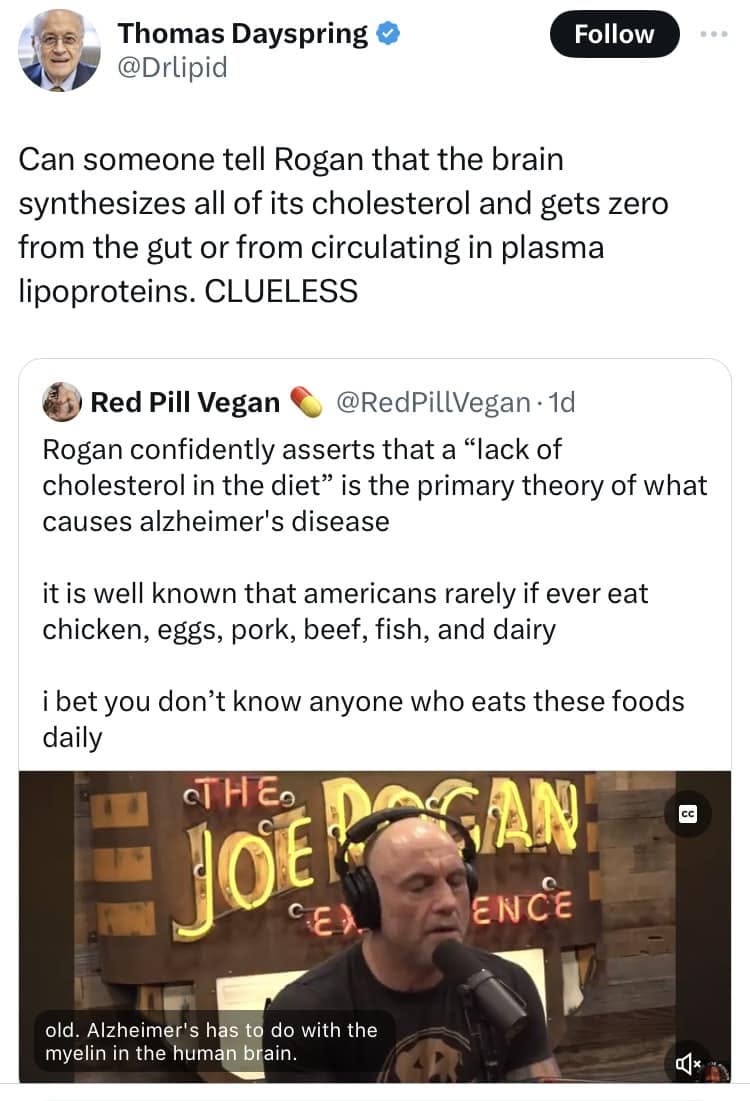
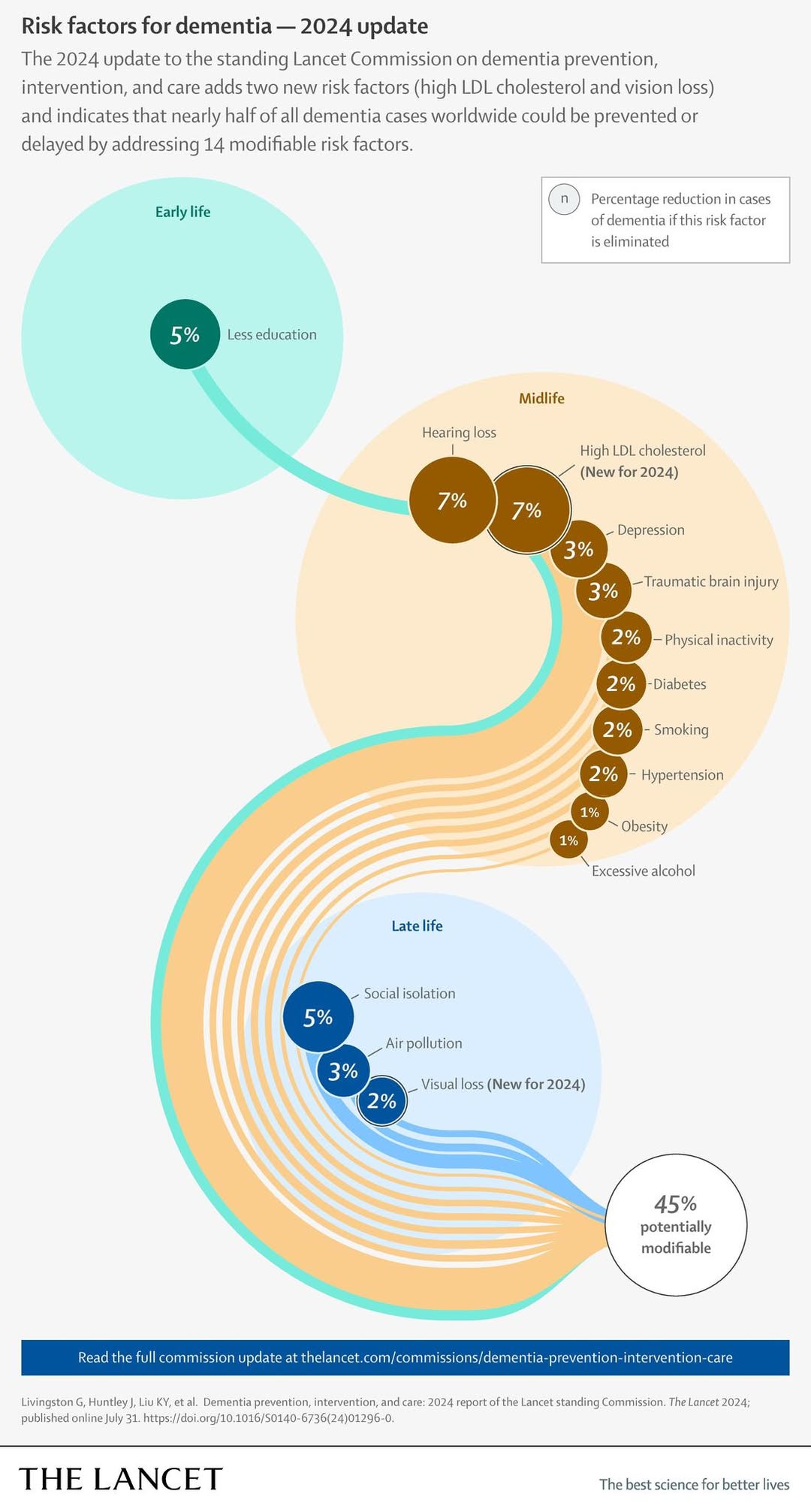
Louis counters the claim that high blood LDL protects against dementia. The 2024 Lancet Commission lists LDL cholesterol as the biggest modifiable dementia risk factor, accounting for 7% of cases among 14 factors that together account for 45%. He adds circulating cholesterol does not cross the blood-brain barrier; the brain makes its own.
Only lipophilic statins like atorvastatin enter the brain; PCSK9 drugs and ezetimibe don't

Oct 18, 2025 · Louis Nervegna ♥ 25 · 💬 10 Brain health & dementia

Louis explains the blood-brain barrier and cholesterol: the brain makes its own cholesterol separately from blood, so non-statin LDL drugs and hydrophilic statins like rosuvastatin have little brain effect. Lipophilic statins do enter the brain, with promising observational data against Alzheimer's, and a 20,000-person atorvastatin trial is under way. Two prior trials showed statins do not worsen existing Alzheimer's, and midlife high LDL is a leading modifiable dementia risk (2024 Lancet Commission, about 7% of US cases per Louis).

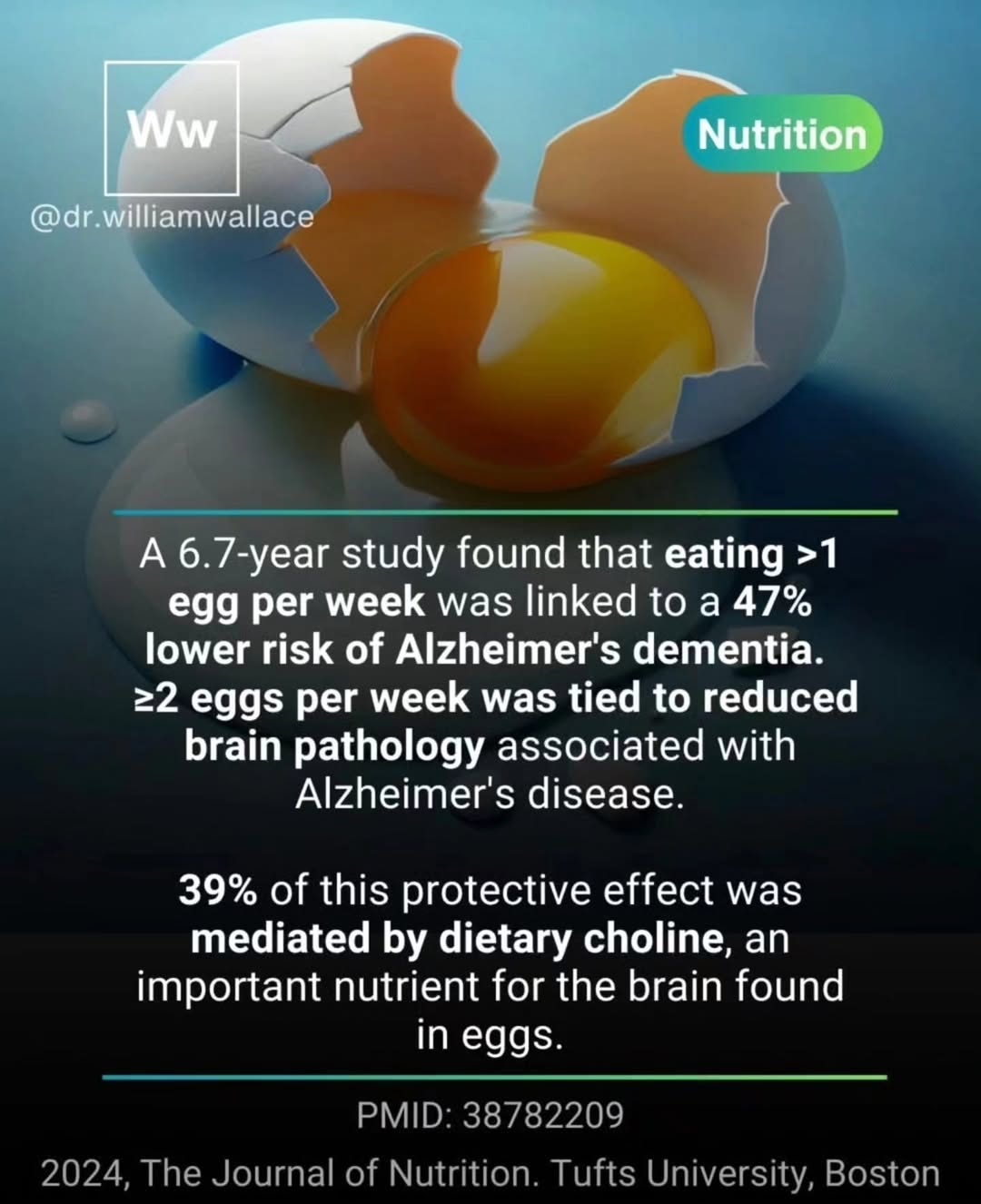
Rush study: more than 1 egg per week linked to 47% lower Alzheimer's dementia risk

Mar 13, 2025 · Louis Nervegna ♥ 19 · 💬 13 ↩ 1 Meat, eggs & dairy

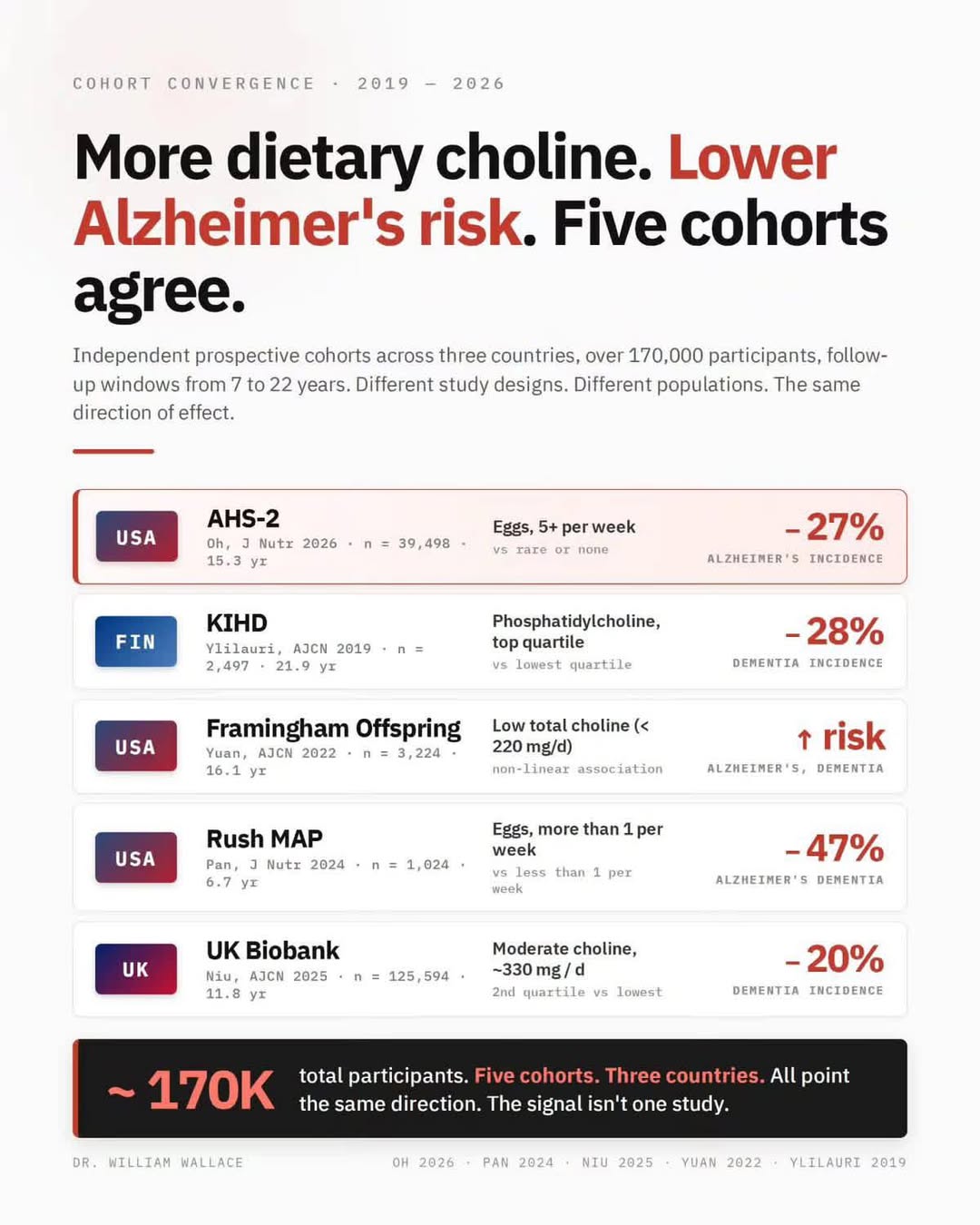
Louis shares a summary of a 6.7-year Journal of Nutrition study of 1,024 older adults (about 81 years) finding that eating more than one egg per week was associated with 47% lower Alzheimer's dementia risk, with choline explaining 39% of the effect. He notes the egg choline form (phosphatidylcholine) does not raise TMAO. The study is observational with self-reported diet.

High insulin/IGF-1 tied to cancer, diabetes; Laron syndrome and low-IGF-1 mice live longer

May 13, 2025 · Louis Nervegna ♥ 23 · 💬 13 Aging & longevity

Louis praises a video on height, insulin/IGF-1 and longevity and lays out his argument: diet (refined starch/sugar and excess animal protein) is the main driver of IGF-1, and low IGF-1 is linked to lower cancer and diabetes risk. He cites Laron syndrome, with no documented cancer deaths, little diabetes and less heart disease and Alzheimer's, and a long-lived low-IGF-1 mouse. Claims come from the post and videos, not named papers.

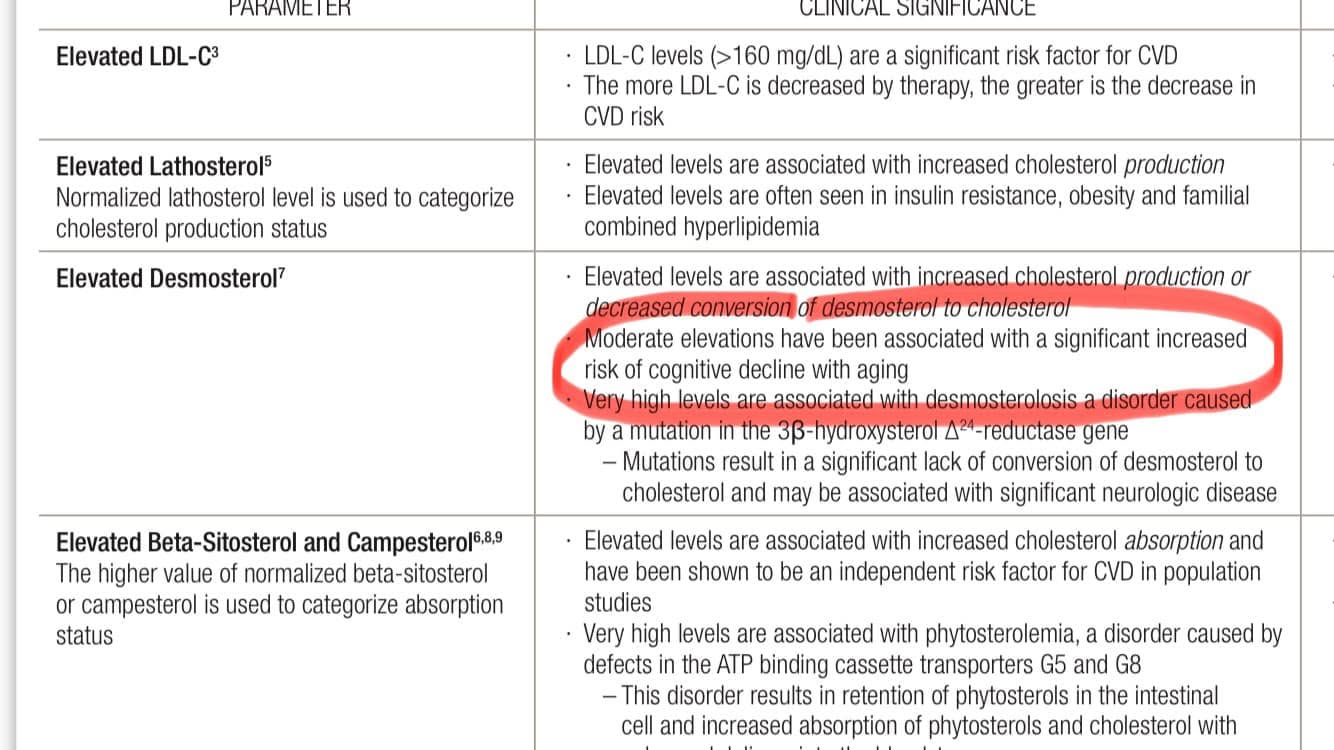
Boston Heart's desmosterol test is likely a waste of money, argues Louis

Jan 15, 2024 · Louis Nervegna ♥ 13 · 💬 15 Risk assessment & lab tests

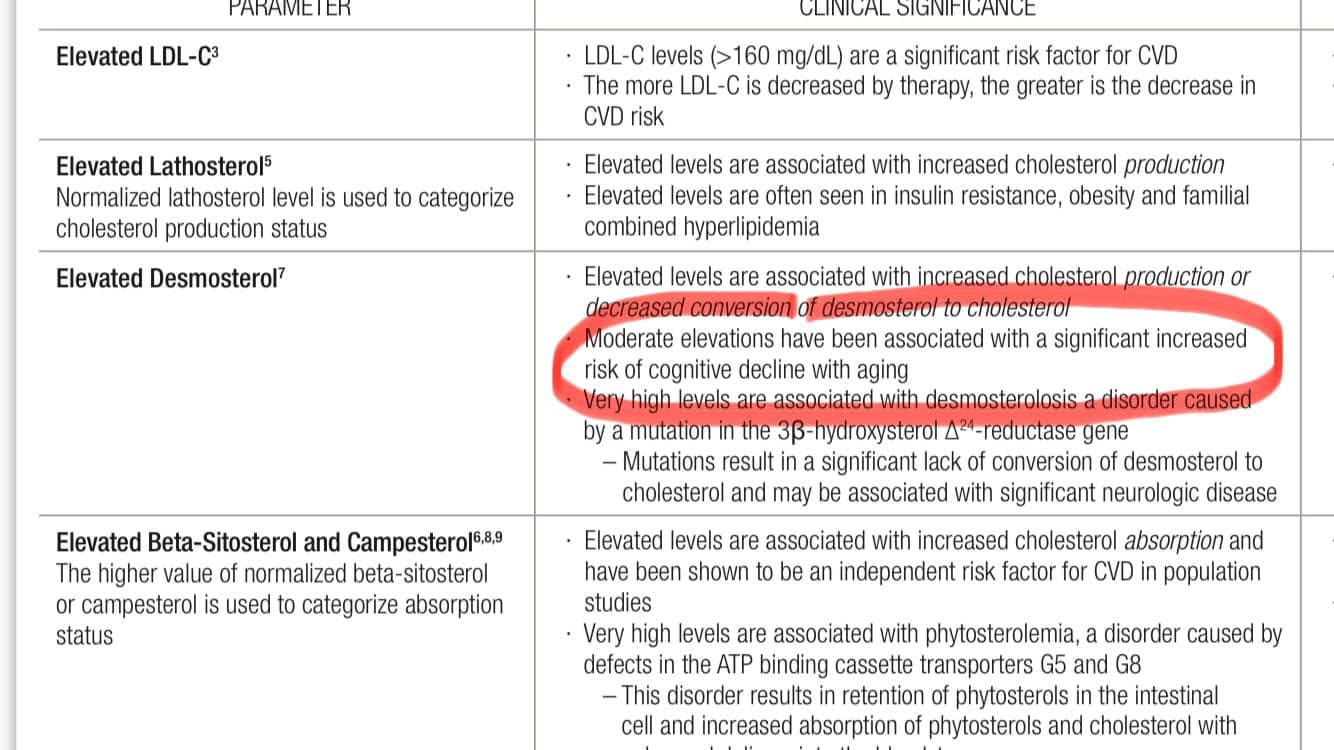
Louis critiques the desmosterol blood test, a marker of cholesterol production marketed for predicting statin response and Alzheimer's risk. He argues statin response can simply be checked by trying a statin, and that in healthy people high (not low) desmosterol is associated with higher dementia risk, so claims that statins raise Alzheimer's risk via lowering desmosterol are backwards. Even the test maker's material says lower desmosterol is optimal.

Two slices of deli meat a day linked to 44% higher dementia risk in a new review

Oct 02, 2026 · Louis Nervegna ♥ 14 · 💬 15 Meat, eggs & dairy

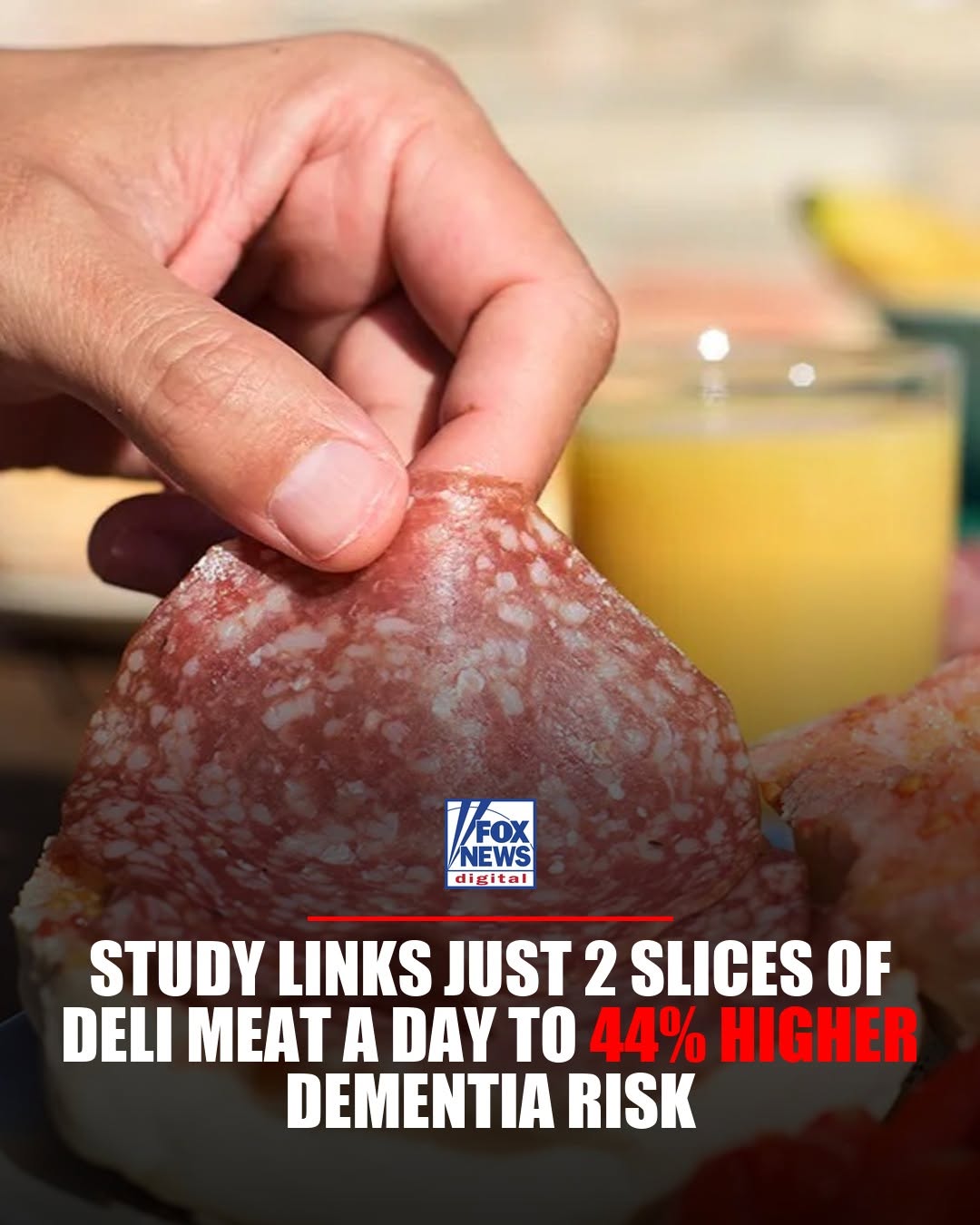
A review in the Annual Review of Nutrition reports that about two slices of processed meat daily is linked to 44% higher dementia risk and 52% higher Alzheimer's risk, drawing on dozens of studies including nearly 500,000 UK participants. Replacing 10% of ultra-processed food calories with unprocessed food was linked to 19% lower dementia risk. The poster says processed meat has the worst hazard ratios of any food category apart from trans fats.

Adventist Health Study: nuts and beans protected against dementia as much as eggs

May 27, 2026 · Louis Nervegna ♥ 17 · 💬 6 Brain health & dementia

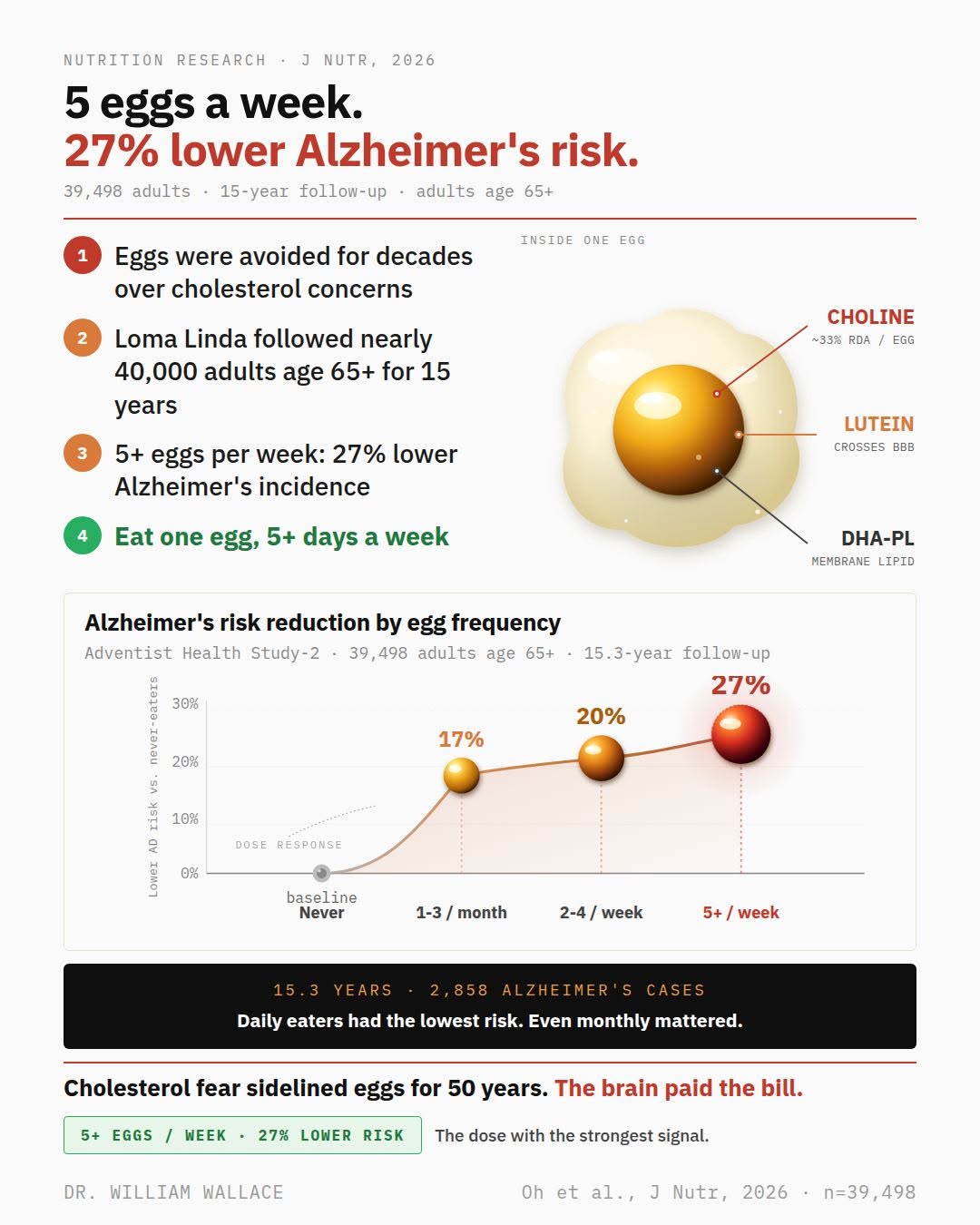
Louis notes this is the fifth large cohort linking eggs to lower dementia risk, but the same analysis showed nuts and beans gave equally large protection. Swap eggs for red and processed meat, not for nuts or beans. The shared post says roughly 12 almonds or a third cup of lentils matched the egg effect, undermining a choline-only explanation.

Flu vaccination linked to lower all-cause mortality, per admin's earlier evidence summary

Dec 14, 2025 · Gokhan Can ♥ 10 · 💬 13 Infections & vaccines

Reminder to get vaccinated, linking an earlier admin post. The shared summary lists the flu vaccine with 11-42% lower all-cause mortality in RCTs and prospective cohorts, 43% lower in consistent associations across 40+ studies, and 25-40% lower Alzheimer's risk, citing a cohort study and a systematic review and meta-analysis. Also notes Novavax (non-mRNA) COVID vaccine is no longer available to him.

Multivitamin trials slow cognitive decline; possible relevance to heart disease patients

Jan 19, 2024 · Louis Nervegna ♥ 10 · 💬 12 Supplements & vitamins

Louis notes large randomized trials now show a basic RDA-level multivitamin can slow cognitive decline in older people. He speculates this could matter for heart disease patients because cognitive decline and heart disease are closely linked in older people, so a simple multivitamin might mitigate some added risk. The heart-specific benefit is a hypothesis, not shown in the post.

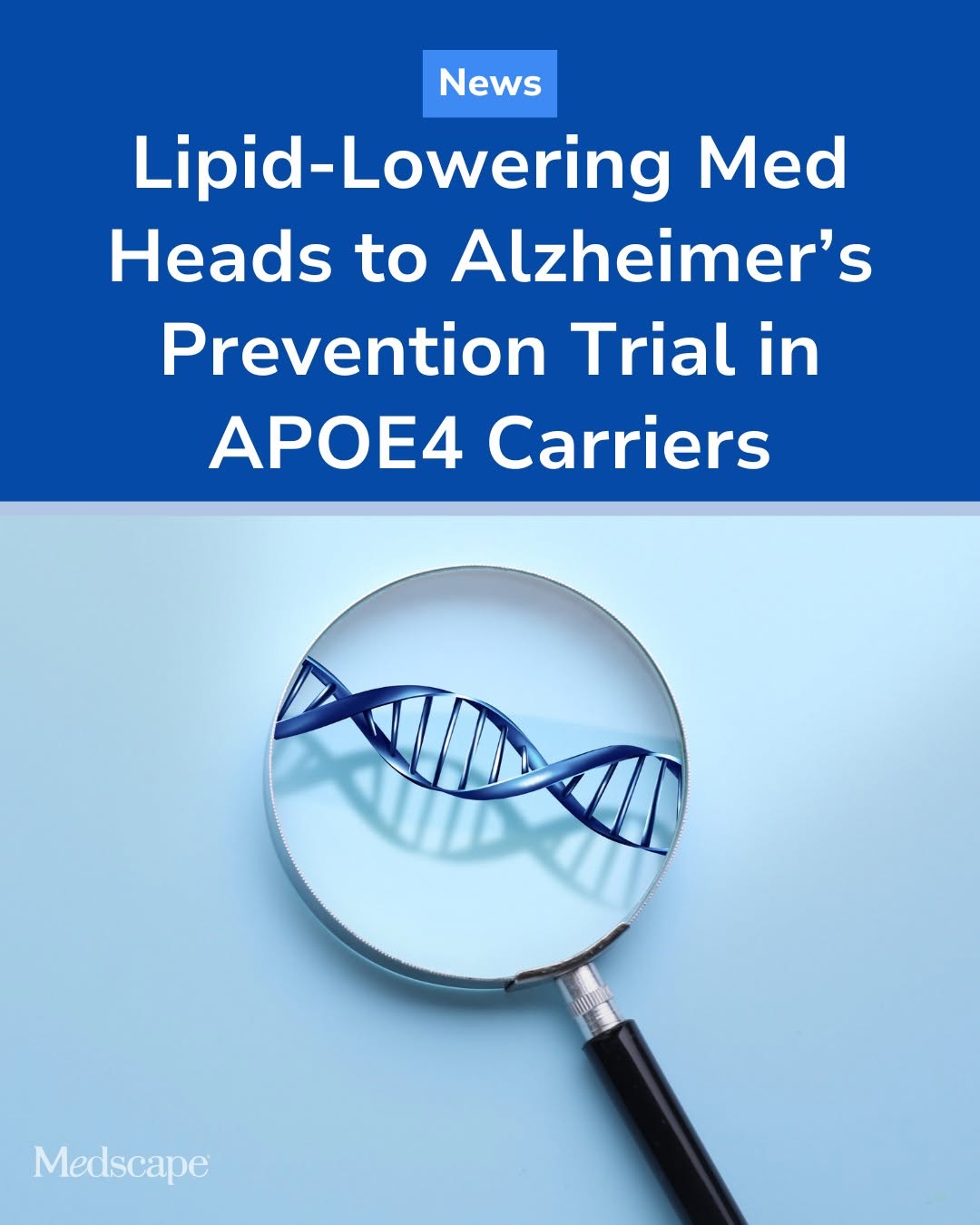
PREVENTABLE: 20,000-person trial of atorvastatin 40 mg to prevent dementia over age 75

Jun 23, 2025 · Louis Nervegna ♥ 16 · 💬 5 Statins

Louis describes the ongoing PREVENTABLE trial, which randomizes about 20,000 community-dwelling adults aged 75+ to atorvastatin 40 mg or placebo to test whether statins prevent dementia. Atorvastatin was chosen because it is lipophilic and crosses the blood-brain barrier; the trial began in 2020 and is still recruiting.
Obicetrapib gets first approval worldwide in the EU, lowering LDL up to 40-50%

Sep 21, 2026 · Louis Nervegna ♥ 18 · 💬 5 PCSK9, ezetimibe & newer drugs

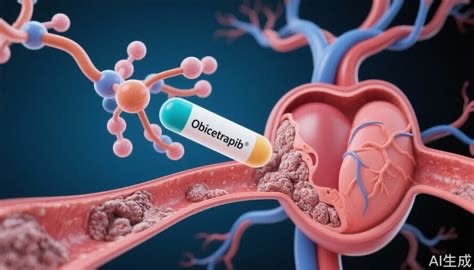
The European Commission approved obicetrapib, a low-dose oral CETP inhibitor, on 21 September 2026 in two versions: obicetrapib 10 mg alone and combined with ezetimibe 10 mg. Phase 3 trials reported LDL-C reductions of about 40% alone and about 50% with ezetimibe versus placebo. The poster says the drug has shown promise for both cardiovascular disease and Alzheimer's.

APOE4 drives cholesterol buildup in brain astrocytes, promoting toxic protein deposits

Oct 06, 2026 · Louis Nervegna ♥ 17 · 💬 4 Brain health & dementia

Mount Sinai researchers using human stem-cell-derived miBrain tissue found APOE4 causes cholesterol to accumulate in astrocytes, impairing lysosomal clearance of alpha-synuclein and promoting amyloid and alpha-synuclein deposits. A second study showed APOE4 damages brain blood vessels through mechanisms unrelated to cholesterol. The poster reads this as cholesterol being potentially causal in APOE4 carriers.

Healthy lifestyle tied to less dementia despite amyloid and tau in the brain (n=586)

Feb 06, 2024 · Louis Nervegna ♥ 9 · 💬 7 Brain health & dementia

Louis shares an observational study of 586 people whose brains were examined at autopsy and linked to up to 24 years of lifestyle data. A healthy lifestyle (not smoking, 150+ min/week exercise, light to moderate alcohol, mental stimulation and MIND diet) was associated with protection from cognitive decline even when amyloid or tau pathology was present. He notes dementia and heart disease share lifestyle prevention.

Most omnivores already eat enough fish or poultry for the APOE4 benefit in a Swedish study

Mar 24, 2026 · Louis Nervegna ♥ 12 · 💬 5 Brain health & dementia

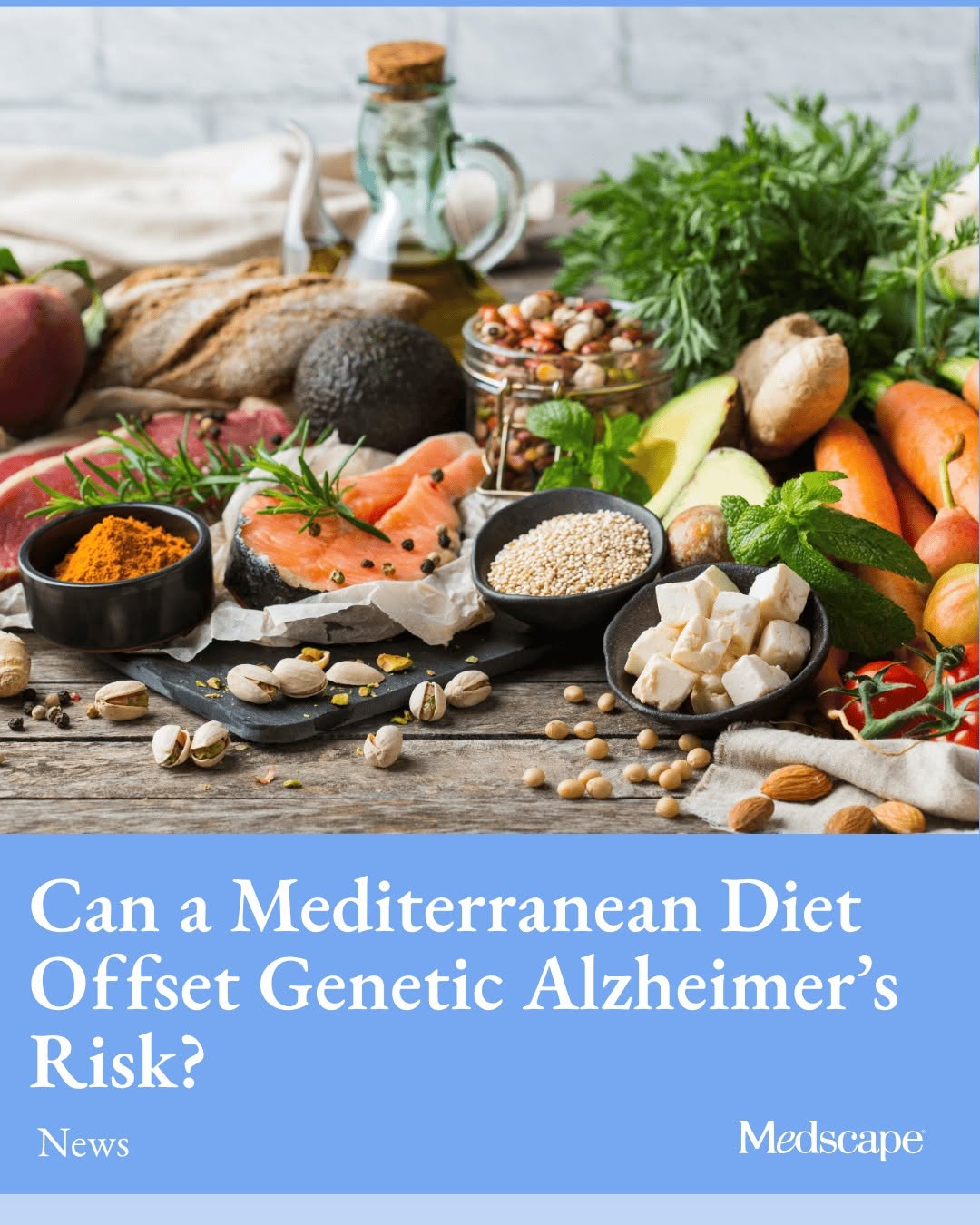
Louis comments that participants with an APOE4 gene variant saw the maximum benefit at about 2.5 oz per day of unprocessed meat or fish, which people eating Mediterranean or MIND-style diets typically already reach. He notes the study is observational, benefit was seen only in APOE 3/4 and 4/4, and processed meat raised dementia risk in everyone.

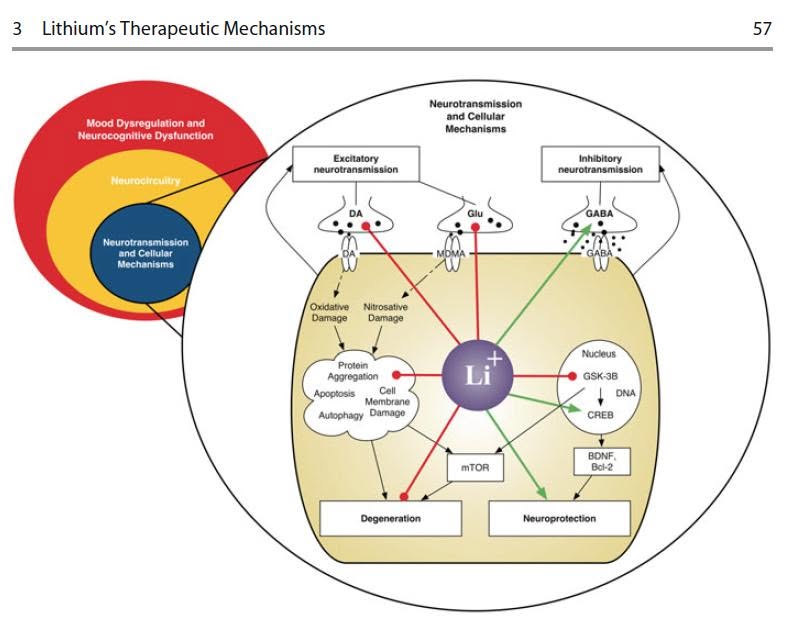
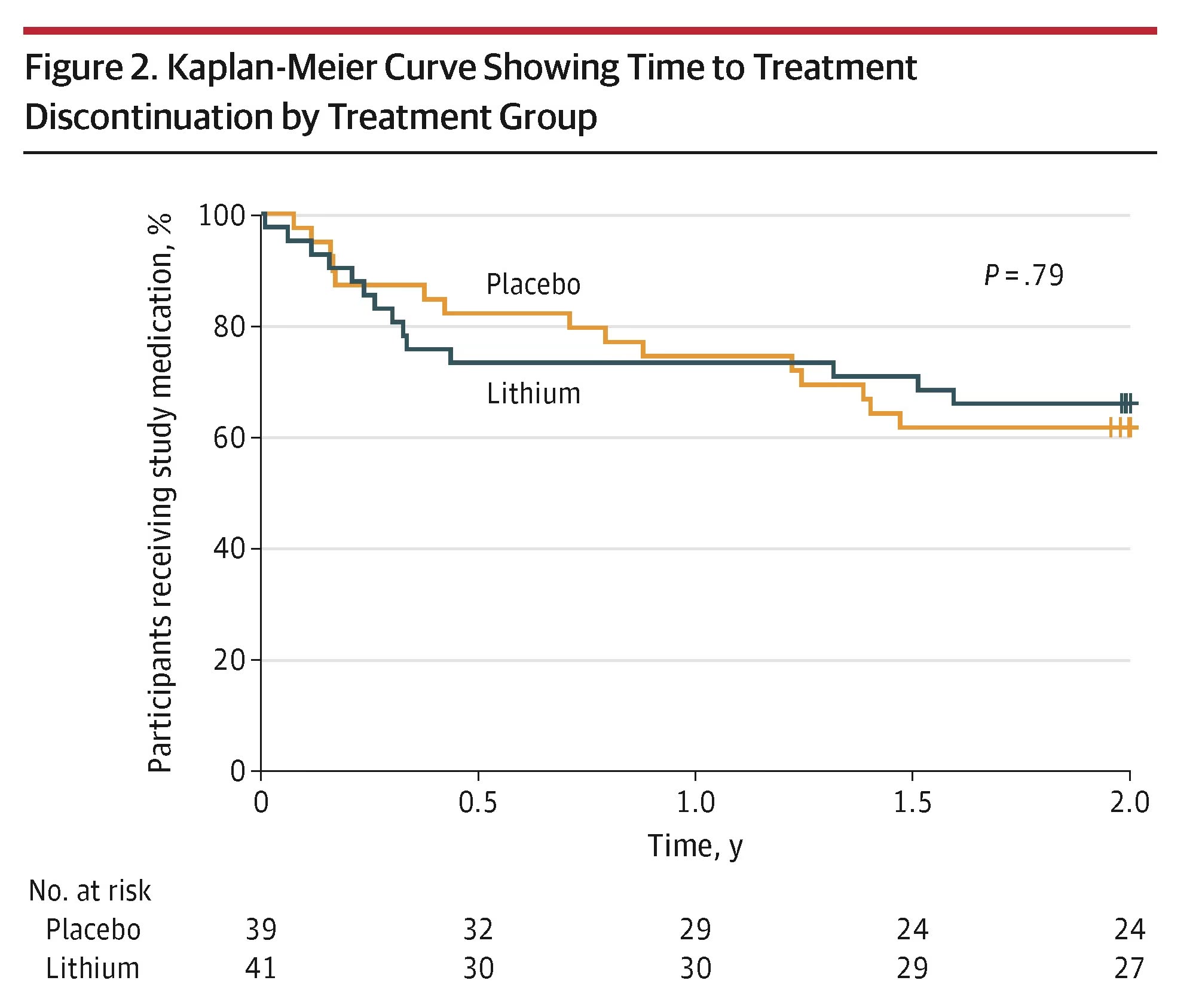
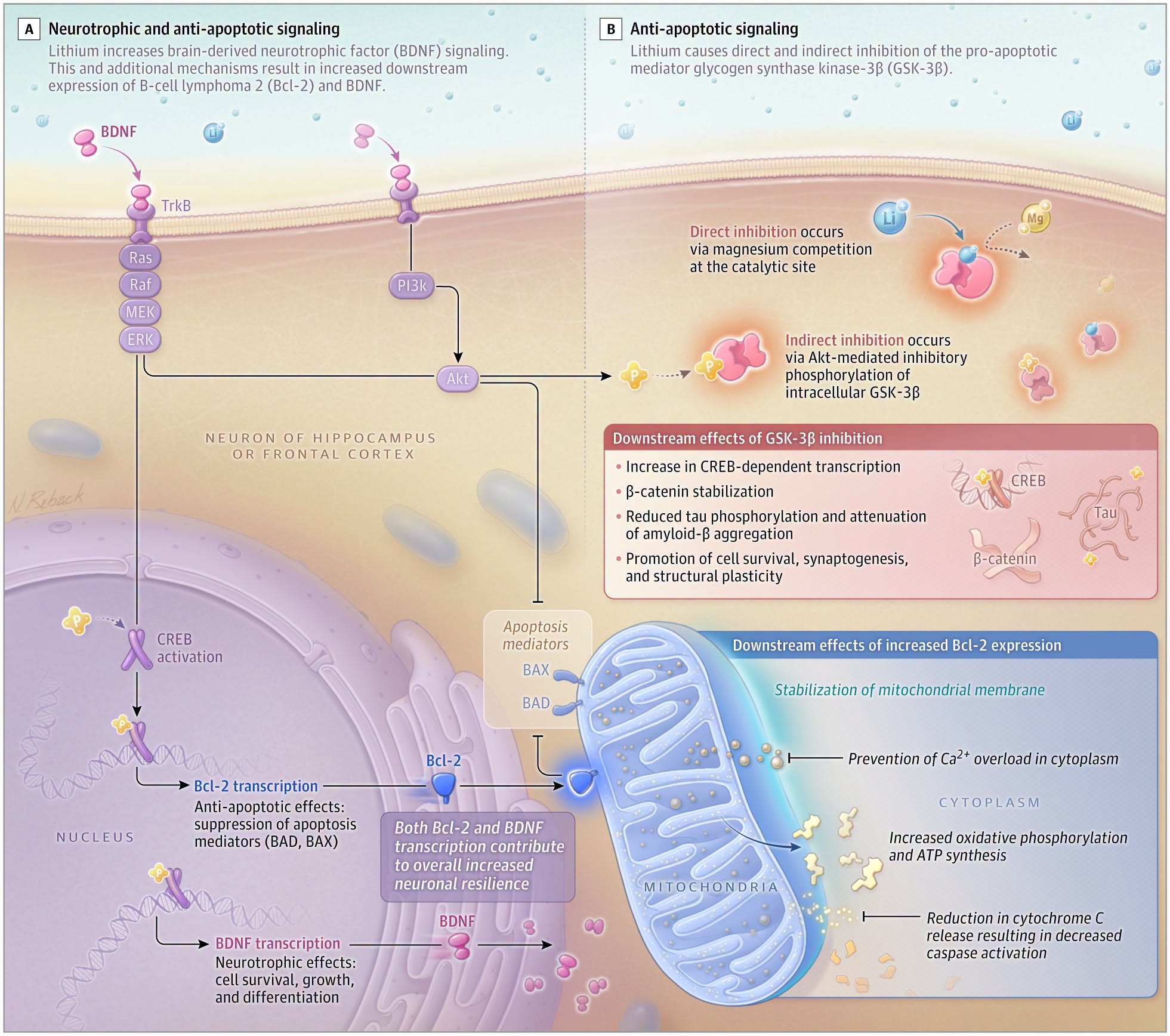
Correction: low-dose lithium inhibits overactive mTOR in the brain

Nov 11, 2025 · Louis Nervegna ♥ 15 · 💬 6 Brain health & dementia

Louis corrects a shared figure description: low-dose lithium inhibits, rather than activates, overactive mTOR in the brain, which he says is beneficial because overactive mTOR drives neurodegeneration. The shared post describes lithium's multi-level effects on brain chemistry at doses far below those used for mood disorders.

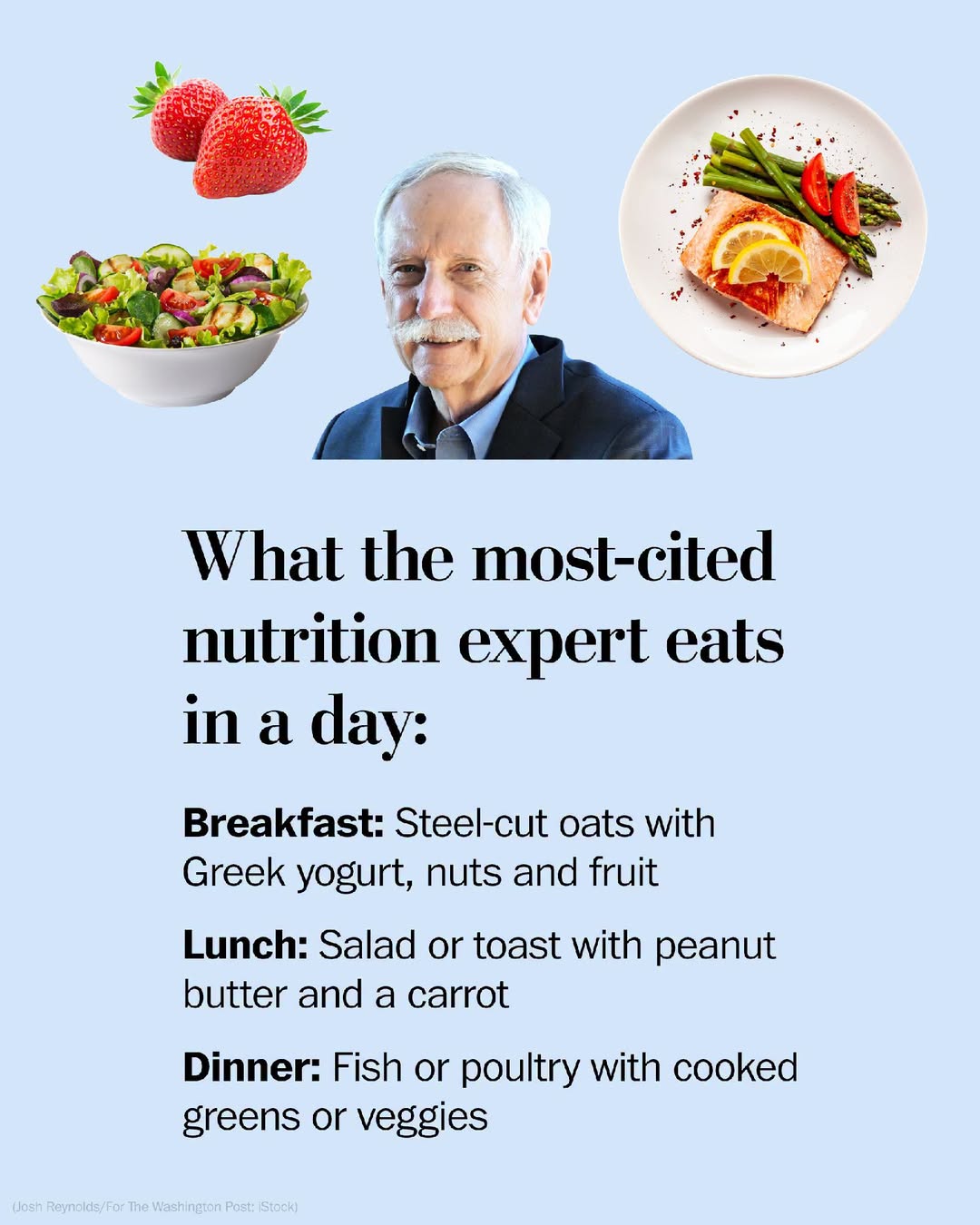
Walter Willett: unsaturated fats, Mediterranean eating and daily habits at 81

Oct 11, 2026 · Louis Nervegna ♥ 12 · 💬 4 Mediterranean, DASH, MIND & plant-forward diets

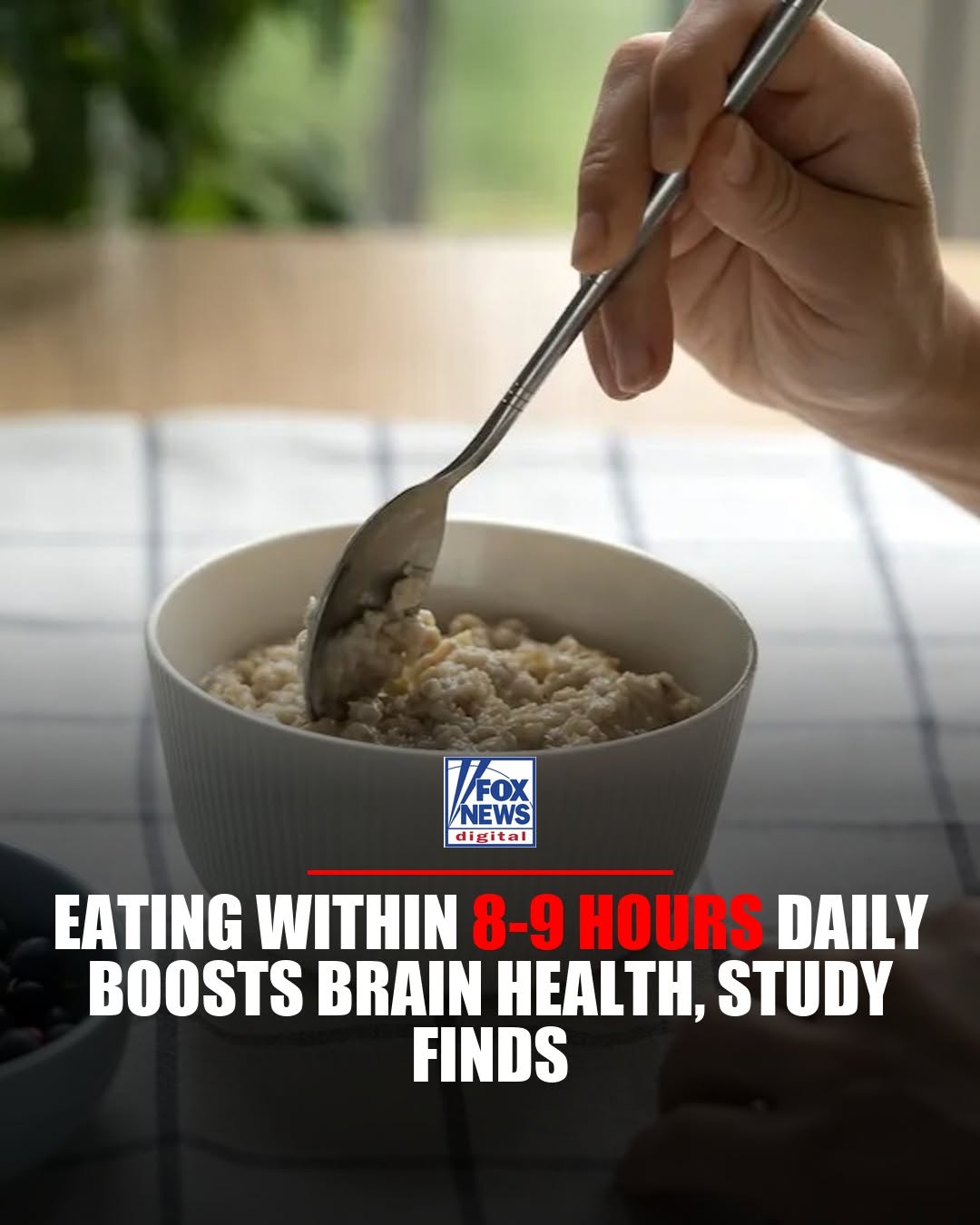
A Washington Post interview with Harvard nutrition researcher Walter Willett. He says his group's data showed total fat was irrelevant, trans fats were bad, saturated fat versus refined carbohydrate was only weakly related to heart disease, and unsaturated fats were linked to lower heart disease and mortality. He also describes his own diet, including oats, nuts, blueberries and a plant-based lunch.

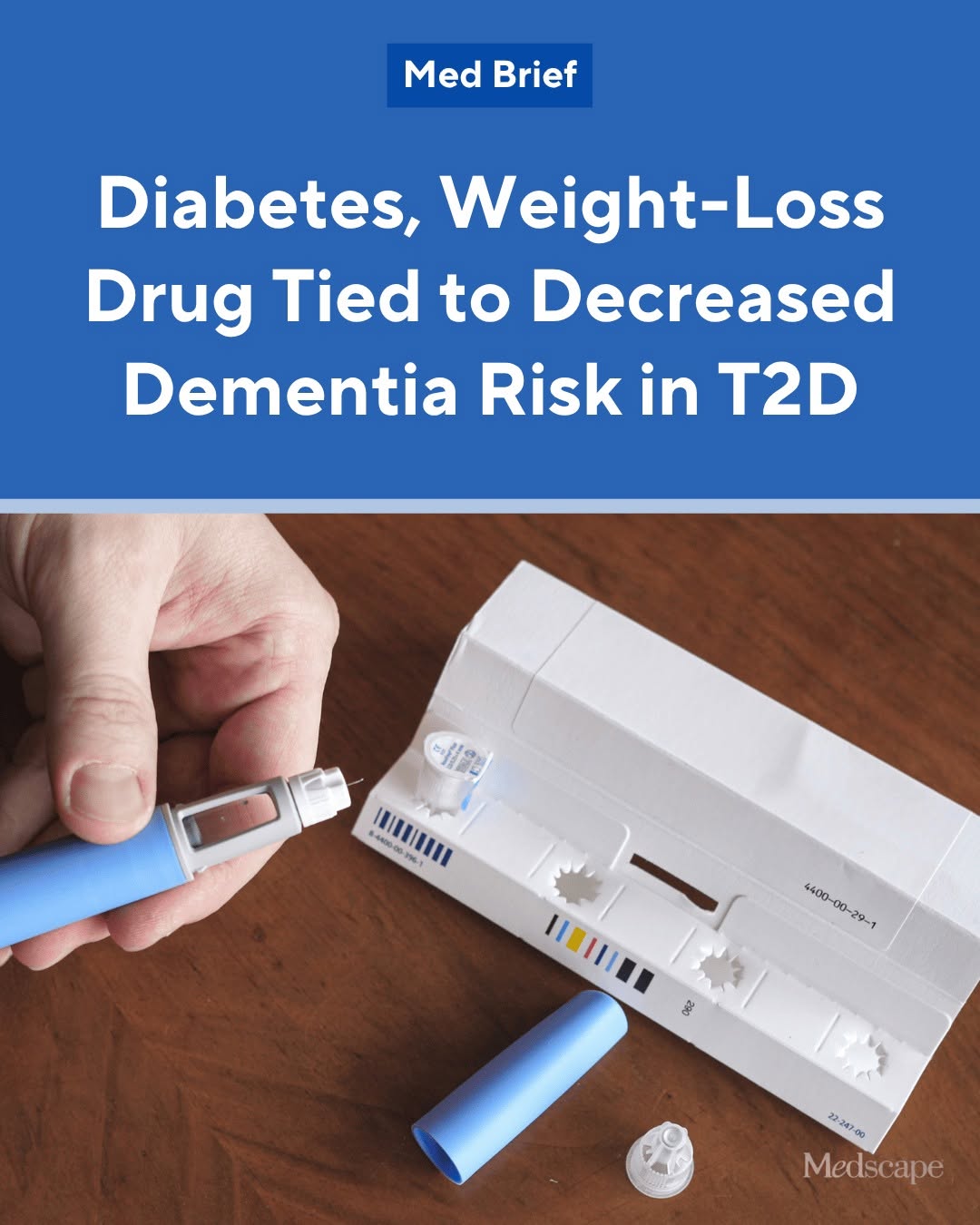
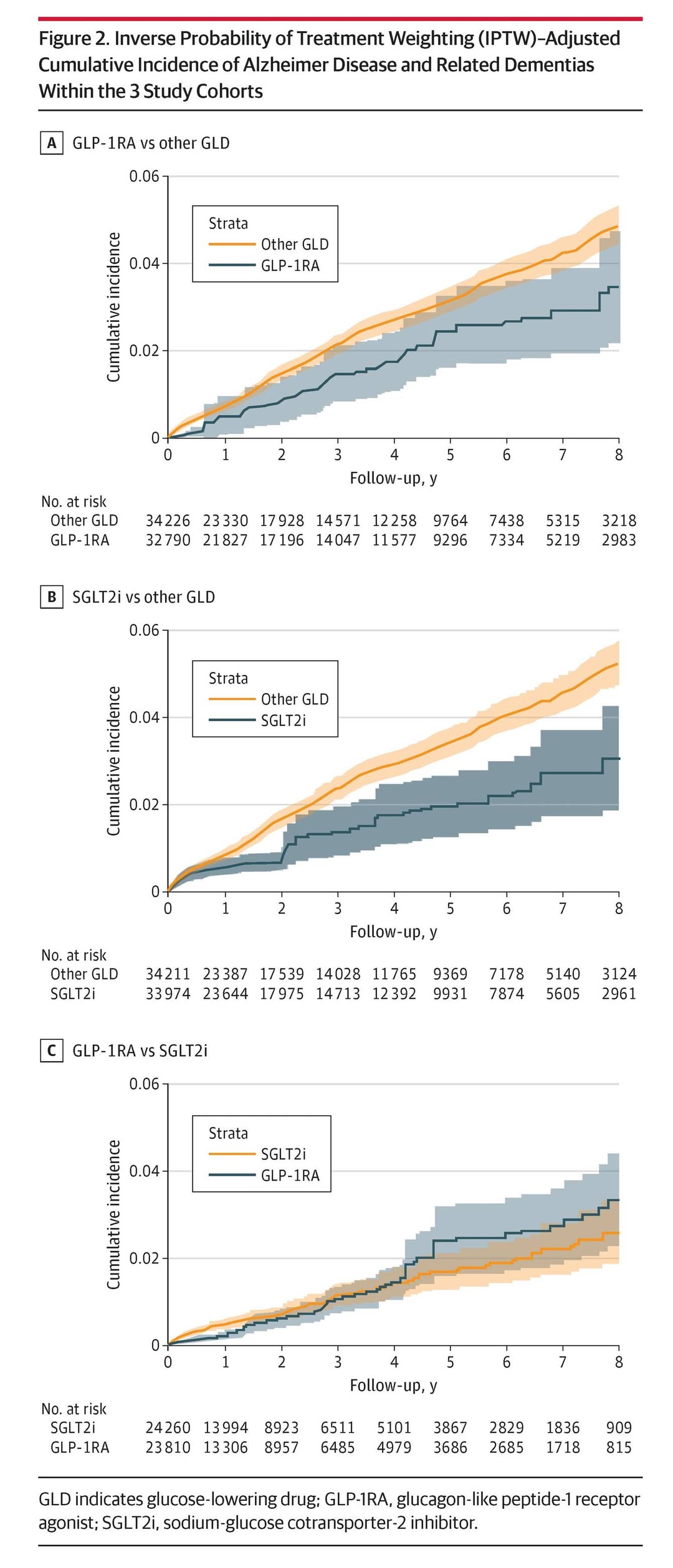
Semaglutide linked to 20-46% lower Alzheimer's-related dementia risk in type 2 diabetes

Jun 30, 2025 · Louis Nervegna ♥ 11 · 💬 4 GLP-1 drugs (semaglutide, tirzepatide)

Louis argues the real headline is that calorie restriction is associated with lower dementia risk since GLP-1 drugs act as calorie restriction in a pill. The shared report states semaglutide was associated with a 20-46% reduced risk for AD-related dementia in type 2 diabetes versus other antidiabetic drugs, strongest for vascular dementia.
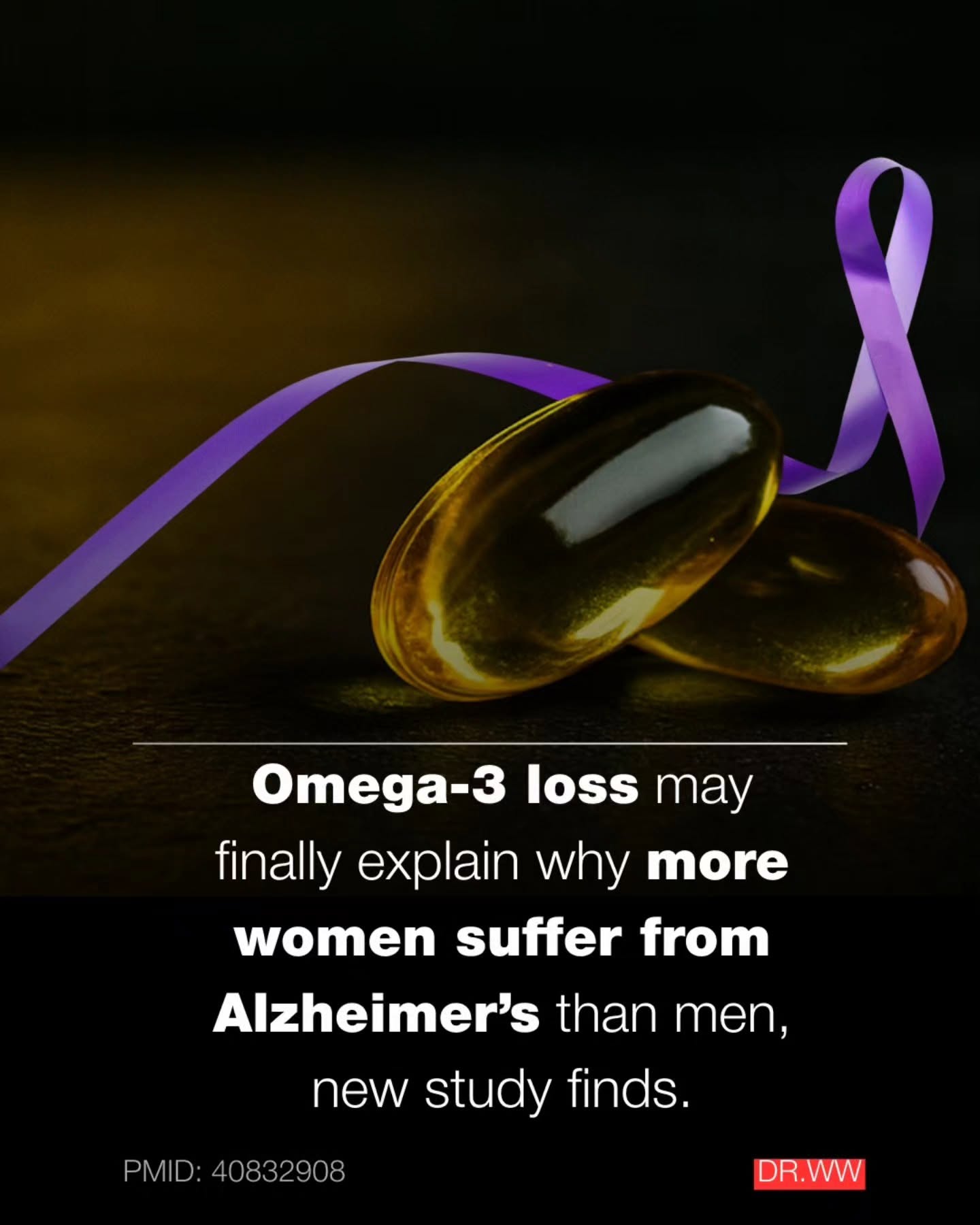
Women with Alzheimer's show lower omega-3 lipids, unlike men, in an 841-adult study

Dec 17, 2025 · Louis Nervegna ♥ 10 · 💬 4 Brain health & dementia

Louis shares a summary of a 2025 Alzheimer's & Dementia lipidomics study of 841 European adults. Women with Alzheimer's had a sharp drop in protective omega-3-rich unsaturated lipids that men did not, and the lowest levels tracked with worse memory; the post also cites a review of 58 RCTs suggesting 1,000-2,500 mg/day EPA+DHA as the cognitive sweet spot.

STAREE: atorvastatin cut major CV events 30% in adults 70+ with no rise in dementia

Nov 01, 2026 · Louis Nervegna ♥ 5 · 💬 5 Statins

A quoted summary of the STAREE trial in NEJM: 9,971 adults aged 70 or older without cardiovascular disease, diabetes or dementia were randomized to atorvastatin 40 mg or placebo for a median 5.9 years. Atorvastatin cut major cardiovascular events 30% and MI and revascularization 43% each, with no significant increase in dementia or all-cause mortality and equal serious adverse events.

News report: statins may help slow Alzheimer's disease

Jun 12, 2025 · Louis Nervegna ♥ 13 · 💬 4 Statins

Louis shares a Brighter Side of News report that statins might offer a benefit beyond heart health by slowing Alzheimer's disease, calling it the latest of many studies showing this. No data or trial details are given in the post.

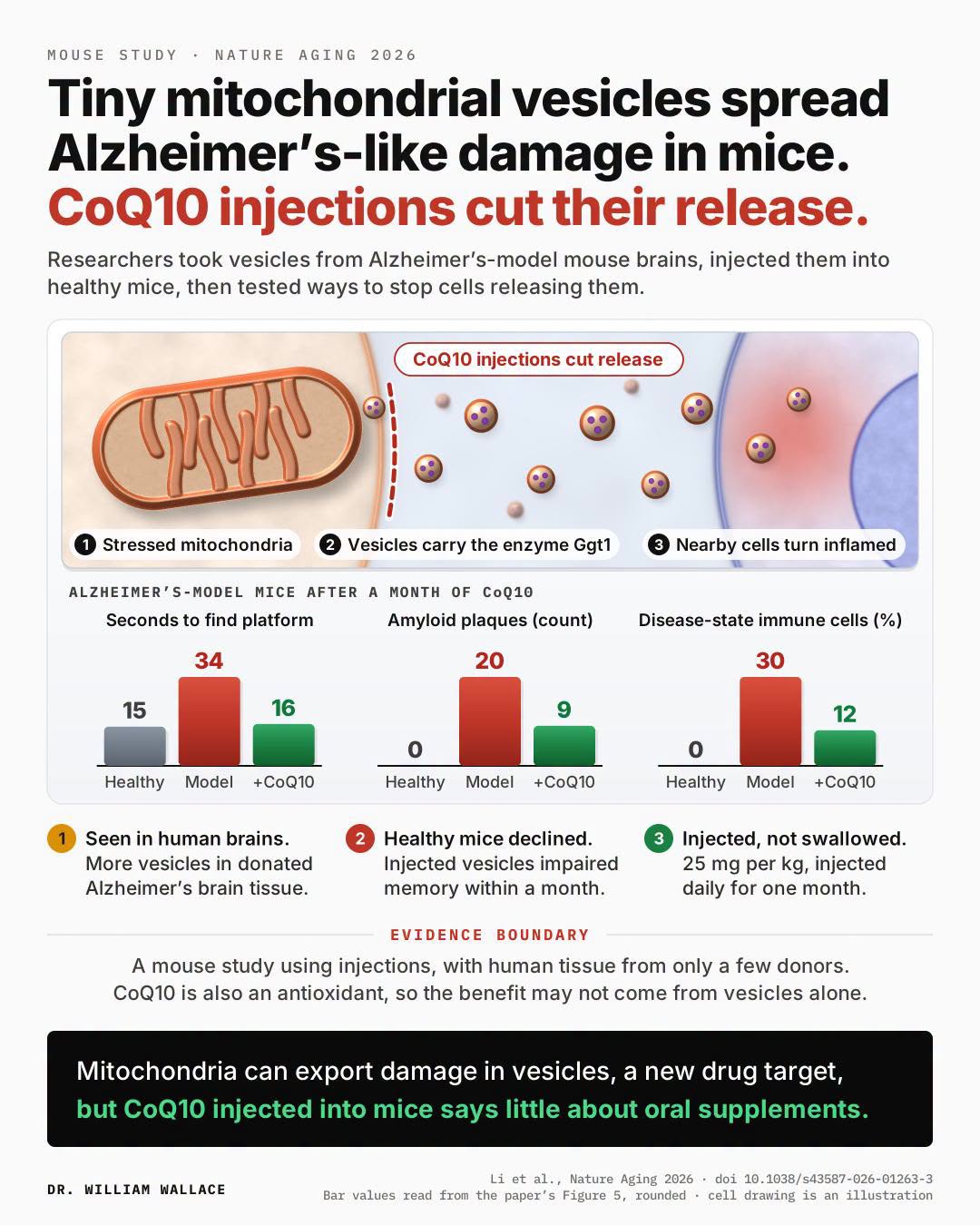
CoQ10 curbed Alzheimer's-like damage spread in mice; human CoQ10 trials disappointed

Nov 12, 2026 · Louis Nervegna ♥ 10 · 💬 3 Brain health & dementia

Louis shares a mouse study (Nature Aging) in which mitochondria-derived vesicles from Alzheimer's-model brains impaired memory in healthy mice and daily CoQ10 injections cut their release. Human CoQ10 trials in Alzheimer's were mostly disappointing, but it might still work as early prevention. Louis stresses mouse studies reveal mechanisms, not proof of benefit in humans.

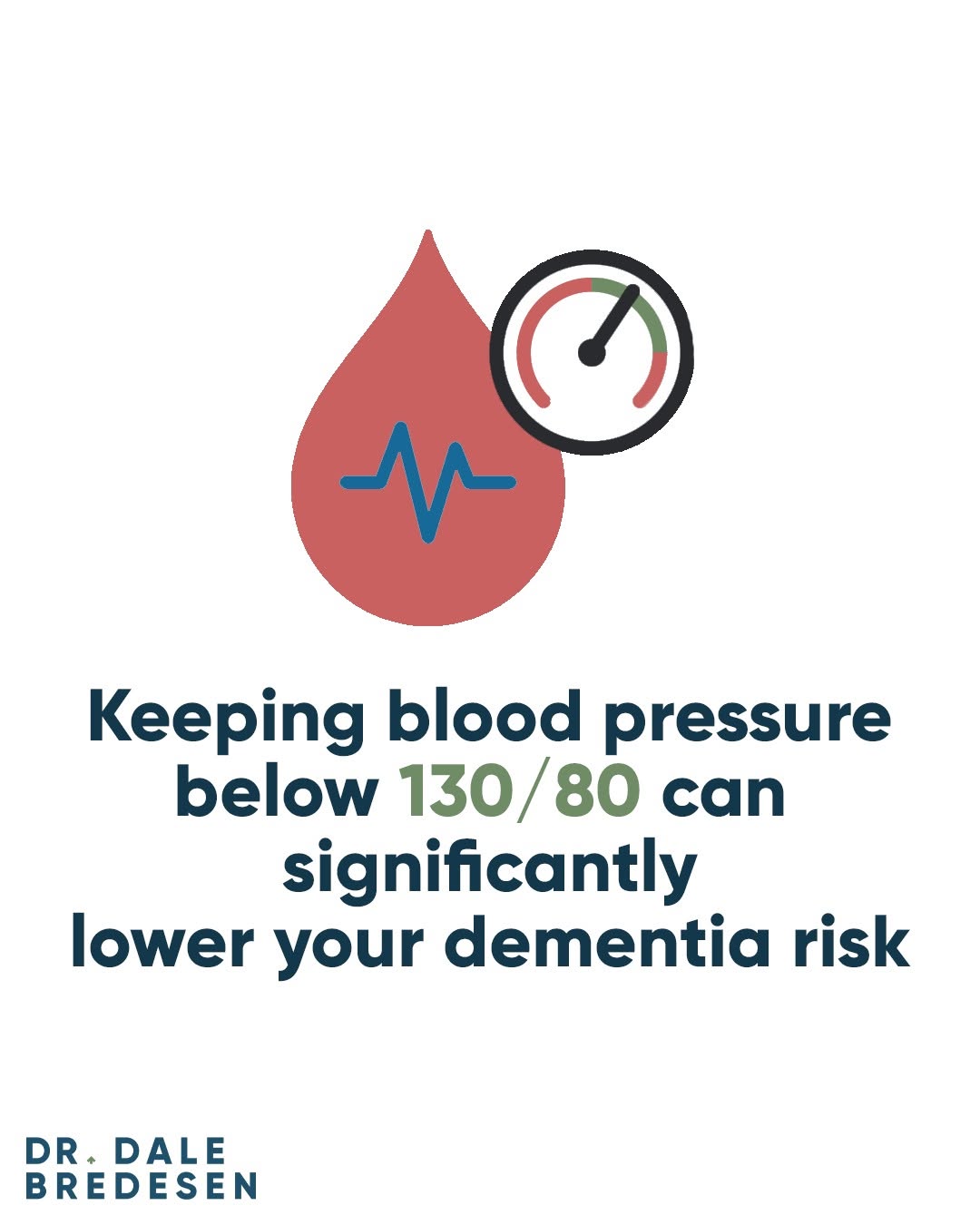
Atherosclerosis drivers such as high apoB and blood pressure also raise dementia risk

Jun 05, 2026 · Louis Nervegna ♥ 5 · 💬 5 Brain health & dementia

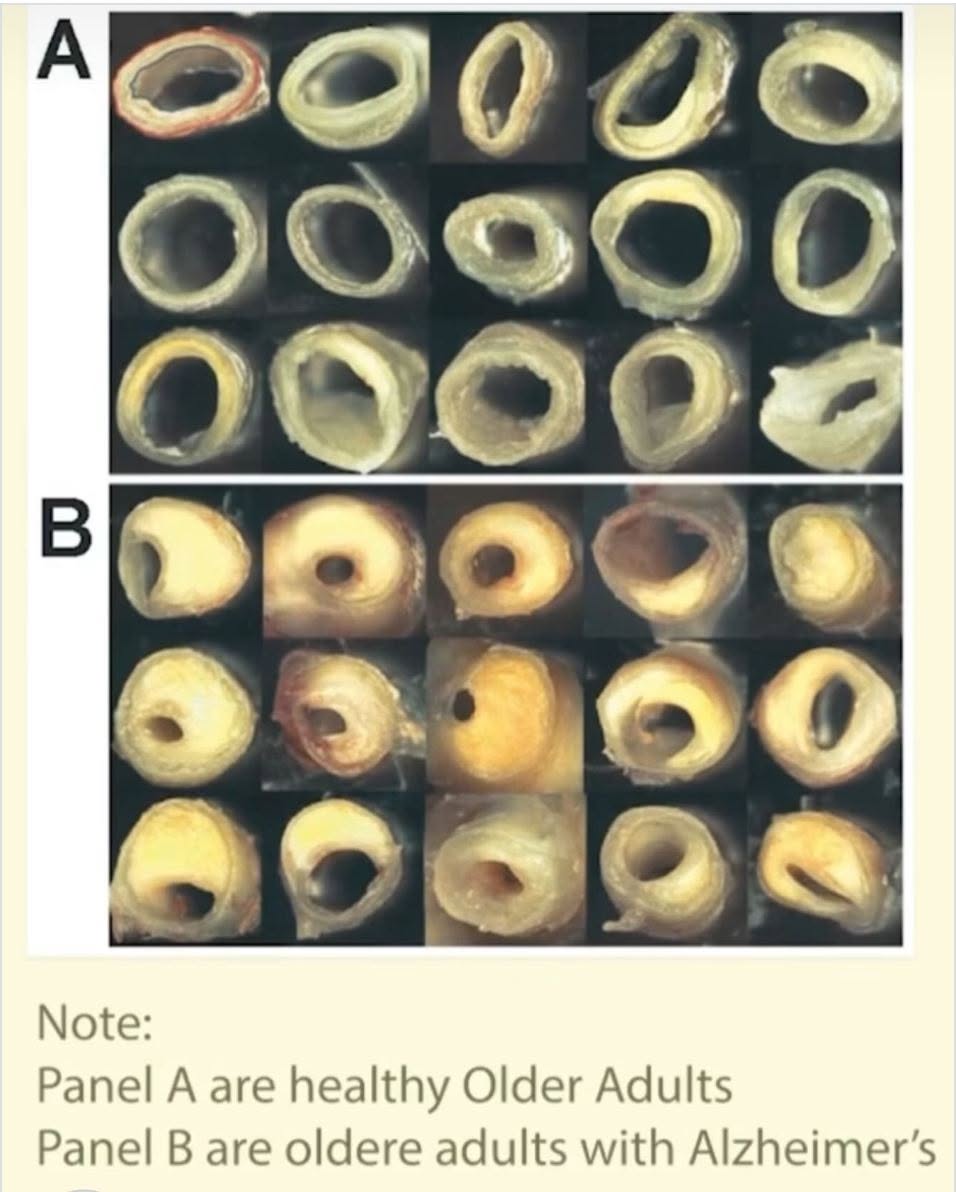
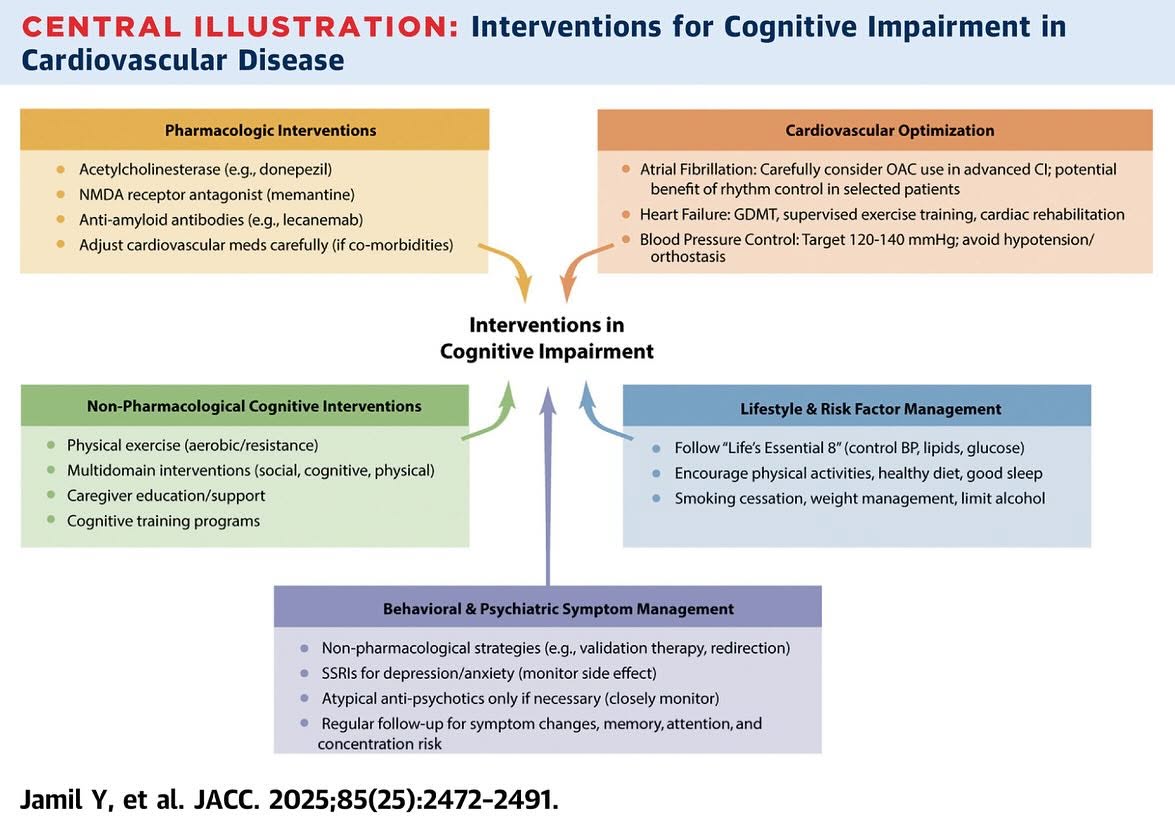
A shared post argues that atherosclerotic risk factors (atherosclerosis, endothelial dysfunction, high BP, high LDL/apoB) are consistently linked to Alzheimer's and dementia risk, with some genetic overlap between lipids, coronary disease and Alzheimer's. The message is that keeping apoB and blood pressure optimal, and improving endothelial function, insulin sensitivity and inflammation, protects both heart and brain.

Tanzi's SHIELD habits for dementia prevention; nearly half of cases seen as modifiable

Dec 19, 2025 · Louis Nervegna ♥ 14 · 💬 1 Brain health & dementia

Louis quotes a Newsweek/Mass General Brigham piece on Rudolph Tanzi's SHIELD framework (Sleep, Handle stress, Interact, Exercise, Learn, Diet) aimed at amyloid buildup and neuroinflammation. It repeats that nearly half of dementia cases could be delayed or prevented by addressing modifiable risk factors; the post is a media interview without specific trial data.
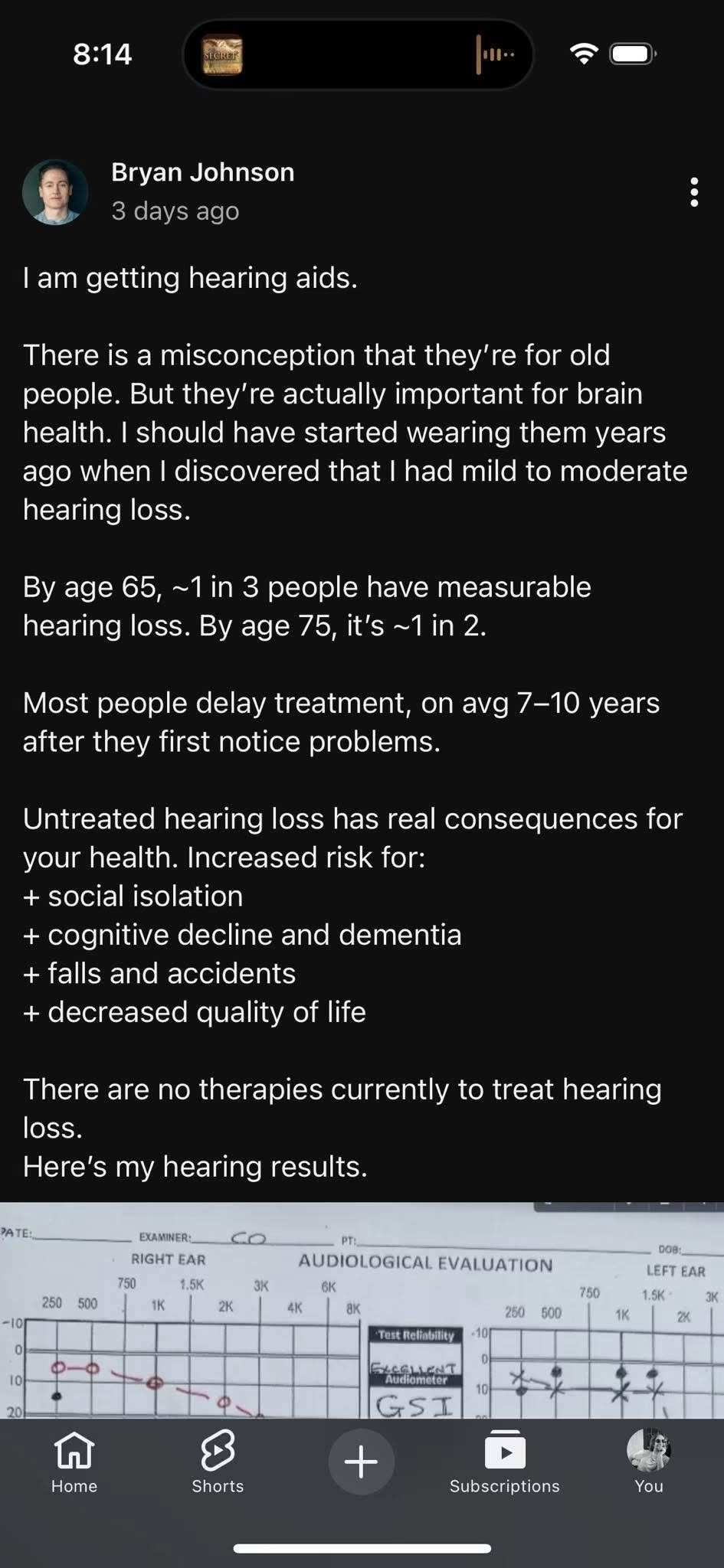
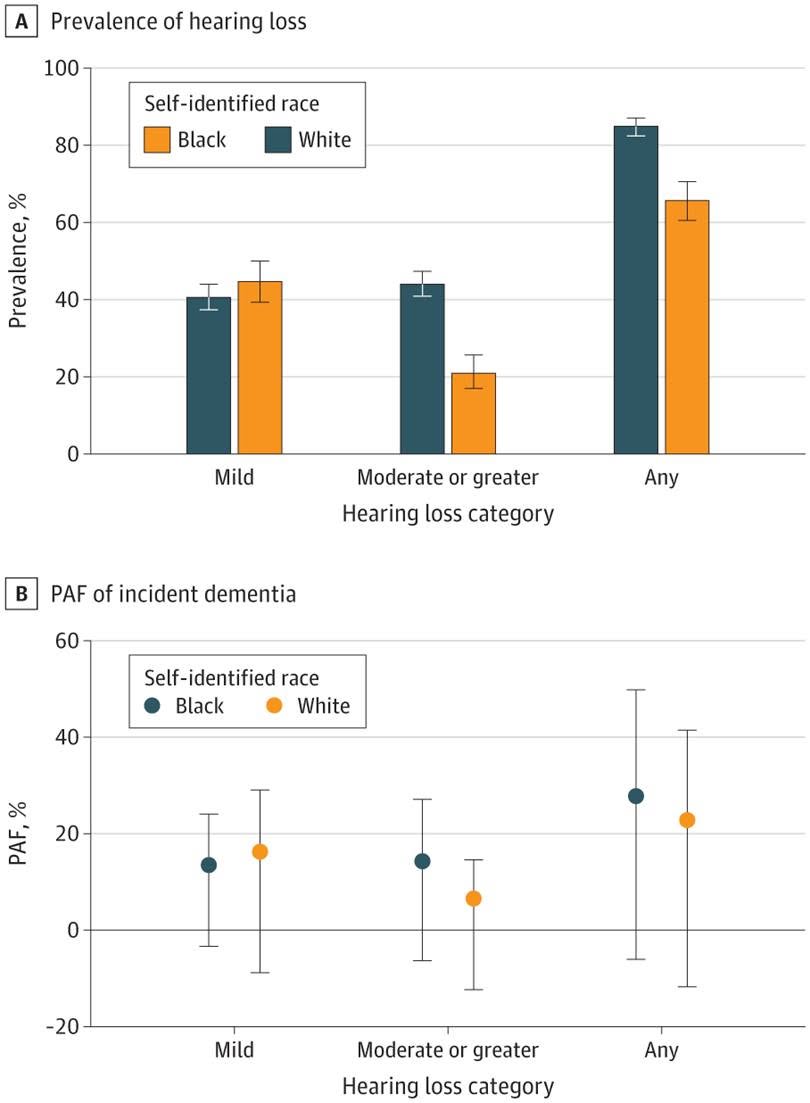
Hearing aids before age 70 linked to a 61% lower dementia risk

Aug 22, 2025 · Louis Nervegna ♥ 6 · 💬 1 Brain health & dementia

Louis recommends treating hearing loss with a hearing aid before age 70, citing news of a study of nearly 3,000 participants over up to two decades. Those with hearing loss who used hearing aids had 61% lower dementia risk among people younger than 70. He says multiple studies now show this.
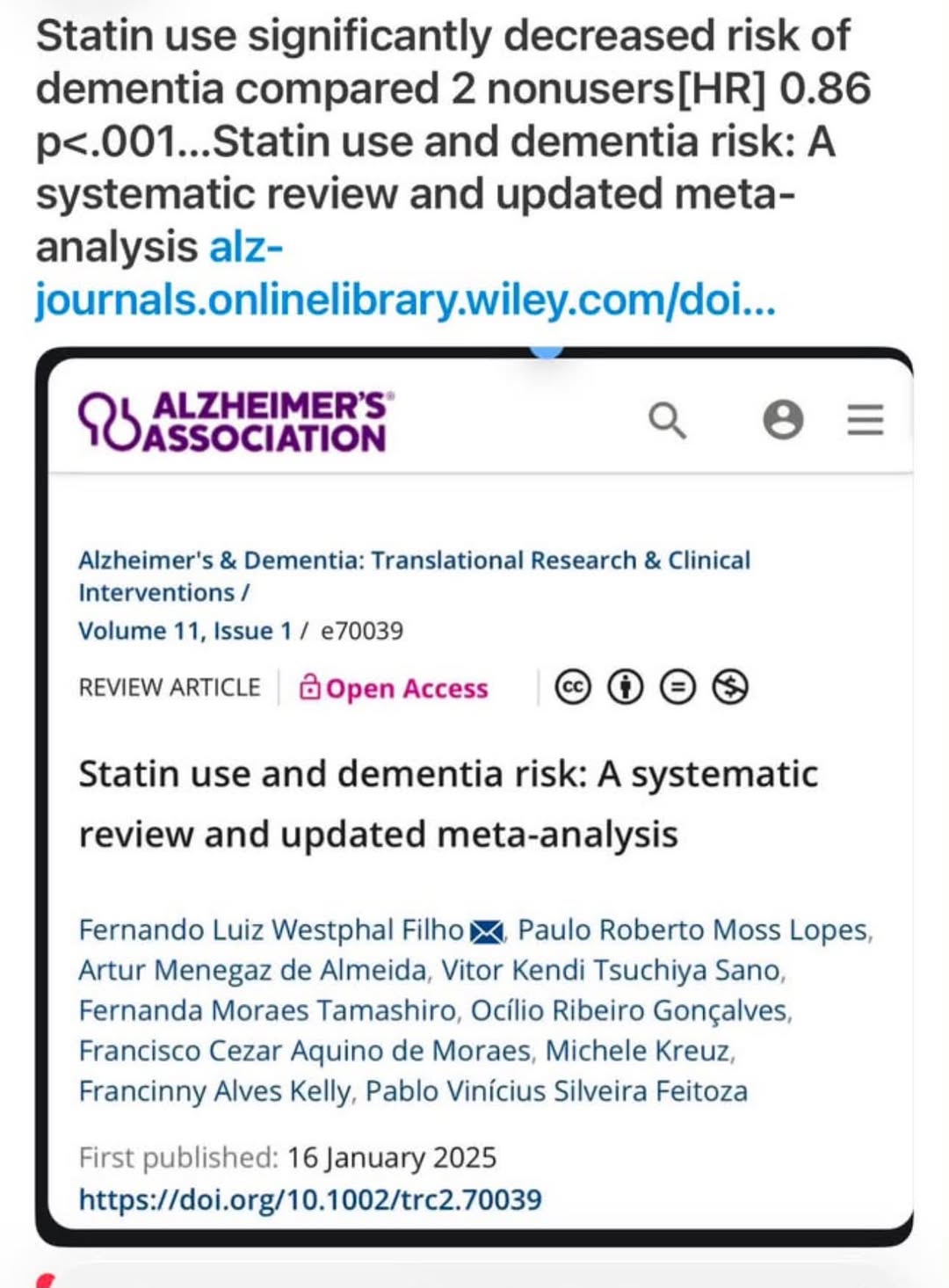
Observational, randomized and genetic evidence all argue against statins causing dementia

Nov 01, 2026 · Louis Nervegna ♥ 4 · 💬 1 Statins

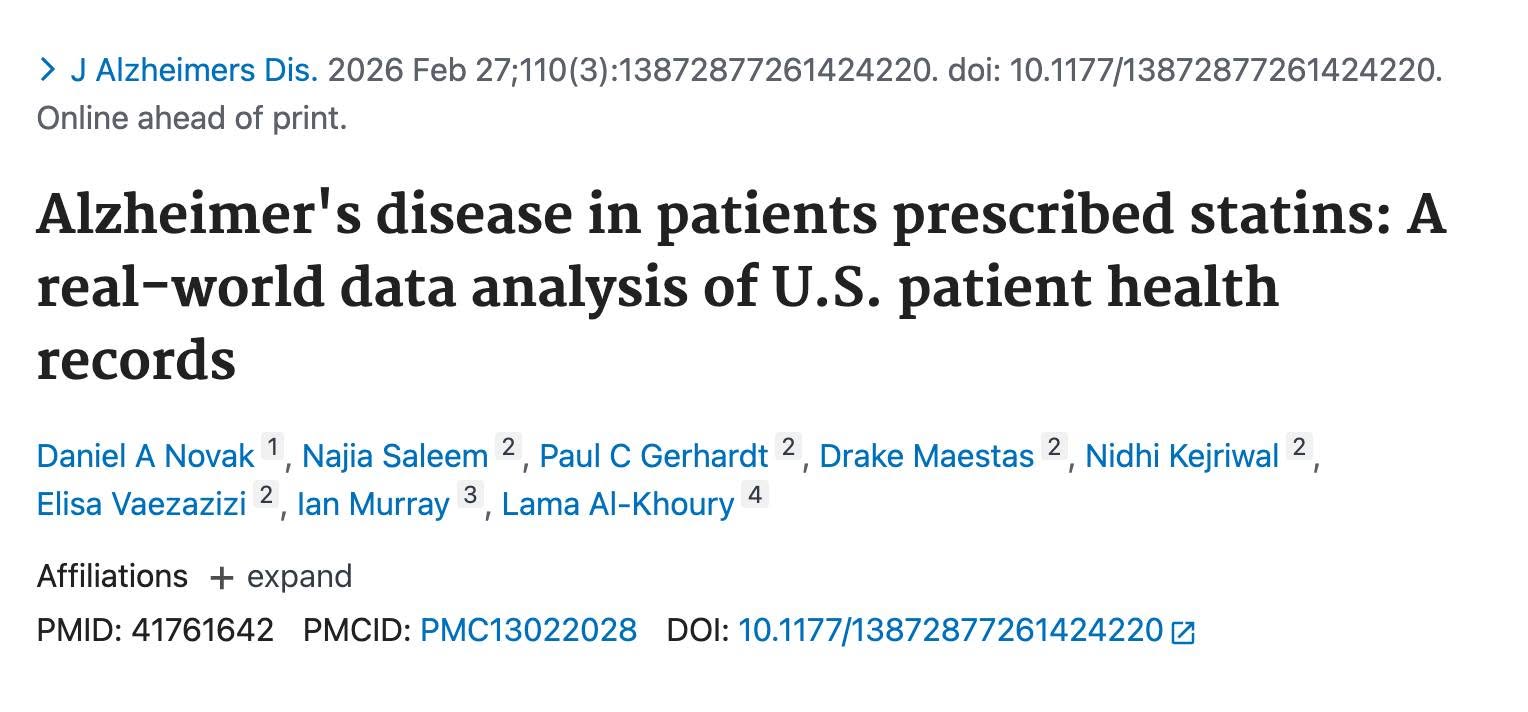
Louis shares a new observational study linking statin use to lower dementia risk and lists the wider evidence in the group: observational studies as a whole suggest protection, randomized trials (including in people over 70) show no increase in dementia, trials of statins as Alzheimer's treatment are neutral, and Mendelian randomization suggests lower dementia risk with statin-pathway variants. It is a curated index of earlier group posts.

Optimal Life's Essential 8 health offset dementia risk in type 2 diabetes over 13 years

Dec 03, 2025 · Louis Nervegna ♥ 8 Brain health & dementia

Louis shares an AHA release showing that adults with type 2 diabetes and high genetic dementia risk who had moderate or high Life's Essential 8 cardiovascular health had much lower risk of mild cognitive impairment and dementia over 13 years. The eight factors are blood pressure, cholesterol, fasting glucose, smoking, BMI, exercise, diet and sleep.

High-dose DHA did not slow cognitive decline in 2-year APOE4 trial, but reached the brain

Jun 27, 2026 · Louis Nervegna ♥ 7 Brain health & dementia

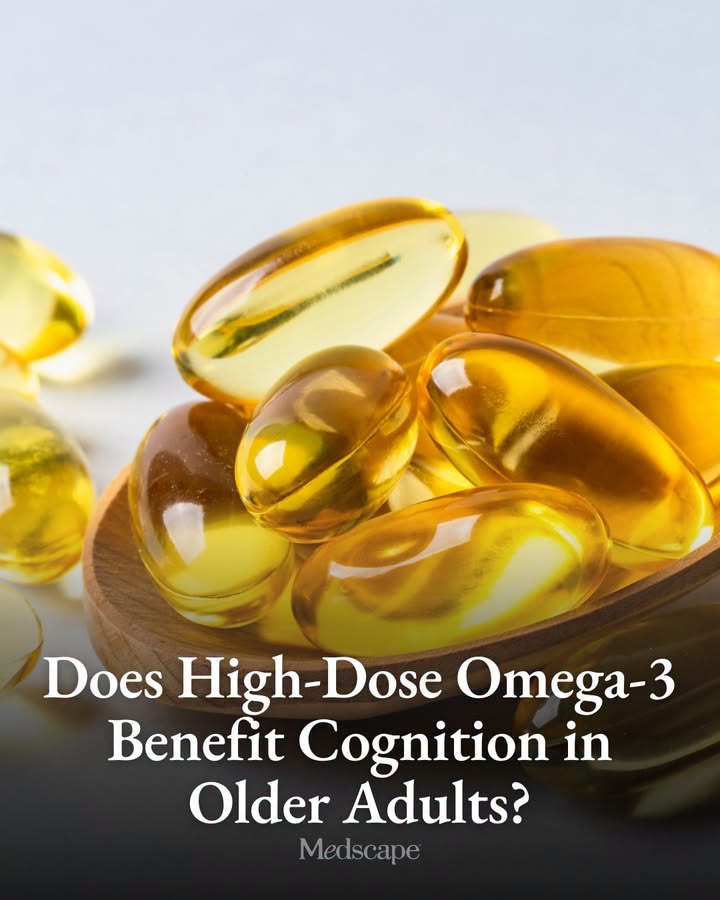
Louis comments on a Medscape report of a trial of high-dose omega-3 in older adults at high dementia risk. It found no improvement in memory, cognition or hippocampal volume, although DHA reached the cerebrospinal fluid equally in APOE4 carriers and non-carriers. He notes the trial was short at two years, and APOE4 carriers with the highest DHA to arachidonic acid ratio declined less.

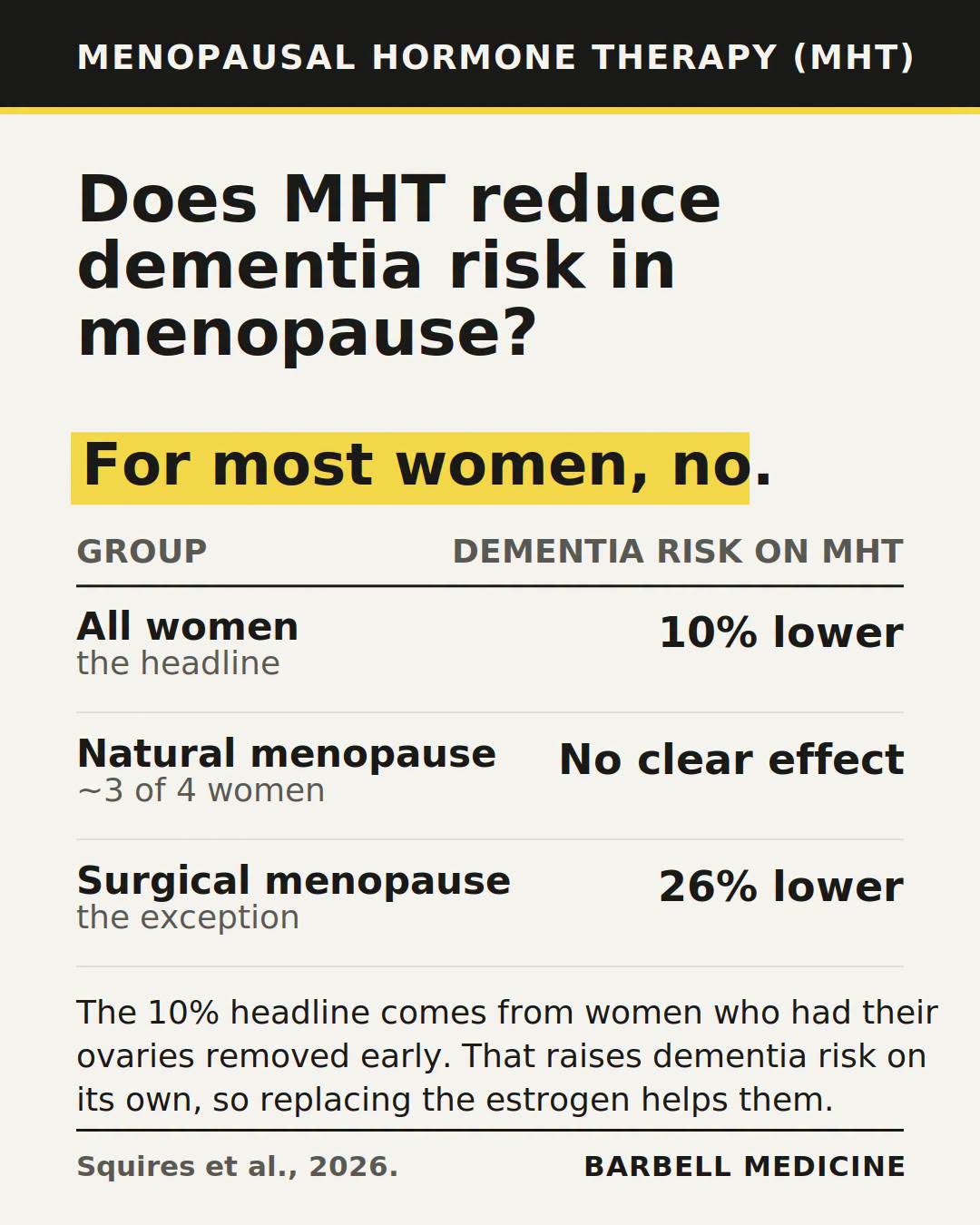
Hormone therapy and dementia: benefit mostly vanished in naturally menopausal women

Sep 02, 2026 · Louis Nervegna ♥ 3 Hormones, women's & men's health

A shared Barbell Medicine critique of a study of about 183,000 women says hormone therapy users had around 10% lower dementia diagnosis, but the effect was mostly absent in women with natural menopause and only held in those with surgical ovary removal. A meta-analysis of ten studies in over a million women found no reliable effect either way.

Ornish lifestyle program stopped decline in 71% of early Alzheimer's patients at 20 weeks

Nov 14, 2026 · Louis Nervegna ♥ 4 Brain health & dementia

Louis shares a commentary on Dean Ornish's small randomized trial at MGH in early Alzheimer's disease, saying diet likely has a major effect in early stages and a larger trial is planned. The lifestyle program lowered the amyloid A-beta 42/40 ratio and, by a clinical global impression measure, most participants stopped declining or improved. The post is framed as hope but rests on a small trial.

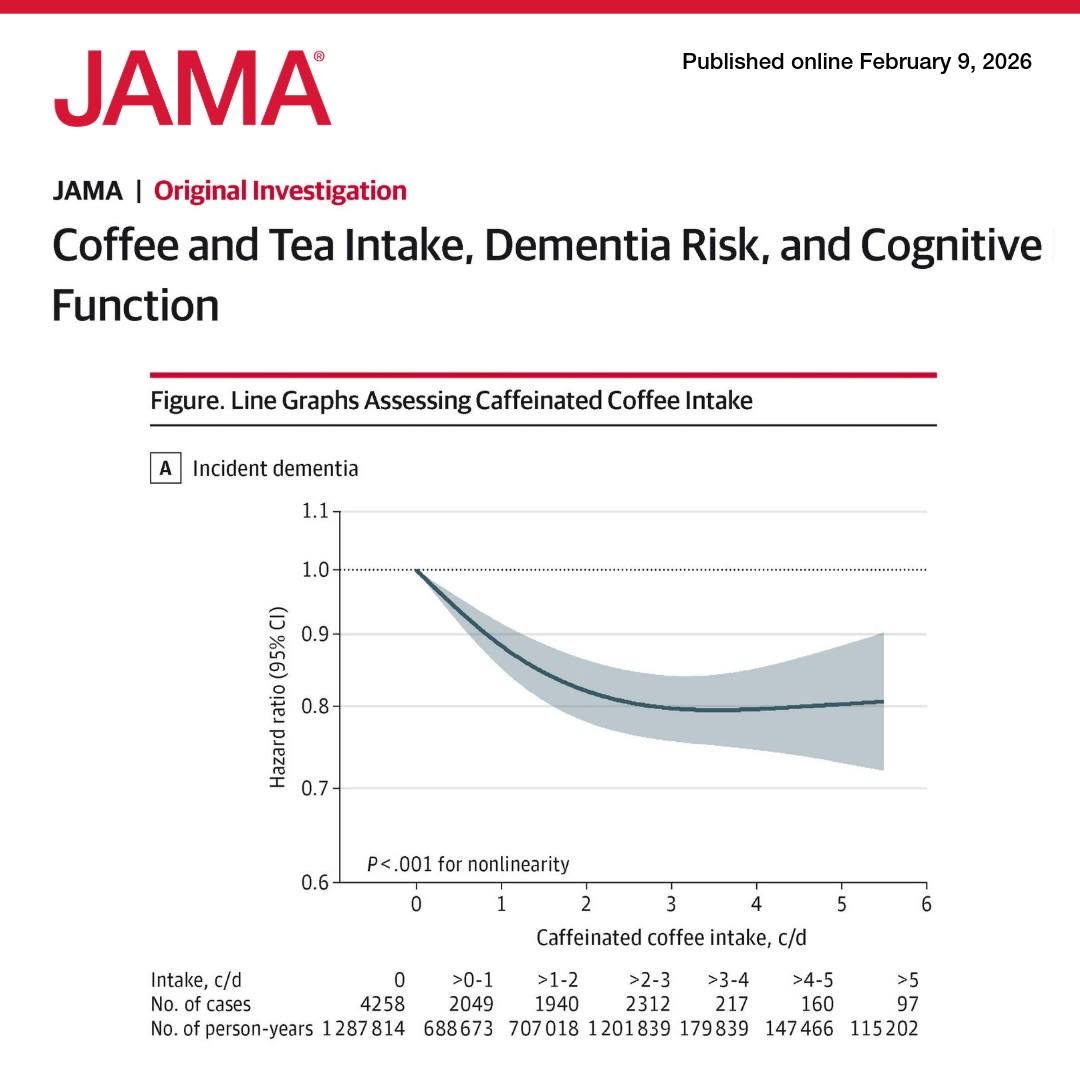
Caffeinated coffee linked to 37% lower Parkinson's and 34% lower Alzheimer's risk

Nov 03, 2026 · Louis Nervegna ♥ 2 Nuts, fish, coffee, tea, cocoa & other foods

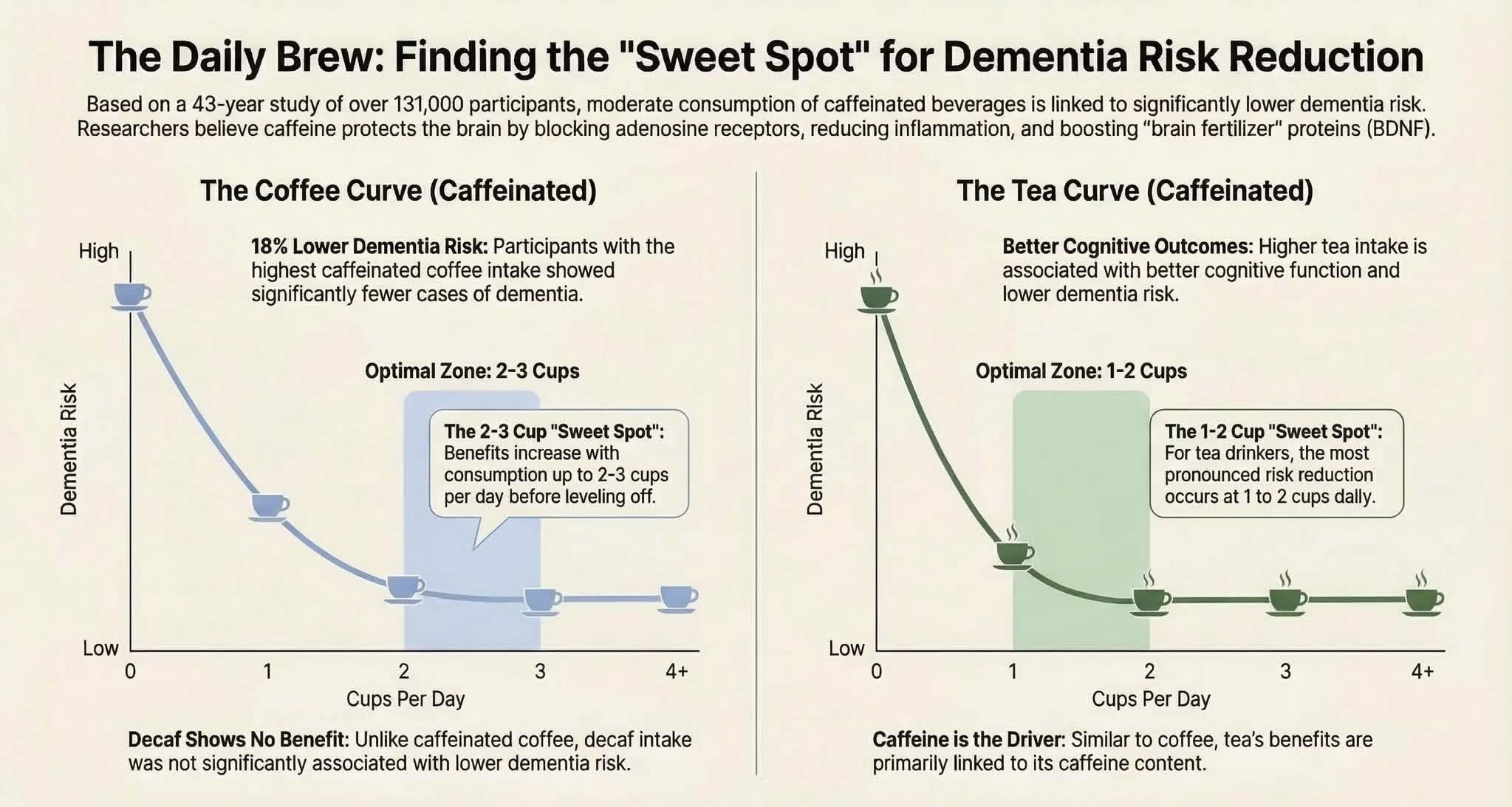
A shared summary says that in one large study unsweetened caffeinated coffee was linked to a 37% lower risk of Parkinson's disease and a 34% lower risk of Alzheimer's and related dementias. Caffeine blocks adenosine A2A receptors that regulate dopamine signaling in movement circuits. The evidence described is observational, with some animal mechanistic work.

ASPREE sub-analysis: aspirin tied to ~70% lower dementia in a platelet-genetics subgroup

Oct 05, 2026 · Louis Nervegna ♥ 1 Aspirin, antiplatelets & blood thinners

A genetic analysis of 13,541 ASPREE participants found aspirin did not prevent dementia overall, but in the top 20% of a platelet-count genetic score dementia occurred in about 1% on aspirin versus 3.3% on placebo. Major bleeding was more than twice as common in this subgroup, so the post cautions against starting aspirin for dementia prevention.

Fewer ultra-processed foods linked to 41% lower dementia risk; processed meat highest risk

Jun 05, 2026 · Louis Nervegna ♥ 0 · 💬 1 Brain health & dementia

Louis shares a 2026 American Journal of Public Health analysis of the Health and Retirement Study, in which lower ultra-processed food intake was linked to 41% lower dementia risk and processed meats such as bacon, hot dogs and ham showed the highest risk. He adds that processed meats have among the worst hazard ratios in nutrition epidemiology.