Statins are saving lives in people 70 and older.
Older adults who stopped taking statins had more heart attacks, strokes or deaths in a new randomized trial.
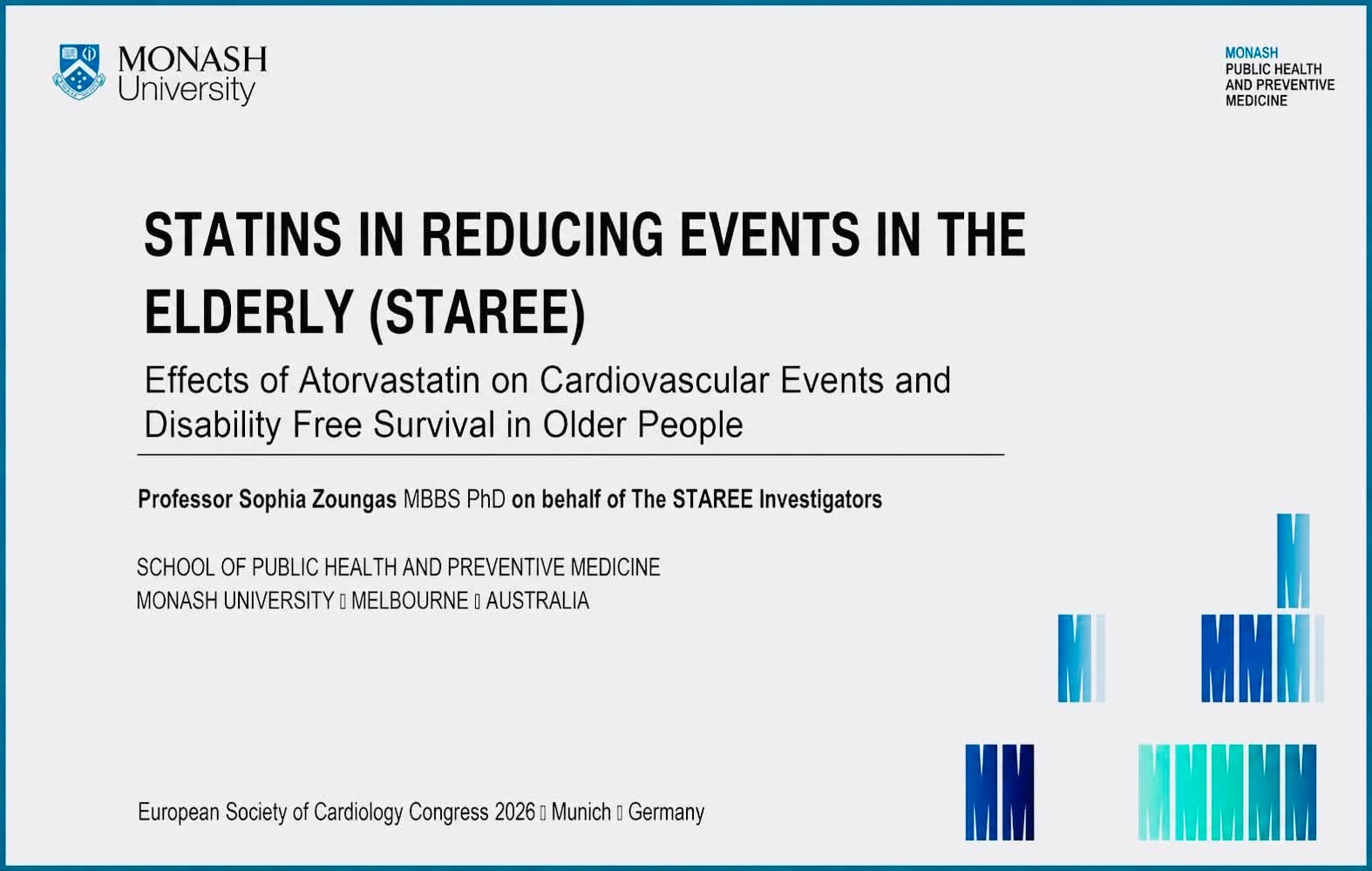
The STREAM study enrolled 1,880 adults aged 70 and older who were taking statins to prevent a first cardiovascular event. All had at least two chronic health conditions, but none had known cardiovascular disease.
Researchers randomly assigned them to stop or continue treatment. Follow-up lasted roughly two years for the typical participant, with some followed for up to four years.
During follow-up, 12.7% of those assigned to stop experienced a heart attack, stroke or death from any cause, compared with 9.2% of those assigned to continue. That is a difference of 3.5 percentage points.
Yet the study also concluded that stopping met its two-year “noninferiority” standard.
That finding depends on how the trial was designed. Researchers allowed a small loss in average time alive without a heart attack or stroke. The stopping group lost an average of two weeks over the first two years, within the preset limit of 5.2 weeks.
Meeting that threshold did not establish that stopping carried no additional risk.
Stopping also brought no measurable improvement in quality of life, muscle pain, falls or muscle wasting. About 14% of participants switched from their assigned treatment approach, although additional analyses produced similar findings.
The trial’s safety board advised participants assigned to stop to discuss restarting with their care team. The findings support individual decisions with a clinician, rather than a blanket recommendation to stop statins at 70.
Read the study:
“Discontinuing Statins in Older Adults without Cardiovascular Disease.” The New England Journal of Medicine