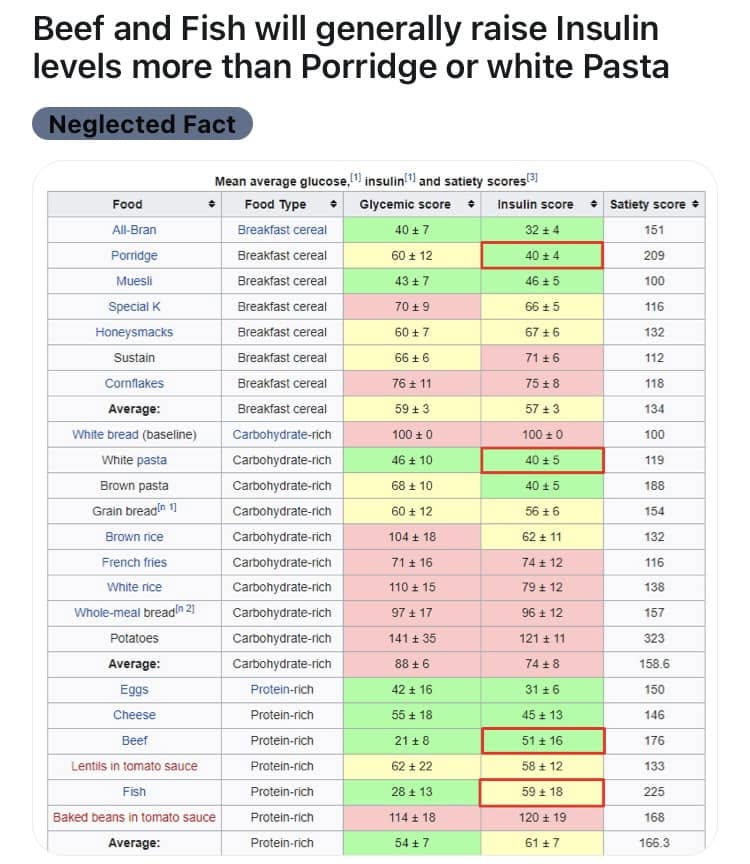
The glycemic index for slow-cook steel-cut oats is 42.
This is considered low to moderate.
The glycemic index of slow-cook rolled oats is 55.
Instant oats is 83, which is very high and should be avoided.
Quoted:
“For steel cut oats, the oat kernel is passed through slender blades that cut the oat into thin slices. Rolled or quick oats are steamed and then rolled to help them cook faster. Since steel cut oats don’t go through this process, they do take a bit longer to cook (around 15-20 minutes). According to Tufts University experts, soaking the oats in cold water overnight can reduce the actual cooking time to 10-15 minutes.
The increase in cooking time is worth it though. More fiber and protein is retained in the steel cut oat process than in the rolled or quick oats process. For one-quarter cup of uncooked steel cut oats, there is five grams of fiber. Two of those five grams are insoluble and helpful in improving blood sugar levels for people with diabetes; along with potentially lowering the glycemic response to a meal. The glycemic index for steel cut oats is 42 while rolled oats is 55 and instant is 83.”
canr.msu.eduSteel cut oats are a nutrient rich way to start your daycanr.msu.edu#oatmealHD #glycemicindexHD #steelcutoatsHD #wholegrainsHD #fiberHD