HD-OPM Archive
Topics › Nutrition

Carbs, fiber, sugar & whole grains

107 posts (71 primarily about this topic) · 38 reposts and set-aside posts not shown

Start here — the best posts in this topic

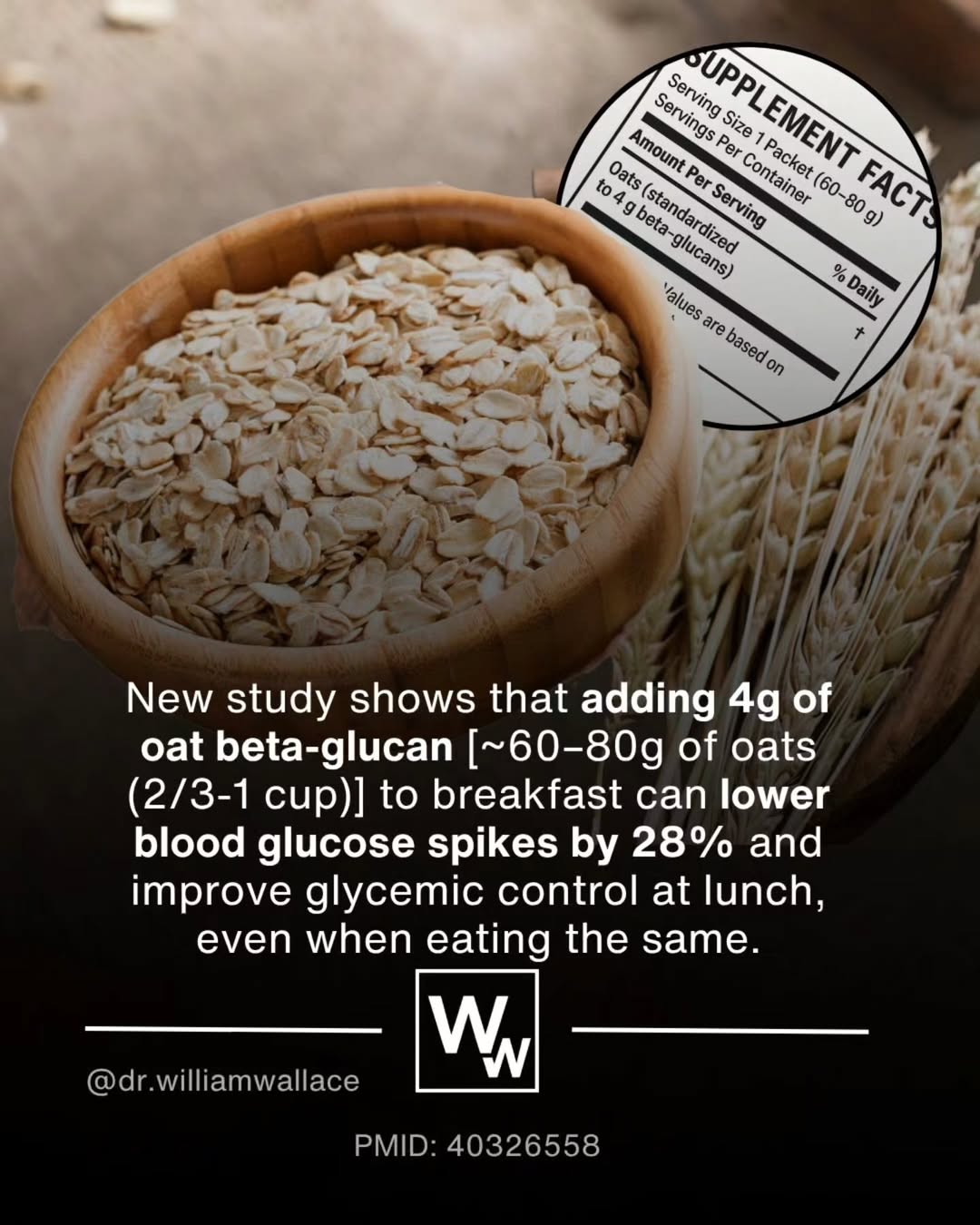
  1. Oat beta-glucan (4 g) cut breakfast glucose peaks 28% and lunch response 24% in small RCT ↩ 2 · May 14, 2025
  2. 74 RCTs show oats lower LDL, blood sugar, weight and waist circumference Jun 24, 2025
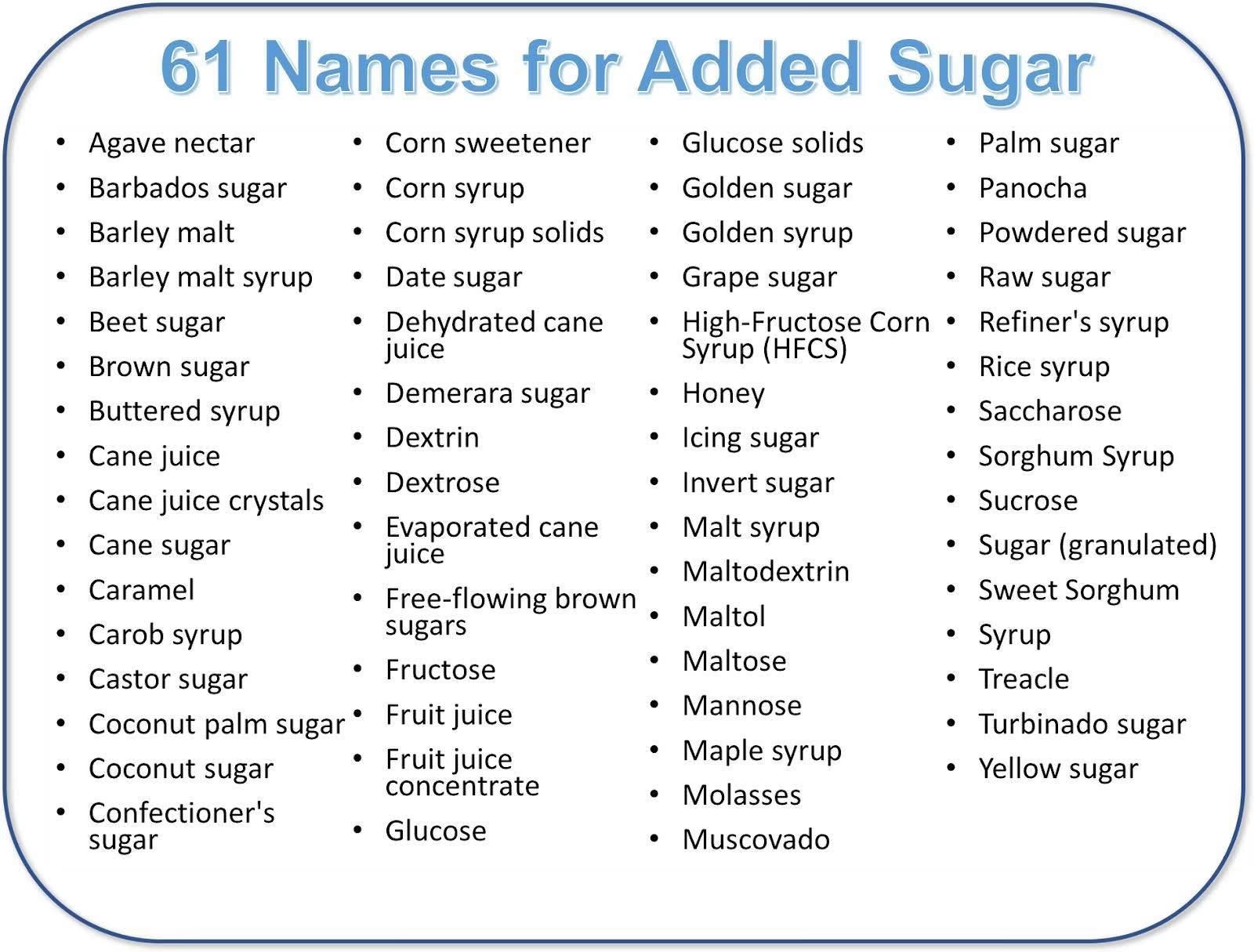
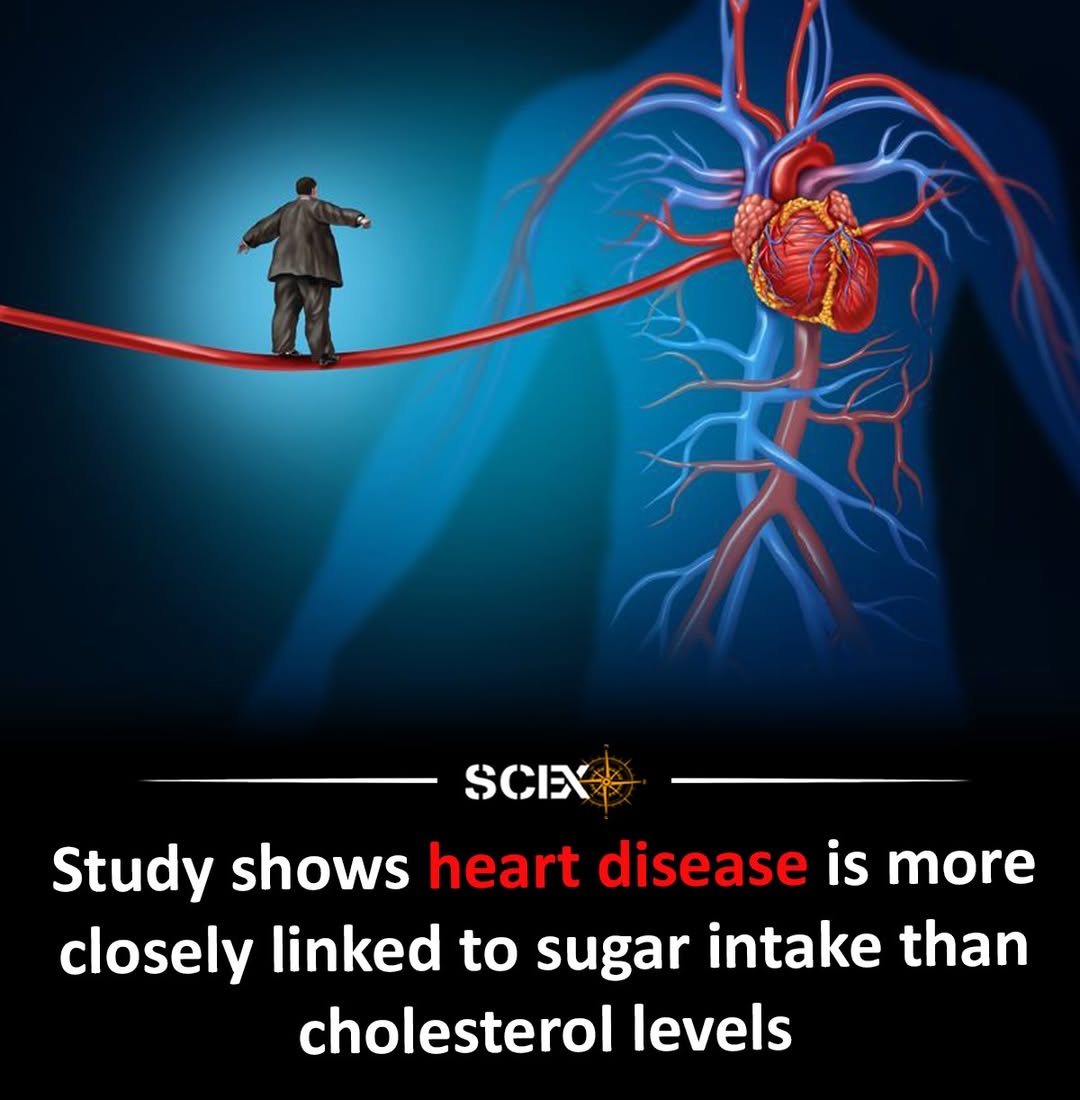
  3. High added sugar linked to over double the risk of heart disease death in a JAMA IM study Aug 22, 2025
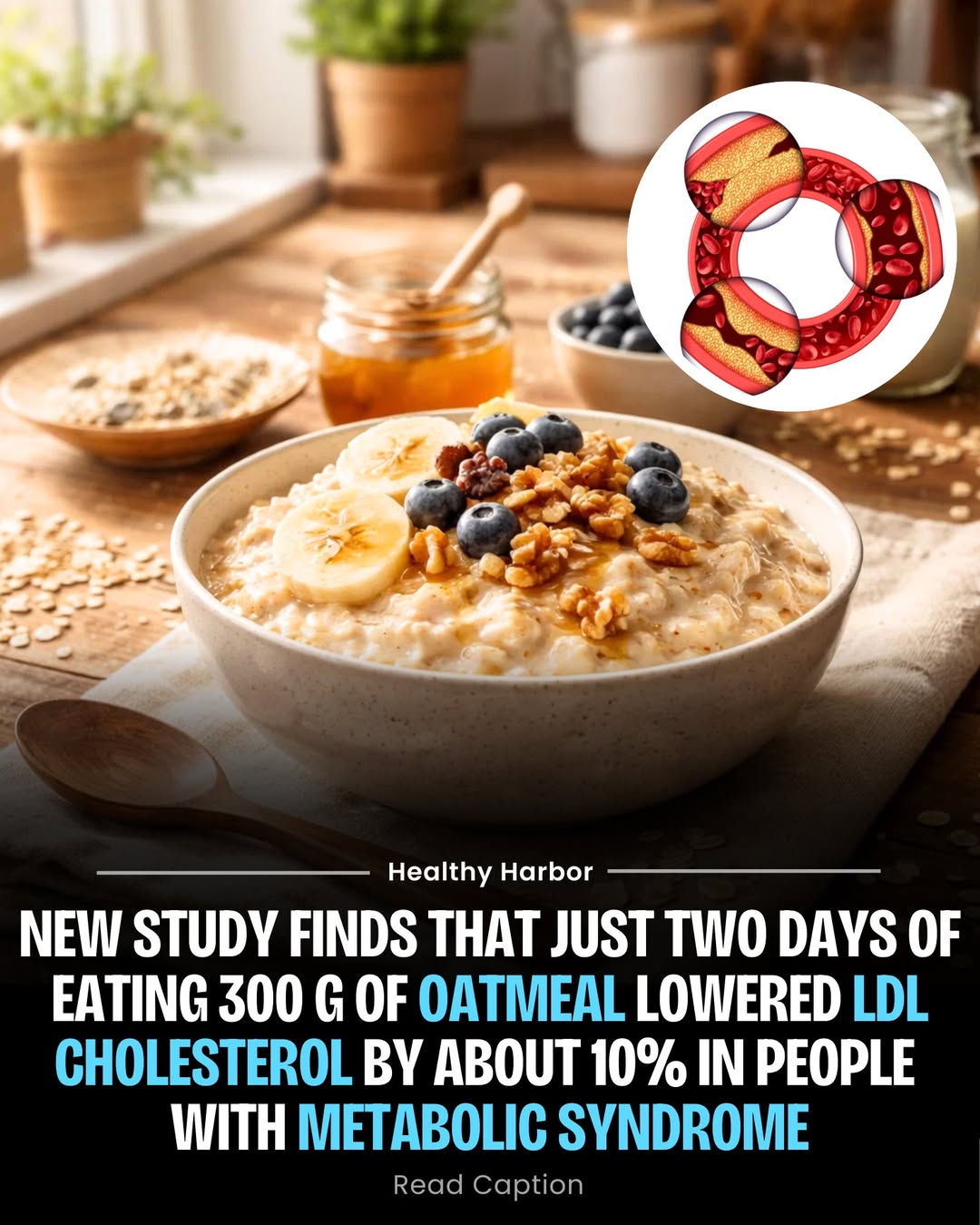
  4. Two days of only oatmeal reprogrammed the gut microbiome in metabolic syndrome Jan 28, 2026
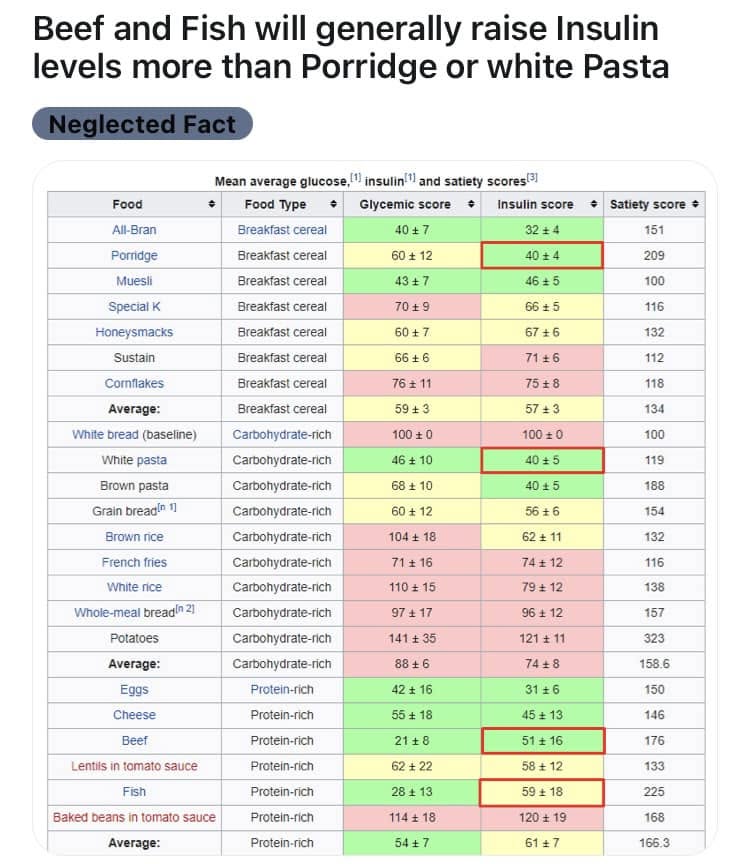
  5. Beef and whey raise insulin more than equal-calorie oatmeal, pasta or bread May 09, 2025
  6. Willett: refined starch and sugar (~40% of US calories) drive heart disease and diabetes ↩ 26 · Jan 26, 2024
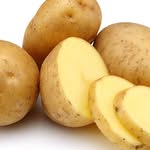
  7. Harvard trial tests whether plain white potatoes damage endothelial function Jan 03, 2026
  8. Two days of oatmeal lowered LDL about 10% for up to 6 weeks in metabolic syndrome ↩ 1 · Jan 26, 2026
#fiber 26#refinedsugar 24#harvard 19#glucose 17#oatmeal 16#wholegrains 16#sugarsweetenedbeverages 15#hns 11#refinedstarch 11#glycemicindex 11#fruit 11#protein 10#potatoes 10#hpfs 9#influencers 9#diabetes 9#solublefiber 8#psyllium 8#ldl 7#inflammation 7#soda 7#insulin 6#willett 6#liverfat 6#longevity 6#inulin 6#betaglucan 5#insulinresistance 5#microbiome 5#mortality 5#bloodsugar 5#smoothies 5#artificialsweeteners 5#bloodpressure 4#metabolicsyndrome 4#weightloss 4#aging 4#hfcs 4#lowfat 4#cholesterol 4

Oat beta-glucan (4 g) cut breakfast glucose peaks 28% and lunch response 24% in small RCT

May 14, 2025 · Louis Nervegna ♥ 30 · 💬 50 ↩ 2

Louis says slow-cooked steel-cut oats are among the heart-healthiest foods and rejects influencer claims that oats are 'the same as eating sugar'. The shared post summarizes a small RCT in 19 healthy adults where oat beta-glucan blunted glucose and insulin responses and carried over to the next meal. About 3/4 to 1 cup of oats supplies ~4 g beta-glucan.
74 RCTs show oats lower LDL, blood sugar, weight and waist circumference

Jun 24, 2025 · Louis Nervegna ♥ 17 · 💬 49

Louis shares a summary of a 2022 meta-analysis of 74 randomized trials of oat consumption. Oats versus non-oat controls lowered LDL-C by 0.29 mmol/L, total cholesterol by 0.42 mmol/L, blood sugar, weight and waist, though apoB did not change significantly in just 2 studies. He recommends slow-cook steel-cut oats over instant oats.

High added sugar linked to over double the risk of heart disease death in a JAMA IM study

Aug 22, 2025 · Louis Nervegna ♥ 24 · 💬 35

A shared summary describes a 15-year JAMA Internal Medicine study in which people getting 25% or more of calories from added sugar had over twice the CVD death risk of those under 10%, regardless of weight or other factors. Louis clarifies that the comparison is with dietary cholesterol, not blood cholesterol.

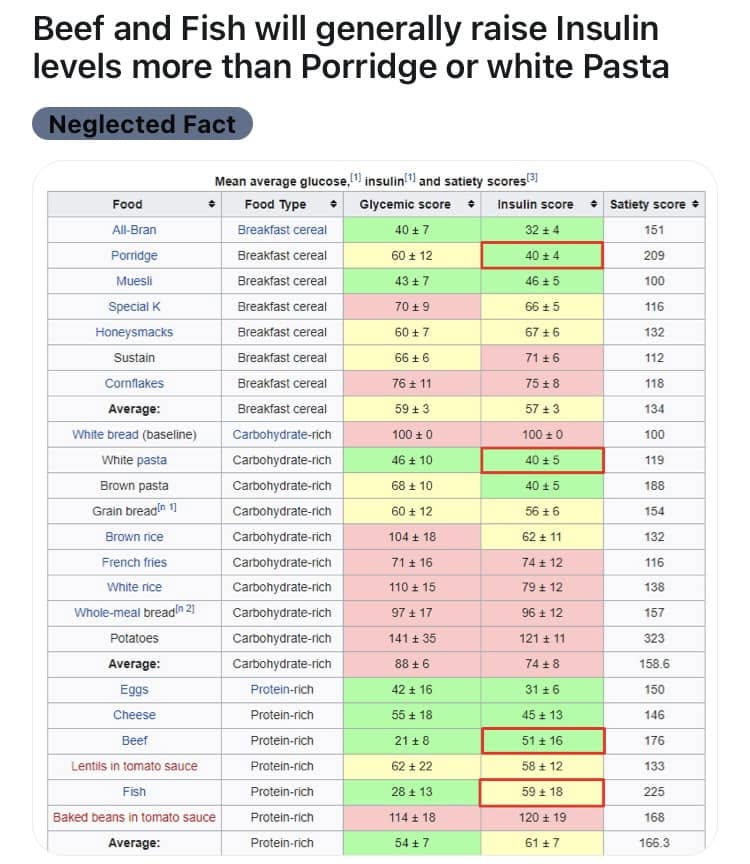
Beef and whey raise insulin more than equal-calorie oatmeal, pasta or bread

May 09, 2025 · Louis Nervegna ♥ 10 · 💬 41 Insulin resistance & diabetes

Louis explains that CGMs measure glucose, not insulin, and that some proteins provoke as much or more insulin than carbohydrates. Citing the 1997 insulin index paper and a 2012 whey study, he shows beef raises insulin more than pasta or oatmeal calorie for calorie, and whey more than glucose or white bread, so swapping protein for carbs may raise post-meal insulin.

Willett: refined starch and sugar (~40% of US calories) drive heart disease and diabetes

Jan 26, 2024 · Louis Nervegna ♥ 14 · 💬 31 ↩ 26

Louis argues that mainstream nutrition science now sees refined sugar and refined starch, possibly including white potatoes, as direct causes of heart disease and diabetes, citing Harvard's Walter Willett in a ZOE interview. He notes about 40% of US calories come from refined sugar/starch and white potatoes, and says this should be replaced with healthier carbohydrate or healthy fat and protein sources. The post is opinion backed by an expert interview, not a specific study.

Harvard Nutrition Source: potatoes linked to weight gain, diabetes and heart disease

Jun 19, 2025 · Louis Nervegna ♥ 12 · 💬 34

Louis argues white potatoes may be as harmful as refined starch and sugar, citing Harvard's Nutrition Source page (since rewritten, as he notes) and the view that potatoes should be classed as refined grain. He also states refined starch and sugar plus potatoes provide over 40% of calories in the standard American diet.

Dietary fiber as a longevity intervention: 15-30% lower mortality at 25-29 g/day

Dec 28, 2025 · Gokhan Can ♥ 23 · 💬 12

Long summary arguing fiber is a bioactive longevity tool. The WHO-commissioned Reynolds 2019 meta-analysis found 15-30% lower all-cause mortality at 25-29 g/day, with benefits continuing per extra 8 g; newer NHANES data suggest diminishing returns past ~30 g/day. It describes mechanisms including butyrate-driven epigenetic effects and gut barrier reinforcement against toxins such as microplastics.

Gel, feed and sweep: why the word 'fiber' on a label says little about its effect

Jul 04, 2026 · Louis Nervegna ♥ 35 · 💬 9

Louis recommends a Laurie Marbas article arguing that fibers differ in what they do in the body. The shared excerpt describes a 1978 experiment where the same fiber blunted a glucose spike only while it formed a thick gel, and proposes thinking of gel, feed and sweep fibers rather than soluble versus insoluble.

Two tricks to lower glucose and insulin spikes from whole grains

Feb 26, 2025 · Louis Nervegna ♥ 28 · 💬 11 ↩ 1

Louis recommends eating whole grains as intact as possible (steel-cut oats, wheat berries rather than finely ground flour) and refrigerating cooked grains for 24 hours to convert starch into resistant starch. Resistant starch is digested slowly and feeds gut bacteria.

Oats raise blood sugar only about 34 mg/dL on average in a Levels analysis

Feb 21, 2025 · Louis Nervegna ♥ 15 · 💬 28

Louis shares a post countering fear of oats, noting a Levels glucose-monitor analysis found a mild-to-moderate spike after a bowl of oats and that beta-glucan fiber stabilizes blood sugar. He adds the spike is even lower with slow-cook steel-cut oats.

Study of 48 hours of oatmeal cutting LDL attracts wide attention

Feb 01, 2026 · Louis Nervegna ♥ 15 · 💬 16

Louis notes the University of Bonn oatmeal trial keeps attracting attention. The shared summary: adults with metabolic syndrome eating about 300 g/day of oatmeal for two days saw about 10% lower LDL than a calorie-restricted control.

Take psyllium 2 hours apart from other medications; it also boosts statin LDL lowering

Jun 25, 2026 · Louis Nervegna ♥ 13 · 💬 17

Louis quotes a pharmacist's rule that psyllium's gel can slow absorption of other pills, so doses should be separated by about 2 hours, with extra care for thyroid drugs and narrow-window medications. Adding psyllium to a statin reportedly lowered LDL about as much as doubling the statin dose.

Claim that blending fruit causes bigger glucose spikes is untrue, per Louis

Dec 03, 2025 · Louis Nervegna ♥ 24 · 💬 14

Louis states that blending fruit does not cause a larger glucose spike than whole fruit and can lower or leave unchanged the glycemic index, criticizing Glucose Goddess and Gary Brecka's claims. The post links earlier group posts but cites no new study.

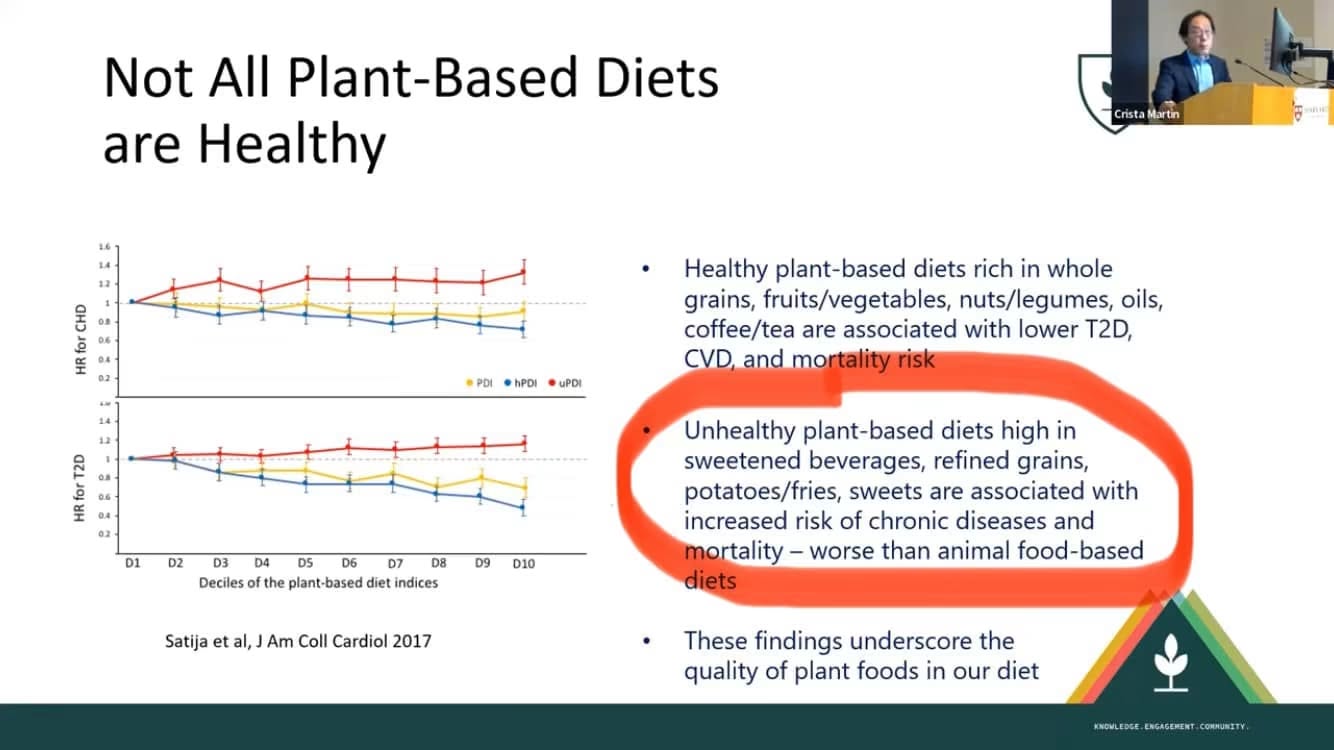
Unhealthy plant-based diets raise CHD risk, healthy ones lower it, in Harvard cohorts

Dec 26, 2024 · Louis Nervegna ♥ 13 · 💬 12 Mediterranean, DASH, MIND & plant-forward diets

Louis stresses that not all plant-based diets are healthy. In the Nurses' Health Study and Health Professionals Follow-up Study, a plant-based index rich in healthy plant foods was linked to substantially lower CHD risk while one emphasizing sugary drinks, refined grains, potatoes and sweets was linked to higher risk, worse than the standard diet baseline.

Why chronically high insulin is harmful and how to keep it low

Feb 22, 2025 · Louis Nervegna ♥ 11 · 💬 18 Insulin resistance & diabetes

Louis argues excess insulin promotes cancer growth, heart disease and IGF-1/mTOR growth pathways that accelerate aging, citing animal lifespan work, Loyal's dog research and Laron syndrome. He recommends avoiding refined starch/sugar, limiting excess animal protein, and using fats, fasting and calorie restriction to keep insulin low.

Most ultraprocessed food CVD risk in Harvard cohorts came from soda and processed meat

Sep 25, 2024 · Louis Nervegna ♥ 13 · 💬 8 Mediterranean, DASH, MIND & plant-forward diets

Louis shares a NY Times report on Harvard Nurses' Health Study and Health Professionals data. Of 10 ultraprocessed food categories, only sugar-sweetened drinks and processed meat, poultry and fish were clearly linked to higher cardiovascular risk. Excluding these two, most of the risk associated with ultraprocessed food disappeared.

Whole wheat contains spermidine, an autophagy-triggering molecule removed by refining

Feb 08, 2026 · Gokhan Can ♥ 15 · 💬 14

Admin argues whole wheat keeps the wheat germ, which contains spermidine, while refining strips it. Spermidine triggers autophagy and extends life in mice and other animals; he proposes a heuristic that reproductive plant parts (nuts, seeds, beans, whole wheat) may carry rejuvenating molecules. Speculative, with no human outcome data cited.

Blending whole fruit does not cause bigger blood-sugar spikes than eating it whole

May 10, 2026 · Louis Nervegna ♥ 10 · 💬 13

Louis rebuts the claim that blending fruit spikes blood sugar. Per the shared response, an RCT comparing whole apples and blackberries with a smoothie of the same fruits found a slightly smaller glucose rise with the smoothie, and blending mangoes also did not raise the spike. Fiber remains in the blend and still slows sugar absorption.

Oatmeal: low glycemic index, beta-glucan effects and 74 RCTs

Jul 30, 2025 · Louis Nervegna ♥ 8 · 💬 15

Louis summarises why oats are a good choice: steel-cut oats have a glycemic index of 42, beta-glucans blunt blood sugar spikes even at later meals, and there are 74 randomized trials on oatmeal. A shared post on insulin responses to proteins accompanies it.

Psyllium husk lowers A1C about 0.5% and modestly lowers LDL

May 14, 2026 · Louis Nervegna ♥ 15 · 💬 12

Louis states that psyllium lowers A1C by about 0.5%, blunts post-meal blood sugar spikes and modestly lowers LDL by limiting bile acid reabsorption. The shared post is no longer available and no source is cited.

Psyllium lowers LDL 13 mg/dL and fasting glucose 37 mg/dL in type 2 diabetes

Jun 15, 2026 · Louis Nervegna ♥ 14 · 💬 5

Louis quotes a post summarizing meta-analyses of psyllium: it lowers LDL and ApoB and, in type 2 diabetes, HbA1c and fasting glucose, with a larger effect when baseline glucose is higher. The quoted author also reports his own HbA1c falling from 5.9 to 5.3 in 8 months (anecdote).

Sweet potatoes are unrelated to white potatoes and not linked to weight gain or diabetes

Aug 27, 2025 · Louis Nervegna ♥ 11 · 💬 9 ↩ 1 Nuts, fish, coffee, tea, cocoa & other foods

Louis shares Harvard Nutrition Source information that sweet potatoes are roots in the morning glory family, genetically unrelated to white potatoes, which are tubers. Unlike white potatoes, sweet potatoes are not associated with weight gain or diabetes in recent studies, and purple Japanese varieties may be especially healthy.

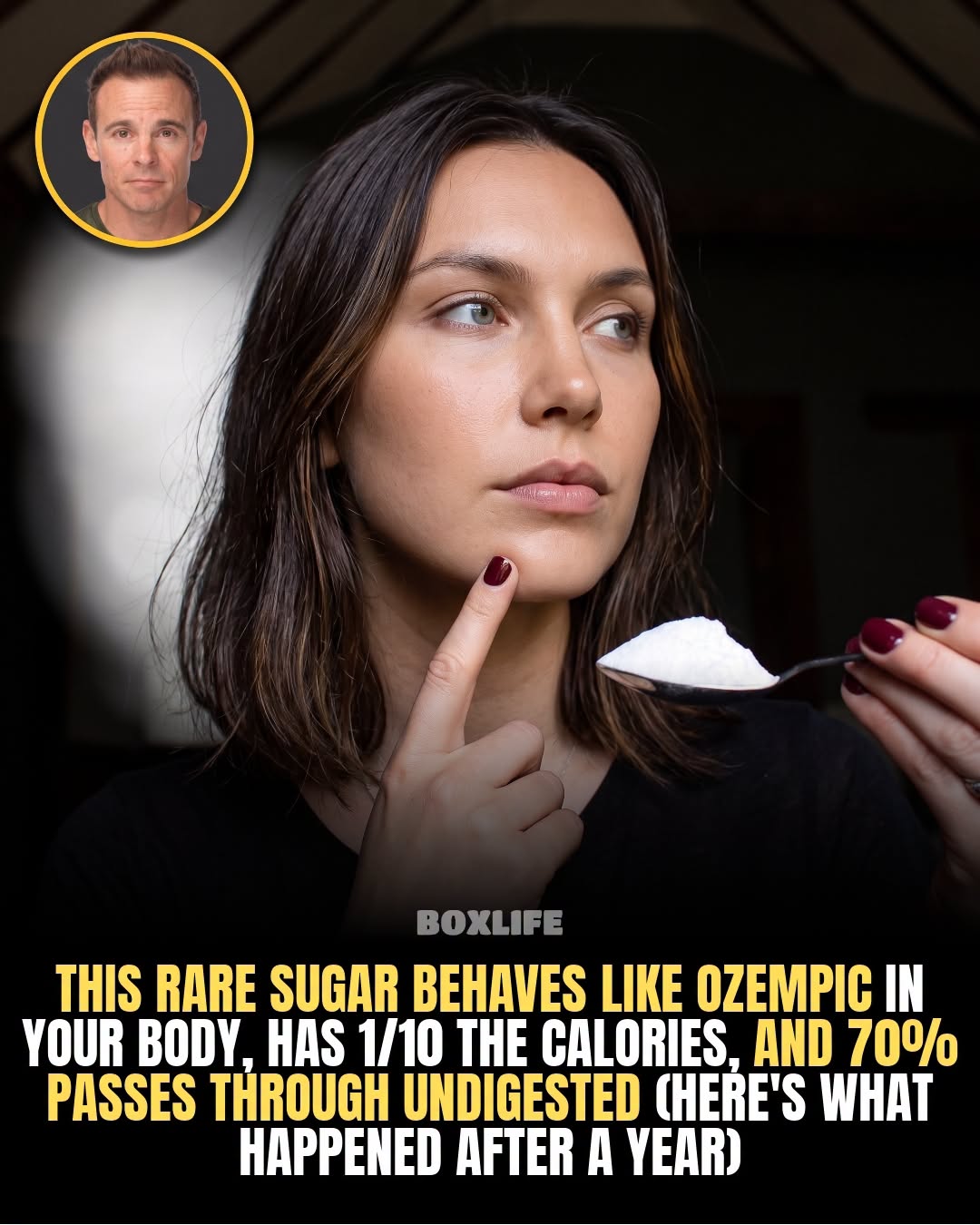
Allulose: low-calorie rare sugar that may blunt glucose spikes

Sep 29, 2026 · Louis Nervegna ♥ 18 · 💬 8

A shared article presents allulose as a natural sugar alternative with about one tenth the calories that may blunt blood sugar spikes and nudge GLP-1. Much of the article is one person's year-long personal experience, so the evidence is thin.

Normal fruit intake does not raise liver or visceral fat

Dec 03, 2025 · Louis Nervegna ♥ 16 · 💬 4

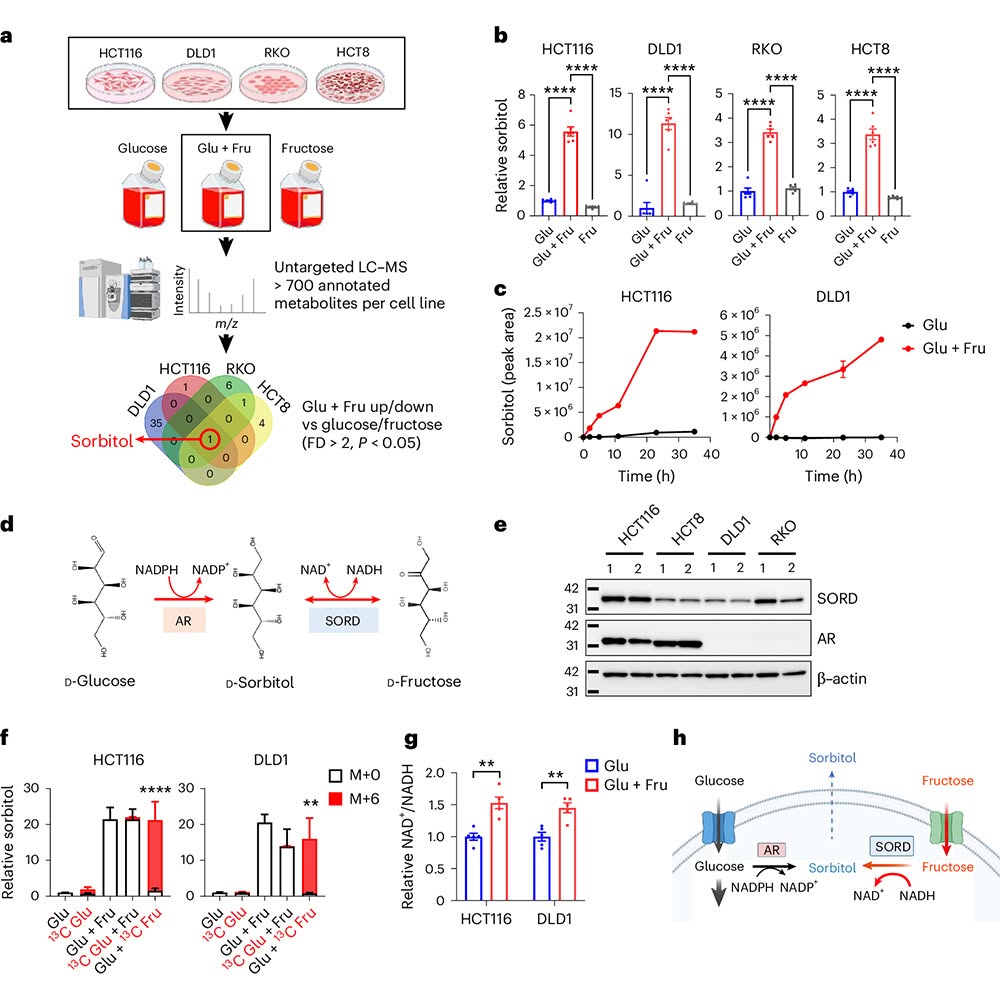
Louis quotes a post arguing that 500 g/day of added fruit for 2 months did not raise MRI liver fat despite nearly tripled fructose intake, and that fructose harms appear in extreme overfeeding studies with fructose-sweetened drinks. In calorie-matched trials, fructose replacing other carbs did not raise liver fat or ALT.

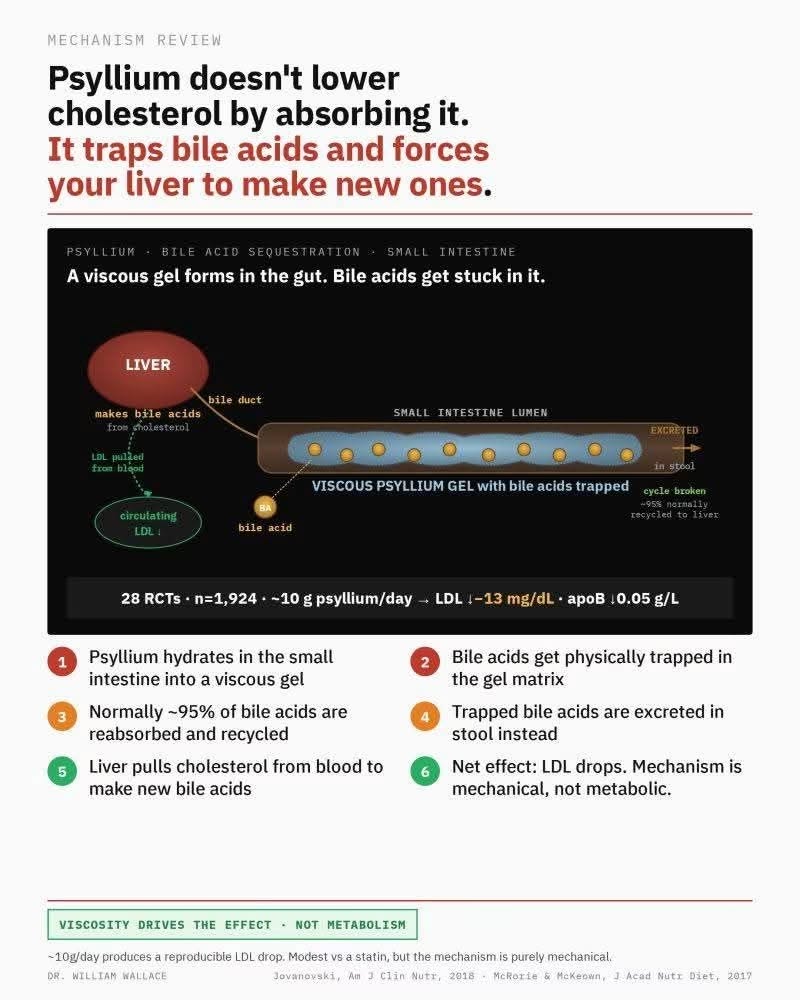
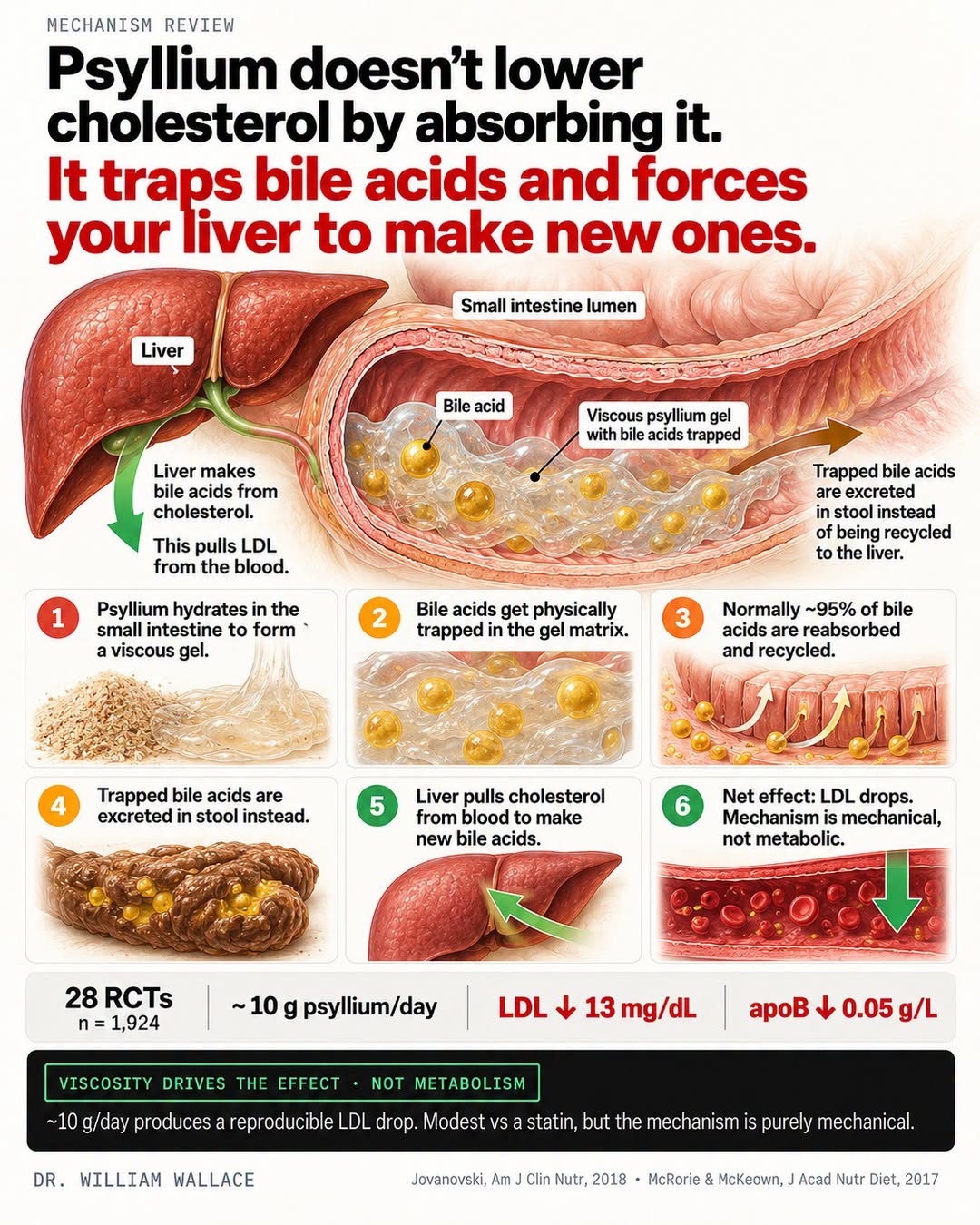
Psyllium lowers LDL about 13 mg/dL across 28 trials by trapping bile acids

Oct 31, 2026 · Louis Nervegna ♥ 15 · 💬 4

A shared explainer says psyllium lowers LDL by about 13 mg/dL across 28 randomized trials, and that the mechanism is mechanical: its viscous gel traps bile acids so the liver pulls cholesterol from the blood to make more, upregulating LDL receptors. It does not absorb cholesterol directly or scrub the gut, which is why most other soluble fibers do not work the same way.

Harvard/MGH recruits for a randomized trial of white potatoes and endothelial function

Jun 21, 2025 · Louis Nervegna ♥ 9 · 💬 7 ↩ 3

Louis highlights a Harvard Medical School and Massachusetts General Hospital trial, recruiting healthy men aged 18 to 40, that studies short-term effects of white potato intake on endothelial function and inflammation. It follows observational links between potatoes, hypertension, diabetes and other CVD risk factors.

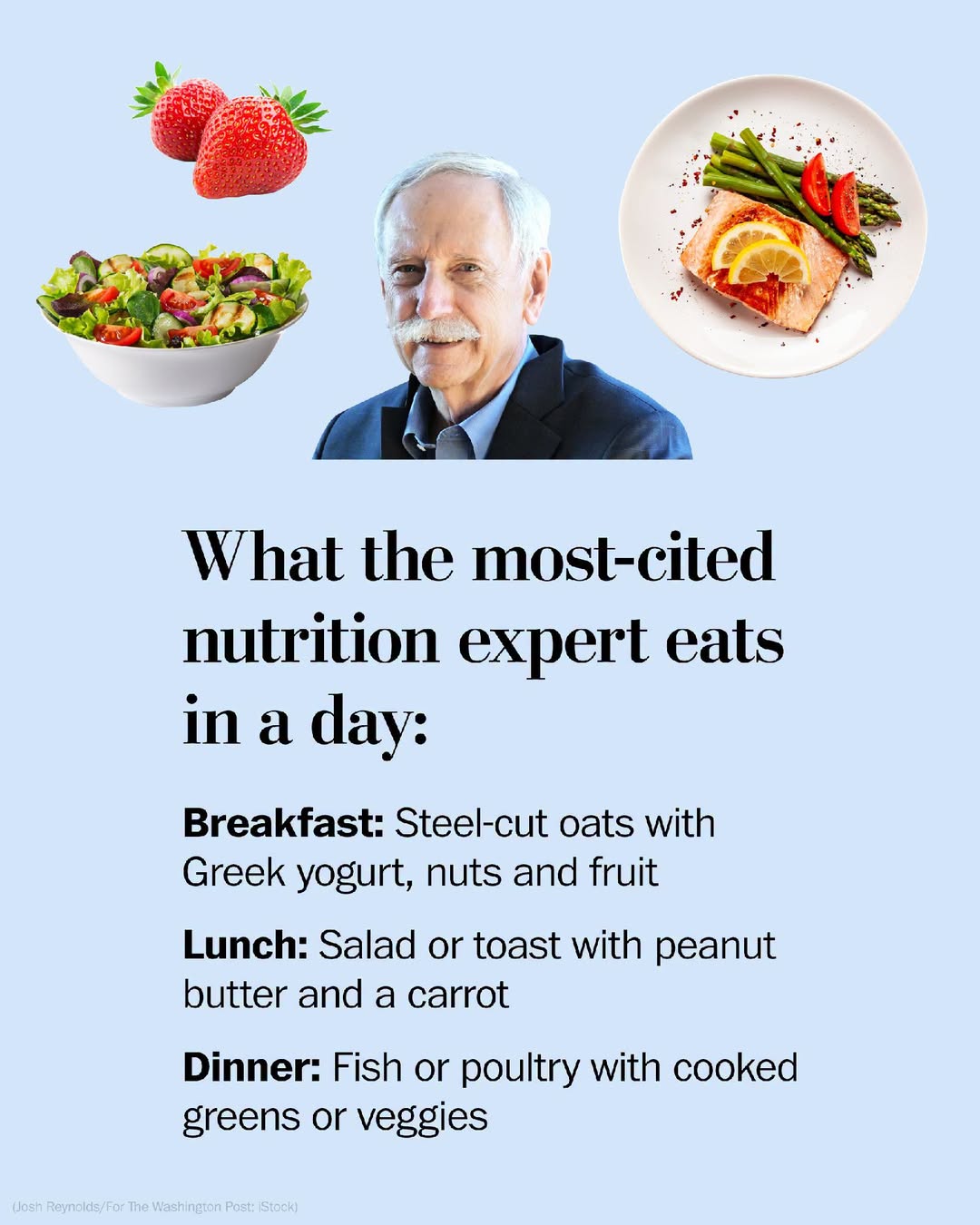
Walter Willett: unsaturated fats, Mediterranean eating and daily habits at 81

Oct 11, 2026 · Louis Nervegna ♥ 12 · 💬 4 Mediterranean, DASH, MIND & plant-forward diets

A Washington Post interview with Harvard nutrition researcher Walter Willett. He says his group's data showed total fat was irrelevant, trans fats were bad, saturated fat versus refined carbohydrate was only weakly related to heart disease, and unsaturated fats were linked to lower heart disease and mortality. He also describes his own diet, including oats, nuts, blueberries and a plant-based lunch.

Whole grain paradox: GI similar to refined grains, yet lower disease risk; spermidine?

Jun 19, 2026 · Louis Nervegna ♥ 12 · 💬 4

Louis notes that many whole grain products have a glycemic index close to refined grains, yet hundreds of studies link them to lower chronic disease risk. One theory is spermidine, concentrated in wheat germ and removed in refining, which triggers autophagy; Louis comments cautiously on the shared Gokhan Can post.

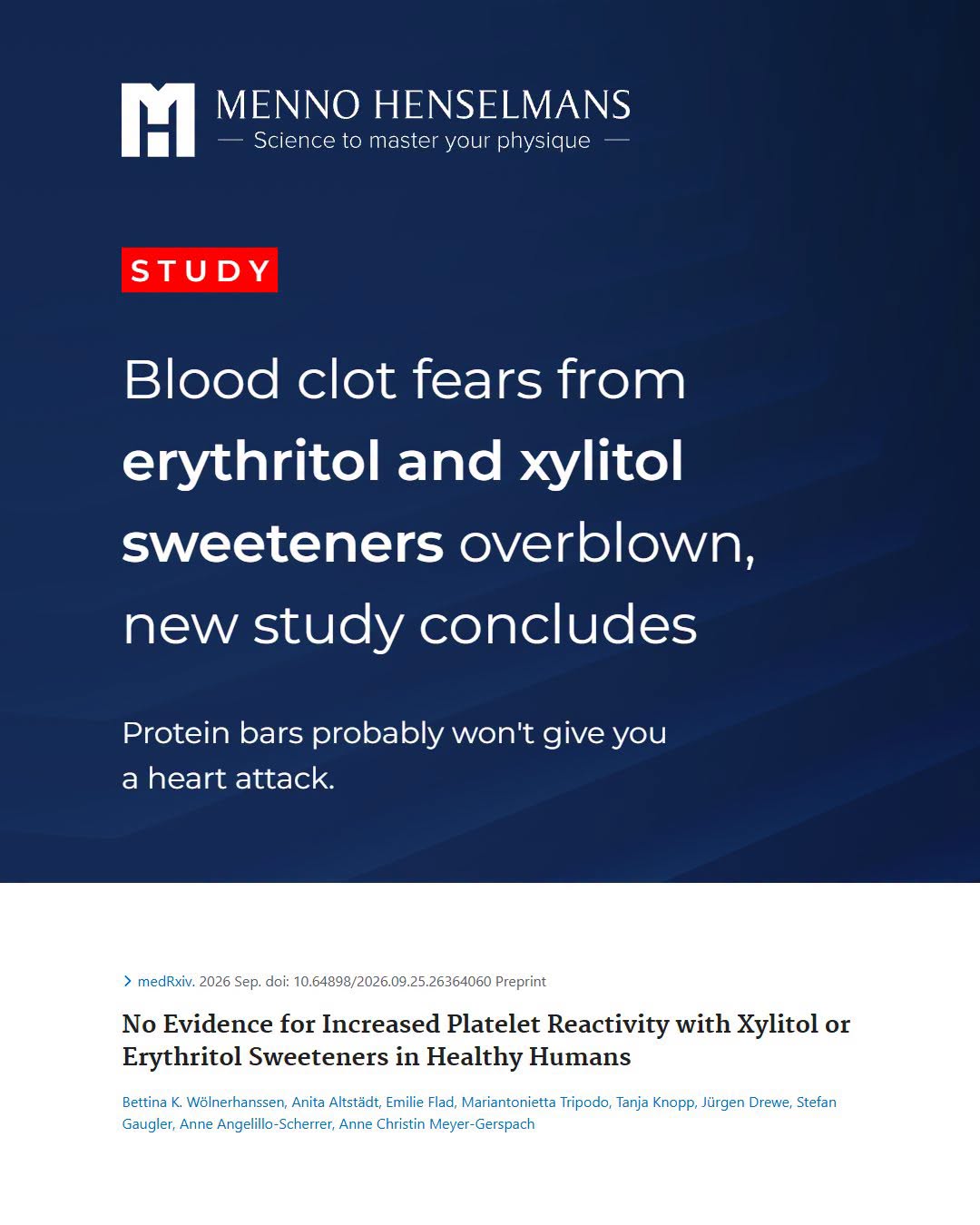
Erythritol and xylitol heart risk is unclear; the Cleveland Clinic studies were limited

Oct 27, 2026 · Louis Nervegna ♥ 7 · 💬 5

Louis notes it is unclear whether sugar alcohols raise CVD risk. A shared post explains that the group linking higher blood erythritol and xylitol to more heart attacks and strokes also showed that 30 g doses made platelets more reactive, but both studies had serious problems, including that the association study did not measure intake.

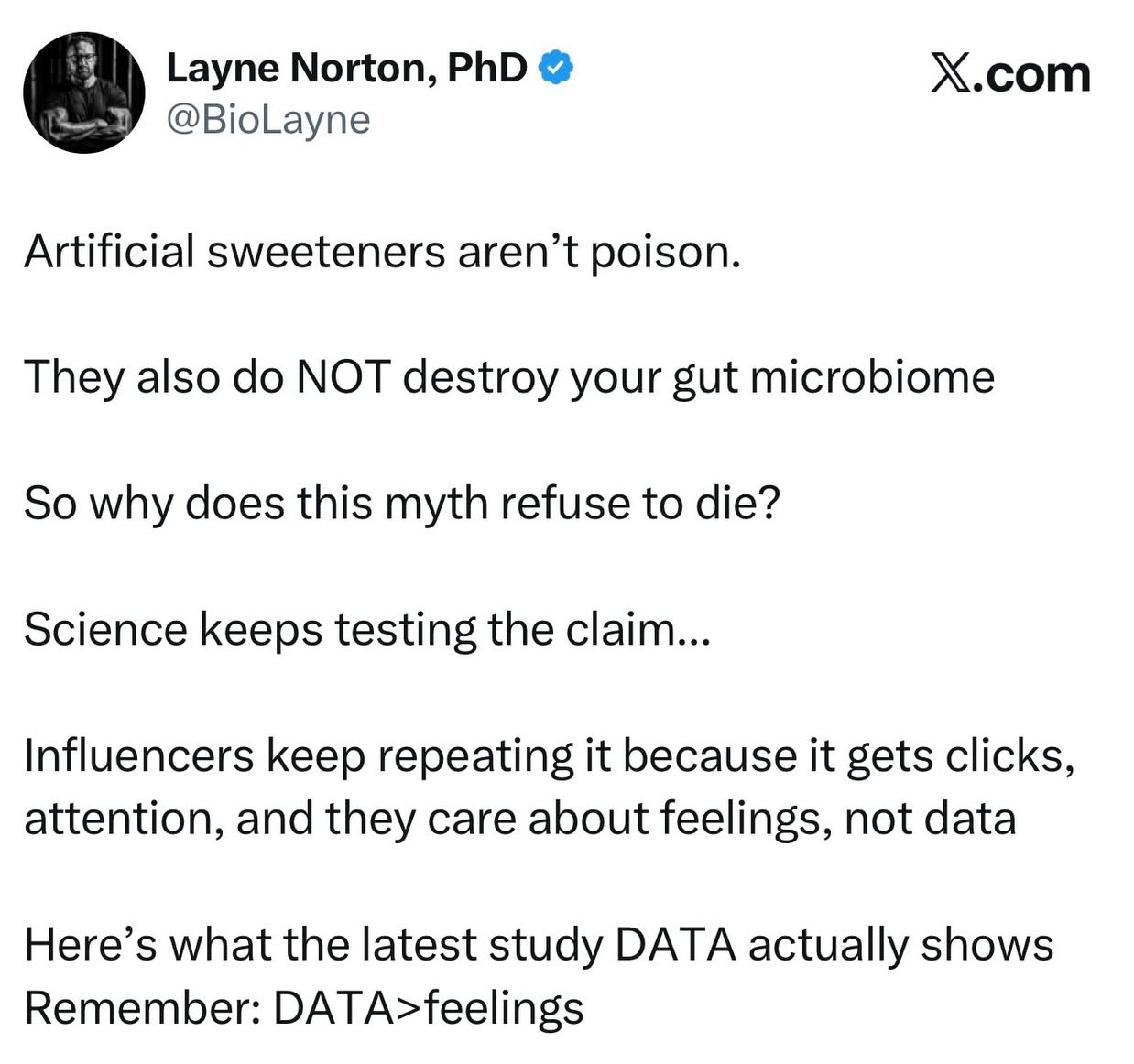
Long-term RCT: artificial sweeteners did not harm cardiometabolic health or gut microbiota

Dec 18, 2025 · Louis Nervegna ♥ 6 · 💬 8 Gut microbiome

Louis shares Layne Norton's summary of a new long-term randomized trial of artificial sweeteners during weight-loss maintenance, which found better weight maintenance and no adverse cardiometabolic effects versus a low-sugar diet alone, with gut findings worth more study. Louis does not recommend sweeteners but wants the evidence stated accurately.

Bowel movement frequency of once or twice daily linked to better gut and overall health

Mar 19, 2025 · Louis Nervegna ♥ 26 · 💬 1 Gut microbiome

Louis shares a news report on a Cell Reports Medicine study finding that once or twice daily is the 'Goldilocks zone' for stool frequency. Constipation raised blood levels of toxins such as p-cresol sulfate and indoxyl sulfate that burden the kidneys, while diarrhea was linked to excess bile acid loss. More fruit and vegetables, water, exercise and a plant-dominant diet characterized the Goldilocks group.

Peter Attia: early-life sugar restriction study is too weak for recommendations

Dec 08, 2024 · Gokhan Can ♥ 5 · 💬 8

Gokhan shares Peter Attia's critique of a study claiming sugar restriction in the first 1000 days of life protects against later diabetes and hypertension. The critique calls it an interesting historical analysis that raises questions, but not reliable enough to justify sugar restriction advice.

NYT explainer: what excess added sugar does to different parts of the body

Mar 16, 2025 · Louis Nervegna ♥ 13 · 💬 4

Louis shares a New York Times interactive article that explains how excess added sugar affects the body and raises health risks over time, noting that the experts quoted are professors and researchers rather than influencers. The post contains no specific numbers.

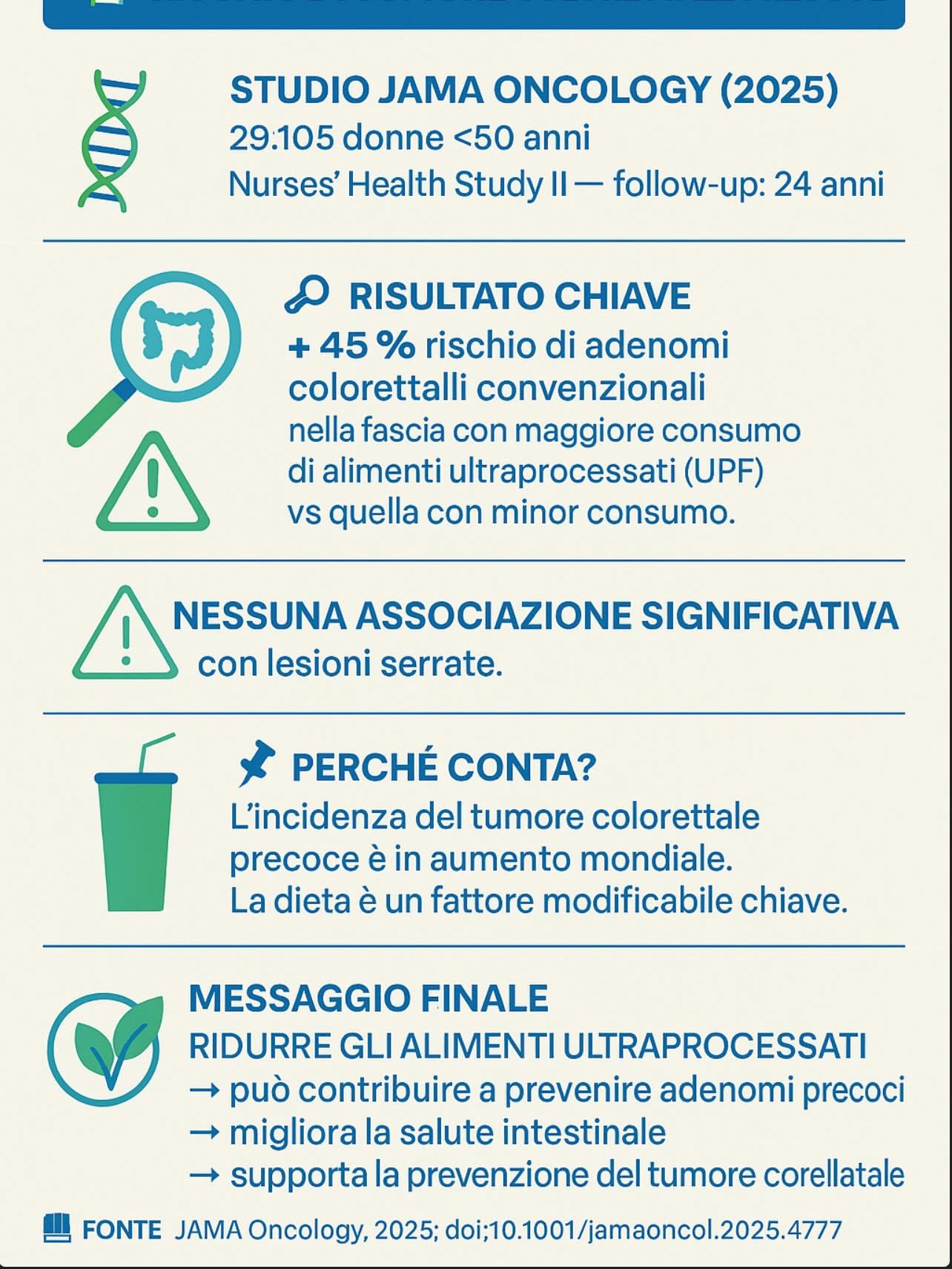
Ultraprocessed food linked to 45% higher early-onset colorectal adenoma odds

Dec 06, 2025 · Louis Nervegna ♥ 10 · 💬 2 Cancer

Louis shares a Luigi Fontana summary of a JAMA Oncology analysis of 29,105 Nurses' Health Study II women under 50 followed for 24 years. Higher ultraprocessed food intake was associated with 45% higher odds of conventional early-onset adenomas, with no clear link to serrated lesions. Louis adds that the same Harvard group previously found most UPF-related CVD risk came from processed meat and sugary beverages.

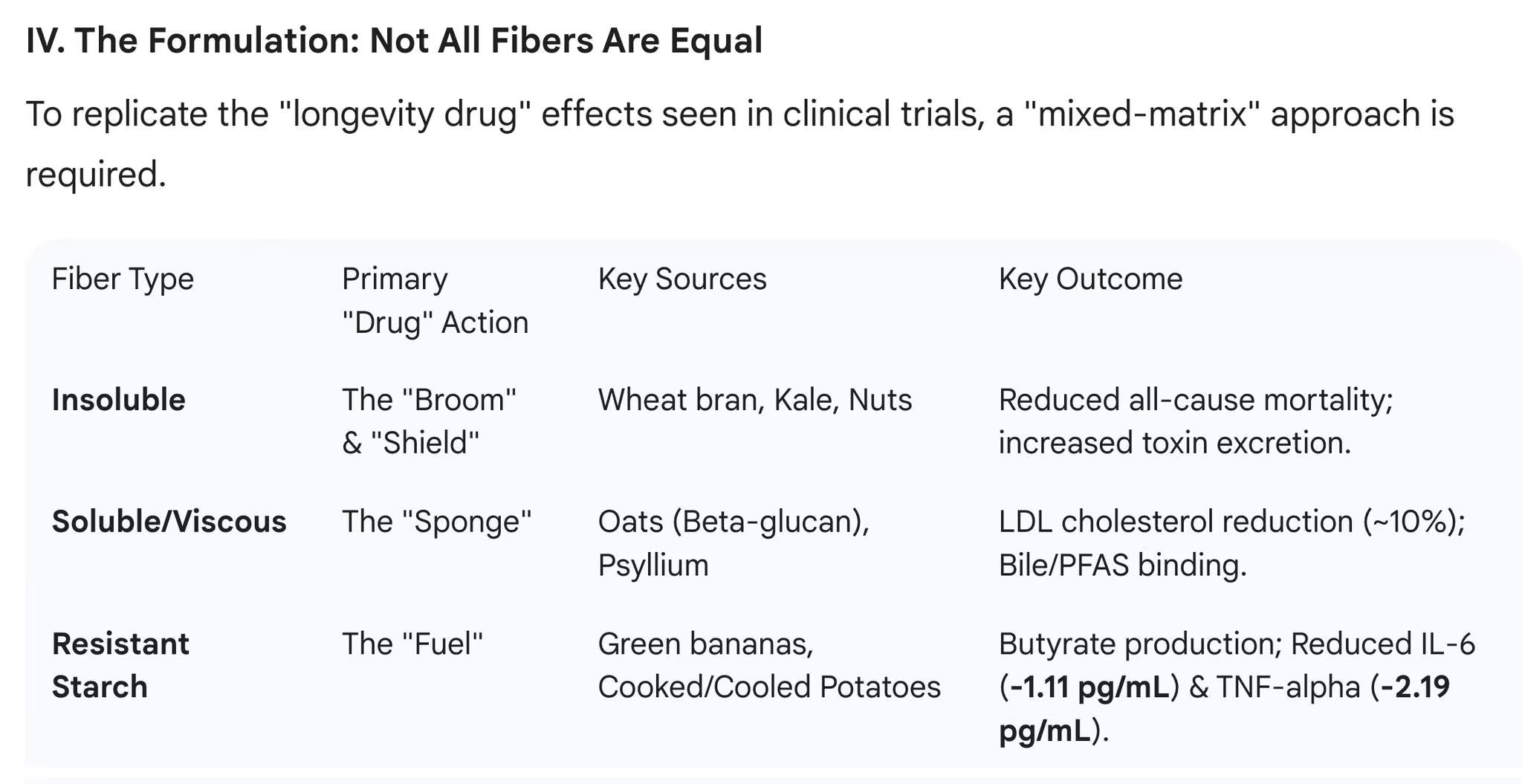
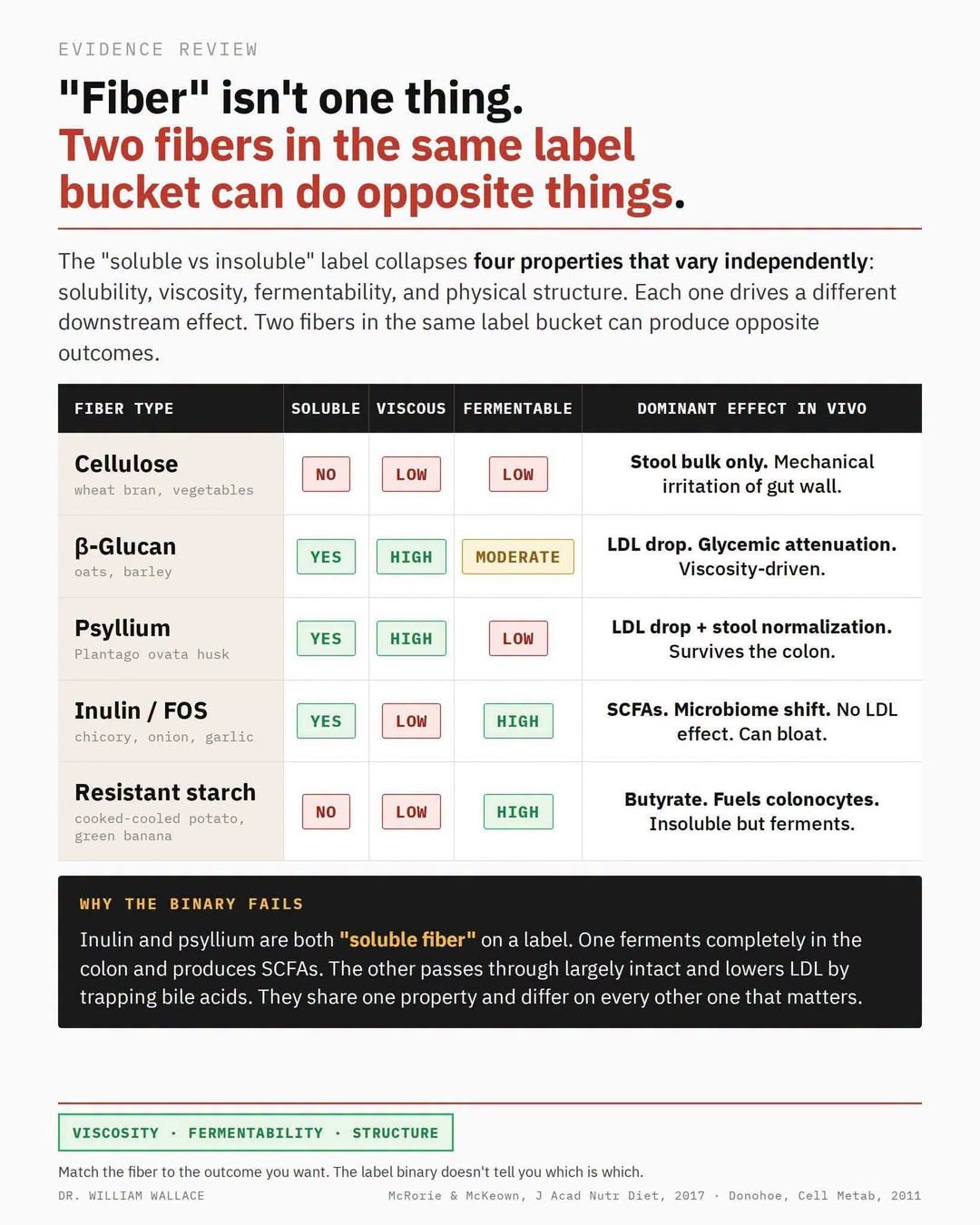
Only gel-forming fibers such as psyllium and beta-glucan lower LDL

Nov 04, 2026 · Louis Nervegna ♥ 7 · 💬 3

Louis shares a video explaining that fibers lower LDL by forming a gel that traps bile acids, forcing the liver to pull LDL from blood. Psyllium, oat and barley beta-glucan and guar gum gel, while inulin, FOS and wheat bran do not. Psyllium lowered LDL about 13 mg/dL across 28 trials and about 9 mg/dL in a 2025 analysis of 41 trials.

Whole grains linked to 23% lower coronary heart disease risk in three US cohorts

Jun 17, 2025 · Louis Nervegna ♥ 5 · 💬 4

Louis quotes a summary of a BMC Medicine analysis from the Nurses' Health Studies I and II and Health Professionals Follow-Up Study, averaging 25.8 years of follow-up. People eating the most whole grains had lower CHD risk, with specific foods such as whole grain cereal, bread, oatmeal and brown rice associated with benefit.

Soluble vs insoluble fiber is an oversimplification

Jul 12, 2026 · Louis Nervegna ♥ 10 · 💬 1

A shared explainer says fiber varies independently in solubility, viscosity, fermentability and structure. Cellulose is insoluble, non-viscous, barely fermented; beta-glucan is soluble and highly viscous.

Oatmeal eaters had 21% lower coronary heart disease risk in observational studies

Sep 21, 2026 · Louis Nervegna ♥ 11 · 💬 1

A summary of observational research finding that oatmeal two or more times a week was linked to about 21% lower coronary heart disease risk versus under once a month, with whole oat intake linked to lower all-cause mortality. The authors note these studies cannot prove cause because oat eaters may differ in other habits.

Whole wheat over white bread: fiber, spermidine and satiety arguments

May 27, 2024 · Gokhan Can ♥ 8 · 💬 2

Lists reasons to prefer whole wheat bread over white: more spermidine, more fiber that can help lower LDL, and a denser texture that is more filling. The claims are presented without linked studies, apart from a mention that spermidine extended lifespan in some mouse studies.

Fiber may reduce microplastic absorption from the gut, per Rhonda Patrick

Apr 05, 2025 · Louis Nervegna ♥ 11 · 💬 1 Environment (microplastics, pollution, heat)

Louis shares a FoundMyFitness post suggesting that dietary fiber, both fermentable and non-fermentable, can help block larger microplastics from being absorbed, though nano-sized particles can still cross the gut lining. It lists fiber-rich foods such as legumes, nuts, fruit, vegetables and whole grains. No study is cited in the post.

Meta-analysis of 87 trials: whole grains improved LDL, glucose, blood pressure, weight

Oct 02, 2026 · Louis Nervegna ♥ 9

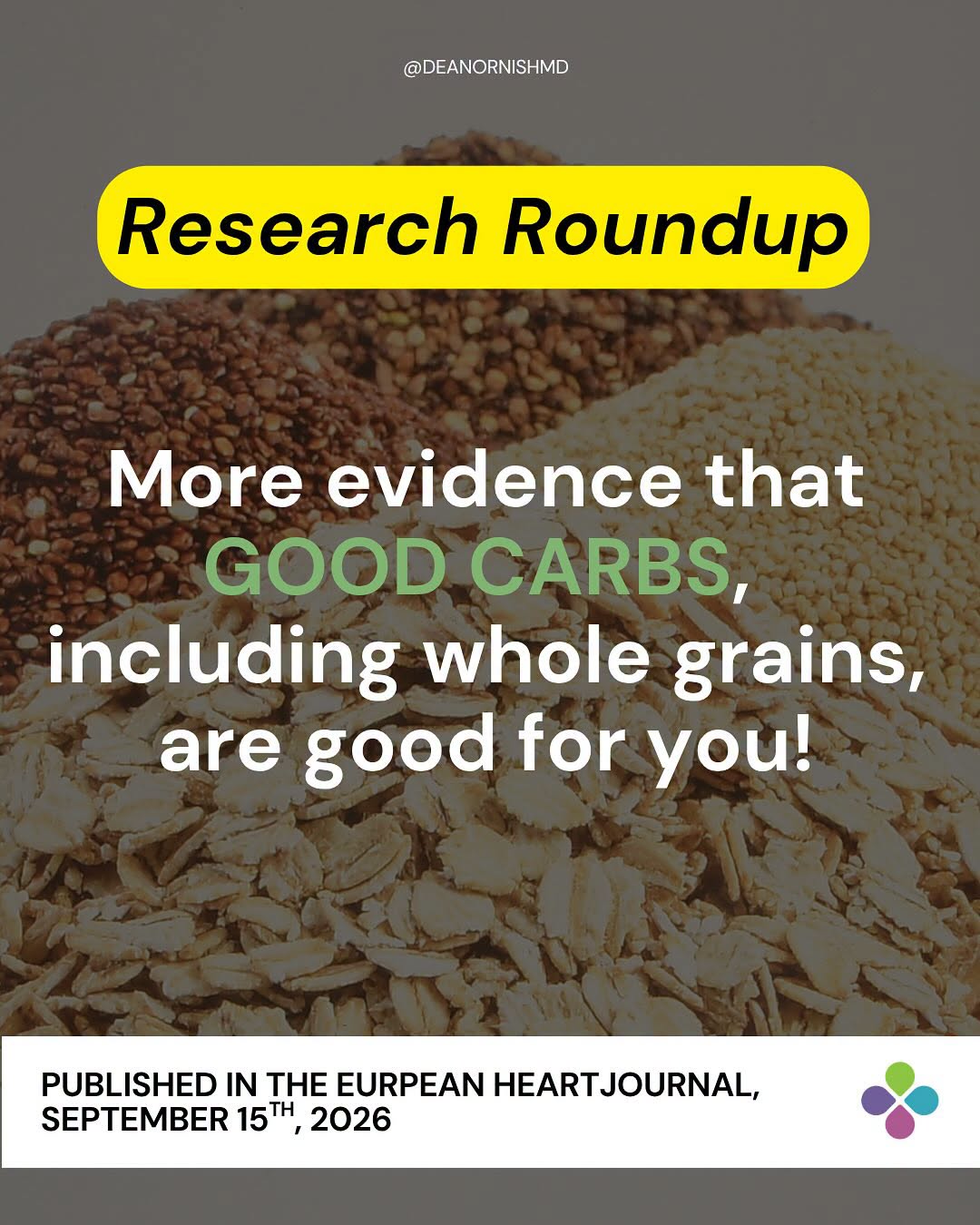
A European Heart Journal meta-analysis of 87 randomized trials found greater whole-grain intake improved LDL and total cholesterol, triglycerides, fasting glucose and systolic blood pressure, and reduced body weight, waist and IL-6. Effects were estimated per 48 g/day and were generally largest around 60-100 g/day, though certainty of evidence varied.

Gut microbes turn fiber and polyphenols into GLP-1 and other satiety hormones

Jan 29, 2024 · Louis Nervegna ♥ 9 Gut microbiome

Louis quotes Scientific American: the body makes its own incretin hormones such as GLP-1 and PYY, and gut bacteria ferment indigestible fiber and polyphenols into molecules that stimulate them. These hormones help regulate blood sugar, appetite and the speed of food moving through the gut (the 'colonic brake'). This suggests whole plant foods support the same pathways targeted by Ozempic and Wegovy.

How modern diets alter the gut and drive low-grade inflammation

Nov 08, 2025 · Louis Nervegna ♥ 6 · 💬 1 Gut microbiome

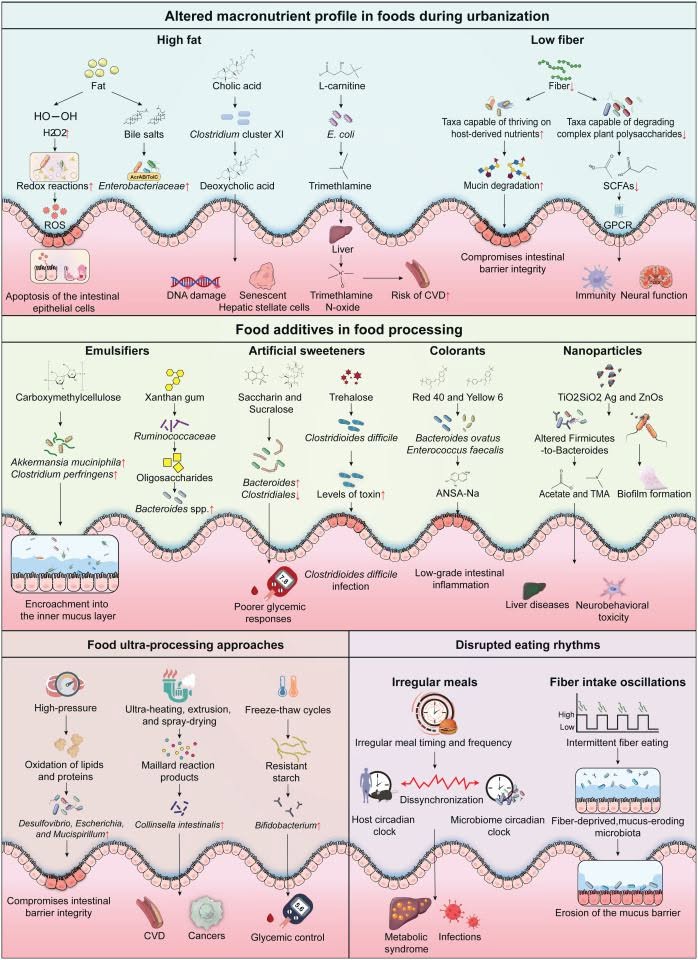
Louis reshares a figure showing how high-fat, low-fiber diets and additives like emulsifiers and sweeteners shift microbial balance, weaken the gut barrier and drive low-grade inflammation linked to chronic disease. Fiber and short-chain fatty acids are highlighted.

Oats: video on the real-world evidence versus anti-oat claims

Oct 06, 2026 · Louis Nervegna ♥ 9

A Physionic video shared by Dr. Daniel Chong argues that social-media criticism of oats relies on mechanistic findings while ignoring a large body of observational and interventional data showing benefit. His conclusion is to eat oats often.

Higher fiber intake linked to 53% lower mortality in 3,894 US adults with diabetes

Aug 26, 2026 · Louis Nervegna ♥ 4

A shared summary of a cohort of 3,894 US adults with diabetes found the third quartile of fiber intake had a 53% lower relative risk of death than the lowest (HR 0.47), with about 13% mediated by lower systemic immune inflammation index. It is observational and does not prove fiber extends life by 53%.

Fiber and longevity: observational links plus RCTs showing better risk factors

Oct 06, 2026 · Louis Nervegna ♥ 2 · 💬 1

A summary explaining that most evidence linking fiber to longer life is observational but consistent across countries and populations. Randomized trials, though too short for mortality, show fiber improves glucose, HbA1c, insulin resistance, blood pressure and LDL. The lack of a decades-long mortality trial is not evidence of no benefit.

Meta-analyses: swapping sugary drinks for low-calorie sweetened ones does not harm weight

Aug 25, 2025 · Louis Nervegna ♥ 0

A quoted rebuttal to Peter Attia's claim that diet soda swaps would not aid weight loss cites a systematic review of 17 RCTs where replacing sugar-sweetened beverages with low/no-calorie sweetened beverages reduced weight, BMI, body fat and liver fat. A cohort meta-analysis found no cardiometabolic harm from these drinks used as a substitution.

Sweetener evidence links: NutriNet-Santé cancer cohort, WHO review, beverage meta-analysis

Jun 13, 2025 · Louis Nervegna ♥ 0

A link-only post gathering three sources on non-sugar sweeteners: the NutriNet-Santé cohort associating aspartame and acesulfame-K with cancer risk, a WHO systematic review and meta-analysis, and a 2022 Diabetes Care meta-analysis finding no cardiometabolic harm when low/no-calorie drinks substitute for sugary ones. There is no commentary.