HD-OPM Archive
Topics › Metabolic health

Insulin resistance & diabetes

335 posts (116 primarily about this topic) · 130 reposts and set-aside posts not shown

Start here — the best posts in this topic

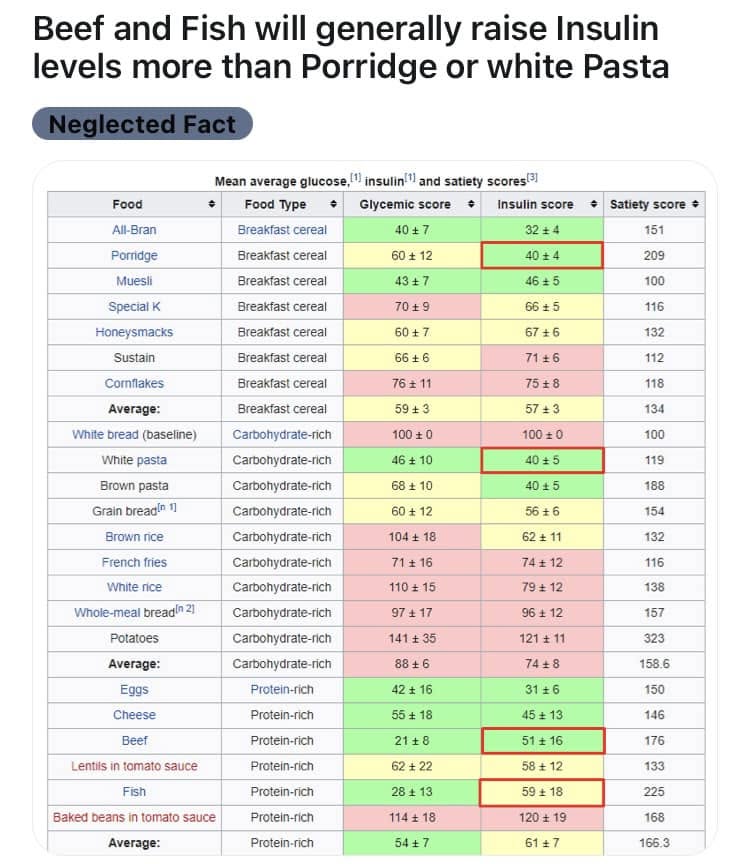
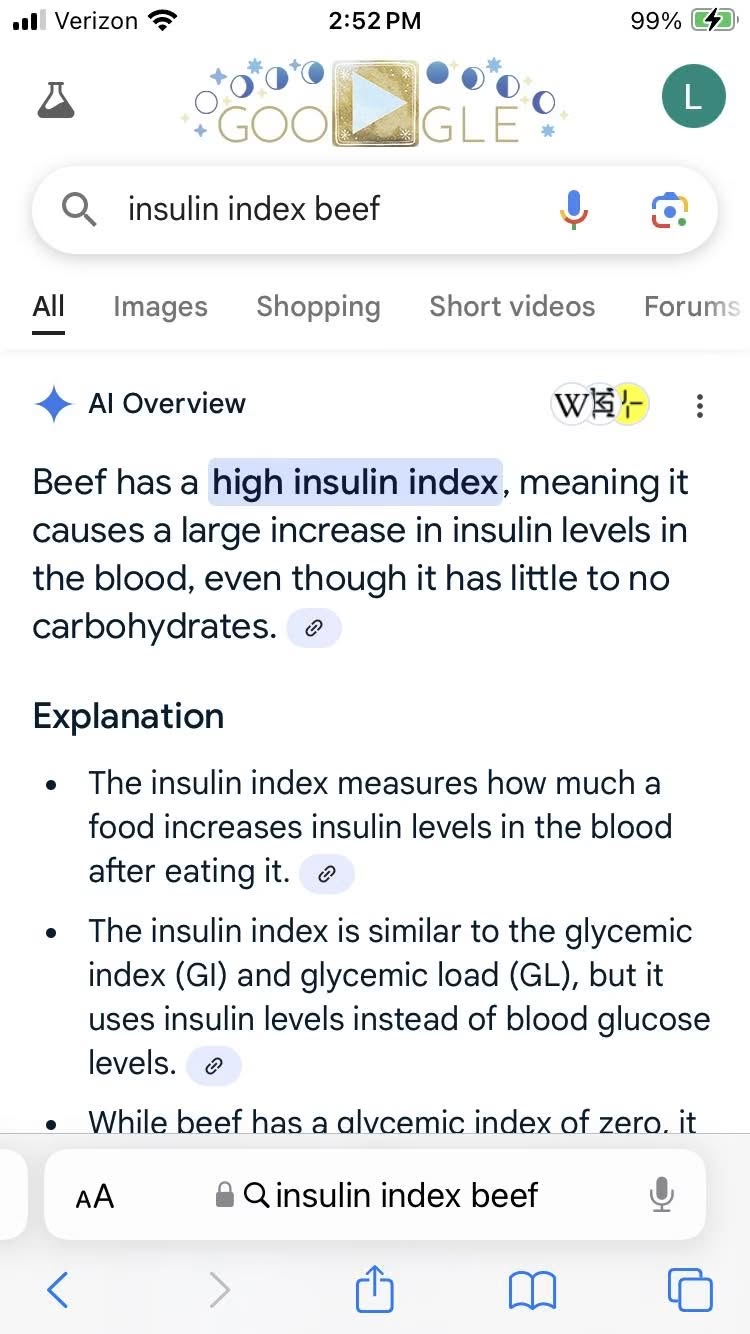
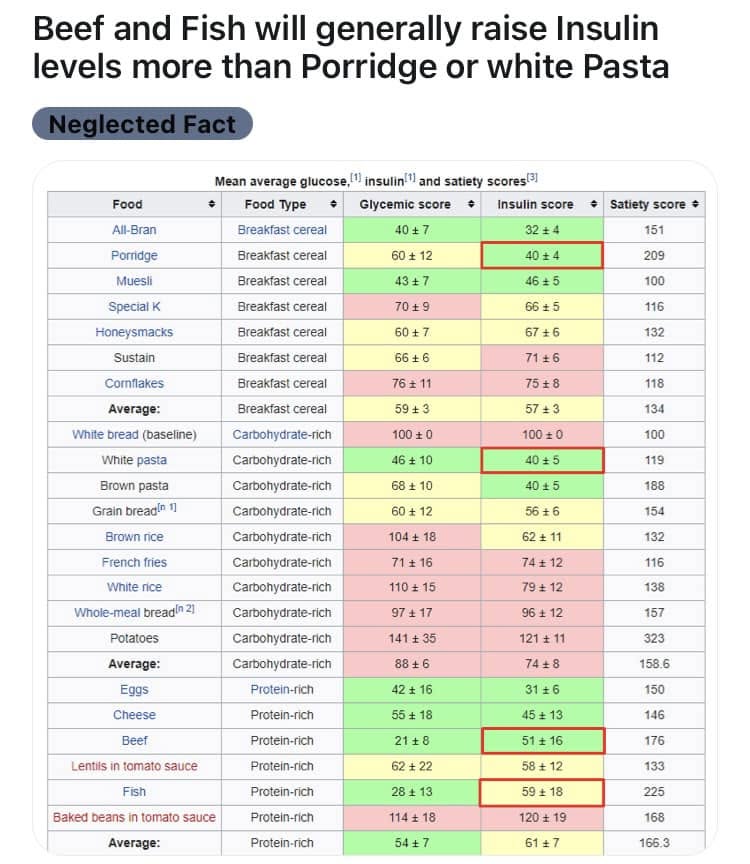
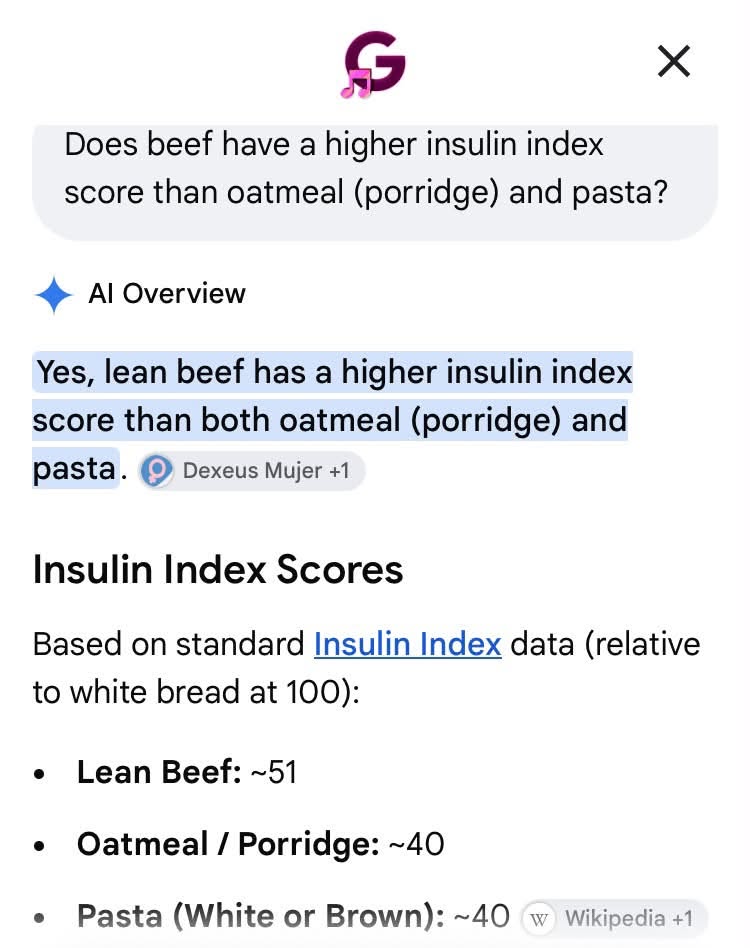
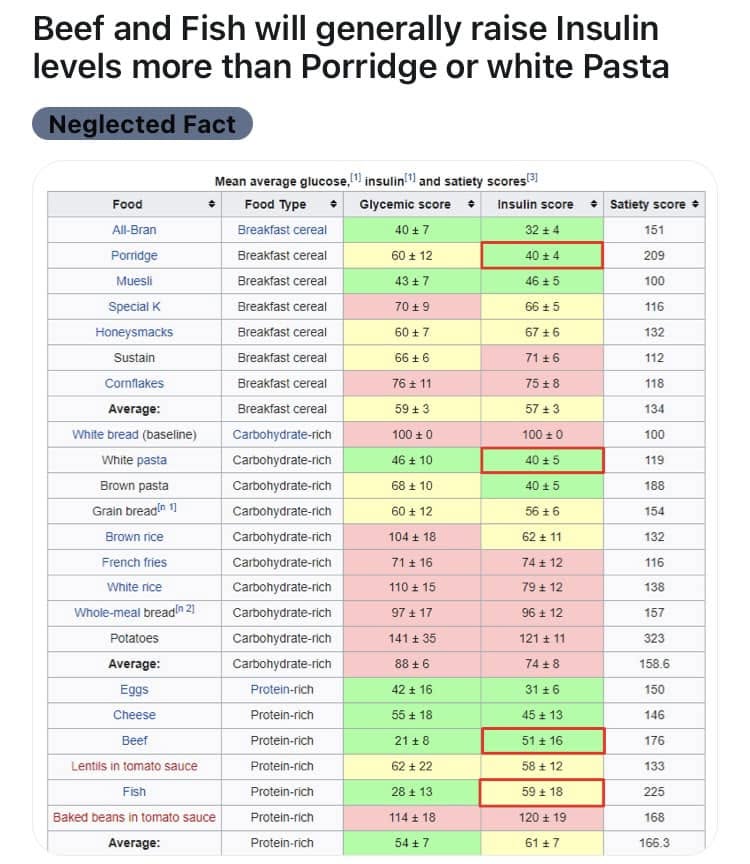
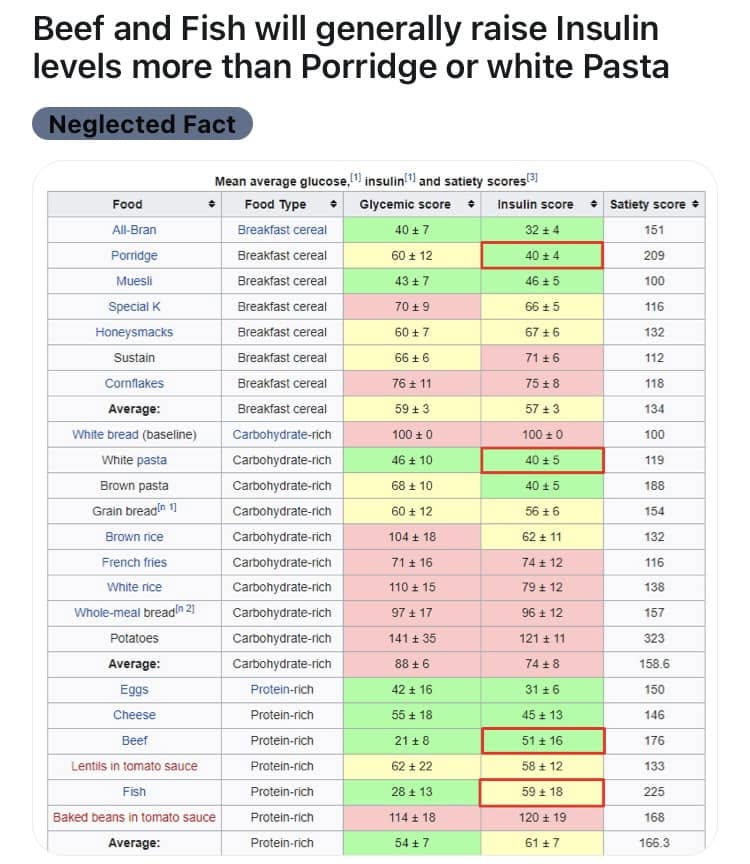
  1. Beef and whey raise insulin more than pasta, oatmeal or glucose: use the insulin index ↩ 27 · May 26, 2024
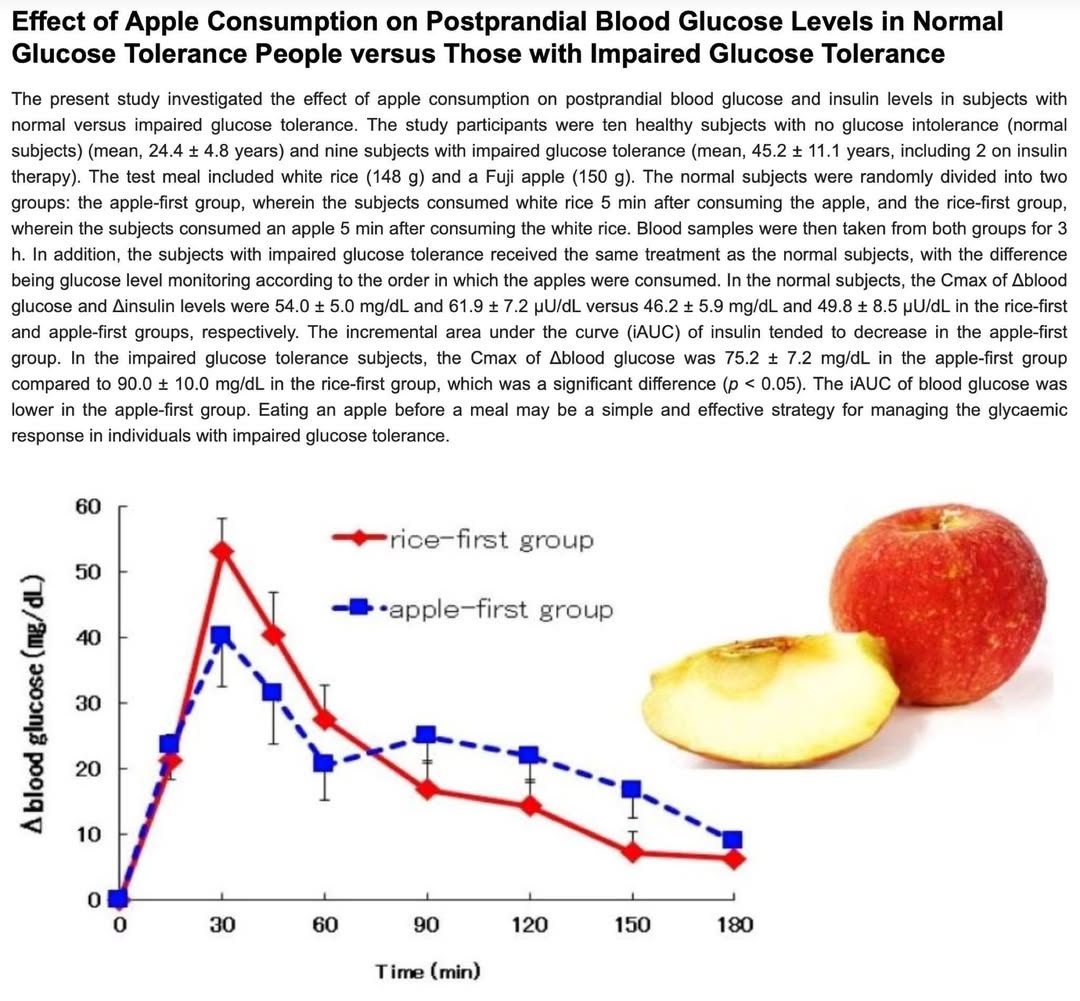
  2. Oat beta-glucan (4 g) cut breakfast glucose peaks 28% and lunch response 24% in small RCT ↩ 2 · May 14, 2025
  3. TG/HDL ratio tracks visceral fat; clearing liver and pancreas fat improves it ↩ 10 · Jul 27, 2024
  4. Roy Taylor trials: 15 kg weight loss cleared liver and pancreas fat, reversing diabetes ↩ 13 · Feb 09, 2025
  5. Glucose and insulin are different: CGMs show glucose only, and beef or whey spike insulin Feb 21, 2025
  6. An oral glucose tolerance test is the definitive check that diabetes is truly resolved Jul 31, 2025
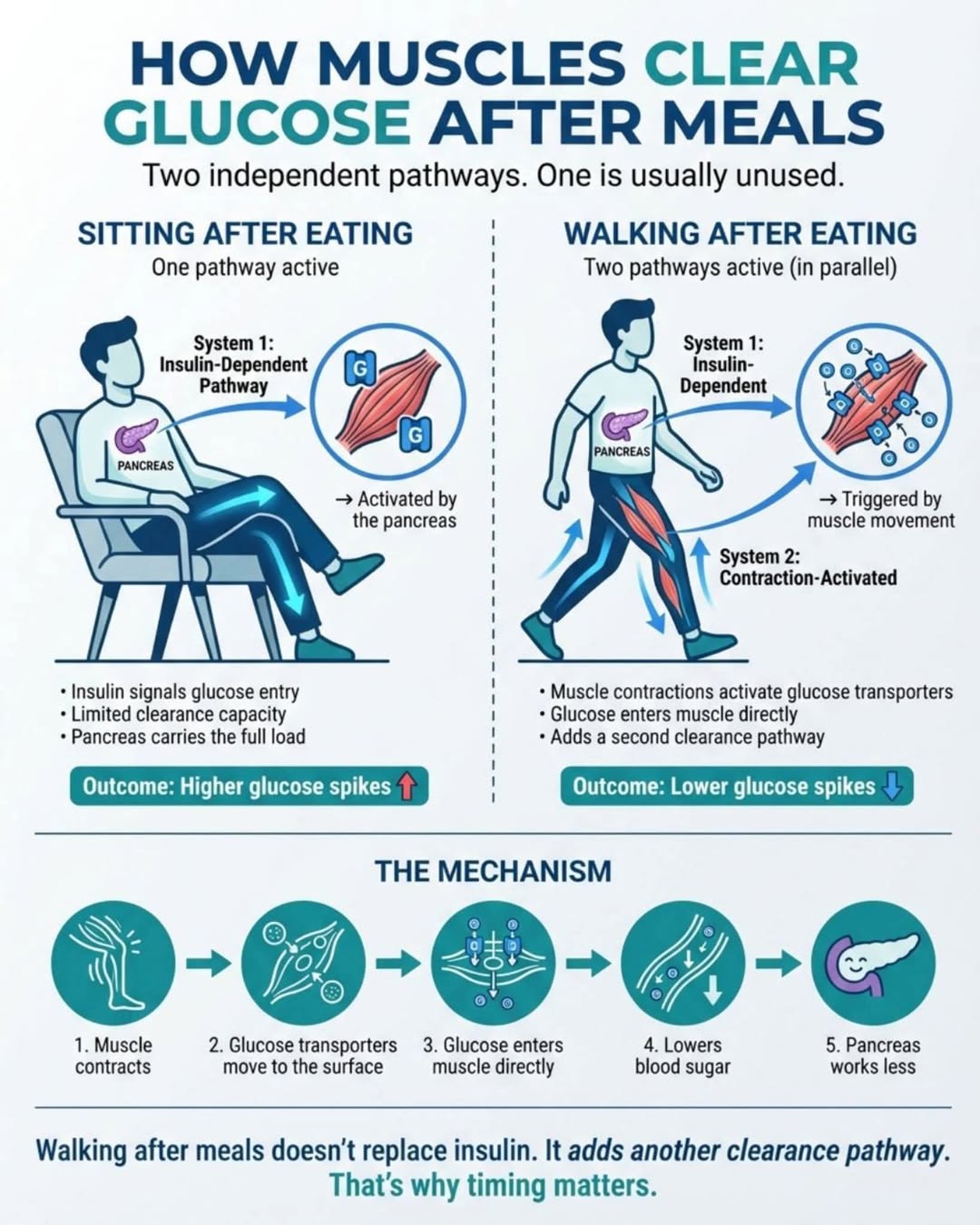
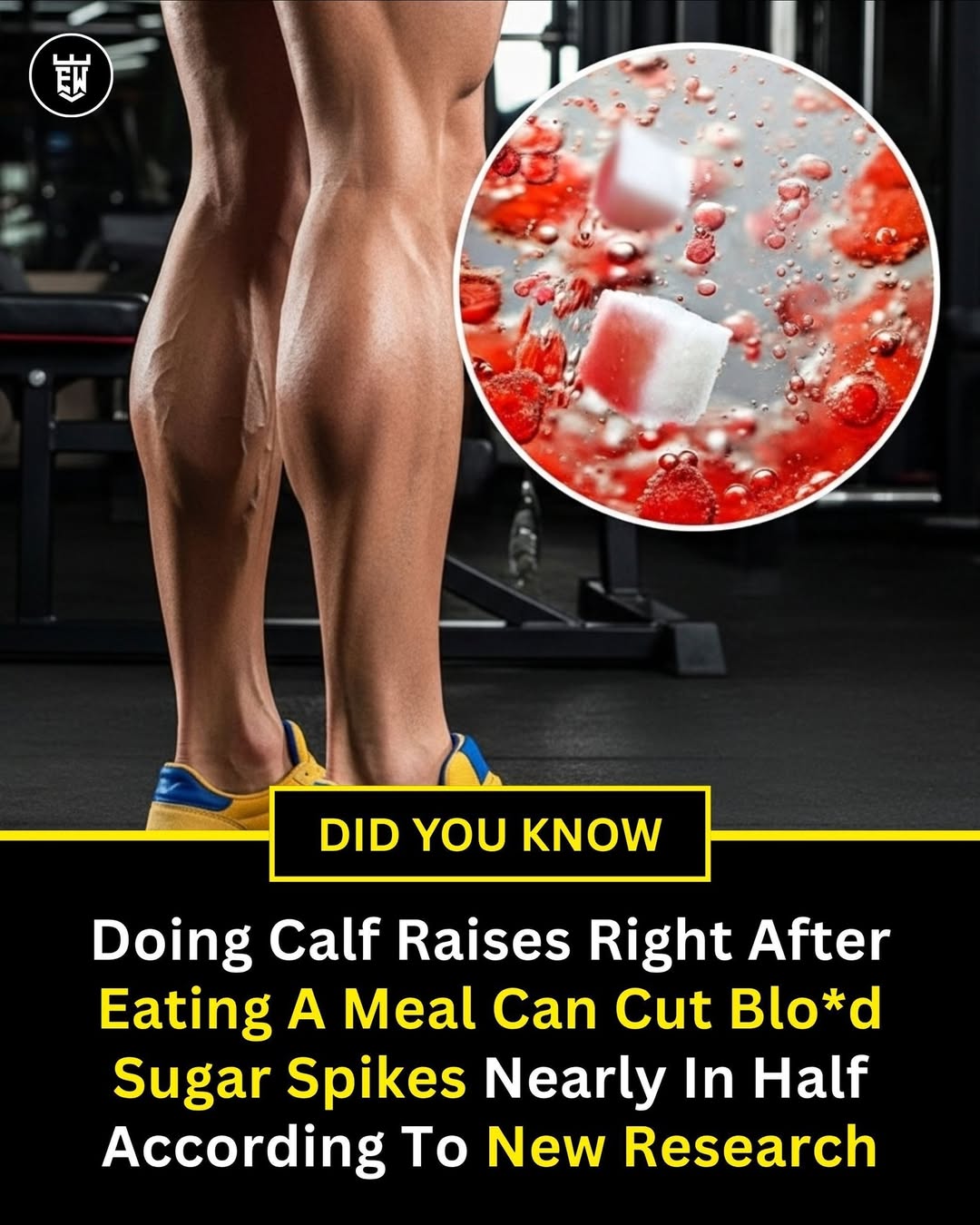
  7. Calf raises after meals are claimed to blunt blood sugar spikes by up to 52 percent Oct 23, 2025
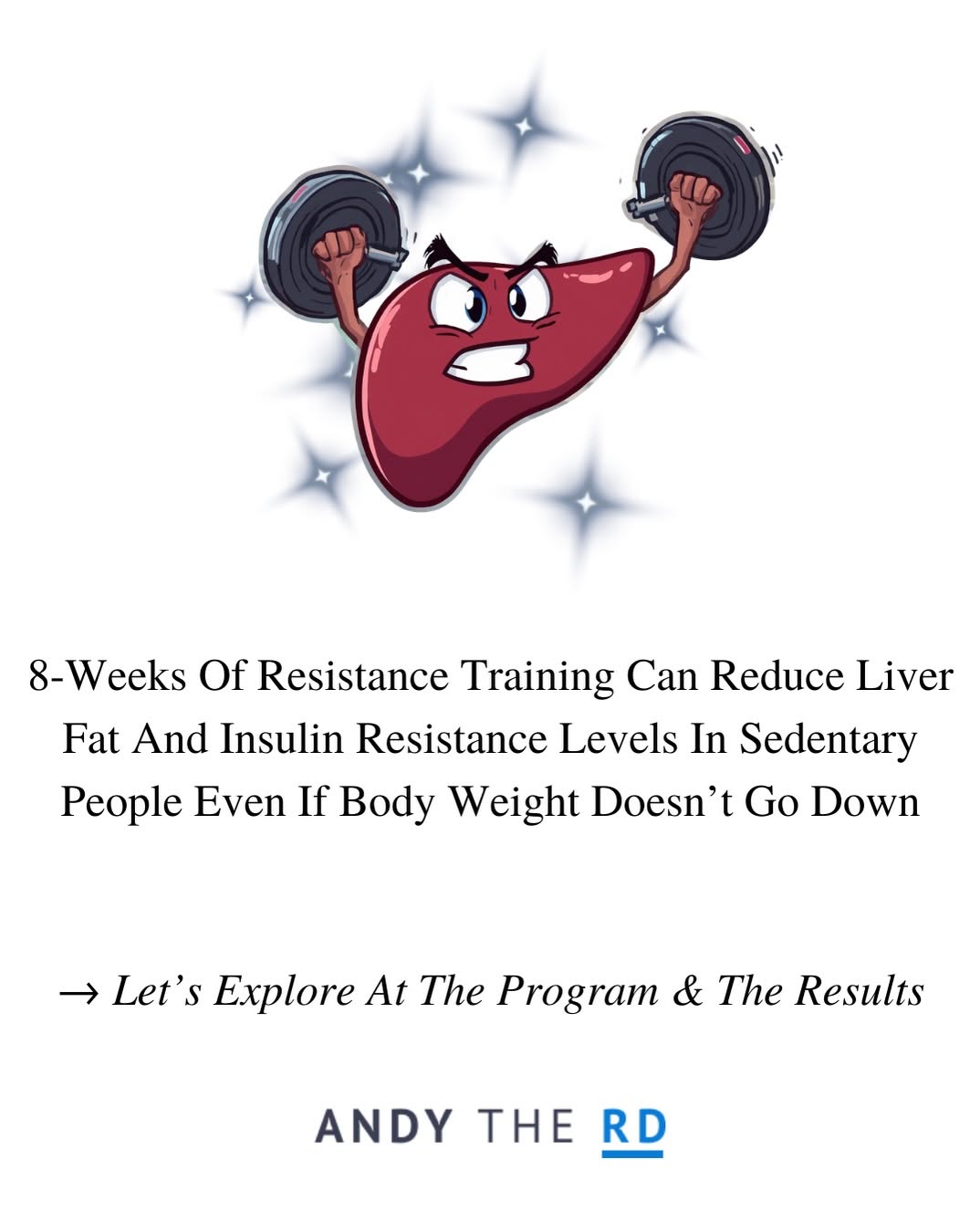
  8. Roy Taylor trial: clearing liver and pancreas fat via 8-week low-calorie diet reversed T2D ↩ 21 · Sep 01, 2024
#diabetes 127#insulinresistance 105#glucose 72#insulin 70#liverfat 59#metformin 47#visceralfat 39#protein 30#liverfatsummary 30#roytaylor 29#aging 29#longevity 23#metabolicsyndrome 22#inflammation 22#insulinindex 21#pancreasfat 21#weightloss 21#type2diabetes 21#a1c 19#reversediabetes 18#bloodsugar 18#calorierestriction 17#glp1 17#prediabetes 17#redmeat 16#betacells 16#cvd 16#exercise 16#harvard 15#statins 15#seedoils 15#cgms 14#omega6diabetes 14#omega6 14#regeneratepancreas 13#pancreaticinsufficiency 13#fasting 13#cancer 13#sglt2 13#whey 12

Beef and whey raise insulin more than pasta, oatmeal or glucose: use the insulin index

May 26, 2024 · Louis Nervegna ♥ 23 · 💬 71 ↩ 27

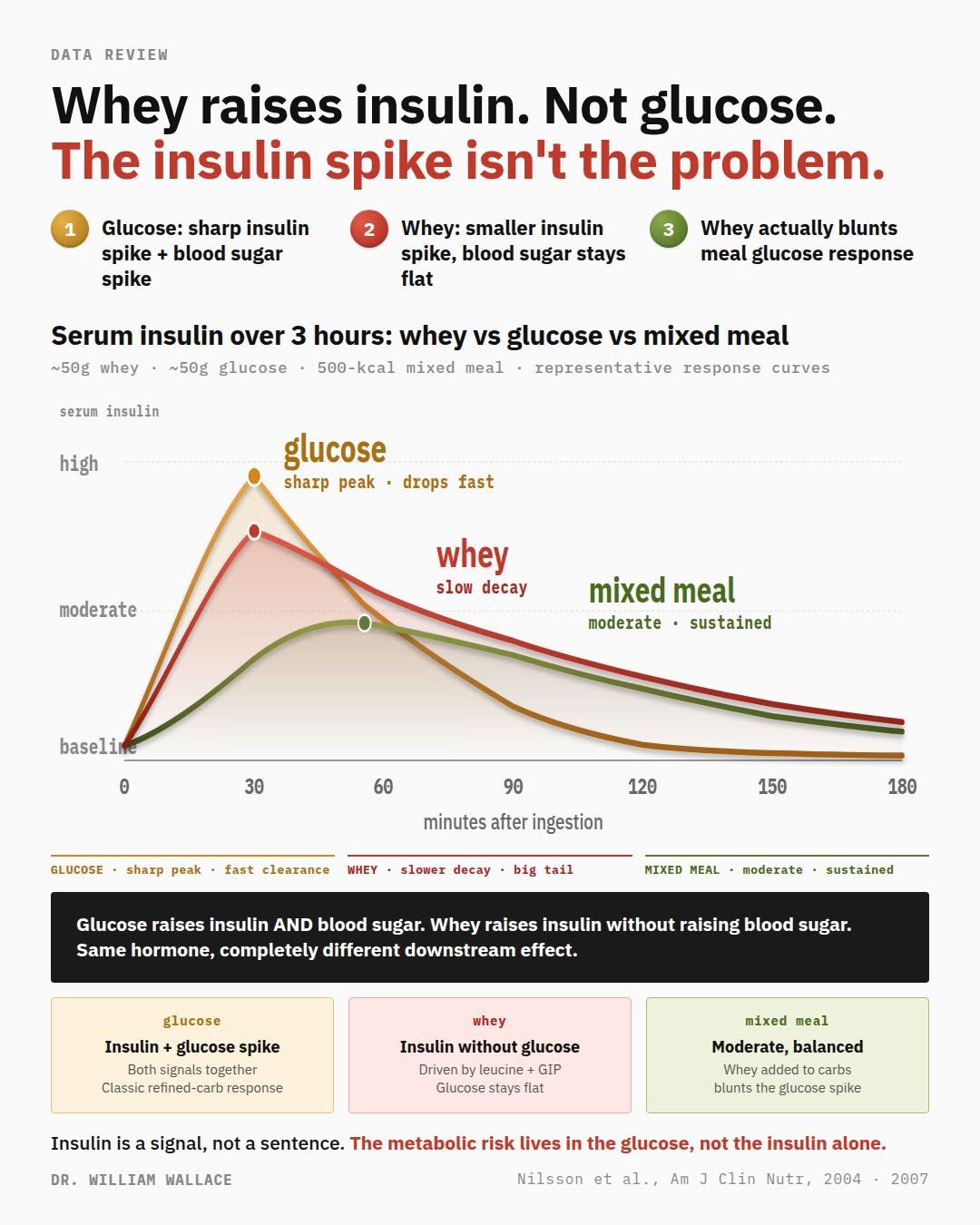
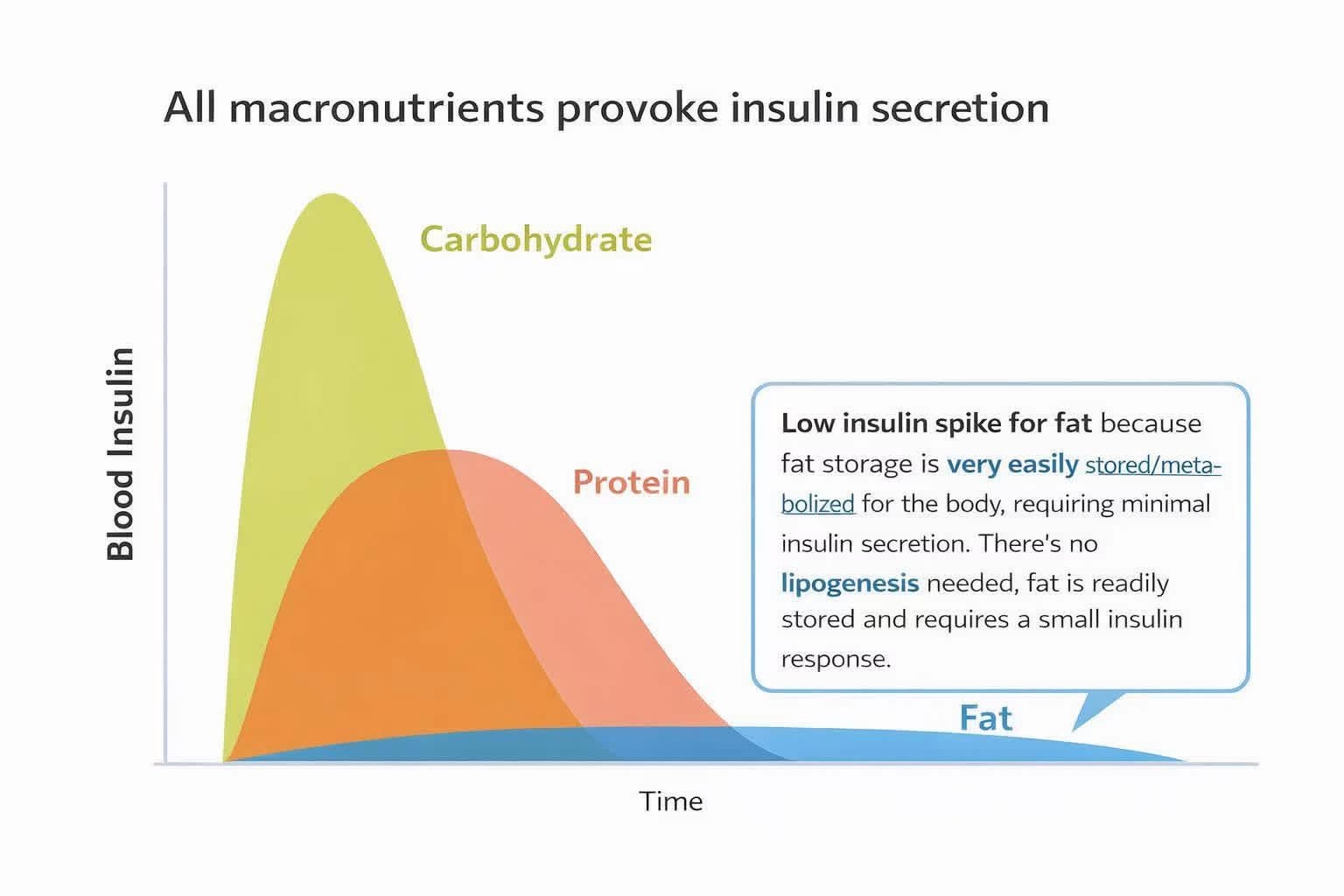
Louis points out that some proteins are more insulinogenic than carbs: beef raised insulin more than equal-calorie white pasta or oatmeal in the 1997 insulin index study, and whey more than glucose or white bread in a 2012 study. He says influencers have misled people about this and recommends learning the insulin index rather than assuming carbs alone drive insulin.
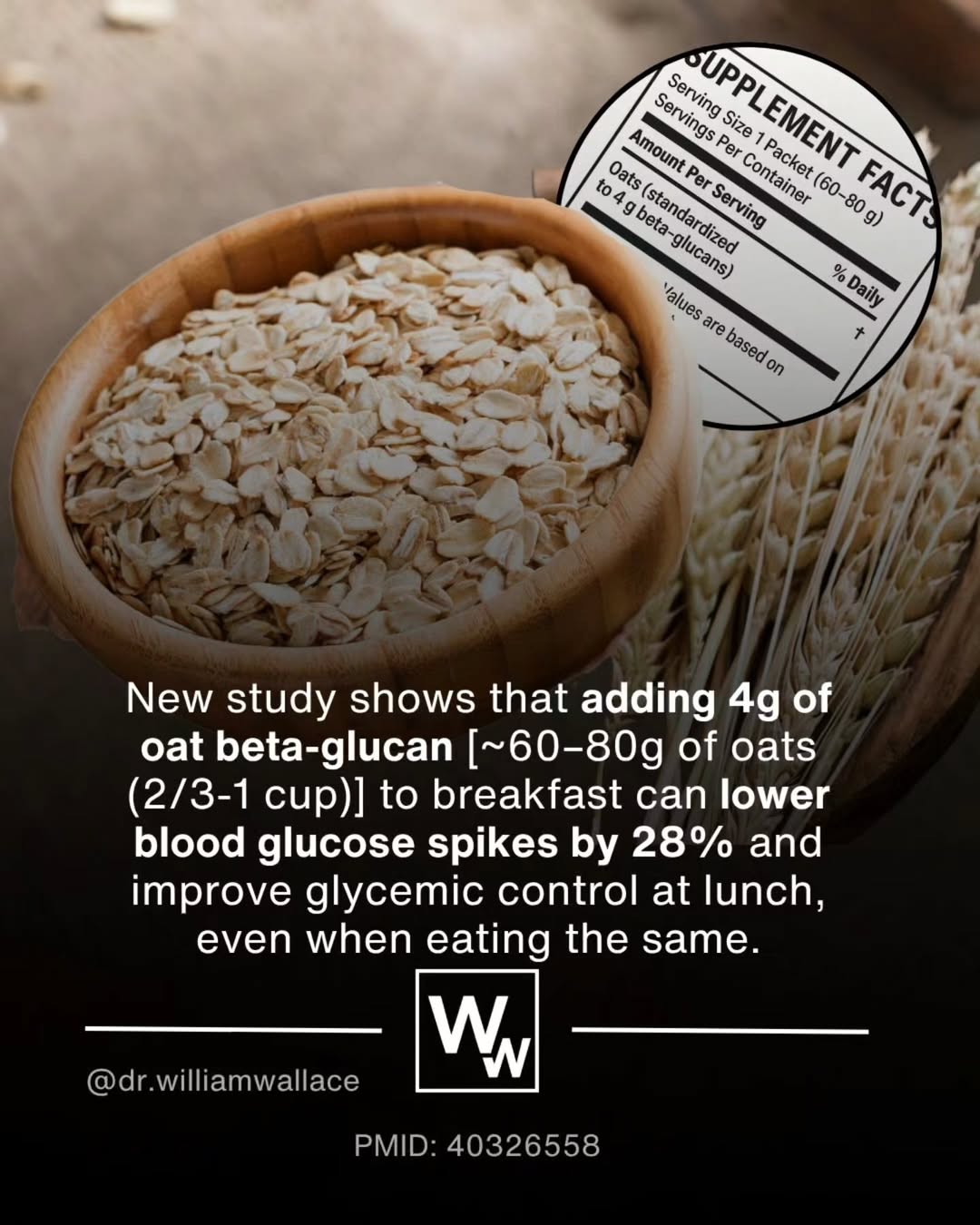
Oat beta-glucan (4 g) cut breakfast glucose peaks 28% and lunch response 24% in small RCT

May 14, 2025 · Louis Nervegna ♥ 30 · 💬 50 ↩ 2 Carbs, fiber, sugar & whole grains

Louis says slow-cooked steel-cut oats are among the heart-healthiest foods and rejects influencer claims that oats are 'the same as eating sugar'. The shared post summarizes a small RCT in 19 healthy adults where oat beta-glucan blunted glucose and insulin responses and carried over to the next meal. About 3/4 to 1 cup of oats supplies ~4 g beta-glucan.

Roy Taylor trials: 15 kg weight loss cleared liver and pancreas fat, reversing diabetes

Feb 09, 2025 · Louis Nervegna ♥ 33 · 💬 40 ↩ 13

Louis explains that visceral fat loss reverses diabetes, fatty liver and metabolic syndrome, citing Roy Taylor's randomized trials. A roughly 700 kcal liquid diet for 8 weeks cleared liver and pancreas fat and restored insulin sensitivity and beta-cell function, followed by a Mediterranean diet for maintenance.

Roy Taylor trial: clearing liver and pancreas fat via 8-week low-calorie diet reversed T2D

Sep 01, 2024 · Louis Nervegna ♥ 24 · 💬 22 ↩ 21

Louis summarizes Roy Taylor's randomized trial in which an 8-week very low calorie liquid diet cleared fat from the liver and pancreas, restoring insulin sensitivity and beta cell function and putting diabetes into remission. Average weight loss needed was about 15 kg (33 lb), followed by a Mediterranean-style maintenance diet. Some patients had a full curative response with pancreas regeneration seen on imaging.

Liver fat is the main driver of insulin resistance, and visceral fat is a visible marker

Sep 24, 2024 · Louis Nervegna ♥ 21 · 💬 25

Louis reposts a Harvard diabetologist's explanation that in most people fat stored in the liver is the biggest cause of insulin resistance. Losing liver fat by any means dramatically improves it, and weight loss removes liver fat first. Refined starch and sugar-sweetened drinks raise the odds, though excess calories alone can do it. Visible abdominal visceral fat is a simple proxy.

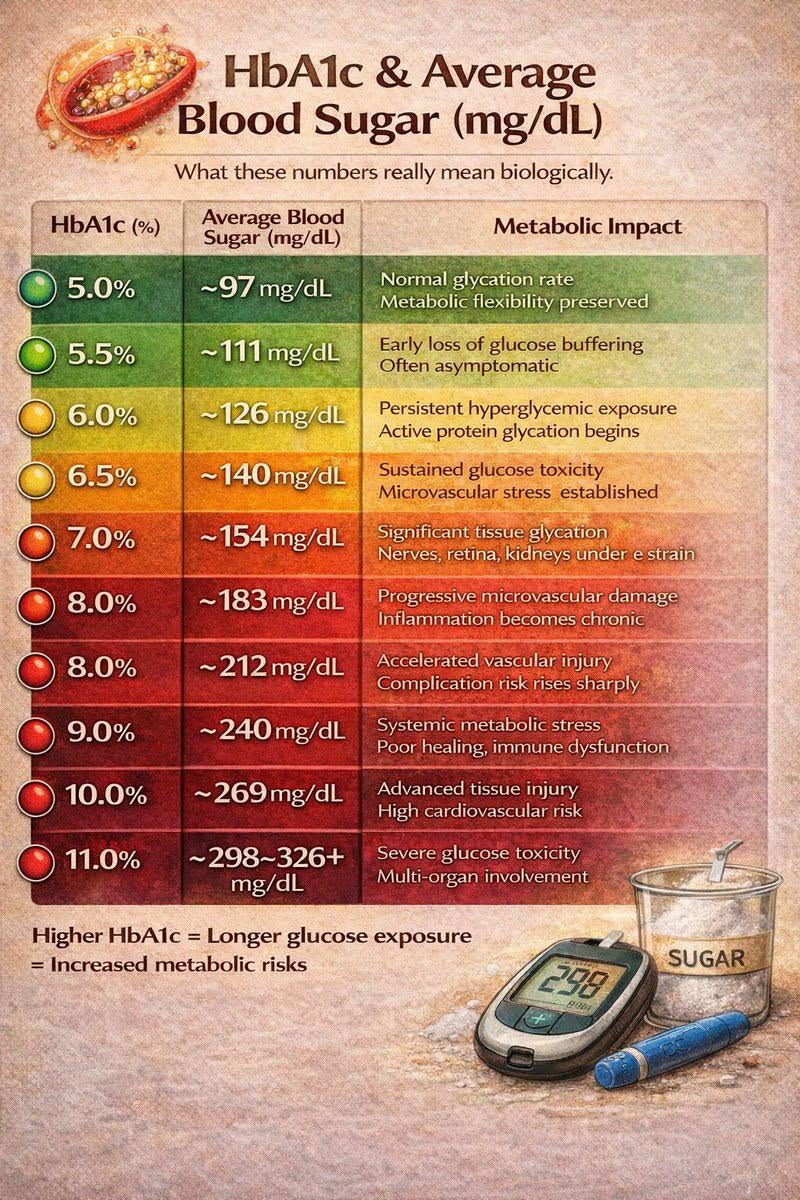
CGM glucose estimates ran 0.6% above lab A1C in people without diabetes

May 17, 2025 · Louis Nervegna ♥ 10 · 💬 50

Louis highlights a study finding that the CGM-derived glucose management indicator (GMI) overestimates lab HbA1c in people without diabetes. A 0.6% gap is large enough to turn a normal A1C of 5.1% into an apparent prediabetic 5.7%, so CGM-based A1C estimates should not replace lab tests in healthy people.

RCT: one dose of high-polyphenol EVOO raised FMD 4.8% in adults at risk for diabetes

Mar 14, 2025 · Louis Nervegna ♥ 20 · 💬 22 ↩ 5 Fats & oils (saturated fat, seed oils, omega-6, olive oil)

Louis rebuts Caldwell Esselstyn's claim that EVOO impairs endothelial function, citing a randomized crossover trial in adults at risk for type 2 diabetes. A single 50 mL dose of high-polyphenol EVOO improved flow-mediated dilation compared with refined olive oil, with no acute blood pressure effect, and the authors note that reports should specify the oil's characteristics.

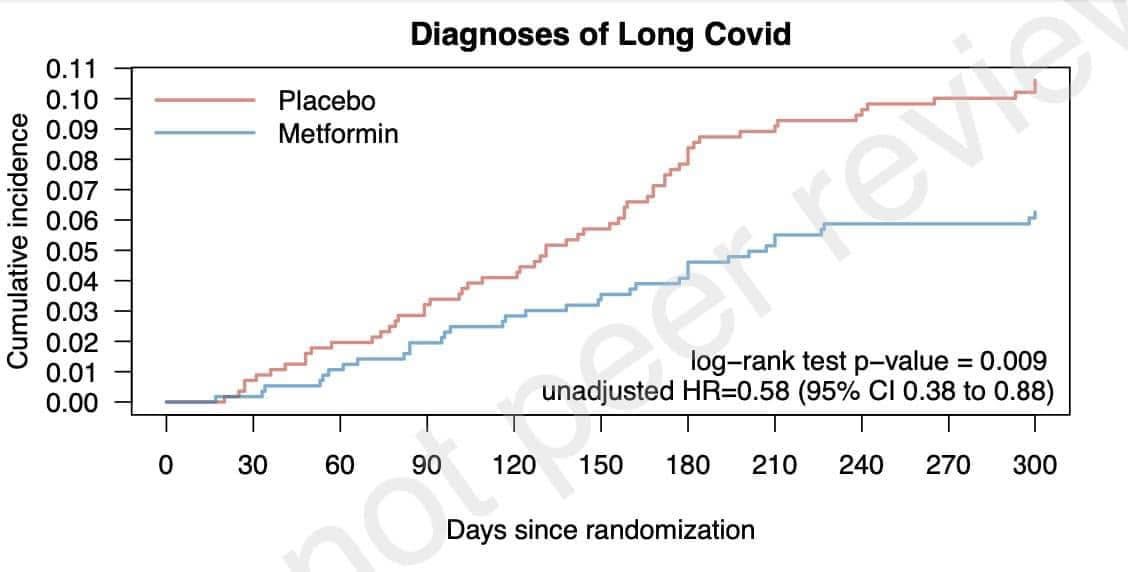
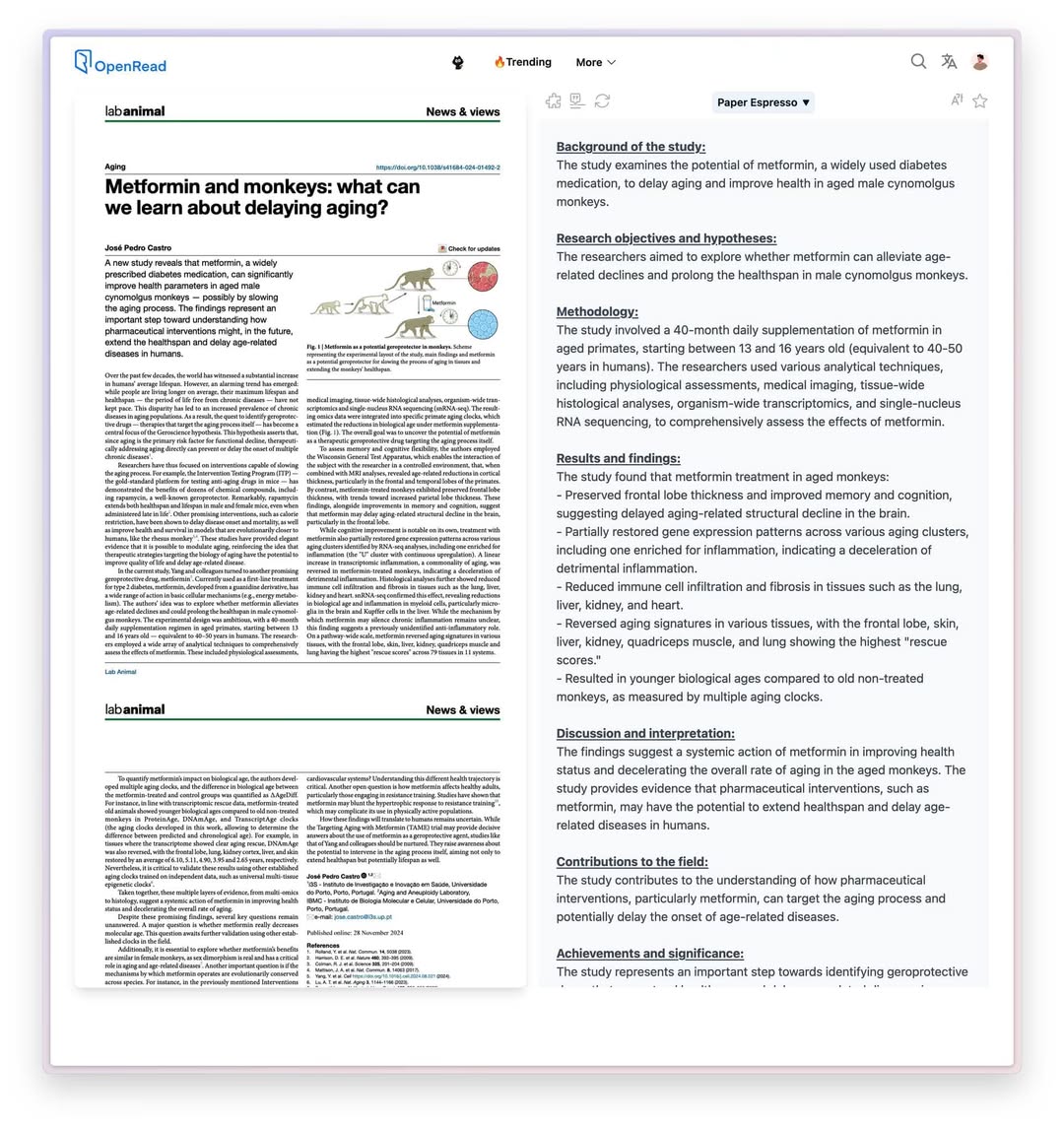
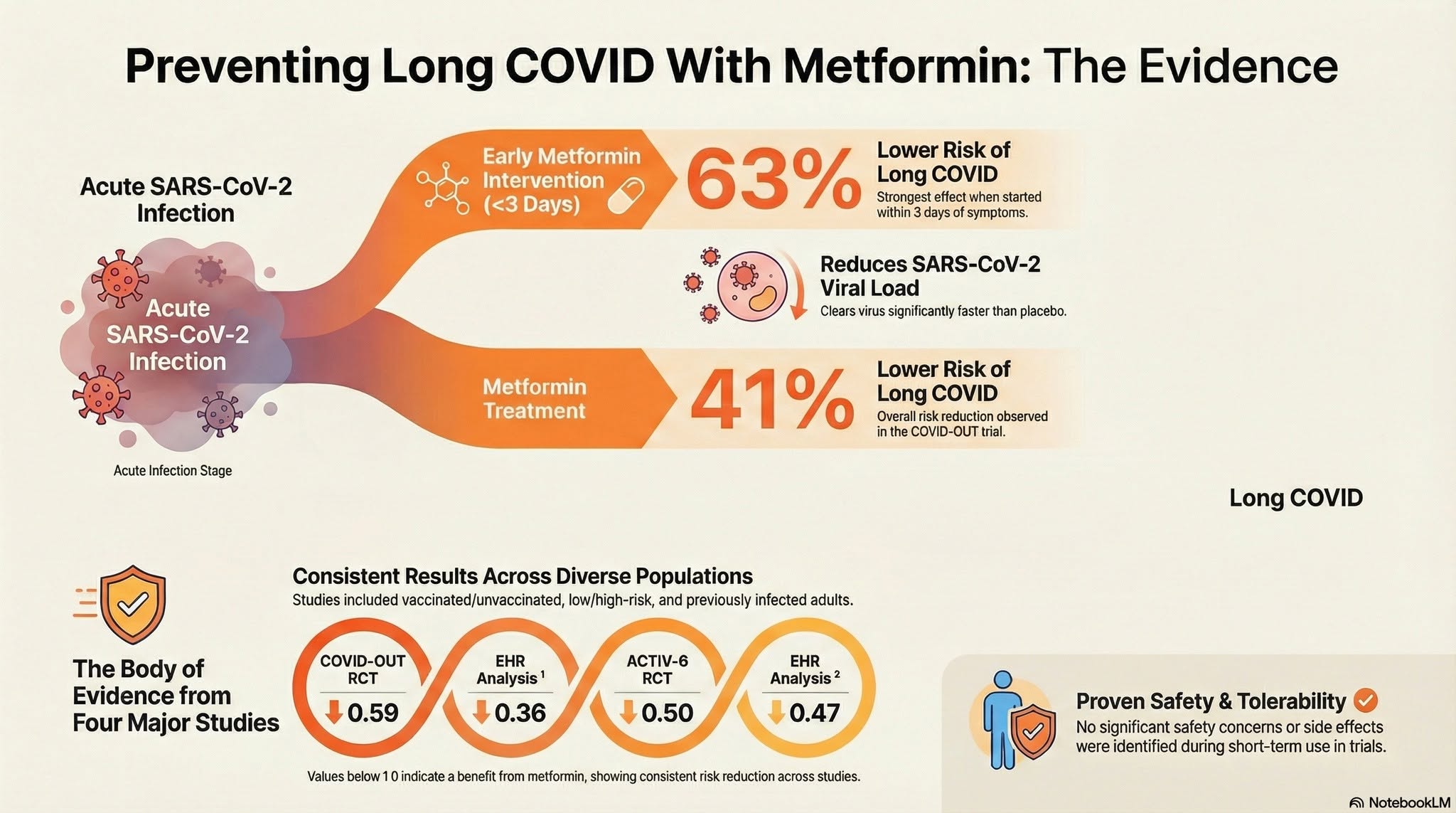
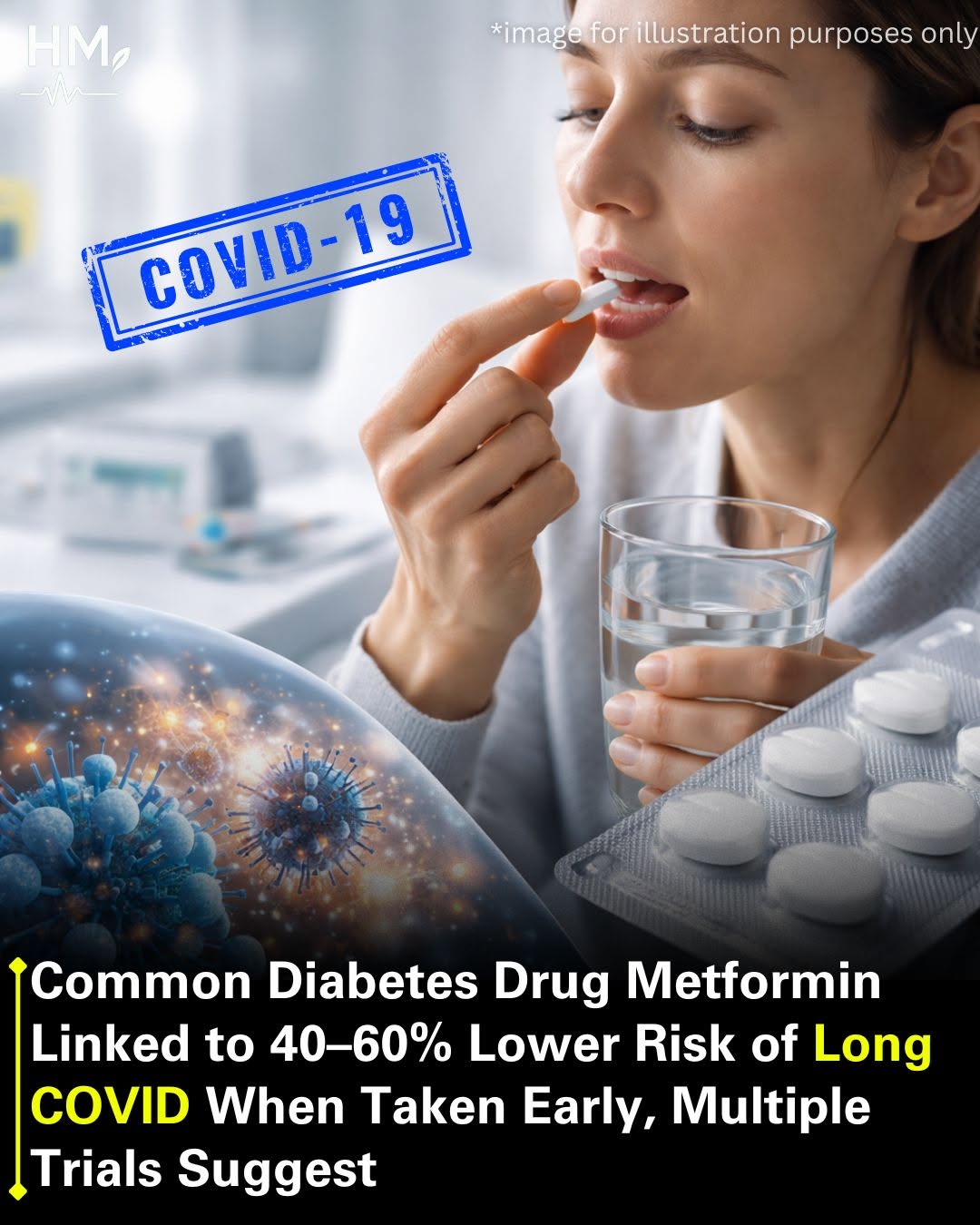
Six non-diabetes benefits of metformin shown in trials, and the TAME aging hypothesis

Aug 24, 2024 · Louis Nervegna ♥ 20 · 💬 29 Aging & longevity

The post lists six effects of metformin reported in randomized trials of non-diabetics (long Covid, Covid outcomes, periodontal disease, muscle loss, knee osteoarthritis pain, oral pre-cancer lesions) and argues they share aging as a risk factor. It mentions a monkey study and the planned TAME trial testing whether metformin slows aging; most evidence is linked via Facebook shares.

Beef and whey raise insulin more than equal-calorie oatmeal, pasta or bread

May 09, 2025 · Louis Nervegna ♥ 10 · 💬 41

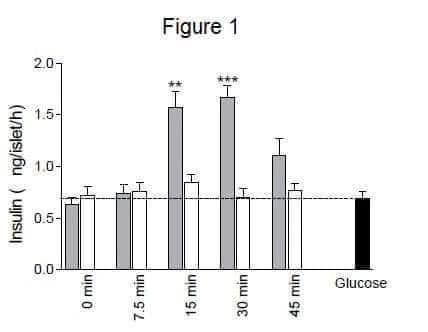
Louis explains that CGMs measure glucose, not insulin, and that some proteins provoke as much or more insulin than carbohydrates. Citing the 1997 insulin index paper and a 2012 whey study, he shows beef raises insulin more than pasta or oatmeal calorie for calorie, and whey more than glucose or white bread, so swapping protein for carbs may raise post-meal insulin.

Insulin stimulates liver cholesterol production, linking insulin resistance to high LDL

Jun 25, 2024 · Louis Nervegna ♥ 17 · 💬 22 LDL, ApoB & lipid panel

The post explains that insulin signals the liver to make more cholesterol by keeping HMG-CoA reductase active, one reason insulin resistance and metabolic syndrome go with high cholesterol. It argues protein, especially animal protein, also raises insulin, partly offset by glucagon, and that swapping animal for plant protein lowers cholesterol beyond saturated fat and fiber effects. Much of the protein argument is the poster's inference.

Protein triggers more insulin, so CGM glucose-spike hacks mislead

Jun 27, 2025 · Louis Nervegna ♥ 16 · 💬 29

Louis criticises a CGM influencer claim that adding protein such as whey to fruit lowers glucose spikes. He argues protein forces larger insulin responses than equivalent carbohydrate calories, so lower glucose does not mean lower metabolic stress.

Interview: insulin resistance and LDL/ApoB are both independent causes of heart disease

Feb 23, 2024 · Louis Nervegna ♥ 18 · 💬 23 ↩ 15

Louis shares an interview with William Cromwell, an expert in both metabolic disorders and lipidology, who walks through evidence that insulin resistance and LDL (ApoB) are both independent causative risk factors for heart disease. Louis's takeaway is that neither is the 'true cause' and both need addressing.

Insulin index: beef and whey raise insulin more than equal calories of pasta or oats

Sep 22, 2026 · Louis Nervegna ♥ 18 · 💬 17

The post cites the 1997 insulin index paper showing beef raises insulin more than an equal-calorie portion of white pasta or oatmeal, and a 2012 study showing whey protein raises insulin more than glucose or white bread. It uses this to counter influencer claims that only carbohydrates raise insulin.
Diabetes researchers cite fat in muscle and liver as the main cause of insulin resistance

Oct 19, 2025 · Louis Nervegna ♥ 23 · 💬 13

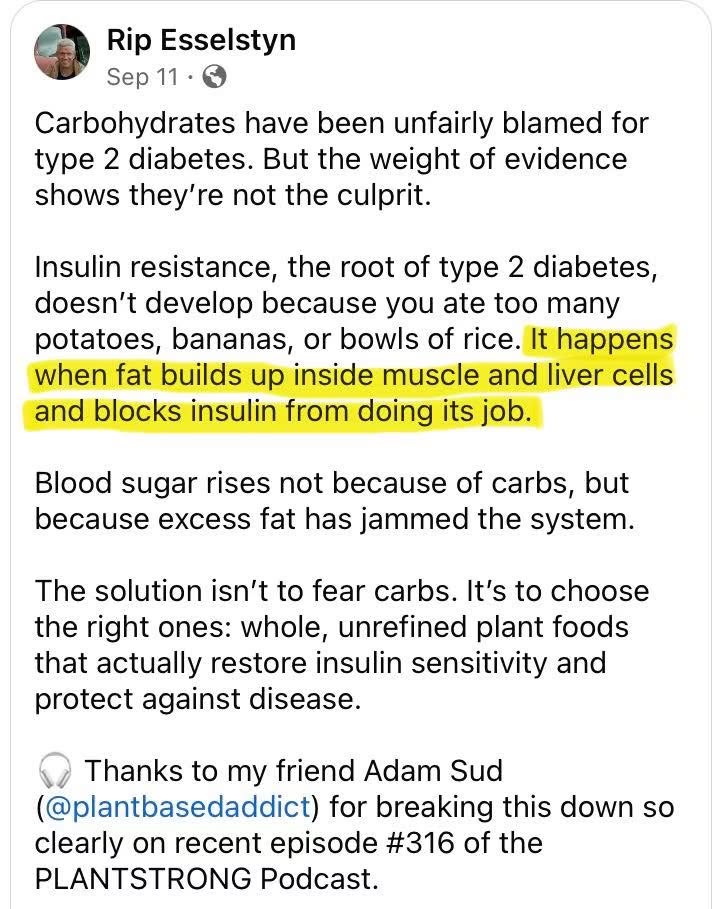
Louis says leading diabetes researchers increasingly agree that fat build-up inside muscle and liver is what causes insulin resistance in most people. Food types can make accumulation easier or harder, but the main cause is overall calorie overconsumption, and very lean people with no ectopic fat rarely develop insulin resistance whatever they eat.

High insulin/IGF-1 tied to cancer, diabetes; Laron syndrome and low-IGF-1 mice live longer

May 13, 2025 · Louis Nervegna ♥ 23 · 💬 13 Aging & longevity

Louis praises a video on height, insulin/IGF-1 and longevity and lays out his argument: diet (refined starch/sugar and excess animal protein) is the main driver of IGF-1, and low IGF-1 is linked to lower cancer and diabetes risk. He cites Laron syndrome, with no documented cancer deaths, little diabetes and less heart disease and Alzheimer's, and a long-lived low-IGF-1 mouse. Claims come from the post and videos, not named papers.

Dark chocolate linked to 21% lower type 2 diabetes risk over 30 years in Harvard cohorts

May 29, 2026 · Louis Nervegna ♥ 24 · 💬 9 Nuts, fish, coffee, tea, cocoa & other foods

Louis shares Harvard analysis of nearly 200,000 people in the Nurses' Health Studies and Health Professionals Follow-up Study. Dark chocolate was associated with lower diabetes risk, while milk chocolate was linked to weight gain and no benefit. He advises low-sugar dark chocolate with cocoa butter rather than milk fat.

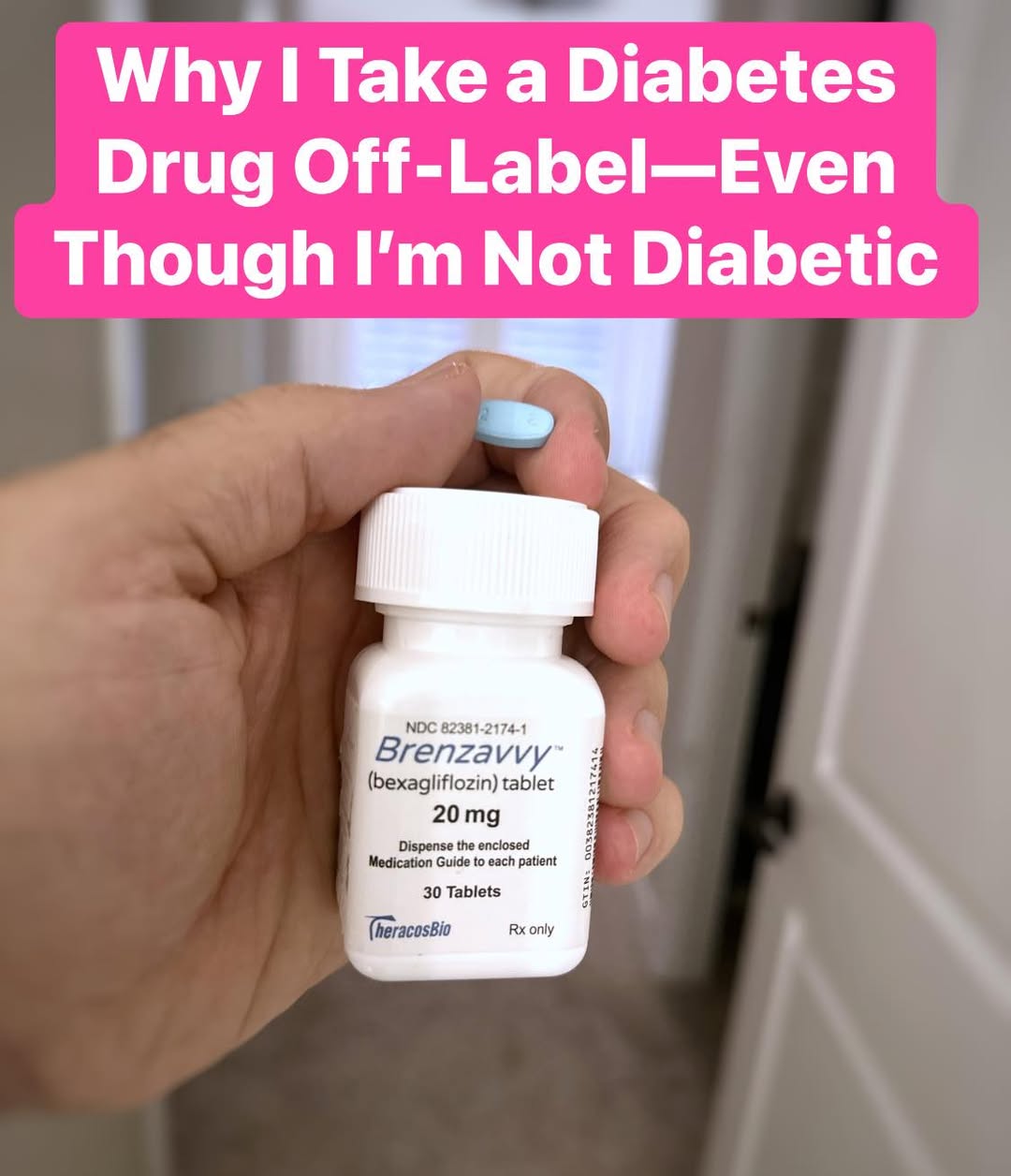
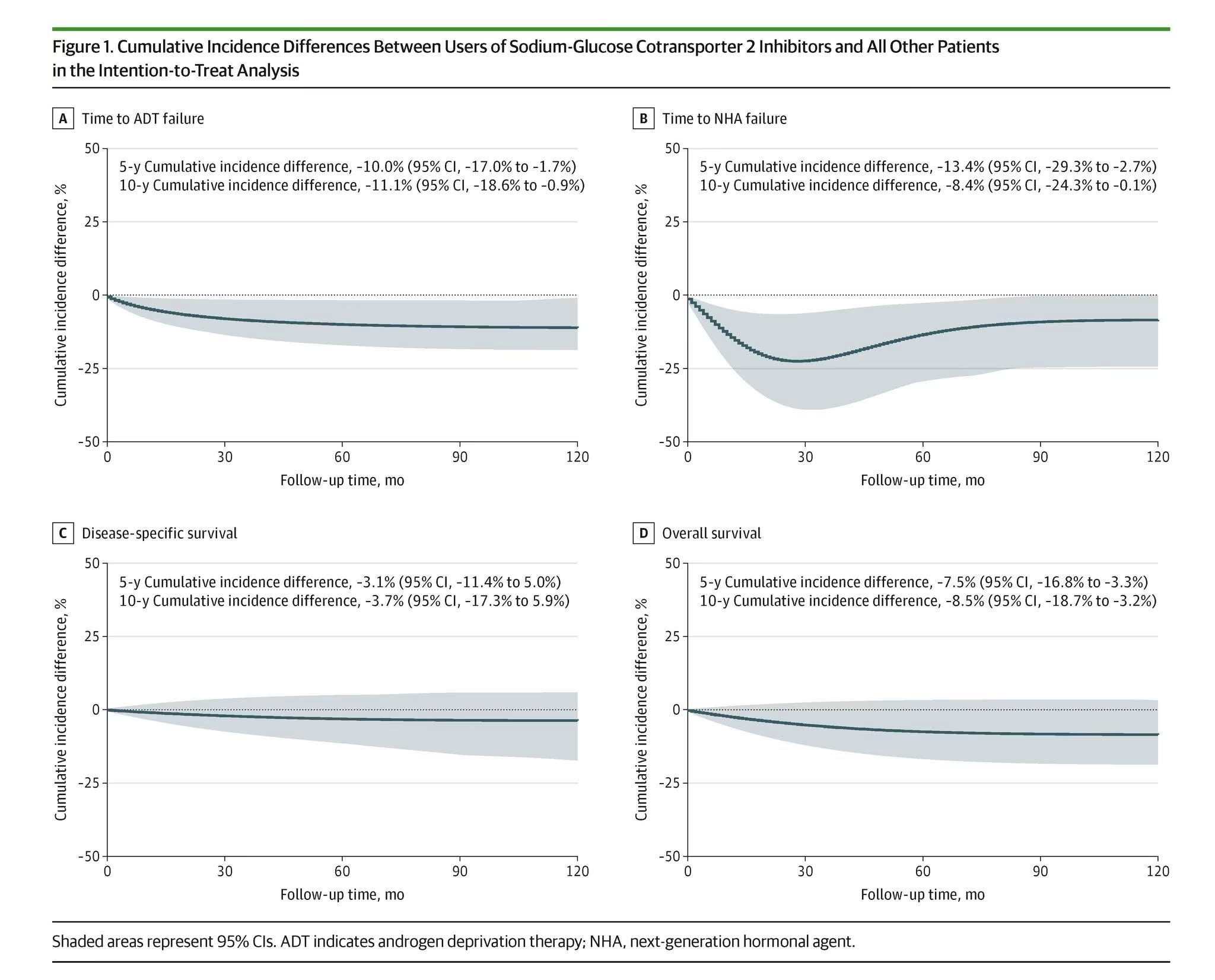
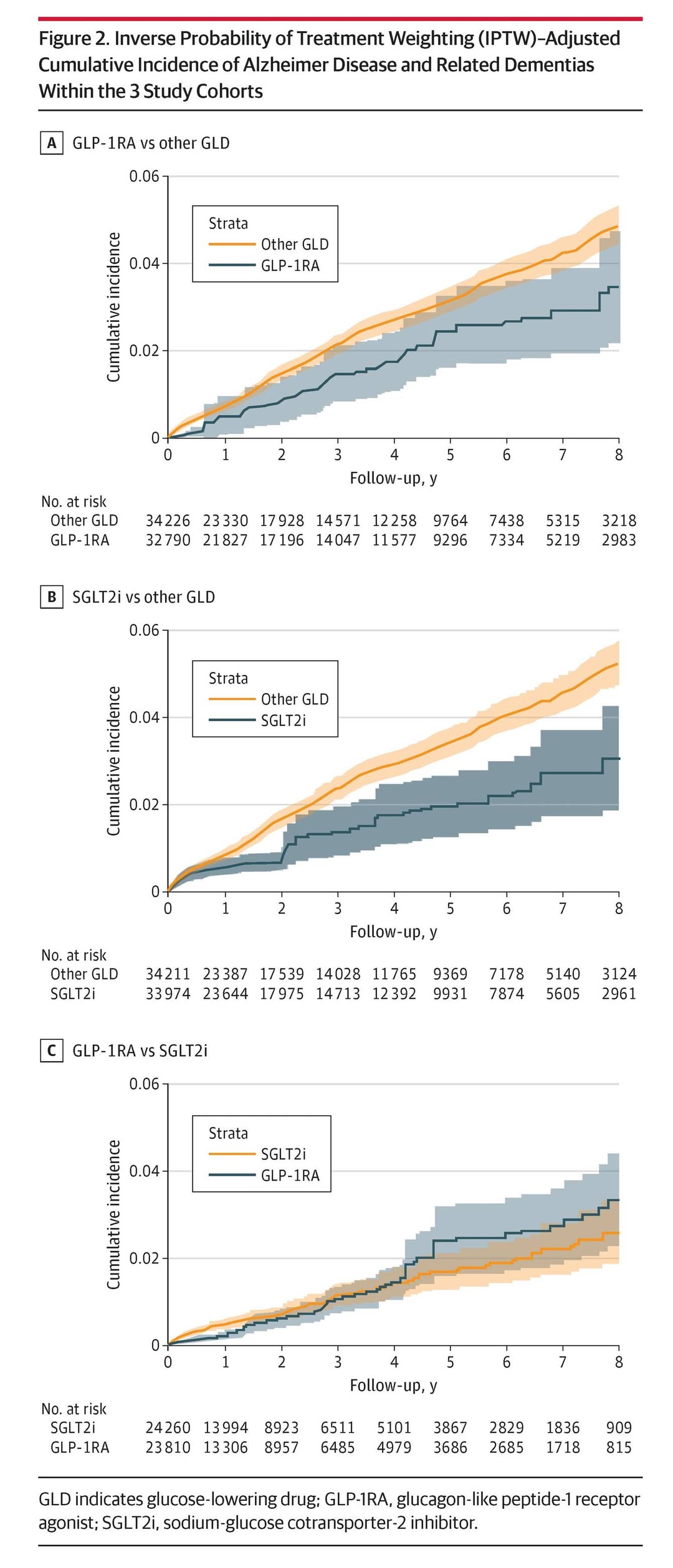
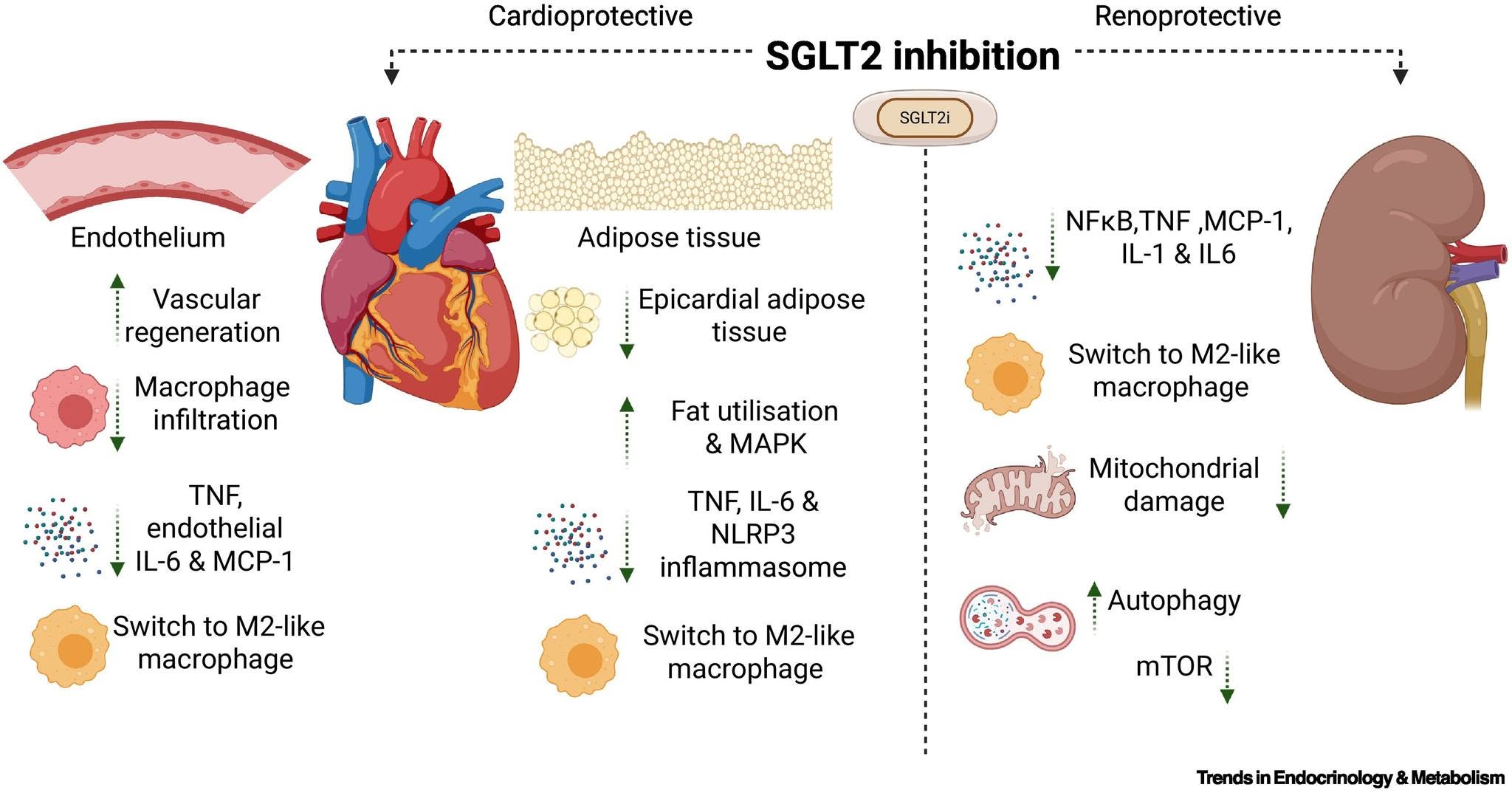
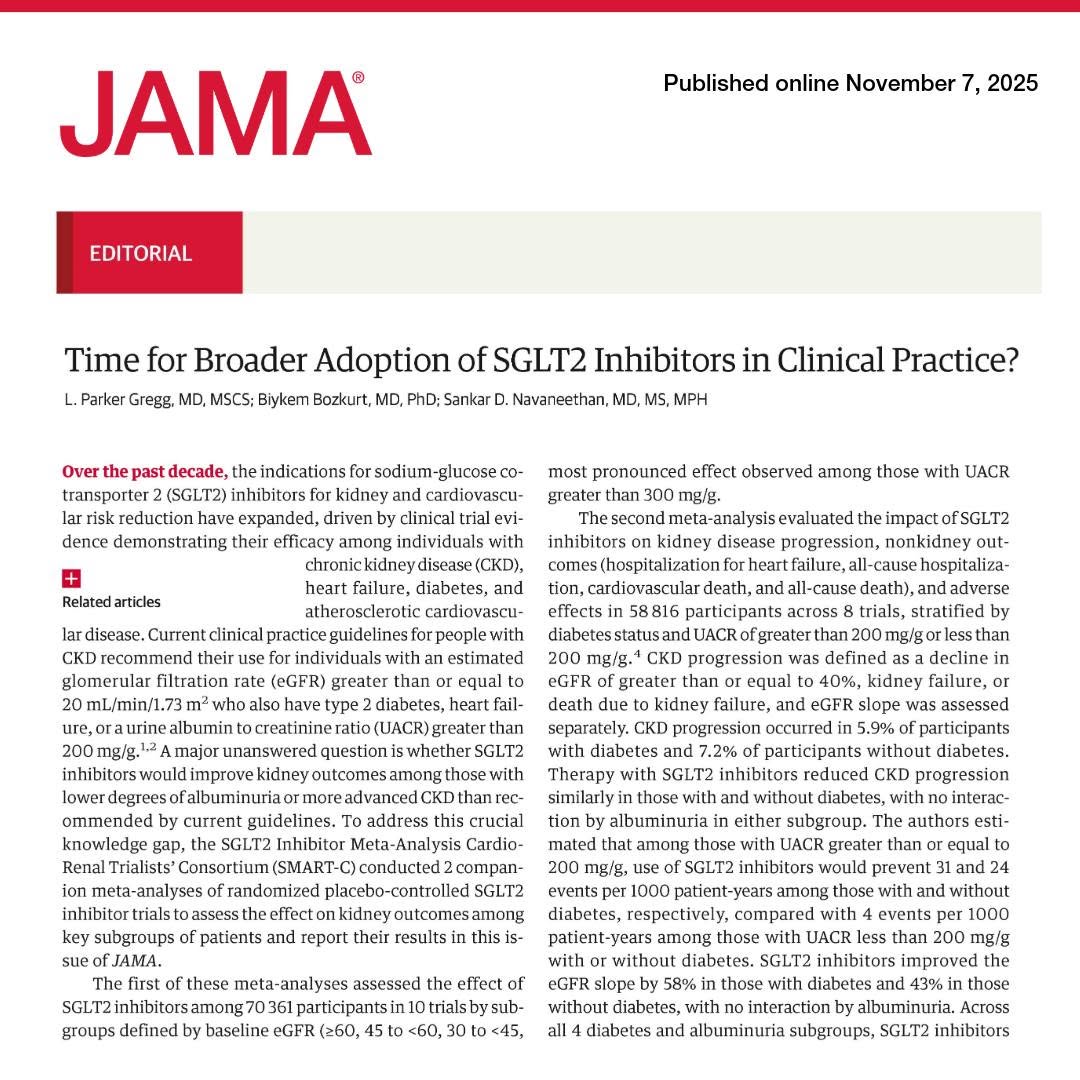
SGLT2 inhibitors may offer benefits beyond diabetes, argues Dr. Lawenda

Mar 05, 2025 · Louis Nervegna ♥ 19 · 💬 15

A physician explains why he takes an SGLT2 inhibitor off-label: the drugs cause daily urinary glucose loss and may reduce risks of heart disease, cancer and dementia and even extend lifespan. Most evidence comes from people with diabetes, and Louis frames the class as possibly slowing aging itself.

Vitamin K2 trials show better glucose and HbA1c in type 2 diabetes, per Life Extension

Sep 09, 2024 · Louis Nervegna ♥ 19 · 💬 14 ↩ 1 Supplements & vitamins

Louis shares a Life Extension article summarizing RCTs of vitamin K and glucose metabolism. Three RCTs of MK-7 vitamin K2 (90-360 mcg/day for 3-6 months) lowered fasting glucose and HbA1c in type 2 diabetes versus placebo, and trials in healthy and prediabetic people improved insulin sensitivity. Louis takes it for insulin sensitivity despite failed arterial calcification trials. Source is a supplement-industry magazine.

Whey protein raised insulin 90% more than white bread despite 57% lower glucose response

May 15, 2026 · Louis Nervegna ♥ 11 · 💬 17 Protein

William Wallace shares the Nilsson 2004 trial: in 12 healthy volunteers, whey produced a 90% higher insulin AUC and 57% lower glucose AUC than white bread, tracking plasma branched-chain amino acids. He argues repeated large insulin surges raise IGF1 and mTOR and may have long-term costs, disagreeing with a source that dismisses the concern.

Big glucose spikes from oats signal insulin resistance; only losing visceral fat cures it

Mar 01, 2025 · Louis Nervegna ♥ 23 · 💬 8

Louis argues that large glucose spikes from low-to-moderate GI carbs suggest prediabetes or diabetes, and that cutting carbs only masks the problem unless enough weight is lost to clear liver and pancreas fat. He adds that visceral fat can hide in people with normal BMI, that Asians develop insulin resistance at lower visceral fat levels, and summarizes Roy Taylor's very-low-calorie diet trials.

Does dietary sugar cause diabetes? A low-fat, high-carb remission example

Dec 08, 2024 · Gokhan Can ♥ 9 · 💬 42

Gokhan questions the belief that sugar and carbs cause diabetes, citing a person who resolved diabetes on a high-carb, very low-fat diet and Denise Minger's article on low-fat diets with diabetes remission. His argument rests on an anecdote and a blog, not controlled trial data.

Red meat and whey raise insulin, countering claims in a Lustig clip

Oct 29, 2024 · Louis Nervegna ♥ 13 · 💬 19

Louis says Robert Lustig and Levels are wrong to imply red meat does not raise insulin. He states red meat raises insulin as much as white pasta or oatmeal and whey more than white bread, so switching from carbs to protein mainly lowers glucose, not insulin. He agrees excess insulin may promote vascular smooth muscle growth and some cancers.
Why chronically high insulin is harmful and how to keep it low

Feb 22, 2025 · Louis Nervegna ♥ 11 · 💬 18

Louis argues excess insulin promotes cancer growth, heart disease and IGF-1/mTOR growth pathways that accelerate aging, citing animal lifespan work, Loyal's dog research and Laron syndrome. He recommends avoiding refined starch/sugar, limiting excess animal protein, and using fats, fasting and calorie restriction to keep insulin low.

Harvard cohort: unhealthy low-carb diets raise diabetes risk, plant-based ones lower it

Nov 30, 2025 · Gokhan Can ♥ 13 · 💬 15 Low-carb, keto & carnivore

Summarises a video on a 30-year Harvard study of over 200,000 participants: low-carb diets high in animal protein, saturated fat and refined carbs like white potatoes were linked to higher type 2 diabetes risk, while plant-based versions (nuts, avocado, whole grains) lowered it. It also discusses rapid weight loss without exercise causing 'fat overshooting' on regain.
Sumo wrestlers stay metabolically healthy because heavy exercise shifts fat under the skin

Mar 09, 2025 · Louis Nervegna ♥ 21 · 💬 9 Weight, visceral & liver fat

Louis explains why sumo wrestlers, despite huge calorie and refined-carbohydrate intake, store little fat in the liver and pancreas and little visceral fat. He attributes this to up to 7 hours of daily exercise, which releases adiponectin and steers fat storage to subcutaneous tissue, a reason exercise protects against metabolic syndrome and diabetes.

Metabolic health beyond the scale: waist-to-height ratio, TG/HDL and adiponectin

Sep 17, 2025 · Gokhan Can ♥ 14 · 💬 12

A reshared guide (from Louis Nervegna) explaining metabolic syndrome and simple markers of metabolic health. It stresses waist-to-height ratio, the triglyceride-to-HDL ratio as an indirect marker of insulin sensitivity, and adiponectin, with visceral fat loss as the key lever.

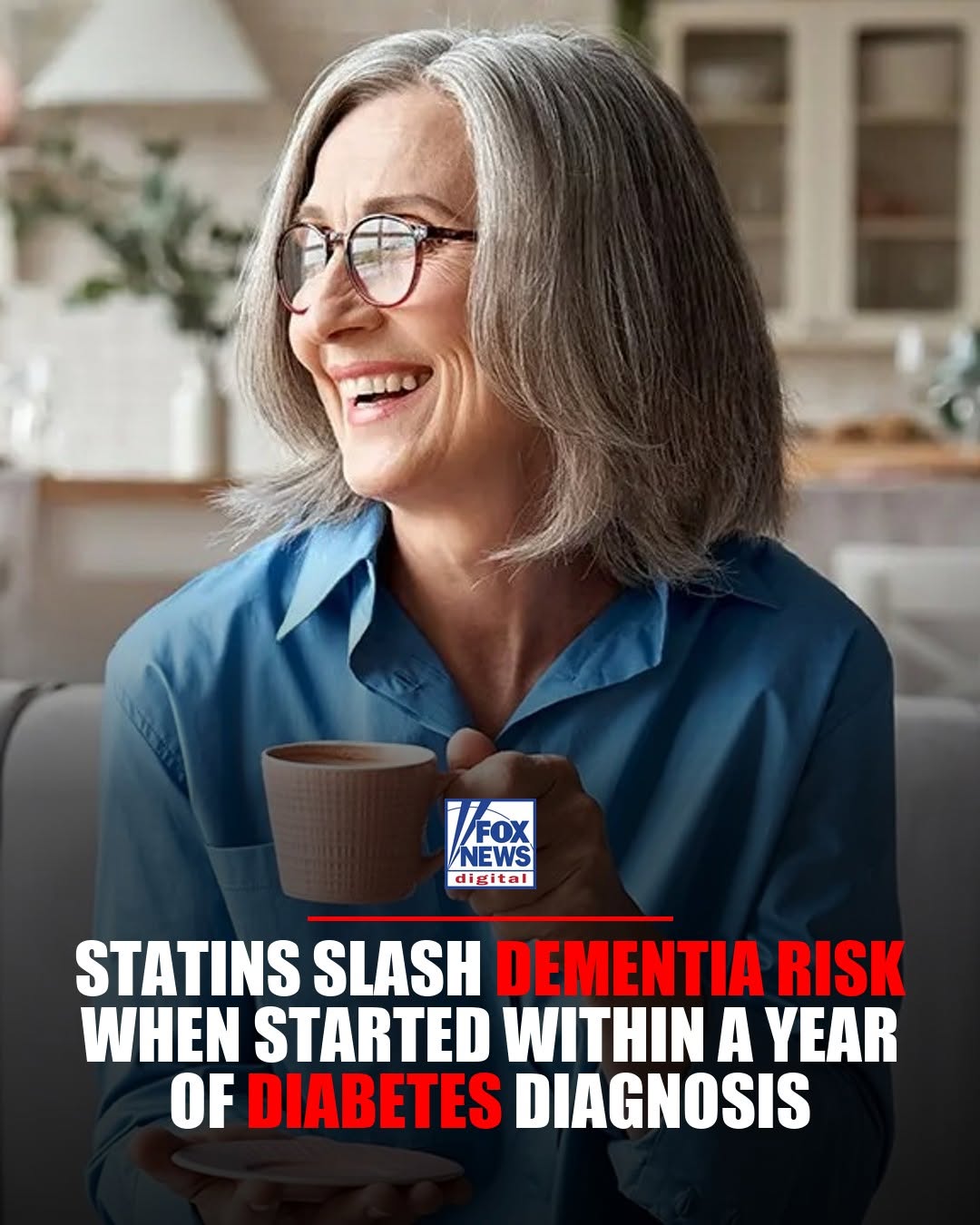
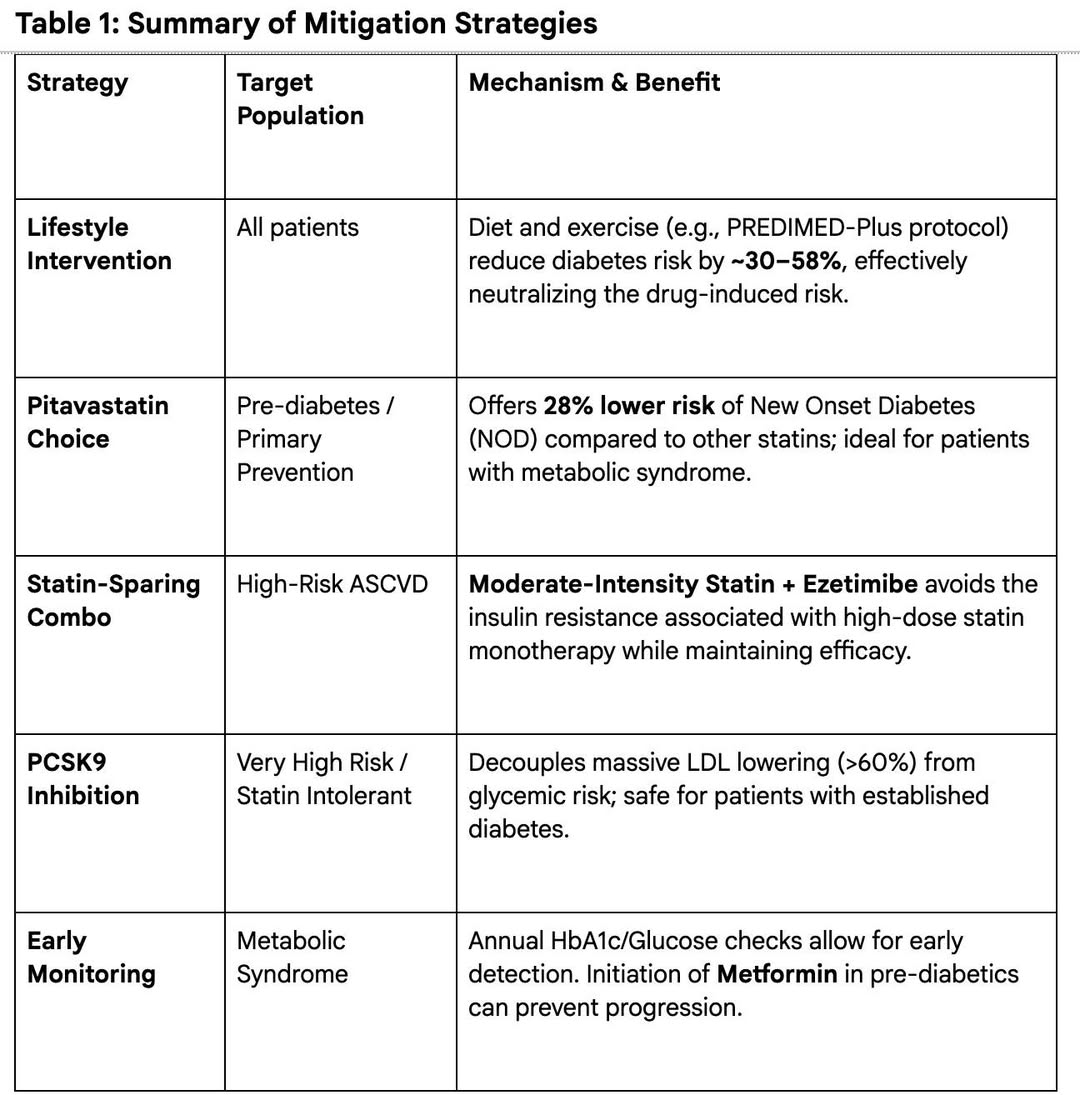
Limiting diabetes risk on LDL-lowering drugs: statin risk is modest, alternatives exist

Nov 26, 2025 · Gokhan Can ♥ 7 · 💬 17 Statins

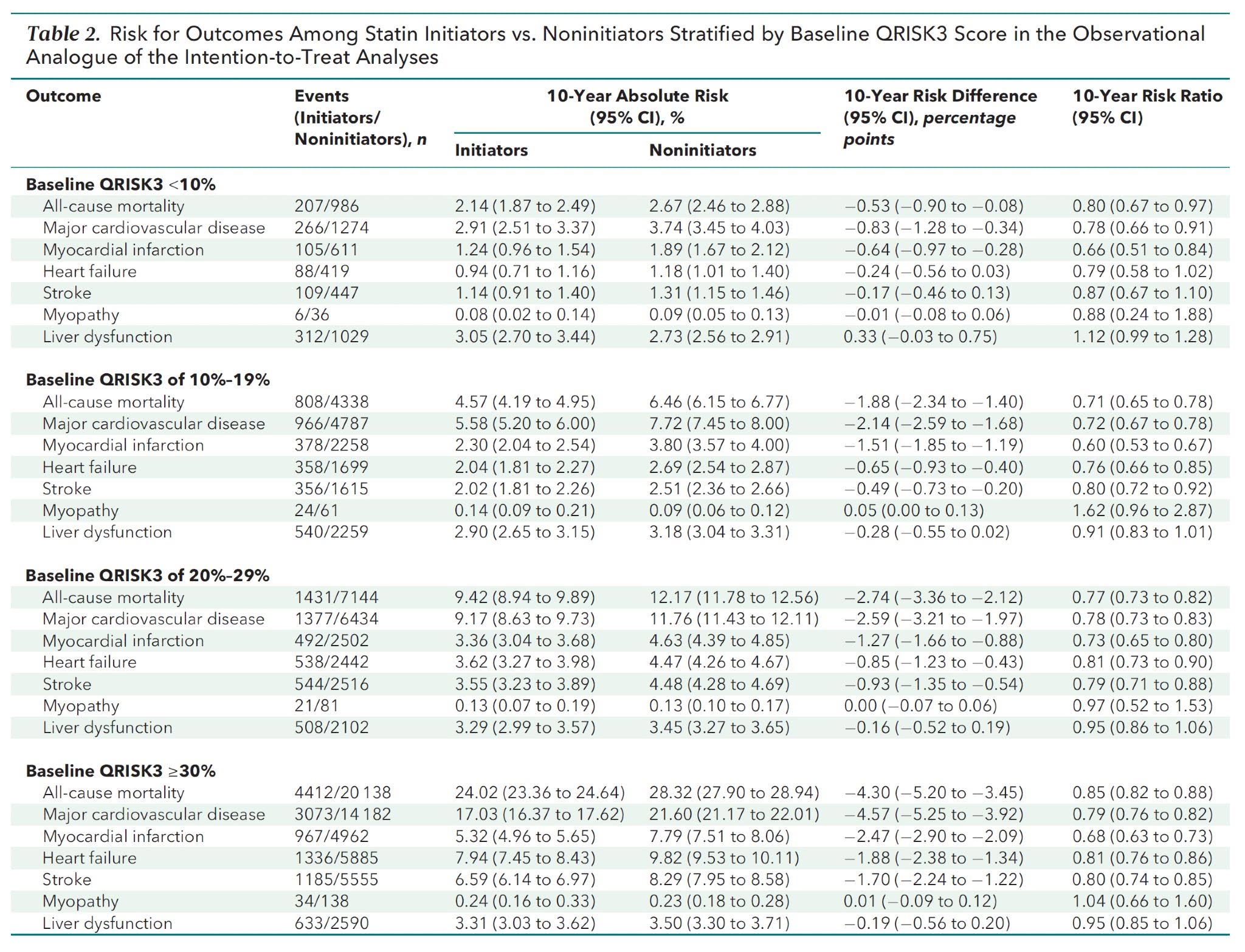
Review explaining that statins modestly increase new-onset diabetes in a dose-dependent way, mostly in people with existing metabolic risk factors, and that cardiovascular benefit clearly outweighs this. It suggests statins mainly bring forward diagnosis in predisposed people, outlines mechanisms (beta-cell dysfunction, insulin resistance) and proposes ezetimibe, PCSK9 inhibitors and pitavastatin as options that limit glycemic harm.

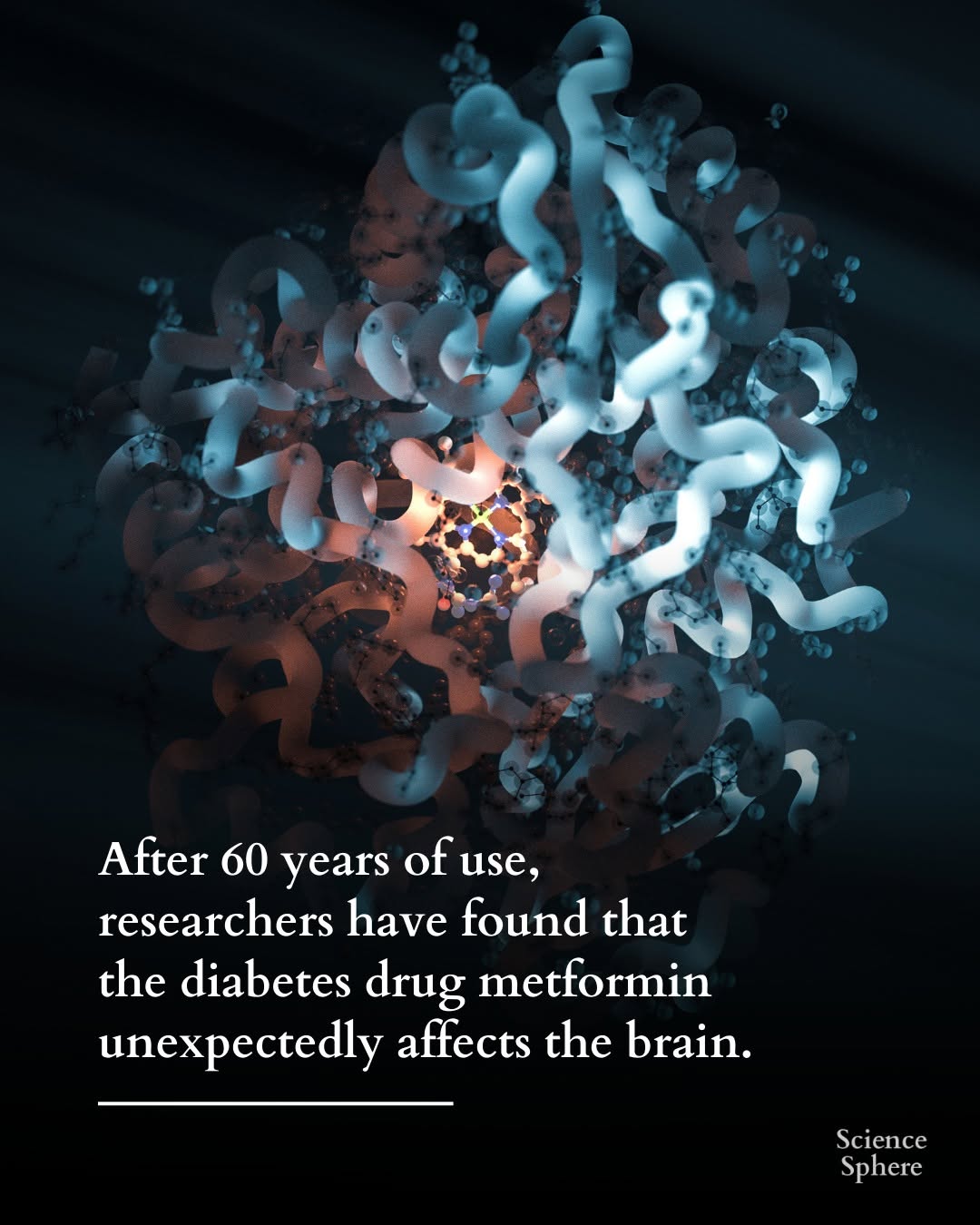
Metformin slowed brain aging in monkeys, with neurons resembling those 6 years younger

Sep 12, 2024 · Louis Nervegna ♥ 15 · 💬 11 ↩ 6 Aging & longevity

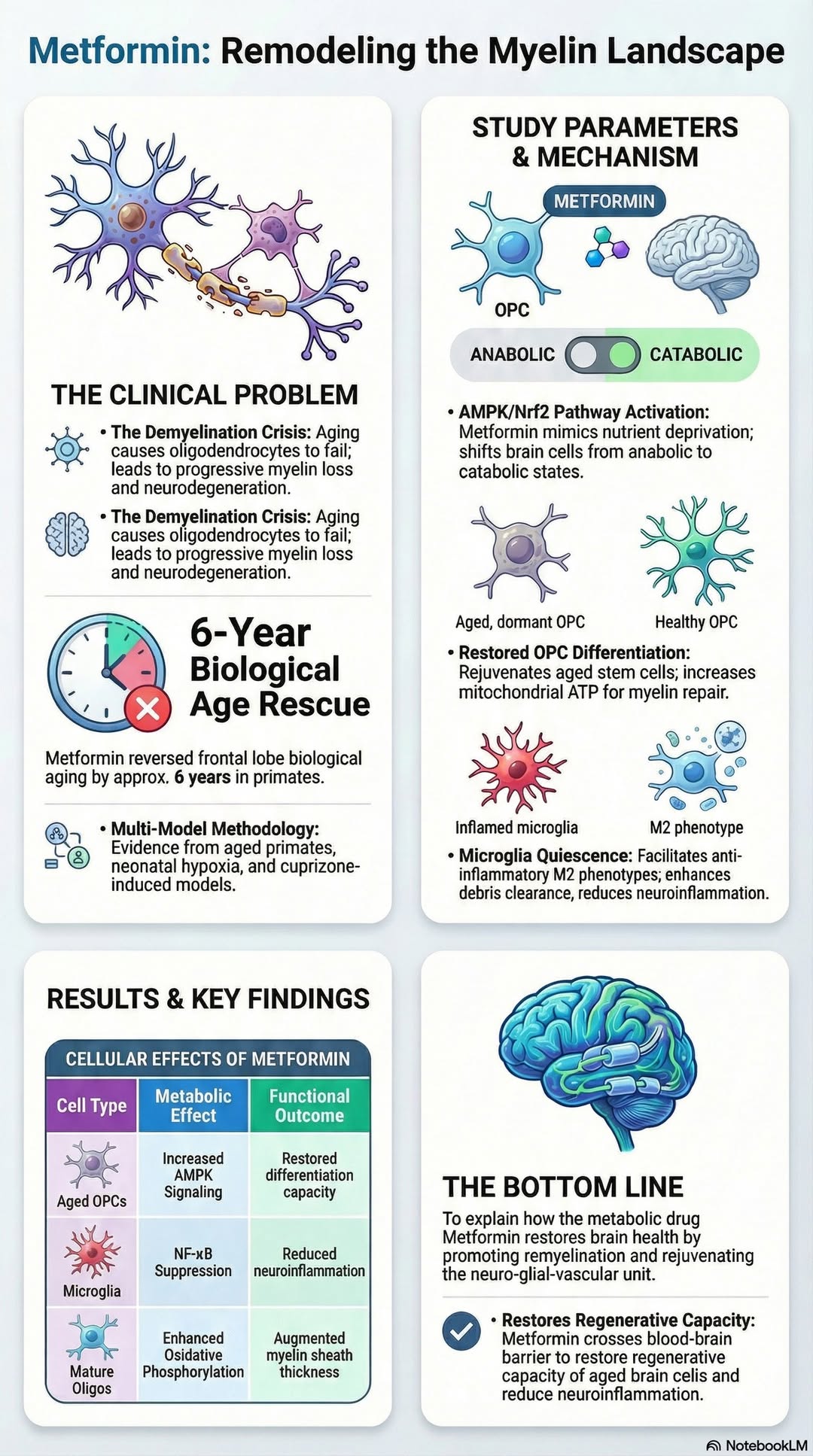
Louis flags a Cell study, covered by Nature, in which male monkeys on daily metformin for over three years showed slower age-related brain decline, enhanced cognition and preserved liver function. Their neuronal activity resembled monkeys about six years younger (around 18 human years). The study was small, and human benefit is unproven.
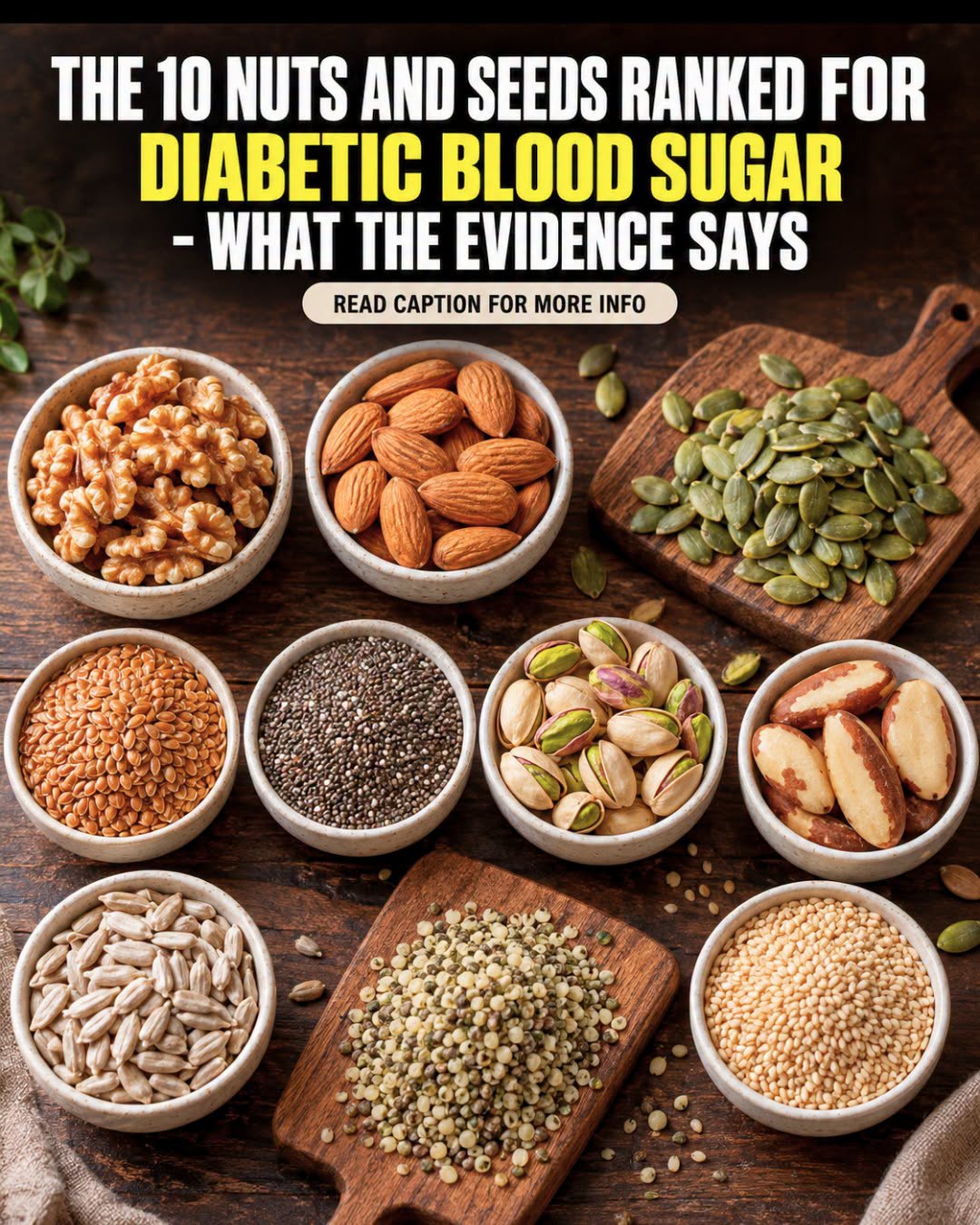
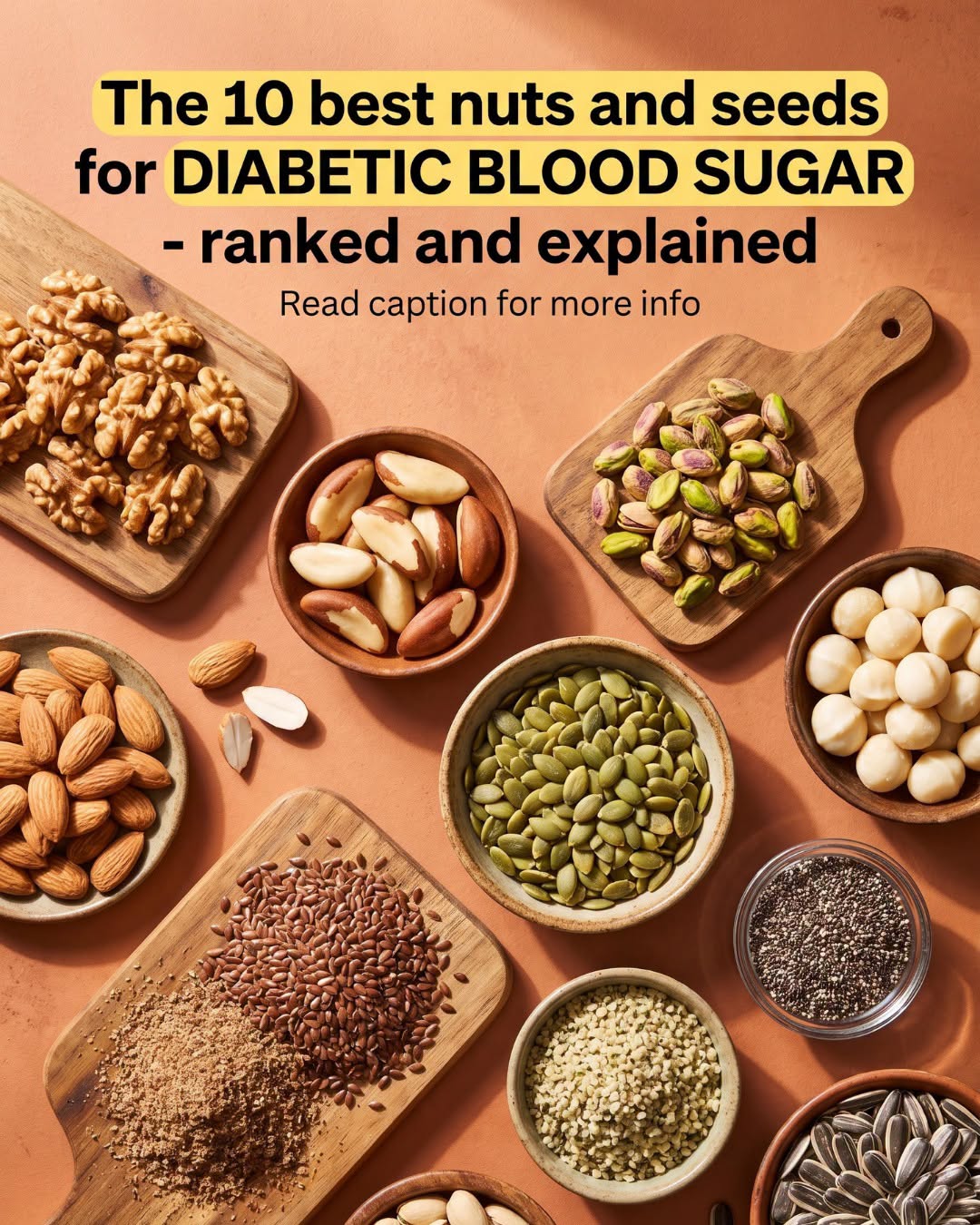
Omega-6 is not pro-inflammatory: Louis corrects a post on nuts and seeds in diabetes

Aug 30, 2026 · Louis Nervegna ♥ 19 · 💬 8 Fats & oils (saturated fat, seed oils, omega-6, olive oil)

Louis endorses a summary of nuts and seeds for diabetes but rejects its claim that omega-6 promotes inflammation and insulin resistance. He says over 30 RCTs show no rise in inflammatory markers and over 100 RCTs show improved insulin sensitivity and glycemic control, and that nuts and seeds protect against CVD and diabetes.

In JUPITER, rosuvastatin brought diabetes diagnosis forward by only 5.4 weeks

Feb 13, 2024 · Louis Nervegna ♥ 6 · 💬 14 ↩ 1 Statins

Louis uses the JUPITER trial (rosuvastatin 20 mg vs placebo, 17,600 people, up to 5 years) to size the statin-diabetes link. Statin allocation advanced the time to diabetes diagnosis by an average of 5.4 weeks and raised HbA1c about 0.1 point at 24 months. His reading is that no one got diabetes who was not going to anyway, and that 20 mg is a high dose versus the 5 mg many take. The Lancet analysis concluded benefits exceeded the diabetes hazard.

8-hour time-restricted eating improved glucose control in prediabetes, early or late

Sep 11, 2024 · Louis Nervegna ♥ 13 · 💬 8 Fasting & meal timing

Louis shares a randomized crossover trial presented at EASD showing that restricting eating to eight hours a day improved time in normal glucose range and reduced glucose fluctuations in adults at risk of type 2 diabetes. Timing of the window (early or late) made no extra difference, and benefits appeared within three days. The authors attribute it to the 16-hour fast, not timing or calorie change.

Blending whole fruit does not cause bigger blood-sugar spikes than eating it whole

May 10, 2026 · Louis Nervegna ♥ 10 · 💬 13 Carbs, fiber, sugar & whole grains

Louis rebuts the claim that blending fruit spikes blood sugar. Per the shared response, an RCT comparing whole apples and blackberries with a smoothie of the same fruits found a slightly smaller glucose rise with the smoothie, and blending mangoes also did not raise the spike. Fiber remains in the blend and still slows sugar absorption.

Keto causes bigger temporary insulin resistance than statins, so statin fear is overplayed

Sep 16, 2024 · Louis Nervegna ♥ 8 · 💬 16 Statins

Louis argues that keto influencers who fixate on statins slightly reducing insulin sensitivity overlook that a keto diet causes the same effect to a much greater degree. Without carbohydrate, skeletal muscle becomes insulin resistant to preserve glucose for the brain and heart, so a glucose tolerance test on keto looks poor. Both effects are temporary and reverse on stopping.

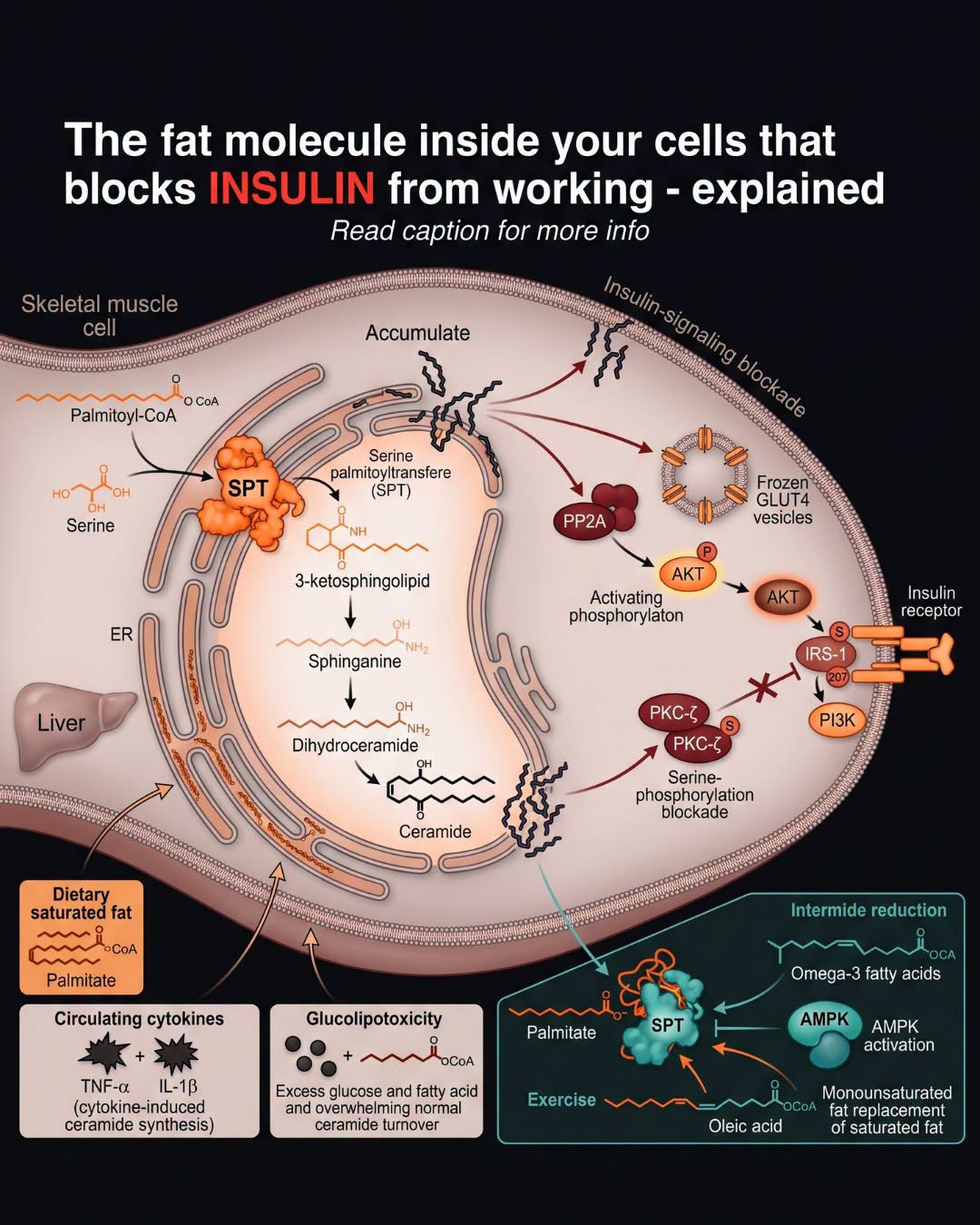
Ceramide as a driver of insulin resistance, with a Gemini AI fact-check

Sep 01, 2026 · Louis Nervegna ♥ 18 · 💬 7

Louis shares a post on ceramide, a sphingolipid that accumulates in cells and blocks insulin signaling. He adds a revised takeaway from Gemini AI, which corrected technical inaccuracies and overstatements: reducing saturated fat lowers the substrate for ceramide and exercise helps. The fact-check is in the comments.

Very low-carb diets rarely push A1C below 5 because of physiological insulin resistance

May 25, 2026 · Louis Nervegna ♥ 11 · 💬 11 Low-carb, keto & carnivore

Louis argues that in people who already have low A1C, severe carb restriction makes muscles temporarily insulin resistant to spare glucose for heart and brain, so blood sugar can rise rather than fall. This 'adaptive glucose sparing' or 'pseudo-diabetes' also explains why people on long-term keto often fail glucose tolerance tests. Personal observation and physiology reasoning rather than a cited trial.

Metformin is being tested for CVD, cancer and Alzheimer's, but mechanisms are unclear

Mar 08, 2024 · Louis Nervegna ♥ 14 · 💬 8

Louis shares a Medscape article on renewed academic interest in metformin for conditions beyond diabetes, including cardiovascular, neurodegenerative, liver, kidney disease and cancers. Many new trials are underway, and it is unclear whether benefits come from glucose lowering and insulin sensitizing or other actions like mTOR inhibition. This is emerging, not established, evidence.

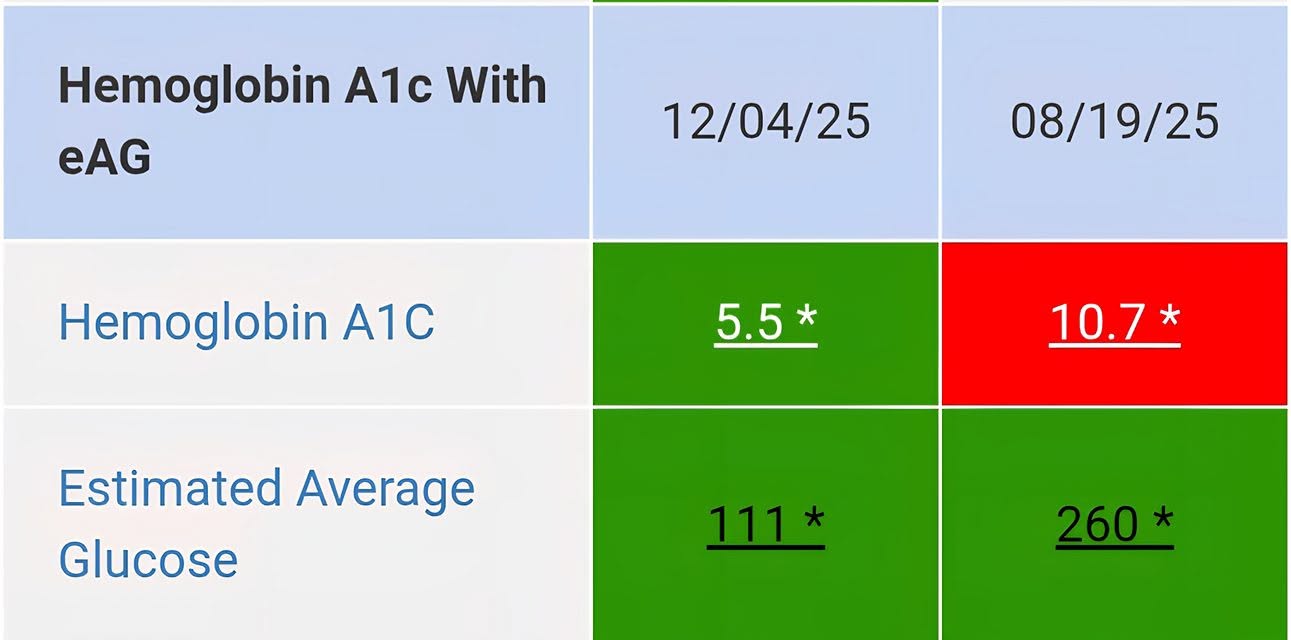
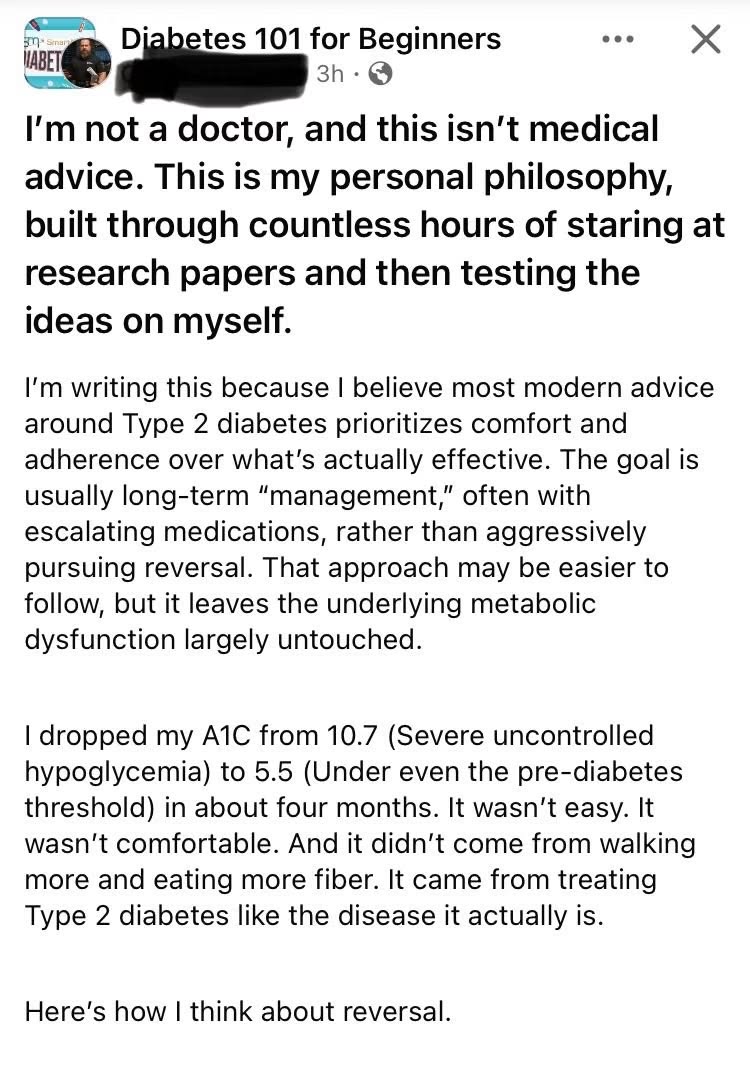
A1C fell from 10.7 to 5.5 in 4 months by clearing liver and pancreas fat

Dec 19, 2025 · Louis Nervegna ♥ 32 · 💬 3 ↩ 1

Louis highlights a shared personal story in which someone lowered A1C from 10.7 to 5.5 in four months by shedding visceral, liver and pancreatic fat. He ties it to Roy Taylor's trial, where one long-time diabetic showed full pancreas tissue regeneration and restored beta-cell function after 2 years of keeping the fat cleared.

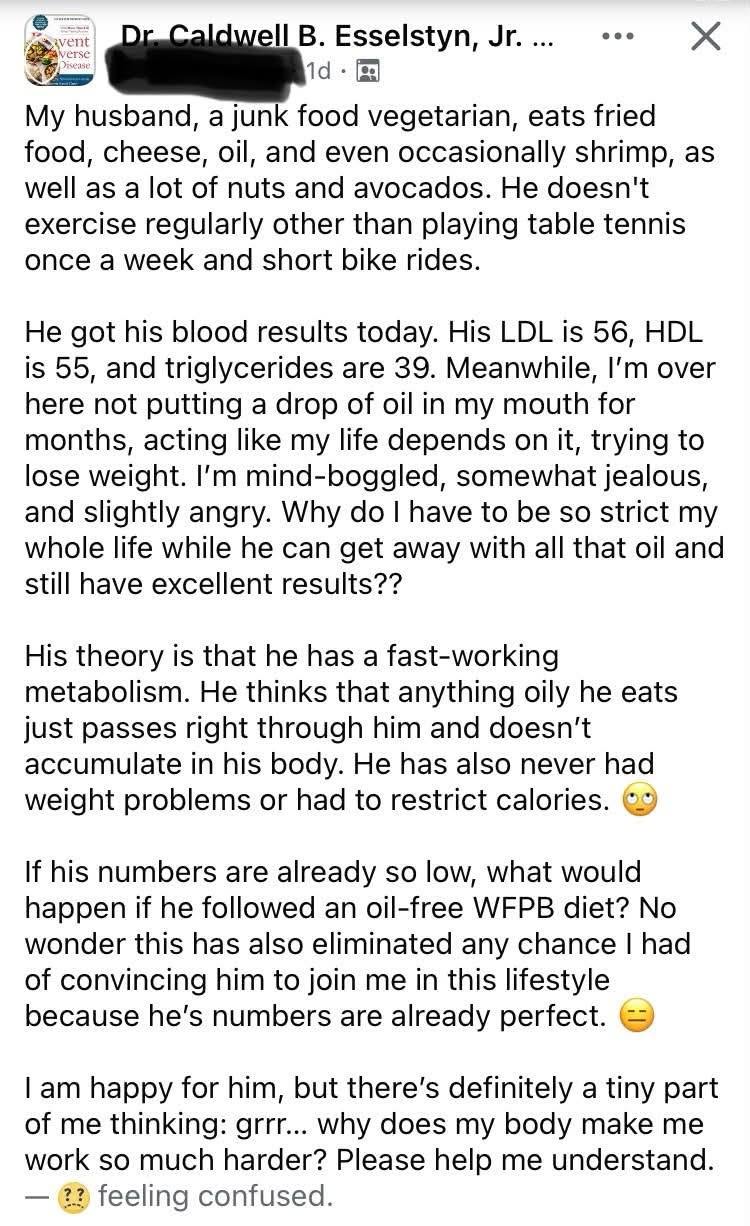
Defending a lean, nut-and-olive-oil vegetarian diet against 'junk food' labels

Jul 25, 2026 · Louis Nervegna ♥ 9 · 💬 12 Fats & oils (saturated fat, seed oils, omega-6, olive oil)

Louis argues a diet heavy in nuts, avocado, unsaturated oils, some cheese and seafood, and low in refined starch, sugar and saturated fat is healthy. He says unsaturated fat improves insulin sensitivity and lowers LDL, and that his example's good lipids reflect leanness, whereas a person avoiding all fat but staying overweight needs to lose visceral fat first.

Satchin Panda: wait 2 hours after waking to eat; finish dinner 3 hours before sleep

Mar 20, 2024 · Louis Nervegna ♥ 13 · 💬 8 Fasting & meal timing

Louis summarizes meal-timing advice from circadian researcher Satchin Panda for glucose control. Delay breakfast at least two hours after waking because the pancreas regulates insulin poorly then, and eat the last large meal at least 3 hours before sleep since melatonin begins rising about 3 hours before bedtime and inhibits insulin secretion. This is expert advice from a podcast clip rather than a cited trial.

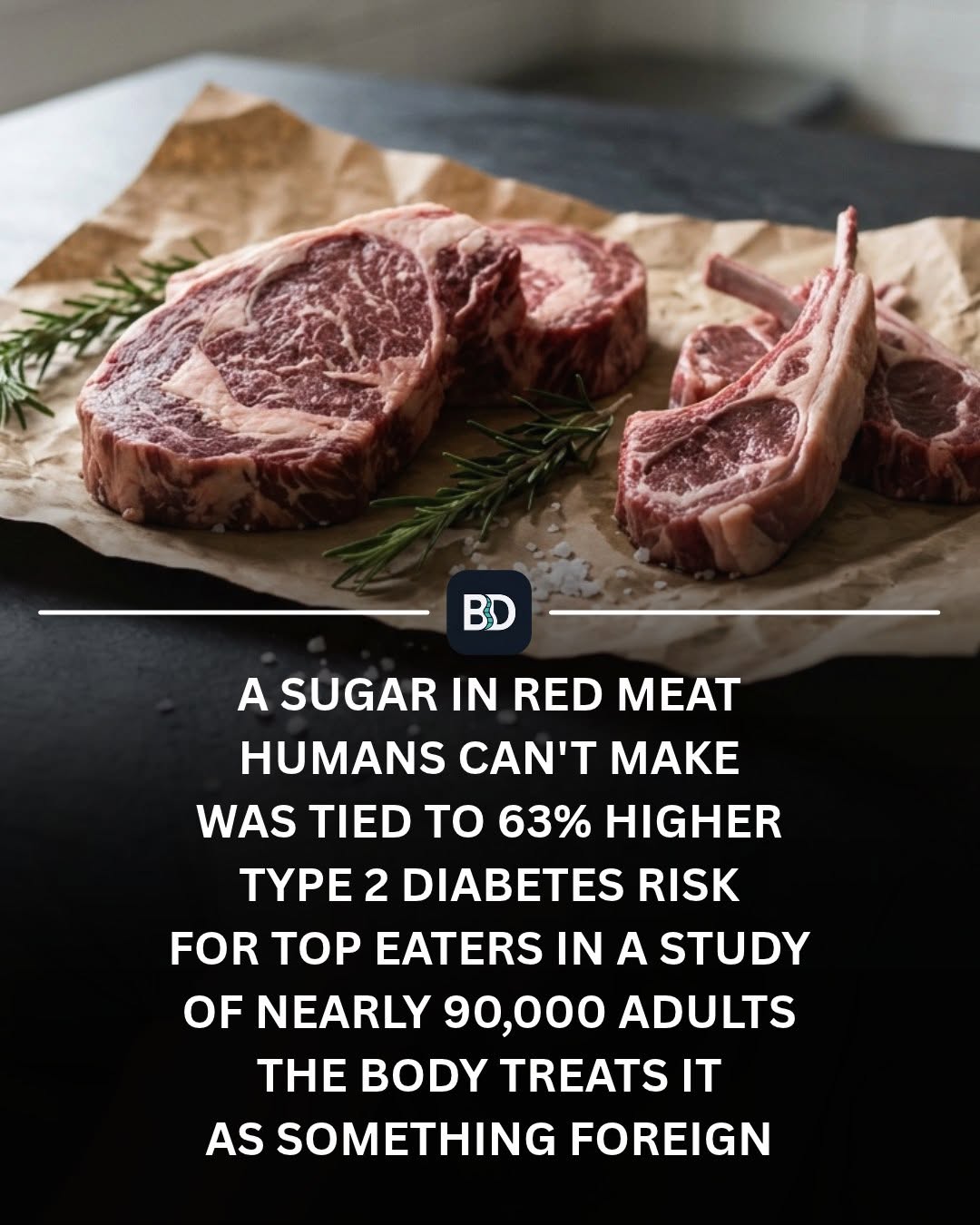
Red meat sugar Neu5Gc linked to 63% higher type 2 diabetes risk in 89,953 French adults

Oct 27, 2026 · Louis Nervegna ♥ 12 · 💬 6 Meat, eggs & dairy

Preliminary results presented at EASD 2026 followed 89,953 NutriNet-Santé participants for about 7 years. Those eating the most Neu5Gc, a sugar found in red meat that humans do not make, had a 63% higher risk of type 2 diabetes, holding after adjusting for exercise, diet quality and smoking. Louis suggests this may partly explain why cohorts like the Nurses' Health Study link red meat to diabetes; the study is observational and not peer reviewed.

Do glucose spikes cause heart disease? Plausible mechanisms, nuanced outcome evidence

Jun 19, 2024 · Gokhan Can ♥ 11 · 💬 9

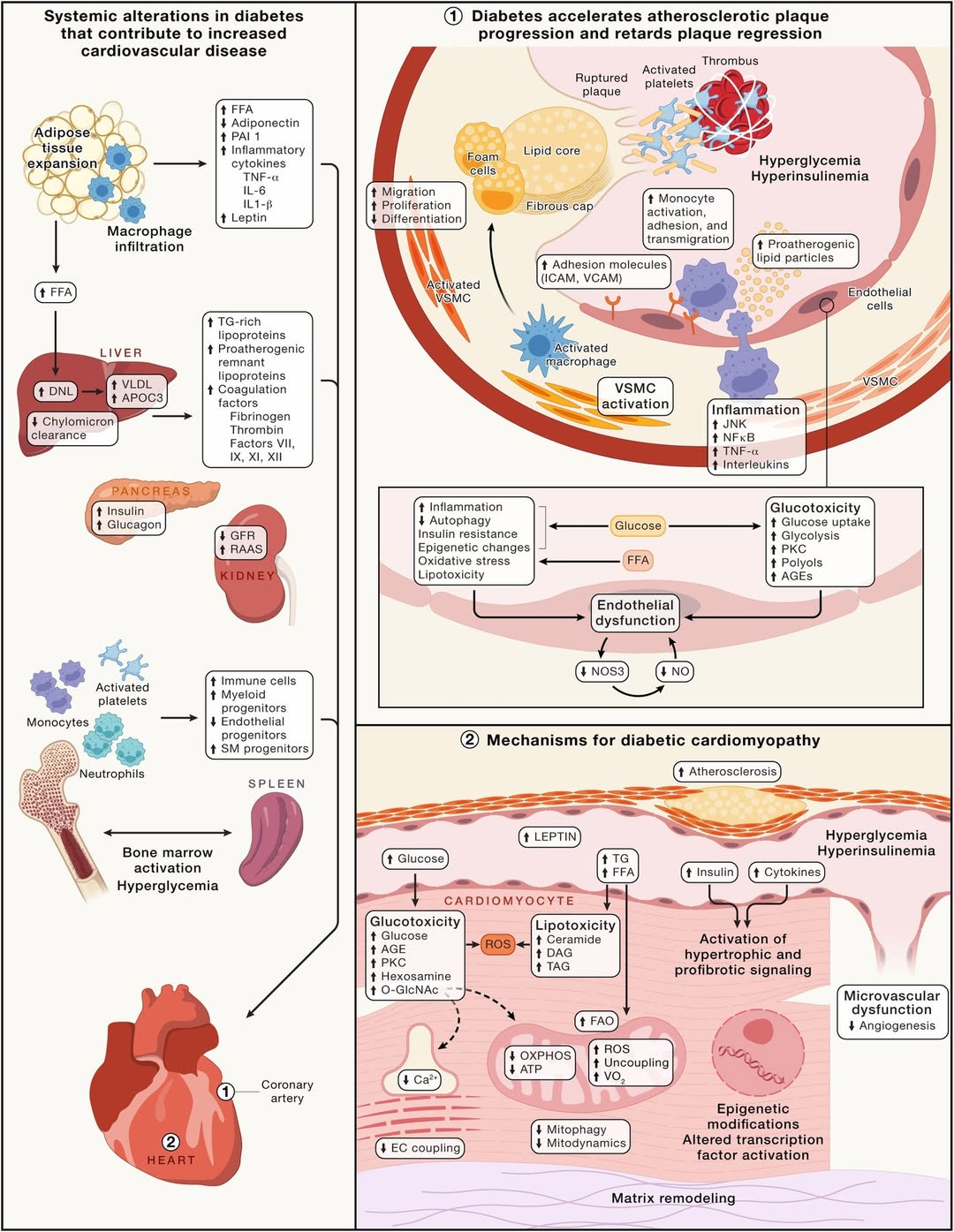
Summary of a Physionic video analyzing studies on glucose spikes and cardiovascular disease. Proposed mechanisms include glycation, mitochondrial reactive oxygen species driving IL-6 inflammation, reduced nitric oxide and RAGE signaling, but plausibility from biochemistry does not prove spikes cause CVD in practice.

Yogurt linked to less weight gain and 14-18% lower type 2 diabetes risk

Jan 20, 2025 · Louis Nervegna ♥ 16 · 💬 6 Meat, eggs & dairy

Louis quotes Harvard's Nutrition Source on yogurt. Cohorts of 120,877 people suggested protection from weight gain, and two meta-analyses of prospective cohorts found 18% and 14% lower type 2 diabetes risk with daily yogurt. Helpful bacteria are suggested to reduce inflammation or improve insulin action, though the mechanism is unclear.

HDL and ApoA-I raising therapies repeatedly failed, so HDL is probably not directly causal

Mar 11, 2024 · Louis Nervegna ♥ 6 · 💬 9 ↩ 22 LDL, ApoB & lipid panel

Louis reviews why HDL or ApoA-I is probably not causal for heart disease. CETP inhibitor trials failed (ILLUMINATE with torcetrapib was stopped for harm; dal-OUTCOMES with dalcetrapib and ACCELERATE with evacetrapib showed no benefit), as did fibrate and niacin trials and CSL112 infusions, and Mendelian randomization agrees. He proposes HDL and ApoA-I mainly act as a proxy for insulin sensitivity, which is the real causal factor.

Probiotics might counter statin-linked blood sugar rise via gut microbiota, editorial says

Nov 09, 2024 · Louis Nervegna ♥ 8 · 💬 11 Statins

Louis shares an ATVB editorial describing statin-induced gut microbiota changes as a candidate mechanism for statin-associated new-onset type 2 diabetes. The editorial says causality still needs larger sequencing studies. Louis adds that in JUPITER, high-dose rosuvastatin raised A1C by 0.1, bringing diabetes diagnosis about 5.4 weeks earlier over 2 years, a small but real effect.

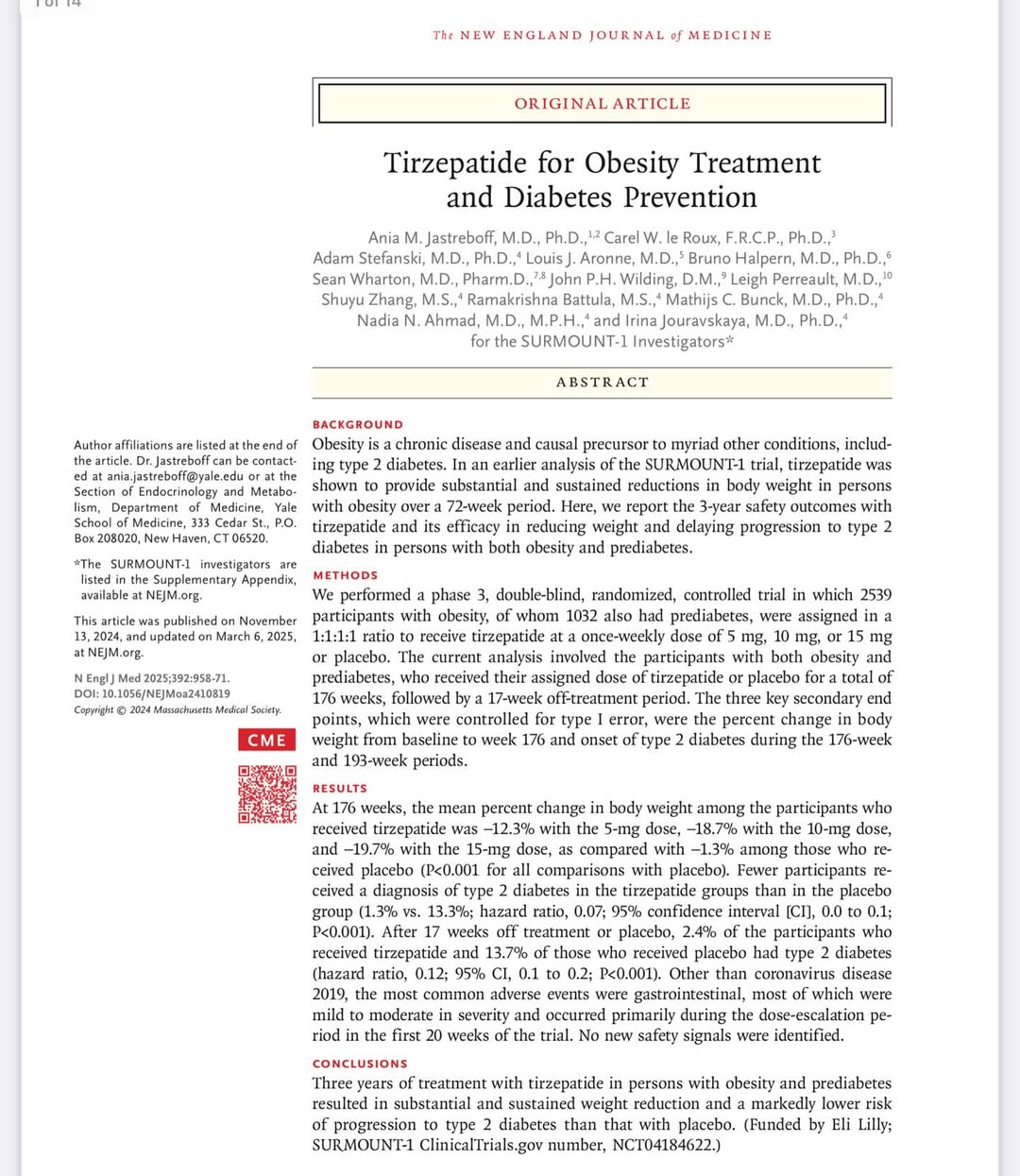
Tirzepatide cut 3-year diabetes incidence to 1.3% vs 13.3% in SURMOUNT-1

Mar 06, 2025 · Louis Nervegna ♥ 12 · 💬 5 GLP-1 drugs (semaglutide, tirzepatide)

Louis shares Luigi Fontana's post on the 3-year SURMOUNT-1 results and adds that weight loss clears fat from liver and pancreas, the main cause of insulin resistance and beta-cell dysfunction, so any diet producing major weight loss can do the same. The shared post also warns about muscle/bone loss and nutrient deficiencies without exercise and good nutrition.

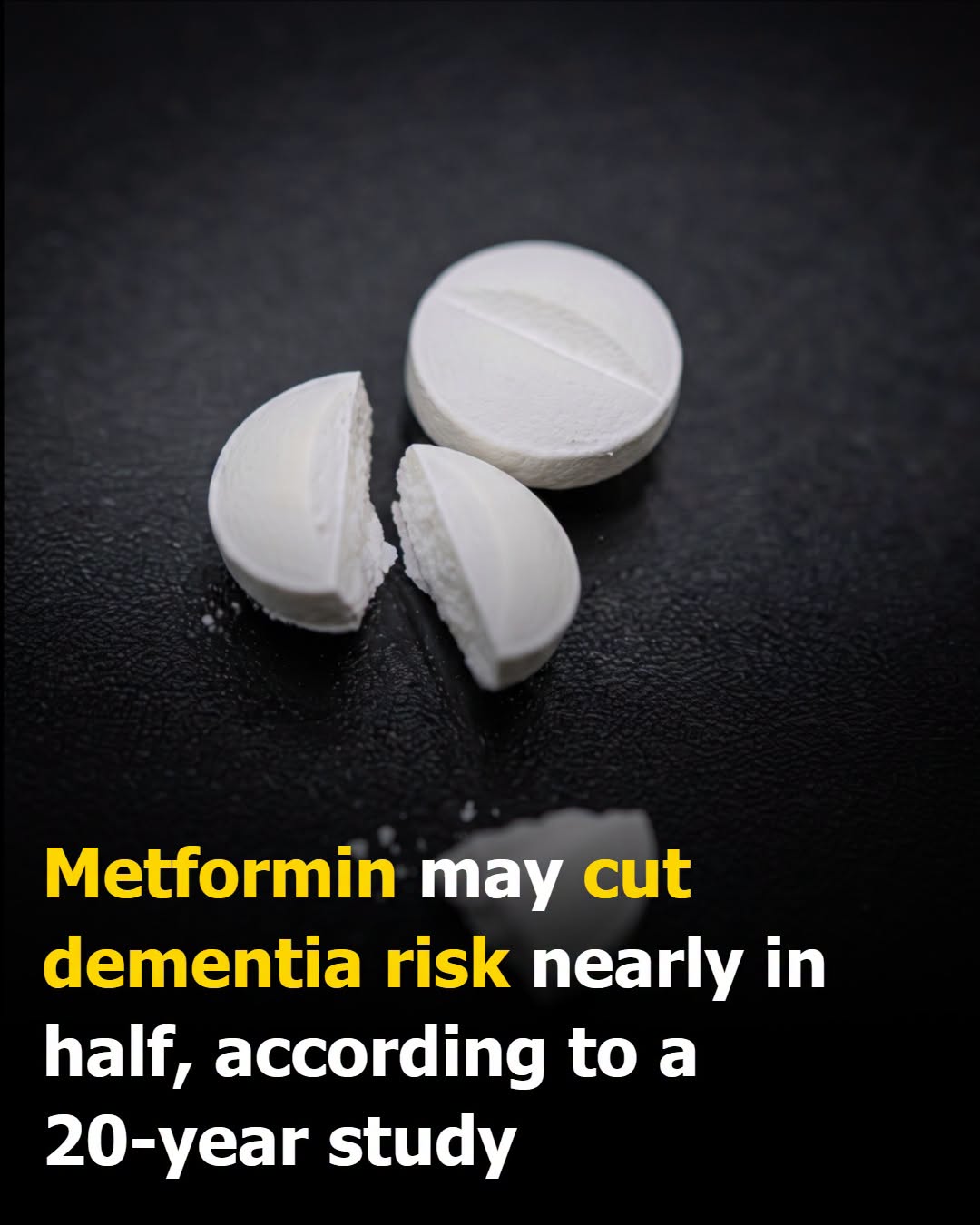
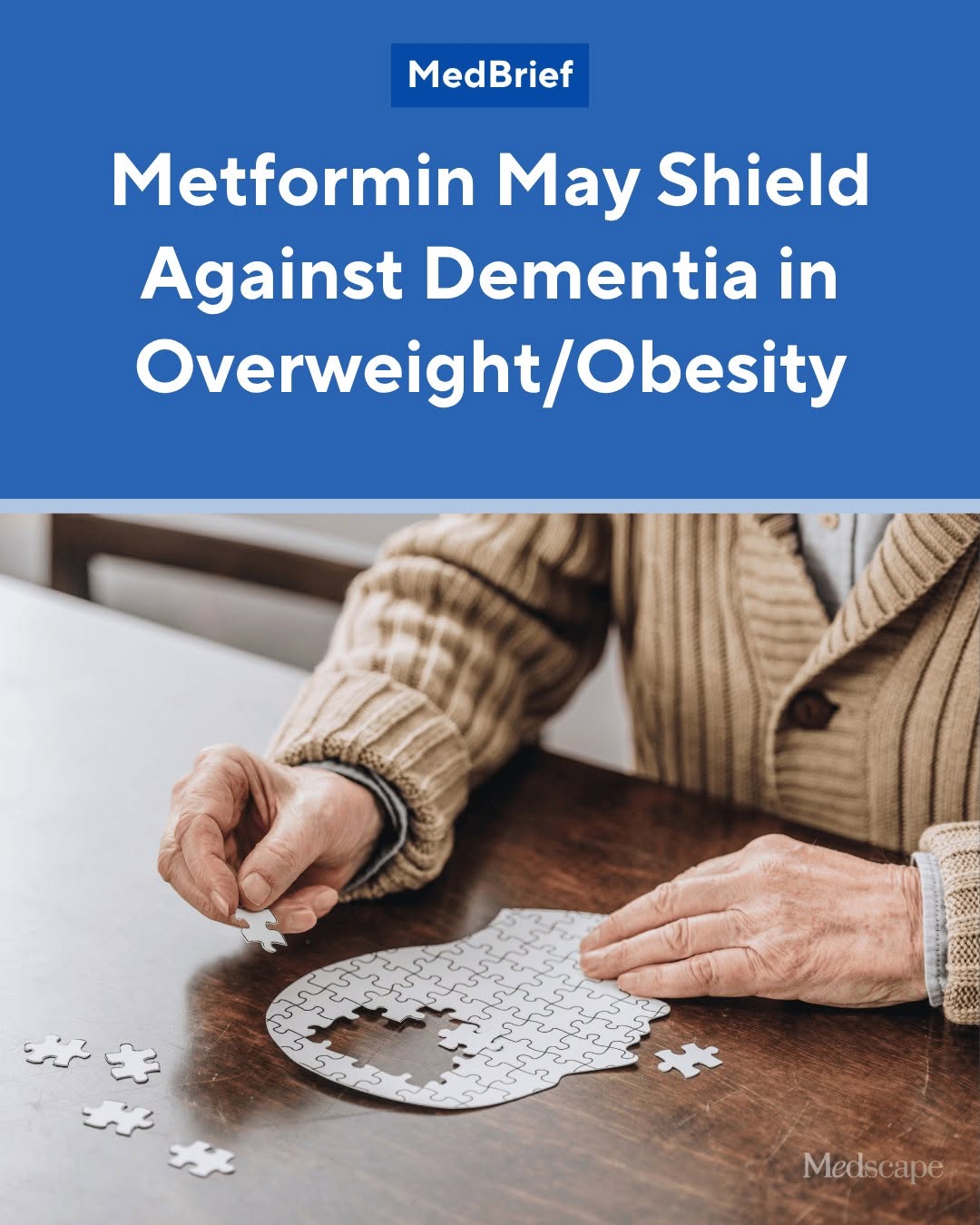
Metformin associated with over 50% lower dementia risk in 20-year DPP/DPPOS follow-up

Aug 25, 2026 · Louis Nervegna ♥ 16 · 💬 5

Louis shares a New Scientist report on observational analysis of the Diabetes Prevention Program randomized trial and its follow-up, suggesting metformin may cut dementia risk by more than half. It aligns with monkey data on slower brain aging. The finding is not conclusive and the mechanism is unclear.

Delaying breakfast to midday lowered post-meal glucose in type 2 diabetes (crossover RCT)

Dec 27, 2024 · Louis Nervegna ♥ 10 · 💬 8 Fasting & meal timing

A small randomized crossover trial found delaying breakfast from about 07:00 to mid-morning or midday lowered the 2-hour postprandial glucose response in people with type 2 diabetes. A 20-minute walk after breakfast had only a small effect. Louis notes this suggests morning fasting is acceptable in the short term for people with poor glycemic control.

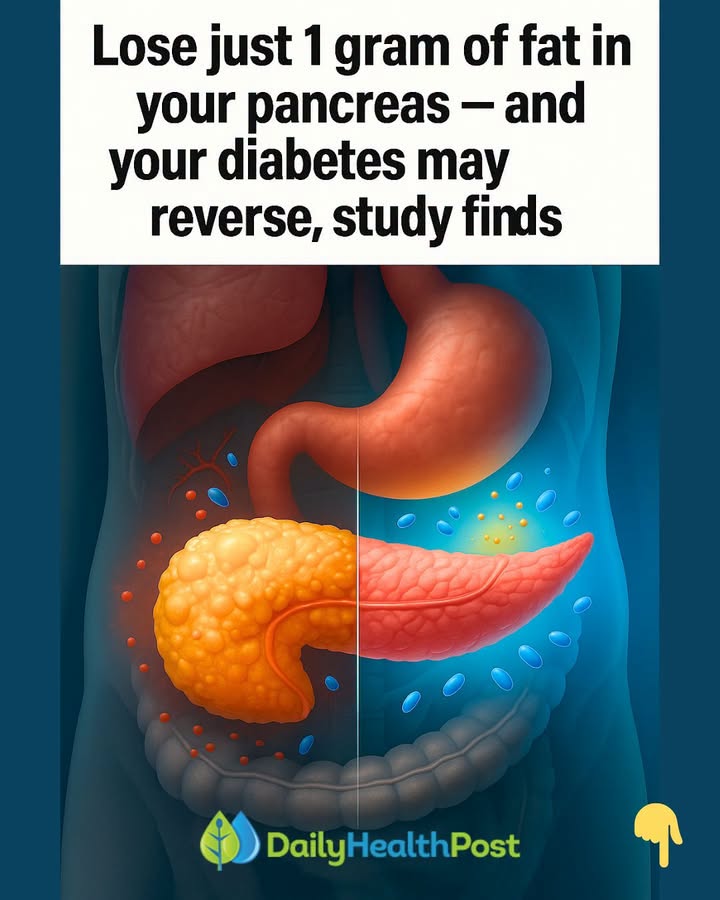
Losing about 1 gram of pancreatic fat may restore beta-cell function in type 2 diabetes

Aug 29, 2026 · Louis Nervegna ♥ 15 · 💬 5

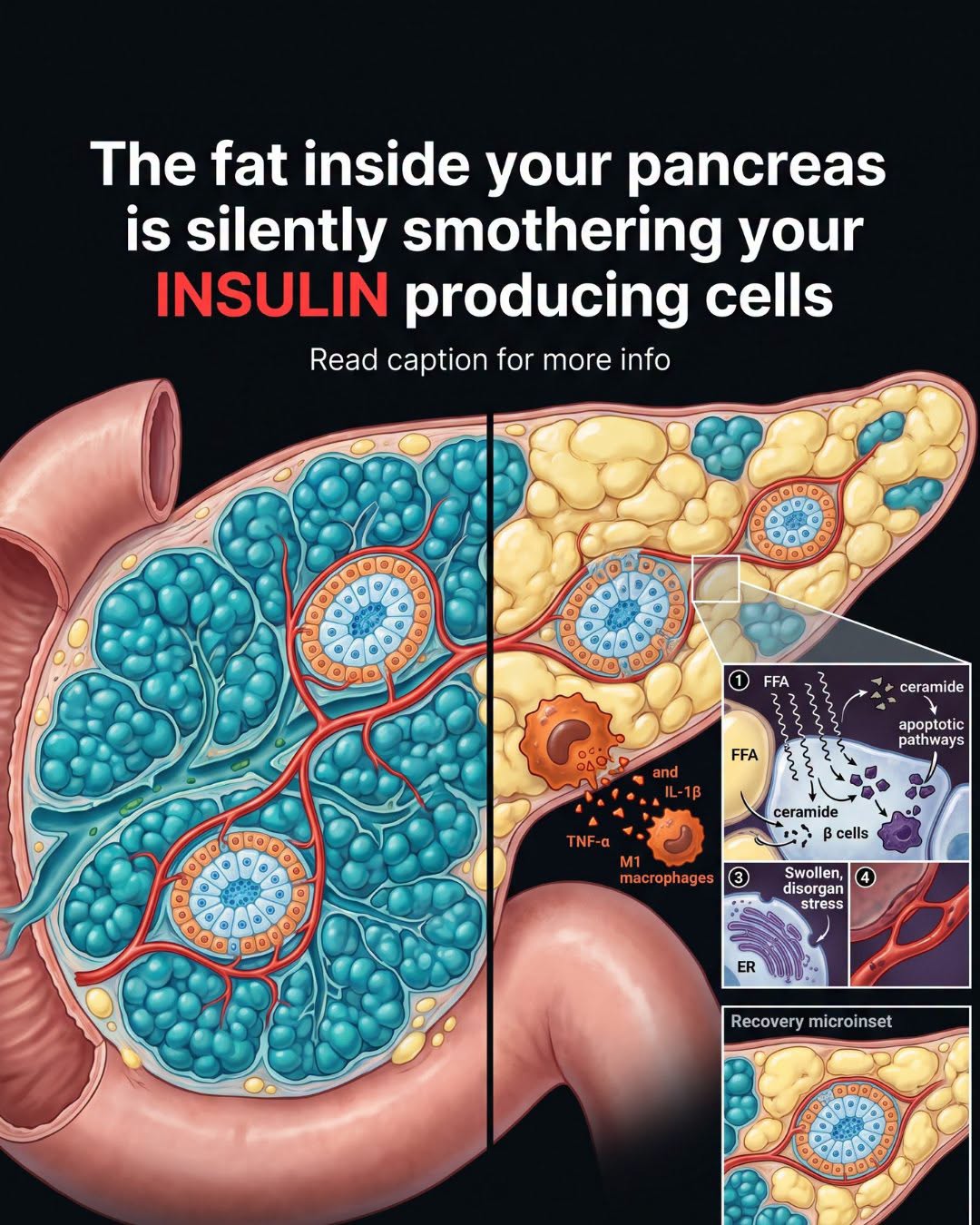
Louis argues that clearing visceral fat clears pancreatic ectopic fat, and that losing about 1 gram of pancreas fat can restore insulin secretion. The shared article cites Newcastle University (Roy Taylor) work in which gastric bypass patients lost about 1.2% pancreatic fat and normalized insulin secretion.

Higher omega-6 (linoleic acid) biomarker levels linked to 43% lower type 2 diabetes risk

Jan 20, 2024 · Louis Nervegna ♥ 8 · 💬 7 ↩ 17 Fats & oils (saturated fat, seed oils, omega-6, olive oil)

A pooled analysis of 39,740 adults from 20 prospective cohorts used blood and tissue biomarkers rather than food questionnaires. Higher linoleic acid levels were associated with lower incident type 2 diabetes, and the authors conclude linoleic acid may have long-term preventive benefits and arachidonic acid is not harmful.

Pro soccer players average ~160 mg/dL glucose during matches, without harm

Jun 12, 2026 · Louis Nervegna ♥ 9 · 💬 6

Louis cites a 2026 CGM study of elite European footballers showing average match glucose around 160 mg/dL, with some averaging 180-200. He argues these transient exercise-driven rises are harmless in insulin-sensitive people, who typically have low A1C, so claims of harm from brief spikes within normal physiology deserve suspicion.

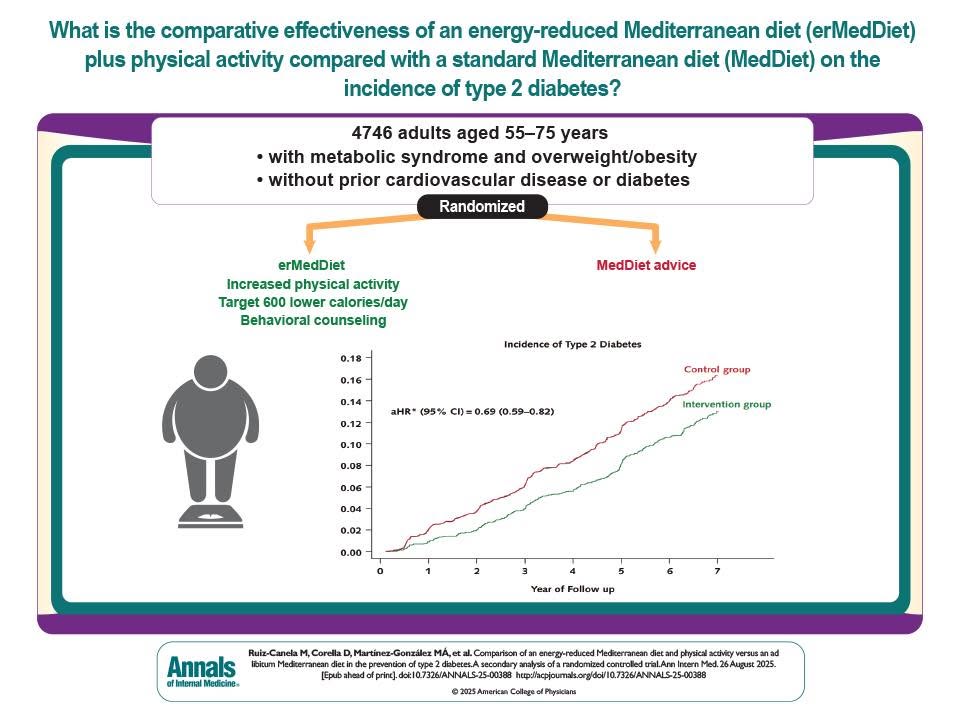
MeMeMe trial: metformin cut diabetes 80-92% in metabolic syndrome; Med diet did not

Aug 02, 2025 · Gokhan Can ♥ 4 · 💬 10 ↩ 1

In 1,442 people with metabolic syndrome followed about 3 years, 1,700 mg/day metformin prevented type 2 diabetes, which fully explained the difference in major noncommunicable diseases. The Mediterranean diet intervention did not. Gokhan notes no heart disease or cancer prevention from metformin either.

Metformin linked to less dementia in 20-year Diabetes Prevention Program follow-up

Sep 07, 2026 · Louis Nervegna ♥ 12 · 💬 6

A shared report on 1,483 people from the Diabetes Prevention Program followed for over 20 years found dementia in 1.9% of those randomized to metformin, versus 4.2% with intensive lifestyle and 3.5% with placebo. The mechanism is unknown and the results do not establish metformin as a dementia treatment.

Genetics suggest statins' small diabetes risk is tied to LDL lowering (Gemini-assisted)

Sep 07, 2026 · Louis Nervegna ♥ 6 · 💬 11 Statins

Louis shares a post, written with Gemini AI, arguing that the small rise in new-onset type 2 diabetes with intensive lipid lowering reflects target-mediated effects rather than an off-target drug side effect. Genetic variants mimicking HMGCR (statin) and NPC1L1 (ezetimibe) inhibition show modestly higher glucose and diabetes risk.

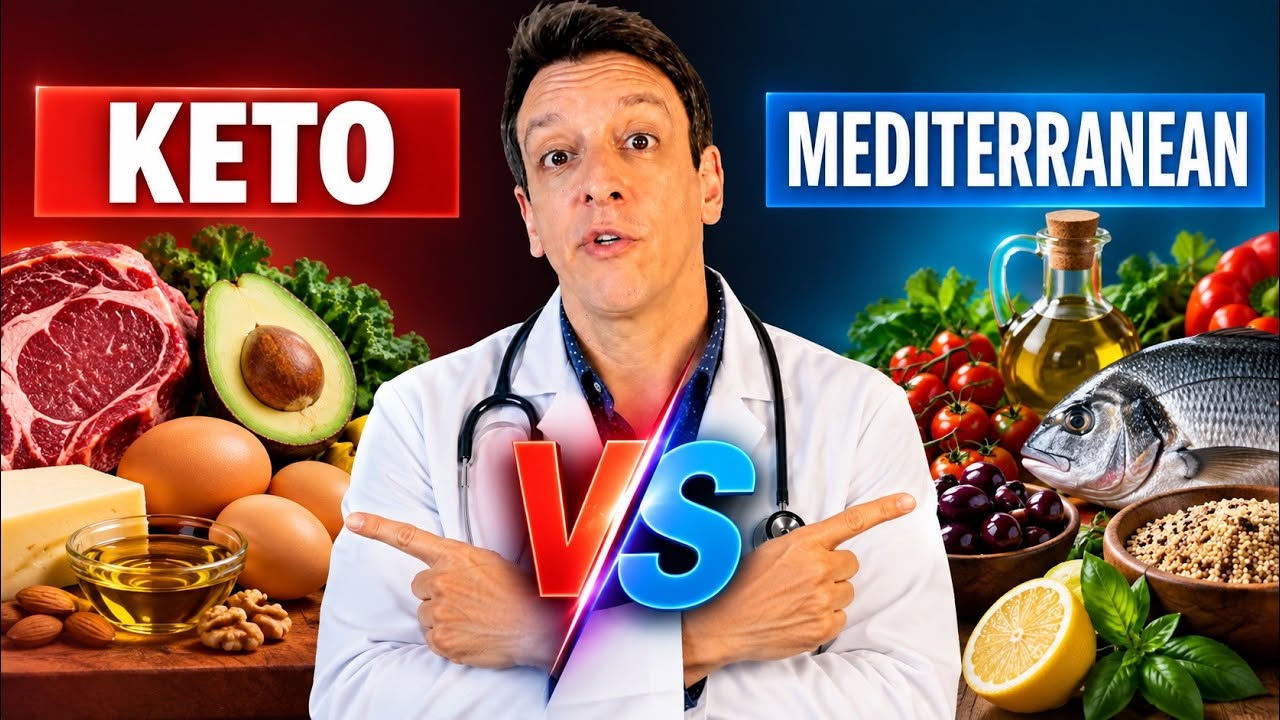
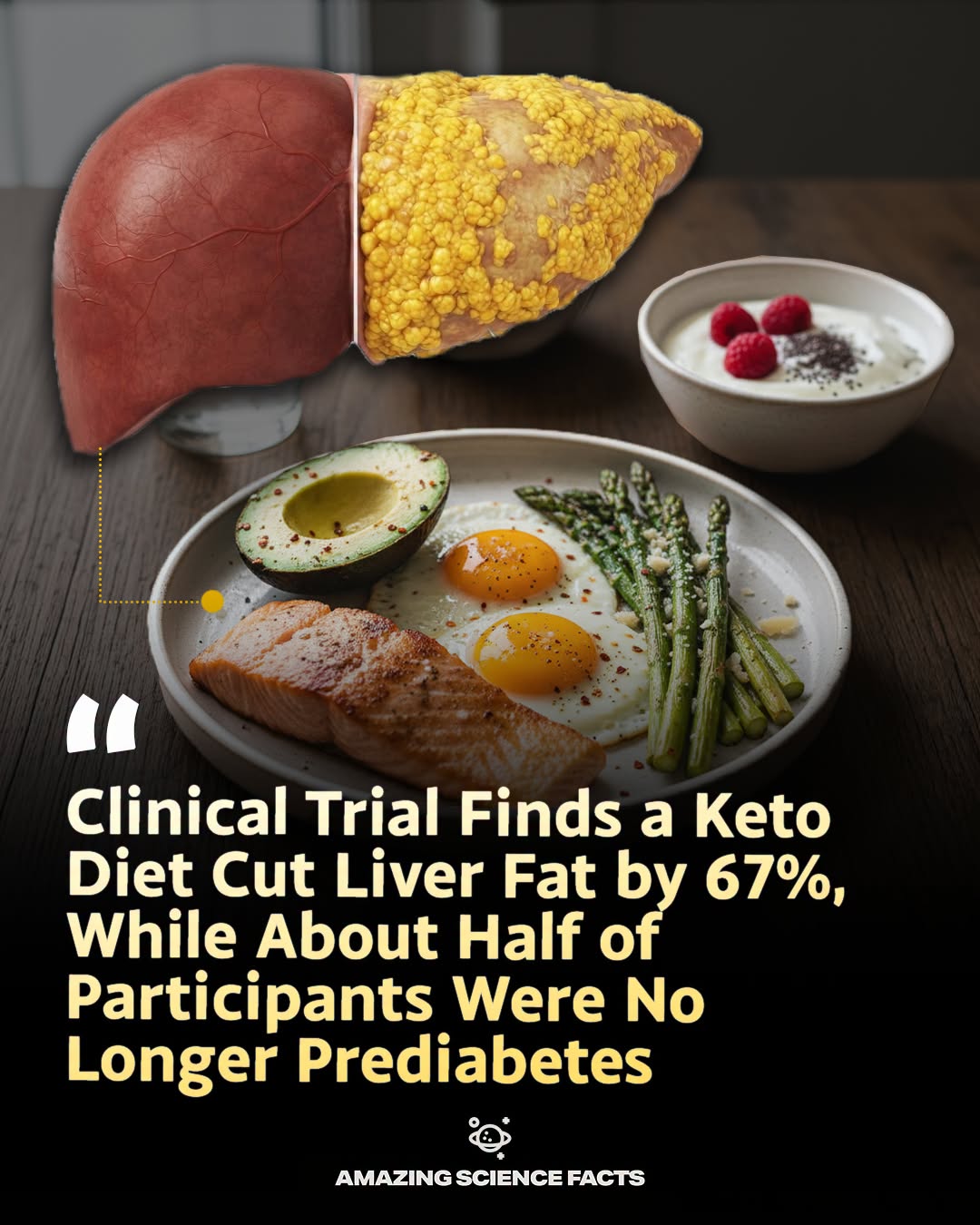
Keto beat Mediterranean and low-fat diets on liver fat and glycemia at equal weight loss

Aug 27, 2026 · Gokhan Can ♥ 6 · 💬 8 ↩ 1 Low-carb, keto & carnivore

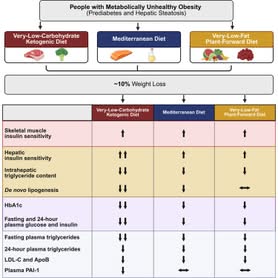
Petersen et al. (Cell Metabolism, 2026) fed 42 adults with obesity, prediabetes and fatty liver all meals in a controlled trial until ~10% weight loss. All diets improved muscle insulin sensitivity and body composition, but the very-low-carb ketogenic diet gave clearly larger improvements in liver metabolic function, intrahepatic fat and glycemic control.

Imidazole propionate: how gut bacteria make it from histidine and how to lower it

Jul 18, 2025 · Gokhan Can ♥ 9 · 💬 5 ↩ 1 Gut microbiome

A detailed explainer on ImP, a gut-microbial metabolite elevated in type 2 diabetes, atherosclerosis, heart failure, kidney disease and fatty liver. It is made from dietary histidine by specific bacteria in dysbiotic guts and is more tied to microbiome composition than to histidine intake, so a diverse, high-fiber microbiome is protective.

Meta-analysis of 102 feeding trials: polyunsaturated fat gives the best glycemic benefit

Nov 18, 2025 · Gokhan Can ♥ 6 · 💬 7 Fats & oils (saturated fat, seed oils, omega-6, olive oil)

Summarises a systematic review of 102 randomized feeding trials (4,220 participants) on 5% energy swaps. Replacing carbs with MUFA lowered HbA1c 0.09% and HOMA-IR 2.4%; with PUFA lowered HbA1c 0.11% and fasting insulin 1.6 pmol/L. PUFA alone improved insulin secretion capacity; saturated fat swaps did not change fasting glucose. Authors favor replacing refined carbs and saturated fat with unsaturated fats.

100+ trials: polyunsaturated fat improves glucose and insulin markers, saturated doesn't

Sep 14, 2025 · Louis Nervegna ♥ 7 · 💬 6 ↩ 13 Fats & oils (saturated fat, seed oils, omega-6, olive oil)

Louis summarizes a meta-analysis of randomized feeding trials showing polyunsaturated fat, mostly omega-6 from vegetable oils, lowers fasting glucose and A1C and improves insulin resistance and insulin secretion. Monounsaturated fat did well but less so, and saturated fat showed no appreciable benefit.

Low-carb diets lose their diabetes advantage by 12 months, trials and meta-analyses show

Nov 25, 2025 · Gokhan Can ♥ 5 · 💬 8 Low-carb, keto & carnivore

Argues low-carb gives better remission and HbA1c at 6 months, but the edge fades. A 2021 BMJ meta-analysis (23 RCTs) found benefit at 6 months diminishing by 12; Silverii 2020 (37 RCTs, 3,301 patients) found HbA1c differences vanishing and reversing by 24 months; a 2-year calorie-matched RCT showed identical weight loss. Concludes the benefit comes from adherence, not metabolic magic.

Simple metabolic health markers: waist-to-height ratio, adiponectin and TG/HDL ratio

Aug 02, 2024 · Louis Nervegna ♥ 8 · 💬 7 ↩ 8

The post names three simple measures of metabolic health (waist-to-height ratio as a visceral fat proxy, adiponectin, TG/HDL ratio) from a Christos Mantzoros podcast clip. Metabolic health means good insulin sensitivity and glycemic control, and metabolic syndrome adds to residual CVD risk.

CSL112 ApoA-I infusion failed in phase 3 AEGIS-II, supporting HDL as marker not cause

Feb 13, 2024 · Louis Nervegna ♥ 8 · 💬 5 ↩ 14 LDL, ApoB & lipid panel

Louis argues the failure of AEGIS-II, in which patients received native ApoA-I (CSL112), shows ApoA-I is not directly causal in heart disease. Every large pharmaceutical trial raising HDL or ApoA-I has failed to prevent heart attacks and strokes. HDL and ApoA-I remain good risk markers, probably standing in for insulin resistance, so raising them by means other than improving insulin sensitivity may not lower risk.

Clearing senescent 'zombie cells' from blood vessels improved insulin resistance in mice

Nov 22, 2025 · Gokhan Can ♥ 9 · 💬 6

Shares a news report of a mouse study in which removing aged cells from blood vessels reduced inflammation, improved blood sugar and countered insulin resistance. The admin notes insulin resistance is multifactorial and finds it interesting that old blood-vessel cells appeared to be the main driver in this study.

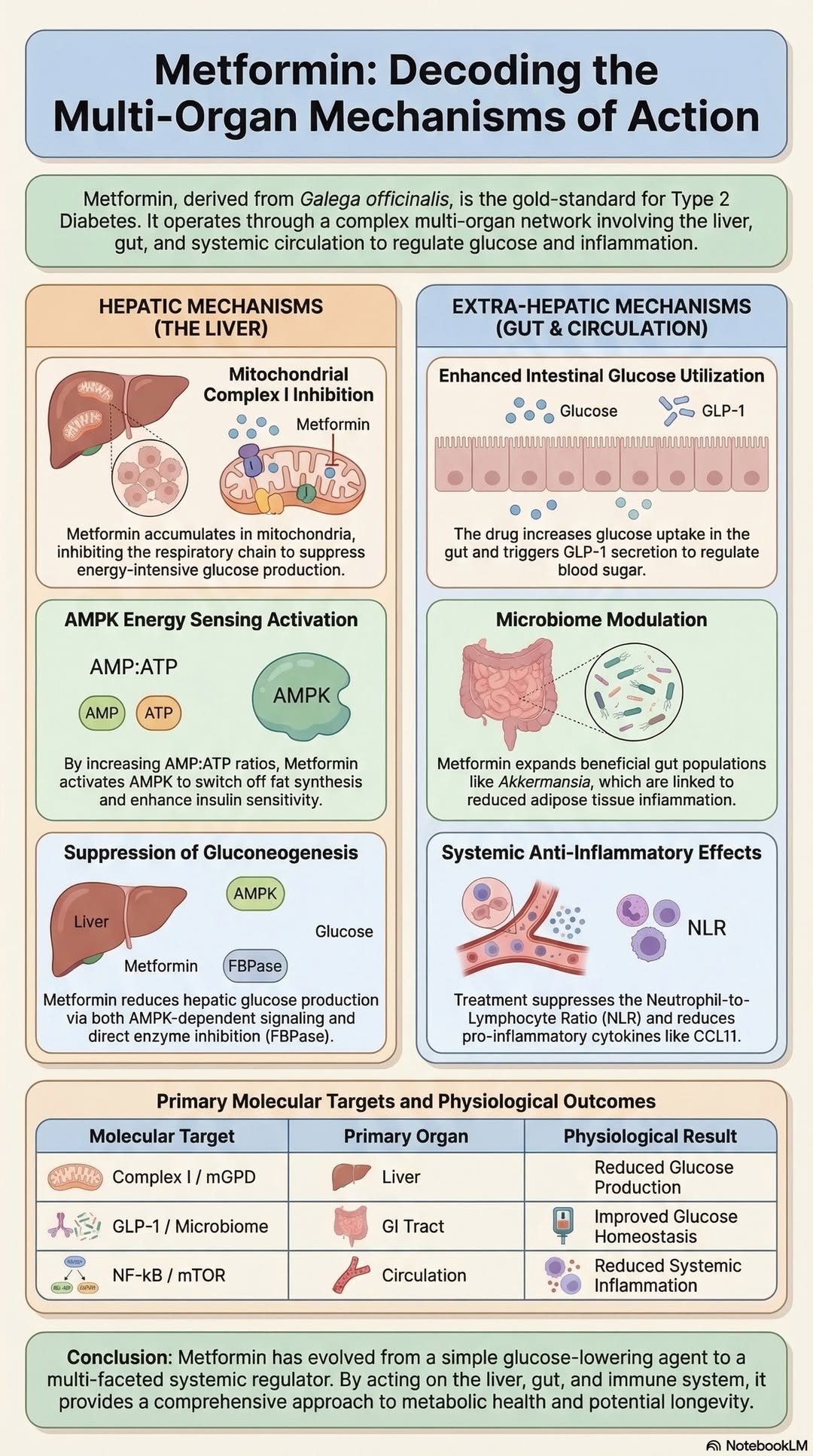
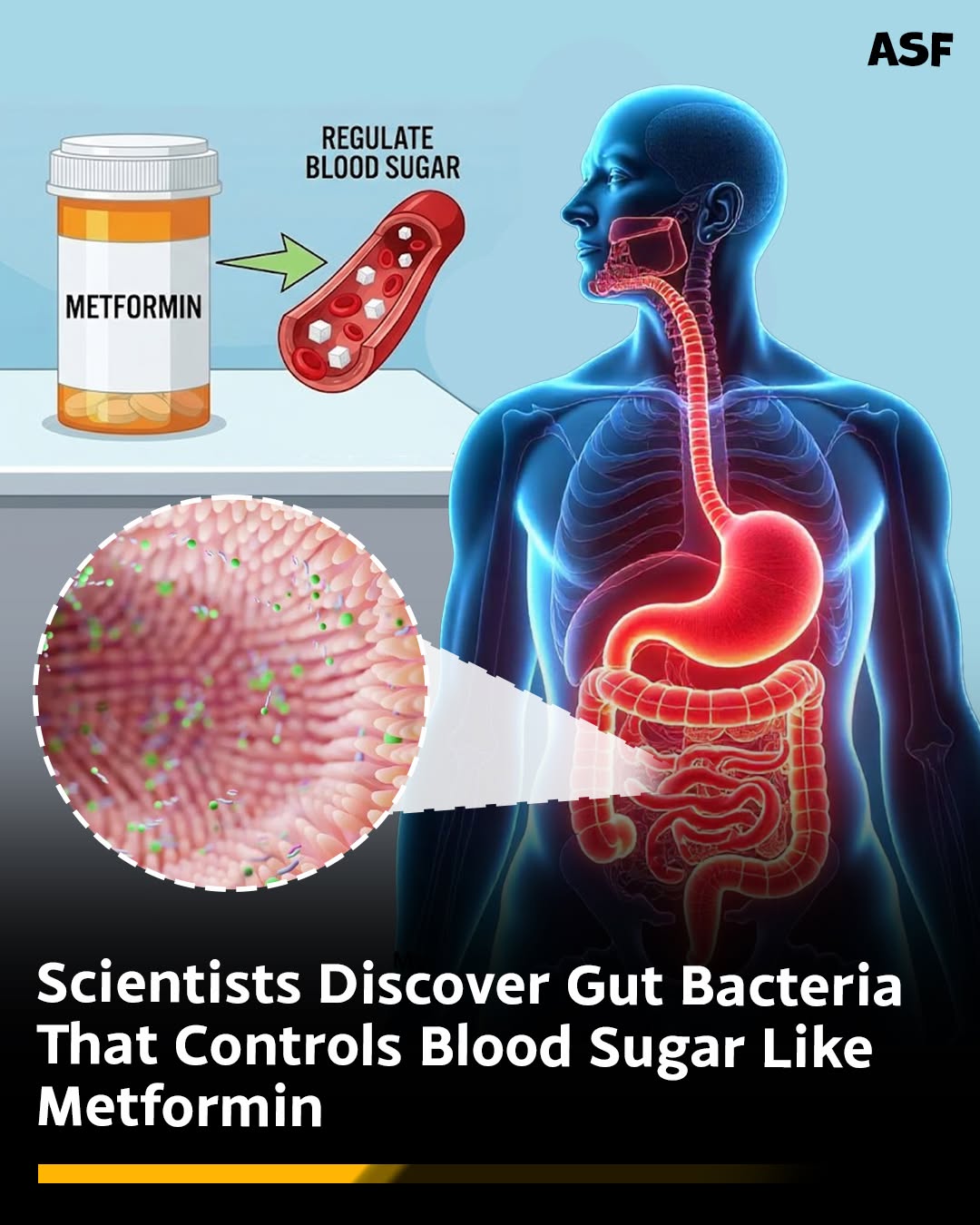
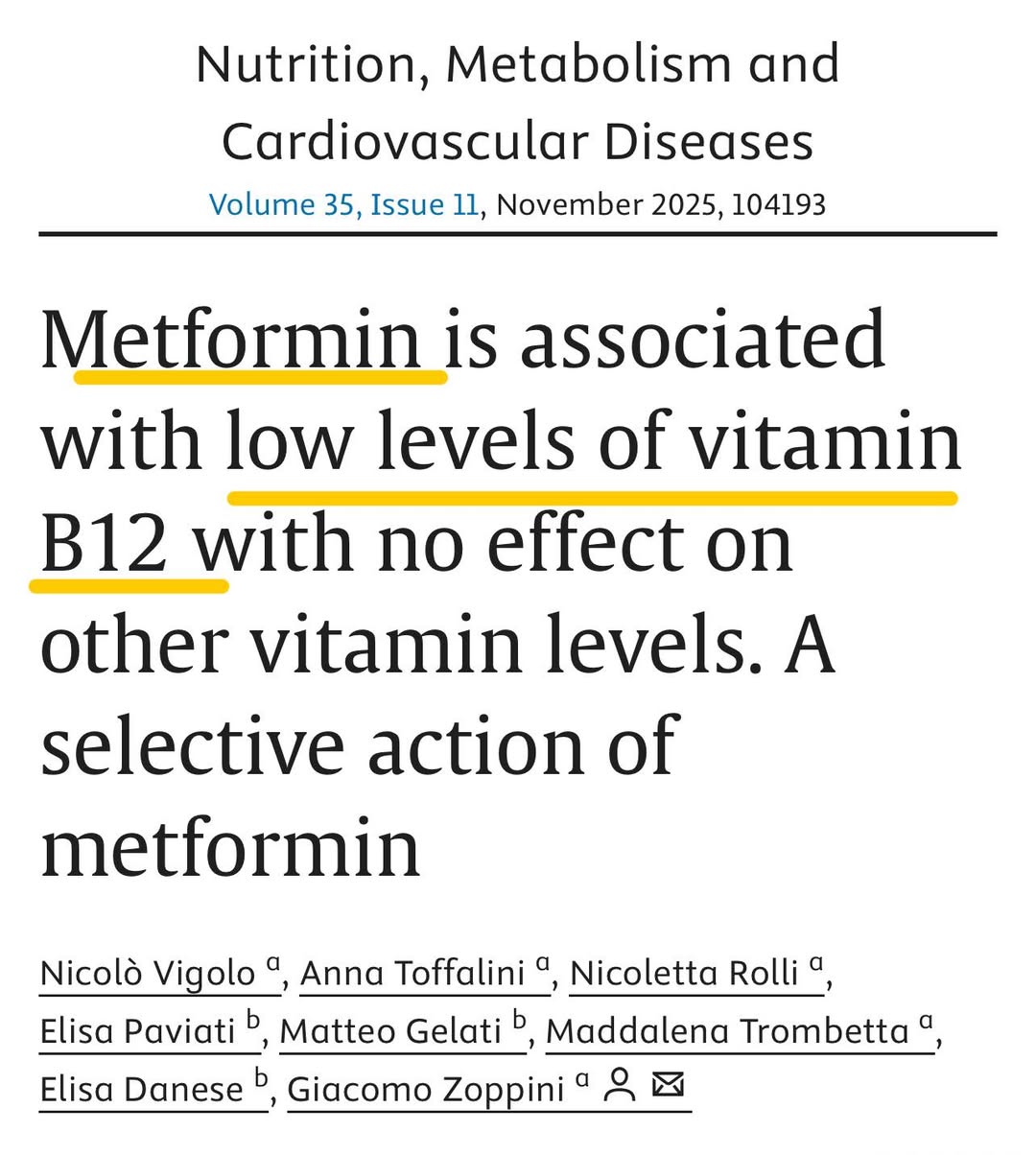
Metformin's glucose-lowering effect involves the gut microbiome

Sep 12, 2025 · Louis Nervegna ♥ 9 · 💬 6

Louis quotes a 2018 review concluding that gut microbiota participate in metformin's glucose-lowering effects in diabetes. Metformin alters gut bacterial composition, but the exact mechanisms still need to be worked out.

Vitamin K improved fasting glucose and HOMA-IR and was linked to lower T2DM risk

Apr 29, 2024 · Louis Nervegna ♥ 9 · 💬 6 ↩ 1

Louis suggests the main value of vitamin K may be improving insulin sensitivity and lowering risk of pre-diabetes and diabetes, citing a 2023 systematic review and meta-analysis. The quoted conclusion is that supplementation significantly affected fasting blood sugar and HOMA-IR and that vitamin K was associated with reduced risk of developing type 2 diabetes.

Diet alone restored a damaged pancreas in type 2 diabetes, per Roy Taylor's trial

Nov 25, 2025 · Louis Nervegna ♥ 15 · 💬 3

Louis shows imaging of a patient with advanced type 2 diabetes whose pancreas regenerated and beta cell function was restored after 2 years. It used an 800-calorie meal-replacement diet for 8 weeks, then Mediterranean maintenance, with no drugs; not everyone responds this fully.

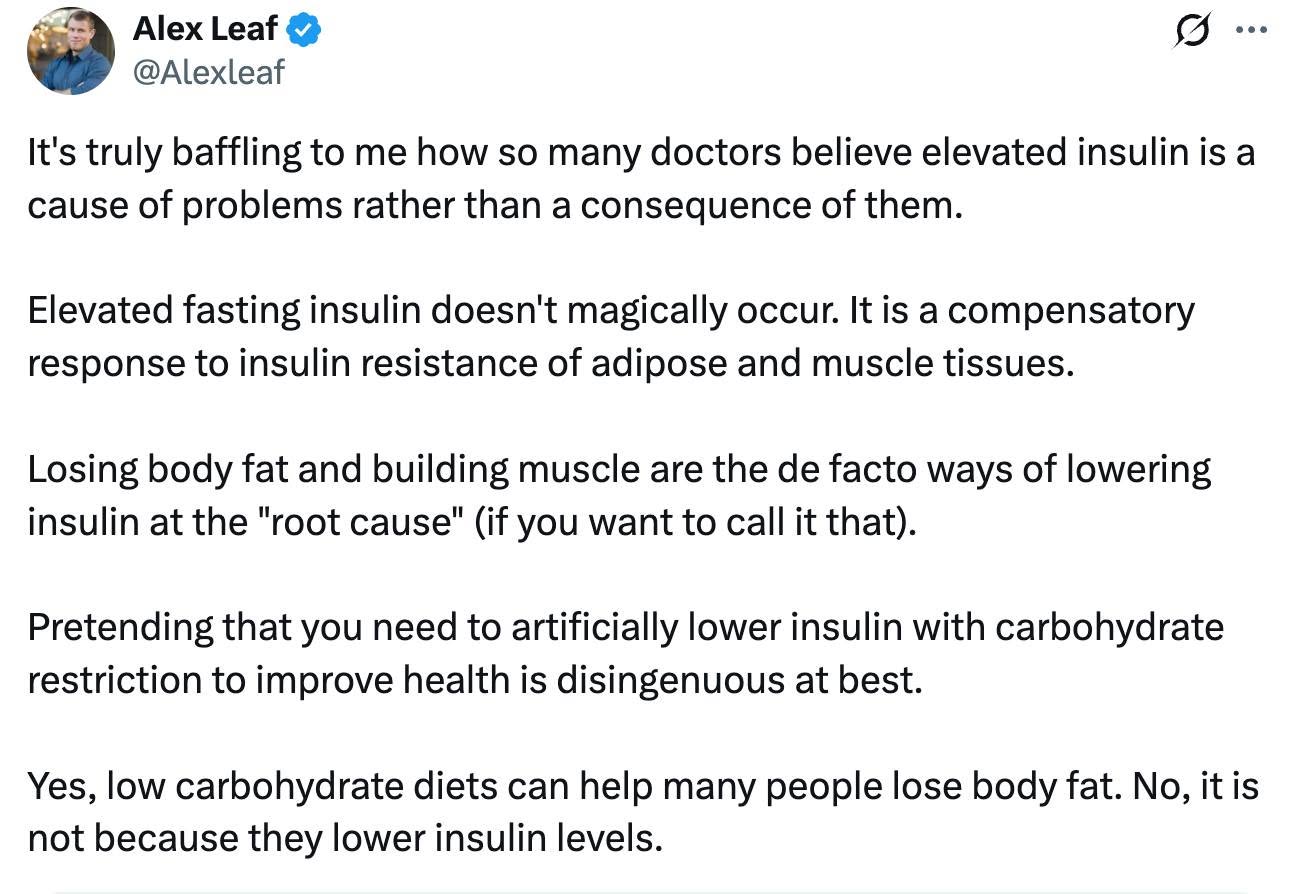
Insulin resistance may be an adaptive response to nutrient excess

Jul 07, 2026 · Louis Nervegna ♥ 13 · 💬 2

Louis discusses a Cell Metabolism paper proposing insulin resistance and T2D as allostatic responses to chronic nutrient excess. He notes glucose-only drugs (sulfonylureas, insulin) don't improve outcomes consistently while metformin, SGLT2i and GLP-1 agonists do.

Aspartame insulin spikes in mice are small in people, versus whey and red meat

Feb 27, 2025 · Louis Nervegna ♥ 13 · 💬 3

Louis responds to a mouse study reported as showing aspartame triggers insulin spikes that build arterial plaque. He agrees persistently high insulin is likely causal in CVD but says aspartame's insulin effect in humans is small, while whey protein and red meat raise insulin much more calorie for calorie.

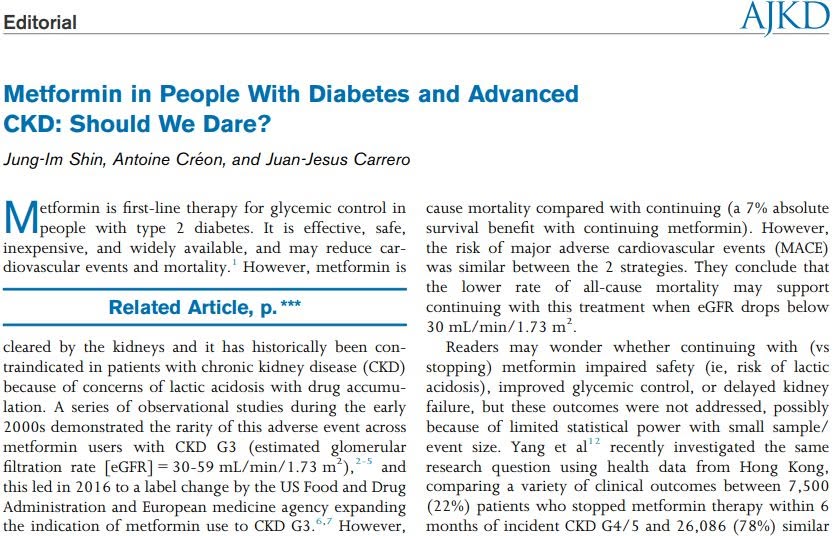
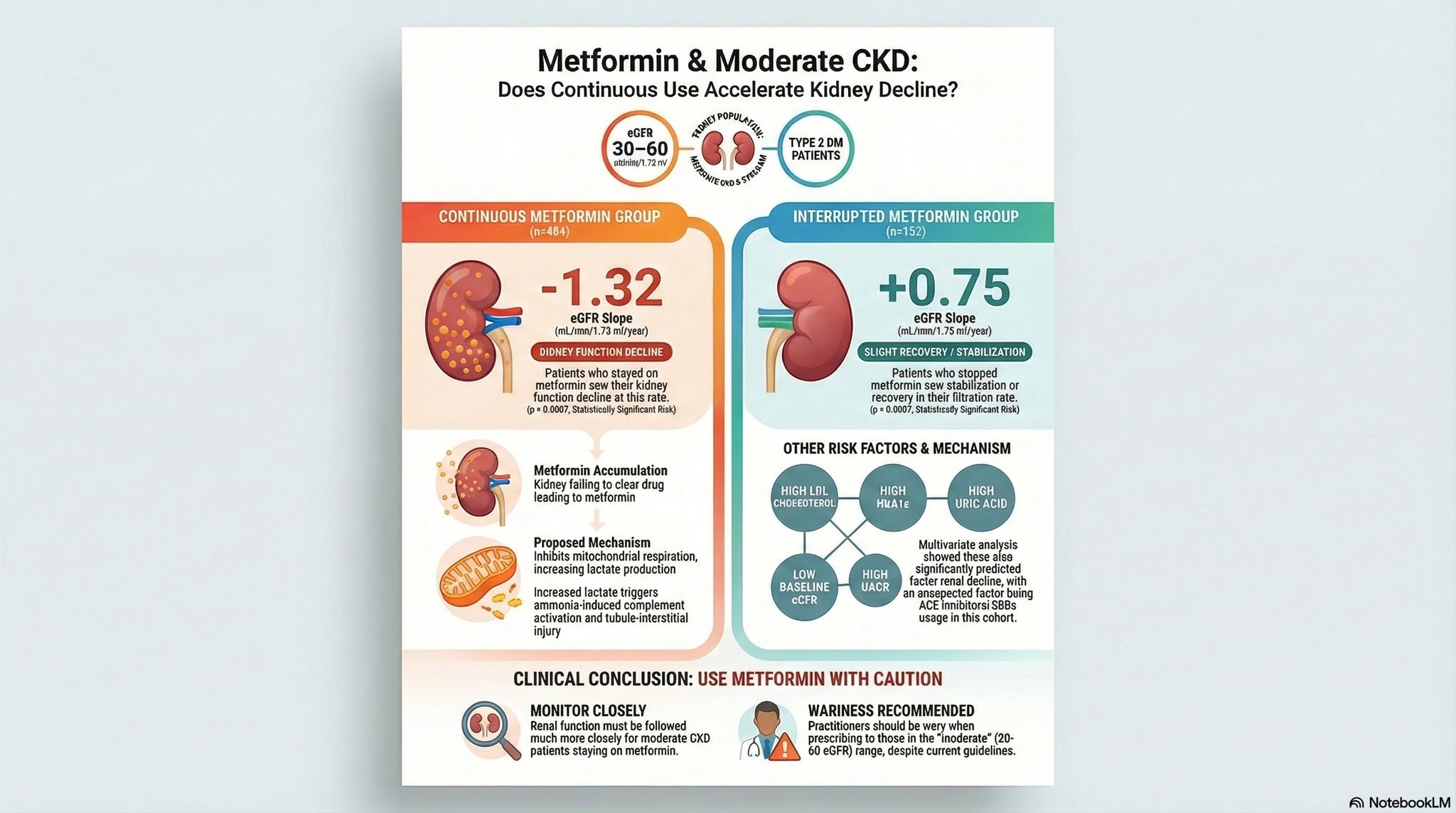
How metformin works beyond lowering blood sugar

Mar 22, 2026 · Louis Nervegna ♥ 10 · 💬 4

Louis shares a long explainer on metformin, the first-line type 2 diabetes drug used for decades, describing newer research showing a multi-layered molecular action that extends well beyond the liver.

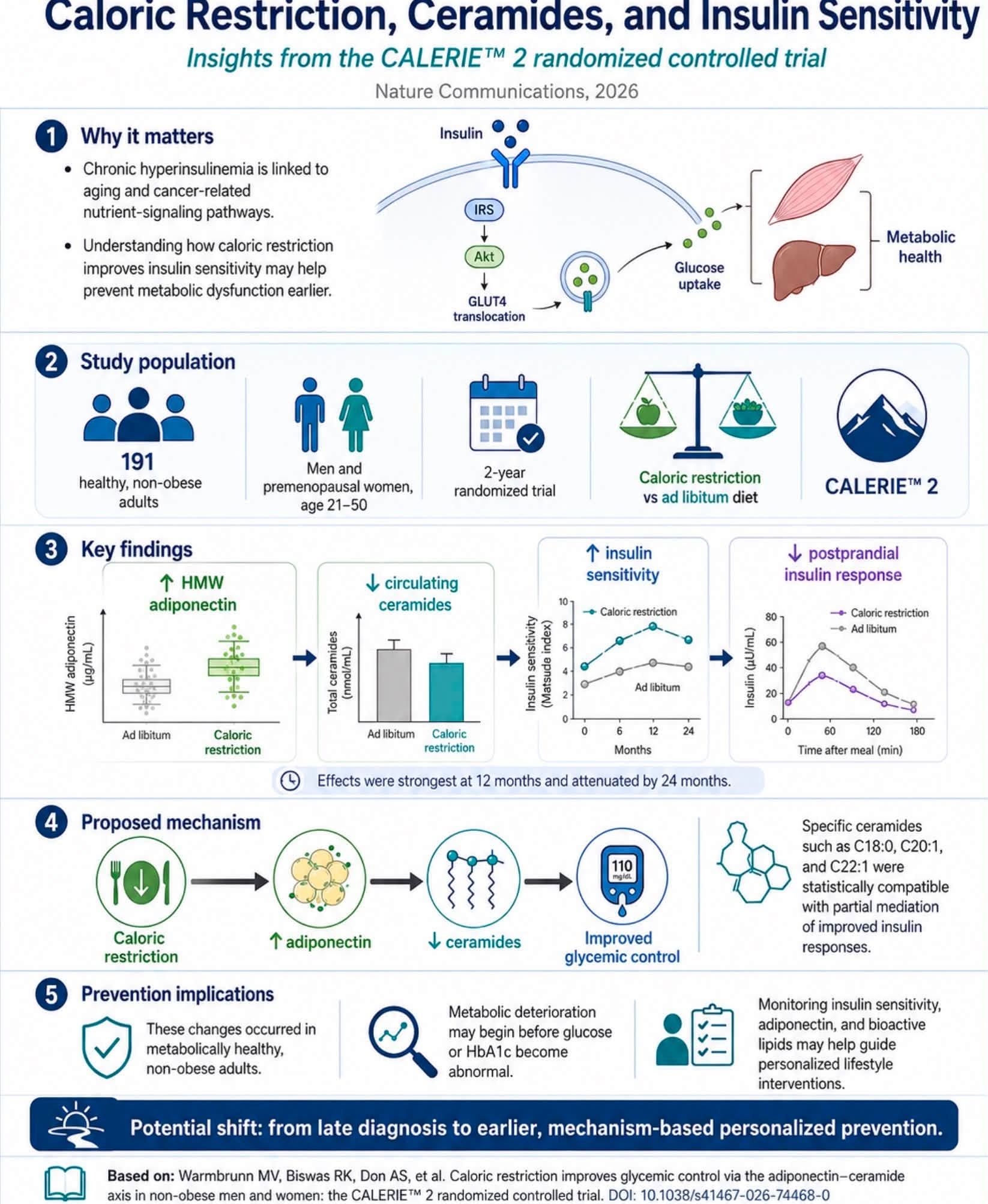
Chronically high insulin drives aging biology, and calorie restriction lowers it

Aug 17, 2026 · Louis Nervegna ♥ 8 · 💬 5

Luigi Fontana explains that insulin is a nutrient-signaling hormone and that persistent activation of the insulin/IGF-1-AKT-mTOR network is linked to cell growth, aging biology and cancer-related pathways. Calorie restriction and weight loss are among the strongest ways to improve insulin sensitivity.

Small dense HDL tied to coronary calcium in insulin resistance; drugs may offset 40%

Nov 26, 2024 · Louis Nervegna ♥ 7 · 💬 4

Louis highlights a paper in the International Journal of Cardiology reporting that small HDL particles are associated with prediabetes, diabetes and subclinical coronary atherosclerosis. The authors suggest lipid-lowering drugs may reduce up to 40% of the coronary calcification linked to high small HDL. Louis concludes that high HDL is not always good and that people with insulin resistance considering a statin should read the paper.

Pilot RCT: kombucha lowered fasting glucose in adults with type 2 diabetes

Jun 18, 2025 · Louis Nervegna ♥ 12 · 💬 3

Louis shares a 2023 Frontiers in Nutrition randomized controlled pilot study testing kombucha tea as an anti-hyperglycemic agent in people with diabetes. The report says kombucha significantly lowered fasting blood glucose, but it is a small pilot.

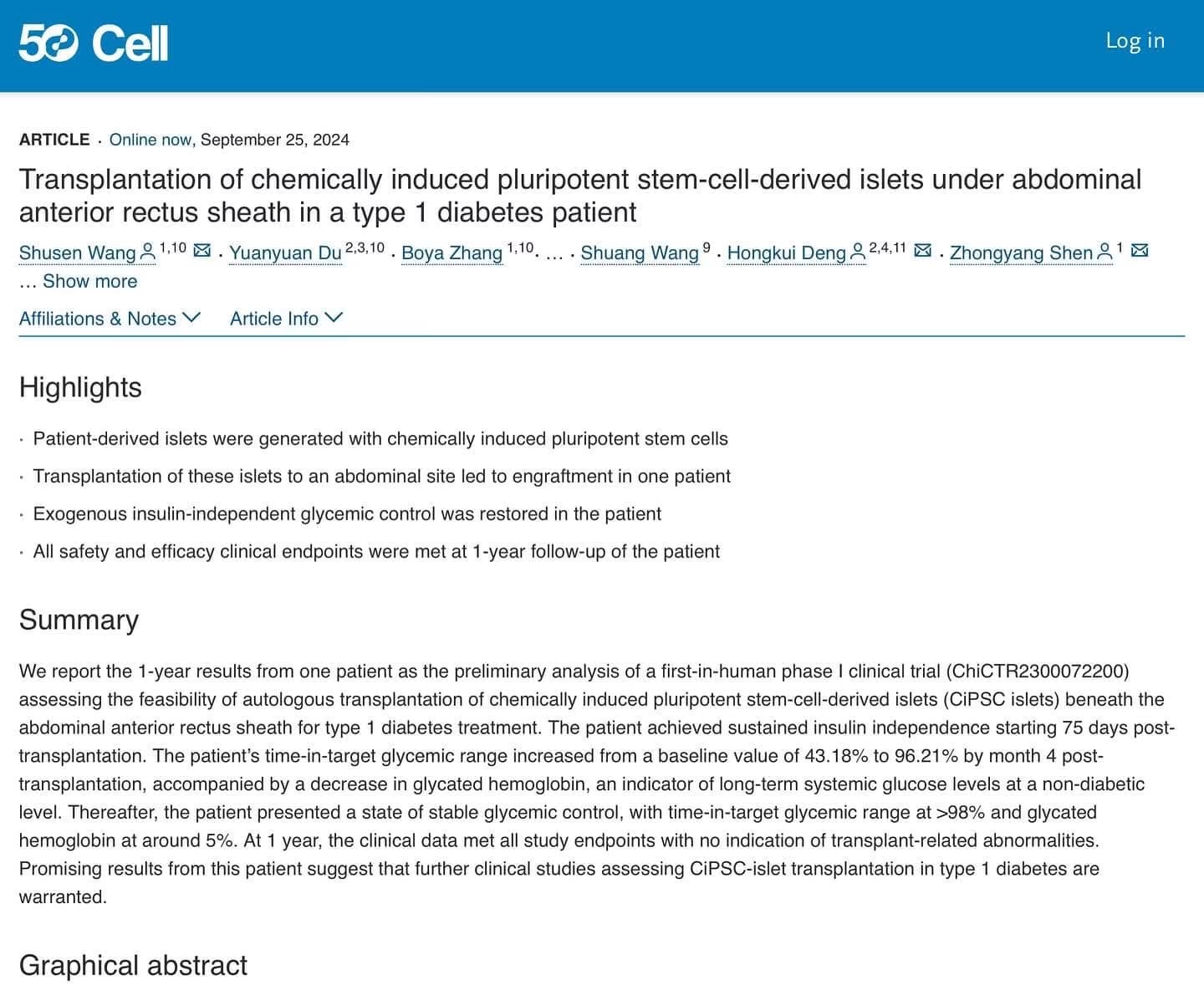
Reprogrammed stem-cell islet transplant freed a woman with type 1 diabetes from insulin

Sep 28, 2024 · Louis Nervegna ♥ 10 · 💬 6

Shared from Luigi Fontana: a 25-year-old woman with type 1 diabetes received autologous chemically induced pluripotent stem cell islets under the abdominal rectus sheath. She stopped needing insulin within 2.5 months, with time-in-range rising from 43.18% to 96.21% by month 4 and above 98% afterward (HbA1c about 5%). At 1 year all endpoints were met with no transplant-related issues. A single patient, and about type 1 not cardiovascular disease.

Centenarians' longevity is tied to genes that lower insulin/IGF-1 signaling (Barzilai)

May 13, 2025 · Louis Nervegna ♥ 8 · 💬 4 Aging & longevity

Louis shares a Nir Barzilai clip arguing that centenarians owe their long lives largely to genetic variants lowering insulin/IGF-1 and mTOR signaling, strong enough to offset habits like smoking and obesity. Barzilai says women with the lowest IGF-1 in old age live twice as long as those with the highest. Louis adds that diet and lifestyle can help keep insulin/IGF-1 and mTOR lower.

Green tea extract improved muscle insulin sensitivity in obese mice at thermoneutrality

Oct 14, 2025 · Louis Nervegna ♥ 10 · 💬 3 Nuts, fish, coffee, tea, cocoa & other foods

A shared summary of a 2025 Cell Biochemistry & Function mouse study: obese, high-fat-fed mice kept at thermoneutrality received catechin-standardized green tea extract (about 2-5 cups human equivalent) for 12 weeks. It enlarged muscle fibers, raised fatty-acid handling and mitochondrial biogenesis markers, reduced ceramide synthesis enzymes and improved glucose handling.

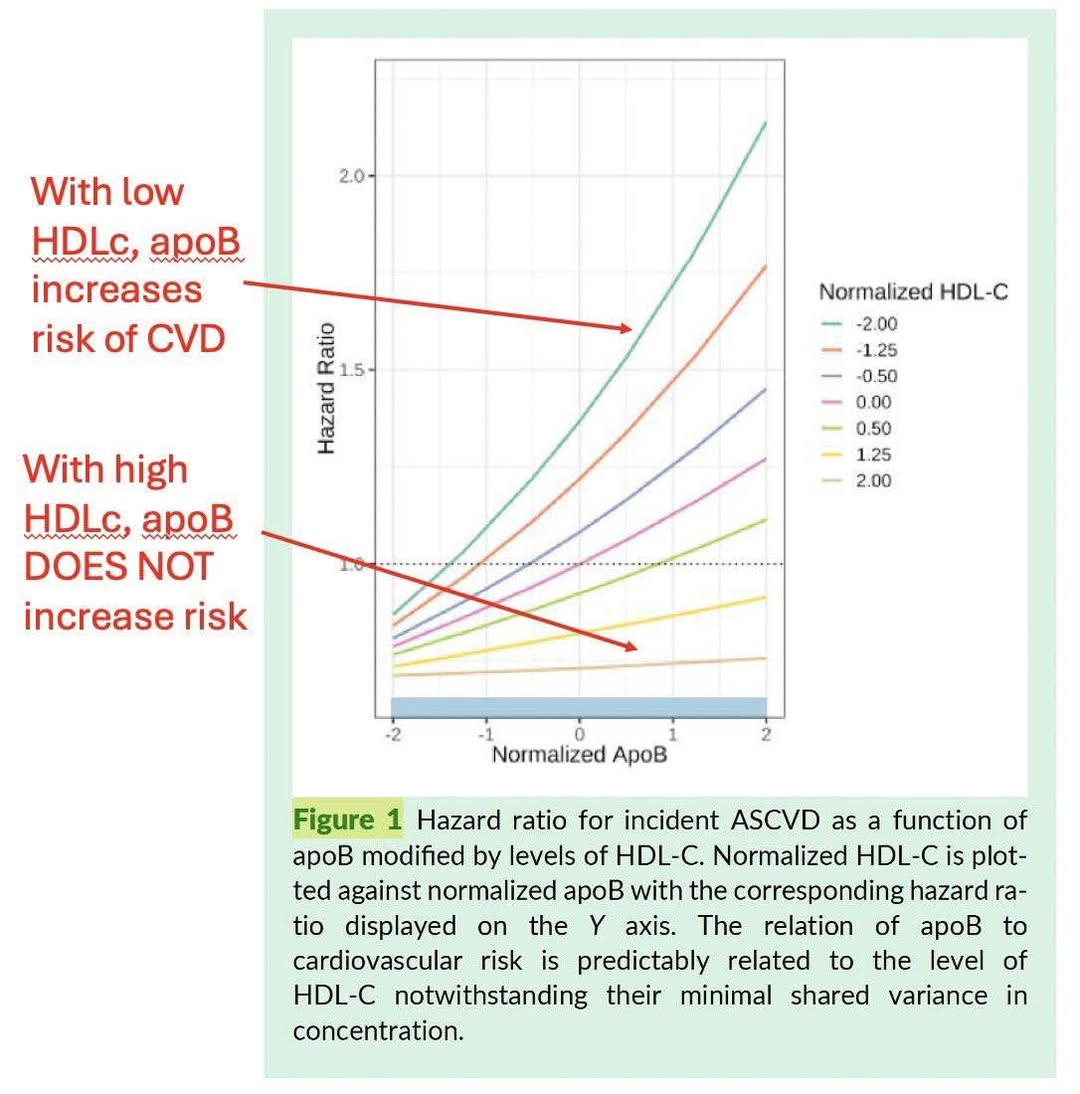
High HDL tracks with lower risk in UK Biobank, but HDL-raising drugs have failed

Oct 28, 2026 · Louis Nervegna ♥ 7 · 💬 3 ↩ 1 LDL, ApoB & lipid panel

Louis explains that a viral UK Biobank graph shows higher HDL linked to lower ASCVD risk at any LDL/ApoB, as dozens of earlier observational studies have, though the effect size here is larger. Every randomized HDL-raising drug trial failed on hard outcomes, and Mendelian randomization shows no lifetime benefit from genes raising HDL, so HDL is thought to be a proxy for insulin resistance, which is better measured directly.

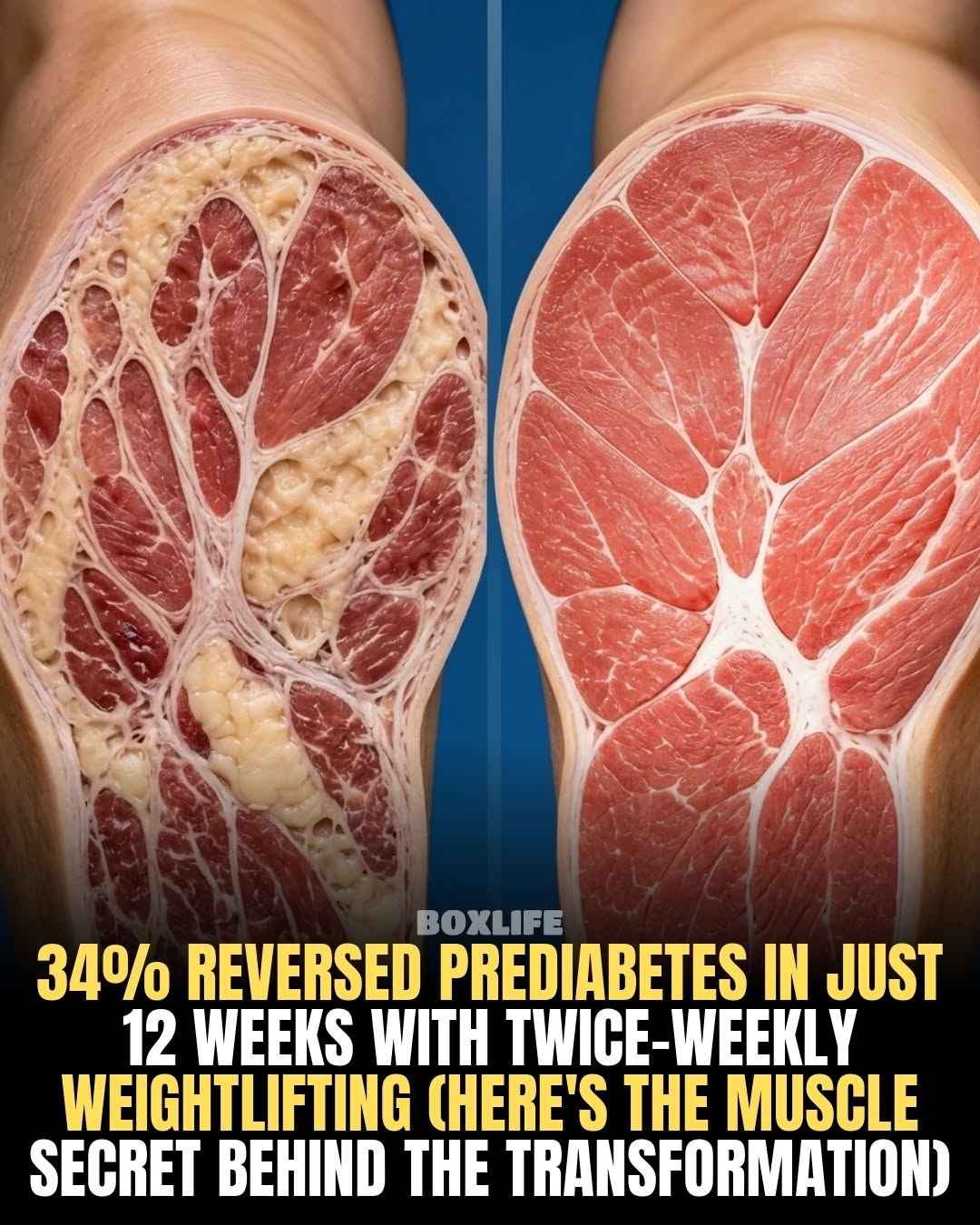
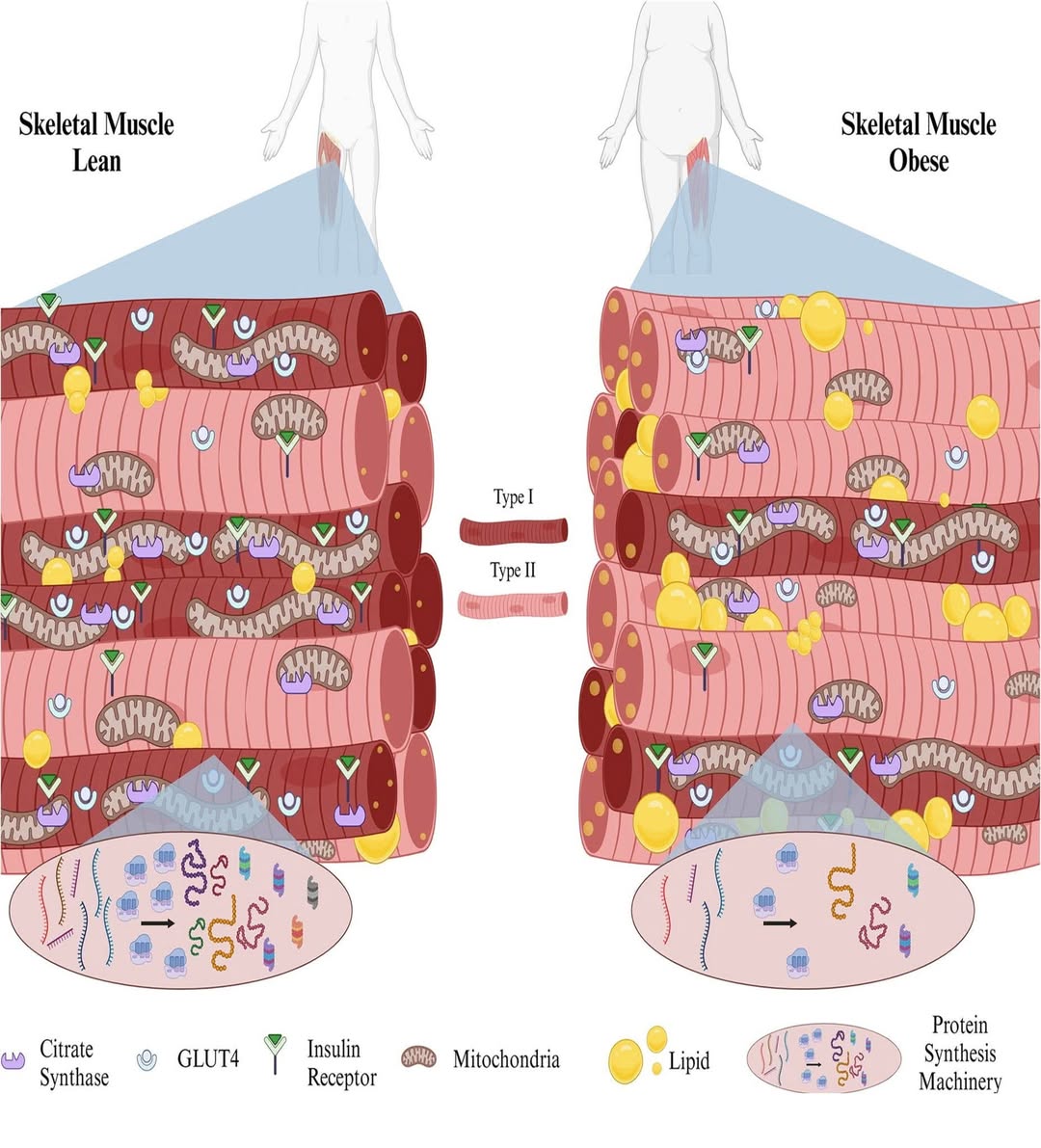
Lean vs obese muscle: fat in muscle is where insulin resistance begins

Nov 10, 2025 · Louis Nervegna ♥ 9 · 💬 3

Louis reshares a figure comparing lean and obese skeletal muscle, showing differences in fiber type, mitochondria and lipid content that shift muscle from burning to storing energy. He notes insulin resistance starts with fat in muscle and only later in the liver.

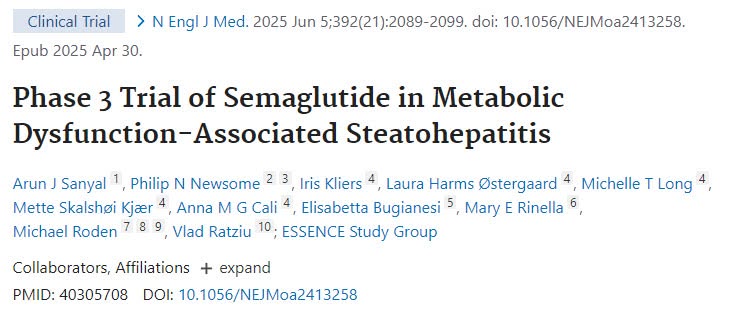
Semaglutide improved MASH inflammation and fibrosis in the Phase 3 ESSENCE trial

Jun 08, 2025 · Louis Nervegna ♥ 5 · 💬 4 GLP-1 drugs (semaglutide, tirzepatide)

The post argues that liver and pancreas fat drive diabetes, insulin resistance and metabolic syndrome, and that fat leaves the liver early on a diet, which is why GLP-1 drugs work well in fatty liver disease. The shared summary describes the ESSENCE trial of weekly semaglutide 2.4 mg in biopsy-proven MASH with fibrosis stage 2-3 and lists open questions such as cirrhosis and durability.

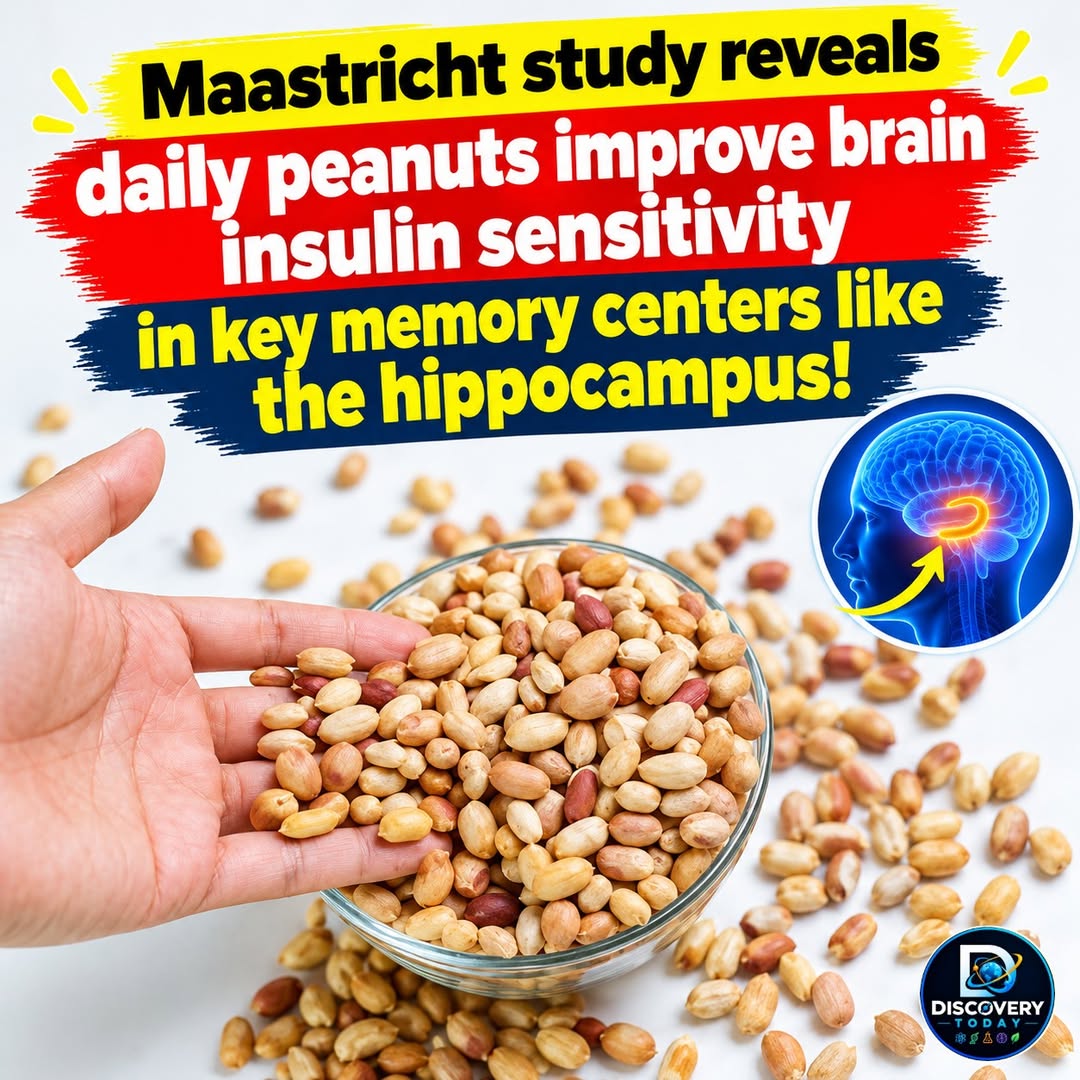
Third randomized trial linking peanuts to better brain health, via brain insulin response

Oct 10, 2026 · Louis Nervegna ♥ 8 · 💬 3 Nuts, fish, coffee, tea, cocoa & other foods

The poster notes this is the third human randomized trial he knows of showing peanut consumption improves brain health or memory. The Maastricht trial found about two daily servings of unsalted, skin-roasted peanuts improved insulin responsiveness in memory-related brain regions after 16 weeks in healthy older adults.

Metformin raises exercise metabolite Lac-Phe, addressing lactate worry

Apr 15, 2026 · Louis Nervegna ♥ 10 · 💬 2

Louis counters the claim that metformin is bad because it raises lactate, noting intense exercise also raises lactate and that a 2026 EMBO Molecular Medicine study found metformin raises the anti-obesogenic metabolite Lac-Phe, formed during exercise, in prostate cancer patients.

French fries, but not other potato dishes, linked to higher diabetes risk

Aug 13, 2025 · Louis Nervegna ♥ 5 · 💬 3

Louis reports that Nurses' Health Study and Health Professionals Follow-up Study analysis found french fries raised diabetes risk over 30 years, apparently due to trans fats, while boiled or baked potatoes did not versus the standard diet. Versus whole grains, all white potatoes were linked to higher risk.

100+ feeding trials: polyunsaturated fat improves glucose control, saturated fat does not

Dec 17, 2025 · Louis Nervegna ♥ 7 · 💬 1 Fats & oils (saturated fat, seed oils, omega-6, olive oil)

Louis summarizes the 2016 PLoS Medicine meta-analysis of randomized feeding trials: polyunsaturated fat, mainly omega-6 from vegetable oils, lowered fasting glucose and A1C and improved insulin resistance and secretion, MUFA did well but less so, and saturated fat showed no appreciable benefit. He pairs it with the 20-cohort biomarker study showing a 43% lower diabetes risk with high omega-6.

Video: immunoglobulin G buildup in fat tissue drives insulin resistance and aging

Feb 02, 2025 · Gokhan Can ♥ 19

Gokhan summarizes a Mike Lustgarten video on research showing IgG accumulates in fat tissue with age and obesity, impairs insulin signaling, promotes inflammation and fibrosis, and is reduced by calorie restriction. Blocking IgG recycling through the FcRn receptor in mice improved metabolic health and extended lifespan. He calls it potentially Nobel-worthy 'if it holds up'.

Metformin may work partly by reshaping the gut microbiome

Nov 28, 2025 · Louis Nervegna ♥ 13 · 💬 1 Gut microbiome

A shared post says studies show metformin increases helpful gut species such as Akkermansia and Bacteroides that improve glucose control. Findings are mostly in animals and organoids; no bacteria have replaced metformin in large human trials.

Diet alone restored pancreas and beta-cell function in a Roy Taylor trial patient

Dec 19, 2025 · Louis Nervegna ♥ 12

Louis re-shares his post on a patient in Roy Taylor's randomized trial whose advanced type 2 diabetes fully resolved after 2 years, with the pancreas imaging almost back to normal. The intervention was 8 weeks of an 800-calorie meal-replacement diet followed by a normal-calorie Mediterranean diet for maintenance. He argues the liver and pancreas were cleared of fat and that some people get a full curative response, though not everyone.

Olive oil raised GLP-1 and lowered post-meal glucose versus butter in type 1 diabetes

Olive oil, like all fats, raises GLP-1, and the quoted crossover data suggest it does so more than butter, helping people feel full sooner. After a high-glycemic meal in people with type 1 diabetes, glucose exposure was lower with EVOO than with butter or a low-fat meal, plausibly via slower gastric emptying and glucose-lipid competition.

Palmitic acid impairs insulin action while olive oil's oleic acid counteracts it

Jun 24, 2026 · Louis Nervegna ♥ 7 · 💬 1 Fats & oils (saturated fat, seed oils, omega-6, olive oil)

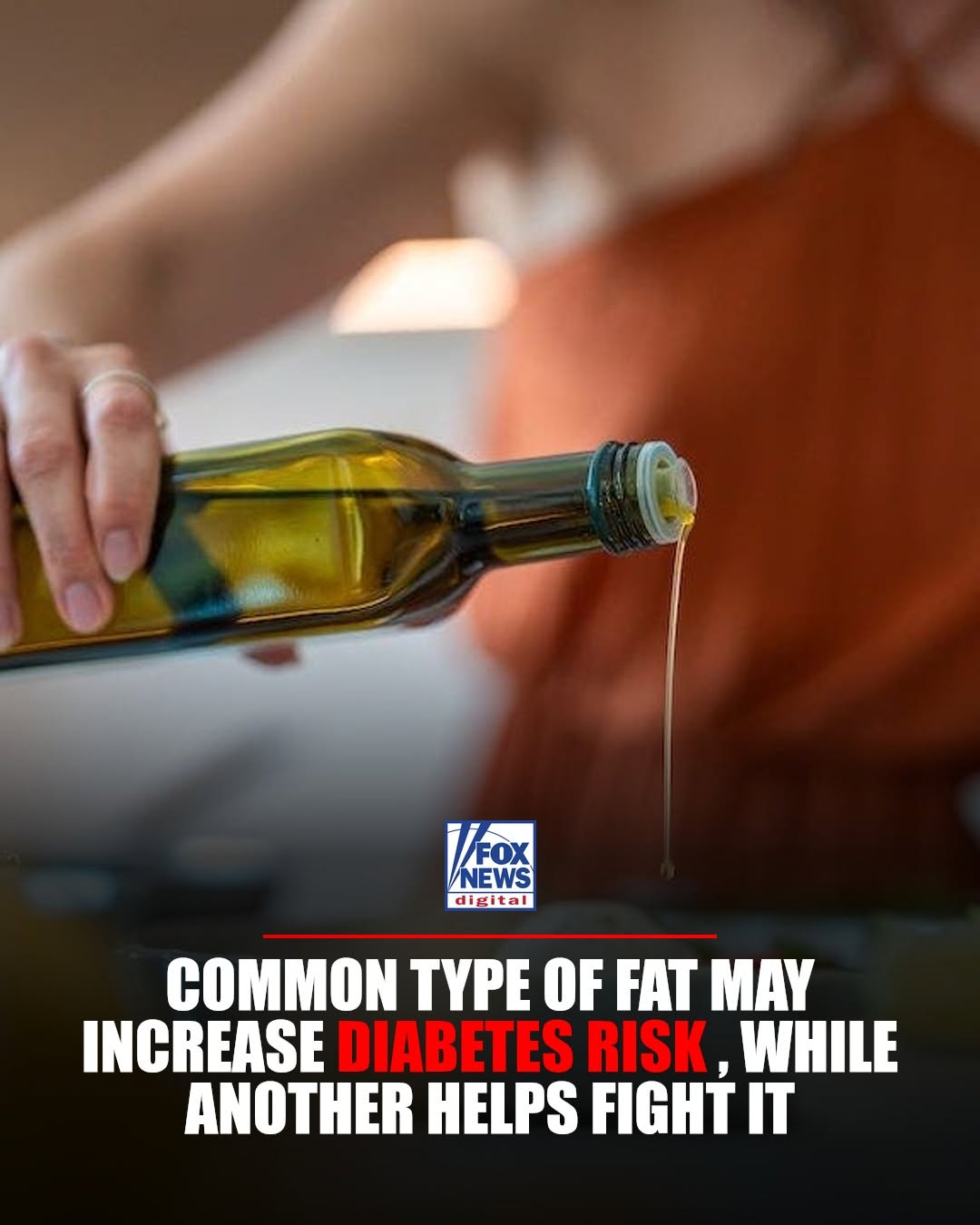
Louis shares a Fox News report on a review concluding that palmitic acid, the most common saturated fat in American foods, promotes inflammation, oxidative stress and insulin resistance, while oleic acid from olive oil, nuts and avocados counteracts these effects. Researchers back swapping saturated fats for extra-virgin olive oil rather than just cutting total fat.

Metformin mildly raises lactate, which Louis argues is beneficial; lactate fuels the brain

Mar 25, 2025 · Louis Nervegna ♥ 11 · 💬 1

Louis notes that metformin mildly raises lactate and that claims this is harmful are wrong, sharing a FoundMyFitness post on lactate as brain fuel. That post says intense exercise above 85% of max heart rate generates lactate, which the brain uses and which boosts BDNF, citing research that six minutes of high-intensity cycling raised BDNF 4-5x. No primary study is named for the metformin claim.

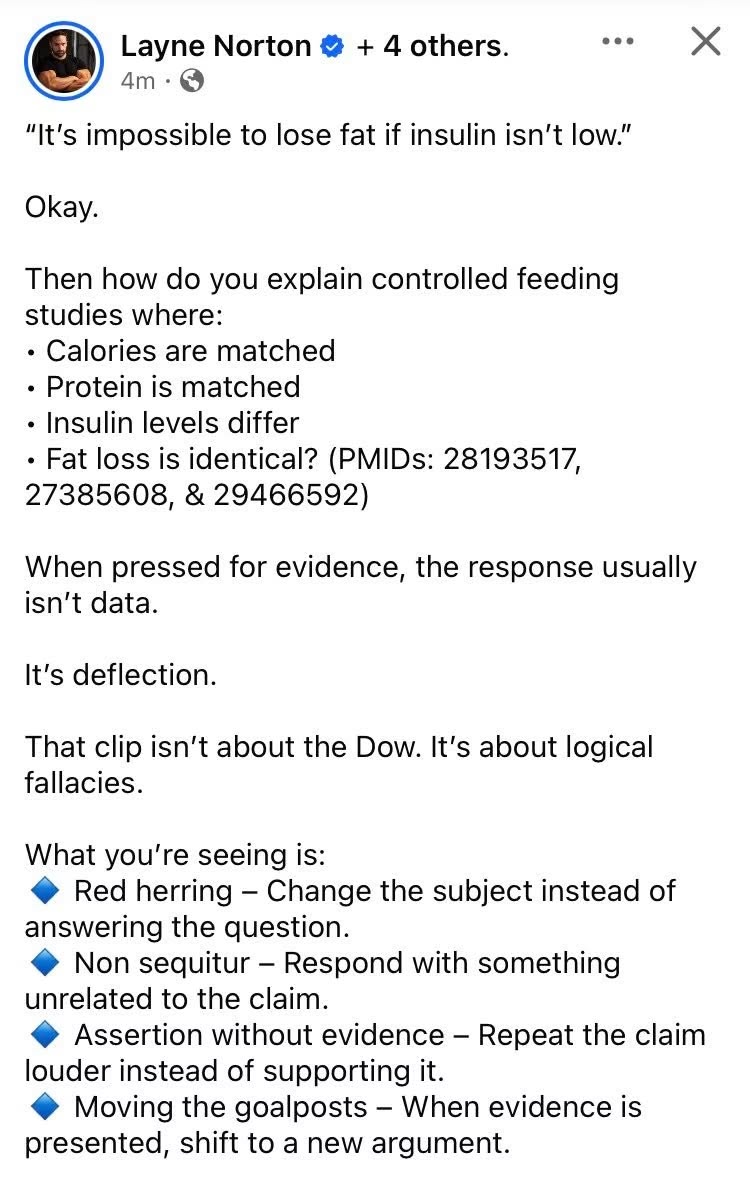
Layne Norton: no hard-outcome data show saturated fat beats seed-oil omega-6 1:1

Apr 02, 2025 · Louis Nervegna ♥ 4 · 💬 2 Fats & oils (saturated fat, seed oils, omega-6, olive oil)

Louis quotes Layne Norton, who says human studies of omega-6 fatty acids from seed oils replacing saturated fat 1:1 show neutral or positive effects on metabolic health, insulin sensitivity, liver fat and CVD, and that he knows of no hard-outcome data showing saturated fat is healthier. The linked video covers a study of over 200,000 people in which replacing butter with plant oils lowered mortality.

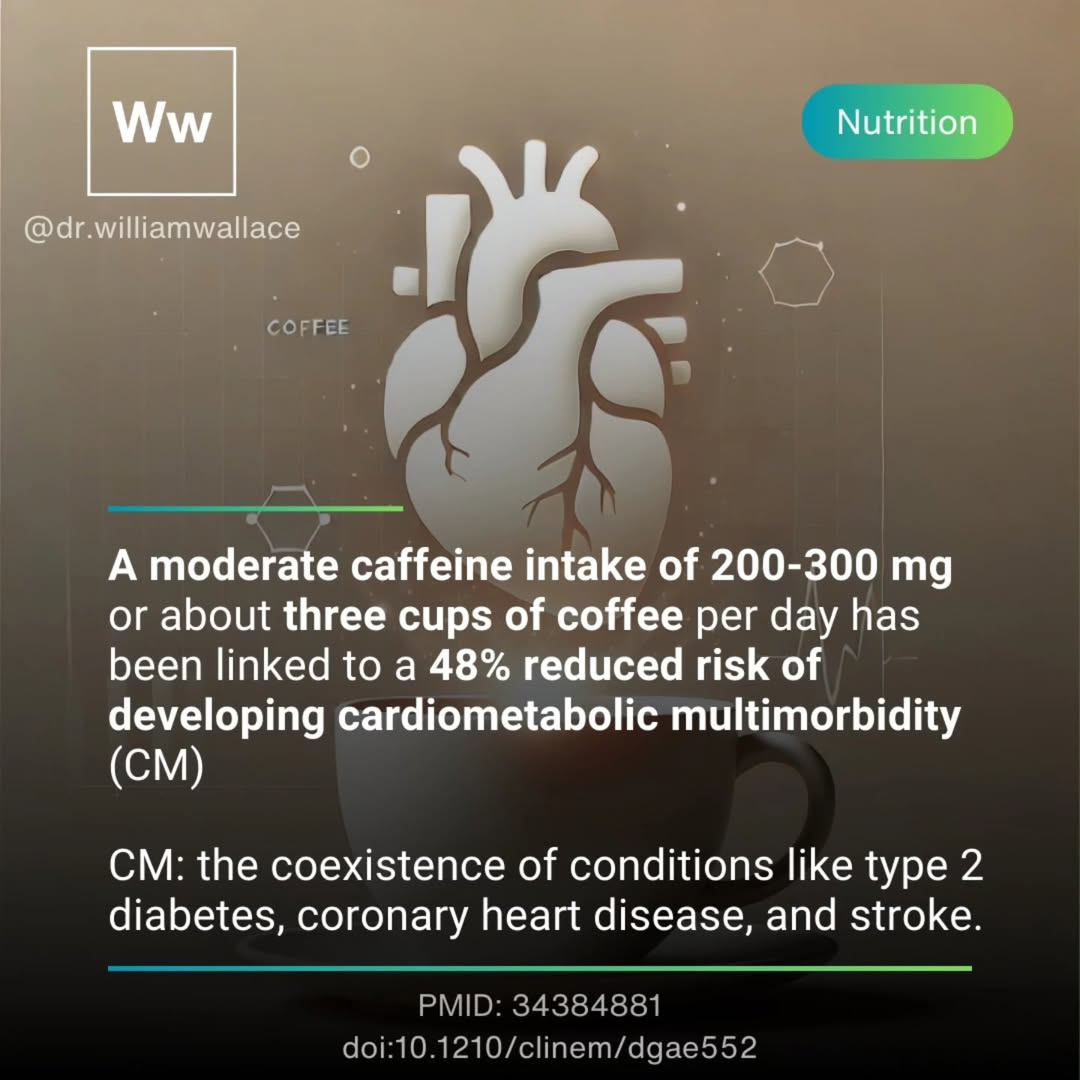
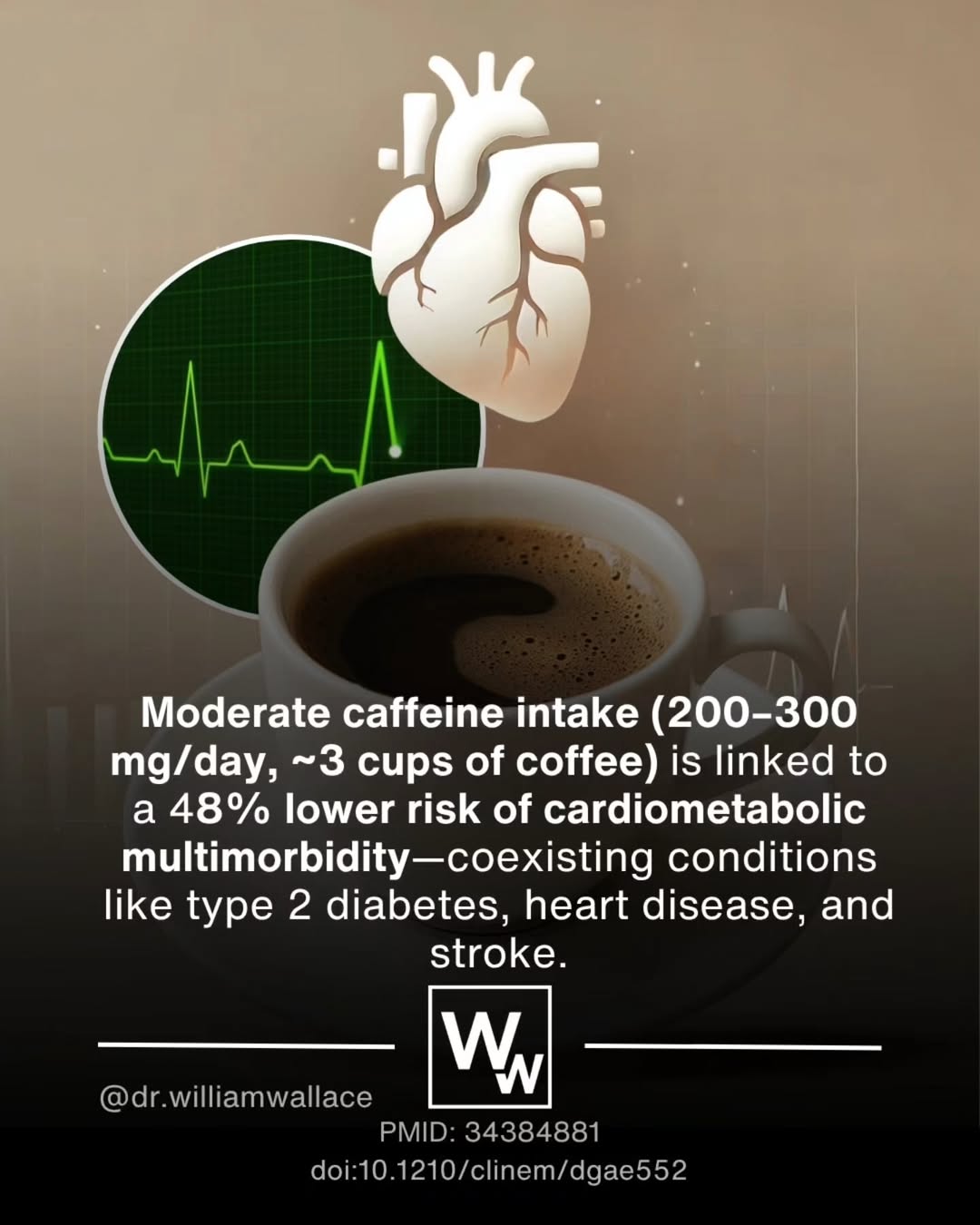
Regular coffee linked to lower stroke, heart disease and diabetes risk in Harvard data

Sep 26, 2024 · Louis Nervegna ♥ 9 Nuts, fish, coffee, tea, cocoa & other foods

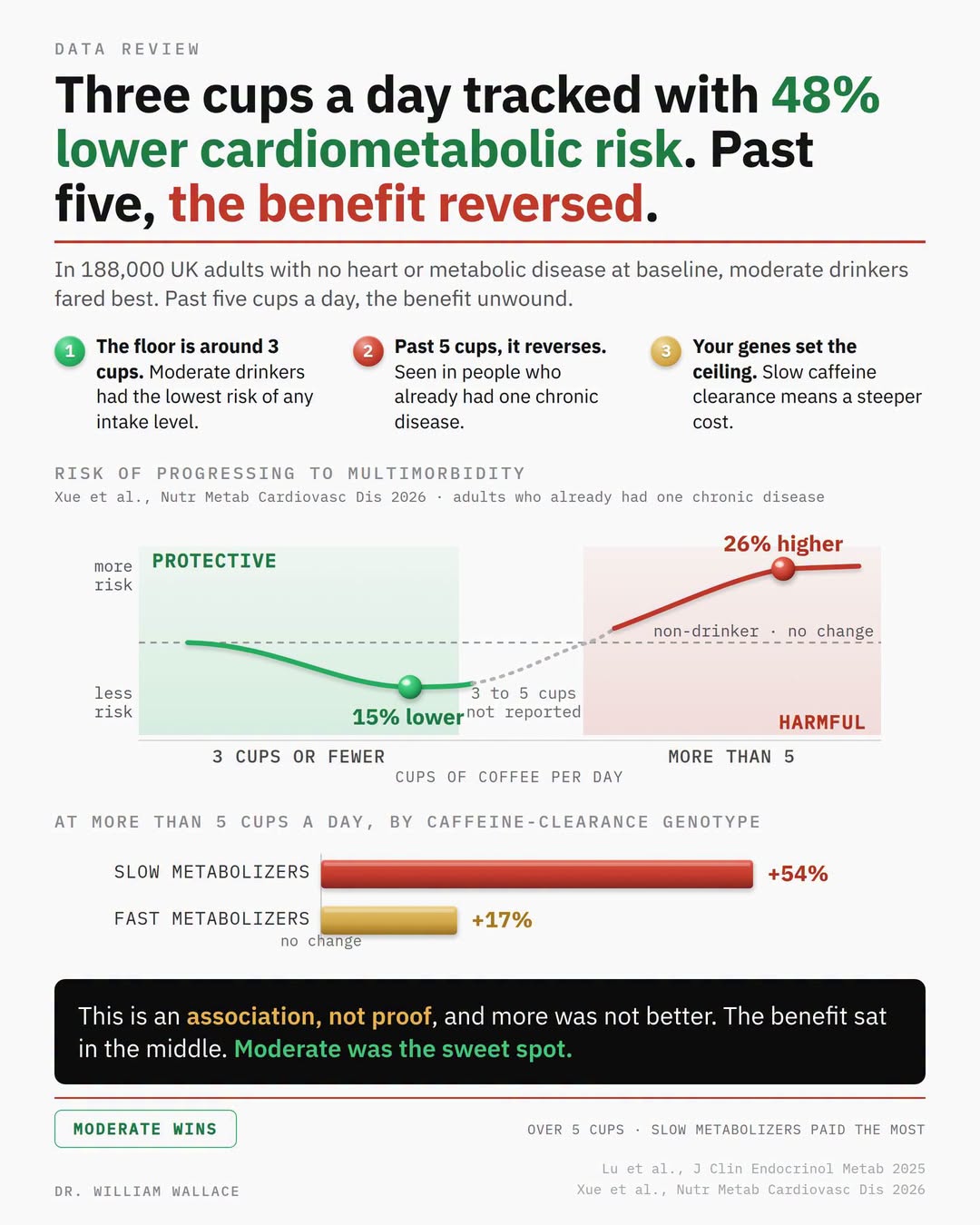
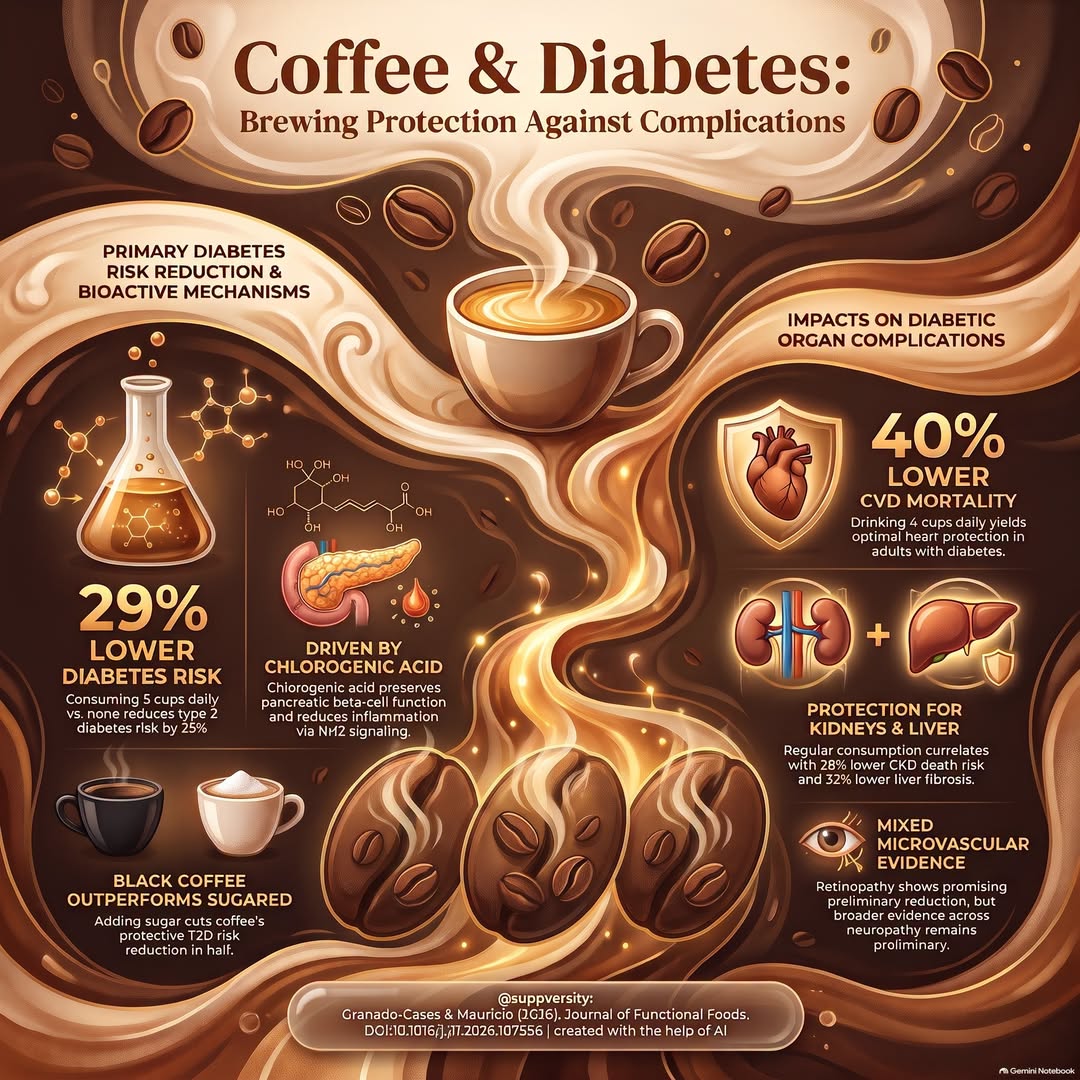
Louis shares a roundup of his coffee posts and quotes the Harvard Nutrition Source. Among 83,076 Nurses' Health Study women, 4+ cups daily was linked to 20% lower stroke risk, and in 37,514 women 2-3 cups daily to 21% lower heart disease risk. A 21-study meta-analysis tied about 3 cups daily to 21% lower CVD death. Benefits also cover insulin sensitivity and diabetes.

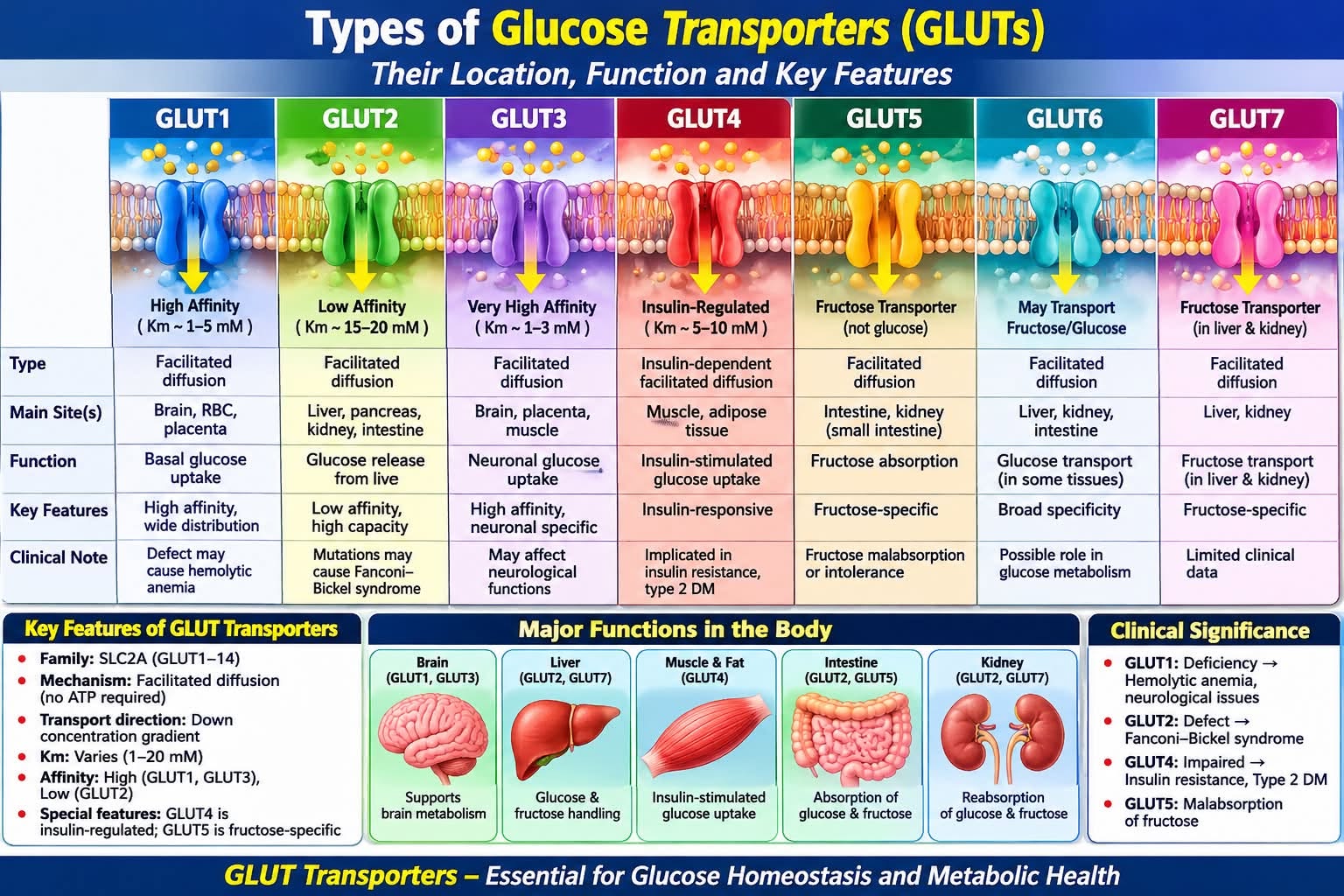
Exercise activates AS160 and GLUT4 for muscle glucose uptake; Zierath wins 2024 EASD prize

Aug 26, 2024 · Louis Nervegna ♥ 12 Exercise & fitness

Louis shares news that Prof. Juleen Zierath won the 2024 EASD Diabetes Prize for Excellence for 30 years of work on exercise and muscle insulin signalling. Her group found exercise activates AS160, which boosts GLUT4 to move glucose into muscle and fat cells, a pathway still working when insulin's effect is impaired in type 2 diabetes. This supports exercise for lowering blood sugar.

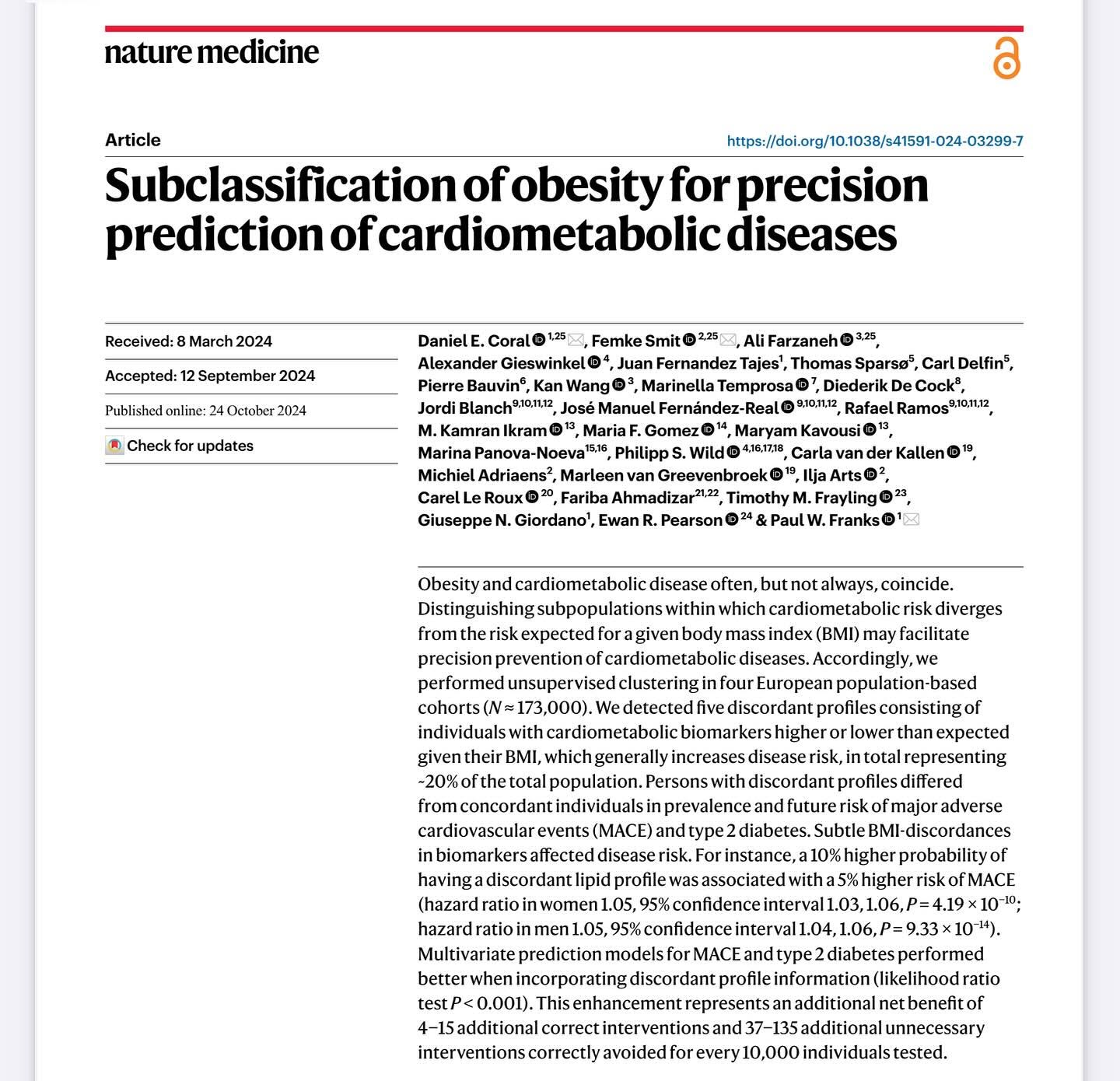
Dapagliflozin linked to lower heart failure risk in carriers of cardiomyopathy variants

Jun 13, 2026 · Louis Nervegna ♥ 5 · 💬 1 Heart rhythm & heart failure

Louis shares a Nature Medicine study of over 12,000 adults with type 2 diabetes in which dapagliflozin was associated with significantly lower heart failure risk in those carrying inherited cardiomyopathy-related variants. Fox News describes an 8-fold reduction in heart failure hospitalization, and suggests genetic screening could eventually guide early treatment.

Gut-bacteria peptide corisin drives diabetic kidney fibrosis in mice

Aug 26, 2025 · Gokhan Can ♥ 8 · 💬 1 Kidney health

A study found the gut-bacteria peptide corisin is elevated in diabetic patients with CKD and tracks with severity. In mice, corisin travels to the kidney on albumin and accelerates aging, scarring and cell death, and a neutralizing antibody reduced kidney damage. Gokhan notes CKD almost always accompanies heart disease.

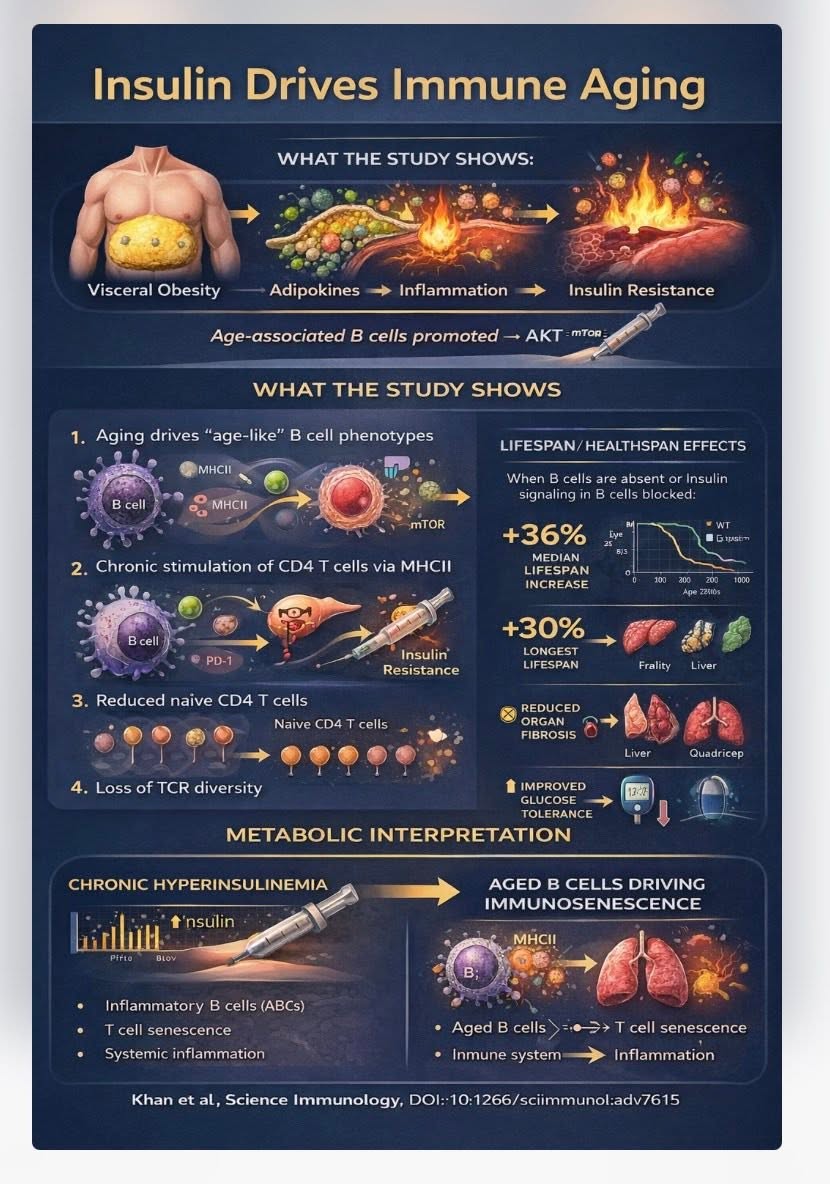
Reducing B-cell insulin signaling extended mouse lifespan about 36%

Feb 08, 2026 · Louis Nervegna ♥ 10

Louis cites a Science Immunology paper (Khan et al. 2026) showing that with aging B cells become insulin-responsive and drive chronic T cell overstimulation. He argues avoiding insulin resistance and high insulin is key to lowering risk for age-related diseases like CVD. Mouse data.

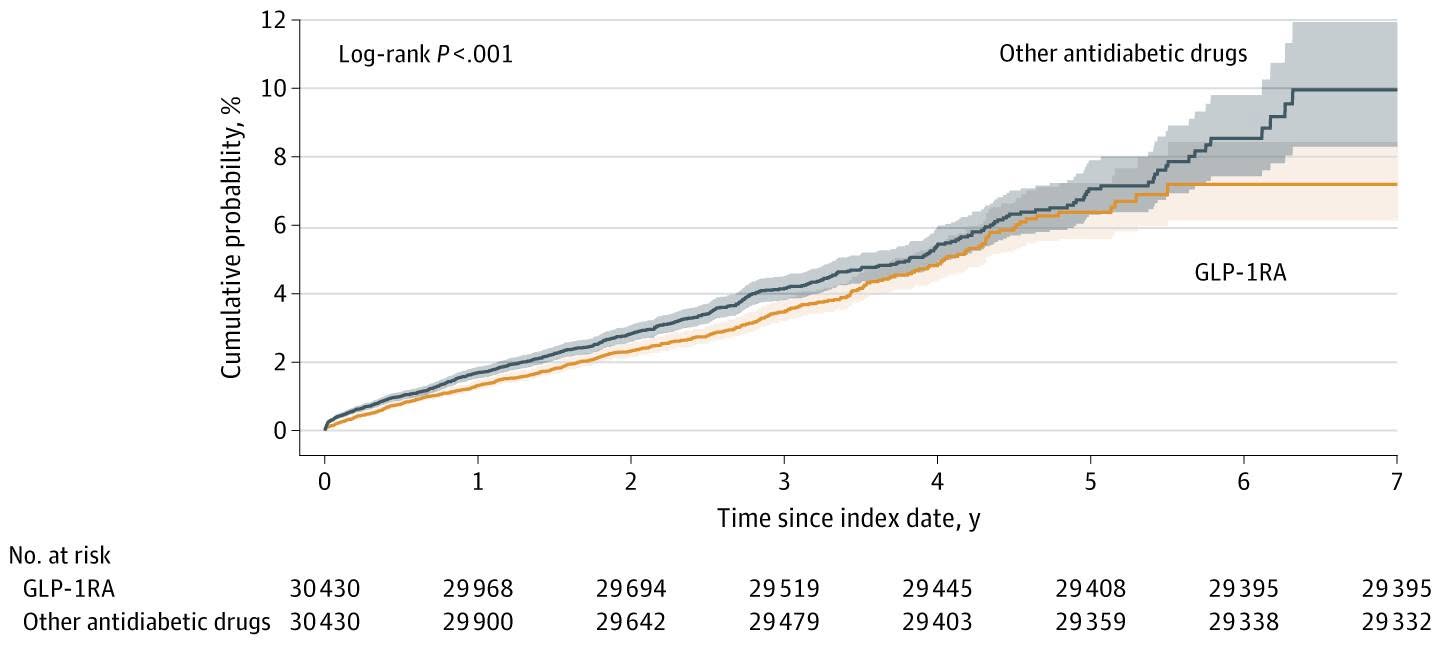
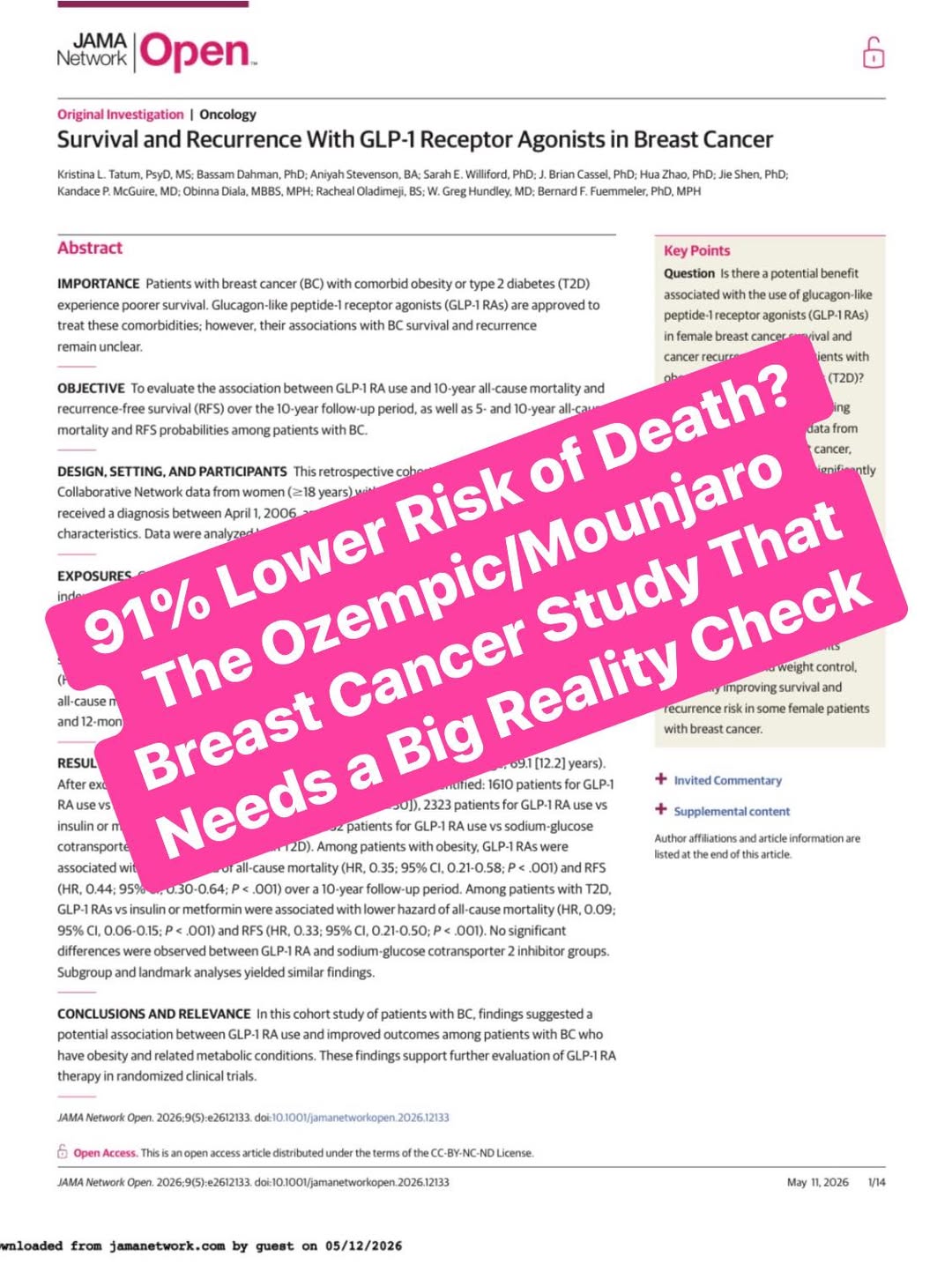
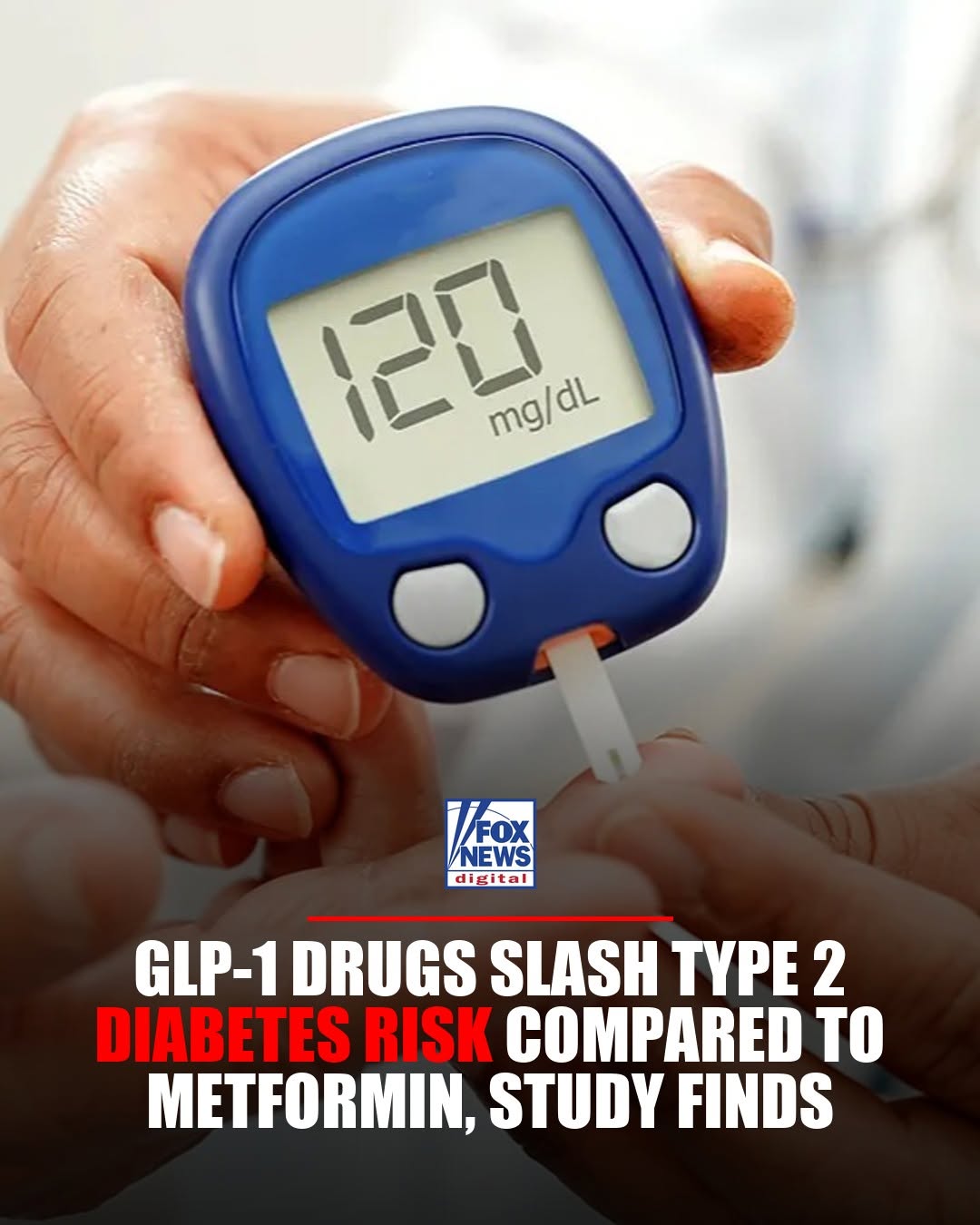
GLP-1 drugs vs metformin in obese prediabetes: 31% less diabetes, 41% lower mortality

Nov 06, 2026 · Louis Nervegna ♥ 7 GLP-1 drugs (semaglutide, tirzepatide)

Louis shares a large observational AHA 2026 study of 256,492 adults with prediabetes and obesity: GLP-1 users had 31% lower risk of type 2 diabetes and 41% lower mortality than metformin users. They also had fewer strokes, heart attacks and heart failure cases. The data are unpublished, observational and not yet peer reviewed, and Louis ties the results to ectopic fat and calorie restriction.

Over 100 randomized trials show polyunsaturated seed-oil fats improve insulin sensitivity

Nov 11, 2026 · Louis Nervegna ♥ 4 · 💬 1 Fats & oils (saturated fat, seed oils, omega-6, olive oil)

Louis states that over 100 human randomized trials in aggregate show polyunsaturated fats improve insulin sensitivity and blood sugar control. The shared FoundMyFitness post adds that these omega-6 fats can lower LDL and have not been shown to raise inflammation in trials, but repeatedly reheated oil forms harmful oxidation products.

Insulin resistance starts with fat accumulating in muscle, before liver fat

Nov 10, 2025 · Louis Nervegna ♥ 4 · 💬 1 ↩ 1

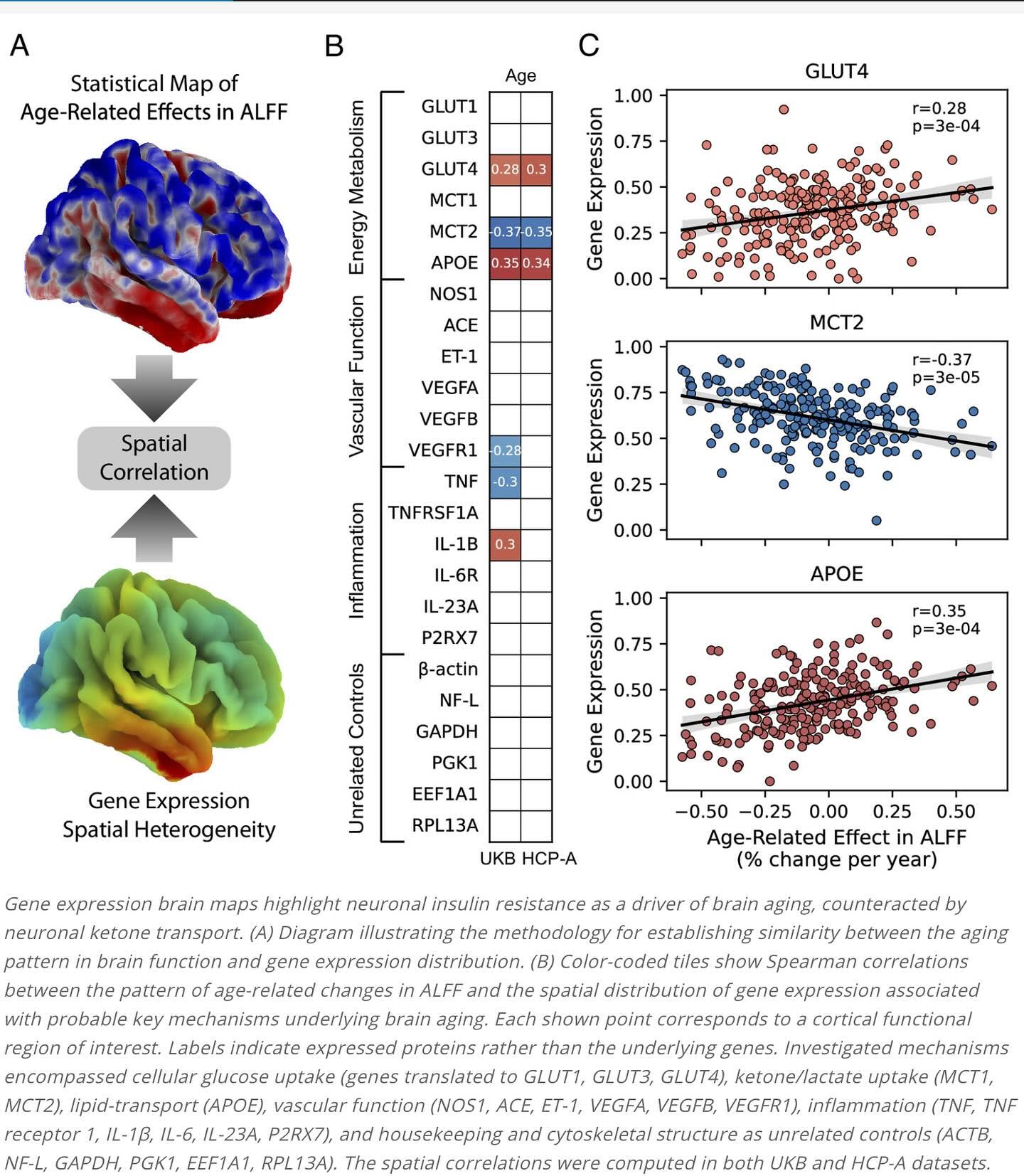
Louis highlights Yale research (Kitt Petersen) showing insulin resistance begins with fat buildup inside muscle, even in lean young people predisposed to diabetes, and that liver fat accumulates later. A linked Yale article reports small amounts of liver fat are linked to insulin resistance and cardiometabolic risk factors.

Protein bars and protein shakes produce similar insulin spikes

Jun 04, 2025 · Louis Nervegna ♥ 4 · 💬 1 Protein

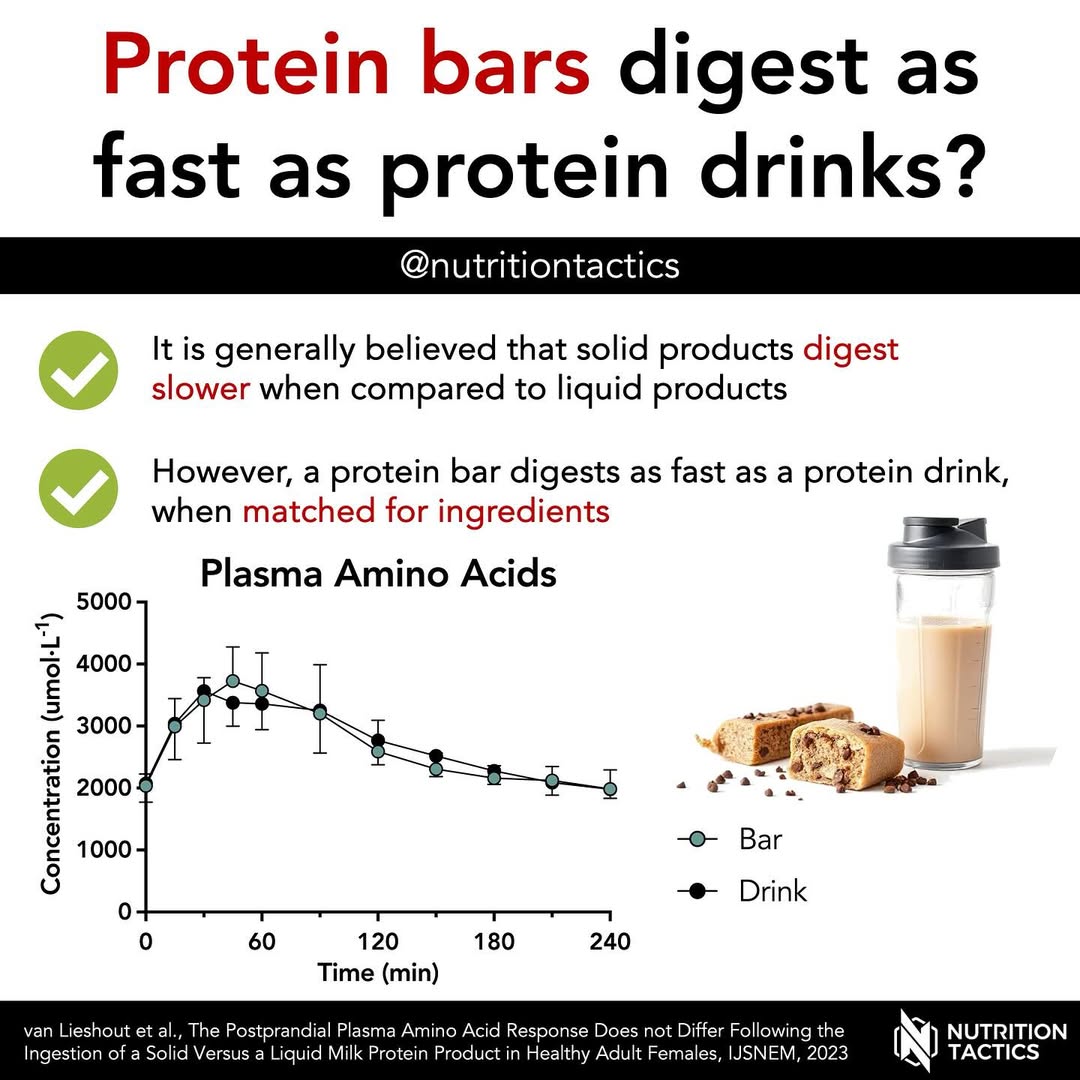
Louis argues that a protein bar spikes insulin as much as a shake, since insulin release tracks blood amino acid levels and both use rapidly digested processed protein. The shared study compared 20 g of milk protein as a bar or a drink in 12 healthy young women.
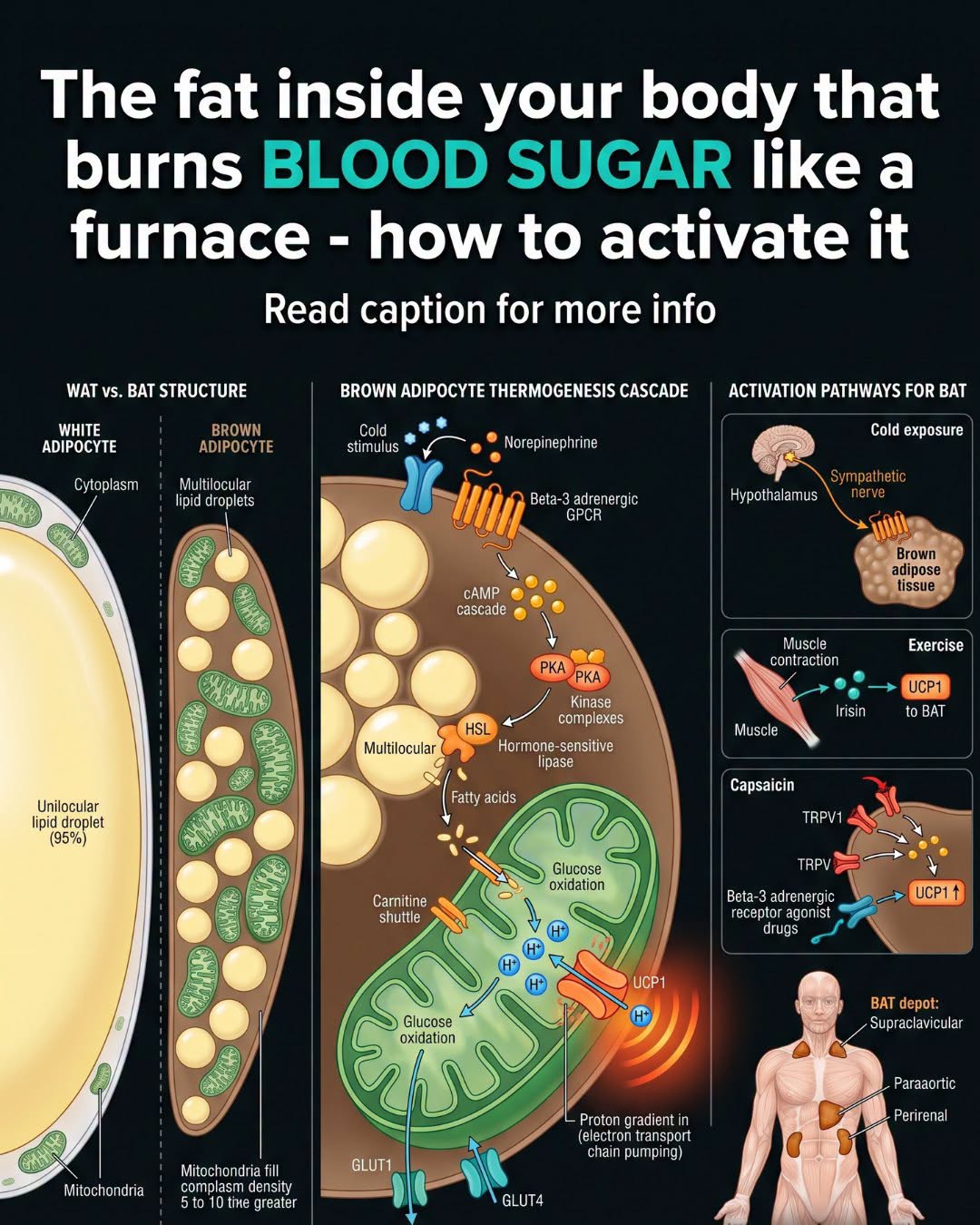
Gerald Shulman honored for showing hidden fat in muscle and liver drives diabetes

Nov 10, 2025 · Louis Nervegna ♥ 6 · 💬 1

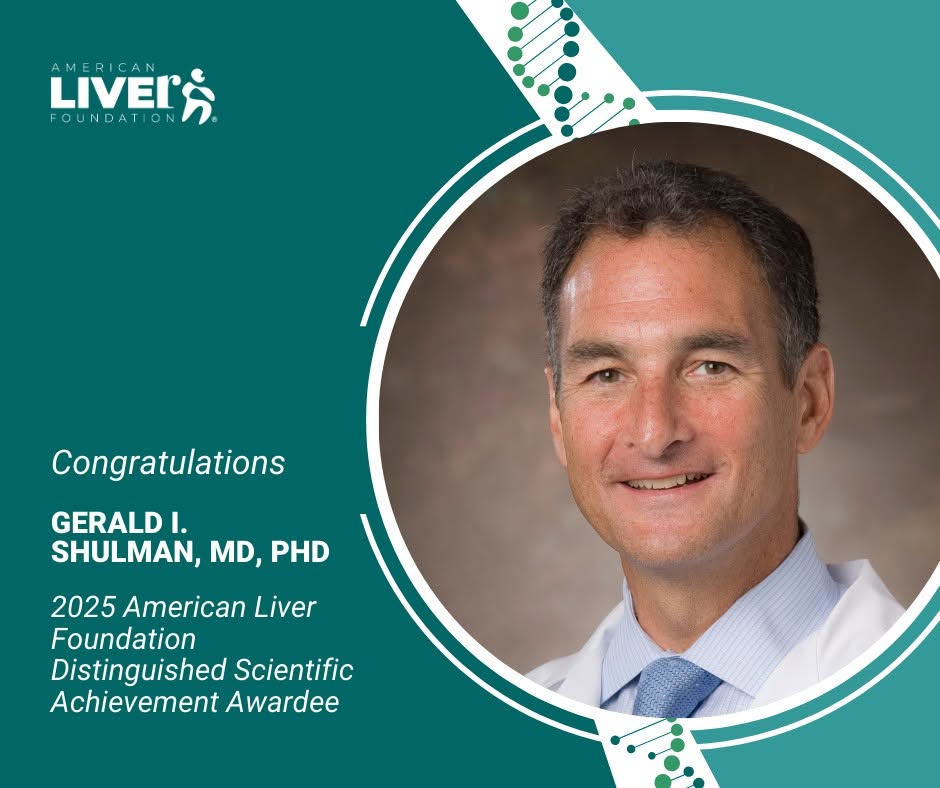
Louis shares the American Liver Foundation's 2025 award to Gerald Shulman, whose team showed that fat stored in the wrong places, such as muscle and liver cells, disrupts insulin signaling and contributes to type 2 diabetes and liver disease. The quoted citation stresses that where fat is stored matters more than total body fat.
The 1922 first insulin treatment in Toronto and the sale of the patent for $1

Mar 08, 2025 · Louis Nervegna ♥ 13

A historical retelling of the first insulin injections in children with diabetic ketoacidosis at Toronto General Hospital in 1922. Banting, Best and Collip sold the patent for $1 and Banting and Macleod received the 1923 Nobel Prize. It is historical context rather than heart-health science.

Optimal Life's Essential 8 health offset dementia risk in type 2 diabetes over 13 years

Dec 03, 2025 · Louis Nervegna ♥ 8 Brain health & dementia

Louis shares an AHA release showing that adults with type 2 diabetes and high genetic dementia risk who had moderate or high Life's Essential 8 cardiovascular health had much lower risk of mild cognitive impairment and dementia over 13 years. The eight factors are blood pressure, cholesterol, fasting glucose, smoking, BMI, exercise, diet and sleep.

Light activity right after a meal lowers the post-meal glucose spike

Jul 16, 2025 · Louis Nervegna ♥ 2 · 💬 2

Louis shares a study suggesting standing, walking or squats for about 30 minutes immediately after breakfast significantly lowers the glucose spike, with timing right after the meal mattering most. The enthusiastic 'better than any drug' claim comes from the original sharer.

DIABMET-FMT: lean-donor fecal transplant improved insulin resistance in type 2 diabetes

Oct 12, 2026 · Louis Nervegna ♥ 7 Gut microbiome

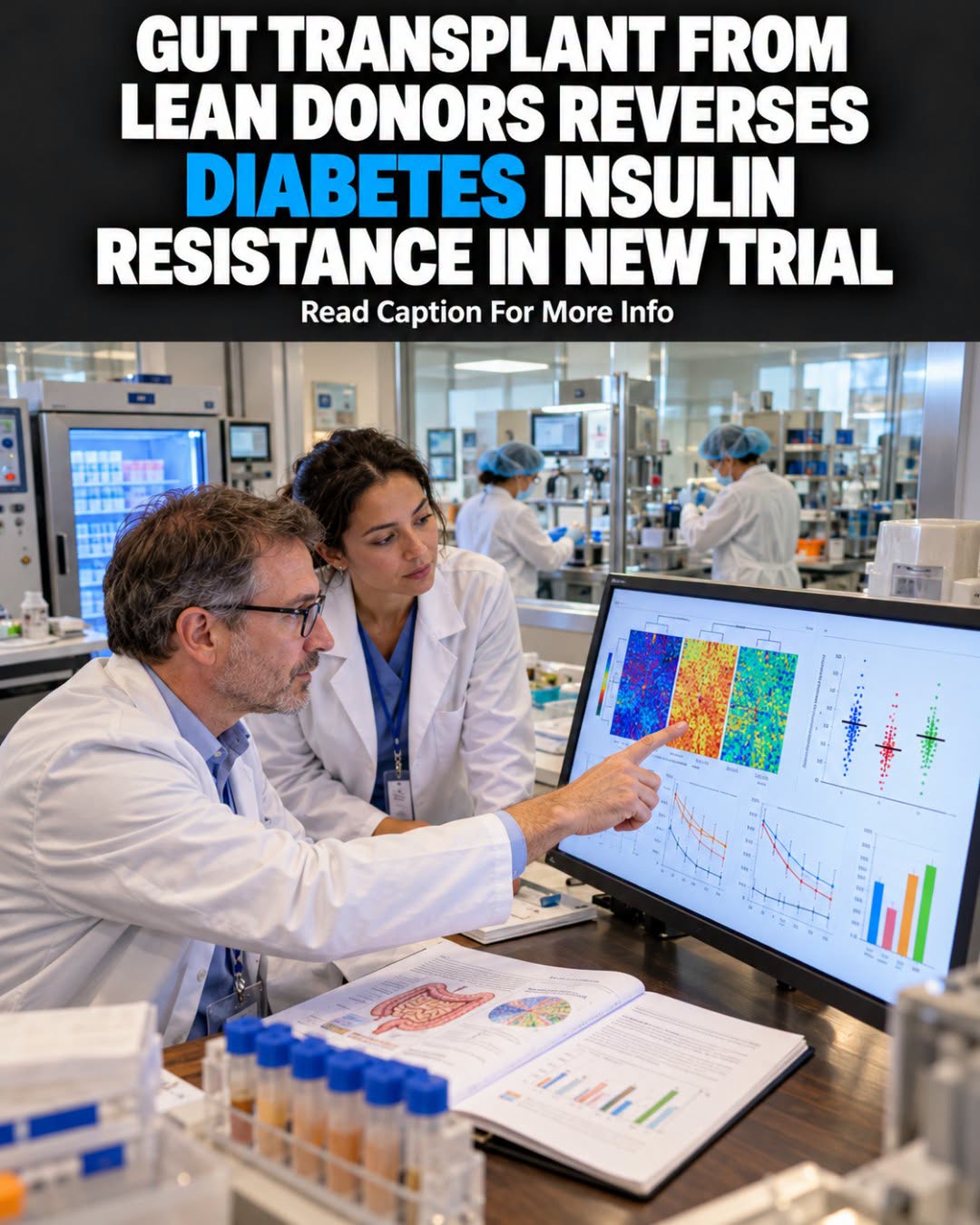
The shared description of the DIABMET-FMT randomized trial says repeated fecal microbiota transplant capsules from lean, metabolically healthy donors improved insulin sensitivity, microbiome diversity and short-chain fatty acid production in adults with type 2 diabetes, without diet, drug or exercise changes. The poster sees it as evidence that the microbiome contributes to diabetes in some people. The details come from the post only and could not be verified here.

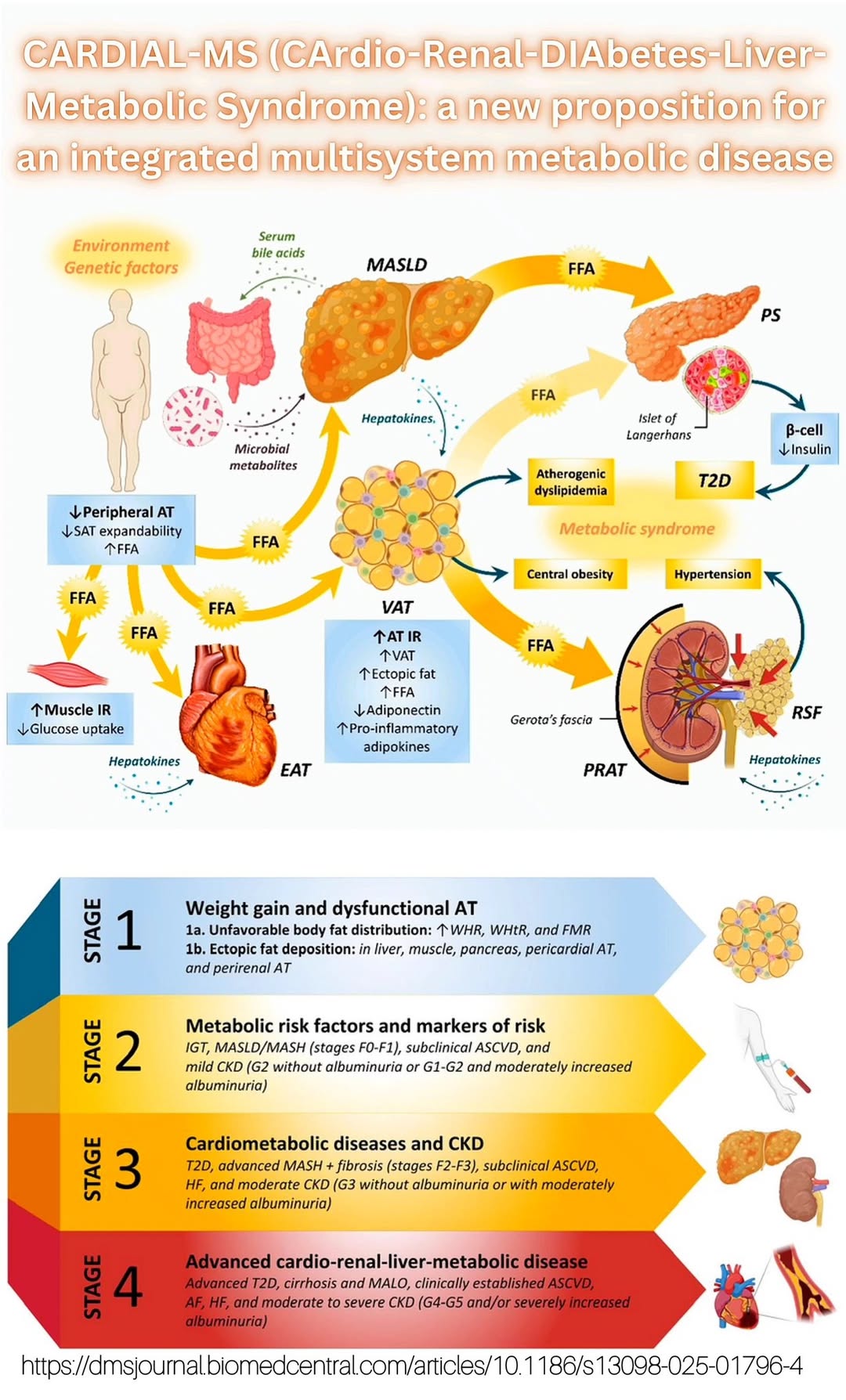
Weight gain and liver fat feed insulin resistance in a self-reinforcing cycle

Aug 25, 2025 · Louis Nervegna ♥ 5 · 💬 1

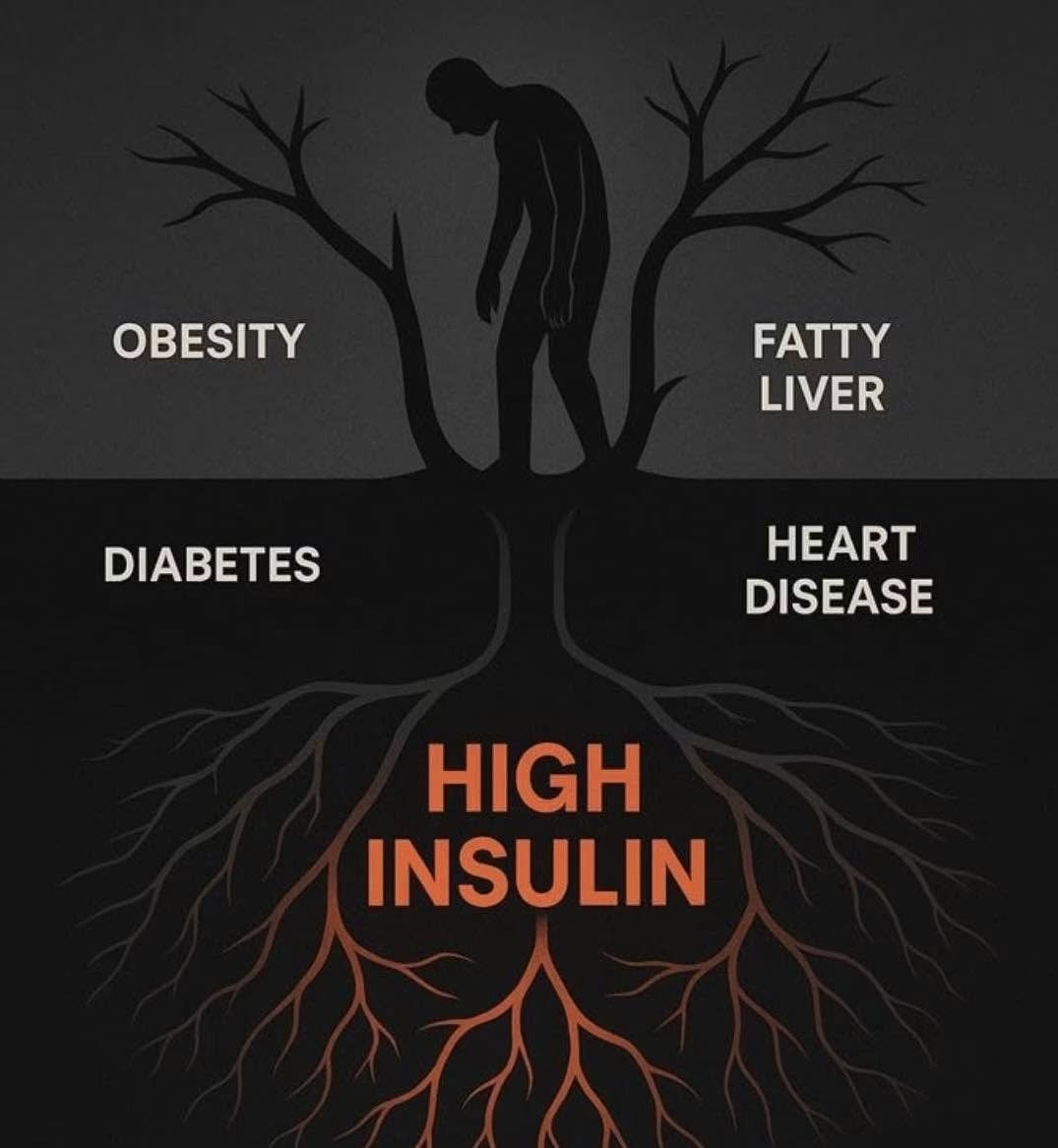
Louis describes a vicious cycle in which weight gain and liver fat raise insulin through insulin resistance, which in turn promotes more weight gain and liver fat, often ending in obesity, fatty liver, diabetes and heart disease. He says breaking it requires a diet that removes excess abdominal and liver fat.

Why insulin resistance lowers HDL, and why improving insulin sensitivity beats chasing HDL

Mar 21, 2024 · Louis Nervegna ♥ 5 ↩ 10 LDL, ApoB & lipid panel

Louis lists six mechanisms by which insulin resistance lowers HDL: impaired HDL maturation (lower LCAT), reduced apoA-I production, faster HDL catabolism (hepatic lipase, CETP), altered HDL composition and function, higher triglycerides making small dense HDL, and inflammation and oxidative stress. He concludes the best way to raise HDL is improving insulin sensitivity (lose visceral fat, exercise, cut refined starch and sugar), since insulin resistance is causal in heart disease while large RCTs suggest HDL itself is probably not.

100+ RCTs and 20 cohorts: omega-6 improves glucose control, 43% lower diabetes risk

Louis summarizes evidence that omega-6 polyunsaturated fat lowers fasting glucose and A1C and improves insulin resistance and secretion across more than 100 randomized trials. A pooled analysis of about 40,000 people from 20 prospective cohorts with biomarker-measured omega-6 found the top fifth had 43% lower diabetes risk than the bottom fifth. He lists the supporting meta-analyses.

High-carb diet raised insulin yet people ate 689 fewer calories a day in an NIH ward study

Nov 02, 2026 · Louis Nervegna ♥ 0 · 💬 3

Louis shares a post arguing that normal insulin spikes from healthy carbohydrate do not drive hunger or overeating. In a controlled NIH study, 20 adults lived in a research facility on a high-carb low-fat diet (about 75% carbohydrate) and a ketogenic diet (about 10% carbohydrate) for two weeks each. Despite higher glucose and insulin, they ate an average of 689 fewer calories per day on the high-carb diet, contradicting the carbohydrate-insulin model's prediction, although the diets differed in other ways.

Iron deficiency can falsely raise HbA1c even before anemia develops

Nov 04, 2026 · Louis Nervegna ♥ 4

Louis shares a physician's explanation that low iron can inflate HbA1c, possibly by slowing red blood cell turnover so older cells with more glycation remain in circulation. If A1c seems high on a healthy diet, check iron status.

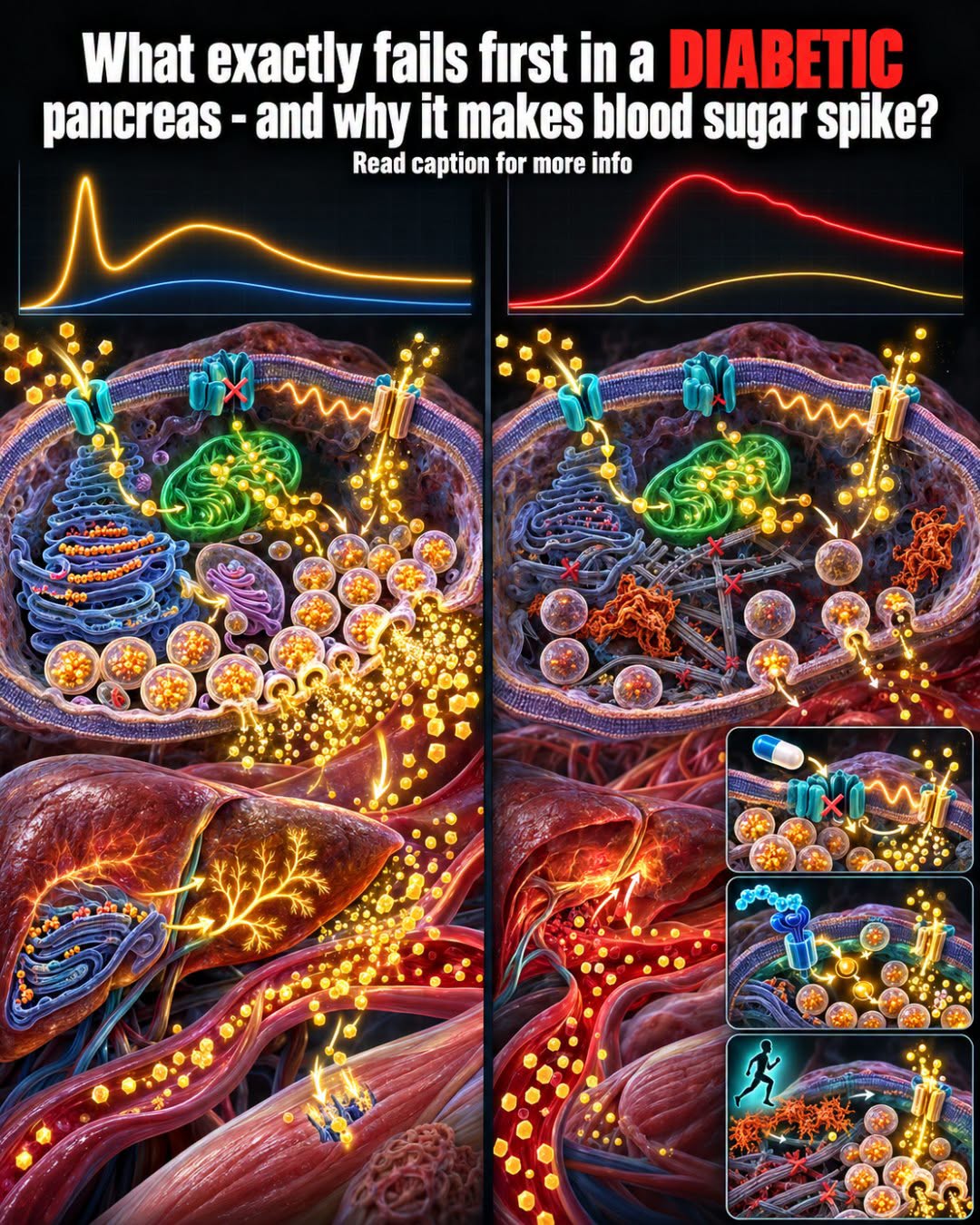
Pancreatic fat loss can restore insulin secretion, per Roy Taylor's randomized trial

Oct 01, 2026 · Louis Nervegna ♥ 2

The poster argues that the pancreatic failure behind type 2 diabetes, including loss of first-phase insulin secretion, can be reversed by losing fat in the pancreas. He cites Professor Roy Taylor's randomized trial in humans, and the shared text explains how loss of first-phase insulin secretion causes the post-meal glucose spike.

Metformin eased knee osteoarthritis pain more than placebo in a 6-month Australian RCT

Apr 25, 2025 · Louis Nervegna ♥ 3 ↩ 2

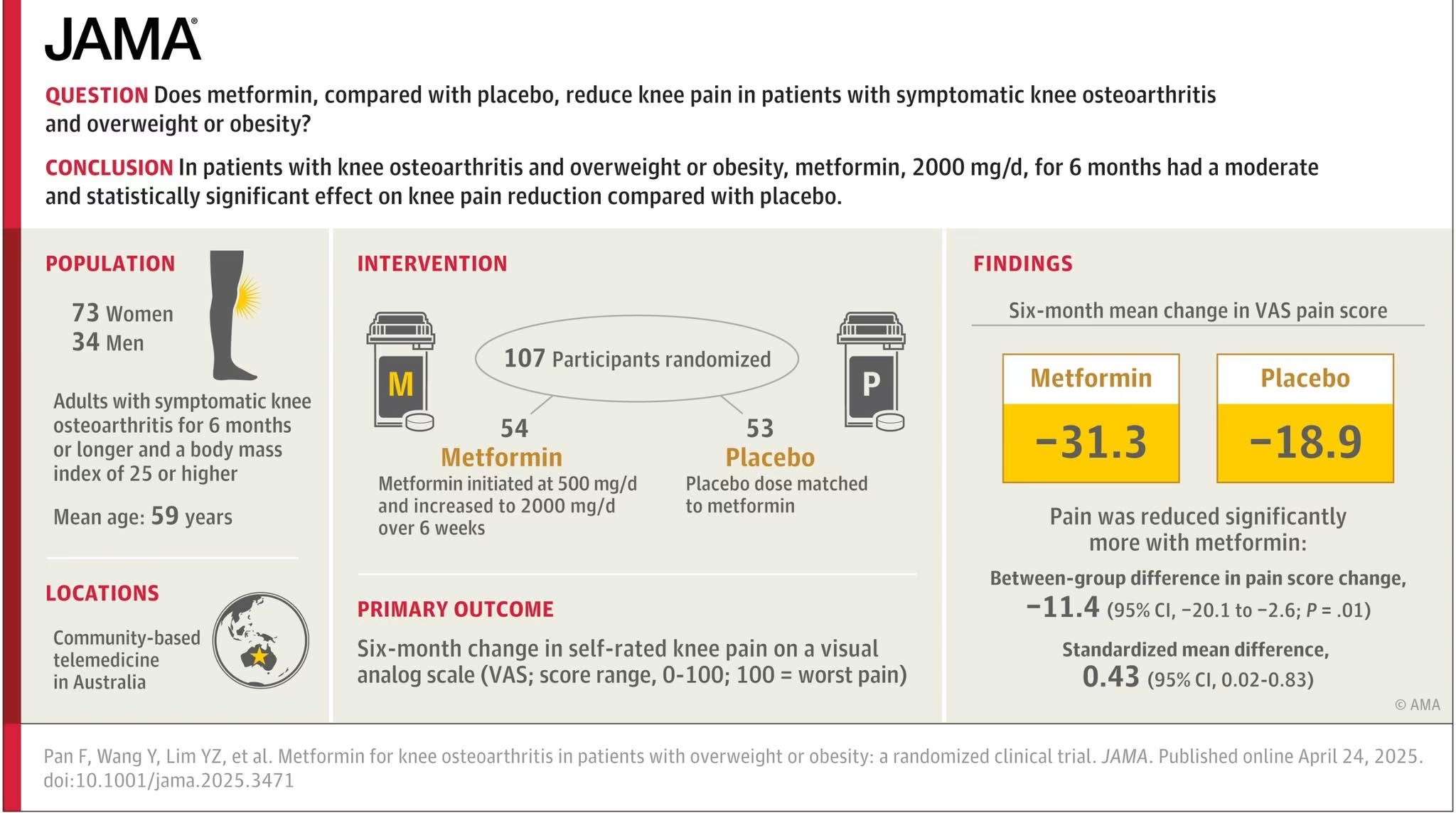
Luigi Fontana's summary of a JAMA RCT in people with knee osteoarthritis and overweight/obesity: metformin reduced pain more than placebo. He frames it as aging biology (AMPK, mTOR, inflammation) as a treatment target, and notes lifestyle approaches like caloric restriction act on the same pathways. Little direct heart relevance.

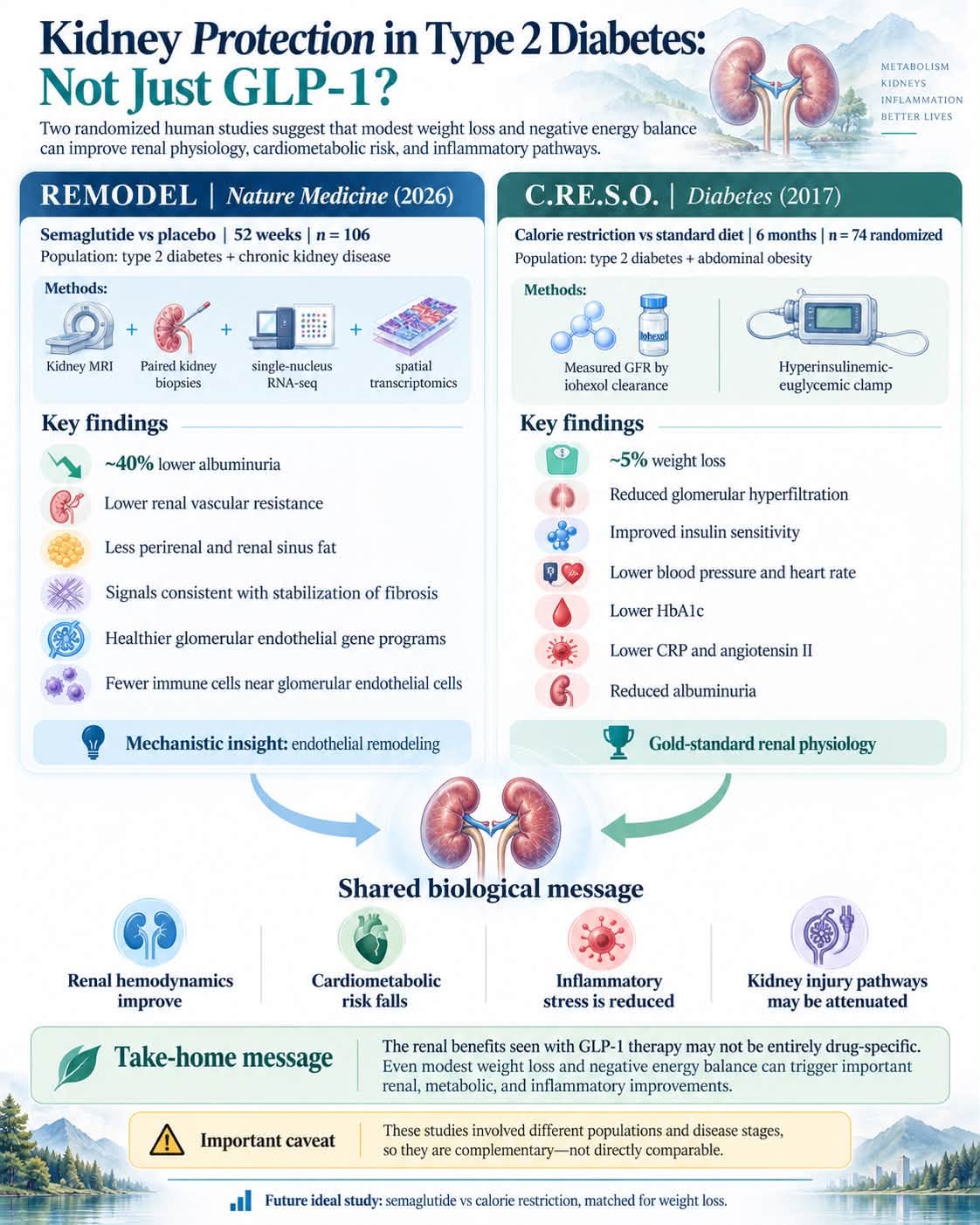
Semaglutide REMODEL trial: 40% less albuminuria, and a calorie-restriction interpretation

Oct 01, 2026 · Louis Nervegna ♥ 1 GLP-1 drugs (semaglutide, tirzepatide)

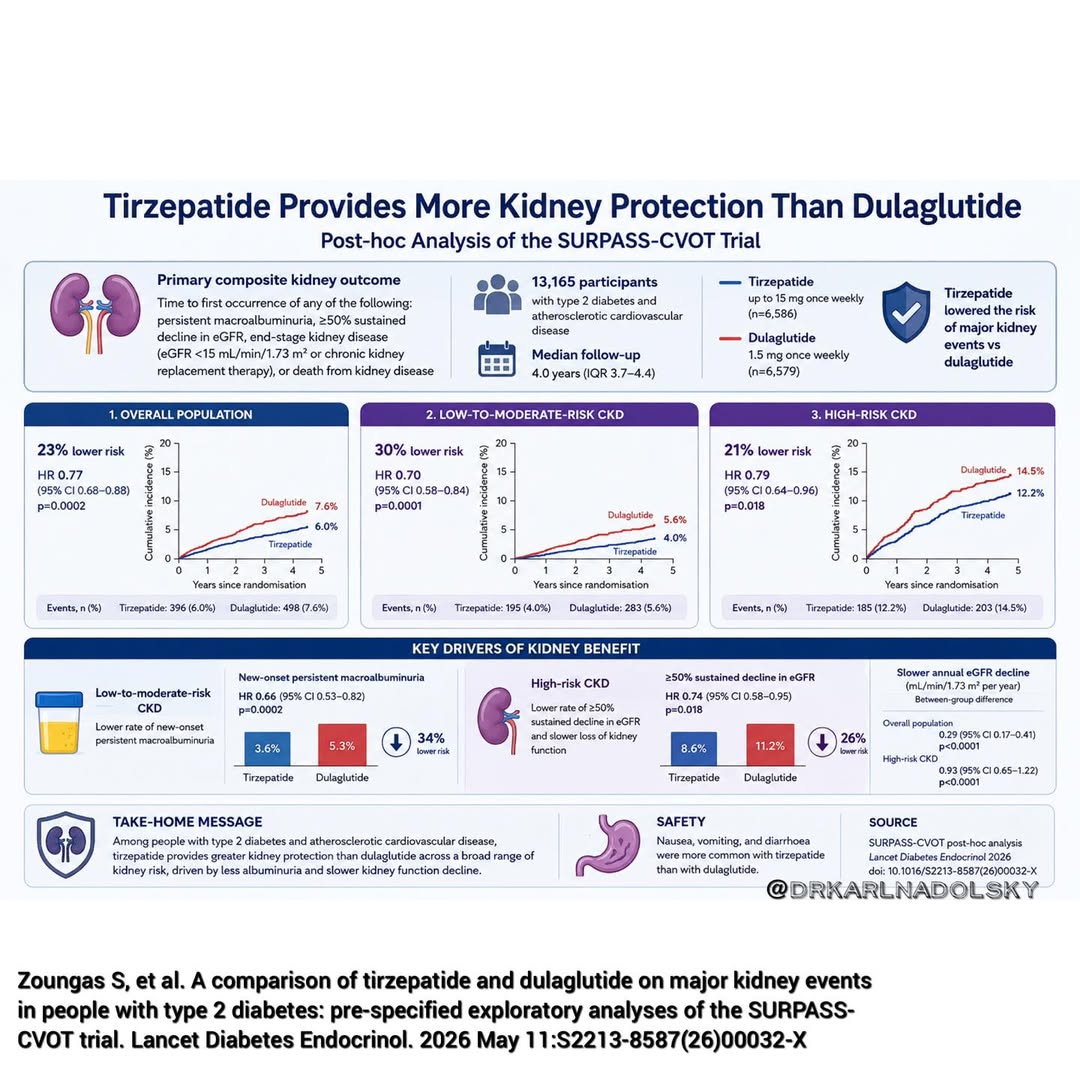
A Nature Medicine mechanistic study (REMODEL) found semaglutide in people with type 2 diabetes and chronic kidney disease cut albuminuria by 40% and reduced kidney and perirenal fat, with biopsy changes in glomerular endothelial cells. The poster argues the kidney benefit stems from negative energy balance rather than anything special about GLP-1 drugs, which simply make calorie restriction easier.

Summary of Dudley Lamming's isoleucine restriction research in rodents

Jul 25, 2026 · Louis Nervegna ♥ 0 · 💬 1 Protein

Louis shares a simplified summary of Dudley Lamming's rodent work on restricting the amino acid isoleucine, linking earlier posts. Human translation is unclear, though some short-term trials of protein restriction show metabolic benefits that might be due to lower isoleucine intake.

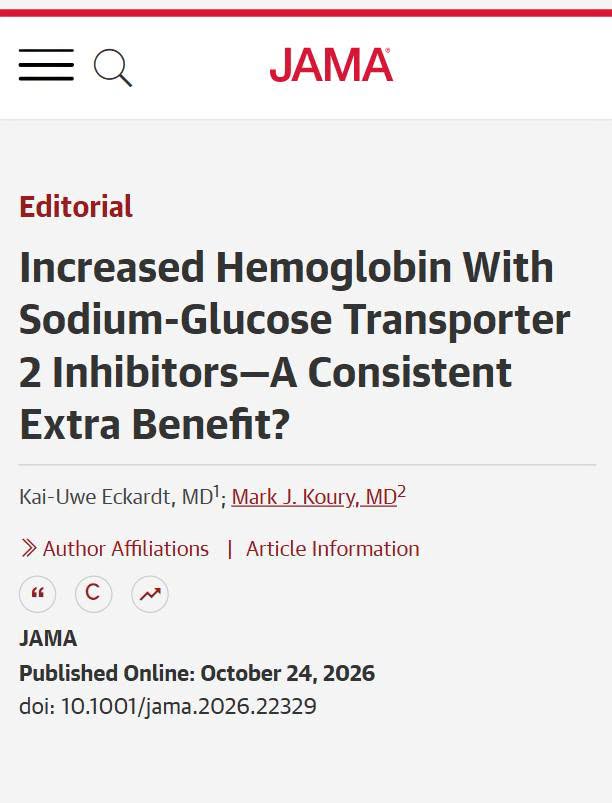
SGLT2 inhibitors consistently raise hemoglobin and hematocrit, a possible anemia benefit

Oct 24, 2026 · Louis Nervegna ♥ 1

A JAMA editorial presented at Kidney Week says SGLT2 inhibitors consistently raise hemoglobin and hematocrit in people with cardiovascular disease, heart failure or chronic kidney disease, with or without diabetes. This may contribute to anemia management on top of their established cardiovascular and kidney benefits.