(no text — see the shared post below)
Oatmeal
The glycemic index for slow-cook steel-cut oats is 42. This is considered low to moderate.
↪ Glycemic index of oats: steel-cut 42, rolled 55, instant 83
In a healthy person, the blood sugar spike that they produce is small.
↪ Oats raise blood sugar only about 34 mg/dL on average, per Levels CGM data
The beta-glucans in oats directly block the carbohydrate from spiking blood sugar. They not only do it when you eat the oats, but they continue to do it even when you eat other foods hours later.
↪ Oat beta-glucan (4 g) cut breakfast glucose peaks 28% and lunch response 24% in small RCT
There have been 74 randomized controlled trials testing the effects of oatmeal on various cardio-metabolic risk factors. The data is impressive.
facebook.com/share/r/1JTtfqh5ST
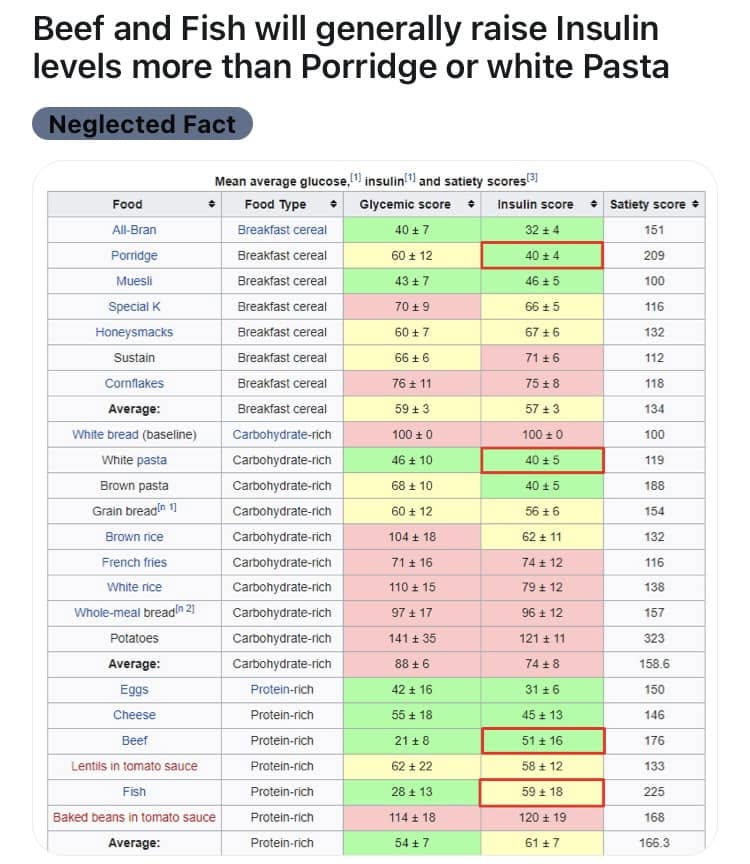
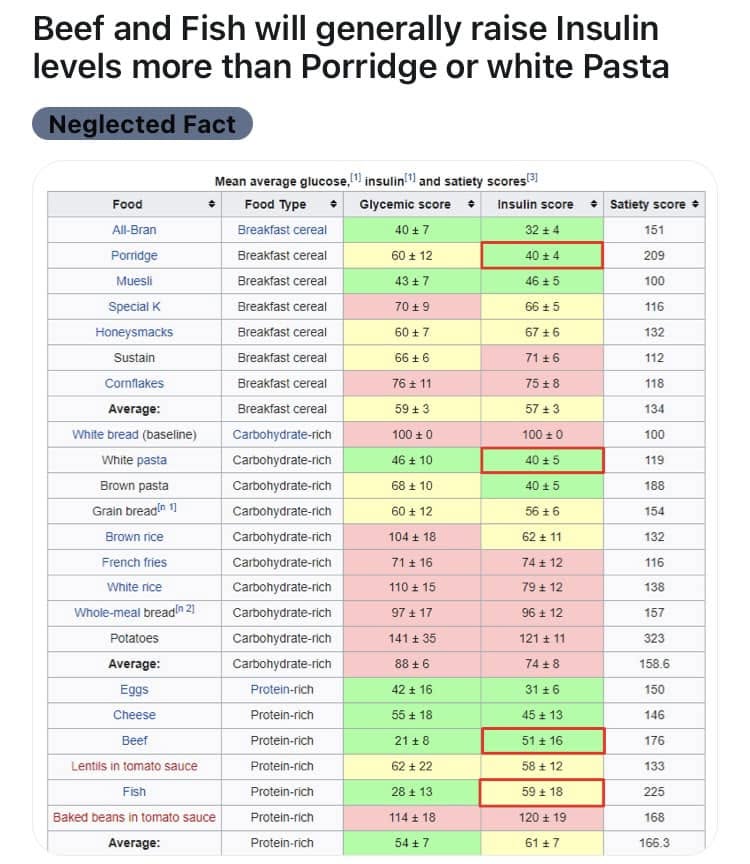
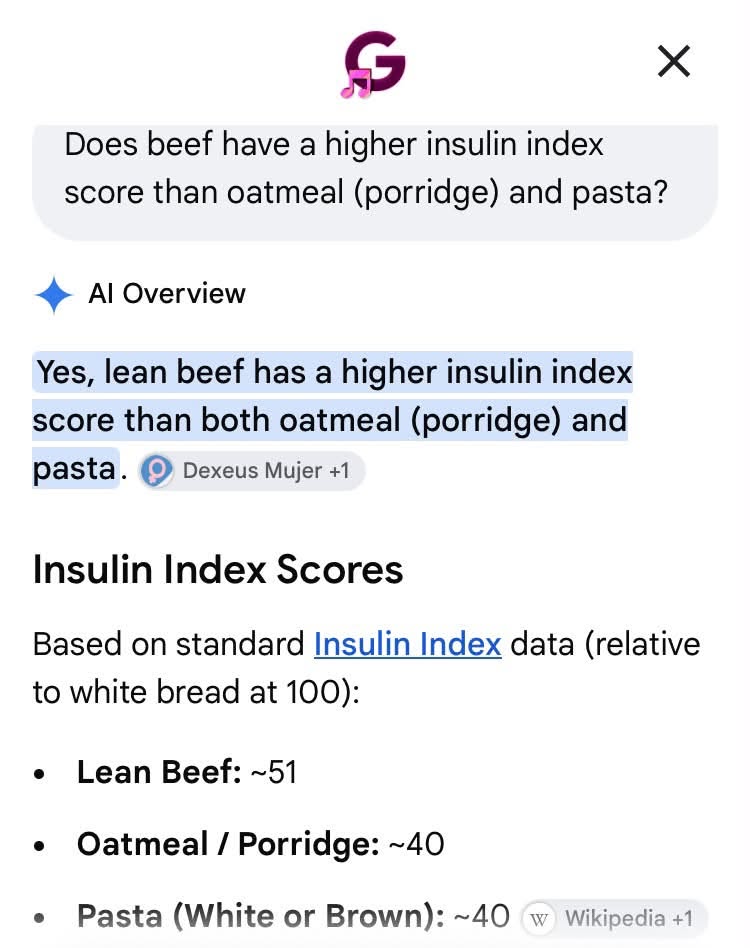
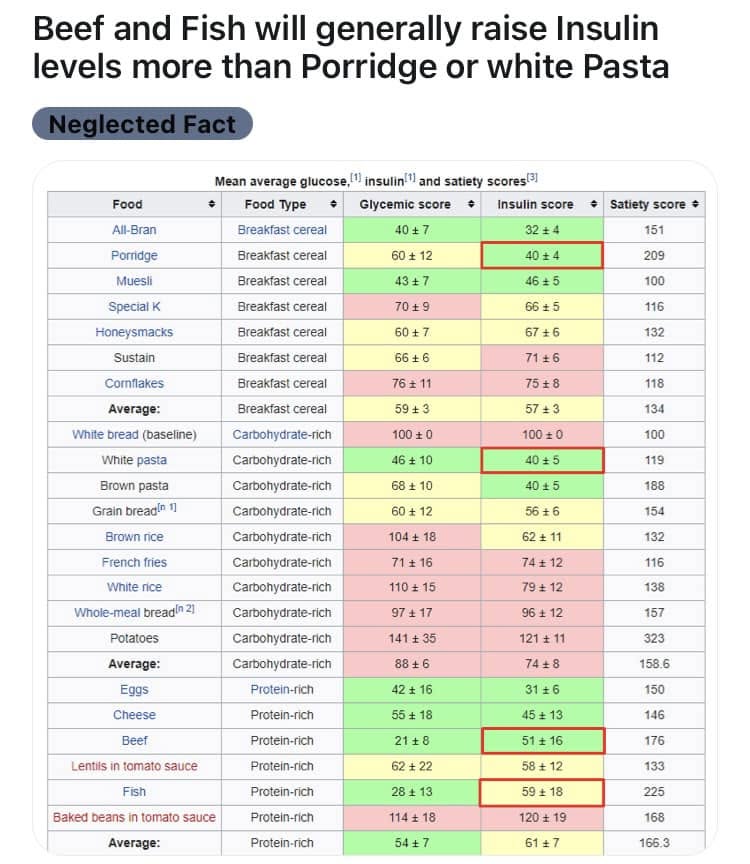
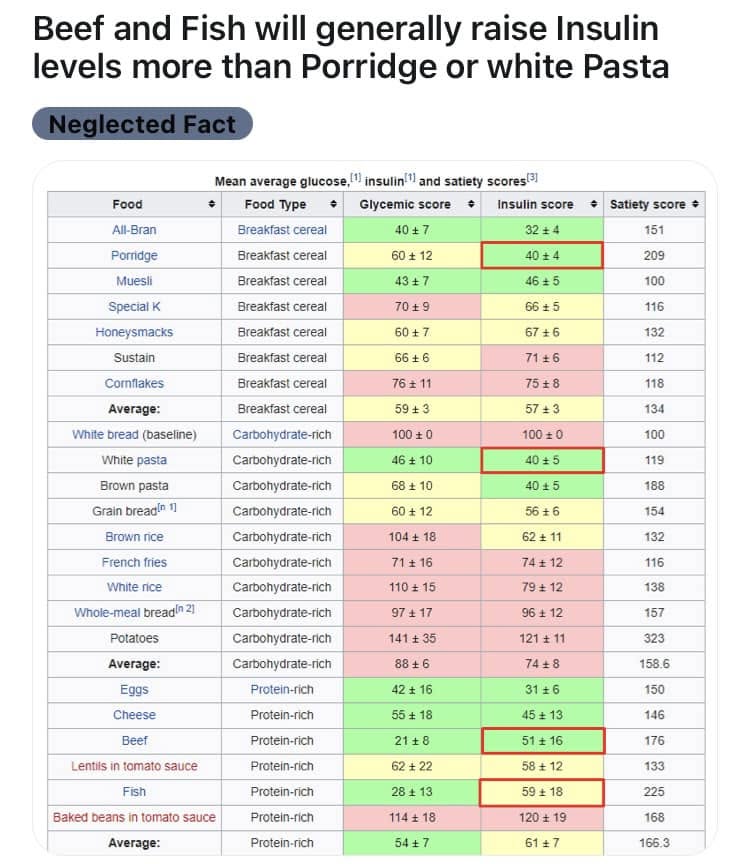
Oatmeal has a lower insulin index than red meat or whey protein. What this means is that oatmeal results in the production of less insulin than an equivalent number of calories from red meat or whey protein.
↪ Beef and whey raise insulin more than pasta, oatmeal or glucose: use the insulin index
If your goal is to lower your post-meal insulin levels, then you are much better off eating oatmeal than red meat or whey protein. Influencers constantly lie about this.
The insulin response to various foods has been exhaustively characterized. You can look it by googling “insulin index”, and fact check everything that I am saying here. See for yourself how these influencers have been lying to you.
#oatmealHD #wholegrainsHD #glycemicindexHD #insulinindexHD #glucoseHD #insulinHD #influencersHD