Stricter adherence to a traditional Mediterranean-style diet— the MIND diet— is associated with a 53% reduction in risk of developing Alzheimer’s disease.
Even moderate adherence appeared to cut risk by a third. Overall, researchers found that participants who showed high adherence to the diet had cognitive functioning equivalent to a person who was 7.5 years younger.
References:
 The Nutrition Source - Harvard Chan SchoolDiet Review: MIND Diet • The Nutrition SourceThe Mediterranean-DASH Diet Intervention for Neurodegenerative Delay, or MIND diet, targets the health of the aging brain.nutritionsource.hsph.harvard.edu
 BioSpaceSpecial Veggie Rich Diet Keeps Your Brain 7.5 Years Younger, Rush University Medical Center Studybiospace.com
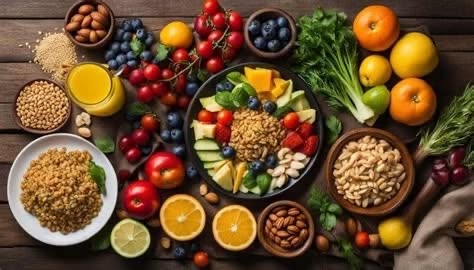
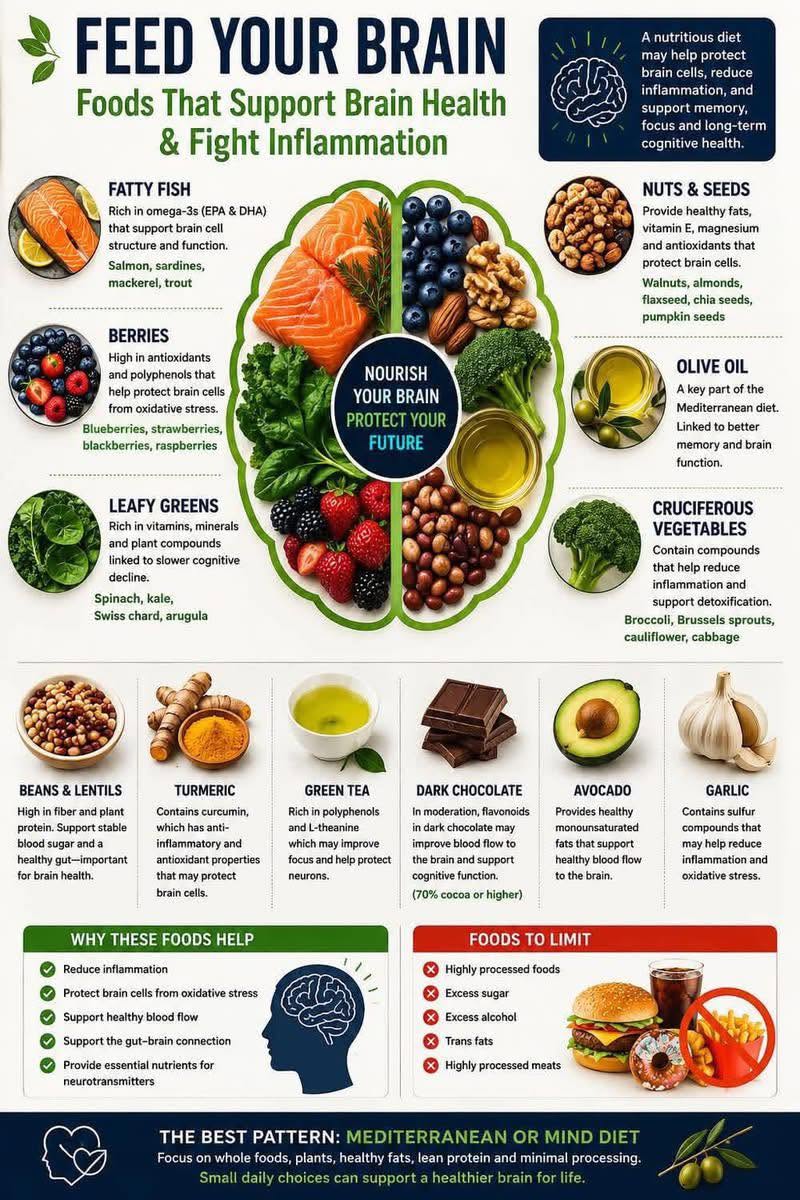
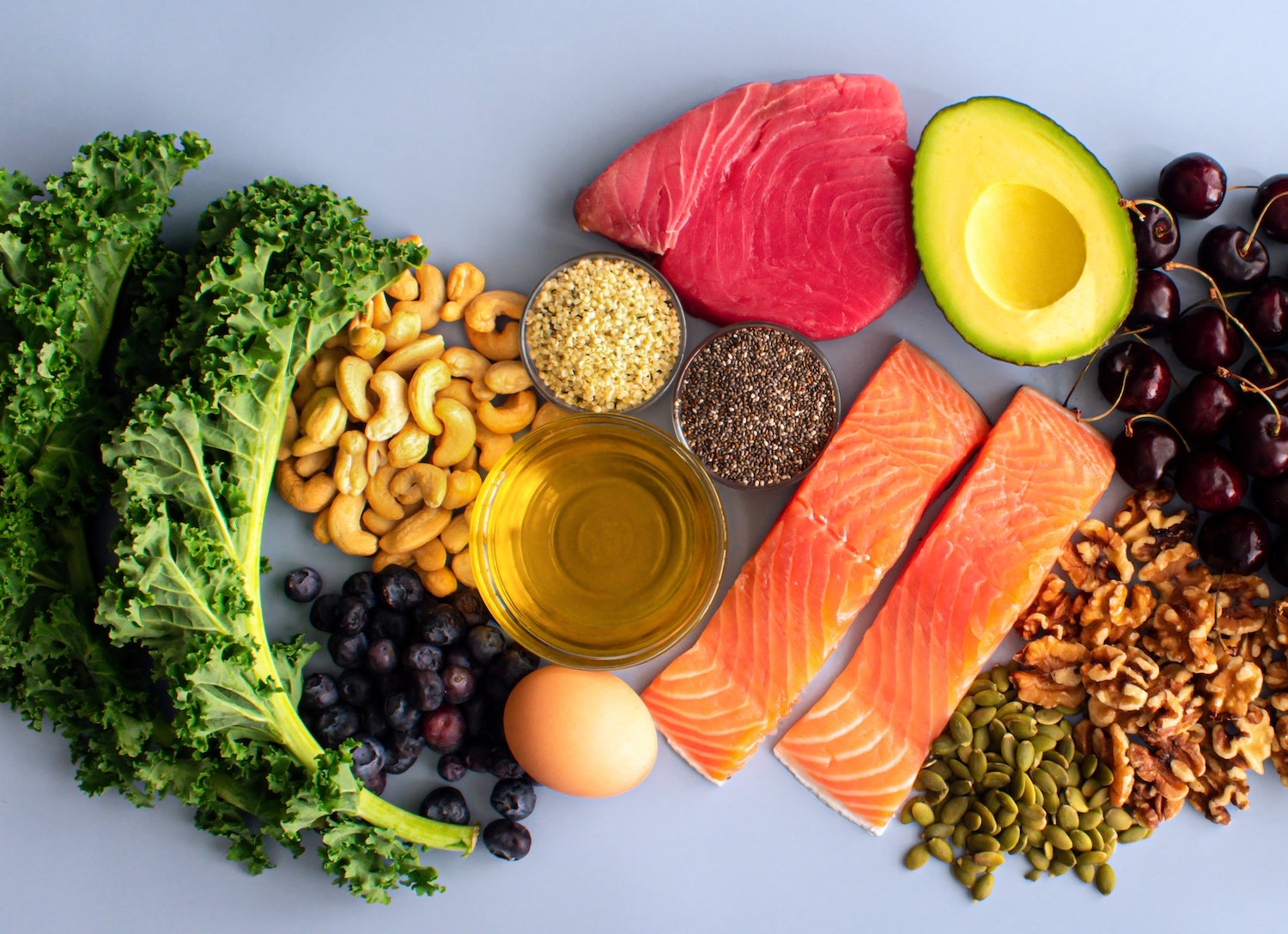
The MIND diet stands for "Mediterranean-DASH Intervention for Neurodegenerative Delay" and combines many elements of the Mediterranean diet and DASH ("Dietary Approaches to Stop Hypertension"). Foods in this diet typically include whole grains, nuts, legumes, berries, vegetables (especially leafy greens), olive oil, poultry and fish. MIND also encourages limiting five unhealthy components that are high-fat, high-sugar foods, including red meat, fried foods, butter, full-fat cheese, pastries and sweets.
The latest publication on the MIND diet has shown that people with more advanced Alzheimers who follow the diet experience less signs of severe degeneration of the hippocampus, the portion of the brain responsible for shorter term memory.
#mediterraneanHD #minddietHD #alzheimersHD #dementiaHD #dashHD
MIND Diet That May Help to Protect the Hippocampus and Memory-even with Alzheimer's and "LATE" neurological pathology.
 NewsweekScientists link MIND Diet to Slower Brain AgingResearchers studied the brain autopsies and dietary information of more than 800 people.newsweek.com
Sticking to a Mediterranean-style diet may help to slow cognitive decline and ultimately prevent these neurodegenerative diseases, according to scientists at Rush University Medical Center. The researchers measured hippocampal sclerosis (HS)—a severe decline in brain cells and processes in particular areas of the brain linked with dementia and Alzheimer's—in 809 people with available brain autopsies and dietary information.
Researchers found those who had been on the 'MIND' diet, which combines elements of the Mediterranean diet and the Dietary Approaches to Stop Hypertension (DASH) diet, were less likely to have signs of hippocampal sclerosis in their brain tissue after death.
This study investigated the association using postmortem brain tissue from a community-based sample of older adults and further investigated whether the association of the MIND diet with dementia diagnosis close to the time of death was mediated by HS.
"Given the MIND diet is more of an approach to incorporate more healthier food options and limit unhealthy options, it is advisable that people consider adding the important food components of the diet in their usual diet," explained professor Puja Agarwal, of the Rush Alzheimer's Disease Center.
"It may benefit anyone, expect those with certain food allergies or those who must be on a special diet due to certain medical conditions or medications. One can discuss with their health care providers or consult with dietitians/nutritionists on how to incorporate more of MIND diet food components. "
Agarwal said that what is good for your brain is also good for your heart—and may help with maintaining weight and general wellbeing.
The more recent trials have shown the benefits of MIND by year one follow-up and going up to two to three years for cognitive outcomes. However, the effect of any dietary approach may depend on individual factors like preexisting comorbidities, metabolic health, age, lifestyle factors and health condition, Agarwal pointed out.
"Overall, this study supports that among older adults, adhering to a healthy dietary pattern, such as the MIND diet, is associated with reduced likelihood of hippocampal degeneration of aging, as indicated by HS, HS with LATE-NC and hippocampal neuronal loss," the researchers explained.
"Our findings also support that the association of the MIND diet with hippocampal health may partially explain the association of a healthy diet with reduced dementia risk. Further studies should investigate potential neurobiological mechanisms explaining these links, including neuro-inflammation and brain oxidative stress, proposed mechanisms for the association of diet with dementia"
This suggests being consistent with the MIND diet may reduce the risk of HS, dementia and Alzheimer's disease, the authors said.
Foods in this diet typically include whole grains, nuts, legumes, berries, vegetables (especially leafy greens), olive oil, poultry and fish. MIND "also encourages limiting five unhealthy components that are high-fat, high-sugar foods, including red meat, fried foods, butter, full-fat cheese, pastries and sweets," explained Agarwal.
"This cohort study of autopsied participants found that MIND diet adherence during follow-up was associated with a lower likelihood of HS, HS with LATE-NC [the most recently identified form of dementia, noted for its similarity to Alzheimer's disease] and hippocampal neuronal loss [damage to neurons in the part of the brain crucial for memory]," the researchers wrote in the study.
"The association of diet with dementia was partially mediated by its association with HS. These findings suggest that the MIND diet may reduce adverse brain health outcomes."
Hippocampal sclerosis (HS) is a common marker of aging characterized by severe neuronal loss and injury in memory-associated regions in the hippocampus. HS is present in 20 percent of individuals with cognitive impairment and is increasingly recognized as an important pathology associated with cognitive impairment and dementia beyond typical Alzheimer's disease pathology, according to the researchers.
HS is also associated with LATE-NC, Alzheimer's disease pathology and changes in the size of the hippocampus.
"To our knowledge these are the first findings in human studies to report that the association of diet and dementia is partially mediated by HS," said Agarwal.
The researchers had previously observed that people with HS showed impairment in hippocampus-dependent cognitive abilities, like memory—while those with both HS and Alzheimer's pathology had lower episodic memory scores than those with Alzheimer's pathology alone.
"The fact that HS combined with other pathologies, like LATE-NC or AD, is associated with cognitive impairment or probable dementia suggests that prevention of these pathologies could result in lower risks of dementia. Thus, understanding whether the modifiable risk factors may prevent such pathology that impacts brain health is important for healthy aging," the researchers wrote.
"At enrollment participants had no known dementia and consented to annual clinical examinations and brain donations at the time of death. The participants studied were followed between 2004 to 2024. Everyone had a unique follow-up time based on when they enrolled and died," Dr. Agarwal reported.
This research was supported by several NUH grants and the authors reported that the NIH had no role in the design and conduct of the study; collection, management, analysis, and interpretation of the data; preparation, review, or approval of the manuscript; and decision to submit the manuscript for publication.