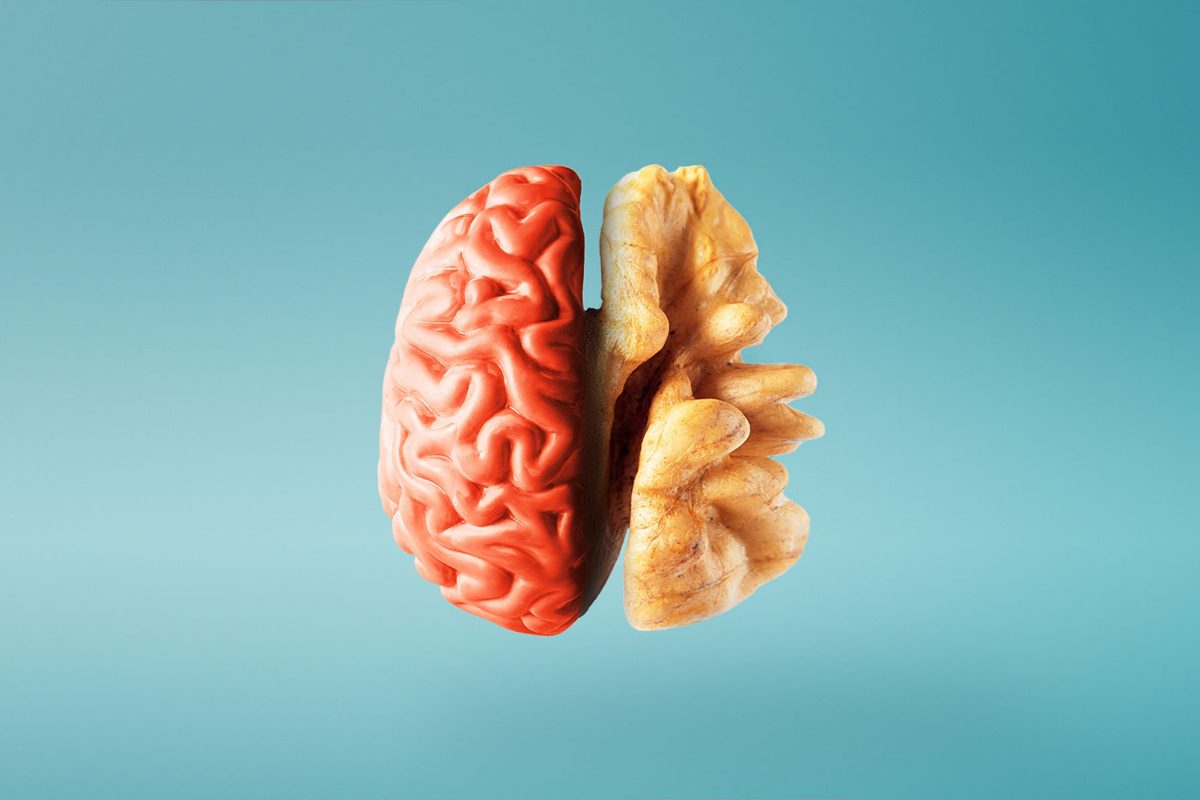
Nearly half of dementia cases may be preventable through lifestyle – and the foods you eat could make all the difference.
Quoted:
A Lancet Commission report from 2024 estimated that 45 per cent of dementia cases could be blamed on modifiable risk factors – so, they might have been avoided with different daily habits.
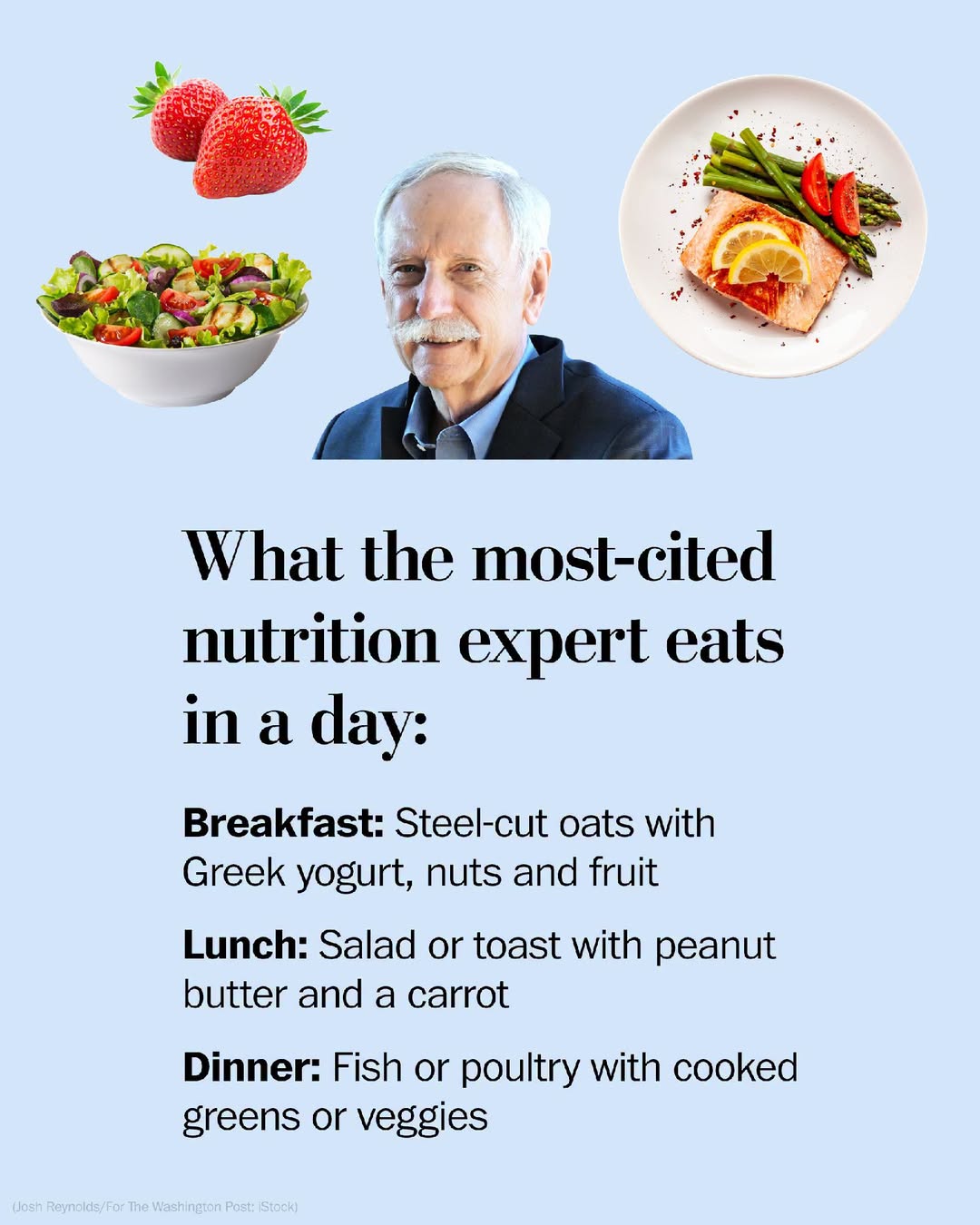
And the real percentage might actually be higher. Walter Willett, professor of epidemiology and nutrition at Harvard University, says: “Some studies estimate that lifestyle – with diet being most important – could prevent about half of dementia cases.”
“I think that’s probably an underestimate, because none of the studies have been perfect.”
So, while there may not be a magic potion you can swig to protect your brain, you can change your diet.
“The good news is that it’s very clear, we can strongly influence our risk of cognitive decline and dementia,” says Willett. “It doesn’t mean we can completely eliminate it, but we can put it off for some years with diet.”
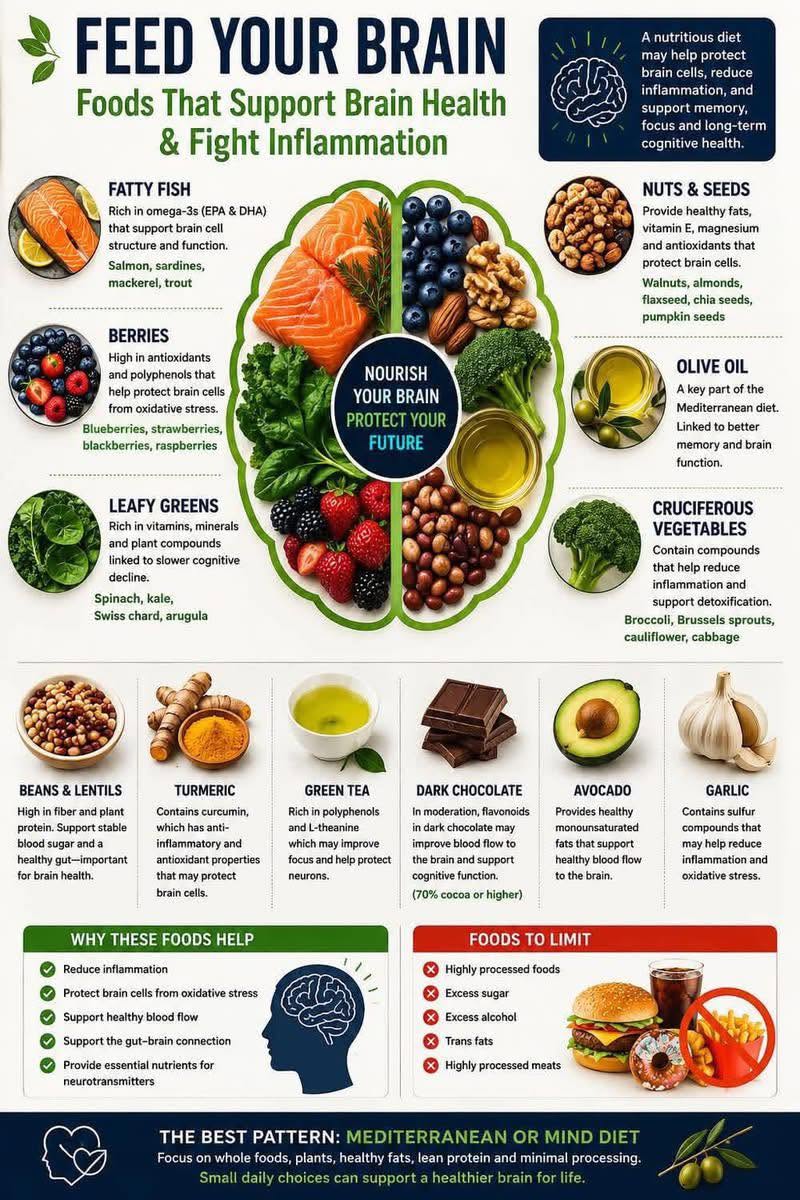
It’s called the Mediterranean-Dietary Approaches to Stop Hypertension diet – or MIND for short.
As the name implies, it’s essentially a combination of two diets which research has shown to be brain-healthy: the Mediterranean diet, and the Dietary Approaches to Stop Hypertension (DASH) diet.
Both prioritise plant-based whole foods: vegetables, fruits, whole grains, nuts, seeds and legumes. Highly processed foods are kept to a minimum, as are saturated fats and red meat.
The MIND diet’s bread and butter, then, are vegetables, legumes, whole grains, and plant oils – the foods we’ve already mentioned.
But it puts particular emphasis on foods which may themselves protect the brain from cognitive decline – for instance, vegetables that contain a family of plant chemicals called carotenoids.
“We’ve been digging down more deeply to try to understand, what is it about Mediterranean-type diets that’s most beneficial?” says Willett. “Carotenoids seem to be particularly important – found in carrots, dark orange squash, and green leafy vegetables.
“We know that carotenoids get into the brain, and that’s why the human brain is yellow.”
That means carrots, butternut squash, sweet potatoes, tomatoes, kale, spinach and collard greens all win you kudos on the MIND diet.
“It’s good to have a variety of fruits and vegetables, but you could miss out on carotenoids if you weren’t careful – and were mainly eating a lot of cucumbers and cauliflowers,” he says.
MIND is also different from its two parent diets when it comes to fruit. Whereas they recommend eating plenty of any kind of fruit, the MIND diet prioritises berries.
“Berries – blueberries in particular – seem to be beneficial in a number of studies on cognitive function,” says Willett. “They contain a variety of antioxidants, in particular anthocyanins.” These are plant chemicals that are associated with reduced inflammation.
Finally, there’s omega-3 found in nuts and oily fish, such as salmon, trout, herring, mackerel, anchovies or sardines.
Willett says: “About a quarter of the brain is made up of omega-3 fatty acids. It’s very, very structurally important in the brain.
“Our brain cells and function just would not exist were it not for omega-3, and it seems to be particularly important for cognitive function.”
Some studies suggest there’s an upper limit to how much omega-3 is useful for the brain. Willett says we seem to only need “a fairly modest amount,” so the MIND diet recommends one meal containing oily fish per week.
The Mediterranean and DASH diets seemed to have a protective effect too, but the MIND diet came up trumps.
In fact, the scientists concluded, the group that ate most similarly to a MIND diet seemed cognitively more than seven years younger than the group with the lowest MIND scores.
“Over time, people following this dietary pattern declined much less than people who were not following this type of pattern,” summarises Willett.
I think it’s probably fair to say that the MIND diet and traditional Mediterranean diet together seem to be the best direction to go in, given what we know right now,” says Willett. “The MIND diet more or less describes a traditional Mediterranean-type diet. It’s so similar.”
That is, at least, with a caveat that some Mediterranean diets can be high in salt, which Willett says should be kept low if you’re concerned about high blood pressure affecting your dementia risk.
Willett explains why this is relevant, saying: “In particular, hypertension is very strongly related to risk of dementia, and we know that diet has a big effect on blood pressure.”
Apart from that, Willett’s final words of wisdom reinforce the central role of carotenoid vegetables to our cognitive health.
With a smile, he says: “Don’t forget to eat your carrots today!”
#minddietHD #willettHD #dementiaHD #alzheimersHD #carotenoidsHD #carrotsHD #omega3HD #berriesHD #mediterraneanHD #dashHD #anthocyaninsHD