Calf raises act as a second heart for venous return and may lower DVT risk
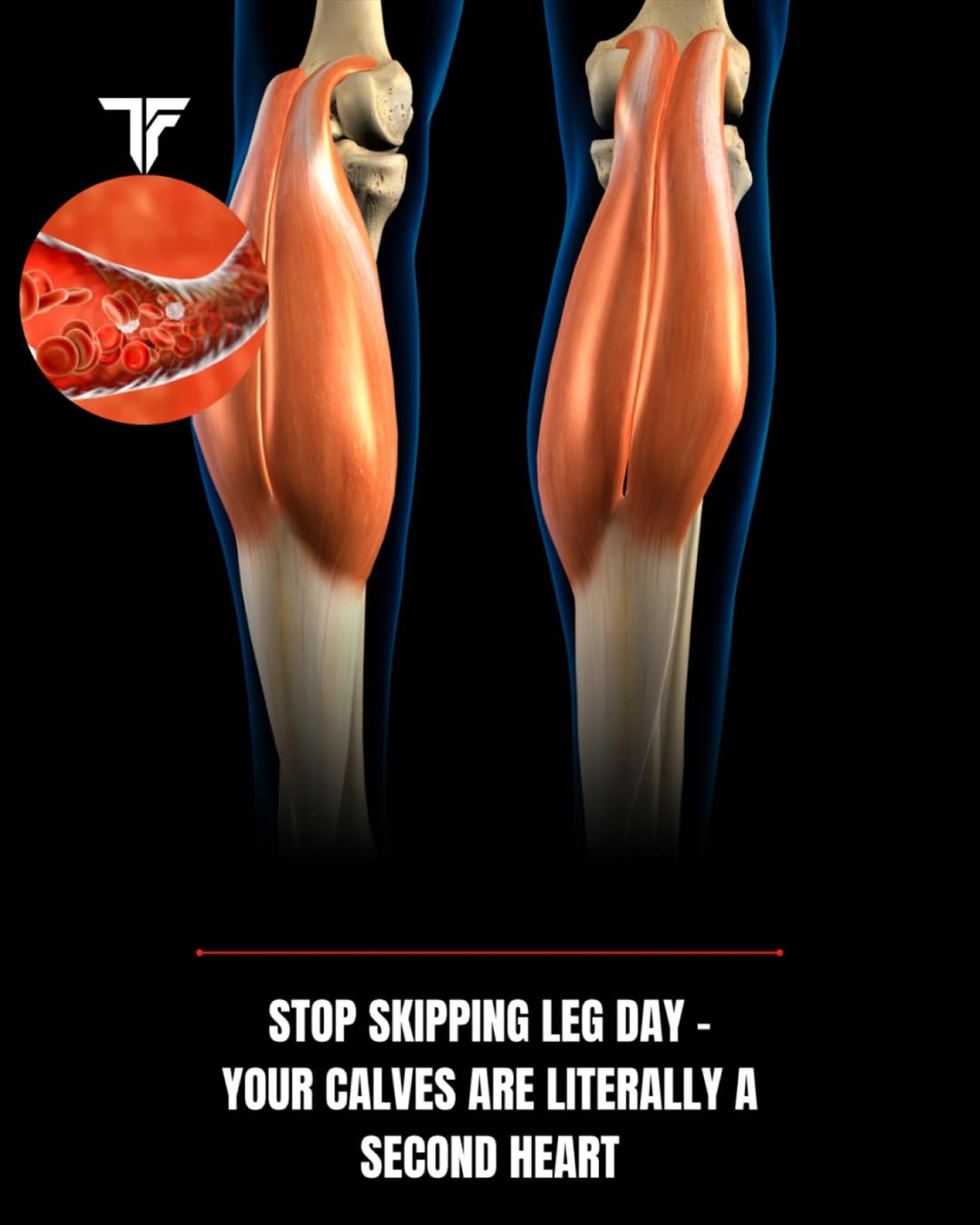
Louis endorses calf raises for chronic venous insufficiency and DVT risk. The calf's muscle pump pushes blood back to the heart, and even seated raises help.
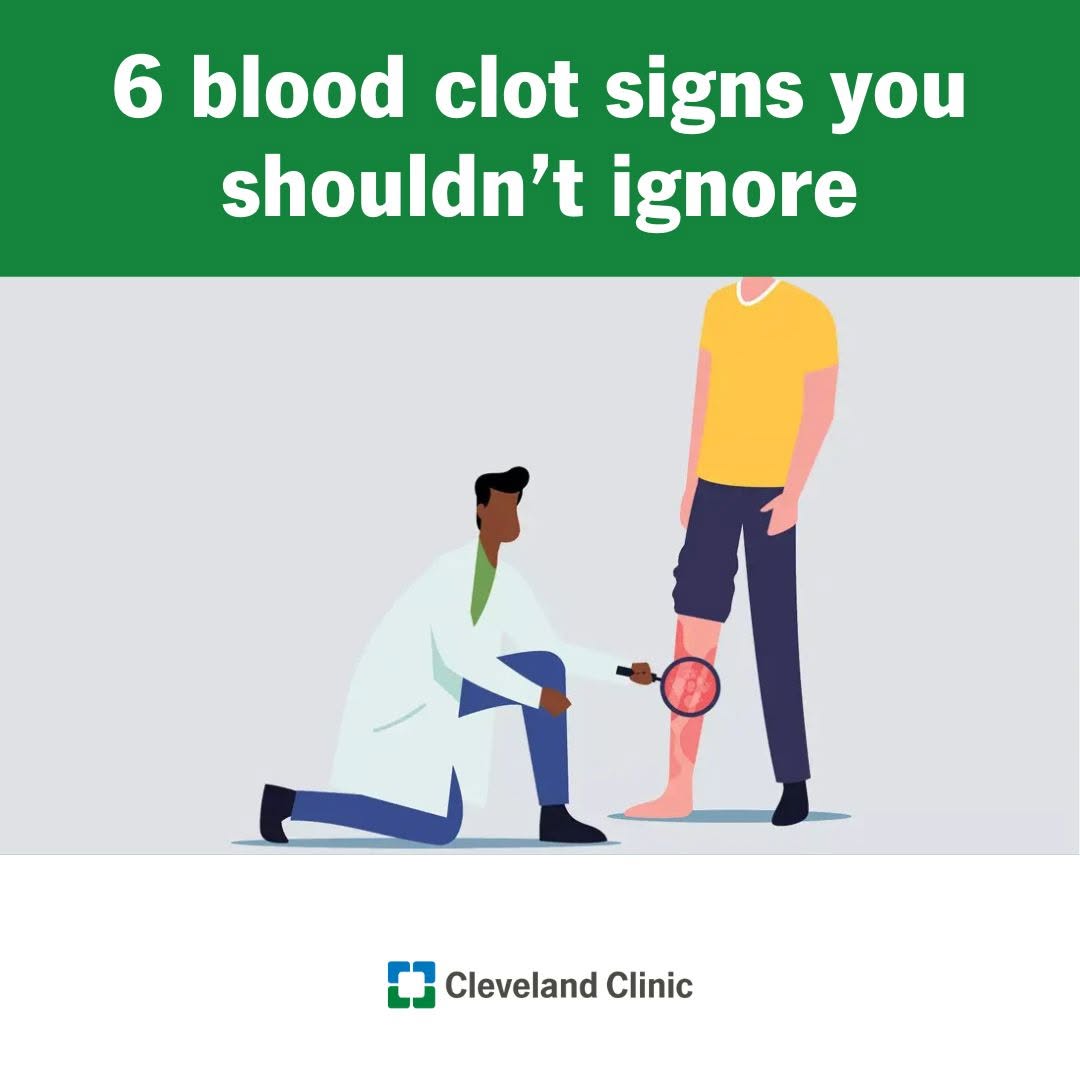
A shared Cleveland Clinic item explains that venous clots can show no symptoms or severe ones; the most common are DVT in the legs and pulmonary embolism when a clot travels to the lungs.
Early signs of a blood clot can be hard to identify. Everyone has different symptoms that can range from none to severe.
The most common kinds of venous blood clots are:
Deep vein thrombosis (DVT). A DVT most often forms in your legs in the deep veins of your body. Thrombosis is when clots stay put and block blood flow.
Pulmonary embolism (PE). If a DVT breaks off and travels to your lungs, it can create a pulmonary embolism. Embolisms are blood clots that break free and travel to other parts of your body.
DVTs can occur in your legs or arms. The most common signs of a blood clot in your leg include:
🔴Swelling
🔴Leg pain
🔴Varicose vein changesSome common signs of a blood clot in your lungs include:
🔴Shortness of breath
🔴Chest pain
🔴Coughing up bloodSome pulmonary embolisms can be life-threatening, so go to the emergency room for a doctor’s evaluation if you notice any signs of a blood clot in your lung. Your primary care doctor may send you to the ER so you can get a same-day lung scan.
If you think you have a DVT and your symptoms remain for more than a day or two and worsen, reach out to your primary care doctor. Your doctor can help you decide your next steps.
Louis endorses calf raises for chronic venous insufficiency and DVT risk. The calf's muscle pump pushes blood back to the heart, and even seated raises help.
Triggered by a public figure's diagnosis, Louis explains that in CVI the valves in leg veins fail and blood does not return properly. The condition is common in older adults and usually benign but raises DVT risk and can cause hard-to-heal ulcers when advanced.
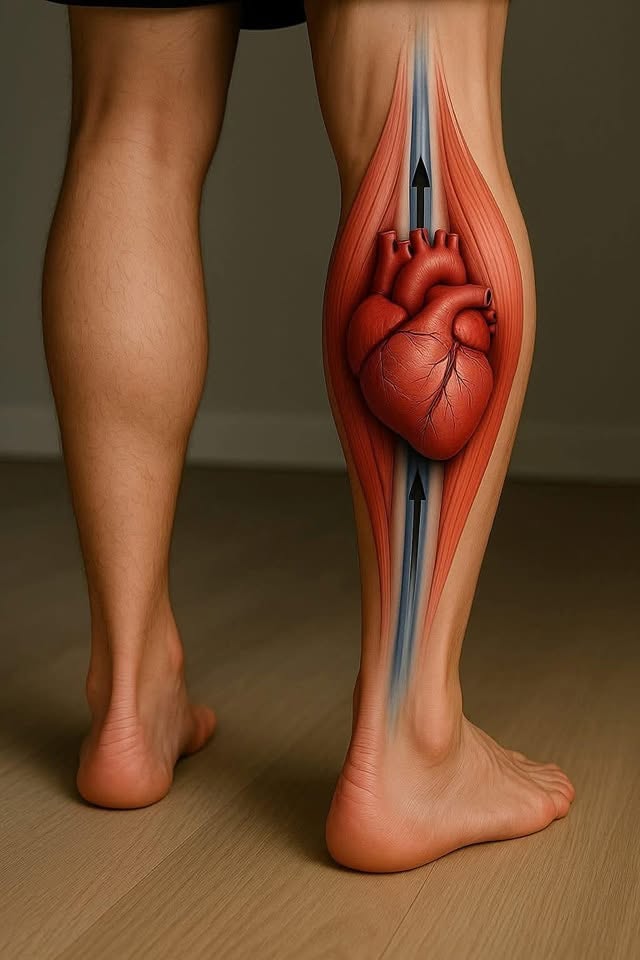
A shared explainer says the calf muscle pump pushes venous blood toward the heart during walking and standing. It lists benefits such as better venous circulation, less swelling and a lower risk of leg clots, though no studies are cited.
A six-month double-blind pilot RCT in 44 older adults with PAD tested a daily flavanol-rich cocoa drink against placebo. The cocoa group walked farther 2.5 hours after consumption while placebo declined, with better calf muscle mitochondrial activity, capillary density and perfusion.
Explains how periodontitis lets oral bacteria and inflammatory products reach the bloodstream and vessel wall, and cites a clinical trial in which intensive gum treatment reduced carotid artery thickening. Gokhan's advice is to brush and floss diligently.
Gokhan expects this finding to open a new chapter in heart disease. The linked report says cells in atherosclerotic vessels expand clonally, resembling tumor growth.