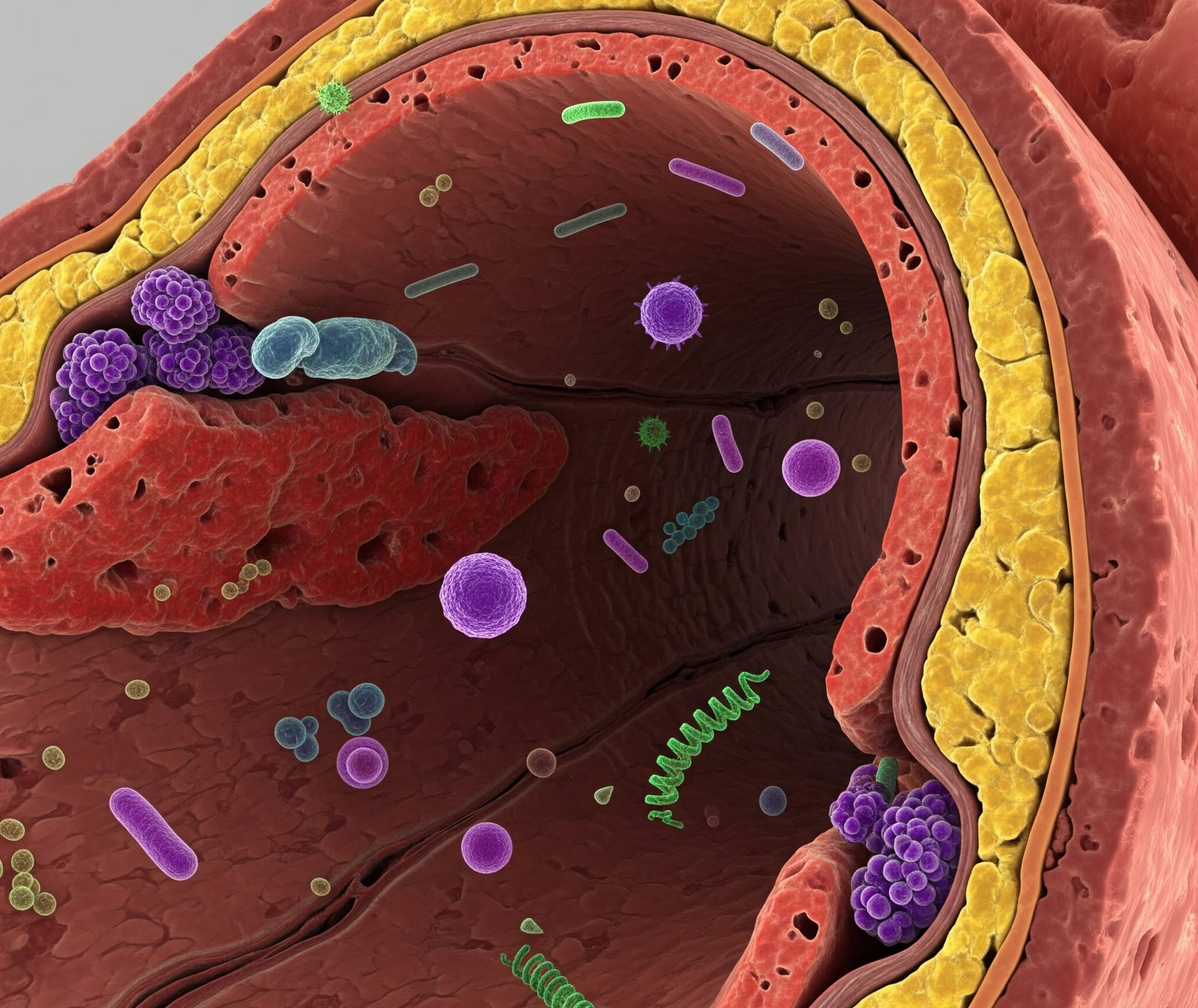
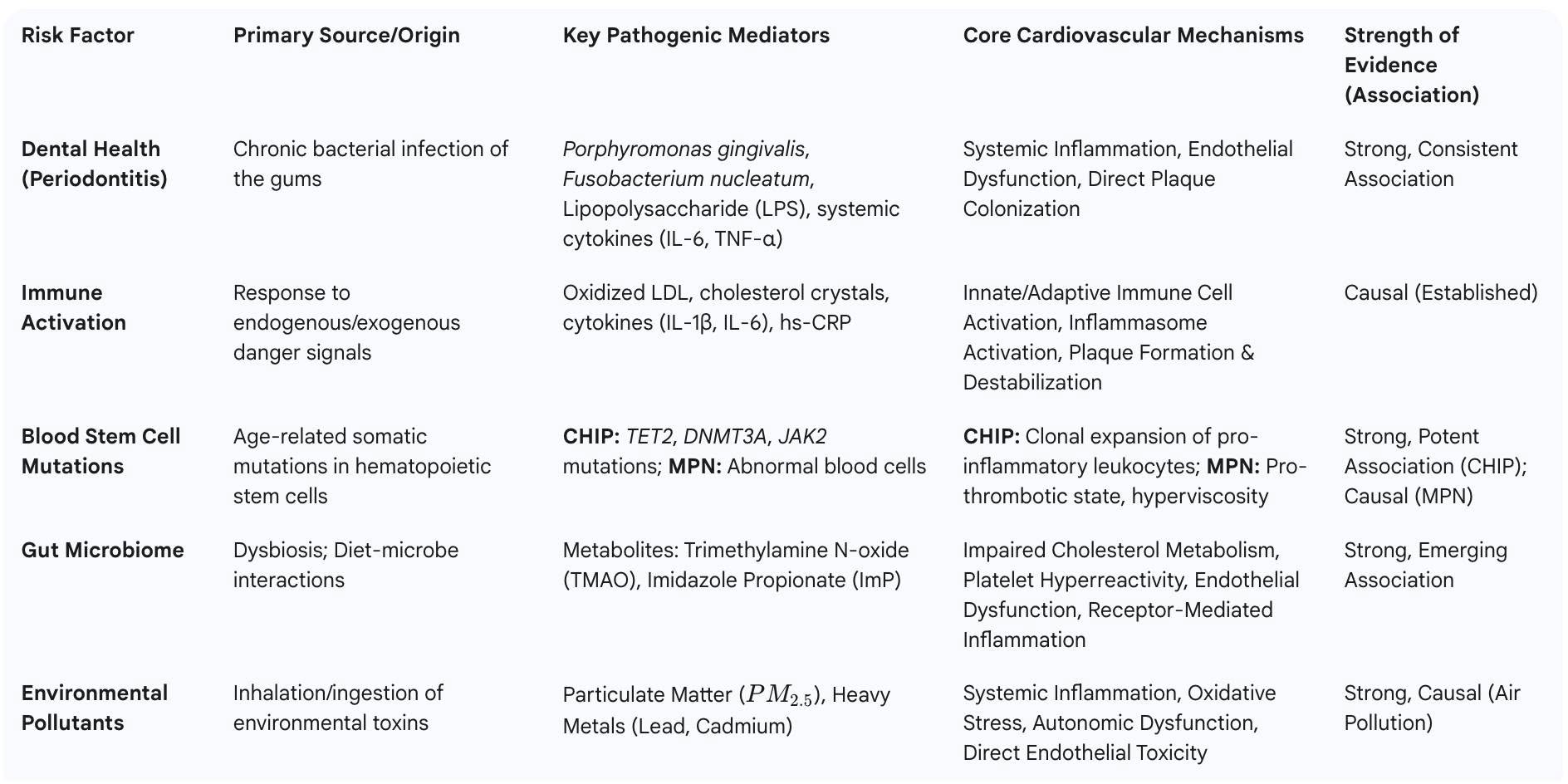
Untreated gum disease is a contributor to atherosclerosis.
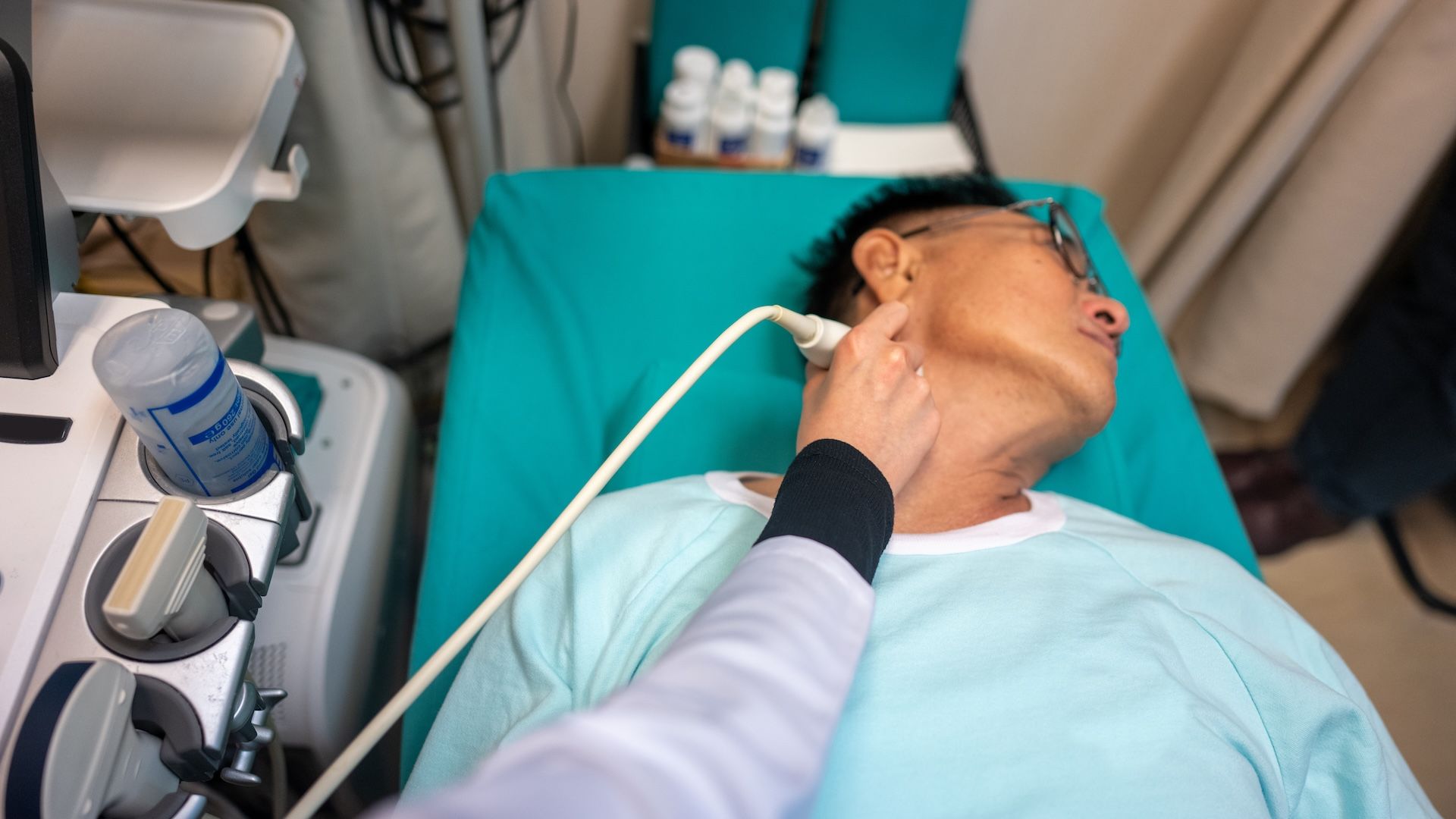
Getting gum disease treatment may protect your arteries, study finds
My thoughts: Brush and floss as if your life depends on it. Who knows? It might.
2.1 Direct Mechanisms: Bacterial Dissemination and Vascular Invasion
The most direct link between oral infection and cardiovascular pathology involves the physical translocation of oral bacteria into the systemic circulation and their subsequent interaction with the vascular wall. The periodontal pocket in a patient with periodontitis is not a sealed-off infection; it is a chronically inflamed, ulcerated epithelial surface with a large surface area, providing a persistent gateway for bacteria and their products to enter the bloodstream.
This entry into the circulation, known as bacteremia, can be triggered by routine daily activities such as tooth brushing, flossing, and even chewing, as well as by professional dental procedures.While these bacteremias are typically transient and cleared by the immune system in healthy individuals, the constant inflammatory state and high bacterial load in periodontitis likely increase their frequency and magnitude.
A critical line of evidence supporting the direct pathway is the detection of periodontal pathogens within atherosclerotic plaques. Using sensitive molecular techniques such as polymerase chain reaction (PCR), numerous studies have identified the DNA of key periodontal pathogens—most notably Porphyromonas gingivalis, Aggregatibacter actinomycetemcomitans, and Tannerella forsythia—directly inside atheromatous lesions removed from coronary and carotid arteries.The presence of these oral bacteria at the precise site of cardiovascular pathology provides compelling evidence that they can travel through the bloodstream, adhere to the vessel wall, and colonize the atherosclerotic lesion.
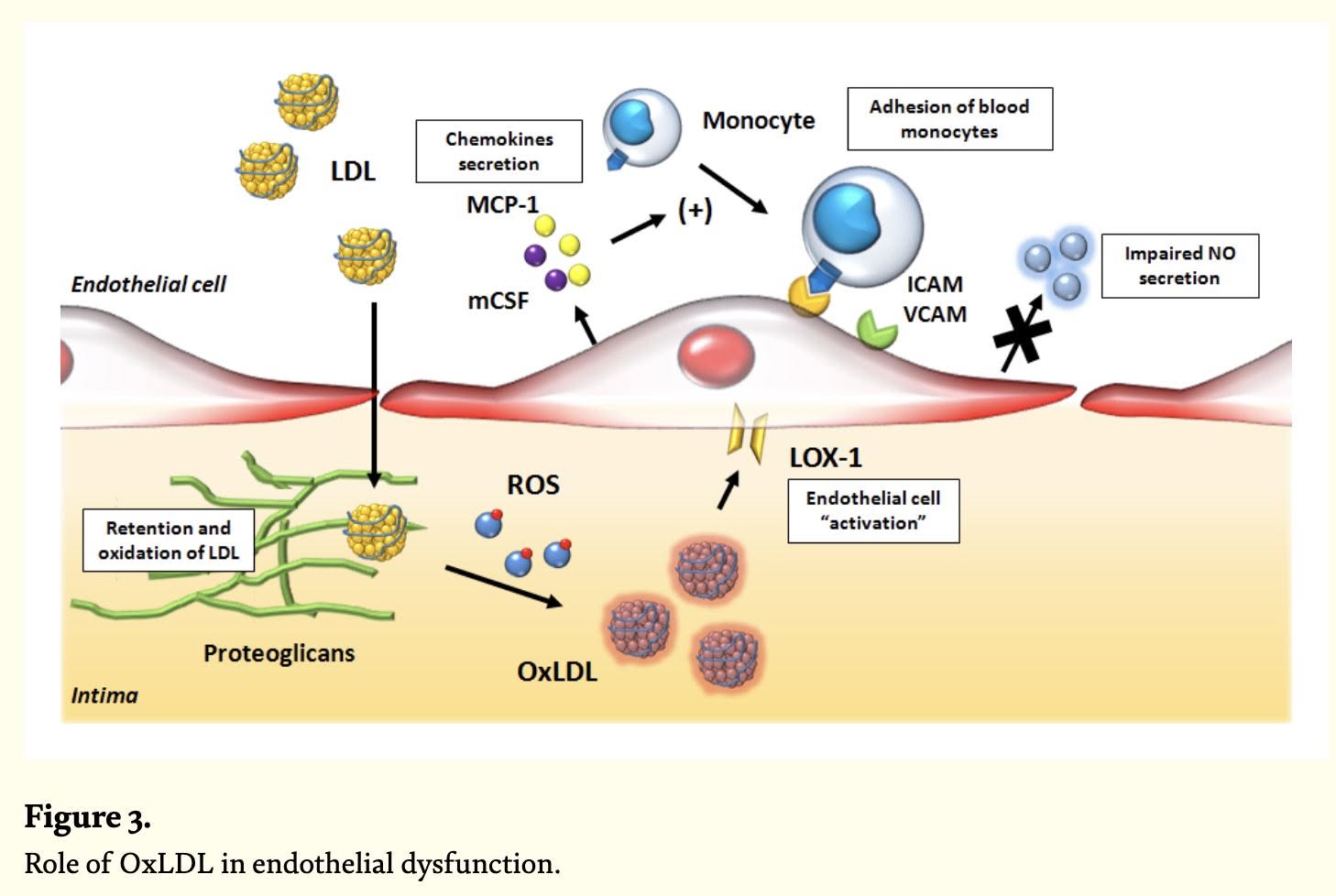
The interaction of these pathogens with the vasculature is not passive. In vitro studies have demonstrated that certain oral bacteria, particularly P. gingivalis, possess the ability to invade and survive within vascular endothelial cells, the single-cell layer lining the blood vessels.This invasion is an active process that triggers a cascade of pro-atherogenic responses within the endothelial cells. The infected cells begin to upregulate the expression of adhesion molecules, such as Intercellular Adhesion Molecule-1 (ICAM-1) and Vascular Cell Adhesion Molecule-1 (VCAM-1).These molecules act as docking sites on the vessel surface, facilitating the recruitment and attachment of circulating monocytes and other inflammatory cells. This migration of leukocytes from the blood into the vessel wall is a critical initiating event in the formation of an atherosclerotic plaque.Thus, the direct invasion of the endothelium by oral pathogens can actively promote the earliest stages of atherosclerosis.
2.2 Indirect Mechanisms I: The Inflammatory Cascade
While the direct effects of bacteria are significant, the primary mechanism linking periodontitis to CVD is widely considered to be indirect, mediated by the systemic inflammatory response triggered by the local oral infection. Periodontitis is a state of chronic, unresolved inflammation. The inflammatory mediators and cytokines produced in the periodontal tissues do not remain localized; they enter the systemic circulation, contributing to a state of chronic, low-grade systemic inflammation that is a well-established driver of atherosclerosis.
The most compelling evidence for this pathway is the consistent finding that individuals with periodontitis have elevated systemic levels of key inflammatory biomarkers. The most studied of these is C-reactive protein (CRP), an acute-phase reactant produced by the liver.Multiple meta-analyses have confirmed that patients with periodontitis have significantly higher circulating levels of CRP compared to periodontally healthy individuals.Elevated CRP is not merely a passive marker of inflammation; it is an active participant in the atherosclerotic process and a strong, independent predictor of future cardiovascular events, including myocardial infarction and stroke.
The elevation in CRP is driven by other pro-inflammatory cytokines, particularly interleukin-6 (IL-6).IL-6 is produced in large quantities within the inflamed periodontal tissues and, upon entering the bloodstream, travels to the liver, where it acts as the primary stimulus for CRP production.Patients with periodontitis also exhibit higher systemic levels of other pro-inflammatory mediators, such as
tumor necrosis factor-alpha (TNF-α) and fibrinogen.This entire suite of inflammatory molecules contributes to all phases of atherosclerosis, from promoting endothelial dysfunction and lipid accumulation in the early stages to inducing the degradation of the plaque's fibrous cap, which can lead to plaque rupture and acute thrombotic events in the later stages.
2.3 Indirect Mechanisms II: Immune Dysregulation, Oxidative Stress, and Metabolic Effects
##
Beyond the primary inflammatory cascade, the systemic challenge posed by periodontitis activates several other pro-atherogenic pathways, creating a multi-pronged assault on the cardiovascular system.
Immune activation and molecular mimicry represent a sophisticated pathway of endothelial damage. The host immune system mounts a response to bacterial proteins. One such class of proteins are Heat Shock Proteins (HSPs), which are highly conserved across species. The bacterial HSP60 (also known as GroEL) shares significant sequence homology with human HSP60.When endothelial cells are under stress (e.g., due to inflammation), they can express human HSP60 on their surface. The immune system, having been primed to recognize the bacterial version, may then cross-react and attack the body's own endothelial cells, causing damage and promoting inflammation. This phenomenon of "molecular mimicry" is a plausible mechanism by which the immune response to oral infection can lead to direct vascular injury.
The chronic inflammation of periodontitis also induces systemic oxidative stress. Activated neutrophils and other immune cells release large quantities of reactive oxygen species (ROS) into the circulation.These highly reactive molecules can cause widespread damage, but their most critical role in atherosclerosis is the
oxidation of low-density lipoprotein (LDL) cholesterol.Oxidized LDL is a key pathogenic molecule; it is readily taken up by macrophages in the vessel wall, leading to their transformation into "foam cells." The accumulation of these lipid-laden foam cells is the defining characteristic of the early atherosclerotic lesion, or "fatty streak".Some periodontal pathogens, such as P. gingivalis, have been shown to directly promote this lipid peroxidation.
Furthermore, periodontal disease can directly influence lipid metabolism and platelet function. Studies have shown that P. gingivalis can oxidize high-density lipoprotein (HDL), the "good" cholesterol, thereby impairing its atheroprotective functions, such as reverse cholesterol transport.Additionally, certain oral bacteria, including P. gingivalis and various species of Streptococcus, can directly bind to and activate platelets.This bacterial-induced
platelet aggregation can contribute to the formation of a thrombus (blood clot), which is the ultimate cause of most heart attacks and ischemic strokes when it occludes a critical artery.
The convergence of these multiple, redundant mechanisms demonstrates that periodontitis is not a passive bystander but an active contributor to a pro-atherogenic systemic environment. This understanding positions periodontal disease not simply as a risk marker but as a plausible risk factor that can accelerate the underlying pathology of cardiovascular disease. It acts as an "atherosclerosis accelerator," capable of amplifying existing risk and potentially transforming a stable, chronic disease into an acute, life-threatening event by promoting plaque instability and thrombosis.This has profound implications for cardiovascular prevention, particularly in individuals who already have established cardiovascular disease or multiple risk factors.
Periodontal Disease Treatment
Intensive treatment of periodontitis (deep cleanings, sometimes with antibiotics or minor gum surgery) has been tested in clinical trials to see if it can improve cardiovascular biomarkers or outcomes. While large-scale trials with hard outcomes are scarce, smaller studies show promising results on surrogate markers. For instance, a landmark randomized trial in 120 patients (Tonetti et al., 2007) compared intensive periodontal therapy vs. standard care. Six months after treatment, the intensively treated group showed significantly improved endothelial function (flow-mediated dilation of the brachial artery improved by ~2 percentage points vs. baseline) and reduced levels of endothelial activation markers The degree of endothelial improvement correlated with the extent of gum health improvement. This suggests treating gum inflammation can reverse some early vascular dysfunction. Similarly, a 2025 systematic review of 16 clinical studies concluded that non-surgical periodontal therapy (scaling and root planing) leads to a significant reduction in systemic inflammation markers – notably high-sensitivity CRP, interleukin-6, and TNF-α – and modest improvements in vascular health. Some trials also note better lipid profiles and blood sugar control post-periodontal treatment, particularly in diabetics.