HD-OPM Archive
Topics › Plaque, imaging & cardiac events

Aspirin, antiplatelets & blood thinners

35 posts (15 primarily about this topic) · 9 reposts and set-aside posts not shown

Start here — the best posts in this topic

  1. Heart attack clots form on ruptured unstable plaque, not in plaque-free arteries Mar 17, 2025
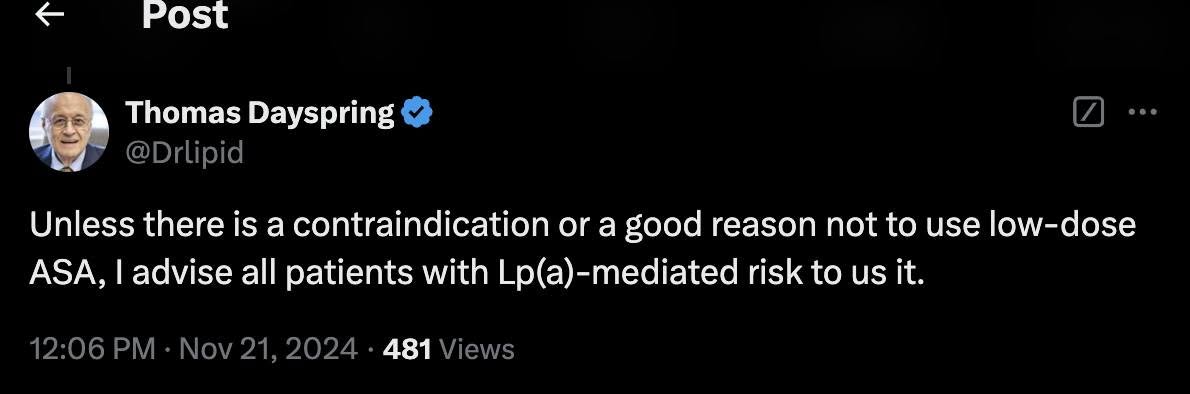
  2. Baby aspirin may be worth considering for people with high Lp(a) Jul 13, 2025
  3. Heart attacks peak in the early morning; bedtime dosing of BP drugs may help Jun 27, 2026
  4. Olive oil may reduce clotting by raising apoA-IV, which limits platelet aggregation Jul 02, 2024
  5. Baby aspirin during and after Covid may be worth discussing if you have heart disease Jan 06, 2024
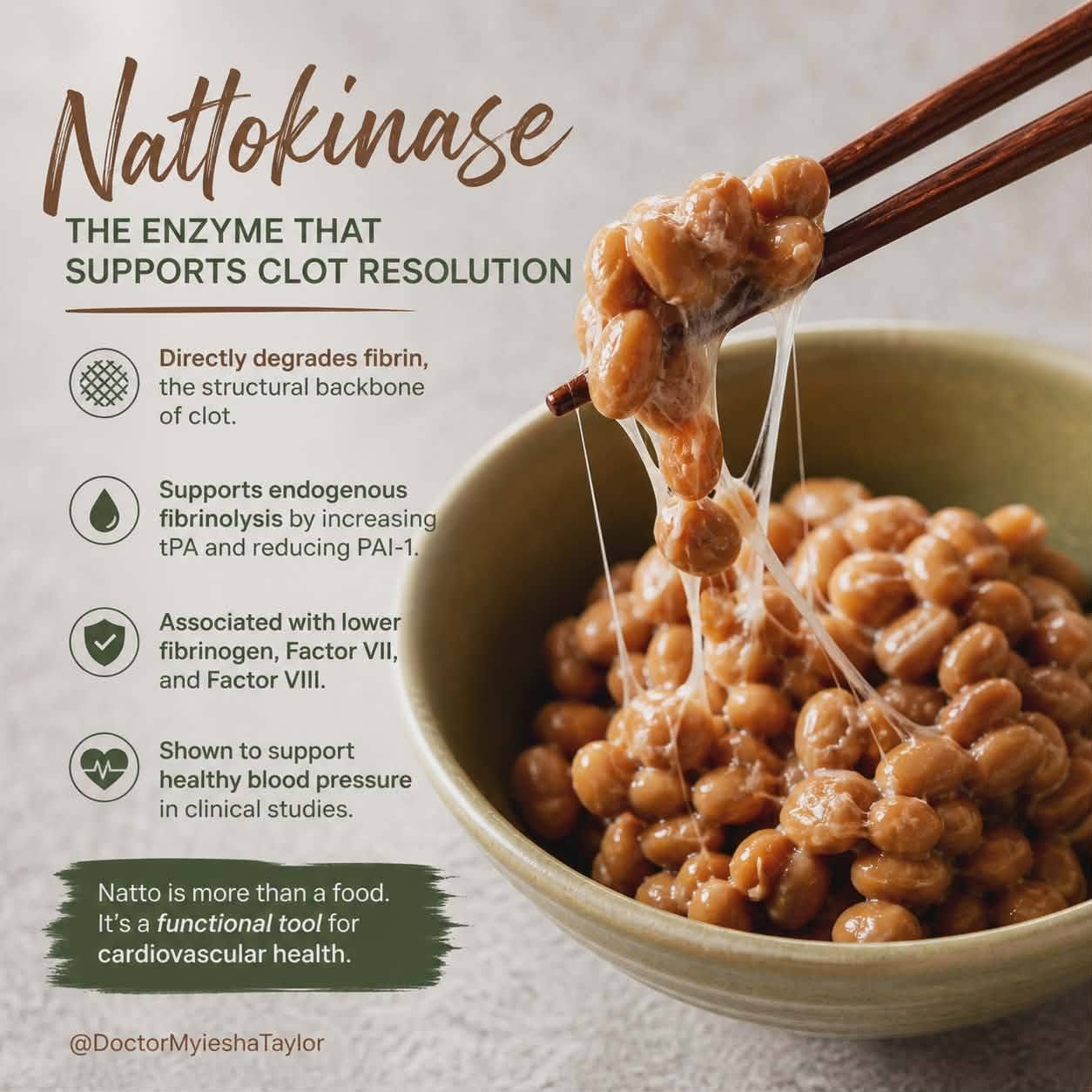
  6. Nattokinase deserves study, but human trials are small and low quality May 02, 2026
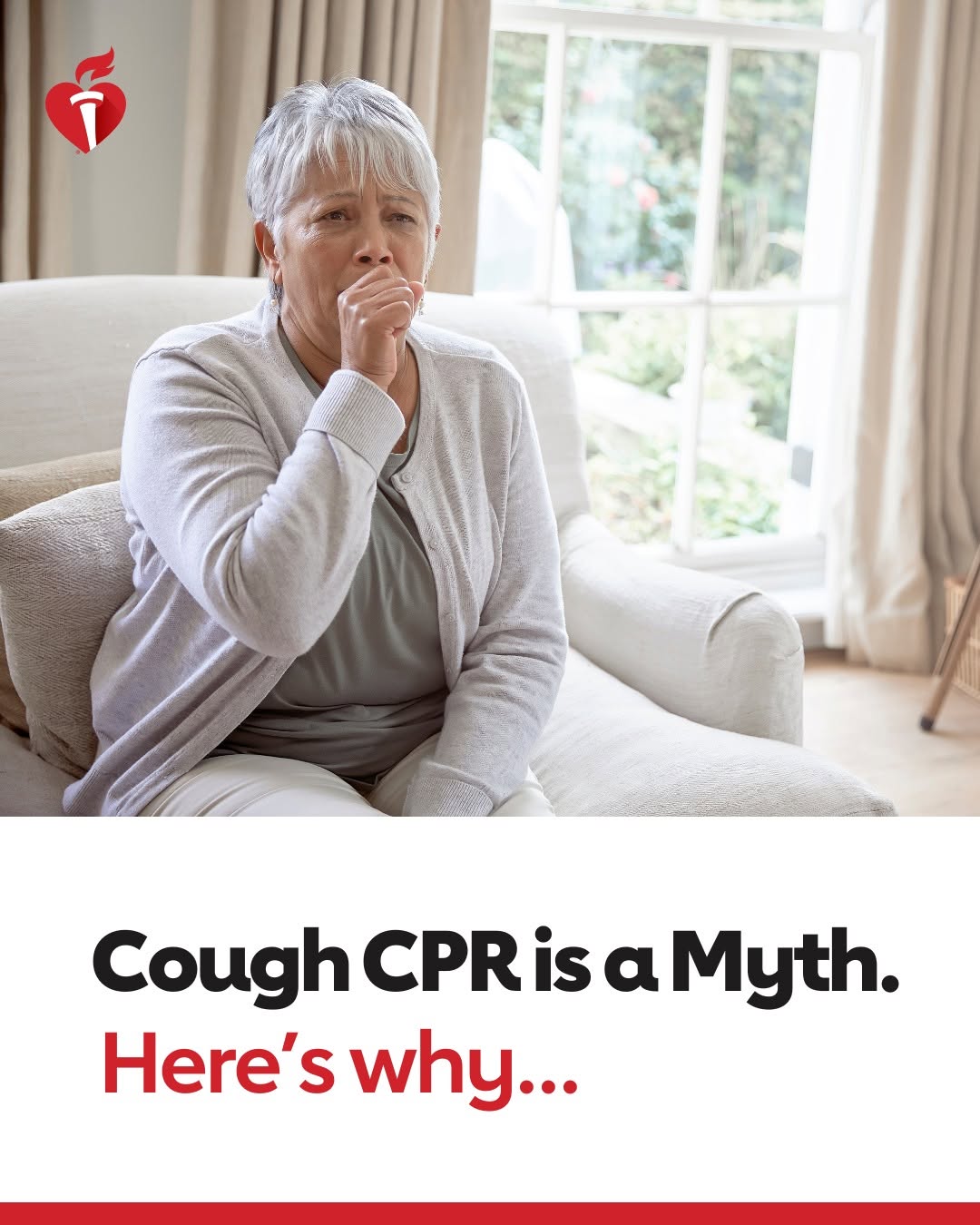
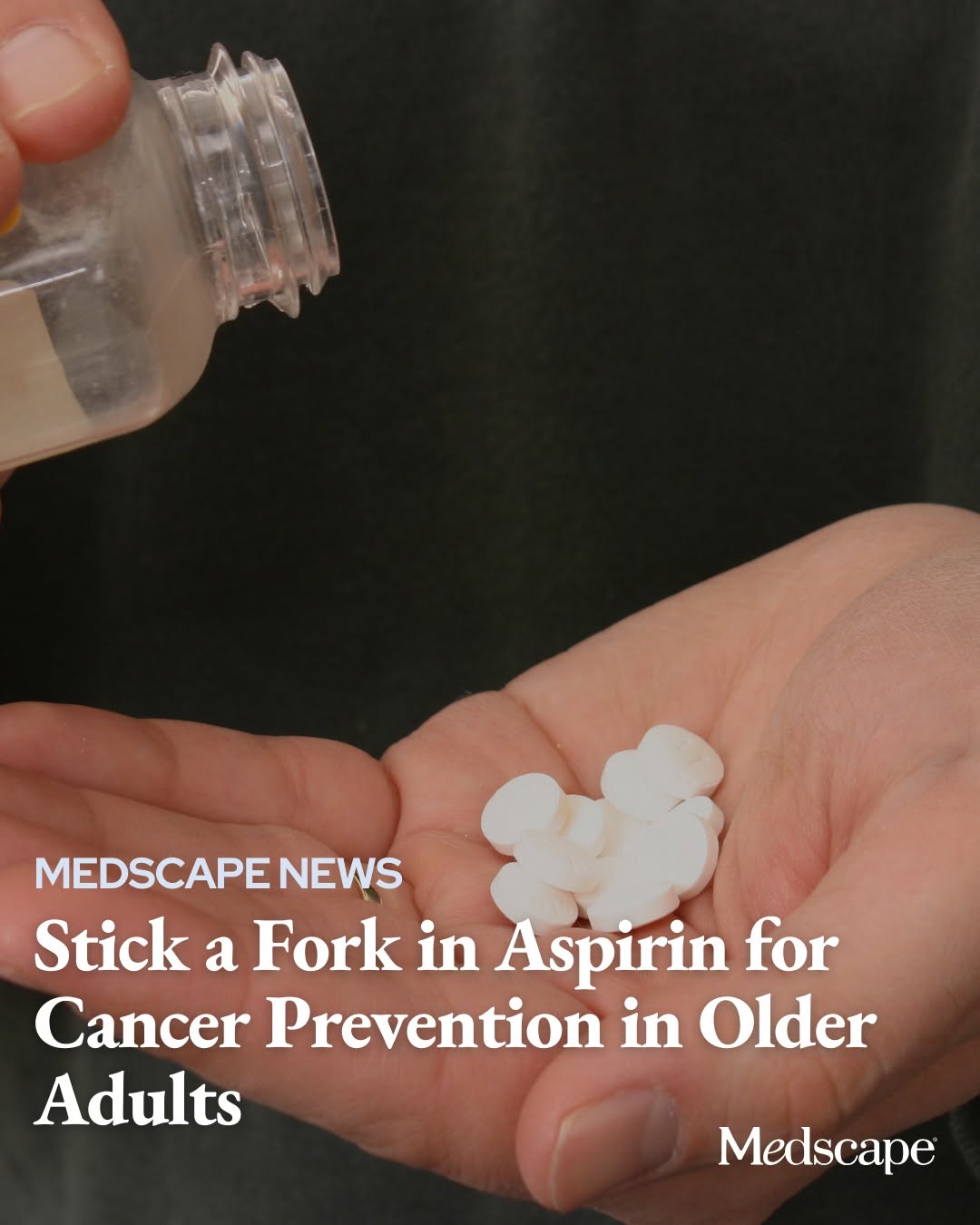
  7. 'Cough CPR' for heart attacks is a myth; chew aspirin and call 911 Apr 24, 2025
  8. Platelet reactivity score (PRESS) predicts cardiovascular events in PAD patients Aug 20, 2024
#aspirin 23#heartattack 8#stroke 6#cancer 6#bloodclots 5#platelets 5#bleeding 5#thrombosis 4#covid 4#bloodpressure 3#infection 3#omega3 3#lpa 2#statins 2#nattokinase 2#cardiovascular 2#supplements 2#fishoil 2#flu 2#coloncancer 2#aspree 2#dementia 2#alzheimers 2#plaque 1#cortisol 1#medicationtiming 1#morningsurge 1#evoo 1#monounsaturatedfat 1#oliveoil 1#heartdisease 1#inflammation 1#cardiovascularhealth 1#cholesterol 1

Heart attack clots form on ruptured unstable plaque, not in plaque-free arteries

Mar 17, 2025 · Louis Nervegna ♥ 29 · 💬 12 Heart attack, stroke & procedures

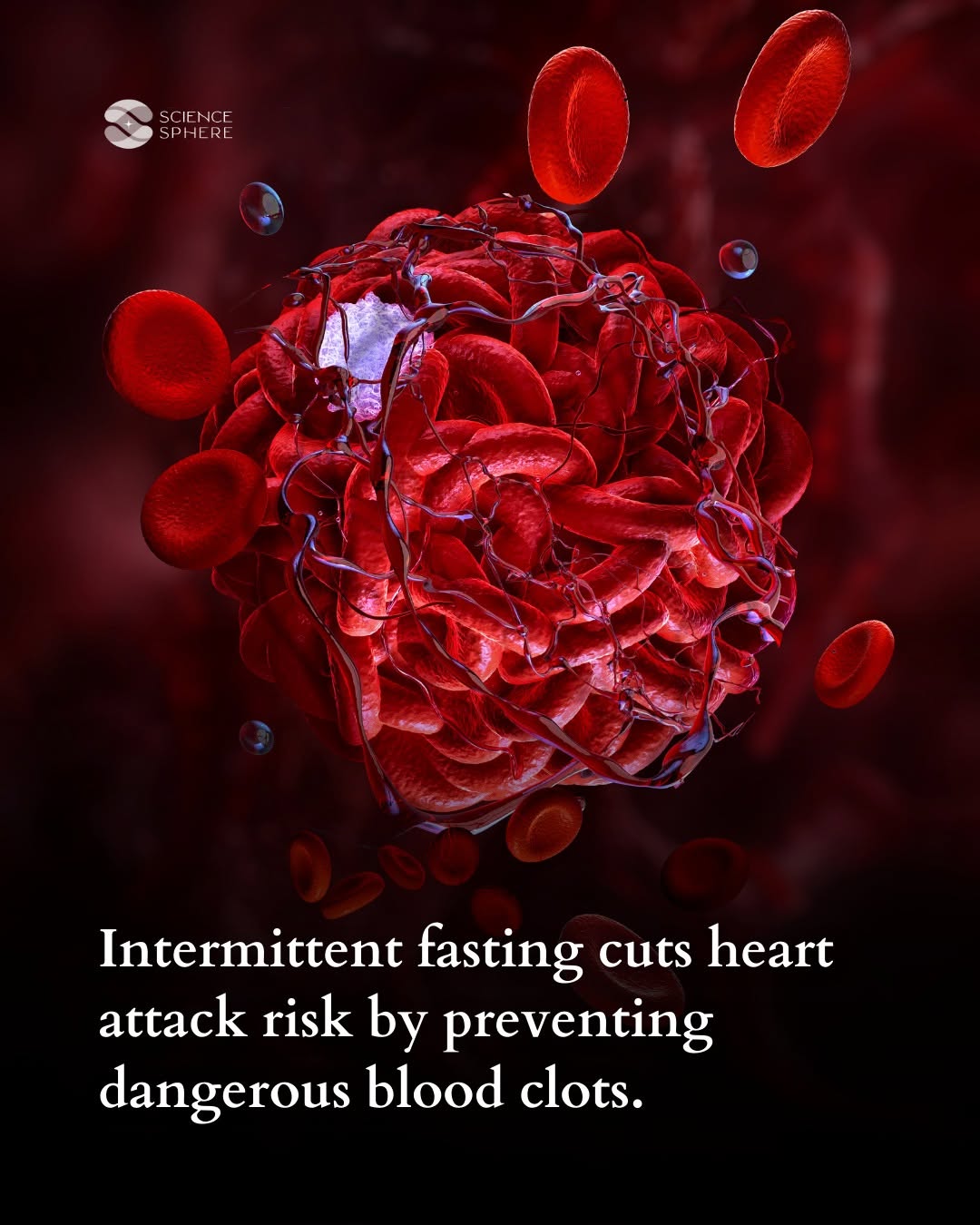
Louis argues that although most heart attacks are caused by clots, clots form when unstable plaque ruptures, so people with near-zero plaque have near-zero risk of clot-caused heart attacks. Blood thinners like aspirin are proven to lower risk in people with considerable plaque but are unlikely to help, and may harm, those with little or no plaque.
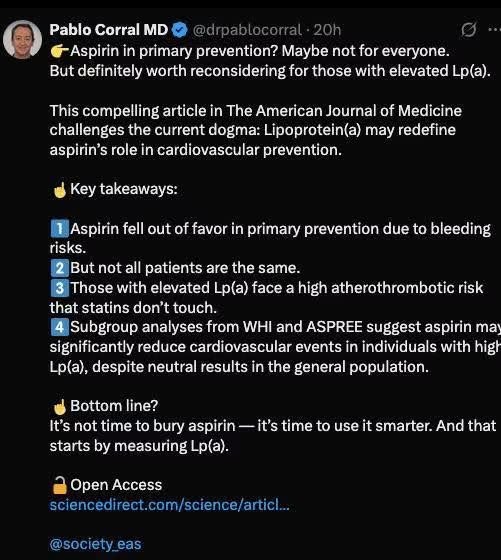
Baby aspirin may be worth considering for people with high Lp(a)

Jul 13, 2025 · Louis Nervegna ♥ 25 · 💬 13 Lp(a)

Louis suggests low-dose aspirin is worth considering in people with elevated Lp(a), linking a physician's post and a 2025 review on the aspirin prevention conundrum. The referenced material argues Lp(a) may redefine aspirin's role in primary prevention.

Heart attacks peak in the early morning; bedtime dosing of BP drugs may help

Jun 27, 2026 · Louis Nervegna ♥ 14 · 💬 14 Heart attack, stroke & procedures

Louis explains that most heart attacks occur shortly after waking, when cortisol surges, vessels tighten and blood pressure spikes. He suggests taking blood pressure medication, aspirin and statins at bedtime, and corrects his post to say people are found dead in the 'bathroom' rather than 'toilet', since defecation syncope is much rarer than a standard heart attack.

Baby aspirin during and after Covid may be worth discussing if you have heart disease

Jan 06, 2024 · Louis Nervegna ♥ 14 · 💬 12 Infections & vaccines

Louis suggests people with heart disease who get Covid ask their doctor about baby aspirin during infection and for a few weeks after. Infections temporarily raise heart attack and stroke risk through inflammation, and Covid raises clot risk more than other infections. A linked 2022 meta-analysis found aspirin use associated with lower Covid mortality without more bleeding.

Platelet reactivity score (PRESS) predicts cardiovascular events in PAD patients

Aug 20, 2024 · Gokhan Can ♥ 6 · 💬 19

NYU researchers developed PRESS, combining platelet aggregation responses and RNA sequencing, to detect platelet hyperreactivity. In PAD patients, hyperreactive platelets predicted more major adverse cardiac or limb events within 30 days of revascularization, and PRESS above the median carried a 90% higher risk of major events over 18 months. It might help target aspirin.

Eliquis and supplements question; mother's suspected DVT proved a false positive

Dec 30, 2024 · Louis Nervegna ♥ 10 · 💬 21

Louis asks whether group members take Eliquis and how supplements interact with it, since some supplements add to the anticoagulant effect and it is metabolized by CYP3A4. In an edit he reports his mother's calf DVT diagnosis was wrong: repeat ultrasound and D-dimer in a vascular clinic showed clear veins, noting ultrasound alone is only about 60% accurate for DVT.

Flu and respiratory infections raise heart attack risk; ask your doctor about baby aspirin

Sep 11, 2024 · Louis Nervegna ♥ 13 · 💬 8 Infections & vaccines

Louis shares MedPage Today coverage of another study confirming that infections like flu temporarily raise heart attack and stroke risk. He suggests that people with CVD ask their doctor about daily baby aspirin during illness and for a period afterward. The proposed mechanism is increased metabolic demand plus inflammatory and coagulation effects that destabilize plaque.

Aspirin blocks platelet TXA2 suppression of T cells and reduces metastasis in mice

Dec 07, 2025 · Louis Nervegna ♥ 18 · 💬 4

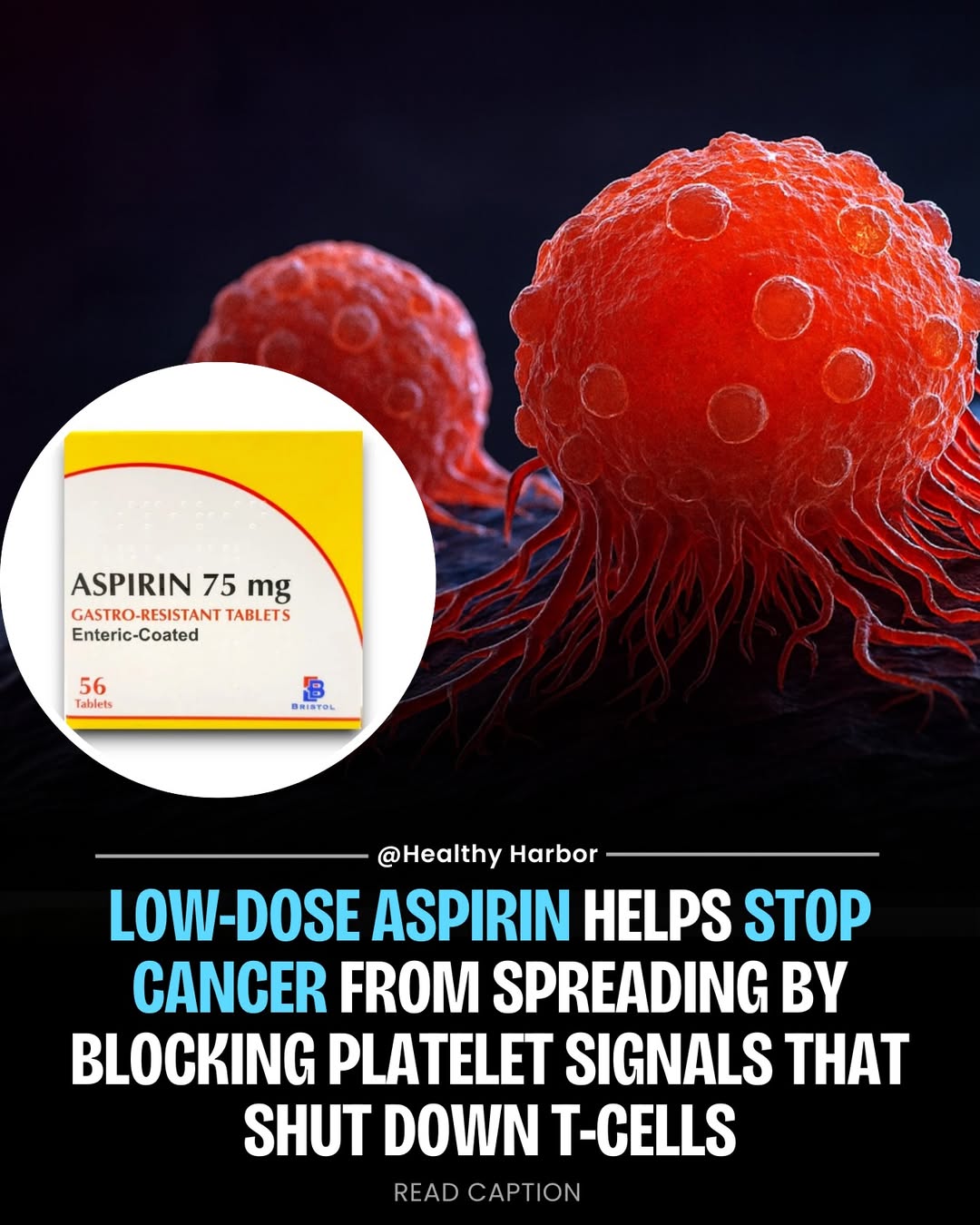
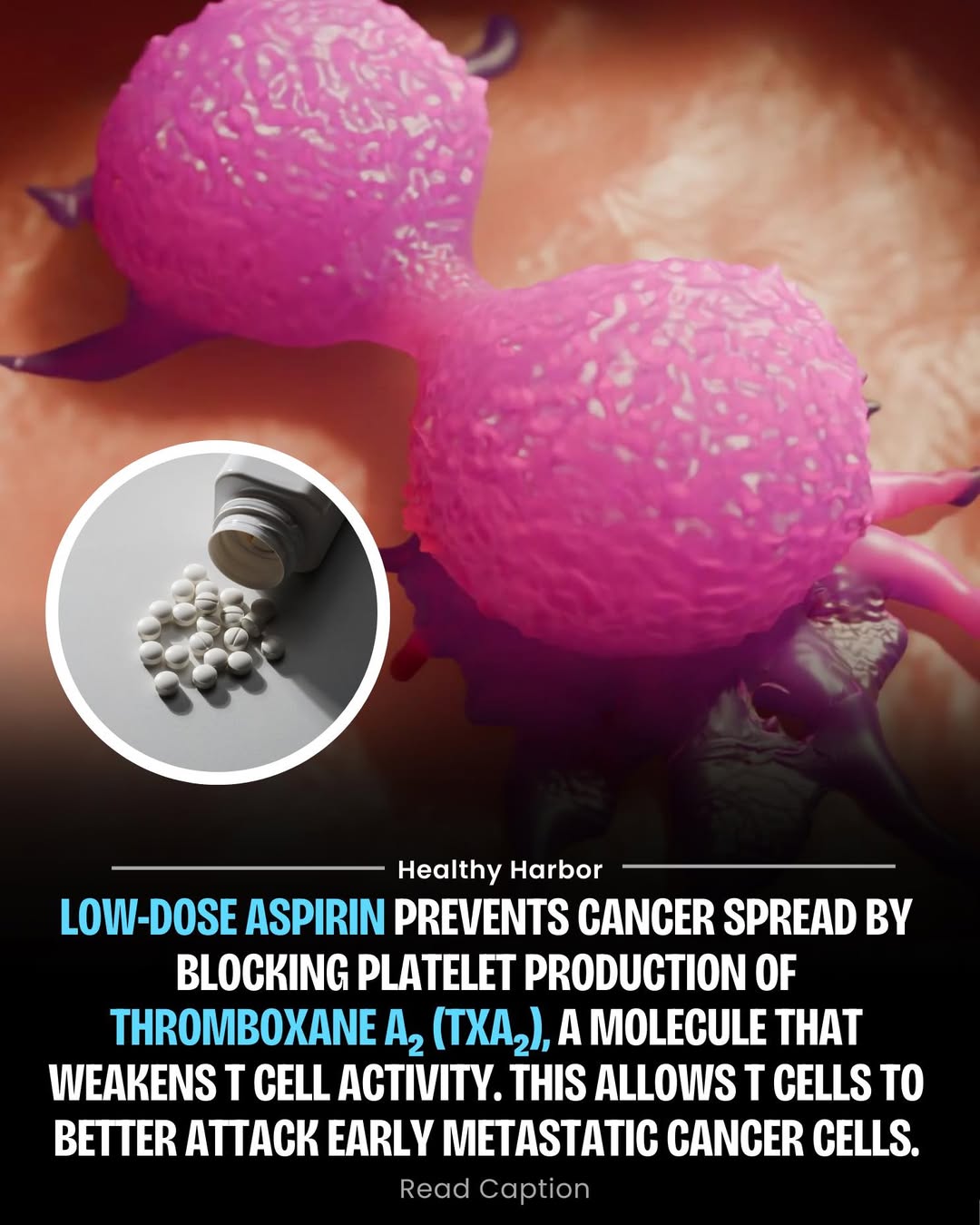
Louis shares a 2025 Nature study showing that platelet-derived thromboxane A2 binds CD8+ T cells and, via ARHGEF1, weakens their anti-tumor activity. Aspirin or COX-1 inhibitors lifted this and reduced metastatic burden in mouse melanoma and lung models, only in animals with intact T-cell immunity, suggesting a mechanism for aspirin's apparent cancer protection.

ASPREE: aspirin tied to 70% lower dementia with high platelet-count genetic scores

Oct 02, 2026 · Louis Nervegna ♥ 10 · 💬 4

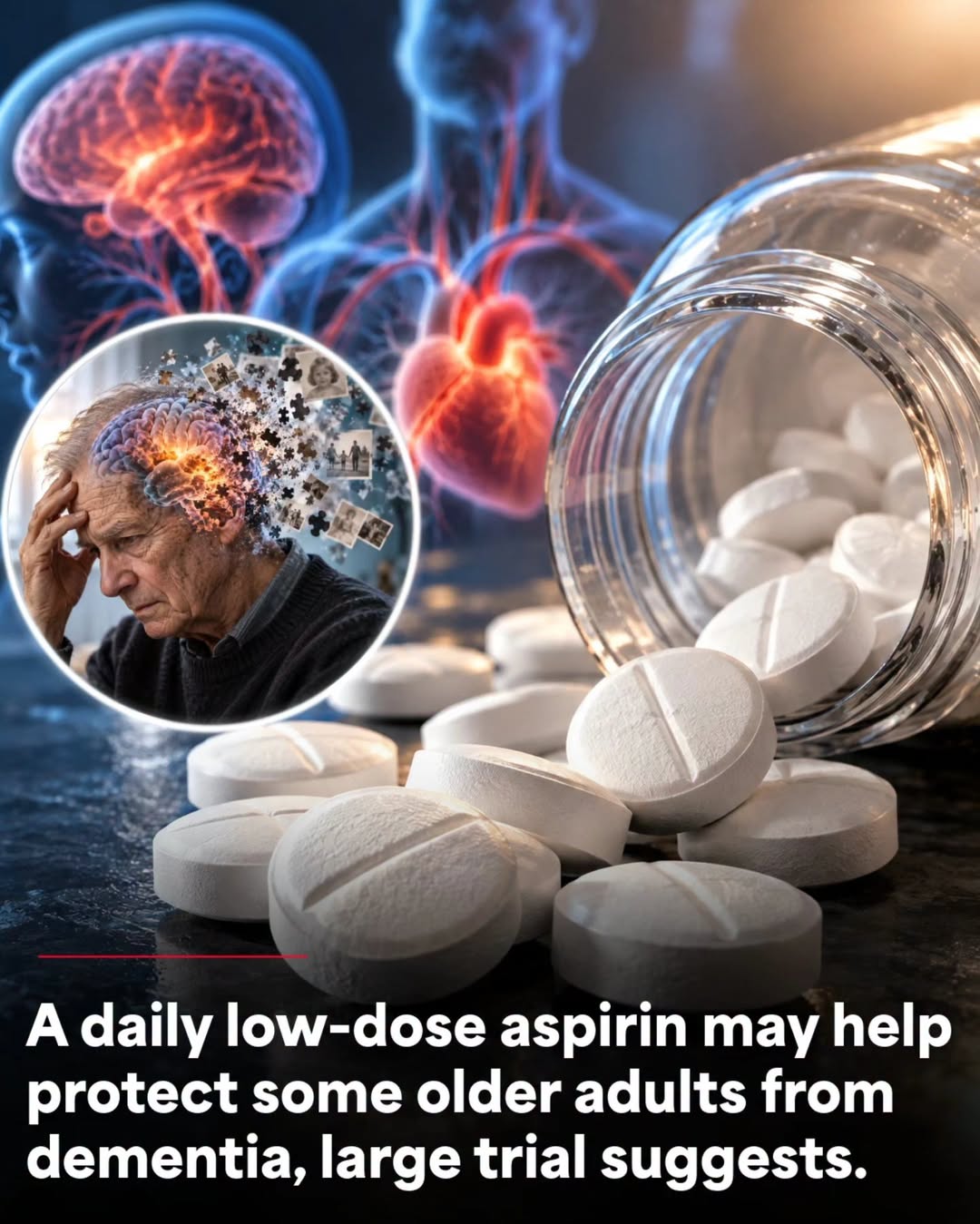
Monash researchers analysed genetic data from 13,541 ASPREE participants and found that among those in the top 20% of a platelet-count polygenic score, 1% on 100 mg aspirin developed dementia versus 3.3% on placebo. Aspirin is not recommended for dementia prevention, and this is a genetic subgroup finding that needs confirmation, with bleeding risk to weigh.

Infections temporarily raise heart attack and stroke risk; vaccines may do so far less

Oct 14, 2024 · Louis Nervegna ♥ 12 Infections & vaccines

Louis explains that infections such as flu raise short-term heart attack and stroke risk through inflammation and coagulation effects that destabilize plaque, and that the effect fades in a week or two. Vaccines can in theory do this to a much smaller degree. He suggests asking a doctor about a baby aspirin during and shortly after infection, and avoiding hs-CRP tests during that window.

Review: functional foods as safer alternatives to antiplatelet drugs

Nov 20, 2024 · Gokhan Can ♥ 8

Review of diet-based ways to curb platelet hyperactivity, a driver of thrombosis, CVD, diabetes and cancer. It notes aspirin resistance in 25-30% of people and bleeding risks, and highlights omega-3s, polyphenols, tomato extract (Fruitflow) and kiwifruit as promising natural antiplatelet agents.

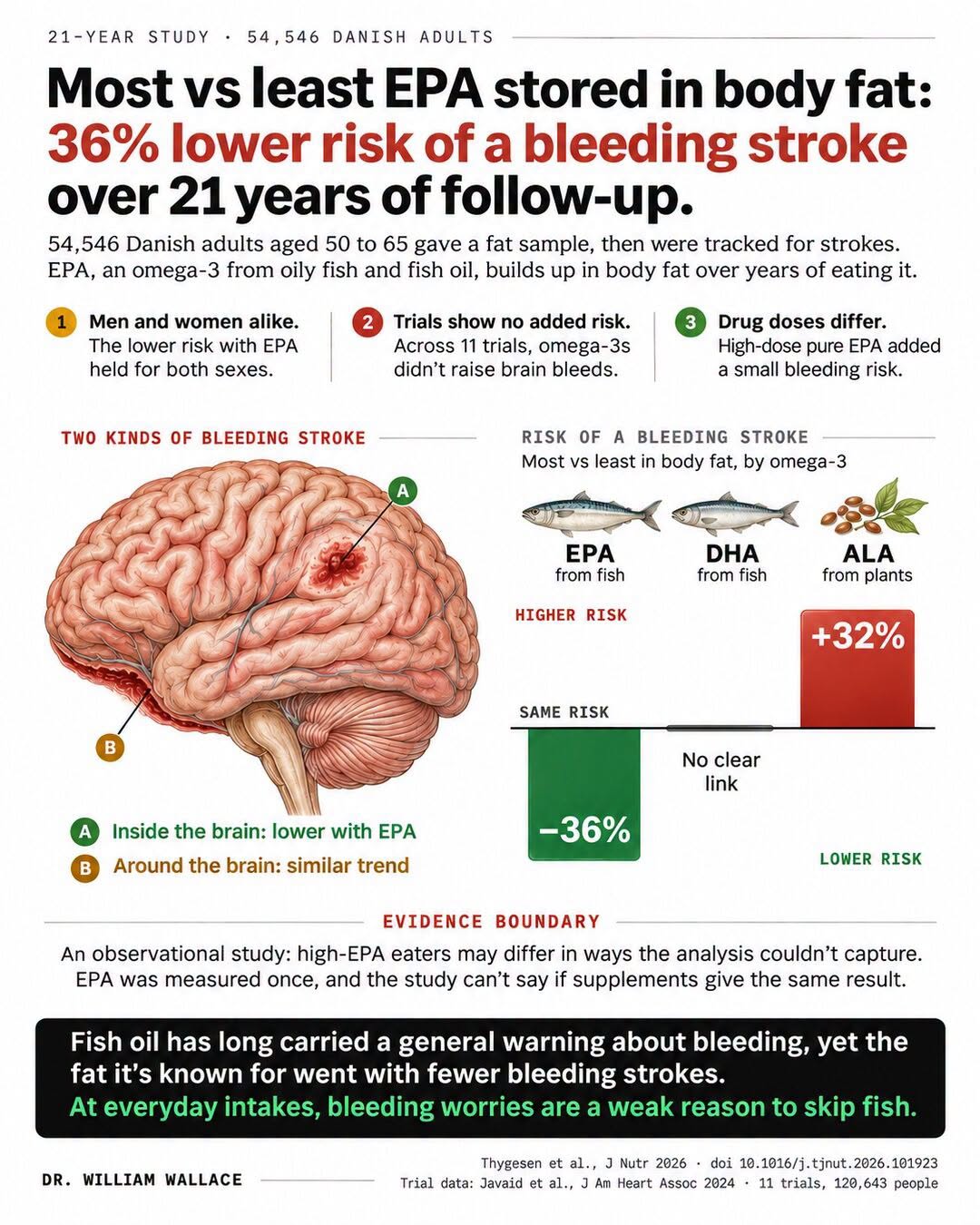
Higher stored EPA linked to 36% lower bleeding stroke risk in a 21-year Danish study

Nov 09, 2026 · Louis Nervegna ♥ 4 Heart attack, stroke & procedures

Louis shares a 21-year Danish study of 54,546 adults using fat-tissue samples of EPA and DHA. People with the highest EPA had a 36% lower risk of bleeding stroke, DHA was neutral, and ALA was linked to 32% higher risk (needs confirmation). Pooled RCTs found no extra brain bleeding, except small risk with high-dose prescription EPA. The study is observational.

Lp(a) makes clots form more easily and resist breakdown via OxPL and apo(a)

Nov 10, 2026 · Louis Nervegna ♥ 3 Lp(a)

Louis shares a summary of an ATVB commentary by Rafael Zubiran explaining why high Lp(a) may be worse than LDL. Its oxidized phospholipids activate monocytes to make tissue factor, and apo(a) resembles plasminogen and competes with clot breakdown, producing denser, harder-to-dissolve clots. Louis notes statins, especially atorvastatin, may neutralize OxPL and aspirin lowers clotting risk.

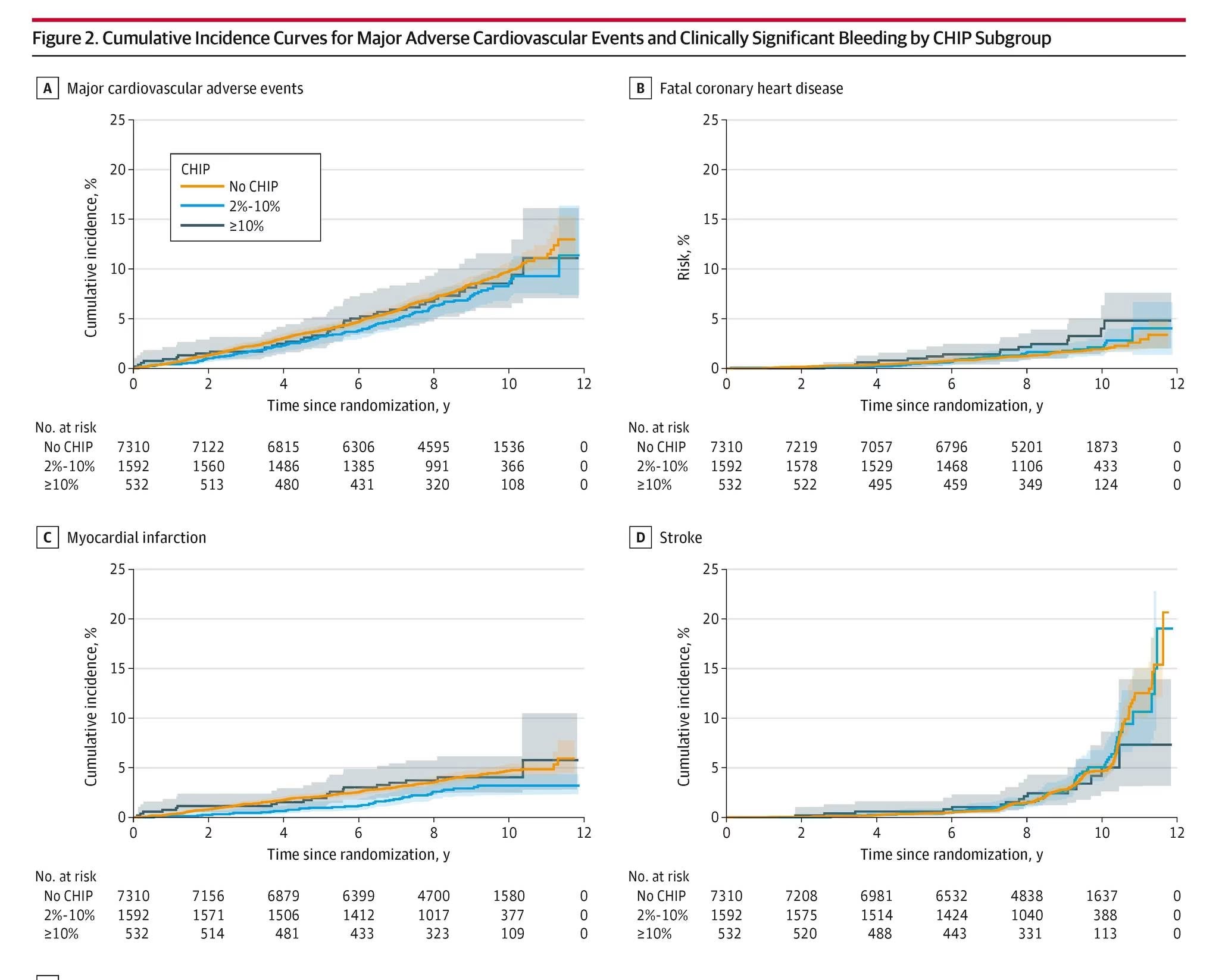
CHIP not tied to heart attack or stroke in a 9,434-person aspirin trial, but to bleeding

Oct 18, 2025 · Louis Nervegna ♥ 1 · 💬 1

Louis shares a JAMA Cardiology secondary analysis of a primary-prevention aspirin trial (9,434 participants) on clonal hematopoiesis of indeterminate potential (CHIP), a common aging-related blood cell mutation. CHIP was not associated with more cardiovascular events but was associated with more clinically significant bleeding, and aspirin's effects did not differ by CHIP status. He also explains what CHIP is.

ASPREE sub-analysis: aspirin tied to ~70% lower dementia in a platelet-genetics subgroup

Oct 05, 2026 · Louis Nervegna ♥ 1

A genetic analysis of 13,541 ASPREE participants found aspirin did not prevent dementia overall, but in the top 20% of a platelet-count genetic score dementia occurred in about 1% on aspirin versus 3.3% on placebo. Major bleeding was more than twice as common in this subgroup, so the post cautions against starting aspirin for dementia prevention.