HD-OPM Archive
Topics › Plaque, imaging & cardiac events

Blood vessels, circulation & endothelium

127 posts (42 primarily about this topic) · 24 reposts and set-aside posts not shown

Start here — the best posts in this topic

  1. Cocoa raised circulating stem cells 2.2-fold and endothelial function 47% in heart disease Sep 03, 2025
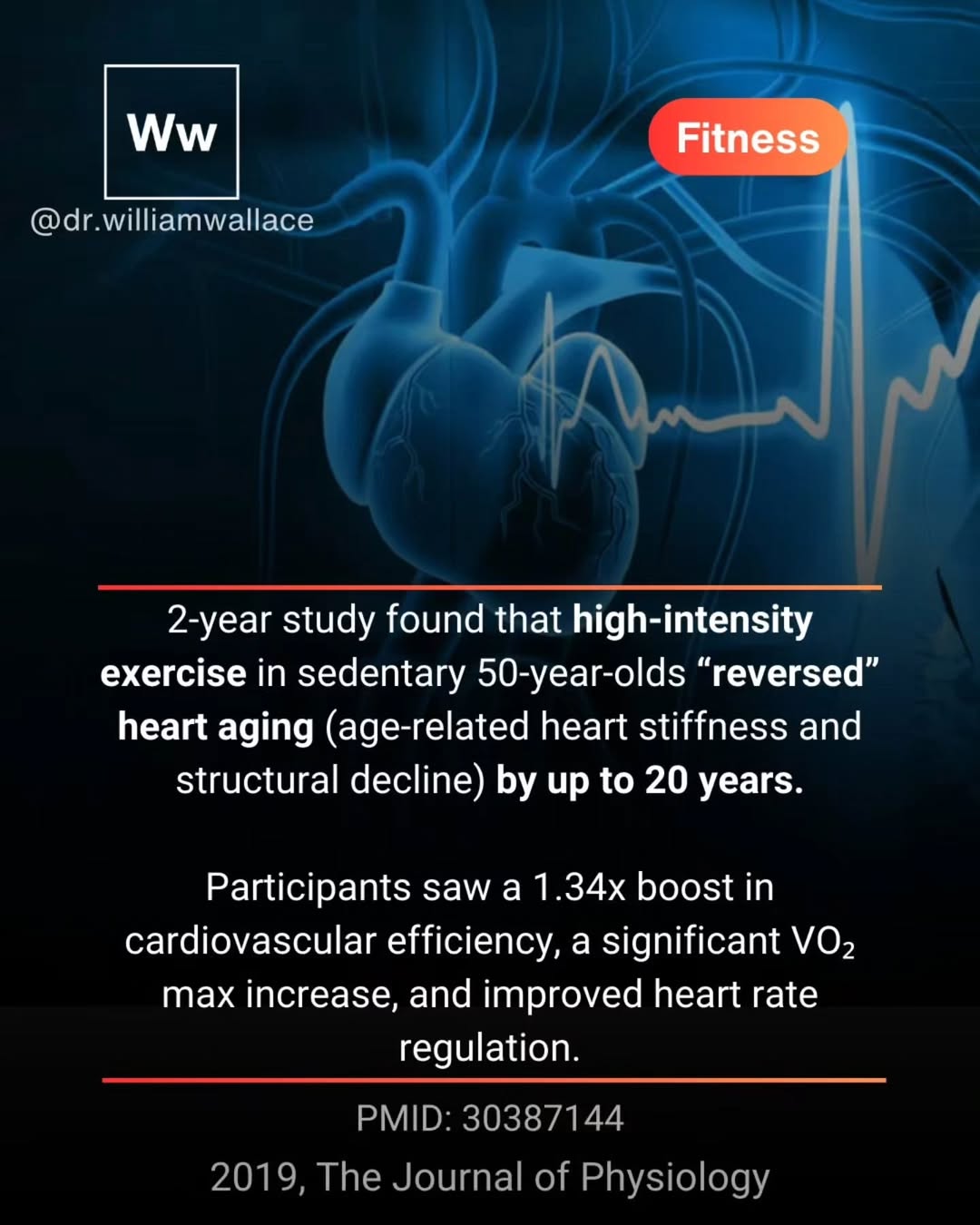
  2. Two-year high-intensity exercise reversed cardiac aging by up to 20 years in an RCT Feb 15, 2025
  3. Olive oil's brief FMD dip resembles exercise's transient, hormetic endothelial effect ↩ 6 · Jul 02, 2024
  4. RCT: one dose of high-polyphenol EVOO raised FMD 4.8% in adults at risk for diabetes ↩ 5 · Mar 14, 2025
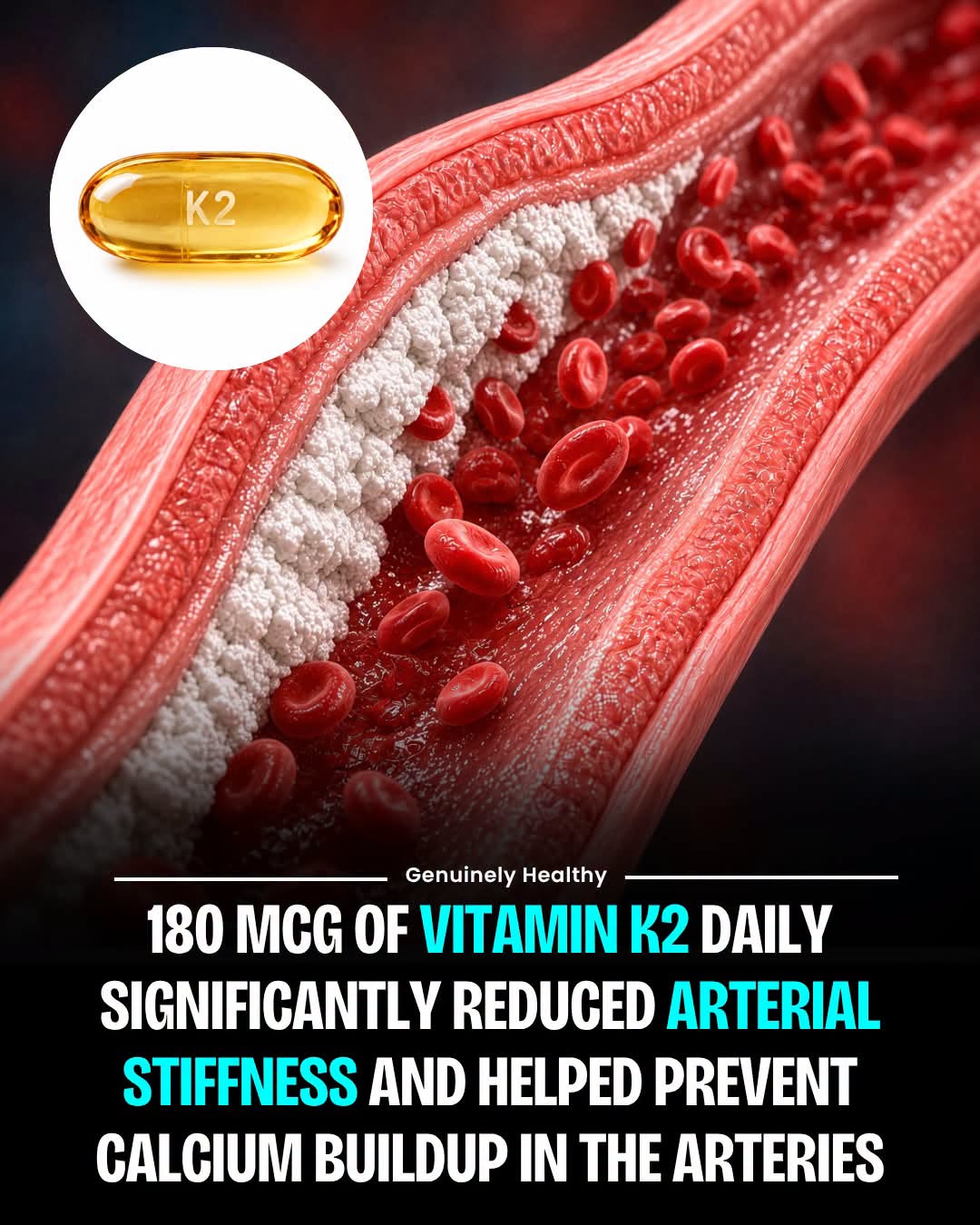
  5. Vitamin K2 activates matrix Gla protein to limit arterial calcification, review says Sep 13, 2026
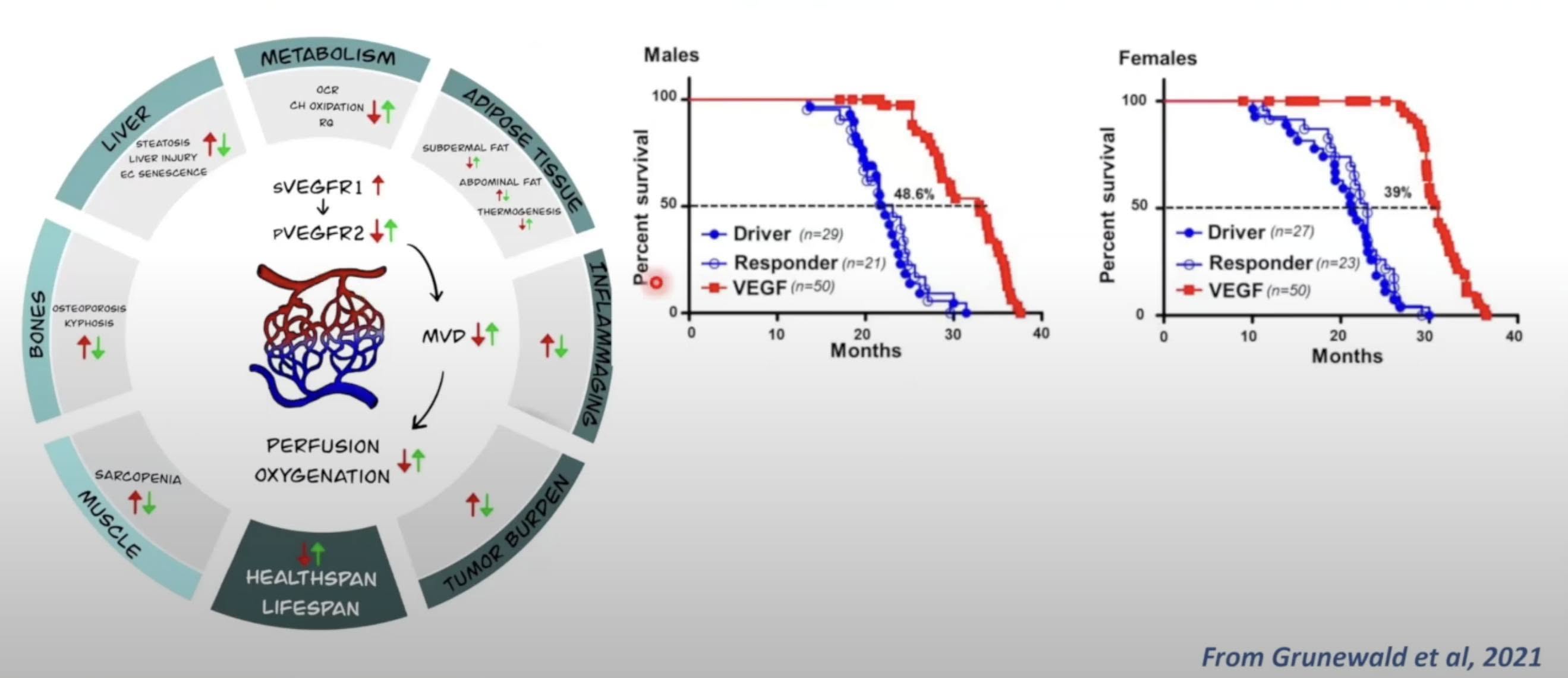
  6. Boosting VEGF signaling to improve circulation extended lifespan 45% in old mice Dec 19, 2024
  7. One 50 mL dose of high-polyphenol EVOO improved endothelial function vs refined olive oil ↩ 1 · May 05, 2026
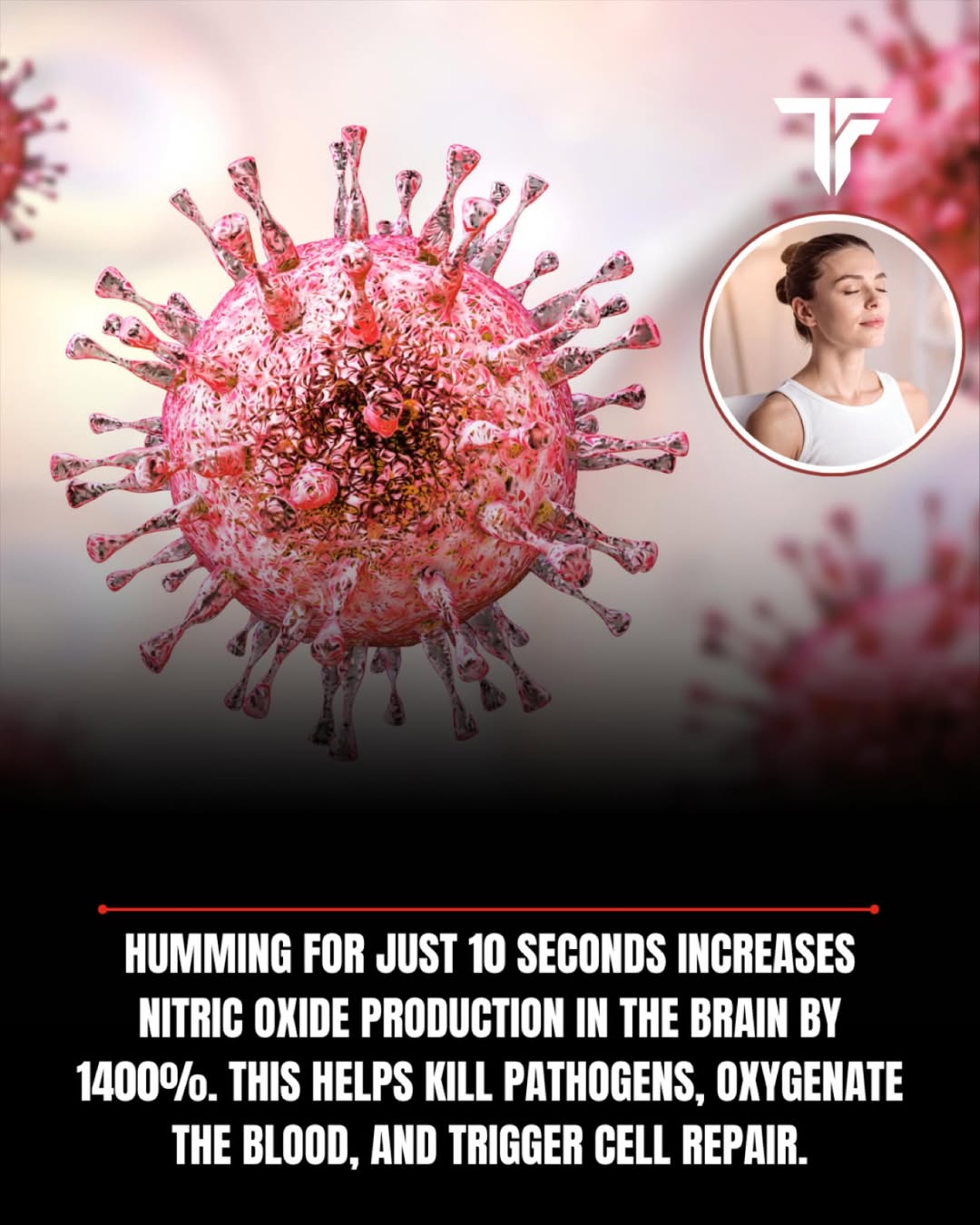
  8. Humming boosts nasal nitric oxide about 15-fold; a small RCT hints at lower blood pressure Oct 19, 2025
#endothelialfunction 20#bloodpressure 16#inflammation 16#atherosclerosis 15#nitricoxide 14#fmd 13#cardiovascular 13#endothelium 12#plaque 12#esselstyn 10#oliveoil 10#aging 10#heartdisease 10#exercise 9#mice 9#diabetes 9#oliveoilfmd 8#evoo 8#longevity 8#cholesterol 8#protein 7#brain 7#hormesis 6#supplements 6#alzheimers 6#hearthealth 5#insulin 5#heartattack 5#hypertension 5#calcification 5#stroke 5#cvd 5#veins 5#dementia 5#cocoa 4#harvard 4#arginine 4#nuts 4#carotid 4#statins 4

Olive oil's brief FMD dip resembles exercise's transient, hormetic endothelial effect

Jul 02, 2024 · Louis Nervegna ♥ 19 · 💬 25 ↩ 6

Responding to Esselstyn's reliance on a short-term study of refined olive oil impairing endothelial function, the poster notes exercise causes the same transient dip followed by rebound. Quoted exercise physiology papers describe an immediate FMD nadir followed by normalization or supranormalization, and he says over 30 RCTs show olive oil improves FMD long term.

RCT: one dose of high-polyphenol EVOO raised FMD 4.8% in adults at risk for diabetes

Mar 14, 2025 · Louis Nervegna ♥ 20 · 💬 22 ↩ 5 Fats & oils (saturated fat, seed oils, omega-6, olive oil)

Louis rebuts Caldwell Esselstyn's claim that EVOO impairs endothelial function, citing a randomized crossover trial in adults at risk for type 2 diabetes. A single 50 mL dose of high-polyphenol EVOO improved flow-mediated dilation compared with refined olive oil, with no acute blood pressure effect, and the authors note that reports should specify the oil's characteristics.

Boosting VEGF signaling to improve circulation extended lifespan 45% in old mice

Dec 19, 2024 · Gokhan Can ♥ 16 · 💬 36

Gokhan highlights a mouse study in which restoring youthful VEGF signaling kept blood vessels healthier with age, improving metabolism, muscle, bone and inflammation and extending lifespan by 45%. He speculates about human applications such as walking and daily activity, but the finding is in mice.

Humming boosts nasal nitric oxide about 15-fold; a small RCT hints at lower blood pressure

Oct 19, 2025 · Louis Nervegna ♥ 28 · 💬 20 Blood pressure, salt & potassium

Louis fact-checks a viral claim that humming raises nitric oxide 1400%: that equals about a 15-fold rise in nasal production (not 'brain' production as the post said), a finding from Weitzberg's 2002 work. A small randomized trial of bee-humming breathing in hypertension suggests blood pressure may fall, though whether nitric oxide is the mechanism is unclear.

Taurine and cardiovascular disease: anti-inflammatory and vascular effects

Jan 27, 2024 · Gokhan Can ♥ 21 · 💬 26 ↩ 2 Supplements & vitamins

A long evidence summary on taurine: deficiency causes cardiomyopathy in cats and in humans with transporter defects, higher taurine intake correlates with lower coronary disease, and animal studies show reduced atherosclerosis and vessel relaxation. The author is considering a supplement against chronic inflammation; most evidence cited is animal or observational.

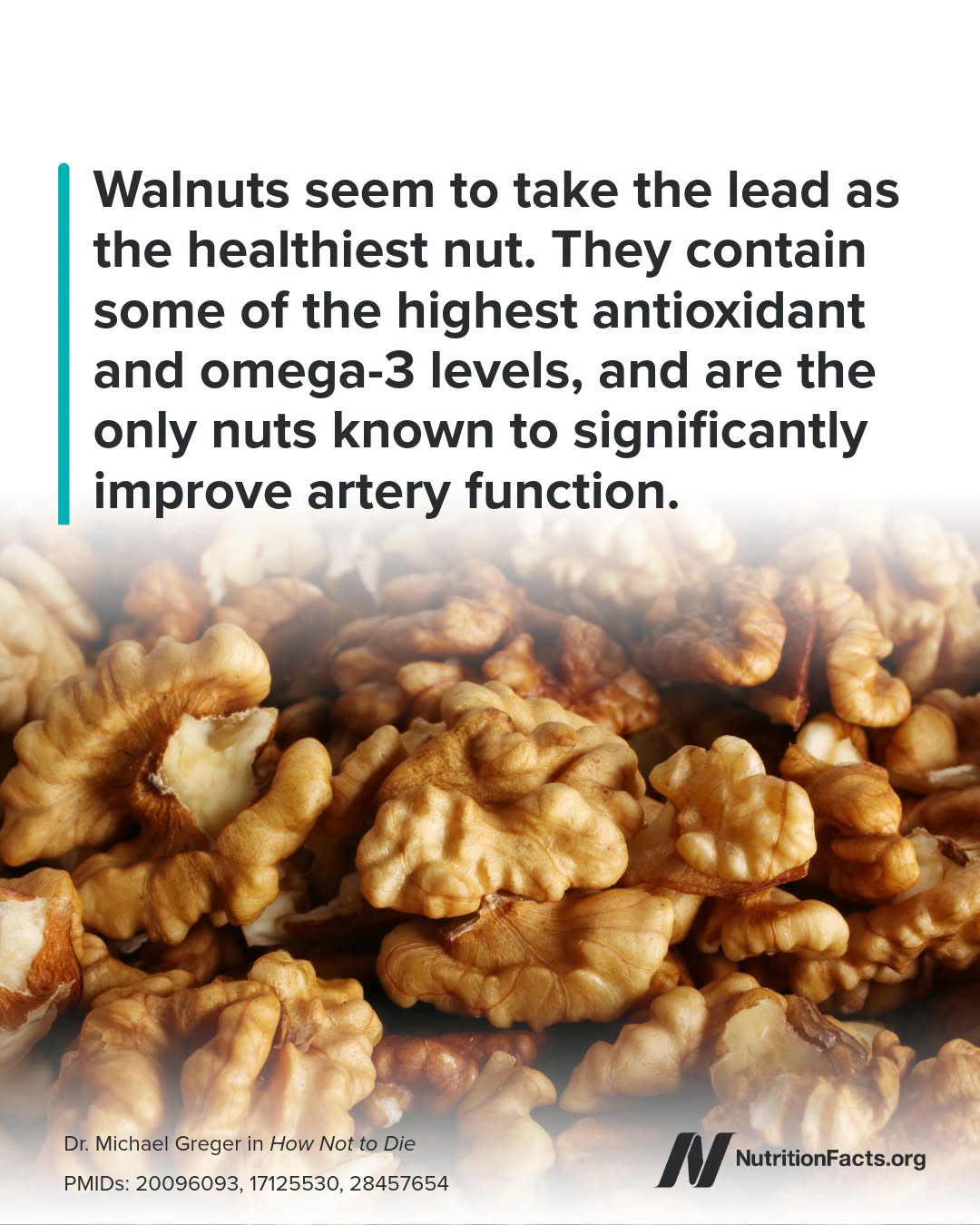
Daily peanuts raised brain blood flow about 4% in older adults, possibly via arginine

Dec 03, 2025 · Louis Nervegna ♥ 27 · 💬 17 ↩ 2 Nuts, fish, coffee, tea, cocoa & other foods

Louis shares a Clinical Nutrition study in which a daily 60 g serving of skin-roasted peanuts improved global brain blood flow by about 4% in older adults, roughly the decline seen over 10 years of aging. He suggests arginine-driven nitric oxide as the mechanism, and nuts as slow-release arginine that may also help heart health.

Johns Hopkins arginine RCT stopped early: 6 deaths vs 0 in heart-attack survivors

Nov 29, 2023 · Louis Nervegna ♥ 13 · 💬 25 ↩ 3 Supplements & vitamins

Louis warns that L-arginine supplements, taken to raise nitric oxide, can be dangerous after a heart attack. A Johns Hopkins randomized trial of 153 heart attack survivors given 3 g arginine three times daily was stopped after six months when six deaths occurred in the arginine group and none on placebo. Citrulline, which the body converts to arginine, might carry a similar concern, which is his speculation.

Harvard trial tests whether plain white potatoes damage endothelial function

Jan 03, 2026 · Louis Nervegna ♥ 17 · 💬 25

Louis describes a randomized feeding trial at Harvard Medical School and MGH asking if plain white potatoes impair endothelial function and promote arterial inflammation. The trial follows cohort findings linking potato consumption to hypertension and diabetes.

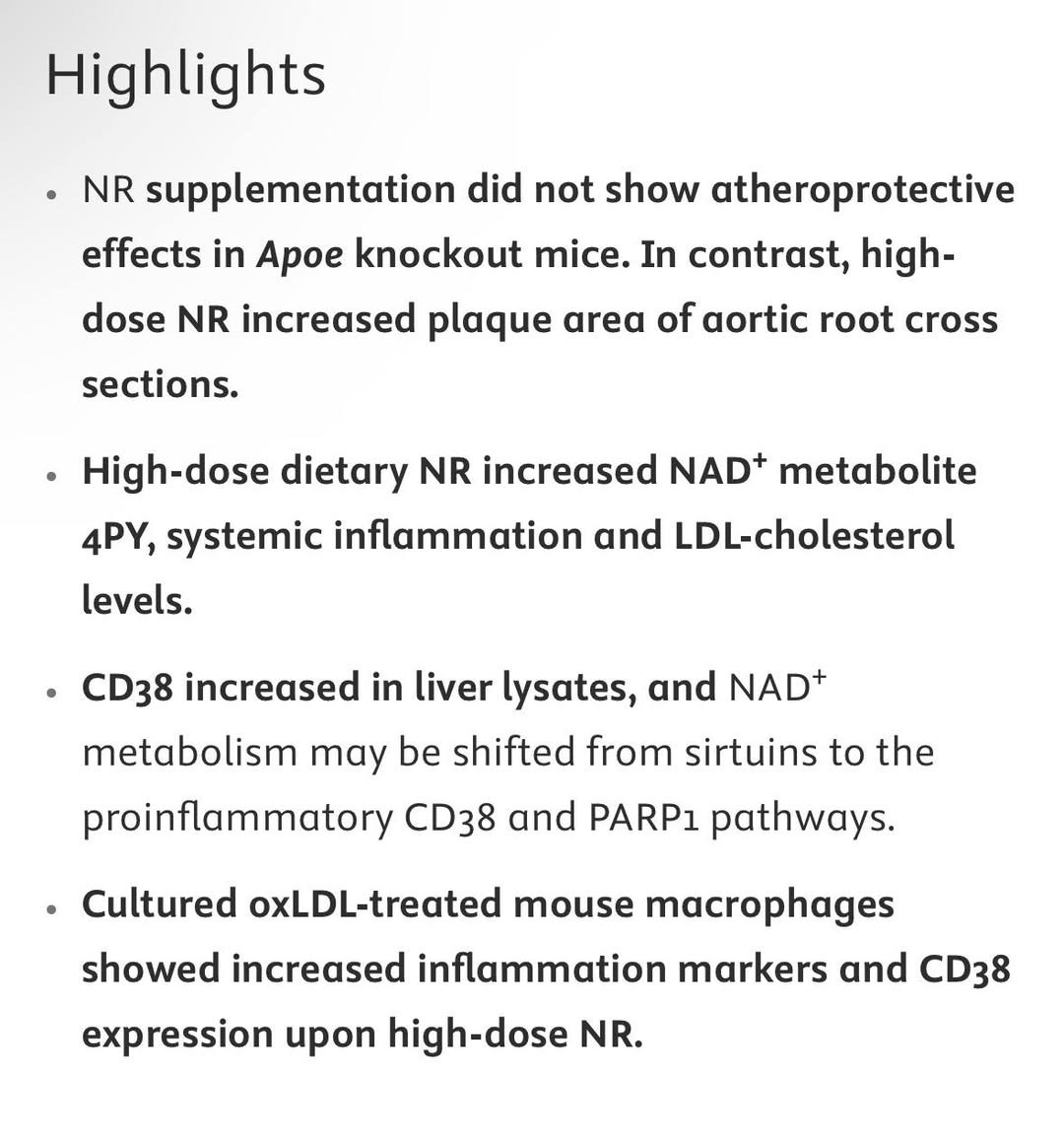
Niacin inhibited vascular calcification in mice via SIRT1/SIRT6 activation

Dec 09, 2025 · Louis Nervegna ♥ 18 · 💬 21

Louis flags a new mouse study (a rarity for the group) showing niacin reduced smooth-muscle osteogenic differentiation and CKD/vitamin D3-induced vascular calcification, by maintaining SIRT1 and SIRT6 and autophagy. He notes other B3 forms also raise NAD, which activates sirtuins; this is preclinical only.

Pomegranate juice and heart health: CIMT, blood pressure and ACE evidence reviewed

Jan 15, 2025 · Gokhan Can ♥ 15 · 💬 16 Nuts, fish, coffee, tea, cocoa & other foods

A review of pomegranate juice and cardiovascular disease credits its polyphenols (ellagitannins, punicalagins, anthocyanins). It cites a study where juice for up to a year reduced carotid intima-media thickness by up to 35% in carotid stenosis patients while controls rose 10%, and a meta-analysis of 8 RCTs showing lower blood pressure.

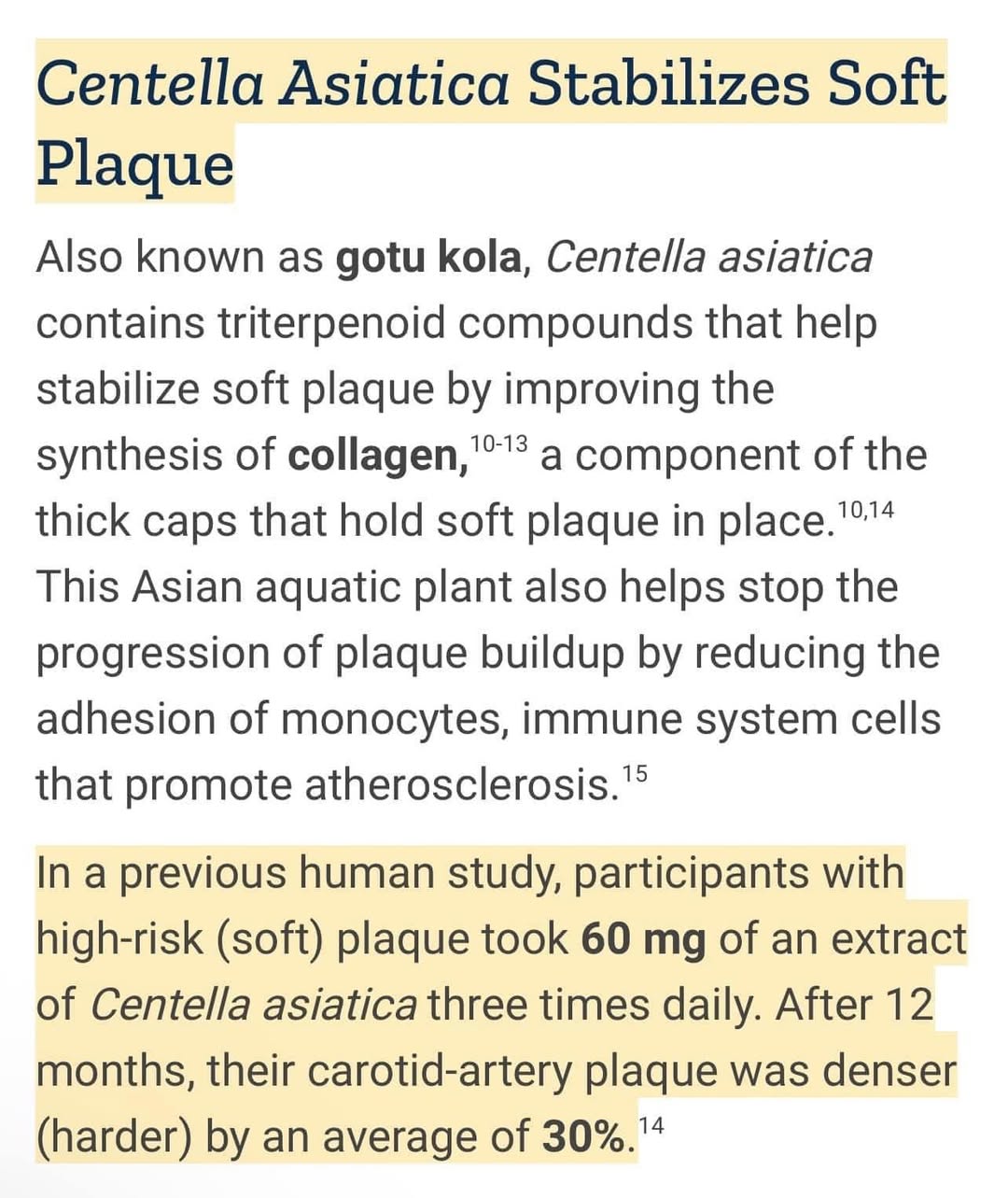
Gotu kola extract reportedly stabilized high-risk plaque in small studies

Nov 17, 2023 · Louis Nervegna ♥ 16 · 💬 16 ↩ 2 Supplements & vitamins

Louis flags, as needing larger trials, Life Extension's summary that 60 mg of Centella asiatica extract three times daily hardened soft carotid plaque by 30% over 12 months, with fewer cardiovascular events in the randomized phase, and hardened femoral plaque by 63% with no size increase versus 23% in controls. He says it may target endothelial health. Evidence comes from small studies summarized by a supplement-company magazine.

Engineered regulatory T cells targeting oxidized LDL cut plaque 70% in mice

Nov 22, 2025 · Gokhan Can ♥ 35 · 💬 7 Inflammation & CRP

Summarises a University of Pennsylvania preclinical study adapting CAR T therapy: Tregs engineered to recognise oxidized LDL dampened arterial inflammation and reduced plaque 70% in cholesterol-prone mice. Unlike cancer CAR-T, the cells suppress rather than destroy; it is a possible add-on for patients at risk despite cholesterol drugs.

Esselstyn's olive oil FMD claim challenged: exercise also dips FMD short term but helps

Aug 12, 2024 · Louis Nervegna ♥ 22 · 💬 11

A video clip shows Gil Carvalho challenging Caldwell Esselstyn's claim that olive oil damages arteries because it temporarily suppresses flow-mediated dilation (FMD). The poster notes exercise does the same temporarily and is hormetic, and says over 30 human RCTs show olive oil improves FMD and endothelial function long term.

Atherosclerotic plaques contain large clonal, mutated cell populations, like tumors

Jun 18, 2025 · Gokhan Can ♥ 12 · 💬 14

A JCI Insight study used deep whole-exome sequencing of carotid plaques and non-atherosclerotic arteries and found somatic mutations in plaques but not in healthy arterial tissue. This suggests plaques grow by clonal expansion, paralleling clonal hematopoiesis (CHIP), which is causally linked to cardiovascular disease.

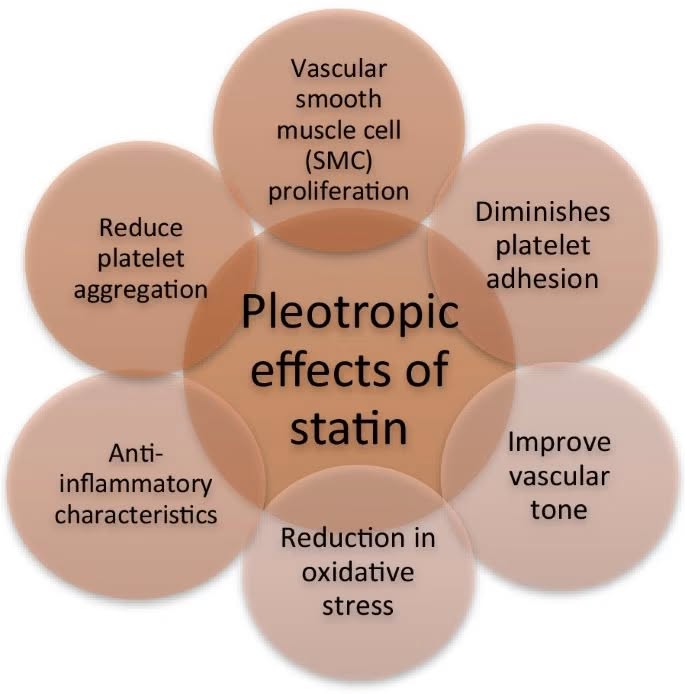
Statins activate AMPK via mild mitochondrial stress, which Louis argues is beneficial

Nov 23, 2023 · Louis Nervegna ♥ 19 · 💬 12 ↩ 5 Statins

Louis argues statins do not harmfully impair mitochondria; instead, like metformin, they mildly stress mitochondria and activate the longevity-linked AMPK pathway (mitohormesis), possibly contributing to cardiovascular benefit. He cites a 2006 Circulation study showing statins activate AMPK in vitro and in vivo, leading to endothelial NO synthase activation. The extension to lifespan and mitohormesis is his interpretation.

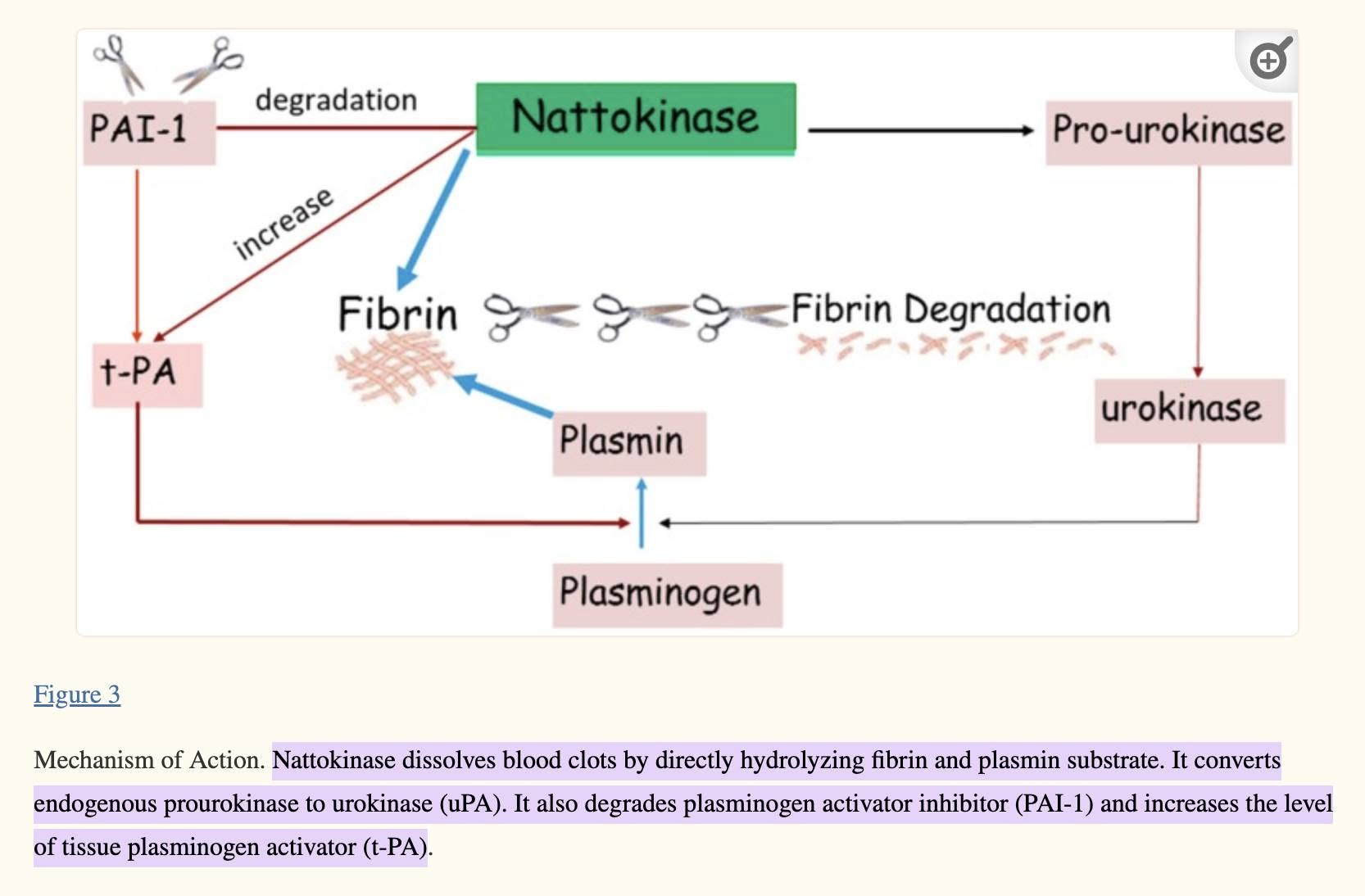
Nattokinase and PAI-1: how it may work and why PAI-1 matters

Dec 03, 2023 · Gokhan Can ♥ 14 · 💬 16 ↩ 2 Supplements & vitamins

Notes that nattokinase appears to act by inhibiting PAI-1, a marker linking thrombosis, inflammation, metabolic disorder and aging. People who genetically make less PAI-1 live about 7 years longer, and PAI-1 inhibition helped fatty liver and dyslipidemia in preclinical work.

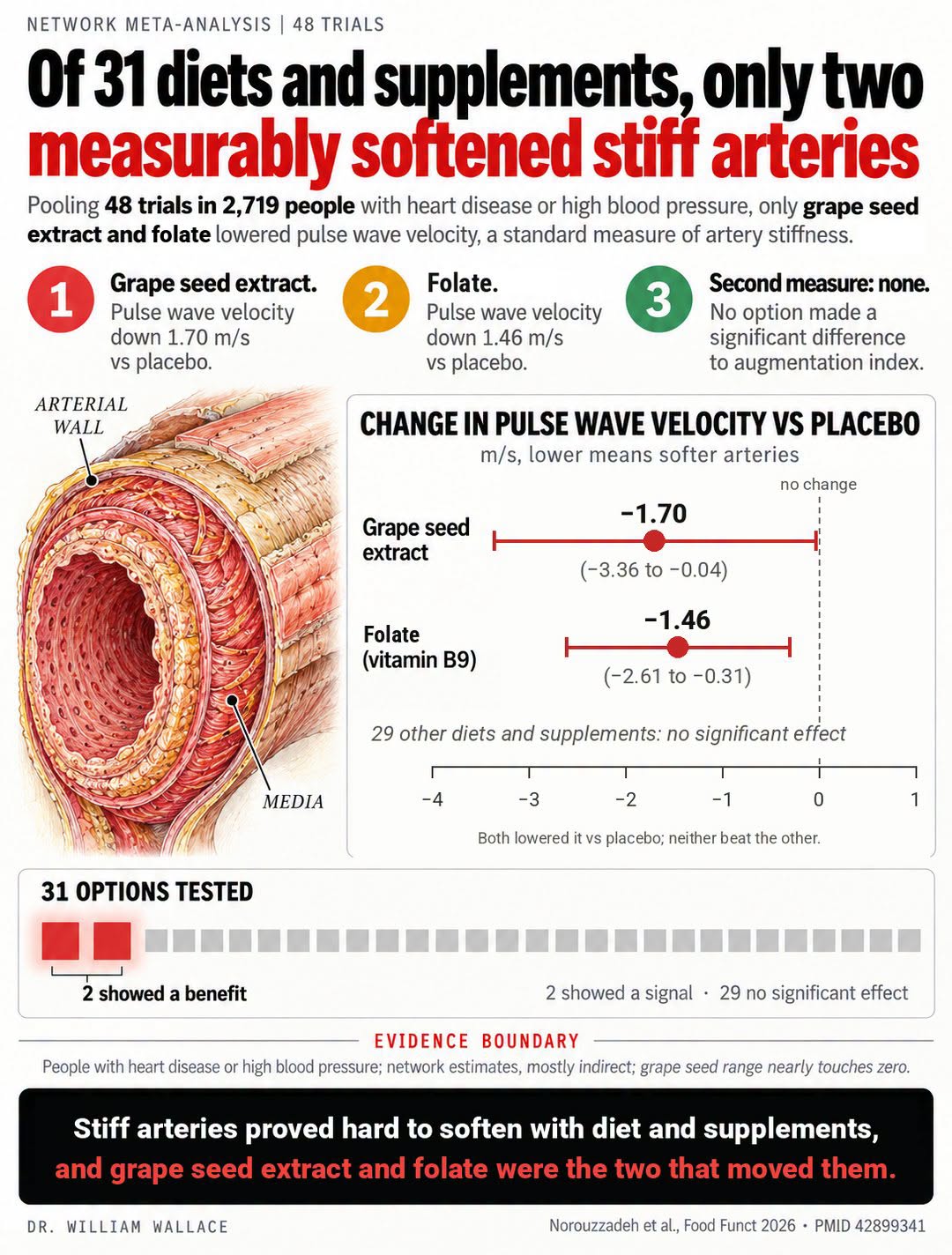
Network meta-analysis: only grape seed extract and folate reduced arterial stiffness

Oct 24, 2026 · Louis Nervegna ♥ 18 · 💬 9

A network meta-analysis of 48 randomized trials in 2,719 people with heart disease or high blood pressure compared 31 diets and supplements on pulse wave velocity. Grape seed extract lowered PWV 1.70 m/s versus placebo and folate 1.46 m/s. Louis notes grape seed extract is likely safer than megadosing folate.

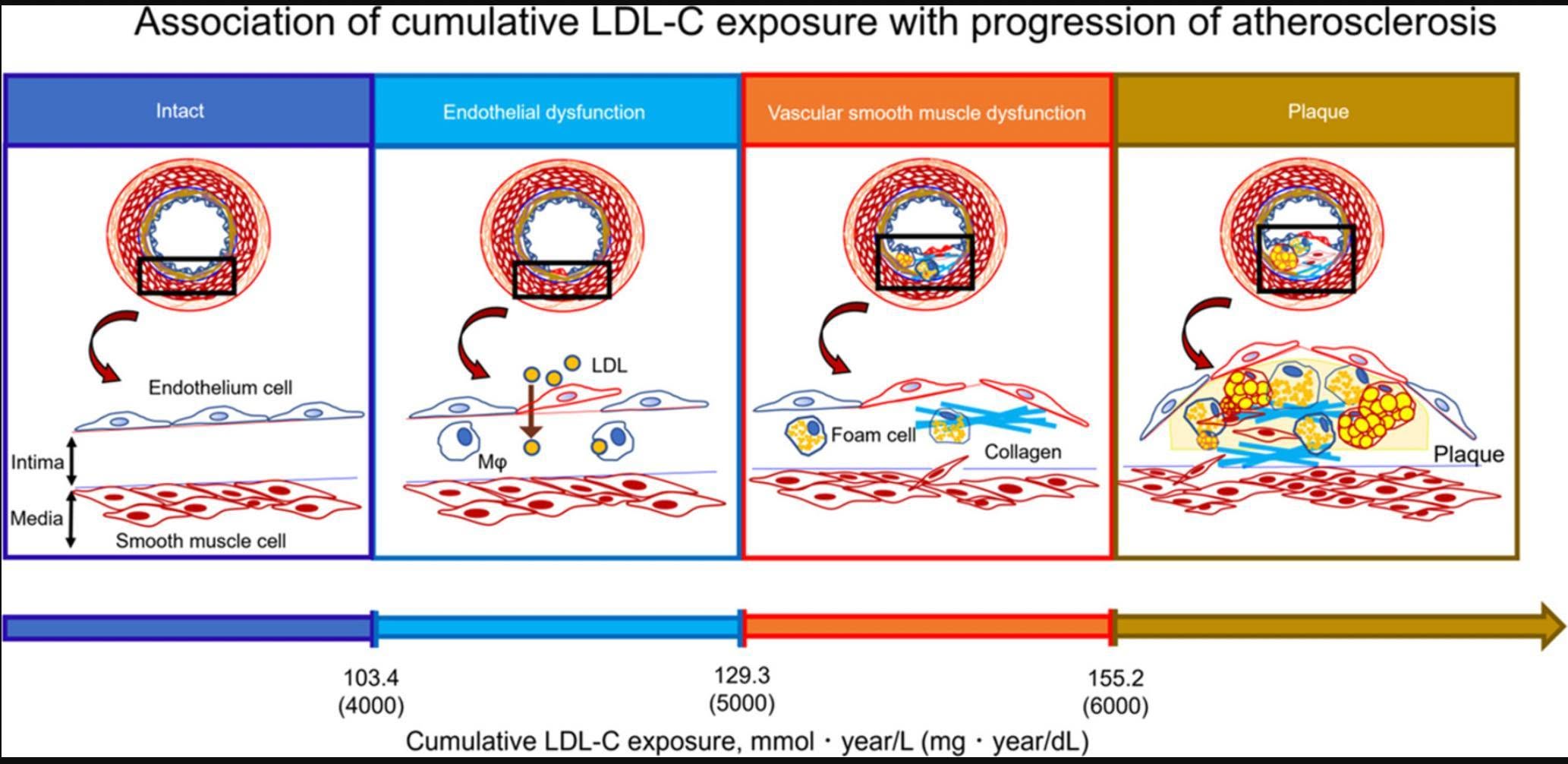
Subbotin's hypothesis: coronary atherosclerosis starts with endothelial dysfunction

Nov 26, 2023 · Gokhan Can ♥ 9 · 💬 24

Shares a talk by Dr. Vladimir Subbotin proposing that endothelial injury leads to intimal thickening, lipid deposition and then inflammation and plaque. The author's view is that this does not contradict current LDL-lowering strategies, which can co-exist with measures protecting the endothelium.

Treating gum disease slows carotid artery thickening in a clinical trial

Aug 28, 2025 · Gokhan Can ♥ 18 · 💬 8 ↩ 2

Explains how periodontitis lets oral bacteria and inflammatory products reach the bloodstream and vessel wall, and cites a clinical trial in which intensive gum treatment reduced carotid artery thickening. Gokhan's advice is to brush and floss diligently.

Platelet reactivity score (PRESS) predicts cardiovascular events in PAD patients

Aug 20, 2024 · Gokhan Can ♥ 6 · 💬 19 Aspirin, antiplatelets & blood thinners

NYU researchers developed PRESS, combining platelet aggregation responses and RNA sequencing, to detect platelet hyperreactivity. In PAD patients, hyperreactive platelets predicted more major adverse cardiac or limb events within 30 days of revascularization, and PRESS above the median carried a 90% higher risk of major events over 18 months. It might help target aspirin.

Microplastics raised plaque 63% in male mice, with no change in cholesterol or weight

Dec 28, 2025 · Gokhan Can ♥ 13 · 💬 12 Environment (microplastics, pollution, heat)

Summarises a UC Riverside mouse study: atherosclerosis-prone mice given 10 mg/kg/day microplastics for nine weeks. Males had 63% more plaque in the aortic root and 624% more in the brachiocephalic artery; females had no significant increase. Weight and cholesterol were unchanged, suggesting direct endothelial damage and inflammation. Admin suggests high fiber and Finnish sauna as defenses (not from the study).

Black tea improved artery function in a Berlin trial, but adding milk erased the benefit

Oct 31, 2026 · Louis Nervegna ♥ 14 · 💬 8 Nuts, fish, coffee, tea, cocoa & other foods

A European Heart Journal study (2007) from Charite Berlin had 16 healthy postmenopausal women drink black tea, tea with skimmed milk, or water on three days. Flow-mediated dilation improved with plain tea but the benefit disappeared with milk. Rat artery experiments showed tea boosts nitric oxide and milk caseins block it. Louis notes many studies show polyphenols improve FMD.

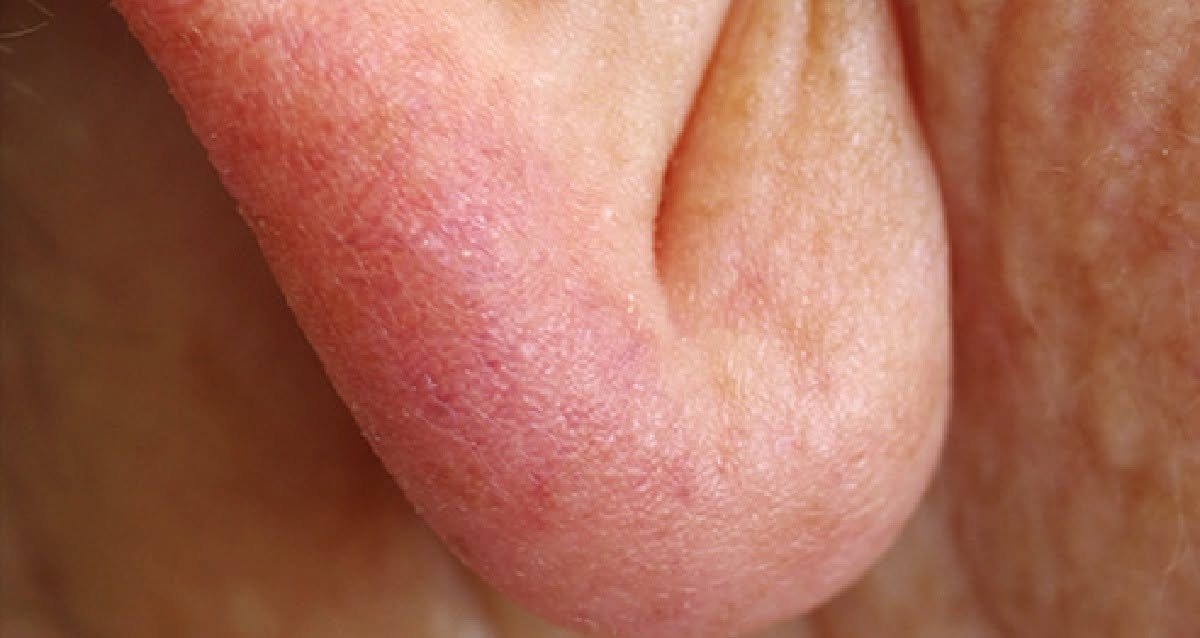
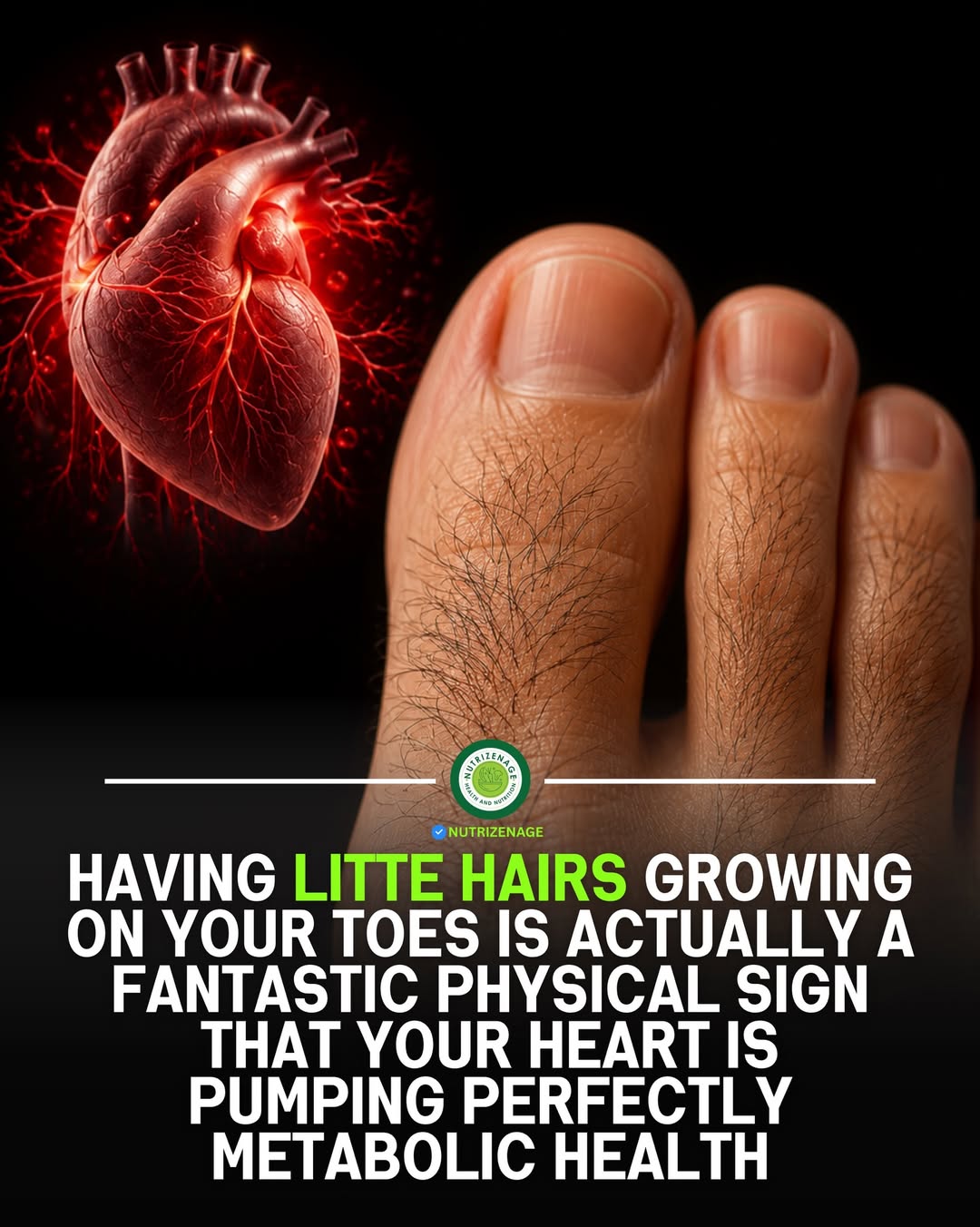
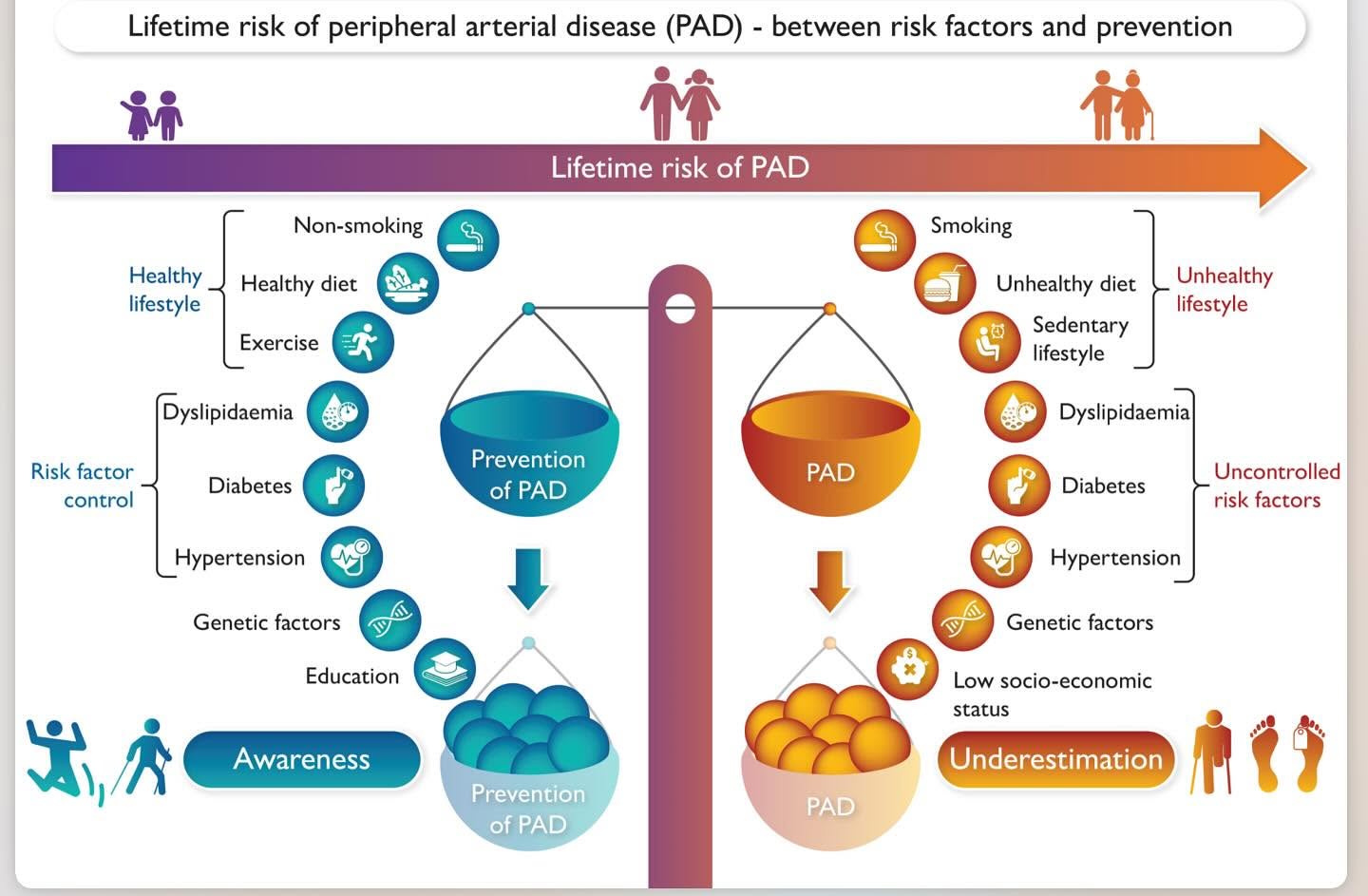
Loss of toe and shin hair can signal reduced blood flow from peripheral artery disease

Jun 27, 2026 · Louis Nervegna ♥ 24 · 💬 6

Louis confirms, with caveats about the picture's exaggeration, that hair follicles depend on blood supply, so restricted flow to the legs (most commonly PAD) can make hair on shins, ankles, feet and toes stop growing. Sudden hair loss with cold feet, leg pain on walking, numbness or slow-healing wounds warrants medical review.

Eliquis and supplements question; mother's suspected DVT proved a false positive

Dec 30, 2024 · Louis Nervegna ♥ 10 · 💬 21 Aspirin, antiplatelets & blood thinners

Louis asks whether group members take Eliquis and how supplements interact with it, since some supplements add to the anticoagulant effect and it is metabolized by CYP3A4. In an edit he reports his mother's calf DVT diagnosis was wrong: repeat ultrasound and D-dimer in a vascular clinic showed clear veins, noting ultrasound alone is only about 60% accurate for DVT.

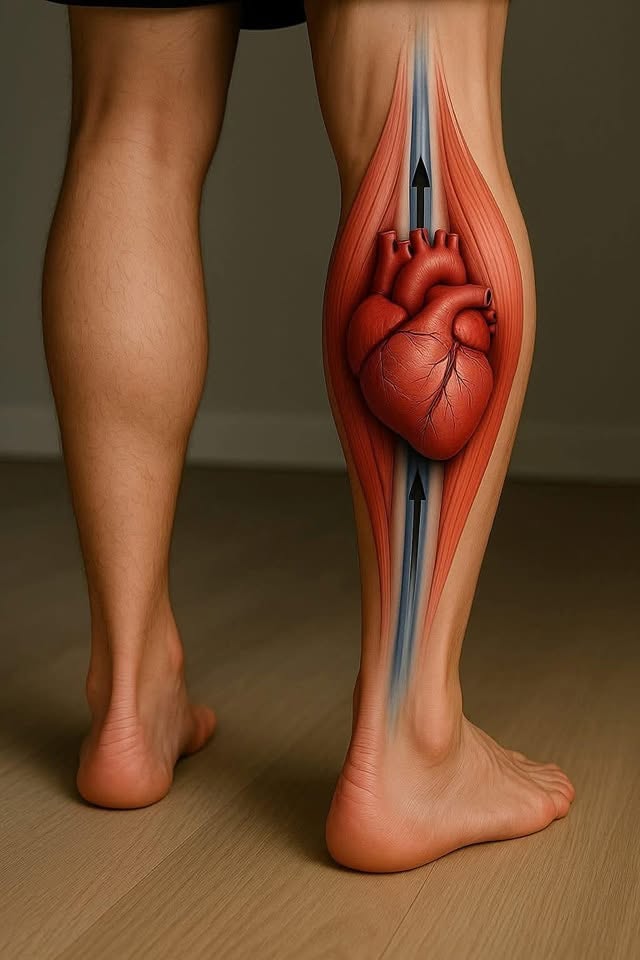
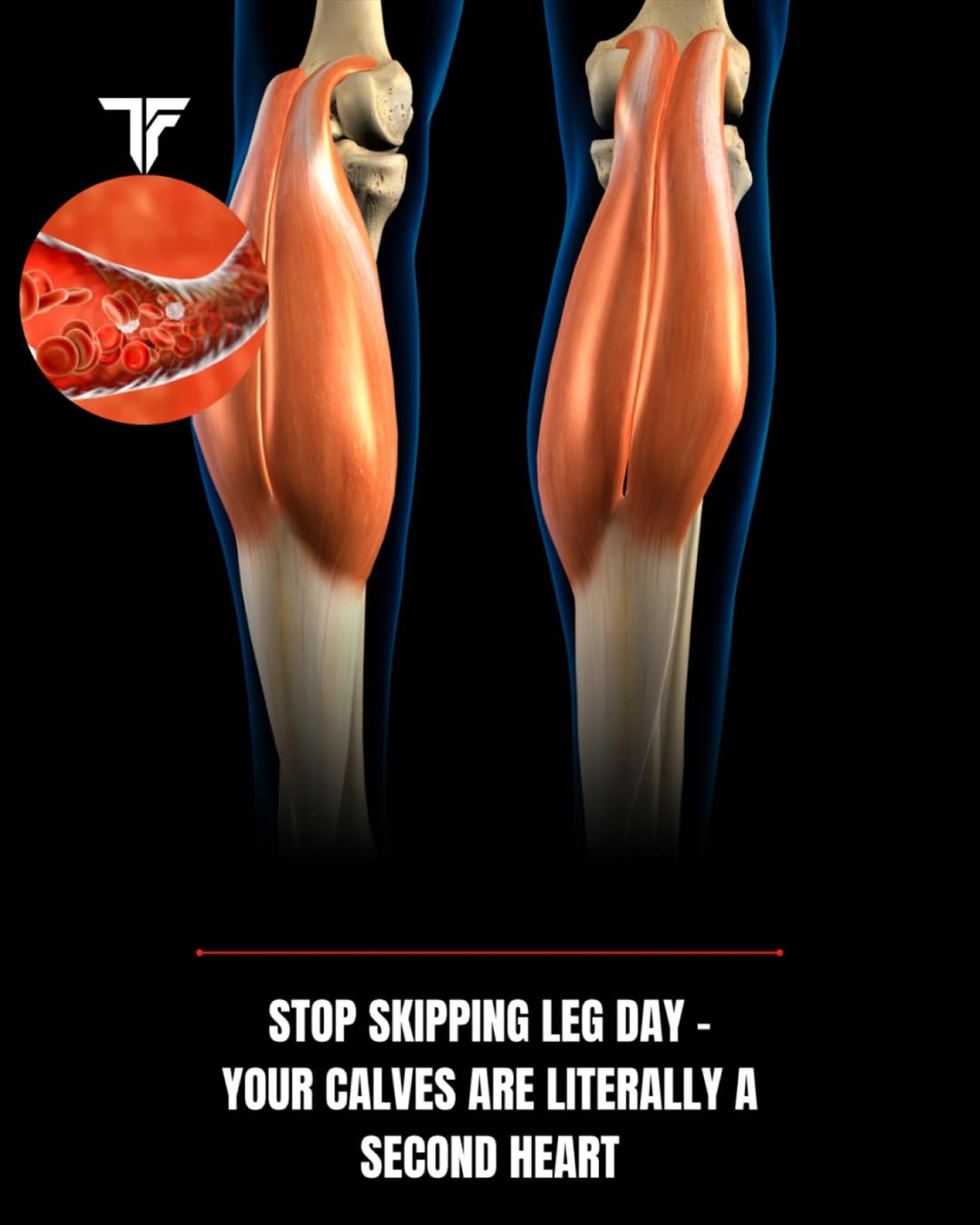
Calf muscles act as a 'second heart' that pumps blood back up the legs

Jun 08, 2025 · Louis Nervegna ♥ 29 · 💬 7

A shared explainer says the calf muscle pump pushes venous blood toward the heart during walking and standing. It lists benefits such as better venous circulation, less swelling and a lower risk of leg clots, though no studies are cited.

The 12-step biology of atherosclerosis, from endothelial dysfunction to heart attack

Apr 01, 2025 · Louis Nervegna ♥ 20 · 💬 6 Plaque, CAC & CT angiography

Louis shares an article laying out the 12 steps by which atherosclerosis forms and leads to a heart attack. The steps run from endothelial dysfunction and lipoprotein entry into the intima, through retention, modification, immune activation, foam cells, necrotic core, plaque growth and calcification, to plaque rupture or erosion and thrombus formation.

White potatoes: short-term endothelial decline (MODERATE) and more hypertension in cohorts

Apr 19, 2026 · Louis Nervegna ♥ 12 · 💬 7

Summarizes the MODERATE trial, where participants who ate boiled, baked or mashed potatoes in the previous 24 hours had 1.7% lower flow-mediated dilation, roughly the 1.2%-per-decade aging decline for 14 years, as a short-term effect. It is linked to cohort data (Nurses' Health Studies and Health Professionals) tying baked, boiled or mashed potatoes to hypertension.

Mouse and human data suggest atherosclerosis meets criteria for an autoimmune disease

Oct 03, 2026 · Gokhan Can ♥ 13 · 💬 8 Inflammation & CRP

The post highlights a news report of a new study in mice and patients proposing that atherosclerosis meets the criteria for an autoimmune disease. Evidence is mostly from mouse models with supporting human correlational data, so it is early; more work is needed to learn how much of the disease this process drives and whether interrupting it could slow progression.

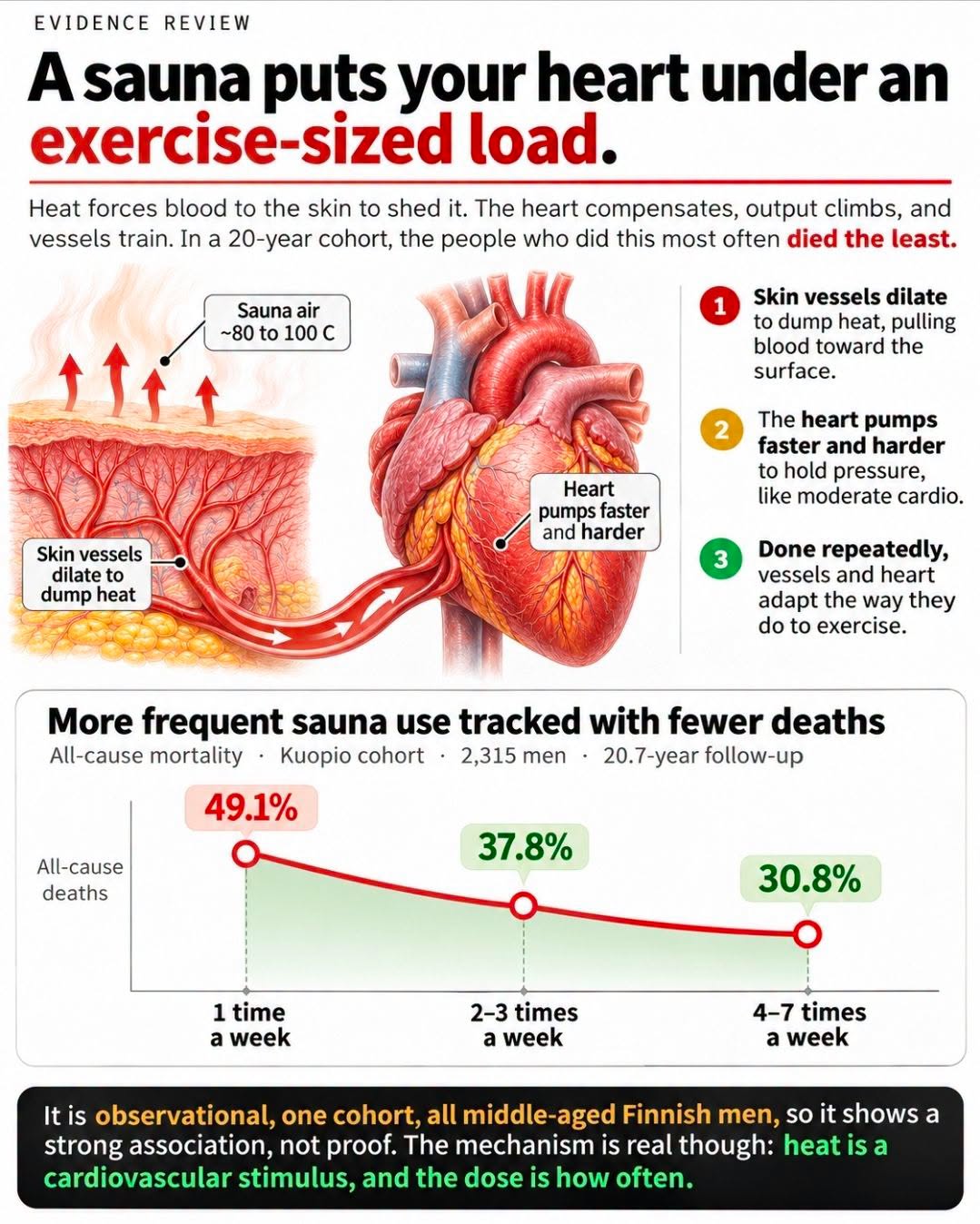
Sauna works the heart like light cardio and lowered blood pressure after one session

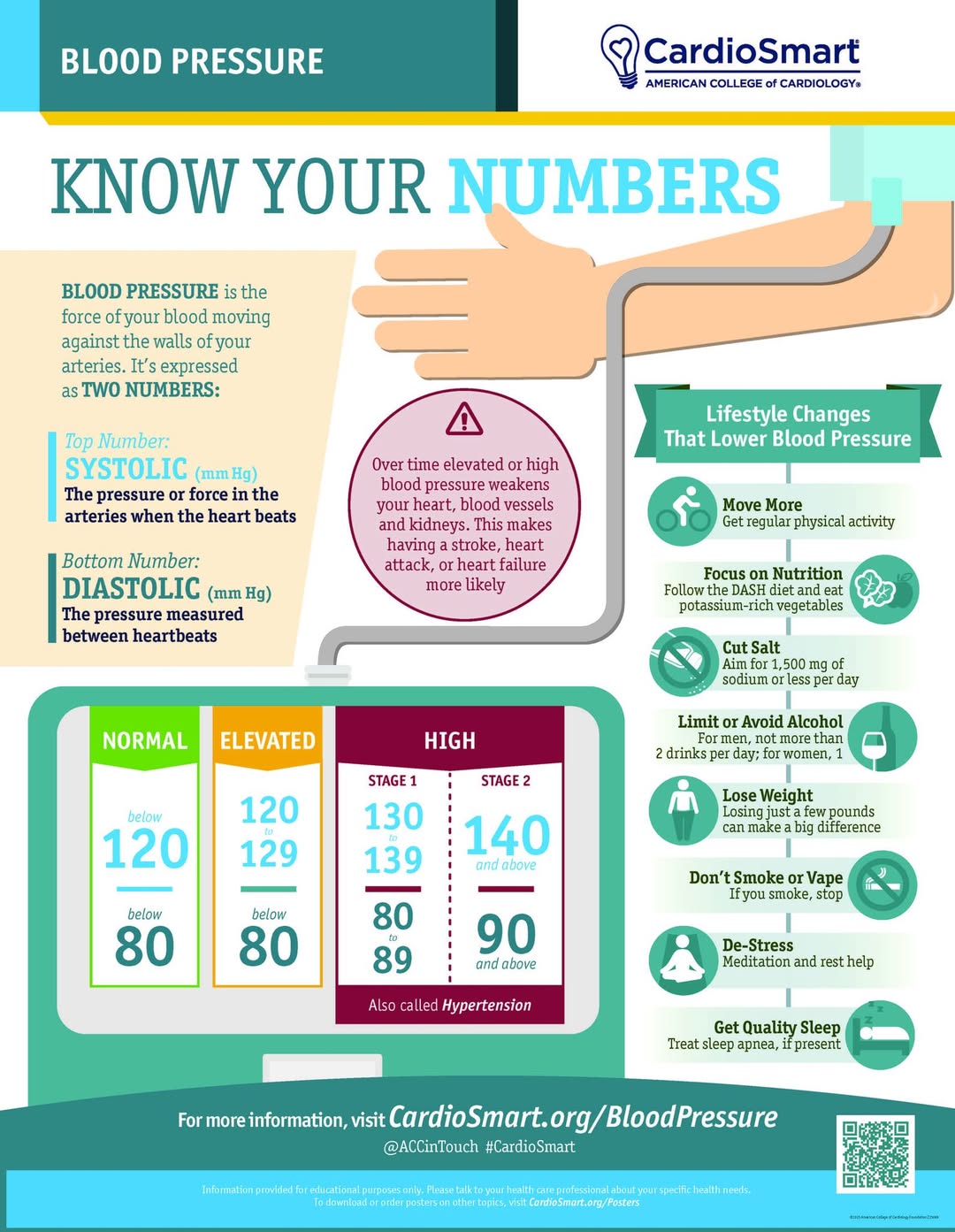
Nov 07, 2026 · Louis Nervegna ♥ 17 · 💬 4 Blood pressure, salt & potassium

Louis shares a summary of sauna physiology. Heat opens skin vessels, so the heart works harder to hold blood pressure, matching light to moderate exercise. One session lowered arterial stiffness and systolic pressure from 137 to 130 in 102 adults with risk factors, and a Finnish cohort of 2,315 men followed about 20 years showed lower mortality with more frequent sauna use.

Meta-analysis of 30 trials: olive oil lowers CRP and IL-6 and improves FMD

Mar 14, 2025 · Louis Nervegna ♥ 11 · 💬 6 ↩ 5 Fats & oils (saturated fat, seed oils, omega-6, olive oil)

Louis argues that over 30 human RCTs show olive oil improves flow-mediated dilation and endothelial function, quoting a systematic review of 30 studies and 3,106 participants. Olive oil lowered CRP by 0.64 mg/L and IL-6 by 0.29 and raised FMD by 0.76 percentage points versus controls. Refined olive oil may briefly impair FMD after a meal, while EVOO improves it acutely and over the long term.

APOE4 drives cholesterol buildup in brain astrocytes, promoting toxic protein deposits

Oct 06, 2026 · Louis Nervegna ♥ 17 · 💬 4 Brain health & dementia

Mount Sinai researchers using human stem-cell-derived miBrain tissue found APOE4 causes cholesterol to accumulate in astrocytes, impairing lysosomal clearance of alpha-synuclein and promoting amyloid and alpha-synuclein deposits. A second study showed APOE4 damages brain blood vessels through mechanisms unrelated to cholesterol. The poster reads this as cholesterol being potentially causal in APOE4 carriers.

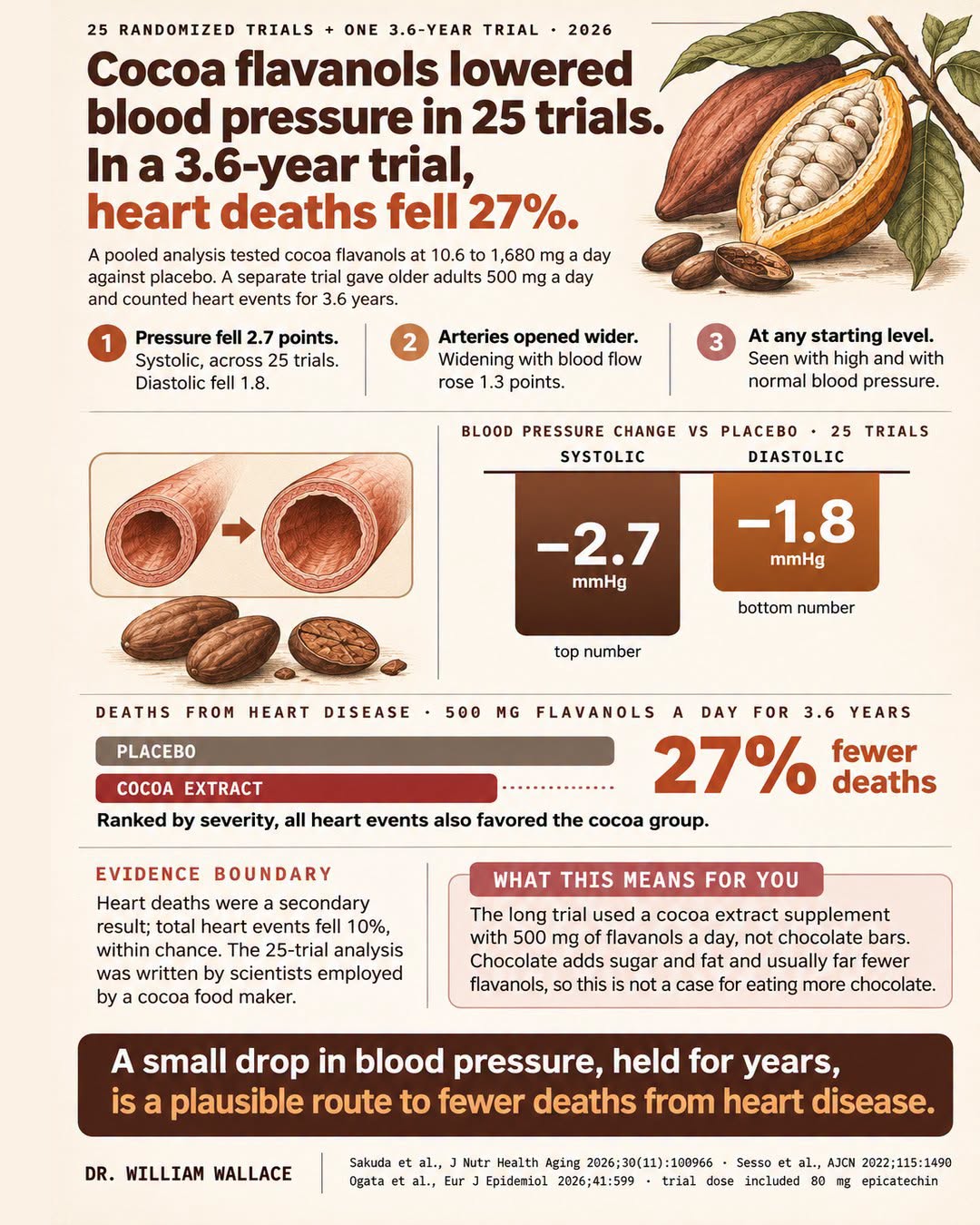
Cocoa flavanols lower blood pressure and cut cardiovascular deaths 27% in COSMOS

Nov 14, 2026 · Louis Nervegna ♥ 15 · 💬 3 Blood pressure, salt & potassium

Louis shares a summary of cocoa flavanol evidence. An updated meta-analysis of 25 RCTs showed modest drops in blood pressure and improved flow-mediated dilation. The COSMOS trial gave 500 mg/day of flavanols to 21,442 older adults for a median 3.6 years, with total CV events down 10% (within chance) and CV deaths down 27%. A 2026 severity-ranked reanalysis favored cocoa.
Glycation and AGEs in cardiovascular aging: Kapahi on methylglyoxal and the GLYLO suppleme

Dec 18, 2023 · Louis Nervegna ♥ 7 · 💬 9 ↩ 1 Aging & longevity

Louis says he underestimated glycation and AGEs in aging after Pankaj Kapahi's work at the Buck Institute. Kapahi's post explains methylglyoxal as a reactive glycolysis byproduct that drives AGEs and aging, and describes GLYLO, a combination of lipoic acid, nicotinamide, piperine, pyridoxine and thiamine that lowered methylglyoxal and AGEs and extended mouse lifespan even when started late. Louis says Kapahi plans a paper showing it reduces arterial stiffening. Evidence is preclinical and the product is commercial.

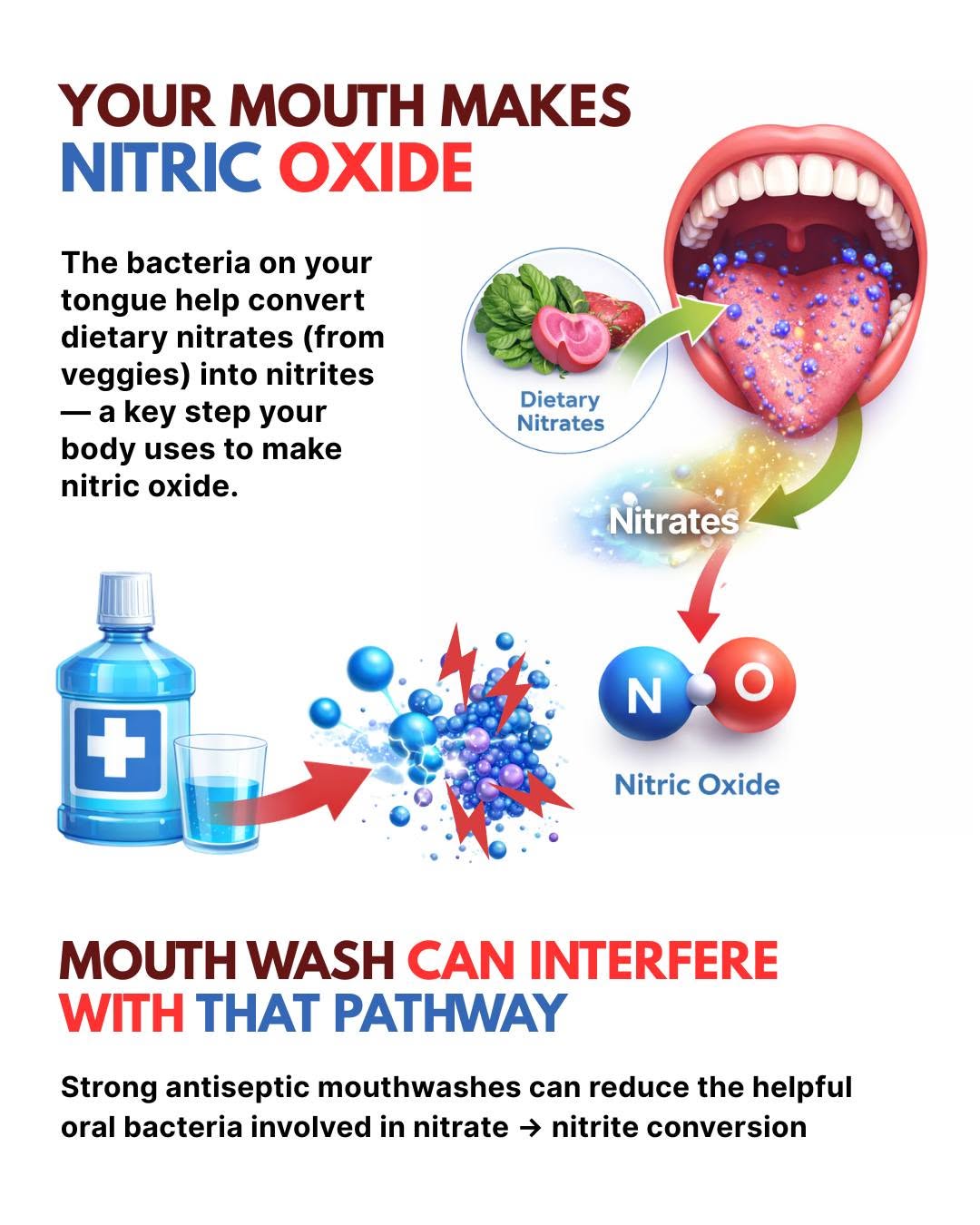
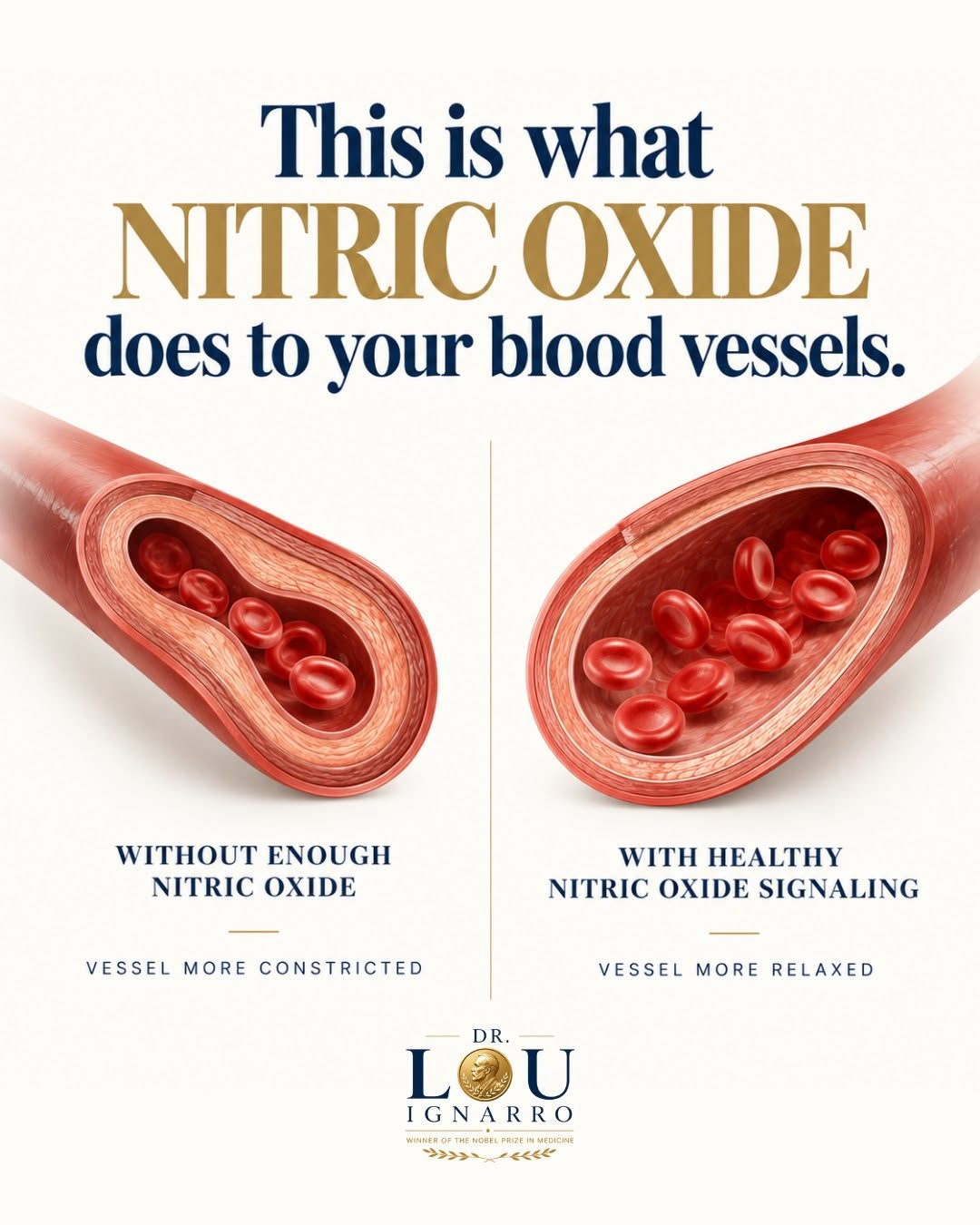
Ignarro's Nobel work on nitric oxide, and how mouth bacteria turn nitrate into it

Jun 13, 2026 · Louis Nervegna ♥ 15 · 💬 3

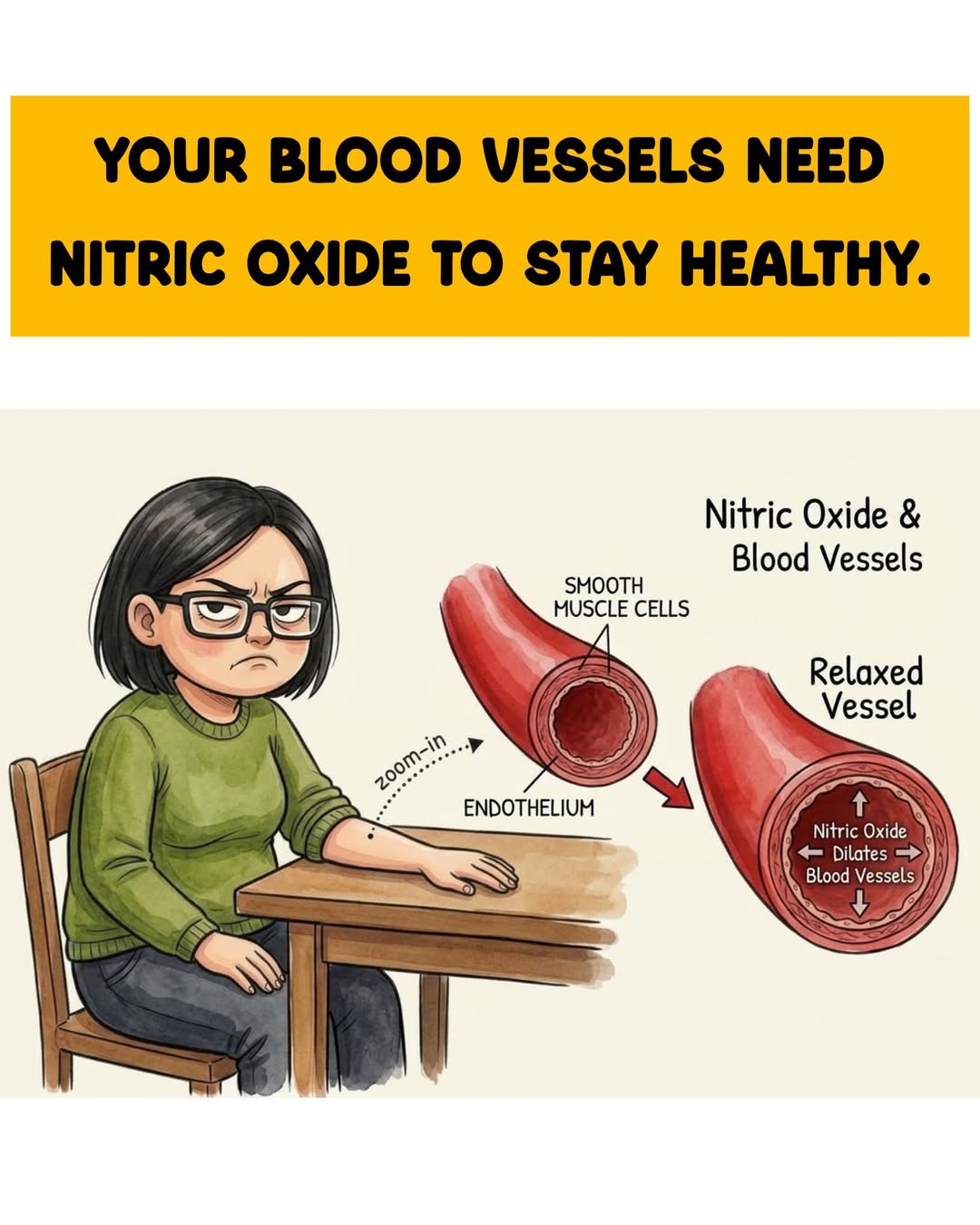
Louis recounts that Louis Ignarro won the 1998 Nobel Prize for showing nitric oxide is a signaling molecule that relaxes blood vessels. A shared Ignarro post explains oral bacteria convert vegetable nitrate to nitrite en route to nitric oxide, and that strong antiseptic mouthwash may disrupt this.

Micronanoplastics 50 times higher in carotid plaque than in plaque-free arteries

Apr 23, 2025 · Gokhan Can ♥ 14 · 💬 3 ↩ 1 Environment (microplastics, pollution, heat)

A small preliminary study presented at an AHA meeting found carotid plaque, especially from people with stroke, TIA or transient vision loss, held 50 times more micronanoplastics than plaque-free arteries. It cannot prove causation and no direct link to inflammation markers was found, though gene activity related to plaque stability differed.

Raw garlic's allicin lowered TMAO and improved gut microbiome in a human trial and mice

Nov 17, 2023 · Louis Nervegna ♥ 6 · 💬 7 Gut microbiome

Louis highlights an npj Biofilms and Microbiomes paper showing raw garlic juice and allicin reduce TMAO production via gut microbiota. In people with high TMAO production, a week of raw garlic juice reduced TMAO formation, increased microbial diversity and beneficial bacteria; in mice allicin ameliorated atherosclerosis. He notes cooking destroys allicin.

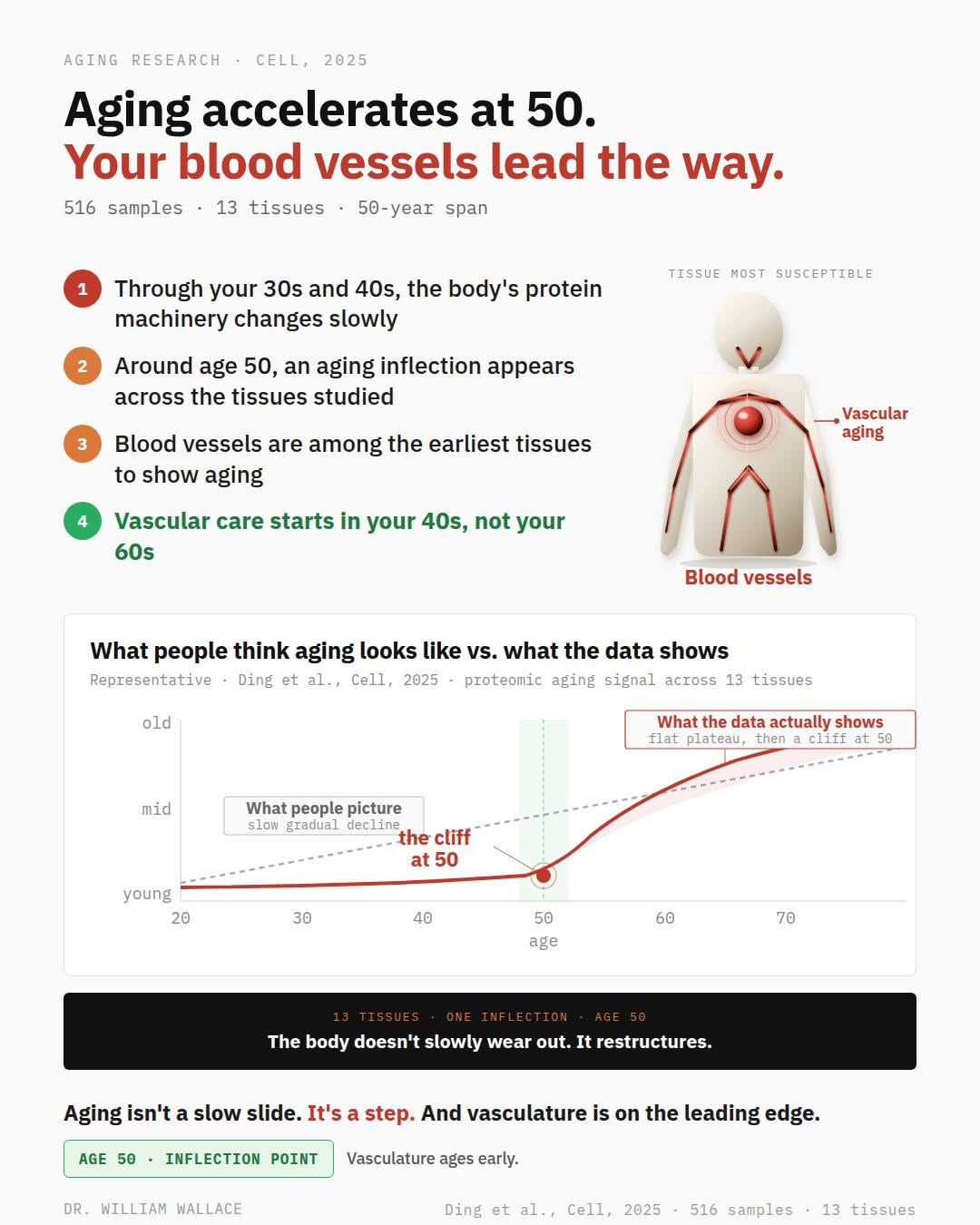
Human aging proteomics shows a step change around age 50, with blood vessels aging early

May 15, 2026 · Louis Nervegna ♥ 12 · 💬 2 Aging & longevity

William Wallace shares a Cell proteomics study (Ding et al., 516 samples from 13 tissues, ages 20s-70s) in which the aging signal shifts sharply around age 50 rather than declining gradually. Earlier work found non-linear waves around 34, 60 and 78 (Lehallier 2019) and 44 and 60 (Shen 2024). He notes the vasculature is among the first tissues to age.

Review: microvascular aging drives organ dysfunction and systemic aging

Oct 02, 2026 · Louis Nervegna ♥ 8 · 💬 3

The post highlights a Nature Cardiovascular Research review by Dimmeler and Augustin arguing that vascular aging, especially in microvessels, is an upstream driver of organ decline rather than a consequence. Mechanisms include senescent endothelial cells releasing inflammatory SASP factors and perivascular senescence hotspots promoting inflammation and fibrosis.

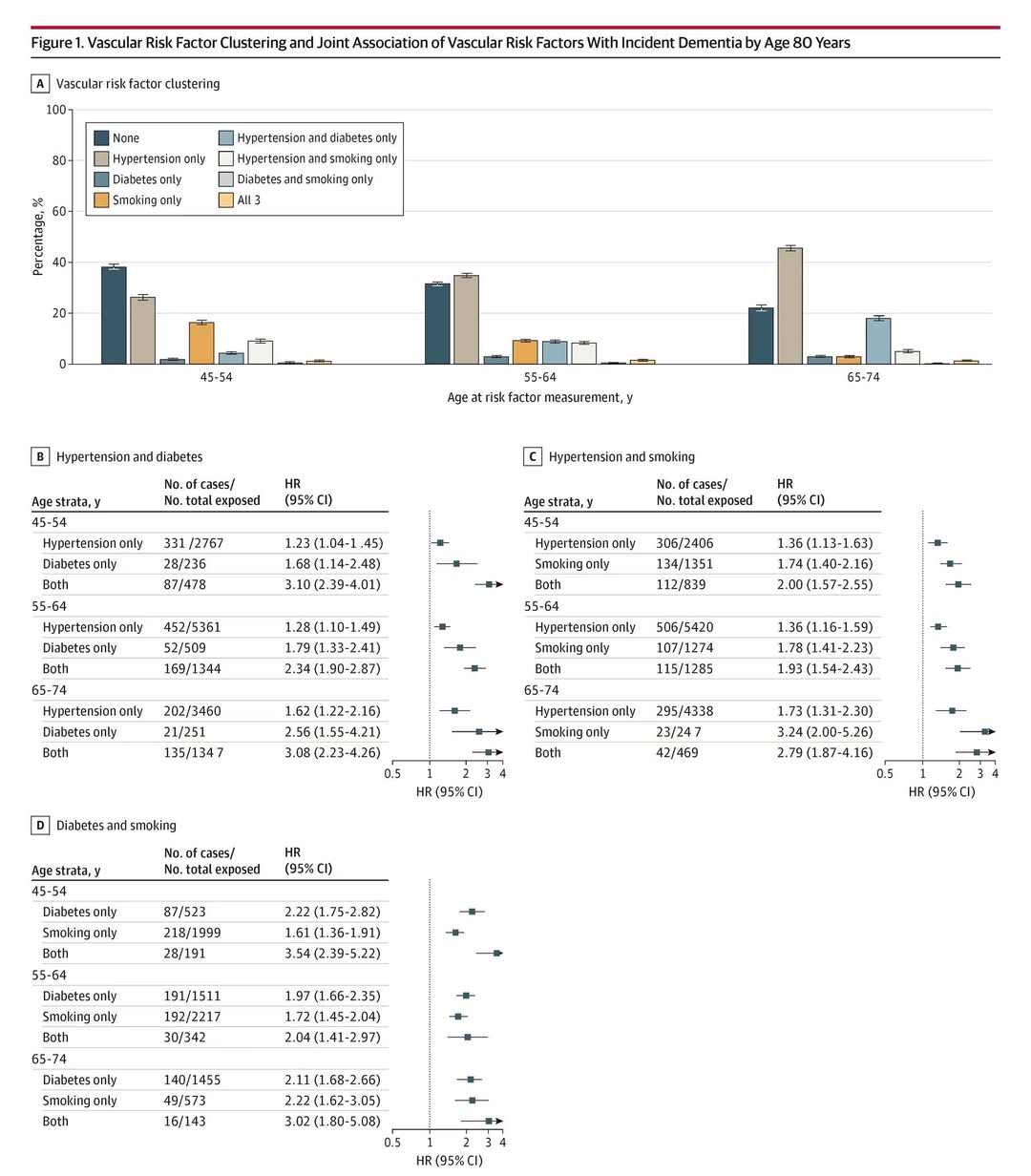
Atherosclerosis drivers such as high apoB and blood pressure also raise dementia risk

Jun 05, 2026 · Louis Nervegna ♥ 5 · 💬 5 Brain health & dementia

A shared post argues that atherosclerotic risk factors (atherosclerosis, endothelial dysfunction, high BP, high LDL/apoB) are consistently linked to Alzheimer's and dementia risk, with some genetic overlap between lipids, coronary disease and Alzheimer's. The message is that keeping apoB and blood pressure optimal, and improving endothelial function, insulin sensitivity and inflammation, protects both heart and brain.

Rapamycin for 8 weeks improved diastolic and endothelial function in six older men

Oct 31, 2025 · Gokhan Can ♥ 7 · 💬 2 Aging & longevity

Summarises a proof-of-concept open-label pilot in six healthy men aged 70-76 taking rapamycin 1 mg daily for 8 weeks. It was safe and well tolerated; systolic function was unchanged but cardiac MRI showed better diastolic function (peak filling rate p=0.014) and endothelial function improved (p=0.020). Very small and uncontrolled; larger placebo-controlled trials are needed.

L-carnitine supplements worsened carotid plaque stenosis within 6 months in an RCT

Nov 07, 2026 · Louis Nervegna ♥ 5 · 💬 2 Supplements & vitamins

Louis highlights a phase 2 RCT in patients with metabolic syndrome where L-carnitine did not change total carotid plaque volume but increased plaque stenosis within 6 months versus placebo. The proposed mechanism is TMAO production, since carnitine is abundant in red meat, but Louis notes TMAO could be a marker for another causal factor. He calls it extremely concerning.

Telomerase and telomere length may be important in arterial and endothelial aging

Feb 07, 2026 · Louis Nervegna ♥ 16

Louis notes telomerase may prove important in heart disease, though it is early. Telomere length limits how many times arterial wall cells, especially endothelium, can divide before senescence; telomerase extends telomeres. Shared Nobel Prize post on the discovery by Greider and Blackburn.

About one cup of blueberries a day: best human evidence is for vascular function

Oct 06, 2026 · Louis Nervegna ♥ 6 · 💬 1 Nuts, fish, coffee, tea, cocoa & other foods

A podcast excerpt says one cup (150-180 g) of fresh or frozen blueberries daily matches the dose in most positive human studies. The clearest benefit is better endothelial function, with possible memory benefits in at-risk older adults and glucose benefits when metabolism is strained. Randomized trials have not shown they prevent dementia, diabetes, heart attacks or strokes.

Summary of how micronutrients such as vitamin C and CoQ10 affect endothelial function

Jul 16, 2025 · Louis Nervegna ♥ 13

Louis shares a Linus Pauling Institute review summarising studies on micronutrients and endothelial dysfunction. Quoted examples include pooled RCTs showing vitamin C improved endothelial markers in heart failure, atherosclerosis or diabetes but not hypertension, and CoQ10 150-300 mg/day modestly improving function in five small trials.

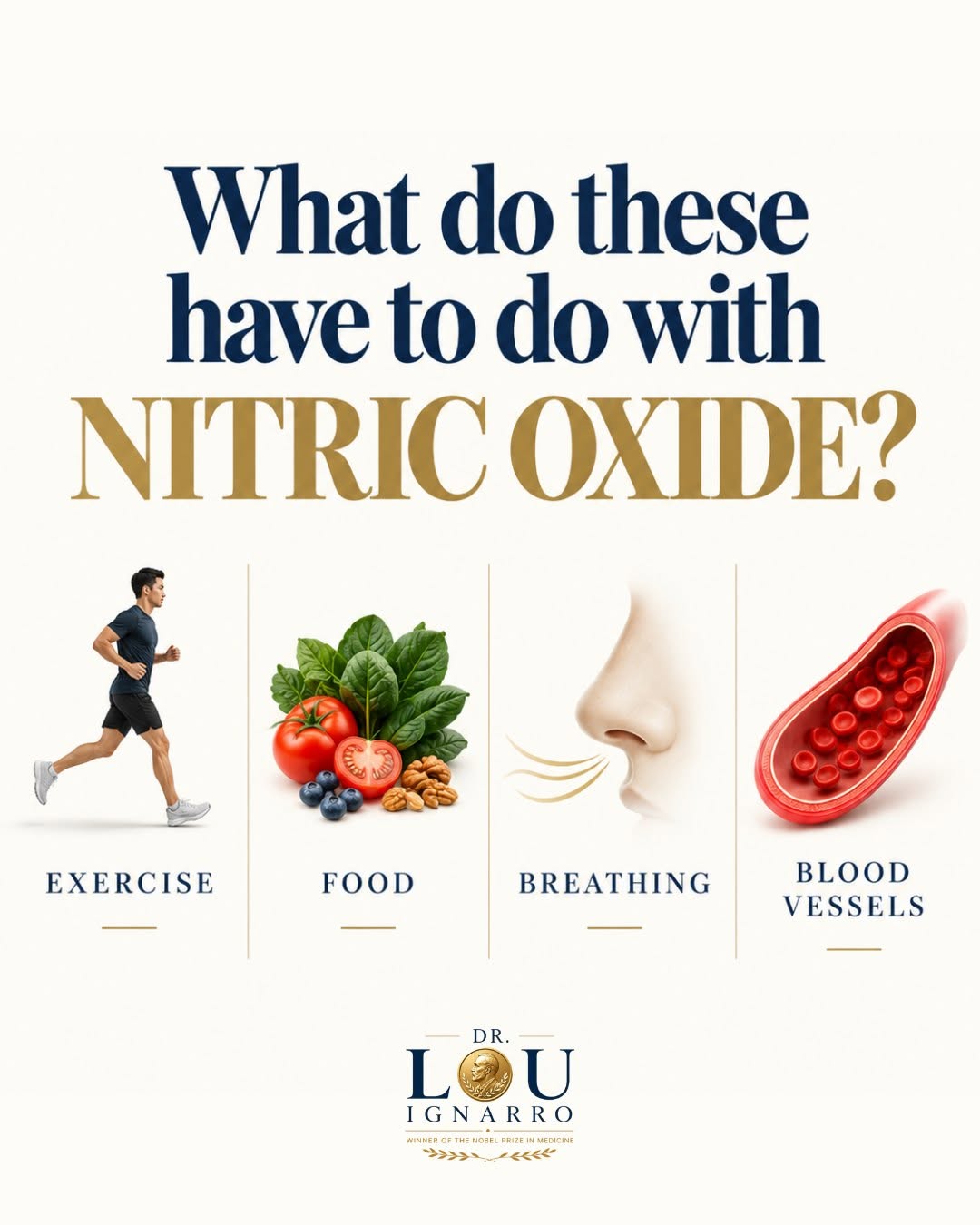
Nitric oxide links exercise, nutrition, nasal breathing and blood vessel health

Sep 09, 2026 · Louis Nervegna ♥ 7 · 💬 1

A shared post from Dr. Louis Ignarro explains that endothelial nitric oxide regulates vascular tone, blood flow and blood pressure. It says exercise stimulates NO production, nutrition supplies NO-related compounds, and nasal passages also produce NO, making nasal breathing an area of research interest.

Rapamycin on stents blocks scar-tissue restenosis, not plaque; it failed in marmosets

Dec 13, 2025 · Louis Nervegna ♥ 7

Louis explains that rapamycin is used on drug-eluting stents because it inhibits vascular smooth muscle overproliferation (neointimal scar tissue), which is what usually causes restenosis, not because it prevents plaque. He distinguishes plaque from scar tissue and notes Adam Salmon's group found rapamycin did not inhibit plaque growth in marmosets.

Dietary nitrate from leafy greens and beets boosts nitric oxide and vessel relaxation

Nov 09, 2026 · Louis Nervegna ♥ 4 · 💬 1

Louis shares an explainer on endothelial health and nitric oxide. Nitrate-rich vegetables such as beetroot, spinach, arugula and lettuce are converted to nitrite and then nitric oxide, supporting vasodilation. Research on beetroot nitrate shows improved vascular function and in some studies modest blood pressure reductions.

Vasomotion: capillary sphincters constantly reroute blood flow

Sep 24, 2026 · Louis Nervegna ♥ 11

A popular-science post explaining that tiny precapillary sphincters in the smallest vessels open and close rhythmically, deciding which capillary beds receive blood. This reroutes blood to active muscle or the gut after a meal without conscious control.

Metformin improved aortic valve stenosis in mice by reversing epigenetic changes

Sep 16, 2025 · Louis Nervegna ♥ 5

A Journal of Clinical Investigation Insight paper found epigenetic changes in nuclear DNA aberrantly activate mitochondria in aortic valve stenosis, and that metformin improved the condition in mice. Louis notes it is a mouse study but fits other work suggesting metformin may slow aging processes.

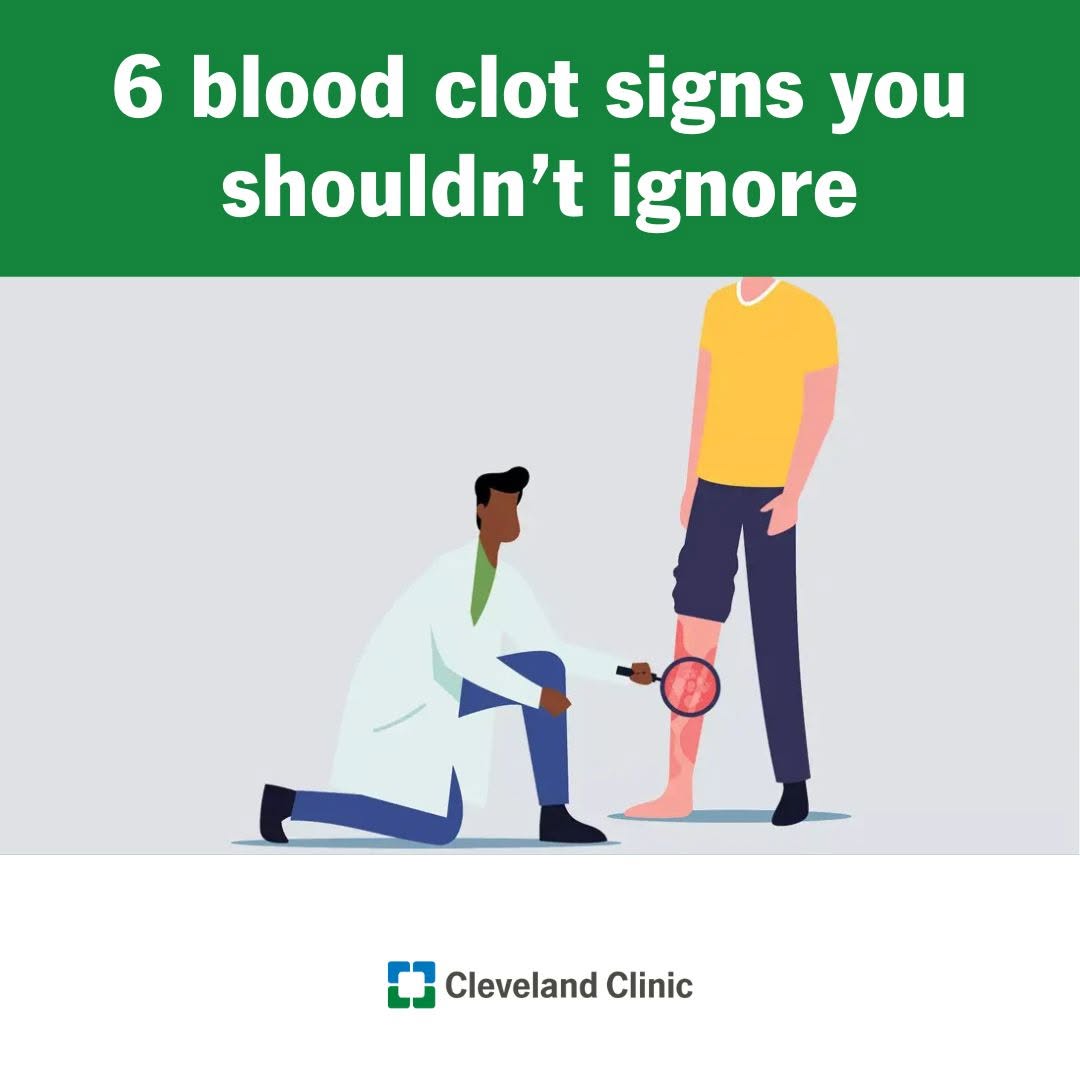
Blood clot warning signs: DVT and pulmonary embolism

Aug 13, 2025 · Louis Nervegna ♥ 3 · 💬 1

A shared Cleveland Clinic item explains that venous clots can show no symptoms or severe ones; the most common are DVT in the legs and pulmonary embolism when a clot travels to the lungs.

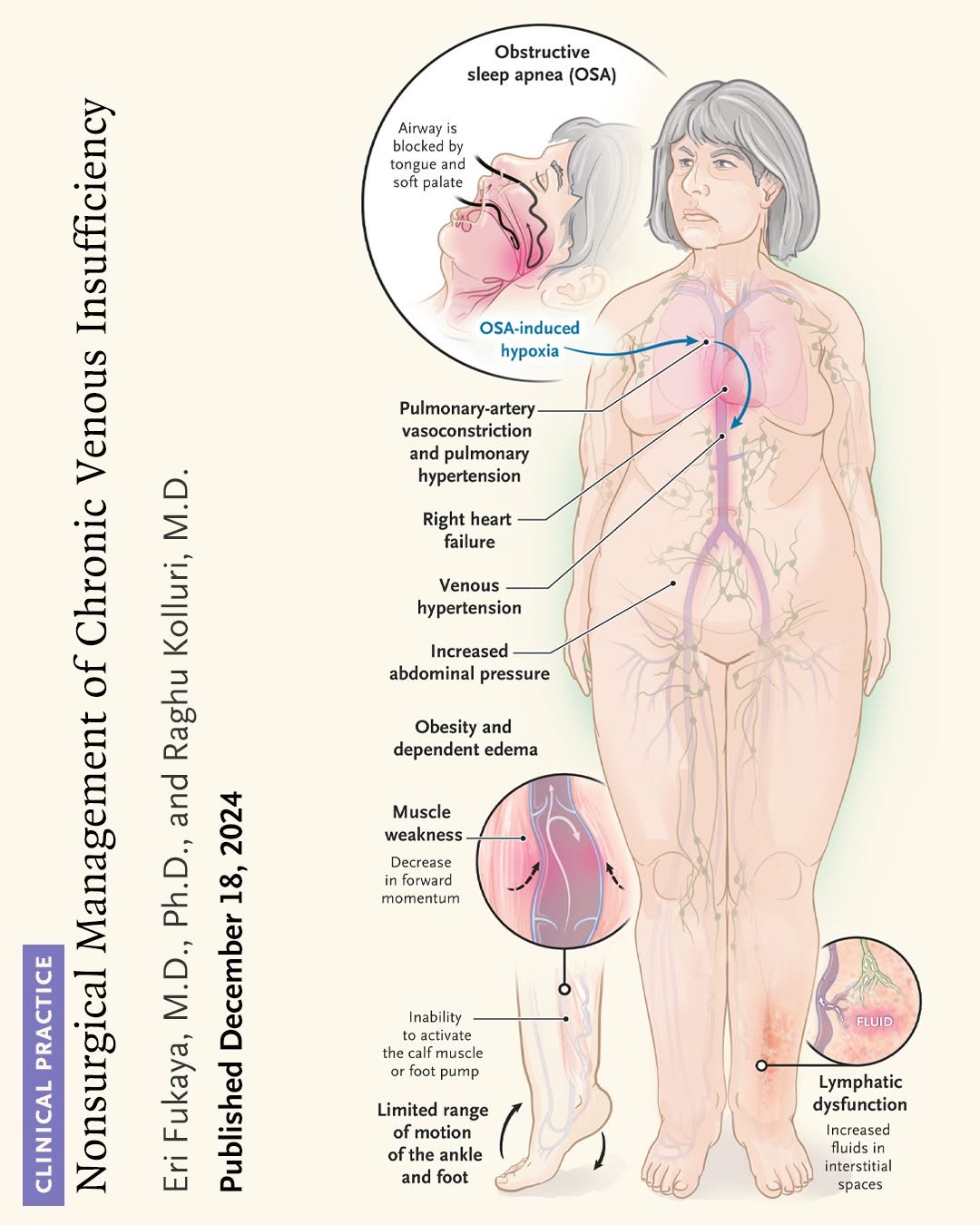
Chronic venous insufficiency ranges from spider veins to venous leg ulcers

Jul 18, 2025 · Louis Nervegna ♥ 3

The shared text defines chronic venous disease as covering all venous disorders, from asymptomatic spider and varicose veins to ulcers, while chronic venous insufficiency denotes the more advanced forms such as edema and skin changes. It is a short definitional overview of a vein condition.

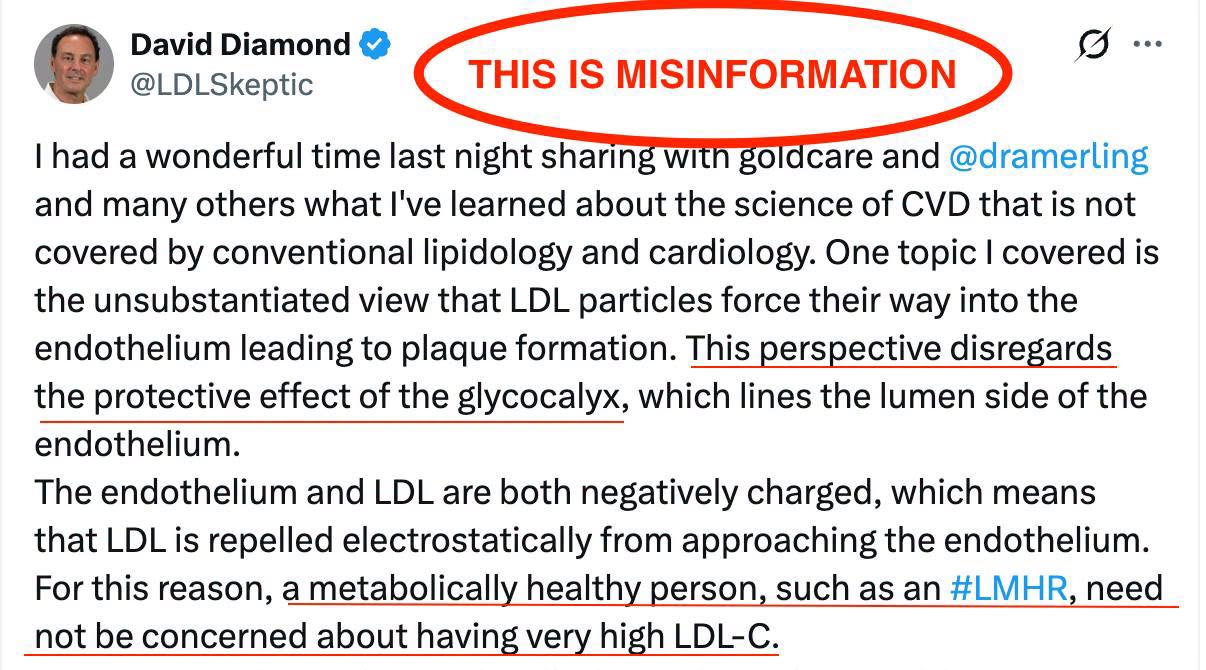
A healthy glycocalyx does not protect against high LDL/ApoB, despite keto-carnivore claims

Oct 28, 2026 · Louis Nervegna ♥ 1

A shared post rebuts the argument, popular among keto and carnivore advocates, that metabolically healthy people with very high LDL/apoB are shielded by their endothelial glycocalyx. It explains what the glycocalyx is and why its protection has limits. Louis recommends it as a good discussion of the endothelium and its limits in protecting against CVD.