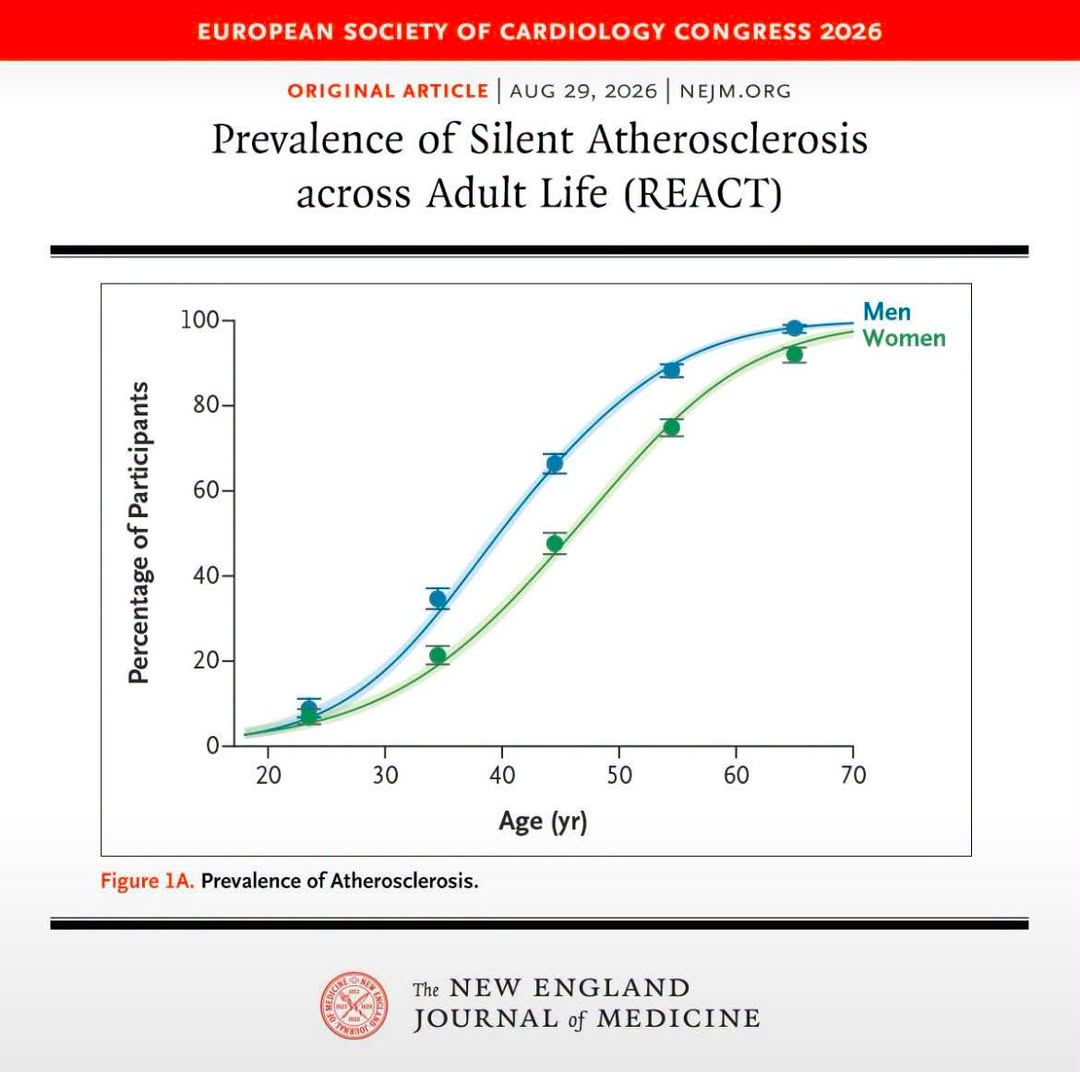
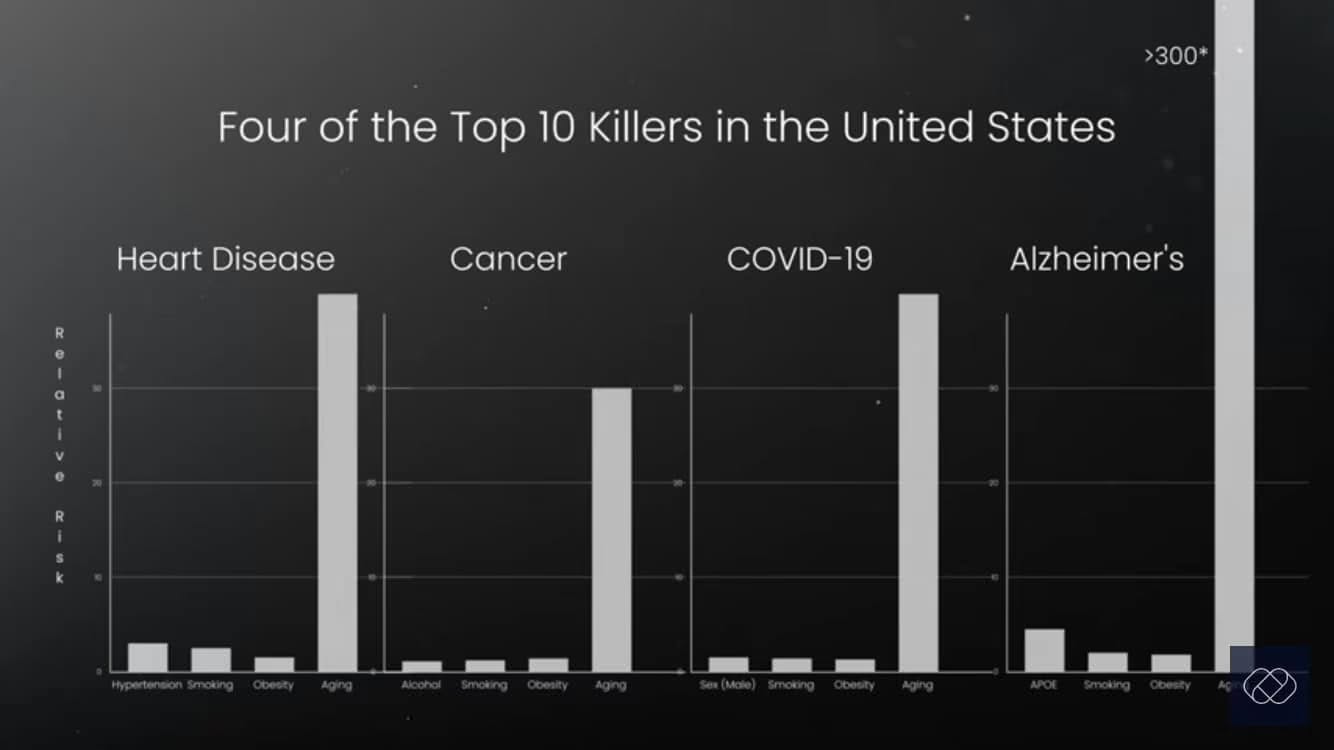
Age is the biggest risk factor for heart disease.
It is 10x larger than any other risk factor.
Quoted:
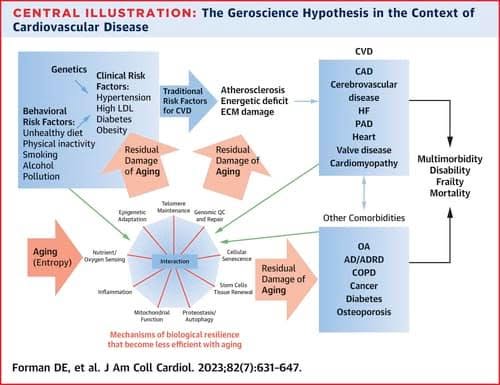
“Geroscience rests on the notion that aging itself, rather than individual diseases, is the root cause of many chronic conditions. To explore this hypothesis, scientists have focused on understanding and targeting the biological mechanisms of aging with the goal of extending both lifespan and healthspan, or the number of healthy years.
Extending healthspan would improve the quality of life for millions of people and reduce the burden of aging-related diseases. Baby boomers, most now well beyond the age of 65, are grappling with conditions like heart disease, type 2 diabetes, cancer, Alzheimer’s and frailty, which not only reduce quality of life but place immense pressure on families, healthcare systems and economies.
Many geroscientists believe that the biological mechanisms of aging are both malleable and treatable. Researchers in clinics and laboratories around the world are now testing this notion. If it turns out to be correct, it could be possible to slow aging or even reverse it.”