HD-OPM Archive
Hashtags

#cvd

86 posts

Cocoa flavanol extract cut CVD death 27% in the 21,000-person COSMOS trial

May 05, 2024 · Louis Nervegna ♥ 27 · 💬 53 ↩ 4 Nuts, fish, coffee, tea, cocoa & other foods

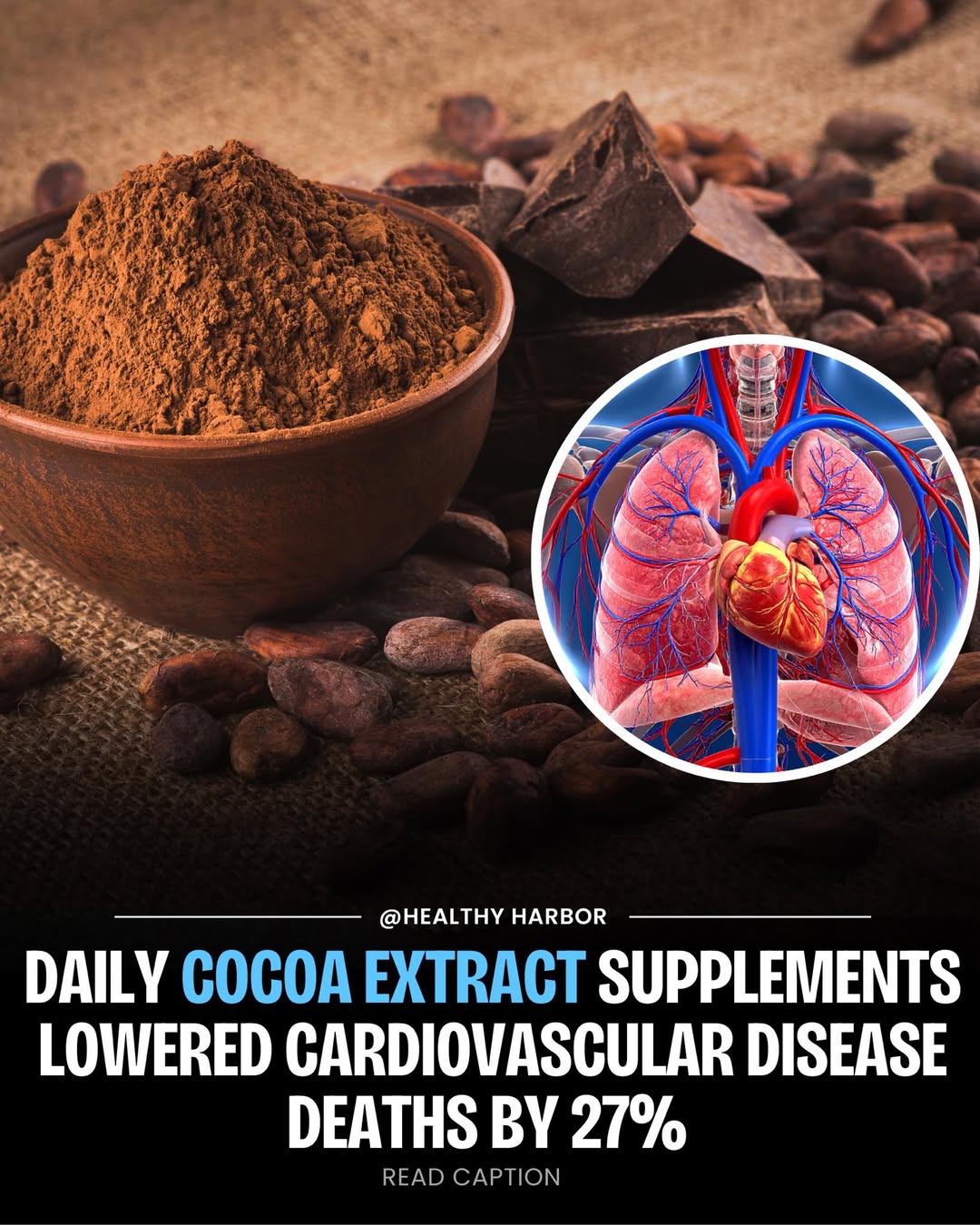
Louis summarizes the COSMOS randomized trial of 500 mg/day cocoa flavanols (and multivitamin) in over 21,000 adults for 3.6 years. Total cardiovascular events fell 10%, which was not statistically significant, but CVD death fell a significant 27% and major CV events were also significantly reduced. Adherence-adjusted analyses showed 15% fewer total events and 39% fewer CVD deaths; authors urge cautious interpretation.
COSMOS: cocoa flavanols cut cardiovascular death 27% in 21,000 adults over 3.6 years

Jul 19, 2024 · Louis Nervegna ♥ 23 · 💬 38 Nuts, fish, coffee, tea, cocoa & other foods

Reposting a summary of the COSMOS trial at Harvard/Brigham: more than 21,000 adults took 500 mg cocoa flavanols daily, a multivitamin, both or neither. Total CV events fell 10% (not significant), but CV death fell a significant 27%, with larger effects (15% total events, 39% for CV death-type outcome) among adherent participants.
Blood omega-6 biomarker cohorts link higher levels to lower heart disease and diabetes

Nov 24, 2024 · Louis Nervegna ♥ 19 · 💬 45 ↩ 5 Fats & oils (saturated fat, seed oils, omega-6, olive oil)

Louis stresses that evidence for omega-6 protection does not rest on food questionnaires but on blood and tissue measurements tracked prospectively for years before disease. He cites a pooled analysis of 30 cohorts in which people with higher linoleic acid levels had less CVD. He argues that avoiding nuts and seeds to cut omega-6 is likely harmful, and that RCTs on this timescale are impractical.

Medical schools push back on seed-oil myths; pooled cohorts link omega-6 to lower risk

Jun 18, 2025 · Louis Nervegna ♥ 12 · 💬 26 Fats & oils (saturated fat, seed oils, omega-6, olive oil)

Louis says major medical and public health schools are countering influencer claims about seed oils. He notes a 2019 pooled analysis of 30 prospective cohorts found higher blood omega-6 (linoleic acid) predicted lower risk of heart disease and diabetes over 2.5 to 30 years, and points to earlier group posts.

High insulin/IGF-1 tied to cancer, diabetes; Laron syndrome and low-IGF-1 mice live longer

May 13, 2025 · Louis Nervegna ♥ 23 · 💬 13 Aging & longevity

Louis praises a video on height, insulin/IGF-1 and longevity and lays out his argument: diet (refined starch/sugar and excess animal protein) is the main driver of IGF-1, and low IGF-1 is linked to lower cancer and diabetes risk. He cites Laron syndrome, with no documented cancer deaths, little diabetes and less heart disease and Alzheimer's, and a long-lived low-IGF-1 mouse. Claims come from the post and videos, not named papers.

Higher omega-6 biomarker levels linked to 22% lower CVD death in 30-cohort pooled analysis

Jan 20, 2024 · Louis Nervegna ♥ 13 · 💬 12 ↩ 7 Fats & oils (saturated fat, seed oils, omega-6, olive oil)

A pooled analysis of about 70,000 people from 30 prospective cohorts measured linoleic acid in blood and tissue rather than relying on food questionnaires. Higher levels were associated with lower total CVD, CVD mortality and ischemic stroke, which counters claims that omega-6 or seed oils drive heart disease.

NEJM 2020 dairy review: a mixed bag, best for fermented forms, weak for fractures

Jan 23, 2025 · Louis Nervegna ♥ 6 · 💬 21 Meat, eggs & dairy

Louis highlights the widely cited 2020 NEJM review on dairy and disease risk. It concludes that high dairy intake is not supported for preventing fractures, is not clearly linked to weight, diabetes or CVD, and may raise prostate and endometrial cancer risk while lowering colorectal cancer risk. Effects depend on the comparison food: dairy fares better than processed red meat or sugary drinks but worse than nuts.

Harvard: 100+ cohorts show 25-40% lower CVD risk with light-to-moderate alcohol

Dec 03, 2023 · Louis Nervegna ♥ 6 · 💬 22 ↩ 7 Alcohol, smoking & vaping

Louis quotes Harvard's Nutrition Source: more than 100 prospective studies show light-to-moderate drinking is linked to a 25-40% lower risk of heart attack, ischemic stroke, peripheral vascular disease, sudden cardiac death and CVD death, and Harvard epidemiologists consider it almost certainly causal. Above 4 drinks a day, risks of hypertension, arrhythmia, stroke, heart attack and death rise. An NIH-funded alcohol trial was stopped. This view is contested and observational.

NASEM alcohol review: moderate drinking tied to lower all-cause and CVD mortality

Sep 30, 2025 · Louis Nervegna ♥ 7 · 💬 14 Alcohol, smoking & vaping

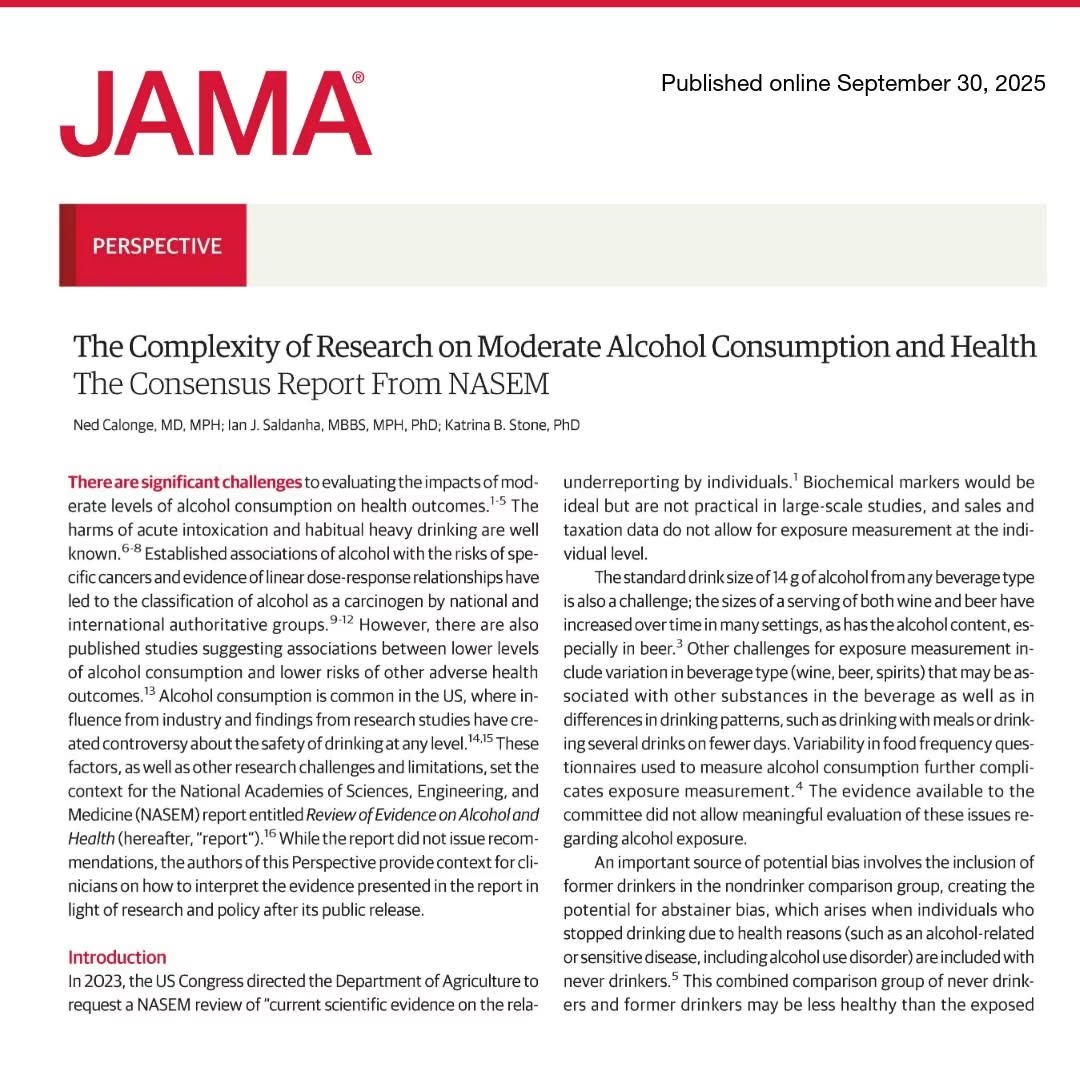
The National Academies' evidence review on alcohol and health, published in JAMA on September 30, 2025, graded certainty using the USPSTF framework. It reached three moderate-certainty conclusions, including that moderate drinking is associated with lower all-cause and cardiovascular mortality, while stressing biases and the known harms of heavy drinking.

NY Times: higher omega-6 linked to lower CVD, diabetes, cancer and mortality

Nov 24, 2024 · Louis Nervegna ♥ 13 · 💬 10 Fats & oils (saturated fat, seed oils, omega-6, olive oil)

Louis shares a NY Times article on the seed oil myth, noting it quotes researchers who studied the question in humans. The article states that people who eat more omega-6 or have higher blood levels have lower risk of cardiovascular disease, type 2 diabetes, cancer and earlier death, and links to the relevant meta-analyses.

Harvard: swapping red and processed meat for beans, nuts, fish or poultry cuts heart risk

Apr 11, 2025 · Louis Nervegna ♥ 13 · 💬 7 Protein

Louis quotes the Harvard Nutrition Source: protein source matters more than quantity. Even small regular amounts of red meat, especially processed, are linked to higher heart disease, stroke and mortality, while replacing them with beans, soy, nuts, fish or poultry appears to lower risk, partly because plant proteins are more unsaturated and cholesterol-free.

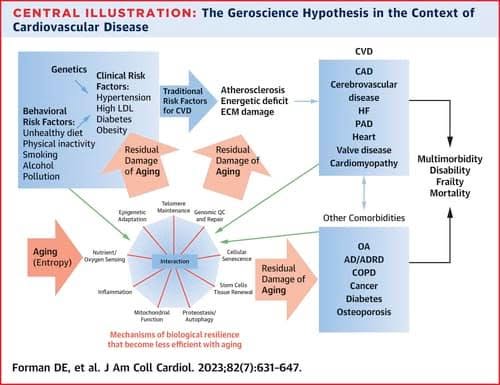
JACC statement on geroscience: why aging drives CVD and how to slow cardiovascular aging

Dec 16, 2023 · Louis Nervegna ♥ 11 · 💬 11 ↩ 2 Aging & longevity

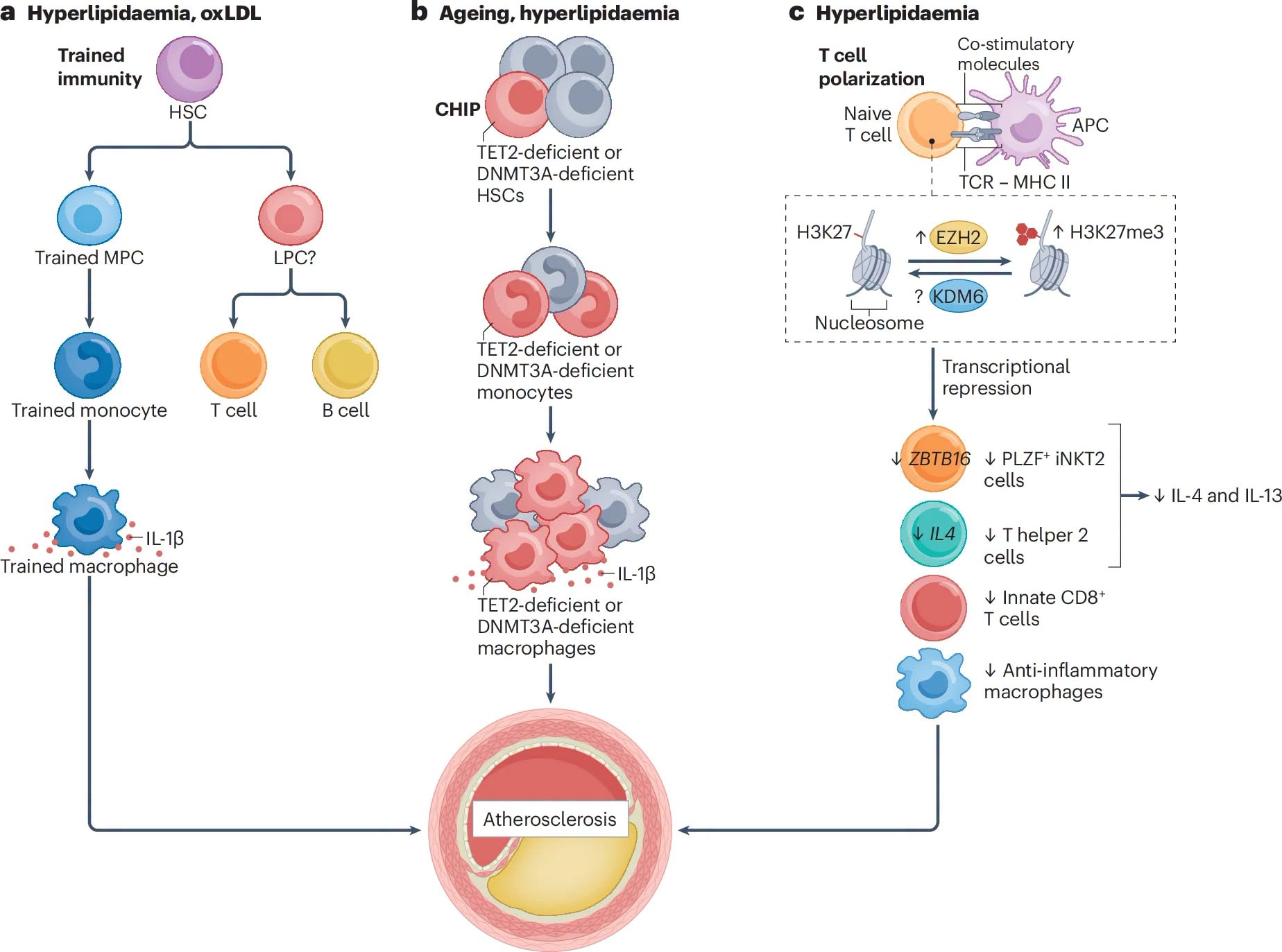
Louis calls the JACC Scientific Statement on geroscience the best review so far of why age is the largest CVD risk factor. It argues aging is a common root of chronic disease, explaining multimorbidity, frailty and poorer CVD prognosis in older adults, and describes gerotherapeutic approaches, some already used in CVD care, that could transform management.

Higher blood linoleic acid predicts lower CVD risk in 68,000-person pooled analysis

Jul 18, 2025 · Louis Nervegna ♥ 6 · 💬 7 Fats & oils (saturated fat, seed oils, omega-6, olive oil)

Louis shares a Johns Hopkins piece citing the 2019 Marklund pooled analysis of over 68,000 participants in 30 cohorts across 13 countries. People with the highest blood linoleic acid had lower CVD risk, especially for CV mortality and stroke; controlled trials also show LA lowers LDL and may improve glucose metabolism. The association is observational, which the author notes.

Omega-6 unlikely to cause heart disease when blood biomarkers show an inverse association

Sep 12, 2024 · Louis Nervegna ♥ 12 · 💬 3 Fats & oils (saturated fat, seed oils, omega-6, olive oil)

Louis argues that causation requires at minimum a positive association, and omega-6 measured directly in blood and tissue shows an inverse association with heart disease and diabetes. He says these prospective biomarker studies are not nutritional epidemiology because no questionnaires are used. He re-shares the pooled analysis of about 70,000 people in 30 cohorts.

Anabolic steroid users had 3x heart attack and 8.9x cardiomyopathy risk (Circulation)

Mar 15, 2025 · Louis Nervegna ♥ 4 · 💬 5 Hormones, women's & men's health

Louis notes that excess exogenous testosterone is also an anabolic steroid and shares Luigi Fontana's summary of a Circulation study comparing 1,189 anabolic androgenic steroid users with 59,450 controls over 11 years. Users had several-fold higher risks of heart attack, revascularization, clots, arrhythmias, cardiomyopathy and heart failure.

L-carnitine supplements worsened carotid plaque stenosis within 6 months in an RCT

Nov 07, 2026 · Louis Nervegna ♥ 5 · 💬 2 Supplements & vitamins

Louis highlights a phase 2 RCT in patients with metabolic syndrome where L-carnitine did not change total carotid plaque volume but increased plaque stenosis within 6 months versus placebo. The proposed mechanism is TMAO production, since carnitine is abundant in red meat, but Louis notes TMAO could be a marker for another causal factor. He calls it extremely concerning.

Regular coffee linked to lower stroke, heart disease and diabetes risk in Harvard data

Sep 26, 2024 · Louis Nervegna ♥ 9 Nuts, fish, coffee, tea, cocoa & other foods

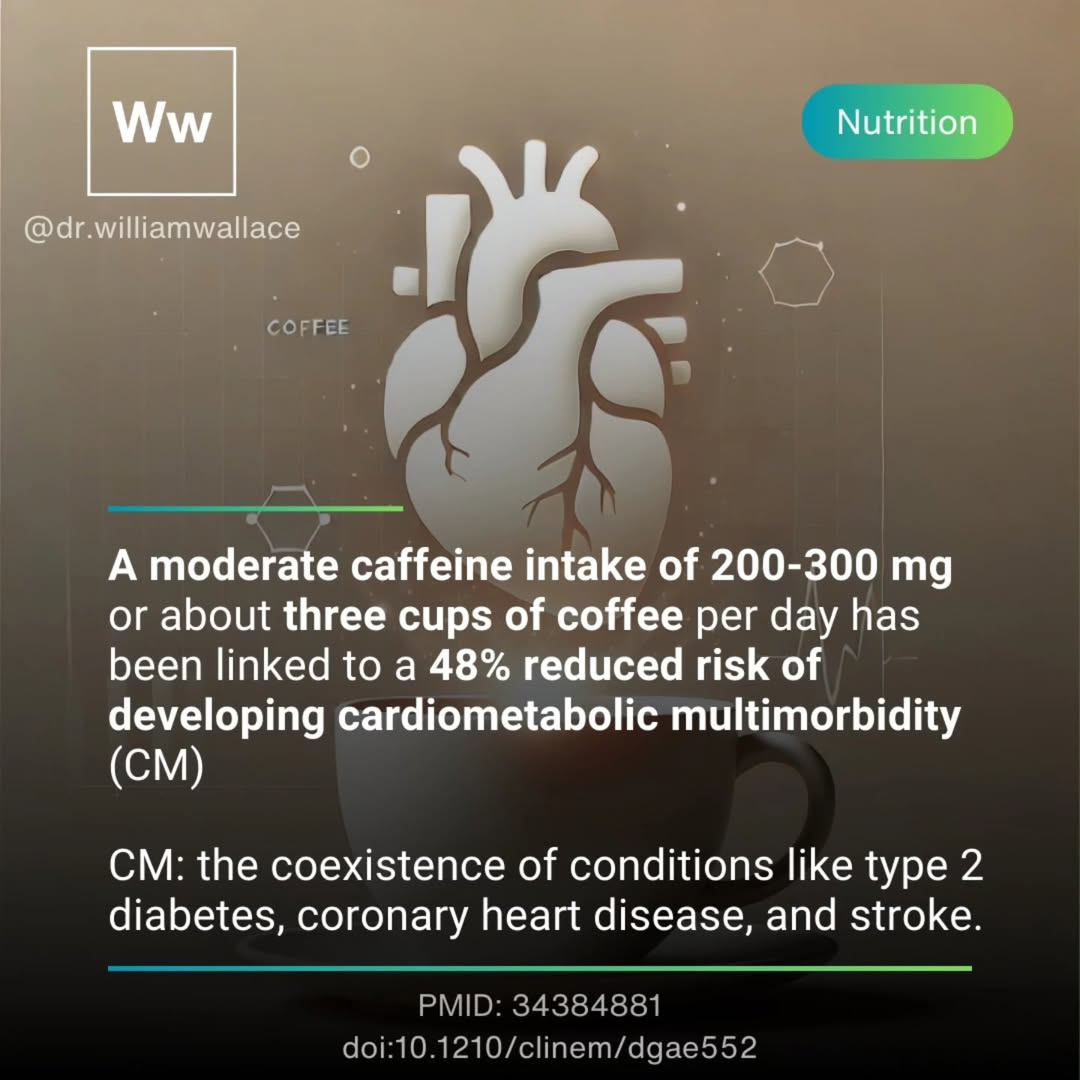
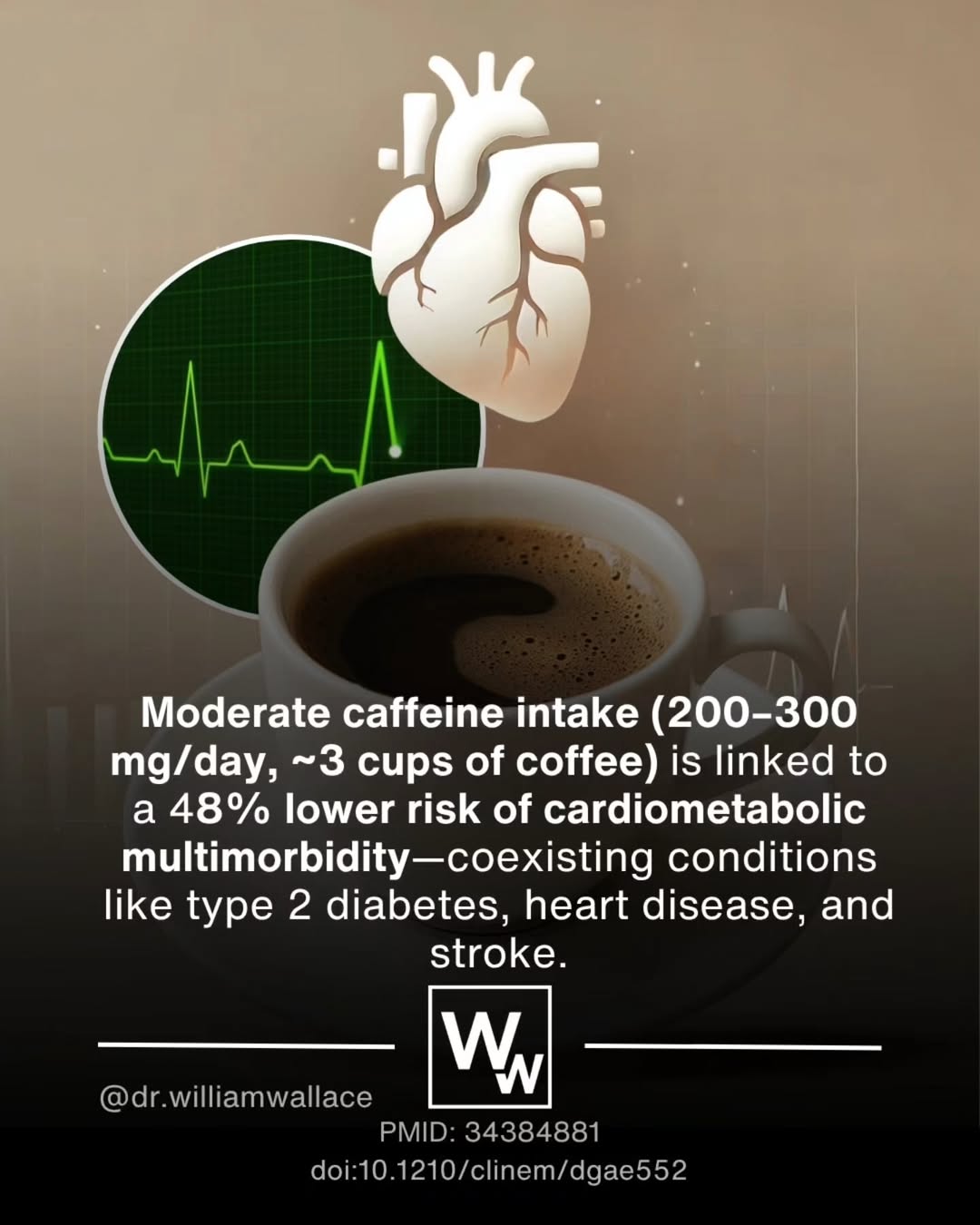
Louis shares a roundup of his coffee posts and quotes the Harvard Nutrition Source. Among 83,076 Nurses' Health Study women, 4+ cups daily was linked to 20% lower stroke risk, and in 37,514 women 2-3 cups daily to 21% lower heart disease risk. A 21-study meta-analysis tied about 3 cups daily to 21% lower CVD death. Benefits also cover insulin sensitivity and diabetes.

Good cardiovascular health in young adulthood lowers later risk of CVD and kidney disease

Aug 26, 2025 · Louis Nervegna ♥ 3 · 💬 1 Kidney health

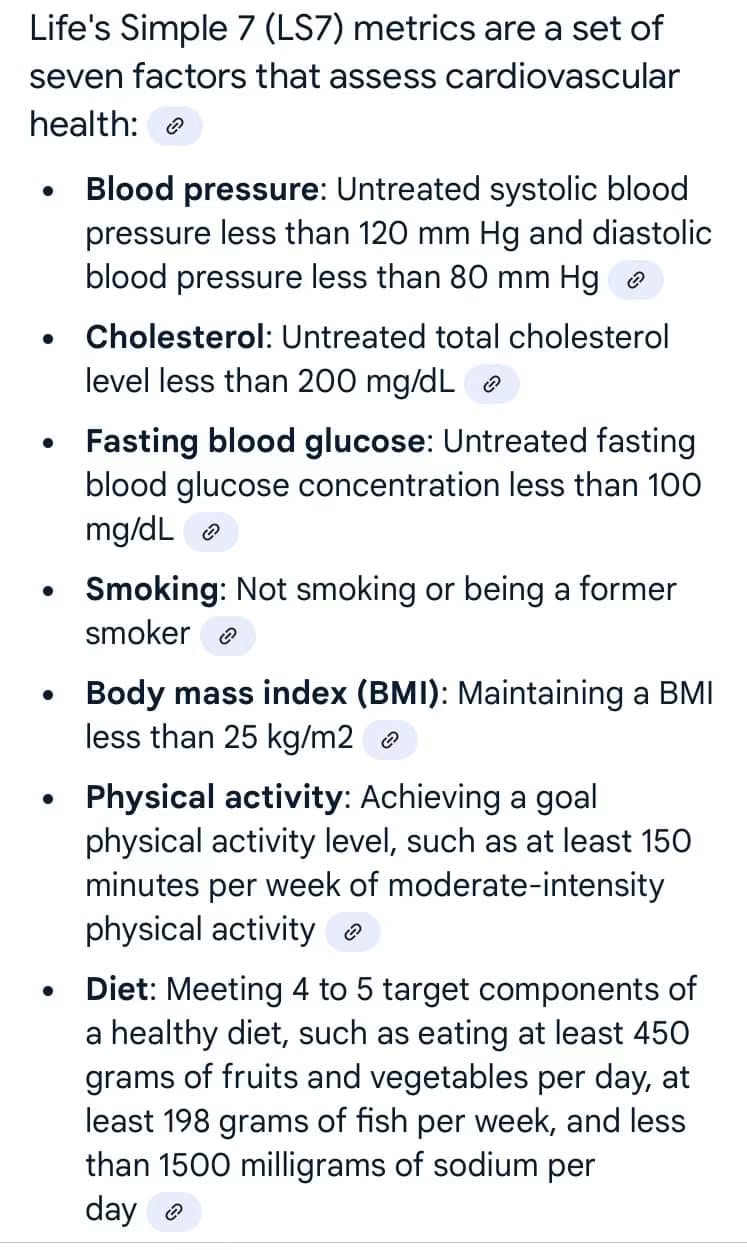
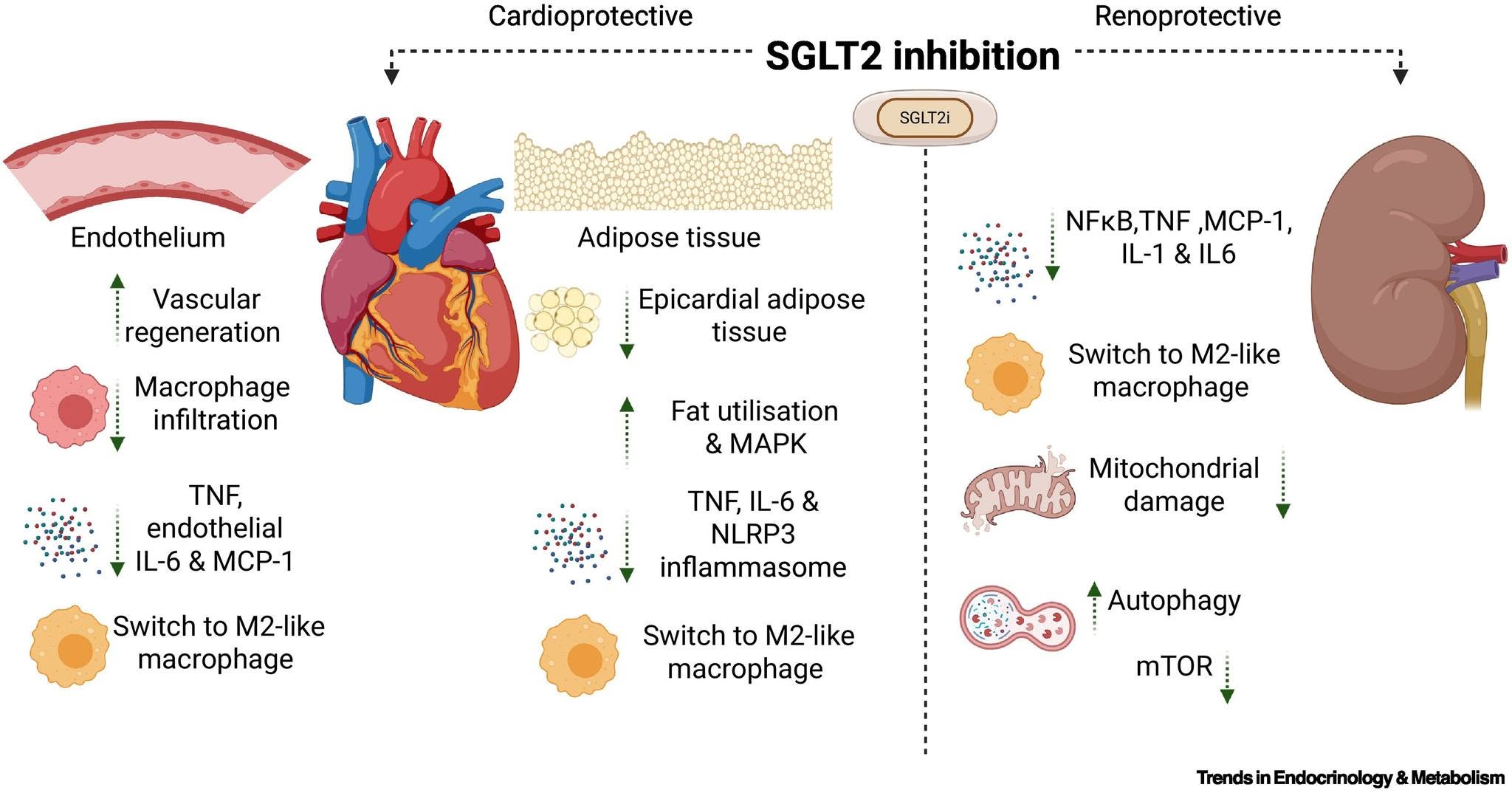
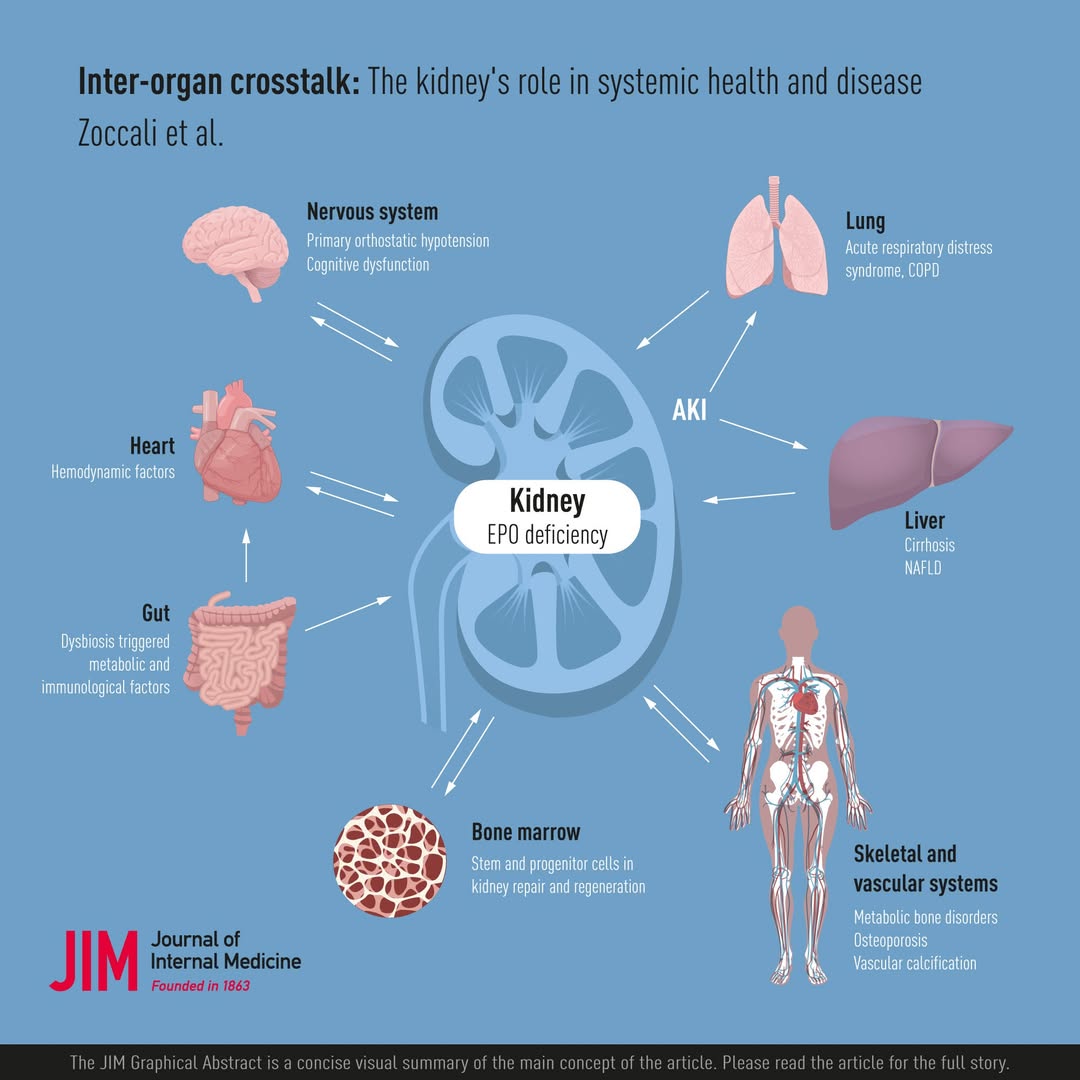
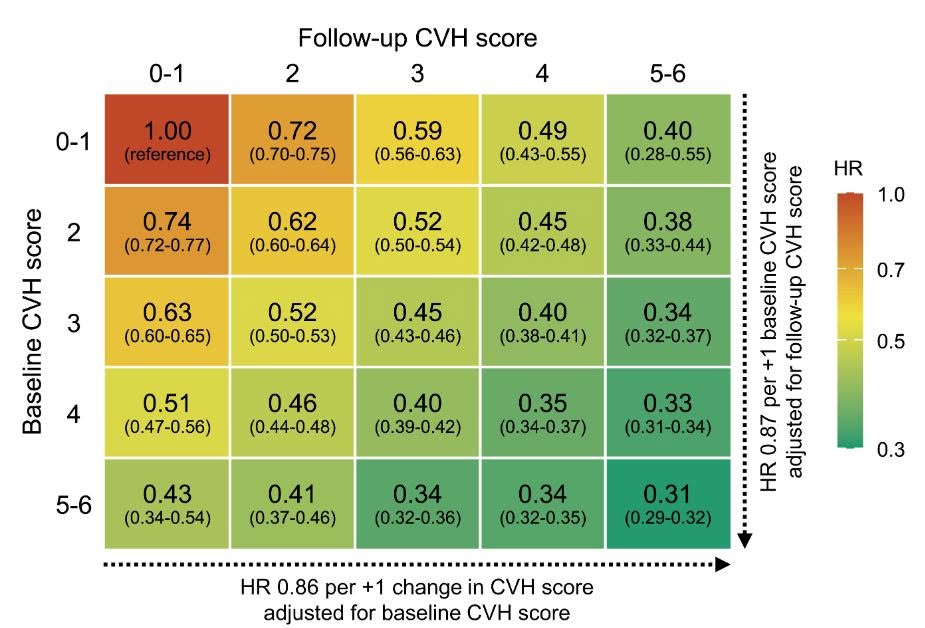
Louis stresses that kidney and cardiovascular health are tightly linked: kidney disease raises CVD risk and protecting against atherosclerosis lowers the risk of kidney disease. The shared American Journal of Kidney Diseases study (Lee et al) found young adults with better cardiovascular health had lower later risk of both conditions, and improving or maintaining it helped.

JACC review: guidelines favor whole-food plant-based diets for CVD and cancer prevention

Dec 08, 2025 · Louis Nervegna ♥ 3 Mediterranean, DASH, MIND & plant-forward diets

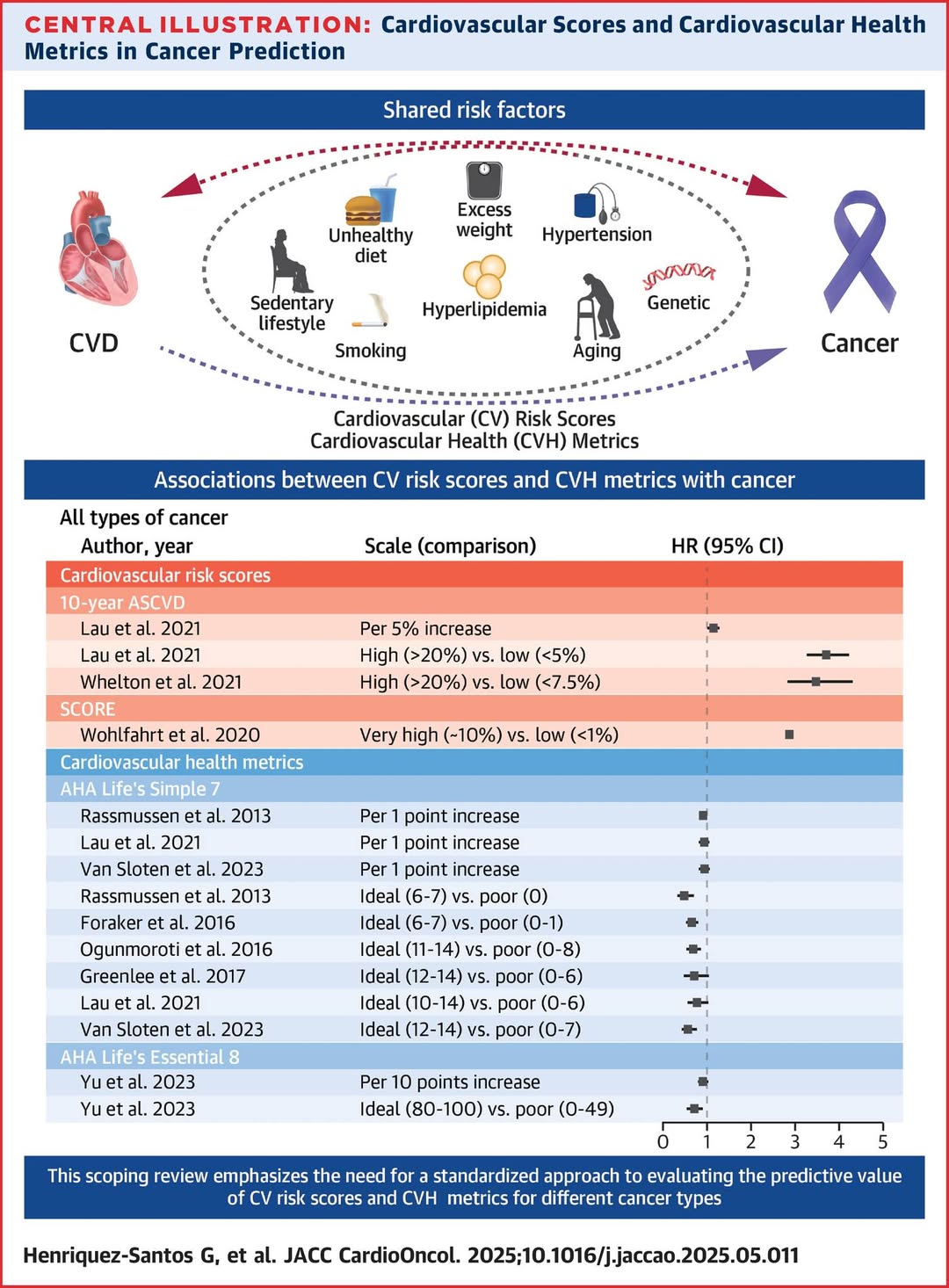
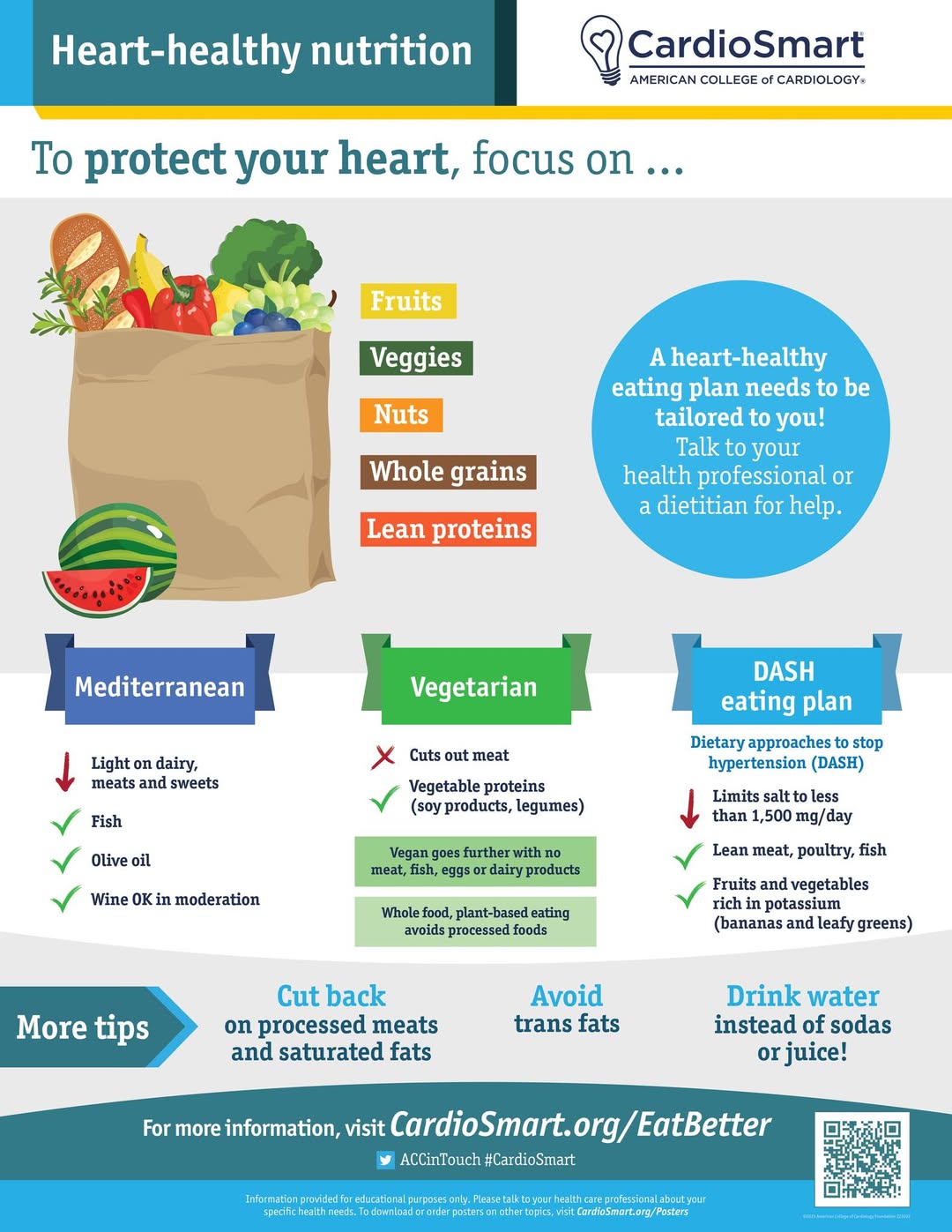
Louis quotes a September 2025 JACC: CardioOncology state-of-the-art review noting that AHA, ACC, ACS, NCCN and WCRF/AICR guidelines all recommend a predominantly whole-food plant-based diet, as does the EAT-Lancet consensus. Patterns like Mediterranean and DASH are included, emphasizing fruits, vegetables, whole grains, legumes, nuts, seeds and olive oil while minimizing red meat.