HD-OPM Archive
Hashtags

#aging

236 posts

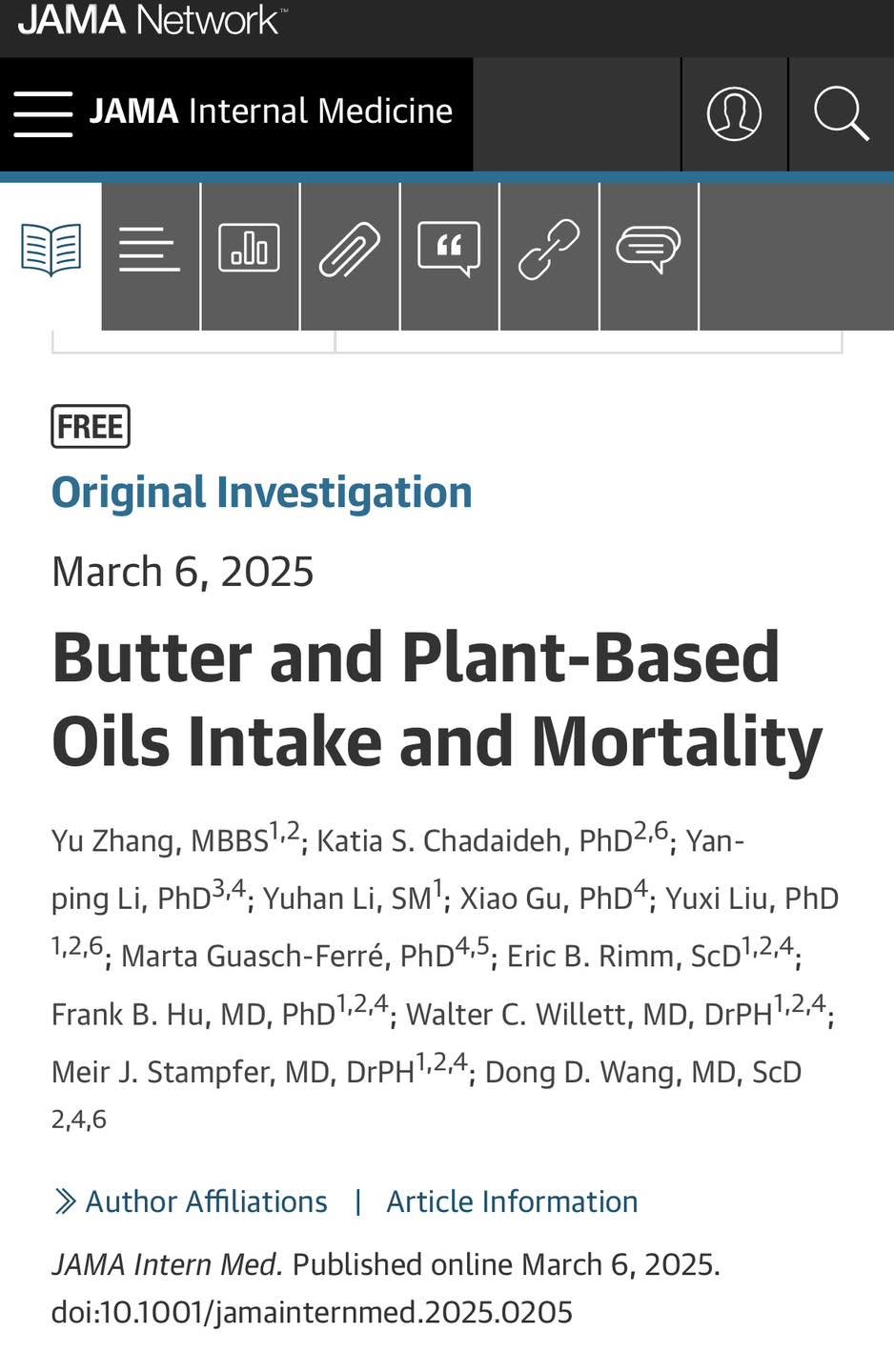
Replacing butter with plant oils linked to 17% lower mortality in 221,054 US adults

Mar 06, 2025 · Louis Nervegna ♥ 17 · 💬 68 ↩ 6 Fats & oils (saturated fat, seed oils, omega-6, olive oil)

Louis summarizes a Harvard/Brigham cohort analysis of the Nurses' Health Study, HPFS and NHS II covering over 30 years. Higher butter intake was associated with higher all-cause and cancer mortality, while plant oils (especially olive, canola and soybean) were associated with lower all-cause, cancer and cardiovascular mortality.
Norwegian 4x4 intervals: Rhonda Patrick on reversing heart aging and raising VO2 max

Oct 04, 2025 · Gokhan Can ♥ 27 · 💬 29 Exercise & fitness

Summarises a Rhonda Patrick video: moderate exercise is ineffective for many, so vigorous HIIT such as the Norwegian 4x4 (four 4-minute efforts at about 80-90% max heart rate with 4-minute recovery) improves VO2 max. She cites a two-year study that reversed about 20 years of cardiac aging in sedentary 50-year-olds, and exercise reducing glycation-driven heart stiffness (Asif et al., PNAS 2000).

Taurine deficiency may drive aging; Columbia study spans worms, mice, monkeys and humans

Mar 01, 2024 · Louis Nervegna ♥ 23 · 💬 28 ↩ 4 Aging & longevity

Louis highlights a 2023 Columbia University study on taurine and aging in worms, mice, monkeys and humans, noting taurine also benefits the cardiovascular system. He stresses that age is the biggest causal risk factor for heart disease and taurine might be an anti-aging intervention, with emphasis on 'might', and that it seems reasonably safe.

Testosterone for anti-aging lacks proven longevity benefit; high levels tied to deaths

Mar 23, 2024 · Louis Nervegna ♥ 13 · 💬 34 ↩ 1 Hormones, women's & men's health

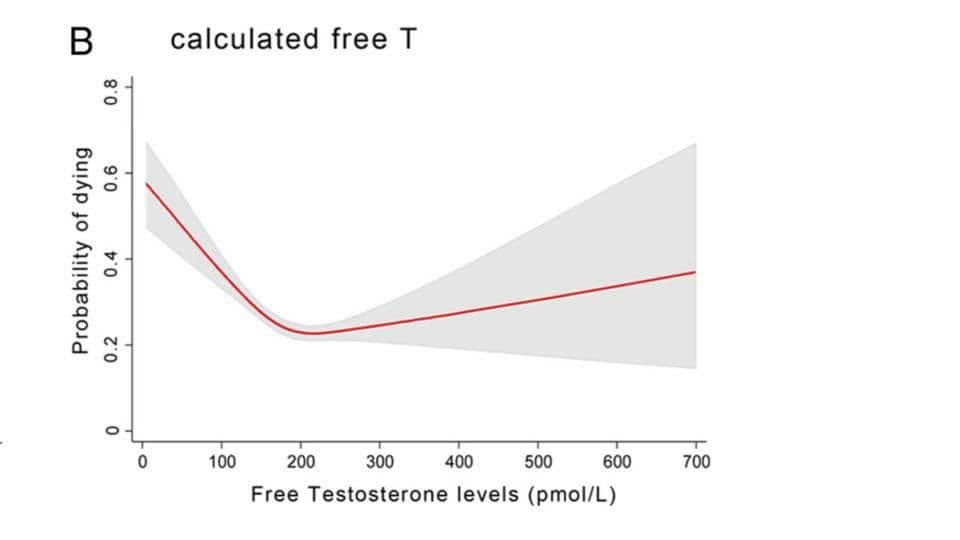
Louis warns that the only proven benefit of testosterone therapy is treating clinically diagnosed hypogonadism and no credible study shows longevity benefit. He cites data from 3,690 men aged 70-92 showing an inverse U-shaped relation between testosterone and mortality, with risk rising above an optimal level, plus animal studies showing androgens shorten and castration extends lifespan. The animal evidence and sex-difference argument are suggestive, not proof in humans.

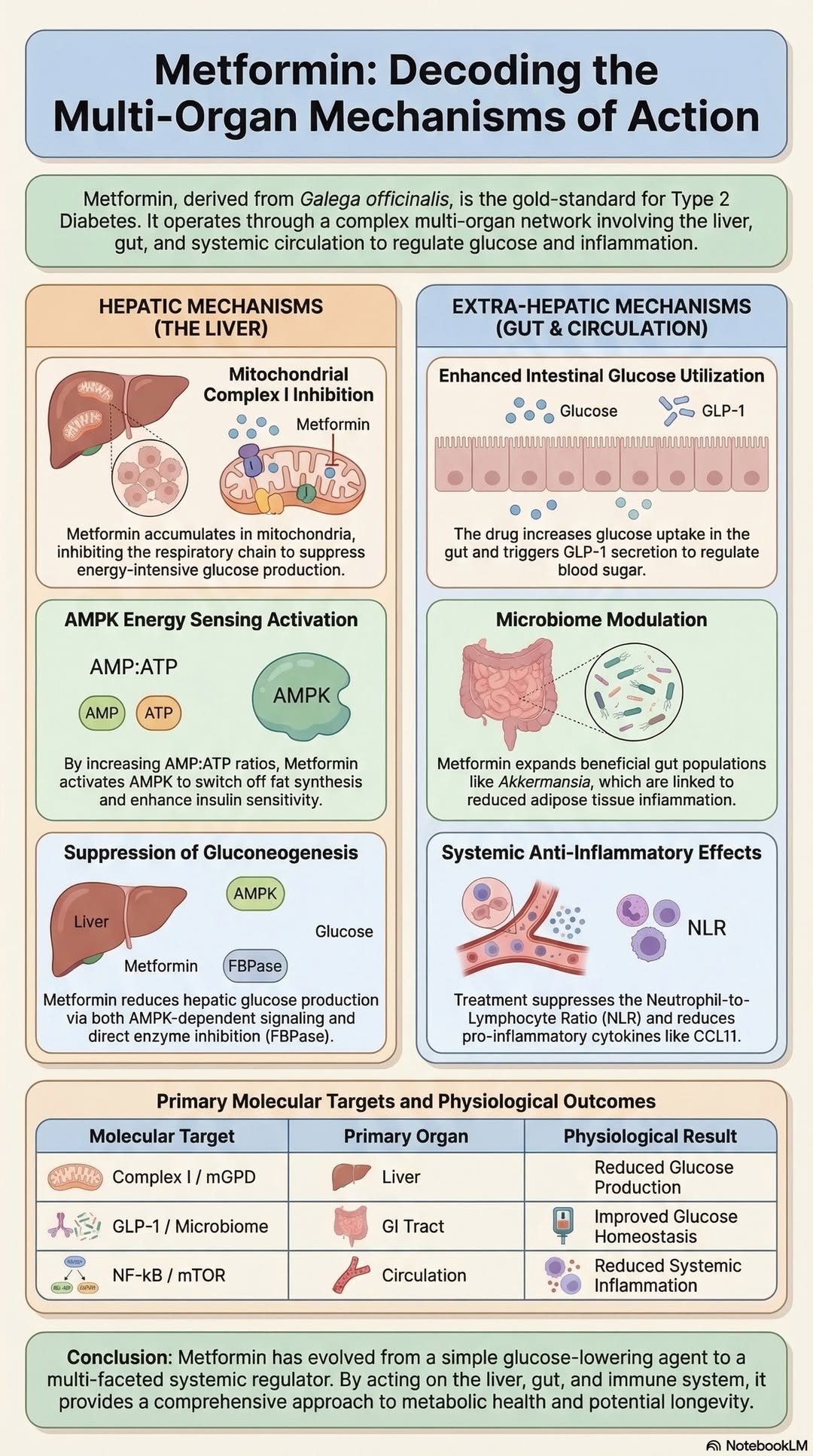
Six non-diabetes benefits of metformin shown in trials, and the TAME aging hypothesis

Aug 24, 2024 · Louis Nervegna ♥ 20 · 💬 29 Aging & longevity

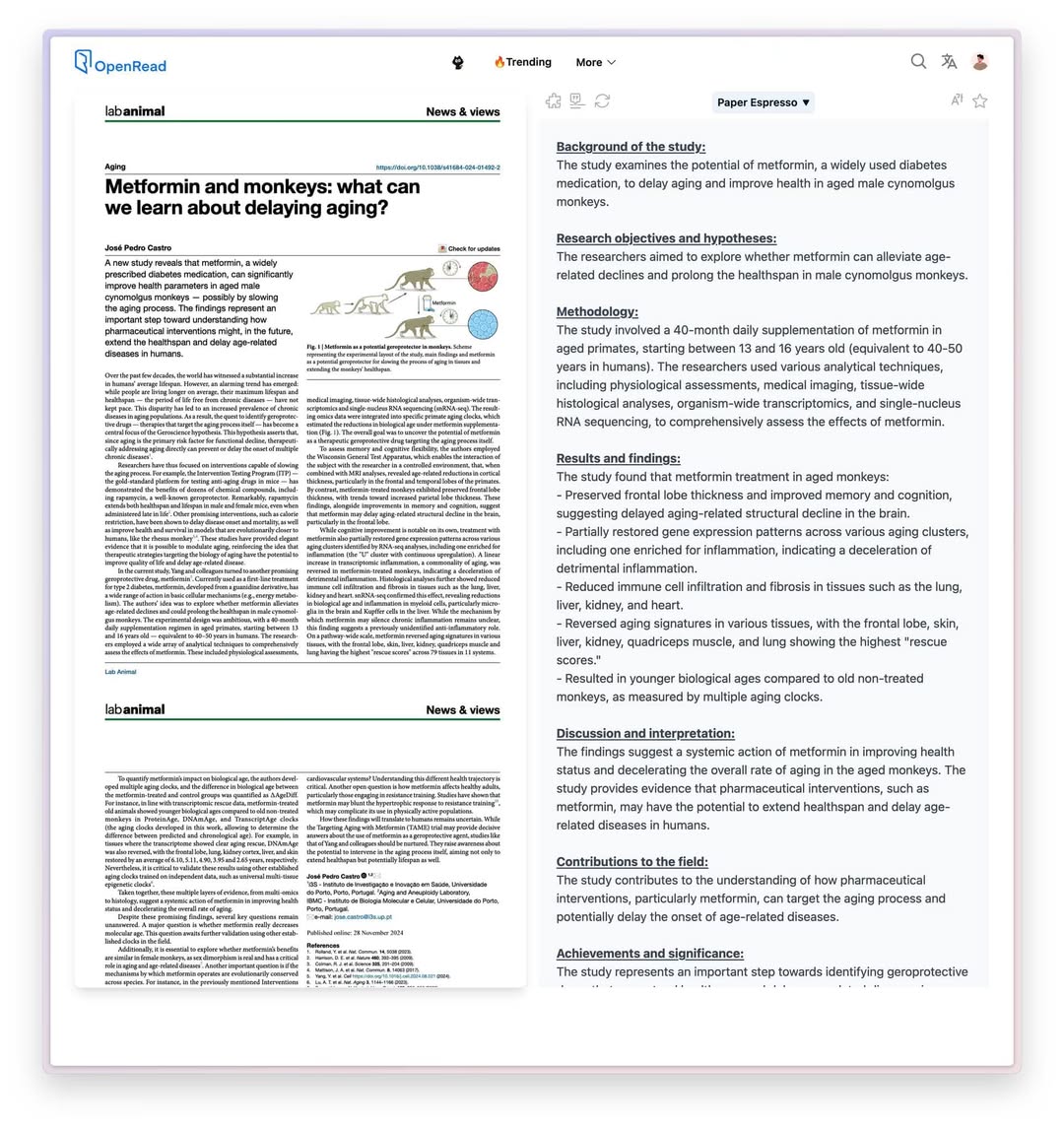
The post lists six effects of metformin reported in randomized trials of non-diabetics (long Covid, Covid outcomes, periodontal disease, muscle loss, knee osteoarthritis pain, oral pre-cancer lesions) and argues they share aging as a risk factor. It mentions a monkey study and the planned TAME trial testing whether metformin slows aging; most evidence is linked via Facebook shares.

Three of 18 Seven Countries Study scientists who adopted a Mediterranean diet lived to 100

Jun 02, 2025 · Louis Nervegna ♥ 15 · 💬 29 Mediterranean, DASH, MIND & plant-forward diets

Louis shares an anecdote that 3 of the 18 scientists in the Seven Countries Study group, who personally switched to a traditional Mediterranean diet, reached age 100, including Ancel Keys at almost 101. He calculates the chance of this happening by chance at roughly 1 in 10 billion, versus about 1 in 10,000 Americans reaching 100; it is an anecdote, not a trial.

Ancel Keys' 1975 Mediterranean diet book: plants, olive oil, fish, little red meat

Jan 19, 2025 · Louis Nervegna ♥ 17 · 💬 23 ↩ 5 Mediterranean, DASH, MIND & plant-forward diets

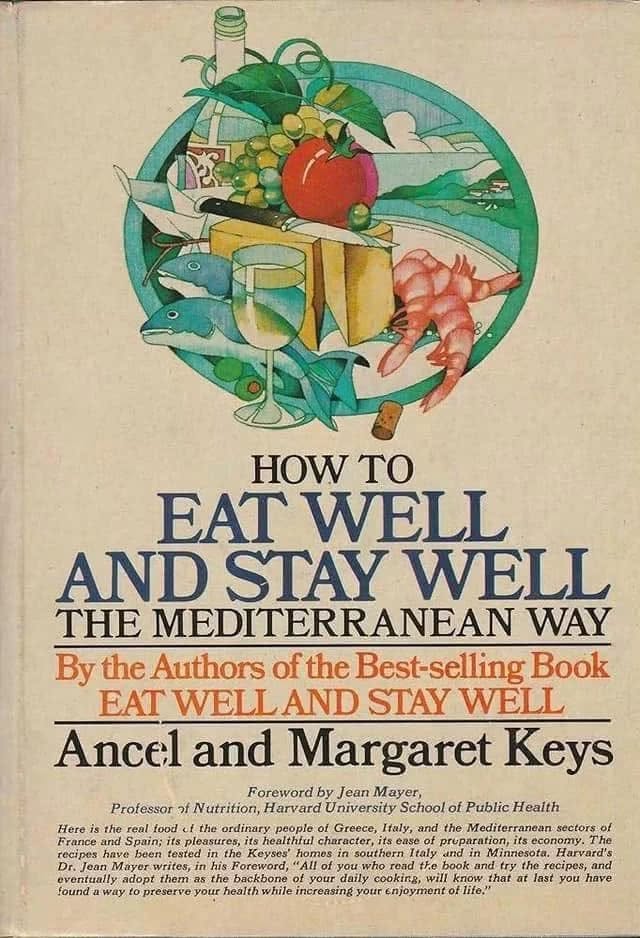
Follow-up to the longevity post, summarizing (via a ChatGPT summary by Pankaj Kapahi) the diet Ancel and Margaret Keys described in their 1975 book. It emphasizes vegetables, legumes, whole grains, nuts, extra virgin olive oil as the main fat, fish, limited red meat and modest dairy, herbs instead of salt, fruit for dessert and wine in moderation. The Keys also stressed activity and shared meals. Louis also notes the 7 Countries scientists' longevity (3 of 18 reached 100).

Dietary fiber as a longevity intervention: 15-30% lower mortality at 25-29 g/day

Dec 28, 2025 · Gokhan Can ♥ 23 · 💬 12 Carbs, fiber, sugar & whole grains

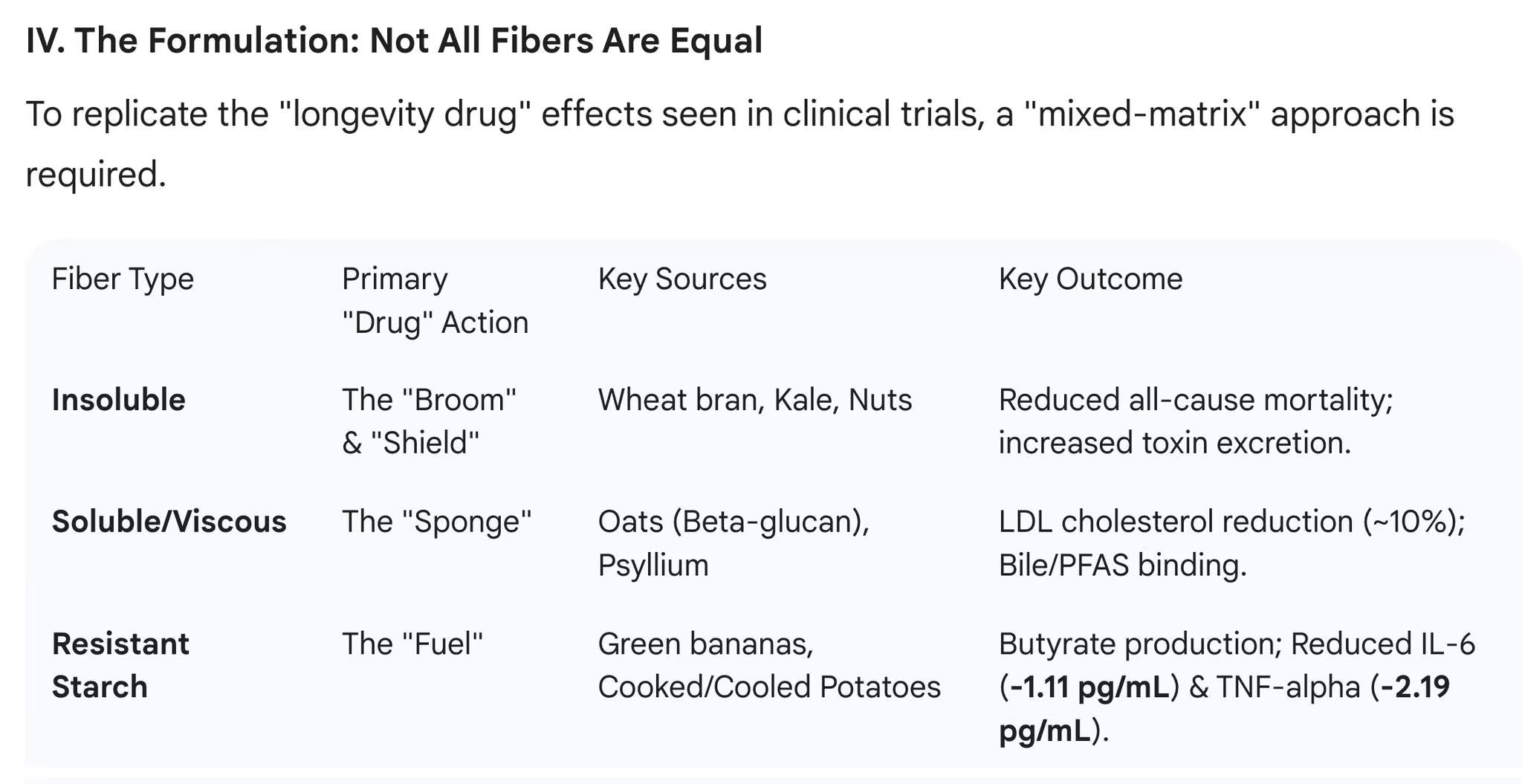
Long summary arguing fiber is a bioactive longevity tool. The WHO-commissioned Reynolds 2019 meta-analysis found 15-30% lower all-cause mortality at 25-29 g/day, with benefits continuing per extra 8 g; newer NHANES data suggest diminishing returns past ~30 g/day. It describes mechanisms including butyrate-driven epigenetic effects and gut barrier reinforcement against toxins such as microplastics.

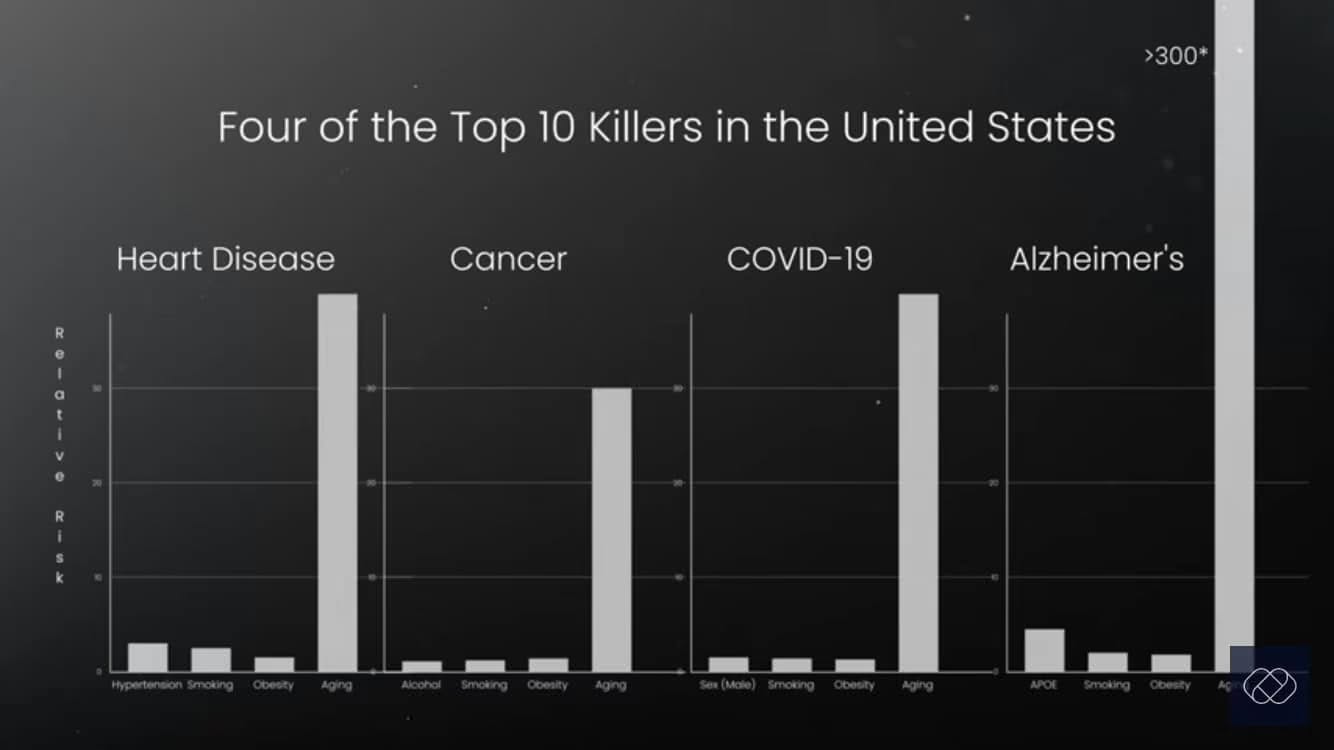
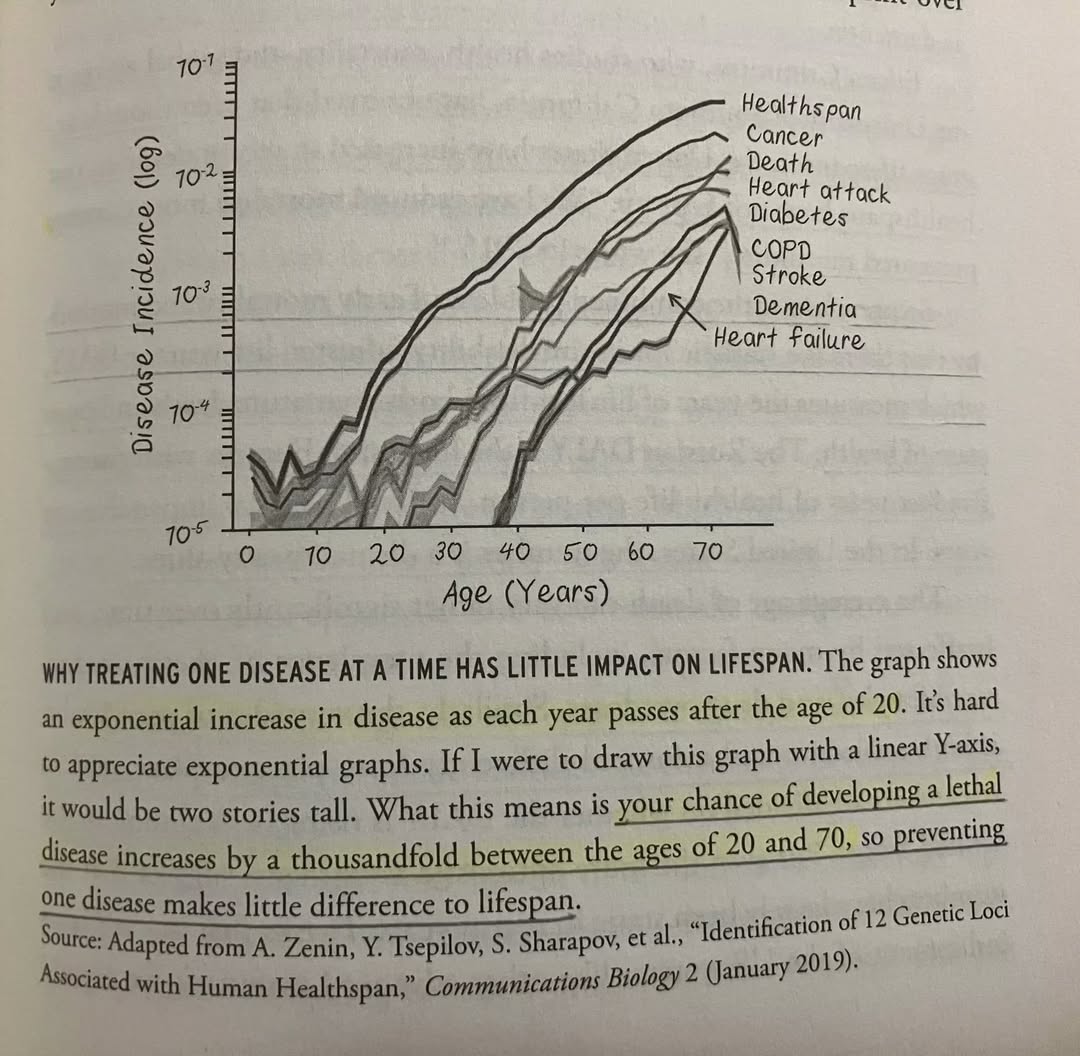
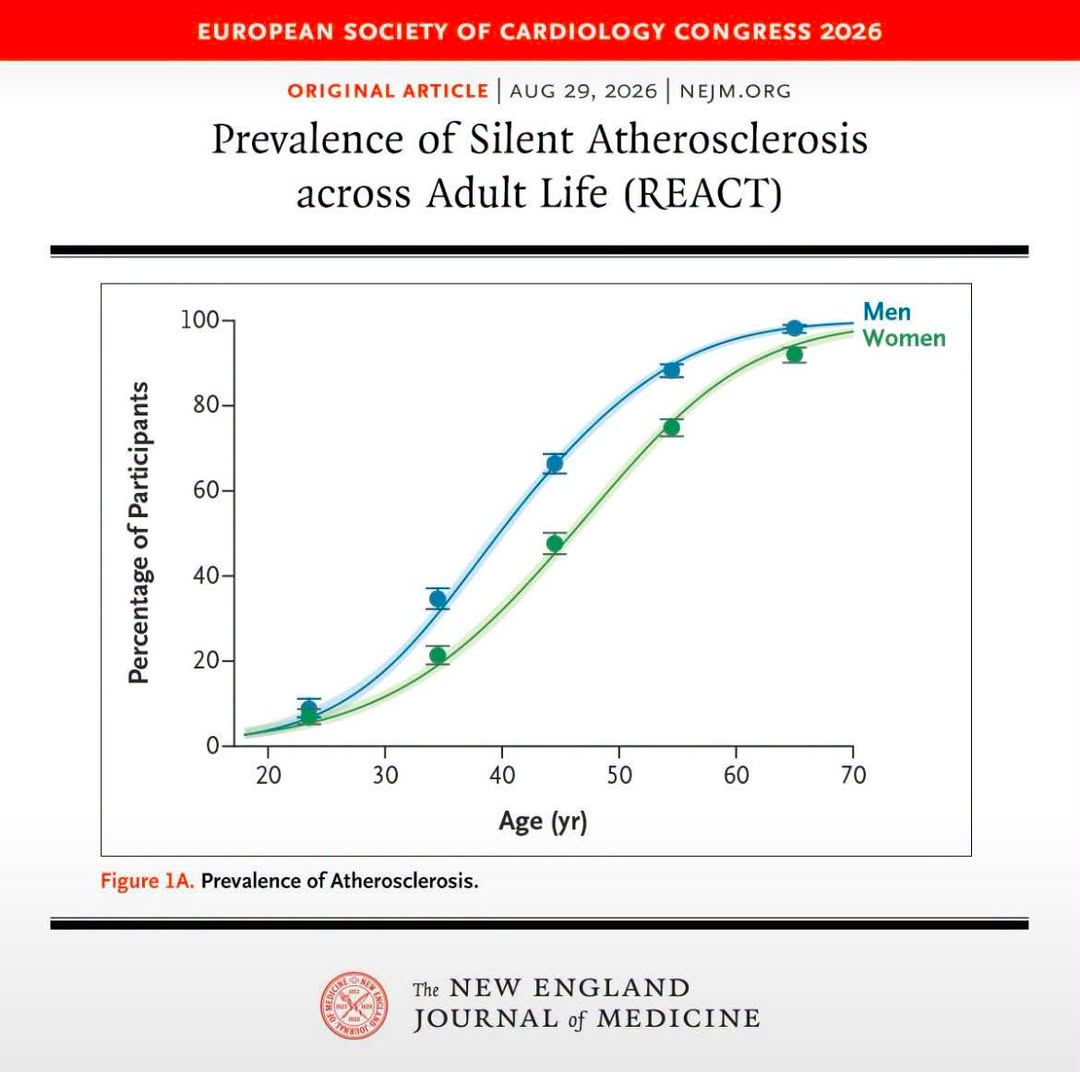
Age raises CVD death risk about 19.5x from 65 to 85, far above diabetes or smoking

Dec 18, 2023 · Louis Nervegna ♥ 13 · 💬 20 ↩ 5 Cardiovascular disease: the big picture

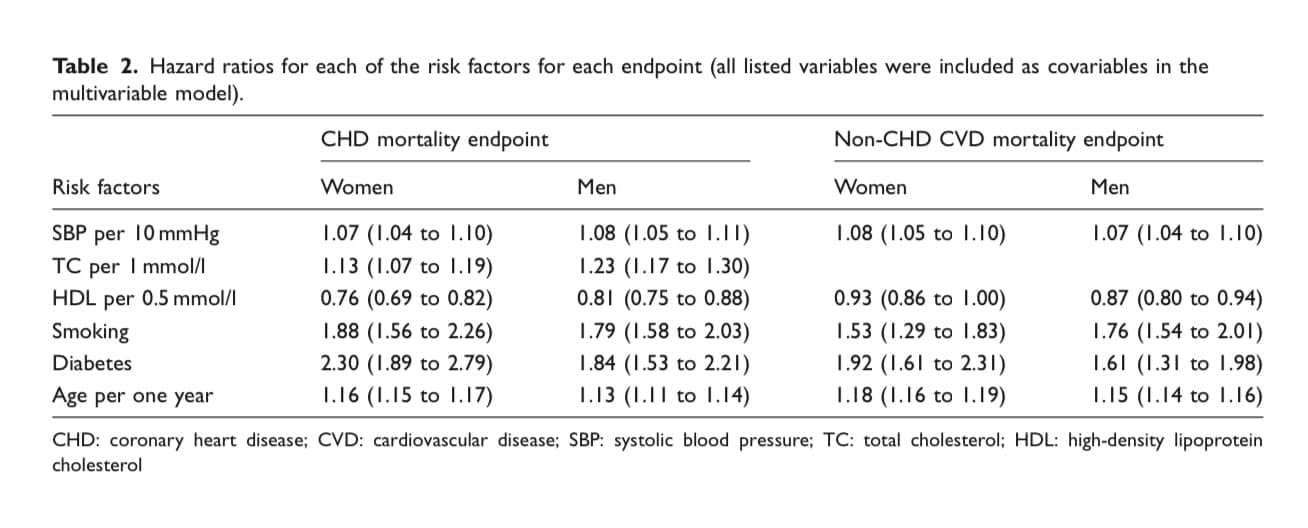
Louis compares hazard ratios from the SCORE O.P. risk model for people over 65. A hazard ratio of 1.16 per year of age compounds to about 19.5x higher CVD death risk between 65 and 85, far larger than diabetes, smoking, high blood pressure or LDL. The numbers used are for women; men are similar. (The post also writes this as 19,500%, which is a mislabel of 19.5x.)

Replacing 10 g/day of butter with plant oils linked to 17% lower mortality

Oct 15, 2025 · Louis Nervegna ♥ 19 · 💬 13 Fats & oils (saturated fat, seed oils, omega-6, olive oil)

Louis shares Harvard research on 221,054 people from the Nurses' Health Studies I and II and the Health Professionals Follow-Up Study, published in JAMA Internal Medicine. Higher plant-oil intake (especially soybean, canola, olive) was linked to lower total, cancer and cardiovascular mortality, while butter was linked to higher total and cancer mortality; a modeled swap of 10 g butter for plant oils lowered mortality by 17%.

Swapping 1 tbsp butter for plant oil linked to 17% lower cancer and all-cause death

Sep 14, 2026 · Louis Nervegna ♥ 17 · 💬 12 Fats & oils (saturated fat, seed oils, omega-6, olive oil)

Louis shares an AHA press release on Harvard cohort data (Nurses' Health Study I and II, Health Professionals) for 221,054 adults. Replacing a daily tablespoon of butter with unsaturated plant oil was associated with lower cancer and total mortality, and each extra tablespoon of butter with higher cancer risk. Olive, canola and soybean oil showed the biggest benefits.

Two years of structured exercise reversed up to 20 years of heart aging at age 50

Mar 18, 2025 · Louis Nervegna ♥ 25 · 💬 8 Exercise & fitness

Louis reshares a FoundMyFitness description of Dr. Benjamin Levine's trial, in which sedentary 50-year-olds who trained 5-6 hours per week for two years made their hearts structurally younger, more like a 30-year-old's. The protocol combined Norwegian 4x4 intervals, recovery aerobics, long endurance sessions and twice-weekly strength training.

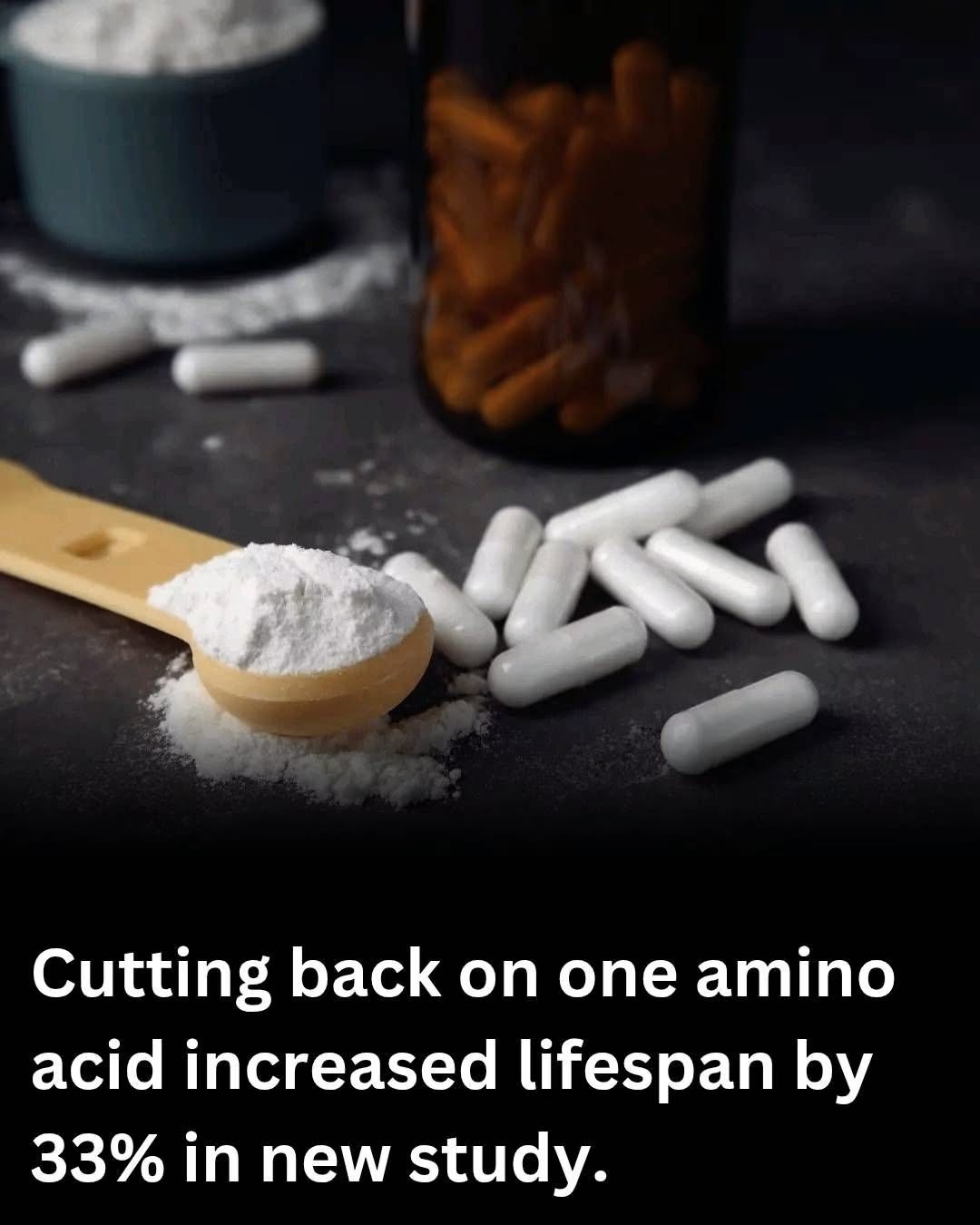
Cutting dietary isoleucine by two-thirds extended male mouse lifespan 33%

Oct 18, 2025 · Louis Nervegna ♥ 17 · 💬 11 ↩ 4 Protein

Louis shares a Cell Metabolism mouse study in which restricting a single essential amino acid, isoleucine, lengthened life (33% in males, 7% in females), improved leanness, blood sugar, strength and frailty, and reduced age-related cancer. He notes the male effect matches major calorie restriction in mice, and suggests getting protein mainly from whole plant foods, which are naturally lower in isoleucine than animal protein. Mouse data, not proven in humans.

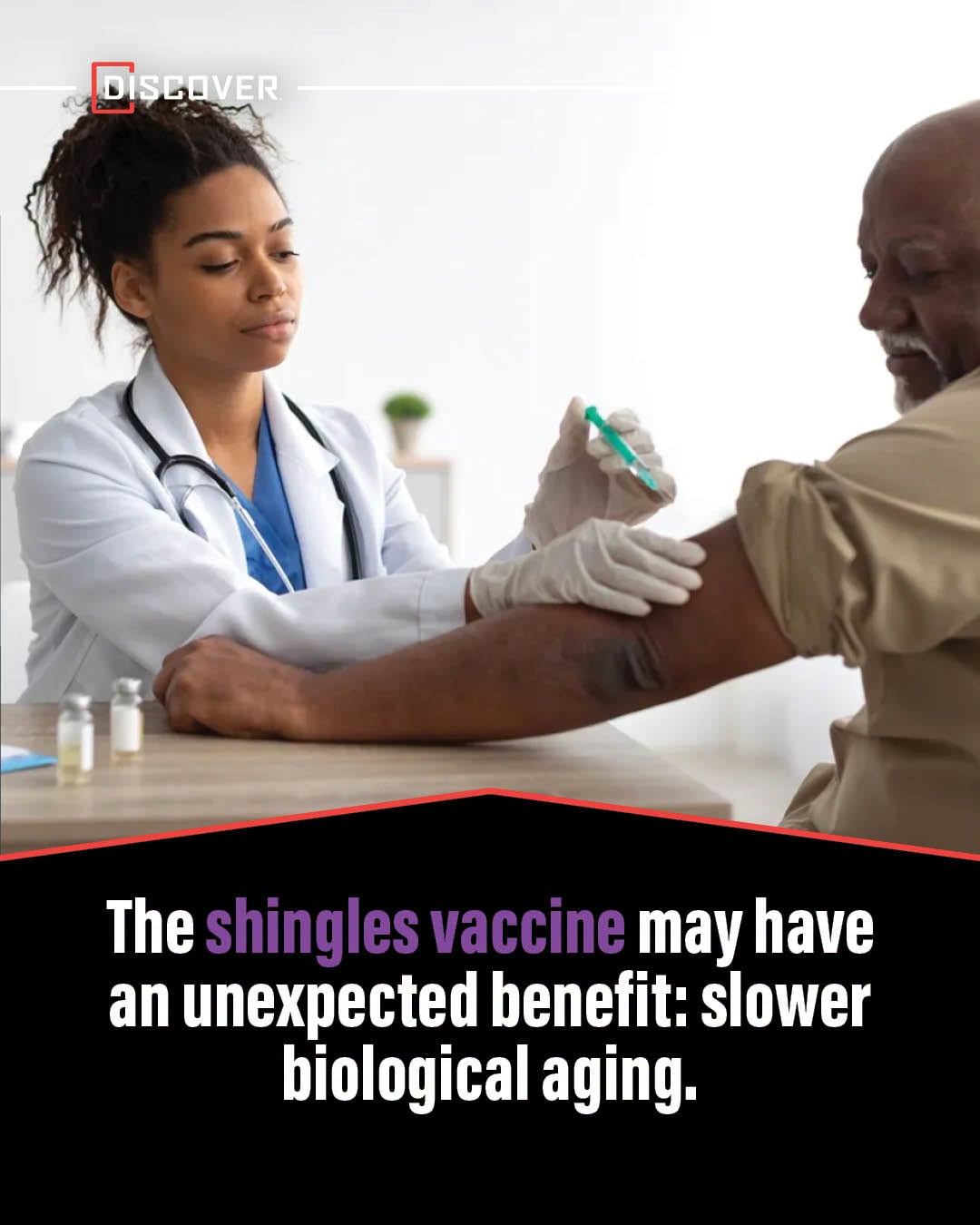
Shingles vaccine tied to slower biological aging and less inflammation in 3,800 elders

Feb 28, 2026 · Gokhan Can ♥ 22 · 💬 11 Infections & vaccines

Reports a large national study of more than 3,800 Americans aged 70+, in which shingles-vaccinated people showed slower biological aging, lower chronic inflammation and slower aging-related changes in gene activity. This suggests the vaccine may calm 'inflammaging', the low-grade inflammation tied to heart disease, frailty and cognitive decline.

Three of Ancel Keys' 18 researchers reached 100 on a traditional Mediterranean diet

Mar 14, 2025 · Louis Nervegna ♥ 19 · 💬 11 Mediterranean, DASH, MIND & plant-forward diets

Louis recounts that three of 18 scientists on the Seven Countries Study team, who adopted a traditional Mediterranean diet, lived to 100, and that Ancel Keys reached almost 101. He estimates the odds by chance at about 1 in 10 billion versus roughly 1 in 10,000 for Americans, and says four RCTs in aggregate show a 46% lower CVD death risk. The odds figure is Louis' own back-of-envelope calculation.

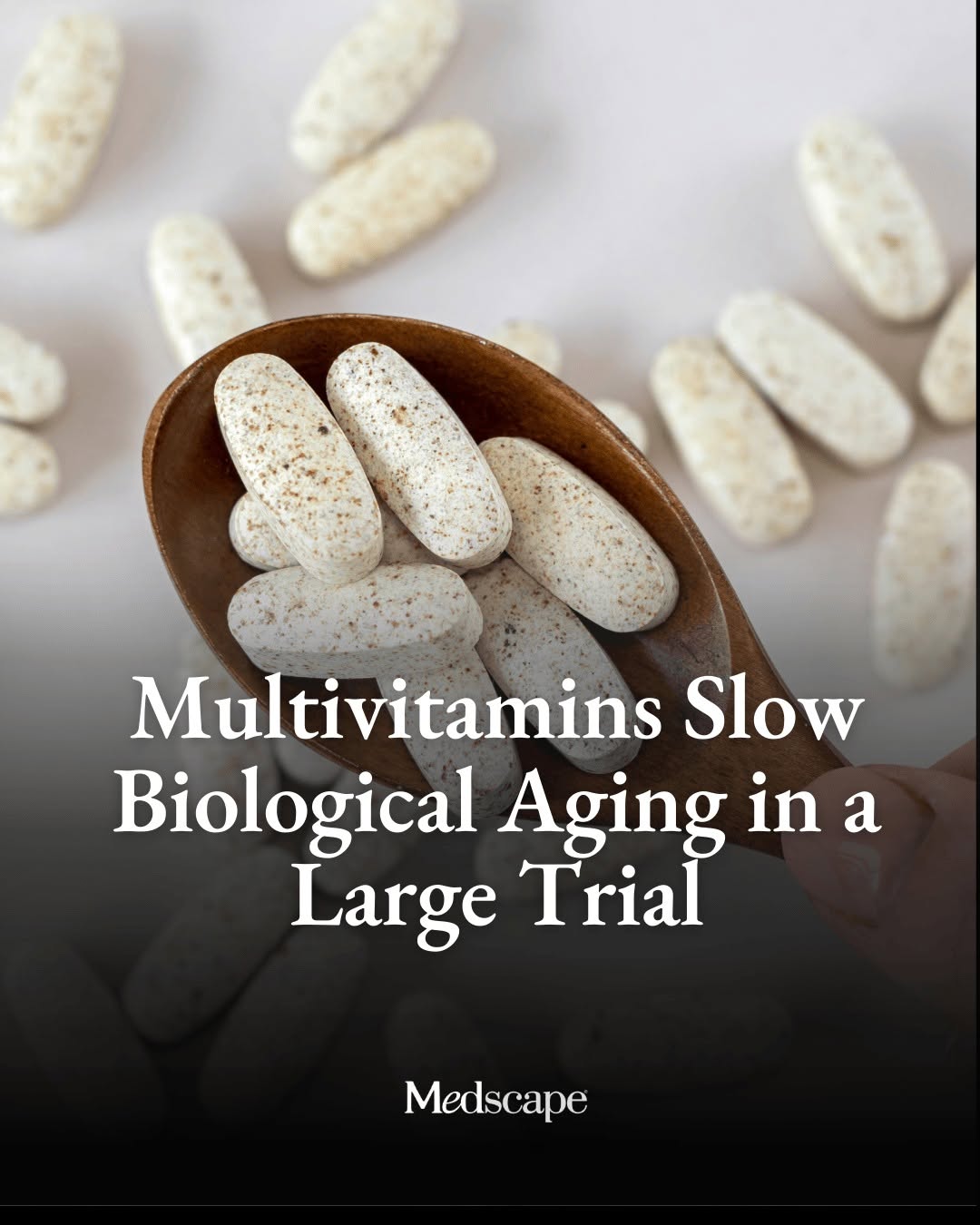
COSMOS: RDA-level multivitamin slowed epigenetic aging by about 4 months

Mar 28, 2025 · Louis Nervegna ♥ 22 · 💬 9 Supplements & vitamins

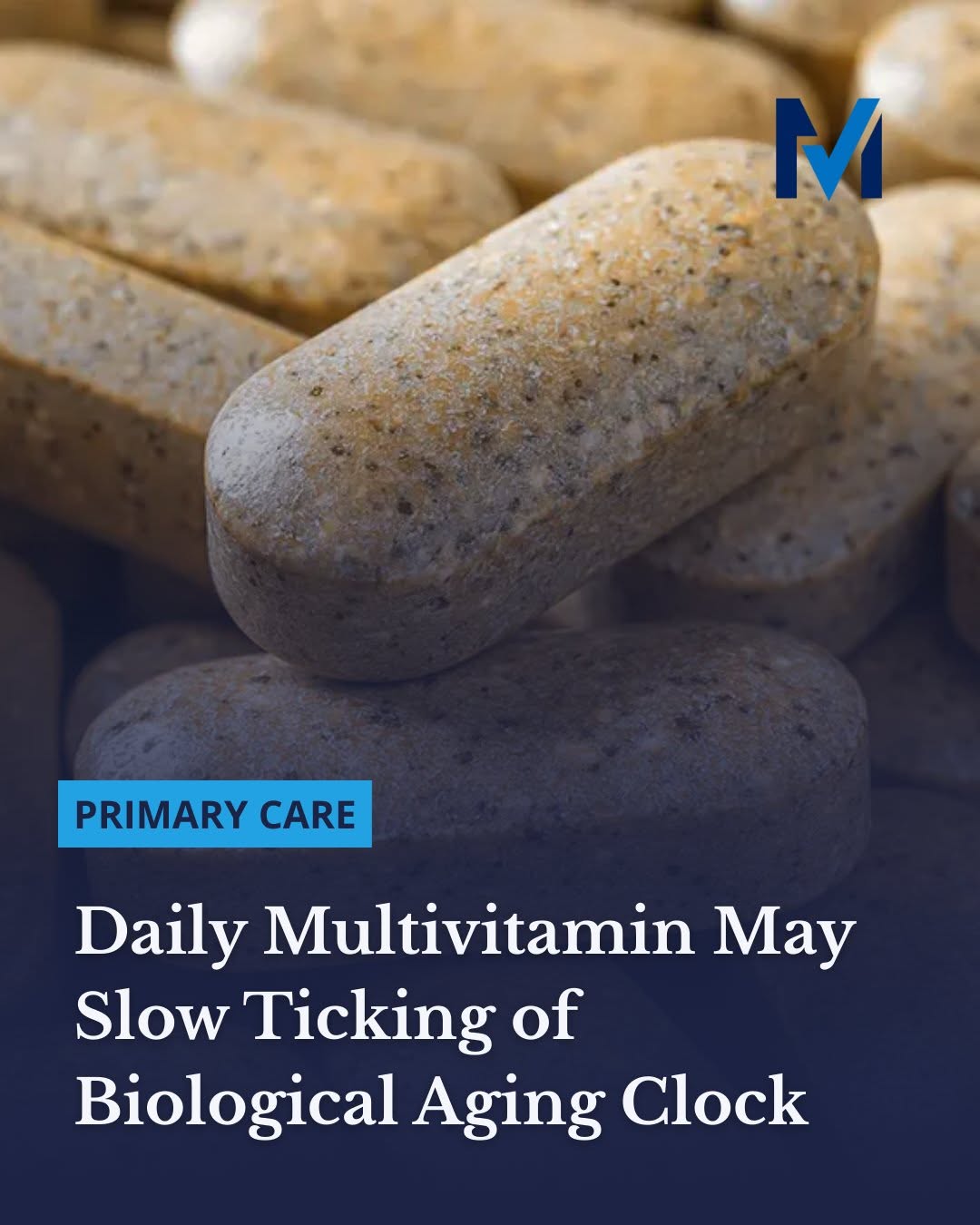
Louis calls the COSMOS epigenetic-aging analysis arguably the highest quality RCT on multivitamins ever done. All five clocks showed a signal for slower aging, with significant effects on PCGrimAge and PCPhenoAge amounting to roughly 4 months of aging averted over 2 years, and larger effects in those with accelerated aging.

Why chronically high insulin is harmful and how to keep it low

Feb 22, 2025 · Louis Nervegna ♥ 11 · 💬 18 Insulin resistance & diabetes

Louis argues excess insulin promotes cancer growth, heart disease and IGF-1/mTOR growth pathways that accelerate aging, citing animal lifespan work, Loyal's dog research and Laron syndrome. He recommends avoiding refined starch/sugar, limiting excess animal protein, and using fats, fasting and calorie restriction to keep insulin low.

Alpha-ketoglutarate (AKG): longevity data in worms and mice, plus anti-thrombotic effects

Mar 02, 2024 · Gokhan Can ♥ 13 · 💬 13 Supplements & vitamins

Summarizes the case for the supplement AKG, which extended lifespan in worms by about 50% and healthspan in aged mice, apparently by mildly suppressing mitochondrial function and mimicking calorie restriction. The linked EBioMedicine paper suggests AKG inhibits thrombosis and inflammation. The human evidence for cardiovascular benefit is limited and the author notes he personally uses it.

Selenium plus CoQ10 trial: over 50% lower CV death, benefit persisted 10-12 years

Dec 18, 2023 · Louis Nervegna ♥ 14 · 💬 12 Supplements & vitamins

Louis reshares a post quoting Life Extension on a trial where older people took selenium plus coenzyme Q10 for four years and had more than half the cardiovascular mortality. Follow-up showed 49% lower CV death at 10 years and 41% at 12 years, including in subgroups with heart disease, diabetes and hypertension. He suggests adding about 200 ug selenium to CoQ10. The source is a supplement-company magazine and the trial is not named.
EVITA trial: vitamin C lowered deaths in clonal blood conditions (exploratory result)

Sep 29, 2026 · Louis Nervegna ♥ 15 · 💬 8 Supplements & vitamins

In the small phase 2 EVITA randomized trial of oral vitamin C in clonal cytopenia and lower-risk myeloid cancers, the vitamin C group had 65% lower risk of death (11 vs 24 deaths) and fewer serious adverse events. Survival was exploratory and the primary endpoint of clonal growth showed no difference. The poster speculates relevance to CHIP and cardiovascular disease but calls it a big unproven leap.

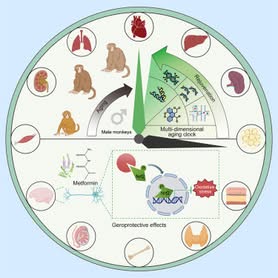
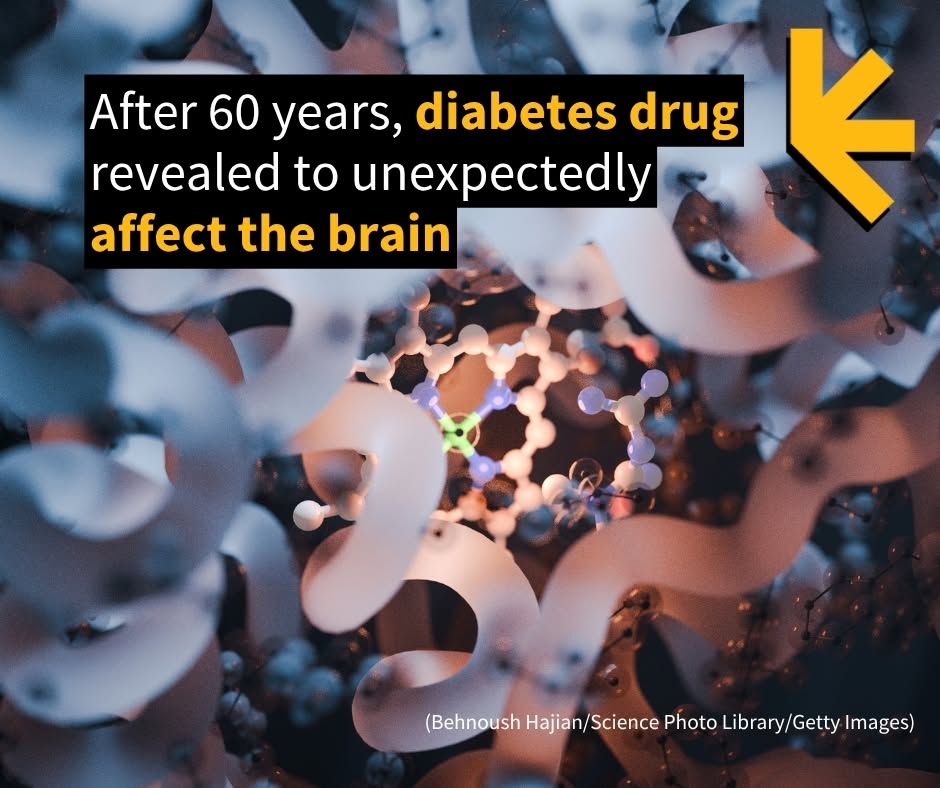
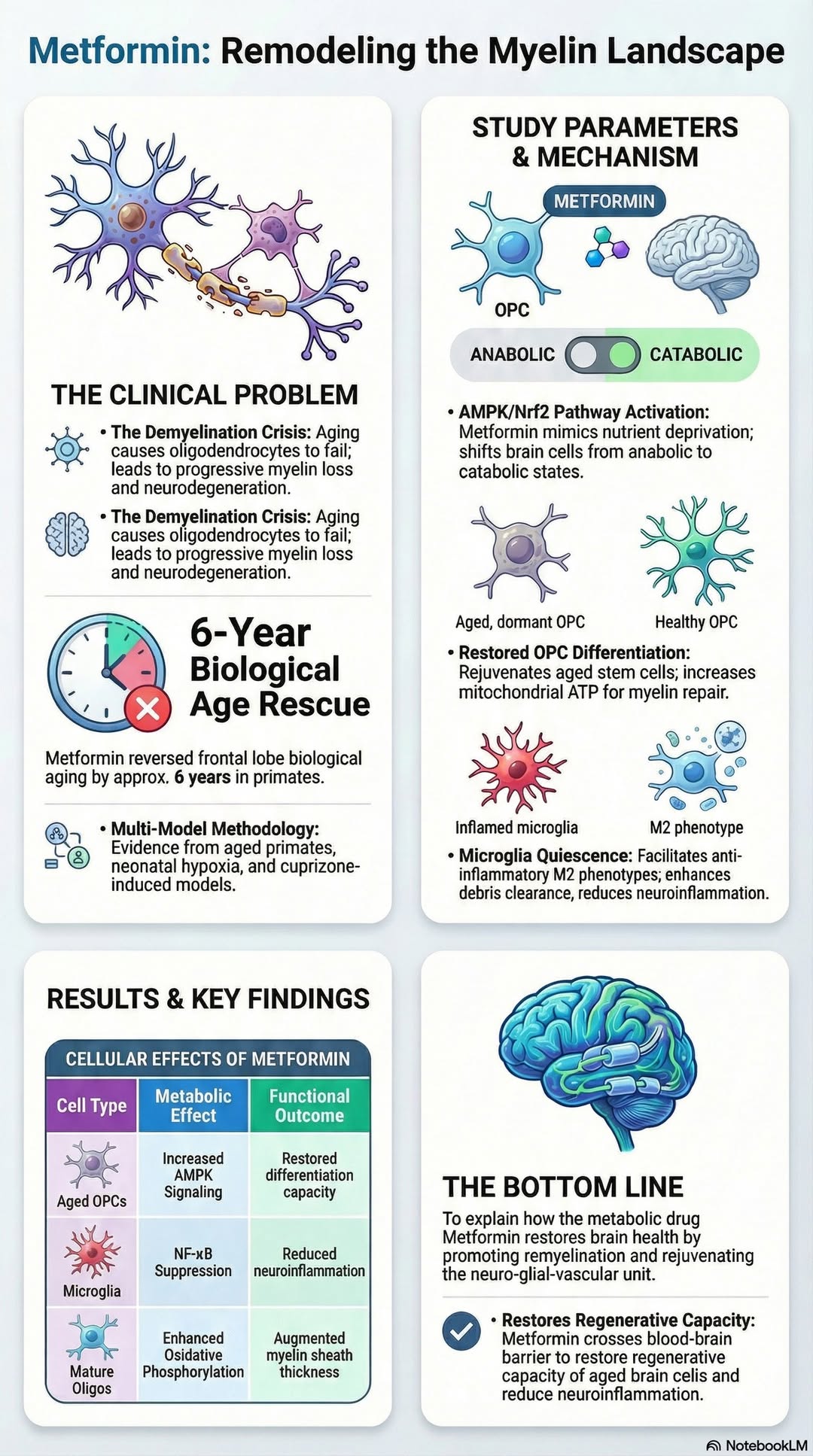
Metformin slowed brain aging in monkeys, with neurons resembling those 6 years younger

Sep 12, 2024 · Louis Nervegna ♥ 15 · 💬 11 ↩ 6 Aging & longevity

Louis flags a Cell study, covered by Nature, in which male monkeys on daily metformin for over three years showed slower age-related brain decline, enhanced cognition and preserved liver function. Their neuronal activity resembled monkeys about six years younger (around 18 human years). The study was small, and human benefit is unproven.

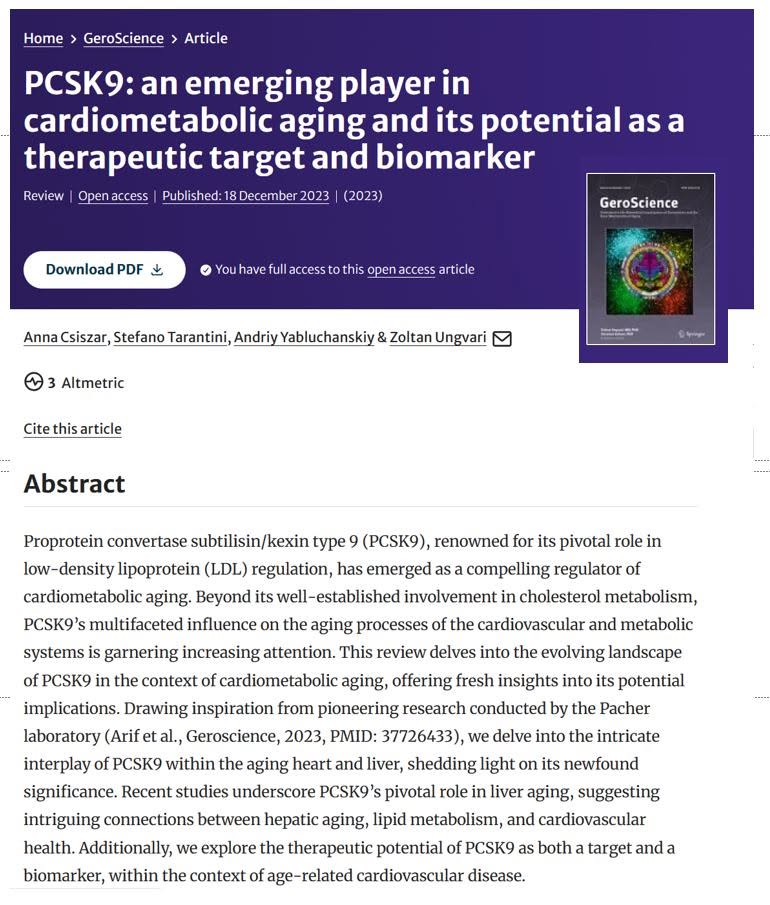
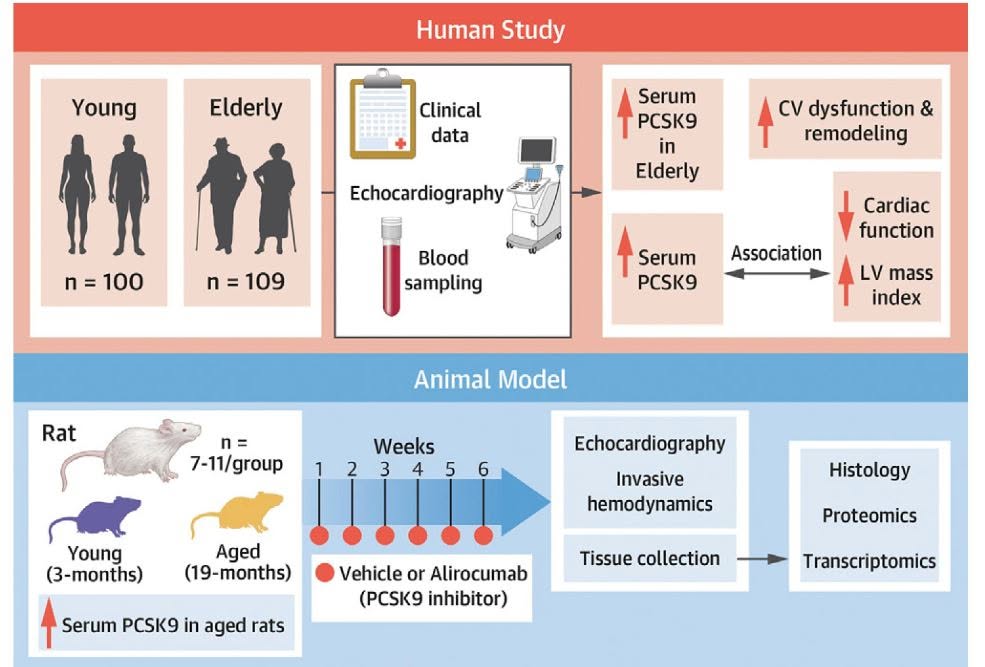
PCSK9 inhibition may slow cardiometabolic aging beyond lowering cholesterol

Dec 21, 2023 · Louis Nervegna ♥ 15 · 💬 11 PCSK9, ezetimibe & newer drugs

Louis highlights a GeroScience open-access review proposing PCSK9 inhibition may ameliorate age-related cardiac and liver pathology, and that a multivariate genome-wide analysis of aging traits identified PCSK9 as a potential drug target for healthy aging. He adds that botanical compounds such as berberine also inhibit PCSK9. The anti-aging role remains an emerging research area.

Statin muscle pain is common in some, severe damage is rare; statins may aid sarcopenia

Jan 02, 2025 · Louis Nervegna ♥ 7 · 💬 15 Statins

Louis argues statins are not toxic to muscle in most people. Myalgia occurs in some, possibly with a genetic susceptibility, while rhabdomyolysis is very rare (about 1 in 100,000, or 1 in 10,000 conservatively). Switching statins (e.g., to pravastatin or pitavastatin) or using non-statin LDL drugs can help, and low-dose statins are being studied as a treatment for sarcopenia.

Review: PCSK9 emerges as a regulator of cardiometabolic aging in heart and liver

Jan 31, 2024 · Louis Nervegna ♥ 15 · 💬 9 PCSK9, ezetimibe & newer drugs

Louis suggests PCSK9 inhibitor drugs may be treating aging itself in the cardiovascular system and liver, sharing a February 2024 GeroScience review. The review describes PCSK9 as an emerging regulator of cardiometabolic aging, with links between liver aging, lipid metabolism and cardiovascular health, drawing on work from the Pacher laboratory. The claim about drugs treating aging is speculative.

Midlife plant protein raised odds of healthy aging 22-58% per 3% of calories (NHS)

Aug 31, 2024 · Louis Nervegna ♥ 6 · 💬 15 ↩ 7 Protein

Louis summarizes a Nurses' Health Study analysis of midlife protein and later-life health. Total and animal protein were unfavorably associated with chronic disease, while plant and dairy protein were favorable. Replacing 3% of energy with plant protein (from fats, carbs, animal or dairy protein) raised odds of healthy aging by 22-58%, and the protein came mainly from food rather than supplements.

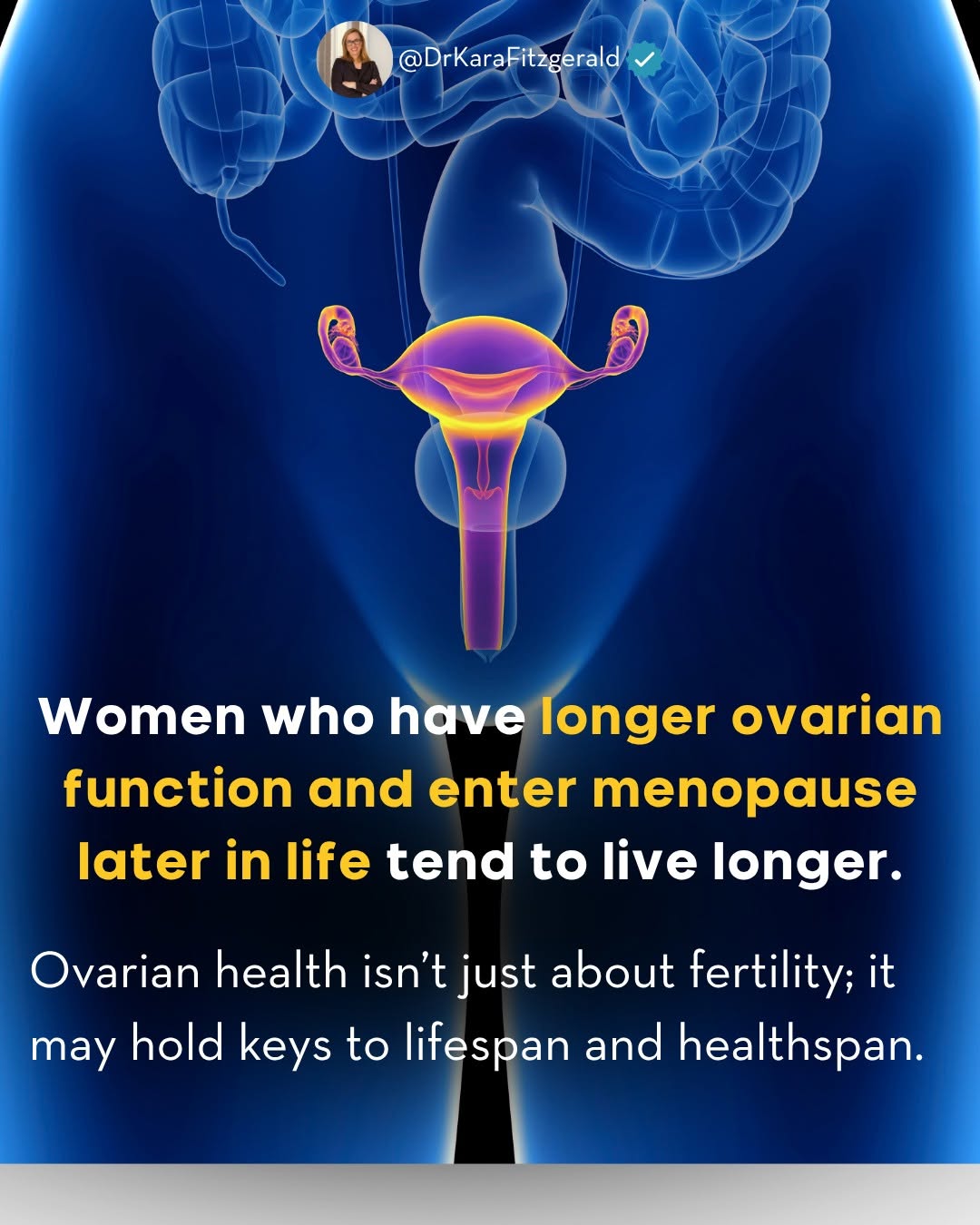
Ovarian aging may track lifespan; early menopause raises heart disease risk in women

Oct 14, 2025 · Louis Nervegna ♥ 12 · 💬 16 Hormones, women's & men's health

Louis shares a Pharmacy Times item suggesting ovarian function is tied to lifespan, with anti-Mullerian hormone (AMH) a possible marker. He adds that ovaries are the first organ to age in mammals, slower ovarian aging relates to longer life, and early menopause is a heart disease risk factor; rodent studies show interventions slowing ovarian aging extend life.

COSMOS: 2 years of a basic multivitamin slowed biological aging by about 4 months

Mar 09, 2026 · Louis Nervegna ♥ 9 · 💬 10 Supplements & vitamins

Latest COSMOS publication from Harvard and Mass General Brigham: a daily RDA-level multivitamin (Centrum Silver) slowed five epigenetic-clock measures of biological aging, with the largest gains in participants who were biologically older than their age at baseline. The poster stresses this was a standard multivitamin, not a megadose, and recalls that COSMOS earlier showed slower cognitive decline.

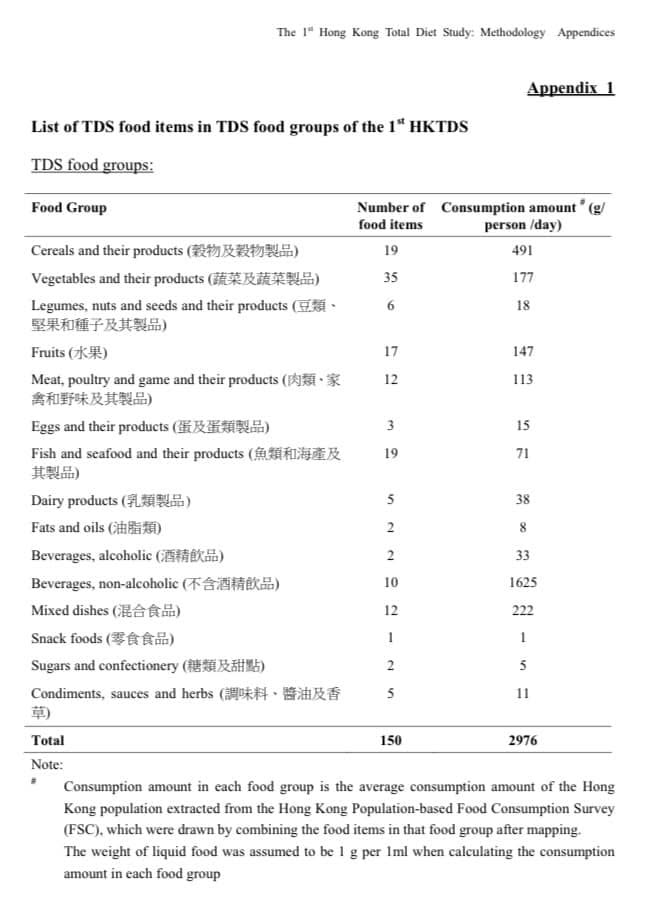
Hong Kong's 86-year life expectancy goes with a grain, vegetable and fruit heavy diet

Sep 03, 2024 · Louis Nervegna ♥ 8 · 💬 15 Mediterranean, DASH, MIND & plant-forward diets

Louis notes Hong Kong life expectancy of 86 years versus 76 in the US and cites a 2011 government Total Diet Study of 5,008 adults aged 20-84. Daily intake by weight was led by cereal grains (491 g), then vegetables (177 g), fruit (147 g), meat and poultry (113 g) and fish (71 g). Dairy, eggs, legumes, nuts, sugars and added fats were low, and he uses it to counter carnivore claims. It is an ecological observation.

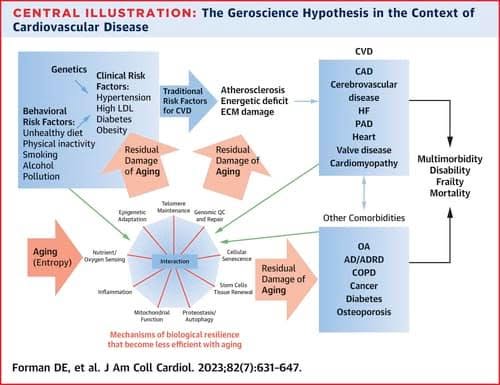
JACC statement on geroscience: why aging drives CVD and how to slow cardiovascular aging

Dec 16, 2023 · Louis Nervegna ♥ 11 · 💬 11 ↩ 2 Aging & longevity

Louis calls the JACC Scientific Statement on geroscience the best review so far of why age is the largest CVD risk factor. It argues aging is a common root of chronic disease, explaining multimorbidity, frailty and poorer CVD prognosis in older adults, and describes gerotherapeutic approaches, some already used in CVD care, that could transform management.

Metformin is being tested for CVD, cancer and Alzheimer's, but mechanisms are unclear

Mar 08, 2024 · Louis Nervegna ♥ 14 · 💬 8 Insulin resistance & diabetes

Louis shares a Medscape article on renewed academic interest in metformin for conditions beyond diabetes, including cardiovascular, neurodegenerative, liver, kidney disease and cancers. Many new trials are underway, and it is unclear whether benefits come from glucose lowering and insulin sensitizing or other actions like mTOR inhibition. This is emerging, not established, evidence.

Sabatini on diet and mTOR: limit amino acids and insulin; ~18 h fasting may inhibit mTORC1

Dec 09, 2024 · Louis Nervegna ♥ 10 · 💬 11 ↩ 3 Aging & longevity

Louis shares notes on a David Sabatini interview about how diet affects mTOR and autophagy. Sabatini suggests low amino acid or low carbohydrate diets lower mTOR, favors a higher-carbohydrate diet of low-glycemic carbs, and thinks mTORC1 senses total daily insulin. He guesses about 18 hours of fasting inhibits mTORC1, while stressing nobody has all the answers.

Video post on three Seven Countries scientists reaching age 100 on a Mediterranean diet

Jan 15, 2025 · Louis Nervegna ♥ 18 · 💬 9 Mediterranean, DASH, MIND & plant-forward diets

Louis recounts that after the Seven Countries Study found lower heart disease and longer life with a traditional Mediterranean diet, the scientists adopted it themselves and 3 of 18 reached age 100, including Ancel Keys (almost 101). He says chance odds are about 1 in 10 billion, versus 1 in 10,000 for Americans reaching 100. This is anecdotal and the math is in comments.

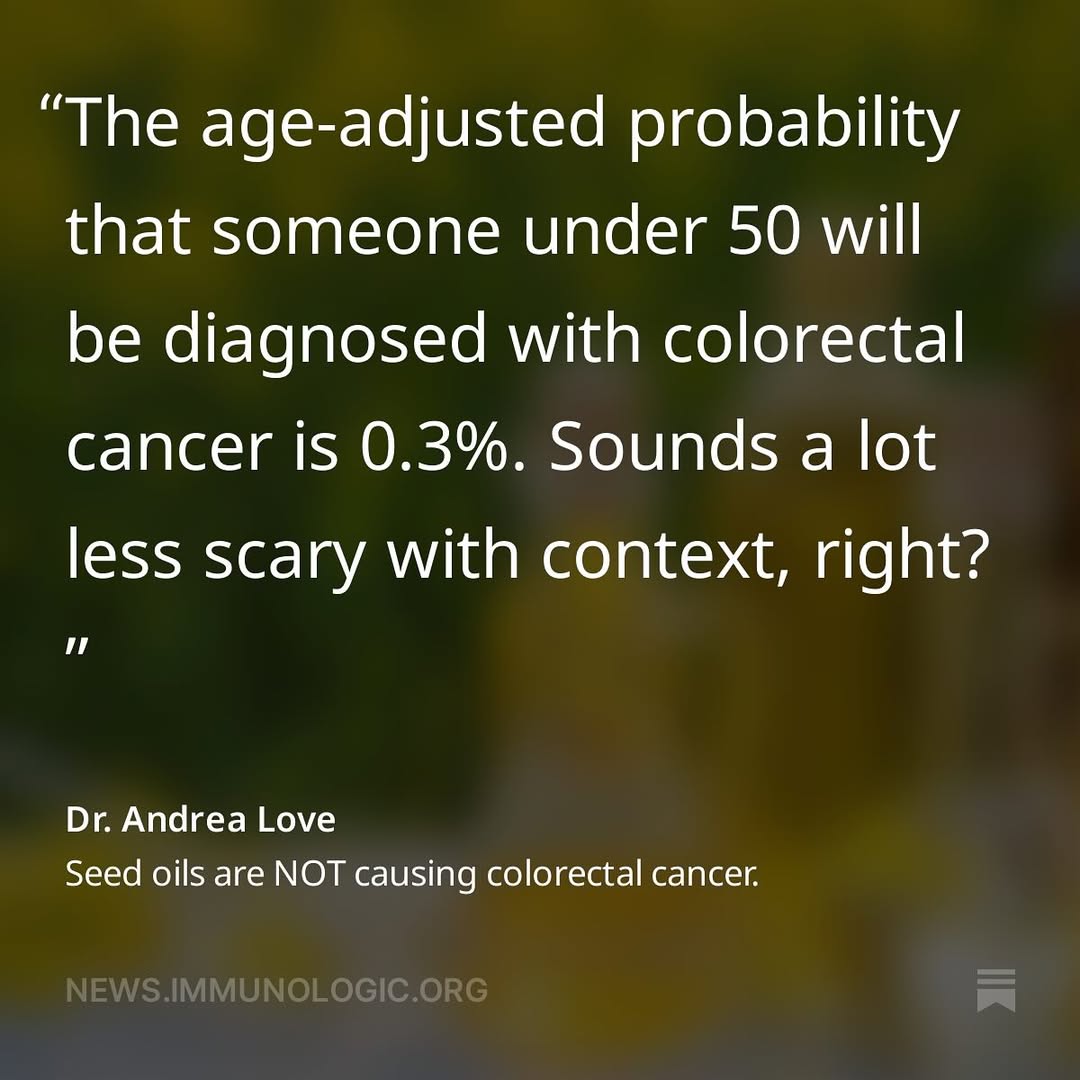
Cancer is a disease of aging; young-onset colorectal rise is small in absolute terms

Dec 30, 2024 · Louis Nervegna ♥ 9 · 💬 11 ↩ 1 Cancer

Louis agrees with Dr. Andrea Love that cancer is many diseases whose main common factor is age, so prevention is best served by slowing aging via diet, exercise and lifestyle. The shared post says the chance of being diagnosed with colorectal cancer under 50 is 0.3%, and the recent increase is small in absolute terms, though still worth lowering.

Daily multivitamin slowed cognitive aging by about two years in a COSMOS meta-analysis

Nov 14, 2026 · Louis Nervegna ♥ 7 · 💬 10 ↩ 1 Supplements & vitamins

Louis shares a summary of COSMOS cognition results: in the main analysis of 573 adults 60+, a daily multivitamin modestly improved overall cognition and episodic memory over two years. Pooling with two earlier COSMOS cognition studies (more than 5,000 older adults) gave clear benefits, estimated at about two years of slower cognitive aging. Effects were modest, it is unclear which nutrient matters, dementia prevention was not tested, and the manufacturer donated tablets. He adds that this was an RDA-level multivitamin (Centrum Silver).

Skepticism of a startup's claimed drug combo that mimics young blood for aging

Sep 09, 2026 · Louis Nervegna ♥ 12 · 💬 9 Aging & longevity

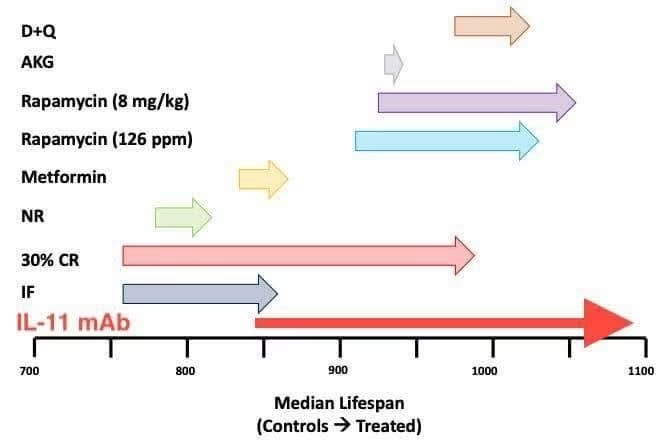
Louis comments on a startup claiming a two-drug combination replicates the effect of young blood. He says the underlying parabiosis science is real but the commercial rollout, based on anecdotes and a pay-to-play trial, endangers the field's reputation. He speculates the drugs are anti-inflammatory agents targeting cytokines such as IL-11 and TGF-beta.

Nature study challenges the idea that taurine declines with age

Jun 07, 2025 · Louis Nervegna ♥ 8 · 💬 8 ↩ 1 Aging & longevity

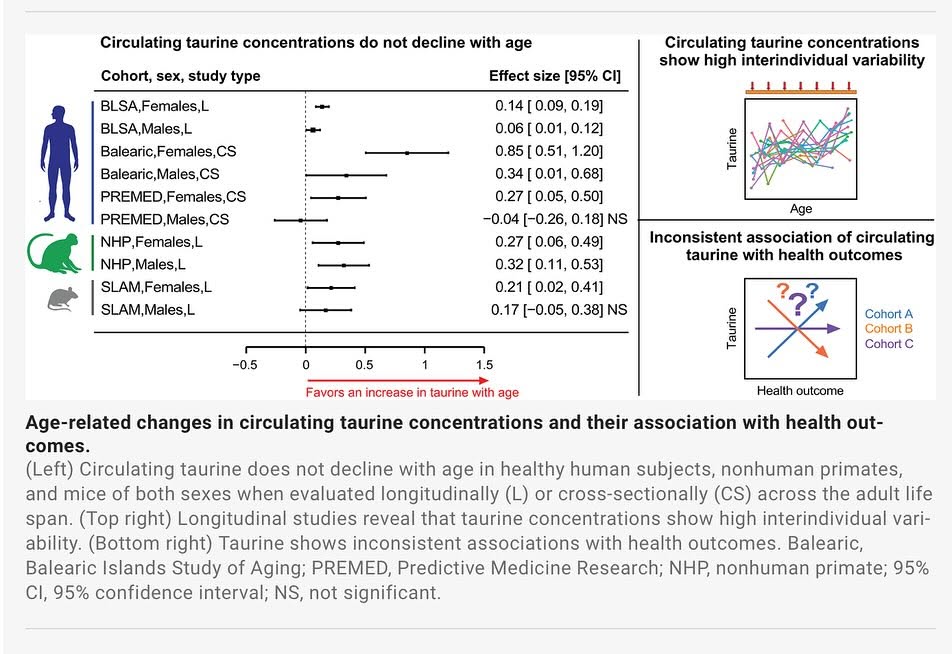
Louis summarizes a Nature paper from Rafael de Cabo's NIA group finding that taurine levels do not decline with age in humans, monkeys or mice, contradicting a high-profile Columbia study. He notes the new data are mostly longitudinal, whereas the Columbia data were largely cross-sectional, and that unchanged levels do not necessarily mean supplementation has no value.

Six converging evidence lines favor plant protein over red and processed meat

Aug 27, 2026 · Louis Nervegna ♥ 11 · 💬 4 Protein

Louis shares an Ageproof article by group member Mert Erogul MD arguing that genetics, IGF-1 biomarkers, rodent experiments, amino-acid decomposition, short-term human trials and epidemiology converge: methionine, isoleucine and valine, not leucine or total protein, are implicated. Favoring whole-food plant protein over red and processed meat likely extends lifespan.

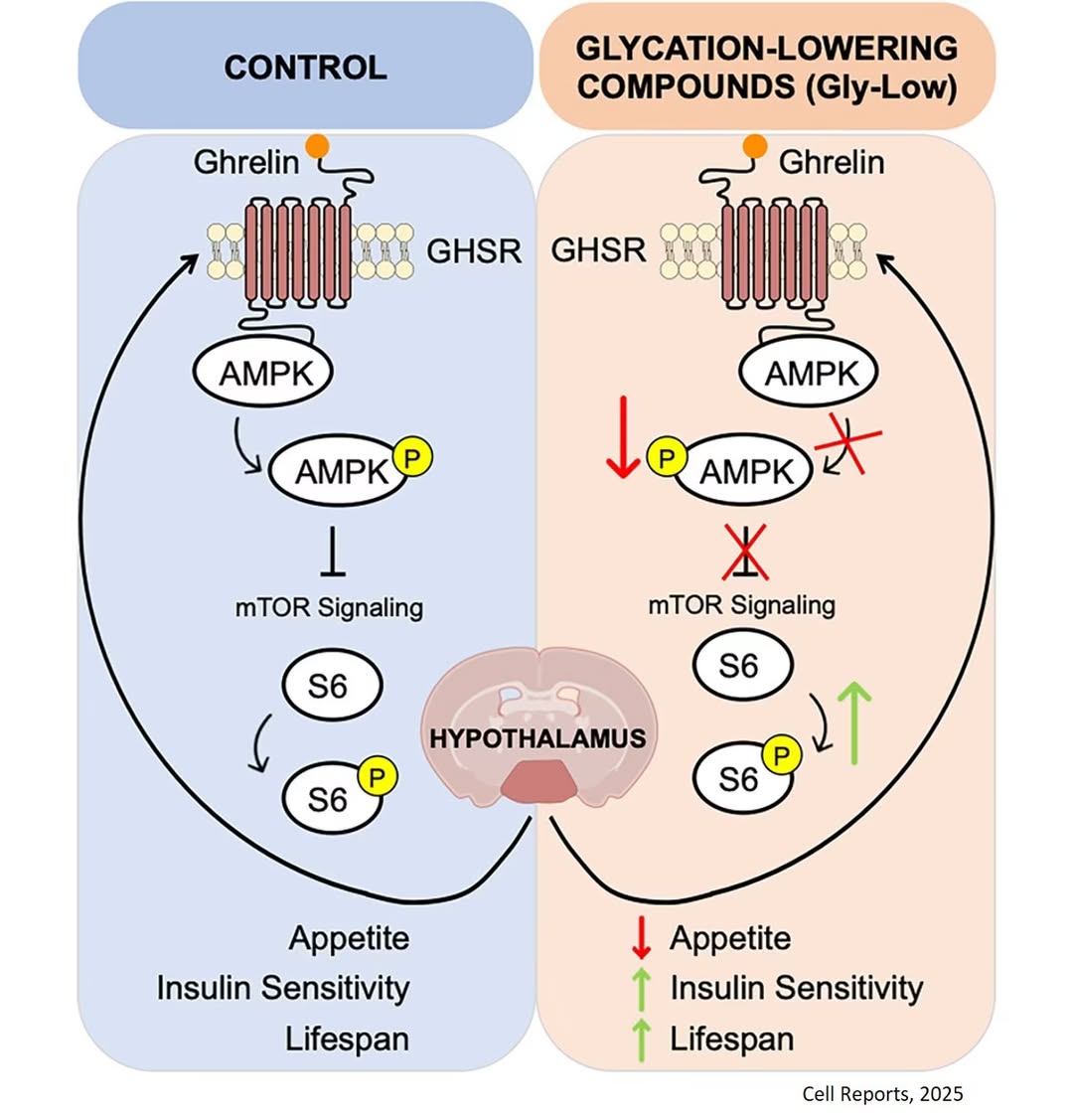
Glycation and AGEs in cardiovascular aging: Kapahi on methylglyoxal and the GLYLO suppleme

Dec 18, 2023 · Louis Nervegna ♥ 7 · 💬 9 ↩ 1 Aging & longevity

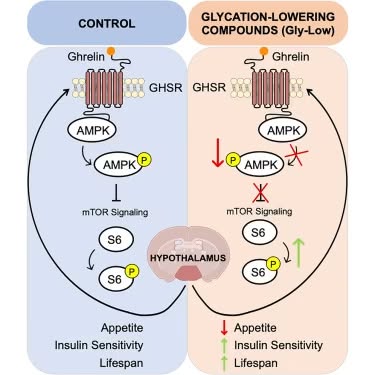
Louis says he underestimated glycation and AGEs in aging after Pankaj Kapahi's work at the Buck Institute. Kapahi's post explains methylglyoxal as a reactive glycolysis byproduct that drives AGEs and aging, and describes GLYLO, a combination of lipoic acid, nicotinamide, piperine, pyridoxine and thiamine that lowered methylglyoxal and AGEs and extended mouse lifespan even when started late. Louis says Kapahi plans a paper showing it reduces arterial stiffening. Evidence is preclinical and the product is commercial.

Aging stem cells open a direct platelet pathway that raises thrombosis risk (Cell 2024)

Jun 09, 2024 · Gokhan Can ♥ 5 · 💬 12 Heart attack, stroke & procedures

Shares the abstract of a Cell paper showing that with age, hematopoietic stem cells increasingly make platelets through a direct route that bypasses the usual progenitor cascade. The platelets from this pathway are more prone to thrombosis and cause higher platelet counts. It offers a possible cellular explanation for why clotting-related cardiovascular disease rises so steeply in older people.

Somatic mutations may set an upper bound on human lifespan

Jul 17, 2026 · Louis Nervegna ♥ 10 · 💬 6 Aging & longevity

Louis reposts a discussion of an npj Aging model suggesting irreversible somatic DNA mutations limit human lifespan. He notes that mutation accumulation contributes to heart disease (e.g., CHIP) and aging and that no known technology reverses them.

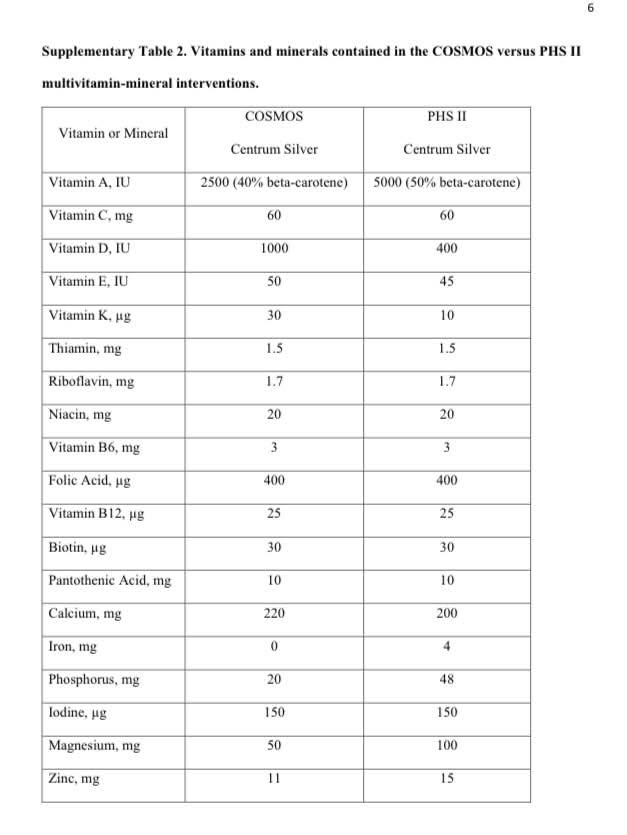
COSMOS multivitamin matches Centrum-type RDA doses except B12 at 10x the RDA

Nov 15, 2026 · Louis Nervegna ♥ 7 · 💬 8 ↩ 2 Supplements & vitamins

Louis shows the ingredient list of the multivitamin used in the COSMOS trial next to the one used in Physicians' Health Study II. Nearly all nutrients are near RDA levels, but B12 is about 10x the RDA, and he suspects that dose may have driven the cognitive benefit seen in COSMOS. COSMOS showed slower cognitive decline in older adults, and PHS II showed an 8% cancer reduction.

Selenium plus CoQ10 for 4 years halved CV mortality, with benefit lasting 12 years

Dec 03, 2023 · Louis Nervegna ♥ 9 · 💬 6 ↩ 2 Supplements & vitamins

Louis quotes a Life Extension article on a trial of older people taking selenium plus coenzyme Q10 for four years, with over 50% lower cardiovascular death. Follow-ups showed 49% lower CV death at 10 years and 41% at 12 years, persisting in subgroups with heart disease, diabetes and hypertension. Source is a supplement company magazine; the trial is not named.

Six lines of evidence favor whole-food plant protein over red and processed meat

Nov 12, 2026 · Louis Nervegna ♥ 12 · 💬 3 ↩ 1 Protein

Louis recommends an article by group member Mert Erogul MD on protein and aging. It argues six lines of evidence converge: growth-signaling genetics, IGF-1 biomarker data, rodent protein restriction through FGF21 and mTORC1, the roles of methionine, isoleucine and valine, short-term human trials, and epidemiology showing source matters more than amount. Plant protein from whole foods is favored.

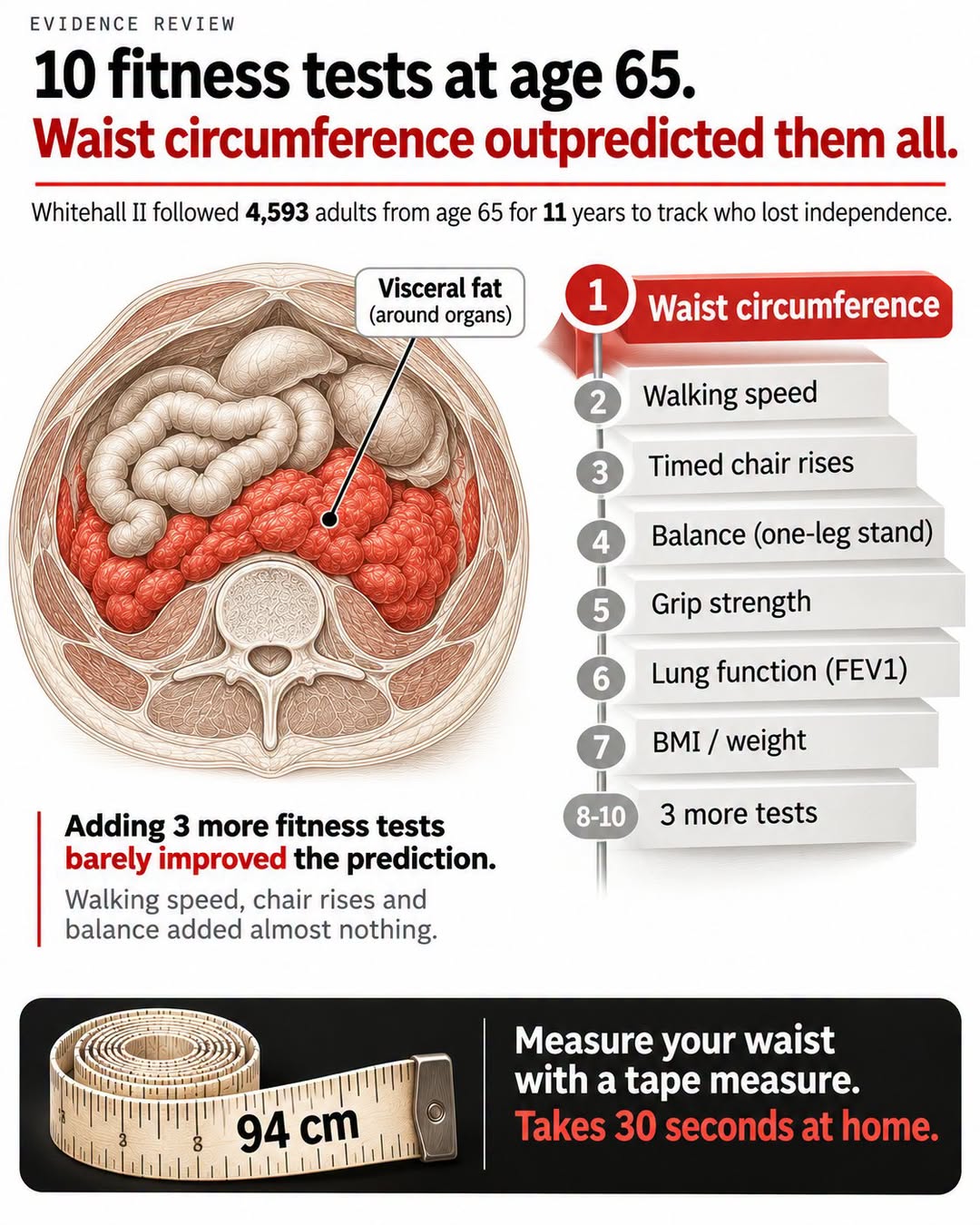
Waist size predicted future disability better than 9 other aging and fitness measures

Nov 02, 2026 · Louis Nervegna ♥ 6 · 💬 5 Weight, visceral & liver fat

Whitehall II data on 4,593 UK adults (average age 65) followed for about 11 years compared 10 standard measures, including walking speed, chair rises, balance, grip strength, lung function and BMI. Waist size predicted disability, and severe disability, best, and adding other tests improved prediction only slightly. Waist reflects visceral fat, which drives inflammation, insulin resistance and liver fat.

Cholesterol as a master regulator of blood stem cells, driving inflammatory hematopoiesis

Oct 19, 2025 · Gokhan Can ♥ 7 · 💬 4 Inflammation & CRP

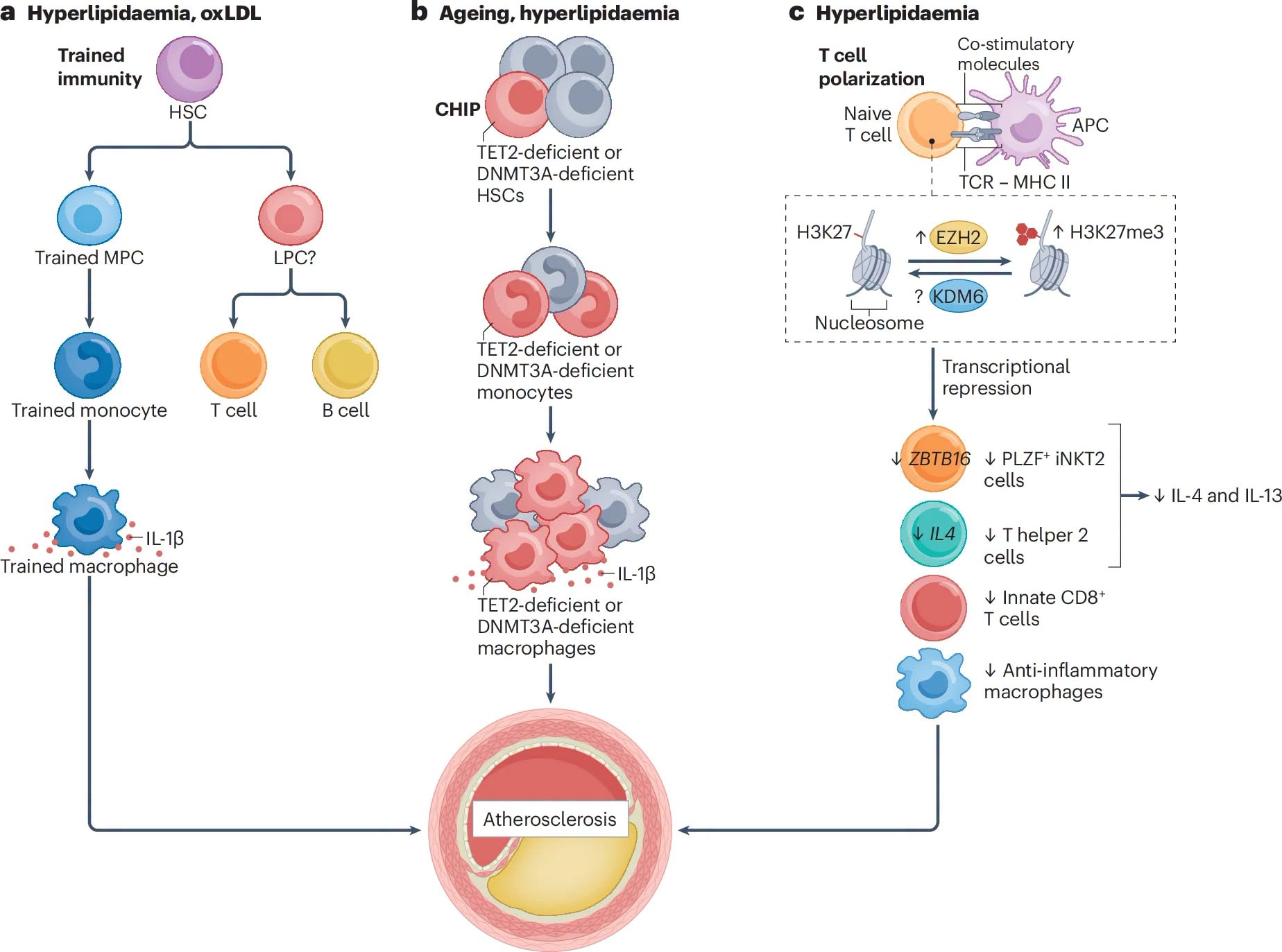
Review of preclinical evidence that high LDL pulls hematopoietic stem cells out of dormancy, causing proliferation, oxidative stress, telomere shortening, impaired repopulation and lasting epigenetic changes that program blood and immune cells toward chronic inflammation. This offers a molecular basis for residual inflammatory risk after cholesterol is treated.

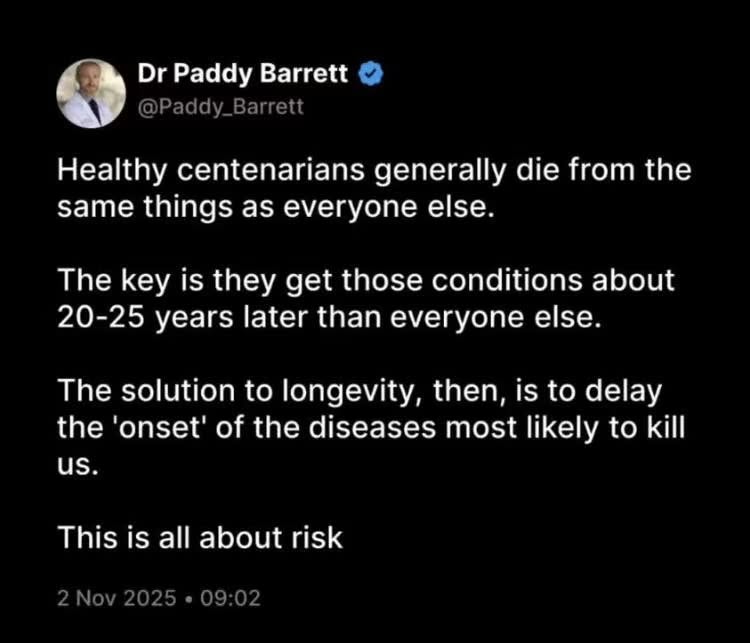
Centenarians' longevity is tied to genes that lower insulin/IGF-1 signaling (Barzilai)

May 13, 2025 · Louis Nervegna ♥ 8 · 💬 4 Aging & longevity

Louis shares a Nir Barzilai clip arguing that centenarians owe their long lives largely to genetic variants lowering insulin/IGF-1 and mTOR signaling, strong enough to offset habits like smoking and obesity. Barzilai says women with the lowest IGF-1 in old age live twice as long as those with the highest. Louis adds that diet and lifestyle can help keep insulin/IGF-1 and mTOR lower.
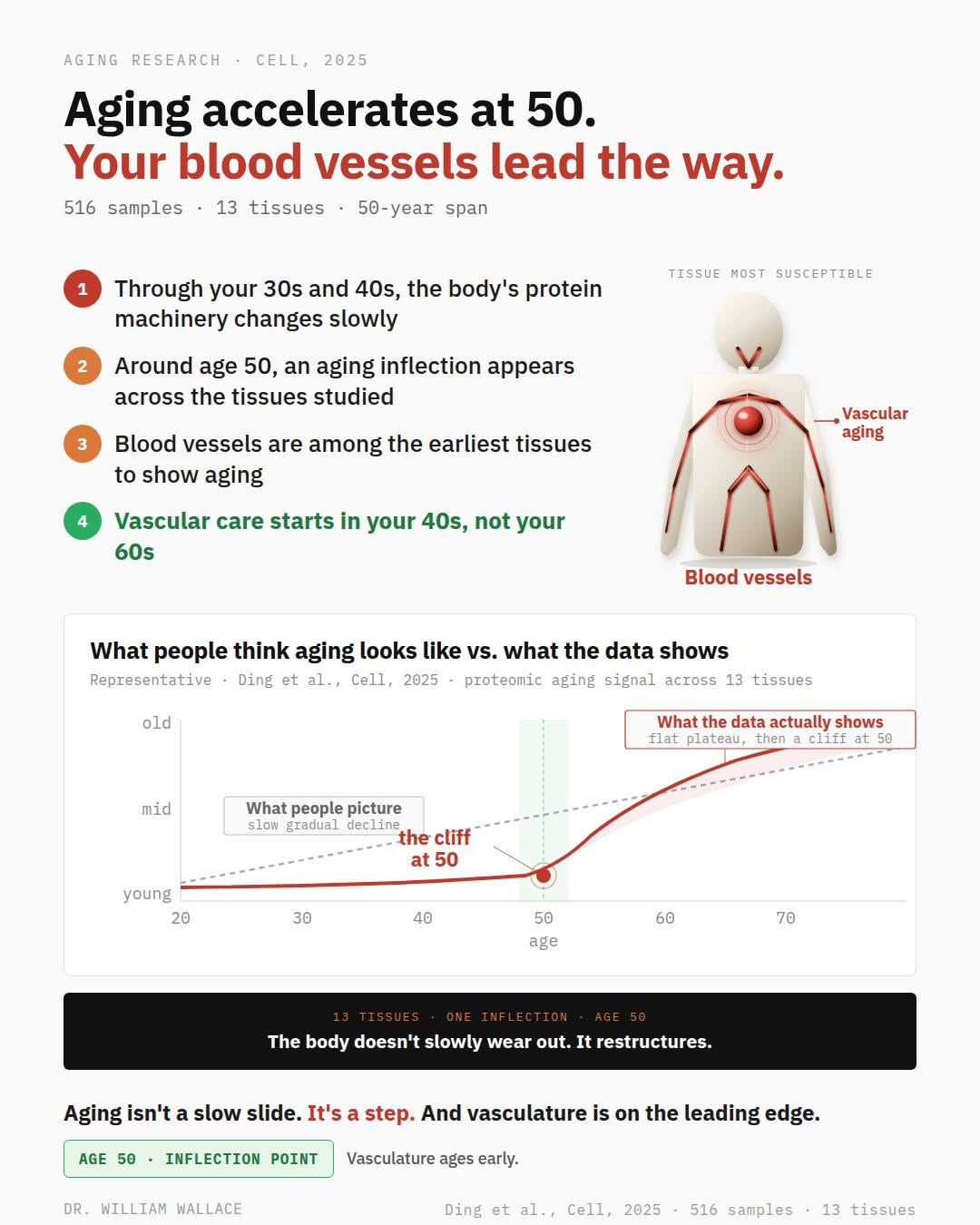
Human aging proteomics shows a step change around age 50, with blood vessels aging early

May 15, 2026 · Louis Nervegna ♥ 12 · 💬 2 Aging & longevity

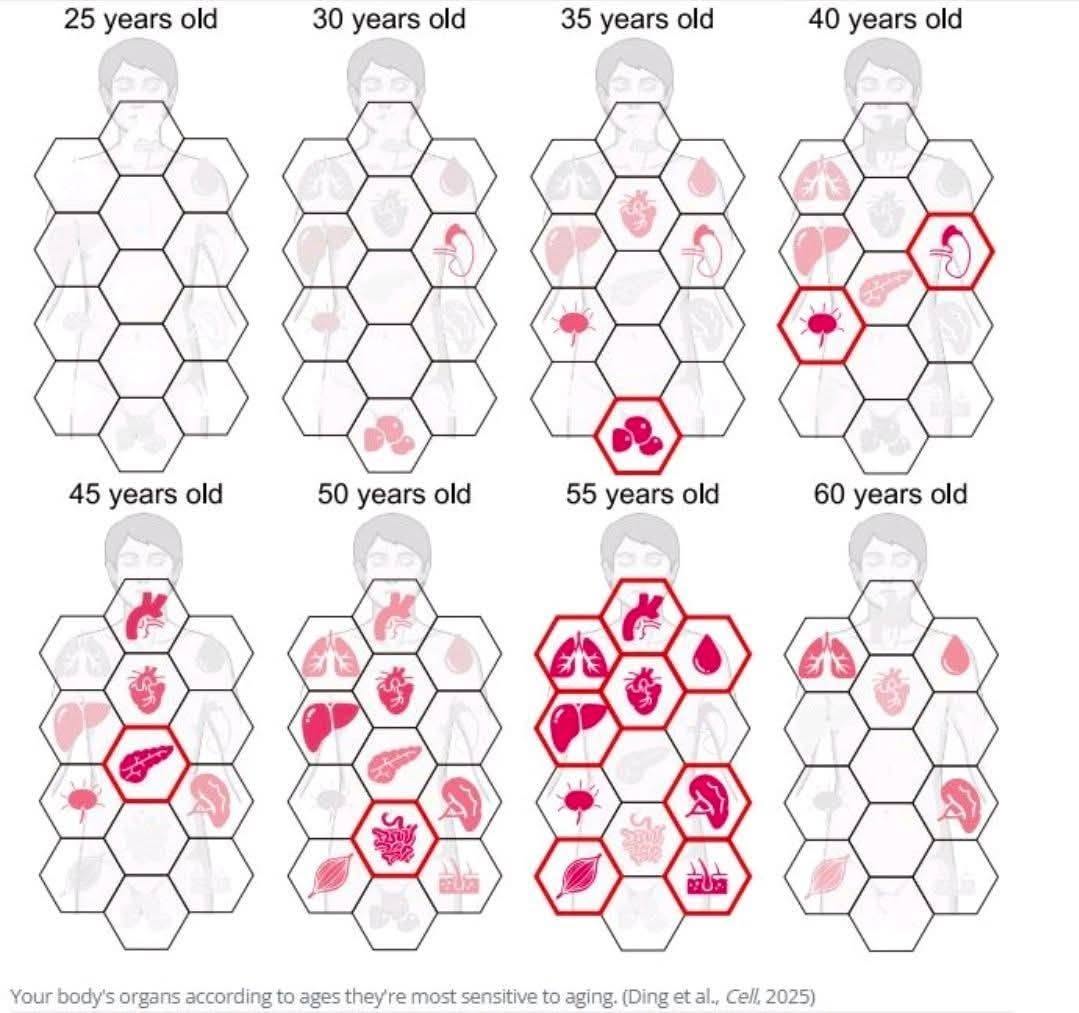
William Wallace shares a Cell proteomics study (Ding et al., 516 samples from 13 tissues, ages 20s-70s) in which the aging signal shifts sharply around age 50 rather than declining gradually. Earlier work found non-linear waves around 34, 60 and 78 (Lehallier 2019) and 44 and 60 (Shen 2024). He notes the vasculature is among the first tissues to age.

Mayo Clinic study: skin generates senescent cells that may age the heart and other organs

Oct 23, 2024 · Louis Nervegna ♥ 18 · 💬 2 Inflammation & CRP

Louis shares a Mayo Clinic study reported by Neuroscience News suggesting skin makes senescent cells that travel to other tissues, including the cardiovascular system, and accelerate aging. He adds that most circulating CRP originates in skin and advises caring for your skin to lower inflammation. The linked article is framed around brain aging, and the CRP claim is Louis's own.

Review: microvascular aging drives organ dysfunction and systemic aging

Oct 02, 2026 · Louis Nervegna ♥ 8 · 💬 3 Blood vessels, circulation & endothelium

The post highlights a Nature Cardiovascular Research review by Dimmeler and Augustin arguing that vascular aging, especially in microvessels, is an upstream driver of organ decline rather than a consequence. Mechanisms include senescent endothelial cells releasing inflammatory SASP factors and perivascular senescence hotspots promoting inflammation and fibrosis.

Higher LDL linked to undereye bags and full cheeks in faster facial aging

Sep 28, 2024 · Louis Nervegna ♥ 6 · 💬 4 Aging & longevity

Louis shares a National Geographic piece on 3D facial imaging used to estimate biological age. Higher LDL and total cholesterol tracked with undereye bags and full cheeks, while inflammation and infection tracked with a narrowing forehead and sagging skin. Smoking, snoring and high cholesterol marked fast-agers, whereas yogurt, regular mealtimes and denser bones marked slow-agers.

US dietary guidelines panel pushes plant protein, citing Nurses' Health Study papers

Nov 20, 2024 · Louis Nervegna ♥ 9 · 💬 2 Protein

Louis notes the US dietary guidelines committee is emphasizing plant protein for 2025-2030, partly because of Harvard Nurses' Health Study papers. Those reported that higher midlife protein lowered later-life disease risk only when it came mainly from plants. He advises getting as much protein as possible from legumes, nuts, seeds and whole grains while leaving room for animal foods.

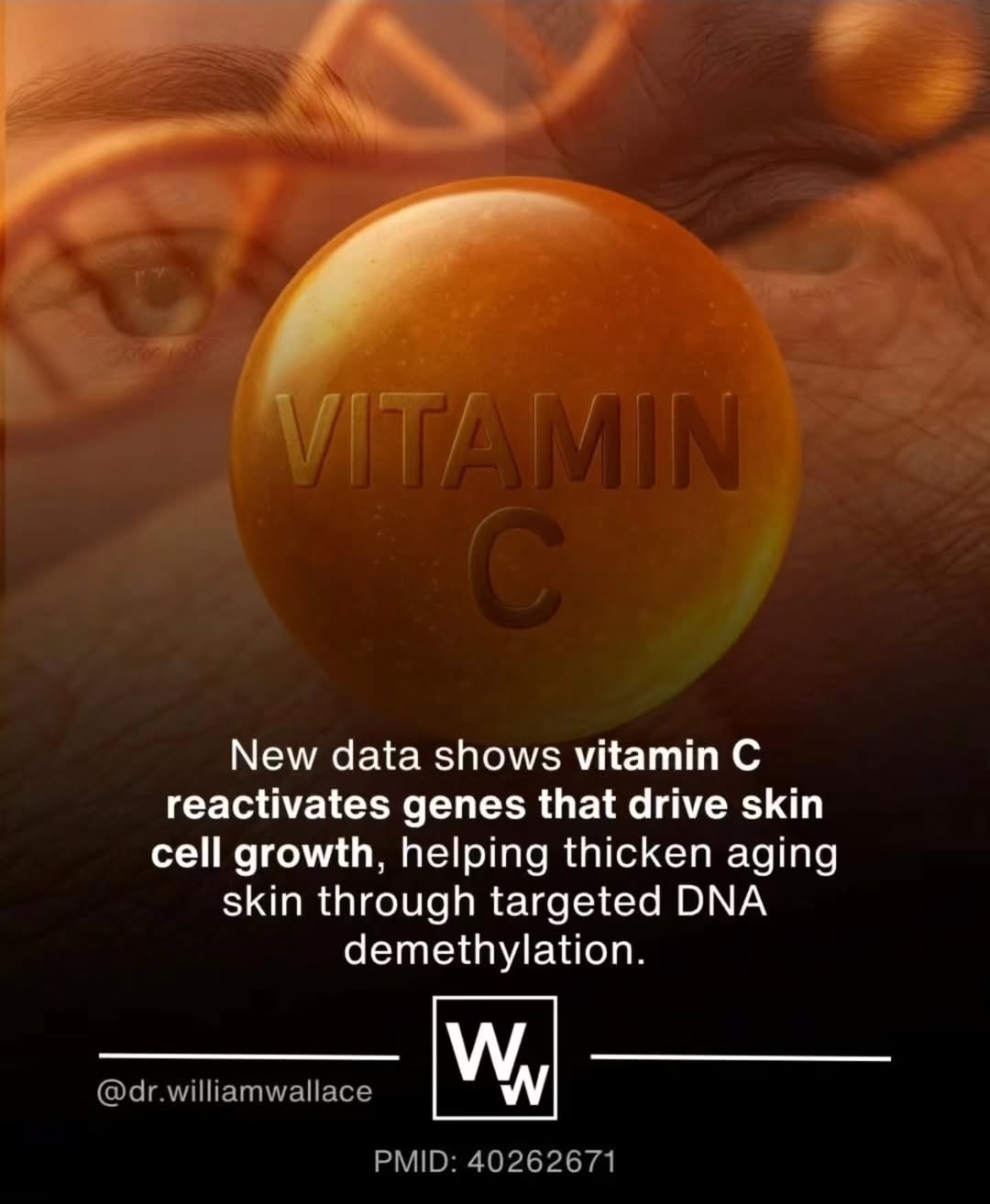
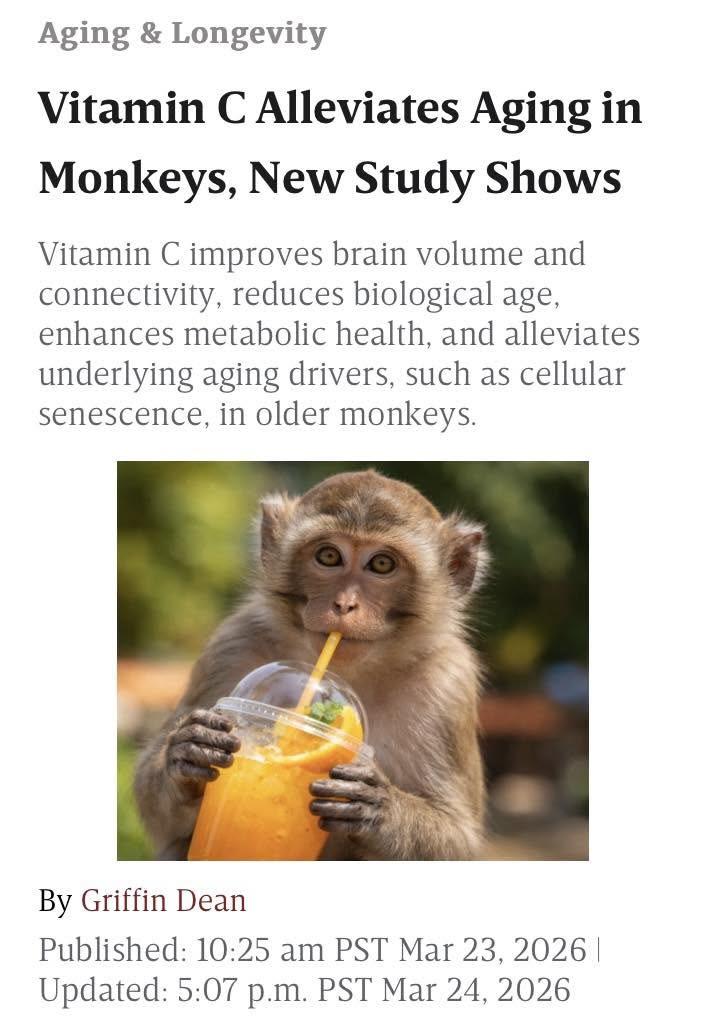
Vitamin C slowed bone marrow aging in monkeys in a 3-year trial

Jul 23, 2026 · Louis Nervegna ♥ 6 · 💬 2 Aging & longevity

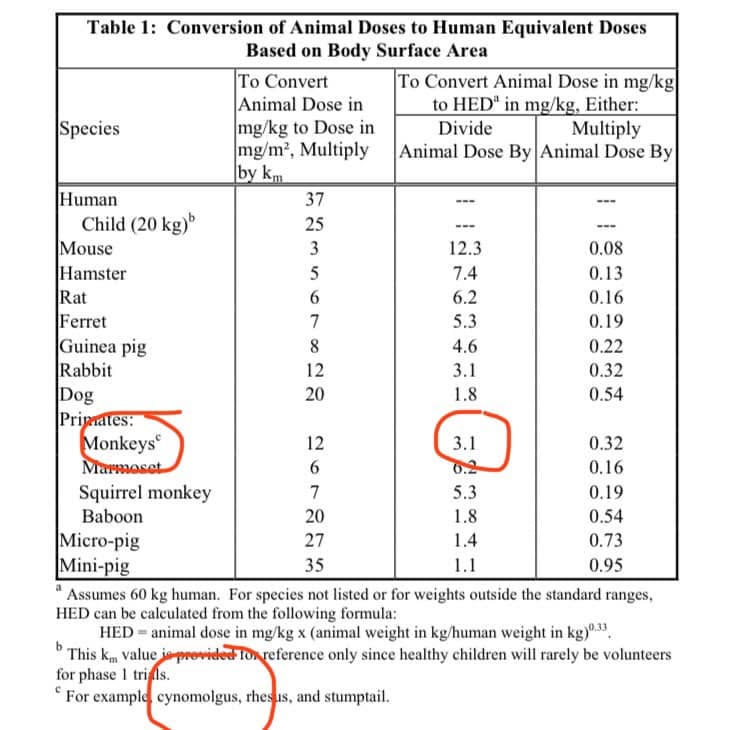
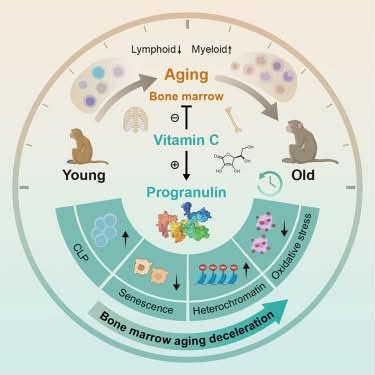
A 3+ year trial in aged cynomolgus monkeys found oral vitamin C partly offset bone marrow aging, expanding common lymphoid progenitors and rebalancing lineage output, with about a 4-year reduction in transcriptomic age estimates. Louis notes bone marrow stem cell decline contributes to aging and heart disease.

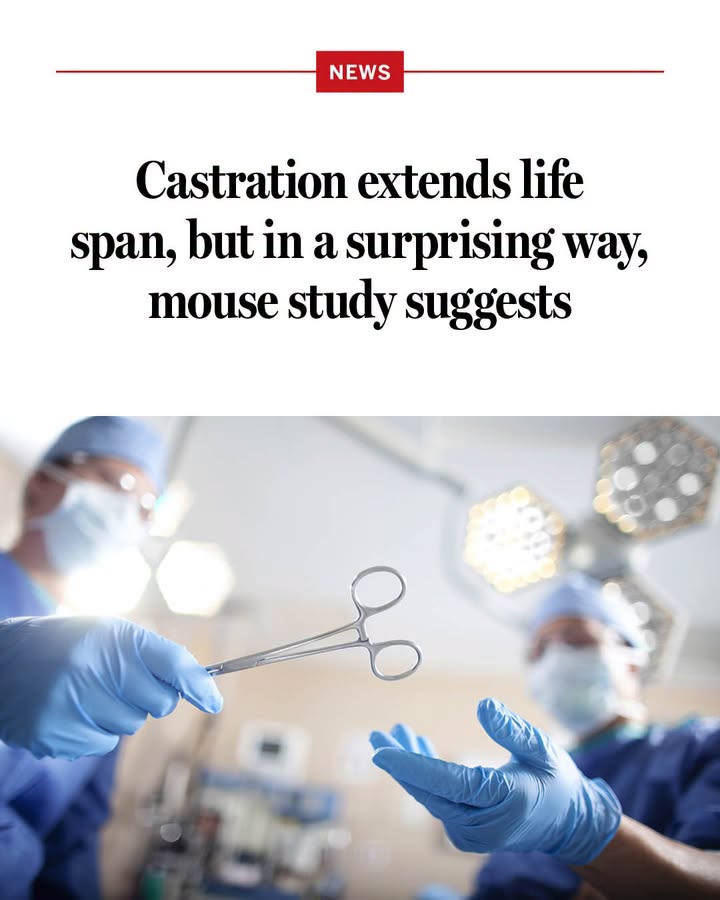
Neutering adult male mice extended lifespan over 30%, doubting testosterone as anti-aging

Nov 04, 2026 · Louis Nervegna ♥ 2 · 💬 8 Aging & longevity

Louis shares a preprint reported by Science in which neutering older male mice lengthened life by more than 30%, even when done in adulthood. He argues this undermines claims that raising testosterone in older men is anti-aging, noting no randomized trial shows benefit in men without clinical hypogonadism. It is mouse preprint data, not a human option.

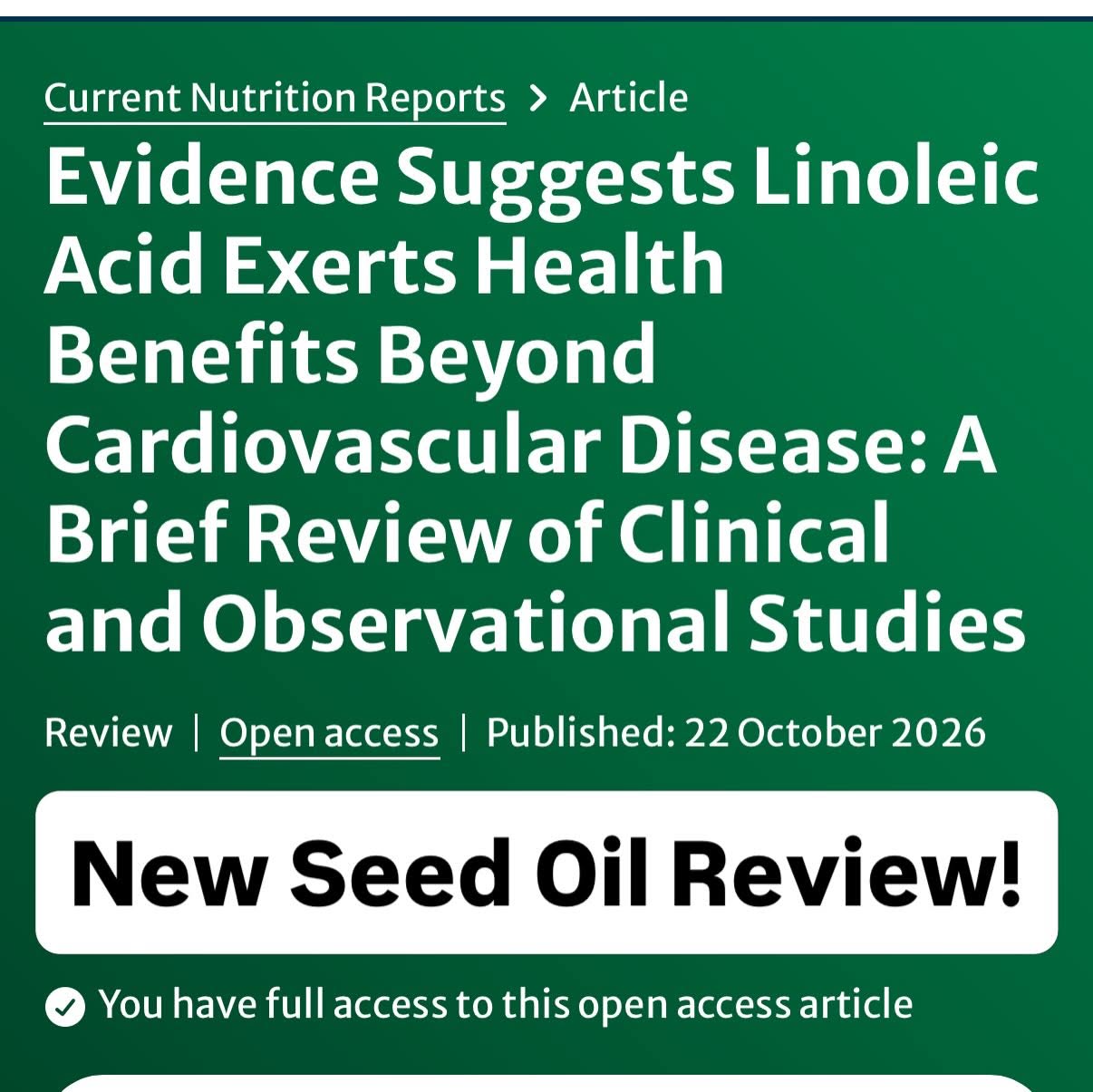
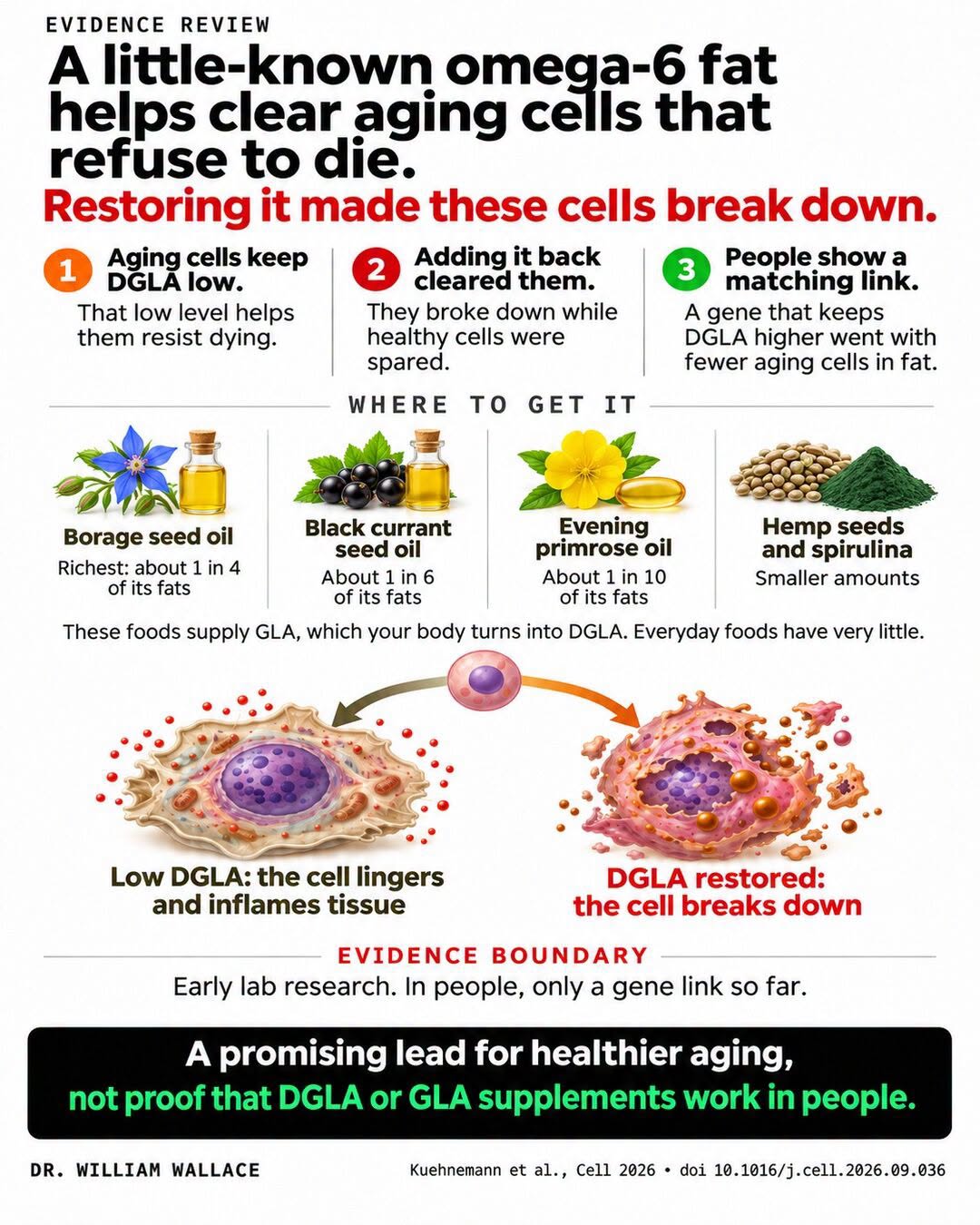
Your body makes DGLA from linoleic acid, linking seed oils to a possible senolytic effect

Nov 04, 2026 · Louis Nervegna ♥ 4 · 💬 4 ↩ 1 Fats & oils (saturated fat, seed oils, omega-6, olive oil)

Louis points out that the body makes DGLA from the omega-6 linoleic acid in seed oils and that this senolytic mechanism might explain some effects of GLA supplements. The shared Bryan Johnson post summarizes research in which DGLA killed zombie (senescent) cells in mice through ferroptosis. Low-linoleic-acid diets reduce DGLA production.

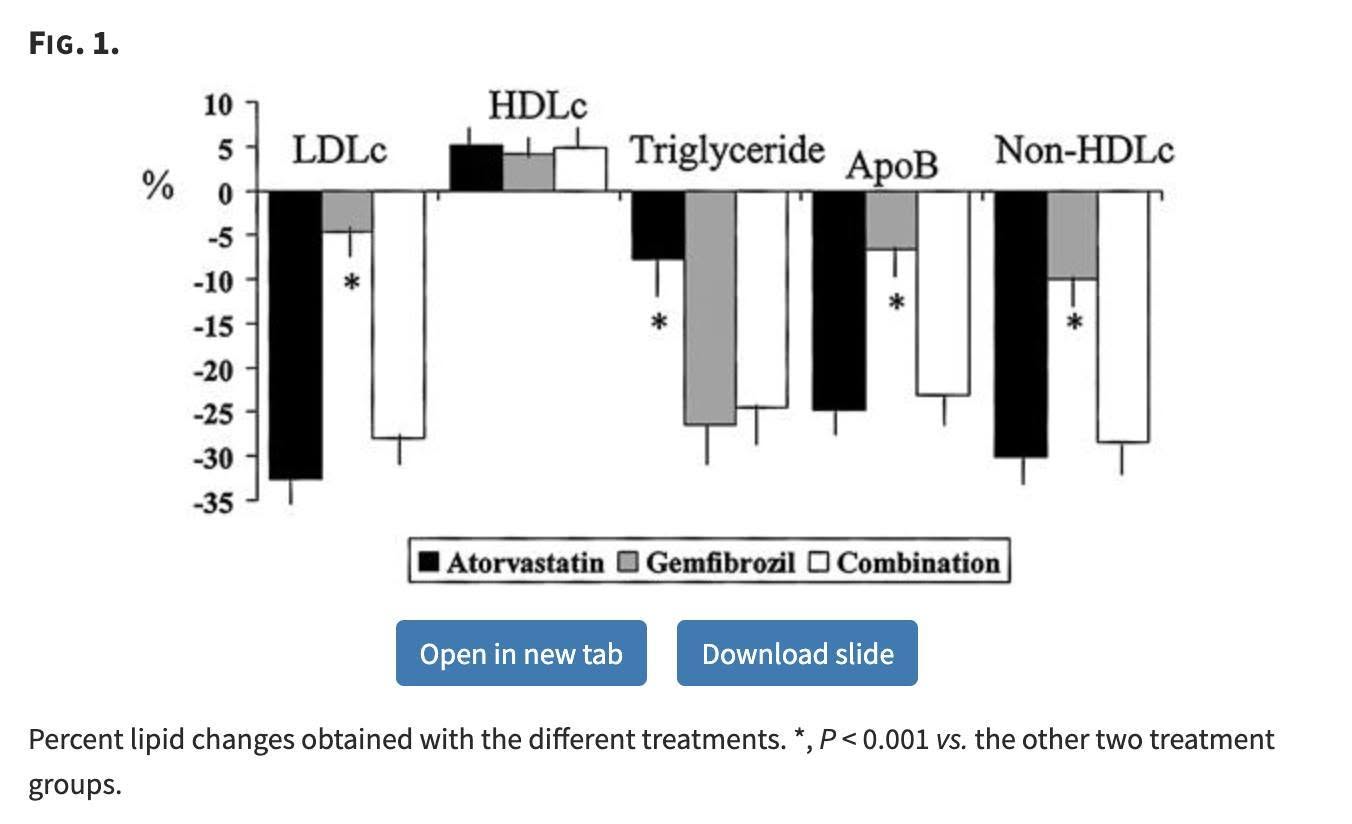
Fibrates lower triglycerides and may reduce CVD risk in metabolic syndrome

Mar 01, 2024 · Gokhan Can ♥ 5 · 💬 3 LDL, ApoB & lipid panel

Brief overview of fibrates (fenofibrate, gemfibrozil), PPAR-alpha agonists that lower triglycerides, raise HDL and have anti-inflammatory effects. Meta-analyses and real-world data suggest a role for CVD risk reduction in people with metabolic syndrome, especially high triglycerides and low HDL. A 2020 review notes that several RCTs did not show clear benefit overall.

Video: immunoglobulin G buildup in fat tissue drives insulin resistance and aging

Feb 02, 2025 · Gokhan Can ♥ 19 Insulin resistance & diabetes

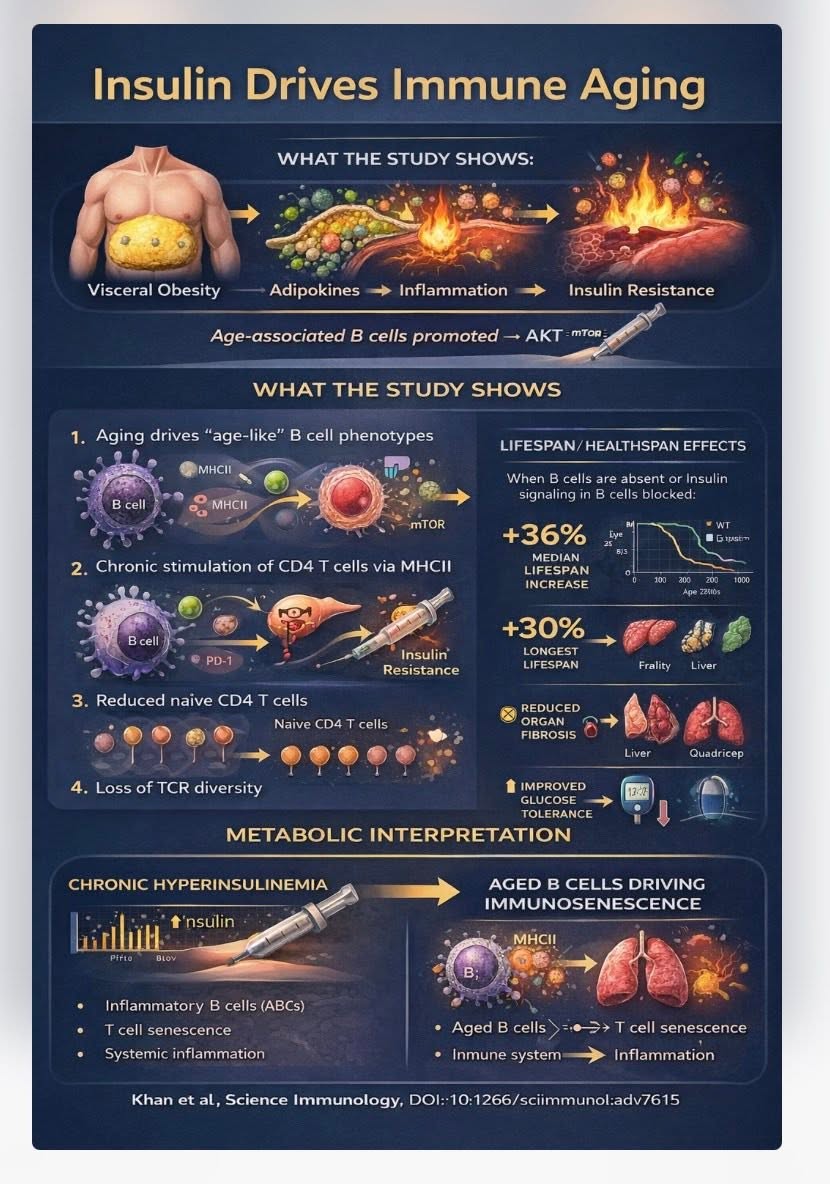
Gokhan summarizes a Mike Lustgarten video on research showing IgG accumulates in fat tissue with age and obesity, impairs insulin signaling, promotes inflammation and fibrosis, and is reduced by calorie restriction. Blocking IgG recycling through the FcRn receptor in mice improved metabolic health and extended lifespan. He calls it potentially Nobel-worthy 'if it holds up'.

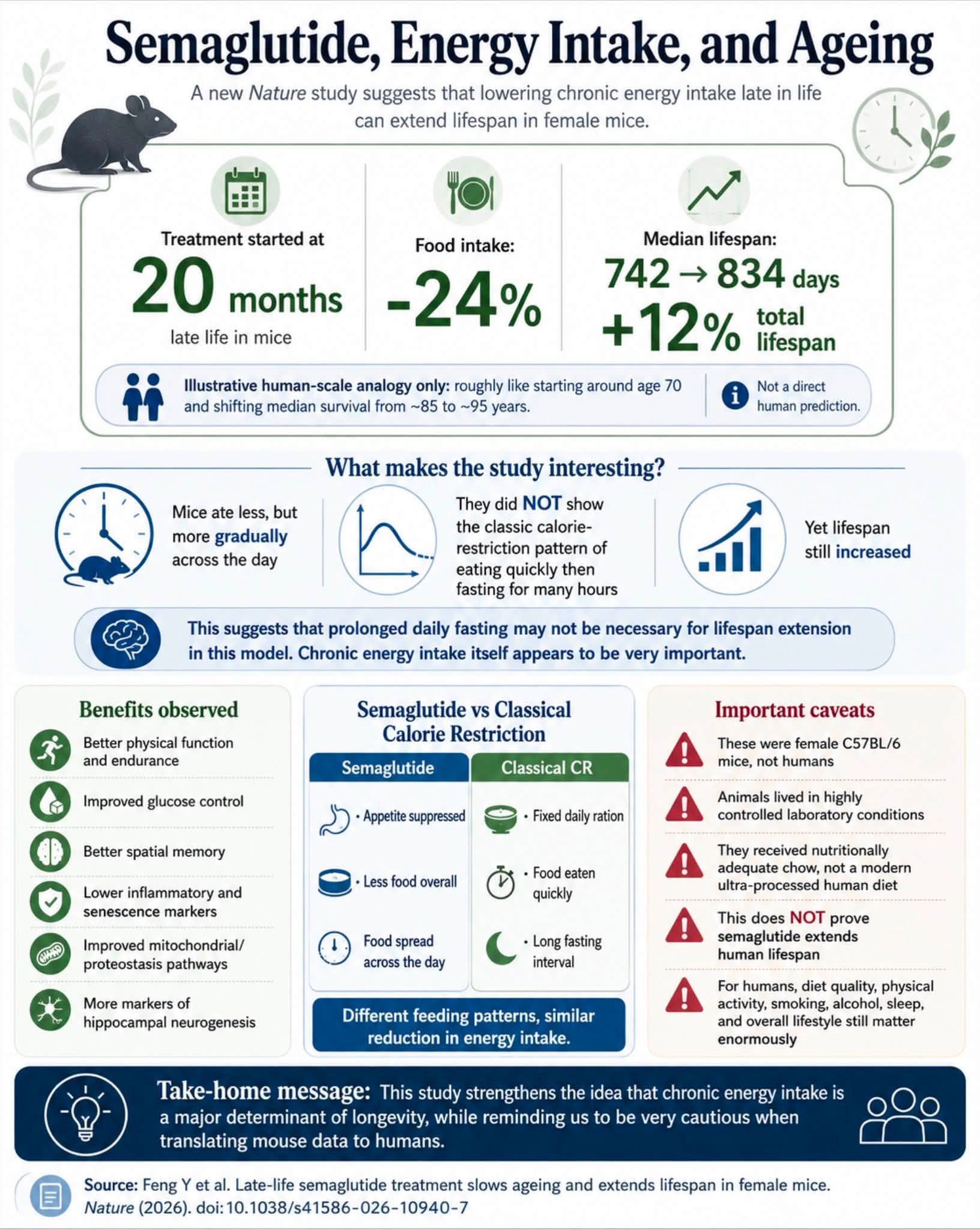
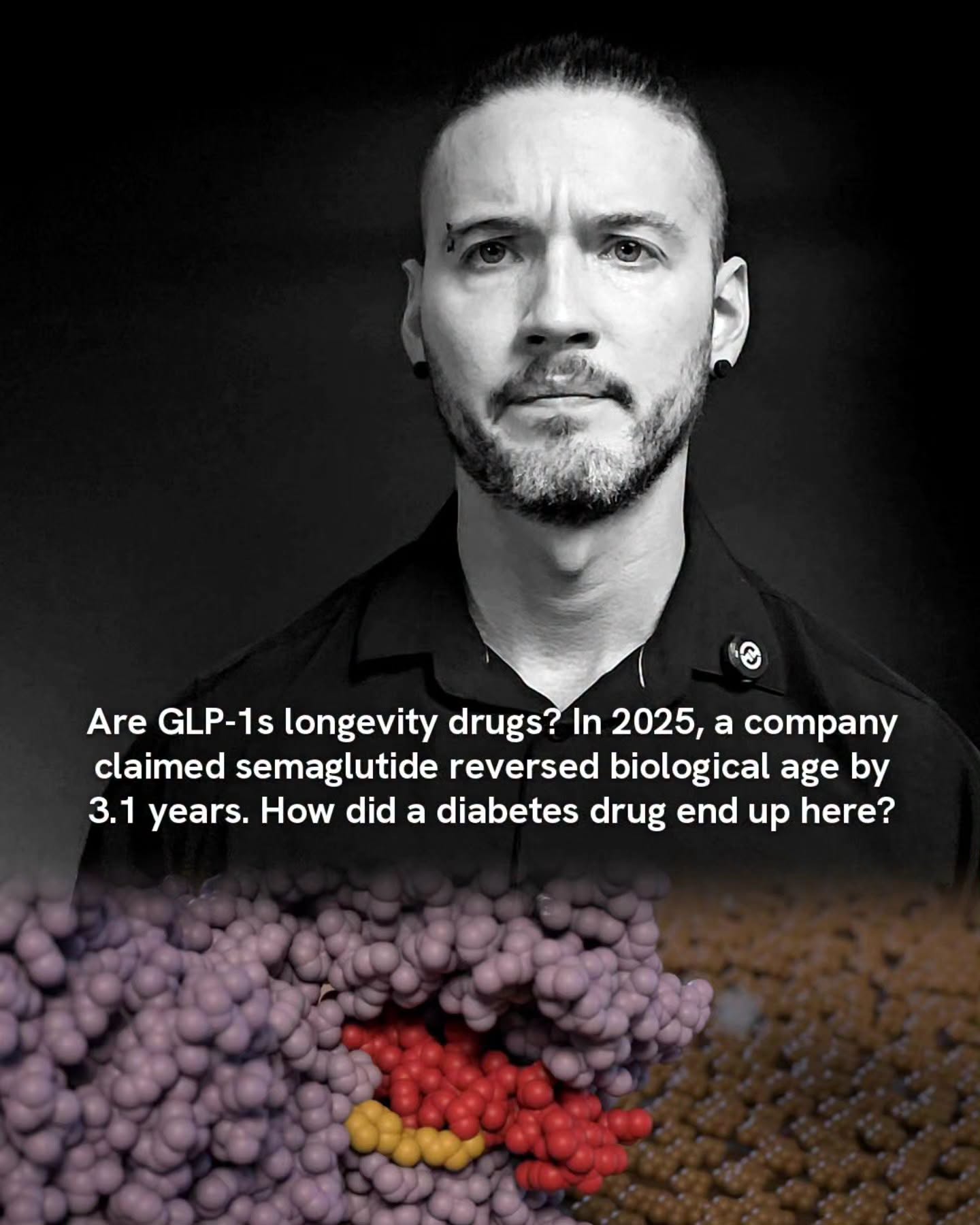
Semaglutide extended lifespan 12% in elderly female mice, hinting GLP-1 slows aging

Oct 29, 2026 · Louis Nervegna ♥ 3 · 💬 3 GLP-1 drugs (semaglutide, tirzepatide)

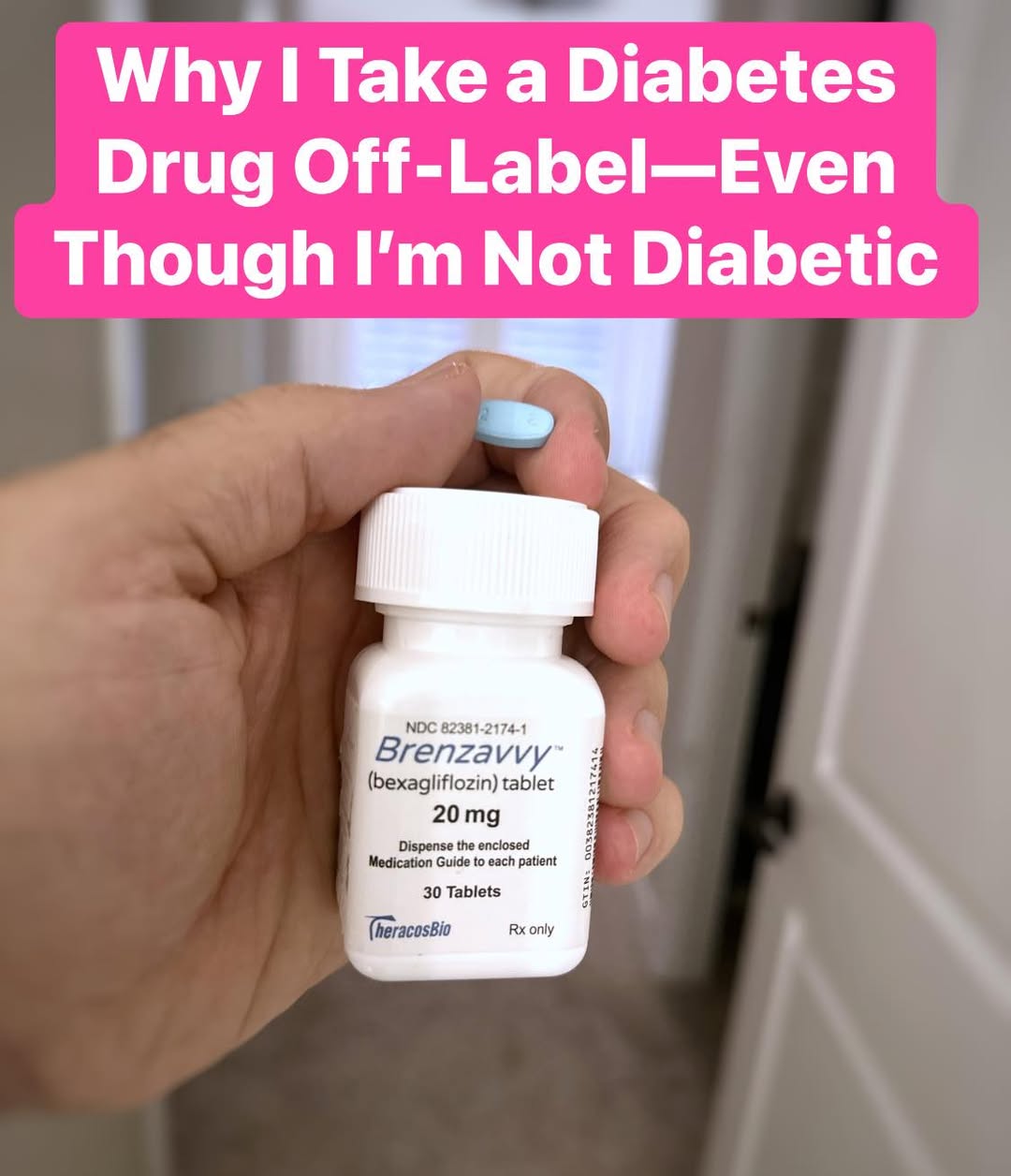
A Nature study found elderly female mice given semaglutide lived 12 percent longer than controls, regained curiosity and memory, and improved across hallmarks of aging. Louis notes the main mechanism is almost certainly calorie restriction. Researchers suggest slowed aging could explain GLP-1's benefits across heart, kidney, liver and brain conditions.

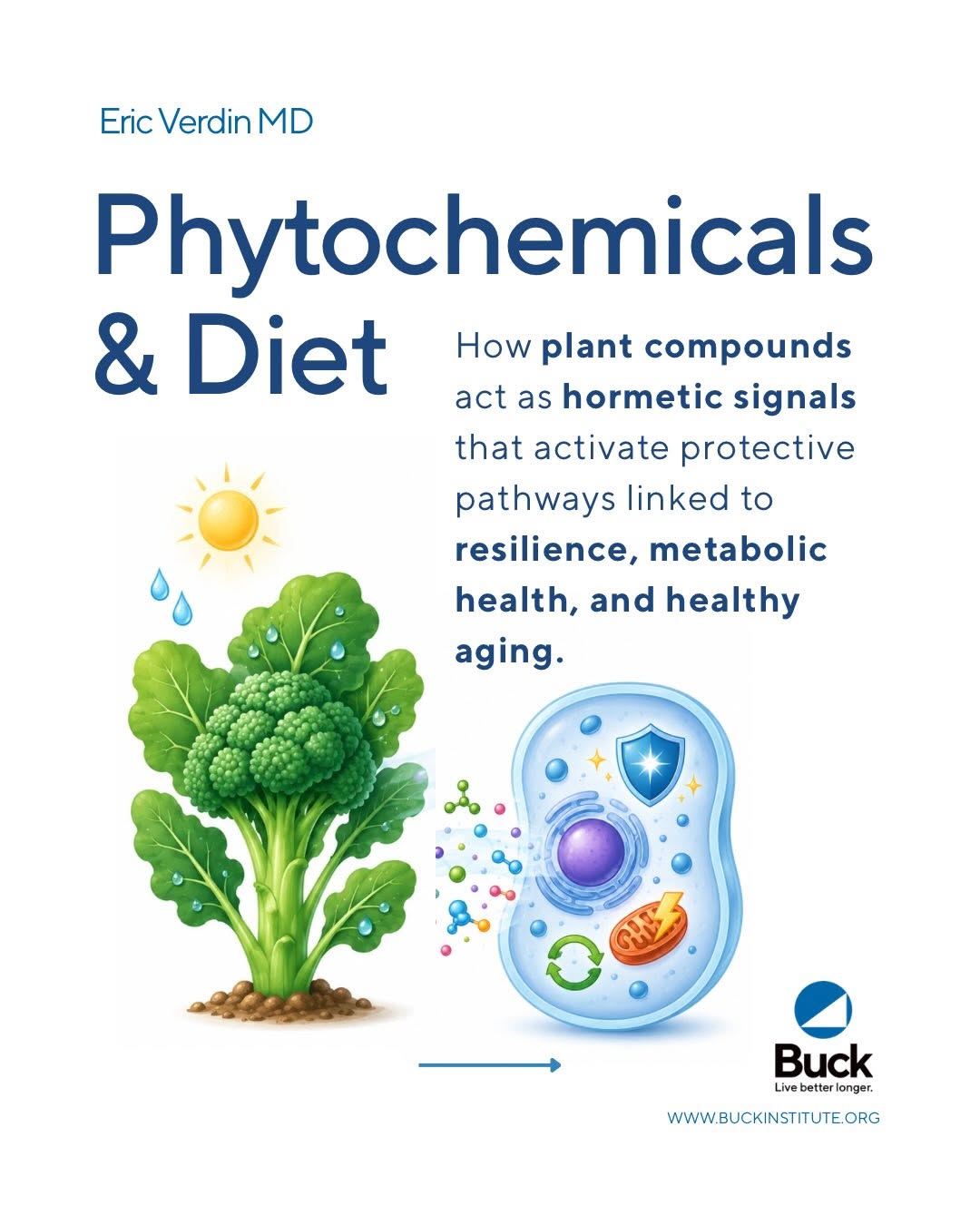
Plant phytochemicals act as hormetic signals linked to resilience and healthy aging

May 11, 2026 · Louis Nervegna ♥ 9 · 💬 1 Mediterranean, DASH, MIND & plant-forward diets

Eric Verdin's post, shared by Louis, describes phytochemicals such as sulforaphane, EGCG, quercetin, curcumin, fisetin and resveratrol as protective compounds that interact with pathways for antioxidant defense, autophagy, mitochondria and inflammation. It frames this as one reason diverse plant-rich diets associate with healthier aging.

Gut-bacteria peptide corisin drives diabetic kidney fibrosis in mice

Aug 26, 2025 · Gokhan Can ♥ 8 · 💬 1 Kidney health

A study found the gut-bacteria peptide corisin is elevated in diabetic patients with CKD and tracks with severity. In mice, corisin travels to the kidney on albumin and accelerates aging, scarring and cell death, and a neutralizing antibody reduced kidney damage. Gokhan notes CKD almost always accompanies heart disease.

Bone marrow stem cells are limited by telomere shortening, not immortal

Jul 22, 2026 · Louis Nervegna ♥ 4 · 💬 1 Aging & longevity

Louis explains that bone marrow stem cells, which renew blood and help repair tissue including the heart, cannot divide indefinitely because of telomere shortening. He shares a study showing telomeric DNA damage signaling drives hematopoietic aging, and inhibiting it restored function in mice and human stem cells.

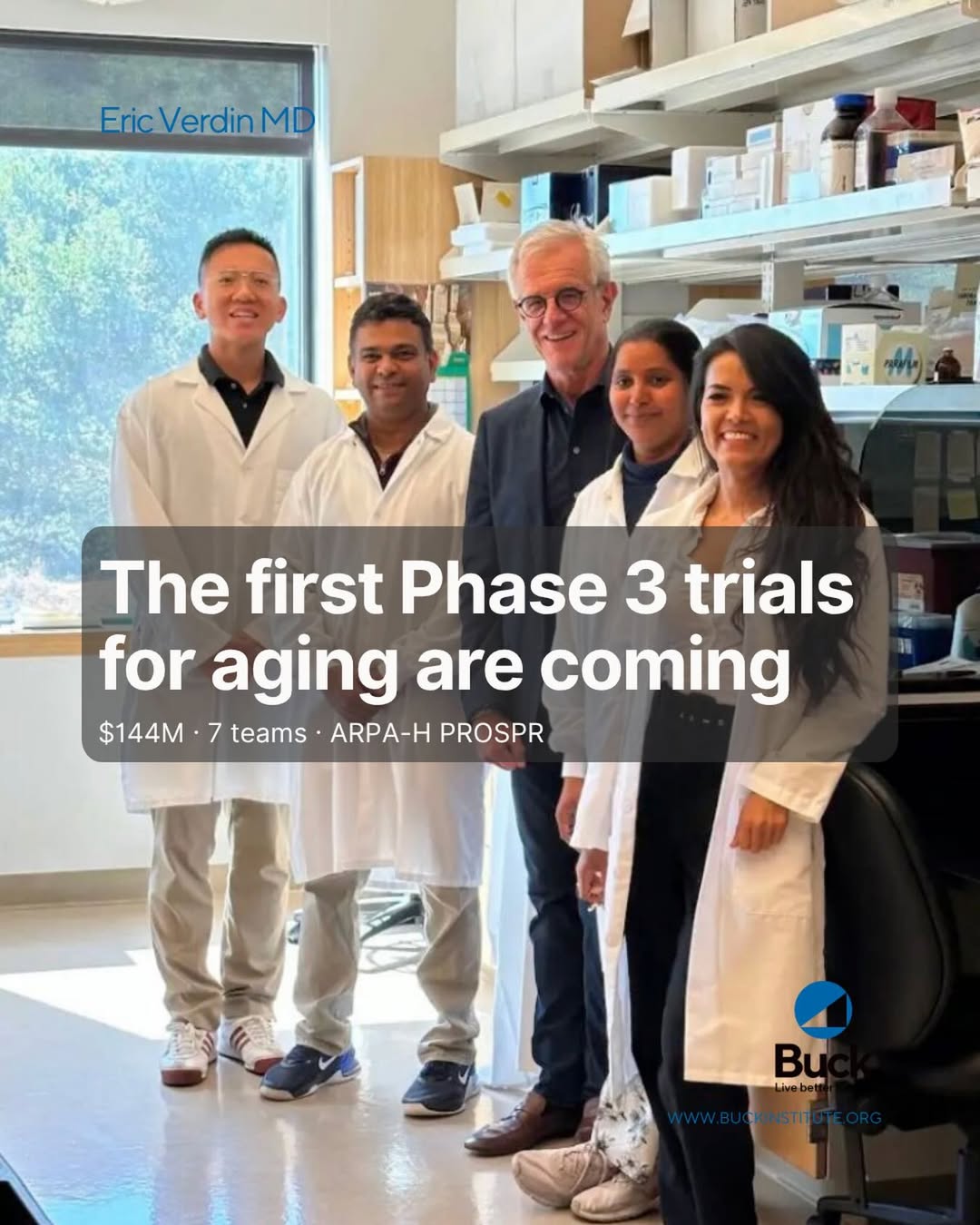
ARPA-H PROSPR program ($144M) funds first phase 3 aging trials of three drugs

May 20, 2026 · Louis Nervegna ♥ 9 Aging & longevity

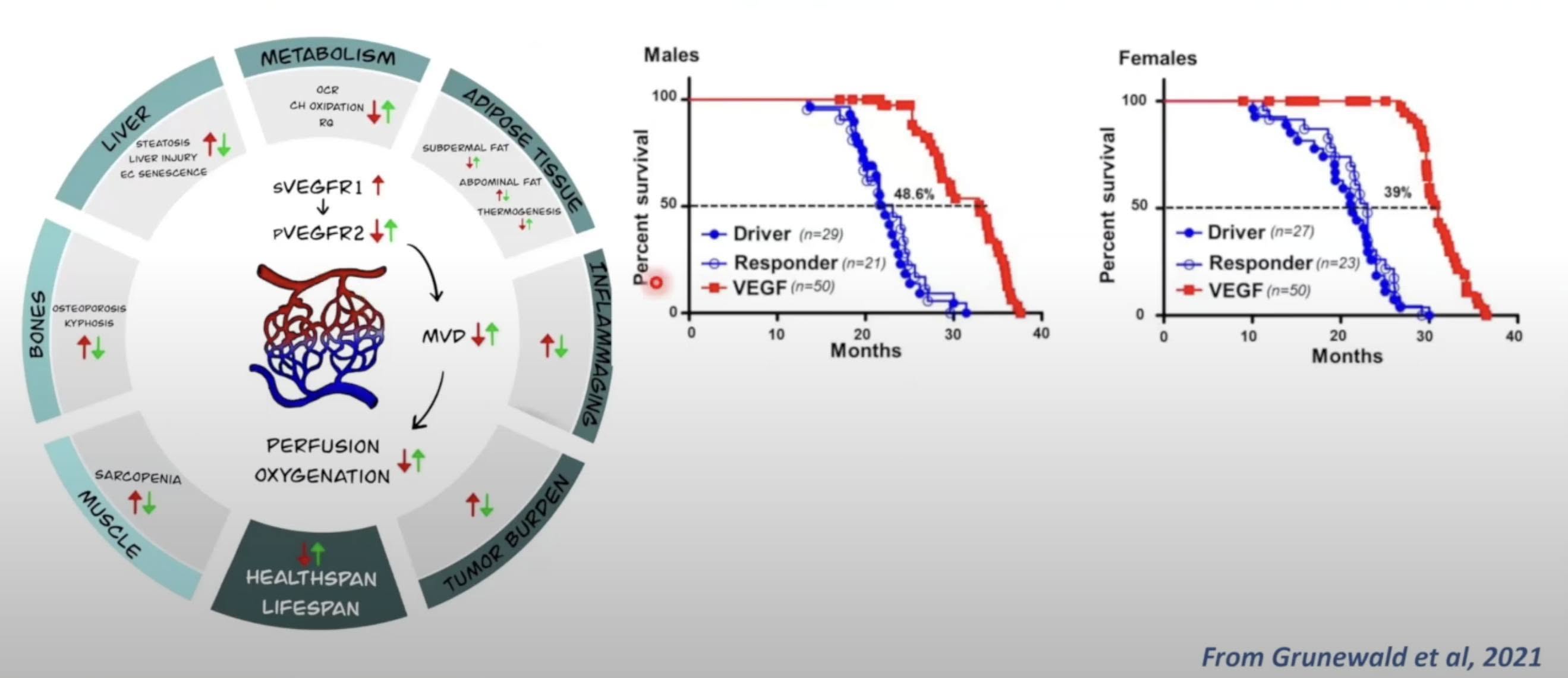
Eric Verdin's shared post says ARPA-H awarded $144 million to seven teams to lay groundwork for human aging trials, including a phase 3 in healthy adults in their 60s testing rapamycin, an SGLT2 inhibitor and semaglutide. The key gap is a validated aging biomarker regulators accept. Louis adds that age is the biggest CVD risk factor.

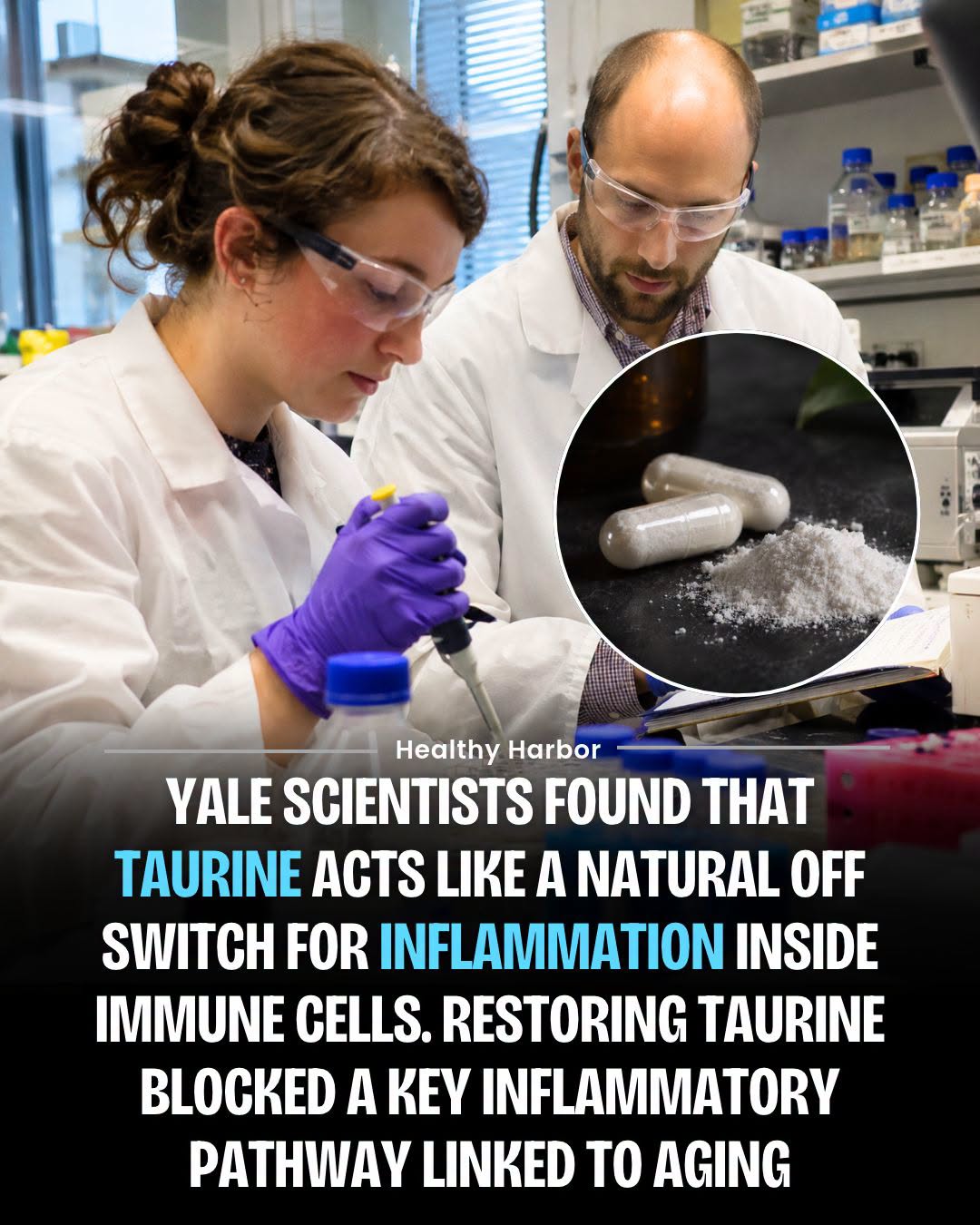
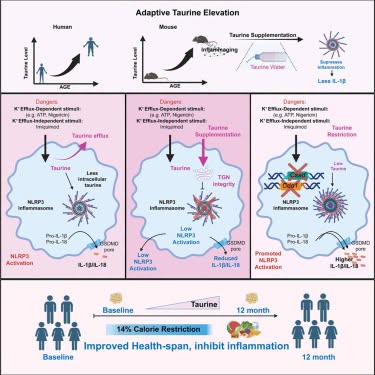
Yale: taurine loss triggers NLRP3 inflammasome; raising taurine eased inflammaging in mice

Nov 06, 2026 · Louis Nervegna ♥ 7 Inflammation & CRP

Louis shares a summary of a Yale Cell study showing macrophages release up to 80% of their taurine after inflammatory triggers, which helps activate the NLRP3 inflammasome. Restoring taurine suppressed NLRP3 activation, and raising taurine in older mice improved grip strength, coordination, some glucose measures and inflammatory markers. It is preclinical research.

Isoleucine restriction extended male HET3 mouse lifespan 33% despite higher calorie intake

Oct 18, 2025 · Louis Nervegna ♥ 1 · 💬 2 ↩ 4 Protein

Louis reposts a summary of the HET3 (Interventions Testing Program) mouse study from Dudley Lamming's group. Mice fed a diet with isoleucine cut by two-thirds from 6 months of age lived 33% longer in males and 7% in females with better health scores, leaner bodies and less cancer, despite higher calorie intake. Louis says this beats rapamycin in males and recommends whole plant protein as a way to lower isoleucine intake.

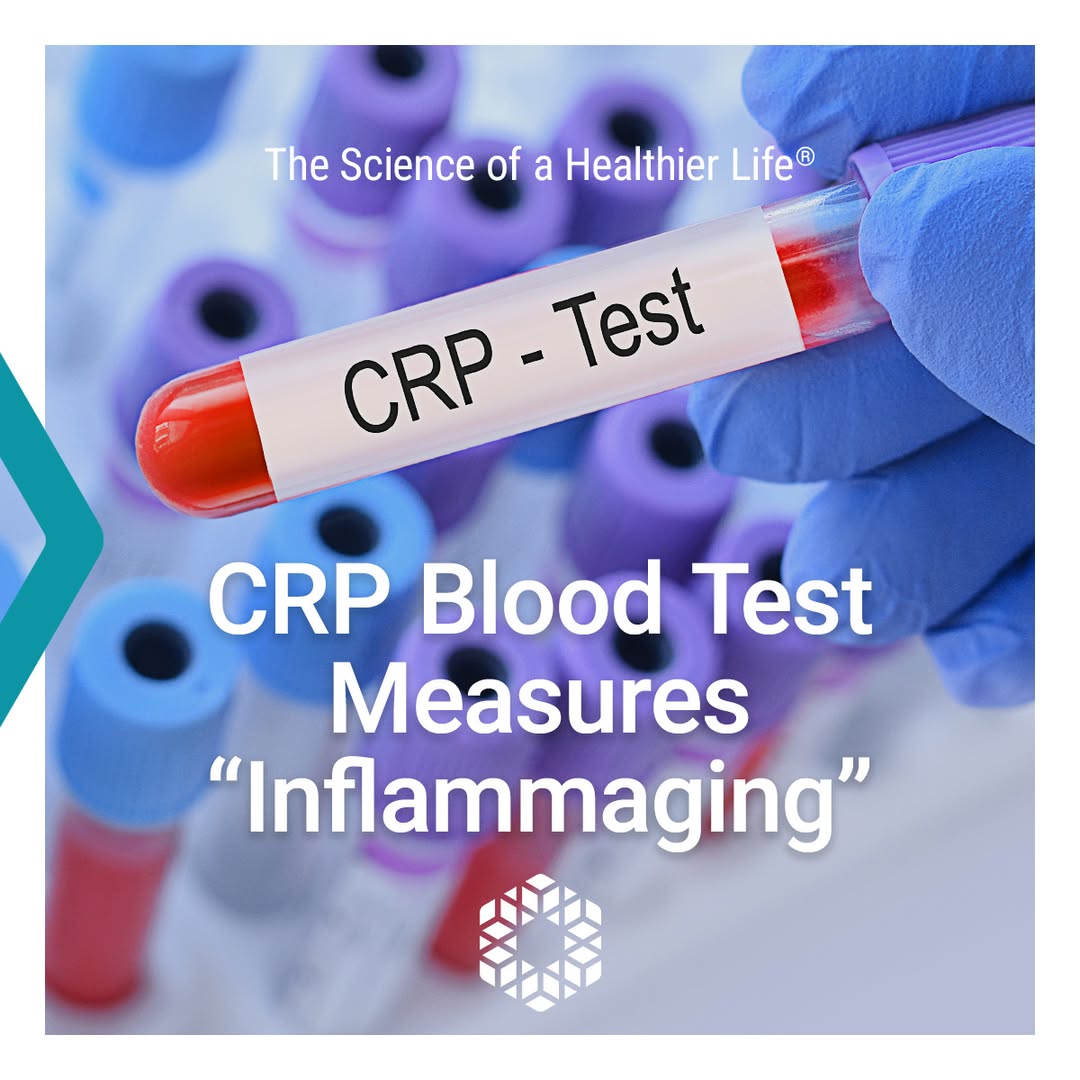
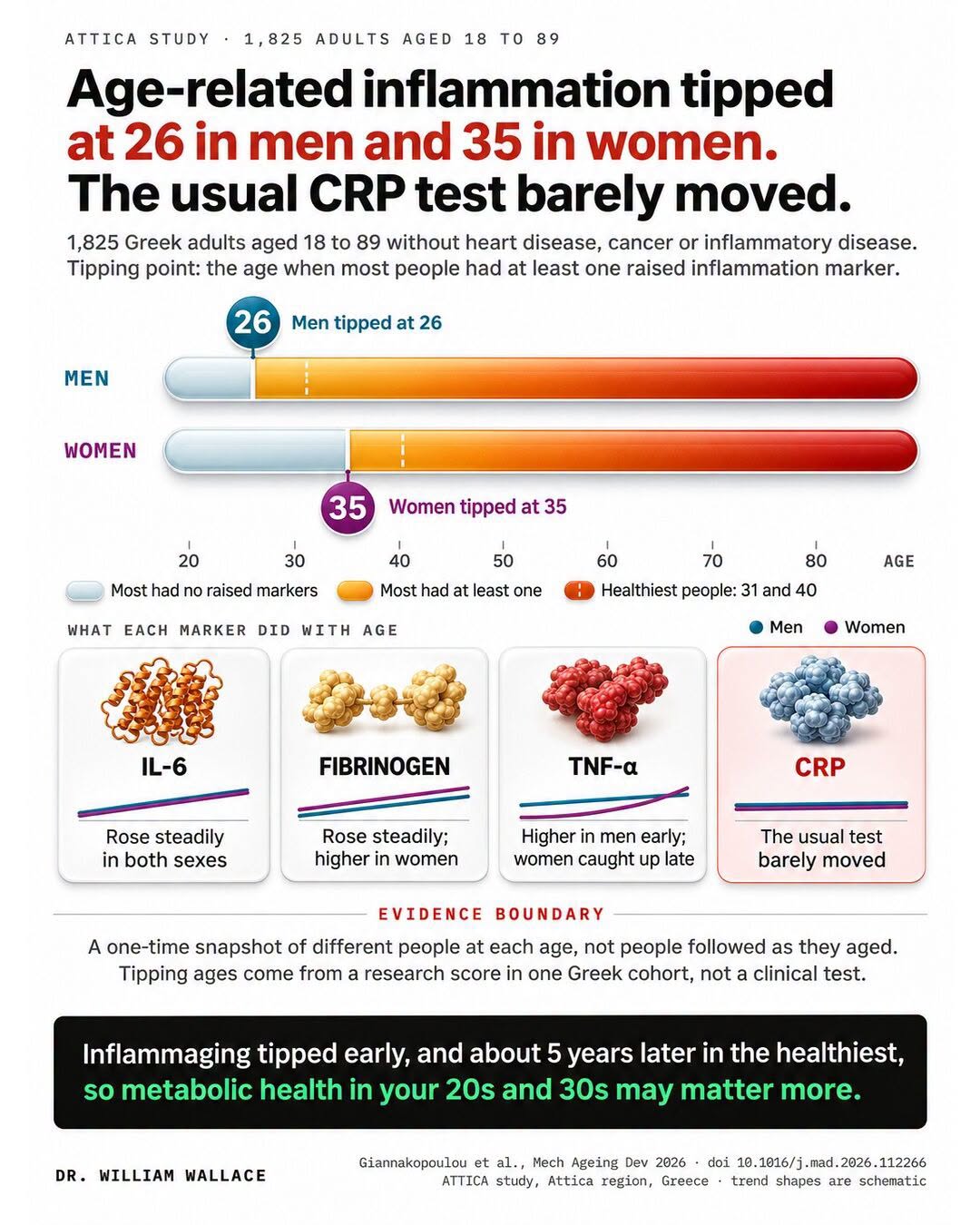
Inflammaging may begin around age 26 in men and 35 in women, ATTICA analysis finds

Nov 09, 2026 · Louis Nervegna ♥ 4 Inflammation & CRP

Louis shares a summary of an ATTICA analysis of 1,825 Greek adults showing a combined IL-6, TNF-alpha and fibrinogen immune activation score crosses into the activated range by about age 26 in men and 35 in women. IL-6 and fibrinogen rose steadily with age while CRP barely changed. Earlier studies link these markers to heart disease, diabetes, dementia and death.

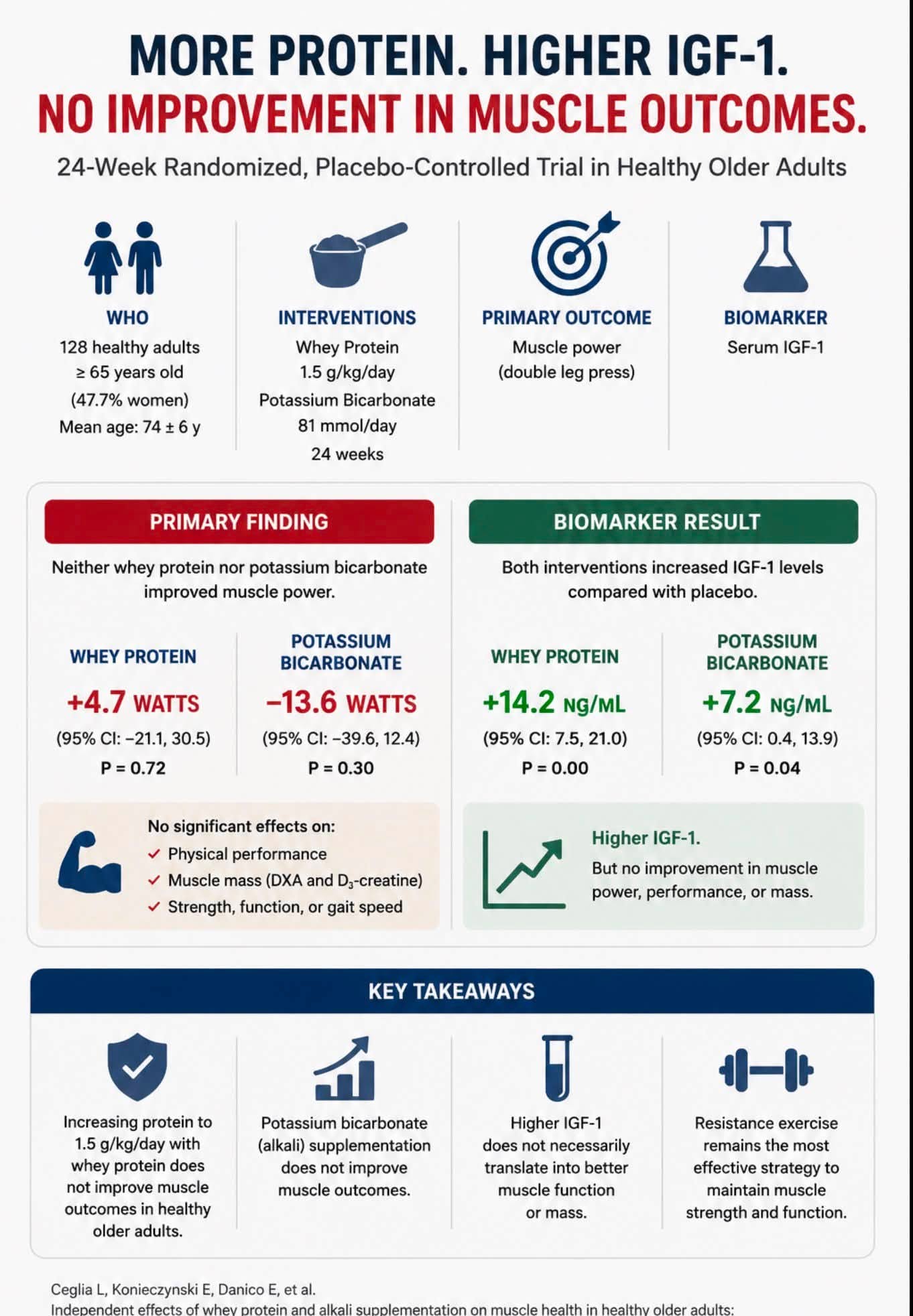
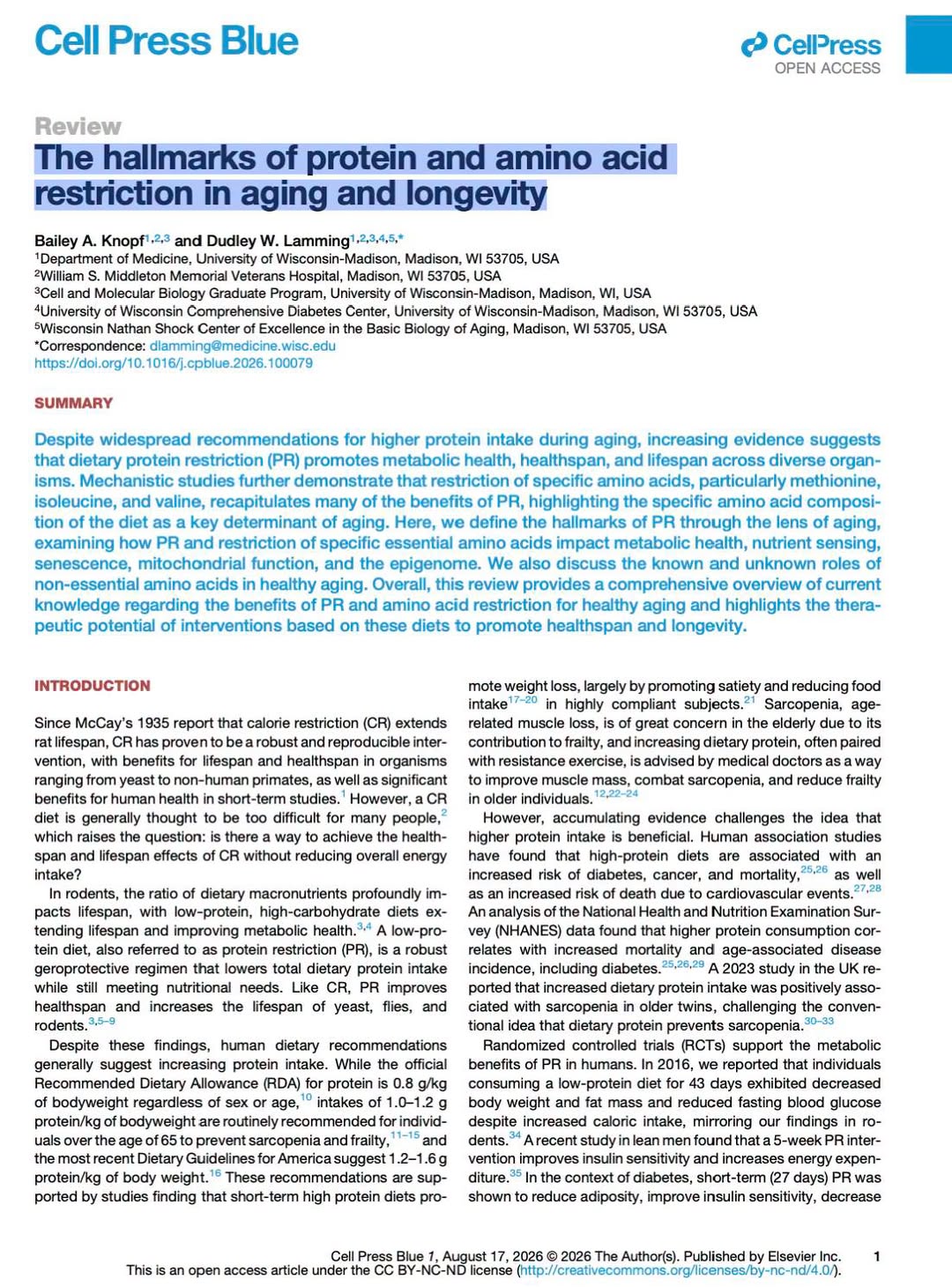
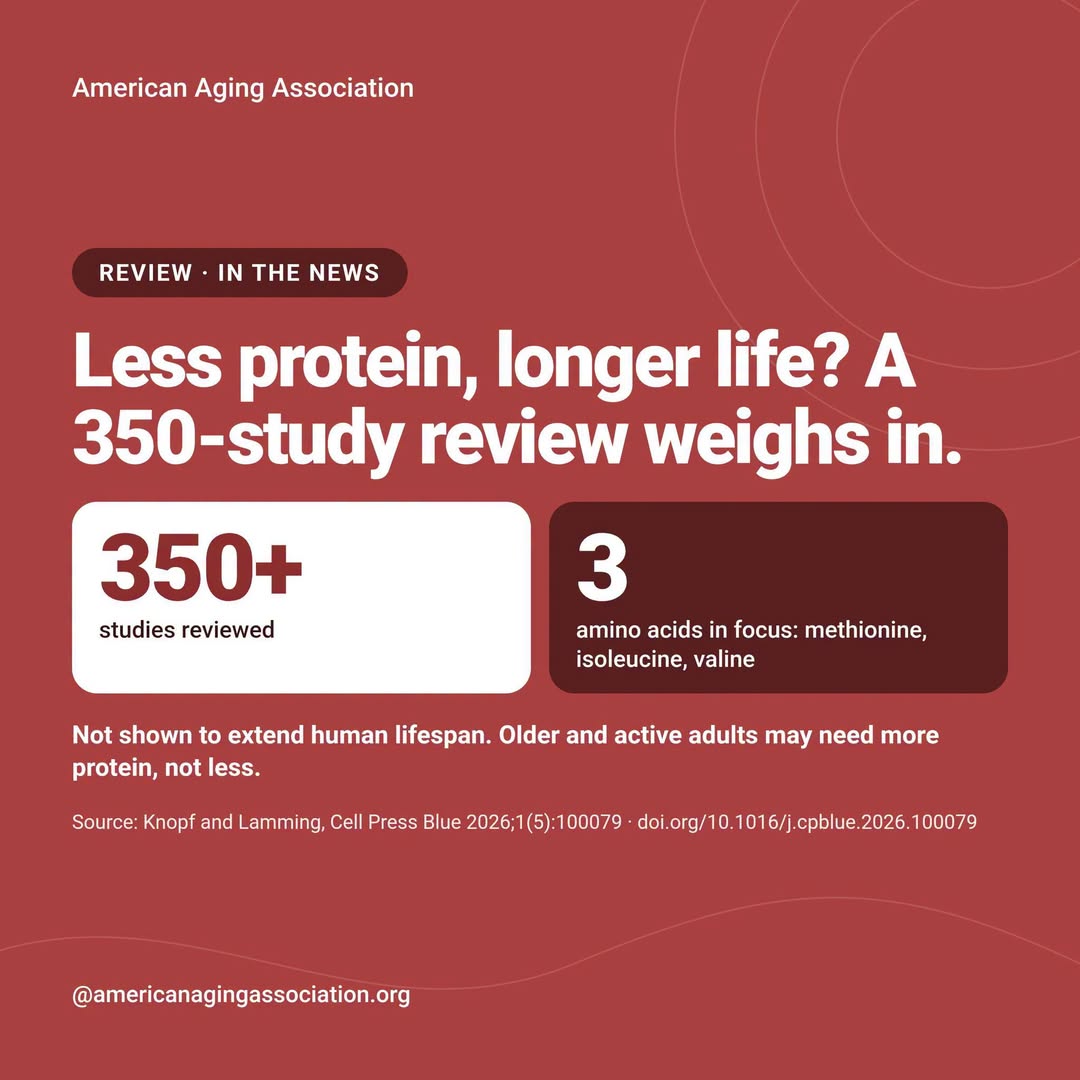
Protein restriction and aging: animal benefits, no proven human lifespan gain

Nov 14, 2026 · Louis Nervegna ♥ 4 Protein

Louis shares a summary of a review (Knopf and Lamming) of protein and amino-acid restriction. Restricting methionine or the branched-chain amino acids isoleucine and valine drives many animal metabolic benefits, FGF21 is involved, but lifespan extension has not been shown in humans. The field is shifting from 'less protein' to which amino acids matter, and older or active adults may need more protein. Louis says protein is complicated and influencers oversimplify it.

Mechanical stress on bones made mice live nearly 3 months longer via anti-aging signals

Nov 03, 2026 · Louis Nervegna ♥ 6 Exercise & fitness

A news report on a mouse study found that mechanical strain on the skeleton, similar to what occurs in exercise and resistance training, makes osteocytes secrete anti-aging chemicals. Gently squeezing leg bones extended mouse lifespan by nearly 3 months, roughly nine human years. A related study found bone stress improved memory and motor function after traumatic brain injury in mice and pigs.

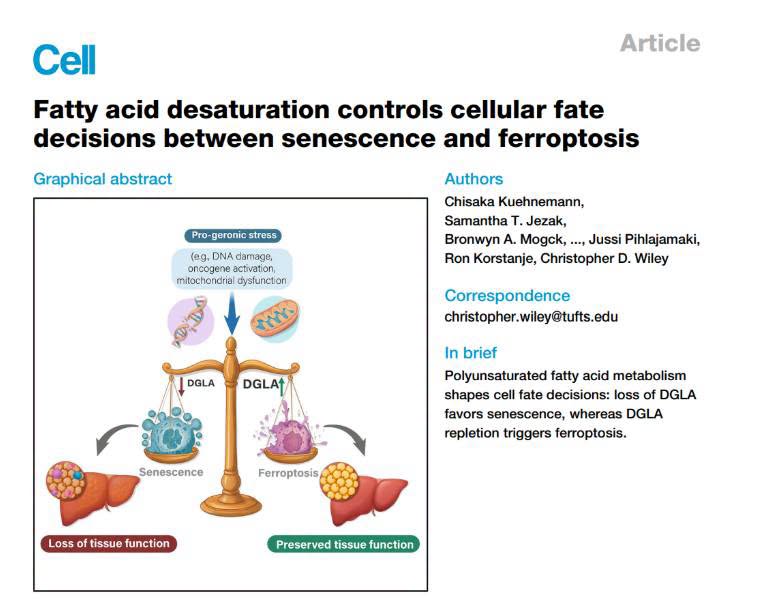
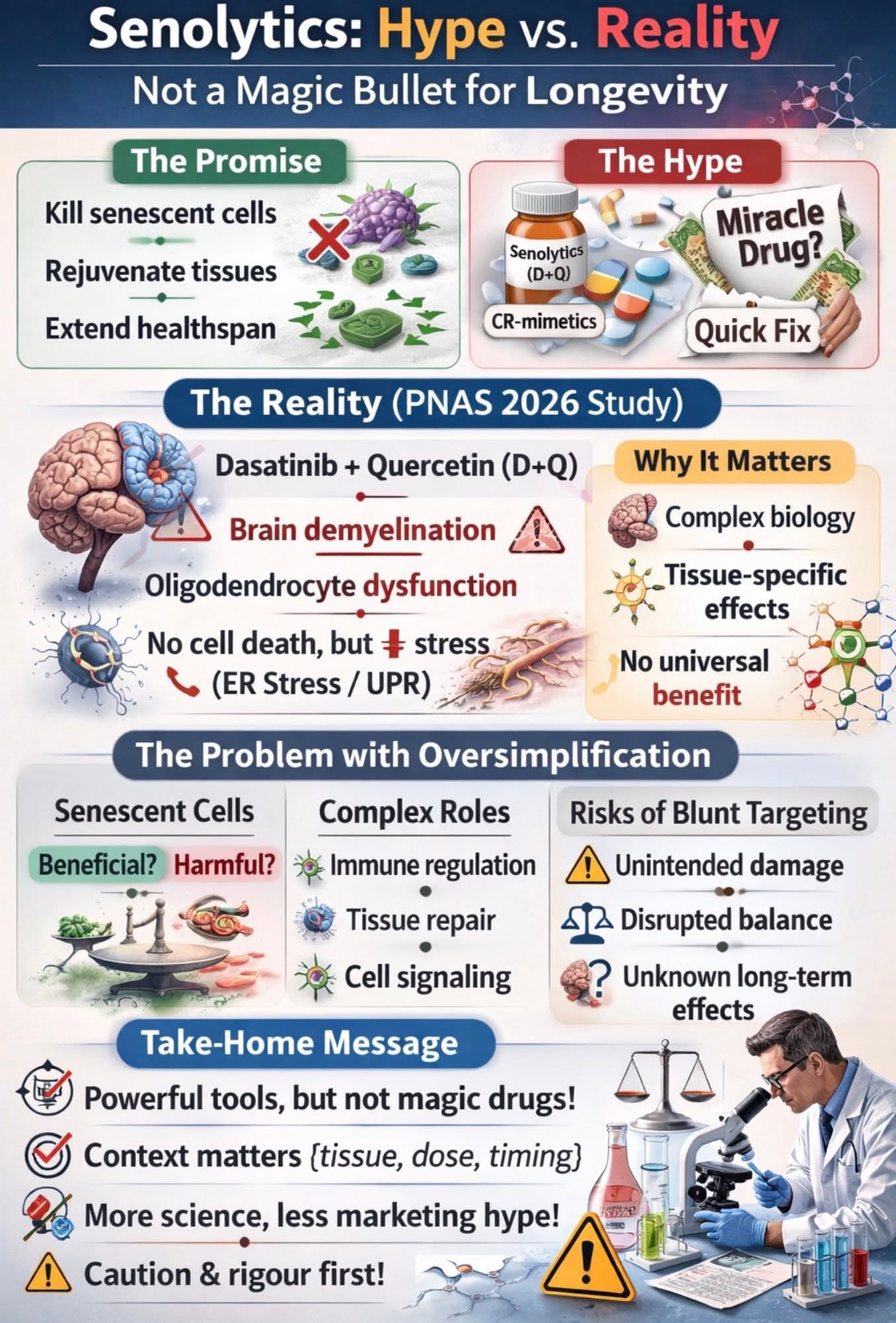
DGLA, an omega-6 fat made from linoleic acid, may selectively kill senescent cells

Louis shares a Cell study summary showing senescent cells keep the omega-6 fat DGLA unusually low because it triggers ferroptosis, making DGLA a possible natural senolytic. The body makes DGLA from GLA and linoleic acid, found in nuts, seeds and their oils, and Louis notes that unlike other senolytics it is made endogenously.
Semaglutide extended elderly female mouse lifespan 12%; calorie restriction already known

Sep 14, 2026 · Louis Nervegna ♥ 5 GLP-1 drugs (semaglutide, tirzepatide)

A shared Nature study report says elderly female mice on semaglutide lived 12% longer and improved on aging hallmarks, matching or beating caloric restriction on several measures. Louis notes calorie restriction slowing aging in animals is well established. The caveats: inbred female mice, possible muscle loss in older people, and no human data.
Omega-6 DGLA selectively killed senescent cells through ferroptosis in a Cell study

Louis shares a report on a Cell study in which the omega-6 fat DGLA, made from linoleic acid, selectively killed senescent cells via ferroptosis while sparing healthy cells. Oral DGLA reduced senescent cells in aged mice and improved inflammation and organ function markers. Senescent cells contribute to age-related diseases including cardiovascular disease.

Summary of Dudley Lamming's isoleucine restriction research in rodents

Jul 25, 2026 · Louis Nervegna ♥ 0 · 💬 1 Protein

Louis shares a simplified summary of Dudley Lamming's rodent work on restricting the amino acid isoleucine, linking earlier posts. Human translation is unclear, though some short-term trials of protein restriction show metabolic benefits that might be due to lower isoleucine intake.

Taurine is not a reliable aging biomarker, says new multi-species study

Jun 07, 2025 · Louis Nervegna ♥ 1 ↩ 1 Aging & longevity

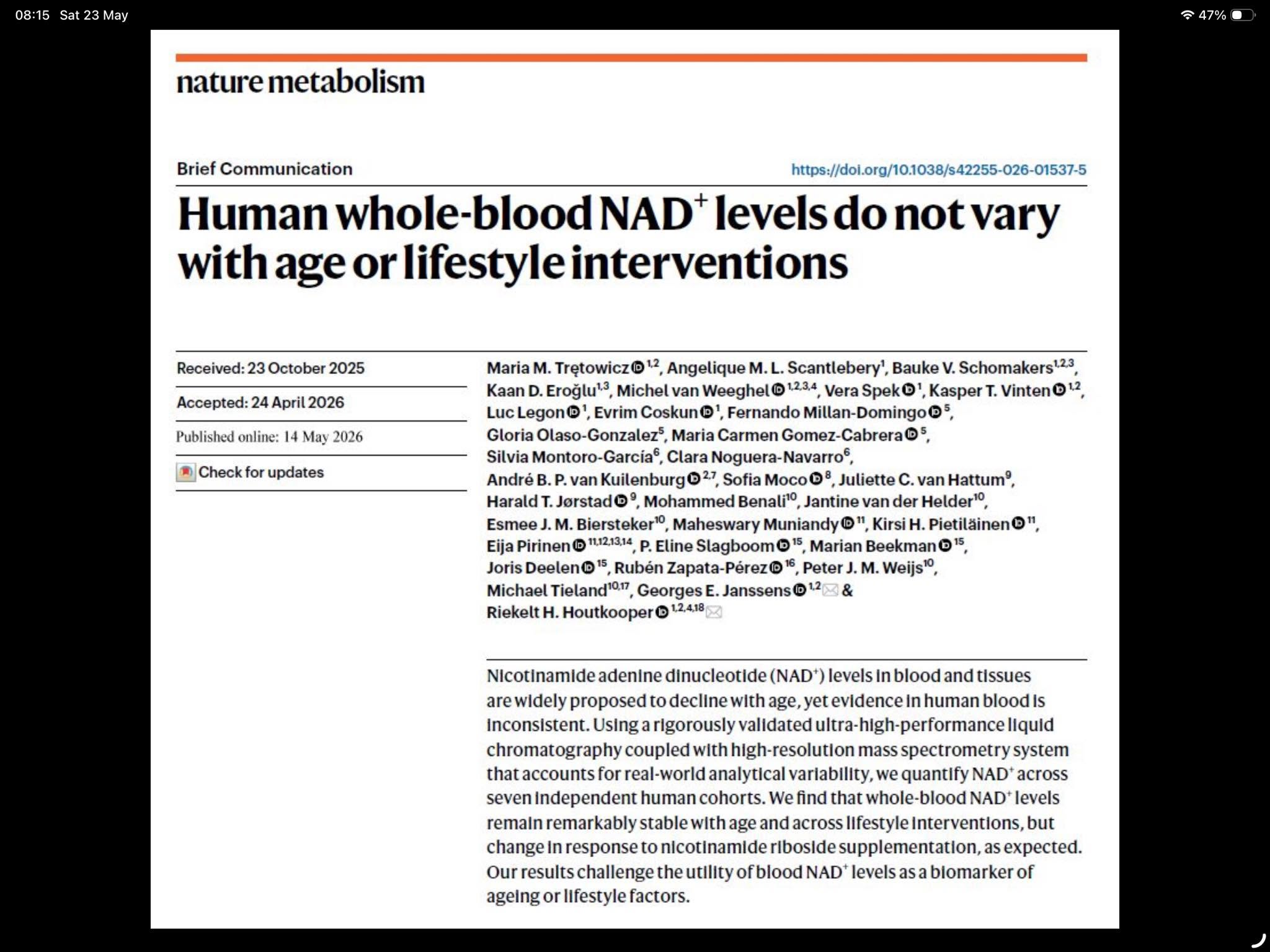
A shared summary of a large longitudinal study across humans (26-100 years), monkeys and mice finds taurine levels do not consistently fall with age, often rise (especially in women), and vary more between individuals than with age. The post notes that taurine, like NAD+ boosters and resveratrol, shows promise in animals but human evidence is limited.