HD-OPM Archive
Topics › Plaque, imaging & cardiac events

Plaque, CAC & CT angiography

278 posts (148 primarily about this topic) · 112 reposts and set-aside posts not shown

Start here — the best posts in this topic

  1. Evidence that plaque can shrink: CENIT, PRECISE-IVUS, ZEUS, EVAPORATE and GLAGOV Jun 25, 2025
  2. Calcified plaque is a marker, the goal should be reversing soft plaque Aug 16, 2025
  3. 25 statin trials: about 40% fewer heart attacks and strokes per 75 mg/dL LDL drop Mar 23, 2025
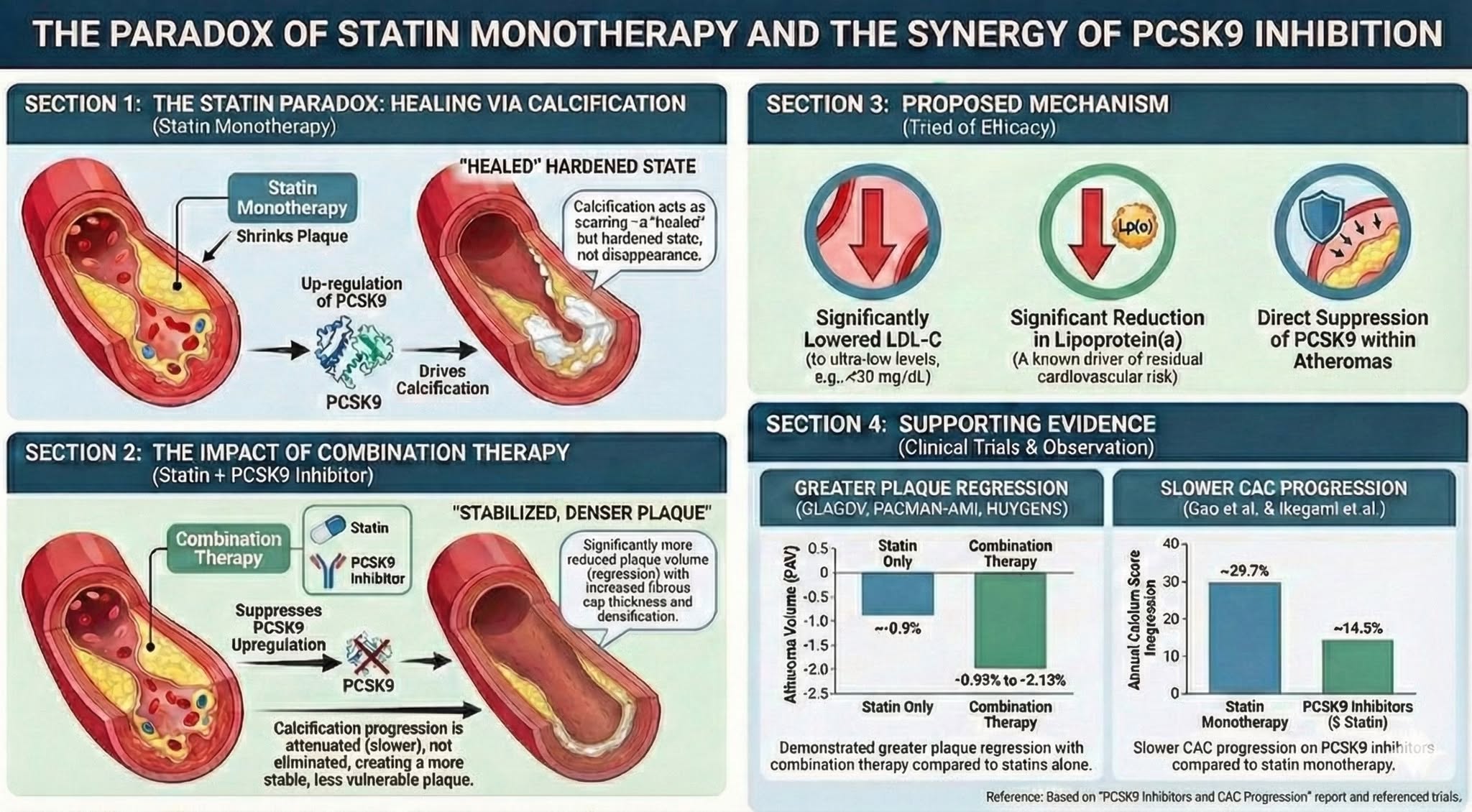
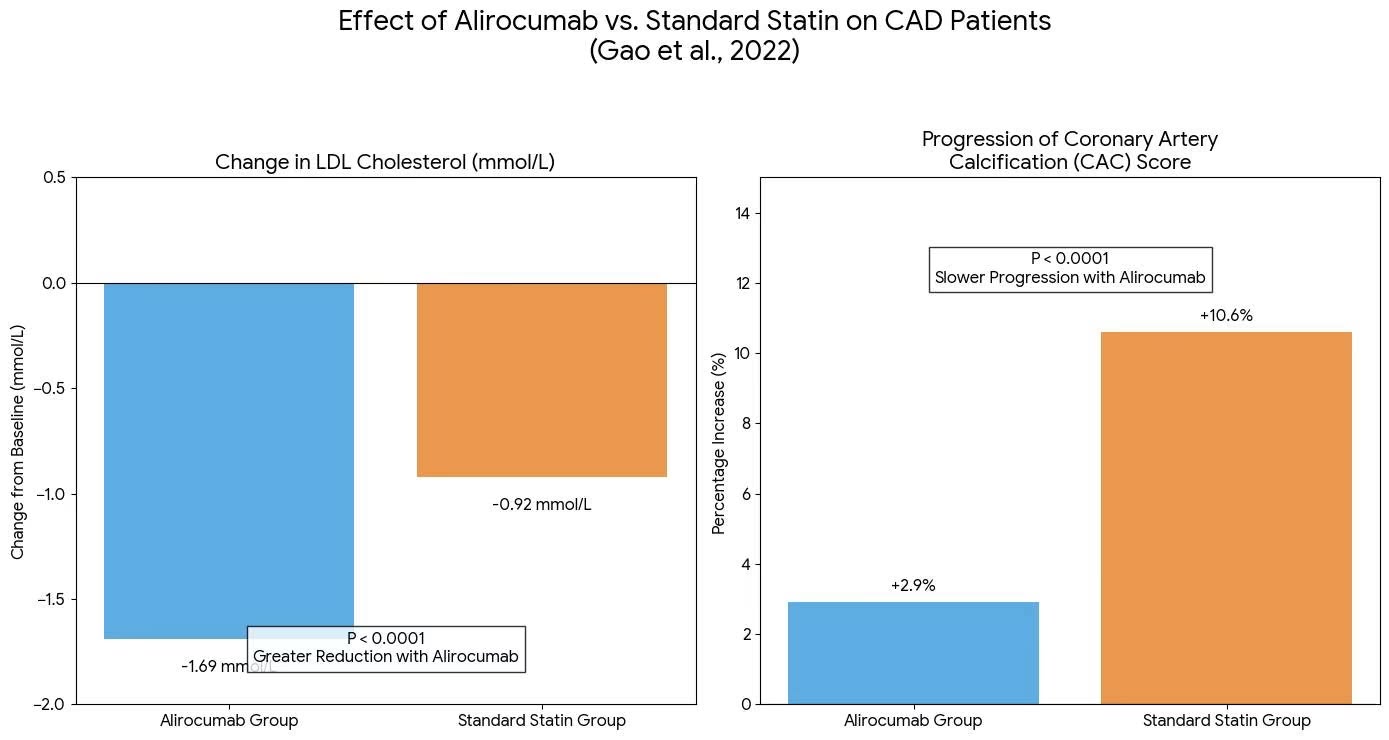
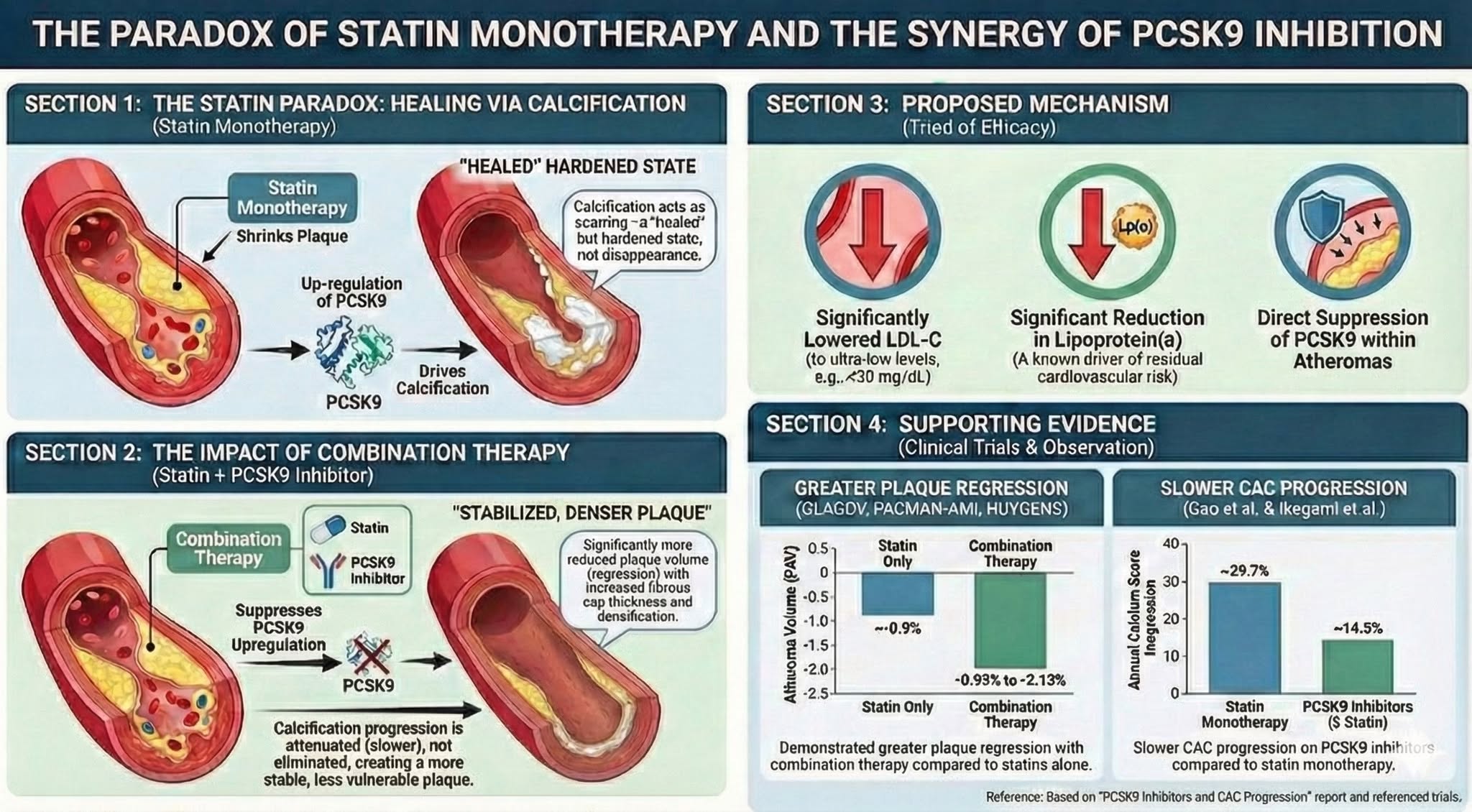
  4. PCSK9 inhibitors regress plaque without the calcification surge seen with statins Jan 01, 2026
  5. Six RCTs have shown diet can reverse plaque, and none used a purely vegan diet Oct 24, 2025
  6. Why a coronary calcium score can rise as plaque stabilizes on statins Dec 03, 2025
  7. JAMA Cardiology trial: vitamin K2 (MK-7) for 2 years slowed coronary calcium progression ↩ 1 · Jun 10, 2026
  8. Keto-CTA: lean keto dieters with plaque progressed; Mediterranean plus statins did not Apr 07, 2025
#plaque 86#reverse 80#statins 61#cac 49#statinreverse 39#ketocta 38#atherosclerosis 34#lmhr 27#mediterranean 26#cardiovascular 24#cta 23#calcium 22#ketoctasummary 22#heartattack 22#heartdisease 20#inflammation 19#ivus 19#calcification 18#ncpv 18#exercise 17#pcsk9 17#ezetimibe 16#pav 15#budoff 15#pcsk9reverse 15#cholesterol 15#dash 14#ldl 13#supplements 13#keto 13#colchicine 12#ornish 11#ezetimibereverse 11#cardiovasculardisease 11#calcifiedplaque 10#cac0 10#discoct 10#tav 10#triglycerides 10#paradigm 9

Evidence that plaque can shrink: CENIT, PRECISE-IVUS, ZEUS, EVAPORATE and GLAGOV

Jun 25, 2025 · Louis Nervegna ♥ 72 · 💬 42

Post by group member Daniel Chong summarising trials showing plaque change: supervised HIIT in CENIT, ezetimibe in PRECISE-IVUS, ezetimibe added to statin in ZEUS, icosapent ethyl in EVAPORATE and evolocumab in GLAGOV. It notes some research suggests a 1% reduction in plaque volume may equate to a 20% reduction in event risk.
Calcified plaque is a marker, the goal should be reversing soft plaque

Aug 16, 2025 · Louis Nervegna ♥ 44 · 💬 51

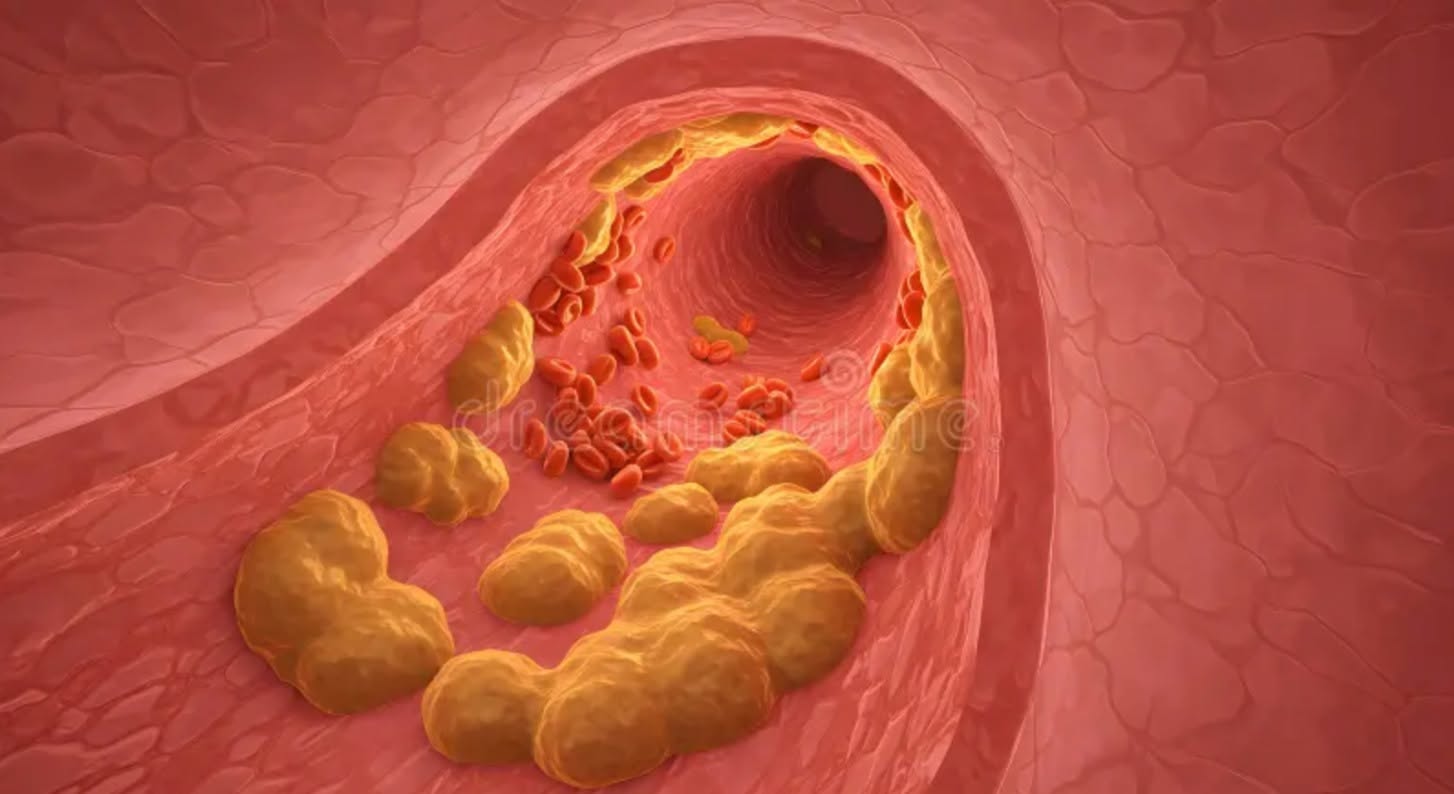
Louis argues a high CAC score predicts risk mainly because calcified plaque reflects the amount of soft plaque, which is the dangerous part. He says to focus on reversing or stabilizing soft plaque rather than lowering CAC, and notes randomized outcome trials are needed.

25 statin trials: about 40% fewer heart attacks and strokes per 75 mg/dL LDL drop

Mar 23, 2025 · Louis Nervegna ♥ 37 · 💬 35 Statins

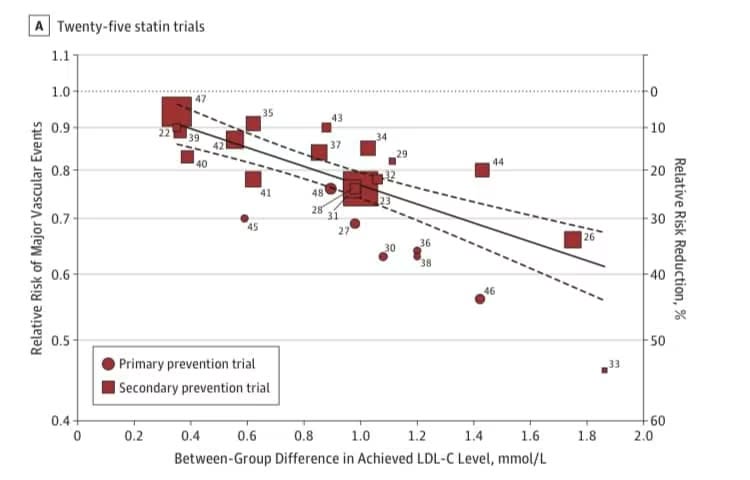
Louis shares a graph of all 25 statin RCTs up to 2016 (excluding those under 6 months or under 50 events), showing about 40% lower MACE per 75 mg/dL LDL reduction, with larger effects in the 7 primary prevention trials. In his own comments he argues calcified plaque is the stable endpoint of soft plaque, and that statins and exercise help by preventing new soft plaque, regressing it and stabilizing the remainder through calcification.

Six RCTs have shown diet can reverse plaque, and none used a purely vegan diet

Oct 24, 2025 · Louis Nervegna ♥ 38 · 💬 29

Louis pushes back on claims that only vegan diets reverse plaque. He lists the only six randomized diet trials showing plaque reversal (Lifestyle Heart, STARS, SCRIP, PREDIMED, CORDIOPREV, DISCO), all primarily plant-based but none strictly vegan (even Ornish allowed egg whites and non-fat dairy), and summarizes the common foods they emphasized and limited.

Why a coronary calcium score can rise as plaque stabilizes on statins

Dec 03, 2025 · Gokhan Can ♥ 28 · 💬 47

Explains that the Agatston score is not true calcium volume: it multiplies area by a stepwise density factor (1-4), so slightly denser plaque can jump a category and raise the score. Statins turn soft lipid-rich plaque into stable calcified plaque, so a rising CAC on treatment can reflect stabilization rather than failure.

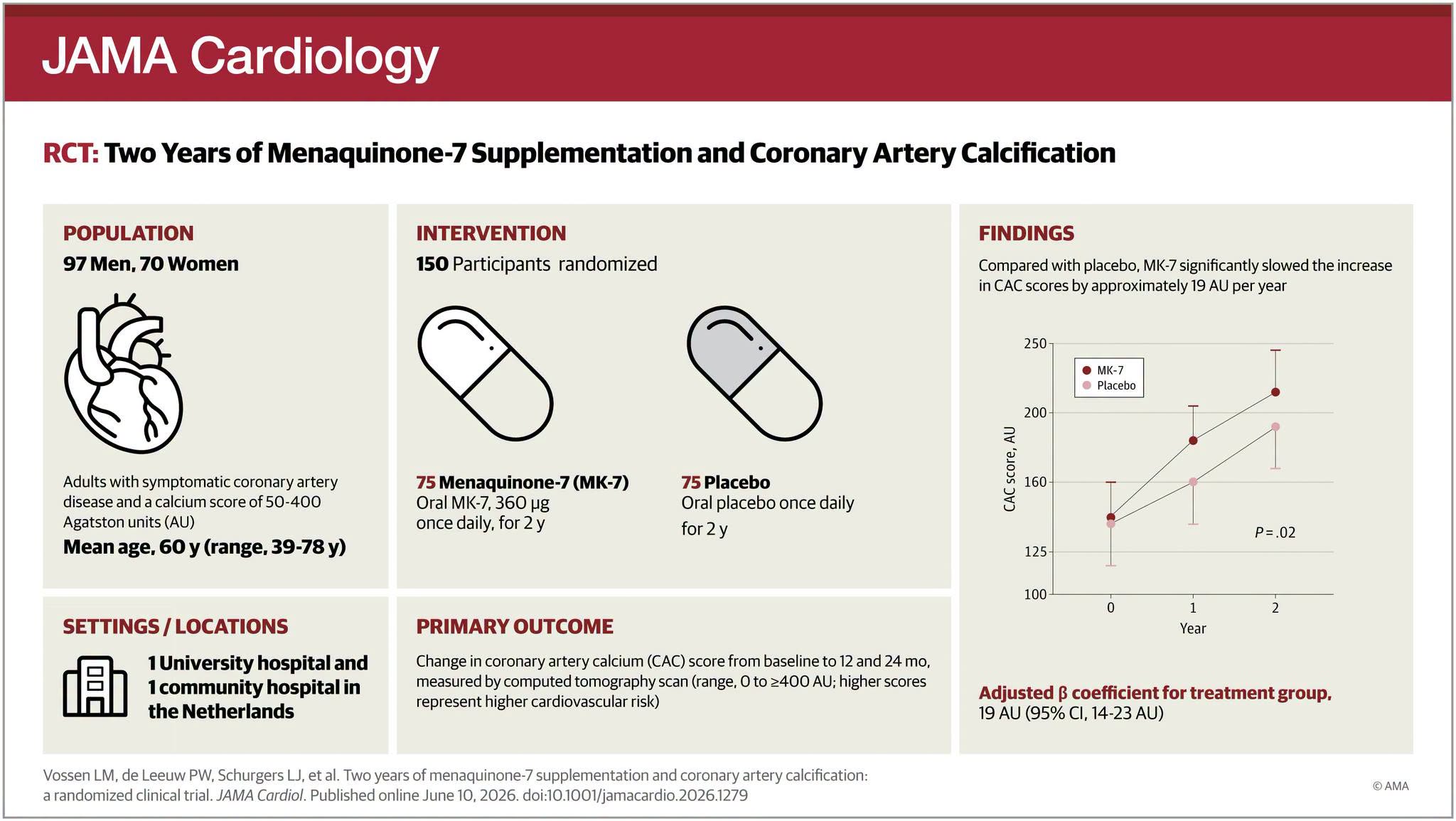
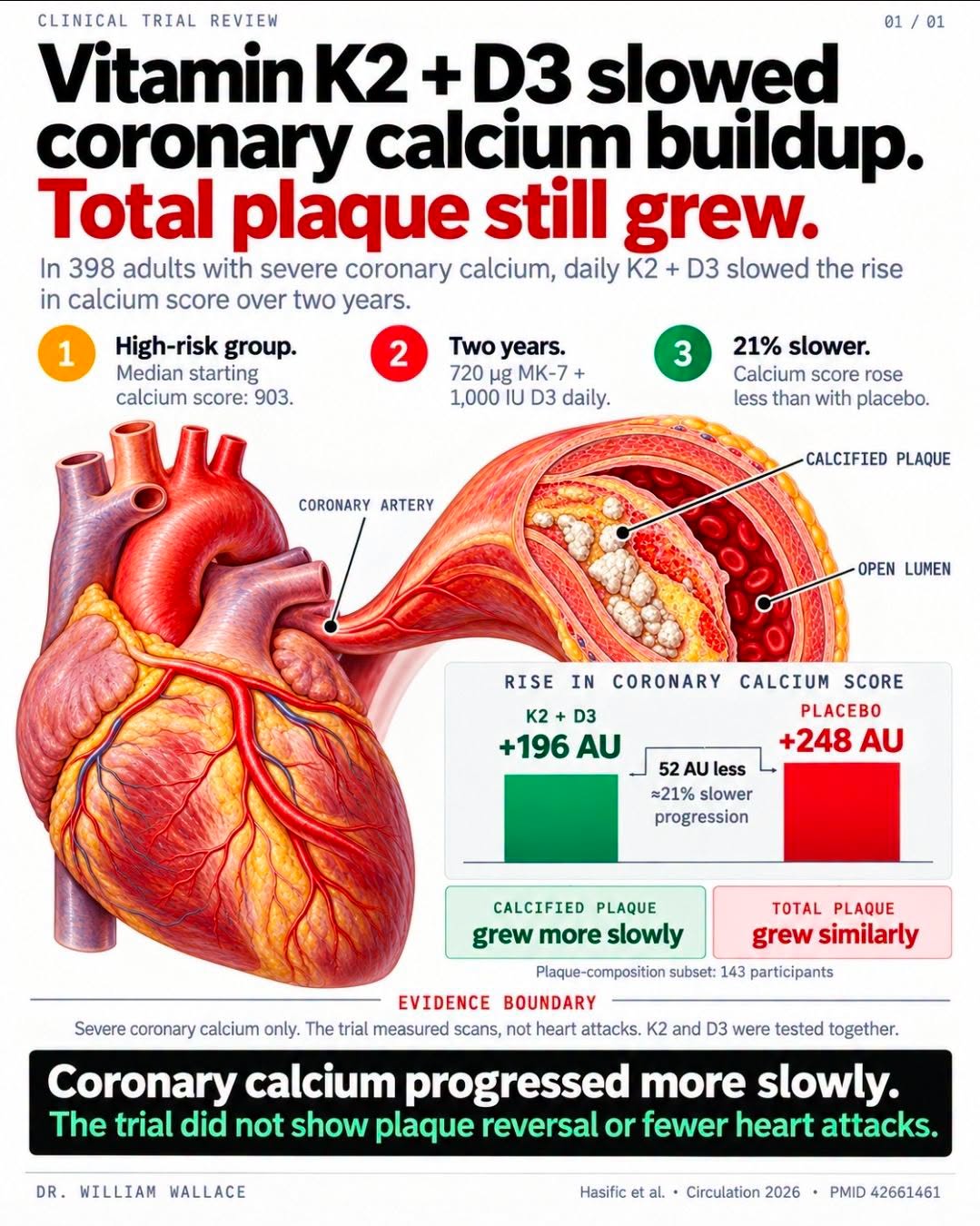
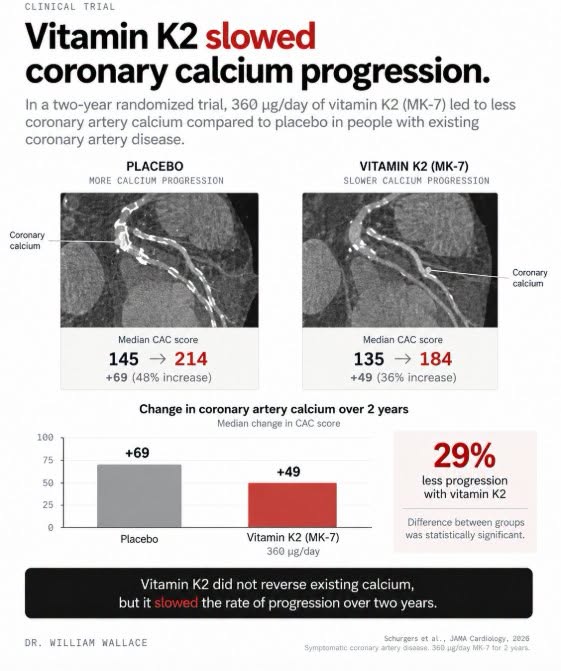
JAMA Cardiology trial: vitamin K2 (MK-7) for 2 years slowed coronary calcium progression

Jun 10, 2026 · Gokhan Can ♥ 37 · 💬 35 ↩ 1 Supplements & vitamins

Admin says there is now solid evidence K2 slows coronary artery calcification, especially in people with existing calcification. In the new JAMA Cardiology RCT, MK-7 for two years reduced CAC progression versus placebo in symptomatic CAD, mainly by limiting new calcification in noncalcified plaques; effect on events is still unknown, and K2 is not recommended with warfarin.

Esselstyn's diet evidence is case series, not RCTs; Mediterranean diet trials match it

Mar 07, 2025 · Louis Nervegna ♥ 22 · 💬 48 Mediterranean, DASH, MIND & plant-forward diets

Louis argues that Esselstyn's published results are case-based observational studies at the bottom of the evidence hierarchy, in patients who were heavily medicated and mostly on statins, with no RCT ever run. He notes Ornish did run an RCT with results similar to the large Mediterranean-diet trials, and criticizes Esselstyn's stance on olive oil, nuts and white potatoes while calling the diet healthy.

A zero CAC score does not rule out blockages: 54% of 23,759 symptomatic patients had CAC 0

Jan 01, 2025 · Louis Nervegna ♥ 28 · 💬 37

Louis challenges the myth that a CAC of zero means no risk. In the Western Denmark Heart Registry of 23,759 symptomatic patients undergoing CT angiography, 54% had CAC zero, and half of people with obstructive blockages have zero CAC. Soft plaque can grow without calcification, so CAC shows late-stage disease and is poor for early detection.
DISCO-CT: DASH diet plus statins reversed ~40 mm3 of soft plaque in a year on CT

Aug 12, 2026 · Louis Nervegna ♥ 38 · 💬 21

In the DISCO-CT randomized trial, a DASH-style diet with statins reduced non-calcified plaque volume by 39.5 mm3 (adjusted to one year from 66 weeks), the largest dietary regression on CT angiography to date. An at-risk person typically grows about 5 mm3 per year, so this equals roughly 8 years of progression. DASH fat was ~30% of calories, mostly unsaturated.

Statins do not slow coronary calcium; severe-calcification odds hit 4.48 after 10+ years

Dec 02, 2025 · Gokhan Can ♥ 17 · 💬 41 Statins

Evidence review concluding statins reduce events and soft plaque but do not slow Agatston CAC progression, and that long-term cohorts show calcification accelerating without plateau, interpreted as plaque repair into stable scar. Trials: St. Francis (CAC unchanged, events down 33%), SALTIRE (progression 26% vs 18%) and BELLES (similar progression, ~11-14%).

New vitamin K2 trial slowed arterial calcification but did not reduce plaque, video argues

Aug 31, 2026 · Gokhan Can ♥ 23 · 💬 38 Supplements & vitamins

Summarises a Gil Carvalho video on a randomized trial of vitamin K2: calcification progressed more slowly, but total plaque did not fall, the plaque was just less calcified. Carvalho argues calcium stabilises plaque, so slowing calcification without reducing plaque could even be harmful, and no evidence shows K2 reduces heart attacks or strokes, so he advises relying on proven therapies, diet and exercise.

Gokhan's evidence review of proven ways to reverse arterial plaque

Jul 21, 2026 · Louis Nervegna ♥ 53 · 💬 33

Louis points members to Gokhan Can's document 'Plaque Reduction / CVD', a March 2026 review of plaque regression and stabilization interventions. Tags indicate it covers statins, PCSK9 inhibitors, pioglitazone, Mediterranean and DASH diets, and EPA.

Master@Heart: higher wearable-measured training load linked to more coronary plaque

Mar 06, 2026 · Louis Nervegna ♥ 28 · 💬 27 ↩ 3 Exercise & fitness

Louis argues intense exercise, especially high intensity plus high volume, carries risks as well as benefits, citing a Circulation 2026 Master@Heart analysis of wearable training load and coronary atherosclerosis in middle-aged and older athletes versus active controls. He notes the net benefit of exercise remains large but the plaque signal can no longer be ignored.

Colchicine 0.5 mg cut plaque volume by over 1% in one year on CT angiography (Budoff)

May 11, 2025 · Louis Nervegna ♥ 20 · 💬 37 ↩ 9

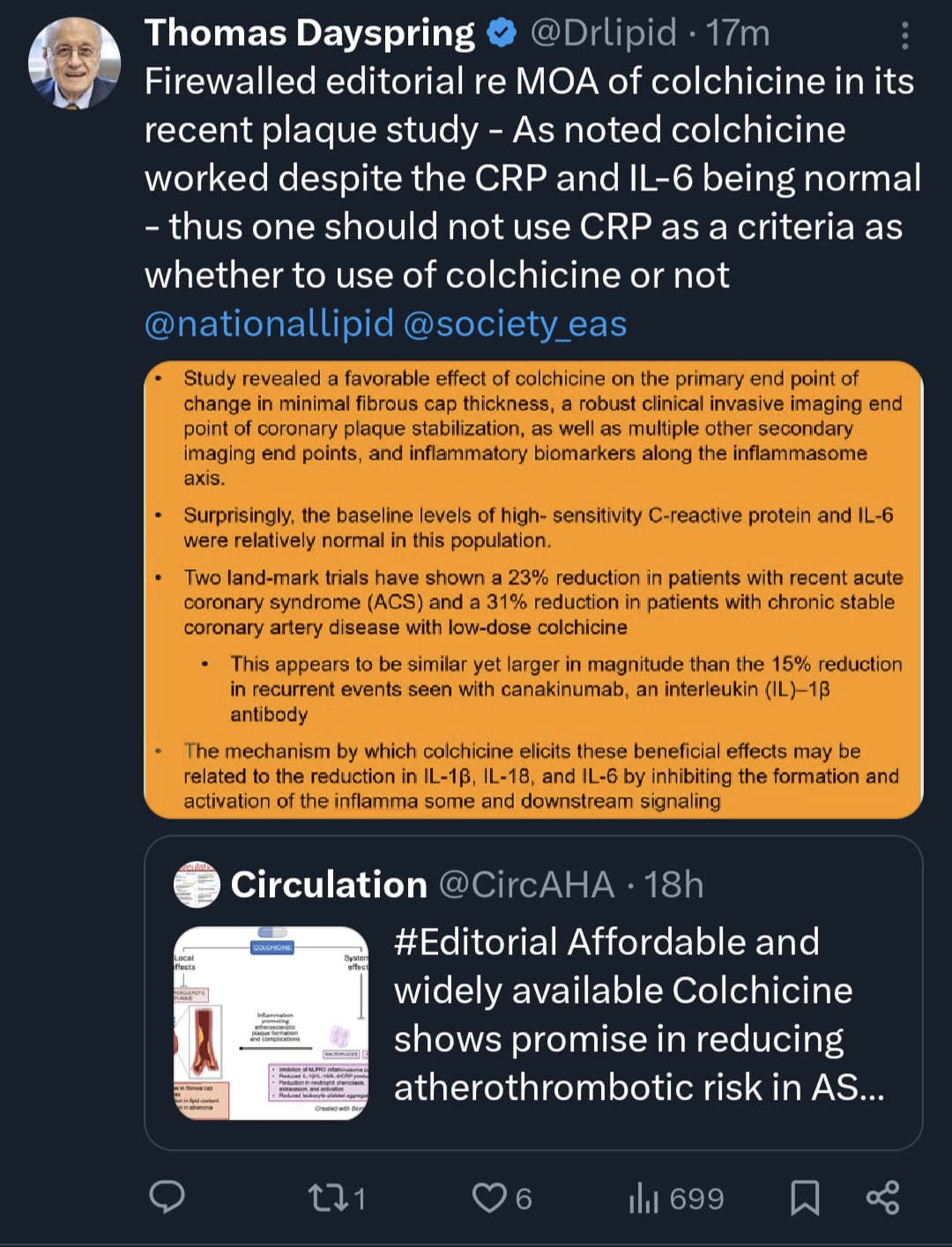
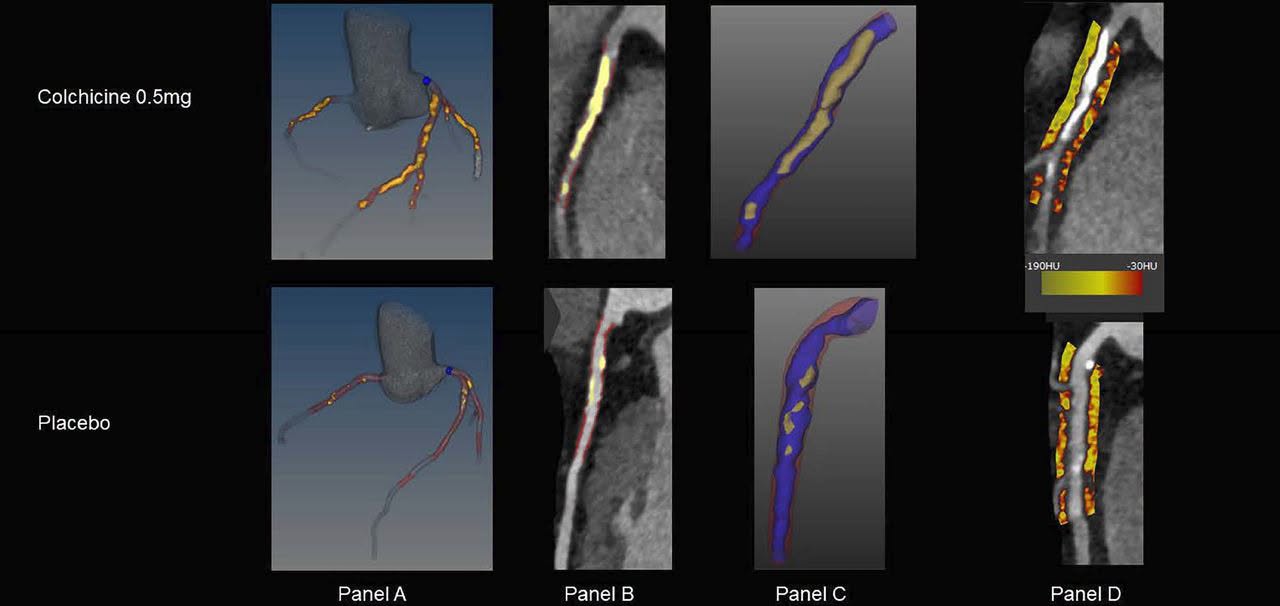
Louis highlights a Budoff-led CCTA trial in which low-dose colchicine reduced percent atheroma volume by over 1% in a year, with lower CRP and a slowing of calcified plaque. He contrasts this with the Keto-CTA study, where PAV rose 0.8% on a keto diet. Budoff notes it was a small study but supports colchicine in chronic stable coronary disease.

Plaque regression is common when LDL falls to about 80 or below (Medscape interview)

Jun 14, 2025 · Louis Nervegna ♥ 24 · 💬 30

Louis quotes an interview stating that at LDL near 80 mg/dL about half of subjects showed coronary plaque regression, and below 60 mg/dL about 90% of regressable lipid-rich plaques regressed. He adds that combining LDL lowering with targeting inflammation, insulin resistance and endothelial dysfunction is the future.

High CAC score is not a death sentence: weight loss, LDL below 70, diet and exercise

May 28, 2025 · Louis Nervegna ♥ 31 · 💬 21

Louis tells group members with high CAC that the risk is high but manageable: about 30 lb weight loss clears liver and pancreas fat and can reverse soft plaque, LDL below 70 mg/dL often halts or reverses plaque, a Mediterranean diet has the most evidence, and exercise lowers risk at the same CAC.

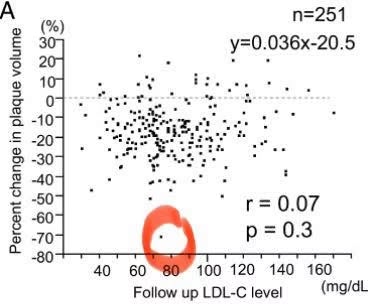
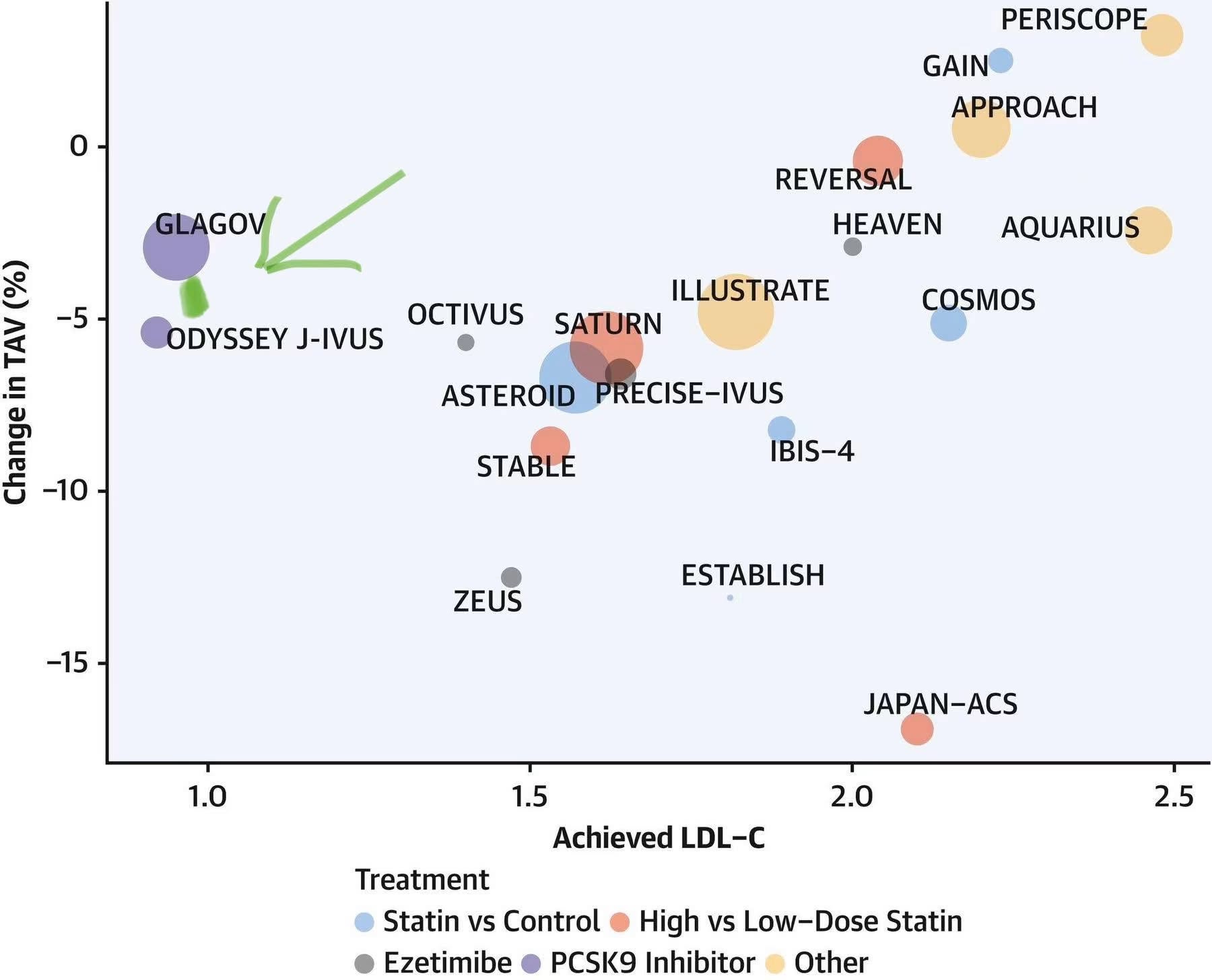
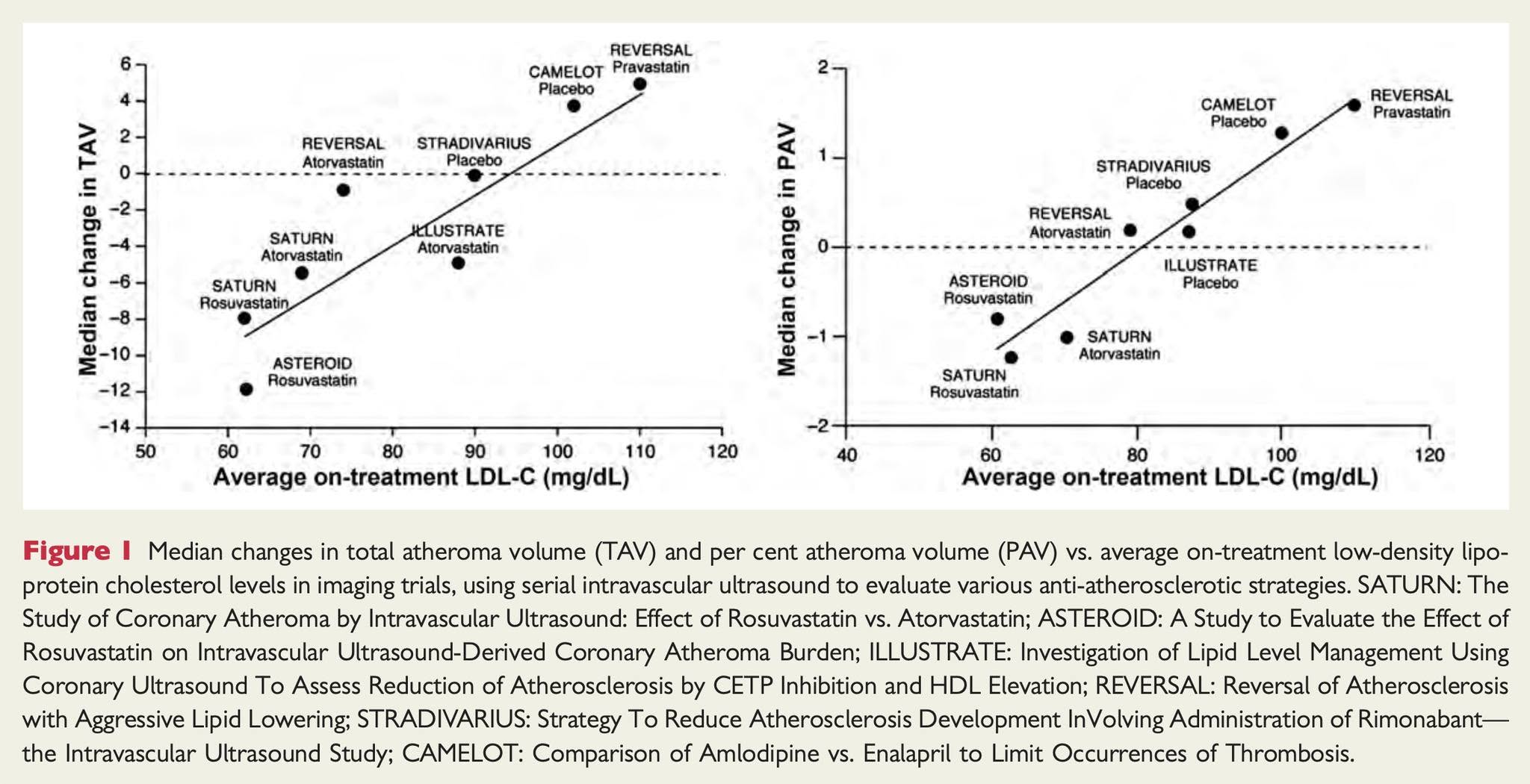
Plaque volume begins to regress once LDL-C falls below about 90 mg/dL across RCTs

Aug 12, 2025 · Louis Nervegna ♥ 16 · 💬 31 ↩ 16

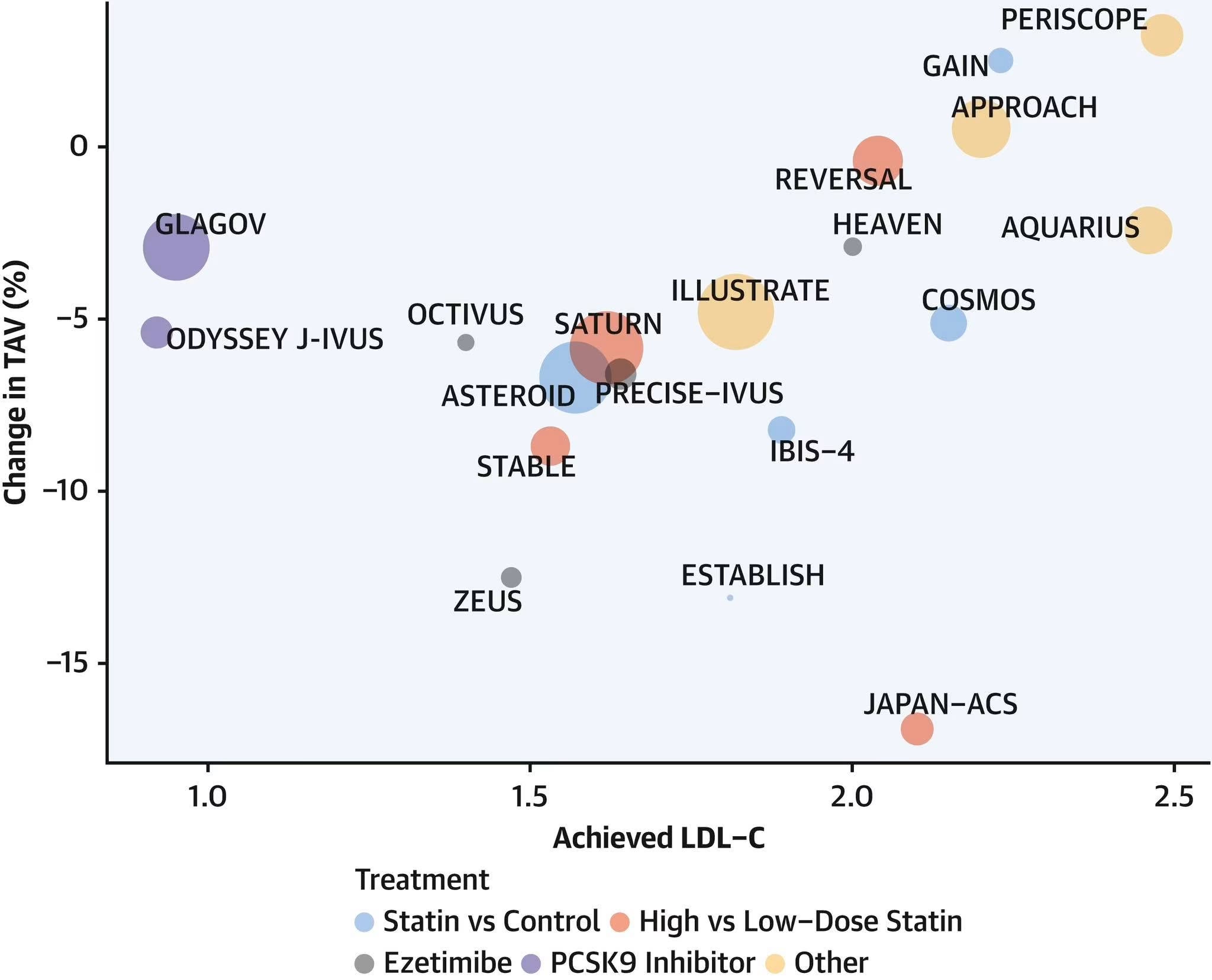
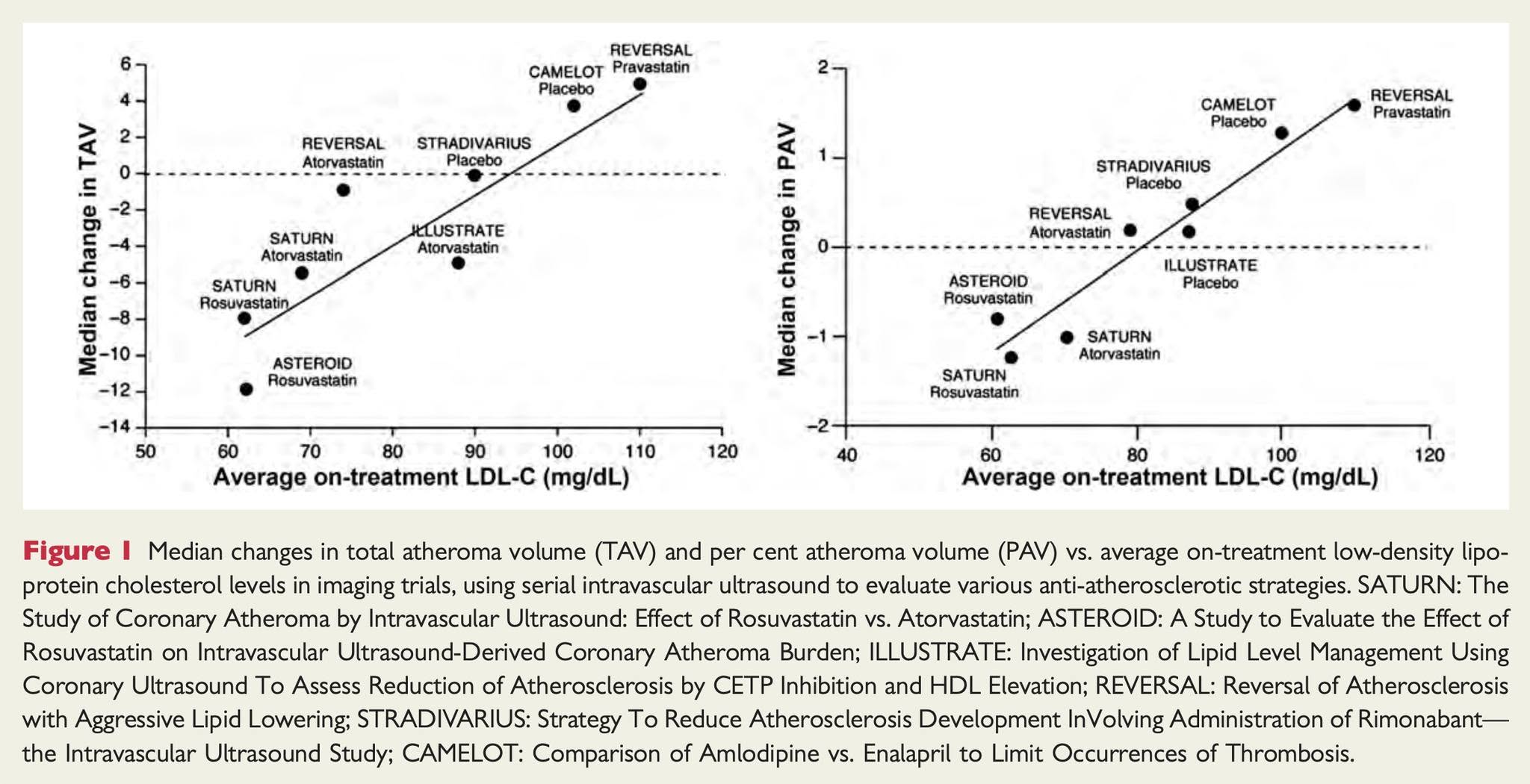
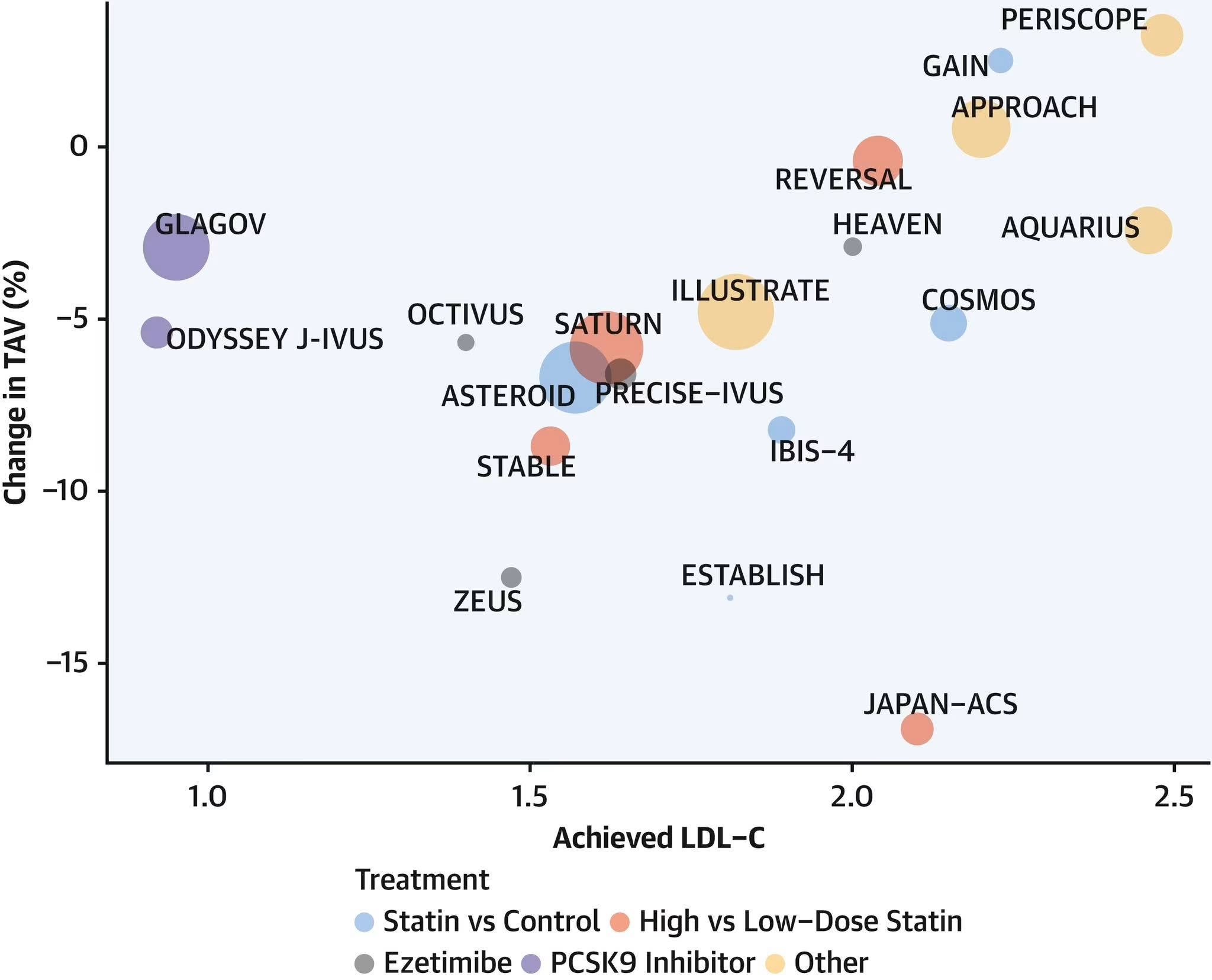
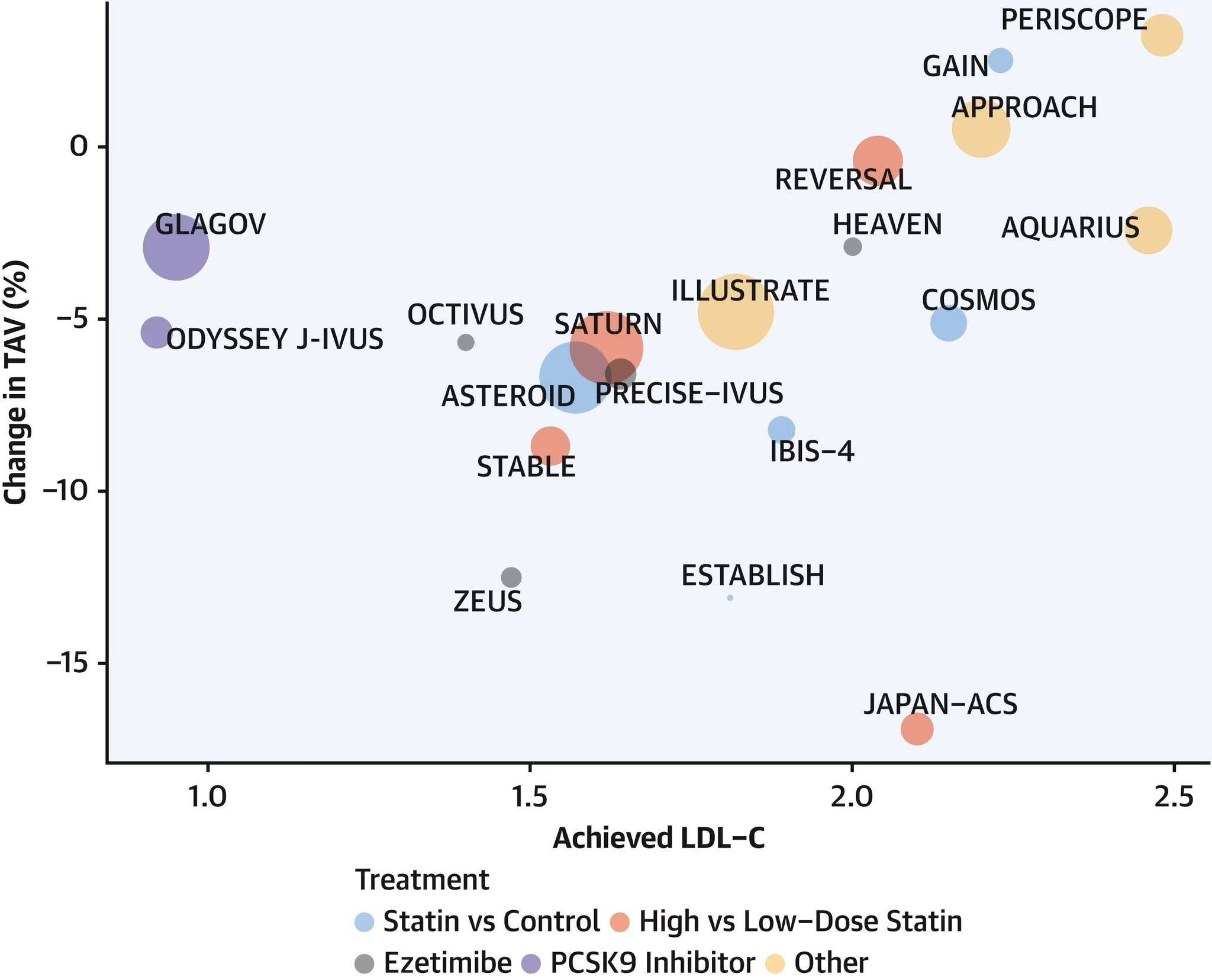
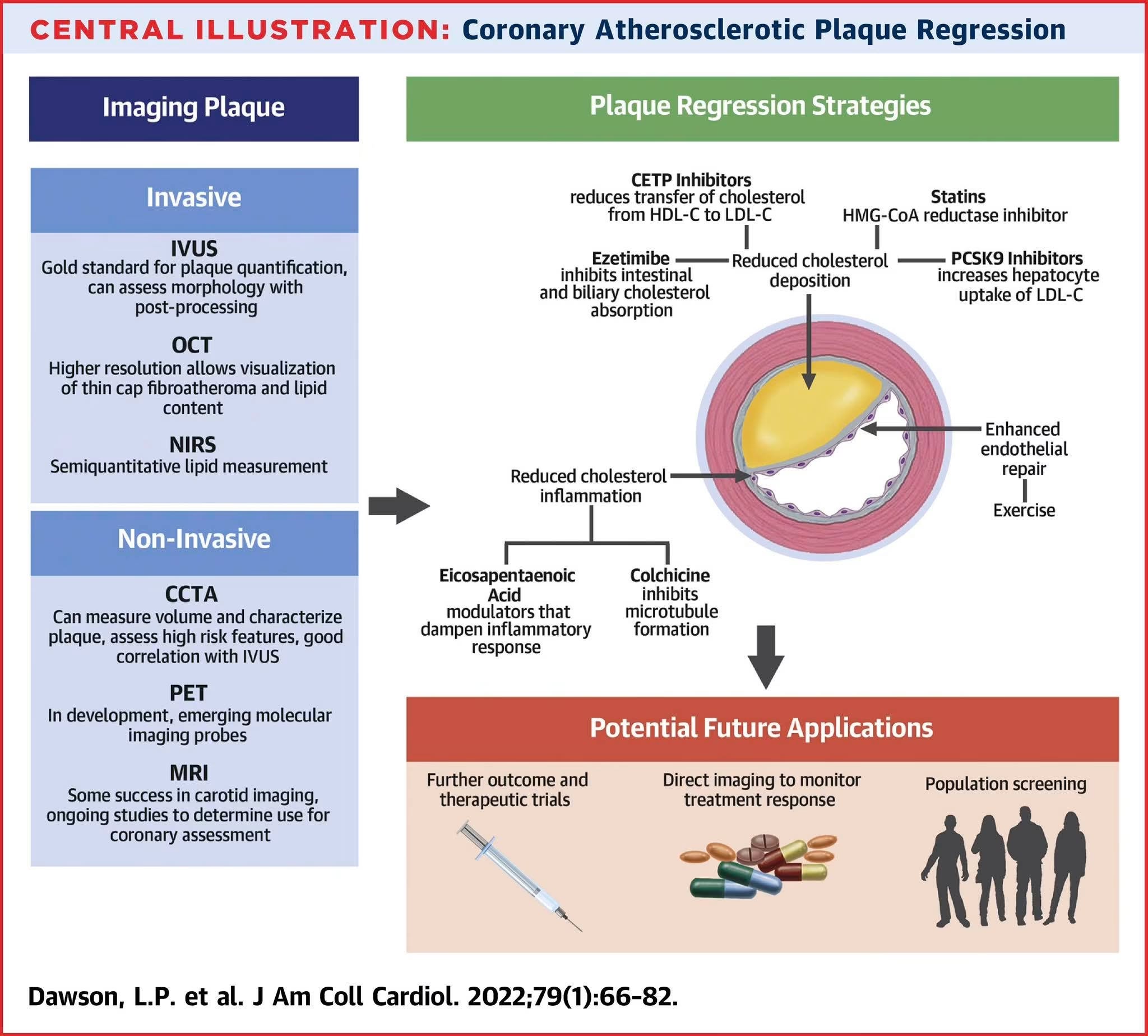
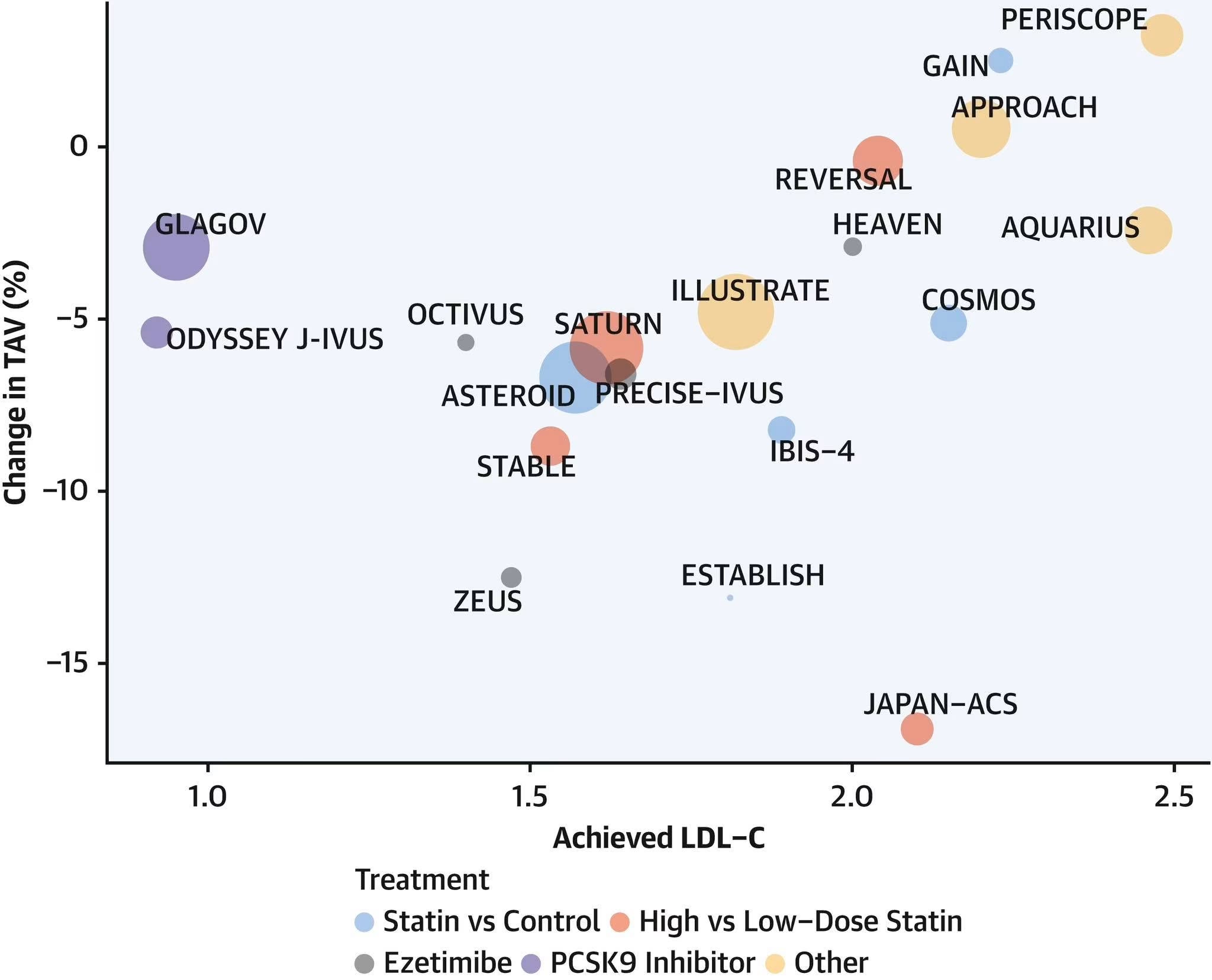
Louis explains a JACC chart that plots LDL-C against change in total atheroma volume across the major plaque-regression trials of statins, PCSK9 inhibitors, ezetimibe and other drugs. Reversal of total plaque volume begins around LDL-C below about 90 mg/dL, and the best statin result was in Japan-ACS.

PCSK9 inhibitors regress soft plaque without the calcification surge seen with statins

Jul 02, 2026 · Louis Nervegna ♥ 28 · 💬 22 PCSK9, ezetimibe & newer drugs

Louis highlights Gokhan Can's article on imaging evidence that PCSK9 inhibitors shrink plaque without the calcific increase often seen with statins. He cautions that no randomized outcome trials test PCSK9 inhibitors as monotherapy, though adding one to a statin attenuates statin-induced calcification and lowers events more than statins alone.

Intensive statin reversed atherosclerosis on IVUS in a 2004 Cleveland Clinic-led trial

Dec 23, 2023 · Louis Nervegna ♥ 20 · 💬 40 ↩ 12

Louis shares a Cleveland Clinic video to counter the claim that statins do not reverse plaque. The 2004 trial used intravascular ultrasound (IVUS), which he calls the gold standard for plaque imaging, and showed regression with high-dose statin driving LDL-C down to about 60 mg/dL. He stresses LDL must be very low to achieve regression.

Japan-ACS: pitavastatin and atorvastatin both regressed coronary plaque by about 17-18%

Sep 13, 2025 · Louis Nervegna ♥ 19 · 💬 23 ↩ 21

Summary of the Japan-ACS trial, in which over 300 acute coronary syndrome patients were randomized to pitavastatin or atorvastatin and imaged with IVUS. Both statins produced similar, substantial regression of non-culprit plaque volume as LDL fell into the 80s mg/dL, which is one reason statins remain standard care after ACS.

Carotid plaque burden on ultrasound predicted mortality better than CAC in 5,700 people

Jun 30, 2025 · Louis Nervegna ♥ 18 · 💬 30

Louis shares a prospective study of about 5,700 people without symptoms showing carotid ultrasound plaque burden (cPB) predicted all-cause mortality better than coronary calcium score. After adjustment, cPB had a hazard ratio of 1.23 per trend versus 1.15 for CAC, and Louis notes the test is cheap and radiation-free.

Pioglitazone slowed coronary plaque progression and shrank necrotic core in diabetics

Jan 14, 2025 · Gokhan Can ♥ 17 · 💬 27 ↩ 1

Data-rich overview of pioglitazone's effects on plaque. In PERISCOPE (543 type 2 diabetes patients with CAD, 18 months, IVUS) pioglitazone lowered percent atheroma volume while glimepiride raised it. A smaller trial (Ogasawara 2009) found reduced necrotic core and higher adiponectin, suggesting benefit via reduced inflammation.

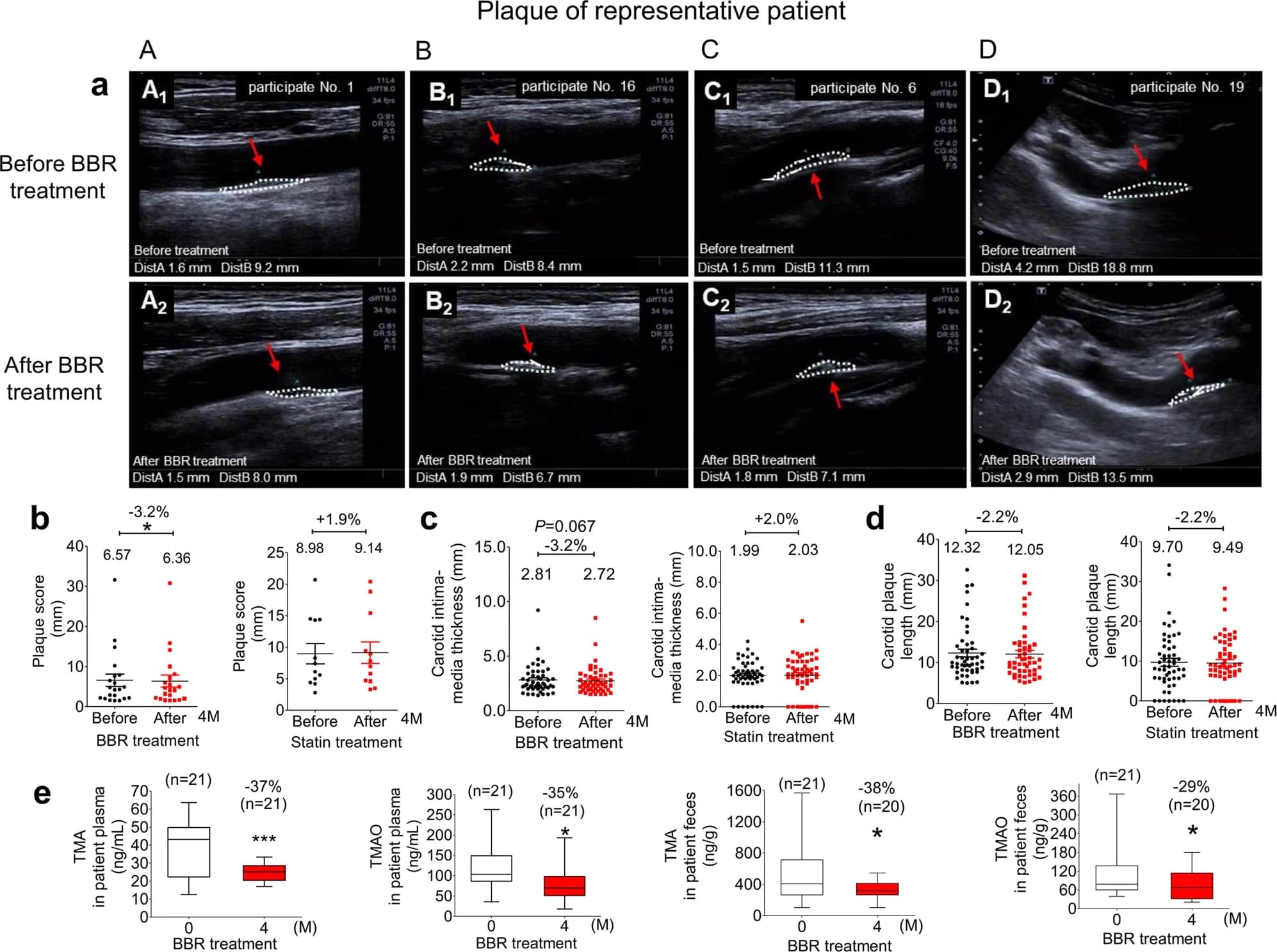
Berberine lowered plaque score 3.2% and TMAO in a small 21-patient trial

Jun 10, 2024 · Louis Nervegna ♥ 18 · 💬 23 Gut microbiome

Louis highlights a small human trial in which berberine reduced atherosclerotic plaque score, with a proposed mechanism of lowering gut-derived TMAO by acting on TMAO-producing gut bacteria. The sample is small and the comparison group was not randomized to the same degree as a large trial, so this is hypothesis-generating.

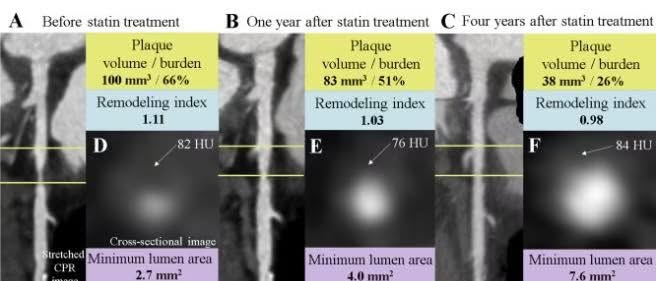
Case report: 10 mg atorvastatin cleared most of a severe LAD blockage over 4 years

Oct 06, 2025 · Louis Nervegna ♥ 29 · 💬 14 Statins

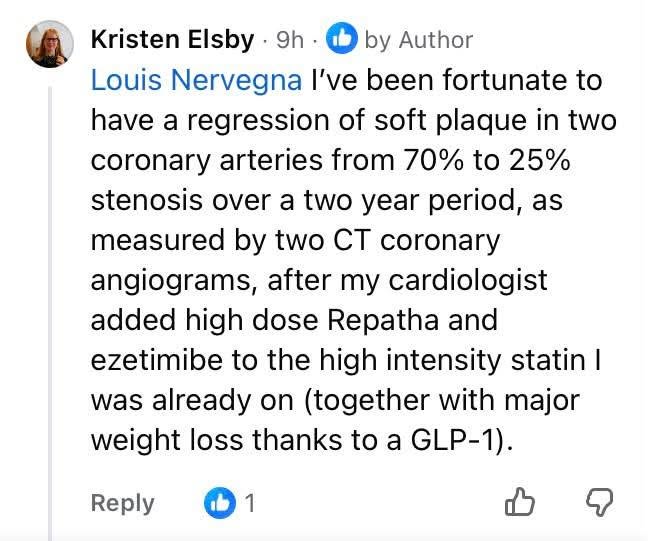
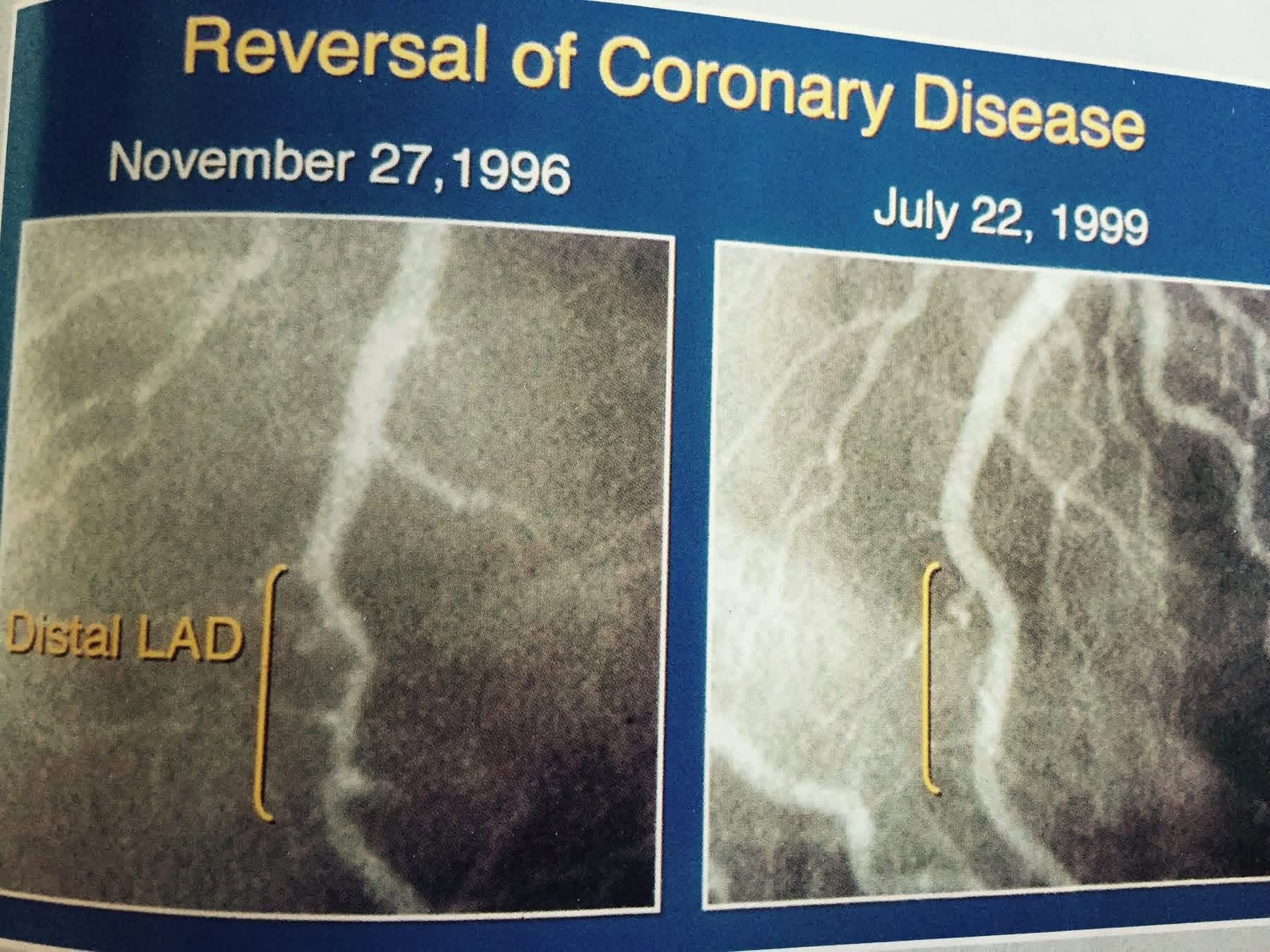
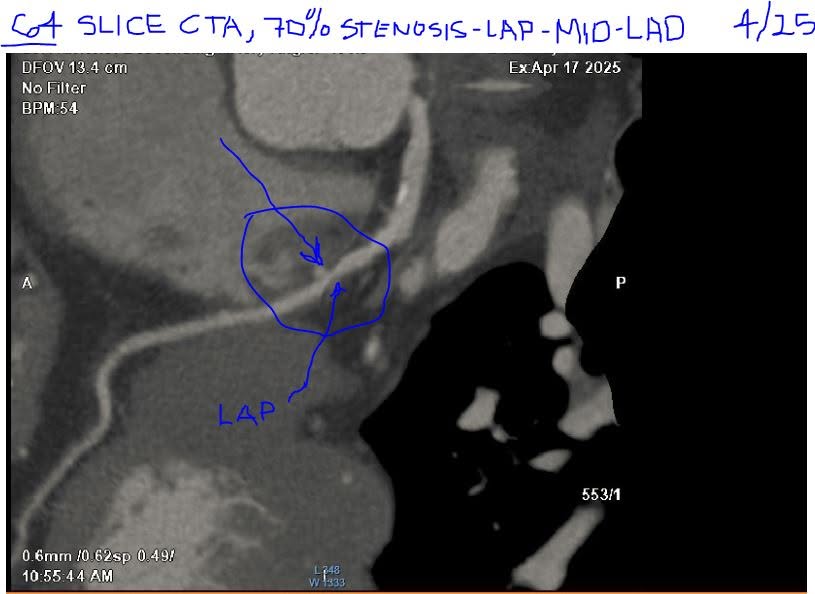
Responding to influencers who say plaque cannot be reversed with statins, Louis cites a case report in which a patient taking low-dose atorvastatin went from a severe to a mild LAD narrowing, documented on CT angiography. It is a single case, but illustrates that statin-associated plaque regression can occur.

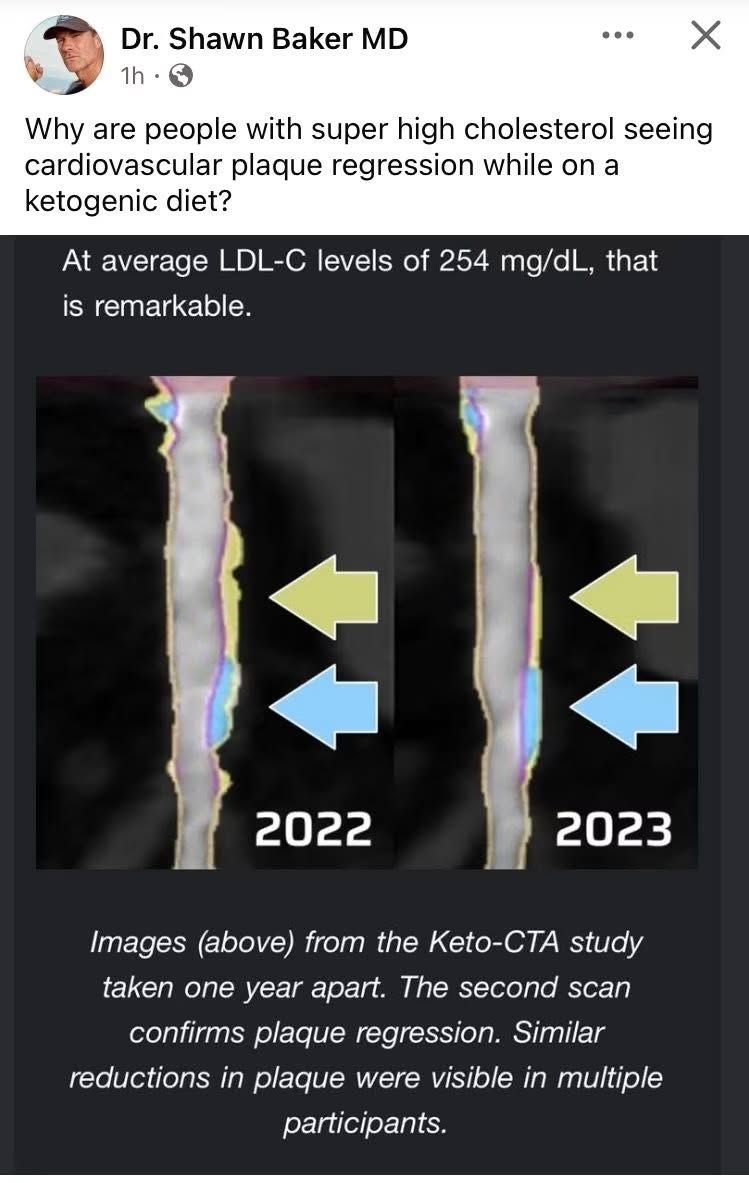
Keto-CTA (LMHR): very high LDL keto dieters with plaque kept progressing despite lean

Apr 07, 2025 · Louis Nervegna ♥ 14 · 💬 23 ↩ 1 Low-carb, keto & carnivore

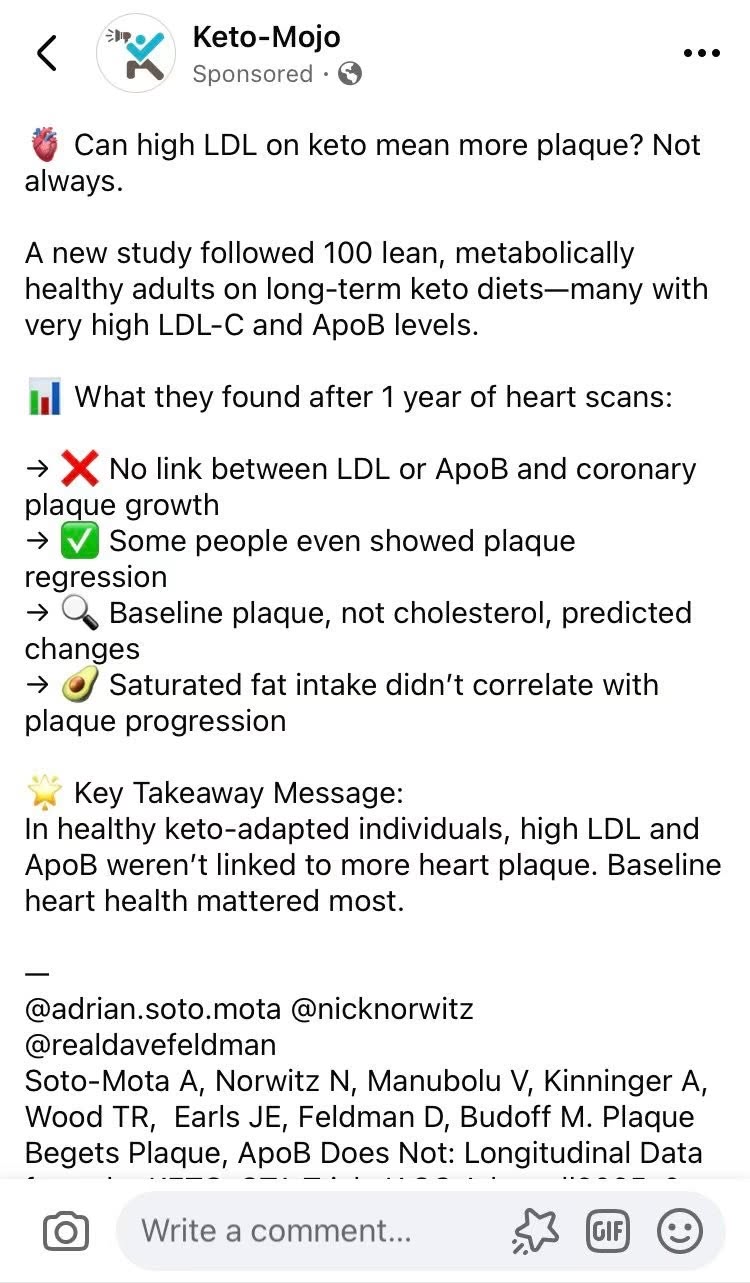
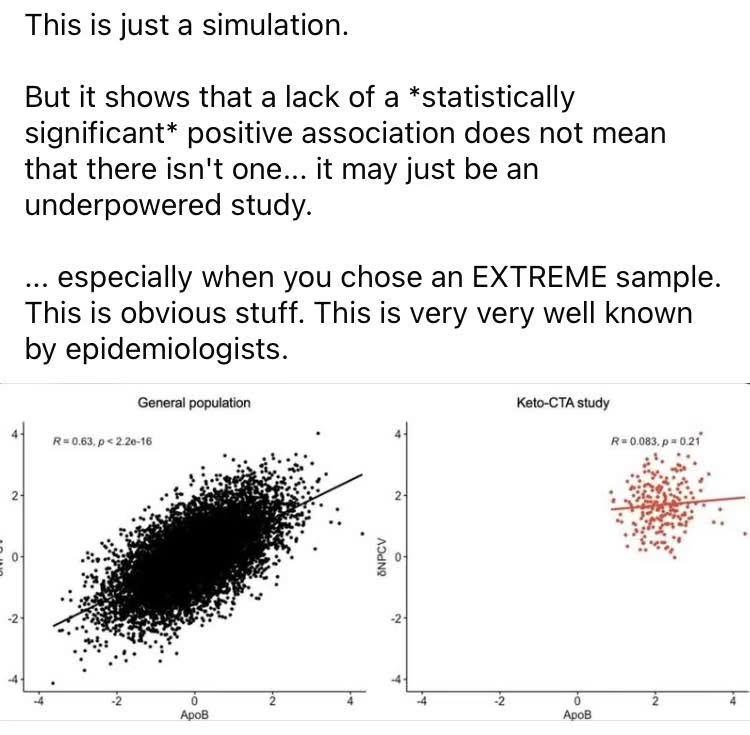
Louis summarizes the newly published one-year prospective Keto-CTA study of lean, metabolically healthy people on keto with very high LDL (mean 254 mg/dL). Those with baseline plaque progressed significantly at similar rates regardless of how high the LDL was, while those with zero plaque were unlikely to develop it within a year. There was no low-LDL comparison group.

A CT angiogram shows the lumen, so it can miss early plaque inside the artery wall

Apr 07, 2025 · Louis Nervegna ♥ 16 · 💬 25

Louis explains that coronary CT angiography is 'lumenography': contrast dye fills only the lumen, so early plaque growing inside the artery wall is mostly invisible until it narrows the lumen. A perfect CCTA therefore does not rule out early-stage plaque. He links a Dr Alo video on this blind spot.

Dr Carvalho: evidence for vitamin K2 supplements and arterial calcium is weak

Nov 16, 2025 · Gokhan Can ♥ 19 · 💬 27 Supplements & vitamins

Summarises a Carvalho video: arterial calcium is a marker of long-standing plaque, not the cause of risk, so lowering a calcium score can mislead, just as statins raise calcium while lowering risk. No large properly powered trials show K2 reduces heart attacks or strokes, and he warns of false reassurance. The admin adds that supplement use is fine but expectations should stay grounded.
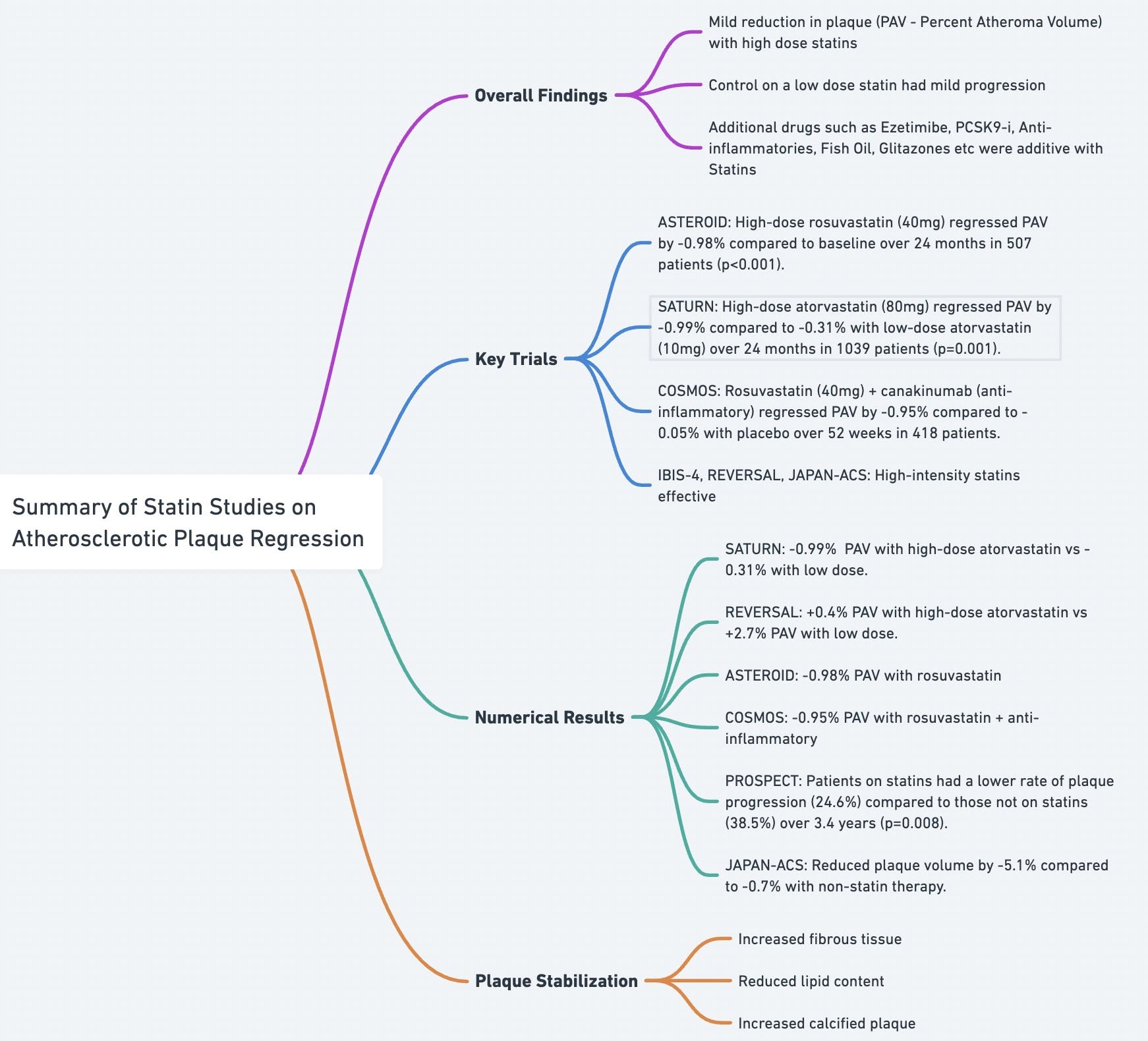
Statin plaque regression RCTs: SATURN, REVERSAL, ASTEROID, COSMOS, JAPAN-ACS

Jan 18, 2025 · Louis Nervegna ♥ 10 · 💬 29 ↩ 9

Louis lists human trials in which statins reversed or halted atheroma growth measured as percent atheroma volume (PAV). High-dose atorvastatin and rosuvastatin regressed PAV in SATURN and ASTEROID, while REVERSAL showed halted progression versus pravastatin. COSMOS added canakinumab to rosuvastatin, and PROSPECT and JAPAN-ACS showed lower progression on statins.

Heart attack clots form on ruptured unstable plaque, not in plaque-free arteries

Mar 17, 2025 · Louis Nervegna ♥ 29 · 💬 12 Heart attack, stroke & procedures

Louis argues that although most heart attacks are caused by clots, clots form when unstable plaque ruptures, so people with near-zero plaque have near-zero risk of clot-caused heart attacks. Blood thinners like aspirin are proven to lower risk in people with considerable plaque but are unlikely to help, and may harm, those with little or no plaque.

DISCO-CT: DASH diet plus statins reversed soft plaque by about 40 mm3 in a year

Aug 18, 2025 · Louis Nervegna ♥ 22 · 💬 12 ↩ 25

Louis describes the DISCO-CT randomized trial, where a DASH-style diet with statins produced the largest soft plaque regression (NCPV) on CT angiography of any diet trial, -39.5 mm3 adjusted to one year. He puts this against about 5 mm3/year typical progression, with the caveat that this is relative to a typical American, not the patients' own history.

Esselstyn's 'cure' angiogram overstates diet effect: baseline followed a heart attack

Nov 13, 2026 · Louis Nervegna ♥ 19 · 💬 17 Mediterranean, DASH, MIND & plant-forward diets

Louis critiques the angiogram of Esselstyn's patient Joseph Crowe, often cited as proof that diet cures heart disease. The baseline image came directly after a heart attack and showed plaque plus thrombus and vasospasm, so later opening of the artery reflects natural healing as well as diet. He also notes Crowe died at 72, about 28 years after a heart attack at 44.

Exercise, including HIIT, can reduce coronary plaque burden and add to LDL lowering

Jul 10, 2025 · Louis Nervegna ♥ 25 · 💬 17 ↩ 8

A shared review states that regular moderate-to-high intensity exercise reduces coronary plaque burden in CAD patients, with HIIT and moderate continuous training both leading to regression. Combining exercise with aggressive LDL control below 70 mg/dL gives additive benefit, while extreme volumes may increase calcification though with more stable plaque.

Six RCTs show statins reverse total plaque volume by 5% to 17%

Aug 25, 2026 · Louis Nervegna ♥ 27 · 💬 9 ↩ 1

Louis lists six randomized trials showing reversal of total atheroma volume with statins: COSMOS ~5%, SATURN ~5.5%, ASTEROID ~6.5%, IBIS-4 ~7.5%, STABLE ~8%, JAPAN-ACS ~17%. Reversals were measured by CT angiography or IVUS and came from soft rather than calcified plaque. A shared chart relates LDL to TAV change across statin, PCSK9 and ezetimibe trials.

YELLOW trials: intensive rosuvastatin cut lipid-core plaque within 7-8 weeks

Aug 15, 2026 · Louis Nervegna ♥ 16 · 💬 19

The YELLOW study found that short-term intensive lipid lowering with rosuvastatin reduced lipid-core burden (yellow plaque) in coronary lesions in as little as 7-8 weeks, stabilizing vulnerable plaque rather than shrinking blockages. YELLOW III added the PCSK9 inhibitor evolocumab to statins with greater improvement in plaque composition. Generic rosuvastatin costs under $10/month.

Tricaprin supplement reversed atherosclerosis in two patients with TGCV

Jan 09, 2025 · Gokhan Can ♥ 18 · 💬 22 Supplements & vitamins

Osaka University research in the European Heart Journal reported that tricaprin, a dietary supplement that promotes lipid breakdown in heart muscle cells, reversed atherosclerotic lesions and relieved chest pain in two diabetic patients with TGCV. This condition involves triglyceride deposits and resists standard treatment. Only two patients were reported.

Vitamin K2 slows coronary calcium mainly in severe calcification; event benefit unproven

Dec 02, 2025 · Gokhan Can ♥ 18 · 💬 16 ↩ 1 Supplements & vitamins

Review of vitamin K2 (with or without vitamin D) and CAC. A 2023 meta-analysis of 14 RCTs (n=1,533) found a -17.3 Agatston units/year pooled difference. The largest RCT (389 men, 720 ug MK-7 + 1000 IU D vs placebo for 2 years) missed significance overall but slowed CAC at baseline CAC >=400; some CKD trials were null. Not yet a standard therapy.

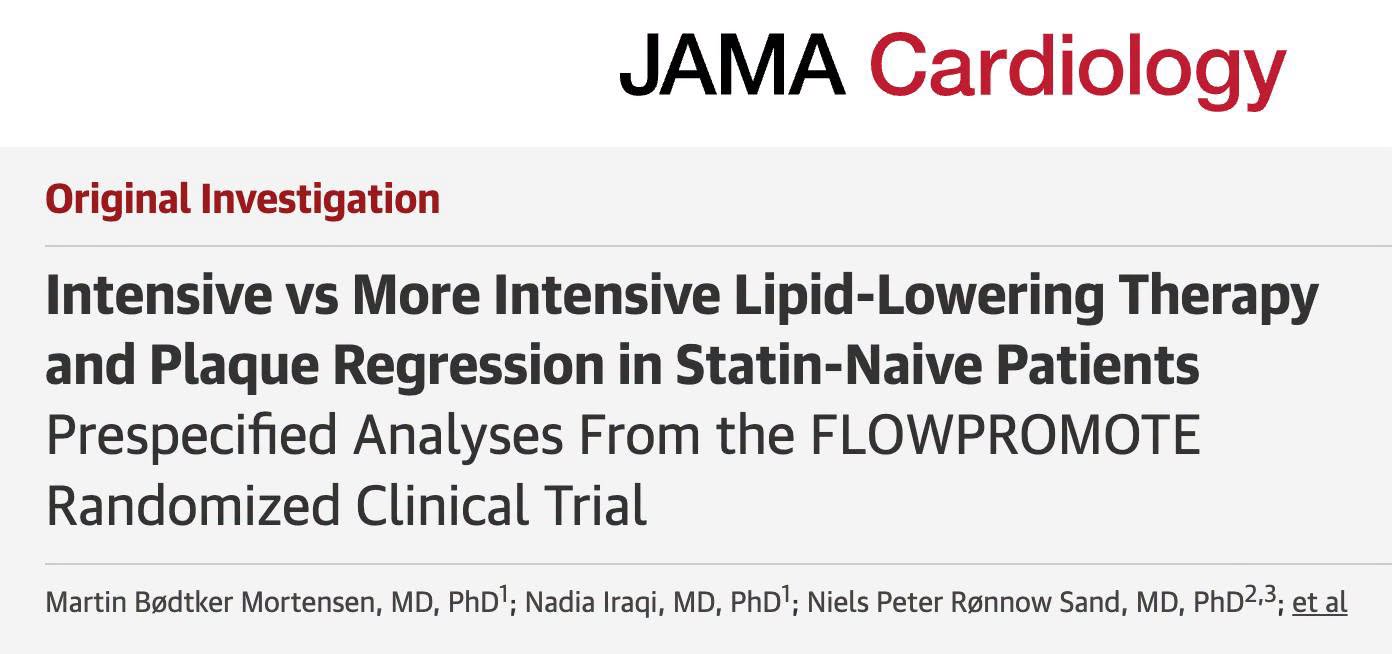
FLOWPROMOTE: rosuvastatin plus ezetimibe shrank total coronary plaque 21% in 18 months

Nov 14, 2026 · Louis Nervegna ♥ 22 · 💬 13

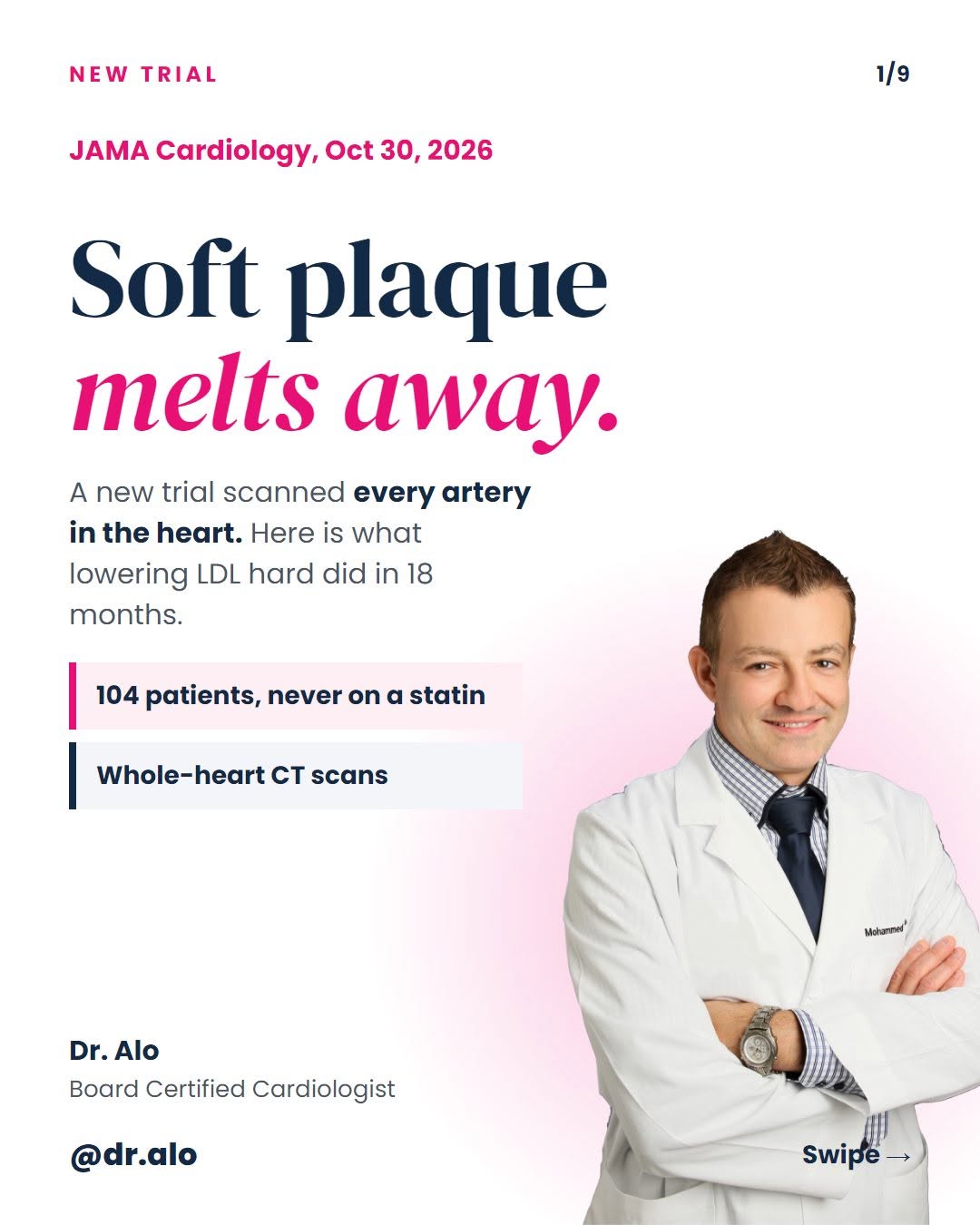
Louis shares a summary of the FLOWPROMOTE randomized study (JAMA Cardiology) comparing intensive LDL lowering with even more intensive lowering in 104 patients with established coronary disease. More LDL lowering produced more plaque regression, improving blood flow. Louis highlights the images showing the lumen opening up.

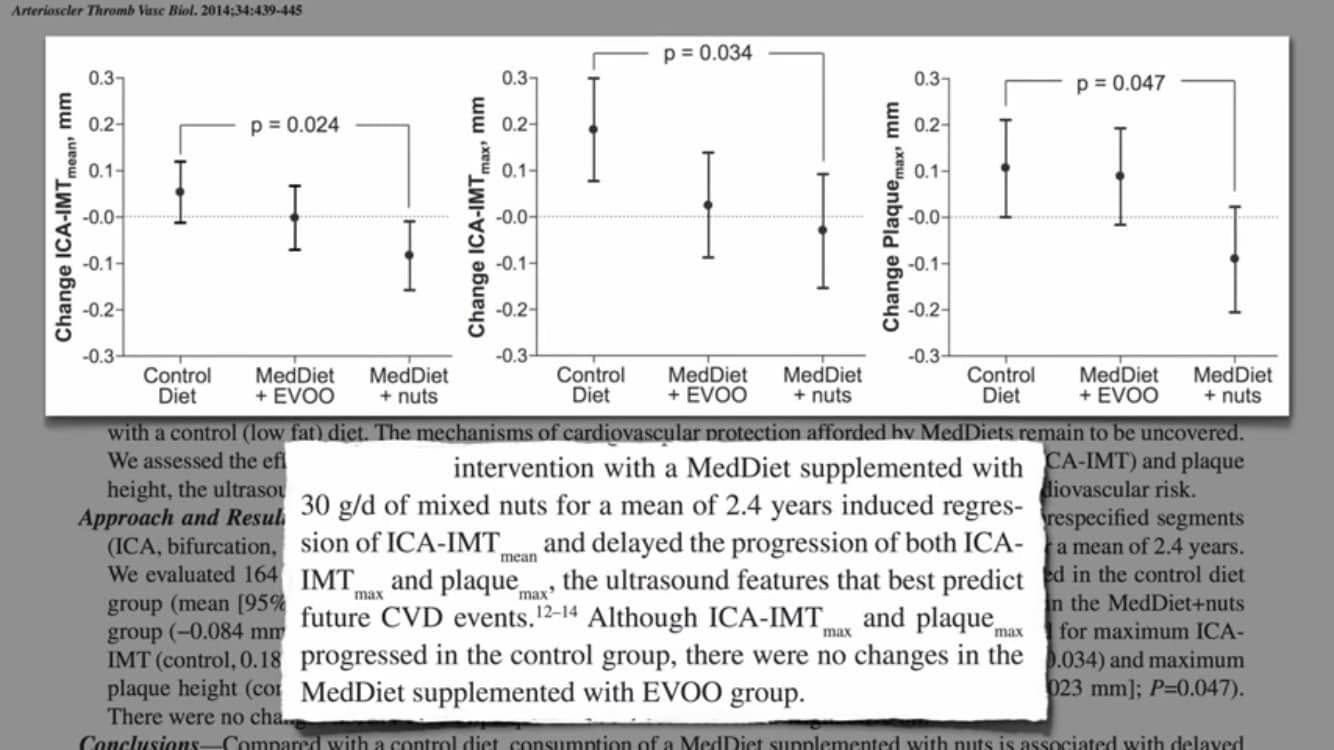
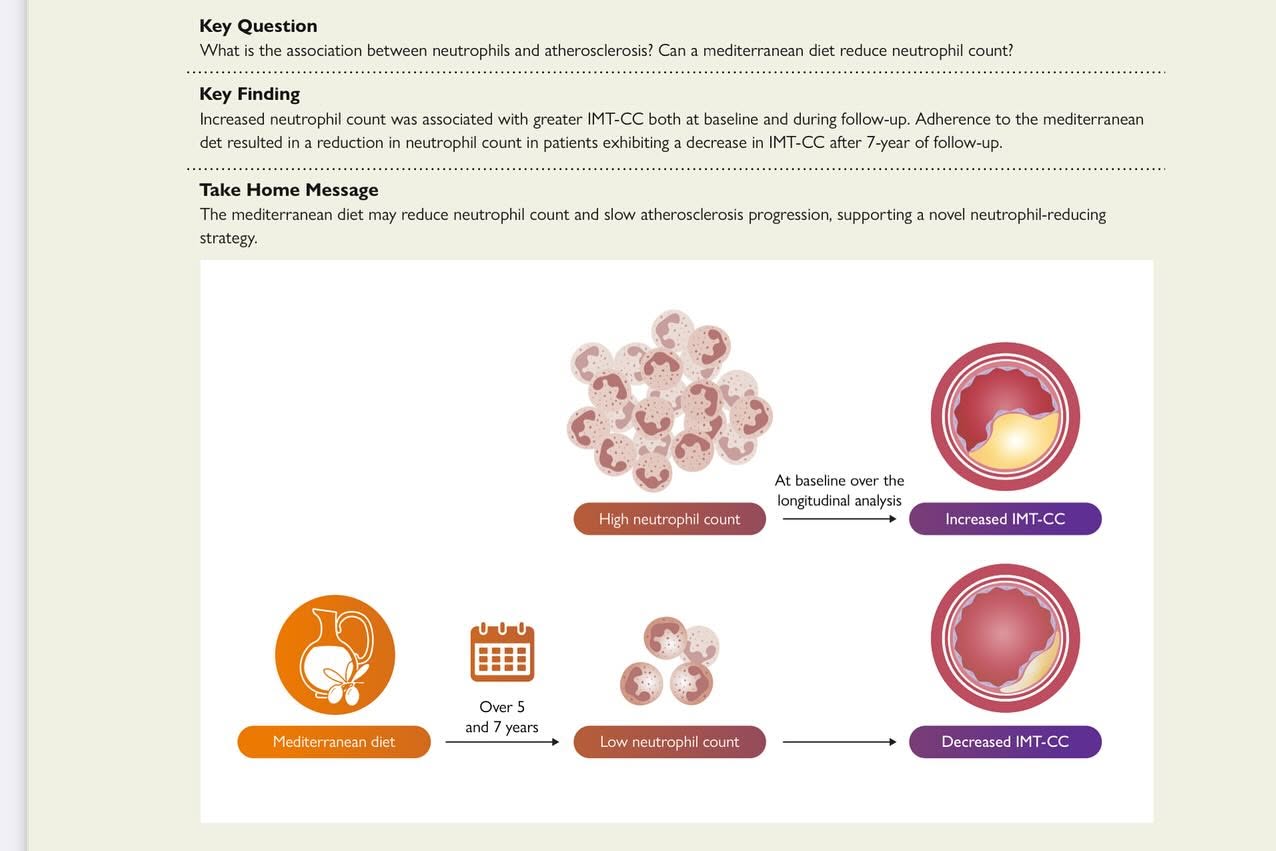
CORDIOPREV: Mediterranean diet shrank carotid plaque and cut recurrent events about 25%

Mar 28, 2024 · Louis Nervegna ♥ 17 · 💬 13 ↩ 27 Mediterranean, DASH, MIND & plant-forward diets

Louis summarizes CORDIOPREV, an RCT of 1002 coronary patients comparing a Mediterranean diet rich in extra virgin olive oil with a low-fat diet. The Mediterranean diet reduced carotid intima-media thickness at 5 and 7 years while the low-fat diet showed no change, and also lowered carotid plaque height. He also cites roughly 25% fewer recurrent major cardiovascular events over 7 years, with benefits seen despite statin treatment and mean LDL-C below 90.

FLOWPROMOTE: LDL near 40 mg/dL on statin plus ezetimibe cut total plaque 21% in 18 months

Oct 31, 2026 · Louis Nervegna ♥ 25 · 💬 11

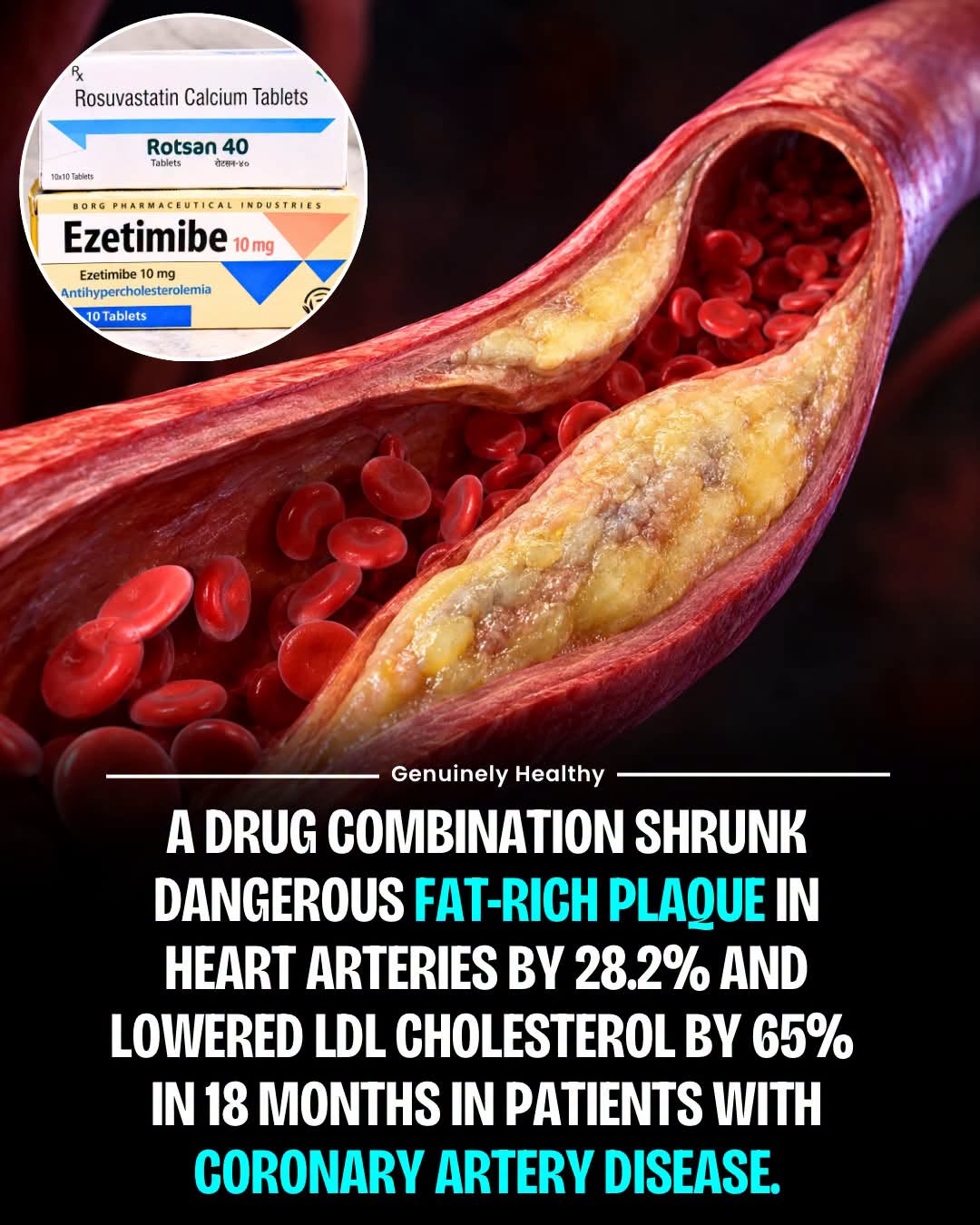
Louis highlights the randomized FLOWPROMOTE trial in 104 statin-naive patients with coronary artery disease, scanned by CT angiography at baseline, 9 and 18 months. Rosuvastatin 40 mg plus ezetimibe 10 mg lowered LDL-C to 42.5 mg/dL versus 69.5 mg/dL with atorvastatin 40 mg and reduced total plaque volume by about 21%. The shared write-up frames this as evidence that coronary atherosclerosis can be reversed with intensive lipid lowering.

Six strategies shown to regress plaque in human randomized trials

Feb 27, 2025 · Louis Nervegna ♥ 27 · 💬 10 ↩ 3

Louis lists strategies with RCT evidence for plaque regression: major weight loss, a Mediterranean or DASH diet, LDL-lowering drugs, colchicine, exercise and high-dose EPA. He notes six RCTs show diet can regress plaque and that Ornish's results resembled PREDIMED and CORDIOPREV, while Esselstyn's data are not from RCTs.

Does a CAC scan change outcomes? Two 2026 randomized trials say not for the average person

Sep 04, 2026 · Louis Nervegna ♥ 8 · 💬 31

Louis asks whether CAC scanning changes whether you have a heart attack; for some it is a wake-up call, but for the average person it does not seem to change outcomes. The shared text cites a Danish trial of 30,000 men (no reduction in death, MI or stroke at seven years, more serious bleeding) and the US CorCal trial of nearly 6,000 people (same event rates as a risk calculator).

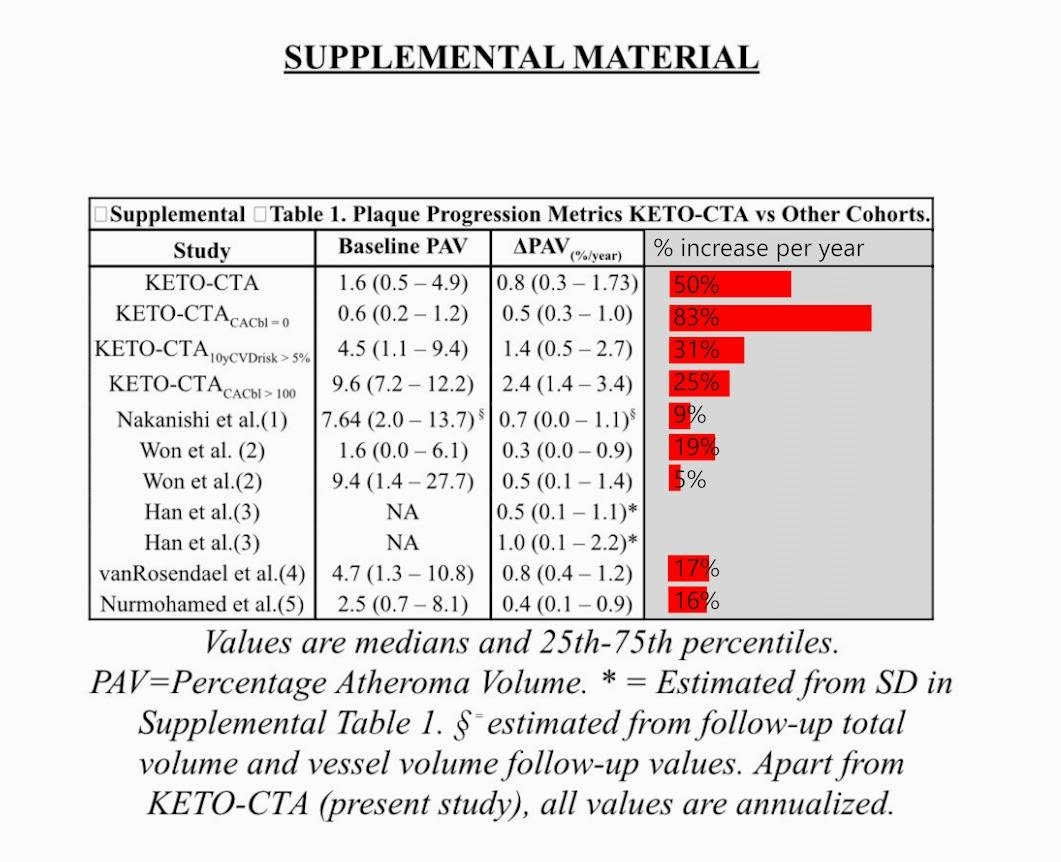
Keto-CTA: LMHR group's 0.8% plaque volume rise exceeded that of typical Western cohorts

Apr 08, 2025 · Louis Nervegna ♥ 18 · 💬 14

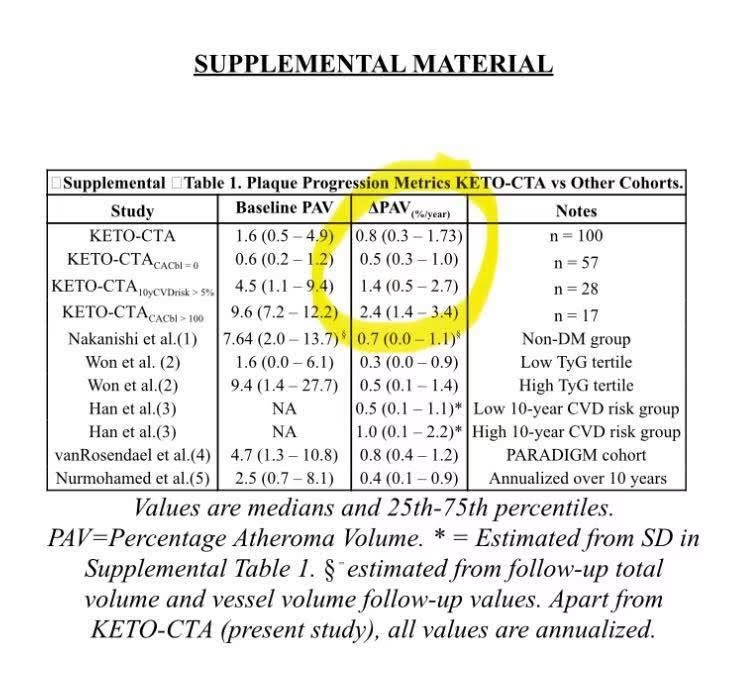
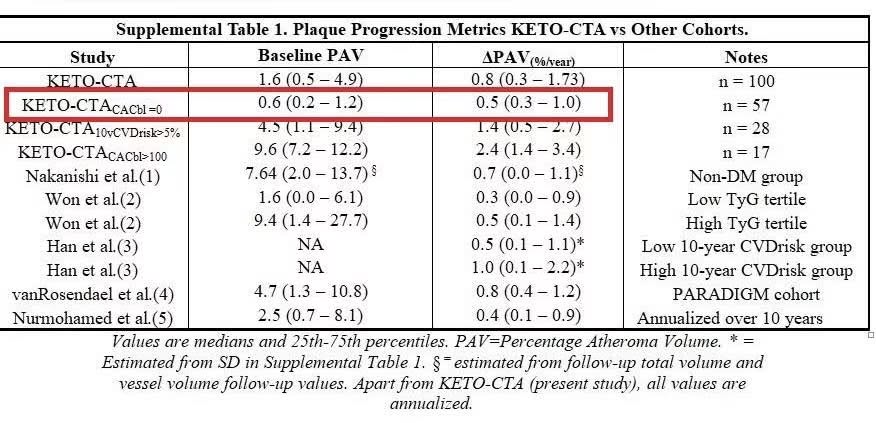
Louis expresses disappointment in the LMHR prospective cohort study, in which lean, metabolically healthy keto dieters with very high LDL had total plaque volume rise 0.8% in a year. He cites the paper's supplemental table, which he says shows other Western cohorts progressing less, and notes that no participant showed NCPV regression and that those with the most baseline plaque progressed the most.

Can fasting reverse plaque? Autophagy makes it plausible but evidence is indirect

Jun 29, 2026 · Louis Nervegna ♥ 23 · 💬 14 Fasting & meal timing

Louis argues there is biological plausibility that fasting could clear damaged arterial tissue via autophagy, linking earlier posts. He cites the 2010 DIRECT-Carotid trial showing large weight loss can regress carotid atherosclerosis, and a shared post on a Nature Metabolism 7-day fast study in 12 people with a day-3 shift in about 1,000 proteins. Direct evidence for plaque reversal by fasting is anecdotal.

Six randomized diet trials showed plaque reversal, from Ornish to CORDIOPREV and DISCO

Oct 16, 2024 · Louis Nervegna ♥ 32 · 💬 5 ↩ 11

Louis lists the only six human RCTs in which diet reversed plaque: Lifestyle Heart Trial (Ornish diet), STARS and SCRIP (AHA diet), PREDIMED, CORDIOPREV (Mediterranean) and DISCO (DASH-style). Successful diets emphasized produce, legumes, whole grains, nuts, olive oil, fish and some dairy. They limited junk food, refined grains, butter, fatty red meat and heavy alcohol. He links each paper.

SCOT-HEART: CT angiography cut 5-year coronary death or MI risk 41% in chest pain patients

Jan 03, 2026 · Gokhan Can ♥ 12 · 💬 18

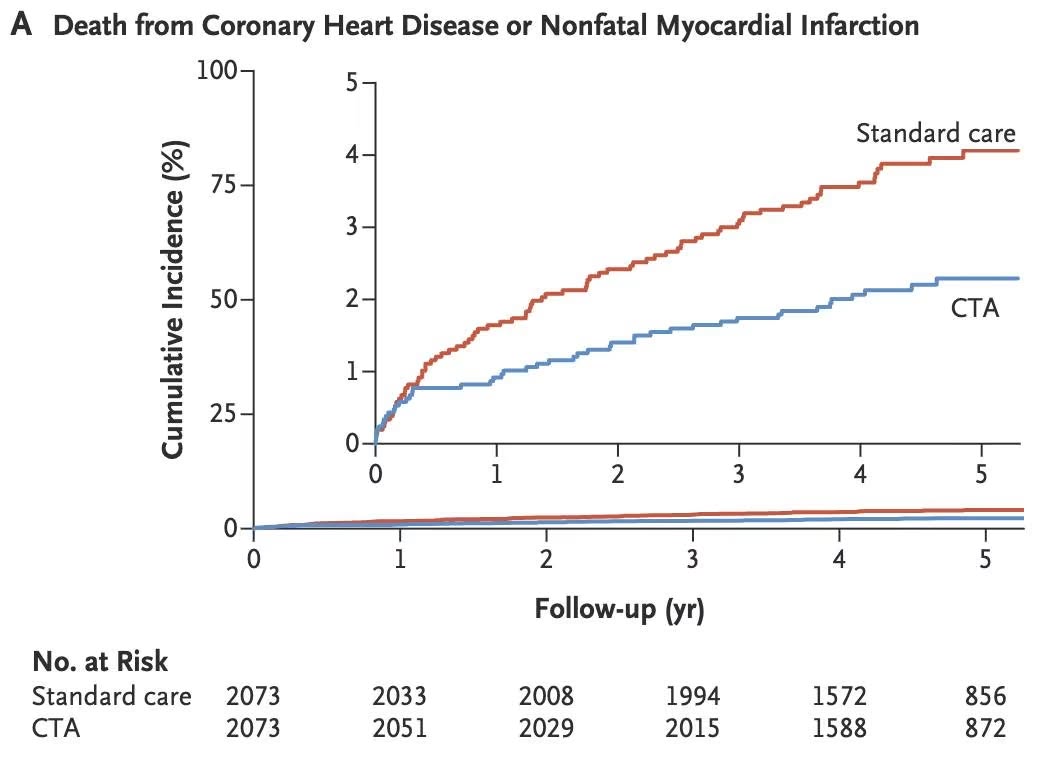
Summarises SCOT-HEART (4,146 patients with stable chest pain, standard care vs standard care plus coronary CTA). CTA guidance lowered coronary death or nonfatal MI to 2.3% from 3.9%, mainly by directing aspirin and statin use to patients with plaque. Total procedures were similar by year 5; results apply to chest-pain patients only.

Half of people with symptomatic blockages had a CAC score of zero in Danish registry

Oct 05, 2025 · Louis Nervegna ♥ 19 · 💬 11

A CAC score of 0 does not rule out coronary plaque in symptomatic patients, particularly younger people and women. In a Western Denmark registry of patients with symptoms who underwent CT angiography, a majority had CAC of zero and half of those with symptomatic blockages were in that group.

A zero CAC does not rule out plaque in symptomatic patients; 54% had CAC 0 in Denmark

Dec 22, 2023 · Louis Nervegna ♥ 13 · 💬 16 ↩ 3

Louis shares a MedPage Today report that a zero calcium score is not a clean bill of health when symptoms are present, especially in young people and women. In the Western Denmark Heart Registry, over half of symptomatic patients undergoing CT angiography had a CAC of zero, and half of those with symptomatic blockages had zero CAC.

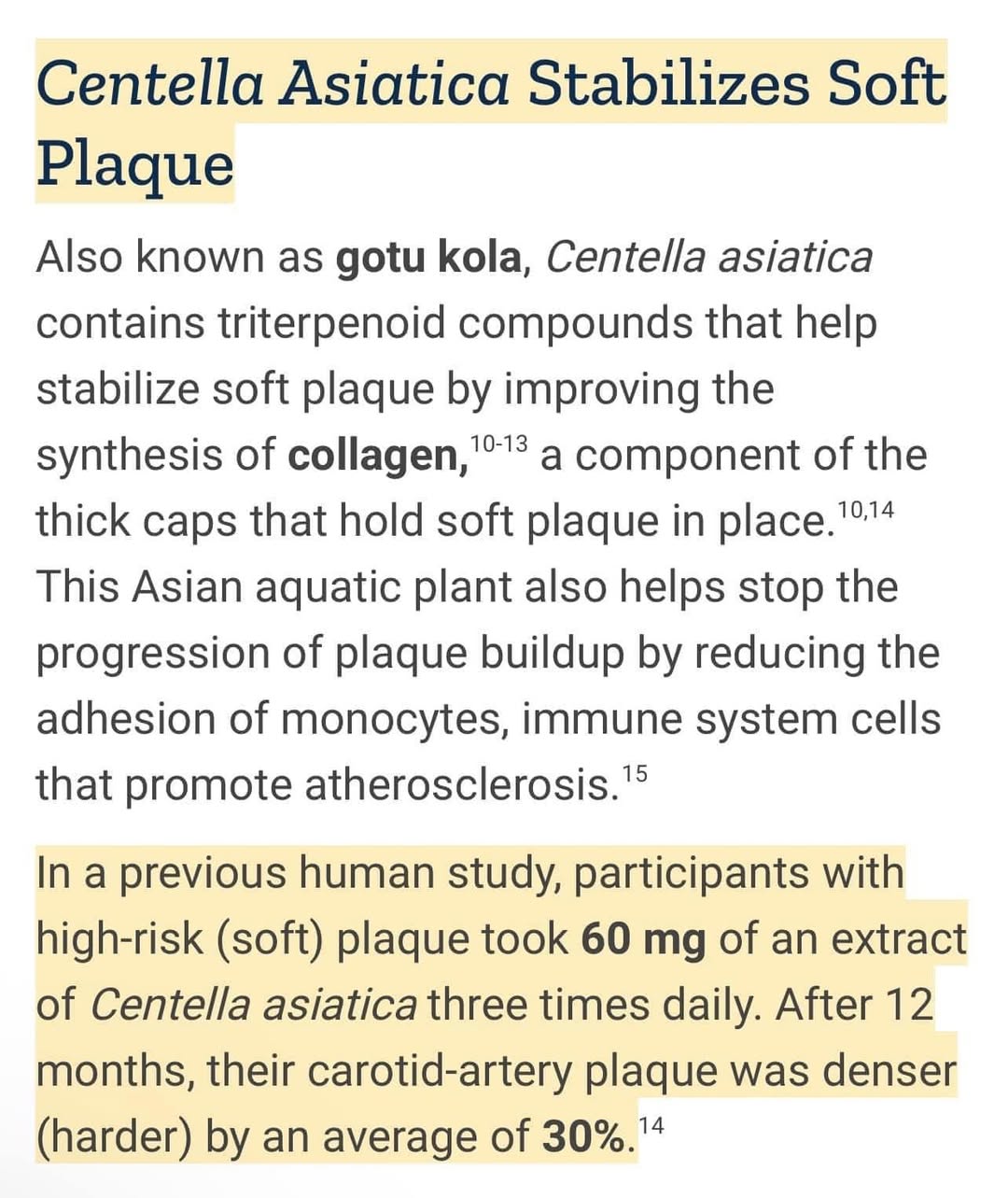
Gotu kola extract reportedly stabilized high-risk plaque in small studies

Nov 17, 2023 · Louis Nervegna ♥ 16 · 💬 16 ↩ 2 Supplements & vitamins

Louis flags, as needing larger trials, Life Extension's summary that 60 mg of Centella asiatica extract three times daily hardened soft carotid plaque by 30% over 12 months, with fewer cardiovascular events in the randomized phase, and hardened femoral plaque by 63% with no size increase versus 23% in controls. He says it may target endothelial health. Evidence comes from small studies summarized by a supplement-company magazine.

Autophagy may help explain how major weight loss reverses soft plaque

Jun 29, 2025 · Louis Nervegna ♥ 21 · 💬 12 ↩ 1

Louis suggests autophagy, controlled by mTOR, may be one reason calorie restriction with major weight loss (more than 30 lbs) has been shown in RCTs to reverse plaque. This is his hypothesis, with referenced posts for the plaque evidence.

Ornish trial's 'plaque reversal' may be x-ray angiography measurement error

Dec 05, 2025 · Louis Nervegna ♥ 15 · 💬 12 ↩ 9

Louis explains criticisms of the small 1986-1992 Ornish trial: it used x-ray angiography, which outlines the blood-flow lumen rather than measuring plaque, so the small reported reversal may largely be measurement error. He contrasts this with modern CT angiography and IVUS, and notes the trial's tiny size as another major weakness.

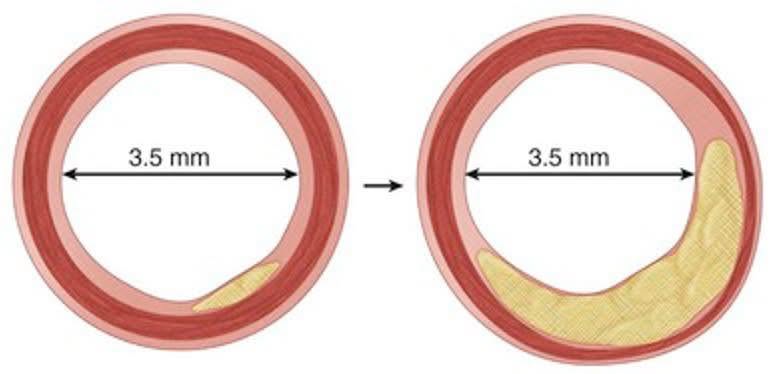
A normal angiogram can hide large plaque burden because of Glagov remodeling

Dec 13, 2025 · Louis Nervegna ♥ 28 · 💬 6

Louis explains that angiography is a 'luminogram' that misses plaque inside the artery wall because early plaque causes outward (Glagov) remodeling that preserves the lumen. Modern plaque-progression studies use IVUS or CT angiography instead, and he cites this as a flaw of Dean Ornish's small 1990s trial.

Plaque reduction: statins, PCSK9 inhibitors and ezetimibe have the strongest evidence

May 18, 2024 · Gokhan Can ♥ 32 · 💬 5

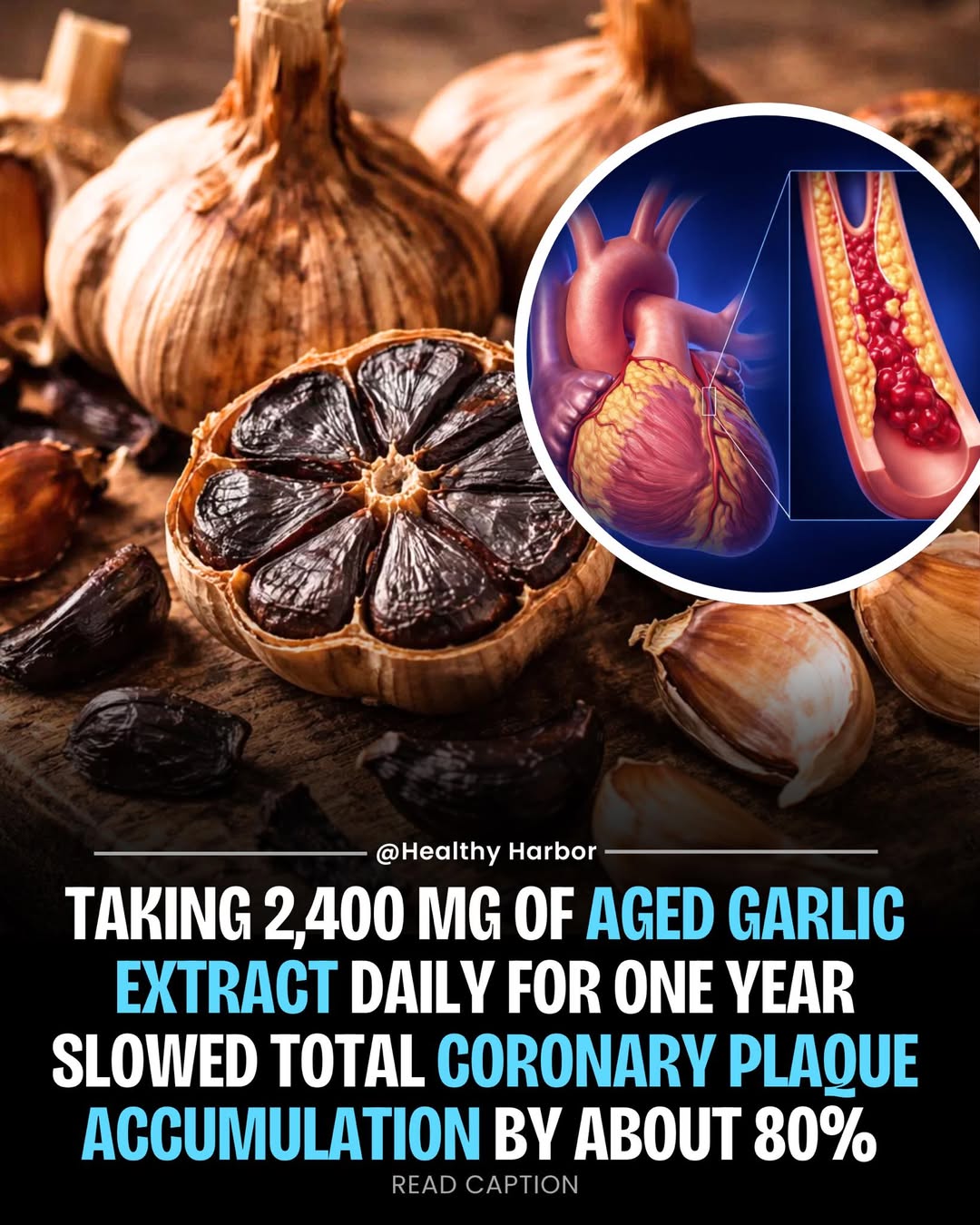
Ranks interventions for regressing or stabilizing atherosclerotic plaque. Statins, PCSK9 inhibitors and ezetimibe have the strongest trial evidence, with high-dose EPA and pioglitazone fairly good; colchicine, aged garlic, Centella, pine bark, nattokinase and plant-based diets are promising but need rigorous imaging RCTs, and evidence for exercise, L-arginine and vitamin K2 is limited.

Budoff recommends statins, aspirin and BP control for keto dieters with CT-detected plaque

Apr 14, 2025 · Louis Nervegna ♥ 14 · 💬 15 Low-carb, keto & carnivore

Louis cites a video in which Keto-CTA principal investigator Matthew Budoff recommends statins, low-dose aspirin and tight blood pressure control for patients on keto diets with significant plaque on CT angiography, and CT scans for his ketogenic patients. He says the statin is to treat plaque, since statins slow plaque progression even at low LDL.

Meta-analysis: lipid-lowering therapy regresses coronary plaque (Li 2021, SATURN)

Nov 25, 2023 · Gokhan Can ♥ 11 · 💬 13 ↩ 14

Summarizes Li et al. 2021, a meta-analysis of 31 IVUS studies (4,997 patients) showing lipid-lowering therapy lowers atheroma volume, with maximal regression at LDL below 80 and HDL above 45 mg/dL. It also covers the SATURN analysis, where rosuvastatin 40 mg regressed plaque more than atorvastatin 80 mg.

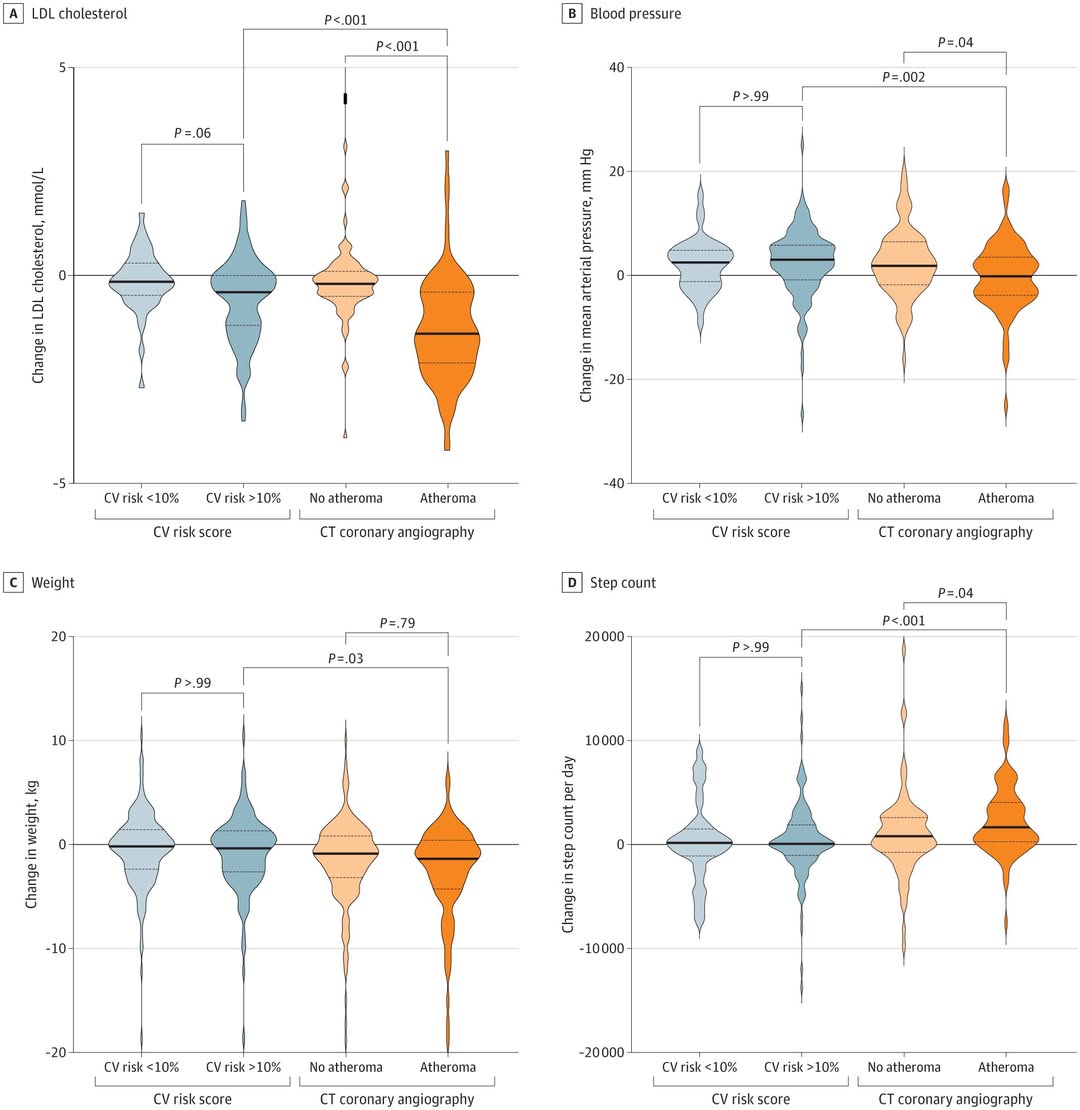
Coronary CT angiography modestly improved lifestyle and therapy uptake vs risk scoring

Jun 22, 2025 · Louis Nervegna ♥ 16 · 💬 12

Louis shares a JAMA finding that, compared with cardiovascular risk scoring, coronary CT angiography was associated with modest improvements in healthier lifestyle behaviors, acceptance of recommended preventive therapy and risk factor modification. His comment is that higher-risk people become more motivated once they see their scan results.

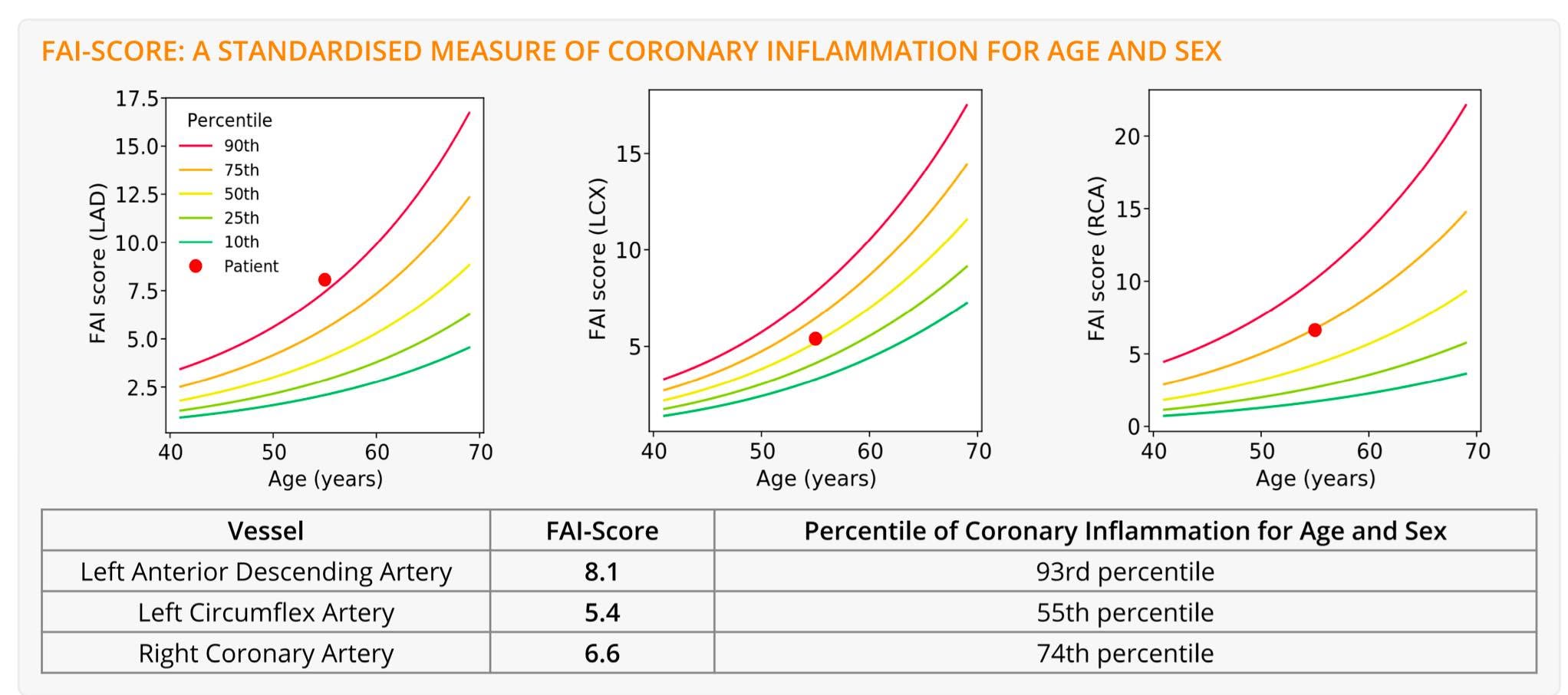
CaRi-Heart AI on CT angiograms measures coronary inflammation missed by hs-CRP

Sep 18, 2026 · Louis Nervegna ♥ 17 · 💬 11

The poster describes CaRi-Heart, an AI analysis of standard CT angiograms that estimates coronary inflammation through the Fat Attenuation Index and says no blood test captures this. A shared case had minimal stenosis after lipid lowering but a high FAI score of 8.1 despite an hs-CRP of 0.15 mg/L.

Dr. Ford Brewer's story: cutting his artery age by 20+ years in two years

Dec 02, 2023 · Gokhan Can ♥ 11 · 💬 17 ↩ 2

Summarizes Dr. Ford Brewer's account of finding plaque on a CIMT scan at 57 despite a healthy lifestyle, with an artery age of 73. Over about 2 years he took low-dose rosuvastatin, added omega-3 and niacin, switched his blood pressure drug and cut carbs, and reports a drop in artery age of over 20 years.

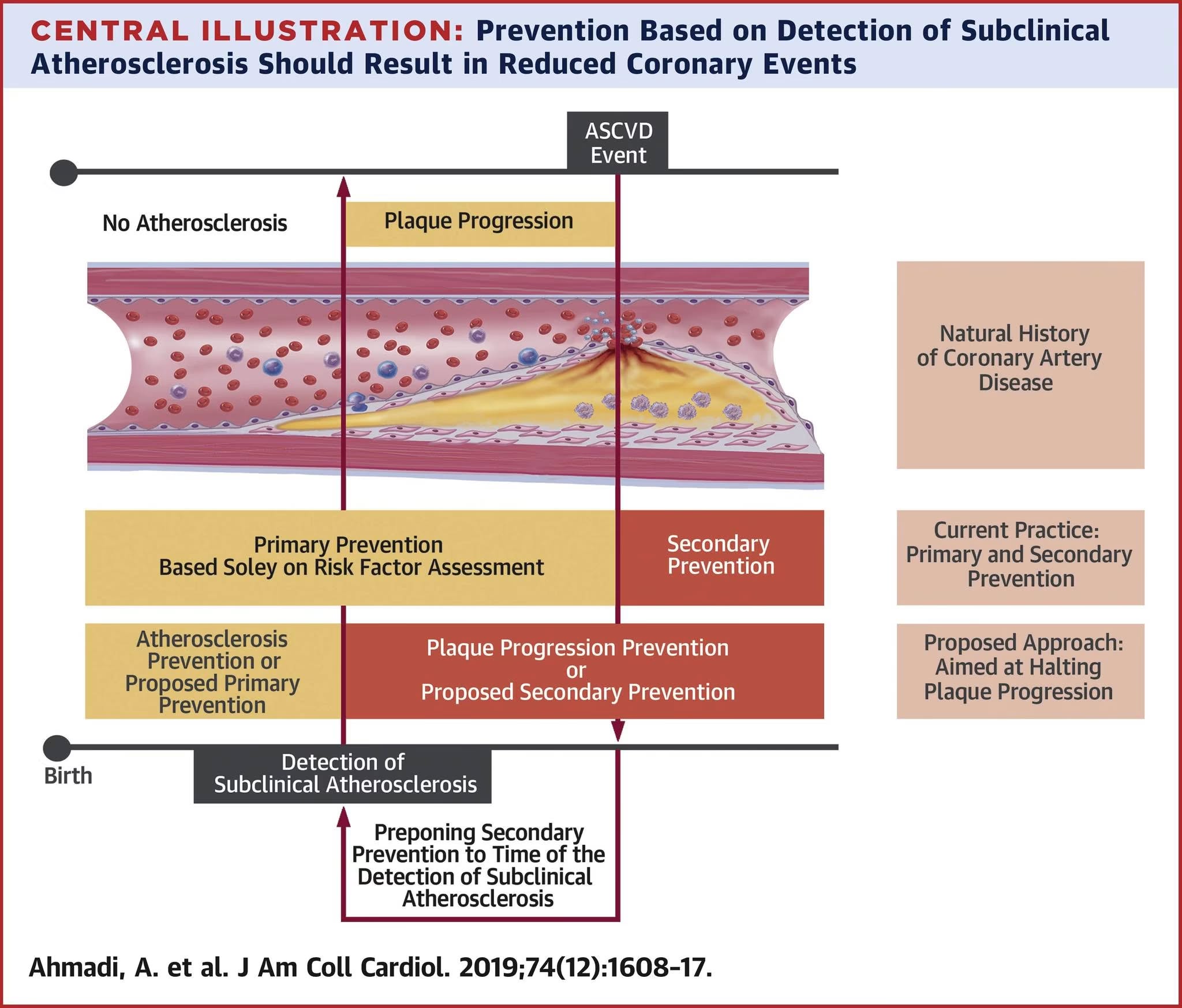
JACC review: rapid plaque progression precedes rupture and LDL below 70 mg/dL halts it

Jan 02, 2026 · Gokhan Can ♥ 19 · 💬 5

Summarises a 2019 JACC review arguing plaque progression is a necessary, modifiable step between subclinical atherosclerosis and MI, and that preventive strategy should shift toward imaging and aggressively treating subclinical disease. It reports data from PROSPECT, PARADIGM, GLAGOV and PESA showing progression stops at LDL <70 mg/dL and regression needs lower.

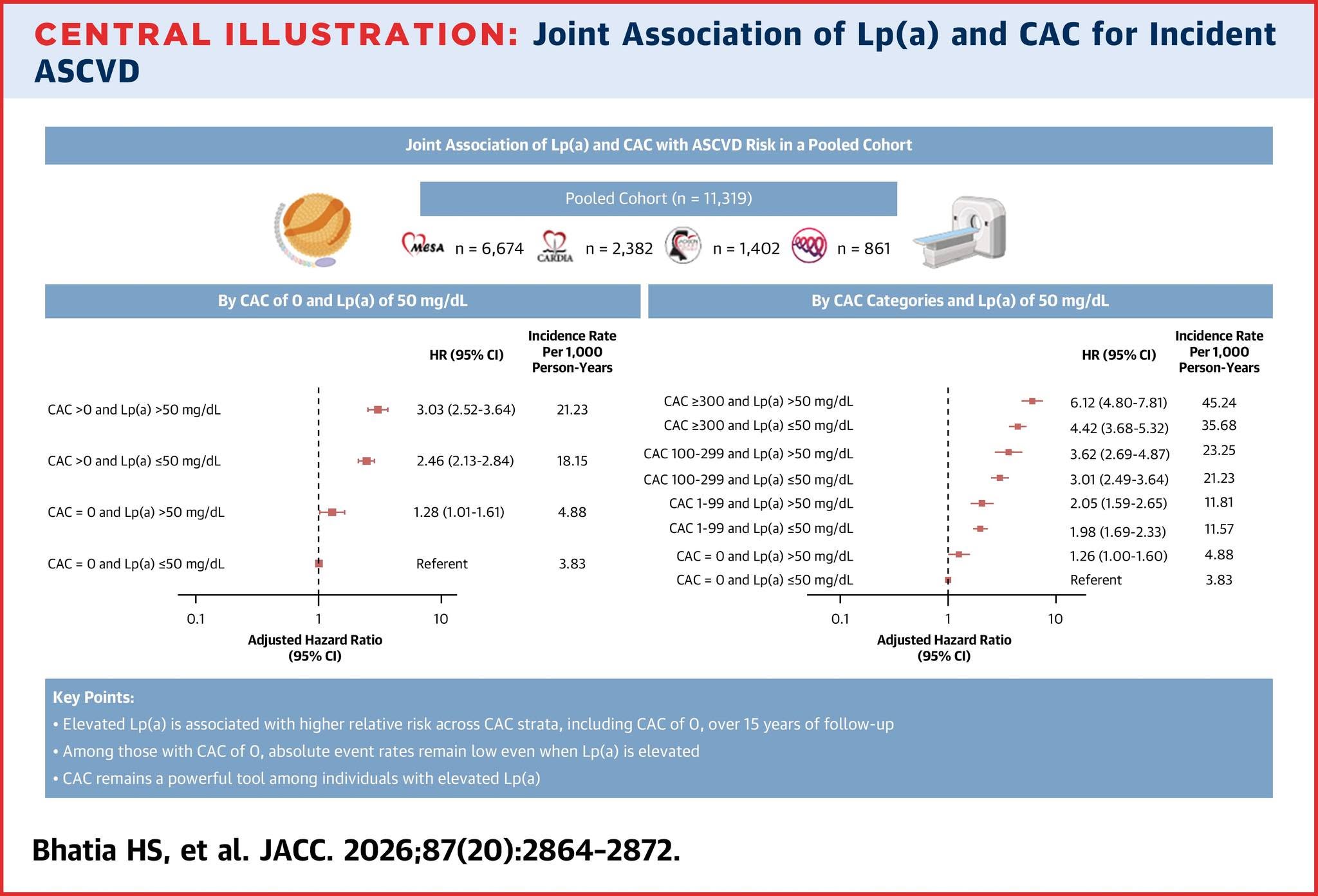
In MESA, high Lp(a) mattered mainly when CAC was 100 or higher

Jun 01, 2024 · Louis Nervegna ♥ 8 · 💬 15 ↩ 5 Lp(a)

Louis shares a new MESA analysis suggesting that elevated Lp(a) raises 10-year heart attack and stroke risk mainly in people with CAC of 100 or more. With CAC between 1 and 99, high versus low Lp(a) mattered less, and a zero CAC appeared to 'trump' high Lp(a) over a decade.

At least six strategies have reversed plaque in randomized trials

Aug 12, 2026 · Louis Nervegna ♥ 19 · 💬 5

Louis lists six strategies shown to reverse plaque in human RCTs: major weight loss, Mediterranean/DASH diet, LDL-lowering drugs (statins, PCSK9 inhibitors, ezetimibe), colchicine, exercise and high-dose EPA fish oil. He would like to see a trial combining all of them.

Why some people with very high Lp(a) have clean arteries: oxidized phospholipids

Dec 04, 2025 · Louis Nervegna ♥ 19 · 💬 7 Lp(a)

Louis shares an article proposing that Lp(a) harms arteries largely through oxidized phospholipids (OxPL), and that people with high Lp(a) but low OxPL content may avoid plaque. OxPL may predict risk better than Lp(a) itself, so measuring both could improve risk assessment; the piece is a blog explainer, not new data.

Video clip on plaque reversal from a Ford Brewer livestream

Jan 24, 2025 · Louis Nervegna ♥ 11 · 💬 19

Louis shares a clip from a live stream titled 'Can This LDL Drug Reverse Plaque?' with a one-line caption claiming the speaker admits the truth about plaque reversal. The post has no explanatory text, so the substance is limited to the video.

What to do with a high coronary calcium CT result: Joel Kahn's guide

Nov 17, 2023 · Gokhan Can ♥ 15 · 💬 9 ↩ 2

Shares an integrative cardiologist's guide on why to get a heart CT scan, what to do with the result and how to try to reverse atherosclerosis. The summary argues that nutrition, exercise and nutraceuticals can improve outcomes even in advanced disease, and the post also links a JACC 2022 review on plaque regression.

Charles Grashow's protocol to regress coronary calcium over two years

Dec 02, 2023 · Gokhan Can ♥ 18 · 💬 7 ↩ 2

Describes how Charles Grashow responded to worsening coronary calcium in 2020-2021 with an intensive regimen of lifestyle, high-dose nattokinase, LDL-lowering and anti-inflammatory supplements and off-label drugs. His later scans reportedly showed that the trajectory of his coronary disease had reversed. It is a single-patient story, not a trial.

Six randomized trials show statins reduce total plaque volume 5-17% from baseline

Mar 02, 2026 · Louis Nervegna ♥ 17 · 💬 4 ↩ 18

Louis summarizes the JACC 2022 plaque-regression review: six statin trials showed reductions in total atheroma volume of 5% to 17%, driven by soft plaque regression. A shared chart shows regression becomes possible once LDL-C falls below roughly 90 mg/dL, with statins, PCSK9 inhibitors and ezetimibe all contributing.

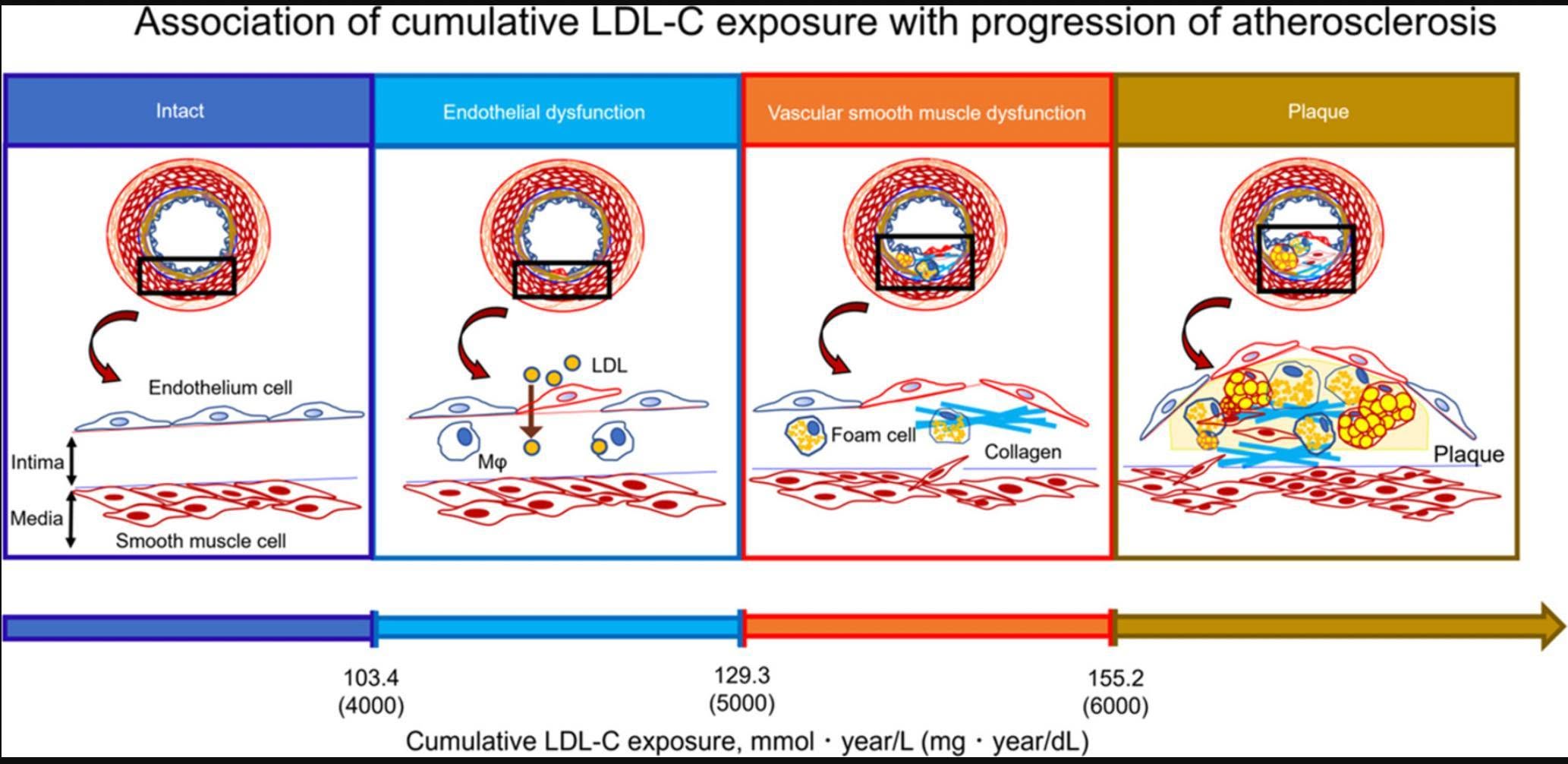
The 12-step biology of atherosclerosis, from endothelial dysfunction to heart attack

Apr 01, 2025 · Louis Nervegna ♥ 20 · 💬 6

Louis shares an article laying out the 12 steps by which atherosclerosis forms and leads to a heart attack. The steps run from endothelial dysfunction and lipoprotein entry into the intima, through retention, modification, immune activation, foam cells, necrotic core, plaque growth and calcification, to plaque rupture or erosion and thrombus formation.

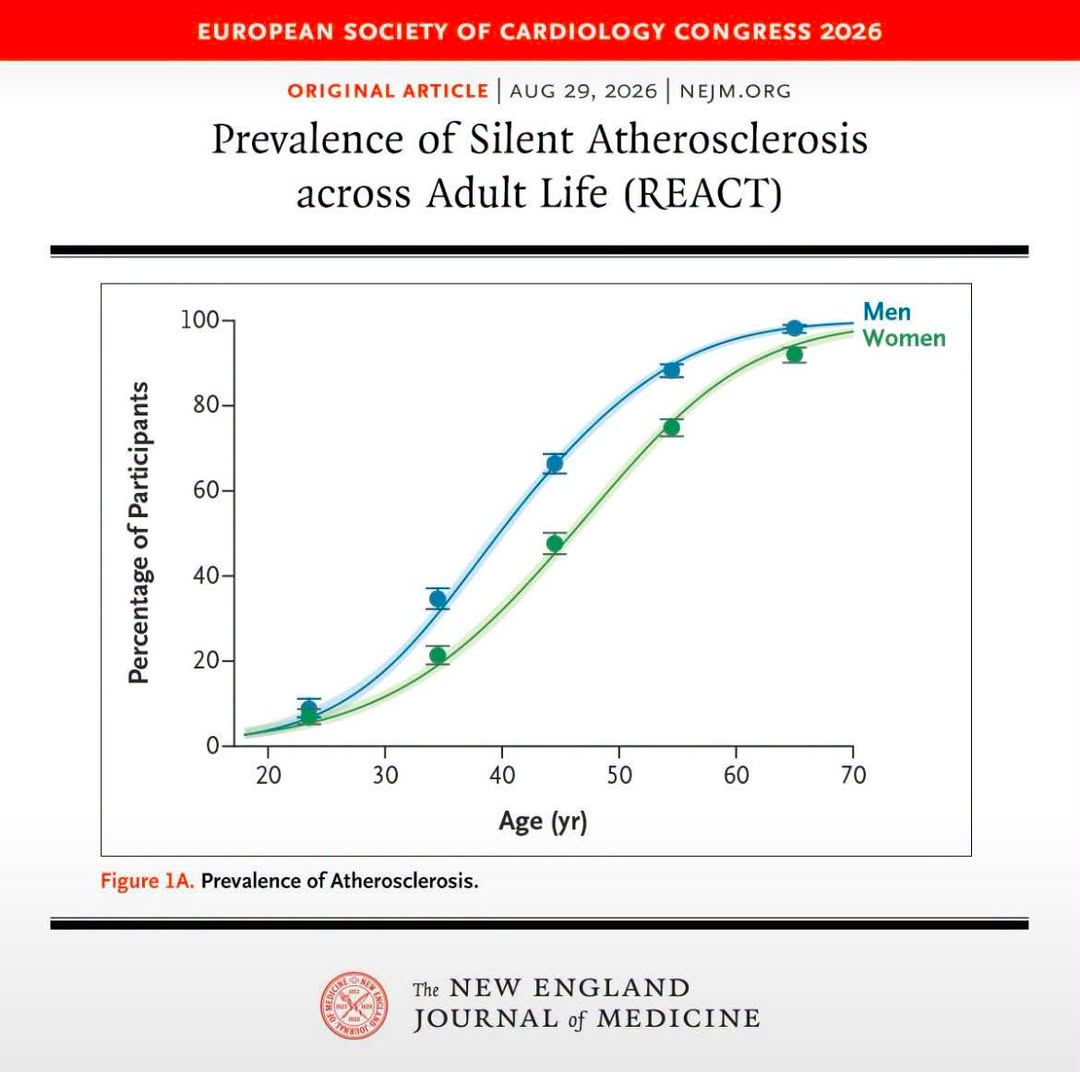
Plaque starts in neck and leg arteries decades before the heart; calcium scores miss it

Sep 17, 2026 · Gokhan Can ♥ 17 · 💬 5

The post summarises a video describing an NEJM study of 16,000 asymptomatic people showing plaque accumulates first in the neck and leg arteries, during the 20s to 40s, before the heart. Heart scans such as coronary calcium may therefore miss early disease; carotid intima-media thickness ultrasound can detect peripheral plaque, and the ankle-brachial index offers a simple at-home check for leg artery blockage.

Budoff says Keto-CTA paper is being rewritten; JACC to issue a statement

Apr 18, 2025 · Louis Nervegna ♥ 16 · 💬 7

Louis highlights a video in which Keto-CTA senior author Matthew Budoff reportedly acknowledges major problems with the published paper, says a revised version will replace it, and the JACC editor will publish a statement. Louis adds strongly worded opinion about Budoff's involvement.

About 95% of acute-thrombosis heart attacks involve soft plaque, not calcified plaque

Oct 03, 2026 · Louis Nervegna ♥ 9 · 💬 9

The post says about 64% of heart attacks from acute thrombosis come from rupture of soft lipid-rich plaque and about 25% from erosion of soft plaque, while only about 5% involve calcified nodules. Because statins and other lipid-lowering drugs stabilize and reverse soft plaque, the poster argues they address the plaque type most responsible for heart attacks.

REACT in NEJM: 57% of adults have atherosclerosis and age is the biggest risk factor

Aug 30, 2026 · Louis Nervegna ♥ 19 · 💬 4

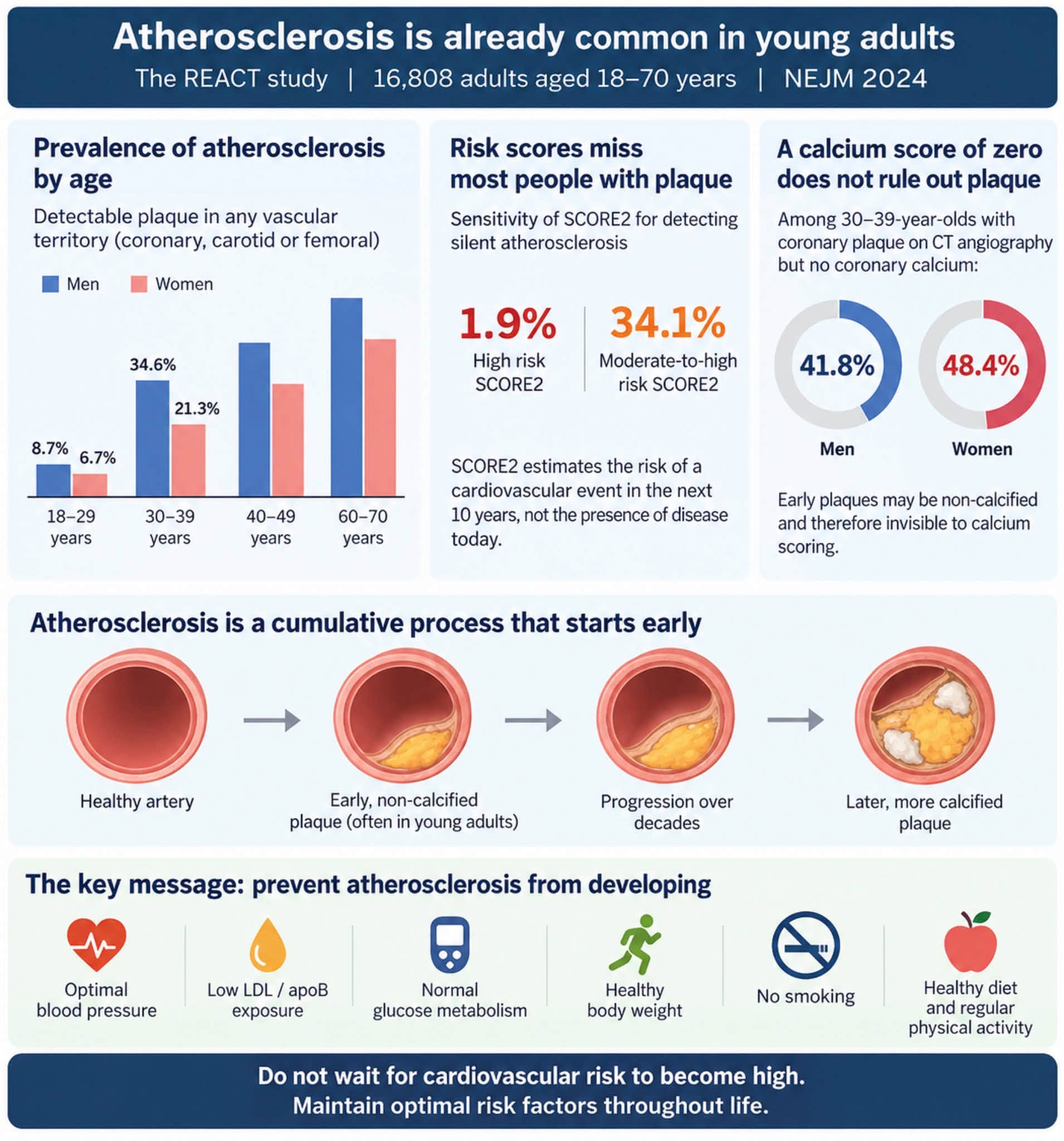
Louis shares the REACT study in NEJM of more than 16,000 adults aged 18-70 without known CVD, imaged by vascular ultrasound and CT. About 57% had plaque, rising from 1 in 13 in their 20s to about 9 in 10 in their 60s. Men developed silent disease 5-10 years earlier than women. He concludes age is the biggest risk factor.

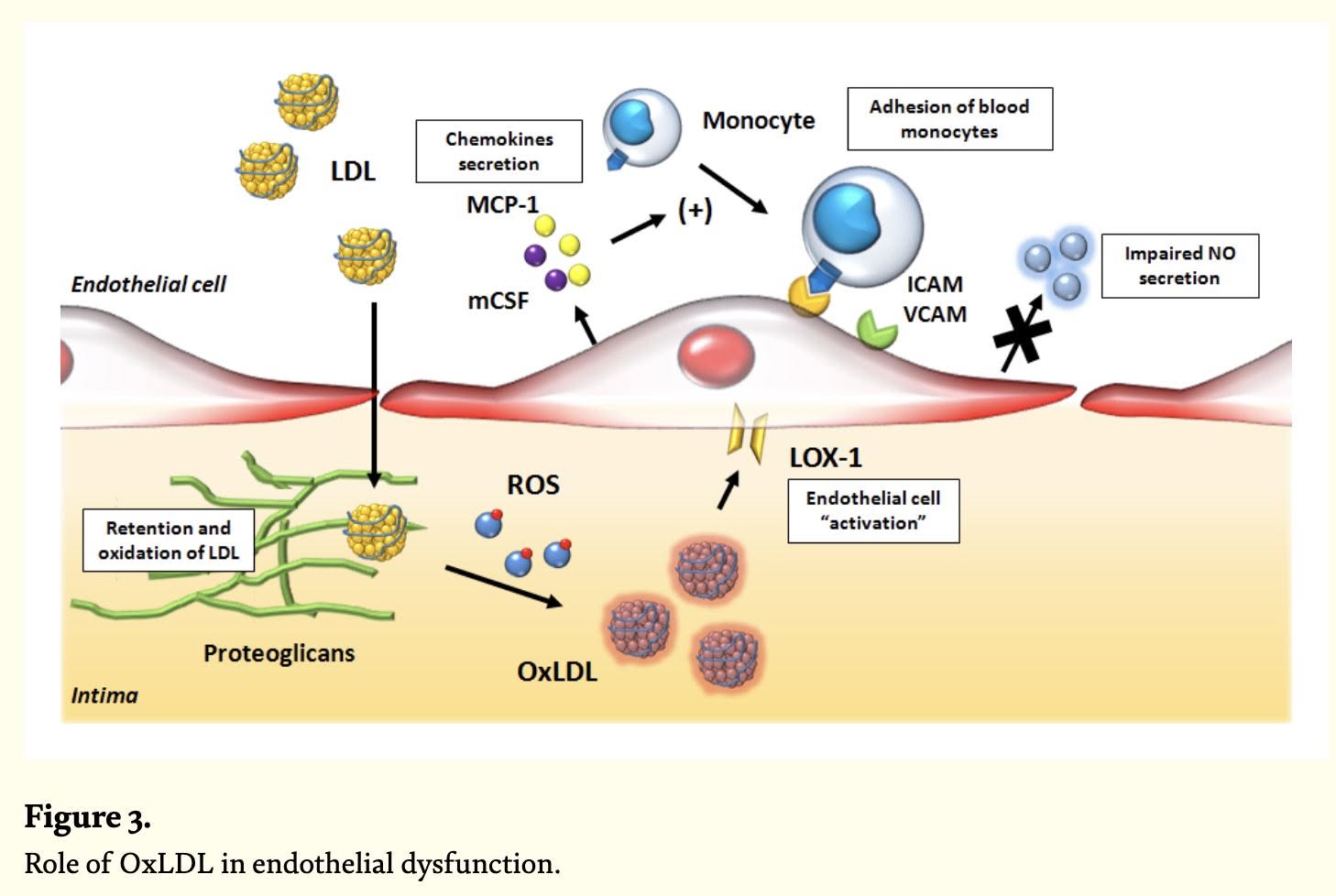
How LDL causes atherosclerosis: oxidation, inflammation, foam cells and genetics

May 19, 2024 · Gokhan Can ♥ 12 · 💬 9 LDL, ApoB & lipid panel

Explains five lines of evidence for a causal role of LDL in atherosclerosis: oxidized LDL in the artery wall, endothelial dysfunction and inflammation, macrophage foam-cell formation, Mendelian randomization and familial hypercholesterolemia, and the benefit of LDL-lowering therapies. Useful as a mechanism overview for readers who doubt that LDL is a cause rather than a bystander.

Nicola Guess: Keto-CTA plaque rose ~20 mm3 in 1 year vs ~13 mm3 over 3 years in PARADIGM

Apr 12, 2025 · Louis Nervegna ♥ 7 · 💬 8

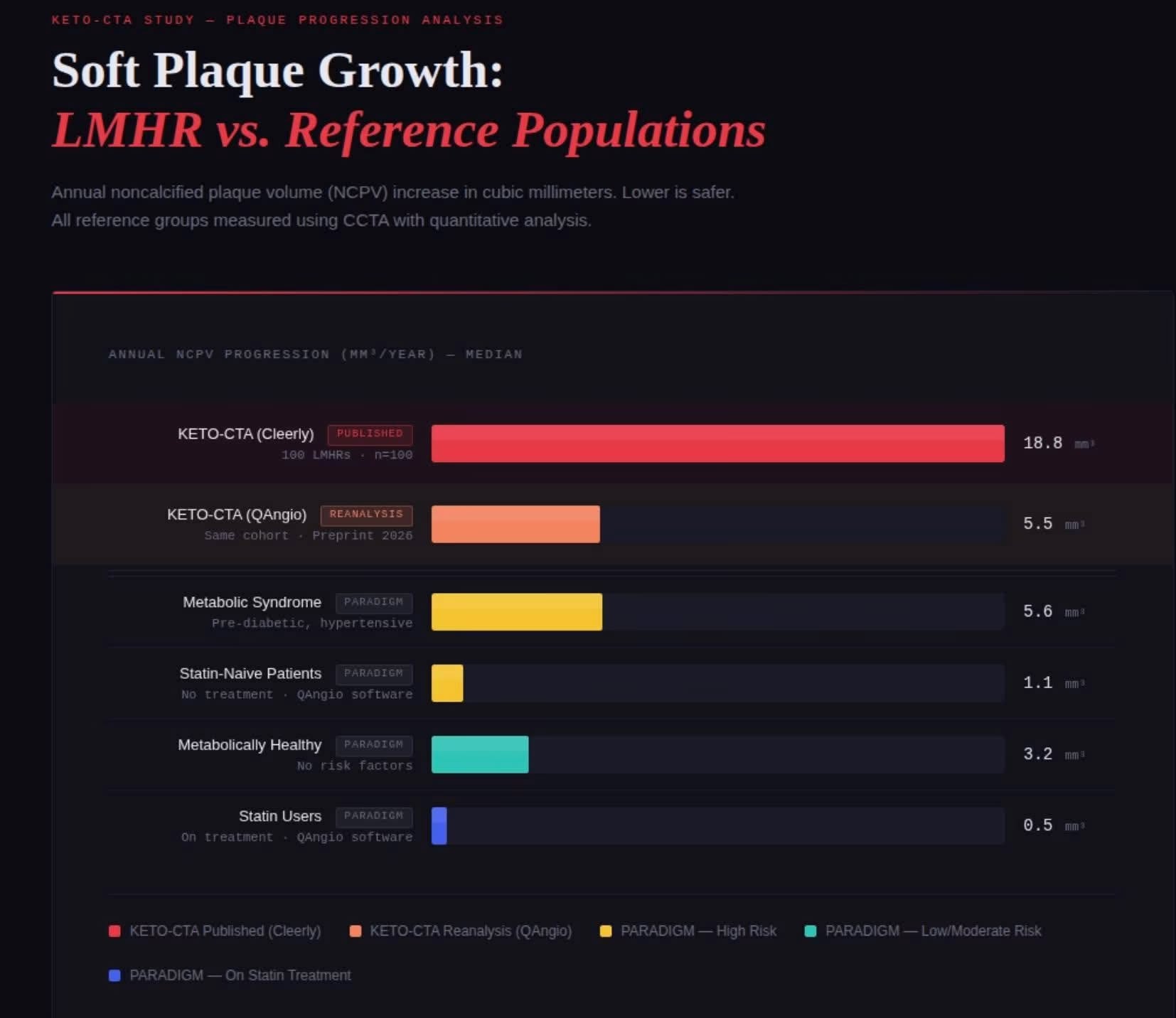
Louis shares Dr. Nicola Guess's critique of the Keto-CTA study: the abstract omitted the registered primary outcome (non-calcified plaque volume), but the figure suggests a rise of ~20 mm3 in one year in lean keto dieters. In PARADIGM, high-risk people on Western diets rose ~13 mm3 over three years (about 17 mm3 with metabolic syndrome). With no control group, the comparison suggests accelerated soft plaque growth.

Co-author of LMHR study protocol says the design could not detect plaque progression

Dec 10, 2023 · Louis Nervegna ♥ 4 · 💬 17 Low-carb, keto & carnivore

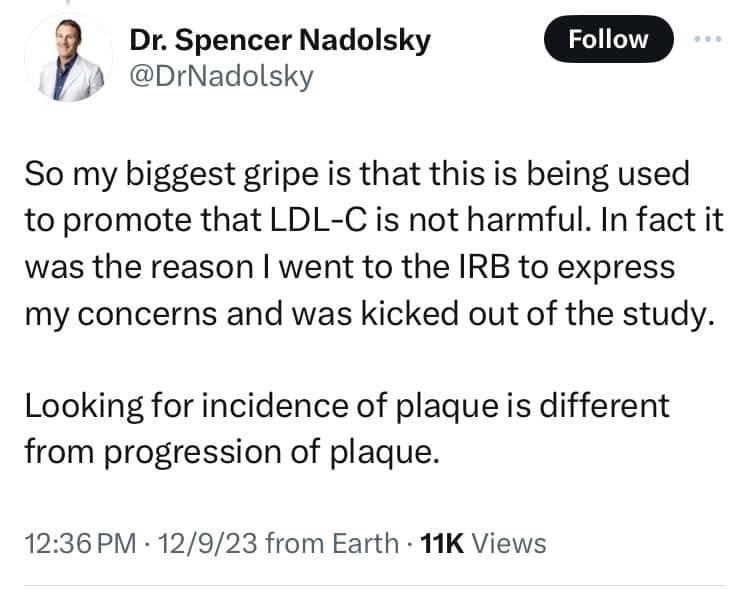
Louis paraphrases Dr. Spencer Nadolsky, who helped write the LMHR (keto hypercholesterolemia) study protocol, saying it enrolled only extremely healthy people with no diabetes, prediabetes, atherosclerosis, smoking, overweight or high hs-CRP and perfect blood pressure. Because soft plaque takes years to form even with very high LDL, little progression was likely after one year; enrolling people with existing atherosclerosis would have been more informative. The study's absence of progression should therefore not be read as proof of safety.

Over a third of 'low-risk' adults had coronary plaque; low LDL and ApoB were protective

Aug 18, 2024 · Gokhan Can ♥ 12 · 💬 5

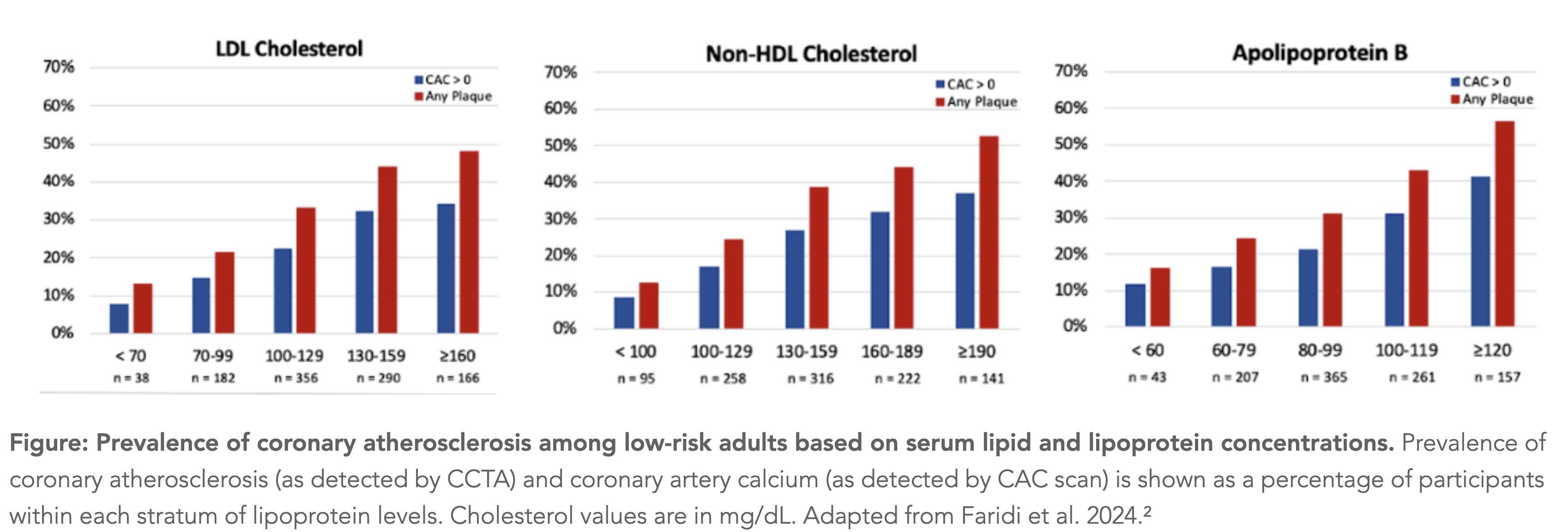
A JACC Advances study of 1,033 asymptomatic adults aged 40-65 classified as low risk found 35.9% had coronary plaque and 25.3% early calcification, increasing with higher LDL, non-HDL cholesterol and apoB, even below guideline levels. Gokhan reads it as showing that keeping LDL under 70 mg/dL greatly reduces risk.
Keto-CTA (LMHR): plaque volume rose 25-100% in one year across CAC and risk subgroups

Apr 09, 2025 · Louis Nervegna ♥ 10 · 💬 6 ↩ 2

Louis walks through a table from the Keto-CTA (LMHR) paper showing percent atheroma volume (PAV) changes after one year in lean, metabolically healthy people on keto with average LDL 254 mg/dL. Plaque progressed in every subgroup, with the largest relative increase among those who started with zero CAC. He also explains what PAV measures.

FLOWPROMOTE: lower achieved LDL gave more plaque regression, 21.1% at LDL near 43

Oct 31, 2026 · Louis Nervegna ♥ 14 · 💬 4

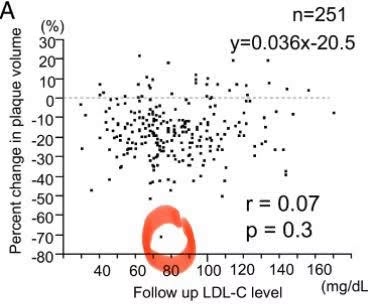
Louis adds FLOWPROMOTE to the pile of randomized trials showing statins reverse soft and total plaque. In 104 statin-naive stable CAD patients on CT angiography, LDL around 70 mg/dL gave a 13.6% total plaque reduction and around 43 mg/dL gave 21.1%, with 90% of the lower-LDL group showing regression. The linear LDL-to-regression relationship supports LDL being causal in atherosclerosis.

Step-by-step guide on what to do after a CAC scan above zero

Feb 23, 2024 · Louis Nervegna ♥ 12 · 💬 6

Louis shares Dr. Joel Kahn's guide for people whose CAC scan is above zero: interpreting results, calculating risk, treatment options, and natural approaches and supplements shown in small studies to slow or reverse plaque. Louis calls it a goldmine of practical information.

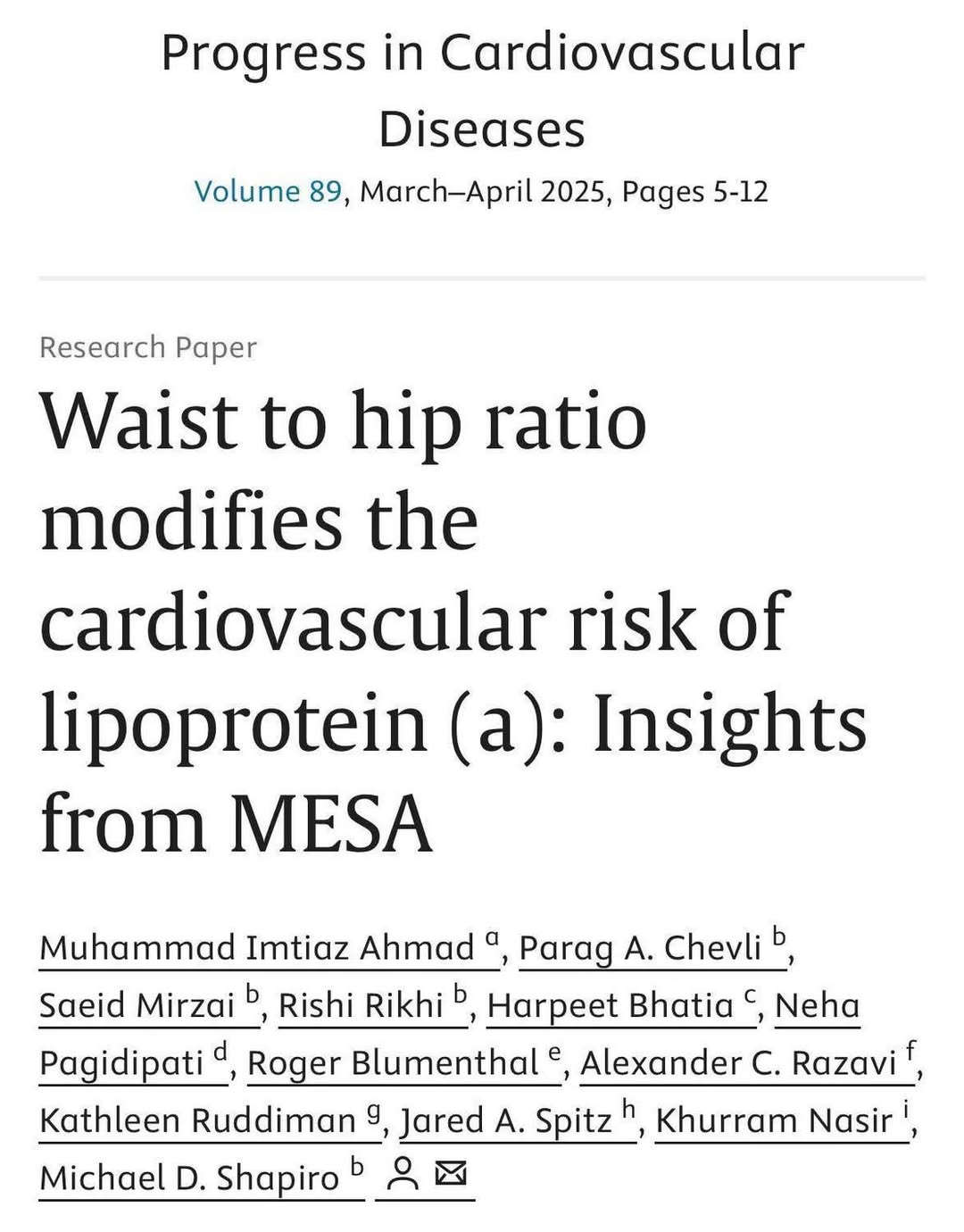
MESA: high Lp(a) raised ASCVD risk 2.34-fold only in people with large waist-to-hip ratio

Oct 18, 2025 · Louis Nervegna ♥ 10 · 💬 5 ↩ 4 Lp(a)

Louis summarizes a MESA cohort analysis in Progress in Cardiovascular Diseases showing waist-to-hip ratio (a visceral-fat and liver-fat proxy) modifies the ASCVD risk of Lp(a), while BMI did not. Lp(a) of 50 mg/dL or more with high WHR carried the excess risk, which mostly vanished when WHR was low. He stresses this is a prospective cohort, so it cannot prove causality, but suggests losing visceral fat is important with high Lp(a).

ACC guidance backs AI plaque analysis on CT angiography to guide and track treatment

Jun 01, 2026 · Louis Nervegna ♥ 7 · 💬 7

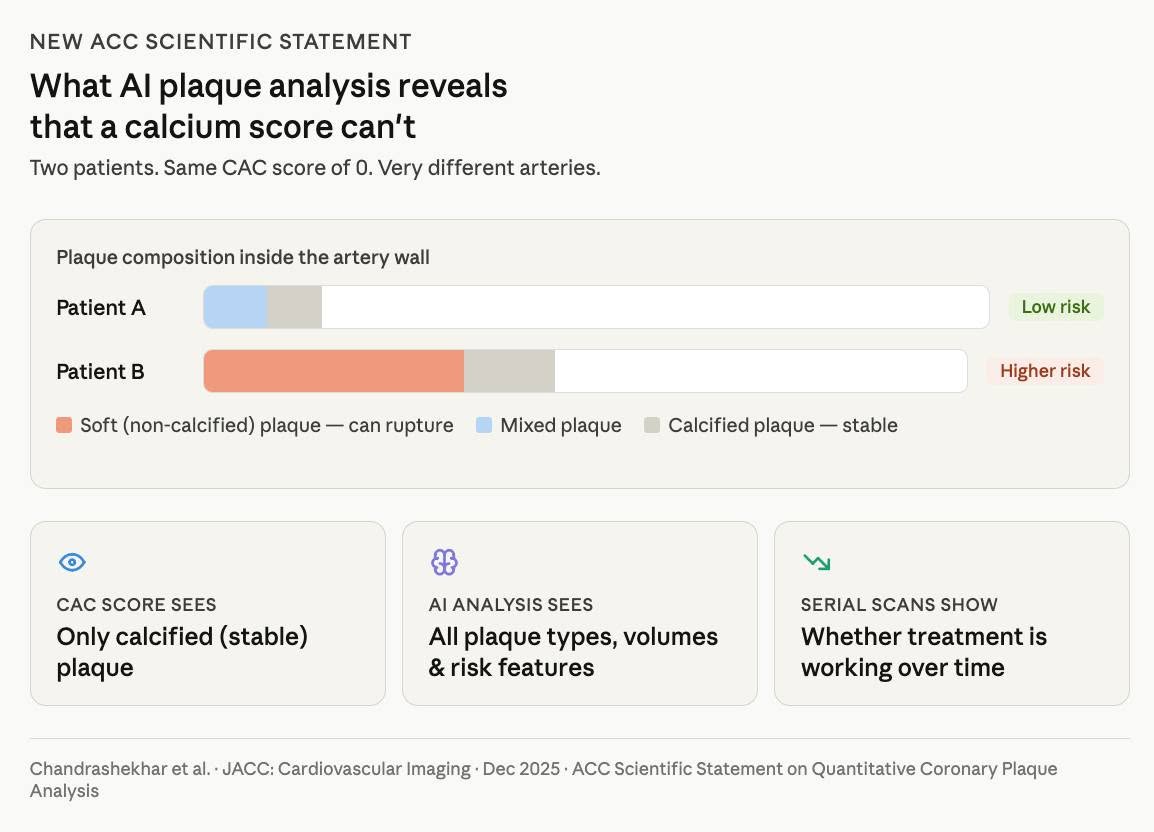
Shared summary of new American College of Cardiology guidance on AI quantitative coronary plaque analysis (QCPA, e.g. Cleerly, HeartFlow). Unlike CAC, which only measures calcified plaque, QCPA characterizes all plaque types, including soft plaque more likely to rupture, and can help follow treatment response.

FLOWPROMOTE: rosuvastatin plus ezetimibe vs atorvastatin for plaque regression

Nov 07, 2026 · Louis Nervegna ♥ 13 · 💬 5

Louis shares an explainer of FLOWPROMOTE, a 2026 JAMA Cardiology randomized trial in 104 Danish adults with stable coronary disease and no prior statin. Participants received atorvastatin 40 mg or rosuvastatin 40 mg plus ezetimibe 10 mg for 18 months with serial coronary CT angiography. It also explains how LDL drives plaque and why combining drugs lowers LDL further.

PARADIGM: statins shift coronary plaque toward denser, lower-risk calcified lesions

Dec 02, 2025 · Louis Nervegna ♥ 20 · 💬 2

Louis shares serial coronary CTA results from the PARADIGM study showing statin use was associated with larger decreases in low-attenuation and fibro-fatty plaque and larger increases in dense calcified plaque. He notes at least six RCTs show statins reduce total plaque volume even while calcified plaque rises.

LMHR cross-sectional study critique: Miami Heart comparison group was sicker by design

Sep 01, 2024 · Louis Nervegna ♥ 8 · 💬 6 LDL, ApoB & lipid panel

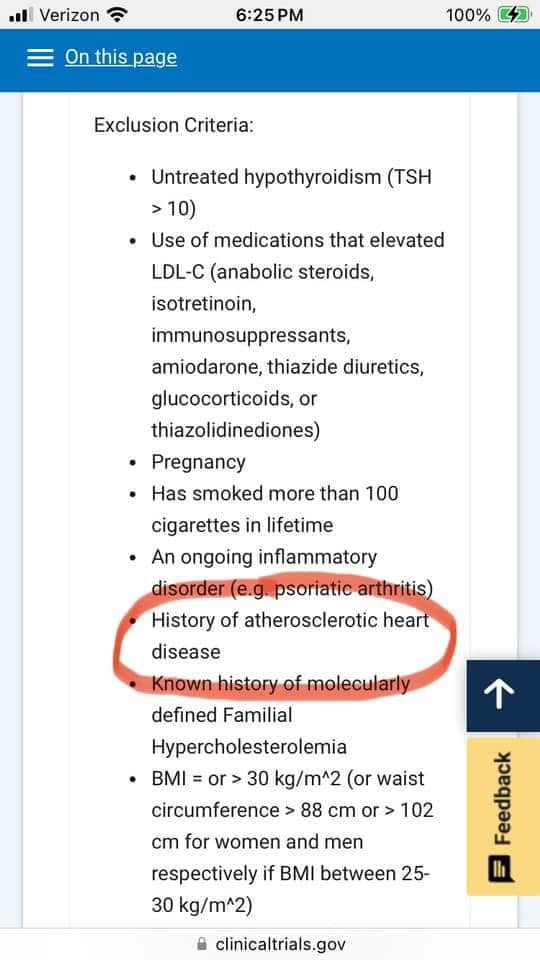
Louis compared official trial-registry exclusion criteria for the LMHR cross-sectional CT-angiogram study and the Miami Heart Study comparison cohort. LMHR excluded anyone with any atherosclerotic history, smokers, obesity, inflammatory disorders and familial hypercholesterolemia, whereas Miami excluded only advanced cases. He argues this creates selection bias because a healthy group cannot be matched to an unhealthy one.

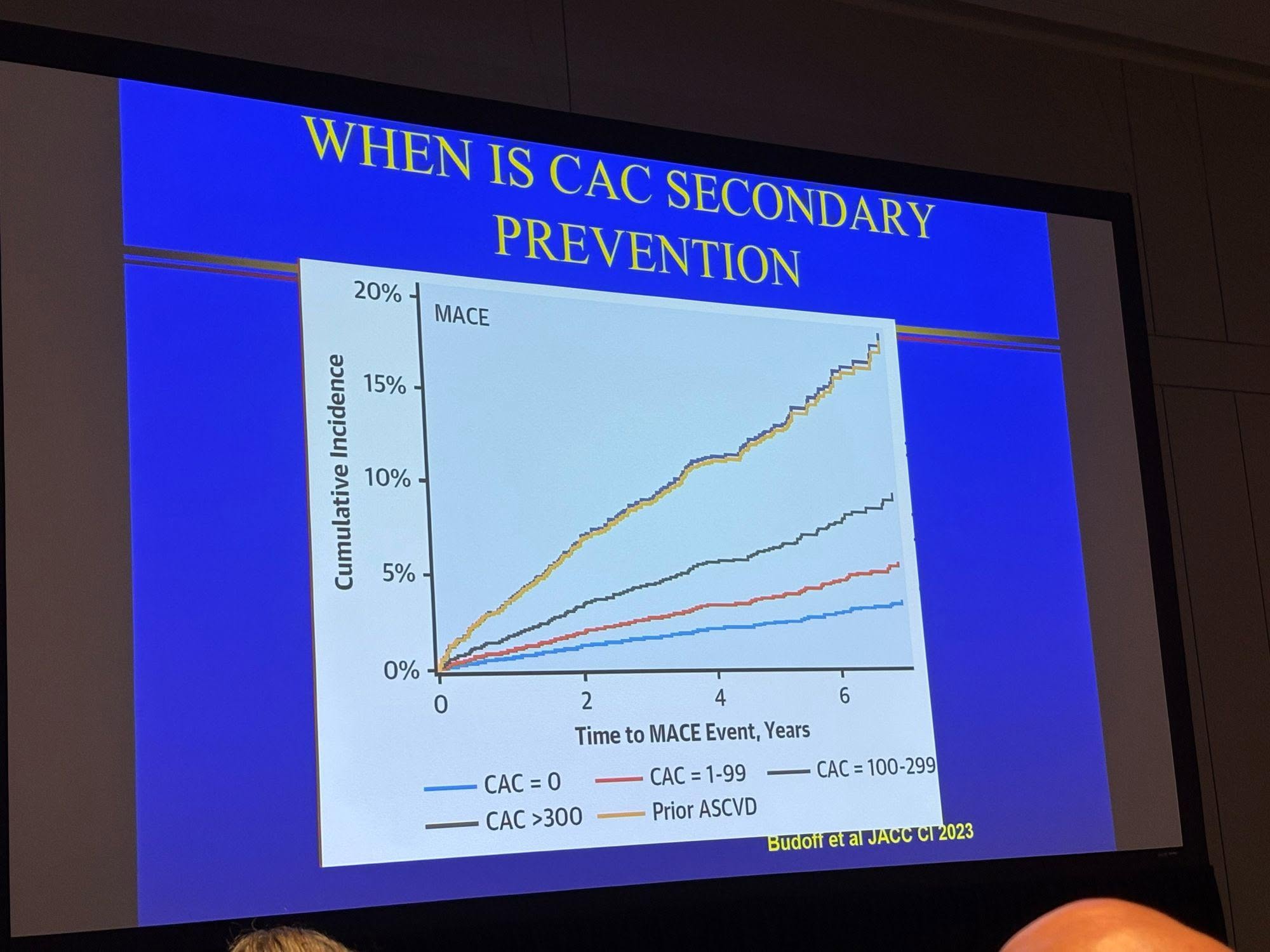
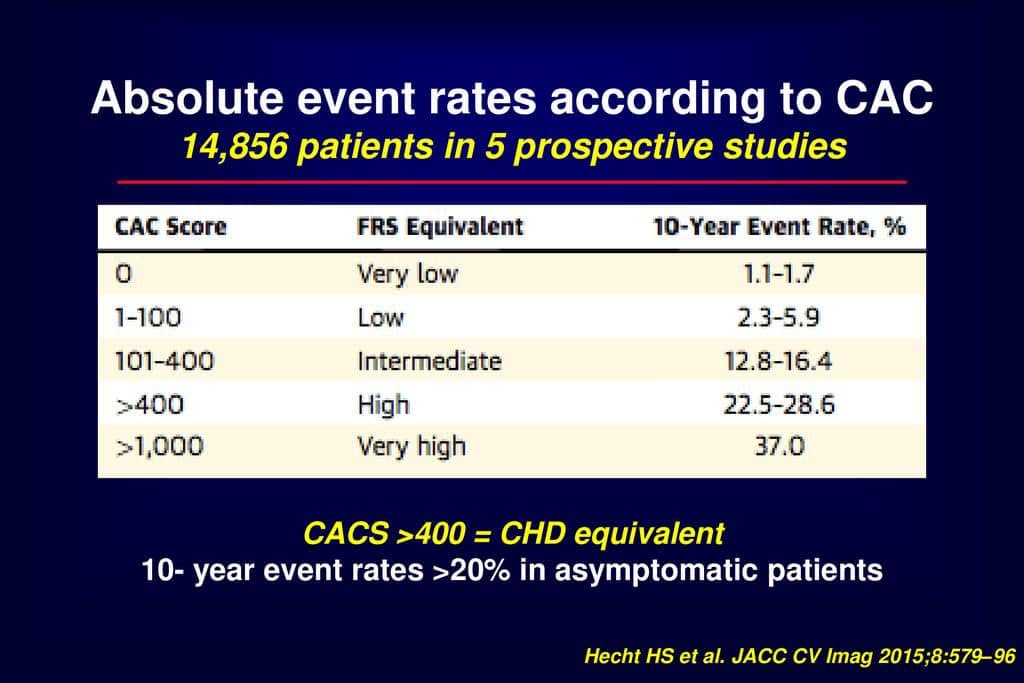
How to convert a CAC score into a 10-year heart attack or stroke risk

Jun 01, 2024 · Louis Nervegna ♥ 12 · 💬 5

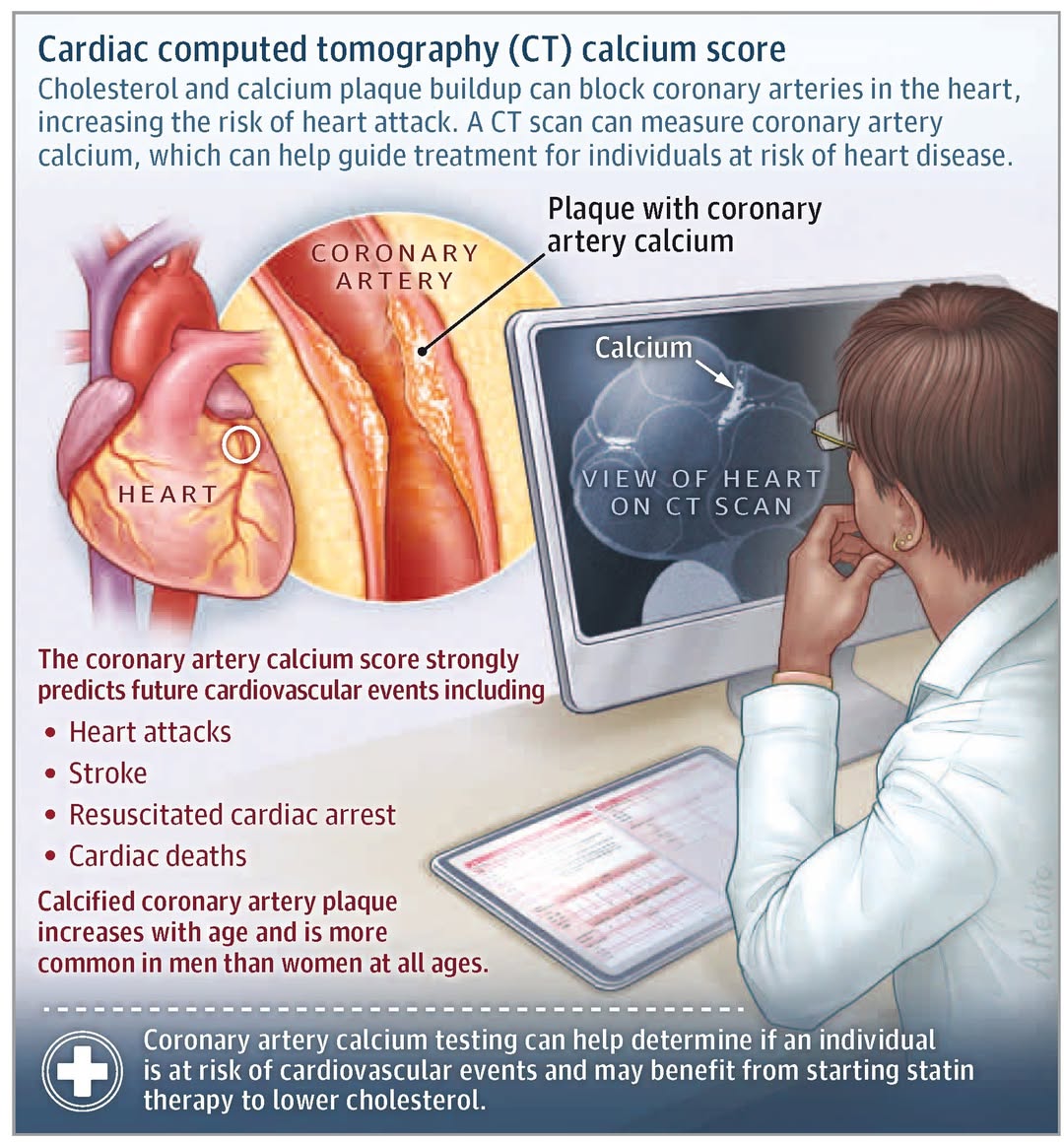
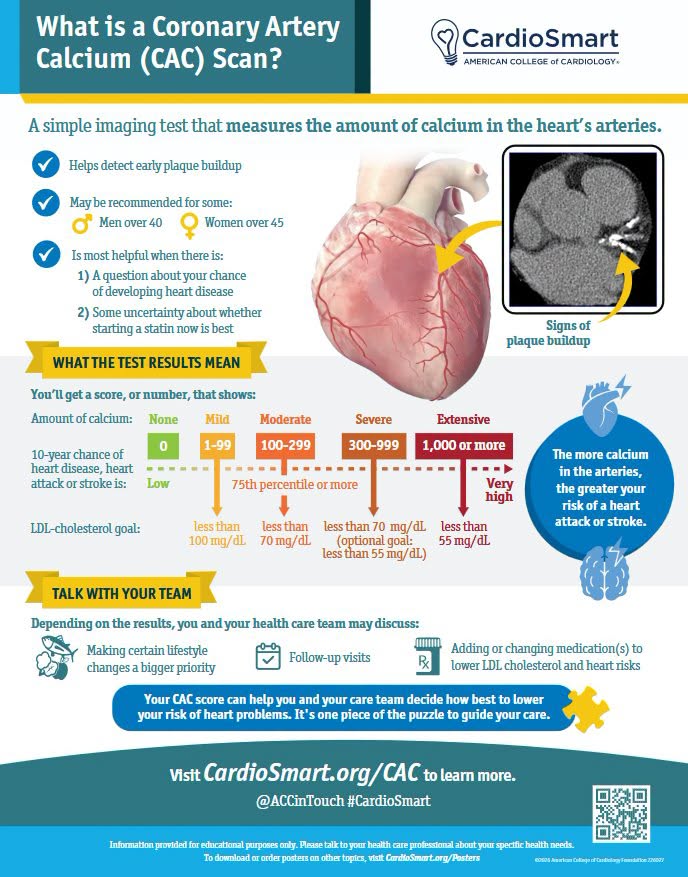
Louis shares a chart for converting a coronary artery calcium score into a 10-year risk of heart attack or stroke, referencing a JACC Cardiovascular Imaging review of CAC scanning. The linked review describes CAC as the most robust predictor of coronary events in asymptomatic primary prevention, particularly in intermediate-risk people.

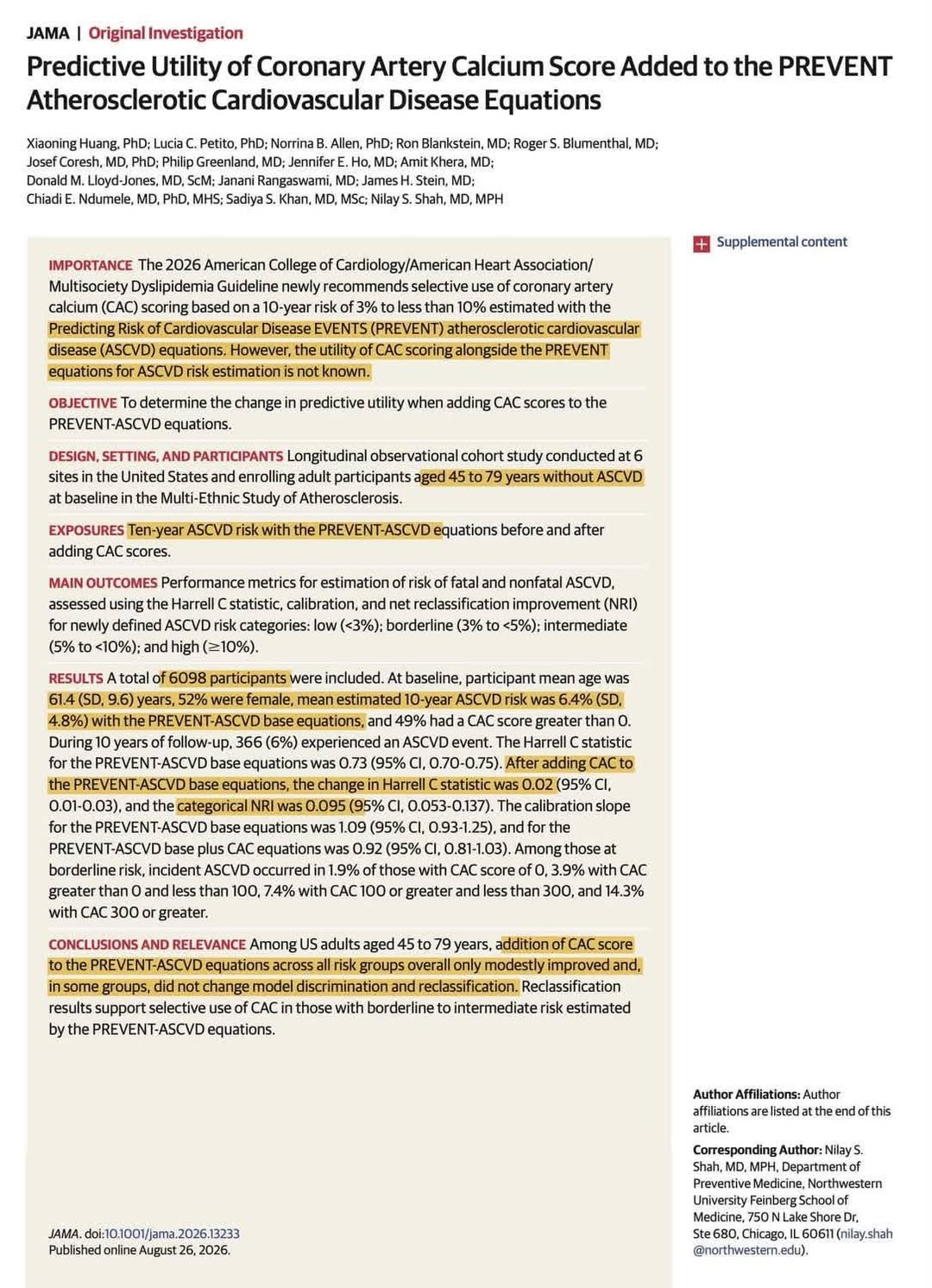
Adding CAC to the PREVENT risk calculator only modestly improves accuracy

Aug 26, 2026 · Louis Nervegna ♥ 7 · 💬 6

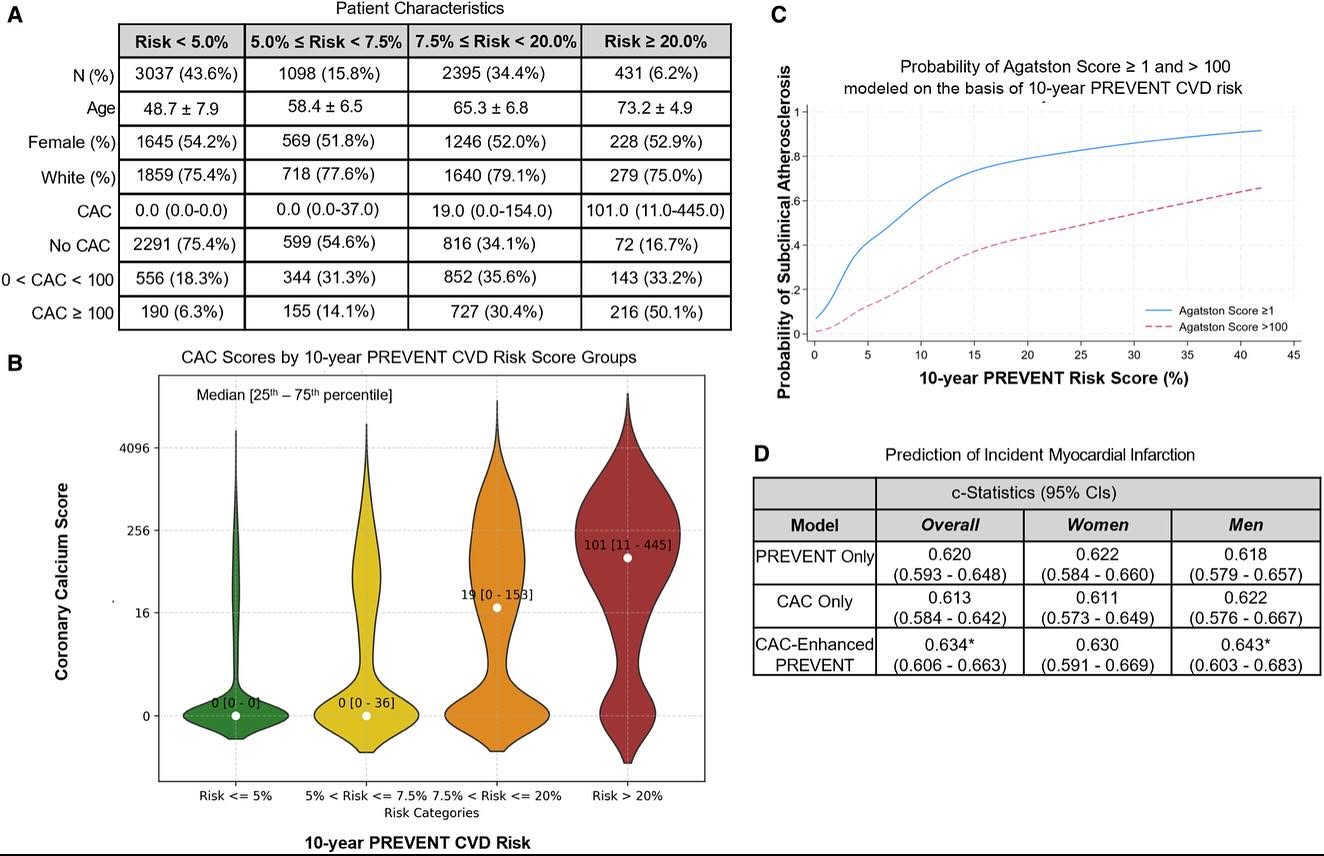
Louis explains that adding CAC score to the AHA PREVENT-ASCVD equations improves prediction only modestly in US adults 45-79, suggesting standard risk factors already capture much of what CAC reflects. He notes that a very high CAC should still be treated as high risk.
DISCO-CT diet-plus-medication group showed plaque reversal, unlike progression in Keto-CTA

Jul 17, 2025 · Louis Nervegna ♥ 6 · 💬 6

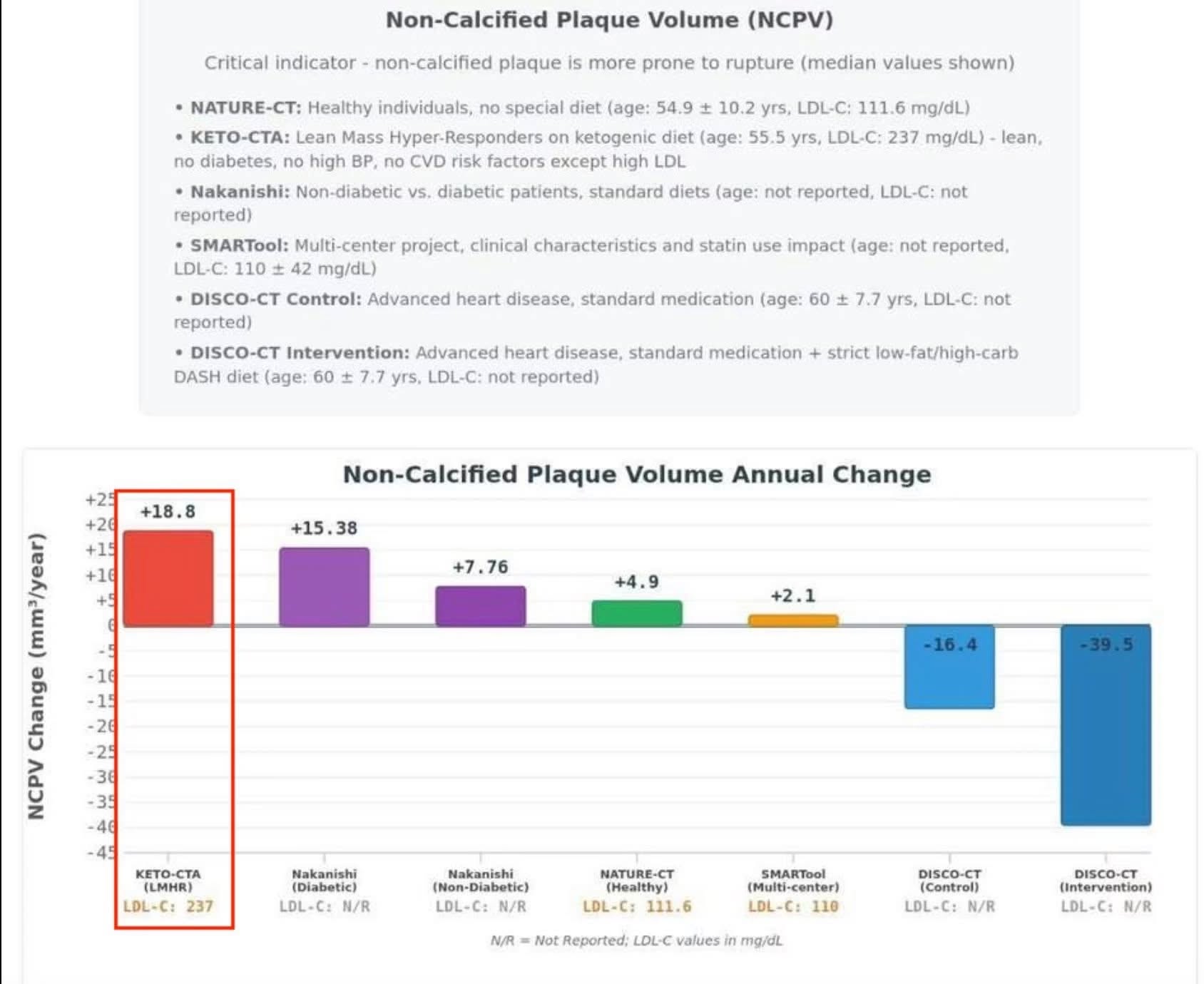
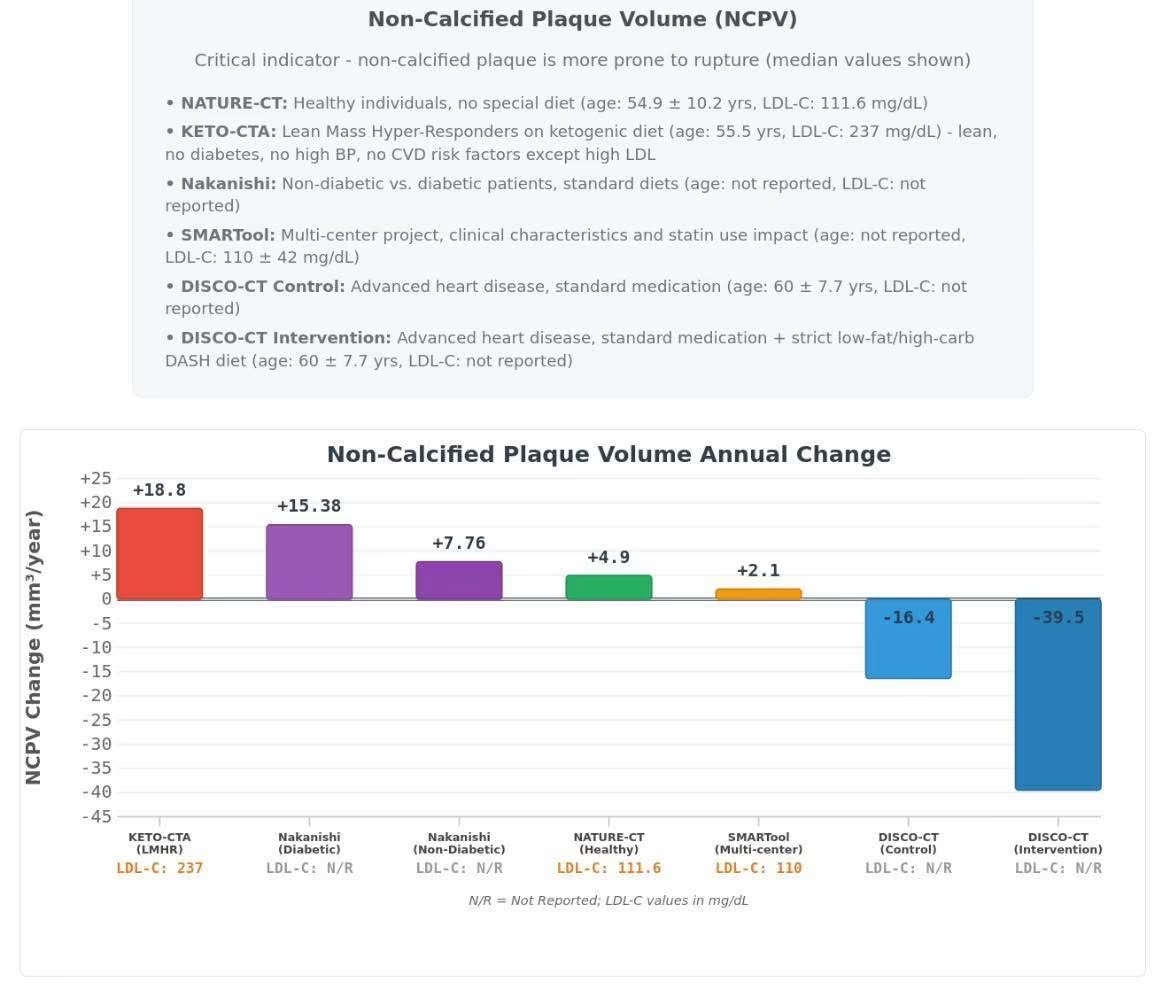
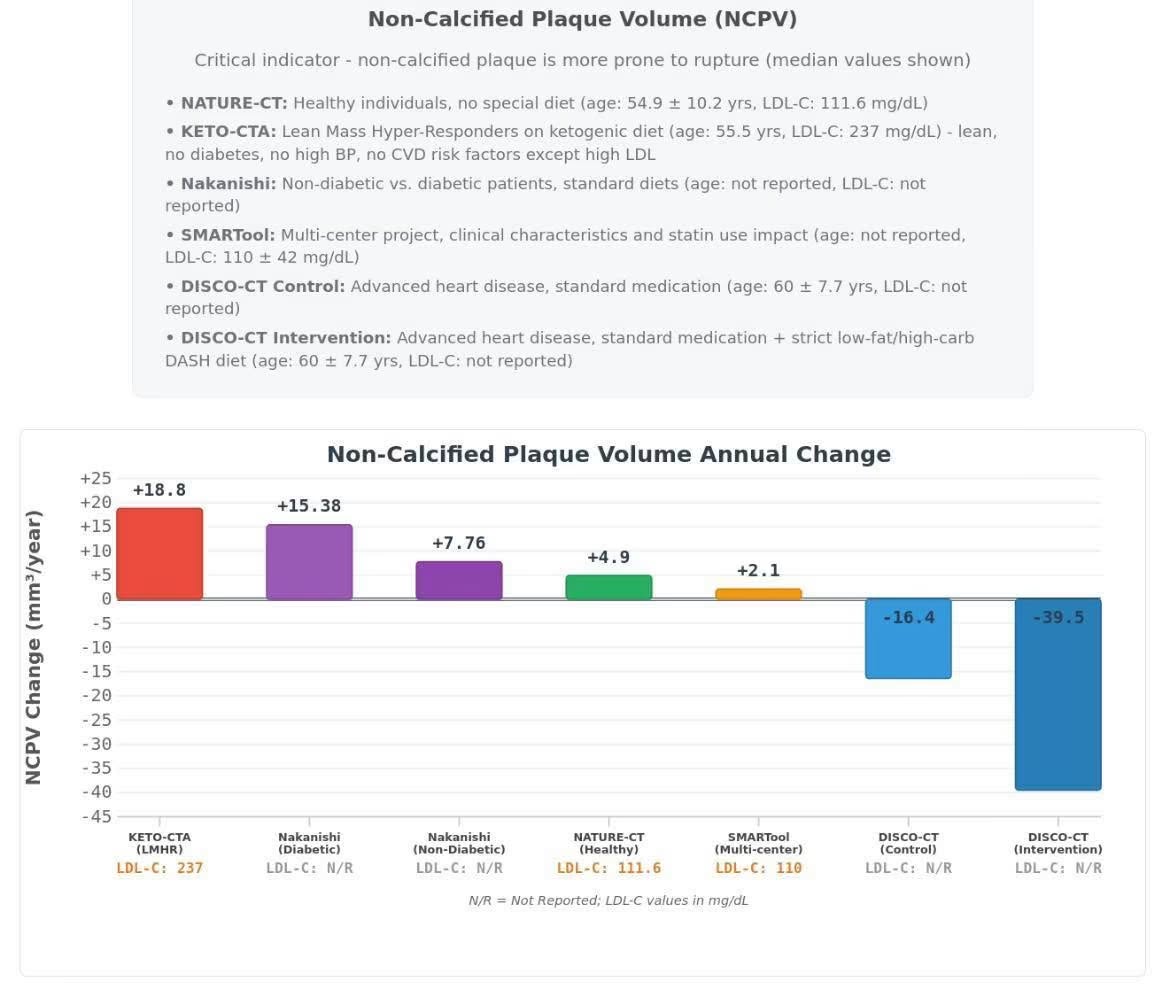
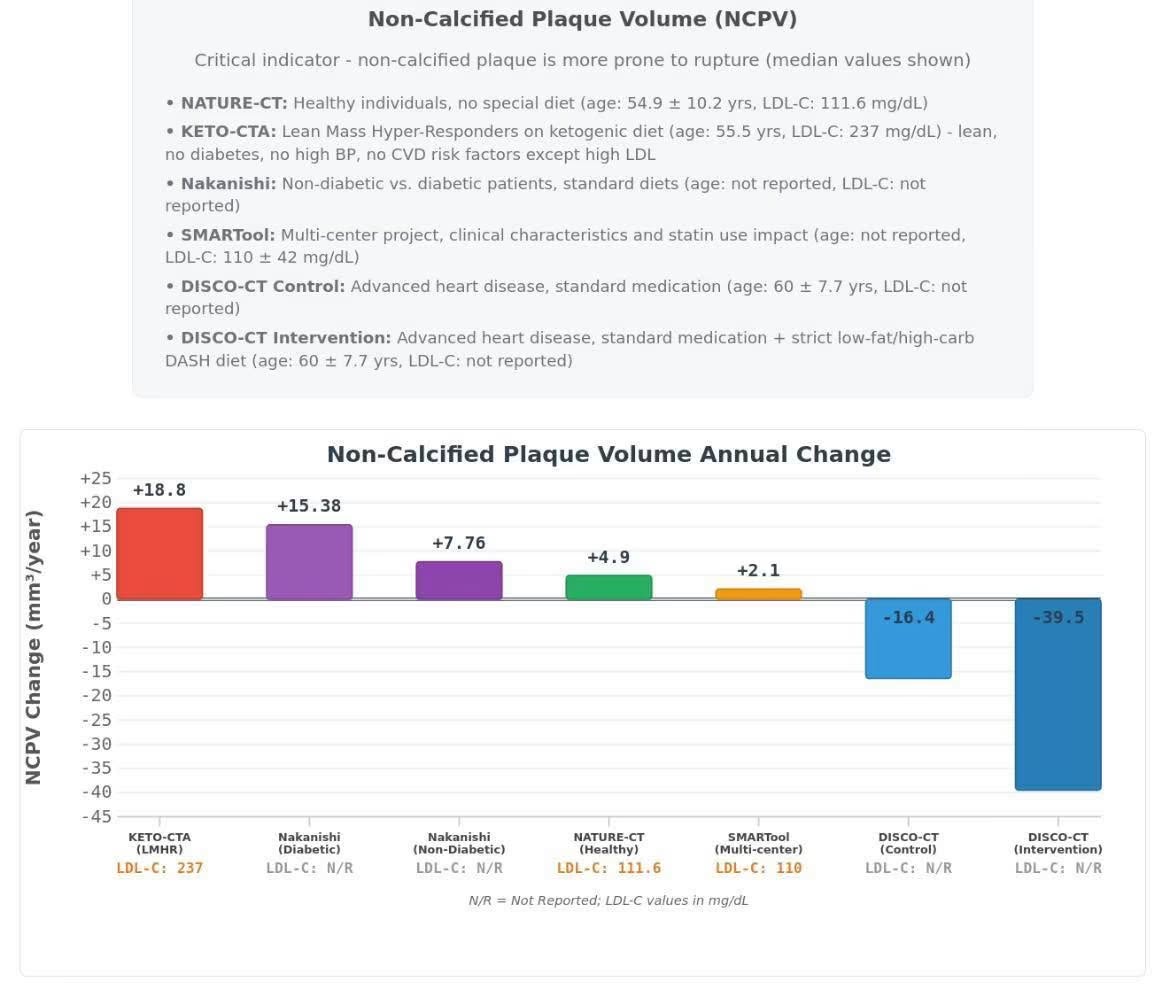
Louis shares a comparison of non-calcified plaque volume changes across several CT angiography studies. The DISCO-CT intervention group (statins, other medications and a DASH diet) showed significant plaque reversal at one year, while the Keto-CTA group of lean mass hyper-responders with LDL-C around 237 mg/dL showed progression. The linked Keto-CTA longitudinal paper is retracted per link metadata.

Bale-Doneen protocol: aggressive multi-drug risk management reduced carotid IMT

Dec 03, 2023 · Gokhan Can ♥ 11 · 💬 3 ↩ 2

Describes the Bale and Doneen approach to reversing plaque: lifestyle counseling, regular imaging and biomarker testing, statin-based lipid control with ezetimibe or niacin, SBP under 120, low-dose aspirin, insulin sensitizers and anti-inflammatories. In the 2016 community-based paper, carotid IMT measures fell markedly over a median of 3 years.

Extreme endurance exercise may accelerate plaque, but effect on events is uncertain

Jun 19, 2026 · Louis Nervegna ♥ 8 · 💬 6 Exercise & fitness

Louis notes that while exercise is clearly beneficial, lifelong high-volume endurance athletes showed more plaque, including non-calcified and mixed plaque, than later starters and lightly active controls. A follow-up suggests plaque tracks with exercise duration more than intensity, and overall mortality still appears lower even at extreme levels.

Keto trial showed worse plaque progression; DASH plus statins regressed plaque

Oct 05, 2025 · Louis Nervegna ♥ 13 · 💬 3

Louis rebuts a keto influencer who cherry-picked a single CT image that looked like regression, arguing the study as a whole showed more plaque progression than a standard American diet. He contrasts it with the Disco-CT trial, where a DASH diet plus statins produced average regression equal to about 8 years of progression reversed in one year.

Medication strategies that have regressed arterial plaque in high-quality RCTs

Aug 12, 2025 · Louis Nervegna ♥ 8 · 💬 5

Louis shares a summary graphic of drug-based approaches that have shown plaque regression in randomized trials, tagged with statins, PCSK9 inhibitors, ezetimibe, EPA, colchicine, exercise and CETP inhibitors. Imaging used includes CTA and IVUS. Details are in the image and linked post.

The four stages of coronary artery disease, from soft plaque to ischemia

Jul 27, 2024 · Gokhan Can ♥ 17 · 💬 2

Explainer on how coronary artery disease develops over decades: soft plaque forms from childhood or early adulthood, plaques harden and calcify, arteries narrow causing ischemia with angina or silent ischemia, and later events. Many people stay asymptomatic through the early stages.

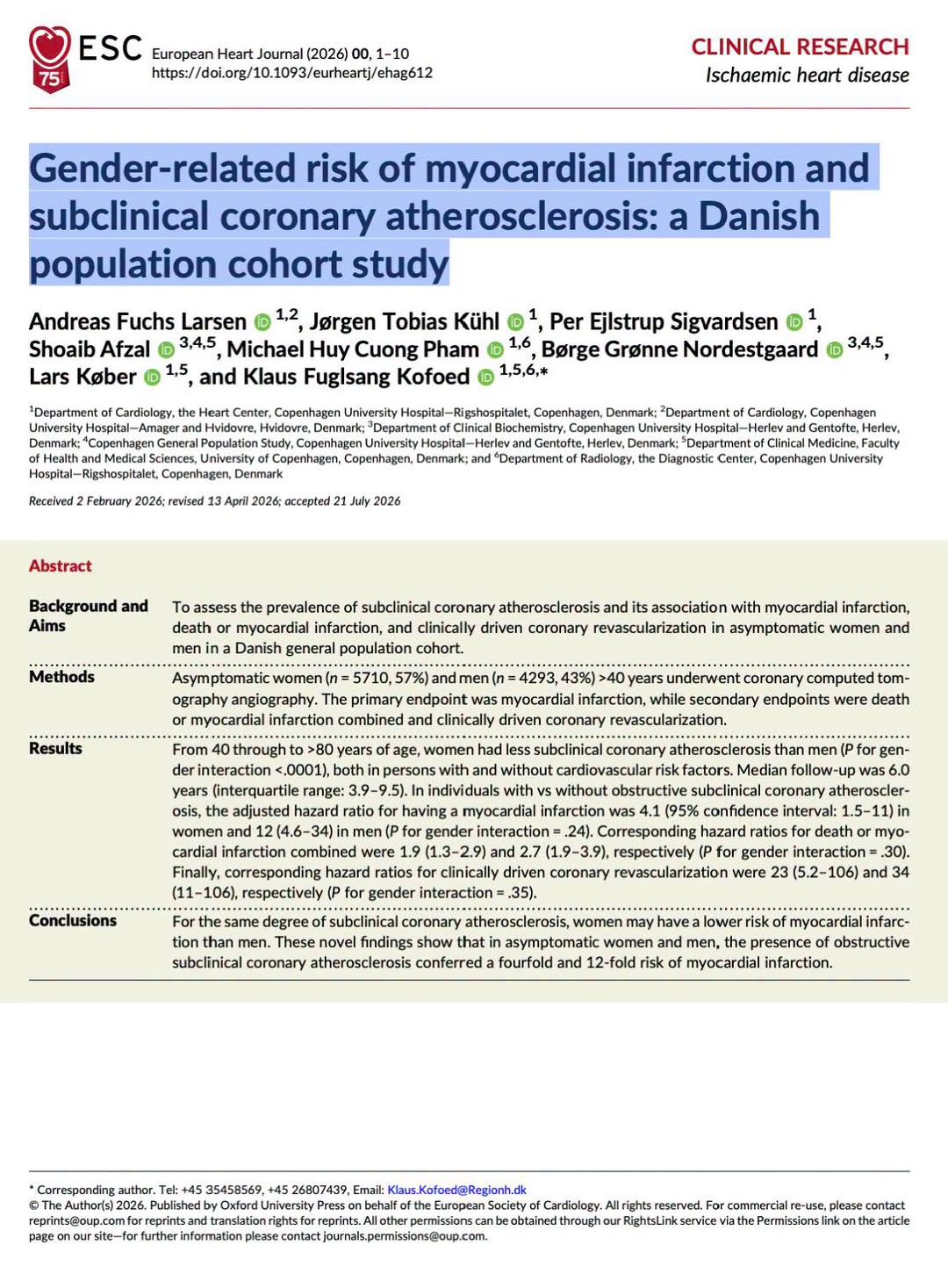
Same CT plaque, lower MI risk in women than men in a 10,003-person Danish cohort

Aug 30, 2026 · Louis Nervegna ♥ 9 · 💬 3

A Danish population study of 10,003 asymptomatic adults over 40 found subclinical coronary plaque less frequent in women at every age, for example 6% vs 20% at age 40-44. After 6 years, obstructive disease carried 4.1-fold higher MI risk in women versus 12-fold in men, though the sex interaction was not statistically significant.

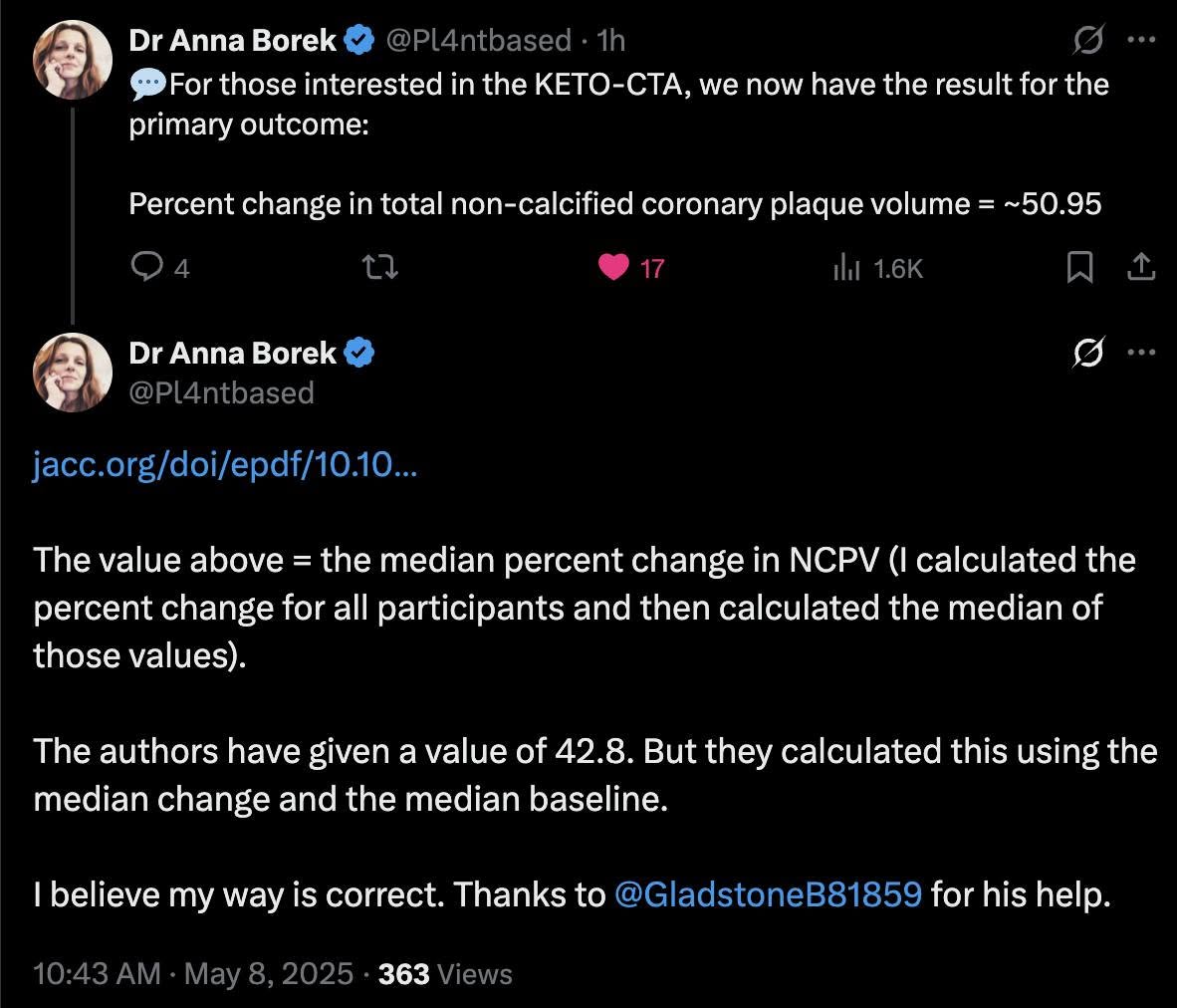
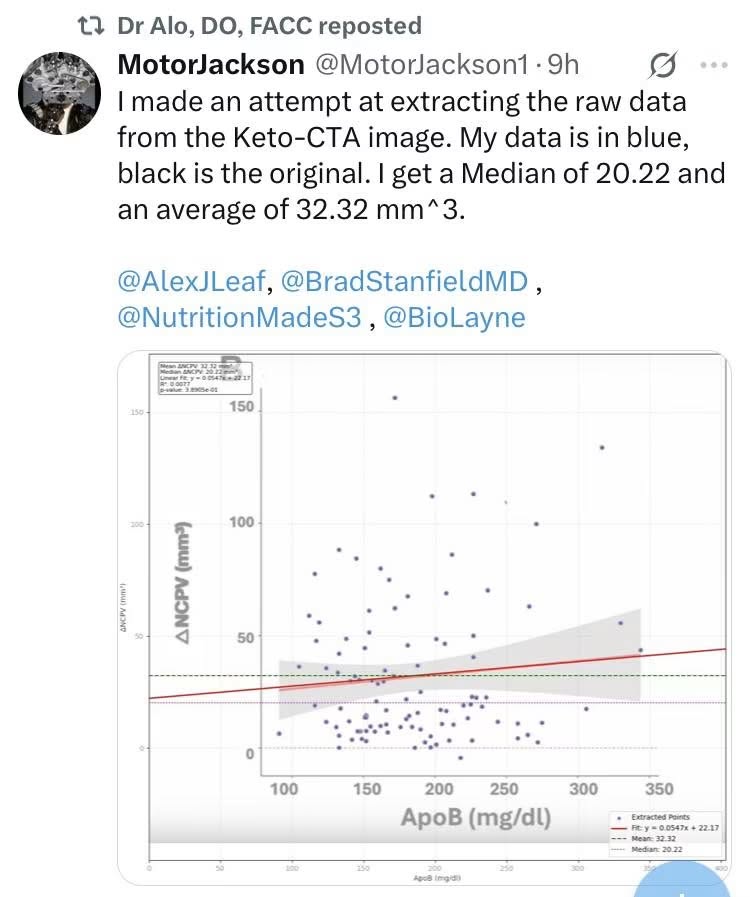
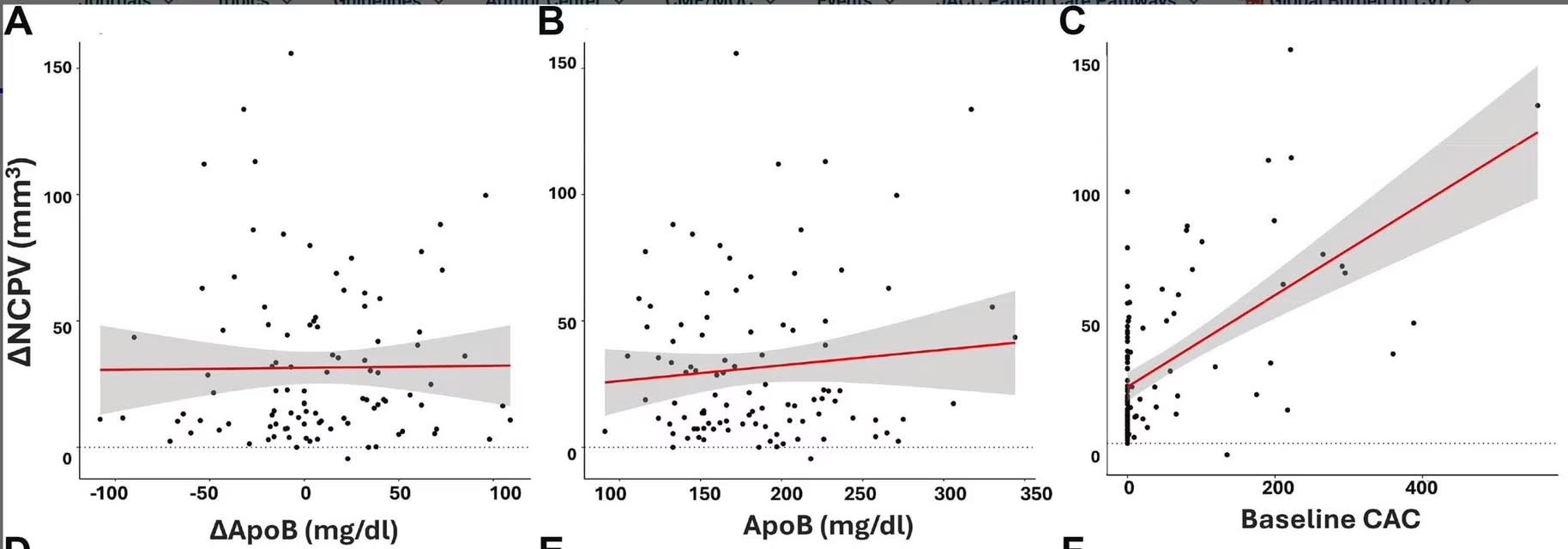
Keto-CTA figures suggest mean non-calcified plaque rise of 32.3 mm3, not the stated 18.8

Apr 19, 2025 · Louis Nervegna ♥ 12 · 💬 3

Louis reports that people checking Keto-CTA's published figures reconstructed the scatter plots and found a mean non-calcified plaque volume increase of 32.3 mm3, versus the median 18.8 mm3 stated by the authors. NCPV was the trial's primary outcome. This is based on community reconstruction, not an official correction.

REACT: silent atherosclerosis found in 57% of 16,808 adults, 7-9% of 18-29-year-olds

Sep 26, 2026 · Louis Nervegna ♥ 11 · 💬 2

The NEJM REACT study used carotid and femoral ultrasound plus coronary CT angiography in 16,808 adults aged 18-70 without known disease. Plaque was present in 57% overall, appeared in young adults, and a zero calcium score often missed early non-calcified plaque. Ten-year risk scores detected very little silent disease, so keeping risk factors favorable throughout life is the priority.

Keto-CTA extrapolation: LMHRs with CAC over 100 hit 'severe plaque' (PAV >15%) in ~3 years

Apr 14, 2025 · Louis Nervegna ♥ 5 · 💬 5 ↩ 4

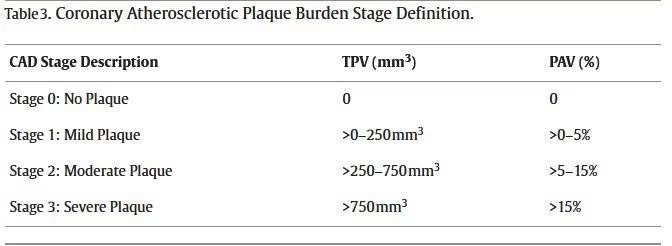
Louis extrapolates the Keto-CTA data: PAV above 15% is severe plaque. At the study's progression rates, people with CAC over 100 cross it in 3 years, those with 10-year risk over 5% in 8 years, the average participant in 17 years and CAC=0 in 29 years. He cautions these linear projections are likely upper bounds.

Gerry Kurth's story: stent at 71, hidden glucose spikes and calcium score tracking

Dec 02, 2023 · Gokhan Can ♥ 8 · 💬 4 ↩ 2

Summarizes Dr. Ford Brewer's interview with Gerry Kurth, who tracked lipids, inflammation, glucose and imaging for 35 years yet needed a stent for a 90% LAD blockage at 71. A glucose tolerance test later revealed spikes over 200 despite normal fasting glucose and A1c, leading him to cut carbohydrates and monitor coronary calcium.

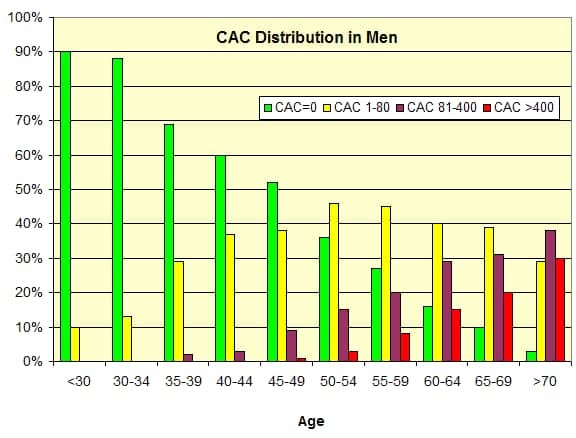
Chart of CAC score distribution by age

May 16, 2024 · Louis Nervegna ♥ 12 · 💬 4

Louis posts a chart showing how coronary calcium scores are distributed across ages, sourced from a CAC scoring guide. No further explanation is given in the text.

Case: carotid plaque regression with salmon, niacin and low-dose rosuvastatin

Dec 23, 2023 · Louis Nervegna ♥ 13 · 💬 3

Louis shares a video by Dr. Ford Brewer describing his own plaque reversal. He ate salmon daily, added niacin and low-dose rosuvastatin and switched from an ARB to an ACE inhibitor, with a major decrease in carotid plaque volume and CIMT arterial age falling from 72 to 52. It is a single self-reported case in a video from a clinic that also sells services and supplements.

Keto-CTA plaque progression vs plaque regression on Repatha in Budoff's other study

Apr 09, 2025 · Louis Nervegna ♥ 8 · 💬 2

Louis compares non-calcified plaque volume (NCPV) changes in the Keto-CTA (LMHR) study with a second Matthew Budoff study in higher-risk people whose LDL was lowered to about 30 mg/dL with the PCSK9 inhibitor Repatha. The lean, healthy keto group with LDL 254 mg/dL progressed, while the hypertensive, higher-risk Repatha group mostly showed major regression. He also notes that uL and mm^3 are the same unit when comparing NCPV across studies.

37% of 237 ancient mummies had atherosclerosis on CT scans

May 31, 2024 · Louis Nervegna ♥ 8 · 💬 3

Louis shares a HealthDay report on a CT study of mummies from seven cultures spanning over 4,000 years. More than a third had evidence of clogged arteries, which the researchers say shows humans have an innate risk of atherosclerosis rather than it being solely a product of modern lifestyle.

CT scan cancer risk must be weighed against the benefit of tracking plaque

Aug 21, 2025 · Louis Nervegna ♥ 7 · 💬 3

Louis cautions that tracking plaque with CT scans carries radiation risk, noting CAC scans use much less radiation than CT angiography but predict risk less accurately. He points out the JAMA Internal Medicine projection is observational, subject to confounding and reverse causality.

CT angiography plaque burden often predicts events better than stenosis severity

Jun 09, 2026 · Louis Nervegna ♥ 14 · 💬 1

Louis predicts coronary CT angiography will become standard in preventive cardiology as cost and radiation fall. The shared review argues that total plaque volume and non-calcified plaque often outperform stenosis in large cohorts, supporting disease-based rather than risk-factor-based prevention.

FLOWPROMOTE: combination therapy shrank soft plaque 28% vs 20% with LDL near 42 vs 70

Oct 31, 2026 · Louis Nervegna ♥ 6 · 💬 3

A shared post on FLOWPROMOTE (JAMA Cardiology, Oct 30, 2026): 104 statin-naive people with coronary narrowing were scanned with CT, then given atorvastatin 40 mg or rosuvastatin 40 mg plus ezetimibe 10 mg. After 18 months LDL fell to 42.5 versus 69.5 mg/dL, and soft plaque shrank 28.2% versus 20.0%. Louis shares it with hashtags only.

Vitamin K2 slowed coronary calcium only when started early; two late-stage trials failed

Jun 23, 2026 · Louis Nervegna ♥ 6 · 💬 2

Louis shares a summary of three RCTs of vitamin K2 (MK-7) on arterial calcification. K2 lowered the inactive MGP marker in all three, but calcification slowed only in the most recent trial, which enrolled people with early coronary disease; two trials in established aortic valve or dialysis calcification showed no change.

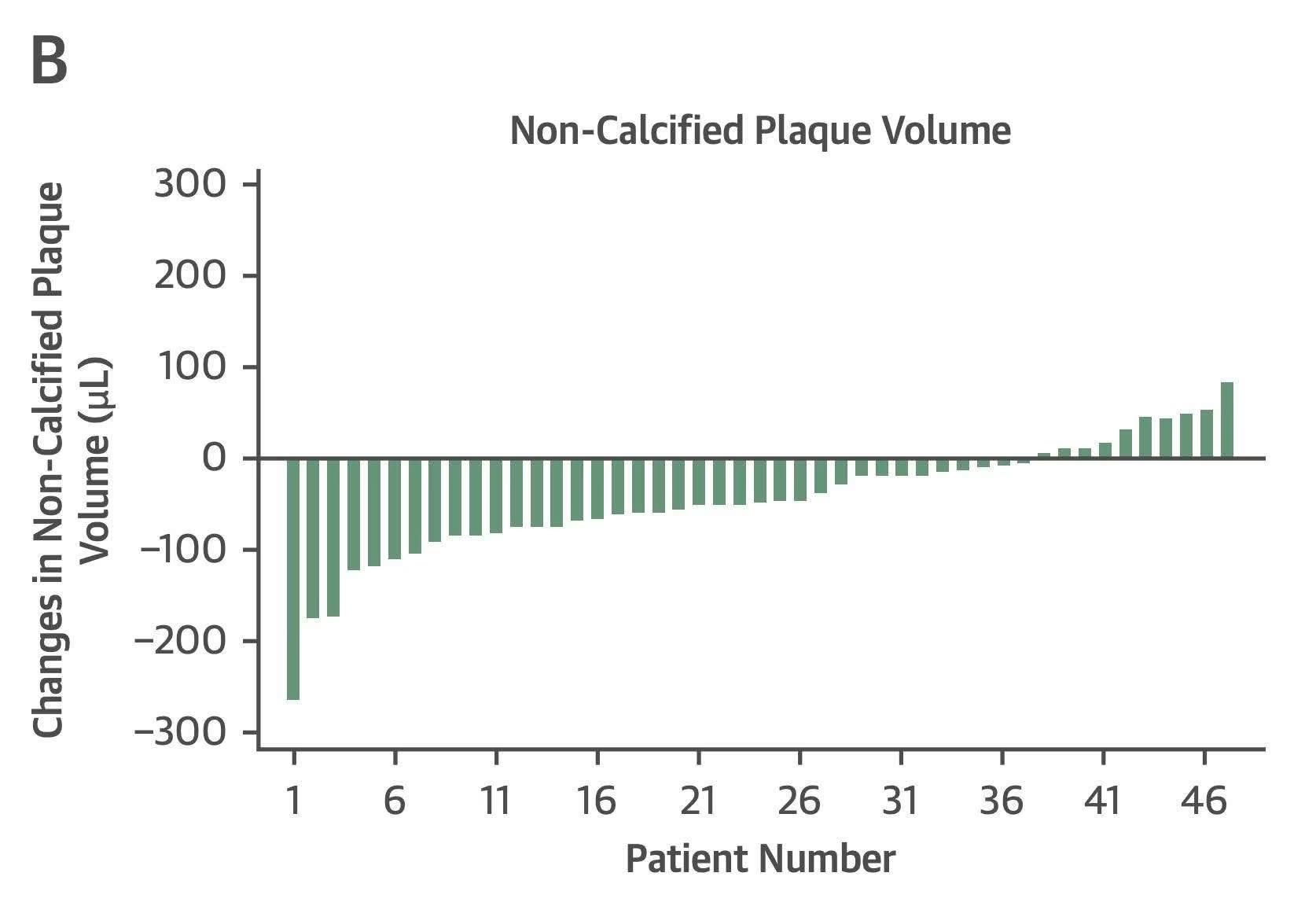
Repatha alone reversed soft plaque in 37 of 47 patients over 18 months at LDL near 30

Nov 13, 2026 · Louis Nervegna ♥ 9 · 💬 1 PCSK9, ezetimibe & newer drugs

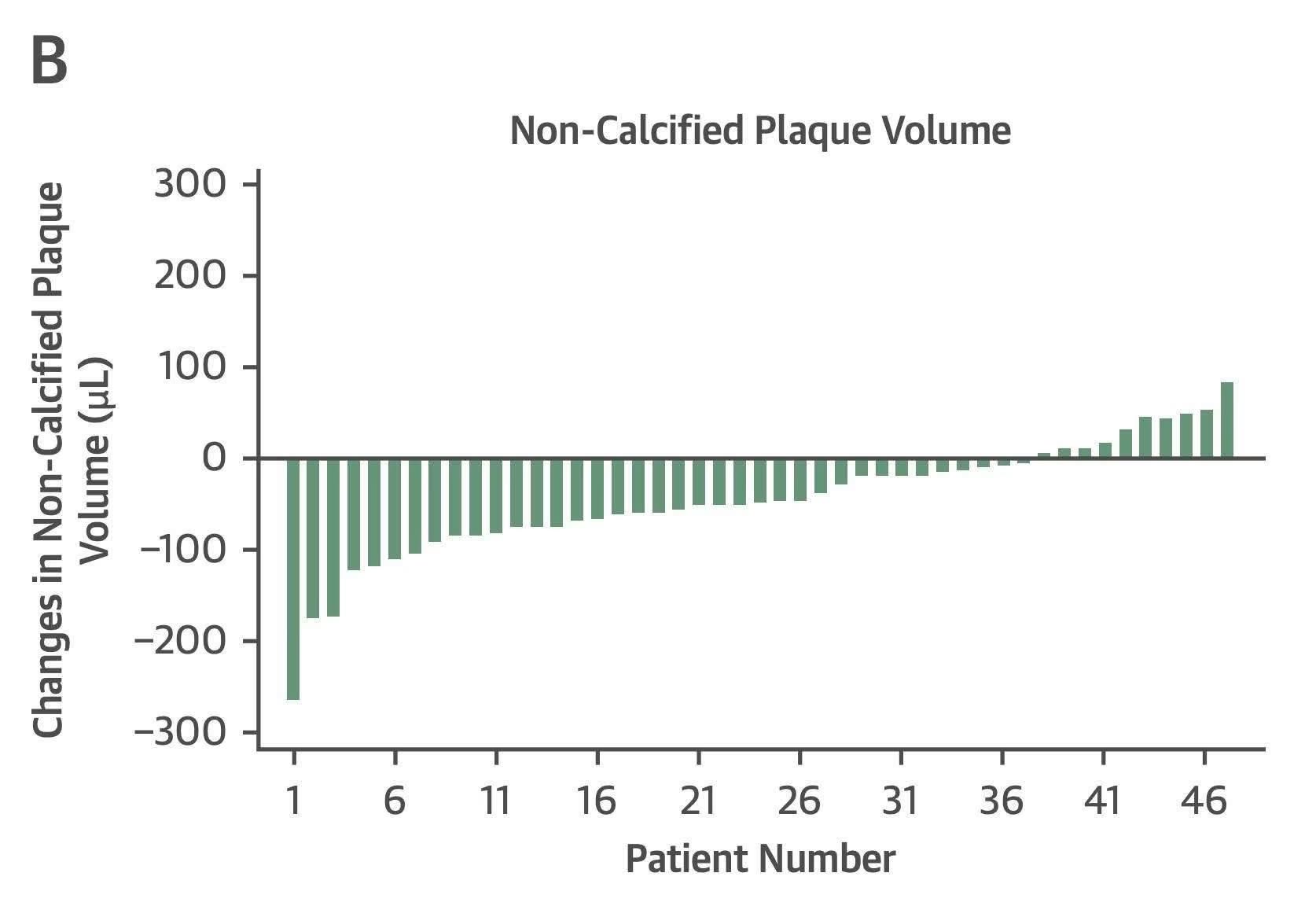
Louis explains a small uncontrolled study of the PCSK9 inhibitor evolocumab with CT angiography. Average LDL was about 30 mg/dL, 37 of 47 patients had some non-calcified plaque regression, and many had large reversals worth years of typical growth (about 5 mm3 per year). He cautions it was small with no randomization or control group, and that PCSK9 monotherapy is not yet proven to reduce heart attacks.

For the same CAC score, fitter people have much lower heart attack risk over 20-25 years

Oct 09, 2024 · Louis Nervegna ♥ 12 · 💬 1

Louis reposts a point from a sports cardiologist video: at the same coronary calcium score, people who exercise have a much lower heart attack risk over the next 20 to 25 years, and greater fitness means lower risk at any degree of calcification. He notes CAC may overestimate risk in endurance athletes.

CORDIOPREV: Mediterranean diet reversed carotid plaque and cut recurrent events ~25%

Apr 13, 2025 · Louis Nervegna ♥ 14

Louis summarizes the 2021 CORDIOPREV RCT in patients with prior heart attack or stroke on standard medical care: a Mediterranean diet rich in olive oil, nuts and fish reduced carotid thickness at 5 and 7 years, unlike a low-fat diet, and reduced maximum plaque height. Recurrent major cardiovascular events were roughly 25% lower, even though participants were already on statins and other drugs.

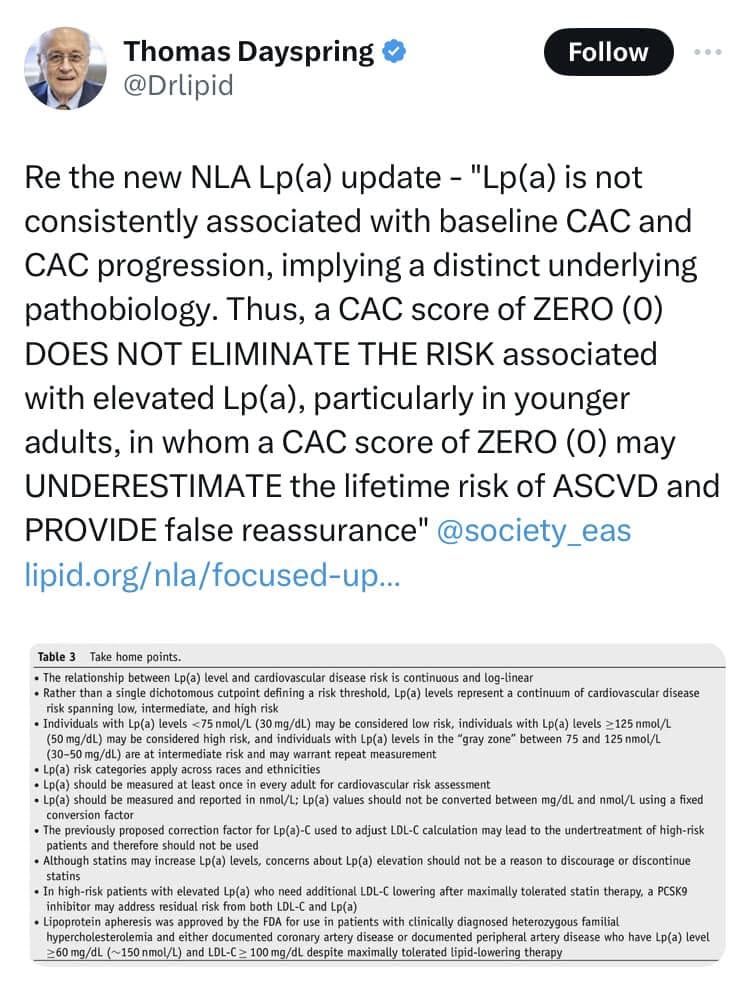
A CAC score of zero does not eliminate risk from high Lp(a), especially in younger adults

Apr 01, 2024 · Louis Nervegna ♥ 10 · 💬 1 Lp(a)

Louis relays Thomas Dayspring's quote from the new NLA Lp(a) update: Lp(a) is not consistently associated with baseline CAC or CAC progression, implying distinct pathobiology, so a zero calcium score does not remove the risk of elevated Lp(a), particularly in younger adults. This contrasts with his earlier MESA-based post focused on 10-year risk.
Six statin trials show 5 to 17% total plaque reversal, with the best results at lowest LDL

Oct 31, 2026 · Louis Nervegna ♥ 12 ↩ 1

Louis shares a chart of randomized trials showing plaque reversal with statins, ezetimibe and PCSK9 inhibitors, with total atheroma volume change plotted against LDL-C. Total plaque reversal ranged from about 5% to 17% in six older statin trials, measured by CT angiography or IVUS, and came from soft rather than calcified plaque. The chart suggests total plaque reversal begins once LDL falls below roughly 90 mg/dL.
Keto-CTA hyper-responders progressed soft plaque 3.8x faster than Nature-CT controls

Apr 18, 2025 · Louis Nervegna ♥ 5 · 💬 1

Louis compares Keto-CTA (keto diet, LMHR) with the Nature-CT study, both from Budoff's UCLA group using CCTA and Cleerly software, with similar age (~55), no diabetes and no statins. After one year non-calcified plaque volume rose 18.8 mm3 in LMHR versus 4.9 mm3 in the Nature-CT standard-diet group. Budoff reportedly agrees it is a good comparison and plans a paper comparing them.

Six randomized trials show diet can reverse plaque, from Ornish to DISCO

Sep 17, 2025 · Louis Nervegna ♥ 13

A video reviews the six human RCTs of dietary plaque reversal: Lifestyle Heart Trial (1990), STARS (1992), SCRIP (1994), PREDIMED (2013), CORDIOPREV (2021) and DISCO (2021). Louis stresses that three higher-fat Mediterranean/DASH trials with nuts and avocado showed reversal and that Esselstyn's diet has never been RCT-tested.

Sitosterolemia may be more common than doctors realize, WSJ essay says

Nov 24, 2024 · Louis Nervegna ♥ 5 · 💬 2

Louis shares a Wall Street Journal essay about a patient with clogged arteries despite good health, found to have sitosterolemia. People with this condition over-absorb plant sterols from the gut, and high blood sterol levels then cause plaque. The article suggests it may be underdiagnosed.

Letter to JACC: Keto-CTA omitted pre-specified outcome, a 43% rise in non-calcified plaque

Apr 21, 2025 · Louis Nervegna ♥ 4 · 💬 1

Louis shares a letter to the editor critiquing the Keto-CTA study of lean mass hyper-responders. It argues the primary outcome (non-calcified plaque volume) was not reported in the paper, but the lead author later shared a median increase of 18.8 mm3 (~43%), several-fold above normal annual progression and in contrast to regression seen in DISCO-CT. The 0.8% rise in percent atheroma volume also exceeds typical annual change in PARADIGM.

Keto-CTA plaque growth matched diabetics' and far exceeded high-risk statin-treated groups

Apr 16, 2025 · Louis Nervegna ♥ 4 · 💬 1

Louis quotes an analysis of the Keto-CTA trial putting its plaque progression in context: median non-calcified plaque rose 18.8 mm3 in one year, comparable to type 2 diabetics (~17.4 mm3/yr), about triple PARADIGM metabolically normal people, and nearly 3x SMARTool high-risk non-statin users (6.4 mm3/yr). PAV rose 0.8% overall and 2.4% in those with CAC over 100.

A CAC score of zero does not rule out atherosclerosis, especially under age 45

Jun 24, 2026 · Louis Nervegna ♥ 1 · 💬 6

Louis explains that a zero calcium score can coexist with visible calcium specks or with non-calcified soft plaque, particularly in people under 45. Because soft plaque takes 10-15 years to calcify, a 45-year-old with significant soft plaque might not show calcium until about age 60.

CAC score may be a simple measure of overall biological aging

May 18, 2024 · Louis Nervegna ♥ 6 · 💬 1

Louis shares an article by Dr. Joel Kahn describing a study that proposes the coronary artery calcium score as a broad marker of biological aging, not just heart disease. The quoted authors note CAC is widely available, takes seconds and often costs $100 or less.

MESA: high Lp(a) mostly matters when CAC is 100 or above

Jul 18, 2024 · Louis Nervegna ♥ 4 · 💬 1 Lp(a)

A repost of a MESA analysis suggesting that people with high Lp(a), CAC under 100 and hsCRP under 2 mg/L have 10-year risk not much above those with normal Lp(a). The highest risk is with elevated Lp(a) and CAC of 100 or more. Louis notes this is a cohort study, not an RCT.

Vitamin C has not reduced heart attacks or strokes and plaque data are mixed

Apr 12, 2026 · Gokhan Can ♥ 5 · 💬 1 Supplements & vitamins

Admin summarises that vitamin C alone has been tested widely without reducing hard outcomes (MACE), and plaque-reversal data are mixed: supportive in animals, better/worse/no effect in human trials. He does not advise it as a heart-disease cure, though physiological doses appear safe; he takes 250 mg/day to avoid deficiency. Links an (largely AI-generated, author-vetted) summary document.

Mediterranean diet from age 40 to 60 linked to fewer early signs of artery plaque at 60

Dec 18, 2025 · Louis Nervegna ♥ 11 Mediterranean, DASH, MIND & plant-forward diets

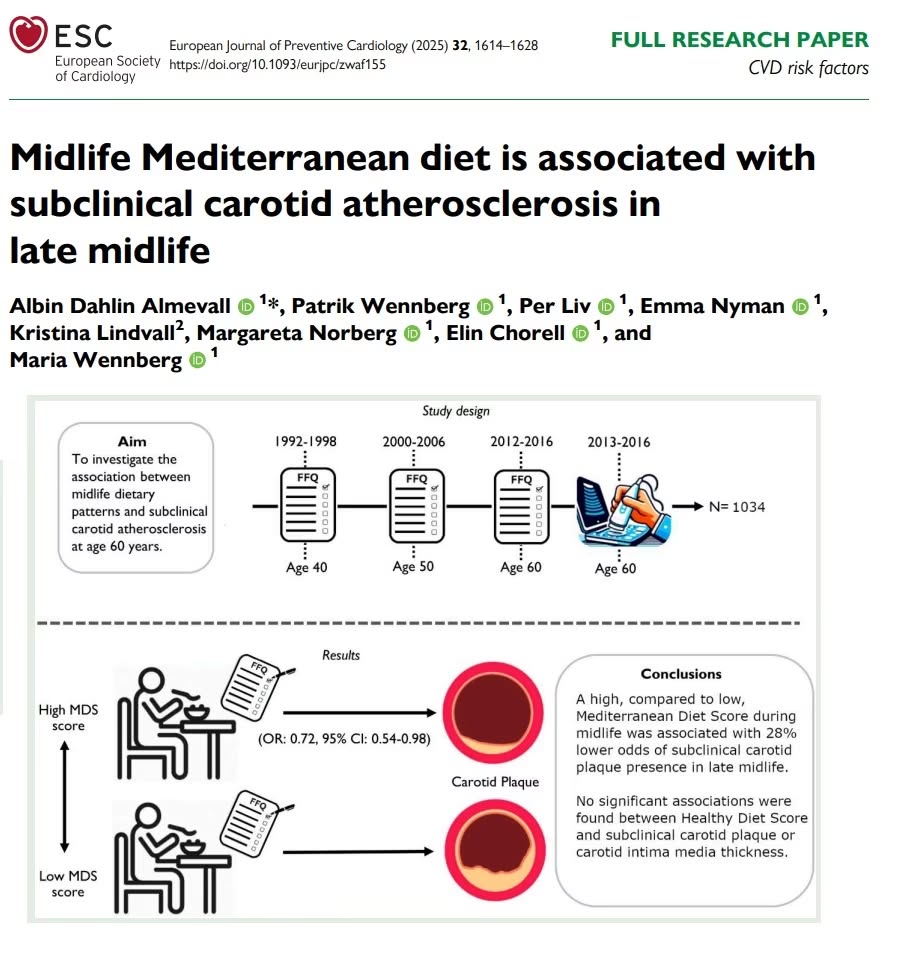
Louis shares an observational study from the European Journal of Preventive Cardiology showing that following a Mediterranean-style diet between ages 40 and 60 was associated with a lower likelihood of early plaque build-up at age 60. He adds it to the pile of evidence for a traditional Mediterranean diet in preventing heart disease.

Rapamycin did not slow atherosclerosis in marmosets, and why stents use it anyway

Apr 18, 2024 · Louis Nervegna ♥ 8 ↩ 1 Aging & longevity

Louis cites Adam Salmon's marmoset work showing rapamycin had no clear effect on aging cardiovascular function, with plaque developing at the same rate as controls. He considers it unwise to rely on rapamycin to prevent heart disease. He also explains rapamycin on stents works by blocking scar tissue (neointimal hyperplasia), not plaque growth.

DISCO-CT: DASH diet plus statins reversed ~40 mm3 of soft plaque in one year

Nov 14, 2026 · Louis Nervegna ♥ 6

Louis explains the DISCO-CT randomized trial, where a DASH diet plus statins produced the largest soft (non-calcified) plaque regression of any dietary trial on CT angiography. Adjusted to one year it was -39.5 mm3, versus an average at-risk person growing about 5 mm3 per year, so roughly 8 years of progression reversed. He notes the DASH diet was about 30% fat, mostly unsaturated, and adds caveats about interpretation.

Keto-CTA omitted its primary plaque outcome: median NCPV rose 18.8 mm3, 2.5x forecast

Apr 13, 2025 · Louis Nervegna ♥ 6

Louis quotes Alex Leaf's critique: the Keto-CTA paper barely mentioned non-calcified plaque volume (NCPV), the primary outcome, saying only 'most participants presented with stable NCPV'. The lead author later gave a median increase of 18.8 mm3, over 2.5x the 7 mm3 predicted, comparable to metabolic syndrome over 3 years or type 2 diabetes per year, and nearly 3x SMARTool high-risk non-statin users.

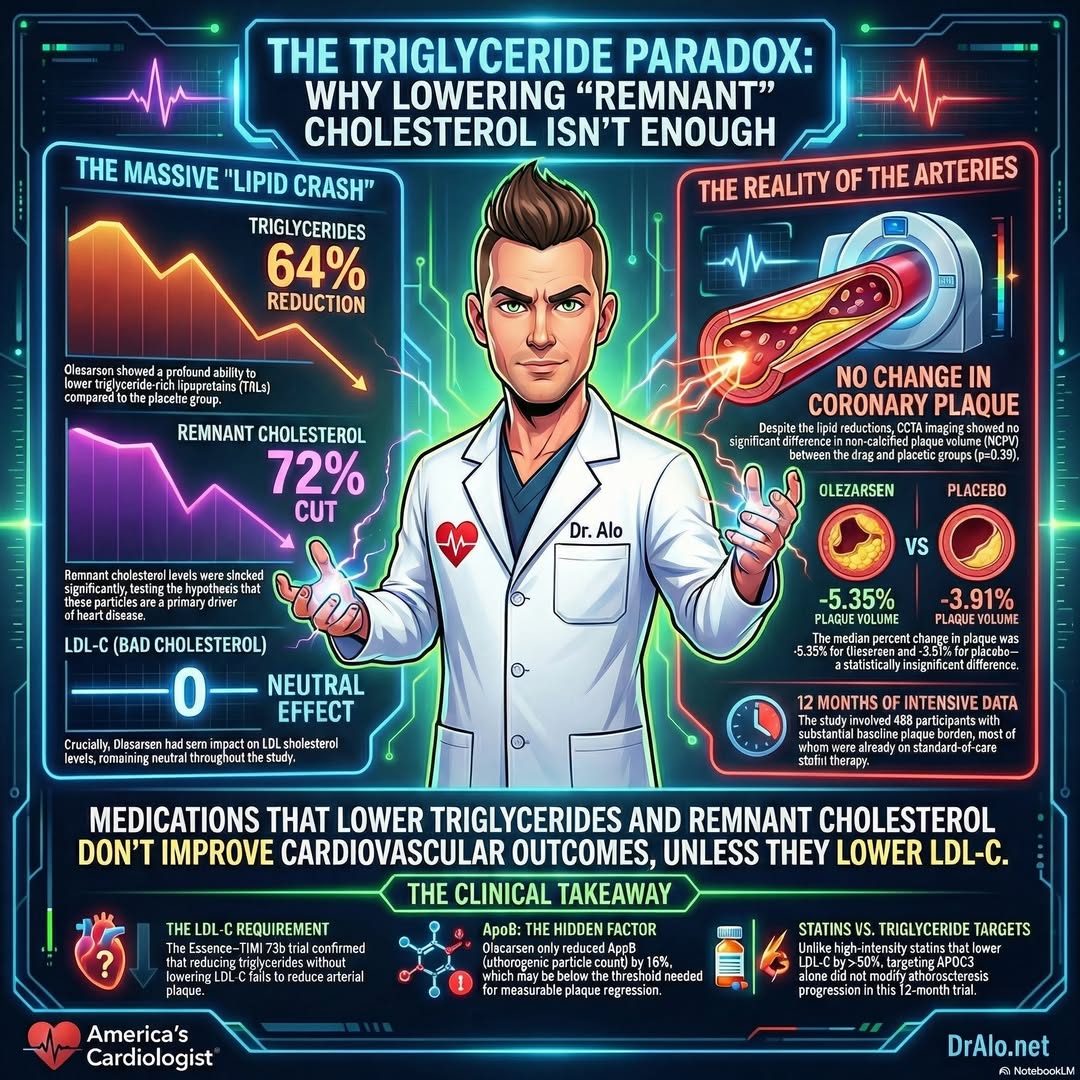
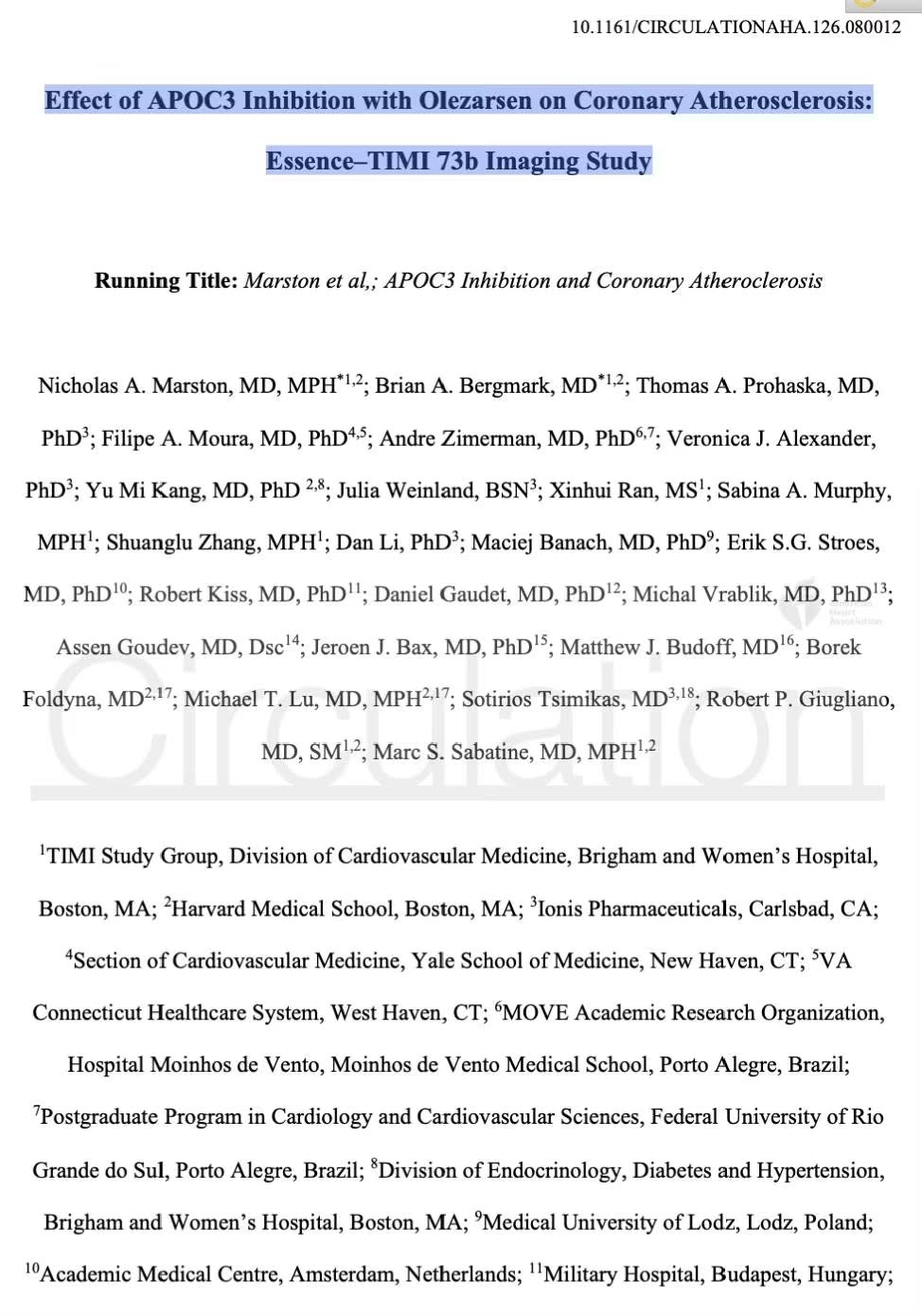
Olezarsen cut triglycerides 64% but did not change plaque in ESSENCE-TIMI 73b imaging

Mar 31, 2026 · Louis Nervegna ♥ 6

The ESSENCE-TIMI 73b imaging study found olezarsen lowered triglycerides about 64% and remnant cholesterol about 72%, with ApoB down only about 16%, yet 12-month CCTA showed no difference in plaque. Louis reads it as showing TG lowering alone, without treating insulin resistance, does not slow plaque.

Keto-CTA vs DISCO-CT: plaque progression on keto in LMHR versus DASH diet plus statins

Oct 25, 2026 · Louis Nervegna ♥ 3 Low-carb, keto & carnivore

A comparison of the KETO-CTA and DISCO-CT trials. The original 2025 JACC Advances KETO-CTA paper in lean mass hyper-responders was retracted over concerns about the Cleerly plaque software. It reported non-calcified plaque progression of 18.8 mm3 in a year versus about 5 mm3 typical of unmedicated Western populations, and re-analysis with HeartFlow and QAngio gave different values.

Video on the history of the first CT scan in 1971

Sep 19, 2026 · Louis Nervegna ♥ 4

A video quoting the story of the first CT scan on 1 October 1971 in London, built by EMI engineer Godfrey Hounsfield, who shared the 1979 Nobel Prize with Allan Cormack. The post has no direct heart health content.

A rising calcium score on a statin does not mean it failed, per FLOWPROMOTE details

Nov 08, 2026 · Louis Nervegna ♥ 1

Louis shares a cardiologist's explanation that a higher calcium score on a statin neither proves failure nor success, since plaque picks up calcium as it hardens and denser calcium counts extra. It summarizes FLOWPROMOTE: atorvastatin 40 mg vs rosuvastatin 40 mg plus ezetimibe 10 mg lowered LDL more and shrank total plaque more in 18 months while calcified plaque grew in both groups. These were secondary results of a small trial on CT, not event outcomes.

About 10% of people with a zero calcium score still have significant soft plaque

Nov 12, 2026 · Louis Nervegna ♥ 1

Louis notes that roughly 10% of patients with a CAC of zero have significant soft plaque, and shares a primer explaining why a zero score does not exclude heart disease. CAC detects only calcified plaque while CT coronary angiography shows both calcified and non-calcified plaque and narrowing. A zero score still means very low event risk over the following years, but low is not none.