8 years of soft plaque reversed in 1 year.
Proven using CT-angiogram in a high quality randomized controlled trial.
The Disco-CT randomized trial found a DASH diet combined with statins produced a major regression of soft plaque (non-calcified plaque volume) on CT angiography in a little over a year. Louis calls it the largest soft-plaque regression of any dietary trial to date.
8 years of soft plaque reversed in 1 year.
Proven using CT-angiogram in a high quality randomized controlled trial.
Disco-CT Randomized Trial
A DASH diet, very similar to the traditional mediterranean diet, causes a major reversal of soft plaque in a little over 1 year, when combined with statins.
This randomized controlled trial produced the largest soft plaque regression (NCPV) on CT-angiogram of any dietary trial to date.
See comments for a comparison chart with other trials: In a little over a year, the Disco-CT study reversed -39.5 mm^3 of soft plaque (NCPV), which is the equivalent of around 8 years of normal soft plaque progression for a typical American.
(Note that the Disco-CT study lasted 66 weeks, so this -39.5 mm^3 number is the result of adjusting back to exactly 1 year, or 52 weeks, for purposes of comparison with other studies.)
To put these results in perspective… An average person at risk for CVD, following the standard American diet and sedentary lifestyle, grows about 5 mm^3 of soft plaque (NCPV) per year:
Paper · Circulation · 2024Abstract 4139340: Atherosclerotic Plaque Progresses Over Time in Healthy Individuals Without MACE, Risk Factors, or InterventionsIntroduction: Studies on the natural history of coronary artery disease have traditionally evaluated the progression of the disease in the presence of MACE, risk factors or risk modifying interventions including pharmacological and non-pharmacological treatment. It is not known how atherosclerotic plaque progresses over the time in the absence of MACE, risk factors or risk modifying interventions. Aim: To evaluate…ahajournals.orgThe people in DISCO-CT on the DASH diet plus statins reversed roughly 40 mm^3 in just one year. That is outstanding.
(40 mm^3) / (5 mm^3) = 8 years !
Note that the DASH diet is not a low fat diet. Fat intake in the DASH group of this study was around 30%, but the vast majority was unsaturated (e.g olive oil, nuts, seeds, fatty fish).
The full journal paper can be found here:
Paper · JACC: Cardiovascular Imaging · 2021High-Risk Coronary Plaque Regression After Intensive Lifestyle Intervention in Nonobstructive Coronary Diseasejacc.orgCaveat:
I am not saying that these people reversed 8 years of their own plaque growth. I’m saying that they reversed what would be 8 years of a typical American’s plaque growth. I am using the typical American as the benchmark. That’s a big difference.
Quoted:
“Patients randomized to the intervention arm were asked to follow-up with a dietitian, adhere to a diet based on the DASH model, and increase physical activity for 12 months. The primary outcome of the analyses was change in atheroma volume and plaque composition. In total, 92 nondiabetic patients underwent randomization, of which 91 completed the study.”
“When assessing noncalcified plaque [NCPV], investigators noted reductions in both groups but pointed out reductions appeared to be greater among those in the intervention arm (-51.3±79.5mm3 [-1.7±2.7%];P <.001) than the control arm (-21.3±57.7 [-0.7±1.9%]; P=.018) (Intergroup P=.045).”
Notes:
Both groups were on intensive therapy with medications including statins, which likely explains why the control group also saw a reduction in soft plaque, although considerably smaller than the DASH group.
The people in Disco-CT who ate a DASH diet + statins saw 2.4x more plaque reversal than the people who took statins alone (-51.3mm^3 vs -21.3mm^3).
Here is the diet, from the journal paper:
“At each energy level (1,600, 1,800, 2,000, or 2,600 kcal), the following energy proportions were provided: 52% to 55% from carbohydrates, 16% to 18% from proteins, and 30% from fats. The diet was rich in fruit, vegetables, whole grains, and low-fat dairy products, and poor in saturated fats, cholesterol, low-fiber cereal products of high glycemic index, and sweets.”
Calcified plaque did not increase in either the DASH+statin group or the statin only group. It stayed the same.
There was a significant decrease in both the necrotic core and fibrofatty plaque in both groups. There was no statistically significant change in the fibrous portion of the soft plaque. The total amount of soft plaque— which includes all of these components— went down as a whole, especially in the DASH+statin group.
The point is that the changes seen in this study were not just remodeling of soft plaque from one type to another— they were genuine reversal of total non-calcified plaque volume (NCPV) with no accompanying increase in calcified plaque.
hcplive.comCTA Scans Detail Impact of Intensive Lifestyle Interventions on Plaque Progression in ASCVD | HCPLiveA single-center trial from Europe is comparing plaque progression using CTA scans of patients randomized to intensive lifestyle intervention versus optimized medical therapy alone.hcplive.com
#reverseHD #dashHD #discoctHD #mediterraneanHD #ctaHD #wholegrainsHD #fruitHD #dairyGD #vegetablesHD #fatHD #unsaturatedfatHD #saturatedfatHDh
Louis explains the DISCO-CT randomized trial, where a DASH diet plus statins produced the largest soft (non-calcified) plaque regression of any dietary trial on CT angiography. Adjusted to one year it was -39.5 mm3, versus an average at-risk person growing about 5 mm3 per year, so roughly 8 years of progression reversed. He notes the DASH diet was about 30% fat, mostly unsaturated, and adds caveats about interpretation.
In the DISCO-CT randomized trial, a DASH-style diet with statins reduced non-calcified plaque volume by 39.5 mm3 (adjusted to one year from 66 weeks), the largest dietary regression on CT angiography to date. An at-risk person typically grows about 5 mm3 per year, so this equals roughly 8 years of progression. DASH fat was ~30% of calories, mostly unsaturated.
Louis summarizes DISCO-CT, where a DASH diet with statins gave the largest dietary soft plaque regression on CT angiography, equal to about 8 years of normal progression.
Louis describes the DISCO-CT randomized trial, where a DASH-style diet with statins produced the largest soft plaque regression (NCPV) on CT angiography of any diet trial, -39.5 mm3 adjusted to one year. He puts this against about 5 mm3/year typical progression, with the caveat that this is relative to a typical American, not the patients' own history.
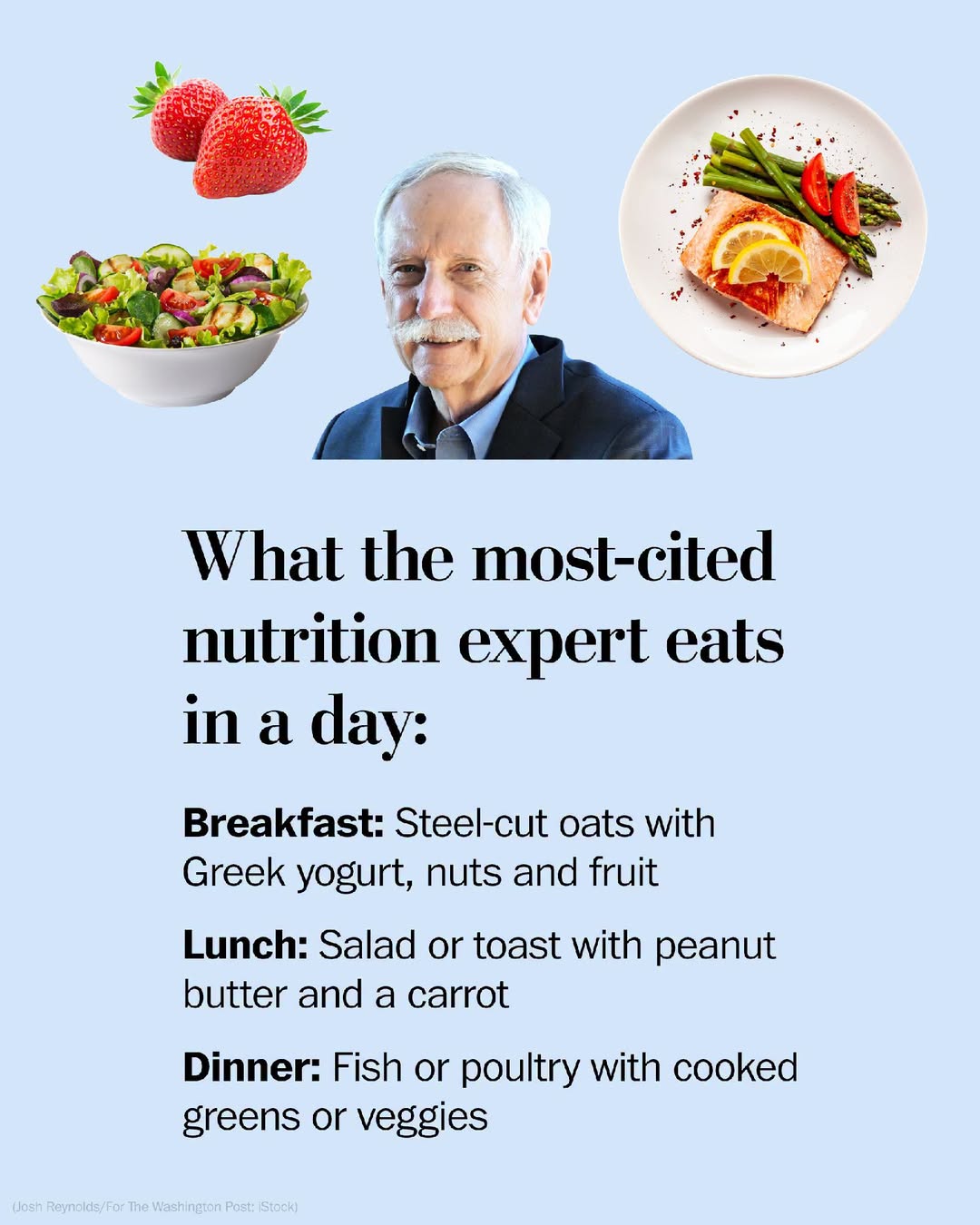
A Washington Post interview with Harvard nutrition researcher Walter Willett. He says his group's data showed total fat was irrelevant, trans fats were bad, saturated fat versus refined carbohydrate was only weakly related to heart disease, and unsaturated fats were linked to lower heart disease and mortality. He also describes his own diet, including oats, nuts, blueberries and a plant-based lunch.
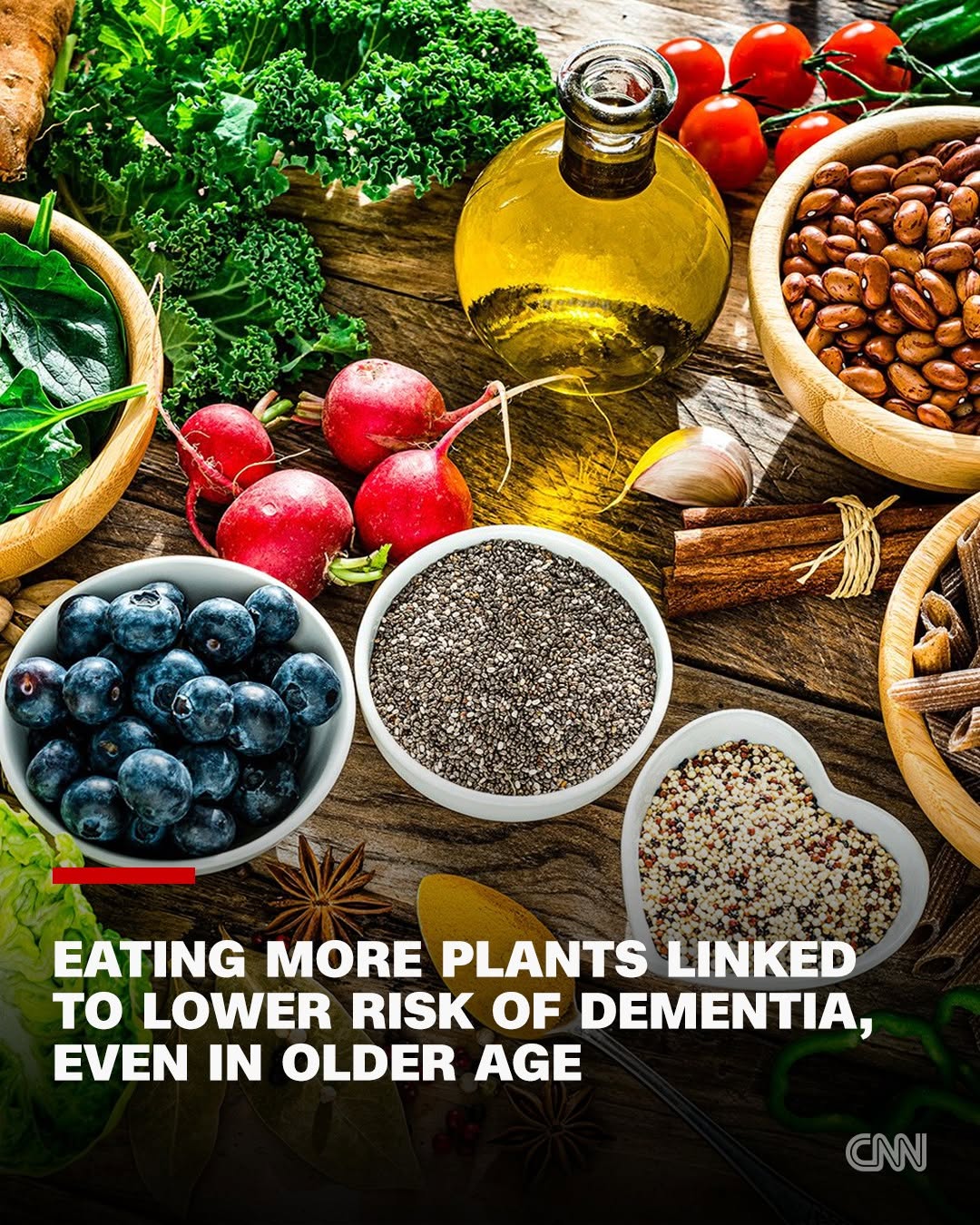
A hashtag-only share of a CNN report on a study finding whole grains, vegetables and fruit protect cognition even when begun later in life.