HD-OPM Archive
Topics › Heart attack, stroke & procedures

Human heart muscle cells divide after heart attack, University of Sydney finds

Louis Nervegna · Jan 21, 2026 · ♥ 21 reactions · 0 comments · original Facebook post
Heart attack, stroke & proceduresHeart rhythm & heart failure
AI summary & key facts

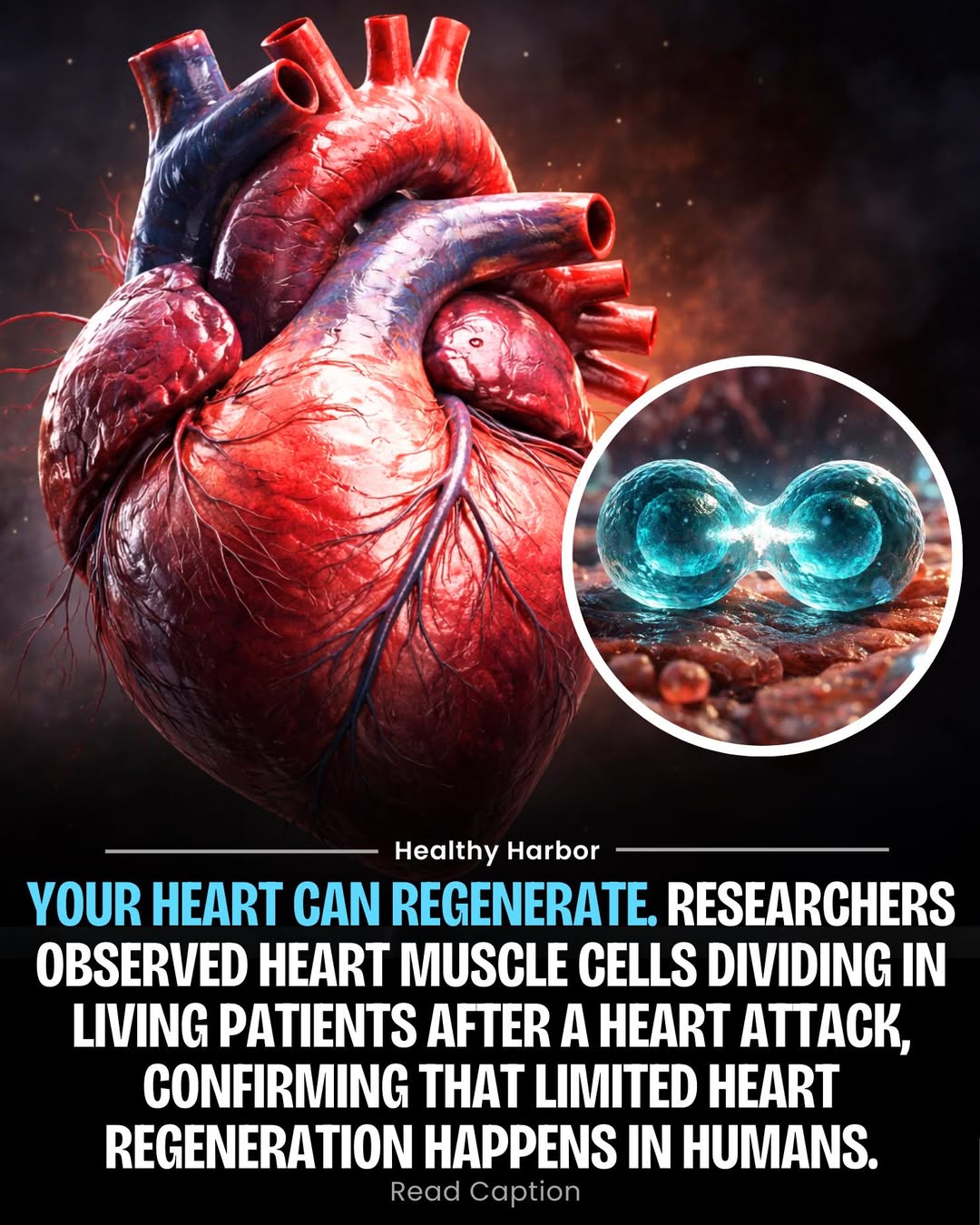
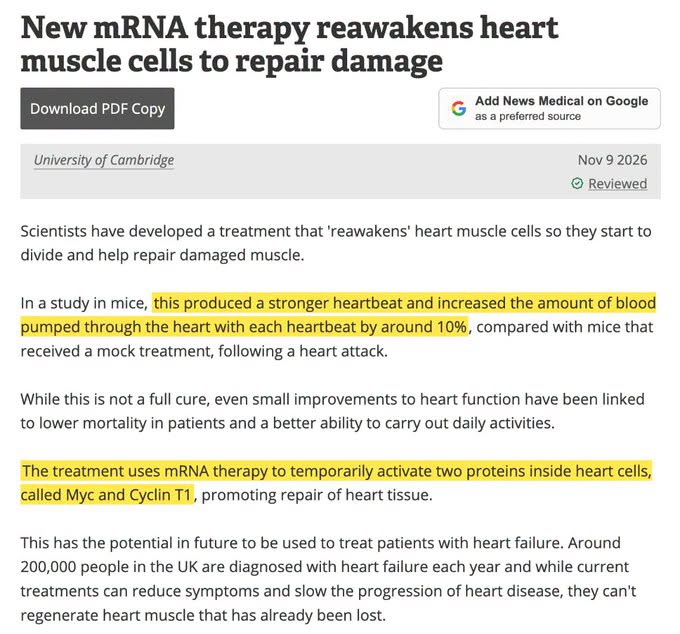
Louis shares a Circulation Research study showing cardiomyocyte mitosis in human heart tissue after myocardial infarction, first direct proof of human intrinsic repair capacity, though regeneration is limited.

The heart has intrinsic repair capacity.
#regenerativemedicineHD #heartHD #stemcellsHD

Research cited

Researchers from the University of Sydney, working with clinicians at the Baird Institute and Royal Prince Alfred Hospital, directly studied living human heart tissue to understand what happens after a heart attack. Using tissue samples taken during bypass surgery, the team—led by Dr. Robert Hume with senior author Professor Sean Lal—examined both damaged and healthy areas of the heart. Their findings, published in Circulation Research (2026), showed clear evidence of cardiomyocyte mitosis, meaning heart muscle cells were actively dividing in humans after myocardial infarction.

This is the first direct proof in living patients that the human heart can regenerate muscle cells after a heart attack, a phenomenon previously seen only in animal models like mice. Importantly, the researchers emphasized that this regeneration is limited and does not prevent scarring or heart failure on its own. However, identifying active cell division in human heart muscle confirms the heart has an intrinsic repair capacity, opening the door to future therapies designed to amplify this natural process and improve recovery after heart attacks.

No photo description available.
← newer: Pomegranate juice may reverse carotid IMT, but larger trialsolder: MIND diet: Mediterranean-DASH hybrid for brain health →