HD-OPM Archive
Topics › Plaque, imaging & cardiac events

Heart attack, stroke & procedures

181 posts (33 primarily about this topic) · 73 reposts and set-aside posts not shown

Start here — the best posts in this topic

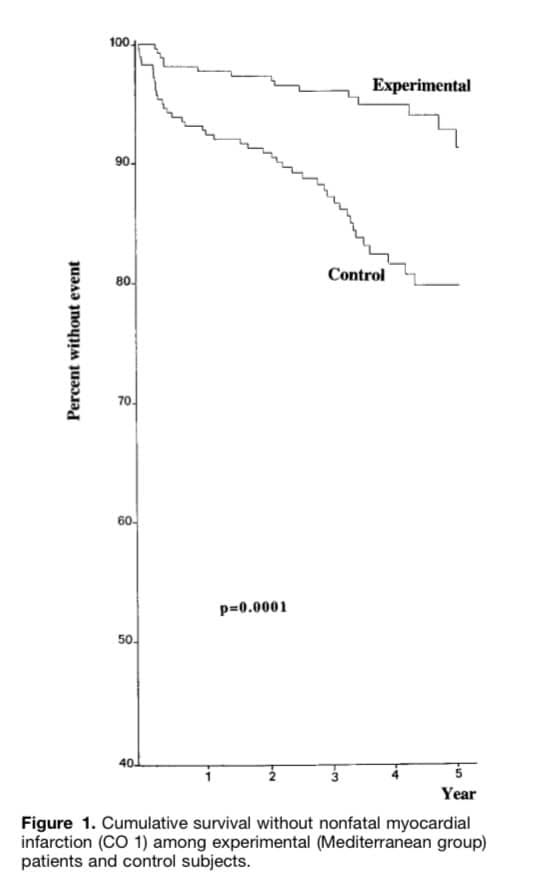
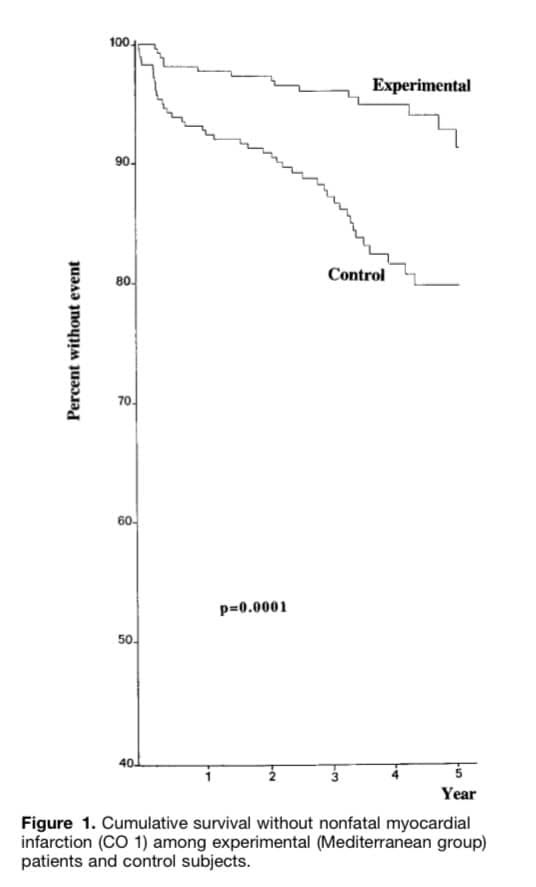
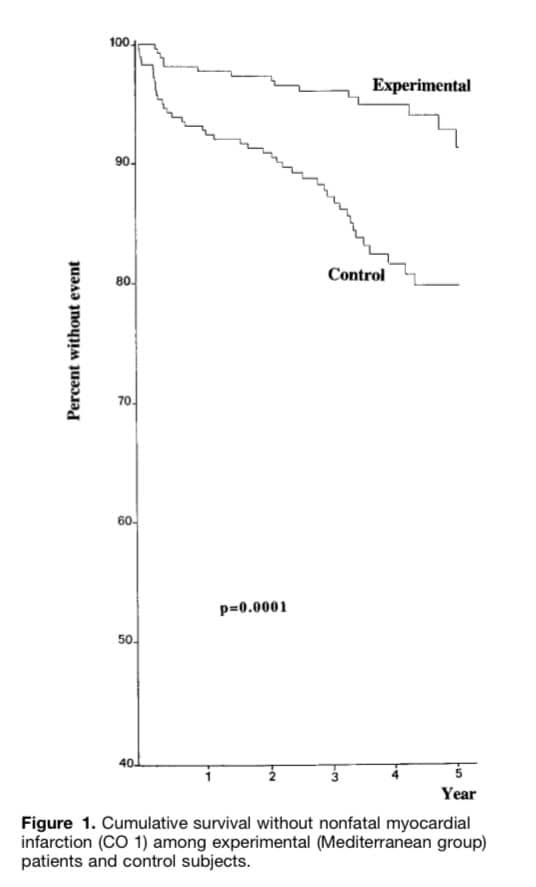
  1. Lyon Diet Heart Study: Mediterranean diet cut cardiac events 73% and deaths 70% Jun 18, 2025
  2. A low-dose statin could roughly halve lifetime heart attack risk if taken for decades Feb 25, 2025
  3. Cocoa flavanol extract cut CVD death 27% in the 21,000-person COSMOS trial ↩ 4 · May 05, 2024
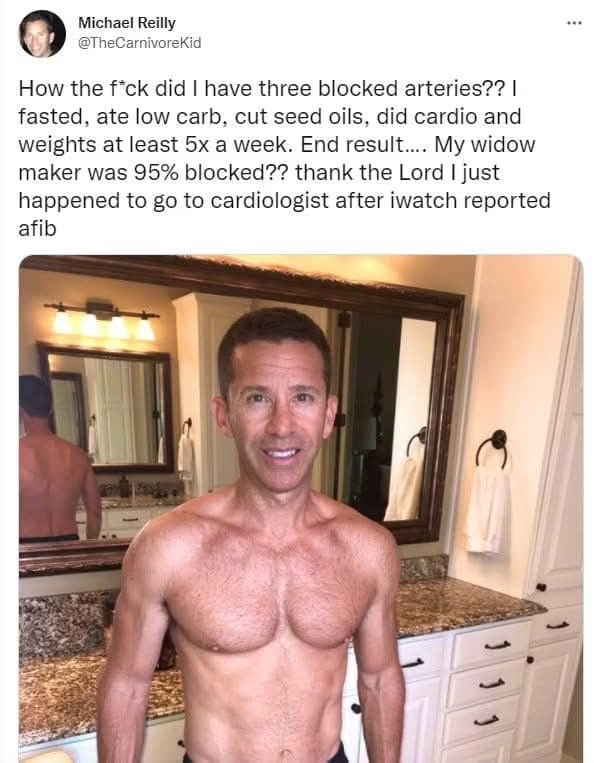
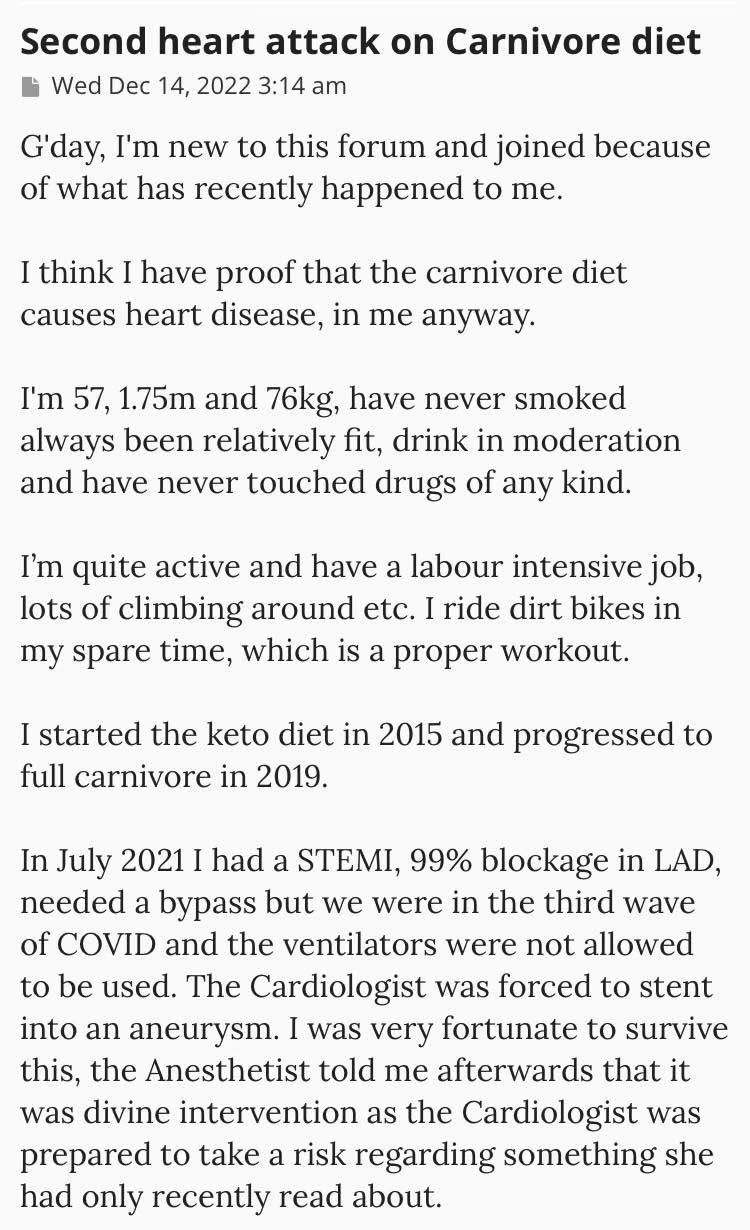
  4. Five years of carnivore and five of keto ended in 95% left main-branch blockage ↩ 2 · Feb 11, 2025
  5. PREDIMED follow-up: mild-to-moderate wine linked to 50% lower CV risk, not proven causal Jun 10, 2025
  6. Fifth carnivore influencer reports a stroke after years on the diet Mar 31, 2025
  7. Starting statins at 75 or older linked to 25% lower death rate in 326,981 veterans ↩ 1 · May 12, 2025
  8. Lyon Diet Heart Study: Mediterranean diet cut cardiac events 73% and total deaths 70% ↩ 2 · Jul 14, 2025
#heartattack 57#stroke 38#statins 23#heartdisease 20#plaque 19#cvd 16#cardiovascular 16#inflammation 16#mediterranean 15#mediterraneanrct 12#harvard 12#evoo 11#oliveoil 11#seedoils 11#canolaoil 10#lyon 10#aspirin 10#cardiacarrest 10#diabetes 10#infection 9#processedmeat 8#redmeat 8#mortality 8#vaccines 7#stents 7#heartfailure 7#riskfactors 7#covid 7#cholesterol 7#absoluterisk 6#hearthealth 6#hns 6#hpfs 6#stemcells 6#atherosclerosis 6#flu 6#ldlrcts 5#statinrcts 5#carnivore 5#predimed 5

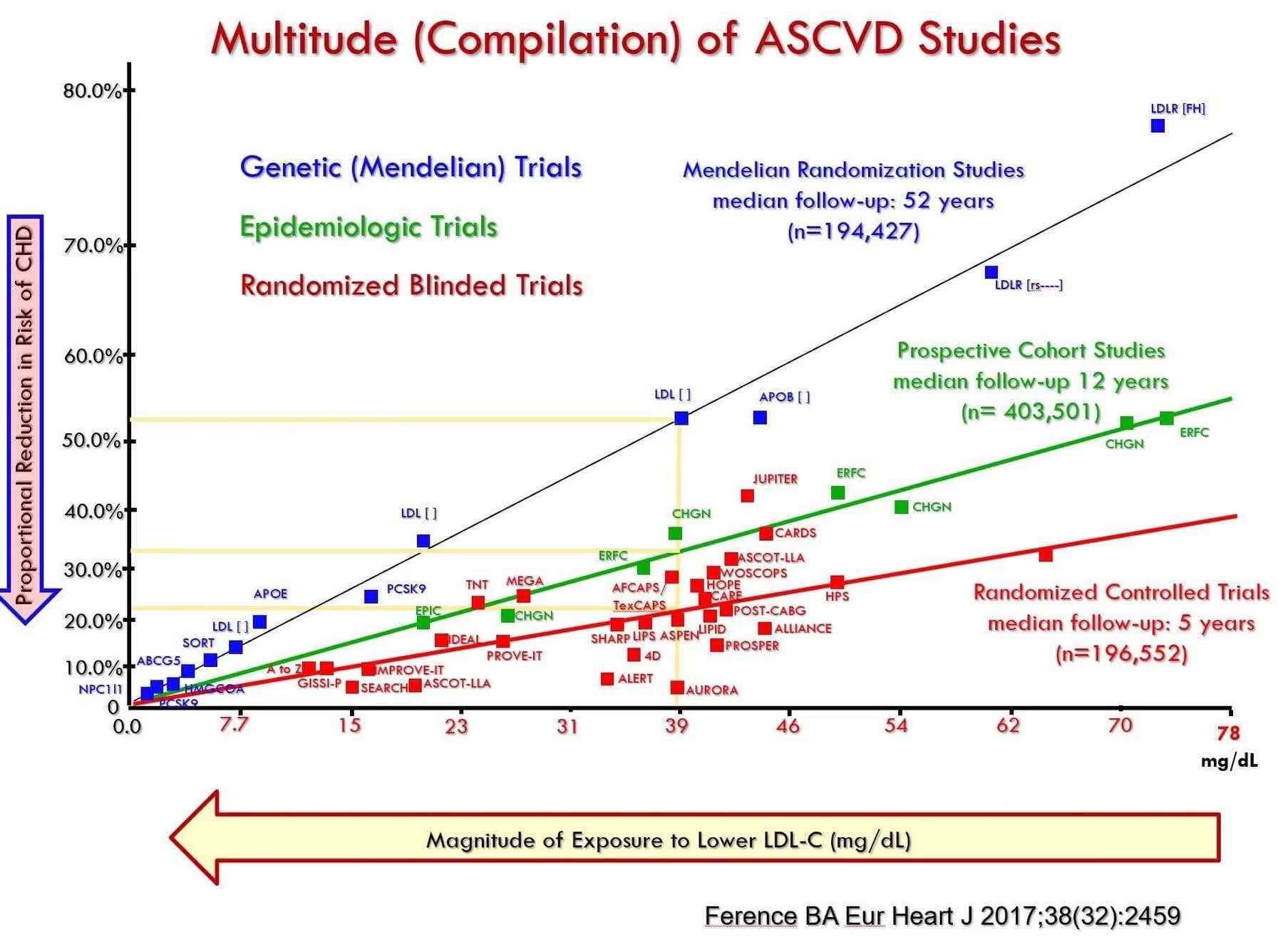
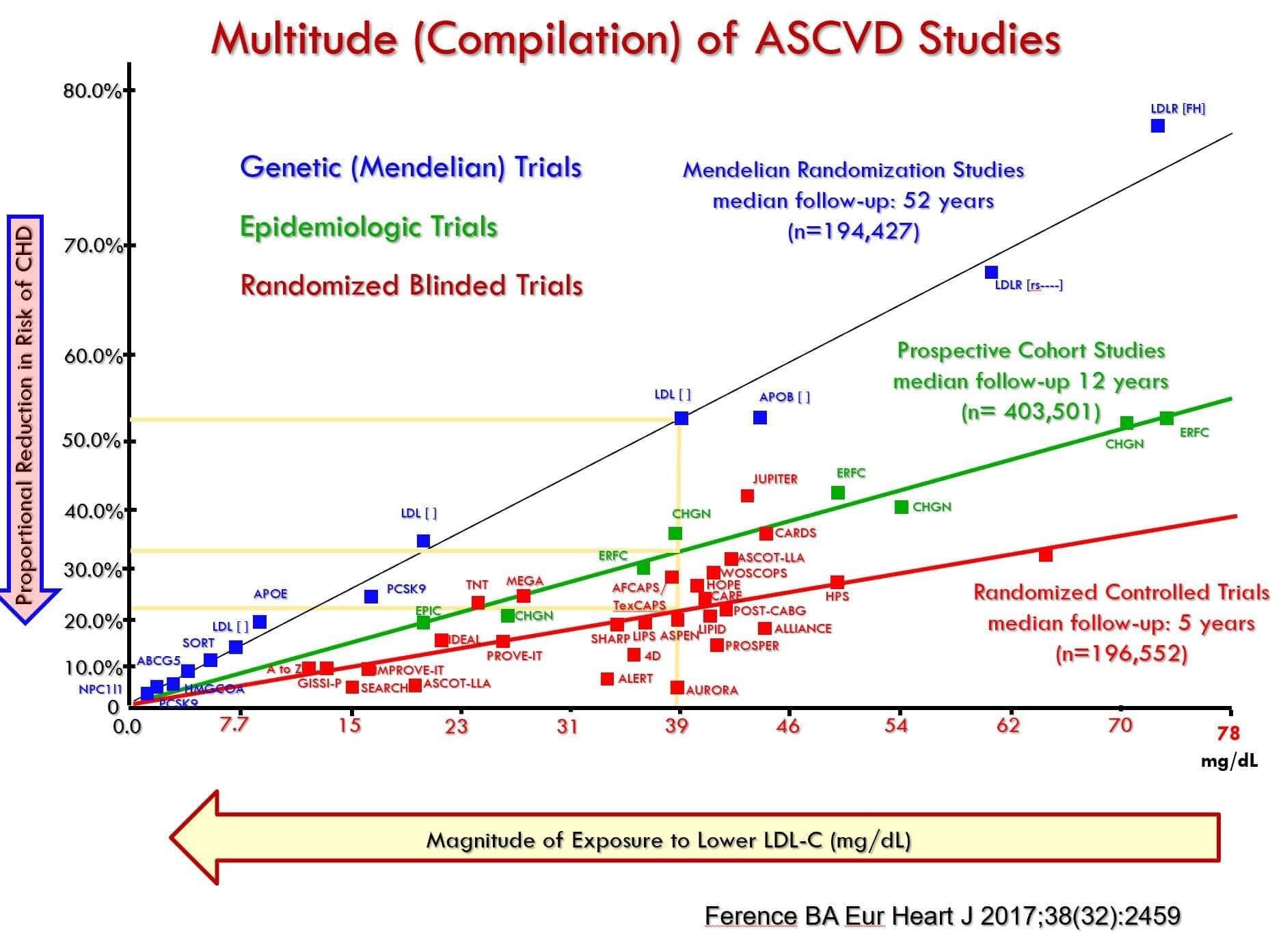
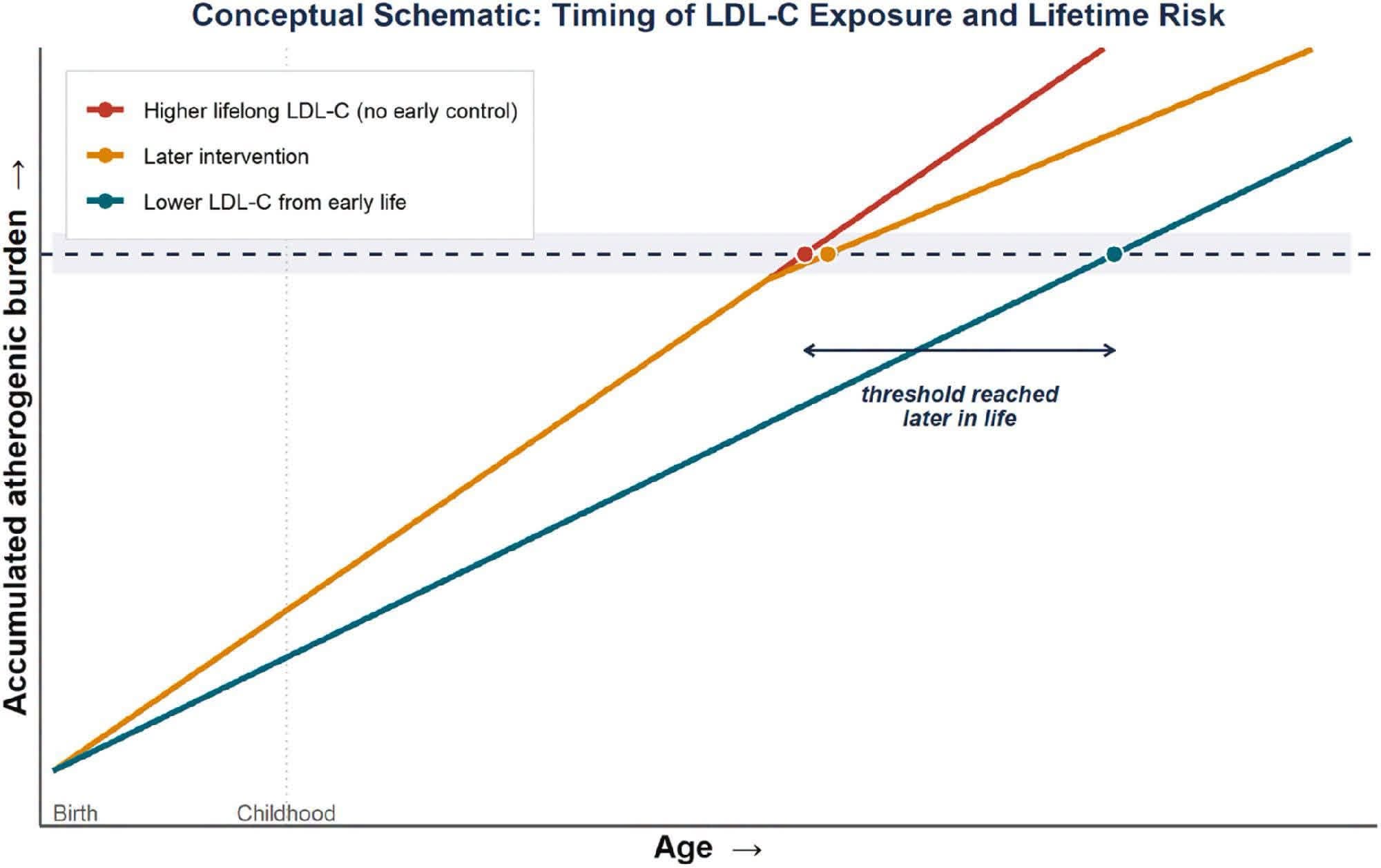
A low-dose statin could roughly halve lifetime heart attack risk if taken for decades

Feb 25, 2025 · Louis Nervegna ♥ 29 · 💬 47 Statins

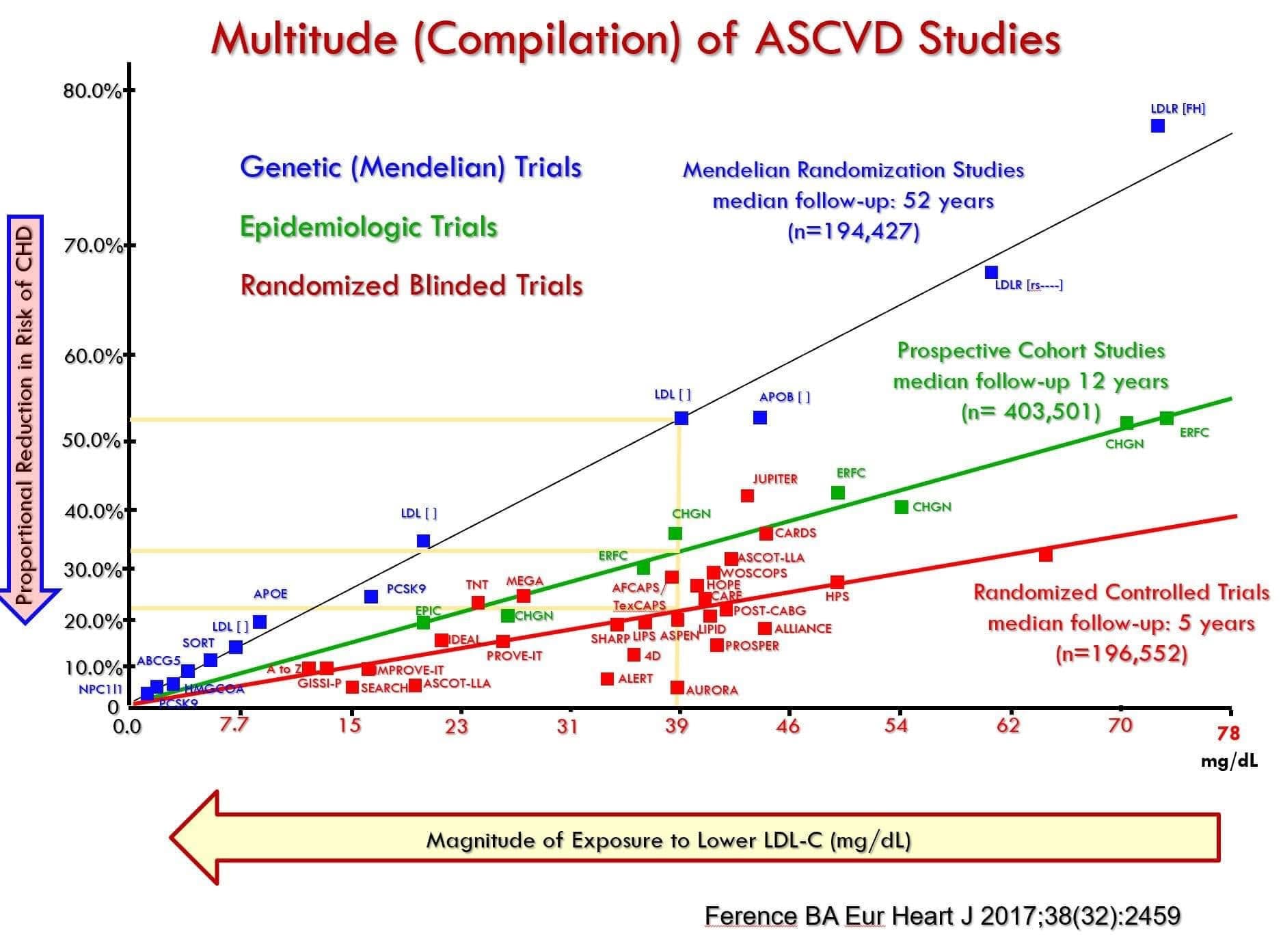
Louis explains a graph combining RCT, cohort and Mendelian randomization data: an LDL reduction of 39 mg/dL (reachable with a very low dose statin) lowers heart attack risk more the longer it is sustained. Translated to absolute risk, a roughly 20% lifetime risk could fall to about 10%, and the rest requires diet, lifestyle and other therapies.

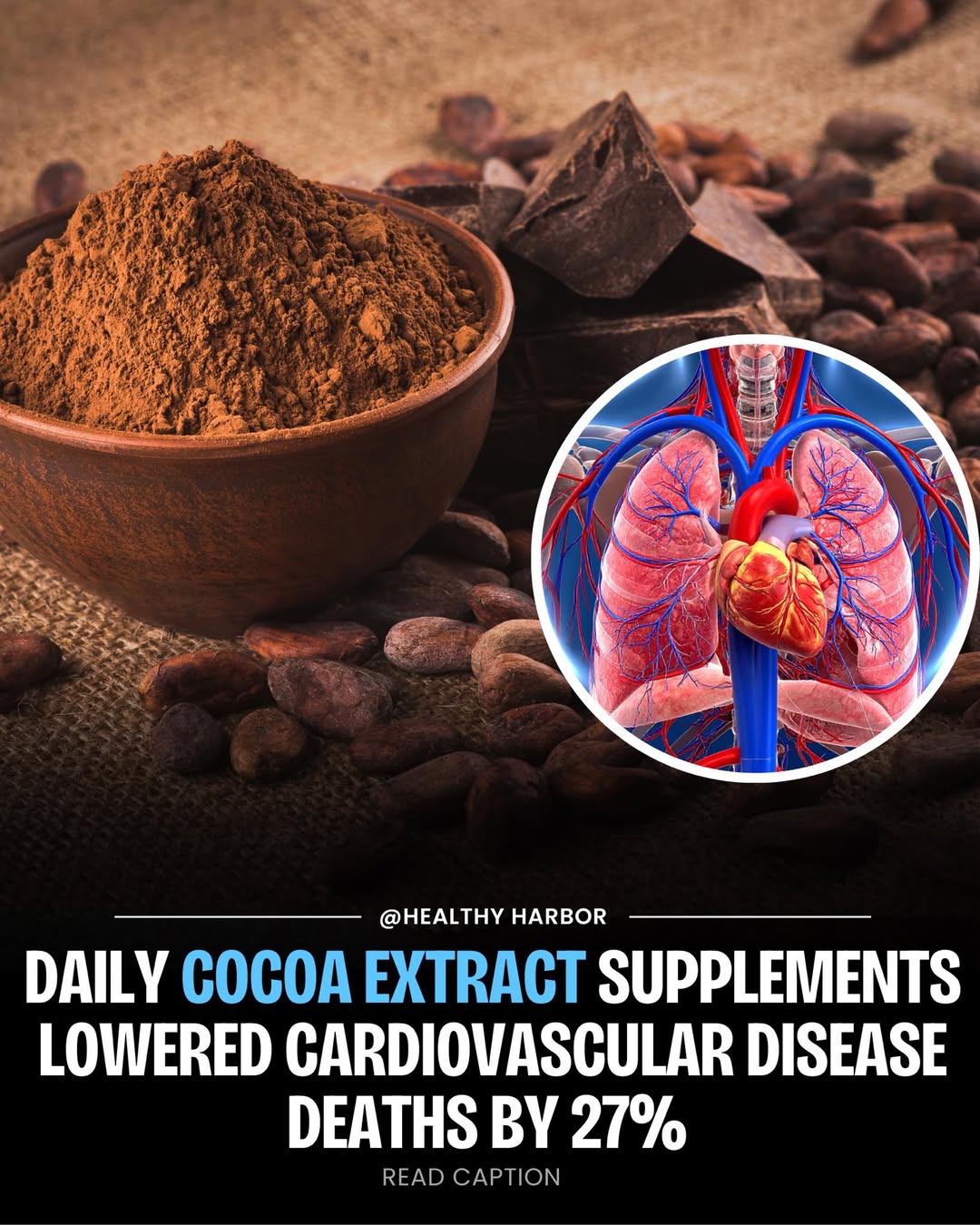
Cocoa flavanol extract cut CVD death 27% in the 21,000-person COSMOS trial

May 05, 2024 · Louis Nervegna ♥ 27 · 💬 53 ↩ 4 Nuts, fish, coffee, tea, cocoa & other foods

Louis summarizes the COSMOS randomized trial of 500 mg/day cocoa flavanols (and multivitamin) in over 21,000 adults for 3.6 years. Total cardiovascular events fell 10%, which was not statistically significant, but CVD death fell a significant 27% and major CV events were also significantly reduced. Adherence-adjusted analyses showed 15% fewer total events and 39% fewer CVD deaths; authors urge cautious interpretation.

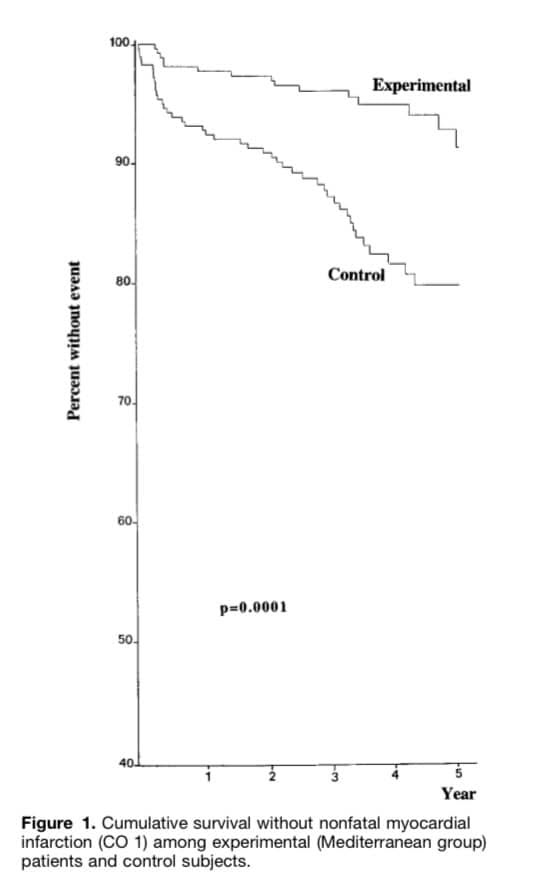
Lyon Diet Heart Study: Mediterranean diet cut cardiac events 73% and total deaths 70%

Jul 14, 2025 · Louis Nervegna ♥ 25 · 💬 22 ↩ 2 Mediterranean, DASH, MIND & plant-forward diets

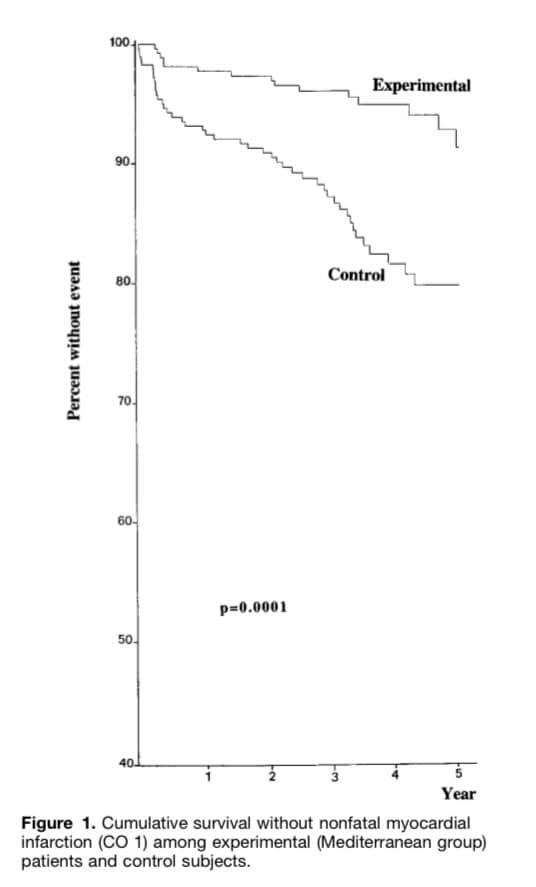
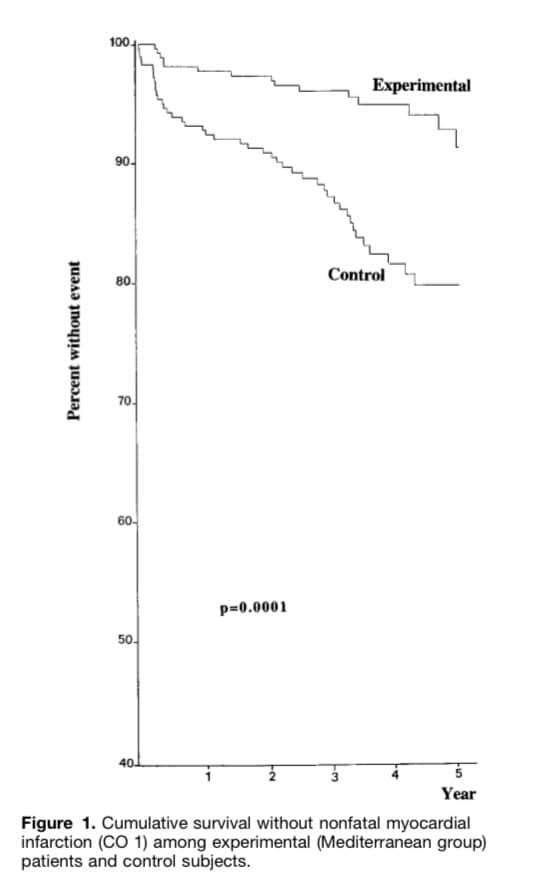
Louis highlights the Lyon Heart Study, which randomized over 600 heart attack survivors to a traditional Mediterranean-style diet or an AHA diet. After a mean 27 months, cardiac death plus non-fatal MI had a risk ratio of 0.27, and he argues no drug has matched these results. The comparative claim about drugs is his opinion.

At high risk of a heart attack? Find a good cardiologist and add, don't replace, treatment

Feb 26, 2024 · Louis Nervegna ♥ 46 · 💬 15 ↩ 2 Myths, misinformation & controversies

Louis advises high-risk people to follow a good cardiologist rather than social media claims, which often cherry-pick one study out of many. He argues the window to experiment has passed once risk is high, and that natural or alternative approaches are safest as additions, with treatment reduced later with the cardiologist if risk markedly improves. It is opinion, not research.

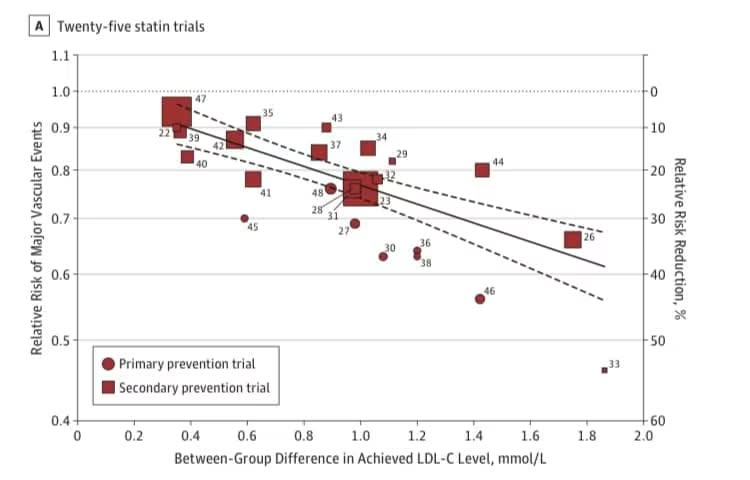
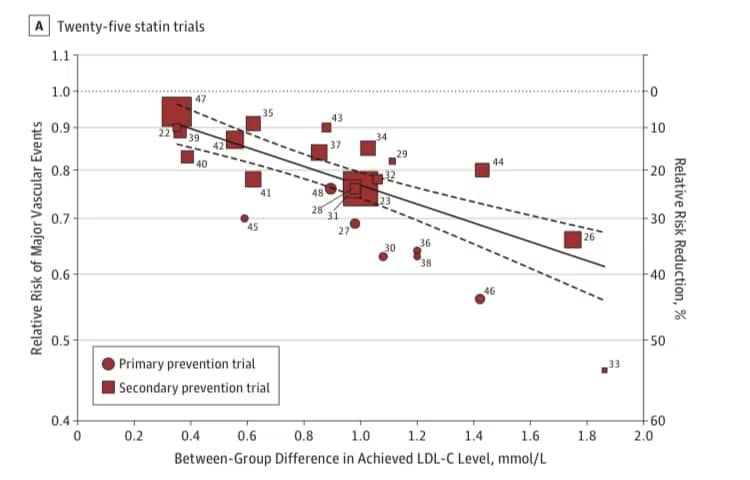
All 25 statin RCTs through 2016 show benefit: about 40% less MACE per 75 mg/dL LDL drop

May 11, 2025 · Louis Nervegna ♥ 25 · 💬 12 Statins

Louis shares a graph of every statin RCT up to 2016 that showed a significant effect on cardiovascular outcomes, excluding trials under 6 months or with under 50 events. On average, a ~75 mg/dL (1.9 mmol/L) LDL reduction cut heart attack and stroke risk about 40% vs placebo, with primary-prevention trials showing even larger reductions than secondary-prevention trials.

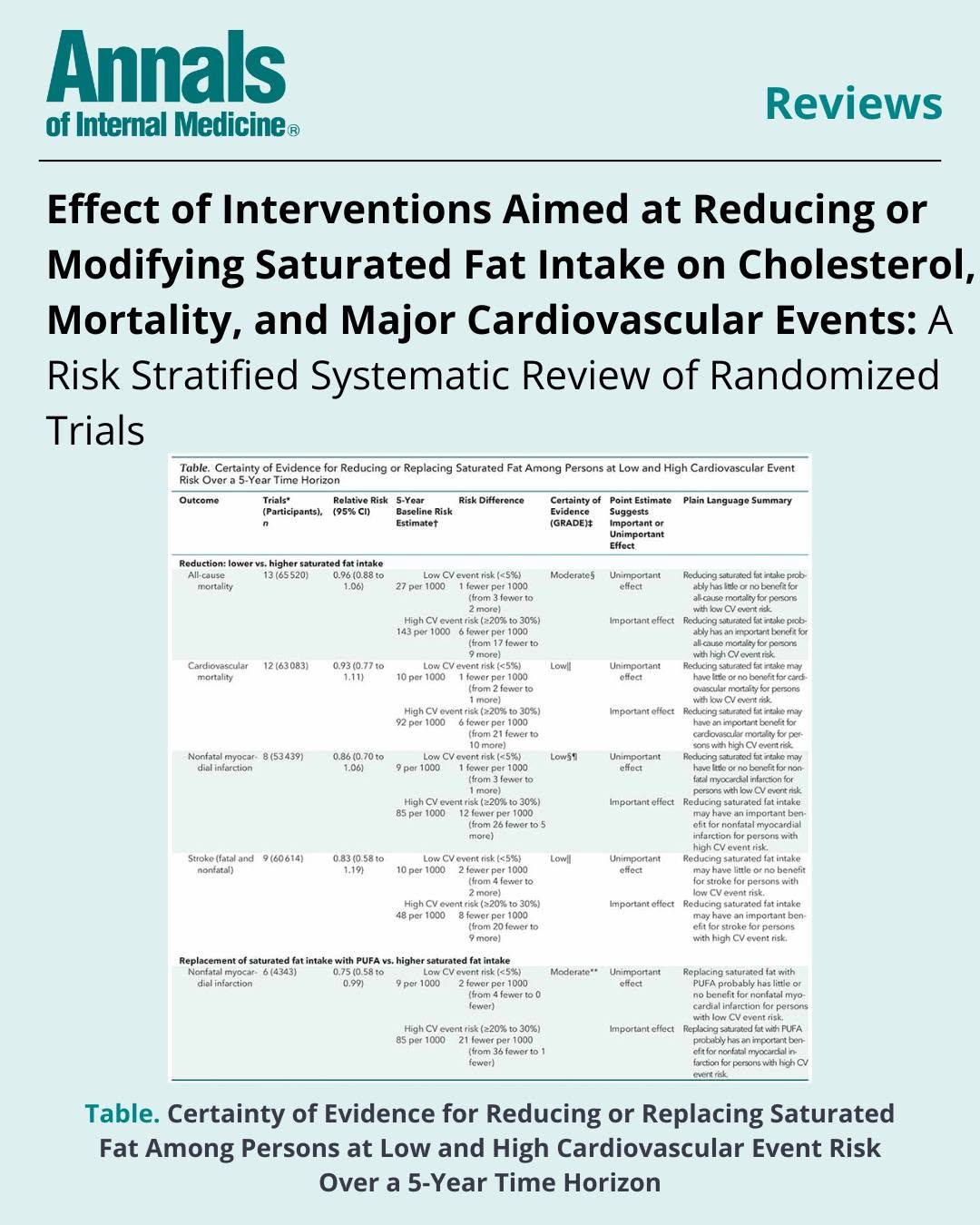
Replacing saturated with polyunsaturated fat cut non-fatal heart attacks 25%

Dec 16, 2025 · Louis Nervegna ♥ 15 · 💬 19 ↩ 1 Fats & oils (saturated fat, seed oils, omega-6, olive oil)

Louis summarizes an Annals of Internal Medicine systematic review of 17 randomized trials with hard endpoints. Replacing saturated fat with polyunsaturated fat lowered non-fatal heart attacks by 25% in higher-risk people over 5 years, similar to a lower-dose statin; other outcomes trended favorably but were not fully significant when the replacement was the general diet.

Heart attack clots form on ruptured unstable plaque, not in plaque-free arteries

Mar 17, 2025 · Louis Nervegna ♥ 29 · 💬 12

Louis argues that although most heart attacks are caused by clots, clots form when unstable plaque ruptures, so people with near-zero plaque have near-zero risk of clot-caused heart attacks. Blood thinners like aspirin are proven to lower risk in people with considerable plaque but are unlikely to help, and may harm, those with little or no plaque.

Low-carb high-fat diet linked to higher LDL-C, ApoB and 2.18-fold MACE risk at 11.8 years

May 04, 2024 · Louis Nervegna ♥ 11 · 💬 24 Low-carb, keto & carnivore

Louis quotes a JACC: Advances cohort analysis comparing low-carbohydrate high-fat (LCHF) eaters with standard-diet controls. LCHF had significantly higher LDL-C and ApoB, more severe hypercholesterolemia, and more major adverse cardiovascular events at 11.8 years; the association remained after adjustment. People with a high LDL polygenic risk score had the highest LDL-C on LCHF.

Johns Hopkins arginine RCT stopped early: 6 deaths vs 0 in heart-attack survivors

Nov 29, 2023 · Louis Nervegna ♥ 13 · 💬 25 ↩ 3 Supplements & vitamins

Louis warns that L-arginine supplements, taken to raise nitric oxide, can be dangerous after a heart attack. A Johns Hopkins randomized trial of 153 heart attack survivors given 3 g arginine three times daily was stopped after six months when six deaths occurred in the arginine group and none on placebo. Citrulline, which the body converts to arginine, might carry a similar concern, which is his speculation.

Lyon Diet Heart Study: Mediterranean diet cut cardiac events and deaths about 70%

Dec 12, 2025 · Louis Nervegna ♥ 20 · 💬 16 Mediterranean, DASH, MIND & plant-forward diets

Louis comments on a video clip about the Lyon Heart Study, a randomized secondary-prevention trial in people with a prior heart attack. The traditional Mediterranean diet cut cardiovascular events about 70% and all-cause death about 70% over 2.5 years, which he calls the largest total mortality reduction reported in a CVD prevention trial and about twice the benefit of statins in secondary prevention.

Snow shoveling triggered a heart attack in a healthy, fit man, AHA story warns

Mar 08, 2025 · Louis Nervegna ♥ 21 · 💬 29

An American Heart Association patient story: a fit, healthy-eating man had a heart attack after 40 minutes of shoveling heavy snow, was treated with two stents and a pump, and later received a pacemaker/defibrillator. Doctors suspected a plaque fragment; Louis' message is to be careful with snow shoveling.

PROVE IT-TIMI 22: atorvastatin 80 mg early after a heart attack cut 30-day events 28%

Jul 31, 2024 · Louis Nervegna ♥ 21 · 💬 11 Statins

The post explains why high-intensity atorvastatin is started right after a heart attack: in PROVE IT-TIMI 22, 30-day death/MI/rehospitalization was lower with atorvastatin 80 mg than pravastatin 40 mg. The rapid effect is attributed to pleiotropic effects (anti-inflammatory, plaque and endothelial stabilization), though LDL lowering itself may contribute.

Ornish trial: lifestyle program cut cardiac events, but plant-based diet was not a cure

Jun 24, 2024 · Louis Nervegna ♥ 11 · 💬 20 ↩ 13 Mediterranean, DASH, MIND & plant-forward diets

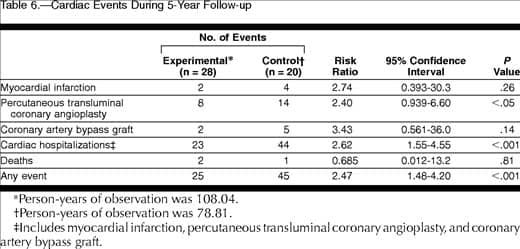
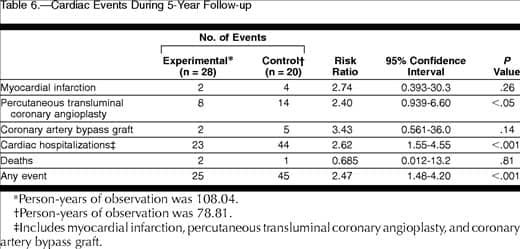
In Ornish's small 1998 randomized trial, patients on the diet and lifestyle program had significantly fewer cardiac events over 5 years than controls (25 events in 28 patients vs 45 in 20 controls). Even among 28 who adhered, there were still 2 heart attacks, 8 angioplasties, 2 bypasses, 23 hospitalizations and 2 deaths, so the diet was not a cure.

Lyon Diet Heart Study: Mediterranean diet cut heart attacks and cardiac death 73%

Mar 30, 2025 · Louis Nervegna ♥ 24 · 💬 7 Mediterranean, DASH, MIND & plant-forward diets

Louis summarizes the Lyon Heart Study (1988-1992), which randomized over 600 heart attack survivors to a Mediterranean-style diet or an AHA diet. After a mean of 27 months, the Mediterranean group had far fewer cardiac events and deaths, and the trial was stopped early. The diet was not low-fat: it was rich in olive and canola oil, nuts, seeds and fatty fish, and low in butter, cream and red meat.

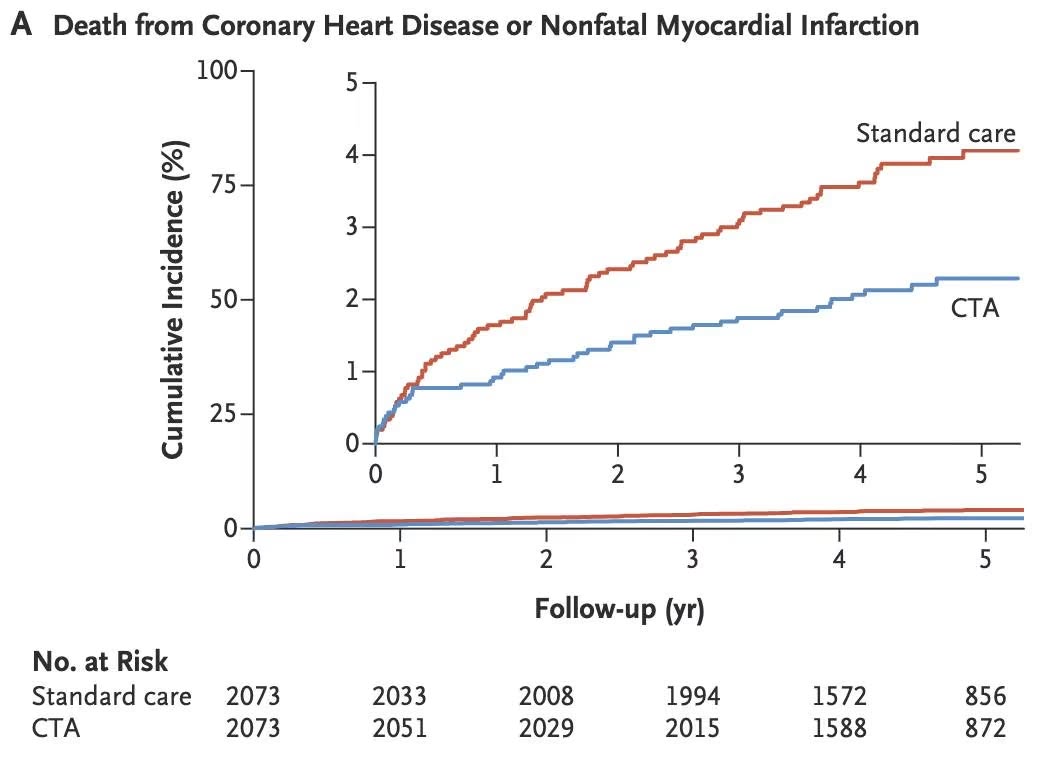
SCOT-HEART: CT angiography cut 5-year coronary death or MI risk 41% in chest pain patients

Jan 03, 2026 · Gokhan Can ♥ 12 · 💬 18 Plaque, CAC & CT angiography

Summarises SCOT-HEART (4,146 patients with stable chest pain, standard care vs standard care plus coronary CTA). CTA guidance lowered coronary death or nonfatal MI to 2.3% from 3.9%, mainly by directing aspirin and statin use to patients with plaque. Total procedures were similar by year 5; results apply to chest-pain patients only.

High-dose atorvastatin after heart attack cut events ~30% in 30 days (PROVE IT-TIMI 22)

Jan 25, 2025 · Louis Nervegna ♥ 12 · 💬 16 Statins

Louis explains why patients are immediately given atorvastatin 80 mg after a heart attack: PROVE IT-TIMI 22 showed an almost 30% reduction in death, repeat heart attack or rehospitalization within 30 days versus a lower-potency statin. The speed suggests pleiotropic effects (anti-inflammatory, plaque and endothelial stabilizing) rather than LDL lowering. Lipophilic statins at maximum dose work best in this setting.

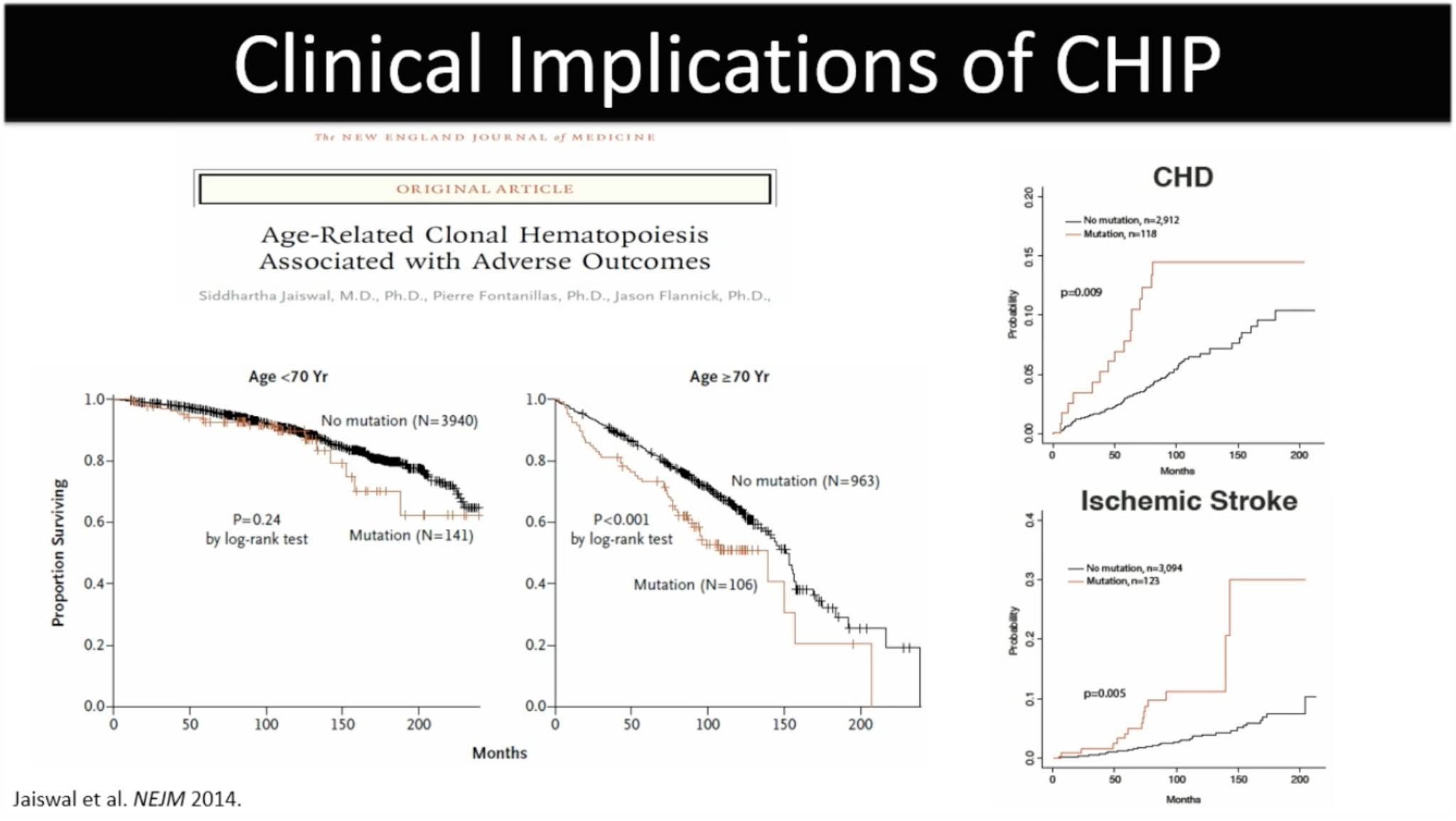
Mutated blood stem cells (CHIP) may be a major cause of heart disease, doubling MI risk

Apr 08, 2024 · Louis Nervegna ♥ 14 · 💬 13 Inflammation & CRP

Louis explains clonal hematopoiesis (CHIP): age-related mutations in bone-marrow stem cells yield white blood cells that drive inflammation and plaque growth, and the same mutations link to leukemia. A quoted report says CHIP carriers had a 54% higher chance of dying within a decade, from heart attacks and strokes, and mouse transplants of CHIP-mutated cells produced fast-growing, inflamed plaques. Louis credits Gokhan Can for pointing him to this.

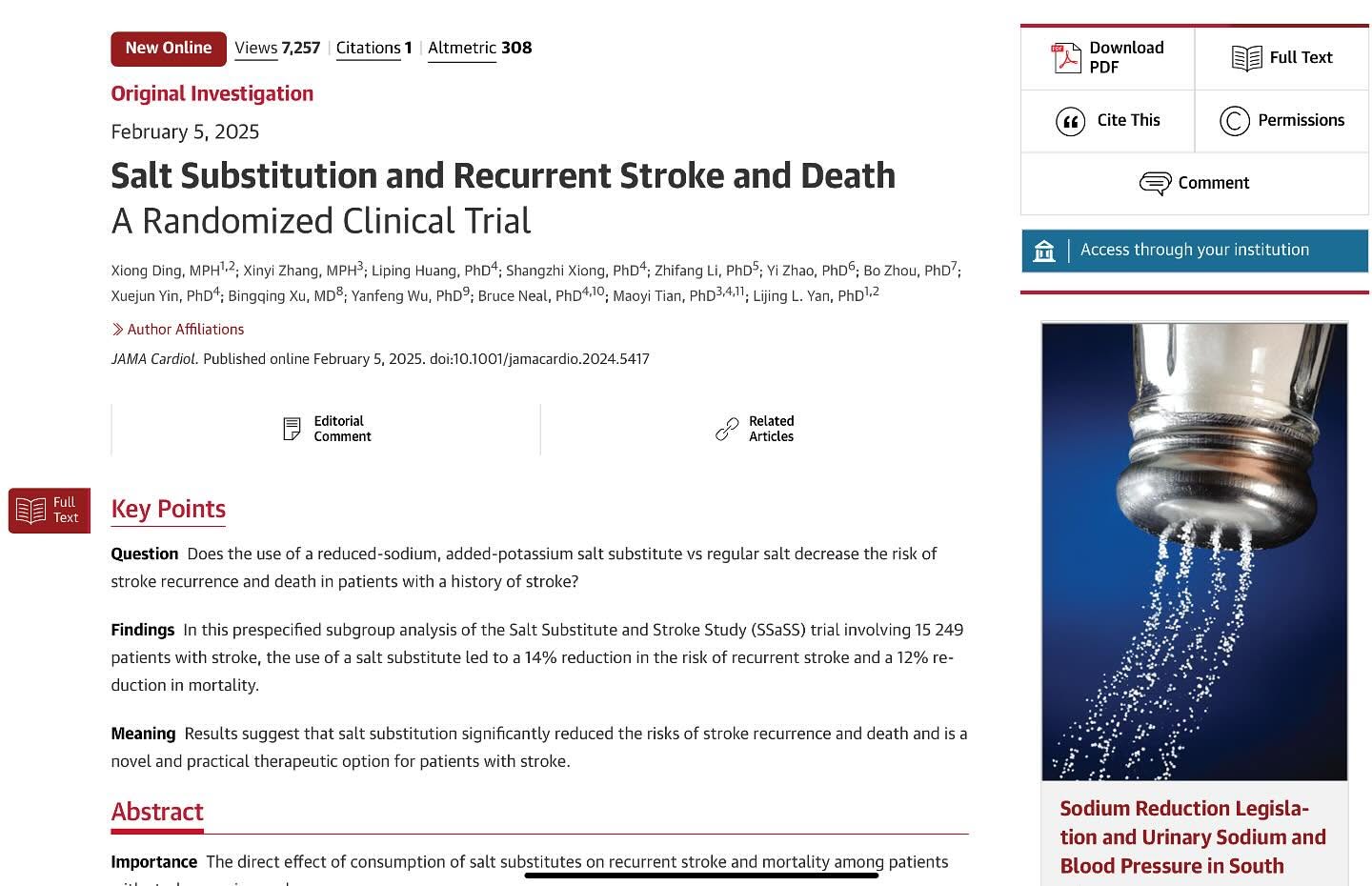
Potassium-enriched salt cut recurrent stroke 14% and stroke deaths 21% in stroke survivors

Feb 11, 2025 · Gokhan Can ♥ 17 · 💬 10 Blood pressure, salt & potassium

A cluster randomized trial in rural northern China (a subgroup analysis of a larger trial) gave stroke survivors a salt substitute containing 25% potassium chloride. It reduced recurrent stroke, hemorrhagic stroke and stroke-related death compared with regular salt, suggesting a cheap, widely usable strategy where sodium intake is high.

25 statin RCTs: about 75 mg/dL LDL lowering cut heart attack and stroke roughly 40%

Dec 11, 2024 · Louis Nervegna ♥ 24 · 💬 5 ↩ 9 Statins

Louis presents a graph of 25 statin RCTs through 2016, excluding only very short or small trials. Lowering LDL by about 75 mg/dL reduced MACE by about 40% versus placebo, with larger relative reductions in the 7 primary prevention trials than the 18 secondary prevention ones. More trials since have corroborated this.

Heart attacks peak in the early morning; bedtime dosing of BP drugs may help

Jun 27, 2026 · Louis Nervegna ♥ 14 · 💬 14

Louis explains that most heart attacks occur shortly after waking, when cortisol surges, vessels tighten and blood pressure spikes. He suggests taking blood pressure medication, aspirin and statins at bedtime, and corrects his post to say people are found dead in the 'bathroom' rather than 'toilet', since defecation syncope is much rarer than a standard heart attack.

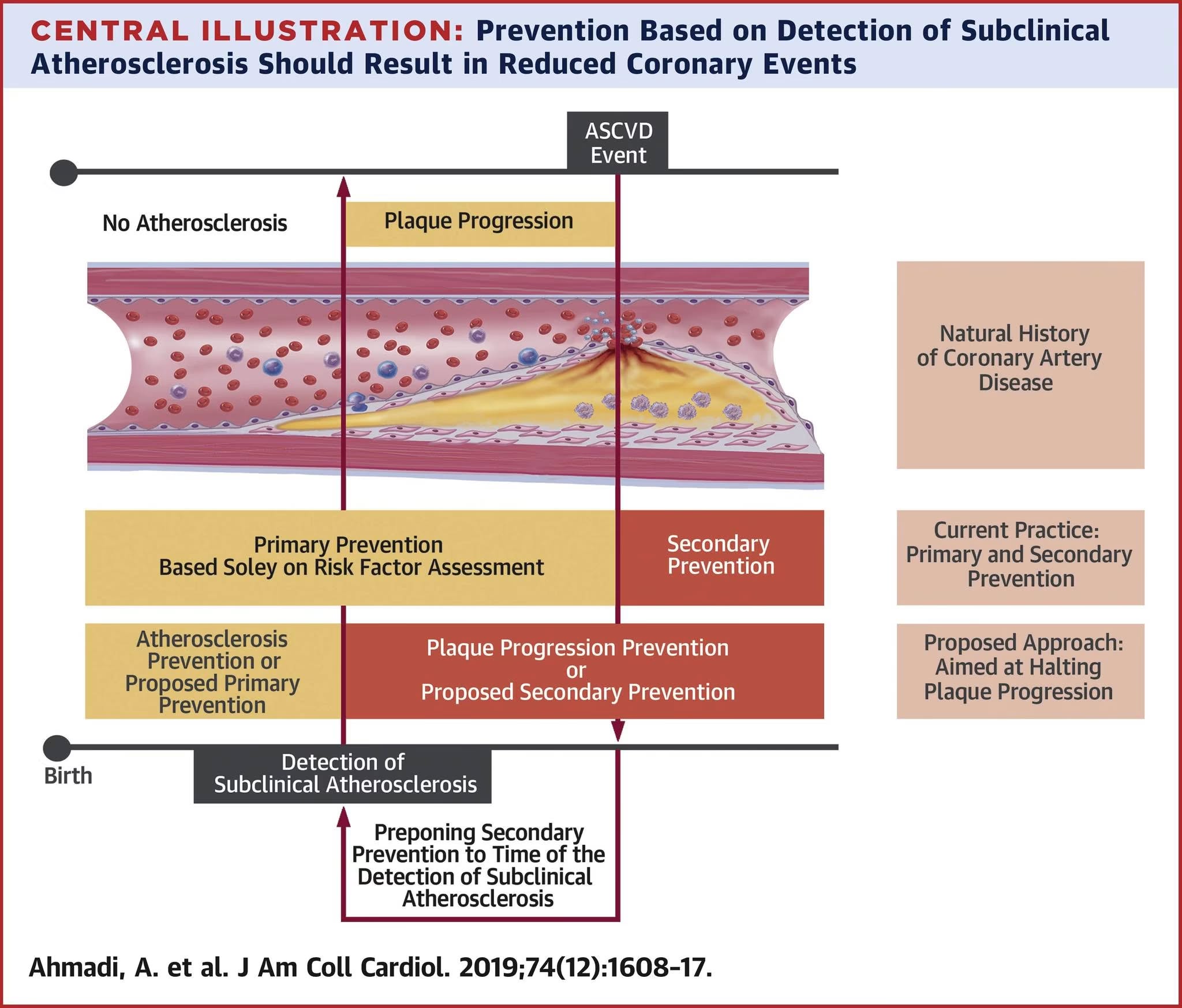
JACC review: rapid plaque progression precedes rupture and LDL below 70 mg/dL halts it

Jan 02, 2026 · Gokhan Can ♥ 19 · 💬 5 Plaque, CAC & CT angiography

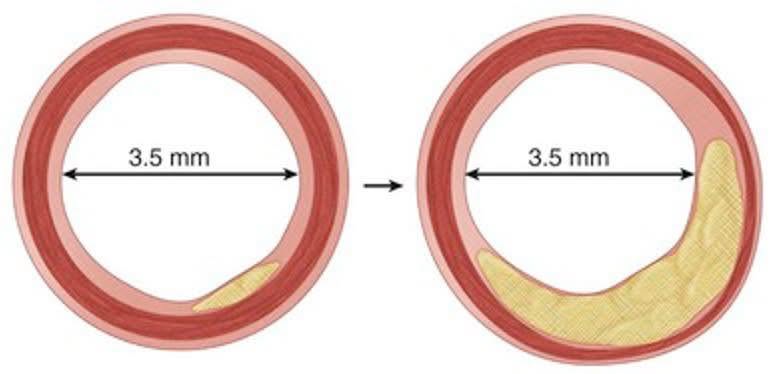
Summarises a 2019 JACC review arguing plaque progression is a necessary, modifiable step between subclinical atherosclerosis and MI, and that preventive strategy should shift toward imaging and aggressively treating subclinical disease. It reports data from PROSPECT, PARADIGM, GLAGOV and PESA showing progression stops at LDL <70 mg/dL and regression needs lower.

Statins for all could halve heart attacks yet add only 10-20 days to life over 5 years

May 14, 2024 · Louis Nervegna ♥ 11 · 💬 11 Statins

Louis works through why universal statin use could cut lifetime heart attack and stroke risk from about 20% to 10% while extending average lifespan by only days over 5 years: only about 10% of heart attacks and strokes are fatal, and only 1 in 5 US deaths are from them, so the reduction in overall deaths is about 50 times smaller. His arithmetic suggests a 0.022% to 0.094% reduction in overall deaths over 5 years. Note that this is a population-averaged back-of-envelope calculation.

SSaSS in stroke survivors: potassium salt substitute cut recurrent stroke 14%, deaths 12%

Mar 13, 2025 · Louis Nervegna ♥ 10 · 💬 12 Blood pressure, salt & potassium

Louis shares Luigi Fontana's summary of a cluster randomized trial in 15,249 stroke patients in northern China, in which a low-sodium, potassium-enriched salt substitute reduced recurrent stroke and death with no increase in hyperkalemia. Louis personally uses a 50/50 sodium chloride and potassium chloride blend that tastes nearly like regular salt.

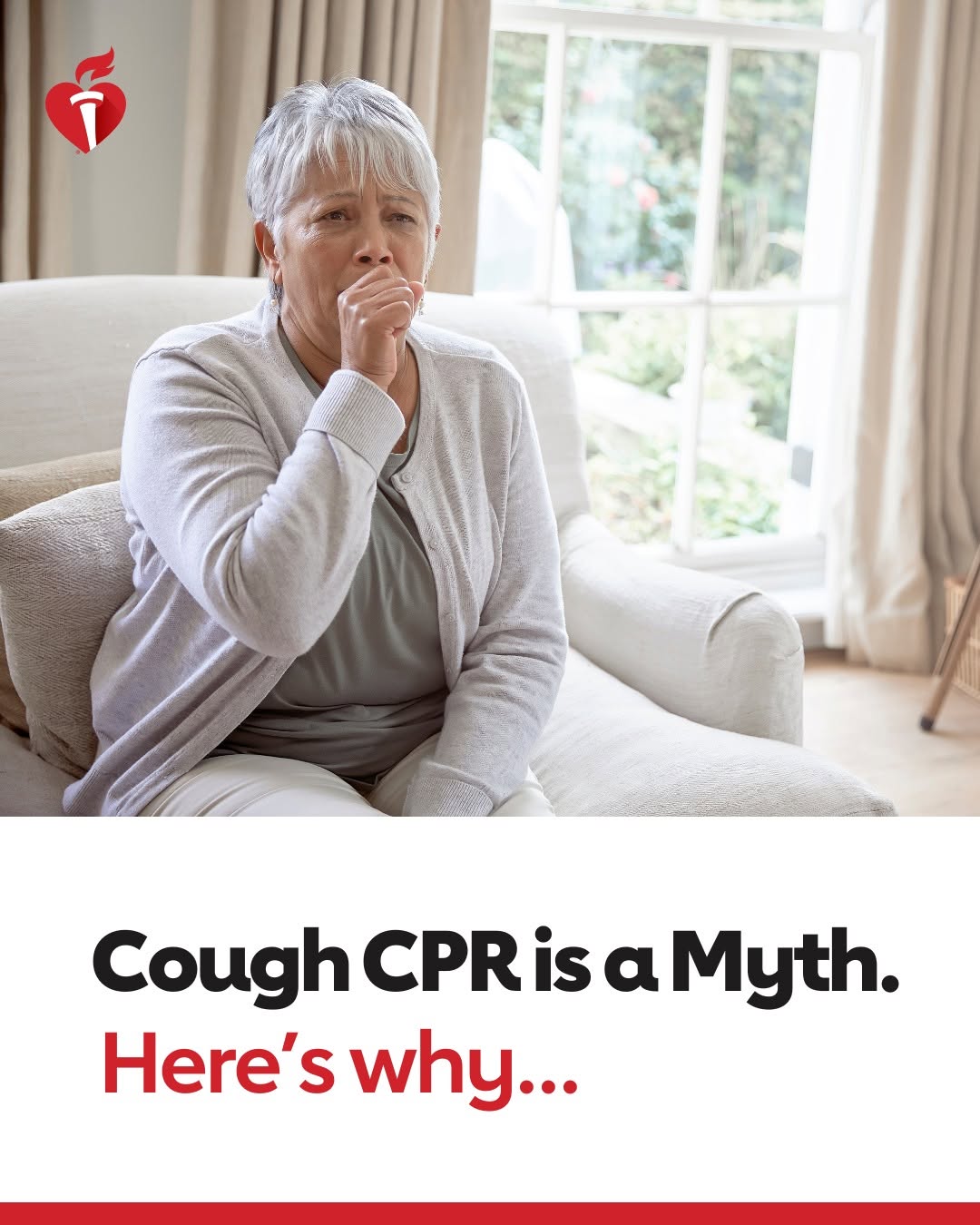
'Cough CPR' for heart attacks is a myth; chew aspirin and call 911

Apr 24, 2025 · Louis Nervegna ♥ 16 · 💬 10

Sharing an American Heart Association piece debunking the idea that vigorous coughing can treat a heart attack. Louis adds the correct response: chew a full-strength aspirin, call 911 and unlock the door in case you pass out.

Lyon Heart Study (canola and olive oil) cut heart attacks and CV deaths 73% in 2.5 years

May 01, 2025 · Louis Nervegna ♥ 7 · 💬 13 Fats & oils (saturated fat, seed oils, omega-6, olive oil)

Louis presents the Lyon Diet Heart Study as the best RCT evidence for cardiovascular benefit of 'seed oils': over 600 heart attack survivors eating a Mediterranean-style diet with canola oil and olive oil had far fewer events than those on an AHA diet. Quoted Lancet results show a risk ratio of 0.27 for cardiac death/nonfatal MI and 0.30 for total mortality, and the trial was stopped early.

Quality CPR may preserve brain function up to an hour into arrest, early evidence says

Feb 07, 2024 · Louis Nervegna ♥ 11 · 💬 14

Louis urges never giving up on CPR, quoting reports that the brain shows signs of electrical recovery for as long as an hour into ongoing CPR and that the old teaching that the brain dies after 3-5 minutes is not accurate. The claim of surviving with no severe brain damage is stronger than the quoted evidence, which is described as emerging.

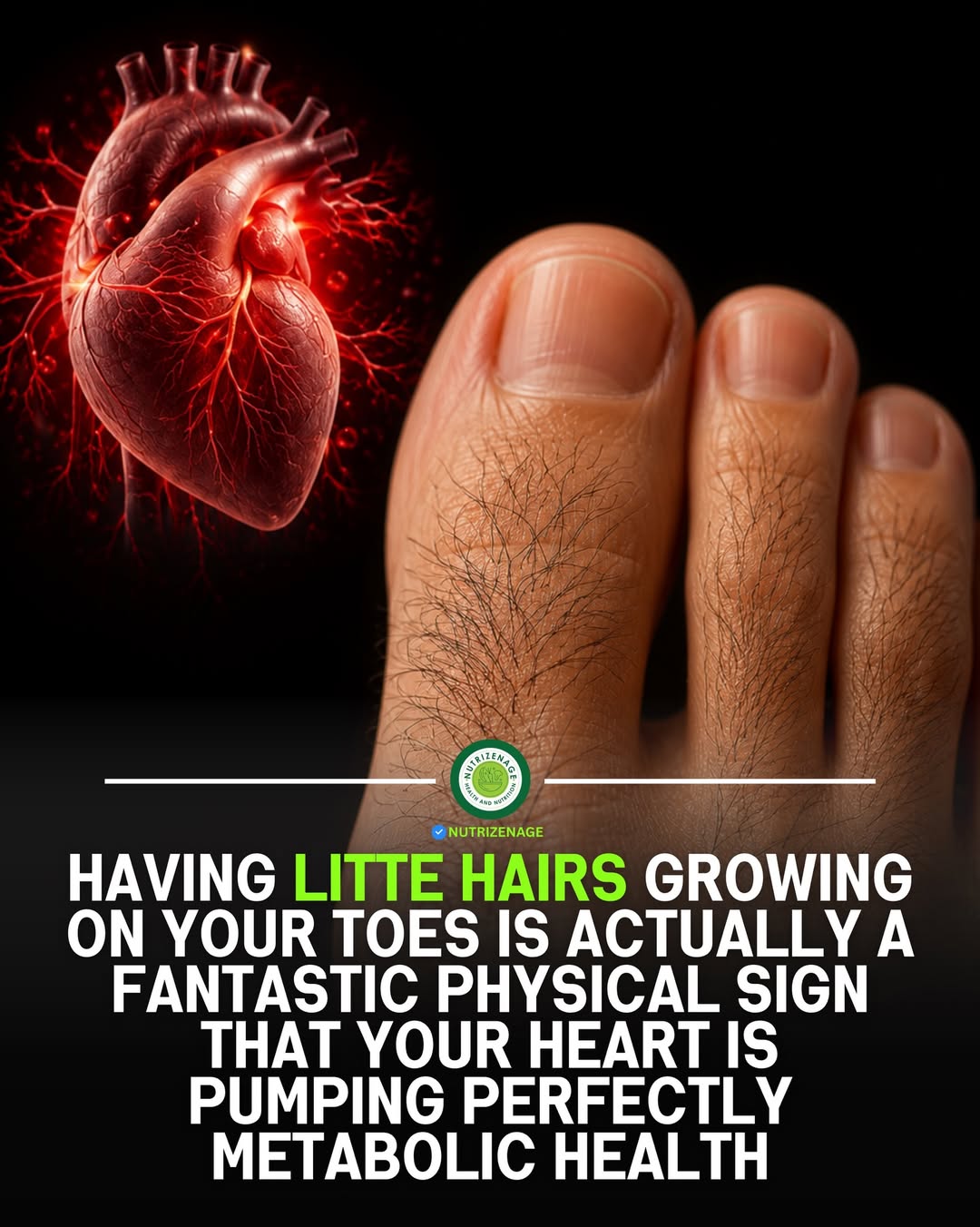
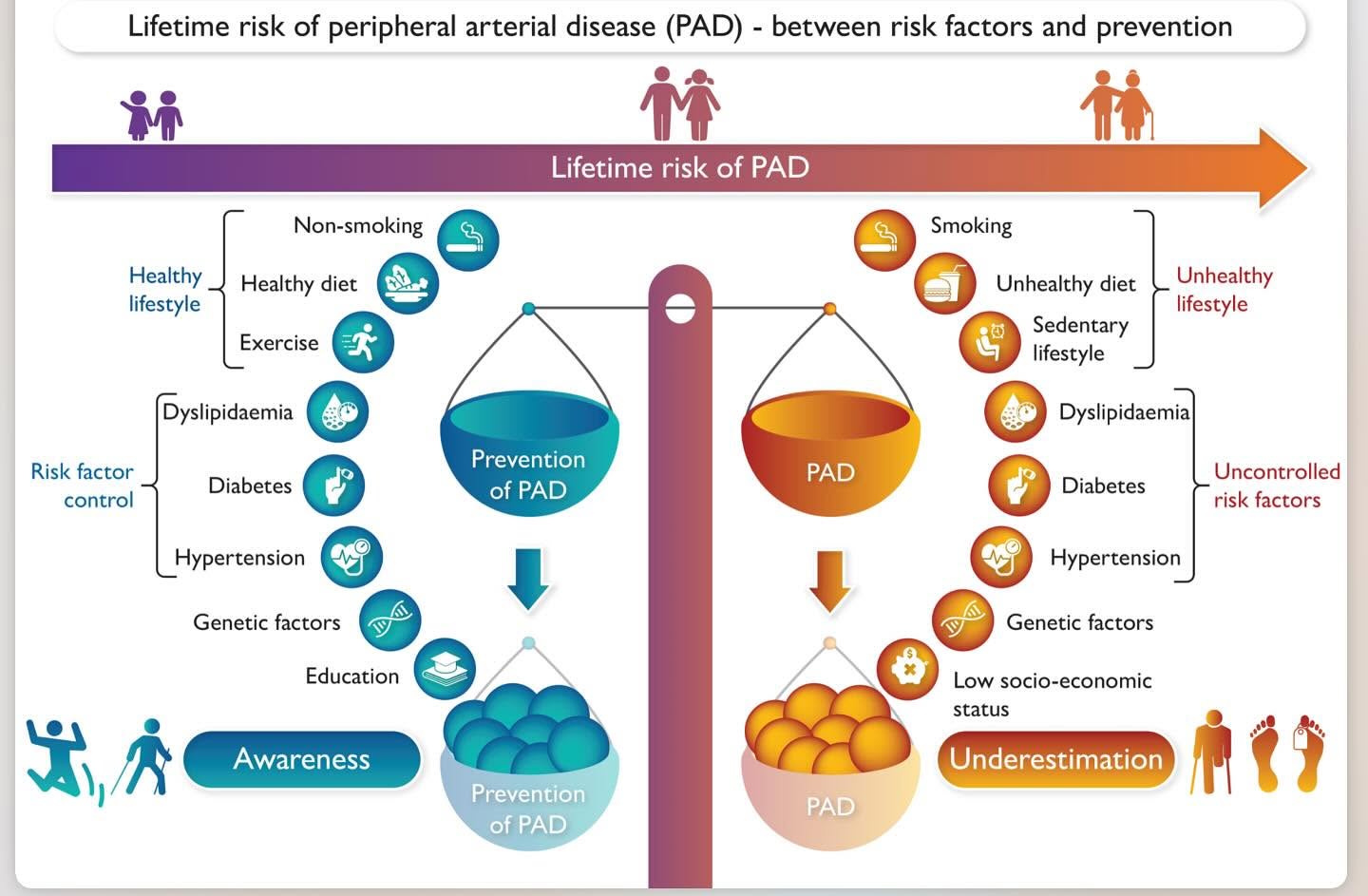
Loss of toe and shin hair can signal reduced blood flow from peripheral artery disease

Jun 27, 2026 · Louis Nervegna ♥ 24 · 💬 6 Blood vessels, circulation & endothelium

Louis confirms, with caveats about the picture's exaggeration, that hair follicles depend on blood supply, so restricted flow to the legs (most commonly PAD) can make hair on shins, ankles, feet and toes stop growing. Sudden hair loss with cold feet, leg pain on walking, numbness or slow-healing wounds warrants medical review.

Over 99% of heart attack patients had a nonoptimal risk factor, mostly hypertension

Sep 30, 2025 · Louis Nervegna ♥ 16 · 💬 8

A study of more than 9 million South Korean adults and thousands of US adults found nearly all heart attacks, strokes and heart failure occur in people with at least one nonoptimal blood pressure, cholesterol, blood sugar or tobacco use. Hypertension was the most common contributor, underscoring early prevention.

The 12-step biology of atherosclerosis, from endothelial dysfunction to heart attack

Apr 01, 2025 · Louis Nervegna ♥ 20 · 💬 6 Plaque, CAC & CT angiography

Louis shares an article laying out the 12 steps by which atherosclerosis forms and leads to a heart attack. The steps run from endothelial dysfunction and lipoprotein entry into the intima, through retention, modification, immune activation, foam cells, necrotic core, plaque growth and calcification, to plaque rupture or erosion and thrombus formation.

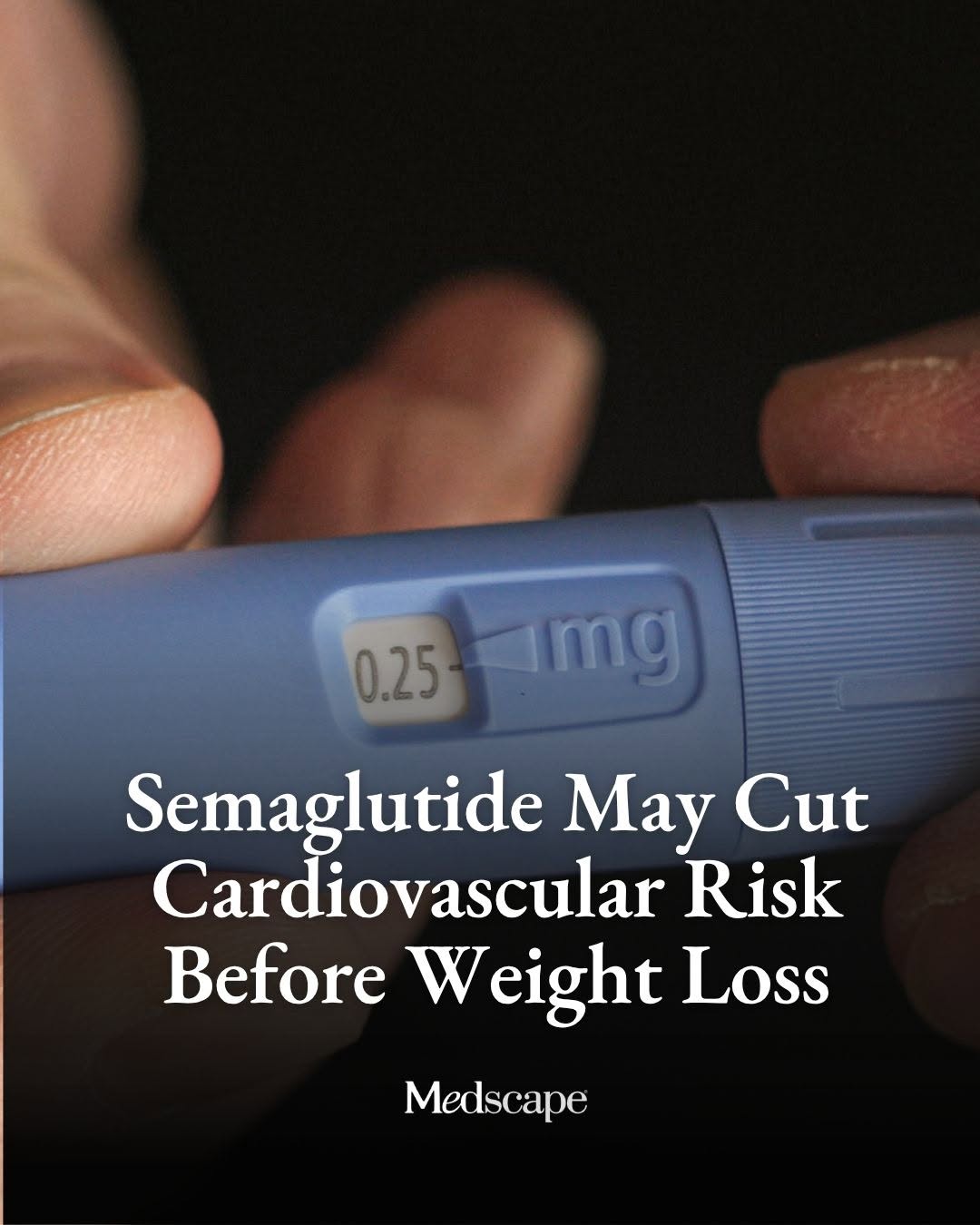
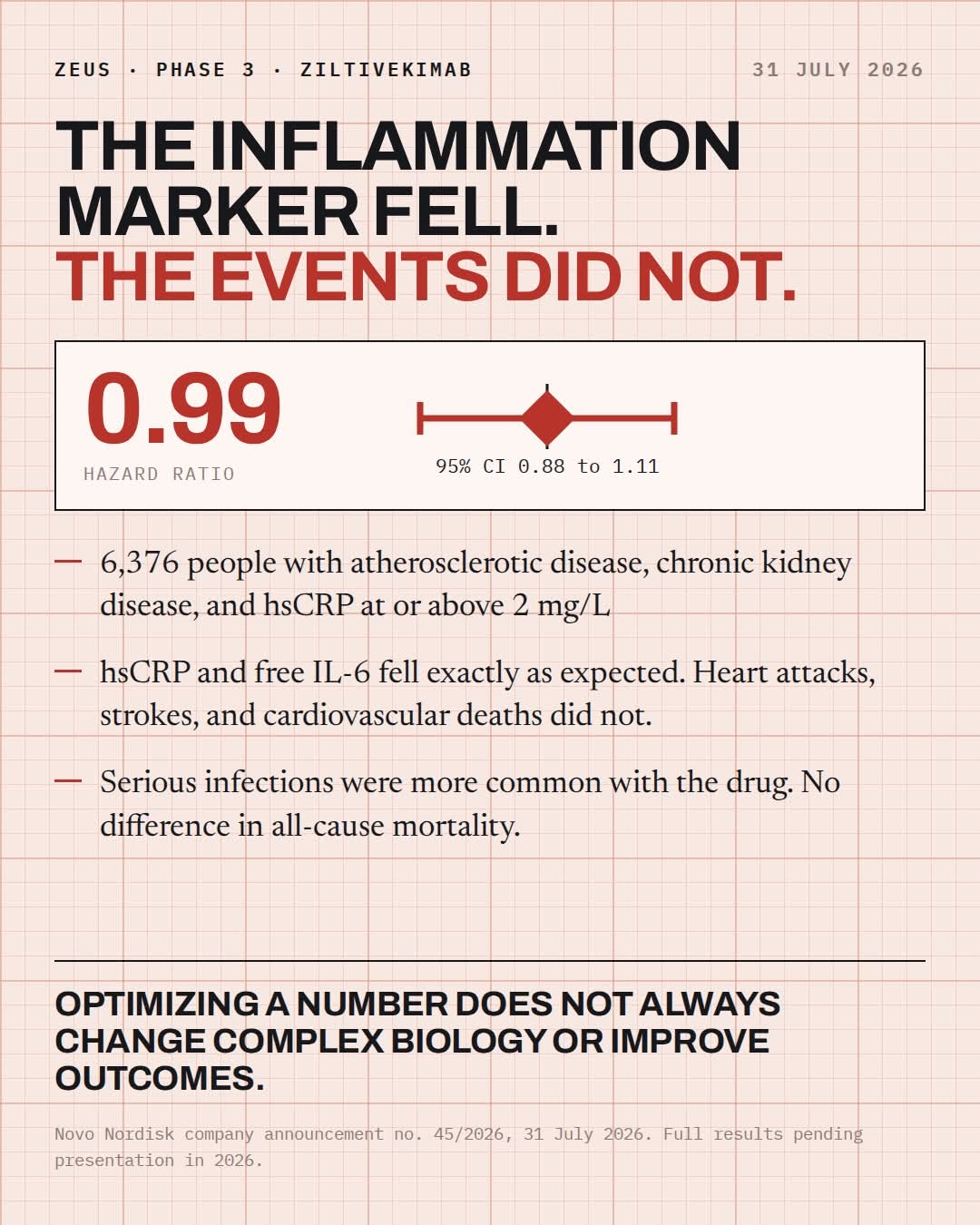
Semaglutide cut inflammation 38% in SELECT; biggest drops tracked with fewer events

Aug 21, 2026 · Louis Nervegna ♥ 20 · 💬 4 GLP-1 drugs (semaglutide, tirzepatide)

A new analysis of the SELECT trial asks why semaglutide reduced cardiovascular events. Inflammation markers fell 38% versus placebo, early and even in people who lost little weight, and those with the biggest drops had the fewest events. Modelling suggests part of the drug's benefit runs through lower inflammation, though this shows a link rather than proof of cause.
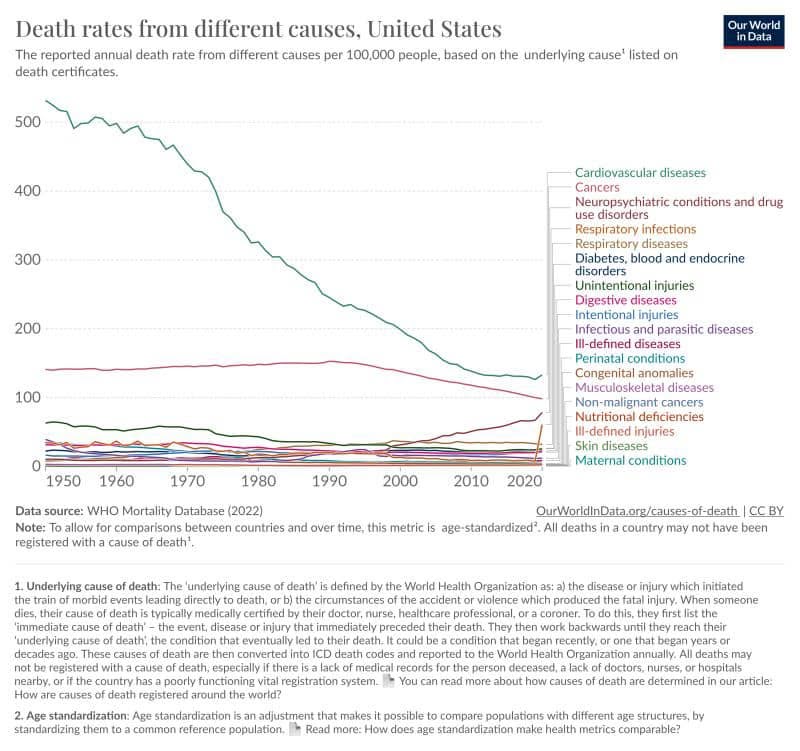
About 95% of acute-thrombosis heart attacks involve soft plaque, not calcified plaque

Oct 03, 2026 · Louis Nervegna ♥ 9 · 💬 9 Plaque, CAC & CT angiography

The post says about 64% of heart attacks from acute thrombosis come from rupture of soft lipid-rich plaque and about 25% from erosion of soft plaque, while only about 5% involve calcified nodules. Because statins and other lipid-lowering drugs stabilize and reverse soft plaque, the poster argues they address the plaque type most responsible for heart attacks.

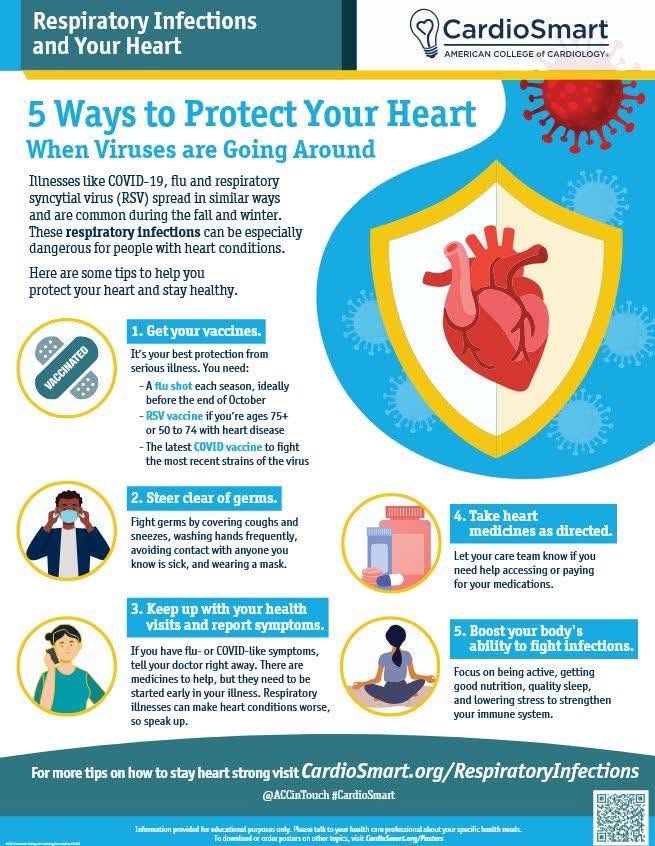
Flu and respiratory infections raise heart attack risk; ask your doctor about baby aspirin

Sep 11, 2024 · Louis Nervegna ♥ 13 · 💬 8 Infections & vaccines

Louis shares MedPage Today coverage of another study confirming that infections like flu temporarily raise heart attack and stroke risk. He suggests that people with CVD ask their doctor about daily baby aspirin during illness and for a period afterward. The proposed mechanism is increased metabolic demand plus inflammatory and coagulation effects that destabilize plaque.

Lyon Diet Heart Study: Mediterranean diet cut cardiac death and MI 73% after a first MI

Aug 04, 2024 · Louis Nervegna ♥ 14 · 💬 4 ↩ 9 Mediterranean, DASH, MIND & plant-forward diets

More than 600 heart attack survivors were randomized to a Mediterranean-style diet or an AHA diet; the trial was stopped early after about 2.5 years because benefit was so large. The Mediterranean group, using EVOO and canola-based margarine with more fish/poultry and plant foods, had large reductions in cardiac events and total mortality.

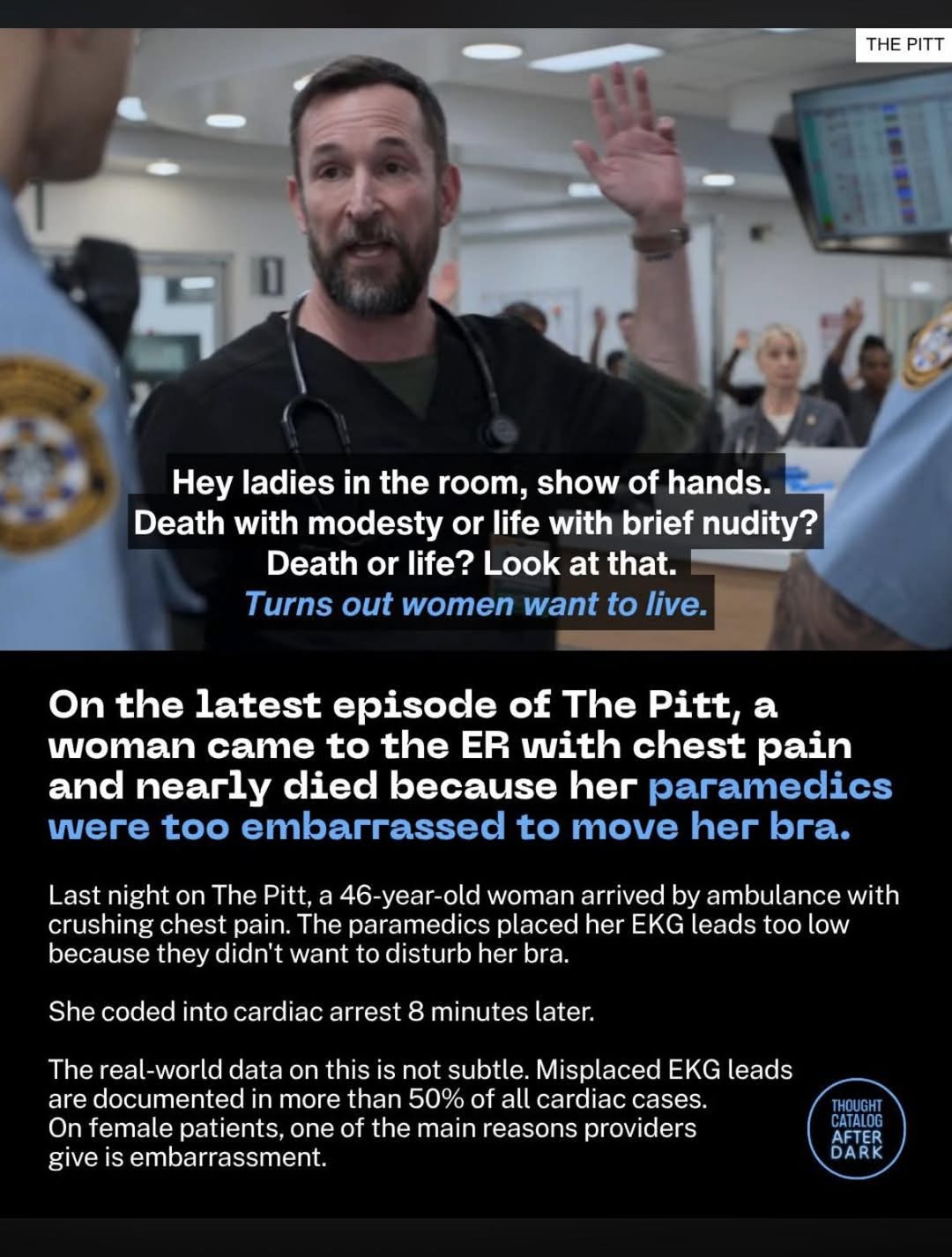
Misplaced EKG leads documented in more than 50% of cardiac cases

Apr 19, 2026 · Louis Nervegna ♥ 17 · 💬 7

A post urging patients to make sure EKG leads are placed correctly, quoting that misplaced leads occur in over half of cardiac cases and that embarrassment with female patients is a common reason given. Anecdotal and based on a quote rather than cited research.

Louis: forcing LDL-C below 20 in low-risk people is unwise, per Willett on brain bleeds

Mar 30, 2024 · Louis Nervegna ♥ 9 · 💬 8 LDL, ApoB & lipid panel

Louis criticizes advice for low-risk people to use multiple drugs to push LDL-C below 20, noting major cardiology associations do not recommend it. He quotes Walter Willett saying very low LDL raises hemorrhagic stroke risk, citing Japanese experience and Mendelian randomization of the statin-target gene. The caveat is that high-risk people should push LDL low because heart attack and ischemic stroke risk outweigh this. His rule: LDL target should scale with risk.

Long-term PPI use linked to a 20% higher heart attack risk (news)

May 05, 2024 · Louis Nervegna ♥ 9 · 💬 12

Louis shares a HealthCentral report on a study finding about a 20% higher risk of heart attack associated with long-term use of proton pump inhibitors, with experts discussing a possible link to cardiovascular disease. The post gives no study details.
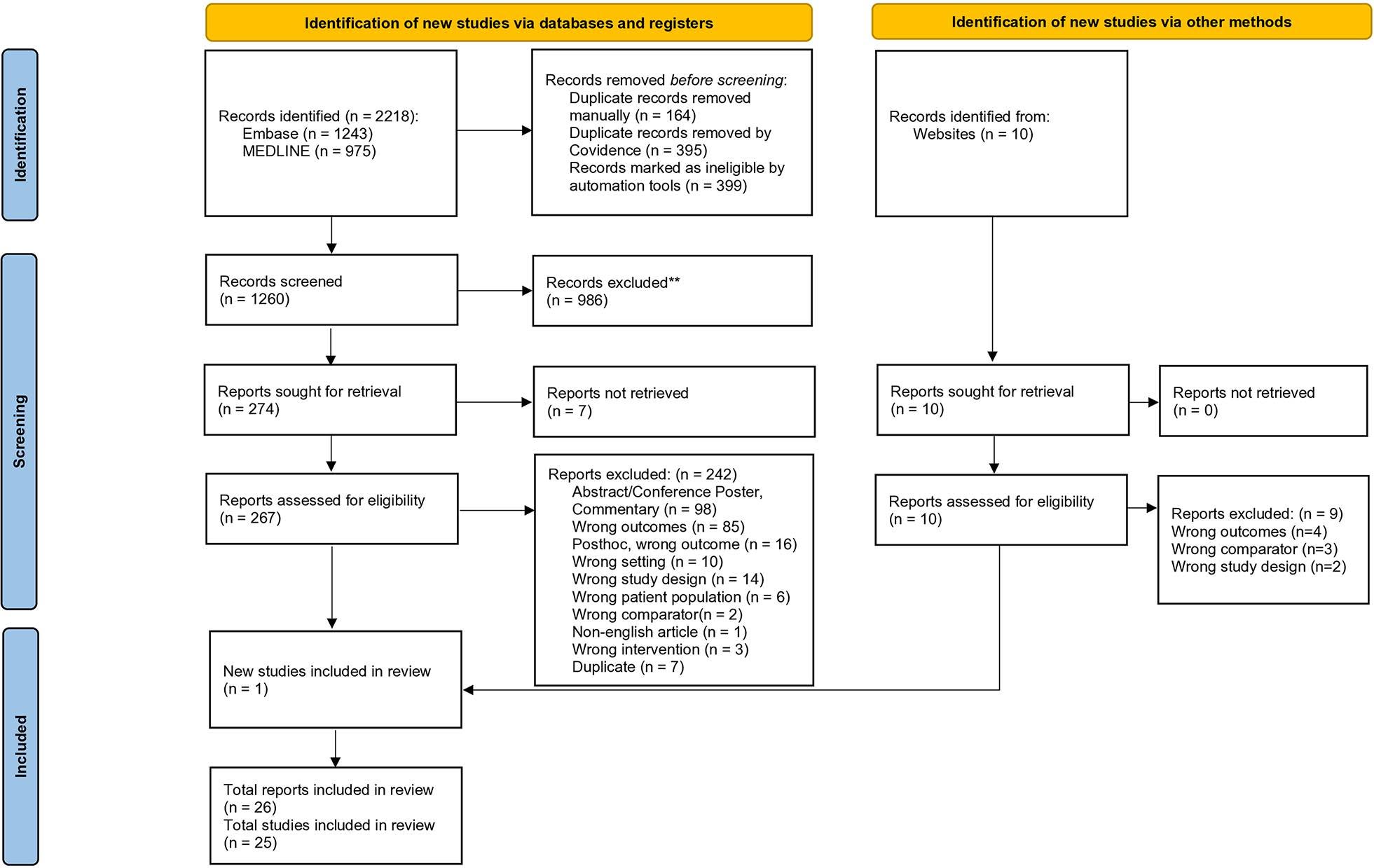
Mediterranean diet has the strongest evidence of any diet: 4 RCTs and decades of cohorts

May 10, 2025 · Louis Nervegna ♥ 14 · 💬 3 Mediterranean, DASH, MIND & plant-forward diets

Louis argues the traditional Mediterranean diet has unmatched evidence: four 4-7 year RCTs show lower heart attack, stroke and CV death (46% lower CV mortality overall), and Nurses' Health and Health Professionals cohorts plus a dozen more large cohorts confirm long-term benefit. He allows other diets might work better but says none has comparable evidence.
Aging stem cells open a direct platelet pathway that raises thrombosis risk (Cell 2024)

Jun 09, 2024 · Gokhan Can ♥ 5 · 💬 12

Shares the abstract of a Cell paper showing that with age, hematopoietic stem cells increasingly make platelets through a direct route that bypasses the usual progenitor cascade. The platelets from this pathway are more prone to thrombosis and cause higher platelet counts. It offers a possible cellular explanation for why clotting-related cardiovascular disease rises so steeply in older people.
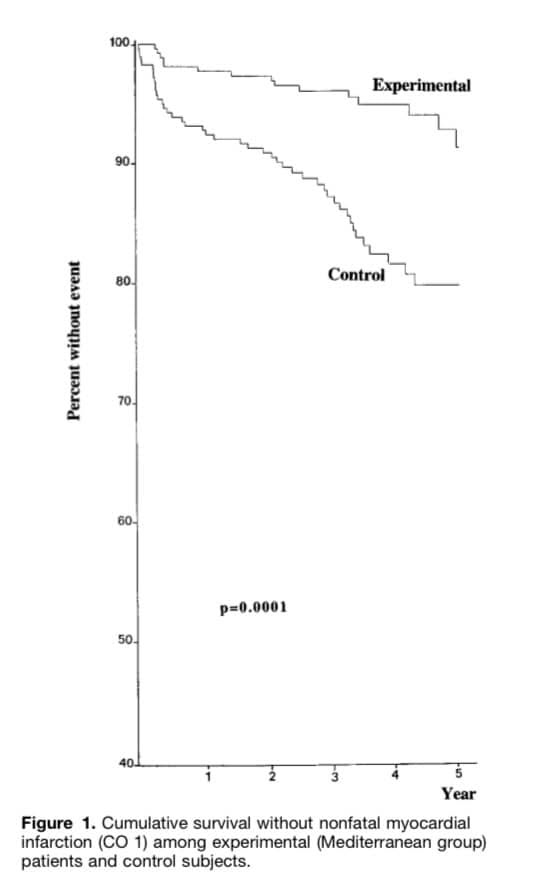
Higher blood linoleic acid predicts lower CVD risk in 68,000-person pooled analysis

Jul 18, 2025 · Louis Nervegna ♥ 6 · 💬 7 Fats & oils (saturated fat, seed oils, omega-6, olive oil)

Louis shares a Johns Hopkins piece citing the 2019 Marklund pooled analysis of over 68,000 participants in 30 cohorts across 13 countries. People with the highest blood linoleic acid had lower CVD risk, especially for CV mortality and stroke; controlled trials also show LA lowers LDL and may improve glucose metabolism. The association is observational, which the author notes.

CSL112 ApoA-I infusion failed in phase 3 AEGIS-II, supporting HDL as marker not cause

Feb 13, 2024 · Louis Nervegna ♥ 8 · 💬 5 ↩ 14 LDL, ApoB & lipid panel

Louis argues the failure of AEGIS-II, in which patients received native ApoA-I (CSL112), shows ApoA-I is not directly causal in heart disease. Every large pharmaceutical trial raising HDL or ApoA-I has failed to prevent heart attacks and strokes. HDL and ApoA-I remain good risk markers, probably standing in for insulin resistance, so raising them by means other than improving insulin sensitivity may not lower risk.

Louis's analysis of John McDougall's likely cardiac cause of death

May 31, 2025 · Louis Nervegna ♥ 5 · 💬 16

Louis speculates that Dr. John McDougall likely died of sudden cardiac arrest from a large heart attack, noting McDougall's own statements about significant coronary calcification on a CAC scan in his 50s and severe disease by 67. He questions whether McDougall's stroke at 18 was ischemic. This is speculation, not a documented finding.

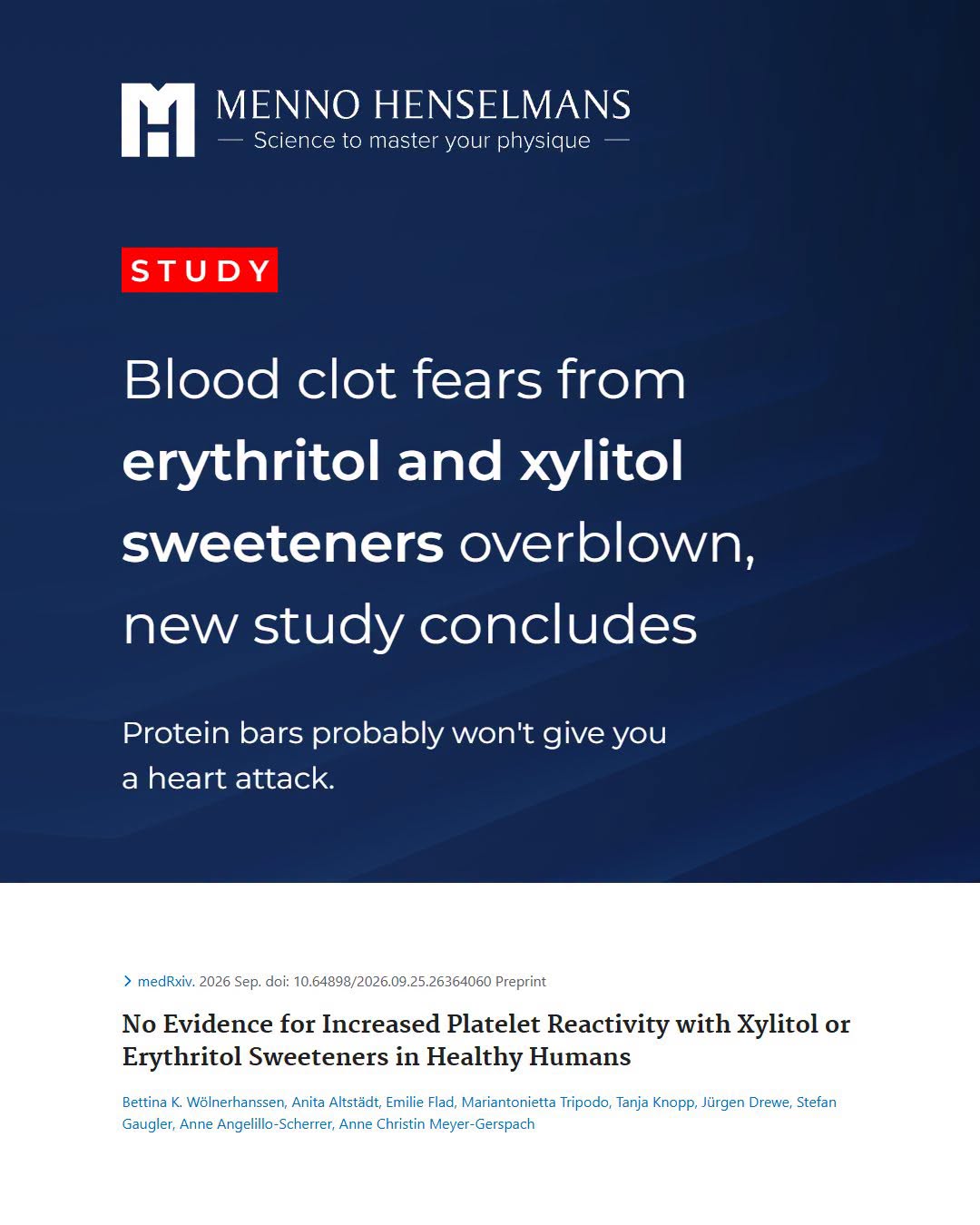
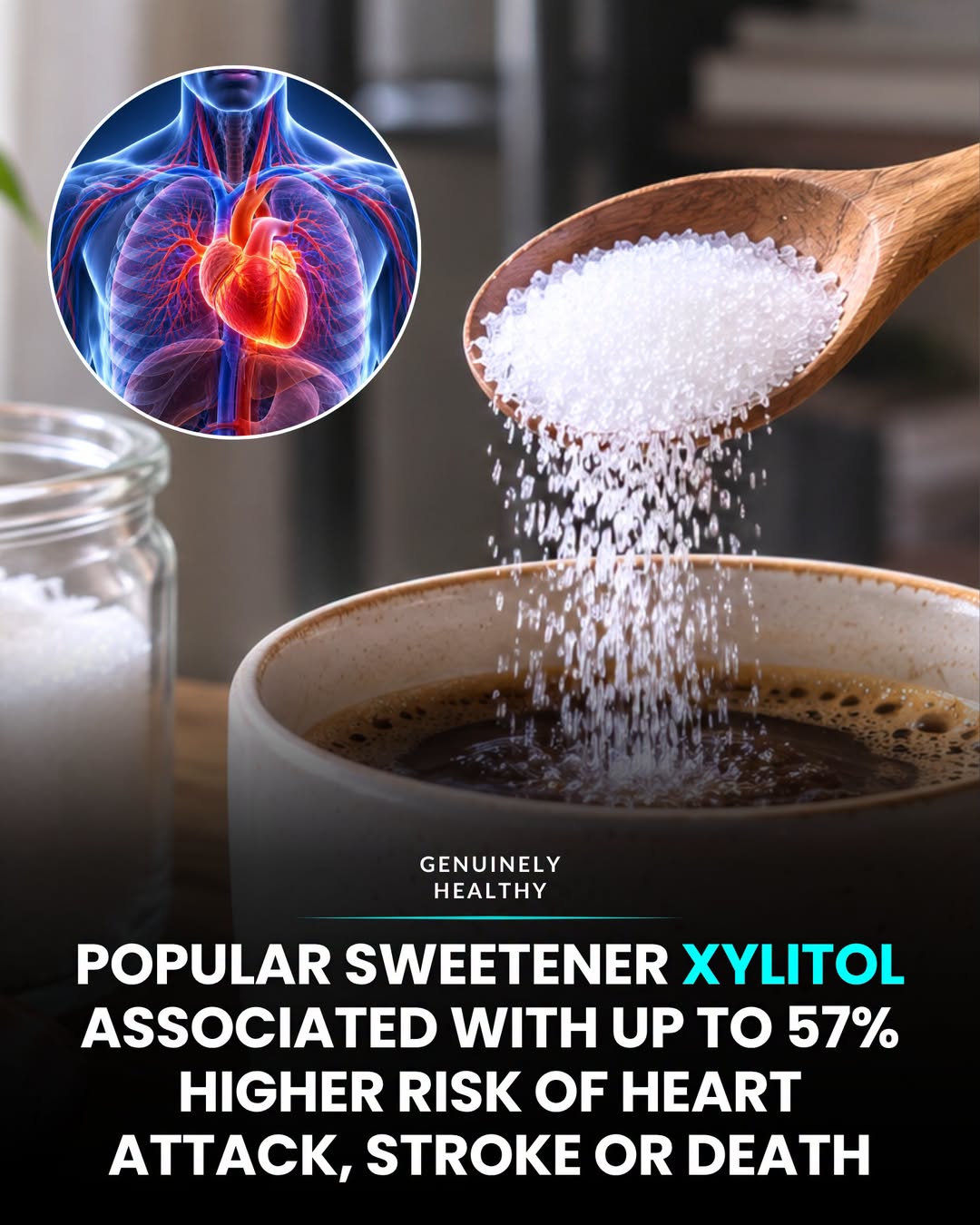
Erythritol and xylitol heart risk is unclear; the Cleveland Clinic studies were limited

Oct 27, 2026 · Louis Nervegna ♥ 7 · 💬 5 Carbs, fiber, sugar & whole grains

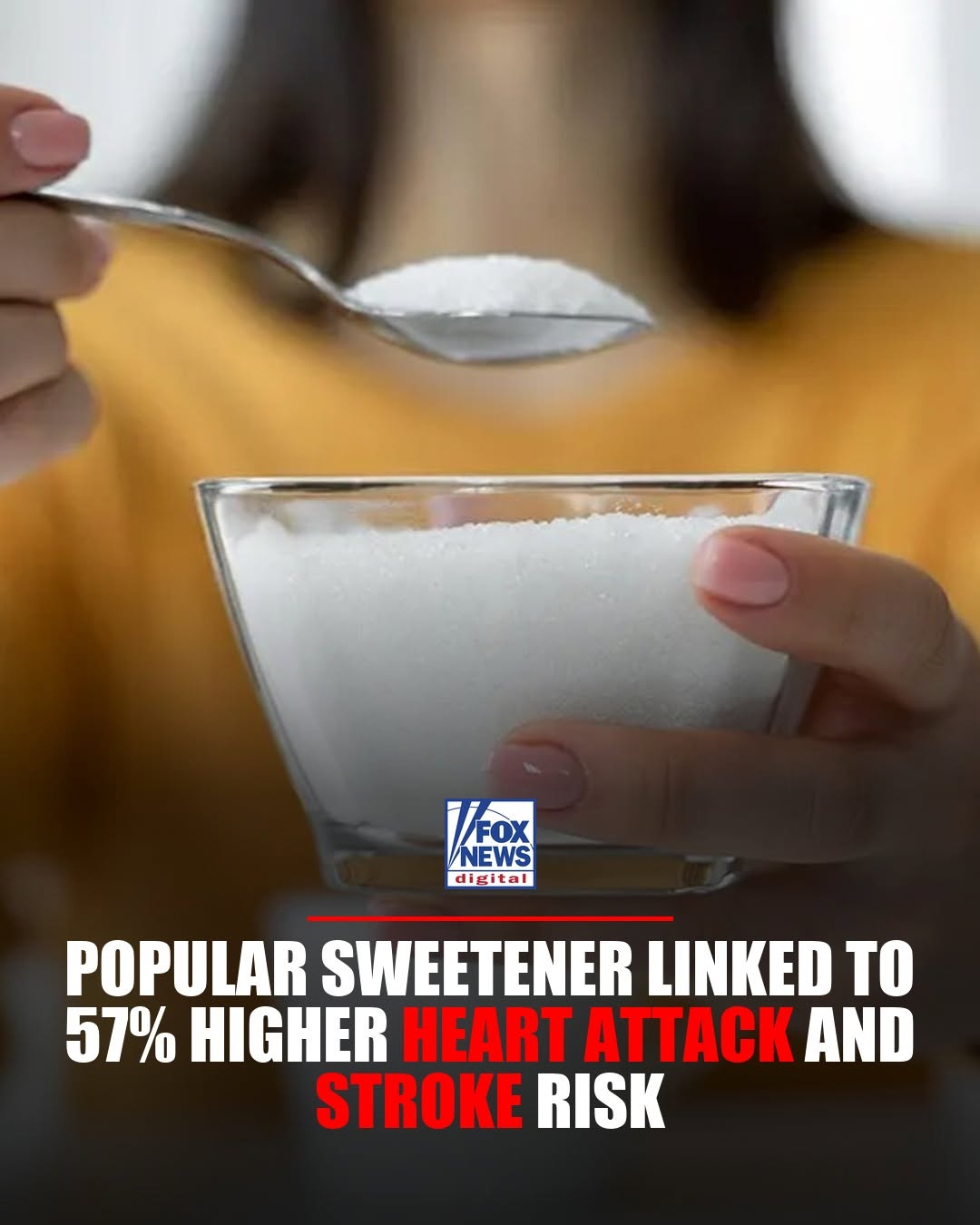
Louis notes it is unclear whether sugar alcohols raise CVD risk. A shared post explains that the group linking higher blood erythritol and xylitol to more heart attacks and strokes also showed that 30 g doses made platelets more reactive, but both studies had serious problems, including that the association study did not measure intake.

Lyon Diet Heart Study: Mediterranean diet cut heart attacks and CV deaths 73%

Sep 15, 2026 · Louis Nervegna ♥ 11 · 💬 3 Mediterranean, DASH, MIND & plant-forward diets

Louis argues that LDL and diet are largely independent risk factors, citing the Lyon Heart Study in which both groups had similar cholesterol but the Mediterranean-diet group fared far better than the AHA-diet group. His takeaway is to eat healthily whatever your LDL. The claim that no drug matches this effect is his opinion.

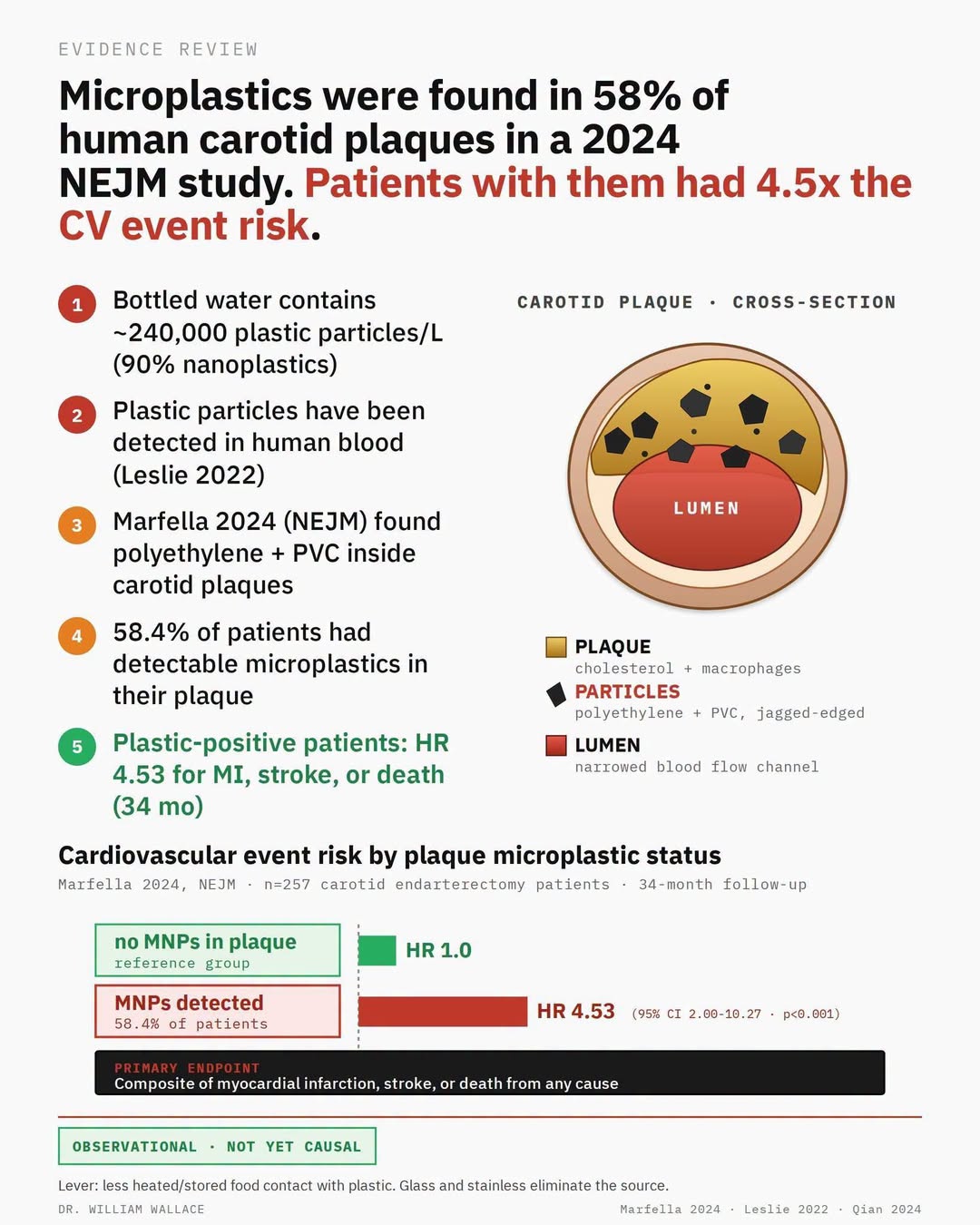
Micronanoplastics 50 times higher in carotid plaque than in plaque-free arteries

Apr 23, 2025 · Gokhan Can ♥ 14 · 💬 3 ↩ 1 Environment (microplastics, pollution, heat)

A small preliminary study presented at an AHA meeting found carotid plaque, especially from people with stroke, TIA or transient vision loss, held 50 times more micronanoplastics than plaque-free arteries. It cannot prove causation and no direct link to inflammation markers was found, though gene activity related to plaque stability differed.

Runner's heart attack revealed a silent 50-60% blockage in a 'widowmaker' artery

Feb 26, 2026 · Louis Nervegna ♥ 8 · 💬 8

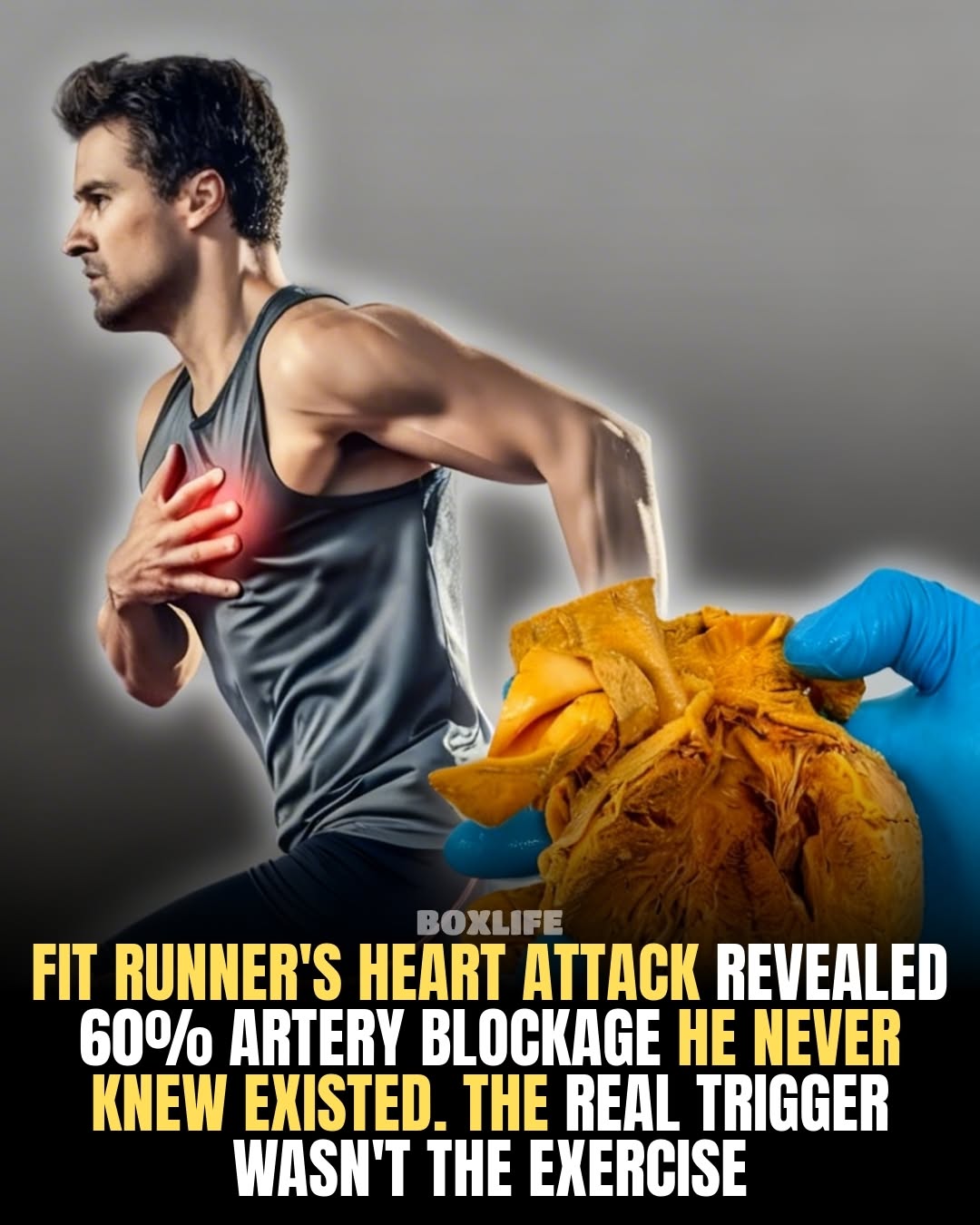
Article about a fit runner who collapsed mid-race with undiagnosed 50-60% blockage, triggered by atrial fibrillation rather than exercise. It explains plaque rupture, collateral vessels that can mask blockage, and screening via lipid panels, calcium scans and CT angiograms.

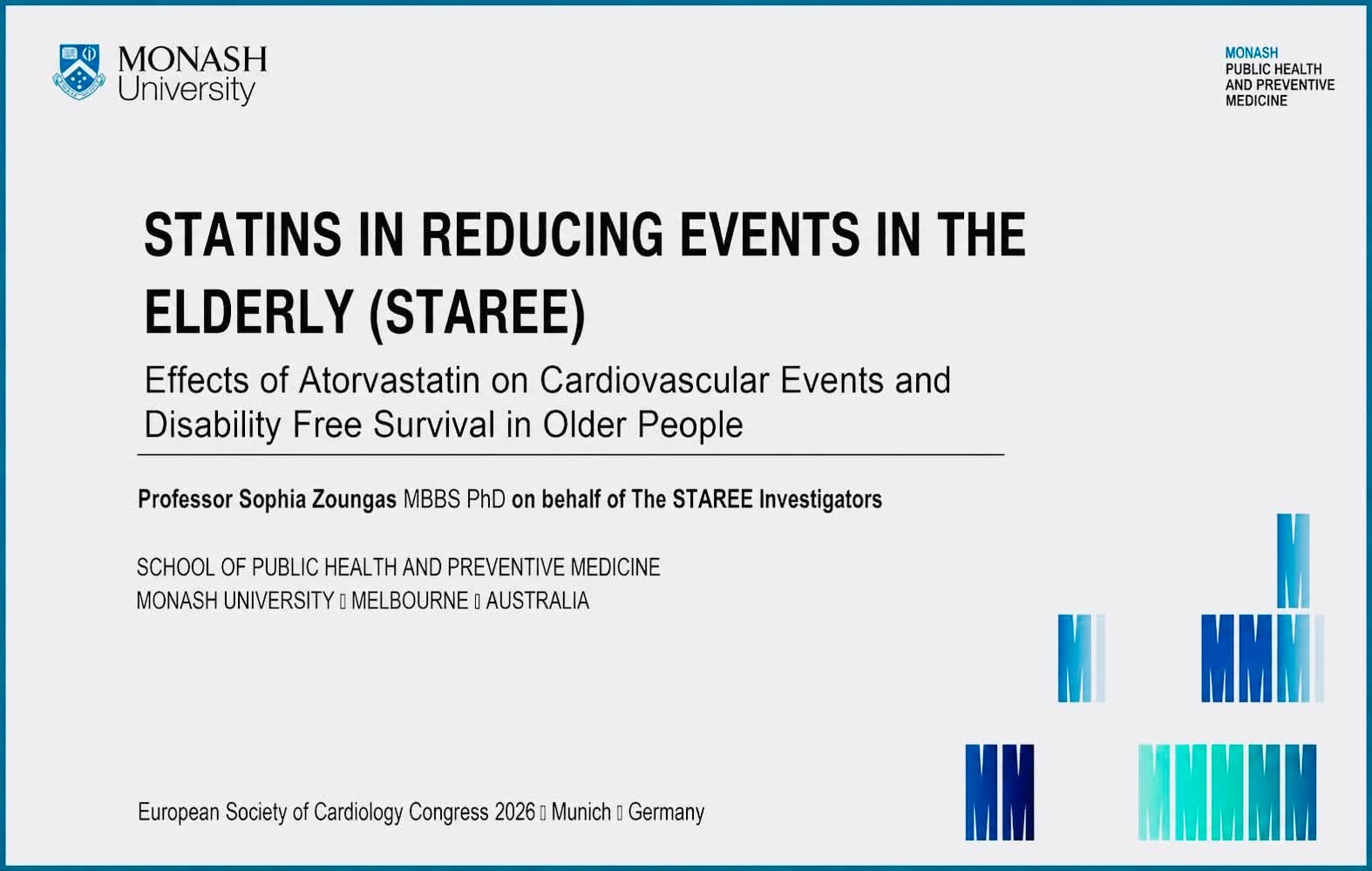
STAREE: atorvastatin cut major CV events 30% in adults 70+ with no rise in dementia

Nov 01, 2026 · Louis Nervegna ♥ 5 · 💬 5 Statins

A quoted summary of the STAREE trial in NEJM: 9,971 adults aged 70 or older without cardiovascular disease, diabetes or dementia were randomized to atorvastatin 40 mg or placebo for a median 5.9 years. Atorvastatin cut major cardiovascular events 30% and MI and revascularization 43% each, with no significant increase in dementia or all-cause mortality and equal serious adverse events.

Two FDA-approved antibiotics induced heart regeneration in mice and pigs after ischemia

Mar 21, 2024 · Louis Nervegna ♥ 22 · 💬 1 Heart rhythm & heart failure

Louis shares news that two FDA-approved antibiotics, paromomycin and neomycin, were identified in Hesham Sadek's lab at UT Southwestern as inducing cardiomyocyte proliferation. In adult mice and in pigs after cardiac ischemia/reperfusion injury, the combination improved left ventricular systolic function and decreased scar formation. This is preclinical animal work.

PREDIMED: Mediterranean diet with olive oil or nuts cut major CV events by 30% and 28%

Aug 26, 2025 · Louis Nervegna ♥ 10 · 💬 2 ↩ 7 Mediterranean, DASH, MIND & plant-forward diets

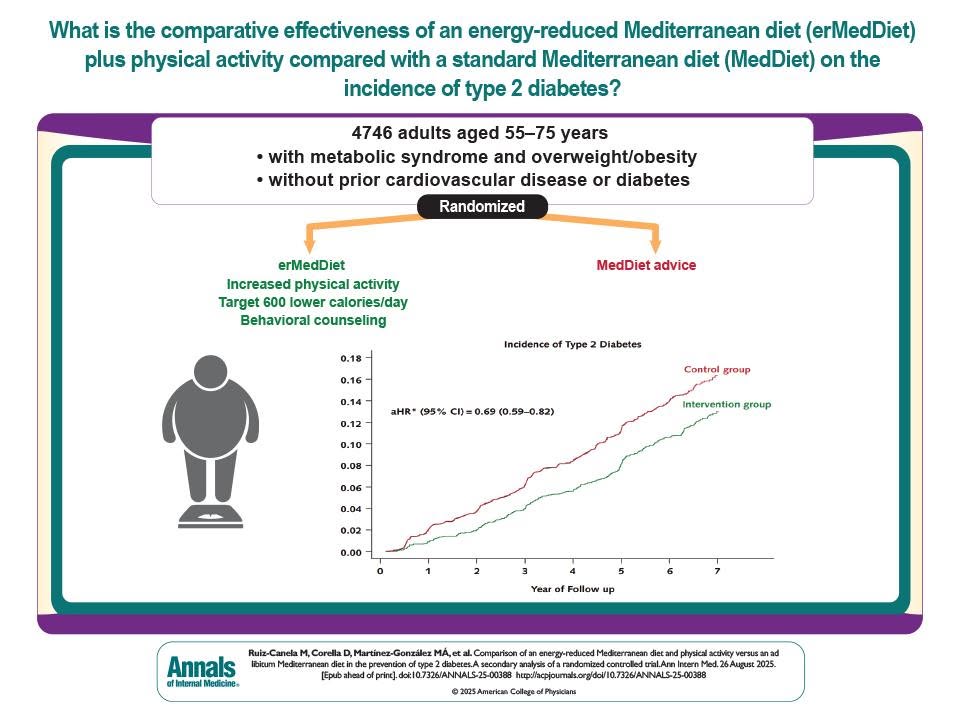
Louis summarizes the PREDIMED randomized trial of about 7,500 people testing the traditional Mediterranean diet for primary prevention. Groups supplemented with extra-virgin olive oil or nuts had a 30% and 28% lower rate of heart attack, stroke or cardiovascular death after 5 years versus an AHA-style control diet. A shared Annals post adds that Mediterranean diet plus calorie reduction and exercise cut diabetes risk by 31% in a large trial.

Anabolic steroid users had 3x heart attack and 8.9x cardiomyopathy risk (Circulation)

Mar 15, 2025 · Louis Nervegna ♥ 4 · 💬 5 Hormones, women's & men's health

Louis notes that excess exogenous testosterone is also an anabolic steroid and shares Luigi Fontana's summary of a Circulation study comparing 1,189 anabolic androgenic steroid users with 59,450 controls over 11 years. Users had several-fold higher risks of heart attack, revascularization, clots, arrhythmias, cardiomyopathy and heart failure.

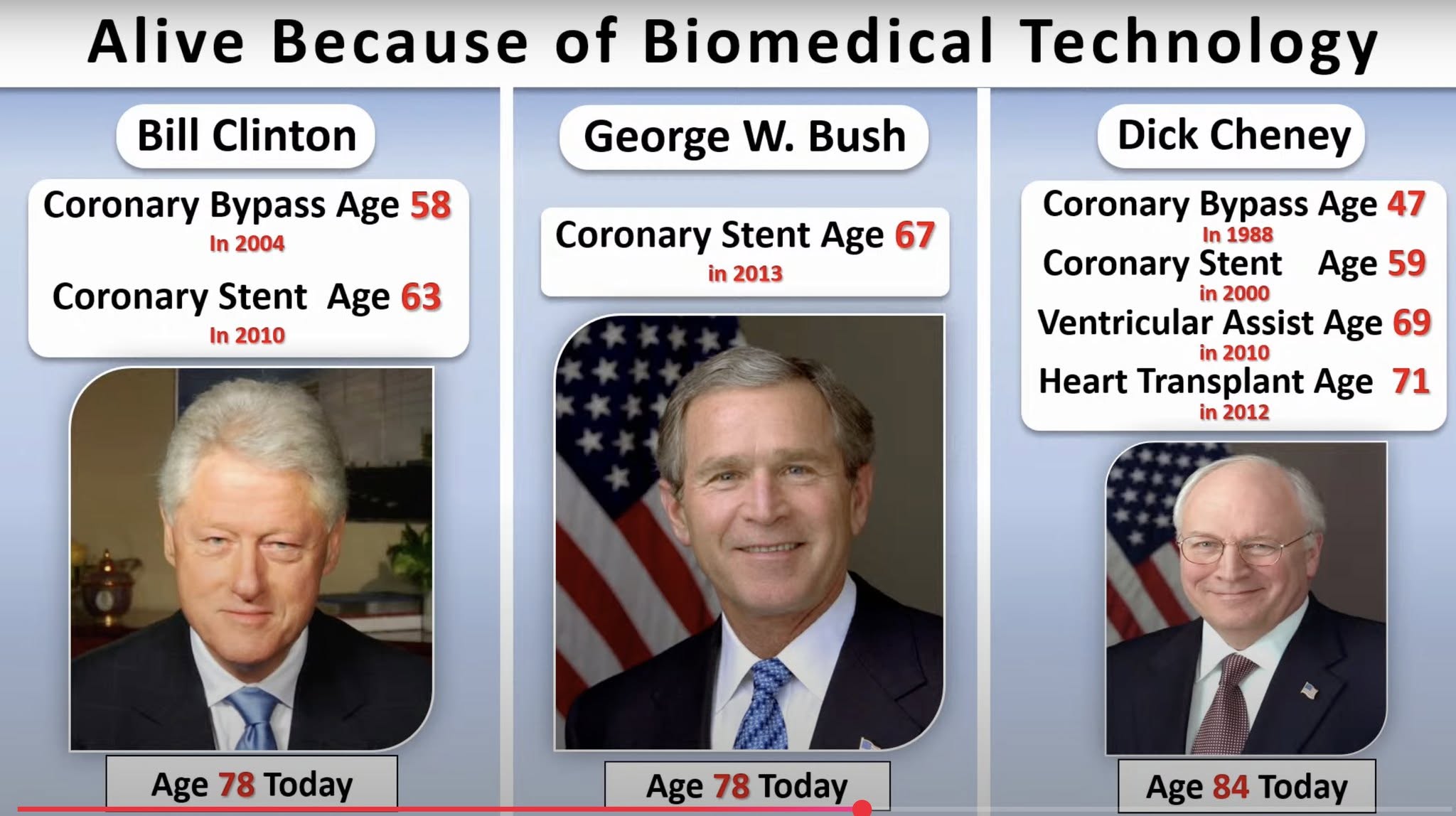
Lifestyle changes may cut sudden cardiac arrest risk 40-63%, per 2025 UK study in a video

Jun 01, 2025 · Gokhan Can ♥ 10 · 💬 2

A video segment from Life Extension founder Bill Faloon discusses a 2025 UK study finding that modifiable factors such as physical activity and social engagement reduce sudden cardiac arrest risk by 40-63%, while unemployment and smoking raise it. He also contrasts today's heart disease treatment with that available to past presidents.

CORDIOPREV: Mediterranean diet reversed carotid plaque and cut recurrent events ~25%

Apr 13, 2025 · Louis Nervegna ♥ 14 Plaque, CAC & CT angiography

Louis summarizes the 2021 CORDIOPREV RCT in patients with prior heart attack or stroke on standard medical care: a Mediterranean diet rich in olive oil, nuts and fish reduced carotid thickness at 5 and 7 years, unlike a low-fat diet, and reduced maximum plaque height. Recurrent major cardiovascular events were roughly 25% lower, even though participants were already on statins and other drugs.

CHIP (clonal hematopoiesis): a little-known risk factor for heart disease and stroke

Apr 08, 2024 · Gokhan Can ♥ 5 · 💬 3 Risk assessment & lab tests

Explains clonal hematopoiesis of indeterminate potential: blood cells carrying acquired mutations that raise the risk of blood cancers, coronary disease and stroke. It becomes more common with age, can be detected with a next-generation sequencing panel, and has no specific treatment yet. The post notes testosterone therapy and anything strongly stimulating bone marrow may help CHIP expand.

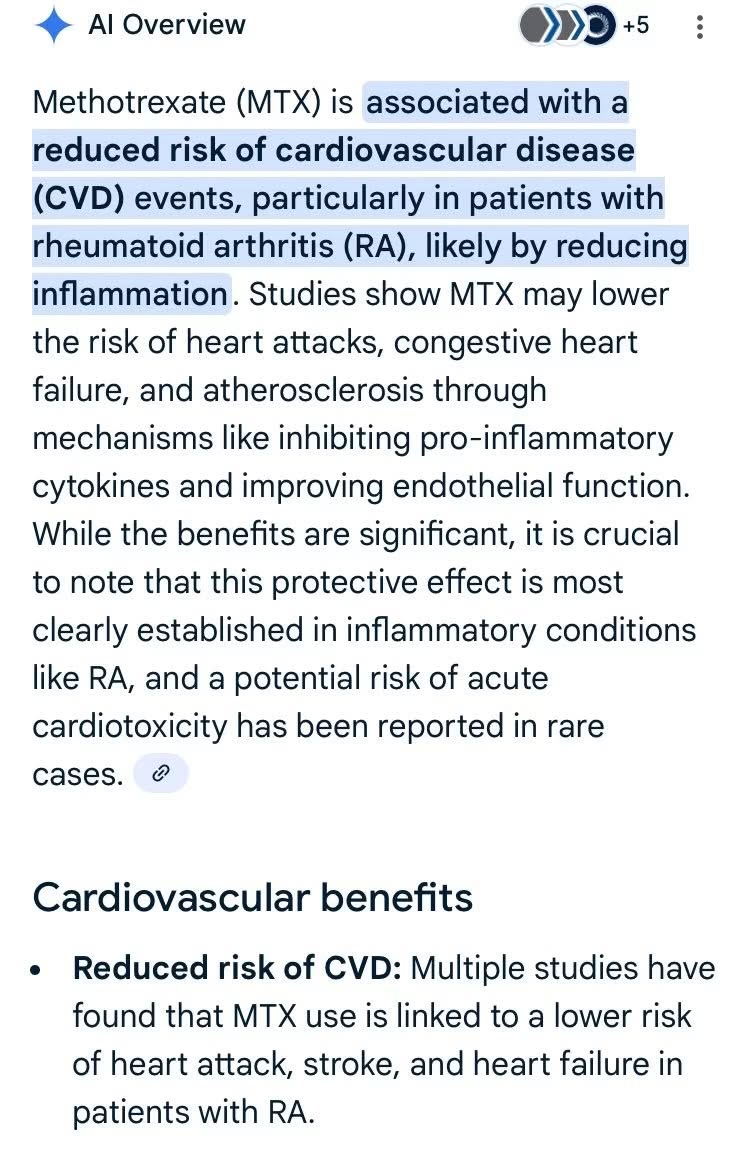
Methotrexate may lower heart disease risk in rheumatoid arthritis and be safer than NSAIDs

Oct 19, 2025 · Louis Nervegna ♥ 5 · 💬 4 Inflammation & CRP

Louis says methotrexate has an undeserved bad reputation and newer research suggests it may reduce cardiovascular risk in people with rheumatoid arthritis or other inflammatory diseases. He notes long-term NSAIDs, especially Cox-2 inhibitors, raise heart attack and stroke risk and are hard on the kidneys, and advises talking to a cardiologist. No specific study is cited.

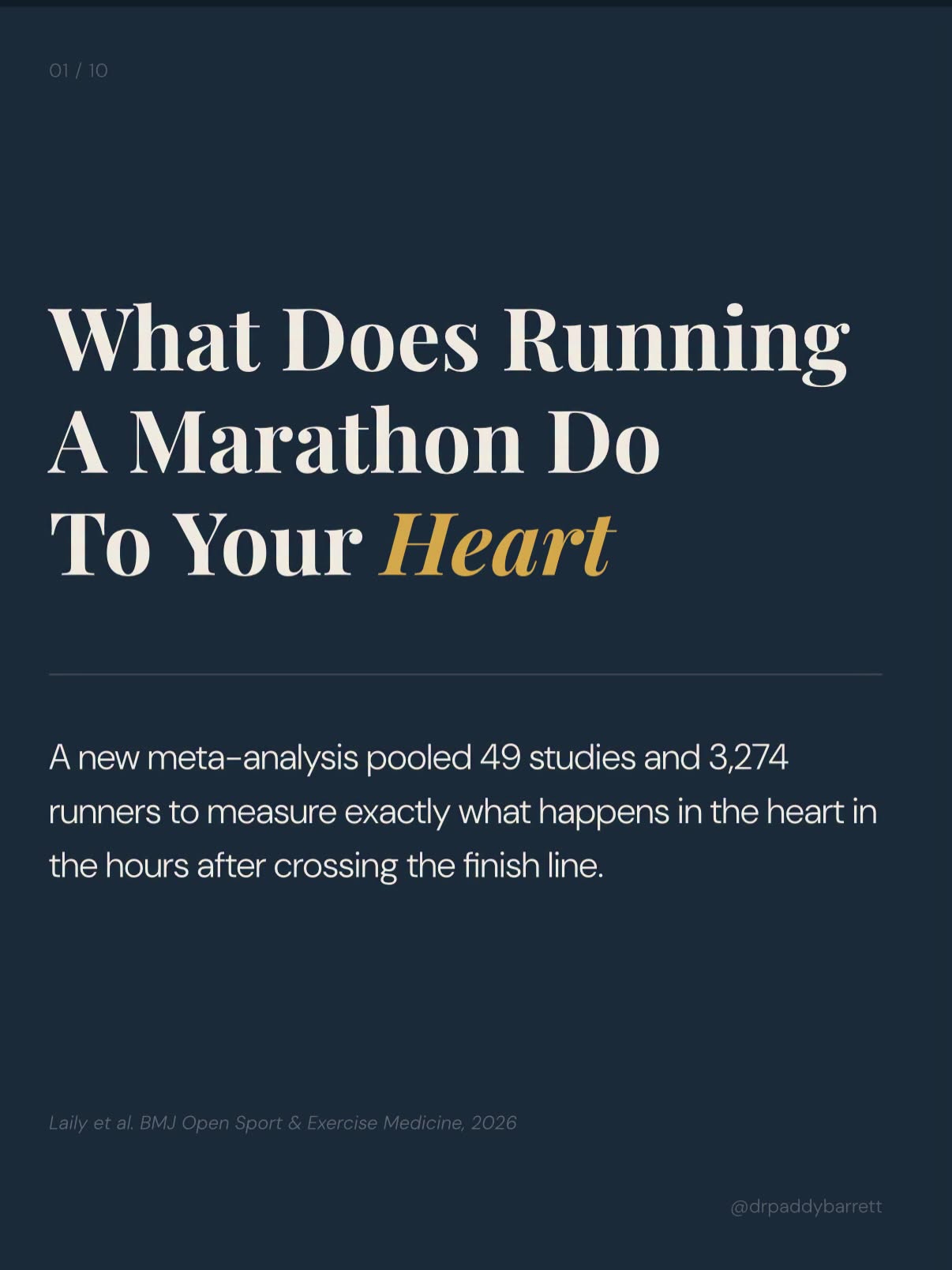
After a marathon, troponin and NT-proBNP spike but look like normal physiology

Jun 10, 2026 · Louis Nervegna ♥ 5 · 💬 2 Exercise & fitness

Louis shares a 2026 meta-analysis of 49 studies and 3,274 runners showing cardiac strain markers surged after marathons, often past diagnostic thresholds, while heart chambers changed shape. Changes were modest, MRI showed no clear structural injury, and the authors consider them normal responses, though long-term effects of repeated marathons are unknown.

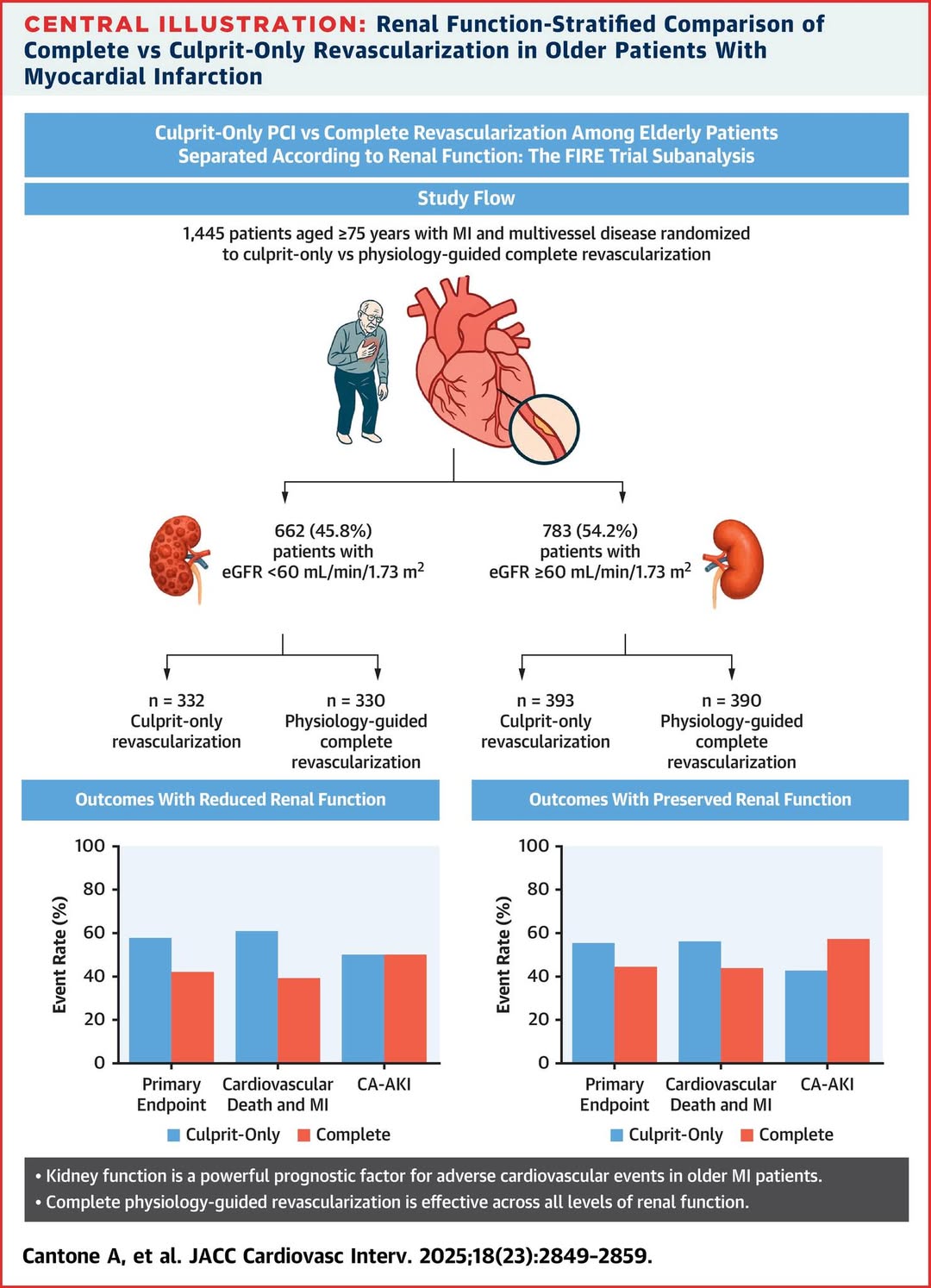
Kidney function is a major CVD driver and now an input in the new AHA risk calculator

Dec 16, 2025 · Louis Nervegna ♥ 8 · 💬 1 Kidney health

Louis notes that reduced kidney function is a major cause of cardiovascular disease and that the newest AHA risk calculator includes eGFR. He shares a JACC International piece showing kidney function remains a strong prognostic factor in older MI patients, with physiology-guided complete revascularization effective regardless of renal function.

Atorvastatin 80 mg after heart attack cut death, repeat MI or readmission ~30% at 30 days

Oct 25, 2024 · Louis Nervegna ♥ 11 Statins

Louis reposts a note explaining why patients are put on atorvastatin 80 mg right after a heart attack. In PROVE IT-TIMI 22, intensive therapy cut death, repeat MI or rehospitalization by almost 30% within 30 days versus a lower-potency statin. He attributes the speed to pleiotropic effects such as anti-inflammatory and plaque-stabilizing actions rather than LDL alone.

Statins cut stroke overall but may raise hemorrhagic stroke after prior stroke at low LDL

Dec 23, 2023 · Louis Nervegna ♥ 5 · 💬 1 Statins

Louis reviews whether statins raise hemorrhagic stroke risk. Meta-analyses of RCTs in people who already had a stroke show lower overall stroke risk but higher hemorrhagic stroke when LDL is pushed very low. In people never having had a stroke, meta-analyses show no increase, though trials averaged under 5 years. For high-risk patients the benefit outweighs the small hemorrhagic risk, but those with strong family history of hemorrhagic stroke should discuss it with a doctor.

Regular coffee linked to lower stroke, heart disease and diabetes risk in Harvard data

Sep 26, 2024 · Louis Nervegna ♥ 9 Nuts, fish, coffee, tea, cocoa & other foods

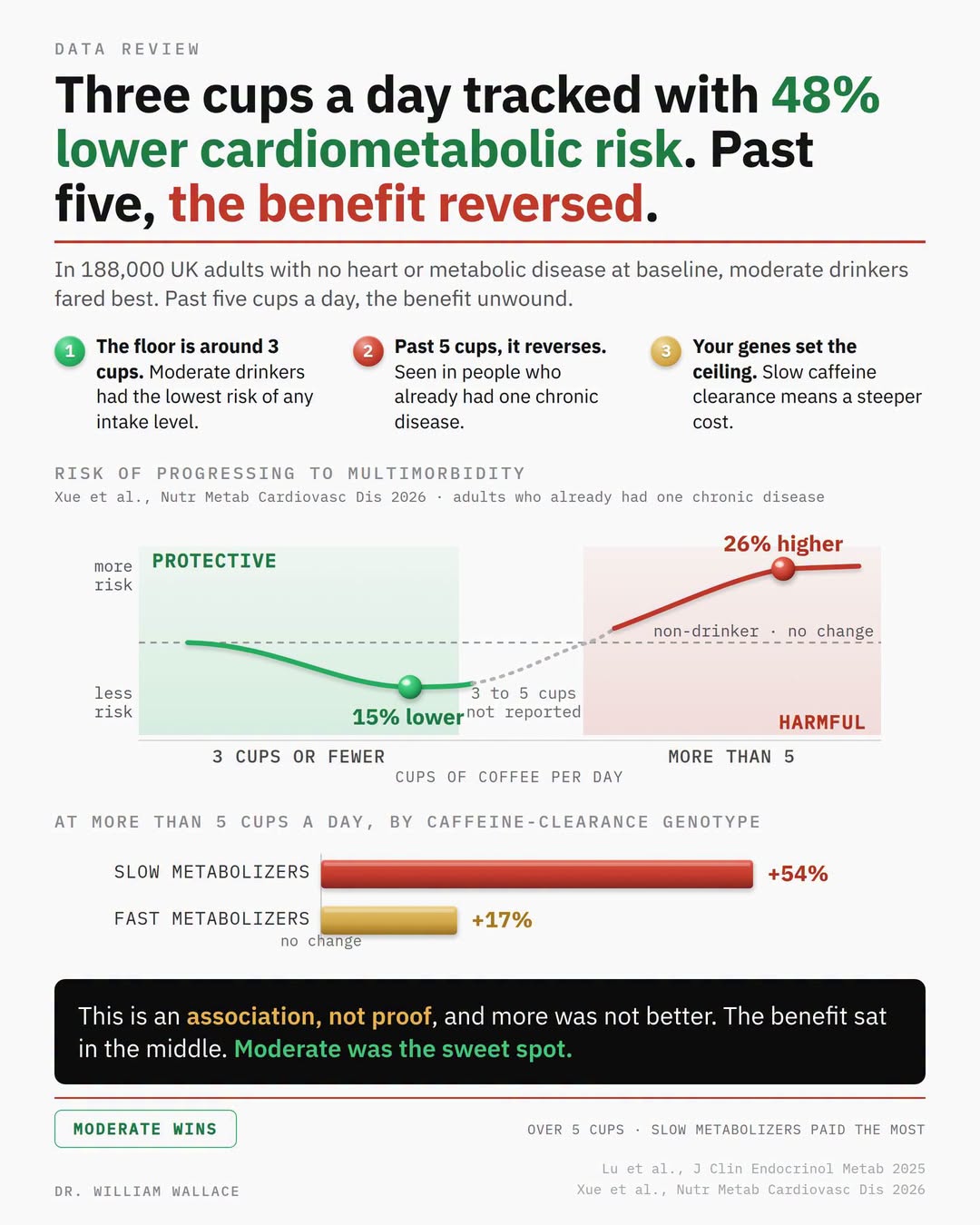
Louis shares a roundup of his coffee posts and quotes the Harvard Nutrition Source. Among 83,076 Nurses' Health Study women, 4+ cups daily was linked to 20% lower stroke risk, and in 37,514 women 2-3 cups daily to 21% lower heart disease risk. A 21-study meta-analysis tied about 3 cups daily to 21% lower CVD death. Benefits also cover insulin sensitivity and diabetes.

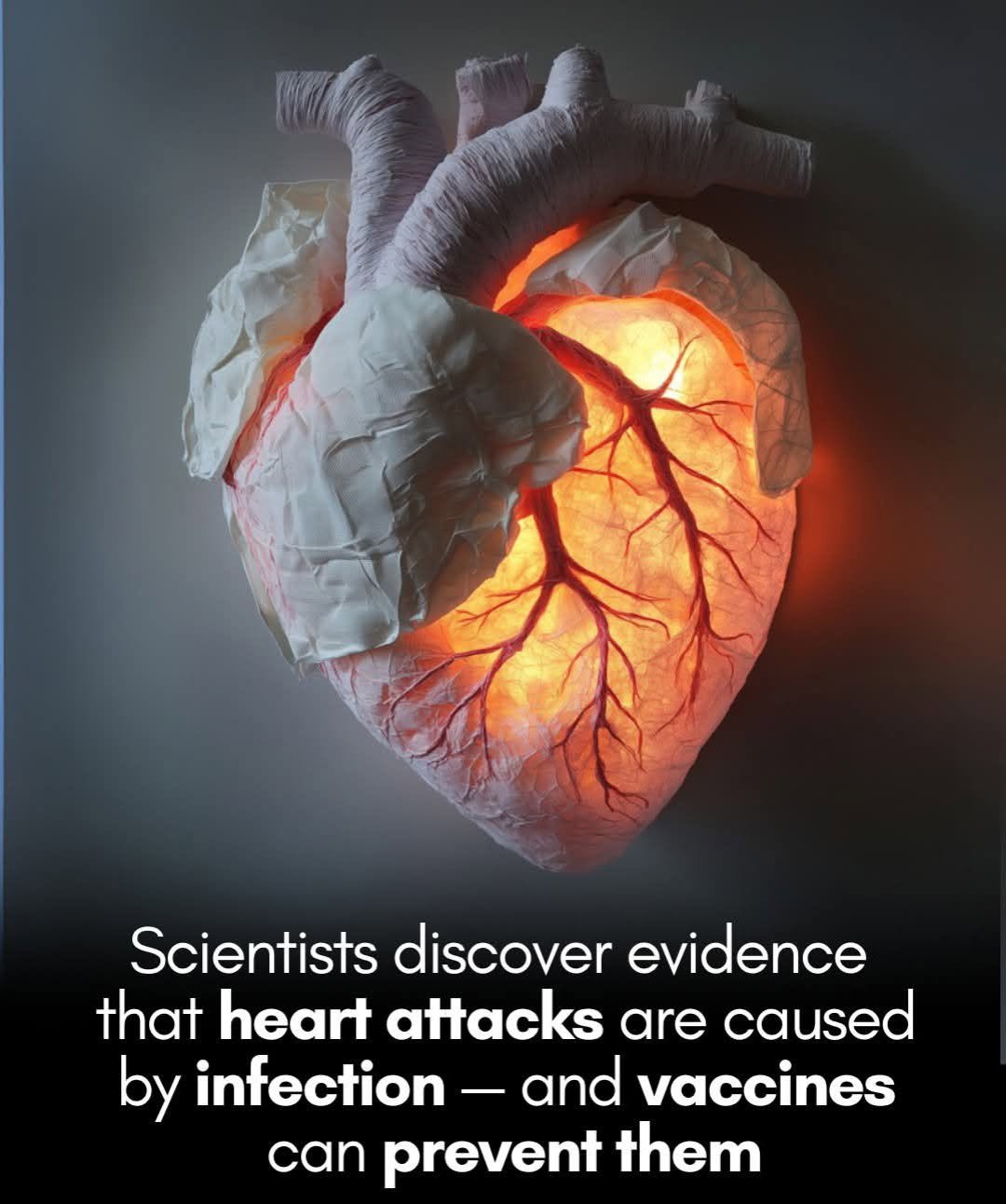
Infections temporarily raise heart attack and stroke risk; vaccines may do so far less

Oct 14, 2024 · Louis Nervegna ♥ 12 Infections & vaccines

Louis explains that infections such as flu raise short-term heart attack and stroke risk through inflammation and coagulation effects that destabilize plaque, and that the effect fades in a week or two. Vaccines can in theory do this to a much smaller degree. He suggests asking a doctor about a baby aspirin during and shortly after infection, and avoiding hs-CRP tests during that window.

Swapping saturated fat for polyunsaturated seed oils cut CVD events 29% in strict RCTs

Louis states adipose omega-6 is linked to lower mortality in cohorts, and that RCTs meeting strict criteria (no trans fats, supplied food, 2+ years, biomarker-verified adherence, validated events) show a 29% reduction in heart disease events from replacing saturated fat with polyunsaturated fat. He explains why the Minnesota Coronary Experiment, Sydney Heart Study and Rose Corn Oil Trial fail those criteria.

Rapamycin on stents blocks scar-tissue restenosis, not plaque; it failed in marmosets

Dec 13, 2025 · Louis Nervegna ♥ 7 Blood vessels, circulation & endothelium

Louis explains that rapamycin is used on drug-eluting stents because it inhibits vascular smooth muscle overproliferation (neointimal scar tissue), which is what usually causes restenosis, not because it prevents plaque. He distinguishes plaque from scar tissue and notes Adam Salmon's group found rapamycin did not inhibit plaque growth in marmosets.

Stem cell therapy reversed stroke damage in mice

Oct 02, 2025 · Gokhan Can ♥ 13

Shares a news report that stem cell therapy regenerated neurons and restored movement in mice after stroke. The admin calls it encouraging but notes it is only mouse data.

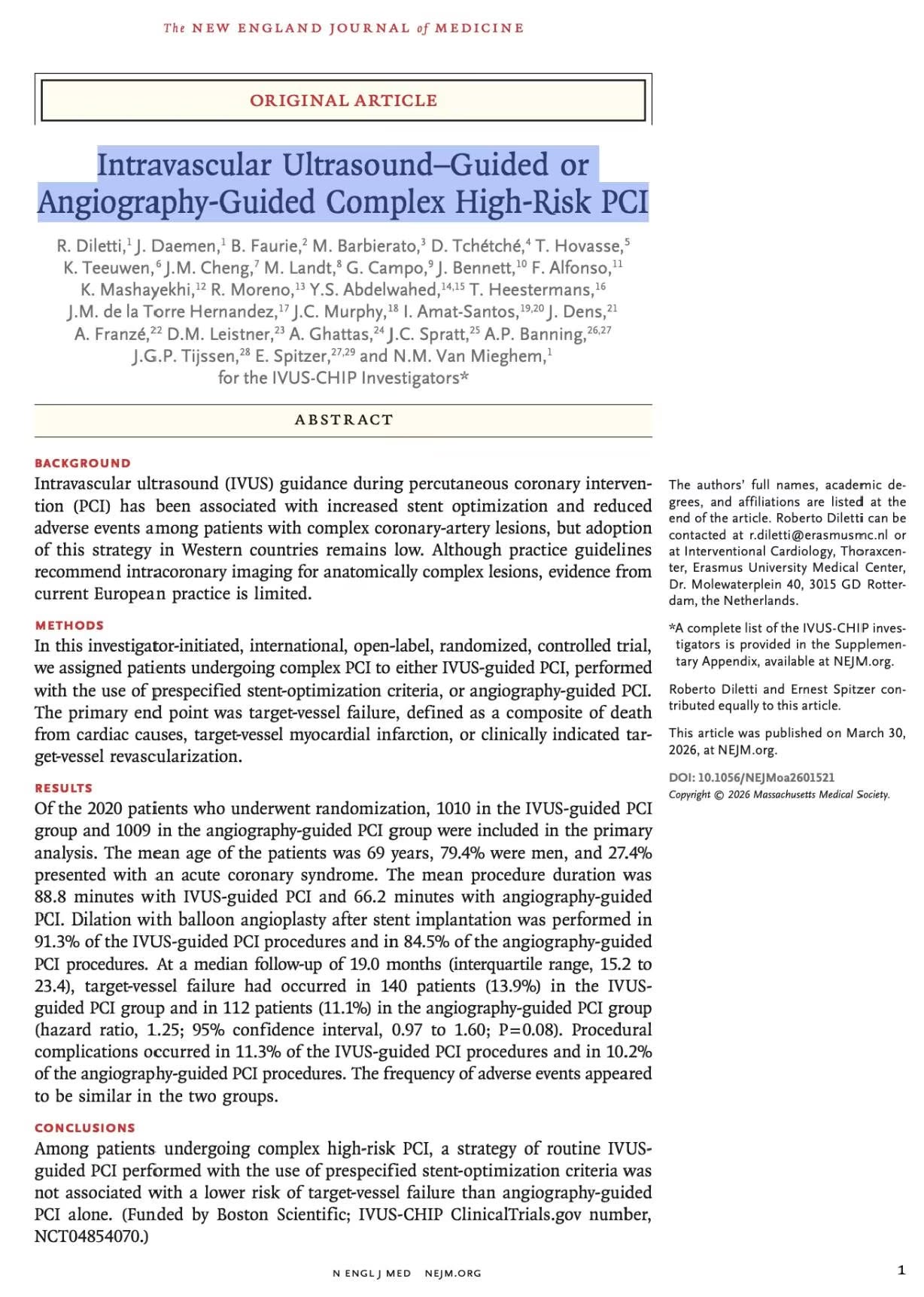
IVUS-guided PCI did not beat angiography alone in two NEJM trials

Apr 03, 2026 · Louis Nervegna ♥ 5

Two NEJM trials found IVUS-guided PCI gave no clinical benefit: IVUS-CHIP in complex high-risk PCI showed 13.9% vs 11.1% events (HR 1.25) and OPTIMAL in left main PCI 33.7% vs 30.9% (HR 1.11), despite better stent optimization.

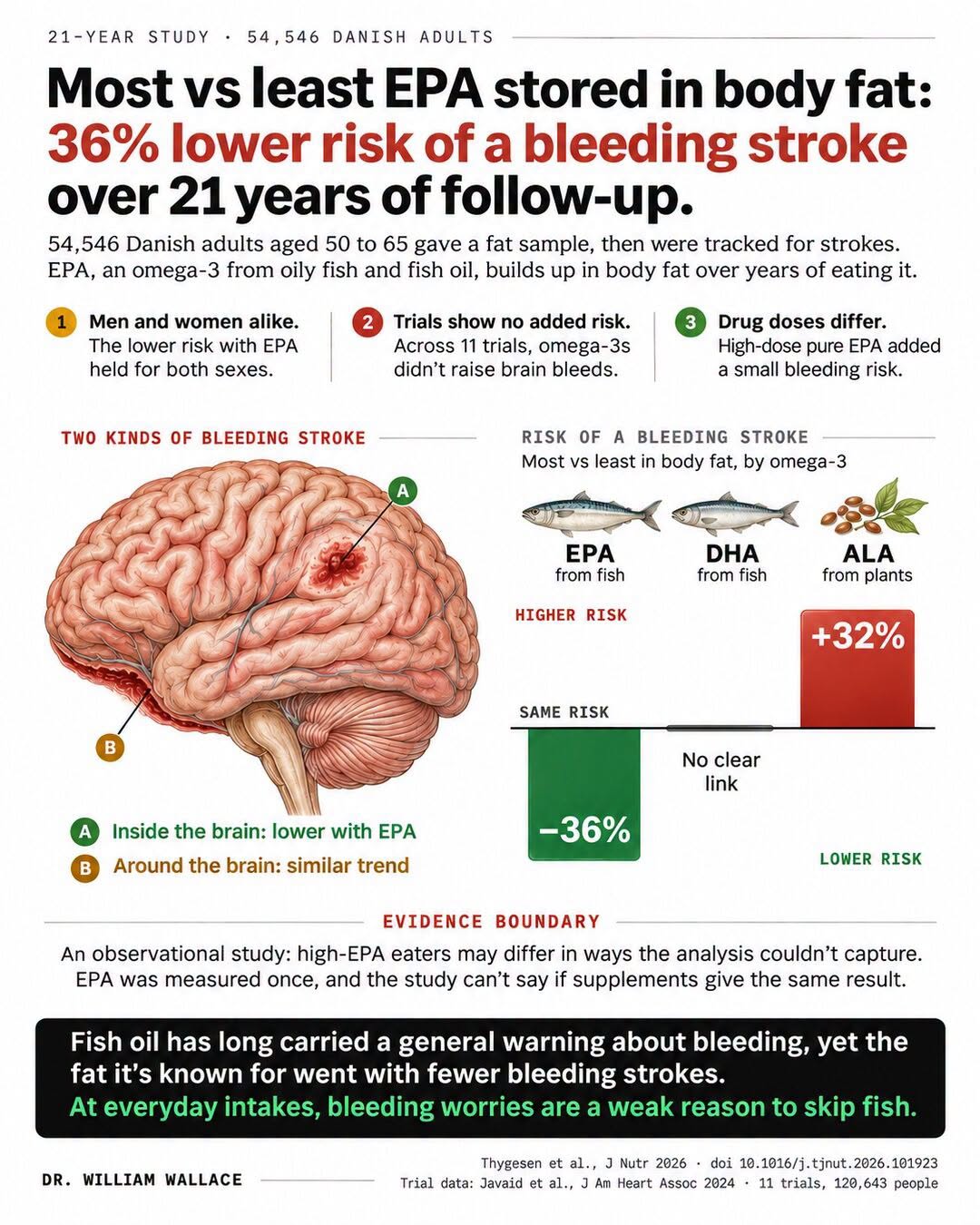
Higher stored EPA linked to 36% lower bleeding stroke risk in a 21-year Danish study

Nov 09, 2026 · Louis Nervegna ♥ 4

Louis shares a 21-year Danish study of 54,546 adults using fat-tissue samples of EPA and DHA. People with the highest EPA had a 36% lower risk of bleeding stroke, DHA was neutral, and ALA was linked to 32% higher risk (needs confirmation). Pooled RCTs found no extra brain bleeding, except small risk with high-dose prescription EPA. The study is observational.

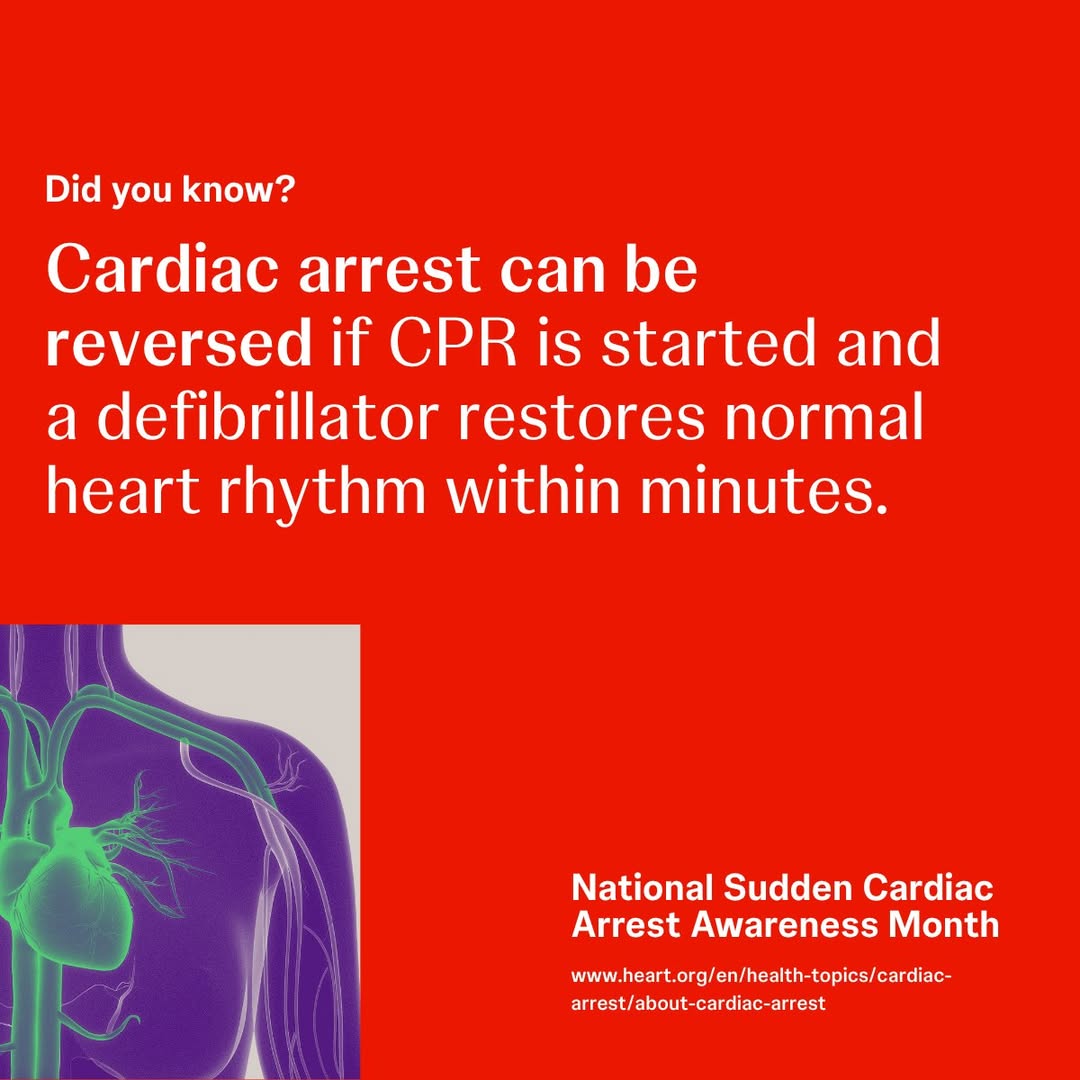
CPR can double or triple survival from cardiac arrest

Oct 29, 2025 · Louis Nervegna ♥ 7

A shared message from Johnson & Johnson MedTech says CPR can double or triple cardiac arrest survival and urges calling emergency services and starting CPR when someone collapses.

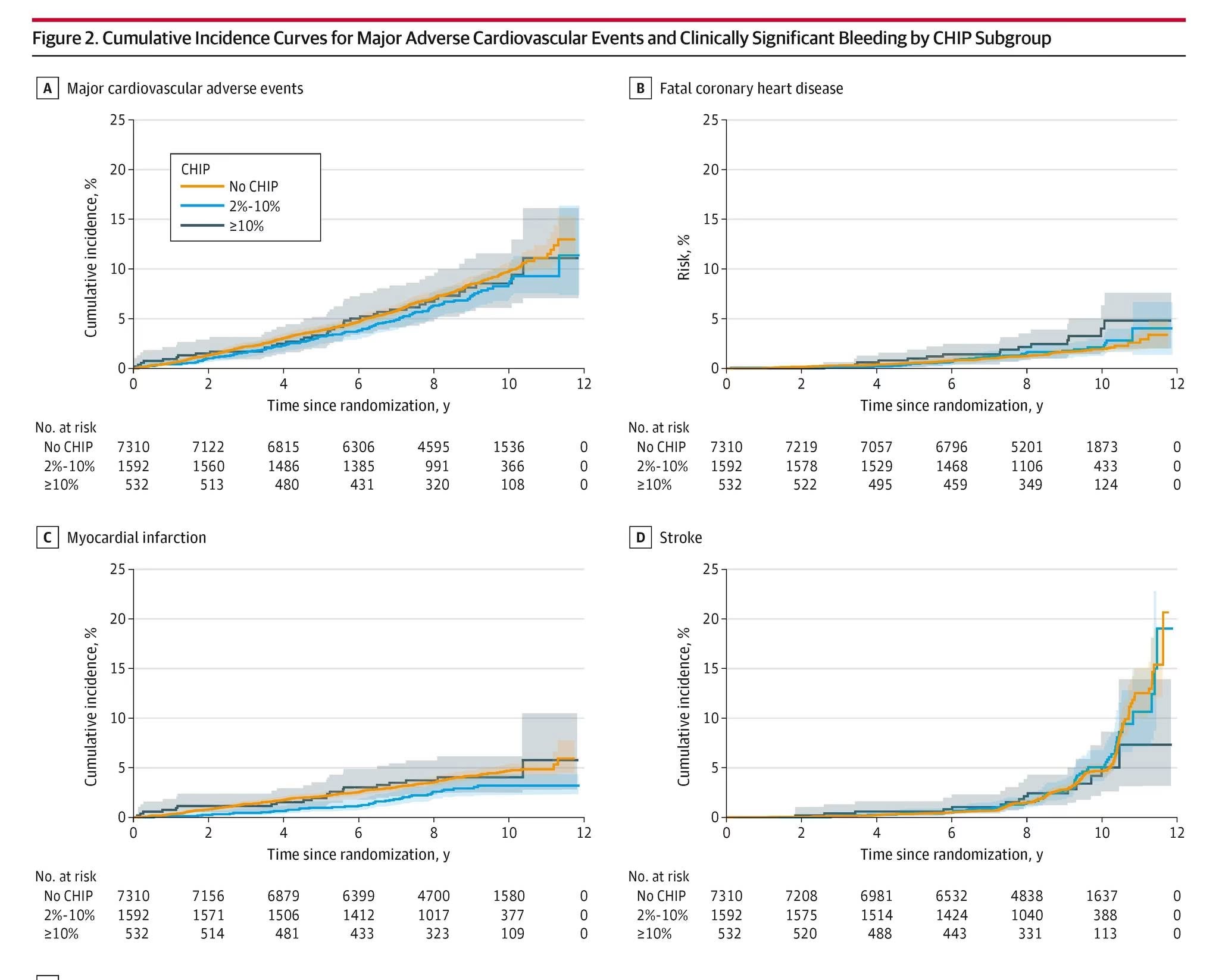
CHIP not tied to heart attack or stroke in a 9,434-person aspirin trial, but to bleeding

Oct 18, 2025 · Louis Nervegna ♥ 1 · 💬 1 Aspirin, antiplatelets & blood thinners

Louis shares a JAMA Cardiology secondary analysis of a primary-prevention aspirin trial (9,434 participants) on clonal hematopoiesis of indeterminate potential (CHIP), a common aging-related blood cell mutation. CHIP was not associated with more cardiovascular events but was associated with more clinically significant bleeding, and aspirin's effects did not differ by CHIP status. He also explains what CHIP is.

Statins may lower cardiac embolism risk via pleiotropic effects; anticoagulants lead

Oct 24, 2026 · Louis Nervegna ♥ 2 · 💬 1 Statins

A quoted explainer says statins may reduce cardioembolic stroke risk via anti-inflammatory and endothelial effects, and preclinical data suggest protection against adverse heart remodeling. Anticoagulants remain the main defense in AFib, and clinical evidence on structural benefits is mixed. No specific studies are named.

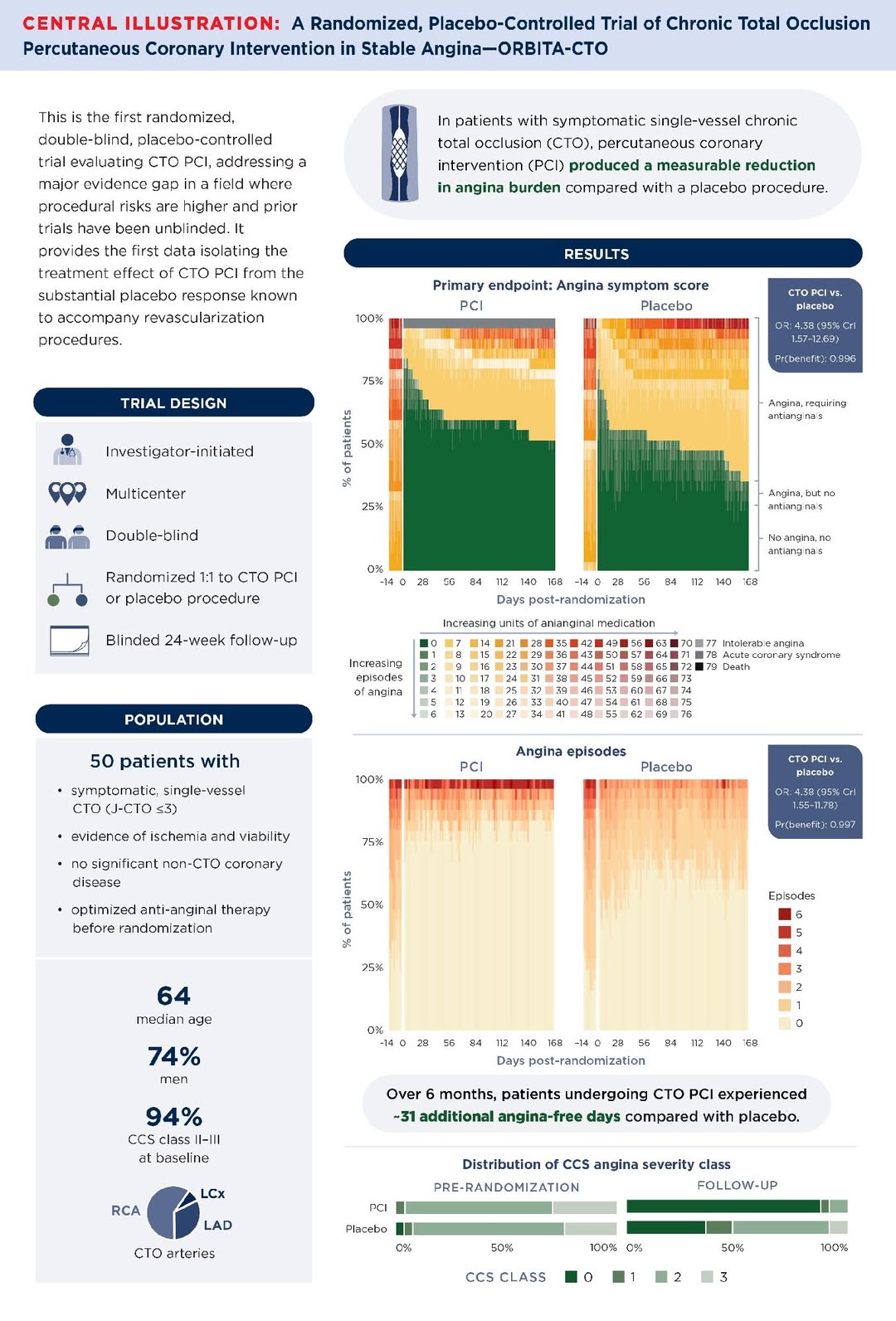
First placebo-controlled CTO PCI trial: less chest pain, better quality of life

Mar 29, 2026 · Louis Nervegna ♥ 1 · 💬 1

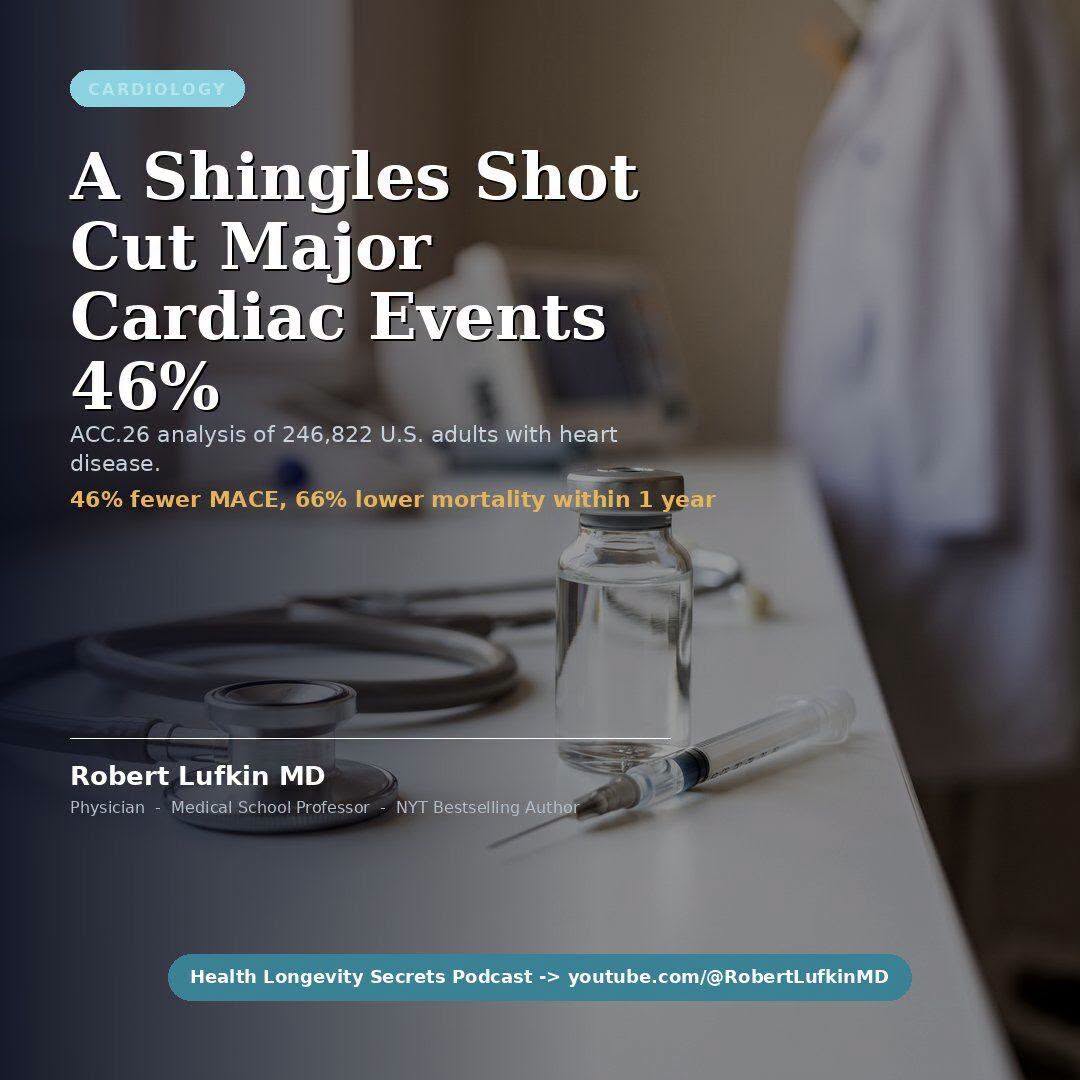
JACC Journals reports what is believed to be the first randomized placebo-controlled trial of reopening a chronic total coronary occlusion by PCI. Patients receiving the procedure had statistically significant reductions in chest pain and better quality of life than those given a placebo procedure; presented at ACC.26.

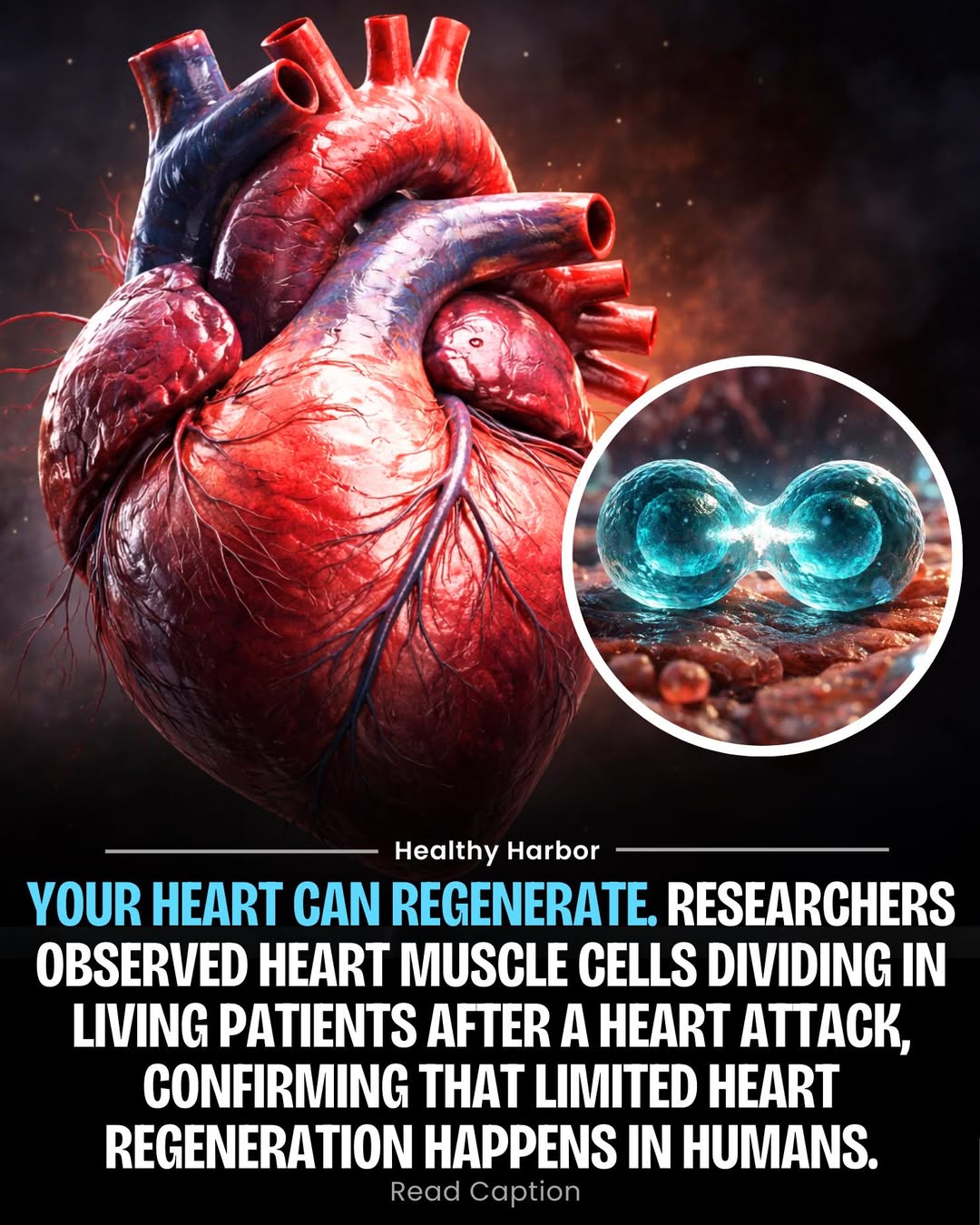
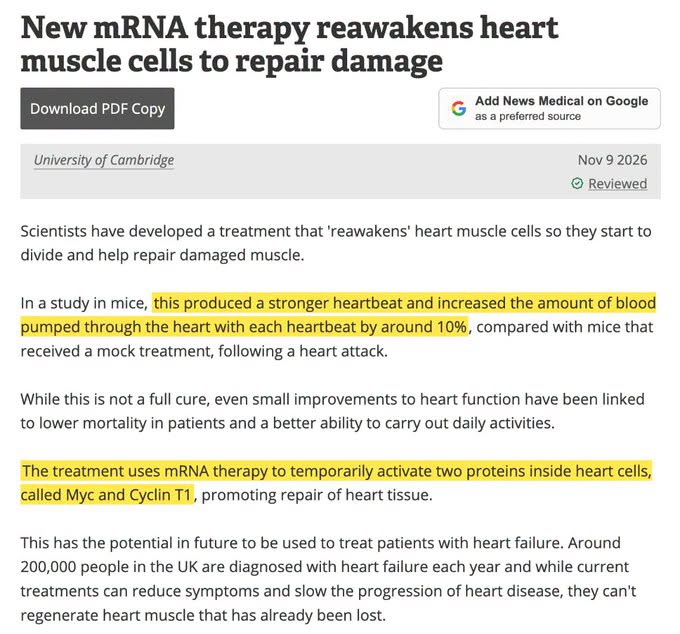
mRNA-driven Myc and Cyclin T1 restarted heart muscle cell division after heart attack

Nov 14, 2026 · Louis Nervegna ♥ 2 Heart rhythm & heart failure

Louis shares a summary of a Nature Cardiovascular Research study from Cambridge using temporary modified mRNA to activate Myc and Cyclin T1 in heart muscle cells so mature cardiomyocytes re-enter division. The aim is to regenerate heart tissue after a heart attack instead of leaving scar tissue and chronic heart failure. This is early-stage regeneration research.

B12 lowers homocysteine but has not cut heart attacks; B vitamins may lower stroke risk

Nov 08, 2026 · Louis Nervegna ♥ 1 Supplements & vitamins

Louis shares a review summary showing B12 supplements reliably lower homocysteine, but large randomized trials did not consistently reduce heart attacks or cardiac deaths. The strongest benefit was for stroke, mainly where foods are not folic-acid fortified, but most trials combined B12 with folic acid and B6. Routine B12 solely for CVD prevention is not supported, though it is essential if deficient.