HD-OPM Archive
Topics › Metabolic health

GLP-1 drugs (semaglutide, tirzepatide)

84 posts (67 primarily about this topic) · 12 reposts and set-aside posts not shown

Start here — the best posts in this topic

  1. Earlier post on GLP-1 drugs regrowing cartilage, later flagged as partly inaccurate Mar 26, 2026
  2. Resistance exercise preserves muscle during calorie restriction and GLP-1 weight loss Mar 16, 2025
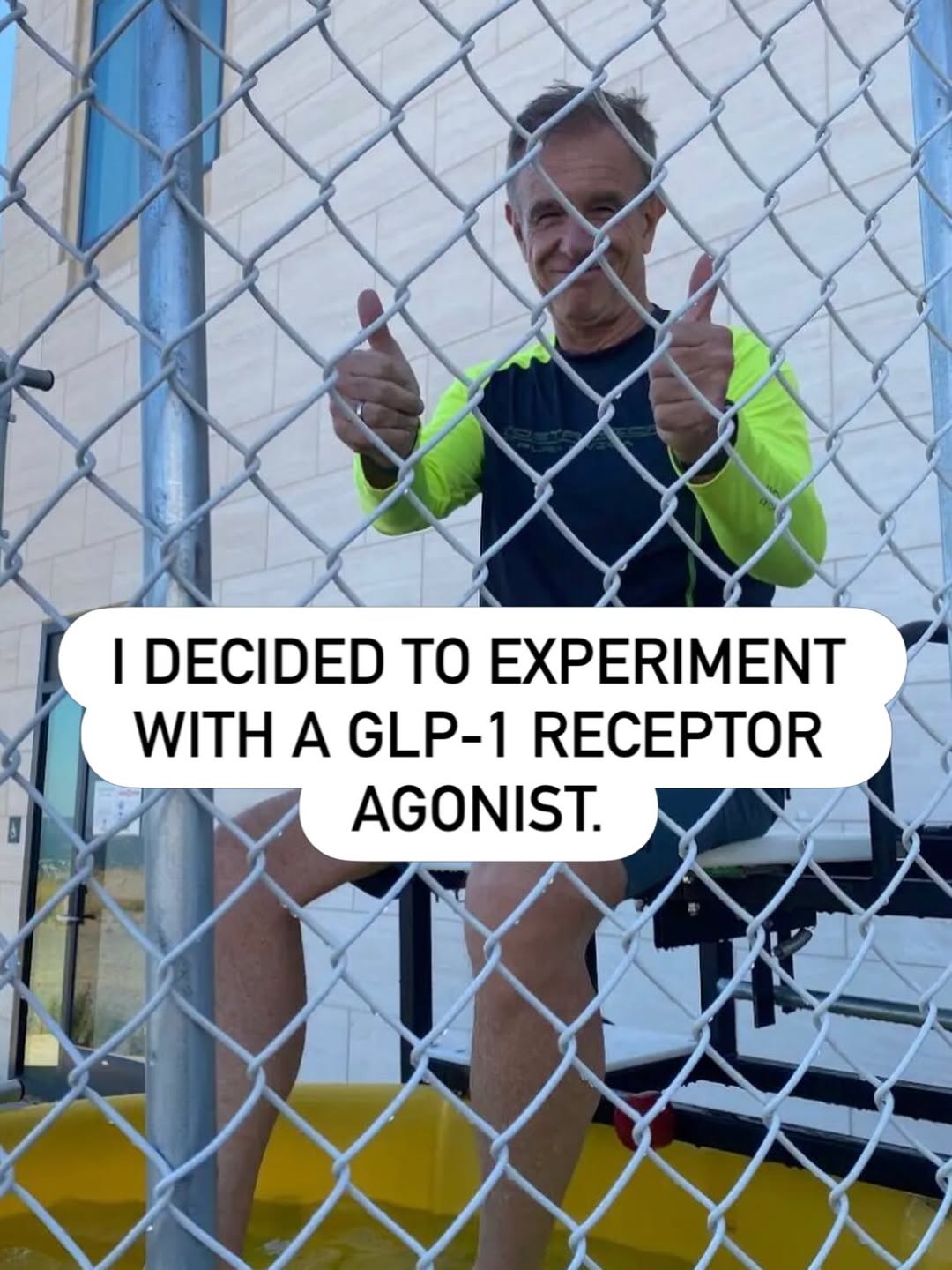
  3. Eric Verdin's GLP-1 experiment improved glucose but caused reduced pleasure at high doses Jul 07, 2026
  4. Semaglutide raised knee cartilage thickness 17% in 6 months in a small pilot ↩ 2 · Mar 27, 2026
  5. Semaglutide lowered MACE 41% within 6 months in SELECT, before major weight loss May 14, 2025
  6. In diabetes, GLP-1 drugs or metformin linked to lower cancer risk than insulin, 15 years Jul 05, 2024
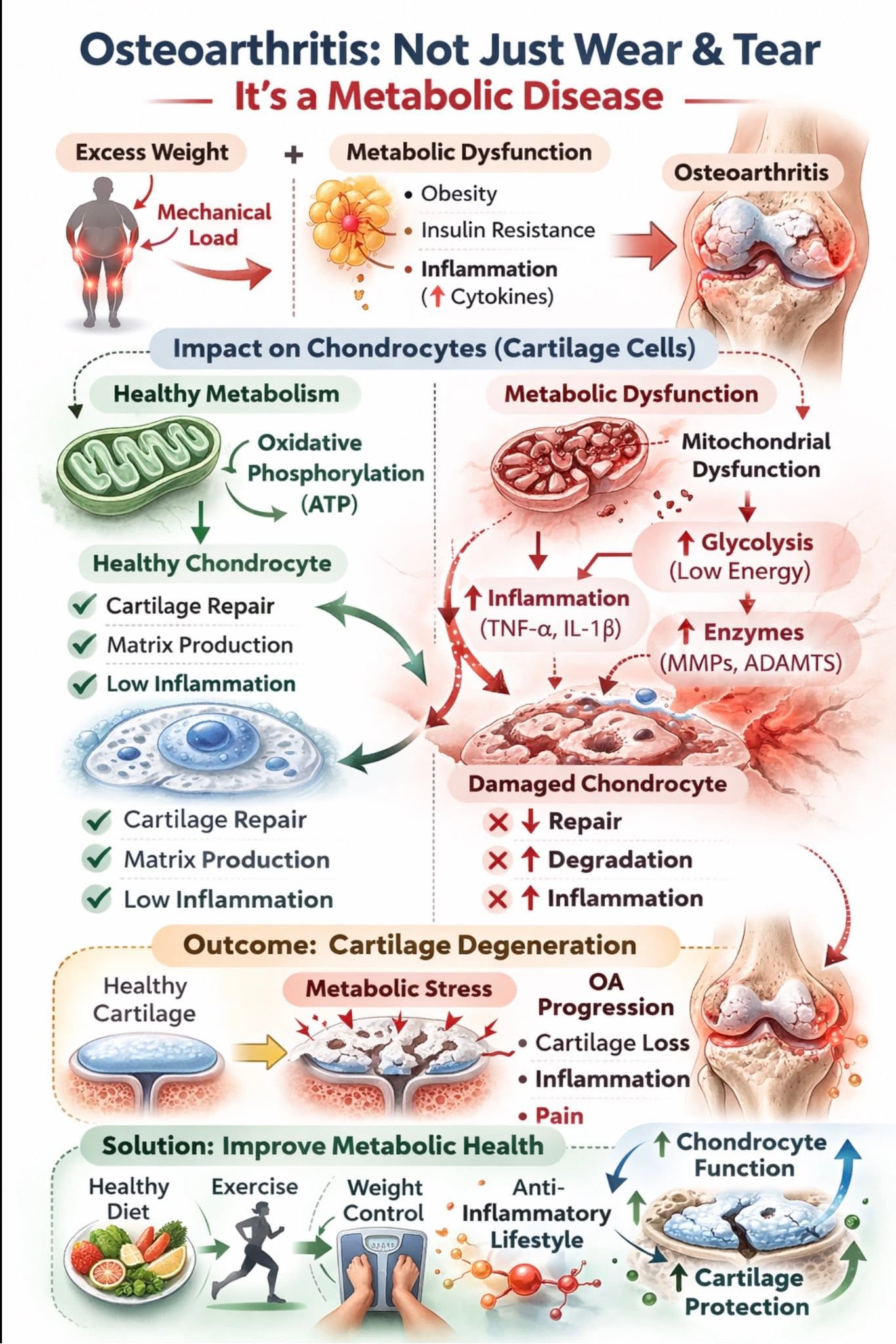
  7. Osteoarthritis is partly metabolic, which is why GLP-1 drugs show promise Mar 16, 2026
  8. GLP-1 users report 720-990 fewer calories and less processed food and beef Apr 20, 2025
#glp1 71#weightloss 23#calorierestriction 18#semaglutide 14#diabetes 11#aging 10#muscle 8#longevity 8#mice 7#obesity 7#testosterone 7#cancer 6#visceralfat 6#trt 6#arthritis 5#inflammation 4#liverfat 4#alzheimers 4#sglt2 4#hormones 4#breastcancer 4#cartilage 3#regenerativemedicine 3#glucose 3#insulin 3#kidneys 3#metabolichealth 3#select 3#addiction 3#prediabetes 3#brain 3#heartfailure 3#glp1aging 3#mounjaro 3#jama 3#cardiovascular 2#exercise 2#glp1arthritis 2#autophagy 2#statins 2

Earlier post on GLP-1 drugs regrowing cartilage, later flagged as partly inaccurate

Mar 26, 2026 · Louis Nervegna ♥ 36 · 💬 21

Louis's earlier post claimed GLP-1 drugs regrow joint cartilage and linked the Cell Metabolism study. He added an edit noting that the shared post had the wrong journal and overstated some implications, though the 17% cartilage increase is correct, and pointed to a corrected post.
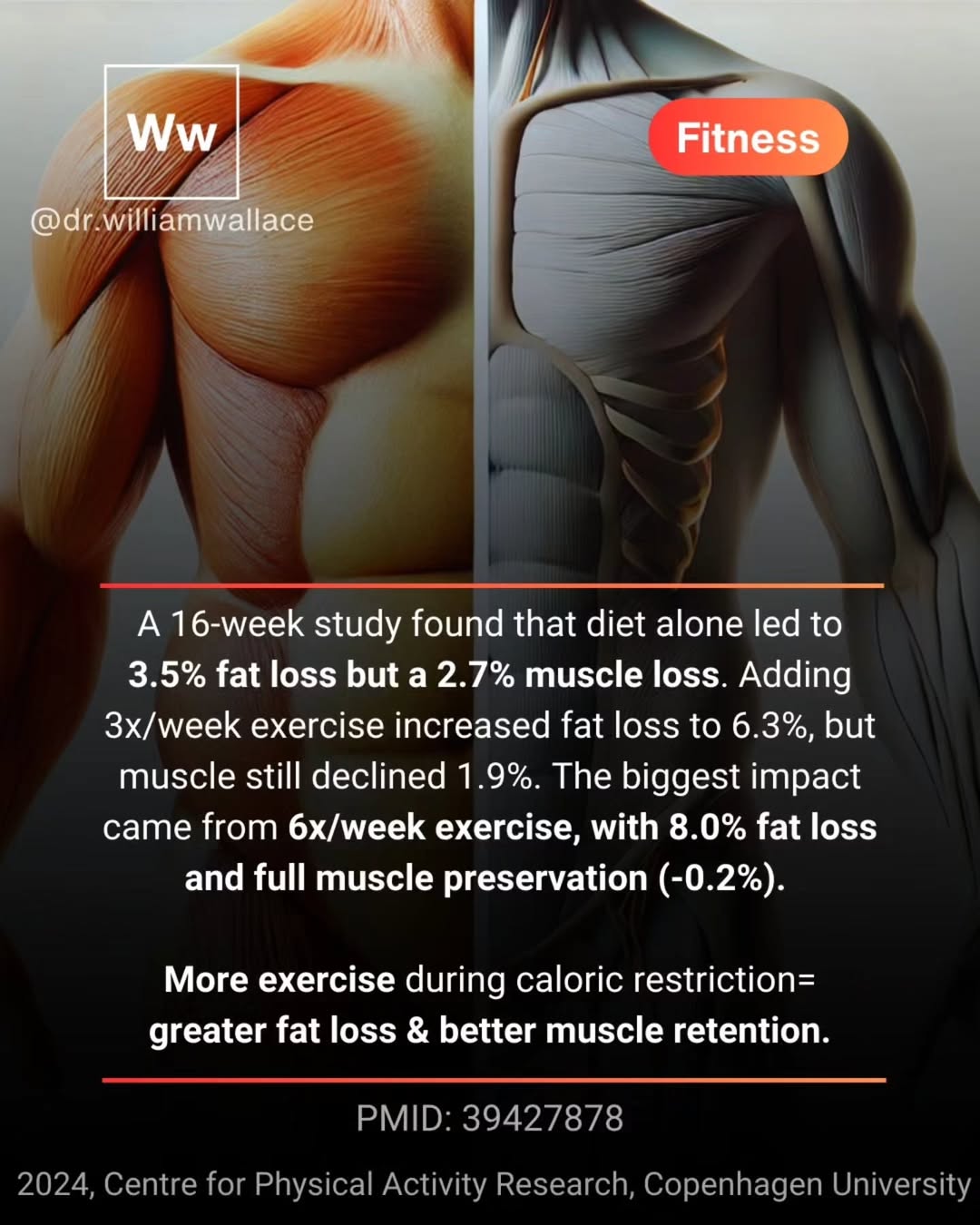
Resistance exercise preserves muscle during calorie restriction and GLP-1 weight loss

Mar 16, 2025 · Louis Nervegna ♥ 23 · 💬 8 Exercise & fitness

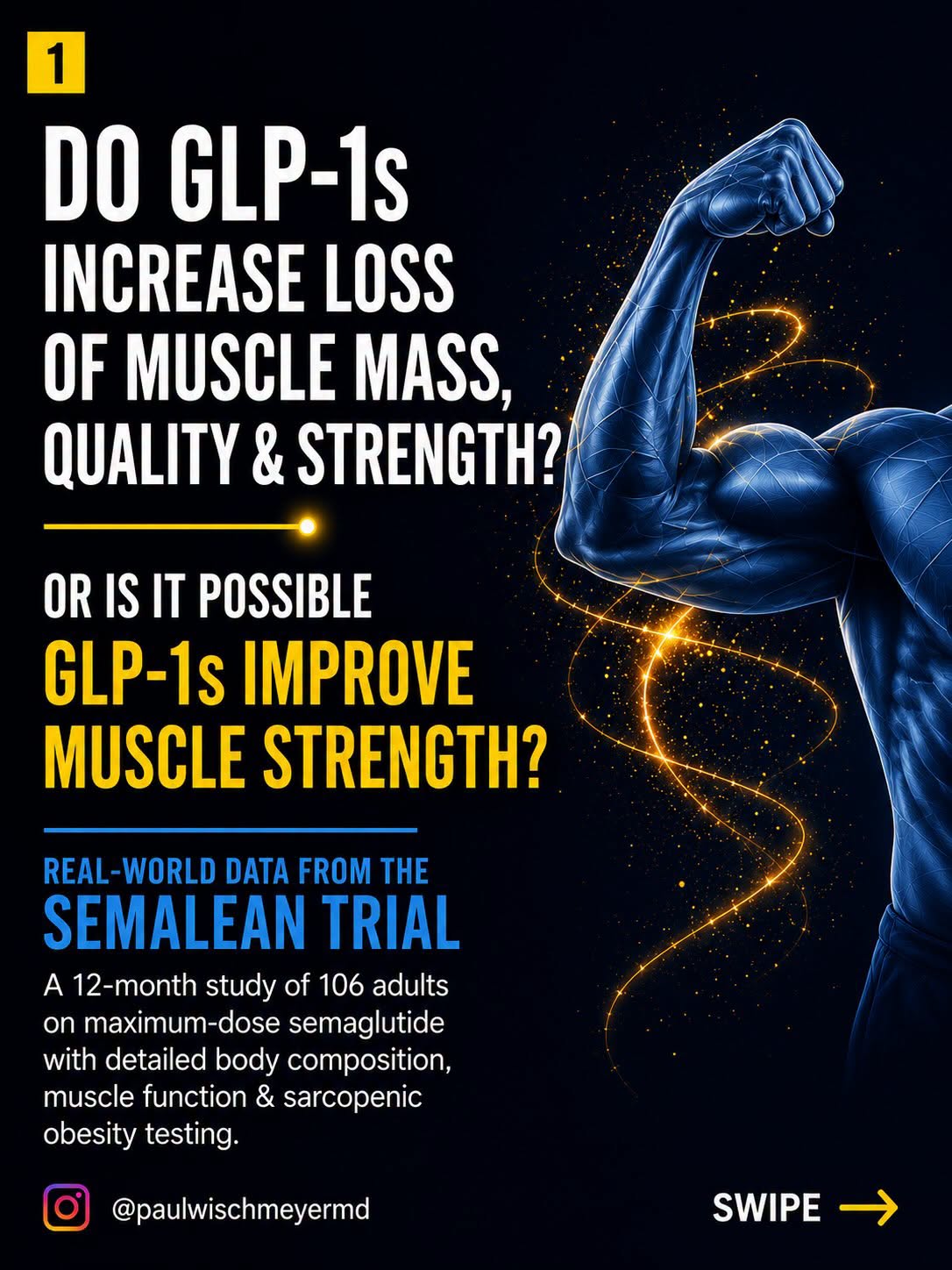
Louis argues that most muscle lost during calorie restriction can be prevented by resistance exercise without raising protein intake, citing over 70 RCTs in which exercise drives nearly all strength gains and extra protein adds only about 5% over 22 weeks. He applies this to GLP-1 drugs, saying their muscle loss comes from calorie restriction rather than a drug side effect. The shared study (16 weeks, 82 people with type 2 diabetes) showed that high-dose exercise with diet fully preserved muscle.

Semaglutide raised knee cartilage thickness 17% in 6 months in a small pilot

Mar 27, 2026 · Louis Nervegna ♥ 8 · 💬 19 ↩ 2

Louis highlights a Cell Metabolism study in mice and people with obesity and osteoarthritis. After six months on low-dose semaglutide plus hyaluronic acid, MRI showed a 17% increase in cartilage thickness versus under 1% in the comparison group, with better knee function; Science News notes bigger trials are needed.

Semaglutide lowered MACE 41% within 6 months in SELECT, before major weight loss

May 14, 2025 · Louis Nervegna ♥ 13 · 💬 14

A Medscape report on new SELECT data: semaglutide (Wegovy) was associated with a 41% lower risk of major adverse cardiovascular events within 6 months of starting, before substantial weight loss or reaching the full 2.4 mg dose. This suggests benefits beyond weight loss.

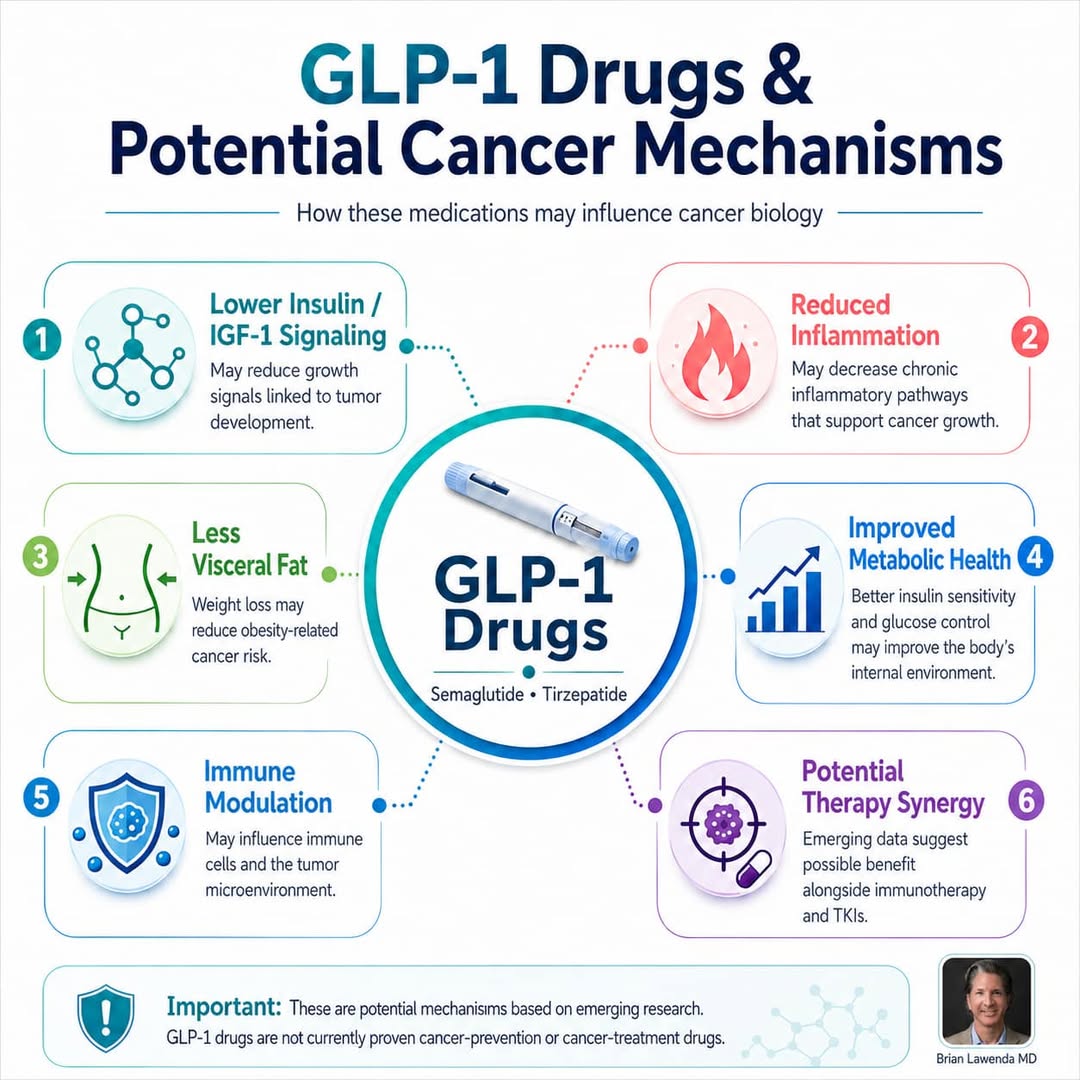
In diabetes, GLP-1 drugs or metformin linked to lower cancer risk than insulin, 15 years

Jul 05, 2024 · Louis Nervegna ♥ 12 · 💬 14

A retrospective cohort study with 15 years of follow-up found that diabetic patients on GLP-1 agonists or metformin had considerably lower cancer risk than those on insulin; GLP-1 drugs lowered risk of 10 obesity-associated cancers versus insulin. The poster attributes this to insulin's growth-promoting effects.

GLP-1 users report 720-990 fewer calories and less processed food and beef

Apr 20, 2025 · Gokhan Can ♥ 17 · 💬 9

A survey study found GLP-1RA users reported much lower calorie intake and moved away from processed food, sugary drinks, refined grains and beef toward fruits, leafy greens and water. Surprisingly, they still craved high-calorie foods as much as before.

Semaglutide cut inflammation 38% in SELECT; biggest drops tracked with fewer events

Aug 21, 2026 · Louis Nervegna ♥ 20 · 💬 4

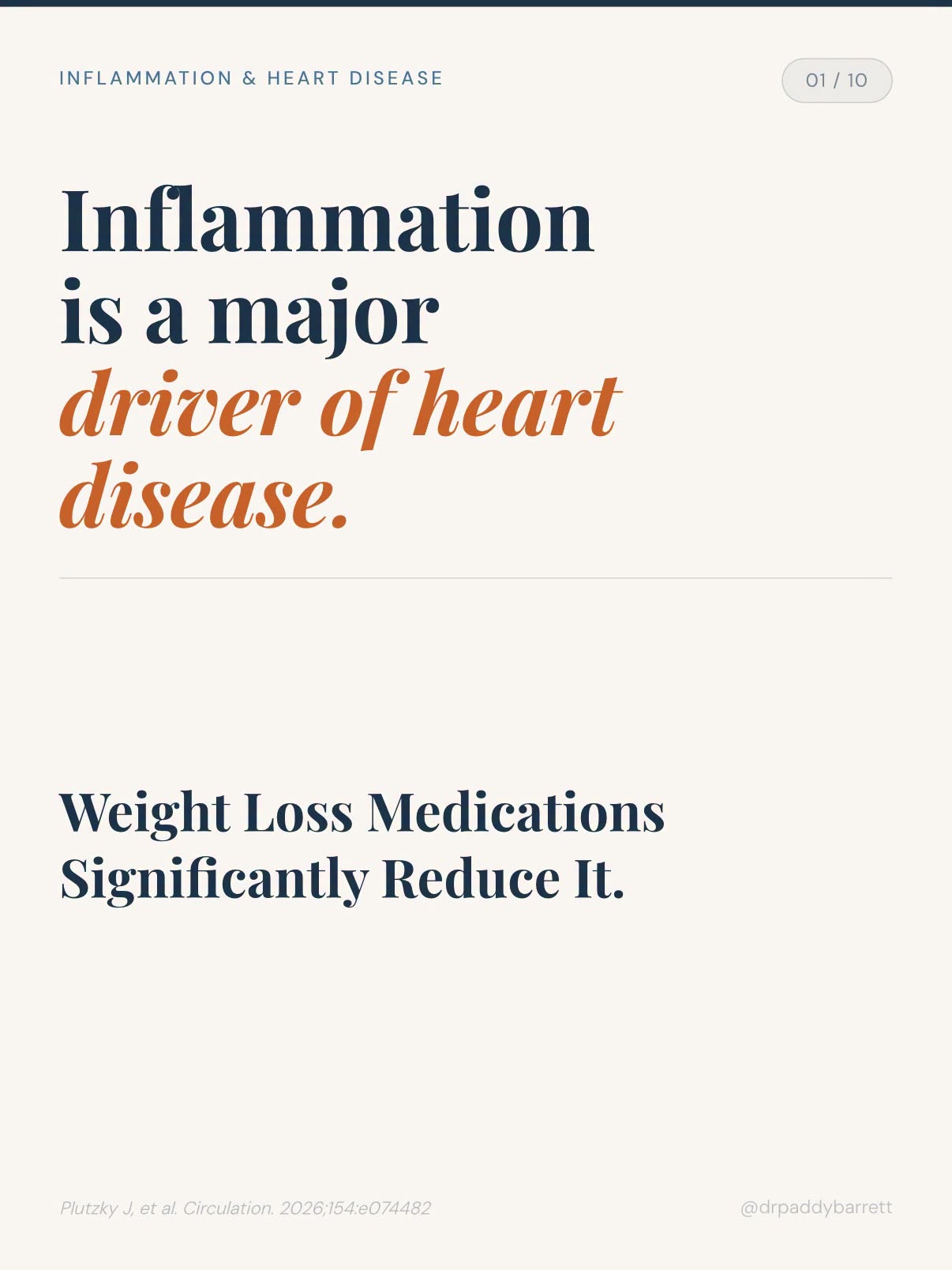
A new analysis of the SELECT trial asks why semaglutide reduced cardiovascular events. Inflammation markers fell 38% versus placebo, early and even in people who lost little weight, and those with the biggest drops had the fewest events. Modelling suggests part of the drug's benefit runs through lower inflammation, though this shows a link rather than proof of cause.

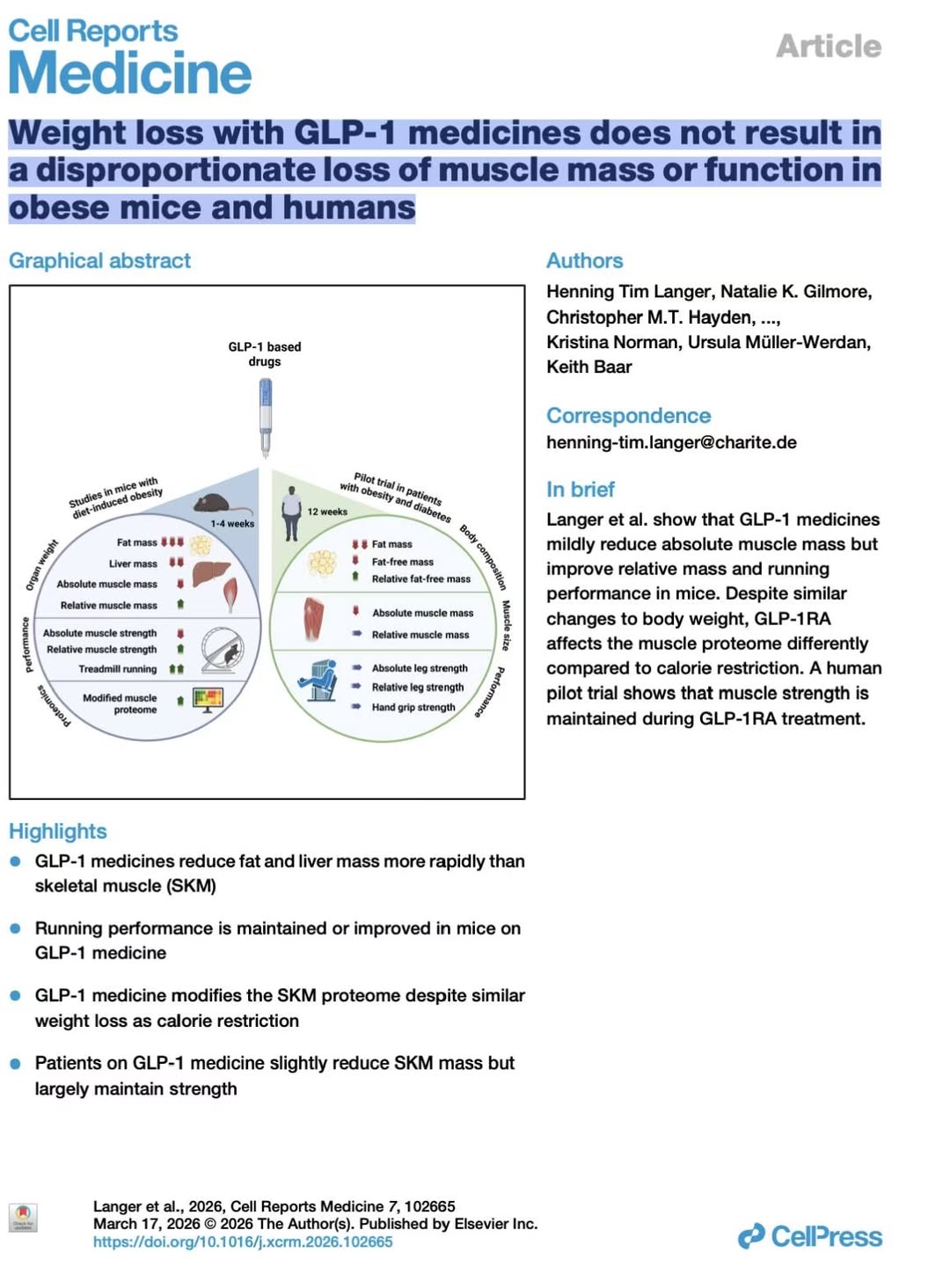
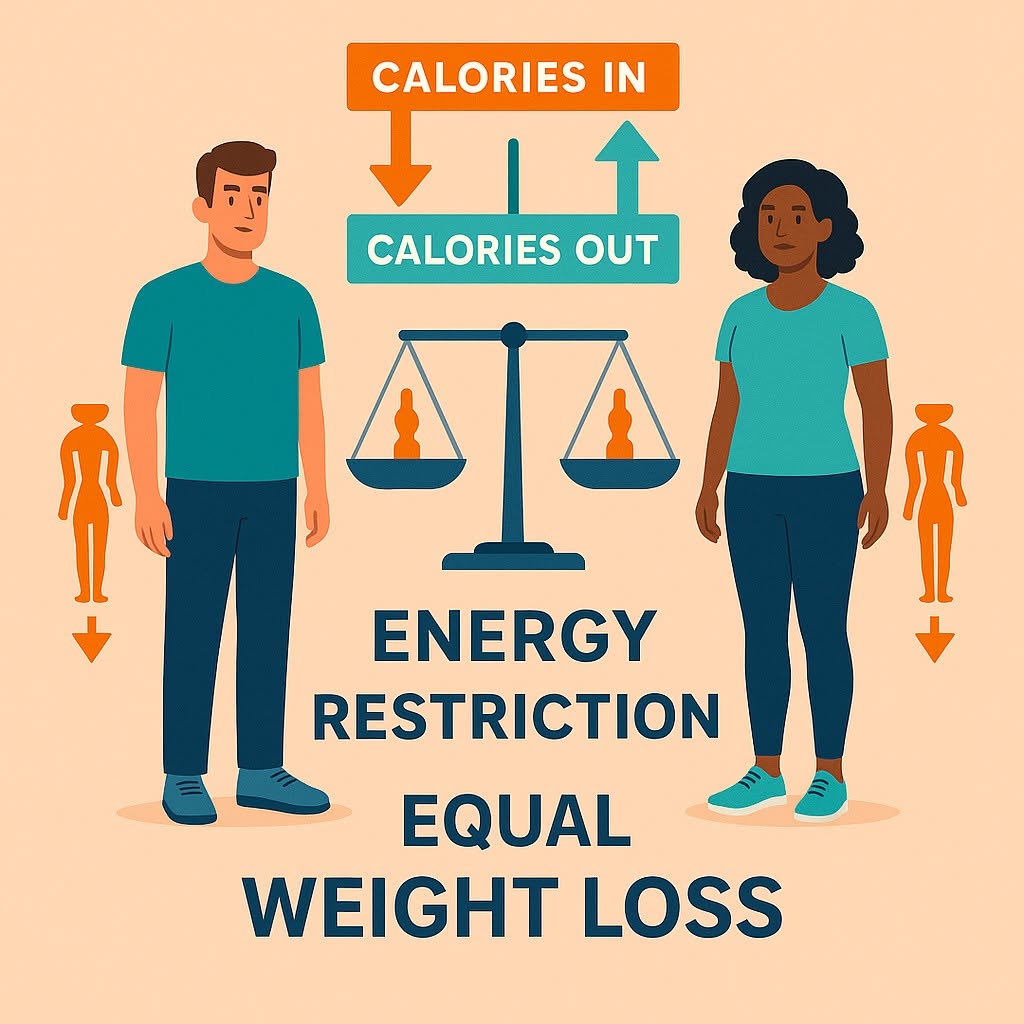
GLP-1 drug muscle loss matches calorie restriction: about 25% of weight lost

Mar 01, 2026 · Louis Nervegna ♥ 8 · 💬 9

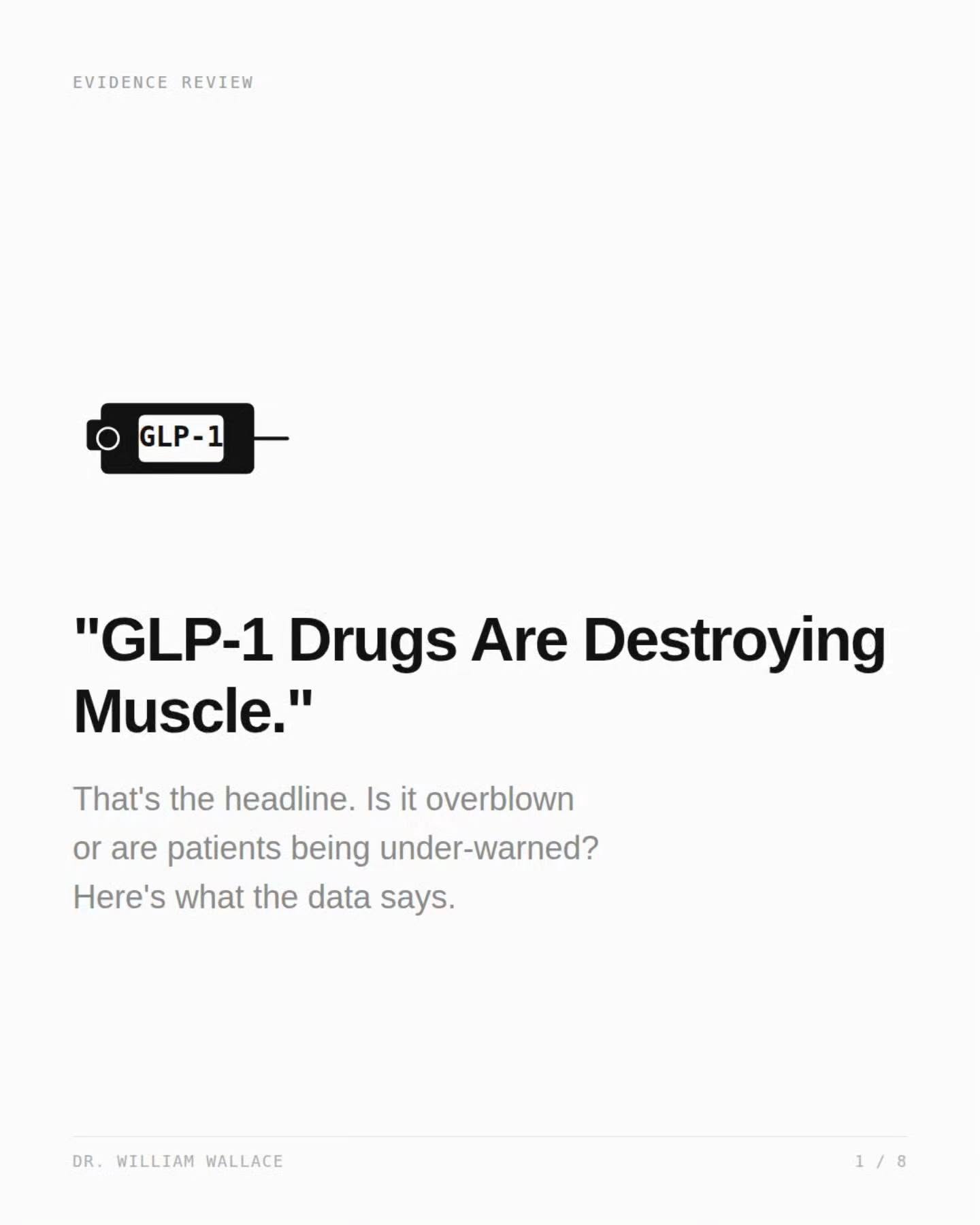
Louis summarizes meta-analytic evidence that lean mass loss on GLP-1 drugs is about 25% of total weight loss, matching diet trials and bariatric surgery, suggesting calorie restriction rather than the drug itself drives it. He cautions higher protein may blunt benefits of calorie restriction in mice, though human relevance is unknown.

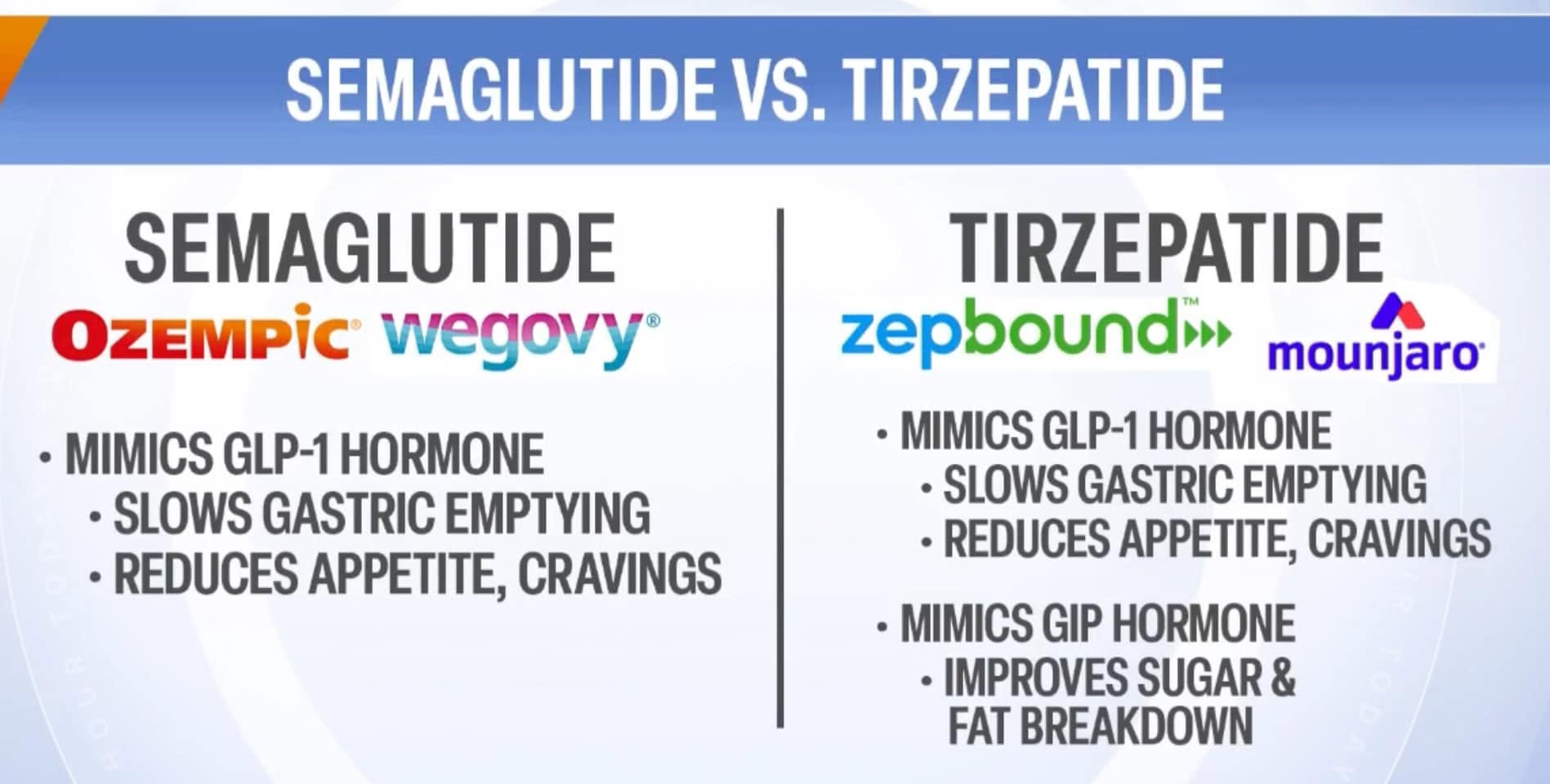
Tirzepatide beat semaglutide head-to-head: about 20% vs 14% weight loss over 72 weeks

May 12, 2025 · Louis Nervegna ♥ 12 · 💬 7

Shared summary of the first head-to-head NEJM trial of Zepbound (tirzepatide) versus Wegovy (semaglutide) in adults with obesity without diabetes. Tirzepatide produced about 17 lb more weight loss at 72 weeks, and the author argues larger weight loss may reduce cancer, dementia and heart disease risk.

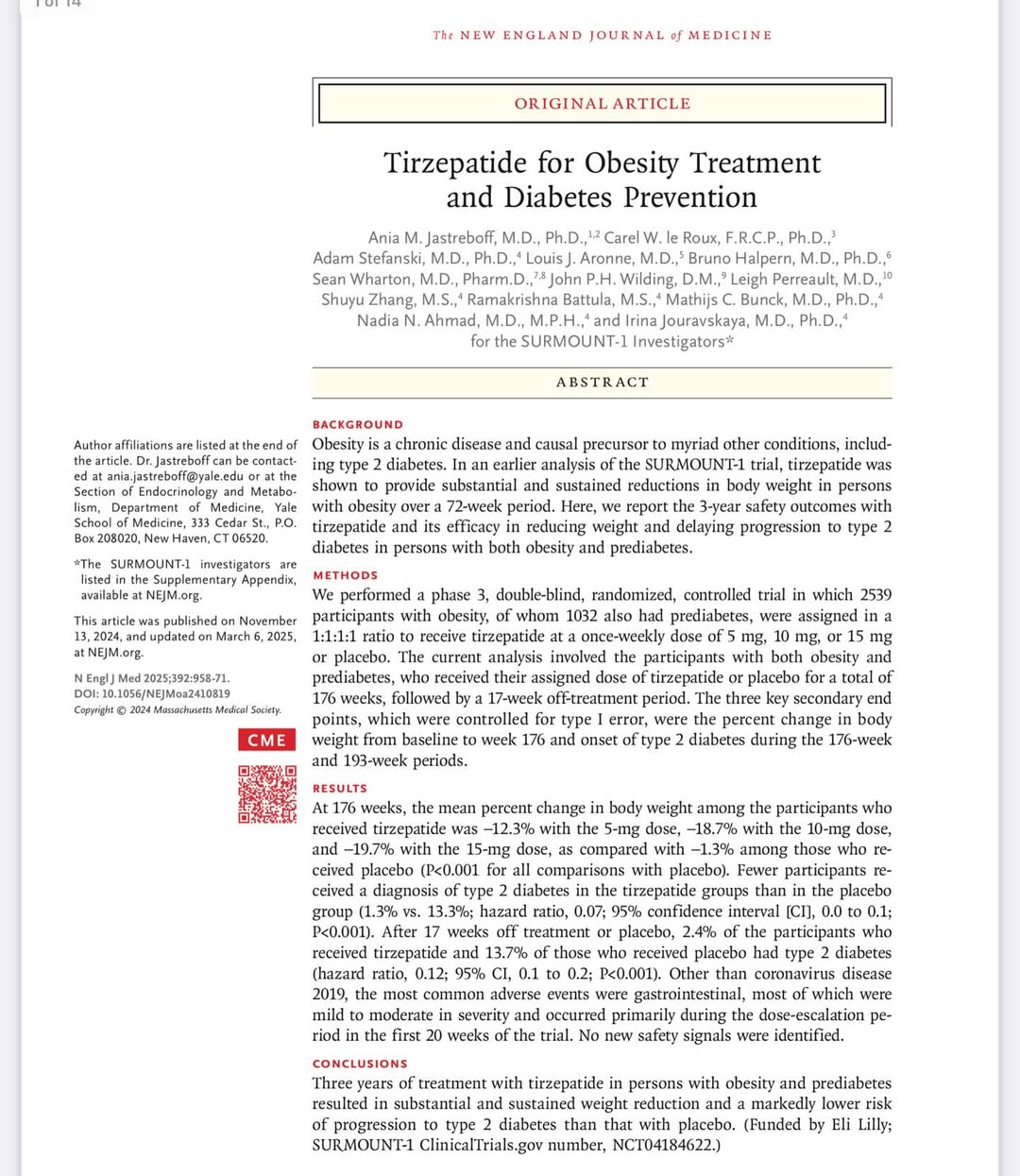
Tirzepatide cut 3-year diabetes incidence to 1.3% vs 13.3% in SURMOUNT-1

Mar 06, 2025 · Louis Nervegna ♥ 12 · 💬 5

Louis shares Luigi Fontana's post on the 3-year SURMOUNT-1 results and adds that weight loss clears fat from liver and pancreas, the main cause of insulin resistance and beta-cell dysfunction, so any diet producing major weight loss can do the same. The shared post also warns about muscle/bone loss and nutrient deficiencies without exercise and good nutrition.

Louis: muscle loss on GLP-1 drugs reflects calorie restriction catabolism

Jun 09, 2025 · Louis Nervegna ♥ 6 · 💬 18

Louis offers a personal explanation that muscle loss on GLP-1 agonists is part of how calorie restriction works, with brief catabolic periods and autophagy clearing damaged tissue. He argues the standard diet keeps people anabolic nearly all the time. No studies are cited.

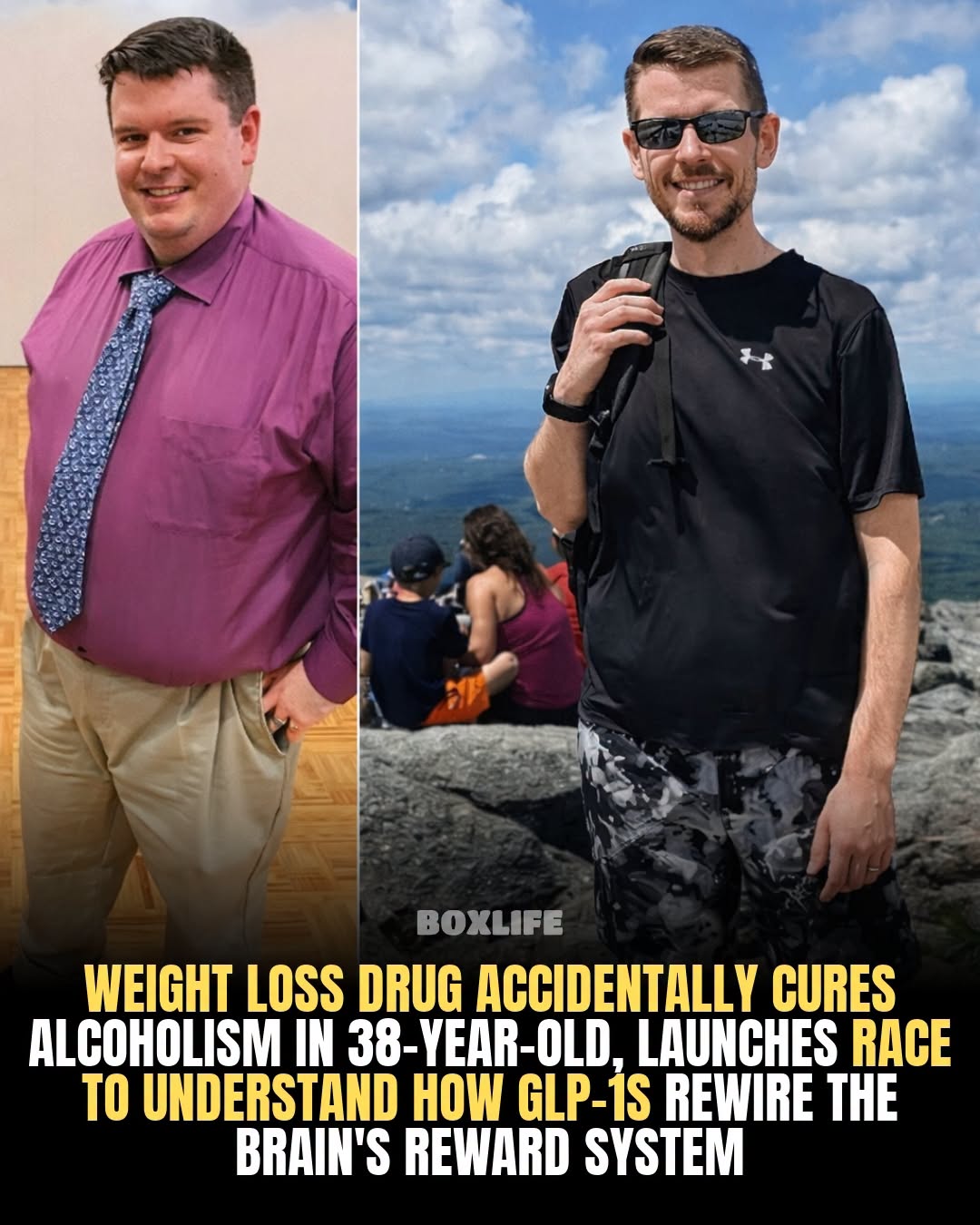
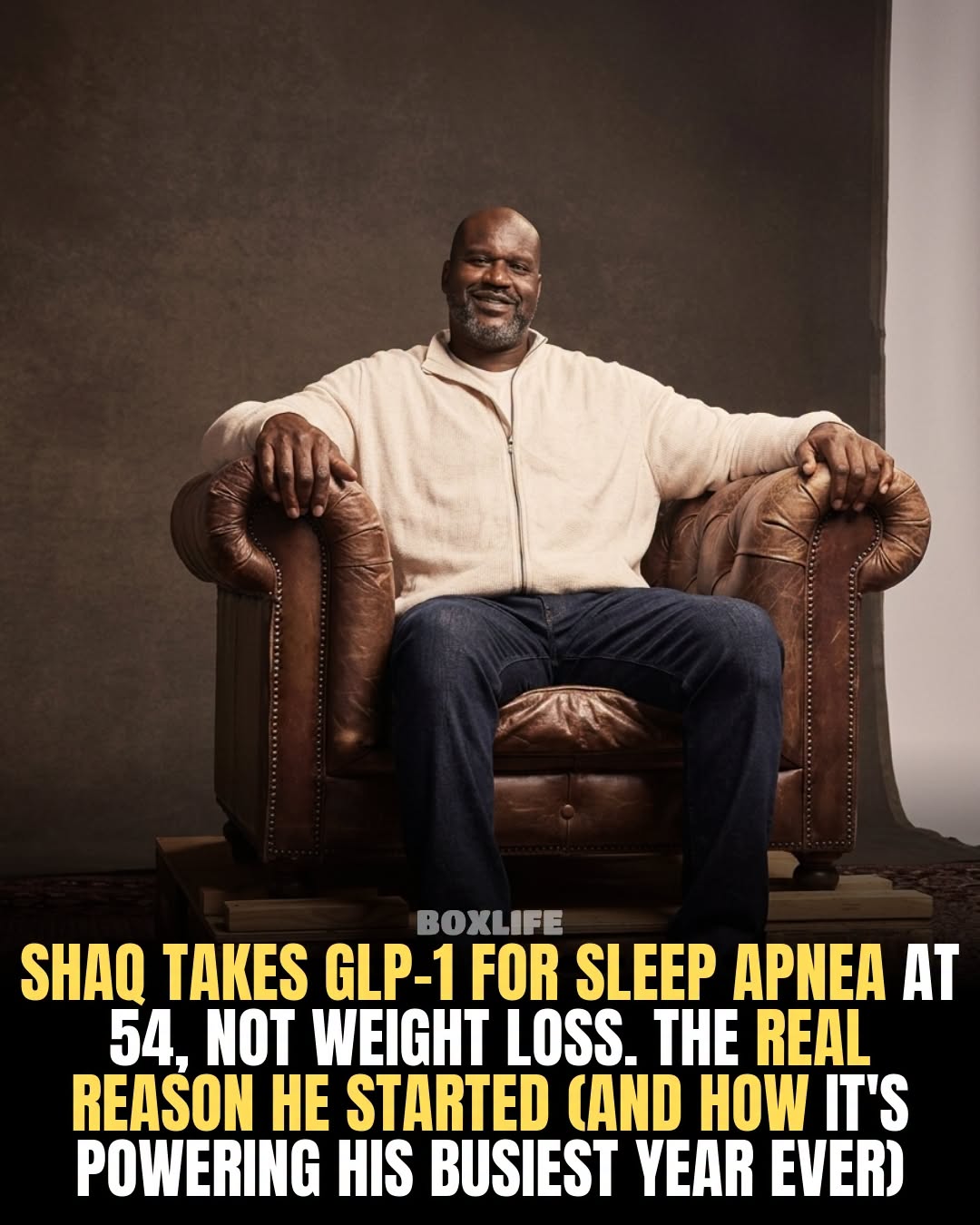
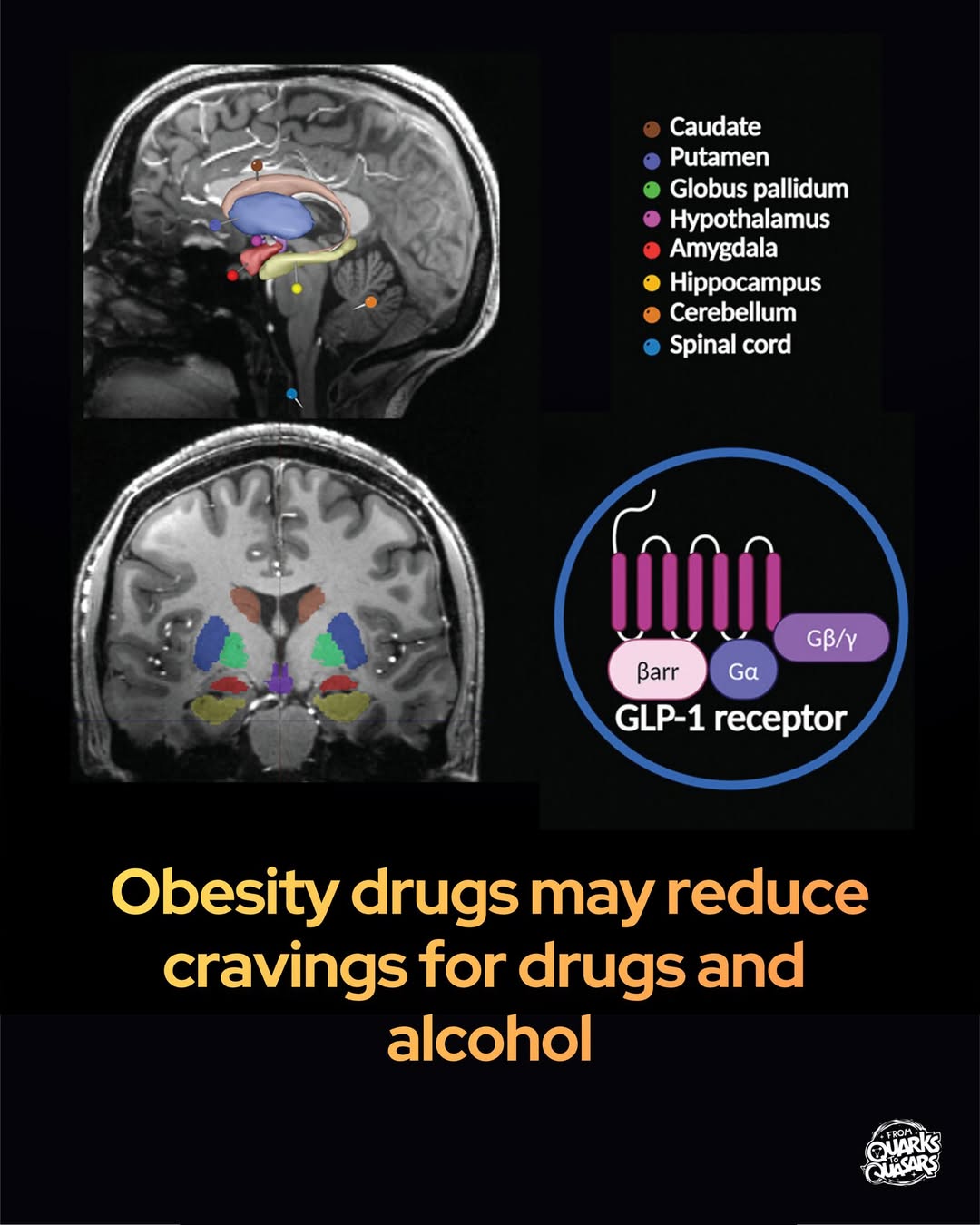
GLP-1 drugs may curb alcohol cravings, based on anecdotes and early data

Jun 20, 2026 · Louis Nervegna ♥ 14 · 💬 6

Louis shares a BoxLife Magazine story about a man whose alcohol cravings vanished after starting Wegovy for weight loss. The article cites many anecdotal reports plus early animal and patient analyses suggesting semaglutide dampens reward-driven alcohol seeking, but it is not FDA-approved for addiction.

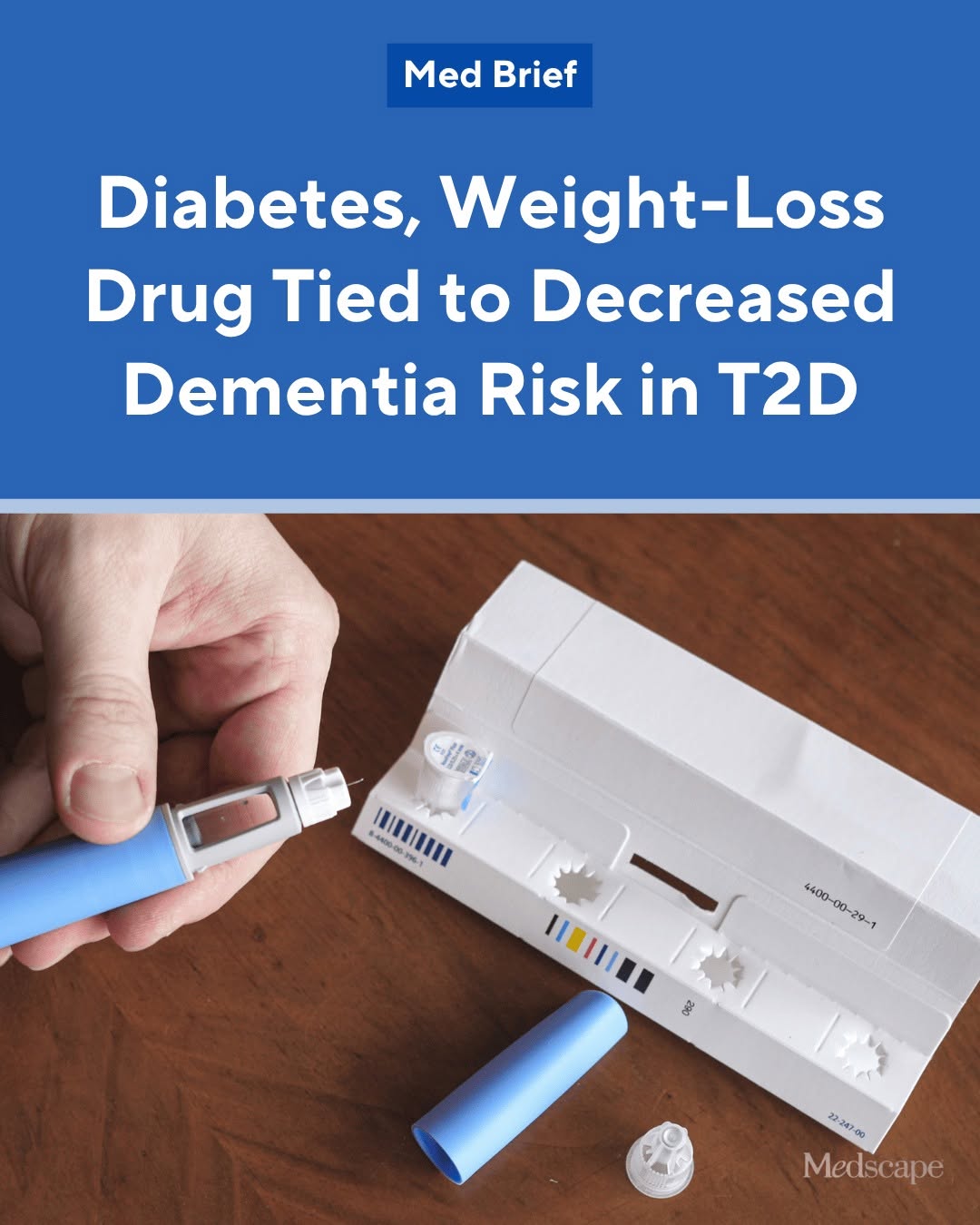
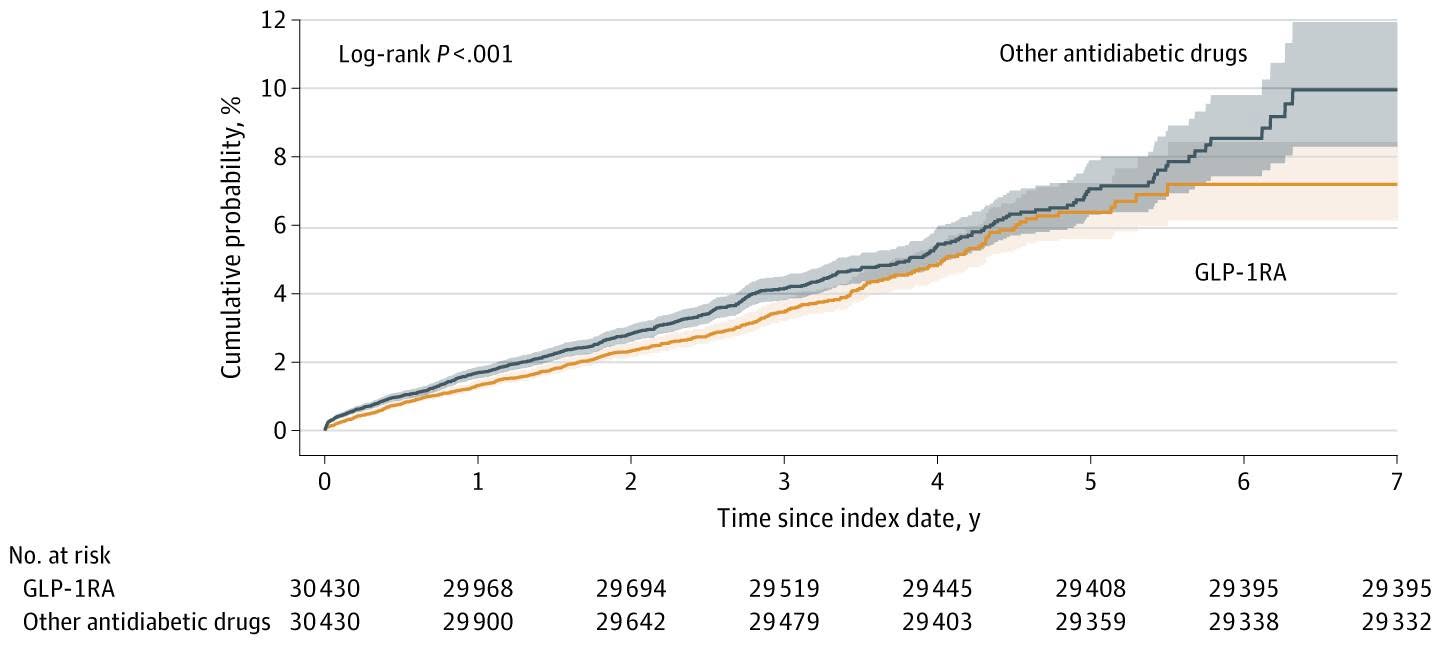
Semaglutide linked to 20-46% lower Alzheimer's-related dementia risk in type 2 diabetes

Jun 30, 2025 · Louis Nervegna ♥ 11 · 💬 4

Louis argues the real headline is that calorie restriction is associated with lower dementia risk since GLP-1 drugs act as calorie restriction in a pill. The shared report states semaglutide was associated with a 20-46% reduced risk for AD-related dementia in type 2 diabetes versus other antidiabetic drugs, strongest for vascular dementia.

Zepbound reduced heart failure risk in a late-stage study

Aug 01, 2024 · Gokhan Can ♥ 8 · 💬 8

Gokhan says weight loss is the best drug in obesity and new GLP-1 drugs can aid it, sharing a CNBC report that Eli Lilly's Zepbound cut heart failure risk in a late-stage study, adding to evidence of benefits beyond weight and glucose control.

Evidence is building that GLP-1 drugs may slow aging in mammals

Nov 10, 2026 · Louis Nervegna ♥ 7 · 💬 7

Louis comments that evidence is accumulating that GLP-1 agonists slow aging in mammals, in line with calorie restriction extending lifespan in animals. The shared investigation covers the semaglutide 3.1-year biological age claim and a 2026 Nature study of longer-lived old female mice.

Review of 36 studies: GLP-1 weight loss is mostly fat, with modest lean mass loss

May 15, 2026 · Louis Nervegna ♥ 7 · 💬 3

Louis shares an International Journal of Obesity meta-analysis of GLP-1 and dual GLP-1/GIP drugs in adults with overweight or obesity. Most weight lost was fat, including visceral fat, and muscle loss was no worse than with calorie restriction, though protein and resistance training still matter.

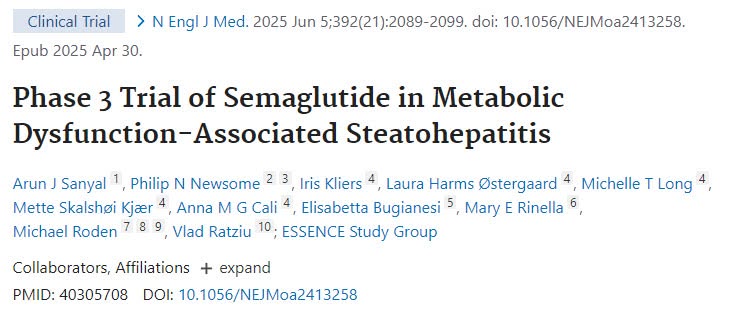
Semaglutide improved MASH inflammation and fibrosis in the Phase 3 ESSENCE trial

Jun 08, 2025 · Louis Nervegna ♥ 5 · 💬 4

The post argues that liver and pancreas fat drive diabetes, insulin resistance and metabolic syndrome, and that fat leaves the liver early on a diet, which is why GLP-1 drugs work well in fatty liver disease. The shared summary describes the ESSENCE trial of weekly semaglutide 2.4 mg in biopsy-proven MASH with fibrosis stage 2-3 and lists open questions such as cirrhosis and durability.

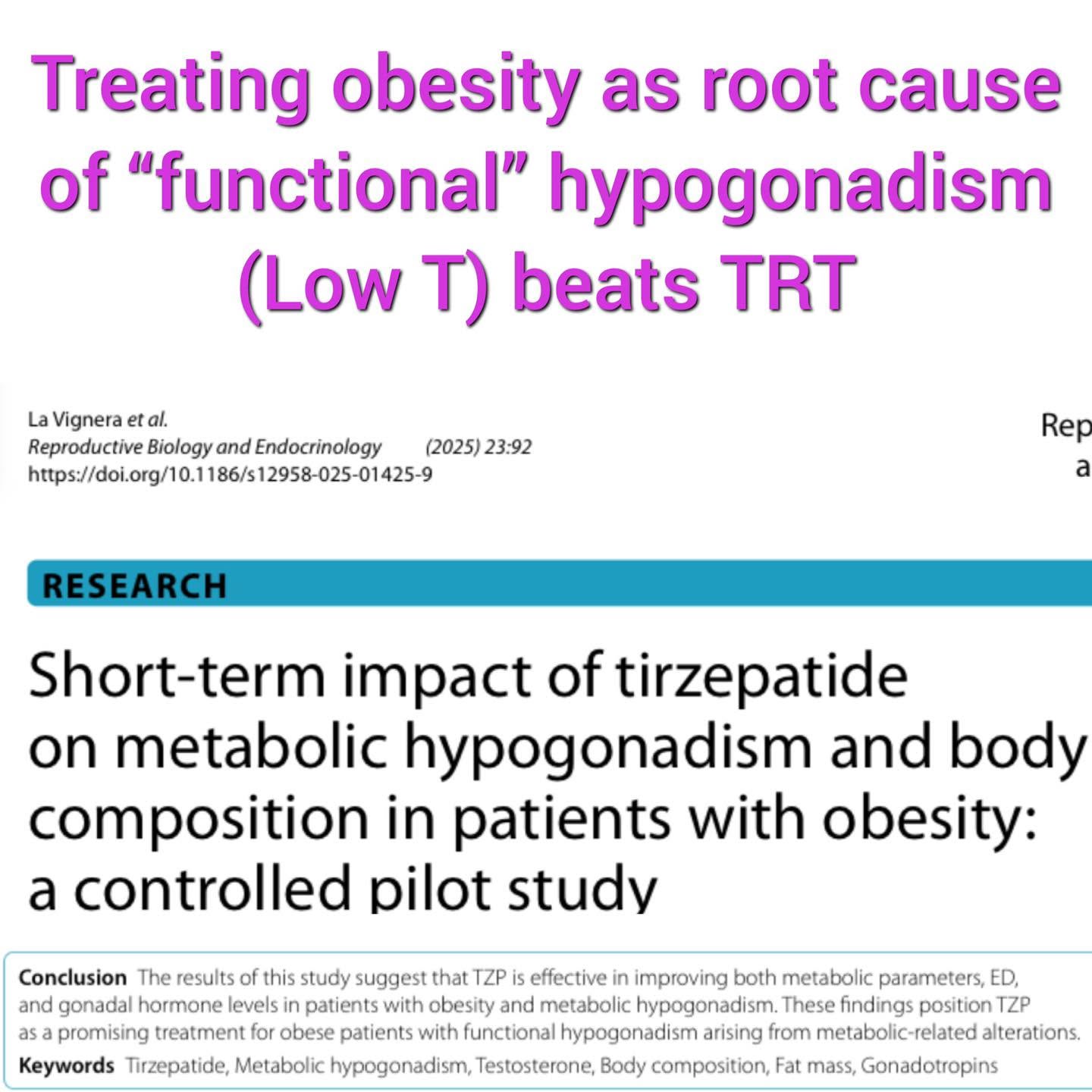
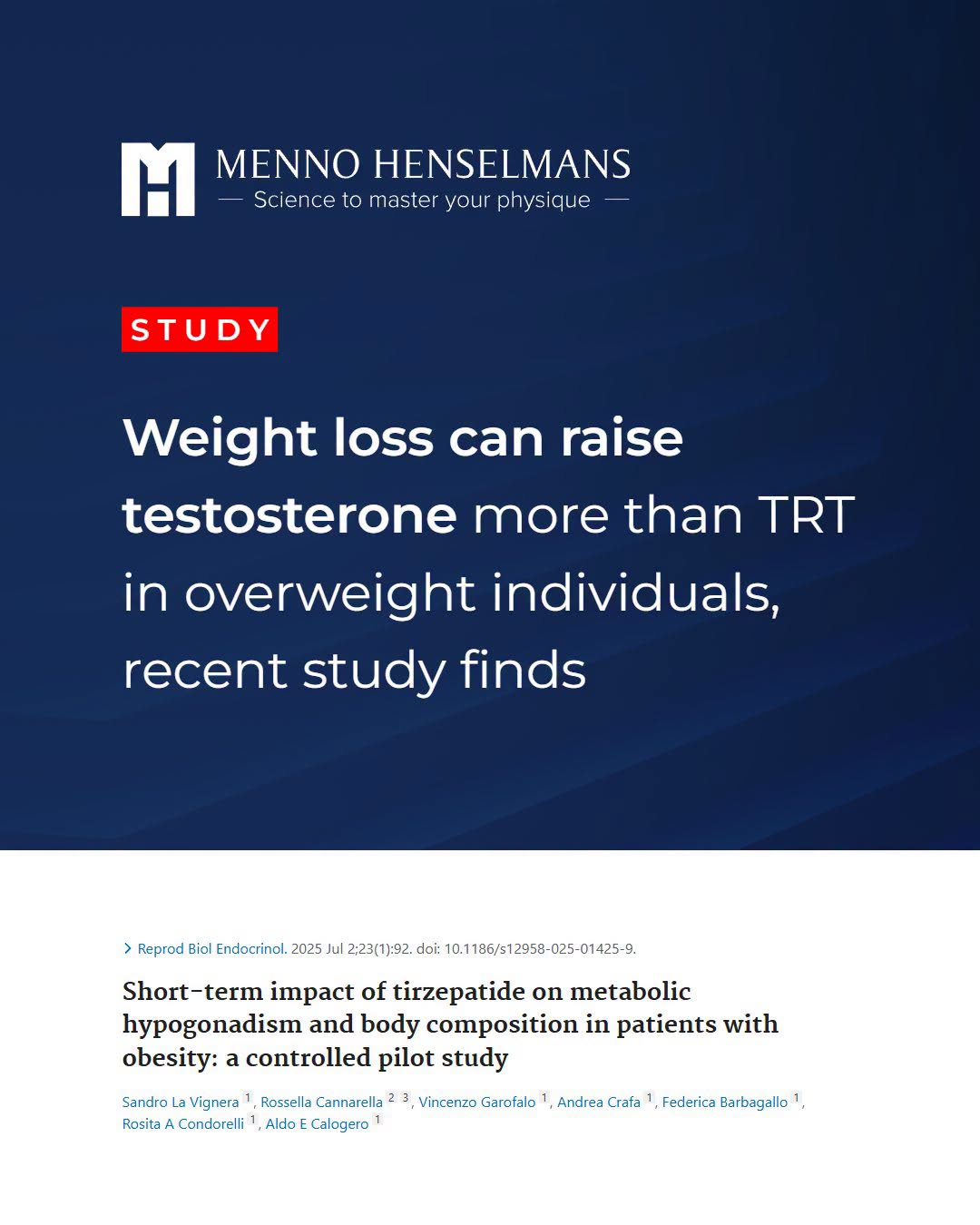
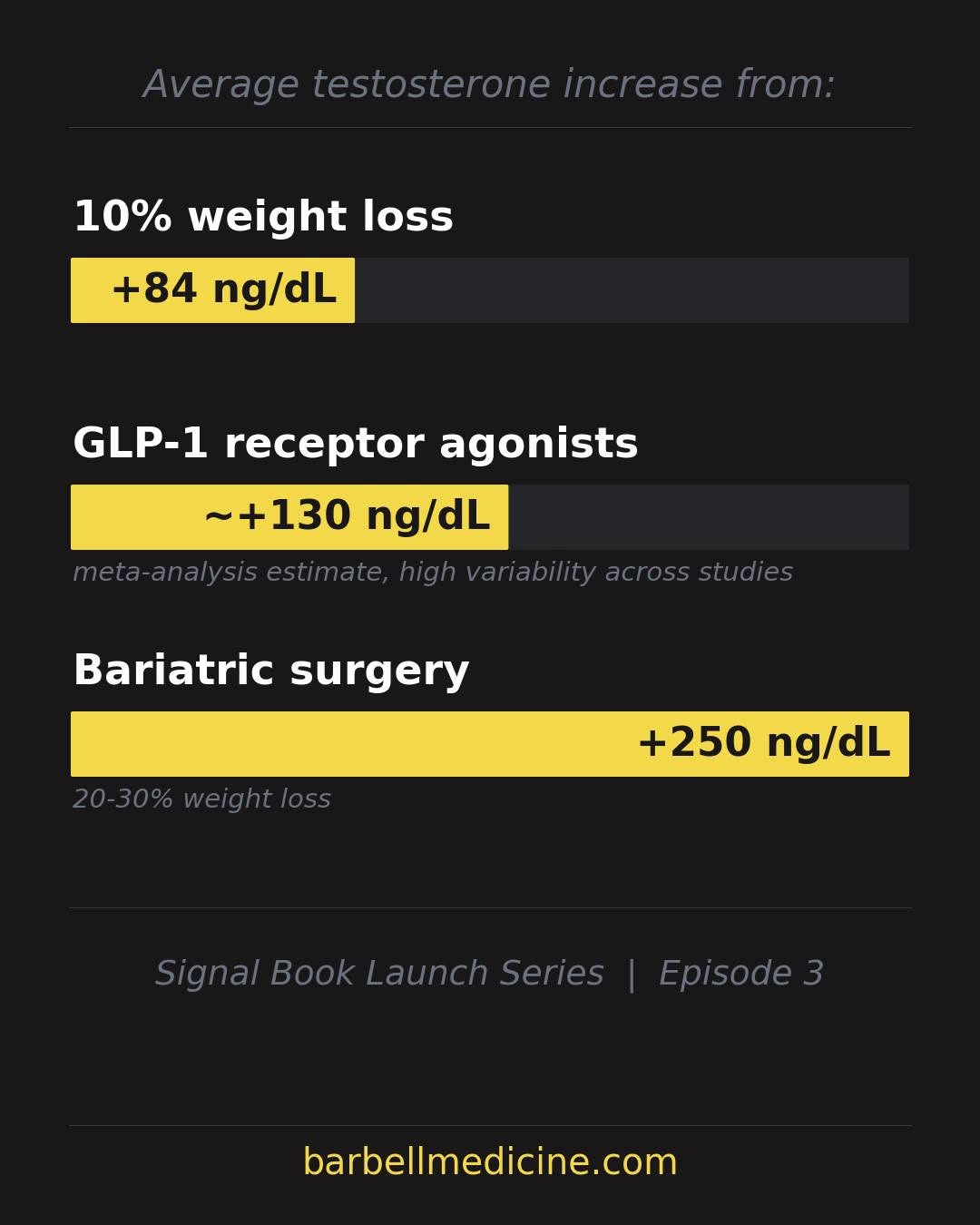
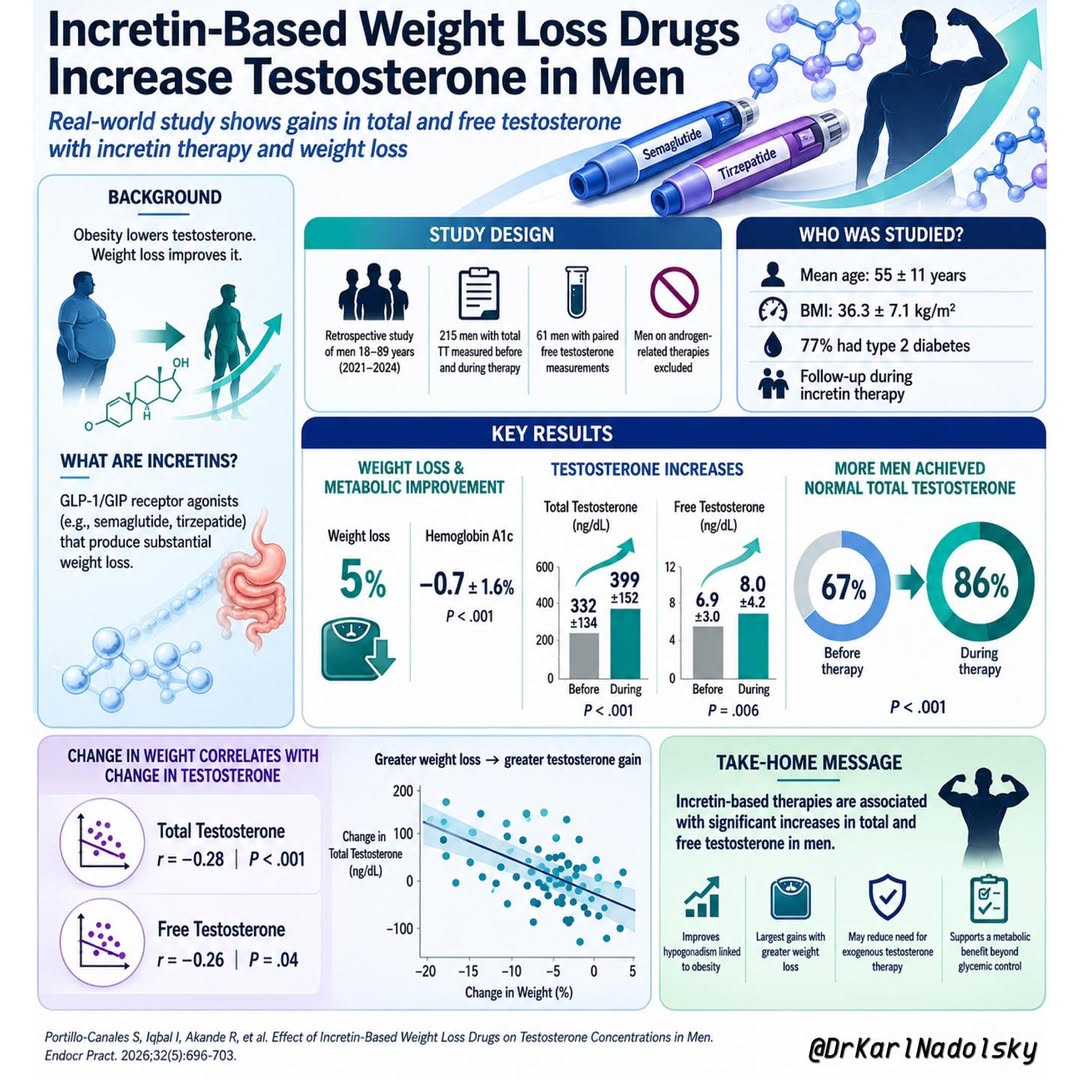
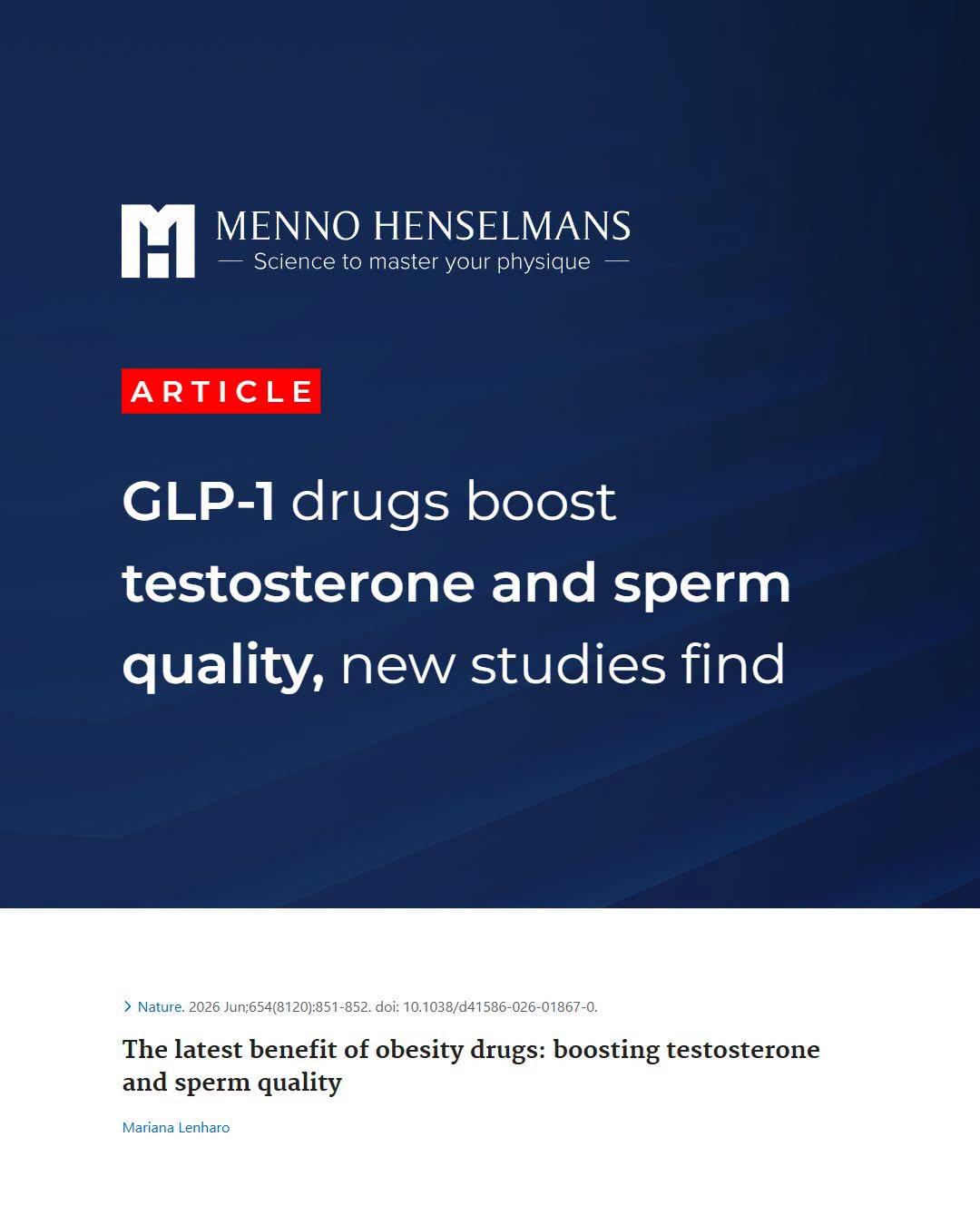
Tirzepatide beat testosterone therapy for raising testosterone in obese men (pilot, n=83)

Jul 19, 2025 · Louis Nervegna ♥ 13 · 💬 1 ↩ 2

Louis argues that low testosterone in middle-aged men is mainly driven by visceral fat and should be treated by fat loss rather than TRT. The shared pilot study in 83 men with obesity found tirzepatide plus lifestyle gave the greatest weight and fat loss and raised testosterone, LH and FSH more than lifestyle alone or TRT.

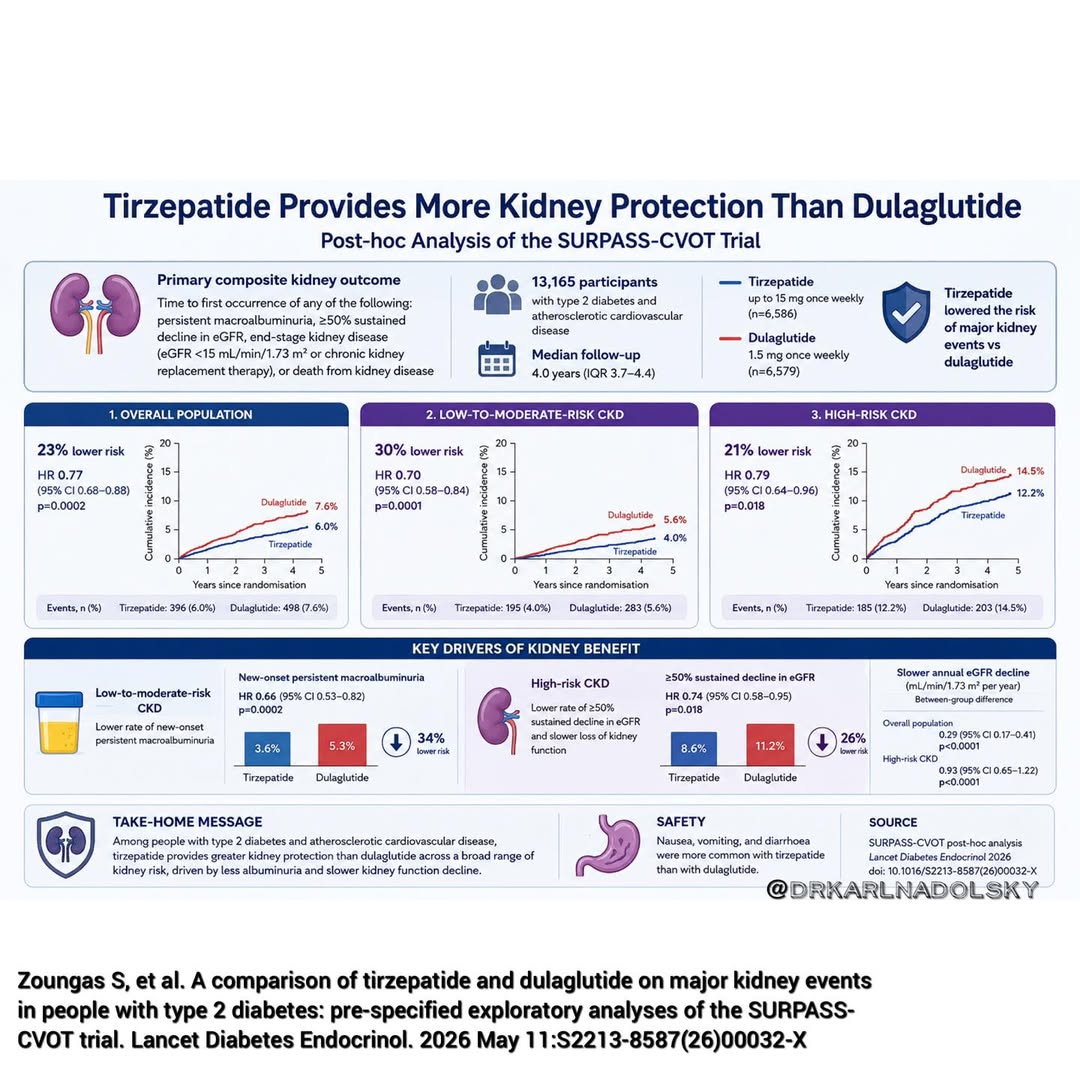
FDA approves tirzepatide for CV risk reduction in type 2 diabetes after SURPASS-CVOT

Aug 28, 2026 · Louis Nervegna ♥ 5 · 💬 3

Louis shares that the FDA approved tirzepatide to lower heart attack and stroke risk in type 2 diabetes, based on SURPASS-CVOT. In 13,299 adults with established heart disease, tirzepatide was noninferior to dulaglutide for MACE (12.2% vs 13.1%, HR 0.92), without formally reaching superiority.

GLP-1 drugs linked to lower dementia, stroke and mortality than other diabetes drugs

Jul 18, 2025 · Louis Nervegna ♥ 13 · 💬 1

Louis shares a JAMA summary stating that patients on semaglutide or tirzepatide had lower risks of dementia, stroke and all-cause mortality than those on other antidiabetic medications, and comments that calorie restriction works. The comment on calorie restriction is his interpretation.

Neurologist Perlmutter on what GLP-1 drugs may be doing to the brain

Jun 22, 2026 · Louis Nervegna ♥ 10 · 💬 2

Louis shares a Yahoo Life article in which neurologist David Perlmutter discusses new brain-scan findings suggesting GLP-1 drugs act beyond appetite, on metabolism, insulin signaling, inflammation and reward pathways. It is a general-audience overview with no specific data in the post.
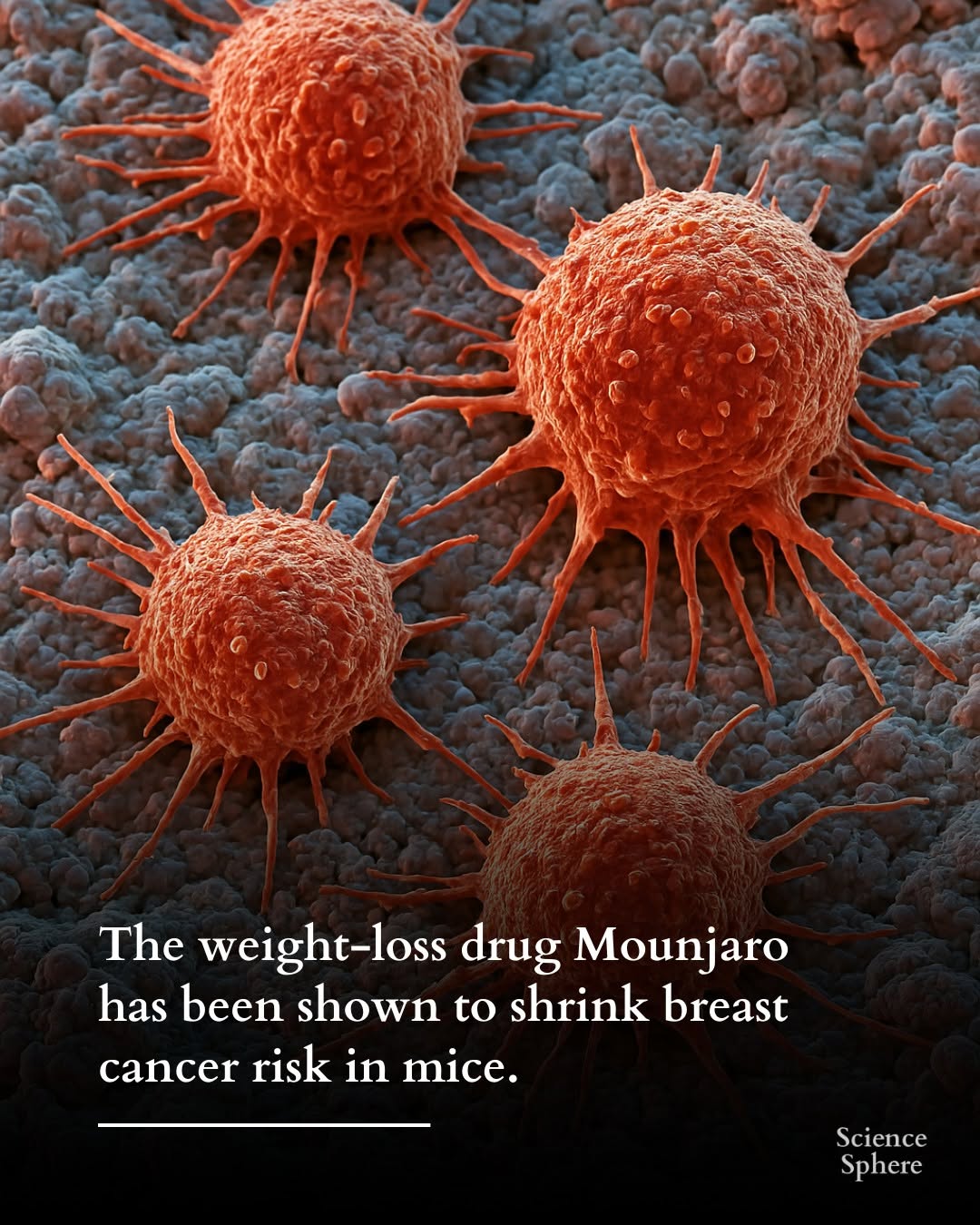
Tirzepatide shrank breast tumors in obese mice, tracking body and liver fat loss

Dec 07, 2025 · Louis Nervegna ♥ 8 · 💬 2

Louis shares an ENDO 2025 mouse study in which tirzepatide reduced body fat by about 20% and gave significantly smaller breast tumors in obese mice, with tumor size correlating with body fat, liver fat and weight. He compares it to calorie restriction slowing tumors; the findings are preliminary and animal-based.


Olive oil raised GLP-1 and lowered post-meal glucose versus butter in type 1 diabetes

Olive oil, like all fats, raises GLP-1, and the quoted crossover data suggest it does so more than butter, helping people feel full sooner. After a high-glycemic meal in people with type 1 diabetes, glucose exposure was lower with EVOO than with butter or a low-fat meal, plausibly via slower gastric emptying and glucose-lipid competition.

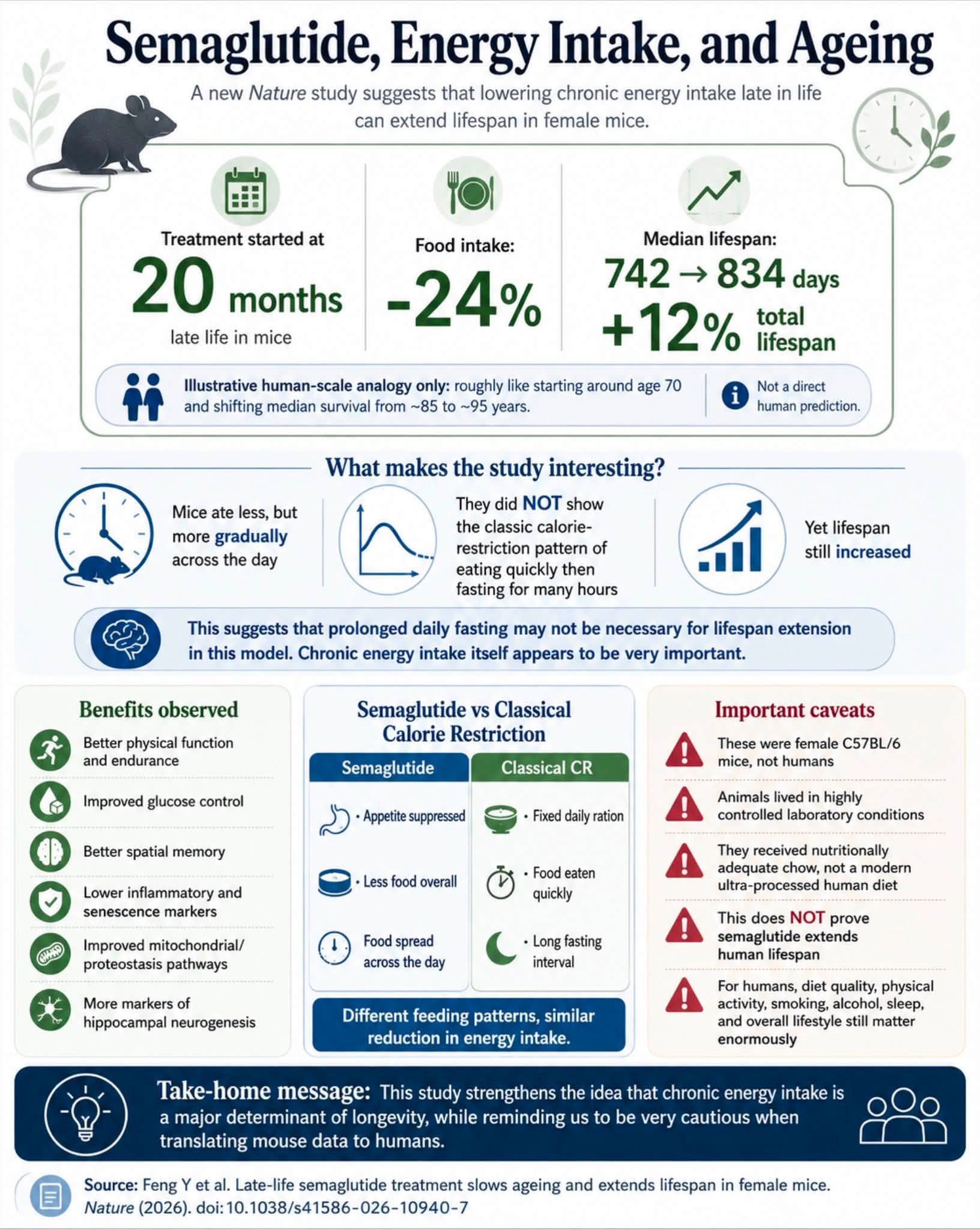
Semaglutide extended lifespan 12% in elderly female mice, hinting GLP-1 slows aging

Oct 29, 2026 · Louis Nervegna ♥ 3 · 💬 3

A Nature study found elderly female mice given semaglutide lived 12 percent longer than controls, regained curiosity and memory, and improved across hallmarks of aging. Louis notes the main mechanism is almost certainly calorie restriction. Researchers suggest slowed aging could explain GLP-1's benefits across heart, kidney, liver and brain conditions.

Semaglutide extended female mouse lifespan 12%, but a 24% calorie drop likely drove it

Sep 02, 2026 · Louis Nervegna ♥ 7 · 💬 1

Louis shares Luigi Fontana's take on a Nature study in which semaglutide started at 20 months extended median mouse lifespan by 12% (742 to 834 days). Food intake fell about 24%, so much of the benefit probably reflects calorie restriction. The shared text cautions that it is not evidence of 10 extra years in humans.

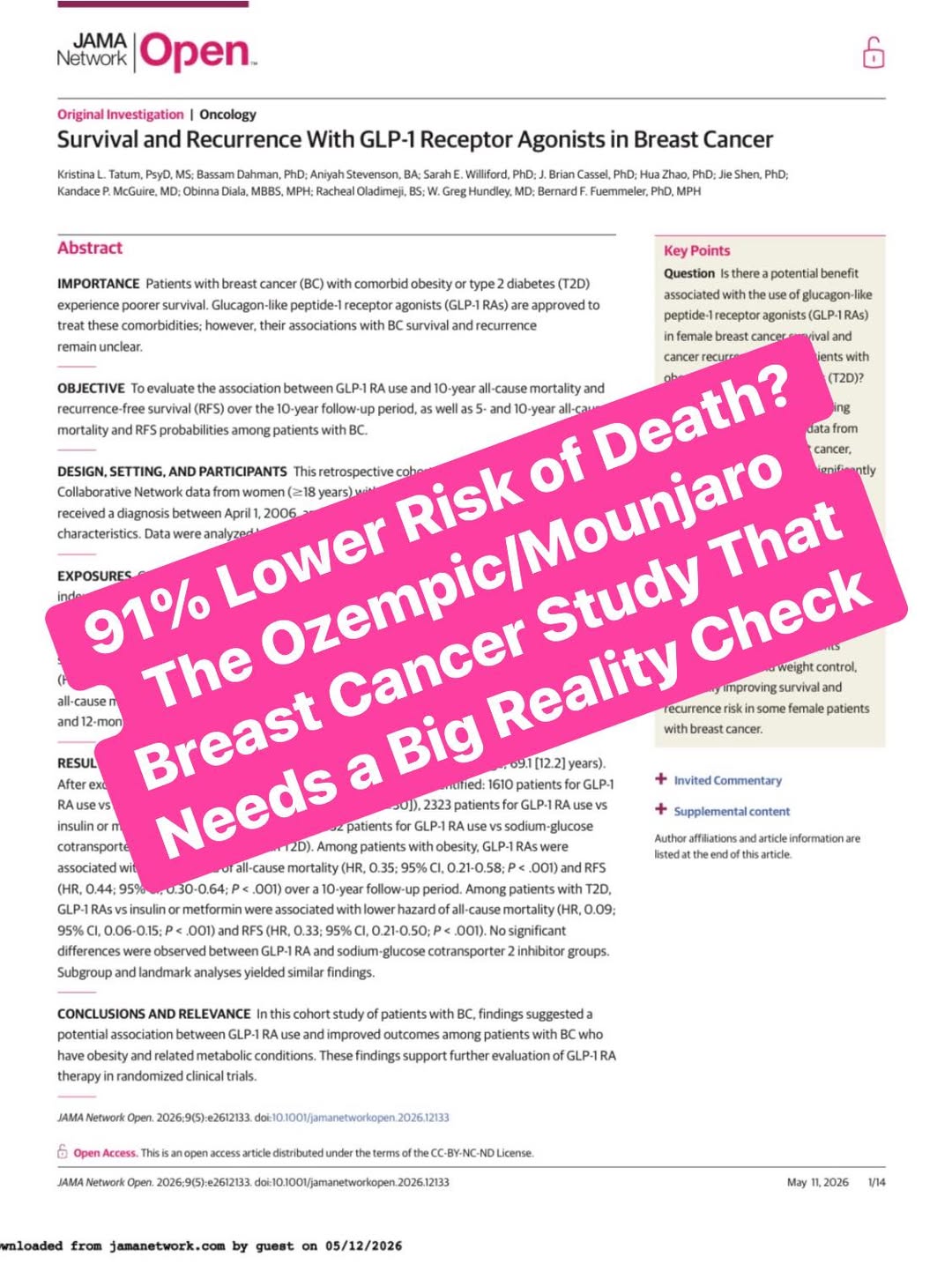
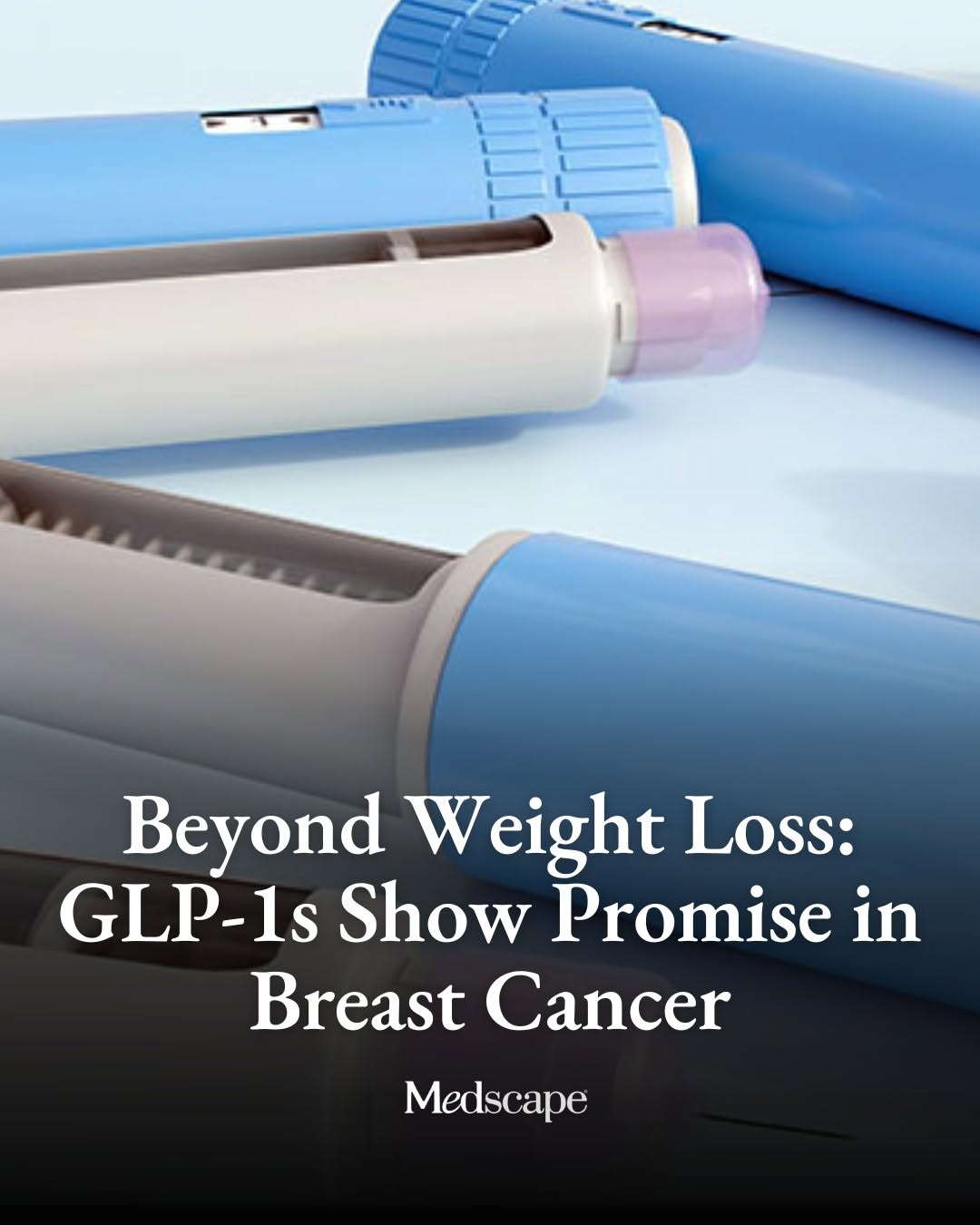
GLP-1 use tied to 91% lower all-cause death in women with breast cancer and diabetes

May 12, 2026 · Louis Nervegna ♥ 14

A JAMA Network Open study reported a 91% lower relative hazard of death from any cause in women with breast cancer and type 2 diabetes who used GLP-1 drugs versus insulin or metformin. Louis stresses it is observational and the endpoint was all-cause mortality, not breast-cancer death or recurrence, so causation is not shown.

GLP-1 drugs linked to lower risk of knee replacement in knee osteoarthritis

Jun 15, 2026 · Louis Nervegna ♥ 6 · 💬 2

A shared Discover Magazine report says a records-based study found people with knee osteoarthritis taking GLP-1 receptor agonists had a significantly lower long-term risk of knee replacement, strongest with semaglutide and tirzepatide and with longer treatment. Louis added only hashtags; this is observational data.

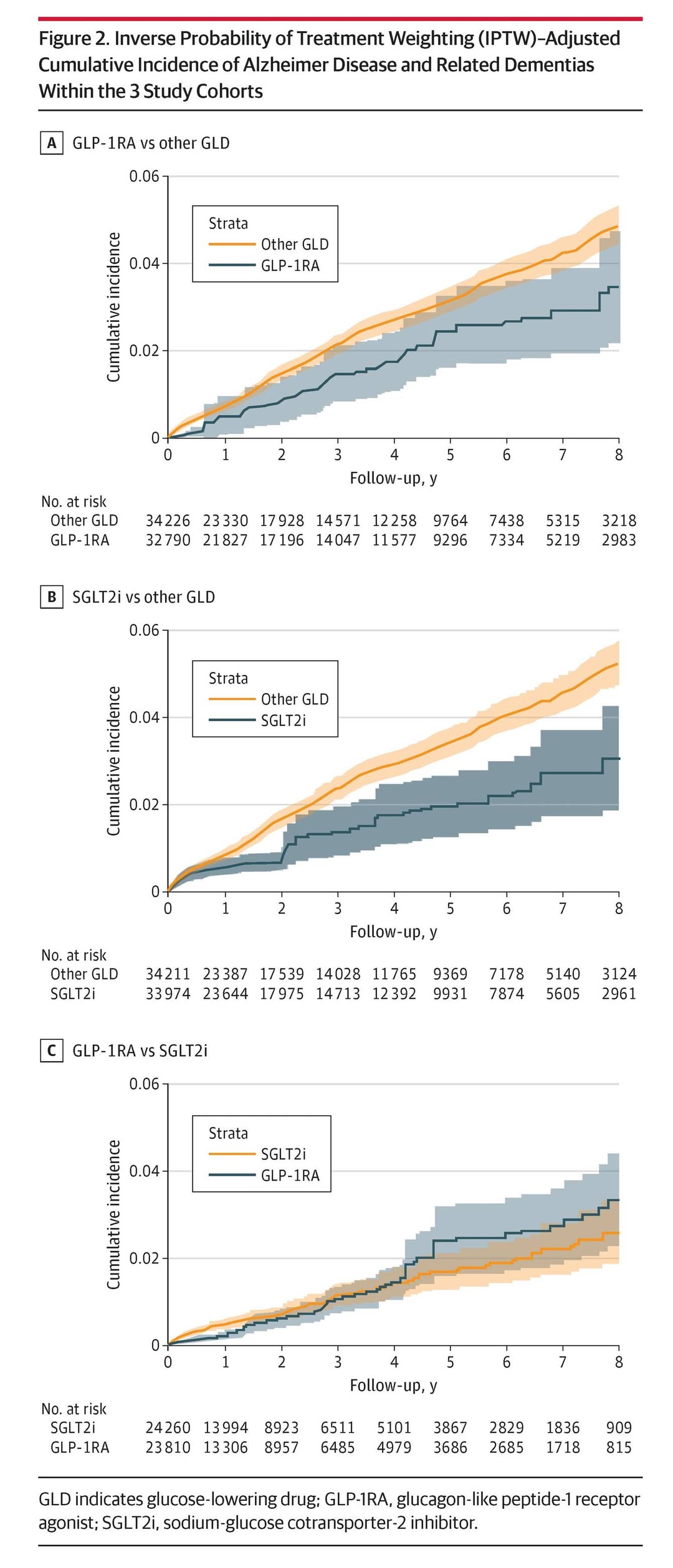
GLP-1 agonists and SGLT2 inhibitors linked to lower dementia risk in type 2 diabetes

Apr 13, 2025 · Louis Nervegna ♥ 6 · 💬 1

JAMA Neurology report shared by Louis: in people with type 2 diabetes, both GLP-1 receptor agonists and SGLT2 inhibitors were associated with decreased risk of Alzheimer disease and related dementias compared with other glucose-lowering drugs. Louis sees this as evidence for benefits beyond diabetes treatment.

GLP-1 drugs vs metformin in obese prediabetes: 31% less diabetes, 41% lower mortality

Nov 06, 2026 · Louis Nervegna ♥ 7

Louis shares a large observational AHA 2026 study of 256,492 adults with prediabetes and obesity: GLP-1 users had 31% lower risk of type 2 diabetes and 41% lower mortality than metformin users. They also had fewer strokes, heart attacks and heart failure cases. The data are unpublished, observational and not yet peer reviewed, and Louis ties the results to ectopic fat and calorie restriction.

ARPA-H PROSPR program ($144M) funds first phase 3 aging trials of three drugs

May 20, 2026 · Louis Nervegna ♥ 9 Aging & longevity

Eric Verdin's shared post says ARPA-H awarded $144 million to seven teams to lay groundwork for human aging trials, including a phase 3 in healthy adults in their 60s testing rapamycin, an SGLT2 inhibitor and semaglutide. The key gap is a validated aging biomarker regulators accept. Louis adds that age is the biggest CVD risk factor.

Gut microbes turn fiber and polyphenols into GLP-1 and other satiety hormones

Jan 29, 2024 · Louis Nervegna ♥ 9 Gut microbiome

Louis quotes Scientific American: the body makes its own incretin hormones such as GLP-1 and PYY, and gut bacteria ferment indigestible fiber and polyphenols into molecules that stimulate them. These hormones help regulate blood sugar, appetite and the speed of food moving through the gut (the 'colonic brake'). This suggests whole plant foods support the same pathways targeted by Ozempic and Wegovy.

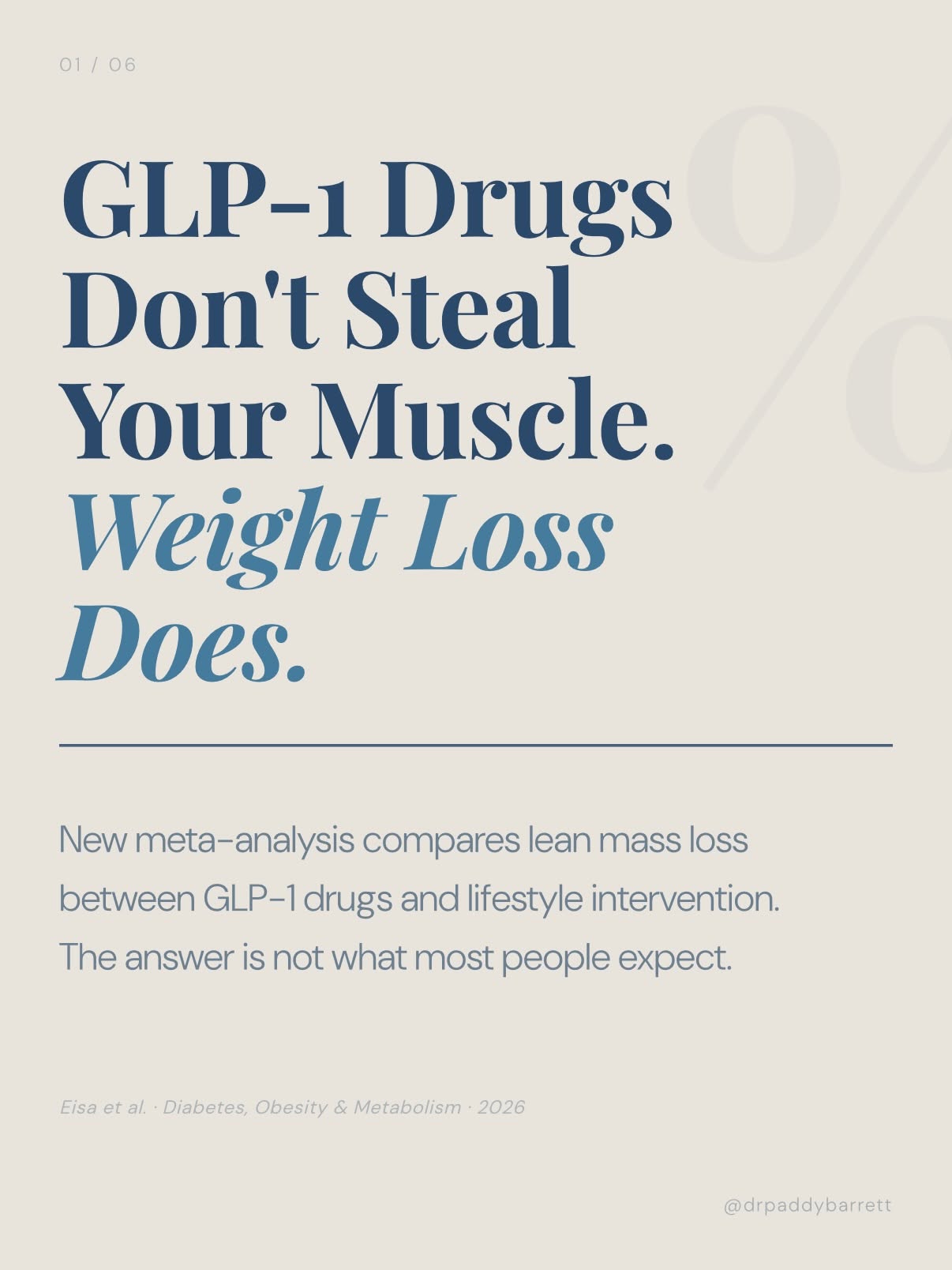
GLP-1 drugs and intensive dieting cause similar lean-mass loss (about 20-26%)

May 31, 2026 · Louis Nervegna ♥ 4

Shared summary of a 2026 meta-analysis in Diabetes, Obesity and Metabolism: the share of weight lost as lean mass is broadly comparable for semaglutide, tirzepatide and intensive lifestyle intervention. The fix is resistance training, adequate protein and body composition monitoring.

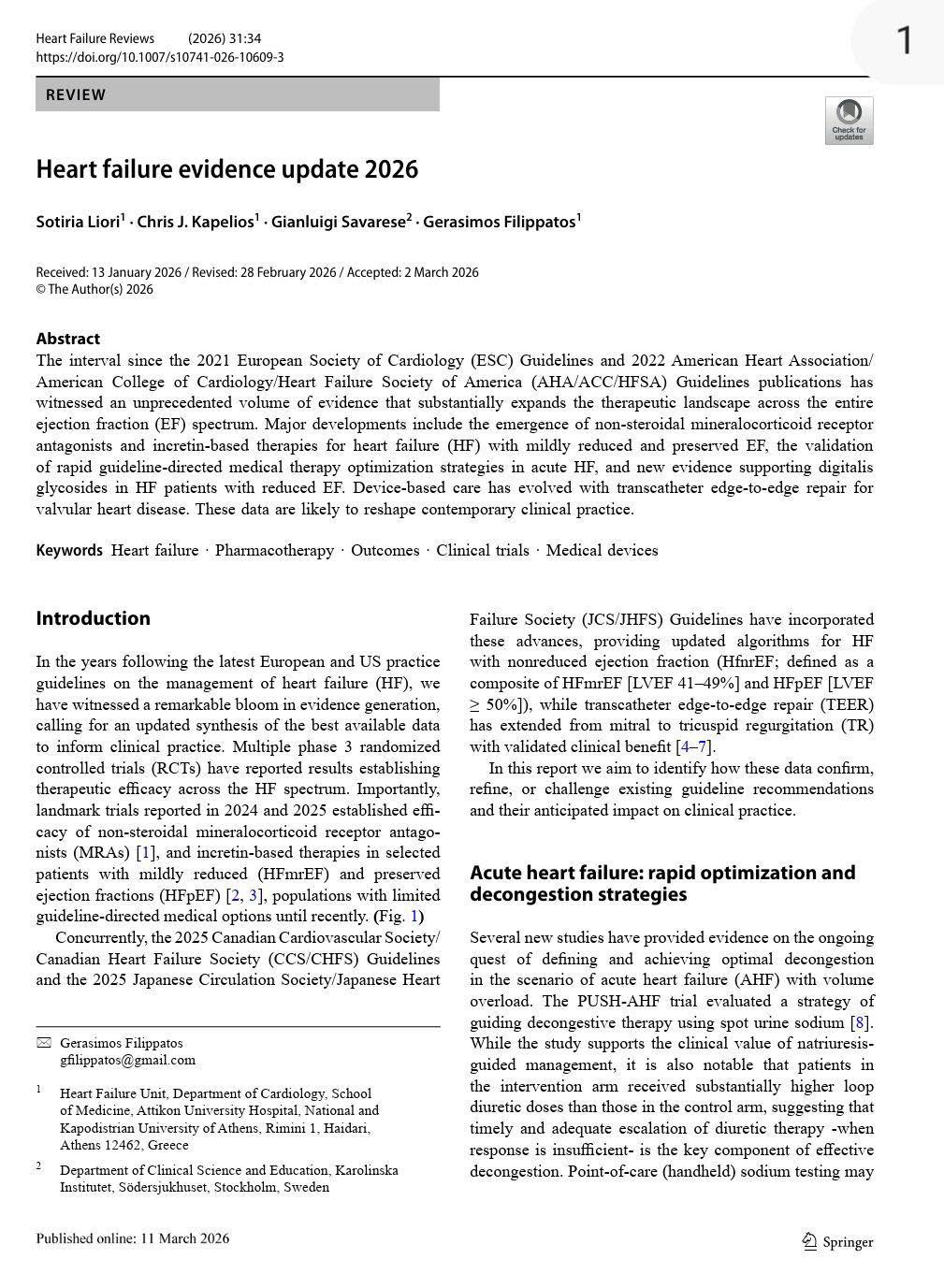
Heart failure in 2026: SGLT2 inhibitors foundational, HFpEF now treatable, early GDMT

Mar 29, 2026 · Louis Nervegna ♥ 4 Heart rhythm & heart failure

A Cardiophilia summary of the latest heart failure evidence update lists several shifts: SGLT2 inhibitors are foundational across the ejection fraction spectrum, HFpEF now has options (finerenone, GLP-1 and incretin therapies), guideline therapy starts in-hospital, decongestion becomes guided by urine sodium, and devices are integrated into care.

Semaglutide extended elderly female mouse lifespan 12%; calorie restriction already known

Sep 14, 2026 · Louis Nervegna ♥ 5

A shared Nature study report says elderly female mice on semaglutide lived 12% longer and improved on aging hallmarks, matching or beating caloric restriction on several measures. Louis notes calorie restriction slowing aging in animals is well established. The caveats: inbred female mice, possible muscle loss in older people, and no human data.

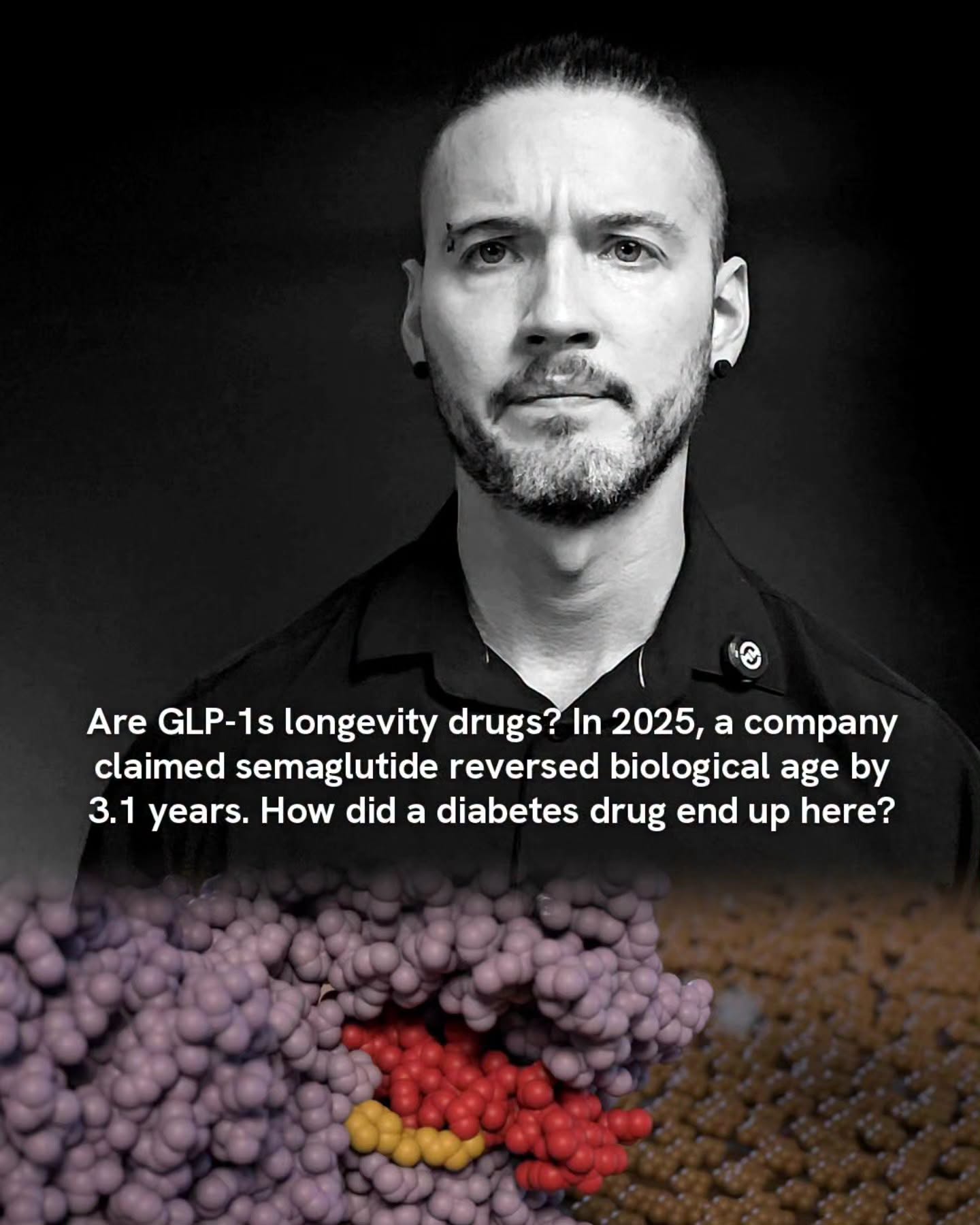
Semaglutide's 3.1-year biological age reversal rests on one DNA clock

Nov 11, 2026 · Louis Nervegna ♥ 1

Louis shares a podcast summary examining whether semaglutide slows aging. The 2025 claim of a 3.1-year biological age reversal came from a single DNA aging clock over 32 weeks scaled up. LEADER, SELECT and FLOW showed real reductions in heart events and deaths, evoke trials showed no Alzheimer's slowing, and old female mice lived about 12% longer.

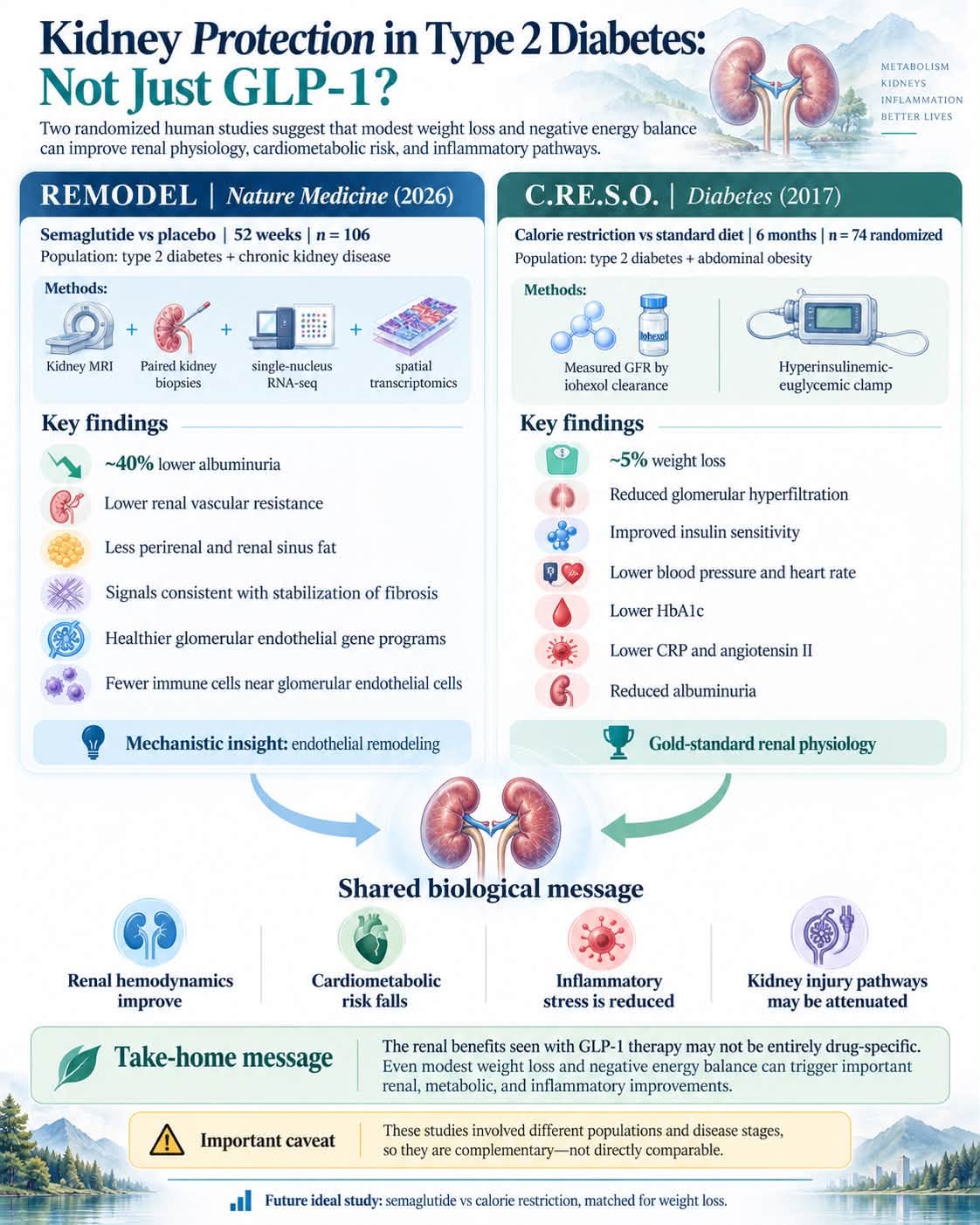
Semaglutide REMODEL trial: 40% less albuminuria, and a calorie-restriction interpretation

Oct 01, 2026 · Louis Nervegna ♥ 1

A Nature Medicine mechanistic study (REMODEL) found semaglutide in people with type 2 diabetes and chronic kidney disease cut albuminuria by 40% and reduced kidney and perirenal fat, with biopsy changes in glomerular endothelial cells. The poster argues the kidney benefit stems from negative energy balance rather than anything special about GLP-1 drugs, which simply make calorie restriction easier.