HD-OPM Archive
Topics › Plaque, imaging & cardiac events

Heart rhythm & heart failure

75 posts (41 primarily about this topic) · 7 reposts and set-aside posts not shown

Start here — the best posts in this topic

  1. Norwegian 4x4 intervals: Rhonda Patrick on reversing heart aging and raising VO2 max Oct 04, 2025
  2. Q-SYMBIO: CoQ10 cut cardiovascular death in heart failure patients Apr 18, 2026
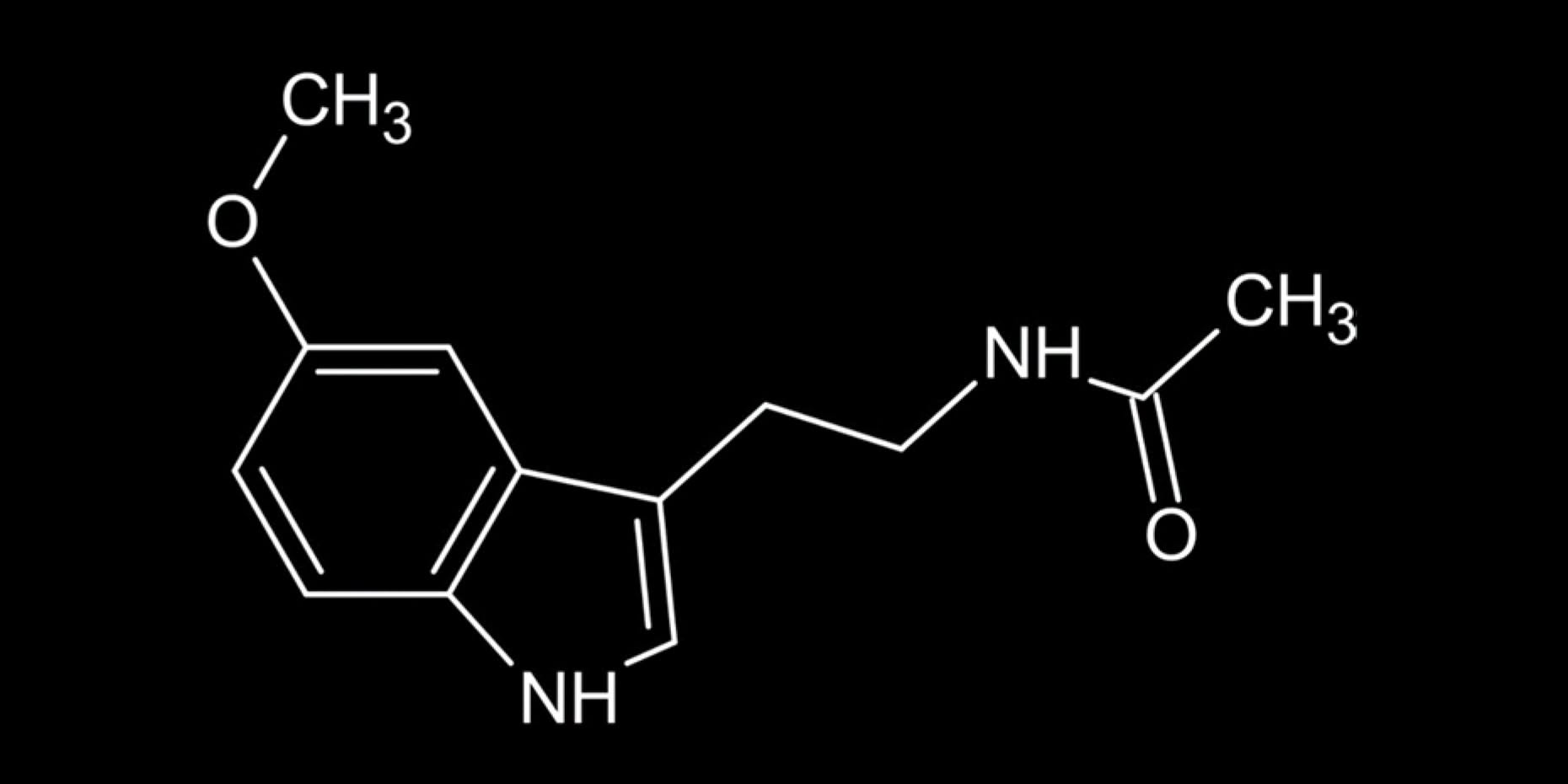
  3. Long-term melatonin use linked to higher heart failure risk in an observational analysis Nov 03, 2025
  4. High-dose omega-3 raises AFib risk in high-CVD-risk people, not at low doses (2026) Sep 16, 2026
  5. Q-SYMBIO: CoQ10 cut major cardiovascular events 15% vs 26% in heart failure Dec 24, 2025
  6. Group member reports 'widowmaker' soft plaque regression on 6 g/day EPA, citing EVAPORATE May 04, 2026
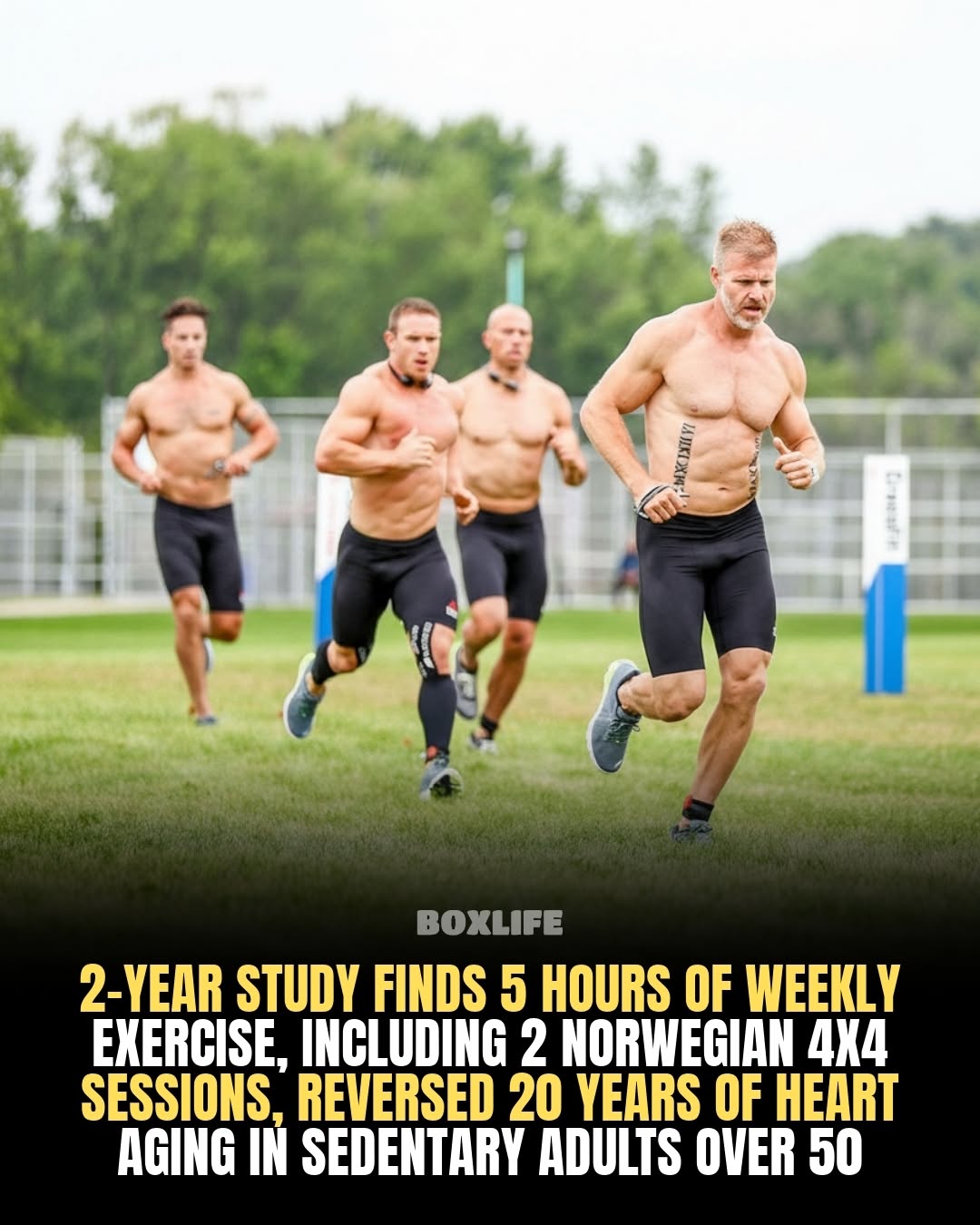
  7. Two years of structured exercise reversed up to 20 years of heart aging at age 50 Mar 18, 2025
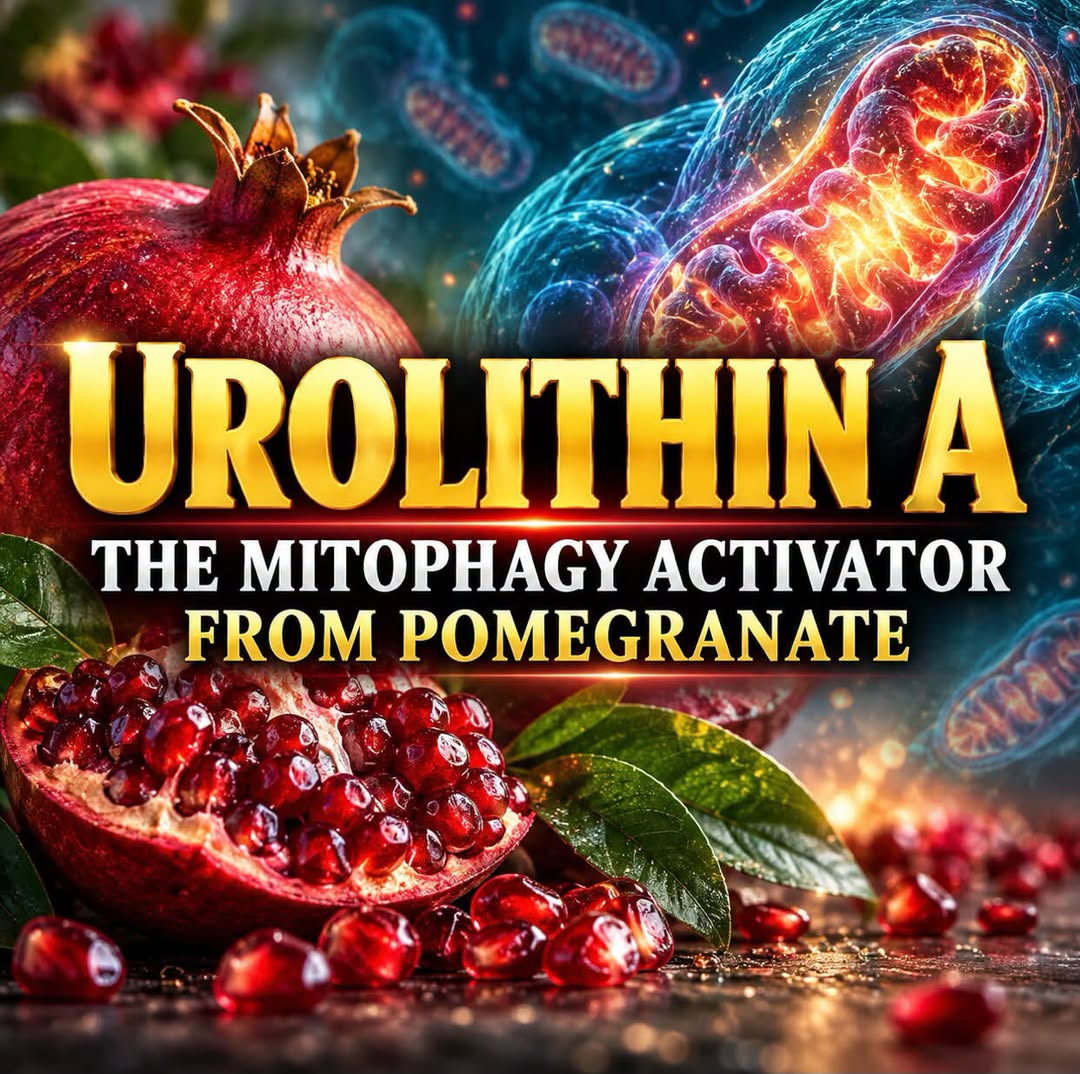
  8. Urolithin A improved heart function up to 80% in mouse models of stiff-heart failure Sep 30, 2026
#heartfailure 31#afib 19#hearthealth 8#exercise 6#urolithina 6#cardiology 6#pomegranite 5#coffee 5#diabetes 5#cardiomyopathy 5#coq10 4#fishoil 4#omega3 4#clevelandclinic 4#stemcells 4#cardiovascular 4#stroke 4#cardiovascularhealth 4#fitness 3#reverse 3#weightloss 3#mice 3#arrythmia 3#potassium 3#tmao 3#kidneys 3#type2diabetes 3#cardiovasculardisease 3#medicalresearch 3#hcm 3#sglt2 3#atherosclerosis 3#aging 2#glucose 2#qsymbio 2#melatonin 2#longevity 2#epa 2#vascepa 2#guidelines 2

Norwegian 4x4 intervals: Rhonda Patrick on reversing heart aging and raising VO2 max

Oct 04, 2025 · Gokhan Can ♥ 27 · 💬 29 Exercise & fitness

Summarises a Rhonda Patrick video: moderate exercise is ineffective for many, so vigorous HIIT such as the Norwegian 4x4 (four 4-minute efforts at about 80-90% max heart rate with 4-minute recovery) improves VO2 max. She cites a two-year study that reversed about 20 years of cardiac aging in sedentary 50-year-olds, and exercise reducing glycation-driven heart stiffness (Asif et al., PNAS 2000).
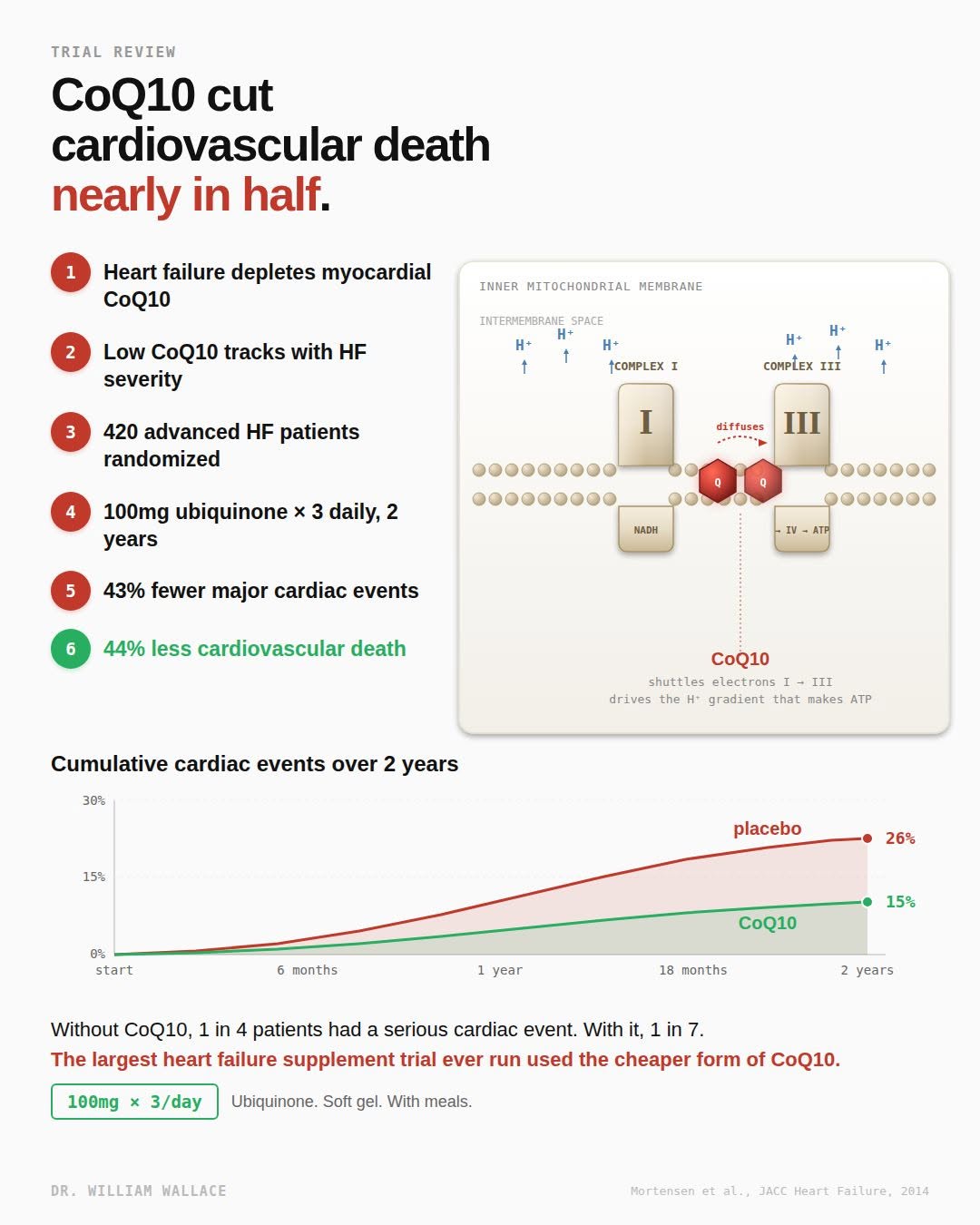
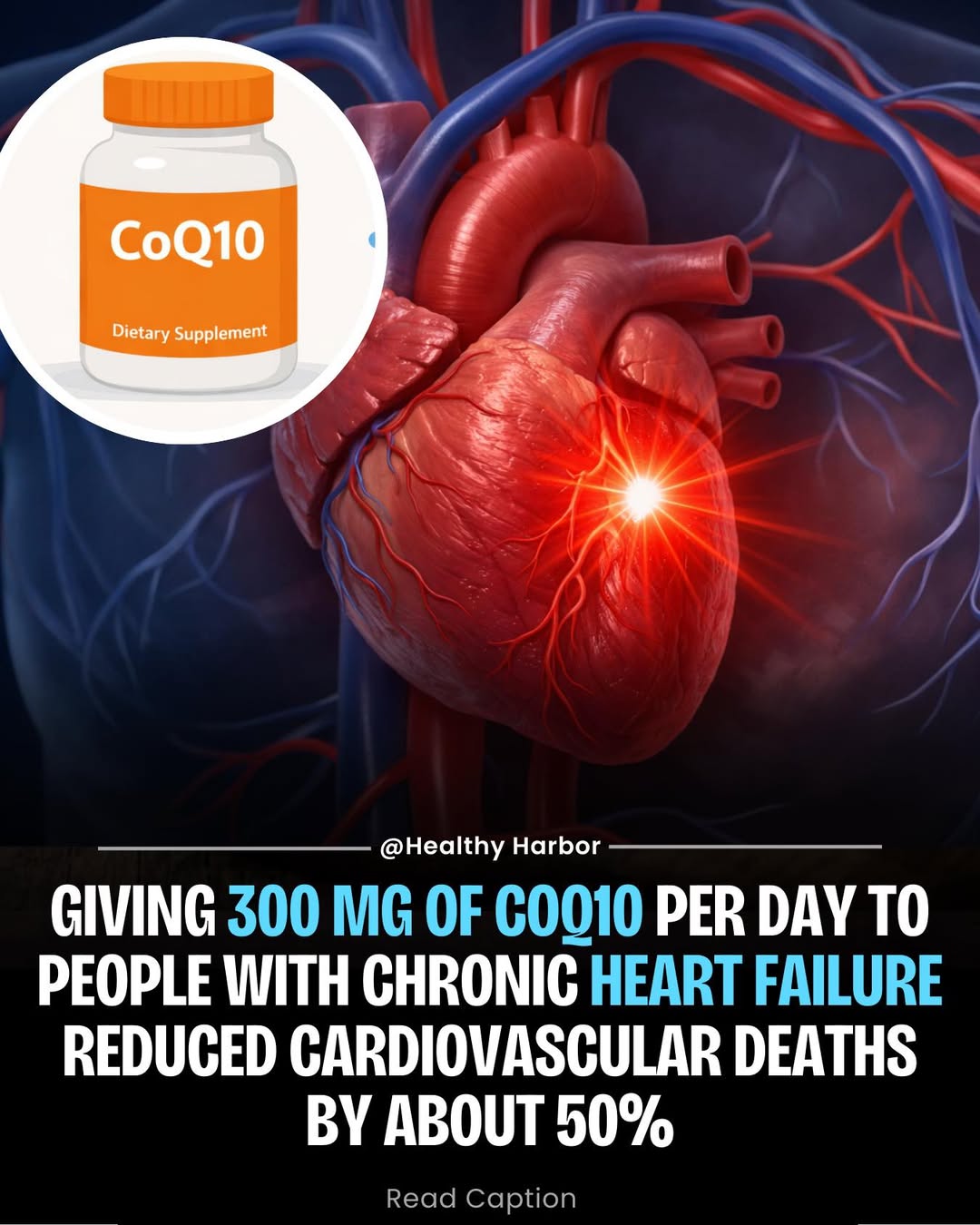
Q-SYMBIO: CoQ10 cut cardiovascular death in heart failure patients

Apr 18, 2026 · Louis Nervegna ♥ 36 · 💬 15

A shared summary of the Q-SYMBIO RCT (JACC: Heart Failure, 2014; 420 patients with moderate to severe heart failure given 100 mg ubiquinone three times daily for two years vs placebo). Louis states it cut cardiovascular death roughly in half and calls CoQ10 the best-supported supplement for this purpose in heart failure.

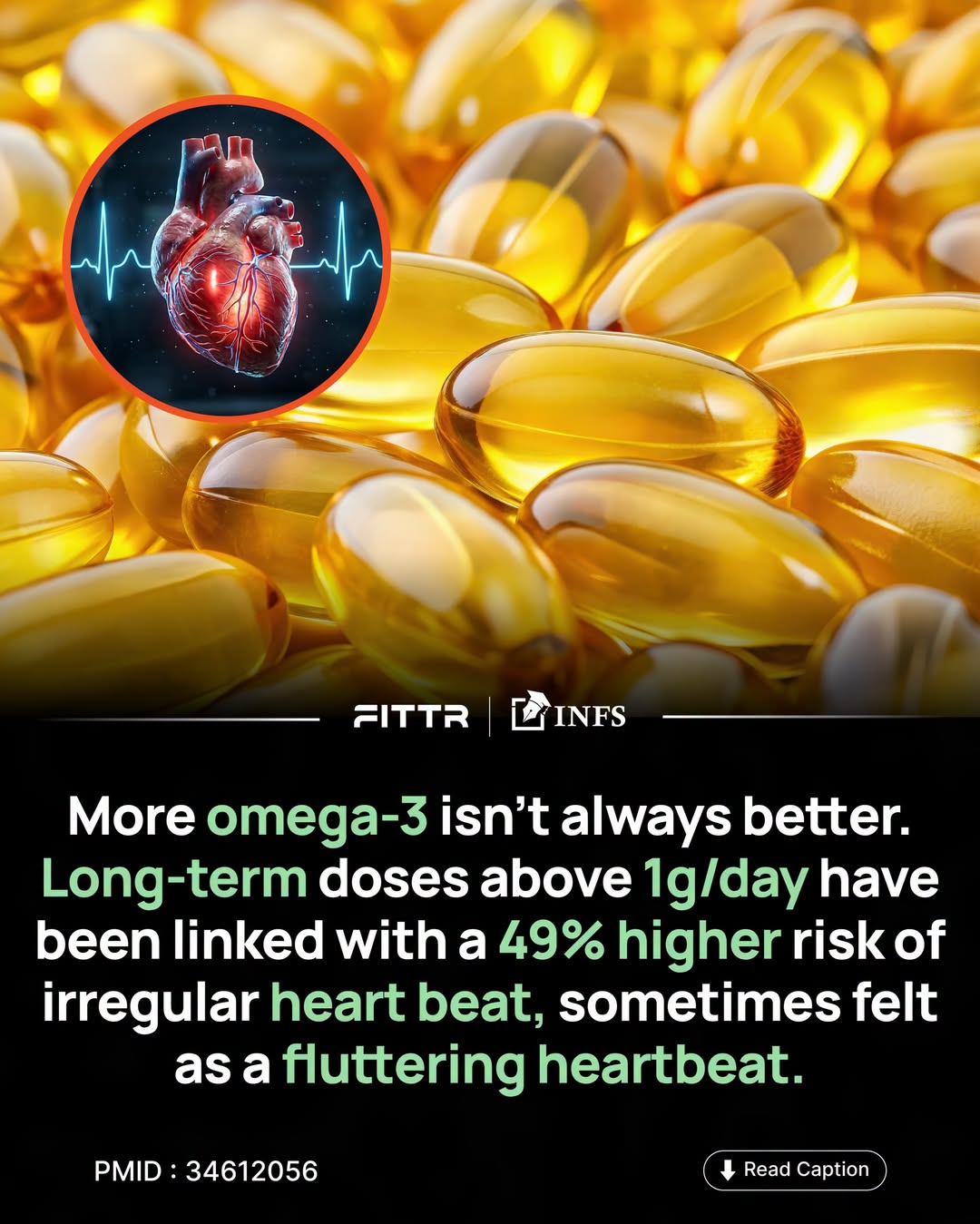
High-dose omega-3 raises AFib risk in high-CVD-risk people, not at low doses (2026)

Sep 16, 2026 · Louis Nervegna ♥ 18 · 💬 12

Louis warns that the atrial fibrillation risk from high-dose omega-3 is real. A 2021 meta-analysis of 7 RCTs (81,210 people) found higher AF risk, and a 2026 meta-analysis of 35 RCTs (114,592 people) confirmed it at higher doses in people at high CVD risk, but not in those without high risk, and not at low doses in either group.

Two years of structured exercise reversed up to 20 years of heart aging at age 50

Mar 18, 2025 · Louis Nervegna ♥ 25 · 💬 8 Exercise & fitness

Louis reshares a FoundMyFitness description of Dr. Benjamin Levine's trial, in which sedentary 50-year-olds who trained 5-6 hours per week for two years made their hearts structurally younger, more like a 30-year-old's. The protocol combined Norwegian 4x4 intervals, recovery aerobics, long endurance sessions and twice-weekly strength training.

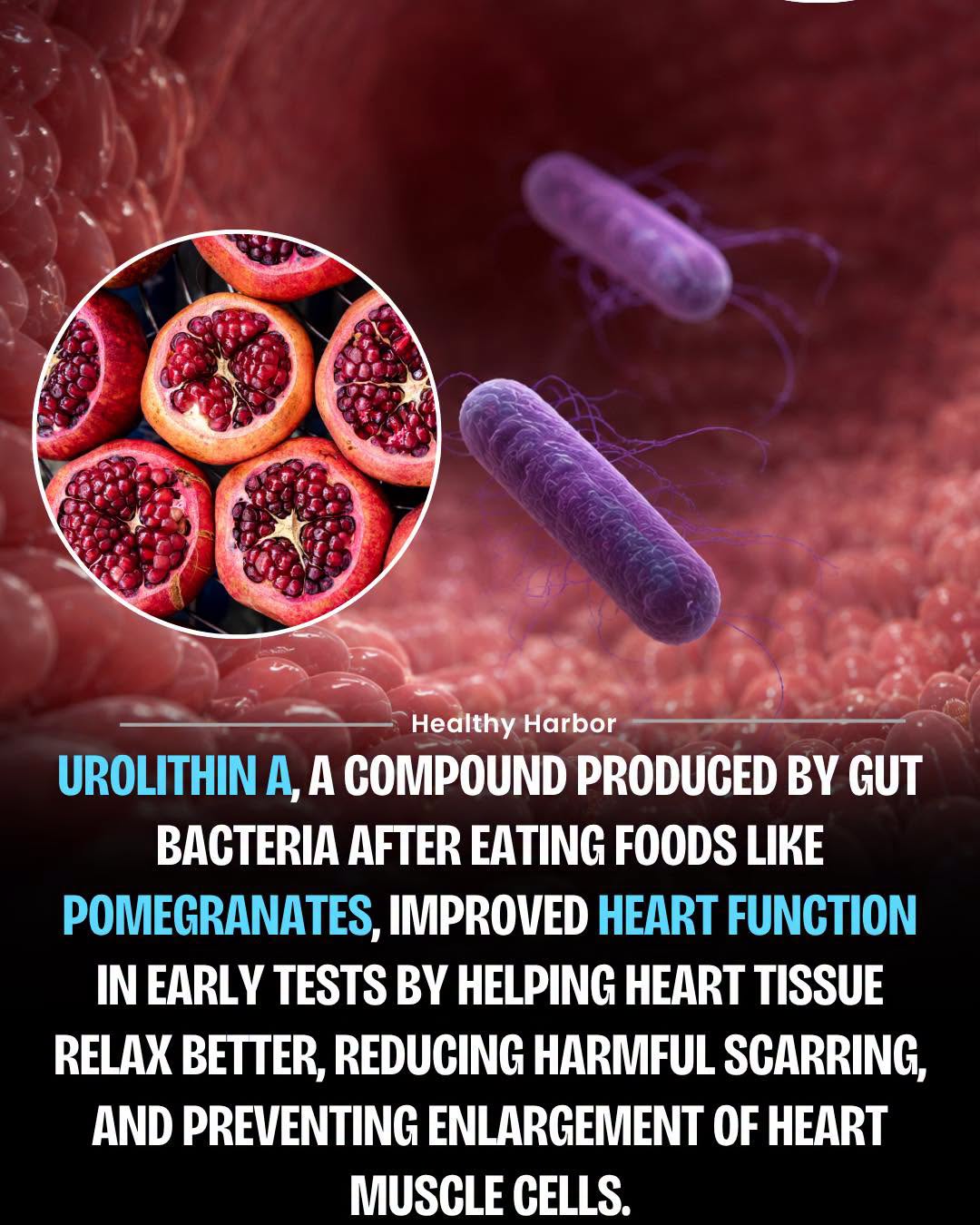
Urolithin A improved heart function up to 80% in mouse models of stiff-heart failure

Sep 30, 2026 · Louis Nervegna ♥ 20 · 💬 13

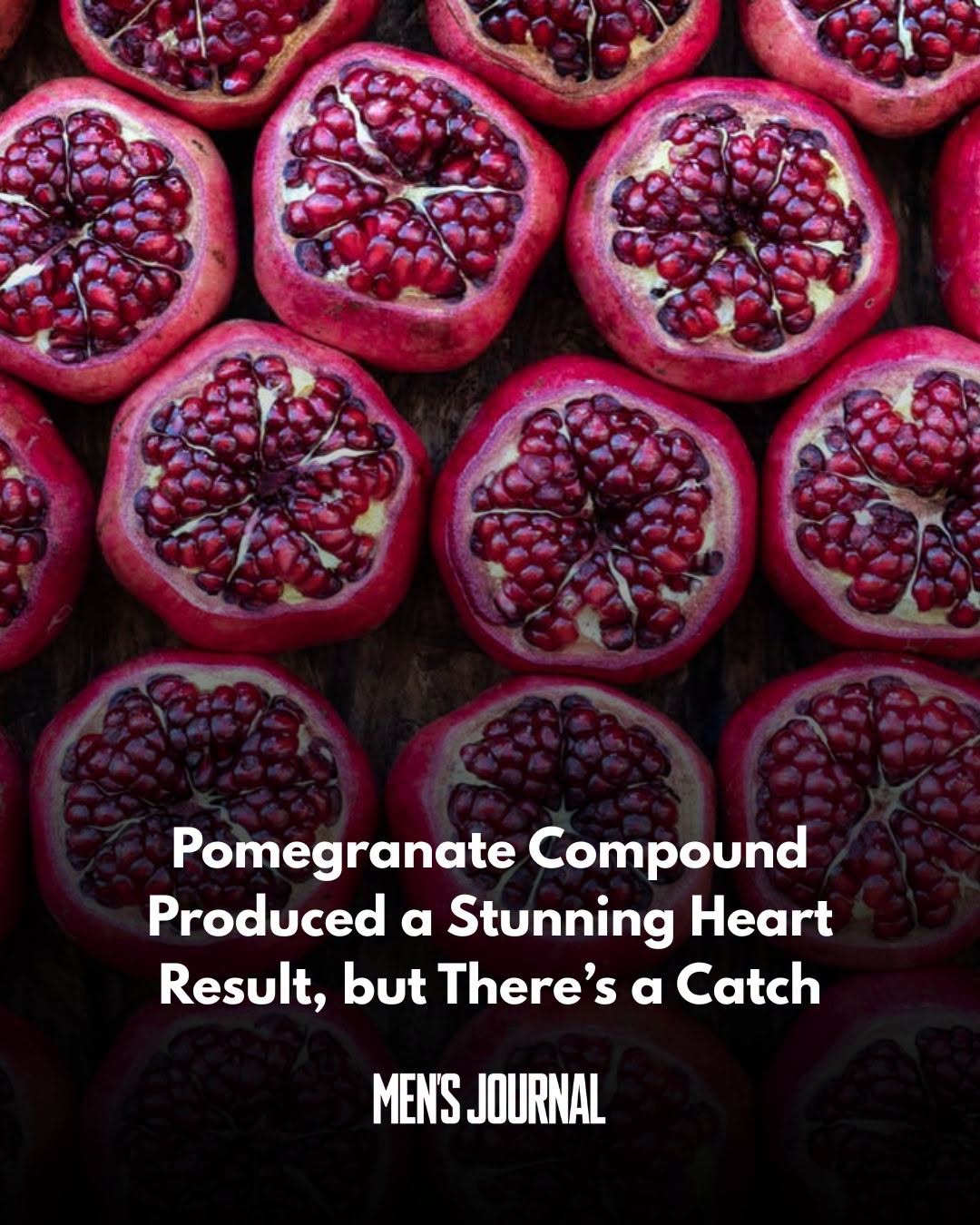
A newly published mouse study strengthens the preclinical case that urolithin A, a compound made from pomegranates, walnuts and some berries, helps stiff heart tissue relax in a hard-to-treat form of heart failure. It improved heart function measures by up to 80% in animal models; human data are lacking.

Urolithin A, a pomegranate gut metabolite, improved HFpEF in mice and human heart tissue

Aug 20, 2026 · Louis Nervegna ♥ 20 · 💬 9

A Science Advances study from King's College London found that urolithin A activates the heart-protective protein PKGIα at cysteine 42, improving heart relaxation, fibrosis and exercise activity in mice with HFpEF and relaxing engineered human heart tissue. About half of people produce urolithin A from pomegranate; human trials are lacking, so benefit for patients is unproven.

Exercise lowers cardiac risk, though extreme endurance exercise ties to AFib

Jun 28, 2024 · Louis Nervegna ♥ 9 · 💬 18 Exercise & fitness

A cardiologist quote shared from a sports medicine institute: exercise generally lowers cardiac event risk, while extreme long-duration exercise such as marathons or triathlons is associated with atrial fibrillation. Even so, exercise still benefits blood pressure, cholesterol and diabetes risk and lowers overall death risk.

ACC/ESC consensus statement on abnormal cardiovascular findings in masters athletes

Apr 06, 2026 · Louis Nervegna ♥ 10 · 💬 14 ↩ 1 Exercise & fitness

Louis highlights a new joint EAPC/ESC and ACC clinical consensus statement offering guidance for long-term high-volume exercisers over 35-40, covering atrial fibrillation, arrhythmias, coronary atherosclerosis, aortic dilatation, myocardial fibrosis and exercise-induced arrhythmogenic cardiomyopathy. Notes that very high exercise volumes over years may have cardiovascular downsides.

Rapid heartbeat is most often AFib, but coronary blockage is another common cause

Mar 09, 2025 · Louis Nervegna ♥ 7 · 💬 13

Louis shares Mayo Clinic and Cleveland Clinic information that atrial fibrillation is the most common type of tachycardia and that ischemic heart disease from atherosclerotic blockages is the most common cause of ventricular tachycardia. He advises seeing a cardiologist promptly if these symptoms occur.

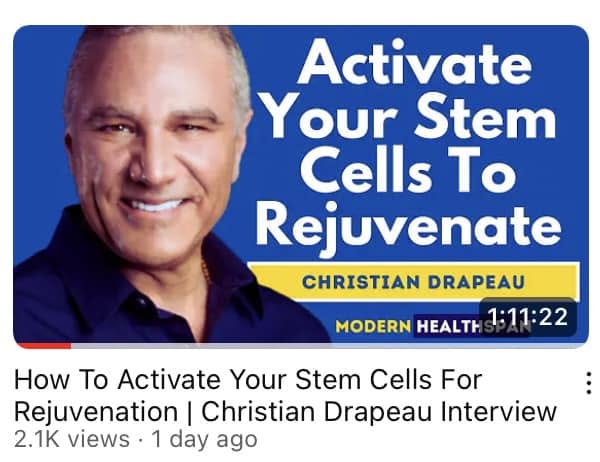
Botanical stem-cell mobilizer reportedly normalized heart function in 10 HF patients

Aug 08, 2024 · Louis Nervegna ♥ 10 · 💬 13

The poster describes a small trial of a botanical blend said to stimulate bone marrow to release stem cells, with an interview claim that all 10 congestive heart failure patients returned to normal heart function after 6 months. The poster flags this as promising but unverified; it rests on an interview claim, not published data.

Mitoquinone (MitoQ) may reverse early heart failure signs in type 2 diabetes

Jun 07, 2025 · Louis Nervegna ♥ 20 · 💬 3

A Medical Xpress news item reports that mitoquinone, an improved form of CoQ10, showed potential to reverse early signs of heart failure in people with type 2 diabetes, improving cardiac energy efficiency and relaxation without major side effects. Larger trials are planned to confirm the result.

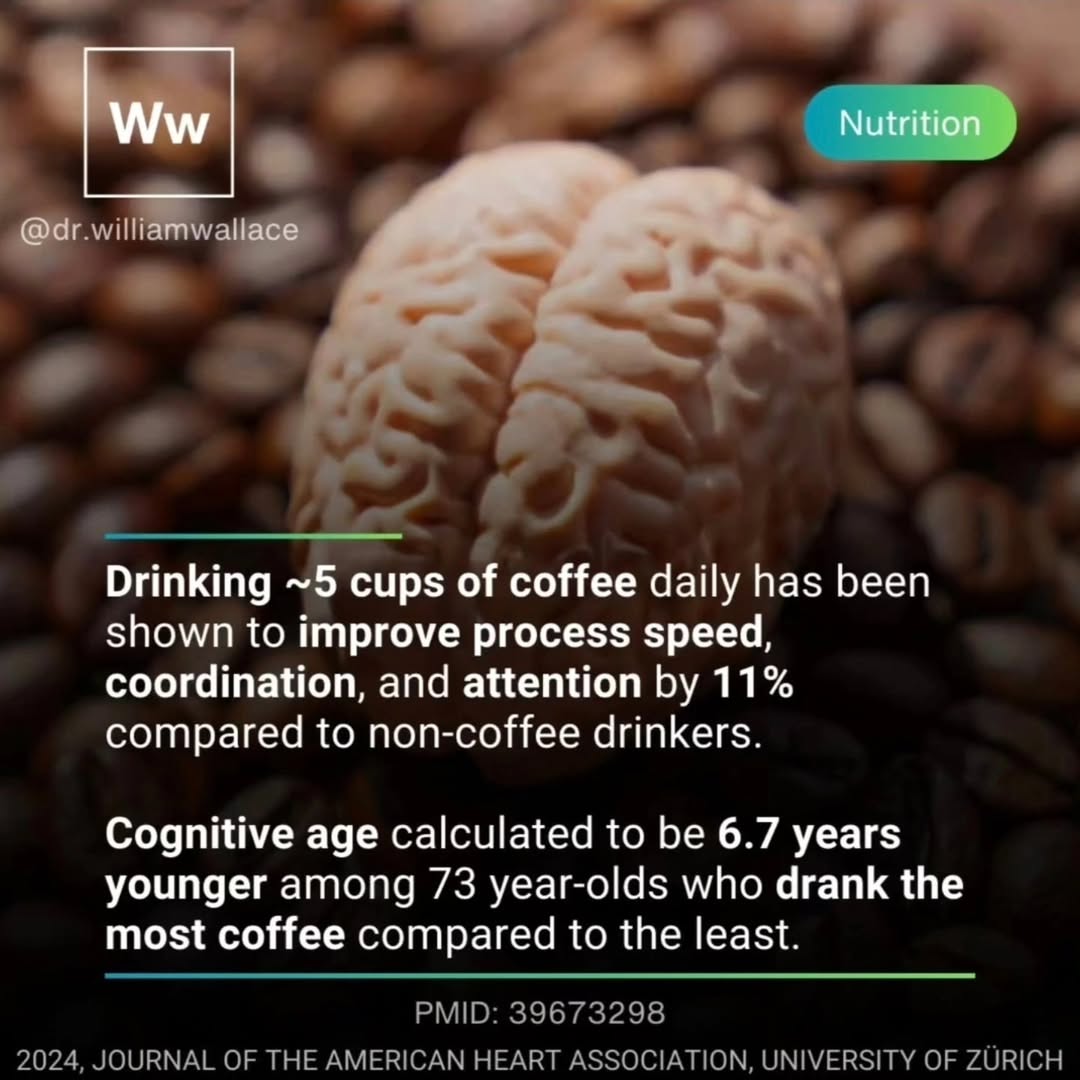
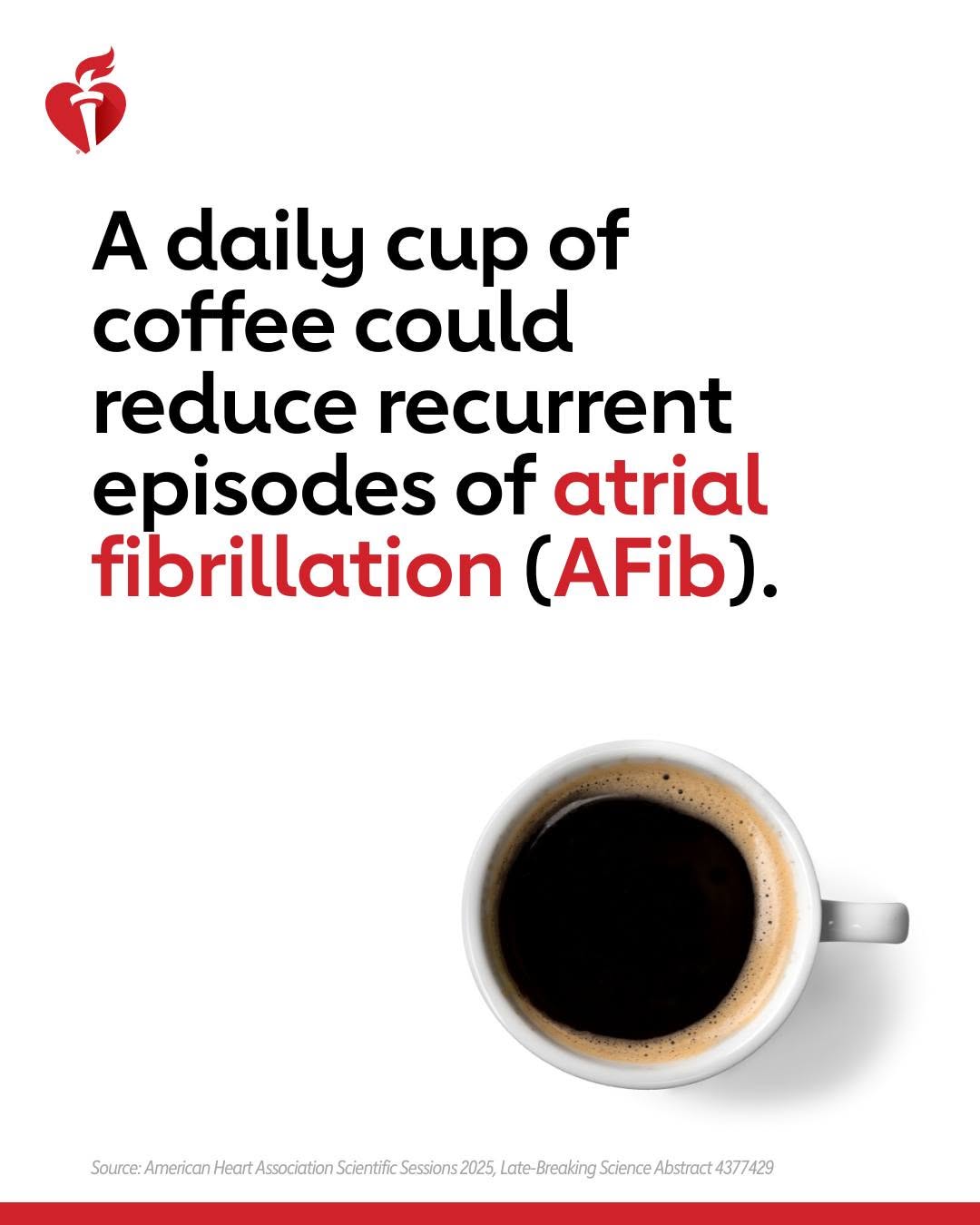
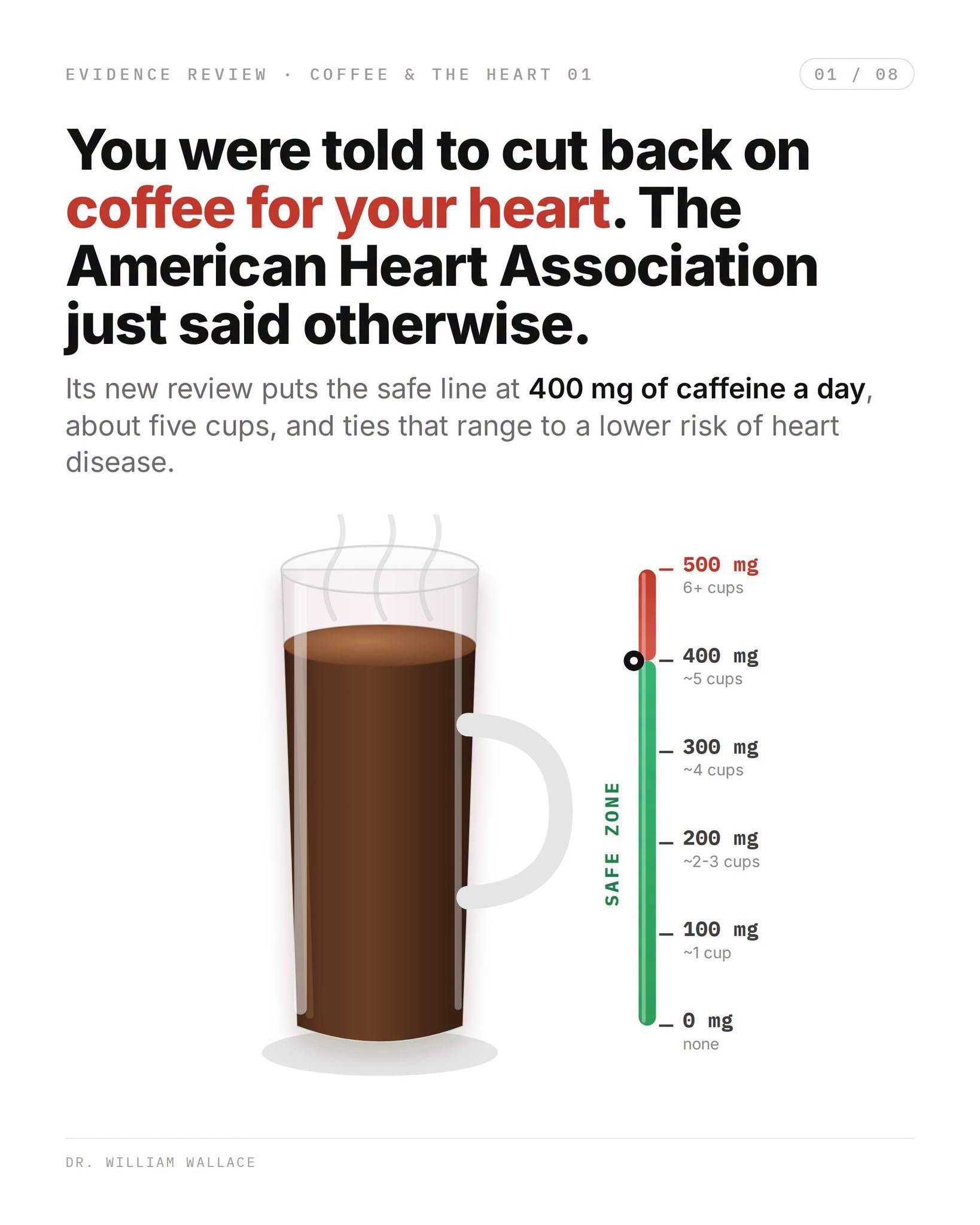
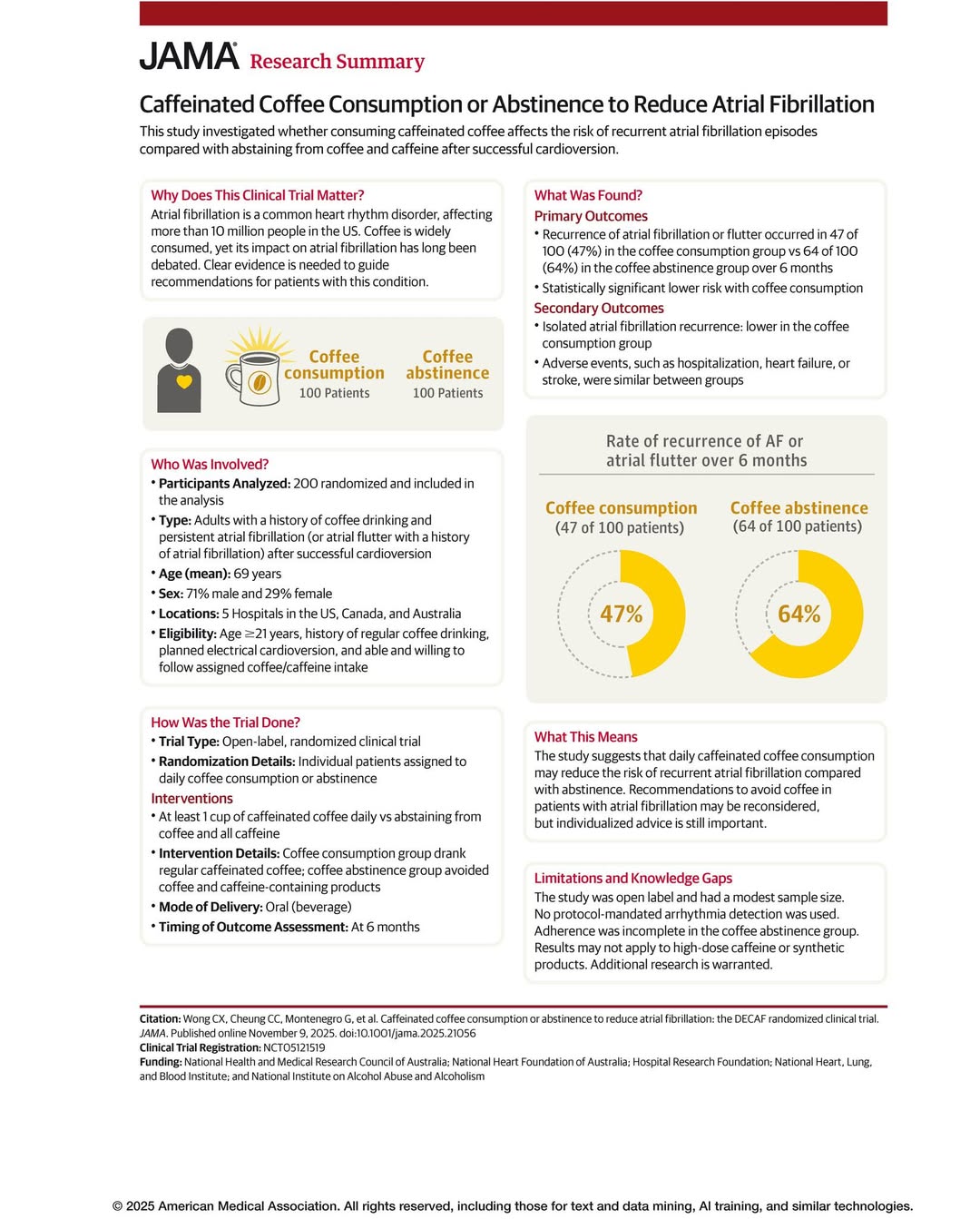
AHA: coffee drinkers with treated AFib were 39% less likely to have a recurrence

Nov 09, 2025 · Louis Nervegna ♥ 11 · 💬 3

The American Heart Association summarizes the DECAF trial: adults treated for AFib who drank at least one cup of coffee daily for 6 months had 39% fewer recurrences than those who abstained. The 200-person trial was published in JAMA, though some people still find caffeine triggers AFib symptoms.

Two FDA-approved antibiotics induced heart regeneration in mice and pigs after ischemia

Mar 21, 2024 · Louis Nervegna ♥ 22 · 💬 1

Louis shares news that two FDA-approved antibiotics, paromomycin and neomycin, were identified in Hesham Sadek's lab at UT Southwestern as inducing cardiomyocyte proliferation. In adult mice and in pigs after cardiac ischemia/reperfusion injury, the combination improved left ventricular systolic function and decreased scar formation. This is preclinical animal work.

Anabolic steroid users had 3x heart attack and 8.9x cardiomyopathy risk (Circulation)

Mar 15, 2025 · Louis Nervegna ♥ 4 · 💬 5 Hormones, women's & men's health

Louis notes that excess exogenous testosterone is also an anabolic steroid and shares Luigi Fontana's summary of a Circulation study comparing 1,189 anabolic androgenic steroid users with 59,450 controls over 11 years. Users had several-fold higher risks of heart attack, revascularization, clots, arrhythmias, cardiomyopathy and heart failure.

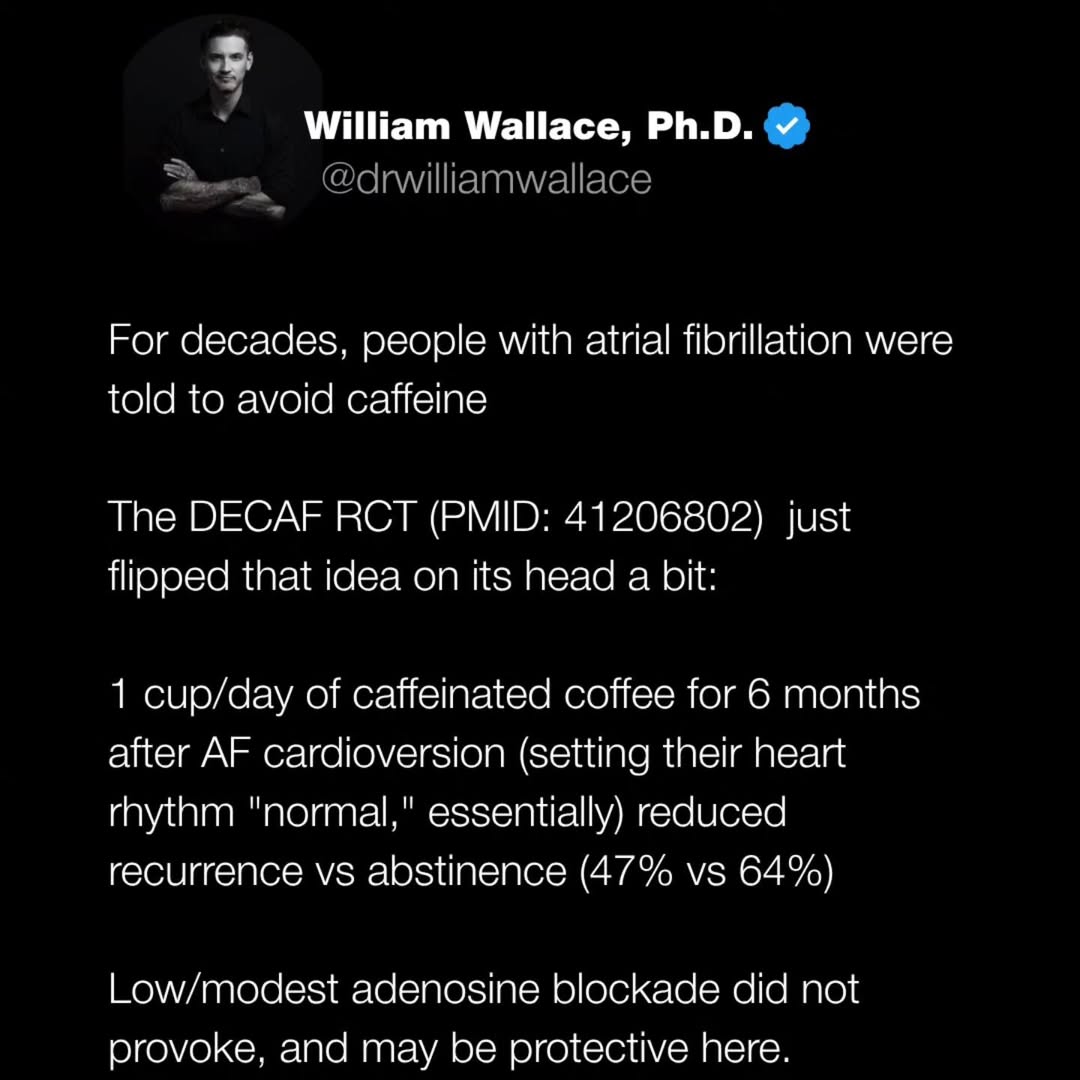
DECAF trial: continuing coffee cut AF recurrence after cardioversion, 47% vs 64%

Nov 11, 2025 · Louis Nervegna ♥ 7 · 💬 2

A shared summary of the DECAF randomized trial in 200 habitual coffee drinkers with persistent atrial fibrillation or flutter after cardioversion. Those who kept drinking caffeinated coffee had fewer recurrences over 6 months than those who abstained, with no safety concerns, though the result does not justify starting coffee.

Rapamycin for 8 weeks improved diastolic and endothelial function in six older men

Oct 31, 2025 · Gokhan Can ♥ 7 · 💬 2 Aging & longevity

Summarises a proof-of-concept open-label pilot in six healthy men aged 70-76 taking rapamycin 1 mg daily for 8 weeks. It was safe and well tolerated; systolic function was unchanged but cardiac MRI showed better diastolic function (peak filling rate p=0.014) and endothelial function improved (p=0.020). Very small and uncontrolled; larger placebo-controlled trials are needed.
PREDIMED showed olive oil lowers atrial fibrillation risk (video)

Feb 11, 2024 · Louis Nervegna ♥ 13 · 💬 1 ↩ 7

Louis shares a 7-minute video explaining that the PREDIMED randomized trial of a Mediterranean diet with extra virgin olive oil showed a lower risk of atrial fibrillation, a major cause of stroke. The post does not give effect sizes.

Stem-cell heart patch (BioVAT) raised ejection fraction at 3 months in phase 1-2 trial

Jun 20, 2026 · Louis Nervegna ♥ 6 · 💬 1

Louis shares a NEJM interim report of a phase 1-2 trial in which stem-cell-derived engineered tissue was placed on the surface of failing human hearts. At 3 months it was associated with thicker target heart wall, higher ejection fraction and better quality-of-life scores, though every patient had at least one adverse event and longer follow-up is needed.

Dapagliflozin linked to lower heart failure risk in carriers of cardiomyopathy variants

Jun 13, 2026 · Louis Nervegna ♥ 5 · 💬 1

Louis shares a Nature Medicine study of over 12,000 adults with type 2 diabetes in which dapagliflozin was associated with significantly lower heart failure risk in those carrying inherited cardiomyopathy-related variants. Fox News describes an 8-fold reduction in heart failure hospitalization, and suggests genetic screening could eventually guide early treatment.

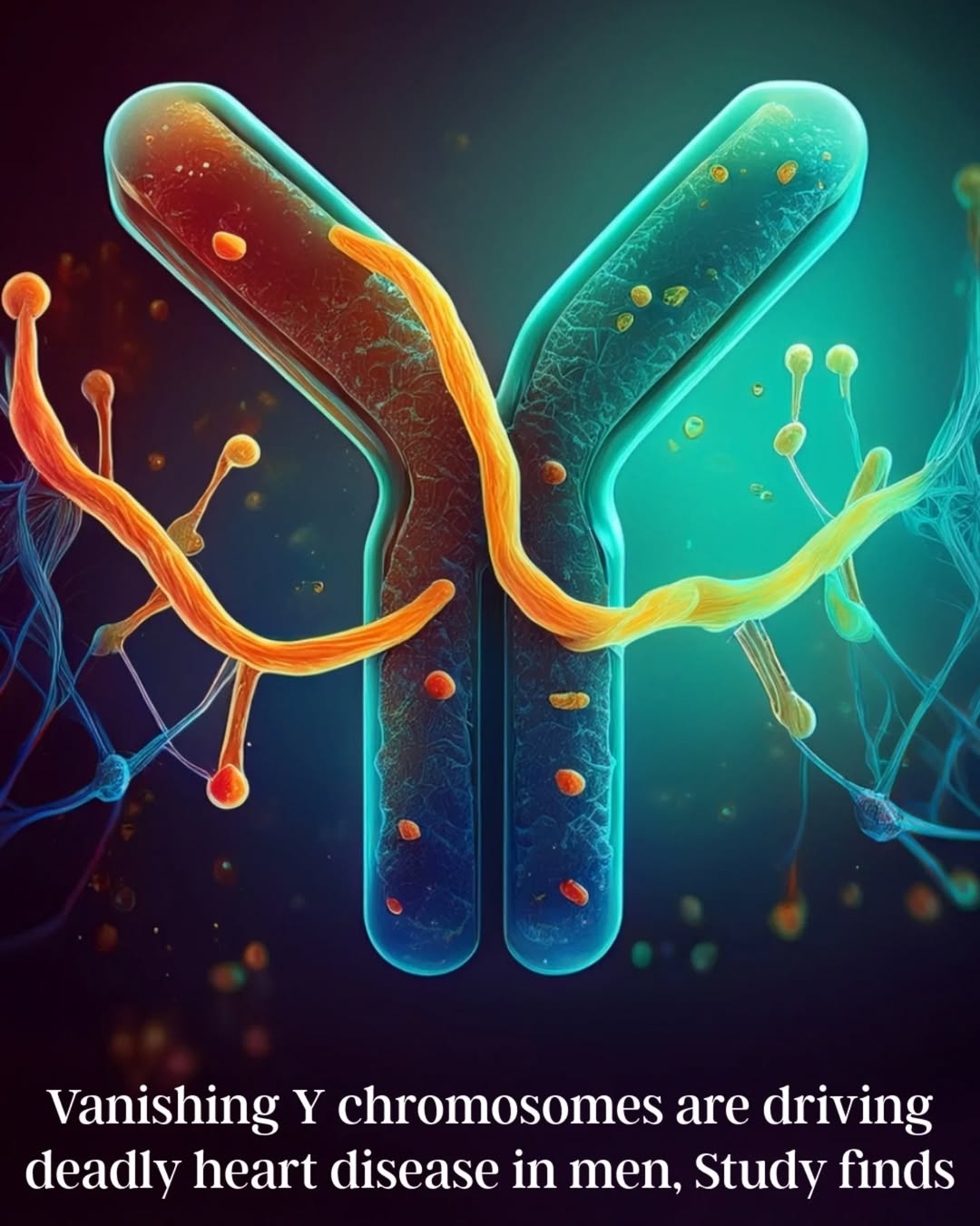
Loss of the Y chromosome in blood cells may drive heart failure in men

Sep 09, 2025 · Louis Nervegna ♥ 5 · 💬 1

Louis links a University of Virginia report on a study suggesting that Y chromosome loss in blood cells, a form of clonal hematopoiesis, impairs immune cells and causes chronic inflammation and tissue damage in the heart. It may help explain why heart disease is a leading cause of death in men.

HCM, athlete's heart and LVH look alike on imaging but differ greatly in risk

Apr 03, 2024 · Louis Nervegna ♥ 4 · 💬 1 ↩ 1

Louis explains HCM, athlete's heart and left ventricular hypertrophy (LVH) can look alike on EKG or ultrasound. HCM is usually genetic and serious, potentially causing sudden cardiac arrest; athlete's heart follows long-term intense exercise and is usually benign; LVH is usually due to uncontrolled hypertension or aortic stenosis. A person can have both HCM and athlete's heart.

Urolithin A looks promising for heart failure in animals but is untested in humans

Sep 14, 2026 · Louis Nervegna ♥ 2 · 💬 2

Louis says urolithin A is a compound to watch for heart failure based on animal evidence, but it has not been properly tested in humans with the condition. Small human trials in healthy people suggest improved muscle function and exercise capacity; the shared post mentions 500-1,000 mg daily and mitophagy effects.

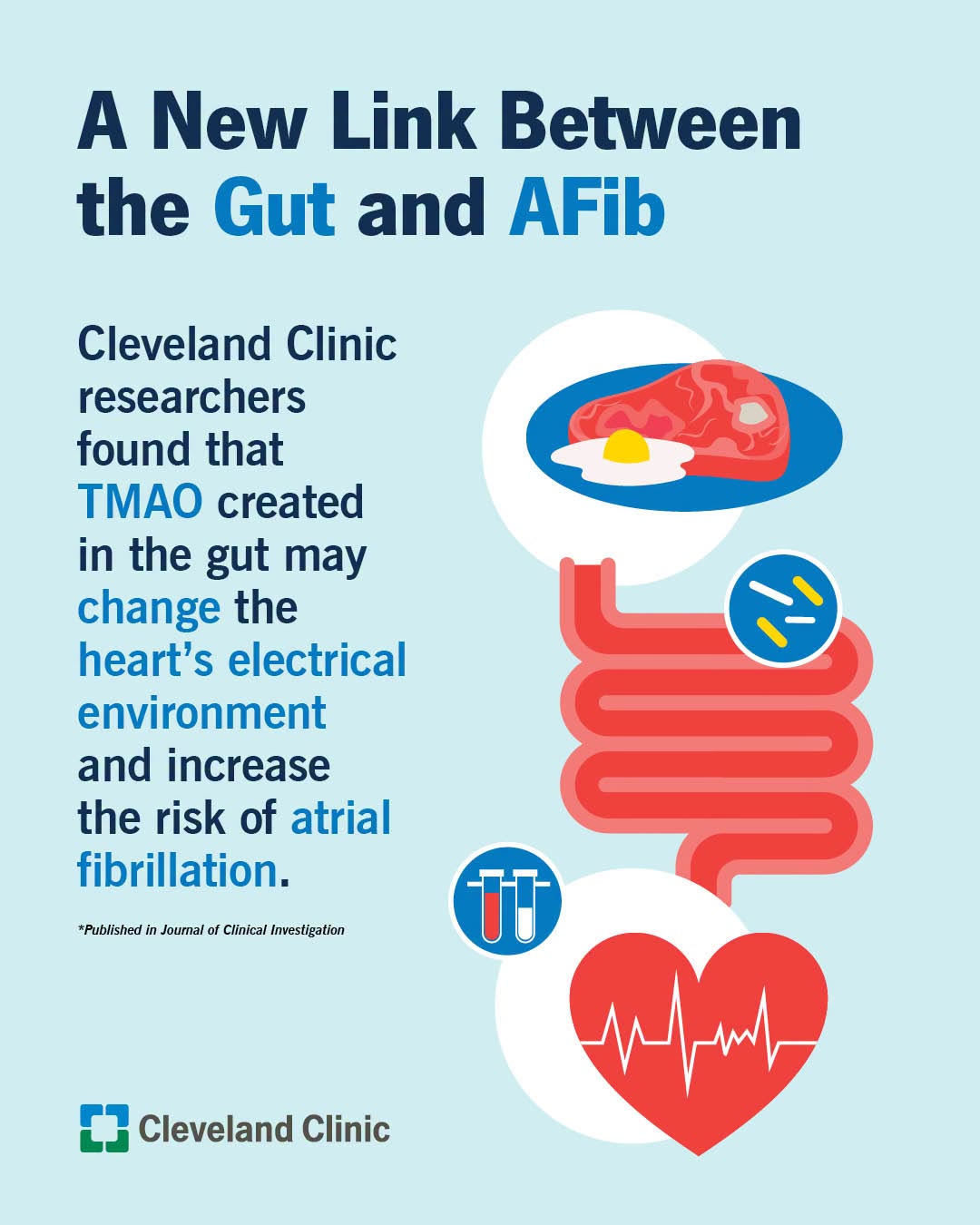
Cleveland Clinic links gut-bacteria byproduct TMAO to atrial fibrillation risk

Jul 24, 2026 · Louis Nervegna ♥ 2 · 💬 1 ↩ 2

Cleveland Clinic researchers analyzed blood samples from over 5,000 people undergoing heart procedures and found TMAO, made by gut bacteria from nutrients in red meat and other animal products, was linked to higher AFib risk. Cell experiments suggested TMAO may alter the heart's electrical environment. Louis frames it as TMAO possibly raising AFib risk.

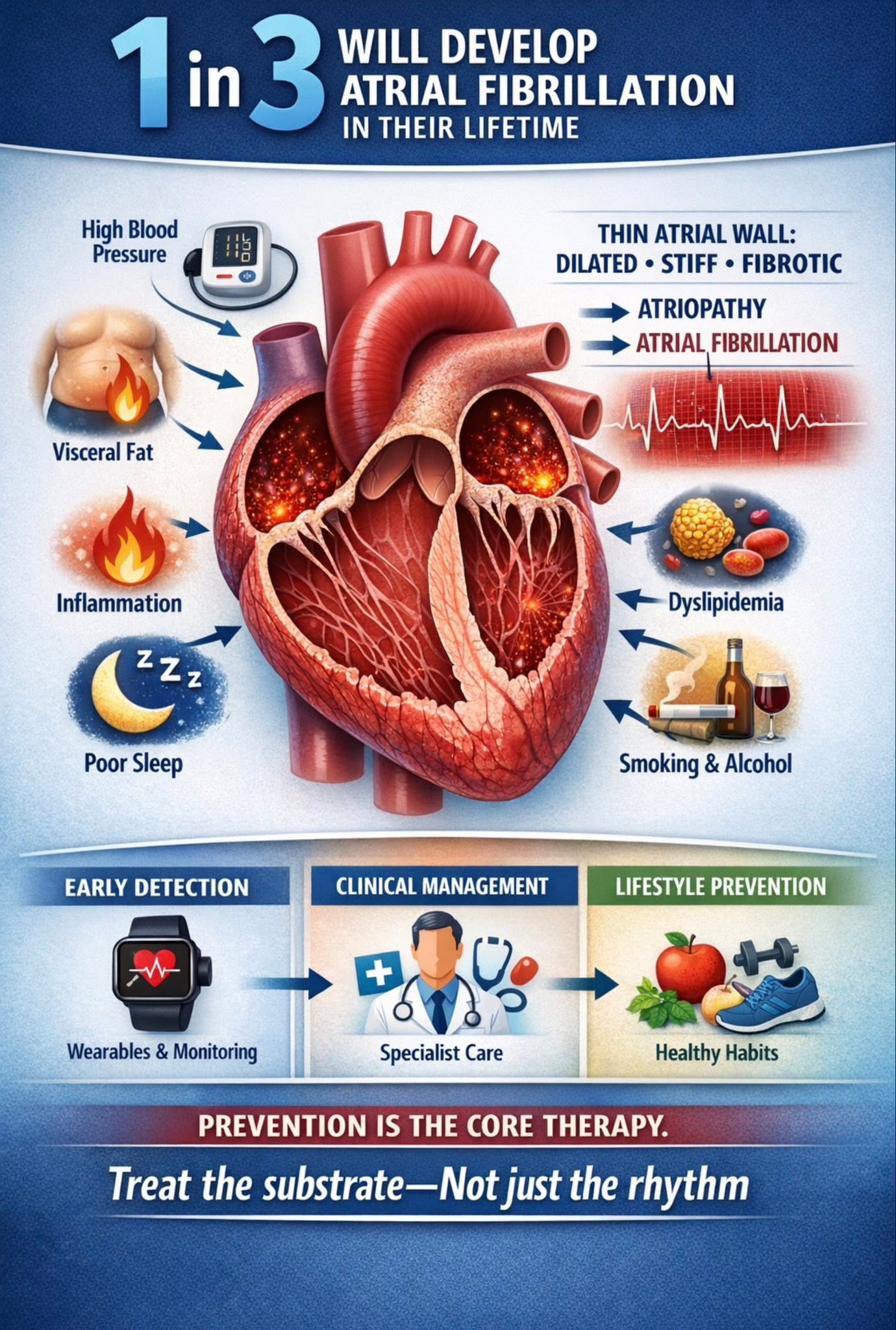
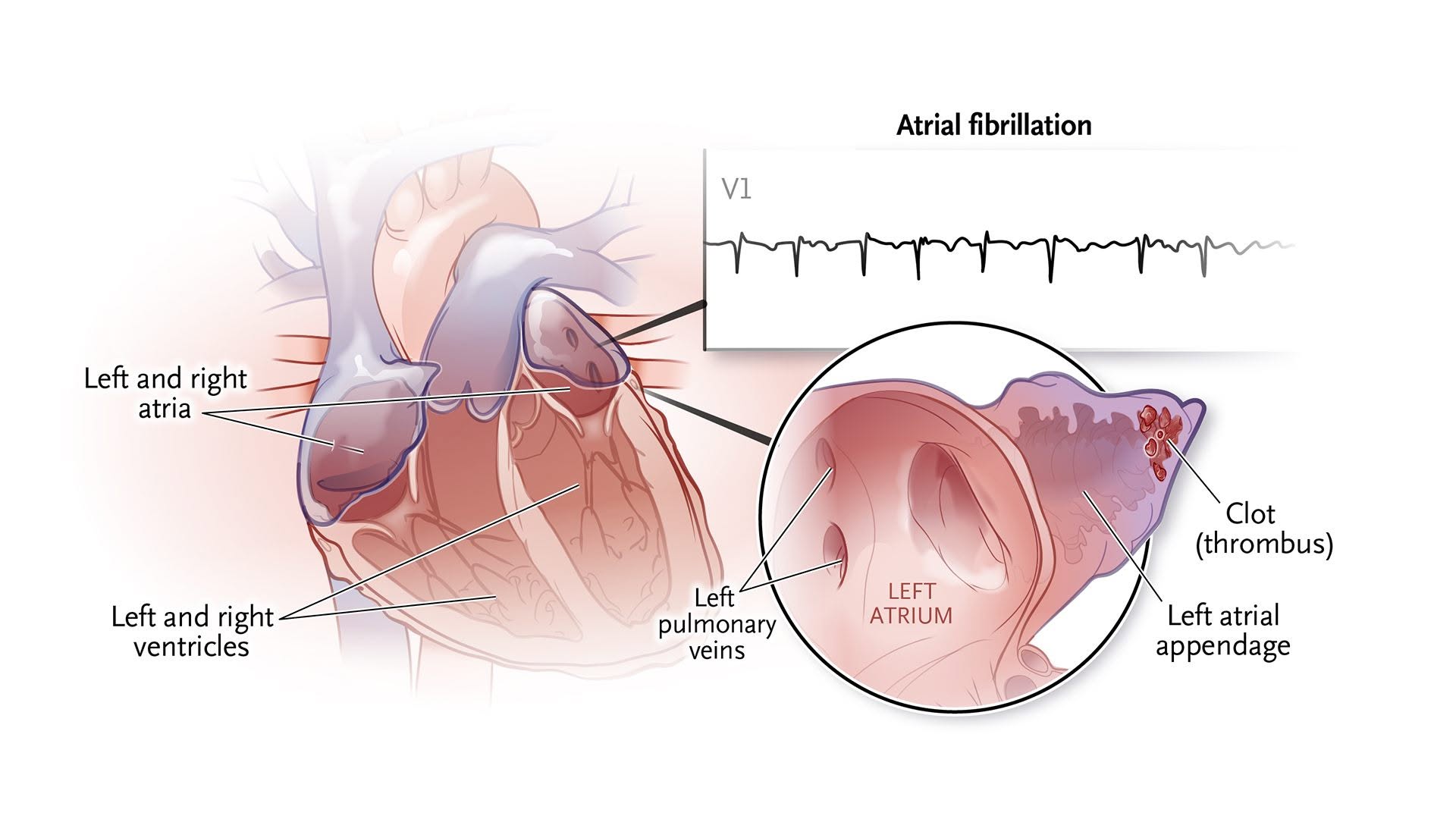
Atrial fibrillation overview shared from NEJM

Jan 25, 2025 · Louis Nervegna ♥ 3 · 💬 1

A shared NEJM explainer describes atrial fibrillation as an irregular, rapid rhythm of the upper heart chambers that can cause clots in the left atrial appendage and stroke. It lists typical symptoms and the main treatments: rate and rhythm control, catheter ablation and anticoagulants.

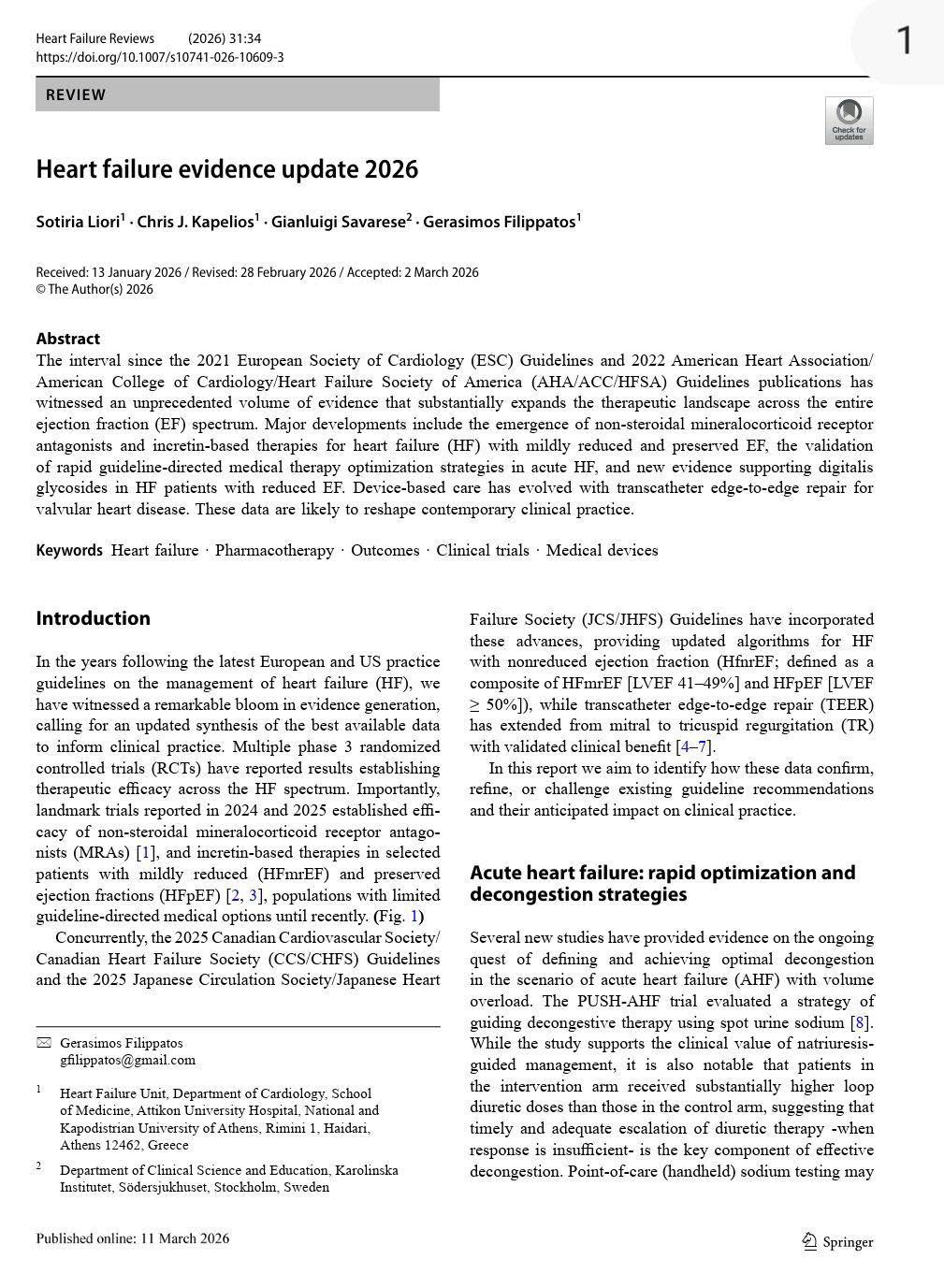
Heart failure in 2026: SGLT2 inhibitors foundational, HFpEF now treatable, early GDMT

Mar 29, 2026 · Louis Nervegna ♥ 4

A Cardiophilia summary of the latest heart failure evidence update lists several shifts: SGLT2 inhibitors are foundational across the ejection fraction spectrum, HFpEF now has options (finerenone, GLP-1 and incretin therapies), guideline therapy starts in-hospital, decongestion becomes guided by urine sodium, and devices are integrated into care.

Statins may lower cardiac embolism risk via pleiotropic effects; anticoagulants lead

Oct 24, 2026 · Louis Nervegna ♥ 2 · 💬 1 Statins

A quoted explainer says statins may reduce cardioembolic stroke risk via anti-inflammatory and endothelial effects, and preclinical data suggest protection against adverse heart remodeling. Anticoagulants remain the main defense in AFib, and clinical evidence on structural benefits is mixed. No specific studies are named.

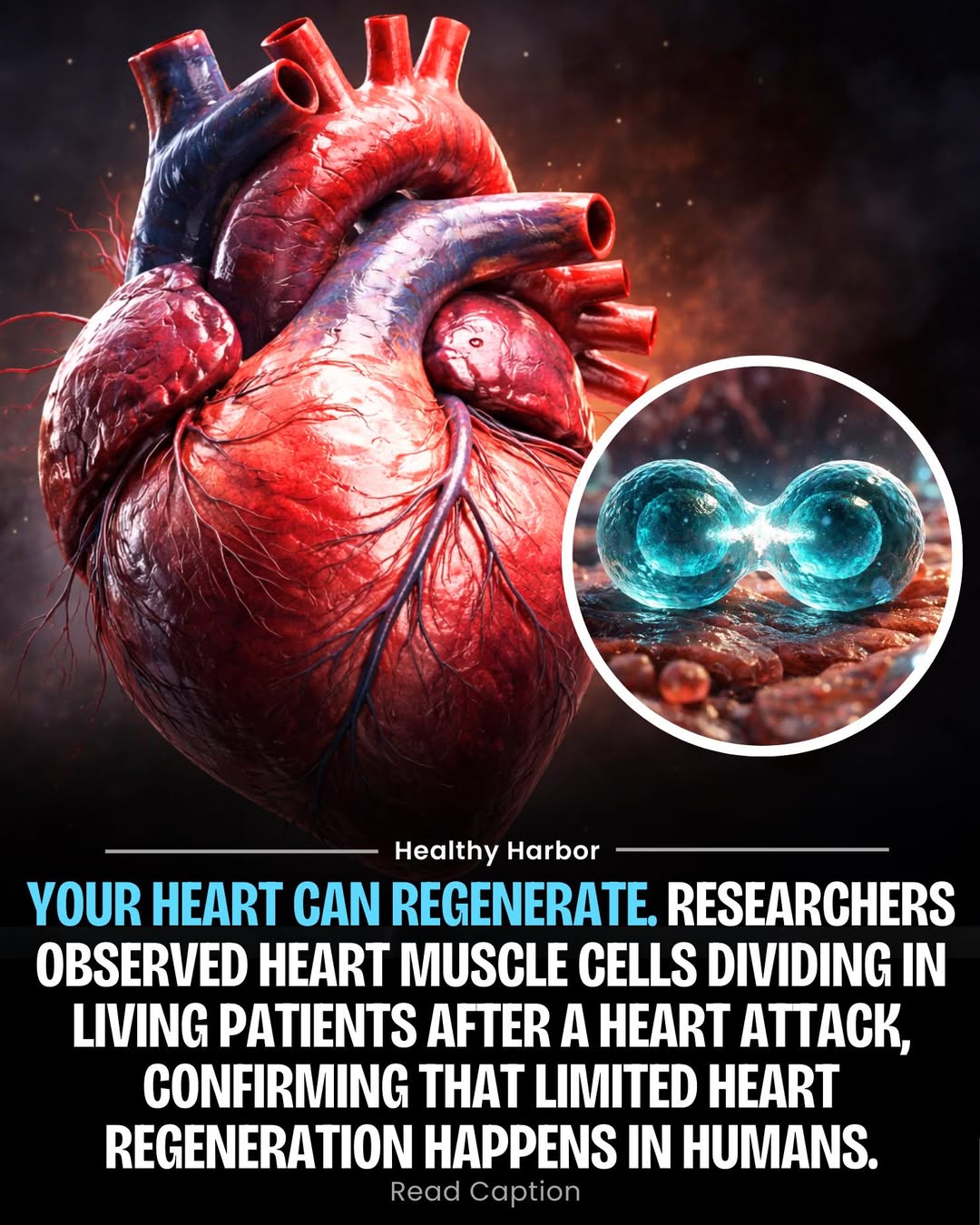
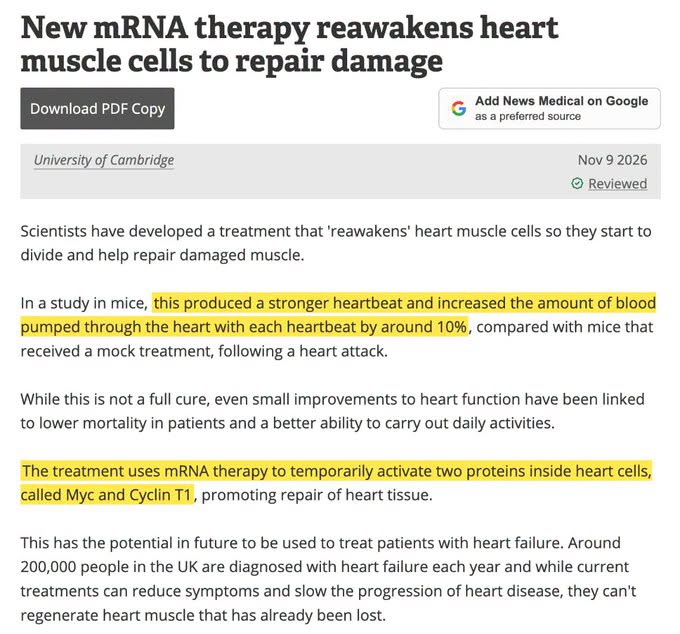
mRNA-driven Myc and Cyclin T1 restarted heart muscle cell division after heart attack

Nov 14, 2026 · Louis Nervegna ♥ 2

Louis shares a summary of a Nature Cardiovascular Research study from Cambridge using temporary modified mRNA to activate Myc and Cyclin T1 in heart muscle cells so mature cardiomyocytes re-enter division. The aim is to regenerate heart tissue after a heart attack instead of leaving scar tissue and chronic heart failure. This is early-stage regeneration research.

Review: amyloid-beta may cross a leaky blood-brain barrier and promote heart failure

Oct 31, 2026 · Louis Nervegna ♥ 3

A shared Frontiers in Medicine review argues that the amyloid protein that accumulates in Alzheimer's brains can cross a leaky blood-brain barrier, accumulate in the heart and help drive heart failure, linking brain and cardiac disease. It is a hypothesis-generating review rather than outcome evidence.