The VITACOG study (2004–2009) was a landmark randomized, placebo-controlled trial conducted by the University of Oxford. It investigated whether high-dose B vitamin supplementation (folate, B6, B12) could slow the rate of brain atrophy and cognitive decline in elderly individuals with Mild Cognitive Impairment (MCI).
Links to full study:
Paper · PLoS One · 2010Homocysteine-lowering by B vitamins slows the rate of accelerated brain atrophy in mild cognitive impairment: a randomized controlled trial.Conclusion: The accelerated rate of brain atrophy in elderly with mild cognitive impairment can be slowed by treatment with homocysteine-lowering B vitamins. Sixteen percent of those over 70 y old have mild cognitive impairment and half of these develop Alzheimer's disease. Since accelerated brain atrophy is a characteristic of subjects with mild cognitive impairment who convert to Alzheimer's disease, trials are neejournals.plos.org Paper · Int J Geriat Psychiatry · 2012Cognitive and clinical outcomes of homocysteine‐lowering B‐vitamin treatment in mild cognitive impairment: a randomized controlled trialBackground Homocysteine is a risk factor for Alzheimer's disease. In the first report on the VITACOG trial, we showed that homocysteine‐lowering treatment with B vitamins slows the rate of brain atrophy in mild cognitive impairment (MCI). Here we report the effect of B vitamins on cognitive and clinical decline (secondary outcomes) in the same study. Methods This was a double‐blind, single‐centre study, which…onlinelibrary.wiley.comKey Findings
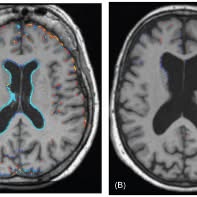
Brain Atrophy Reduction: The study found that B vitamin treatment (folic acid, B6, and B12) reduced the rate of brain shrinkage by an average of 30% over two years.
Targeted Protection: In participants with high baseline homocysteine levels, the reduction in atrophy was even more significant, reaching up to 53%.
Synergy with Omega-3: Later analyses revealed that B vitamins were only effective in slowing brain atrophy and cognitive decline in participants who also had high blood levels of Omega-3 fatty acids (EPA and DHA):
Paper · Am J Clin Nutr · 2015Brain atrophy in cognitively impaired elderly: the importance of long-chain ω-3 fatty acids and B vitamin status in a randomized controlled trial.Conclusion: The beneficial effect of B vitamin treatment on brain atrophy was observed only in subjects with high plasma ω-3 fatty acids. It is also suggested that the beneficial effect of ω-3 fatty acids on brain atrophy may be confined to subjects with good B vitamin status. The results highlight the importance of identifying subgroups likely to benefit in clinical trials. This trial was registered at…pubmed.ncbi.nlm.nih.gov library.fabresearch.orgLink to library.fabresearch.orglibrary.fabresearch.orgCognitive Performance: Treatment stabilized executive function and improved global cognition and memory in those with elevated homocysteine.
Mechanisms & Recent Insights
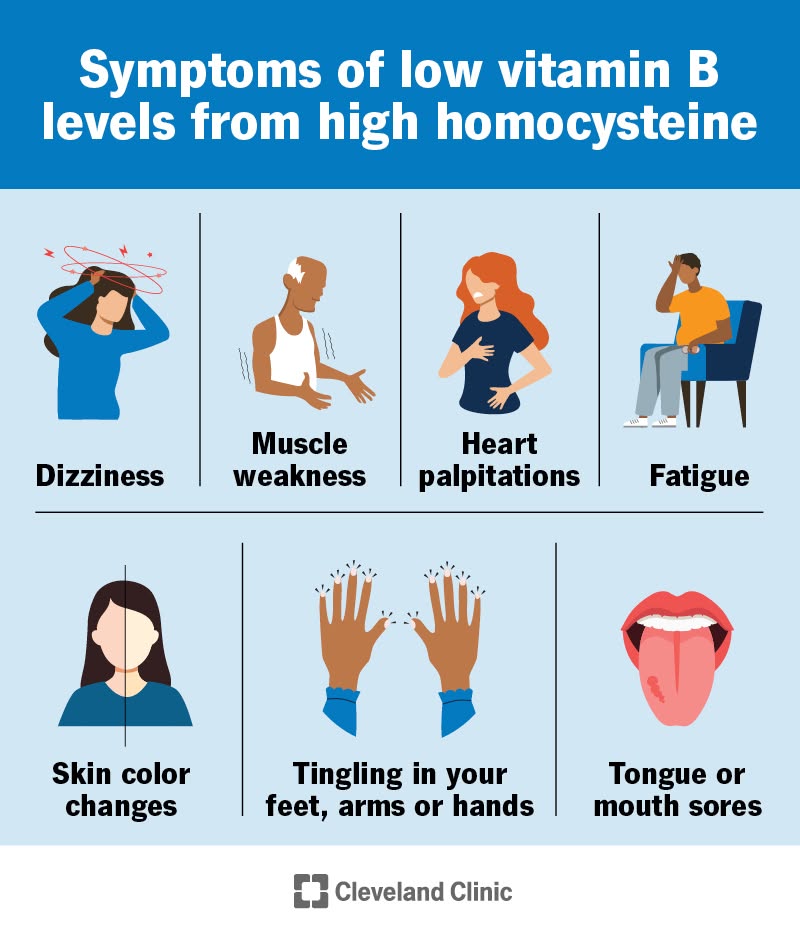
Homocysteine Lowering: B vitamins act as cofactors to convert homocysteine—a neurotoxin linked to Alzheimer's—into safer amino acids like methionine.
Metabolic Reprogramming: Recent 2025 metabolomics data from the original VITACOG samples shows that B vitamins also influence the TCA cycle and glutamine-glutamate cycling, which are critical for brain energy and neurotransmission. These findings reveal that B vitamins influence metabolic pathways in the brain that go well-beyond homocysteine reduction:
Paper · Alzheimers Dement · 2025Role of B vitamins in modulating homocysteine and metabolic pathways linked to brain atrophy: Metabolomics insights from the VITACOG trial.Elevated total homocysteine (tHcy) is a major predictor of brain atrophy, cognitive decline, and Alzheimer's disease (AD) progression. The VITACOG trial, a randomized, placebo-controlled study in mild cognitive impairment (MCI), previously showed that B vitamin supplementation lowered tHcy, slowing brain atrophy and cognitive decline; however, the underlying mechanisms remained unclear. We used untargeted,…pmc.ncbi.nlm.nih.govTreatment Protocol
The daily active treatment used in the study (TrioBe Plus) consisted of:
0.8 mg Folic Acid
0.5 mg Vitamin B12 (Cyanocobalamin)
20 mg Vitamin B6 (Pyridoxine)
#vitacogHD #oxfordHD #bvitaminsHD #folateHD #vitaminb6HD #vitaminb12HD #alzheimersHD #dementiaHD #brainHD