HD-OPM Archive
Hashtags

#brain

89 posts

Magnesium L-threonate for 6 weeks improved cognitive age ~7.5 years (RCT, n=100)

Jun 14, 2026 · Louis Nervegna ♥ 29 · 💬 22 Supplements & vitamins

Louis shares a randomized, double-blind, placebo-controlled trial in 100 healthy adults aged 18-45 who were unhappy with their sleep. Magnesium L-threonate improved overall cognition, cognitive age, working memory and reaction time, and some subjective but not objective sleep measures. (Louis's post says six months, but the trial and article describe six weeks.)
Only lipophilic statins like atorvastatin enter the brain; PCSK9 drugs and ezetimibe don't

Oct 18, 2025 · Louis Nervegna ♥ 25 · 💬 10 Brain health & dementia

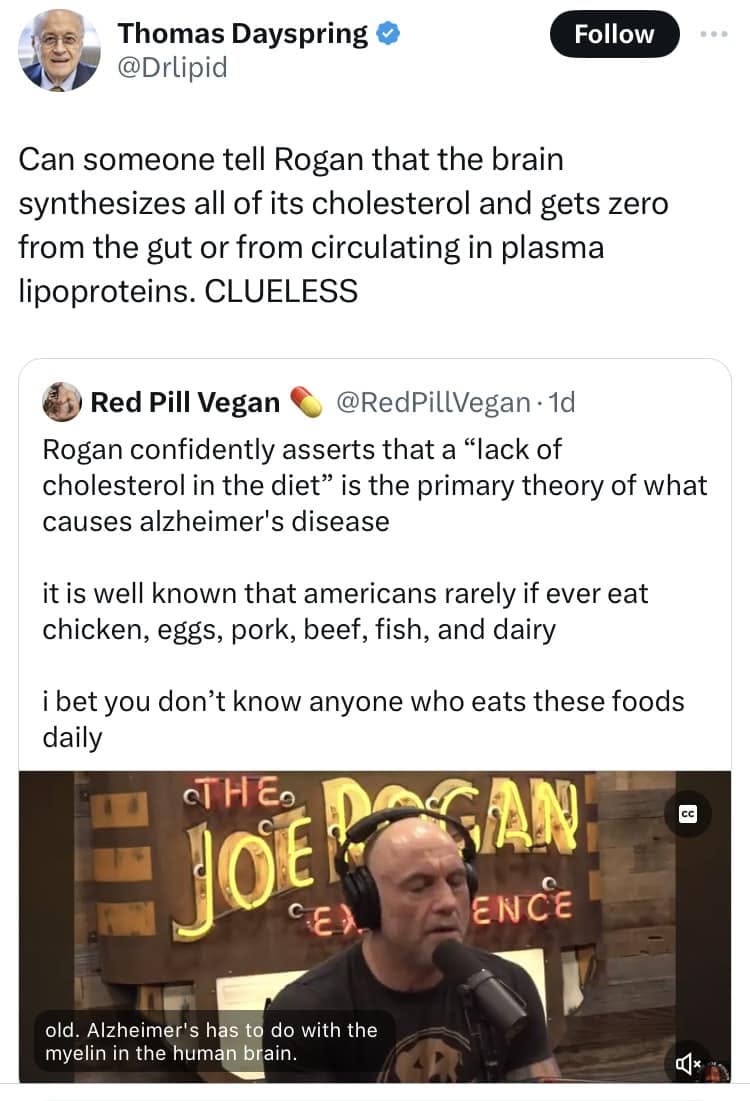
Louis explains the blood-brain barrier and cholesterol: the brain makes its own cholesterol separately from blood, so non-statin LDL drugs and hydrophilic statins like rosuvastatin have little brain effect. Lipophilic statins do enter the brain, with promising observational data against Alzheimer's, and a 20,000-person atorvastatin trial is under way. Two prior trials showed statins do not worsen existing Alzheimer's, and midlife high LDL is a leading modifiable dementia risk (2024 Lancet Commission, about 7% of US cases per Louis).

APOE4 drives cholesterol buildup in brain astrocytes, promoting toxic protein deposits

Oct 06, 2026 · Louis Nervegna ♥ 17 · 💬 4 Brain health & dementia

Mount Sinai researchers using human stem-cell-derived miBrain tissue found APOE4 causes cholesterol to accumulate in astrocytes, impairing lysosomal clearance of alpha-synuclein and promoting amyloid and alpha-synuclein deposits. A second study showed APOE4 damages brain blood vessels through mechanisms unrelated to cholesterol. The poster reads this as cholesterol being potentially causal in APOE4 carriers.

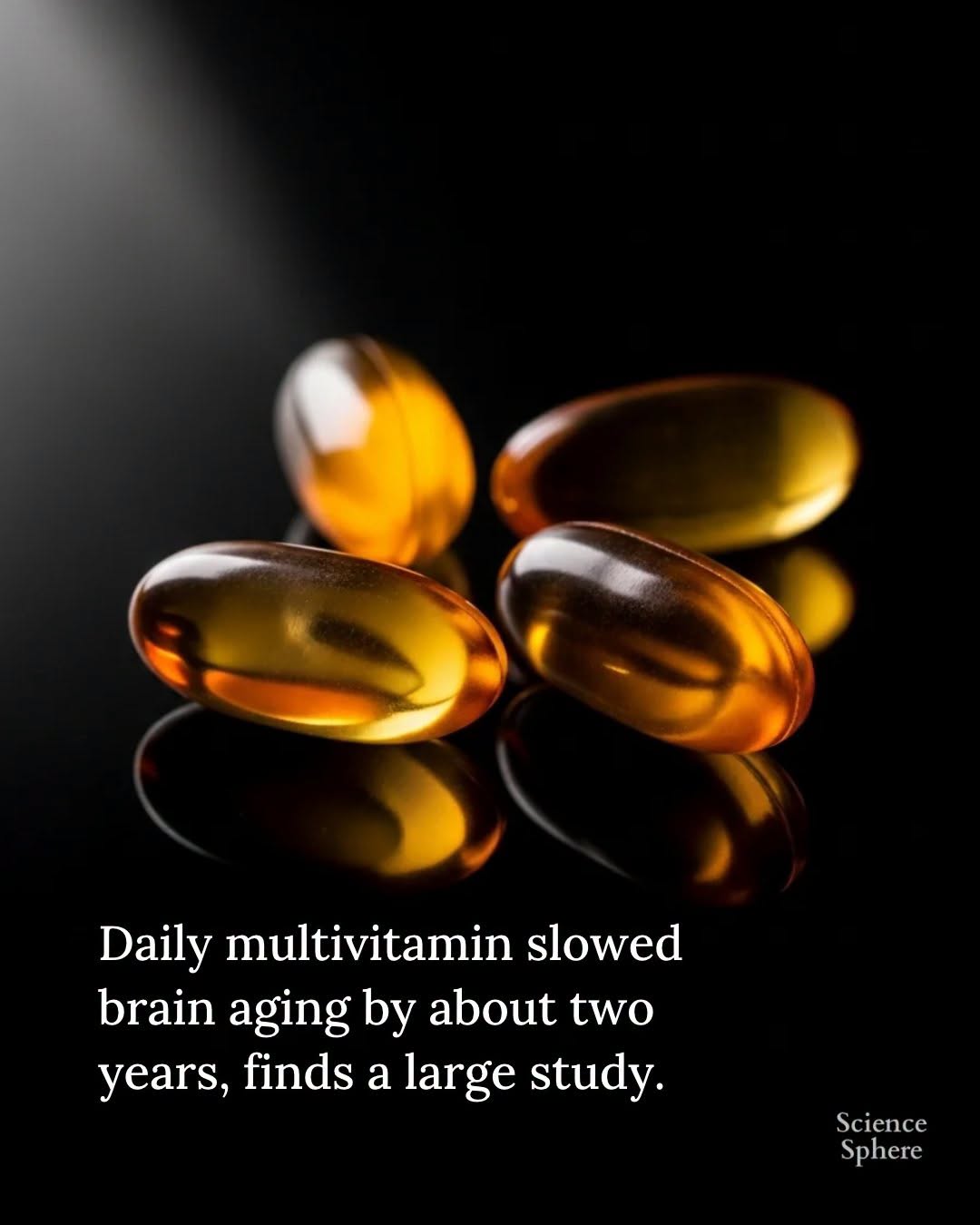
Daily multivitamin slowed cognitive aging by about two years in a COSMOS meta-analysis

Nov 14, 2026 · Louis Nervegna ♥ 7 · 💬 10 ↩ 1 Supplements & vitamins

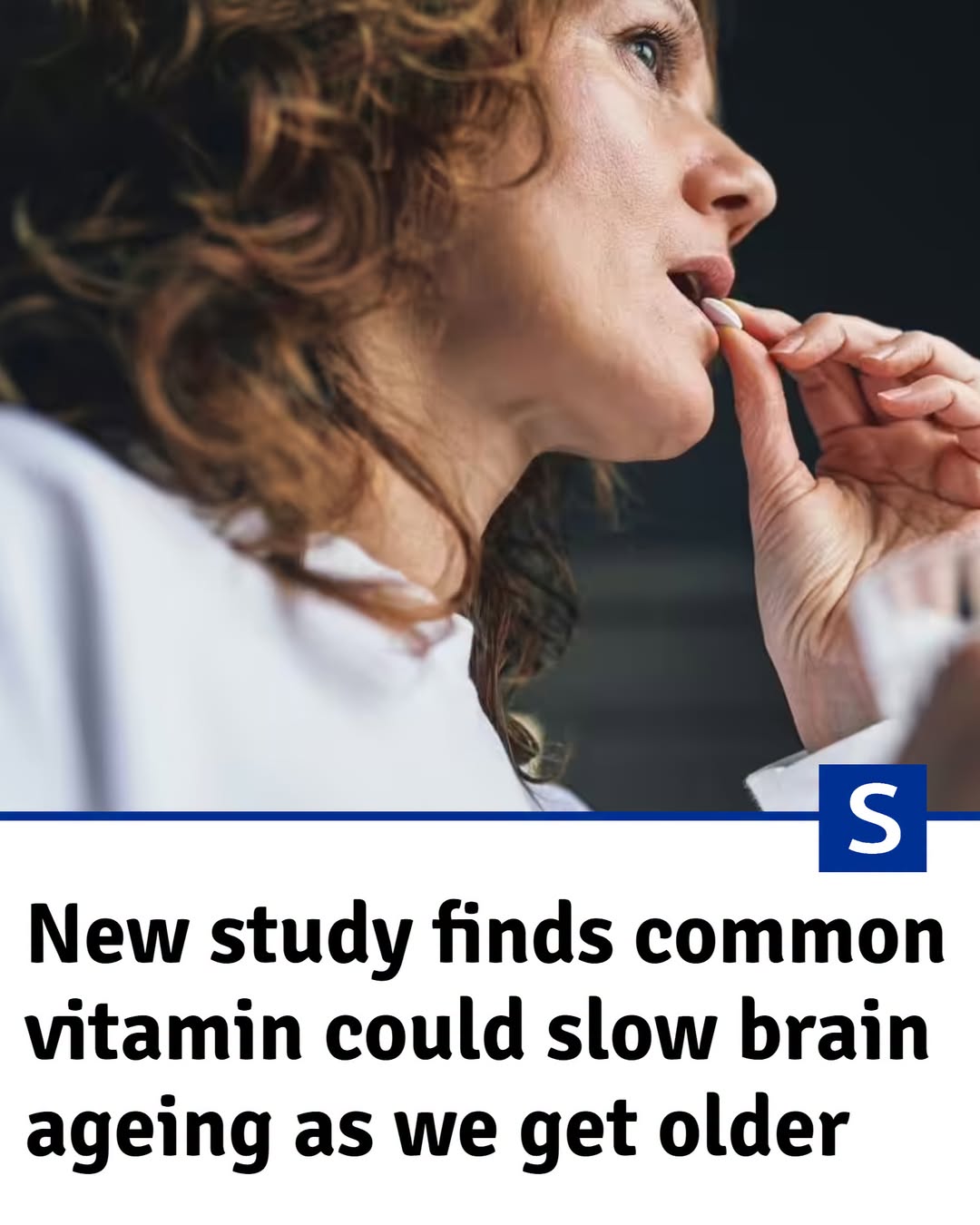
Louis shares a summary of COSMOS cognition results: in the main analysis of 573 adults 60+, a daily multivitamin modestly improved overall cognition and episodic memory over two years. Pooling with two earlier COSMOS cognition studies (more than 5,000 older adults) gave clear benefits, estimated at about two years of slower cognitive aging. Effects were modest, it is unclear which nutrient matters, dementia prevention was not tested, and the manufacturer donated tablets. He adds that this was an RDA-level multivitamin (Centrum Silver).
Healthy lifestyle tied to less dementia despite amyloid and tau in the brain (n=586)

Feb 06, 2024 · Louis Nervegna ♥ 9 · 💬 7 Brain health & dementia

Louis shares an observational study of 586 people whose brains were examined at autopsy and linked to up to 24 years of lifestyle data. A healthy lifestyle (not smoking, 150+ min/week exercise, light to moderate alcohol, mental stimulation and MIND diet) was associated with protection from cognitive decline even when amyloid or tau pathology was present. He notes dementia and heart disease share lifestyle prevention.

Correction: low-dose lithium inhibits overactive mTOR in the brain

Nov 11, 2025 · Louis Nervegna ♥ 15 · 💬 6 Brain health & dementia

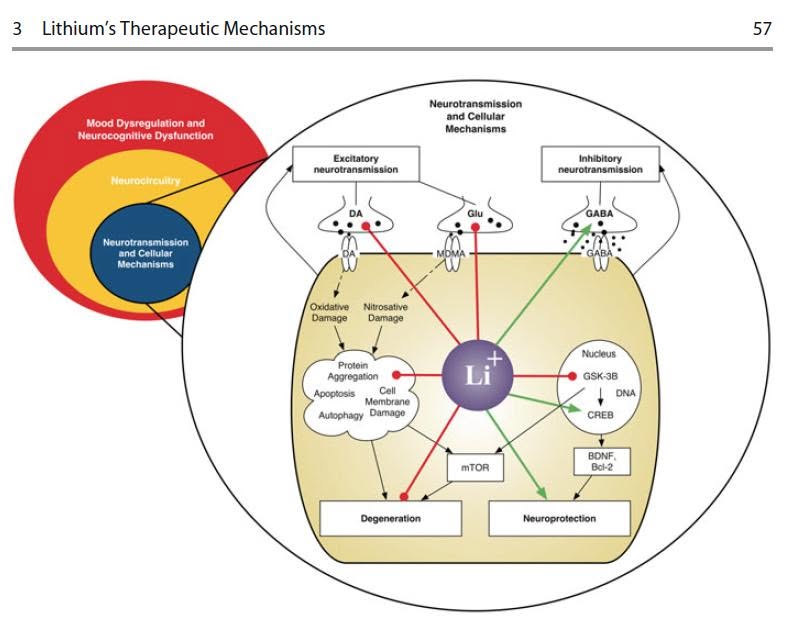
Louis corrects a shared figure description: low-dose lithium inhibits, rather than activates, overactive mTOR in the brain, which he says is beneficial because overactive mTOR drives neurodegeneration. The shared post describes lithium's multi-level effects on brain chemistry at doses far below those used for mood disorders.

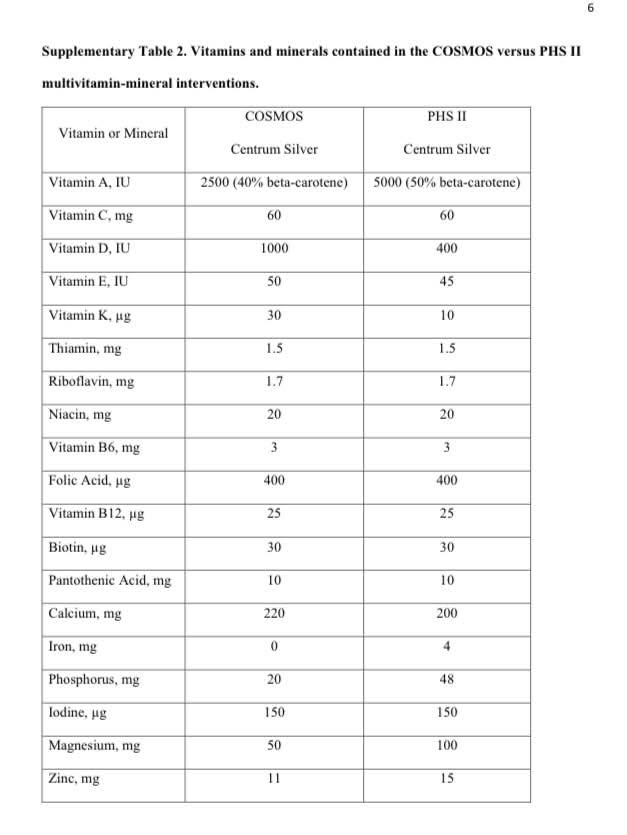
COSMOS multivitamin matches Centrum-type RDA doses except B12 at 10x the RDA

Nov 15, 2026 · Louis Nervegna ♥ 7 · 💬 8 ↩ 2 Supplements & vitamins

Louis shows the ingredient list of the multivitamin used in the COSMOS trial next to the one used in Physicians' Health Study II. Nearly all nutrients are near RDA levels, but B12 is about 10x the RDA, and he suspects that dose may have driven the cognitive benefit seen in COSMOS. COSMOS showed slower cognitive decline in older adults, and PHS II showed an 8% cancer reduction.

Spermidine linked to lower mortality and cognitive decline, and longer lifespan in animals

Mar 16, 2024 · Gokhan Can ♥ 12 · 💬 4 Supplements & vitamins

Summarizes studies on spermidine, an autophagy-inducing polyamine: higher dietary intake is associated with lower all-cause mortality and cognitive decline in humans, and it extends lifespan in animal models. Natto, wheat germ, mushrooms, soy products and aged cheese are rich sources, and supplementation appears well tolerated in older adults.

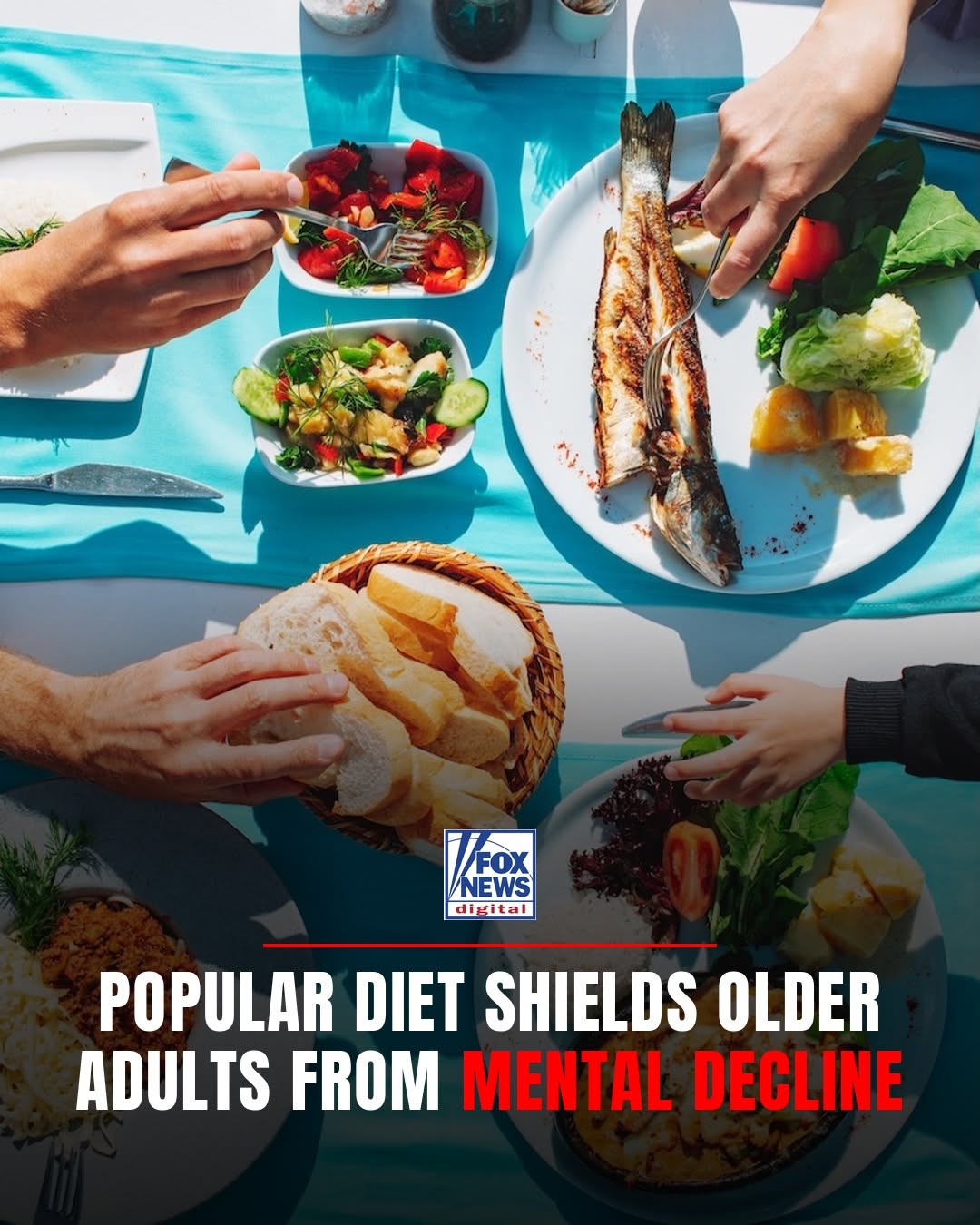
MIND diet: 20% less grey matter loss per 3-point score rise in Framingham MRI study

Oct 02, 2026 · Louis Nervegna ♥ 14 · 💬 1 Brain health & dementia

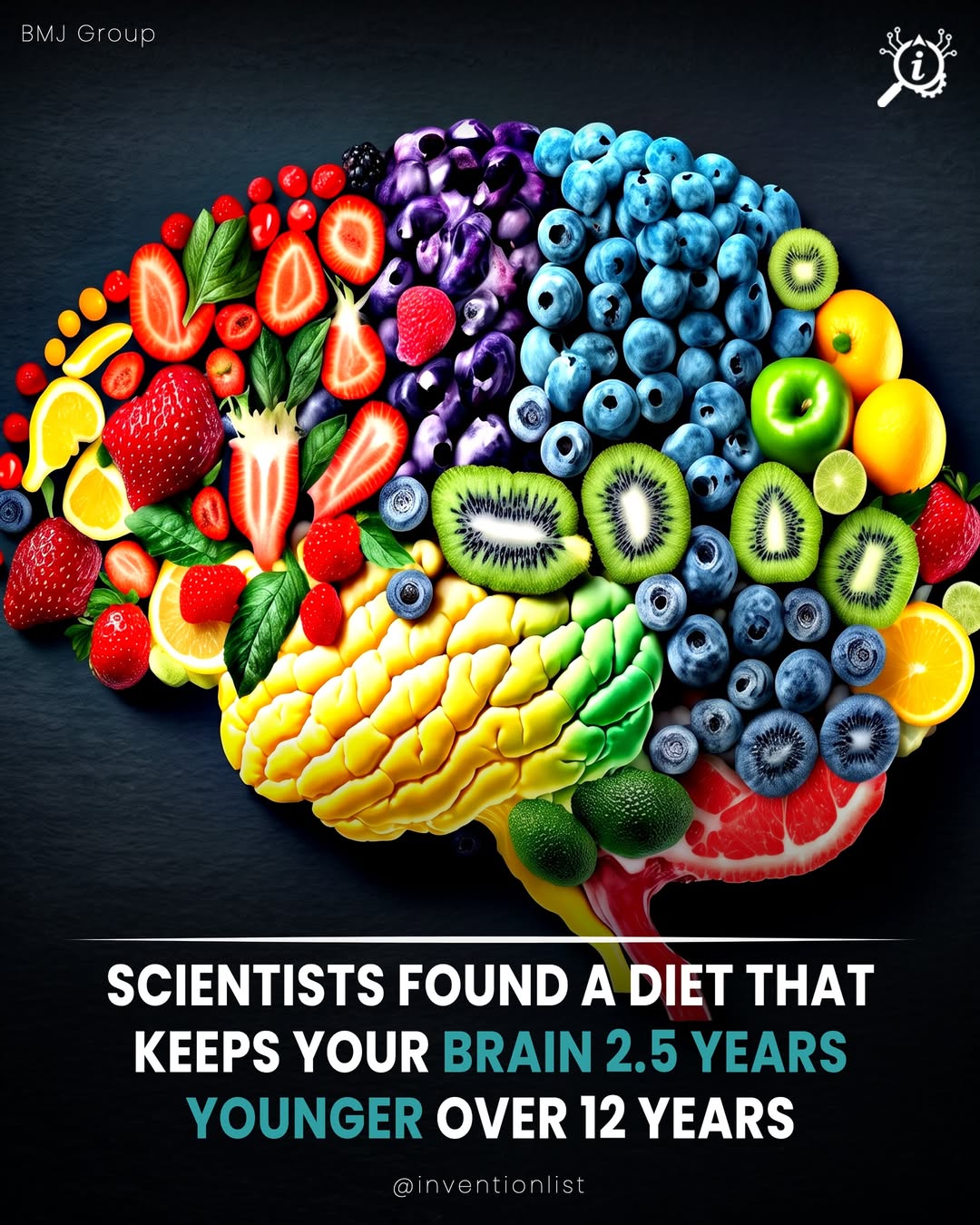
In 1,647 Framingham Offspring participants followed about 12 years with repeated MRI scans, closer adherence to the MIND diet (Mediterranean-DASH hybrid) was linked to slower grey matter loss. Each 3-point rise in MIND score matched 20% less age-related grey matter decline, equal to about 2.5 years of slower brain aging. This is an observational association.

Mayo Clinic study: skin generates senescent cells that may age the heart and other organs

Oct 23, 2024 · Louis Nervegna ♥ 18 · 💬 2 Inflammation & CRP

Louis shares a Mayo Clinic study reported by Neuroscience News suggesting skin makes senescent cells that travel to other tissues, including the cardiovascular system, and accelerate aging. He adds that most circulating CRP originates in skin and advises caring for your skin to lower inflammation. The linked article is framed around brain aging, and the CRP claim is Louis's own.

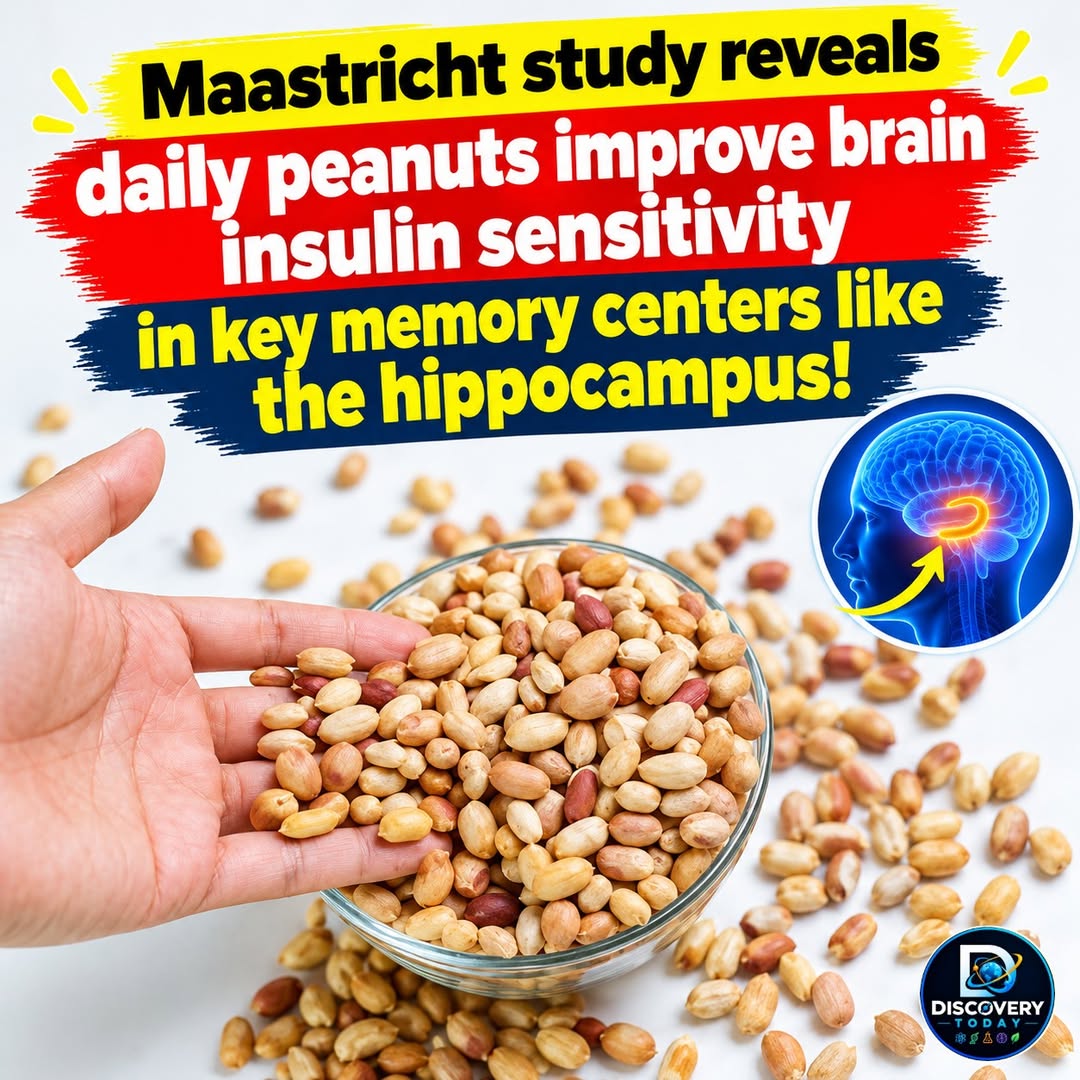
Third randomized trial linking peanuts to better brain health, via brain insulin response

Oct 10, 2026 · Louis Nervegna ♥ 8 · 💬 3 Nuts, fish, coffee, tea, cocoa & other foods

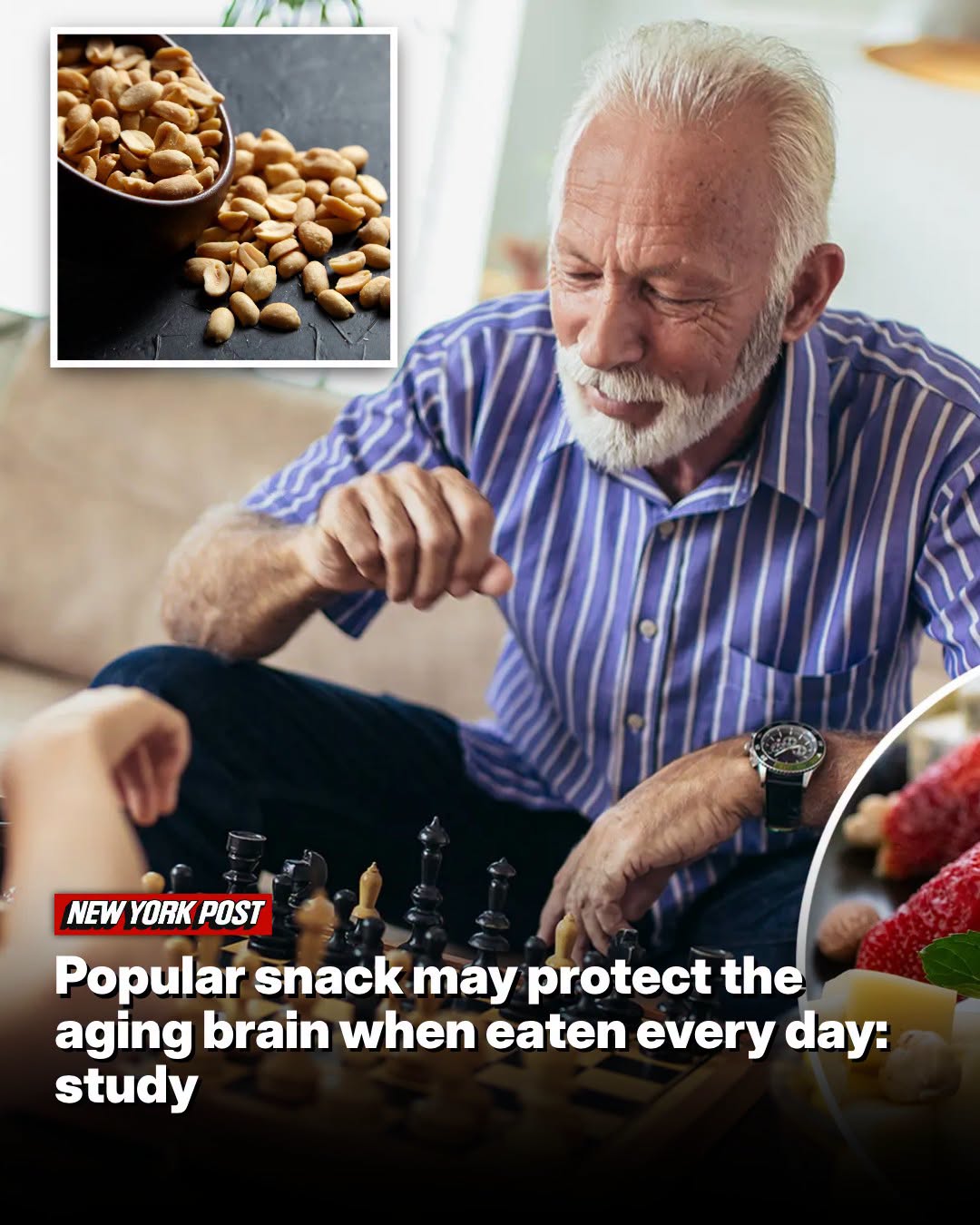
The poster notes this is the third human randomized trial he knows of showing peanut consumption improves brain health or memory. The Maastricht trial found about two daily servings of unsalted, skin-roasted peanuts improved insulin responsiveness in memory-related brain regions after 16 weeks in healthy older adults.

Review: calorie restriction has downsides, incl. slower wound healing and bone loss

Apr 23, 2025 · Louis Nervegna ♥ 10 · 💬 2 Aging & longevity

Louis shares a Nature Reviews Endocrinology review of potential adverse effects of calorie restriction, which extends lifespan in many animals but has uncertain effects in humans. It summarizes effects on wound healing, hunger, cold sensitivity, bone health, brain size, cognition, reproduction and infection, mostly from rodent data with some human data.

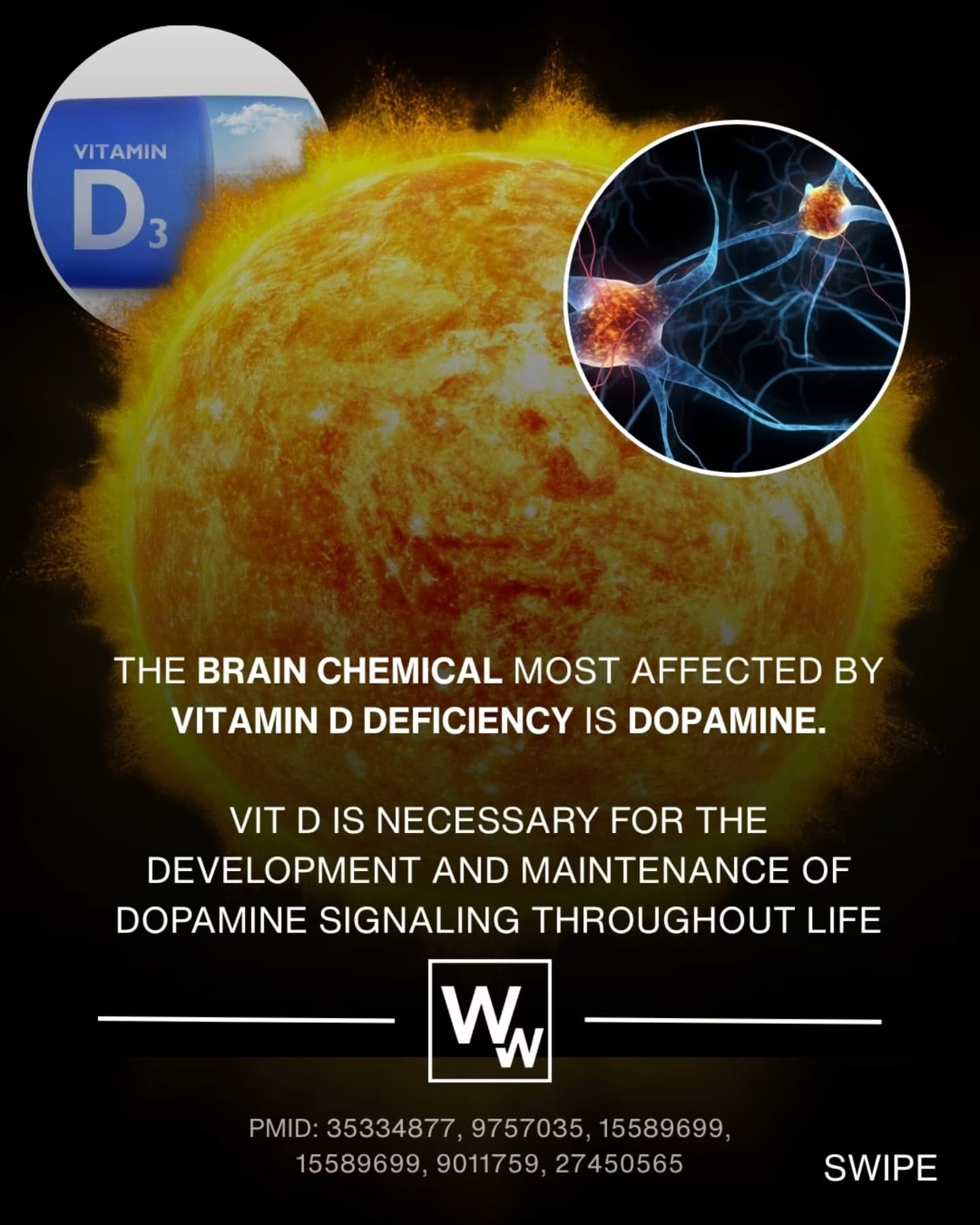
Vitamin D acts as a neurosteroid: receptors in the brain and links to dopamine signaling

Jul 22, 2025 · Louis Nervegna ♥ 23 Brain health & dementia

Shared text explains that vitamin D is a secosteroid with receptors throughout the brain and has been proposed as a neurosteroid for about 20 years. Cell and rodent data suggest it supports dopamine (and possibly serotonin) signaling and brain development, and deficiency has been tied to several brain disorders. The evidence described is mostly preclinical, so the relevance to heart health is indirect.

About one cup of blueberries a day: best human evidence is for vascular function

Oct 06, 2026 · Louis Nervegna ♥ 6 · 💬 1 Nuts, fish, coffee, tea, cocoa & other foods

A podcast excerpt says one cup (150-180 g) of fresh or frozen blueberries daily matches the dose in most positive human studies. The clearest benefit is better endothelial function, with possible memory benefits in at-risk older adults and glucose benefits when metabolism is strained. Randomized trials have not shown they prevent dementia, diabetes, heart attacks or strokes.

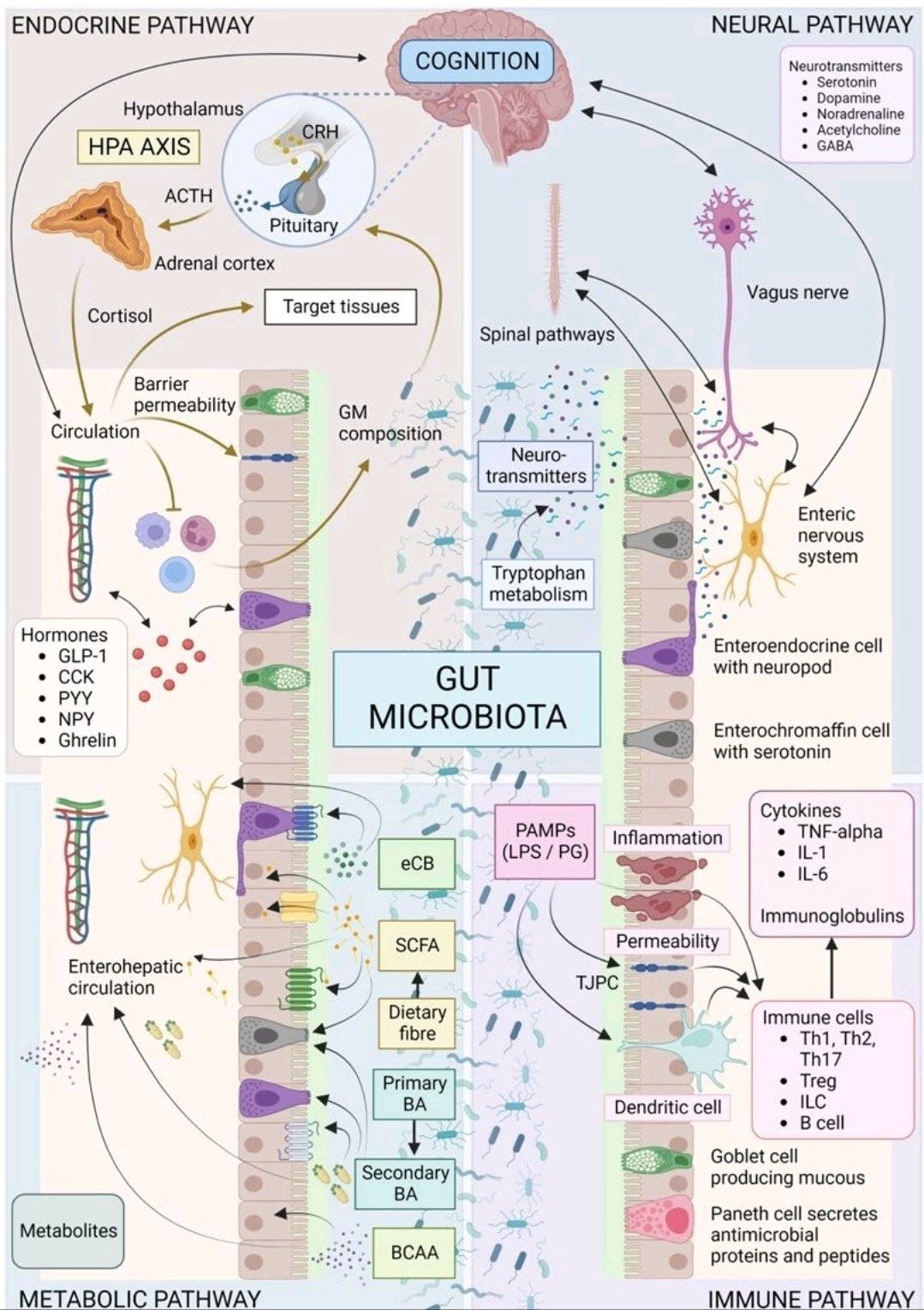
Gut microbes turn fiber and polyphenols into GLP-1 and other satiety hormones

Jan 29, 2024 · Louis Nervegna ♥ 9 Gut microbiome

Louis quotes Scientific American: the body makes its own incretin hormones such as GLP-1 and PYY, and gut bacteria ferment indigestible fiber and polyphenols into molecules that stimulate them. These hormones help regulate blood sugar, appetite and the speed of food moving through the gut (the 'colonic brake'). This suggests whole plant foods support the same pathways targeted by Ozempic and Wegovy.

Daily peanuts for 16 weeks improved brain insulin responsiveness in older adults

Oct 11, 2026 · Louis Nervegna ♥ 4 Nuts, fish, coffee, tea, cocoa & other foods

A 16-week trial in healthy adults aged 60-75 gave 60 g of unsalted, skin-roasted peanuts daily and found improved insulin responsiveness in memory-related brain regions on imaging. There were no wider changes in body metabolism or liver fat, and the result helps explain earlier findings of better memory and cerebral blood flow with peanuts.

Green Mediterranean diet cut visceral fat about 14% in an 18-month randomized trial

Oct 30, 2026 · Louis Nervegna ♥ 3 Mediterranean, DASH, MIND & plant-forward diets

A shared summary of an 18-month RCT comparing a healthy diet, a Mediterranean diet and a Green Mediterranean diet enriched with green tea and Wolffia globosa (mankai duckweed). The Green Mediterranean diet reduced visceral fat by about 14%, the largest effect of the three arms. Visceral fat drives inflammation and metabolic dysfunction.

Green Mediterranean diet with green tea and mankai slowed brain atrophy in people over 50

Oct 25, 2026 · Louis Nervegna ♥ 2 Mediterranean, DASH, MIND & plant-forward diets

In an 18-month randomized trial of nearly 300 participants, a standard healthy diet, a Mediterranean diet, and a Green Mediterranean diet with green tea and mankai (duckweed) were compared on hippocampal occupancy, a marker of brain aging. Louis highlights that Mediterranean diets slowed brain aging in people over 50. Linked paper is the DIRECT-PLUS Green-MED brain atrophy analysis.