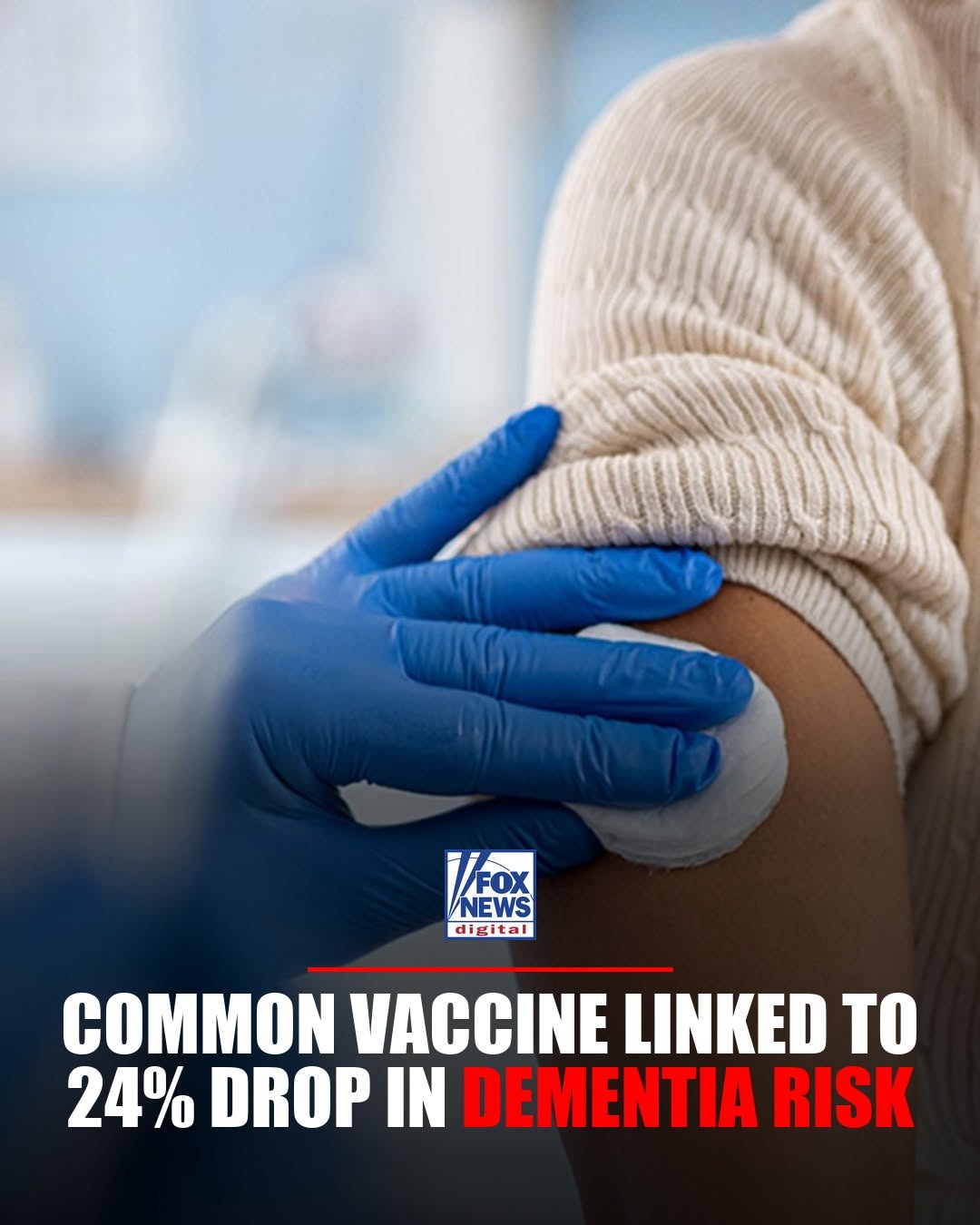
The risk of Alzheimer's disease may significantly decrease in older adults who receive a higher dose of the influenza vaccine compared to the standard dose, according to new research led by UTHealth Houston. The findings were just published in Neurology.
This study adds to the growing body of evidence that certain vaccines (for example, for shingles) decrease risk of dementia.
Link to full study:
Paper · Neurology · 2026Risk of Alzheimer Dementia After High-Dose vs Standard-Dose Influenza Vaccinationneurology.orgQuoted:
“A 2022 study led by Paul Schulz, MD, professor of neurology at McGovern Medical School at UTHealth Houston and director of the Neurocognitive Disorders Center at UTHealth Houston Neurosciences, found that the risk of Alzheimer's disease for a person 65 years and older was reduced if they received the influenza vaccine.
Now, just three years later, Schulz and his team have published another study showing the risk of Alzheimer's disease was significantly decreased in older adults who received a higher dose of the influenza vaccine.”
“At age 65, the immune system becomes less effective at fighting infection. The CDC recommends that adults 65 and older receive a high-dose flu vaccine, four times stronger than the standard dose given to the general population.”
“The researchers analyzed nearly 200,000 participants ages 65 and older, both men and women, and found that high-dose influenza vaccination was associated with a reduced risk of Alzheimer's disease compared with standard-dose vaccination. The results also showed that the protective effect of the high dose was stronger among women.
They found that in comparison to the standard-dose flu vaccine—which reduced risk of Alzheimer's disease by 40%—those 65 years and older who received the high-dose flu vaccine had a nearly 55% reduced risk of developing Alzheimer's disease.”
My note:
Please remember that this is an observational study. It only demonstrates an association between flu vaccination and lower Alzheimer’s risk. It does not prove causality. For example, it’s possible that people who get the flu vaccine take better care of their health in general, compared to people who do not (confounding). That could also explain why their risk is lower, as opposed to a direct causal effect from the vaccine itself.