HD-OPM Archive
Topics › Statins

Statin-related liver enzyme elevations are rare (about 1 in 1,000) and usually transient

Louis Nervegna · Apr 03, 2026 · ♥ 9 reactions · 3 comments · original Facebook post
Statins
AI summary & key facts

Louis explains that lasting liver enzyme elevation from statins affects about 1 in 1,000, short-term rises are usually transient, and newer research suggests statins may protect the liver long term. Quotes Harvard Health that abnormal tests were about as common on placebo.

Long term elevations of liver enzymes from statins are rare (1 in 1000). Short term elevations are more common. But these typically resolve within a few weeks to months. It’s a short term adaptation, not a sign of damage:

↪ Serious liver problems from statins are rare and routine liver monitoring is unnecessary

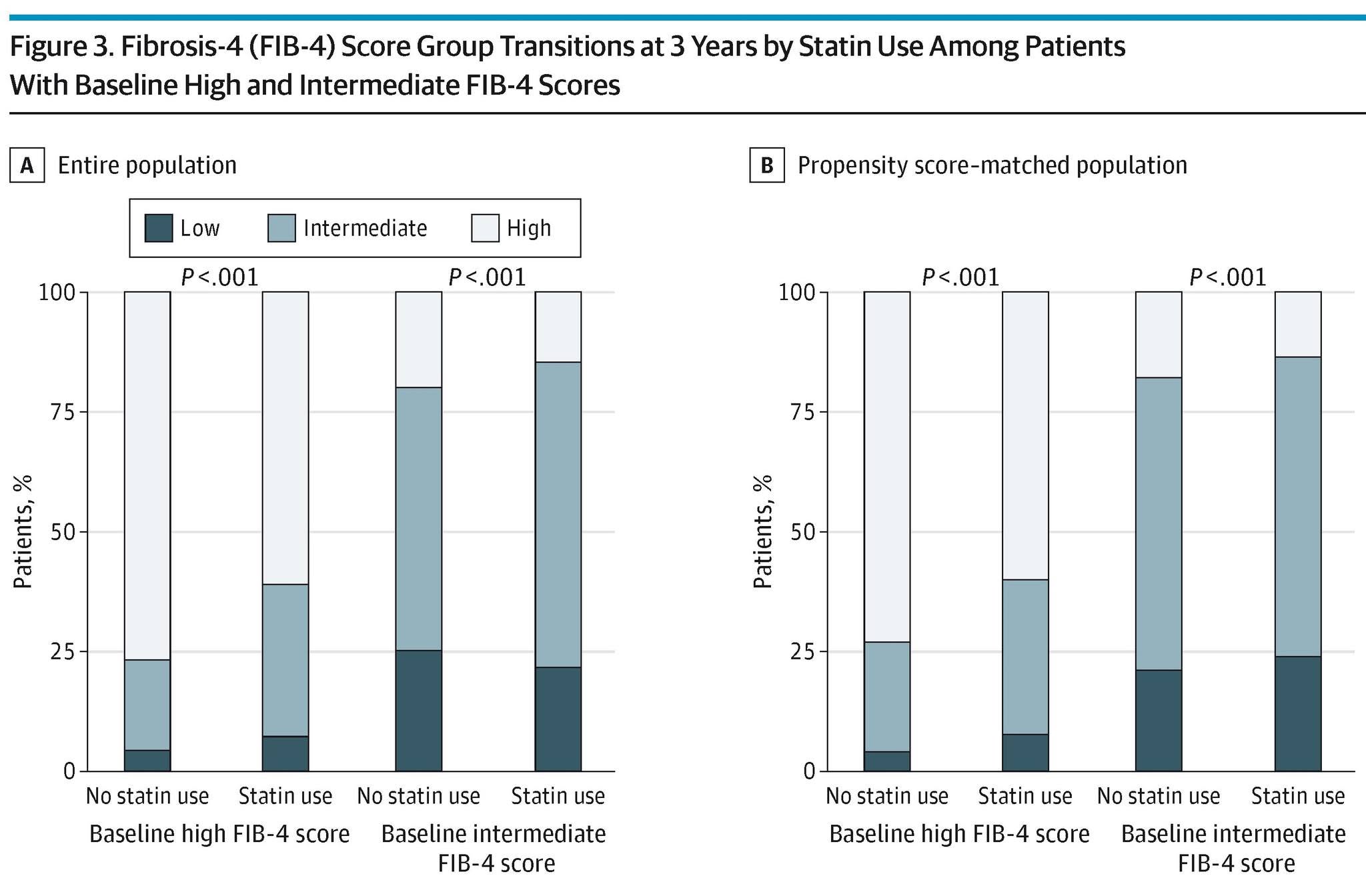
Newer research is showing that statins protect the liver in the long term:
  1. ↪ Statins may benefit chronic liver disease rather than harm it, per a review
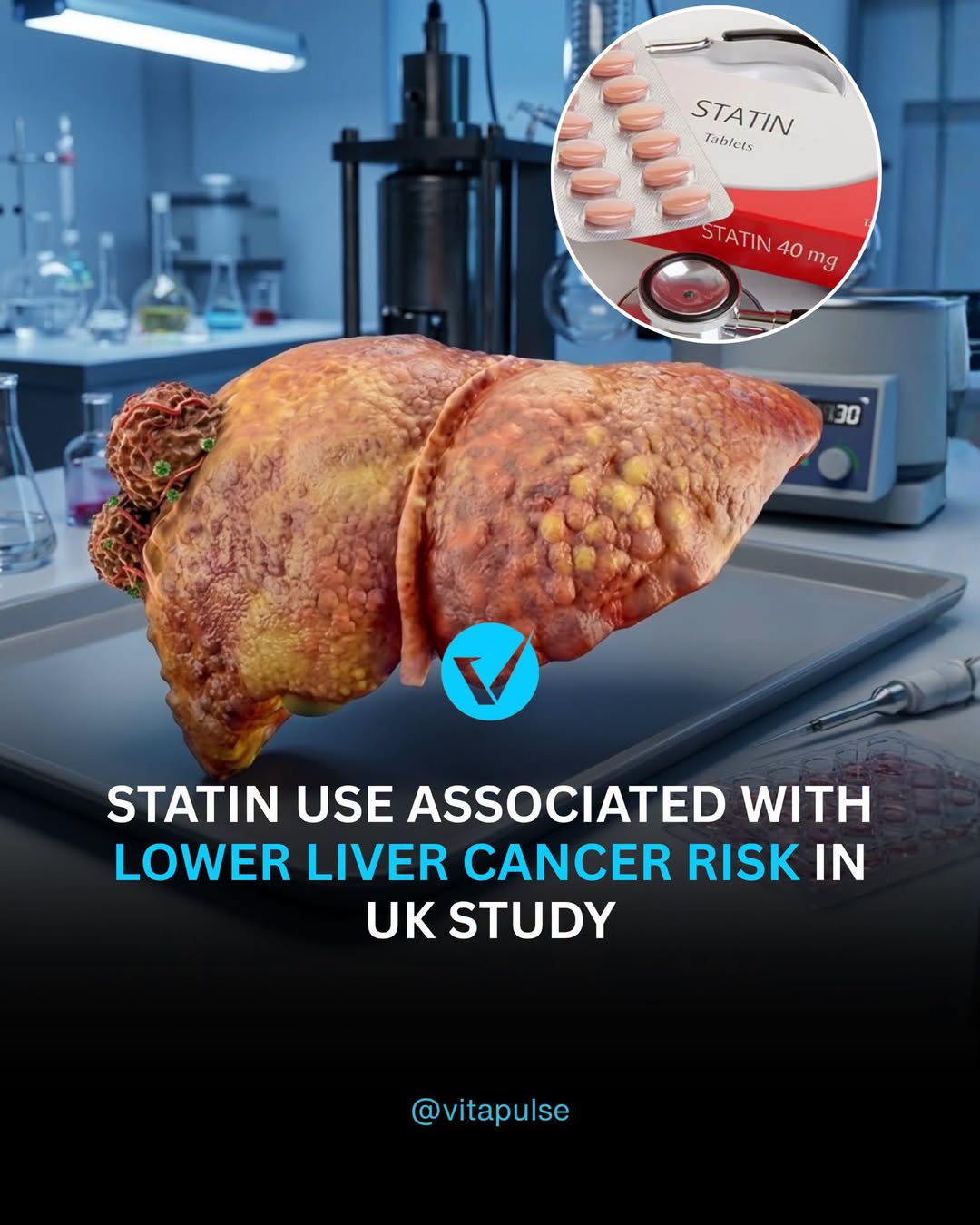
  1. ↪ Statin use linked to lower liver cancer and decompensation in chronic liver disease
  1. ↪ Ezetimibe-type absorption inhibitors linked to 31% lower liver cancer odds; statins 35%
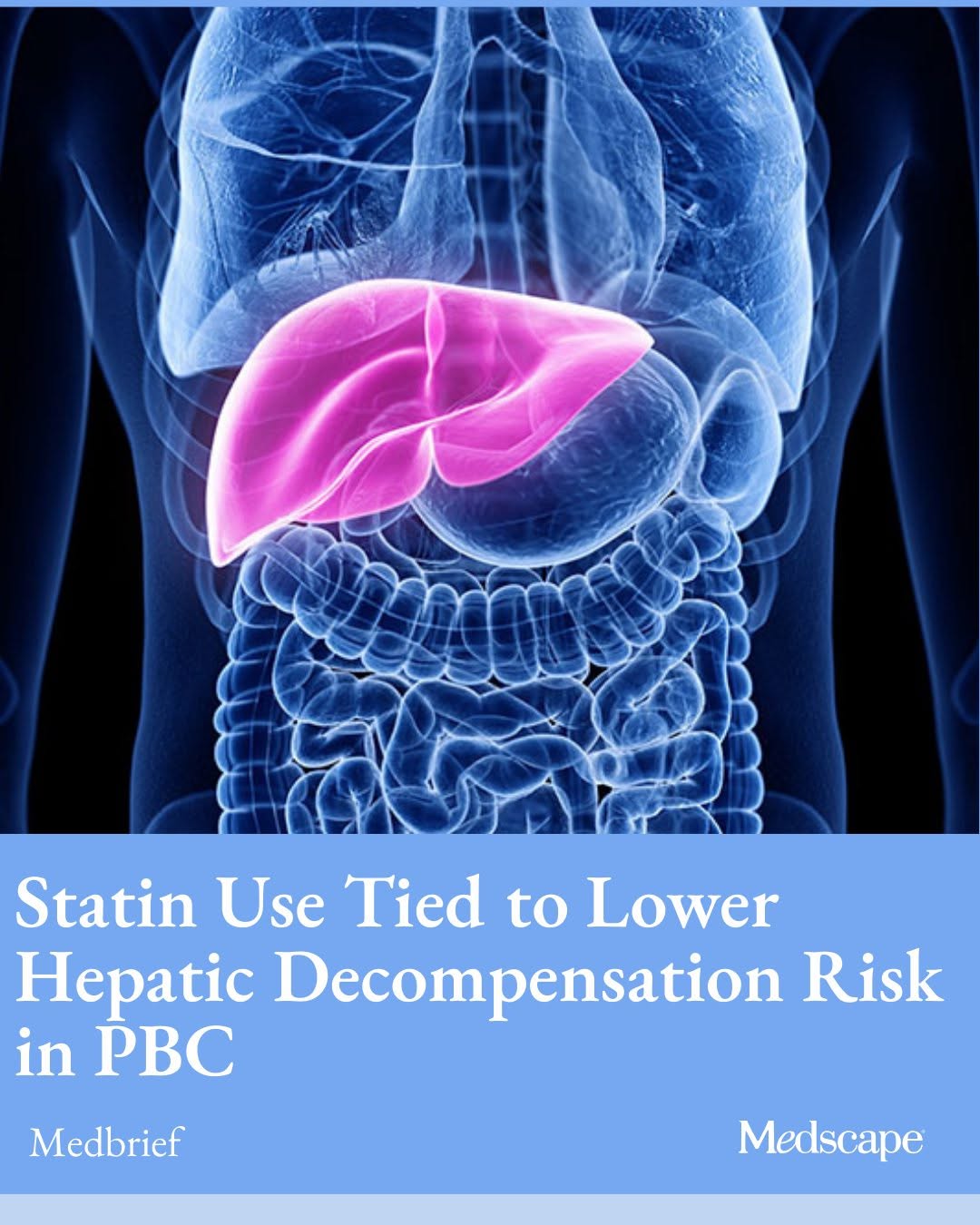
  1. ↪ Statin use linked to lower liver decompensation risk in primary biliary cholangitis

#statinsHD #liverHD #statinsliverHD

How common are elevated liver enzymes in people taking a statin?

Quoted:

“Studies of very large numbers of people estimate that among those taking a statin, only one in 1,000 of them would have an abnormal liver test result attributable to the medication. Other studies found that abnormal test results were about as common in people who took a statin or a placebo. Since statins cause so few liver problems, and many other things—such as viral infections and drinking alcohol—can affect liver tests, most abnormal liver test results in people taking statins are unrelated.”

“When statin medications were first approved, doctors did periodic blood tests to check for liver injury. Three decades later, it is clear that serious liver injury from statins is a rare side effect and that routine blood testing does not help identify people at risk for statin-related liver problems. Therefore, routine monitoring is not a good use of money and time.”

“There have been rare reports of serious liver problems associated with statins, but the people this happens to often have liver disease already or were also taking other medications that worsen the effect of statins on the liver. Therefore, a single baseline liver test is recommended before starting on a statin, and periodic checks might be continued in people at high risk of problems.”

#statinsliverHD #statinsHD #liverHD

← newer: Eggs are neutral for cardiovascular disease in long-term coholder: IVUS-guided PCI did not beat angiography alone in two NEJM t →