HD-OPM Archive
Hashtags

#liver

52 posts

Insulin stimulates liver cholesterol production, linking insulin resistance to high LDL

Jun 25, 2024 · Louis Nervegna ♥ 17 · 💬 22 LDL, ApoB & lipid panel

The post explains that insulin signals the liver to make more cholesterol by keeping HMG-CoA reductase active, one reason insulin resistance and metabolic syndrome go with high cholesterol. It argues protein, especially animal protein, also raises insulin, partly offset by glucagon, and that swapping animal for plant protein lowers cholesterol beyond saturated fat and fiber effects. Much of the protein argument is the poster's inference.

Strategies for lowering TMAO: diet, supplements and repurposed drugs

Aug 29, 2025 · Gokhan Can ♥ 22 · 💬 18 ↩ 1 Gut microbiome

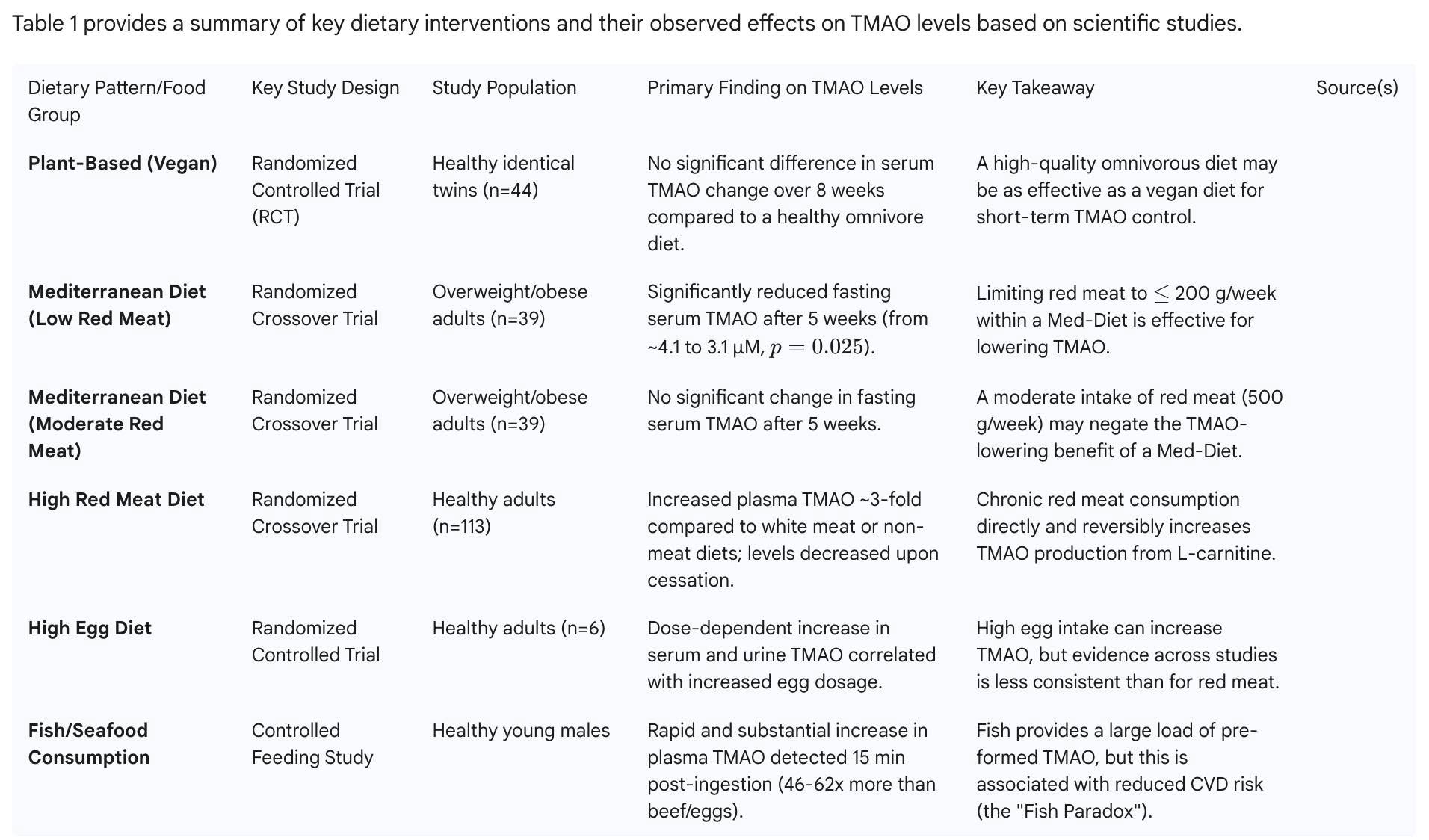
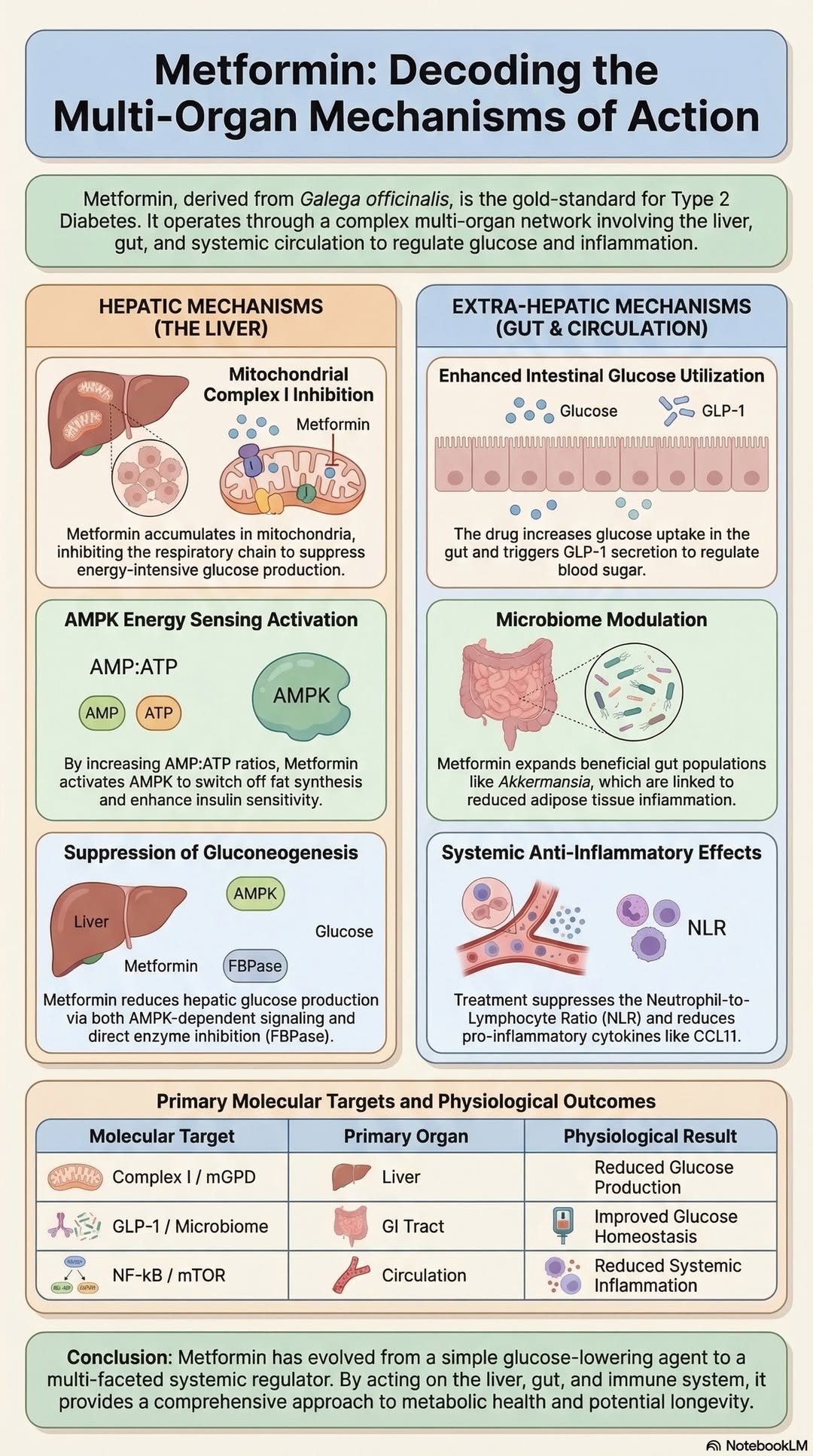
A written review of how TMAO forms from choline and carnitine via gut bacteria and the liver, and how to lower it. It points to less red meat and egg yolk, a fiber-rich Mediterranean-style diet, polyphenols and allicin, and statins and metformin. Gokhan says TMAO is not his top concern but worth knowing; he mentions a small human berberine trial that lowered TMAO and plaque.

Dietary fiber as a longevity intervention: 15-30% lower mortality at 25-29 g/day

Dec 28, 2025 · Gokhan Can ♥ 23 · 💬 12 Carbs, fiber, sugar & whole grains

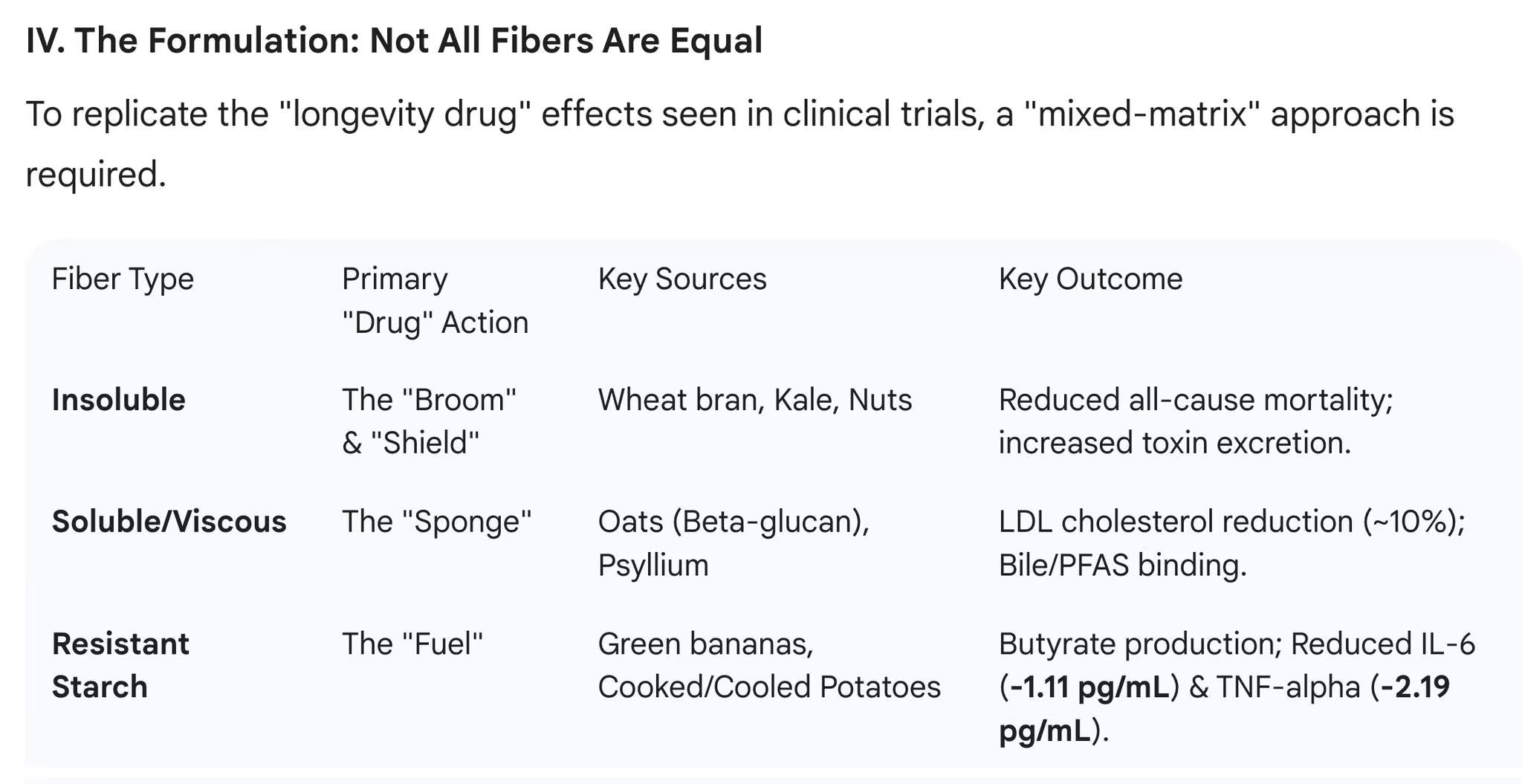
Long summary arguing fiber is a bioactive longevity tool. The WHO-commissioned Reynolds 2019 meta-analysis found 15-30% lower all-cause mortality at 25-29 g/day, with benefits continuing per extra 8 g; newer NHANES data suggest diminishing returns past ~30 g/day. It describes mechanisms including butyrate-driven epigenetic effects and gut barrier reinforcement against toxins such as microplastics.

Big glucose spikes from oats signal insulin resistance; only losing visceral fat cures it

Mar 01, 2025 · Louis Nervegna ♥ 23 · 💬 8 Insulin resistance & diabetes

Louis argues that large glucose spikes from low-to-moderate GI carbs suggest prediabetes or diabetes, and that cutting carbs only masks the problem unless enough weight is lost to clear liver and pancreas fat. He adds that visceral fat can hide in people with normal BMI, that Asians develop insulin resistance at lower visceral fat levels, and summarizes Roy Taylor's very-low-calorie diet trials.

Swapping saturated for polyunsaturated 'seed oil' fats lowered liver fat in an RCT

Dec 18, 2024 · Louis Nervegna ♥ 14 · 💬 13 ↩ 5 Fats & oils (saturated fat, seed oils, omega-6, olive oil)

Louis highlights a secondary analysis of a 12-week RCT in NAFLD. Higher dietary and plasma polyunsaturated fat, especially n-6, was associated with larger liver fat loss, while higher saturated fat intake or plasma saturated fat was associated with less reduction in liver stiffness and liver fat. He says multiple well-done studies show this.

Tissues make their own cholesterol: even very low LDL-C does not impair hormone production

Sep 17, 2026 · Louis Nervegna ♥ 15 · 💬 11 LDL, ApoB & lipid panel

Louis explains that the blood holds only a small fraction of the body's cholesterol and that tissues, including the brain, mostly synthesize what they need. The steroid hormone demand supplied by blood is only tens of milligrams a day, easily met at very low LDL-C. He cites FOURIER and ODYSSEY OUTCOMES, in which LDL-C below 15-20 mg/dL did not impair adrenal or gonadal hormone production or vitamin D.

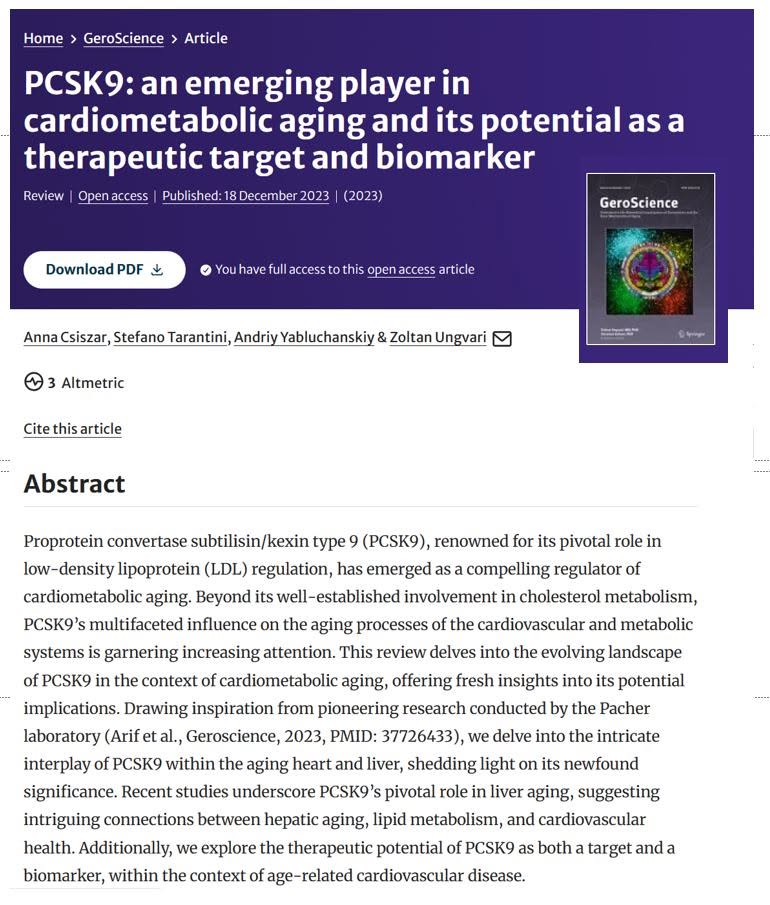
PCSK9 inhibition may slow cardiometabolic aging beyond lowering cholesterol

Dec 21, 2023 · Louis Nervegna ♥ 15 · 💬 11 PCSK9, ezetimibe & newer drugs

Louis highlights a GeroScience open-access review proposing PCSK9 inhibition may ameliorate age-related cardiac and liver pathology, and that a multivariate genome-wide analysis of aging traits identified PCSK9 as a potential drug target for healthy aging. He adds that botanical compounds such as berberine also inhibit PCSK9. The anti-aging role remains an emerging research area.

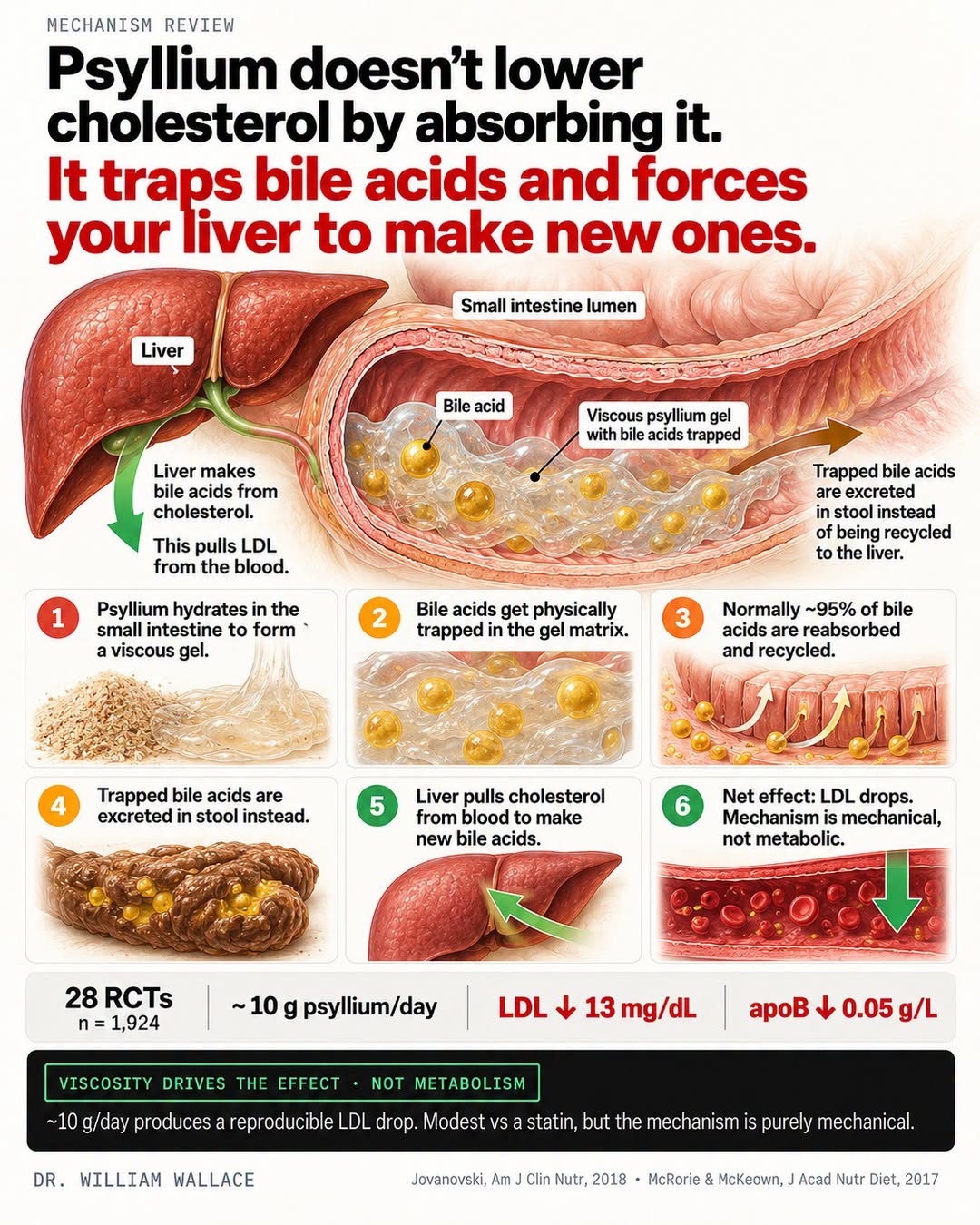
Psyllium lowers LDL about 13 mg/dL across 28 trials by trapping bile acids

Oct 31, 2026 · Louis Nervegna ♥ 15 · 💬 4 Carbs, fiber, sugar & whole grains

A shared explainer says psyllium lowers LDL by about 13 mg/dL across 28 randomized trials, and that the mechanism is mechanical: its viscous gel traps bile acids so the liver pulls cholesterol from the blood to make more, upregulating LDL receptors. It does not absorb cholesterol directly or scrub the gut, which is why most other soluble fibers do not work the same way.

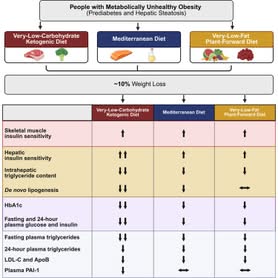
Keto beat Mediterranean and low-fat diets on liver fat and glycemia at equal weight loss

Aug 27, 2026 · Gokhan Can ♥ 6 · 💬 8 ↩ 1 Low-carb, keto & carnivore

Petersen et al. (Cell Metabolism, 2026) fed 42 adults with obesity, prediabetes and fatty liver all meals in a controlled trial until ~10% weight loss. All diets improved muscle insulin sensitivity and body composition, but the very-low-carb ketogenic diet gave clearly larger improvements in liver metabolic function, intrahepatic fat and glycemic control.

Imidazole propionate: how gut bacteria make it from histidine and how to lower it

Jul 18, 2025 · Gokhan Can ♥ 9 · 💬 5 ↩ 1 Gut microbiome

A detailed explainer on ImP, a gut-microbial metabolite elevated in type 2 diabetes, atherosclerosis, heart failure, kidney disease and fatty liver. It is made from dietary histidine by specific bacteria in dysbiotic guts and is more tied to microbiome composition than to histidine intake, so a diverse, high-fiber microbiome is protective.

Bowel movement frequency of once or twice daily linked to better gut and overall health

Mar 19, 2025 · Louis Nervegna ♥ 26 · 💬 1 Gut microbiome

Louis shares a news report on a Cell Reports Medicine study finding that once or twice daily is the 'Goldilocks zone' for stool frequency. Constipation raised blood levels of toxins such as p-cresol sulfate and indoxyl sulfate that burden the kidneys, while diarrhea was linked to excess bile acid loss. More fruit and vegetables, water, exercise and a plant-dominant diet characterized the Goldilocks group.

Higher Lp(a) is linearly associated with lower risk of fatty liver in NHANES data

Mar 16, 2025 · Louis Nervegna ♥ 16 · 💬 1 Lp(a)

Louis shares a Scientific Reports cross-sectional analysis of 2,308 NHANES participants finding a significant linear negative association between Lp(a) and NAFLD, suggesting Lp(a) could serve as a biomarker of NAFLD risk. He notes that at this point only the inverse relationship is known, and the headline claim that high Lp(a) might protect against fatty liver is speculative.

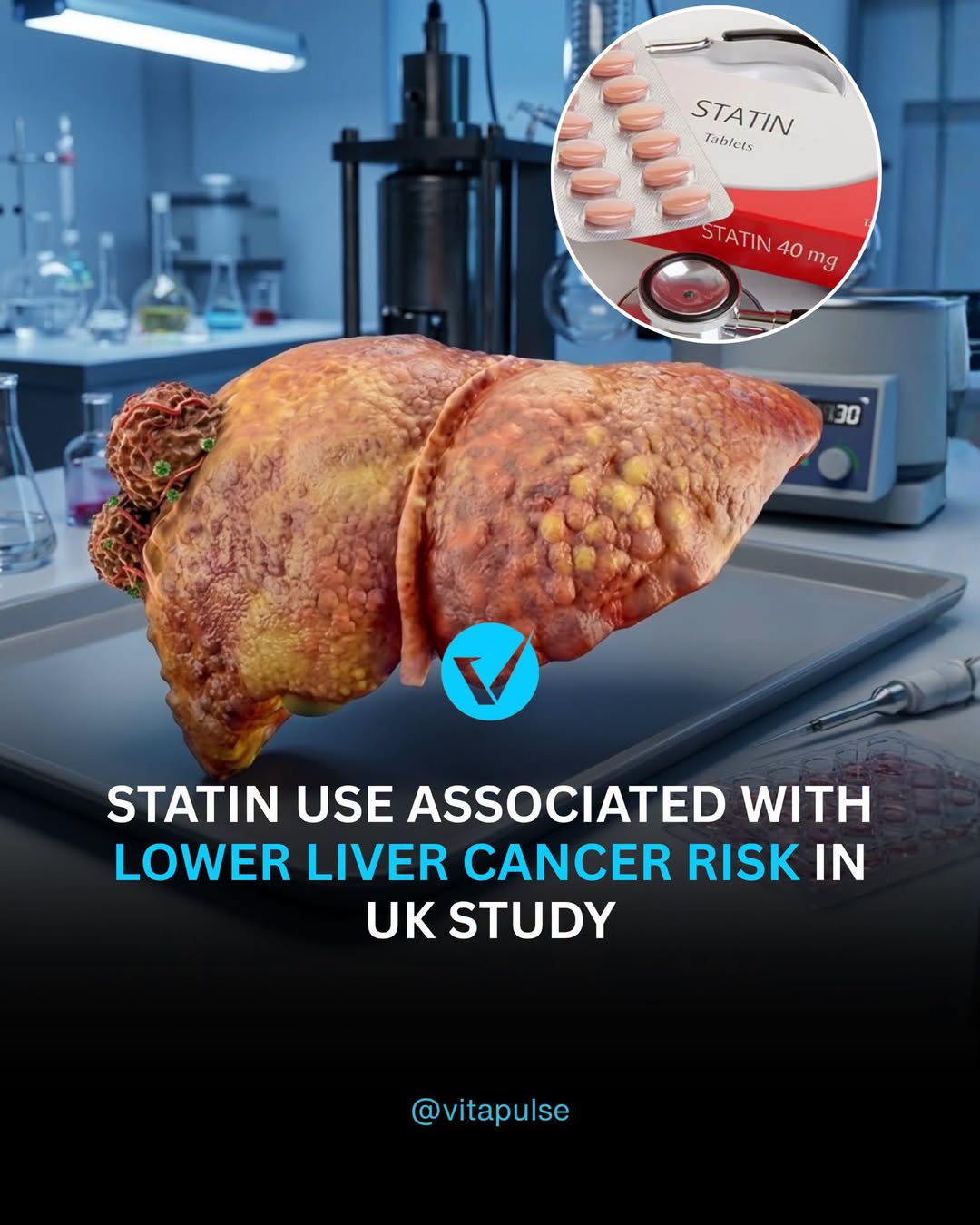
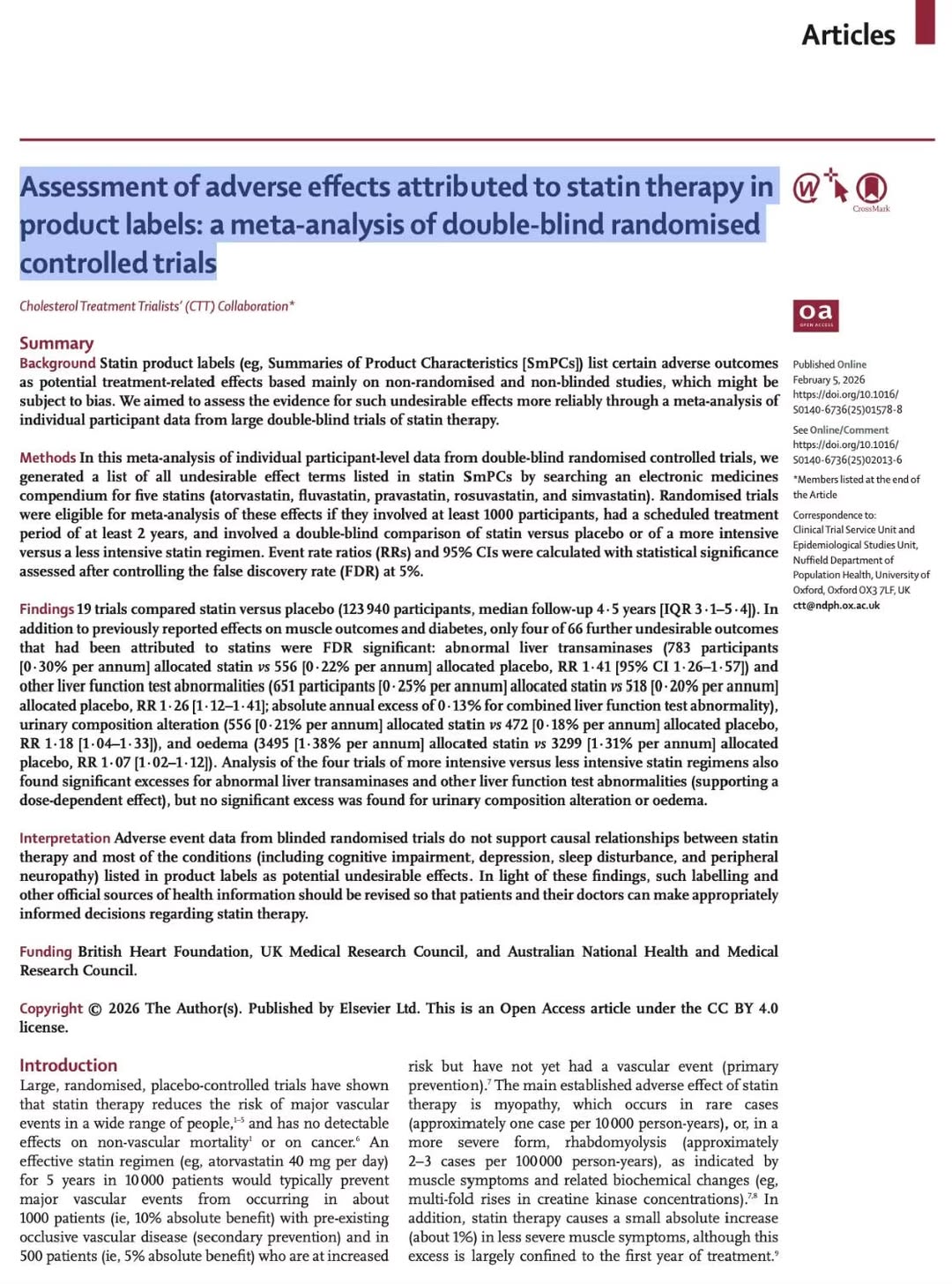
Statin use linked to 35% lower odds of liver cancer in UK database study

Sep 15, 2026 · Louis Nervegna ♥ 10 Statins

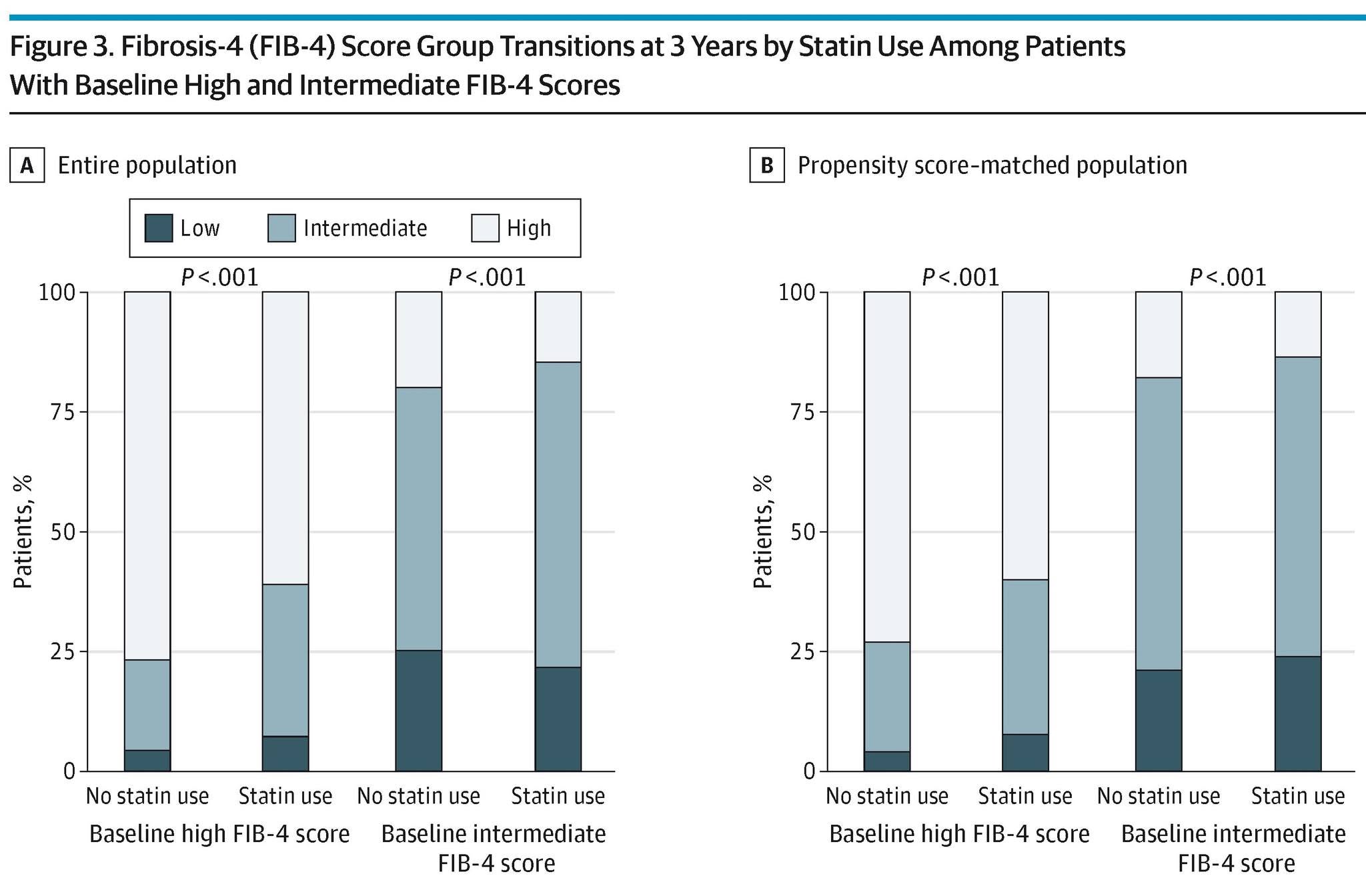
A UK Clinical Practice Research Datalink case-control study of 3,719 liver cancer cases and 14,876 controls found statin users had 35% lower odds of liver cancer, and cholesterol absorption inhibitors (ezetimibe class) 31% lower odds. This is an association, not proof, and non-statin findings need replication.

Why low LDL-C correlates with higher mortality: causation versus correlation

Nov 17, 2023 · Gokhan Can ♥ 5 · 💬 1 ↩ 2 LDL, ApoB & lipid panel

Points to a video on how ignoring the difference between correlation and causation can mislead, and argues that the association of low LDL-C with higher mortality is a marker of illnesses such as cancer or liver disease rather than a cause. Also links a paper from the author's cardiologist on causal roles of LDL-C, HDL, triglycerides and inflammation.

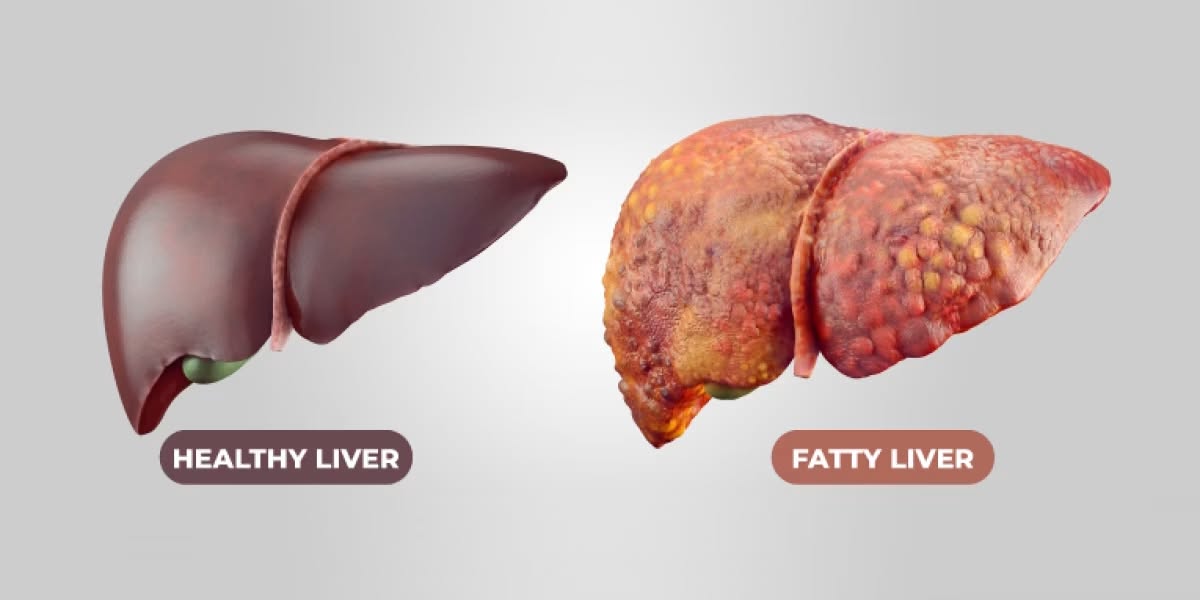
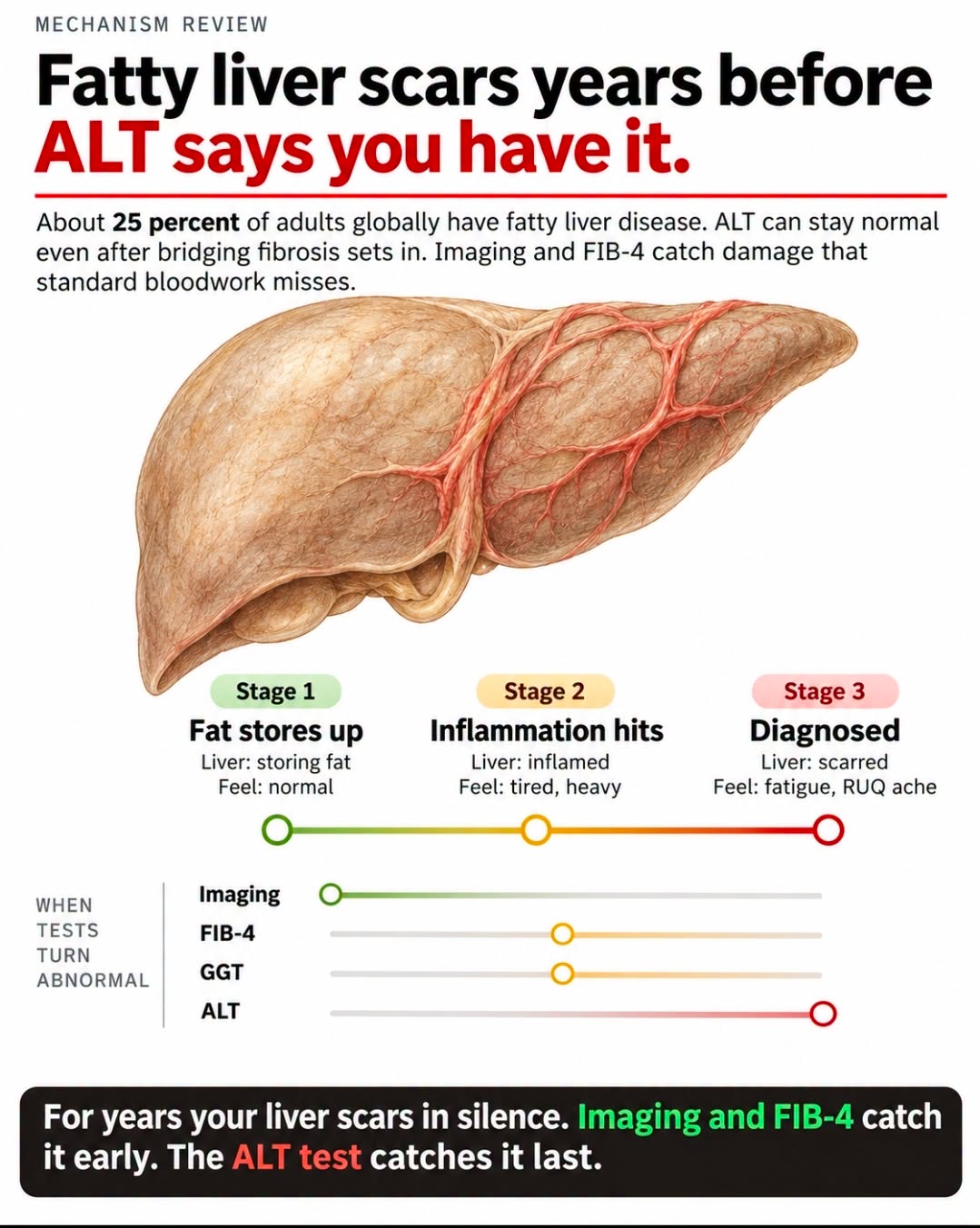
Fatty liver can scar the liver years before ALT rises; 10% weight loss resolves it in 90%

Nov 03, 2026 · Louis Nervegna ♥ 1 Weight, visceral & liver fat

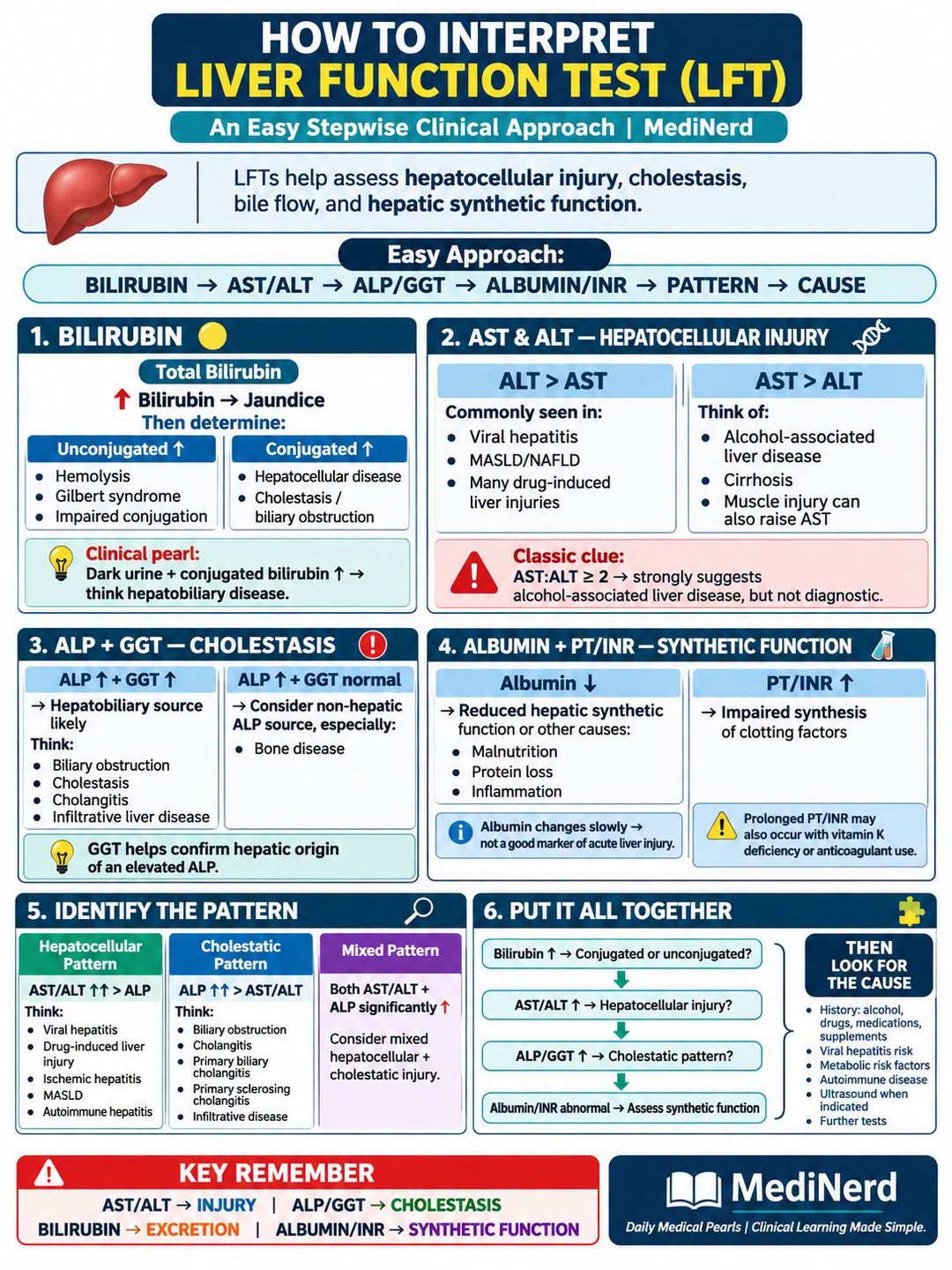
Routine ALT testing can miss advanced fatty liver disease: a Hepatology study biopsied 51 patients with normal ALT and found 12 with bridging fibrosis and 6 with cirrhosis. The post notes selection bias in that sample but says fibrosis behind a normal ALT is well established. Ten percent body weight loss resolved fatty liver in 90 percent and regressed fibrosis in 45 percent, and Mediterranean diet, resistance training and insulin-resistance management reduce liver fat independent of weight.