I’ve posted previously about recent research that suggests shrinking of the thymus gland with increasing age might directly cause age-related diseases like heart disease and cancer.
See these older posts on the subject:
Now researchers are starting to uncover the mechanisms by which this might occur.
The thymus gland produces a hormone called thymulin. New research demonstrates that thymulin strongly dampens age-related inflammation. This hormone might be one of the “youth factors” present in young blood. As the thymus gland shrinks with increasing age, it produces less and less of this potentially youth-promoting hormone.
Link to journal paper:
Paper · Nat Commun · 2026Thymulin restrains age-associated myeloid inflammation and enhances cancer immunotherapyChronic inflammation increases with age and contributes to cancer progression and therapeutic resistance, yet the mechanisms underlying this process remain incompletely understood. Here, we identify an increased frequency of pro-inflammatory myeloid cells in aged mice and humans, characterized by elevated production of IL-1α, IL-1β, IL-6, and TNF-α. These cells are enriched in the breast tumor microenvironment and…nature.comThe researchers just received a 3.2 million dollar NIH grant to continue this promising research:
 Newsroom$3.2 million NIH grant funds USC study of age-related inflammation and cancerRelated News Thymus-derived hormone may help suppress age-related inflammation July 21, 2026 Four Keck School of Medicine of USC researchers elected as senior members of the National Academy of Inventors […]keck.usc.edu
My note:
This research seems to tie together a number of different threads in recent geroscience research. It not only provides some explanation for why the thymus gland seems to affect the aging process… but it also provides partial explanation for why older animals seem to benefit from transfusions of “young blood”… and for why they seem to benefit from removing their “old blood”.
Thymulin might be one of the factors in young blood that has a rejuvenative effect when transfused into older animals. In the absence of thymulin, harmful cytokines build up in the blood of older animals. Removing these accumulated cytokines from old blood seems to improve the health of older animals. Thymulin might help to prevent these cytokines from building up in the first place.
Quoted:
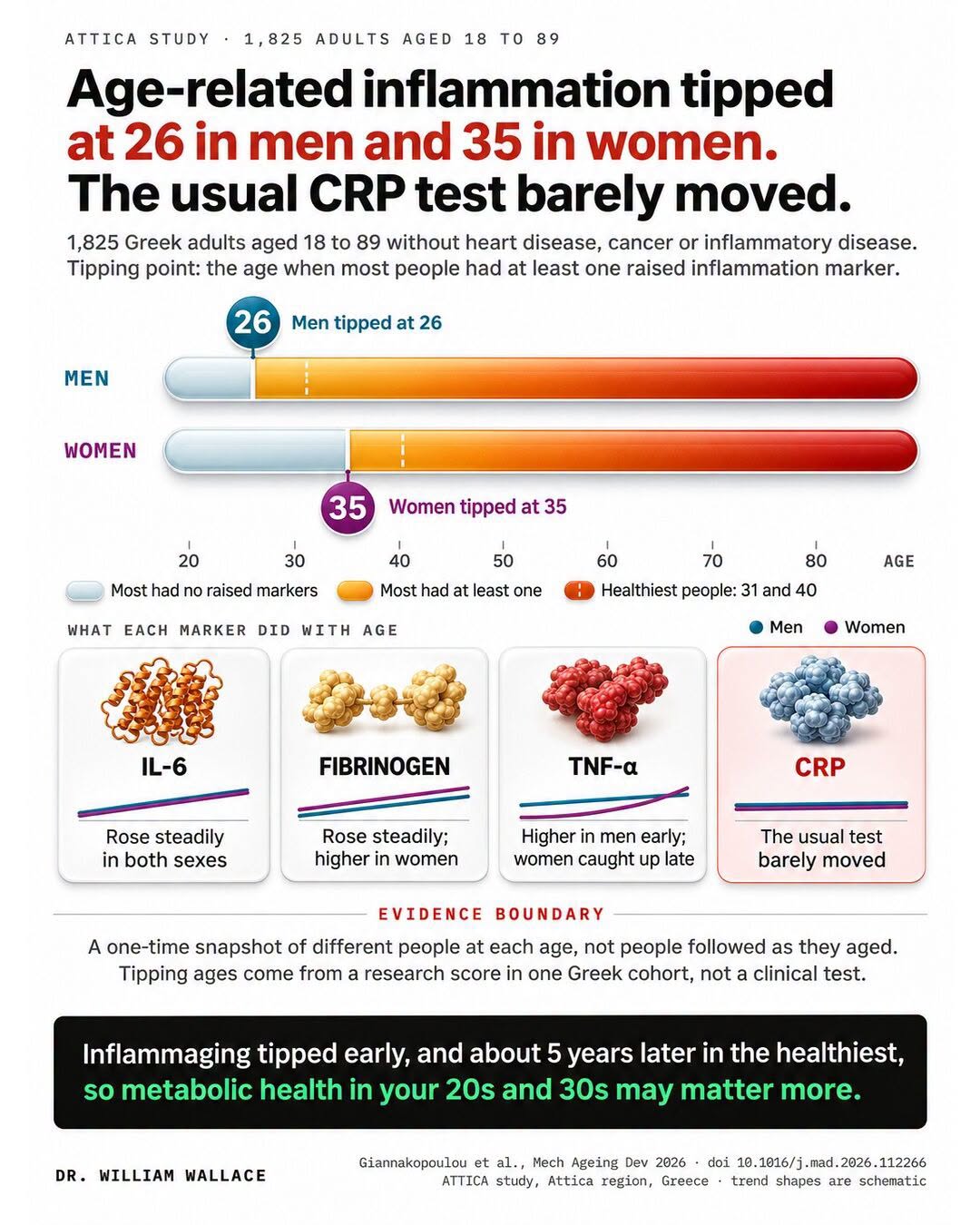
Chronic, low-grade inflammation in the body— a phenomenon known as "inflammaging" because it increases with age— has been linked to many of today's leading causes of illness and death, including cancer, heart disease, metabolic conditions and neurodegenerative diseases. But scientists have struggled to understand what causes inflammaging or how to reverse its effects.
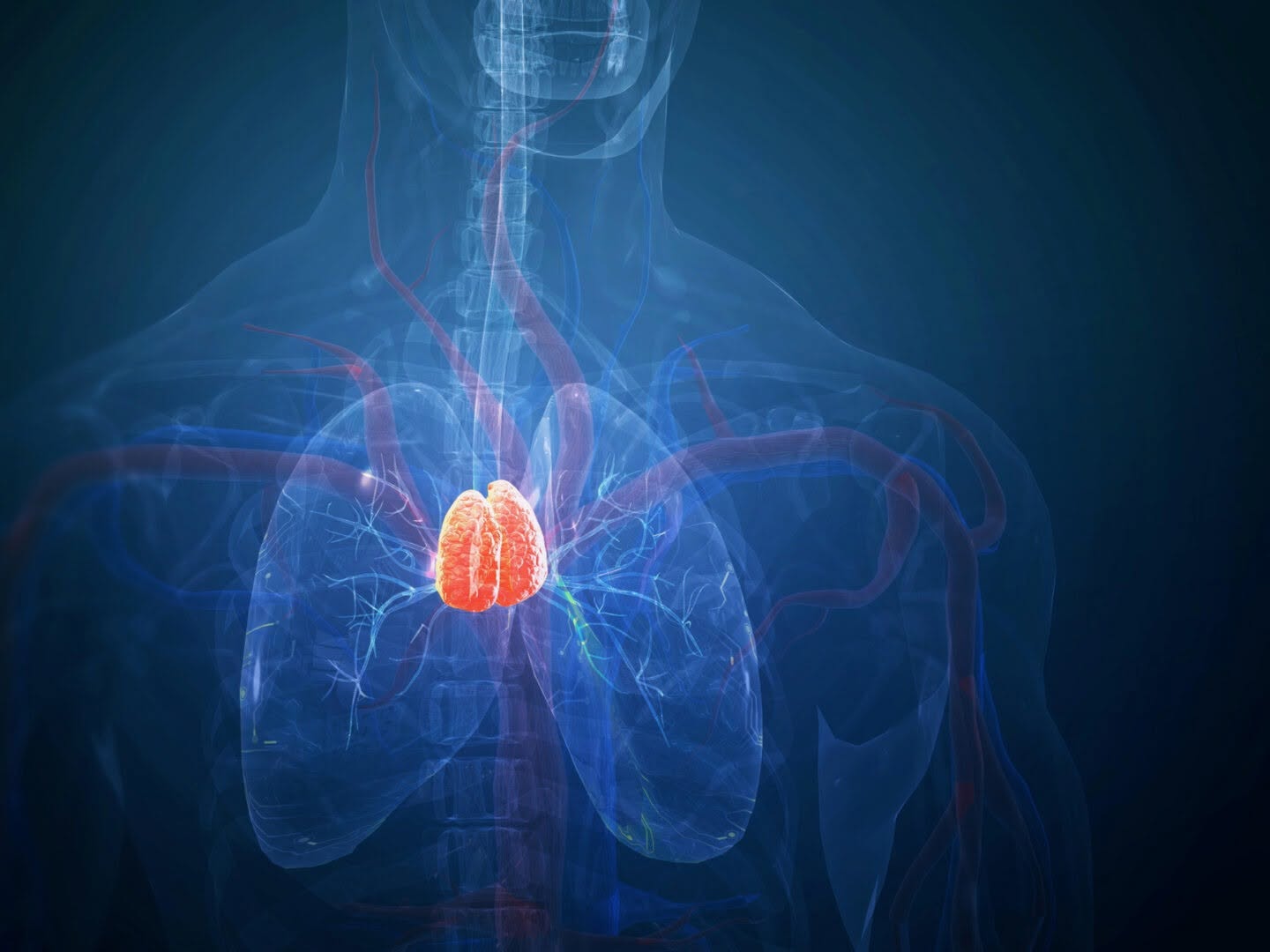
Researchers from the Keck School of Medicine of USC have now identified the thymus, a small organ behind the breastbone that plays a central role in immune system development, as a key player in inflammaging. They discovered that thymulin, a hormone produced by the organ, keeps inflammation under control. As we age, thymulin decreases and inflammation increases, allowing diseases like cancer to progress. In older mice, increasing thymulin levels improved cancer survival and made immunotherapy more effective. The study, funded by the National Institutes of Health, was just published in Nature Communications.
Recent research has hinted that the thymus could be linked to chronic inflammation. Now, this discovery goes a step further, uncovering a biological mechanism that may actively drive that process. Thymulin could one day be tested in clinical trials as a way to treat cancer and other diseases.
"Together, these findings uncover a pathway linking aging, inflammation and cancer immunity, and suggest thymulin as a potential strategy to improve cancer immunotherapy in older individuals," said Ito, who is also vice chair of basic and translational science in the Department of Surgery.
Beyond cancer, a range of conditions have been linked to inflammaging, including diabetes, chronic kidney disease and Alzheimer's disease. Ito plans to investigate the role of thymulin in other chronic diseases in collaboration with experts across the Keck School of Medicine.
#thymusHD #thymulinHD #inflammationHD #inflammagingHD #agingHD #cancerHD