HD-OPM Archive
Topics › Metabolic health

Inflammation & CRP

167 posts (59 primarily about this topic) · 40 reposts and set-aside posts not shown

Start here — the best posts in this topic

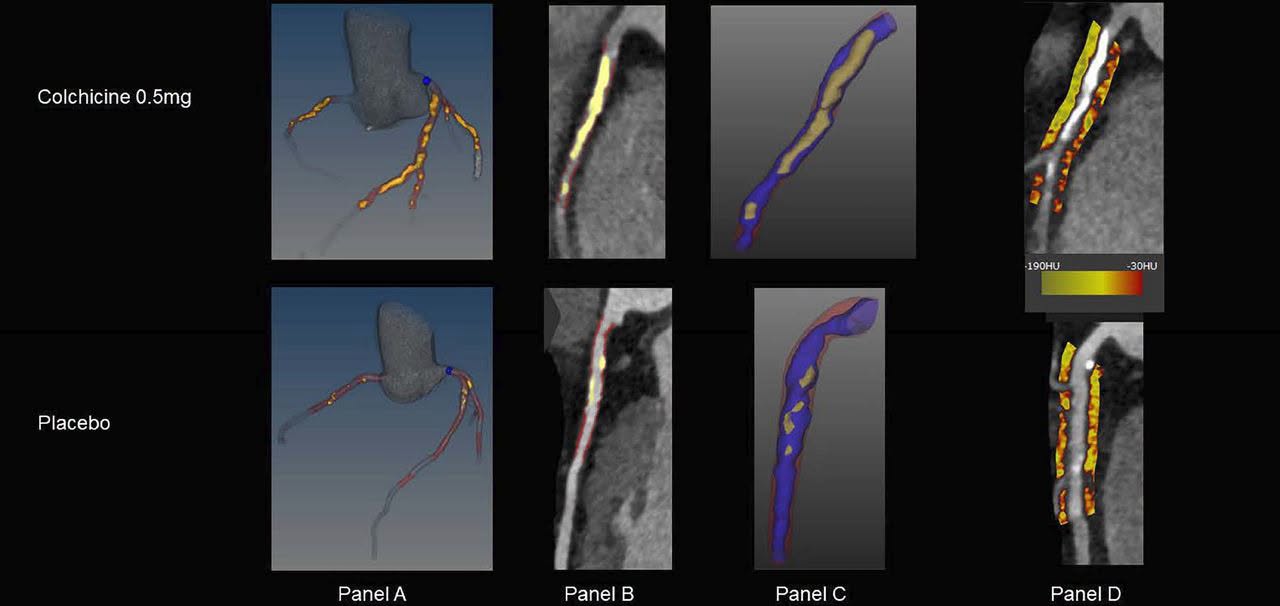
  1. Colchicine 0.5 mg cut plaque volume by over 1% in one year on CT angiography (Budoff) ↩ 9 · May 11, 2025
  2. Pioglitazone slowed coronary plaque progression and shrank necrotic core in diabetics ↩ 1 · Jan 14, 2025
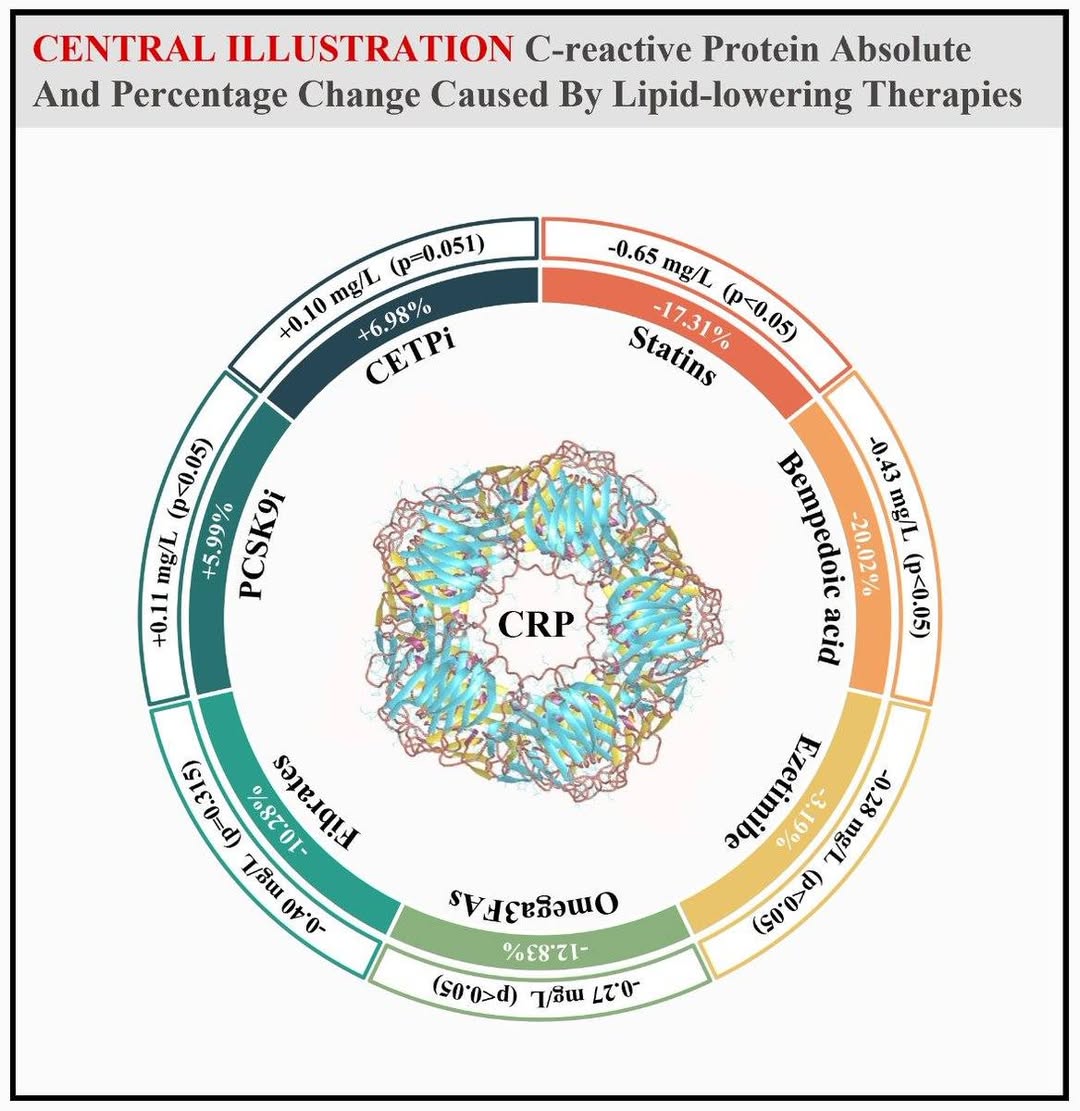
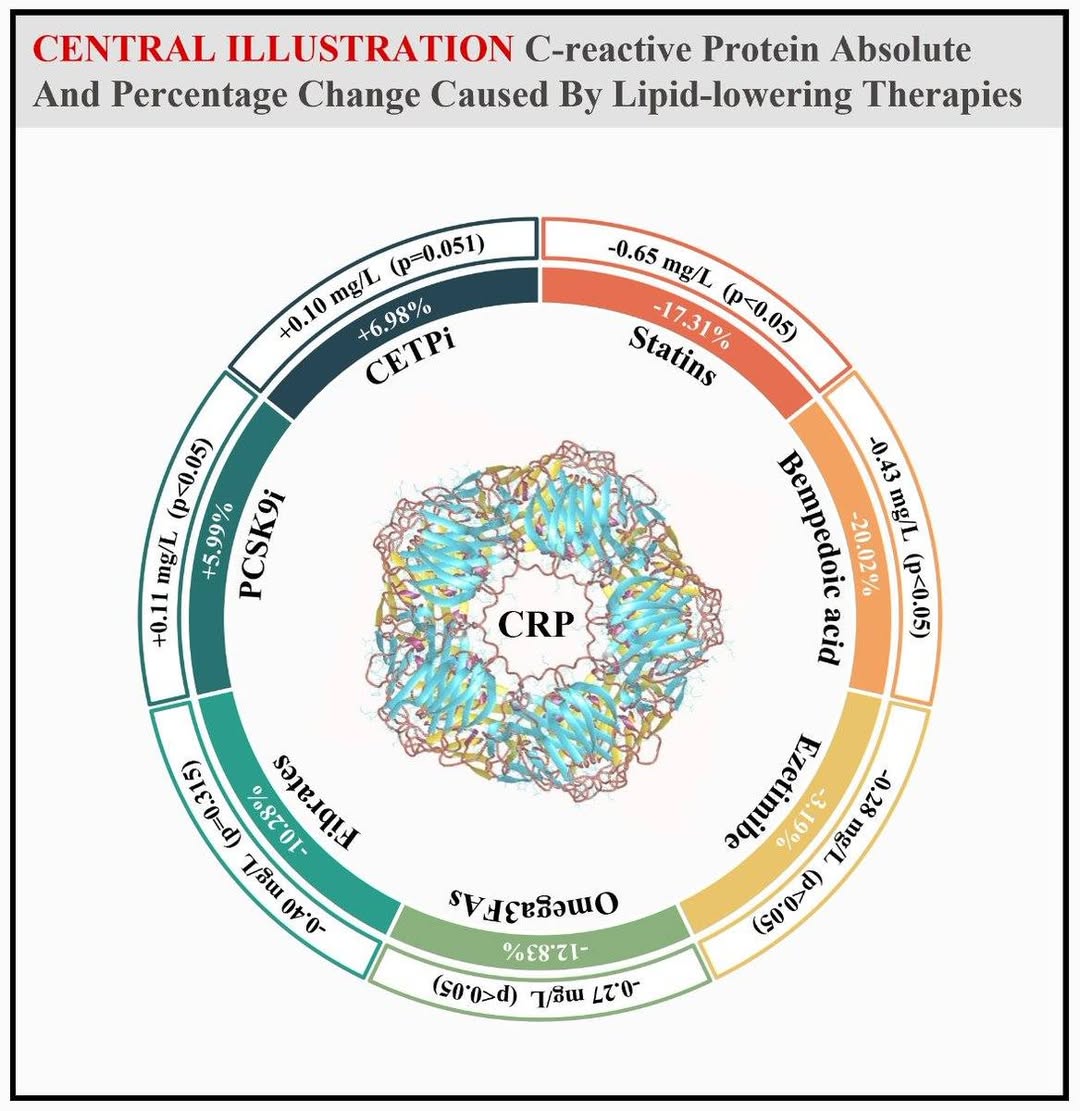
  3. ACC urges measuring hsCRP; statins cut hsCRP about 1 mg/L in a 26-RCT meta-analysis Oct 09, 2025
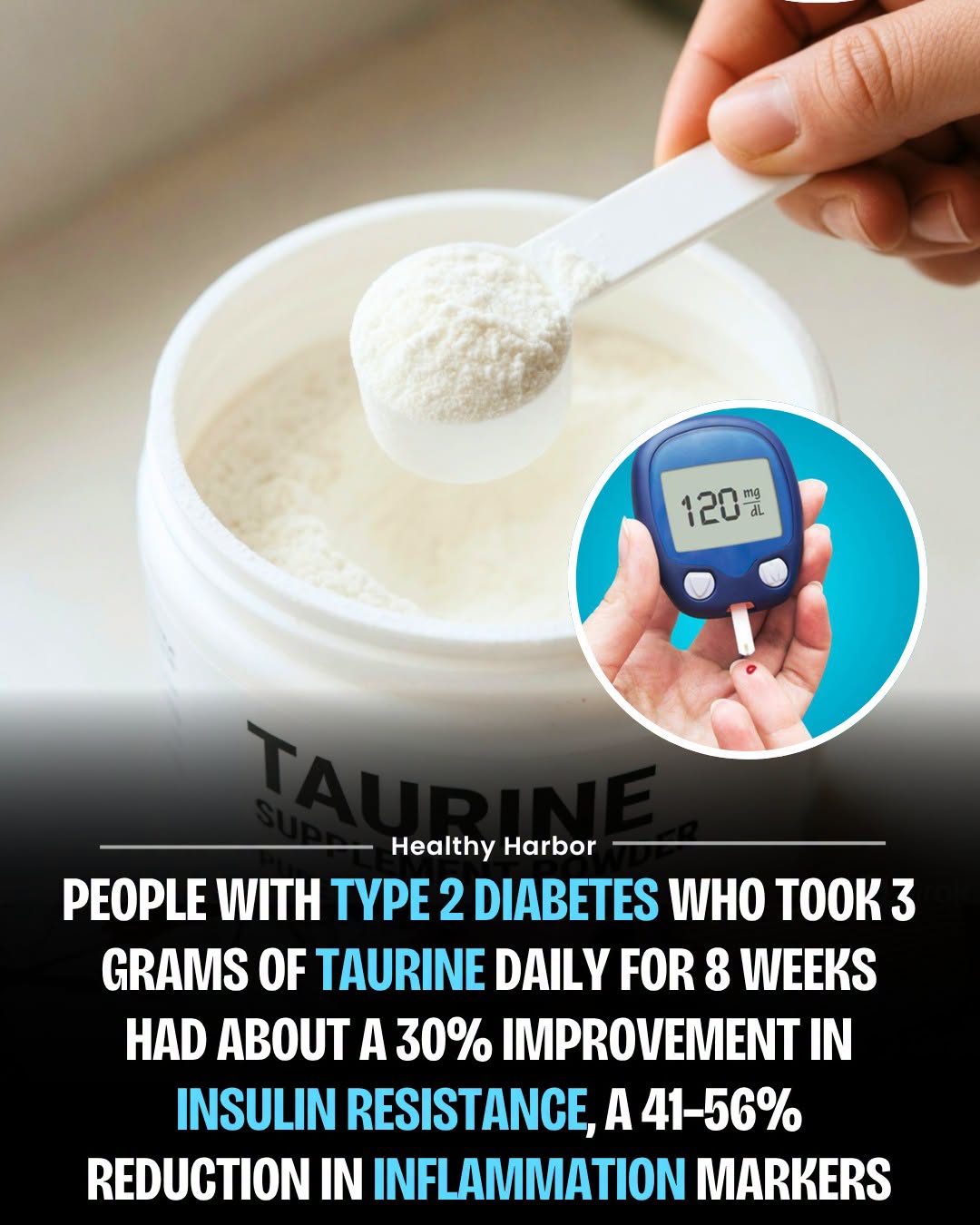
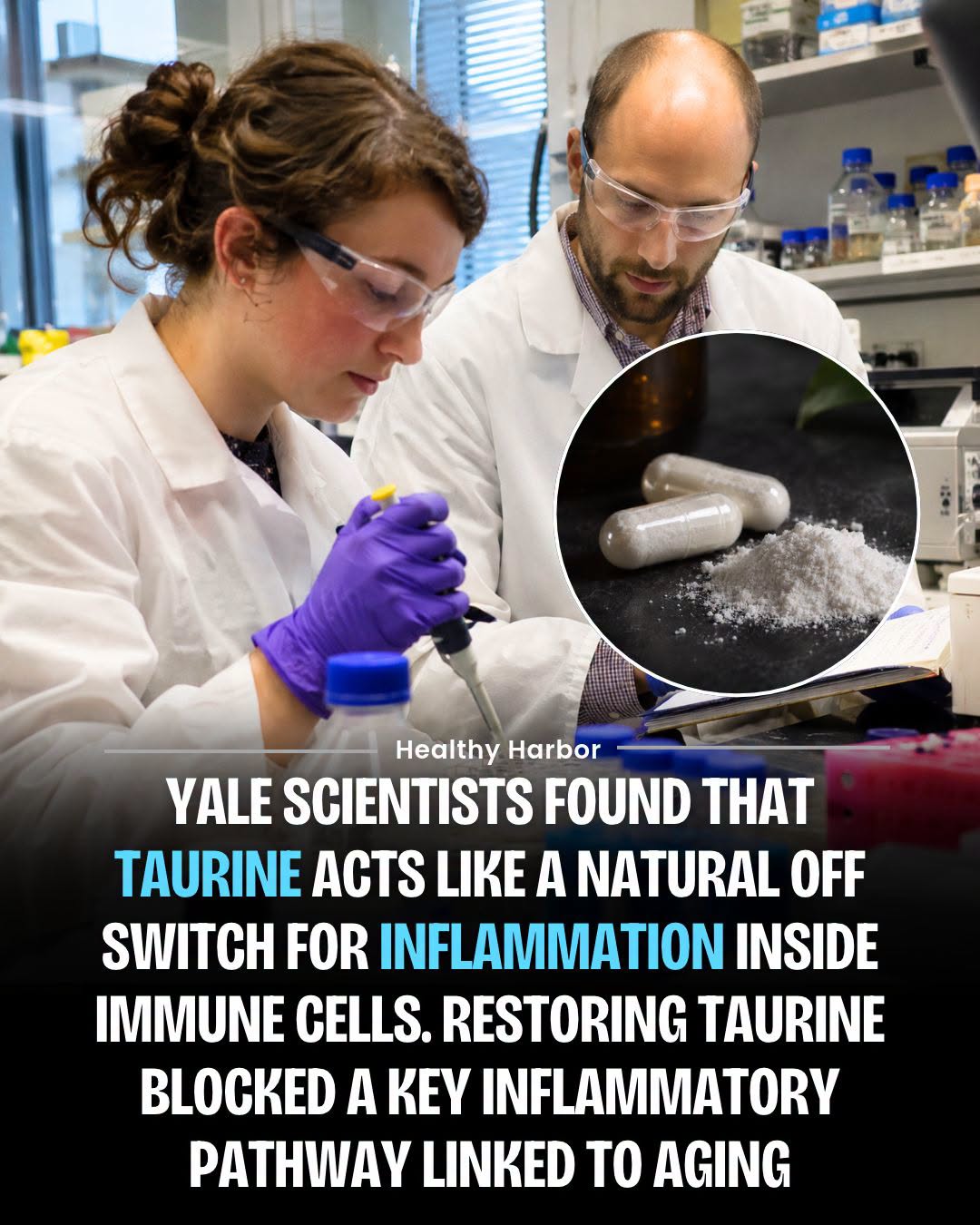
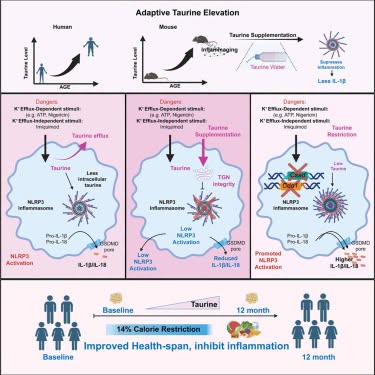
  4. Yale: blood taurine is central to controlling age-related inflammation (inflammaging) ↩ 1 · Oct 25, 2026
  5. Taurine and cardiovascular disease: anti-inflammatory and vascular effects ↩ 2 · Jan 27, 2024
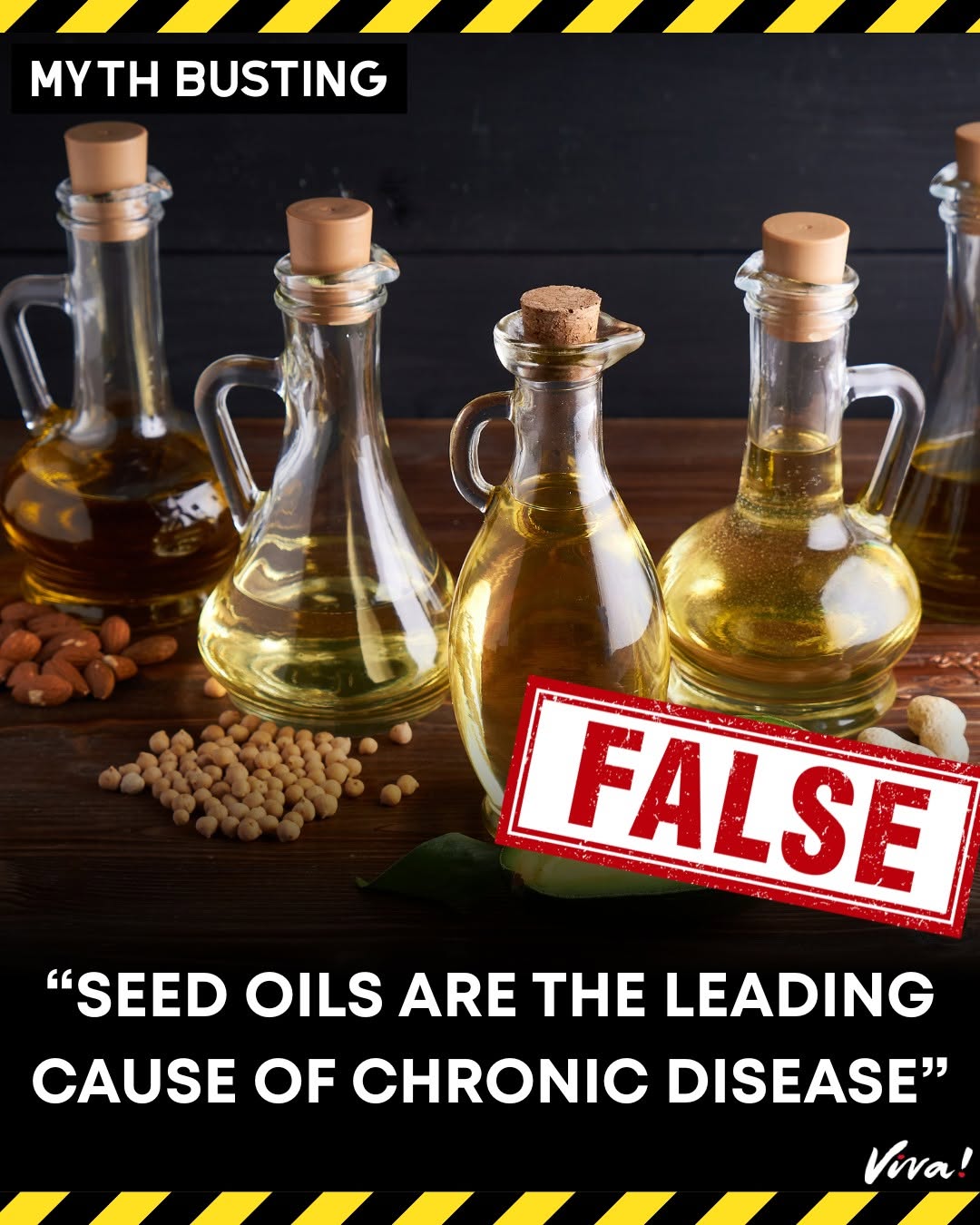
  6. Dozens of human RCTs show omega-6 oils from nuts and seeds do not cause inflammation ↩ 1 · Sep 10, 2024
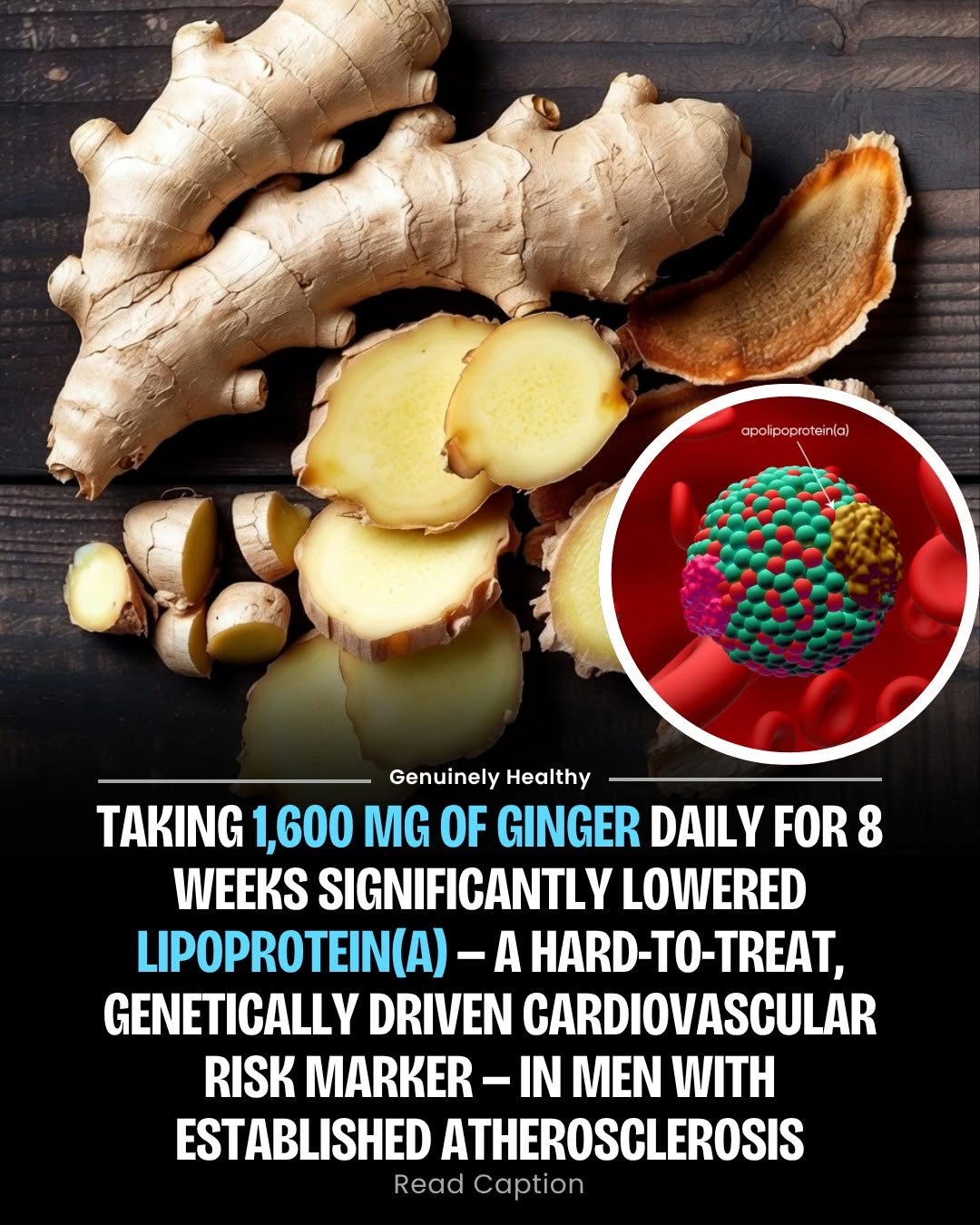
  7. Ginger 1,600 mg/day for 8 weeks lowered Lp(a), hsCRP and fasting glucose in a small RCT Apr 28, 2026
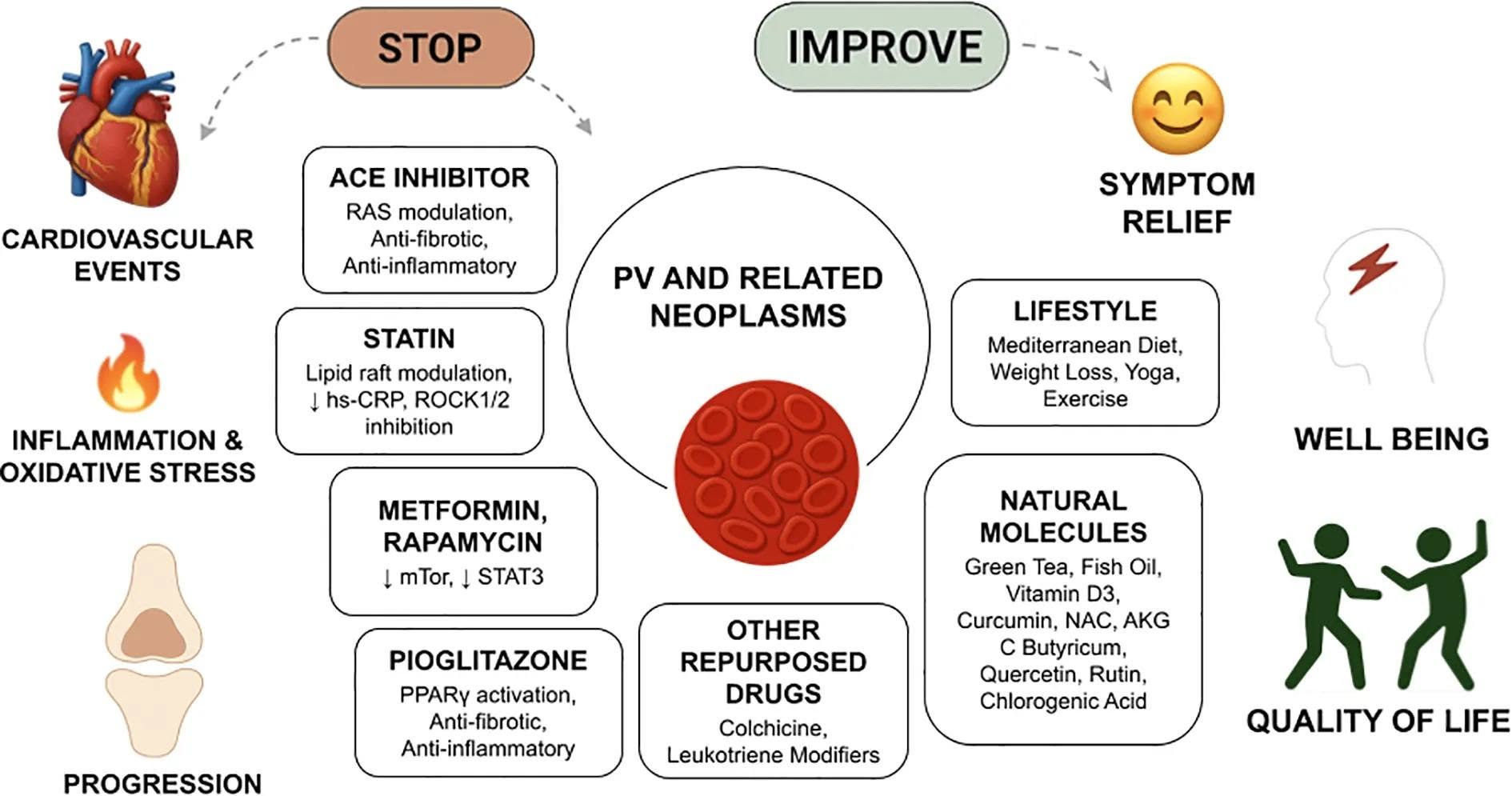
  8. Mergen and Hasselbalch review heart drugs, supplements and lifestyle in polycythemia vera Jun 11, 2026
#inflammation 124#seedoils 27#omega6 26#inflammation6 25#aging 22#crp 21#atherosclerosis 21#hscrp 20#plaque 18#statins 17#cardiovascular 16#cholesterol 14#linoleicacid 13#il6 13#mice 13#heartdisease 12#colchicine 11#longevity 11#inflammaging 10#diabetes 10#lpa 10#tnfalpha 10#riskfactors 10#cardiovasculardisease 9#omega3 9#heartattack 9#visceralfat 9#protein 8#insulin 7#omega6diabetes 7#chip 7#infection 7#statinspleiotropy 6#obesity 6#supplements 6#cancer 6#adiponectin 5#statinsinflammation 5#calorierestriction 5#taurine 5

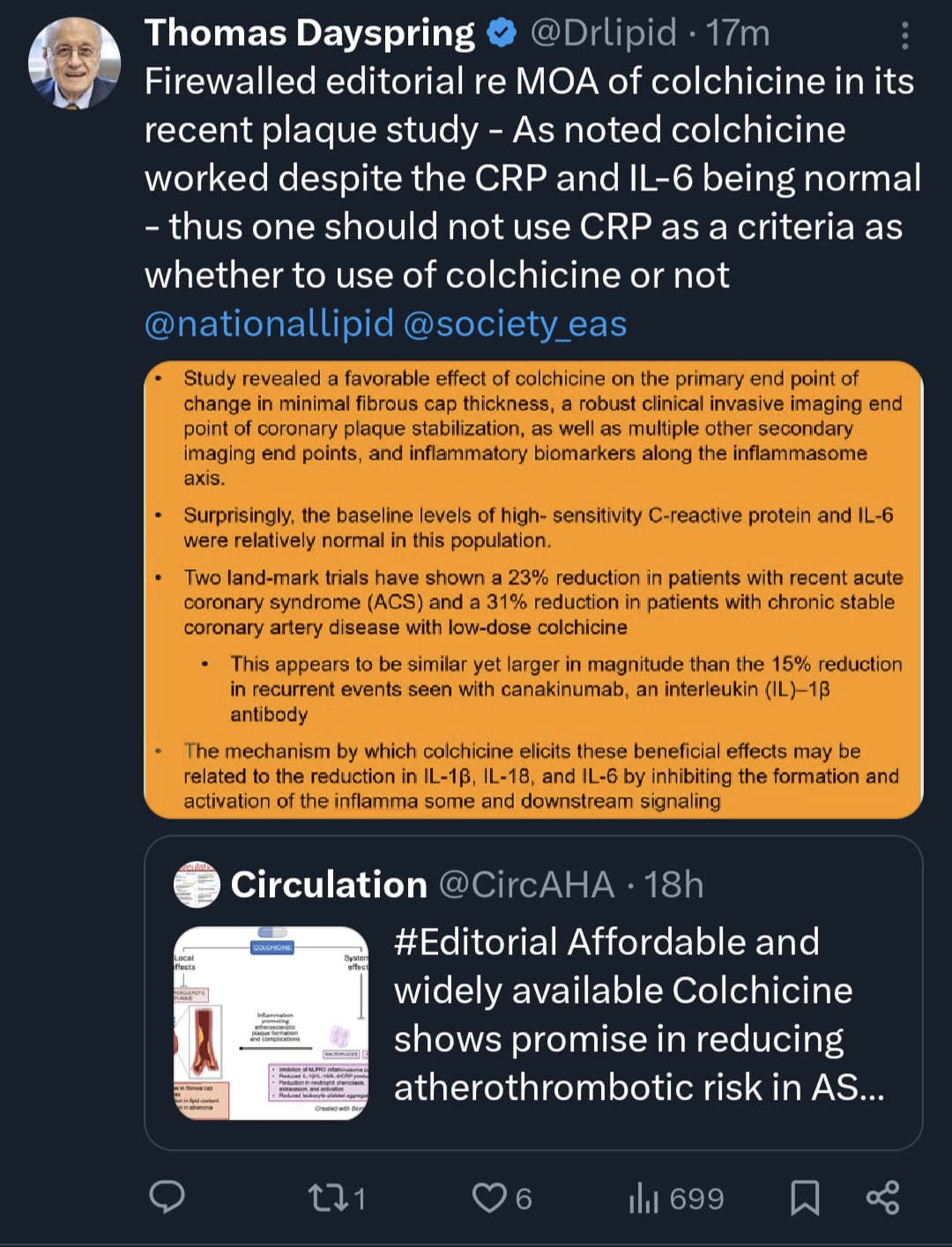
Colchicine 0.5 mg cut plaque volume by over 1% in one year on CT angiography (Budoff)

May 11, 2025 · Louis Nervegna ♥ 20 · 💬 37 ↩ 9 Plaque, CAC & CT angiography

Louis highlights a Budoff-led CCTA trial in which low-dose colchicine reduced percent atheroma volume by over 1% in a year, with lower CRP and a slowing of calcified plaque. He contrasts this with the Keto-CTA study, where PAV rose 0.8% on a keto diet. Budoff notes it was a small study but supports colchicine in chronic stable coronary disease.
Taurine and cardiovascular disease: anti-inflammatory and vascular effects

Jan 27, 2024 · Gokhan Can ♥ 21 · 💬 26 ↩ 2 Supplements & vitamins

A long evidence summary on taurine: deficiency causes cardiomyopathy in cats and in humans with transporter defects, higher taurine intake correlates with lower coronary disease, and animal studies show reduced atherosclerosis and vessel relaxation. The author is considering a supplement against chronic inflammation; most evidence cited is animal or observational.

Mergen and Hasselbalch review heart drugs, supplements and lifestyle in polycythemia vera

Jun 11, 2026 · Gokhan Can ♥ 40 · 💬 11

The admin announces a March 2026 Frontiers in Hematology paper with Dr Hasselbalch after five years of research. It analyses how cardiovascular drugs, supplements and lifestyle can be used in polycythemia vera and related blood disorders, and the links between cardiovascular disease, chronic inflammation and blood stem cell mutations.

Eight human feeding studies on canola oil show no sign of inflammation

Sep 05, 2024 · Louis Nervegna ♥ 15 · 💬 23 Fats & oils (saturated fat, seed oils, omega-6, olive oil)

Louis shares a literature search by Physionic that found eight controlled human feeding studies testing whether canola oil is inflammatory. After reading them, Louis says there is no evidence of inflammation, and if anything the opposite, so the claim is unfounded. He prefers olive oil himself and urges fact-checking influencers.

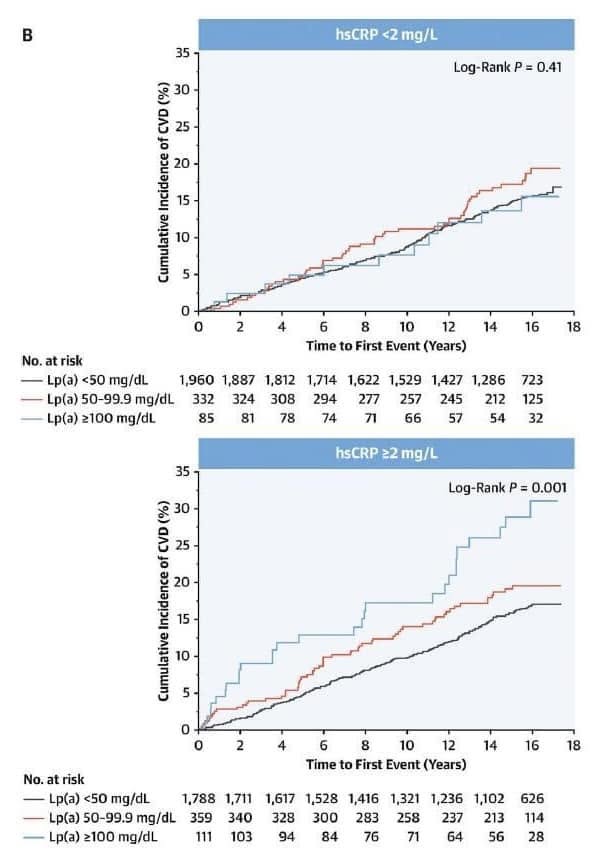
MESA: high Lp(a) raised CVD risk only when hsCRP was 2 mg/L or higher

Jul 12, 2024 · Louis Nervegna ♥ 16 · 💬 12 ↩ 4 Lp(a)

In MESA (mean follow-up 13.6 years, 684 CVD events), high Lp(a) conferred no significant risk when hsCRP was below 2 mg/L. With hsCRP of at least 2, Lp(a) of 50-99.9 mg/dL had HR 1.36 and 100 or more had HR 2.09. Participants were lower-risk, averaged age 62, so applicability to others is unclear.

2025 ACC statement: inflammation in ASCVD is compelling and clinically actionable

Sep 30, 2025 · Louis Nervegna ♥ 23 · 💬 10

The American College of Cardiology's scientific statement says the evidence linking inflammation with atherosclerotic CVD is no longer exploratory, and provides consensus recommendations for evaluation, treatment and prevention. hsCRP is highlighted as a key marker of residual inflammatory risk.

PROVE IT-TIMI 22: atorvastatin 80 mg early after a heart attack cut 30-day events 28%

Jul 31, 2024 · Louis Nervegna ♥ 21 · 💬 11 Statins

The post explains why high-intensity atorvastatin is started right after a heart attack: in PROVE IT-TIMI 22, 30-day death/MI/rehospitalization was lower with atorvastatin 80 mg than pravastatin 40 mg. The rapid effect is attributed to pleiotropic effects (anti-inflammatory, plaque and endothelial stabilization), though LDL lowering itself may contribute.

COSMOS cocoa extract lowers hsCRP in older adults, possibly explaining CVD benefit

Sep 17, 2025 · Louis Nervegna ♥ 19 · 💬 11 ↩ 1

Medical Xpress reports that daily cocoa extract supplementation lowered hsCRP, a key inflammation marker, in older adults in the COSMOS randomized trial. Louis notes this anti-inflammatory effect may partly explain the reduction in cardiovascular mortality seen in the trial.

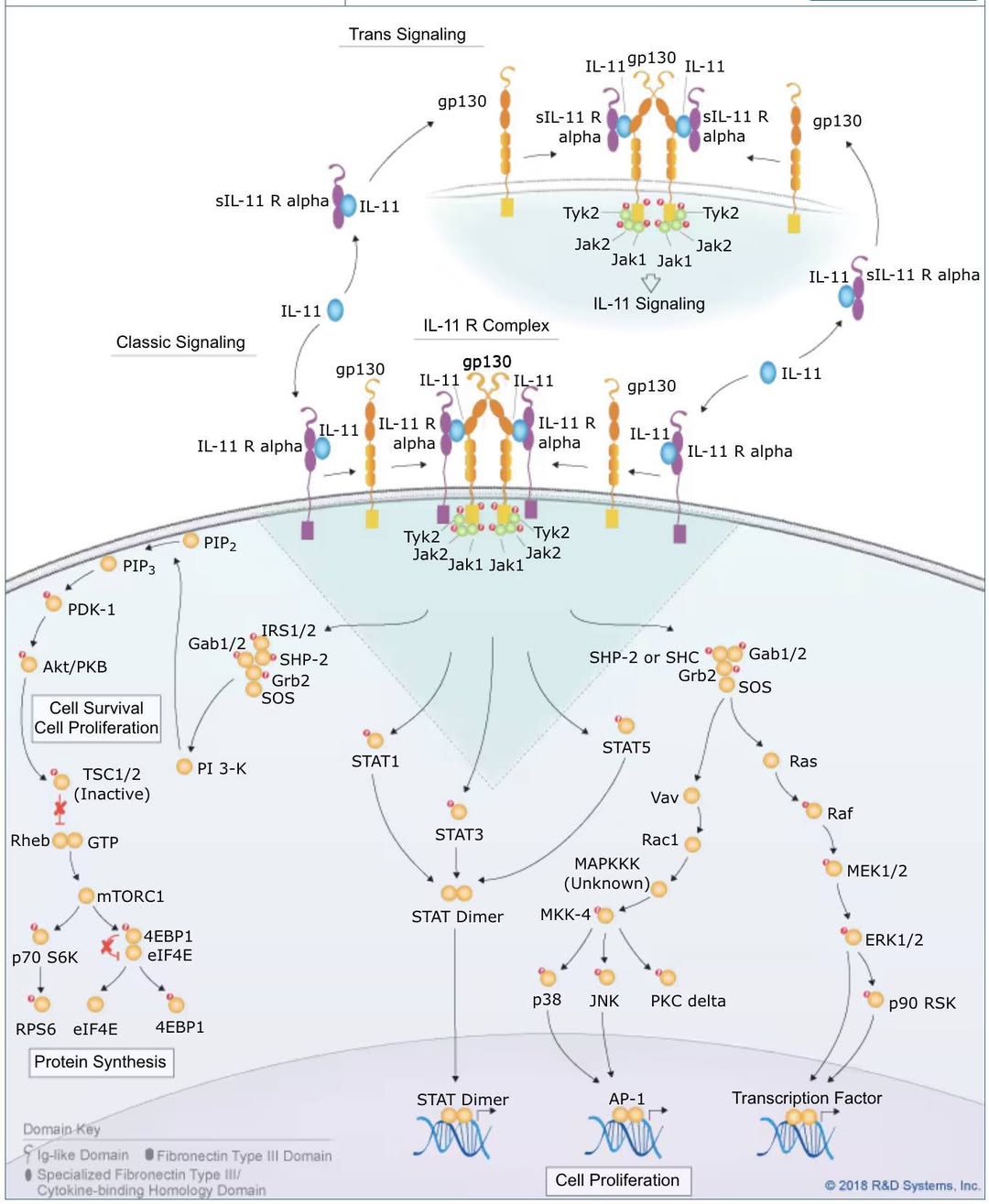
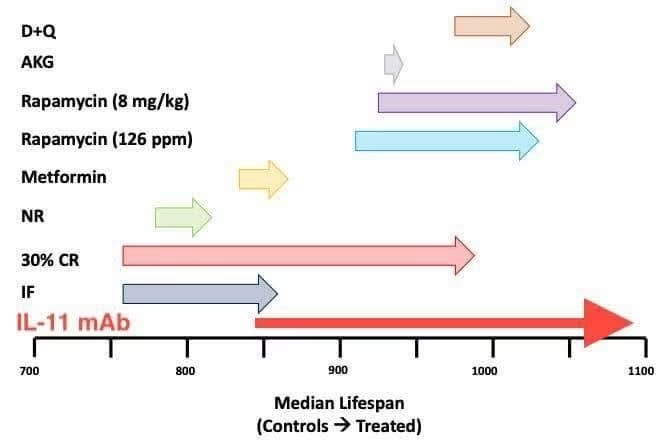
Blocking IL-11 extended mouse lifespan ~25%; diets and drugs that may lower it listed

Jul 17, 2024 · Louis Nervegna ♥ 19 · 💬 15 ↩ 1

A news share on the study showing IL-11 blockade extends mouse lifespan by about 25%. IL-11 is a pro-inflammatory cytokine from the IL-6 family that rises with age; the poster suggests Mediterranean diet, exercise, statins, aspirin, metformin and ACE inhibitors may reduce IL-6 family signaling, and colchicine may too (speculative).

2025 ACC statement: inflammation is actionable in CVD, with universal hsCRP screening

Oct 09, 2025 · Gokhan Can ♥ 15 · 💬 13

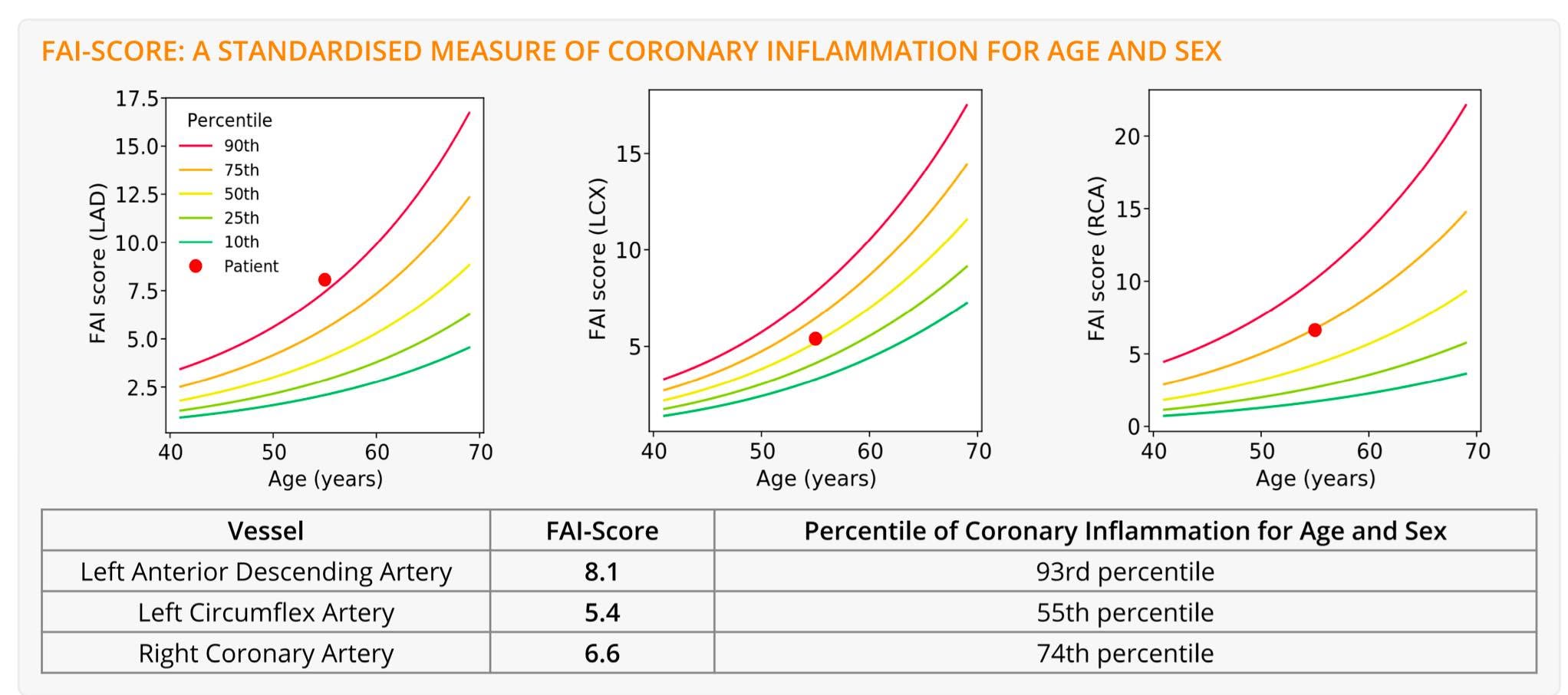
Summarises the 2025 ACC Scientific Statement (JACC) concluding the inflammation-ASCVD link is now clinically actionable. It recommends universal hsCRP screening in primary and secondary prevention alongside cholesterol, notes IL-6 and fibrinogen also predict risk, and says CT perivascular fat attenuation is promising but not routine. It contrasts this with a more cautious 2002 CDC/AHA workshop.

Engineered regulatory T cells targeting oxidized LDL cut plaque 70% in mice

Nov 22, 2025 · Gokhan Can ♥ 35 · 💬 7

Summarises a University of Pennsylvania preclinical study adapting CAR T therapy: Tregs engineered to recognise oxidized LDL dampened arterial inflammation and reduced plaque 70% in cholesterol-prone mice. Unlike cancer CAR-T, the cells suppress rather than destroy; it is a possible add-on for patients at risk despite cholesterol drugs.

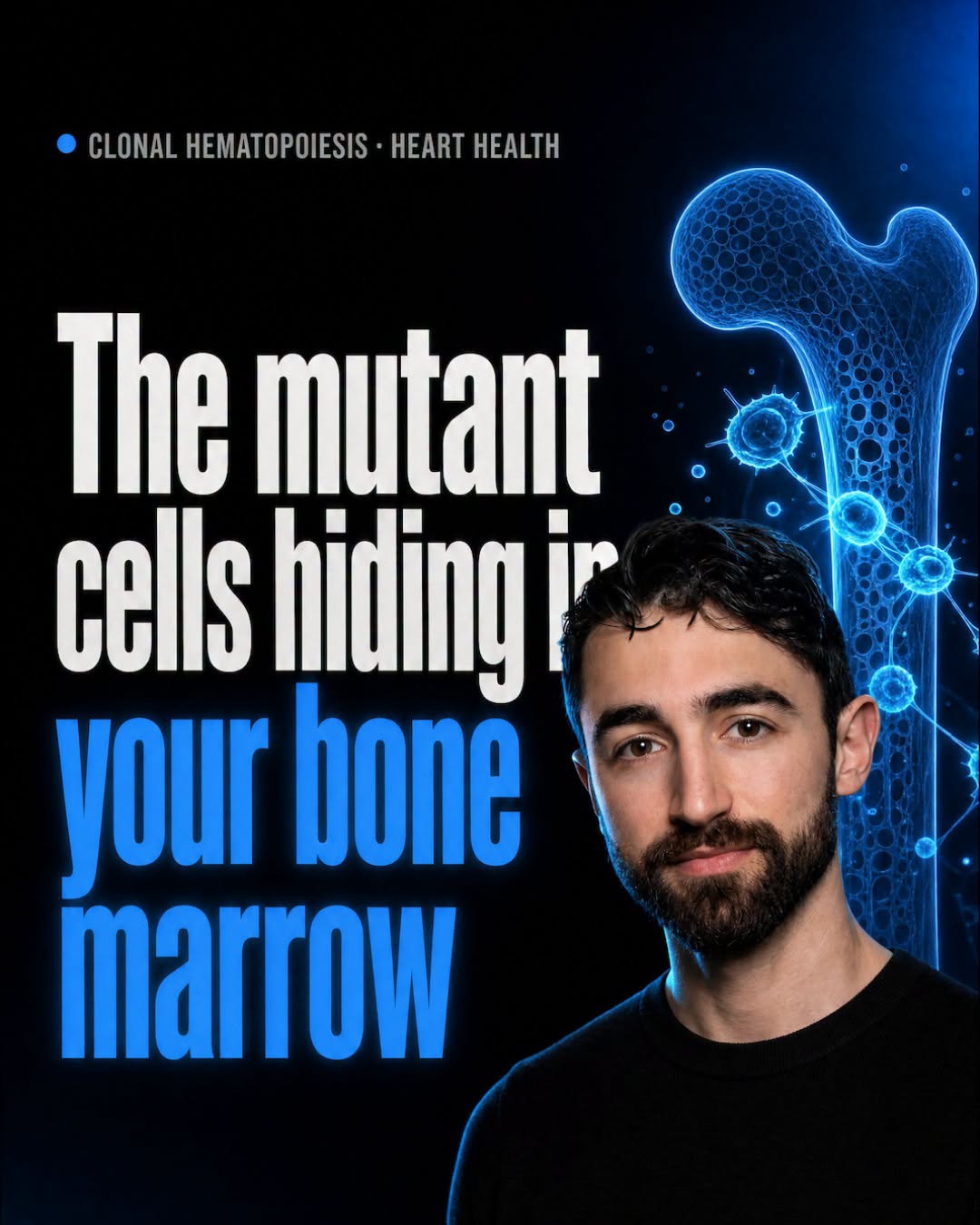
Mutated blood stem cells (CHIP) may be a major cause of heart disease, doubling MI risk

Apr 08, 2024 · Louis Nervegna ♥ 14 · 💬 13

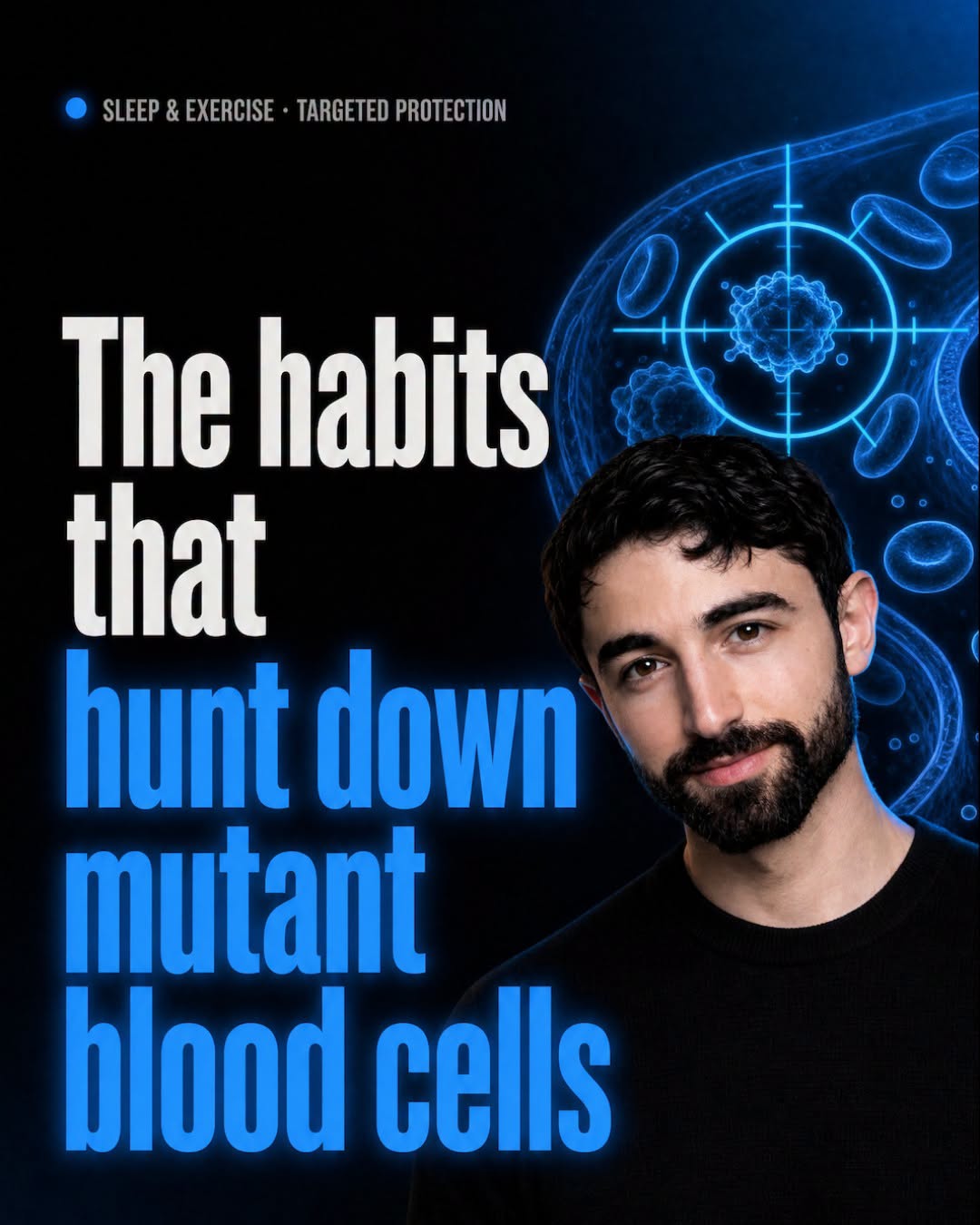
Louis explains clonal hematopoiesis (CHIP): age-related mutations in bone-marrow stem cells yield white blood cells that drive inflammation and plaque growth, and the same mutations link to leukemia. A quoted report says CHIP carriers had a 54% higher chance of dying within a decade, from heart attacks and strokes, and mouse transplants of CHIP-mutated cells produced fast-growing, inflamed plaques. Louis credits Gokhan Can for pointing him to this.

Shingles vaccine tied to slower biological aging and less inflammation in 3,800 elders

Feb 28, 2026 · Gokhan Can ♥ 22 · 💬 11 Infections & vaccines

Reports a large national study of more than 3,800 Americans aged 70+, in which shingles-vaccinated people showed slower biological aging, lower chronic inflammation and slower aging-related changes in gene activity. This suggests the vaccine may calm 'inflammaging', the low-grade inflammation tied to heart disease, frailty and cognitive decline.

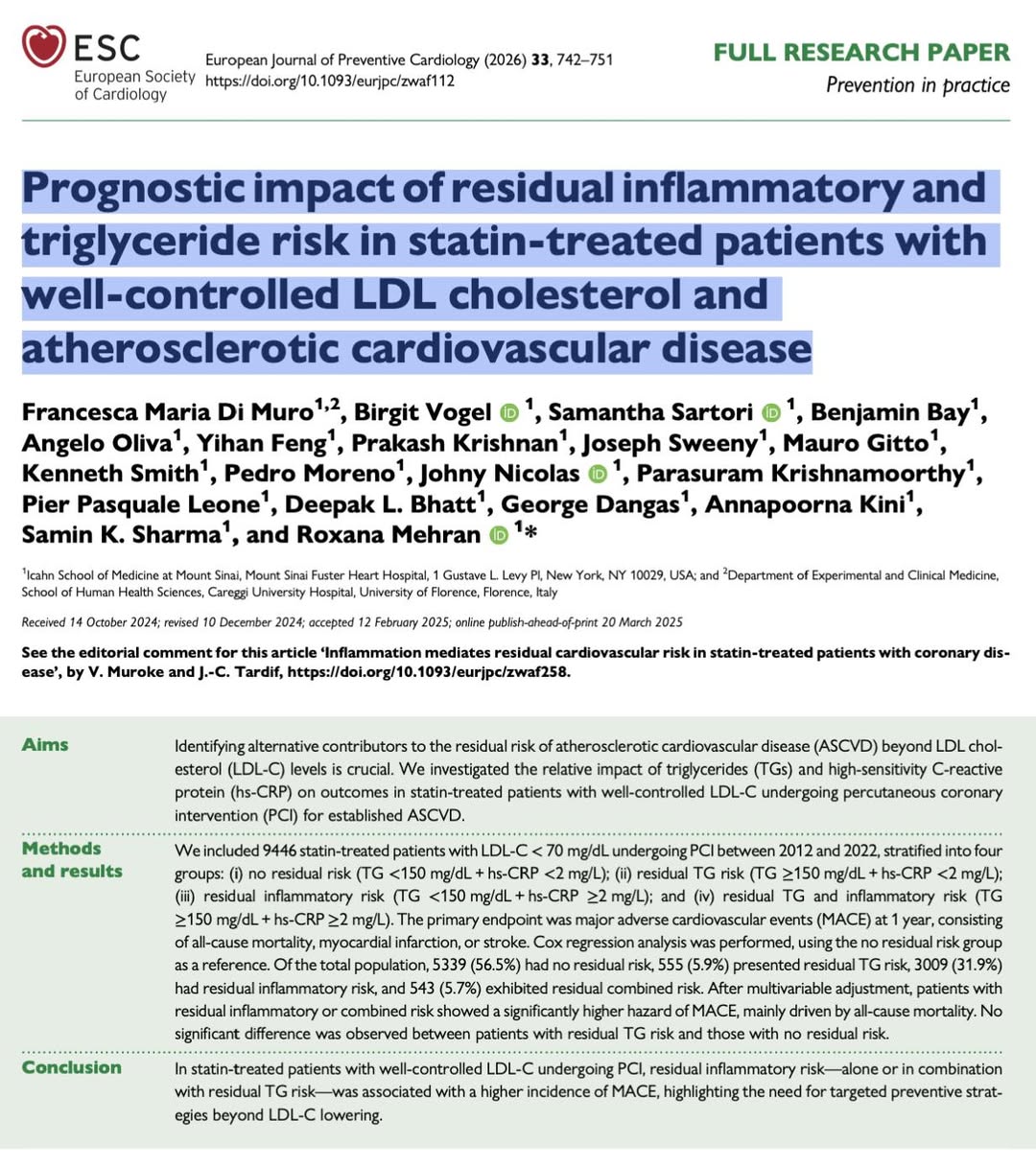
In statin-treated PCI patients with LDL <70, inflammation, not TG, gave ~1.8x more MACE

Apr 20, 2026 · Louis Nervegna ♥ 22 · 💬 10

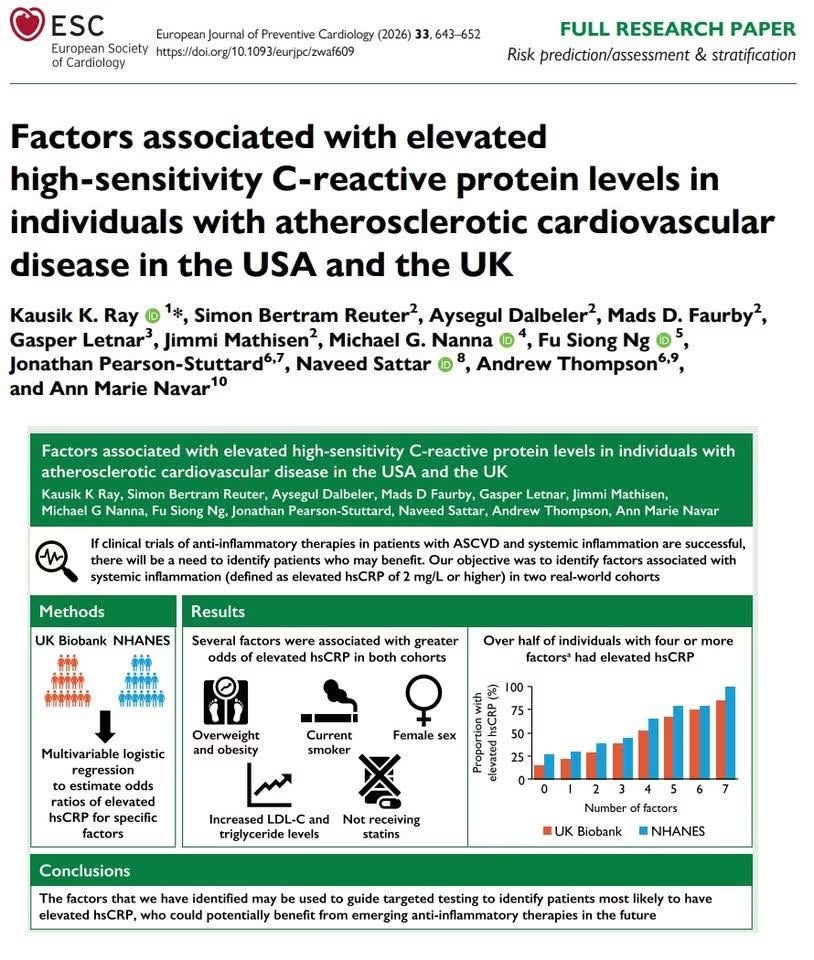
A shared study summary: among more than 9,400 statin-treated PCI patients with LDL under 70 mg/dL, elevated hs-CRP (2 mg/L or more) carried about 1.8x higher MACE risk, whereas elevated triglycerides alone showed no significant increase. Louis frames inflammation as a major driver of residual risk.

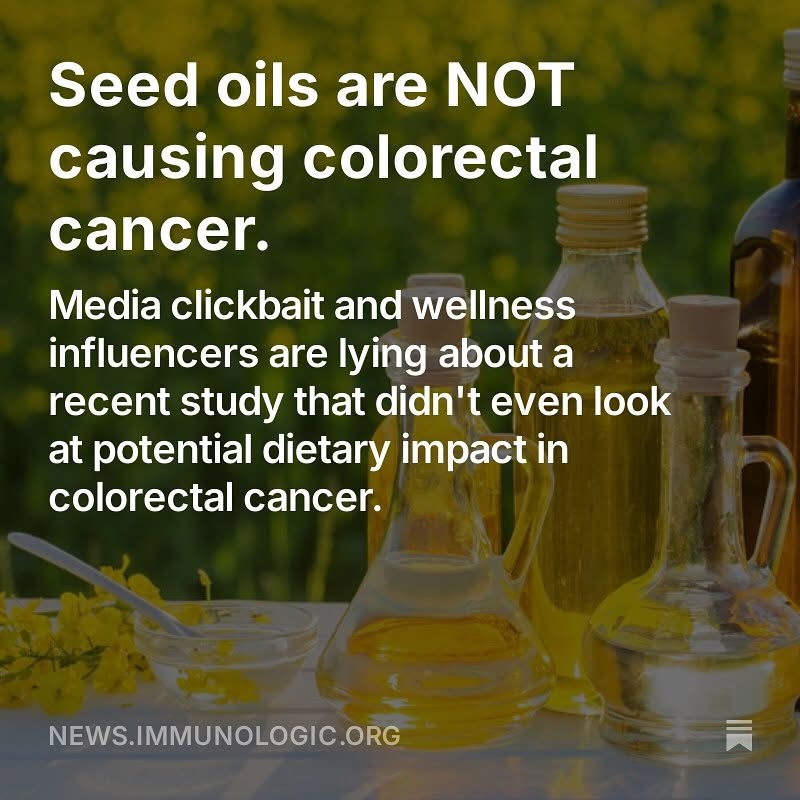
Dozens of RCTs show seed oils are not inflammatory; viral tumor study involved no diet

Dec 13, 2024 · Louis Nervegna ♥ 15 · 💬 14 Fats & oils (saturated fat, seed oils, omega-6, olive oil)

Louis says dozens of human RCTs show seed oils are not inflammatory and some show anti-inflammatory effects. He shares Andrea Love's explanation that a viral colorectal cancer study was a molecular screen of 40 tumor biopsies with no dietary component, and that only 0.2% of linoleic acid is converted into arachidonic acid.

NEJM: hs-CRP, LDL and Lp(a) each predicted 30-year CVD risk in women, best combined

Aug 31, 2024 · Louis Nervegna ♥ 8 · 💬 14 Risk assessment & lab tests

Louis highlights a NEJM Women's Health Study analysis of initially healthy women followed 30 years with 3,662 first major cardiovascular events. Top versus bottom quintile hazard ratios were 1.70 for hs-CRP, 1.36 for LDL and 1.33 for Lp(a), each independent, with the combination predicting best. The authors argue prevention should extend beyond 10-year risk estimates.

Colchicine may work partly by inhibiting IL-11, a lifespan-linked pro-fibrotic cytokine

Jul 26, 2024 · Louis Nervegna ♥ 13 · 💬 15 ↩ 4

The poster speculates that because colchicine, the first approved anti-inflammatory heart drug, has anti-fibrotic effects (it was studied in pulmonary fibrosis), it may act partly through IL-11 inhibition. Blocking IL-11 extended mouse lifespan by 25%, and anti-IL-11 therapies are entering pulmonary fibrosis trials. This is a hypothesis.

Libby vs Raal debate: is inflammation or LDL the key driver of CVD risk?

Oct 19, 2024 · Gokhan Can ♥ 11 · 💬 16

Summary of a debate video. Libby argues substantial residual inflammatory risk remains even with well-controlled LDL, with interleukin-6 causal in atherosclerosis. Raal argues LDL is the primary causal factor and inflammation a consequence.

Microplastics raised plaque 63% in male mice, with no change in cholesterol or weight

Dec 28, 2025 · Gokhan Can ♥ 13 · 💬 12 Environment (microplastics, pollution, heat)

Summarises a UC Riverside mouse study: atherosclerosis-prone mice given 10 mg/kg/day microplastics for nine weeks. Males had 63% more plaque in the aortic root and 624% more in the brachiocephalic artery; females had no significant increase. Weight and cholesterol were unchanged, suggesting direct endothelial damage and inflammation. Admin suggests high fiber and Finnish sauna as defenses (not from the study).

Curcumin has the strongest natural-product evidence for lowering TNF-alpha

Jun 24, 2026 · Louis Nervegna ♥ 17 · 💬 8

Louis states curcumin has the strongest evidence of any natural product for lowering the inflammatory cytokine TNF-alpha, which he says plays a causal role in many chronic diseases and aging. The shared FoundMyFitness note stresses that phytosomal forms are far more bioavailable and that TNF-alpha inhibitors are observationally linked to lower Alzheimer's risk.

Semaglutide cut inflammation 38% in SELECT; biggest drops tracked with fewer events

Aug 21, 2026 · Louis Nervegna ♥ 20 · 💬 4 GLP-1 drugs (semaglutide, tirzepatide)

A new analysis of the SELECT trial asks why semaglutide reduced cardiovascular events. Inflammation markers fell 38% versus placebo, early and even in people who lost little weight, and those with the biggest drops had the fewest events. Modelling suggests part of the drug's benefit runs through lower inflammation, though this shows a link rather than proof of cause.

Peter Libby on inflammation in atherosclerosis, CHIP, canakinumab and colchicine

Feb 17, 2024 · Gokhan Can ♥ 12 · 💬 9

Summarizes a talk by Dr. Peter Libby describing atherosclerosis as a disease of constant cellular conflict in plaques, with superficial erosion increasingly recognized in thrombosis. Bone marrow inflammatory signaling and clonal hematopoiesis drive white-cell accumulation, and canakinumab and colchicine have shown cardiovascular benefit.

Seed oils don't raise inflammation markers; butter linked to higher mortality

Mar 10, 2025 · Louis Nervegna ♥ 7 · 💬 11 Fats & oils (saturated fat, seed oils, omega-6, olive oil)

Louis quotes a news article in which Martha Belury says omega-6 linoleic acid does not significantly change blood inflammatory markers and that the omega-6 to omega-3 imbalance claim is oversimplified. It also reports the Brigham and Women's study of over 200,000 adults for 30+ years: highest butter intake linked to 15% higher mortality, highest plant oil intake to 16% lower.

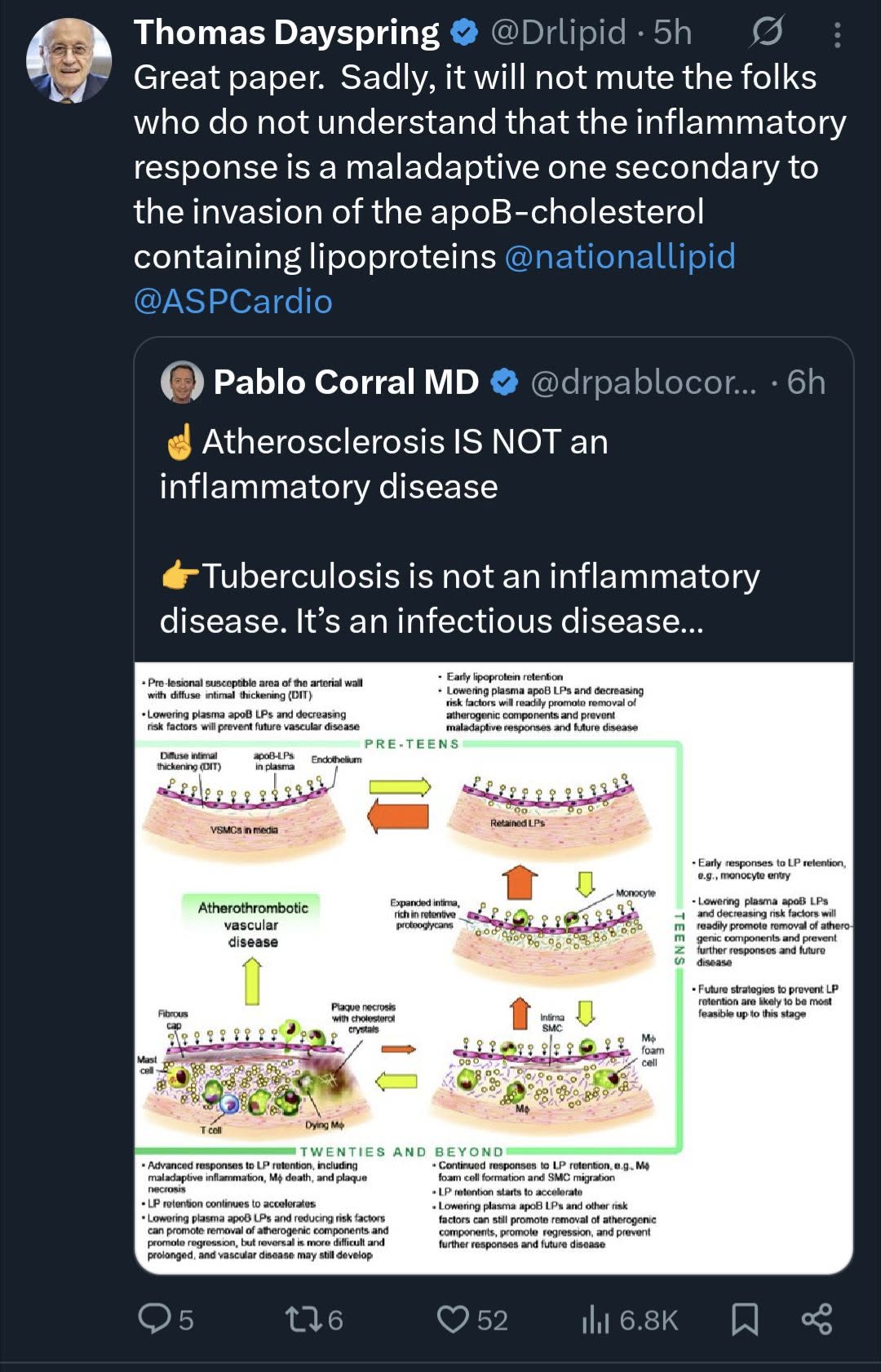
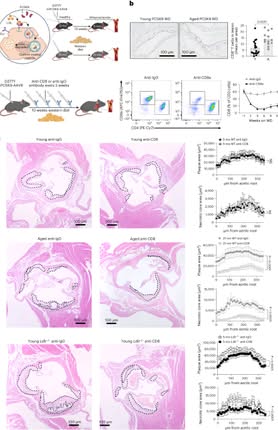
Mouse and human data suggest atherosclerosis meets criteria for an autoimmune disease

Oct 03, 2026 · Gokhan Can ♥ 13 · 💬 8

The post highlights a news report of a new study in mice and patients proposing that atherosclerosis meets the criteria for an autoimmune disease. Evidence is mostly from mouse models with supporting human correlational data, so it is early; more work is needed to learn how much of the disease this process drives and whether interrupting it could slow progression.
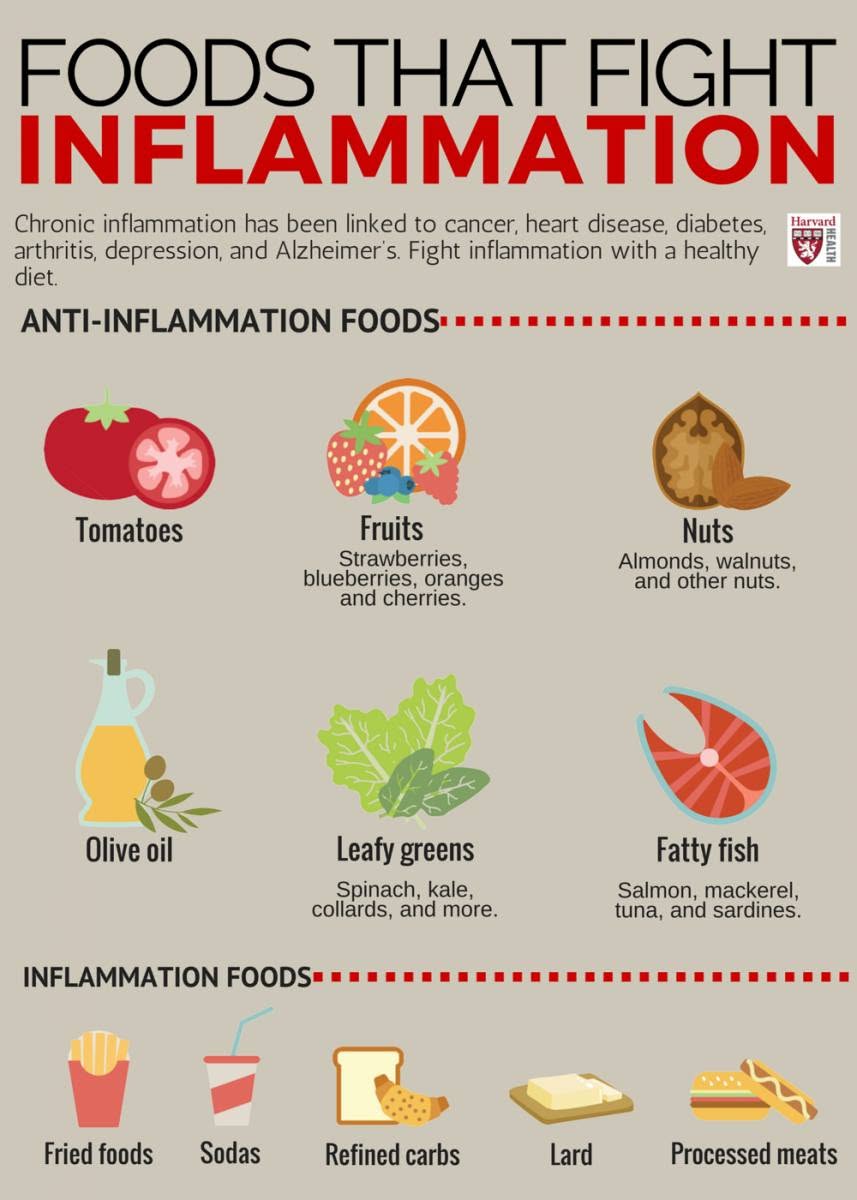
Harvard Health: anti-inflammatory foods to include and inflammatory foods to avoid

Nov 16, 2024 · Gokhan Can ♥ 11 · 💬 9 ↩ 1

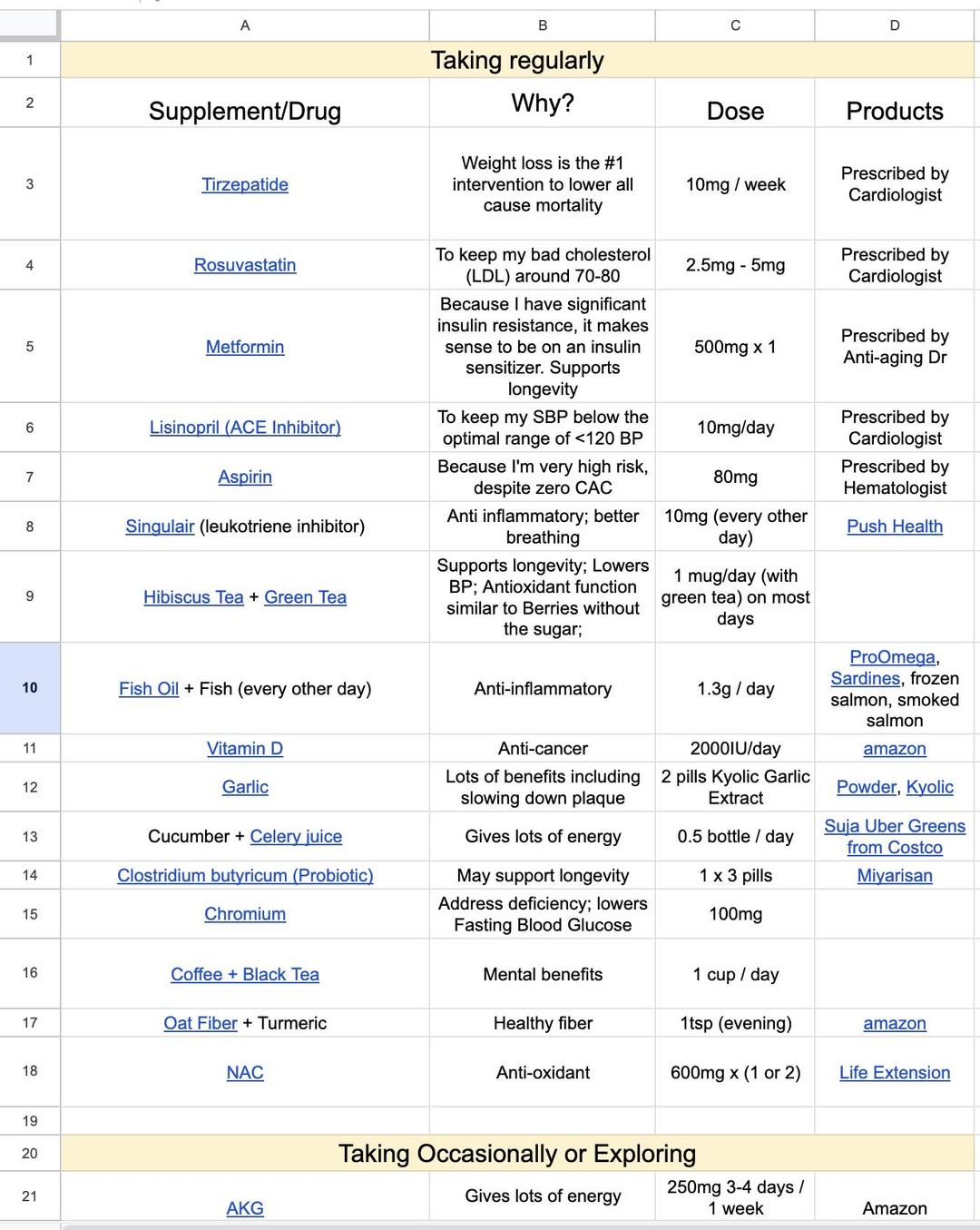
Gokhan reposts a Harvard Health list. Include tomatoes, olive oil, leafy greens, nuts, fatty fish, berries and other fruit, and coffee; avoid refined carbohydrates, fried foods, sugary drinks, red and processed meat, and margarine, shortening and lard. He adds two daily drinks, plus green tea, hibiscus tea and coffee, to raise his Mediterranean score.

Meta-analysis of 30 trials: olive oil lowers CRP and IL-6 and improves FMD

Mar 14, 2025 · Louis Nervegna ♥ 11 · 💬 6 ↩ 5 Fats & oils (saturated fat, seed oils, omega-6, olive oil)

Louis argues that over 30 human RCTs show olive oil improves flow-mediated dilation and endothelial function, quoting a systematic review of 30 studies and 3,106 participants. Olive oil lowered CRP by 0.64 mg/L and IL-6 by 0.29 and raised FMD by 0.76 percentage points versus controls. Refined olive oil may briefly impair FMD after a meal, while EVOO improves it acutely and over the long term.

What CRP and hs-CRP actually measure, and why a single reading is unreliable

Oct 27, 2025 · Louis Nervegna ♥ 11 · 💬 5

Louis clarifies that CRP and hs-CRP are the same marker, with hs-CRP simply more sensitive for the low levels relevant to heart disease. Both reflect inflammation anywhere in the body, spike temporarily with infections, vaccination, injury, surgery or intense exercise, and fluctuate day to day, so the aim is to capture the quiet background level and not rely on one test.
Harvard: omega-6/omega-3 ratio is not a useful indicator of heart health

May 01, 2025 · Louis Nervegna ♥ 3 · 💬 16 Fats & oils (saturated fat, seed oils, omega-6, olive oil)

Louis quotes the Harvard Nutrition Source: the popular claim that excess omega-6 promotes inflammation and disease is not supported in humans. Controlled feeding studies show omega-6 does not raise inflammatory markers, human studies show cardiovascular benefit, and the ratio is not a useful measure of diet healthfulness, though many Americans would benefit from more omega-3.

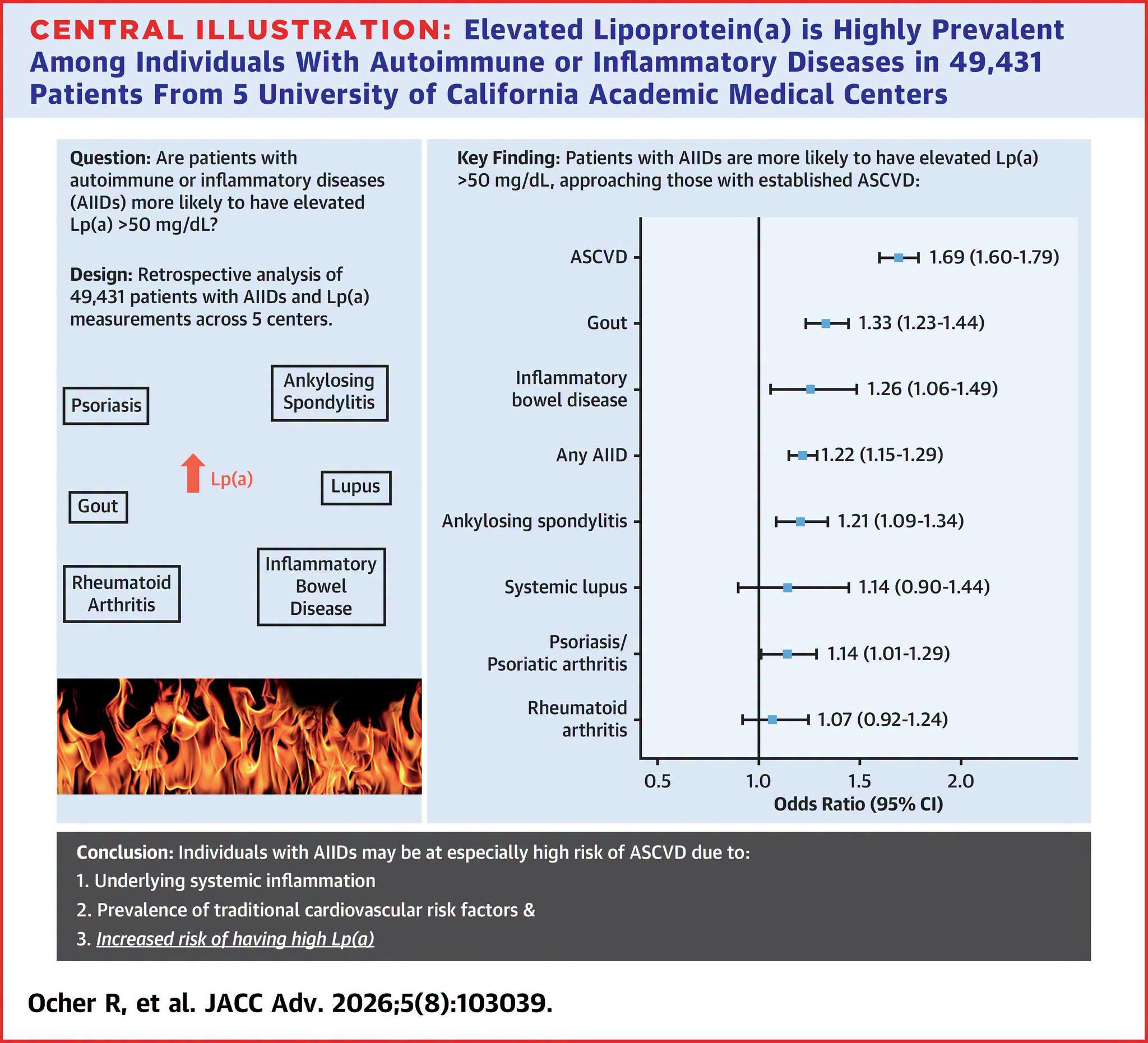
Big swings in Lp(a) usually reflect acute inflammation, not an intervention working

Jun 20, 2026 · Louis Nervegna ♥ 11 · 💬 4 ↩ 1 Lp(a)

Louis explains that Lp(a) is largely genetic but behaves as an acute-phase reactant, so infection, surgery, extreme exercise, vaccine reactions or inflammatory flares can shift test results temporarily. Large changes are therefore usually due to inflammation, and blaming big jumps on statins can hide an underlying problem.

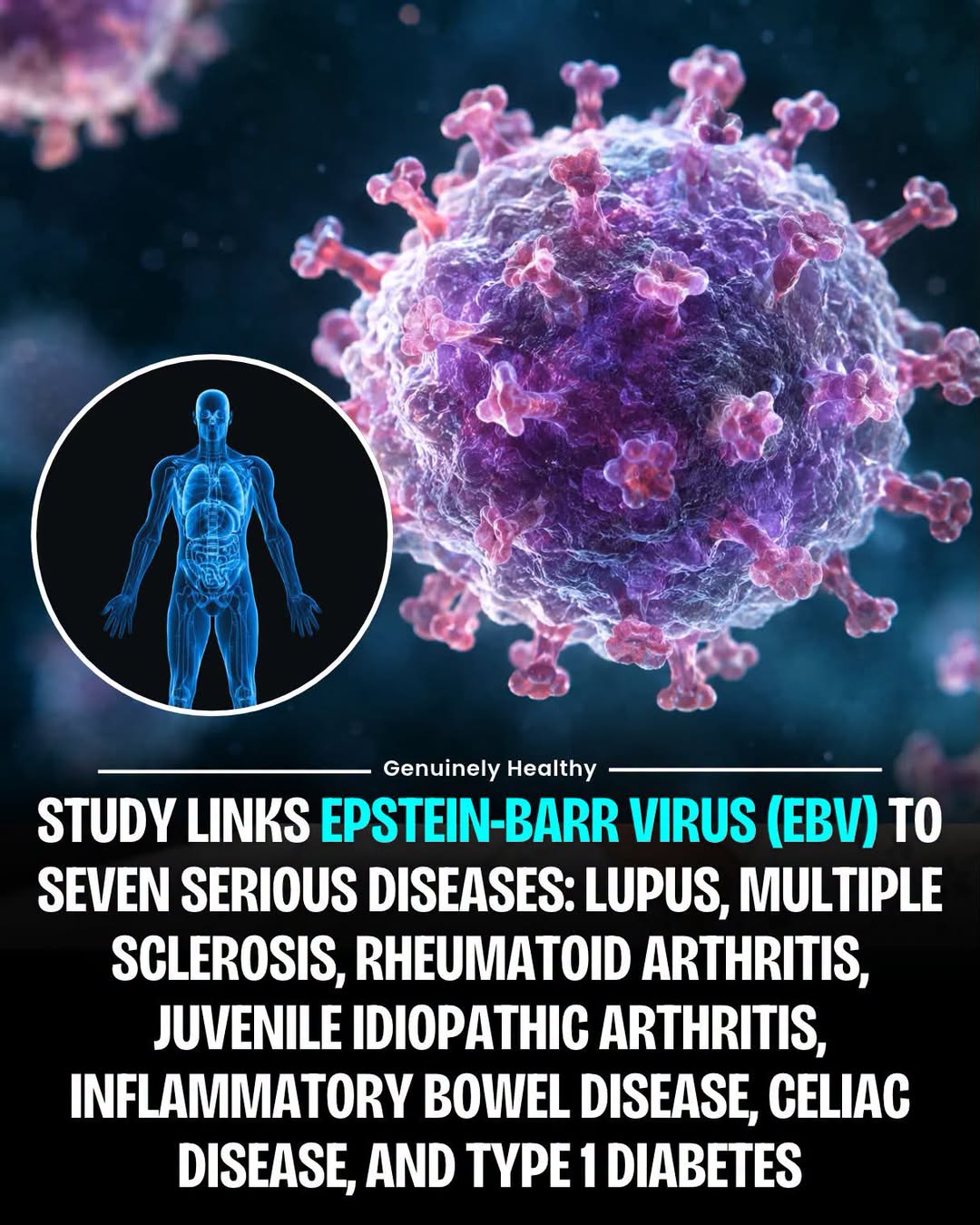
EBV likely causes multiple sclerosis and may contribute to other autoimmune diseases

Nov 14, 2026 · Louis Nervegna ♥ 10 · 💬 6 Infections & vaccines

Louis says it is now fairly clear Epstein-Barr virus causes MS, and EBV might play a role in other autoimmune diseases, possibly even heart disease, though that evidence is weaker. The shared post summarizes a 2018 Nature Genetics study linking the EBV protein EBNA2 to genetic risk regions in seven autoimmune diseases, without proving causation for all of them.

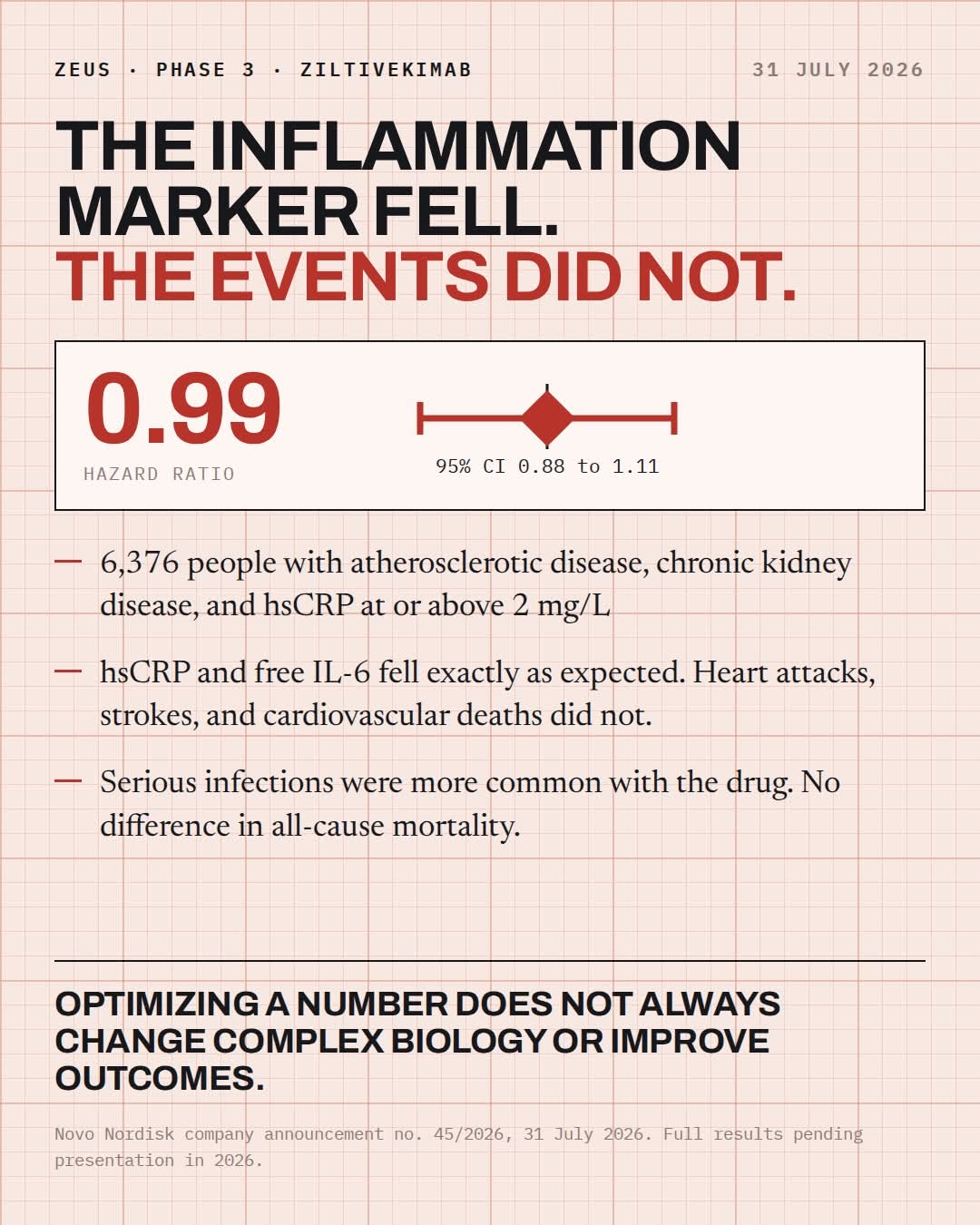
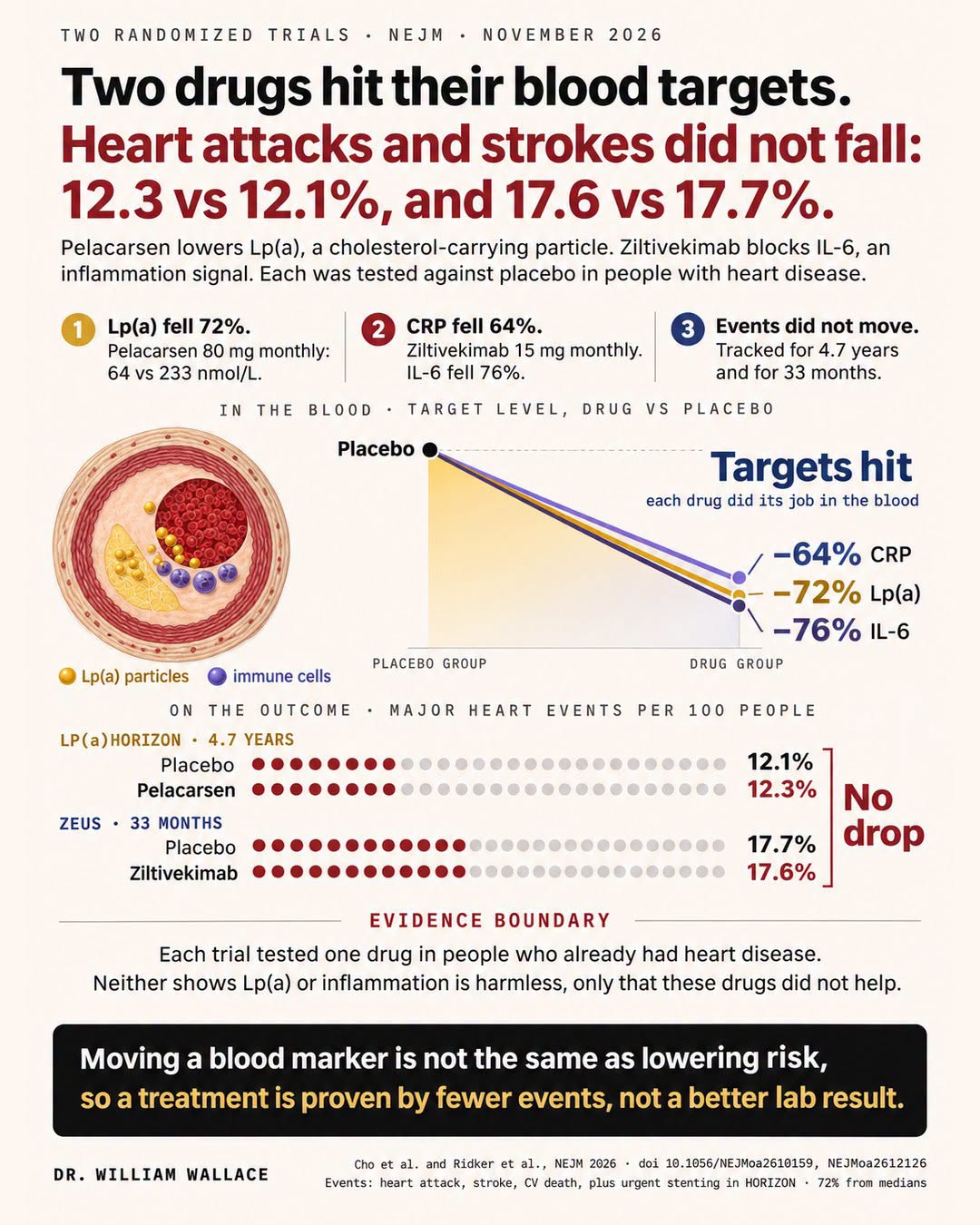
Pelacarsen and ziltivekimab lowered their targets but not events, and why that matters

Nov 08, 2026 · Louis Nervegna ♥ 8 · 💬 6 Lp(a)

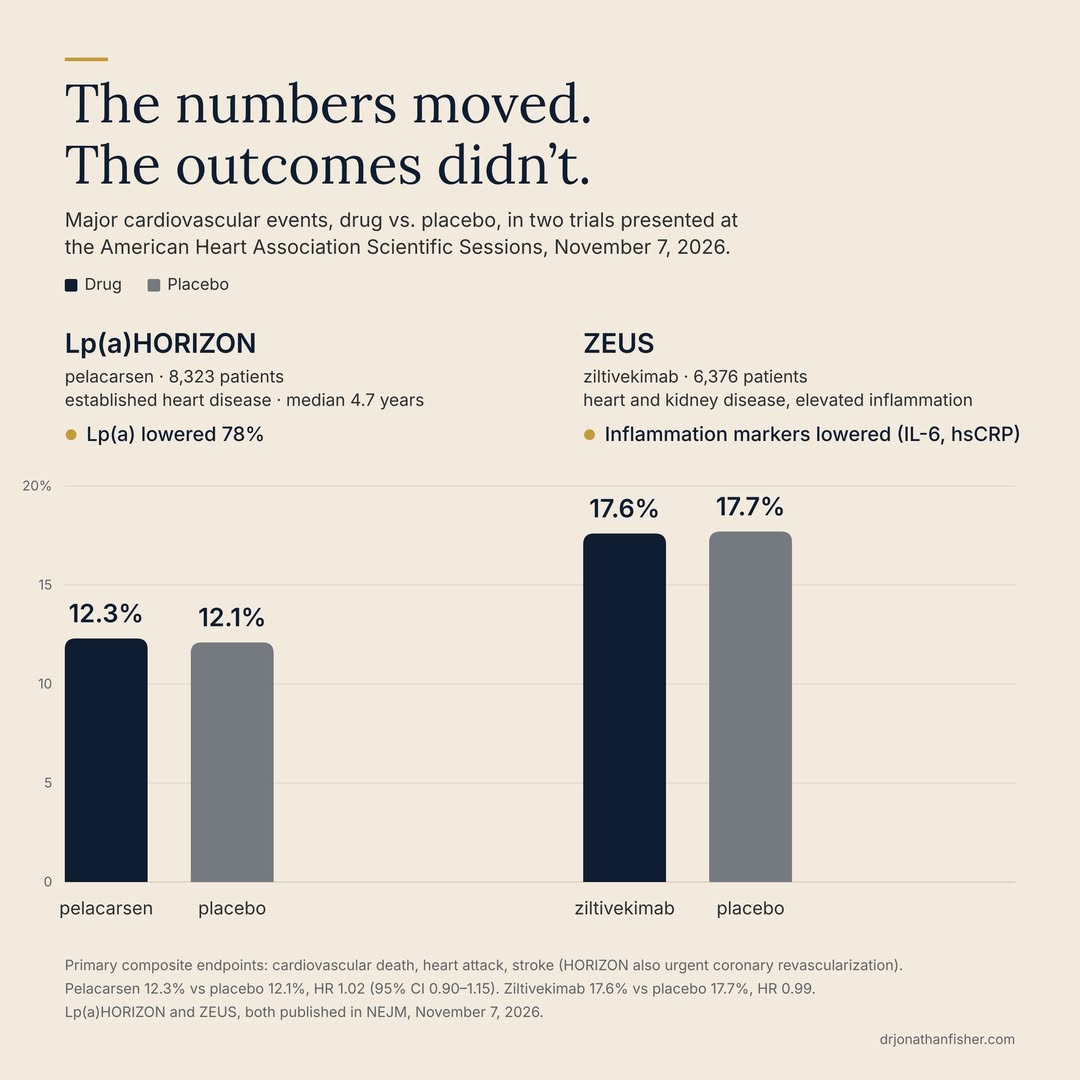
Louis shares a physician's commentary on the Lp(a) and inflammation trials presented at AHA: one drug lowered Lp(a) nearly 80% and another sharply cut inflammation, yet event rates matched placebo. The lesson is that measuring and changing a marker does not guarantee benefit, and that the underlying risk factors still matter.

Big hsCRP drops on carnivore or vegan diets mostly reflect weight loss and liver fat loss

Oct 10, 2025 · Louis Nervegna ♥ 20 · 💬 2

Louis argues that when people on carnivore/keto see a large fall in hsCRP, they usually lost a lot of weight and cleared ectopic liver fat, which removes insulin resistance and lowers hsCRP. He notes whole-food plant-based vegan dieters see the same effect, so the shared factor is weight loss, not the diet itself.

Cholesterol as a master regulator of blood stem cells, driving inflammatory hematopoiesis

Oct 19, 2025 · Gokhan Can ♥ 7 · 💬 4

Review of preclinical evidence that high LDL pulls hematopoietic stem cells out of dormancy, causing proliferation, oxidative stress, telomere shortening, impaired repopulation and lasting epigenetic changes that program blood and immune cells toward chronic inflammation. This offers a molecular basis for residual inflammatory risk after cholesterol is treated.

Nrf2 pathway: how food compounds may switch on cellular antioxidant defenses

Mar 09, 2026 · Louis Nervegna ♥ 11 · 💬 5

Quotes Terry Wahls on the Nrf2 pathway, said to switch on 250+ genes that raise glutathione, curb NF-kB inflammation and support detoxification, and notes that certain foods and spices can activate it. This is a general mechanistic explainer with no trial data.

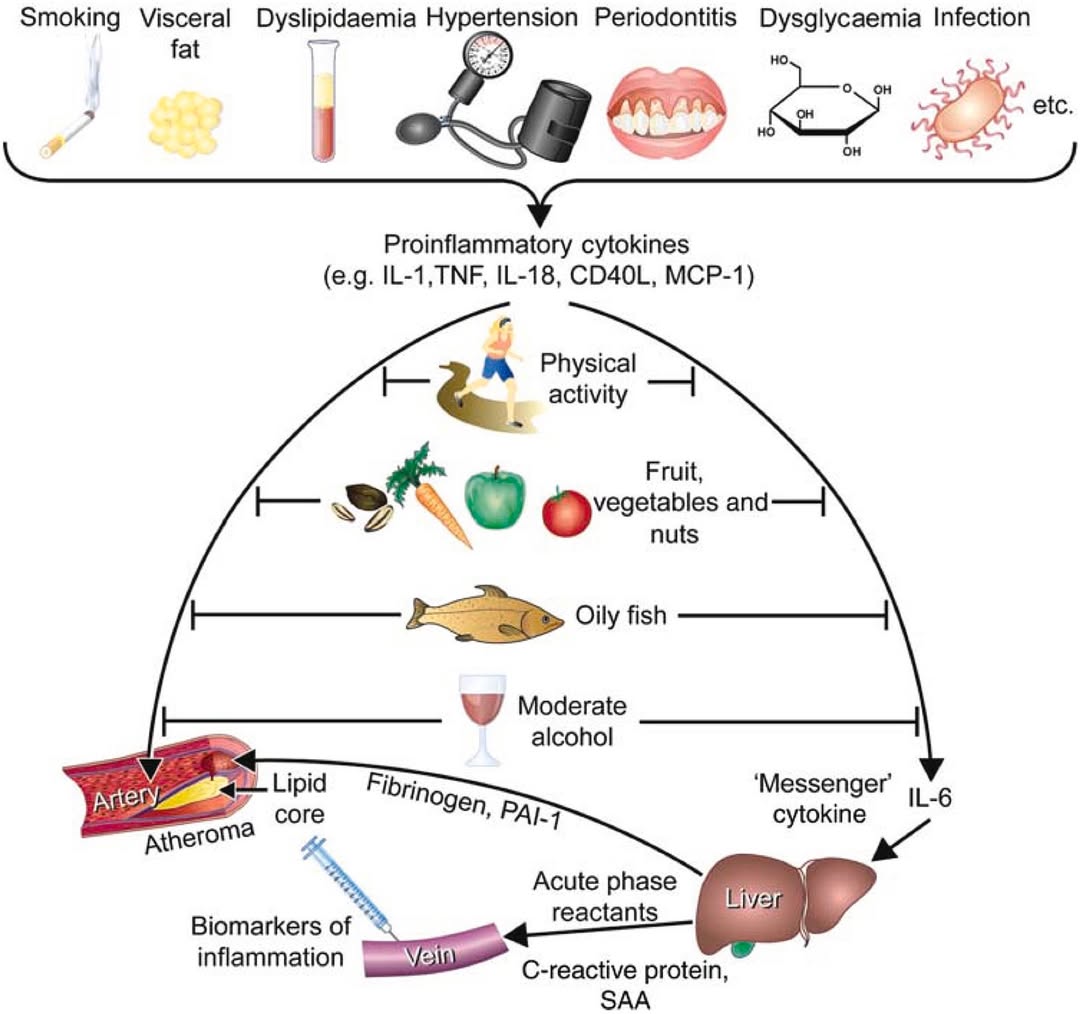
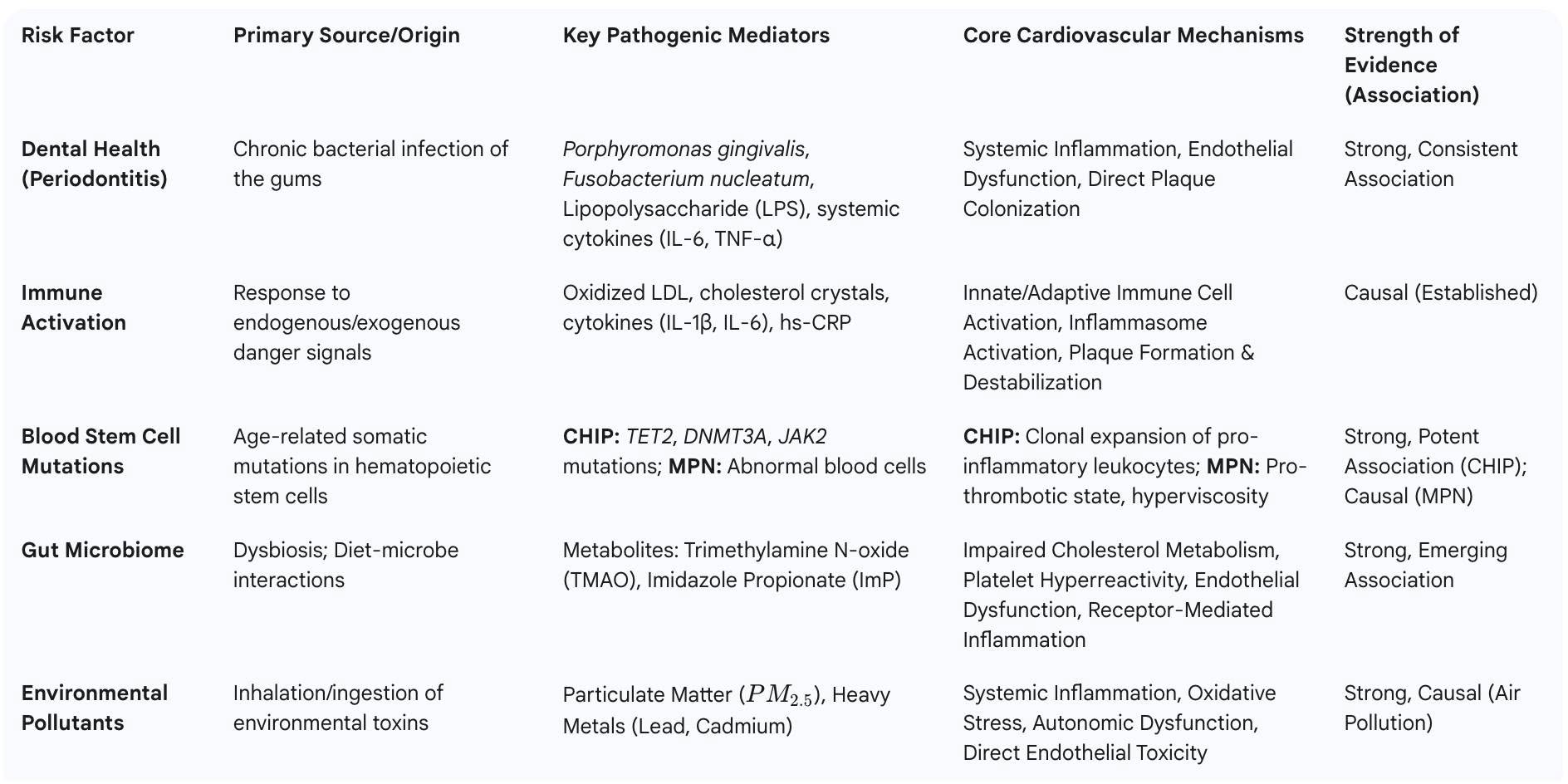
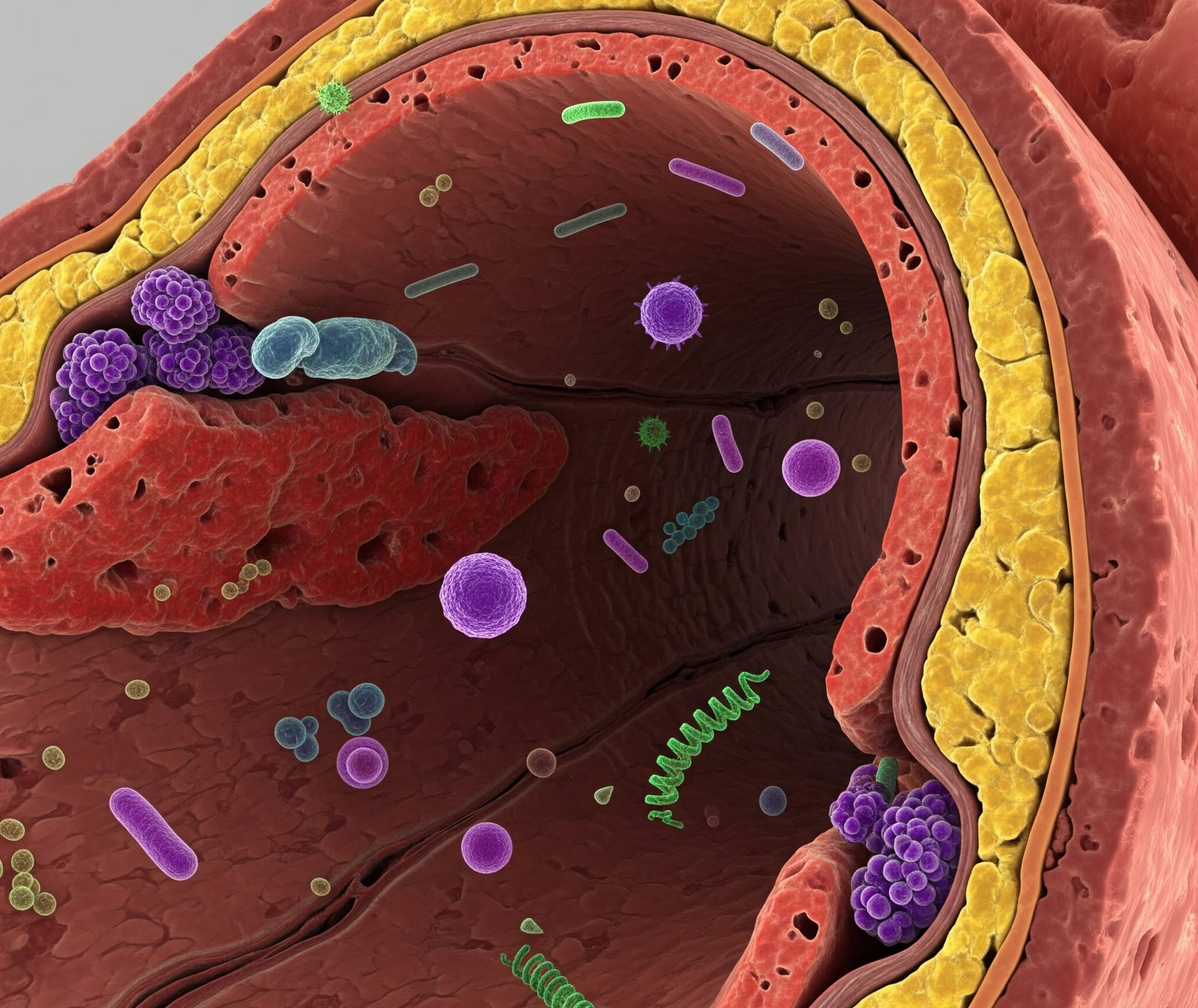
Cardiovascular disease is multifactorial: inflammation, infection, gum disease, gut

Nov 09, 2025 · Gokhan Can ♥ 14 · 💬 2

Admin explains that beyond LDL, BP, BMI and triglycerides, chronic inflammation driven by viral infections, oral bacteria, gut metabolites (TMAO, imidazole propionate) and microplastics contributes to atherosclerosis. He lists personal habits (fiber, flossing, dental cleanings, flu vaccine, air purifier, organic food) and links his earlier posts.

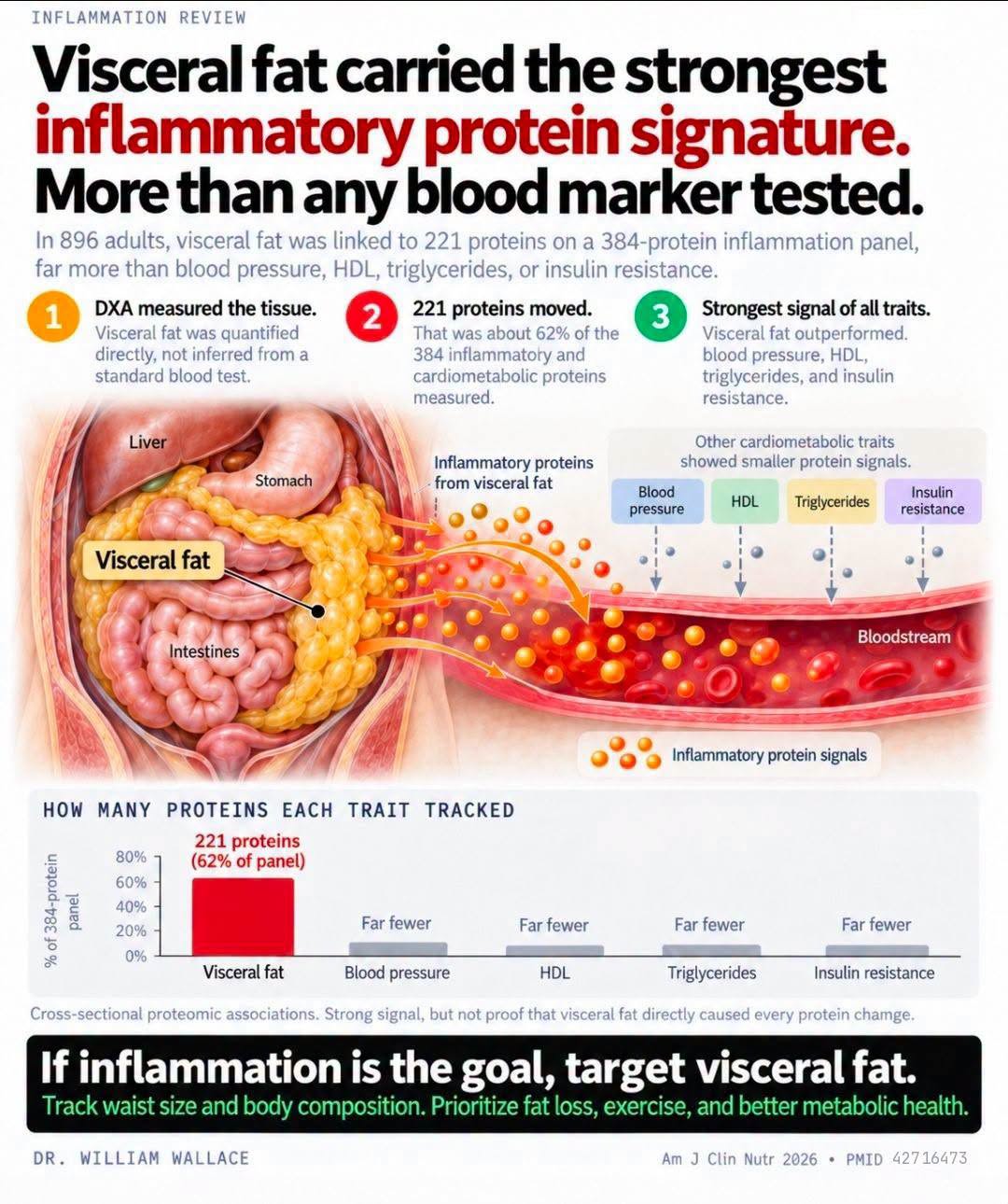
Visceral fat had the strongest inflammatory protein signature of any trait in VITAL/COSMOS

Nov 05, 2026 · Louis Nervegna ♥ 10 · 💬 2 Weight, visceral & liver fat

Louis shares a cross-sectional proteomics analysis of 896 adults from VITAL and COSMOS. Visceral fat measured by DXA was associated with 221 circulating proteins, more than blood pressure, HDL, triglycerides or insulin resistance. It cannot prove causation, but suggests visceral fat is a meaningful target for reducing chronic inflammation.

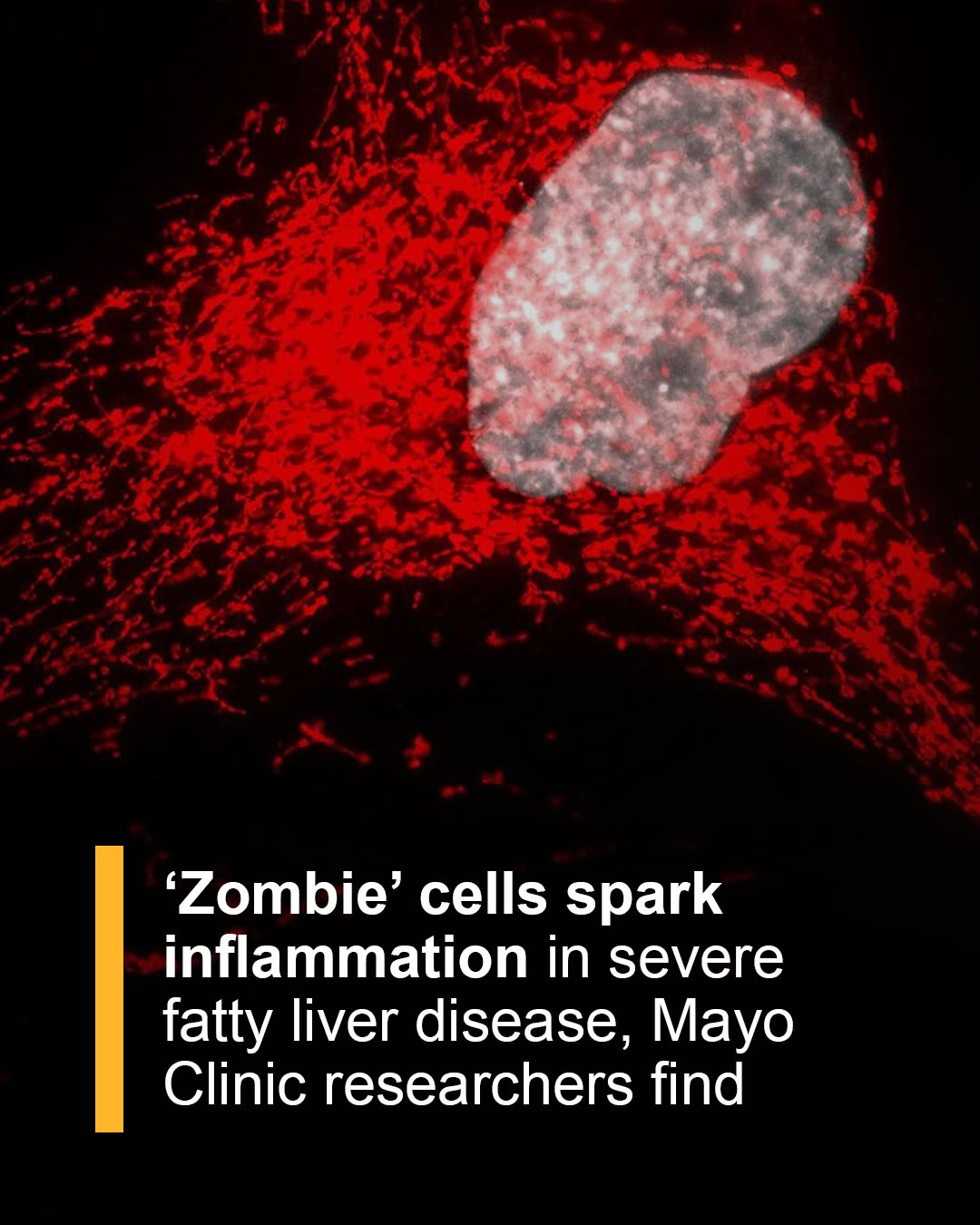
Mayo Clinic study: skin generates senescent cells that may age the heart and other organs

Oct 23, 2024 · Louis Nervegna ♥ 18 · 💬 2

Louis shares a Mayo Clinic study reported by Neuroscience News suggesting skin makes senescent cells that travel to other tissues, including the cardiovascular system, and accelerate aging. He adds that most circulating CRP originates in skin and advises caring for your skin to lower inflammation. The linked article is framed around brain aging, and the CRP claim is Louis's own.

Review: microvascular aging drives organ dysfunction and systemic aging

Oct 02, 2026 · Louis Nervegna ♥ 8 · 💬 3 Blood vessels, circulation & endothelium

The post highlights a Nature Cardiovascular Research review by Dimmeler and Augustin arguing that vascular aging, especially in microvessels, is an upstream driver of organ decline rather than a consequence. Mechanisms include senescent endothelial cells releasing inflammatory SASP factors and perivascular senescence hotspots promoting inflammation and fibrosis.

Higher LDL linked to undereye bags and full cheeks in faster facial aging

Sep 28, 2024 · Louis Nervegna ♥ 6 · 💬 4 Aging & longevity

Louis shares a National Geographic piece on 3D facial imaging used to estimate biological age. Higher LDL and total cholesterol tracked with undereye bags and full cheeks, while inflammation and infection tracked with a narrowing forehead and sagging skin. Smoking, snoring and high cholesterol marked fast-agers, whereas yogurt, regular mealtimes and denser bones marked slow-agers.

Layne Norton rebuts seed-oil claims with human evidence on inflammation, LDL and oxidation

Nov 03, 2026 · Louis Nervegna ♥ 3 · 💬 5 Fats & oils (saturated fat, seed oils, omega-6, olive oil)

A shared post argues that human trial evidence does not support the claim that seed oils are harmful. Systematic reviews of randomized trials find that raising linoleic acid does not consistently increase inflammatory markers, replacing saturated fat with polyunsaturated fat lowers LDL and cuts coronary events, and trials show no significant increase in lipid peroxidation. It adds that LDL oxidation mostly occurs after retention in the artery wall, so LDL concentration still matters.

Soybean oil 30 g/day lowered arachidonic acid in a 2026 trial; 30+ RCTs: not inflammatory

Oct 22, 2026 · Louis Nervegna ♥ 7 · 💬 3 Fats & oils (saturated fat, seed oils, omega-6, olive oil)

Louis agrees with a post saying seed oils are not inflammatory, noting over 30 human randomized trials show no inflammation increase and some show anti-inflammatory effects. The shared summary describes a 2026 trial of 10 adults on 30 g soybean oil daily for four weeks, where red blood cell arachidonic acid fell significantly and IL-6 trended down.

ACC recommends broader hsCRP testing to detect low-grade inflammation

Oct 05, 2025 · Louis Nervegna ♥ 14 · 💬 2

A cardiologist on a morning TV segment summarizes new American College of Cardiology recommendations supporting universal testing of hsCRP, a widely available inflammation marker that predicts heart disease. Louis shares it as a news item with little detail.
Omega-3 fats may blunt the post-meal inflammatory spike after high saturated fat and sugar

Mar 05, 2026 · Louis Nervegna ♥ 10 · 💬 1

Explains that eating increases gut permeability, letting bacterial lipopolysaccharide (LPS) enter the blood and trigger inflammation, especially after meals high in saturated fat and sugar and low in fiber. Human studies suggest omega-3s reduce this response, though the clinical significance of the spikes is unclear.

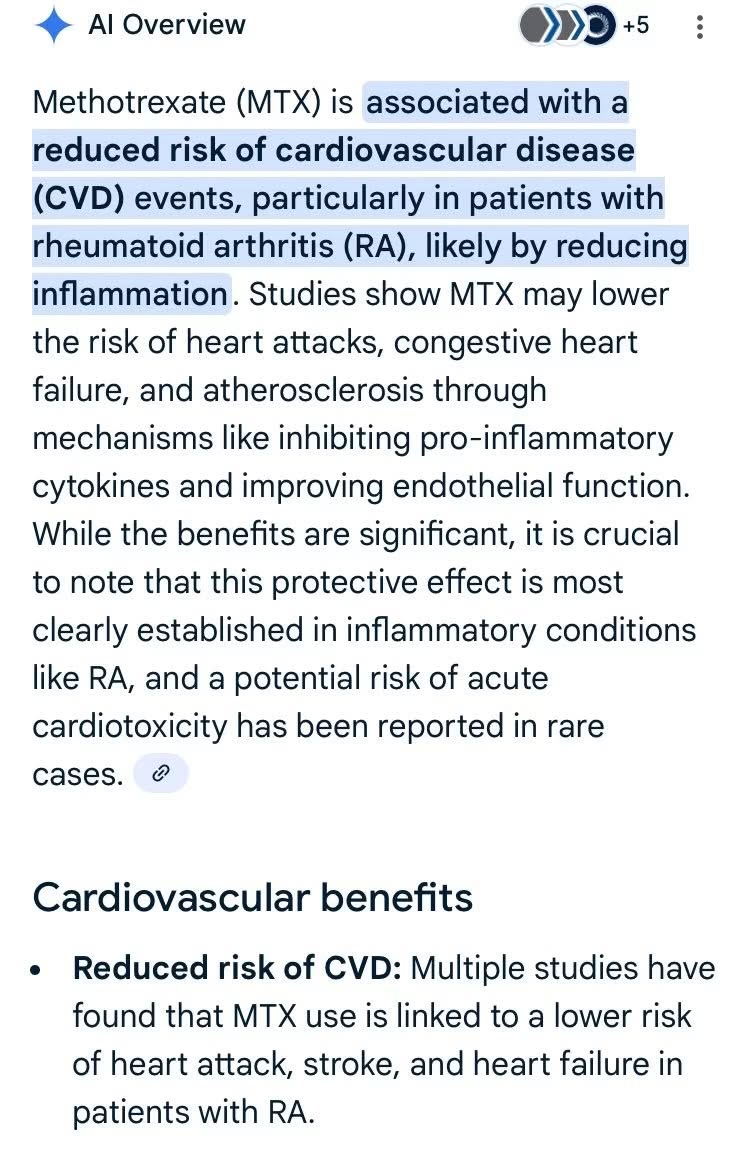
Methotrexate may lower heart disease risk in rheumatoid arthritis and be safer than NSAIDs

Oct 19, 2025 · Louis Nervegna ♥ 5 · 💬 4

Louis says methotrexate has an undeserved bad reputation and newer research suggests it may reduce cardiovascular risk in people with rheumatoid arthritis or other inflammatory diseases. He notes long-term NSAIDs, especially Cox-2 inhibitors, raise heart attack and stroke risk and are hard on the kidneys, and advises talking to a cardiologist. No specific study is cited.

Video: immunoglobulin G buildup in fat tissue drives insulin resistance and aging

Feb 02, 2025 · Gokhan Can ♥ 19 Insulin resistance & diabetes

Gokhan summarizes a Mike Lustgarten video on research showing IgG accumulates in fat tissue with age and obesity, impairs insulin signaling, promotes inflammation and fibrosis, and is reduced by calorie restriction. Blocking IgG recycling through the FcRn receptor in mice improved metabolic health and extended lifespan. He calls it potentially Nobel-worthy 'if it holds up'.

Stanford's Christopher Gardner on why seed oils are not the villain

Oct 15, 2026 · Louis Nervegna ♥ 6 · 💬 3 Fats & oils (saturated fat, seed oils, omega-6, olive oil)

A promotional description of a podcast episode in which Stanford nutrition researcher Christopher Gardner argues the evidence does not support the fear of seed oils. It notes that decades of research show replacing saturated fat with omega-6 polyunsaturated fat can improve cardiovascular outcomes. No specific studies or numbers are given.

Preview of HORIZON (Lp(a)) and ZEUS (IL-6): improved bloodwork is not enough

Nov 06, 2026 · Louis Nervegna ♥ 8 · 💬 2

Louis announces an upcoming discussion of two failed cardiology trials and shares a post arguing treatments should be judged on outcomes, not just lab numbers. In ZEUS, IL-6 and hsCRP fell but the combined risk of heart attack, stroke or CV death was not significantly reduced.

Swapping to a Western diet for weeks raised inflammation in a Tanzanian multiomics trial

Jun 04, 2025 · Louis Nervegna ♥ 5 · 💬 1 Mediterranean, DASH, MIND & plant-forward diets

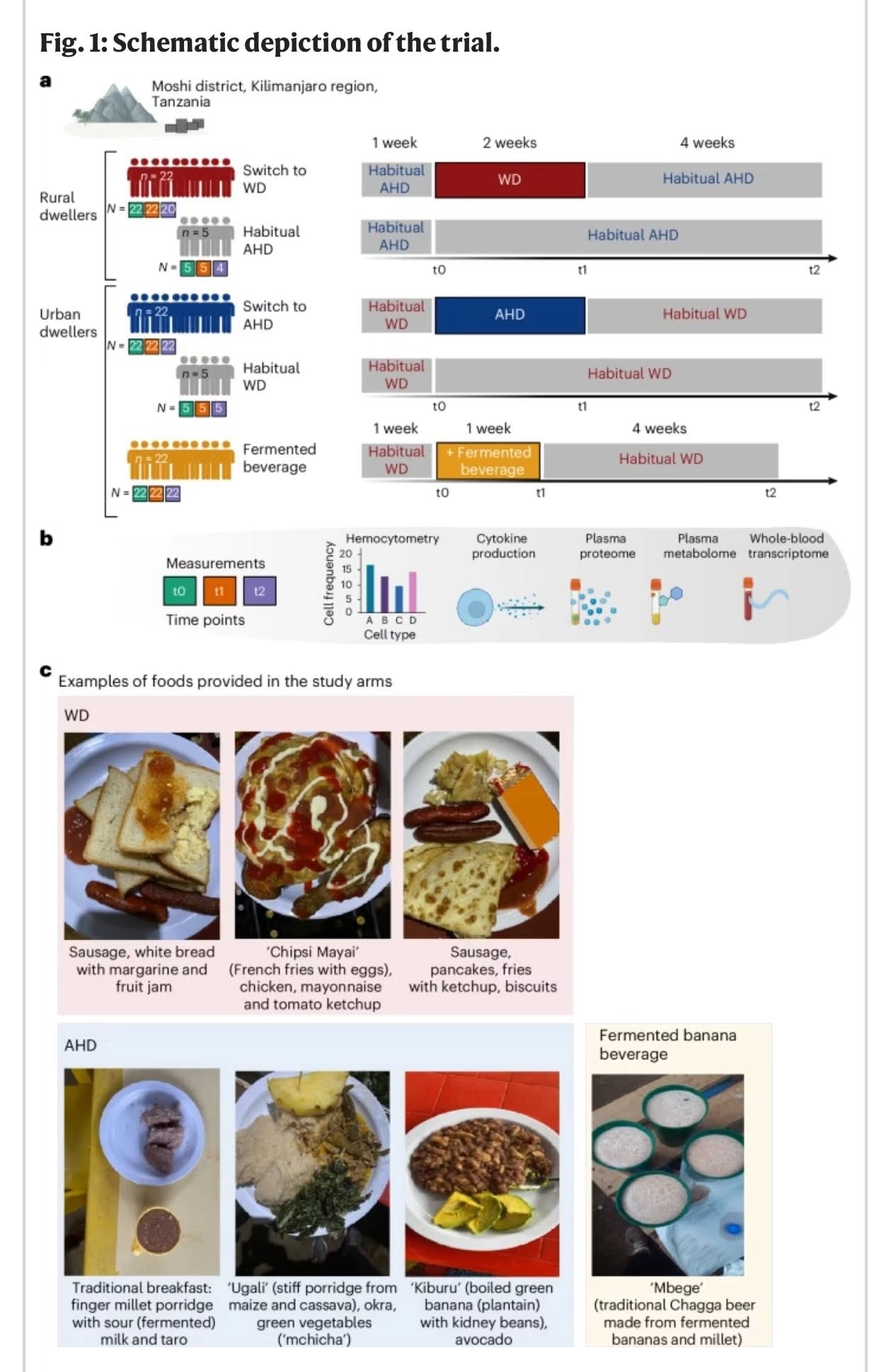
A Nature Medicine study of 77 healthy Tanzanian men tested a switch between a traditional Kilimanjaro diet and a Western diet, plus a Western diet with the fermented banana drink mbege. The Western diet quickly increased weight and inflammatory and cardiometabolic proteins, while the heritage diet and mbege reduced inflammatory markers.

Atorvastatin 80 mg after heart attack cut death, repeat MI or readmission ~30% at 30 days

Oct 25, 2024 · Louis Nervegna ♥ 11 Statins

Louis reposts a note explaining why patients are put on atorvastatin 80 mg right after a heart attack. In PROVE IT-TIMI 22, intensive therapy cut death, repeat MI or rehospitalization by almost 30% within 30 days versus a lower-potency statin. He attributes the speed to pleiotropic effects such as anti-inflammatory and plaque-stabilizing actions rather than LDL alone.

Plant phytochemicals act as hormetic signals linked to resilience and healthy aging

May 11, 2026 · Louis Nervegna ♥ 9 · 💬 1 Mediterranean, DASH, MIND & plant-forward diets

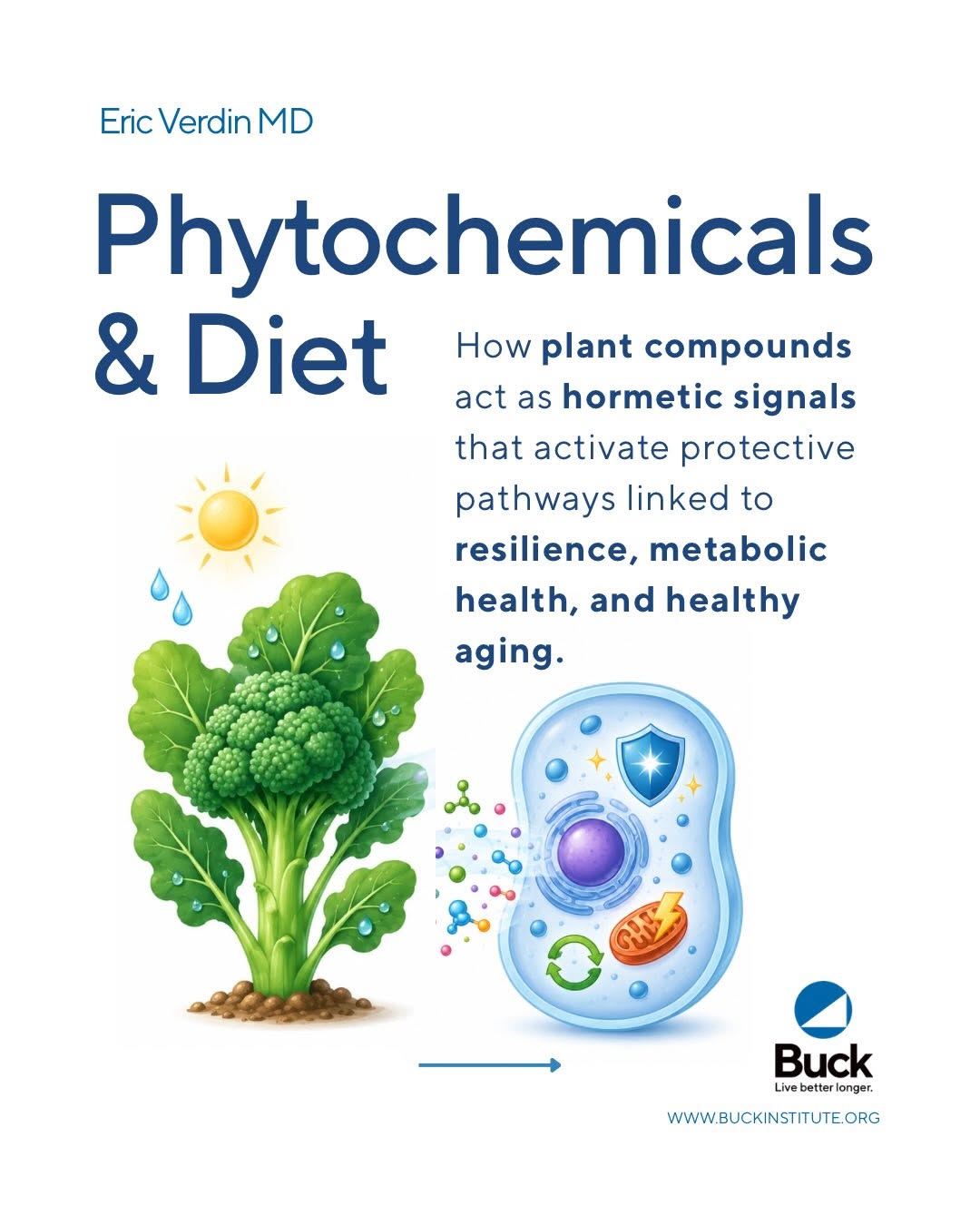
Eric Verdin's post, shared by Louis, describes phytochemicals such as sulforaphane, EGCG, quercetin, curcumin, fisetin and resveratrol as protective compounds that interact with pathways for antioxidant defense, autophagy, mitochondria and inflammation. It frames this as one reason diverse plant-rich diets associate with healthier aging.

Higher red blood cell omega-6 linked to lower inflammation markers in Framingham Offspring

Apr 16, 2026 · Louis Nervegna ♥ 4 · 💬 1 ↩ 1 Fats & oils (saturated fat, seed oils, omega-6, olive oil)

A 2025 Nutrients analysis of the Framingham Offspring Study found that higher red blood cell omega-6 was not associated with inflammation and showed a small anti-inflammatory effect across 10 markers including hsCRP and IL-6. Louis notes 30+ randomized trials show omega-6 does not raise inflammatory markers.

Pelacarsen (Lp(a)HORIZON) and ziltivekimab (ZEUS) cut their targets but not heart events

Nov 13, 2026 · Louis Nervegna ♥ 3 · 💬 1 Lp(a)

Shared summary of two NEJM trials. Pelacarsen lowered Lp(a) sharply but event rates were 12.3% vs 12.1% on placebo, and ziltivekimab cut CRP and IL-6 but events were 17.6% vs 17.7%. The post notes prior biomarker failures (torcetrapib, dalcetrapib), and that both trials enrolled people with existing disease and so do not prove Lp(a) or inflammation are not causal.

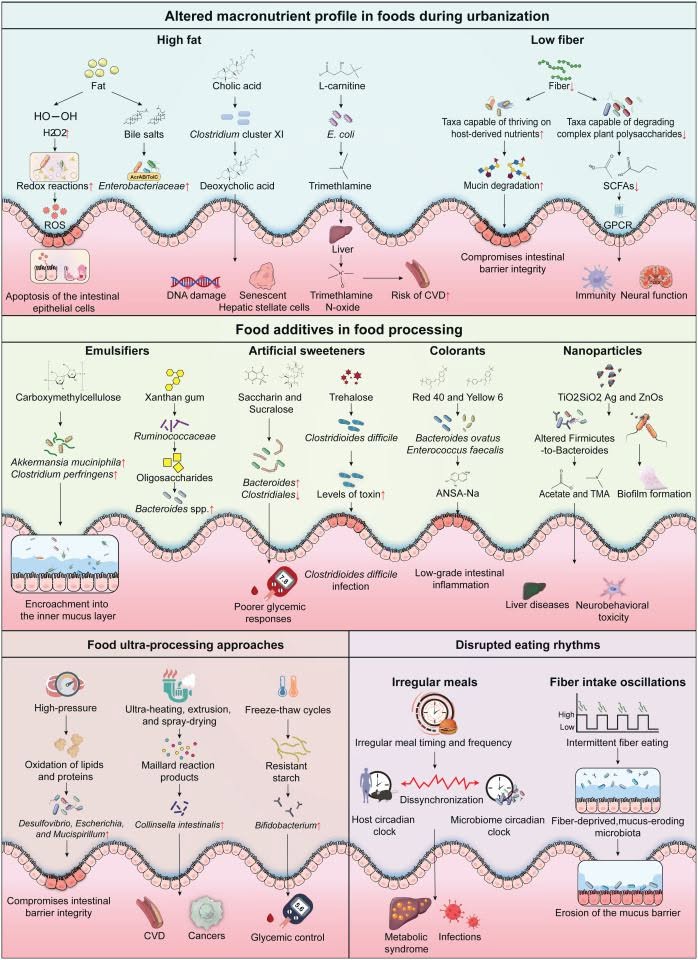
How modern diets alter the gut and drive low-grade inflammation

Nov 08, 2025 · Louis Nervegna ♥ 6 · 💬 1 Gut microbiome

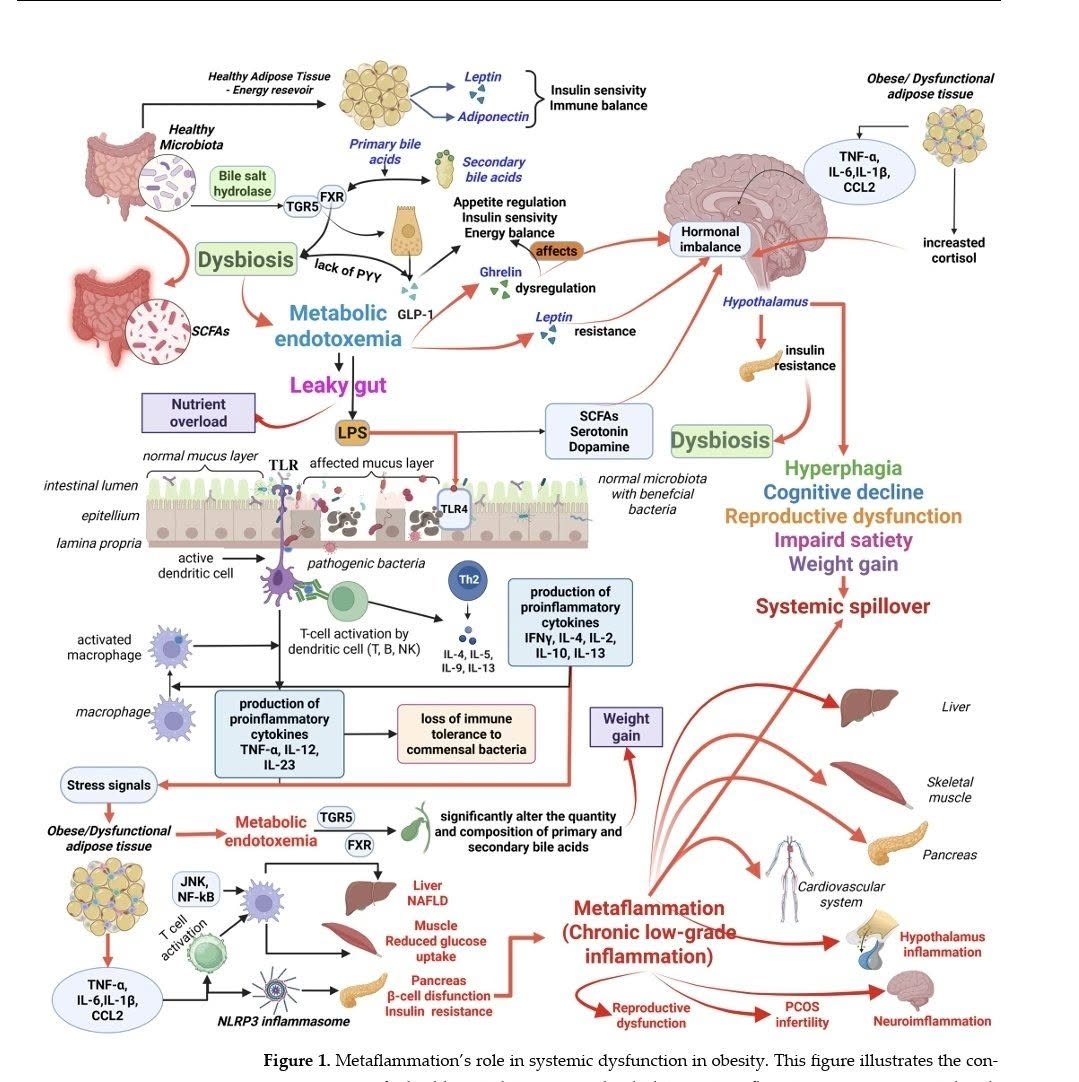
Louis reshares a figure showing how high-fat, low-fiber diets and additives like emulsifiers and sweeteners shift microbial balance, weaken the gut barrier and drive low-grade inflammation linked to chronic disease. Fiber and short-chain fatty acids are highlighted.
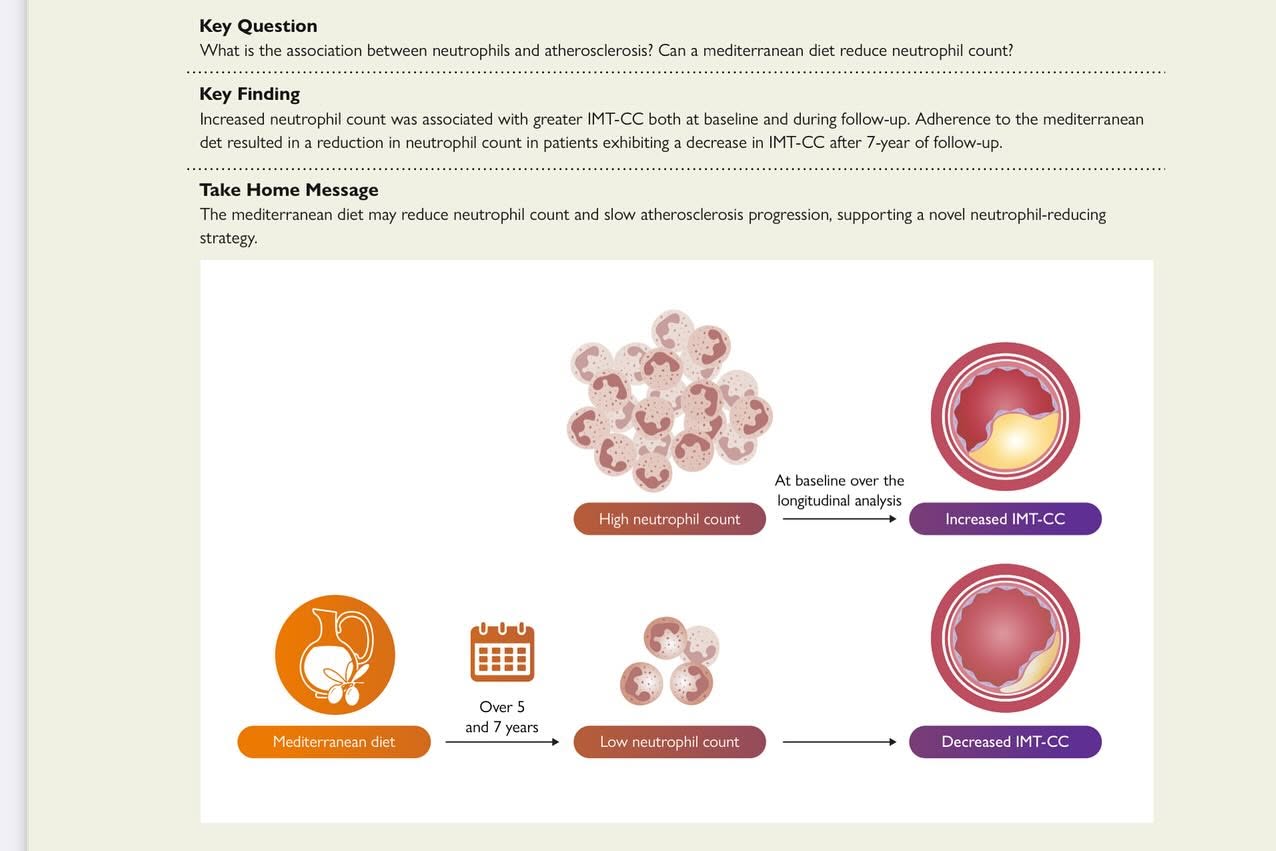
Yale: taurine loss triggers NLRP3 inflammasome; raising taurine eased inflammaging in mice

Nov 06, 2026 · Louis Nervegna ♥ 7

Louis shares a summary of a Yale Cell study showing macrophages release up to 80% of their taurine after inflammatory triggers, which helps activate the NLRP3 inflammasome. Restoring taurine suppressed NLRP3 activation, and raising taurine in older mice improved grip strength, coordination, some glucose measures and inflammatory markers. It is preclinical research.

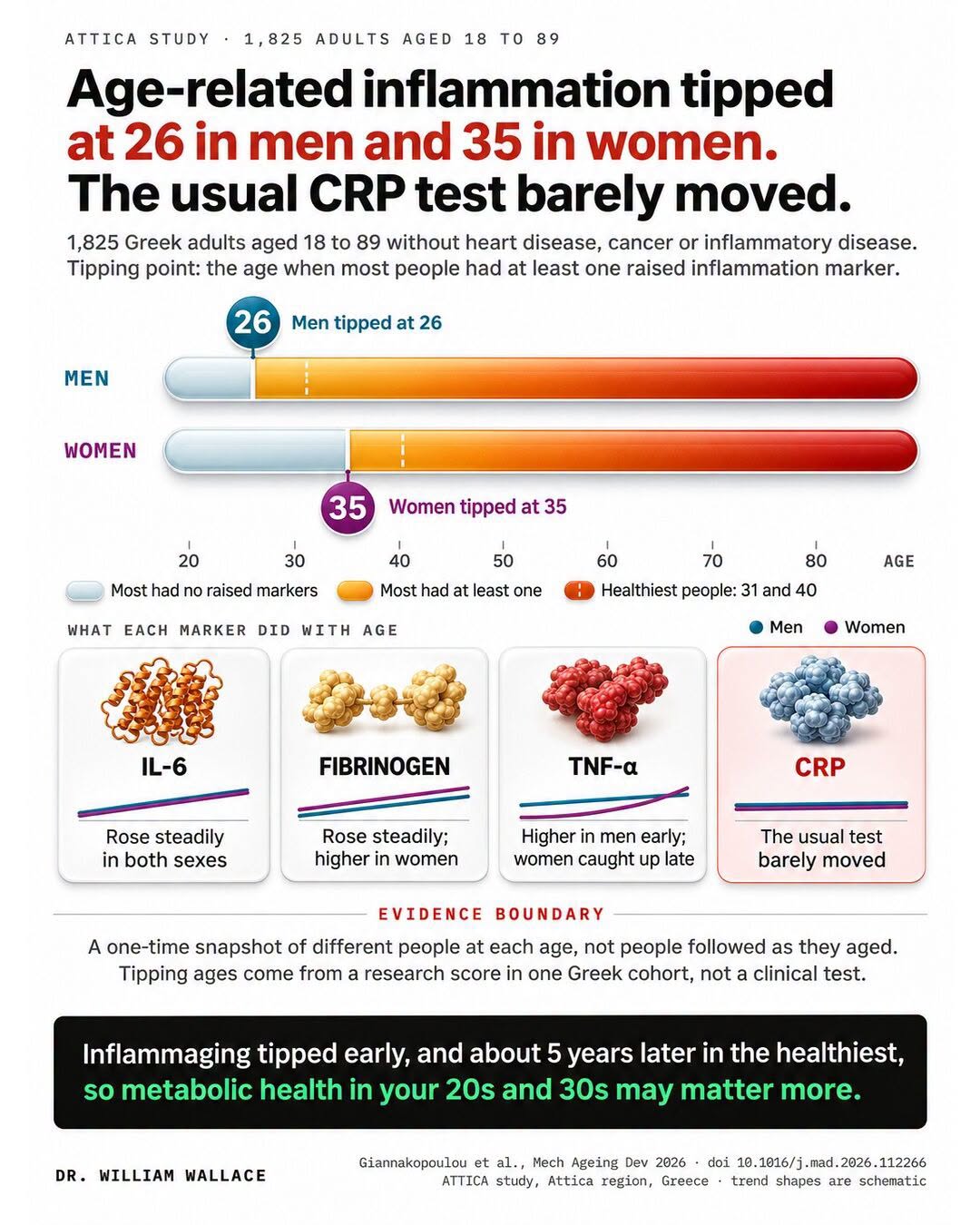
Inflammaging may begin around age 26 in men and 35 in women, ATTICA analysis finds

Nov 09, 2026 · Louis Nervegna ♥ 4

Louis shares a summary of an ATTICA analysis of 1,825 Greek adults showing a combined IL-6, TNF-alpha and fibrinogen immune activation score crosses into the activated range by about age 26 in men and 35 in women. IL-6 and fibrinogen rose steadily with age while CRP barely changed. Earlier studies link these markers to heart disease, diabetes, dementia and death.

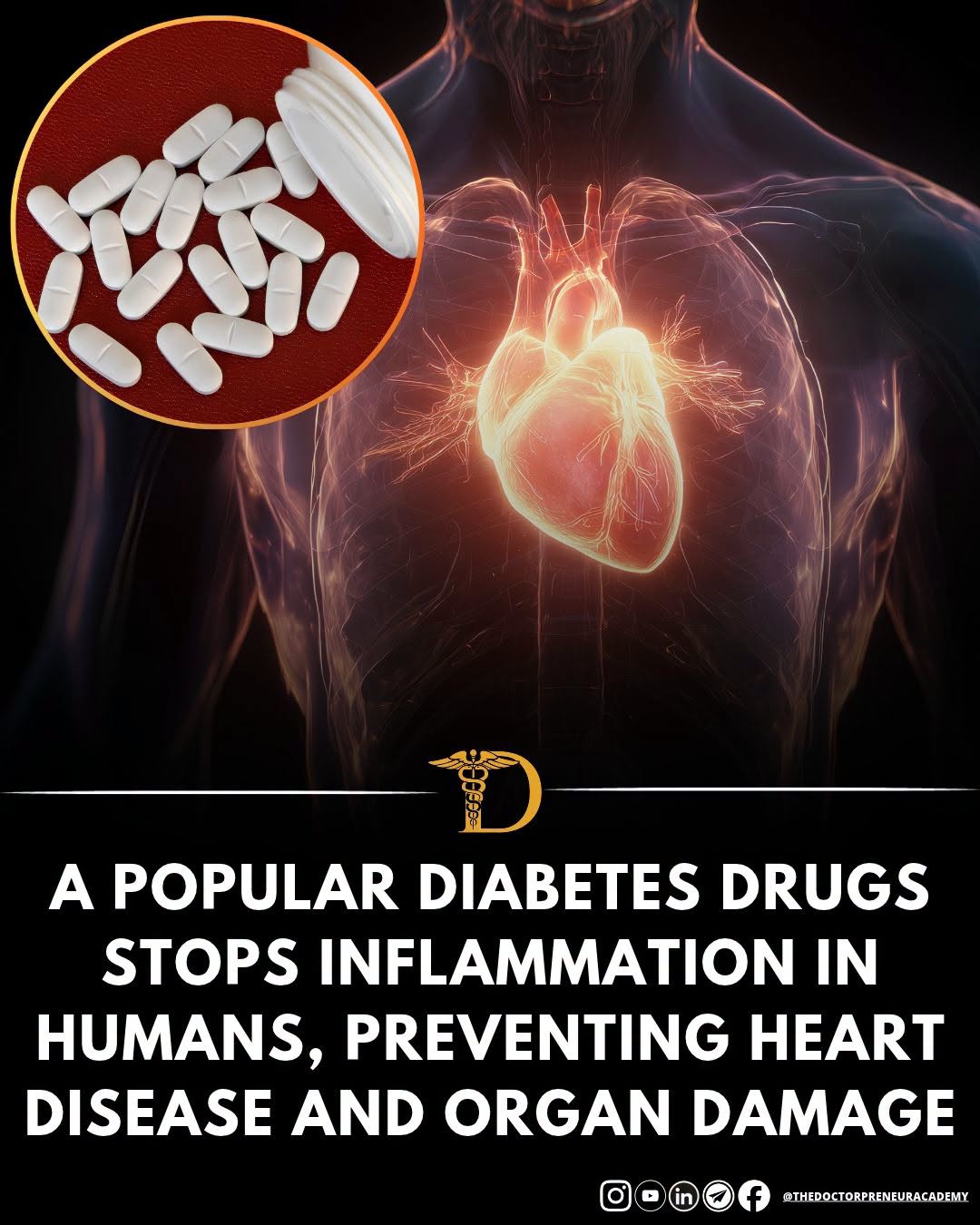
Empagliflozin reduced monocyte-platelet aggregates, hinting at vascular anti-inflammation

Oct 23, 2026 · Louis Nervegna ♥ 4

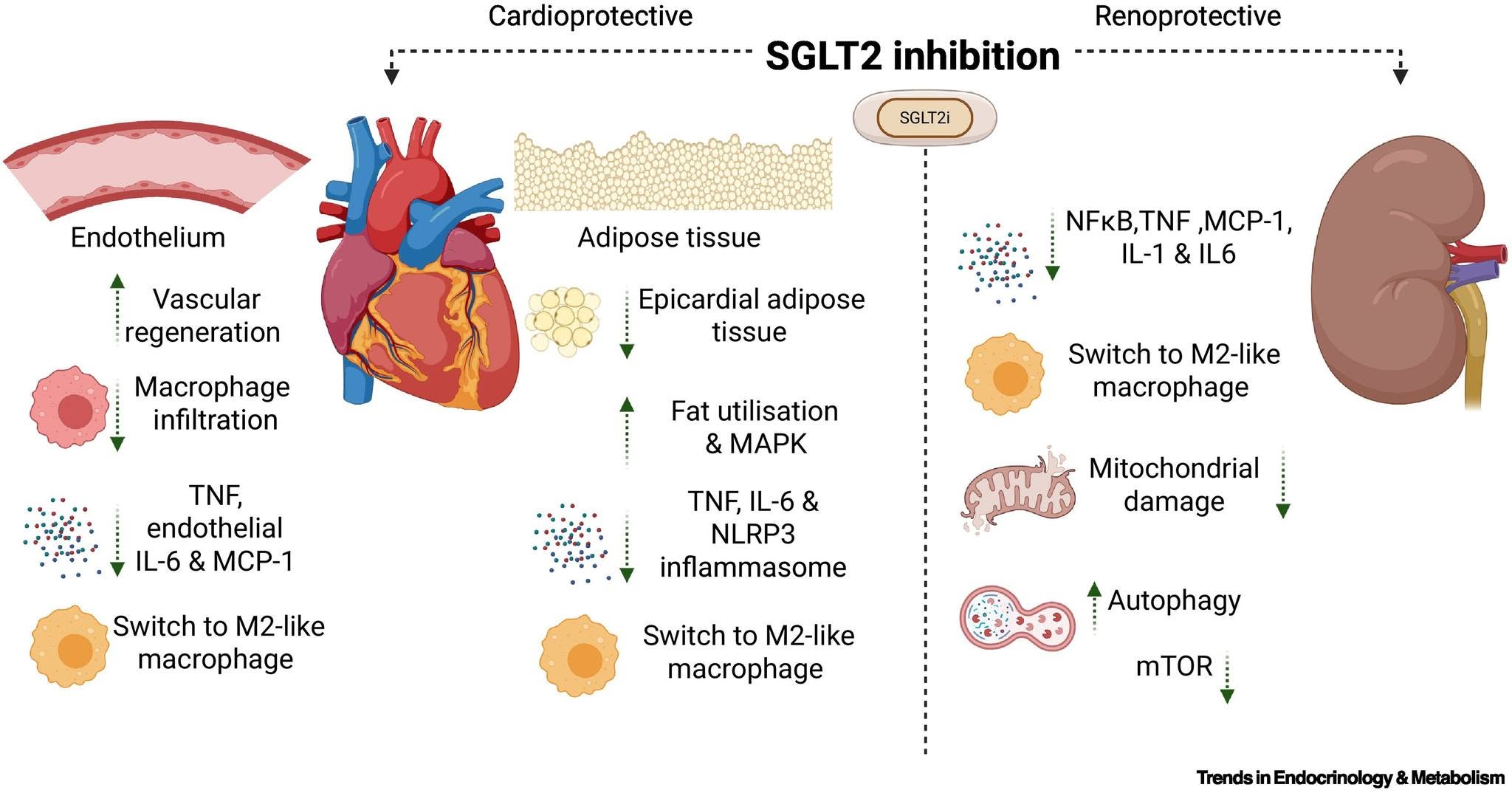
A Circulation pilot study led by Vanderbilt found participants treated with the SGLT2 inhibitor empagliflozin had reduced monocyte-platelet aggregates, clusters of immune cells and platelets linked to cardiovascular damage. It suggests diabetes drugs may also reduce vascular inflammation, though this is a small pilot.

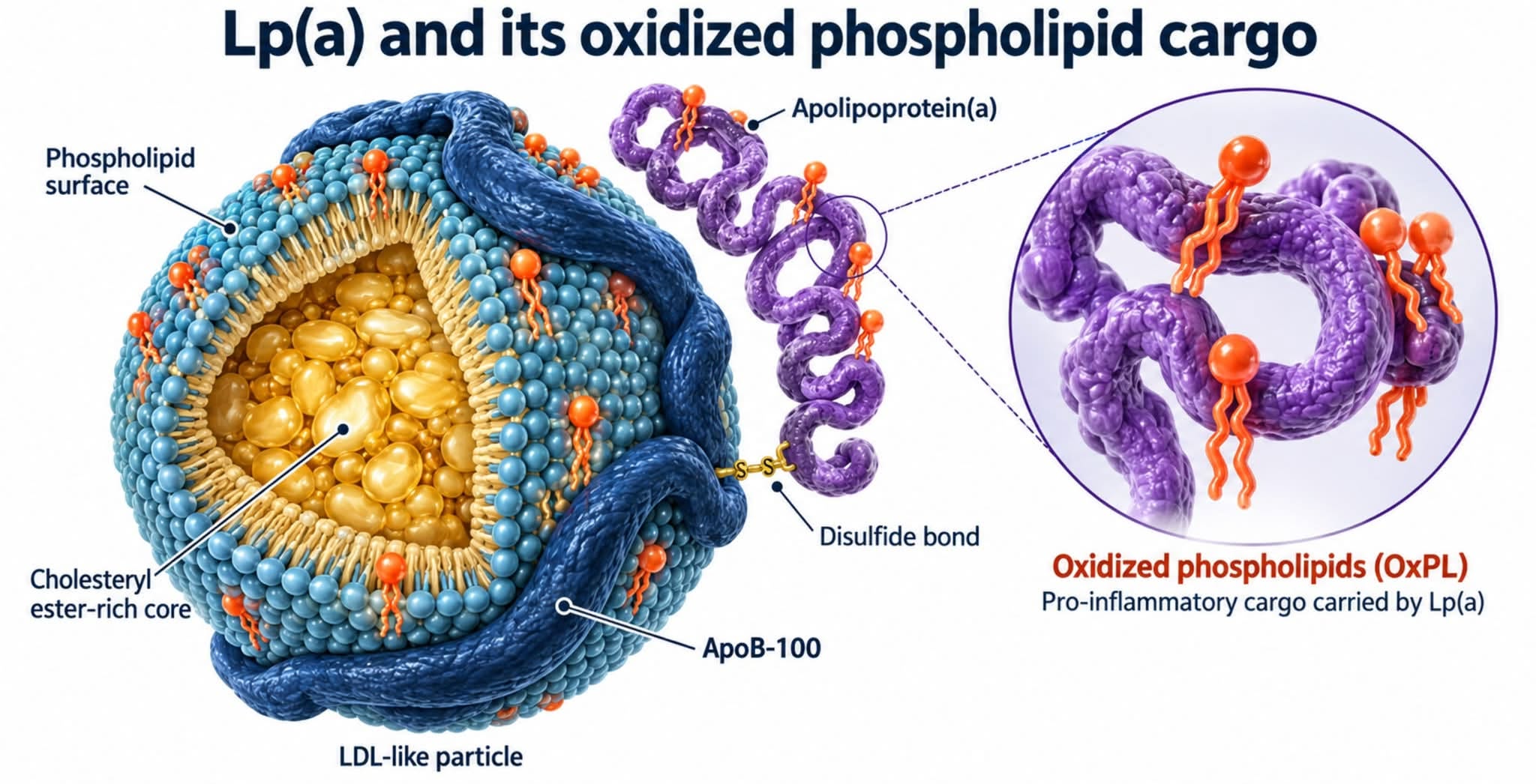
How Lp(a) captures and carries oxidized phospholipids through its apo(a) tail

Nov 10, 2026 · Louis Nervegna ♥ 1 Lp(a)

A detailed explainer on how Lp(a) is the main carrier of oxidized phospholipids (OxPL) in the blood, which may be largely responsible for the damage Lp(a) causes. Lp(a) is an LDL-like particle with apoB-100 plus an apo(a) tail made of kringle domains, and a lysine binding site in kringle IV type 10 binds OxPL.

Clonal hematopoiesis: mutant bone-marrow cells as a heart disease risk factor

Oct 01, 2026 · Louis Nervegna ♥ 1

The poster explains that clonal hematopoiesis, in which mutated blood stem cell clones expand in bone marrow, is a heart disease risk factor that becomes likely with advancing age, appears earlier in some people through genetics or chance, and a minority avoid. A shared video describes how these cells can fuel atherosclerosis.