This seems like it is worth a try.
#hypertensionHD #bloodpressureHD #wallsquatsHD #isometricsHD
Louis shares a post saying a large review found isometric exercises, especially wall squats, lowered resting blood pressure more than cardio, intervals or weights. In one trial wall squats cut systolic pressure by about 9.4 points. The routine is four 2-minute holds with 2-minute rests, three times weekly, without holding the breath.
This seems like it is worth a try.
#hypertensionHD #bloodpressureHD #wallsquatsHD #isometricsHD
Holding still against a wall can drop your blood pressure nearly 10 points in four weeks, beating running on a treadmill.
For decades we were told that 150 minutes of aerobic cardio was the gold standard for high blood pressure. But a major review of hundreds of clinical trials found something surprising: static isometric exercises, especially the humble wall squat, lowered resting blood pressure more than cardio, interval training, or weightlifting. In one trial, wall squats dropped the top number by about 9.4 points in just weeks, a reduction comparable to some blood pressure medications, which can meaningfully cut stroke risk. Why does holding still work so well? When you hold a wall squat, you briefly restrict blood flow in your thighs, and when you release, blood rushes back and signals your arteries to release nitric oxide, a compound that relaxes and widens the vessels. Here’s the tested routine: four 2-minute holds, each separated by 2 minutes of rest, three times a week. One crucial safety rule: never hold your breath, since that spikes blood pressure dangerously, so breathe steadily throughout. And if you have heart disease or take heart medication, check with your doctor first. Follow for more simple heart-health science, and share this with someone managing their blood pressure.
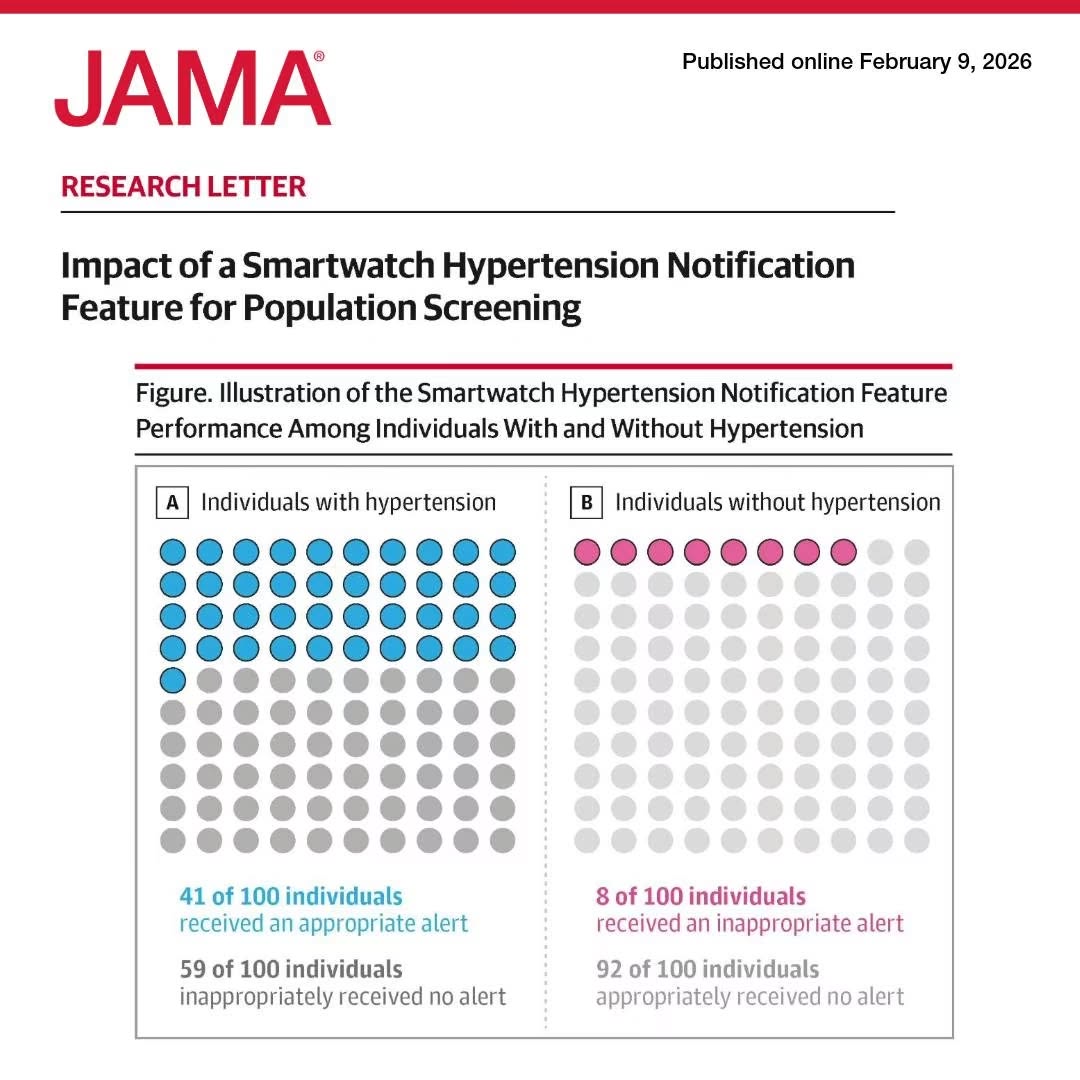
Shares a JAMA Cardiology analysis of the FDA-cleared Apple Watch hypertension notification using Apple's reported performance on national survey data: 69% of people alerted would have hypertension and 79% not alerted would not. Admin judges it better than relying on a doctor to catch it but worse than a proper cuff; cuff measurement remains the diagnostic standard.
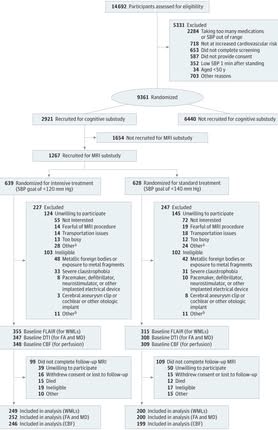
Quotes follow-up analyses of the SPRINT trial comparing a systolic target under 120 with under 140 mm Hg. Intensive treatment was projected to add 2.9 years of survival from age 50 and was linked to fewer white matter lesions and better blood flow, markers of better brain health.
Louis shares a video listing potassium-rich foods that may support healthy blood pressure: white beans, baked potatoes with skin, Swiss chard, cooked spinach and avocado. He adds tomato sauce, tomato juice and sweet potatoes.
A shared summary of an analysis of 34 trials with over 2,000 participants found modest reductions in systolic and diastolic pressure with magnesium supplementation, at a median 368 mg/day. Magnesium helps blood vessels relax and widen. Magnesium-rich foods include leafy greens, nuts, seeds and legumes.

A health-safety post warns that people taking ACE inhibitors (lisinopril, ramipril, benazepril) can develop angioedema, swelling of the lips, tongue or throat, even years later and often without itching. Risk is higher over 65, in smokers, people of African descent and those on immunosuppressants. Real swelling or breathing trouble needs emergency care.
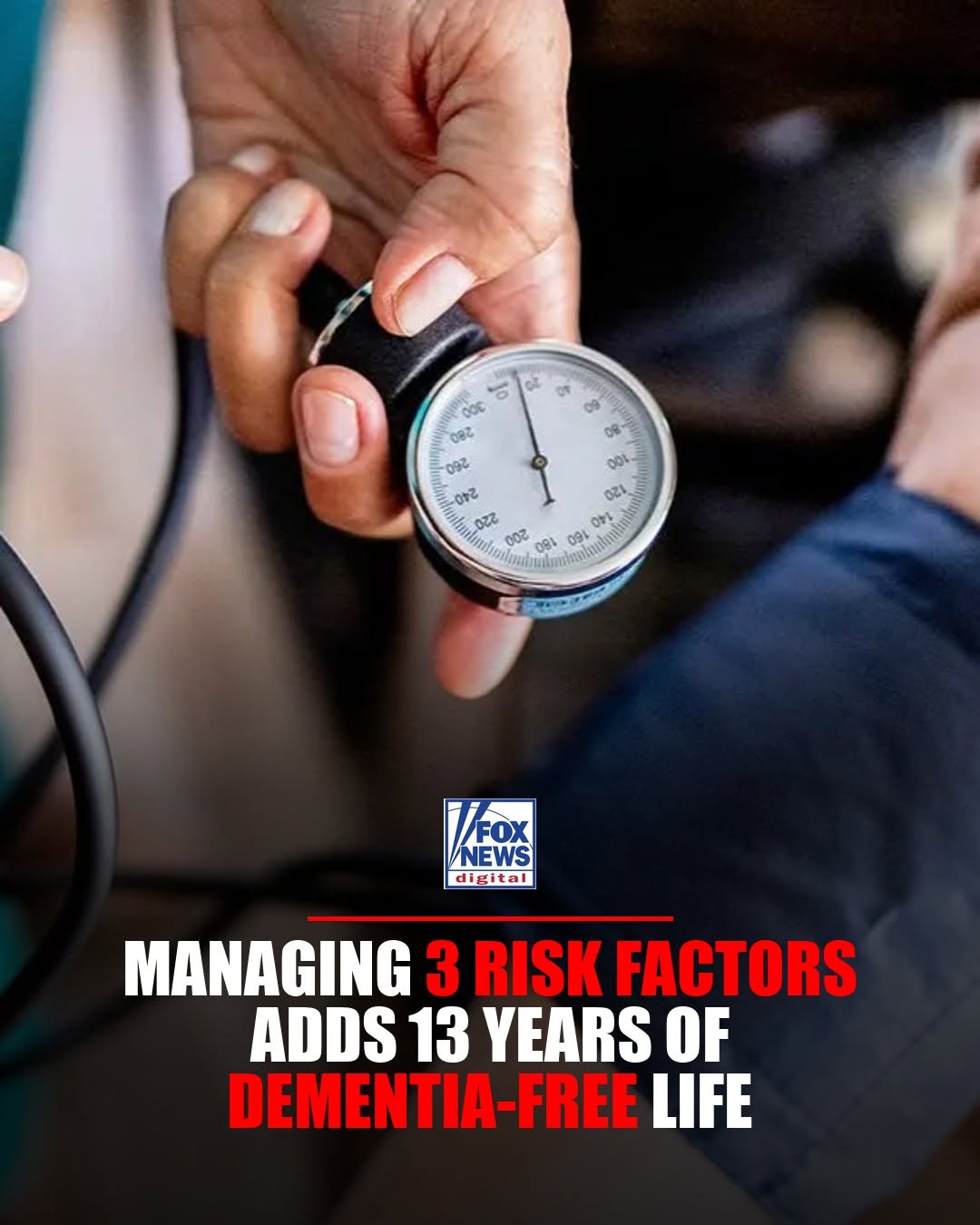
An observational study found adults who avoided high blood pressure, diabetes and smoking averaged 30 dementia-free years after baseline vs 17 years for those with all three. The study cannot prove causation.